CJU Editor-in-Chief Receives 2026 AUA Lifetime Achievement Award
Canadian Journal of Urology Now Indexed in Clarivate’s BIOSIS Databases
Revue Internationale de Géomatique Accepted for Inclusion in Scopus
Tech Science Press Announces the Latest Enhancements to the Intelligent Journal System (IJS)
Tech Science Press journals receive 2025 Journal Impact Factors

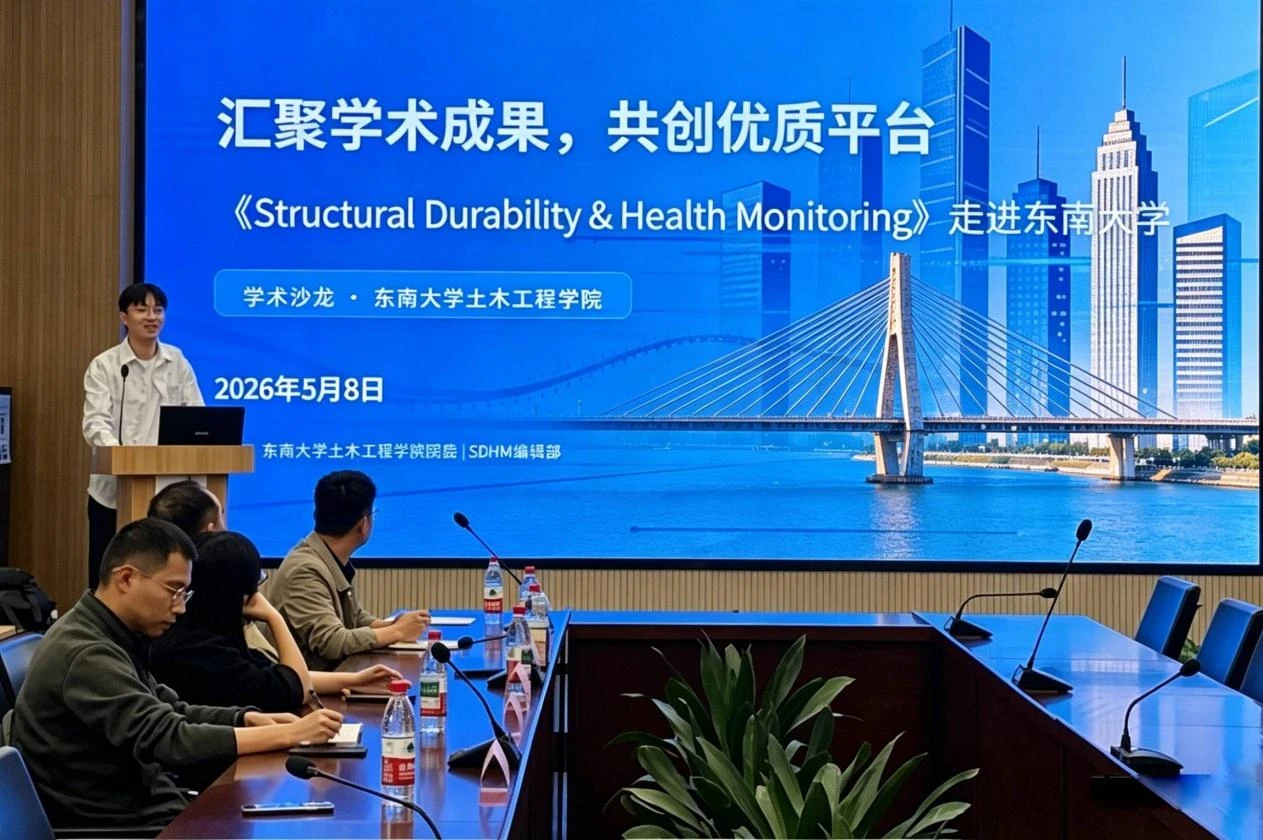
Nanjing, China, 8 May 2026 — Structural Durability & Health Monitoring (SDHM) is pleased to announce that it successfully co-organized an academic seminar with the School of Civil Engineering, Southeast University. The seminar focused on journal scope, submission guidelines, and frontier research topics in structural durability, structural health monitoring, intelligent structures, and digital construction, with active participation from faculty members and students.
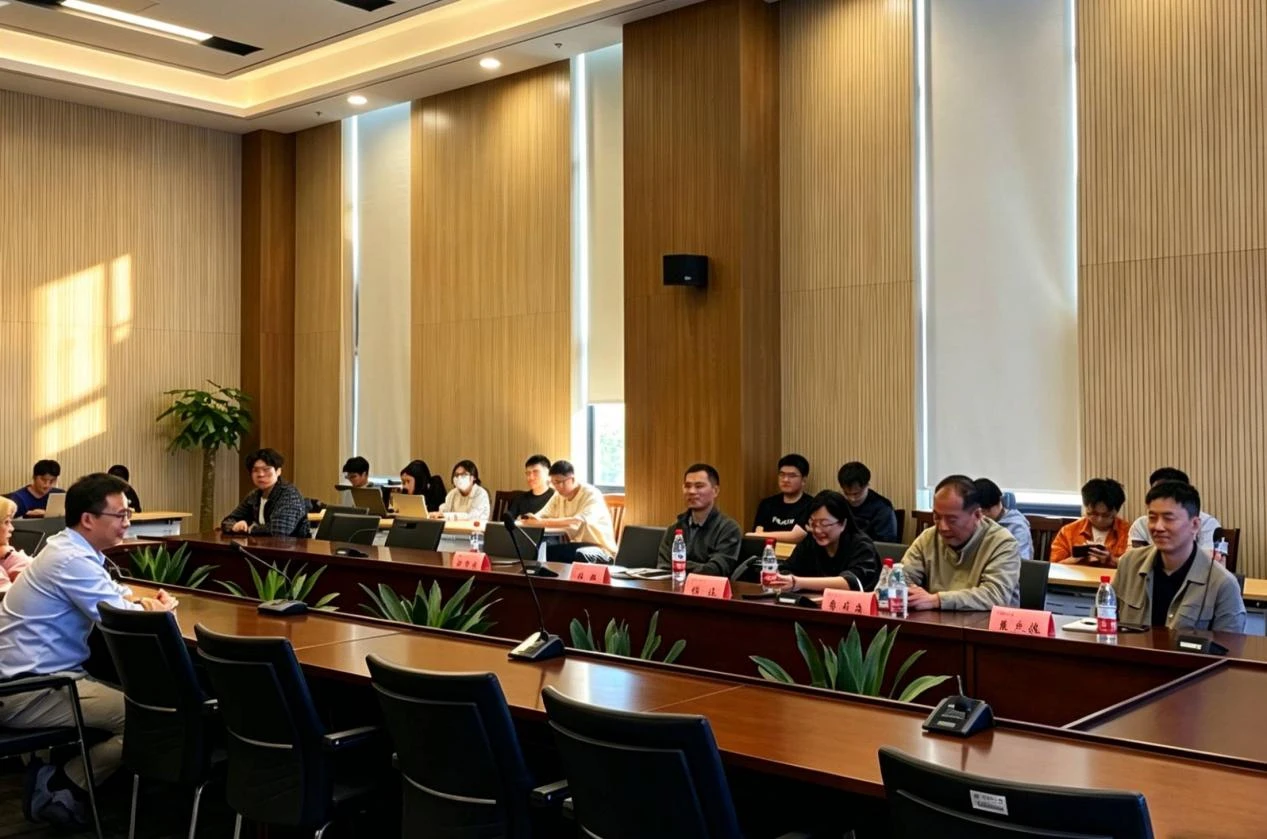
At the opening of the seminar, Associate Professor Zhiwei Shan delivered the opening remarks. He highlighted the department’s strengths in structural health monitoring, bridge engineering, and intelligent construction, noting their alignment with the scope of SDHM. He emphasized the seminar’s role in facilitating direct engagement with an international journal and improving access to publication pathways. He also expressed expectations for strengthened long-term collaboration between the school and SDHM to support the dissemination of high-quality research internationally.
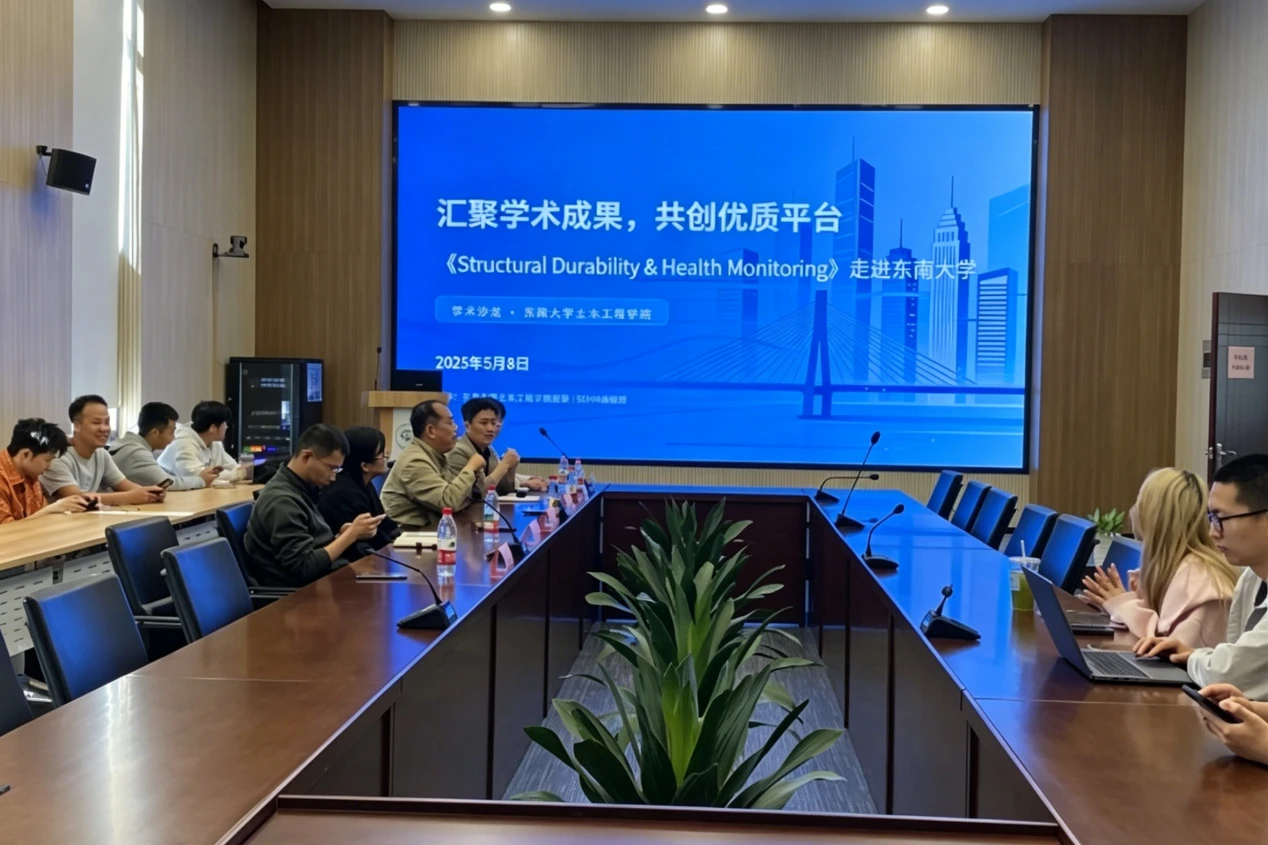
SDHM Editor Rui Teng delivered a comprehensive presentation on the journal and manuscript submission process, covering the journal’s scope and research focus, submission guidelines, peer-review and revision processes, writing and formatting considerations, current research trends, and special issue topics, providing faculty members and students with a clearer understanding of international journal publishing.
During the interactive session, Prof. Maosen Cao, Editor-in-Chief of SDHM and a member of the European Academy of Sciences and Arts, outlined key trends in civil engineering research, highlighting the evolution from empirical, theoretical, computational, and data-driven paradigms to the emerging fifth paradigm—AI for Science (AI4S). He emphasized that AI is accelerating the shift toward technology-intensive development in civil engineering, integrating with existing approaches and enabling applications such as AI-assisted design and digital twin technologies, and concluded that future research should align with real engineering needs while using AI as a tool to support meaningful and impactful outcomes.
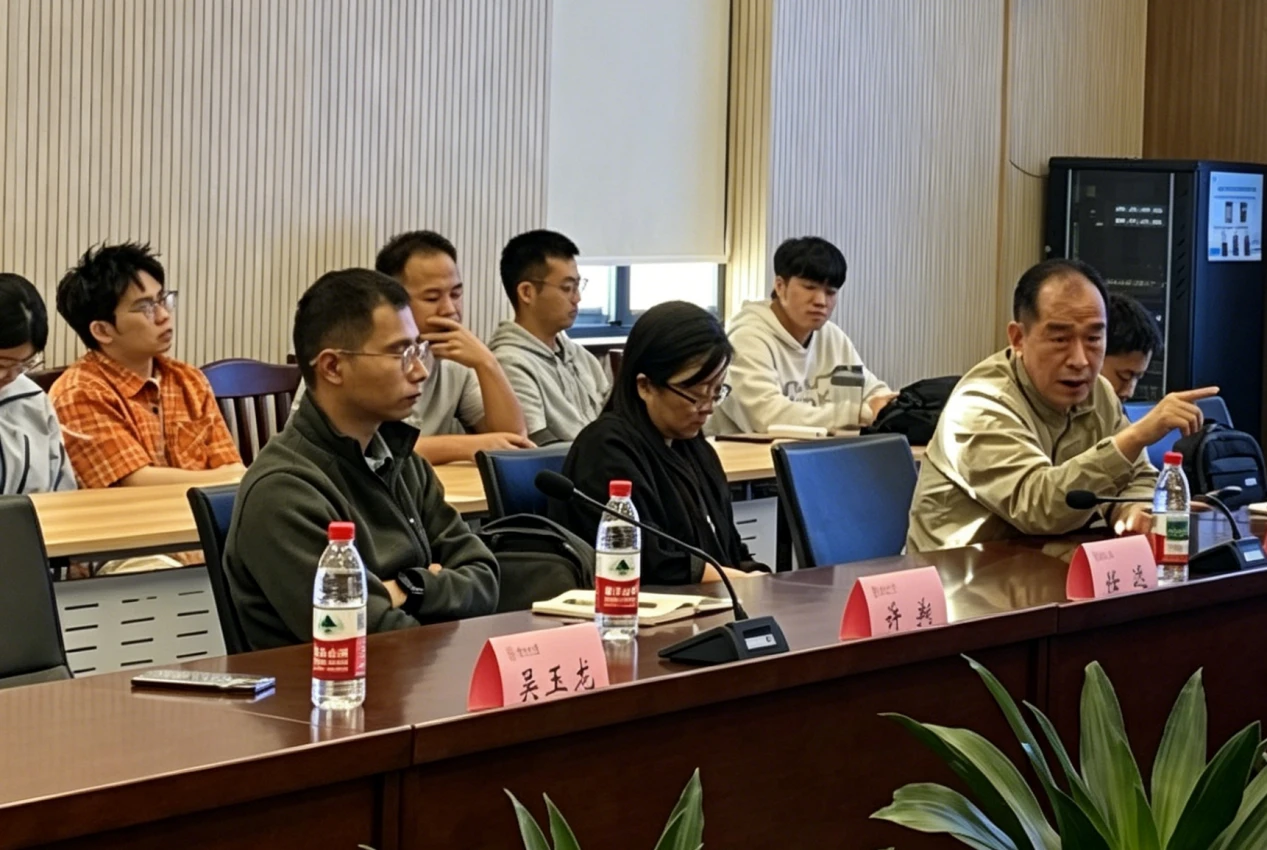
The seminar further strengthened mutual understanding between the School of Civil Engineering, Southeast University, and SDHM, laying the foundation for future collaboration in manuscript publication, special issues, and academic dissemination.
Looking ahead, SDHM will continue to support international academic exchange and promote the development of civil engineering research.

 Login
Login Register