
 Login
Login Register
 Submit a Paper
 Propose a Special lssue
 Open Access
ARTICLE
Stereo-Endoscopic Disparity Estimation via Pseudo-Label-Pretrained StyleGAN3 and Self-Supervised Test-Time Optimization
1 Future Tech Institute, Guangzhou Huashang University, Guangzhou, China
2 School of Automation, University of Electronic Science and Technology of China, Chengdu, China
3 School of Mechanical and Material Engineering, Xi’an University, Xi’an, China
4 Department of Computer Science and Engineering, Hanyang University, Ansan-si, Republic of Korea
* Corresponding Authors: Jiawei Tian. Email: ; Bo Yang. Email:
(This article belongs to the Special Issue: Emerging Artificial Intelligence Technologies and Applications-II)
Computer Modeling in Engineering & Sciences 2026, 148(3), 42 https://doi.org/10.32604/cmes.2026.086568
Received 02 June 2026; Accepted 19 August 2026; Issue published 28 September 2026
 View Full Text
 Download PDF
Abstract
Accurate disparity estimation of soft tissue surfaces in endoscopic cardiac imaging is critical for minimally invasive surgical navigation and robotic surgery. Traditional geometric models, such as thin-plate splines, and recent learning-based stereo matching networks often struggle to balance nonlinear modeling capacity, computational cost, and robustness in dynamic surgical environments. We propose TTO-StyleGAN3 (Test-Time Optimization with a simplified StyleGAN3), a hybrid framework combining pseudo-label-supervised prior learning with self-supervised test-time latent optimization. A simplified StyleGAN3 generator is first pre-trained on pseudo-disparity maps generated by a teacher estimator and subsequently serves as a learned prior over plausible cardiac disparity fields. At inference, the generator is frozen, and the latent vector for each stereo pair is optimized without disparity supervision by minimizing photometric reconstruction, structural similarity, smoothness, and region-aware losses. This design avoids training a high-capacity end-to-end disparity predictor on manually annotated dense disparity datasets, although the compact generator prior is learned from teacher-generated pseudo-disparity maps. Experiments on a silicone heart phantom dataset and an in vivo dataset from Totally Endoscopic Coronary Artery Bypass (TECAB) procedures show that our method achieves competitive performance under the present pseudo-label and evaluation protocol, while reducing generator parameter count and the cost of training a full end-to-end disparity predictor.Keywords
Disparity estimation is a fundamental task in recovering 3D surface geometry from stereo-endoscopic video, particularly in Minimally Invasive Surgical (MIS) environments [1,2]. Unlike traditional computer vision tasks, MIS scenes pose unique challenges: soft-tissue deformation, illumination variation, specular reflection, occlusion from surgical tools, and a lack of reliable ground truth data. These challenges render traditional supervised stereo matching techniques or dense pixel-wise regression approaches less effective [3–5].
To overcome the inherent limitations of handcrafted models, early methods introduced geometric priors such as Thin-Plate Splines (TPS) [6–8], which can model smooth deformation fields based on sparse control points. Although TPS can represent smooth nonlinear deformations, its fixed radial basis formulation and dependence on a limited number of control points may restrict its ability to capture complex and highly localized tissue motion. Later improvements incorporated temporal models and high-order deformation [9], yet they still relied on strong assumptions about motion continuity and control point initialization.
With the rise of deep learning, end-to-end stereo matching networks like AANet [10] have shown promise. However, these approaches often require large-scale annotated datasets or handcrafted regularization terms, and struggle with generalization in out-of-distribution scenarios such as real-time intraoperative deployment. Additionally, variational autoencoders (VAEs) and their variants (β-VAE) [11] offer generative capabilities but produce over-smoothed disparity maps lacking fine structural detail.
Recently, Generative Adversarial Networks (GANs) [12–14] and their style-based variants, the StyleGAN series [15–17], have demonstrated exceptional expressiveness and control in image synthesis. In particular, the mapping from a low-dimensional latent vector to high-dimensional image space enables compact and semantically meaningful control over outputs. Generative priors have also been combined with self-supervised consistency constraints in image restoration, where adversarial learning regularizes the output distribution and self-supervision preserves its relationship with the degraded input [18]. While prior works [19,20] demonstrated the feasibility of applying StyleGAN to disparity estimation in stereo endoscopy, challenges remain in model size, overfitting, and convergence speed.
This paper builds on the above efforts and introduces TTO-StyleGAN3 (Test-Time Optimization with a simplified StyleGAN3). Our approach embeds the disparity map in a learned generative latent space and iteratively optimizes a latent vector to minimize photometric consistency, structural similarity, and region-aware losses. This jointly enforces geometric plausibility (via the generator’s learned prior over realistic cardiac shapes) and explicit photometric self-consistency for each stereo pair, yielding disparity estimates that are both anatomically coherent and photometrically faithful, even under challenging surgical conditions. Compared to traditional TPS or VAE approaches, TTO-StyleGAN3 offers greater nonlinear representation power. Compared with end-to-end regression networks, the framework is more annotation-efficient because it does not require manually acquired dense disparity labels; nevertheless, its generator pre-training relies on pseudo-disparity maps generated by a teacher model.
To ensure robustness in real surgical scenes, we further introduce an effective region masking scheme that mitigates the effect of specular highlights and illumination inconsistencies. This scheme enhances both the stability of generator pre-training and the accuracy of the subsequent test-time latent optimization.
We validate our method on two stereo-endoscopic video datasets: (1) Phantom, generated using a silicone heart driven by pneumatic actuation, providing clean motion but simplified texture and lighting conditions; and (2) In vivo, a real-world dataset captured from Totally Endoscopic Coronary Artery Bypass (TECAB) procedures using da Vinci robotic systems. The In vivo data presents greater challenges due to complex soft tissue deformation, blood presence, fogging, and dynamic illumination, serving as a testbed for disparity estimation models.
Comprehensive experiments demonstrate that TTO-StyleGAN3 achieves competitive performance across Peak Signal-to-Noise Ratio (PSNR), Structural Similarity Index (SSIM), Root Mean Square Error (RMSE), and photometric consistency metrics, while using fewer parameters and achieving competitive performance on both the Phantom and In vivo datasets.
The proposed TTO-StyleGAN3 framework comprises two stages with different supervision mechanisms. First, a compact StyleGAN3 generator is pre-trained using teacher-generated pseudo-disparity maps to learn a low-dimensional disparity prior. Second, at test time, the generator is frozen and a scene-specific latent vector is optimized using only image-derived reconstruction and regularization losses, without using disparity labels for the test sample.
2.1 Generator Architecture (TTO-StyleGAN3)
A closely related style-based GAN approach is the lightweight StyleGAN adaptation proposed by Yang et al. [19], which was tailored for disparity estimation by reducing network depth and parameter count. This work demonstrated that the latent space of a style-based generator can effectively model disparity maps with substantially fewer parameters.
Building upon this idea, we designed a further improved generator, derived from StyleGAN3, which constitutes the generative core of TTO-StyleGAN3. Compared with the full StyleGAN3, our generator reduces the number of convolutional layers and channel dimensions and removes the ToRGB layer, which maps intermediate feature maps to the disparity domain. These changes cut the parameter count by nearly half, mitigating overfitting on small-scale medical datasets and improving computational efficiency. Importantly, the removal of stochastic per-pixel noise makes disparity generation strictly determined, governed solely by the input latent vector. The resulting architecture strikes a practical balance between expressiveness and efficiency, reducing the computational cost of each test-time optimization iteration. However, the complete iterative inference procedure is not yet suitable for real-time surgical deployment. Fig. 1 illustrates the generator structure.
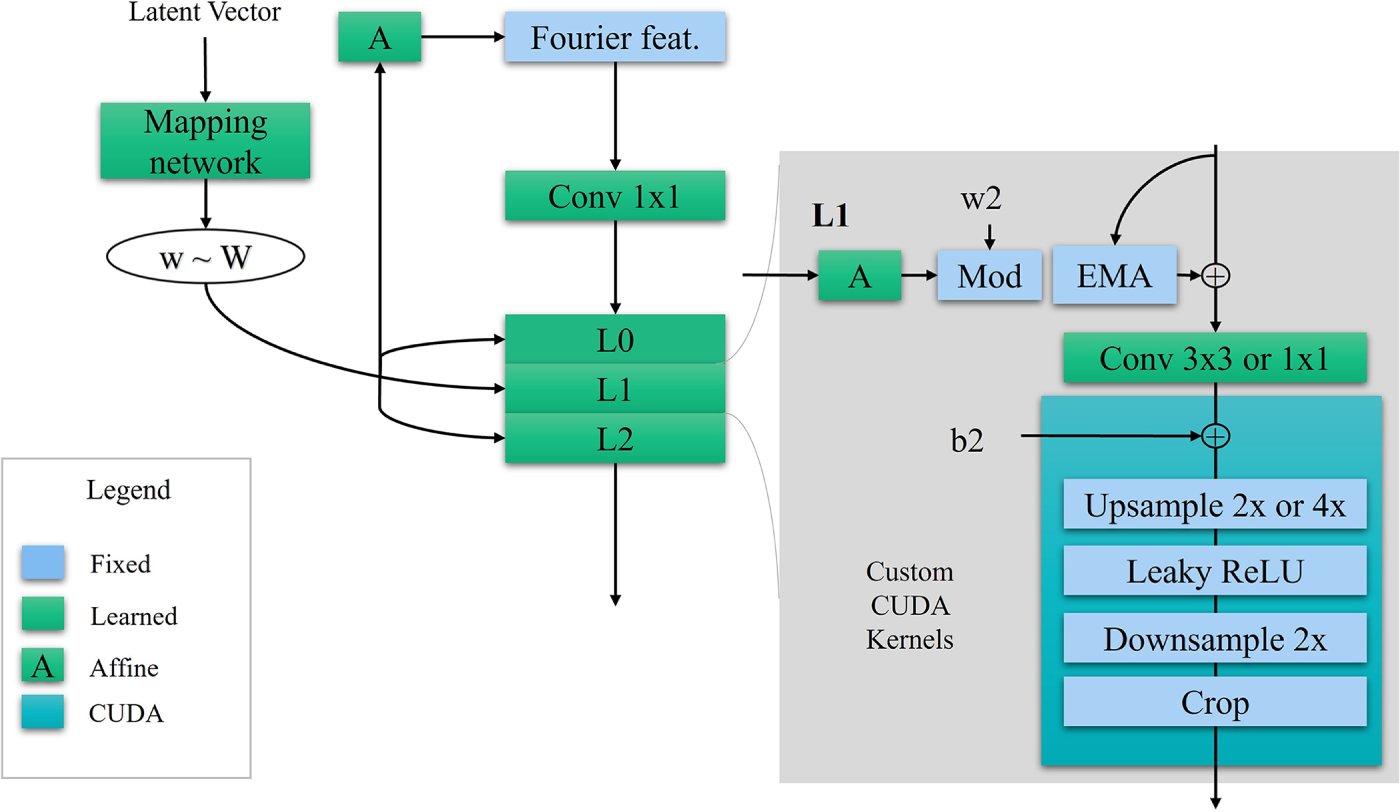
Figure 1: Generator structure of TTO-StyleGAN3.
The generator is pre-trained under pseudo-label supervision using dense disparity maps generated by a previously developed teacher estimator. The teacher model is used only to generate pseudo-disparity maps for the training split and is not used during test-time inference. Therefore, the generator-prior learning stage is not self-supervised. After pre-training, the discriminator is discarded and the frozen generator is used only as a disparity prior during self-supervised test-time optimization.
2.2 Latent Vector Optimization
Instead of directly regressing pixel-wise disparity, the framework recasts disparity estimation as a per-sample latent optimization problem. For each new stereo pair, we search for an optimal latent vector
where
The loss function
Through iterative optimization,
For a latent vector
where
To compensate for the global brightness difference between the stereo views, we calculate a constant luminance offset from the masked grayscale means, as shown in Eq. (3):
where
Here,
The masked photometric loss is defined as Eq. (5):
The appearance matching loss combines L1 and SSIM terms, shown in Eq. (6):
where,
where
The binary mask is generated automatically from the grayscale left image, right image, and reconstructed right image. Pixels with intensity higher than threshold
No manual annotation or additional segmentation network is required.
The complete objective is shown in Eq. (9):
where
We evaluate the proposed TTO-StyleGAN3 framework on two stereo-endoscopic datasets. All experiments were conducted on a cloud server running Ubuntu 18.04 with PyTorch 1.9.1 and an NVIDIA V100 (32 GB) GPU. StyleGAN3 was configured to use half-precision (FP16) computation, which was adopted for both generator pre-training and latent optimization.
Two calibrated stereo-endoscopic video datasets are used, each containing sequences of 700 frames at a resolution of 288 × 360 pixels.
Phantom Dataset [21]: Acquired on a pneumatically actuated silicone heart phantom. This dataset provides controlled motion and simplified textures, enabling quantitative evaluation under clean conditions.
In vivo Dataset [22,23]: Recorded during TECAB procedures using a da Vinci robotic system. It contains real surgical challenges including soft-tissue deformation, blood, fogging, specular reflections, and dynamic illumination.
For disparity estimation, a 256 × 256-pixel region of interest (RoI) is cropped from each right-view image (yellow box in Fig. 2). For the In vivo dataset, the RoI starts at
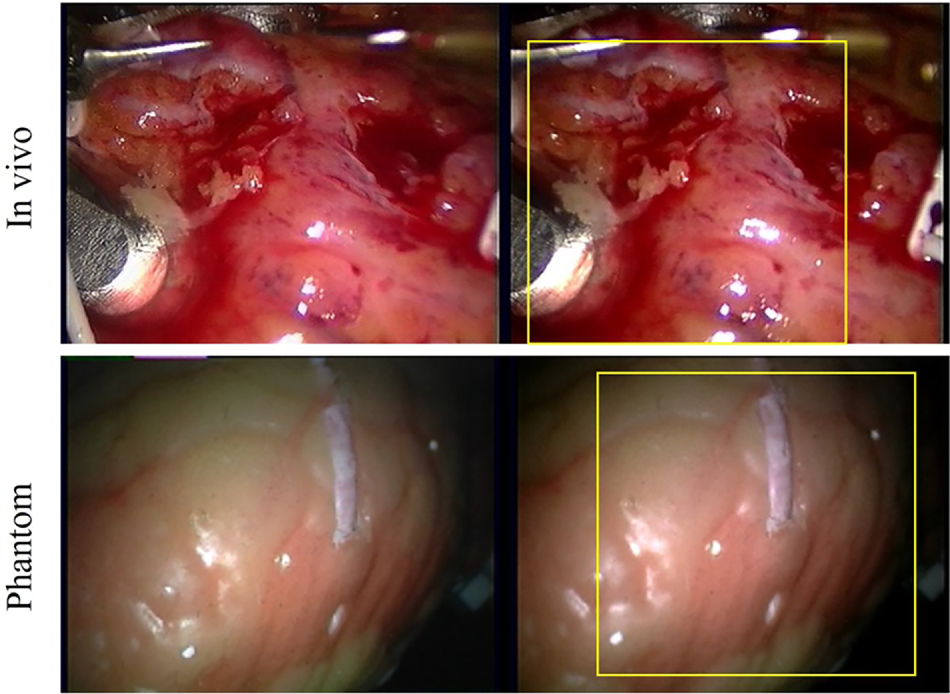
Figure 2: Stereoscopic endoscope video data.
Each sequence is split into 600 frames for training (used to pre-train the generator or to train baseline models) and 100 frames for testing. Because ground-truth disparity is unavailable, we generate teacher-generated pseudo-disparity maps for the training split using a high-fidelity disparity estimator based on our previous StyleGAN-based framework [19] with an extended latent search. The same pseudo-disparity maps were used for all learning-based methods to maintain a consistent supervision source. Nevertheless, because the teacher estimator and the TTO-StyleGAN models belong to related generative-model families, this protocol may favor models with similar inductive biases. Therefore, the comparison does not completely eliminate teacher-model bias.
These pseudo-labels serve as supervision for pre-training our TTO-StyleGAN3 generator, and for training the following baseline models: TTO-StyleGAN2, Diff-StyleGAN2 (a StyleGAN2 generator trained under the Diffusion-GAN paradigm [24]), and β-VAE [11]. For fair comparison, all generators operate with a 16-dimensional latent space, ensuring that any performance differences stem from architectural design rather than latent dimensionality. Note that for AANet [10], which is a supervised stereo matching network rather than a generative model, the input consists of the real stereo image pairs and the pseudo disparity maps serve as the training targets.
During testing, we additionally construct a set of sparse feature-matched disparity values to serve as a quantitative reference. For 100 test frames, we extract Oriented FAST and Rotated BRIEF (ORB) features from each stereo pair, perform brute-force matching, and retain the five best matches per frame after rejecting outliers via a disparity consistency threshold. This yields 500 high-confidence matched points across the test set, providing sparse correspondence references for RMSE calculation. These points were selected conservatively to reduce mismatches in texture-poor and specular regions. An example of the ORB feature extraction and stereo matching procedure is shown in Fig. 3.
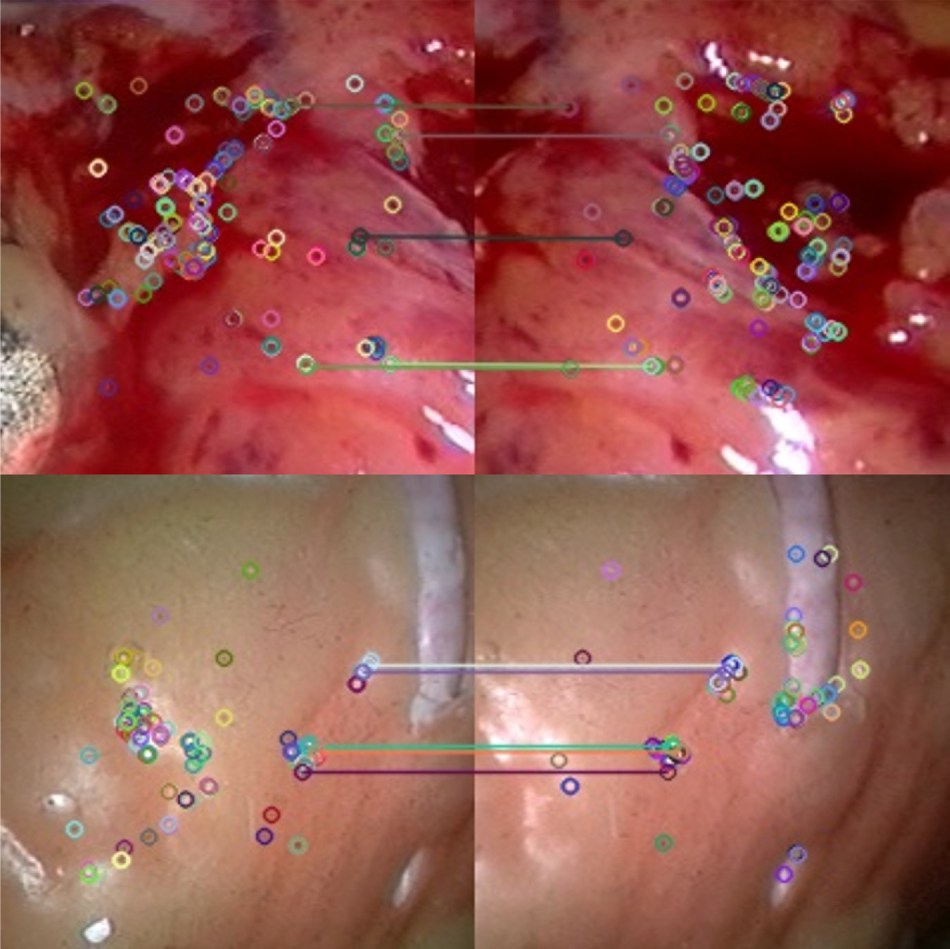
Figure 3: ORB feature extraction and matching.
To quantitatively evaluate disparity estimation, four complementary metrics, PSNR, SSIM, RMSE, and photometric consistency error, are employed in Eqs. (10)–(12).
(1) Peak Signal-to-Noise Ratio (PSNR): measures reconstruction fidelity between the original right image
where
(2) Structural Similarity Index (SSIM): assesses perceptual similarity between
where
(3) Sparse-correspondence RMSE evaluates local disparity accuracy at the 500 reliably matched ORB feature locations. Let
(4) Photometric Consistency Error: measures the mean squared error between
Together, these metrics evaluate both the visual quality of the reconstructed views and the numerical accuracy of the estimated disparity.
The TTO-StyleGAN generator is pre-trained under pseudo-label supervision using the teacher-generated disparity maps described in Section 3.1. No pseudo-disparity label or teacher-model prediction is used during test-time latent optimization. Following the StyleGAN3 training paradigm, the generator uses a non-saturating logistic loss
with
β-VAE is trained for 100 epochs using the same pseudo ground truth disparity maps. AANet was optimized using Adam with an initial learning rate of
At inference, the generator is frozen. For each stereo pair, a latent vector is initialized randomly and optimized for a maximum of 150 iterations using the Adam optimizer with a learning rate of 0.05. The total loss defined in Eq. (9) drives the optimization. Convergence is typically reached within the iteration budget, yielding a per-sample disparity map.
4 Experimental Results and Analysis
4.1 Quantitative Comparison of Performance of Each Model
TTO-StyleGAN2, TTO-StyleGAN3, and Diff-StyleGAN2 were pre-trained using the same pseudo-disparity maps. For the classical geometric baselines, we adopted TPS models with 16 and 25 control points, denoted as TPS-16 and TPS-25, respectively. The control points were arranged on regular 4 × 4 and 5 × 5 grids. TPS-16 was selected to match the 16-dimensional latent space used by the generative models, enabling comparison under a similar number of optimizable variables. TPS-25 was included as a higher-capacity geometric baseline to examine whether increasing the number of control points could compensate for the limited nonlinear representation of TPS. These settings were chosen for methodological comparison rather than for a specific clinical rationale. Both TPS variants followed the same test-time optimization procedure as the TTO models, with their control-point disparities optimized for each stereo pair using the same reconstruction objective.
The TTO-StyleGAN2 and TTO-StyleGAN3 generators share a similar synthesis subnetwork structure, consisting of 7 resolution levels, with feature maps progressively growing from 4 × 4 to 256 × 256. Each level contains 32 channels, and all but the final synthesis level employ 32 convolution kernels.
Fig. 4 shows the per-frame photometric loss (
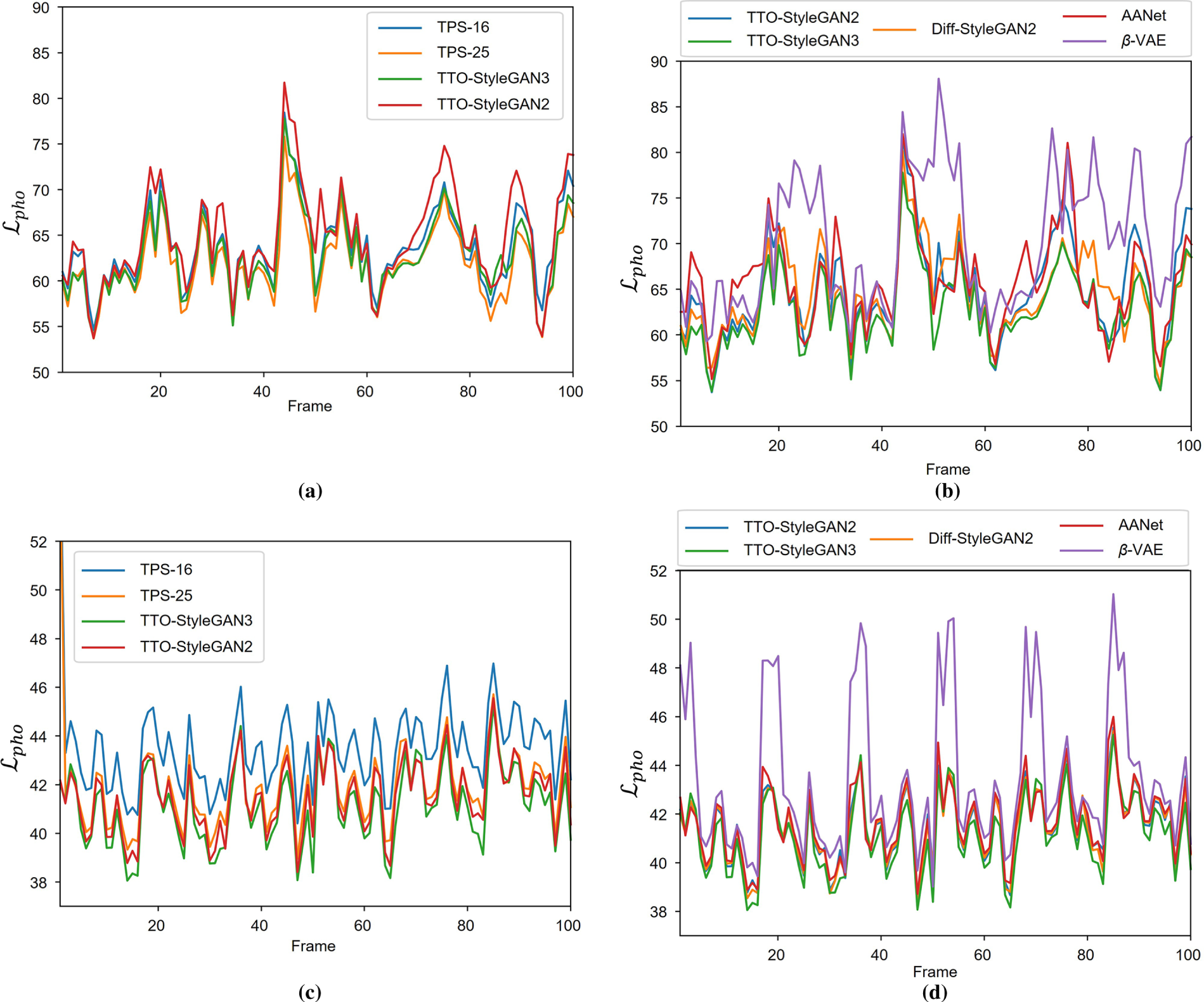
Figure 4: Photometric loss curves for 100 test frames. (a) TPS vs. TTO-StyleGAN series models on the in vivo dataset; (b) deep learning models on the in vivo dataset; (c) TPS vs. TTO-StyleGAN series models on the phantom dataset; (d) deep learning models on the phantom dataset.
In the test phase, we evaluated the optimized disparity from each model. For a fair comparison, all latent-optimization-based models (TTO-StyleGAN2, TTO-StyleGAN3, and Diff-StyleGAN2) were initialized using the same latent vector. For each test frame, optimization was performed for a maximum of 150 iterations, and the disparity map corresponding to the minimum was selected as the final output.
The similarity between the original right-view RoI and the one reconstructed by warping the left image with the estimated disparity serves as an indirect yet reliable measure of accuracy. To comprehensively assess the quality of the estimated disparity maps, we averaged several metrics across the 100 test frames. The quantitative results are summarized in Table 1, where
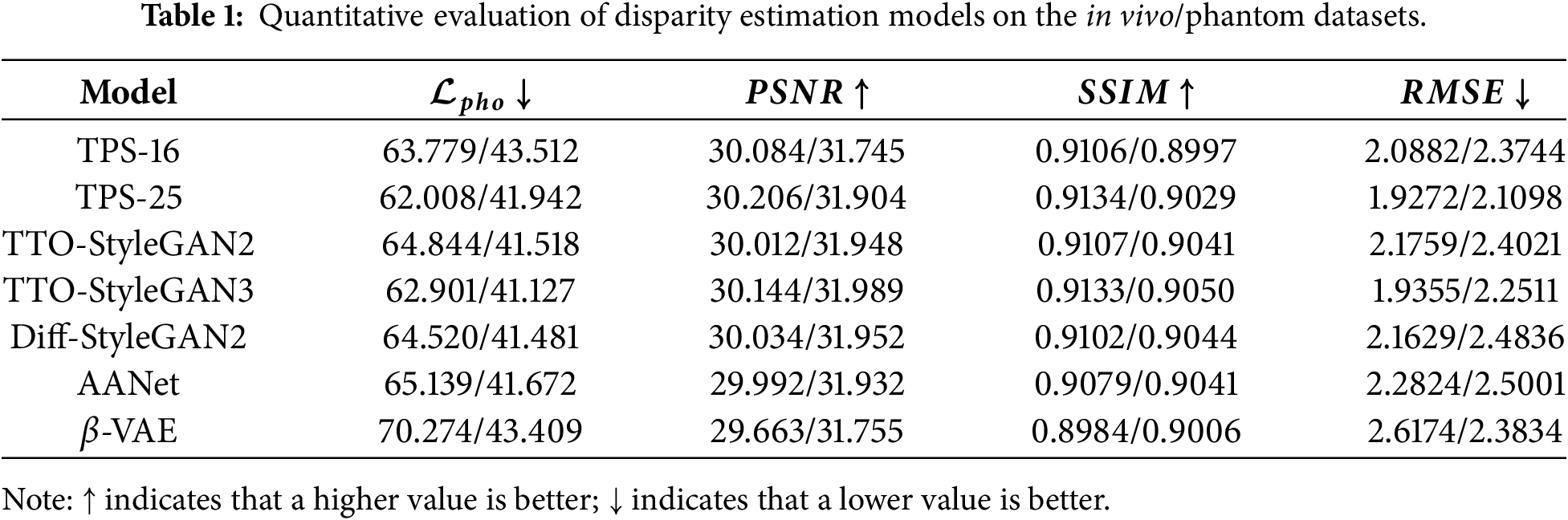
On the Phantom dataset, the TTO-StyleGAN series and Diff-StyleGAN2 achieve competitive performance under the present evaluation protocol. These methods combine a pseudo-label-pretrained generative prior with self-supervised test-time latent optimization. Specifically, the generator prior is learned offline from teacher-generated pseudo-disparity maps, whereas the latent vector for each test frame is optimized without disparity supervision using image reconstruction and regularization losses. By searching within a compact nonlinear latent space and excluding specular regions from the reconstruction objective, the TTO-based methods obtain photometric losses close to, and in some cases lower than, those of TPS-25.
Compared with the feed-forward AANet, the TTO-based methods can adapt their latent variables to each test frame through iterative reconstruction optimization. This per-frame adaptation may improve reconstruction consistency under distribution shifts, but it also incurs substantially higher inference cost. Therefore, the comparison should be interpreted as an accuracy–adaptability–efficiency trade-off between two different inference paradigms rather than as a strictly equal-computation benchmark. While β-VAE occasionally achieves a low photometric loss on individual frames, its overall performance is less stable. Its average photometric loss is the highest on the In vivo dataset, whereas on the Phantom dataset it is slightly lower than that of TPS-16 but higher than those of the other evaluated models.
On the more challenging In vivo dataset, TPS-25 achieves the lowest average photometric loss. This result cannot be attributed solely to its larger number of optimized variables. Its denser
4.2 Qualitative Comparison of Reconstructed Views and Disparity Maps
To gain deeper insight into the behavior of each model beyond the aggregate metrics reported in Section 4.1, we visually inspect the estimated disparity maps and the resulting 3D surface reconstructions. Figs. 5 and 6 display the disparity maps produced by all models on representative frames from the In vivo dataset.
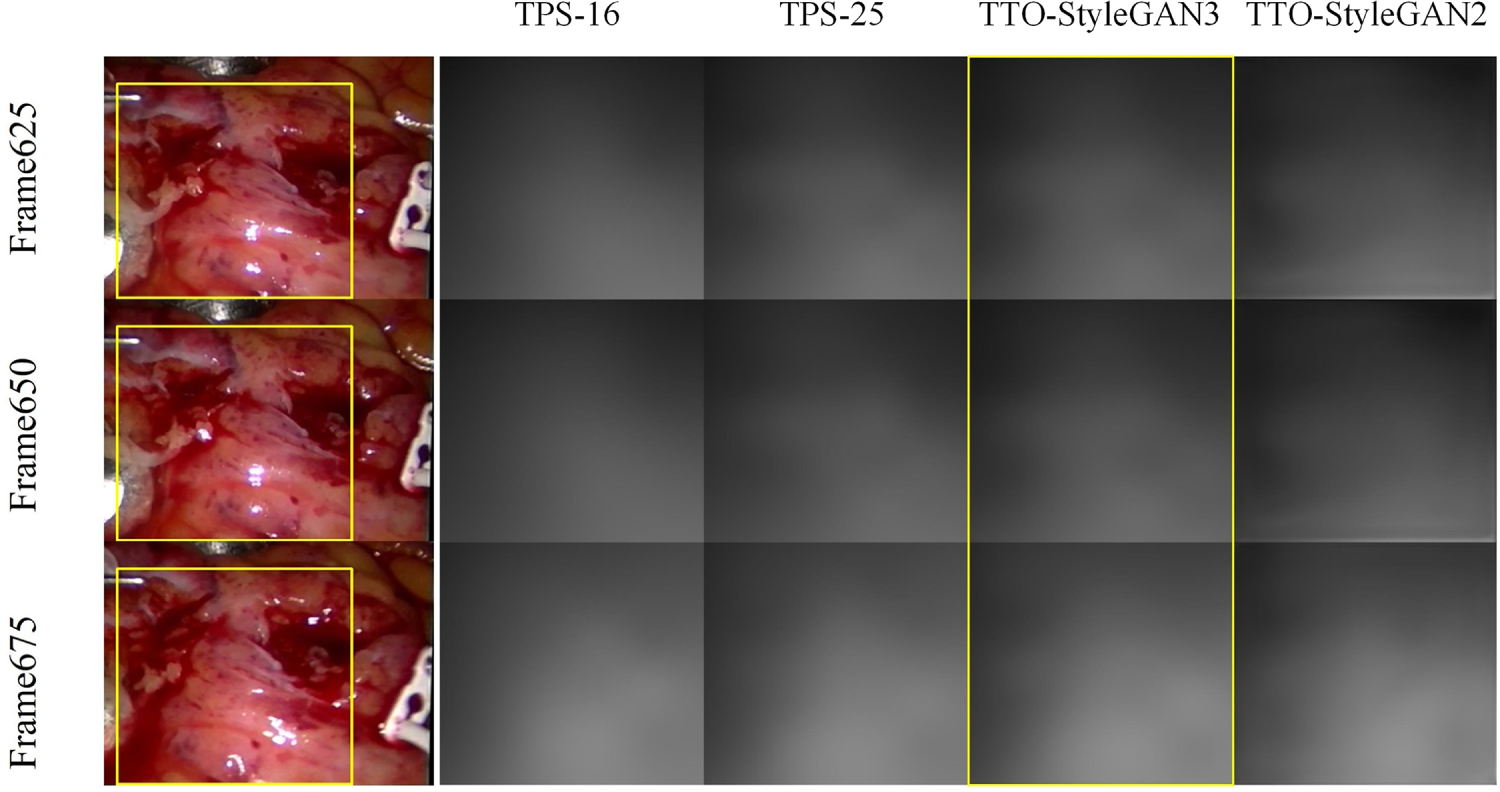
Figure 5: Disparity estimation results of TPS vs. StyleGAN series models on the in vivo dataset.
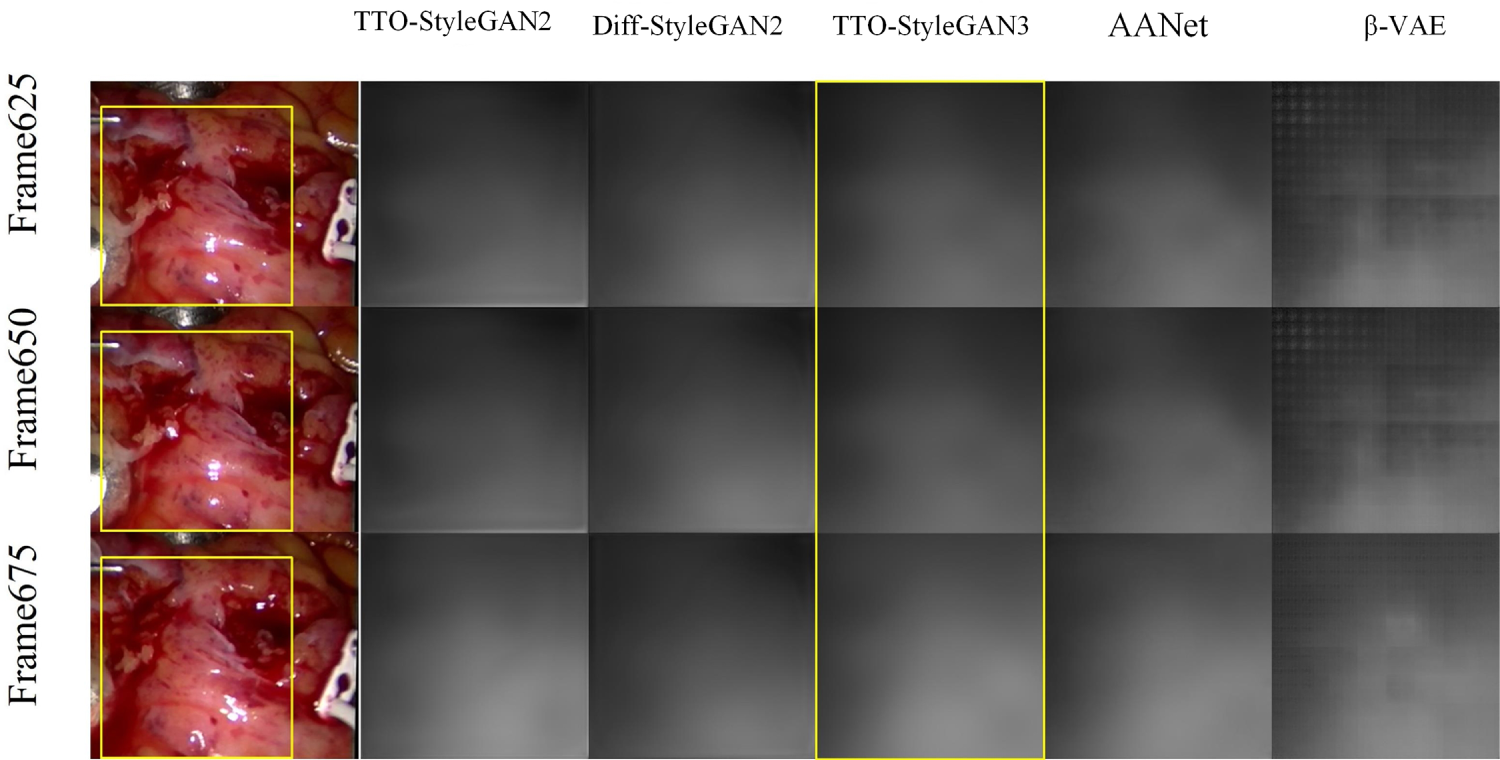
Figure 6: Disparity estimation results of deep learning network on the in vivo dataset.
TPS-16 produces overly smooth disparity maps that lack fine structural detail and fail to accurately capture localized soft tissue deformation. In contrast, all generative models and the stereo matching network are capable of preserving higher-frequency geometric detail. The notable exception is β-VAE, whose low-resolution latent representation introduces visible discontinuities and a tiled, blocky appearance in the disparity maps.
Among the generative models, TTO-StyleGAN2 shows signs of overfitting, with noisy artifacts appearing in textureless regions. Diff-StyleGAN2 exhibits the opposite problem: its disparity maps are excessively smooth and lack sharp depth boundaries, resembling the under-representation observed with TPS-16. Although TTO-StyleGAN3 contains approximately half the parameters of TTO-StyleGAN2, its disparity maps are visually on par with those of TPS-25, preserving both fine surface details and clean depth edges. This demonstrates that the simplified architecture does not sacrifice representational quality.
Figs. 7 and 8 show the corresponding reconstructed 3D surfaces for sample frames from both datasets.
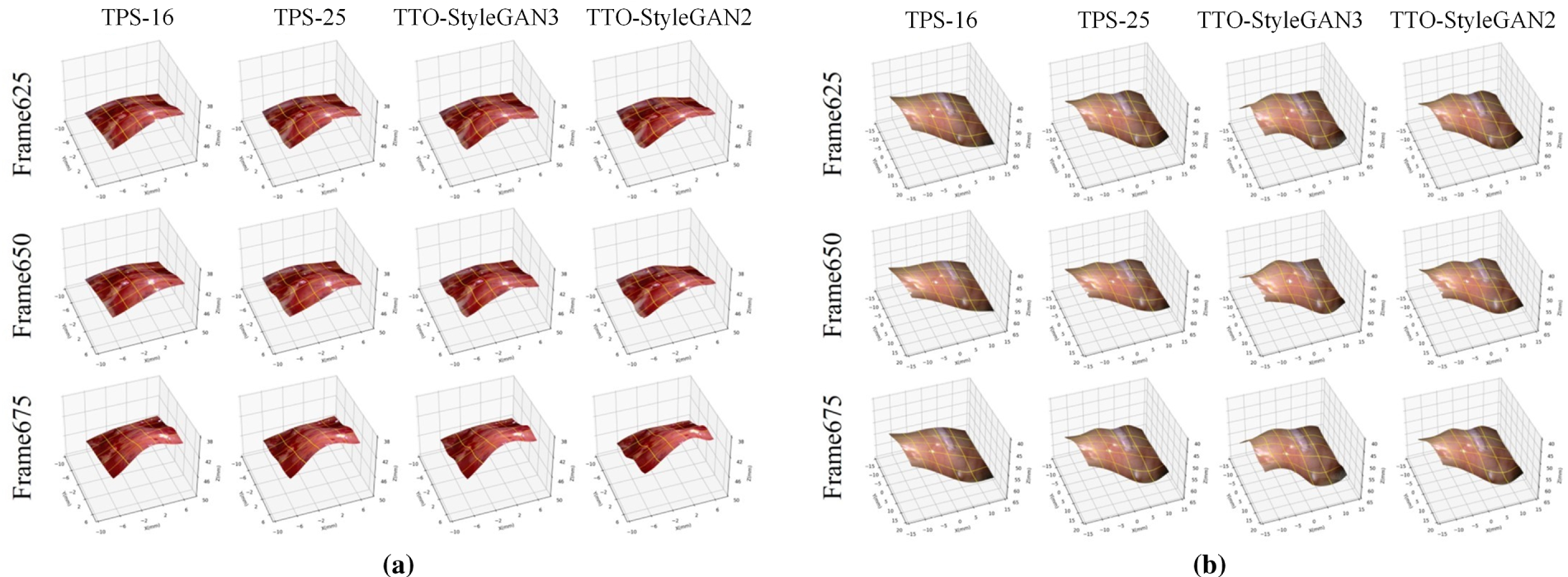
Figure 7: Reconstructed 3D surfaces: TPS vs. TTO-StyleGAN series models. (a) In vivo dataset; (b) phantom dataset.
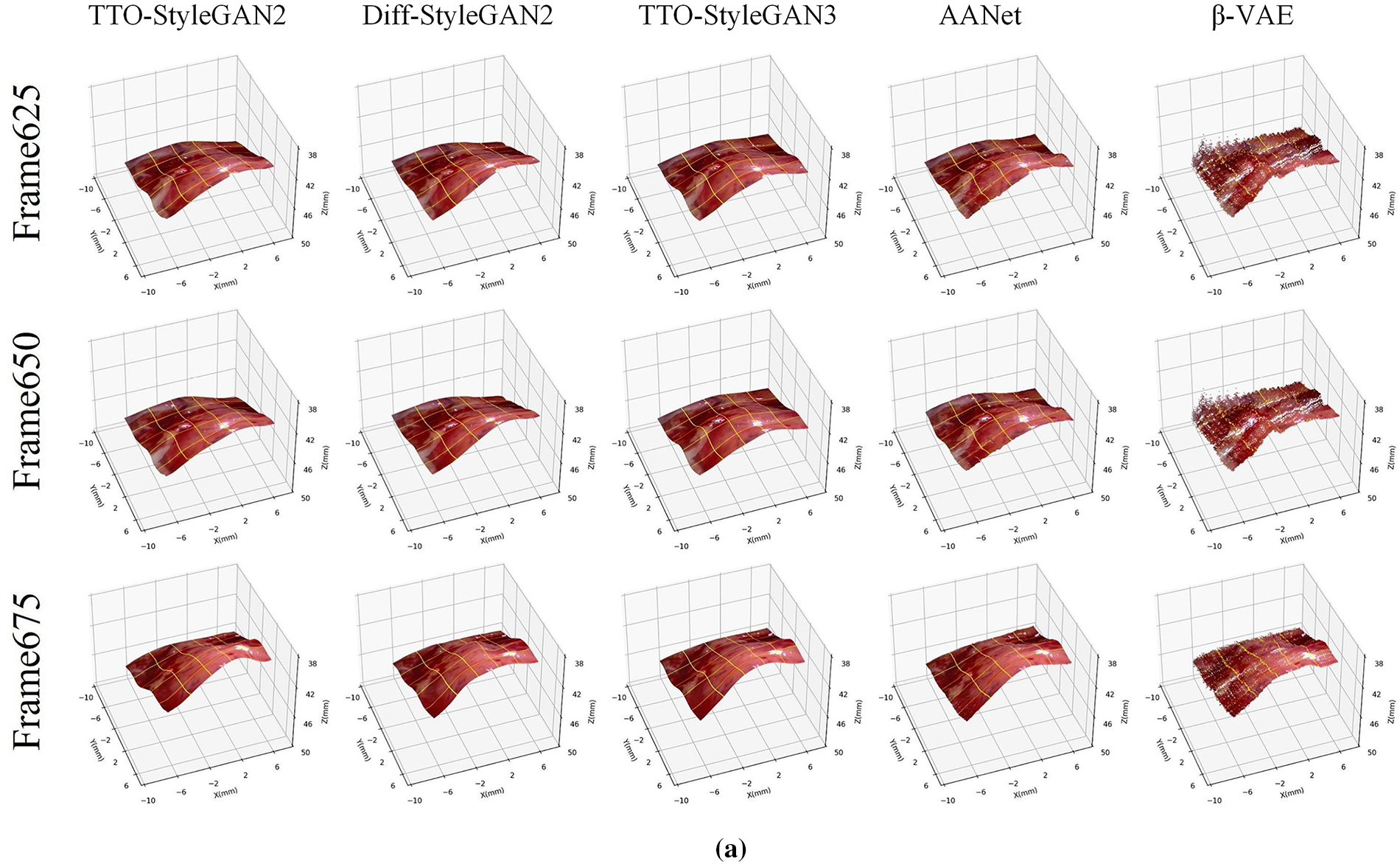
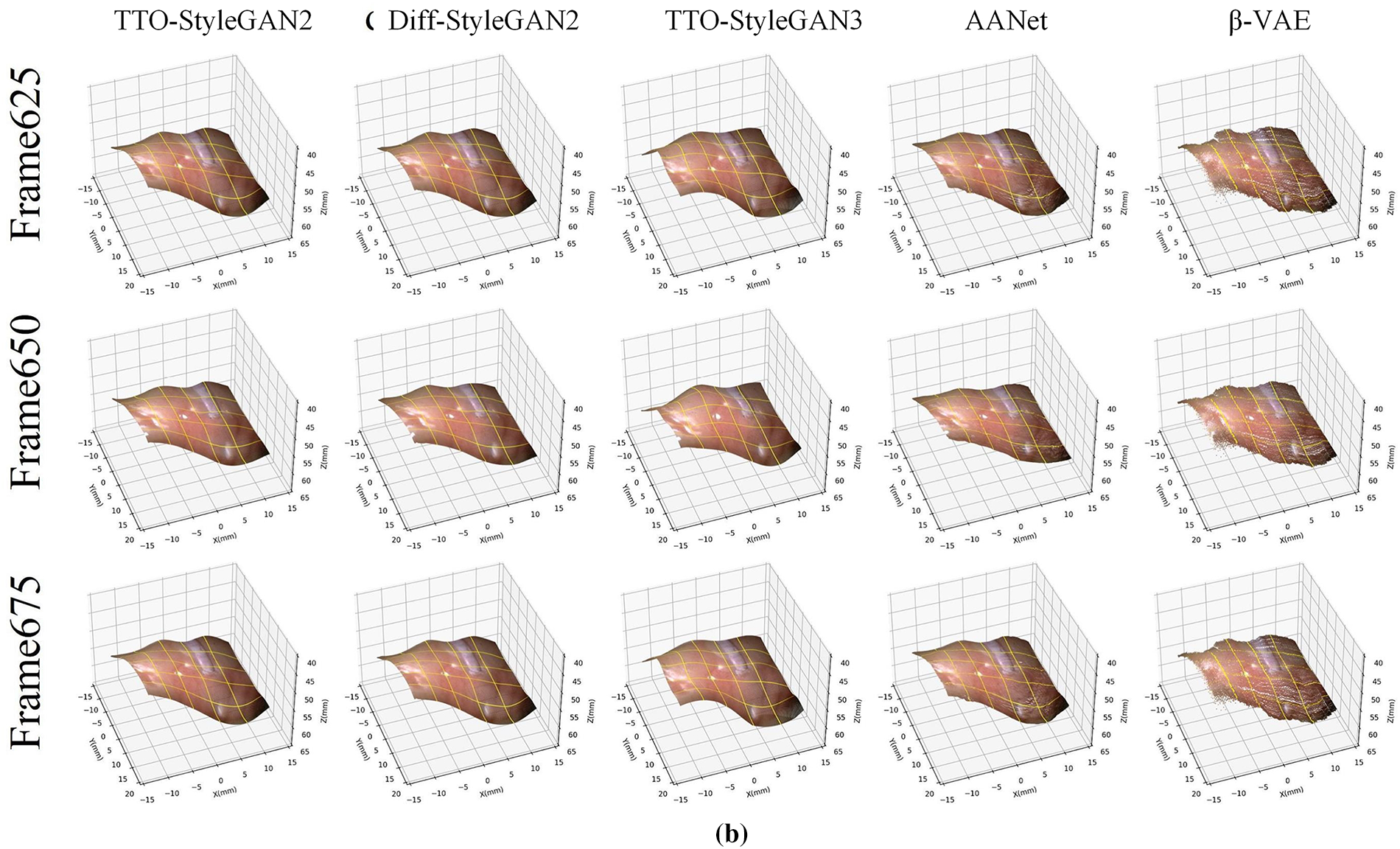
Figure 8: Reconstructed 3D surfaces by deep learning networks. (a) In vivo dataset; (b) phantom dataset.
All five models (TPS-16, TPS-25, TTO-StyleGAN2, TTO-StyleGAN3, Diff-StyleGAN2) produce globally plausible 3D surfaces. In contrast, the end-to-end network AANet generates disparity maps with poor spatial continuity and numerous small bumps, which are visibly amplified in the 3D reconstructions. While increasing the weight of the disparity smoothness loss in the loss function
The β-VAE model yields the least coherent surfaces. Even with an increased smoothness weight, its reconstructions remain fragmented and discontinuous, consistent with the discretization artifacts observed in its disparity maps. Overall, β-VAE exhibits poorer surface continuity than the other evaluated models under the present evaluation protocol.
4.3 Robustness to Occlusion and Motion Blur
To evaluate the resilience of the deep learning models under realistic surgical disturbances, we conducted robustness experiments on the In vivo dataset, simulating two common artifacts: occlusions and motion blur.
For occlusion, we masked a square region at the center of the RoI with white pixels, simulating the effect of a surgical tool or blood droplet obscuring the tissue surface. Tests were performed at five occlusion scales (e.g., 10 × 10, 20 × 20, 30 × 30, 40 × 40, and 50 × 50 pixels) to assess performance degradation as the occluded area increases. For motion blur, we convolved each frame with Gaussian kernels of varying standard deviations
For each perturbation, we computed the averaged photometric loss
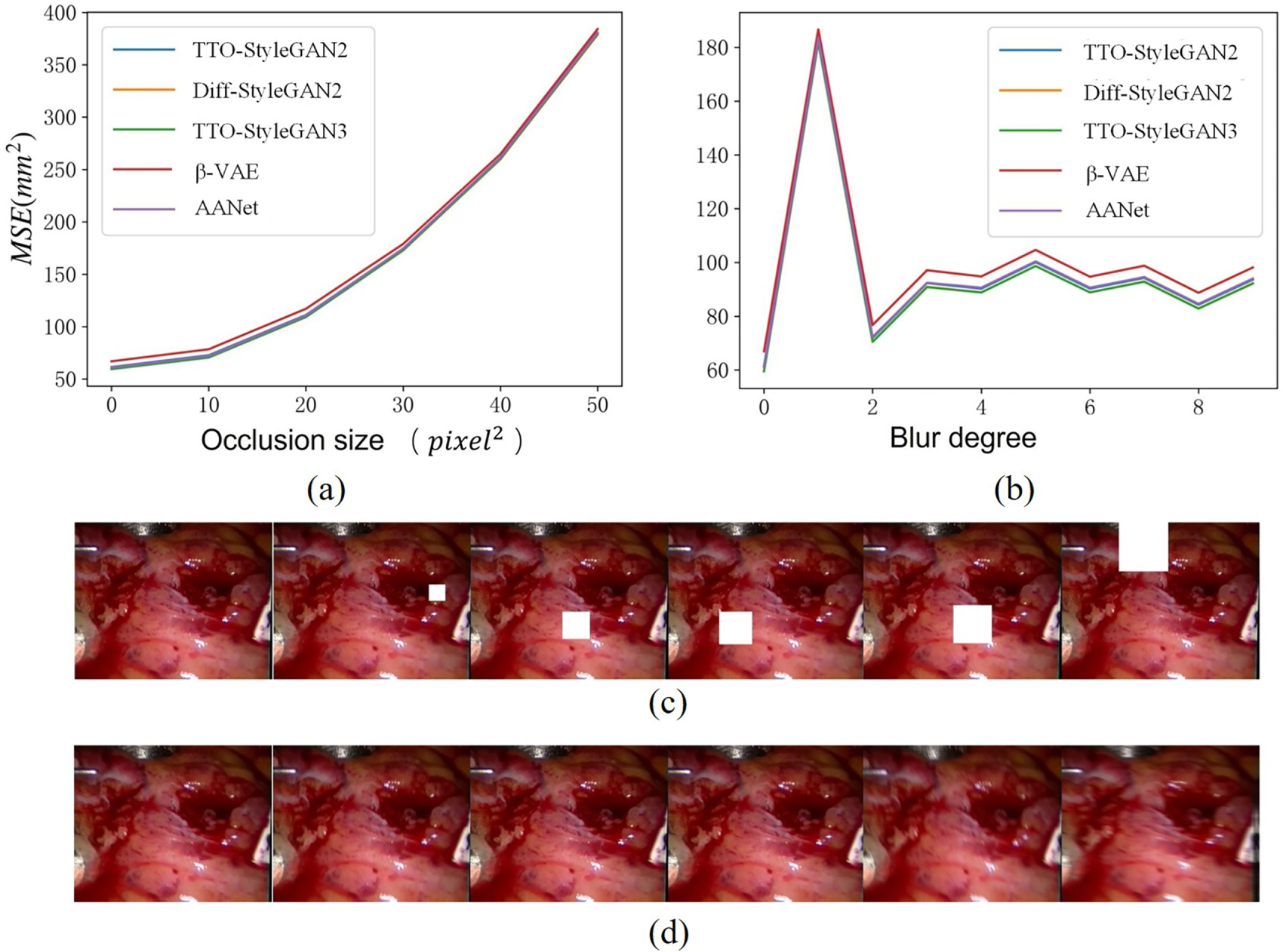
Figure 9: Robustness evaluation results of the compared models under synthetic perturbations. (a) Occlusion experiments; (b) motion blur experiments; (c) examples of synthetically occluded images; (d) examples of synthetically blurred images.
Table 2 compares the computational complexity of the evaluated models. TTO-StyleGAN3 achieves the lowest floating-point operations (FLOPs) and parameter count among the StyleGAN-based methods, confirming the effectiveness of the simplified generator architecture.
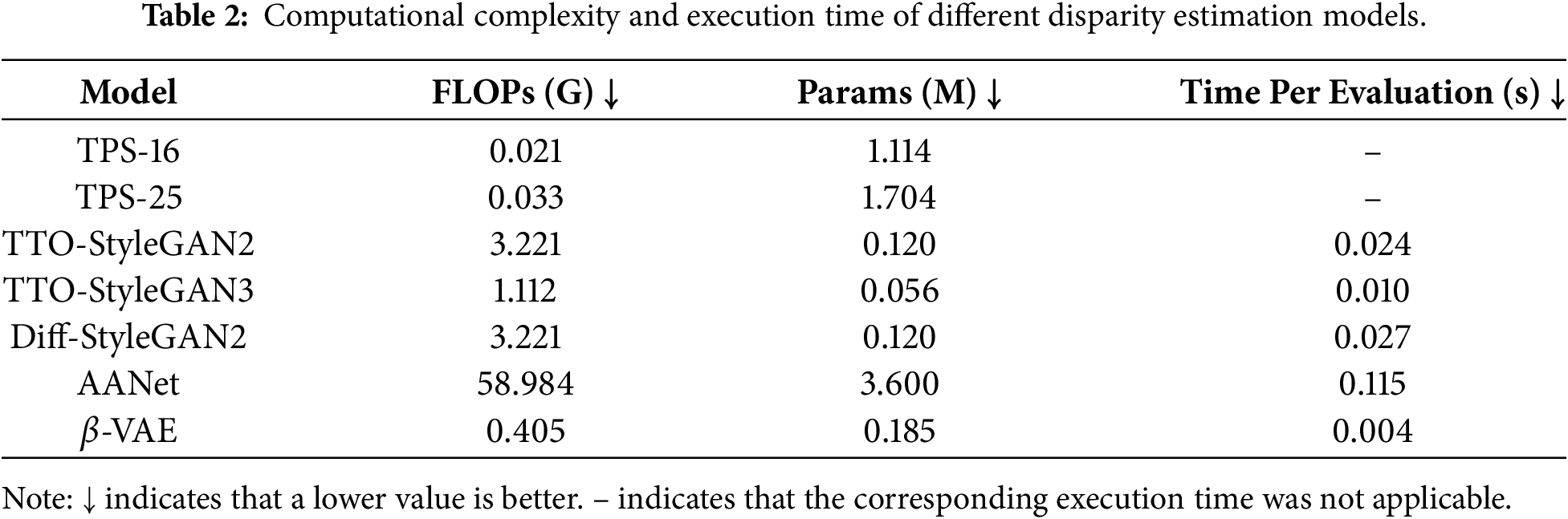
The reported execution time for TTO-based methods corresponds to one optimization iteration. Since TTO-StyleGAN3 requires up to 150 iterations, its complete inference time is approximately 1.50 s per frame, corresponding to 0.67 FPS. In contrast, AANet performs a single forward pass in 0.115 s, corresponding to 8.70 FPS.
The results indicate that TTO-StyleGAN3 provides a compact framework for stereo-endoscopic disparity estimation by combining a pseudo-label-pretrained generative prior with self-supervised test-time latent optimization. The simplified StyleGAN3 generator maps a low-dimensional latent vector to a dense nonlinear disparity field, while per-frame optimization enforces photometric consistency with the input stereo pair. Compared with TPS-based models, this learned prior offers greater flexibility for representing nonlinear soft-tissue deformation. Compared with feed-forward methods such as AANet, the proposed method provides sample-specific adaptation at test time, which may partially mitigate distribution shifts. However, this adaptability is obtained at the cost of substantially greater inference time, and the comparison should therefore be interpreted as an accuracy–adaptability–efficiency trade-off rather than a strictly equal-computation benchmark.
Beyond stereo reconstruction, reliable disparity estimates may provide useful geometric cues for downstream medical imaging tasks, including depth-aware lesion segmentation, three-dimensional lesion localization, tissue-surface registration, and treatment planning. Recent semi-supervised segmentation research has shown that latent-space representation learning and uncertainty rectification can reduce pseudo-label error accumulation and improve the delineation of complex anatomical boundaries [26]. This suggests that the disparity priors estimated by TTO-StyleGAN3 could potentially be integrated with uncertainty-aware segmentation frameworks to improve spatial consistency and anatomical localization. Nevertheless, the present study does not directly evaluate lesion segmentation, diagnosis, or treatment outcomes, and these potential benefits require task-specific validation.
Several limitations should be acknowledged. First, the generator is pre-trained using pseudo-disparity maps produced by a StyleGAN-based teacher. Although all learning-based methods use the same pseudo-label source, this does not eliminate architecture-dependent bias. TTO-StyleGAN3 is more closely related to the teacher in terms of generative prior and additionally performs per-frame latent optimization, whereas AANet and
Practical deployment also remains challenging. The learned prior may depend on the anatomy, camera calibration, illumination, image resolution, and acquisition conditions represented in the pre-training data; changes in surgical site or imaging setup may therefore require additional pseudo-label generation, adaptation, or retraining. Moreover, although TTO-StyleGAN3 requires only 1.112 GFLOPs and 0.056 million parameters per generator evaluation, its maximum 150-iteration optimization takes approximately 1.50 s per frame, corresponding to 0.67 FPS, whereas AANet requires 0.115 s per frame, corresponding to 8.70 FPS. The current framework should therefore be regarded as a proof-of-concept rather than a clinically deployable real-time system. Future work will investigate independently measured or multi-teacher disparity supervision, teacher-independent prior learning, cross-domain and multi-anatomy adaptation, denser geometric validation, more realistic surgical artifact modeling, learned latent initialization, temporal warm-starting, adaptive early stopping, and lightweight encoder–optimization hybrids for faster and more stable video reconstruction.
This paper proposed TTO-StyleGAN3, a hybrid disparity-estimation framework that combines pseudo-label-guided generative prior learning with self-supervised test-time latent optimization. A simplified StyleGAN3 generator maps a low-dimensional latent vector to a dense disparity field, while the latent vector is optimized for each stereo pair using photometric reconstruction, appearance matching, disparity smoothness, and region-aware masking. Experiments on the Phantom and In vivo datasets show that the proposed method achieves competitive reconstruction and disparity-estimation performance under the present pseudo-label and evaluation protocol, while using fewer generator parameters than the other StyleGAN-based models.
The results demonstrate the potential of generative-prior-based test-time optimization for modeling nonlinear soft-tissue deformation without requiring manually annotated dense disparity maps. However, the framework still depends on teacher-generated pseudo-disparity maps for generator pre-training, and the current comparisons may be influenced by teacher-family bias and differences in inference-time adaptation. In addition, the sparse geometric evaluation, dataset specificity, simplified robustness tests, and iterative inference speed limit the strength and generalizability of the current conclusions. With a maximum of 150 optimization iterations, the present implementation does not satisfy real-time surgical requirements and should be regarded as a proof-of-concept rather than a clinically deployable system.
Future work will focus on reducing dependence on a single teacher model, improving cross-domain and multi-anatomy generalization, incorporating denser geometric validation and more realistic surgical artifacts, and accelerating inference through learned latent initialization, temporal warm-starting, adaptive early stopping, and hybrid encoder–optimization strategies.
Acknowledgement: Not applicable.
Funding Statement: Supported by Chengdu Science and Technology Program [2026-YF08-00034-GX].
Author Contributions: The authors confirm contribution to the paper as follows: conceptualization, Legend Zhang and Bo Yang; methodology, Legend Zhang and Guan Yao; software, Junmin Lyu and Guan Yao; validation, Junmin Lyu and Wei Wei; formal analysis, Jiawei Tian and Junmin Lyu; investigation, Guan Yao and Wei Wei; resources, Jiawei Tian and Bo Yang; data curation, Legend Zhang and Guan Yao; writing—original draft preparation, Legend Zhang; writing—review and editing, Jiawei Tian and Bo Yang; visualization, Legend Zhang and Junmin Lyu; supervision, Jiawei Tian and Bo Yang; project administration, Bo Yang; funding acquisition, Bo Yang. All authors reviewed and approved the final version of the manuscript.
Availability of Data and Materials: The dataset analyzed in this study is publicly available. The In vivo and Phantom datasets can be accessed through https://hamlyn.doc.ic.ac.uk/vision/.
Ethics Approval: Not applicable.
Conflicts of Interest: The authors declare no conflicts of interest.
References
1. Sui X, Zhang Y, Zhao X, Tao B. Binocular-based dense 3D reconstruction for robotic assisted minimally invasive laparoscopic surgery. Int J Intell Robot Appl. 2024;8(4):866–77. doi:10.1007/s41315-024-00390-7. [Google Scholar] [CrossRef]
2. Tian J, Zhou Y, Chen X, AlQahtani SA, Zheng W, Chen H, et al. A novel self-supervised learning network for binocular disparity estimation. Comput Model Eng Sci. 2025;142(1):209–29. doi:10.32604/cmes.2024.057032. [Google Scholar] [CrossRef]
3. Wang Y, Sun Q, Liu Z, Gu L. Visual detection and tracking algorithms for minimally invasive surgical instruments: a comprehensive review of the state-of-the-art. Robot Auton Syst. 2022;149(Suppl 1):103945. doi:10.1016/j.robot.2021.103945. [Google Scholar] [CrossRef]
4. Pedrett R, Mascagni P, Beldi G, Padoy N, Lavanchy JL. Technical skill assessment in minimally invasive surgery using artificial intelligence: a systematic review. Surg Endosc. 2023;37(10):7412–24. doi:10.1007/s00464-023-10335-z. [Google Scholar] [CrossRef]
5. Rivas-Blanco I, Pérez-Del-Pulgar CJ, García-Morales I, Muñoz VF. A review on deep learning in minimally invasive surgery. IEEE Access. 2021;9:48658–78. doi:10.1109/ACCESS.2021.3068852. [Google Scholar] [CrossRef]
6. Richa R, Poignet P, Liu C. Three-dimensional motion tracking for beating heart surgery using a thin-plate spline deformable model. Int J Robot Res. 2010;29(2–3):218–30. doi:10.1177/0278364909356600. [Google Scholar] [CrossRef]
7. Frisken S, Luo M, Machado I, Unadkat P, Juvekar P, Bunevicius A, et al. Preliminary results comparing thin plate splines with finite element methods for modeling brain deformation during neurosurgery using intraoperative ultrasound. Proc SPIE Int Soc Opt Eng. 2019;10951(4):1095120. doi:10.1117/12.2512799. [Google Scholar] [CrossRef]
8. Zalzalah K, Selladurai S, Rossa C. Real-time simulation of ultrasound image deformation using thin plate spline. In: Proceedings of the 2025 IEEE Sensors Applications Symposium (SAS); 2025 Jul 8–10; Newcastle, UK. p. 1–6. doi:10.1109/sas65169.2025.11105189. [Google Scholar] [CrossRef]
9. Wang Z, Li S, Peng J, Tai Y, Yu Z. Viscoelastic cluster-constrained PBD-based soft tissue behavior and interactive media applications for surgical simulation. IEEE Trans Multimed. 2025;27(1):2206–20. doi:10.1109/TMM.2024.3521762. [Google Scholar] [CrossRef]
10. Xu H, Zhang J. AANet: adaptive aggregation network for efficient stereo matching. In: Proceedings of the 2020 IEEE/CVF Conference on Computer Vision and Pattern Recognition (CVPR); 2020 Jun 13–19; Seattle, WA, USA. p. 1956–65. doi:10.1109/cvpr42600.2020.00203. [Google Scholar] [CrossRef]
11. Higgins I, Matthey L, Pal A, Burgess C, Glorot X, Botvinick M, et al. Beta-VAE: learning basic visual concepts with a constrained variational framework. In: Proceedings of the International Conference on Learning Representations 2017 (ICLR); 2017 Apr 24–26; Toulon, France. [Google Scholar]
12. de Souza VLT, Marques BAD, Batagelo HC, Gois JP. A review on generative adversarial networks for image generation. Comput Graph. 2023;114(1):13–25. doi:10.1016/j.cag.2023.05.010. [Google Scholar] [CrossRef]
13. Krichen M. Generative adversarial networks. In: Proceedings of the 2023 14th International Conference on Computing Communication and Networking Technologies (ICCCNT); 2023 Jul 6–8; Delhi, India. p. 1–7. doi:10.1109/ICCCNT56998.2023.10306417. [Google Scholar] [CrossRef]
14. Chakraborty T, Reddy KSU, Naik SM, Panja M, Manvitha B. Ten years of generative adversarial nets (GANsa survey of the state-of-the-art. Mach Learn Sci Technol. 2024;5(1):011001. doi:10.1088/2632-2153/ad1f77. [Google Scholar] [CrossRef]
15. Karras T, Laine S, Aila T. A style-based generator architecture for generative adversarial networks. In: Proceedings of the 2019 IEEE/CVF Conference on Computer Vision and Pattern Recognition (CVPR); 2019 Jun 15–20; Long Beach, CA, USA. p. 4396–405. doi:10.1109/cvpr.2019.00453. [Google Scholar] [CrossRef]
16. Karras T, Laine S, Aittala M, Hellsten J, Lehtinen J, Aila T. Analyzing and improving the image quality of StyleGAN. In: Proceedings of the 2020 IEEE/CVF Conference on Computer Vision and Pattern Recognition (CVPR); 2020 Jun 13–19; Seattle, WA, USA. p. 8107–16. doi:10.1109/cvpr42600.2020.00813. [Google Scholar] [CrossRef]
17. Karras T, Aittala M, Laine S, Härkönen E, Hellsten J, Lehtinen J, et al. Alias-free generative adversarial networks. In: Proceedings of the 35th International Conference on Neural Information Processing Systems; 2021 Dec 6–14; Online. p. 852–63. [Google Scholar]
18. Zhang S, Zhang X, Wan S, Ren W, Zhao L, Shen L. Generative adversarial and self-supervised dehazing network. IEEE Trans Ind Inform. 2024;20(3):4187–97. doi:10.1109/TII.2023.3316180. [Google Scholar] [CrossRef]
19. Yang B, Xu S, Yin L, Liu C, Zheng W. Disparity estimation of stereo-endoscopic images using deep generative network. ICT Express. 2025;11(1):74–9. doi:10.1016/j.icte.2024.09.017. [Google Scholar] [CrossRef]
20. Xu G, Xu S, Lu S, Liu Y, Yang B, Lyu J, et al. Encoder-guided latent space search based on generative networks for stereo disparity estimation in surgical imaging. Comput Model Eng Sci. 2025;145(3):4037–53. doi:10.32604/cmes.2025.074901. [Google Scholar] [CrossRef]
21. Stoyanov D, Mylonas GP, Deligianni F, Darzi A, Yang GZ. Soft-tissue motion tracking and structure estimation for robotic assisted MIS procedures. In: Proceedings of the Medical Image Computing and Computer-Assisted Intervention—MICCAI 2005; 2005 Oct 26–29; Palm Springs, CA, USA. p. 139–46. doi:10.1007/11566489_18. [Google Scholar] [CrossRef]
22. Stoyanov D, Scarzanella MV, Pratt P, Yang GZ. Real-time stereo reconstruction in robotically assisted minimally invasive surgery. In: Proceedings of the Medical Image Computing and Computer-Assisted Intervention—MICCAI 2010; 2010 Sep 20–24; Beijing, China. p. 275–82. doi:10.1007/978-3-642-15705-9_34. [Google Scholar] [CrossRef]
23. Pratt P, Stoyanov D, Visentini-Scarzanella M, Yang GZ. Dynamic guidance for robotic surgery using image-constrained biomechanical models. In: Proceedings of the Medical Image Computing and Computer-Assisted Intervention—MICCAI 2010; 2010 Sep 20–24; Beijing, China. p. 77–85. doi:10.1007/978-3-642-15705-9_10. [Google Scholar] [CrossRef]
24. Wang Z, Zheng H, He P, Chen W, Zhou M. Diffusion-GAN: training GANs with diffusion. In: Proceedings of the International Conference on Learning Representations 2023 (ICLR); 2023 May 1–5; Kigali, Rwanda. [Google Scholar]
25. Mescheder L, Geiger A, Nowozin S. Which training methods for GANs do actually converge?. In: Proceedings of the 35th International Conference on Machine Learning (ICML); 2018 Jul 10–15; Stockholm, Sweden. p. 3478–87. [Google Scholar]
26. Cheng D, Dong Q, Yang Y, Wang Y, Zhu R, Zheng Y. Semi-supervised medical image segmentation method via dual-view graph contrastive learning and latent space uncertainty rectification. Eng Appl Artif Intell. 2026;177:114901. doi:10.1016/j.engappai.2026.114901. [Google Scholar] [CrossRef]
Cite This Article
 Copyright © 2026 The Author(s). Published by Tech Science Press.
This work is licensed under a Creative Commons Attribution 4.0 International License , which permits unrestricted use, distribution, and reproduction in any medium, provided the original work is properly cited.
 Downloads
 Citation Tools
