
 Login
Login Register
 Submit a Paper
 Propose a Special lssue
 Open Access
ARTICLE

Integrated Sharing Platform for Genetic Data of Rare and Precious Metal Materials
1 School of Information Science and Engineering, Yunnan University, Kunming, 650500, China
2 Yunnan Provincial Academy of Science and Technology, Kunming, 650028, China
* Corresponding Author: Jingjing Yang. Email:
Computers, Materials & Continua 2025, 85(3), 4587-4606. https://doi.org/10.32604/cmc.2025.068370
Received 27 May 2025; Accepted 28 August 2025; Issue published 23 October 2025
 View Full Text
 Download PDF
Abstract
The construction of centralized and standardized material databases is essential to support both scientific innovation and industrial application. However, for rare and precious metal materials, existing data resources are often decentralized. This results in persistent issues such as data silos and fragmentation, which significantly hinder efficient data utilization and collaboration. In response to these challenges, this study investigates the development of an integrated platform for sharing genetic data of rare and precious metal materials. The research begins by analyzing current trends in material data platforms, both domestically and internationally. These insights help inform the architectural design. The core of the platform consists of several key modules. Data resource integration is designed to aggregate and harmonize heterogeneous data from diverse sources. A structured data management system supports efficient storage and retrieval. A computational environment enables data analysis and modeling. A trusted sharing mechanism ensures security and access control. By integrating these functionalities, the platform aims to provide a unified ecosystem. This system facilitates open yet secure data exchange, promotes reproducibility, and enhances research efficiency. Finally, the article summarizes the initial implementation of the platform. It discusses its potential limitations and outlines future directions for development, including the integration of artificial intelligence tools and the expansion of data coverage.Keywords
Materials are the foundation of social development and a symbol and milestone of human civilization and progress. In recent years, with the rapid expansion of the big data industry, the material data infrastructure has also undergone revolutionary changes by leveraging big data. Materials genomics engineering (MGE), which utilizes computing power and big data processing technology, has bscience turning point in data-driven materials science [1,2]. A large amount of material data can be analyzed, mined, and utilized to obtain corresponding values [3]. As a pioneering project of the material data infrastructure, the convergence and sharing of material data play a decisive role [4]. Rare and precious metal materials, as key strategic resources of the country, given their scarcity and high value, have significant strategic significance in promoting the country’s scientific and technological innovation capabilities, strengthening industrial competitiveness, and ensuring national defense security [5,6]. Given this, it has become an urgent key issue to be solved in materials science and resource management to establish a scientific, efficient, and secure data management and utilization mechanism for rare and precious metal materials, and to achieve in-depth integration and precise mining of data resources.
Many big data platforms for material have been established worldwide. Well-known material gene databases abroad include NOMAD [7], Materials Project [8], AFLOW [9], OQMD [10], Materials Cloud [11], and Japan’s NIMS [12]. NOMAD has become a model for material data sharing due to its wide coverage of material types and precise data integration. Materials Project, with its powerful computing capabilities and rich material database, provides convenient tools for material design and performance prediction for researchers. AFLOW and OQMD focus on high-throughput calculation and data storage of material properties, greatly promoting the efficiency of material science research. Materials Cloud, as a comprehensive service platform, not only provides a large amount of material data but also supports users to upload and share their research results, forming an active academic exchange community. The material database of Japan’s NIMS, with its professional material preparation technology and detailed material performance data, provides valuable resources for the material science community. The construction and operation of these platforms provide valuable experience and inspiration for the establishment of material data management and utilization mechanisms in our country. These platforms generally adopt a centralized architecture model. However, in practice, they still face the problem of how to collect, store, and efficiently utilize material big data in a safe and reliable manner, thereby promoting the innovative design of new materials.
Domestic material gene databases have also been established one after another, each with its own characteristics, dedicated to promoting the rapid development of materials science. For instance, the “Basic Science Database of Materials Science” of the Institute of Metal Research, Chinese Academy of Sciences, is one of the comprehensive material science databases, which includes multiple sub-databases such as metals, non-metals, synthetic, chemical, and new functional materials, and contains performance data such as thermal, mechanical and electrical properties [13–15]. The University of Science and Technology Beijing leads the national material data sharing network, covering the entire material field, and is deeply involved in the material genome project [16]. The national steel material gene engineering database serves the independent research and development of key materials such as high-end equipment steel and special alloys in China [17]. The steel research database led by China Iron & Steel Research Institute Group Co., Ltd. is an important database in the field of Chinese steel materials, covering rich data resources on steel materials. However, there are few specially established rare and precious metal material gene database platforms [5,18].
With the continuous development of technology, many specialized material data platforms and specific material datasets have been established [19,20]. The research team at Lawrence Berkeley National Laboratory has developed the largest amorphous structure database to date [12], which was generated through systematic molecular dynamics (AIMD [21]) calculations and contains 4849 components of amorphous structures. Marano et al. [22] constructed a multimodal four-dimensional mechanical data platform for material microstructures; Zhang et al. [23] established an automated 3DED/MicroED data collection platform for high-throughput structure determination of polycrystalline functional materials. Chengdu CaiZhi established the MatAI-iDataCenter intelligent data management system for materials in the field. Yoshiuchi et al. [19] developed a material informatics experimental data management platform. Li et al. [24] established a mechanical property database for multi-component alloys, linking mechanical properties with alloy composition and processing parameters. Zhang et al. [14] compiled a fatigue database (FatigueData-CMA2022) based on literature to construct a fatigue database for complex metal alloys. Park et al. [25] established the MatChat, large language model and application service platform for materials science, generating 1.5 million natural language descriptions of materials science through chatbots. The strategies adopted by many material big data platforms are to store data of different structures separately in corresponding database systems, such as MySQL, Oracle, DB2, etc. Although this storage method achieves data classification management to a certain extent, it also triggers a series of difficult problems in the data service, increasing the complexity and difficulty of data services.
In terms of the openness and sharing of material data, international databases generally have a higher degree of openness, but some advanced functions require payment. Domestic databases are restricted by data security and intellectual property rights, and most require authorized access [26]. For example, databases such as Materials Project Abroad offer free online access and support API calls [27]. The project of the Ministry of Science and Technology, “Construction of a Material Science Data Sharing and Service Platform”, is the core project of the national material science data sharing network. It integrates data of 3000 types of steel materials from 30 research institutions, providing data-sharing services for material research [28]. However, the phenomenon of data islands in domestic and foreign material data platforms is relatively common. Although each platform has its own advantages in data coverage, computing capabilities, and data policies, there is a lack of unified data standards and interfaces, resulting in obstacles to data interconnection. In addition, some platforms have strict usage permissions for data, limiting the wide dissemination and deep application of data. For the specific field of rare and precious metals, the existing material data platforms still have deficiencies in data coverage, data quality, and data integration.
In view of this, this study starts from the current situation of the genetic data resources of rare and precious metal materials and their sharing needs and explores the construction of an integrated service platform for genetic engineering data of rare and precious metal materials. Through data aggregation, adopting multi-source heterogeneous data standard governance, assigning data hash values, confirming the ownership of key data information, and conducting refined management based on the importance of data and user permissions. Through methods such as blockchain framework and distributed gateways, data interconnection and communication are promoted. The remaining parts of this article are organized as follows. Section 2 introduces the progress of rare and precious metal material data and the progress and challenges of the sharing platform. Section 3 presents some discussions on the framework of our data-integrated sharing platform and the details of the construction of each system. Section 4 summarizes the entire article and looks forward to future work.
2 Progress and Challenges of the Materials Genome Database
2.1 Rare and Precious Metal Materials Genetic Data Platform
The rare and precious metal materials gene engineering database platform is a key project of the rare and precious metal materials gene engineering [5]. It mainly builds a basic parameter database and a professional database for rare and precious metal materials. The rare and precious metal materials database involves new materials of rare and precious metals such as gold, silver, platinum, palladium, rhodium, iridi., ruthenium, osmium, tin, indium, gallium, etc., including comprehensive parameters such as Chinese and English literature, patents, standards, scientific and technological reports, books, information, product information, industry information, etc. Through calculation, experimentation, service, and production, a dedicated database is collected and built. It has multi-source, heterogeneous, non-standardized, multimodal, multi-type, and high-dimensional characteristics. Building an integrated platform for material data is particularly crucial [6]. The platform is based on the rare and precious metal parameter database, and each rare and precious metal material section is a thematic database, covering parameters of multiple rare and precious metal elements such as gold, silver, platinum, palladium, rhodium, iridium, ruthenium, osmium, tin, indium, liquid metals, etc. The thematic libraries include basic data of precious metals, alloy material data, catalytic material data, electronic paste data, molecular material data, slag phase diagram data, tin material data, liquid metal material data, etc., covering multiple sections and multiple data sub-libraries. The rare and precious metal parameter database platform adopts a centralized and distributed deployment mode for the system, and at the same time, to ensure the security of data assets, an internal and external network isolation is implemented.
The professional database for rare and precious metals focuses on the metal fields such as precious metals, tin, indium, titanium, and liquid metals, and builds material professional databases. The professional database establishes a standard system and related management norms for metadata, databases, data production processes, and data applications that comply with general requirements, and develops technologies for automatic data collection and transmission and analytical processing between the three major platforms of material calculation, material preparation and characterization. It also develops data post-processing programs for various calculation experimental data files to lay a data foundation for the intelligent application of the database based on data-driven methods. A high-throughput computing platform for rare and precious metal materials gene engineering has been built, deploying a complete set of cross-scale material computing simulation software, supporting multi-user and multi-task high-throughput computing requirements. The thermodynamic models and high-throughput automatic optimization algorithms and software, as well as software for calculating the thermodynamic and thermal properties of precious metal alloys and phase diagrams, are key computing technologies.
However, the data sharing and utilization of the rare and precious metal materials gene database have insufficient planning. Each sub-library has inconsistent designs in supporting platforms, data standards, mechanism construction, etc. Data ownership and data security are lacking, and the problems of “data chimneys” and “data islands” are prominent. The potential of data elements has not been released, and the phenomenon of homogeneous research is serious.
2.2 Trends and Challenges of the Material Genome Data Platform
The materials genomics database presents several development trends. Firstly, the accumulation of materials genomics data is accelerating, and the demand for hierarchical classification is increasingly prominent. In the development of new materials, especially in the field of rare and precious metals, the sharing and integration of data is crucial. It is necessary to achieve multi-source heterogeneous data fusion and real-time communication, and at the same time, establishing data standards and implementing intelligent classification and control are important development directions. Secondly, the demand for intelligence in new material research is continuously increasing. By integrating intelligent technologies such as computer numerical simulation, databases, and neural networks, precise predictions of material structure and performance can be made, promoting the intelligent and customized development of metal new materials. Furthermore, the risk of data security has intensified, and the demand for privacy protection has increased. The privacy protection and sharing of scientific data have become the core contradiction in the development of materials genomics engineering big data, and it is necessary to prevent data leakage and innovate sharing models to ensure the source and security of data. Additionally, the platform construction planning is precise, and the standard customization is forward-looking. Domestic and foreign materials genomics platforms follow a unified management system and provide services within a standardized framework to enhance efficiency. However, in terms of data storage, how to safely and efficiently manage massive materials data remains an important issue that needs to be addressed urgently, and it is necessary to accelerate data aggregation, open sharing, and development and utilization in the field of materials to address the urgent need for data convergence, openness, sharing, and exploitation.
Currently, the “Material Genomics Engineering Special Database (MGED)” of Beijing University of Science and Technology [29], in combination with federated learning and blockchain technology, proposes the MatSwarm framework, which summarizes over 14 million material data entries. However, it has less integration and application of rare and precious metal material data. Guangxi University, when building the extrusion casting process database, established a secure access control system based on blockchain technology, using smart contracts to achieve automatic user access control, storing user operation records on the blockchain to ensure that the data can be modified while the operation records cannot be tampered with, and using asymmetric encryption algorithms to encrypt the source data and transmit the ciphertext to improve data sharing security [27]. However, its construction process is complex, mainly targeting extrusion casting process data, and has limitations in the integration and sharing of rare and precious metal material data, and may encounter performance bottlenecks when processing large-scale rare and precious metal material data, affecting the real-time access and sharing efficiency.
Therefore, building an integrated data sharing platform for rare and precious metal materials is of great significance, aiming to achieve data exchange, efficient circulation, and safe utilization. However, the construction of this platform faces many challenges: Firstly, the challenge of data aggregation, where the data of rare and precious metal databases is highly fragmented and discrete, with diverse data types, complex sources, different data storage formats and descriptions from different institutions and teams, and inconsistent data updates, making data aggregation difficult; Secondly, the challenge of data collection and expansion, as with the deepening of material science research and the development of computational materials science, the accuracy and comprehensiveness of data collection are required to be improved, and a large amount of computational data needs to be rapidly expanded and accumulated, efficient collection and data organization become important challenges; Thirdly, the challenge of data classification and categorization, lacking unified data sharing norms and standards, inconsistent data formats, uneven quality, and difficulties in data access, use, and sharing control, making it difficult and costly to balance data sharing and security, and it is necessary to formulate classification standards and establish access control and auditing mechanisms; Fourthly, the challenge of data ownership, the precious and rare nature of rare and precious metal data makes data security and privacy protection issues prominent. In terms of data ownership definition, cross-border flow, and protection of trade secrets, there are challenges in intellectual property protection, and it is necessary to seek a balance between open sharing and security compliance to solve data ownership, traceability, auditing, and trusted sharing issues.
3 Data Integration and Sharing Platform
The construction of an integrated data platform for rare and precious metal materials is aimed at meeting the actual production needs, providing standardized, secure, reliable, and mutually recognized services for sharing, opening up, and utilizing material gene data. Through integrating resources, developing platforms, and building a security system, it adopts technologies such as multi-source heterogeneous data resource governance, high-throughput material computing, and blockchain to promote data interoperability, ultimately building an integrated data service platform.
The rare and precious metal material gene platform is proposed to adopt an organizational model of a single platform and several sub-platforms distributed among the participating units (high-throughput material computing platform, material big data management platform, and high-throughput material preparation and characterization platform). The architecture of the data integrated sharing service platform is shown in Fig. 1. The high-throughput material computing platform is the operational platform for cross-scale material computing; it manages all calculation data; the high-throughput material preparation and characterization platform is the operational platform for all high-throughput material preparation and material performance characterization, and it manages all generated preparation and characterization data; the material big data management platform manages and analyzes all lifecycle data of various materials (design data, production data, processing and service data, etc.), builds various demonstration databases, gathers the full lifecycle data of rare and precious metals, as well as various knowledge and models. In principle, each participating unit builds platforms including calculation, testing, and data based on its own needs; the material gene total platform manages these sub-platforms and collects their metadata, and later integrates machine learning, artificial intelligence, data mining algorithms/tools to explore the implicit value in the material big data of the rare and precious metal material gene platform and discover the quantitative relationships determining the composition, process, structure, performance, and service of rare and precious metals.
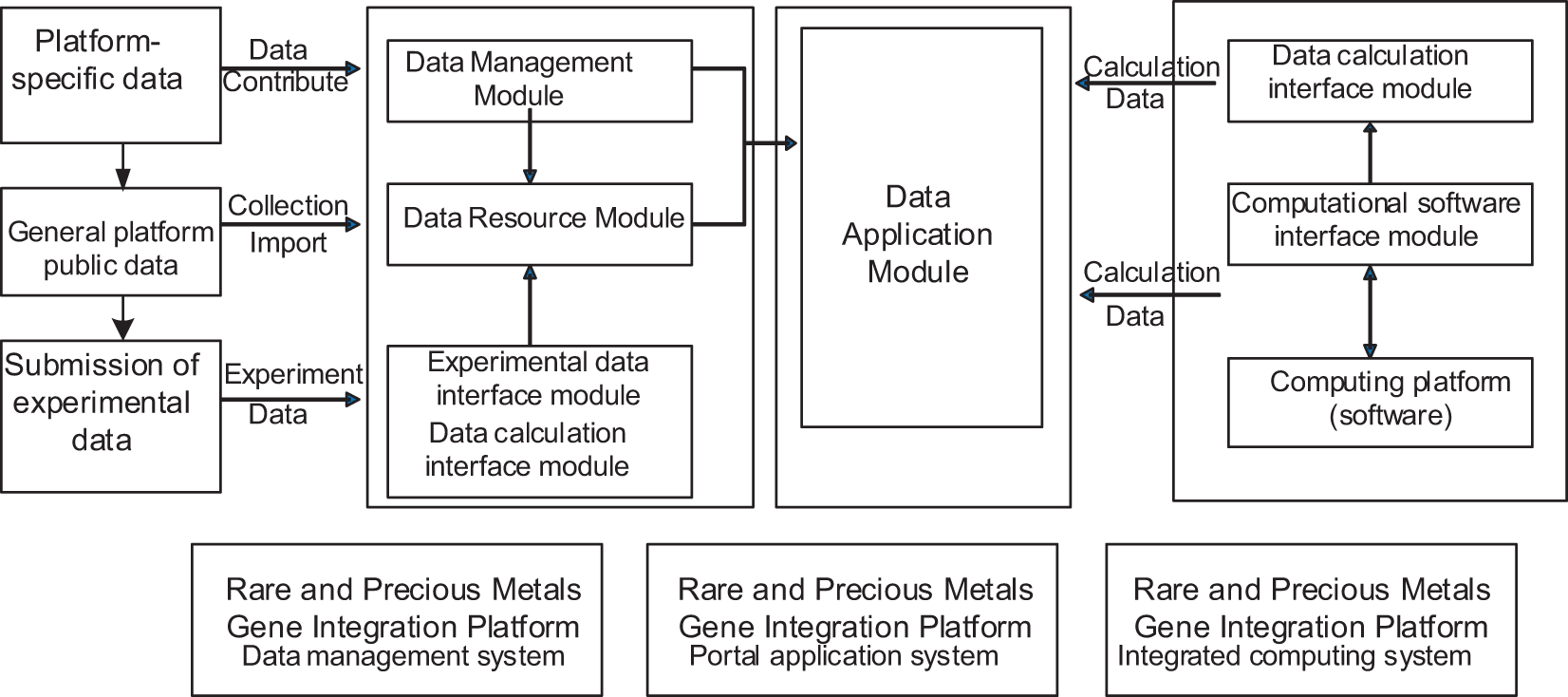
Figure 1: Integrated platform architecture for genetic data of rare and precious metal materials
The data management platform builds core capabilities around the entire data lifecycle: at the directory level, it realizes data asset registration, review, release, and unified maintenance of standards and specifications, and provides data services such as subscription and query; through the distributed access system, it supports real-time/offline collection of multi-source heterogeneous data to form a unified entry point; based on the dynamic governance system, it conducts quality control such as data verification, cleaning, and deduplication; ultimately, it outputs customized interface development and diversified data sharing and exchange services, forming a closed-loop management system covering data aggregation, governance, and sharing. The genetic data management system for rare and precious metal materials is shown in Fig. 2. The main modules include three databases: public, management and sharing, as well as a bar chart of data volume, recently accessed data, etc.
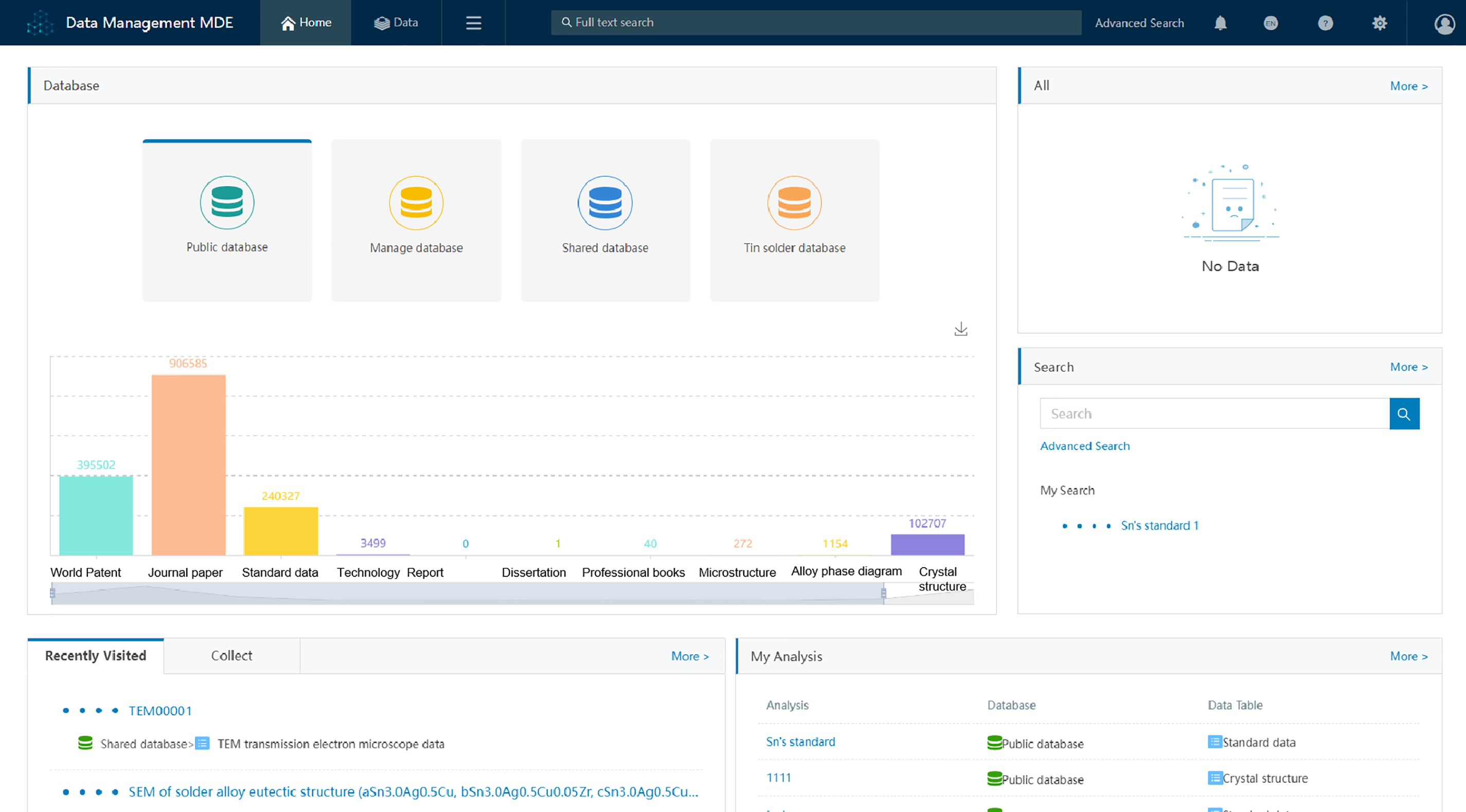
Figure 2: Integrated data management module for rare precious metal materials
The data information of the database management includes, but is not limited to, world patents, journal papers, standards, scientific and technological reports, conference papers, professional books, etc., see in Fig. 3. A data archiving module for rare and precious metal materials is constructed, featuring data collection, archiving, and retrieval functions, as well as customized display and fine-grained permission control. To ensure data quality, an automated inspection sub-platform is built, which has features such as fully automatic inspection, support for custom indicators and rules, integrated management functions, and support for multiple data sources, thereby improving inspection efficiency and data quality. Regarding the problem of scattered data sources, inconsistent formats, and semantics of rare and precious metal material gene data, methods based on knowledge and rule-guided data organization, as well as multi-source data fusion alignment methods based on self-attention networks, are studied to standardize the data governance process. To address the differences in content and value of different rare and precious metal material gene data, a deeply interactive learning model based on value feedback is constructed to achieve intelligent hierarchical classification and management of data, ensuring precise and effective classification of data, and thereby further enhancing the value of data.
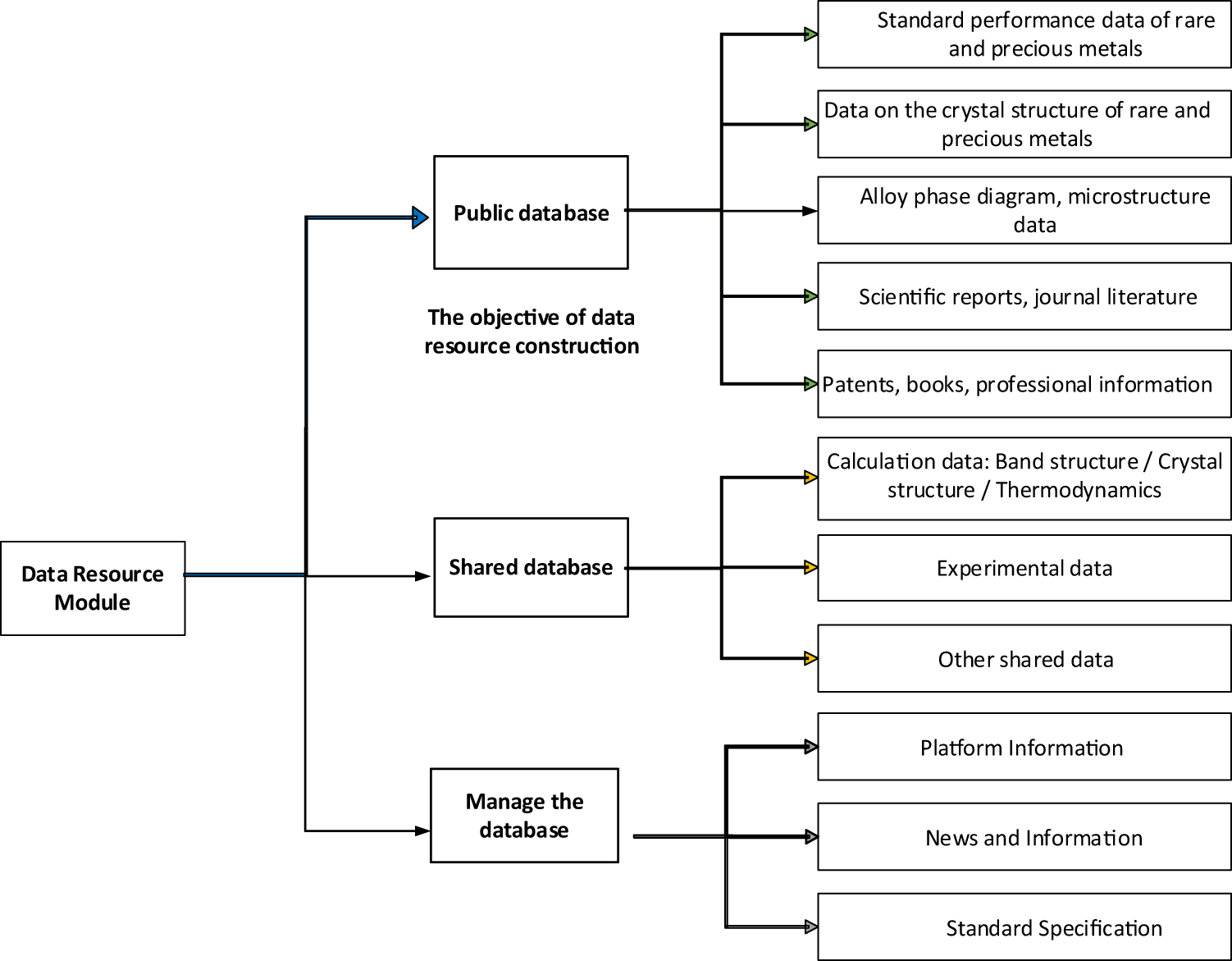
Figure 3: Data of genetic engineering for rare and precious metal materials
Based on the standards and norms of the rare and precious metals database, the data resources are integrated to standardize the management functions, participating roles, and management processes of the entire life cycle of material gene data. According to the data quality evaluation principles, the data quality is scored. Evaluation weights are set from dimensions such as data integrity, metadata, and availability to achieve data quality assurance for the sharing of rare and precious metals material gene data and the governance of the entire life cycle of data. Considering the multi-source and heterogeneous characteristics of rare and precious metals material gene data, all data must be assigned a unique persistent identifier to ensure the orderliness of data management. Metadata management includes describing the data source, unit, experimental conditions, etc. Metadata should include the identifier of the described data, and metadata records information such as the background, quality, and characteristics of the data to ensure the correlation between metadata files and data files. The following is the metadata of the crystal structure of rare and precious metals materials as shown in Table 1. The crystal structure data is shown in the Fig. 4, presenting the chemical name, Cartesian coordinates, and coordinate data.

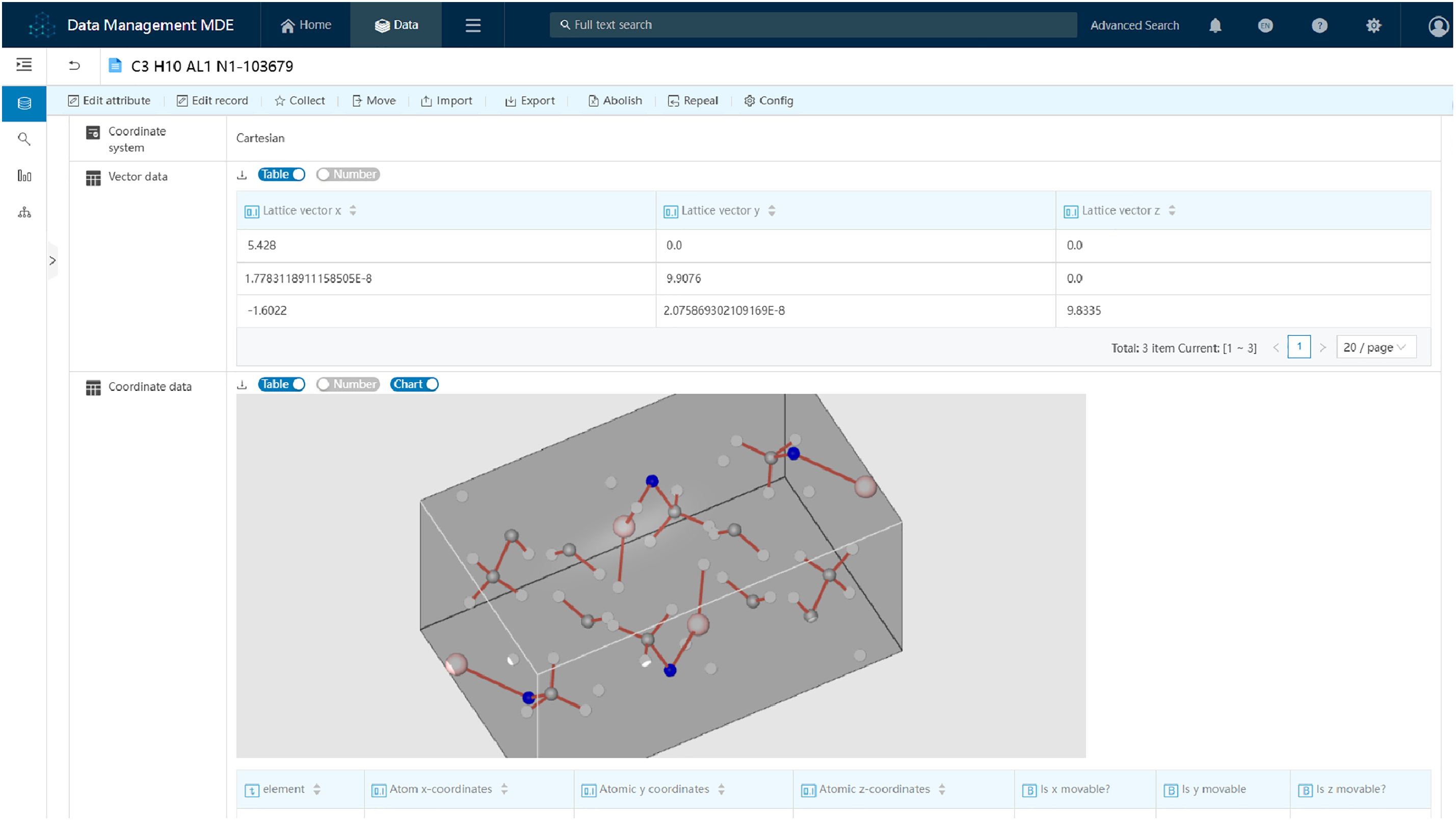
Figure 4: The crystal structure data
After the genetic data of rare and precious metal materials is connected, cleaning rules are formulated to eliminate non-standard data and retain valid information. Based on these rules, cleaning, and integration are carried out, and data consistency verification is executed. Inconsistent data is checked and integrated to ensure data integrity and high availability.
The application of digital watermarking technology in the protection of intellectual property rights of material data enables the traceability, authentication, and anti-counterfeiting of data content. Even after the data is downloaded, through watermark extraction technology, the copyright ownership of the data can still be accurately confirmed. Using the blockchain framework, the comprehensiveness and accuracy of intellectual property information are ensured. The data summary information watermark and the data embedding on the chain constitute the protection of intellectual property management, facilitating subsequent tracking and auditing. The method combining the Paillier homomorphic public key encryption system and the watermark algorithm solves the problem of data protection during the process of embedding digital watermarks in the genetic database of rare and precious metal materials in the consortium chain nodes, Its block diagram is shown in Fig. 5. This method can complete the watermark embedding operation on the genetic database of rare and precious metal materials in Yunnan in the encrypted state, and then store the key information of the watermark embedding process in the smart contract ledger for evidence storage.
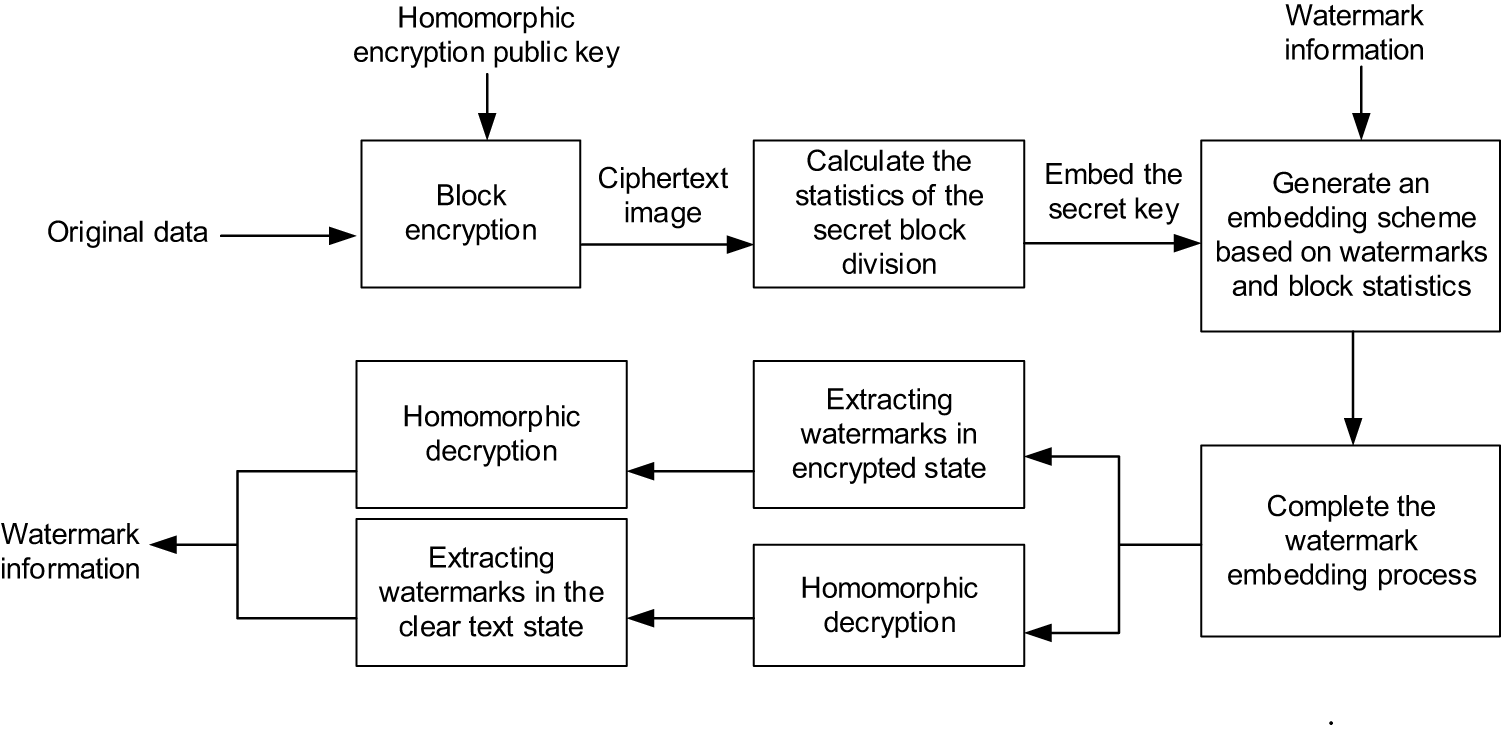
Figure 5: Flowchart of digital watermark embedding based on homomorphic encryption
3.1.3 Data Classification and Categorization
Rare and precious metal material data exhibit multi-source and heterogeneous characteristics. Based on the importance and value index of the data, they are distinguished to take corresponding protection measures. The classification and categorization of rare and precious metal material data will standardize the management functions, roles involved, and management processes throughout the entire life cycle of material gene data. The figure below shows the user permission control based on user-role-resource. Data classification is based on data attributes or characteristics, and data with the same attributes are classified into one category, establishing a clear classification system. Data classification is based on the sensitivity and potential impact of the data to determine the data protection requirements. The following access control permissions are imposed on the data in the material gene database: public access (paid/unpaid); restricted access. For data with restricted access, the accessible data items can include: material sample information, constituent elements, constituent phases, elemental properties, physical properties, characterization methods, etc.; the preparation process is generally classified as confidential data and is not disclosed, and cannot be accessed, etc. The user-data access authority system of the rare and precious metal materials gene platform is shown in Fig. 6. In terms of data classification and fine-grained data access control, a data access control module is developed based on the discretionary access control (DAC) model. Access control is described through lists and matrix forms to represent the permission allocation relationship between subjects and objects.
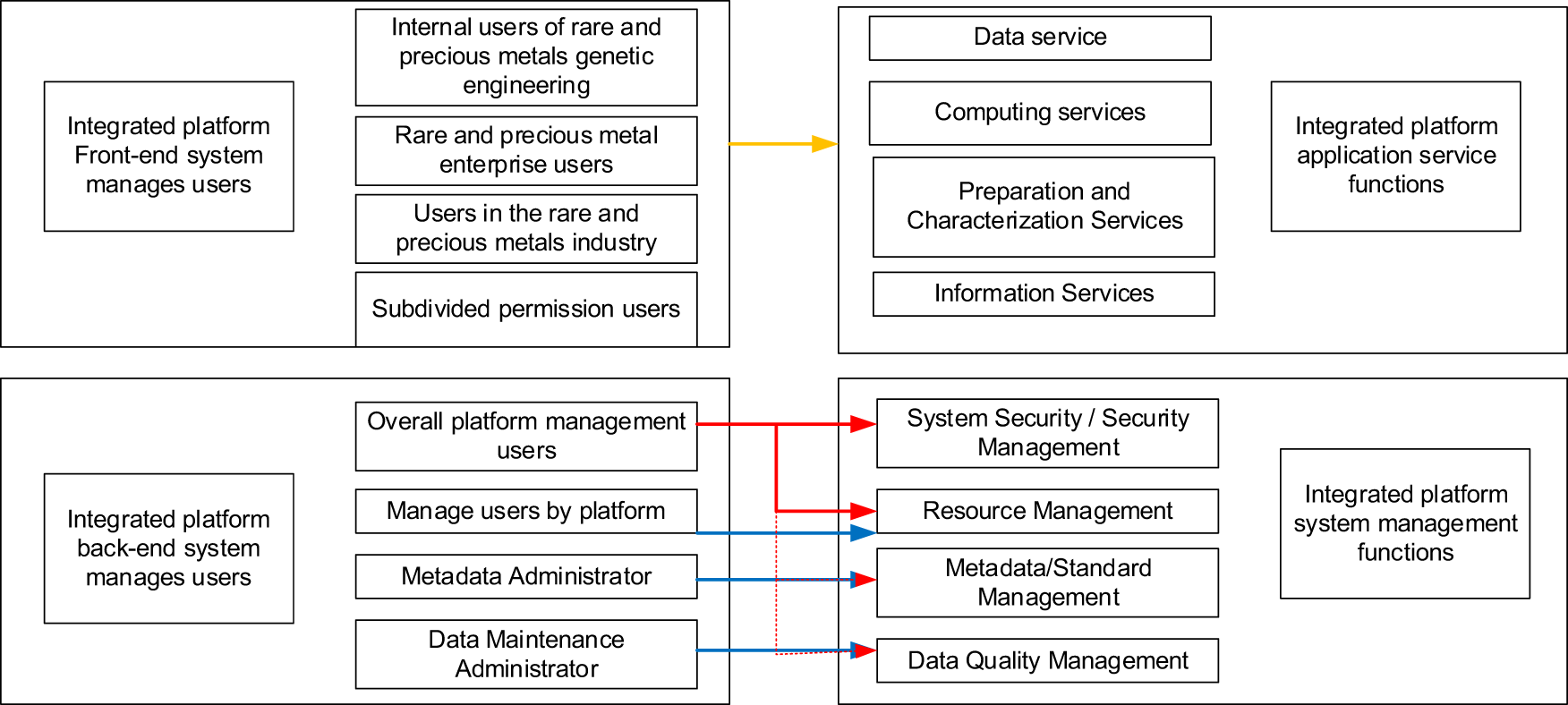
Figure 6: User system of the rare precious metal materials gene platform
3.2 Material Calculation Data Platform
For the high-throughput calculation data of the material database, management information is extracted through standardized naming, and input parameters, output parameters, and original files are extracted based on the determined data mapping relationships. An analysis plugin is developed to achieve the upload import and automatic parsing of all provided high-throughput calculation data files, expanding the data volume. The platform has an in-built computing engine (quantum chemistry calculation, molecular dynamics simulation tools such as VASP, LAMMPS) [30]. The integrated computing platform for rare and precious metal material genomics data is shown in the following Fig. 7. The material calculation data platform also has powerful data processing and analysis functions. The actual data of the material calculation is shown in Fig. 8, include structure parameter, EIGENVAL, density of electronic states. Users can view the analysis results intuitively through a visual interface, thereby accelerating the development process of new materials. At the same time, the platform supports multi-task parallel computing to improve data processing efficiency and meet the demand for rapid accumulation of calculation data for rare and precious metal materials.
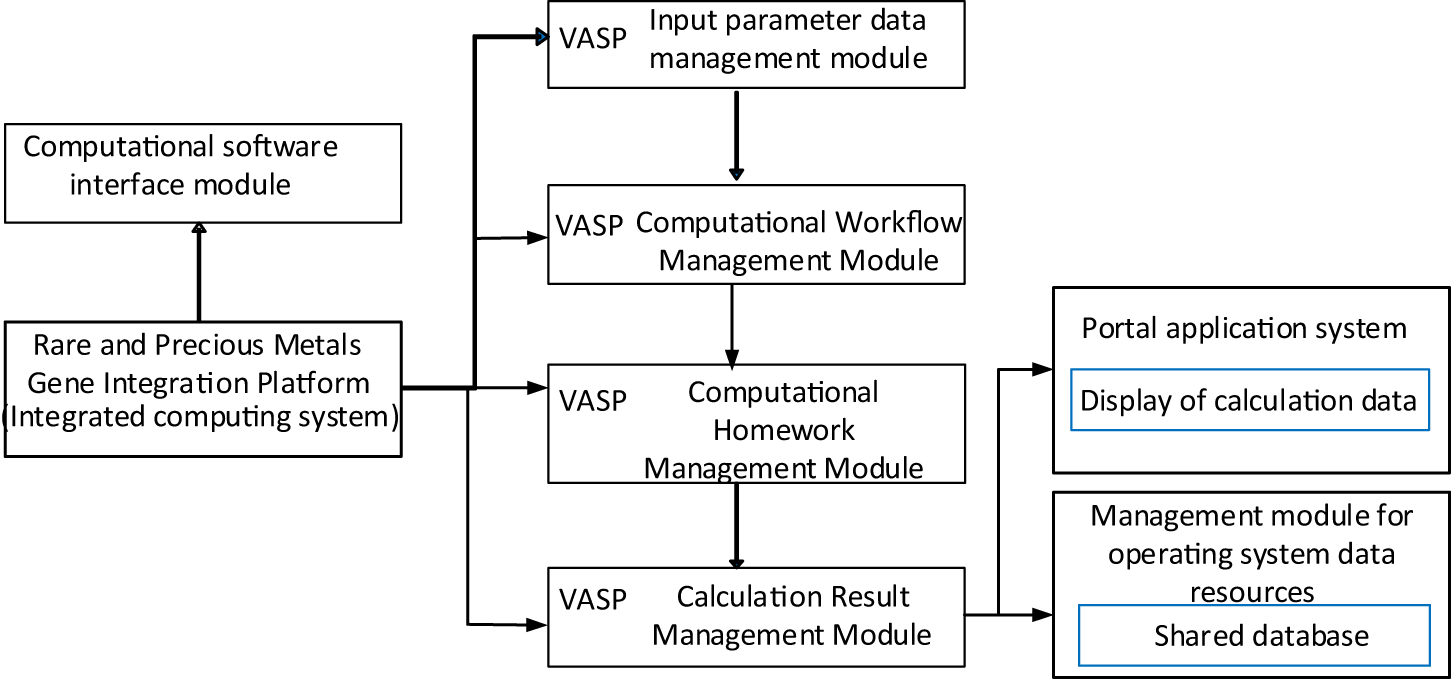
Figure 7: Process of integrated computational data system for materials
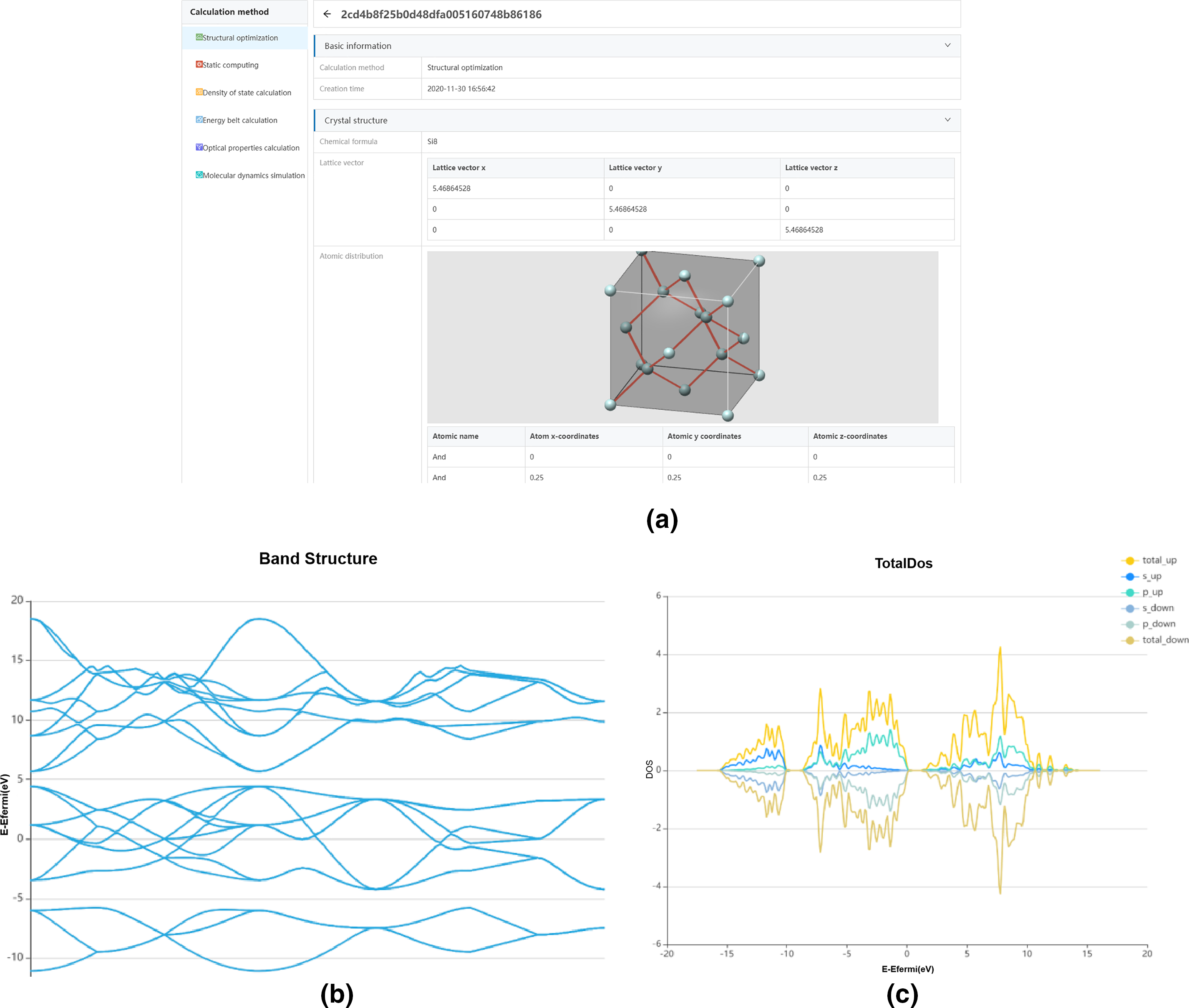
Figure 8: High-throughput material calculation data presentation. (a) structure parameter; (b) energy band; (c) density of electronic states
Currently, the transmission of material data mainly relies on cloud computing platforms and edge computing technologies. However, relying on centralized cloud computing platforms for large-scale material data transmission will lead to a significant consumption of computing resources. In the Internet of Things environment, long-distance data transmission is vulnerable to security threats, thereby reducing the privacy security of material data and seriously affecting the reliability of material data. This platform research builds a trusted data space, based on consensus rules, connects multiple entities, and realizes the shared and common use of data resources. The trusted data space constructs an open framework involving multiple entities, collaborative construction, and shared operation of data value and benefits, to solve the problem of trusted interaction and management of multi-network, multi-domain material data. The trusted data interaction diagram for rare and precious metal materials is shown in Fig. 9. Firstly, through a unified specification of data format, heterogeneous data pushed by various parties is normalized at the distributed data gateway; secondly, the corresponding data fingerprints are calculated through hash algorithms, and the data fingerprints of rare and precious metal materials and other information are stored using blockchain, and the data fingerprint at the time of insertion into the data set can be obtained based on the on-chain information obtained, thereby achieving trusted verification of the data and ensuring the integrity and validity of the data during data sharing.
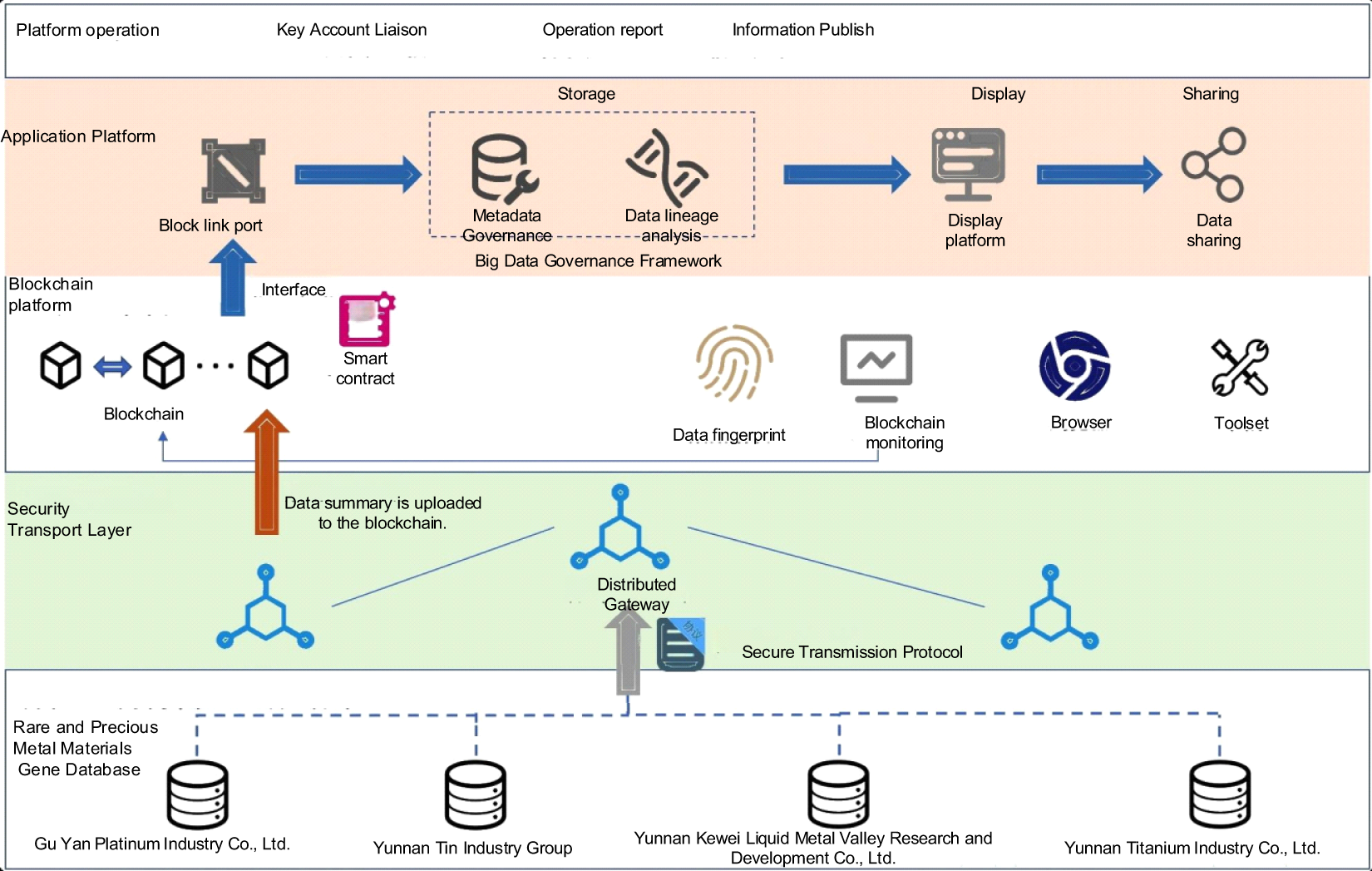
Figure 9: Data trustworthy sharing architecture diagram
3.3.1 Distributed Data Gateway
By uniformly stipulating the data format, the heterogeneous data pushed by each party is normalized by the distributed data gateway. The distributed gateway architecture is shown in the following Fig. 10. The upstream system calls the gateway data interface to push data to the gateway; after the gateway service receives the data pushed by the upstream system, it checks the legality of the data. If the verification fails, it returns an error message, indicating a data format error. If the verification is successful, it pushes the data to the chain; after the pushed data to the chain is successful, the data fingerprint is obtained and the successfully pushed data is stored in the cache database; through the scheduled task, the cached and chain-successful data is polled and read every second. If there is data in the cache database, the push data interface provided by the display platform is called. If the interface call is successful, the data is successfully pushed to the display platform. The gateway scheduled task process is described as follows. The scheduled task reads the data (already successfully chained) in the cache database, and pushes it to the display platform when there is data. If the push is successful, the already completed pushed data is cleared; if the push fails, the reason for the push failure is recorded; when reading the data (already successfully chained) in the cache database, if there is no data, the scheduled task automatically ends.
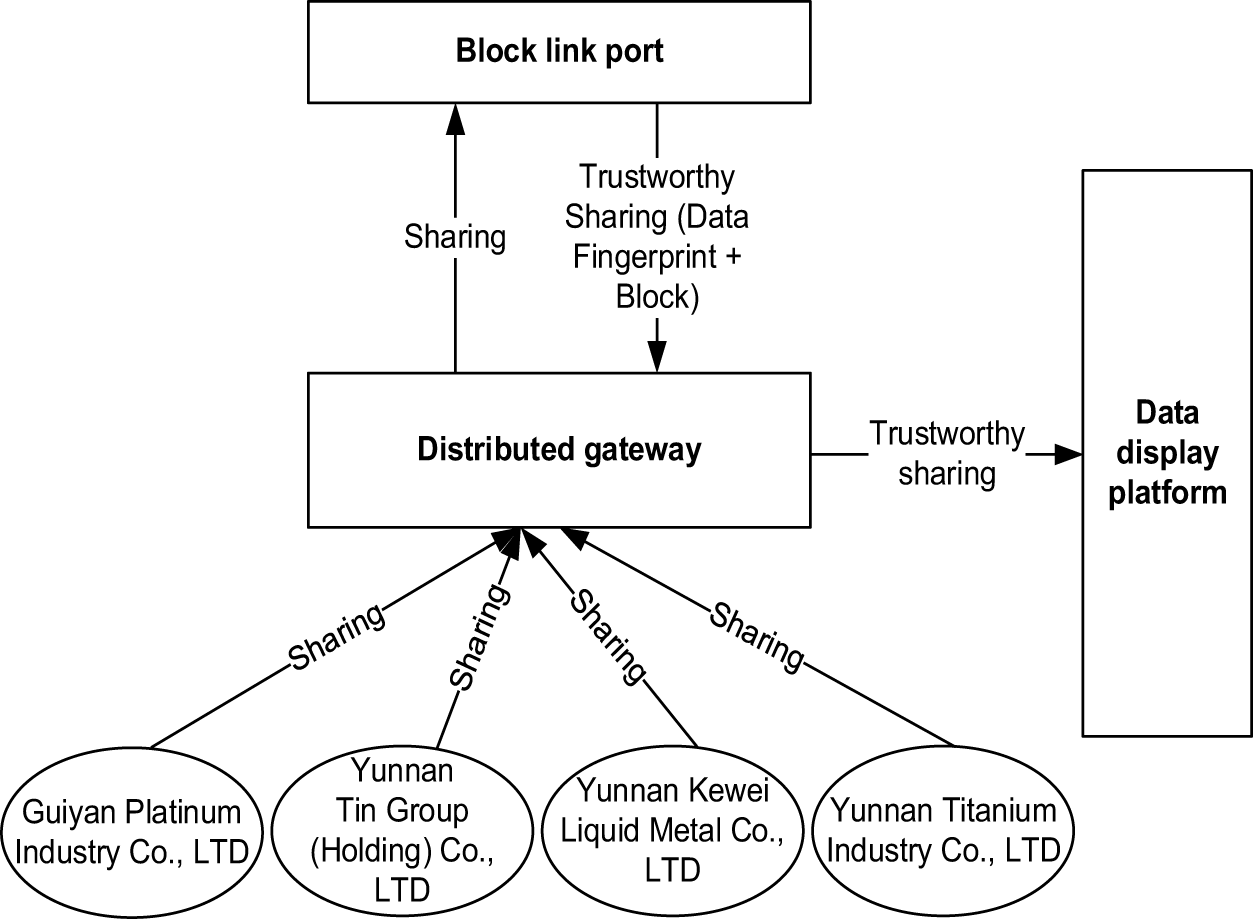
Figure 10: Distributed data gateway for precious metal materials database
3.3.2 Reverent Material Genetic Data Space
Currently, the transmission of material data mainly relies on cloud computing platforms and edge computing technologies. However, relying on centralized cloud computing platforms for large-scale material data transmission will lead to a significant consumption of computing resources. In the Internet of Things environment, long-distance data transmission is vulnerable to security threats such as witch attacks and flooding attacks, which may cause network congestion, resource depletion, and even significant deviations in data transmission, thereby reducing the privacy security of material data. This further seriously affects the reliability of material data. The framework diagram of the trusted data space is shown in Fig. 11. In view of this, the research aims to construct a trusted data space, based on consensus rules, connecting multiple entities, and realizing the shared use of data resources. The framework for trusted sharing data of genetic information for rare metal materials is shown in Table 2, which records the comprehensive material genetic data of SnBi4258 through blockchain technology. The trusted data space builds an open framework through the participation of multiple entities, the joint construction and operation of multiple parties, and the sharing of data value benefits, in order to solve the trusted interaction and management problems of material data across networks and domains.
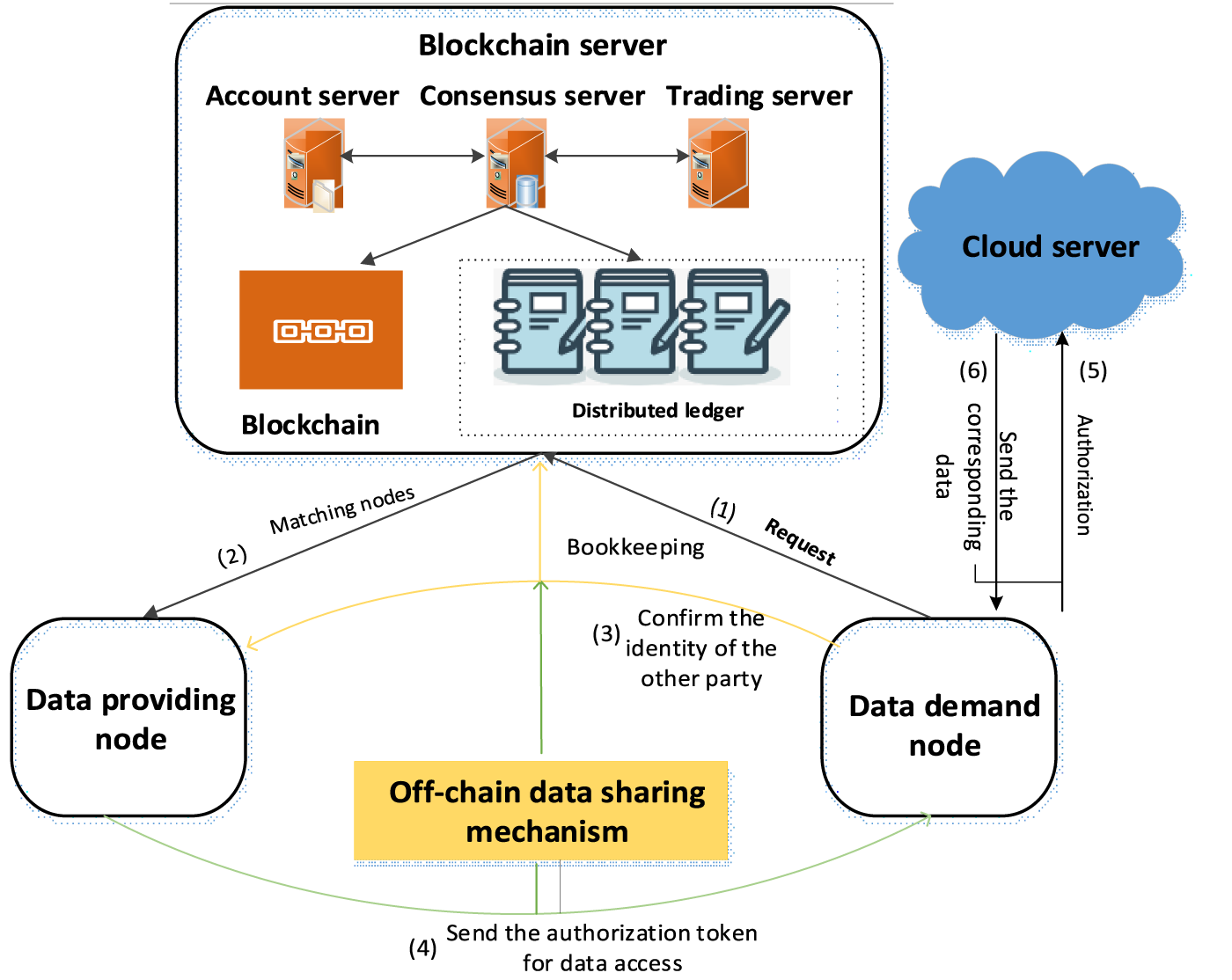
Figure 11: Trustworthy data interaction diagram of rare and precious metal materials

This data development service platform page serves as an external display window for data resource development services and also acts as an entry point for both the supply and demand sides of rare and precious metals data resources to make service applications and facilitate matchmaking. It is also a channel for data product developers to carry out product development and technical exchanges. The data development service platform provides data resource aggregation and management for rare and precious metals, mainly including raw databases, business databases, and data sharing databases. It also offers data implementation services, aggregating various data, conducting data governance, and providing data sharing services. The platform supports functional sections such as portal configuration, application scenario exhibition hall, comprehensive information, help center, user center, and platform introduction. The data-sharing platform for rare and precious metal material genomics engineering is shown in the following Fig. 12. The data service module provides data services to users, including data resource query, data resource access, and data dynamics, and also offers data visualization services, allowing users to view data from multiple dimensions. Based on the construction of a total control platform for rare and precious metal materials genomics, using high-throughput computing platforms, databases, and other platform frameworks, a public platform supporting the integration of data for rare and precious metal material genomics engineering is established.
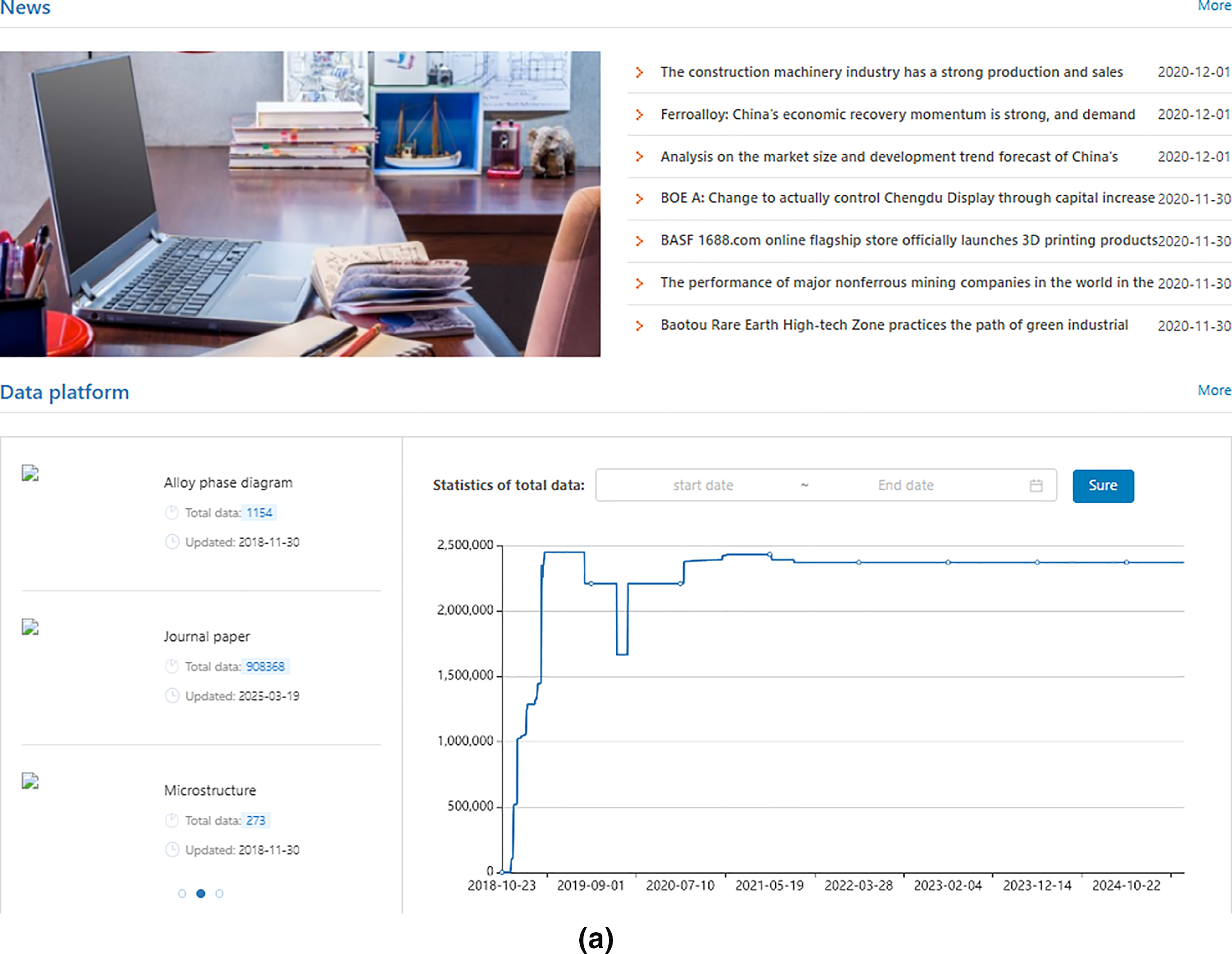

Figure 12: Data sharing platform for genetic engineering of rare precious metal materials. (a) data platform; (b) Trustworthy Sharing Platform
The integrated sharing service platform for rare and precious materials’ genetic data is constructed by adopting metadata standards, unifying data formats, and standardizing data collection processes; it uses a data classification and categorization method to manage data in a refined manner; it implements data ownership confirmation and traceability through homomorphic public key encryption and data watermarking; it develops high-throughput computing platform interfaces to connect first-principles and other computing platforms, and utilizes the identification import technology of first-principles and thermodynamic data files to collect, analyze, and process computational data, achieving rapid accumulation of material data; it builds a data trustworthy sharing platform using blockchain and distributed gateways to protect and share data; it develops an integrated service platform to provide data security application services based on actual needs.
In the later-stage data governance integration, XSD, JSON, etc., standards are adopted to standardize the material data format, ensuring data consistency [31]. The XSL technology is utilized to define the display specifications of material data to meet diverse data visualization requirements. Service data resources and algorithm resources are developed, and through professional data classification and grading rules, data directories and classification and grading are intelligently defined; intelligent search methods are utilized to optimize the rapid access to relevant data resources. Advanced machine learning methods are employed to build platform data prediction models. Data privacy security is enhanced through distributed deep learning frameworks to prevent possible privacy leakage during model training and prevent privacy leakage [32]. Given the differences in the distribution of material data among different enterprises, federated learning technology is used, and the training process of the distributed model is migrated to the user end to reduce the risk of privacy leakage and communication costs. In the deployment of large-scale machine learning models [33], containerization deployment technology is adopted to provide strong support for machine learning applications in the field of material design and discovery.
In the future, with the development of technology, the integrated platform for rare and precious materials’ genetic data will further promote the intelligence and technological innovation of data services. By introducing advanced artificial intelligence, big data, cloud computing and other technologies, efficient collection, analysis, storage, and management of rare and precious materials’ genetic data will be achieved, and the platform will be optimized and upgraded [34]. In addition, personalized customization of platform functions will be strengthened, and customized data services can be provided according to the needs of different users [35]. Further technological innovation will be explored [36,37], and natural language processing, large models, etc., technologies will be applied to material data, building a rare and precious materials’ genetic large model and intelligent agent. A more complete data sharing mechanism will be established, and incentive mechanisms will encourage more entities to actively participate in the construction of rare and precious materials’ genetic databases and data contributions, further promoting a favorable development pattern of collaborative innovation in rare and precious materials research.
Acknowledgement: The authors would like to thank Yunnan Key Laboratory of Intelligent Systems and Computing and Yunnan Provincial Academy of Science and Technology for support, and the Major Science and Technology Projects in Yunnan Province (202502AD080002), Yunnan Fundamental Research Projects (202201AT070161), Yunnan Province High-level Talent Introduction Program (C619300A023) for funding of this research.
Funding Statement: This research was funded by the Major Science and Technology Projects in Yunnan Province (202502AD080002); Yunnan Fundamental Research Projects (202201AT070161); Yunnan Province High-Level Talent Introduction Program (C619300A023).
Author Contributions: Resources: Lin Huang, Ying Zhou; Conceptualization: Lin Huang, Ying Zhou; Investigation: Jingjing Yang; Writing—original draft: Lin Huang; Writing—review & editing: Lin Huang; Methodology: Ying Zhou, Jingjing Yang; Formal analysis: Lin Huang; Supervision: Ying Zhou, Jingjing Yang. All authors reviewed the results and approved the final version of the manuscript.
Availability of Data and Materials: Not applicable.
Ethics Approval: Not applicable.
Conflicts of Interest: The authors declare no conflicts of interest to report regarding the present study.
References
1. Xie J. Prospects of materials genome engineering frontiers. Mater Genome Eng Adv. 2023;1(2):e17. doi:10.1002/mgea.17. [Google Scholar] [CrossRef]
2. Xue X, Huang X, Wang G. Materials genome engineering: a promising approach for the development of high-performance metal-organic frameworks. Sci Bull. 2022;67(12):1197–200. doi:10.1016/j.scib.2022.05.003. [Google Scholar] [PubMed] [CrossRef]
3. Li H, Xu Y, Duan W. Ab initio artificial intelligence: future research of Materials Genome Initiative. Mater Genome Eng Adv. 2023;1(2):e16. doi:10.1002/mgea.16. [Google Scholar] [CrossRef]
4. Shang Y, Xiong Z, An K, Hauch JA, Brabec CJ, Li N. Materials genome engineering accelerates the research and development of organic and perovskite photovoltaics. Mater Genome Eng Adv. 2024;2(1):e28. doi:10.1002/mgea.28. [Google Scholar] [CrossRef]
5. Zhou Y, Gan G, Yi J, Lai Y, Wang Y, Gao J, et al. Research status of the rare and precious metals’ Materials Genome Initiative. J Micromech Mol Phys. 2020;5(2):2040002. doi:10.1142/s2424913020400020. [Google Scholar] [CrossRef]
6. Wang Z, Wei J, Feng J, Wang Y, Lai Y, Hou S. Research on the construction of the general control platform for Yunnan rare and precious metal materials genetic engineering. J Micromech Mol Phys. 2020;5(2):2040001. doi:10.1142/s2424913020400019. [Google Scholar] [CrossRef]
7. Scheidgen M, Himanen L, Ladines AN, Sikter D, Nakhaee M, Fekete Á., et al. NOMAD: a distributed web-based platform for managingmaterials science research data. J Open Source Softw. 2023;8(90):5388. doi:10.21105/joss.05388. [Google Scholar] [CrossRef]
8. Jain A, Ong SP, Hautier G, Chen W, Richards WD, Dacek S, et al. Commentary: the materials project: a materials genome approach to accelerating materials innovation. APL Mater. 2013;1(1):011002. doi:10.1063/1.4812323. [Google Scholar] [CrossRef]
9. Esters M, Oses C, Divilov S, Eckert H, Friedrich R, Hicks D, et al. Aflow.org: a web ecosystem of databases, software and tools. Comput Mater Sci. 2023;216:111808. doi:10.1016/j.commatsci.2022.111808. [Google Scholar] [CrossRef]
10. Shen J, Griesemer SD, Gopakumar A, Baldassarri B, Saal JE, Aykol M, et al. Reflections on one million compounds in the open quantum materials database (OQMD). J Phys Mater. 2022;5(3):031001. doi:10.1088/2515-7639/ac7ba9. [Google Scholar] [CrossRef]
11. Campi D, Mounet N, Gibertini M, Pizzi G, Marzari N. Expansion of the materials cloud 2D database. ACS Nano. 2023;17(12):11268–78. doi:10.1021/acsnano.2c11510. [Google Scholar] [PubMed] [CrossRef]
12. Ishii M, Ito T, Sakamoto K. NIMS polymer database PoLyInfo (IImachine-readable standardization of polymer knowledge expression. Sci Technol Adv Mater Meth. 2024;4(1):2354651. doi:10.1080/27660400.2024.2354651. [Google Scholar] [CrossRef]
13. Cui K, Qiao J, Liaw PK, Zhang Y. Data driving design of high-entropy alloys for lightweight and dynamic applications. Sci China Phys Mech Astron. 2024;67(2):227101. doi:10.1007/s11433-023-2226-6. [Google Scholar] [CrossRef]
14. Zhang Z, Tang H, Xu Z. Fatigue database of complex metallic alloys. Sci Data. 2023;10(1):447. doi:10.1038/s41597-023-02354-1. [Google Scholar] [PubMed] [CrossRef]
15. Imran, Iqbal N, Kim DH. Intelligent material data preparation mechanism based on ensemble learning for AI-based ceramic material analysis. Adv Theory Simul. 2022;5(11):2200517. doi:10.1002/adts.202200517. [Google Scholar] [CrossRef]
16. Wang R, Xu C, Dong R, Luo Z, Zheng R, Zhang X. A secured big-data sharing platform for materials genome engineering: state-of-the-art, challenges and architecture. Future Gener Comput Syst. 2023;142(5):59–74. doi:10.1016/j.future.2022.12.026. [Google Scholar] [CrossRef]
17. Gong H, He J, Zhang X, Duan L, Tian Z, Zhao W, et al. A repository for the publication and sharing of heterogeneous materials data. Sci Data. 2022;9(1):787. doi:10.1038/s41597-022-01897-z. [Google Scholar] [PubMed] [CrossRef]
18. Pan G, Wang F, Shang C, Wu H, Wu G, Gao J, et al. Advances in machine learning- and artificial intelligence-assisted material design of steels. Int J Miner Metall Mater. 2023;30(6):1003–24. doi:10.1007/s12613-022-2595-0. [Google Scholar] [CrossRef]
19. Yoshiuchi H, Miyamoto H, Tanimoto S. Experimental data management platform for materials informatics. J Softw. 2023;2023:99–105. doi:10.17706/jsw.18.2.99-105. [Google Scholar] [CrossRef]
20. Stein HS, Soedarmadji E, Newhouse PF, Guevarra D, Gregoire JM. Synthesis, optical imaging, and absorption spectroscopy data for 179072 metal oxides. Sci Data. 2019;6(1):9. doi:10.1038/s41597-019-0019-4. [Google Scholar] [PubMed] [CrossRef]
21. Zheng H, Sivonxay E, Christensen R, Gallant M, Luo Z, McDermott M, et al. The ab initio non-crystalline structure database: empowering machine learning to decode diffusivity. npj Comput Mater. 2024;10(1):295. doi:10.1038/s41524-024-01469-2. [Google Scholar] [CrossRef]
22. Marano A, Ribart C, Proudhon H. Towards a data platform for multimodal 4D mechanics of material microstructures. Mater Des. 2024;246(4):113306. doi:10.1016/j.matdes.2024.113306. [Google Scholar] [CrossRef]
23. Zhang Z, Liang Z, Ma C, Lin C, Li J. High-throughput structure determination of polycrystalline functional materials: a platform for automated 3DED/MicroED data collection. Sci China Chem. 2024;67(12):4158–66. doi:10.1007/s11426-024-2069-2. [Google Scholar] [CrossRef]
24. Li Z, Zeng ZR, Tan R, Taheri ML, Birbilis N. A database of mechanical properties for multi principal element alloys. Chem Data Collect. 2023;47(5):101068. doi:10.1016/j.cdc.2023.101068. [Google Scholar] [CrossRef]
25. Park YJ, Jerng SE, Yoon S, Li J. 1.5 million materials narratives generated by chatbots. Sci Data. 2024;11(1):1060. doi:10.1038/s41597-024-03886-w. [Google Scholar] [PubMed] [CrossRef]
26. Yang D, Yu J, He Z, Li P. Database energy saving strategy using blockchain and Internet of Things. Sci Rep. 2025;15(1):2316. doi:10.1038/s41598-024-67265-6. [Google Scholar] [PubMed] [CrossRef]
27. Deng J, Liu G, Zeng X. Blockchain-based security access control system for sharing squeeze casting process database. Integr Mater Manuf Innov. 2024;13(1):92–104. doi:10.1007/s40192-023-00337-z. [Google Scholar] [CrossRef]
28. Zhang K, Wang X, Qiu L, lv E, Guo J, Yi B. JCDC: a blockchain-based framework for secure data storage and circulation in JointCloud. Future Gener Comput Syst. 2025;162(4):107486. doi:10.1016/j.future.2024.107486. [Google Scholar] [CrossRef]
29. Wang R, Xu C, Ye F, Tang S, Zhang X. S-MBDA: a blockchain-based architecture for secure storage and sharing of material big data. IEEE Internet Things J. 2024;11(15):25505–19. doi:10.1109/JIOT.2024.3356250. [Google Scholar] [CrossRef]
30. Li G, Gao Y, Xie D, Zhu L, Shi D, Zeng S, et al. High-throughput computation of ab initio Raman spectra for two-dimensional materials. Sci Data. 2025;12(1):373. doi:10.1038/s41597-025-04593-w. [Google Scholar] [PubMed] [CrossRef]
31. Dagdelen J, Dunn A, Lee S, Walker N, Rosen AS, Ceder G, et al. Structured information extraction from scientific text with large language models. Nat Commun. 2024;15(1):1418. doi:10.1038/s41467-024-45563-x. [Google Scholar] [PubMed] [CrossRef]
32. Chen P, Bai F, Shen T, Gong B, Zhang L, Huang L, et al. SCCA: a slicing-and coding-based consensus algorithm for optimizing storage in blockchain-based IoT data sharing. Peer Peer Netw Appl. 2022;15(4):1964–78. doi:10.1007/s12083-022-01335-2. [Google Scholar] [CrossRef]
33. Kuleyin H, Karabacak YE, Gümrük R. Predicting mechanical behavior of different thin-walled tubes using data-driven models. Mater Today Commun. 2024;40:109998. doi:10.1016/j.mtcomm.2024.109998. [Google Scholar] [CrossRef]
34. Reiser P, Neubert M, Eberhard A, Torresi L, Zhou C, Shao C, et al. Graph neural networks for materials science and chemistry. Commun Mater. 2022;3(1):93. doi:10.1038/s43246-022-00315-6. [Google Scholar] [PubMed] [CrossRef]
35. Gupta V, Choudhary K, Mao Y, Wang K, Tavazza F, Campbell C, et al. MPpredictor: an artificial intelligence-driven web tool for composition-based material property prediction. J Chem Inf Model. 2023;63(7):1865–71. doi:10.1021/acs.jcim.3c00307. [Google Scholar] [PubMed] [CrossRef]
36. Arróyave R, Khatamsaz D, Vela B, Couperthwaite R, Molkeri A, Singh P, et al. A perspective on Bayesian methods applied to materials discovery and design. MRS Commun. 2022;12(6):1037–49. doi:10.1557/s43579-022-00288-0. [Google Scholar] [CrossRef]
37. Liu J, Qian Q. Reinforcement learning-based knowledge graph reasoning for aluminum alloy applications. Comput Mater Sci. 2023;221(7601):112075. doi:10.1016/j.commatsci.2023.112075. [Google Scholar] [CrossRef]
Cite This Article
 Copyright © 2025 The Author(s). Published by Tech Science Press.
This work is licensed under a Creative Commons Attribution 4.0 International License , which permits unrestricted use, distribution, and reproduction in any medium, provided the original work is properly cited.
 Downloads
 Citation Tools
