
 Login
Login Register
 Submit a Paper
 Propose a Special lssue
 Open Access
ARTICLE
Performance Analysis of Bandwidth Aware Hybrid Powered 5G Cloud Radio Access Network
1 Department of Computer Science and Engineering, Bangladesh Army University of Science & Technology, Nilphamari, 5300, Bangladesh
2 Department of Electrical and Electronic Engineering, Bangladesh Army University of Science & Technology, Nilphamari, 5300, Bangladesh
3 Faculty of Computer Science and Informatics, Berlin School of Business and Innovation Karl-Marx-Straße 97-99, Berlin, 12043, Germany
4 Centre for Image and Vision Computing (CIVC), COE for Artificial Intelligence, Faculty of Artificial Intelligence and Engineering (FAIE), Multimedia University, Cyberjaya, 63100, Selangor, Malaysia
5 Department of Mechatronics Engineering, University of South Australia (UniSA), Mawson Lakes, 5095, Australia
6 Department of Computer Science and Engineering, Rajshahi University, Rajshahi, 6203, Bangladesh
* Corresponding Authors: Fahmid Al Farid. Email: ; Md. Hezerul Abdul Karim. Email:
Computers, Materials & Continua 2026, 87(1), 89 https://doi.org/10.32604/cmc.2025.071280
Received 04 August 2025; Accepted 11 October 2025; Issue published 10 February 2026
 View Full Text
 Download PDF
Abstract
The rapid growth in available network bandwidth has directly contributed to an exponential increase in mobile data traffic, creating significant challenges for network energy consumption. Also, with the extraordinary growth of mobile communications, the data traffic has dramatically expanded, which has led to massive grid power consumption and incurred high operating expenditure (OPEX). However, the majority of current network designs struggle to efficiently manage a massive amount of data using little power, which degrades energy efficiency performance. Thereby, it is necessary to have an efficient mechanism to reduce power consumption when processing large amounts of data in network data centers. Utilizing renewable energy sources to power the Cloud Radio Access Network (C-RAN) greatly reduces the need to purchase energy from the utility grid. In this paper, we propose a bandwidth-aware hybrid energy-powered C-RAN that focuses on throughput and energy efficiency (EE) by lowering grid usage, aiming to enhance the EE. This paper examines the energy efficiency, spectral efficiency (SE), and average on-grid energy consumption, dealing with the major challenges of the temporal and spatial nature of traffic and renewable energy generation across various network setups. To assess the effectiveness of the suggested network by changing the transmission bandwidth, a comprehensive simulation has been conducted. The numerical findings support the efficacy of the suggested approach.Keywords
The need for widespread and fast wireless communication has experienced a substantial rise in recent years owing to the extensive use of personal mobile computing devices such as tablets and smartphones, as well as the increasing prevalence of data-intensive mobile applications [1]. The next generation 5G cellular network is expected to need 1000 times the bandwidth, 100 times the data throughput, 100 times increases in spectral efficiency, and 1000 times increases in energy efficiency to address the rapidly increasing rate [2]. As a result, a technological revolution is required to meet these demands. The traditional cellular network was not designed to sustenance the capabilities required to handle the significant rise in data traffic and to reduce capital and operational expenses. To address these challenges, a new architecture called C-RAN has been introduced [3]. C-RAN represents a revolutionary redesign of the cellular architecture. In contrast, traditional base stations (BSs) in mobile networks consume a substantial amount of energy, 60%–80% of the total network’s energy usage [4]. Moreover, BSs also have a negative impact on the environment due to the significant amount of carbon dioxide CO2 emissions they generate. Therefore, it is prominent to optimize network energy efficiency, which is the key objective of this study. C-RANs have emerged as a viable solution for mitigating energy consumption. By centralizing the Baseband Units (BBUs) in C-RAN, there is a reduction in energy usage associated with site maintenance equipment and air conditioning systems. Furthermore, the central BBU pool effectively manages the signal processing for numerous dynamically deployed Remote Radio Heads (RRHs). The development of mobile commerce has increased energy consumption, which puts a great deal of strain on the resources of the traditional grid and also has a harmful impact on the ecological and economic aspects [5]. It is widely accepted that the cost of producing renewable energy is considerably lower than that of traditional grid electricity, and it has the advantage of no CO2 emissions [6]. However, the combination of random renewable energy sources into the dynamics of energy consumption on wireless networks poses a significant challenge for next-generation fifth generation (5G) cellular networks. To address this issue, a viable approach has emerged in the form of powering BSs in cellular network architecture to enhance energy efficiency. This approach involves combining renewable energy sources with traditional grid supplies through an aggregation technique, which shows promise in achieving improved energy efficiency in the infrastructure of mobile networks.
1.1 Cloud Radio Access Network (C-RAN)
Base station duties are divided into two sections in C-RAN [7]. The RRHs are strategically positioned near the mobile users throughout the network, while the BBUs consist of high-speed processors and are utilized in the cloud for conducting baseband processing operations [8]. The central BBU effectively manages the RRHs through a cost-effective optical transport link with high bandwidth [9]. Although there are fewer cell sites in C-RAN since the BSs are centralized, there are also fewer additional site support devices that require air conditioning and electricity. Moreover, the central BBU pool lowers the expense of deploying and running BSs. Furthermore, the implementation of C-RAN enables efficient provision of services to a substantial user base through the utilization of network information within the BBU pool. However, it is important to consider the energy efficiency aspect, as the deployment of densely distributed RRHs may lead to increased energy consumption within the C-RAN system. This can impose a considerable burden on the electric grid and result in elevated operational expenses. This study offers a thorough understanding of C-RAN powered by hybrid supply, which can significantly contribute to greater improvements in energy efficiency by lowering total grid power usage.
1.2 Motivation & Contributions
The authors in [10] presented fundamental design concepts for mobile networks driven by green energy sources, while emphasizing the adaptability of green energy-powered BSs to accommodate the evolving demands of mobile data traffic. In [11], the authors investigated transmission mechanisms employed by BSs to reduce energy consumption of the network. Furthermore, in order to use green energy as much as possible, authors in [12] explored the distribution of traffic loads among BSs to effectively meet the traffic demands of all users. Lastly, authors in [13], examined user association schemes that take into consideration the availability of green energy sources. The fundamental goal of these research endeavors is to modify the transmission techniques of BSs using renewable energy sources. Nevertheless, the majority of these studies neither take energy storage into account nor do they examine potential energy storage techniques. The aforementioned authors have identified key research challenges and trends that are essential for the integration of energy harvesting as a facilitating technology for 5G systems. Given that 5G networks are expected to be highly dense, the issues of energy consumption and carbon dioxide emissions will assume global significance.
To address the previously mentioned problem, we propose a C-RAN that operates on renewable energy sources. This solution aims to reduce the power consumption of BS during specific periods and store excess energy for future use, thereby ensuring compliance with the network’s outage restrictions. The existing study extensively inspects the potential advantages of solar energy in terms of mitigating energy consumption. The contribution of this paper are summarized as
• The difficulties of highly increasing BSs energy consumption is formulated and then explored the potential benefits of integrating renewable energy source with traditional grid supply to power these BSs.
• In order to coordinate the power control and energy allocation of the entire system, a hybrid energy provided C-RAN with energy cooperation is proposed.
• A power consumption model for C-RAN based on varying traffic load is proposed.
• An energy sharing dynamics is developed which can significantly contribute to greater improvements in energy efficiency by lowering total grid power usage.
• We examine the system performances in terms of several performance metrics such as energy efficiency, spectral efficiency, and average on-grid energy saving aiming to increase the EE and SE.
• Through extensive simulations, we evaluate the effectiveness of our framework by varying the transmission bandwidth.
The remainder of the manuscript is structured as follows. Section 2 contains a comprehensive assessment of related works. The network model is addressed in detail in Section 3, together with the solar energy model, path loss model, traffic model, and BS power model, among other things. Section 4 presents numerical findings as well as a thorough analysis. Finally, Section 5 concludes this study.
Numerous surveys and reviews have previously examined the potential of future 5G C-RAN with hybrid supply to decrease energy consumption throughout the year. The following literature presents research conducted in this field. In [14], the authors proposed a novel model for C-RAN that incorporates an amalgamation of on-grid and renewable energy sources. In the context of 5G networks, the model accounts for the overall energy consumption of several network elements. Adiraju and Rao in [15] present a C-RAN network that dynamically distributes BBU resources to RRHs in accordance with the RRH’s traffic loads. The network also minimizes the power consumption of the BBU by intelligently switching between active and inactive modes using the particle swarm optimization algorithm. Simulation outcomes show that the suggested network accomplishes significantly improved energy efficiency, with a 95% enhancement. Another study in [16], the authors proposed a hybrid C-RAN that integrates renewable energy and traditional grid power supply to create an energy-efficient 5G network. This combination reduces the effective grid power consumption and CO2 emissions. Authors in [17] proposed an a mechanism that adjusts energy usage among base stations and allows for the hybrid power supply of additional subscribers using renewable energy sources. The authors also demonstrate how to maximize the usage of green energy during periods of high traffic, resulting in significant on-grid energy savings. Elhattab et al. in [18] focused on improving spectral efficiency and QoS without considering the issue of EE. The SE and throughput of the entire network will be increased by placing more RRHs in a single cell, but this could result in underutilized RRHs and BBUs, which would increase energy consumption costs and decrease EE [19]. Consequently, it is believed that two competing objectives—maximizing throughput and decreasing the active RRHs are necessary to improve EE [20]. Additionally, very few studies consider the dynamics of the system within the scope of energy harvesting, while optimization often concentrates on a particular time period. In actuality, the time-varying data queues will impact the stability of the network because of the stochastic nature of the remote radio unit’s data arrival. Because most prior work has neglected the static channel state, the operational scheme should be built with the assumption that the time-varying properties of the channel and the randomness of traffic arrivals would be taken into account [21–23]. On the other hand, Refs. [24–27] disregard the need for traffic load coordination, which could lead to an inadequate arrangement of renewable energy and traffic load. Furthermore, in order to minimize grid power consumption (GPC), authors in [28] proposed a combinatorial optimization technique to maximize system energy efficiency (EE). The strategy was shown to cut energy by almost 20% and boost EE by around 10% during collected energy scarcity among the BSs. However, this result disregards the existence of energy storage devices, and some of the energy may be squandered if it is not needed by any base station at a particular moment. All of these works do not address numerous concerns, though, and they need to be solved. In contrast to previous research, we propose a C-RAN network with hybrid power supply system with the goal of maximizing the use of solar energy. This approach is intended to enhance energy efficiency while simultaneously reducing reliance on conventional grid electricity through the implementation of energy cooperation and energy storage mechanisms. Comprehensive simulations are performed to assess the energy efficiency and spectral efficiency of the proposed model across diverse network scenarios.
While many existing hybrid C-RAN studies [14–28] focus on utilizing renewable energy sources or optimizing grid consumption, they largely neglect the role of energy storage. Our proposed C-RAN incorporates energy storage mechanisms, allowing the network to store surplus green energy during low-demand periods and utilize it when traffic demand peaks, thereby reducing reliance on the grid and improving energy self-sufficiency. Unlike previous works [24–27] that either do not coordinate traffic load or consider static scenarios, our design dynamically allocates energy to RRHs based on real-time traffic load and stochastic data arrivals. This ensures that green energy is used efficiently, while also maintaining network stability in time-varying conditions.
The suggested C-RAN is presented in this part along with a number of characteristics.
As shown in Fig. 1, the configuration of a C-RAN powered by renewable energy source comprises a centralized BBU pool and a number of RRHs indicated by the set R = {1, 2, 3, …, m}. Moreover, the set K = {1, 2, 3, …, k} represents the number of active users, randomly distributed, that are served by the RRHs. Grid power and photovoltaic (PV) solar cells are employed to supply power to each Remote Radio Head (RRH). To ensure energy availability during periods when renewable energy sources are not accessible, each RRH is linked to an individual energy storage system, enabling energy storage for later use. Here, the downlink data transmission is taken into account. The BBU pool initially sends data across the wired fronthaul lines to the RRHs, and the RRHs subsequently provide data wirelessly to customers. The BBU pool can efficiently distribute data to multiple RRHs for data transfers by making use of the knowledge of RRHs’ energy availability network topology.
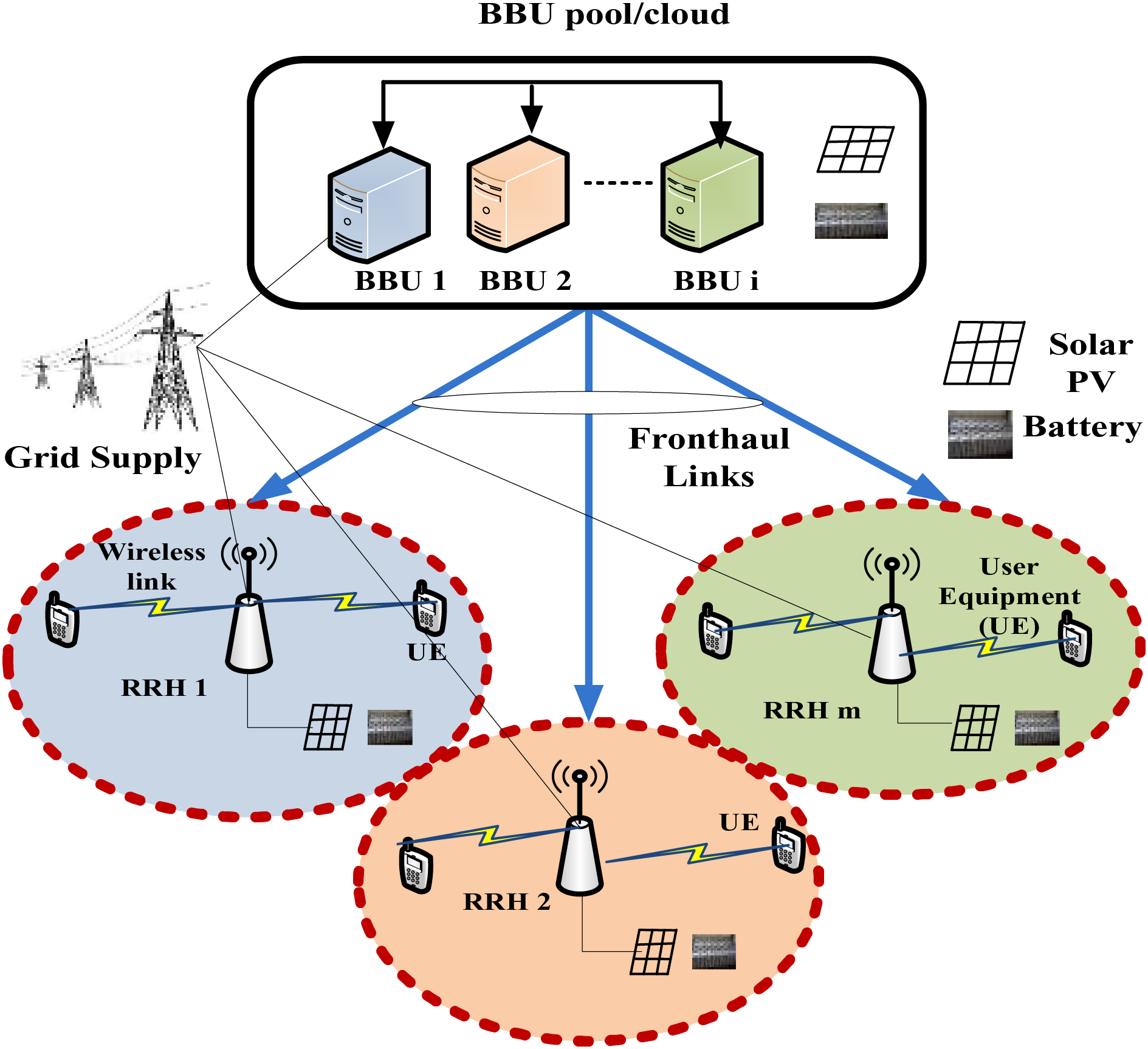
Figure 1: Layout of hybrid powered C-RAN
Renewable energy sources are abundant, clean, and competitive energy sources. It offers the best chance of reducing on-grid electricity consumption. The diversity, quantity, and potential for usage of renewable energies make them unique in the world. In this case, solar photovoltaic (PV) technology has been taken into account because it is a crucial power generating technology on the path to green energy. The evaluation of solar power generation was previously conducted by means of the System Advisor Model (SAM) software. The below Fig. 2, generated using SAM [29], illustrates the characteristic periodic pattern of energy generation from a 1-kW solar panel (System Advisor Model (SAM), version 2025.4.16). The generation reaches its peak at 1:00 PM and is limited to the time frame between approximately 6 AM and 6 PM. The RRH must be managed by a grid-connected power source in order to avoid disruption when solar power is scarce due to the variability and unavailability of solar radiation.
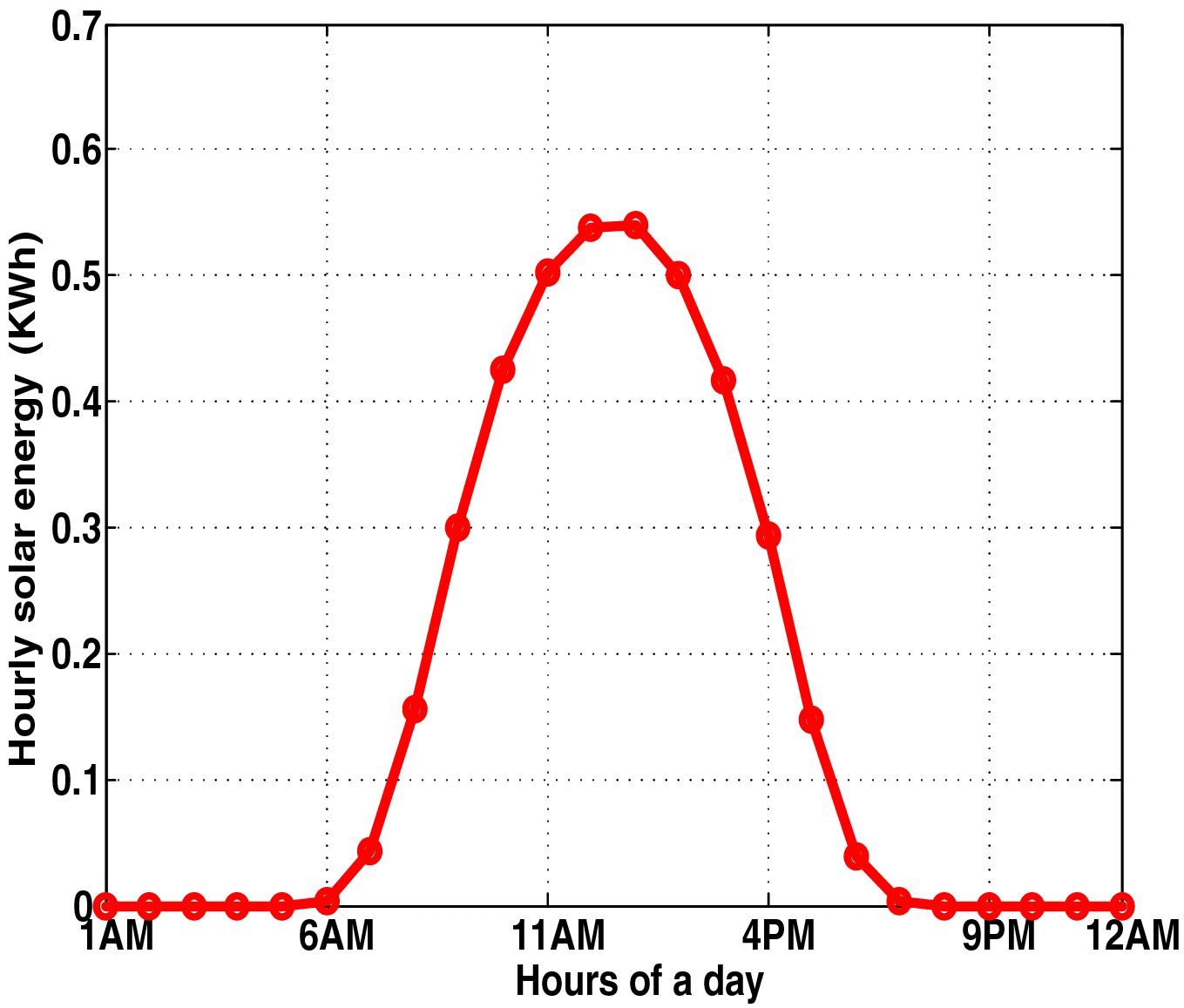
Figure 2: Average solar energy production per hour
3.3 Dynamics of Energy Sharing
The PV solar energy storing for each time slot under the proposed approach may be stated as,
where,
Case I: If
Case II: The ith RRH will utilize energy sourced from the electrical grid if
The network traffic has an impact on a mobile cellular network’s power consumption. Therefore, it is crucial to have a clear comprehension of the mobile traffic load to analyze the power consumption of the network. Fig. 3 displays an approximate daily traffic load profile, which can be modeled as follows.
where, λ(
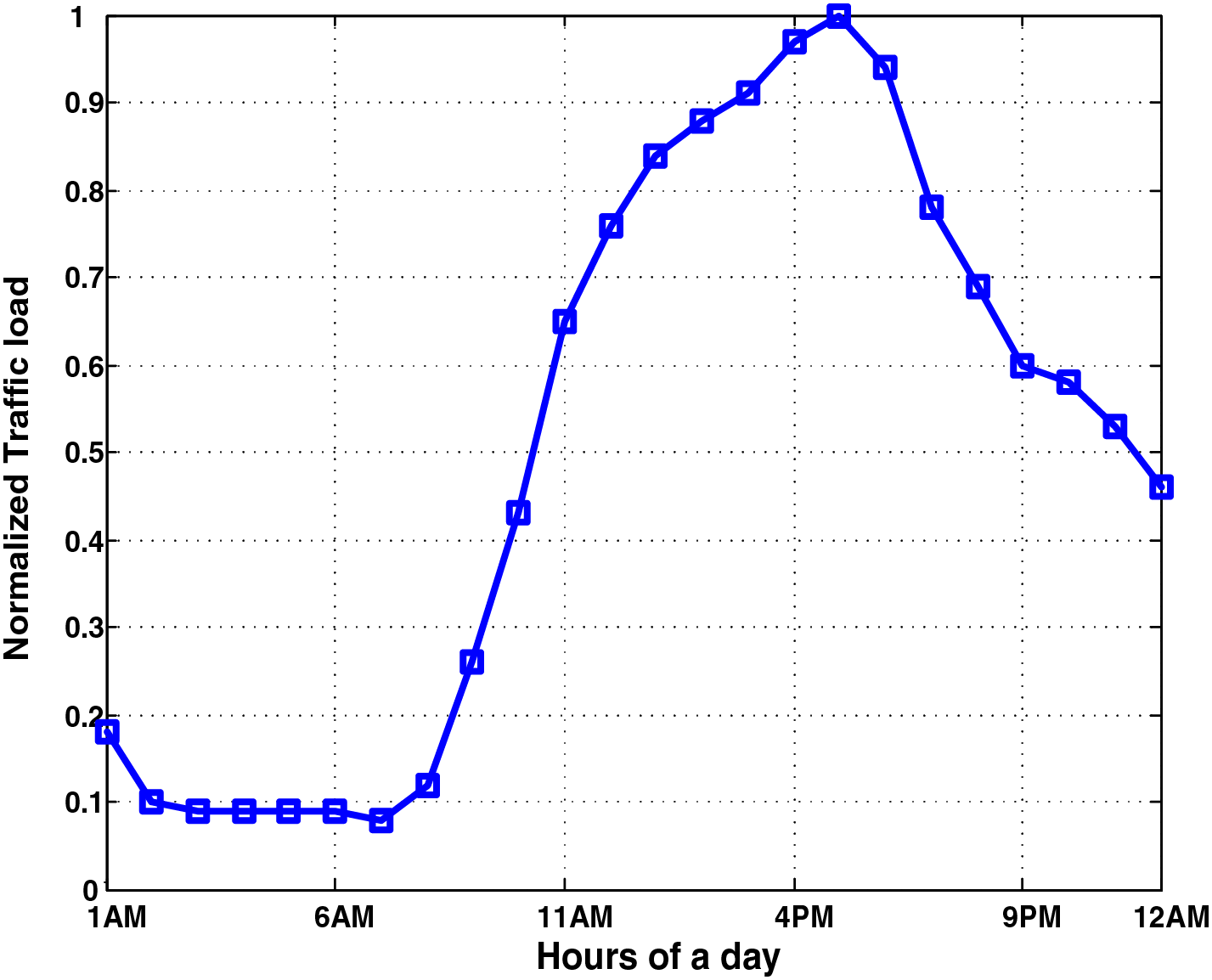
Figure 3: Daily traffic pattern of a residential area
3.5 BSs Power Consumption Model
The power consumption model for the proposed C-RAN comprises three distinct components: (i) BBU pool power, denoted as
The computation of the BBU pool power (
where,
Here,
3.5.2 Fronthaul Power Consumption
It is expected that the fronthaul is a fiber connection. Each Remote Radio Head (RRH) is connected to the Base Station (BS) cloud via a single-mode optical fiber operating at a wavelength of 1310 nm. According to the findings presented in [30], the power required for a single 20 km connection is estimated to be approximately 5.39 dBW.
The power consumption of a RRH can be calculated by using the following equations [31].
where,
where the three loss components, denoted by
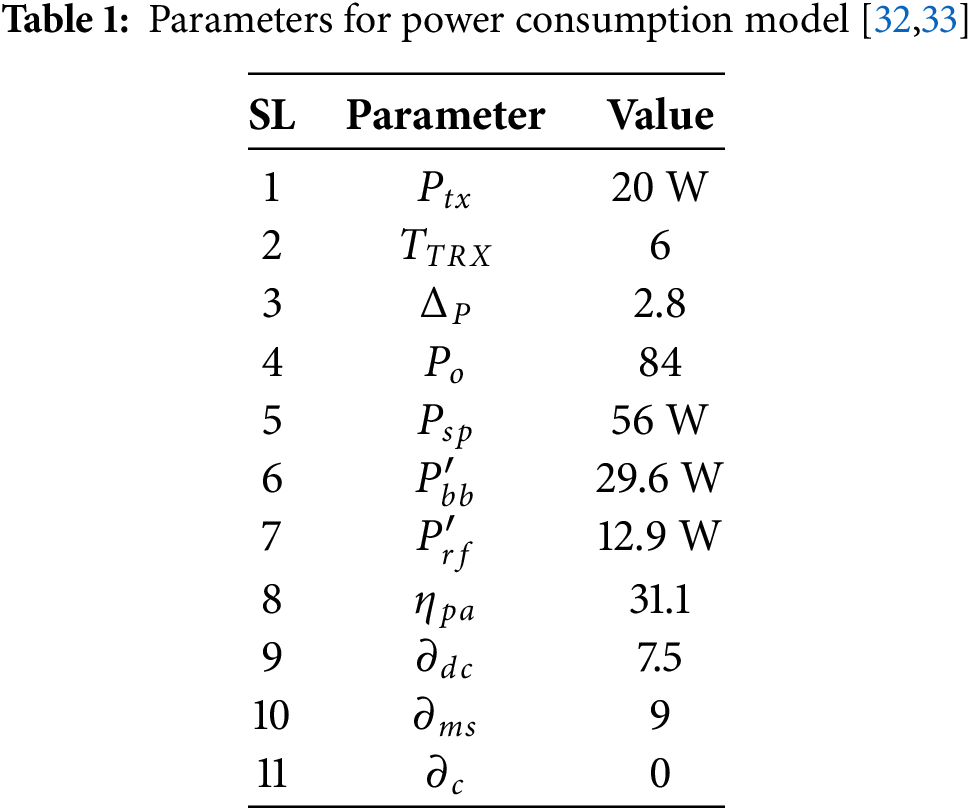
And the
where, B is the system bandwidth, 10 MHz is the normalization factor or reference bandwidth.
where probable feeder losses are represented by
A specific channel model that has a shadow fading which is log-normally distributed is thought about in this paper. Path loss
where,
where,
where,
where,
The total throughput may be determined by applying the following equation [34],
Here, K represents the total number of users, and R signifies the total number of Remote Radio Heads (RRHs).
The primary measure of performance for evaluating the proposed network is its energy efficiency. Energy efficiency is determined by the amount of power required to transmit a certain amount of data, with more efficiently resulting in less power usage. In this study, we evaluate the energy efficiency by calculating the ratio of the network’s overall throughput to its net on-grid power consumption.
The EE, represented as
3.7.3 Spectral Efficiency (SE)
In the proposed system, it is observed that each RRH has the potential to cause interference to other RRHs. Specifically, user
where,
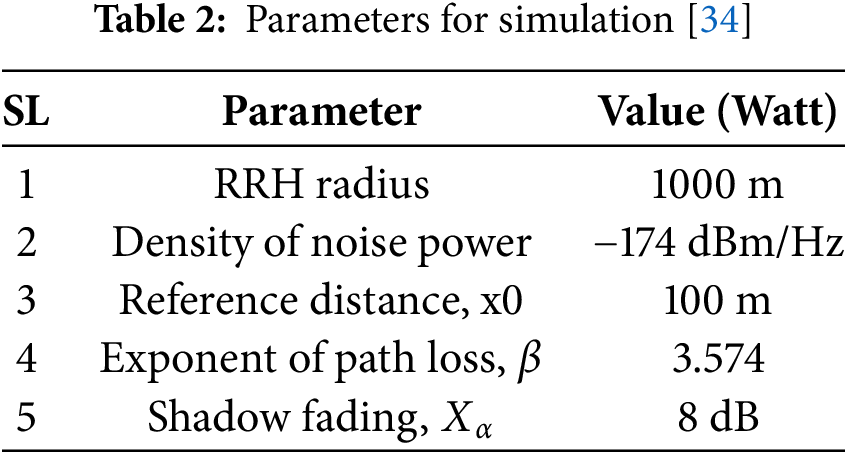
A simulation layout with coverage area of 10 RRHs comprising of a maximum of 10 BBUs is taken into consideration. We considered that, up to 50 users per cell and the users are randomly distributed. The number of users in the cell follows the traffic profile as shown in Fig. 3. A single BBU can handle one or more RRHs, as long as the data is within its capacity. Using a Monte-Carlo method developed in MATLAB, the effectiveness of the suggested network is assessed. By doing 10,000 iterations and measuring the average outcomes, the network’s performance is evaluated. It is assumed that the number of users connected to each RRH may change throughout the day. Furthermore, all users experience data transmissions from the RRHs at identical speeds. Equal transmit power is taken into account for all Resource Blocks (RB), and the same power profile parameters have been taken into account for all BS. The standard proportional fair (PF) allocation mechanism is considered, which is widely adopted in 5G network analysis. We also assumed that each user has access to a single resource block. The nearby allocating RRH is used to generate the inter-cell interference effect. The system’s primary parameters are established in accordance with the LTE standard [19], and the entities are enumerated in Table 2.
A comparison of the proposed system’s throughput performance under various bandwidth conditions is shown in Fig. 4. It is evident that upper bandwidth results in improved throughput due to the allocation of a larger number of resource blocks (RBs). Furthermore, the disparity in throughput performance is more pronounced during periods of peak traffic demand, particularly in the evening. The depicted throughput curves align with the traffic distribution pattern depicted in Fig. 3. This correspondence can be attributed to the proportional variation in the total number of RBs associated with a cluster, which is influenced by the distribution of traffic load. In essence, the allocation of resource blocks at specific times of the day directly impacts the system’s throughput performance. As observed, the throughput curves reach their peak during periods of high traffic volume in the early hours and vice versa.
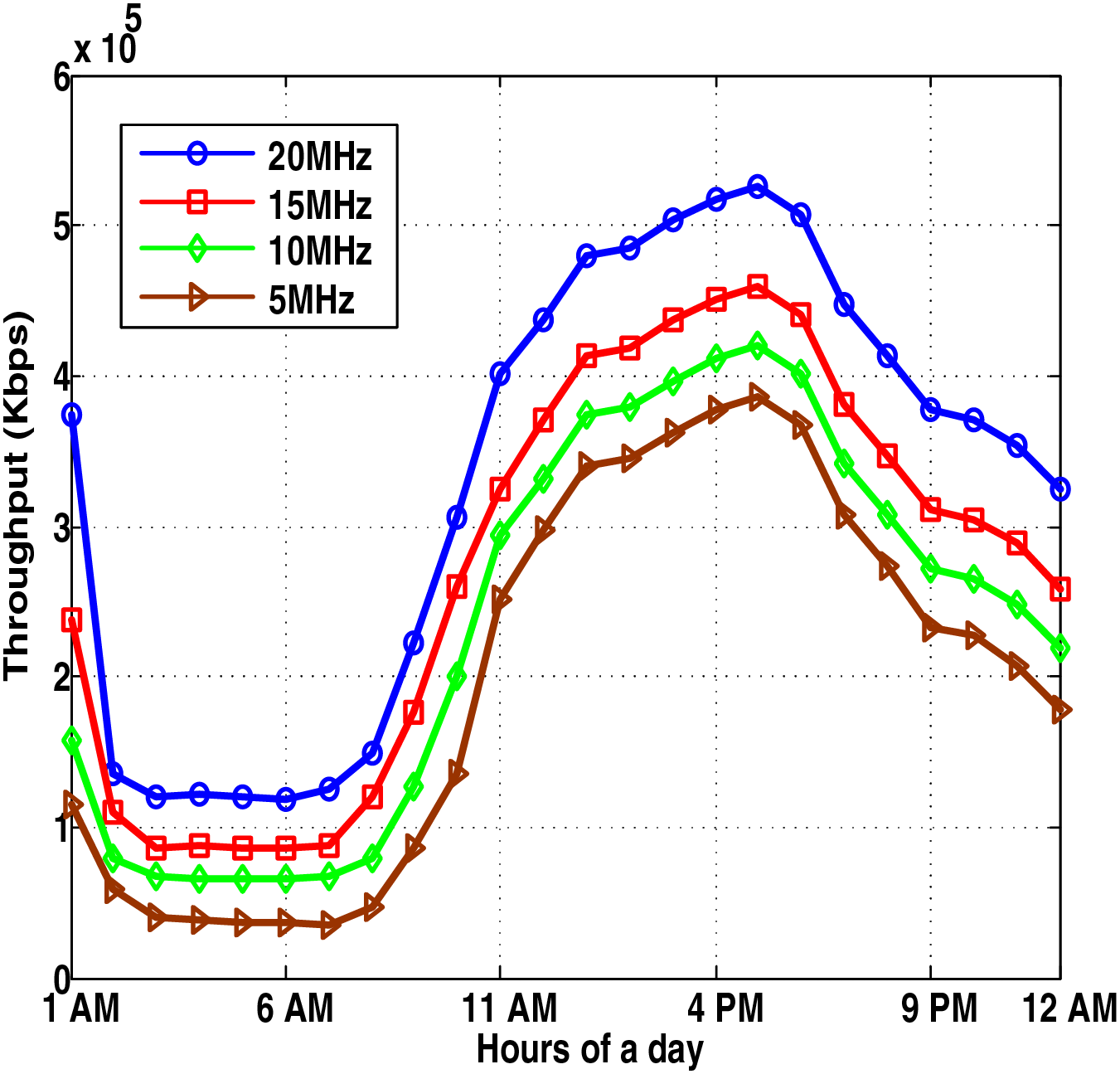
Figure 4: Throughput results with varying bandwidth during a 24-h period
Fig. 5 illustrates the comparison between the grid power consumption of the proposed network and the traditional network. The network is entirely powered until 6 a.m. by grid power when sunshine is not present. When incoming solar energy generation is available, on-grid consumption drops fast to zero. The data reveals that there is no grid energy usage during a substantial portion of the day, specifically from 8 a.m. to 7 p.m. Any surplus electricity generated during this time is stored in batteries after meeting the demands of the network. This observation suggests that the optimum utilization of green energy sources leads to a substantial reduction in grid consumption.
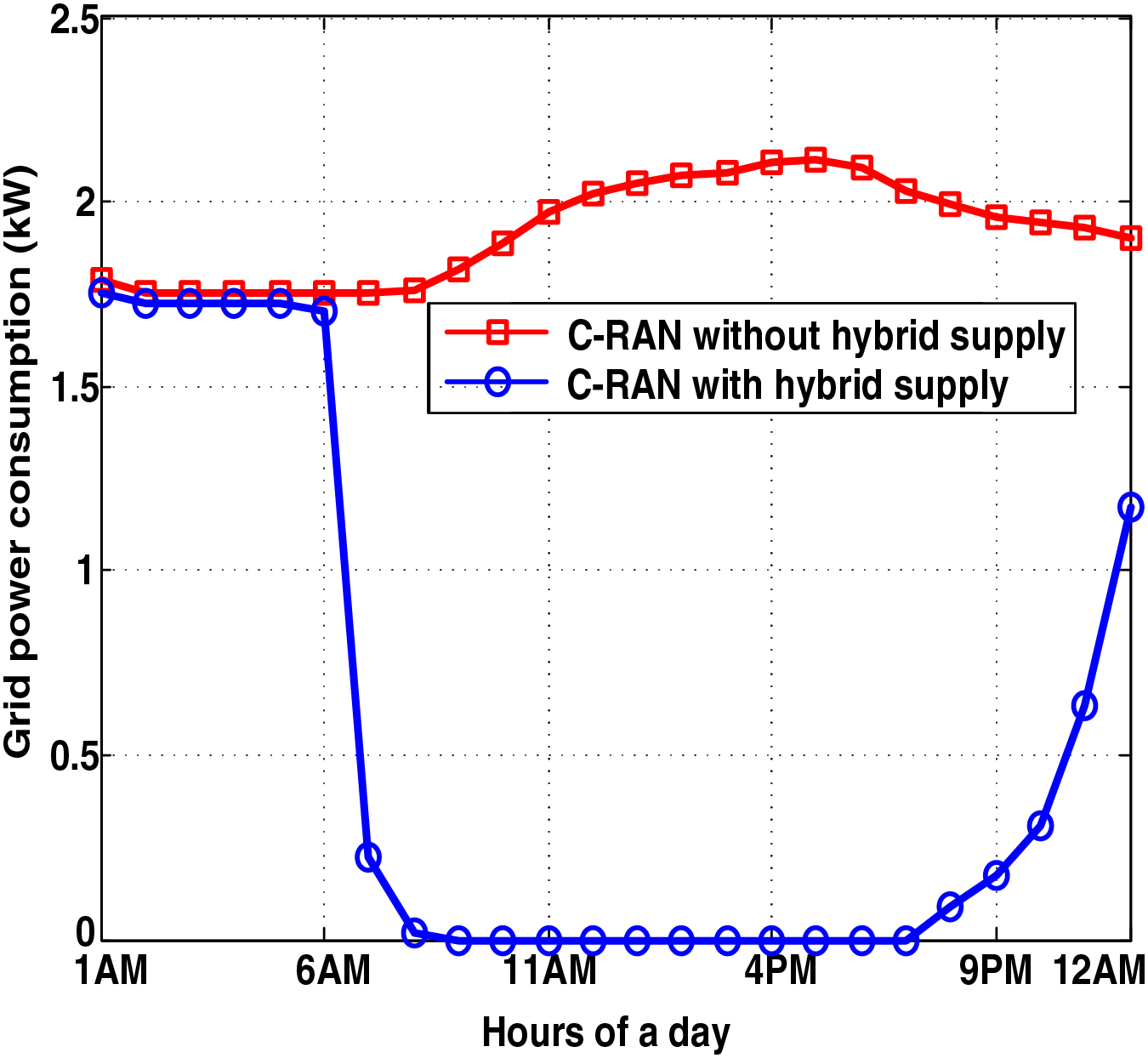
Figure 5: Comparison of grid power consumption over 24 h
Fig. 6 depicts the principal performance metric of the system, specifically the energy efficiency as a function of bandwidth. The C-RAN’s energy efficiency (EE) is determined by dividing its average throughput by the net on-grid power usage, expressed in bits per joule. Conversely, the net on-grid power consumption is determined by subtracting the power supplied from solar storage from the total power consumption. The total power consumption of C-RAN is sum of three distinct power: BBU pool power, RRH power and fronthaul power consumption, respectively. According to the definition, the RRH power consumption is proportional to the bandwidth. If the bandwidth increases, the RRH power consumption will increase. And if the RRH power consumption increases, the total power will increase. As a result grid power consumption will increase. The energy efficiency (EE) is inversely proportional to the power consumption of the grid. Because of the increasing grid power use at this time, the EE decreases as bandwidth increases. Compared to the C-RAN without a hybrid supply, the suggested C-RAN with a hybrid supply system had a 60% higher energy efficiency.
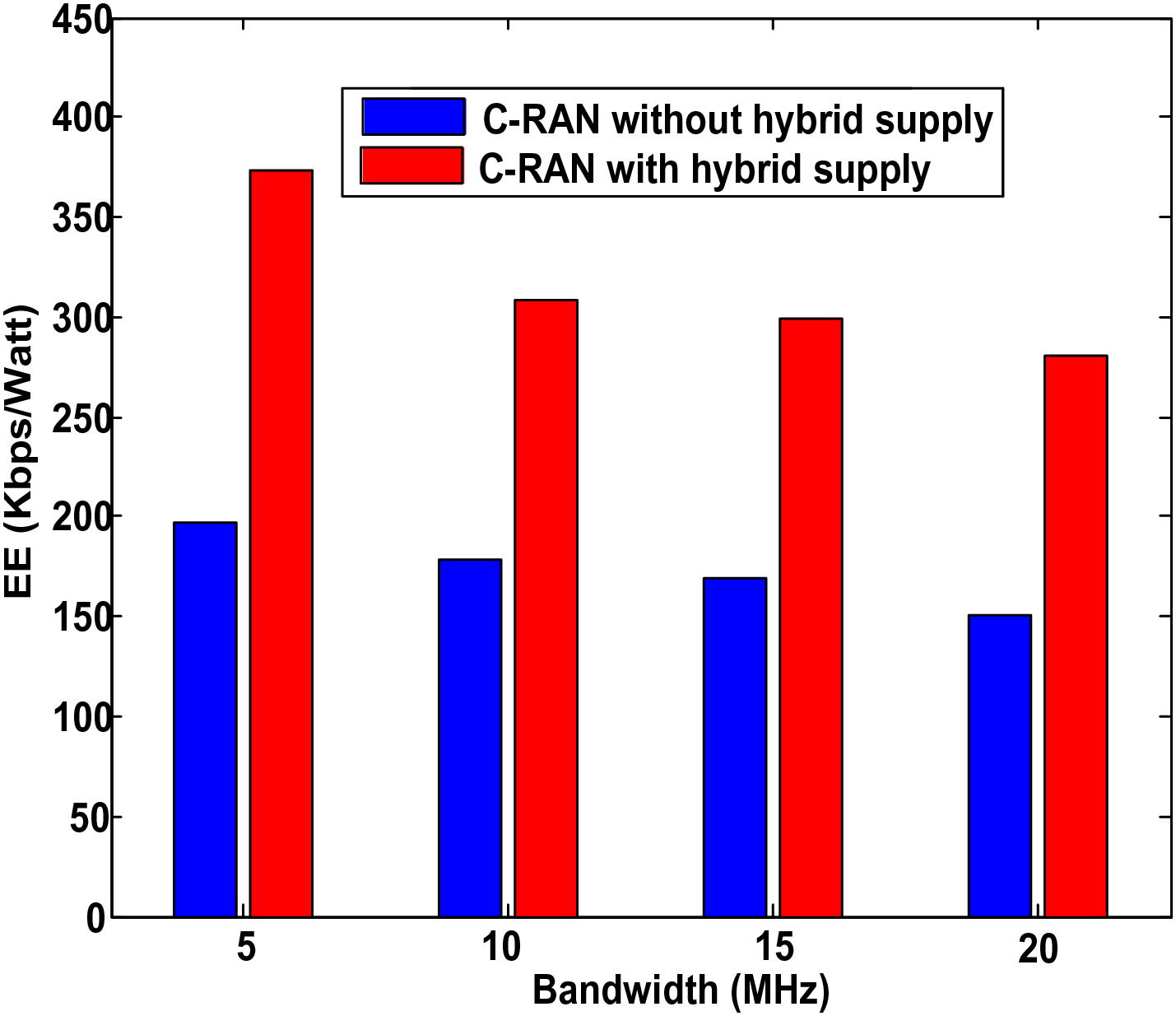
Figure 6: Performance of EE at various bandwidth
Another performance metric spectral efficiency is also inversely proportional to the bandwidth. Hence, if bandwidth increases, the spectral efficiency will decrease. Fig. 7 provide a thorough comparison of spectral efficiency at various bandwidths. With the higher system bandwidth a progressive decrease in SE has been seen. The proposed network achieves 46% more spectral efficiency than the conventional one.
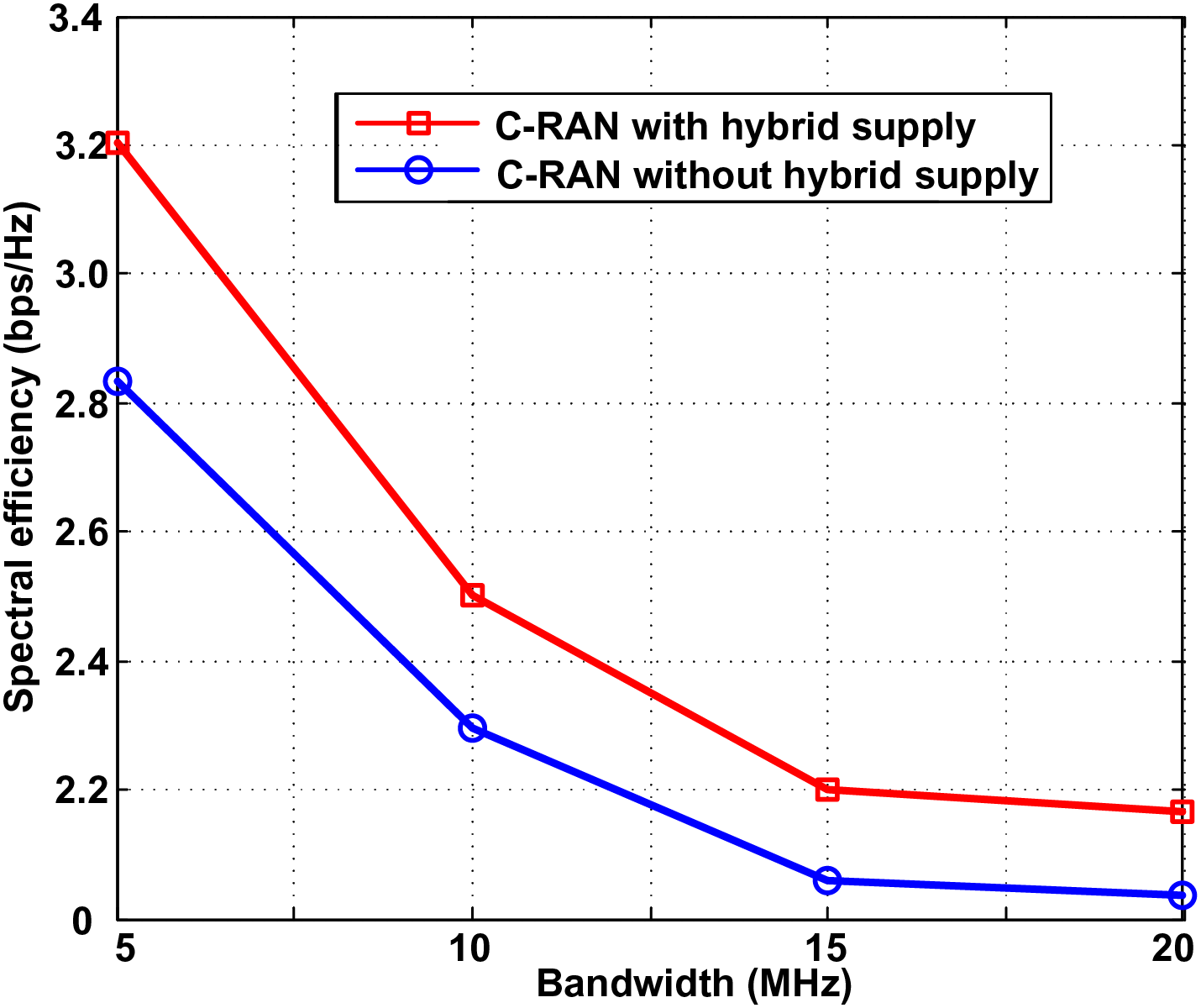
Figure 7: Comparison on spectral efficiency for different bandwidth
This research paper, hybrid energy powered C-RAN architecture is proposed with the aim of enhancing the EE and SE of networks. The proposed network utilizes solar PV with an energy storage device as the crucial energy source, while the grid supply serves as a subordinate source during periods of limited green power availability. The key aim of this paper is to improve EE and SE within the limitations of existing resources, while also maximizing the benefits of renewable energy harvesting. The execution of the system is evaluated through comprehensive Monte Carlo simulations, considering factors such as throughput, on grid power consumption, energy efficiency, and spectral efficiency, with varying system parameters such as bandwidth. The numerical results show that the bandwidth has the greatest influence on EE and spectral efficiency. Notably, the proposed system achieved 60% more EE and 46% more SE performance than the conventional scheme under the specific network settings. The weakness of the proposed scheme is we primarily examined the energy management of each individual RRH for simplicity. Future studies may investigate the coordinated sharing of surplus renewable energy among adjacent Remote Radio Heads (RRHs).
Moreover, as future extensions, the analysis could be broadened to include additional renewable energy sources such as wind or hybrid PV–wind systems, which would improve sustainability and resilience. The traffic model, currently based on a Poisson process, may also be refined by incorporating mobility-aware models and stochastic variations (e.g., bursty or correlated arrivals) to better reflect real user dynamics. In addition to technical performance, a techno-economic assessment that captures capital expenditure (CAPEX) and operational expenditure (OPEX) implications of renewable energy integration would provide a more comprehensive perspective on deployment feasibility. Finally, performance evaluation could be extended by benchmarking against optimization-based approaches, including heuristic methods and AI-driven resource allocation strategies, to demonstrate robustness and competitiveness relative to emerging intelligent solutions. Collectively, these directions would strengthen the practical relevance of the proposed framework and establish a broader foundation for future research.
Acknowledgement: Not Applicable.
Funding Statement: The authors received no specific funding for this study.
Author Contributions: Study conception and design: Md. Al-Hasan, Mst. Rubina Aktar; Simulation: Md. Al-Hasan; Analysis and interpretation of results: Md. Al-Hasan, Abu Saleh Musa Miah, Fahmid Al Farid; Draft manuscript preparation: Md. Al-Hasan, Abu Saleh Musa Miah; Review and editing: Md. Shamim Anower, Md. Hezerul Abdul Karim. All authors reviewed the results and approved the final version of the manuscript.
Availability of Data and Materials: The datasets generated during and/or analyzed during the current study are available from the corresponding authors on reasonable request.
Ethics Approval: Not applicable.
Conflicts of Interest: The authors declare no conflicts of interest to report regarding the present study.
References
1. AlQahtani SA. Cooperative-aware radio resource allocation scheme for 5G network slicing in cloud radio access networks. Sensors. 2023;23(11):5111. doi:10.3390/s23115111. [Google Scholar] [PubMed] [CrossRef]
2. Aktar MR, Anower MS, Islam Sakar MZ, Bappy HK, Rafsan janee AA. Energy efficient bandwidth aware virtualized BBU pool for 5G C-RAN. In: Proceedings of the 2024 6th International Conference on Electrical Engineering and Information & Communication Technology (ICEEICT); 2024 May 2–4; Dhaka, Bangladesh. p. 84–8. doi:10.1109/iceeict62016.2024.10534471. [Google Scholar] [CrossRef]
3. Wang CC, He YY, Tsai SH. Energy efficient cloud radio access network with antenna arrays. APSIPA Trans Signal Inf Process. 2023;12(1):1–31. doi:10.1561/116.00000036. [Google Scholar] [CrossRef]
4. Tan X, Xiong K, Gao B, Fan P, Ben Letaief K. Energy-efficient base station switching-off with guaranteed cooperative profit gain of mobile network operators. IEEE Trans Green Commun Netw. 2023;7(3):1250–66. doi:10.1109/tgcn.2023.3253245. [Google Scholar] [CrossRef]
5. Yan S, Zhang S, Sun Z, Sun Y, Peng M. Resource allocation for cooperative sensing in fog computing-based vehicular networks. IEEE Trans Veh Technol. 2025;74(11):17445–60. doi:10.1109/tvt.2025.3578321. [Google Scholar] [CrossRef]
6. Ortega-Arriaga P, Babacan O, Nelson J, Gambhir A. Grid versus off-grid electricity access options: a review on the economic and environmental impacts. Renew Sustain Energy Rev. 2021;143(3):110864. doi:10.1016/j.rser.2021.110864. [Google Scholar] [CrossRef]
7. Reifert RJ, Ahmad AA, Dahrouj H, Chaaban A, Sezgin A, Al-Naffouri TY, et al. Distributed resource management in downlink cache-enabled multi-cloud radio access networks. IEEE Trans Veh Technol. 2022;71(12):13120–36. doi:10.1109/tvt.2022.3195342. [Google Scholar] [CrossRef]
8. Hu CC, Liu WW, Pan JS. Minimizing traffic cost of content distribution and storage allocation in cloud radio access networks. Comput Netw. 2023;231(8):109836. doi:10.1016/j.comnet.2023.109836. [Google Scholar] [CrossRef]
9. Aktar MR, Hossain MF, Al-Hasan M. Dynamic clustering approach for interference cancellation in downlink C-RAN. In: Proceedings of the 2018 International Conference on Computer, Communication, Chemical, Material and Electronic Engineering (IC4ME2); 2018 Feb 8–9; Rajshahi, Bangladesh. p. 1–4. doi:10.1109/ic4me2.2018.8465580. [Google Scholar] [CrossRef]
10. Israr A, Yang Q, Li W, Zomaya AY. Renewable energy powered sustainable 5G network infrastructure: opportunities, challenges and perspectives. J Netw Comput Appl. 2021;175(2):102910. doi:10.1016/j.jnca.2020.102910. [Google Scholar] [CrossRef]
11. Chiang PH, Guruprasad RB, Dey S. Optimal use of harvested solar, hybrid storage and base station resources for green cellular networks. IEEE Trans Green Commun Netw. 2018;2(3):707–20. doi:10.1109/tgcn.2018.2834519. [Google Scholar] [CrossRef]
12. Alsharif MH, Jahid A, Albreem MA, Uthansakul P, Nebhen J, Yahya K. Toward optimal cost-energy management green framework for sustainable future wireless networks. Comput Mater Contin. 2021;68(1):1321–39. doi:10.32604/cmc.2021.016738. [Google Scholar] [CrossRef]
13. Liu X, Ansari N. Profit-driven user association and smart grid energy transfer in green cellular networks. IEEE Trans Veh Technol. 2019;68(10):10111–20. doi:10.1109/tvt.2019.2934416. [Google Scholar] [CrossRef]
14. Gao J, Guan X, Zhang S, Meng X. Resource allocation optimization based on energy efficiency in green cloud radio access network. Wirel Commun Mob Comput. 2022;2022(1):8932961. doi:10.1155/2022/8932961. [Google Scholar] [CrossRef]
15. Adiraju PR, Rao VS. Dynamically energy-efficient resource allocation in 5G CRAN using intelligence algorithm. EMITTER Int’l J Engin Technol. 2022;2022:217–30. doi:10.24003/emitter.v10i1.661. [Google Scholar] [CrossRef]
16. Yu CM, Tala’t M, Feng KT. On hybrid energy utilization for harvesting base station in 5G networks. Energy Sci Eng. 2020;8(3):768–78. doi:10.1002/ese3.549. [Google Scholar] [CrossRef]
17. Aktar MR, Jahid A, Hossain MF. Energy efficiency of renewable powered cloud radio access network. In: Proceedings of the 2018 4th International Conference on Electrical Engineering and Information & Communication Technology (iCEEiCT); 2018 Sep 13–15; Dhaka, Bangladesh. p. 348–53. doi:10.1109/ceeict.2018.8628085. [Google Scholar] [CrossRef]
18. Elhattab M, Arfaoui MA, Assi C. A joint CoMP C-NOMA for enhanced cellular system performance. IEEE Commun Lett. 2020;24(9):1919–23. doi:10.1109/lcomm.2020.2993533. [Google Scholar] [CrossRef]
19. Ali S, Ahmad A, Faheem Y, Altaf M, Ullah H. Energy-efficient RRH-association and resource allocation in D2D enabled multi-tier 5G C-RAN. Telecommun Syst. 2020;74(2):129–43. doi:10.1007/s11235-019-00643-y. [Google Scholar] [CrossRef]
20. Khalili A, Robat Mili M, Rasti M, Parsaeefard S, Ng DWK. Antenna selection strategy for energy efficiency maximization in uplink OFDMA networks: a multi-objective approach. IEEE Trans Wirel Commun. 2020;19(1):595–609. doi:10.1109/twc.2019.2946832. [Google Scholar] [CrossRef]
21. Liu T, Wang X, Zheng L. A cooperative SWIPT scheme for wirelessly powered sensor networks. IEEE Trans Commun. 2017;65(6):2740–52. doi:10.1109/tcomm.2017.2685580. [Google Scholar] [CrossRef]
22. Jiang R, Xiong K, Fan P, Zhong S, Zhong Z. Optimal beamforming and power splitting design for SWIPT under non-linear energy harvesting model. In: Proceedings of the GLOBECOM 2017—2017 IEEE Global Communications Conference; 2017 Dec 4–8; Singapore. p. 1–6. doi:10.1109/glocom.2017.8254849. [Google Scholar] [CrossRef]
23. Mao H, Xu B, Zhu P, Li J, You X. Downlink transmission strategies in power-splitting SWIPT distributed MISO systems. IEEE Access. 2018;6:52997–3005. doi:10.1109/access.2018.2870717. [Google Scholar] [CrossRef]
24. Xiong K, Chen C, Qu G, Fan P, Ben Letaief K. Group cooperation with optimal resource allocation in wireless powered communication networks. IEEE Trans Wirel Commun. 2017;16(6):3840–53. doi:10.1109/twc.2017.2689011. [Google Scholar] [CrossRef]
25. Ng DWK, Lo ES, Schober R. Energy-efficient resource allocation in OFDMA systems with hybrid energy harvesting base station. IEEE Trans Wirel Commun. 2013;12(7):3412–27. doi:10.1109/twc.2013.052813.121589. [Google Scholar] [CrossRef]
26. Sheng M, Zhai D, Wang X, Li Y, Shi Y, Li J. Intelligent energy and traffic coordination for green cellular networks with hybrid energy supply. IEEE Trans Veh Technol. 2017;66(2):1631–46. doi:10.1109/tvt.2016.2554618. [Google Scholar] [CrossRef]
27. Zhu P, Mao H, Li J, You X. Energy efficient joint energy cooperation and power allocation in multiuser distributed antenna systems with hybrid energy supply. IET Commun. 2019;13(2):153–61. doi:10.1049/iet-com.2018.5181. [Google Scholar] [CrossRef]
28. Euttamarajah S, Ng YH, Tan CK. Energy-efficient joint power allocation and energy cooperation for hybrid-powered comp-enabled HetNet. IEEE Access. 2020;8:29169–75. doi:10.1109/access.2020.2972910. [Google Scholar] [CrossRef]
29. System Advisor Model (SAM) [Online]. [cited 2025 Jan 1]. Available from: https://sam.nrel.gov/. [Google Scholar]
30. Extron. Fiber Power Budget [Online]. 2016 [cited 2025 Jan 1]. Available from: http://www.extron.com/product/fibercalculator.aspx. [Google Scholar]
31. Baydoun AM, Zekri AS. Network-, cost-, and renewable-aware ant colony optimization for energy-efficient virtual machine placement in cloud datacenters. Future Internet. 2025;17(6):261. doi:10.3390/fi17060261. [Google Scholar] [CrossRef]
32. Aktar MR, Anower MS. Improvement of energy efficiency by dynamic load consolidation in C-RAN. Int J Commun. 2022;35(6):e5087. doi:10.1002/dac.5087. [Google Scholar] [CrossRef]
33. Jahid A, Alsharif MH, Uthansakul P, Nebhen J, Aly AA. Energy efficient throughput aware traffic load balancing in green cellular networks. IEEE Access. 2021;9:90587–602. doi:10.1109/access.2021.3091499. [Google Scholar] [CrossRef]
34. Aktar MR, Anower MS. Improvement of spectral and energy efficiency by coordinated transmission in C-RAN. In: Proceedings of the 2021 International Conference on Computer, Communication, Chemical, Materials and Electronic Engineering (IC4ME2); 2021 Dec 26–27; Rajshahi, Bangladesh. p. 1–4. doi:10.1109/ic4me253898.2021.9768539. [Google Scholar] [CrossRef]
Cite This Article
 Copyright © 2026 The Author(s). Published by Tech Science Press.
This work is licensed under a Creative Commons Attribution 4.0 International License , which permits unrestricted use, distribution, and reproduction in any medium, provided the original work is properly cited.
 Downloads
 Citation Tools
