
 Login
Login Register
 Submit a Paper
 Propose a Special lssue
 Open Access
ARTICLE
Two-Scale Concurrent Topology Optimization Method Based on Boundary Connection Layer Microstructure
1 School of Mechatronics Engineering, Henan University of Science and Technology, Luoyang, China
2 College of Vehicle and Traffic Engineering, Henan University of Science and Technology, Luoyang, China
* Corresponding Author: Hongyu Xu. Email:
Computers, Materials & Continua 2026, 87(2), 12 https://doi.org/10.32604/cmc.2026.075413
Received 31 October 2025; Accepted 16 January 2026; Issue published 12 March 2026
 View Full Text
 Download PDF
Abstract
In two-scale topology optimization, enhancing the connectivity between adjacent microstructures is crucial for achieving the collaborative optimization of micro-scale performance and macro-scale manufacturability. This paper proposes a two-scale concurrent topology optimization strategy aimed at improving the interface connection strength. This method employs a parametric approach to explicitly divide the micro-design domain into a “boundary connection region” and a “free design domain” at the initial stage of optimization. The boundary connection region is used to generate a connection layer that enhances the interface strength, while the free design domain is not constrained by this layer, thus fully exploiting the design potential of the material layout. During the optimization process, the solid isotropic material with penalization (SIMP) method is first used to optimize the material distribution in the free design domain, and filtering and projection techniques are employed to alleviate numerical instability and obtain a clear topological structure. Subsequently, the effective performance of the microstructure is calculated through homogenization and transferred to the macro-scale for global response analysis. Throughout the iterative process, the geometry of the connection layer remains unchanged, and only the free design domain is optimized, thereby achieving a balance between high performance and good manufacturability. The effectiveness of the proposed method is verified through numerical examples.Keywords
Porous structures composed of multiple lattice unit cells are widely used in engineering due to their high strength-to-weight and stiffness-to-weight ratios, as well as excellent thermal insulation, vibration damping, and energy absorption [1–3]. However, designing microstructures and their macroscopic layouts to meet specific performance goals remains a key challenge. Unlike size and shape optimization, topology optimization effectively explores material distribution by automatically finding optimal layouts under given loads and boundary conditions, often producing innovative, counter-intuitive designs. Over recent decades, it has advanced significantly, yielding major methods such as the SIMP method [4], the level set method [5–8], the evolutionary structural optimization (ESO) method [9–11], the moving morphable components/voids (MMC/MMV) method [12–14], and composite approaches [15].
Since Bendsøe and Kikuchi [16] introduced the homogenization method in 1988, topology optimization has been used for two-scale material design. Within a macrostructure, different regions serve different mechanical functions, so each should have a tailored microstructure to maximize multiscale performance. Rodrigues et al. [17] first developed a method to optimize both macroscopic and microscopic layouts simultaneously. Xia and Breitkopf [18] later extended it to nonlinear problems. However, designing microstructures point by point leads to high computational costs and poor connectivity between cells. To address this, researchers have proposed improved approaches. For instance, Wang et al. [19] created graded microstructures using local level-cutting of the signed distance function. Zong et al. [20] improved connectivity with a global cutting equation. Li et al. [21] designed uniform microstructures with tunable aspect ratios for flexible combinations. Another approach divides the domain into subdomains, each with a different microstructure. These include manual partitions [22], density-based schemes [23], and stress orientation-based methods [24]. Although these methods achieve an effective balance between computational cost and design space, they still inadequately address material behavior and interface connectivity in the boundary regions of microstructures. These important issues are worthy of further study by researchers. In this paper, we mainly focus on the connection reliability between microstructures.
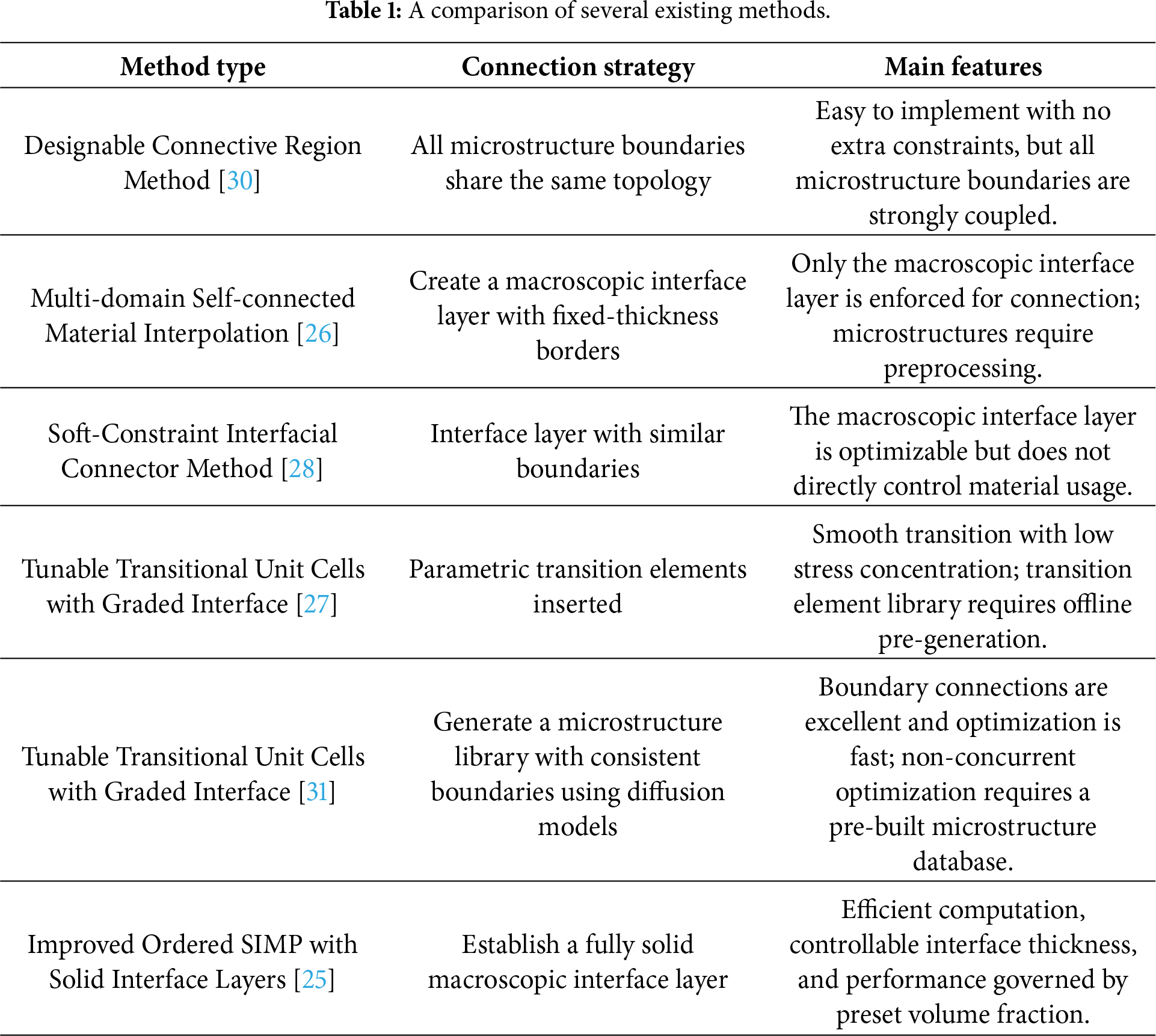
In recent years, the issue of microstructure connectivity has increasingly drawn attention in the manufacturing process using 3D printing technology. Gu et al. [25] proposed a multi-scale concurrent optimization method that enables simultaneous design of macroscopic and microscopic structures in periodic multi-microstructure systems with solid interfaces. Luo et al. [26] developed a “self-connecting material interpolation model” to enforce material continuity in transition zones, which effectively reducing topological discontinuities across distinct microstructures. Wei et al. [27] embedded graded transitional unit cells between base microstructures, achieving smooth transitions in material properties and geometry while preserving interfacial structural integrity. Gu et al. [28] introduced a “connective microstructure” approach that employs specialized connecting units geometrically matched to lattice boundaries, thereby enhancing connectivity in multi-lattice architectures. Hu et al. [29] established a two-scale concurrent optimization framework for polycrystalline lattices under explicit physical connectivity constraints, integrating microstructural topology, macroscopic material distribution, and global layout. Liu et al. [30] achieved robust connections between heterogeneous microstructures by predefining connection regions and maintaining their topological consistency throughout optimization. Feng et al. [31] leveraged a guided diffusion model to generate a comprehensive set of boundary-consistent microstructures with tunable elastic moduli, simultaneously addressing connectivity and computational efficiency. Liu et al. [32] ensured microstructural connectivity in variable-density designs by fixing a thin material layer at each microstructure boundary. We have summarized several existing methods, as shown in Table 1. In conclusion, most existing studies have focused on addressing connection issues between different types of microstructures, while research on the reliability of connections among identical microstructures remains relatively limited. Therefore, developing a method that is highly versatile, easily implementable, and capable of effectively improving connection reliability for both identical and heterogeneous microstructures continue to hold significant research value and practical significance.
This paper proposes a two-scale concurrent topology optimization method with a boundary connection layer. By parametrically constructing a boundary connection layer with a fixed geometry, the contact area between adjacent microstructures is increased, thereby enhancing the reliability of the connection between adjacent microstructures. Meanwhile, only the material layout in the internal free design domain is freely evolved. This method reduces computational costs while balancing performance and connection reliability, and is easy to implement. The remainder of this paper is arranged as follows: Section 2 presents the design principles of the connectable microstructure. Section 3 provides the numerical implementation scheme. Section 4 presents the problem formulation and sensitivity analysis. Sections 5 and 6 respectively provide numerical examples and conclusions.
2 Design Principles of Microstructure with Boundary Connection Layer
2.1 Analysis of Connectivity Problems
In the two-scale topology optimization framework grounded in homogenization theory, the material within each macroscopic finite element is treated as an equivalent homogeneous medium. Under this assumption, macroscopic elements remain fully connected (as shown in Fig. 1), exhibiting high interfacial strength, and the resulting optimal macrostructure inherently relies on this idealized continuity.
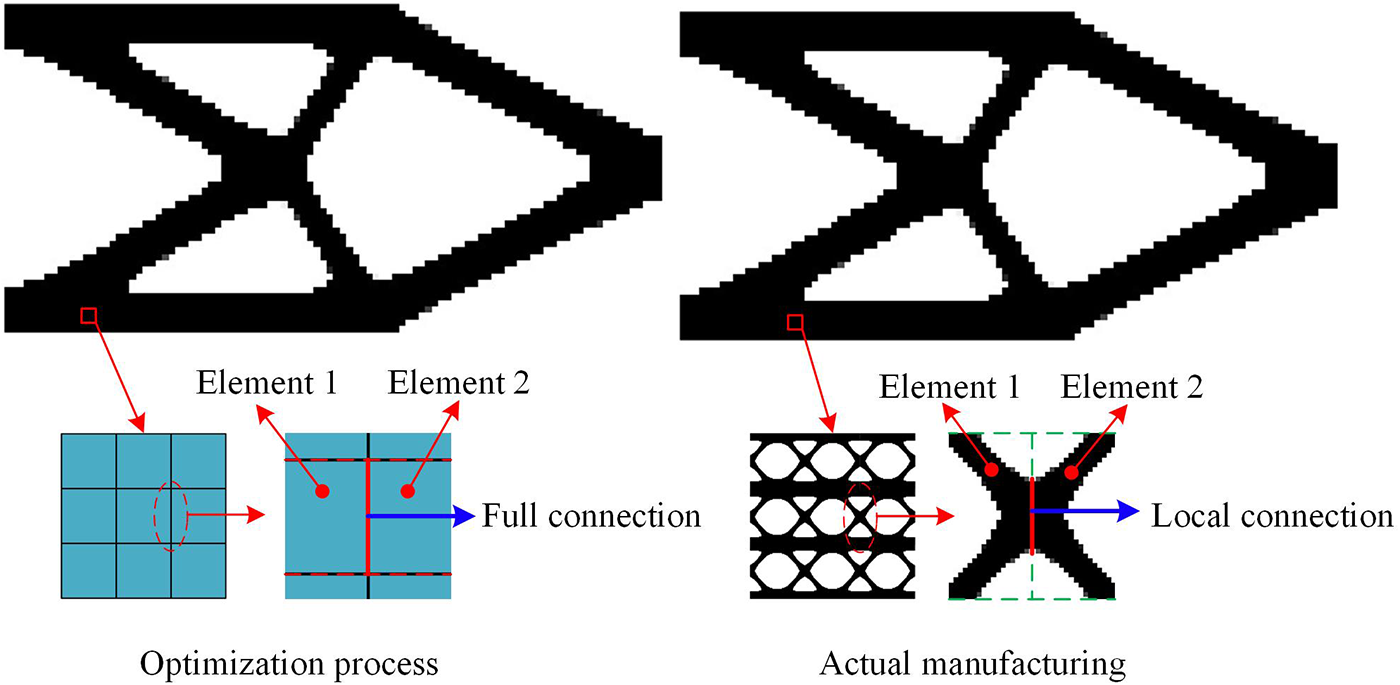
Figure 1: The connection strength between microstructures.
It should be emphasized that the microstructure influences macro-scale optimization solely through its equivalent mechanical properties, while its actual geometry, particularly material distribution and boundary connectivity within the unit cell, is not explicitly modeled. Although this approach enhances computational efficiency and satisfies numerical requirements, it neglects microstructural connectivity, leading to significant drawbacks. Poor connectivity results in discontinuous load paths and stress concentrations, thereby reducing structural stiffness, strength, and fatigue life. From a manufacturing standpoint, weak or isolated regions are prone to defects such as incomplete fusion, warpage, or interlayer cracking [28]. From a numerical standpoint, violating the periodicity assumption distorts predictions of equivalent properties and may induce numerical instability or false convergence during optimization. These connectivity-related limitations represent critical barriers to the practical manufacturability of optimized designs.
Current research on connectivity issues primarily focuses on the transition treatment between different microstructures (as shown in Fig. 2). A common approach involves identifying microstructural boundaries by computing the gradient of the macroscopic relative density distribution and introducing a dedicated transitional microstructure. However, this type of method has several limitations:
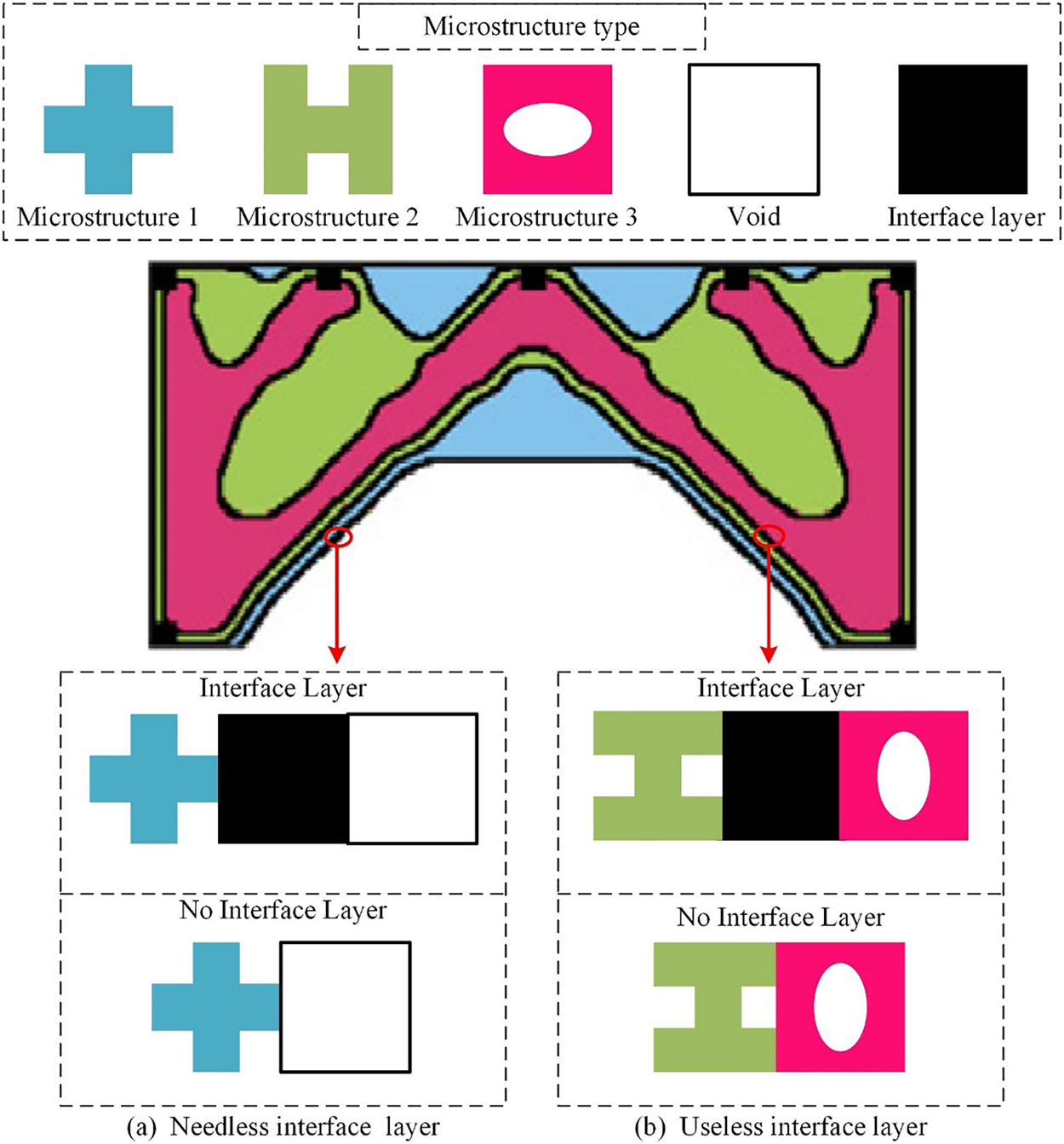
Figure 2: Classification of ineffective interface layer [32].
(1) As illustrated in Fig. 2b, the two microstructures are well connected without connectivity issues. However, an interface layer still forms due to the density gradient, even though it is unnecessary.
(2) This type of method will also introduce interface layer between the microstructure and the void regions (as shown in Fig. 2a) where interface layers are applied to the microstructure and the void phase), while such interface layers are not required in the actual structure.
(3) It is unable to effectively solve the problem of insufficient connection strength between the same type of microstructures.
(4) When the number of microstructure types is large, the number of interface layers increases sharply, complicating the problem.
The essence of connectivity issues lies in the interface characteristics between adjacent microstructures. Therefore, the approach of enhancing connectivity merely by improving one of the microstructures often has limitations. For this reason, this paper proposes a new method based on enhancing the connectivity of the microstructure itself: by introducing a controllable connection layer at the microstructure boundary (as shown in Fig. 3), thereby improving its inherent connection ability. This method not only applies to improving the connectivity between different microstructures, but also enhances the connection performance among the same microstructures, fundamentally increasing the connection reliability of the microstructure units themselves. It thus offers a pathway for achieving high-performance and highly manufacturable two-scale topology-optimized structures.
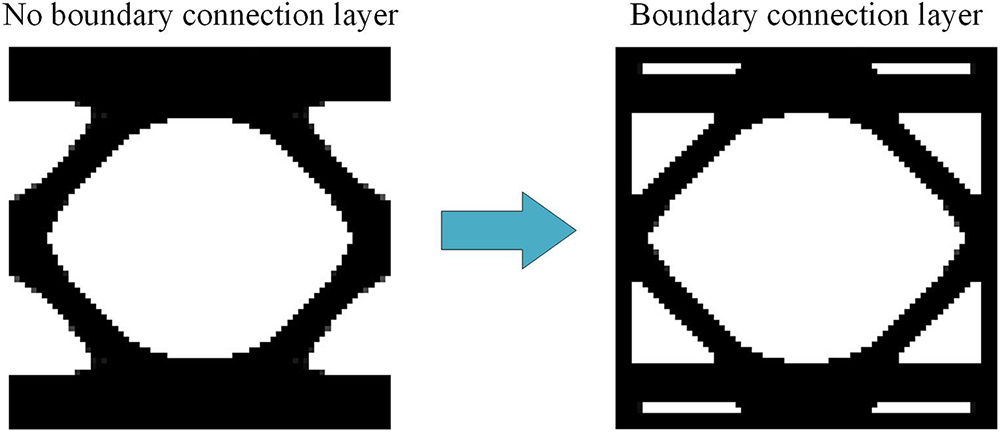
Figure 3: Microstructure with boundary connection layer.
2.2 Structural Characteristics and Design Strategies of Microstructure with Boundary Connection Layer
This paper introduces a design strategy of establishing a connection layer at the boundary of microstructures to enhance their self-connection ability. Taking the common two-dimensional square microstructure design domain as an example, the structural characteristics and design strategy will be elaborated in detail.
2.2.1 Structural Characteristics of Microstructure with Boundary Connection Layer
First, the microstructural design domain
The relationship among the three is shown in Fig. 4.
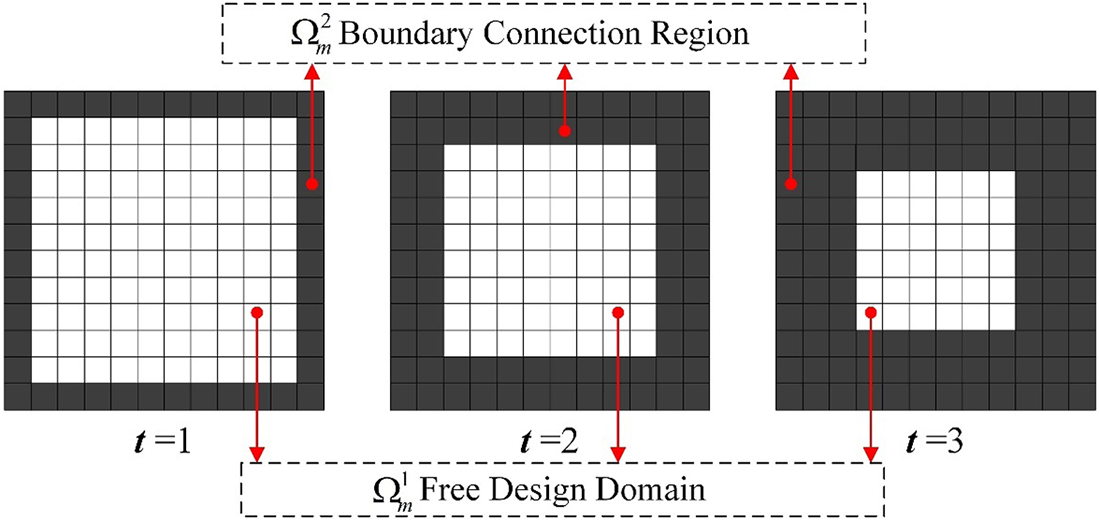
Figure 4: Microstructure with controllable boundary connection layer.
a. Boundary Connection Region:
The elements within the
b. Free Design Domain:
The elements within the
The two functional regions jointly define a complete microstructure design domain: the boundary connection region
2.2.2 Design Strategies with Microstructures of Boundary Connection Layer
Take the common 2D square microstructure design domain as an example for illustration. By using the finite element method, the square design domain
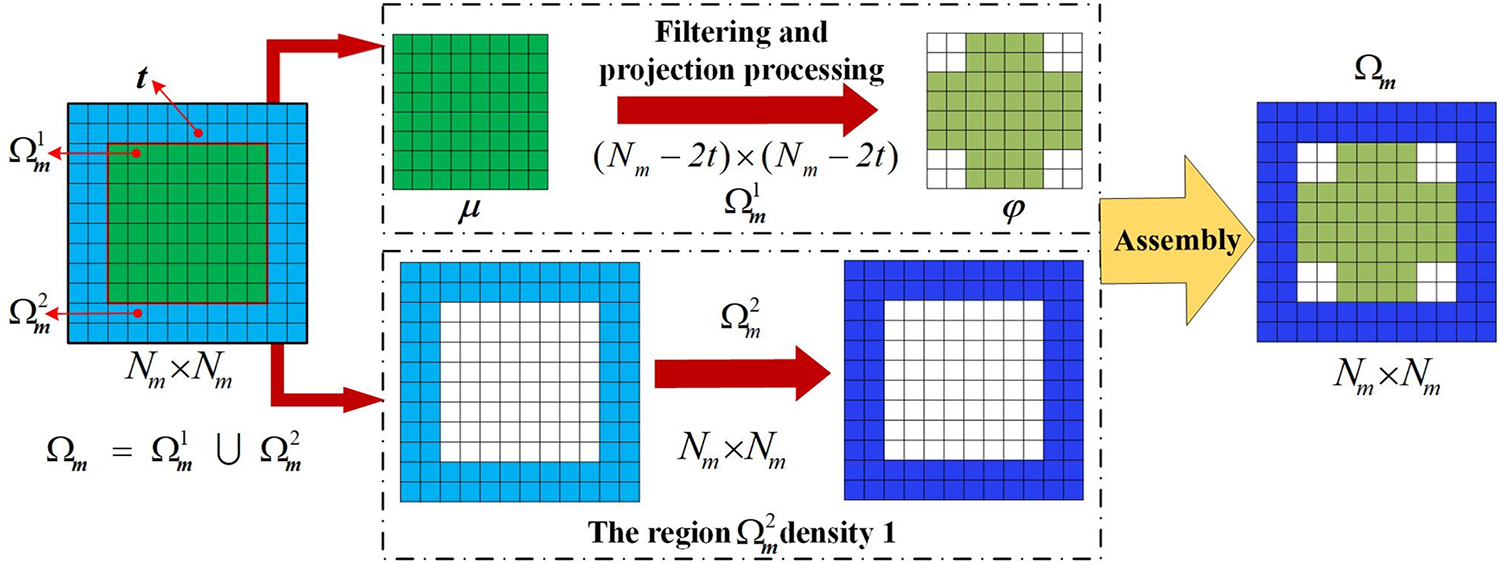
Figure 5: Boundary connection layer application strategy.
(1) First, the
(2) For the finite elements within the free design domain
(3) The finite elements within the boundary connection region
where
(4) Since the boundary connection region occupies a fixed amount of material, the upper limit of the material volume fraction in the free design domain
here,
(5) Combine the two functional regions and use the homogenization method to solve for the equivalent elastic matrix of the microstructure. Then, based on SIMP, build the material model, carry out FEA at the macrostructure and calculate the objective function and constraints.
(6) Calculate the macro and micro sensitivities and update the variables using the Optimality Criteria (OC) method. Then, evaluate whether the convergence criteria are satisfied.
(7) Repeat until the compliance of the macrostructure and all volume constraints are stably convergent. The optimization flowchart is shown in Fig. 6.
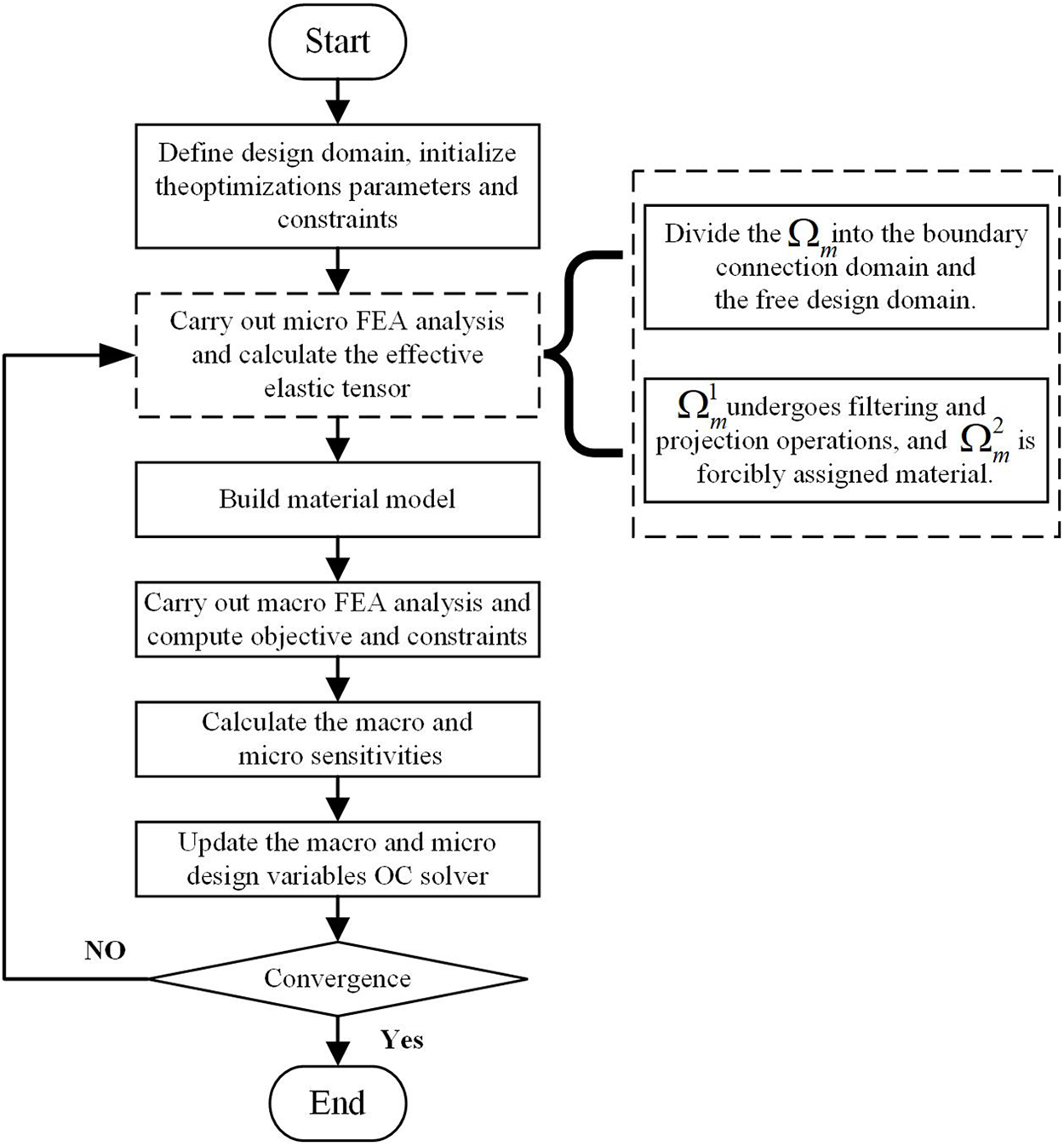
Figure 6: Flowchart of two-scale concurrent topology optimization.
3.1 Two-Scale Topology Optimization Interpolation Model
The macroscopic structure is composed of periodic microscopic structures and can be regarded as a homogeneous material at the macroscale. The micro-design variable
where
where
where
where
where
where U is the global displacement vector, while K and F are the global stiffness matrix and external force vectors at the macroscale, respectively.
Filters in topology optimization are used to avoid mesh dependence and gray-scale elements in the optimization results. This subsection will detail the filters employed in the material modeling process.
Helmholtz smoothing not only enables precise control over the structural feature length scale but also allows for concurrent computing [35]. Isotropic filtering smooths the design variables by solving the second-order partial differential equation as shown in Eq. (11), thereby obtaining clear and physically realizable topological configurations.
where
where
where
Filters based on Helmholtz-type differential equations can accelerate the convergence speed and ensure the manufacturability of the designed product. Given these benefits, a Helmholtz-based PDE filter is adopted at the macro-scale in this work.
One advantage of the density filter is that it only affects elements within the filter’s radius and has no influence on those outside of it. We take advantage of this feature to perform a filtering operation on the elements in the micro-free design domain
where
where the symbol
The macroscopic design domain after Helmholtz smoothing can be transformed into a 0–1 design through the mapping method in Eq. (18) [38] to reduce the gray-scale elements.
The symbol
The elements in the micro-free design domain
where
4 Problem Formulation and Sensitivity Analysis
Where the macro and micro topologies are both taken account in the concurrent topology optimization design of multiscale composite structures to improve the structural performance. The former determines the spatial distribution of the microstructure on the macroscopic scale, while the latter determines the topological configuration of the microstructure. Taking the minimization of macroscopic structural compliance as the optimization objective, the mathematical model of the two-scale topology optimization is given as follows:
where J is the objective function, namely the structural compliance. The macrostructure
The topological optimization model can be solved by many mature gradient-based algorithms, such as the optimality criterion (OC) method [40]. Therefore, it is necessary to calculate the sensitivities of the objective function and the constraint function with respect to the design variables. The first-order derivatives of the objective function and macroscopic volume constraints with respect to the macroscopic design variables are given below:
The derivation of the first-order derivatives for the objective function and the micro-volume constraints with respect to the micro-design variables is relatively complex; details can be found in [41–44]. The final form is as follows:
The first-order derivative of the homogenized elastic tensor
In this section, several two-dimensional and three-dimensional numerical examples are used to verify the feasibility and effectiveness of the microstructure design strategy with boundary connection layers proposed in this paper. For all the examples below, the microstructures in all cases are composed of isotropic solid elements. The elastic modulus values of the solid and void are defined as
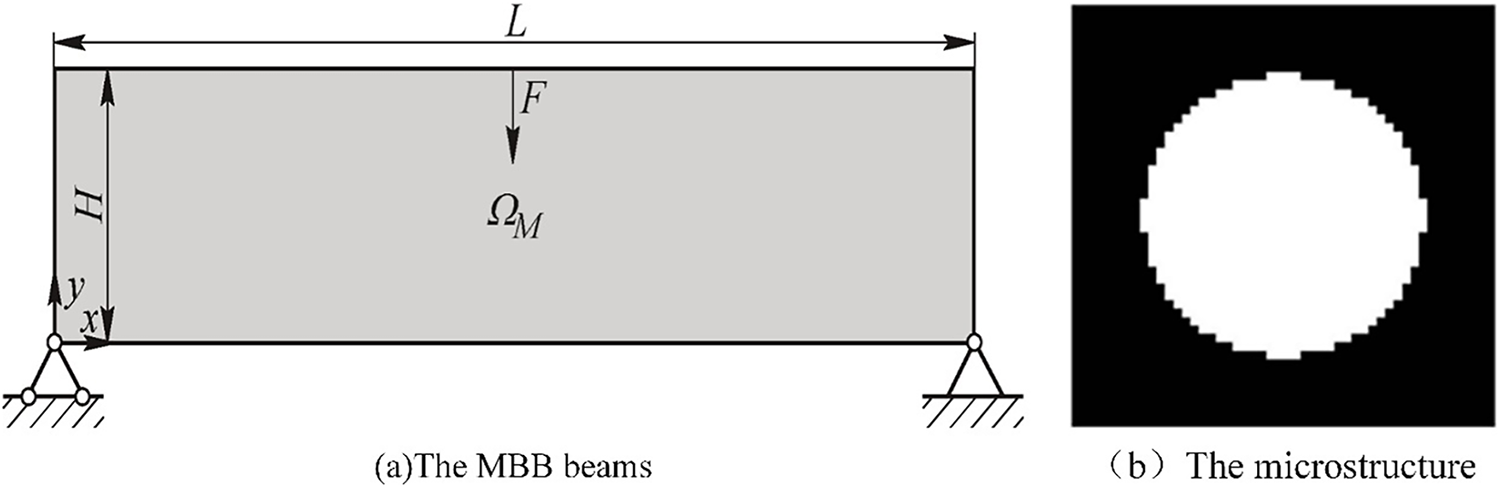
Figure 7: Initial designs at two scales. (a) The MBB beams. (b) The microstructure.
5.1 Messerschmitt Bolkow Blohm (MBB) Beam Example
This section takes the MBB beam as an example to verify the feasibility of the method proposed in this paper. The position of support and load conditions are shown in Fig. 7a, where the load magnitude is 1. The structural dimensions are defined as follows:
Table 2 shows the macroscopic and microscopic topologies and equivalent elastic properties
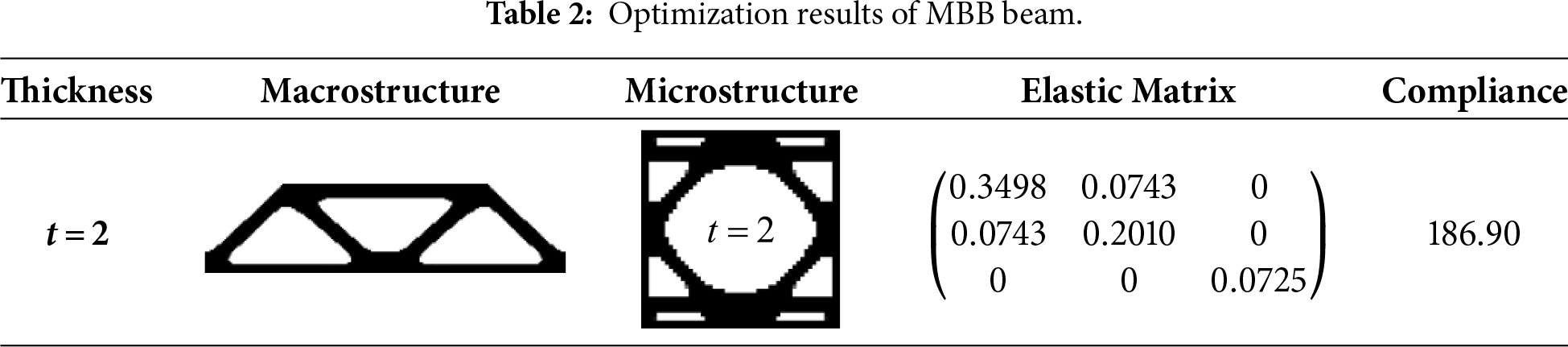
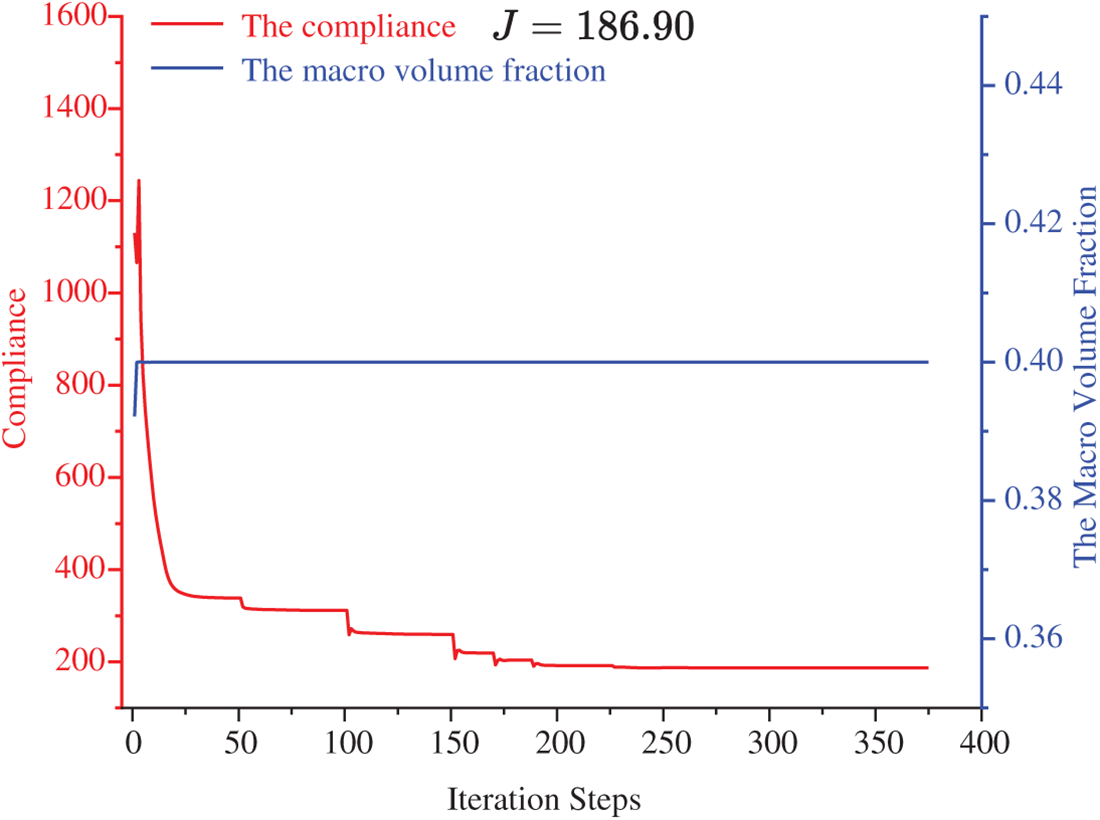
Figure 8: The convergence diagram of macroscopic compliance and volume fraction.
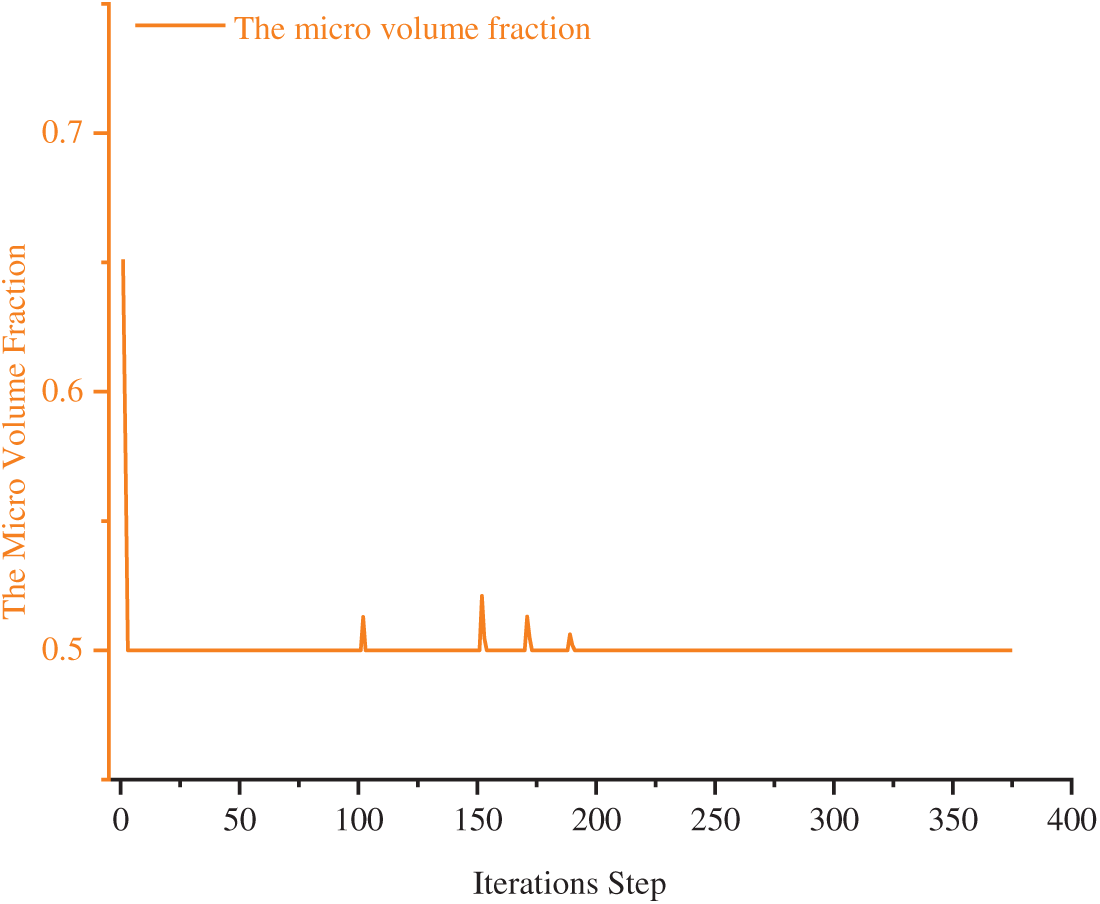
Figure 9: The convergence of micro-volume fraction.
5.2.1 The Influence of the Parameter t
This example focuses on whether the optimized microstructure generates dense connection layers at the four boundaries under different parameters t, and also pays attention to the influence of parameter t on the macroscopic compliance. The example uses a macroscopic structure of a cantilever beam with a height-to-width ratio of
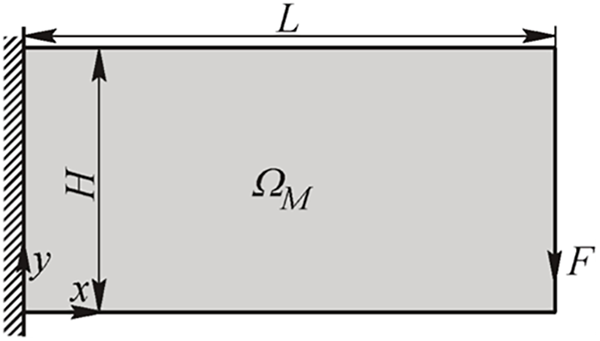
Figure 10: The design domain of the cantilever beam example.
The upper limits of the macroscopic and microscopic volume fractions are
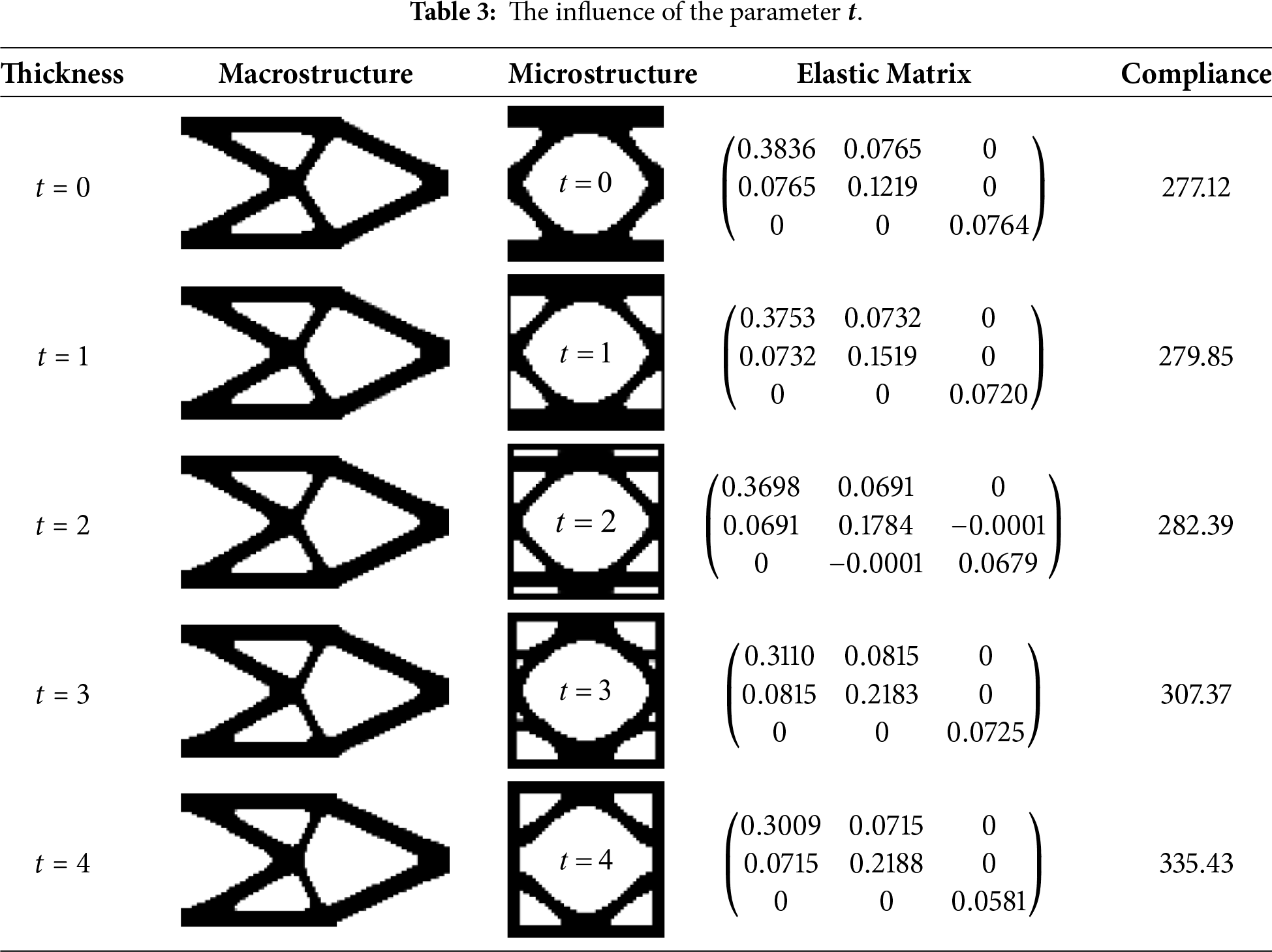
The microstructure data in Table 3 indicate that as the parameter t varies, connection layers of corresponding thickness are formed at all four boundaries of the microstructure. Meanwhile, different microscopic topological configurations result in differences in equivalent elastic properties. It is particularly worth noting that as the parameter t gradually increases, the value of the macro-objective compliance shows an upward trend, as illustrated in Fig. 11. This is because the forcibly formed connection layers has disrupted the original optimal topological configuration to varying degrees. The key issue lies in how to apply the boundary connection layer within a reasonable range while meeting the connectivity requirements, so as to minimize the adverse influence on the macroscopic structural stiffness to the greatest extent. Subsequent examples will conduct in-depth discussions and analyses on this.
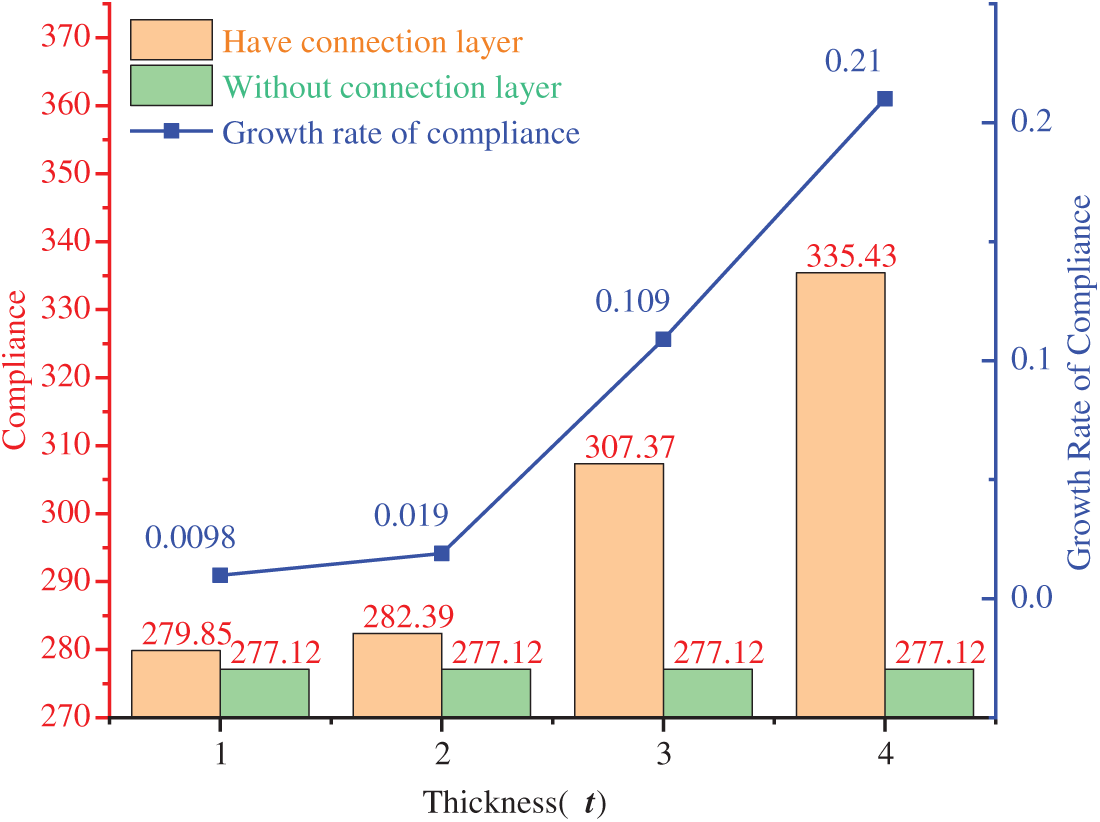
Figure 11: The changes in macro compliance and growth rate.
5.2.2 The Influence of Parameter t on the Connection Interface
To investigate the influence of the boundary layer thickness on the stress distribution at the connection interface, this section established a corresponding three-dimensional model based on the microstructure optimized with different thicknesses as described in Section 5.2.1. The model size was uniformly set as:
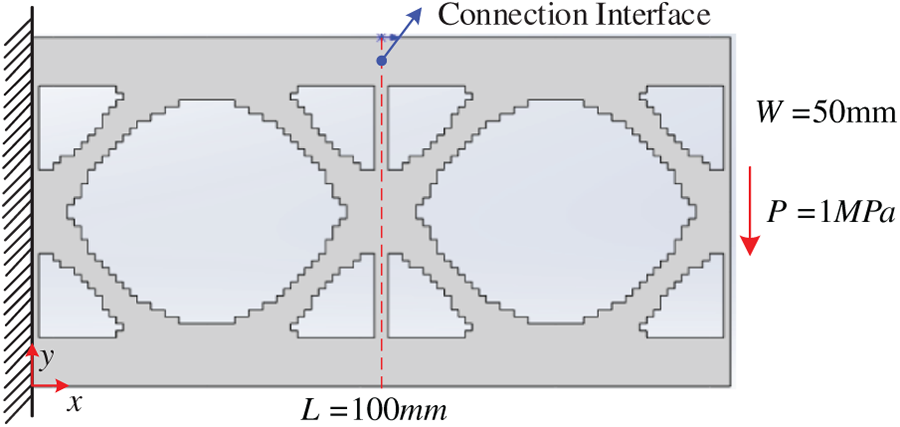
Figure 12: Constraint and load diagram.
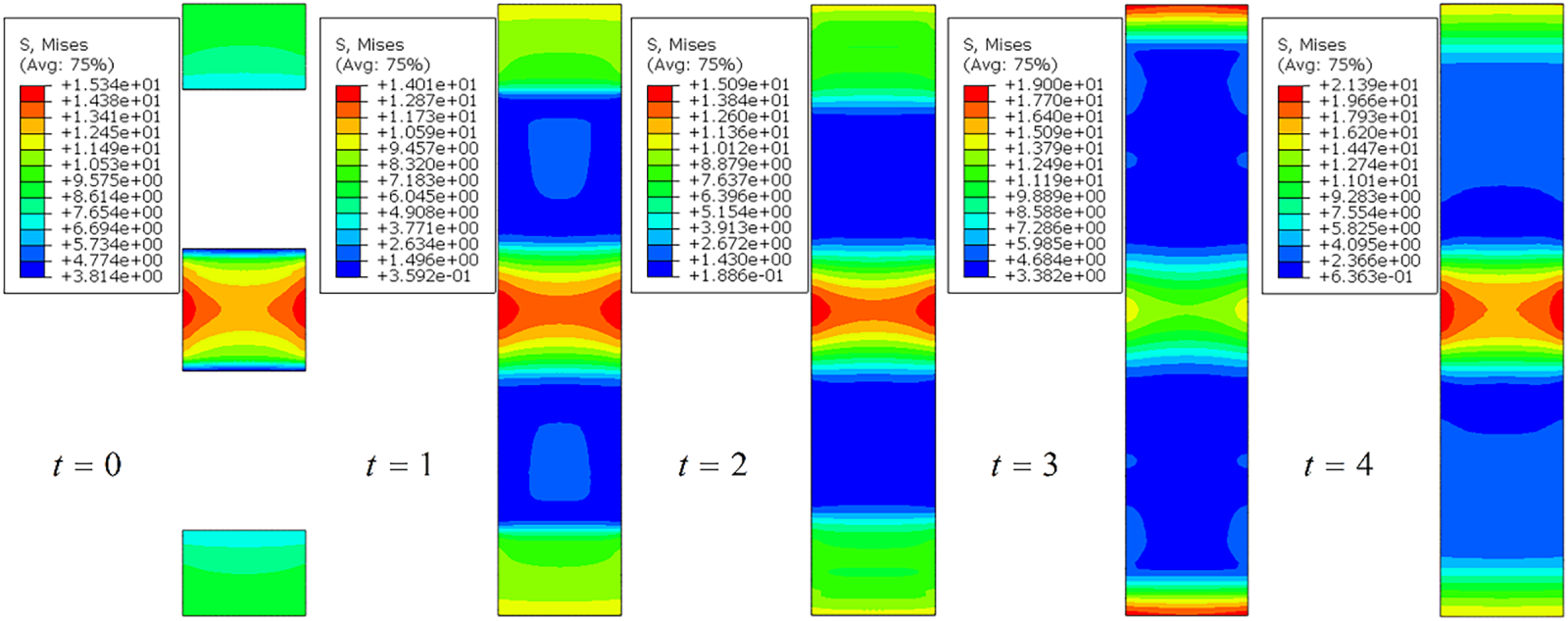
Figure 13: Stress distribution map of the connection interface.
The maximum stress variation is shown in Fig. 14. As the thickness of the connection layer changes, the maximum stress at the connection interface first decreases and then increases. This indicates that appropriately establishing the connection layer can reduce the maximum stress at the connection interface and improve the reliability of the interface connection. In the research of Section 5.2.5, certain guidance was provided on the proper setting of the connection layer.
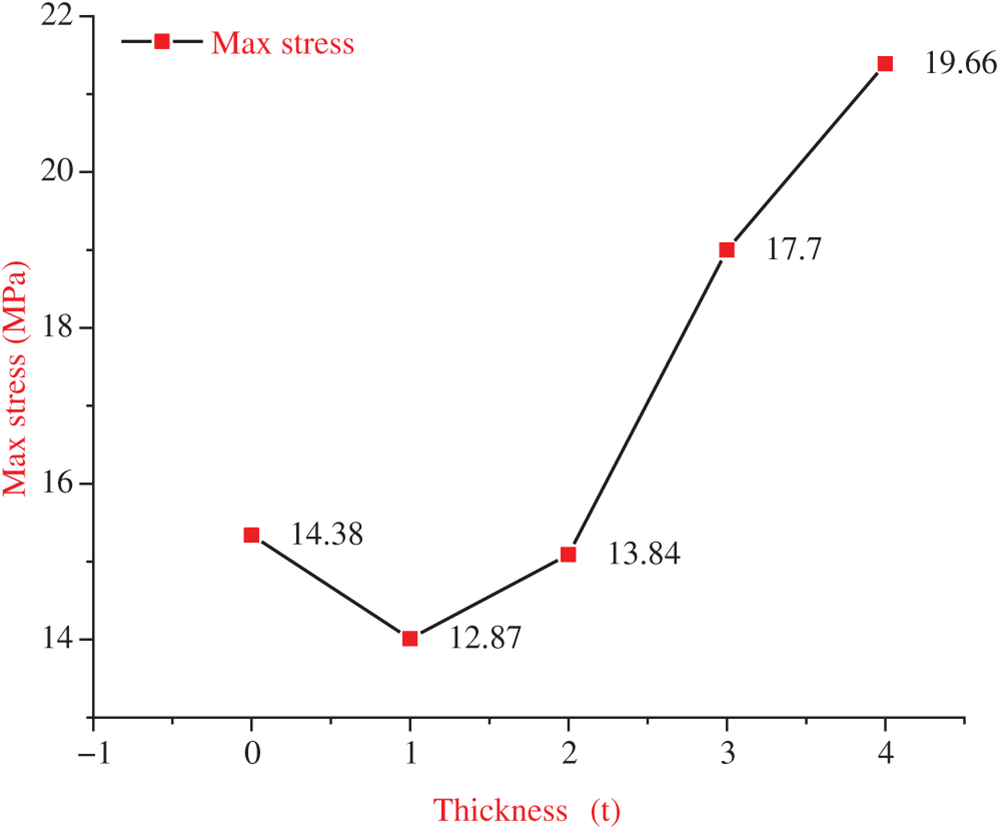
Figure 14: The maximum stress variation of the connection interface.
5.2.3 The Influence of Mesh Resolution
In this numerical example, we focus on the convergence of macroscopic compliance under varying microscopic resolutions and on the construction of the microstructural connection layer. The thickness of the connection layer is stipulated to be fixed at t = 3. The resolution specifications are: 50, 60, 70, 80, 90, 100, etc. We keep the macroscopic and microscopic volume fractions at
The macroscopic and microscopic optimization results at different resolutions are presented in Table 4. The optimized microstructure generates a connecting layer of specified thickness at all four boundaries, indicating that the proposed method is applicable across varying resolutions. Furthermore, as illustrated in Fig. 15, the macroscopic compliance exhibits a decreasing trend with increasing resolution.
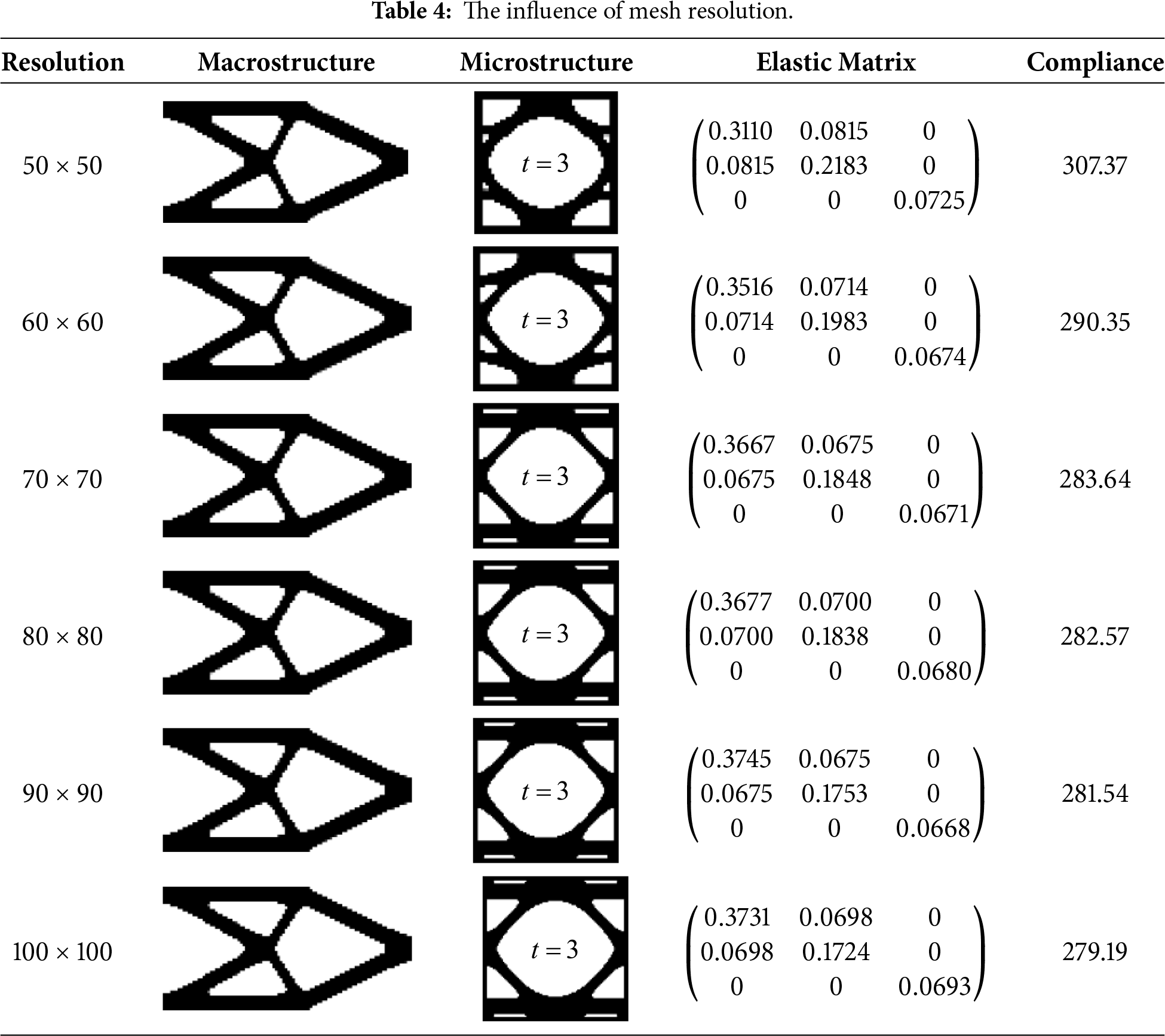
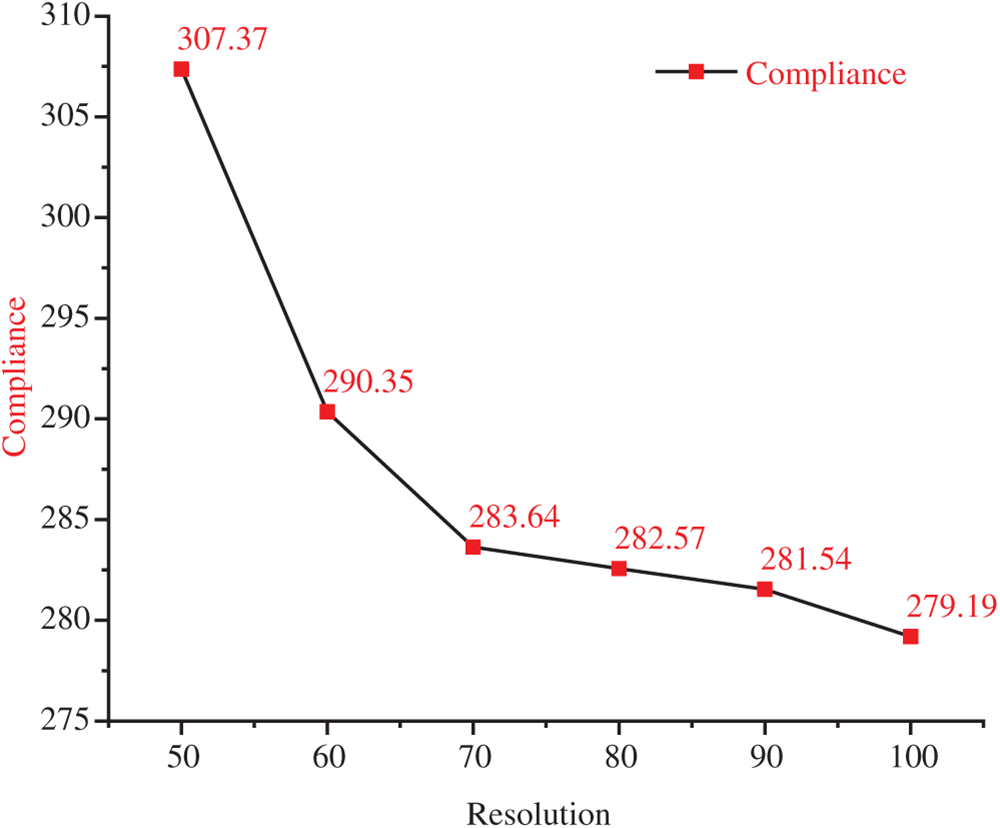
Figure 15: The influence of resolution on macro compliance.
5.2.4 The Influence of Boundary Connection Layer Volume Fraction
The previous two sections examined the effects of layer thickness and resolution on the optimization results. This section investigates how the volume fraction of the boundary connection layer in the microstructure affects the optimization result. To systematically analyze the relationship between the boundary connection layers’ volume fraction and structural performance, we developed a calculation plan with fixed macroscopic and microscopic volume fractions, consistent filter and projection parameters from Section 5.2.1, and the same macroscopic and microscopic design initialization. This scheme covers a total of 30 working conditions with resolutions ranging from (50 × 50) to (100 × 100) and parameter t values from 0 to 4. We have calculated the volume fraction of the boundary connection layer under various circumstances (as shown in Table 5):
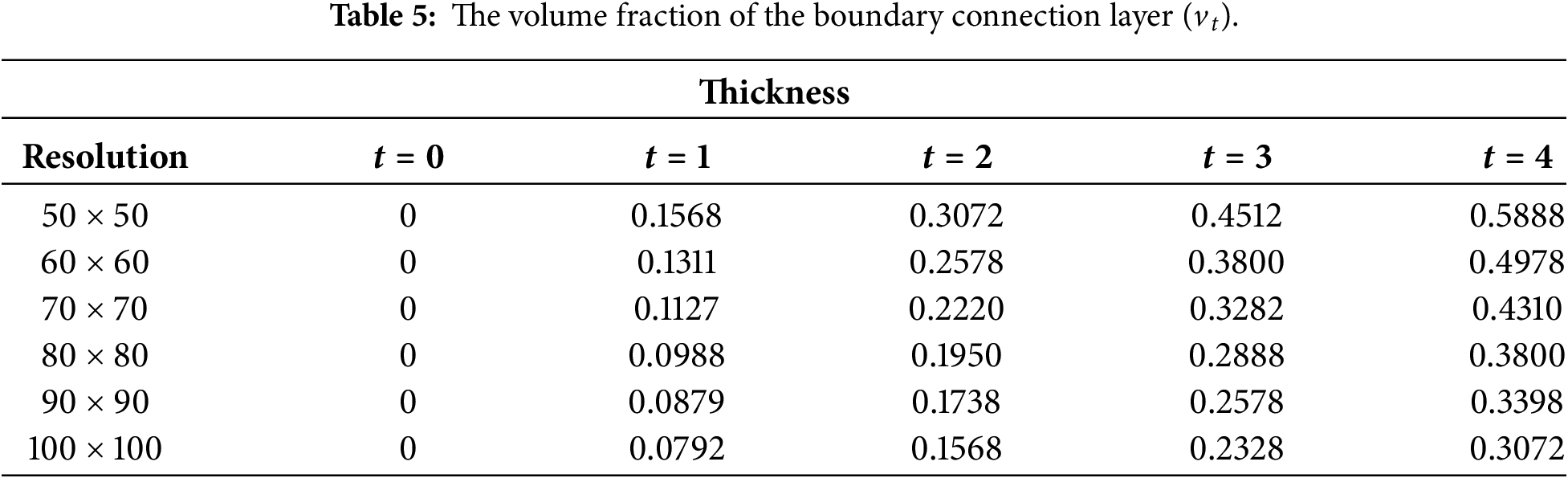
As shown in Fig. 16, the overall structural compliance increases with the volume fraction of the boundary connection layers. The material proportion of the connection layers corresponding to point A is approximately 40%, and the macroscopic compliance growth rate is 3.5%. Taking point A as the turning point, on the left side, as the proportion of the connection layer material increases, the macroscopic compliance growth is slow. However, on the right side of point A, the macroscopic compliance growth is more obvious. Therefore, the proportion of the connection layer material should not exceed 40%. Within this range, the connection reliability is enhanced without excessively weakening the overall macroscopic stiffness.
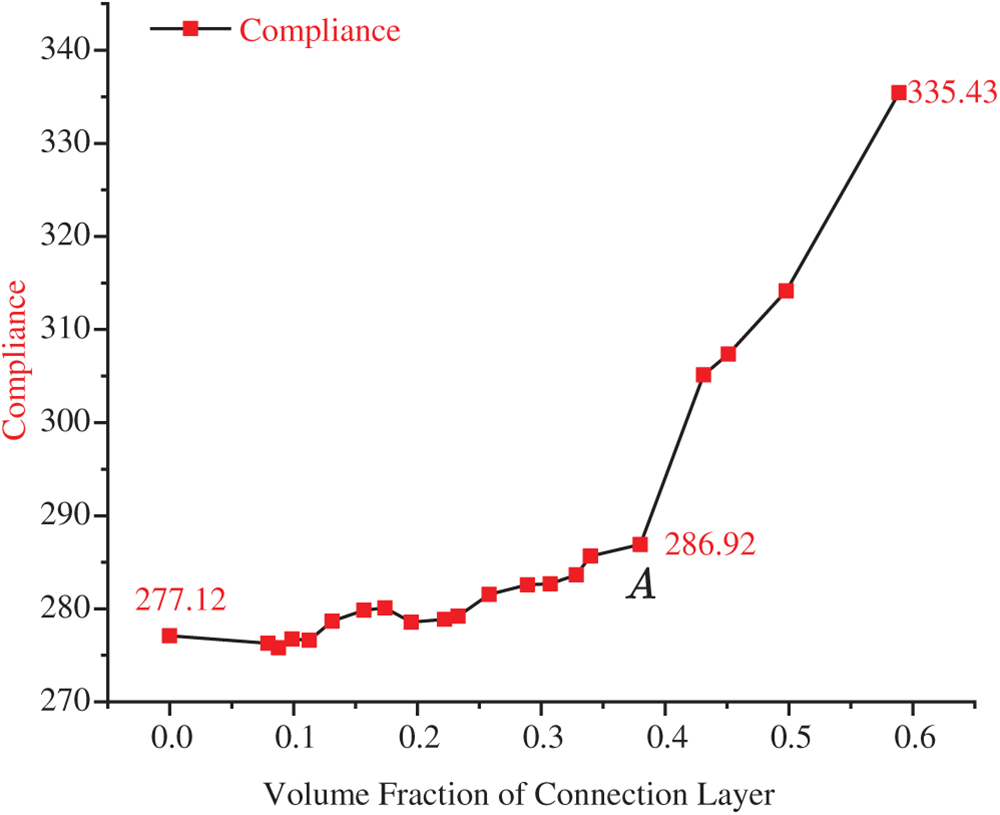
Figure 16: The macroscopic compliance varies with the volume fraction
5.2.5 The Influence of Microscopic Volume Fraction
This section investigates the influence of the microstructural volume fraction on the optimization results. The initialization methods for the macroscopic and microscopic structures, as well as the projection and filtering parameters, are kept identical to those in Section 5.2.1. To differentiate from the three-layer connection layer thickness used in Section 5.2.3, the connection layer thickness is set to 2 in this case. Meanwhile, we keep the macroscopic volume fraction fixed at
Table 6 presents in detail the corresponding macroscopic and microscopic optimization results and equivalent elastic properties as the micro-volume fraction changes. From the Fig. 17, we can draw a clear conclusion: the higher the volume fraction of the microstructure, the lower the macroscopic compliance, which means that the macroscopic structure is more rigid and has a better ability to resist deformation. Therefore, in practical applications, selecting an appropriate volume fraction is crucial. When basic mechanical performance requirements are met, reducing the volume fraction can decrease structural mass, achieve weight reduction, and moderately improve overall structural performance, offering a more favorable design solution for engineering applications.
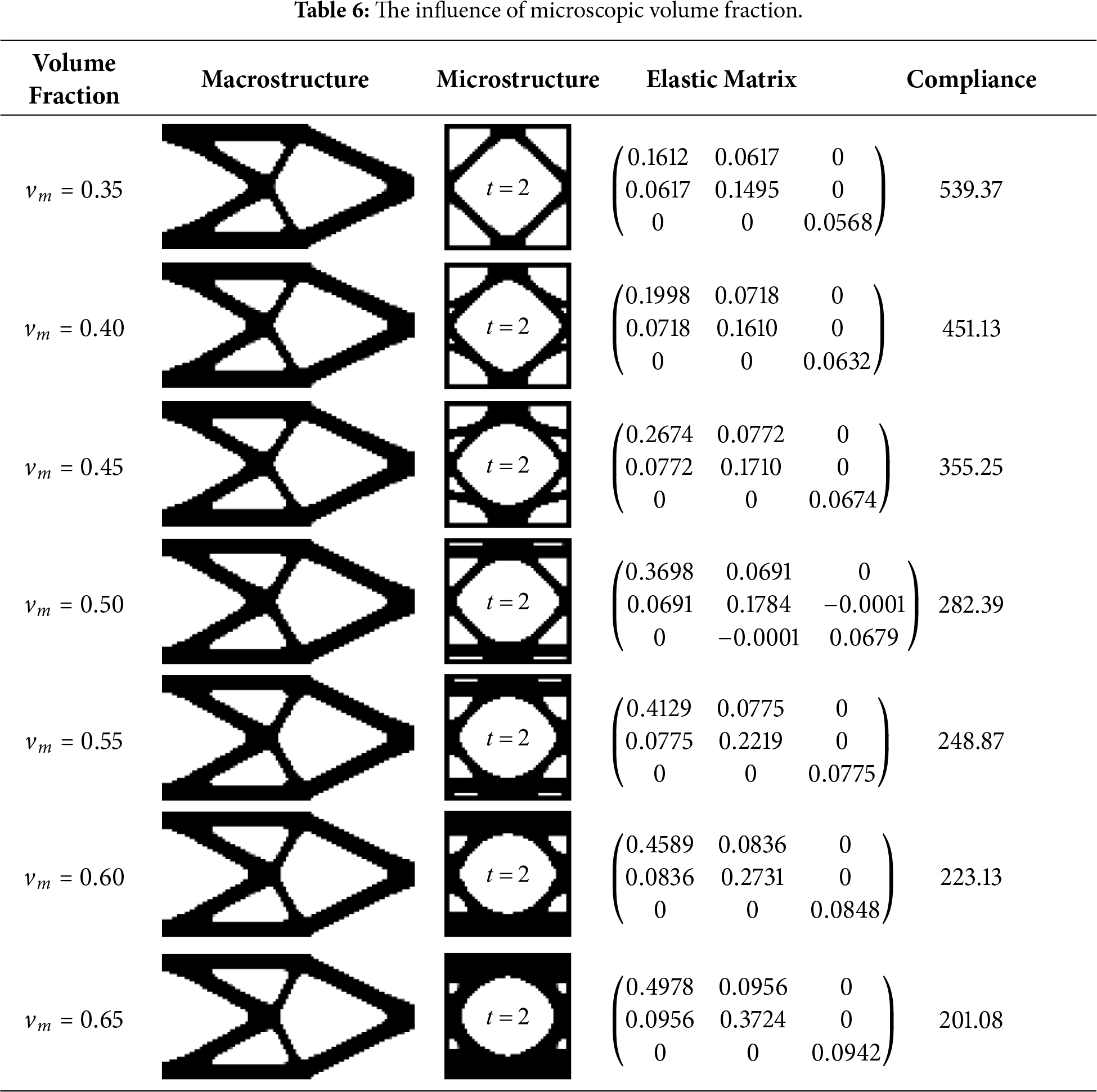
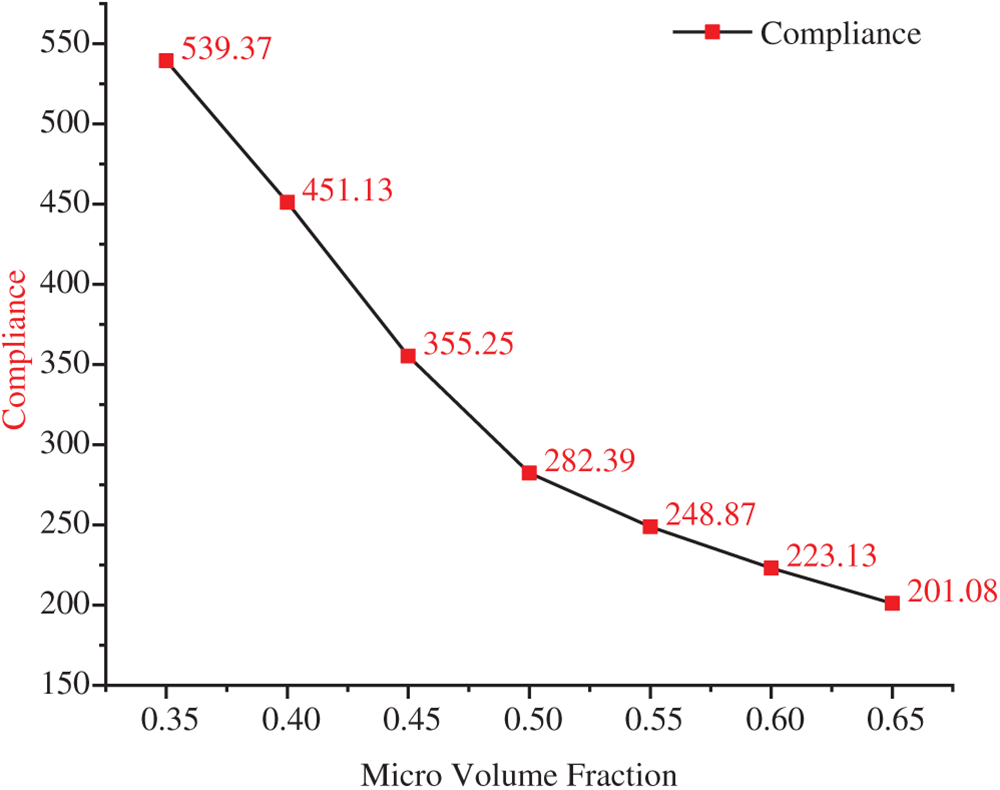
Figure 17: The macroscopic compliance varies with the volume fraction
5.2.6 Compared with the Method of Establishing a Macroscopic Interface Layer
To highlight the advantages of the proposed method, a comparative analysis was conducted against the macroscopic interface layer approach under identical loading, boundary, geometric, and discretization conditions. The thickness of the connection layer is set to 1. The macroscopic and microscopic volume fractions are
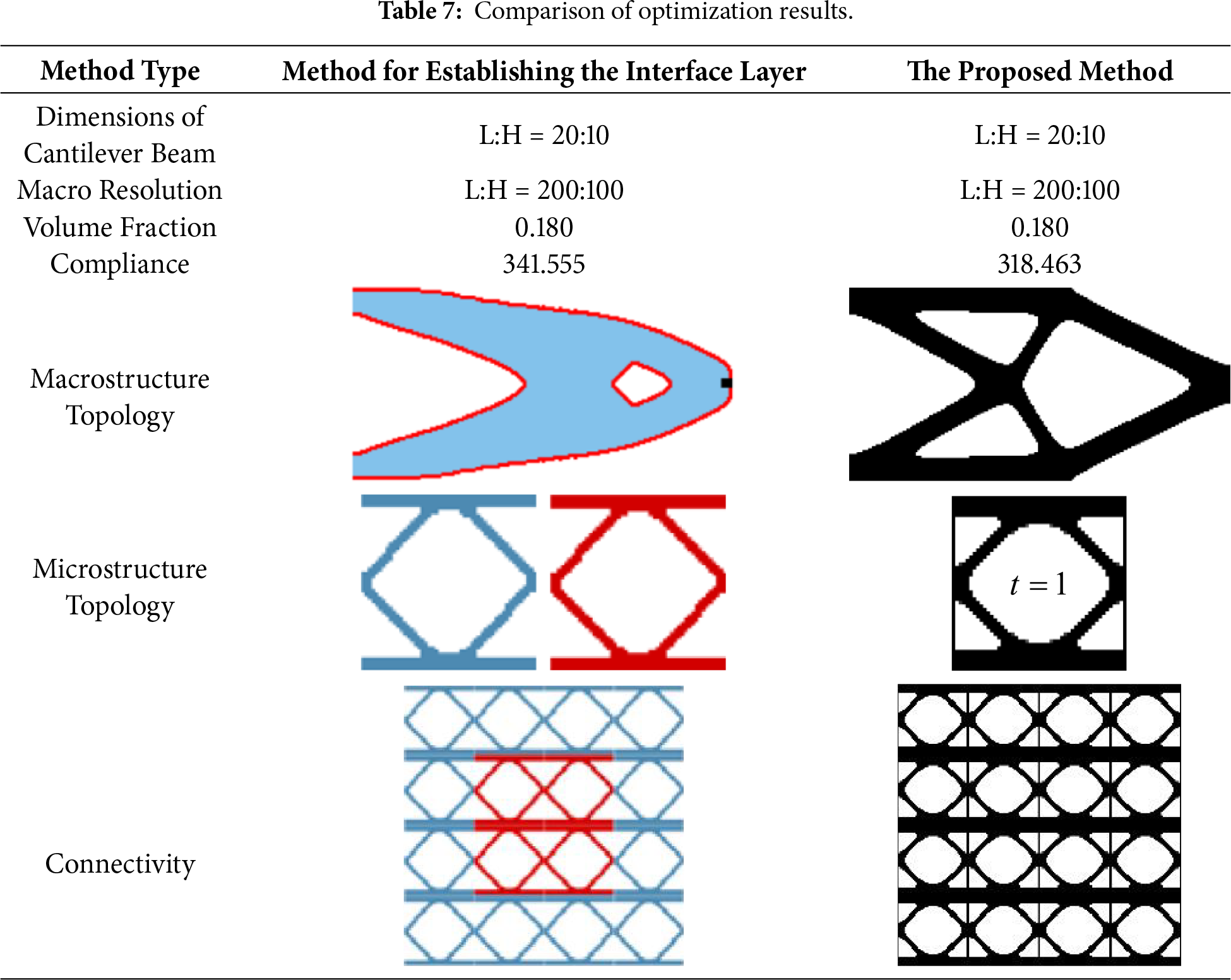
The results demonstrate that the topological structure generated by the proposed method exhibits lower structural compliance and improved connectivity reliability.
5.3 Three-Dimensional (3D) Simply-Supported Model
Finally, a three-dimensional simply supported beam model is taken as an example to illustrate the applicability of this method in three-dimensional structural optimization problems. The dimensions of the macroscopic and microscopic design domains, as well as the types of constraints and loads, are shown in Fig. 18. The upper limits of the macroscopic and microscopic volumes are respectively:
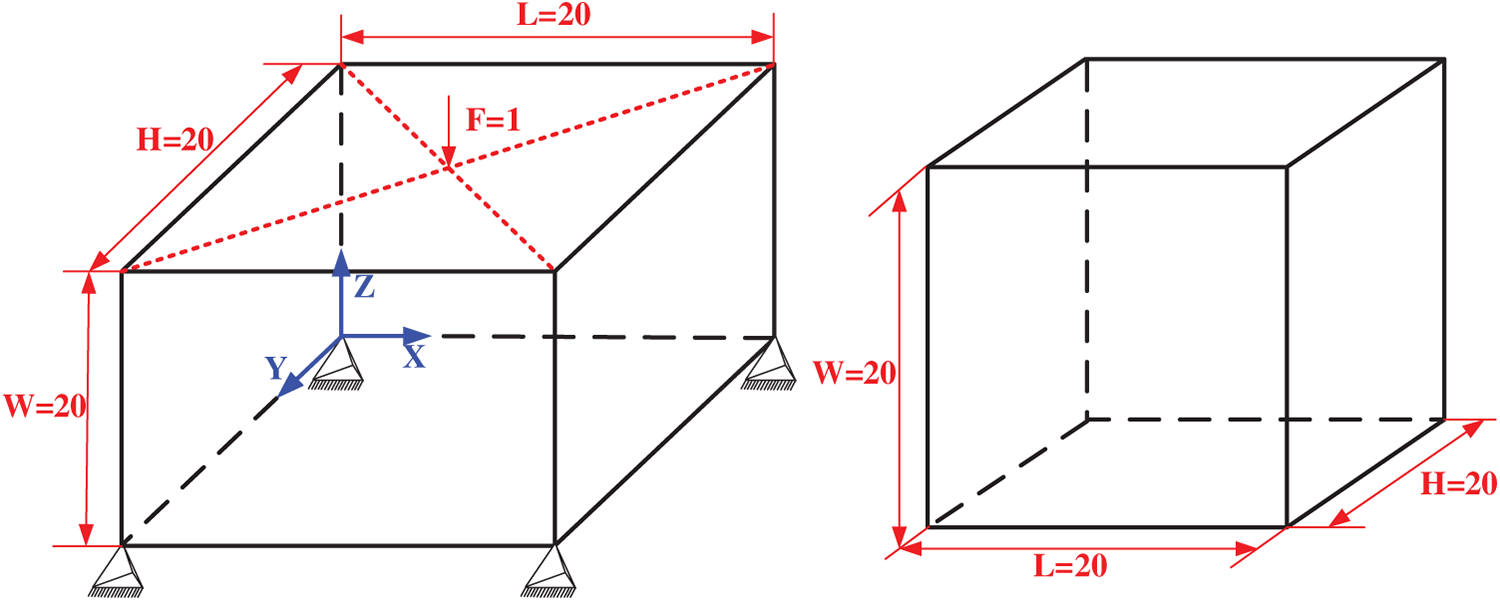
Figure 18: The design domain for the 3D example. Left: Macroscopic. Right: Microscopic.
The optimization of the three-dimensional simply supported beam successfully converged, yielding a compliance value of 82.98. It is worth noting that in the two-dimensional case, the boundary connection layer is established along the four edges of the microstructural design domain; when extended to three dimensions, this layer is correspondingly formed on all six surfaces of the domain. As illustrated in Fig. 19, the concurrent macroscopic and microscopic optimization results reveal that a uniform connection layer of unit thickness (t = 1) has been consistently generated across all six surfaces of the microstructure. This outcome clearly indicates that the proposed design methodology can be naturally and effectively generalized to three-dimensional structural optimization.
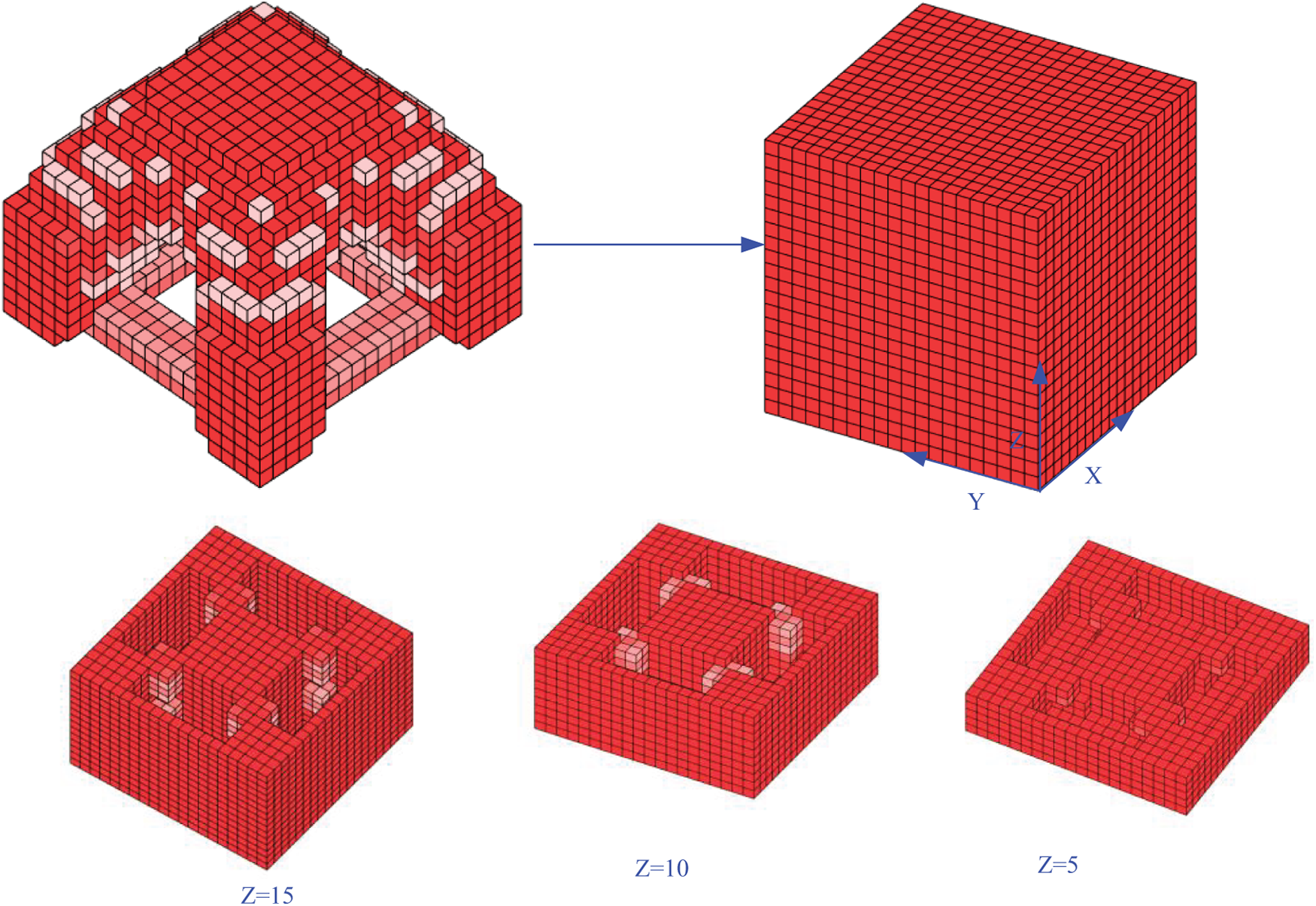
Figure 19: Macroscopic and microscopic optimization results and microstructure configurations.
This paper proposes a two-scale concurrent topology optimization design method for connectable microstructures based on boundary connection layers. By parametrically dividing the microscopic design domain, this method successfully constructs a controllable thickness dense connection layer at the microstructure boundary, effectively enhancing the connection reliability between adjacent microstructures in the two-scale optimization. Furthermore, since the size of the boundary connection layer is controlled by the mesh, this feature is conducive to imposing a minimum length constraint on it, thereby enabling the boundary connection layer to have certain engineering applicability.
Numerical examples show that this method enhances the interface connection strength and reliability of microstructures while ensuring the macroscopic structural stiffness. By adjusting parameters such as the thickness of the connection layer, mesh resolution, and volume fraction, the effectiveness and design flexibility of this method in balancing structural performance and process requirements have been systematically verified.
In the current work, an excessively high material proportion in the boundary connection layer may lead to convergence difficulties. Furthermore, A thorough investigating the interface characteristics of boundary connection layers with varying thicknesses can provide valuable guidance for optimizing their design. Future efforts will focus on analysis of these interface properties and on establishing reliable connections among diverse microstructures.
Acknowledgement: Not applicable.
Funding Statement: This work was supported by the Science and Technology Research Project of Henan Province (242102241055), the Industry-University-Research Collaborative Innovation Base on Automobile Lightweight of “Science and Technology Innovation in Central Plains” (2024KCZY315), and the Opening Fund of State Key Laboratory of Structural Analysis, Optimization and CAE Software for Industrial Equipment (GZ2024A03-ZZU).
Author Contributions: Hongyu Xu: Writing—original draft, Validation; Xiaofeng Liu: Software, Methodology, Writing—review & editing; Zhao Li, Shuai Zhang: Methodology, Investigation, Funding acquisition; Jintao Cui, Zongshuai Zhou: Conceptualization, Writing—review & editing, Supervision; Longlong Chen, Mengen Zhang: Methodology, Conceptualization. All authors reviewed and approved the final version of the manuscript.
Availability of Data and Materials: Data will be made available on request.
Ethics Approval: Not applicable.
Conflicts of Interest: The authors declare no conflicts of interest.
References
1. Xie B, Zhang D, Feng P, Hu N. Accelerated design and characterization of nonuniformed cellular architected materials with tunable mechanical properties. In: Machine learning aided analysis, design, and additive manufacturing of functionally graded porous composite structures. Amsterdam, The Netherlands: Elsevier; 2024. p. 241–50. doi:10.1016/b978-0-443-15425-6.00002-x. [Google Scholar] [CrossRef]
2. Zou Z, Liu J, Gao K, Chen D, Yang J, Wu Z. Inverse design of functionally graded porous structures with target dynamic responses. Int J Mech Sci. 2024;280:109530. doi:10.1016/j.ijmecsci.2024.109530. [Google Scholar] [CrossRef]
3. Gao K, Chen D, Yang J, Kitipornchai S. Applications of composite structures made of functionally graded porous materials. In: Machine learning aided analysis, design, and additive manufacturing of functionally graded porous composite structures. Amsterdam, The Netherlands: Elsevier; 2024. p. 433–49. doi:10.1016/c2022-0-00102-1. [Google Scholar] [CrossRef]
4. Bendsøe MP, Sigmund O. Material interpolation schemes in topology optimization. Arch Appl Mech. 1999;69(9):635–54. doi:10.1007/s004190050248. [Google Scholar] [CrossRef]
5. Wang MY, Wang X, Guo D. A level set method for structural topology optimization. Comput Methods Appl Mech Eng. 2003;192(1–2):227–46. doi:10.1016/S0045-7825(02)00559-5. [Google Scholar] [CrossRef]
6. Allaire G, Jouve F, Toader AM. Structural optimization using sensitivity analysis and a level-set method. J Comput Phys. 2004;194(1):363–93. doi:10.1016/j.jcp.2003.09.032. [Google Scholar] [CrossRef]
7. Luo J, Luo Z, Chen L, Tong L, Wang MY. A semi-implicit level set method for structural shape and topology optimization. J Comput Phys. 2008;227(11):5561–81. doi:10.1016/j.jcp.2008.02.003. [Google Scholar] [CrossRef]
8. Wei P, Wang W, Yang Y, Wang MY. Level set band method: a combination of density-based and level set methods for the topology optimization of continuums. Front Mech Eng. 2020;15(3):390–405. doi:10.1007/s11465-020-0588-0. [Google Scholar] [CrossRef]
9. Xie YM, Steven GP. A simple evolutionary procedure for structural optimization. Comput Struct. 1993;49(5):885–96. doi:10.1016/0045-7949(93)90035-C. [Google Scholar] [CrossRef]
10. Huang X, Xie YM, Burry MC. A new algorithm for bi-directional evolutionary structural optimization. JSME Int J. 2006;49(4):1091–9. doi:10.1299/jsmec.49.1091. [Google Scholar] [CrossRef]
11. Xia L, Xia Q, Huang X, Xie YM. Bi-directional evolutionary structural optimization on advanced structures and materials: a comprehensive review. Arch Comput Methods Eng. 2018;25(2):437–78. doi:10.1007/s11831-016-9203-2. [Google Scholar] [CrossRef]
12. Guo X, Zhang W, Zhong W. Doing topology optimization explicitly and geometrically—a new moving morphable components based framework. J Appl Mech. 2014;81(8):081009. doi:10.1115/1.4027609. [Google Scholar] [CrossRef]
13. Zhang W, Yang W, Zhou J, Li D, Guo X. Structural topology optimization through explicit boundary evolution. J Appl Mech. 2017;84(1):011011. doi:10.1115/1.4034972. [Google Scholar] [CrossRef]
14. Li Z, Xu H, Zhang S. A comprehensive review of explicit topology optimization based on moving morphable components (MMC) method. Arch Comput Methods Eng. 2024;31(5):2507–36. doi:10.1007/s11831-023-10053-8. [Google Scholar] [CrossRef]
15. Guo Y, Liu C, Guo X. Shell-infill composite structure design based on a hybrid explicit-implicit topology optimization method. Compos Struct. 2024;337:118029. doi:10.1016/j.compstruct.2024.118029. [Google Scholar] [CrossRef]
16. Bendsøe MP, Kikuchi N. Generating optimal topologies in structural design using a homogenization method. Comput Methods Appl Mech Eng. 1988;71(2):197–224. doi:10.1016/0045-7825(88)90086-2. [Google Scholar] [CrossRef]
17. Rodrigues H, Guedes JM, Bendsoe MP. Hierarchical optimization of material and structure. Struct Multidiscip Optim. 2002;24(1):1–10. doi:10.1007/s00158-002-0209-z. [Google Scholar] [CrossRef]
18. Xia L, Breitkopf P. Concurrent topology optimization design of material and structure within FE2 nonlinear multiscale analysis framework. Comput Methods Appl Mech Eng. 2014;278(1):524–42. doi:10.1016/j.cma.2014.05.022. [Google Scholar] [CrossRef]
19. Wang Y, Chen F, Wang MY. Concurrent design with connectable graded microstructures. Comput Methods Appl Mech Eng. 2017;317(6202):84–101. doi:10.1016/j.cma.2016.12.007. [Google Scholar] [CrossRef]
20. Zong H, Liu H, Ma Q, Tian Y, Zhou M, Wang MY. VCUT level set method for topology optimization of functionally graded cellular structures. Comput Methods Appl Mech Eng. 2019;354(1838):487–505. doi:10.1016/j.cma.2019.05.029. [Google Scholar] [CrossRef]
21. Li Q, Xu R, Liu J, Liu S, Zhang S. Topology optimization design of multi-scale structures with alterable microstructural length-width ratios. Compos Struct. 2019;230:111454. doi:10.1016/j.compstruct.2019.111454. [Google Scholar] [CrossRef]
22. Xu L, Qian Z. Topology optimization and de-homogenization of graded lattice structures based on asymptotic homogenization. Compos Struct. 2021;277(3):114633. doi:10.1016/j.compstruct.2021.114633. [Google Scholar] [CrossRef]
23. Kazakis G, Lagaros ND. Multi-scale concurrent topology optimization based on BESO, implemented in MATLAB. Appl Sci. 2023;13(18):10545. doi:10.3390/app131810545. [Google Scholar] [CrossRef]
24. Ho-Nguyen-Tan T, Kim HG. Stress-constrained concurrent two-scale topology optimization of functionally graded cellular structures using level set-based trimmed quadrilateral meshes. Struct Multidiscip Optim. 2023;66(6):123. doi:10.1007/s00158-023-03572-2. [Google Scholar] [CrossRef]
25. Gu X, He S, Dong Y, Song T. An improved ordered SIMP approach for multiscale concurrent topology optimization with multiple microstructures. Compos Struct. 2022;287(16):115363. doi:10.1016/j.compstruct.2022.115363. [Google Scholar] [CrossRef]
26. Luo Y, Hu J, Liu S. Self-connected multi-domain topology optimization of structures with multiple dissimilar microstructures. Struct Multidiscip Optim. 2021;64(1):125–40. doi:10.1007/s00158-021-02865-8. [Google Scholar] [CrossRef]
27. Wei P, Chen X, Liu H. Multi-domain topology optimization of connectable lattice structures with tunable transition patterns. Comput Methods Appl Mech Eng. 2025;437(1–3):117786. doi:10.1016/j.cma.2025.117786. [Google Scholar] [CrossRef]
28. Gu X, Song T, Dong Y, Luo Y, He S. Multiscale concurrent topology optimization for structures with multiple lattice materials considering interface connectivity. Struct Multidiscip Optim. 2023;66(11):229. doi:10.1007/s00158-023-03687-6. [Google Scholar] [CrossRef]
29. Hu J, Luo Y, Liu S. Two-scale concurrent topology optimization method of hierarchical structures with self-connected multiple lattice-material domains. Compos Struct. 2021;272(3):114224. doi:10.1016/j.compstruct.2021.114224. [Google Scholar] [CrossRef]
30. Liu P, Kang Z, Luo Y. Two-scale concurrent topology optimization of lattice structures with connectable microstructures. Addit Manuf. 2020;36(6190):101427. doi:10.1016/j.addma.2020.101427. [Google Scholar] [CrossRef]
31. Feng J, Wang L, Zhai X, Chen K, Wu W, Liu L, et al. Constructing boundary-identical microstructures via guided diffusion for fast multiscale topology optimization. Comput Methods Appl Mech Eng. 2025;436(5781):117735. doi:10.1016/j.cma.2025.117735. [Google Scholar] [CrossRef]
32. Liu J, Zou Z, Li Z, Zhang M, Yang J, Gao K, et al. A clustering-based multiscale topology optimization framework for efficient design of porous composite structures. Comput Methods Appl Mech Eng. 2025;439(12):117881. doi:10.1016/j.cma.2025.117881. [Google Scholar] [CrossRef]
33. Sigmund O. Morphology-based black and white filters for topology optimization. Struct Multidiscip Optim. 2007;33(4):401–24. doi:10.1007/s00158-006-0087-x. [Google Scholar] [CrossRef]
34. Guedes J, Kikuchi N. Preprocessing and postprocessing for materials based on the homogenization method with adaptive finite element methods. Comput Methods Appl Mech Eng. 1990;83(2):143–98. doi:10.1016/0045-7825(90)90148-F. [Google Scholar] [CrossRef]
35. Lazarov BS, Sigmund O. Filters in topology optimization based on Helmholtz-type differential equations. Int J Numer Methods Eng. 2011;86(6):765–81. doi:10.1002/nme.3072. [Google Scholar] [CrossRef]
36. Andreassen E, Clausen A, Schevenels M, Lazarov BS, Sigmund O. Efficient topology optimization in MATLAB using 88 lines of code. Struct Multidiscip Optim. 2011;43(1):1–16. doi:10.1007/s00158-010-0594-7. [Google Scholar] [CrossRef]
37. Bruns TE, Tortorelli DA. Topology optimization of non-linear elastic structures and compliant mechanisms. Comput Methods Appl Mech Eng. 2001;190(26–27):3443–59. doi:10.1016/S0045-7825(00)00278-4. [Google Scholar] [CrossRef]
38. Wang F, Lazarov BS, Sigmund O. On projection methods, convergence and robust formulations in topology optimization. Struct Multidiscip Optim. 2011;43(6):767–84. doi:10.1007/s00158-010-0602-y. [Google Scholar] [CrossRef]
39. Gao J, Luo Z, Xia L, Gao L. Concurrent topology optimization of multiscale composite structures in Matlab. Struct Multidiscip Optim. 2019;60(6):2621–51. doi:10.1007/s00158-019-02323-6. [Google Scholar] [CrossRef]
40. Bendsøe MP, Sigmund O. Topology optimization: theory, methods and applications. Berlin/Heidelberg, Germany: Springer-Verlag; 2003. [Google Scholar]
41. Sigmund O. Materials with prescribed constitutive parameters: an inverse homogenization problem. Int J Solids Struct. 1994;31(17):2313–29. doi:10.1016/0020-7683(94)90154-6. [Google Scholar] [CrossRef]
42. Xia L, Breitkopf P. Design of materials using topology optimization and energy-based homogenization approach in Matlab. Struct Multidiscip Optim. 2015;52(6):1229–41. doi:10.1007/s00158-015-1294-0. [Google Scholar] [CrossRef]
43. Gao J, Li H, Gao L, Xiao M. Topological shape optimization of 3D micro-structured materials using energy-based homogenization method. Adv Eng Softw. 2018;116(2121):89–102. doi:10.1016/j.advengsoft.2017.12.002. [Google Scholar] [CrossRef]
44. Gao J, Li H, Luo Z, Gao L, Li P. Topology optimization of micro-structured materials featured with the specific mechanical properties. Int J Comput Methods. 2020;17(3):1850144. doi:10.1142/s021987621850144x. [Google Scholar] [CrossRef]
Cite This Article
 Copyright © 2026 The Author(s). Published by Tech Science Press.
This work is licensed under a Creative Commons Attribution 4.0 International License , which permits unrestricted use, distribution, and reproduction in any medium, provided the original work is properly cited.
 Downloads
 Citation Tools
