
 Login
Login Register
 Submit a Paper
 Propose a Special lssue
 Open Access
ARTICLE

Tribological Performance and Contact Stress Analysis of UV-Curable Acrylic/ZnO Nanocomposites
Department of Mechanical Engineering, Chosun University, Gwangju, Republic of Korea
* Corresponding Author: Chang-Lae Kim. Email:
Computers, Materials & Continua 2026, 87(3), 27 https://doi.org/10.32604/cmc.2026.077155
Received 03 December 2025; Accepted 22 January 2026; Issue published 09 April 2026
 View Full Text
 Download PDF
Abstract
UV-curable acrylic polymers are promising for advanced coating applications; however, they suffer from low mechanical strength and wear resistance. This study investigated the effects of zinc oxide (ZnO) nanoparticle incorporation (0, 1, 3, and 5 wt.%) on mechanical, surface, and tribological properties of UV-curable acrylic polymer nanocomposites. The elastic modulus increased from 9.41 MPa (bare polymer) to 22.39 MPa (5 wt.% ZnO), a 138% improvement. X-ray diffraction (XRD) analysis confirmed the formation of a crystalline region at the polymer-ZnO interface, with crystallite sizes reaching 121.94 nm compared to 7.95 nm for the bare-polymer. Surface roughness increased (0.99 to 2.45 μm), while contact angle decreased (66° to 49.23°), indicating improved wettability. Under high-load conditions (100 mN, 2 Hz), the 5 wt.% ZnO composite exhibited the lowest friction coefficient (0.29) and the second-lowest wear rate (6 × 10⁻⁷ mm3/N·mm), representing 26% and 63% reductions compared to bare polymer, respectively. Finite element analysis (FEA) revealed that an increased elastic modulus reduced the indentation depth and increased the localized contact stress, contributing to improved wear resistance of the coating. This study demonstrates the structure-property-performance relationships for designing durable acrylic polymer-based nanocomposite coating.Keywords
Acrylic polymers have gained attention in various industries owing to their excellent mechanical properties, chemical stability, and processing versatility [1]. Among the diverse acrylic polymer systems, UV-curable formulations offer distinct advantages, including rapid curing kinetics, high crosslinking density, and environmentally favorable processing without volatile organic compounds [2]. These characteristics have positioned UV-curable acrylic polymers as materials for automotive coatings, semiconductor manufacturing, and protective film applications. However, the limitations of pristine acrylic polymers, particularly their relatively low hardness, inadequate wear resistance, and moderate mechanical strength, necessitate material modification strategies to meet the demanding requirements of advanced engineering applications [3].
Polymer-based micro/nanocomposites have demonstrated potential for property improvement through the incorporation of inorganic reinforcing phases [4]. The dispersion of metal oxide nanoparticles within polymer matrices improves the toughness, strength, hardness, and wear resistance through strong interfacial interactions between the nanoparticles and the organic functional groups [5,6]. Among various metal oxide reinforcements, zinc oxide (ZnO) nanoparticles have emerged as promising candidates owing to their excellent mechanical properties, lubricating characteristics, and ability to form protective films at sliding interfaces [7,8]. ZnO nanoparticles can modulate surface adhesion characteristics, potentially improving the tribological performance of polymer coatings.
Previous investigations have explored various approaches to improve the properties of acrylic polymers. Seok et al. applied silanization treatments to modify acrylic polymer surfaces for flexible display applications, achieving improved rheological behavior and surface characteristics [9]. However, silane-based modifications have drawbacks, including environmental concerns, high processing costs, and complex synthesis procedures. Alternative reinforcement strategies using metal oxides such as alumina, titanium dioxide, and zinc oxide have been investigated [10]. Cardoso et al. demonstrated the improved durability of photocurable polymer composites through alumina nanoparticle incorporation in 3D printing applications [11].
Solid lubricants, such as MoS2 and graphite, have also been applied to tribological coatings with excellent friction-reduction performance. Zhang et al. fabricated Al2O3/MoS2 nanocomposite coatings through plasma electrolytic oxidation, achieving a friction coefficient as low as 0.1 [12]. Zhang et al. demonstrated that TiO2/MoS2 composite coatings prepared via micro-arc oxidation reduced the friction coefficient to 0.079, with a 92% reduction in wear rate [13]. However, these materials exhibit strong light absorption, which can interfere with photopolymerization in UV-curable systems. For UV-curable coating applications, ZnO nanoparticles present an alternative approach because they allow sufficient UV light transmission for crosslinking while providing mechanical reinforcement and surface property modification. Despite these advances, evaluations integrating the mechanical properties, surface characteristics, and tribological performance of UV-curable acrylic polymer-ZnO nanocomposites remain scarce in the literature.
The knowledge gap lies in the lack of understanding of how the concentration of ZnO nanoparticles influences the coupled mechanical-tribological behavior of UV-curable acrylic polymer composites. Although individual property improvements have been documented, the mechanisms governing the synergistic relationships between the increased elastic modulus, modified surface characteristics, and improved wear resistance have not been elucidated. Moreover, the load-dependent tribological response of such nanocomposites, which is required for practical coating applications, requires a thorough investigation.
Recent studies have demonstrated the importance of contact stress analysis in understanding the tribological behavior of polymer nanocomposites. Mohsenzadeh et al. investigated the life assessment of polyoxymethylene nanocomposite gears and applied finite element analysis to calculate the contact stress values, which were correlated with the experimental gear lifetime data [14]. Mohsenzadeh et al. examined the wear behavior of polyoxymethylene gears containing carbon black nanoparticles and used finite element simulations to determine the contact stress distribution during gear meshing, revealing the relationship between stress concentration and wear mechanisms [15].
This study examined UV-curable acrylic polymer nanocomposites reinforced with ZnO nanoparticles at concentrations of 0, 1, 3, and 5 wt.%. The maximum ZnO content was limited to 5 wt.% based on findings that higher concentrations promote particle agglomeration, potentially compromising composite performance [16,17]. This investigation integrates multiple characterization techniques, including mechanical testing, surface analysis (X-ray diffraction (XRD), attenuated total reflectance Fourier-transform infrared spectroscopy (ATR-FTIR), surface roughness, and contact angle measurements), and tribological evaluation under varying load conditions. Finite element analysis (FEA) was performed to provide mechanistic information on the stress distribution and deformation behavior. This study aims to determine the quantitative structure-property relationships between ZnO concentration and composite performance, elucidate the mechanisms underlying the improved tribological behavior, and present guidelines for the rational design of durable acrylic polymer-based nanocomposite coatings.
The acrylic copolymer was synthesized using 2-ethylhexyl acrylate (2-EHA, 99.0%, Yakuri Pure Chemicals Co., Ltd., Kyoto, Japan), methyl methacrylate (MMA, 99.5%, Junsei Chemical Co., Ltd., Tokyo, Japan), ethyl acetate (99.0%, Daejung Chemicals & Metals Co., Ltd., Siheung, Republic of Korea), hydroxyethyl acrylate (2-HEA, 97.0%, Samchun Chemicals Co., Ltd., Pyeongtaek, Republic of Korea), acrylic acid (AA, 98.0%, Daejung Chemicals & Metals Co., Ltd.), and 2,2′-azobis(2-methylpropionitrile) (AIBN, 98.0%, Daejung Chemicals & Metals Co., Ltd.) as the thermal initiator. For the UV-curable polymer preparation, 4-methoxyphenol (MEHQ, 99.0%, Junsei Chemical Co., Ltd.), 2-isocyanatoethyl methacrylate (IEM, 98.0%, Sigma-Aldrich, St. Louis, MO, USA), dibutyltin dilaurate (DBTDL, 95.0%, Sigma-Aldrich), aziridine crosslinker (99.0%, Doorichem, Seoul, Republic of Korea), and JRCure TPO photoinitiator (99.0%, Jiuri New Materials, Tianjin, China). Zinc oxide nanoparticles (99.5%, average particle size ~50 nm, Samchun Chemicals Co., Ltd.) was used as the reinforcing fillers.
The nanocomposite fabrication procedure is illustrated in Fig. 1 [18–20]. The acrylic copolymer was synthesized at a 50 wt.% solid content using ethyl acetate as the solvent. Initially, one-quarter of the monomer mixture was combined with ethyl acetate and heated at 80°C under reflux conditions. The remaining monomer mixture was added, and the reaction proceeded with continuous stirring for 4 h. Following polymerization, 0.05 wt.% each of DBTDL and MEHQ were introduced dropwise. The solution was heated to 50°C, and IEM (0.3 wt.%) was added to incorporate the reactive groups onto the copolymer side chains. Subsequently, 40 g of HEA was added over 15 min to the mixture. The final UV-curable resin was prepared by mixing the synthesized acrylic monomer (100 wt.%), JRCure TPO photoinitiator (0.5 wt.%), and aziridine crosslinker (0.5 wt.%).
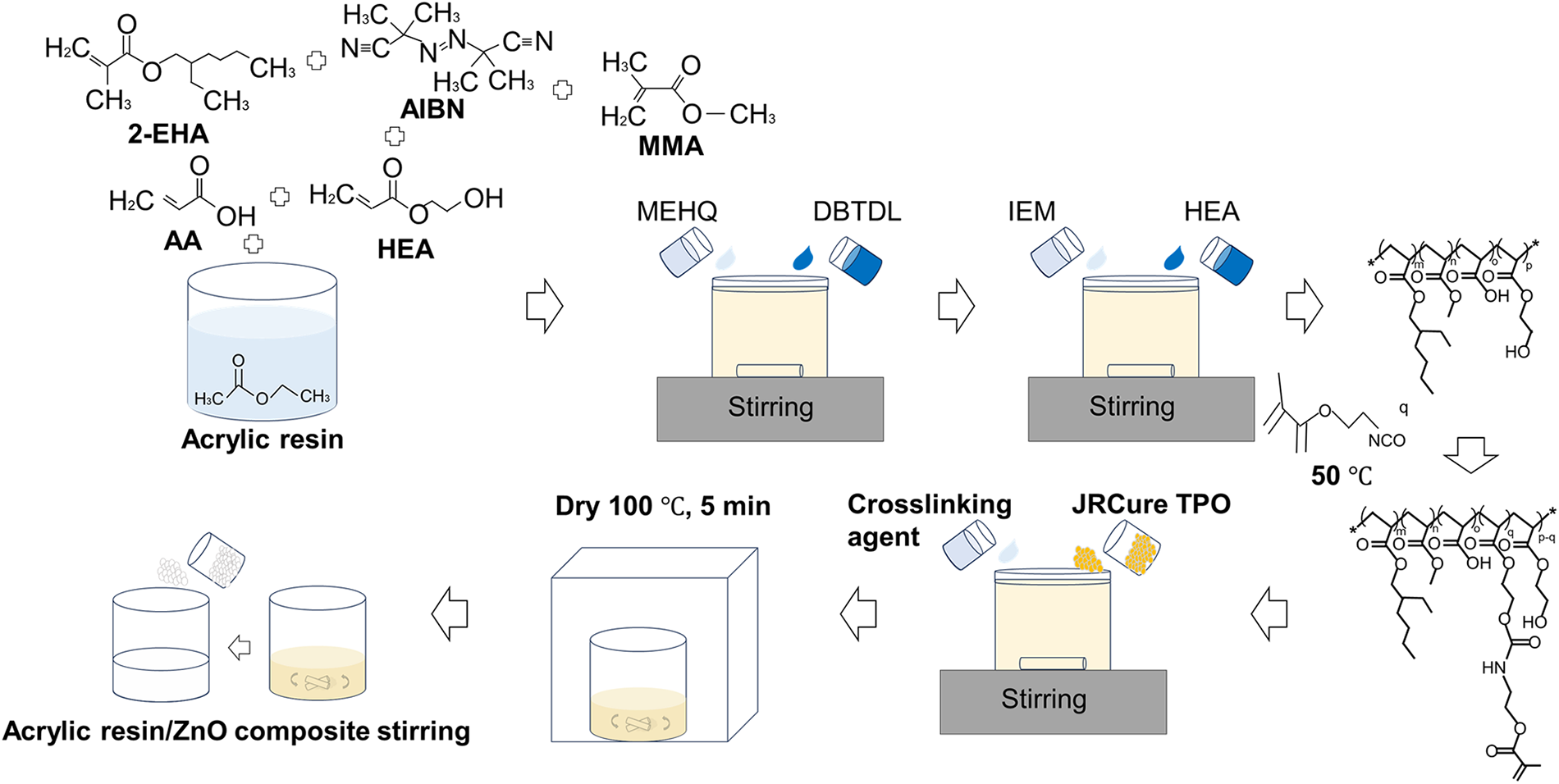
Figure 1: Schematic illustration of the fabrication of acrylic polymer-ZnO nanocomposites.
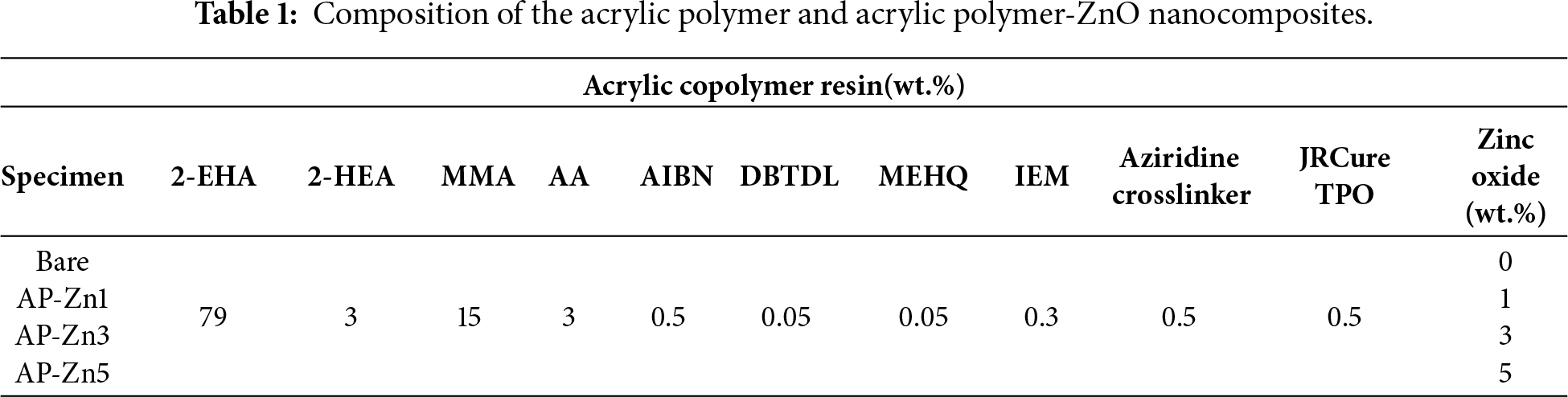
ZnO nanoparticles were incorporated into 20 g of the prepared acrylic polymer resin at concentrations of 0 (bare), 1, 3, and 5 wt.% (Table 1). Uniform dispersion was achieved through mechanical stirring for 1 h, followed by ultrasonication for 30 min. The composites were then heated in an oven at 100°C for 5 min to remove the solvent. The specimens were prepared by depositing the composite solutions onto polished stainless steel 304 substrates (20 mm × 20 mm × 1 mm) via spin coating at 1000 rpm for 30 s, with 2 mL of the solution dispensed using a micropipette. UV curing was performed using a CL300PRO UV curing unit (wavelength of 405 nm) for 10 min. The specimens were designated as bare, AP-Zn1, AP-Zn3, and AP-Zn5 according to their ZnO contents.
The mechanical properties were evaluated using a universal testing machine (STB-1225L, A&D Company, Tokyo, Japan) in indentation mode. A stainless steel ball indenter (10 mm diameter) was applied under a vertical load of 0.5 N, with unloading performed at 0.05 mm/min upon reaching the preset load to determine the elastic modulus of each composite.
Surface morphology was analyzed using a 3D laser scanning confocal microscope (3D-LSCM; VK-X200, KEYENCE Co., Ltd., Osaka, Japan). Scanning electron microscopy (SEM; SU-8600, Hitachi, Tokyo, Japan) was used to examine the dispersion of the ZnO nanoparticles within the acrylic polymer matrix. The specimens were sputter-coated with platinum before observation.
Chemical composition analysis was conducted using ATR-FTIR (Nicolet 6700, Thermo Scientific, Seoul, Republic of Korea) in the 560–4000 cm−1 range. Crystallographic analysis was performed using XRD (EMPyrean, PANalytical, Malvern, UK) with Cu Kα radiation (λ = 1.54 Å), scanning over 2θ = 10–90° with a step size of 0.017°.
Surface roughness measurements were performed using a 2D surface profiler (SV-2100M4, Mitutoyo Korea Corporation, Gunpo, Republic of Korea) with a stylus tip under a 0.75 mN load, scanning 2 mm at 0.2 mm/s speed. Static water contact angles were measured by dispensing 10 μL droplets using a micropipette, and images were captured using a Dino camera (AM4013MTL, Dino-Life, Almere, The Netherlands).
The tribological properties were evaluated using a reciprocating friction tester (RFW 160, NEOPLUS Co., Ltd., Daejeon, Republic of Korea). The tests were conducted using a stainless steel 304 ball (1 mm diameter) with a stroke length of 2 mm for 100 cycles. Two loading conditions were applied: low load (50 mN, 1 Hz) and high load (100 mN, 2 Hz) to simulate mild and severe operating conditions, respectively. The friction force was monitored in real time using a load cell, and the friction coefficient was calculated by dividing the friction force by the applied normal load. Three replicate measurements were performed for each condition to verify reproducibility. Post-test wear track analysis was conducted using 3D-LSCM to determine the wear volume, width, and depth of the wear track. The wear rate (W.R.) was calculated as follows: =V/(F·L), where V is the wear volume, F is the normal load, and L is the total sliding distance. Four measurements were averaged to confirm the reliability of the data.
FEA was performed to simulate the indentation and sliding contact behavior. The model geometry consisted of a 2 × 1 mm specimen in contact with a rigid sphere with a diameter of 1 mm. The applied loads were set to 50 and 100 mN for both the indentation and sliding simulations. The elastic modulus of bare and AP-Zn5 were assigned values of 9.41 and 22.39 MPa, respectively. A Poisson’s ratio of 0.49 was adopted based on the values reported in the literature for UV-curable acrylic polymers, which reflects the near-incompressible nature of crosslinked polymer networks [21]. A linear elastic constitutive model was applied to compare the indentation behavior of the coating compositions. This model provides a consistent basis for comparing the relative mechanical performance under identical loading conditions. The indenter properties were set as 210 GPa (elastic modulus) and 0.35 (Poisson’s ratio) [22]. The finite element model applied fixed boundary conditions at the bottom edge of the specimen (u1 = u2 = θ3 = 0) to represent the rigid attachment to the substrate. The indenter was constrained with Y-axis antisymmetry (u1 = θ2 = θ3 = 0) to allow only vertical displacement during the indentation. A concentrated load was applied through a reference point that was kinematically coupled to the indenter tip. Surface-to-surface contact with Coulomb friction (μ = 0.3, based on experimental measurements) was defined between the indenter and specimen surfaces, with a slip tolerance of 0.005. The reciprocating sliding behavior was simulated for one reciprocating cycle.
The FEA model was discretized with 2500 CPS4R elements (4-node bilinear plane stress quadrilateral elements), and the indenter was meshed with 2059 CPS3 elements (3-node linear plane stress triangular elements). The total model contained 4559 elements and 3721 nodes in the analysis. The mesh was refined in the contact region with average element sizes of 0.015–0.02 mm. The mesh density was determined through preliminary simulations to achieve an adequate resolution at the contact interface. Solution stability was confirmed through the successful completion of all increments, with the stabilization energy remaining below 1% of the internal energy.
Table 2 presents the elastic modulus values obtained from indentation testing. The elastic modulus increased progressively with the ZnO content: 9.41 MPa (bare), 13.37 MPa (AP-Zn1), 20.02 MPa (AP-Zn3), and 22.39 MPa (AP-Zn5). This improvement reflects the excellent mechanical properties of ZnO nanoparticles and their effective reinforcement of the polymer matrix. The most pronounced increase (approximately 50%) occurred between AP-Zn1 and AP-Zn3, suggesting that at 3 wt.% ZnO, the nanoparticles achieved broader spatial distribution within the acrylic polymer matrix, maximizing load transfer efficiency [23]. The 138% improvement from bare to AP-Zn5 demonstrates the reinforcing capability of ZnO nanoparticles in UV-curable acrylic polymer systems.

Fig. 2 shows the 2D and 3D-LSCM images of the composite surfaces at various ZnO concentrations. The bare specimen exhibited a smooth surface, which is typical of acrylic polymers. Upon ZnO incorporation (AP-Zn1), discrete nanoparticle domains became visible, introducing a surface texture. At 3 wt.% ZnO (AP-Zn3), accumulated particle distributions were observed across the adhesive surface. Further increasing the ZnO content to 5 wt.% (AP-Zn5) resulted in more pronounced surface features with ZnO particles accumulating on previously formed polymer-ZnO regions throughout the surface.
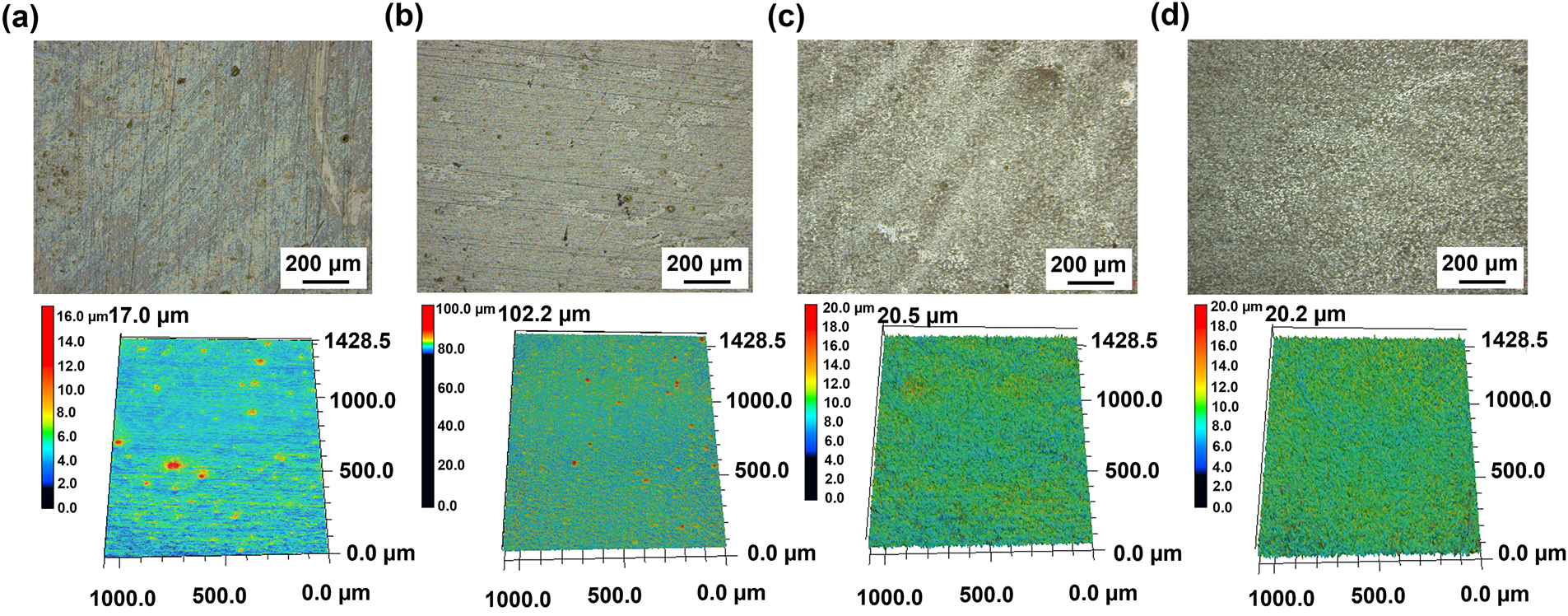
Figure 2: 2D and 3D-LSCM surface morphology images of (a) bare, (b) AP-Zn1, (c) AP-Zn3, and (d) AP-Zn5.
Fig. 3 shows the SEM images of AP-Zn1 and AP-Zn5 at low and high magnifications. The AP-Zn1 specimen showed a relatively homogeneous distribution of ZnO nanoparticles within the polymer matrix, with individual particles and small clusters observed at high magnification. In contrast, the AP-Zn5 specimen displayed distinct particle aggregation, where ZnO nanoparticles formed larger clusters with dimensions ranging from several hundred nanometers to a few micrometers in size. The increased particle concentration in AP-Zn5 reduced the interparticle distance, promoting particle-to-particle contact and subsequent agglomeration during the mixing and curing stages.
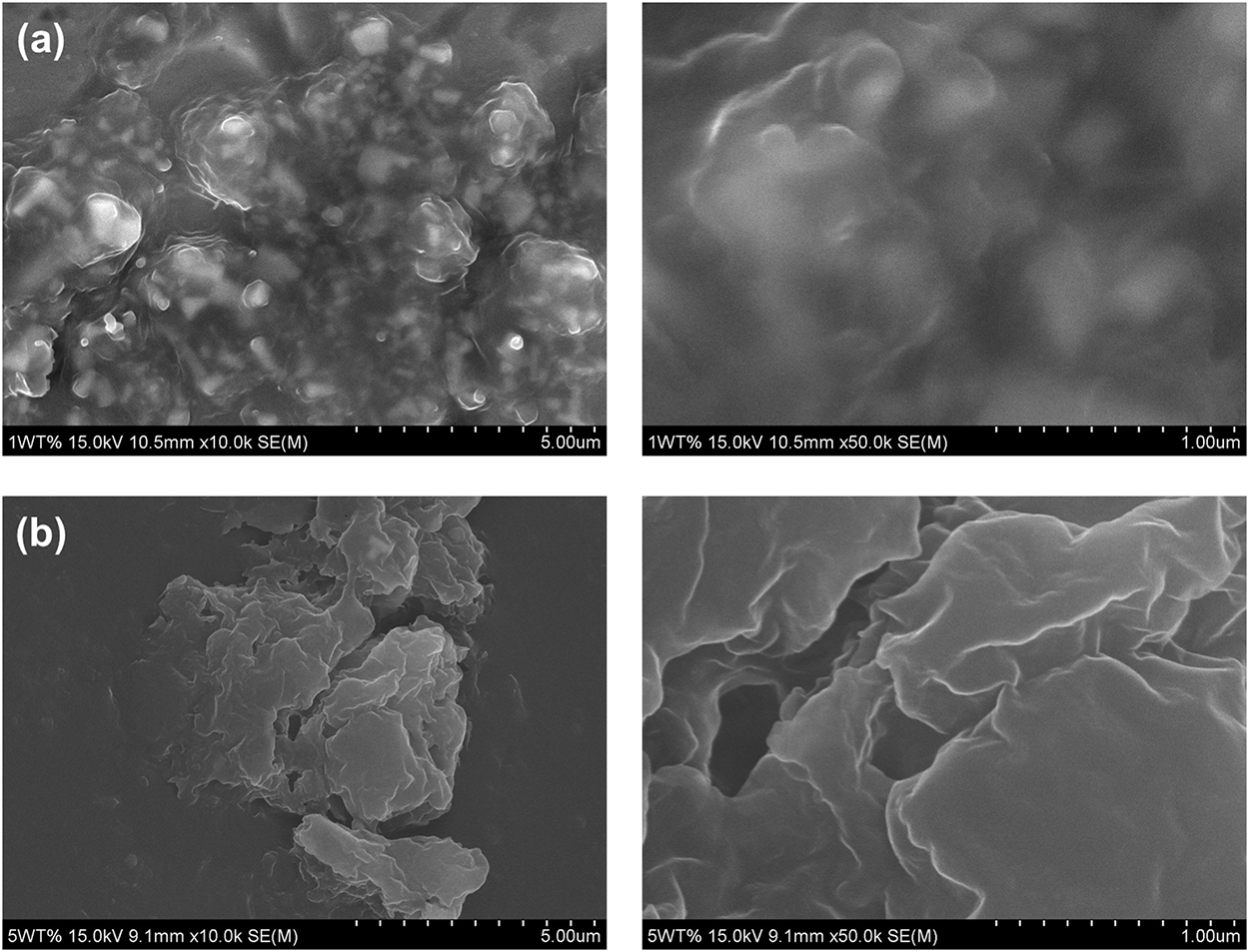
Figure 3: SEM images of (a) AP-Zn1 and (b) AP-Zn5 at low (left) and high (right) magnifications.
The XRD patterns (Fig. 4) revealed differences between the bare polymer and the acrylic polymer-ZnO nanocomposite. The bare specimen exhibited a broad diffraction peak centered at 2θ = 21.4°, characteristic of amorphous polymeric materials with nonuniform interatomic spacing [24]. In contrast, the acrylic polymer-ZnO nanocomposite displayed the same broad peak at 2θ = 21.4° with reduced intensity, along with additional sharp peaks at 2θ = 31.72°, 34.36°, 36.19°, 56.56°, and 62.88°, corresponding to the hexagonal wurtzite crystal structure of ZnO [25]. The presence of these well-defined peaks confirmed the incorporation of crystalline ZnO into the polymer matrix [26]. Additional peaks were observed at 2θ = 36.28°, 47.49°, 56.56°, 62.83°, 67.91°, 72.51°, 76.93°, 81.59°, and 89.61°. Excluding the common peak at 2θ = 21.4°, all the peaks exhibited narrow and intense profiles, indicating the formation of crystalline regions at the polymer-ZnO interface [27].
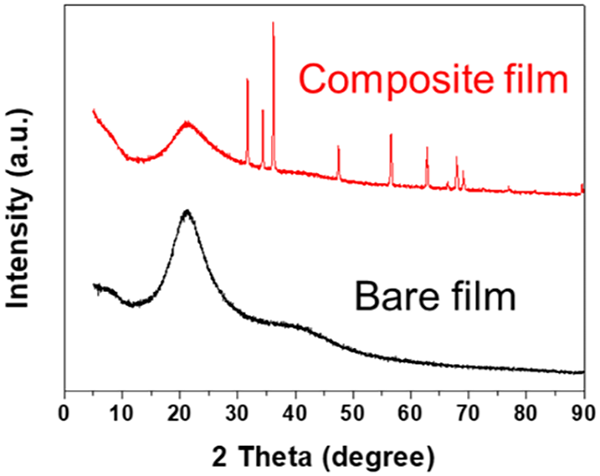
Figure 4: XRD patterns of the bare acrylic polymer film and acrylic polymer-ZnO nanocomposite film.
The crystallite sizes were estimated using the Scherrer equation: d = kλ/(β·cosθ), where d is the crystallite size (Å), k is the Scherrer constant (0.89), λ is the X-ray wavelength (1.54 Å for Cu Kα), β is the full width at half maximum (FWHM) in degrees, and θ is the Bragg angle [28]. The apparent crystallite size of the bare polymer was approximately 7.95 nm, while AP-Zn3 exhibited a value of 121.94 nm. In polymer nanocomposite systems, peak broadening can be affected by multiple factors, including the lattice strain and the amorphous nature of the surrounding polymer matrix. The calculated values represent apparent crystallite dimensions rather than precise measurements of well-defined crystalline domains. Nevertheless, the difference between the bare polymer and ZnO-containing composites suggests that ZnO incorporation induced structural ordering at the polymer-particle interface.
ATR-FTIR analysis (Fig. 5) confirmed the chemical structure evolution during composite formation. All the specimens, including the bare film, uncured bare solution, and acrylic polymer-ZnO nanocomposite film, exhibited a carbonyl (C=O) stretching vibration near 1760 cm−1 and hydroxyl (−OH) absorption at 3460 cm−1, indicating the presence of hydrophilic functional groups in both the bare polymer and the composite films. A comparison between the cured films and uncured solutions revealed the disappearance of isocyanate peaks after 5 h, confirming a complete IEM reaction [29]. The sharp peaks observed at 1600, 1400, and 800 cm−1 in the uncured solution, corresponding to strong C=C bond absorption, disappeared upon UV curing, which verified the polymerization [30].
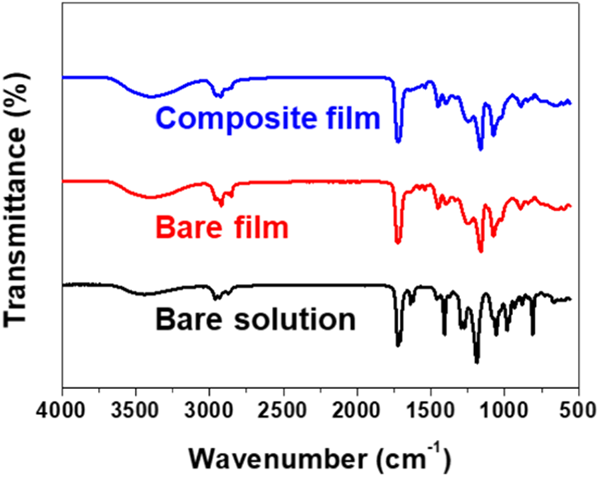
Figure 5: ATR-FTIR spectra of bare film, bare solution (uncured), and acrylic polymer-ZnO nanocomposite film.
The carbonyl and hydroxyl functional groups present in the acrylic polymer can interact with the ZnO particle surface through hydrogen bonding between the polymer hydroxyl groups and oxygen atoms on ZnO. This interaction contributes to the mechanical properties at the polymer-particle interface, which is supported by the progressive increase in the elastic modulus with the ZnO content.
Surface roughness measurements (Fig. 6) demonstrated a clear dependence on the ZnO content of the coatings. The roughness values were 0.99 μm (bare), 1.11 μm (AP-Zn1), 1.27 μm (AP-Zn3), and 2.45 μm (AP-Zn5). The bare specimen exhibited the lowest roughness, with values increasing progressively with the ZnO content. The roughness approximately doubled between AP-Zn3 and AP-Zn5 when the ZnO content increased by only 2 wt.%. This phenomenon is attributed to the formation of crystalline regions at the polymer-ZnO interface, where additional ZnO particles accumulate [31].
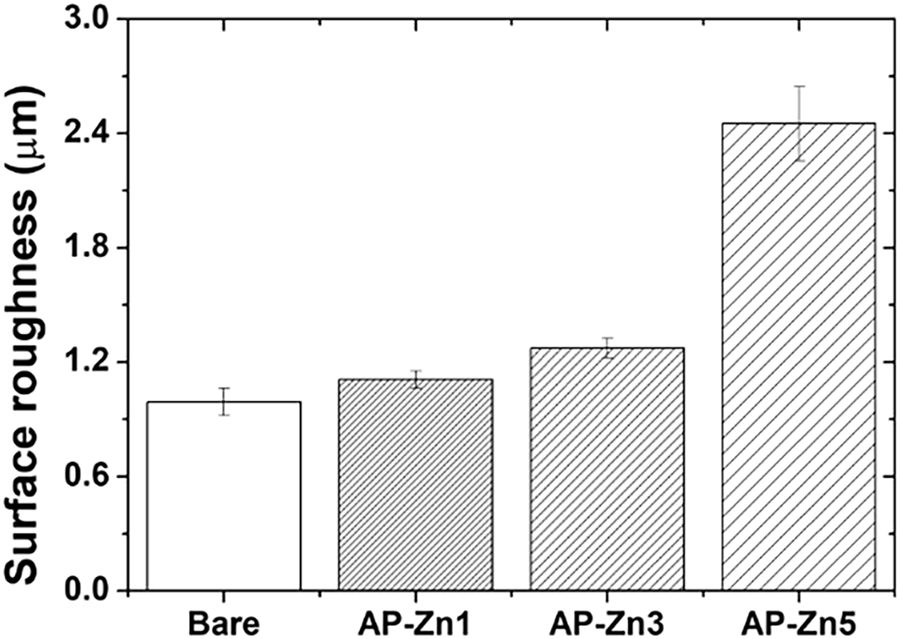
Figure 6: Surface roughness of acrylic polymer-ZnO nanocomposites as a function of ZnO content.
Water contact angle measurements (Fig. 7) revealed improved surface wettability with increasing ZnO contents. The contact angles decreased from 66° (bare) to 58.77° (AP-Zn1), 54.13° (AP-Zn3), and 49.23° (AP-Zn5). The contact angle decreased by approximately 7° from bare to AP-Zn1, followed by a decrease of approximately 4° for subsequent ZnO additions. Despite exhibiting the highest surface roughness, AP-Zn5 had the lowest contact angle. This behavior can be attributed to the hydrophilicity of the ZnO nanoparticles. As the ZnO content increased, the particles were distributed uniformly across the polymer matrix surface, and at higher concentrations, ZnO covered these regions and allowed its hydrophilic character to dominate the surface chemistry [32]. These results demonstrate that surface wettability is strongly dependent on the ZnO distribution within the acrylic polymer matrix, rather than surface roughness alone.
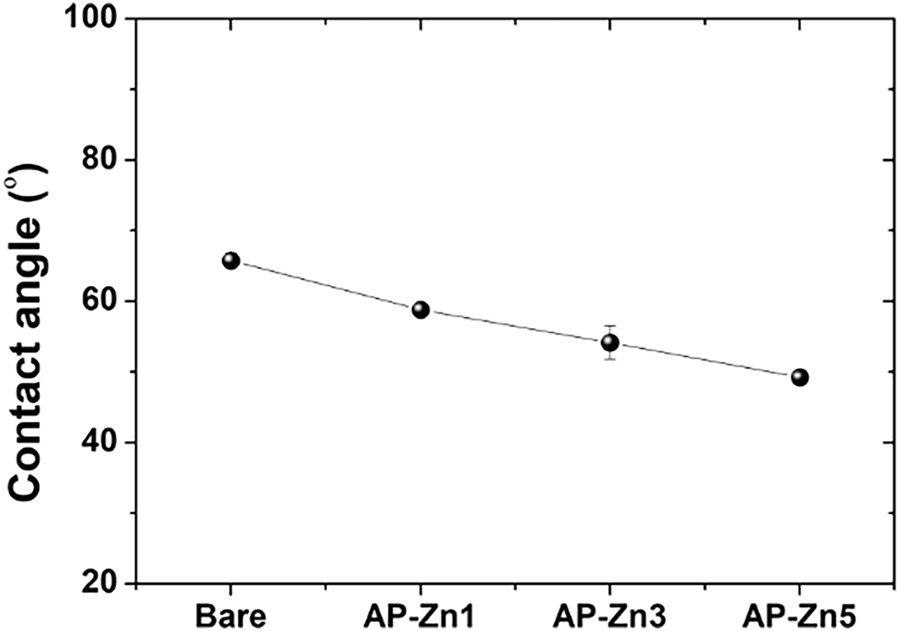
Figure 7: Water contact angle of acrylic polymer-ZnO nanocomposites as a function of ZnO content.
Fig. 8 shows the evolution of the friction coefficient during reciprocating sliding under low-load conditions (50 mN, 1 Hz). Different friction behaviors were observed depending on the ZnO content. The bare specimen exhibited an initial friction coefficient of approximately 0.2, which increased sharply after 30 cycles to approximately 0.5 after 100 cycles. AP-Zn1 displayed a similar initial friction (friction coefficient ≈ 0.2) with a more gradual increase and reached approximately 0.5 after 100 cycles. This was attributed to the relatively high surface adhesion, which caused increased resistance, similar to that of the bare surface. In contrast, AP-Zn3 demonstrated a relatively lower initial friction coefficient of approximately 0.35, which gradually increased to 0.4 over time. AP-Zn5 started at approximately 0.35 and increased gradually throughout the test. The reduced friction in AP-Zn5 is attributed to the increased number of ZnO particles at the interface between the adhesive acrylic polymer surface and the counterface, which reduces sliding resistance [33].
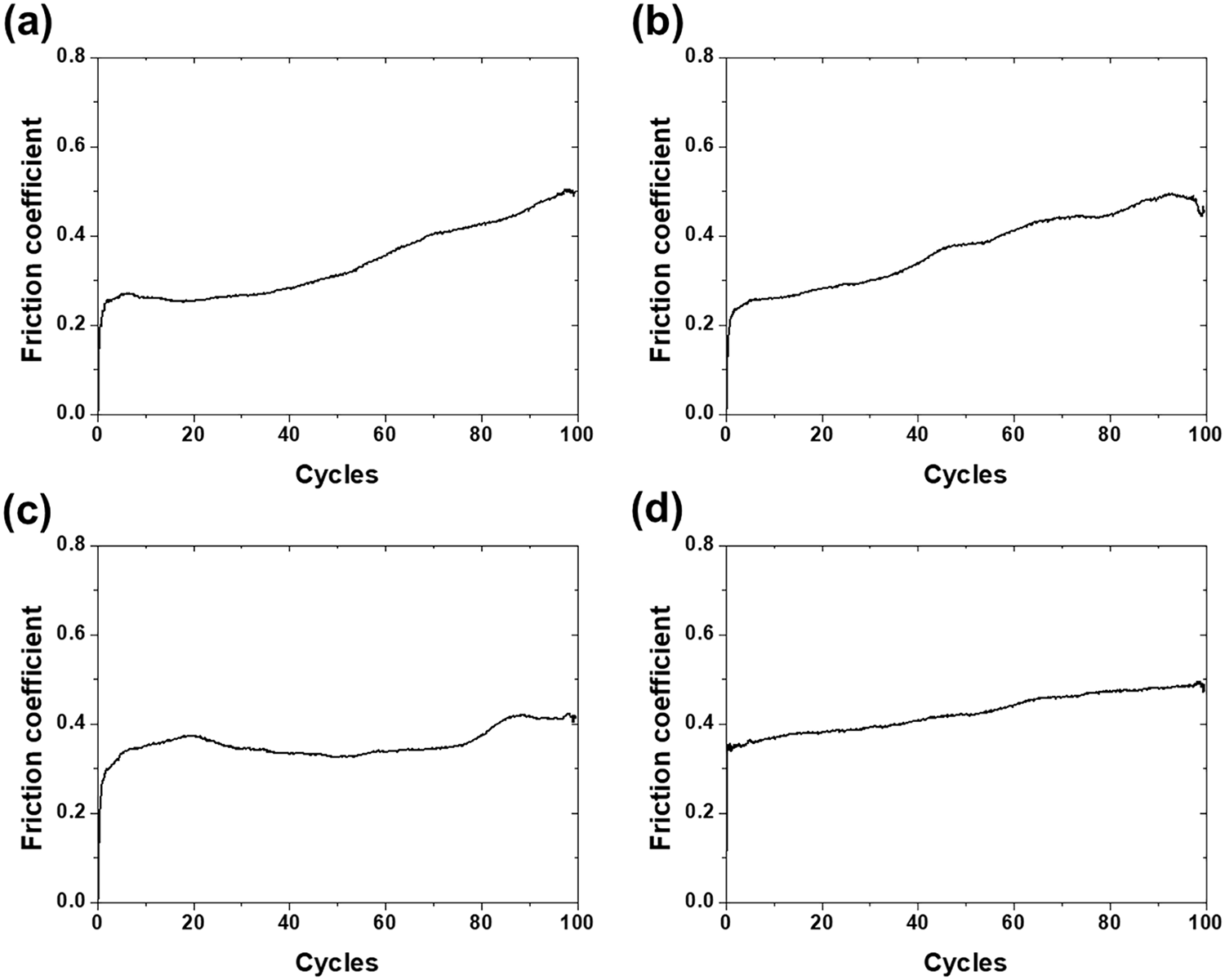
Figure 8: Friction coefficient as a function of sliding cycles under low-load conditions (50 mN, 1 Hz) for (a) bare, (b) AP-Zn1, (c) AP-Zn3, and (d) AP-Zn5.
The average friction coefficient and wear characteristics after 100 cycles are shown in Fig. 9. The average friction coefficients were 0.45 ± 0.03 (bare), 0.38 ± 0.01 (AP-Zn1), 0.40 ± 0.04 (AP-Zn3), and 0.43 ± 0.005 (AP-Zn5). The wear track widths were 40.12 ± 0.12, 51.47 ± 1, 58.08 ± 0.6, and 45.56 ± 1.25 μm for bare, AP-Zn1, AP-Zn3, and AP-Zn5. Wear depths were 1.47 ± 0.03, 0.95 ± 0.04, 0.80 ± 0.03, and 0.59 ± 0.05 μm. The wear depth exhibited the highest value for the bare coating and decreased progressively with ZnO addition. Conversely, the wear width increased from bare, reached a maximum at AP-Zn3, and then decreased at AP-Zn5. The increased wear width compared to that of the bare sample is attributed to the delamination of ZnO particles during the friction process. The corresponding wear rates were 2.95 ± 0.05 × 10⁻⁶ (bare), 2.45 ± 0.05 × 10⁻⁶ (AP-Zn1), 2.3 ± 0.1 × 10⁻⁶ (AP-Zn3), and 1.35 ± 0.02 × 10⁻⁶ mm3/N·mm (AP-Zn5). The elevated friction and wear of the bare specimen were attributed to the combination of high surface adhesion and relatively low elastic modulus, which permitted deeper indentation of the counterface, maximized the contact resistance, and accelerated the fatigue-induced wear through accumulated cyclic loading [34].
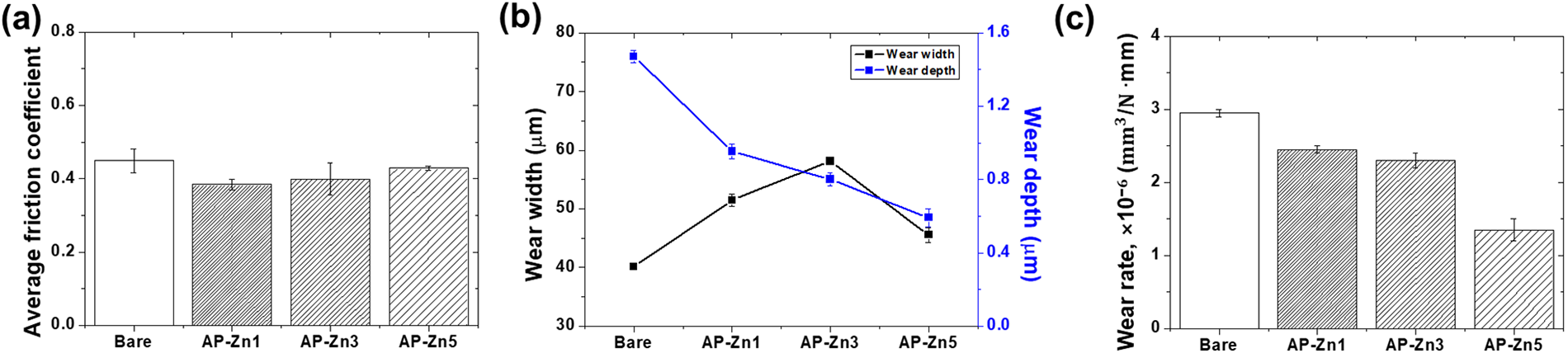
Figure 9: Tribological parameters under low-load conditions (50 mN, 1 Hz, 100 cycles): (a) average friction coefficient, (b) wear width and depth, and (c) wear rate.
The 3D-LSCM images of the wear tracks (Fig. 10) reveal the characteristic damage morphologies. AP-Zn1 exhibited relatively distinct wear features, which were attributed to the partial delamination of the crystalline regions formed at the polymer-ZnO interface. AP-Zn3 displayed broader wear tracks owing to the wear of partially agglomerated ZnO regions above the crystalline zones. AP-Zn5 exhibited residual material within the wear track center, corresponding to its minimal wear depth. The improved mechanical properties of ZnO incorporation increased the composite elastic modulus, consequently reducing the indentation depth and improving the wear resistance [35].
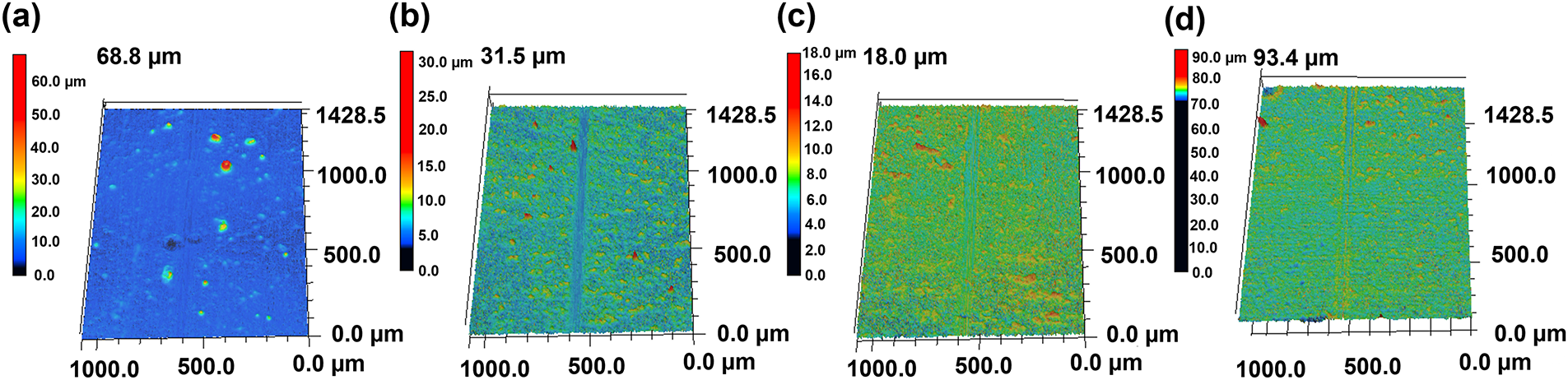
Figure 10: 3D-LSCM images of wear tracks after reciprocating friction test under low-load conditions for (a) bare, (b) AP-Zn1, (c) AP-Zn3, and (d) AP-Zn5.
Fig. 11 shows the friction coefficient history under high-load conditions (100 mN, 2 Hz). The bare specimen exhibited an initial friction coefficient of 0.2, which steadily increased from approximately 50 cycles to 0.4 after 100 cycles. AP-Zn1 started at a higher friction coefficient of approximately 0.25, which steadily increased to 0.5 by the end of the test. AP-Zn3 showed a gradual increase from the beginning and stabilized near 0.5 after 100 cycles. AP-Zn5 was initiated at approximately 0.3, decreased slightly, and then increased to approximately 0.38. The friction coefficients of AP-Zn3 and AP-Zn5 under high-load conditions were lower than those under low-load conditions. This behavior resulted from the increased sliding velocity (2 Hz vs. 1 Hz), which reduced the contact resistance between the composite surface and the counterface [35].
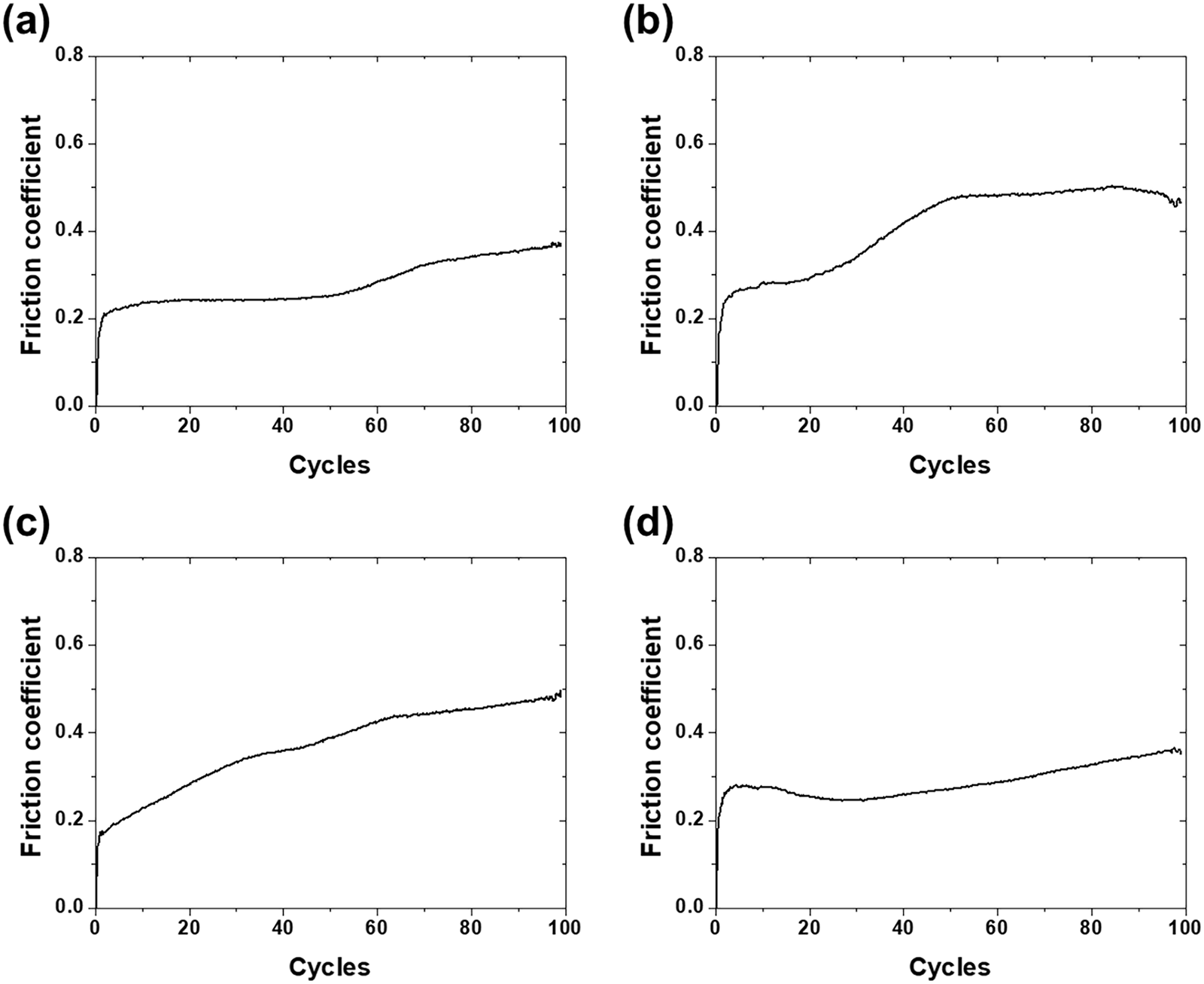
Figure 11: Friction coefficient as a function of sliding cycles under high-load conditions (100 mN, 2 Hz) for (a) bare, (b) AP-Zn1, (c) AP-Zn3, and (d) AP-Zn5.
Fig. 12 summarizes the tribological parameters under high-load conditions in the order of average friction coefficient, wear width, wear depth, and wear rate for the different samples. The average friction coefficients were 0.40 ± 0.04 (bare), 0.41 ± 0.003 (AP-Zn1), 0.36 ± 0.007 (AP-Zn3), and 0.29 ± 0.009 (AP-Zn5). Under high-load conditions, AP-Zn1 exhibited the highest average friction coefficient, whereas AP-Zn5 exhibited the lowest, in contrast to the low-load results. The wear track widths were 62.87 ± 0.6, 40.32 ± 2.04, 48.50 ± 1.8, and 53.89 ± 0.98 μm, with corresponding depths of 1.03 ± 0.006, 0.57 ± 0.11, 0.91 ± 0.05, and 0.44 ± 0.03 μm for bare, AP-Zn1, AP-Zn3, and AP-Zn5. The wear width decreased from bare to AP-Zn1 and then increased for AP-Zn3 and AP-Zn5. The wear depth decreased with increasing ZnO content (1 wt.% → 5 wt.%). Wear rates were 1.63 ± 0.25 × 10⁻⁶ (bare), 5.5 ± 0.1 × 10⁻⁷ (AP-Zn1), 1.1 ± 0.1 × 10⁻⁶ (AP-Zn3), and 6 ± 0.05 × 10⁻⁷ mm3/N·mm (AP-Zn5). AP-Zn1 exhibited the lowest wear rate. The slightly higher wear rates of AP-Zn3 and AP-Zn5 compared with AP-Zn1 can be attributed to ZnO particle agglomeration and weakened bonding at relatively high ZnO concentrations under elevated loads.
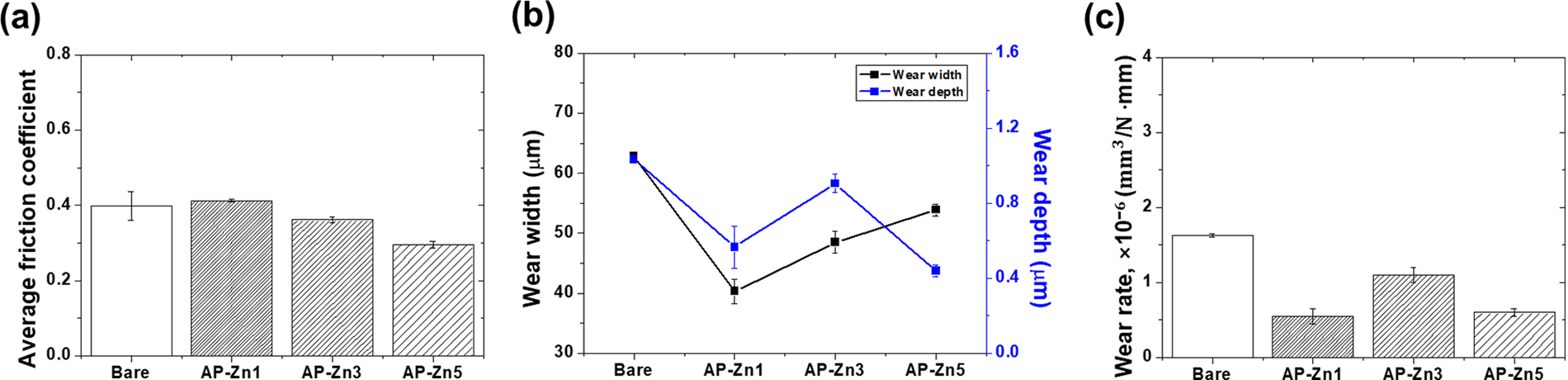
Figure 12: Tribological parameters under high-load conditions (100 mN, 2 Hz, 100 cycles): (a) average friction coefficient, (b) wear width and depth, and (c) wear rate.
The 3D-LSCM wear track images (Fig. 13) revealed that the bare specimen exhibited enlarged wear tracks under high-load conditions compared to those under low-load conditions. This was attributed to the increased indentation depth with higher loads, which resulted in an expanded contact area between the counterface and acrylic polymer and accelerated wear due to accumulated fatigue loading [36]. AP-Zn3 and AP-Zn5 exhibited slightly wider wear tracks than AP-Zn1. Despite the increased elastic modulus reducing the contact area, the delamination of agglomerated ZnO particles around the wear track periphery contributed to this behavior. The stable friction behavior of AP-Zn5 under high-load conditions, despite the higher contact pressure, suggests that the ZnO particles at the surface reduced the direct adhesive contact between the polymer and the counterface. The 3D-LSCM images revealed residual material within the wear track center of AP-Zn5, indicating that ZnO-containing regions remained at the sliding interface during the friction test. This suggests that when the ZnO content exceeds the optimal ratio for crystalline region formation with the acrylic polymer, interparticle agglomeration occurs, resulting in weaker bonding than the polymer-ZnO interface and potentially promoting localized wear in certain regions [37]. The stable friction behavior of AP-Zn5 under high-load conditions, despite the higher contact pressure, suggests that the ZnO particles at the surface reduced the direct adhesive contact between the polymer and the counterface. The 3D-LSCM images revealed residual material within the wear track center of AP-Zn5, indicating that ZnO-containing regions remained at the sliding interface during the friction test.
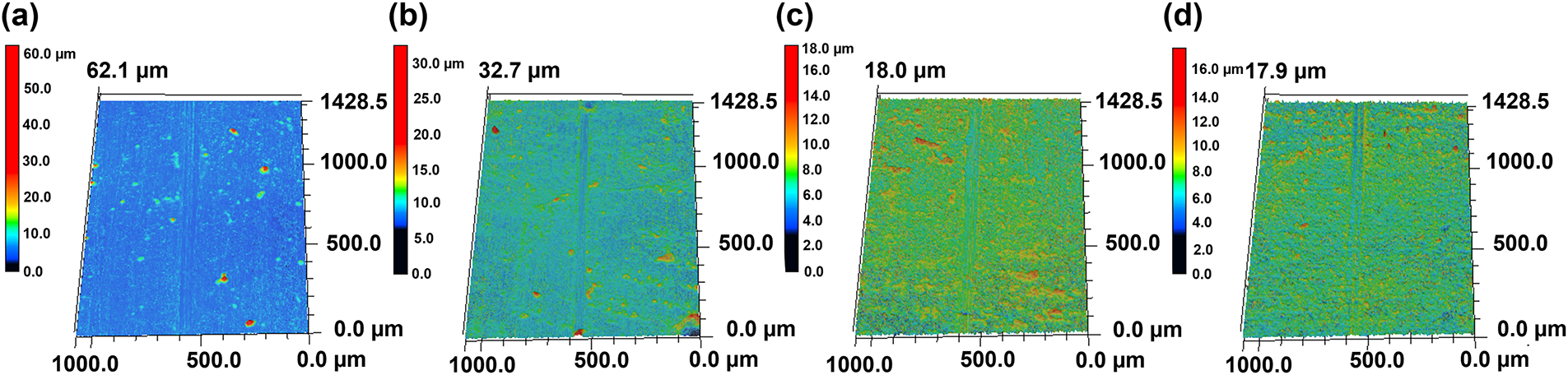
Figure 13: 3D-LSCM images of wear tracks after reciprocating friction test under high-load conditions for (a) bare, (b) AP-Zn1, (c) AP-Zn3, and (d) AP-Zn5.
The FEA results (Fig. 14) revealed the stress distribution during the indentation and sliding contact for the bare and AP-Zn5 specimens. An applied load of 100 mN induced higher stress values than 50 mN for both specimens. The localized stress distribution region was narrower for AP-Zn5 than for bare, which is attributed to the superior mechanical properties of the ZnO-reinforced composite [38,39].
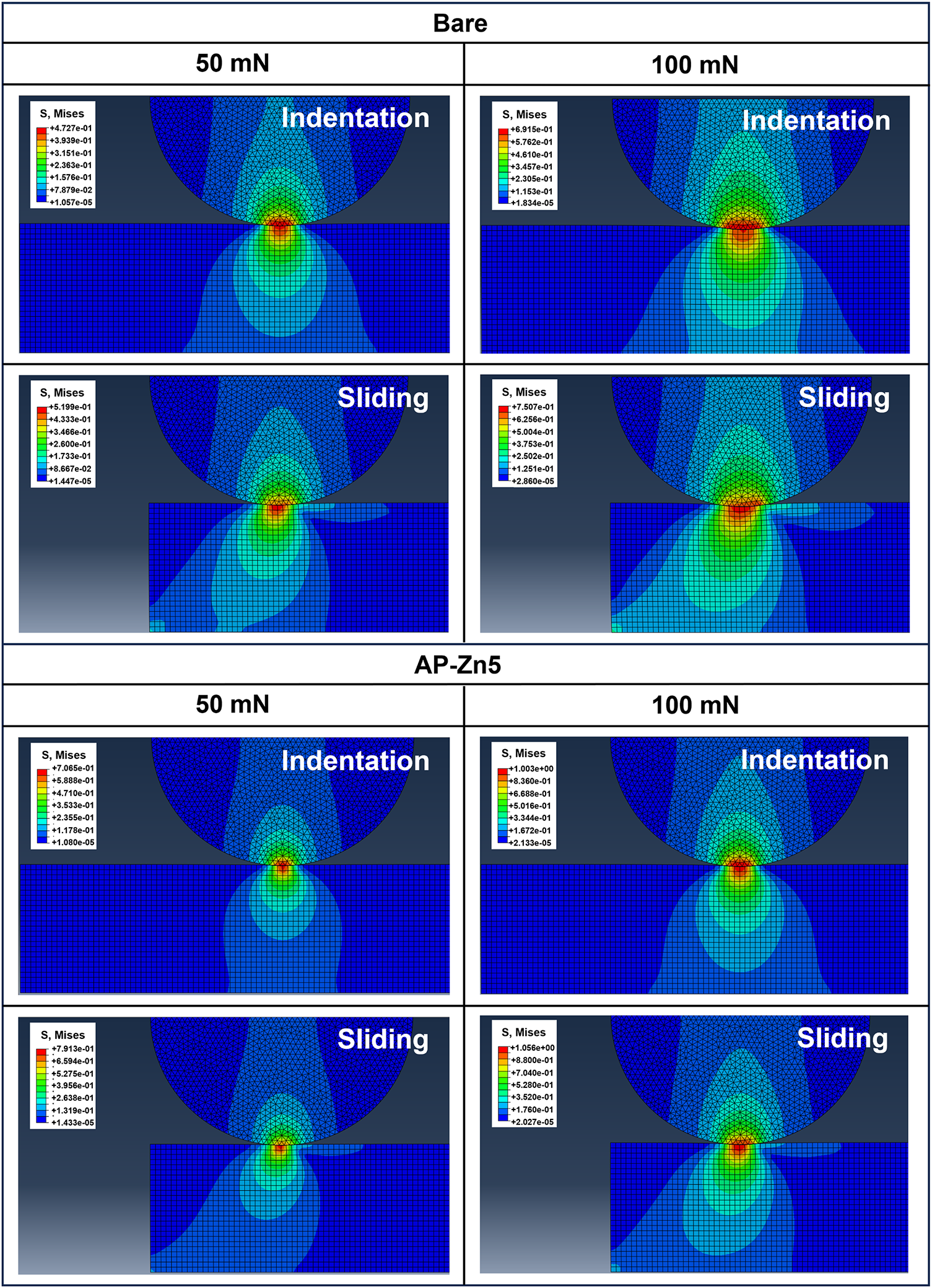
Figure 14: FEA simulation results of bare acrylic polymer and AP-Zn5 models with respect to the applied load (50 and 100 mN).
Fig. 15 presents the detailed FEA results correlating the indentation depth with the von Mises stress under different loading conditions. Under 50 mN loading (Fig. 15a), the bare surface exhibited an indentation depth of 0.009 mm with a contact pressure of 0.45 MPa, whereas AP-Zn5 showed a reduced indentation depth of 0.005 mm with an increased contact pressure of 0.71 MPa. This 44% reduction in indentation depth resulted from the higher elastic modulus of the ZnO-reinforced composite. When the load increased to 100 mN (Fig. 15b), the bare surface displayed an indentation depth of 0.016 mm and contact pressure of 0.65 MPa, whereas AP-Zn5 demonstrated a depth of 0.008 mm (50% reduction) and a pressure of 0.97 MPa.
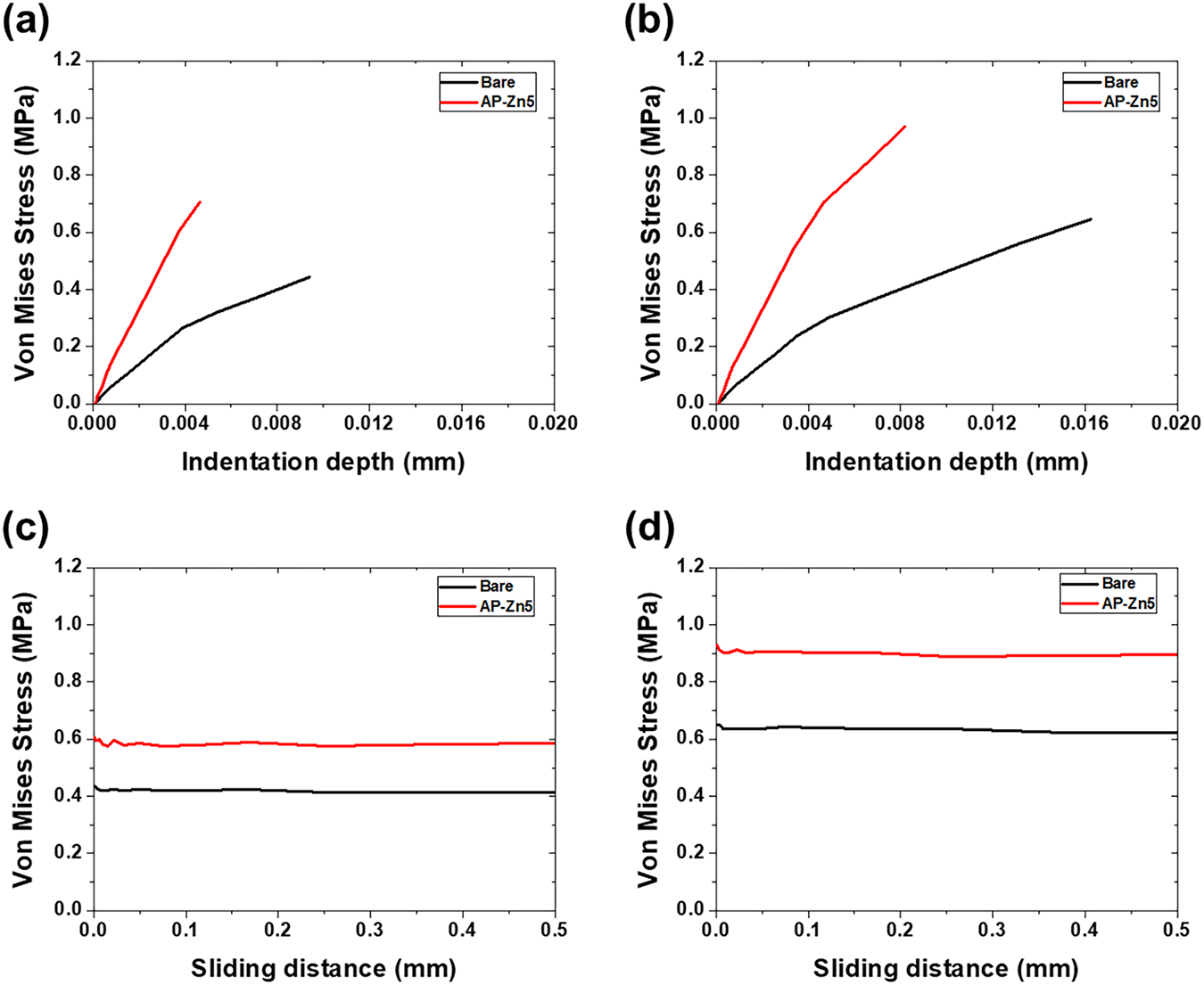
Figure 15: FEA simulation results: indentation depth-von Mises stress graphs at (a) 50 mN and (b) 100 mN, von Mises stress-sliding distance graphs at (c) 50 mN and (d) 100 mN.
The von Mises stress-sliding distance relationships (Fig. 15c,d) reveal the stress evolution during the sliding contact. At 50 mN, the bare generated approximately 0.42 MPa, whereas AP-Zn5 reached 0.58 MPa. At 100 mN, the stress levels increased to 0.62 MPa for the bare and 0.89 MPa for the AP-Zn5. Although AP-Zn5 experiences higher localized contact stress, its improved mechanical strength allows the material to withstand this elevated stress without excessive deformation. The stress concentration in a smaller region for AP-Zn5 reduces the total volume of material subjected to deformation compared to the broader stress distribution in the bare polymer.
The reduced indentation depth decreases the contact area and adhesive interaction between the counterface and coating surface. Additionally, the smaller penetration depth reduces the plowing resistance during sliding, contributing to the lower friction coefficient observed for AP-Zn5. The combination of a reduced contact area and improved elastic modulus explains the mechanism of improved wear resistance in the ZnO-reinforced composites [40].
The elastic assumption may underestimate the permanent deformation and energy dissipation. However, for the comparative evaluation of the contact stress distribution between the compositions, the elastic model provides consistent results. The elastic assumption is supported by the observation that the deformation remained predominantly recoverable at the applied load levels. The incorporation of viscoelastic constitutive models in future investigations would allow for a more accurate prediction of time-dependent deformation behavior.
The friction and wear mechanisms for each loading condition are illustrated in Fig. 16. Under low-load conditions (Fig. 16a), the bare polymer exhibited high adhesion to the counterface, generating friction resistance during sliding. The elastic surface characteristics of the acrylic polymer allow the formation of an indentation depth, which produces a blocking effect that impedes reciprocating motion. With increasing ZnO content, the relatively high elastic modulus of the ZnO particle layer increased the elastic modulus of the acrylic polymer-ZnO composite, reduced the indentation depth during friction, and consequently decreased the adhesion-induced resistance and blocking effects. Under high-load conditions (Fig. 16b), increased loading promoted a deeper indentation than that under low-load conditions; however, the increased sliding velocity reduced the resistance and diminished the blocking phenomenon. ZnO particles were formed above the adhesive acrylic polymer surface layer, reducing the indentation depth. Although higher contact pressures were developed, the increased number of ZnO particles at the composite surface produced friction with the counterface, whereas the improved mechanical properties reduced the wear rate [41]. This can be attributed to the reduced surface adhesion due to the increased friction particles between the counterface and acrylic polymer (i.e., ZnO particles functioning as interfacial lubricating media) and improved wear resistance from the increased elastic modulus of the surface acrylic polymer-ZnO crystalline regions, which outweigh both the blocking phenomenon and increased agglomeration at higher ZnO concentrations [42].
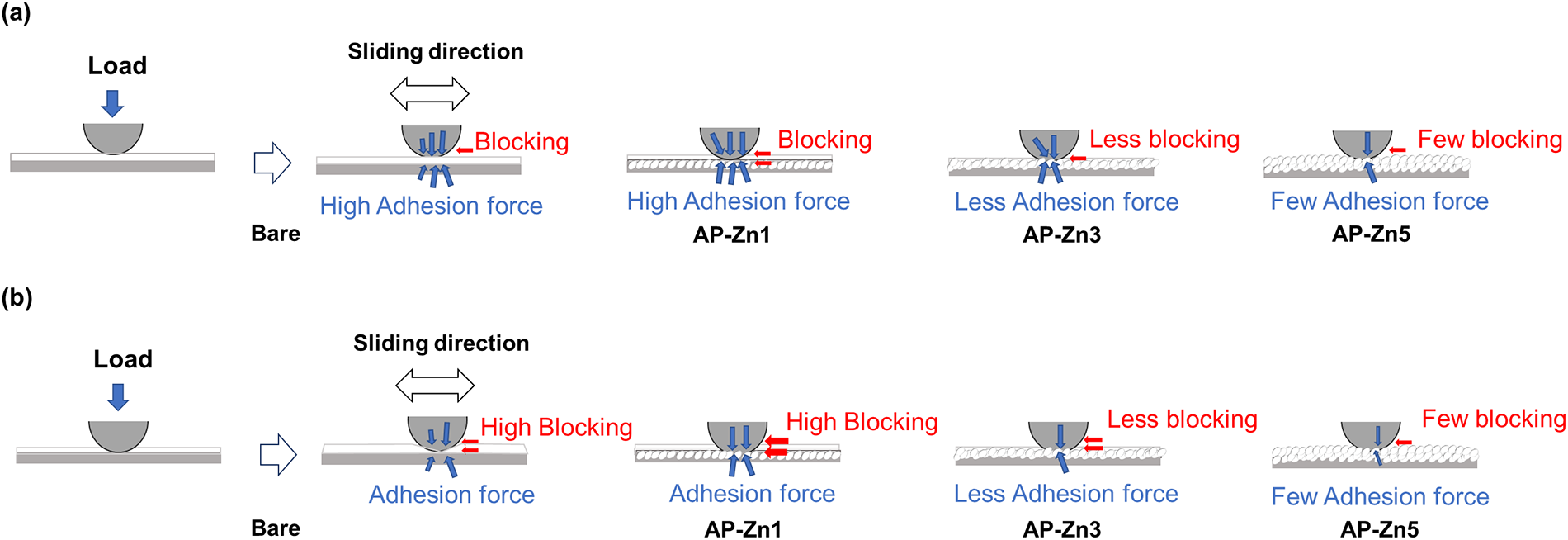
Figure 16: Schematic illustration of friction and wear mechanisms under (a) low and (b) high load conditions.
The performance improvements observed in this study are consistent with recent reports on ZnO-polymer nanocomposite coatings for protection. Somoghi et al. reviewed the mechanical and anti-corrosion performance of ZnO-epoxy composites and demonstrated their applicability to anti-corrosion and UV-protective coatings on metal substrates [43]. Elfadel et al. reported that polymer coatings containing ZnO nanoparticles exhibited improved scratch hardness and surface adhesion on steel, which supports the practical applicability of ZnO-polymer systems for metal protection [44]. The UV-curable acrylic polymer-ZnO nanocomposites developed in this study showed comparable improvements in mechanical and tribological properties, suggesting their potential application as protective coatings for metal substrates, optical components, and flexible electronic devices.
This study investigated the relationship between the ZnO nanoparticle content and the mechanical-tribological performance of UV-curable acrylic polymer nanocomposites. The incorporation of ZnO nanoparticles induced crystalline region formation at the polymer-ZnO interface, resulting in a 138% increase in the elastic modulus and altered surface properties, including increased roughness and improved wettability. Tribological evaluation demonstrated load-dependent behavior: under high-load conditions, the friction coefficients decreased with increasing ZnO content, while the wear resistance improved owing to the reduced indentation depth and lubricating effect of ZnO particles at the sliding interface. However, excessive ZnO content (3–5 wt.%) led to particle agglomeration, slightly increasing wear rates compared to the 1 wt.% composition. FEA simulations validated these experimental findings, showing that the improved mechanical properties reduced the indentation depth by approximately 45%–50% in AP-Zn5 compared to that in the bare sample, while the contact pressures increased correspondingly. The synergistic effects of the increased elastic modulus, reduced surface adhesion, and interfacial lubrication mechanisms account for the improved tribological performance. These findings suggest that controlled ZnO incorporation is a promising approach for developing acrylic polymer coatings with improved mechanical and tribological properties of the coatings. However, this study was a preliminary laboratory-scale investigation. The tribological tests were limited to 100 sliding cycles under two load conditions with 304 stainless steel counterfaces. Long-term durability under extended cycling (1000+ cycles), environmental effects, including temperature and humidity variations, and friction behavior with different counterface materials, such as ceramics or polymers, were not examined. A formal mesh sensitivity analysis for the finite element simulations and quantitative curing degree measurements were not performed in this study. Despite these limitations, all specimens maintained stable friction behavior without coating failure or substrate exposure during the test duration. Future studies should examine extended cycling tests, varied environmental conditions, and different counterface materials to evaluate the applicability of these nanocomposite coatings for industrial applications.
Acknowledgement: Not applicable.
Funding Statement: This work was supported by the National Research Foundation of Korea (NRF) grant funded by the Korea government (MSIT) (No. RS-2024-00349019). This research was supported by Basic Science Research Program through the National Research Foundation of Korea (NRF) funded by the Ministry of Education (No. RS-2025-25399645).
Author Contributions: Hye-Min Kwon: Conceptualization, methodology, software, validation, formal analysis, investigation, data curation, writing—original draft, writing—review & editing, visualization. Sung-Jun Lee: Methodology, validation, investigation, data curation, writing—original draft, writing—review & editing. Chang-Lae Kim: Conceptualization, methodology, resources, writing—review & editing, supervision, project administration. All authors reviewed and approved the final version of the manuscript.
Availability of Data and Materials: The original contributions presented in this study are included in this article. Further inquiries should be directed to the corresponding author.
Ethics Approval: Not applicable.
Conflicts of Interest: The authors declare no conflicts of interest.
References
1. Rosa RP, Rosace G, Trovato V. Recent advancements in acrylic fabric applications: a comprehensive review and future trends. Polymers. 2024;16(15):2111. doi:10.3390/polym16152111. [Google Scholar] [PubMed] [CrossRef]
2. Patil RS, Thomas J, Patil M, John J. To shed light on the UV curable coating technology: current state of the art and perspectives. J Compos Sci. 2023;7(12):513. doi:10.3390/jcs7120513. [Google Scholar] [CrossRef]
3. Nabhan A, Taha M, Ghazaly NM. Filler loading effect of Al2O3/TiO2 nanoparticles on physical and mechanical characteristics of dental base composite (PMMA). Polym Test. 2023;117(10):107848. doi:10.1016/j.polymertesting.2022.107848. [Google Scholar] [CrossRef]
4. Chandran AJ, Rangappa SM, Suyambulingam I, Siengchin S. Micro/nano fillers for value-added polymer composites: a comprehensive review. J Vinyl Addit Technol. 2024;30(5):1083–123. doi:10.1002/vnl.22106. [Google Scholar] [CrossRef]
5. Sirovica S, Solheim JH, Skoda MWA, Hirschmugl CJ, Mattson EC, Aboualizadeh E, et al. Origin of micro-scale heterogeneity in polymerisation of photo-activated resin composites. Nat Commun. 2020;11(1):1849. doi:10.1038/s41467-020-15669-z. [Google Scholar] [PubMed] [CrossRef]
6. Fu J, Yu H, Wang L, Liang R, Zhang C, Jin M. Preparation and properties of UV-curable polyurethane acrylate/SiO2 composite hard coatings. Prog Org Coat. 2021;153:106121. doi:10.1016/j.porgcoat.2020.106121. [Google Scholar] [CrossRef]
7. Esmaeilzadeh M, Divband B, Ranjkesh B, Pournaghi Azar F, Yeganeh Sefidan F, Kachoei M, et al. Antimicrobial and mechanical properties of orthodontic acrylic resin containing zinc oxide and titanium dioxide nanoparticles supported on 4A zeolite. Int J Dent. 2022;2022(1):8155971. doi:10.1155/2022/8155971. [Google Scholar] [PubMed] [CrossRef]
8. Vyavhare K, Timmons RB, Erdemir A, Edwards BL, Aswath PB. Robust interfacial tribofilms by borate- and polymer-coated ZnO nanoparticles leading to improved wear protection under a boundary lubrication regime. Langmuir. 2021;37(5):1743–59. doi:10.1021/acs.langmuir.0c02985. [Google Scholar] [PubMed] [CrossRef]
9. Seok WC, Leem JT, Kang JH, Kim YJ, Lee S, Song HJ. Change of characterization and film morphology based on acrylic pressure sensitive adhesives by hydrophilic derivative ratio. Polymers. 2020;12(7):1504. doi:10.3390/polym12071504. [Google Scholar] [PubMed] [CrossRef]
10. Shiv JK, Kumar K, Jayapalan S. Recent advances in polymer using metal oxides nanocomposite and its hybrid fillers for tribological application. Adv Mater Process Technol. 2024;10(4):2720–31. doi:10.1080/2374068X.2023.2171673. [Google Scholar] [CrossRef]
11. Cardoso PHM, de Oliveira MFL, de Oliveira MG, da Silva Moreira Thiré RM. 3D printed parts of polylactic acid reinforced with carbon black and alumina nanofillers for tribological applications. Macromol Symp. 2020;394(1):2000155. doi:10.1002/masy.202000155. [Google Scholar] [CrossRef]
12. Zhang M, Ma X, Zhang S, Hou L, Kim KH. One-step fabrication of wear resistant and friction-reducing Al2O3/MoS2 nanocomposite coatings on 2A50 aluminum alloy by plasma electrolytic oxidation with MoS2 nanoparticle additive. Surf Coat Technol. 2025;497:131796. doi:10.1016/j.surfcoat.2025.131796. [Google Scholar] [CrossRef]
13. Zhang S, Zhang M, Jiang H, Chen L, Han D, Hu X, et al. Tribological behavior and wear mechanism of TiO2/MoS2 nanocomposite coatings fabricated on TC6 alloys by micro-arc oxidation and duplex surface technologies. Surf Coat Technol. 2025;510:132227. doi:10.1016/j.surfcoat.2025.132227. [Google Scholar] [CrossRef]
14. Mohsenzadeh R, Soudmand BH, Shelesh-Nezhad K. A combined experimental-numerical approach for life analysis and modeling of polymer-based ternary nanocomposite gears. Tribol Int. 2022;173:107654. doi:10.1016/j.triboint.2022.107654. [Google Scholar] [CrossRef]
15. Mohsenzadeh R, Shelesh-Nezhad K, Chakherlou TN. Experimental and finite element analysis on the performance of polyacetal/carbon black nanocomposite gears. Tribol Int. 2021;160:107055. doi:10.1016/j.triboint.2021.107055. [Google Scholar] [CrossRef]
16. Baronins J, Antonov M, Abramovskis V, Rautmane A, Lapkovskis V, Bockovs I, et al. The effect of zinc oxide on DLP hybrid composite manufacturability and mechanical-chemical resistance. Polymers. 2023;15(24):4679. doi:10.3390/polym15244679. [Google Scholar] [PubMed] [CrossRef]
17. Billings C, Kim P, Shadid T, Ballard JD, Cai C, Liu Y. Implementation of antibacterial nanoparticles in additive manufacturing to increase part strength and stiffness. J Compos Sci. 2022;6(9):248. doi:10.3390/jcs6090248. [Google Scholar] [CrossRef]
18. Han J, Zhou Y, Bai G, Wei W, Liu X, Li X. Preparation of photo-crosslinkable acrylic copolymer and its debonding property on silicon wafer. J Adhes Sci Technol. 2022;36(4):424–36. doi:10.1080/01694243.2021.1924001. [Google Scholar] [CrossRef]
19. Niu W, Zhu J, Zhang W, Liu X. Simply formulated dry pressure-sensitive adhesives for substrate-independent underwater adhesion. ACS Mater Lett. 2022;4(2):410–7. doi:10.1021/acsmaterialslett.1c00826. [Google Scholar] [CrossRef]
20. Ossowicz-Rupniewska P, Bednarczyk P, Nowak M, Nowak A, Duchnik W, Kucharski Ł, et al. Sustainable UV-crosslinkable acrylic pressure-sensitive adhesives for medical application. Int J Mol Sci. 2021;22(21):11840. doi:10.3390/ijms222111840. [Google Scholar] [PubMed] [CrossRef]
21. Angelidi M, Vassilopoulos AP, Keller T. Displacement rate and structural effects on Poisson ratio of a ductile structural adhesive in tension and compression. Int J Adhes Adhes. 2017;78(4792):13–22. doi:10.1016/j.ijadhadh.2017.06.008. [Google Scholar] [CrossRef]
22. Lee SJ, Kim CL. Influence of surface structure on friction and wear characteristics of silicone rubber for hydraulic rod seals. RSC Adv. 2023;13(48):33595–602. doi:10.1039/d3ra06485a. [Google Scholar] [PubMed] [CrossRef]
23. Mirmohammadi SM, Moini Jazani O, Gharieh A. Thermomechanical analyses and ANN modeling of novel epoxy adhesives with CSR particles and zinc oxide nanoparticles in structural bonding. Sci Rep. 2025;15(1):11201. doi:10.1038/s41598-025-96270-6. [Google Scholar] [PubMed] [CrossRef]
24. Sarkar SD, Uddin MM, Roy CK, Hossen MJ, Sujan MI, Azam MS. Mechanically tough and highly stretchable poly(acrylic acid) hydrogel cross-linked by 2D graphene oxide. RSC Adv. 2020;10(18):10949–58. doi:10.1039/d0ra00678e. [Google Scholar] [PubMed] [CrossRef]
25. Chong WJ, Pejak Simunec D, Trinchi A, Kyratzis I, Li Y, Wright P, et al. Advancing the additive manufacturing of PLA-ZnO nanocomposites by fused filament fabrication. Virtual Phys Prototyp. 2024;19(1):e2285418. doi:10.1080/17452759.2023.2285418. [Google Scholar] [CrossRef]
26. Alamgeer, Tahir M, Sarker MR, Ali S, Ibraheem, Hussian S, et al. Polyaniline/ZnO hybrid nanocomposite: morphology, spectroscopy and optimization of ZnO concentration for photovoltaic applications. Polymers. 2023;15(2):363. doi:10.3390/polym15020363. [Google Scholar] [PubMed] [CrossRef]
27. Ruan S, Zhao Y, Chen R, Ma J, Guan Y, Ma J, et al. Effect of zinc oxide/graphene oxide nanocomposites on the cytotoxicity, antibacterial and mechanical properties of polymethyl methacrylate. BMC Oral Health. 2024;24(1):1013. doi:10.1186/s12903-024-04754-0. [Google Scholar] [PubMed] [CrossRef]
28. Fatimah S, Ragadhita R, Al Husaeni DF, Nandiyanto ABD. How to calculate crystallite size from X-ray diffraction (XRD) using scherrer method. ASEAN J Sci Eng. 2021;2(1):65–76. doi:10.17509/ajse.v2i1.37647. [Google Scholar] [CrossRef]
29. Buchheit H, Bruchmann B, Stoll K, Mülhaupt R. Functionalized acrylic polyhydroxy urethanes as molecular tool box for photocurable thermosets and 3D printing. J Polym Sci. 2021;59(10):882–92. doi:10.1002/pol.20210115. [Google Scholar] [CrossRef]
30. Mozelewska K, Czech Z, Bartkowiak M, Nowak M, Bednarczyk P, Niezgoda P, et al. Preparation and characterization of acrylic pressure-sensitive adhesives crosslinked with UV radiation-influence of monomer composition on adhesive properties. Materials. 2021;15(1):246. doi:10.3390/ma15010246. [Google Scholar] [PubMed] [CrossRef]
31. Lee SJ, Segu DZ, Kim CL. Enhancement of tribological performance of lubricants using polydimethylsiloxane powder additives. RSC Adv. 2024;14(42):31047–56. doi:10.1039/d4ra05164e. [Google Scholar] [PubMed] [CrossRef]
32. Kim YJ, Choe YE, Shin SJ, Park JH, Dashnyam K, Kim HS, et al. Photocatalytic effect-assisted antimicrobial activities of acrylic resin incorporating zinc oxide nanoflakes. Biomater Adv. 2022;139:213025. doi:10.1016/j.bioadv.2022.213025. [Google Scholar] [PubMed] [CrossRef]
33. Lee SJ, Kim GM, Kim CL. Friction and wear reduction effect of glass bubbles embedded in PDMS surface. J Mech Sci Technol. 2022;36(4):1997–2005. doi:10.1007/s12206-022-0335-z. [Google Scholar] [CrossRef]
34. Lee SJ, Segu DZ, Kim CL. Synergistic effects of hierarchical micro/nanostructures and PDMS/lubricant composites for superior tribological and wetting performance on aluminum. RSC Adv. 2024;14(50):37062–73. doi:10.1039/d4ra04121f. [Google Scholar] [PubMed] [CrossRef]
35. Oh Y, Jeon SH, Lee DY, Kim HJ, Kim JH. A study on adhesion friction characteristics of rubber for tire tread. Elastomers Compos. 2019;54(4):299–307. doi:10.7473/EC.2019.54.4.299. [Google Scholar] [CrossRef]
36. Lee SJ, Kim CL. Multilayered carbon nanotube/adhesive films for human body signal detection sensors. Polym Test. 2024;137:108530. doi:10.1016/j.polymertesting.2024.108530. [Google Scholar] [CrossRef]
37. Arzani S, Pakzaman HR. Investigation of the effect of SiO2 nanoparticles on corrosion-wear-impact resistance, and bending strength of acrylic coating applied to steel substrate. Int J Iron Steel Soc Iran. 2024;21(2):1–10. doi:10.22034/ijissi.2025.2041117.1305. [Google Scholar] [CrossRef]
38. Lee PC, Hong SH, Oh JT, Shin D, Jung JU, Ko YK, et al. Tribological and hygroscopic behavior of polybutylene terephthalate/acrylonitrile styrene acrylate (PBT/ASA) nanocomposites with graphene nanofiller. Polymers. 2024;16(22):3149. doi:10.3390/polym16223149. [Google Scholar] [PubMed] [CrossRef]
39. Öge M. Prediction of friction and wear behavior of ternary polycarbonate-poly(butylene terephthalate)/multiwalled carbon nanotubes polymer nanocomposites using feature engineering assisted machine learning algorithms. ACS Omega. 2025;10(38):43808–30. doi:10.1021/acsomega.5c04411. [Google Scholar] [PubMed] [CrossRef]
40. Pereira KAB, Oliveira PF, Chaves I, Pedroni LG, Oliveira LA, Mansur CRE. Rheological properties of nanocomposite hydrogels containing aluminum and zinc oxides with potential application for conformance control. Colloid Polym Sci. 2022;300(6):609–24. doi:10.1007/s00396-022-04978-y. [Google Scholar] [CrossRef]
41. Yu L, Zhu Y, Wu Q, Zhou L, Wu X, Zhang Y, et al. 3D printing of zirconia nanoparticle/boron nitride nanosheet multidimensional reinforced acrylic matrix composites for self-lubricating materials. ACS Appl Nano Mater. 2023;6(23):21532–47. doi:10.1021/acsanm.3c03265. [Google Scholar] [CrossRef]
42. Li J, Liang M, Zhao X, Zhou S, Zou H. Assessing the influence of inorganic nanoparticles on the mechanical and tribological performance of PPS-based composites: a comparative study. Polymers. 2025;17(19):2573. doi:10.3390/polym17192573. [Google Scholar] [PubMed] [CrossRef]
43. Şomoghi R, Semenescu A, Pasăre V, Chivu OR, Niţoi DF, Marcu DF, et al. The impact of ZnO nanofillers on the mechanical and anti-corrosion performances of epoxy composites. Polymers. 2024;16(14):2054. doi:10.3390/polym16142054. [Google Scholar] [PubMed] [CrossRef]
44. Elfadel RG, Refat HM, El-Wahab HA, Salem SS, Owda ME, Abdel Reheim MAM. Preparation of new surface coating based on modified oil-based polymers blended with ZnO and CuZnO NPs for steel protection. Sci Rep. 2023;13(1):7268. doi:10.1038/s41598-023-34085-z. [Google Scholar] [PubMed] [CrossRef]
Cite This Article
 Copyright © 2026 The Author(s). Published by Tech Science Press.
This work is licensed under a Creative Commons Attribution 4.0 International License , which permits unrestricted use, distribution, and reproduction in any medium, provided the original work is properly cited.
 Downloads
 Citation Tools
