
 Login
Login Register
 Submit a Paper
 Propose a Special lssue
 Open Access
ARTICLE
Genetic Programming-Based Search Strategy Generation Applied to Emergency Material Transportation Scheduling
1 School of Information Engineering, Yango University, Fuzhou, China
2 School of Artificial Intelligence/School of Future Technology, Nanjing University of Information Science and Technology, Nanjing, China
3 Department of Information Management, Chaoyang University of Technology, Taichung, Taiwan
4 College of Computer Science and Engineering, Shandong University of Science and Technology, Qingdao, China
5 Faculty of Electrical Engineering and Computer Science, VŠB-Technical University of Ostrava, Ostrava, Czech Republic
6 Fujian Provincial Key Laboratory of Big Data Mining and Applications, Fujian University of Technology, Fuzhou, China
7 School of Information Engineering, Jiangxi University of Water Resources and Electric Power, Nanchang, China
* Corresponding Author: Shu-Chuan Chu. Email:
Computers, Materials & Continua 2026, 89(2), 45 https://doi.org/10.32604/cmc.2026.085803
Received 18 May 2026; Accepted 28 July 2026; Issue published 15 September 2026
 View Full Text
 Download PDF
Abstract
This study proposes a Genetic Programming-based Search Strategy Generation Framework (GP-SSGF) and a novel variant of the tumbleweed algorithm, the genetic programming-based tumbleweed algorithm (GPTA). The framework automates the evolution of search formulas within metaheuristic algorithms, reducing reliance on manually designed update rules and enhancing adaptability. The GPTA algorithm, developed within this framework, employs evolved position-update formulas to improve search efficiency and convergence. Through extensive experiments on the CEC2017 benchmark suite across multiple dimensions, GPTA demonstrates superior solution quality and stability compared with other metaheuristic algorithms. Its practical effectiveness is further validated in emergency material transportation scheduling, where it optimizes resource dispatching under multiple constraints, significantly reducing costs. This research highlights GPTA’s potential to solve complex optimization problems and its broad applicability across fields such as emergency management.Keywords
As real-world challenges get more intricate, meta-heuristic algorithms have emerged as essential instruments for navigating high-dimensional search spaces and circumventing local optima [1,2]. Meta-heuristic algorithms provide numerous advantages compared to traditional mathematical optimization methods [3,4]. Primarily, they function without need gradient information. Furthermore, they have substantial global exploration capabilities and resilience to local optima [5,6]. Due to these characteristics, meta-heuristic algorithms can achieve near-optimal answers in intricate search spaces. Owing to these advantages, meta-heuristic algorithms are extensively employed across several domains. These domains encompass engineering design, data mining, path planning, and intelligent manufacturing [7]. Common meta-heuristic algorithms encompass the Genetic Algorithm (GA) [8,9], Particle Swarm Optimization (PSO) [10,11], Differential Evolution (DE) [12,13], and Artificial Bee Colony (ABC) [14–16], along with recently introduced nature-inspired algorithms such as the Whale Optimization Algorithm (WOA) [17,18] and the Grey Wolf Optimizer (GWO) [19–21], among others. The Tumbleweed Algorithm (TA) [22] has garnered interest due to its distinctive search patterns among new approaches. Through the modeling of tumbleweed seed dispersal and seedling growth, TA demonstrates robust global search capabilities and versatility, excelling in various test functions and engineering applications. Despite the commendable performance of these algorithms in practical applications, some significant issues persist. On one hand, various algorithms typically employ fixed or manually crafted position update formulas, rendering this “static update mechanism” challenging to adaptively modify based on the problem’s characteristics or varying search phases; on the other hand, these fixed formulas frequently fail to adequately balance global exploration and local exploitation, leading to algorithms becoming trapped in local optima or converging at a sluggish pace [23]. Moreover, manually crafted formulas are significantly reliant on the expertise of practitioners and heuristic guidelines, resulting in a deficiency of systematicity and adaptability [24]. Consequently, eliminating dependence on manual design methods has emerged as a significant focus in intelligent optimization research.
To address the aforementioned issues, researchers have recently commenced the integration of machine learning techniques into metaheuristic algorithms to augment their intelligence and adaptability. Genetic Programming (GP) offers a viable avenue for improving optimization algorithms owing to its symbolic regression ability and adaptive representation framework [25,26]. In contrast to conventional genetic algorithms that modify parameter values, genetic programming (GP) utilizes a tree-like chromosomal architecture that facilitates the dynamic evolution of computational operators and search techniques, producing well specified mathematical expressions [27]. This property allows it to demonstrate distinct advantages in optimizing meta-heuristic algorithms. Meta-heuristic algorithms typically depend on predetermined search methods to direct the search process. Nevertheless, rigid artificial formulas frequently lack the adaptability to respond to intricate and evolving problem attributes. Conversely, GP can autonomously produce more adaptable search strategies throughout the evolutionary process, hence enhancing the search efficiency and convergence performance of the algorithm. Despite the extensive application of genetic programming in symbolic regression and automatic formula generation, there is a paucity of research focused on improving position update formulae inside meta-heuristic algorithms, and a comprehensive methodological framework has yet to be established. By incorporating GP, optimization algorithms can adaptively formulate update methods informed by the feedback from the search environment, so dynamically modifying the search trajectory and augmenting both global and local search efficacy. In contrast to the static formulas manually crafted by human professionals, the expressions produced by GP exhibit considerable advantages in flexibility and adaptability to problems. Consequently, it offers novel concepts for developing more efficient and intelligent optimization algorithms.
The scheduling of emergency material transportation is a fundamental task within contemporary emergency management systems, with the primary objective of swiftly and judiciously distributing essential materials from various storage locations to impacted areas following an emergency, thereby facilitating prompt rescue efforts and optimal resource allocation [28]. Common application scenarios encompass the delivery and distribution of food, medication, tents, water purification apparatus, and other emergency supplies during significant public emergencies, including earthquakes, floods, typhoons, fires, and outbreaks of infectious illnesses [29]. The rapid urbanization and the increasing frequency of natural catastrophes have rendered the sophistication and intelligence of the emergency logistics system a crucial metric for assessing the emergency management capabilities of a country or region. The optimization level of the dispatching system is directly correlated with the speed of rescue response, the assurance of survival in the disaster zone, the efficiency of resource utilization, and the capacity to manage secondary catastrophes [30]. Consequently, optimizing the dispatch of emergency supplies amongst many restrictions, including time, resources, routes, and diverse demand types, has emerged as a prominent research focus in operations research optimization and artificial intelligence. The scheduling of emergency material transportation is fundamentally an NP-hard problem, characterized by its multidimensional complexity [31]. The objectives of scheduling frequently encompass minimizing response time, reducing transportation costs, alleviating warehouse strain, and maximizing material demand fulfillment, which are often in conflict and need trade-offs. The impacted regions may be extensively dispersed, the roadway capacity remains ambiguous, and the selection of routes is challenging [32]. This prompts the investigation of hybrid computational intelligence algorithms to synergistically integrate the benefits of several optimization approaches.
As a result, this paper presents the Genetic Programming-based Search Strategy Generation Framework (GP-SSGF). This framework is designed to automatically evolve search formulas within algorithms. In doing so, it lowers the need for manually defined update rules. The primary contributions of this study are as follows:
(1) A new framework, GP-SSGF, is developed to automatically generate search strategies for metaheuristic algorithms.
(2) Using the GP-SSGF framework, a novel variant of the tumbleweed algorithm, the genetic programming-based tumbleweed algorithm (GPTA), is created by developing the position update formulas.
(3) Extensive tests using the CEC2017 benchmark suite are carried out to assess the performance of GPTA in 10, 30, and 50-dimensional issue situations.
(4) The suggested GPTA is then applied to a real-world situation of emergency material transportation scheduling, demonstrating its practical utility.
The subsequent sections are organized as follows: Section 2 discusses the underlying ideas of the Tumbleweed Algorithm and Genetic Programming, as well as an overview of related research. Section 3 introduces the suggested GP-SSGF and describes the implementation of the enhanced algorithm, GPTA. Section 4 gives a comparative analysis based on experimental data from the CEC2017 benchmark function, followed by a statistical significance analysis. Section 5 explains how to use GPTA to schedule emergency material transportation. Section 6 summarizes the findings and suggests some directions for future research.
2 Fundamentals and Related Works
This section provides a brief overview of the tumbleweed algorithm and genetic programming, with the goal of laying the theoretical groundwork for the development of future techniques. Meanwhile, it analyzes new research on enhancing the tumbleweed algorithm and optimizing the meta-heuristic method with genetic programming.
Genetic Programming is an extension of standard Genetic Algorithms, first presented by John Koza in the early 1990s. Genetic Programming, like GA, adheres to natural rules such as “survival of the fittest,” genetic recombination, and mutation. This domain-independent bioheuristic technique develops computer code based on a high-level description of the problem. By simulating the process of natural selection, the approach allows those candidate solutions that perform well to have children, hence optimizing the program’s performance until a solution that fits the requirements is discovered. This method is unusual in that it eliminates the need to define each step in detail, allowing the program to learn and improve as it grows.
Because each individual is tree-structured, genes are classified as functions or terminals. All functions contain child nodes. The collection of functions is represented by
This paper provides an example subroutine that is represented by a structure tree and uses the functions and terminals listed above. Fig. 1 depicts a specific schematic.
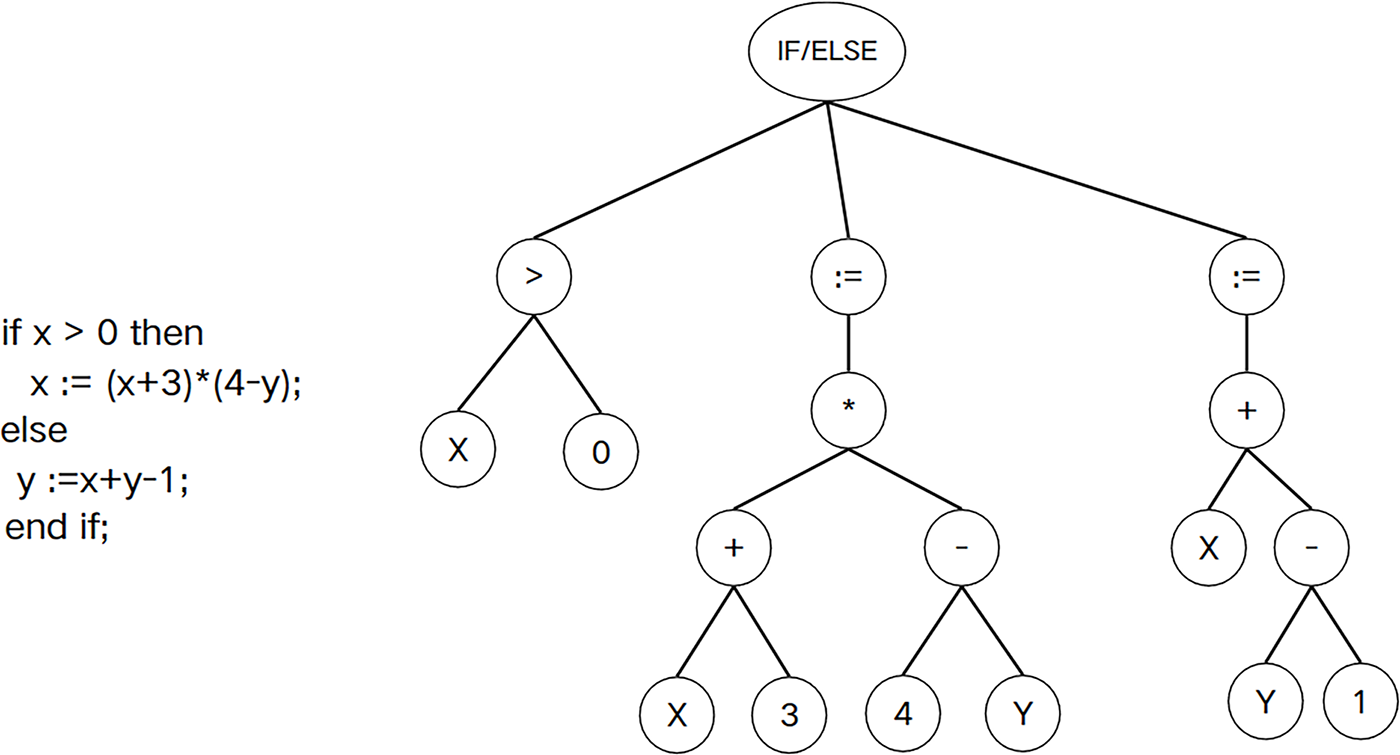
Figure 1: A subroutine and a structure tree.
Selection, crossover, and mutation are essential processes in genetic programming that are often performed randomized based on an individual’s fitness. Individuals with superior fitness have a better probability of getting chosen for these operations.
In genetic programming, selection refers to the process of selecting people based on their fitness to form a new generation. It is a key operation in Genetic Programming that seeks to replicate the idea of “survival of the fittest” in natural selection, so that individuals with higher fitness have a better chance of passing on their “genes” to the next generation. Common selection methods include roulette and tournaments.
In contrast, the crossover operation randomly selects two individuals from the current population as parents based on fitness and then randomly selects two spots for crossover in each of these two parents. As a result, two additional offspring are formed. This way, the parents’ advantages can be combined to produce higher-performing children. Fig. 2 illustrates an example of crossover.
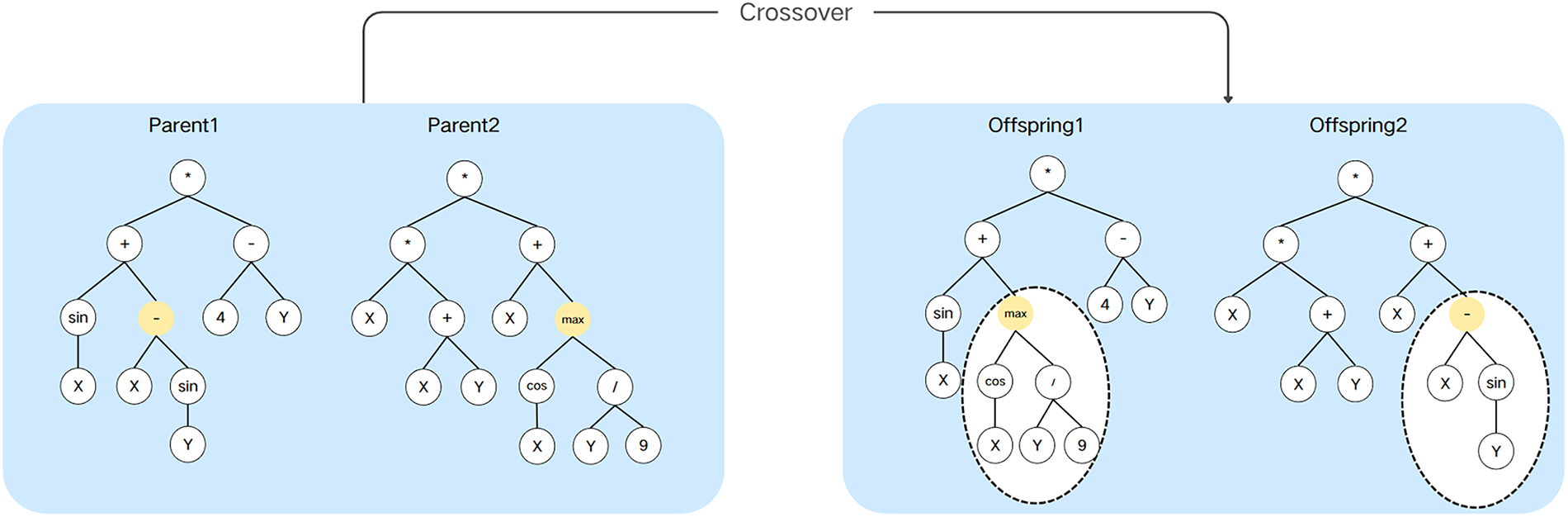
Figure 2: Individual crossover.
The mutation procedure first randomly selects a parent individual based on their fitness, and then randomly selects a mutation site on that individual. The subtree at that mutation point is then removed, and a procedure similar to that used to produce the initial individual is employed to generate a new subtree to be placed in its place. This method introduces novel genetic variants, which contribute to increased population diversity and the exploration of additional solution areas. Fig. 3 illustrates the process of individual mutation.
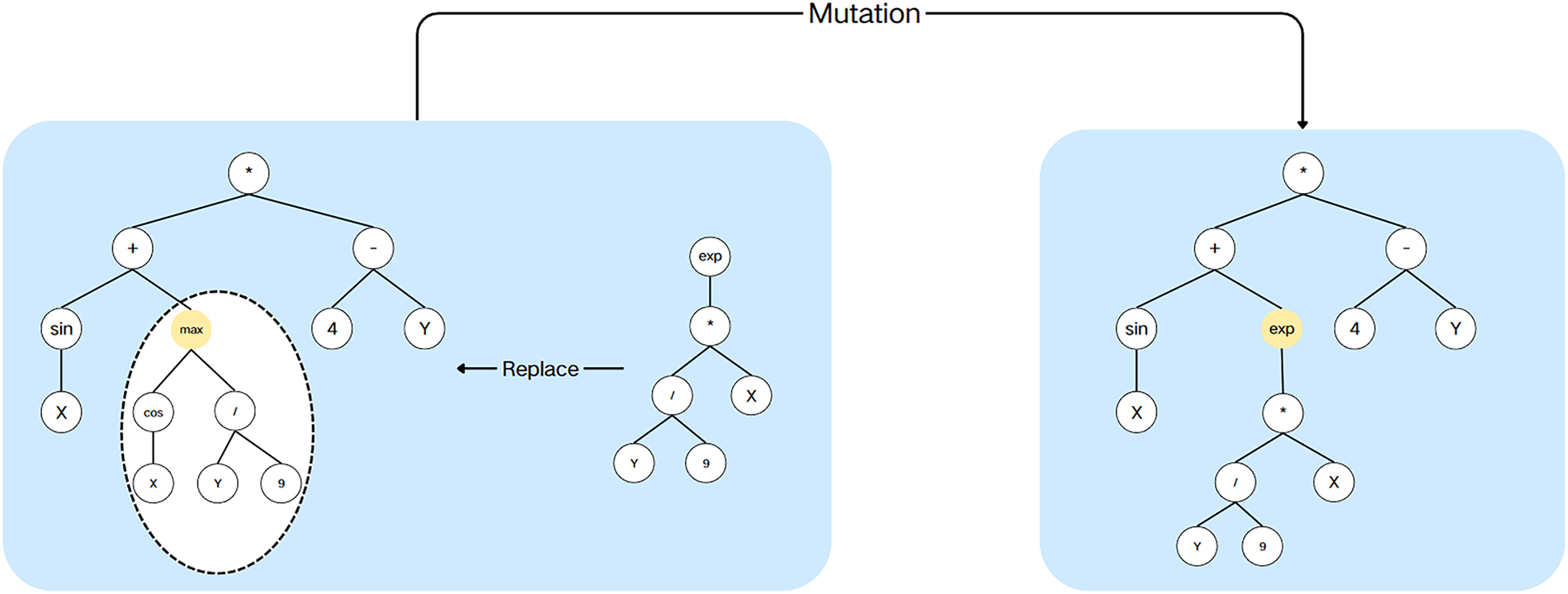
Figure 3: Individual mutation.
Tumbleweed is a plant that grows in arid and semi-arid parts of the world. It is most typically seen in North American grasslands and deserts. As the plant ages, the roots dry out and the stem structure degrades. When the wind picks up, the plant detaches from its roots and rolls with it. This rolling action aids in the spreading of many seeds. This rolling not only aids seed dissemination, but also enables the plant to reproduce quickly in proper settings. The qualities listed above served as the foundation for the development of the Tumbleweed Algorithm. It is divided into two stages: seedling growth and seed distribution.
Seedling growth: Tumbleweed seeds are normally disseminated during the autumn or winter months, and given the right conditions, the seeds will sprout in the spring or early spring. Despite their adaption to arid conditions, tumbleweeds require appropriate moisture for seed germination, and the ideal temperature range is critical for successful germination. When the seeds sprout, the plant enters the seedling growth stage. The major root system grows first, helping the plant to quickly absorb water and nutrients from the soil. In dry environments where water is scarce, the plant’s ability to grow deep roots is critical for identifying water sources deeper in the soil. The effect of these variables on seedlings is referred to as E1. Furthermore, adjacent seedlings compete for resources, hence E2 represents the effect of individual competition.
where
From this, the formula for the first stage can be derived, as expressed in Eq. (4).
Seed Dispersal: As tumbleweeds develop, their branches stiffen to roll and disperse seeds as the wind takes hold. Once a tumbleweed’s roots have broken off, it will begin to roll on the ground, propelled by the wind, and eventually release seeds. The process of seed release is random and slow, therefore tumbleweeds are likely to drop some seeds at each stage of rolling. This slow release process guarantees that seeds scatter at multiple locations. According to the literature [33], the seed dispersal distance can be determined using Eq. (5).
An iterative process of optimizing the algorithm with this formula resulted in an improved formula for the seed dispersal step, represented by Eq. (6).
2.2.1 Optimization of Metaheuristic Algorithms by Genetic Programming
Genetic programming has emerged as an effective method for optimizing metaheuristics and solving complicated optimization issues across multiple domains. Runka’s [34] work improved the Ant System algorithm by evolving decision formulae through GP. They introduced two mechanisms—a roulette wheel selection and a greedy selection—which demonstrated effectiveness in bigger TSP instances. Tavares and pereira [35] developed enhanced ant communication mechanisms using GP’s pheromone update techniques, which improved the generalization of ACO in optimization challenges. Poli et al. [24] used GP to optimize particle mobility and search efficiency. Bartashevich et al. [23] enhanced PSO’s capabilities in dynamic situations by integrating GP and the Evolutionary Demes Despeciation Algorithm (EDDA), resulting in collective search behavior similar to birds’ flying patterns.
Li et al. [36] created a two-stage framework for battery health prediction, combining GP with Binary MOGWO for precise and cost-effective SOH estimate. Burke et al. [37] emphasized GP’s significance in automating heuristic design and its inventive potential to solve complicated computational challenges.
Overall, these investigations demonstrate GP’s adaptability in optimizing metaheuristics. From improving Ant Colony Optimization and PSO to developing hyperheuristic frameworks, GP has constantly improved algorithmic efficiency while broadening applicability. By automating design and utilizing evolutionary techniques, GP is pushing innovation in metaheuristic development, providing solid answers to challenging issues.
2.2.2 Variants of the Tumbleweed Algorithm
In recent years, the Tumbleweed Algorithm (TA), a revolutionary swarm intelligence optimization algorithm, has received attention due to its superior performance in continuous optimization tasks. However, its limits in binary optimization and sensitivity to local convergence have prompted academics to suggest a variety of enhancements. Pan et al. [33] adapted TA to handle binary optimization by introducing V-shaped and S-shaped transfer functions, resulting in the Binary Tumbleweed Algorithm (BTA). Their trials on CEC2013 benchmark functions revealed BTA’s higher performance on unimodal, multimodal, and composite functions. Yuan et al. [38] introduced another BTA variation employing transfer functions for continuous-to-binary conversion. They validated its competitiveness on 23 benchmark functions and successfully used it to feature selection in intrusion detection datasets. Wang et al. [39] proposed the Parallel Binary Tumbleweed Algorithm (PBTA), which includes a time-varying transfer function, parallel mechanisms, and communication strategies. This strategy improved population diversity and outperformed CEC2013 benchmarks, particularly in feature selection for intrusion detection systems. Minke [40] introduced the Parallel Tumbleweed Algorithm (PTA) to address TA’s local convergence difficulty. PTA uses two communication techniques for parallel population processing. PTA demonstrated improved global search capabilities through tests using CEC2017 test functions and aluminum electrolysis parameter optimization. Overall, these studies have significantly improved the applicability of TA to binary optimization and complex real-world problems by introducing transfer functions, parallel mechanisms, and communication strategies, providing valuable insights for the Tumbleweed Algorithm’s future development and application.
This section introduces the GP-SSGF framework, which addresses the limits of static update techniques in classic metaheuristic algorithms. This framework allows the algorithm to automatically evolve the search formula, which improves the search process’s adaptability and intelligence. On this basis, this study proposes the GPTA algorithm. This section describes in detail how this framework and algorithm function.
Unlike existing genetic programming-based optimization approaches, which typically evolve either heuristic rules or operator-level components in a fixed algorithmic pipeline, the proposed GP-SSGF framework introduces a general search-strategy generation paradigm that directly evolves complete position-update expressions using a unified symbolic structure. In particular, GP-SSGF decouples the search strategy generation process from the underlying metaheuristic, allowing for easy integration with other population-based optimizers.
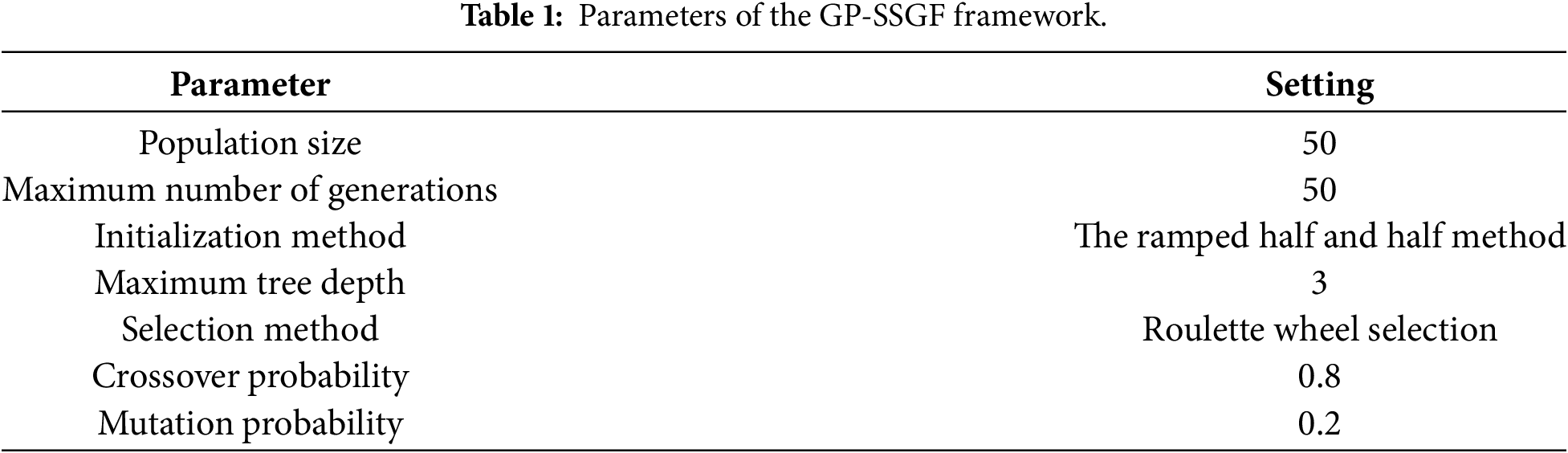
This section goes into detail about how the GP-SSGF framework was implemented. The system use genetic programming to automatically generate mathematical equations that direct the search process. By substituting manually constructed update formulae, the algorithm’s flexibility and intelligence are increased. Table 1 shows the framework’s relevant parameters.
The proposed GP-SSGF framework is intended to be a general-purpose search strategy generator that is not dependent on a particular metaheuristic algorithm. Formally, GP-SSGF accepts as input the state information of an optimization process. The framework produces an evolved update function, which is used to replace the initial position update equation of a metaheuristic algorithm. The framework is not limited to the Tumbleweed algorithm. Any population-based optimization approach that uses explicit update rules, such as Particle Swarm Optimization, Differential Evolution, or Grey Wolf Optimizer, can easily incorporate GP-SSGF by replacing their update operators with evolved expressions.
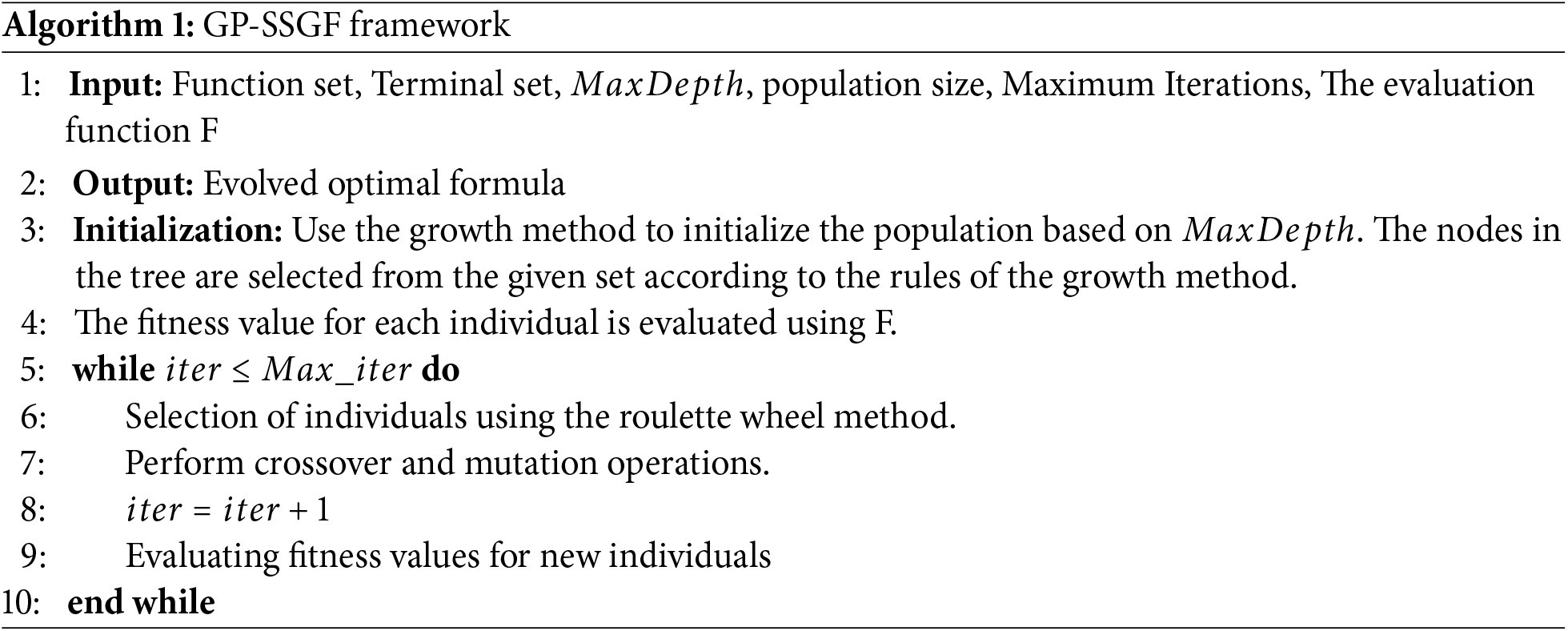
To balance formula diversity and computing complexity, the depth of the tree is set to 3 in this research, allowing for more complicated formulae to be generated without requiring excessive processing. Furthermore, in order to increase population diversity, investigate potential solutions of varying complexity, and ultimately find a more concise and effective solution strategy, this paper employs the ramped half and half method to generate initial individuals with more diverse and adaptable structures.
In this study, the roulette wheel selection approach is used to effectively accelerate the algorithm’s convergence. Specifically, the fitness value of each member in the population is first determined. Then, the selection probability Pi and the cumulative selection probability Qi of each individual are determined, and their formulas are:
where
Crossover and mutation operations use the previously specified subtree crossover and subtree mutation methods.
In this study, the traveler’s issue is used to evaluate the performance of the developed formulas. As a result, the Bier127 benchmark instance from TSPLIB was selected for testing. This dataset covers 127 cities, making the challenge large enough to capture the performance differences amongst the techniques without becoming computationally expensive. For medium-sized TSP problems, this dataset strikes a fair compromise between computing economy and algorithm efficacy. It combines the interference of local optimum solutions with the requirement for the algorithm to have a strong global search capability in order to identify the best path. This provides an appropriate challenge for evaluating algorithm performance. Eq. (9) describes the unique fitness function:
where
In this study, the Bier127 TSP instance is used as a realistic and challenging fitness evaluation setting to guide the generation of general-purpose update expressions. Although the evaluation is performed on a discrete TSP instance, the evolved expressions are defined over fundamental optimization variables such as position vectors, fitness values, and global best information, which are shared by both continuous and discrete population-based metaheuristics. As a result, the updated formulas are intrinsically problem-independent. CEC2017 functions are not employed directly during the GP evolution stage to avoid overfitting to a given benchmark suite and to guarantee that the evolved search strategy retains generalization capabilities across other issue domains.
Algorithm 1 shows the pseudo-code for the GP evolution formula.
3.2 GPTA Algorithm Based on GP-SSGF
This section proposes the GPTA algorithm using the GP-SSGF architecture. The technique substitutes the standard tumbleweed algorithm’s location updating mechanism with a formula that the GP automatically evolves to achieve a better balance of global exploration and local exploitation. GPTA attempts to improve search efficiency, accelerate convergence speed, and increase the algorithm’s adaptability and robustness to various challenges.
Based on the position update strategy in the TA algorithm (Eq. (4)), the function and terminal sets required by the GP-SSGF framework to evolve the GPTA update formulation are as follows.
In the tumbleweed algorithm,
Eq. (10) shows that the suggested update rule creates an adaptive perturbation mechanism that balances exploration and exploitation through coupled stochastic and nonlinear components. The numerator term
The denominator term
Although Eq. (10) lacks a precise analytical convergence proof, it does exhibit certain structural properties. First, reciprocal fitness-based scaling incorporates an implicit limited control mechanism to reduce excessive divergence during late-stage iterations. Second, the nonlinear coupling of global-best guiding and fitness disparities improves directional sensitivity in heterogeneous population distributions. Third, the stochastic perturbation term promotes continuous exploration, lowering the likelihood of stagnation in local optima.
Compared to the previous linearly weighted update structure, the new formula incorporates various fractional structures and nonlinear coupling effects, considerably increasing the expressive capacity and adaptive control capabilities of the search dynamics. When the population reaches a local optimum or the fitness distribution becomes highly concentrated, the stochastic perturbation is effectively amplified in comparison to the adaptive scaling terms, allowing for better escape from local basins and promoting diverse search behavior.
The pseudo-code for GPTA is shown in Algorithm 2.
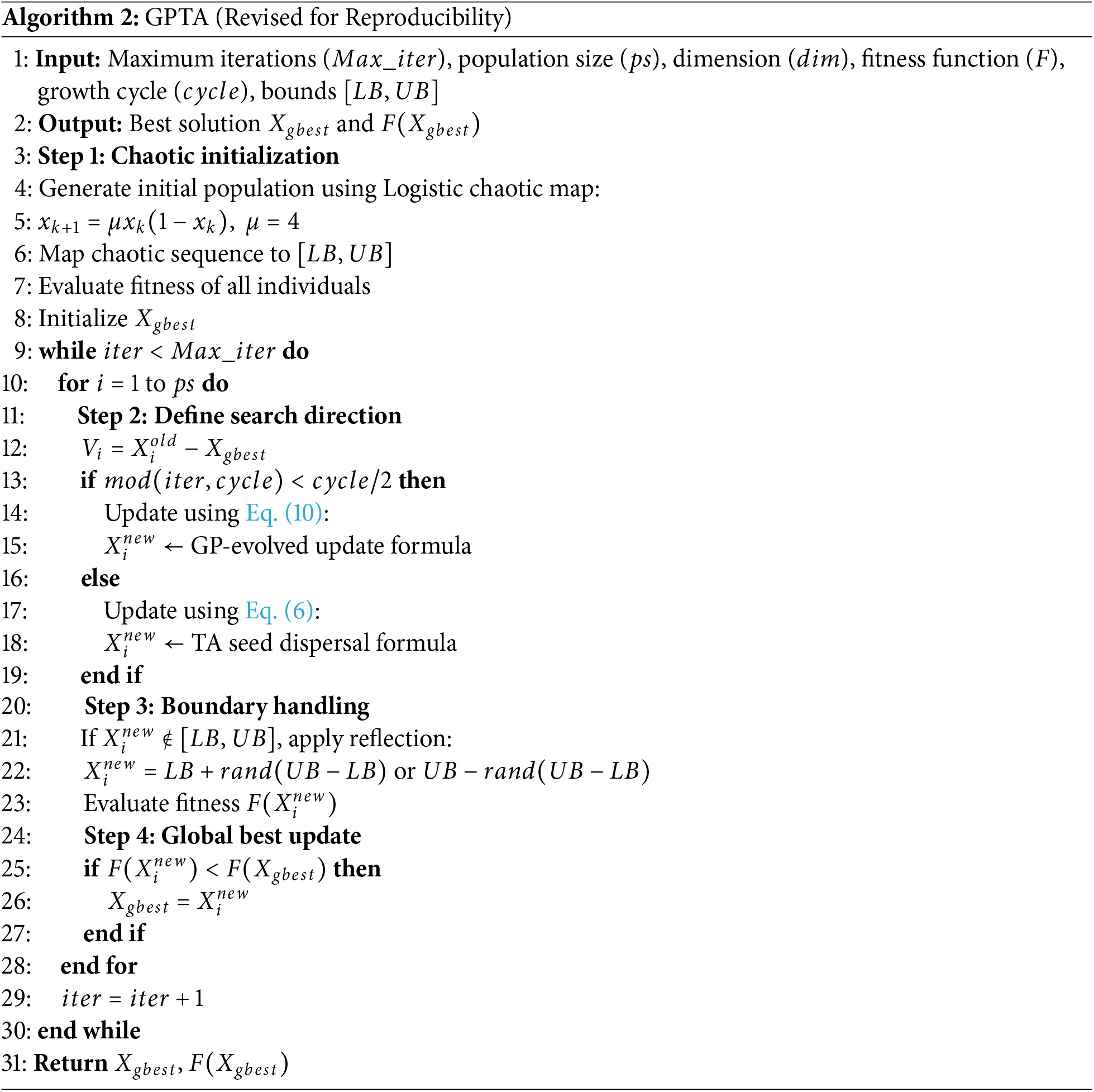
Fig. 4 depicts the general structure of the GP-SSGF framework and GPTA algorithm, as described before.
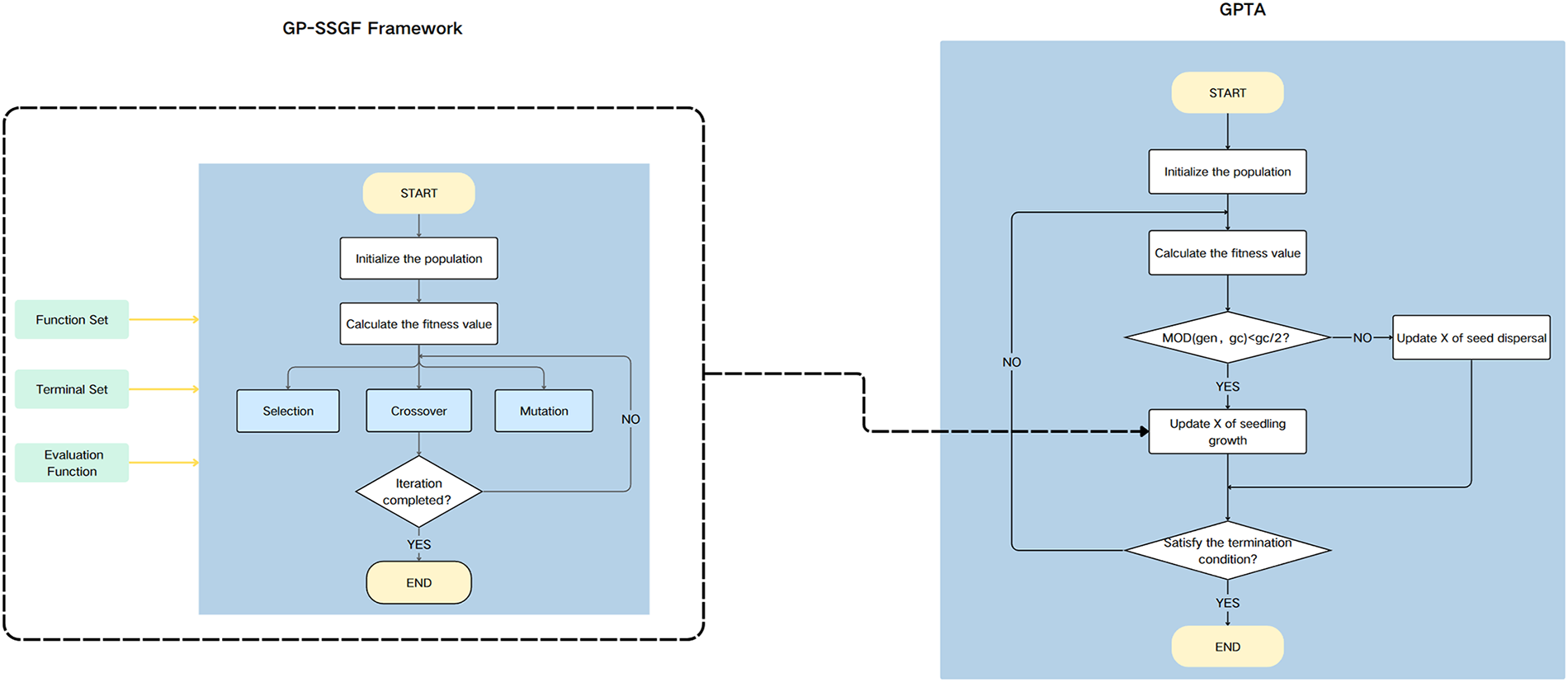
Figure 4: Overall structure diagram.
This section focuses on evaluating the performance of the proposed GPTA algorithm. To assess the algorithm’s optimization capability, a series of comparative experiments are performed on benchmark functions of varying dimensions. The performance of GPTA is compared to numerous conventional methods. To confirm the statistical significance of the results, the Wilcoxon rank-sum test is used to compare the differences between algorithms.
The performance of the GPTA algorithm was evaluated using the CEC2017 standard test function set. The function set includes four categories: unimodal, simple multimodal, hybrid, and composite functions. The unimodal function (F1) is primarily used to assess the algorithm’s local search capability and convergence speed, as it contains only one global optimal solution. The simple multimodal functions (F2–F10), on the other hand, have numerous local optimal solutions alongside a single global optimum, and are adopted to evaluate the algorithm’s global exploration capacity and its capability to escape local optima. Hybrid functions (F11–F20) integrate the characteristics of multiple basic test functions (e.g., shifted and rotated variants). They generally consist of three or more weighted sub-functions, constructing intricate local landscapes to verify an algorithm’s adaptability to mixed optimization scenarios. Composite functions (F21–F30) merge features from various hybrid and basic functions. Equipped with diverse function structures and abundant local optima, they can quantify the algorithm’s capacity to identify and distinguish different types of optimal solutions within complicated search domains. Comprehensive tests on all four function categories enable a thorough investigation into the GPTA algorithm’s performance over optimization problems with different complexity levels.
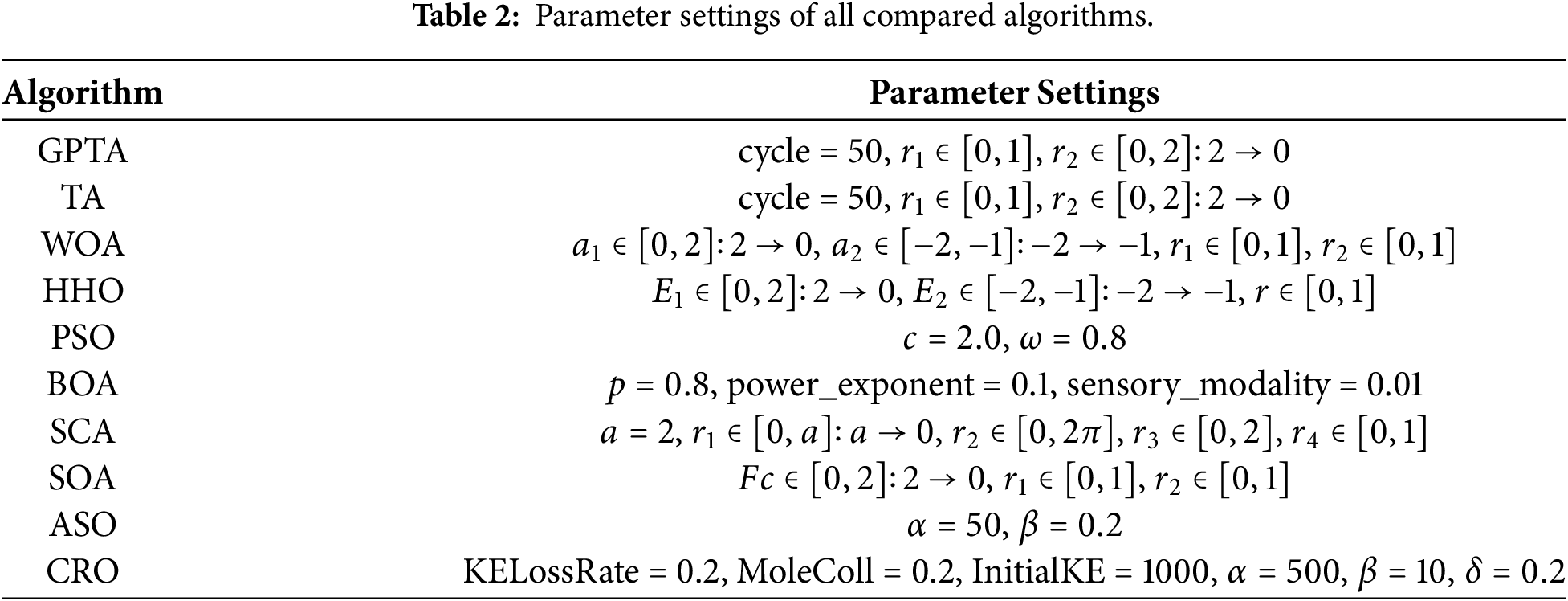
To confirm that the evaluation findings were reliable and stable, the GPTA algorithm was performed independently 30 times in 10, 30, and 50 dimensions, with a population size of 50 and 5000 function calls. Table 2 shows full parameter settings for the compared methods. To guarantee a fair and unbiased comparison, all benchmark algorithms utilized in this study were constructed with their standard parameter settings as published in the original papers or regularly used configurations in current literature. No extra parameter adjustment was done for the proposed GPTA approach or any competing solution in the test problems. In addition, all experiments were carried out using the MATLAB programming language on a machine with 24 GB RAM and an Intel Core i7 processor running Windows 11.
4.2 Comparative Results Analysis
4.2.1 Analysis of 10-Dimensional Results
Tables 3 and 4 show the performance comparisons of the methods in 10-dimensional tasks. Overall, GPTA performs well when compared to other algorithms. From the average values, GPTA outperforms most benchmark functions. For numerous functions, such as F3, F7, F12, and F19, GPTA outperforms TA. However, it should be noted that on some functions, TA performs similarly or slightly better than GPTA, demonstrating that the suggested technique does not outperform TA in all circumstances.
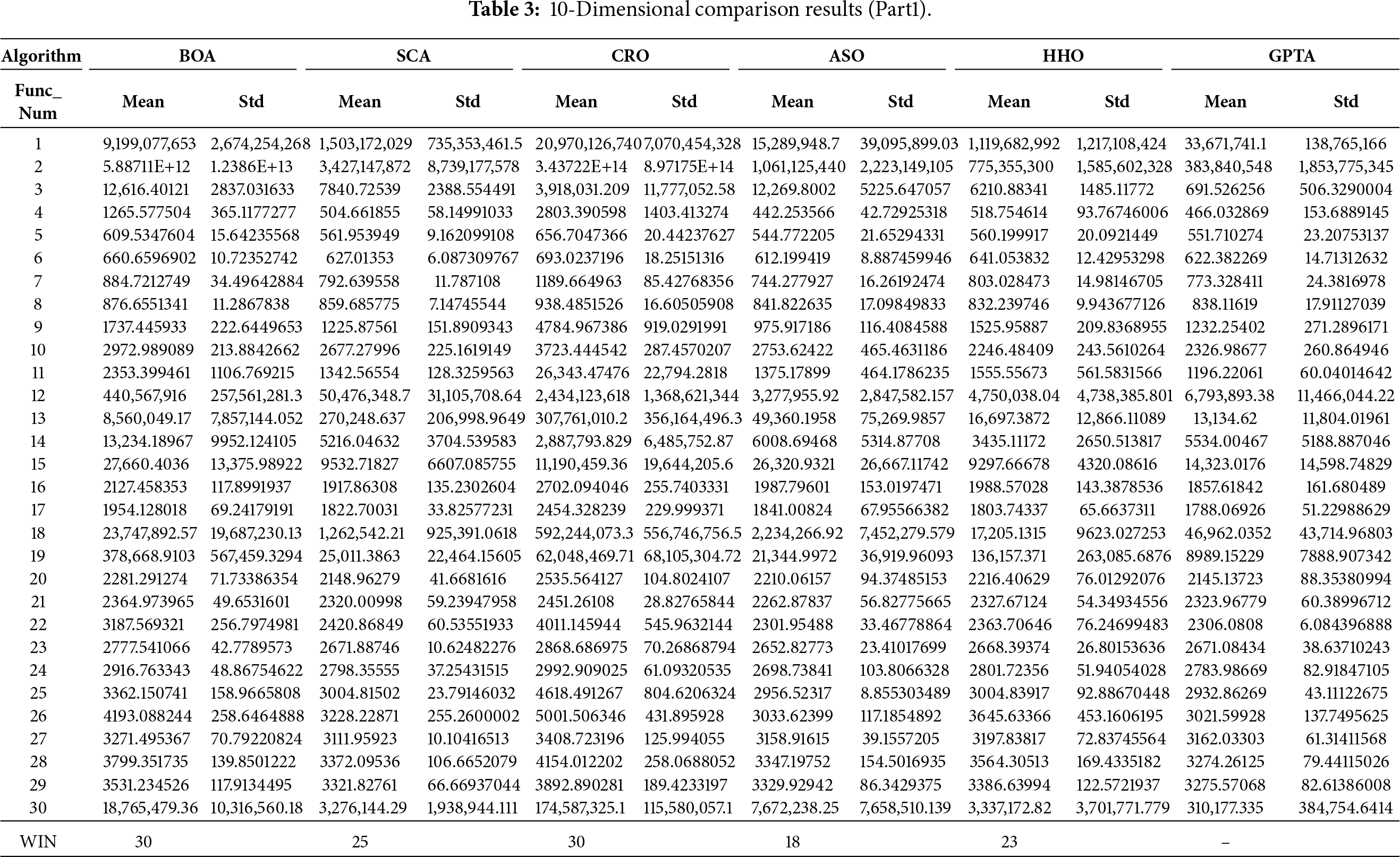
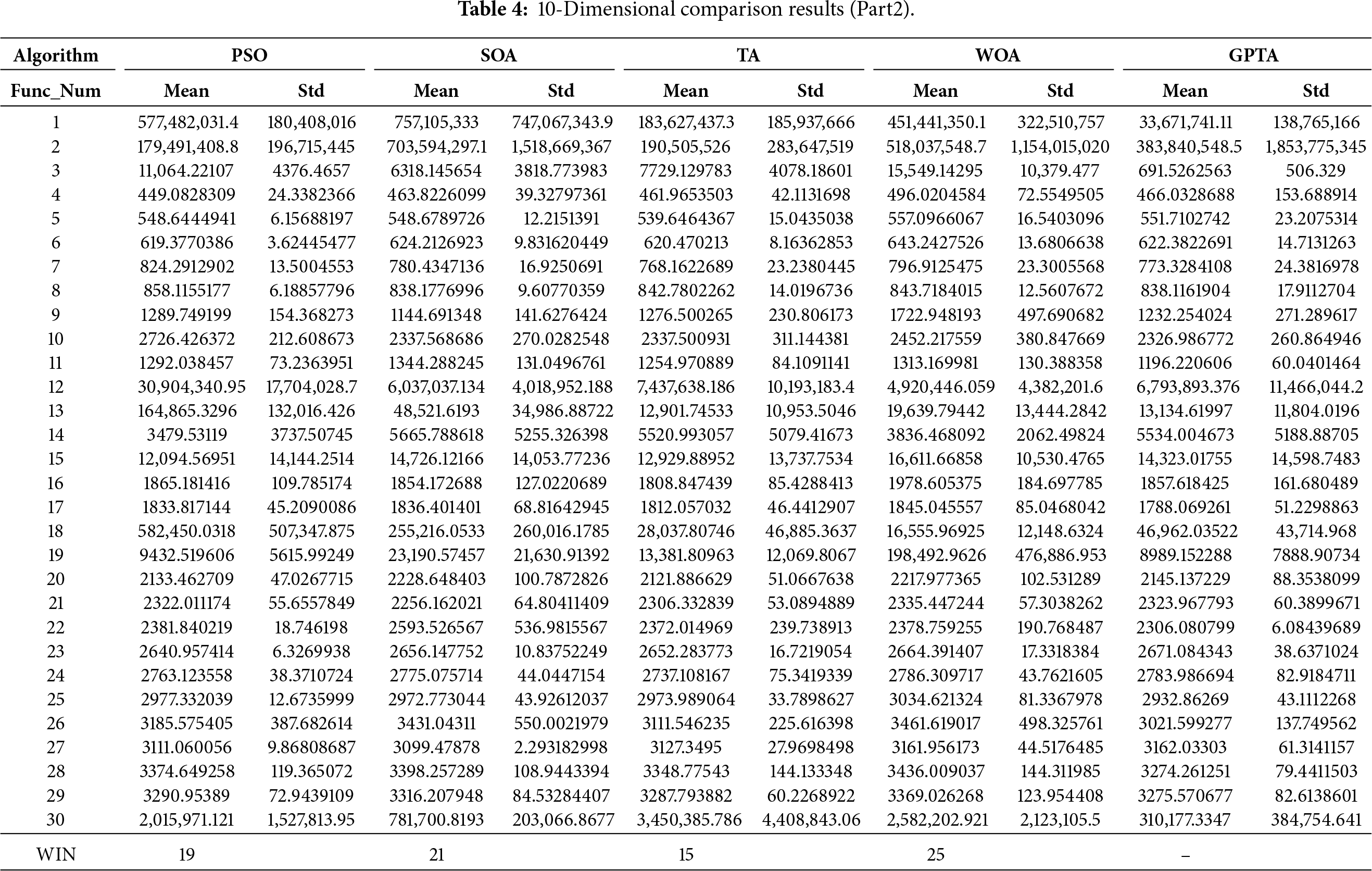
When compared to other algorithms such as BOA, CRO, HHO, PSO, SCA, and SOA, GPTA produces competitive results and outperforms them on a variety of test functions, particularly multimodal and composite functions. In terms of stability, GPTA generally produces lower standard deviations, indicating more consistent performance across separate runs.
Fig. 5 shows the convergence curves in 10 dimensions. Most algorithms converge quickly in the early iterations, although other approaches, such as CRO and SOA, display stalling on specific functions. GPTA’s two-stage process maintains a balance between exploration and exploitation, allowing for sustained improvement throughout later iterations while avoiding premature convergence.
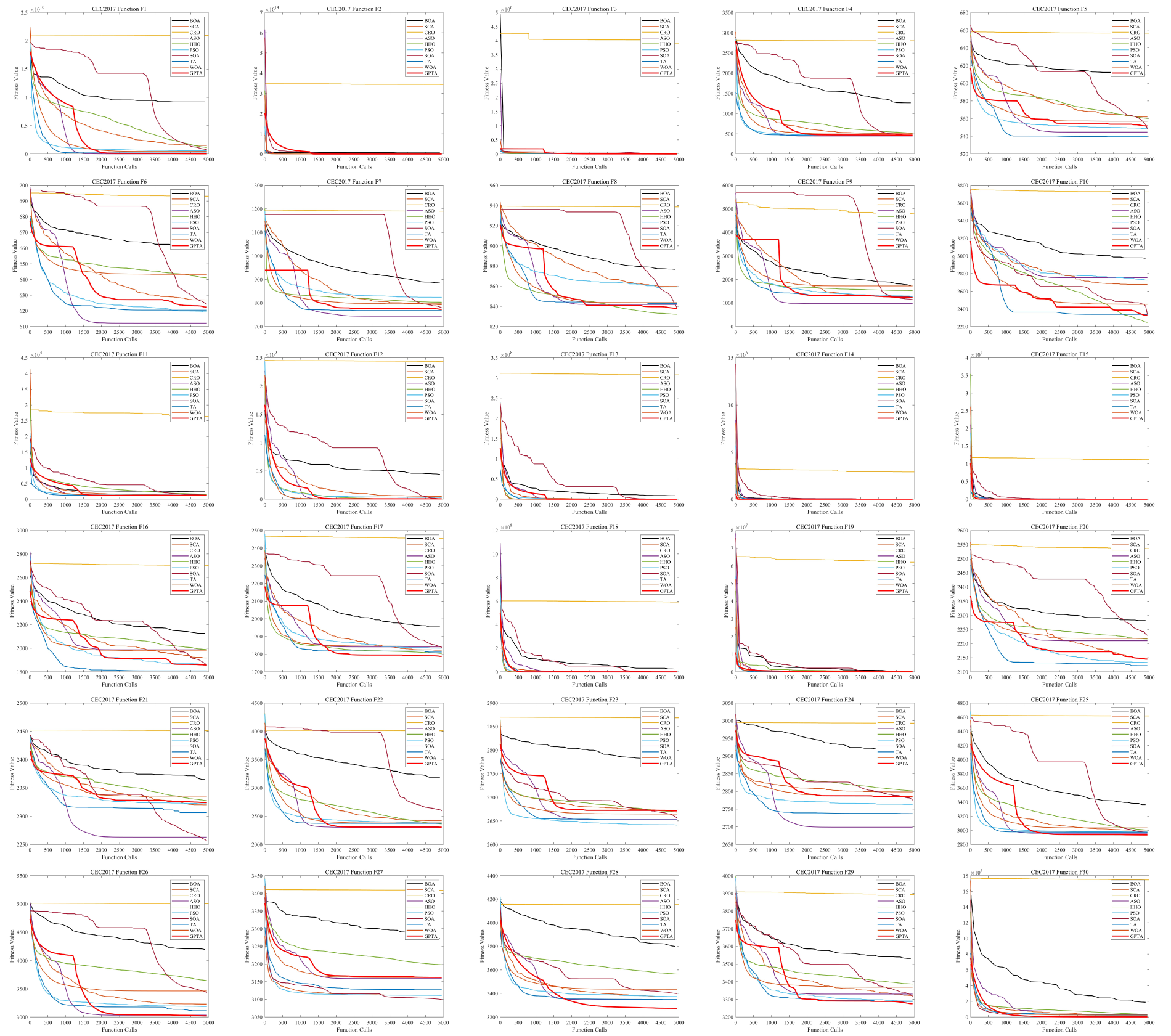
Figure 5: 10-dimensional convergence plot of the algorithm.
4.2.2 Analysis of 30-Dimensional Results
Tables 5 and 6 show the results for 30-dimensional situations. When compared to the 10-dimensional configuration, GPTA outperforms TA on a wider range of test functions, attaining higher results on the majority of benchmark functions. However, there are a few circumstances where TA or other algorithms produce comparable results.
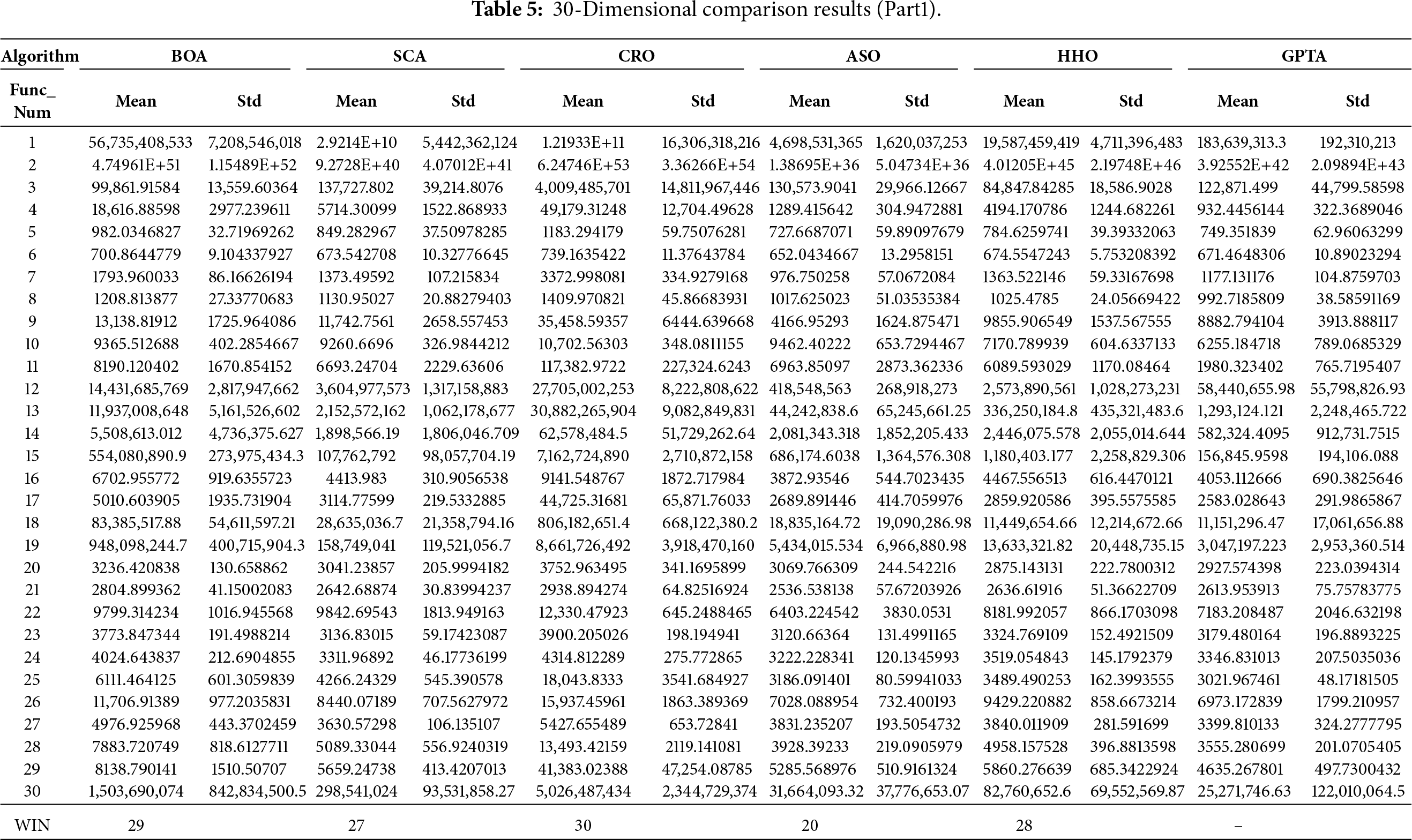
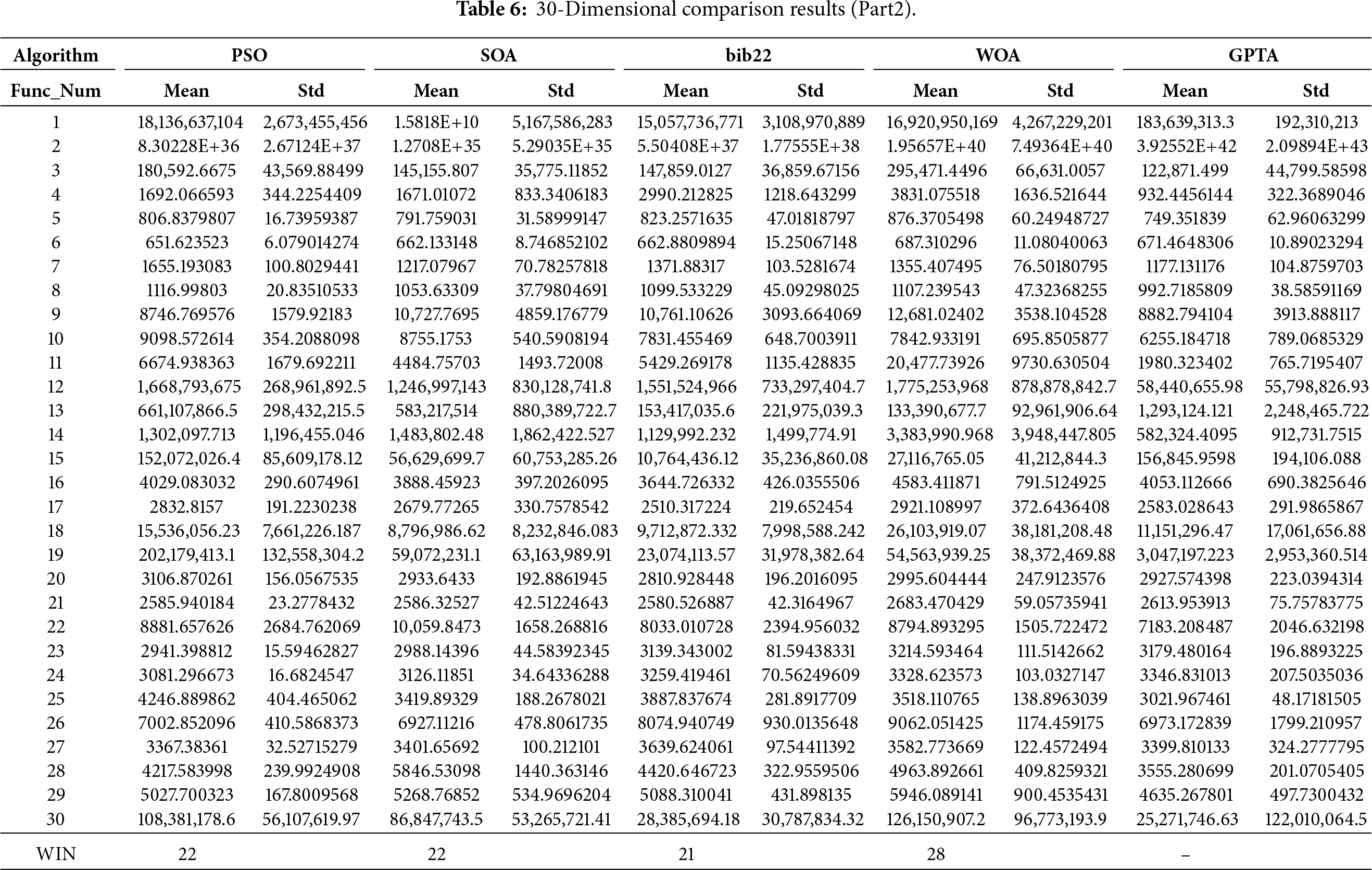
GPTA outperforms PSO, SOA, and ASO in most areas, particularly for composite functions. In functions such as F25, F27, F28, F29, and F30, GPTA performs better, implying more scalability to higher dimensions. Nonetheless, the performance benefit is not consistent across functions.
Fig. 6 illustrates the convergence trend in 30 dimensions. GPTA often converges to lower fitness values in later rounds, yet in certain circumstances it exhibits slower initial convergence, which could be related to the algorithm’s exploratory nature in the early stages.
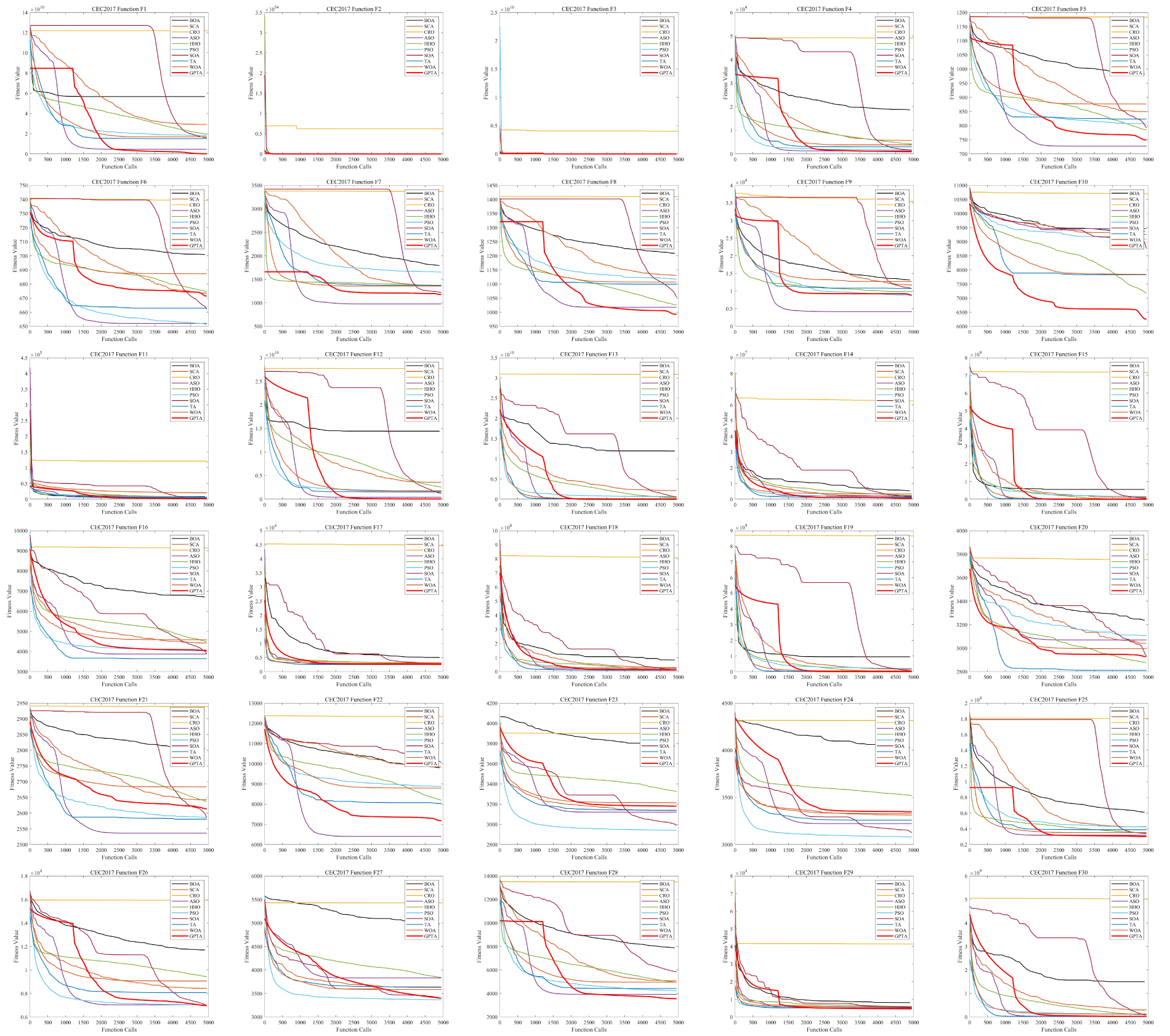
Figure 6: 30-dimensional convergence plot of the algorithm.
4.2.3 Analysis of 50-Dimensional Results
In 50-dimensional experiments, the results presented in Tables 7 and 8 demonstrate that GPTA remains competitive in tackling high-dimensional optimization issues. Despite increased problem complexity, GPTA is able to provide high-quality solutions in the majority of benchmark functions.
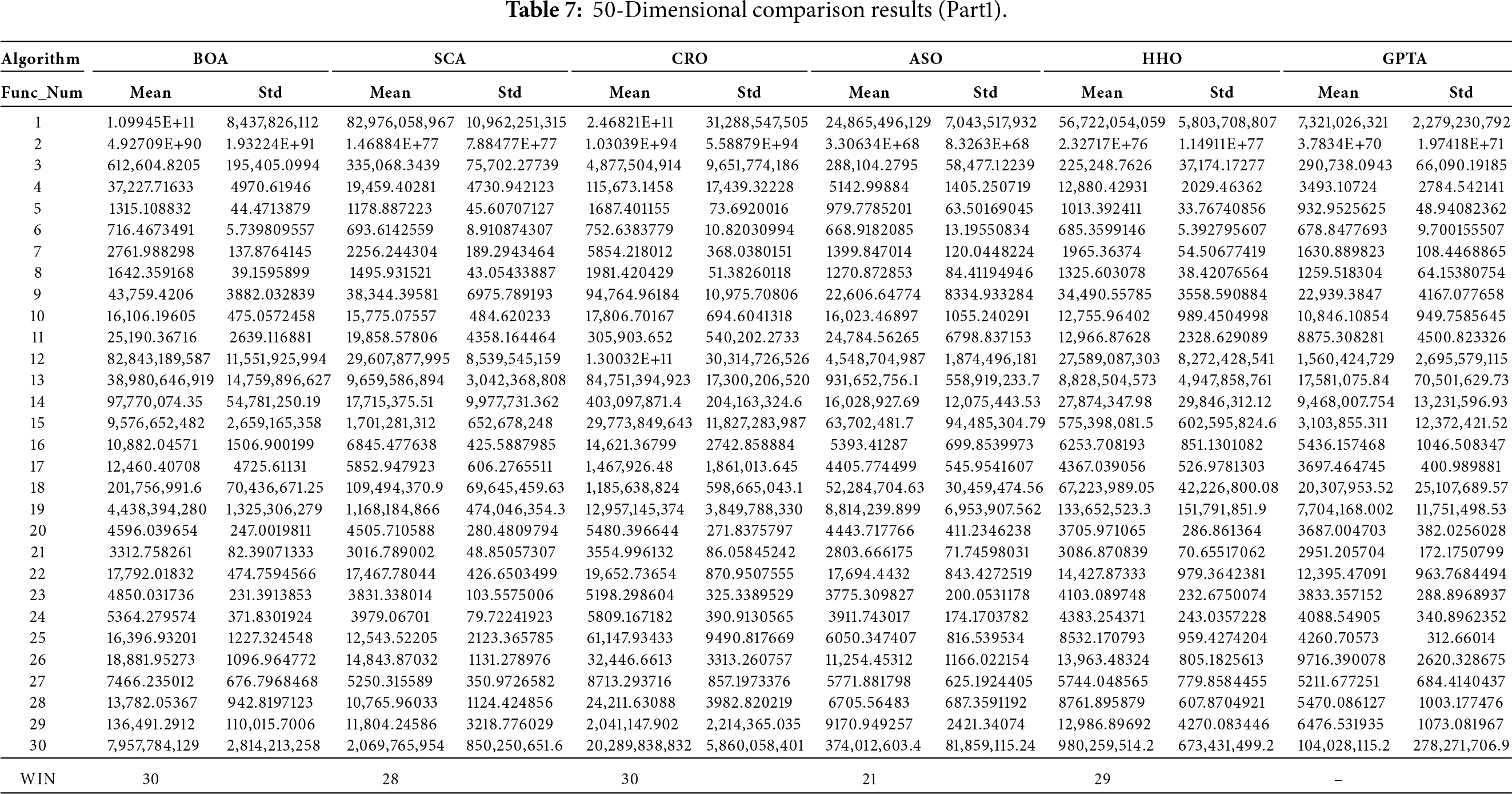
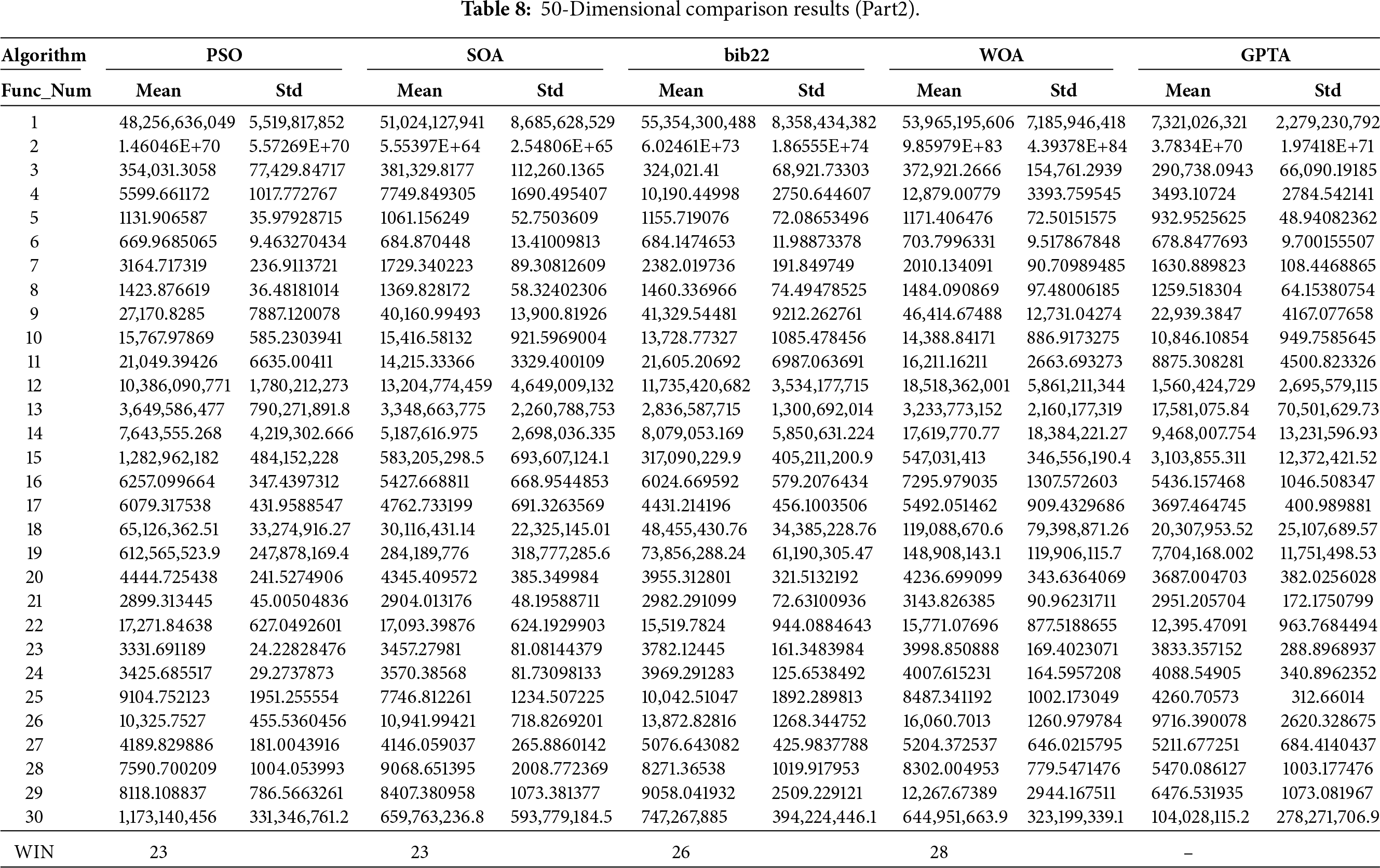
GPTA outperforms TA on a wide number of test functions, while both algorithms perform similarly on others, including F14, F23, F24, and F27. When compared to other algorithms such as PSO, BOA, SCA, CRO, and HHO, GPTA generally outperforms them and has advantages in numerous multimodal and hybrid functions, which can be observed from Tables 7 and 8.
Fig. 7 depicts the convergence of multiple algorithms on the 50-dimensional CEC2017 test function set. GPTA outperforms the other algorithms, with a lower fitness value for final convergence, implying that it can discover a better solution more precisely when tackling these specific function issues. For example, in the F5 function, when the number of function calls reaches 5000, the fitness value of GPTA is significantly lower than that of other algorithms’ curves; a similar trend is also seen in the F10 and F14 functions, indicating that GPTA’s optimization mechanism is better able to mine out potential better solution regions, resulting in higher convergence accuracy. Furthermore, the overall curve of GPTA continues to decline, indicating that it gradually approaches the better solution throughout the iteration process with no major fluctuations or stagnation, indicating that the algorithm has a better balancing ability and is motivated by continuous optimization. This provides solid support and a foundation for its use in the solution of high-dimensional difficult optimization problems.
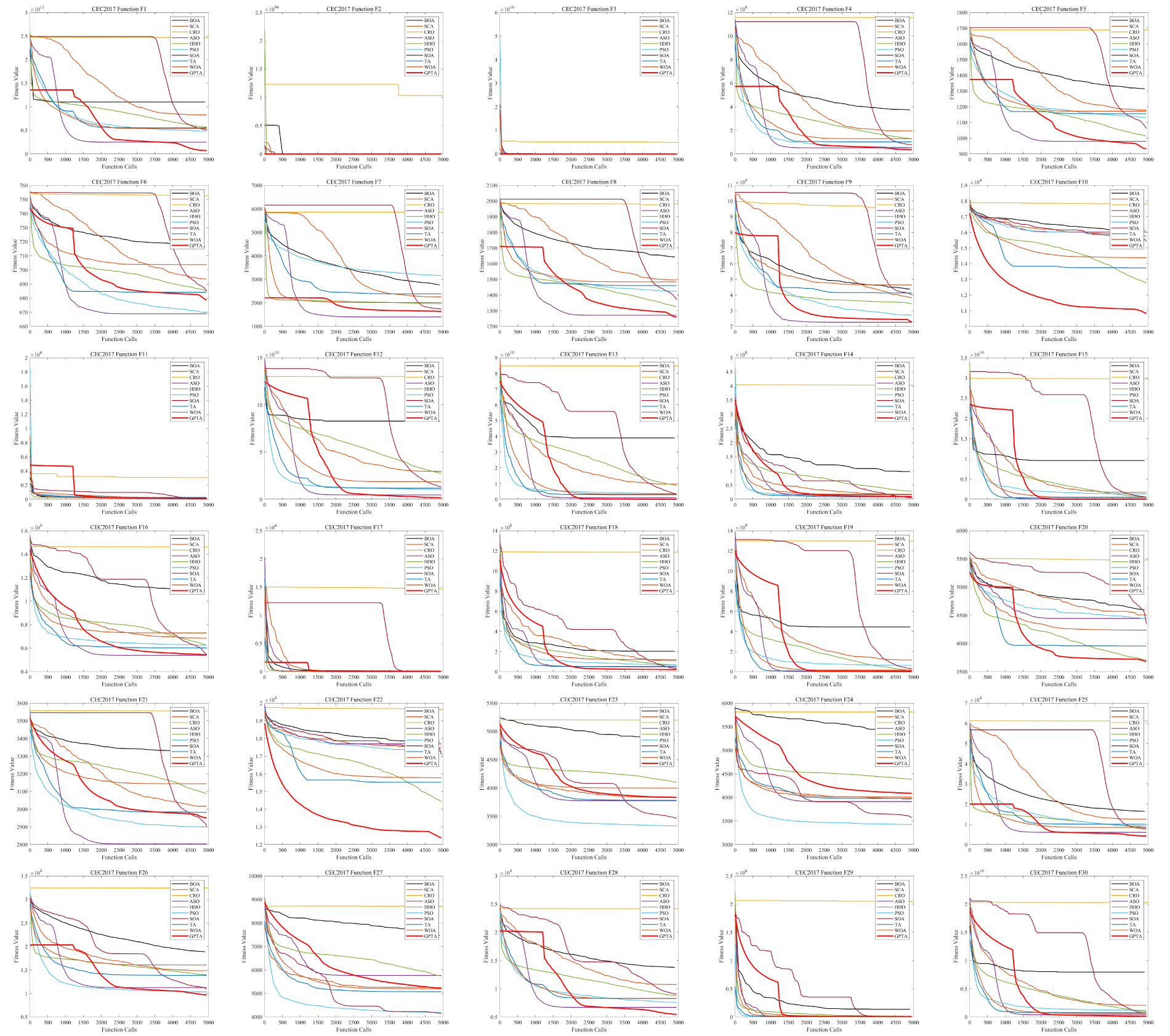
Figure 7: 50-dimensional convergence plot of the algorithm.
4.3 Statistical Significance Analysis
Although the comparative tests in Section 4.2 show that the proposed algorithm outperforms others, it is still required to determine whether these differences are statistically significant rather than due to chance. To this goal, the Wilcoxon rank-sum test, a well-known nonparametric statistical test, is employed to determine the significance of performance differences between the proposed approach and the compared methods.
Tables 9—11 show the Wilcoxon signed-rank test results for the proposed algorithm and comparative algorithms at 10, 30, and 50 dimensions. The significance level for this experiment was set to 0.05. The symbol “+” indicates that the suggested method greatly outperforms the comparative algorithm, “
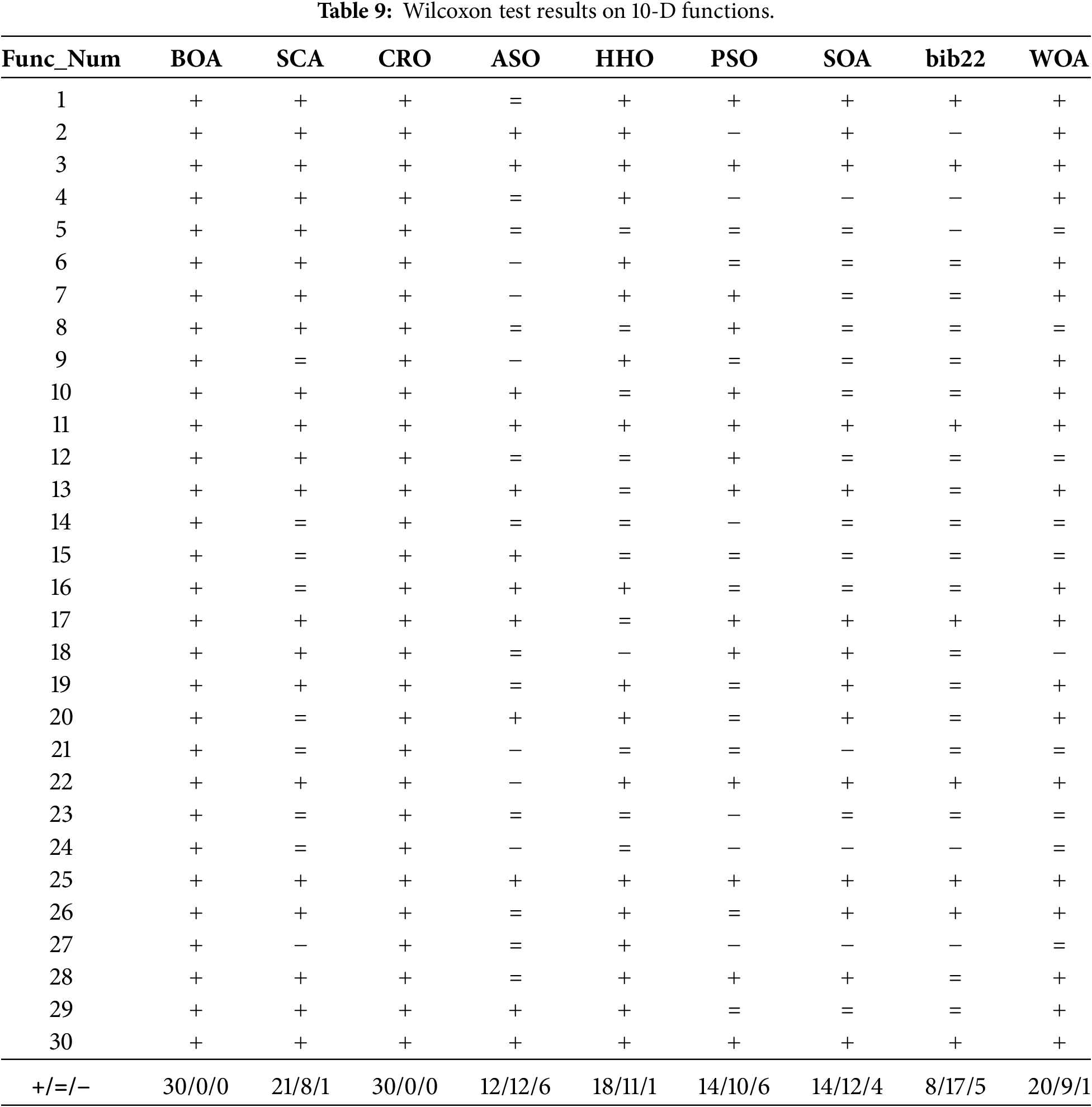
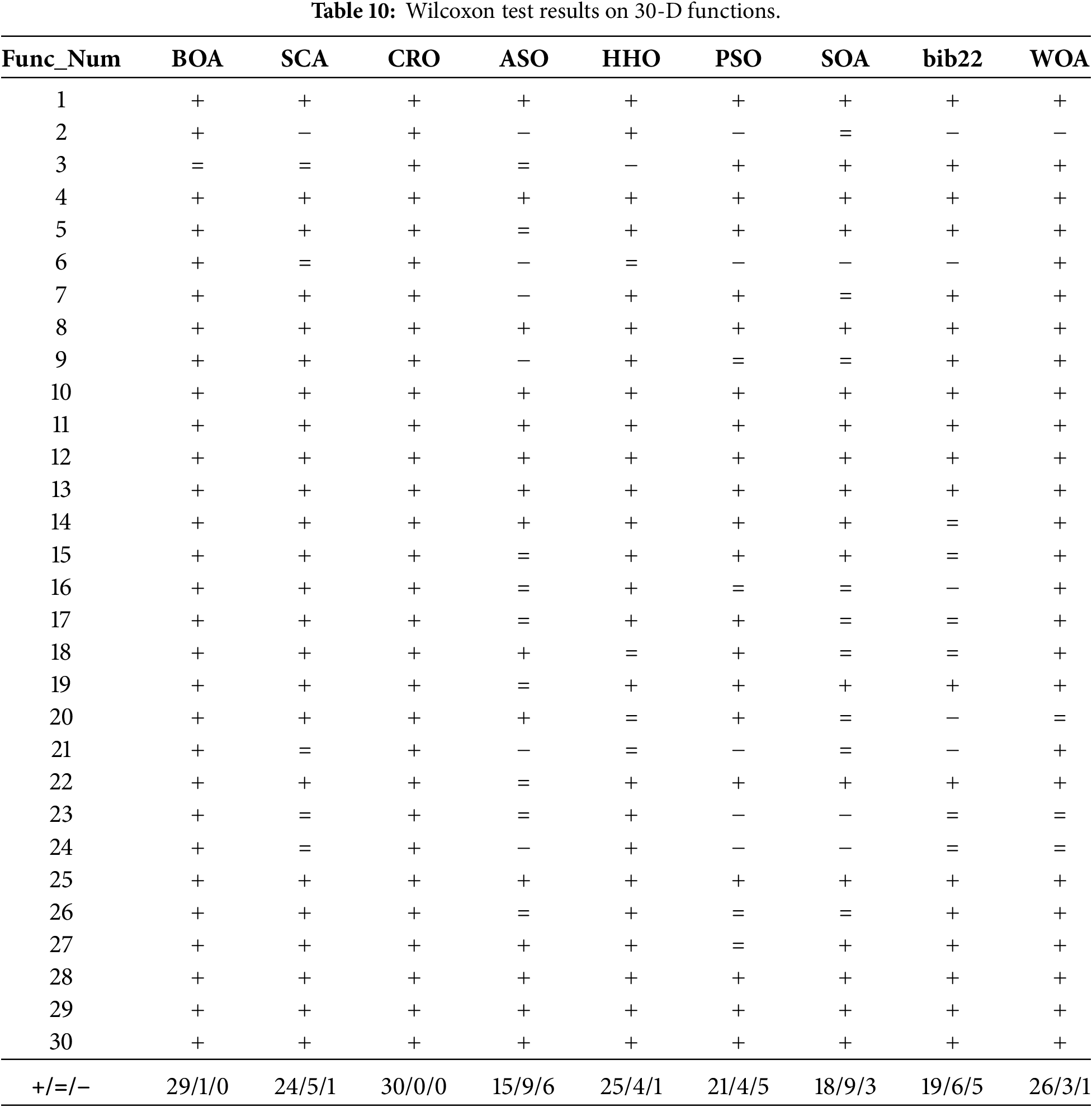
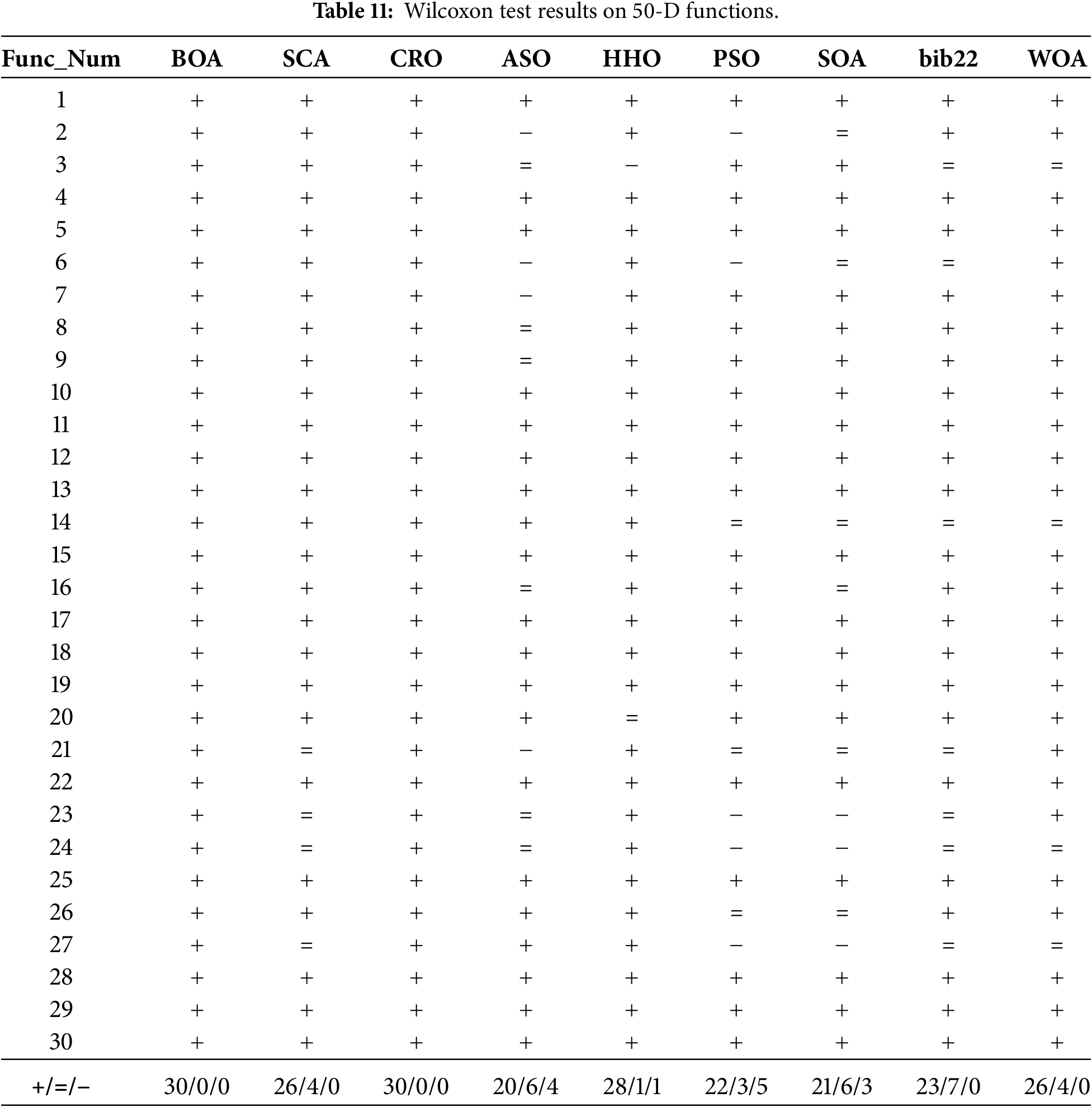
Table 9 shows that the Wilcoxon rank-sum test findings give statistical support to the comparison. Overall, GPTA outperforms most competing algorithms on the bulk of benchmark functions.
When compared to BOA and CRO, GPTA consistently outperforms them in most test instances (30/0/0), demonstrating significant statistical evidence of increased performance in these comparisons. GPTA outperforms SCA, WOA, and HHO on most functions, with certain examples showing no statistically significant difference.
The findings (14/10/6) show that GPTA outperforms PSO in many functions, while there are a few examples where the differences are not significant. When compared to TA (8/17/5), the data indicate that GPTA and TA perform similarly generally, with GPTA showing benefits only on some functions and TA outperforming on others.
It is also noticed that performance discrepancies grow more prominent in higher-dimensional settings, when GPTA performs better on more benchmark functions than in lower-dimensional circumstances.
As seen in Table 10, practically all algorithms display a widening gap with GPTA in 30-dimensional problem. Notably, the advantage over PSO and SOA becomes more obvious, progressing from a minor lead in lower dimensions to a large advantage. More notably, when compared to the original TA, the number of “+” symbols grows from 8 in 10 dimensions to 19 in 30 dimensions, highlighting GPTA’s advantage in high-dimensional issues.
Overall, in 50-dimensional instances, GPTA outperforms most other algorithms on the bulk of benchmark functions. GPTA outperforms ASO, PSO, and SOA in most cases, however a few functions show no meaningful difference. GPTA outperforms TA in higher-dimensional scenarios against lower-dimensional settings, implying superior scalability. However, the improvement is not consistent among benchmark functions.
5 GPTA Applied to Emergency Material Transportation Scheduling
To demonstrate the GPTA algorithm’s ability to be utilized in real-world issues, this study applies it to the emergency material transportation scheduling problem. Emergency material transportation scheduling is crucial in disaster relief and other crises. The goal is to efficiently deliver emergency supplies to diverse demand points within limited time and resources to meet the demands of affected individuals.
Following a sudden disaster, the prompt and effective delivery of emergency supplies from the distribution center to each disaster site is critical to ensuring the stability of the disaster area and minimizing losses. The geographic location of catastrophe sites is dispersed, the demand is diverse, and there is frequently time sensitivity; for example, certain places must complete the delivery of resources within a specific time frame or suffer more significant consequences. At the same time, the emergency transportation procedure is constrained by resources such as vehicle count, load capacity, and maximum driving distance.
This study analyzes an emergency material transportation scheduling problem that takes into account the restrictions of time window limitation, service time, vehicle load capacity, and maximum driving distance. We start at the distribution center and organize several emergency vehicles with limited carrying capacity to distribute materials to multiple disaster sites, with the goal of optimizing vehicle usage, path arrangement, and scheduling order to minimize total transportation costs, while meeting the demand and time requirements of all disaster sites.
Specifically, the problem has the following characteristics:
Multi-objective trade-off: The optimization objective incorporates total trip distance, service efficiency, and time-window penalty to achieve inexpensive and practical transportation schedules under many operational constraints.
Complex resource constraints: Vehicles have a limited number and maximum load and distance.
Strict time window constraints: Each catastrophe site has an allowable earliest and latest delivery time, and fines will be paid for either too early or too late delivery.
Non-negligible service time: The vehicle requires a specific amount of time to accomplish the delivery task at the impacted point, which impacts path scheduling and time control.
To address the aforementioned issues, this work develops a mathematical model based on this topic that enables scientific decision-making and effective execution of emergency material scheduling.
In order to simplify the problem and meet the actual emergency material distribution needs, this paper makes the following basic assumptions in the modeling process:
(1) The location of the distribution center is fixed, and the vehicles uniformly depart from the distribution center and return to the distribution center after completing the distribution task.
(2) The vehicles are of the same type and have the same maximum load
(3) Each vehicle can make multiple stops at multiple affected points during a distribution, but must meet the load and maximum distance traveled limits.
(4) The demand at the affected points is known and indivisible, i.e., the demand at each affected point must be delivered by one vehicle at one time.
(5) The distance between all nodes (distribution centers and affected points) is known and satisfies symmetry, i.e.,
(6) The affected points all have service time window constraints, and the vehicle arrival time will incur a corresponding time window penalty cost if it is advanced or delayed.
(7) The fixed vehicle trip cost and the fuel consumption cost per unit distance traveled are known fixed values.
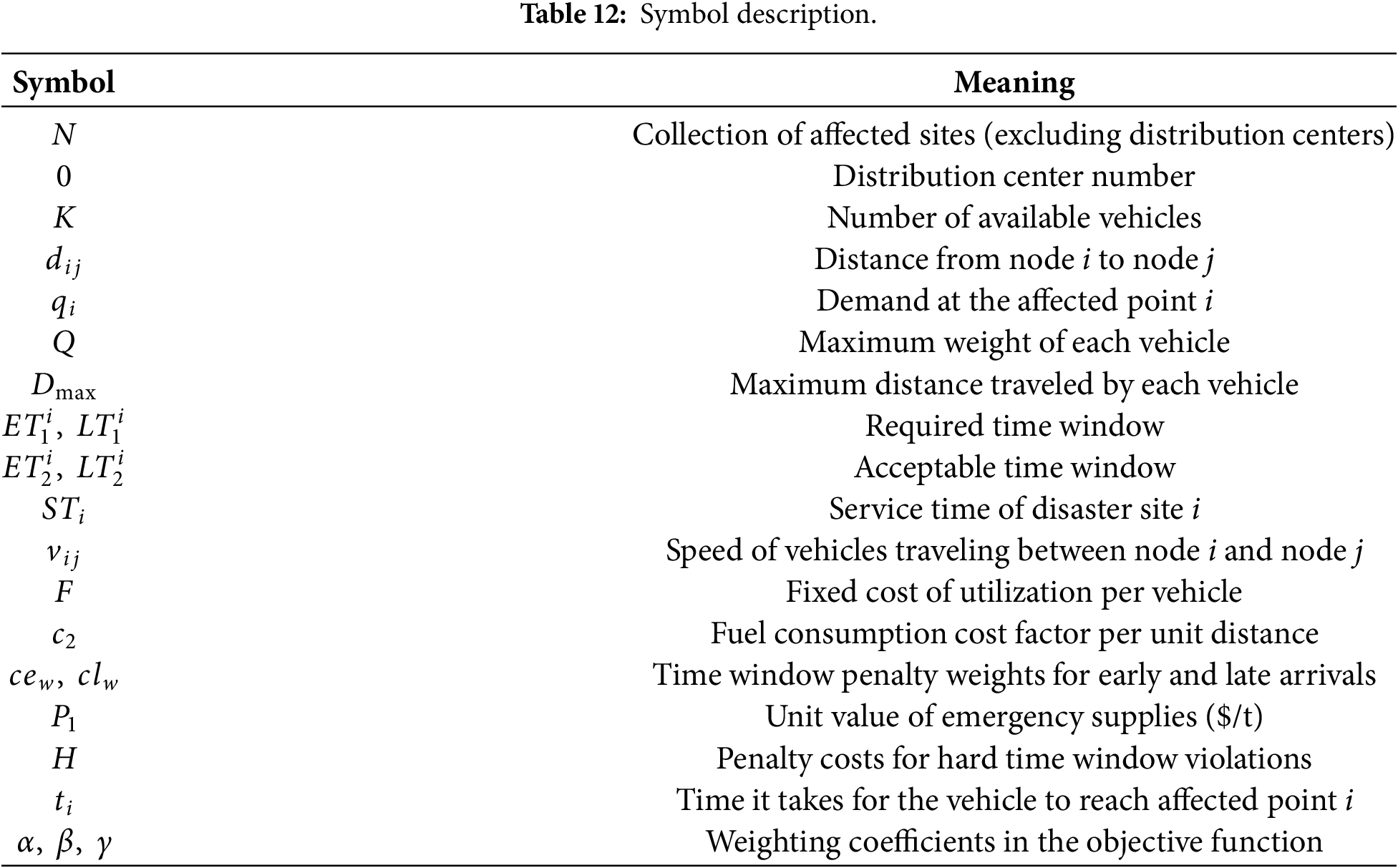
For the purpose of subsequent mathematical modeling and solution, the main symbols involved in this paper are defined as Table 12.
To specify the decision-making behavior in the model, the following decision variables are set:
•
•
Although GPTA is a continuous optimization technique, the emergency material transportation scheduling problem is expressed as a routing optimization problem using a priority-based solution representation. GPTA generates continuous decision variables that correspond to the priority of visiting a catastrophe location. To determine a possible visitation sequence, the catastrophe sites are sorted in ascending order based on their priority levels. The sequence is then assigned sequentially to vehicles, beginning at the distribution facility. During the construction process, the vehicle load capacity, maximum travel distance, and time-window limits are all evaluated. When a constraint is breached, the current vehicle route is ended and a new vehicle is dispatched to continue serving the remaining disaster areas. This transforms the GPTA’s continuous search space into feasible transportation routes for evaluating the goal function.
Eq. (11) depicts the objective function in this situation based on the information provided previously. The objective function has three components: total journey distance
where Eq. (12) denotes the total distance traveled by the vehicle.
The time window penalty cost
During the decoding process, infeasible transportation schemes caused by vehicle capacity, travel distance, or time-window breaches are dealt with using the penalty mechanism outlined non Eq. (13). Candidate solutions that violate the constraints face higher penalty costs, resulting in lower fitness values during optimization. As a result, GPTA gradually steers the population toward viable scheduling solutions while retaining significant exploration capability.
The experiment’s test data includes the geographic location of client nodes, material demand, service time window, service duration, inter-customer distance matrix, and vehicle speed matrix, all of which were imported from an Excel file. The main parameters for this experiment are as follows:
• Maximum number of vehicles: 6;
• Maximum distance traveled by a single vehicle: 500 km;
• Maximum single vehicle load: 5 t;
• Fixed usage cost per vehicle: 200;
• Unit fuel price: 3 Yuan/L;
• Desired time window penalty factor: cew = 0.001, clw = 0.004;
• Materiel unit value: 6000 Yuan/t;
• Penalty for violation of hard time window set to constant
• Service time converted uniformly from minutes to hourly units;
• The parameters are set to a population size of 30, a maximum number of iterations of 3000, and the variable range is set to
The algorithm saves the resulting optimal path scheme and its cost components. Among these, the fuel cost is computed individually and not included in the overall cost. Fig. 8 provides detailed details. The GPTA algorithm achieves a large reduction in overall cost, demonstrating the algorithm’s good cost control capacity in emergency material transportation scheduling, which may effectively cut resource consumption and enhance the economy of rescue operations. The algorithm effectively optimizes various objectives, as evidenced by the obvious values of fuel cost and time penalty cost.

Figure 8: Cost and route information.
This study compares the proposed GPTA’s optimization performance to TA, WOA, HHO, PSO, BOA, SCA, and SOA. To assure the fairness of the comparison results, all eight algorithms are run using the same experimental setup and arithmetic data, with similar parameter settings.
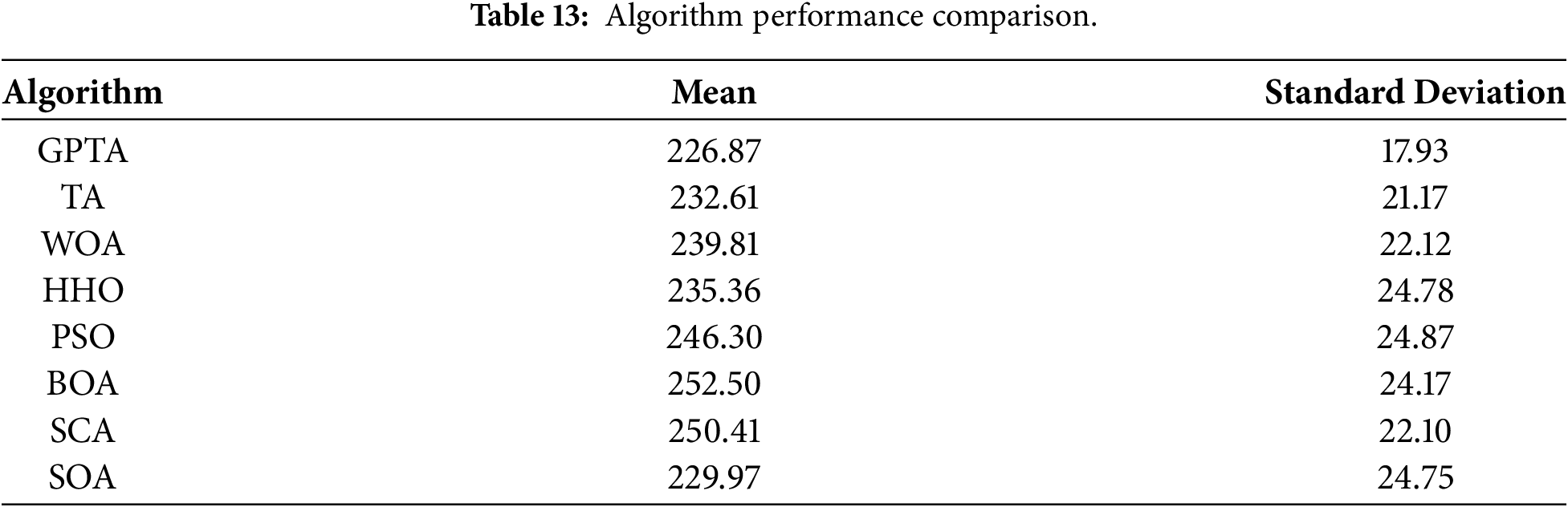
The data in Table 13 shows that GPTA has a lower mean value than the other indicated algorithms. The mean value is the algorithm’s average optimization outcome after numerous runs, and a lower mean value indicates that GPTA is more effective at finding a better scheduling solution across multiple runs, hence improving the efficiency of emergency supply delivery. The standard deviation of GPTA is 17.92732, indicating that the result swings less across repeated runs and is more stable and reliable. In comparison, the standard deviation of the other algorithms is rather substantial, indicating that GPTA can maintain more constant performance, whilst the other algorithms’ results are more susceptible to changes in conditions.
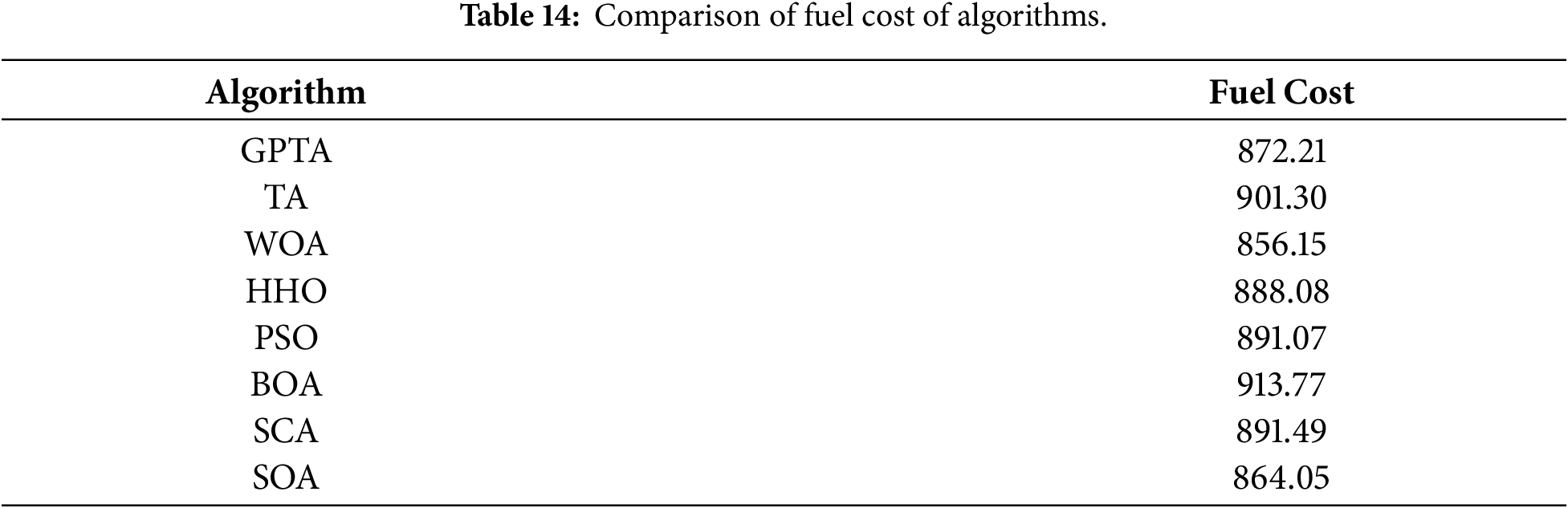
Although fuel consumption costs are not directly included in the objective function, they are presented as an additional performance indicator because they indicate the practical transportation efficiency of various scheduling strategies. Table 14 shows that the average fuel consumption cost of GPTA is 872.21, somewhat more than WOA and SOA but much lower than other algorithms. This suggests that GPTA can successfully reduce fuel consumption costs and increase energy efficiency by optimizing transportation routes and scheduling schedules. This GPTA advantage not only helps to minimize operating costs, but it also plays an important part in emergency supply transportation. This is because smart energy utilization guarantees that supplies reach affected areas quickly and at a lower cost. Furthermore, lower fuel costs contribute to a lower environmental effect, which is consistent with the standards of sustainable development.
The two subfigures in Fig. 9 depict the convergence graph of the method and the convergence curves of the GPTA algorithm and other comparative algorithms, respectively. From Fig. 9a, it can be observed that the algorithm swiftly converges to a better solution in the first few rounds of iterations, and then performs a fine search to eventually achieve a stable solution. The experimental findings show that under the multi-objective of optimizing path planning and time window limitations at the same time, GPTA has strong convergence and stability, can effectively balance the cost and customer service level, and proves the practicality of the algorithm. Comparison with other algorithms reveals that, as shown in Fig. 9b, in contrast, TA, BOA, and SCA drop slowly during the initial stage, WOA and HHO show certain variations in the middle of iteration, and PSO and SOA have comparatively high ultimate convergence values. These events show that GPTA has significant superiority in the emergency material transportation scheduling problem.
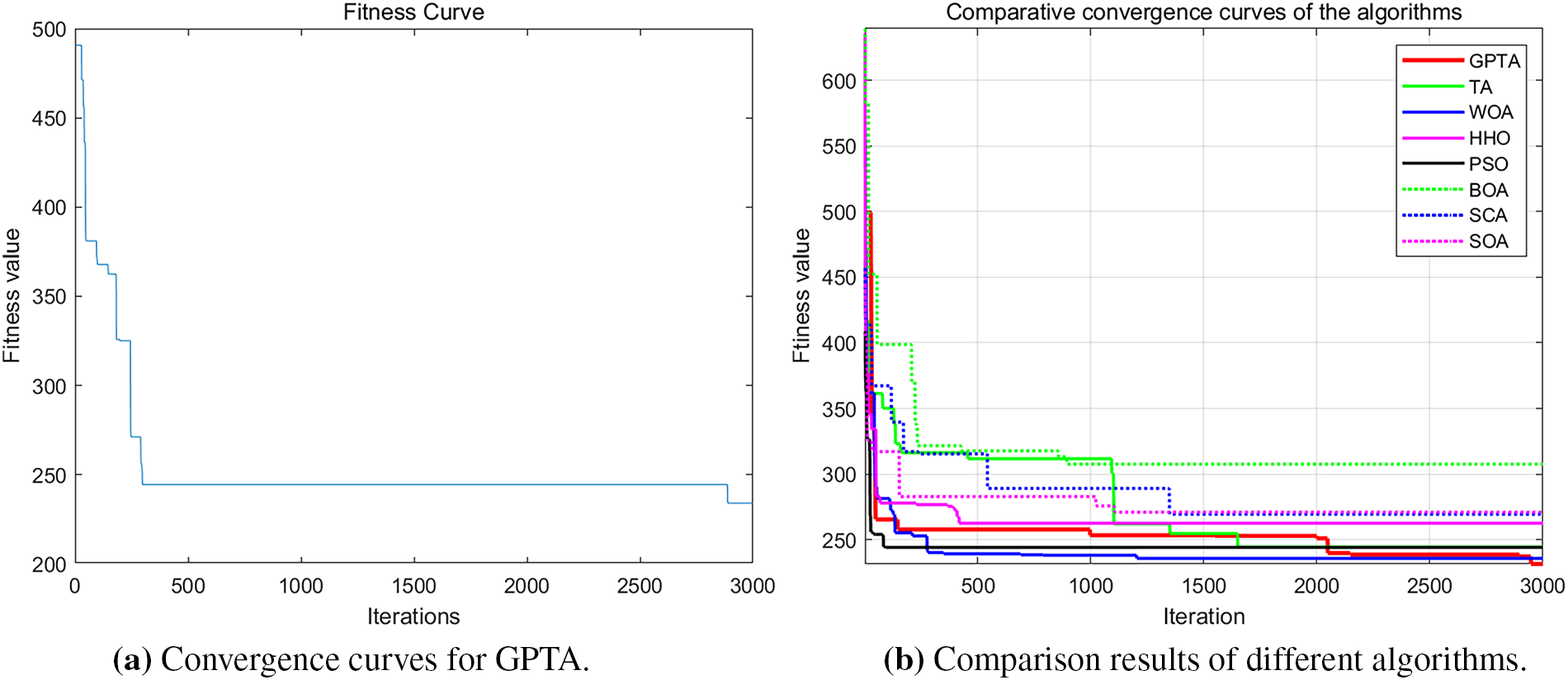
Figure 9: Convergence process curve. (a) Convergence curves for GPTA. (b) Comparison results of different algorithms.
This section tests the GPTA in transportation scheduling scenarios for emergency supplies. Applying the GPTA algorithm to emergency material transportation scheduling not only demonstrates the technique’s applicability in real-world applications. It also displays outstanding performance in multi-objective optimization. Furthermore, it emphasizes the algorithm’s capacity to handle complex restrictions. This provides a unique and practical option for the dispatch of emergency rescue materials. In conclusion, the GPTA method has significant scientific and practical value in the field of optimization due to its outstanding performance and broad application possibilities. It also provides a solid platform for future research and practical applications.
This study proposes a unique search strategy generation framework, the Genetic Programming-based Search Strategy Generation Framework (GP-SSGF), and develops a new form of the tumbleweed algorithm known as GPTA. The framework tries to address the issue that position updating strategies in classic metaheuristic algorithms are based on manual design and lack adaptability. It fully utilizes genetic programming’s symbolic regression power to enable autonomous evolution of search formulas, hence increasing the adaptability and intelligence of the search process. Based on this framework, an improved tumbleweed algorithm, GPTA, is developed, which improves search performance by substituting the traditional TA’s position update expression with the automatically evolved GP formula. The produced formulation integrates tactics such as differential guidance mechanism, nonlinear structure modification, and dynamic step size management, resulting in a better balance of global exploration and localization. Multidimensional experiments (10, 30, and 50 dimensions) on the CEC2017 standard test function set demonstrate GPTA’s combined advantages in terms of convergence accuracy, stability, and resilience. GPTA outperforms PSO, BOA, HHO, CRO, and other traditional and developing intelligent algorithms on a variety of test functions. Furthermore, GPTA is applied to the emergency material transportation scheduling problem, which successfully reduces total transportation costs while meeting time window and service constraints, and demonstrates good engineering application value in path planning, vehicle utilization, and scheduling order optimization.
Although GPTA revealed considerable benefits in this trial, numerous prospective research avenues warrant additional investigation. First and foremost, the existing set of genetic programming functions is quite simple. In the future, new operators may be added to improve the algorithm’s search capability and ability to tackle complex issues. Second, the current evaluation of automatically generated formulae is mostly focused on the algorithm’s final performance, with no systematic review of the formula’s quality, interpretability, or generalizability. Creating a scientific evaluation index system may more fully measure the benefits and drawbacks of formulae and influence the optimization direction of genetic programming. Third, the existing emergency transportation model is based on deterministic assumptions, which do not explicitly account for dynamic uncertainties such as demand fluctuations, traffic congestion, or vehicle breakdowns. Future research can expand the suggested framework to stochastic or dynamic optimization settings, such as resilient optimization, scenario-based modeling, or real-time adaptive dispatching systems, to improve its application in complex disaster scenarios. Finally, GPTA can be applied to more realistic problems, such as production scheduling, logistics and distribution, and power system optimization, to demonstrate its effectiveness and adaptability in many settings.
Acknowledgement: Not applicable.
Funding Statement: The authors received no specific funding for this study.
Author Contributions: The authors confirm contribution to the paper as follows: Conceptualization, Jeng-Shyang Pan and Xingsi Xue; methodology, Cuijing Cao; validation, Cuijing Cao and Jeng-Shyang Pan; formal analysis, Cuijing Cao; data curation, Cuijing Cao; writing—original draft preparation, Cuijing Cao; writing—review and editing, Shu-Chuan Chu; visualization, Cuijing Cao; supervision, Lingping Kong; project administration, Jia Zhao. All authors reviewed and approved the final version of the manuscript.
Availability of Data and Materials: The data that support the findings of this study are openly available in GitHlub at https://github.com/Caocuijing/Metaheuristic-Algorithms.
Ethics Approval: Not applicable.
Conflicts of Interest: Given his role as Associate Editor of this journal, Xingsi Xue had no involvement in the peer review of this article and had no access to information regarding its peer review. Full responsibility for the editorial process for this article was delegated to another journal editor. The authors declare no other conflicts of interest.
References
1. Tomar V, Bansal M, Singh P. Metaheuristic algorithms for optimization: a brief review. Eng Proc. 2024;59(1):238. [Google Scholar]
2. Sharma V, Tripathi AK. A systematic review of meta-heuristic algorithms in IoT based application. Array. 2022;14(1):100164. doi:10.1016/j.array.2022.100164. [Google Scholar] [CrossRef]
3. Rajwar K, Deep K, Das S. An exhaustive review of the metaheuristic algorithms for search and optimization: taxonomy, applications, and open challenges. Artif Intell Rev. 2023;56(11):13187–257. doi:10.1007/s10462-023-10470-y. [Google Scholar] [CrossRef]
4. Turgut OE, Turgut MS, Krtepe E. A systematic review of the emerging metaheuristic algorithms on solving complex optimization problems. Neural Comput Appl. 2023;35(19):14275–378. doi:10.1007/s00521-023-08481-5. [Google Scholar] [CrossRef]
5. Pan JS, Hu P, Snášel V, Chu SC. A survey on binary metaheuristic algorithms and their engineering applications. Artif Intell Rev. 2023;56(7):6101–67. [Google Scholar]
6. Emambocus BAS, Jasser MB, Amphawan A. A survey on the optimization of artificial neural networks using swarm intelligence algorithms. IEEE Access. 2023;11:1280–94. [Google Scholar]
7. Tang J, Liu G, Pan Q. A review on representative swarm intelligence algorithms for solving optimization problems: applications and trends. IEEE/CAA J Autom Sin. 2021;8(10):1627–43. doi:10.1109/jas.2021.1004129. [Google Scholar] [CrossRef]
8. Lambora A, Gupta K, Chopra K. Genetic algorithm—a literature review. In: Proceedings of the 2019 International Conference on Machine Learning, Big Data, Cloud and Parallel Computing (COMITCon); 2019 Feb 14–16; Faridabad, India. p. 380–4. [Google Scholar]
9. Holland JH. Genetic algorithms. Sci Am. 1992;267(1):66–73. [Google Scholar]
10. Jain M, Saihjpal V, Singh N, Singh SB. An overview of variants and advancements of PSO algorithm. Appl Sci. 2022;12(17):8392. doi:10.3390/app12178392. [Google Scholar] [CrossRef]
11. Marini F, Walczak B. Particle swarm optimization (PSO). A tutorial. Chemometr Intell Lab. 2015;149:153–65. [Google Scholar]
12. Storn R, Price K. Differential evolution-a simple and efficient heuristic for global optimization over continuous spaces. J Global Optim. 1997;11(4):341–59. [Google Scholar]
13. Kachitvichyanukul V. Comparison of three evolutionary algorithms: GA, PSO, and DE. Ind Eng Manag Syst. 2012;11(3):215–23. [Google Scholar]
14. Karaboga D, Akay B. A comparative study of artificial bee colony algorithm. Appl Math Comput. 2009;214(1):108–32. doi:10.1016/j.amc.2009.03.090. [Google Scholar] [CrossRef]
15. Karaboga D. Artificial bee colony algorithm. Scholarpedia. 2010;5(3):6915. [Google Scholar]
16. Karaboga D, Gorkemli B, Ozturk C, Karaboga N. A comprehensive survey: artificial bee colony (ABC) algorithm and applications. Artif Intell Rev. 2014;42:21–57. [Google Scholar]
17. Gharehchopogh FS, Gholizadeh H. A comprehensive survey: whale optimization algorithm and its applications. Swarm Evol Comput. 2019;48:1–24. [Google Scholar]
18. Mirjalili S, Lewis A. The whale optimization algorithm. Adv Eng Softw. 2016;95(12):51–67. doi:10.1016/j.advengsoft.2016.01.008. [Google Scholar] [CrossRef]
19. Hatta NM, Zain AM, Sallehuddin R, Shayfull Z, Yusoff Y. Recent studies on optimisation method of Grey Wolf Optimiser (GWOa review (2014–2017). Artif Intell Rev. 2019;52(4):2651–83. doi:10.1007/s10462-018-9634-2. [Google Scholar] [CrossRef]
20. Faris H, Aljarah I, Al-Betar MA, Mirjalili S. Grey wolf optimizer: a review of recent variants and applications. Neural Comput Appl. 2018;30:413–35. [Google Scholar]
21. Du Z, Ni S, Pan JS, Chu SC. A surrogate-assisted multi-objective grey wolf optimizer for empty-heavy train allocation considering coordinated line utilization balance. J Bionic Eng. 2025;22(1):383–97. doi:10.1007/s42235-024-00613-4. [Google Scholar] [CrossRef]
22. Yang, Qy, Chu SC, Liang A, Pan JS. Tumbleweed algorithm and its application for solving location problem of logistics distribution center. In: Proceedings of the Fourteenth International Conference on Genetic and Evolutionary Computing; 2021 Oct 21–23; Jilin, China. Cham, Switzerland: Springer; 2022. p. 641–52. [Google Scholar]
23. Bartashevich P, Bakurov I, Mostaghim S, Vanneschi L. PSO-based search rules for aerial swarms against unexplored vector fields via genetic programming. In: Parallel Problem Solving from Nature–PPSN XV: 15th International Conference; 2018 Sep 8–12; Coimbra, Portugal. Cham, Switzerland: Springer; 2018. p. 41–53. [Google Scholar]
24. Poli R, Langdon WB, Holland O. Extending particle swarm optimisation via genetic programming. In: European Conference on Genetic Programming. Cham, Switzerland: Springer; 2005. p. 291–300. [Google Scholar]
25. Sette S, Boullart L. Genetic programming: principles and applications. Eng Appl Artif Intell. 2001;14(6):727–36. [Google Scholar]
26. Ahvanooey MT, Li Q, Wu M, Wang S. A survey of genetic programming and its applications. KSII Trans Internet Inf Syst. 2019;13(4):1765–94. doi:10.3837/tiis.2019.04.002. [Google Scholar] [CrossRef]
27. McKay RI, Hoai NX, Whigham PA, Shan Y, O’Neill M. Grammar-based genetic programming: a survey. Genet Program Evolvable Mach. 2010;11:365–96. doi:10.1007/s10710-010-9109-y. [Google Scholar] [CrossRef]
28. Hu H, He J, He X, Yang W, Nie J, Ran B. Emergency material scheduling optimization model and algorithms: a review. J Traffic Transp Eng Engl Ed. 2019;6(5):441–54. doi:10.1016/j.jtte.2019.07.001. [Google Scholar] [CrossRef]
29. Liu J, Xie K. Emergency materials transportation model in disasters based on dynamic programming and ant colony optimization. Kybernetes. 2017;46(4):656–71. doi:10.1108/k-02-2016-0028. [Google Scholar] [CrossRef]
30. Jia L, Xie K. Preparation and scheduling system of emergency supplies in disasters. Kybernetes. 2015;44(3):423–39. doi:10.1108/k-11-2014-0248. [Google Scholar] [CrossRef]
31. Li J, Xiong Y, Jiang B. Distribution fairness in emergency material vehicle scheduling based on uncertain time and demand. J Uncertain Syst. 2021;14(02):2150014. doi:10.1142/s1752890921500148. [Google Scholar] [CrossRef]
32. Beheshtinia MA, Jozi A, Fathi M. Optimizing disaster relief goods distribution and transportation: a mathematical model and metaheuristic algorithms. Appl Math Sci Eng. 2023;31(1):2252980. [Google Scholar]
33. Pan JS, Wang GL, Yang D, Chu SC. New optimization method based on binary tumbleweed algorithm. In: International Conference on Intelligent Information Hiding and Multimedia Signal Processing. Cham, Switzerland: Springer; 2022. p. 21–31. [Google Scholar]
34. Runka A. Evolving an edge selection formula for ant colony optimization. In: Proceedings of the 11th Annual Conference on Genetic and Evolutionary Computation; 2009 Jul 8–12; Montreal, QC, Canada. p. 1075–82. [Google Scholar]
35. Tavares J, Pereira FB. Evolving strategies for updating pheromone trails: a case study with the TSP. In: International Conference on Parallel Problem Solving from Nature. Cham, Switzerland: Springer; 2010. p. 523–32. [Google Scholar]
36. Li X, Jin Z, Li S, Yu D, Zhang J, Zhang W. Li-ion battery state of health prediction through metaheuristic algorithms and genetic programming. Energy Rep. 2024;12:368–80. doi:10.1016/j.egyr.2024.06.038. [Google Scholar] [CrossRef]
37. Burke EK, Hyde MR, Kendall G, Ochoa G, Ozcan E, Woodward JR. Exploring hyper-heuristic methodologies with genetic programming. In: Computational intelligence: collaboration, fusion and emergence. Vol. 168 of studies in computational intelligence. Cham, Switzerland: Springer; 2009. p. 177–201. [Google Scholar]
38. Yuan X, Pan JS, Chu SC, Snášel V. Binary tumbleweed algorithm for application of feature selection. In: International Conference on Intelligent Information Hiding and Multimedia Signal Processing. Cham, Switzerland: Springer; 2022. p. 13–20. [Google Scholar]
39. Wang RB, Geng FD, Xu L. Parallel binary tumbleweed algorithm and its application for intrusion detection systems. J Netw Intell. 2024;9(1):599–612. [Google Scholar]
40. Minke H. Optimization of aluminum electrolytic process parameters based on parallel tumbleweed algorithm. In: Proceedings of the 2023 IEEE 11th Joint International Information Technology and Artificial Intelligence Conference (ITAIC); 2023 Dec 8–10; Chongqing, China. Vol. 11. p. 587–93. [Google Scholar]
Cite This Article
 Copyright © 2026 The Author(s). Published by Tech Science Press.
This work is licensed under a Creative Commons Attribution 4.0 International License , which permits unrestricted use, distribution, and reproduction in any medium, provided the original work is properly cited.
 Downloads
 Citation Tools
