
 Login
Login Register
 Submit a Paper
 Propose a Special lssue
 Open Access
ARTICLE

Physical exercise and mental health in college students: The chain mediating role of peer relationships and self-esteem
1 School of Physical Education and Health, College of Physical Education, Zhaoqing University, Zhaoqing, 526061, China
2 School of Media and Arts, Tianjin University of Sport, Tianjin, 300381, China
* Corresponding Authors: Juan Song. Email: ; Kelei Guo. Email:
Journal of Psychology in Africa 2025, 35(5), 689-694. https://doi.org/10.32604/jpa.2025.066954
Received 22 April 2025; Accepted 16 September 2025; Issue published 24 October 2025
 View Full Text
 Download PDF
Abstract
This study explored the relationship between physical exercise and college students’ mental health, as well as the mediating role of peer relationships and self-esteem. Participants were 1513 undergraduate students (first to fourth year) from six universities in Guangdong Province, China. They completed the Physical Exercise Scale, College Student Mental Health Scale, Peer Relationship Scale, and Self-Esteem Scale. The results following correlation analysis, structural equation modeling, and the bias-corrected percentile bootstrap method indicated. (1) Physical exercise was positively correlated with the mental health of college students and the direct path was significant; (2) Physical exercise and peer relationships were positively correlated and self-esteem. Peer relationships were positively correlated with self-esteem and mental health. Self-esteem was positively correlated with the mental health of college students; (3) Peer relationships and self-esteem played significant mediating roles between physical exercise and college students’ mental health. The mediating effects consisted of three pathways: physical exercise → peer relationships → mental health, physical exercise → self-esteem → mental health, and physical exercise → peer relationships → self-esteem → mental health. Physical exercise can not only directly predict the mental health of college students, but also indirectly predict the mental health of college students through the independent and chain intermediaries of peer relationships and self-esteem.Keywords
The 2022 China National Mental Health Report indicates that approximately 21.48% of college students are at risk of depression, while 45.28% are at risk of anxiety. Physical exercise is an antidote to mental health unwellness (Schuch & Vancampfort, 2021). Studies show that physical exercise has a significant positive impact on mental health, and moderate-intensity aerobic exercise can effectively enhance students’ mental health (Herbert, 2022). Mental health refers to a state of well-being in which individuals demonstrate rational cognition, emotional stability, appropriate behavior, harmonious interpersonal relationships, and effective adaptation to change during their growth and development (Galderisi et al., 2017). However, these relationships are in need of study in young adults by their peer relationship qualities and self-esteem. Peer relationship refers to the interpersonal relationship formed by the interaction between individuals of similar age, and its quality, harmony, support and positive perception of emotional connection (Feng & Zhang, 2022). Self-esteem refers to an individual’s affective evaluation of their physical characteristics, personality traits, and intrinsic self-worth (Mruk, 2013).
Physical exercise and mental health with peer relationships
Physical exercise is a bodily activity process that employs diverse sports methods, aiming to strengthen the body, improve health, enhance physical fitness, and promote mental well-being. First of all, physical exercise can effectively reverse the adverse effects of life events (such as depression, anxiety, etc.) on mental health (Wang et al., 2025). In addition, moderate-intensity exercise can alleviate depressive symptoms and perceived stress, thereby improving the mental health of college students (Herbert, 2022). Research indicates that physical exercise can provide individuals with physical and psychological satisfaction while improving the quality of friendships between individuals (Kirby et al., 2022). Furthermore, physical exercise has a unique value in maintaining positive peer relationships, and the two show a positive correlation (Pierannunzio et al., 2022).
The mediating role of self-esteem
Self-esteem can enhance physical and psychological well-being and benefit both individuals and society (Orth & Robins, 2022). Studies show that physical exercise has a direct and significant positive effect on an individual’s level of physical self-esteem (Tikac et al., 2022). Another study shows that high self-esteem enhances individuals’ capacity for behavioral and emotional regulation while reducing somatization, neurotic, and psychotic reactions when confronting challenges, thereby better maintaining mental health (Feng et al., 2024).
The chain mediating effect of peer relationships and self-esteem
Peer relationships reflect social connections and adaptive capacities among age-matched individuals, while self-esteem represents self-evaluative cognition of personal worth—both constituting critical variables for college students’ healthy development. Studies demonstrate significant positive correlations between peer relationships and collective self-esteem, with peer relationship quality positively predicting collective self-esteem levels (Xing & Ge, 2025). Additionally, studies have shown that supportive peer interaction promotes self-esteem development, while conflicting peer relationships harm self-esteem development (van der Meulen et al., 2021; Gruenenfelder-Steiger et al., 2016).
In summary, this study developed a mediation model, as shown in Figure 1. Hypothesis 1: Physical exercise is positively correlated with mental health. Hypothesis 2: Peer relationship plays a mediating role between physical exercise and mental health. Hypothesis 3: Self-esteem plays a mediating role between physical exercise and mental health. Hypothesis 4: Peer relationships and self-esteem play a chain mediating role between physical exercise and mental health.
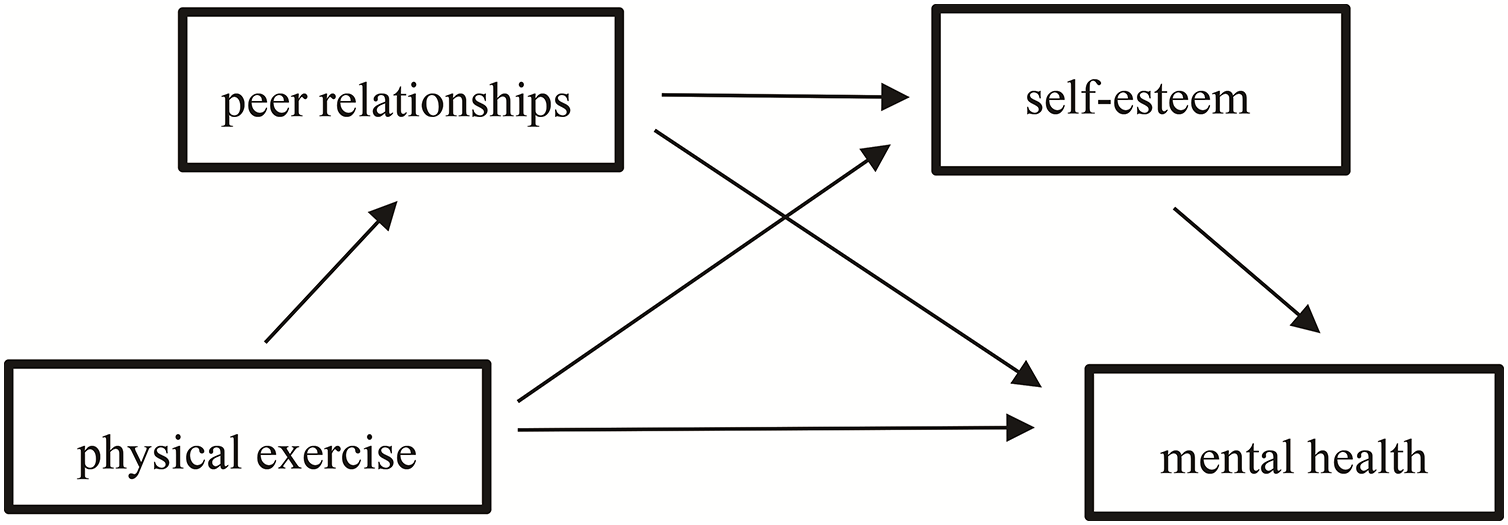
Figure 1: Research on the mediation model
A convenience sample of 1513 students participated. The participants’ ages ranged from 18 to 22 years, with a mean age of 19.57 ± 1.31 years. The sample included 677 males and 836 females. Among them, there were 592 freshmen, 509 sophomores, 220 juniors, and 192 seniors.
The Physical Exercise Scale (PES, Chen et al., 2006) and revised by Wu (2016), measures two dimensions of physical exercise commitment and physical exercise persistence. There are 4 physical exercise commitment questions and 4 physical exercise persistence questions. A sample item is “In physical exercise, I almost never interrupt and can stick to it for a long time”). Items are scored on a 5-point scale, from 1 = “strongly disagree” to 5 = “strongly”. The total score indicates the physical exercise level of the subjects, and the higher the total score, the higher the physical exercise level of the subjects. In this study, the Cronbach’s α coefficient for PES scores was 0.96.
The Peer Relationship Scale (PRS, Wei, 1998) was used to measure peer relationships. The scale has three dimensions: interaction (e.g., “I easily make friends with my classmates.”), interpersonal harmony (e.g., “My classmates enjoy being with me.”), and social emotion (e.g., “I feel very happy when I am with my classmates.”). The items are on a 5-point Likert scale (1 = completely inconsistent, 5 = completely consistent). The total score indicates the peer relationship satisfaction of the subjects, and the higher the score, the better the peer relationship satisfaction. In this study, the Cronbach’s α coefficient for PRS scores was 0.85.
The Self-esteem Scale (SES, Rosenberg, 1965), revised by Wang et al. (1999), comprises 10 questions (e.g., “I can get things done as well as most people.”), using a 4-point Likert scale (1 = completely inconsistent, 4 = completely consistent). The higher the score indicates the higher the level of self-esteem of the individual. In this study, the Cronbach’s α coefficient for SES scores was 0.91.
The 12 item Chinese Mental Health Scale (Xiao et al., 1993) consists of two dimensions, the positive item dimension (e.g., “I pay attention when I do something.”) and negative entry dimensions (e.g., “I feel like a worthless person.”) 4 grades are used, all questions are scored in reverse, the higher the score, the higher the level of mental health. In this study, the Cronbach’s α coefficient of this scale was 0.89.
This study was approved by the Research Ethics Committee of Zhaoqing University (No. 2024030). All participants consented to the study. They were informed of the purpose of the study and their rights to voluntary participation.
Statistical software SPSS 26.0 was used to analyze the obtained data. The SSPS26.0 program was used for descriptive statistics, including the calculation of mean and standard deviation.
The Harman single-factor was used to test whether there was common methodological bias in this study. The results show that there are 8 factors with eigenroots greater than 1, and the variance explained by the first factor is 27.06%, which is less than the critical value of 40%. Therefore, it is considered that there is no serious common methodology bias problem in this study.
The Pearson correlation coefficient was used to test the correlation between variables. The macro PROCESS in SPSS 26.0 was used to test the relationship model and mediating effect of physical exercise, mental health, peer relationships, and self-esteem. In this study, p < 0.05 was considered to be statistically significant. According to the non-parametric percentile bootstrap method proposed by Hayes (2018), the PROCESS (Version 3.3) macro model 6 was adopted to conduct the mediation effect test under 5000 sampling conditions, and the confidence interval (CI) was 95%.
Descriptive statistics and correlation analysis
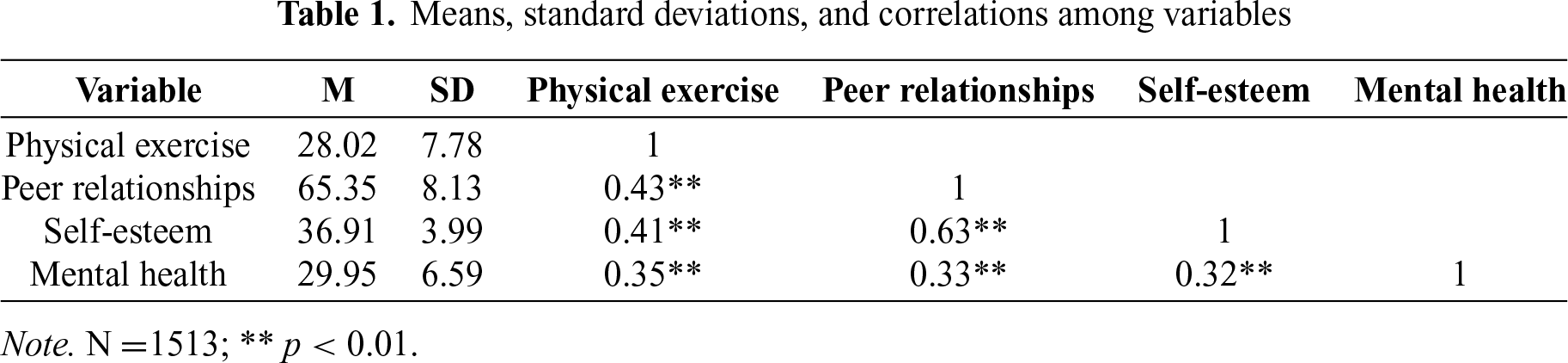
As shown in Table 1, the correlation coefficients of physical exercise, peer relationship, self-esteem, and mental health were all statistically significant. Correlation analysis showed that physical exercise had a significant positive correlation with peer relationships, self-esteem, and mental health. There was a significant positive correlation between peer relationships and self-esteem and mental health. There was a significant positive correlation between self-esteem and mental health. These findings provide preliminary support for the hypothesis.
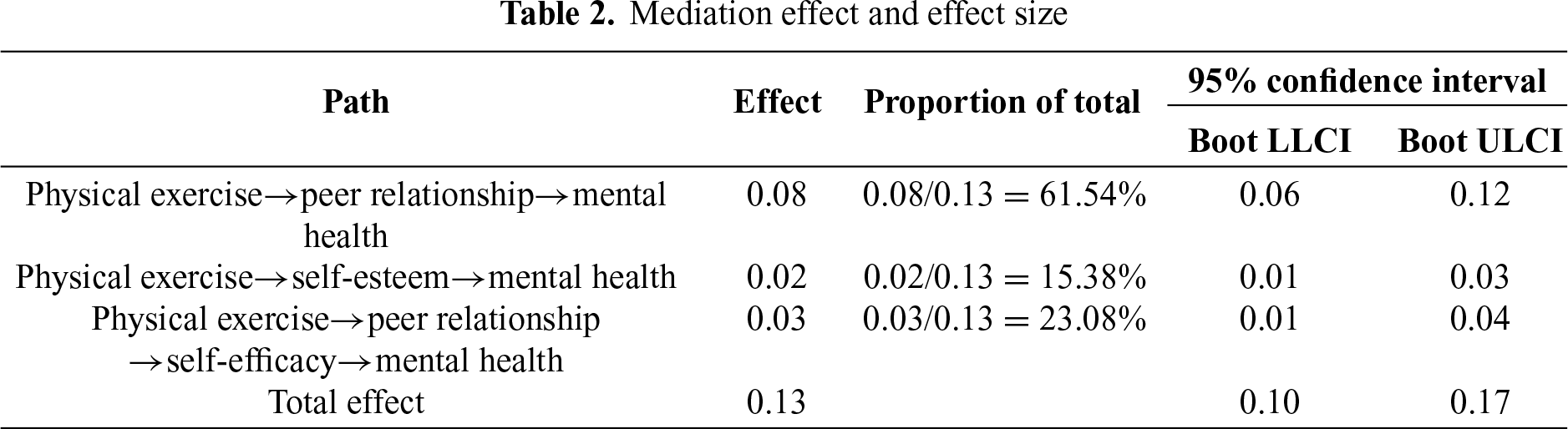
First, we examine the direct path between physical exercise and mental health. The results showed that the direct path between physical exercise and mental health reached the significance level β = 0.25, p < 0.01, CI [0.19, 0.31], thus confirming Hypothesis 1. Second, we examined the mediating role of peer relationships and self-esteem in the relationship between physical exercise and mental health (see Figure 2). The results showed that physical exercise was positively correlated with peer relationship, β = 0.46, p < 0.01, CI [0.40, 0.53], Peer relationship was positively correlated with mental health, β = 0.19, p < 0.01, CI [0.12, 0.26], confirming Hypothesis 2. Physical exercise was positively correlated with self-esteem, β = 0.19, p < 0.01, CI [0.15, 0.24], Self-esteem was positively correlated with mental health, β = 0.10, p < 0.01, CI [0.04, 0.15], confirming Hypothesis 3. Peer relationship was positively correlated with self-esteem, β = 0.56, p < 0.01, CI [0.51, 0.60], confirming Hypothesis 4. The mediation effect test shows (see Table 2) that the chain mediation effect of peer relationship and self-esteem is significant, while the simple mediation effect of peer relationship and self-esteem is significant.
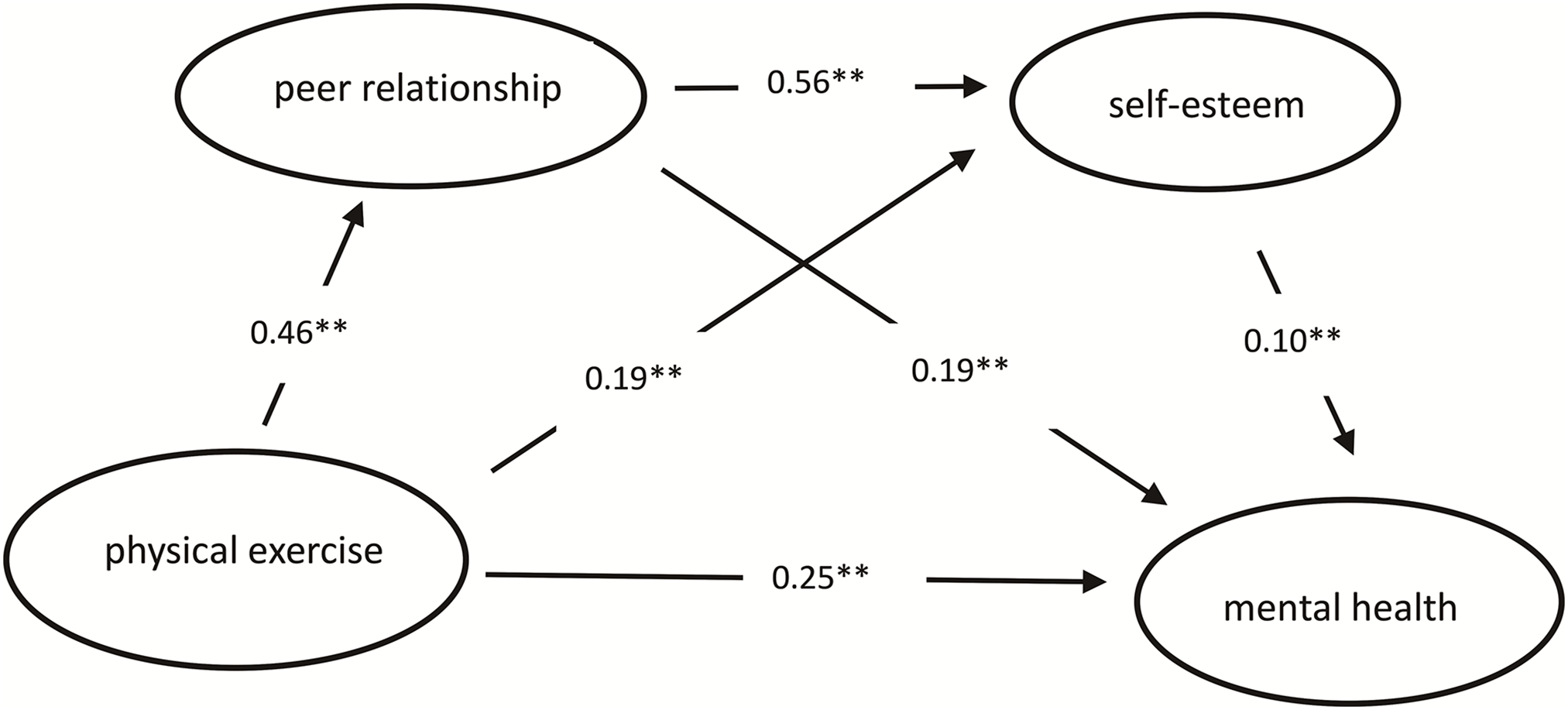
Figure 2: Chain mediation model of peer relationship and self-esteem between physical exercise and mental health. ** p < 0.01
This study found physical exercise to predict mental health, which is consistent with previous relevant research evidence (Herbert, 2022). The duration and intensity of physical exercise are significantly related to mental health (Grasdalsmoen et al., 2020). Moderate-intensity exercise can bring about the most significant psychological benefits, while short-term exercise can only improve superficial psychological factors and cannot change the overall mental health status (Imboden et al., 2022; Donnelly et al., 2024). Another study shows that physical exercise can effectively enhance students’ positive emotions and life satisfaction by improving mindfulness and psychological resilience, while reducing psychological distress, thereby promoting mental health (Guo, 2025). Furthermore, research shows that enhancing intrinsic motivation and self-regulation ability can boost self-motivation and mental health (Ryan & Deci, 2000). Collectively, these findings suggest that the psychological benefits of physical exercise gradually become internalized as enduring psychological attributes, ultimately enhancing overall mental health.
The results of this study suggest that peer relationship plays a mediating role between physical exercise and mental health. This is consistent with previous research evidence that physical exercise is positively correlated with peer relationships (Pierannunzio et al., 2022), and peer relationships are positively correlated with mental health (Feng & Zhang, 2022). High-quality peer interactions not only mitigate the risks of depression and anxiety but also enhance school adaptation by fostering improvements in students’ cognitive, emotional, and attitudinal responses to their academic environment. Consequently, this contributes to an overall boost in mental health (Liu et al., 2024). In summary, peer relationships serve as a significant mediator between physical exercise and mental health, offering critical insights into their underlying mechanisms. These findings underscore the importance of fostering positive peer relationships among university students to promote their mental health development.
The results of this study suggest that self-esteem plays a mediating role between physical exercise and mental health. This is consistent with previous research evidence that physical exercise is positively correlated with self-esteem (Tikac et al., 2022; Ekeland et al., 2004), self-esteem is positively correlated with mental health (Feng et al., 2024). Regular exercise is not only an effective means to relieve stress and resist negative emotions, but also an important way to cultivate self-esteem and an optimistic attitude (Wei et al., 2024). Higher levels of self-esteem enable individuals to better regulate their behaviors and emotions, reducing somatization tendencies and neurotic or psychotic reactions when facing adversity (van der Cruijsen & Boyer, 2021). In contrast, lower self-esteem may impair adaptive functions, making individuals prone to unhealthy psychological behaviors when facing setbacks, such as interpersonal sensitivity, obsessive-compulsive disorder, depression and anxiety, thereby having a negative impact on mental health (MacInnes, 2006).
This study also found that peer relationships and self-esteem play a mediating role between physical exercise and mental health. Specifically, physical exercise can indirectly affect mental health through the chain mediation mechanism of peer relationships and self-esteem. Research shows that peer relationships contribute to the level of self-esteem of college students (Xing & Ge, 2025), which provides practical support for peer effect theory and self-determination theory. Positive peer relationships provide individuals with emotional support, a sense of identity, and belonging, while also enhancing self-esteem through affirming feedback and validation (van der Meulen et al., 2021). Conversely, negative peer interactions-such as frequent conflict, rejection, or social isolation-may significantly undermine self-esteem (Mullan et al., 2023). College students are a group with significant social needs. In the whole social process, peer relationship is an important source to improve their self-esteem.
This study found a positive correlation between physical exercise and mental health, suggesting that a vibrant sports culture would encourage student participation in physical activities. This includes improving the physical education curriculum, implementing targeted teaching methods, organizing diverse events such as competitions and games, and providing adequate facilities to promote active engagement.
Secondly, peer relationships are crucial in college life. Students should learn to identify true friends while avoiding toxic friendships and developing a healthy understanding of friendship. Moreover, self-esteem plays a vital role in the healthy development of college students, suggesting that schools adopt programs to boost college students’ self-esteem as an essential health and well-being personal resource.
There are some limitations to this study. First of all, the cross-sectional study design does not allow for causal relationship inferences. Future studies should employ a longitudinal research method for more definitive results. Secondly, the study employed a convenience sample, which limits generalizability. Future studies should employ a probability sample for greater confidence in the findings.
This study found that physical exercise among college students is significantly positively correlated with peer relationships, self-esteem and mental health. Additionally, peer relationships and self-esteem mediate the relationship between physical exercise and mental health. Schools may consider improving the relationship among peers through physical exercise and enabling students to learn to respect each other in their interactions, so as to achieve physical and mental health.
Acknowledgement: We are very grateful to the students for participating in the questionnaire survey, and we also thank the team for their efforts.
Funding Statement:: The authors declare that financial support was received for the research, authorship, and/or publication of this article. (1) Jiangmen City Social Science Planning Project results in 2024, approved number: (JM2024 C133). (2) Zhaoqing City Education Development Research Institute Project results in 2025, approved number: (ZQJYY2024115). (3) Zhaoqing University University-Level Scientific Research Project results in 2025, approved number: (fw202508).
Author Contributions: Study conception and design: Juan Song, Kelei Guo; data collection, analysis and interpretation of results draft manuscript preparation: Zeihui Zhou. All authors reviewed the results and approved the final version of the manuscript.
Availability of Data and Materials: The data that support the findings of this study are available from the Corresponding Author, Juan Song, upon reasonable request. Access to the data will be provided in accordance with ethical guidelines and data-sharing policies, ensuring participant confidentiality is maintained.
Ethics Approval: This study has received approval from the Research Ethics Committee of Zhaoqing University (No. 2024030). A questionnaire-based method was employed for data collection. Prior to the survey, we provided a comprehensive explanation to participants regarding the anonymity of their responses, emphasized that participation is entirely voluntary, ensured strict confidentiality of the content, and clarified that the results would be utilized solely for scientific research purposes. Participants were formally informed about the objectives of the study and subsequently signed an informed consent form.
Conflicts of Interest: The authors declare that there are no conflicts of interest regarding the publication of this manuscript. All statements articulated in this article are exclusively those of the authors and do not necessarily reflect the views of their affiliated organizations, nor those of the publisher, editors, or reviewers. The publisher does not guarantee or endorse any product evaluated within this article or any claims made by its manufacturer.
References
Chen, S. P., Li, S. Z., & Yan, Z. L. (2006). Research on mechanism of exercise persistence based on sport commitment theory. China Sport Science, 26(12), 48–55. (In Chinese). https://doi.org/10.16469/j.css.2006.12.010 [Google Scholar] [CrossRef]
Donnelly, S., Penny, K., & Kynn, M. (2024). The effectiveness of physical activity interventions in improving higher education students’ mental health: A systematic review. Health Promotion International, 39(2), daae027. https://doi.org/10.1093/heapro/daae027. [Google Scholar] [PubMed] [CrossRef]
Ekeland, E., Heian, F., Hagen, K. B., Abbott, J., & Nordheim, L. (2004). Exercise to improve self-esteem in children and young people. The Cochrane Database of Systematic Reviews, (1), CD003683. https://doi.org/10.1002/14651858.CD003683.pub2. [Google Scholar] [PubMed] [CrossRef]
Feng, L., & Zhang, L. (2022). Perceived teacher support, peer relationship, and university students’ mental health: The mediation of reality and Internet altruistic behaviors. Frontiers in Psychology, 13, 999524. https://doi.org/10.3389/fpsyg.2022.999524. [Google Scholar] [PubMed] [CrossRef]
Feng, W., Zhao, L., Ge, Z., Zhao, X., Li, T., et al. (2024). Association between physical activity and adolescent mental health in the post COVID-19: The chain mediating effect of self-esteem and social anxiety. PLoS One, 19(5), e0301617. https://doi.org/10.1371/journal.pone.0301617. [Google Scholar] [PubMed] [CrossRef]
Galderisi, S., Heinz, A., Kastrup, M., Beezhold, J., & Sartorius, N. (2017). A proposed new definition of mental health. Propozycja nowej definicji zdrowia psychicznego. Psychiatria Polska, 51(3), 407–411. https://doi.org/10.12740/PP/74145. [Google Scholar] [PubMed] [CrossRef]
Grasdalsmoen, M., Eriksen, H. R., Lønning, K. J., & Sivertsen, B. (2020). Physical exercise, mental health problems, and suicide attempts in university students. BMC Psychiatry, 20(1), 175. https://doi.org/10.1186/s12888-020-02583-3. [Google Scholar] [PubMed] [CrossRef]
Gruenenfelder-Steiger, A. E., Harris, M. A., & Fend, H. A. (2016). Subjective and objective peer approval evaluations and self-esteem development: A test of reciprocal, prospective, and long-term effects. Developmental Psychology, 52(10), 1563–1577. https://doi.org/10.1037/dev0000147. [Google Scholar] [PubMed] [CrossRef]
Guo, J. (2025). The dual impact of physical exercise on university students’ mental health: The chain mediating effects of mindfulness and psychological resilience. Frontiers in Psychology, 16, 1545370. https://doi.org/10.3389/fpsyg.2025.1545370. [Google Scholar] [PubMed] [CrossRef]
Hayes, A. F. (2018). Introduction to mediation, moderation, and conditional process analysis: A regression-based approach. (2nd ed.). New York, NY, USA: Guilford Press. [Google Scholar]
Herbert, C. (2022). Enhancing mental health, well-being and active lifestyles of university students by means of physical activity and exercise research programs. Frontiers in Public Health, 10, 849093. https://doi.org/10.3389/fpubh.2022.849093. [Google Scholar] [PubMed] [CrossRef]
Imboden, C., Claussen, M. C., Seifritz, E., & Gerber, M. (2022). Die Bedeutung von körperlicher Aktivität für die psychische Gesundheit. Praxis, 110(4), 186–191. https://doi.org/10.1024/1661-8157/a003831. [Google Scholar] [CrossRef]
Kirby, J. B., Babkes Stellino, M., Lewis, C., Humphrey, K., Gordon, K. et al (2022). You’ve got a friend in me: Fostering social connection among college students through peer-led physical activity. Health Promotion Practice, 23(6), 907–911. https://doi.org/10.1177/15248399211072535. [Google Scholar] [PubMed] [CrossRef]
Liu, Y., Feng, Q., & Tong, Y. (2024). Physical exercise and college students’ mental health: Chain mediating effects of social-emotional competency and peer relationships. Social Behavior and Personality, 52(7), 1–11. https://doi.org/10.2224/SBP.13159 [Google Scholar] [CrossRef]
MacInnes, D. L. (2006). Self-esteem and self-acceptance: An examination into their relationship and their effect on psychological health. Journal of Psychiatric and Mental Health Nursing, 13(5), 483–489. https://doi.org/10.1111/j.1365-2850.2006.00959.x. [Google Scholar] [PubMed] [CrossRef]
Mruk, C. J. (2013). Defining self-esteem as a relationship between competence and worthiness: How a two-factor approach integrates the cognitive and affective dimensions of self-esteem. Polish Psychological Bulletin, 44(2), 157–164. https://doi.org/10.2478/ppb-2013-0018 [Google Scholar] [CrossRef]
Mullan, V. M. R., Golm, D., Juhl, J., Sajid, S., & Brandt, V. (2023). The relationship between peer victimisation, self-esteem, and internalizing symptoms in adolescents: A systematic review and meta-analysis. PLoS One, 18(3), e0282224. https://doi.org/10.1371/journal.pone.0282224. [Google Scholar] [PubMed] [CrossRef]
Orth, U., & Robins, R. W. (2022). Is high self-esteem beneficial? Revisiting a classic question. The American Psychologist, 77(1), 5–17. https://doi.org/10.1037/amp0000922. [Google Scholar] [PubMed] [CrossRef]
Pierannunzio, D., Spinelli, A., Berchialla, P., Borraccino, A., Charrier, L., et al. (2022). Physical activity among italian adolescents: Association with life satisfaction, self-rated health and peer relationships. International Journal of Environmental Research and Public Health, 19(8), 4799. https://doi.org/10.3390/ijerph19084799. [Google Scholar] [PubMed] [CrossRef]
Rosenberg, M. (1965). Society and the adolescent self-image. Princeton, NJ, USA: Princeton University Press. [Google Scholar]
Ryan, R. M., & Deci, E. L. (2000). Self-determination theory and the facilitation of intrinsic motivation, social development, and well-being. The American Psychologist, 55(1), 68–78. https://doi.org/10.1037//0003-066x.55.1.68. [Google Scholar] [PubMed] [CrossRef]
Schuch, F. B., & Vancampfort, D. (2021). Physical activity, exercise, and mental disorders: It is time to move on. Trends in Psychiatry and Psychotherapy, 43(3), 177–184. https://doi.org/10.47626/2237-6089-2021-0237. [Google Scholar] [PubMed] [CrossRef]
Tikac, G., Unal, A., & Altug, F. (2022). Regular exercise improves the levels of self-efficacy, self-esteem and body awareness of young adults. The Journal of Sports Medicine and Physical Fitness, 62(1), 157–161. https://doi.org/10.23736/S0022-4707.21.12143-7. [Google Scholar] [PubMed] [CrossRef]
van der Cruijsen, R., & Boyer, B. E. (2021). Explicit and implicit self-esteem in youth with autism spectrum disorders. Autism: the International Journal of Research and Practice, 25(2), 349–360. https://doi.org/10.1177/1362361320961006. [Google Scholar] [PubMed] [CrossRef]
van der Meulen, K., Granizo, L., & Del Barrio, C. (2021). Emotional peer support interventions for students with SEND: A systematic review. Frontiers in Psychology, 12, 797913. https://doi.org/10.3389/fpsyg.2021.797913. [Google Scholar] [PubMed] [CrossRef]
Wang, X. D., Wang, X. L., & Ma, H. (1999). Handbook of mental health assessment scales (Rev. ed.). Beijing, China: Chinese Mental Health Journal Press. (In Chinese). Retrieved from: https://www.qianqiantushu.com/ebook/981778.html. [Google Scholar]
Wang, Z., Wang, F., Ma, B., Xue, H., Liu, B., et al. (2025). The effect of physical activity and life events on mental health of college students: The mediating role of psychological vulnerability. BMC Psychology, 13(1), 233. https://doi.org/10.1186/s40359-025-02539-w. [Google Scholar] [PubMed] [CrossRef]
Wei, Y. H. (1998). A study on the influence of school factors on the development of self-esteem in children. Psychological Development and Education, 14(2), 12–16. https://doi.org/10.16128/j.cnki.1005-3611.2008.01.025 [Google Scholar] [CrossRef]
Wei, X., Lai, Z., Tan, Z., Ou, Z., Feng, X., et al. (2024). The effect of physical activity on depression in university students: The mediating role of self-esteem and positive psychological capital. Frontiers in Psychology, 15, 1485641. https://doi.org/10.3389/fpsyg.2024.1485641. [Google Scholar] [PubMed] [CrossRef]
Wu, Z. Y. (2016). Development of decision-making model of exercise adherence: The added value of self-regulatory progress and affective experience [Master’s thesis]. Beijing, China: Beijing Sport University. (In Chinese). [Google Scholar]
Xiao, S. F., Bu, J. Y., Yan, H. Q., & Bi, H. (1993). Reliability and validity study of the General Health Questionnaire. Shanghai Archives of Psychiatry, 5(3), 185–187. (In Chinese). [Google Scholar]
Xing, Z., & Ge, C. (2025). The relationship between physical exercise and social adjustment in Chinese university students: The sequential mediating effect of peer attachment and self-esteem. Frontiers in Psychology, 16, 1525811. https://doi.org/10.3389/fpsyg.2025.1525811. [Google Scholar] [PubMed] [CrossRef]
Cite This Article
 Copyright © 2025 The Author(s). Published by Tech Science Press.
This work is licensed under a Creative Commons Attribution 4.0 International License , which permits unrestricted use, distribution, and reproduction in any medium, provided the original work is properly cited.
 Downloads
 Citation Tools
