
 Login
Login Register
 Submit a Paper
 Propose a Special lssue
 Open Access
ARTICLE
Job-finding anxiety and burnout among university students in Türkiye: The mediating role of school alienation and the moderating role of gender
1 Department of Sports Management, Çanakkale Onsekiz Mart University, Çanakkale, 17000, Türkiye
2 Department of Physical Education and Sports Education, Çanakkale Onsekiz Mart University, Çanakkale, 17000, Türkiye
3 Department of Physical Education and Sports Education, Erzurum Technical University, Erzurum, 25000, Türkiye
4 Department of Physical Education and Sports Education, Inonu University, Malatya, 44000, Türkiye
5 Institute of Health Sciences, Inonu University, Malatya, 44000, Türkiye
6 Department of Sports Management, Tokat Gaziosmanpaşa University, Tokat, 60000, Türkiye
* Corresponding Author: Barış Mergan. Email:
Journal of Psychology in Africa 2025, 35(6), 739-748. https://doi.org/10.32604/jpa.2025.067085
Received 24 April 2025; Accepted 17 November 2025; Issue published 30 December 2025
 View Full Text
 Download PDF
Abstract
Although prior studies have examined job-finding anxiety, burnout, and school alienation individually, limited research has attempted to integrate these three constructs within a unified framework. This conceptual and contextual gap underscores the need to investigate these interrelations simultaneously, particularly among university students navigating heightened career uncertainties. The present study examined the mediating role of school alienation and the moderating role of gender in the relationship between university students’ levels of job-finding anxiety and burnout. A total of 426 university students participated in the study, of whom 54.9% were male (n = 234) and 45.1% were female (n = 192) (Meanage = 23.00, SD = 2.34). The data were collected using the “Sports Sciences Students' Job-Finding Anxiety Scale”, the “University Alienation Scale,” and “The Burnout Syndrome Inventory Short Version.” To test for mediation effects, a simple mediation analysis was conducted, in which job-finding anxiety was treated as the independent variable, alienation as the mediator, and burnout as the dependent variable. Additionally, a conditional mediation analysis was carried out using the Generalized Linear Model module in Jamovi, with gender included as a moderator. Results from a conditional mediation analysis revealed significant positive relationships between job-finding anxiety, burnout, and school alienation among students in the faculty of sports sciences. Furthermore, school alienation was found to mediate the relationship between job-finding anxiety and burnout by transmitting a positive effect (higher job-finding anxiety → higher school alienation → higher burnout), and gender played a moderating role in this interaction such that the indirect path (job-finding anxiety → alienation → burnout) was slightly stronger for women, whereas the direct path (job-finding anxiety → burnout) was stronger for men. The results of the study were consistent with Conservation of Resources Theory (COR) because job-finding anxiety signals a threat to future resources, school alienation indicates reduced social and personal resources in the university context, and burnout reflects the consequences of continued resource loss. According to the findings, an increase in job-finding anxiety corresponds with a rise in burnout levels among students. The findings highlight the importance of fostering a sense of belonging and implementing gender-sensitive support programs in student counselling and development to reduce job-finding anxiety and burnout.Keywords
In every person’s life, the stage of finishing school and starting to look for a job describes a very difficult and extremely stressful process (Muchacka & Dec, 2023). People pursue higher education to improve their job prospects. Regardless, nothing is assured, and job finding anxiety is a reality for many university students (Yu, 2024; Lim et al., 2018; Thern et al., 2017). In addition, students, especially in some fields of specialisation, become more anxious about their future due to negative experiences from graduates, such as “working in a field different from theirs” or “being unemployed” (Hammad, 2016). Excessive job-finding anxiety would come at a cost, and it can affect both health and academic performance (Lin & Huang, 2014). For some, a sense of burnout would be a job-finding anxiety. Job-finding anxiety and the perception of an uncertain future may be disruptive of the quality of school life, although this may vary by the gender of the student in ways yet to be determined. This gap in the evidence underscores the need to investigate these interrelations simultaneously, particularly among university students navigating heightened career uncertainties.
Job-finding anxiety and burnout
Job-finding anxiety is a form of anxiety experienced by individuals during their pursuit of employment, which can negatively influence their job-related performance, satisfaction, and overall psychological well-being (Boğazlıyan & Avşaroğlu, 2024). Job-finding anxiety is considered as a continuous state of worry and insecurity caused by negative evaluations of the employability competencies of university students after graduation and the uncertainties in the labour market (Akdemir & Çiçek, 2022; Çevik & Öneren, 2019; Yenilmez & Akman, 2023). This anxiety emerges in the form of future-oriented uncertainty, hopelessness, and psychological strain when the individual perceives the possibility of not being placed in a job with the desired qualifications as a threat (Üstün et al., 2014; Yalçın, 2022). Similarly, job-finding anxiety is defined as a source of stress that leads to the deterioration of the psychological well-being of young people, causes them to encounter stress during the transition from school life to working life, and results in socio-cultural problems due to uncontrollable pressures experienced in the process of obtaining an appropriate job after graduation (Davras, 2020). Among college students, job-finding anxiety is primarily driven by labour market competition and the lengthening of the job preparation process (Kim et al., 2022). In addition, job-finding anxiety occurs with the suspicion of not being able to find a job after graduation, so this anxiety seen in students can be expressed as a “state anxiety type” (Gül-Şanli et al., 2023).
Burnout refers to exhaustion of energy, demotivation and a sense of failure in the face of constant stress and demands and is explained by three basic dimensions: emotional exhaustion, depersonalisation and low perception of personal accomplishment (Maslach & Jackson, 1981). Academic burnout refers to exhaustion due to excessive demands of studying (Schaufeli et al., 2002) or a chronic state of stress resulting from exposure to long-term academic demands and exceeding the coping capacity (Win, 2024), risking school alienation.
School alienation and mediation
School alienation refers to limited attachment, low identification, and detachment from academic goals and a negative orientation towards learning (Hascher & Hadjar, 2018). Job-finding anxiety would have a significant effect on school alienation, including a sense of “powerlessness, rulelessness, isolation and meaninglessness” (Kaya, 2022, p. 46). Conceivably, there would be a significant positive relationship between university students’ job-finding anxiety levels and their school alienation levels. A majority of university students experience school alienation and school burnout at a moderate level (Önder et al., 2020). However, job-finding anxiety aggravates the relationship between school burnout and powerlessness, irregularity, isolation, meaninglessness and school alienation (Külekçi-Akyavuz, 2020), of which there could be a gender difference.
Female students had higher job search stress scores than male students (Aytaç & Dursun, 2009). This might be due to the expectation that female students may face a more discriminatory attitude than male students when entering the labour market (Dursun & Aytaç, 2012). Gender differences in negative situations, such as job-finding anxiety, low employment expectations, unemployment stress or unemployment anxiety, can also be observed in students’ school alienation. While school alienation is more common among male students than female students (Hascher & Hagenauer, 2010), gender differences may lead to significant differences not only in job-finding anxiety and school alienation but also in students’ burnout levels.
Conservation of Resources (COR) Theory (Hobfoll, 1989) posits that individuals are motivated to obtain, retain, and protect valuable resources such as objects, personal characteristics, social support, and energy, and that stress arises when these resources are threatened, actually lost, or when efforts to gain resources yield inadequate returns (Jiang et al., 2023). Regrettably, losses exert a more powerful psychological impact than gains of equivalent (Kwak et al., 2025). Furthermore, the concept of loss spirals (where an initial resource loss leads to subsequent losses) as well as resource caravans (clusters of interrelated resources that tend to travel together) are central to the explanatory power of COR theory. For instance, interconnected resource depletion intensifies stress responses (Alarcon et al., 2011; Salanova et al., 2010).By applying COR theory to the academic-to-employment transition, a context less explored in prior research, this study not only tests the theory’s core assumptions but also extends its scope and relevance in understanding student well-being and career-related stress dynamics.
Türkiye has a youthful population of 12,763,159 people, constituting 14.9% of the total population. This proportion is higher than the youth population ratios of the 27 European Union member states (Türkiye Statistical Institute, 2024). The unemployment rate among those aged 15–24 is 15.4% (Türkiye Statistical Institute, 2025a). About 17.7% of young people who are students either dropped out of their education or changed their major department. The main reasons cited for this are, respectively, economic factors, the mismatch between the educational program and expectations, and family-related issues (Türkiye Statistical Institute, 2025b). These figures regarding the youth population in Türkiye and their employment conditions may generate effects such as job-finding anxiety and hopelessness about the future among higher education graduates. These labour market challenges and educational disruptions are not only relevant at the general youth level but are particularly significant for sports sciences students, who often face additional uncertainties regarding employment opportunities in a highly specialised and competitive field.
These structural challenges in the labour market heighten job-finding anxiety among students and may contribute to feelings of school alienation and academic burnout. Thus, sports sciences students represent a critical population for studying the mechanisms underlying the relationships between job-finding anxiety, alienation, and burnout.
The present study examines the relationships among job-finding anxiety, school alienation, and burnout, focusing on the mediating role of school alienation in linking job-finding anxiety to burnout, as well as the moderating role of gender. Figure 1 presents the study’s conceptual model and hypotheses.
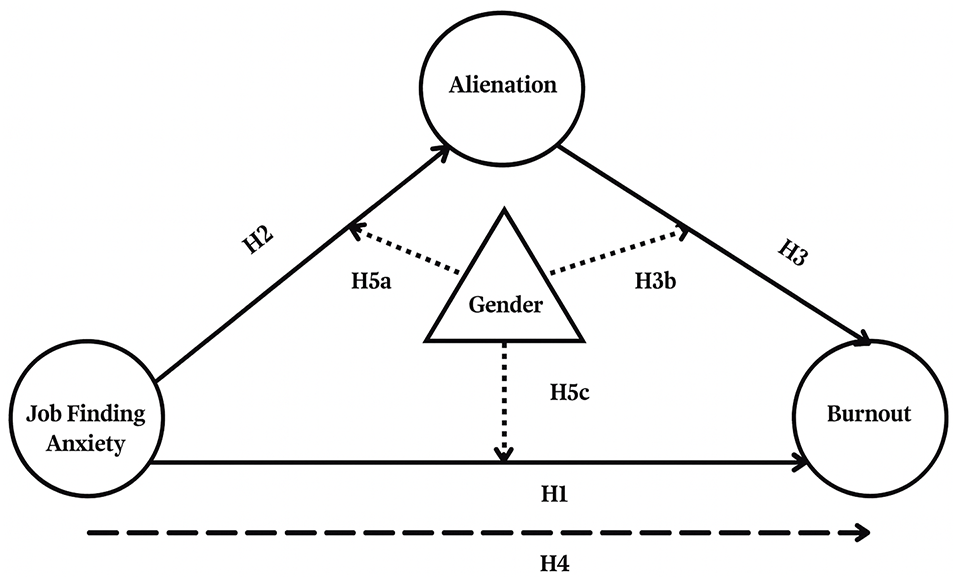
Figure 1: Conceptual model and hypotheses
We proposed and tested the following hypotheses among university students.
H1: Higher job-finding anxiety level is associated with higher burnout levels.
H2: Higher job-finding anxiety is associated with higher school alienation levels.
H3: Higher school alienation level is associated with higher burnout levels.
H4: The level of school alienation plays a mediating role in the relationship between university students’ job-finding anxiety levels and their burnout levels for higher job burnout levels.
H5a: Gender has a moderating role in the relationship between university students’ job-finding anxiety levels and school alienation levels to be higher in males.
H5b: Gender has a moderating role in the relationship between university students’ school alienation levels and burnout levels to be higher in males.
H5c: Gender has a moderating role in the relationship between university students’ job-finding anxiety levels and burnout levels to be higher in in males.
A convenience sample of 426 students enrolled in Turkish faculties of sports sciences participated in the study. Among them, 54.9% were male (n = 234) and 45.1% were female (n = 192). In addition, 29.8% (n = 127) of the participants were employed while being a student, while whereas 70.2% (n = 299) were not employed.
The Sports Sciences Students’ Job-Finding Anxiety Scale: The 8-item Sports Sciences Students’ Job-Finding Anxiety Scale was developed by Aslan and Uğraş (2021b) to determine the job-finding anxiety of students studying in sports sciences. Items are on a five-point Likert-type scale (1 = Never True; 5 = Always True). In the present study, the Cronbach’s alpha for the Sports Sciences Students’ Job-Finding Anxiety Scale scores was α = 0.931. The measurement tool includes questions such as “Living with anxiety about finding a job negatively affects my daily life”. The results of the Confirmatory Factor Analysis conducted on the research sample (χ2 = 54.4/df = 17, CFI = 0.984, TLI = 0.974, NFI = 0.978, IFI = 0.984, RMSEA = 0.072, SRMR = 0.022) show that the scale has acceptable fit values (Munro, 2005). In order to improve the fit of the model, residual covariances were released between item 3 and item 4, item 1 and item 2, and item 2 and item 3. This adjustment contributed to a better fit of the model by taking into account the relationships between the error terms of the related items.
The University Alienation Scale: The 9-item scale developed by Kurtulmuş et al. (2015) was used to determine the level of alienation of students from the university. The items are on a fivepoint Likert-type scale (1=Strongly Disagree and 5=Strongly Agree). The Cronbach’s alpha internal consistency coefficient for University Alienation Scale scores was 0.925 in the current study. The results of the Confirmatory Factor Analysis conducted on the research sample (χ2 = 94.7/df = 26, CFI = 0.972, TLI = 0.961, NFI = 0.962, IFI = 0.972, RMSEA = 0.079, SRMR = 0.029) show that the scale has acceptable fit values (Munro, 2005). In order to improve the fit of the model, residual covariances were released between item 2 and item 3. This adjustment contributed to a better fit of the model by taking into account the relationships between the error terms of the related items. The measurement tool includes questions such as “I don’t think I’m a part of this university’’.
The Burnout Syndrome Inventory Short Version: The 10-item The Burnout Syndrome Inventory Short Version, developed by Malach-Pines (2005) and adapted to Turkish culture by Tümkaya et al. (2009), was used to determine the burnout levels of individuals. The scale items are on a seven-point Likert-type scale (1 = Never to 7 = Always). High scores obtained from the scale indicate that individuals’ burnout levels increase. The Cronbach’s alpha value for Burnout Syndrome Inventory Short Version scores was 0.941 in the current study. The measurement tool includes questions such as “I feel hopeless” and “I feel disappointed by people”. The results of the Confirmatory Factor Analysis conducted on the research sample (χ2 = 142/df = 32, CFI = 0.967, TLI = 0.954, NFI = 0.958, IFI = 0.967, RMSEA = 0.090, SRMR = 0.027) show that the scale has acceptable fit values (Munro, 2005; MacCallum et al., 1996; Yuan et al., 2015). In order to improve the fit of the model, residual covariances were released between item 1 and item 2, item 9 and item 10, and item 5 and item 9. This adjustment contributed to a better fit of the model by taking into account the relationships between the error terms of the relevant items.
Ethical approval for the study was obtained from the Scientific Research and Publication Ethics Committee of the Çanakkale University Rectorate Graduate Education Institute Ethics Committee (Number: E-84026528-050.99-2400174549). Participants consented to the study; their participation was voluntary, and they understood their right to withdraw at any time.
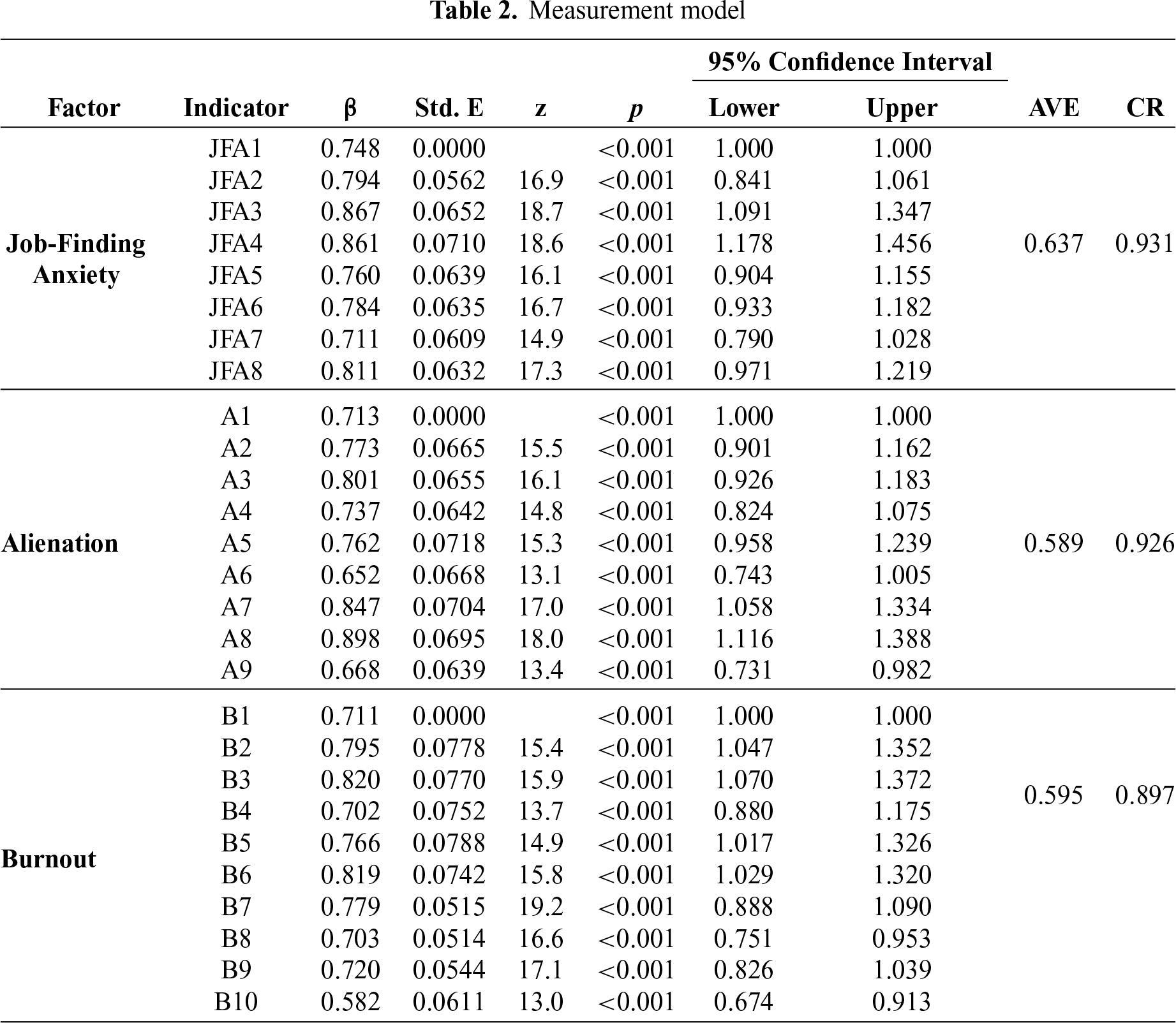
The analysis of the data in this study was carried out in the Jamovi 2.6.24 statistical program. In the measurement model, it was determined that the item factor loadings of the job-finding anxiety varied between β = 0.711 and β = 0.867, the item factor loadings of the alienation varied between β = 0.652 and β = 0.898, and the item factor loadings of the burnout varied between β = 0.702 and β = 0.820. The fit index values of the model were χ2 = 610/df = 227, p = 0.001, CFI = 0.941, TLI = 0.934, GFI = 0.968, SRMR = 0.044, RMSEA = 0.060 and these values were found to be within acceptable limits (Kline, 2016). The average variance extracted (AVE) value of job-finding anxiety was 0.637, the composite reliability (CR) value was 0.931, the AVE value of the alienation was 0.589, and the CR value was 0.926, and finally, the AVE value of the burnout was 0.595, and the CR value was 0.897. According to Fornell and Larcker (1981), AVE ≥ 0.50 and CR ≥ 0.70 indicate that the results and measurement model in this study are reliable. When the internal reliability coefficients were analysed, job-finding anxiety α = 0.931, alienation α = 0.925 and burnout α = 0.896 values were obtained.
Firstly, a simple mediation analysis was performed to determine the mediation effect. Job-finding anxiety as the independent variable, alienation as the mediating variable and burnout as the dependent variable were included in the model. Within the scope of conditional mediation analysis, gender was included as a moderating variable in Jamovi GLM (Generalized Linear Model). The bootstrapping method (with a sample size of 5000 and a 95% confidence interval) was used in the analysis. According to the confidence interval values, it was determined whether the indirect effect was significant or not. When the lower (BootLLCI) and upper (BootULCI) confidence interval values did not contain zero (0) as a result of bootstrapping, the indirect effect was considered to be significant (Hayes, 2009).
Table 1 shows the mean (
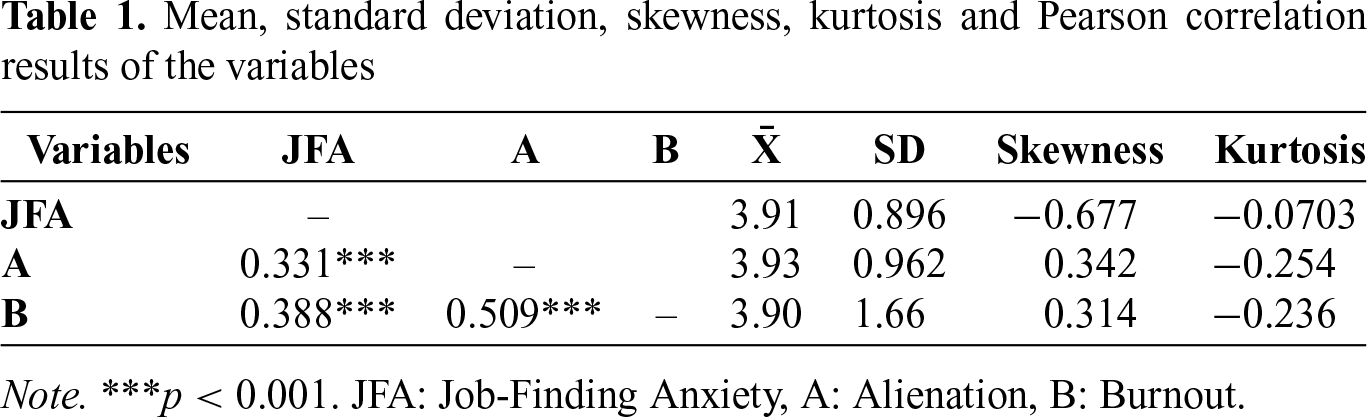
The skewness and kurtosis values of job-finding anxiety (Skewness = −0.677, Kurtosis = −0.0703), alienation (Skewness = 0.342, Kurtosis = −0.254), and burnout (Skewness = 0.314, Kurtosis = −0.236) variables are within the acceptable limits specified by Kline (2016). This shows that the variables conform to a normal distribution. According to the results of Pearson correlation analysis, there was a positive and significant relationship between job-finding anxiety and alienation (r = 0.331, p < 0.001), a positive and significant relationship between job-finding anxiety and burnout (r = 0.388, p < 0.001), and a positive and significant relationship between alienation and burnout (r = 0.509, p < 0.001).
Job anxiety and burnout main effect findings: The direct effect of job anxiety on burnout was significant (β = 0.244, SE = 0.0777, z = 5.80, p < 0.001, 95% CI [0.2986, 0.603]). These results support the confirmation of hypothesis H1. It was detected that the effect of job-finding anxiety on alienation was significant (β = 0.331, p < 0.001, 95% CI [0.2594, 0.452]). These results support the confirmation of hypothesis H2. The effect of alienation on burnout was found to be positive and significant (β = 0.430, p < 0.001, 95% CI [0.5978, 0.881]). These results are in support of Hypothesis H3. The mediating effect of alienation on the effect of job-finding anxiety on burnout was found to be significant (β = 0.142, p < 0.001, 95% CI [0.1758, 0.350]).
Table 2 shows the results of the measurement model of the study.
School alienation mediation: The effect of alienation on burnout was found to be positive and significant (β = 0.430, p < 0.001, 95% CI [0.5978, 0.881]). The direct effect of job-finding anxiety on burnout was significant (β = 0.244, SE = 0.0777, z = 5.80, p < 0.001, 95% CI [0.2986, 0.603]). This result shows that job-finding anxiety affects burnout not only through alienation but also directly. The total effect (direct + indirect) of job-finding anxiety on burnout was significant (β = 0.386, p < 0.001, 95% CI [0.5535, 0.875]). This finding indicates that job-finding anxiety increases burnout both directly and through alienation. As job-finding anxiety increases, individuals feel more alienated, and this increases burnout even more. These results support the validation of the hypotheses formulated within the scope of the study. These results support the confirmation of hypothesis H4 (Table 3).

Gender moderation: When the analyses were evaluated according to the gender variable, it was found that the indirect effect (mediation effect) of job-finding anxiety on burnout was more predictive in women (β = 0.149, p < 0.001, 95% CI [0.1606, 0.393]) and slightly less so in men (β = 0.136, p < 0.001, 95% CI [0.1403, 0.359]). The direct effect of job-finding anxiety on alienation was also found to be significant for both genders. The level of prediction was found to be positive and significant in women (β = 0.340, p < 0.001, 95% CI [0.2283, 0.503]), while this relationship was slightly lower in men (β = 0.322, p < 0.001, 95% CI [0.2105, 0.481]). Similarly, the effect of alienation on burnout was found to be strong and significant in both groups (Women: β = 0.438, p < 0.001, 95% CI [0.6155, 0.899]; Men: β = 0.421, p < 0.001, 95% CI [0.5801, 0.863]). When the direct effect of job-finding anxiety on burnout was analysed, it was concluded that the effect level was weak but significant for women (β = 0.148, p = 0.011, 95% CI [0.0639, 0.486]), while it had more significant and strong effect for men (β = 0.340, p < 0.001, 95% CI [0.4186, 0.835]). Considering the total effects, it was observed that the total effect of job-finding anxiety on burnout was stronger for men (β = 0.474, p < 0.001, 95% CI [0.6504, 1.102]), while this effect decreased for women (β = 0.299, SE = 0.1167, z = 4.73, p < 0.001, 95% CI [0.3231, 0.780]). These results suggest that the effect of job-finding anxiety on burnout is mostly mediated through alienation for women, whereas the direct effect is more pronounced for men. These results suggest that the effect of job-finding anxiety on burnout is mostly mediated through alienation for women, whereas the direct effect is more pronounced for men. These results indicate that hypotheses H5a and H5b are not supported, while hypothesis H5c is supported.
Moderated mediation: When Table 4 is examined, the analysis results show that gender does not have a moderating role in the effect of job-finding anxiety on alienation (β = −0.00906, p = 0.843, 95% CI [−0.2134, 0.174]), indicating that job-finding anxiety affects alienation levels similarly among men and women, suggesting that hypothesis H5a is not confirmed. However, the moderating role of gender in the effect of job-finding anxiety on burnout changed significantly (β = 0.09486, p = 0.024, 95% CI [0.0462, 0.660]), indicating that men experience more burnout due to job-finding anxiety than women, suggesting that hypothesis H5b is supported. On the other hand, the effect of alienation did not moderate the effect of gender on burnout ((β = −0.03115, p = 0.808, 95% CI [−0.3215, 0.251]), indicating that the effect of alienation on burnout was similar for both men and women, suggesting that hypothesis H5c was not confirmed (Figure 2). The moderating role of gender in the relationship between job-finding anxiety and burnout is illustrated in the simple slope plot in Figure 3.
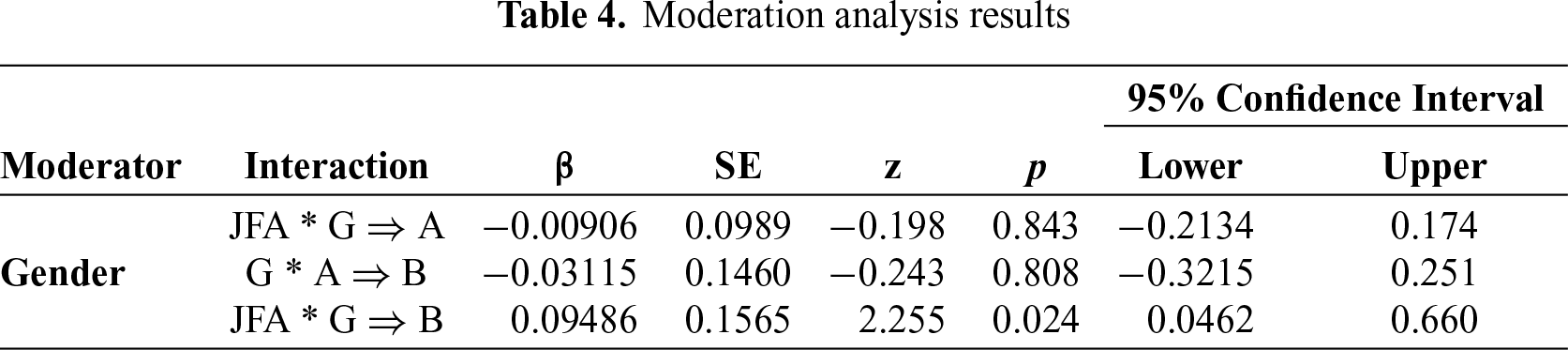
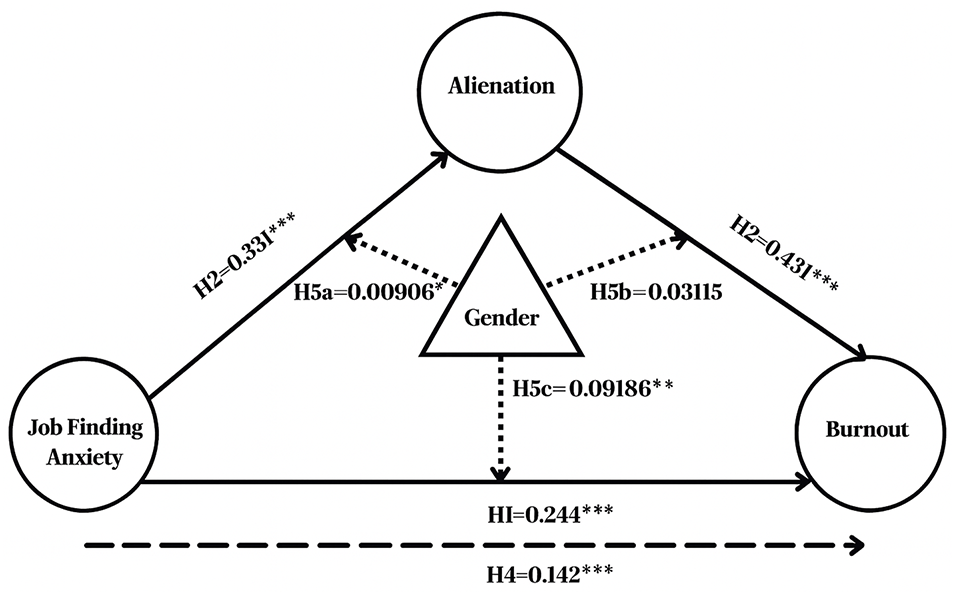
Figure 2: Simple slot (*p < 0.05, **p < 0.01, ***p < 0.001)
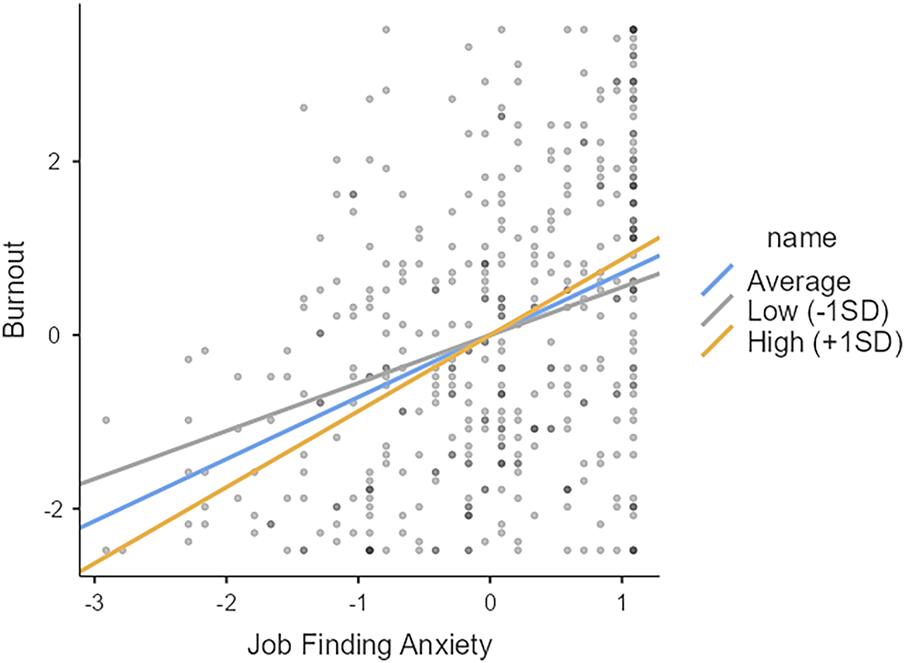
Figure 3: Simple slope plot
The findings of the study showed that the relationship between university students’ job-finding-anxiety and their burnout levels was positive and significant.. In other words, as university students’ uncertainty about finding a job and future anxiety increases, their burnout levels tend to increase. In the literature, there are many studies indicating that, especially university students’ uncertainty about the future, concerns about the future, economic concerns and professional role ambiguity may turn into burnout over time (Lee & Bae, 2019; Pamungkas & Nurlaili, 2021; Koutsimani et al., 2019; Yücekaya & Ateş, 2024). Burnout is characterised by symptoms such as exhaustion, loss of enthusiasm for work and activities, and a negative attitude towards learning, and it is known to have negative effects on psychological well-being and academic achievement (Lin & Yang, 2021; Wei et al., 2021). In this context, it can be thought that burnout has an essential role in the increase of university students’job-finding anxiety. The study conducted by Yücekaya and Ateş (2024) with 201 students studying at the faculty of sports sciences revealed that there was a significant and positive relationship between university students’ job-finding anxiety levels and their burnout levels. Similarly, according to the findings of another study involving 651 sports sciences faculty students, the increase in university students’ job-finding anxiety increases the level of burnout positively and significantly (Yasar, 2025). This effect may be particularly strong for students studying at the Faculty of Sports Sciences, as the inadequacy of appointments in the field, the unfair interview system, the lack of merit, the lack of salaries, the pressure of the competitive job market and the uncertainty of the sports industry increase the anxiety levels of these students towards the future (Kurtipek et al., 2020; Yüksel & Karafil, 2022).
The findings of the study also showed that there is a positive and significant relationship between university students’ job-finding anxiety levels and their school alienation levels. In parallel with our findings, Kaya (2022) also found that there was a positive and significant relationship between university students’ job-finding anxiety levels and their school alienation. In addition, it has been stated that university students with high job-finding anxiety tend to avoid attending classes and scientific and cultural activities and reduce their communication with faculty members, which may negatively affect students’ socialisation (Balcı et al., 2024). In addition to this, Shin (2019) stated that job-finding anxiety causes a decrease in feelings such as self-sensitivity, self-esteem, meaning in life and life satisfaction. There is a positive and significant relationship between alienation levels and burnout levels of university students. Feeling of alienation increased in university students who were under difficulty in the learning environment and a high workload, which led to burnout. However, the direct relationship between alienation and burnout is weakened in situations where students are highly engaged (Tomaszek, 2020). While these findings emphasise the indirect effect of high student engagement, the second study conducted by Atik and Özer (2020) shows that the variables of trust in teachers and attitude towards school work indirectly between alienation and burnout.
It was found that the level of school alienation played a mediating role in the relationship between university students’ job-finding anxiety levels and burnout levels. In previous studies, it has been determined that there is a significant positive relationship between job-finding anxiety and burnout (Lee & Bae, 2019; Yücekaya & Ateş, 2024), perhaps due to future uncertainty, workload, unhealthy lifestyle, depression and anxiety levels of students are related to burnout (Koutsimani et al., 2019; Pamungkas & Nurlaili, 2021). In particular, it has been stated that high levels of anxiety among working students make it difficult to adapt to the academic environment, which can lead to burnout by causing an increase in stress levels (Drăghici & Cazan, 2022). Job-finding anxiety is common among university students, and various negative problems, such as an increase in stress and depression, and decreased commitment to school, arise due to this anxiety.
Gender has a moderating role in the relationship between university students’ job-finding anxiety levels and burnout levels. The finding of significant differences in the way male and female university students perceive sources of stress and anxiety, which is frequently emphasised in the literature (Dursun & Aytaç, 2012; Giordani, 2024; Fiorilli et al., 2022), provides a theoretical basis for our finding. It has been found that female university students believe that they may face discriminatory attitudes in the process of entering the labour market compared to men (Dursun & Aytaç, 2012). Therefore, they experience higher stress during the job-finding process and are more prone to depression and suicidal thoughts (Giordani, 2024; Lim et al., 2018).
Previous studies have generally examined job-finding anxiety, school alienation, and burnout in dyadic relationships (Kaya, 2022; Lee & Bae, 2019; Polat & Özdemir, 2018; Tomaszek, 2020; Yücekaya & Ateş, 2024; Yasar, 2025), whereas the present research investigated these three variables within an integrated model. By simultaneously testing mediation and moderation effects (Cohen et al., 2013; Hayes, 2009), it was demonstrated that job-finding anxiety affects burnout not only directly but also indirectly through school alienation. Furthermore, gender was found to play a moderating role in these relationships. Considering the limited number of studies conducted on sports sciences students, the findings address a discipline-specific gap in the literature (Balcı et al., 2024; Yasar, 2025; Yücekaya & Ateş, 2024; Yüksel & Karafil, 2022).
Implications for research and practice
This study offers theoretical contributions beyond its empirical findings. By exploring the mediating role of school alienation and the moderating effect of gender between job-finding anxiety and burnout, it presents an integrated framework that deepens our understanding of career-related stress and psychological well-being. This model supports and extends the transactional stress and coping theory, highlighting how perceived threats to employability can lead to emotional exhaustion via detachment from the academic setting. Additionally, focusing on sports sciences students introduces a discipline-specific dimension to burnout research, enriching broader theories of academic stress and mental health.
In Türkiye, sports sciences graduates often face limited employment opportunities, high competition, and frequent mismatch between their field of study and actual jobs (Bahçeci et al., 2023). These conditions heighten employment-related concerns and make this group particularly vulnerable to job-finding anxiety and burnout. Therefore, sports sciences students provide a critical context for examining the relationships proposed in this study. Employment concerns are particularly salient among students in the field of sports sciences. Although the sports industry has expanded in Türkiye, graduates in this field often face challenges such as limited job opportunities, employment outside their specialisation, and precarious or contract-based positions (Sarıkol & Ustaoğlu, 2023). Research has indicated that sports sciences graduates may encounter difficulties in securing positions aligned with their expertise, leading to uncertainty about their career prospects (Aslan & Uğraş, 2021a).
Limitations of the study and future directions
Despite its contributions, this study has limitations. Its cross-sectional design precludes causal interpretations; longitudinal or experimental studies would strengthen directional insights. Reliance on self-report measures may have introduced bias, including social desirability effects. The binary gender classification limits inclusivity, excluding non-binary identities. Furthermore, contextual factors such as socio-economic status, academic performance, and perceived employability were not considered. Lastly, although the scales used were psychometrically sound, they assessed constructs in a general form, omitting subdimensions like emotional exhaustion or isolation that may yield deeper insights. On the other hand, to minimise potential common method bias, we applied several procedural remedies such as using validated scales, randomising item order, and ensuring respondents’ anonymity (Podsakoff et al., 2003).
Future research should employ longitudinal or experimental designs to clarify causal pathways among job-finding anxiety, alienation, and burnout, and explore how these variables evolve across academic stages or life events. Including diverse student populations across disciplines, institutional types, and cultural contexts would enhance generalizability and reveal sociocultural influences.
A more inclusive analysis of gender and identity is also essential. Moving beyond binary classifications, future studies should explore the experiences of different student groups who may encounter unique job-search challenges.
Additionally, future models could integrate other moderators or mediators, such as resilience, social support, academic engagement, coping strategies, or institutional resources. Finally, mixed-method approaches that incorporate qualitative data, such as interviews or open-ended surveys, can uncover emotional and contextual layers not captured through quantitative methods alone.
This study examined the mediating role of school alienation and the moderating role of gender in the relationship between job-finding anxiety and burnout among university students studying in the field of sports sciences. The findings revealed that job-finding anxiety not only directly increases burnout but also indirectly contributes to it through increased school alienation. Moreover, gender moderated these relationships, with male and female students experiencing different patterns of impact. These results highlight the complex interplay between career-related stressors, emotional well-being, and identity factors in higher education settings.
Acknowledgement: Not applicable.
Funding Statement: The authors received no specific funding for this study.
Author Contributions: The authors confirm contribution to the paper as follows: Conceptualization, Murat Aslan, Sinan Uğraş; methodology, Sinan Uğraş, Mehmet Akarsu; software, Mehmet Güllü; validation, Taylan Akbuğa, Mehmet Güllü; formal analysis, Sinan Uğraş; investigation, Murat Aslan; resources, Barış Mergan; data curation, Taylan Akbuğa, Sinan Uğraş; writing—original draft preparation, Murat Aslan, Sinan Uğraş, Fatih Ateş, Mehmet Akarsu, Taylan Akbuğa, Mehmet Güllü, Barış Mergan; writing—review and editing, Murat Aslan, Sinan Uğraş, Fatih Ateş, Mehmet Akarsu, Taylan Akbuğa, Mehmet Güllü, Barış Mergan; visualization, Barış Mergan. All authors reviewed the results and approved the final version of the manuscript.
Availability of Data and Materials: The data that support the findings of this study are available from the Corresponding Author, [BM], upon reasonable request.
Ethics Approval: This research was approved by the Çanakkale Onsekiz Mart University Rectorate, Institute of Graduate Education, Scientific Research and Publication Ethics Commission as being in compliance with ethical principles (Date: 07 April 2024, Number: E-84026528-050.99-2400174549, Decision Number: 10/06). Participants consented to the study; their participation was voluntary, and they understood their right to withdraw at any time.
Conflicts of Interest: The authors declare no conflicts of interest to report regarding the present study.
References
Akdemir, H., & Çiçek, H. (2022). İş bulma kaygısı. Ankara, Türkiye: İKSAD Publications. Retrieved from: https://iksadyayinevi.com/wp-content/uploads/2022/06/IS-BULMA-KAYGISI.pdf. (In Turkish). [Google Scholar]
Alarcon, G. M., Edwards, J. M., & Menke, L. E. (2011). Student burnout and engagement: A test of the conservation of resources theory. The Journal of Psychology, 145(3), 211–227. https://doi.org/10.1080/00223980.2011.555432. [Google Scholar] [PubMed] [CrossRef]
Aslan, M., & Uğraş, S. (2021a). The relationship between the anxiety about finding a job and the career beliefs of the sports management department students. International Journal of Education Technology and Scientific Researches, 6(15), 1149–1178. https://doi.org/10.35826/ijetsar.347 [Google Scholar] [CrossRef]
Aslan, M., & Uğraş, S. (2021b). Validity and reliability study of the sports sciences students’ job finding anxiety scale. International Journal of Eurasian Education and Culture, 6(13), 1143–1170. https://doi.org/10.35826/ijoecc.366 [Google Scholar] [CrossRef]
Atik, S., & Özer, N. (2020). The direct and ındirect role of school attitude alienation to school and school burnout in the relation between the trust in teacher and academic achievements of students. Education and Science, 45(202), 441–458. https://doi.org/10.15390/EB.2020.8500 [Google Scholar] [CrossRef]
Aytaç, S. S., & Dursun, S. (2009). Üniversite öğrencileri arasında işsizlik kaygısı. Uludağ Üniversitesi İktisadi ve İdari Bilimler Fakültesi Dergisi, 28(1), 71–84. (In Turkish). [Google Scholar]
Bahçeci, O., Kurtay, M., Polat, İ., & Yüce, İ (2023). Unemployment anxiety status and general anxiety levels of sports education students. Journal of Physical Education Sports Health and Effort, 2(1), 69–79. (In Turkish). [Google Scholar]
Balcı, B., Yıldız, K., & Yıldız, S. M. (2024). The relationship between job-finding anxiety and academic engagement: A study on undergraduate students in faculty of sports sciences. Gymnasıum, 25(1), 29–37. https://doi.org/10.29081/gsjesh.2024.25.1.02 [Google Scholar] [CrossRef]
Boğazlıyan, E. E., & Avşaroğlu, S. (2024). Development of employment anxiety scale for university students; validity and reliability study. Pedagogical Perspective, 3(1), 90–111. https://doi.org/10.29329/pedper.2024.51 [Google Scholar] [CrossRef]
Çevik, V. A., & Öneren, M. (2019). Önlisans öğrencilerinin iş bulma endişeleri ve kaygı düzeylerinin belirlenmesi. Erzurum Teknik Üniversitesi Sosyal Bilimler Enstitüsü Dergisi, 8, 1–12. (In Turkish). [Google Scholar]
Cohen, J., Cohen, P., West, S. G., & Aiken, L. S. (2013). Applied multiple regression/correlation analysis for the behavioral sciences. New York, NY, USA: Routledge. https://doi.org/10.4324/9780203774441. [Google Scholar] [CrossRef]
Davras, G. M. (2020). Research of the relationship between the unemployment anxiety and the self-esteem of potential workforce in tourism. Journal of Tourism Theory and Research, 6(2), 75–84. https://doi.org/10.24288/jttr.694817 [Google Scholar] [CrossRef]
Drăghici, G. L., & Cazan, A. M. (2022). Burnout and maladjustment among employed students. Frontiers in Psychology, 13, 825588. https://doi.org/10.3389/fpsyg.2022.825588. [Google Scholar] [PubMed] [CrossRef]
Dursun, S., & Aytaç, S. (2012). Üniversite öğrencilerinin işgücü piyasasına yönelik beklentileri ve iş deneyimleri ile umutsuzluk ve kaygı düzeyleri arasındaki ilişki üzerine bir araştırma. Celal Bayar Üniversitesi Sosyal Bilimler Dergisi, 10(1), 373–388. (In Turkish). [Google Scholar]
Fiorilli, C., Barni, D., Russo, C., Marchetti, V., Angelini, G. et al. (2022). Students’ burnout at university: The role of gender and worker status. International Journal of Environmental Research and Public Health, 19(18), 11341. https://doi.org/10.3390/ijerph191811341. [Google Scholar] [PubMed] [CrossRef]
Fornell, C., & Larcker, D. F. (1981). Evaluating structural equation models with unobservable variables and measurement error. Journal of Marketing Research, 18(1), 39–50. https://doi.org/10.2307/3151312 [Google Scholar] [CrossRef]
Giordani, J. C. (2024). Exploring the moderating effect of gender on the relationship between stress and mental well-being among university students [Bachelor’s thesis]. Enschede, The Netherlands: University of Twente. [Google Scholar]
Gül Şanli, A., Yazan, Z.Ö., Kirazcı, F., & Büyükgöze-kavas, A. (2023). Üniversite Öğrencilerine Yönelik İş Bulma Kaygısı Ölçeğinin Geliştirilmesi: Geçerlik ve güvenirlik çalışması. Ekonomik Ve Sosyal Araştırmalar Dergisi, 19(2), 349–364. (In Turkish). https://doi.org/10.29329/pedper.2024.51. [Google Scholar] [CrossRef]
Hammad, M. A. (2016). Future anxiety and its relationship to students’ attitude toward academic specialization. Journal of Education and Practice, 7(15), 54–65. [Google Scholar]
Hascher, T., & Hadjar, A. (2018). School alienation-theoretical approaches and educational research. Educational Research, 60(2), 171–188. https://doi.org/10.1080/00131881.2018.1443021. [Google Scholar] [PubMed] [CrossRef]
Hascher, T., & Hagenauer, G. (2010). Alienation from school. International Journal of Educational Research, 49(6), 220–232. https://doi.org/10.1016/j.ijer.2011.03.002 [Google Scholar] [CrossRef]
Hayes, A. F. (2009). Beyond Baron and Kenny: Statistical mediation analysis in the new millennium. Communication Monographs, 76(4), 408–420. https://doi.org/10.1080/03637750903310360 [Google Scholar] [CrossRef]
Hobfoll, S. E. (1989). Conservation of resources. A new attempt at conceptualizing stress. The American Psychologist, 44(3), 513–524. https://doi.org/10.1037//0003-066x.44.3.513. [Google Scholar] [PubMed] [CrossRef]
Jiang, L., Xu, X., Zubielevitch, E., & Sibley, C. G. (2023). Gain and loss spirals: Reciprocal relationships between resources and job insecurity. Journal of Occupational and Organizational Psychology, 96(3), 646–668. https://doi.org/10.1111/joop.12440 [Google Scholar] [CrossRef]
Kaya, L. (2022). Examining the relationship between unemployment anxiety and school alienation among students of sports science faculty [Master’s thesis]. Aydın, Türkiye: Aydin Adnan Menderes University. [Google Scholar]
Kim, J., Oh, J., & Rajaguru, V. (2022). Job-seeking anxiety and job preparation behavior of undergraduate students. Healthcare, 10(2), 288. https://doi.org/10.3390/healthcare10020288. [Google Scholar] [PubMed] [CrossRef]
Kline, R. B. (2016). Principles and practice of structural equation modeling. New York, NY, USA: Guilford Press. [Google Scholar]
Koutsimani, P., Montgomery, A., & Georganta, K. (2019). The relationship between burnout, depression, and anxiety: A systematic review and meta-analysis. Frontiers in Psychology, 10, 284. https://doi.org/10.3389/fpsyg.2019.00284. [Google Scholar] [PubMed] [CrossRef]
Kurtipek, S., Güngör, N. B., Esentürk, O. K., İlhan, L., & Yenel, F. (2020). Department of sports management wıth students’ perspectıve: A SWOT analysis. The Journal of Physical Education and Sport Sciences, 18(1), 187–194. https://doi.org/10.33689/spormetre.621704 [Google Scholar] [CrossRef]
Kurtulmuş, M., Kaçire, İ., Karabıyık, H., & Yiğit, B. (2015). Üniversite Yabancılaşma Ölçeği Geçerlik Güvenirlik Çalışması. Elektronik Eğitim Bilimleri Dergisi, 4(7), 100–110. (In Turkish). [Google Scholar]
Külekçi-Akyavuz, E. (2020). Analysis of the relationship between secondary education students’ school burnout and perceptions regarding alienation to school. Kastamonu Education Journal, 28(2), 847–857. (In Turkish). https://doi.org/10.24106/kefdergi.697235. [Google Scholar] [CrossRef]
Kwak, Y., Kim, Y., & Chae, H. (2025). Job search anxiety and flourishing among university students: The serial mediating effects of social support and strengths use. BMC Psychology, 13(1), 652. https://doi.org/10.1186/s40359-025-02995-4. [Google Scholar] [PubMed] [CrossRef]
Lee, H. S., & Bae, S. Y. (2019). Analysis of convergent influence of job seeking stress, academic burnout and anxiety on depression among college students using structural equation model. Journal of The Korea Convergence Society, 10(5), 71–78. https://doi.org/10.14400/JDC.2019.17.4.219 [Google Scholar] [CrossRef]
Lim, A. Y., Lee, S. H., Jeon, Y., Yoo, R., & Jung, H. Y. (2018). Job-seeking stress, mental health problems, and the role of perceived social support in university graduates in Korea. Journal of Korean Medical Science, 33(19), e149. https://doi.org/10.3346/jkms.2018.33.e149. [Google Scholar] [PubMed] [CrossRef]
Lin, S. H., & Huang, Y. C. (2014). Life stress and academic burnout. Active Learning in Higher Education, 15(1), 77–90. https://doi.org/10.1177/1469787413514651 [Google Scholar] [CrossRef]
Lin, F., & Yang, K. (2021). The external and internal factors of academic burnout. In: 2021 4th International Conference on Humanities Education and Social Sciences (ICHESS 2021) (pp. 1815–1821Xishuangbanna, China. https://doi.org/10.2991/assehr.k.211220.307. [Google Scholar] [CrossRef]
MacCallum, R. C., Browne, M. W., & Sugawara, H. M. (1996). Power analysis and determination of sample size for covariance structure modeling. Psychological Methods, 1(2), 130–149. https://doi.org/10.1037/1082-989X.1.2.130 [Google Scholar] [CrossRef]
Malach-Pines, A. (2005). The burnout measure, short version. International Journal of Stress Management, 12(1), 78–88. https://doi.org/10.1037/1072-5245.12.1.78 [Google Scholar] [CrossRef]
Maslach, C., & Jackson, S. E. (1981). The measurement of experienced burnout. Journal of Organizational Behavior, 2(2), 99–113. https://doi.org/10.1002/job.4030020205 [Google Scholar] [CrossRef]
Muchacka, B., & Dec, B. (2023). Determinants of feelings of anxiety in students entering the job market. Labor Et Educatio, 11(2023), 119–139. https://doi.org/10.4467/25439561LE.23.009.19214 [Google Scholar] [CrossRef]
Munro, B. H. (2005). Statistical Methods for Health Care Research. Philadelphia, PA, USA: JB Lippincott. [Google Scholar]
Önder, A., Cengiz, Ö., & Dağal, A. B. (2020). Investigating burnout and alienation levels of preschool teacher candidates in terms of different variables. Kastamonu Education Journal, 28(1), 202–219. https://doi.org/10.24106/kefdergi.3508 [Google Scholar] [CrossRef]
Pamungkas, H. P., & Nurlaili, E. I. (2021). Academic burnout among university students during Covıd-19 outbreak. In: International Joint Conference on Arts and Humanities 2021 (IJCAH 2021) (pp. 1163–1169Surabaya, Indonesia. https://doi.org/10.2991/assehr.k.211223.204. [Google Scholar] [CrossRef]
Podsakoff, P. M., MacKenzie, S. B., Lee, J. Y., & Podsakoff, N. P. (2003). Common method biases in behavioral research: A critical review of the literature and recommended remedies. Journal of Applied Psychology, 88(5), 879–903. https://doi.org/10.1037/0021-9010.88.5.879. [Google Scholar] [PubMed] [CrossRef]
Polat, Ş., & Özdemir, M. (2018). Examination of the relationship between educational stress, school burnout and school alienation of secondary school students. Kastamonu Education Journal, 26(5), 1395–1406. (In Turkish). https://doi.org/10.24106/kefdergi.1848. [Google Scholar] [CrossRef]
Salanova, M., Schaufeli, W. B., Xanthopoulou, D., & Bakker, A. B. (2010). The gain spiral of resources and work engagement: Sustaining a positive worklife. In: M. P. Bakker, M. P. Leiter (Eds.Work engagement: A handbook of essential theory and research (pp. 118–131). New York, NY, USA: Psychology Press. [Google Scholar]
Sarıkol, E., & Ustaoğlu, HP. (2023). Investigation of job finding anxiety levels of faculty of sports sciences students according to various variables. Düzce University Journal of Sports Sciences, 3(1), 106–111. (In Turkish). [Google Scholar]
Schaufeli, W. B., Salanova, M., González-Romá, V., & Bakker, A. B. (2002). The measurement of engagement and burnout: A two-sample confirmatory factor analytic approach. Journal of Happiness Studies: an Interdisciplinary Forum on Subjective Well-Being, 3(1), 71–92. https://doi.org/10.1023/A:1015630930326 [Google Scholar] [CrossRef]
Shin, J. Y. (2019). “Will I find a job when I graduate?”: Employment anxiety, self-compassion, and life satisfaction among South Korean college students. International Journal For Educational and Vocational Guidance, 19(2), 239–256. https://doi.org/10.1007/s10775-018-9378-1 [Google Scholar] [CrossRef]
Thern, E., de Munter, J., Hemmingsson, T., & Rasmussen, F. (2017). Long-term effects of youth unemployment on mental health: Does an economic crisis make a difference? Journal of Epidemiology and Community Health, 71(4), 344–349. https://doi.org/10.1136/jech-2016-208012. [Google Scholar] [PubMed] [CrossRef]
Tomaszek, K. (2020). Why it is important to engage students in school activities? Examining the mediation effect of student school engagement on the relationships between student alienation and school burnout. Polish Psychological Bulletin, 51(2), 89–97. https://doi.org/10.24425/ppb.2020.133767 [Google Scholar] [CrossRef]
Tümkaya, D. D. S., Çam, Y. D. D. S., & Çavuşoğlu, İ (2009). Adaptatıon, valıdıty and relıabılıty study of the short versıon of the burnout scale to turkısh. Çukurova University Journal of Social Sciences Institute, 18(1), 387–398. (In Turkish). [Google Scholar]
Türkiye Statistical Institute. (2024). Turkish Statistical Institute Newsletter (no. 54077). Retrieved from: https://data.tuik.gov.tr/Bulten/Index?p=Istatistiklerle-Genclik-2024-54077. [Google Scholar]
Türkiye Statistical Institute. (2025a). Turkish Statistical Institute Newsletter (no. 57941). Retrieved from: https://data.tuik.gov.tr/Bulten/Index?p=Isgucu-Piyasasinda-Gencler-2024-57941. [Google Scholar]
Türkiye Statistical Institute. (2025b). Turkish Statistical Institute Newsletter (no. 54064). Retrieved from: https://data.tuik.gov.tr/Bulten/Index?p=Isgucu-Istatistikleri-Temmuz-2025-54064. [Google Scholar]
Üstün, G., Dedekoç, Ş., Kavalalı, T., & Öztürk, F. (2014). Üniversite Son Sınıf Öğrencilerinin İş Bulmaya İlişkin Umutsuzluk Düzeylerinin İncelenmesi. Amasya Üniversitesi Eğitim Fakültesi Dergisi, 3(2), 200–221. (In Turkish). https://doi.org/10.17539/aej.33402. [Google Scholar] [CrossRef]
Wei, H., Dorn, A., Hutto, H., Webb-Corbett, R., Haberstroh, A., & et al. (2021). Impacts of nursing student burnout on psychological well-being and academic achievement. Journal of Nursing Education, 60(7), 369–376. https://doi.org/10.3928/01484834-20210616-02. [Google Scholar] [PubMed] [CrossRef]
Win, T. (2024). Literature review on academic burnout and depression among students. International Journal of Medical Science and Current Research, 7(5), 333–342. [Google Scholar]
Yalçın, Y. G. (2022). Unemployment anxiety and hopelessness in university students. Journal of Education and Recreation Patterns, 3(2), 130–146. https://doi.org/10.53016/jerp.v3i2.67 [Google Scholar] [CrossRef]
Yasar, Y. (2025). The relationship between burnout and unemployment anxiety in physical education teacher candidates. European Journal of Physical Education and Sport Science, 11(6), 162–173. https://doi.org/10.46827/ejpe.v11i6.5758 [Google Scholar] [CrossRef]
Yenilmez, D. T., & Akman, A. Z. (2023). Beş faktör kişilik özelliklerinin iş bulma kaygısı üzerindeki etkisi: Önlisans öğrencileri üzerine bir araştırma. Necmettin Erbakan Üniversitesi Siyasal Bilgiler Fakültesi Dergisi, 5(2), 146–164. (In Turkish). [Google Scholar]
Yu, R. (2024). Research on improving employment anxiety among higher vocational college graduates. In: 2024 5th International Conference on Mental Health, Education and Human Development (MHEHD 2024) (pp. 123–131Kunming, China. https://doi.org/10.2991/978-2-38476-271-2_17. [Google Scholar] [CrossRef]
Yuan, K. H., Chan, W., Marcoulides, G. A., & Bentler, P. M. (2015). Assessing structural equation models by equivalence testing with adjusted fit indexes. Structural Equation Modeling: A Multidisciplinary Journal, 22(4), 1–12. https://doi.org/10.1080/10705511.2015.1065414 [Google Scholar] [CrossRef]
Yücekaya, M. A., & Ateş, F. (2024). Examining the relationship between employment concerns and burnout levels of sports sciences students. Journal of Global Sport and Education Research, 7(3), 1–12. (In Turkish). [Google Scholar]
Yüksel, A. U., & Karafil, A. Y. (2022). Examination of sports science students’ career anxiety using the q method. Gazi Journal of Physical Education and Sports Sciences, 27(3), 203–218. https://doi.org/10.53434/gbesbd.1098182 [Google Scholar] [CrossRef]
Cite This Article
 Copyright © 2025 The Author(s). Published by Tech Science Press.
This work is licensed under a Creative Commons Attribution 4.0 International License , which permits unrestricted use, distribution, and reproduction in any medium, provided the original work is properly cited.
 Downloads
 Citation Tools
