
 Login
Login Register
 Submit a Paper
 Propose a Special lssue
 Open Access
REVIEW

Mapping editorial identity and thematic evolution in the Journal of Psychology in Africa (2008–2024): A meta-editorial framework analysis
Institute of Cultural Arts Education, Sangmyung University, Cheonan-Si, 31006, Republic of Korea
* Corresponding Author: Joon-ho Kim. Email:
Journal of Psychology in Africa 2026, 36(1), 117-130. https://doi.org/10.32604/jpa.2025.068219
Received 23 May 2025; Accepted 18 November 2025; Issue published 26 February 2026
 View Full Text
 Download PDF
Abstract
This study presents a reflective bibliometric review of 1457 peer-reviewed articles published in the Journal of Psychology in Africa (2008–2024, 17 years), using a Meta-Editorial Mapping Framework (MEMF) analysis. The MEMF integrates citation metrics, keyword novelty ratios, TF–IDF weighting, and cluster-based topic modeling to trace long-term thematic trends and editorial evolution. Findings reveal sustained attention to foundational domains such as mental health, education, and identity, alongside a gradual integration of emergent themes including digital well-being, organizational behavior, and post-pandemic adaptation. Articles with moderate topical novelty (40%–60% new keywords) achieved the highest citation and usage metrics, suggesting that integrative innovation enhances scholarly impact. Clustering analyses indicate that the journal’s content forms overlapping conceptual domains rather than isolated silos. These insights contribute to editorial strategy, authorial positioning, and the future design of regional academic platforms. Moreover, the findings provide evidence supporting the use of the MEMF as a replicable tool for meta-editorial analysis across disciplinary and geographic boundaries.Keywords
Academic journals are not merely passive repositories of disciplinary knowledge; they function as dynamic engines of intellectual development. While they preserve the accumulated scholarly output of a field, they also actively shape its trajectory through editorial decisions regarding what is published, how it is framed, and which topics are prioritized within the broader academic discourse. In this dual capacity, journals operate both as reflective mirrors of disciplinary evolution and as catalytic agents of scholarly momentum.
Editorial policies, peer review criteria, and thematic orientations collectively delineate the epistemic boundaries and normative expectations that define their respective fields (Aguinis et al., 2019; Serenko, 2013). Regional journals serve to bridge global theoretical paradigms and context-specific phenomena. They not only disseminate empirical findings but also facilitate the contextual translation of psychological knowledge, navigating intersections of cultural specificity, societal relevance, and epistemic legitimacy (Gelfand et al., 2017).
Accordingly, they function not merely as conduits for academic communication but also as strategic instruments for knowledge adaptation—aligning psychological inquiry with the lived realities of diverse populations (Ng et al., 2020). Yet, few journal publications include reviews of their own standing beyond impact factors and quartiles, which do not adequately represent the status and development of journals with a regional focus, such as the Journal of Psychology in Africa (JPA).
A Meta-Editorial Mapping Framework (MEMF) has the potential to address this gap in regional journal evaluation. The MEMF, a novel bibliometric meta-analytic framework developed by the author, is designed to structurally map the evolution, innovation dynamics, and editorial identity of an academic journal. Rather than aggregating effect sizes or outcomes from a topical subset, MEMF analyzes the full journal corpus to uncover patterns of conceptual emergence, keyword novelty, and editorial curation.
Against this dynamic backdrop, editorial policy assumes a central mediating role—balancing the preservation of disciplinary tradition against the imperative for intellectual renewal. Editorial decisions must simultaneously navigate the constraints of peer review norms and citation benchmarks while fostering contributions that interrogate or extend established paradigms (Steel et al., 2021). Although this tension is ubiquitous across scholarly publishing, it remains insufficiently explored when examined through the longitudinal evolution of specific journals (Serenko, 2013).
To address this, the present study adopts a journal-centered bibliometric approach, conceptualizing JPA not merely as a publication outlet but as an evolving academic entity. In contrast to conventional meta-analyses that synthesize empirical findings across diverse sources, this review positions the journal itself—its editorial strategies, keyword trajectories, and thematic innovations—as the central unit of analysis (Hitchcock, 2004).
The aim is to map how JPA has navigated the dialectic between continuity and transformation, integrating disciplinary foundations with emergent research directions over time (Nikita et al., 2021). By applying MEMF to JPA, this study positions the journal as both a product and a producer of psychological knowledge in Africa, offering new insights into how regional editorial ecosystems evolve in response to disciplinary, institutional, and societal change.
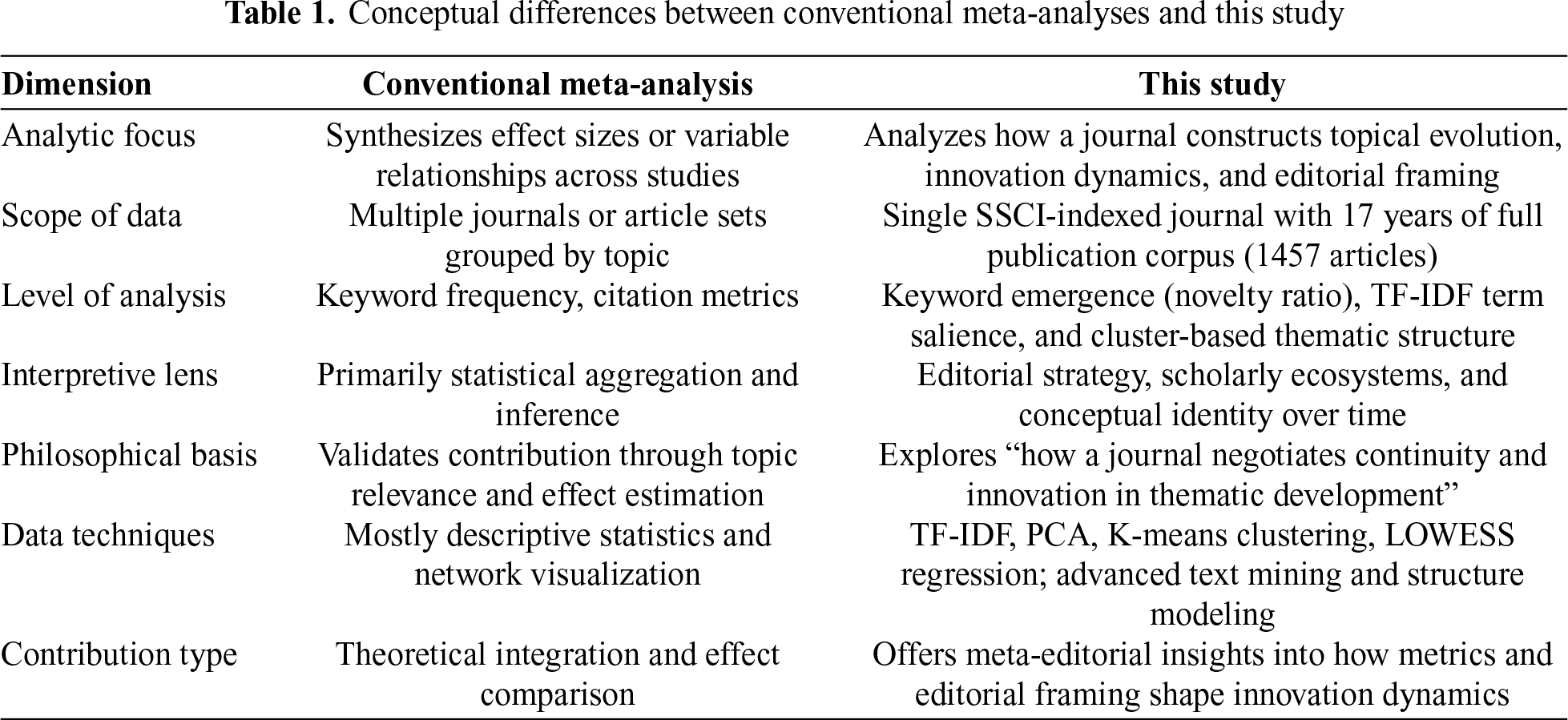
The Meta-Editorial Mapping Framework (MEMF). Table 1 provides a conceptual juxtaposition between traditional meta-analytic methodologies and the design of the present study. Whereas standard meta-analyses primarily aim to aggregate empirical outcomes and effect sizes (e.g., Aguinis et al., 2019; Bornmann, 2015; Podsakoff et al., 2008; Serenko, 2013; Steel et al., 2021; Zupic & Čater, 2015), the current study redirects its analytical focus toward the journal’s role in curating psychological knowledge—exploring how it responds to both regional imperatives and evolving global disciplinary currents through the lens of the Meta-Editorial Mapping Framework (MEMF).
Journal of psychology in Africa scholarly coverage. Over the past 17 years, the Journal of Psychology in Africa (JPA) has embodied this dual mandate. It has operated simultaneously as a scholarly platform and as an editorial curator of African-centered psychological frameworks. Its corpus encompasses foundational domains such as mental health, education, identity, social justice, and well-being—capturing the nuanced interplay between psychological experiences and sociocultural contexts across the African continent (Adonis, 2015; Dimitrova et al., 2017; Jonas et al., 2015; Kohrt et al., 2018; Lawrence, 2020; Mutezo & Maré, 2022). As the journal enters a new chapter marked by heightened international visibility and thematic diversification, a systematic and reflective examination of its intellectual trajectory becomes not only timely but imperative (Bello et al., 2022).
The journal’s thematic footprint
Since its inclusion in the Social Sciences Citation Index (SSCI), the Journal of Psychology in Africa (JPA) has maintained a dual editorial trajectory: sustaining the foundational psychological constructs distinctive to the African continent while contributing meaningfully to globally salient disciplinary dialogues (Mohammed et al., 2022).
Notably, resilience in post-conflict societies, the psychosocial dimensions of HIV/AIDS, and youth-focused educational development have remained central thematic pillars (Ramlagan et al., 2010; Van Schalkwyk & Wissing, 2010; Wild et al., 2010).
In recent years, however, the journal has undertaken a deliberate and incremental expansion of its thematic repertoire (Li et al., 2024a; Zhao, 2024; Zhu & Wang, 2024). Increasing attention to issues such as gender identity, work-life integration, mindfulness, digital behavior, and environmental psychology signals a transition toward more individualized, intersectional, and globally resonant concerns (Craig et al., 2021). These thematic shifts mirror broader disciplinary trends that emphasize subjectivity, lived experience, and the psychosocial implications of systemic transformation (Moffitt et al., 2023), as evidenced by the evolving key terms and phrases appearing in recent contributions.
The role of keyword recurrence and novelty
Keyword analysis has emerged as a robust empirical approach for examining the evolution, stabilization, and diversification of research priorities within academic journals. By quantifying both the frequency and temporal distribution of lexical units, researchers can trace a journal’s thematic trajectory—identifying not only what is being studied but also how persistently, at which sociocultural juncture, and within what conceptual framing these topics emerge (Antons et al., 2020; Chen et al., 2023).
Across its publication record, the Journal of Psychology in Africa (JPA) exhibits a consistent reliance on high-frequency terms such as mental health, coping, resilience, and well-being (Liu et al., 2024; Matsoele & Tadi, 2024; Wang & Li, 2024). These recurrent terms constitute the journal’s epistemic core—an enduring conceptual framework that anchors its disciplinary identity and provides a stable lexicon for authors, reviewers, and readers alike. Their sustained presence reflects a shared intellectual foundation that promotes coherence and continuity across the journal’s publications (Ng et al., 2020).
Moreover, these keywords typically correspond to structurally persistent societal concerns within African contexts, including trauma, inequality, and mental health infrastructure (Ribeiro et al., 2017), as well as issues such as COVID-19, telepsychology, youth unemployment, and digital learning (e.g., Cheng & Zhang, 2023; Ellis et al., 2021; Li et al., 2024b; Tian et al., 2022).
These emergent terms often arise in response to acute societal disruptions or technological shifts, reflecting the journal’s capacity to engage with evolving scholarly and community-based concerns (Zangani et al., 2022). Although these keywords may not yet be fully integrated into the journal’s long-term conceptual canon, their presence reveals a reflexive editorial posture oriented toward topical immediacy and openness to innovation.
This study undertakes a bibliometric and conceptual analysis of 1457 peer-reviewed articles published in the Journal of Psychology in Africa (JPA) between 2008 and 2024. Beyond documenting publication trends, the study adopts a constructive editorial perspective aimed at generating strategic insights into how the journal has evolved thematically over time and how this evolution reflects broader shifts in psychological discourse, research relevance, and editorial identity.
The inquiry is structured around four interrelated research questions:
▪ RQ1: What have been the dominant topical trajectories throughout the journal’s 17-year publication history?
▪ RQ2: To what extent have new and emergent research themes appeared and diversified over time?
▪ RQ3: How does the degree of topical novelty relate to scholarly engagement, as indicated by citation and usage metrics?
▪ RQ4: What editorial insights can be derived from these patterns to inform future thematic curation and strategic positioning?
The conceptual framework guiding this review is illustrated in Figure 1, which maps the scope, research aims, and overall scholarly trajectory of the study. In addressing these questions, the study offers not merely a descriptive overview of the journal’s scholarly output but a reflective assessment of its intellectual development. The analysis seeks to illuminate how JPA has negotiated the ongoing tension between continuity and innovation and how these patterns might inform both future editorial strategies and authorial positioning within the field of African psychology.
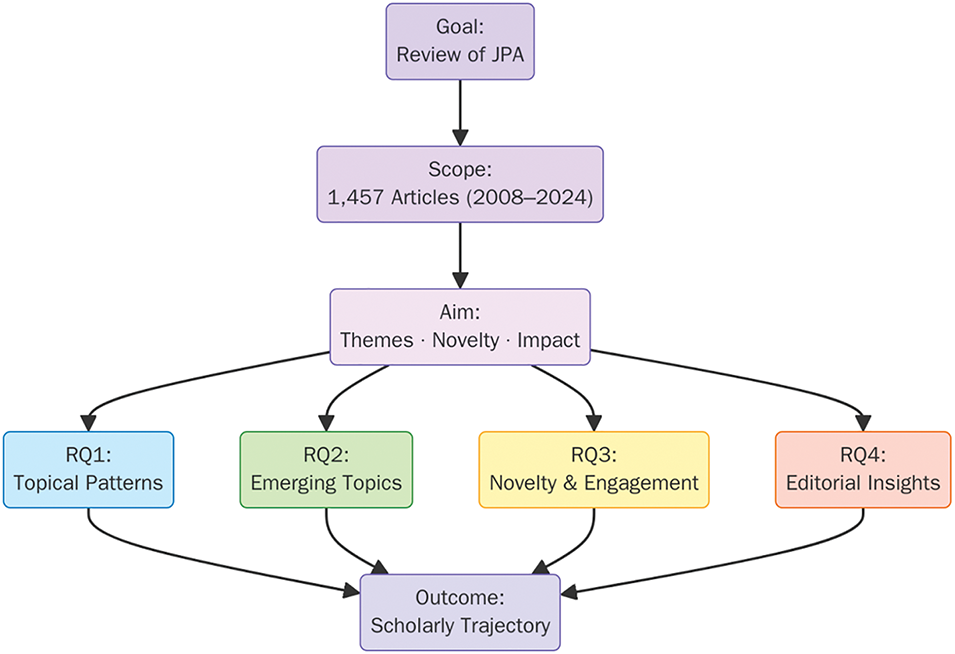
Figure 1: Conceptual framework of the review: mapping scope, research aims, and scholarly trajectory
Analytical framework: meta-editorial mapping framework (MEMF)
This study employs the Meta-Editorial Mapping Framework (MEMF), a bibliometric meta-analytic model developed by the author to examine the structural evolution of academic journals as epistemic systems.
Unlike conventional meta-analytic approaches that synthesize empirical outcomes across selected studies, MEMF adopts a full-journal perspective—analyzing the entire publication corpus to trace thematic continuity, conceptual innovation, and editorial strategy over time.
Methodologically, MEMF integrates TF–IDF term weighting, keyword novelty ratio analysis, unsupervised clustering (e.g., K-means combined with PCA), and visual mapping techniques (e.g., Sankey diagrams) to reveal the latent architecture of editorial content.
The subsequent sections detail the dataset, preprocessing protocols, and analytical procedures used in the operationalization of MEMF.
This study draws upon a corpus of 1457 peer-reviewed articles published in the Journal of Psychology in Africa (JPA) between Volume 18, Issue 4 (2008) and Volume 34, Issue 5 (2024). The Web of Science Core Collection provides indexed coverage of JPA beginning with Volume 18, Issue 4 (2008); accordingly, this issue marks the starting point for the present analysis. All records were retrieved from the Web of Science Core Collection using full-record bibliographic export protocols (Porter, et al., 2023; Zhang et al., 2023).
To ensure analytical consistency, only original research articles were included in the final dataset; reviews, editorials, book reviews, and conference abstracts were systematically excluded (Chen et al., 2023). Each entry contained comprehensive bibliographic metadata, including article titles, abstracts, author-provided keywords, cited references, and both citation and usage metrics.
A descriptive summary of annual publication trends is presented in Table 2. Over the 17-year period analyzed, the journal consistently published between 70 and 100 articles per year. The total number of author-provided keywords per year ranged from approximately 370 to 540, indicating a sustained level of topical density.
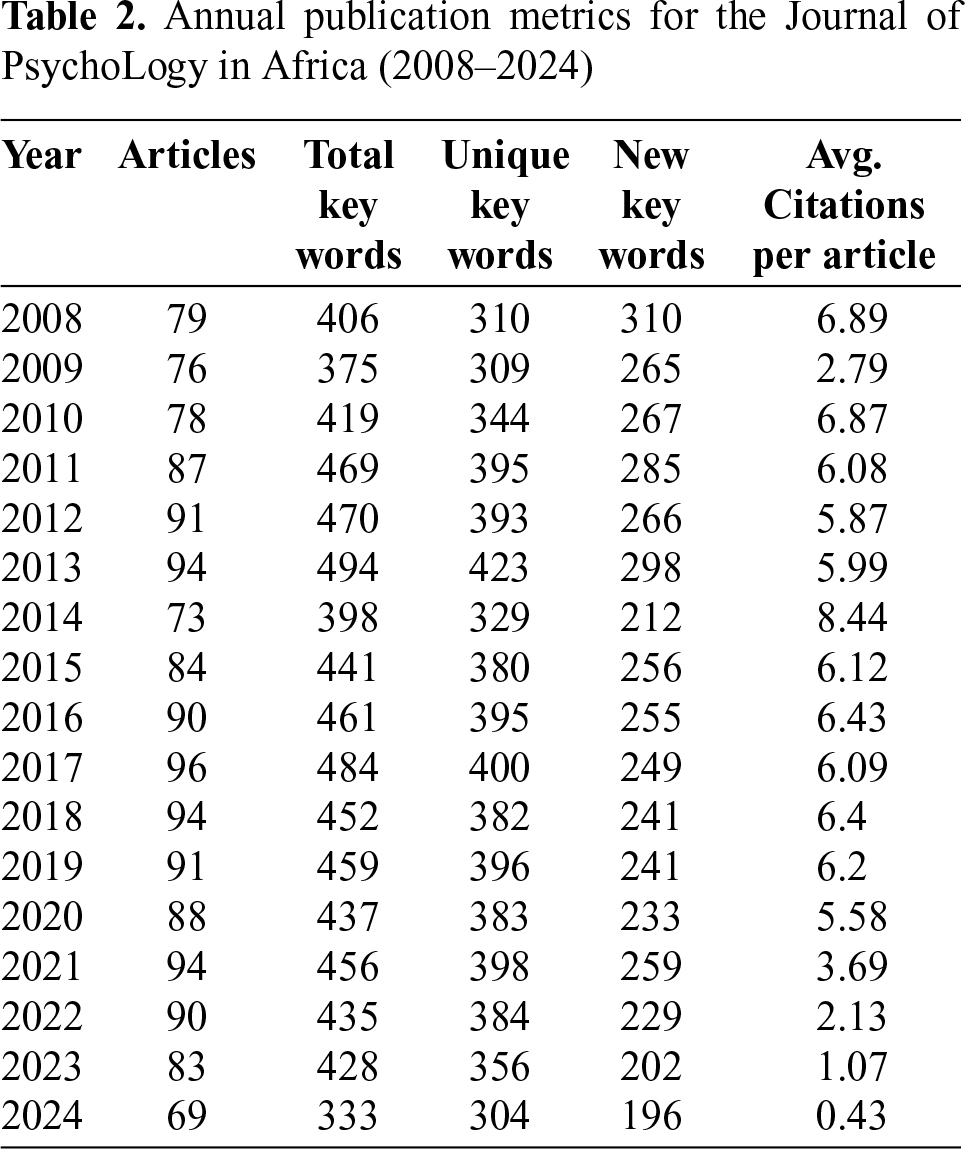
Furthermore, the annual introduction of unique new keywords reflects the journal’s ongoing commitment to balancing thematic continuity with conceptual innovation. Notably, in several publication years, the average citation rate per article exceeded 5.0—signaling a stable pattern of scholarly engagement across time.
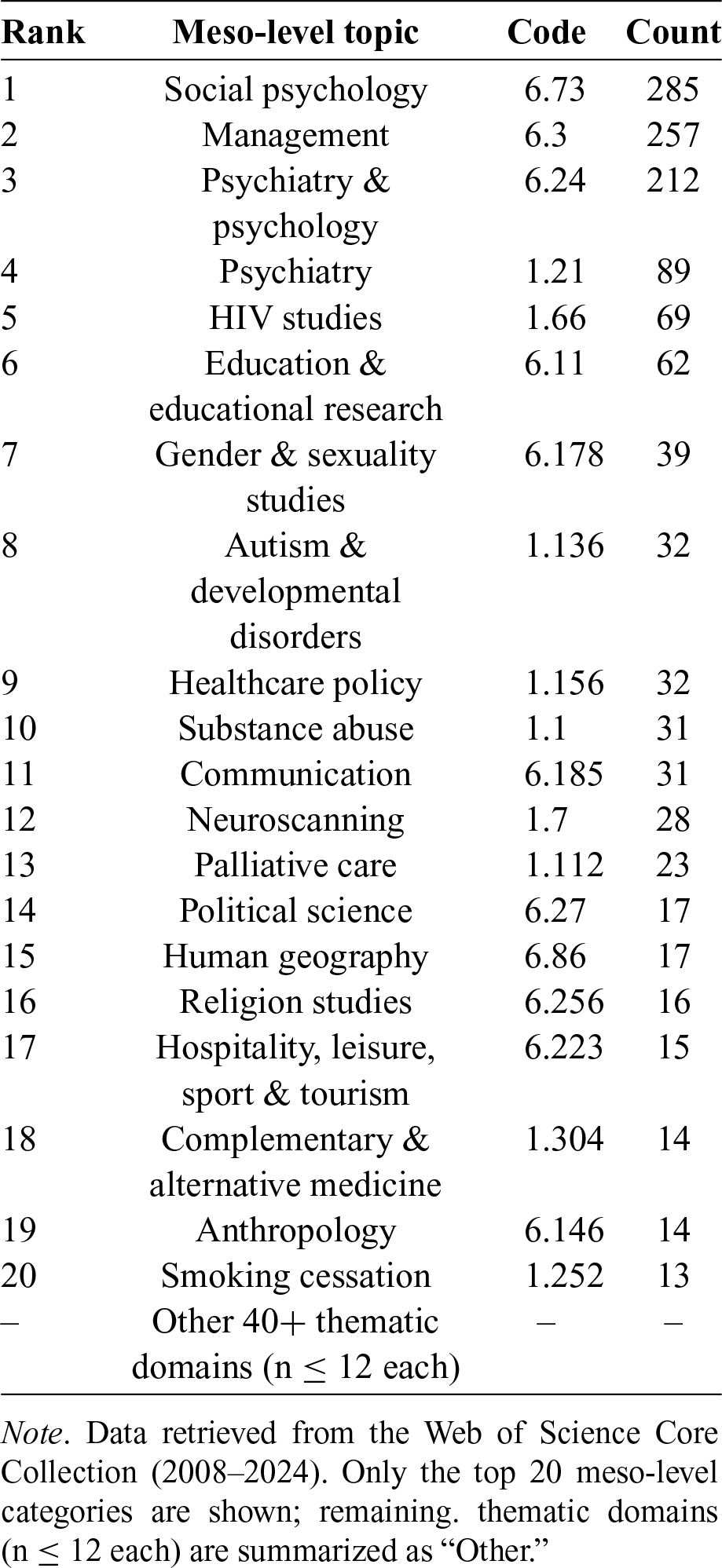
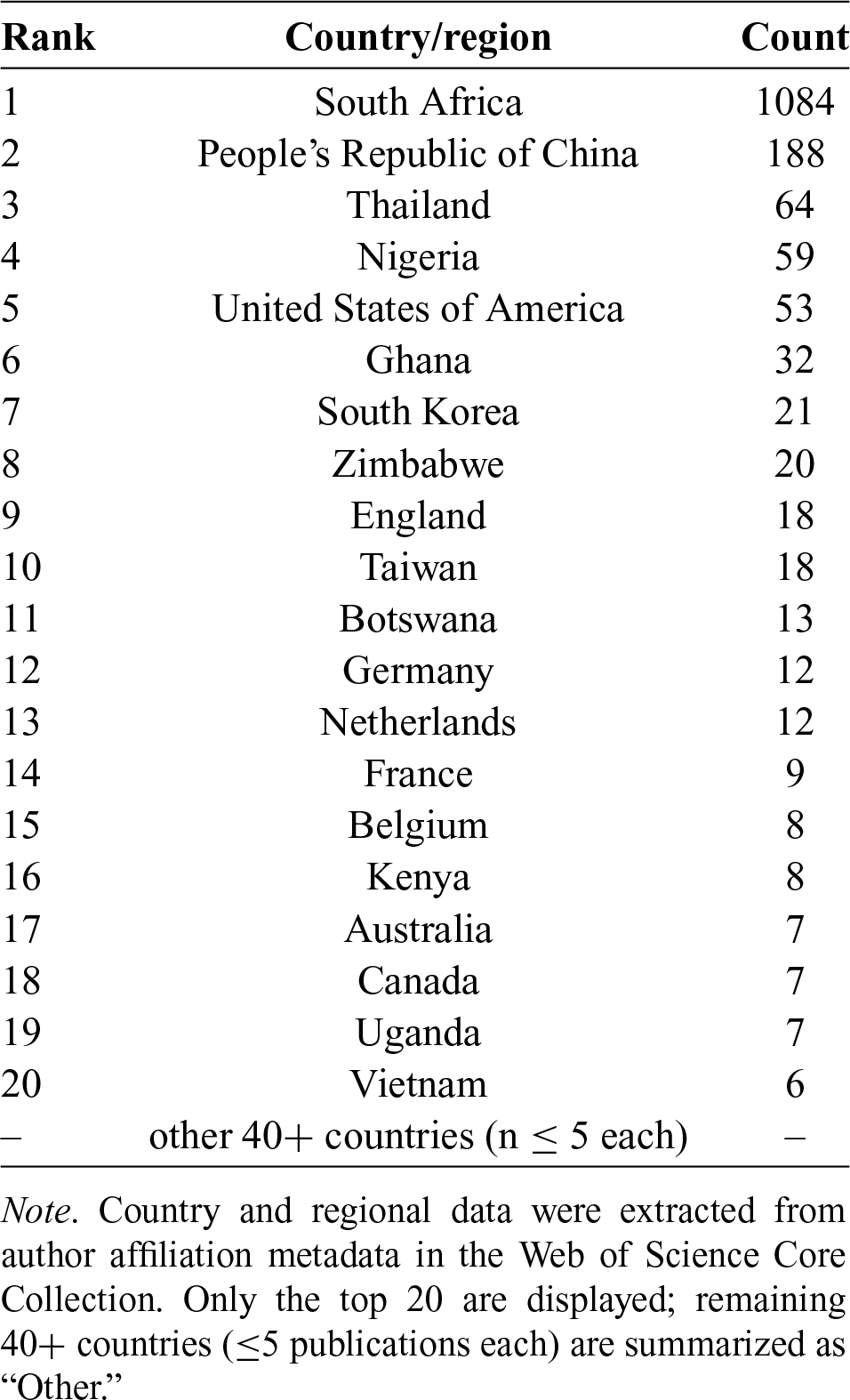
Comprehensive supplementary tables, including meso-level citation topics (Appendix A), micro-level citation topics (Appendix B), Sustainable Development Goal (SDG) alignments (Appendix C), contributing institutions (Appendix D), and contributing countries and regions (Appendix E), are provided in the Appendices section to support transparency and replicability.
Bibliometric Variables. The analysis employed a structured set of bibliometric variables designed to capture the topical, temporal, and impact-related dimensions of each article (Antons et al., 2020; Chen et al., 2010). Specifically, the following attributes were extracted from the Web of Science Core Collection: (a) article title, (b) abstract, (c) author-provided keywords, (d) publication year, (e) citation count, (f) usage metrics (180-day and cumulative since 2013), and (g) document type (Porter et al., 2023).
Thematic Patterns. To map thematic patterns, textual data from titles, abstracts, and keywords were preprocessed using standard natural language processing (NLP) techniques. These included data cleaning, tokenization, and vectorization via term frequency–inverse document frequency (TF–IDF) weighting (Chen et al., 2023; Nikolenko et al., 2017). This approach enabled the extraction of high-salience terms across the corpus, which served as the basis for topic clustering and thematic analysis.
Topical Recurrence. Topical recurrence and novelty were operationalized by tracking the annual introduction of keywords in relation to the cumulative keyword sets of all preceding years. For each publication year, the novelty ratio was calculated as the proportion of newly introduced terms to the total number of unique keywords, yielding a dynamic metric of thematic innovation over time (Antons et al., 2020; Zhang et al., 2023).
Topical Novelty. To assess the intersection of topical novelty and scholarly impact, citation and usage metrics were used to identify high-impact articles. Articles falling within the top 5% of citation and usage distributions were classified as high-impact and analyzed according to their novelty scores. This approach allowed for an examination of whether conceptual familiarity or thematic innovation better predicted academic engagement (Cho et al., 2017; Frachtenberg, 2022).
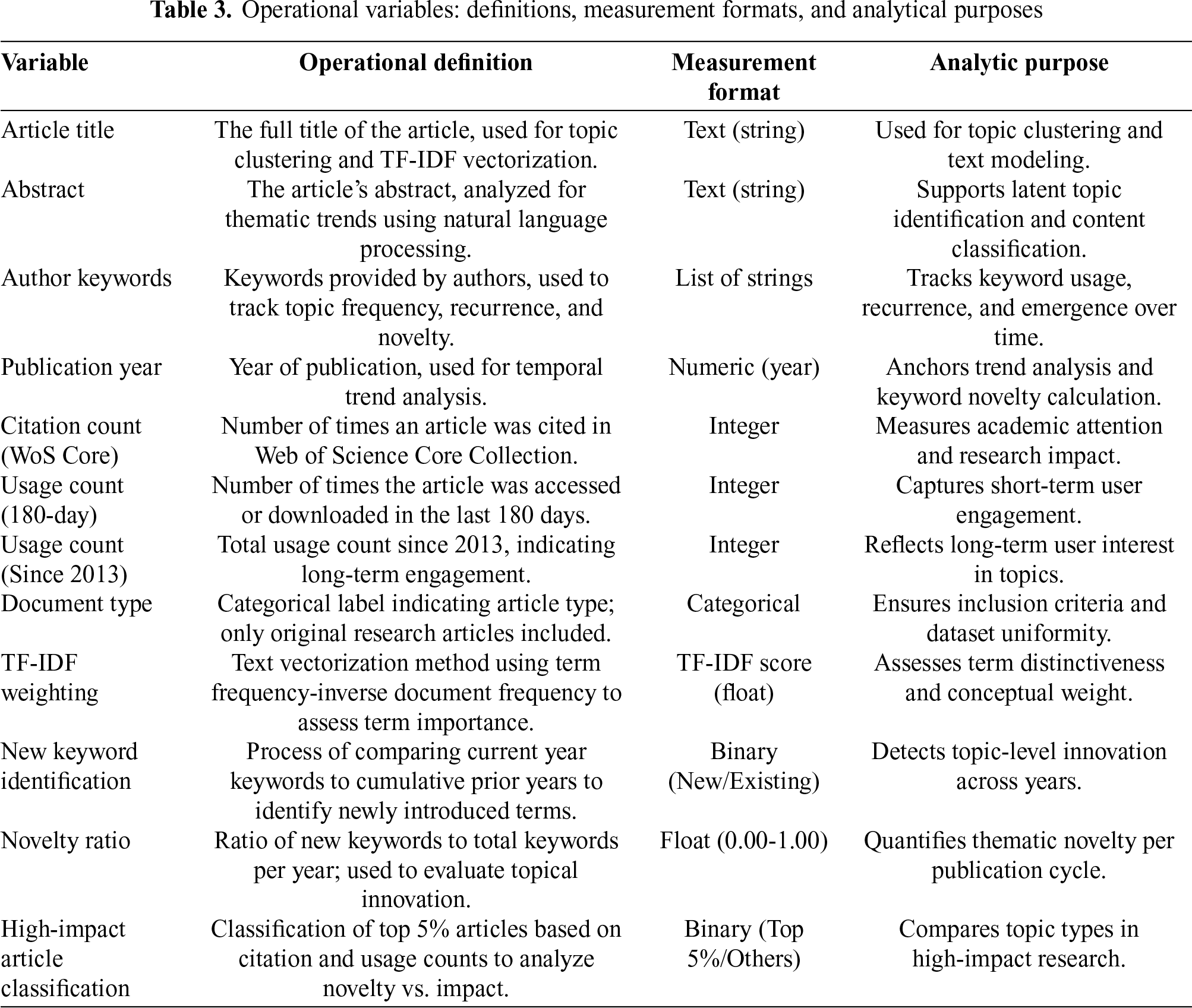
Table 3 outlines all variables used in the study, including their operational definitions, measurement formats, and analytical functions. This multidimensional framework enables a comprehensive assessment of both longitudinal evolution and conceptual emergence within the Journal of Psychology in Africa (JPA) across its 17-year trajectory.
Bibliographic records were downloaded in .xlsx format from the Web of Science Core Collection using the full-record and cited-reference export protocol (Zhang et al., 2023). Manual screening was subsequently conducted to identify and remove duplicate entries.
All non-research content—including reviews, editorials, and conference abstracts—was excluded to ensure dataset uniformity and analytical consistency (Chen et al., 2023; Porter et al., 2023). The final dataset comprised 1457 original research articles spanning the publication period from 2008 to 2024.
Data preprocessing was carried out using Python for text cleaning and R for statistical analysis and visualization (Antons et al., 2020; Nikolenko et al., 2017). Author-provided keywords were converted to lowercase, lemmatized, and standardized to correct for spelling variants and phrasing inconsistencies.
This normalization process was essential to ensure consistency in term frequency analysis, TF–IDF computation, and keyword novelty tracking (Chen et al., 2023; Li, et al., 2018).
Importantly, this study did not involve any human participants or personally identifiable information. As such, it was exempt from institutional review board (IRB) oversight, in accordance with standard scholarly research protocols (Frachtenberg, 2022).
The bibliographic data were retrieved from a publicly accessible academic repository available to authorized institutional subscribers and were used in compliance with fair use provisions for research and analytical purposes.
The analysis was structured to examine both the longitudinal dynamics of topic evolution and the relationship between thematic novelty and scholarly engagement (Antons et al., 2020; Zhang et al., 2023). Descriptive statistics were used to assess annual trends in publication volume, keyword frequency, and novelty ratios (Li et al., 2018). Term frequency–inverse document frequency (TF–IDF) analysis was applied to identify high-salience lexical items that define conceptual distinctiveness across the corpus (Chen et al., 2010; Nikolenko et al., 2017).
To uncover latent topical structures, hierarchical agglomerative clustering was performed on the TF–IDF matrix, facilitating the emergence of thematic clusters based on lexical proximity (Antons et al., 2020; Chen et al., 2023). This clustering method enabled the identification of recurring conceptual domains and their interrelationships over time.
Articles falling within the top 5% of citation and usage distributions were separately analyzed to assess whether high-impact publications were more strongly associated with familiar or novel topical domains (Cho et al., 2017; Frachtenberg, 2022). The relationship between topical novelty and scholarly engagement—measured via citation and usage metrics—was further explored through cross-tabulation and correlation analyses (Porter et al., 2023).
All analytical procedures were conducted using Python (Pandas, Scikit-learn) and R (ggplot2, tidytext) environments (Antons et al., 2020; Nikolenko et al., 2017). Visualization outputs included keyword frequency plots, novelty trend trajectories, and thematic cluster diagrams, each designed to reflect conceptual convergence and topical intensity over time.
Table 4 presents the 30 most distinctive keywords across the journal’s publication history, based on mean TF–IDF scores. These terms capture not only the epistemic core of the journal—such as identity, mental health, and education—but also its adaptive engagement with contextual themes such as COVID-19, digital behavior, and gender. For each keyword, the table includes its year of peak usage and its inferred conceptual category, thereby illustrating both temporal specificity and thematic diversification.
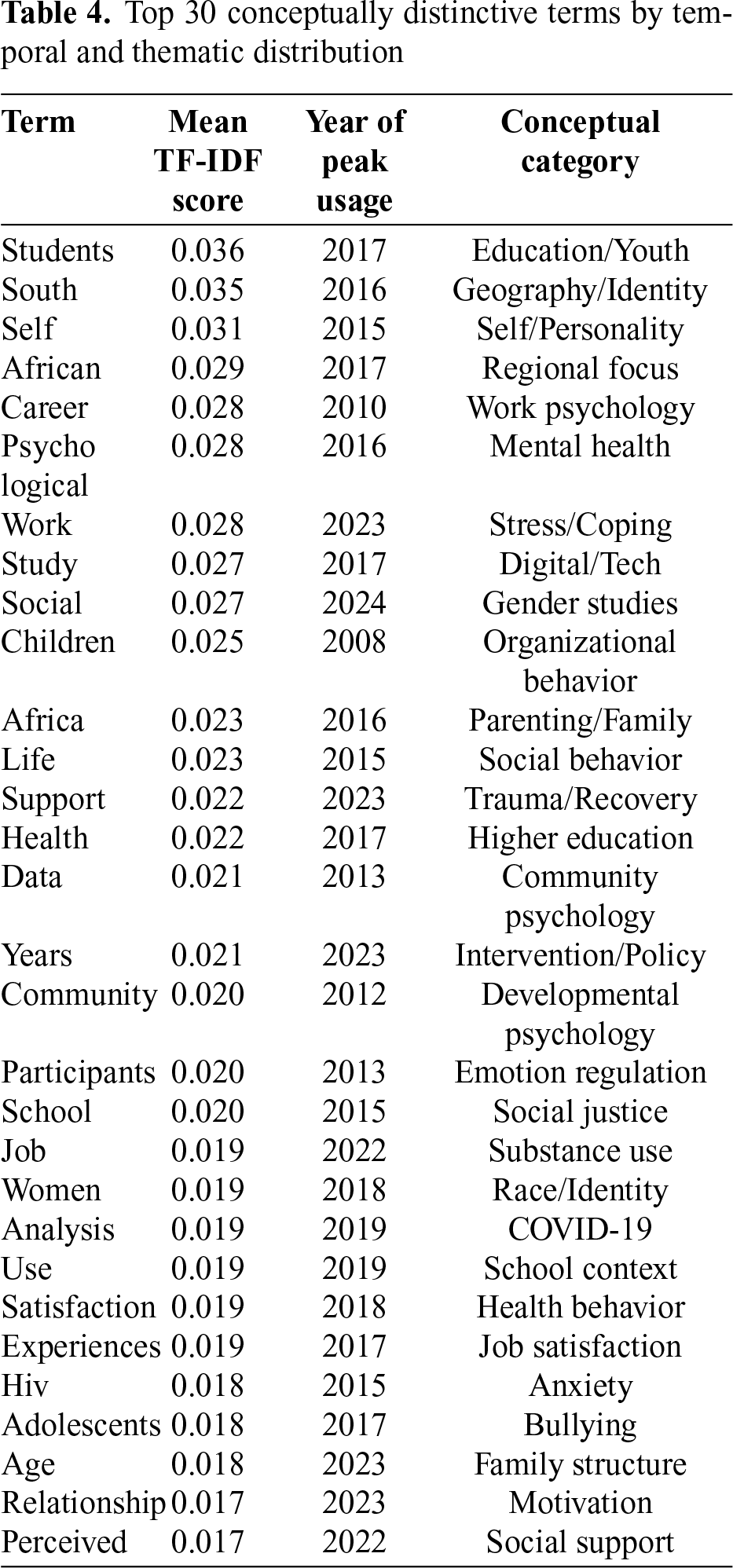
Table 5 summarizes annual keyword metrics between 2008 and 2024, including total keyword volume, uniqueness, and topical novelty. The number of keywords per year ranged from approximately 370 to over 500, reflecting consistently high topical density. The novelty ratio—defined as the proportion of newly introduced keywords to the total number of unique keywords—peaked at 1.000 in 2008 (the base year) and gradually stabilized around 0.60–0.70 in subsequent years.
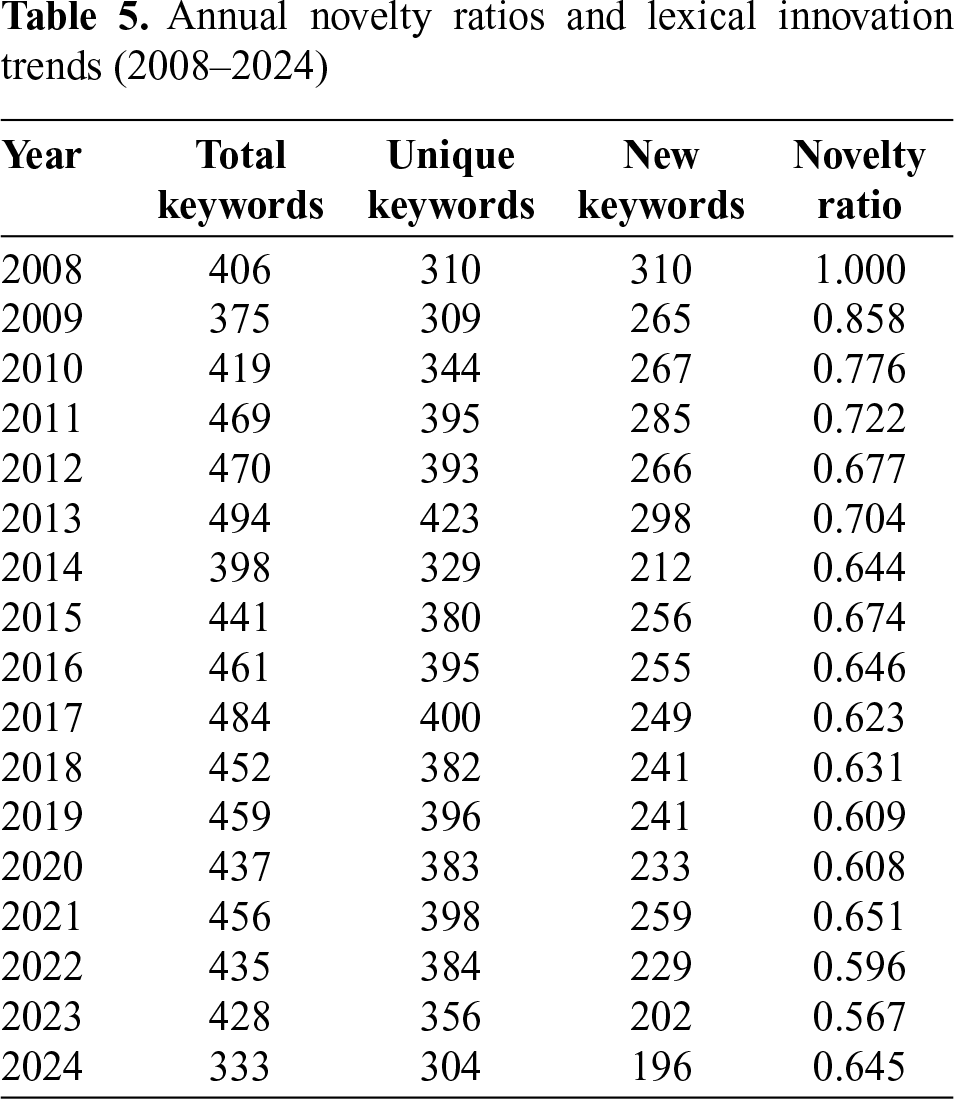
This pattern suggests a sustainable balance between conceptual continuity and innovation, reinforcing the journal’s dual orientation toward intellectual stability and editorial renewal.
Keyword innovation across years
As shown in Table 5 and Figure 2, the total number of author-provided keywords per year ranged from approximately 370 to over 500, with a corpus-wide average of around 400 terms annually. The volume of newly introduced keywords remained consistently high throughout the 17-year period, with most years contributing more than 250 novel terms to the journal’s expanding topical repertoire.
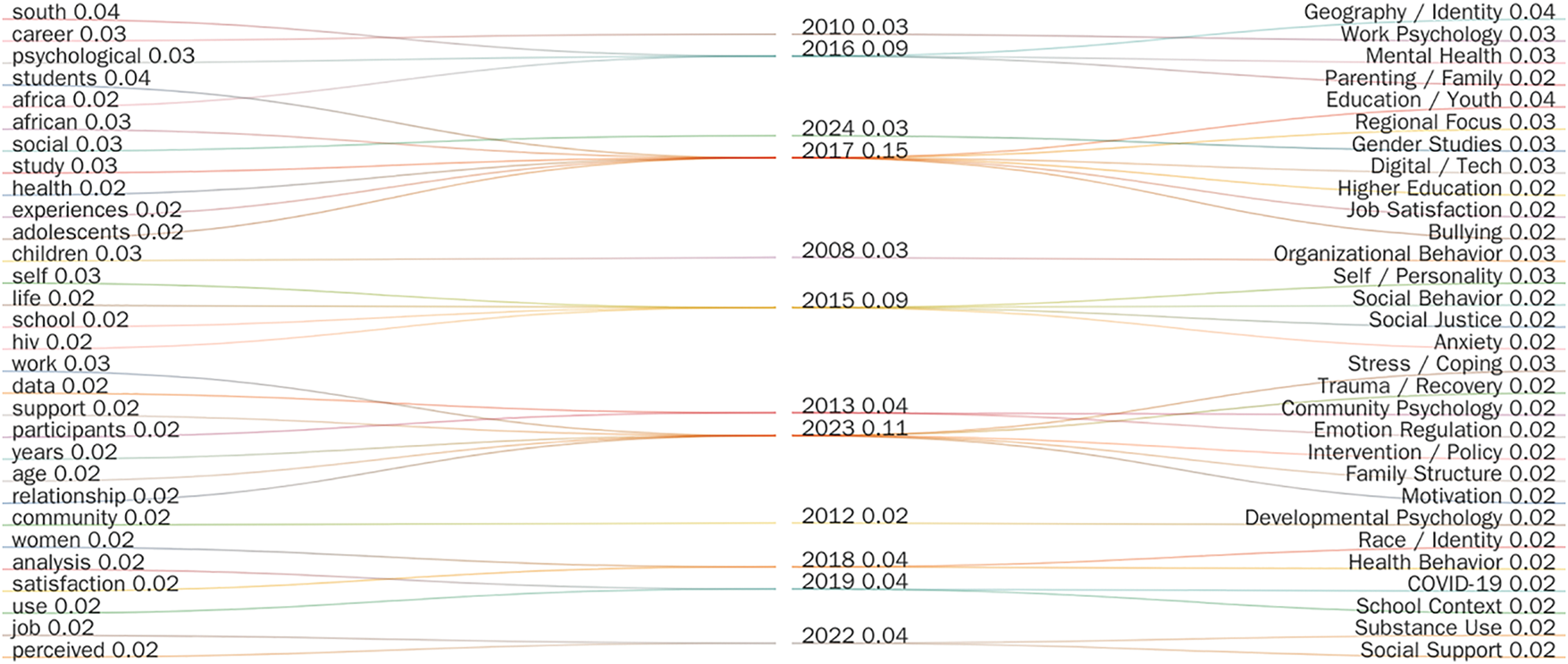
Figure 2: Longitudinal and thematic visualization of topical salience: TF-IDF-driven keyword mapping (2008–2024)
The novelty ratio—defined as the proportion of newly introduced keywords to the total number of unique terms per year—demonstrated a gradual and interpretable decline over time (Antons et al., 2020; Zhang et al., 2023). In 2008, the novelty ratio stood at 1.000, reflecting the dataset’s inception year in which all terms were newly introduced. From 2009 onward, the ratio stabilized within the range of 0.60–0.70, indicating a sustained balance between thematic continuity and the incorporation of conceptual innovation.
This pattern reflects the journal’s capacity for adaptive thematic renewal (Steel et al., 2021). The steady annual introduction of novel terms points to an editorial orientation that encourages innovation while maintaining coherence within a recognizable disciplinary framework (Chen et al., 2023; Zupic & Čater, 2015). Rather than undergoing abrupt thematic shifts or reaching conceptual saturation, the journal’s topical ecosystem reveals a measured and sustainable evolution.
Figure 2 visualizes this dynamic through a temporal–conceptual mapping of the most distinctive keywords, categorized by year of peak usage and thematic domain. The visualization highlights both the temporal clustering of emergent topics—such as digital learning and COVID-19—and the persistent salience of core constructs such as mental health and education.
Taken together, these trends underscore the journal’s dual function: preserving foundational psychological constructs while simultaneously integrating emerging discourses (Gelfand et al., 2017; Steel et al., 2021).
Table 4 and Figure 3 present the 30 most conceptually distinctive keywords identified across the journal’s publication history, based on mean TF–IDF scores. These terms reflect not only a high frequency of usage but also elevated lexical prominence relative to the broader corpus, indicating their disproportionate salience within the journal’s evolving discourse.
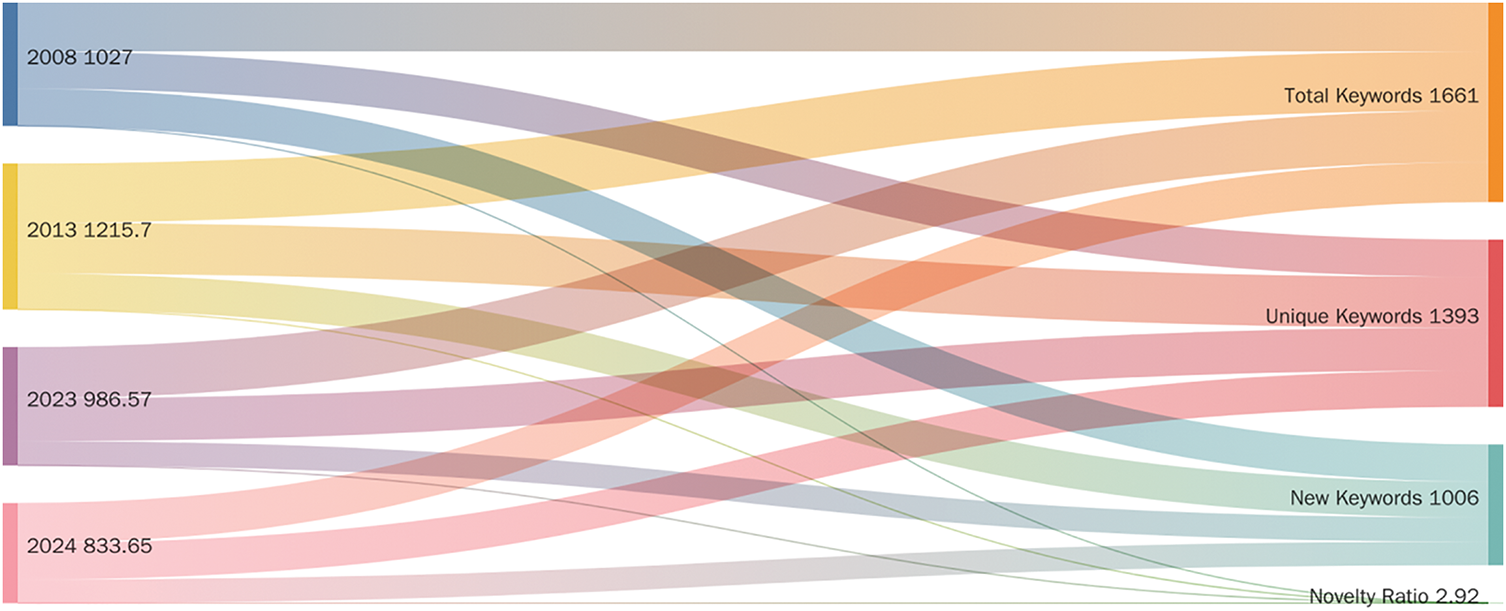
Figure 3: Sankey visualization of annual keyword dynamics: Linking total volume to topical novelty (2008–2024). Note. The flow diagram illustrates how the total keyword volume corresponds to the proportion of newly introduced terms per year
Keywords such as students, self, career, and resilience reflect sustained attention to individual-level psychological processes and developmental trajectories (Anusic & Schimmack, 2016; Liu et al., 2024). In contrast, context-specific terms such as south, african, and covid underscore the journal’s responsiveness to regional identity, geopolitical context, and global crises (Kohrt et al., 2018; Rauschenberg et al., 2021).
This juxtaposition illustrates the journal’s editorial capacity to bridge person-centered psychology with broader sociopolitical realities (Gelfand et al., 2017; Mohammed et al., 2022).
The “Year of Peak Usage” column in Table 4 reveals temporal clustering patterns, with particular keywords surging in prominence during specific periods—for example, the rise of digital and covid in the early 2020s. The accompanying “Conceptual Category” classification organizes the keywords into broader thematic domains, including education, identity, mental health, and sociopolitical dynamics (Chen et al., 2023; Nikolenko et al., 2017). This structure provides a clearer view of the journal’s topical breadth and its evolving thematic priorities.
Figure 3 visualizes these trends using a Sankey flow diagram, which maps the annual evolution of keyword volume and novelty ratios. The visualization highlights the journal’s dynamic lexical landscape, characterized by the continual introduction of new terms while maintaining the relevance of foundational constructs.
The flow from total keyword volume to novelty ratio captures the journal’s dual editorial orientation: a commitment to conceptual continuity balanced by an openness to thematic innovation (Antons et al., 2020; Zupic & Čater, 2015).
Topical concentration and scholarly impact
To investigate the relationship between thematic orientation and scholarly engagement, a separate analysis was conducted on the top 5% of articles, ranked according to both citation counts and download frequencies. This analysis aimed to evaluate whether intellectual visibility is more closely associated with conceptual familiarity or thematic innovation.
The findings reveal a distinct stratification in engagement patterns. Articles grounded in well-established psychological constructs—such as resilience, flourishing, and work engagement—were disproportionately represented among the most cited publications (Podsakoff et al., 2008; Serenko, 2013). These results suggest that citation-based recognition tends to privilege epistemic continuity, reinforcing paradigms already embedded within established disciplinary discourse (Bornmann, 2015; Steel et al., 2021).
By contrast, articles addressing newer or emergent psychosocial concerns—such as mobile phone addiction, loneliness, and job satisfaction—appeared more frequently among the most downloaded publications (Bornmann, 2015; Cho et al., 2017). These findings point to a temporal lag in citation accumulation for thematically innovative work and indicate a usage-driven attentional shift toward more contemporary and contextually salient domains (Frachtenberg, 2022).
Table 6 summarizes the divergence between citation-driven and usage-driven topical terms. Whereas foundational constructs continue to dominate citation indices, emergent topics generate immediate user interest—even in the absence of formal citation recognition (Bornmann, 2015; Zupic & Čater, 2015). This bifurcation reflects a dual trajectory of scholarly engagement: one pathway that rewards conceptual familiarity over time and another that captures early-stage interest in topical novelty.
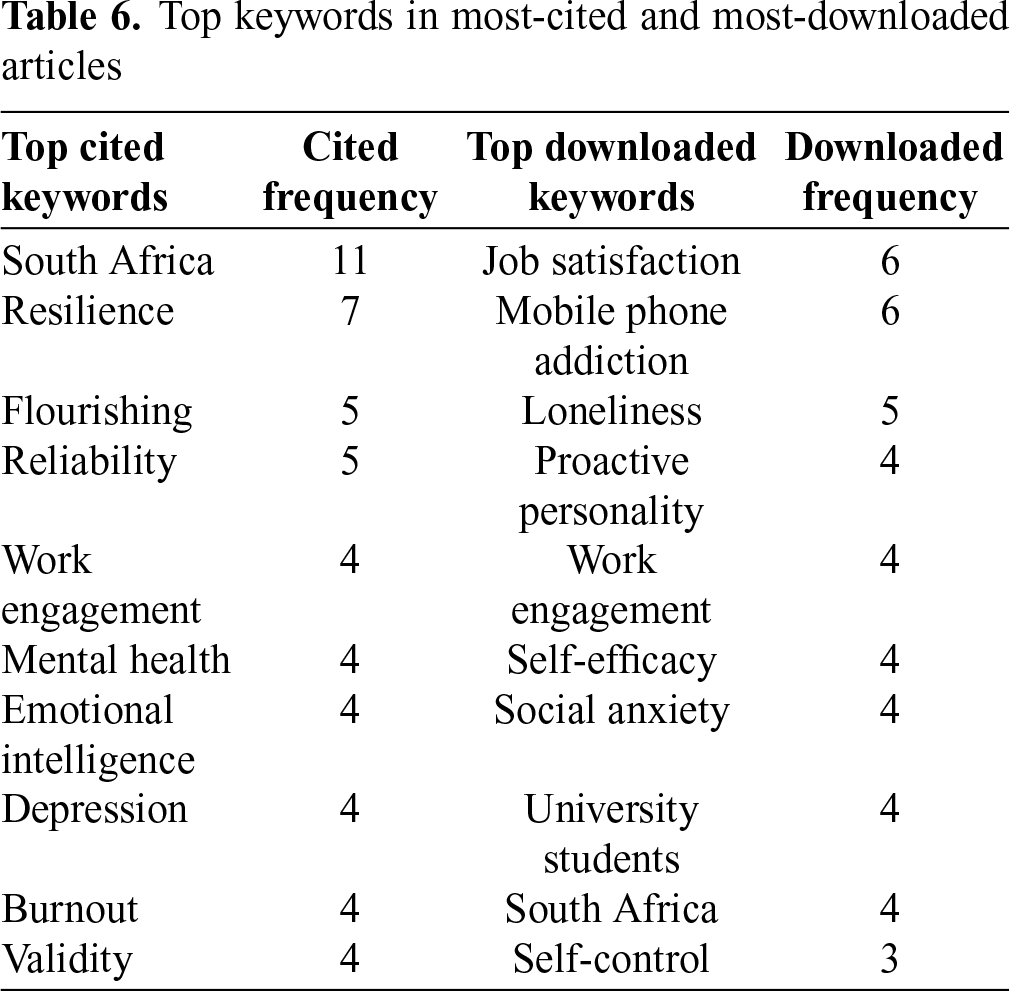
These patterns yield important editorial implications (Durisin et al., 2010; Steel et al., 2021). They suggest that long-term citation impact may require thematic anchoring within disciplinary traditions, whereas short-term reader engagement is more likely to be driven by topical innovation and sociopsychological immediacy. A balanced editorial strategy may therefore involve fostering conceptual innovation without sacrificing recognizability—supporting both retrospective scholarly authority and prospective thematic relevance (Peer & Penker, 2016; Steel et al., 2021).
Thematic novelty, engagement patterns, and conceptual structure
Figure 4 visualizes the relationship between topical novelty and scholarly impact, as measured by citation frequency. While no strong linear correlation was observed, the LOWESS regression curve revealed a distinct nonlinear trend (Cho et al., 2017): articles exhibiting moderate levels of novelty—defined as approximately 40%–60% newly introduced keywords—tended to receive higher citation counts than those at either end of the novelty spectrum.
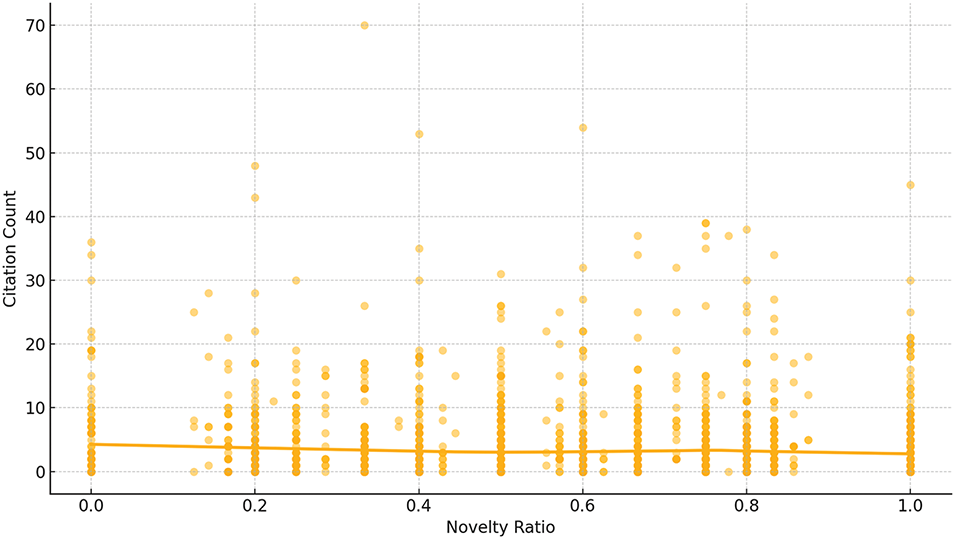
Figure 4: Nonlinear association between topical novelty and scholarly impact: Citation trends by novelty ratio. Note. The LOWESS curve shows a nonlinear trend, indicating that peak citation impact occurs at moderate levels of topical novelty (40%–60%)
This pattern suggests that conceptual integration, in which novel ideas are embedded within familiar thematic frameworks, may enhance academic visibility more effectively than either purely conventional or highly novel work.
This finding aligns with editorial theories that advocate for integrative innovation—scholarly contributions that blend epistemic familiarity with intellectual advancement (Steel et al., 2021). In the context of journal strategy, these patterns underscore the value of curating content that is both innovative and anchored, capable of resonating with traditional disciplinary audiences while also advancing the field through thematic progression.
Figure 5 presents a semantic clustering of articles based on TF–IDF–weighted textual representations of titles, abstracts, and keywords. Using K-means clustering, projected into a two-dimensional space via principal component analysis (PCA), six distinct thematic clusters emerged.
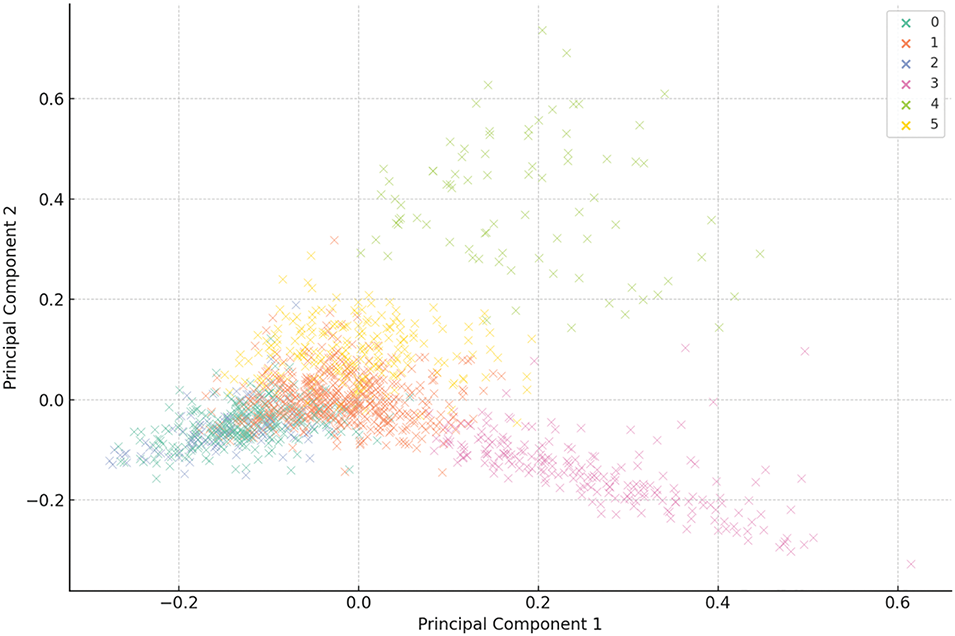
Figure 5: Semantic clustering of articles based on TF-IDF: Thematic overlap across conceptual domains. Note. Six clusters (0–5), generated through K-means clustering on PCA-projected TF–IDF vectors, illustrate recurrent thematic domains across 1457 articles. Although the cluster numbers are algorithmically assigned and do not imply fixed labels, interpretive themes include mental health (0), educational/youth development (1), methodological work (2), organizational behavior (3), digital and pandemic-related topics (4), and identity-related integration (5). These clusters exhibit semantic overlap, highlighting the journal’s non-siloed and multidimensional topical structure
These clusters reflect conceptual convergence around recurrent domains, including mental health, youth development, education, and organizational well-being.
Collectively, these findings underscore a broader editorial insight: impactful scholarship frequently resides at the intersection of innovation and recognizability. Conceptual ecosystems that enable such integration are crucial to sustaining a journal’s long-term scholarly relevance and disciplinary contribution (Bornmann, 2015; Podsakoff et al., 2008).
This study’s findings indicate a robust and sustained presence of foundational psychological domains. Recurring themes—such as mental health, identity development, educational psychology, resilience, and community well-being—have operated as conceptual anchors, shaping the journal’s intellectual coherence. These enduring topics reflect not only persistent societal challenges across African contexts but also the journal’s editorial commitment to contextual relevance and epistemic continuity.
At the same time, the journal has demonstrated meaningful responsiveness to emergent global concerns. Thematic expansion into areas such as digital behavior, environmental psychology, and post-pandemic recovery signals an editorial orientation that remains attuned to contemporary psychosocial transformations. This dual commitment—to regional specificity and international salience—underscores JPA’s capacity to mediate effectively between local impact and global contribution (Gelfand et al., 2017; Mohammed et al., 2022).
The TF–IDF analysis revealed a nuanced interplay between conceptual persistence and episodic intensification (Chen et al., 2023; Nikolenko et al., 2017). While constructs such as self, students, and African identity maintained longitudinal salience, others—particularly those related to technological shifts and public health crises—exhibited sharp, time-bound surges. These bursts of topical intensity underscore the journal’s ability to reflect both structural continuity and timely discursive responsiveness (Kohrt et al., 2018; Rauschenberg et al., 2021).
Novelty ratio analysis further clarified the structure of the journal’s knowledge ecology. Although overall novelty declined gradually over time—a common trend in mature publication environments—the annual volume of new terms remained substantial. Importantly, articles exhibiting moderate levels of novelty (40%–60%) were more strongly associated with higher citation and usage metrics, suggesting that scholarly impact is maximized when innovation is situated within familiar conceptual frameworks.
Rather than forming isolated topical silos, the six thematic clusters revealed interrelated domains—particularly in organizational behavior, youth development, and mental health. The lexical and semantic overlaps among clusters point to an editorial structure characterized by conceptual integration, fostering cross-domain insight, theoretical convergence, and cumulative scholarship—all hallmarks of a strategically curated academic platform.
Among the study’s most salient findings is the observed association between moderate topical novelty and heightened scholarly impact. Articles that achieved a balance between conceptual innovation and epistemic familiarity were more likely to receive elevated citation and usage metrics, suggesting that conceptual integration—rather than strict adherence to tradition or radical novelty—optimizes academic visibility (Cho et al., 2017; Podsakoff et al., 2008).
This finding affirms the value of editorial strategies that promote innovation within recognizable intellectual frameworks.
Implications for topical development and continuity in psychology publishing
The findings of this study carry several key implications for journal editors, reviewers, and contributing authors. Most notably, the observed relationship between moderate topical novelty and elevated levels of scholarly engagement suggests that editorial strategies favoring integrative innovation—where new contributions are situated within familiar conceptual frameworks—may produce optimal outcomes in terms of both visibility and citation impact (Steel et al., 2021).
This insight aligns with emerging editorial models that emphasize incremental advancement over radical departure, particularly in disciplines grounded in psychological science.
For regionally anchored journals such as those rooted in African psychology, this editorial balancing act acquires added complexity (Edwards, 2014; Knoetze & McCulloch, 2017; Swanepoel et al., 2022). These journals are entrusted not only with authentically representing the psychological experiences of local populations but also with asserting epistemic credibility within the global academic arena (Lin & Li, 2023).
Consequently, a critical and underexplored question emerges: How do regional scholarly ecosystems adapt to the exigencies of emerging thematic frontiers while remaining faithful to the foundational commitments that define their intellectual identity (Malapane et al., 2022)?
Additionally, the identification of stable yet overlapping thematic clusters highlights the enduring importance of conceptual continuity. While readers appear to favor intellectual coherence, they also respond positively to thematic enrichment and cross-domain synthesis (Nikolenko et al., 2017; Podsakoff et al., 2008).
Editors may therefore benefit from curating content portfolios that preserve foundational disciplinary constructs while selectively integrating emergent perspectives that resonate with contemporary psychological and societal developments (Steel et al., 2021; Zupic & Čater, 2015).
Strengths, limitations, and future directions
A key contribution of this study lies in its methodological departure from conventional meta-analysis. Rather than synthesizing empirical outcomes across disparate topics, this review positions the journal itself as a dynamic intellectual entity (Hitchcock, 2004; Serenko, 2013). It shifts the analytic lens from effect size aggregation to editorial curation and topical negotiation, offering a unique perspective on how journals evolve amid shifting academic, social, and institutional ecosystems.
Central to this methodological departure is the development and application of the Meta-Editorial Mapping Framework (MEMF)—a novel, full-journal bibliometric framework introduced by the author. MEMF reconceptualizes the academic journal as an evolving epistemic system and applies techniques such as TF–IDF term weighting, keyword novelty analysis, clustering, and visual mapping to uncover patterns of intellectual development and editorial identity.
By applying MEMF to the Journal of Psychology in Africa (JPA), this study demonstrates how bibliometric methods can move beyond retrospective review toward dynamic editorial mapping—offering not merely a snapshot of a journal’s past but a strategic lens for understanding its role in shaping disciplinary knowledge. Moreover, by positioning the journal as a strategic curator of psychological discourse, this study contributes to broader conversations about how regionally anchored academic outlets can evolve responsively while preserving their epistemic identity (Serenko, 2013; Steel et al., 2021).
Nonetheless, several limitations warrant careful consideration. First, the study’s exclusive focus on a single journal limits the generalizability of its findings to other disciplinary or institutional contexts. While JPA provides a robust case study, the observed patterns may not extrapolate to fields characterized by different topical logics, editorial practices, or publication norms.
Second, the reliance on author-supplied keywords as proxies for conceptual novelty, though methodologically practical, may underrepresent deeper semantic innovation embedded within full-text content. Third, engagement metrics such as citation counts and download frequencies are susceptible to extrinsic factors—including open-access status, social media visibility, and timing of publication—which were not systematically controlled in the current analysis (Bornmann, 2015; Frachtenberg, 2022).
Future research should aim to expand both the breadth and depth of this inquiry. Comparative studies across journals, disciplines, or geographic regions could help determine whether the relationship between topical novelty and engagement is structurally generalizable or context-specific. Additionally, incorporating full-text semantic analysis and network-based topic modeling may yield a more granular understanding of conceptual evolution within publication ecosystems. Finally, qualitative approaches—such as interviews with editors, reviewers, or contributing authors—could offer critical insights into how innovation is operationalized in editorial decision-making and how peer review practices mediate the interplay between novelty and scholarly legitimacy (Durisin et al., 2010).
This study offers a comprehensive and data-driven examination of the Journal of Psychology in Africa’s (JPA) thematic evolution, topical innovation, and patterns of scholarly engagement over a 17-year period (2008–2024). Employing an integrated methodology—combining bibliometric analysis, TF–IDF weighting, novelty ratio computation, and topic clustering—the study identified both enduring conceptual anchors (e.g., mental health, education, identity) and an increasing receptivity to emergent thematic domains, including digital behavior, organizational psychology, and post-pandemic recovery.
In sum, the Journal of Psychology in Africa emerges not as a passive repository of regionally produced research but as an active agent in shaping psychological discourse. It sustains disciplinary identity while fostering epistemic innovation—demonstrating how editorial ecosystems can successfully navigate the tension between tradition and transformation. These findings carry significant implications for editors, authors, and institutional stakeholders alike, affirming the strategic role of journals in orchestrating the future of disciplinary development.
Ultimately, the Journal of Psychology in Africa emerges not merely as a regional publication but as a reflective and future-oriented intellectual platform—one that effectively mediates between continuity and innovation in shaping the trajectory of psychological scholarship in Africa and beyond (Gelfand et al., 2017).
It is the author’s hope that this paper may serve as a practical guide—a compass, reference, and point of orientation—for future researchers planning to contribute to the Journal of Psychology in Africa.
Acknowledgement: Not applicable.
Funding Statement: This study received no external funding.
Availability of Data and Materials: All data used in this study were obtained from publicly accessible bibliographic records in the Web of Science Core Collection. Processed data and summary tables are available from the author upon reasonable request.
Ethics Approval: This study did not involve human participants or personal data and was therefore exempt from institutional ethics review. All data were analyzed in accordance with ethical standards for secondary, nonintervention research.
Conflicts of Interest: The authors declare no conflicts of interest to report regarding the present study.
References
Adonis, C. K. (2015). Generational forgiveness and historical injustices: Perspectives of descendants of victims of Apartheid-era gross human rights violations in South Africa. Journal of Psychology in Africa, 25(1), 6–14. https://doi.org/10.1080/14330237.2015.1007594 [Google Scholar] [CrossRef]
Aguinis, H., Ramani, R. S., & Villamor, I. (2019). The first 20 years of organizational research methods: Trajectory, impact, and predictions for the future. Organizational Research Methods, 22(2), 463–489. https://doi.org/10.1177/1094428118786564 [Google Scholar] [CrossRef]
Antons, D., Grünwald, E., Cichy, P., & Salge, T. O. (2020). The application of text mining methods in innovation research: Current state, evolution patterns, and development priorities. R&D Management, 50(3), 329–351. https://doi.org/10.1111/radm.12408 [Google Scholar] [CrossRef]
Anusic, I., & Schimmack, U. (2016). Stability and change of personality traits, self-esteem, and well-being: Introducing the meta-analytic stability and change model of retest correlations. Journal of Personality and Social Psychology, 110(5), 766–781. https://doi.org/10.1037/pspp0000066. [Google Scholar] [PubMed] [CrossRef]
Bello U. M., Kannan P., Chutiyami M., Salihu D., Cheong A. M. Y., et al. (2022). Prevalence of anxiety and depression among the general population in Africa during the COVID-19 pandemic: A systematic review and meta-analysis. Frontiers in Public Health, 10, 1–19. https://doi.org/10.3389/fpubh.2022.814981. [Google Scholar] [PubMed] [CrossRef]
Bornmann, L. (2015). Alternative metrics in scientometrics: A meta-analysis of research into three altmetrics. Scientometrics, 103(3), 1123–1144. https://doi.org/10.1007/s11192-015-1565-y [Google Scholar] [CrossRef]
Chen, C., Ibekwe-SanJuan, F., & Hou, J. (2010). The structure and dynamics of cocitation clusters: A multiple-perspective cocitation analysis. Journal of The American Society For Information Science and Technology, 61(7), 1386–1409. https://doi.org/10.1002/asi.21309 [Google Scholar] [CrossRef]
Chen, H., Tsang, Y. P., & Wu, C. H. (2023). When text mining meets science mapping in the bibliometric analysis: A review and future opportunities. International Journal of Engineering Business Management, 15(2), 1–15. https://doi.org/10.1177/18479790231222349 [Google Scholar] [CrossRef]
Cheng, J., & Zhang, C. (2023). Telecommuting and job performance during the COVID-19 pandemic: The mediating role of psychological detachment from work. Journal of Psychology in Africa, 33(3), 270–275. https://doi.org/10.1080/14330237.2022.2121056 [Google Scholar] [CrossRef]
Cho, Y. J., Fu, P. W., & Wu, C. C. (2017). Popular research topics in marketing journals, 1995–2014. Journal of Interactive Marketing, 40(1), 52–72. https://doi.org/10.1016/j.intmar.2017.06.003 [Google Scholar] [CrossRef]
Craig S. L., Leung V. W., Pascoe R., Pang N., Iacono G., et al. (2021). AFFIRM online: Utilising an affirmative cognitive-behavioural digital intervention to improve mental health, access, and engagement among LGBTQA+ youth and young adults. International Journal of Environmental Research and Public Health, 18(4), 1–17. https://doi.org/10.3390/ijerph18041541. [Google Scholar] [PubMed] [CrossRef]
Dimitrova R., Musso P., Naudé L., Zahaj S., Solcova I. P., et al. (2017). National collective identity in transitional societies: Salience and relations to life satisfaction for youth in South Africa, Albania, Bulgaria, the Czech Republic, Kosovo and Romania. Journal of Psychology in Africa, 27(2), 150–158. https://doi.org/10.1080/14330237.2017.1301722 [Google Scholar] [CrossRef]
Durisin, B., Calabretta, G., & Parmeggiani, V. (2010). The intellectual structure of product innovation research: A bibliometric study of the journal of product innovation management, 1984–2004. Journal of Product Innovation Management, 27(3), 437–451. https://doi.org/10.1111/j.1540-5885.2010.00726.x [Google Scholar] [CrossRef]
Edwards, S. D. (2014). Integral approach to South African psychology with special reference to indigenous knowledge. Journal of Psychology in Africa, 24(6), 526–532. https://doi.org/10.1080/14330237.2014.997044 [Google Scholar] [CrossRef]
Ellis, L. A., Meulenbroeks, I., Churruca, K., Pomare, C., Hatem, S., et al. (2021). The application of e-mental health in response to COVID-19: Scoping review and bibliometric analysis. JMIR Mental Health, 8(12), e32948. https://preprints.jmir.org/preprint/32948. [Google Scholar] [PubMed]
Frachtenberg, E. (2022). Multifactor citation analysis over five years: A case study of SIGMETRICS papers. Publications, 10(4), 1–16. https://doi.org/10.3390/publications10040047 [Google Scholar] [CrossRef]
Gelfand, M. J., Aycan, Z., Erez, M., & Leung, K. (2017). Cross-cultural industrial organizational psychology and organizational behavior: A hundred-year journey. Journal of Applied Psychology, 102(3), 514–529. https://doi.org/10.1037/apl0000186. [Google Scholar] [PubMed] [CrossRef]
Hitchcock, S. (2004). The effect of open access and downloads (‘hits’) on citation impact: A bibliography of studies. Southampton, UK: University of Southampton. [Google Scholar]
Jonas, K., Naidoo, P., Roman, N. V., Gutiérrez, L. A. S., & Feixas, G. (2015). Predictors of quality of life enjoyment and satisfaction in individuals living with HIV and AIDS in a resource-constrained setting in South Africa. Journal of Psychology in Africa, 25(2), 95–99. https://doi.org/10.1080/14330237.2015.1021507 [Google Scholar] [CrossRef]
Knoetze, J. J., & McCulloch, M. (2017). Reflections on becoming a psychologist: Professional development experiences of students in a South African psychology graduate program. Journal of Psychology in Africa, 27(5), 472–476. https://doi.org/10.1080/14330237.2017.1379223 [Google Scholar] [CrossRef]
Kohrt B. A., Asher L., Bhardwaj A., Fazel M., Jordans M. J. D., et al. (2018). The role of communities in mental health care in low-and middle-income countries: A meta-review of components and competencies. International Journal of Environmental Research and Public Health, 15(6), 1–31. https://doi.org/10.3390/ijerph15061279. [Google Scholar] [PubMed] [CrossRef]
Lawrence, K. C. (2020). Work-life and social support influences on the mental health of security personnel for internally displaced persons’(IDP) camps in Nigeria: A brief report. Journal of Psychology in Africa, 30(2), 166–168. https://doi.org/10.1080/14330237.2020.1712803 [Google Scholar] [CrossRef]
Li, M., Porter, A. L., & Suominen, A. (2018). Insights into relationships between disruptive technology/innovation and emerging technology: A bibliometric perspective. Technological Forecasting and Social Change, 129(8), 285–296. https://doi.org/10.1016/j.techfore.2017.09.032 [Google Scholar] [CrossRef]
Li F., Tang X., Ge X., Yu M., Wang S., & Wu B. (2024a). Is mindfulness associated with lower online trolling among adolescents? Mediating effects of self-esteem and depression and moderating effect of dark personality traits. Journal of Psychology in Africa, 34(3), 293–298. https://doi.org/10.1080/14330237.2024.2363698 [Google Scholar] [CrossRef]
Li, X., He, Y., Wu, J., & Xu, H. (2024b). COVID-19 restrictions lifting and the health of older adults: Evidence from a quasi-natural experiment. Journal of Psychology in Africa, 34(5), 602–609. https://doi.org/10.1080/14330237.2024.2370047 [Google Scholar] [CrossRef]
Lin, Z., & Li, N. (2023). Global diversity of authors, editors, and journal ownership across subdisciplines of psychology: Current state and policy implications. Perspectives on Psychological Science, 18(2), 358–377. https://doi.org/10.1177/17456916221091831. [Google Scholar] [PubMed] [CrossRef]
Liu, X., Li, Y., & Gao, W. (2024). Subjective well-being of college students: Developmental trajectories, predictors, and risk for depression. Journal of Psychology in Africa, 34(5), 477–486. https://doi.org/10.1080/14330237.2024.2398871 [Google Scholar] [CrossRef]
Malapane, O. L., Musakwa, W., Chanza, N., & Radinger-Peer, V. (2022). Bibliometric analysis and systematic review of indigenous knowledge from a comparative African perspective: 1990–2020. Land, 11(8), 1–20. https://doi.org/10.3390/land11081167 [Google Scholar] [CrossRef]
Matsoele, N. F. C., & Tadi, N. F. (2024). Mental health literacy in black South African communities. Journal of Psychology in Africa, 34(3), 260–268. https://doi.org/10.1080/14330237.2024.2363690 [Google Scholar] [CrossRef]
Moffitt U., Katsiaficas D., Ghavami N., Minor I., Padilla D., et al. (2023). Intersectionality and identity: A systematic review and qualitative analysis of US research in psychological science. Identity, 23(4), 288–313. https://doi.org/10.1080/15283488.2023.2223647 [Google Scholar] [CrossRef]
Mohammed, A., Mojaye, E. M., & Adelakun, L. (2022). Exploring the prevalence of agenda-setting theory in Africa-focused research, 2000–2020. Communicatio, 48(4), 67–92. https://doi.org/10.1080/02500167.2023.2181369 [Google Scholar] [CrossRef]
Mutezo, A., & Maré, S. (2022). Factorial structure of the community of inquiry survey in a South African open and distance e-learning environment. Journal of Psychology in Africa, 32(2), 129–135. https://doi.org/10.1080/14330237.2022.2028081 [Google Scholar] [CrossRef]
Ng L. C., Stevenson A., Kalapurakkel S. S., Hanlon C., Seedat S., et al. (2020). National and regional prevalence of posttraumatic stress disorder in sub-Saharan Africa: A systematic review and meta-analysis. PLoS Medicine, 17(5), 1–30. https://doi.org/10.1371/journal.pmed.1003090. [Google Scholar] [PubMed] [CrossRef]
Nikita, E., Mardini, M., Mardini, M., Tsimopoulou, C., & Karligkioti, A. (2021). Bi (bli) oArch: An open-access bibliographic database for human bioarchaeological studies in the Eastern Mediterranean and Middle East. Journal of Archaeological Science: Reports, 39(4), 1–6. https://doi.org/10.1016/j.jasrep.2021.103151 [Google Scholar] [CrossRef]
Nikolenko, S. I., Koltcov, S., & Koltsova, O. (2017). Topic modelling for qualitative studies. Journal of Information Science, 43(1), 88–102. https://doi.org/10.1177/0165551515617393 [Google Scholar] [CrossRef]
Peer, V., & Penker, M. (2016). Higher education institutions and regional development: A meta-analysis. International Regional Science Review, 39(2), 228–253. https://doi.org/10.1177/0160017614531145 [Google Scholar] [CrossRef]
Podsakoff, P. M., MacKenzie, S. B., Podsakoff, N. P., & Bachrach, D. G. (2008). Scholarly influence in the field of management: A bibliometric analysis of the determinants of university and author impact in the management literature in the past quarter century. Journal of Management, 34(4), 641–720. https://doi.org/10.1177/0149206308319533 [Google Scholar] [CrossRef]
Porter, A. L., Markley, M., & Newman, N. (2023). The long COVID research literature. Frontiers in Research Metrics and Analytics, 8, 1–22. https://doi.org/10.3389/frma.2023.1149091. [Google Scholar] [PubMed] [CrossRef]
Ramlagan, S., Peltzer, K., Phaswana-Mafuya, N., & Aquilera, J. F. (2010). Support group needs for people living with HIV and AIDS (PLWHA) in communities around Durban, South Africa. Journal of Psychology in Africa, 20(1), 117–121. https://doi.org/10.1080/14330237.2010.10820352 [Google Scholar] [CrossRef]
Rauschenberg, C., Schick, A., Hirjak, D., Seidler, A., Paetzold, I., et al. (2021). Evidence synthesis of digital interventions to mitigate the negative impact of the COVID-19 pandemic on public mental health: Rapid meta-review. Journal of Medical Internet Research, 23(3), e23365. Available from: https://www.jmir.org/2021/3/e23365/. [Google Scholar] [PubMed]
Ribeiro, W. S., Bauer, A., Andrade, M. C. R., York-Smith, M., Pan, P. M., et al. (2017). Income inequality and mental illness-related morbidity and resilience: A systematic review and meta-analysis. The Lancet Psychiatry, 4(7), 554–562. https://doi.org/10.1016/S2215-0366(17)30206-7. [Google Scholar] [CrossRef]
Serenko, A. (2013). Meta-analysis of scientometric research of knowledge management: Discovering the identity of the discipline. Journal of Knowledge Management, 17(5), 773–812. https://doi.org/10.1108/JKM-05-2013-0166 [Google Scholar] [CrossRef]
Steel, P., Beugelsdijk, S., & Aguinis, H. (2021). The anatomy of an award-winning meta-analysis: Recommendations for authors, reviewers, and readers of meta-analytic reviews. Journal of International Business Studies, 52(1), 23–44. https://doi.org/10.1057/s41267-020-00385-z [Google Scholar] [CrossRef]
Swanepoel, S., Fouché, P. J., & Naidoo, P. (2022). A psychobiography of Oliver Reginald Tambo from an African psychology perspective. Journal of Psychology in Africa, 32(2), 180–186. https://doi.org/10.1080/14330237.2022.2027633 [Google Scholar] [CrossRef]
Tian, Y., Luan, Y., & Wang, N. (2022). COVID-related stressors on career insecurity: The moderating effects of family support and openness. Journal of Psychology in Africa, 32(6), 599–604. https://doi.org/10.1080/14330237.2022.2121482 [Google Scholar] [CrossRef]
Van Schalkwyk, I., & Wissing, M. P. (2010). Psychosocial well-being in a group of South African adolescents. Journal of Psychology in Africa, 20(1), 53–60. https://doi.org/10.1080/14330237.2010.10820342 [Google Scholar] [CrossRef]
Wang, H., & Li, Y. (2024). Academic researchers’ work stress and work engagement: Hindrance stress appraisal mediation and psychological resilience moderation. Journal of Psychology in Africa, 34(5), 586–593. https://doi.org/10.1080/14330237.2024.2425238 [Google Scholar] [CrossRef]
Wild, L. G., Flisher, A. J., & Lombard, C. F. (2010). Sexual behaviour of high school students in two rural south African communities. Journal of Psychology in Africa, 20(1), 35–41. https://doi.org/10.1080/14330237.2010.10820340 [Google Scholar] [CrossRef]
Zangani, C., Ostinelli, E. G., Smith, K. A., Hong, J. S. W., Macdonald, O., et al. (2022). Impact of the COVID-19 pandemic on the global delivery of mental health services and telemental health: Systematic review. JMIR Mental Health, 9(8), e38600. Available from: https://mental.jmir.org/2022/8/e38600. [Google Scholar] [PubMed]
Zhang Y., Li H., Mao J., He G., Yang Y., Jiang Z., & Duan Y. (2023). COVID-19: A disruptive impact on the knowledge support of references. Scientometrics, 128(8), 4791–4823. https://doi.org/10.1007/s11192-023-04764-9 [Google Scholar] [CrossRef]
Zhao, G. (2024). How does social media use affect employee voice behaviour? Journal of Psychology in Africa, 34(3), 213–221. https://doi.org/10.1080/14330237.2024.2362117 [Google Scholar] [CrossRef]
Zhu, Y., & Wang, Z. (2024). Authenticity, self-control, and smartphone dependence in adolescence: Path analysis and latent profile analysis. Journal of Psychology in Africa, 34(5), 579–585. https://doi.org/10.1080/14330237.2024.2375730 [Google Scholar] [CrossRef]
Zupic, I., & Čater, T. (2015). Bibliometric methods in management and organization. Organizational Research Methods, 18(3), 429–472. https://doi.org/10.1177/1094428114562629 [Google Scholar] [CrossRef]
Appendix A. Top 20 meso-level citation topics (2008–2024)
Appendix B. Top 20 micro-level citation topics (2008–2024)
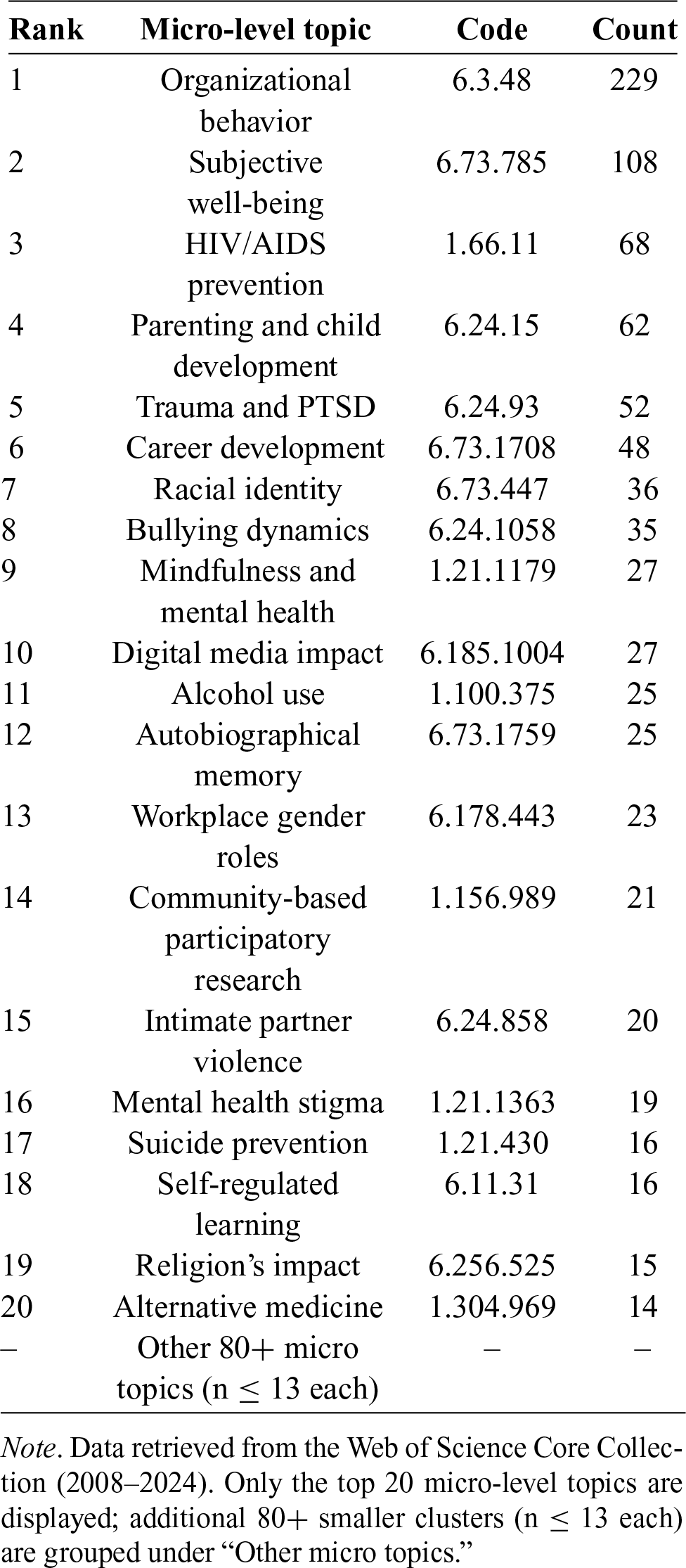
Appendix C. Contribution to UN Sustainable Development Goals (SDGs)
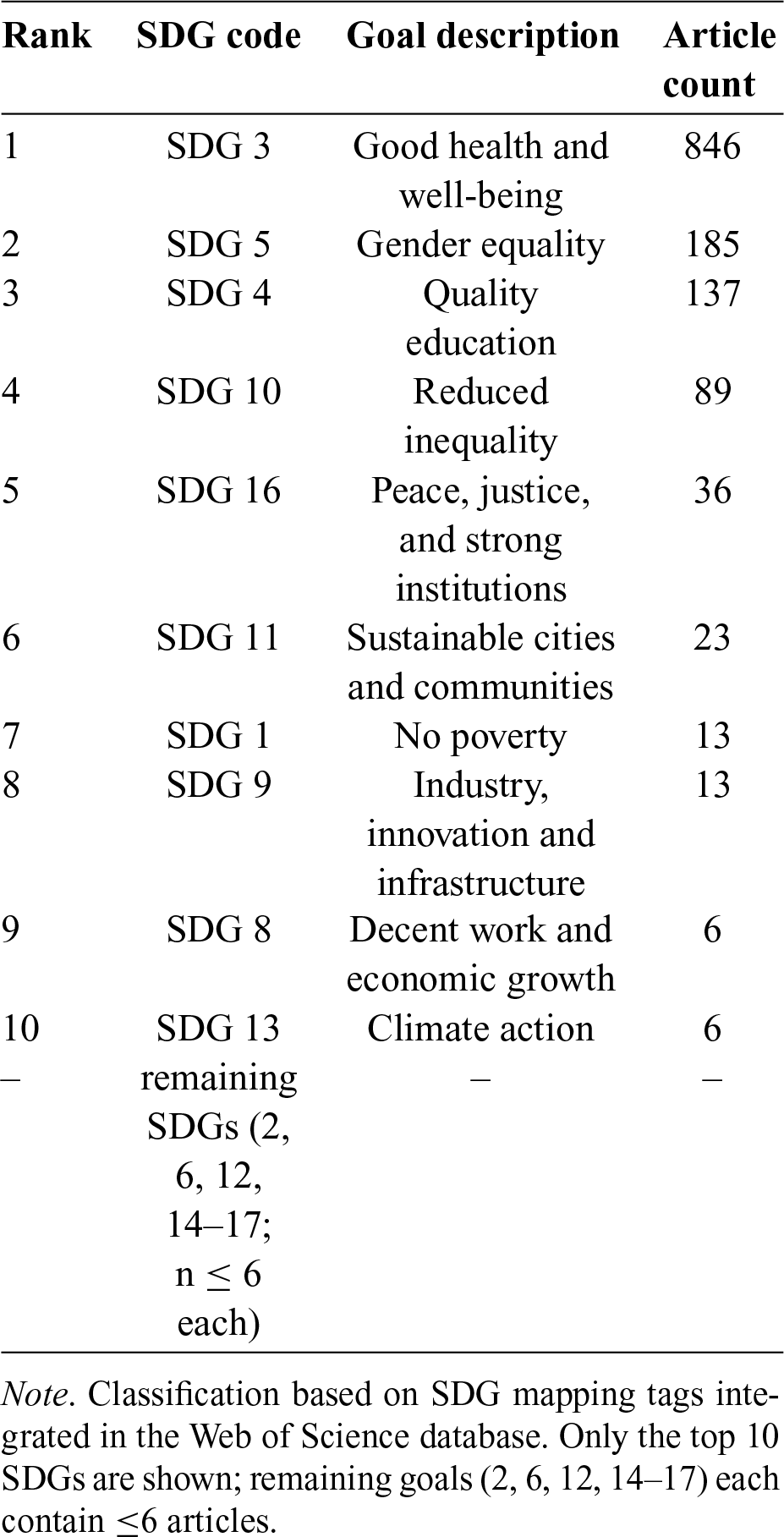
Appendix D. Top 20 contributing institutions (2008–2024)
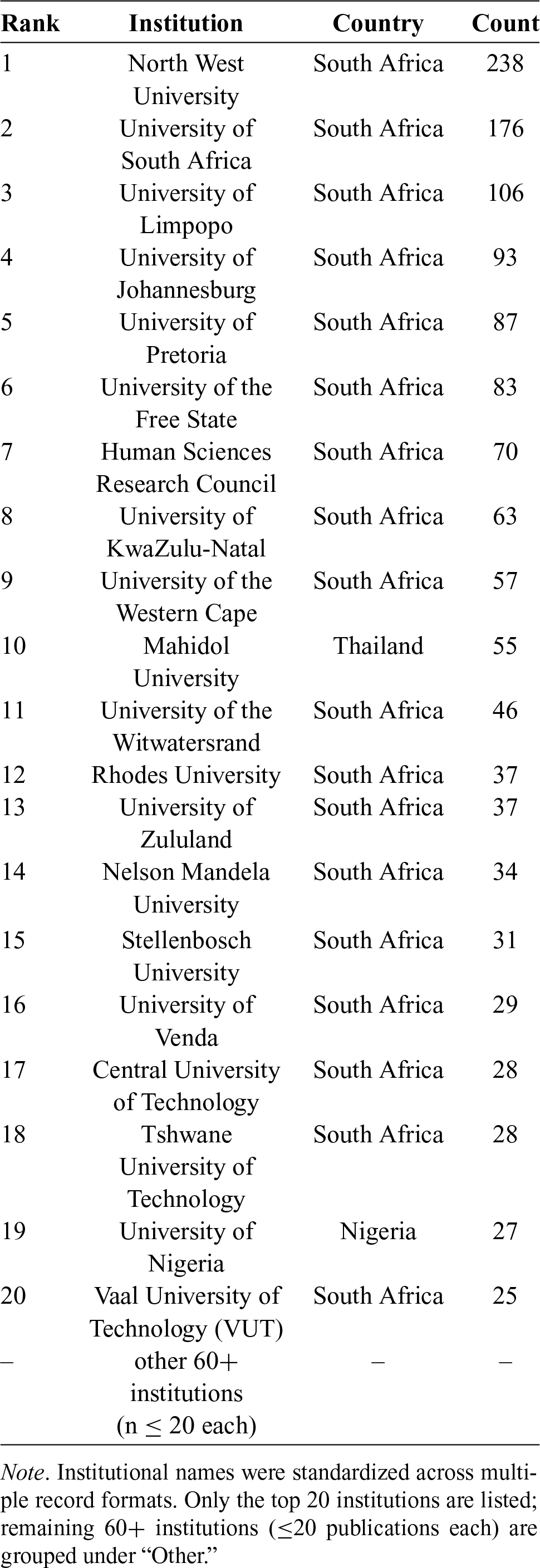
Appendix E. Top 20 countries/regions of contributing authors (2008–2024)
Cite This Article
 Copyright © 2026 The Author(s). Published by Tech Science Press.
This work is licensed under a Creative Commons Attribution 4.0 International License , which permits unrestricted use, distribution, and reproduction in any medium, provided the original work is properly cited.
 Downloads
 Citation Tools
