
 Login
Login Register
 Submit a Paper
 Propose a Special lssue
 Open Access
REVIEW

Student counselling and development units in Africa: A scoping review
1 Department of Psychology, Faculty of Humanities, Auckland Park Kingsway Campus, University of Johannesburg, Johannesburg, 2006, South Africa
2 Department of Psychology, Faculty of Social Science, Gaborone Campus, University of Botswana, Gaborone, UB0022, Botswana
* Corresponding Author: Kesego D. Mathoothe. Email:
Journal of Psychology in Africa 2026, 36(1), 131-142. https://doi.org/10.32604/jpa.2025.069010
Received 11 June 2025; Accepted 29 October 2025; Issue published 26 February 2026
 View Full Text
 Download PDF
Abstract
This scoping review aimed to explore the nature and structure of Student Counselling and Development Units (SCDUs) in Africa towards a better understanding of the role they play in African Higher Education Institutions (HEIs). A comprehensive literature search of ten years (2015–2025) on five electronic databases was conducted. Titles and abstracts were screened, and full articles examined, resulting in 23 studies meeting the inclusion criteria. Using thematic analysis, five main overarching themes were identified: (i) the scope and focus of services in SCDUs, (ii) multidisciplinary teams, (iii) approaches to service provision, (iv) challenges in providing effective support, and (v) adaptability of SCDUs. These themes highlighted that SCDUs offer a multidimensional range of support services and adopt systems-based frameworks. Moreover, they face significant challenges, including limited resources, poor service utilization, and the need for culturally sensitive practices. Conversely, a major strength is their adaptability of implementing online and blended service delivery models.Keywords
Student counselling and development units (SCDUs) are student-centred structures in higher education institutions (HEIs) that specialise in offering psychological, developmental, and support services (van Staden & Naidoo, 2022). The term SCDU is synonymous with student counselling unit or student counselling centre/services, as may be used variably among HEIs (Cilliers, 2016; Adamec & Janderková, 2021; Ocansey & Sefotho, 2022). These dedicated resources are standard practice in many HEIs worldwide because higher education (HE) presents as a time when university students’ levels of distress are higher than those reported by the general population (Franzoi et al., 2022; Granieri et al., 2021; James et al., 2017).
SCDUs are primarily aimed at the psychological and career developmental needs of HE students (Adamec & Janderková, 2021; Amos et al., 2020; Franzoi et al., 2022; Kivlighan et al., 2021). The other needs of students documented include addiction interventions, life skills development, cross-cultural training, and stress management (Cholewa & Ramaswami, 2015; Sessoms, 2020). Furthermore, these resources have been found to promote mental health, improve planning and study skills, and facilitate academic retention and throughput among HE students (Musso et al., 2022). SCDUs play a pivotal role in students’ holistic development, extending beyond their academic pursuits (Sessoms, 2020). While there appears to be a wealth of knowledge on SCDUs elsewhere in the world, we identified two distinct, yet related, knowledge gaps. Firstly, there is a limited understanding of the nature and structure of SCDUs in Africa. Secondly, the landscape of research on SCDUs in Botswana reflects a neglected interest and limited documentation in this area. A specific mention is made of the country because this study is part of a larger project to develop an integrated model of practice for SCDUs in Botswana.
SCDUs in other continents are context-specific, reflecting their socio-political environments. For instance, in Europe, universities in comparison with different types of HEIs are more likely to have SCDUs (Franzoi et al., 2022). Considerably, this may be due to universities being bigger and having greater resources in finances and funding. Primary interventions, such as counselling and career counselling services, are offered more than psychotherapy and psychiatric treatments (secondary-to-tertiary level interventions), which are often provided outside HEIs (Conley et al., 2015; Franzoi et al., 2022). Another noticeable practice is seen in the approaches used in counselling; mainly models such as psychodynamic, cognitive–behavioural, and humanistic, all of which are culturally informed and congruent to the European context (Hofmann et al., 2015; Rückert, 2015).
In Asia, particularly in China, the development of counselling in universities was first triggered by students’ expressed needs, further evolving to be shaped by the government policies promoting the support of these services across universities (Yang et al., 2015). A noticeable difference in the approach taken by Chinese universities is that they predominantly provide students with mental health education courses and lectures (Tianwei, 2019; Wang, 2020; Wang & Du, 2020: Yang et al., 2019). It is assumed that, if the students have received enough mental health education, they would not present with any psychological issues (Yang et al., 2015). The 2018 Amendment of the Mental Health Law of the People’s Republic of China influenced this approach, stipulating that counselling units should only address developmental problems (academics, relationships, and career) while psychiatric hospitals address mental health concerns (Li et al., 2022). Again, this approach prioritised the context of China, wherein community mental health services are limited; psychologists and social workers are disproportionally understaffed; and psychiatrists and registrars are significantly higher numbers of mental health providers (Xia et al., 2021).
Conversely, in the United States of America (USA), SCDUs were introduced because the youth returning from World War II and those entering universities needed educational and career guidance (Prince, 2015). McCarthy (2014) stated that two decades after their introduction, counselling centres were nearly everywhere across American HEIs, driven by the belief that they would foster happier, more productive, and civically engaged graduates. Currently, the practice of student counselling is shaped by diverse functions and services (e.g., multicultural and crisis interventions) and targets to meet students’ emotional and behavioural health needs (Brunner et al., 2024; Mitchell, 2023). This expansion of services given to students underscores the importance of SCDUs.
The current scoping review aimed to bridge the knowledge gap regarding the nature and structure of SCDUs in Africa and to develop a synthesized knowledge base for SCDUs in Botswana. The study addressed the question:
• What is the nature and structure of SCDUs in Africa?
Scoping reviews systematically gather and synthesise literature on a specific topic (Arksey & O’Malley, 2005; Colquhoun et al., 2014; Peters et al., 2020). Like systematic reviews, they adhere to a structured methodology (Munn et al., 2018). Along with using the Joanna Briggs Institute (JBI) guidance for scoping reviews (Khalil et al., 2020), the Preferred Reporting Items for Systematic reviews and Meta-Analyses extension for Scoping Reviews (PRISMA-ScR) (Lingard & Colquhoun, 2022; Peters et al., 2020; Tricco et al., 2018) was utilised to report this review. Msomi and Rzyankina (2024) argued that the PRISMA methodology helped them to establish transparency and replicability of their study process by framing each phase of their research.
The JBI protocol delineated by Peters et al. (2020) outlines the following steps: developing the title and review questions; developing and aligning the inclusion criteria with the objectives and questions; describing the search strategy; providing evidence for screening and selection of the evidence; data extraction; data analysis the evidence; presenting results.
Searches were carried out across EBSCOhost (inclusive of ERIC, APA PsycINFO, and APA Psych Articles), ProQuest Central, Taylor & Francis, SCOPUS, and Sabinet African Journals. The Boolean search was performed through the use of a combination of terms, which were: “student counselling services” or “student counselling centre” or “student counselling unit” or “student development and support” and Africa or a specific African country. Using the filter functions, the following were applied: Africa, peer-reviewed, English, and a 10-year date limit, i.e., 2015 to 2025. This date limit was applied across all databases to ensure that the included literature considered contemporary issues faced by SCDUs.
In addition, the review would include primary research and reflective papers on the nature and structure of SCDUs, conducted in any African HEI, and studies utilising either qualitative or quantitative research designs. Studies utilising knowledge synthesis methods (i.e., systematic reviews, narrative reviews, rapid reviews, and other scoping reviews) as well as editorials were excluded because the current study was looking to synthesis primary research.
The study selection was conducted in two phases: (i) title and abstract selection; and (ii) full-text article screening. For the first phase, both authors screened the articles independently, noting those that would be included and those that were excluded. Any differences between the two authors such as unclear titles or abstracts were discussed and resolved through consensus. The resulting list of articles was then reviewed by the first author, and then the relevant articles were extracted. To ensure the accuracy of the extracted data, the second author also reviewed and approved the extracted data. A standard data extraction form from JBI was used to complete the steps of this process (Peters et al., 2024). As guided by the research question and objectives, information relating to the following was extracted and written on the form:
• Inclusion criteria (e.g., type of evidence source)
• Citation details
• Key findings related to the scoping review question (and implications for practice)
Initially, 613 [Ebscohost: 70 (duplicates removed = 5); ProQuest Central: 146; Taylor and Francis: 246 (duplicates removed = 534); Sabinet African Journals: 64 (duplicates removed = 216); SCOPUS: 87)] titles were found after searching in all databases. Duplicates within each database were first removed then after combining together the remaining titles from each database, 104 duplicates were removed. Through data mining, an additional six were identified. The resulting titles across all databases were 515 in number. The initial steps of screening the titles and the abstracts for relevance were carried out, articles were excluded on; not being about SCDUs; not on the university student population; were outside of Africa; were editorial papers; and could not answer the scoping review question. In the end, 23 were eligible for inclusion in the qualitative analysis. This selection process is presented in Figure 1.
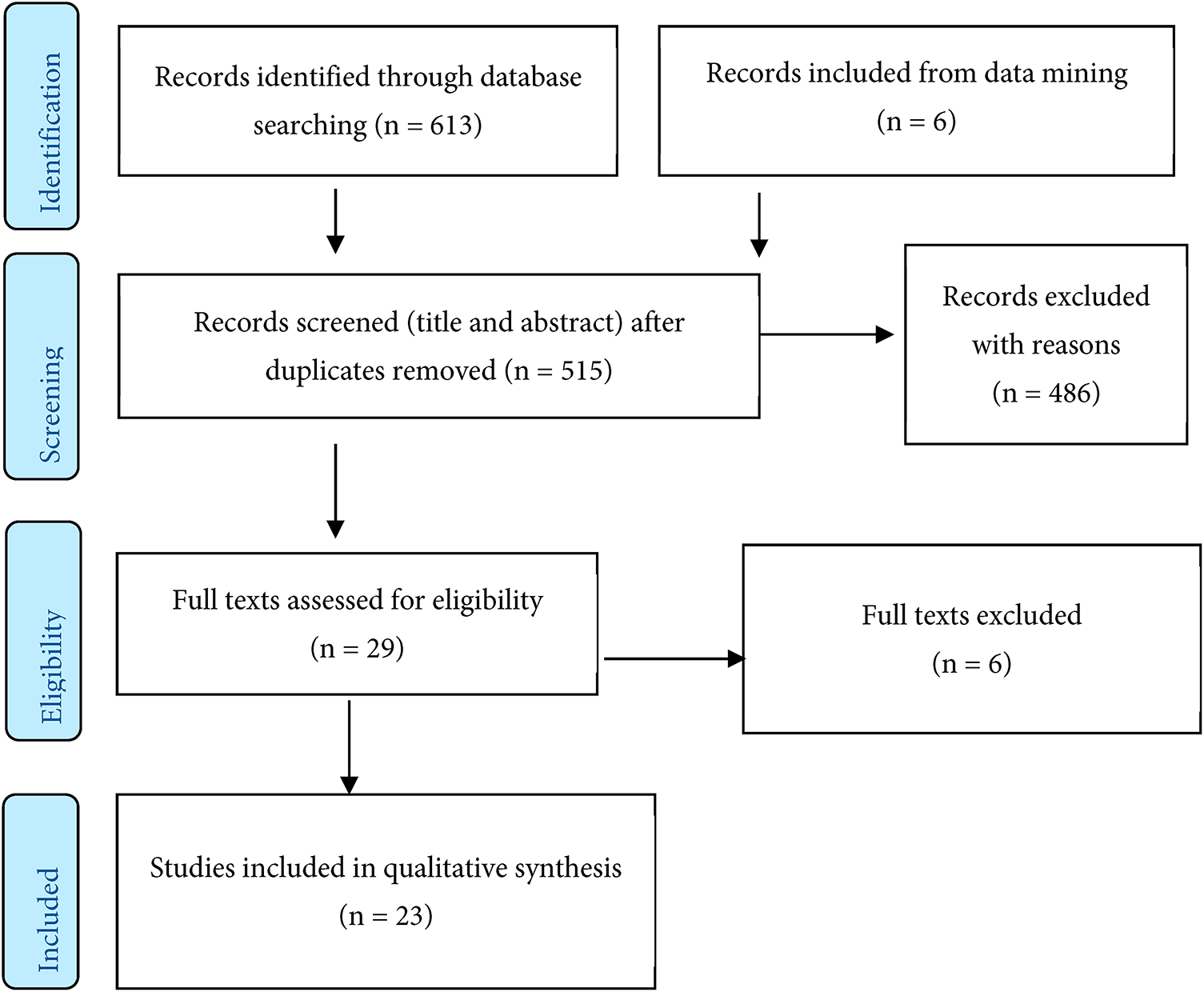
Figure 1: PRlSMA-ScR flow chart of the selection criteria process of the included studies. Adapted: Page et al. (2021)
The key characteristics of the included studies, such as authors and year of publication, study title, country, type of evidence source and key findings that relate to the scoping review question are presented in Table 1.

This scoping review aimed to identify the themes on the nature and structure of SCDUs in Africa. The thematic analysis of the reviewed studies yielded five main themes: (i) the scope and focus of services in SCDUs, (ii) multidisciplinary teams (iii) approaches to service provision, (iv) challenges in providing effective support, (v) adaptability of SCDUs.
The scope and focus of services in SCDUs
A consistent finding across the literature was the multidimensional nature of these services, which were categorised into distinct, yet interrelated, areas of support for students. Firstly, several authors reported that SCDUs offer services addressing mental health and providing psychological support, including psychotherapy and counselling; individual and group interventions; social work services; and trauma and crisis interventions (Blokland & Kirkcaldy, 2022; Dunn-Coetzee et al., 2021; Fandie & Naudé, 2019; Gathoni et al., 2019; Getachew, 2019; Joana Kyei and Nyarko, 2023; Nagile-Setlhare et al., 2016; Naidoo & Cartwright, 2018; Naidoo & Cartwright, 2022; Rushahu, 2022; Shange, 2024; Wells, 2023).
Secondly, an aspect that appears to perhaps highlight the challenges faced by students in African HEIs, compared to their counterparts in other contexts, is the focus on providing academic and learning support services, such as educational and remedial interventions; consultations, and workshops focused on academic skills; and student mentorship (Blokland & Kirkcaldy, 2022; Dunn-Coetzee et al., 2021). This is reflective of the major gap between basic education and HE, with many more students entering HEIs without the required academic skills (Shange, 2024). Thirdly, career development and guidance services emerged as another focus, often encompassing career assessments; curriculum vitae writing, exposure to networking opportunities, and job-searching preparation sessions; internships and career fairs; and career counselling intervention programmes (Blokland & Kirkcaldy, 2022; Dunn-Coetzee et al., 2021; Muswede & Roelofse, 2018; Naidoo & Cartwright, 2018; Newa et al., 2021). Disability support was also documented, particularly through services catering to students with disabilities or special learning needs, including concession assessments (Blokland & Kirkcaldy, 2022; Dunn-Coetzee et al., 2021; Naidoo & Cartwright, 2018; Shange, 2024).
Other authors identified social and welfare support services such as life skills, advocacy interventions, and disciplinary and transformation committees (Blokland & Kirkcaldy, 2022; Naidoo & Cartwright, 2018; Shange, 2024). These included faculty consultation and advisory roles; conducting research about their service delivery; training and developing staff and interns; community outreach; psychoeducation; and personal development workshops (Gathoni et al., 2019; Getachew, 2019; Nagile-Setlhare et al., 2016; Naidoo & Cartwright, 2018).
Furthermore, the reviewed articles emphasised the growing emphasis of SCDUs on promoting wellness and addressing the holistic needs of students (Fandie & Naudé, 2019; Mason & Fourie, 2022; Naidoo & Cartwright, 2018). Student counselling and development services aim to enhance learning skills and provide counselling for various personal, vocational, and psychological challenges (Blokland & Kirkcaldy, 2022). These services also play a role in facilitating academic retention and optimising graduate potential (Blokland & Kirkcaldy, 2022; Gathoni et al., 2019; Naidoo & Cartwright, 2018). Some university counselling units further integrate career services and job placement support into their offerings (Dunn-Coetzee et al., 2021; Getachew & Daniel, 2016; Nagile-Setlhare et al., 2016). The overarching goal of SCDUs is often to foster students’ self-direction and provide a supportive environment for their diverse needs (Fandie & Naudé, 2019).
This structure of SCDUs in Africa is not necessarily different from other contexts such as Europe and Asia (Wang, 2020). In large part, the lack of differences in particular to Europe indicates its influence on HE in African countries, which was formulated in mirroring ways to the colonising powers on the continent (Dlamini, 2019). It is, however, noteworthy that African SCDUs do not, in the same way as Asia, focus on the ‘psycho-educational’ aspect, but rather have a stronger emphasis on career development—perhaps as an attempt to plug the gap between HE and high (secondary) schooling where these services are lacking (Maree & Magere, 2023).
Largely influenced by the differentiating needs of students in African HEIs, the SCDUs have needed to have multidisciplinary teams. The findings revealed that student counselling and support services are provided by multidisciplinary teams—who are expected to offer services within their scope of practice—comprising psychologists, counsellors, peer helpers, social workers, psychology interns and Master’s level students, marriage and family therapists, and administrative staff (Blokland & Kirkcaldy, 2022; Dunn-Coetzee et al., 2021; Fandie & Naudé, 2019; Joana Kyei & Nyarko, 2023; Mason, 2015; Muswede & Roelofse, 2018; Nagile-Setlhare et al., 2016; Naidoo & Cartwright, 2018; Rushahu, 2022; Wells, 2023).
These services are often delivered through appointments at on-campus walk-in clinics (centres) (Blokland & Kirkcaldy, 2022). However, recognising the need for diverse and accessible approaches, it appears SCDUs have created alternative methods of support such as peer-to-peer support and task-sharing initiatives (Bantjes, 2024). Bantjes (2024) highlighted successful, culturally adapted mental health interventions from sub-Saharan Africa (e.g., Zimbabwe’s Friendship Bench, Ghana’s positive psychology interventions, and Ubuntu philosophy) as valuable models for expanding HE mental health services.
Approaches to service provision
Blokland and Kirkcaldy (2022) noted the influence of systems theory frameworks like Bronfenbrenner’s ecological systems theory, as crucial in SCDUs. The focus on systems theory is perhaps different from the more individualistic focus in Europe (Hofmann et al., 2015), motivated by the understanding that the larger socio-political environment of students plays a significant role in their experiences of HE. As such Mason and Fourie (2022) emphasised the growing importance of a wellness perspective in providing services to support students effectively, moving beyond the ameliorative focus on the individualistic approaches. It is worth noting however, that there are some authors such as Joana Kyei and Nyarko (2023) who highlighted the need for adopting a biopsychosocial perspective, as well as Mokwena et al. (2021) who proposed a multimodal intervention framework for online psychological services, citing the Mental Health Model (MHM) as an example of a conceptual framework for guiding psychological interventions. To provide comprehensive care, Getachew (2019) advocated integrating biophysical, psychological, and pharmacological treatment modalities within university counselling centres. Overall, services are offered through a multi-faceted approach (Nagile-Setlhare et al., 2016), drawing upon diverse theoretical underpinnings to meet students’ needs.
Challenges in providing effective support
Limited resources, low uptake of services, the need for culturally sensitive practices, and the importance of addressing barriers to service utilisation are key challenges. Both Rushahu (2022) and Bantjes et al. (2023) explored the underutilisation of student counselling and mental health services. Rushahu (2022) attributed this to a combination of students’ lack of awareness, negative perceptions, and systemic issues within service provision, such as insufficient and paraprofessional counsellors, inadequate facilities, and demographic factors (i.e., gender and age of counsellor, religious or cultural beliefs of students). Bantjes et al. (2023) highlighted stigma and the impracticality of solely relying on individual psychotherapy for large student populations. They proposed innovative, sustainable solutions like peer support and group interventions, emphasizing the need for student-centred, acceptable, and accessible approaches developed in consultation with students. Bantjes et al. (2023) also stressed the importance of improving mental health literacy to encourage help-seeking behaviour by increasing awareness of mental health conditions and the benefits of treatment. Bantjes (2024) highlighted a key problem of campus counselling services often operating in isolation from the public health system, thus, forcing universities to provide extensive wrap-around services.
Mokwena et al. (2021) proposed a multimodal online psychological service framework for rural student populations. This framework was a tiered approach encompassing primary-level mental health promotion via traditional and modern media, hard-copy materials with digital content, and accessible support agents; secondary-level online therapy and self-care webinars; and tertiary-level follow-up, monitoring, and establishing referral links to specialist services. They proposed that such a framework could address the specific challenges of reaching and supporting students with varied technology access. Moreover, Blokland and Kirkcaldy (2022) proposed that student counselling services triage mental health concerns, allocating severe cases (e.g., major depression, suicidality) to senior psychologists, less acute issues to supervised interns or self-help/peer groups, and lower-intensity support through diverse media.
In the analysis of the literature, it was apparent that a major strength of many of the SCDUs in Africa is their increasing adaptability to online service delivery, blended models, and the integration of technology to enhance accessibility and meet the changing needs of students. Many authors (Blokland & Kirkcaldy, 2022; Naidoo & Cartwright, 2022; Dunn-Coetzee et al., 2021; van Staden & Naidoo, 2022) highlighted that this shift was accelerated by the COVID-19 pandemic, which also saw many students rely on electronic devices for teaching and learning. Telemental Health, which involves the increased use of virtual platforms and digital mental health solutions like online therapy, apps, webinars, podcasts, and chatbots, was offered as a solution to meet the needs that resulted (Bantjes et al., 2023; Blokland & Kirkcaldy, 2022; Naidoo & Cartwright, 2022; Gbollie et al., 2023; Mokwena et al., 2021; van Staden & Naidoo, 2022). Moreover, incorporating a hybrid or blended approach, combining online and in-person services, emerged as a solution to enhance flexibility, convenience, reach, and inclusivity in SCDUs (Blokland & Kirkcaldy, 2022; Mitchell et al., 2024). Dunn-Coetzee et al. (2021) identified a growing emphasis on optimising online career services and preparing students for virtual recruitment spaces. It is clear that with more students having access to internet-enabled devices, there is comensurate rise in their use to access services.
According to Mitchell et al. (2024), there are challenges associated with online service delivery, including difficulties establishing strong client rapport, technological unfamiliarity, unreliable connectivity, and managing client files without a dedicated system. Bantjes et al. (2023) emphasised that given the uneven distribution of technological resources and internet availability in South Africa, and perhaps on the continent as a whole, students who may be facing financial hardship would increasingly have no access to the services (see also Naidoo & Cartwright, 2022).
Implications for future research and practice
The results of the scoping review have important practical and regulatory implications for HEIs that are looking to strengthen and establish SCDUs. The current findings showed that as SCDUs continue to change, HEIs should be cognisant of the socio-political, cultural factors, and the specific student needs that significantly influence service delivery (Naidoo & Cartwright, 2018). Therefore, promoting ongoing cultural competence training for staff seems relevant (Fandie & Naudé, 2019).
At the level of regulation and policy, the results reflect that it may be helpful if SCDUs adopt tiered and differentiated approaches to service delivery to enhance the reach and balance the burden of roles. Future studies can be conducted to explore the emerging blended approach to service delivery. Other investigations into the underutilisation of services must explore barriers to access. The context-sensitive and culturally appropriate mental interventions discussed in the scoping review warrant adaptation and testing within various higher education contexts, with some African HEIs often relying on imported approaches. More specific suggestions for future studies include conducting research to explore the barriers and facilitators of providing services that ensure best practices in SCDUs as well as to explore the perceptions of students in HEIs about SCDUs to seek recommendations for future strategies to strengthen the services.
In this scoping literature review, one of the concerning trends was the overrepresentation of studies from South Africa. This suggests that less research attention has been given to SCDUs in most African countries; however, given what the findings revealed, it may benefit other countries to prioritise research on SCDUs in their HEIs to deepen the understanding of these resources. Although most African countries have unique challenges, the characteristics of African higher education students are similar. Other limitations such as the time frame (2015–2025), language restriction (English-only studies), and the exclusion of certain types of studies imply that insights that could have enhanced or offered a different perspective were not considered.
This scoping review highlighted the dynamic nature of SCDUs in Africa and underscored the importance of ongoing adaptation of its services. The review also uncovered challenges and their proposed solutions in the delivery of services in SCDUs. The insights gained from this review offer valuable guidance for developing and enhancing SCDUs in African HEIs, especially Botswana.
Acknowledgement: Not applicable.
Funding Statement: The authors received no specific funding for this study.
Author Contributions: The authors confirm contribution to the paper as follows: Conceptualization, Kesego D. Mathoothe and Sipho Dlamini; data collection, Kesego D. Mathoothe and Sipho Dlamini; data analysis, Kesego D. Mathoothe; writing—original draft preparation, Kesego D. Mathoothe; supervision, Sipho Dlamini. All authors reviewed the results and approved the final version of the manuscript.
Availability of Data and Materials: All data is copyrighted to the University of Johannesburg; availability thereof is at the discretion of this entity.
Ethics Approval: The ethical approval for the larger research which this study is part of was sought and approved by the University of Johannesburg through the Humanities Faculty Research Ethics Committee (REC-01-551-2023).
Conflicts of Interest: The authors declare no conflicts of interest to report regarding the present study.
References
Adamec, P., & Janderková, D. (2021). Analysis of demand for counselling services for university/college students. Ad Alta: Journal of Interdisciplinary Research, 11(1), 8–14. https://doi.org/10.33543/1101814 [Google Scholar] [CrossRef]
Amos, P. M., Bedu-Addo, P. K. A., & Antwi, T. (2020). Experiences of online counseling among undergraduates in some Ghanaian universities. Sage Open, 10(3), 1–11. https://doi.org/10.1177/2158244020941844 [Google Scholar] [CrossRef]
Arksey, H., & O’Malley, L. (2005). Scoping studies: Towards a methodological framework. International Journal of Social Research Methodology, 8(11), 19–32. https://doi.org/10.1080/1364557032000119616 [Google Scholar] [CrossRef]
Bantjes, J. (2024). Global knowledge-power asymmetries and student mental health in sub-Saharan Africa: A case study from South Africa. Journal of International Students, 14(2), 136–149. https://doi.org/10.32674/jis.v14i2.6390 [Google Scholar] [CrossRef]
Bantjes, J., Kessler, M. J., Hunt, X., Stein, D. J., & Kessler, R. C. (2023). Treatment rates and barriers to mental health service utilisation among university students in South Africa. International Journal of Mental Health Systems, 17(1), 38. https://doi.org/10.1186/s13033-023-00605-7. [Google Scholar] [PubMed] [CrossRef]
Blokland, L. E., & Kirkcaldy, H. (2022). Campus mental health revisited. Journal of Student Affairs in Africa, 10(2), 195–207. https://doi.org/10.24085/jsaa.v10i2.4368 [Google Scholar] [CrossRef]
Brunner, J. L., McCabe, A. G., & Wallace, D. L. (2024). College student preferences for campus mental health services and practices. Journal of College Student Mental Health. 38(4), 1011–1037. https://doi.org/10.1080/28367138.2024.2342891 [Google Scholar] [CrossRef]
Cholewa, B., & Ramaswami, S. (2015). The effects of counseling on the retention and academic performance of underprepared freshmen. Journal of College Student Retention: Research, Theory & Practice, 17(2), 204–225. https://doi.org/10.1177/1521025115578233 [Google Scholar] [CrossRef]
Cilliers, C. D. (2016). The need for and relevance of student-counselling and development services in Higher-education institutions in Southern Africa. Journal of Counselling and Development in Higher Education Southern Africa, 3(1), 5–8. https://doi.org/10.25159/886-3.018 [Google Scholar] [CrossRef]
Colquhoun, H. L., Levac, D., O'Brien, K. K., Straus, S., Tricco, A. C. et al. (2014). Scoping reviews: Time for clarity in definition, methods, and reporting. Journal of Clinical Epidemiology, 67(12), 1291–1294. https://doi.org/10.1016/j.jclinepi.2014.03.013. [Google Scholar] [PubMed] [CrossRef]
Conley, C. S., Durlak, J. A., & Kirsch, A. C. (2015). A meta-analysis of universal mental health prevention programs for higher education students. Prevention Science, 16(4), 487–507. https://doi.org/10.1007/s11121-015-0543-1. [Google Scholar] [PubMed] [CrossRef]
Dlamini, S. (2019). #FeesMustFall: Lessons from the post-colonial Global South. Journal of Student Affairs in Africa, 7(1), 47–59. https://doi.org/10.24085/jsaa.v7i1.3692 [Google Scholar] [CrossRef]
Dunn-Coetzee, M., Sinclair, E., Lyner-Cleophas, M., Brink, J., Timmey, M. et al. (2021). Adaptation of student support services considering COVID-19: Adjustments, impact, and future implications. Journal of Student Affairs in Africa, 9(1), 157–166. https://doi.org/10.24085/jsaa.v9i1.1435 [Google Scholar] [CrossRef]
Fandie, K., & Naudé, L. (2019). ‘Being flawed or being courageous’: South African students’ attitudes towards counseling. Current Psychology, 38(3), 647–658. https://doi.org/10.1007/s12144-017-9645-1 [Google Scholar] [CrossRef]
Franzoi, I. G., Sauta, M. D., Carnevale, G., & Granieri, A. (2022). Student counseling centers in Europe: A retrospective analysis. Frontiers in Psychology, 13, 894423. https://doi.org/10.3389/fpsyg.2022.894423. [Google Scholar] [PubMed] [CrossRef]
Gathoni, N. J., Sirera, M. A., & Olaly, W. (2019). Effectiveness of counselling services on retention rate of undergraduate students in selected universities in Kenya. International Journal of Psychology and Counselling, 11(4), 30–38. https://doi.org/10.5897/IJPC2019.0558. [Google Scholar] [CrossRef]
Gbollie, E. F., Bantjes, J., Jarvis, L., Swandevelder, S., du Plessis, J. et al. (2023). Intention to use digital mental health solutions: A cross-sectional survey of university students attitudes and perceptions toward online therapy, mental health apps, and chatbots. Digital Health, 9, 1–19. https://doi.org/10.1177/20552076231216559. [Google Scholar] [PubMed] [CrossRef]
Getachew, A. (2019). Assessment of psychological counseling service for higher education institution students. International Journal of Education and Literacy Studies, 7(4), 53–61. https://doi.org/10.7575/aiac.ijels.v.7n.4p.53 [Google Scholar] [CrossRef]
Getachew, A., & Daniel, G. (2016). Career development among undergraduate students of Madda Walabu University, South East Ethiopia. Journal of Student Affairs in Africa, 4(2), 25–37. https://doi.org/10.18820/jsaa.v4i2.4. [Google Scholar] [CrossRef]
Granieri, A., Franzoi, I. G., & Chung, M. C. (2021). Psychological distress among university students. Frontiers in Psychology, 12, 647940. https://doi.org/10.3389/fpsyg.2021.647940. [Google Scholar] [CrossRef]
Hofmann, F. H., Kress, V., Sperth, M., & Holm-Hadulla, R. M. (2015). Method and effectivity of integrative counseling and short-term psychotherapy for students. Mental Health and Prevention, 3(1–2), 57–65. https://doi.org/10.1016/j.mhp.2015.04.005 [Google Scholar] [CrossRef]
James, B. O., Thomas, I. F., Omoaregba, J. O., Okogbenin, E. O., Okonoda, K. M. et al. (2017). Psychosocial correlates of perceived stress among undergraduate medical students in Nigeria. International Journal of Medical Education, 8, 382. https://doi.org/10.5116/ijme.59c6.3075. [Google Scholar] [PubMed] [CrossRef]
Joana Kyei, J., & Nyarko, N. Y. A. (2023). Towards improving the utilisation of counselling centre services by Ghanaian university students: An exploratory study. Journal of Psychology in Africa, 33(5), 427–432. https://doi.org/10.1080/14330237.2023.2233225 [Google Scholar] [CrossRef]
Khalil, H., Bennett, M., Godfrey, C., McInerney, P., Munn, Z. et al. (2020). Evaluation of the JBI scoping reviews methodology by current users. Joanna Briggs Institute Evidence Implementation, 18(1), 95–100. https://doi.org/10.1097/XEB.0000000000000202. [Google Scholar] [PubMed] [CrossRef]
Kivlighan, D. M., III, Schreier, B. A., Gates, C., Hong, J. E., Corkery, J. M. et al. (2021). The role of mental health counseling in college students’ academic success: An interrupted time series analysis. Journal of Counseling Psychology, 68(5), 562. [Google Scholar]
Li, C.-S., Henriksen, R. C. Jr., Lin, Y.-F., & Brown, T. Jr (2022). The perception of counselling services through the lens of college faculty in China. Counselling and Psychotherapy Research, 22(2), 367–376. https://doi.org/10.1002/capr.12440 [Google Scholar] [CrossRef]
Lingard, L., & Colquhoun, H. (2022). The story behind the synthesis: Writing an effective introduction to your scoping review. Perspectives on Medical Education, 11(5), 289–294. https://doi.org/10.1007/s40037-022-00719-7. [Google Scholar] [PubMed] [CrossRef]
Maree, J. G., & Magere, G. M. (2023). The influence of group career construction counselling on Tanzanian high school students’ career decision-making difficulties. International Journal of Adolescence and Youth, 28(1), 20–35. https://doi.org/10.1080/02673843.2023.2190809 [Google Scholar] [CrossRef]
Mason, H. D. (2015). Nursing students’ lived experiences of attending a psychoeducational stress management programme. New Voices in Psychology, 11(2), 39–53. https://doi.org/10.25159/1812-6371/1740 [Google Scholar] [CrossRef]
Mason, H. D., & Fourie, K. (2022). The role of career wellness in living and studying for South African first-year university students. Journal of Psychology in Africa, 32(4), 389–393. https://doi.org/10.1080/14330237.2022.2031624 [Google Scholar] [CrossRef]
McCarthy, T. (2014). Great aspirations: The postwar American college counseling center. History of Psychology, 17(1), 1–22. https://doi.org/10.1037/a0035671. [Google Scholar] [PubMed] [CrossRef]
Mitchell, S. L. (2023). The work of college counseling centers in the early 21st century. American Psychologist, 78(9), 1125–1136. https://doi.org/10.1037/amp0001249. [Google Scholar] [PubMed] [CrossRef]
Mitchell, G., Gradidge, D., & Ntlokwana, N. (2024). Counsellors’ experiences of integrating virtual interventions to provide mental health support for students. Journal of Student Affairs in Africa, 12(2), 1–17. https://doi.org/10.24085/jsaa.v12i2.5449 [Google Scholar] [CrossRef]
Mokwena, J., Mphekgwana, P., Mabila, T., Makhado, L., Selepe, M. et al. (2021). Towards an evidence-based multimodal mental health intervention framework for rural South African university students. African Perspectives of Research in Teaching and Learning, 5, 95–114. [Google Scholar]
Msomi, A. M., & Rzyankina, E. (2024). Bridging gaps: Enhancing holistic support in mathematics during the transition from secondary school to university. Journal of Student Affairs in Africa, 12(2), 51–70. https://doi.org/10.24085/jsaa.v12i2.5450 [Google Scholar] [CrossRef]
Munn, Z., Peters, M. D., Stern, C., Tufanaru, C., McArthur, A. et al. (2018). Systematic review or scoping review? Guidance for authors when choosing between a systematic or scoping review approach. BioMed Central Medical Research Methodology, 18(1), 1–7. https://doi.org/10.1186/s12874-018-0611-x. [Google Scholar] [PubMed] [CrossRef]
Musso, P., Coppola, G., Pantaleo, E., Amoroso, N., Balenzano, C. et al. (2022). Psychological counseling in the Italian academic context: Expected needs, activities, and target population in a large sample of students. Public Library of Science One, 17(4), e0266895. https://doi.org/10.1371/journal.pone.0266895. [Google Scholar] [PubMed] [CrossRef]
Muswede, T., & Roelofse, C. J. (2018). Drug use and postgraduate students’ career prospects: Implications for career counselling intervention strategies. The Journal For Transdisciplinary Research in Southern Africa, 14(1), 1–8. https://doi.org/10.4102/td.v14i1.523 [Google Scholar] [CrossRef]
Nagile-Setlhare, N., Bitsang, C., Sento-Pelaelo, T., Odirile, B. E., & Molojwane, M. (2016). Utilisation of counselling unit services offered at the University of Botswana: A follow-up study. Journal of Counselling and Development in Higher Education Southern Africa, 3(1), 13–28. [Google Scholar]
Naidoo, P., & Cartwright, D. (2018). Reflections on the history of South African student counselling services: Achievements, challenges, and a way forward. Journal of College Student Psychotherapy, 32(1), 23–41. https://doi.org/10.1080/87568225.2017.1313692 [Google Scholar] [CrossRef]
Naidoo, P., & Cartwright, D. (2022). Where to from here? Contemplating the impact of COVID-19 on South African students and student counseling services in higher education. Journal of College Student Psychotherapy, 36(4), 355–369. https://doi.org/10.1080/87568225.2020.1842279 [Google Scholar] [CrossRef]
Newa, E. O., Kathungu, B., & Wasanga, C. (2021). Factors influencing uptake of career counselling services among university students in Nairobi City County. Kenya African Social Science and Humanities Journal, 2(1), 47–61. https://doi.org/10.57040/asshj.v2i1.36 [Google Scholar] [CrossRef]
Ocansey, S. K., & Sefotho, M. M. (2022). An exploratory qualitative study on the perceived barriers to accessing Ghanaian university counselling services. Journal of Student Affairs in Africa, 10(1), 157–173. https://doi.org/10.24085/jsaa.v10i1.3788 [Google Scholar] [CrossRef]
Page, M. J., McKenzie, J. E., Bossuyt, P. M., Boutron, I., Hoffmann, T. C. et al. (2021). The PRISMA, 2020 statement: An updated guideline for reporting systematic reviews. British Medical Journal, 372, n71. https://doi.org/10.1136/bmj.n71. [Google Scholar] [PubMed] [CrossRef]
Peters, M., Godfrey, C., McInerney, P., Munn, Z., Tricco, A. et al. (2024). Scoping Reviews. In: E. Aromataris, C. Lockwood, K. Porritt, B. Pilla, & Z. Jordan (Eds.), JBI manual for evidence synthesis. Joanna Briggs Institute. https://doi.org/10.46658/JBIMES-20-12 [Google Scholar] [CrossRef]
Peters, M. D. J., Marnie, C., Tricco, A. C., Pollock, D., Munn, Z. et al. (2020). Updated methodological guidance for the conduct of scoping reviews. Joanna Briggs Institute Evidence Synthesis, 18(10), 2119–2126. https://doi.org/10.11124/JBIES-20-00167. [Google Scholar] [PubMed] [CrossRef]
Prince, J. (2015). University student counselling and mental health in the United States: Trends and challenges. Mental Health & Prevention, 3(1), 5–10. https://doi.org/10.1016/J.MHP.2015.03.001 [Google Scholar] [CrossRef]
Rushahu, B. G. (2022). Availability and challenges of guidance and counseling services for female postgraduate students at the university of Dar es Salaam. Papers in Education and Development, 40(1), 96–109. [Google Scholar]
Rückert, H. W. (2015). Students’ mental health and psychological counselling in Europe. Mental Health & Prevention, 3(1–2), 34–40. https://doi.org/10.1016/j.mhp.2015.04.006 [Google Scholar] [CrossRef]
Sessoms, J. (2020). Addressing the whole student: Benefits of developing the counseling center in Thai Higher education. Suranaree Journal of Social Science, 14(2), 133–149. https://doi.org/10.55766/xfei5677 [Google Scholar] [CrossRef]
Shange, T. (2024). Reimagining students’ and student development and support practitioners’ experiences in a computer-assisted language learning (CALL) programme at a university in South Africa. Scrutiny2, 28(1), 68–87. https://doi.org/10.1080/18125441.2024.2349780 [Google Scholar] [CrossRef]
Tianwei, T. (2019). On the innovation of mental health education for postgraduate students in the WeChat era. Education Journal, 8(6), 344–348. https://doi.org/10.11648/j.edu.20190806.26 [Google Scholar] [CrossRef]
Tricco, A. C., Lillie, E., Zarin, W., O’Brien, K. K., Colquhoun, H. et al. (2018). PRISMA extension for scoping reviews (PRISMA-ScR): Checklist and explanation. Annals of Internal Medicine, 169(7), 467–473. https://doi.org/10.7326/M18-0850. [Google Scholar] [PubMed] [CrossRef]
Van Staden, D., & Naidoo, P. (2022). Future-proofing imperatives for remote online teaching, learning and student support in the context of pandemic change and beyond: A case for South African higher education transformation. South African Journal of Higher Education, 36(3), 269–281. https://doi.org/10.20853/36-3-4122. [Google Scholar] [CrossRef]
Wang, X. (2020). Research on mental health education for college students. International Journal of Social Science and Education Research, 3(3), 153–157. https://doi.org/10.6918/ijosser.202003_3(3).0023 [Google Scholar] [CrossRef]
Wang, Q., & Du, T. (2020). Implementation of the college student mental health education course (CSMHEC) in undergraduate medical curriculum: Effects and insights. BioMed Central Medical Education, 20, 1–12. https://doi.org/10.1186/s12909-020-02438-1. [Google Scholar] [PubMed] [CrossRef]
Wells, R. (2023). The impact and efficacy of e-counselling in an open distance learning environment: A mixed method exploratory study. Journal of College Student Psychotherapy, 37(2), 155–172. https://doi.org/10.1080/87568225.2021.1924098 [Google Scholar] [CrossRef]
Xia, L., Jiang, F., Rakofsky, J., Zhang, Y., Shi, Y. et al. (2021). Resources and workforce in top-tier psychiatric hospitals in China: A nationwide survey. Frontiers in Psychiatry, 12, 573333. https://doi.org/10.3389/fpsyt.2021.573333. [Google Scholar] [PubMed] [CrossRef]
Yang, W., Lin, L., Zhu, W., & Liang, S. (2015). An introduction to mental health services at universities in China. Mental Health & Prevention, 3(1–2), 11–16. https://doi.org/10.1016/j.mhp.2015.04.001 [Google Scholar] [CrossRef]
Yang, X. H., Yu, H. J., Liu, M. W., Zhang, J., Tang, B. W. et al. (2019). The impact of a health education intervention on health behaviors and mental health among Chinese college students. Journal of American College Health, 68(6), 587–592. https://doi.org/10.1080/07448481.2019.1583659. [Google Scholar] [PubMed] [CrossRef]
Cite This Article
 Copyright © 2026 The Author(s). Published by Tech Science Press.
This work is licensed under a Creative Commons Attribution 4.0 International License , which permits unrestricted use, distribution, and reproduction in any medium, provided the original work is properly cited.
 Downloads
 Citation Tools
