
 Login
Login Register
 Submit a Paper
 Propose a Special lssue
 Open Access
REVIEW
The International Quality Improvement Collaborative for Congenital Heart Disease: Registry Development, Long-Term Trends, and Current Surgical Outcomes in Low- and Middle-Income Countries
1 Department of Cardiology, Boston Children’s Hospital, Boston, MA, USA
2 Division of Cardiothoracic Sciences, Sindh Institute of Urology and Transplantation (SIUT), Karachi, Pakistan
3 Department of Pediatric Cardiology, Amrita Institute of Medical Sciences and Research Centre, Kochi, Kerala, India
4 Global Cardiac Alliance, Memphis, TN, USA
5 Global Surgery Institute, University of Tennessee Health Science Center, Memphis, TN, USA
6 Department of Cardiovascular Surgery, Fundación Cardioinfantil-Instituto de Cardiología, Bogotá, Colombia
7 Children’s HeartLink, Minneapolis, MN, USA
* Corresponding Author: Kathy J. Jenkins. Email:
(This article belongs to the Special Issue: Registries in Congenital Heart Disease)
Structural and Congenital Heart Disease 2026, 21(4), 1 https://doi.org/10.32604/schd.2026.085936
Received 21 May 2026; Accepted 18 September 2026; Issue published 30 September 2026
 View Full Text
 Download PDF
Abstract
Background: Congenital heart disease (CHD) remains the most common birth defect worldwide, with nearly one-quarter of affected infants requiring intervention in the first year of life. Despite global reductions in childhood mortality, 90% of children born with CHD in low- and middle-income countries (LMICs) lack access to essential cardiac care, contributing to significantly higher morbidity and mortality from CHD compared to high-income countries. The International Quality Improvement Collaborative for Congenital Heart Disease: Improving Care for Low- and Middle-Income Countries (IQIC) was established in 2008 to address these gaps by supporting LMIC cardiac centers through standardized surgical data collection, annual virtual audits, benchmarking, and quality improvement (QI) education. Objective: To describe the development of the IQIC congenital heart surgery registry, summarize findings from 2024, and highlight trends, challenges, and future directions for improving CHD outcomes in LMICs. Methods: Participating IQIC centers submit data for all cases of congenital heart surgery and undergo annual data audits to assess data accuracy and quality. Data from sites that passed the audit in 2024 were analyzed. Demographics, procedural characteristics, mortality, and major infections were examined. Standardized mortality and infection ratios (SMR, SIR) were calculated based on the RACHS-1 method using data from 2016–2020. Temporal trends from 2010 to 2024 were analyzed to assess changes in case complexity and risk-adjusted outcomes. Results: Of 15,560 cases submitted in 2024, 12,679 (82%) from 45 sites passed the audit and were included in aggregate analyses. Surgery was performed at <1 year of age in 41%, and 58% were <5th percentile for weight- or BMI-for-age. Nearly half of procedures were RACHS-1 category 2, and 7.9% were high-risk (RACHS 4–6). In-hospital mortality was 4.9%, and 30-day mortality was 5.1%. Major infections occurred in 6.9% of patients. SMR was stable, and SIR was higher in 2024 compared to 2016–2020 (2024 SMR 1.07, 95% CI 0.98–1.17; SIR 1.36, 95% CI 1.27–1.45) despite increasing case complexity. Conclusions: The IQIC network demonstrates that large-scale, multinational registries and QI are feasible in LMIC settings. IQIC plays an important role in advancing congenital heart surgery outcomes in low-resource settings through collaborative data sharing, benchmarking, and QI programs to address common challenges. Strengthening infection prevention, improving perioperative nutritional support, expanding team-based practice and communication, and enhancing data infrastructure are key priorities.Keywords
Congenital heart disease (CHD) is the most common birth defect worldwide, affecting approximately 9 in every 1000 live births, with nearly one-quarter of affected infants requiring surgery or catheter intervention in the first year of life [1,2]. Most CHD deaths occur in low- and middle-income countries (LMICs) [3]. While preventable child deaths in LMICs have declined by 50% since 1990, an estimated 90% of the 1.3 million children born with CHD each year still lack access to centers that can provide high-quality care, especially for infants [4,5]. Lack of awareness about CHD, access to care, poor healthcare infrastructure, competing health priorities, and a critical shortage of adequate medical resources are all barriers when addressing the burden of CHD in LMICs [6].
1.2 Role of IQIC Surgical Data Registry
To address these challenges and provide data for benchmarking and quality improvement, the International Quality Improvement Collaborative (IQIC) for CHD: Improving care in LMICs was established in 2008. Participating institutions submit data for congenital heart surgery cases to a standardized registry and participate in a quality improvement (QI) framework that is centered on education, infection control, team-based practice, and outcome data feedback with the aim of reducing 30-day mortality associated with congenital heart surgery [7]. Through structured data collection, annual auditing, and standardized annual reports, participation in IQIC supports programs in identifying areas for improvement, benchmarking performance, and monitoring institution-level and cohort-level changes over time.
1.3 IQIC’s Impact on Quality Improvement
Surgical accessibility is not the only challenge facing children with CHD in LMICs [8]. Improving surgical outcomes also requires safe, high-quality perioperative care, including infection prevention, standardized practices, and effective team-based care [8,9]. IQIC supports these efforts by facilitating the systematic tracking of surgical outcomes and care practices, identifying opportunities for improvement, and enabling collaborative learning to promote safer care for children with CHD in LMICs. Prior IQIC reports have demonstrated the feasibility of large-scale collaborative QI efforts in LMIC settings, with notable improvements in infection rates and surgical outcomes, including 30-day mortality in association with participation [10,11]. However, ongoing evaluation is necessary to track trends, understand persistent gaps, and adapt interventions as programs mature and local contexts evolve.
This narrative review discusses the development of the IQIC data registry for congenital heart surgery and summarizes the 2024 IQIC registry data. Clinical characteristics, surgical procedures, and unadjusted and risk-adjusted outcomes are described, while highlighting trends, gaps, and opportunities.
The IQIC surgical registry was conceived in response to a critical need for reliable outcome data within pediatric cardiac surgery programs in low-resource settings identified in 2007 at the Global Forum on Humanitarian Medicine in Cardiology and Cardiac Surgery meeting in Geneva, Switzerland. Congenital heart surgeons operating in low-resource environments, non-governmental organizations (NGOs), and other interested groups discussed factors contributing to high mortality rates among children undergoing cardiac surgery in resource-limited settings. A key finding from this meeting was the absence of standardized benchmarks for evaluating surgical outcomes, identifying modifiable risk factors, and guiding programmatic improvement in emerging cardiac centers. Another key finding was that cardiac surgical programs in low-resource settings faced common challenges, such as a lack of adequate training for nurses and high post-operative infection rates.
After the Global Forum meeting, NGOs sent representatives from partner organizations from low-resource settings to a meeting in Boston, MA, to plan the surgical registry and prioritize focus areas for quality improvement. IQIC launched in 2008 with the mission of reducing mortality for children with CHD in low-resource settings through structured data collection, benchmarking, and collaborative learning. The registry was designed to systematically track clinical outcomes, including in-hospital mortality, 30-day mortality, and surgical site and bacterial sepsis infections, and used the Risk-Adjustment in Congenital Heart Surgery-1 (RACHS-1) method for benchmarking in-hospital mortality and the Centers for Disease Control (CDC) definitions adapted for LMIC practice. In later years, the registry nomenclature was aligned with terminology from the Society for Thoracic Surgeons (STS) and European Association for Cardiothoracic Surgery (EACTS), and other hospital-acquired conditions and STS/EACTS complications were added.
The database was piloted from September 2008 to December 2009 at five pioneering centers in Belarus, China, Guatemala, India, and Pakistan. Findings from the pilot phase demonstrated that the collection of mortality and major complication data was feasible within LMIC settings. Subsequent analyses of IQIC data demonstrated that poor nutritional status was associated with increased mortality and other adverse postoperative outcomes, while postoperative infections contributed substantially to morbidity and mortality following congenital heart surgery [12,13]. These findings helped shape the collaborative’s quality improvement priorities, including nutrition and infection prevention.
2.2 Target Population and Scope
IQIC captures information for pediatric and adult patients undergoing surgery for congenital heart disease in LMICs. Participating institutions range from low-volume emerging centers performing <100 surgeries to high-volume regional referral hospitals exceeding 1000 procedures annually. The registry captures all cardiac surgeries for congenital heart lesions regardless of age and for rheumatic heart disease in children <18 years. In 2024, 45 sites across Asia, Africa, Latin America, and Eastern Europe passed data quality audits and contributed data included in the aggregate comparison for the annual benchmarking reports (Fig. 1).
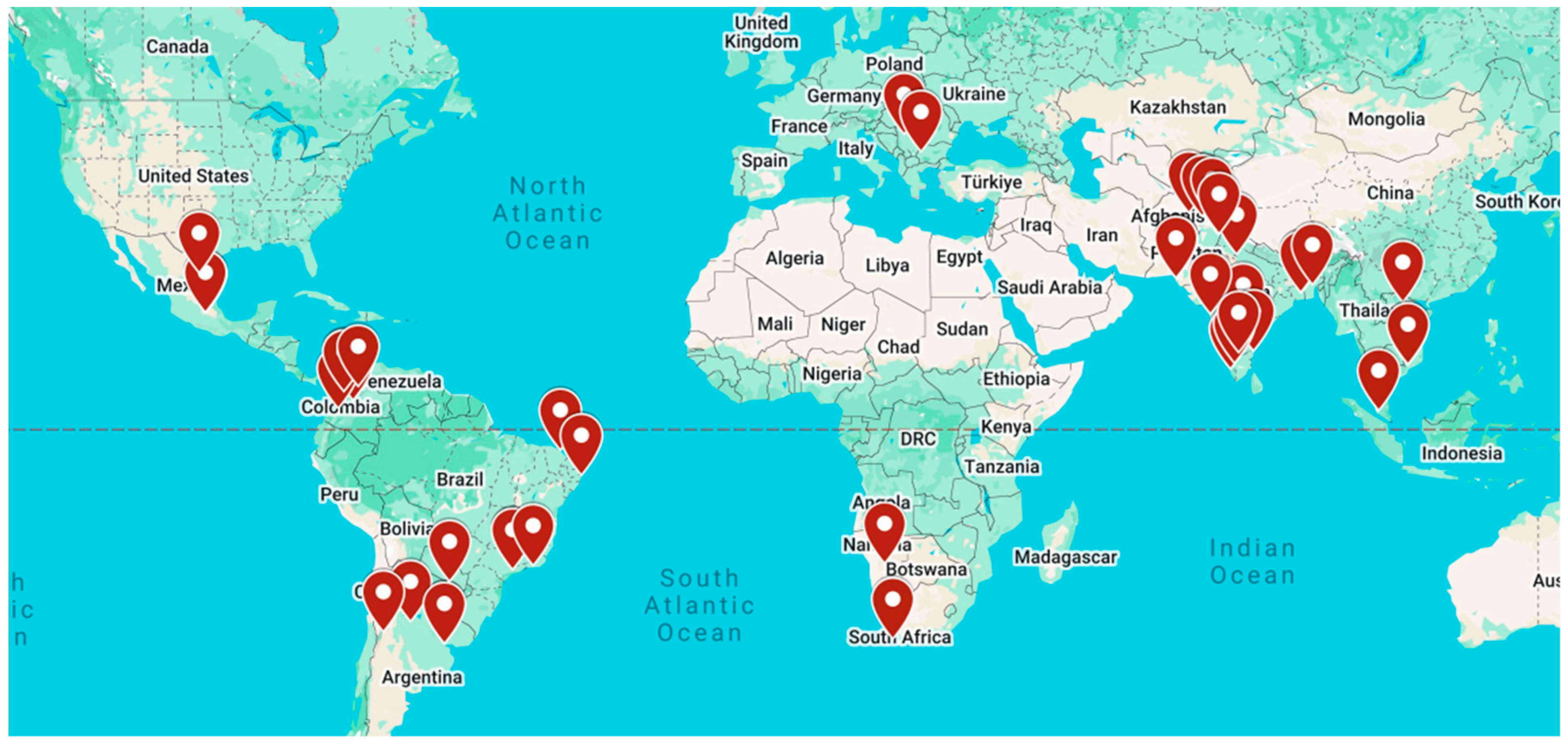
Figure 1: Geographic distribution of IQIC participating sites with green light audit in 2024 (https://iqic.chboston.org/).
IQIC operates under the direction of a steering committee composed of pediatric cardiac surgeons, cardiologists, and nurse leaders who work at IQIC member institutions in LMICs, for NGOs supporting the development of pediatric cardiac programs in LMICs, or at Boston Children’s Hospital (BCH), where the database is maintained. Additionally, the day-to-day operations of the program are supported by a team at Boston Children’s Hospital. Each participating institution has a signed agreement for data sharing with BCH and is responsible for complying with local regulatory requirements. Each institution designates local individuals to oversee data submission and implementation of QI education and programming. Annual data audits are conducted to evaluate and improve data quality.
In addition to the cardiac surgical registry, IQIC launched a pediatric and congenital catheterization registry in 2021. The IQIC Catheterization Registry is aligned with the US-based C3PO Registry, also situated at BCH, and is directed by a Catheterization Steering Committee [14,15].
To strengthen the design and implementation of QI initiatives and to emphasize the central role of nursing in congenital heart care, an IQIC Nursing Steering Committee was established in 2025. This committee comprises nursing leaders from Boston Children’s Hospital and partner institutions across the IQIC network, and focuses on education, data collection, and QI activities from a nursing perspective.
IQIC’s success is built on strong collaboration among key partners, including Boston Children’s Hospital, Children’s HeartLink, Global Cardiac Alliance, Global ARCH, and participating institutions across LMICs. Boston Children’s Hospital serves as the lead institution, providing scientific and administrative oversight, database management, and statistical analysis to generate standardized reports on behalf of partner sites. Children’s HeartLink, a nonprofit organization that works to improve access to high-quality pediatric cardiac care in underserved regions, supports on-site and virtual training, mentorship, and capacity-building initiatives that strengthen local QI efforts at partner institutions [16]. The Global Cardiac Alliance (formerly the Novick Cardiac Alliance), a nonprofit organization that develops sustainable pediatric cardiac care programs in low- and middle-income countries, contributes surgical training, clinical mentorship, and program development expertise to help strengthen pediatric cardiac surgical capacity in resource-limited settings [17]. Global ARCH, an international network of congenital heart disease patient and family advocacy organizations, promotes education, advocacy, and collaboration, with several member organizations directly supporting IQIC activities at participating programs [18]. The extent of international clinical support varies among participating centers. Among the 45 sites that passed the 2024 audit, 16 sites (35.6%) reported at least one case performed in the presence of a visiting surgeon. Overall, 1875 cases (14.7% of cases) were performed with a visiting surgeon present, demonstrating that while some participating centers receive direct surgical support from visiting teams, the majority of surgical care is delivered without a visiting surgeon present.
Participating institutions contribute clinical data, implement QI interventions, and serve as essential partners in advancing equitable, data-driven improvements in congenital heart care worldwide. The extent of external support varies across institutions. Some programs operate primarily with local personnel and resources, whereas others receive periodic clinical mentorship, training, equipment, technical assistance, or visiting-team support from international partner organizations. Multiple other organizations also provide support to individual programs. IQIC participation does not require or standardize the type or extent of external clinical, technical, or material support received by participating centers.
Building upon the success of the pilot, IQIC expanded rapidly through word-of-mouth. By 2015, participation had grown to 44 sites across 20 countries, collectively submitting data from nearly 40,000 surgical procedures. By 2025, overall participation reached 90 sites across 30 countries, and the registry now contains data from over 200,000 surgical cases. Each institution is responsible for collecting patient-level data and entering it into the secure, web-based IQIC database. Participating sites also variably engage in structured educational programs focusing on infection prevention, perioperative care, and multidisciplinary communication.
The registry has achieved widespread adoption within the LMIC pediatric cardiac community, supported by its no-cost participation model, data transparency, and structured benchmarking reports. In most years, about 50 programs actively participated in the surgical registry and other QI and educational activities. Regular meetings termed learning sessions, frequent webinars, and peer-learning exchanges reinforce adoption and encourage knowledge sharing.
Participant feedback highlights several benefits of the IQIC registry, including improved awareness of institutional performance through data collection and benchmarking, empowerment of local teams to advocate for infection control and resource support, and greater multidisciplinary collaboration and staff engagement in QI. Challenges identified by sites include the time burden of manual data entry, internet connectivity limitations, the need for assistance in interpreting data reports effectively, language barriers for educational programming, and a lack of buy-in by home institutions to support QI initiatives.
IQIC conducts a data audit of each site’s completed data on an annual basis. Each audit evaluates 10-percent or at least 20 cases (for sites with <200 cases), verifying a subset of clinical characteristics (age at surgery; patient sex), medical history (major non-cardiac structural anomaly), surgical procedures (number and type of congenital heart procedure(s) performed), and clinical outcomes (in-hospital death, bacterial sepsis, surgical site infection, and alive status at 30 days post-surgery).
After the data audit is complete, sites are assigned one of three colors from a traffic-light analogy: red, yellow, or green, with each color representing the institution’s stage of data accuracy and completion.
Green light site data was complete and reported a high level of accuracy, reporting very few total discrepancies and no discrepancies among the major outcomes. Green light sites receive an institution-level report and are included in the aggregate dataset.
Yellow light site data failed to meet full data accuracy and reported at least 1 discrepancy per case for fewer than 10-percent of the total cases reviewed and fewer than or equal to 1 discrepancy among the major outcomes. Yellow light sites receive an institution-level report but are excluded from the aggregate dataset. If data errors are limited to specific variables, centers are encouraged to correct the data after which they are reaudited and can achieve a green light status.
Red light site data failed to meet data quality standards based on the quality and completeness of data entry and had at least 1 discrepancy per case for greater than or equal to 10% of the total cases reviewed or had greater than or equal to 2 discrepancies among the major outcomes. Red light sites are excluded from the aggregate dataset and are not eligible to receive an institution-level report. Sites assigned red-light status are further monitored by IQIC staff and receive targeted support, such as additional training and technical assistance, to identify and address limitations in data collection, accuracy, and entry.
Once audits are completed and traffic light assignments are made, data are extracted from the IQIC database to be analyzed for site-specific and aggregate reports describing clinical characteristics, medical history, surgical procedures and surgery events, clinical outcomes, and 30-day status.
Descriptive statistics are used to summarize patient demographics, clinical characteristics, surgical procedures, and outcomes. Categorical variables are reported as counts and percentages, and continuous variables as medians and interquartile ranges. Unadjusted outcome rates, including in-hospital mortality, 30-day mortality, surgical site infection, bacterial sepsis, and major infection (surgical site infection and/or bacterial sepsis), and, in recent years, hospital-acquired conditions and selected complications are calculated with 95% confidence intervals. Trends over time are evaluated.
4.3 Risk Adjustment for Mortality
In-hospital mortality was assessed using the Risk Adjustment for Congenital Heart Surgery (RACHS-1) model [19]. This model accounts for differences in case mix using the Risk Adjustment for Congenital Heart Surgery-1 (RACHS-1) classification and a logistic regression model. The mortality model accounted for differences in case mix, including surgical risk category, age at surgery, prematurity, presence of a major non-cardiac structural anomaly, and multiple cardiac procedures. Patients aged ≥18 years were excluded or analyzed separately. Logistic regression models developed from 2016–2020 aggregate data (over 67,000 cases) were applied to calculate expected mortality for each site. Standardized mortality ratios (SMRs) are generated for the collaborative annually. The SMR is defined as the observed mortality rate divided by the expected mortality rate, with 95% confidence intervals to assess statistical significance. An SMR < 1 indicates better-than-expected outcomes, whereas an SMR > 1 indicates worse-than-expected outcomes. Because the 2016–2020 data were used both to develop the expected mortality models and as the historical benchmark, comparisons represent temporal change relative to this reference period.
4.4 Risk Adjustment for Major Infection
Major infection outcomes are analyzed using a multivariable logistic regression model based on the 2016–2020 IQIC dataset. Predictors included RACHS-1 risk category, age at surgery, occurrence of a preoperative procedure, presence of a non-cardiac structural anomaly, presence of a genetic syndrome, major medical illness, baseline oxygen saturation <85%, and weight-for-age or BMI-for-age percentile. Standardized infection ratios (SIRs) are calculated by dividing observed infection rates by expected rates derived from the benchmark model. SIRs are reported with 95% confidence intervals annually.
For each participating site that received a yellow or green light during the data audit, unadjusted outcomes are displayed alongside collaborative averages. Site-specific SMRs and SIRs are calculated and benchmarked against the 2016–2020 collaborative average. This allows evaluation of institutional performance relative to the global cohort, accounting for patient risk factors and temporal changes in case mix. Because only sites with yellow or green audit status were included, results may not be generalizable to all participating sites. All analyses were performed by the IQIC biostatistician using SAS version 9.4 (SAS Institute Inc., Cary, NC, USA) with data obtained from the Oracle-based IQIC registry data system.
5 IQIC 2024 Surgical Registry Data & Outcomes
In 2024, 15,560 congenital heart surgery cases from 53 sites were entered into the IQIC registry. After the audit, 12,679 (81.5%) cases from 45 sites were included in aggregate analyses. This study was reviewed and approved by the Institutional Review Board (IRB) at Boston Children’s Hospital under protocol number M10-10-0505 (approved in January, 2024). The study received full approval and was conducted according to the Declaration of Helsinki. Data collection occurred between 09/01/2008–12/31/2024. All participants provided written informed consent prior to participation. Participant confidentiality was protected through de-identification of all Protected Health Information (PHI).
Clinical characteristics are shown in Table 1. Surgery was performed more commonly in males than females. 41% of patients undergoing surgery were infants <1 year of age, including over 1000 neonates. Nearly 70% of cases were malnourished at the time of surgery.
Table 1: Clinical characteristics.
| Characteristic | Value |
|---|---|
| sex (male, n = 12,679) | 7186 (56.7%) |
| Age at Surgery (n = 12,679) | |
| ≤30 days | 1001 (7.9%) |
| 31 days to <1 year | 4207 (33.2%) |
| 1 to 17 years | 7104 (56.0%) |
| ≥18 years | 367 (2.9%) |
| Premature* (n = 12,623) | 507 (4.0%) |
| Weight (kg) (n = 12,677) | 9 (5, 17) |
| WHO Weight/BMI for Age Percentile (if age at surgery <18 years, n = 12,311) | |
| <5th percentile | 7116 (57.8%) |
| ≥5th, <15th percentile | 1468 (11.9%) |
| ≥15th percentile | 3727 (30.3%) |
Preoperative medical history is shown in Table 2. Genetic syndromes were present in 7.1% of patients, while 3.1% had a major non-cardiac structural anomaly and 6.4% had a major medical illness. A history of previous cardiac surgery was reported in 12.2% of cases, and 12.7% had undergone prior cardiac catheterization. Preoperative interventions included balloon atrioseptostomy in 1.4%, resuscitation in 0.8%, inotrope therapy in 2.1%, and mechanical ventilation in 4.5%.
Table 2: Medical history.
| Characteristic | Number | Percent |
|---|---|---|
| Genetic Syndrome (n = 12,679) | 897 | 7.1% |
| Major Non-Cardiac Structural Anomaly (n = 12,679) | 390 | 3.1% |
| Major Non-Cardiac Medical Illness (n = 12,263) | 780 | 6.4% |
| Rheumatic Heart Disease (n = 12,560) | 92 | 0.7% |
| Previous Cardiac Surgery (n = 12,671) | 1539 | 12.2% |
| Previous Cardiac Catheterization (n = 12,638) | 1606 | 12.7% |
| Preoperative Management (n = 12,679) | ||
| Balloon atrioseptostomy | 182 | 1.4% |
| Resuscitation | 104 | 0.8% |
| Inotrope therapy | 260 | 2.1% |
| Ventilation | 567 | 4.5% |
| None reported | 11,893 | 93.8% |
5.4 Surgical Procedures and Events
Surgical Risk Category and intra- and post-operative events are shown in Table 3. Nearly half of all procedures were classified as RACHS category 2 (48.5%), and fewer than 1% were in Category 5 or 6. 90% of cases were assigned to a risk category and were eligible for inclusion in the risk-adjusted analysis of mortality.
Table 3: Surgical procedures and events.
| Characteristic | Number | Percent |
|---|---|---|
| RACHS-1 Risk Category | ||
| 1 | 1819 | 14.3% |
| 2 | 6144 | 48.5% |
| 3 | 2443 | 19.3% |
| 4 | 917 | 7.2% |
| 5 | 7 | 0.1% |
| 6 | 77 | 0.6% |
| Unassigned | 690 | 5.4% |
| Age ≥18 years and/or not eligible | 582 | 4.6% |
| Open Chest After Surgery | 897 | 7.1% |
| Significant Cardiopulmonary Bypass Related Event Threatening Patient Safety | 13 | 0.1% |
Outcomes are shown in Table 4. Overall, in-hospital mortality was 4.9%. Major infections occurred in 6.9% of patients, with surgical site infection in 2.4% and bacterial sepsis in 5.1%. Other hospital-acquired conditions occurred in 3.5% of cases. The most common post-operative complications were acute kidney injury requiring dialysis, reintubation within 24 h of extubation, and post-operative seizures. Although most procedures were performed in lower RACHS-1 categories, mortality risk increases with procedural complexity; ongoing analyses of IQIC data seek to better characterize outcome patterns across surgical risk categories and identify potentially modifiable contributors to mortality.
Table 4: Clinical outcomes.
| Characteristic | Number | Percent |
|---|---|---|
| In-Hospital Mortality (n = 12,679) | 618 | 4.9% |
| Surgical Site Infection (n = 12,679) | 302 | 2.4% |
| Bacterial Sepsis (n = 12,679) | 643 | 5.1% |
| Any Major Infection* (n = 12,679) | 874 | 6.9% |
| Additional Hospital Acquired Condition (n = 12,671) | 448 | 3.5% |
| Ventilator Associated Event (n = 12,673) | 194 | 1.5% |
| Catheter Associated Bloodstream Infection (n = 12,676) | 72 | 0.6% |
| Catheter Associated Urinary Tract Infection (n = 12,675) | 69 | 0.5% |
| Complications | ||
| Required additional surgery for bleeding (n = 12,630) | 116 | 0.9% |
| Reintubation within 24 h of extubation (n = 12,630) | 226 | 1.8% |
| ICU readmission after 24 h discharged (n = 12,632) | 75 | 0.6% |
| Diaphragmatic paralysis (n = 12,629) | 110 | 0.9% |
| Post-surgical heart block requiring pacemaker (n = 12,633) | 123 | 1.0% |
| Tracheostomy during the same admission (n = 12,634) | 53 | 0.4% |
| Postoperative seizures (n = 12,633) | 160 | 1.3% |
| Acute kidney injury requiring dialysis (n = 12,635) | 251 | 2.0% |
| Other complication (n = 12,621) | 1045 | 8.3% |
In-hospital death or death within 30 days and other 30th-day outcomes are shown in Table 5, based on data from 44 programs that made this assessment for at least 90% of cases. At 30 days, 5.1% of patients had died, 1.8% remained hospitalized, 0.4% were discharged but not doing well, and 92.0% were discharged and in good condition. The in-hospital or 30th-day mortality rate was 5.2%.
Table 5: 30-Day status.
| Number | Percent | |
|---|---|---|
| Status within 30 Days (n = 12,679) | ||
| Death* | 654 | 5.1% |
| Alive—still in hospital | 223 | 1.8% |
| Alive—discharged, not doing well | 44 | 0.4% |
| Alive—discharged, doing well | 11,668 | 92.0% |
| Alive—status unknown | 35 | 0.3% |
| Status unknown | 55 | 0.4% |
| 30th-Day Mortality (n = 12,507) | 642 | 5.2% |
Risk-adjusted standardized mortality ratios (SMRs), benchmarked against 2016–2020 collaborative averages, remained stable in 2024 (SMR 1.07, 95% CI 0.98–1.17), comparable to recent years (Fig. 2). By contrast, standardized infection ratios (SIRs) have increased relative to the 2016–2020 benchmark. Although improved compared to 2023, the 2024 SIR (1.36, 95% CI 1.27–1.45) remained higher than baseline (Fig. 3). The reasons for the increase in SIR cannot be determined from the current registry data. Potential contributors may include changes in case complexity, patient characteristics, infection surveillance, and local resource constraints; however, these factors have not been formally evaluated and therefore cannot be attributed as causes.
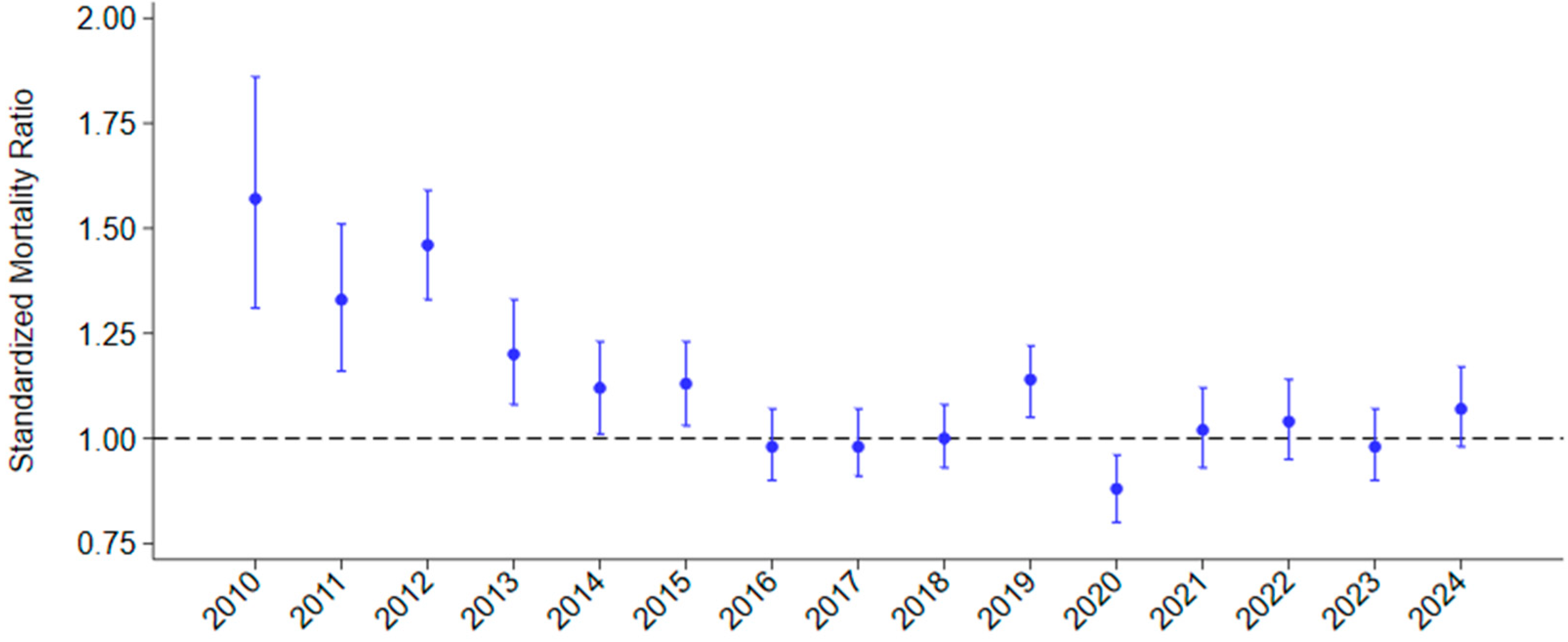
Figure 2: SMR for 2010–2024 benchmarked to 2016–2020 collaborative average. SMR, standardized mortality ratio.
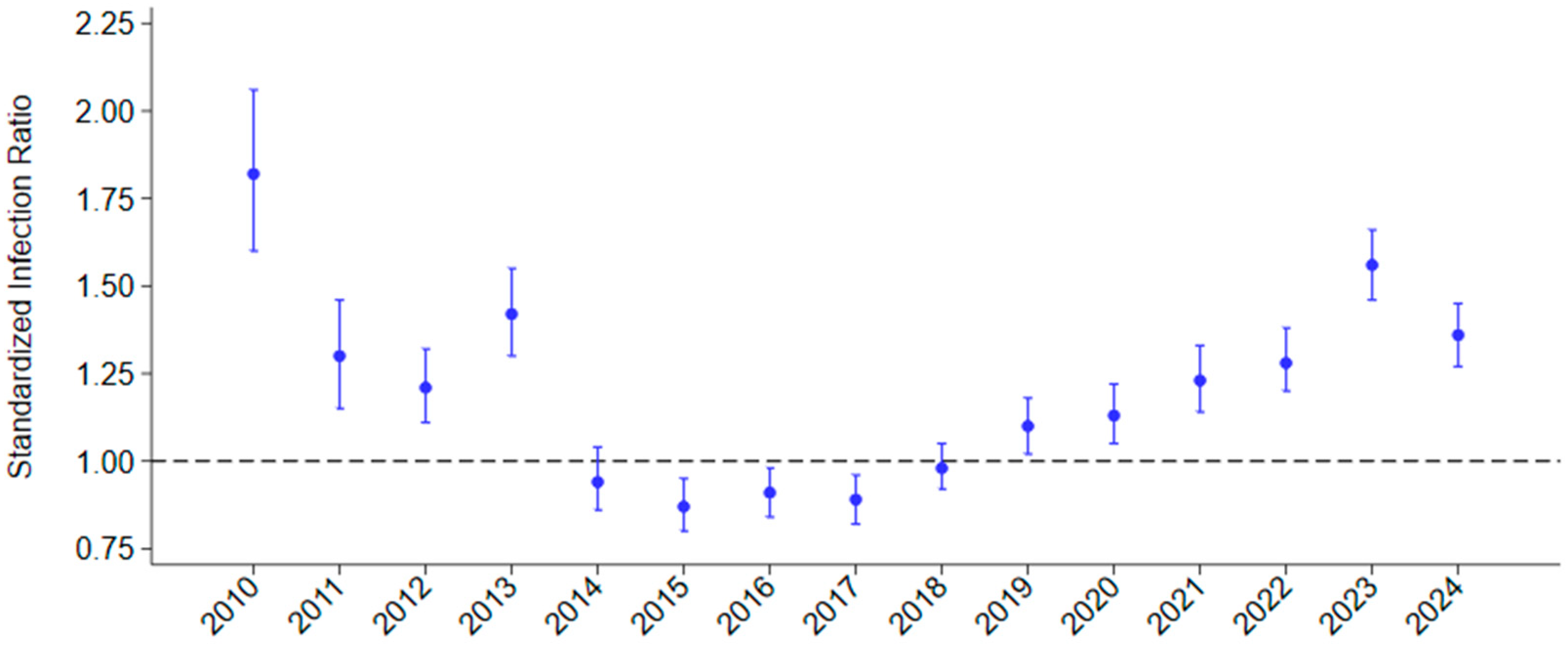
Figure 3: SIR for 2010–2024 benchmarked to 2016–2020 collaborative average. SIR, standardized infection ratio.
6 Opportunities, Challenges, and Future Directions
Participation in IQIC allows LMICs to assess their case mix and outcomes compared to other organizations operating in low-resource settings and to access relevant knowledge translation about quality-of-care practices. Engaged organizations have used data from the IQIC registry to target areas for improvement and track progress over time. Overall, IQIC has documented measurable reductions in postoperative infections and mortality as participating centers expand capabilities. Building on this progress, IQIC is supporting the development of regional QI programs to enhance local expertise and drive innovation, sustainability, and local priorities.
Despite these successes, challenges remain. Maintaining data quality, securing sustainable funding, ensuring consistent institutional engagement, and allowing for expanded educational programming and growth require ongoing effort. Additionally, differences in infrastructure, staffing, and resources across participating centers can limit the pace of implementation and quality improvement. Addressing these issues through targeted support, patient and family engagement, reducing data burden, improving data relevance, and developing regional leaders will be essential for sustaining progress.
The IQIC registry contains previously unavailable information about case mix and outcomes for pediatric and congenital heart surgery performed in low-resource settings but is limited to key variables in order to reduce the burden of data collection in resource-constrained environments. The voluntary nature of participation may introduce selection bias, as participating sites may represent higher-performing centers. Further, the registry only includes data for patients who underwent surgery and does not have information about children who did not have access to procedures. Data quality and completeness may vary across sites, and underreporting of adverse events cannot be excluded. Additionally, the risk-adjustment model used for IQIC reporting is based on RACHS-1, which was developed using data from the United States and may not account for clinical risk factors for mortality in LMICs, such as malnutrition or late presentation, although ongoing efforts using IQIC data seek to address this limitation. RACHS-1 has not been formally validated in LMIC populations. IQIC also only collects surgical admission and 30-day post-operative data and does not evaluate longer-term outcomes or patient-level variables related to socio-economic status. Moreover, IQIC does not capture information about the extent to which individual programs use educational activities provided by IQIC or engage in QI activities. The registry does not include catheterization or interventional data, nor does it systematically track implementation of QI activities. Finally, patient-reported and functional outcomes are not captured.
Looking ahead, IQIC plans to incorporate new risk models applicable to low-resource settings once they are available and will begin capturing heart transplantation and procedural outcomes. QI programming will continue to focus on infection prevention, given the rising infection rates in recent years. The Nursing Steering Committee has also added a new focus on periprocedural nutrition assessment and management and has explored providing educational programming in multiple languages. IQIC is also partnering with Open Pediatrics, a global educational platform for pediatric care, to provide easier and asynchronous access to educational materials. Extending follow-up beyond 30 days and developing LMIC-specific risk models using the growing IQIC dataset are key priorities. Integrating catheterization registry data with surgical outcomes and incorporating patient-reported measures will provide a more comprehensive view. Strengthening regional leadership and exploring harmonization with other global registries will further enhance sustainability and impact.
The lack of high-quality care for CHD, especially in infancy, is a major contributor to disparities in under-5 mortality and disability-adjusted life years. The IQIC network demonstrates that large-scale, multinational registries and QI are feasible in LMIC settings. IQIC plays an important role in advancing congenital heart surgery outcomes in low-resource settings through collaborative data sharing, benchmarking, and QI programs to address common challenges. Strengthening infection prevention, perioperative nutritional support, team-based practice, regional leadership, and data infrastructure are key priorities. Continued investment in these areas, along with expansion of the registry to include longer-term outcomes and interventional data, will be essential to further reduce disparities in CHD care globally.
Acknowledgement:
Funding Statement: This research was supported by philanthropic donations from the Bulens Family, the Kobren Family Chair for Patient Safety and Quality, and Georges Harik.
Author Contributions: The authors confirm contribution to the paper as follows: conceptualization, Kathy J. Jenkins and Hannah Paige Rogers; methodology, Kathy J. Jenkins, Hannah Paige Rogers and Kimberlee Gauvreau; formal analysis, Kimberlee Gauvreau; data curation, Hannah Paige Rogers, Kimberlee Gauvreau and Kathy J. Jenkins; investigation, Hannah Paige Rogers and Kathy J. Jenkins; resources, Kathy J. Jenkins; writing—original draft preparation, Hannah Paige Rogers; writing—review and editing, Hannah Paige Rogers, Kimberlee Gauvreau, Anna Fisk, Babar Hasan, Patricia Hickey, Raman Krishna Kumar, William Novick, Nestor Sandoval, Bistra Zheleva and Kathy J. Jenkins; visualization, Hannah Paige Rogers and Kimberlee Gauvreau; supervision, Kathy J. Jenkins; project administration, Hannah Paige Rogers and Kathy J. Jenkins; funding acquisition, Kathy J. Jenkins. All authors reviewed and approved the final version of the manuscript.
Availability of Data and Materials: Participants in this study did not agree to have their data shared publicly, so supporting data are not available.
Ethics Approval: This study was reviewed and approved by the Institutional Review Board (IRB) at Boston Children’s Hospital under protocol number M10-10-0505 (approved in January, 2024). The study received full approval and was conducted according to the Declaration of Helsinki. Data collection occurred between 09/01/2008–12/31/2024. All participants provided written informed consent prior to participation. Participant confidentiality was protected through de-identification of all Protected Health Information (PHI).
Conflicts of Interest: Given his role as Associate Editor of this journal, William Novick had no involvement in the peer review of this article and had no access to information regarding its peer review. Full responsibility for the editorial process for this article was delegated to another journal editor. The authors declare no other conflicts of interest.
Abbreviations
The following abbreviations are used in this manuscript:
| Abbreviation | Full name |
| BCH | Boston Children’s Hospital |
| BMI | Body Mass Index |
| C3PO | Congenital Cardiac Catheterization Project on Outcomes |
| CHD | Congenital Heart Disease |
| CI | Confidence Interval |
| EACTS | European Association for Cardiothoracic Surgery |
| ICU | Intensive Care Unit |
| IQIC | International Quality Improvement Collaborative for Congenital Heart Disease (Improving Care in Low- and Middle-Income Countries) |
| LMICs | Low- and Middle-Income Countries |
| NGOs | Non-Governmental Organizations |
| PHI | Protected Health Information |
| QI | Quality Improvement |
| RACHS-1 | Risk Adjustment for Congenital Heart Surgery |
| SAS | Statistical Analysis System |
| SIR | Standardized Infection Ratio |
| SMR | Standardized Mortality Ratio |
| STS | Society for Thoracic Surgeons |
| WHO | World Health Organization |
References
1. van der Linde D , Konings EEM , Slager MA , Witsenburg M , Helbing WA , Takkenberg JJM , et al. Birth prevalence of congenital heart disease worldwide a systematic review and meta-analysis. J Am Coll Cardiol. 2011; 58( 21): 2241– 7. doi:10.1016/j.jacc.2011.08.025. [Google Scholar] [CrossRef]
2. Vervoort D , Deng MX , Izumi A , Kutty S , Edwin F . Unmet needs in pediatric and congenital heart surgery: a review. Struct Congenit Heart Dis. 2024; 19( 5): 499– 511. doi:10.32604/chd.2024.057749. [Google Scholar] [CrossRef]
3. Zimmerman MS , Smith AGC , Sable CA , Echko MM , Wilner LB , Olsen HE , et al. Global, regional, and national burden of congenital heart disease, 1990–2017: a systematic analysis for the global burden of disease study 2017. Lancet Child Adolesc Health. 2020; 4( 3): 185– 200. doi:10.1016/S2352-4642(19)30402-X. [Google Scholar] [CrossRef]
4. Murala JSK , Karl TR , Pezzella AT . Pediatric cardiac surgery in low-and middle-income countries: present status and need for a paradigm shift. Front Pediatr. 2019; 7: 214. doi:10.3389/fped.2019.00214. [Google Scholar] [CrossRef]
5. Prothasis S , Francis J , Prothasis P , Mathews V , Francis J . The financial divide in congenital heart surgery: global challenges and solutions. Rev Cardiovasc Med. 2025; 26( 7): 43778. doi:10.31083/RCM43778. [Google Scholar] [CrossRef]
6. Musa NL , Hjortdal V , Zheleva B , Murni IK , Sano S , Schwartz S , et al. The global burden of paediatric heart disease. Cardiol Young. 2017; 27( S6): S3– 8. doi:10.1017/s1047951117002530. [Google Scholar] [CrossRef]
7. Hickey PA , Connor JA , Cherian KM , Jenkins K , Doherty K , Zhang H , et al. International quality improvement initiatives. Cardiol Young. 2017; 27( S6): S61– 8. doi:10.1017/S1047951117002633. [Google Scholar] [CrossRef]
8. Bastero P , Staveski SL , Zheleva B , Scanlan E , Cabrera AG , Araujo A , et al. Partnership models for the establishment of sustainable paediatric cardiac surgical and cardiac intensive care programmes in low- and middle-income countries. Cardiol Young. 2017; 27( S6): S55– 60. doi:10.1017/S1047951117002621. [Google Scholar] [CrossRef]
9. Molloy FJ , Nguyen N , Mize M , Wright G , St George-Hyslop C , O’Callaghan M , et al. Medical missions for the provision of paediatric cardiac surgery in low- and middle-income countries. Cardiol Young. 2017; 27( S6): S47– 54. doi:10.1017/s104795111700261x. [Google Scholar] [CrossRef]
10. Croti UA , Murakami AN , de Marchi CH , Borim BC , Dearani JA , Overman D , et al. Impact of partnership between Children’s HeartLink and IQIC database with a pediatric cardiology and cardiovascular surgery center in Brazil. World J Pediatr Congenit Heart Surg. 2019; 10( 3): 270– 5. doi:10.1177/2150135118825151. [Google Scholar] [CrossRef]
11. Khan A , Abdullah A , Ahmad H , Rizvi A , Batool S , Jenkins KJ , et al. Impact of international quality improvement collaborative on congenital heart surgery in Pakistan. Heart. 2017; 103( 21): 1680– 6. doi:10.1136/heartjnl-2016-310533. [Google Scholar] [CrossRef]
12. Wittenberg RE , Gauvreau K , Duggan CP , Du X , Giang D , Jayanthi K , et al. Preoperative malnutrition increases risk of in-hospital mortality, major infection, and longer intensive care unit stay after ventricular septal defect closure. J Am Heart Assoc. 2024; 13( 13): e032662. doi:10.1161/JAHA.123.032662. [Google Scholar] [CrossRef]
13. Sen AC , Morrow DF , Balachandran R , Du X , Gauvreau K , Jagannath BR , et al. Postoperative infection in developing world congenital heart surgery programs: data from the international quality improvement collaborative. Circ Cardiovasc Qual Outcomes. 2017; 10( 4): e002935. doi:10.1161/CIRCOUTCOMES.116.002935. [Google Scholar] [CrossRef]
14. C3PO-R3. [cited 2026 Sep 1]. Available from: https://c3po-r3.chboston.org/#/home. [Google Scholar]
15. Ali F , Yeh MJ , Walshe FE , Bergersen L , Gauvreau K , Barry OM , et al. Comparative congenital cardiac catheterization registry analysis from the United States and low- and middle-income countries. JACC Adv. 2025; 4( 4): 101649. doi:10.1016/j.jacadv.2025.101649. [Google Scholar] [CrossRef]
16. Children’s HeartLink. [cited 2026 Sep 1]. Available from: https://childrensheartlink.org/. [Google Scholar]
17. Global Cardiac Alliance. [cited 2026 Sep 1]. Available from: https://cardiac-alliance.org/. [Google Scholar]
18. Global ARCH. [cited 2026 Sep 1]. Available from: https://global-arch.org/. [Google Scholar]
19. Jenkins KJ , Gauvreau K , Newburger JW , Spray TL , Moller JH , Iezzoni LI . Consensus-based method for risk adjustment for surgery for congenital heart disease. J Thorac Cardiovasc Surg. 2002; 123( 1): 110– 8. doi:10.1067/mtc.2002.119064. [Google Scholar] [CrossRef]
Cite This Article
 Copyright © 2026 The Author(s). Published by Tech Science Press.
This work is licensed under a Creative Commons Attribution 4.0 International License , which permits unrestricted use, distribution, and reproduction in any medium, provided the original work is properly cited.
 Downloads
 Citation Tools
