
 Login
Login Register
 Submit a Paper
 Propose a Special lssue
 Open Access
ARTICLE

Mechanisms of Concrete Durability against Seawater (Case Study: Concrete as Dock)
Civil Engineering Department, University of Lampung, Bandar Lampung, 35145, Indonesia
* Corresponding Author: Niken Chatarina. Email:
(This article belongs to the Special Issue: Sustainable and Durable Construction Materials)
Structural Durability & Health Monitoring 2026, 20(2), 11 https://doi.org/10.32604/sdhm.2026.067525
Received 06 May 2025; Accepted 22 August 2025; Issue published 31 March 2026
 View Full Text
 Download PDF
Abstract
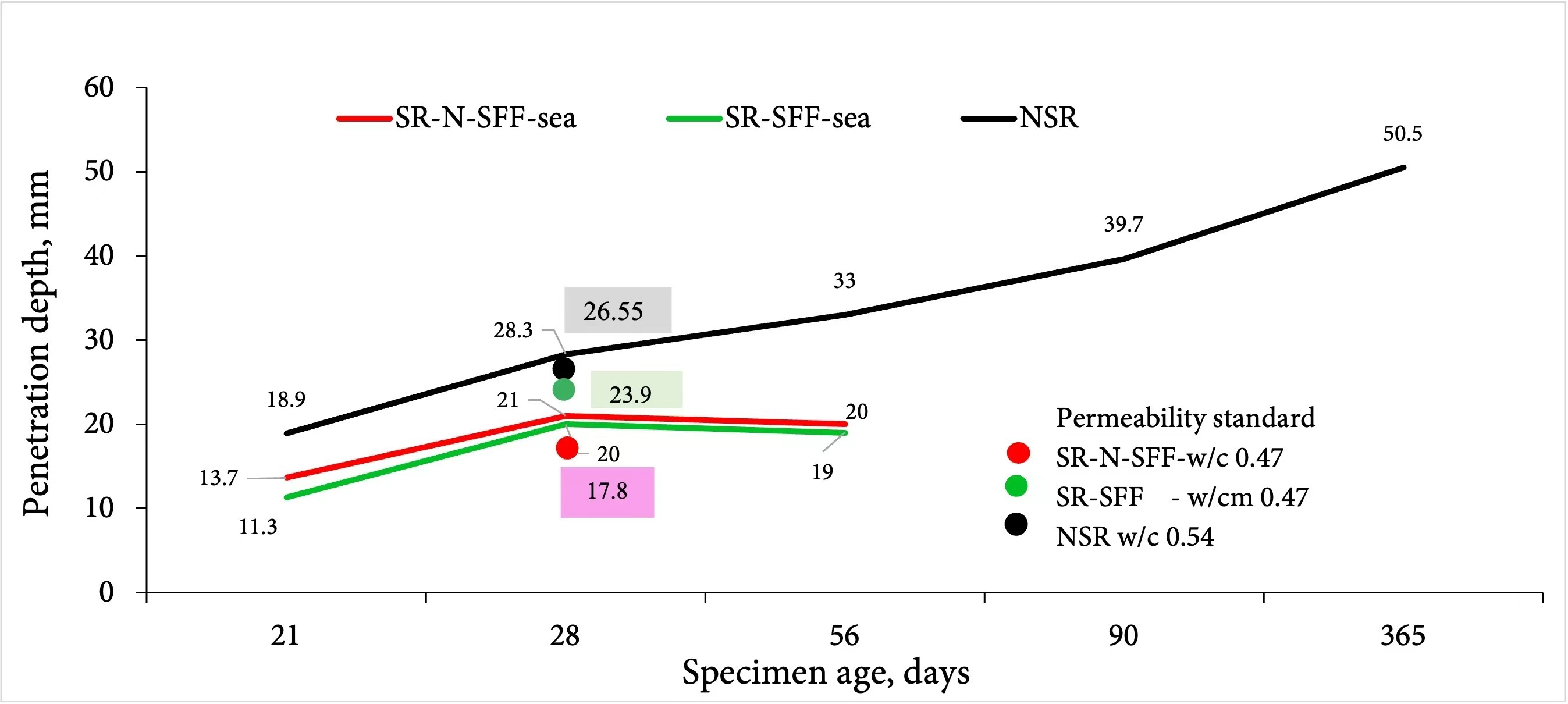
In strong aggressive areas, Indonesian standards specify a maximum penetration of 30 mm. Concrete utilizes sulfate-resistant Portland Pozzolan Cement (PPC) for a target strength of 30 MPa, with and without silica fume and plastic fiber (SR-SFF-sea and SR-N-SFF). Some samples of SR-N-SFF are immersed in the sea (SR-N-SFF-sea), while others are protected (SR-N-SFF-protected). Additionally, concrete using non-sulfate-resistant cement (NSR-sea) with a strength of 20.75 MPa was also evaluated. All samples were subjected to penetration depth testing according to the DIN EN 12390-8 standard, demonstrating that they met the penetration requirements for intense aggression. The study employed cylindrical samples measuring 15 cm in diameter and 30 cm in height to assess compressive strength and natural penetration from the split tensile test. Samples were placed into the sea at the fishing boat dock in Lampung, Indonesia, at 9 days of age following 7 days of immersion curing. The results indicated that sulfate-resistant Portland Composite Cement (PCC) is unsuitable for protected areas, as its strength is inferior to that of concrete submerged in seawater. Concrete featuring sulfate-resistant PCC, silica fume, and plastic fiber (SR-SFF-sea) exhibited lower strength compared to SR-N-SFF-protected samples. Conversely, SR-N-SFF-sea achieved the highest strength of 46 MPa at 56 days, with a notable increase in strength occurring from 21 to 56 days, while no increase in penetration depth was observed during this period. The standard penetration depth of SR-N-SFF-sea is 17.8 mm, which can serve as a guideline for creating durable concrete in marine environments.Graphic Abstract
Keywords
The development of marine infrastructure in Indonesia is increasing, including piers and retaining walls for reclaimed coastal land. Such marine structures’ construction, installation, and maintenance involve relatively high costs [1]. These structures are typically built using a combination of precast and cast-in-place concrete, which often consists of different concrete qualities depending on the construction method and environmental exposure. Sea water contains various salts, sulfates, and chlorine, which harm the material. Moreover, the air in coastal areas carries the same aggressive chemical compounds, leading to material degradation even in structures not directly exposed to seawater. The combined effects of these aggressive agents contribute to the deterioration of concrete, masonry, and timber, particularly along coastlines. Evidence of such degradation can be observed in Cukunyinyi, Lampung, Indonesia (can be seen in Fig. 1a–c), where walls, concrete structures, and wooden elements exhibit severe deterioration due to prolonged exposure. The degradation begins at the surface, as airborne aggressive compounds initiate external erosion, which progressively penetrates deeper into the material until structural integrity is compromised.
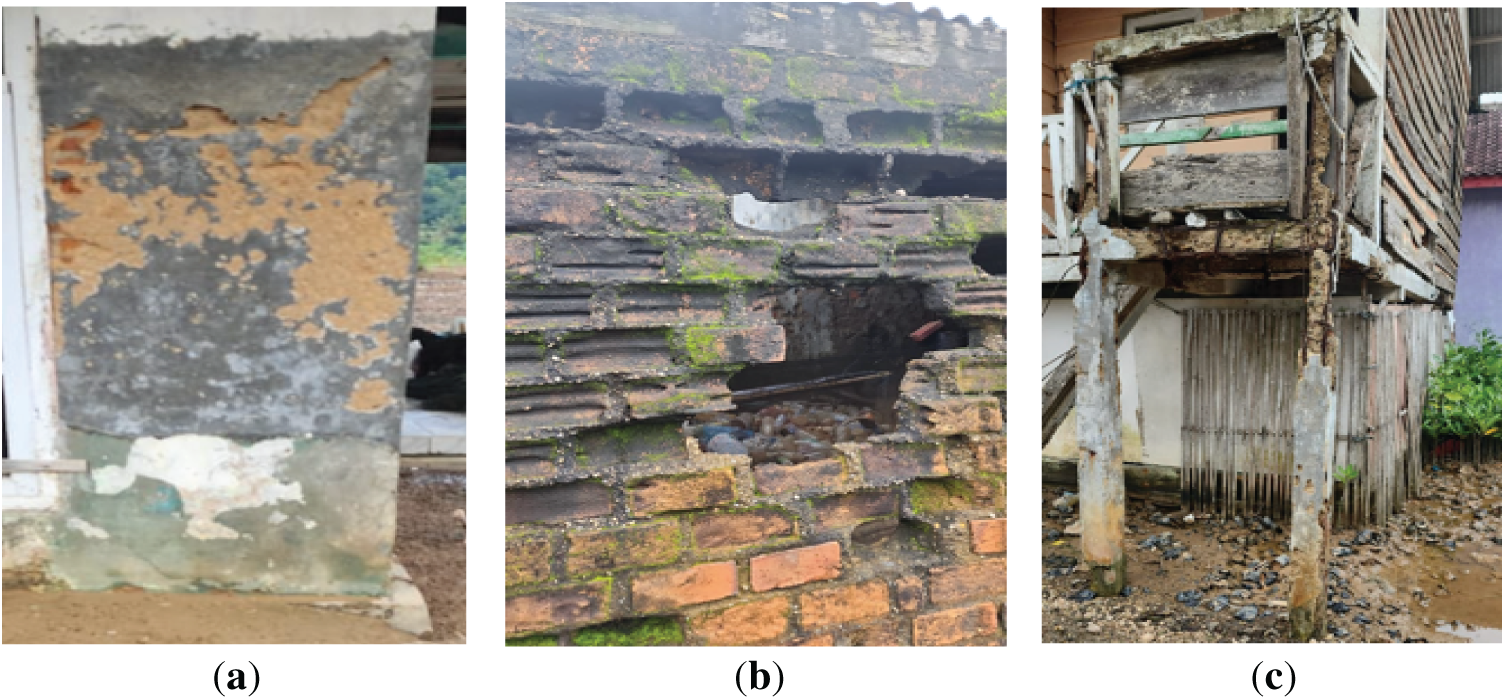
Figure 1: (a) Wall degradation; (b) Brick degradation; (c) Wood and concrete degradation
Based on these observations, the retaining wall at Pangandaran Beach, Indonesia, consists of two layers, with the outermost layer—approximately 7.5 cm thick—appearing to be made of higher-quality concrete than the inner layer (Fig. 2b).
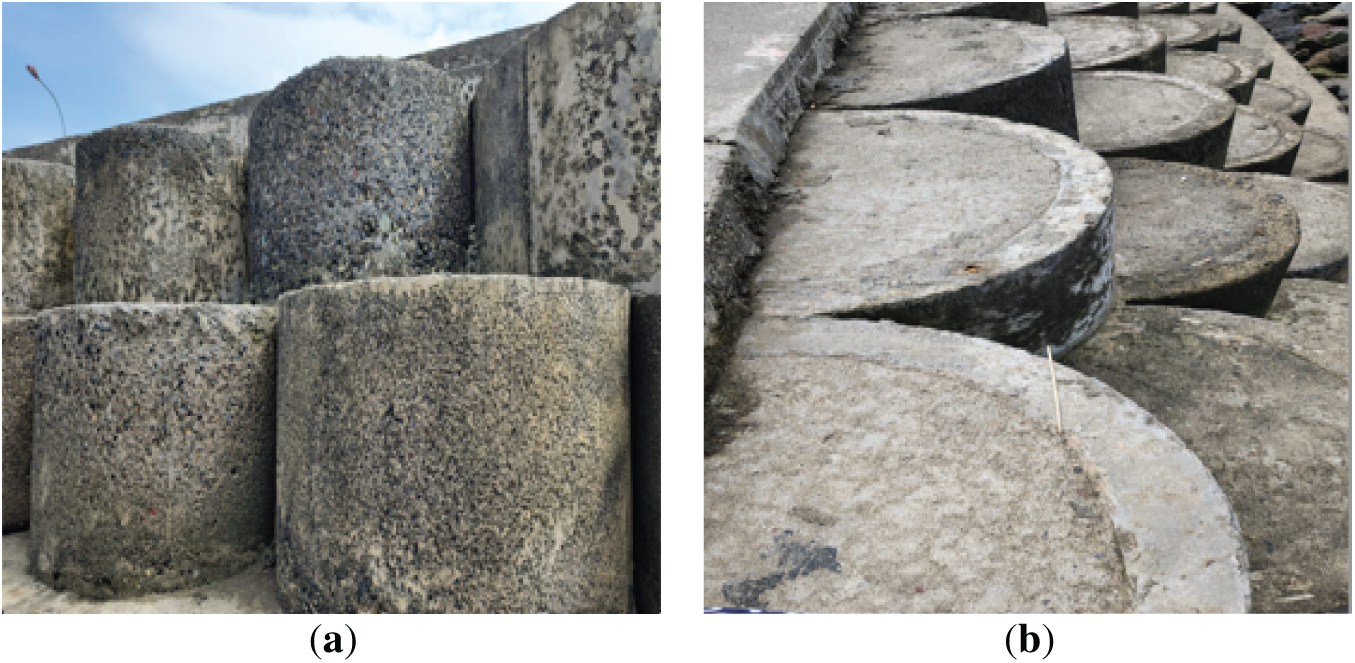
Figure 2: Retaining wall at Pangandaran, Indonesia: (a) Side view; (b) Top view
The concrete used in the bridge located at the confluence of river and seawater also exhibits a noticeable color change, appearing darker than the adjacent concrete located further from direct water exposure (Fig. 3).
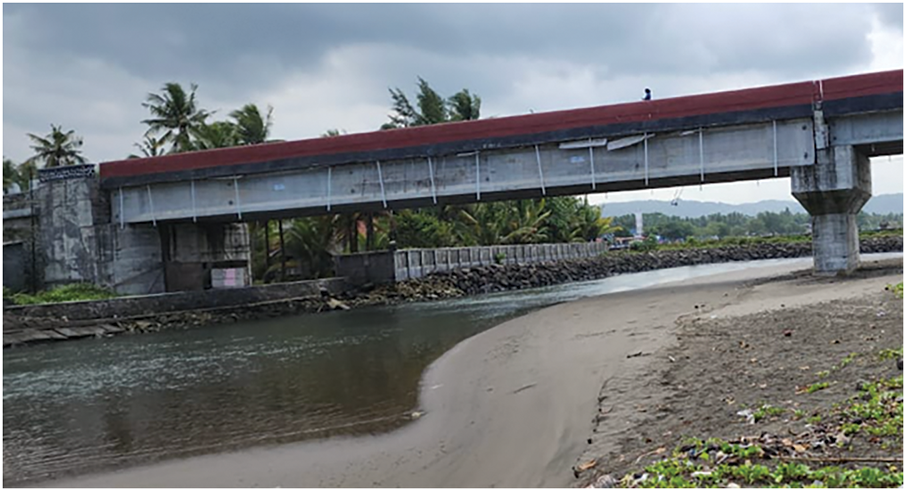
Figure 3: Bridge at the estuary of the Pangandaran River, Indonesia
Concrete is preferred over other construction materials due to its excellent compressive strength, compatibility with steel reinforcement, and greater resistance to harsh marine environments. However, the concrete used in structural elements such as piers, beams, and deck slabs on the pier has shown signs of degradation, as illustrated in Fig. 4.
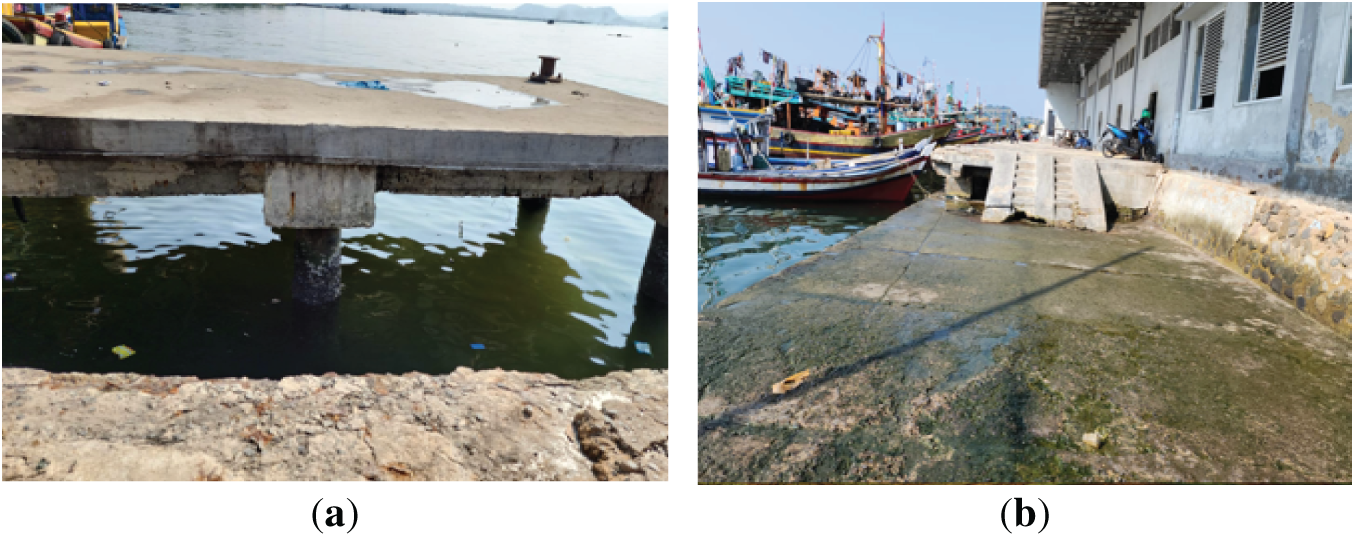
Figure 4: Concrete degradation: (a) Piers and beams; (b) Slabs
Concrete must be made durable by prolonging the onset of degradation. Reducing the permeability of the concrete can eliminate aggressive substance infiltration. This is a major challenge, especially for pier structures, which must be resistant to aggressive substances, incoming and outgoing waves, attached marine biota, and difficult maintenance.
Environmentally friendly concrete shows performance equivalent to normal concrete [2]. The use of PPC contributes to environmental sustainability, as it incorporates fly ash, a byproduct of coal combustion. Additionally, fiber is suitable for applications involving repeated loads [3]. Piers at sea also receive repeated loads. Fiber plastic has been used in concrete. A larger fiber volume fraction generally results in a higher endurance limit for high-performance fiber-reinforced concrete (HPFRC) [4]. The use of polyethylene terephthalate (PET) from plastic bottle waste will support environmental sustainability because the waste takes 450 years to decompose [5]. PET as an aggregate replacement has been studied [6], but up to 10% reduces the compressive strength [7]. PET 5%–10% increases the compressive strength, and 5% increases the flexural strength of concrete, further resulting in decreased strength [8]. PET exceeding 15% results in decreased strength [9].
The mechanism by which air or water infiltrates concrete is highly complex and depends on several factors, including the type of materials used, mix proportions, curing conditions, the age at which the concrete is exposed to the environment, and the nature of the surrounding environment. Seawater and its ambient air are rich in sulfates and chlorides, both of which contribute to the gradual degradation of concrete. Damage to concrete occurs gradually from the diagonal to the edge and eventually spreads to the entire section [10], consistent with the crack patterns observed in bridge abutments as shown in Fig. 3. The environment with increasing dry-wet-dry cycles causes damage to concrete with sea sand and recycled aggregate [10]. Concrete with water and sea sand fully immersed in seawater shows the most severe damage compared to semi-immersion and dry-wet cycles [11]. This observation aligns with the findings of Bertil Persson’s [12] in studies on self-compacting concrete (SCC).
No matter how impermeable the concrete is, there are still pores where water can infiltrate. The existence of these pores can be eliminated by using nano-sized materials. One of the nano-sized materials is silica fume. Technological advances have created anti-sulfate erosion inhibitors and permease reducers such as waterproof and mezocret [13]. Anti-sulfate erosion inhibitors can reduce damage caused by sulfate, reduce water absorption, and inhibit corrosive reactions [14]. Metakaolin was found to be a material that could make mortar and concrete resistant to sulfate, while silica fume and natural pozzolans had limited impact [15]. This finding supports Figmig et al. [16] who found that silica fume functions more as a pore filler and has less impact on increasing strength. However, this contrasts with the findings of Sudarsono [17], who stated that silica fume (SF) increases compressive strength and flexural strength, reduces weight, and has a better abrasion coefficient compared to ordinary concrete. Silica fume 15%–20% and additive bestmittel 6% can increase concrete strength and withstand a decrease in compressive strength due to seawater infiltration [18]. The unique physical and chemical properties of silica fume increase the compressive strength and water resistance of cement mortar [19]. The compressive strength of concrete with silica fume is higher in both freshwater and seawater immersion compared to concrete without silica fume [20]. Silica fume of 10% by weight of cement is most suitable for structures exposed to alkaline environments [21]. Concrete with 15% to 50% silica fume shows an increase in compressive strength under conditions of being submerged in freshwater, alternately exposed to air and submerged in freshwater, and immersed in seawater. The sand used is contaminated with oil [22]. For uncontaminated concrete, silica fume above 10% results in brittle failure [23]. To be resistant to seawater, the Indonesian Standard sets a maximum content of 12% sodium sulfate and 10% magnesium sulfate [24].
Permeability is a measure of material resistance. Based on a comprehensive literature review, fourteen permeability testing methods were identified: six of these methods are not yet standardized, and six others involve instruments that are not commercially available. Consequently, only two practical and standardized tests are recommended for evaluating concrete permeability [25]:
1. Depth of water penetration under pressure EN 12390-8 & DIN 1048-5 [26] with a test duration of 3 days, the mechanism/concept of the test is pressurized water (permeation). The measured penetration depth is a description of the condition of the field concrete experiencing hydraulic pressure. This test shows a good correlation between water penetration and surface resistivity.
2. Australian water absorption test (AS 1012.21) duration 2 days, mechanism/concept of bulk water absorption. The test is very easy, there is an increase in ease compared to ASTM C642 [27], very sensitive to small changes in concrete, and shows a very good relationship with chloride intrusion.
The mechanism of seawater penetration into concrete under actual site conditions differs significantly from that observed in laboratory permeability tests. Moreover, penetration directly influences the degradation of concrete, especially in terms of its compressive strength. Hamdi and Imran [28] reported a 50% loss in compressive strength for concrete submerged in a seawater tank within just 19 days. Such a rapid and severe strength loss warrants serious concern. The deterioration of concrete, followed by reinforcement corrosion, can lead to embrittlement of the concrete and bending of reinforcement bars. As a result, slabs and beams supported by piers may settle, rendering the pier structure unsafe and unusable (Fig. 4b).
Materials used for marine construction must resist aggressive chemical substances, alternating dry and wet conditions, and the mechanical action of waves. One of the primary causes of concrete degradation in marine environments is the concentration of sulfate ions, which also affect the presence and mobility of chloride ions—well known for causing corrosion of steel reinforcement [29]. Chloride ions, however, can be immobilized by aluminum compounds present in fly ash. Qu et al. [30] conducted a critical review of damage mechanisms, performance, and durability of construction materials in marine environments. Their analysis included ten studies on the compressive strength of concrete aged between 0.5 and 20 years. Among these, four studies used seawater, four used synthetic or artificial seawater, and two were conducted in tidal zones. The types of cement used included OPC, OPC with fly ash, OPC with GGBS, and silica fume. Notably, none of the reviewed studies employed sulfate-resistant cement. Hussain et al. [31], utilized sulfate-resistant cement mixed with seawater and sea sand. Aydoğan et al. [32], published a sulfate-resistant cement mixed with sea sand. Merabet et al. [33], released a study on concrete featuring sulfate-resistant cement exposed to aggressive conditions through immersion in a bath. This research took place at the SIGUS-Oum El Bouaghi cement facility.
Investigations into the behavior of sulfate-resistant PPC in actual marine settings are still scarce, making this study a novel contribution. Since seawater penetration into concrete under natural conditions requires long-term investigation, establishing a relationship between standard penetration test results and actual site performance is essential. This relationship could provide valuable guidance for field implementation. To address this challenge, the present study investigates concrete made with sulfate-resistant PPC, enhanced with silica fume and PET fibers, as well as general-purpose PPC, under real marine conditions while promoting the use of recycled plastic waste. The investigation into natural penetration development in real locations and its comparison with standardized penetration data forms a key interest in this research and offers potential contributions to the sustainability of marine infrastructure.
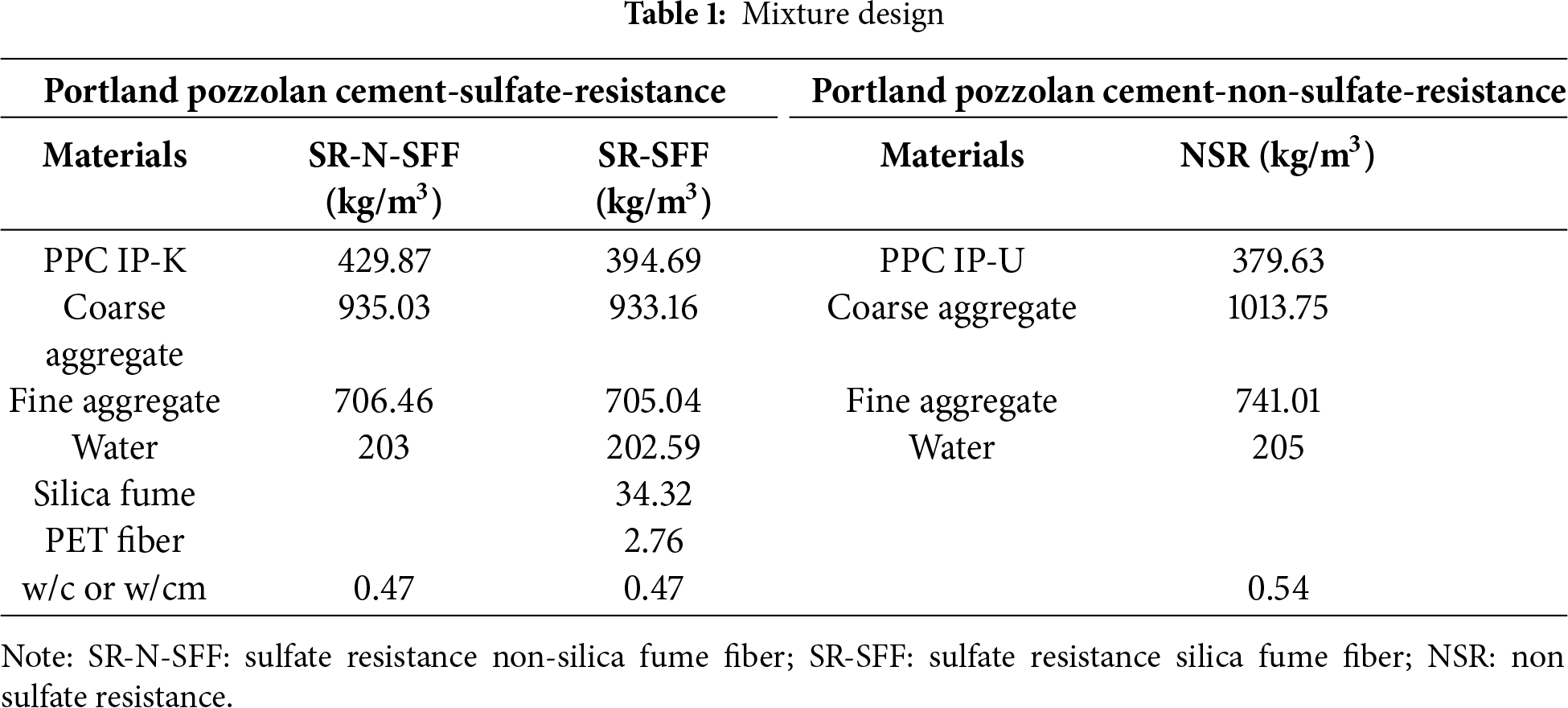
There are two types of mixtures with PPC IP-K cement (sulfate resistant) namely without silica fume and fiber (No SFF) and with silica fume and fiber (SFF) and with PPC IP-U or non-sulfate resistance mixture (NSR). The compressive strength of the sample with sulfate-resistant cement is 30 MPa, this value is the minimum limit according to SE Men PU No. 10/SE/M/2010 [34] and without sulfate-resistant cement is 20.75 MPa or K250. The compressive strength of K250 is the one generally used in most buildings in Lampung. Sulfate-resistant cement (PPC IP-K) is more difficult to obtain than PPC IP-U, so the two types of cement were used in this study.
All concrete mixtures used in this study complied with the requirements for strong aggressive environmental exposure as specified by Indonesian standards. The depth of water penetration (or standard penetration) for each mixture, as shown in Table 1, fulfills the criteria outlined in SNI 03-2914-1992 [35] which requires aggressive watertight concrete; when tested with water pressure, the water penetration into the concrete does not exceed 50 mm for medium aggressive and 30 mm for strong aggressive. The standard permeability test was conducted in accordance with DIN EN 12390-8:2009-07 [26] at the Structure and Material Laboratory, University of Indonesia. Meanwhile, natural compressive strength and water penetration testing were performed using the split tensile test method at the Structure and Material Laboratory, University of Lampung. The materials used in the concrete mixtures are detailed in Table 1.
Polyethylene terephthalate (PET) used in this study was sourced from post-consumer plastic bottles collected from domestic waste. The bottles were processed by cutting them into uniform, elongated strips measuring 50 mm in length and 2 mm in width, as shown in Fig. 5a. The specific gravity of PET fiber is 1.38 g/cm3. The percentage of PET fiber fraction to be included is 0.2% of the total volume of concrete. The mixed PET fiber is dipped in cement paste for optimum binding power (Fig. 5b).
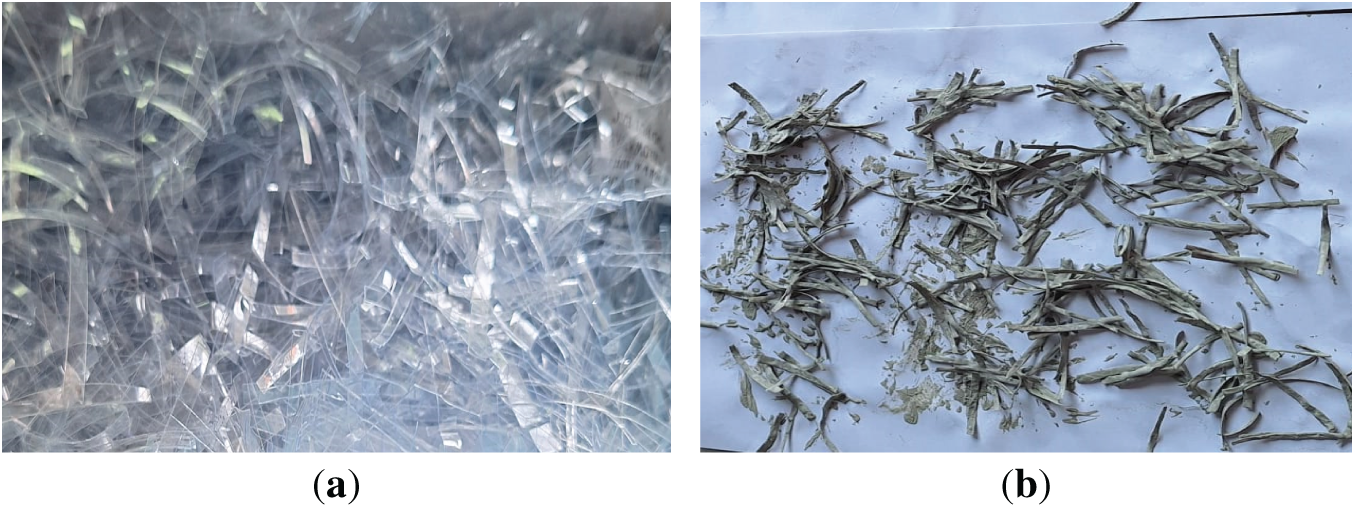
Figure 5: PET fiber: (a) Original form; (b) Dipped in cement paste
Casting was conducted under controlled environmental conditions of 27 ± 2°C temperature and 50 ± 5% relative humidity. Fresh concrete was placed into molds and immediately covered with Styrofoam to retain moisture and ensure that all the mixing water could be used for hydration. There are 2 types of molds used, namely cylinder molds with a diameter of 15 cm and a height of 30 cm for the compression test and natural permeability and box molds measuring 200, 200, and 150 mm for standard permeability testing. At the age of 1 day, the molds were removed, and the concrete was cured by soaking it in fresh water for 7 days [36].
Standard permeability testing was carried out on sample No. SFF, SFF, and NSR, 3 samples each in accordance with the Deutsches Institut für Normung (DIN) EN 12390-8:2009-07 [26]. This standard specifies that permeability should be evaluated on concrete aged 28 days. The test involves applying water pressure to a concrete block specimen measuring 200 mm × 200 mm × 120 mm. Each mixture variation was made into 3 samples, with testing as shown in Fig. 6a. The water pressure is applied incrementally: 1 bar (1 kg/cm2) for the first 48 h, followed by 3 bar for the next 24 h, and finally 7 bar for an additional 24 h. After this pressure application, the specimen is split to measure the depth of water infiltration (Fig. 6b,c).
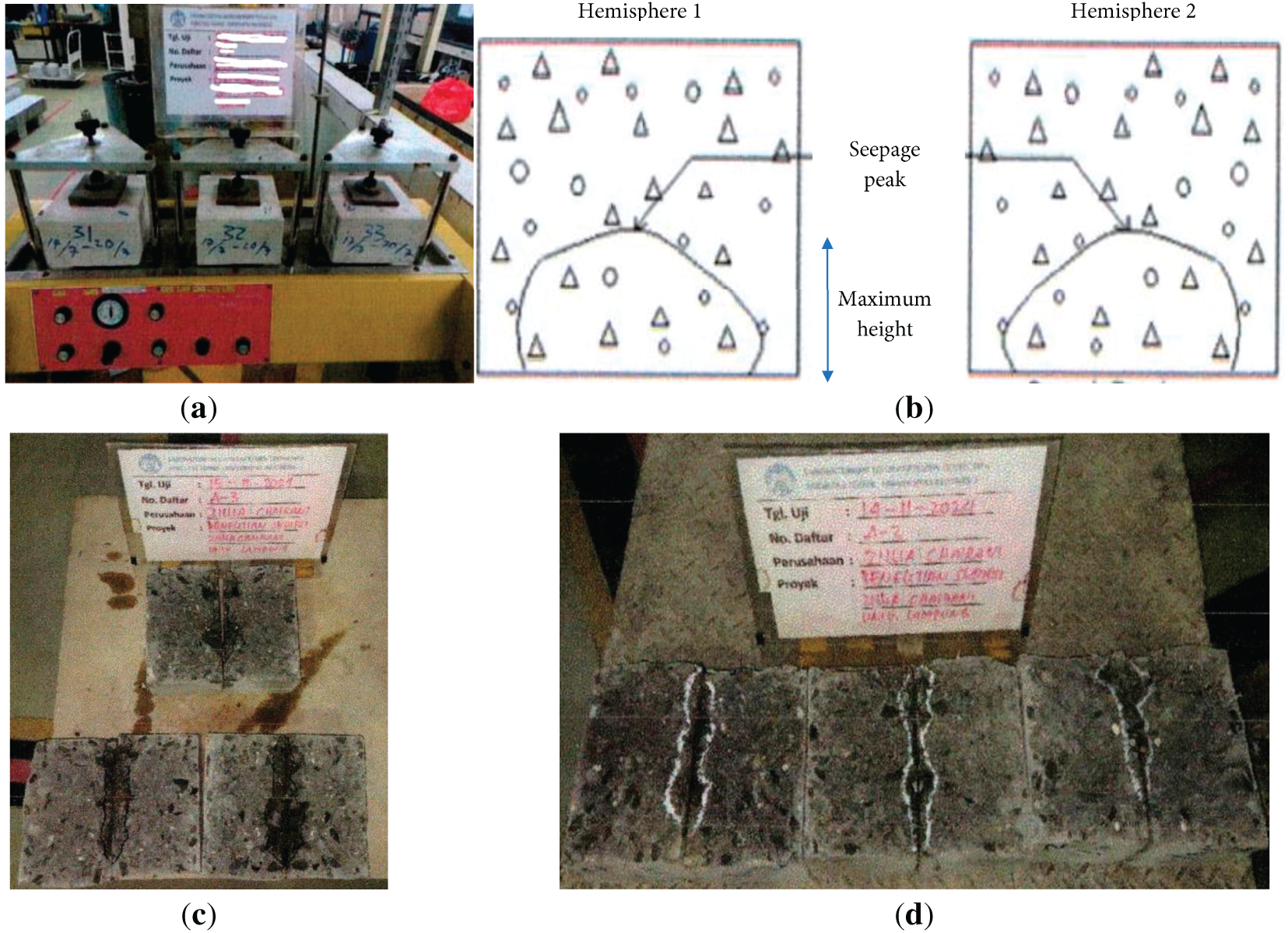
Figure 6: Standard penetration test according to DIN EN 12390-8: (a) testing process, (b) illustration of penetration measurement, (c) sample sections immediately after testing, (d) depiction of the water penetration path in the sample
From each set of three specimens, three pairs of concrete halves were obtained (Fig. 6c). Each half was marked with a line indicating the depth of water penetration (Fig. 6d). The maximum penetration depth was measured using vernier calipers at the deepest point on each half (halves 1 and 2). The penetration depth for sample 1 was calculated as the average of the two halves. Data from the three samples of each concrete mix were analyzed using the Dixon criteria [37].
There are two types of treatments: protected and immersed. The protected sample is referred to as SR-N-SFF-protected, while the immersed samples include SR-N-SFF-sea, SR-SFF-sea, and NSR-sea.
This research utilized concrete made with two types of Portland Pozzolan Cement (PPC): sulfate-resistant (SR) and non-sulfate-resistant (NSR), described as follows:
1. Sulfate-Resistant (SR)
For concrete with sulfate-resistant PCC cement, two types of mixes were made: with silica fume and plastic fibre (SR-SFF) and without silica fume and plastic fibre (SR-N-SFF). The treatment for SR-SFF was only immersed in seawater at the pier (SR-SFF-sea), while for SR-N-SFF were not only being immersed in seawater (SR-N-SFF-sea), some were placed in a protected area (SR-N-SFF-protected).
2. Non-Sulfate-Resistant (NSR)
For concrete with non-sulfate resistant PCC cement, only one mixture type and one treatment type was created—without silica fume and plastic fiber—and all samples were immersed in seawater (NSR-sea).
The sample name scheme and its treatment are presented in Fig. 7.
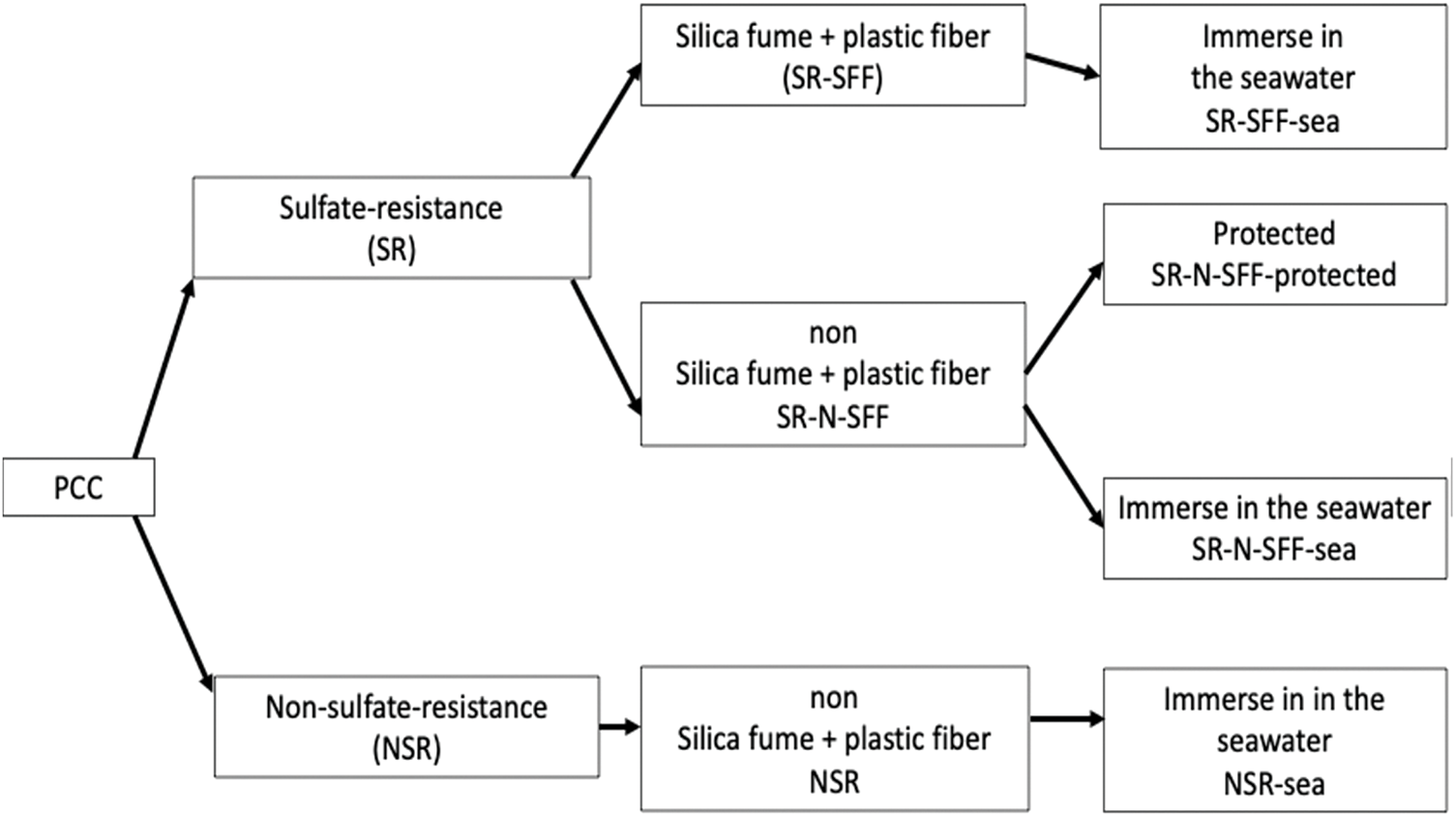
Figure 7: Sample name scheme and its treatment
On the ninth day, six SR-N-SFF-protected cylindrical samples were stored in a protected environment (Fig. 8a), while No. SR-SFF-sea cylinder samples, SR-SFF-sea, and NSR-sea samples were put into the seawater at the Lempasing fishing boat dock, located in Teluk Betung, Indonesia (Fig. 8), for testing under real marine conditions, including compressive strength and natural permeability.
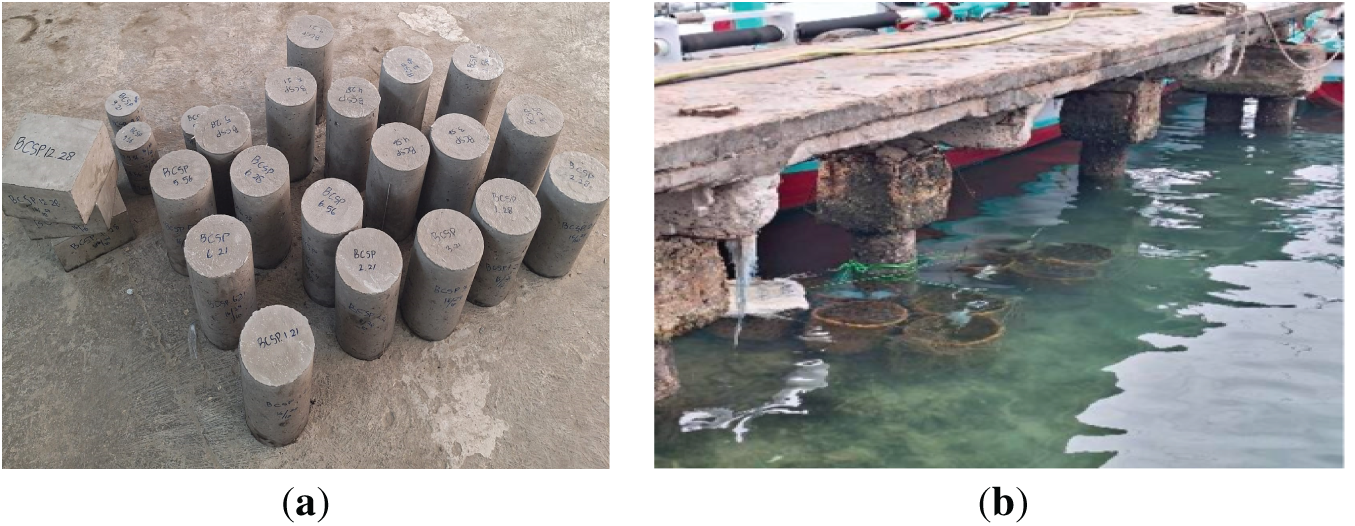
Figure 8: (a) Samples in a protected area; (b) Samples submerged at a fishing boat dock
Compression testing was conducted on SR-N-SFF-protected, SR-N-SFF-sea, and SR-SFF-sea samples at the ages of 21, 28, and 56 days, while compressive testing of the NSR-sea concrete was performed at 28, 56, and 90 days. Natural permeability testing was conducted on SR-N-SFF-sea samples at 21, 28, and 56 days and on NSR-sea at 21, 28, 56, 90, and 365 days to determine the effect of its penetration in the long term. Permeability testing of concrete immersed in the sea was conducted by looking at the depth of water penetration of the samples tested for splitting tensile strength. For samples tested at 56 days, the samples were dried first for 1 day after being lifted from the curing tank and then coated with alkyd resin-based marine coating. SR-N-SFF-sea, SR-SFF-sea, and NSR-sea were evaluated for their natural permeability by measuring the depth of water penetration during the split tensile strength test. After retrieval from the sea, these samples were immediately wrapped in aluminum foil to maintain internal humidity before laboratory testing.
All data were processed using Dixon criteria according to ASTM E178-21 [37].
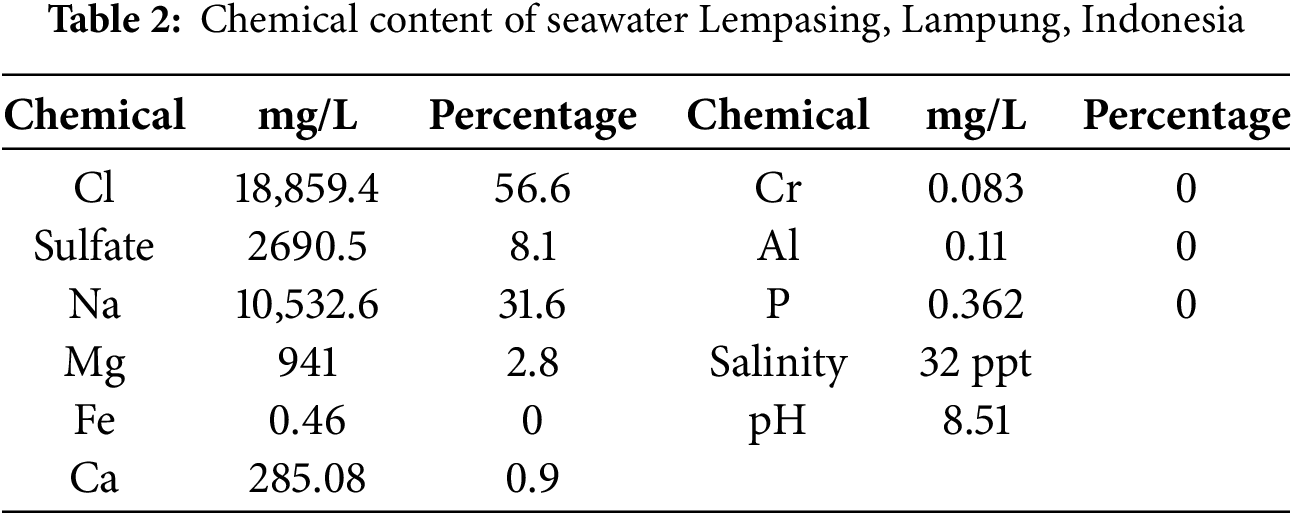
The chemical content of seawater at Lempasing pier, Lampung, Indonesia is presented in Table 2.
The results of processing outlier data from compression tests, standard permeability, and natural permeability with Dixon criteria according to ASTM E172-21 are presented in Figs. 9–11.
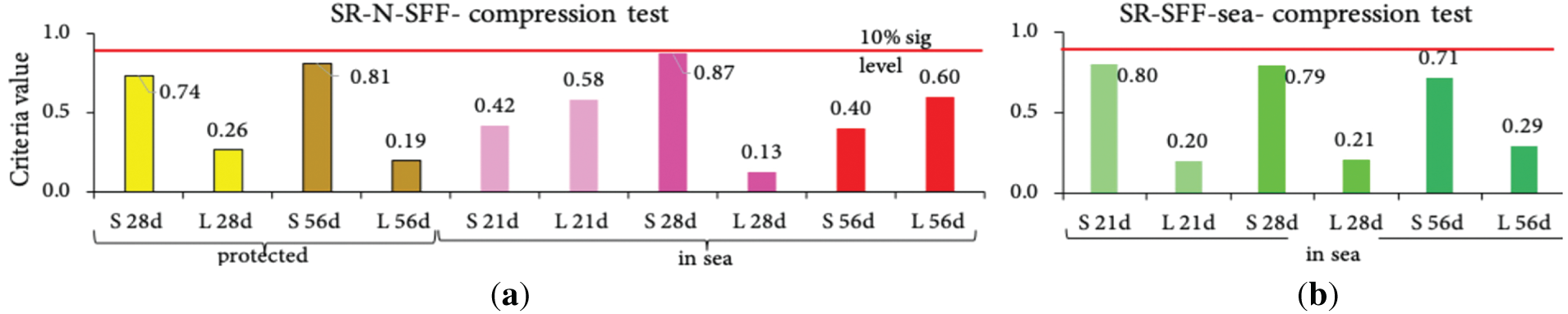
Figure 9: Outlier data compression test with Dixon criteria: (a) SR-N-SFF; (b) SR-SFF-sea. Note: S: smallest is suspected; L: largest is suspected
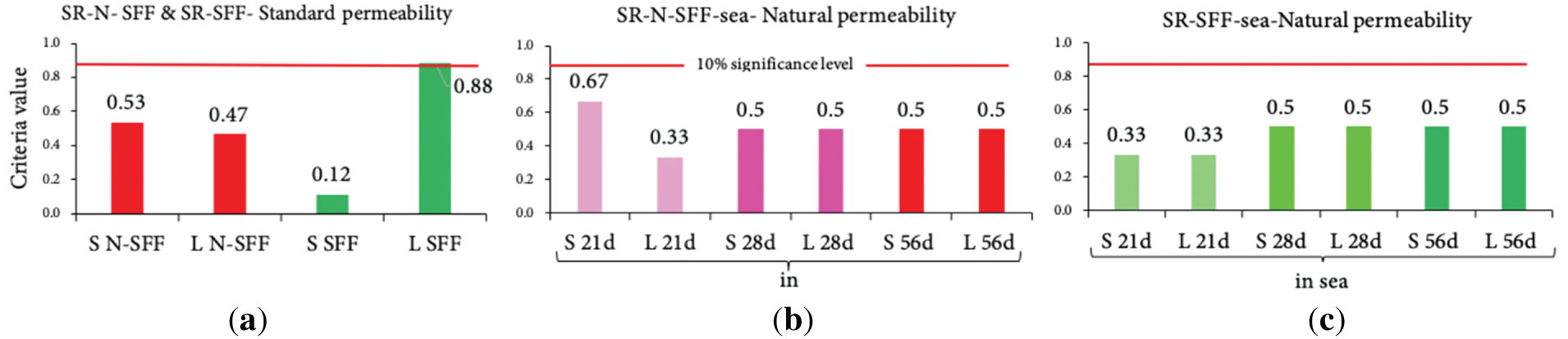
Figure 10: Outlier data permeability test with Dixon criteria: (a) SR-N-SFF & SR-SFF standard permeability; (b) SR-N-SFF-sea; (c) SR-SFF-sea
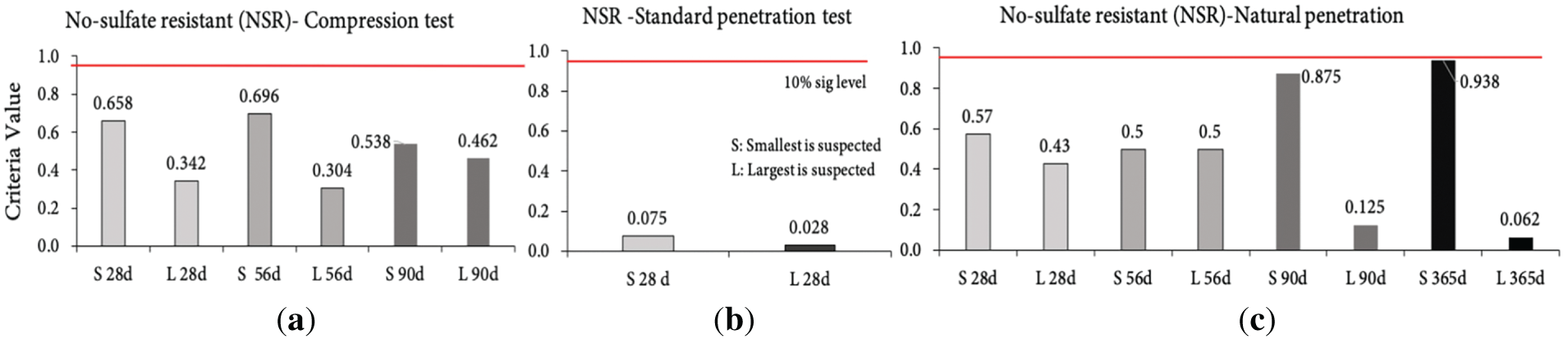
Figure 11: Outlier data permeability test with Dixon criteria non-sulfate resistance mixture (NSR): (a) Compression test; (b) Standard penetration test; (c) Natural penetration
From Fig. 9 the smallest value of No-SFF is an outlier, and from Fig. 10 the largest value.
Figs. 9 and 10 present the test results for concrete using sulfate-resistant PPC cement (SR-N-SFF-protected-SR-N-SFF-sea, SR-SFF-sea), while Fig. 11 displays data for concrete made with non-sulfate-resistant PPC cement (NSR-sea). The smallest value data of the SR-N-SFF protected and SR-N-SFF-sea 28-day compressive strength sample (Fig. 9a), the largest value data of the SR-SFF standard permeability sample (Fig. 10a), and the smallest value data of 365-day NSR (Fig. 11c) are above the 10% significance limit. Thus, the data is excluded. The form of 56-day-old cylindrical concrete can be seen in Fig. 12.
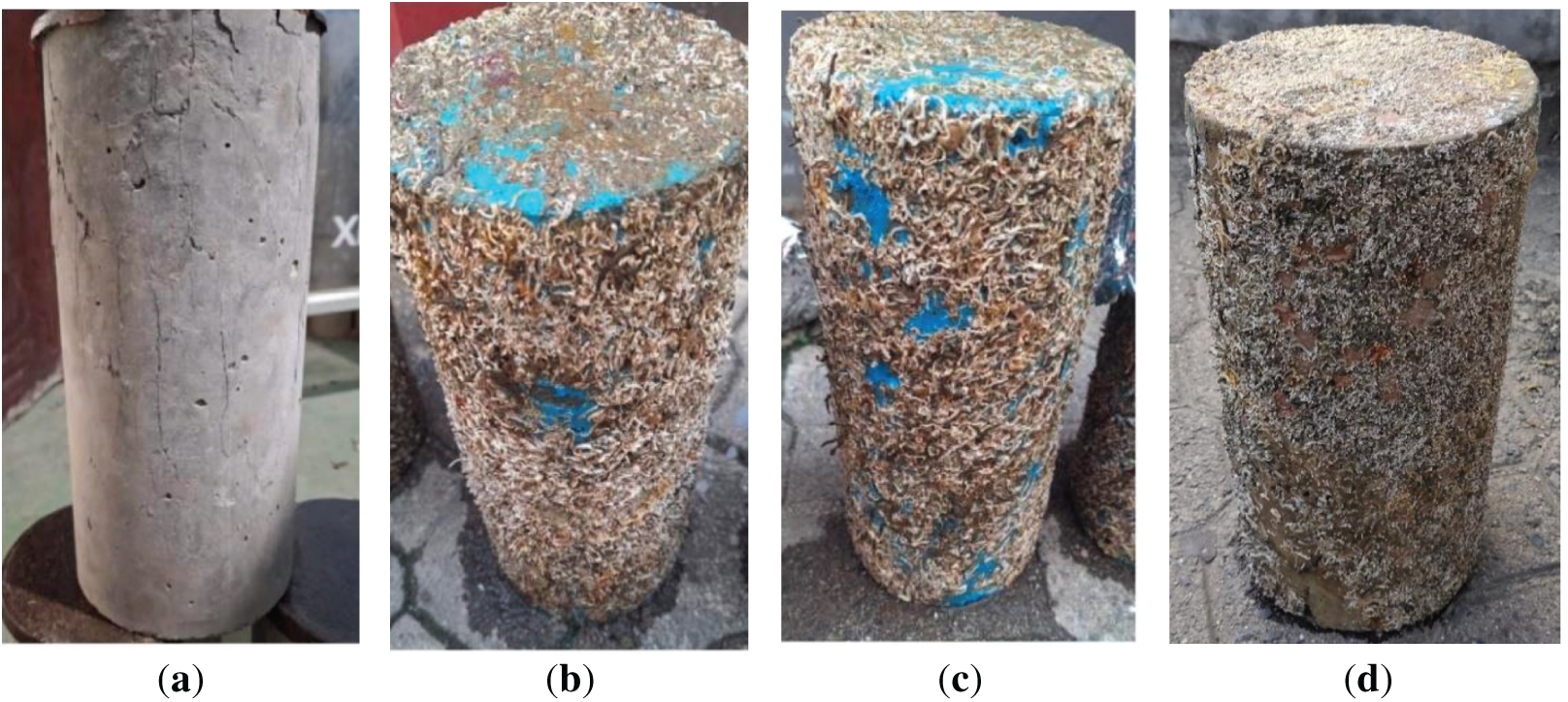
Figure 12: 56-day cylindrical test specimens: (a) SR-N-SFF-protected; (b) SR-N-SFF-sea; (c) SR-SFF-sea; (d) NSR-sea
The sample’s surface submerged in seawater is covered by marine biota/macrofauling (Fig. 12b–d).
The fracture patterns of the specimens from the compression test are shown in Fig. 12. As observed in Fig. 13 it can be seen that marine biota did not penetrate into the interior of the concrete but instead formed a layer on the surface (Fig. 13b,c).
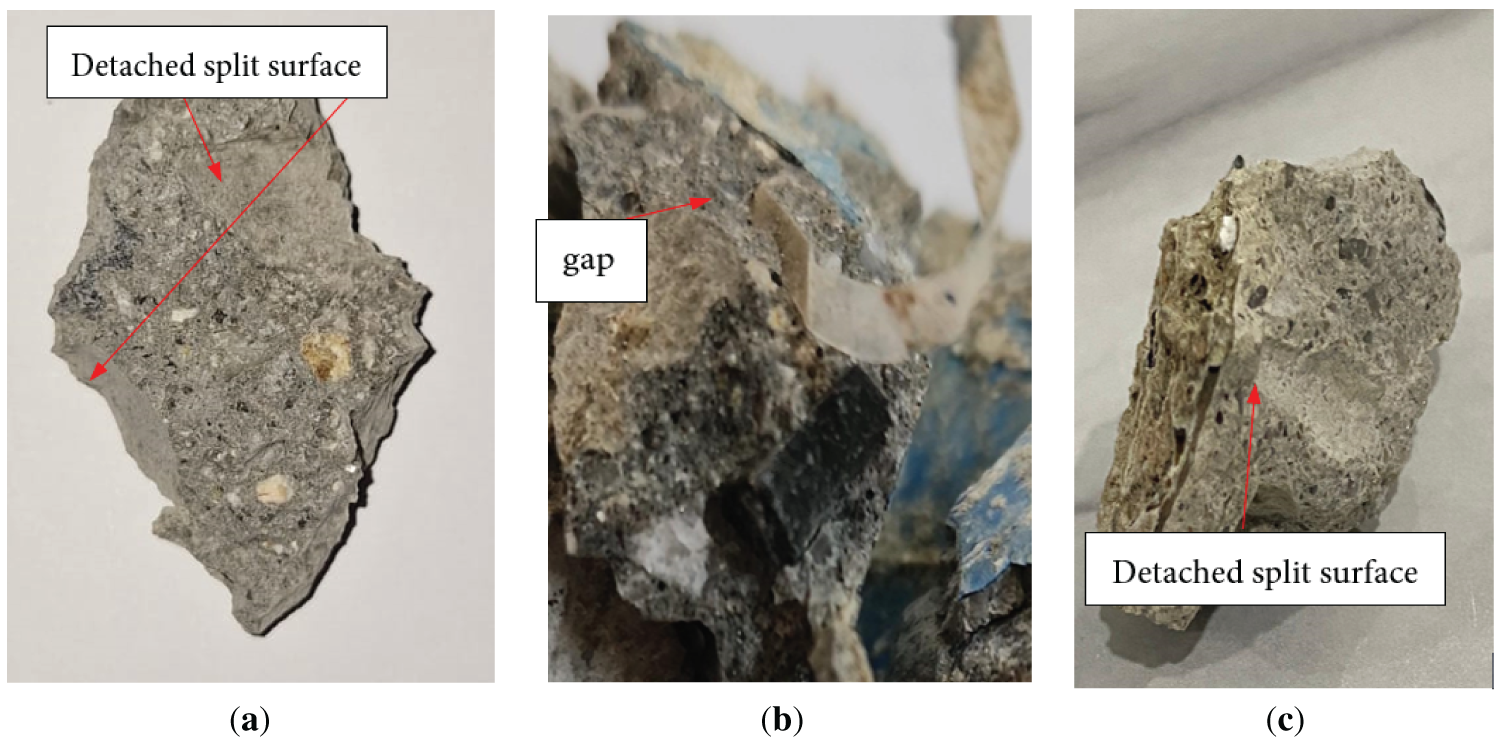
Figure 13: Compression test sample fragments: (a) SR-N-SFF-sea; (b) SR-SFF-sea; (c) NSR-sea
The standard penetration data processed using the Dixon criteria are shown in Fig. 14a. The average values derived from this processing are presented in Fig. 14b. The compressive strength of the concrete samples is shown in Fig. 15a, while the corresponding penetration depths—both natural and standard—are displayed in Fig. 15b.
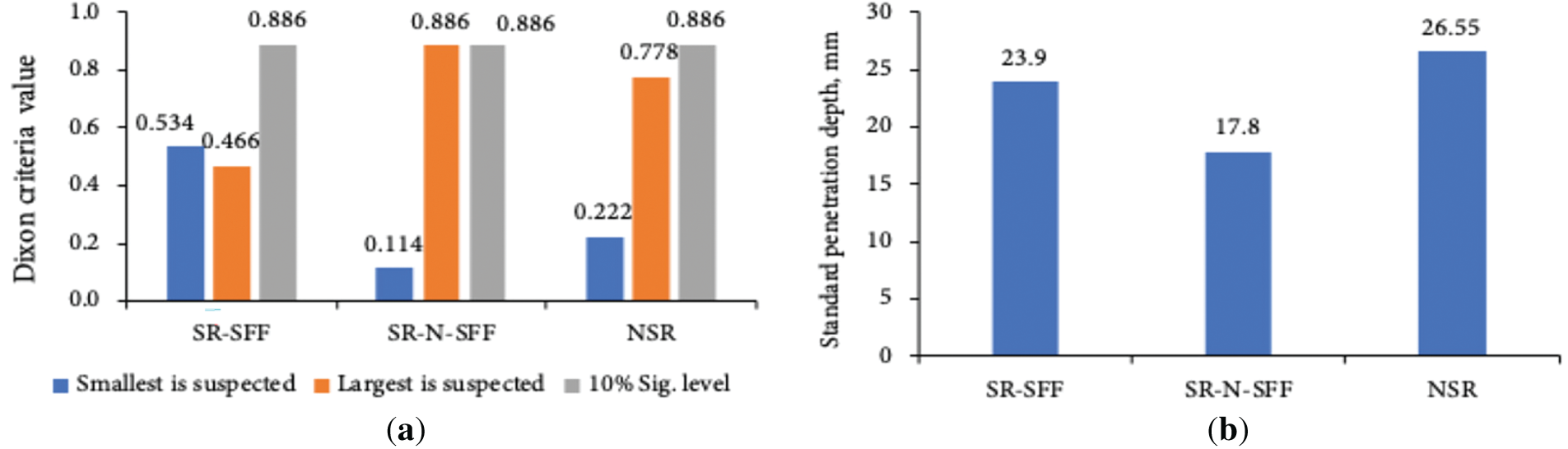
Figure 14: (a) Dixon criteria standard penetration data processing; (b) Standard penetration
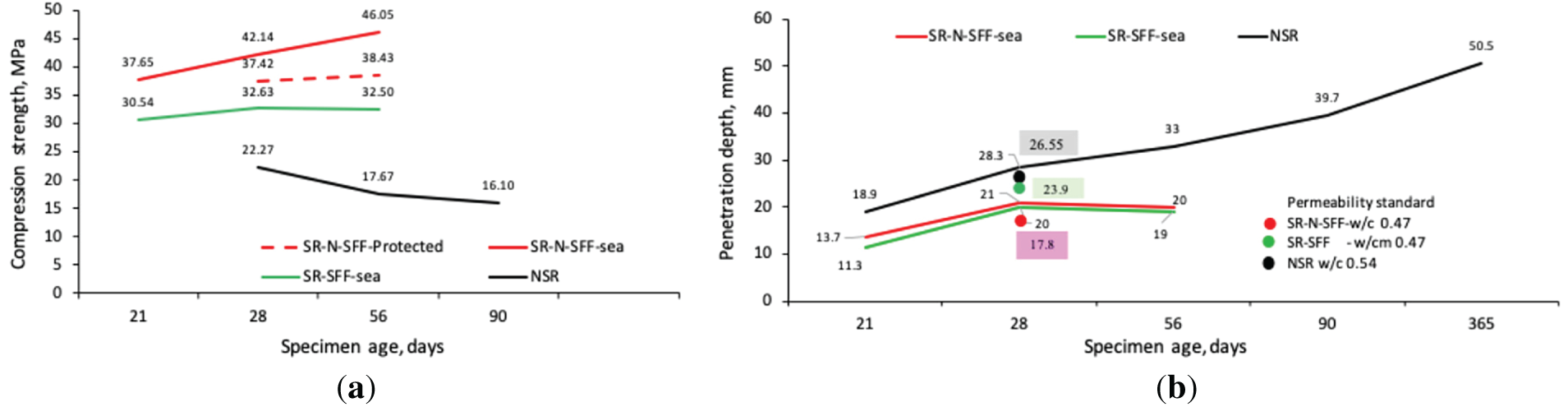
Figure 15: (a) Compressive strength; (b) Natural and standard penetration depth
Some pile cross-sections used in marine environments are designed with hollow centers resembling donut shapes. After the piles are driven into position, the hollow sections are subsequently filled with concrete, resulting in two distinct types of concrete within a single pile. For marine concrete walls, casting is typically carried out on-site, and the timing for formwork removal can vary depending on construction conditions. In this study, concrete samples were placed in the sea at 9 days of age. This age was selected to represent the earliest practical timing after completing the standard 7-day moist curing period, in accordance with Indonesian Standard SNI 03-2847-2019 [36], while also allowing the concrete to undergo initial hydration and pozzolanic reactions under the influence of seawater exposure.
Concrete is a porous material with a pore surface area of 500 m2/cm3 [38]. The pore size of concrete is spread 10–1000 nm [39]. The size of one water molecule is about 3 Å (3 nm); thus, water easily enters the concrete’s pore holes.
Suppose the pores within the concrete are continuous. In that case, seawater can penetrate into the phaenograins, as illustrated in Fig. 16. Since phaenograins are porous zones, seawater will spread into the solid hydration layer and enter the unhydrated clinker. The consequence is that a hydration reaction occurs.
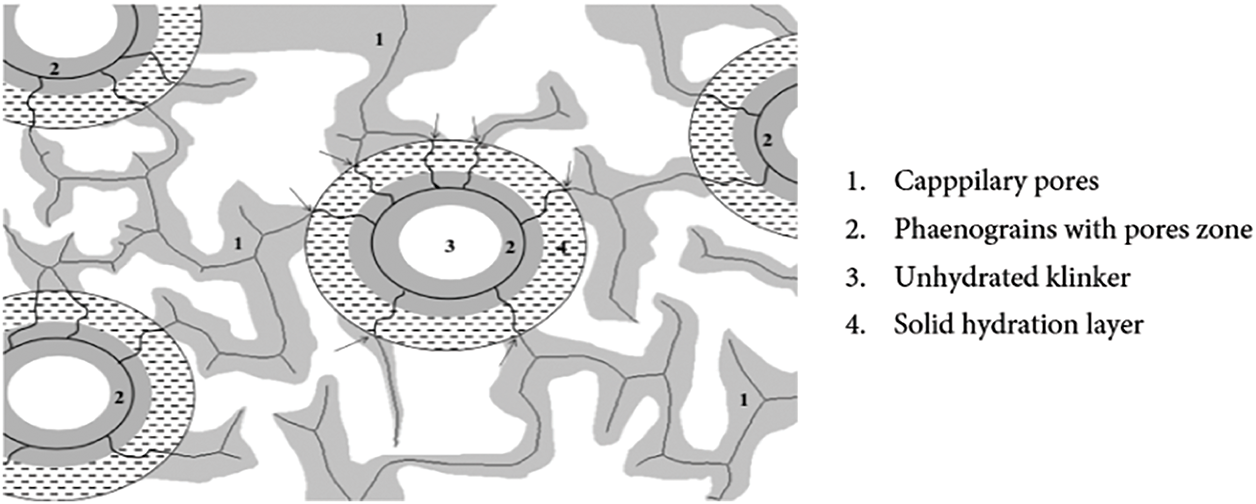
Figure 16: Schematic illustration of network pores [39]
Seawater used in the sulfat-resistant cement mixture slows down the hydration of C3A and reduces the degree of C3A reaction [40]. The C3A reaction is as follows:
Ettringite forms in two stages during cement hydration. The first stage of ettringite is formed at the beginning of concrete formation. Ettringite is expanding, so it needs space to release energy and increase its volume. At the first of the hydration reaction, ettringite must be formed during the plastic period to prevent cracking, while in the formation of the second stage of ettringite, the expansion energy can break the concrete bond.
In concrete with PPC cement, both hydration and pozzolanic reactions coincide. Pozzolanic reactions involve the interaction between reactive silica or alumina from fly ash and portlandite, a cement hydration product, in the presence of water at ambient temperature. These reactions can be represented as:
or summarized in abbreviated cement chemist notation:
If the pozzolanic material used is class F fly ash, the concrete is more resistant to sulfate [31]. Only concrete with 10% fly ash produces minimum seawater penetration [41]. The amount of fly ash in cement in this study is unknown. The compressive strain of concrete with fly ash is lower than that of concrete without fly ash [15]. With a lower tensile strength than OPC, PPC is more prone to cracking. The design of flexible concrete with PPC should be based on εcu < 0.003.
Fig. 12a,c shows that the weakest zone in both SR-N-SFF-sea and NSR-sea concrete is at the junction of coarse aggregate and matrix, while in SR-SFF-sea, there are additional weak points, namely the gap between the plastic fiber and the paste that covers it and between the plastic fiber paste layer and the concrete matrix (Fig. 13b).
3.2.1 Concrete Reaction with Sulfate-Resistant and Non-Sulfate-Resistant Cement
Concrete with Sulfate-Resistant Cement (SR-N-SFF-protected, SR-N-SFF-sea and SR-SFF-sea)
The cement used in SR-N-SFF-protected, SR-N-SFF-sea, and SR-SFF-sea is sulfate-resistant cement. Cement can be made sulfate-resistant with low C3A content (<5% cement weight) [33]. The decrease in the quantity of C3A causes a reduction in the rate of early strength development [42]. Although the rate of strength development decreases, cement with low C3A content allows for high compressive strength at an early age and produces more economical and less polluting concrete [43].
C3A hydration is greatly influenced by adding accelerators, especially those containing high Al3+ concentrations. Seawater contains Al (Table 1). Al content in a certain range helps the crystallization of tobermorite from the gel phase [44]. This occurs in the SR-N-SFF sea. Tobermorite, replaced by aluminum, was the main ingredient in the durability of concrete in Roman ports 2000 years ago.
Degradation Mechanism of Concrete with No Sulfate-Resistant Cement (NSR-sea)
NSR-sea concrete uses PPC IP-U or non-sulfate-resistant PPC. In concrete with non-sulfate-resistant cement, the C3A content is not reduced. The early strength is normal and not high. NSR-sea concrete has a w/c of 0.54. It takes approximately 47 days to achieve pore discontinuity based on linear interpolation from Hearns et al., 2006. Because the sample was put into the sea at the age of 9 days, there are still many continuous pores. Chlorine, sulfate, aluminum, and other substances contained in seawater (Table 1) can penetrate into the concrete deeper than SR-N-SFF-sea and SR-SFF-sea. Chloride easily reacts with C3A and forms Friedel salt.
The direct formation of Friedel salts results in the accumulation of Al3+ in solution because Al3+ is released from the C3A reaction in addition to the release of Ca2+. Ca2+ makes the concrete expand. The accumulation of Al3+ will inhibit the further dissolution of C3A [40] so C3A is always present, which increases the Friedel salt. Ca2+ or Al3+ released from C3A forms a hard, positively charged layer that attracts phosphate. Phosphate degrades concrete significantly. Sulfate contained in seawater triggers the emergence of second ettringite. In the continuous capillary pores, seawater enters the pores, making all unhydrated clinker hydrated. Consequently, ettringite increases, swelling becomes large, and the concrete bond breaks. Chloride makes concrete brittle. This causes the compressive strength of NSR-sea to continue to decrease and penetration to continue to increase, thus; the concrete is degraded (Fig. 13a,b). Therefore, making concrete in a discontinuous pore condition is crucial before it comes into contact with an aggressive environment.
From the time of casting up to 28 days, the concrete is dominated by hydration reactions followed by pozzolanic reactions. Pozzolanic reactions occur in all samples because all use PPC. Pozzolanic reactions consume CH, so CH is reduced. This reaction can increase durability and resistance to chemical attacks. Because the pozzolanic reaction reduces the presence of CH and produces additional C–S–H, the pores between the cement grains are filled with C-S-H gel. Reducing CH will increase durability because, according to Zhang et al. [45], the addition of CH reduces the compressive strength of cement in SCC.
The reduction of CH makes the molar ratio of CH to C4A3S small. The small molar ratio of CH to C4A3S increases the strength of concrete. The ratio reaches an optimum value of 0.5 mol [45].
Pozzolanic Reaction in Concrete with Sulfate-Resistant-Cement
In the SR-N-SFF-protected, SR-N-SFF-sea, and SR-SFF-sea mixtures, sulfate-resistant PPC is used.
SR-N-SFF-sea and SR-SFF-sea
In SR-N-SFF-sea and SR-SFF-sea, hydration reactions, pozzolanic reactions, and reactions due to the entry of seawater into the concrete occur. At 28–56 days, the compressive strength rate of SR-N-SFF-sea is 0.14 MPa/day. This is due to the hydration process and the pozzolanic reaction. At the age of 9 days, the sample was put into the sea; thus, most of the pore structure of SR-N-SFF-sea concrete has been discontinued when in contact with the aggressive environment.
For SR-N-SFF-sea and SR-SFF-sea, seawater penetrating the pores and reaching the unhydrated clinker makes the clinker hydrated. This reaction with seawater will improve the pozzolanic properties of cement, increasing the formation of Calcium-Silicate-Hydrate (C-S-H) gel, which contributes to a dense microstructure and good mechanical strength compared to conventional freshwater concrete [31]. Because the C3A reaction is slowed down by seawater, the binding of Cl by C3A is also slowed down, and ettringite is also slow to form so the brittleness and expansion of concrete are inhibited. The number of discontinuous pores approaches the optimum and the increased formation of C-S-H by the pozzolanic reaction greatly limits the entry of seawater, making the discontinuous pores increase.
Degradation Mechanism of SR-N-SFF-sea
The compressive strength of SR-N-SFF-sea immersed in seawater showed a linear increase with the highest strength (Fig. 12a), and its standard penetration test had the lowest value (Fig. 11b). Thus, sulfate-resistant cement is very suitable for construction in the sea. Sulfate and chloride enter the pores together with water. Because the pores are mostly discontinuous, the amount of sulfate and chloride entering the pores is limited. Chloride can be bound by concrete containing sulfate-resistant cement [32], so the formation of Friedel salt is inhibited. This phenomenon inhibits the brittleness of concrete. Sulfate entering in limited amounts triggers the formation of limited ettringite, which causes limited expansion of the concrete to clog the open discontinuous pores. This is in accordance with Zhu et al. [46]. Local blockage of the pores may be enough to inhibit the water infiltration rate into the concrete. Because of this, the compressive strength of SR-N-SFF-sea with sulfate-resistant cement increases in seawater immersion at the pier and inhibited concrete degradation.
Degradation Mechanism of SR-SFF-sea
Plastic fibers added to SR-SFF-sea are coated with hardened paste. In concrete, these plastic fibers create gaps on 2 sides, namely the gap between the plastic and the paste blanket and the gap between the paste and the concrete matrix. Although the pores are filled with silica fume, the gaps increase the cavities in the concrete. The increase in these gaps increases the chloride and sulfate that enter the concrete. Chloride forms Friedel salt, while sulfate forms a second ettringite. This inhibits the increase in compressive strength by the pozzolanic properties of cement and inhibits the formation of C-S-H gels. Because of the gaps due to the plastic fibers (SR-SFF-sea), the Al that enters the SR-SFF-sea is greater than the SR-N-SFF sea. Al3+ can accumulate in SR-SFF-sea. If Al3+ accumulates, then C3A is inhibited from dissolving or remains. C3A that remains and comes into contact with sulfate, then ettringite continues to form. High doses of Al cause cathoite to precipitate and not tobermorite [44] as expected. Of the three samples with sulfate-resistant cement, the sample with silica fume and plastic fiber immersed in seawater had the lowest compressive strength (Fig. 14a) with the degradation mechanism as described above.
Degradation Mechanism of SR-N-SFF-Protected
In SR-N-SFF-protected, the compaction mechanism, like the sample in the sea, does not occur. For the pozzolanic reaction in a protected place, the C3A reaction runs as usual; there is no increase in the pozzolanic properties of cement, and there is no increase in C-S-H. High humidity in Indonesia ±72% and temperature ±27°C [47] affects the hydration and pozzolanic reactions. This air containing a lot of water can infiltrate the SR-N-SFF-protected throughout the life of the concrete. Air with high humidity makes the concrete bond stronger. Because it is protected, no sulfate and Cl infiltrate, so the second stage of ettringite is not formed, and CH/C4A3S becomes >0.5 mol. If the molar ratio is 2, the cement strength is reversed, and the AFt shape changes from needles and rods to columns, the grain size increases and cannot be filled with the AH3 phase, CSH2 does not fully react, and the matrix porosity increases [45].
The compressive strength of SR-N-SFF-protected is smaller than that of SR-N-SFF-sea. There is almost no strength growth in SR-N-SFF-protected (Fig. 14a). In SR-N-SFF-protected at the age of 28–56; the concrete does not increase in density because there is no chloride binding and limited second ettringite formation. Monosulfate remains in the form of monosulfate. The compressive strength of SR-N-SFF-protected shows a slight decrease (0.13 MPa). The reduction in C3A in sulfate-resistant cement reduces hydration products in the form of ettringite, CAH, and CASH. As the age increases, the discontinuous pores increase, so there is trapped water-containing air, and the moisture that enters is also more limited. As a result, the strength of SR-N-SFF-protected is lower than that of immersed SR-N-SFF-sea and decreases slightly. This phenomenon must be watched because it can signify concrete degradation.
Degradation Mechanism of Concrete with Non-Resistant-Sulfate-Cement (NSR-sea)
In concrete with non-sulfate-resistant cement, the C3A content is not reduced. In this study, NSR-sea was submerged in seawater. Contact with seawater increases the pozzolanic reaction and the addition of C-S-H. However, because the w/c NSR-sea 0.54 makes the capillary pores still much when inserted into the sea at the age of 9 days, therefore; seawater penetrates deeper. The increase due to the pozzolanic reaction can be less significant because the attack of chloride, sulfate, and the accumulation of Al3+ makes CH dissolve, the concrete becomes brittle, and the concrete bond breaks; C3A remains so that the attack is long-term. From this mechanism, concrete degradation can occur until the concrete is destroyed. It is important to insert NSR-sea at an age of more than 47 days so that seawater that penetrates the concrete is hampered by pore discontinuities.
3.2.3 Compressive Strength and Seawater Penetration
The compressive strength and rate can be seen in Table 3, while the standard penetration and seawater penetration into concrete can be seen in Table 4.
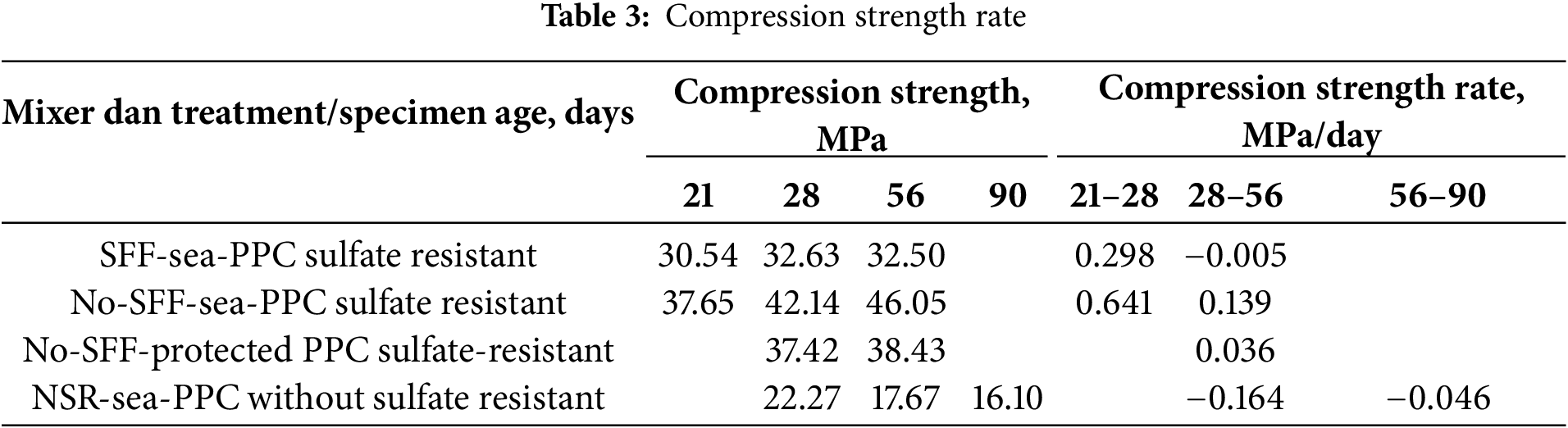
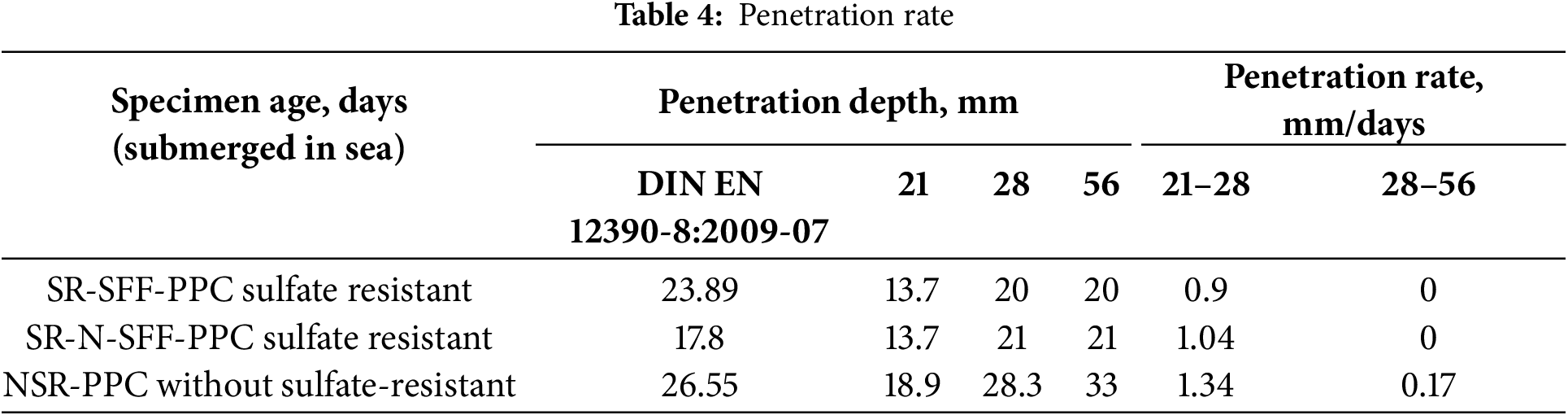
Until the age of 28 days, penetration increased in all samples (Table 3). This indicates that there has been no blockage of pores by C-S-H gel or by the development of ettringite.
The compressive strength of SR-SFF-sea decreased at the age of 28–56 days (Fig. 17a), and the penetration rate was zero (Fig. 17b). The rate of zero indicates that SR-SFF-sea pores have been blocked on the sample’s surface so that seawater does not infiltrate anymore. However, seawater containing aggressive materials has infiltrated in the inner plastic fibers’ pores and gaps. The slight decrease that occurred was caused by the concrete bond which began to become brittle due to chloride, and the growth of Friedel salts. The direct formation of Friedel salts and the Al content in the infiltrated seawater resulted in the accumulation of Al3+ in the solution. Al3+ is released from the C3A reaction in addition to the release of Ca2+. Ca2+ or Al3+ released from C3A forms a hard layer of positive charge that attracts phosphate. For SR-SFF-sea, phosphate from the outside is blocked from entering. Therefore, SR-SFF-sea degradation is not as fast as NSR-sea (Fig. 16a). This observation aligns with findings by Hamdi and Imran [28] who reported a degradation rate of 0.65 MPa/day for normal concrete immersed in seawater tanks, while the use of 1% coconut fiber with seawater as the mixing water reduced the degradation rate to 0.35 MPa/day [48].
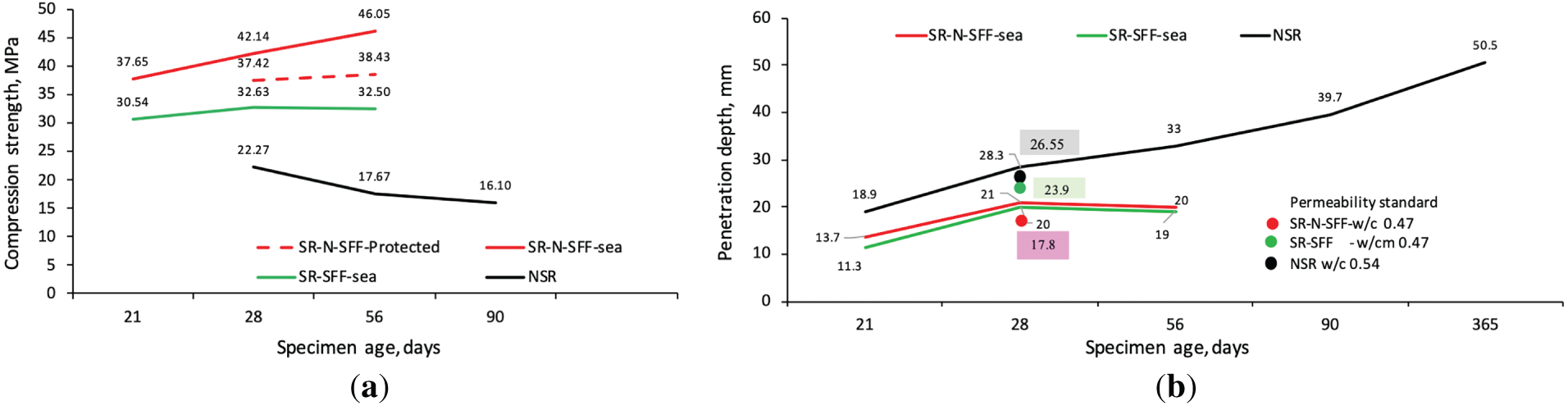
Figure 17: (a) Compression strength, (b) Penetration depth
SR-N-SFF-sea exhibited the lowest penetration standard (Fig. 17b) alongside the highest levels of compressive strength and growth (Tables 3 and 4). No increase in penetration was observed between 28 and 56 days. This behavior is favorable for marine construction. In fact, the standard penetration values for all mixtures tested in this study comply with the SNI 03-2914-1992 requirement, which specifies a threshold of 30 mm for strong aggression. The penetration value for No-SFF stands at 17.8 mm (Fig. 17b), representing 59% of the SNI 03-2914-1992 limit. With its impressive growth in compressive strength and the halt of seawater penetration, this value can serve as a benchmark for marine construction.
The highest rate of NSR-sea penetration is attributed to the suboptimal formation of pore discontinuity when the NSR-sea is placed in the sea. Consequently, due to the presence of continuous pores, seawater carrying aggressive substances can penetrate extensively, leading to reactions that cause the concrete to become brittle and weaken the bond within the concrete. This degradation process continues, resulting in increased penetration and decreased strength. The strength measured at 90 days is only 72% of measured at 28 days.
The SR-N-SFF-protected samples exhibited lower strength compared to the SR-N-SFF-sea samples. The SR-N-SFF-protected had strengths of only 88% and 83% at 28 and 56 days, respectively. While the compressive strength of the SR-N-SFF-protected samples improved from 28 to 56 days, the increase was only 26% of the rate seen in the SR-N-SFF-sea samples (Fig. 17a).
Therefore, sulfate-resistant cement is not advisable for protected construction. Even though the standard penetration value meets the established criteria, the development of SR-SFF-sea and NSR-sea strength is unfavorable for marine construction, making the value inappropriate for such applications.
3.2.4 Degradation Impacts Considering the Latest Durability Concepts
Recent developments in concrete durability have shifted from traditional rule-based methods to performance-based approaches. These modern concepts emphasize the prediction of performance indicators over time, considering scenario-based aging and degradation mechanisms [49]. A new framework in durability mechanics emphasizes systematically predicting and assessing the time-dependent behavior of concrete materials [50]. Degradation impacts can be analyzed based on Fig. 17. According to Fig. 17b, the mixture with the least degradation impact in marine environments is SR-N-SFF-sea, with a maximum water-to-cement (w/c) ratio of 0.47. The evolution of its performance indicators is illustrated in Fig. 17a,b. While Fig. 17a shows an increase in compressive strength over time, Fig. 17b reveals stagnant penetration development. If the standard penetration remains below 17.8 mm, the degradation impact can be minimized, helping to extend service life and reduce aging.
3.2.5 Mechanism of Concrete Degradation by Marine Biota/Macrofouling
The submerged surface of the concrete was observed to be covered with macrofouling, characterized by a sharp and rough texture (Fig. 11b–d). In its dry state, this biofilm forms a hard layer approximately 1 mm thick (Fig. 13c). Macrofouling refers to the accumulation of multicellular marine organisms that adhere to submerged surfaces and proliferate. These include barnacles, mussels, seaweed, and other marine species.
Early-stage marine biofilms typically consist of specific bacterial colonies, including cyanobacteria and proteobacteria, which initiate the formation of biofilms on concrete surfaces. Cyanobacteria gain energy through the process of photosynthesis. Sunlight is transformed into chemical energy, producing sugar (glucose) and oxygen, and forming biofilms through a mechanism similar to that shown in Fig. 18. From Fig. 18, it can be seen that the biofilm layer that was formed did not penetrate the concrete as described above and in Fig. 13c.
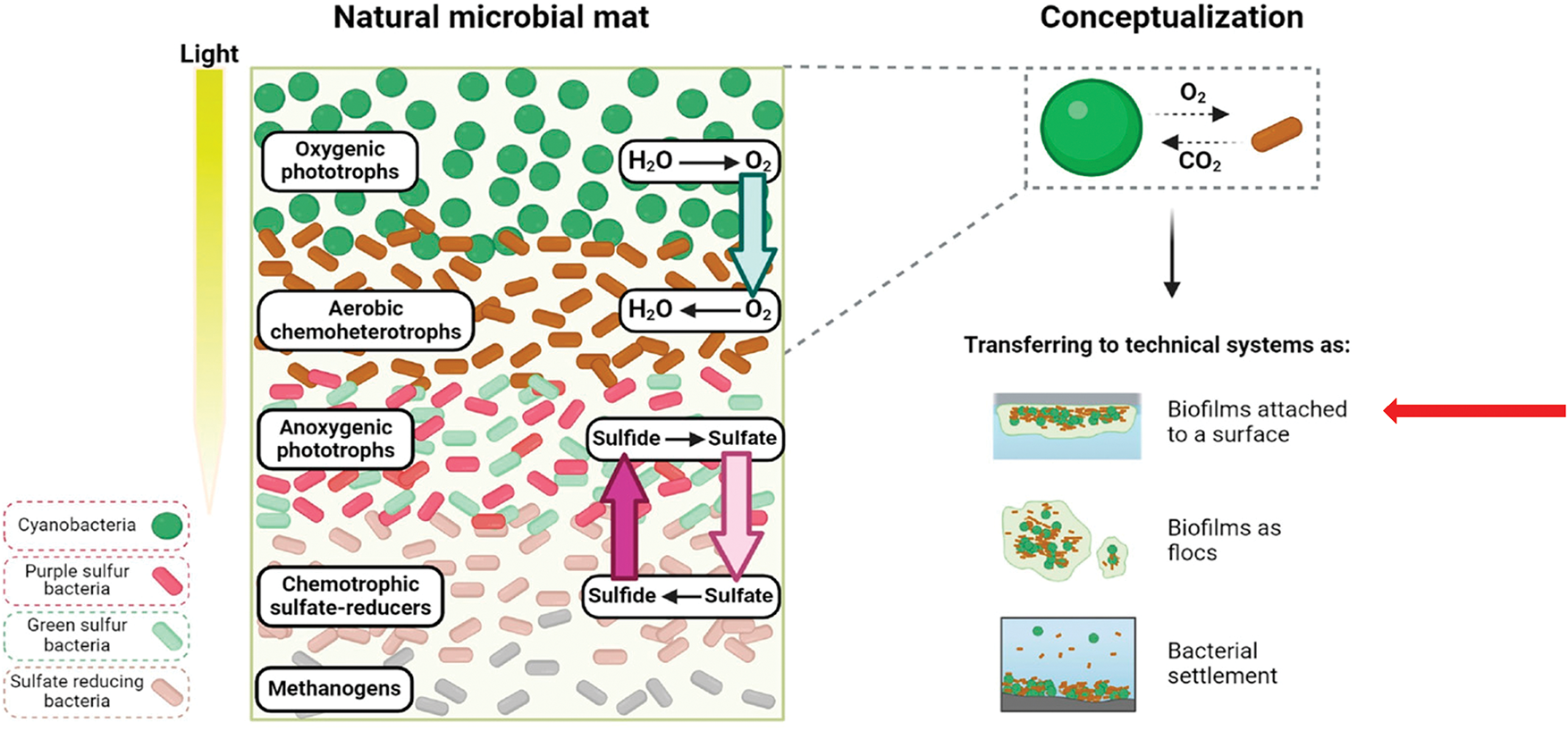
Figure 18: Biofilm formation mechanism [51]
The inner sections of submerged concrete, those with limited sunlight exposure and greater moisture availability promote increased biofilm biomass growth [52]. Biofilms can grow up to 400 µm thick, at which point sunlight penetration becomes a limiting factor [53]. A study on Mayan monuments revealed cyanobacteria-based biofilms with a thickness of 38.5 mm [52]. Given that Mayan temples are located near coastal areas with temperatures between 19°C and 32°C [54] and humidity levels between 70% and 84% [55] conditions similar to Indonesia it is likely that biofilms exceeding 500 µm can form on concrete in Indonesia, as depicted in Fig. 13c.
This process utilizes carbon dioxide and water, and it requires chlorophyll, the green pigment present in plants. By generating oxygen gas as a byproduct of photosynthesis, concrete surfaces may undergo oxidation or corrosion. Concrete in regions where sunlight can reach seawater is prone to this type of degradation. Proteobacteria are capable of symbiotically absorbing nitrogen from the air and oxidizing it to nitrate. Seawater contains ammonium, albeit at low levels. When this ammonium combines with nitrate, the concrete surface will peel [56]. Concrete in areas that alternately come into contact with air and seawater is at risk.
Fig. 12b–d shows that the entire surface of the cylinder is covered by macrofouling, characterized by elongated shapes similar to those of cyanobacteria and proteobacteria. The surface of the NSR-sea cylinder is partially peeled off (Fig. 12d). Thus, it can be said that sulfate-resistant cement slows down the peeling of the concrete surface.
The adhesion of such microorganisms to submerged concrete is a relatively underexplored subject. The chemical and microbiological deterioration processes involved are highly complex and have not yet been effectively modeled or fully understood [57].
The key findings from the study on the durability and performance of concrete with various cement types and treatments in marine environments are outlined as follows:
1. Concrete incorporating sulfate-resistant PPC, which may undergo hydration with seawater and pozzolan reactions, exhibits an increase in compressive strength of approximately 10% within a range of 28 to 56 days, without any further seawater intrusion during this period. Therefore, this mixture is particularly suitable for marine constructions.
2. Concrete with sulfate-resistant PPC demonstrates a standard penetration depth of 17.8 mm, corresponding to 59% of the penetration threshold for highly aggressive environments as per Indonesian regulations. This measurement can serve as a new benchmark for marine structures; however, despite meeting the standard penetration criteria, there is evidence of stagnant or declining compressive strength development between 28 and 56 days.
3. Concrete containing sulfate-resistant PPC is unsuitable for protected zones as no notable strength improvement was observed between the ages of 28 and 56 days.
4. Plastic fiber concrete is not appropriate for marine structures because the pores increase due to the gaps formed by the plastic fibers.
5. Concrete made with non-sulfate-resistant cement should be formulated with a water-to-cement ratio of approximately 0.5 to achieve pore discontinuity, allowing for incorporation around the age of 10 days. This timing promotes the pozzolanic reaction while limiting the aluminum entry, which aids in forming tobermorite, ultimately enhancing the concrete’s durability in marine environments.
6. Marine biota causes concrete in marine environments that is exposed to direct or indirect sunlight to oxidize, and produces ammonium nitrate, which causes the concrete surface to peel off.
A study has been conducted to investigate the resistance mechanisms of concrete under real marine conditions, using compressive strength tests, standard penetration tests, and in-situ (natural) penetration measurements for concrete made with and without sulfate-resistant cement. All sample types demonstrated standard penetration that complied with the criteria for high aggression as per Indonesian Standard 03-2914-1992 [32].
While the use of different aggregates and cements across various marine environments will inevitably result in differences in compressive strength and penetration behavior, the application of sulfate-resistant cement effectively eliminates one of the primary causes of concrete degradation. The selection of an actual marine research site has provided valuable insight into the progression of concrete degradation in realistic conditions.
One limitation of this study is its relatively short observation period. Nevertheless, the findings offer a practical reference for future marine construction. Concrete mixtures demonstrating slow or stagnant penetration growth while maintaining solid compressive strength—such as those incorporating sulfate-resistant cement with a water-to-cement ratio of 0.47—can be considered reliable for harsh environments.
To ensure optimal performance, the concrete should be introduced to the marine environment only after it has reached near-optimal pore discontinuity. Prior to this point, protective measures should be applied to prevent premature exposure and degradation.
Acknowledgement: This study received valuable support from Mr. Heri Suhendi, owner of the Lempasing Fishing Boat Dock in Lampung Province, Indonesia, who kindly permitted the placement of research samples on his dock. We also express our gratitude to the fishing community in Lempasing for their assistance in safeguarding the samples during their exposure at sea. Appreciation is extended to Semen Gresik Ltd. for providing the sulfate-resistant cement used in this research. Furthermore, we gratefully acknowledge the Materials and Construction Laboratory, Faculty of Engineering, University of Lampung, and the Structures and Materials Laboratory, Department of Civil Engineering, University of Indonesia, for their support during the testing process. Special thanks are also due to Ricky Efendi Purba for his diving assistance in positioning and retrieving samples from the ocean.
Funding Statement: The authors received no specific funding for this study.
Author Contributions: The authors confirm contribution to the paper as follows: Conceptualization, Niken Chatarina and Suyadi Suyadi; methodology, Niken Chatarina; software, Chairani Zilia; validation, Niken Chatarina, Suyadi Suyadi and Chairani Zilia; formal analysis, Niken Chatarina; investigation, Niken Chatarina; resources, Noorhidana Vera Agustriana; data curation, Niken Chatarina; writing—original draft preparation, Niken Chatarina; writing—review and editing, Chairani Zilia; visualization, Niken Chatarina; supervision, Mariyanto Mariyanto; project administration, Niken Chatarina. All authors reviewed the results and approved the final version of the manuscript.
Availability of Data and Materials: The information backing the conclusions of this research can be accessed publicly at https://id.scribd.com/document/842226855/SKRIPSI-TANPA-BAB-4-DONI-IRAWAN (accessed on 01 August 2025).
Ethics Approval: Not applicable because for studies not involving humans or animals.
Conflicts of Interest: The authors declare no conflicts of interest to report regarding the present study.
References
1. Lee T, Kim D, Cho S, Kim MO. Advancements in surface coatings and inspection technologies for extending the service life of concrete structures in marine environments: a critical review. Buildings. 2025;15(3):304. doi:10.3390/buildings15030304. [Google Scholar] [CrossRef]
2. Juhart J, Bregar R, David GA, Krüger M. Water penetration and water absorption to specify durability of eco-efficient concrete. RILEM Tech Lett. 2019;4(1):67–73. doi:10.21809/rilemtechlett.2019.86. [Google Scholar] [CrossRef]
3. GebreTarekegn A. Deformational behavior of fiber reinforced cement based materials under repeated loading. Journal of EEA. 2024;42(1):107–17. doi:10.20372/zede.v42i.10180. [Google Scholar] [CrossRef]
4. Vuong TNH, Nguyen TK, Nguyen DL, LE HV, Tran NT. Fiber fraction-dependent flexural behavior of high-performance fiber-reinforced concrete under static and repeated loading. J Build Eng. 2023;79(1):107808. doi:10.1016/j.jobe.2023.107808. [Google Scholar] [CrossRef]
5. Wisda A, Permana E. Berapa lama sampah plastik terurai dan dampak terhadap lingkungan [Internet]. Jakarta, Indonesia: ERA; 2023 [cited 2025 Mar 3]. Available from: https://era.id/sains/122745/berapa-lama-sampah-plastik-terurai. [Google Scholar]
6. Askar MK, Al-Kamaki YSS, Hassan A. Utilizing polyethylene terephthalate PET in concrete: a review. Polymers. 2023;15(15):1–38. doi:10.3390/polym15153320. [Google Scholar] [PubMed] [CrossRef]
7. Abubakar L, Yeasmin N, Bhattacharjee A. Waste polyethylene terephthalate (PET) as a partial replacement of aggregates in sustainable concrete. Constr Mater. 2024;4(4):738–47. doi:10.3390/constrmater4040040. [Google Scholar] [CrossRef]
8. Adajar MA, Ubay-Anongphouth IO. Effects of polyethylene terephthalate (PET) plastics on the mechanical properties of fly ash concrete. Int J Geomate. 2022;23(95):162–7. doi:10.21660/2022.95.1576. [Google Scholar] [CrossRef]
9. Dawood AO, AL-Khazraji H, Falih RS. Physical and mechanical properties of concrete containing PET wastes as a partial replacement for fine aggregates. Case Stud Constr Mater. 2021;14(1):1–13. doi:10.1016/j.cscm.2020.e00482. [Google Scholar] [CrossRef]
10. Tian X, Huang Y, Zhang J, Ma X. Mechanical properties of seawater sea-sand recycled concrete in sulfate attack environment. J Phys Conf Ser. 2023;2535(1):012015. doi:10.1088/1742-6596/2535/1/012015. [Google Scholar] [CrossRef]
11. Zhang D, Jiang J, Zhang Z, Fang L, Weng Y, Chen L, et al. Comparative analysis of sulfate resistance between seawater sea sand concrete and freshwater desalted sea sand concrete under different exposure environments. Constr Build Mater. 2024;416(1):135–46. doi:10.1016/j.conbuildmat.2024.135146. [Google Scholar] [CrossRef]
12. Persson B. Sulphate resistance of self-compacting concrete. Cem Concr Res. 2003;33(12):1933–8. doi:10.1016/S0008-8846(03)00184-4. [Google Scholar] [CrossRef]
13. Parhizkari M, Saberi Vaezaneh A, Naderi M. The effect of penetration-reducing materials on concrete permeability and strength with cylindrical chamber and twist-off tests. Amirkabir J Civ Eng. 2023;55(1):19–40. doi:10.22060/CEEJ.2022.21413.7714. [Google Scholar] [CrossRef]
14. Zhang Y, Tang Z, Liu X, Zhou X, He W, Zhou X. Study on the resistance of concrete to high-concentration sulfate attack: a case study in jinyan bridge. Materials. 2024;17(14):1–20. doi:10.3390/ma17143388. [Google Scholar] [PubMed] [CrossRef]
15. Mousavinezhad S, Toledo WK, Newtson CM, Aguayo F. Rapid assessment of sulfate resistance in mortar and concrete. Materials. 2024;17(19):1–27. doi:10.3390/ma17194678. [Google Scholar] [PubMed] [CrossRef]
16. Figmig R, Estokova A, Luptak M. Concept of evaluation of mineral additives’ effect on cement pastes’ durability and environmental suitability. Materials. 2021;14(6):1–31. doi:10.3390/ma14061448. [Google Scholar] [PubMed] [CrossRef]
17. Sudarsono I. Mechanical properties of silica fume concrete in marine environment. In: IOP conference series: earth and environmental science. Bristol, UK: IOP Publishing; 2024. p. 1–10. [Google Scholar]
18. Tandilino F, Hutabarat LE, Simanjuntak RM. Bestmittle and silica fume effect on concrete compressive strength with seawater curing. J Pensil Pendidik Tek Sipil. 2024;13(1):60–71. doi:10.21009/jpensil.v13i1.39103. [Google Scholar] [CrossRef]
19. Uddin MA, Bashir MT, Khan AM, Alsharari F, Farid F, Alrowais R. Effect of silica fume on compressive strength and water absorption of the portland cement-silica fume blended mortar. Arab J Sci Eng. 2024;49(4):4803–11. doi:10.1007/s13369-023-08204-x. [Google Scholar] [CrossRef]
20. Zulkarnain F, Kamil B. Perbandingan kuat tekan beton menggunakan pasir sungai sebagai agregat halus dengan variasi bahan tambah sica fume pada perendaman air laut. Semin Nas Penelit LPPM UMJ. 2021;1:1–10. [Google Scholar]
21. Nagrockiene D, Rutkauskas A, Pundiene I, Girniene I. The effect of silica fume addition on the resistance of concrete to alkali silica reaction. In: IOP conference series: materials science and engineering. Bristol, UK: IOP Publishing Ltd.; 2019. 012031 p. [Google Scholar]
22. Shahrabadi H, Sayareh S, Sarkardeh H. Effect of silica fume on compressive strength of oil-polluted concrete in different marine environments. China Ocean Eng. 2017;31(6):716–23. doi:10.1007/s13344-017-0082-6. [Google Scholar] [CrossRef]
23. Aitcin PC, Laplante P. Long-term compressive strength of silica-fume concrete. J Mater Civ Eng. 1990;2(1):164–70. doi:10.1061/(asce)0899-1561(1990)2:3(164). [Google Scholar] [CrossRef]
24. Badan Standardisasi Nasional. SK SNI S-04-1989-F: spesifikasi bahan bangunan bagian a bahan bangunan bukan logam. Bandung, Indonesia: BSN; 1989. [Google Scholar]
25. Milla J, Cavalline TL, Rupnow TD, Melugiri-Shankaramurthy B, Lomboy G, Wang K. Methods of test for concrete permeability: a critical review. Adv Civ Eng Mater. 2021;10(1):172–209. doi:10.1520/ACEM20200067. [Google Scholar] [CrossRef]
26. Comité Européen de Normalisation. DIN EN 12390-8: 2009-07 part 8: depth of penetration of water under pressure. Berlin, Germany: German Institute for Standardisation; 2009. [Google Scholar]
27. ASTM. C642—21: test method for density, absorption, and voids in hardened concrete. Conshohocken, PA, USA: West; 2021. [Google Scholar]
28. Hamdi F, Imran HA. Normal concrete degradation due to the influence of sea water intrusion. London, UK: BP International; 2024. p. 1–13. [Google Scholar]
29. Sun D, Cao Z, Huang C, Wu K, De Schutter G, Zhang L. Degradation of concrete in marine environment under coupled chloride and sulfate attack: a numerical and experimental study. Case Stud Constr Mater. 2022;17(1):1–12. doi:10.1016/j.cscm.2022.e01218. [Google Scholar] [CrossRef]
30. Qu F, Li W, Dong W, Tam VWY, Yu T. Durability deterioration of concrete under marine environment from material to structure: a critical review. J Build Eng. 2021;35(1):1–17. doi:10.1016/j.jobe.2020.102074. [Google Scholar] [CrossRef]
31. Hussain Z, Ansari WS, Akbar M, Azam A, Lin Z, Yosri M, et al. Microstructural and mechanical assessment of sulfate-resisting cement concrete over portland cement incorporating sea water and sea sand. Case Stud Constr Mater. 2024;21(1):1–19. doi:10.1016/j.cscm.2024.e03689. [Google Scholar] [CrossRef]
32. Aydoğan OG, Akca AH, Bilici S, Öztürk H, Dilber AA, Özyurt N. Microstructural examination of black seawater mixed sulfate-resistant cement concrete. J Mater Civ Eng. 2024;36(1):1–15. doi:10.1061/JMCEE7.MTENG-15962. [Google Scholar] [CrossRef]
33. Merabet H, Boutefnouchet H, Benouis B, Tobbi O, Roumane A, Hattab Z, et al. Investigation on the technical properties of sulfate resistant cement, a potential alternative to Portland cement for aggressive environments. Stud Eng Exact Sci. 2024;5(2):1–17. doi:10.54021/seesv5n2-355. [Google Scholar] [CrossRef]
34. Minister of Public Works. 10/SE/M/2010: pemberlakukan pedoman penyambungan tiang pancang beton pracetak untuk fondasi jembatan. Jakarta, Indonesia: Ministry of Public Works; 2010. [Google Scholar]
35. Badan Standardisasi Nasional. SNI 03-2914: spesifikasi beton bertulang kedap air. Jakarta, Indonesia: BSN; 1992. [Google Scholar]
36. Badan Standardisasi Nasional. SNI 2947-2019: persyaratan beton struktural untuk bangunan gedung. Jakarta, Indonesia: BSN; 2019. [Google Scholar]
37. ASTM. E 178-02: standard practice for dealing with outlying observations. West Conshohocken, PA, USA: ASTM International; 2002. [Google Scholar]
38. Bazant ZP, Wittmann FH, Zurich E. Creep and shrinkage in concrete structures. London, UK: E & FN Spon; 1982. [Google Scholar]
39. Holzer L. Quantification of capillary porosity in cement paste using high resolution 3D-microscopy: potential and limitations of FIB-nanotomography. In: 2nd International RILEM Symposium on Advances in Concrete through Science and Engineering. Paris, France: RILEM Publications; 2006. [Google Scholar]
40. Cai Y, Xuan D, Hou P, Shi J, Poon CS. Effect of seawater as mixing water on the hydration behaviour of tricalcium aluminate. Cem Concr Res. 2021;149(1):1–11. doi:10.1016/j.cemconres.2021.106565. [Google Scholar] [CrossRef]
41. Sudarsono I, Wahyudi SI, Adi HP. Fly ash and silica fume substitution on compressive strength and permeability of concrete in the marine environment. J Pensil Pendidik Tek Sipil. 2023;12(3):281–92. doi:10.21009/jpensil.v12i3.34971. [Google Scholar] [CrossRef]
42. Kammouna Z. Enhancing the properties of sulfate-resisting cement. Eng Technol Appl Sci Res. 2023;13(3):10731–7. doi:10.48084/etasr.5827. [Google Scholar] [CrossRef]
43. Bazzar K, Alaoui AH. A study on strength properties of concrete with replacement of low C3A cement by fly ash. J Mater Sci Eng B. 2021;11(1):8–15. doi:10.17265/2161-6221/2021.1-3.002. [Google Scholar] [CrossRef]
44. Borno IB, Haque MI, Ashraf W. Crystallization of C-S-H and C-A-S-H in artificial seawater at ambient temperature. Cem Concr Res. 2023;173(1):107–292. doi:10.1016/j.cemconres.2023.107292. [Google Scholar] [CrossRef]
45. Zhang J, Chang J, Zhang P, Wang T. Effects of C$H2 and CH on strength and hydration of calcium sulphoaluminate cement prepared from phosphogypsum. Buildings. 2022;12(10):1–12. doi:10.3390/buildings12101692. [Google Scholar] [CrossRef]
46. Zhu F, Wu X, Lu Y, Huang J. Understanding penetration attenuation of permeable concrete: a hybrid artificial intelligence technique based on particle swarm optimization. Buildings. 2024;14(4):1–17. doi:10.3390/buildings14041173. [Google Scholar] [CrossRef]
47. Niken C. Short-term deformation model based on surrounding relative humidity of concrete plate under humid tropical weather. Civ Environ Res. 2023;15(1):31–41. doi:10.7176/cer/15-1-04. [Google Scholar] [CrossRef]
48. Hidayat A, La Ola MN, Masgode MB, La Ode AT. Compressive strength of coconut fiber concrete using sea water as a solvent. J Civ Eng Build Transp. 2023;7(1):125–31. doi:10.31289/jcebt.v7i1.8935. [Google Scholar] [CrossRef]
49. Al-Obaidi S, Bamonte P, Luchini M, Mazzantini I, Ferrara L. Durability-based design of structures made with ultra-high-performance/ultra-high-durability concrete in extremely aggressive scenarios: application to a geothermal water basin case study. Infrastructures. 2020;5(11):102. doi:10.3390/infrastructures5110102. [Google Scholar] [CrossRef]
50. Sato R, Shimomura T, Maruyama I, Nakarai K. Durability mechanics of concrete and concrete structures- re-definition and a new approach. Creep Shrinkage Durab Mech Concr Concr Struct. 2009;2(1):1073–98. doi:10.1201/9780203882955.pt9. [Google Scholar] [CrossRef]
51. Bozan M, Berreth H, Lindberg P, Bühler K. Cyanobacterial biofilms: from natural systems to applications. Trends Biotechnol. 2025;43(2):318–32. doi:10.1016/j.tibtech.2024.08.005. [Google Scholar] [PubMed] [CrossRef]
52. Ortega-Morales BO, Narváez-Zapata JA, Schmalenberger A, Sosa-López A, Tebbe CC. Biofilms fouling ancient limestone mayan monuments in Uxmal, Mexico: a cultivation-independent analysis. Biofilms. 2004;1(2):79–90. doi:10.1017/S1479050504001188. [Google Scholar] [CrossRef]
53. Sekar R, Venugopalan VP, Nandakumar K, Nair KVK, Rao VNR. Early stages of biofilm succession in a lentic freshwater environment. Hydrobiologia. 2004;512(1):97–108. doi:10.1023/B:HYDR.0000020314.69538.2c. [Google Scholar] [CrossRef]
54. Intrepid. Weather in Mexico [Internet]. [cited 2025 July 30]. Available from: https://www.intrepidtravel.com/au/mexico/weather-in-mexico. [Google Scholar]
55. Ocean Breeze Akumal. Marvelous weather in the riviera maya: valuable info you need to know [Internet]. [cited 2025 July 30]. Available from: https://oceanbreezeakumal.com/en/1846199/weather-in-the-riviera-maya-mexico---november-2019. [Google Scholar]
56. Bimantara A, Aditya C, Halim A. Kajian pelat beton bertulang yang tahan terhadap ammonium nitrate. BOUWPLANK J Ilm Tek Sipil Dan Lingkung. 2024;4(1):33–8. doi:10.31328/bouwplank.v4i1.449. [Google Scholar] [CrossRef]
57. Gaylarde CC, Ortega-Morales BO. Biodeterioration and chemical corrosion of concrete in the marine environment: too complex for prediction. Microorganisms. 2023;11(1):1–17. doi:10.3390/microorganisms11102438. [Google Scholar] [PubMed] [CrossRef]
Cite This Article
 Copyright © 2026 The Author(s). Published by Tech Science Press.
This work is licensed under a Creative Commons Attribution 4.0 International License , which permits unrestricted use, distribution, and reproduction in any medium, provided the original work is properly cited.
 Downloads
 Citation Tools
