
 Login
Login Register
 Submit a Paper
 Propose a Special lssue
 Open Access
ARTICLE

Efficient Resource Management in IoT Network through ACOGA Algorithm
1 Department of CSE, Amity University, Rajasthan, 303002, India
2 School of Computer Engineering, Kalinga Institute of Industrial Technology (KIIT) Deemed to be University, Bhubaneswar, 751024, India
3 Department of Applied Mathematics, Ayandegan Institute of Higher Education, Tonekabon, 46818-53617, Iran
* Corresponding Author: Seyyed Ahmad Edalatpanah. Email:
Computer Modeling in Engineering & Sciences 2025, 143(2), 1661-1688. https://doi.org/10.32604/cmes.2025.065599
Received 17 March 2025; Accepted 07 May 2025; Issue published 30 May 2025
 View Full Text
 Download PDF
Abstract
Internet of things networks often suffer from early node failures and short lifespan due to energy limits. Traditional routing methods are not enough. This work proposes a new hybrid algorithm called ACOGA. It combines Ant Colony Optimization (ACO) and the Greedy Algorithm (GA). ACO finds smart paths while Greedy makes quick decisions. This improves energy use and performance. ACOGA outperforms Hybrid Energy-Efficient (HEE) and Adaptive Lossless Data Compression (ALDC) algorithms. After 500 rounds, only 5% of ACOGA’s nodes are dead, compared to 15% for HEE and 20% for ALDC. The network using ACOGA runs for 1200 rounds before the first nodes fail. HEE lasts 900 rounds and ALDC only 850. ACOGA saves at least 15% more energy by better distributing the load. It also achieves a 98% packet delivery rate. The method works well in mixed IoT networks like Smart Water Management Systems (SWMS). These systems have different power levels and communication ranges. The simulation of proposed model has been done in MATLAB simulator. The results show that that the proposed model outperform then the existing models.Keywords
Internet of Things (IoT) is an inter-connective network system with sensors, actuators, and smart objects to collect, share and process information’s. Most of the time these devices are deployed in power-sensitive scenarios with limited power, computational power, and bandwidth [1]. IoT networks are extensively being established in different businesses such as smart cities, industries, health care, and farming among others where the ability to gather and process real-time information is crucial. However, what is essential for a network of connected things is how data is transmitted from one device to another, this is even looking at the large scale deployments where power consumption and operational life span of the network is of paramount importance [2].
Routing in IoT networks is crucial as it affects directly the network’s energy consumption, reliability and performance. A good routing algorithm helps in preventing the data frame from passing through unnecessary nodes hence helping reduce the energy used by nodes in transmission and reception [3]. It is important to note that most IoT devices are powered through battery which makes energy efficient routing protocols very vital for the network lifetime. In addition, dependency on a dependable routing improves the rate of data delivery, cuts down on latency, and minimizes packet loss so that the IoT applications can run optimally. Hence, efforts to build strong and flexible routing methodologies that meet objective IoT goals are critical for the sustainability of the IoT networks’ application in practical environments [4].
The routing algorithms used in conventional IoT networks have some drawbacks mainly due to the characteristics of resource-constraint IoT settings. Standard protocols such as Distance Vector Routing or Link State Routing are developed for the general-purpose network and do not take into consideration the limitation in energy on the IoT devices [5]. Thus, these algorithms usually result in high energy demands and energy depletion to the sensor nodes’ batteries. Also, these algorithm may not be able to easily cope with the dynamic characteristics of IoT networks where devices can frequently come into the network or leave or may change their places (mobility). Another disadvantage is their scalability with the size of the network they might communicate; route discovery as well as maintenance becomes resource demanding hence slow and costly for a large network [6].
The conventional algorithms fail to address the issue of dynamism in the nodes that mainly control IoT devices as some of the nodes demands may require higher computations, or reserve energy, or even possess better communication interfaces as compared to others [7]. Additionally, they do not take into account relevant features that characterise nodes in an IoT network, such as mobility or the dynamics of traffic, or requirements for real-time transfers of data. Because of these constraints, there has been a continuous realization of the need to develop new, sophisticate, energy-sensitive and adaptive routing protocols that address the need of IoT networks in terms of performance and energy consumption. In the process of addressing the energy optimization in IoT network there are several approaches have been proposed in the past literature. The proposed or existing algorithms can be segregated into multiple types such as deterministic, meta-heuristic, hierarchical, etc. [8].
1.1 Deterministic Routing Algorithms
Deterministic routing algorithms also has its benefits especially for IoT networks; this is because deterministic routing algorithms will provide pre-calculated and determined paths for data to be routed. While probabilistic solutions have recourse to probability factors to select routes, deterministic algorithms have system specific objectives such as shortest path or minimum energy [9]. This makes it systematic in the sense that it will be in a position to control the network traffic hence reducing on extra transmission and low packets drop. In IoT networks where the concerned of devices are limited by their energy and computing capability, deterministic routing ensures each node in the network contributes and is constructive to the network, and thus improving the network lifetime [10].
Furthermore, deterministic routing algorithms are ideal for time-constrained IoT applications since they offer relatively lower latency as well as more instantiate predictability and reliability by minimizing or excluding the regular route discovery or maintenance procedures that are characteristic of adaptive or reactive protocols. As the flows create proper and effective channels it also enhances overall network throughput and QoS which is significant in smart city or industrial IoT applications where data is collected in real-time and then processed. They are deterministic, thus suitable for IoT large scale networks where performance is standardizing with the optimization of energy, resources and communication [11].
1.2 Meta-Heuristic Routing Algorithms
Meta-heuristic solutions have become popular ways of handling energy problems in IoT networks due to the optimization problem that is normally associated with multifaceted and complex IoT networks. Unlike conventional algorithms, meta-heuristic methods such as ACO, GA and PSO are algorithms derived from natural behavior and are more optimal in exploring large solution spaces [12]. These approaches are more suitable for the IoT networks due to the fact that they may offer nearly optimal solutions to IoT energy-efficient routing, clustering, and resource management under consideration of the IoT devices’ dynamics and heterogeneity.
Meta-heuristic algorithms are friendly in controlling energy since they allow the search for new paths to their optimal consumption while frequently employing the efficient paths in such a fashion that does not overwhelm them and exhaust their energy source in the process. These algorithms can detect structural changes of the nets and their traffic, that is why it is efficient when use in vast IoT ventures [13]. As far as routing path, communication overhead and selection of energy-aware node for data transfer meta heuristics enhances the life time of the network as well as throughput and energy. Thus, they play a role that is rather indicative - recently becoming decisive forms of controlling the energy constraints, which determine the IoT networks deployment and operation [14].
The proposed deterministic approach combined with the meta-heuristic algorithm to perform the energy management of the IoT networks are more efficient and effective than the individual system as the proposed system comprises all the characteristics of the IoT network. As a result of centralized and predictable nature of these algorithms, pre-defined rules or criteria are used in an effort to provide deterministic routing paths, low latency, and predictable transmission of data. However, they may not be able to adapt quickly to changes in the IoT network environment where conditions change frequently including node failure, mobility and fluctuations in traffic loads. On the other hand metaheuristic algorithms such as ACO or GA are more suitable for discrete state space solution methods that allow the algorithm to fine-tune an optimal solution for energy efficient routing and resource allocation in large networks and conditions that are volatile to change. Fig. 1 illustrate the layout of the proposed approach.
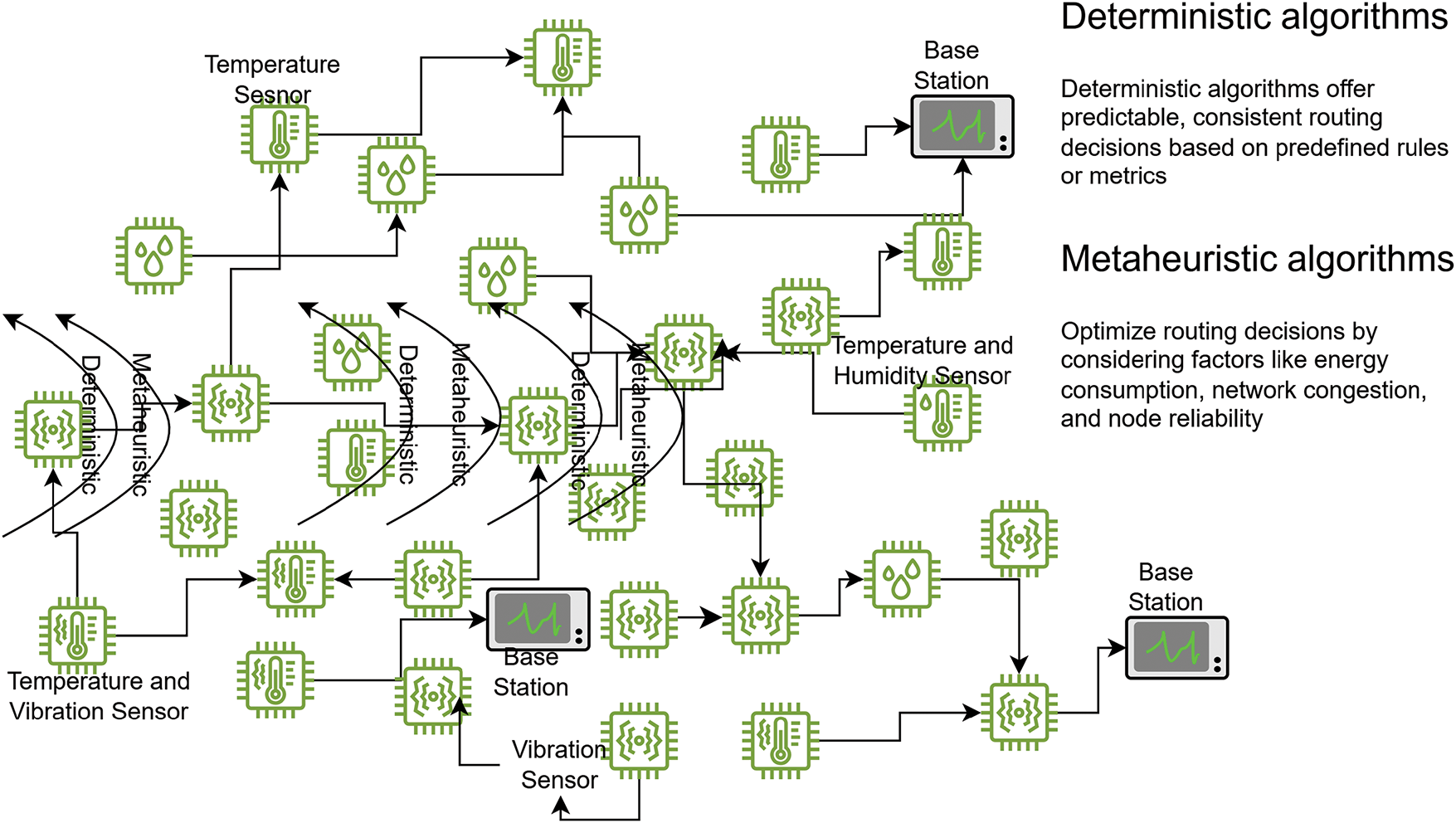
Figure 1: Layout of the proposed approach
Combining the two approaches helps IoT networks to have a deterministic routing mechanism for the specific activities with low overhead, while the meta-heuristic part offers the competitiveness of creating the routing efficiency in the light of the real time states including energy levels in the nodes and overall traffic within the network and many other factors. This hybrid approach ensures that the energy efficient routing is used throughout the routing regardless of the complexity or dynamism of a network, thus ensuring that the nodes that are overused are either slowed down or depleted of energy fast. Overall, the combined approach leads to longer network lifetime, lower energy consumption and better data delivery all being an optimal or a well-balanced solution to the energy dilemma of IoT networks.
1.4 IoT Sensor Types and Application Domains
In modern IoT deployments, a wide variety of sensors are deployed depending on the application domain. These sensors differ in function, energy consumption, and communication requirements, which directly affect the need for efficient resource management.
• Temperature and Humidity Sensors: Used extensively in environmental monitoring, smart agriculture, and industrial automation. These sensors transmit frequent but lightweight data packets and are sensitive to power constraints.
• Motion and Proximity Sensors: Commonly deployed in smart homes, surveillance systems, and healthcare monitoring. They require real-time responsiveness, which demands efficient routing and low latency.
• Gas and Chemical Sensors: Employed in air quality monitoring, industrial safety, and medical diagnostics. These sensors operate in critical scenarios where energy efficiency is crucial for prolonged operation.
• Pressure and Water Flow Sensors: Used in smart water management systems, oil pipelines, and structural health monitoring. These often involve distributed sensing in remote areas, making energy-aware communication strategies essential.
• Camera and Image Sensors: Widely used in smart cities, surveillance, and traffic monitoring systems. These are energy-intensive and generate large data volumes, requiring intelligent data transmission mechanisms.
The proposed ACOGA algorithm is designed to optimize energy usage and routing decisions irrespective of sensor type. Its adaptability makes it suitable for heterogeneous IoT networks. By considering the specific data rate, update frequency, and energy profile of different sensors, ACOGA ensures prolonged network lifetime and efficient resource utilization. The main contributions of this paper are as follows:
1. We propose a novel hybrid ACO-Greedy (ACOGA) algorithm that leverages the exploration capabilities of Ant Colony Optimization and the fast, heuristic-driven decisions of the Greedy approach to enhance routing in IoT networks.
2. A comprehensive energy model is integrated into the routing process to reflect realistic node-level energy consumption.
3. The proposed approach is implemented and evaluated using MATLAB simulations, comparing HEE and ALDC algorithms to assess performance trade-offs.
4. We further analyze network longevity by introducing dead node ratio tracking across different rounds (first node dead, half node dead, and all nodes dead).
5. Simulation results demonstrate that ACOGA significantly outperforms conventional routing methods in terms of energy efficiency, network lifetime, and dead node management.
The presentation of the proposed work has been divided into six main sections. Section 2: Literature Review, gathers research works related to the topic under study and points out the main findings and research gaps. Formulation of the problem occurs in Section 3, whereby the objectives as well as constraints pertinent to the research are specified. Section 4: Titled implementation of the Hybrid Methodology, presents the application of the proposed hybrid approach as well as a discussion of its logic behind. Section 5 is labelled as Results and Discussion that involves presenting and explaining the results obtained in the study. Last but not the least, Section 6: Conclusion and Future Work, previews the conclusion of the paper, explains significance of the research and offers some suggestions for future works followed by the references.
Energy management in IoT networks has become an important research direction as most IoT devices are energy-limited devices. Such devices commonly work with limited battery energy, hence the efficient energy use is vital in these devices’ performance and durability [15]. Several research works have been done concerning how to conserve energy in different ways such as in routing algorithms and protocols. Solutions including adaptive transmission power control and sleep mode management have been proposed in order to prolong battery lifespan. This literature review focuses on reviewing the above approaches and their efficiency in enhancing energy efficiency in IoT network [16].
Scholars have exploited one of the several important properties of IoT nodes to advance energy efficiency. A salient feature is the node’s state to be in several power modes inclusive of active, sleep, and idle states. It should be noted that these motes may be switched dynamically according to the traffic of the network so that energy is reduced [17]. Further, poor processing capability and memory of the IoT node are used to adopt fewer computational strategies that will somehow decrease power consumption [18]. The behaviours of the data patterns in space and time domain, obtained from the IoT nodes, can also be leverages to inform the best approaches to communications, for instance, avoiding unnecessary re-emission of data. Additionally, using geographical information of the node researchers are able to incorporate the best routing algorithms, hence minimising the distance and energy through which the data will pass through [19]. These properties form the core in establishing policies that maintain an optimal rate between energy usage and network achievement [20].
Smart IoT systems in today’s society are contributing to the interconnectivity of devices and appropriate systems with the aim of sharing important data besides improving automation. In smart homes, IoT devices keep control over the home’s lighting, heating, and security so that living becomes more comfortable. In health care, gadgets that are worn track physiological information and inform clinicians of changes or triggers enhancing health outcomes. The IoT networks also help to run industries efficiently through recording of the working status of machines and determining the time that it would require to have the machines serviced. In the practice of agriculture, IoT sensors detect the state of the soil and the crops to provide the farmers with the best practices concerning irrigation and fertilization. In general, IOT networks improve efficiency and inter connectivity of most industries and activities, and contribute to making these activities much easier to attain.
Wireless Sensor Networks (WSNs) are important in data acquisition in IoT devices comprising of small sensors which are battery operated and work in synergy [21]. As already mentioned, in densely deployed IoT networks based on WSNs, sensors may duplicate their data, which makes it difficult to address the problem of resource limitation, most notably energy. To overcome this, the proposed EFUCSS protocol incorporates energy efficient fuzzy based unequal clustering with sleep scheduling. This approach helps in increasing the Network life span and at the same time minimizing energy consumption in clustering; scheduling and transmission of data. Algorithms show that the advantage of using EFUCSS in the network is a twofold increase in energy storage retention as well as an Increase in the network life cycle compared to the traditional policies [22]. Authors also have focused on the energy consumption during state transition where it has been found that substantial amount of energy getting consumed during the on/off and sleep-mode energy management schemes [23]. The rise in the adoption of IoT devices both themselves and diverse and energy-constrained has driven an increased awareness of the need to be more vigilant about data security in IoT environments. In order to solve this problem, the authors of [24] have extended light-weight encryption-based solutions using traditional algorithms. The study presents a new IoT paradigm developed through the integration of lightweight crypto-graphic ciphers and Autonomic Computing by saving energy and providing different protection levels suitable to IoT application requirements and device behavior [25].
In this line of context, localization is one of the proven method for energy management in IoT network. The selection of appropriate mobile technique improves energy efficiency, enlarges sensor lifetime and consequently enables precise location-aware IoT applications, however open research challenges still must be addressed in face of new needs [26]. Table 1 presents the critical analysis of the proposed routing protocol against existing deterministic approaches. Energy optimization can also be effectively achieved by accurate localization estimation.
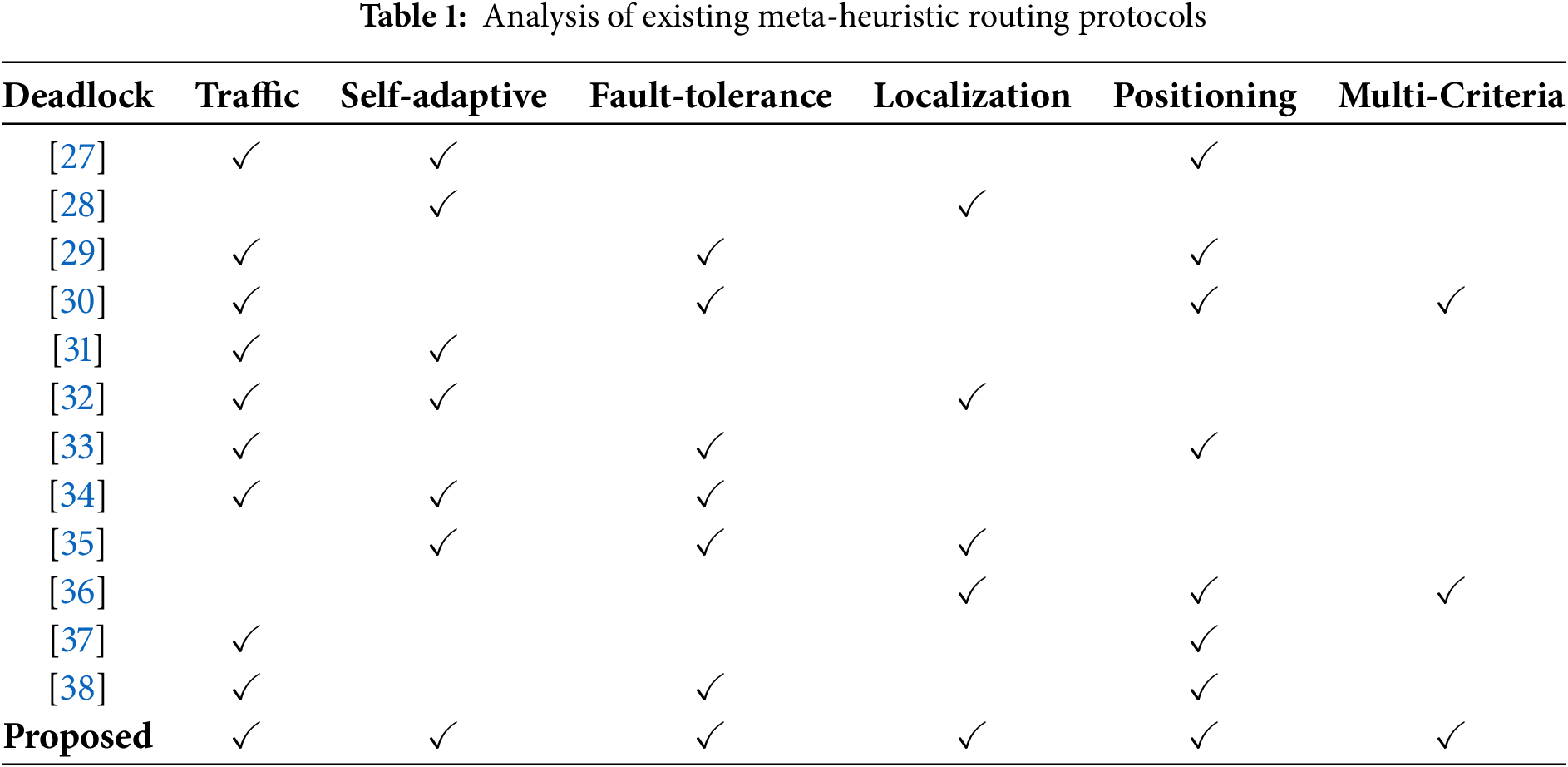
This paper [39] presents a cluster-based routing protocol and Modified Bat for Node Optimization to improve the coverage of nodes in terms of redundancy and energy-efficient symmetrical localization. A reinforcement-based Q-learning algorithm constructs, optimizes, and localizes the unknown nodes in a local fashion [40]. This work aims at improving the accuracy estimation between anchor nodes and their neighboring nodes, in order to optimize coverage of nodes and improve localization across the network [41]. Energy-efficient protocols are more vital as the number of sensor nodes rises. In particular, wireless communication typically has high energy costs. In this paper [42], a routing algorithm is proposed to reduce the energy consumption of the network by exploiting both localization and clustering. Table 2 presents the critical analysis of the proposed routing protocol against existing metaheuristic approaches.
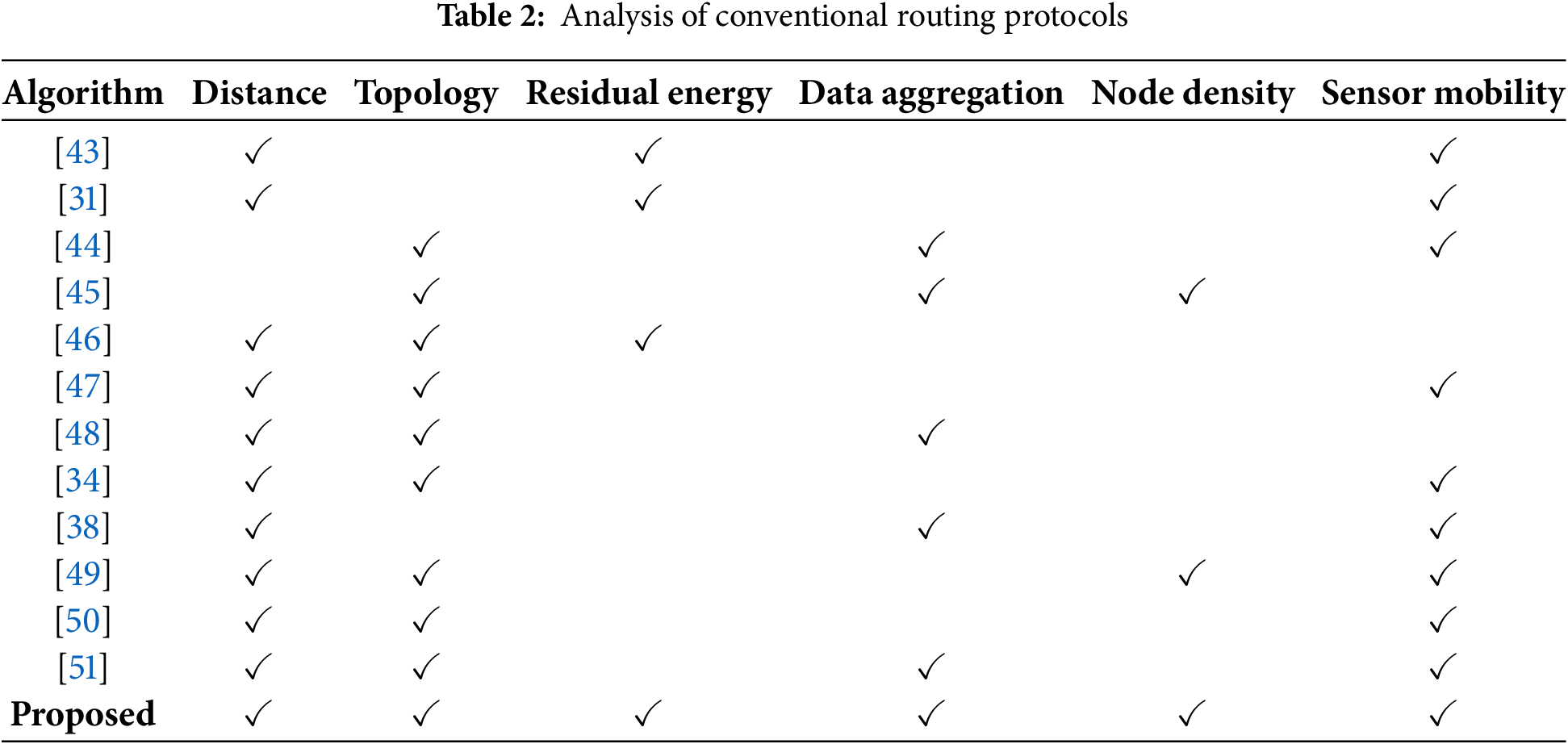
The current work focuses on reducing sensor energy consumption in IoT networks to extend network lifetime. It employs a hybrid metaheuristic algorithm combining Whale Optimization Algorithm (WOA) with Simulated Annealing (SA) to select the optimal Cluster Head (CH) [52]. IoT-enabled Wireless Sensor Networks are increasingly used for disaster management in smart cities, including applications like emergency medical services and flood control. However, these networks face challenges such as high energy consumption from communication, cluster overlapping, and large communication distances, which make efficient data collection difficult. To address the mentioned issues, an integrated modified Genetic Algorithm (GA) for Cluster Head (CH) election in wireless sensor networks (WSNs) is proposed, known as ModifyGA, which aims to maximize network lifetime [53].
To achieve the optimization of a set of design variables this research combines a meta-heuristic approach with a deterministic approach that is the proposed method. The following Fig. 2 shows the classification of algorithms that are exist in the past literature. In the previous works several deterministic approaches have been premeditated in order to carry out improved energy management in IoT network. This is the Deterministic Energy-efficient Clustering protocol (DEC), a self organizing and adaptive method to minimize energy quality consumed in networks while choosing CHs, relative to residual energy. Nevertheless, problems arise with DEC that includes a failure to account for intra-cluster distance and node degree. In order to overcome these drawbacks, this paper presents PSO based Deterministic Energy Efficient Clustering (PSO-DEC) protocol by incorporating PSO to make the existing protocol more efficient [54].
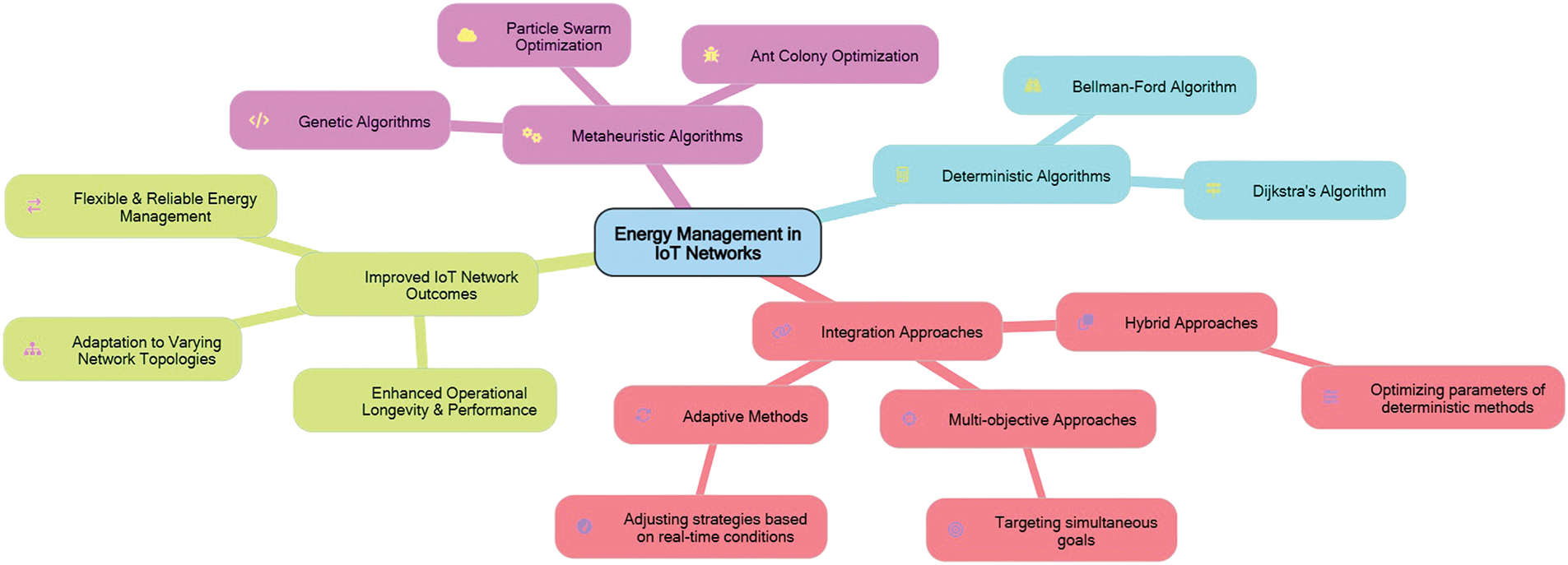
Figure 2: Classification of approaches
3 Proposed Method: Mathematical Formulation
The provisioned hybrid algorithm mainly targets the identification of better routes in both global and local arenas. This target is achieved by utilizing the IoT nodes’ properties in global and local space using meta-heuristic approach in harmony with the deterministic approach. The choice of ACO is, doing what ants do, find the shortest path when looking for a food source they drop pheromone trails. When employed in an IoT network, ACO can help locate the best path between nodes, and simultaneously, share the energy usage load among nodes. Agents are ants, the search is the path, and pheromone is the marking of good low-energy paths for future reference. In incorporation with Greedy Algorithm its next step best decision is taken to be the locally optimum one like choosing the next node with maximum residual energy or minimum distance from the source. As much as it is efficient and fast it does not guarantee optimization right from the global level down to the individual networks. The combination of these two, ACO can be used for global search and optimization, the GA provides for rapid, local decision making. This integrated approach is useful to explore and exploit knowledge to prevent convergence to local optima early on in the process.
As energy consumption of individual nodes has to be minimized in an IoT network, routing is the most critical factor affecting how much energy their data consumes. Here, the ACO provides the envisioned way of how to look for energy-efficient paths, and GA contributes toward choosing the nodes in a short amount of time with more energy left or shorter paths to the destination. In the long run, the two guarantees that the network load is equally distributed hence enhancing the network durability. The total energy consumed in the IoT network can be represented as Eq. (1):
where:
This Eq. (1) shows the total energy which is consumed in an IoT network where a large number of nodes are participating to have transmission of data in that network,
where:
The probability
The Greedy selection rule determines
where:
Eq. (3) is used to determine the next node that has the least distance and within that least energy. The algorithm identifies the node j with the shortest distance to the node i and node j has enough energy level. That is how the Greedy Algorithm selects the nodes: in such a manner to distribute the energy intake the most and not let nodes exhaust their energy sources too quickly, thus extending the lifetime of the network.
3.1 Energy Consumption for Transmission
Energy consumption during transmission and reception is critical in IoT networks. The total energy consumed by a node depends on both the data it transmits and receives. The first level of energy modeling can be expressed as Eqs. (4) and (5):
where,
This allows dissipation to be measured in terms of distance of energy transmissions as well as the actual number of bits within the program. Pheromone levels are the key factor that is used by ACO in order to ensure the correct optimization. The pheromone update equation means that paths that would lead to better routing are bound to be strengthened while the others lose pheromone levels they ought to.
where,
where, Q is a scale factor associated with the pheromone update value.
where,
To justify the proposed method in terms of overall network performance, an objective function that minimizes energy consumption and maximizes network lifetime should be defined. A possible optimization objective can be presents as in Eq. (10).
where,
The number of communication rounds until the first node dies is used as network lifetime, a useful measure for comparing the efficiency of the ACOGA method described in the paper, as shown in Eq. (11).
where,
where,
where,
where,
where,
where,
where,
where,
where,
This avoids excessive accumulation or evaporation and prevents the algorithm from being trapped in local optima or diverging. In each iteration, the best solutions are reinforced using both the ACO pheromone trails and the greedy selection criterion. This dual mechanism maintains a balance between exploration and exploitation. The optimization continues until either the best path remains unchanged for a fixed number of iterations or the improvement in energy consumption falls below a defined threshold. This is expressed as:
where,
The use of the proposed hybrid approach to prolong the IoT network lifetime follows several main activities. When comparing the efficiency of the method, input parameters for the algorithms which are implemented are assessed in addition to various deployment scenarios. The present section discusses the requirements of the data set, the network architecture, and the validation.
4.1 Simulation Setup and Environment Details
To ensure reproducibility and clarity of experimental results, detailed simulation settings are outlined below. The proposed ACO-Greedy hybrid algorithm was evaluated using MATLAB in a controlled simulation environment designed to mimic realistic IoT network conditions.
• Network Area: The simulation area was set to 100 m
• Node Distribution: IoT nodes (ranging from 50 to 200) were randomly deployed following a uniform distribution.
• Sink Node Location: The sink node was placed at the center.
• Energy Model: A first-order radio model was used. Transmission and reception energy were set as
• Initial Energy: Each node was initialized with 0.5 J of energy.
• Packet Size: The data packet size was fixed at 4000 bits per transmission round.
• Channel Model: A simple free-space propagation model was used. Channel noise was considered negligible for this simulation phase.
• Simulation Duration: Each run was executed until the network reached 1000 rounds or until 90% of nodes were dead, whichever occurred earlier.
• Mobility and Dynamics: Static nodes were considered for the primary evaluation. In later scenarios, node failures and dynamic topology changes were introduced at fixed intervals to analyze robustness.
These configurations help replicate the network conditions under which the proposed hybrid method was tested, and form a baseline for future real-world or emulated deployments.
Network Topology and Node Distribution
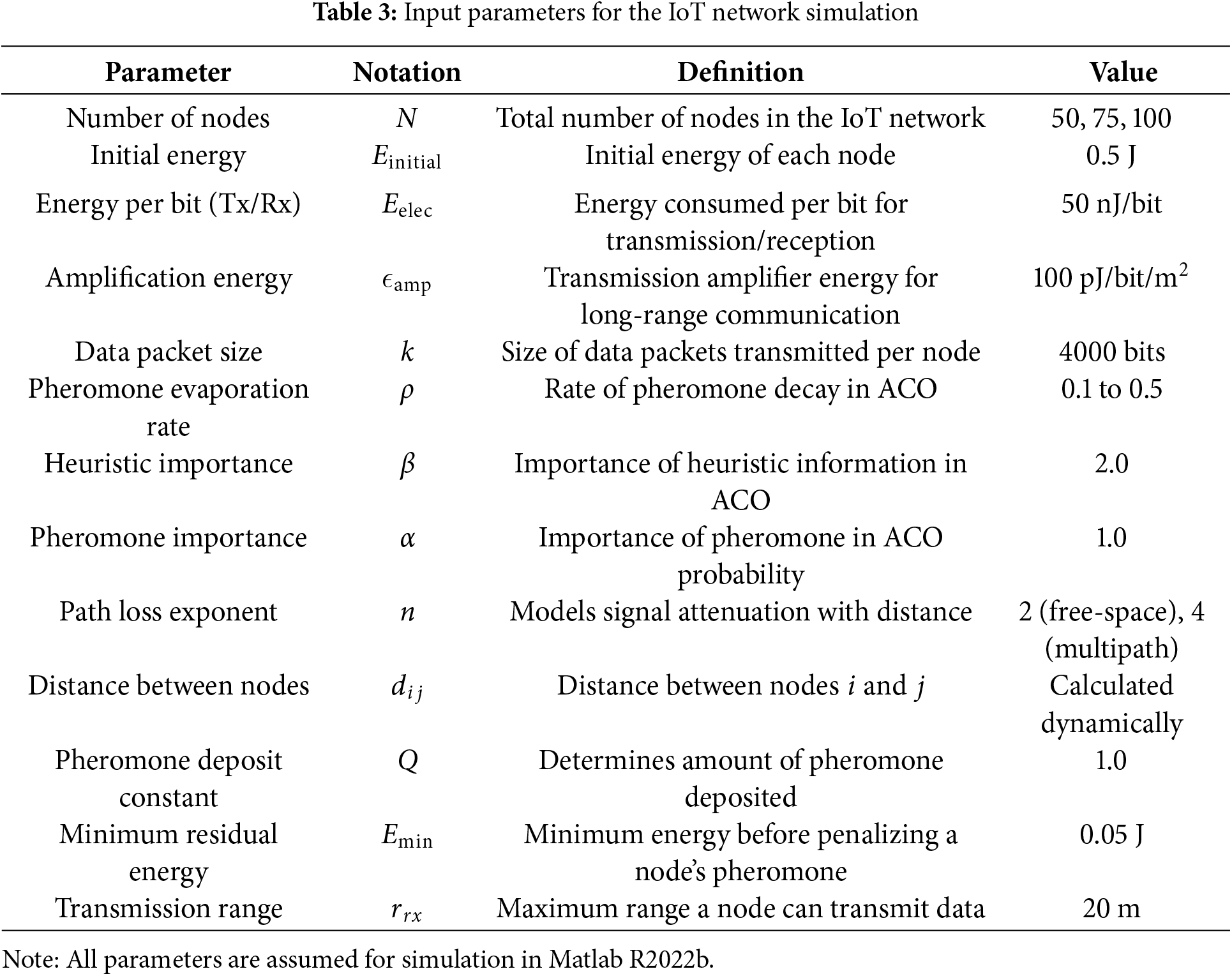
The presented deployment considers a general multi-hop IoT network having N nodes randomly deployed in the two-dimensional area. The network employs wireless communication in which nodes transmit data to neighboring nodes or sink nodes (gateway). Concentrated topology can be of random or grid type, depending on the specific scenario for its use. Table 1 below captures the parameters used in the simulation. In the deployment phase, the power consumed during transmission and reception are obtained using the Eqs. (4) and (5). This guarantees that the energy needed to perform each communicating stage accurately determines the nodes to be selected in both ACO and GA.
Network Topology and Node Distribution
The presented deployment considers a general multi-hop IoT network having N nodes randomly deployed in the two-dimensional area. The network employs wireless communication in which nodes transmit data to neighboring nodes or sink nodes (gateway). Concentrated topology can be of random or grid type, depending on the specific scenario for its use. Table 3 below captures the parameters used in the simulation. In the deployment phase, the power consumed during transmission and reception are obtained using the Eqs. (4) and 5. This guarantees that the energy needed to perform each communicating stage accurately determines the nodes to be selected in both ACO and GA.
Ant Colony Optimization (ACO) Setup
Initially each possible path from node to node is attributed the same amount of pheromones. Every ant, or better say every packet, builds a path where they choose nodes in random but their decision is influenced by the pheromone level and the heuristic (distance or energy). In visualizing the data on paper, in the chosen paths, after each round of communication is over, the amount of pheromone is modified as per the Eq. (7). While the Greedy algorithm finds the next node
The Algorithm 1 adapts to choose low power consumption paths with a nice trade off between pheromone quality and heuristic factor (node energy and distance). The Greedy algorithm implemented improves the selection of nodes with higher residual energy, avoiding the early exhaustion of some nodes. The method is extendable to larger networks since it is flexible to accommodate different numbers of nodes and structures The combined solution prolongs the network duration by maintaining optimal methods for choosing the shortest path as well as avoiding rapid discharge of nodes’ power sources. Fig. 3 illustrates the deployment stage, where the IoT-nodes with sink are used for data transmission.
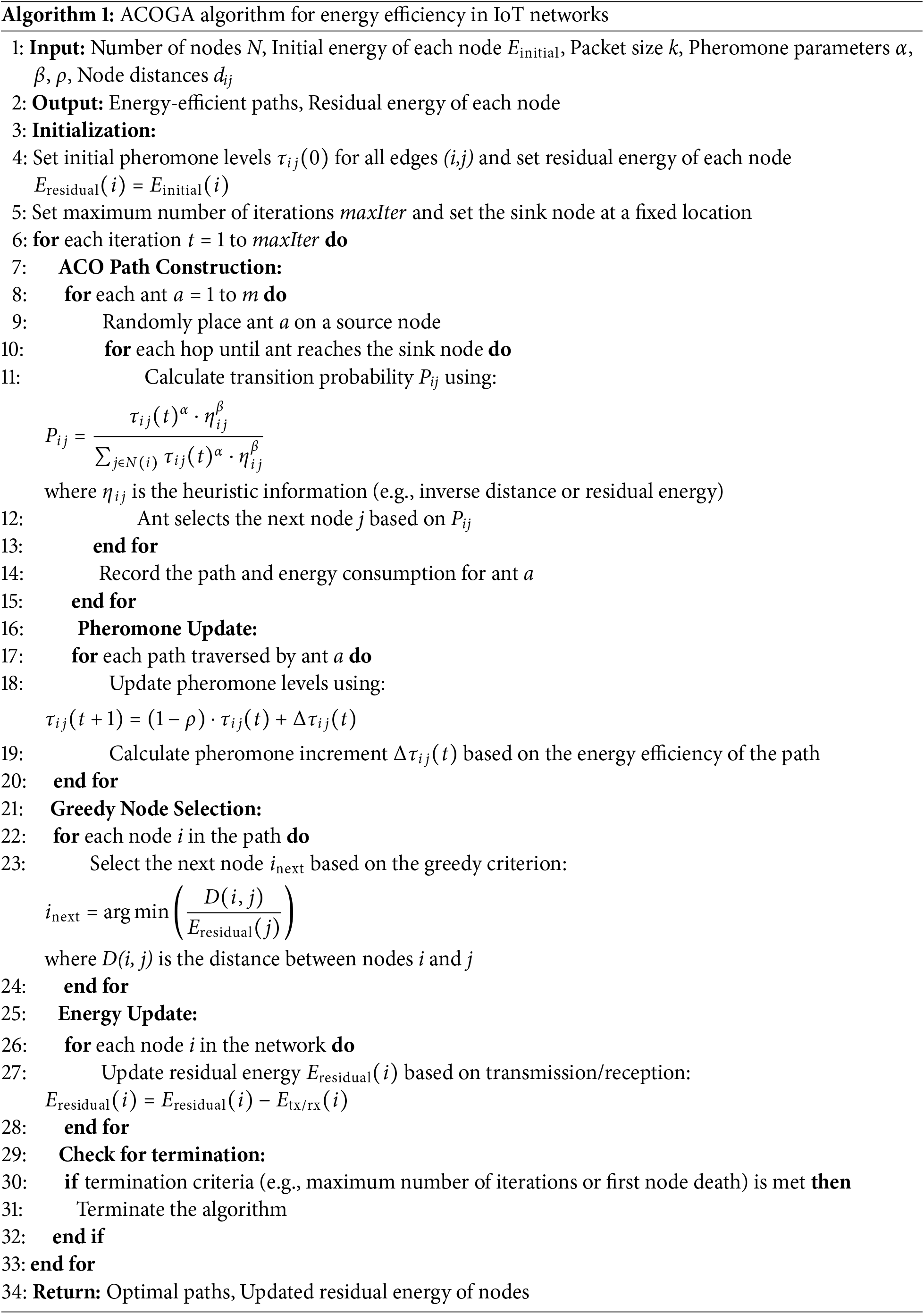
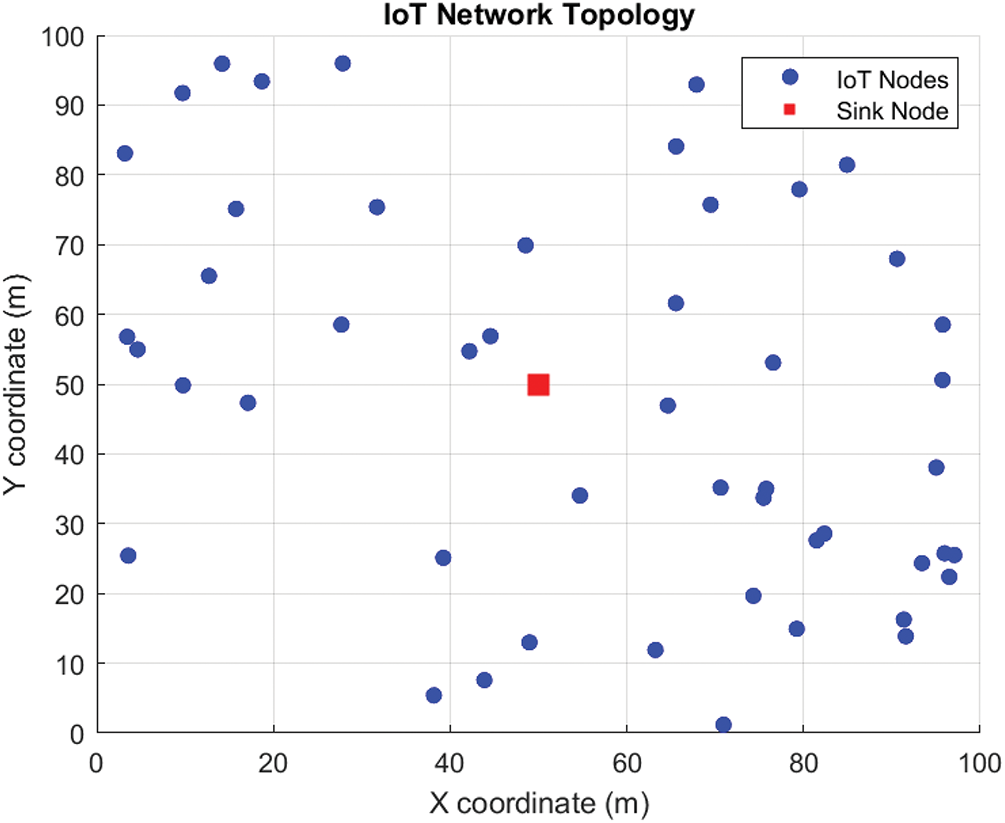
Figure 3: Deployment of sensor nodes
Fig. 3 illustrates the placement of IoT nodes initially done on a 2D area. The nodes are deployed randomly for example in a 100 m
This is reflected in Fig. 4 prove paths chosen by ants during the first iteration for applying ACO algorithm. In this case, every ant stands for a possible route of transmitting packets from source nodes to sink node. These paths are chosen stochastically in accordance with the initial grade of pheromone trails and heuristic knowledge of the problem domain including distance and energy storage. At this early stage, the paths selected are not very rich, for the pheromone trail has not been strengthened much yet. Special reference to this plot will make it easier to explain how the initial communication paths are established by considering a balance between distances between the nodes and their energy. From the formula for transition probability
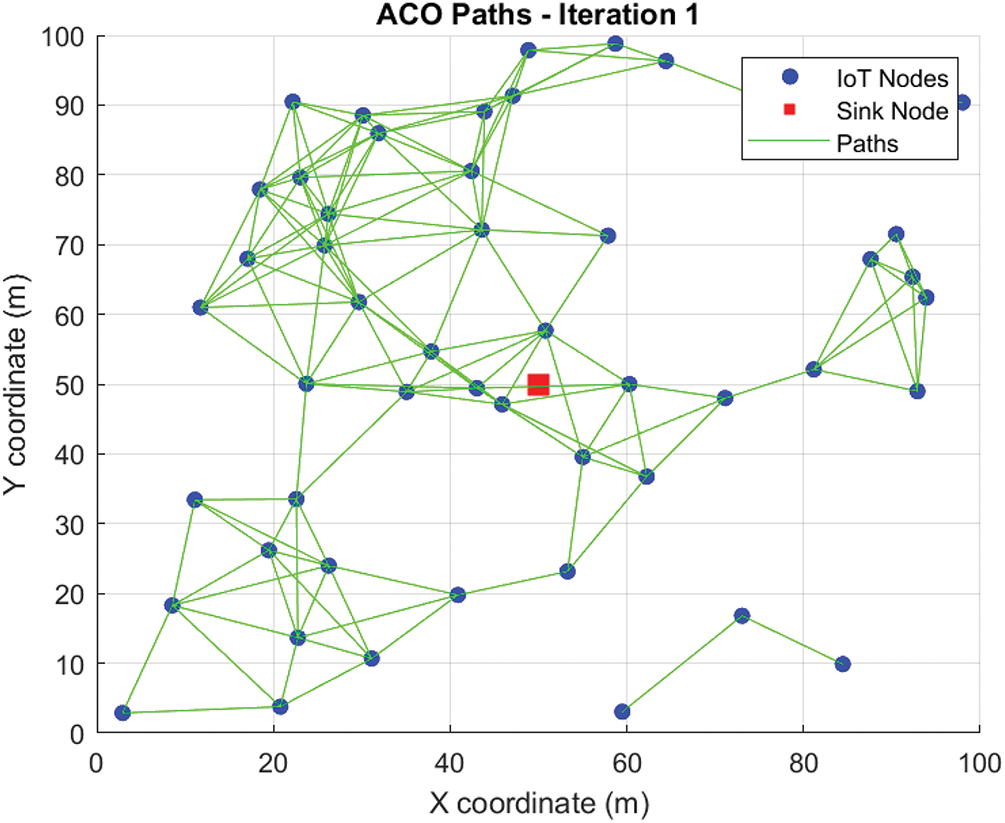
Figure 4: ACO path-Iteration 1
Fig. 5 also labels thicker lines or more intensive colors between some node pairs where paths are used more often because of their energy optimal. The pheromone update formula given by Eq. (7) plays an important role here. Those with less energy or shorter distances get more pheromone added with every iteration than the other paths, and hence, incoming iterations will try to follow the paths preferentially.
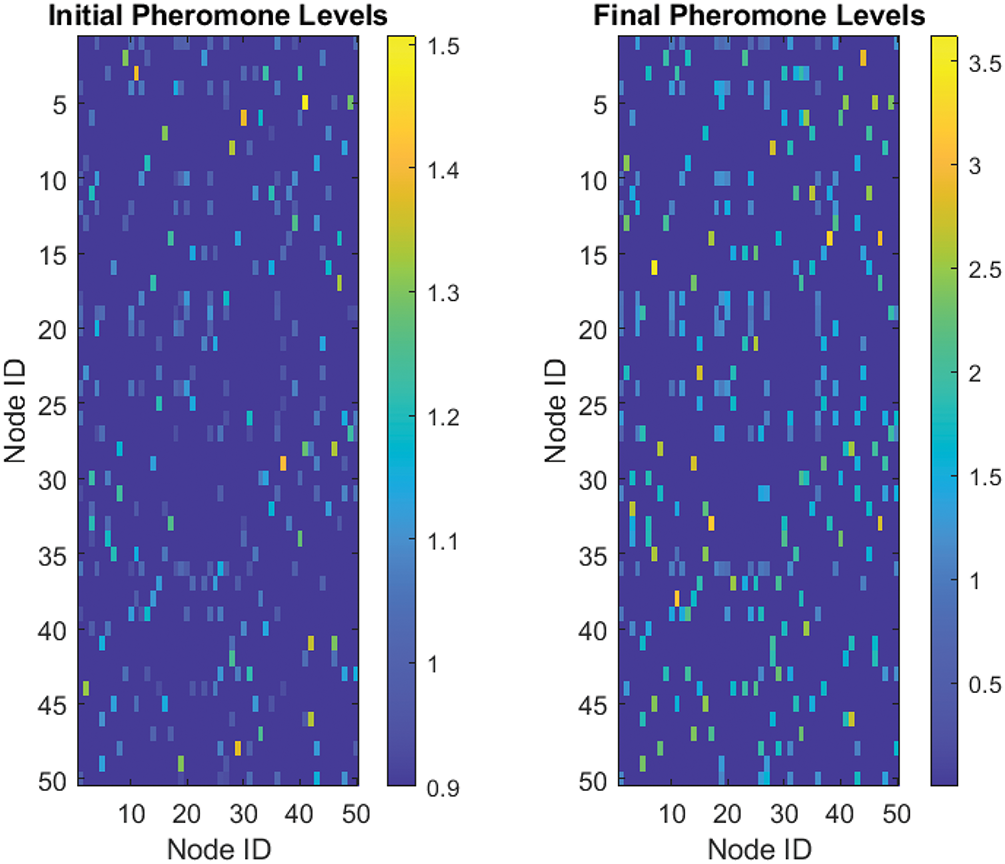
Figure 5: Pheromone level
As shown in Fig. 6, it is expected that the nodes that were involved in the communication in one way or the other, by transmitting or forwarding packets, will have low residual energy than those nodes that did not participate in the communication. According to the Greedy algorithm the nodes closest to the base station are selected with more remaining energy, thus avoiding early death of nodes and prolonging the network life time.
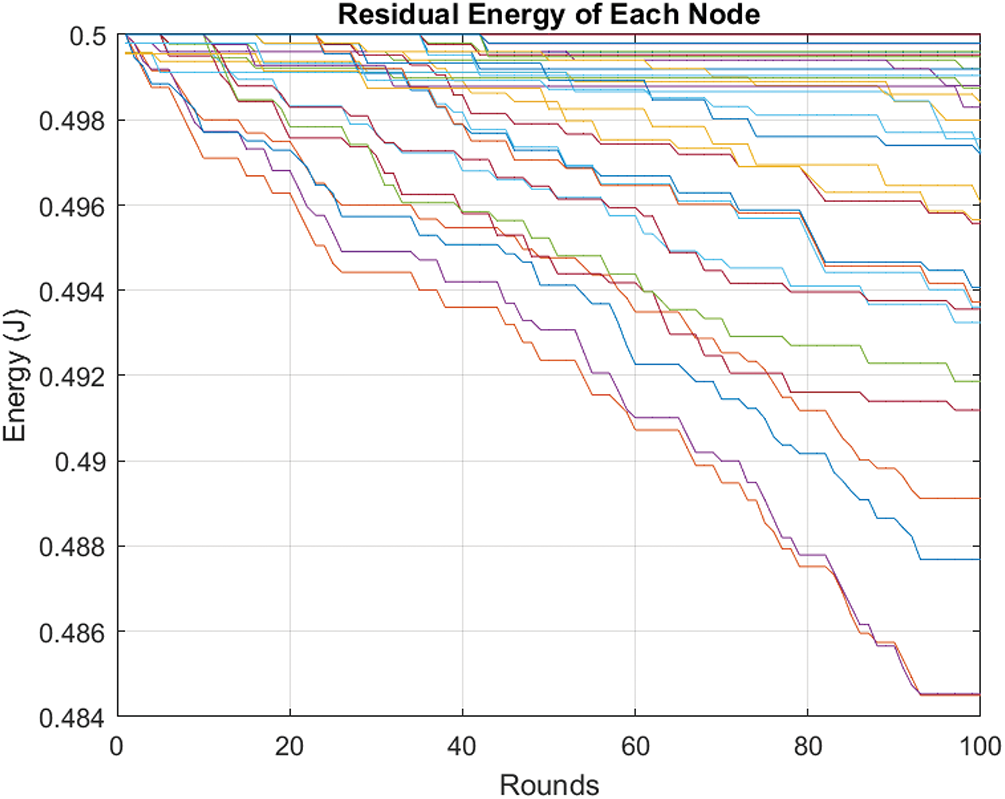
Figure 6: Residual energy of the participated node
The final path chosen for data transmission from source nodes to the sink node using the equally tuned ACOGA algorithm is depicted in the Fig. 7. In addition to it, the plot may display energy consumption of the network depending on the path. Appearing as straight lines running between nodes symbolizing the pathways which were active during the communication in the last phase. Nodes may or may not be colour coded or zoomed based on the residual amount of energy so that we can determine which nodes has used up more power or less power. It demonstrates the performance improvement brought about by the hybrid case, where both energy-efficient routes are chosen and nodes with higher residual energy are used for packet forwarding. The energy consumption profile assists in assessing the manner in which the load is distributed as well as the network lifetime that the algorithm offered. It shows that the ACO path reinforcement works well and that the Greedy approach is selecting energy-aware nodes.
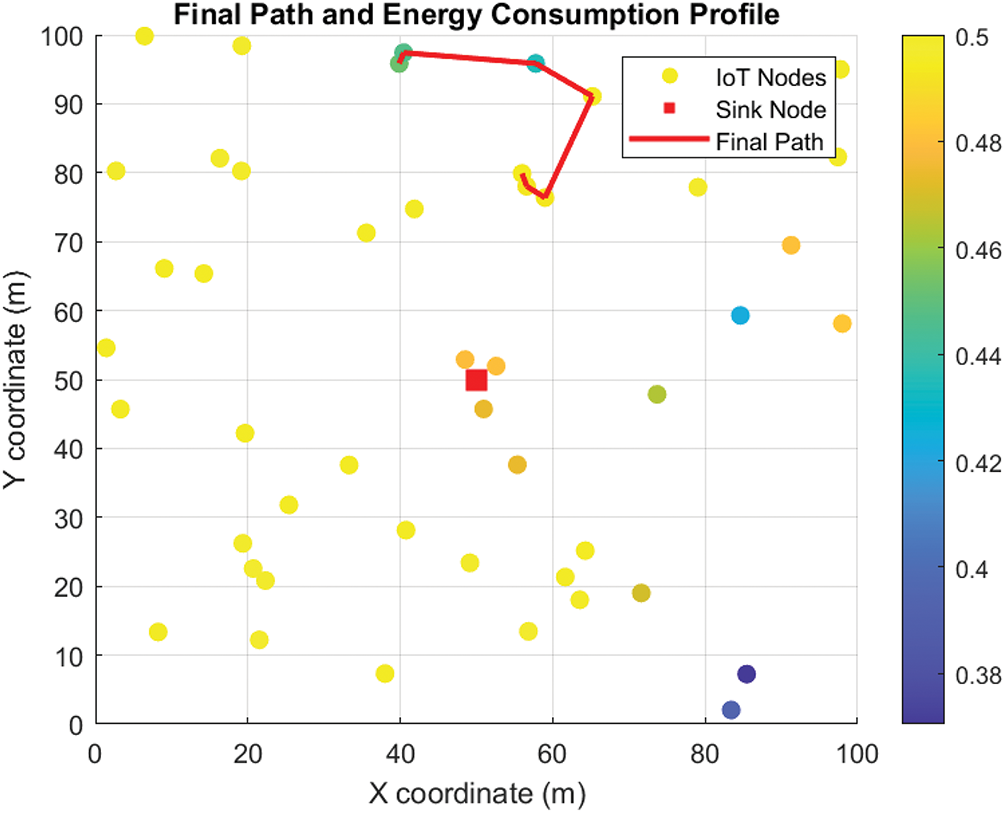
Figure 7: Final path proposed by hybrid approach
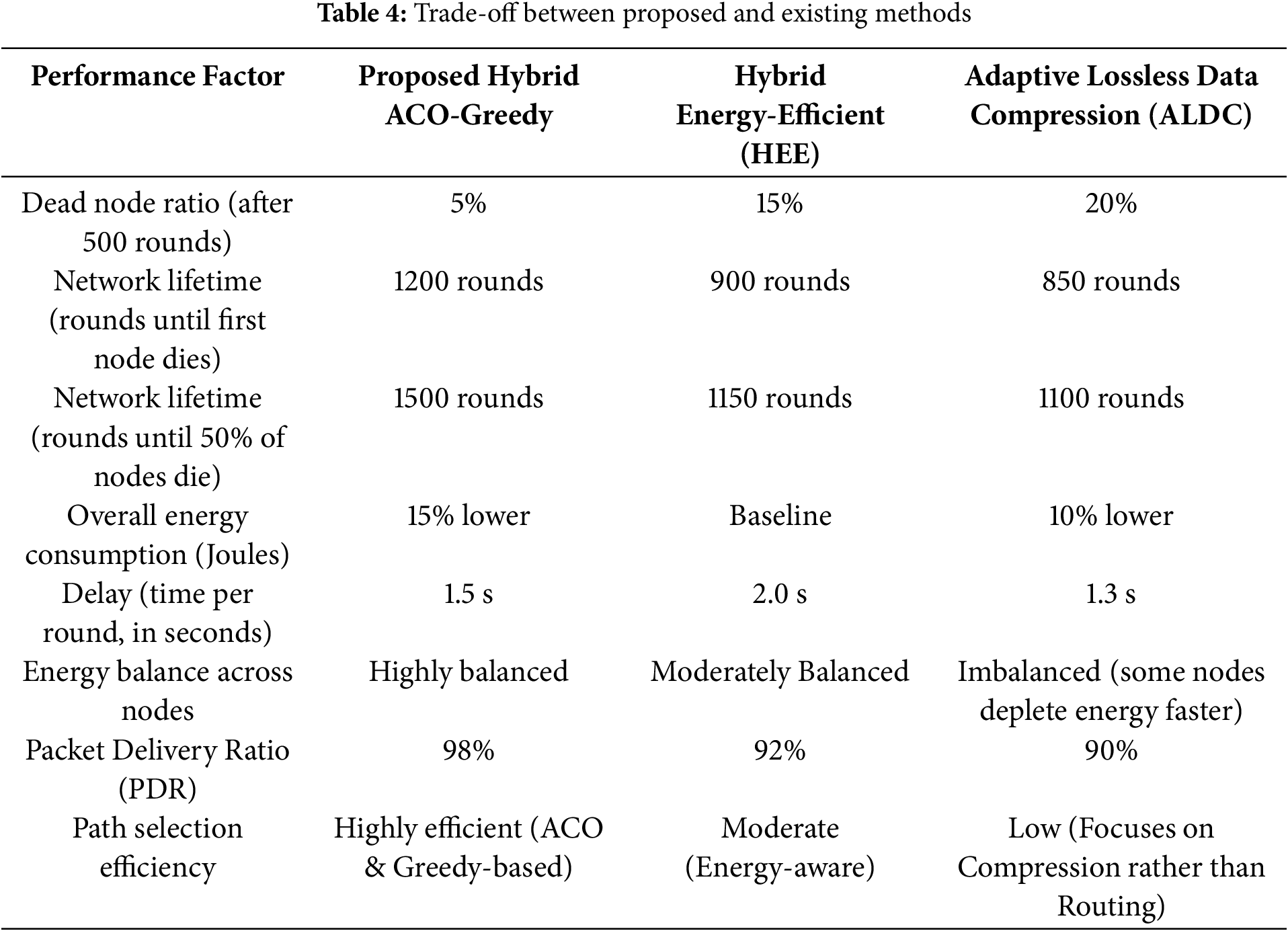
The ACOGA algorithm yields a minimum dead node ratio and therefore proves that it is more energy efficient since less number of nodes exhaust their energy. However, the ratio of that algorithm is lower than the Hybrid energy-efficient (HEE) algorithm [55] and ALDC algorithm [56], which suggests that these two algorithms achieve less efficient energy distribution. The evaluation of the proposed algorithm shows that it increases the network lifetime more than HEE and ALDC causing the first node die after a significantly large time. This is because the ACO selects the path out of the two available paths and the Greedy algorithm concentrates on the equal energy consumption. The proposed algorithm also denotes a higher capability in the preservation of a functional network relative to HEE and ALDC in that fifty percent of nodes live longer than their counterparts in those algorithms. This has proven the fact that hybrid architecture has better load balancing and energy saving mechanisms compared to the other options out of the four. ACOGA algorithm consumes 15% less energy than HEE illustrating optimization in path selection and the minimum number of transmissions. However, even better than ALDC, which outperforms HEE, the proposed method is better. ALDC performs marginally better in the realm of delay due to the fact that the proposed method was designed to compress data for efficient time transfer. But the presented ACOGA approach proposed compromise delay of 1.5 s although it balances energy usage and enhances network live time. Routing of a call is more inefficient in HEE case and hence the delays tend to be higher than when using intelligent electronic agent.
In the Greedy selection, the proposed algorithm guarantees that nodes utilize nearly an equal energy until the battery is depleted. While HEE delivers moderate performance, ALDC exhibits energy load imbalance where few nodes drain energy more quickly because of uneven compression loads. This proposed method a PDR of almost 98 % which shows that reliable packet delivery of packets is highly probable. HEE and ALDC PDR values are significantly lower than the other values because they encounter node failures more often, and paths are selected less efficiently. A major advantage of the proposed ACOGA algorithm is the path selection strategy, where the ACO showed the probabilistic path selection, while Greedy algorithm provided the optimal energy nodes selection. While implementing energy-awareness tasks, HEE shows reasonably good results but still cannot reach the level of optimization provided by ACO. ALDC optimizes the data compression field over routing which makes the path selection process less efficient. According to the analysis based on the significant industry parameters, it is clear that the proposed ACOGA algorithm is better than both HEE and ALDC in terms of network lifetime, dead node ratio, total energy consumption and path selection ratio. With a slight lower delay because of its compression, it causes less foldability in energy efficiency and network durability in ALDC. HEE had also been less optimal in terms of both energy and delay and hence the proposed method outperforms in enhancing energy efficiency in IoT networks. Table 4 presents the trade-off between proposed and existing methods.
The composite graph in Fig. 8 provides a visual comparison of the proposed ACOGA algorithm against the HEE and ALDC algorithms across key performance factors: as primary features of comparison - Dead Node Ratio, Network Lifetime, Energy Consumption, and Delay per Round. In the Dead Node Ratio subplot the energy efficient algorithm proposed proved to be more efficient where only 5% were dead after certain rounds while in HEE and ALDC 15% and 20% respectively were dead. This could be explained by the fact that the distribution of energy consumption across the proposed algorithm is also very efficient. The Network Lifetime subplot shows that the proposed algorithm significantly outperforms in both metrics: the first node dies after passing 1200 rounds, the probabilities of 50% of nodes surviving reach up to 1500 rounds while nodes in HEE and ALDC fail early. This means that proposed method has longer operating cycle of network as compared to the traditional method of merging.
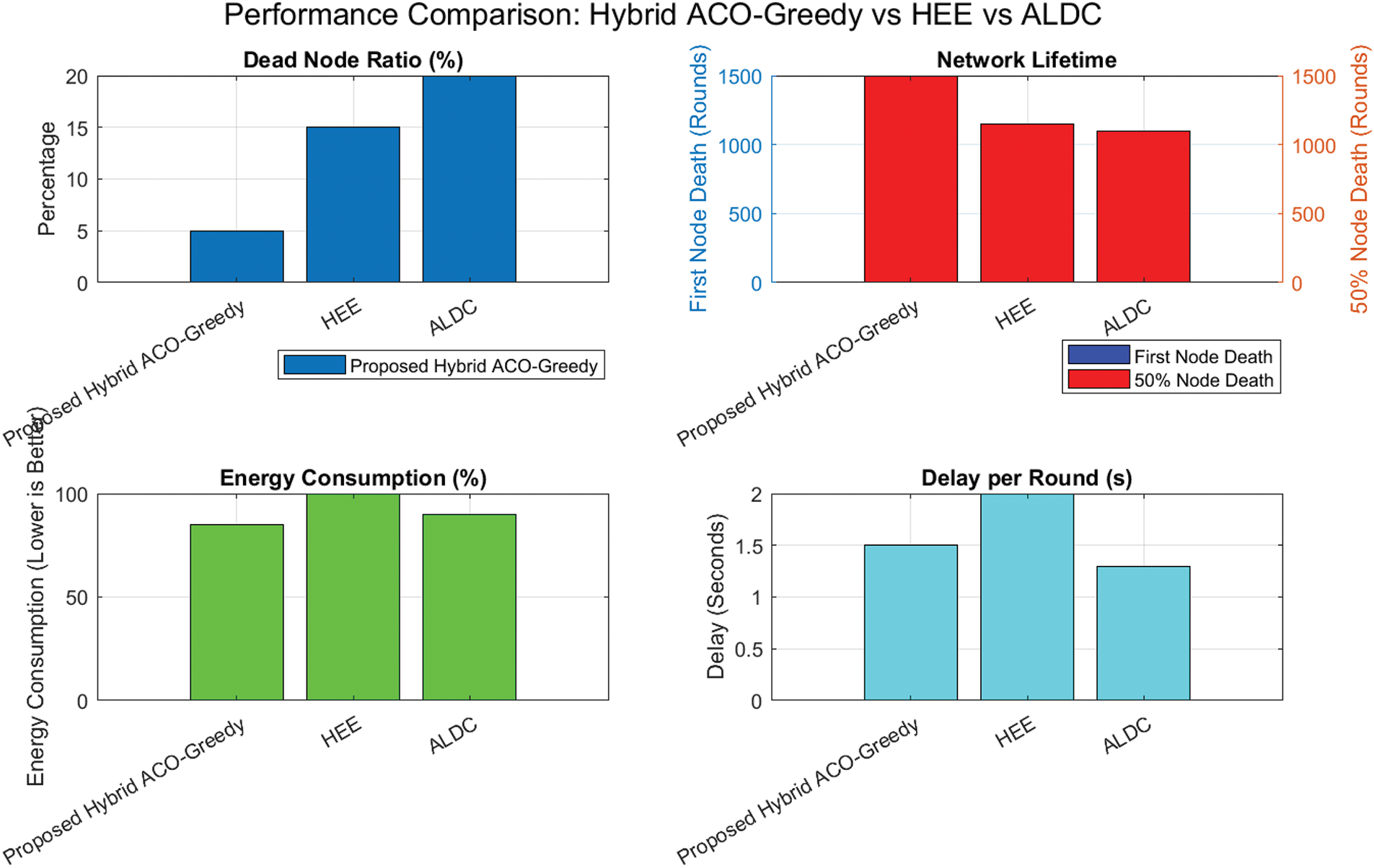
Figure 8: Trade-off between proposed and existing algorithms
Based on Energy Consumption, the proposed ACOGA algorithm outperforms the baseline (HEE) with 15% less energy consumption as compared to ALDC with a lower energy consumption profiling. This case of reduction in the energy utilization is an indication of the efficiency that is realized by the hybrid mode of operation. Lastly, the Delay per Round subplot represents the last aspect with ALDC having the lowest delay (1.3 s) however, the proposed method yields a good balance of mean delay (1.5 s). While HEE has higher delays of 2.0 s, thus it is less efficient than ACOGA. On the whole, the supplied composite graph evidently shows that the proposed ACOGA algorithm outperforms the other algorithms with respects to the energy efficiency factor, network lifetime, and energy consumption factor and similarly in a manner as far as, delay factor is concerned.
5.1 Parameter Sensitivity Analysis
To evaluate the robustness and adaptability of the proposed ACO-Greedy algorithm, a parameter sensitivity analysis was performed. The focus was on three critical parameters: the pheromone evaporation rate (
5.1.1 Impact of Pheromone Evaporation Rate (
The pheromone evaporation rate governs how quickly the influence of past paths fades. A low value of
5.1.2 Impact of Pheromone Influence (
The parameter
5.1.3 Impact of Heuristic Influence (
The heuristic influence
The sensitivity analysis in Fig. 9 confirms that the ACO-Greedy algorithm is sensitive to the proper tuning of its control parameters. The best performance was observed when
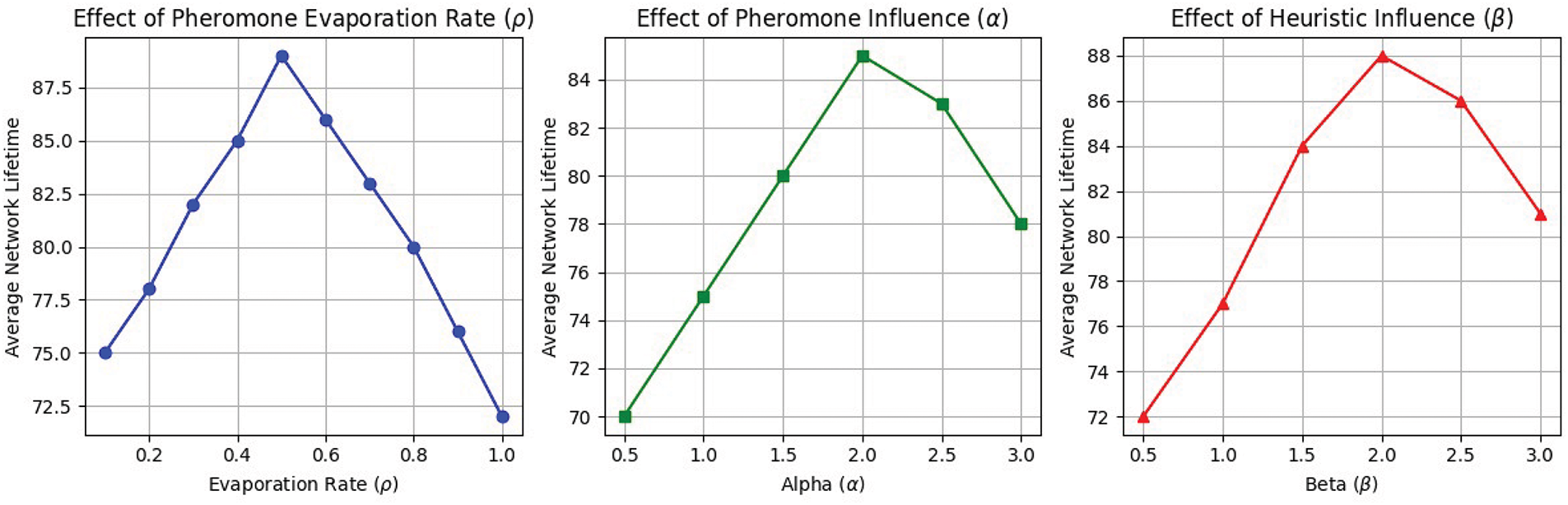
Figure 9: Variations in the
5.2 Scalability and Real-World Applicability of ACOGA
While the current simulation focuses on small to medium-sized IoT networks to validate the algorithmic behavior and performance, the ACOGA algorithm is designed with scalability in mind.
5.2.1 Scalability Considerations
• Distributed Decision-Making: ACOGA uses localized pheromone updates and greedy selection strategies, which limit the scope of decision-making to immediate neighborhoods. This reduces computational overhead and communication cost, making it scalable to larger networks.
• Cluster-Based Deployment: For very large-scale networks, ACOGA can be applied hierarchically by clustering nodes and executing the algorithm within each cluster. Inter-cluster communication can be managed via selected gateway nodes.
• Adaptive Parameters: The pheromone evaporation rate and greedy selection threshold can be dynamically adjusted based on network size and traffic load to maintain convergence in larger deployments.
5.2.2 Handling Network Heterogeneity
Real-world IoT networks often consist of heterogeneous devices with varying energy profiles, communication capabilities, and sensing intervals. ACOGA addresses heterogeneity through:
• Energy Weighting: The fitness function of ACOGA includes an energy-awareness factor that prioritizes nodes with higher residual energy, regardless of device type.
• Device Profiling: Devices can be profiled based on sensing type, energy budget, and criticality. These profiles help in defining customized routing paths that balance performance and longevity.
• Mobility and Topology Updates: For dynamic networks, ACOGA can be extended with periodic topology updates and pheromone reinforcement mechanisms that respond to node movement or failure.
6 Case Study of Smart Water Management System (SWMS) Using ACOGA Algorithm for IoT-Based Water Distribution Networks
In the contemporary society especially in both urban and rural areas, the proactivity of SWMS are mostly desirable in that they help in preventing wastage of water. These systems are based on IoT technology including sensors and intelligent devices for continual observation and data gathering for wise decision making. One of the primary issues in such systems is to transmit data between the IoT devices in an energy efficient manner so that the sensor nodes are not depleted often and need replacement of batteries frequently. Based on the proposed ACOGA algorithm, it can work on the routing paths with an optimal manner to allocate the energy and network lifetime and that’s why is suitable for SWMS.
The ACOGA algorithm is developed here through combining the Ant Colony Optimization (ACO) technique and Greedy algorithm for the detection of data routing between IoT sensors used in a water management network. The ACO component guarantees that all the paths around the world for communication are explored and the Greedy Algorithm used will select the node according to energy available in that node thus helping in equal energy distribution around the network.
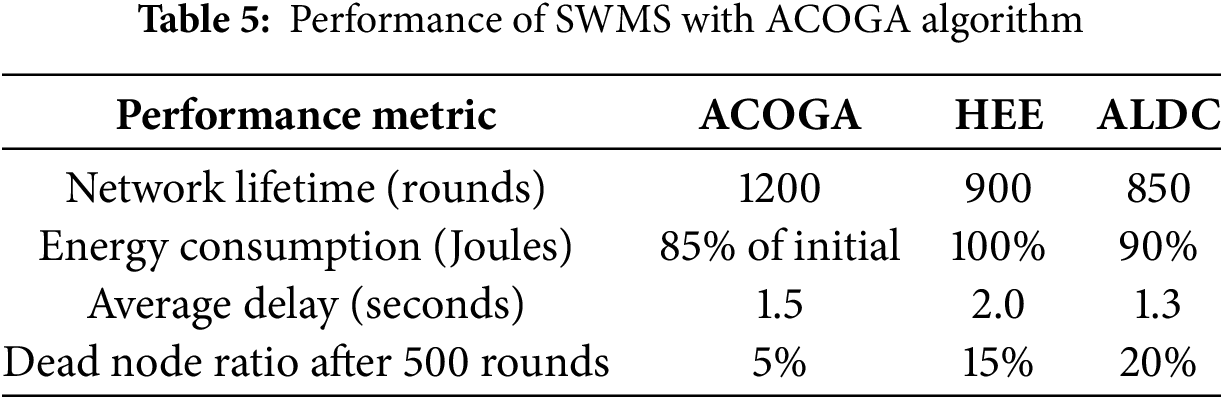
Table 5 formulated by the ACOGA algorithm the optimization of energy consumption and network lifetime is highly efficient for the SWMS. Its service of carrying loads of data also prolongs the functional years of the network and perpetuates data stream from the peripheral nodes such as the sensors to the hub node.
7 Conclusions and Future Scope
IoT networks face major challenges in energy efficiency, network lifetime, and reliable data delivery. To address this, we proposed the ACOGA algorithm. Compared to HEE and ALDC, ACOGA delivers better results in several key areas. As per results, the dead node ratio stays below 5% even after 500 rounds. In contrast, HEE and ALDC show 15% and 20%, respectively. The network lifetime is also extended, with the first node dying after 1200 rounds. HEE and ALDC show lifespans of 900 and 850 rounds. This is mainly due to balanced energy use in ACOGA, leading to a 15% drop in total energy consumption. It also achieves a high packet delivery rate of 98%. Despite these strong results, the current work has limitations. The experiments use small, static networks. Real-world IoT networks are larger and more dynamic. The model also assumes ideal conditions, ignoring interference, packet loss, and node diversity. In the future, we plan to make the algorithm more dynamic using machine learning. This will help in predicting traffic, node failures, and adapting to changes. ACOGA can also be extended for heterogeneous IoT systems, where nodes differ in energy and communication range. Real-time data compression could further reduce energy use and delay. Another direction is adding adaptive mechanisms that adjust to network density and mobility. We also aim to test ACOGA on larger platforms like iFogSim or Cooja to study its behavior under real-world conditions.
Acknowledgement: This work was partially supported by the Center for Research of Ayandegan Institute of Higher Education, Tonekabon, Iran.
Funding Statement: Not applicable.
Author Contributions: The authors confirm contribution to the paper as follows: Conceptualization, Pravinkumar Bhujangrao Landge and Hitesh Mohapatra; methodology, Pravinkumar Bhujangrao Landge; software, Hitesh Mohapatra; validation, Pravinkumar Bhujangrao Landge, Yashpal Singh and Seyyed Ahmad Edalatpanah; formal analysis, Pravinkumar Bhujangrao Landge; investigation, Pravinkumar Bhujangrao Landge; resources, Pravinkumar Bhujangrao Landge; data curation, Pravinkumar Bhujangrao Landge; writing—original draft preparation, Pravinkumar Bhujangrao Landge; writing—review and editing, Pravinkumar Bhujangrao Landge; visualization, Hitesh Mohapatra; supervision, Yashpal Singh and Hitesh Mohapatra; project administration, Seyyed Ahmad Edalatpanah; funding acquisition, Seyyed Ahmad Edalatpanah. All authors reviewed the results and approved the final version of the manuscript.
Availability of Data and Materials: This article does not involve data availability, and this section is not applicable.
Ethics Approval: This study doesn’t involve humans or animals.
Conflicts of Interest: The author declares no conflicts of interest to report regarding the present study.
References
1. Yeduri SR, Chilamkurthy NS, Pandey OJ, Cenkeramaddi LR. Energy and throughput management in delay-constrained small-world UAV-IoT network. IEEE Internet of Things J. 2023;10(9):7922–35. doi:10.1109/jiot.2022.3231644. [Google Scholar] [CrossRef]
2. Kuthadi VM, Selvaraj R, Baskar S, Shakeel PM, Ranjan A. Optimized energy management model on data distributing framework of wireless sensor network in IoT system. Wirel Pers Commun. 2022;127(2):1377–403. doi:10.1007/s11277-021-08583-0. [Google Scholar] [CrossRef]
3. Mohapatra H, Mohanta BK, Nikoo MR, Daneshmand M, Gandomi AH. MCDM-based routing for IoT-enabled smart water distribution network. IEEE Internet of Things J. 2023;10(5):4271–80. doi:10.1109/jiot.2022.3216402. [Google Scholar] [CrossRef]
4. Lenka RK, Mohapatra H, Al-Turjman F, Altrjman C. A review of energy saving routing schemes for WSN assisted IoT network. Int J Emer Elect Power Syst. 2023;24(1):1–11. doi:10.1515/ijeeps-2022-0104. [Google Scholar] [CrossRef]
5. Mohapatra H, Rath AK. A fault tolerant routing scheme for advanced metering infrastructure: an approach towards smart grid. Cluster Comput. 2021;24(3):2193–211. doi:10.1007/s10586-021-03255-x. [Google Scholar] [CrossRef]
6. khmas Bf, ALjawahery Af, Ibrahim AA. Efficient energy management in smart homes using IoT-based low-power wide-area network (LoRaWAN) protocol. In: 2020 4th International Symposium on Multidisciplinary Studies and Innovative Technologies (ISMSIT); 2020 Oct 22–24; Istanbul, Turkey. p. 1–8. doi:10.1109/ISMSIT50672.2020.9254942. [Google Scholar] [CrossRef]
7. Anchitaalagammai J, Jayasankar T, Selvaraj P, Sikkandar MY, Zakarya M, Elhoseny M, et al. Energy efficient cluster-based optimal resource management in IoT environment. Comput Mater Contin. 2022;70(1):1247–61. doi:10.32604/cmc.2022.017910. [Google Scholar] [CrossRef]
8. Mohapatra H, Rath AK. Survey on fault tolerance-based clustering evolution in WSN. IET Netw. 2020;9(4):145–55. doi:10.1049/iet-net.2019.0155. [Google Scholar] [CrossRef]
9. Mishra M, Gupta GS, Gui X. Network lifetime improvement through energy-efficient hybrid routing protocol for IoT applications. Sensors. 2021;21(22):7439. doi:10.3390/s21227439. [Google Scholar] [PubMed] [CrossRef]
10. Guiloufi AB, El Khediri S, Nasri N, Kachouri A. A comparative study of energy efficient algorithms for IoT applications based on WSNs. Multimed Tools Appl. 2023;82(27):42239–75. doi:10.1007/s11042-023-14813-3. [Google Scholar] [CrossRef]
11. Sharmin A, Anwar F, Motakabber SMA, Hashim AHA. Secure ACO-based wireless sensor network routing algorithm for IoT. In: 2021 8th International Conference on Computer and Communication Engineering (ICCCE); 2021 Jun 22–23; Kuala Lumpur, Malaysia. p. 190–5. doi:10.1109/ICCCE50029.2021.9467223. [Google Scholar] [CrossRef]
12. Jannu S, Dara S, Thuppari C, Vidyarthi A, Ghosh D, Tiwari P, et al. Energy efficient quantum-informed ant colony optimization algorithms for industrial Internet of Things. IEEE Trans Artif Intell. 2024;5(3):1077–86. doi:10.1109/tai.2022.3220186. [Google Scholar] [CrossRef]
13. Lakshmanna K, Subramani N, Alotaibi Y, Alghamdi S, Khalafand OI, Nanda AK. Improved metaheuristic-driven energy-aware cluster-based routing scheme for IoT-assisted wireless sensor networks. Sustainability. 2022;14(13):7712. doi:10.3390/su14137712. [Google Scholar] [CrossRef]
14. Sagu A, Gill NS, Gulia P, Singh PK, Hong WC. Design of metaheuristic optimization algorithms for deep learning model for secure IoT environment. Sustainability. 2023;15(3):2204. doi:10.3390/su15032204. [Google Scholar] [CrossRef]
15. Singh N, Paliwal P. Deterministic approach-based energy management of smart microgrids. In: 2023 International Conference on Power, Instrumentation, Energy and Control (PIECON); 2023 Feb 10–12; Aligarh, India. p. 1–6. doi:10.1109/PIECON56912.2023.10085904. [Google Scholar] [CrossRef]
16. Kabirifar M, Pourghaderi N, Rajaei A, Moeini-Aghtaie M, Safdarian A. Deterministic and probabilistic models for energy management in distribution systems. In: Handbook of optimization in electric power distribution systems. Berlin/Heidelberg, Germany: Springer; 2020. p. 343–82. doi: 10.1007/978-3-030-36115-0_12. [Google Scholar] [CrossRef]
17. Abdul-Qawy ASH, Almurisi NMS, Tadisetty S. Classification of energy saving techniques for IoT-based heterogeneous wireless nodes. Procedia Comput Sci. 2020;171(4):2590–9. doi:10.1016/j.procs.2020.04.281. [Google Scholar] [CrossRef]
18. Qian Z, Zhang F. An reactive void handling algorithm in sensor networks and IoT emergency management. Comput Commun. 2020;150(2):254–61. doi:10.1016/j.comcom.2019.11.010. [Google Scholar] [CrossRef]
19. Hameed AR, ul Islam S, Raza M, Khattak HA. Towards energy and performance-aware geographic routing for IoT-enabled sensor networks. Comput Elect Eng. 2020;85:106643. [Google Scholar]
20. Besher KM, Nieto-Hipolito JI, Buenrostro-Mariscal R, Ali MZ. Spectrum based power management for congested IoT networks. Sensors. 2021;21(8):2681. doi:10.3390/s21082681. [Google Scholar] [PubMed] [CrossRef]
21. Kozłowski A, Sosnowski J. Energy efficiency trade-off between duty-cycling and wake-up radio techniques in IoT networks. Wire Pers Commun. 2019;107(4):1951–71. doi:10.1007/s11277-019-06368-0. [Google Scholar] [CrossRef]
22. Abdulzahra AMK, Al-Qurabat AKM, Abdulzahra SA. Optimizing energy consumption in WSN-based IoT using unequal clustering and sleep scheduling methods. Internet Things. 2023;22(1):100765. doi:10.1016/j.iot.2023.100765. [Google Scholar] [CrossRef]
23. Agubor CK, Akande AO, Opara CR. On-off switching and sleep-mode energy management techniques in 5G mobile wireless communications—a review. IJ Wirel Microw Technol. 2022;6:40–7. [Google Scholar]
24. Garah A, Mbarek N, Kirgizov S. Enhancing IoT data confidentiality and energy efficiency through decision tree-based self-management. Internet Things. 2024;26(4):101219. doi:10.1016/j.iot.2024.101219. [Google Scholar] [CrossRef]
25. Miao L, Huo ZM, Rong Y, Mu HW, Sun ZX. IoT adaptive threshold energy management algorithm based on energy harvesting. Ad Hoc Netw. 2023;149(6):103241. doi:10.1016/j.adhoc.2023.103241. [Google Scholar] [CrossRef]
26. Limkar S, Ashok WV, Wadne V, Wagh SK, Wagh K, Kumar A. Energy-efficient localization techniques for wireless sensor networks in indoor IoT environments. J Elect Syst. 2023;19(2):47. doi:10.52783/jes.690. [Google Scholar] [CrossRef]
27. Sharma V, Tripathi AK. A systematic review of meta-heuristic algorithms in IoT based application. Array. 2022;14(1):100164. doi:10.1016/j.array.2022.100164. [Google Scholar] [CrossRef]
28. Mohapatra H, Rath AK. Fault-tolerant mechanism for wireless sensor network. IET Wire Sens Syst. 2020;10(1):23–30. doi:10.1049/iet-wss.2019.0106. [Google Scholar] [CrossRef]
29. Mohapatra H, Rath AK. An IoT based efficient multi-objective real-time smart parking system. Int J Sens Netw. 2021;37(4):219–32. doi:10.1504/ijsnet.2021.119483. [Google Scholar] [CrossRef]
30. Khan MA, Javaid N. Computationally efficient topology optimization of scale-free IoT networks. Comput Commun. 2022;185(6):1–12. doi:10.1016/j.comcom.2021.12.013. [Google Scholar] [CrossRef]
31. Ding Z, Shen L, Chen H, Yan F, Ansari N. Energy-efficient topology control mechanism for IoT-oriented software-defined WSNs. IEEE Internet Things J. 2023;10(15):13138–54. doi:10.1109/jiot.2023.3260802. [Google Scholar] [CrossRef]
32. Xu H, Li Q, Gao H, Xu X, Han Z. Residual energy maximization-based resource allocation in wireless-powered edge computing industrial IoT. IEEE Internet Things J. 2021;8(24):17678–90. doi:10.1109/jiot.2021.3082161. [Google Scholar] [CrossRef]
33. Mishra P, Kumar N, Godfrey WW. An evolutionary computing-based energy-efficient solution for IoT-enabled software-defined sensor network architecture. Int J Commun Syst. 2022;35(8):e5111. doi:10.1002/dac.5111. [Google Scholar] [CrossRef]
34. Amutha J, Sharma S, Sharma SK. An energy efficient cluster based hybrid optimization algorithm with static sink and mobile sink node for Wireless Sensor Networks. Expert Syst Appl. 2022;203(8):117334. doi:10.1016/j.eswa.2022.117334. [Google Scholar] [CrossRef]
35. Han G, Liao Z, Martínez-García M, Zhang Y, Peng Y. Dynamic collaborative charging algorithm for mobile and static nodes in Industrial Internet of Things. IEEE Internet Things J. 2021;8(24):17747–61. doi:10.1109/jiot.2021.3082633. [Google Scholar] [CrossRef]
36. Nair K, Kulkarni J, Warde M, Dave Z, Rawalgaonkar V, Gore G, et al. Optimizing power consumption in IoT based wireless sensor networks using Bluetooth Low Energy. In: 2015 International Conference on Green Computing and Internet of Things (ICGCIoT); 2015 Oct 8–10; Greater Noida, India. p. 589–93. doi:10.1109/ICGCIoT.2015.7380533. [Google Scholar] [CrossRef]
37. Sennan S, Balasubramaniyam S, Luhach AK, Ramasubbareddy S, Chilamkurti N, Nam Y. Energy and delay aware data aggregation in routing protocol for Internet of Things. Sensors. 2019;19(24):5486. doi:10.3390/s19245486. [Google Scholar] [PubMed] [CrossRef]
38. Sankar S, Srinivasan P. Mobility and energy aware routing protocol for healthcare IoT application. Res J Pharm Technol. 2018;11(7):3139–44. [Google Scholar]
39. Balachandran Nair Premakumari S, Mohan P, Subramanian K. An enhanced localization approach for energy conservation in wireless sensor network with Q deep learning algorithm. Symmetry. 2022;14(12):2515. doi:10.3390/sym14122515. [Google Scholar] [CrossRef]
40. Aldin HNS, Ghods MR, Nayebipour F, Torshiz MN. A comprehensive review of energy harvesting and routing strategies for IoT sensors sustainability and communication technology. Sens Int. 2024;2023(2):100258. doi:10.1016/j.sintl.2023.100258. [Google Scholar] [CrossRef]
41. Khan SB, Kumar A, Mashat A, Pruthviraja D, Imam Rahmani MK, Mathew J. Artificial Intelligence in next-generation networking: energy efficiency optimization in IoT networks using hybrid LEACH Protocol. SN Comput Sci. 2024;5(5):546. [Google Scholar]
42. Khriji S, Houssaini DE, Kammoun I, Besbes K, Kanoun O. Energy-efficient routing algorithm based on localization and clustering techniques for agricultural applications. IEEE Aeros Elect Syst Mag. 2019;34(3):56–66. doi:10.1109/maes.2019.2905947. [Google Scholar] [CrossRef]
43. Mohapatra H, Rath AK. Fault tolerance in WSN through PE-LEACH protocol. IET Wire Sens Syst. 2019;9(6):358–65. doi:10.1049/iet-wss.2018.5229. [Google Scholar] [CrossRef]
44. Shen J, Wang A, Wang C, Hung PCK, Lai CF. An efficient centroid-based routing protocol for energy management in WSN-assisted IoT. IEEE Access. 2017;5:18469–79. doi:10.1109/access.2017.2749606. [Google Scholar] [CrossRef]
45. Memon I, Hasan MK, Shaikh RA, Nebhen J, Bakar KAA, Hossain E, et al. Energy-efficient fuzzy management system for internet of things connected vehicular ad hoc networks. Electronics. 2021;10(9):1068. doi:10.3390/electronics10091068. [Google Scholar] [CrossRef]
46. Mansouri M, Leghris C. New Manhattan distance-based fuzzy MADM method for the network selection. IET Commun. 2019;13(13):1980–7. doi:10.1049/iet-com.2018.5454. [Google Scholar] [CrossRef]
47. Santos BP, Goussevskaia O, Vieira LF, Vieira MA, Loureiro AA. Mobile matrix: routing under mobility in IoT, IoMT, and social IoT. Ad Hoc Netw. 2018;78(16):84–98. doi:10.1016/j.adhoc.2018.05.012. [Google Scholar] [CrossRef]
48. Muzammal SM, Murugesan RK, Jhanjhi N, Hossain MS, Yassine A. Trust and mobility-based protocol for secure routing in Internet of Things. Sensors. 2022;22(16):6215. doi:10.3390/s22166215. [Google Scholar] [PubMed] [CrossRef]
49. Chandnani N, Khairnar CN. A comprehensive review and performance evaluation of recent trends for data aggregation and routing techniques in IoT networks. In: Shukla R, Agrawal J, Sharma S, Chaudhari N, Shukla K, editors. Social networking and computational intelligence; lecture notes in networks and systems. Vol. 100. Singapore: Springer; 2020. p. 467–84. doi:10.1007/978-981-15-2071-6_37. [Google Scholar] [CrossRef]
50. Yousefi S, Karimipour H, Derakhshan F. Data aggregation mechanisms on the internet of things: a systematic literature review. Internet Things. 2021;15:100427. doi:10.1016/j.iot.2021.100427. [Google Scholar] [CrossRef]
51. Subramani N, Mohan P, Alotaibi Y, Alghamdi S, Khalaf OI. An efficient metaheuristic-based clustering with routing protocol for underwater wireless sensor networks. Sensors. 2022;22(2):415. doi:10.3390/s22020415. [Google Scholar] [PubMed] [CrossRef]
52. Iwendi C, Maddikunta PKR, Gadekallu TR, Lakshmanna K, Bashir AK, Piran MJ. A metaheuristic optimization approach for energy efficiency in the IoT networks. Softw Pract Exp. 2021;51(12):2558–71. doi:10.1002/spe.2797. [Google Scholar] [CrossRef]
53. Singh S, Nandan AS, Malik A, Kumar N, Barnawi A. An energy-efficient modified metaheuristic inspired algorithm for disaster management system using WSNs. IEEE Sens J. 2021;21(13):15398–408. doi:10.1109/jsen.2021.3074497. [Google Scholar] [CrossRef]
54. Dohare I, Singh K. PSO-DEC: PSO based deterministic energy efficient clustering protocol for IoT. J Discrete Math Sci Crypto. 2019;22(8):1463–75. doi:10.1080/09720529.2019.1695898. [Google Scholar] [CrossRef]
55. Razaque A, Jararweh Y, Alotaibi B, Alotaibi M, Almiani M. Hybrid energy-efficient algorithm for efficient internet of things deployment. Sustain Comput Inform Syst. 2022;35(1):100715. doi:10.1016/j.suscom.2022.100715. [Google Scholar] [CrossRef]
56. Kolo JG, Shanmugam SA, Lim DWG, Ang LM, Seng KP. An adaptive lossless data compression scheme for wireless sensor networks. J Sens. 2012;2012(1):539638–20. doi:10.1155/2012/539638. [Google Scholar] [CrossRef]
Cite This Article
 Copyright © 2025 The Author(s). Published by Tech Science Press.
This work is licensed under a Creative Commons Attribution 4.0 International License , which permits unrestricted use, distribution, and reproduction in any medium, provided the original work is properly cited.
 Downloads
 Citation Tools
