
 Login
Login Register
 Submit a Paper
 Propose a Special lssue
 Open Access
ARTICLE

Spectral-Integrated Neural Networks for Transient Heat Conduction in Thin-Walled Structures
1 School of Mathematics and Statistics, Qingdao University, Qingdao, China
2 Department of Mechanical, Aerospace and Civil Engineering, University of Manchester, Manchester, UK
3 Faculty of Mechanical Engineering and Mechanics, Ningbo University, Ningbo, China
* Corresponding Authors: Juan Wang. Email: ; Yan Gu. Email:
(This article belongs to the Special Issue: Machine Learning, Data-Driven and Novel Approaches in Computational Mechanics)
Computer Modeling in Engineering & Sciences 2026, 146(2), 7 https://doi.org/10.32604/cmes.2026.077949
Received 20 December 2025; Accepted 29 January 2026; Issue published 26 February 2026
 View Full Text
 Download PDF
Abstract
An efficient data-driven numerical framework is developed for transient heat conduction analysis in thin-walled structures. The proposed approach integrates spectral time discretization with neural network approximation, forming a spectral-integrated neural network (SINN) scheme tailored for problems characterized by long-time evolution. Temporal derivatives are treated through a spectral integration strategy based on orthogonal polynomial expansions, which significantly alleviates stability constraints associated with conventional time-marching schemes. A fully connected neural network is employed to approximate the temperature-related variables, while governing equations and boundary conditions are enforced through a physics-informed loss formulation. Numerical investigations demonstrate that the proposed method maintains high accuracy even when large time steps are adopted, where standard numerical solvers often suffer from instability or excessive computational cost. Moreover, the framework exhibits strong robustness for ultrathin configurations with extreme aspect ratios, achieving relative errors on the order of 10−5 or lower. These results indicate that the SINN framework provides a reliable and efficient alternative for transient thermal analysis of thin-walled structures under challenging computational conditions.Keywords
Thin-walled structures are widely used in modern engineering systems due to their advantages in material efficiency, lightweight design, and functional integration. Typical applications include thin films and coatings in electronic devices, protective layers in mechanical components, and embedded sensing elements in smart materials. Despite their practical importance, numerical simulation of thin-walled structures remains challenging because of the severe geometric slenderness and the strong coupling between spatial resolution and numerical stability.
Conventional numerical methods, such as the finite element method (FEM), are frequently employed for heat conduction analysis owing to their generality and mature theoretical foundation [1–5]. However, when applied to thin-walled configurations, FEM often requires extremely refined meshes across the thickness direction to maintain accuracy and stability [5–8]. This leads to ill-conditioned system matrices [9–12], high computational cost, and, in some cases, convergence difficulties. The boundary element method (BEM) offers an alternative by reducing the problem dimensionality and efficiently handling unbounded domains [13–16]. Nevertheless, BEM formulations rely on the availability of fundamental solutions, which limits their applicability to a restricted class of governing equations and material models. Consequently, there is a growing need for alternative numerical approaches capable of efficiently and accurately handling such challenging problems with thin-shapes [17,18].
To overcome these limitations, meshless and data-driven approaches have attracted increasing attention in recent years [19–22]. Among them, physics-informed neural networks (PINNs) provide a flexible framework by embedding governing partial differential equations directly into the training process of neural networks [23–26]. By enforcing physical constraints through loss functions, PINNs are capable of approximating solutions to forward and inverse problems without relying on structured meshes. This paradigm has been successfully explored in a wide range of applications, including solid mechanics, fluid dynamics, heat transfer, and multiphysics systems [27–31]. Complementing these physics-informed approaches, recent studies have also highlighted the effectiveness of ensemble learning techniques. For example, bagging regression has been successfully applied to conduct a comparative analysis of magnetohydrodynamic mixed convective flow of hybrid nanofluids, incorporating radiative heat transfer [32]. Several variants of PINNs have been developed to broaden their applicability, such as conservative PINNs, fractional PINNs, Bayesian PINNs, and variational PINNs [33–36]. Furthermore, the potential of PINNs in thermal analysis has been exemplified by recent studies, such as the prediction of steady-state temperature distributions in convective wavy fins using novel training strategies [37]. For transient problems, PINNs typically rely on automatic differentiation to compute time derivatives, which can lead to high computational cost and deteriorating accuracy, especially for long-time simulations or stiff systems [38].
To address the above challenges, spectral-integrated neural networks (SINNs) were recently introduced as an extension of the PINN framework [39,40]. The key idea of SINNs is to replace direct time differentiation with a spectral integration strategy based on orthogonal polynomial expansions [41]. Spectral integration techniques are well known for their excellent stability and high-order accuracy in temporal discretization, particularly when large time steps are employed. By combining spectral integration with neural network approximation, SINNs enable efficient dynamic analysis without the need for dense temporal sampling [42]. Motivated by these advantages, the present study extends the SINN framework to transient heat conduction problems in thin-walled structures. Such problems are especially challenging due to extreme aspect ratios, where conventional numerical solvers often experience stability issues or prohibitive computational cost.
The remainder of this paper is organized as follows. Section 2 introduces the governing equations of transient heat conduction and presents the spectral-integrated neural network formulation. Section 3 provides a series of numerical examples, including both regular and irregular thin-walled geometries, to assess the accuracy, efficiency, and stability of the proposed method. Finally, Section 4 summarizes the main findings and discusses potential extensions of the present work.
This section presents the theoretical formulation of the proposed spectral-integrated neural network framework for transient heat conduction analysis. To illustrate the framework, the following 2D transient heat conduction problem is considered [43,44]:
Assuming
where
2.1 Spectral Integration Method
To enhance numerical stability in the temporal domain, this study introduces a new variable
where
Within the temporal discretization, this study divides the time interval into multiple subintervals, denoted as
where in
where
and the corresponding boundary conditions given in Eqs. (3) and (4) can be expressed as follows:
where
2.2 Spectral-Integrated Neural Networks for Heat Conduction Problem
This study takes the transient heat conduction problem as an example to describe the process and framework of the SINNs. Fig. 1 provides a schematic of the fully connected neural network used to approximate the first-order temporal derivatives
where
and
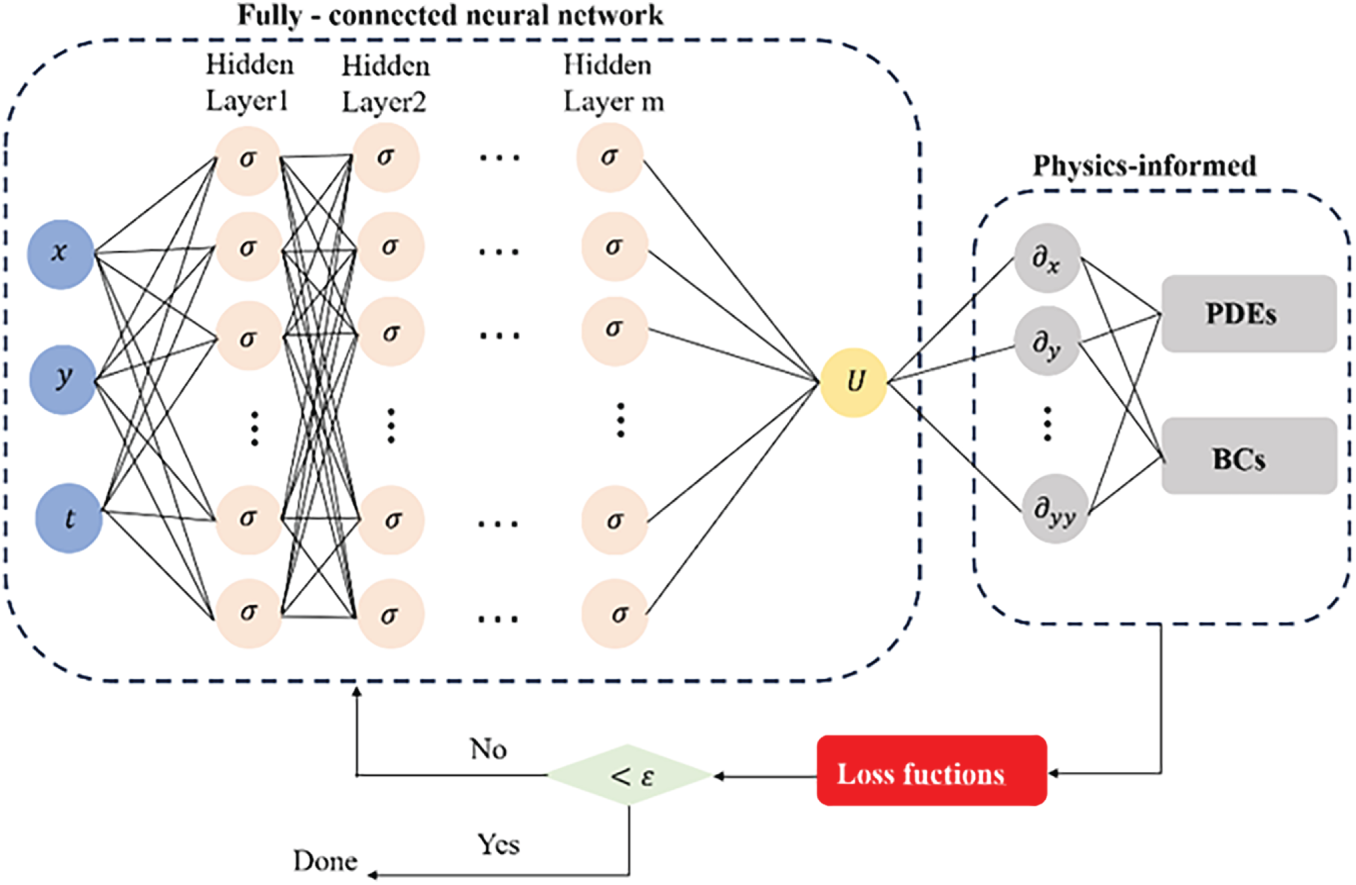
Figure 1: Schematic diagram of the spectral integrated neural networks (SINNs).
In Eqs. (12)–(14),
This study defines the residuals of the PDE as:
In this approach, the governing PDE and the associated boundary conditions are used to constrain the trial solution during the training processes. A corresponding loss function is then introduced, which is minimized to optimize the parameters, as expressed below:
in which
Gradient descent is employed to train the parameters
To evaluate the performance of the SINNs in thin-walled structural problems, a series of numerical experiments are conducted on transient heat conduction cases encompassing both non-thin and thin geometries. These experiments are designed to assess the accuracy and effectiveness of the proposed method across a variety of geometric configurations. The numerical accuracy is quantified using the relative error and max absolute error, defined as follows:
where
This paper presents four numerical examples for testing. All computational tasks were performed in MATLAB R2023a under the Windows 11 (64-bit) operating system. The computing device is equipped with an Intel Core Ultra 7 155H CPU with a base frequency of 1.40 GHz and 32 GB of memory. In this study, the “fmincon” function provided by MATLAB was used to train the network, which is designed to find the minimum of constrained nonlinear multivariable functions. The main training process was set to a maximum of 5000 iterations.
3.1 Structure without Thin-Shapes
The initial investigation is conducted to assess the capability of SINNs in solving transient heat conduction problem, as illustrated in Fig. 2. For clarity, the governing equation is expressed as follows:
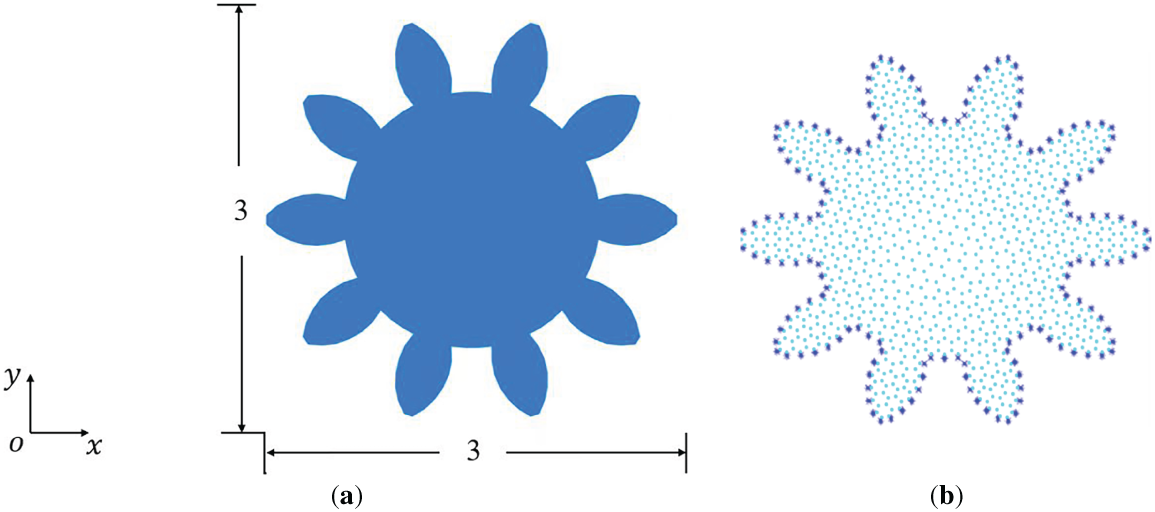
Figure 2: (a) Geometry of gear structure; (b) The distribution of collocation points.
The analytical solution corresponding to this numerical example is:
A total of 1150 collocation points are employed, comprising 160 points on the boundary and 990 points within the interior domain. All boundary conditions are prescribed as Dirichlet type. In addition, a time step of
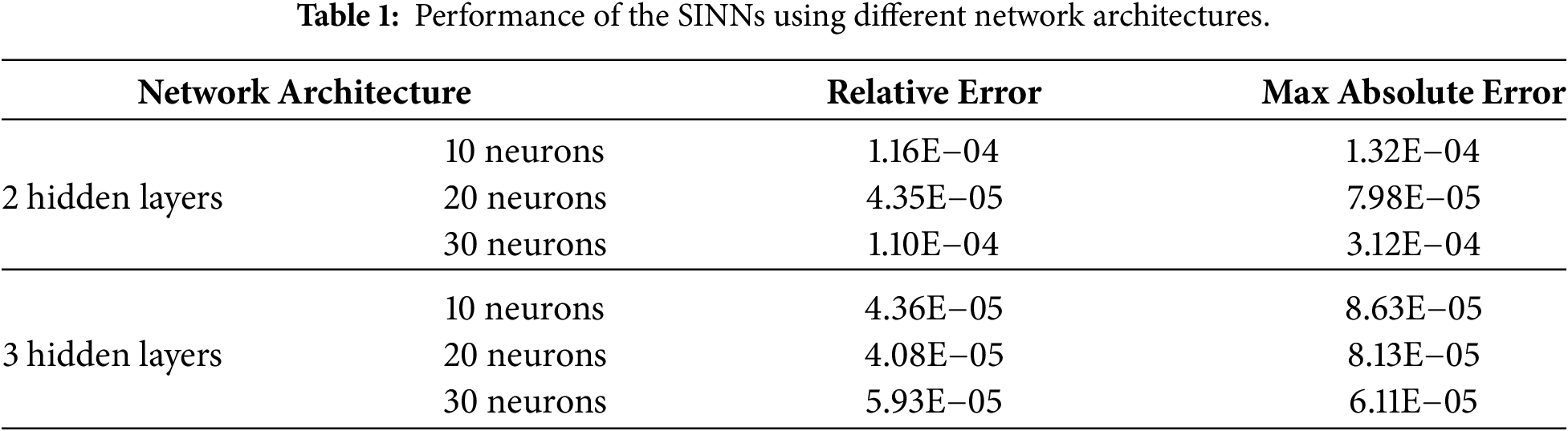
For a more comprehensive evaluation of the proposed method, the network architecture is configured with two fully connected hidden layers, each consisting of 20 neurons, while different activation functions are employed during training. As presented in Table 2, the SINNs consistently achieve high accuracy, with relative errors ranging from


As illustrated in Fig. 3, the relative temperature errors at 1 s, 3 s, and 5 s are evaluated using the Sinusoid function. The results demonstrate that, even with a relatively large time step of 1 s, the proposed numerical scheme maintains a high level of accuracy throughout the simulation period, underscoring its robustness and reliability. Moreover, in the comprehensive evaluation involving a complex domain, the findings further confirm the capability of the SINNs to deliver accurate solutions for 2D non-thin-body heat transfer problems.
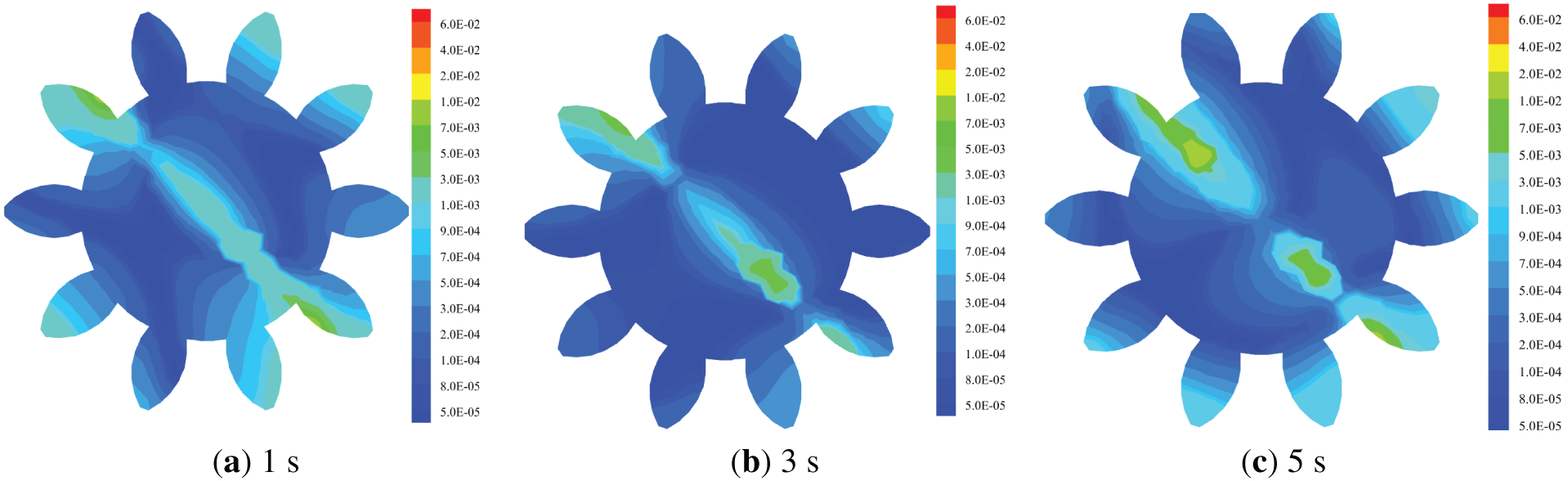
Figure 3: Relative errors of temperature at
3.2 Transient Heat Conduction in a Rectangular Thin-Body Structure
As the second numerical example, this study investigates transient heat conduction in a thin rectangular structure, as illustrated in Fig. 4. The governing equation can be expressed as follows:
where the material parameters
where the source term
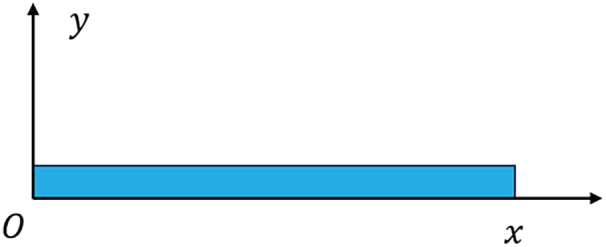
Figure 4: A thin rectangular domain.
The geometry considered is a rectangular domain (Fig. 4) with a fixed width of
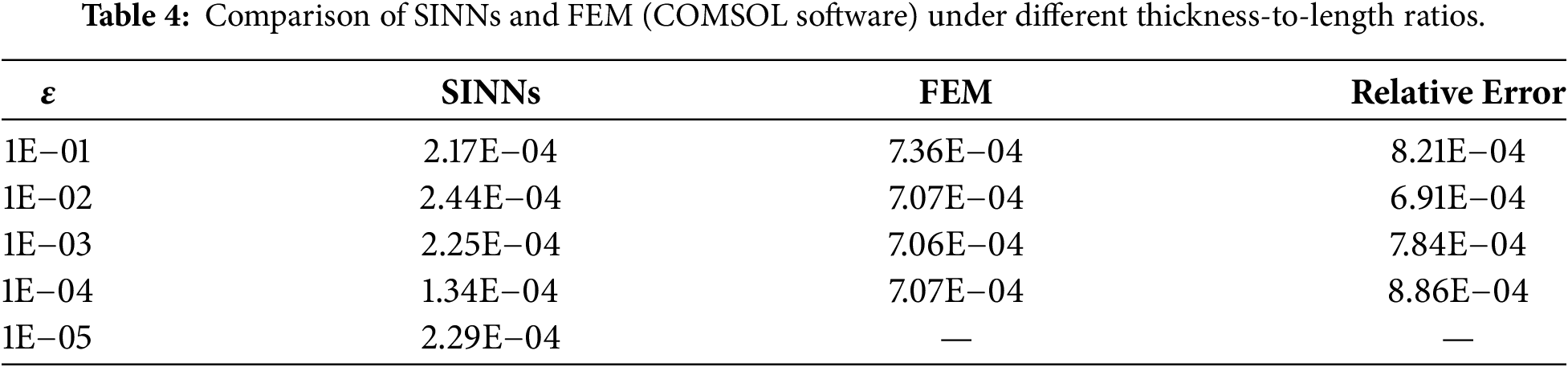

3.3 Transient Heat Conduction in a Thin Toroidal Structure
As the third numerical example, this study investigates transient heat conduction in a thin toroidal structure, as illustrated in Fig. 5. The toroidal geometry is defined by an inner radius
where the material parameters
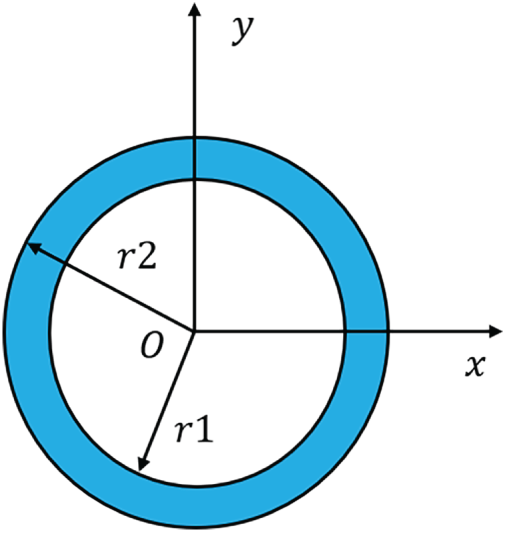
Figure 5: A thin toroidal structure.
In the toroidal structure, Dirichlet boundary conditions are imposed on the outer boundary, while Neumann boundary conditions are applied to the inner boundary. A total of 350 collocation points is employed, comprising 260 boundary points and 90 interior points. For the convenience of analysis, this study defines the ratio as
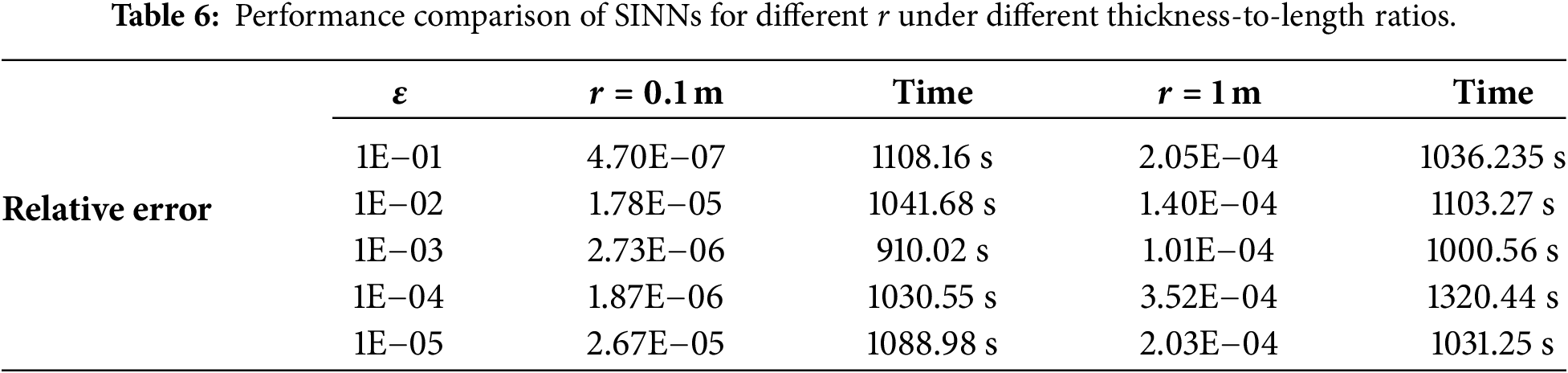
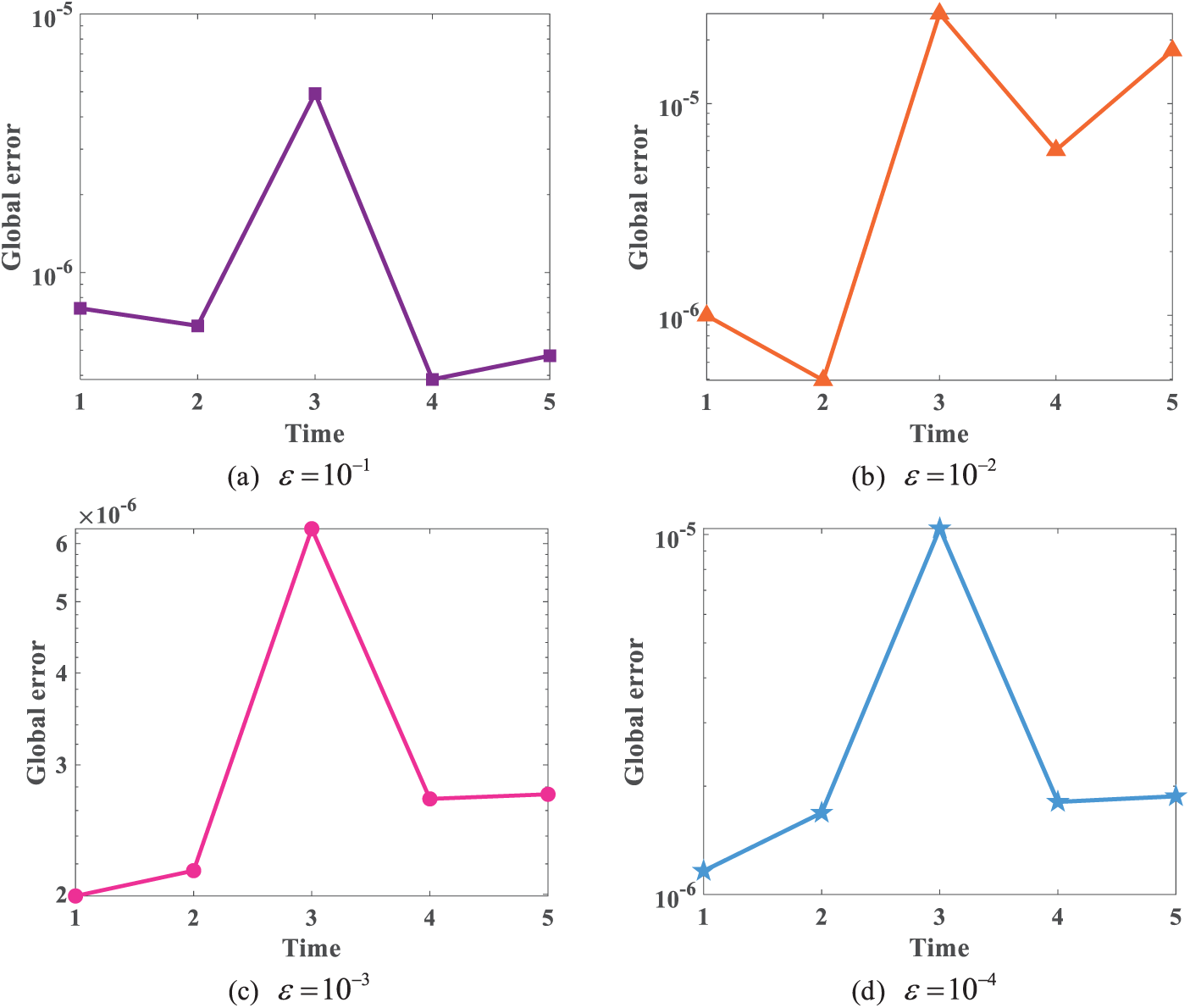
Figure 6: The global errors under different ratios from
Fig. 7 presents the results obtained by PINNs and SINNs for this numerical example. In this study, large time steps of
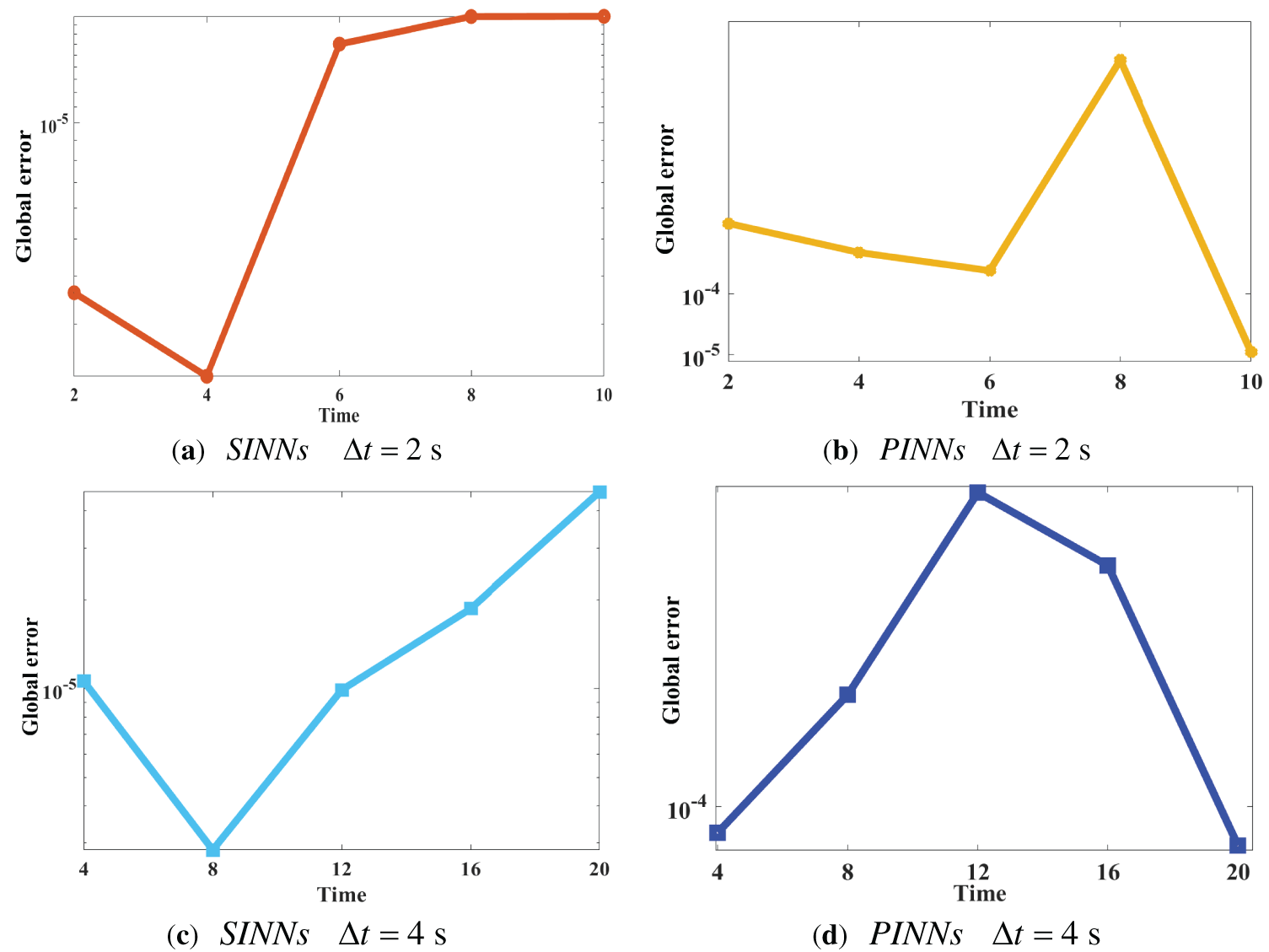
Figure 7: The global errors under different time steps between SINNs and PINNs.
3.4 Transient Heat Conduction in an Irregular-Shaped Thin-Body Domain
The final numerical example considers a heat conduction problem within an irregularly shaped thin-body domain, as illustrated in Fig. 8. The geometry of the domain is defined parametrically via Eq. (1), providing an exact mathematical description of its boundaries:
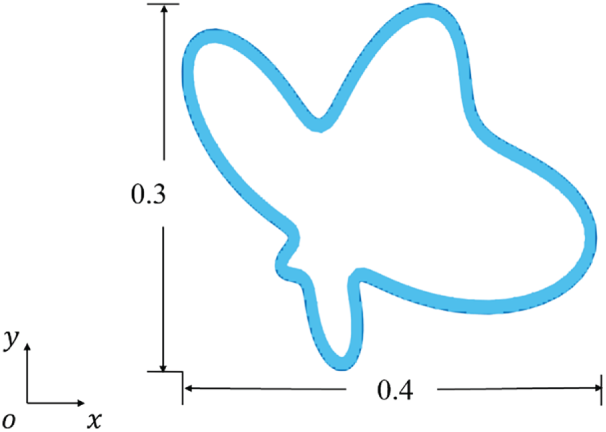
Figure 8: The configuration of an amoeba-like thin body domain.
In the aforementioned formula, the parameter
The analytical solution is given:
In the present example, the entire domain is represented by 2127 collocation points, with 1418 assigned to the boundary and 709 positioned within the interior domain. This study denotes the thickness of this complex geometry as
Initially, this study specifies
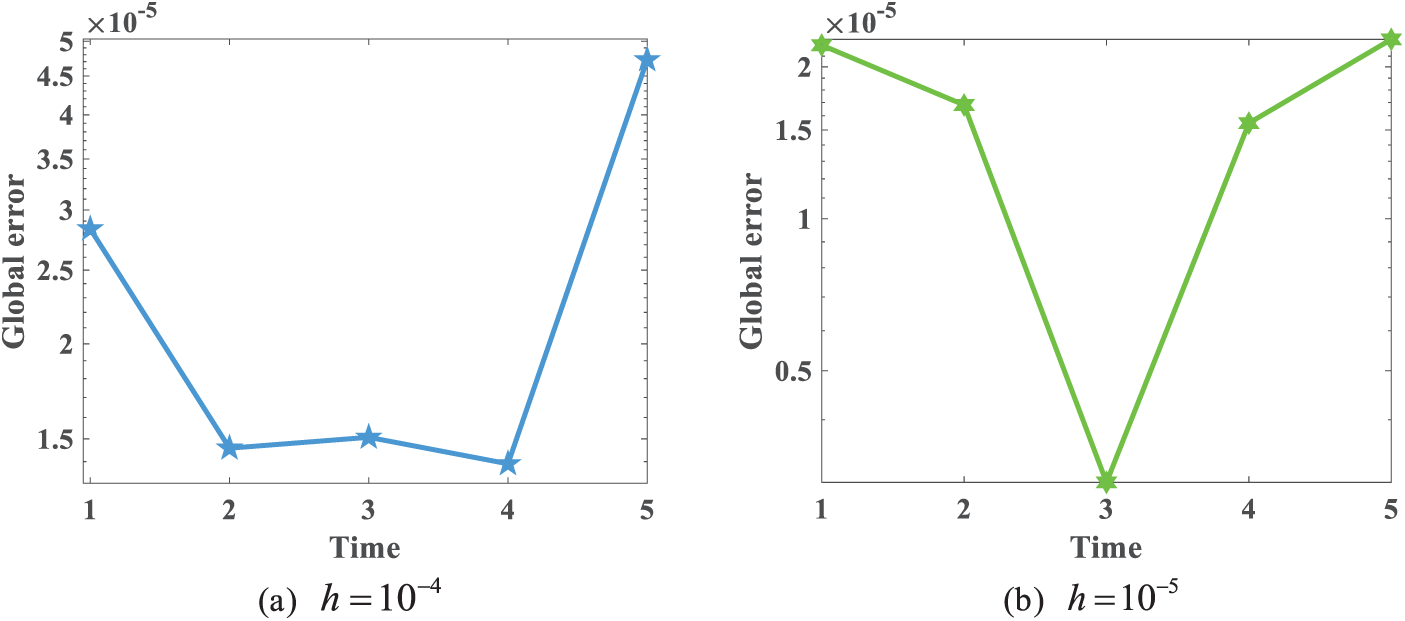
Figure 9: The global errors under different thicknesses from
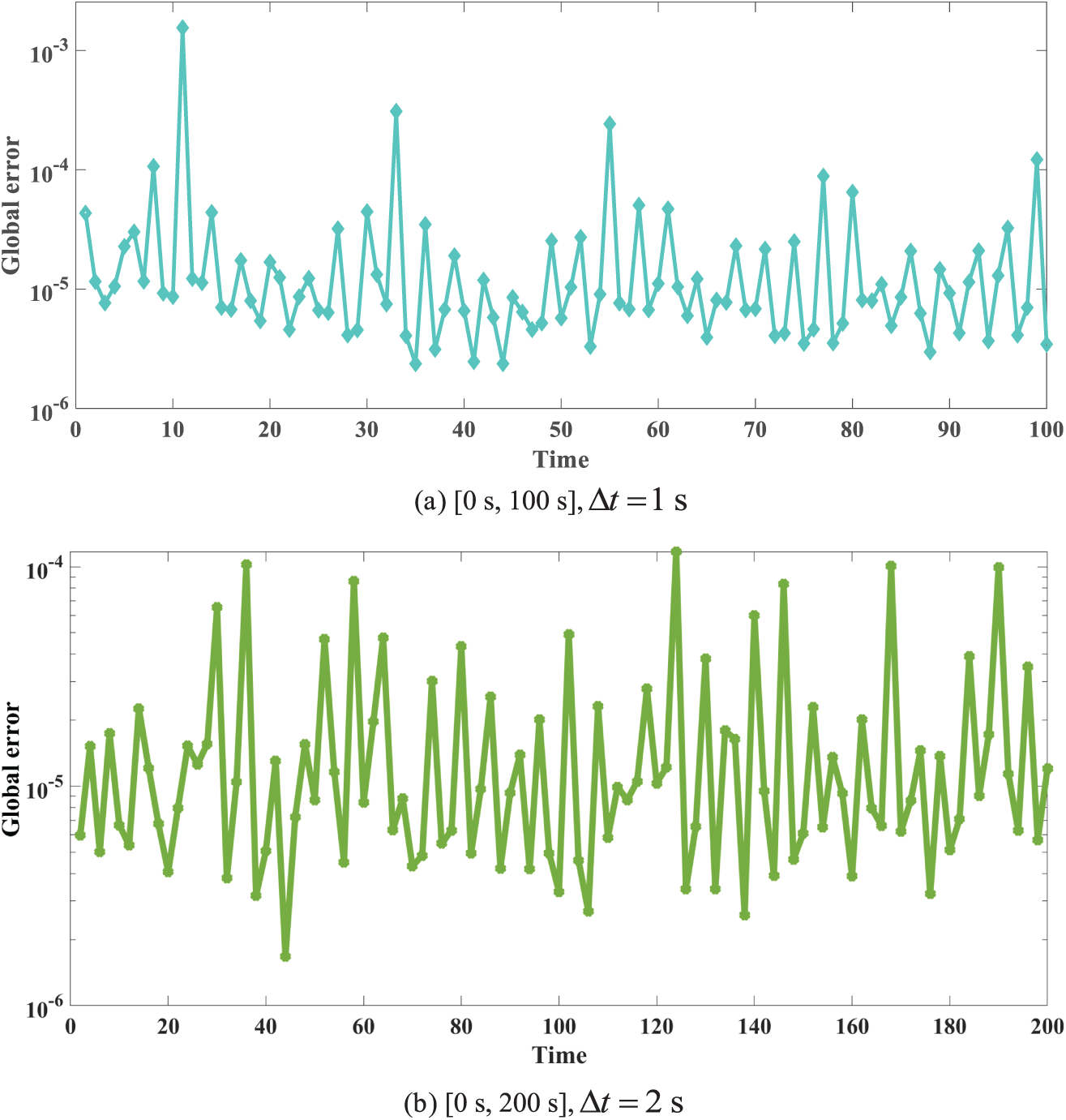
Figure 10: The global errors during the different time interval.
An integrated numerical framework based on spectral-integrated neural networks has been developed for transient heat conduction analysis in thin-body structures. By reformulating the temporal evolution through spectral integration, the proposed approach avoids the restrictive stability constraints commonly associated with conventional time-stepping schemes. As a result, accurate solutions can be obtained using comparatively large time increments, even in the presence of extreme geometric slenderness. The neural network approximation, combined with physics-based constraints, enables reliable reconstruction of both spatial temperature distributions and their temporal evolution across a wide range of thin-walled configurations. The numerical investigations demonstrate that the proposed framework remains stable and accurate for ultrathin geometries with severe aspect ratios, where traditional mesh-based methods often require excessive discretization or encounter convergence difficulties. These characteristics make the method particularly suitable for dynamic thermal analyses in thin structures, where long-time simulations and computational efficiency are critical considerations.
Several aspects merit further investigation. The current implementation is primarily validated for 2D problems, and its extension to large-scale 3D applications may introduce additional computational challenges due to increased training cost and memory requirements. Moreover, the accuracy and efficiency of the method are influenced by choices of network architecture, activation functions, and training strategies, suggesting the need for systematic or adaptive parameter selection mechanisms. Finally, while the present study focuses on linear transient heat conduction, future work will aim to extend the framework to nonlinear and coupled multiphysics problems. Potential application areas include thermal management of electronic devices and heat propagation analysis in energy storage systems.
Acknowledgement: Not applicable.
Funding Statement: The work described in this paper is supported by the National Natural Science Foundation of China (Nos. 12422207 and 12372199).
Author Contributions: Ting Gao and Chengze Shang: writing—original draft. Juan Wang: supervision, methodology. Yan Gu: writing—review & editing, funding acquisition. All authors reviewed and approved the final version of the manuscript.
Availability of Data and Materials: The data that support the findings of this study are available from the corresponding authors upon reasonable request.
Ethics Approval: Not applicable.
Conflicts of Interest: The authors declare no conflicts of interest.
References
1. Bennani HH, Takadoum J. Finite element model of elastic stresses in thin coatings submitted to applied forces. Surf Coat Technol. 1999;111(1):80–5. doi:10.1016/S0257-8972(98)00708-7. [Google Scholar] [CrossRef]
2. Cheng AHD, Cheng DT. Heritage and early history of the boundary element method. Eng Anal Bound Elem. 2005;29(3):268–302. doi:10.1016/j.enganabound.2004.12.001. [Google Scholar] [CrossRef]
3. Guiggiani M, Gigante A. A general algorithm for multidimensional Cauchy principal value integrals in the boundary element method. J Appl Mech. 1990;57(4):906–15. doi:10.1115/1.2897660. [Google Scholar] [CrossRef]
4. Chen JT, Lin SY, Chen IL, Lee YT. Mathematical analysis and numerical study to free vibrations of annular plates using BIEM and BEM. Int J Numer Methods Eng. 2006;65(2):236–63. doi:10.1002/nme.1498. [Google Scholar] [CrossRef]
5. Sladek V, Sladek J, Tanaka M. Nonsingular BEM formulations for thin-walled structures and elastostatic crack problems. Acta Mech. 1993;99(1):173–90. doi:10.1007/BF01177243. [Google Scholar] [CrossRef]
6. Zhang YM, Gu Y, Chen JT. Boundary element analysis of 2D thin walled structures with high-order geometry elements using transformation. Eng Anal Bound Elem. 2011;35(3):581–6. doi:10.1016/j.enganabound.2010.07.008. [Google Scholar] [CrossRef]
7. Gu Y, Chen W, Zhang C. Stress analysis for thin multilayered coating systems using a sinh transformed boundary element method. Int J Solids Struct. 2013;50(20–21):3460–71. doi:10.1016/j.ijsolstr.2013.06.018. [Google Scholar] [CrossRef]
8. Gu Y, Sun L. Electroelastic analysis of two-dimensional ultrathin layered piezoelectric films by an advanced boundary element method. Int J Numer Methods Eng. 2021;122(11):2653–71. doi:10.1002/nme.6635. [Google Scholar] [CrossRef]
9. Wang F, Chen W, Gu Y. Boundary element analysis of inverse heat conduction problems in 2D thin-walled structures. Int J Heat Mass Transf. 2015;91(3):1001–9. doi:10.1016/j.ijheatmasstransfer.2015.08.048. [Google Scholar] [CrossRef]
10. Zhou H, Niu Z, Cheng C, Guan Z. Analytical integral algorithm applied to boundary layer effect and thin body effect in BEM for anisotropic potential problems. Comput Struct. 2008;86(15–16):1656–71. doi:10.1016/j.compstruc.2007.10.002. [Google Scholar] [CrossRef]
11. Liu Y, Fan H. On the conventional boundary integral equation formulation for piezoelectric solids with defects or of thin shapes. Eng Anal Bound Elem. 2001;25(2):77–91. doi:10.1016/S0955-7997(01)00004-2. [Google Scholar] [CrossRef]
12. Krishnasamy G, Rizzo FJ, Liu Y. Boundary integral equations for thin bodies. Int J Numer Methods Eng. 1994;37(1):107–21. doi:10.1002/nme.1620370108. [Google Scholar] [CrossRef]
13. Fu ZJ, Zhang J, Li PW, Zheng JH. A semi-Lagrangian meshless framework for numerical solutions of two-dimensional sloshing phenomenon. Eng Anal Bound Elem. 2020;112(5):58–67. doi:10.1016/j.enganabound.2019.12.003. [Google Scholar] [CrossRef]
14. Fu Z, Chen W, Wen P, Zhang C. Singular boundary method for wave propagation analysis in periodic structures. J Sound Vib. 2018;425:170–88. doi:10.1016/j.jsv.2018.04.005. [Google Scholar] [CrossRef]
15. Gu Y, Fan CM, Fu Z. Localized method of fundamental solutions for three-dimensional elasticity problems: theory. Adv Appl Math Mech. 2021;13(6):1520–34. doi:10.4208/aamm.oa-2020-0134. [Google Scholar] [CrossRef]
16. Chen CS, Cho HA, Golberg MA. Some comments on the ill-conditioning of the method of fundamental solutions. Eng Anal Bound Elem. 2006;30(5):405–10. doi:10.1016/j.enganabound.2006.01.001. [Google Scholar] [CrossRef]
17. Fu Z, Chen W. A truly boundary-only meshfree method applied to Kirchhoff plate bending problems. Adv Appl Math Mech. 2009;1(3):341–52. doi:10.1007/s00466-009-0411-6. [Google Scholar] [CrossRef]
18. Chen CS, Jiang X, Chen W, Yao G. Fast solution for solving the modified Helmholtz equation withthe method of fundamental solutions. Commun Comput Phys. 2015;17(3):867–86. doi:10.4208/cicp.181113.241014a. [Google Scholar] [CrossRef]
19. Zobeiry N, Humfeld KD. A physics-informed machine learning approach for solving heat transfer equation in advanced manufacturing and engineering applications. Eng Appl Artif Intell. 2021;101:104232. doi:10.1016/j.engappai.2021.104232. [Google Scholar] [CrossRef]
20. Raissi M, Perdikaris P, Karniadakis GE. Physics-informed neural networks: a deep learning framework for solving forward and inverse problems involving nonlinear partial differential equations. J Comput Phys. 2019;378:686–707. doi:10.1016/j.jcp.2018.10.045. [Google Scholar] [CrossRef]
21. Wang S, Teng Y, Perdikaris P. Understanding and mitigating gradient flow pathologies in physics-informed neural networks. SIAM J Sci Comput. 2021;43(5):A3055–81. doi:10.1137/20m1318043. [Google Scholar] [CrossRef]
22. Karniadakis GE, Kevrekidis IG, Lu L, Perdikaris P, Wang S, Yang L. Physics-informed machine learning. Nat Rev Phys. 2021;3(6):422–40. doi:10.1038/s42254-021-00314-5. [Google Scholar] [CrossRef]
23. Tang Z, Fu Z, Reutskiy S. An extrinsic approach based on physics-informed neural networks for PDEs on surfaces. Mathematics. 2022;10(16):2861. doi:10.3390/math10162861. [Google Scholar] [CrossRef]
24. Zhang B, Wu G, Gu Y, Wang X, Wang F. Multi-domain physics-informed neural network for solving forward and inverse problems of steady-state heat conduction in multilayer media. Phys Fluids. 2022;34(11):116116. doi:10.1063/5.0116038. [Google Scholar] [CrossRef]
25. Lu L, Pestourie R, Yao W, Wang Z, Verdugo F, Johnson SG. Physics-informed neural networks with hard constraints for inverse design. SIAM J Sci Comput. 2021;43(6):B1105–32. doi:10.1137/21m1397908. [Google Scholar] [CrossRef]
26. He Q, Barajas-Solano D, Tartakovsky G, Tartakovsky AM. Physics-informed neural networks for multiphysics data assimilation with application to subsurface transport. Adv Water Resour. 2020;141(2):103610. doi:10.1016/j.advwatres.2020.103610. [Google Scholar] [CrossRef]
27. Gu Y, Zhang C, Zhang P, Golub MV, Yu B. Enriched physics-informed neural networks for 2D in-plane crack analysis: theory and MATLAB code. Int J Solids Struct. 2023;276(1):112321. doi:10.1016/j.ijsolstr.2023.112321. [Google Scholar] [CrossRef]
28. Rezaei S, Harandi A, Moeineddin A, Xu BX, Reese S. A mixed formulation for physics-informed neural networks as a potential solver for engineering problems in heterogeneous domains: comparison with finite element method. Comput Methods Appl Mech Eng. 2022;401(1):115616. doi:10.1016/j.cma.2022.115616. [Google Scholar] [CrossRef]
29. Kissas G, Yang Y, Hwuang E, Witschey WR, Detre JA, Perdikaris P. Machine learning in cardiovascular flows modeling: predicting arterial blood pressure from non-invasive 4D flow MRI data using physics-informed neural networks. Comput Methods Appl Mech Eng. 2020;358(1):112623. doi:10.1016/j.cma.2019.112623. [Google Scholar] [CrossRef]
30. Misyris GS, Venzke A, Chatzivasileiadis S. Physics-informed neural networks for power systems. In: Proceedings of the 2020 IEEE Power & Energy Society General Meeting (PESGM); 2020 Aug 2–6; Montreal, QC, Canada. p. 1–5. doi:10.1109/pesgm41954.2020.9282004. [Google Scholar] [CrossRef]
31. Nascimento RG, Corbetta M, Kulkarni CS, Viana FAC. Hybrid physics-informed neural networks for lithium-ion battery modeling and prognosis. J Power Sources. 2021;513(1):230526. doi:10.1016/j.jpowsour.2021.230526. [Google Scholar] [CrossRef]
32. Samaje P, Salma A, Venkadeshwaran K, Varma SVK, Hanumagowda BN, Verma A, et al. A comparative analysis on the magnetohydrodynamic mixed convective flow of a hybrid nanofluid with radiative heat transfer using bagging regression. Int J Ambient Energy. 2024;45(1):2386045. doi:10.1080/01430750.2024.2386045. [Google Scholar] [CrossRef]
33. Jagtap AD, Kharazmi E, Karniadakis GE. Conservative physics-informed neural networks on discrete domains for conservation laws: applications to forward and inverse problems. Comput Methods Appl Mech Eng. 2020;365(1):113028. doi:10.1016/j.cma.2020.113028. [Google Scholar] [CrossRef]
34. Pang G, Lu L, Karniadakis GE. fPINNs: fractional physics-informed neural networks. SIAM J Sci Comput. 2019;41(4):A2603–26. doi:10.1137/18m1229845. [Google Scholar] [CrossRef]
35. Linka K, Schäfer A, Meng X, Zou Z, Karniadakis GE, Kuhl E. Bayesian physics informed neural networks for real-world nonlinear dynamical systems. Comput Methods Appl Mech Eng. 2022;402(9):115346. doi:10.1016/j.cma.2022.115346. [Google Scholar] [CrossRef]
36. Kharazmi E, Zhang Z, Karniadakis GEM. hp-VPINNs: variational physics-informed neural networks with domain decomposition. Comput Methods Appl Mech Eng. 2021;374(1):113547. doi:10.1016/j.cma.2020.113547. [Google Scholar] [CrossRef]
37. Chandan K, Saadeh R, Qazza A, Karthik K, Varun Kumar RS, Kumar RN, et al. Predicting the thermal distribution in a convective wavy fin using a novel training physics-informed neural network method. Sci Rep. 2024;14(1):7045. doi:10.1038/s41598-024-57772-x. [Google Scholar] [PubMed] [CrossRef]
38. Gu Y, Zhang C, Golub MV. Physics-informed neural networks for analysis of 2D thin-walled structures. Eng Anal Bound Elem. 2022;145(5):161–72. doi:10.1016/j.enganabound.2022.09.024. [Google Scholar] [CrossRef]
39. Qiu L, Wang F, Qu W, Gu Y, Qin QH. Spectral integrated neural networks (SINNs) for solving forward and inverse dynamic problems. Neural Netw. 2024;180:106756. doi:10.1016/j.neunet.2024.106756. [Google Scholar] [PubMed] [CrossRef]
40. Ma H, Qu W, Gu Y, Qiu L, Wang F, Zhao S. Spectral integrated neural networks with large time steps for 2D and 3D transient elastodynamic analysis. Neural Netw. 2025;188:107559. doi:10.1016/j.neunet.2025.107559. [Google Scholar] [PubMed] [CrossRef]
41. Qu W, Gu Y, Zhang Y, Fan CM, Zhang C. A combined scheme of generalized finite difference method and Krylov deferred correction technique for highly accurate solution of transient heat conduction problems. Int J Numer Methods Eng. 2019;117(1):63–83. doi:10.1002/nme.5948. [Google Scholar] [CrossRef]
42. Atilim GB, Barak AP, Alexey AR, Jeffrey MS. Automatic differentiation in machine learning: a survey. arXiv:1502.05767. 2015. [Google Scholar]
43. Qiu L, Lin J, Wang F, Qin QH, Liu CS. A homogenization function method for inverse heat source problems in 3D functionally graded materials. Appl Math Model. 2021;91:923–33. doi:10.1016/j.apm.2020.10.012. [Google Scholar] [CrossRef]
44. Yang K, Jiang GH, Li HY, Zhang ZB, Gao XW. Element differential method for solving transient heat conduction problems. Int J Heat Mass Transf. 2018;127:1189–97. doi:10.1016/j.ijheatmasstransfer.2018.07.155. [Google Scholar] [CrossRef]
45. Sun W, Ma H, Qu W. A hybrid numerical method for non-linear transient heat conduction problems with temperature-dependent thermal conductivity. Appl Math Lett. 2024;148:108868. doi:10.1016/j.aml.2023.108868. [Google Scholar] [CrossRef]
46. Huang J, Jia J, Minion M. Arbitrary order Krylov deferred correction methods for differential algebraic equations. J Comput Phys. 2007;221(2):739–60. doi:10.1016/j.jcp.2006.06.040. [Google Scholar] [CrossRef]
47. Jia J, Huang J. Krylov deferred correction accelerated method of lines transpose for parabolic problems. J Comput Phys. 2008;227(3):1739–53. doi:10.1016/j.jcp.2007.09.018. [Google Scholar] [CrossRef]
Cite This Article
 Copyright © 2026 The Author(s). Published by Tech Science Press.
This work is licensed under a Creative Commons Attribution 4.0 International License , which permits unrestricted use, distribution, and reproduction in any medium, provided the original work is properly cited.
 Downloads
 Citation Tools
