
 Login
Login Register
 Submit a Paper
 Propose a Special lssue
 Open Access
ARTICLE

Determining Dynamic Influence of Human and Machine System on Live-Streaming Addiction: Critical Mediating Mechanisms of Emotional and Functional Attachment
School of New Media and Communication, Tianjin University, Tianjin, 300072, China
* Corresponding Author: Hua Pang. Email:
(This article belongs to the Special Issue: Causes, Consequences and Interventions for Emerging Social Media Addiction)
International Journal of Mental Health Promotion 2025, 27(11), 1709-1728. https://doi.org/10.32604/ijmhp.2025.070803
Received 24 July 2025; Accepted 15 October 2025; Issue published 28 November 2025
 View Full Text
 Download PDF
Abstract
Background: Live streaming has become a globally prevalent form of digital entertainment, particularly among young audiences, fostering new modes of online engagement through real-time interaction. However, excessive use may lead to addictive behaviors in certain users. Current research on live-streaming addiction remains limited, with prior studies focusing primarily on socio-psychological drivers rather than the role of technological affordances. To address this gap, this study develops a conceptual model based on socio-technical systems and attachment theory to investigate how emotional and functional attachment mediate the relationship between platform features and addictive behavior. Methods: A total of 533 valid responses were collected in a cross-sectional survey (mean age = 26.4 years, standard deviation [SD] = 4.7; 53.8% female). Data were analyzed using structural equation modeling (SEM) to test the hypothesized relationships. Additionally, the potential mediating effects of emotional and functional attachment between the platform features and live-streaming addiction were examined using the Bootstrap method. Results: Social factors (perceived interactivity, β = 0.204, p < 0.001; perceived confirmation, β = 0.379, p < 0.001) and technical factors (perceived customization, β = 0.227, p < 0.001; perceived amusement, β = 0.252, p < 0.001; vicarious expression, β = 0.352, p < 0.001) significantly strengthen both emotional and functional attachment, which in turn positively predict live-streaming addiction (emotional attachment: β = 0.468, p < 0.001; functional attachment: β = 0.393, p < 0.001). Furthermore, emotional attachment exerted a stronger influence on addiction than functional attachment. Conclusions: These findings deepen the understanding of live-streaming addiction by integrating socio-technical perspectives and offer practical implications for stakeholders to mitigate negative outcomes through effective strategies.Keywords
Live streaming, characterized by the synchronous and instantaneous transmission and consumption of digital content, has undergone a profound transformation as an innovative paradigm of computer-mediated communication and real-time social interaction [1,2,3]. These platforms empower broadcasters to effortlessly deliver real-time content across diverse thematic domains to a worldwide audience. Prominent social media entities such as Facebook, WeChat, and TikTok, alongside leading e-commerce corporations including Amazon and eBay, have strategically incorporated live streaming functionalities to augment user interactivity and cultivate sustained engagement [4,5]. Concurrently, professional live streaming platforms catering to distinct customer demographics are experiencing rapid expansion, exemplified by platforms dedicated to fashion live streaming (such as Little Red Book) and anime live streaming (such as Bilibili), among others. Having emerged as a novel digital medium around 2010, the live streaming sector has since experienced exponential market growth. By 2022, the global industry valuation had surpassed $1.24 billion, with projections indicating a surge to $3.21 billion by 2027 [6].
Amidst the swift evolution of the live streaming industry, individuals increasingly exhibit addiction on live streaming platforms and applications. The phenomenon of live-streaming addiction, defined by prolonged viewing durations and recurrent impulsive purchasing behaviors among consumers, has been exacerbated in the context of the COVID-19 pandemic [7,8]. Pandemic-related restrictions substantially limited individuals’ daily activities, leading to a pronounced decline in traditional forms of leisure such as tourism, dining out, and outdoor recreation [9,10]. Consequently, intensified perceptions of monotony and an elevated desire for hedonic compensation have significantly elevated consumers’ propensity toward post-pandemic consumption [8,11]. Scholars have devoted substantial attention to the study of users’ addictive behaviors and enduring engagement across diverse social media platforms, encompassing phenomena such as game addiction [12], social media addiction [13], short video addiction [14], and excessive viewing habits [15]. The measurement of such behaviors has been advanced by instruments like the Bergen Social Media Addiction Scale, which assesses core addiction criteria based on the components model of addiction, the Assessment of Criteria for Specific Internet-use Disorders, and platform-specific tools such as the YouTube Addiction Scale [16]. Nonetheless, the extant literature on live streaming addiction remains notably underdeveloped.
Prior research has identified specific factors that directly contribute to live-streaming addiction [1,3,17]; however, these investigations have failed to comprehensively elucidate the underlying psychological mechanisms that underpin the addictive behaviors. In other words, insufficient attention has been given to understanding the psychological processes that contribute to addictive behaviors among live streaming audiences. In a broader context, problematic social media usage has been robustly linked to a spectrum of mental health and behavioral detriments, including physical inactivity, nomophobia, and adverse psychosocial outcomes [18]. This established link underscores the necessity to explore the psychological pathways, such as attachment mechanisms, that may similarly underlie live-streaming addiction. Indeed, live streaming platforms provide not only real-time audiovisual experiences that facilitate information acquisition but also opportunities for parasocial interaction and bidirectional engagement between streamers and viewers, thereby cultivating conditions conducive to user attachment [15,19]. Such attachments can profoundly shape consumer behavior, motivating individuals to maintain or even intensify their affiliation with particular streamers, content genres, or platforms [20,21]. Nevertheless, extant studies have neither systematically delineated the typologies of attachment nor exhaustively explicated their differential impacts on addiction within the live streaming milieu. Accordingly, this study leverages attachment theory to interrogate the relationship between varied forms of attachment and addictive engagement, thereby enabling a granular analysis of their distinct influences.
Diverging from conventional approaches that exclusively examine the direct impacts of various forms of attachment on live-streaming addiction, this study adopts a more nuanced analytical framework to investigate the potential antecedents of such attachments. Previous scholarship on digital addictive behaviors has predominantly emphasized social determinants while largely neglecting the role of technological affordances [22,23]. Mirroring numerous widely used social media platforms, live streaming platforms facilitate interpersonal connectivity and affective exchange to satisfy users’ psychosocial needs. Furthermore, live streaming applications offer users various technical elements, such as system recommendation, personalization, and informational support [5,24]. Therefore, it is essential to analyze live-streaming addiction through both social and technical lenses. By synthesizing attachment theory with a socio-technical perspective, this study advances a more holistic understanding of the psychological and technological factors driving live-streaming addiction among young users, particularly within the context of the industry’s rapid expansion. Specifically, the study proposes and evaluates a conceptual model that delineates the psychological processes through which this emerging media format exerts adverse effects on its audience. Theoretically, this study seeks to enrich the human-computer interaction literature through empirical investigation of the latent adverse effects of an emerging communication technology, an area currently receiving insufficient attention, from the perspective of live streaming users. Practically, it responds to growing scholarly and societal concern by proposing evidence-informed guidelines for the formulation of regulatory measures designed to protect media consumers, with special focus on vulnerable youth populations.
2 Theoretical Framework and Hypotheses Development
Recent research on digital addiction has increasingly adopted integrated frameworks to explain the multifaceted nature of technology overuse. For instance, the cognitive-behavioral model of smartphone addiction contends that the confluence of social and technical affordances interacts with psychological predispositions to engender compulsive usage patterns [25]. Similarly, the I-PACE model (Interaction of Person-Affect-Cognition-Execution) provides a comprehensive framework for understanding the etiology and persistence of specific internet-use disorders, including smartphone and social media addiction [26]. These models underscore the pivotal roles of affective and cognitive mechanisms as mediating variables between technological affordances and the emergence of addictive behaviors. In alignment with these integrative perspectives, the present research incorporates principles from attachment theory to illuminate the mediating functions of emotional and functional bonds in the pathway from socio-technical determinants to live-streaming addiction.
This study conceptualizes the drivers of live-streaming addiction through the lens of socio-technical systems theory, which posits that organizational and user outcomes are shaped by the interplay between social (human) and technical (machine) subsystems [7,27]. Grounded in this perspective, the study categorizes the antecedents into two distinct yet interconnected systems: the human system encompasses the social and relational affordances of the platform that facilitate psychological connections between users and streamers or other users. These factors are primarily mediated through interpersonal processes [28]. Within this domain, the study identifies perceived interactivity and perceived confirmation as core constructs, reflecting users’ subjective sense of reciprocal engagement and value congruence with other social actors within the digital milieu. Conversely, the machine system comprises engineered functionalities and algorithmic features embedded in the platform’s architecture, delivered autonomously by the technological infrastructure to augment user experience [29]. In this study, perceived customization, perceived amusement, and vicarious expression are identified as constituents of the machine system. They represent the user’s perception of the platform’s ability to provide personalized, entertaining, and cognitively stimulating functionalities. This classification allows for a nuanced examination of how distinct types of platform features, originating from different subsystems of the socio-technical environment, shape user attachment formations and ultimately predispose individuals to addictive engagement through distinct psychological pathways.
2.1 Linking Human System to Emotional Attachment
Emotional attachment is a psychological concept that delineates a sentiment-infused, target-specific tie connecting an individual with another person or entity [13,30]. Originally conceptualized within developmental psychology through attachment theory to characterize infant-caregiver relationships [31], this construct has been theoretically extended to consumer behavior contexts. Existing studies have demonstrated that individuals are capable of forming emotional attachments toward diverse entities, including brands [32], online communities [19], and celebrities [23]. Informed by self-expansion theory, emotional attachment exerts substantial motivational and behavioral influences [21,33]. Once an emotional attachment is established toward a particular target, they tend to perceive the target as an integral part of themselves and will be more inclined to exhibit demanding behaviors, such as dedicating greater amounts of time and energy to maintain or enhance their relationship with that target [32,34]. Attachment theory posits that such emotional bonds emerge when the attachment object demonstrates consistent efficacy in satisfying either hedonic needs or utilitarian requirements [15,20]. The present study contends that emotional attachment in live streaming contexts originates from the platform’s efficacy in addressing users’ fundamental needs for social affiliation and belongingness [35]. Components of the human system, in particular, foster this emotional connection by cultivating perceptions of interpersonal intimacy and psychological security, mirroring the secure-base functions characteristic of traditional attachment relationships.
Existing literature identifies interactivity and participation as the two primary dimensions underpinning the interactive architecture of social media and online communities [36,37]. Interactivity refers to the extent to which users engage in reciprocal communication within networked environments [38,39]. Within the theoretical framework of attachment theory, such reciprocal interactions serve as the foundation for developing emotional bonds, as they provide consistent responsiveness and emotional validation key antecedents to attachment formation. Participation denotes users’ affirmative cognitive assessments of their involvement in activities conducted by the network community [40]. This study foregrounds interactivity due to its pronounced manifestation in live streaming environments, enabled by platform-integrated features such as real-time comment systems and virtual gifting functions. Interacting with streamers affords participants a sense of interpersonal warmth and social presence, while also fostering value alignment and processes of social identification [4,17]. Furthermore, these social exchanges create opportunities for self-disclosure and the development of interpersonal friendships, thereby reinforcing common bond attachment among community members [15]. Consequently, the intensity and qualitative richness of user-streamer and user-user interactions significantly elevate the propensity for emotional attachment formation.
Confirmation denotes a cognitive-evaluative construct that captures the degree of congruence between an individual’s self-concept and a specific organization, collective, or person, and has been extensively examined as a salient variable in organizational behavior and marketing research [37,41]. The manifestation of confirmation yields outcomes such as heightened support for the social collective, elevated interpersonal attraction among members, and an intensified inclination to cultivate sustained affiliations with corporations, groups, or other entities with which the individual identifies [38]. For example, a high degree of perceived congruence between one’s self-image and the organization’s image engender psychological attachment and a genuine concern for the organization. Such alignment serves as a motivational catalyst, stimulating goal-directed behavior, discretionary effort, and collaborative engagement among organizational members [12,42]. Within digital commerce environments, confirmation between consumers and online vendors can amplify engagement and interaction, thereby facilitating the development of durable relational ties [7,24]. The similarity in characteristics between the audience and vlogger is poised to intensify the emotional attachment towards the vlogger [23,43]. The theoretical framework suggests that user recognition of self-streamer congruence triggers confirmation processes, which subsequently generate relational affinity and bonding motivation. Consequently, the following hypotheses are posited:
Hypothesis 1 (H1): Perceived interactivity is positively associated with emotional attachment.
Hypothesis 2 (H2): Perceived confirmation is positively associated with emotional attachment.
2.2 Linking Machine System to Functional Attachment
Functional attachment emerges as a multidimensional psychosocial construct that reflects the degree to which environmental affordances and systemic resources enable goal-directed behavior while simultaneously influencing affective states and behavioral patterns [33]. As a critical dimension of attachment theory’s behavioral manifestation, this construct has been widely employed to elucidate interrelated connections, involving those between individuals and groups, as well as between users and social networking platforms [13,15]. Social networking sites provide technological infrastructures that enable user communication, knowledge dissemination, content sharing, and the formation of preference-based social connections. Grounded in the extension of attachment theory to human-technology interactions, functional attachment arises when digital platforms consistently satisfy users’ functional and technical requirements, thereby becoming integral to their sense of self-efficacy and goal attainment [44]. The machine system components foster this functional attachment by providing reliable, personalized, and enjoyable experiences that enhance users’ capabilities and satisfy their achievement-related needs. Giertz et al. observed that individuals demonstrating functional attachment to social networking sites exhibit significantly higher engagement metrics, including prolonged interaction durations with social ties and increased information-sharing behaviors, a phenomenon attributable to the platforms’ ample provision of essential resources and capabilities [40].
Customization is conceptually operationalized as a user-centric adaptation mechanism that systematically modifies product or service parameters to optimize consumer utility through enhanced convenience, economic efficiency, and value-added benefits [20,34]. By implementing customization, social networking platforms can tailor information and service delivery to individual user preferences, thereby reinforcing user proximity, satisfaction, and loyalty [45]. Cao et al. contend that user involvement in customization processes positively influences functional attachment to such platforms [13]. Live streaming applications integrate customization by adapting content and functionality to individual users. For instance, users may receive notifications featuring tailored recommendations and content aligned with their followed accounts, stimulating exploratory behavior and sustained interaction [2,3]. Furthermore, customization leverages information technology to offer distinct services tailored to individual users. For example, certain live streaming platforms provide customized functionalities that allow users to adapt their interfaces and interactions to their personal preferences [4,36]. In such environments, users are inclined to invest greater time, effort, and financial resources in actively participating in customization, including profile development and online persona curation [38]. This dedication to customization may foster a strong sense of connection to the platform [43]. Conversely, live streaming services also utilize machine learning algorithms to analyze large-scale behavioral data for predictive content curation, as exemplified by TikTok’s “For You” page, which is dynamically generated based on users’ viewing histories and inferred interests [15,23]. Such customization features significantly enhance user engagement, thereby promoting a deeper functional attachment to the applications. Ultimately, the provision of personalized services by these platforms cultivates functional attachment among users [3,46].
Perceived amusement constitutes a hedonic evaluation metric that captures users’ subjective assessment of pleasurable experiences derived from digital interactions, recognized as a fundamental driver of intrinsic motivation in Information Systems research [13,20,39]. This perception contributes significantly to the cultivation of user satisfaction and allegiance toward social networking platforms [19]. Live streaming platforms have evolved sophisticated entertainment ecosystems that curate diverse hedonic content tailored to heterogeneous user preferences, thereby enhancing user engagement, enabling users to share entertaining live streaming and dispatch jocular images to their friends for recreational enjoyment [40,41]. The degree of perceived amusement critically determines a platform’s capacity to deliver a gratifying and enjoyable user experience. For instance, Miranda et al. substantiated that individuals who perceive social networking sites as affectively rewarding tend to rely more extensively on functionalities that elicit positive emotional responses [36]. In this context, users’ perceived amusement reinforces the perception that live streaming constitutes a highly valuable medium capable of augmenting pleasure and alleviating the demands of everyday life [47].
Grounded in vicarious learning theory, this study conceptualizes vicarious expression as a performative modality through which streamers articulate consumption experiences, enabling users to simulate participatory engagement in the consumption process [5,17]. Vicarious expression encompasses four components: analogic mapping, testability, vicarious empirical demonstrability, and transferability [7]. Analogic mapping refers to the cognitive process whereby users identify isomorphic attributes between themselves and streamers, thereby amplifying their experiential engagement through psychological alignment [24]. Following exposure to live streaming content, users exhibit diverse emotional responses, exemplified by varying affective reactions among different viewers to the same apparel presentation [6,22]. This component addresses individual heterogeneity by allowing users to perceive the streamer as a personal proxy, thereby overcoming limitations of conventional information technologies in delivering personalized experiential content. Testability refers to the streamer’s capacity to empirically validate product attributes in response to user-specified inquiries [4]. Furthermore, demonstrability signifies that streamers can present users with the visual representation of products and elucidate the associated mental feelings. Vicarious expression is actualized when users achieve emotional congruence with the streamer’s product presentation [22]. Streamers exhibit products according to users’ demands, enabling them to apprehend the product information with heightened authenticity [2,48]. Moreover, transferability emerges when streamers function as behavioral surrogates, executing user-requested actions, such as trying on a garment, thereby enabling users to mentally simulate personalized usage scenarios. Therefore, the hypotheses are as follows:
Hypothesis 3 (H3): Perceived customization is positively associated with functional attachment.
Hypothesis 4 (H4): Perceived amusement is positively associated with functional attachment.
Hypothesis 5 (H5): Vicarious expression is positively associated with functional attachment.
2.3 Linking Emotional Attachment and Functional Attachment to Live-Streaming Addiction
Individuals exhibiting robust affective bonds toward specific entities demonstrate a pronounced proclivity to perpetuate and intensify these relational engagements [21,34]. In accordance with self-expansion theory, emotional attachment exerts a substantial motivational and behavioral influence on the attached object [32]. Pang et al. indicated that once users develop emotional attachment to a product, they tend to allocate increased time and effort toward reinforcing their connection with it [30]. Within the present research context, emotional attachment to live streaming platforms is conceptualized as an affect-laden bond encompassing users’ psychological commitment and enduring inclination toward sustained platform interaction, particularly through the cultivation of strong relational ties with streamers [7,20]. Individuals who exhibit emotional attachment to live streaming platforms tend to allocate considerable time and effort in their interactions on these platforms [15]. They demonstrate a propensity to maintain and enhance relationships with their online peers through active participation in communication [19,48]. Consistent with extant literature, specific affective states such as flow and contentment have been empirically established as antecedents to maladaptive information technology usage [36]. Likewise, Lin et al. asserted that effective reliance on social media platforms contributes directly to patterns of overuse [46].
Functional attachment, as a core dimension of attachment theory, has been widely operationalized to examine interdependent relationships across various dyads, including individual-group affiliations and user-platform interactions [13,34]. Xu demonstrated that when users develop functional attachment to live streaming platforms, they demonstrate significantly prolonged engagement durations and intensified information dissemination behaviors within their digital social networks, a phenomenon mediated by the platform’s comprehensive resource and functional affordances [31]. These platforms furnish diverse functional resources and services, offering substantial utilitarian support and generating accrued benefits through sustained interaction [6,42]. Contentment with the platform’s functionality serves as a catalyst for users to persist in their usage and could potentially precipitate behaviors indicative of excessive use [49]. Users with strong functional attachment are further capable of influencing perceptions among their peers, potentially fostering a belief that the platform uniquely fulfills their expectations [4,8]. By enabling the construction of digital social identities and providing boundaryless communication infrastructure, live streaming platforms incentivize users to devote significant energy and temporal resources to platform engagement [39,50]. Hence, this research formulates these ensuing hypotheses:
Hypothesis 6 (H6): Emotional attachment is positively associated with live-streaming addiction.
Hypothesis 7 (H7): Functional attachment is positively associated with live-streaming addiction.
Building upon prior research in live streaming user behavior, the present study proposes a research model (depicted in Fig. 1) to investigate potential determinants of live-streaming addiction through the integrated lens of attachment theory and socio-technical systems theory. Specifically, the model specifically delineates how two dimensions of the human system (perceived interactivity, perceived confirmation) and three dimensions of the machine system (perceived customization, perceived amusement, vicarious expression) differentially influence consumers’ emotional attachment, functional attachment, and subsequent live-streaming addiction. Furthermore, this study investigates the mediating roles of emotional and functional attachment in shaping the relationships between the aforementioned perceptual constructs and the development of addictive engagement with live streaming platforms.
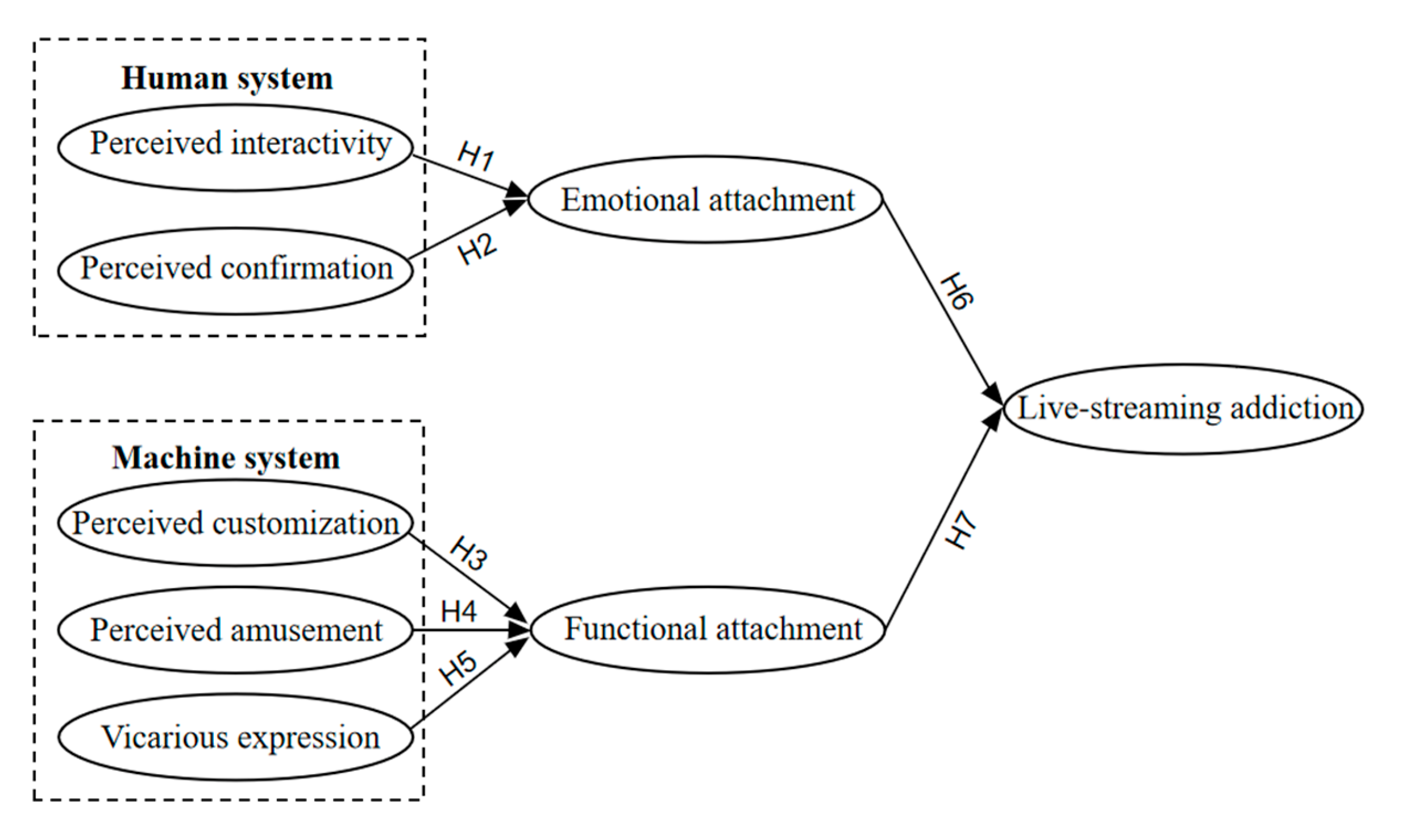
Figure 1: The conceptual research model.
3.2 Sample and Data Collection
The data collection procedure was conducted from April to May 2024 through SoJump, a premier online survey platform widely recognized for its prominence in mainland China. The survey was disseminated across multiple channels to recruit individuals with exposure to live streaming platforms. These channels included university student communities spanning diverse geographic regions and academic disciplines, social media groups on WeChat and QQ, relevant user forums, and online interest communities focused on topics frequently addressed in live streaming contexts. This multi-faceted approach was adopted to access a broad and varied pool of live streaming users, thereby reducing the potential for selection bias that might arise from relying on a single source. Moreover, to be eligible for participation, individuals were required to be at least 18 years of age and to have prior experience with live streaming platforms. Initially, individuals were stratified into user and non-user categories based on their level of platform engagement, with only users proceeding to complete the questionnaire. As an incentive mechanism, all compliant respondents were afforded opportunities to receive monetary remuneration upon survey completion.
The responses underwent meticulous scrutiny, and any deemed invalid responses based on the following criteria were excluded from the analysis: those exhibiting uniform responses across all questions, instances of missing responses for key measurement items, submissions completed in less than 3 min, established as the minimum reasonable completion time during the pilot test, and obviously nonsensical responses to open-ended attention-check questions. Furthermore, the user’s identification (ID) and Internet Protocol (IP) address were recorded to identify and remove duplicate submissions. After applying these exclusion criteria, 533 valid responses were retained for analysis.
Table 1 illustrates the demographic attributes of the participants. A substantial majority of respondents reported engaging with live streaming content for more than three years, while 11.2% indicated daily viewing durations exceeding two hours. The outcome indicates the notably widespread prevalence of excessive engagement in live streaming viewing among the participants. Additionally, the predominant demographic of respondents consisted of individuals in their twenties and thirties. The demographic profile of the sample aligns with statistical trends reported by the China Internet Network Information Center (CNNIC) [6], supporting the representativeness and contextual relevance of the selected sample.
The procedures used in this study adhere to the tenets of the Declaration of Helsinki. Approval was obtained from the Ethics Committee of Tianjin University (No. 19CXW035). Informed consent was obtained from all subjects involved in the study.
Table 1: Demographics of research samples and general live streaming viewing situation (N = 533).
| Category | n | % |
|---|---|---|
| Gender | ||
| Male | 246 | 46.2 |
| Female | 287 | 53.8 |
| Age | ||
| 18–21 | 125 | 23.5 |
| 22–25 | 295 | 55.3 |
| 26–29 | 101 | 18.9 |
| 30–33 | 12 | 2.3 |
| Years of exposure to live streaming | ||
| ≤1 year | 32 | 6.0 |
| 1–3 years | 199 | 37.3 |
| 3–5 years | 248 | 46.5 |
| ≥5 years | 54 | 10.1 |
| Daily viewing time of live streaming | ||
| ≤1 h | 245 | 46.0 |
| 1–2 h | 228 | 42.8 |
| 2–3 h | 53 | 9.9 |
| ≥3 h | 7 | 1.3 |
| Frequency of watching live streaming | ||
| Several times a week | 241 | 45.2 |
| Once a day | 193 | 36.2 |
| Several times a day | 86 | 16.1 |
| Every hour | 13 | 2.5 |
The measurement instruments utilized in this study were adapted from established scales in the literature, with modifications made to enhance the contextual appropriateness and conceptual alignment within the present research framework. All constructs were measured using a five-point Likert-type scale, with a rating of 1 denoting “strongly disagree” and 5 representing “strongly agree”. The investigation assessed perceived interactivity employing a 4-item scale devised by McMillan et al. [51]. Perceived confirmation was gauged utilizing the four-item scale modified from the study conducted by Brown et al. [52]. Perceived customization was assessed via three items derived from Kim et al. [53]. The evaluation of perceived amusement, quantified by a four-item scale, was conducted utilizing items adapted from Hasan et al. [54]. The vicarious expression construct and emotional attachment variable were derived from the research of Lee et al. [55]. The functional attachment scale was constructed based on the frameworks proposed by Antioco et al. [56]. Furthermore, for the assessment of live-streaming addiction, the study employed the three-item scale devised by Choi et al. [57]. Given that the original items were in English and the survey was administered in Chinese, a rigorous back-translation procedure was implemented to ensure semantic and conceptual equivalence. Two bilingual scholars specializing in media and communication studies independently translated the items into Chinese. An independent bilingual researcher, unfamiliar with the original scales, then back-translated the Chinese version into English. The research team compared the back-translated version with the original to identify and resolve discrepancies, refining the Chinese items for conceptual accuracy and linguistic naturalness. The revised instrument was subsequently pilot-tested through cognitive interviews with 30 participants to detect ambiguities, leading to further refinements. Finally, the translated scale was reviewed by 10 communication scholars and graduate students to confirm its readability and appropriateness.
The study employed structural equation modeling (SEM) using SPSS 26.0 (IBM Corp., Armonk, NY, USA) and AMOS 24.0 (IBM Corp., Armonk, NY, USA) for comprehensive data analysis and hypothesis validation. The data were gathered via SoJump platform. To mitigate potential common method variance (CMV) inherent in self-reported data, procedural remedies were implemented during the research design phase. These included guaranteeing respondent anonymity, ensuring the confidentiality of responses, and carefully crafting item wordings to reduce ambiguity and social desirability tendencies. Initially, this study performed a CMV assessment alongside an exploratory factor analysis. CMV could pose a significant threat to the validity of the results, stemming from the reliance on self-reported data provided by respondents. To mitigate the potential for bias, this study employed two widely recognized methodologies [37]. Prior to the main data collection, the questionnaire underwent a refinement process wherein items with unclear or suboptimal phrasing were revised. Participants were explicitly informed that their privacy would be rigorously protected and that there were no correct or incorrect answers. Subsequently, a post hoc evaluation was performed using Harman’s single-factor test. This widely recognized technique helps detect CMV by examining whether a single factor accounts for a substantial portion of the covariance among variables. In this study, the test was implemented via EFA using the full survey dataset, with varimax rotation applied [23]. The EFA revealed that no factor loadings for explicable variables exceeded 50%, suggesting that common method bias did not constitute a concern in this study.
Subsequently, the study assessed both reliability and validity, encompassing evaluations of internal consistency, convergent validity, and discriminant validity. Third, in light of the conceptual model comprising independent variables, mediating variables, and dependent variables, SEM was employed to examine the path coefficients among the latent constructs. Finally, mediation analysis was performed using AMOS 24.0. The following thresholds were used to indicate satisfactory model fit: chi-square/degrees of freedom (χ2/df) < 3, root mean square error of approximation (RMSEA) < 0.08, root mean square residual (RMR) < 0.08, comparative fit index (CFI) > 0.90, tucker-lewis index (TLI) > 0.90, and goodness-of-fit index (GFI) > 0.90, normed fit index (NFI) > 0.90, incremental fit index (IFI) > 0.90 [17,20,43].
4.1 Measurement Model Assessment
The psychometric evaluation of the measurement model employed confirmatory factor analysis (CFA). The comprehensive fit indices for the hypothesized model were computed utilizing AMOS. The resultant values fell within the generally acknowledged range of acceptability. The RMSEA was calculated at 0.039, the χ2/df value was 1.813. Furthermore, GFI = 0.930, NFI = 0.933, IFI = 0.969, TLI = 0.963 and CFI = 0.969. These values collectively demonstrate a satisfactory fit to the data, with each index meeting or exceeding conventional thresholds. For detailed descriptions of the scales employed, please refer to Appendix A (Table A1).
Upon establishing satisfactory model fit, the measurement model underwent rigorous evaluation of its reliability, convergent validity, and discriminant validity. Construct reliability, as detailed in Appendix A (Table A2), was assessed using the conventional metrics of Cronbach’s alpha and Composite Reliability (CR) to gauge internal consistency. The Cronbach’s alpha coefficients for all variables spanned from 0.789 to 0.877, consistently exceeding the benchmark value of 0.70, thus confirming that the inner coherence of all variables surpassed the critical threshold. The CR values for all constructs were above the recommended threshold of 0.7, affirming the internal consistency of the constructs. Moreover, convergent validity was assessed based on factor loadings, Average Variance Extracted (AVE), and Squared Multiple Correlations (SMC). Appendix A (Table A2) demonstrates that the factor loadings surpassed the minimum acceptable threshold of 0.7. The AVE values exceeded 0.5, while the SMC values substantially surpassed 0.5, indicating robust convergent validity. Furthermore, discriminant validity was established by comparing the square root of the AVE for each construct with its inter-construct correlations; in all cases, the AVE square root exceeded the correlations, supporting distinctiveness among constructs. For detailed descriptions of the scales employed, please refer to Appendix A (Table A3).
4.2 Structural Model Assessment
Following the satisfactory results from the measurement model, the structural model was examined to test the hypothesized relationships among constructs. Model adequacy was evaluated using established goodness-of-fit indices. The results indicated a satisfactory fit to the data, with the following values: χ2/df = 2.530; RMSEA = 0.054; RMR = 0.048; GFI = 0.905; NFI = 0.903; IFI = 0.939; TLI = 0.930; and CFI = 0.939. Consistent with the measurement model, the structural model also demonstrated a satisfactory overall fit, as corroborated by the statistical indices. To rephrase, the fit statistics demonstrate a satisfactory alignment between the model and the sample data.
Perceived interactivity and perceived confirmation exert a positive influence on emotional attachment, while perceived customization, perceived amusement and vicarious expression all significantly impact functional attachment, with corresponding factor values of 0.204, 0.379, 0.227, 0.252, and 0.352, respectively. These results indicate that each antecedent variable serves as a significant predictor of its respective attachment dimension, thereby providing empirical support for hypotheses H1–H5. Moreover, the impact of emotional attachment and functional attachment on live-streaming addiction is significant, with coefficients of 0.468 and 0.393, respectively. A comprehensive summary of the path coefficients and hypothesis testing outcomes is presented in Table 2 and Fig. 2.
Table 2: Statistical results of structural model.
| Hypotheses | Paths | Path Coefficient | p-Value |
|---|---|---|---|
| H1 | Perceived interactivity → Emotional attachment | 0.204 | <0.001 |
| H2 | Perceived confirmation → Emotional attachment | 0.379 | <0.001 |
| H3 | Perceived customization → Functional attachment | 0.227 | <0.001 |
| H4 | Perceived amusement → Functional attachment | 0.252 | <0.001 |
| H5 | Vicarious expression → Functional attachment | 0.352 | <0.001 |
| H6 | Emotional attachment → Live-streaming addiction | 0.468 | <0.001 |
| H7 | Functional attachment → Live-streaming addiction | 0.393 | <0.001 |
Following a comprehensive evaluation of hypotheses H1–H7, this study further investigated the mediating roles of emotional and functional attachment in the relationships between perceived interactivity, perceived confirmation, perceived customization, perceived amusement, vicarious expression, and live-streaming addiction. Utilizing bootstrap analysis, the results elucidate that emotional attachment serves as a mediating variable in the relationship between perceived interactivity (β = 0.095, p < 0.05; 95% CI [0.036, 0.188]), perceived confirmation (β = 0.177, p < 0.05; 95% CI [0.081, 0.321]), and live-streaming addiction. Functional attachment acts as a mediating construct in the influence of perceived customization (β = 0.089, p < 0.05; 95% CI [0.033, 0.196]), perceived amusement (β = 0.099, p < 0.05; 95% CI [0.021, 0.254]), and vicarious expression (β = 0.138, p < 0.05; 95% CI [0.053, 0.292]) on live-streaming addiction. The absence of zero in all 95% confidence intervals substantiates the statistical significance of these mediation pathways.
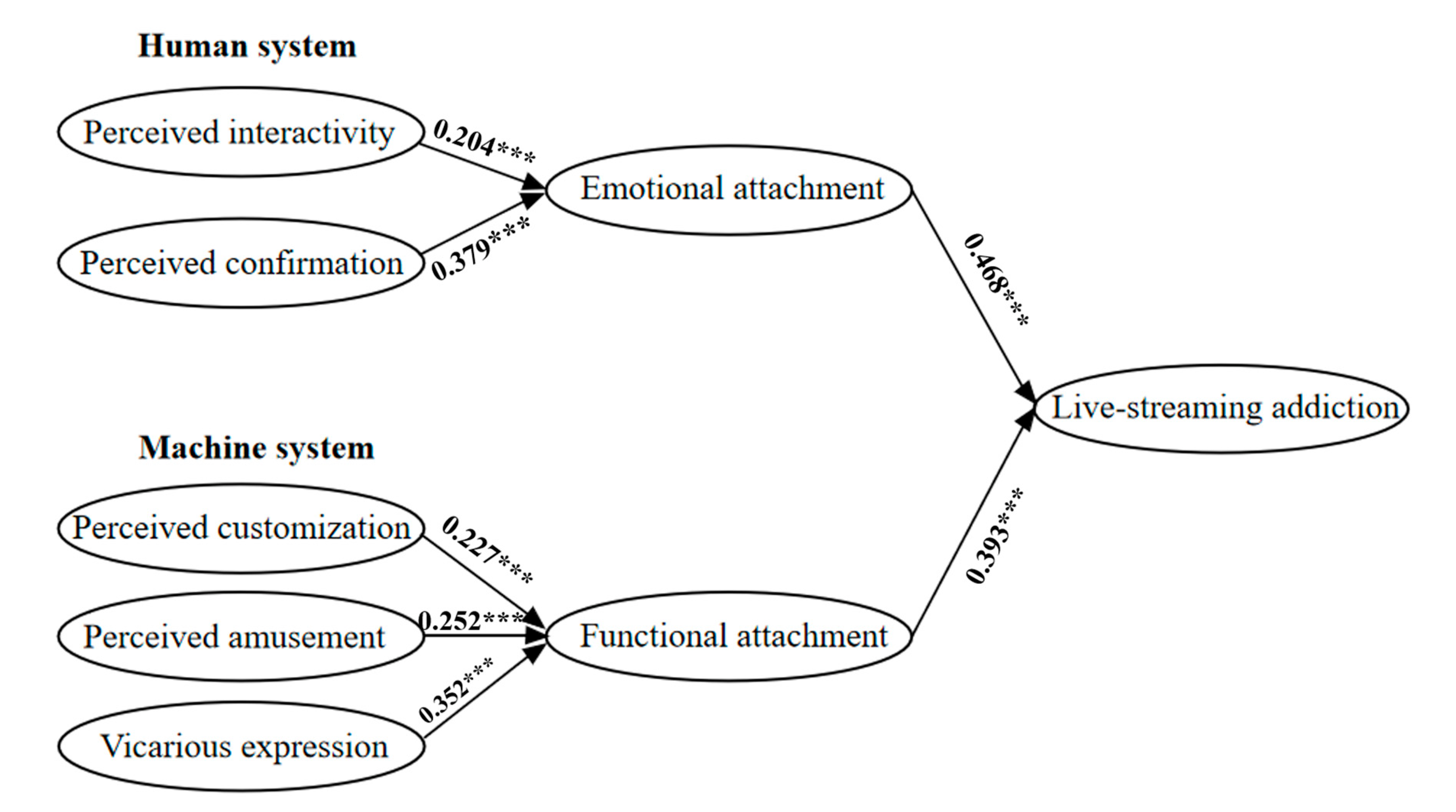
Figure 2: Results of structural path analysis (standardized coefficients are shown). ***p < 0.001.
This investigation employed empirical methodologies to systematically examine the multifaceted relationships between socio-technical determinants and the formation of user attachment, culminating in addictive engagement with live streaming platforms. The results of the data analysis substantiate the assertion that elements of the human system (encompassing perceived interactivity and perceived confirmation) alongside the machine system (including perceived customization, perceived amusement, and vicarious expression) collectively foster addictive behavioral patterns by shaping users’ affective and utilitarian bonds with live streaming services. The research articulates several pivotal findings. First, the study reveals that social factors exert a substantial influence on users’ emotional attachment. Specifically, perceived interactivity and perceived confirmation exhibit a statistically significant positive association with this form of attachment. This phenomenon can be interpreted through the lens of need gratification: highly interactive live streaming environments more effectively fulfill user requirements and promote sustained participation in topic-specific discourse [6,50]. Throughout this process, users’ intentions to establish enduring relational bonds with other users or streamers are reinforced, thereby fostering a profound emotional attachment to the platform [7,32].
Secondly, the research identified a correlation between technical factors and functional attachment, demonstrating that perceived customization, perceived amusement, and vicarious expression significantly enhance users’ functional attachment to live streaming platforms. Prior studies concerning live-streaming addiction has primarily focused on social dimensions, with comparatively scant consideration given to technological facets [17,23]. This study substantiates that both social and technical characteristics of live streaming platforms positively influence user attachment mechanisms. Users acknowledge that service providers continuously enhance system capabilities and operational procedures, thereby furnishing more sophisticated functionalities [24]. As platform functionalities become increasingly sophisticated and user-centric, individuals demonstrate greater propensity to facilitate effortless operation and address their diverse needs, thereby cultivating a functional attachment to these platforms [7,31].
Thirdly, this study advances the conceptual taxonomy of user attachment by introducing a distinction between emotional and functional dimensions, and empirically examines their respective roles in fostering live-streaming addiction. While extant scholarship has predominantly examined the direct associations between live-streaming addiction and its antecedents [1,17]; the present inquiry enriches scholarly understanding by elucidating the mediating functions of emotional and functional attachment in translating socio-technical stimuli into addictive platform engagement. Consequently, this research affords a more granular comprehension of the psychological substrates linking platform attributes to the development of addictive behavioral patterns. By cultivating environments ripe for communicative exchange and relational formation, live streaming platforms exert a profound impact on users’ affective states and behavioral tendencies [8,37]. Consequently, this research underscores the imperative for platform operators to recognize the addictive potential inherent in these digital ecosystems and to adopt proactive measures, informed by ethical design and responsible engagement strategies, to mitigate associated risks. Such initiatives may include integrating features that promote balanced usage rhythms and incentivize participation in non-platform activities with diminished addictive liability.
Lastly, the research reveals that emotional attachment exerts a more significant influence on live-streaming addiction compared to functional attachment. This finding aligns with attachment theory’s core proposition that emotional bonds, once established, create powerful motivational forces that can override rational considerations [58]. In contrast to functional attachment, which is predicated on instrumental advantages such as content personalization and operational efficacy, emotional attachment emanates from perceived social embeddedness, identity affirmation, and relational intimacy with streamers and fellow viewers. These affective linkages are fortified through ongoing reciprocal exchanges, instantaneous feedback mechanisms, and collective emotional experiences endemic to live streaming sessions. Such immersive, affect-laden environments foster profound psychological investment, thereby increasing vulnerability to compulsive use as users endeavor to sustain these cherished connections. This phenomenon not only corroborates attachment theory’s emphasis on the motivational primacy of emotional ties but also reflects the distinctive affordances of live streaming platforms that obscure conventional demarcations between social interaction and media consumption. Ergo, within this specific contextual framework, emotional attachment emerges as a more potent factor in addiction, owing to its capacity to satiate complex socio-emotional requirements through a highly dynamic and captivating medium.
The present study seeks to advance the understanding of the developmental mechanisms underlying live-streaming addiction, an area that remains substantially under-theorized in the extant literature. It extends and refines theoretical understanding across several critical dimensions. Firstly, prevailing scholarship on live streaming predominantly concentrates on the discourse surrounding brand marketing from a commercial perspective [21,22]. By contrast, psychologically grounded theorizations of live-streaming addiction remain notably underdeveloped. This research empirically examines the formation mechanisms of live-streaming addiction, positing that both social factors, namely perceived interactivity and perceived confirmation, and technical factors, including perceived customization, perceived amusement, and vicarious expression, promote addictive behaviors through the mediation of user attachment, conceptualized as emotional and functional dimensions. The application of attachment theory furnishes a robust theoretical scaffold, affirming that the proposed framework yields reliable and penetrating insights into the phenomenon of live-streaming addiction. Given the escalating prevalence of addictive behaviors associated with live streaming platforms in contemporary digital societies, investigating this distinctive and pressing issue carries considerable academic value and pragmatic import.
Secondly, this study broadens the theoretical ambit of attachment theory by transplanting it into the context of information systems-related addictive behavior. While building upon the established dichotomy of emotional and functional attachment, the research advances this conceptualization by situating it within the distinctive socio-technical milieu of live-streaming platforms. Specifically, the study identifies and empirically tests how distinct platform features including perceived interactivity, perceived confirmation, perceived customization, perceived amusement, and vicarious expression, foster these attachments in a digital environment. This nuanced application reveals how attachment mechanisms operate differently in interactive digital settings compared to traditional interpersonal relationships, thereby stretching the theoretical frontiers of attachment theory into the realm of contemporary media consumption.
Thirdly, this investigation augments the comprehension of the impact of user attachment on live-streaming addiction through the dual lenses of social and technical dimensions, anchored in the framework of socio-technical systems. Specifically, five antecedents of user attachment to live streaming platforms were identified: perceived interactivity, perceived confirmation, perceived customization, perceived amusement, and vicarious expression. While prior scholarship has largely emphasized motivational and cognitive mechanisms underlying psychological dependence on live-streaming content consumption [3,48]. Nevertheless, the role of technical factors inherent to live-streaming platforms has received scant scholarly attention, warranting further scholarly inquiry. To address this deficiency, the study amalgamates internal psychological drivers with external technical characteristics. The objective is to elucidate live-streaming addiction while emphasizing the technical infrastructure of live streaming platforms as a critical catalyst, actively facilitating the emergence of improper usage behaviors. Consequently, the findings directly heed persistent scholarly calls for more sophisticated inquiries into the technological underpinnings of digital addiction [39,50]. Empirical findings confirm that perceived customization, perceived amusement, and vicarious expression significantly intensify functional attachment, which in turn facilitates the development of addictive behaviors.
This study yields robust empirical evidence underscoring the emergence of live-streaming addiction as a critical psychosocial phenomenon warranting rigorous scholarly and practical consideration. Such addictive engagement engenders multifaceted adverse ramifications at both individual and societal levels, necessitating the formulation of evidence-based mitigation strategies by domain experts and industry stakeholders. For one thing, this research provides live streaming platform operators with actionable insights for fostering sustainable user attachment by addressing users’ recreational and social needs. The findings indicate that platforms should establish mechanisms to facilitate reciprocal recognition between users and streamers, while content creators ought to cultivate robust parasocial relationships with their audiences. For instance, streamers may enhance their professional proficiency and integrate diversified entertaining elements into broadcasts to amplify user engagement and elicit positive affective responses [2,6]. Furthermore, streamers could enhance user engagement by deliberating on shared interests and delivering timely responses. For another, users’ attachment to live streaming may catalyze addictive behaviors that yield detrimental consequences for individuals while simultaneously provoking legal and moral dilemmas for live streaming operators [42,52].
From a platform design standpoint, the findings propose several technically-informed interventions tailored to the distinctive dynamics of live streaming environments. First, platforms should deploy intelligent usage nudges that leverage real-time analytics to detect emergent excessive viewing patterns and issue personalized alerts when usage surpasses healthy thresholds. Such systems may incorporate escalating reminders based on continuous viewing duration and interaction frequency. Second, developing customizable viewing limits that allow users to set daily or session-based time boundaries, coupled with features that automatically reduce stream quality or disable interactive elements after prolonged use. Third, implementing emotion-aware interface designs that mitigate compulsive interaction triggers, such as curtailing autoplay prompts for related streams and inserting mandatory “break reminders” during high-engagement episodes, including virtual gifting or intensive chat interactions.
For policymakers and educational institutions, the findings underscore the imperative of developing targeted digital literacy initiatives that explicitly address the immersive architecture of live streaming platforms. A considerable number of individuals, particularly adolescents whose cognitive faculties for self-regulation remain underdeveloped, demonstrate limited capacity for autonomous moderation of excessive platform engagement [7,23]. The study corroborates that perceived interactivity and entertainment value directly reinforce user attachment, which in turn precipitates addictive consumption patterns. It is thus essential that educational interventions cultivate critical awareness of the affective design strategies embedded in these platforms, while equipping users with practical self-regulatory techniques [59]. Regulatory agencies should encourage platform transparency regarding addictive design features and mandate the inclusion of effective protective measures, particularly for vulnerable populations such as adolescents.
At the individual level, fostering well-honed self-regulatory capabilities constitutes the most sustainable avenue for mitigating compulsive engagement [59]. Primarily, establishing rigorous temporal constraints on viewing practices can help cultivate a healthier equilibrium between digital consumption and offline activities. The cultivation of alternative activities, such as physical exercise, creative projects, or intellectual development, serves as an effective mechanism to curtail excessive screen time and diversify daily routines [4,46]. Moreover, individuals are advised to engage in reflexive practices, critically examining the emotional triggers and behavioral patterns associated with their live streaming use to facilitate more intentional media consumption. Ultimately, nurturing interpersonal connections through direct social engagement can fulfill fundamental relational needs, thereby diminishing reliance on virtual platforms for social sustenance [13]. By exercising selective curation over consumed content, individuals may further prioritize meaningful and edifying viewing experiences. Together, these complementary approaches support the development of a more balanced digital–offline lifestyle, thereby reinforcing psychological resilience and overall well-being.
5.4 Limitations and Future Scope
The constraints of the research are articulated to propose potential directions for subsequent research endeavors. First, the definition of technology addiction remains a subject of ongoing academic debate [31,60]. This research does not seek to diagnostically categorize individuals as addicts, but rather to examine how socio-technical factors, mediated through attachment mechanisms, influence the gradations of addictive engagement. Consequently, a sampling strategy encompassing a broad spectrum of usage intensity was deemed methodologically appropriate [12,36]. However, while this approach effectively captures variance across a continuum of users, it also presents certain limitations. Notably, respondents reporting exceptionally high daily viewing durations constituted 11.2% of the sample. Although the applied addiction scale assesses behavioral dimensions beyond temporal metrics, and statistically significant relationships were identified within the dataset, a higher concentration of users exhibiting more intense and severe usage patterns would potentially strengthen the extrapolation of conclusions regarding the mechanisms driving live-streaming addiction. Therefore, future research could employ a contrasting-groups design by intentionally oversampling from both high usage severe and low usage cohorts to validate and refine the proposed model across diverse behavioral profiles.
Second, the analysis relied on a conventional SEM framework to evaluate the hypothesized pathways. Although SEM is widely used to analyze complex variable relationships, the model’s robustness could be further strengthened by accounting for potential confounding variables and performing additional sensitivity analyses. Future research could incorporate control variables, including demographic factors, personality traits, or usage patterns, to isolate the net effects of the proposed antecedents on attachment and addiction.
Third, an effective approach for examining live-streaming addiction necessitates longitudinal methodologies across various temporal phases, which can yield a more profound insight into the emergence and evolution of addictive behaviors over time. Nevertheless, the cross-sectional design of the current research restricts the potential for conducting diachronic analyses [4,41]. Consequently, while the bootstrap method confirmed the significance of the mediating effects, the establishment of causality remains challenging due to the cross-sectional nature of the data. Experimental or longitudinal designs are therefore essential to substantiate causal inferences regarding the relationships among platform affordances, user attachment, and addictive engagement. Future research should adopt longitudinal or experimental approaches to better capture the dynamic evolution of users’ addictive viewing behaviors over time.
Fourth, although steps were taken to mitigate common method bias, such as psychological separation of items and guaranteeing respondent anonymity, the primary statistical control relied on Harman’s single-factor test. This technique possesses inherent limitations in identifying more nuanced forms of bias. Subsequent research would be strengthened by integrating more sophisticated approaches, such as the inclusion of a marker variable or the application of latent method factor modeling, to more rigorously control for and quantitatively assess CMV.
Fifth, the cultural specificity of the Chinese sample warrants careful consideration regarding the extrapolation of findings to other sociocultural contexts. China’s digital landscape exhibits distinctive characteristics, shaped by unique regulatory policies, platform infrastructures, and culturally conditioned user behaviors. It is therefore essential that future studies incorporate culturally diverse populations to examine the cross-contextual validity of the research model and assess the generalizability of the proposed relationships.
Sixth, while the age distribution of the sample aligns with the core user demographics of live streaming platforms in China as reported by the CNNIC [6], and thus is appropriate for investigating the research questions, the concentration of respondents within the 22–25 age group may limit the generalizability of findings across all age cohorts. Future investigations should adopt stratified sampling strategies to ensure a more balanced age representation, thereby enabling comparative analysis of attachment formation and addictive tendencies across generational cohorts.
Based on attachment theory and socio-technical perspective, this study investigated the mechanisms through which platform features influence live-streaming addiction. The empirical results provide strong support for all proposed hypotheses. The findings reveal that human system factors including perceived interactivity and perceived confirmation effectively foster emotional attachment. Concurrently, machine system factors, including perceived customization, perceived amusement, and vicarious expression, significantly enhance functional attachment. Both forms of attachment subsequently act as critical psychological drivers, positively predicting addictive usage behaviors. A notable insight is that emotional attachment exerts a significantly stronger influence on addiction than its functional attachment, underscoring the primacy of affective bonds over utilitarian reliance. These results collectively affirm that attachment theory offers a powerful and robust framework for elucidating how specific socio-technical affordances cultivate deep-seated psychological dependence, ultimately leading to live-streaming addiction. Consequently, the study highlights an urgent imperative for platform operators to pursue more balanced and ethically-informed design strategies that prioritize user well-being alongside engagement, while simultaneously advocating for enhanced user education and self-regulatory practices to effectively mitigate addiction risks.
Acknowledgement:
Funding Statement: This research was funded by the Social Science Major Project of Tianjin Municipal Education Commission (Grant No. 2025JWZD-GJ26).
Author Contributions: The authors confirm contribution to the paper as follows: study conception and design: Hua Pang; data collection: Hua Pang and Xiaoyi Jin; analysis and interpretation of results: Hua Pang and Xiaoyi Jin; draft manuscript preparation: Hua Pang and Xiaoyi Jin. All authors reviewed the results and approved the final version of the manuscript.
Availability of Data and Materials: The data that support the findings of this study are available from the Corresponding Author, [Hua Pang], upon reasonable request.
Ethics Approval: The study was conducted in accordance with the Declaration of Helsinki, and approved by the Ethics Committee of Tianjin University (19CXW035). Informed consent was obtained from all subjects involved in the study.
Conflicts of Interest: The authors declare no conflicts of interest to report regarding the present study.
Table A1: Fit indices for the measurement model and structural model.
| Model | χ2/df (<3) | RMSEA (<0.08) | RMR (<0.08) | GFI (>0.9) | NFI (>0.9) | IFI (>0.9) | TLI (>0.9) | CFI (>0.9) |
|---|---|---|---|---|---|---|---|---|
| measurement model | 1.813 | 0.039 | 0.017 | 0.930 | 0.933 | 0.969 | 0.963 | 0.969 |
| structural model | 2.530 | 0.054 | 0.048 | 0.905 | 0.903 | 0.939 | 0.930 | 0.939 |
Table A2: Summary of confirmatory factor analysis.
| Constructs and Items | Loading | SMC | Cronbach’s Alpha | AVE (>0.5) | CR (>0.7) |
|---|---|---|---|---|---|
| Perceived interactivity (PI) | 0.861 | 0.609 | 0.862 | ||
| PI1 | 0.850 | 0.723 | |||
| PI2 | 0.755 | 0.570 | |||
| PI3 | 0.759 | 0.576 | |||
| PI4 | 0.754 | 0.569 | |||
| Perceived confirmation (PCO) | 0.856 | 0.594 | 0.854 | ||
| PCO1 | 0.783 | 0.613 | |||
| PCO2 | 0.777 | 0.604 | |||
| PCO3 | 0.787 | 0.619 | |||
| PCO4 | 0.735 | 0.540 | |||
| Perceived customization (PCU) | 0.877 | 0.704 | 0.877 | ||
| PCU1 | 0.865 | 0.748 | |||
| PCU2 | 0.792 | 0.627 | |||
| PCU3 | 0.859 | 0.738 | |||
| Perceived amusement (PA) | 0.868 | 0.622 | 0.868 | ||
| PA1 | 0.786 | 0.618 | |||
| PA2 | 0.794 | 0.630 | |||
| PA3 | 0.800 | 0.640 | |||
| PA4 | 0.775 | 0.601 | |||
| Vicarious expression (VE) | 0.877 | 0.706 | 0.878 | ||
| VE1 | 0.882 | 0.778 | |||
| VE2 | 0.834 | 0.696 | |||
| VE3 | 0.802 | 0.643 | |||
| Emotional attachment (EA) | 0.857 | 0.674 | 0.860 | ||
| EA1 | 0.884 | 0.781 | |||
| EA2 | 0.855 | 0.731 | |||
| EA3 | 0.714 | 0.510 | |||
| Functional attachment (FA) | 0.789 | 0.545 | 0.782 | ||
| FA1 | 0.778 | 0.605 | |||
| FA2 | 0.715 | 0.511 | |||
| FA3 | 0.720 | 0.518 | |||
| Live-streaming addiction (LA) | 0.859 | 0.651 | 0.848 | ||
| LA1 | 0.805 | 0.648 | |||
| LA2 | 0.827 | 0.684 | |||
| LA3 | 0.788 | 0.621 |
Table A3: Discriminate validity-Pearson’s correlation coefficient.
| VE | PA | PCU | PCO | PI | EA | FA | LA | |
|---|---|---|---|---|---|---|---|---|
| VE | (0.840) | |||||||
| PA | 0.454 | (0.789) | ||||||
| PCU | 0.130 | 0.263 | (0.839) | |||||
| PCO | 0.420 | 0.409 | 0.136 | (0.771) | ||||
| PI | 0.282 | 0.296 | 0.229 | 0.161 | (0.781) | |||
| EA | 0.217 | 0.215 | 0.098 | 0.412 | 0.265 | (0.821) | ||
| FA | 0.496 | 0.471 | 0.339 | 0.282 | 0.226 | 0.153 | (0.738) | |
| LA | 0.296 | 0.286 | 0.179 | 0.303 | 0.213 | 0.528 | 0.464 | (0.807) |
References
1. Chen CC , Lin YC . What drives live-stream usage intention? The perspectives of flow, entertainment, social interaction, and endorsement. Telemat Inform. 2018; 35( 1): 293– 303. doi:10.1016/j.tele.2017.12.003. [Google Scholar] [CrossRef]
2. Jhang-Li JH , Liou JH . An analysis of operating strategy for a video live streaming platform: advertisement, advertorial, and donation. Inf Technol Manag. 2024; 25( 1): 51– 68. doi:10.1007/s10799-023-00387-x. [Google Scholar] [CrossRef]
3. Chen J , Liu H . Modeling interaction behavior and preference decline for live stream recommendation. Decis Support Syst. 2024; 179: 114146. doi:10.1016/j.dss.2023.114146. [Google Scholar] [CrossRef]
4. Singh S , Singh N , Kalinić Z , Liébana-Cabanillas FJ . Assessing determinants influencing continued use of live streaming services: an extended perceived value theory of streaming addiction. Expert Syst Appl. 2021; 168: 114241. doi:10.1016/j.eswa.2020.114241. [Google Scholar] [CrossRef]
5. Jia M , Zhao Y , Song S , Zhang X , Wu D , Li J . How vicarious learning increases users’ knowledge adoption in live streaming: the roles of parasocial interaction, social media affordances, and knowledge consensus. Inf Process Manag. 2024; 61( 2): 103599. doi:10.1016/j.ipm.2023.103599. [Google Scholar] [CrossRef]
6. Liu J , Yuan R , Feng S , Wang G . Quality-differentiated distribution strategies between live streaming and online channels. J Retail Consum Serv. 2025; 82: 104056. doi:10.1016/j.jretconser.2024.104056. [Google Scholar] [CrossRef]
7. Li Y , Li X , Cai J . How attachment affects user stickiness on live streaming platforms: a socio-technical approach perspective. J Retail Consum Serv. 2021; 60: 102478. doi:10.1016/j.jretconser.2021.102478. [Google Scholar] [CrossRef]
8. Li P , Lee S , Lee KY , Yang SB , Chang Y . What makes viewers engage in live streaming shopping during and after the pandemic: an affordance perspective. Serv Bus. 2023; 17( 4): 963– 1000. doi:10.1007/s11628-023-00542-y. [Google Scholar] [CrossRef]
9. Gordon-Smith K , Hampshire C , Mahoney B , Perry A , Lewis KJS , Craddock N , et al. Opportunities to engage in positive activities during the COVID-19 pandemic: perspectives of individuals with mood disorders. J Affect Disord. 2024; 345: 186– 91. doi:10.1016/j.jad.2023.10.135. [Google Scholar] [CrossRef]
10. Nong W , He Z , Ye JH , Wu YF , Wu YT , Ye JN , et al. The relationship between short video flow, addiction, serendipity, and achievement motivation among Chinese vocational school students: the post-epidemic era context. Healthcare. 2023; 11( 4): 462. doi:10.3390/healthcare11040462. [Google Scholar] [CrossRef]
11. Gupta AS , Mukherjee J . Long-term changes in consumers’ shopping behavior post-pandemic: an exploratory study. Int J Retail Distrib Manag. 2022; 50( 12): 1518– 34. doi:10.1108/ijrdm-04-2022-0111. [Google Scholar] [CrossRef]
12. Zhang J , Liu R . Why do Chinese people consume video game live streaming on the platform? An exploratory study connecting affordance-based gratifications, user identification, and user engagement. Telemat Inform. 2024; 86: 102075. doi:10.1016/j.tele.2023.102075. [Google Scholar] [CrossRef]
13. Cao X , Gong M , Yu L , Dai B . Exploring the mechanism of social media addiction: an empirical study from WeChat users. Internet Res. 2020; 30( 4): 1305– 28. doi:10.1108/intr-08-2019-0347. [Google Scholar] [CrossRef]
14. Ye JH , Wu YT , Wu YF , Chen MY , Ye JN . Effects of short video addiction on the motivation and well-being of Chinese vocational college students. Front Public Health. 2022; 10: 847672. doi:10.3389/fpubh.2022.847672. [Google Scholar] [CrossRef]
15. Zhang Y , Sun Y , Wang N . Understanding the determinants of gifting and social sharing in live streaming: a dual-attachment perspective. Ind Manag Data Syst. 2024; 124( 2): 564– 82. doi:10.1108/imds-06-2023-0380. [Google Scholar] [CrossRef]
16. Accorinti I , Mutti G , Fantozzi P , Milone A , Sesso G , Tolomei G , et al. Social media engagement and usage patterns, mental health comorbidities, and empathic measures in an Italian adolescent sample: a comparative study. Children. 2025; 12( 9): 1226. doi:10.3390/children12091226. [Google Scholar] [CrossRef]
17. Fu JR , Hsu CW . Live-streaming shopping: the impacts of para-social interaction and local presence on impulse buying through shopping value. Ind Manag Data Syst. 2023; 123( 7): 1861– 86. doi:10.1108/imds-03-2022-0171. [Google Scholar] [CrossRef]
18. Huang PC , Geusens F , Tu HF , Fung XCC , Chen CY . Association between problematic social media use and physical activity: the mediating roles of nomophobia and the tendency to avoid physical activity. J Soc Media Res. 2024; 1( 1): 14– 24. doi:10.29329/jsomer.4. [Google Scholar] [CrossRef]
19. Li Y , Peng Y . What drives gift-giving intention in live streaming? The perspectives of emotional attachment and flow experience. Int J Hum. 2021; 37( 14): 1317– 29. doi:10.1080/10447318.2021.1885224. [Google Scholar] [CrossRef]
20. Zhang X , Wu Y , Liu S . Exploring short-form video application addiction: socio-technical and attachment perspectives. Telemat Inform. 2019; 42: 101243. doi:10.1016/j.tele.2019.101243. [Google Scholar] [CrossRef]
21. Chen N , Yang Y . The role of influencers in live streaming E-commerce: influencer trust, attachment, and consumer purchase intention. J Theor Appl Electron Commer Res. 2023; 18( 3): 1601– 18. doi:10.3390/jtaer18030081. [Google Scholar] [CrossRef]
22. Lo PS , Dwivedi YK , Wei-Han Tan G , Ooi KB , Cheng-Xi Aw E , Metri B . Why do consumers buy impulsively during live streaming? A deep learning-based dual-stage SEM-ANN analysis. J Bus Res. 2022; 147: 325– 37. doi:10.1016/j.jbusres.2022.04.013. [Google Scholar] [CrossRef]
23. Lu HH , Chen CF , Tai YW . Exploring the roles of vlogger characteristics and video attributes on followers’ value perceptions and behavioral intention. J Retail Consum Serv. 2024; 77: 103686. doi:10.1016/j.jretconser.2023.103686. [Google Scholar] [CrossRef]
24. Picot-Coupey K , Bouragba Y , Collin Lachaud I , Gallarza MG , Ouazzani Y . Live streaming shopping as a new retail format: insights from a qualitative study of consumers and retailers. Int J Retail Distrib Manag. 2023; 51( 9/10): 1313– 51. doi:10.1108/ijrdm-12-2022-0505. [Google Scholar] [CrossRef]
25. Kaval A , Siyez DM . An internet addiction model based on cognitive-behavioral approach among adolescents: maladaptive cognitions, psychopathology, and situational cues. J Ration Emotive Cogn Behav Ther. 2024; 42( 2): 194– 213. doi:10.1007/s10942-023-00502-5. [Google Scholar] [CrossRef]
26. Lee MS , Potenza MN , Bhang SY . Applying the interaction of person-affect-cognition-execution model to addictive behaviors in East Asian countries: feasibility and considerations. J Korean Acad Child Adolesc Psychiatry. 2025; 36( 3): 144– 51. doi:10.5765/jkacap.250018. [Google Scholar] [CrossRef]
27. Zhu T , Lu Y , Gupta S . Investigating factors influencing viewers’ continued participation in live streaming: from a socio-technical perspective. Int J Mob Commun. 2024; 23( 3): 344– 75. doi:10.1504/ijmc.2024.137768. [Google Scholar] [CrossRef]
28. Hong FY . Structural equation model analysis of Taiwanese teenagers’ attitudes and behaviors related to live stream watching. Int J Hum. 2024; 40( 19): 6091– 108. doi:10.1080/10447318.2023.2247608. [Google Scholar] [CrossRef]
29. Ji M , Chen X , Wei S . What motivates consumers’ purchase intentions in E-commerce live streaming: a socio-technical perspective. Int J Hum. 2025; 41( 2): 1585– 605. doi:10.1080/10447318.2024.2355399. [Google Scholar] [CrossRef]
30. Pang H , Zhang K . Determining influence of service quality on user identification, belongingness, and satisfaction on mobile social media: insight from emotional attachment perspective. J Retail Consum Serv. 2024; 77: 103688. doi:10.1016/j.jretconser.2023.103688. [Google Scholar] [CrossRef]
31. Xu Y . An exploration of the role played by attachment factors in the formation of social media addiction from a cognition-affect-conation perspective. Acta Psychol. 2023; 236: 103904. doi:10.1016/j.actpsy.2023.103904. [Google Scholar] [CrossRef]
32. Barreda AA , Nusair K , Wang Y , Okumus F , Bilgihan A . The impact of social media activities on brand image and emotional attachment: a case in the travel context. J Hosp Tour Technol. 2020; 11( 1): 109– 35. doi:10.1108/jhtt-02-2018-0016. [Google Scholar] [CrossRef]
33. Wan J , Lu Y , Wang B , Zhao L . How attachment influences users’ willingness to donate to content creators in social media: a socio-technical systems perspective. Inf Manag. 2017; 54( 7): 837– 50. doi:10.1016/j.im.2016.12.007. [Google Scholar] [CrossRef]
34. Kang W , Shao B , Du S , Chen H , Zhang Y . How to improve voice assistant evaluations: understanding the role of attachment with a socio-technical systems perspective. Technol Forecast Soc Change. 2024; 200: 123171. doi:10.1016/j.techfore.2023.123171. [Google Scholar] [CrossRef]
35. Bowlby J , Ainsworth M , Bretherton I . The origins of attachment theory. Dev Psychol. 1992; 28( 5): 759– 75. doi:10.1037/0012-1649.28.5.759. [Google Scholar] [CrossRef]
36. Miranda S , Trigo I , Rodrigues R , Duarte M . Addiction to social networking sites: motivations, flow, and sense of belonging at the root of addiction. Technol Forecast Soc Change. 2023; 188: 122280. doi:10.1016/j.techfore.2022.122280. [Google Scholar] [CrossRef]
37. Deng N , Jiang X , Fan X . How social media’s cause-related marketing activity enhances consumer citizenship behavior: the mediating role of community identification. J Res Interact Mark. 2023; 17( 1): 38– 60. doi:10.1108/jrim-01-2020-0014. [Google Scholar] [CrossRef]
38. Santos ZR , Cheung CMK , Coelho PS , Rita P . Consumer engagement in social media brand communities: a literature review. Int J Inf Manag. 2022; 63: 102457. doi:10.1016/j.ijinfomgt.2021.102457. [Google Scholar] [CrossRef]
39. Qian TY , Seifried C . Virtual interactions and sports viewing on social live streaming platforms: the role of co-creation experiences, platform involvement, and follow status. J Bus Res. 2023; 162: 113884. doi:10.1016/j.jbusres.2023.113884. [Google Scholar] [CrossRef]
40. Giertz JN , Weiger WH , Törhönen M , Hamari J . Content versus community focus in live streaming services: how to drive engagement in synchronous social media. J Serv Manag. 2022; 33( 1): 33– 58. doi:10.1108/josm-12-2020-0439. [Google Scholar] [CrossRef]
41. Alsaad A , Alam MM , Lutfi A . A sensemaking perspective on the association between social media engagement and pro-environment behavioural intention. Technol Soc. 2023; 72: 102201. doi:10.1016/j.techsoc.2023.102201. [Google Scholar] [CrossRef]
42. Lin GY , Wang YS , Wang YM , Lee MH . What drives people’s intention toward live stream broadcasting. Online Inf Rev. 2021; 45( 7): 1268– 89. doi:10.1108/OIR-10-2020-0466. [Google Scholar] [CrossRef]
43. Geng S , Yang P , Gao Y , Tan Y , Yang C . The effects of ad social and personal relevance on consumer ad engagement on social media: the moderating role of platform trust. Comput Hum Behav. 2021; 122: 106834. doi:10.1016/j.chb.2021.106834. [Google Scholar] [CrossRef]
44. Mikulincer M , Shaver PR . Boosting attachment security to promote mental health, prosocial values, and inter-group tolerance. Psychol Inq. 2007; 18( 3): 139– 56. doi:10.1080/10478400701512646. [Google Scholar] [CrossRef]
45. Wijayaa OYA , Sulistiyanib S , Pudjowatic J , Kartikawatid TS , Kurniasih N , Purwanto A . The role of social media marketing, entertainment, customization, trendiness, interaction and word-of-mouth on purchase intention: an empirical study from Indonesian smartphone consumers. Int J Data Netw Sci. 2021; 5( 3): 231– 8. doi:10.5267/j.ijdns.2021.6.011. [Google Scholar] [CrossRef]
46. Lin S , Mastrokoukou S , Longobardi C . Social relationships and social media addiction among adolescents: variable-centered and person-centered approaches. Comput Hum Behav. 2023; 147: 107840. doi:10.1016/j.chb.2023.107840. [Google Scholar] [CrossRef]
47. Ye JH , Cui Y , Wang L , Ye JN . The relationships between the short video addiction, self-regulated learning, and learning well-being of Chinese undergraduate students. Int J Ment Health Promot. 2024; 26( 10): 805– 15. doi:10.32604/ijmhp.2024.055814. [Google Scholar] [CrossRef]
48. Dong X , Liu X , Xiao X . Understanding the influencing mechanism of users’ participation in live streaming shopping: a socio-technical perspective. Front Psychol. 2023; 13: 1082981. doi:10.3389/fpsyg.2022.1082981. [Google Scholar] [CrossRef]
49. Ye JH , Wang Y , Nong W , Ye JN , Cui Y . The relationship between TikTok (Douyin) addiction and social and emotional learning: evidence from a survey of Chinese vocational college students. Int J Ment Health Promot. 2025; 27( 7): 995– 1012. doi:10.32604/ijmhp.2025.066326. [Google Scholar] [CrossRef]
50. Zhou Z , Fang Y , Vogel DR , Jin XL , Zhang X . Attracted to or locked in? Predicting continuance intention in social virtual world services. J Manag Inf Syst. 2012; 29( 1): 273– 306. doi:10.2753/MIS0742-1222290108. [Google Scholar] [CrossRef]
51. McMillan SJ , Hwang JS . Measures of perceived interactivity: an exploration of the role of direction of communication, user control, and time in shaping perceptions of interactivity. J Advert. 2002; 31( 3): 29– 42. doi:10.1080/00913367.2002.10673674. [Google Scholar] [CrossRef]
52. Brown TJ , Barry TE , Dacin PA , Gunst RF . Spreading the word: investigating antecedents of consumers’ positive word-of-mouth intentions and behaviors in a retailing context. J Acad Mark Sci. 2005; 33( 2): 123– 38. doi:10.1177/0092070304268417. [Google Scholar] [CrossRef]
53. Kim SS , Son JY . Out of dedication or constraint? A dual model of post-adoption phenomena and its empirical test in the context of online services. MIS Q. 2009; 33( 1): 49– 70. doi:10.2307/20650278. [Google Scholar] [CrossRef]
54. Hasan MR , Jha AK , Liu Y . Excessive use of online video streaming services: impact of recommender system use, psychological factors, and motives. Comput Hum Behav. 2018; 80: 220– 8. doi:10.1016/j.chb.2017.11.020. [Google Scholar] [CrossRef]
55. Lee M , Lee HH . Do parasocial interactions and vicarious experiences in the beauty YouTube channels promote consumer purchase intention? Int J Consum Stud. 2022; 46( 1): 235– 48. doi:10.1111/ijcs.12667. [Google Scholar] [CrossRef]
56. Antioco M , Moenaert RK , Feinberg RA , Wetzels MGM . Integrating service and design: the influences of organizational and communication factors on relative product and service characteristics. J Acad Mark Sci. 2008; 36( 4): 501– 21. doi:10.1007/s11747-008-0097-x. [Google Scholar] [CrossRef]
57. Bong C , Suh L . Effects of social and technology overload on psychological well-being in young South Korean adults: the mediatory role of social network service addiction. Comput Hum Behav. 2016; 61: 245– 54. doi:10.1016/j.chb.2016.03.032. [Google Scholar] [CrossRef]
58. Mikulincer M , Shaver PR . Attachment security, compassion, and altruism. Curr Dir Psychol Sci. 2005; 14( 1): 34– 8. doi:10.1111/j.0963-7214.2005.00330.x. [Google Scholar] [CrossRef]
59. Ye JH , Zheng J , Nong W , Yang X . Potential effect of short video usage intensity on short video addiction, perceived mood enhancement (‘TikTok brain’), and attention control among Chinese adolescents. Int J Ment Health Promot. 2025; 27( 3): 271– 86. doi:10.32604/ijmhp.2025.059929. [Google Scholar] [CrossRef]
60. Ye JH , Wang Y , Nong W . The relationship between self-leadership and flourishing among Chinese vocational undergraduate students: a mediation model based on learning motivation. New Dir Child Adolesc Dev. 2025; 2025( 1): 9040904. doi:10.1155/cad/9040904. [Google Scholar] [CrossRef]
Cite This Article
 Copyright © 2025 The Author(s). Published by Tech Science Press.
This work is licensed under a Creative Commons Attribution 4.0 International License , which permits unrestricted use, distribution, and reproduction in any medium, provided the original work is properly cited.
 Downloads
 Citation Tools
