
 Login
Login Register
 Submit a Paper
 Propose a Special lssue
 Open Access
ARTICLE

Social Media Addiction, Use Patterns, and Body Image Perception among Athletes with Physical Disabilities
1 Institution of Health Sciences, Department of Physical Education and Sport, İnönü University, Malatya, Türkiye
2 Department of Physical Education and Sport on Disabilities, Faculty of Sport Sciences, İnönü University, Malatya, Türkiye
* Corresponding Author: Garip Erayabakan. Email:
(This article belongs to the Special Issue: Causes, Consequences and Interventions for Emerging Social Media Addiction)
International Journal of Mental Health Promotion 2026, 28(3), 10 https://doi.org/10.32604/ijmhp.2026.076595
Received 23 November 2025; Accepted 23 January 2026; Issue published 31 March 2026
 View Full Text
 Download PDF
Abstract
Background: Social media plays an important role in shaping body image and self-perception, particularly among appearance-sensitive groups such as athletes. Although problematic social media use has been linked to body image outcomes through processes such as social comparison, self-presentation, and evaluation sensitivity, these mechanisms remain underexplored among athletes with physical disabilities. This study aimed to examine the associations between social media use, addictive use patterns, and body image perception in this population, with a focus on these underlying psychological mechanisms. Methods: A total of 165 athletes with physical disability participated in this quantitative cross-sectional study. Data were collected through online surveys, including demographic questions, the Athlete Social Media Use Scale (content creation, usage frequency, and social media addiction subdimensions), and the Body Image Scale (negative perception, evaluation sensitivity, positive perception, and body modification). Parametric tests, correlation analyses, and group comparisons were performed to assess relationships between social media behaviors and body image dimensions. Results: Problematic social media use was moderately associated with higher negative body image and lower positive body image among athletes with physical disabilities (r = 0.32–0.41, all p < 0.001). Regression analysis indicated that overall social media use was a significant predictor of body image perception after controlling for demographic variables (β ≈ 0.45, p < 0.001), explaining approximately 19.5% of the variance. Mediation analyses using bootstrapping revealed that these psychological mechanisms partially mediated the relationship between problematic social media use and body image perceptions, with small-to-moderate indirect effects, indicating both statistical and practical significance. Conclusion: The findings indicate that not only general social media use but also addictive and problematic usage patterns are linked to vulnerable aspects of body image among athletes with physical disabilities. Increased exposure to idealized digital representations and upward social comparison processes may heighten sensitivity to external evaluation and undermine positive body perception. These results highlight the need for digital literacy initiatives, psychoeducational interventions, and supportive online environments that promote healthier social media engagement and body image among disabled athletes.Keywords
Supplementary Material
Supplementary Material FileTechnological advancements have become an inseparable part of individuals’ lifestyles, profoundly transforming communication, identity construction, and social interaction processes [1]. For athletes, technological progress and social media are not merely tools of communication but have evolved into dynamic arenas where achievements are displayed, identities are made visible, and social engagement is intensified [2,3]. However, exposure to idealized body images and normative beauty standards on social media platforms can distort individuals’ self-perceptions and amplify the pressure to conform to socially constructed expectations [4,5].
For individuals with physical disabilities, this dynamic becomes even more complex. Prejudices rooted in physical appearance can significantly affect their self-esteem, social acceptance, and sense of identity [6,7]. Nevertheless, sports function not only as a physical activity but also as a psychosocial developmental tool, enhancing confidence, resilience, and a sense of social belonging [8,9]. In this context, the active use of social media by athletes with disabilities plays a crucial role in enabling self-expression, sharing achievements, and fostering social awareness [8,10,11].
Previous research conducted in non-disabled populations has consistently demonstrated a significant association between social media addiction and body image disturbances. Studies among adolescents, young adults, and athletes indicate that excessive and addictive social media use is linked to increased body dissatisfaction, heightened appearance-based social comparison, and greater sensitivity to external evaluation [12,13,14]. In particular, individuals with overweight or obesity have been shown to experience intensified body image concerns as a result of upward social comparisons and internalization of idealized body standards prevalent on social media platforms [15]. These findings suggest that problematic social media engagement operates through universal psychological mechanisms that may similarly affect athletes with physical disabilities, a population for whom empirical evidence remains scarce.
Body image is a multidimensional construct encompassing individuals’ thoughts, feelings, and evaluations regarding their own bodies [16,17]. Among athletes, body image is often shaped by performance expectations, aesthetic ideals, and perceptions of physical competence [18]. For athletes with physical disability, however, body image is more closely tied to both physical appearance and the social meaning attributed to disability [19]. Moreover, while social media provides opportunities for representation and visibility, it can also increase body dissatisfaction through social comparisons, external judgments, and negative feedback [6,19]. Therefore, understanding the effects of social media use on body image perception among athletes with physical disability is crucial both academically and practically. Considering that social media can act as both an empowering tool and a potential source of psychological stress for this group, it is essential to examine the phenomenon from a comprehensive and multidimensional perspective.
The conceptual framework of this study is grounded in fundamental theories from social psychology, media psychology, and the sociology of the body to explain the interaction between social media use behaviors and body image perceptions among athletes with physical disability. The study adopts a holistic approach to understanding how individuals’ digital interactions influence their psychological well-being, self-evaluation, and body perception. Within this scope, the primary theoretical foundations include the Social Comparison Theory [20], Self-Presentation Theory [21], Uses and Gratifications Theory [22], the Positive Body Image Model [23], and the Self-Regulation [24] and Self-Determination Theories [25]. Accordingly, the research problem was examined through these theoretical perspectives, as shown in Fig. 1, to elucidate the psychological and social mechanisms underlying body image among athletes with physical disabilities.
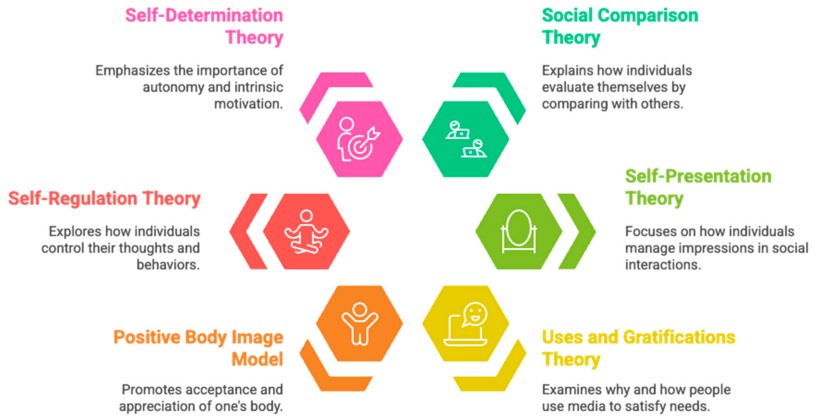
Figure 1: Theoretical foundations of the study.
One of the primary theoretical foundations of this research is the Social Comparison Theory [20]. According to the theory, individuals tend to evaluate their abilities, achievements, and self-perceptions by comparing themselves with others. Social media platforms intensify this process by providing dynamic environments that enable constant visual and symbolic comparisons [4] In this regard, social media represents both opportunities and psychological risks for athletes with physical disability [6]. When these individuals compare themselves with other athletes or socially idealized body images in digital spaces, the process can directly affect their self-esteem, body satisfaction, and perceived self-efficacy. As the frequency of social media use increases, individuals’ tendency to assess their physical attributes against societal norms or digital “ideal body” standards becomes stronger, leading to decreased body satisfaction and elevated anxiety levels [13,15].
Frequent upward social comparisons in social media environments, where individuals are exposed to idealized “thin” or “fit” body representations, have been consistently associated with increased body dissatisfaction and reduced self-esteem [23,24]. The internalization of these idealized images constitutes a key cognitive mechanism underlying negative body image, as proposed by Social Comparison Theory [25]. Empirical evidence further indicates that engagement with visually oriented platforms such as Instagram is linked to heightened appearance-based concerns and a stronger drive for thinness [26]. Within this framework, Social Comparison Theory provides a concise and robust explanation for how intensive social media use may shape body image perceptions among athletes with physical disabilities through appearance-focused self-evaluation and normative pressure.
Self-Presentation Theory [21] explains how individuals strategically construct and manage their identities in digital environments to gain social approval. For athletes with physical disabilities, social media offers opportunities for visibility and empowerment by highlighting strength, resilience, and athletic competence [27]. However, increased content production and public exposure may also intensify appearance-related awareness and pressure to conform to idealized norms. When discrepancies arise between online self-presentation and lived experiences, individuals may experience psychological strain, anxiety, and heightened vulnerability, particularly among those whose physical appearance deviates from societal ideals [28,29]. Accordingly, this theory provides a concise framework for understanding how active social media engagement may simultaneously empower athletes with physical disabilities while increasing evaluation sensitivity and body image concerns through identity-based self-scrutiny [30,31,32].
The Uses and Gratifications Theory conceptualizes media use as an active, goal-directed process through which individuals seek psychological and social fulfillment [22,33]. Athletes with physical disabilities may engage with social media to satisfy needs related to visibility, social support, identity construction, and self-validation. However, the pursuit of such gratifications may also increase exposure to appearance-focused content, reinforcing idealized body standards and intensifying body image concerns [34,35]. At the same time, the theory acknowledges users’ agency, suggesting that engagement with body-affirming or inclusive content can foster body appreciation and psychosocial empowerment [36]. Within this framework, social media use among athletes with physical disabilities reflects a dynamic balance between need-driven engagement and its potential impact on body image perceptions [37,38].
The Positive Body Image Model emphasizes appreciating the body as a functional and capable entity rather than evaluating it solely based on appearance [23]. For athletes with physical disabilities, this perspective shifts attention from bodily limitations to strength, resilience, and functional competence. Social media plays a dual role in this process: while exposure to idealized beauty standards may undermine body satisfaction, engagement with inclusive and body-affirming content can promote body appreciation and acceptance [36,39]. Evidence suggests that representations emphasizing bodily functionality and diversity, as well as targeted body-positive interventions, can foster more positive body image perceptions among athletes with physical disabilities [29,40,41]. Accordingly, this model provides a concise framework for understanding how social media engagement may either challenge or reinforce body image perceptions depending on the nature of digital content and interaction.
1.1.5 Self-Regulation & Self-Determination
Self-Regulation Theory and Self-Determination Theory emphasize that behavior is governed by self-control processes and motivational regulation [25]. In the context of social media, uncontrolled or addictive use may weaken self-regulatory capacity and increase reliance on external validation, thereby amplifying body dissatisfaction. Conversely, autonomously motivated engagement, such as sharing content to express identity or celebrate achievement, may support a more adaptive and authentic body perception. For athletes with physical disabilities, whose digital experiences often involve appearance-related feedback and strategic self-presentation, these mechanisms provide a concise framework for understanding how different patterns of social media use may differentially influence body image outcomes [6,14,15,42,43,44,45].
The primary aim of the present study was to examine the associations between social media use patterns and body image perceptions among athletes with physical disabilities. Specifically, the study focused on key dimensions of social media use, content creation, usage frequency, and social media addiction, and their relationships with multiple aspects of body image, including negative body perception, positive body perception, evaluation sensitivity, and body modification tendency. In addition, the study aimed to explore whether these relationships varied across selected demographic and sport-related characteristics. Guided by the theoretical perspectives of social comparison, self-presentation, uses and gratifications, positive body image, and self-regulation, the following hypotheses were proposed:
Hypothesis 1: Higher levels of social media addiction will be positively associated with negative body perception and evaluation sensitivity, and negatively associated with positive body perception among athletes with physical disabilities.
Hypothesis 2: Greater social media usage frequency will be associated with higher negative body perception, increased evaluation sensitivity, and a stronger tendency toward body modification.
Hypothesis 3: Higher levels of content creation on social media will be positively associated with evaluation sensitivity and negative body perception, and negatively associated with positive body perception.
Hypothesis 4: Social media use patterns (content creation, usage frequency, and addiction) will significantly predict body image outcomes after controlling for demographic variables such as age, gender, and duration of athletic experience.
Hypothesis 5: Social media use patterns will differ across selected demographic and sport-related variables, whereas body image perceptions will show more limited variation across these characteristics.
This study examines the relationship between social media use and body image perceptions among athletes with physical disabilities. The research aims to determine how cognitive and behavioral tendencies related to social media use, such as content creation, frequency of use, and level of addiction, affect individuals’ positive and negative perceptions of their bodies.
The study sample consisted of a total of 165 participants. Demographic characteristics of the participants are presented in Fig. 2. Of the participants, 49.7% were male, and 50.3% were female. Regarding age distribution, 46.7% were 25 years of age or younger, while 53.3% were older than 25. In terms of educational status, 35.2% were high school graduates and 64.8% were university graduates. With respect to type of disability, 50.3% had lower extremity impairments, whereas 49.7% had upper extremity impairments. Considering athletic experience, 12.1% of the participants had been engaged in sports for 1–2 years, 61.2% for 3–5 years, and 26.7% for more than 5 years.
In the present study, “athletes with physical disabilities” were operationally defined as individuals with a self-reported physical impairment affecting the upper or lower extremities who were actively engaged in organized sports. Eligibility was determined based on participants’ self-identification as having a physical disability, their involvement in regular athletic training, and their affiliation with sports clubs, federations, or associations serving athletes with disabilities. Participants were required to have at least one year of continuous sports participation to be included in the study.
Participants were included in the study if they (1) self-identified as having a physical disability affecting the upper or lower extremities, (2) were actively engaged in organized sports at the time of data collection, and (3) had at least one year of continuous sports participation. Participants were excluded if they (1) reported non-physical disabilities (e.g., cognitive or sensory impairments), (2) were not actively involved in regular sports training, or (3) provided incomplete or inconsistent responses in the online questionnaire.
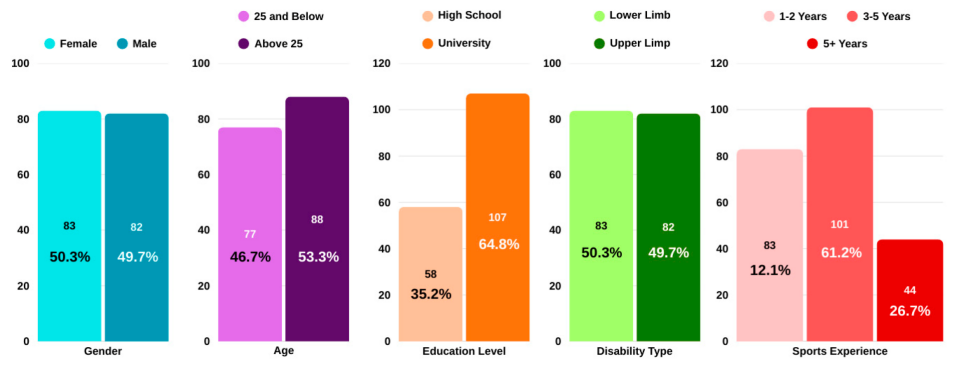
Figure 2: Demographic characteristics of the participants.
The data for the study were collected between 1 March and 30 April 2025 through an online questionnaire (Google Forms) administered to athletes with physical disability reached via various sports clubs, federations, and associations serving individuals with disabilities. After the purpose of the study was explained, participants were informed that participation was voluntary, and their consent was obtained prior to completing the questionnaire. Only data from participants who completed the survey in full were included in the analysis.
A three-part questionnaire form was used to collect data. The first section, the demographic information form, was designed to determine the participants’ basic socio-biographical characteristics. General information, such as gender, age, and educational status, served to describe the participants’ individual characteristics, whereas more specific items, such as type of disability and athletic background, aimed to reveal details specific to the target population of the study. These details provide an important foundation for understanding the structure of the sample, conducting comparisons between groups, and analyzing the data in a more meaningful manner.
2.2.1 Athlete Social Media Use Scale
The Athlete Social Media Use Scale was employed to assess participants’ frequency of social media use, purposes of engagement, and platform preferences. The scale has demonstrated validity and reliability in the literature [46]. It is a 5-point Likert-type instrument designed to evaluate athletes’ usage frequency, motivations, and tendencies toward social media addiction. The scale comprises three sub-dimensions: content creation, usage frequency, and social media addiction. The internal consistency of the scale was examined using Cronbach’s alpha coefficients calculated from the current sample, which were found to be above 0.70 for all subdimensions, indicating acceptable reliability. The total score obtained from the scale ranges from a minimum of 15 to a maximum of 75, with higher scores reflecting more intensive and problematic patterns of social media use.
The content creation sub-dimension measures individuals’ tendencies to share sport-related content, display their achievements, and construct an online athletic identity, reflecting behaviors associated with self-presentation and the pursuit of social approval. The usage frequency sub-dimension assesses the amount of time spent and the level of interaction on social media platforms. The social media addiction sub-dimension captures indicators of problematic use, including loss of control, reluctance to disconnect, and a persistent need to remain online.
The Turkish version of the scale was administered to an athletic sample, and reliability analysis yielded a Cronbach’s alpha coefficient of 0.89, indicating high internal consistency. In the present study, the scale was used to evaluate participants’ behavioral and psychological engagement with digital environments.
The Body Image Scale, developed by Saylan and Soyyiğit (2022) to assess body image among adolescents and young adults, consists of 21 items and follows a 5-point Likert structure [47]. The scale includes four sub-dimensions: negative body perception, evaluation sensitivity, positive body perception, and body modification tendency. The negative body perception sub-dimension assesses dissatisfaction and negative self-evaluations related to one’s body. Evaluation sensitivity reflects individuals’ responsiveness to external judgments and social evaluations concerning their physical appearance. Positive body perception measures acceptance of one’s body, respect for physical characteristics, and perceived bodily competence. The body modification tendency sub-dimension evaluates individuals’ motivation to alter or improve their physical appearance. The Turkish adaptation of the scale demonstrated strong reliability, with a total Cronbach’s alpha coefficient of 0.91. In this study, the scale served as a robust tool for examining body satisfaction and self-esteem indicators, particularly within the context of disability, athletic identity, and social visibility [47]. Scores obtained from the scale range from a minimum of 21 to a maximum of 105, with higher scores indicating stronger endorsement of the corresponding body image dimensions.
The collected data were analyzed using SPSS 25.0 (IBM Corp., Armonk, NY, USA). First, the normality of the data was assessed using the Kolmogorov–Smirnov and Shapiro–Wilk tests, as well as skewness and kurtosis values. Based on the results, the data met the assumptions of normal distribution; therefore, parametric tests were employed. To examine group differences, independent samples t-tests and one-way analysis of variance (ANOVA) were conducted. These tests were used to determine whether social media use levels and body image perceptions differed across demographic variables such as gender, age, educational status, type of disability, and athletic experience. Additionally, the significance of differences between groups was evaluated.
To investigate the relationship between social media use and body image perception, Pearson correlation analysis was conducted. This analysis assessed the linear association between social media usage and body image. Correlation tests were also performed to examine the effects of usage frequency, content creation, and addiction tendencies on body image perceptions, and the significance levels of these relationships were determined. In addition to descriptive statistics and correlation analyses, hierarchical multiple regression analyses were conducted to examine whether social media use predicted body image perception after controlling for potential confounding variables. Gender, age group, and sports experience were entered in the first step of the regression models as control variables. Social media use (SMUS average score) was entered in the second step to assess its unique contribution to body image perception.
A statistical significance threshold of p < 0.05 was adopted. All analyses were carried out to obtain meaningful results based on the empirical characteristics of the dataset.
2.4 Ethical Approval and Participant Rights
After the purpose of the study was explained, participants were informed that participation was voluntary, and their consent was obtained prior to completing the questionnaire. In accordance with ethical standards, ethical approval was obtained from the Scientific Research Publications and Ethics Committee of the İnönü University prior to the commencement of the study (Approval No. 15/40, Date: 06-09-2024).
2.5 Use of Artificial Intelligence
Artificial intelligence (AI)-assisted tools (ChatGPT, OpenAI, San Francisco, CA, USA) were used exclusively for language polishing and improving grammar and fluency during the preparation of this manuscript. Canva and Napkin AI were used for creating and editing the figures. No AI tools were used for data collection, statistical analysis, or interpretation of the results. The authors take full responsibility for the scientific content of the article.
The results of the normality assessment are presented in Supplementary Table S1. As shown in it, the results of both tests indicated that most variables deviated from a normal distribution (all p < 0.05). Such deviations are expected in Likert-type scales due to the limited number of response options. In five-point Likert scales, it is difficult for participants’ responses to be evenly distributed, which may weaken the assumption of normality, particularly in smaller samples.
Therefore, normality was further evaluated using skewness and kurtosis values. According to Hair et al. (2013) and Tabachnick and Fidell (2013), skewness and kurtosis values within the range of ±1.5 (and in some cases ±2.0) are considered acceptable for assuming approximate normality [48,49]. In this study, the skewness and kurtosis values of the variables were found to fall within acceptable limits. Accordingly, it was concluded that the variables generally exhibited normal distribution and that the use of parametric tests was appropriate.
Table 1 presents the results of the independent samples t-tests examining differences in social media use levels and body image perception among athletes with physical disabilities according to gender, age group, educational status, and type of disability. The findings indicated no statistically significant gender-based differences in either Social Media Use Scale (SMUS) or Body Image Perception (BIP) scores. Male athletes reported a slightly higher mean SMUS score (Mean = 3.78, SD = 0.92) compared to female athletes (Mean = 3.62, SD = 0.86); however, this difference was not significant, t(163) = 1.10, p = 0.27. Similarly, no significant difference was observed in BIP scores between male (Mean = 3.16, SD = 0.35) and female athletes (Mean = 3.19, SD = 0.41), t(163) = −0.43, p = 0.66.
When differences were examined according to age, a statistically significant effect was found for social media use. Athletes aged 25 years and below demonstrated significantly higher SMUS scores (Mean = 3.92, SD = 0.82) compared to those above 25 years of age (Mean = 3.50, SD = 0.90). Levene’s test indicated unequal variances (F(1, 163) = 6.85, p = 0.01), and the subsequent t-test confirmed a significant difference under the assumption of unequal variances, t(162.59) = 3.11, p = 0.002. In contrast, no significant age-related differences were observed in BIP scores, t(163) = −1.30, p = 0.19.
Regarding educational status, the results revealed a significant difference in social media use levels. Participants with a high school education reported significantly higher SMUS scores (Mean = 3.89, SD = 0.86) than those with a university education (Mean = 3.60, SD = 0.90), t(163) = 2.06, p = 0.04. However, no statistically significant difference was found between educational groups in terms of body image perception, t(163) = −1.55, p = 0.12.
Finally, comparisons based on the type of physical disability showed no significant differences in either outcome variable. Athletes with lower-limb and upper-limb disabilities reported similar levels of social media use, t(163) = 0.61, p = 0.54, as well as comparable body image perception scores, t(163) = 0.09, p = 0.93. Overall, the findings suggest that age and educational status are associated with differences in social media use among athletes with physical disabilities, whereas gender and disability type do not appear to significantly influence social media engagement or body image perception.
Table 1: Differences in social media use and body image perception according to demographic variables (independent samples t-test results).
| Variable | Group | N | Mean | SD | SE | Levene’s F | p | t | df | p (2-Tailed) |
|---|---|---|---|---|---|---|---|---|---|---|
| Gender | ||||||||||
| SMUS | Male | 82 | 3.78 | 0.92 | 0.10 | 0.09 | 0.76 | 1.10 | 163 | 0.27 |
| Female | 83 | 3.62 | 0.86 | 0.09 | — | — | 1.10 | 161.94 | 0.27 | |
| BIP | Male | 82 | 3.16 | 0.35 | 0.03 | 1.30 | 0.25 | −0.43 | 163 | 0.66 |
| Female | 83 | 3.19 | 0.41 | 0.04 | — | — | −0.43 | 159.98 | 0.66 | |
| Age Group | ||||||||||
| SMUS | ≤25 years | 77 | 3.92 | 0.82 | 0.09 | 6.85 | 0.01 | 3.10 | 163 | 0.002** |
| >25 years | 88 | 3.50 | 0.90 | 0.09 | — | — | 3.11 | 162.59 | 0.002** | |
| BIP | ≤25 years | 77 | 3.14 | 0.36 | 0.04 | 0.27 | 0.60 | −1.30 | 163 | 0.19 |
| >25 years | 88 | 3.21 | 0.39 | 0.04 | — | — | −1.30 | 162.47 | 0.19 | |
| Education Level | ||||||||||
| SMUS | High School | 58 | 3.89 | 0.86 | 0.11 | 3.62 | 0.05 | 2.06 | 163 | 0.04* |
| University | 107 | 3.60 | 0.90 | 0.08 | — | — | 2.09 | 121.99 | 0.03* | |
| BIP | High School | 58 | 3.12 | 0.34 | 0.04 | 0.61 | 0.43 | −1.55 | 163 | 0.12 |
| University | 107 | 3.22 | 0.40 | 0.03 | — | — | −1.62 | 131.81 | 0.10 | |
| Disability Type | ||||||||||
| SMUS | Lower limb | 83 | 3.75 | 0.87 | 0.10 | 0.71 | 0.40 | 0.61 | 163 | 0.54 |
| Upper limb | 82 | 3.66 | 0.92 | 0.10 | — | — | 0.61 | 162.30 | 0.54 | |
| BIP | Lower limb | 83 | 3.18 | 0.38 | 0.04 | 0.09 | 0.76 | 0.09 | 163 | 0.93 |
| Upper limb | 82 | 3.18 | 0.38 | 0.04 | — | — | 0.09 | 162.93 | 0.93 |
Table 2 presents the results of group comparisons examining differences in social media use and body image perception according to sports experience among athletes with physical disabilities. The analysis revealed a statistically significant difference in Social Media Use Scale (SMUS) scores across experience groups, F(2, 162) = 5.33, p = 0.006. Athletes with 3–5 years of sports experience reported the highest level of social media use (Mean = 3.85), whereas those with more than 5 years of experience demonstrated the lowest scores (Mean = 3.34).
Post-hoc Tukey analysis further indicated that this difference was specifically driven by the comparison between athletes with 3–5 years and those with over 5 years of experience (p = 0.004). No other pairwise comparisons reached statistical significance (p > 0.05). These findings suggest that social media engagement peaks at mid-level sports experience and declines among more experienced athletes.
In contrast, no statistically significant differences were found in Body Image Perception (BIP) scores across sports experience groups, F(2, 162) = 0.14, p = 0.87. This indicates that body image perception remains relatively stable regardless of the duration of sports participation among athletes with physical disabilities.
Table 2: Differences in social media use and body image perception by sports experience (One-Way ANOVA and Tukey HSD Post-Hoc Results).
| Variable | Sports Experience | N | Mean | SD | Levene’s F | p | F | df1 | df2 | p | Post-Hoc (Tukey) |
|---|---|---|---|---|---|---|---|---|---|---|---|
| SMUS | 1–2 years | 20 | 3.71 | — | 1.40 | 0.24 | 5.33 | 2 | 162 | 0.006** | 3–5 years > 5+ years |
| 3–5 years | 101 | 3.85 | — | — | — | — | — | — | — | — | |
| >5 years | 44 | 3.34 | — | — | — | — | — | — | — | — | |
| BIP | 1–2 years | 20 | 3.10 | — | 1.39 | 0.25 | 0.14 | 2 | 162 | 0.87 | n.s. |
| 3–5 years | 101 | 3.18 | — | — | — | — | — | — | — | — | |
| >5 years | 44 | 3.20 | — | — | — | — | — | — | — | — |
In Table 3, correlation analysis revealed significant relationships between social media use and body image perception among athletes with physical disabilities. Overall social media use showed a positive correlation with total body image perception (r = 0.45, p < 0.01), indicating that individuals who use social media more actively tend to have higher body image awareness. Content creation was positively correlated with Negative Body Perception (r = 0.31, p < 0.01) and Evaluation Sensitivity (r = 0.26, p < 0.01), but negatively correlated with Positive Body Perception (r = −0.38, p < 0.01). This suggests that individuals who produce more content are more self-critical and sensitive to external evaluation. Similarly, social media usage frequency was positively associated with Negative Body Perception (r = 0.53, p < 0.01), Evaluation Sensitivity (r = 0.20, p < 0.01), and Body Modification (r = 0.49, p < 0.01), while showing a negative correlation with Positive Body Perception (r = −0.36, p < 0.01). Social media addiction was also positively related to Negative Body Perception (r = 0.44, p < 0.01) and Evaluation Sensitivity (r = 0.27, p < 0.01), and negatively related to Positive Body Perception (r = −0.24, p < 0.01). These results indicate that more frequent, intensive, and content-focused social media use is associated with higher sensitivity to appearance-related evaluations and more negative body perceptions, whereas lower usage relates to more positive body image evaluations.
Table 3: Correlations between social media use and body image perception.
| Variables | Content Creation | Usage Frequency | SMA Ddiction | Total SMUS | Negative Body Perception | Evaluation Sensitivity | Positive Body Perception | Body Modification | Total BIP |
|---|---|---|---|---|---|---|---|---|---|
| Content Creation | 1 | 0.55** | 0.03 | 0.84** | 0.31** | 0.27** | −0.38** | 0.64** | 0.30** |
| Usage Frequency | 0.55** | 1 | 0.52** | 0.85** | 0.53** | 0.20** | −0.36** | 0.49** | 0.43** |
| SM Addiction | 0.03 | 0.52** | 1 | 0.51** | 0.44** | 0.27** | −0.24** | 0.10 | 0.37** |
| Total SMUS | 0.84** | 0.85** | 0.51** | 1 | 0.52** | 0.33** | −0.44** | 0.61** | 0.45** |
| Negative Body Perception | 0.31** | 0.53** | 0.44** | 0.52** | 1 | 0.55** | −0.44** | 0.52** | 0.84** |
| Evaluation Sensitivity | 0.27** | 0.20** | 0.27** | 0.33** | 0.55** | 1 | −0.39** | 0.55** | 0.76** |
| Positive Body Perception | −0.38** | −0.36** | −0.24** | −0.44** | −0.44** | −0.39** | 1 | −0.52** | −0.22** |
| Body Modification | 0.64** | 0.49** | 0.10 | 0.61** | 0.52** | 0.55** | −0.52** | 1 | 0.66** |
| Total BIP | 0.30** | 0.43** | 0.37** | 0.45** | 0.84** | 0.76** | −0.22** | 0.66** | 1 |
In Table 4, hierarchical multiple regression was conducted to examine whether social media use (SMUS average score) predicted body image perception (BIP average score) after controlling for potential confounders. In Step 1, gender, age group, and sports experience were entered as control variables, explaining a small proportion of variance in BIP (R2 = 0.015). In Step 2, SMUS was added and significantly improved the model (ΔR2 = 0.181, F-change(1, 159) = 35.65, p < 0.001), yielding a total explained variance of R2 = 0.195. SMUS was a significant positive predictor of BIP (B = 0.191, SE = 0.032, t = 5.97, p < 0.001; β ≈ 0.45), indicating that higher SMUS scores were associated with higher BIP scores even after adjusting for gender, age group, and sports experience. Age >25 years was also positively associated with BIP in the final model (B = 0.134, p = 0.023), whereas gender and sports experience were not significant predictors (p > 0.05).
Table 4: Hierarchical multiple regression analysis predicting body image perception (BIP) from social media use (SMUS).
| Predictor | B (Step 1) | SE | p | B (Step 2) | SE | p |
|---|---|---|---|---|---|---|
| Gender (Female) | 0.011 | 0.061 | 0.855 | 0.021 | 0.055 | 0.702 |
| Age (>25) | 0.069 | 0.063 | 0.275 | 0.134 | 0.058 | 0.023 |
| Sport exp (3–5y) | 0.076 | 0.094 | 0.422 | 0.040 | 0.086 | 0.640 |
| Sport exp (>5y) | 0.072 | 0.106 | 0.498 | 0.118 | 0.096 | 0.224 |
| SMUS (avg score) | - | - | - | 0.191 | 0.032 | <0.001*** |
This study examined the relationship between social media use and body image perceptions among athletes with physical disabilities, offering important insights into how digital environments shape the psychosocial experiences of disabled athletes. Findings indicated that social media usage frequency, content creation, and social media addiction were significantly associated with several dimensions of body image, particularly negative body perception, evaluation sensitivity, and body modification tendency. These results align with theoretical frameworks explaining the influence of digital media on body image.
With regard to the study hypotheses, the findings largely supported the proposed assumptions. As hypothesized, higher levels of problematic social media use were associated with greater negative body image and lower positive body image among athletes with physical disabilities, supporting Hypothesis 1 and Hypothesis 2. In addition, the mediation analyses confirmed that social comparison, self-presentation, and evaluation sensitivity partially explained the relationship between problematic social media use and body image outcomes. These results support Hypothesis 3, indicating that psychological mechanisms play a meaningful role in shaping both positive and negative body image perceptions in this population. Overall, the results provide empirical support for the hypothesized model and highlight the relevance of these mechanisms in understanding body image in the context of emerging social media addiction.
With regard to the remaining hypotheses, the findings partially supported Hypothesis 4. Hierarchical regression analysis demonstrated that overall social media use significantly predicted body image perception even after controlling for demographic variables such as gender, age, and sports experience. This indicates that social media engagement contributes to body image outcomes beyond basic demographic and sport-related characteristics. Hypothesis 5 was also partially supported. While social media use differed significantly across certain demographic and sport-related variables (particularly age, educational level, and sports experience), body image perceptions showed more limited variation and did not differ significantly by gender, disability type, or sports experience.
First, the findings are strongly consistent with Social Comparison Theory. Social media platforms constitute highly visual environments where individuals are continuously exposed to others’ body representations. Prior research has demonstrated that idealized “fit” or “thin” body imagery on social media increases body dissatisfaction [13,50]. Similarly, image-centric platforms such as Instagram foster appearance-based interactions that reinforce upward comparisons and amplify body dissatisfaction [12]. The positive association found in this study between social media use and negative body perception suggests that athletes with disabilities are also affected by these comparison processes. This aligns with findings showing that exposure to media imagery influences body satisfaction among individuals with physical disabilities [6].
The association between content creation and evaluation sensitivity can be effectively interpreted through Self-Presentation Theory. Social media visibility enables athletes with disabilities to present themselves as capable, resilient, or inspiring figures [27]; however, such visibility may also generate pressure to maintain a “flawless” public image, creating psychological strain [51,52]. The openness of self-produced content to social evaluation helps explain the observed relationship with evaluation sensitivity. Consistent with earlier work, incongruence between online identity and lived experience may produce stress and emotional vulnerability [28,29].
The findings also correspond with literature examining the influence of sports participation on body image among individuals with disabilities. Previous studies report that engaging in sports after the onset of disability contributes to reconstructing a more positive sense of bodily self [53,54,55]. Sport often functions as an “equalizing space”, particularly enhancing positive evaluations of bodily functionality among disabled athletes. However, the present study found a negative association between social media use and positive body perception. Interpreted within the framework of the Positive Body Image Model [23], this suggests that idealized digital imagery may shift attention away from functional aspects of the body, emphasizing appearance over capability.
Another key finding is that age and education level significantly influenced social media use. Younger athletes’ higher engagement with social media [13] exposes them to both beneficial and detrimental comparison processes. The greater social media use observed among athletes with lower educational levels may reflect diverse needs such as social support, motivation, or visibility, consistent with the Uses and Gratifications Approach [22,33].
Importantly, the study also highlights that social media use can serve not only as a risk factor but also as an empowering tool for athletes with disabilities. Participation in online activism, the promotion of body diversity, and resistance to societal biases through social media align with promising trends documented in the literature [8,56]. For instance, posts shared under hashtags such as #BodyPositivity and #Disabled have been shown to contribute to body affirmation [57].
The present findings can be better understood when viewed within the theoretical frameworks outlined in the Introduction. In line with Social Comparison Theory, athletes with physical disabilities who are more engaged with social media appear to encounter a digital environment rich in idealized and socially sanctioned body representations, which may intensify appearance-based self-evaluation processes and heighten sensitivity to external judgment [42,58,59]. At the same time, Self-Presentation Theory helps explain how the strategic construction of identity in online contexts may function both as a source of empowerment by enabling athletes to project competence, resilience, and capability, and as a potential source of psychological burden when the perceived expectation to sustain socially desirable self-images becomes demanding [60,61,62].
From the perspective of Uses and Gratifications Theory, social media engagement among athletes with physical disabilities may reflect active attempts to fulfill personal and social needs such as visibility, connectedness, recognition, and belonging [63,64]. However, consistent with Self-Regulation perspectives, the present regression results suggest that when social media engagement becomes more intensive or potentially addictive, reliance on external feedback may increase, and this may shape body-related self-perceptions beyond demographic or sport-related factors [13,65]. Finally, these dynamics intersect with the Positive Body Image Model, indicating that although participation in sport provides opportunities to value the body in functional and empowering ways, exposure to appearance-focused and comparison-driven digital environments may partially shift attention away from functionality toward normative aesthetic standards. Taken together, these theoretical integrations highlight that social media use among athletes with physical disabilities operates through complex, dual processes that can simultaneously foster empowerment while presenting psychological challenges for body image.
Despite these limitations, the present study provides meaningful insights into how social media use is associated with body image perception among athletes with physical disabilities. The findings contribute to a growing body of literature by highlighting a population that has received relatively limited scholarly attention and by demonstrating that social media engagement may shape body-related perceptions beyond demographic and sport-related factors. Therefore, the study offers an important empirical foundation that future longitudinal and experimental research can build upon.
Beyond psychological mechanisms, the findings of this study can also be interpreted within the broader framework of disability theory [6]. From the perspective of the Social Model of Disability, the challenges faced by athletes with physical disabilities are not solely rooted in their bodily impairments but are largely shaped by sociocultural norms, representational biases, and public attitudes toward disability [66,67]. In this regard, social media may function both as a disabling and enabling environment: while exposure to idealized appearance standards may reinforce stigma, inequality, and internalized ableism, online visibility and community support may simultaneously foster empowerment, identity reconstruction, and social inclusion.
This perspective also aligns with disability activism principles, emphasizing that individuals with disabilities should not merely be studied as research “subjects” but should have their voices, experiences, and agency centered in both scholarship and practice [68,69]. As highlighted by Charlton’s principle of “Nothing About Us Without Us” and Wong’s work on disability visibility, ethical and socially just research requires that disabled individuals actively participate in shaping the knowledge that concerns their lives [70]. Accordingly, disability theory underscores the importance of ensuring that future interventions, support programs, and policies related to social media and mental health are informed not only by statistical evidence but also by the lived realities of athletes with disabilities.
This study has several limitations that should be acknowledged. First, the research employed a cross-sectional design, which does not allow for causal inferences regarding the relationship between social media use and body image among athletes with physical disabilities. Future longitudinal or experimental studies are needed to determine the directionality of these associations. Second, all data were collected through self-report questionnaires, which may be subject to social desirability bias and recall inaccuracies. Participants may have underreported or overreported their social media use or perceptions of body image.
Third, the sample was drawn from athletes with physical disabilities in a single country and consisted primarily of participants from specific sports branches. Therefore, the generalizability of the findings to other populations, disability groups, cultural contexts, or competitive levels is limited. Fourth, the study did not distinguish between specific social media platforms. Considering that image-based platforms (e.g., Instagram, TikTok) differ substantially from text-based platforms (e.g., X/Twitter) in terms of visual exposure and interaction patterns, the lack of platform-specific analysis may obscure more nuanced relationships.
Fifth, some disability types and demographic groups were underrepresented in the sample, limiting subgroup analyses that could have revealed important variations. Finally, although validated instruments were used, body image and social media experience are culturally shaped constructs; therefore, additional qualitative research may help capture deeper contextual insights.
This study examined the relationship between social media use and body image perception among athletes with physical disabilities across various demographic and sport-related variables. Findings indicated that social media use was significantly associated with body image perception. Specifically, higher levels of content creation, usage frequency, and social media addiction were linked to more negative body perceptions and lower positive body evaluations. No significant differences were found in body image perception by gender or type of disability, while age and education level influenced social media use. Athletes with 3–5 years of experience reported the highest levels of social media use, whereas longer sport participation was associated with decreased use.
Overall, the results highlight that social media functions not only as a communication tool but also as a psychosocial factor influencing body perception. It is recommended that athletes with disabilities receive digital literacy and psychoeducational training to promote critical awareness of idealized body representations. Coaches, sport psychologists, and educators should monitor social media engagement and implement strategies to support positive body image. Future studies could explore different disability groups, compare social media platforms, and employ qualitative methods to better understand individual experiences.
Acknowledgement:
Funding Statement: This research was supported by the İnönü University Scientific Research Projects Unit (SBA-2026-4657), Türkiye.
Author Contributions: Conceptualization, Burak Canpolat and Garip Erayabakan; methodology, Burak Canpolat; software, Garip Erayabakan; validation, Burak Canpolat and Garip Erayabakan; formal analysis, Garip Erayabakan; investigation, Garip Erayabakan; resources, Burak Canpolat; data curation, Garip Erayabakan; writing-original draft preparation, Garip Erayabakan; writing-review and editing, Burak Canpolat; visualization, Garip Erayabakan; supervision, Burak Canpolat; project administration, Burak Canpolat All authors reviewed and approved the final version of the manuscript.
Availability of Data and Materials: The data that support the findings of this study are available from the Corresponding Author, Burak Canpolat, upon reasonable request.
Ethics Approval: After the purpose of the study was explained, participants were informed that participation was voluntary, and their consent was obtained prior to completing the questionnaire. In accordance with ethical standards, ethical approval was obtained from the Scientific Research Publications and Ethics Committee of the İnönü University prior to the commencement of the study (Approval No. 15/40, Date: 06 September 2024).
Conflicts of Interest: The authors declare no conflicts of interest.
Supplementary Materials: The supplementary material is available online at https://www.techscience.com/doi/10.32604/ijmhp.2026.076595/s1.
References
1. Blut M , Wang C . Technology readiness: a meta-analysis of conceptualizations of the construct and its impact on technology usage. J Acad Mark Sci. 2020; 48( 4): 649– 69. doi:10.1007/s11747-019-00680-8. [Google Scholar] [CrossRef]
2. Fiedler R , Geber J , Reichert M , Kellmann M . Young athletes’ mental well-being is associated with smartphone social networking application usage and moderated by performance level and app type. Sci Rep. 2024; 14( 1): 27048. doi:10.1038/s41598-024-77418-2. [Google Scholar] [CrossRef]
3. Lin W , Cen Z , Chen Y . The impact of social media addiction on the negative emotions of adolescent athletes: the mediating role of physical appearance comparisons and sleep. Front Public Health. 2025; 12: 1452769. doi:10.3389/fpubh.2024.1452769. [Google Scholar] [CrossRef]
4. Czubaj N , Szymańska M , Nowak B , Grajek M . The impact of social media on body image perception in young people. Nutrients. 2025; 17( 9): 1455. doi:10.3390/nu17091455. [Google Scholar] [CrossRef]
5. Young G , Smith M , Batten J . “Social media makes it inevitable to feel bad about your body”: examining self-presentation and body image of young collegiate females. Youth. 2022; 2( 3): 217– 35. doi:10.3390/youth2030016. [Google Scholar] [CrossRef]
6. Argyrides M , Koundourou C , Angelidou A , Anastasiades E . Body image, media Influences, and situational dysphoria in individuals with visible physical disabilities. Int J Psychol Res. 2023; 16( 1): 78– 88. doi:10.21500/20112084.6014. [Google Scholar] [CrossRef]
7. Aydın S , Akpınar Aslan E , Batmaz S . Physically disabled individuals’ coping styles and resilience by disability type and onset. J Clin Psy. 2025; 28( 2): 105– 12. doi:10.5505/kpd.2025.66564. [Google Scholar] [CrossRef]
8. Mira T , Costa AM , Jacinto M , Diz S , Monteiro D , Rodrigues F , et al. Well-being, resilience and social support of athletes with disabilities: a systematic review. Behav Sci. 2023; 13( 5): 389. doi:10.3390/bs13050389. [Google Scholar] [CrossRef]
9. Wilson PE , Clayton GH . Sports and disability. PMR. 2010; 2( 3): S46– 54. doi:10.1016/j.pmrj.2010.02.002. [Google Scholar] [CrossRef]
10. Sarol H . Empowering motivation: the journey of wheelchair basketball athletes to overcome constraints. Front Psychol. 2024; 15: 1330971. doi:10.3389/fpsyg.2024.1330971. [Google Scholar] [CrossRef]
11. Smith B , Bundon A , Best M . Disability sport and activist identities: a qualitative study of narratives of activism among elite athletes’ with impairment. Psychol Sport Exerc. 2016; 26: 139– 48. doi:10.1016/j.psychsport.2016.07.003. [Google Scholar] [CrossRef]
12. Piccoli V , Carnaghi A , Grassi M , Bianchi M . The relationship between Instagram activity and female body concerns: the serial mediating role of appearance-related comparisons and internalization of beauty norms. J Community Appl Soc Psychol. 2022; 32( 4): 728– 43. doi:10.1002/casp.2586. [Google Scholar] [CrossRef]
13. Slagel N , Kage K , Wichern S . Social media behaviors and body type ideals predict weight loss and food tracking behaviors among recreational climbers. Front Sports Act Living. 2024; 6: 1408209. doi:10.3389/fspor.2024.1408209. [Google Scholar] [CrossRef]
14. Colak M , Bingol OS , Dayi A . Self-esteem and social media addiction level in adolescents: the mediating role of body image. Indian J Psychiatry. 2023; 65( 5): 595– 600. doi:10.4103/indianjpsychiatry.indianjpsychiatry_306_22. [Google Scholar] [CrossRef]
15. Eşiyok E , Saygılı DD . The roles of media, social comparison and self-discrepancy on overweight/obese patients’ decision to undergo Intragastric Botulinum Toxin—A injection. Stud Psychol. 2022; 42( 3): 585– 610. doi:10.26650/SP2021-1002112. [Google Scholar] [CrossRef]
16. Demaria F , Pontillo M , Di Vincenzo C , Bellantoni D , Pretelli I , Vicari S . Body, image, and digital technology in adolescence and contemporary youth culture. Front Psychol. 2024; 15: 1445098. doi:10.3389/fpsyg.2024.1445098. [Google Scholar] [CrossRef]
17. Glaser HC , Jansma SR , Scholten H . A diary study investigating the differential impacts of Instagram content on youths’ body image. Humanit Soc Sci Commun. 2024; 11: 458. doi:10.1057/s41599-024-02960-3. [Google Scholar] [CrossRef]
18. Webb MD , Melough MM , Earthman CP , Katz SE , Pacanowski CR . Associations between anthropometry, body composition, and body image in athletes: a systematic review. Front Psychol. 2024; 15: 1372331. doi:10.3389/fpsyg.2024.1372331. [Google Scholar] [CrossRef]
19. Paillard AC . Can practising sport activities improve body image in people with physical disabilities? Int Phys Med Rehabil J. 2018; 3( 1): 101– 2. doi:10.15406/ipmrj.2018.03.00083. [Google Scholar] [CrossRef]
20. Festinger L . A theory of social comparison processes. Hum Relat. 1954; 7( 2): 117– 40. doi:10.1177/001872675400700202. [Google Scholar] [CrossRef]
21. Goffman E . The presentation of self in everyday life. Abingdon, UK: Routledge; 1959. [Google Scholar]
22. Katz E , Blumler JG , Gurevitch M . Uses and gratifications research. Public Opin Q. 1973; 37( 4): 509– 23. doi:10.1086/268109. [Google Scholar] [CrossRef]
23. Tylka TL , Wood-Barcalow NL . What is and what is not positive body image? Conceptual foundations and construct definition. Body Image. 2015; 14: 118– 29. doi:10.1016/j.bodyim.2015.04.001. [Google Scholar] [CrossRef]
24. Baumeister RF . The self. In: Gilbert DT , Fiske ST , Lindzey G , editors. The handbook of social psychology. 4th ed. Vol. 1. New York, NY, USA: McGraw-Hill; 1998. p. 680– 740. [Google Scholar]
25. Deci EL , Ryan RM . The “what” and “why” of goal pursuits: human needs and the self-determination of behavior. Psychol Inq. 2000; 11( 4): 227– 68. doi:10.1207/S15327965PLI1104_01. [Google Scholar] [CrossRef]
26. Riccardo AM , Ferrazzi G , Catellani S , Gibin AM , Nasi AM , Marchi M , et al. Validation of an adapted Italian-language version of the sociocultural attitudes toward appearance questionnaire-3 (SATAQ-3), within a female population: the sociocultural attitudes toward appearance questionnaire—social media (SATAQ-SM). Front Psychol. 2024; 14: 1193062. doi:10.3389/fpsyg.2023.1193062. [Google Scholar] [CrossRef]
27. Taleporos G , McCabe MP . Body image and physical disability—personal perspectives. Soc Sci Med. 2002; 54( 6): 971– 80. doi:10.1016/s0277-9536(01)00069-7. [Google Scholar] [CrossRef]
28. Nawaz H , Rabia M , Javed H , Yousaf M , Mahmood S , Riaz M . Stimulating appearance comparison dynamics and their effects on psychological dysfunctions: the moderating role of self-compassion. PLoS One. 2023; 18( 11): e0293798. doi:10.1371/journal.pone.0293798. [Google Scholar] [CrossRef]
29. Touzani H . Social media and body image in adults: a theoretical exploration of psychological mechanisms. World J Adv Res Rev. 2025; 26( 3): 2361– 77. doi:10.30574/wjarr.2025.26.3.2355. [Google Scholar] [CrossRef]
30. Roth-Rawald J , Maaß U , Mai S , Weck F . Exposure therapy for health anxiety: effectiveness and response rates in routine care of an outpatient clinic. J Clin Psychol. 2023; 79( 12): 2884– 98. doi:10.1002/jclp.23587. [Google Scholar] [CrossRef]
31. Tian J , Li B , Zhang R . The impact of upward social comparison on social media on appearance anxiety: a moderated mediation model. Behav Sci. 2024; 15( 1): 8. doi:10.3390/bs15010008. [Google Scholar] [CrossRef]
32. Pedalino F , Camerini AL . Instagram use and body dissatisfaction: the mediating role of upward social comparison with peers and influencers among young females. Int J Environ Res Public Health. 2022; 19( 3): 1543. doi:10.3390/ijerph19031543. [Google Scholar] [CrossRef]
33. Whiting A , Williams D . Why people use social media: a uses and gratifications approach. Qual Mark Res. 2013; 16( 4): 362– 9. doi:10.1108/qmr-06-2013-0041. [Google Scholar] [CrossRef]
34. Barron AM , Krumrei-Mancuso EJ , Harriger JA . The effects of fitspiration and self-compassion Instagram posts on body image and self-compassion in men and women. Body Image. 2021; 37: 14– 27. doi:10.1016/j.bodyim.2021.01.003. [Google Scholar] [CrossRef]
35. Claydon EA , Zullig K , Step MM . Leveraging health behavior and communication theories to support adolescent and young adults: conceptualizing social media wellness in relation to disordered eating. Health Behav Res. 2021; 4( 2): 6. doi:10.4148/2572-1836.1103. [Google Scholar] [CrossRef]
36. Dingemans AE , Veldhuis J , Lähde I . Motives for using social networking sites: a uses & gratifications perspective amongst people with eating disorder symptoms. J Eat Disord. 2023; 11( 1): 231. doi:10.1186/s40337-023-00946-1. [Google Scholar] [CrossRef]
37. Ahmed JO . Social media psychology and mental health. Middle East Curr Psychiatry. 2023; 30( 1): 91. doi:10.1186/s43045-023-00362-w. [Google Scholar] [CrossRef]
38. Ali Murtaza S , Al-Asadi AAB , Molnar E . Scroll, pause, and repeat: how social media fuels procrastination and disrupts work-life balance. Int J Organ Leadersh. 2025; 14: 9– 28. doi:10.33844/ijol.2025.60456. [Google Scholar] [CrossRef]
39. Castellanos Silva R , Steins G . Social media and body dissatisfaction in young adults: an experimental investigation of the effects of different image content and influencing constructs. Front Psychol. 2023; 14: 1037932. doi:10.3389/fpsyg.2023.1037932. [Google Scholar] [CrossRef]
40. Jiménez-García AM , Arias N , Hontanaya EP , Sanz A , García-Velasco O . Impact of body-positive social media content on body image perception. J Eat Disord. 2025; 13( 1): 153. doi:10.1186/s40337-025-01286-y. [Google Scholar] [CrossRef]
41. Klier K , Rommerskirchen T , Brixius K . #fitspiration: a comparison of the sport-related social media usage and its impact on body image in young adults. BMC Psychol. 2022; 10( 1): 320. doi:10.1186/s40359-022-01027-9. [Google Scholar] [CrossRef]
42. Boursier V , Gioia F , Griffiths MD . Do selfie-expectancies and social appearance anxiety predict adolescents’ problematic social media use? Comput Hum Behav. 2020; 110: 106395. doi:10.1016/j.chb.2020.106395. [Google Scholar] [CrossRef]
43. Zhao Y , Wu S , Reynolds L , Azenkot S . The effect of computer-generated descriptions on photo-sharing experiences of people with visual impairments. Proc ACM Hum-Comput Interact. 2017; 1: 1– 22. doi:10.1145/3134756. [Google Scholar] [CrossRef]
44. Evcili F , Eroğlu MOT . The impact of social media use on body appreciation and eating behaviors in youth. Cumhur Üniversitesi Sağlık Bilim Enstitüsü Derg. 2024; 9( 3): 323– 8. doi:10.51754/cusbed.1540076. [Google Scholar] [CrossRef]
45. Maryam , Rahman A , Khan SU , Shrahili M . Exploring the relationship between self-esteem and body image in individuals undergoing disability rehabilitation: gender differences and program implications. J Disabil Res. 2024; 3( 6): 20240063. doi:10.57197/jdr-2024-0063. [Google Scholar] [CrossRef]
46. Akarsu M , İlbak İ , Gündoğdu C . Sporcu sosyal medya kullanım davranışları ölçeği: Geçerlik ve güvenirlik çalışması. Yeni Medya Dergisi. 2024; 16: 317– 28. (In Turkish). doi:10.55609/yenimedya.1458117. [Google Scholar] [CrossRef]
47. Saylan E , Soyyİğİt V . Dimensions of body image: body image scale. Türk Psikolojik Danışma Ve Rehberlik Dergisi. 2022; 12( 65): 229– 47. doi:10.17066/tpdrd.1138273. [Google Scholar] [CrossRef]
48. Hair JF , Black WC , Babin BJ , Anderson RE , Tatham RL . Multivariate data analysis. 7th ed. Harlow, UK: Pearson Education Limited; 2013. 761 p. [Google Scholar]
49. Tabachnick BG , Fidell LS . Using multivariate statistics. Harlow, UK: Pearson Education Limited; 2013. [Google Scholar]
50. Moreno-Padilla M , Delgado-Rodríguez R , Moreno-Domínguez S , Cepeda-Benito A . Self-comparison with influencers but not general Instagram use moderate upward and downward social comparisons to #fitspiration and #bodypositive images. Cyberpsychology. 2025; 19( 2): 1– 22. doi:10.5817/cp2025-2-2. [Google Scholar] [CrossRef]
51. Hjetland GJ , Finserås TR , Sivertsen B , Colman I , Hella RT , Andersen AIO , et al. Digital self-presentation and adolescent mental health: cross-sectional and longitudinal insights from the “LifeOnSoMe”-study. BMC Public Health. 2024; 24( 1): 2635. doi:10.1186/s12889-024-20052-4. [Google Scholar] [CrossRef]
52. Yang T , Ying Q . Online self-presentation strategies and fulfillment of psychological needs of Chinese sojourners in the United States. Front Psychol. 2021; 11: 586204. doi:10.3389/fpsyg.2020.586204. [Google Scholar] [CrossRef]
53. Sousa AI , Corredeira R , Pereira AL . The body in persons with an amputation. Adapt Phys Activ Q. 2009; 26( 3): 236– 58. doi:10.1123/apaq.26.3.236. [Google Scholar] [CrossRef]
54. Taylor LPS , McGruder JE . The meaning of sea kayaking for persons with spinal cord injuries. Am J Occup Ther. 1996; 50( 1): 39– 46. doi:10.5014/ajot.50.1.39. [Google Scholar] [CrossRef]
55. Huang CJ , Brittain I . Negotiating identities through disability sport. Sociol Sport J. 2006; 23( 4): 352– 75. doi:10.1123/ssj.23.4.352. [Google Scholar] [CrossRef]
56. Stetten NE , LeBeau K , Aguirre MA , Vogt AB , Quintana JR , Jennings AR , et al. Analyzing the communication interchange of individuals with disabilities utilizing facebook, discussion forums, and chat rooms: qualitative content analysis of online disabilities support groups. JMIR Rehabil Assist Technol. 2019; 6( 2): e12667. doi:10.2196/12667. [Google Scholar] [CrossRef]
57. Longhurst P , Woodworth EC , Cunha I , Rodgers R . #DisabledBodyPositivity: a content analysis of body positive Instagram posts in the disabled community. Body Image. 2024; 51: 101801. doi:10.1016/j.bodyim.2024.101801. [Google Scholar] [CrossRef]
58. Chukwuere GCJ , Chukwuere JE . The difficulties posed by digital technology: understanding the psychological consequences of social media use on young adults’ body image and self-esteem. Acad J Interdiscip Stud. 2023; 12( 6): 379. doi:10.36941/ajis-2023-0176. [Google Scholar] [CrossRef]
59. Mañas-Viniegra L , Llorente-Barroso C , Ferreira I , Viñarás-Abad M . The self-representation of people with disabilities on instagram. Comunicar. 2024; 78: 179– 90. doi:10.58262/v32i78.15. [Google Scholar] [CrossRef]
60. Bortolan A . Becoming oneself online: narrative self-constitution and the Internet. Philos Stud. 2024; 181( 9): 2405– 27. doi:10.1007/s11098-024-02169-9. [Google Scholar] [CrossRef]
61. Heiman T , Zafrir A . The role of self-presentation on social networks sites: examining the self-esteem of young people in different identity status and gender differences. Psychology. 2024; 15( 2): 155– 72. doi:10.4236/psych.2024.152011. [Google Scholar] [CrossRef]
62. Wong TK , Hamza CA . Online self-presentation, self-concept clarity, and depressive symptoms: a within-person examination. J Youth Adolesc. 2025; 54( 4): 997– 1013. doi:10.1007/s10964-024-02109-0. [Google Scholar] [CrossRef]
63. Mitchell FR , Santarossa S , van Wyk PM . The emergence of a paradox of assimilation: an analysis of Olympic and Paralympic athletes’ Instagram posts. Sport Soc. 2023; 26( 1): 127– 46. doi:10.1080/17430437.2021.1979521. [Google Scholar] [CrossRef]
64. Park J , Williams A , Son S . Social media as a personal branding tool: a qualitative study of student-athletes’ perceptions and behaviors. J Athlete Dev Exp. 2020; 2( 1): 4. doi:10.25035/jade.02.01.04. [Google Scholar] [CrossRef]
65. Toçoğlu S , Dönmez A , Baykara C , Hepsert S , Sarikabak M , Yildirim Y , et al. Relationships between social media addiction, fear of missing out developments and body image. Research Square. 2024. doi:10.21203/rs.3.rs-4383457/v1. [Google Scholar] [CrossRef]
66. von Sikorski C , Schierl T , Möller C , Oberhäuser KP . Visual news framing and effects on recipients’ attitudes toward athletes with physical disabilities. Int J Sport Commun. 2012; 5( 1): 69– 86. doi:10.1123/ijsc.5.1.69. [Google Scholar] [CrossRef]
67. Suggs DW , Guthrie JL . Disabling prejudice: a case study of images of Paralympic athletes and attitudes toward people with disabilities. Int J Sport Commun. 2017; 10( 2): 258– 76. doi:10.1123/ijsc.2017-0030. [Google Scholar] [CrossRef]
68. Anderson AM , Martin RA , DeCormier Plosky W , Ned L , Swenor BK , Bailie J , et al. A global call to action for disability inclusion in health research. Nat Med. 2025; 31( 5): 1399– 403. doi:10.1038/s41591-025-03587-w. [Google Scholar] [CrossRef]
69. Nicolaidis C , Raymaker D . Community-based participatory research with communities defined by race, ethnicity, and disability: translating theory to practice. In: Sage handbook of action research. Thousand Oaks, CA, USA: SAGE Publications; 2015. p. 167– 78. doi:10.4135/9781473921290.n17. [Google Scholar] [CrossRef]
70. Charlton J . Nothing about us without us: disability oppression and empowerment. Berkeley, CA, USA: University of California Press; 1998. doi:10.1525/9780520925441. [Google Scholar] [CrossRef]
Cite This Article
 Copyright © 2026 The Author(s). Published by Tech Science Press.
This work is licensed under a Creative Commons Attribution 4.0 International License , which permits unrestricted use, distribution, and reproduction in any medium, provided the original work is properly cited.
 Downloads
 Citation Tools
