
 Login
Login Register
 Submit a Paper
 Propose a Special lssue
 Open Access
ARTICLE

Exploring the Impact of Social Media on Afghan Youth’s Digital Culture: A Quantitative Study of Identity, Norms, and Cultural Preservation
1 Media Studies, Kocaeli Üniversitesi, Umuttepe, İzmit, Türkiye
2 Journalism, Kandahar University, Kandahar, Afghanistan
* Corresponding Authors: Sabghatullah Ghorzang. Email: ; İhsan Karlı. Email:
Journal of New Media 2026, 7, 1-16. https://doi.org/10.32604/jnm.2026.076922
Received 28 November 2025; Accepted 26 January 2026; Issue published 24 March 2026
 View Full Text
 Download PDF
Abstract
In the rapidly evolving digital landscape, the interplay between social media and cultural identity among Afghan youth is of growing significance. This study examines how social media influences the digital culture of Afghan youth, using Social Identity Theory (SIT) to explore digital behaviors, identity formation, and cultural preservation. With a sample of 400 participants, the research addresses key gaps by analyzing the impact of social media on societal norms, cultural values, and online relationships. The findings highlight social media’s pivotal role in shaping Afghan digital culture, with a particular emphasis on the active engagement of youth in political, religious, sports, and entertainment content. However, the study reveals a notable gap in the sharing of educational content. Practical recommendations are offered for leveraging social media to promote cultural preservation while mitigating potential negative effects. This research contributes to the understanding of how digital culture can be nurtured to respect tradition while embracing innovation, ultimately fostering a vibrant and sustainable digital environment.Keywords
The pervasive presence of social media platforms has strongly influenced the vibrant digital culture in Afghanistan’s contemporary setting, resulting from the integration of tradition and technology [1]. This article explores the hidden connection between social media usage and Afghan youth’s digital culture, providing sociocultural insights. The study aims to shed light on the challenges of negotiating digital environments in Afghanistan by examining the influence of social media on digital behaviors, cultural identity creation, and opportunities for improvement.
The widespread use of social media among Afghan youth has generated both hopes and concerns about its impact on cultural norms, beliefs, and behaviors. Despite the evident significance of social media in shaping digital culture, understanding its impacts remains challenging. Existing research often relies on qualitative approaches, leaving gaps in quantitative analysis and large-scale sampling. Additionally, much of the research has focused on individual-level outcomes, neglecting broader social implications and strategies for improvement [2].
This study aims to fill these gaps by exploring various aspects of social media’s impact on Afghan digital culture. Guided by Social Identity Theory (SIT), which emphasizes the role of social groups in shaping individual behavior and identity. The study seeks to explain the complex dynamics of online interactions among Afghan youths. Through a comprehensive sample approach and quantitative analysis, it aims to provide nuanced insights into the relationship between social media usage and digital culture, including aspects of identity creation, societal norms, and cultural preservation.
Key research questions include: How does social media usage impact the digital culture and behaviors of Afghan youth? What role does social media play in shaping societal norms and cultural values among different ethnic or cultural groups in Afghanistan, and how does this influence digital identity formation? How can policymakers and community leaders use social media platforms to enhance Afghan digital culture development and preservation while addressing potential negative impacts?
Despite the widespread adoption of social media by Afghan youth, there remains a gap in understanding the nuanced ways in which online interactions influence, shape, and preserve digital culture. While earlier studies have explored these phenomena through qualitative approaches, there is a lack of quantitative research specifically focused on the impact of social media on Afghan digital culture. Existing literature often suffers from limited large-scale sampling, which restricts the generalizability of findings and the ability to draw robust conclusions. Moreover, previous studies have mainly concentrated on the influence of social media on individual behaviors and cultural identity, overlooking broader implications for societal norms, cultural values, and community empowerment within the Afghan context. There is also a lack of comprehensive strategies and interventions proposed to leverage social media platforms for the positive development and preservation of Afghan digital culture while addressing potential negative consequences.
The objectives of this study align with the broader goal of enhancing our understanding of Afghan digital culture through the lens of social media. The research aims to examine the relationship between social media usage and Afghan youth’s digital culture and behavior, investigate social media’s role in shaping societal norms, cultural values, and digital identity among Afghan youth, assess the influence of online social groups on Afghan youth’s digital preferences and exposure to traditional cultural values. Also explore Afghan youth’s participation in online communities focused on digital culture and heritage, as well as its impact on cultural identity maintenance.
However, the study does face certain limitations. One significant limitation is gender bias. Due to government restrictions on educational activities, female respondents’ nonparticipation may introduce gender bias, reducing the representativeness of the sample and potentially affecting the results. Inherently there is gender disparity in social media usage observed in Afghanistan, where only 17.3 percent of users were female compared to 82.7 percent male users [3].
In conclusion, this study aims to contribute to the development of a rapidly evolving and sustainable Afghan digital culture that preserves tradition while embracing innovation. By conducting an in-depth investigation of perceptions, challenges, and improvement strategies. The study seeks to provide empirical data for policymakers, community leaders, and stakeholders. The subsequent sections will detail the study’s literature, methodology, present findings from data analysis, and explore implications for theory, practice, and future research objectives.
In recent years, the relationship between social media and youth culture has emerged as a prominent topic of study, particularly in regions with diverse cultural landscapes [4,5]. However, existing studies on the digital culture of Afghan youth have been insufficient to provide a comprehensive understanding, and the literature on this specific topic remains limited. With the pervasive integration of digital platforms into daily life. Understanding their multifaceted impact on the behaviors, identities, and cultural values of Afghan youth is of paramount importance. Technological developments directly influence the rapid changes in digital culture.
According to a 2020 study at the Oxford Internet Institute, as technology advances and develops, internet culture, or digital culture, becomes less stable over time. Internet culture’s inherent adaptability and willingness to embrace change closely link to its dynamic nature. As technology evolves, so too does the digital landscape, continuously reshaping norms, trends, and behaviors within online communities. The fluidity of internet culture enables it to swiftly integrate new technologies, platforms, and communication styles, reflecting the ever-changing nature of the digital world. This constant state of evolution challenges traditional notions of cultural stability, emphasizing the importance of flexibility and openness within digital environments [6].
Against the backdrop of Afghanistan’s traditional cultural norms and the rapid expansion of digital technologies, investigating the intricate interplay between social media and youth culture offers valuable insights into broader socio-cultural dynamics. This literature review seeks to provide a comprehensive synthesis of existing research, recognizing the scarcity of studies specifically focused on the digital culture of Afghan youth. It aims to investigate how social media platforms influence Afghan youth’s digital culture, delving into the ways in which they shape societal norms, contribute to cultural identity formation, and either preserve or transform traditional cultural values within Afghan society.
Within scholarly discourse, the influence of social media on Afghan culture or digital culture has received limited attention, despite numerous studies exploring various aspects of social media engagement among Afghan youths. Research has examined themes such as Afghan youths’ addiction to social media, [7] their political participation via these platforms, [1] the adverse effects of social media on their well-being, [2] as well as the utilization of social media for academic pursuits among this demographic [8]. Moreover, studies have scrutinized the impact of social media on agricultural extension practices among Afghan farmers [9]. Despite this, a comprehensive scholarly study of the complex interactions between social media and Afghan culture remains largely unexplored.
Moreover, digital culture and participation in the digital era are necessary parts of our daily lives [10]. The emergence of digital tools and platforms in the 21st century has empowered young people to actively engage and participate in shaping society. Through instant messaging, social media, and online streaming, they have become active creators and doers, moving beyond passive consumption of information. This shift highlights the importance of digital skills and the evolving concept of youth participation in today’s interconnected world [11,12]. Tsaliki notes that the introduction of new media technologies and marketing strategies provides young people with fresh opportunities in terms of their cultural practices and uses [13].
Furthermore, a study within the Nigerian context investigated the impact of a growing digital culture on learning. The evolving digital culture impacts traditional family dynamics by promoting emotional detachment, leading to the emergence of novel values and altered social structures, as revealed by a quantitative methodology. The study offers recommendations on leveraging technology and digital information as tools for fostering social change and advancing national development [14]. Similarly, the rapid advancement of technology and the pervasive influence of social media have profoundly impacted digital culture, particularly among the younger generation. A study focusing on the effects of social media on youth behaviors and attitudes reveals notable shifts in communication modalities and habitual practices. The research specifically shows that the use of social media platforms has significantly changed interpersonal communication modes and reshaped individual behavioral patterns, particularly among younger cohorts [15].
In conclusion, the rise of social media within the broader context of digital culture signifies a significant generational shift, shaping how individuals access information and engage with society. The integration of new media technologies has transformed communication patterns and societal norms, reflecting changes across material, symbolic, social, mental, and value-based dimensions. This evolution underscores the profound impact of technology on modern life, emphasizing the need for a nuanced understanding of digital culture to navigate its complexities effectively.
Social Identity Theory (SIT), formulated by Henri Tajfel and John Turner in the 1970s, offers a comprehensive framework for understanding the complex dynamics of interactions between different groups and individual behavior within social communities [16]. Essentially, SIT suggests that people define themselves not just by their personal qualities but also by their association with various social groups [17]. These groups can be based on factors such as ethnicity, nationality, religion, occupation, or even support for sports teams.
Social Identity Theory provides a valuable framework for understanding how Afghan youth engage with social networking sites to express their cultural, ethnic, and religious beliefs. This theory emphasizes the importance of social categorization, social comparison, group standards, and group interactions in shaping identity. Youth often categorize themselves and others based on shared qualities, affiliations, and interests, which influence their participation in online communities and their consumption of content related to customs, politics, and culture [18]. Social comparison plays a significant role in this process, as young people compare their digital behaviors, achievements, and cultural expressions with those of their peers and influencers, impacting their self-perception and identity formation [19].
Group standards within these online communities’ further guide acceptable behaviors, content choices, and interaction styles, reflecting common cultural values and traditions [18]. Additionally, social media platforms facilitate interactions between youth and individuals from diverse cultural, ethnic, and ideological backgrounds, fostering intergroup comparisons and shaping perceptions of cultural identity and societal norms [20]. These dynamics contribute to the formation and expression of identity, as social media platforms like Facebook, Instagram, and TikTok serve as virtual gathering places where cultural narratives and experiences are shared, strengthening cultural bonds and influencing how Afghan youth perceive and communicate their cultural identities [21].
By investigating these fundamental aspects of Social Identity Theory in the context of Afghan young digital culture, researchers may acquire an in-depth understanding of how social media promotes cultural identity development, intergroup interactions, and digital behaviors within this population. This framework offers a theoretical lens using which to investigate the complicated relationship among cultural identity, society, and digital media in expressing Afghan young people in the digital age.
4.1 Quantitative Method and Census Data Collection
A Census method and quantitative study approach has been employed to investigate the influence of social networking sites on Afghan youth’s digital lifestyles from a socioeconomic viewpoint, with structured questionnaires serving as the major data-gathering tool. Quantitative methods have demonstrable benefits over qualitative ones in a variety of domains of study. Quantitative research produces exact numerical data, which may be systematically evaluated to find patterns, correlations, and trends [22,23].
Quantitative research methods are distinguished by their objectivity and effectiveness. Structured questionnaires allow for systematic data collecting, which reduces researcher bias and ensures information dependability. Using standardized survey instruments enables researchers to systematically assess responses, simplifying statistical analyses for testing hypotheses and revealing underlying correlations between variables [24].
The study focuses on students who are currently studying at Kandahar University, especially in the Journalism department, to ensure an accurate representation and broad application of the findings. Using the Census method, approximately 400 students were identified as required. A Census is a structured approach to collecting, recording, and analyzing data from every member of a population. It involves counting every individual or unit within a defined group, such as a city or country. This method requires considerable time, money, and effort because it gathers information from the entire population [25]. This methodological rigor is meant to reduce bias and encourage equitable participation, hence strengthening the study’s reliability and validity [26].
The focus on Kandahar University, particularly its Journalism department, is driven by several important factors. As one of the top five institutions in Afghanistan, Kandahar University’s high academic standards and influence ensure that the study will yield valuable insights into the impact of social media on digital culture. The university’s role as the Ministry of Higher Education’s representative in the South West Zone [27] further enhances its significance as a central educational and cultural hub, making it an ideal site for examining social media’s effects on Afghan youth.
Furthermore, Journalism faculty students for this study were chosen based on strong academic, cultural, and social media criteria. Their extensive knowledge and specialized understanding bring unique insights on topics such as cultural identity preservation, historical comprehension, cultural consciousness, and active social media use. As well as, these students function as national guardians, therefore their viewpoints are critical in reviewing the digital era’s influence on cultural heritage. Their active engagement in intellectual arguments on social media demonstrates the platform’s significant influence over academic discourse.
To successfully investigate the influence of social media on Afghan youth’s digital culture, an in-depth questionnaire with a wide range of opinions and experiences is required. The questionnaire’s preface should state the study’s aims and underline that participation remains voluntary. It should then proceed to gather demographic information, including characteristics such as gender, age, and educational background, to obtain a deeper understanding of participant diversity.
Following that, the questionnaire must contain Likert-scale questions to evaluate respondents’ impressions of a wide range of issues, particularly the impact of social media on digital culture and educational experiences. Furthermore, the inclusion of multiple-choice answers will allow for the collection of data on participants’ social media usage behavior, platform preferences, and views toward cultural material. Researchers can also include open-ended questions to enable participants to elaborate on their concerns, specific strategies, and ideas for enhancing digital culture through social media.
Piloting and refining the questionnaire is critical to guaranteeing clarity, relevance, and comprehensiveness. Divide the questionnaire into parts that address various aspects of social media’s impact on Afghanistan’s young digital culture, along with opportunities for its advancement. Researchers should evenly distribute approximately 20–22 questions across these sections, which cover demographics, social media usage, social media’s user interface with digital culture, and recommendations for digital society improvement. Researchers should use a balanced mix of Likert-scale, multiple-choice, and open-ended items to elicit both quantitative and qualitative insights.
Furthermore, the questionnaire’s online distribution using Google Forms improved the data-gathering process, increasing efficiency and accuracy. researchers sent the questionnaire to 400 participants via email and WhatsApp, ensuring a smooth and safe data collection process. Provided clear directions to participants, stressing the importance of purposeful replies, thereby enhancing the substantive quality of the collected data.
The study of the impact of social media on youths’ digital culture in Afghanistan employs a sociocultural approach, trying to figure out the mechanisms that shape digital behaviors and cultural values. Using a structured questionnaire, the researchers collected data on demographics, social media usage habits, opinions on social media’s impact on lifestyle, behavior and attitudes towards Afghan digital culture. Only 328 of the 400 individuals who received the questionnaire completed it appropriately. Key themes covered include the role of social media in shaping societal norms and cultural values, the influence of online social groups on digital behaviors, encounters with content reflecting traditional Afghan cultural values, and participation in online communities focused on Afghan digital culture and heritage. The researchers also questioned the participants about their views on the role of social media in expressing and forming a digital identity.
5.1 Demographic Characteristics
The demographic features of the study’s participants give vital insights into the sample population’s makeup and serve as a basis for comprehending the larger context of Afghan youth digital culture. The gender distribution of the 328 completed surveys provides a wide representation, with participants ranging in age, educational background, and social media usage behavioral patterns. This study aims to provide a comprehensive picture of the Afghan youth population’s engagement with social media and its impact on digital culture. Thereby enriching the study of social and cultural forces employed in the digital age.
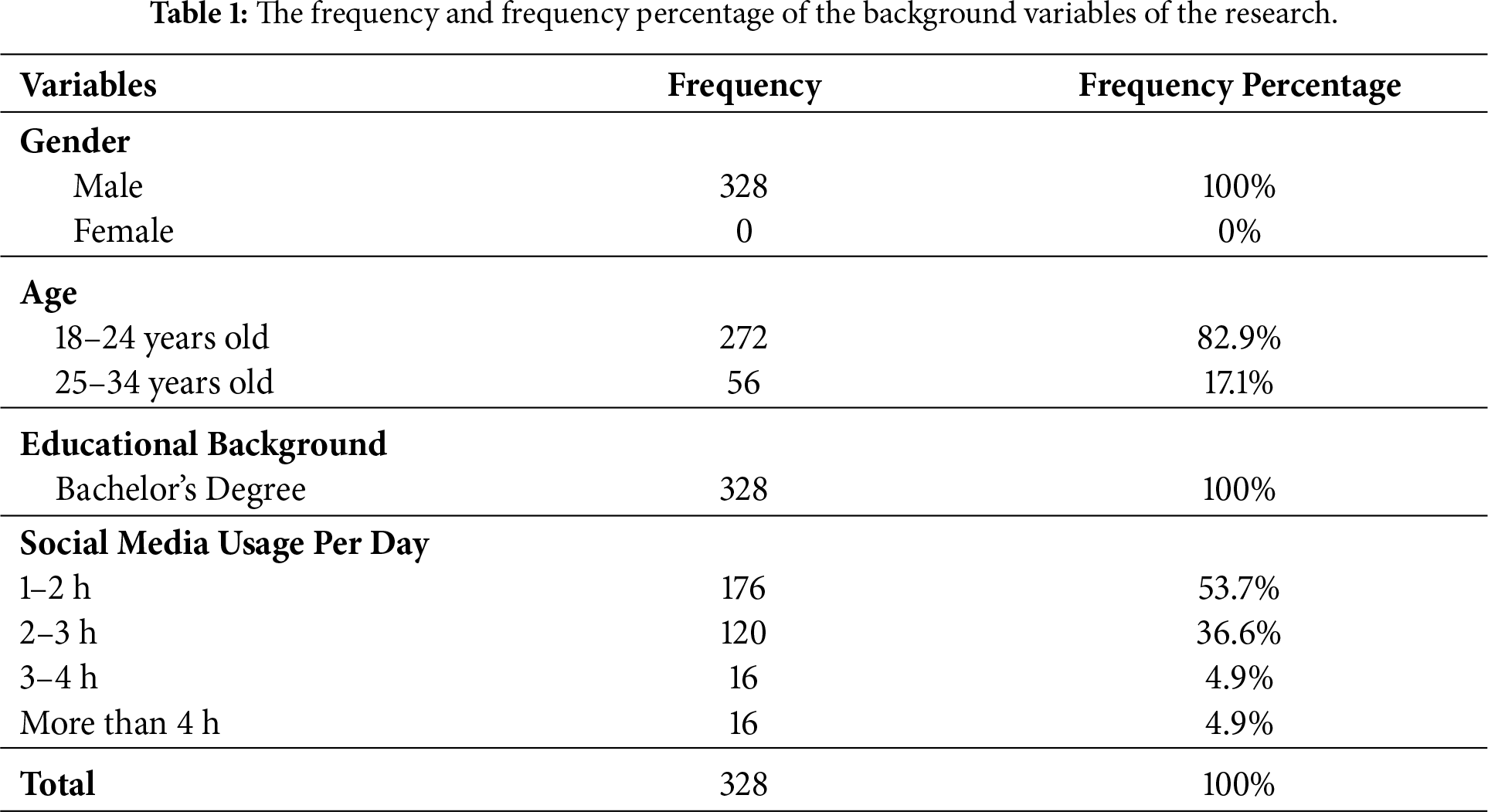
Table 1 shows the distribution of background factors among research participants selected only from the Journalism and Communication faculty. Notably, all participants were male, highlighting gender limitations caused by new government regulations preventing female access to work and education. The majority of respondents 82.9% of the population are between the ages of 18 and 24, indicating a concentration on young adults. Additionally, all individuals had bachelor’s degrees, indicating a consistent educational background. In terms of social media usage, 53.7% of participants indicate spending 1–2 h each day, with varied numbers spending 2–3 h, 3–4 h, or more than 4 h. Despite the lack of female participants, these findings provide information on the research cohort’s demographics and their significance for understanding Afghan youth’s digital culture.
5.2 Usage of Social Media among Afghan Youths
In Fig. 1, the investigator asked participants to select all the social media networks they regularly use, resulting in a variety of preferences. The data indicated that Facebook was the most popular platform, with 82.90% of participants choosing it, followed by Instagram 36.60%, TikTok (39%), and Twitter 29%. 7.30% of participants chose Snapchat, while 9.80% chose LinkedIn. Furthermore, 17% of participants reported using WhatsApp regularly, and 10% stated they used Telegram. These data highlight the diverse social media use behaviors of Afghan youths, with Facebook appearing as the most popular platform. The investigator constructed this question as a multiple-choice response, allowing participants to specify all platforms they regularly use, thereby providing a thorough understanding of their social media preferences and behaviors.
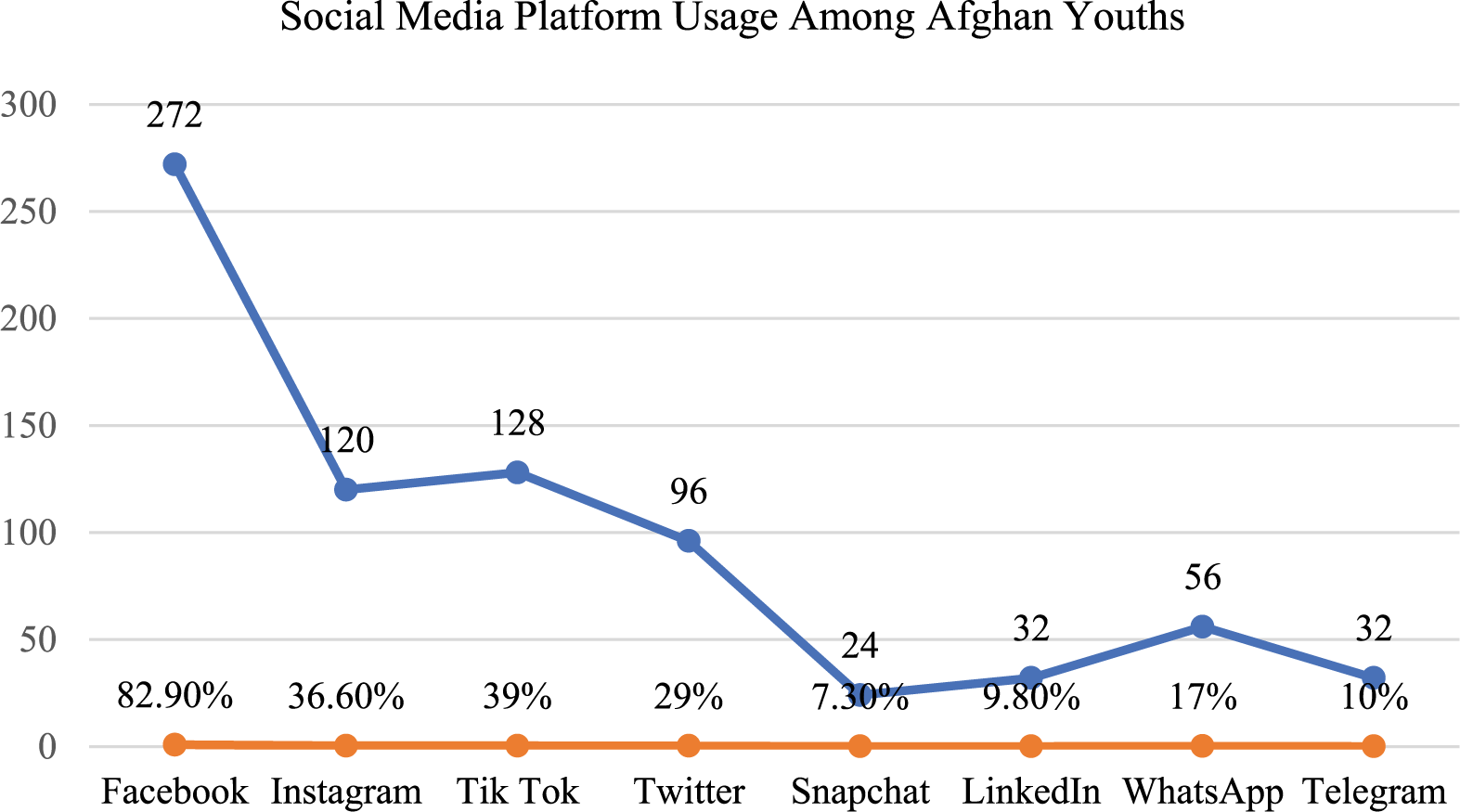
Figure 1: Regular use of social media platforms among Afghan youth.
Fig. 2 provides insights into how people share material on social media. A significant number of respondents 41.5% reported sharing content occasionally, indicating a cautious attitude toward social media activity. Furthermore, 35.5% reported posting material a few times each week, indicating modest participation with social media. Furthermore, 9.8% reported sharing material multiple times or once a day, indicating a higher level of participation in content sharing. In contrast, only 2.4% said they have never shared material on social media. These data reveal various patterns of content-sharing activity among participants, suggesting various levels of engagement and connection with social networking sites. On average, participants engage with social media platforms only occasionally or a few times a week, with a smaller proportion sharing content daily or multiple times a day. The survey shows particulars of young people’s social media usage patterns, which indicate a range of preferences and frequency in content-sharing activities.
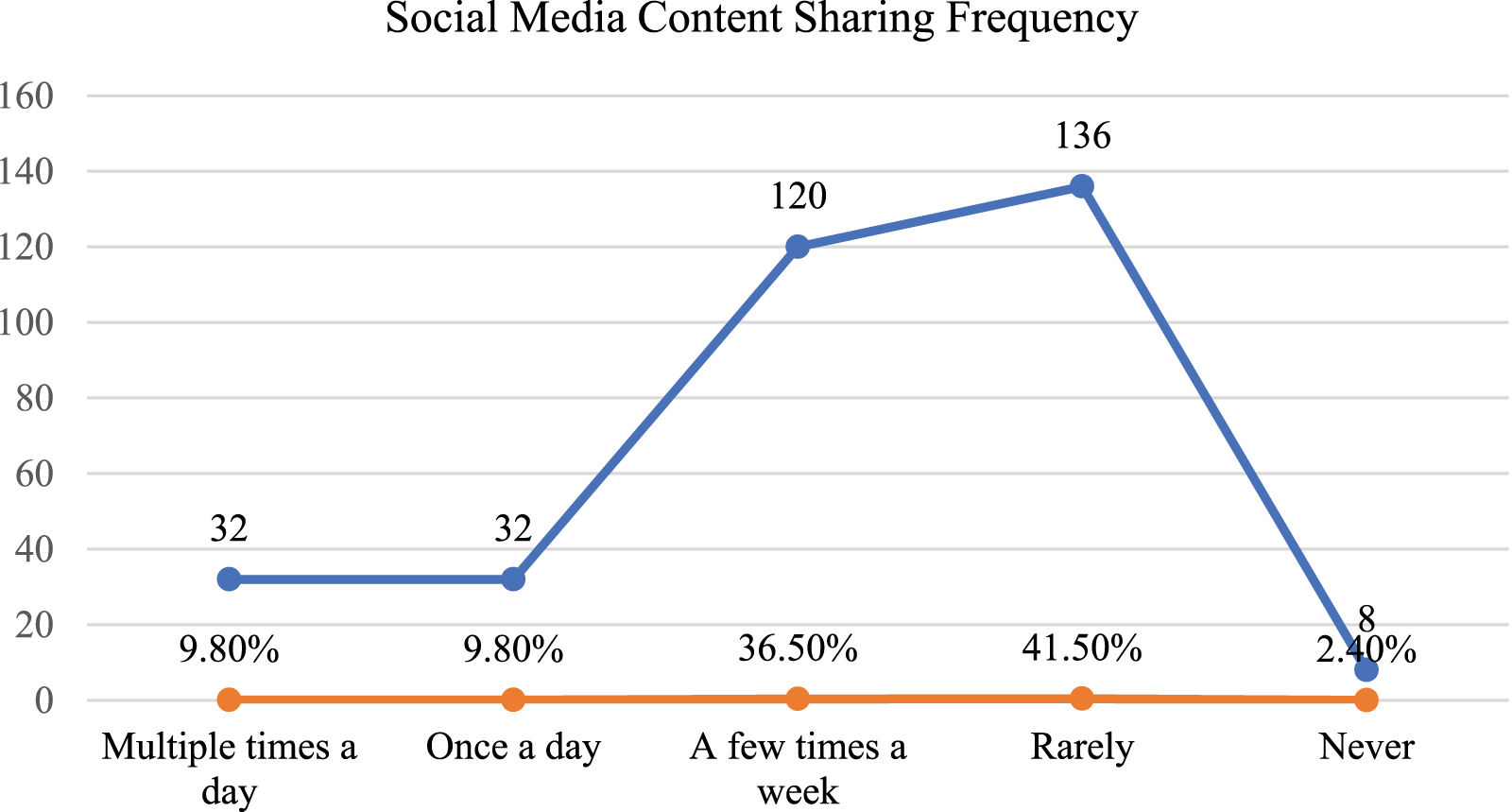
Figure 2: Patterns of social media content sharing among Afghan youth.
In Fig. 3, participants indicated various justifications for following individuals or accounts on social media. A large majority, 70.7%, support people who represent their cultural or faith traditions, demonstrating a desire for agreement with personal values and identity. Additionally, 65.9% follow accounts that debate social or political issues, indicating a desire to keep informed and engaged with current events. Furthermore, 53.7% follow accounts that post entertaining content, indicating a desire for fun and lighthearted content. A lower number (12.2%) follows accounts that offer informational or educational content, suggesting a thirst for knowledge and learning. Similarly, 12.2% of users follow accounts that promote products or services, demonstrating a predilection for commercial content. These responses highlight the various factors that drive users’ social media usage, such as entertainment, politics, cultural closeness, and personal interests. Finally, the findings emphasize the complexities of social media engagement, illustrating the diverse choices and interests of Afghans in cultural and socioeconomic situations.
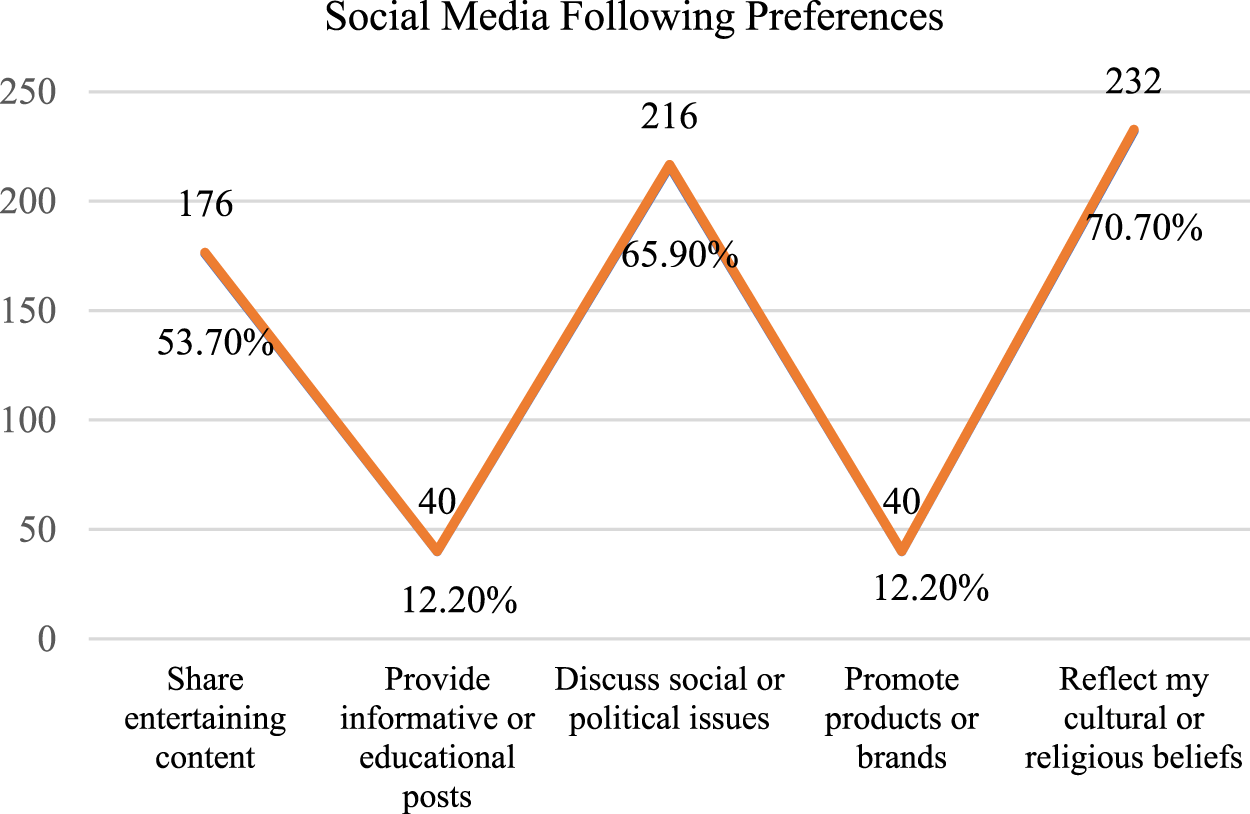
Figure 3: Reasons for following individuals or accounts on social media.
In answer to a multiple-choice question in Fig. 4, participants expressed their preference for following certain foreign personalities or accounts on social media. The majority, 80.5%, indicated an interest in following foreign religious experts, showing a need for spiritual direction and insights from worldwide sources. Furthermore, 78% expressed interest in following foreign leaders, indicating a desire to remain current on global political happenings. Furthermore, 63.4% noted they wanted to follow worldwide sports and entertainment representations, indicating a love for global culture and entertainment. A lower number, 14.6%, expressed an interest in following foreign educational sector specialists, while 12.2% wanted to follow foreign musicians. Lastly, 29.3% stated they wanted to follow foreign public media accounts to have access to a variety of opinions and information sources. These replies reveal a wide range of participants’ interests and preferences, indicating a desire for global connectedness and access to varied viewpoints.
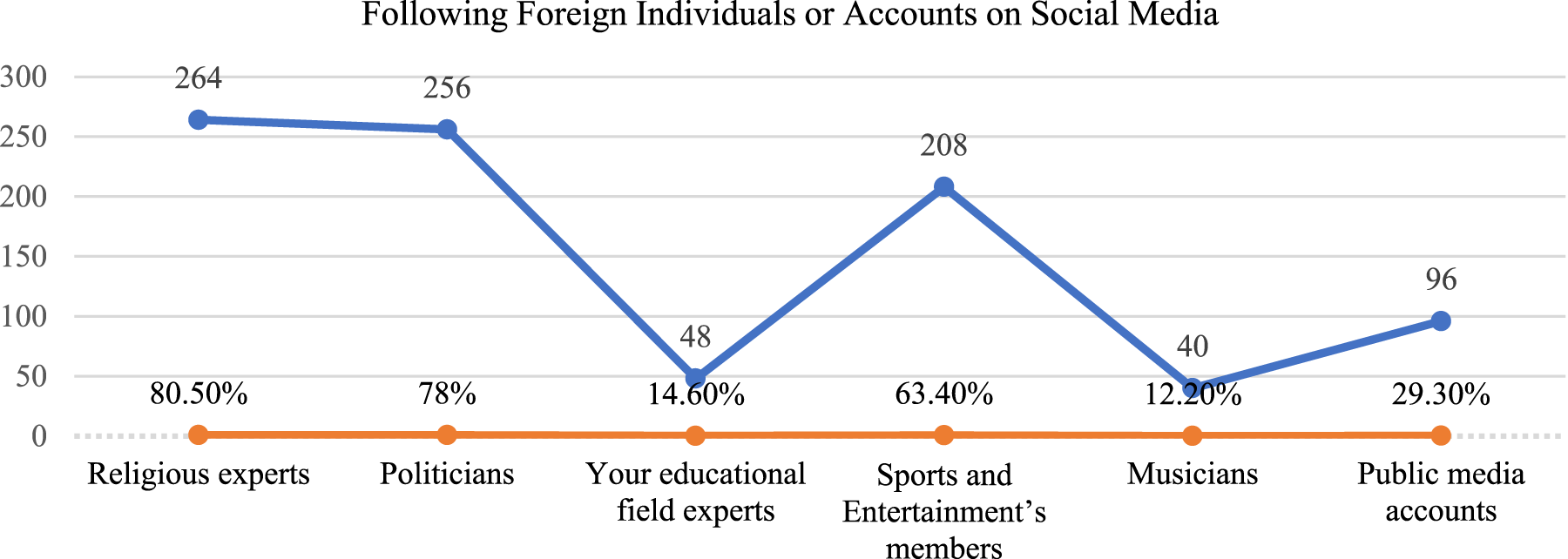
Figure 4: Preferences for following foreign individuals or accounts on social media platforms among participants.
5.3 Social Media and Digital Culture
In the constantly shifting digital world, Afghan youth are creating their place on social media platforms, combining tradition and innovation to create a distinct digital culture. This investigation focuses on their creative expressions, obstacles, and the changing significance of social media in developing their identity and narratives in the complexities of their social and political context.
Respondents shared their opinions on the perceived effect of online platforms on Afghan youth lifestyles and behaviors in Fig. 5. A significant majority, 65.85%, regarded social media’s influence as positive, with 17% viewing it as extremely positive. In contrast, a smaller percentage (9.75%) perceived a negative impact, while 7.4% remained indifferent. These replies indicate that the majority of Afghan youths believe social media has played an important part in shaping their lifestyle and behavior, with a minority concerned about potential negative consequences.
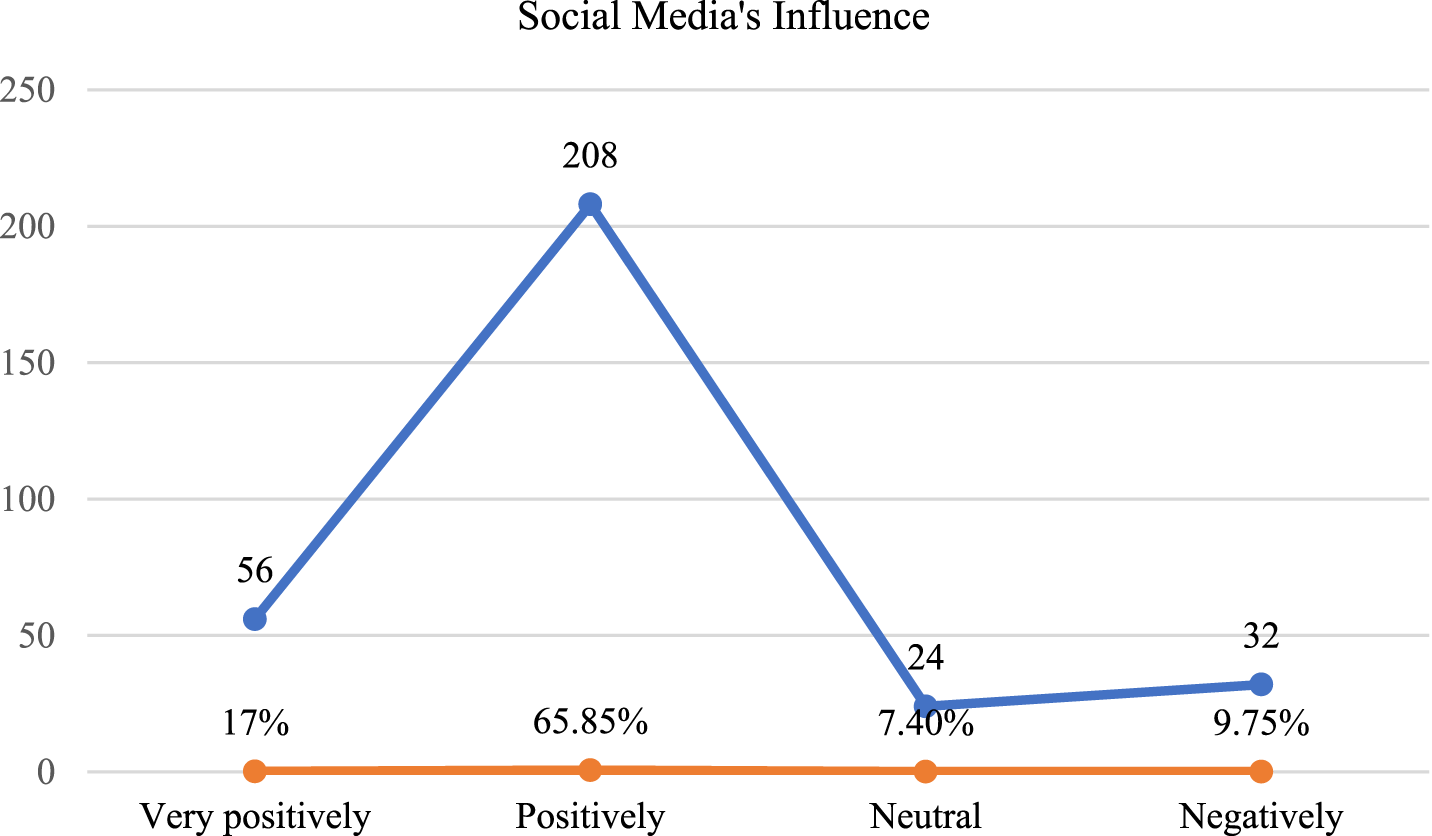
Figure 5: Impact of social media on Afghan youth lifestyle and behavior.
In Table 2, the survey includes nine Likert scale questions in all, aimed at evaluating respondents’ opinions and attitudes about various aspects of Afghan cultural identity, social media usage, digital behaviors, and the impact of digital platforms on cultural values. Each question includes five response options: strongly disagree, disagree, neutral, agree, and strongly agree. These questions address the role of social media in shaping societal norms and cultural values, the influence of online social groups on digital behaviors, experiences with content reflecting traditional Afghan cultural values, participation in online communities focusing on Afghan digital culture, the role of social media in maintaining cultural identity, perceptions of digital literacy, and the impact of social media on Afghan youth’s digital culture. The range of response possibilities enables a more comprehensive assessment of respondents’ viewpoints on these complicated issues.
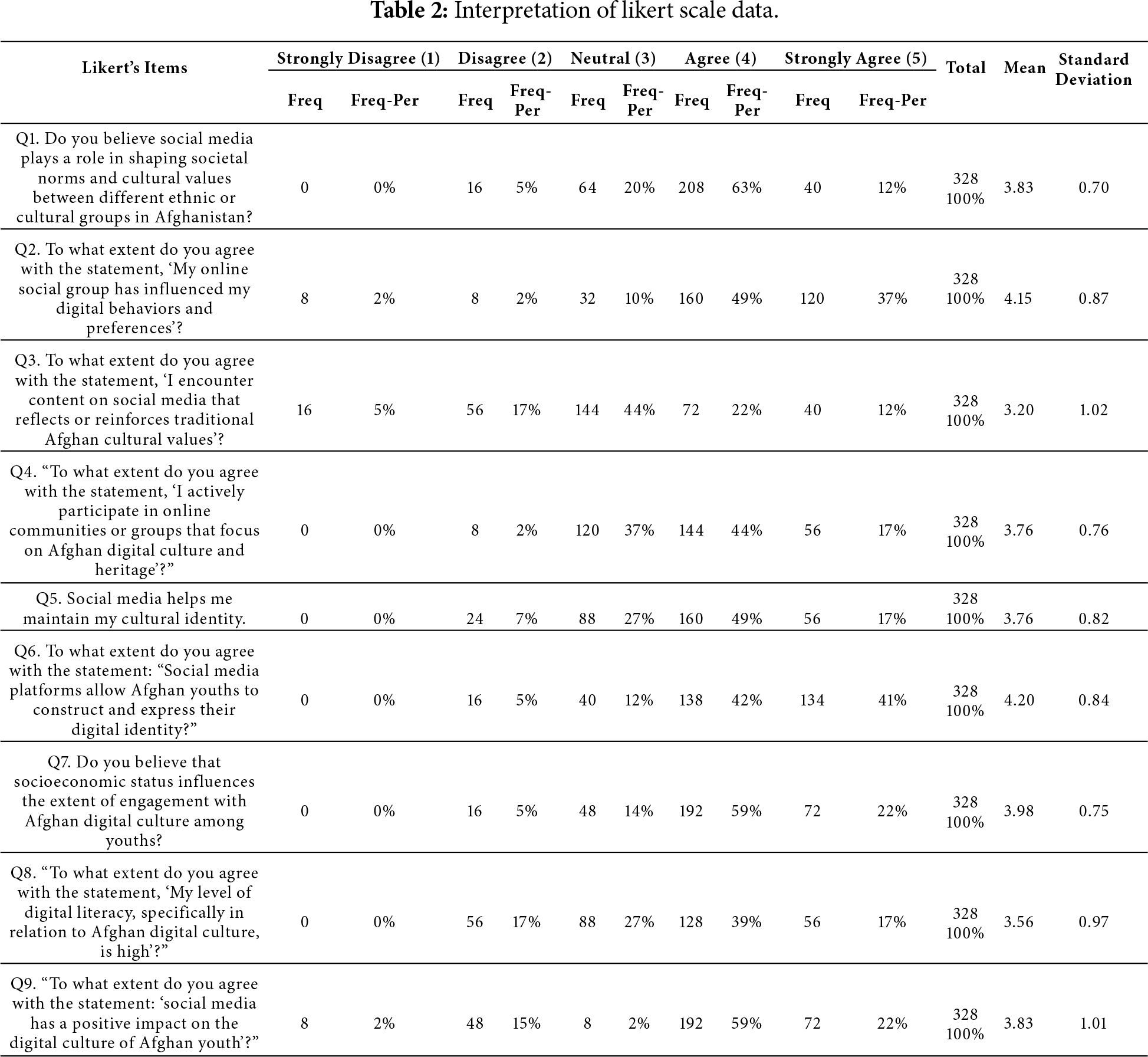
Finally, the analysis of the Likert scale data indicates a complex landscape of opinions and perspectives around the relationship between social media and Afghan cultural identity. Respondents typically recognize the importance of social media in changing societal norms and cultural values, as indicated by universal agreement that social media plays a critical role in performing that. Furthermore, there is broad agreement about the impact of online social groupings on digital behaviors and preferences, highlighting the interconnectedness of individuals within digital networks. However, respondents’ perceptions of their encounters with content representing traditional Afghan cultural values are different, indicating a range of experiences and interpretations.
Furthermore, the data highlights respondents’ active participation in online networks focused on Afghan digital culture and history. Demonstrating an effective digital community dedicated to cultural sharing and preservation. Despite differing opinions on the significance of social media in preserving cultural identity, there is widespread awareness of its liberating function in allowing Afghan youths to create and express their digital identities. Also, respondents largely agree that socioeconomic position impacts youth engagement with Afghan digital culture, indicating an awareness of gaps in digital access and participation. Overall, the data offers a complicated picture of the relationship between social media, digital culture, and Afghan cultural identity, emphasizing both the potential and problems of navigating these digital settings.
5.4 Perceptions for Improvements in Digital Culture
Today’s society increasingly links digital culture with traditional cultural norms, presenting both opportunities and challenges to communities worldwide. In Afghanistan, where digital technologies are fast growing and becoming more common, understanding behaviors and strategies for improving and preserving Afghan digital culture is important. This section goes into various elements of this discussion, including the responsibilities of social media platforms, politicians, community leaders, and governmental agencies in influencing the future of Afghan digital culture. By evaluating these different viewpoints and recommended tactics, researchers can better understand the digital age’s challenges and possibilities, as well as develop a path toward a more sustainable and diverse Afghan digital culture.
Participants offered insightful perspectives on the potential functions of social media platforms in the future growth and preservation of Afghan digital culture, responding to a multiple-choice and open-ended question in Fig. 6. A substantial majority, 80.5%, emphasized the significance of cultural showcase platforms, underscoring the necessity for digital events dedicated to promoting Afghan culture. Furthermore, 61% highlighted the relevance of social media in cultural exchange and dialogue, emphasizing its potential to promote cross-cultural understanding and collaboration. Furthermore, 43.9% prioritized community empowerment and advocacy, emphasizing social media’s ability to amplify voices and push for cultural rights. A lesser proportion (31.7%) acknowledged the importance of digital archives and documentation in protecting cultural property digitally. Furthermore, 2.4% agreed that updating responsibilities and obligations is necessary to preserve culture and cultural rights.
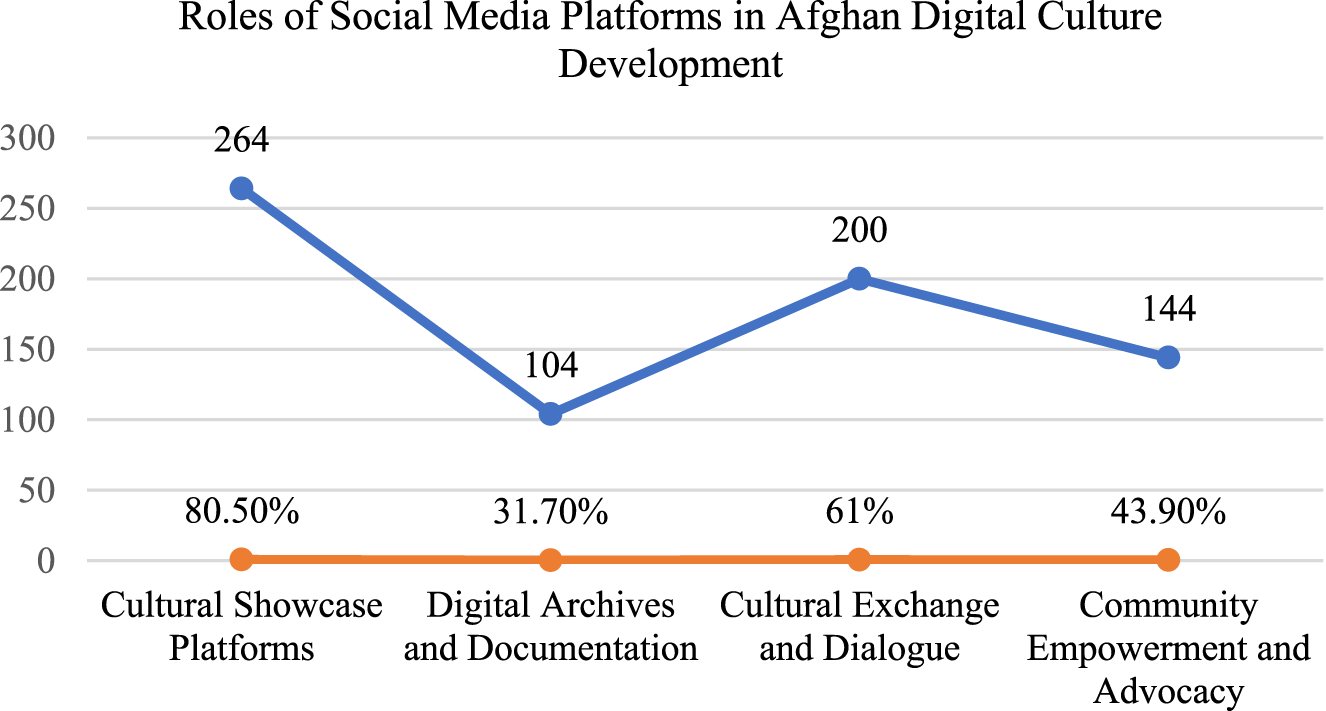
Figure 6: Leveraging social media platforms for the development and preservation of Afghan Digital Culture.
In response to a multiple-choice and open-ended question, participants shared significant views about the tactics that politicians and community leaders could employ to reduce any negative effects of social media on Afghan digital culture. In Fig. 7, the majority, 75.6%, approved media literacy campaigns as an opportunity to improve critical thinking and judgment among social media users. Furthermore, 46.3% emphasized the importance of encouraging community dialogues to promote debate and address concerns about digital culture. Furthermore, 43.9% argued for regulatory frameworks to create norms and standards for appropriate social media participation. A smaller majority (26.8%) acknowledged the importance of cultural sensitivity training in promoting understanding and respect for various cultural points of view. Furthermore, 2.4% advised creating new and updated responsibilities for social media users, as well as guaranteeing censorship-free content.
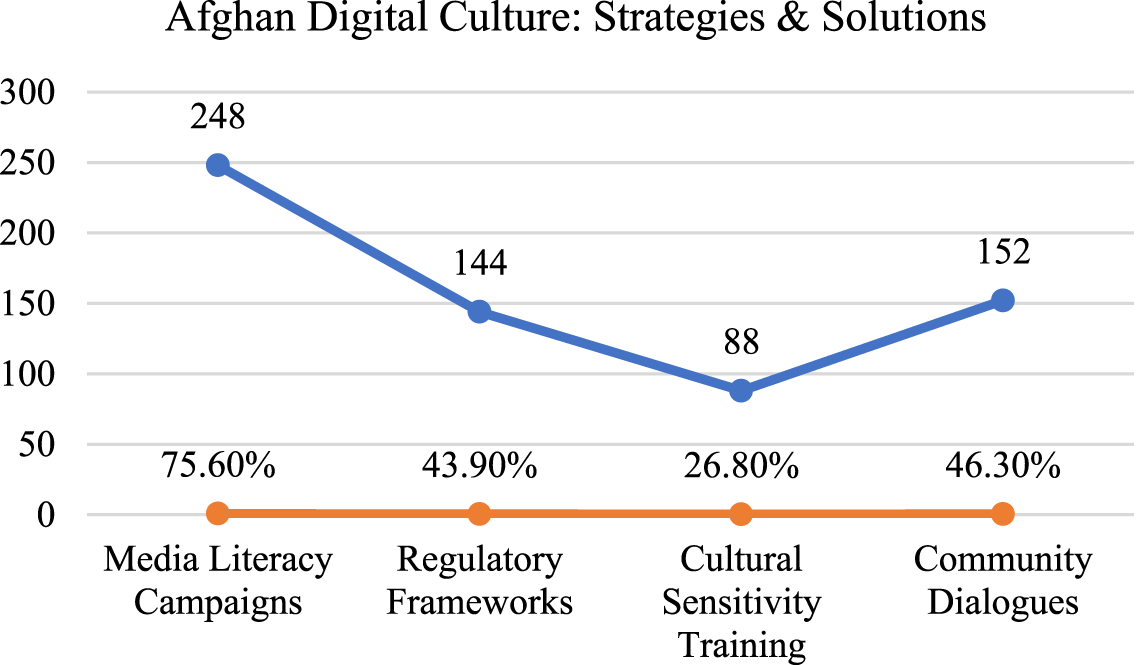
Figure 7: Addressing negative impacts of social media on Afghan Digital Culture.
In Fig. 8, respondents provided significant perspectives on the role that they believe the government should play in promoting and maintaining Afghan digital culture among young people. A substantial majority (76%) highlighted the necessity of education integration, signifying the introduction of digital cultural instruction within formal schooling. Furthermore, 48.8% advocated for digital heritage preservation, emphasizing the importance of government initiatives to protect digital cultural and historical items. Furthermore, 29.3% emphasized the importance of funding cultural initiatives to help create and promote Afghan digital culture. Finally, 26.8% highlighted the need to establish partnerships with the technology industry to make use of resources and experience in improving digital cultural activities. These various perspectives highlight the complex strategy necessary to cultivate Afghan digital culture among youths, with education, preservation, funding, and partnerships with the IT industry all playing important roles.
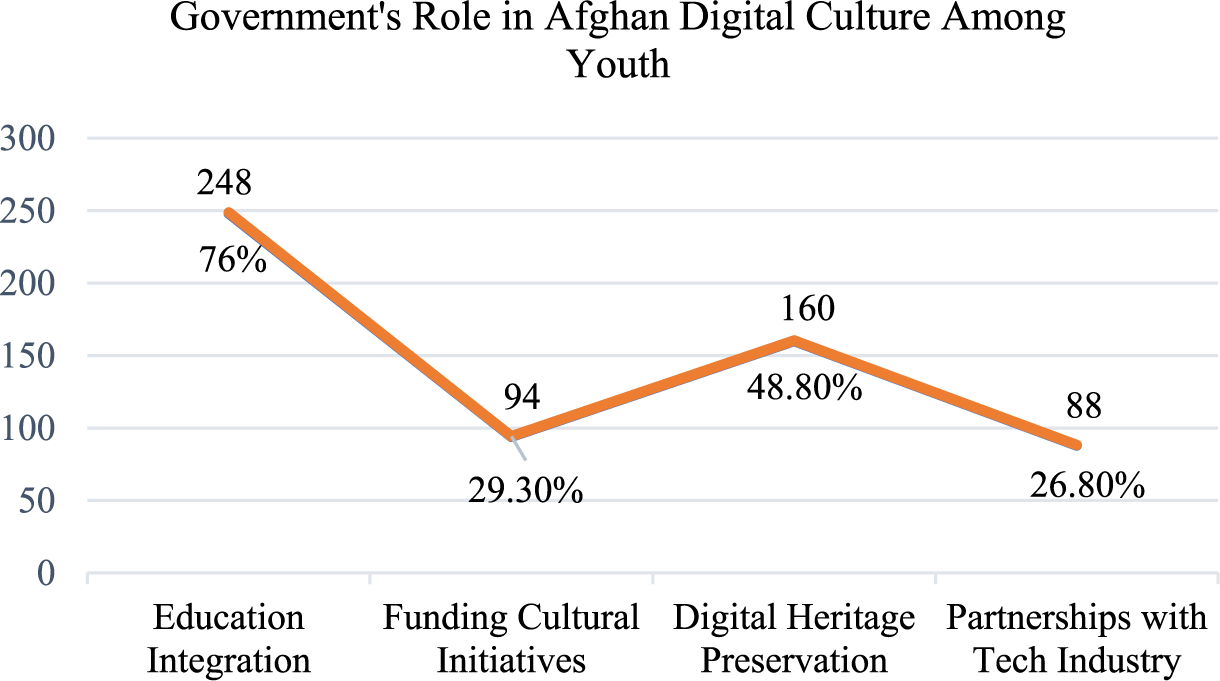
Figure 8: Government role in promoting and preserving Afghan digital culture among youth.
The study of the influence of social networking sites on youth digital culture in Afghanistan has provided a rich tapestry of findings, demonstrating the deep dynamics and diverse relationships that form online interactions and cultural expressions among Afghan youth. It was based on a sociocultural perspective and guided by the theoretical framework of Social Identity Theory (SIT). The research conducted a thorough investigation, addressed critical research questions, synthesized key findings, and made actionable recommendations for policymakers and community leaders.
The results of the research highlight the transformational impact that social media platforms have on Afghan youth’s digital behaviors, cultural actions, and identity creation. Participants engaged in a wide range of online activities on platforms such as Facebook, Instagram, TikTok, and Twitter, including communication, content sharing, cultural exchange, and political discourse. Among these, Facebook emerged as the most popular platform, significantly influencing the digital culture in Afghanistan. Afghan youth’s motives for using social media are numerous, including a desire for cultural connection, entertainment, information transmission, and societal engagement. Despite different opinions on its overall influence, the majority of respondents noticed social media as a beneficial force that promotes cultural expression, community building, and empowerment among Afghan youth.
The literature review and the article’s findings are consistent in their awareness of social media’s transformational influence on young culture, particularly in terms of changing behaviors, identities, and cultural manifestations. Both sources emphasize the important role that platforms like as Facebook, Instagram, TikTok, and Twitter play in the lives of Afghan youth by fostering communication, cultural exchange, and community development. This is consistent with the literature review’s larger discussion of the fluidity of internet culture and its ability to incorporate new technology and trends, therefore redefining societal norms as well the social identity theory applied similar in the same context [4,6,18,20].
Furthermore, the study emphasized the role of online social networks in shaping digital habits and preferences among Afghan youths. Peer relationships in online networks focused on Afghan digital culture and history are crucial for identity formation, cultural preservation, and socialization. However, challenges such as access gaps, gender discrepancies, and socioeconomic factors underline the significance of targeted initiatives to guarantee fair participation and representation in all areas of Afghan society. Also, the findings of this study shed light on various subjects that Afghan youth debate on social media platforms. While cultural material, entertainment, and political discourse are popular, the research revealed that a significant percentage of Afghan users post and follow information concerning religious issues, entertainment, and sports.
However, there are considerable differences between the two sources. While the literature review gives a broad overview of digital culture, relying on research from many contexts, the paper provides a more particular examination of social media usage among Afghan youths, including content preferences and motives. This peculiarity reveals characteristics of Afghan digital culture that have not been entirely covered by the literature review [1]. Additionally, the study found a substantial disparity in the creation and dissemination of educational and scientific information, with fewer Afghan users engaging with such content. This study highlights a potential gap in the provision of educational and technical knowledge via social media platforms, highlighting the need for targeted efforts to increase the sharing and consumption of educational content among Afghan youth. It highlights the need for specific efforts to increase educational content and digital literacy, which the paper identifies as areas for future research and policy intervention [7]. Recognizing these differences in social media usage patterns allows governments, educators, and content providers to create strategies to diversify the online content environment, increase digital literacy, and improve Afghan youth access to educational resources.
Moreover, the findings highlighted the need for policymakers and community leaders to use social media platforms, especially Facebook, to promote the growth and preservation of Afghan digital culture. Cultural showcase platforms, digital heritage preservation initiatives, and cross-cultural exchange programs have enormous potential to promote cultural variety, intercultural discourse, and digital literacy among Afghan youth. Also, media literacy programs, community discussions, and regulatory frameworks are critical for reducing any negative consequences, encouraging ethical digital activities, and protecting cultural heritage in online spaces. In summary, this study provides an extensive understanding of the integration between social media and Afghan youth digital culture, providing light on the complexity, obstacles, and possibilities that come with navigating the digital world. Moving forward, continuous efforts and collaborative activities are required to build a vibrant, inclusive, and sustainable digital culture that represents Afghanistan’s rich variety and legacy while responding to the changing dynamics of the technological age.
According to these findings, future studies might focus on several critical areas to better understand social media’s influence on Afghan youth’s digital culture. One key field is examining gender differences in digital engagement, identifying challenges to female participation, and developing measures to increase their involvement in digital settings. Furthermore, a comparison study of rural and urban Afghan youths might show major disparities in social media usage and digital habits, allowing digital literacy programs to be tailored to specific situations. Another critical topic for research is the significance of social media in education, and this might look at how these platforms can be better used for educational objectives, bridging the present gap in learning material sharing and consumption. Further research might also look at the balance between cultural preservation and innovation in digital settings, with advice for developing culturally sensitive content that respects old traditions while embracing new trends. Another important consideration is the influence of social media on political involvement among Afghan youth, since it may offer insight into how digital platforms affect political awareness as well as behavior. Finally, cross-cultural comparisons with youths from other countries may give a larger perspective on how Afghan digital culture aligns with or differs from global trends, showing distinguishing features and possible areas for cultural exchange. These study directions are intended to address specific gaps and issues, resulting in a more inclusive and comprehensive understanding of Afghan digital culture.
Acknowledgement: Not applicable.
Funding Statement: This research did not receive any specific funding from public, commercial, or nonprofit funding sources.
Author Contributions: Sabghatullah Ghorzang conducted all stages of the research, including study design, data collection, analysis, and manuscript preparation. İhsan Karlı supervised the research process and provided academic guidance and critical feedback on the manuscript. All authors reviewed and approved the final version of the manuscript.
Availability of Data and Materials: The data supporting this study’s findings are not publicly accessible due to ethical and privacy considerations. However, further information about the study can be requested from the corresponding author, provided the request is reasonable.
Ethics Approval: This research received approval from the Ethics Committee of Kandahar University (Approval No. EC/2025/PHDR-KDR-85), and all procedures adhered to the ethical standards set forth by the committee.
Informed Consent: Informed consent was obtained from all participants prior to their participation in the questionnaire survey. Participants were clearly informed about the purpose of the study, the voluntary nature of their participation, their right to withdraw at any time without penalty, and the confidentiality and anonymity of their responses. Completion and submission of the questionnaire were considered as an indication of their informed consent to participate in the study.
Conflicts of Interest: The authors declare no conflicts of interest.
References
1. Orfan SN. Political participation of Afghan Youths on Facebook: a case study of Northeastern Afghanistan. Cogent Soc Sci. 2021;7(1):1857916. doi:10.1080/23311886.2020.1857916. [Google Scholar] [CrossRef]
2. Noori N, Sayes A, Anwari G. The negative impact of social media on youth’s social lives. Int J Humanit Educ Soc Sci IJHESS. 2023;3(1):481–93. doi:10.55227/ijhess.v3i1.613. [Google Scholar] [CrossRef]
3. Kemp S. Digital 2023: Afghanistan. [cited 2023 Feb 13]. Available from: https://datareportal.com/reports/digital-2023-afghanistan. [Google Scholar]
4. Sumadevi S. Impact of social media on youth: comprehensive analysis. Shodh Sari. 2023;2(4):286–301. doi:10.59231/sari7640. [Google Scholar] [CrossRef]
5. Oji M, Erubami JA. Discourse on social media use and reading culture of Nigerian youths. Acad J Interdiscip Stud. 2020;9(6):105. doi:10.36941/ajis-2020-0115. [Google Scholar] [CrossRef]
6. Blank G, Dutton WH, Lefkowitz J. OxIS 2019: digital divides in britain are narrowing but deepening. Oxford, UK: Oxford Internet Institute, University of Oxford; 2020. [cited 2023 Feb 13]. Available from: https://ssrn.com/abstract=3522083. [Google Scholar]
7. Haand R, Elham AZ. Social media addiction in the least developed countries: a quantitative study among university students in Afghanistan. Int J Sport Cult Sci. 2021;9(2):233–45. doi:10.14486/IntJSCS.2021.641. [Google Scholar] [CrossRef]
8. Noori AQ, Orfan SN, Akramy SA, Hashemi A. The use of social media in EFL learning and teaching in higher education of Afghanistan. Cogent Soc Sci. 2022;8(1):2027613. doi:10.1080/23311886.2022.2027613. [Google Scholar] [CrossRef]
9. Ahmadi S, Irfan M, Sultanzoy F. Impact of social media on agricultural extension in Afghanistan—a case of ahmad Aba district. Int J Res Appl Sci Biotechnol. 2022;9(2):67–72. doi:10.31033/ijrasb.9.2.9. [Google Scholar] [CrossRef]
10. Dey BL, Yen D, Samuel L. Digital consumer culture and digital acculturation. Int J Inf Manag. 2020;51(1):102057. doi:10.1016/j.ijinfomgt.2019.102057. [Google Scholar] [CrossRef]
11. Pawluczuk A, Webster G, Smith C, Hall H. The social impact of digital youth work: what are we looking for? Media Commun. 2019;7(2):59–68. doi:10.17645/mac.v7i2.1907. [Google Scholar] [CrossRef]
12. Kaun A. Ways of seeing digital disconnection: a negative sociology of digital culture. Convergence Int J Res New Medium Technol. 2021;27(6):1571–83. doi:10.1177/13548565211045535. [Google Scholar] [CrossRef]
13. Tsaliki L. Constructing young selves in a digital media ecology: youth cultures, practices and identity. Inf Commun Soc. 2022;25(4):477–84. doi:10.1080/1369118X.2022.2039747. [Google Scholar] [CrossRef]
14. Akintunde S. Digital culture: the dynamics of incorporation. In: Future directions in digital information. Amsterdam, The Netherlands: Elsevier; 2021. p. 113–25. doi:10.1016/b978-0-12-822144-0.00007-0. [Google Scholar] [CrossRef]
15. Olayemi OM. Perceived influence of social media usage among youth: a survey. Open J Inf Technol. 2022;5(2):41–54. doi:10.32591/coas.ojit.0502.01041o. [Google Scholar] [CrossRef]
16. Tajfel H. Differentiation between social groups: studies in the social psychology of intergroup relations. Londan, UK: Academic Press; 1978. [Google Scholar]
17. Steffens NK, Munt KA, van Knippenberg D, Platow MJ, Haslam SA. Advancing the social identity theory of leadership: a meta-analytic review of leader group prototypicality. Organ Psychol Rev. 2021;11(1):35–72. doi:10.1177/2041386620962569. [Google Scholar] [CrossRef]
18. Raskovic MM. (Social) Identity theory in an era of identity politics: theory and practice. AIB Insights. 2021;21(2):1–7. doi:10.46697/001c.13616. [Google Scholar] [CrossRef]
19. Harwood J. Social identity theory. In: van den Bulck J, editor. International encyclopedia of media psychology. Hoboken, NJ, USA: John Wiley & Sons, Inc.; 2020. doi:10.1002/9781119011071.iemp0153. [Google Scholar] [CrossRef]
20. Kim K, Ko D. How to build a sustainable MICE environment based on social identity theory. Sustainability. 2020;12(17):7166. doi:10.3390/su12177166. [Google Scholar] [CrossRef]
21. Meehan M. Applying social identity theory to the social media content strategy of a global brand: the role of brand- and user-generated content in global social identification [dissertation]. Melbourne, Australia: Victoria University of Wellington Library; 2018. doi:10.26686/wgtn.17134949. [Google Scholar] [CrossRef]
22. Tungka NF. Combining qualitative and quantitative methods in data analysis. Sintuwu Maroso J English Teach. 2016;2(1):29–32. doi:10.71127/2829-9426.129. [Google Scholar] [CrossRef]
23. Taherdoost H. What are different research approaches? comprehensive review of qualitative, quantitative, and mixed method research, their applications, types, and limitations. J Manag Sci & Eng Res. 2022;5(1):53–63. doi:10.30564/jmser.v5i1.4538. [Google Scholar] [CrossRef]
24. Haslam PA. Bigger data and quantitative methods in the study of socio-environmental conflicts. Sustainability. 2020;12(18):7673. doi:10.3390/su12187673. [Google Scholar] [CrossRef]
25. Bafarasat AZ. Collecting and validating data: a simple guide for researchers. Oxford, UK: Oxford Brookes University; 2021. doi:10.31124/advance.13637864.v1. [Google Scholar] [CrossRef]
26. Noor S, Tajik O, Golzar J. Simple random sampling. Int J Educ Lang Stud. 2022;1(2):78–82. doi:10.22034/ijels.2022.162982. [Google Scholar] [CrossRef]
27. Kandahar University. Introduction, analysis and strategic objectives. [cited 2023 Dec 20]. Available from: https://kdru.edu.af/introduction-analysis-and-strategic-objectives. [Google Scholar]
Cite This Article
 Copyright © 2026 The Author(s). Published by Tech Science Press.
This work is licensed under a Creative Commons Attribution 4.0 International License , which permits unrestricted use, distribution, and reproduction in any medium, provided the original work is properly cited.
 Downloads
 Citation Tools
