
 Login
Login Register
 Submit a Paper
 Propose a Special lssue
 Open Access
ARTICLE

Spatial Assessment of Wastewater Requirements for the New Capital City of Indonesia
Chair Land Management, School of Engineering and Design, Technical University of Munich, Munich, 80333, Germany
* Corresponding Author: Walter Timo de Vries. Email:
Revue Internationale de Géomatique 2025, 34, 125-149. https://doi.org/10.32604/rig.2025.057970
Received 01 September 2024; Accepted 13 February 2025; Issue published 11 March 2025
 View Full Text
 Download PDF
Abstract
The development of Indonesia’s New Capital City (Ibu Kota Negara (IKN)) does not only offer opportunities but also faces uncertainties. One of these concerns is wastewater management, in terms of volume, location, and treatment facilities. To evaluate how the city might be able to manage this, this study starts with a theoretical evaluation of which wastewater management principles are crucial. Then the empirical study evaluates where and how the current infrastructure of the IKN could manage the wastewater and assesses—based on spatial scenarios—if the current wastewater management plans for the IKN are adequate. A Geographic Information System (GIS)-based analysis assesses the suitability of current wastewater treatment locations and develops scenarios for the best possible infrastructure extensions. The analysis yields that the most suitable sites for wastewater treatment primarily depend on existing topography and on land use changes due to future migration. As the latter is largely unknown, it requires expert assessments on deciding where to set up and/or expand the wastewater management system (WWMS), and how to manage it economically and socio-culturally. The assessments are compared to how the IKN authority aims for “Circular and Resilient” WWMS, which differs from conventional wastewater treatment plants. The comparison proves that it is necessary to tailor a WWMS to how and where IKN may develop. The early findings necessitate, however, further monitoring of spatial expansion and further research in smart city designs.Keywords
The decision of the Indonesian government to relocate Indonesia’s National Capital (Ibu Kota Negara (IKN), also referred to as Nusantara) to the geographic center of the country on Borneo Island, in the province of Eastern Kalimantan, creates various challenges. Besides the socio-political debates and concerns about why the declaration of a new capital city would be necessary [1,2], there are a number of practical issues to consider when planning and constructing a new city, such as choosing the right location, acquisition or conversion of land, planning and constructing or expanding infrastructure. Moreover, multiple factors may affect the socio-spatial and physical dynamics of any city development, which will influence how and where the city can change and expand. These factors need to be considered when planning, but in the case of a new city, such as the IKN, many of these factors are unknown, which results in a high number and diversity of planning uncertainties.
One of such uncertainties concerns how much and where the new city creates waste and how one can create an effective and sustainable wastewater management system. Currently, the location of the IKN development is in a relatively sparsely populated area in East Kalimantan with limited waste and wastewater requirements. Wastewater typically contains various pollutants that, if released untreated, pose significant risks to aquatic ecosystems and human health. Historically, the development of wastewater management systems focused on addressing the adverse impacts of untreated fecal wastewater in urban settings on natural watercourse [3]. Wastewater management does not only focus on pollution mitigation but also re-envisions wastewater as a valuable resource and prioritizes sustainability requirements that advocate economically viable, environmentally sound, and socially acceptable systems [4–6].
The construction of the new city in an area currently largely covered by forests and uninhabited land requires the development of all basic amenities from scratch and sustainability-oriented. Therefore, effectively managing wastewater is thus crucial and involves sophisticated treatment processes designed to reduce pollutants to levels safe for discharge into the environment, especially regarding different types of environment [7]. Domestic wastewater, typically generated from residential areas, involves biological and chemical treatment processes. Due to heavy metals and toxic chemicals, industrial wastewater requires specialized treatment methods like chemical precipitation and advanced filtration. Stormwater management, crucial in urban environments, requires infrastructure capable of capturing, slowing, and treating runoff before reusing or safely discharging into natural water bodies.
Previous studies have proved that wastewater management effectively brings positive effects into the urban environment, fostering environmental protection, significantly reducing pollution in natural water bodies, and promoting biodiversity [6,8]. Molinos-Senante et al. [9] and Obaideen et al. [10] furthermore highlight that these systems also bolster public health by curbing the spread of waterborne diseases and enhancing economic efficiency through water recycling. Despite these advantages, there are also critical concerns regarding construction and operational costs, which may exceed the financial resources of a city administration and ultimately lead to serious bottlenecks in further development and expansion [11]. Furthermore, new infrastructure developments may require changing community wastewater handling practices, which may not always be accepted [12].
In addition to the different views on implementation, there are also epistemic differences between domains involved. Economists decide on investing in wastewater systems based on operational cost implications, financial sustainability of wastewater systems, and economic benefits [13], whereas environmental scientists prioritize the long-term ecological and health benefits of reducing pollutants and conserving ecosystems [14]. Social scientists would focus on how to shape and embed new social norms facilitating wastewater management practices [15]. Although these epistemic differences are not necessarily contradicting, they demonstrate that wastewater management requires a transdisciplinary holistic approach.
Wastewater management planning in new cities must consider how the demands of growing populations and industries affect the system’s capacity. The governance should ensure effective strategies that address the barriers—economic, cultural, social, and contextual factors—to establishing and maintaining efficient wastewater systems that can support urban growth and substantial investments with long-term sustainability and resilience objectives [16]. Sustainability and resilience are vital to encompass the development of environmentally viable, economically feasible, and socially equitable systems. Economic indicators assess costs and benefits, ensuring systems are financially viable, while environmental sustainability focuses on reducing pollutants and conserving resources. Social acceptability involves community impact and engagement for successful implementation [9]. Resilience, conversely, refers to a system’s ability to adapt to and recover from environmental or infrastructural stresses [17].
The geographical condition of the location of IKN development and the theoretical perspective of wastewater management place crucial questions surrounding where to collect waste(water), how and where to treat it, and how and where to dispose or reuse it. As the IKN’s government needs to plan for a wastewater management system (WWMS) that can manage wastewater effectively and mitigate potential problems given multiple urban growth scenarios, there is a need to understand where and how wastewater needs to be managed and how the wastewater management requirements change over time and place.
The contemporary discourse around wastewater management in Indonesia mostly emphasizes performance implementation and socio-environmental impact, such as the different impacts of domestic wastewater characteristics [18], effectiveness evaluation of communal wastewater systems [19–21], wastewater treatment scenarios for a sustainable industry [22], and community impact in wastewater management [23]. Although identifying optimal locations for wastewater treatment system planning has been widely implemented by other previous studies, such as the critical analysis of wastewater management for new city development, it remains constrained. Previous overviews only discussed the significance of spatial considerations and wastewater treatment facility construction methodologies. While spatial assessments and spatial development planning evaluations provide valuable insights for improving wastewater management, challenges remain in integrating these findings into cohesive future urban planning strategies. Addressing these challenges is essential for sustainable urban development and public health.
Given this challenge, this study poses three questions. First, it investigates how the principles of wastewater management can be applied in developing the IKN, particularly in the absence of established urban growth scenarios. Second, it examines where and how the current infrastructure of the IKN can manage different types of wastewater. Finally, it evaluates the adequacy of the current wastewater management plans for the IKN under varying spatial growth scenarios.
This article addresses these questions in the following sequence. First, we start with a theoretical introduction to defining wastewater and formulating wastewater management conditions and requirements. The subsequent section addresses the data collection and analysis methodology and the approach of comparing theory with practice. Next, we present the results of the analyses, followed by a conclusion and recommendation section.
The findings of this study provide critical insights for policymakers and urban planners in designing a resilient and sustainable wastewater management system for IKN. This research addresses immediate infrastructure needs by offering a framework that integrates sustainability and resilience principles. It lays a foundation for adaptive urban management strategies for other cities facing wastewater management problems. Hence, the study contributes to a broader academic discourse on urban wastewater management in growing and emerging cities, offering a replicable methodological framework for other rapidly urbanizing regions globally.
The study area, IKN, is strategically located in East Kalimantan on Borneo Island. The area spans two regencies: Penajam Paser Utara and Kutai Kartanegara, selected for their proximity to the established cities of Balikpapan and Samarinda. These cities, located 35 km and 70 km from IKN, respectively, provide critical connectivity and infrastructure for the new capital’s development [24]. As shown in Fig. 1, IKN forms part of a three-city ecosystem with Balikpapan and Samarinda. It emphasizes its role as a hub for local integration, global connectivity, and sustainable development to drive economic growth in East Kalimantan while enhancing global trade and connectivity. Samarinda, the provincial capital, serves as an economic driver, while Balikpapan contributes as an oil and gas industrial center, creating a balanced network of urban centers.
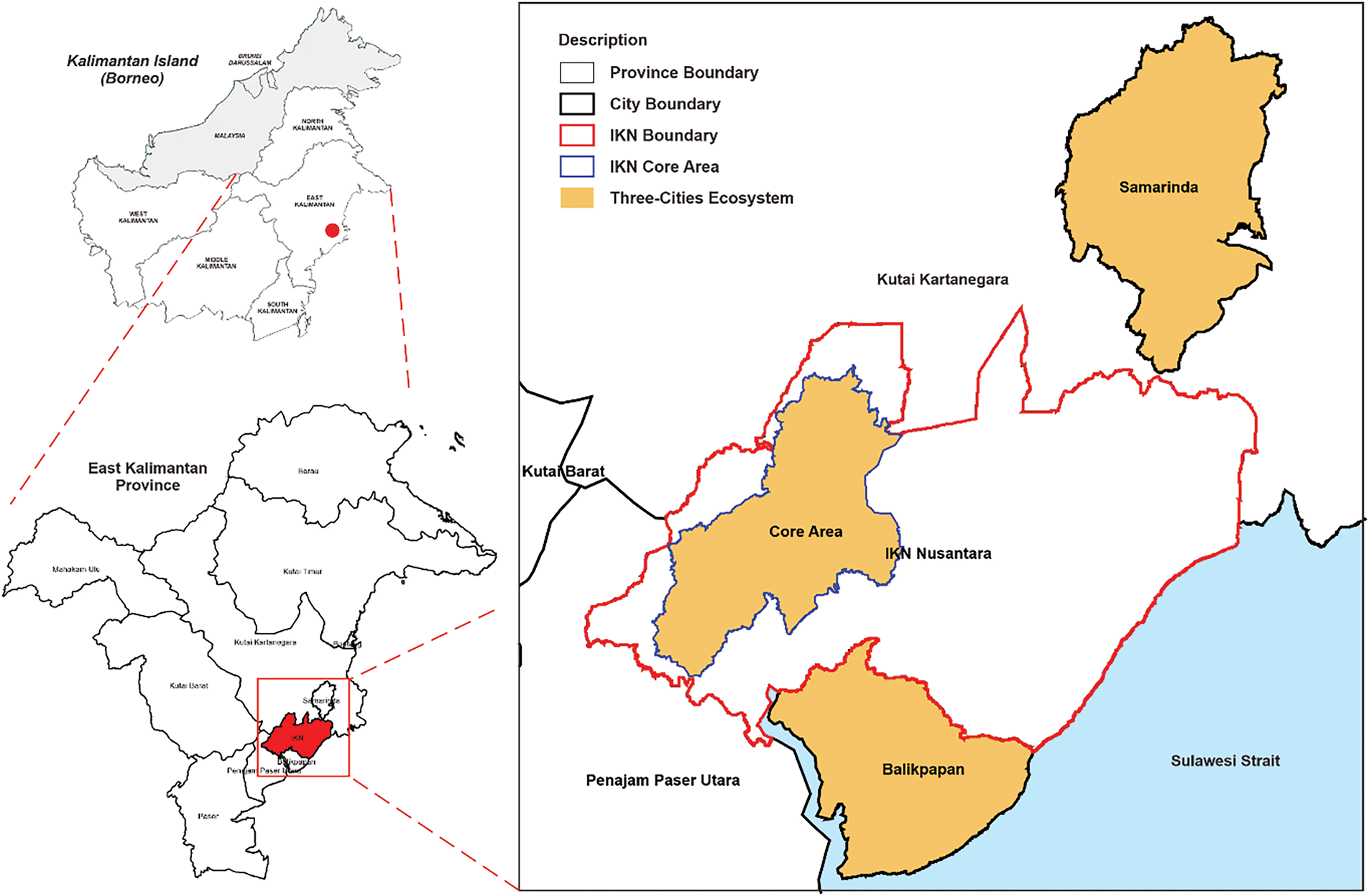
Figure 1: The three-city ecosystem of IKN
The IKN site covers an expansive area of approximately 256,142 hectares and 68,189 hectares of marine territory. IKN development is structured into three key zones. The first zone is the IKN Development Area (KP-IKN), encompassing 199,962 ha, which supports long-term urbanization and ecological integration. The second zone is defined as the IKN Area (K-IKN), spanning 56,180 ha, that accommodates housing, commercial, and recreational spaces. The third zone, known as “Kawasan Inti Pusat Pemerintahan” (KIPP), covers 6671 ha and is designated as the core government area for administrative and governance functions [25].
IKN’s development is driven by a vision of becoming a “World City for All” integrating smart, inclusive, and sustainable city planning principles. The phased implementation plan seeks to preserve biodiversity and address critical infrastructure challenges, including wastewater management, while aligning local and global standards.
2.2 Data Collection and Processing
This study employed a robust mixed-method approach to comprehensively understand which issues must be considered to develop IKN’s wastewater management system. Given the multiple unknowns in predicting the changes and the effects of the changes by the constellation of the IKN, we opted for combining quantitative and qualitative data collection and analysis approaches [26]. This approach enables effectively integrating other approaches and triangulating data from multiple sources [27,28]. In developing projects such as the IKN, mixed approaches are crucial for assessing the changing circumstances, considering the interplay between multiple factors and the unpredictability of future conditions. Fig. 2 illustrates the process diagram of the mixed-method procedure.

Figure 2: Flowchart of study method
The data collection and analysis took place through successive supervised fieldwork and projects of students [29–31]. The first stage drew on gathering documentary and observational evidence to comprehend the plan and determinations. Three data collection approaches were employed: collecting official documents of the IKN development master plan and regulations, visiting selected sites, and interviewing IKN experts and authorities. Analyzing the official documents provides a complete picture of the current strategies, challenges, and opportunities for wastewater management in the IKN area. In addition, interviewing key planning authorities of IKN provided direct insights into the plans, policies, and strategies for wastewater management and their perceptions of criteria for selecting wastewater sites. Stakeholders were identified based on their professional interest and competency in wastewater management and IKN development [32]. Table 1 presents the list of interviewees. Following interviews, there were site visits to obtain a holistic picture of the existing IKN’s wastewater management system planning and implementation.

The second stage involved utilizing a GIS-based spatial suitability analysis to assess the suitability of candidate sites for wastewater treatment plants in conjunction with multi-criteria analysis (MCA). This approach is instrumental in evaluating potential locations for wastewater treatment plants using a cooperative approach between decision-makers and stakeholders [33]. MCA is an appropriate approach to compare and rank stakeholders’ preferences and assign associated weights in a decision-making process [34]. The integration of MCA with GIS enables a systematic evaluation and selection of suitable locations based on both geographical characteristics and on weighted preferences of experts and stakeholders. The specific method employed for the MCA was the Analytical Hierarchy Process (AHP).
The pairwise comparison method using AHP ascertains the relative weights of criteria based on stakeholder input [35]. Stakeholders’ perspectives are acquired through surveys to analyze the relative importance of each criterion comparison. The stakeholders’ perceptions are analyzed on a scale ranging from 1 to 9, where a rating of 1 indicates equal selection and 9 represents complete selection [36]. We then followed Goepel [37] for the subsequent analysis, generating each criterion’s weight, and calculating an Inconsistency Ratio (IR). We continued the process until the IR reached a value below 0.10, as recommended by Awawdeh et al. [38]. These weights are then applied to compute the percentage suitability, providing an accurate reflection of the significance of each criterion within the site selection process.
The suitability of wastewater treatment sites largely depends on land use [33] and on what is economically affordable, environmentally sustainable, and socially acceptable [39]. Using multiple indicators for each of these crucial factors, the study derives suitability maps where wastewater can be stored, treated, and/or released.
The first factor to consider in site selection is land use. Areas of certain existing land use need to be excluded in the analysis. These include existing residential zones, water bodies, and vegetation areas [40,41]. Similarly, protected environmentally sensitive areas are de facto forbidden zones that require preservation [42]. On the other hand, areas with agricultural or industrial land use may be suitable if not effectively used, while vacant unused land would be most suitable [43]. A second factor is distance from roads. How far a wastewater treatment plant (WWTP) lies from roads significantly affects construction and maintenance costs [44]. Yet, proximity to roads can also affect the landscape, climate, and public health, all of the urban growth uncertainties. Maintaining a sufficient distance from surface water is crucial to protect the ecosystem from pollution. To balance these contradicting recommendations, Asefa et al. [45] find a pragmatic solution stating that locations within 300 m of surface water streams are inappropriate. In contrast, those between 300 and 500 m are the most suitable. The buffer zone protects against potential untreated wastewater leakage into surface waters [46]. A third factor concerns soil texture, which determines the environment’s ability to manage seepage and pollutant absorption. Soil permeability should be low enough to significantly slow leachate flow from the site [45]. Clay-textured soils are ideal for wastewater treatment plants because they are impermeable to leachate [47]. Orthic soil has little permeability, making it highly suitable, whereas Cambic soil is the least favorable type.
For the economic criteria, the elevation of a WWTP site is a critical factor in its optimal functioning and environmental impact [48]. Ideally, WWTPs should be situated at elevations lower than the city areas they serve to facilitate gravity-fed wastewater flow, reducing the need for energy-intensive pumping systems [42]. Therefore, steep elevations are less desirable due to their association with increased construction costs. Considering its environmental and economic implications, the following indicator slope is equally important. WWTPs constructed on steep terrain might lead to higher costs and generate leachate sewage problems [49]. The optimal slope range for these plants typically falls within 0%–10%, as it is considered highly suitable [50]. Steep slopes are not economically feasible because of the substantial expenses associated with excavation and pumping.
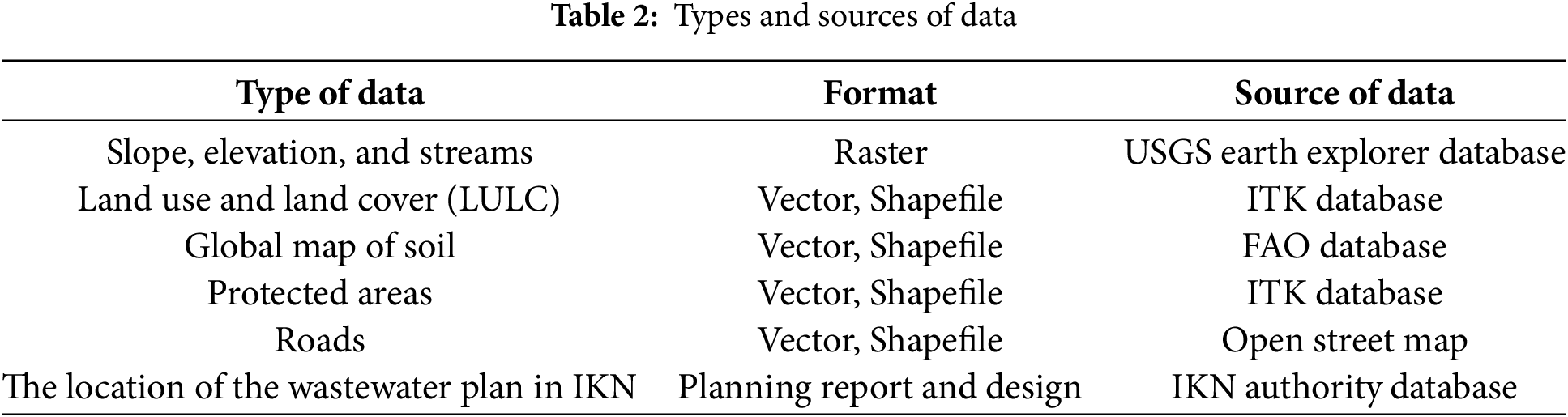
The final step is to assess current wastewater treatment locations and derive potential extensions. This process uses a raster-based suitability analysis with ArcGIS Pro Software. Before the analysis, the data from the different sources were converted into a raster format (Table 2). For the MCA to identify alternative possible sites we used eight criteria reflecting the economic, environmental, and social factors (Table 3), resulting in a new classified map. Each reclassification derives a level of suitability, which is differentiated into five levels from most suitable to least suitable. The rank of suitability levels was adopted from the various literature discussed above. Following this, the various suitability maps in each criterion were integrated into a composite suitability map by summing the mapped scores with a weighted system using Weighted-Sum Overlay analysis. The composite suitability maps containing summing scores of all criteria were then reclassified into five classes using the Reclassification tool in ArcGIS Pro. The entire process generated three types of maps: (1) criterion classification maps, (2) criterion suitability maps, and (3) composite suitability wastewater treatment maps. The final step was to compare the current IKN’s wastewater treatment infrastructure locations with the composite suitability map.

3.1 Documentary and Observational Evidence
Managing the development of IKN Nusantara depends on crucial datasets for effective urban planning and infrastructure management. The Detailed Spatial Plans, known as “Rencana Detail Tata Ruang” (RDTR), are the essential spatial planning designs for Nusantara’s urban area, including the Central Government Core Area (KIPP). Those documents serve as a framework for managing the utilization of space through the implementation of a zoning regulation, depicting which type of land use, infrastructure, and development priorities for service centers, transportation, and water resources should be [53]. Although the RDTR is solely intended for strategic areas, development in the IKN Nusantara is completely integrated and outlined in the Indonesian Capital City Master Plan and National Strategic Area Spatial Plan (RTR KSN) for the Indonesian Capital City 2022–2042. These plans provide a comprehensive roadmap for the development of the new capital city, including key performance indicators (KPIs) for a fully functional waste management system by 2045, targeting net-zero emissions, a minimum 60% recycling rate, public internet connectivity for waste management engagement, minimal residue during waste processing, and energy generation from waste [54].
Waste management in IKN Nusantara is specifically stated in the fifth KPI in the Indonesian Capital City Master Plan, focusing on sustainable waste management in the whole IKN Nusantara region. Waste is categorized into solid and liquid waste, with specialized treatment and energy conversion facilities, supporting sustainability goals. As illustrated in Fig. 3, Liquid waste is treated at Wastewater Treatment Plants (WWTP) using advanced processes, while solid waste is converted into energy, creating an energy-efficient system that reduces environmental impact [53]. This bi-directional energy flow signifies a highly efficient and eco-friendly approach. The energy generated by the Integrated Treatment Plant fulfills the power requirements of the WWTP partially, so this energy self-sufficiency reduces the overall environmental footprint and lowers the demand for external energy sources, reinforcing the sustainability of the entire system [53].

Figure 3: IKN waste and wastewater management plan (source: [53])
The phased development of IKN Nusantara aims to transform IKN Nusantara into a technologically advanced, sustainable city by 2045 [25]. The phased development is structured into five strategic phases, illustrated in Fig. 4. The initial phase up to 2024 focuses on establishing the Central Government Core Area (KIPP), including government buildings, residential units, and essential public amenities like hospitals, schools, and markets. From 2025 to 2029, the expansion phase aims to strengthen core infrastructure, enhancing public transportation, residential neighborhoods, and commercial areas. The subsequent phases from 2029 to 2045 focus on extensive development in education, healthcare, and high-tech industries, positioning IKN as a leader in sustainability and technological advancement with significant investments in high-tech infrastructure and sustainable urban planning.

Figure 4: Development phases of IKN (Source: [25])
The RDTR has comprehensive spatial structural plans for strategic areas, encompassing service centers, transportation networks, energy distribution, telecommunications, water resource distribution, drinking water networks, wastewater management, hazardous and toxic waste management, waste distribution, and drainage networks [55]. Nine strategic areas in the IKN Nusantara have been equipped with detailed spatial plans and have different regional roles, as shown in Fig. 5. The area planned as a residential and government center will have residential wastewater treatment plants (WWTP), such as in the KIPP and East Nusantara areas. Hazardous and toxic waste treatment installations are provided for areas with defense and security functions in South and West Nusantara and the food industry in Kuala Samboja. Non-domestic WWTPs are also planned precisely in the Muara Jawa area to support agricultural and fisheries activities. In addition, there are unique installations for processing fecal sludge in West Nusantara and Simpang Samboja, which serve as rural settlement centers.

Figure 5: Spatial structural plan of the waste management network (Source: Compilation from Detailed Spatial Plan of 9 urban areas of IKN Nusantara—[55–63])
The RDTR outlines a centralized domestic wastewater treatment system, divided into the Collection Subsystem and the Centralized Processing Subsystem. The IKN Nusantara will employ a centralized domestic wastewater treatment system (SPALD-T) for managing wastewater. This system facilitates the transportation of domestic wastewater from individual residential blocks/parcels to the Domestic Wastewater Treatment Plant (IPAL) through a pipe network. The collection subsystem is equipped with a reticulation pipe network directly connected to the building. The wastewater is subsequently conveyed by parent pipes to the Centralized Processing Subsystem. Concurrently, wastewater from industrial activities (non-domestic) has a separate centralized treatment plant. Several non-domestic WWTP units will be located in the Muara Jawa. As illustrated in Fig. 6, the Centralized Processing Subsystem includes residential wastewater management installations in each urban area, hazardous waste processing facilities in West and East Nusantara, and Simpang Samboja, and city-scale installations in Core Area and East Nusantara, ensuring effective local and regional treatment. Some subsystems will also be integrated with the integrated waste management site (TPST) using the reduce, reuse, and recycle principle, forming a Smart Integrated Urban Domestic Wastewater Management (UDWM) framework, promoting sustainable wastewater treatment and resource management.

Figure 6: Location of TPST 1 in Sub-WP 1 KIPP IKN (source: [1])
Furthermore, the spatial plan includes detailed zoning provisions on the SPALD-T facilities, which are crucial for maintaining the wastewater network system’s integrity and functionality. These provisions specify permitted, conditionally allowed, and prohibited activities, along with minimum infrastructure and facility requirements to prevent system disruptions [55–63]. The Nusantara Capital Authority’s RDTR for the KIPP area also addresses comprehensive wastewater and hazardous waste management. This promotes effectively integrating and managing all waste-related activities within the IKN Nusantara’s urban area.
The example of the integration between waste and wastewater management can be seen at TPST 1 in the government Core Area, as illustrated in Fig. 6, which is currently under construction. It aims to manage household waste within the areas SWP IA of KIPP IKN. Co-located with Domestic Wastewater Treatment Plant 1 (IPALD 1), illustrated in Fig. 7. This facility will handle 74 tons of waste and 15 tons of sludge daily, enhancing efficiency by integrating waste and wastewater treatment [64].

Figure 7: Layout plan of TPST-1 and IPALD-1
Nusantara’s Smart Building Guideline emphasizes sustainable wastewater management, aiming for a 60% recycling rate for solid waste by 2045 and universal wastewater treatment coverage by 2035. Progress includes constructing three wastewater treatment plants within the core KIPP area and introducing Smart Restrooms, which integrate economic growth with environmental sustainability. Nusantara aims to be a “World City for All,” leveraging advanced technology and innovative approaches to enhance urban living and demonstrate the interconnectedness of urban development and ecological responsibility [65].
3.2 GIS-Based Location Suitability Assessment
3.2.1 Data Transformation and Suitability Levels in Each Factor
All available vector data underwent rasterization to align the spatial resolution before resampling. This study employed the UTM zone 50S system for spatial projection and a resolution of 30 m. Because polyline doesn’t show area, spatial multi-buffer analysis was employed for road networks and water stream data, separating the research sites into five distance zones based on suitability proximity. All spatial data was then reclassified into five suitability categories following their value distribution for a suitability map of each criterion, as illustrated in Figs. 8–14.

Figure 8: Reclassified data and suitability levels in slope criteria

Figure 9: Reclassified data and suitability levels in elevation criteria
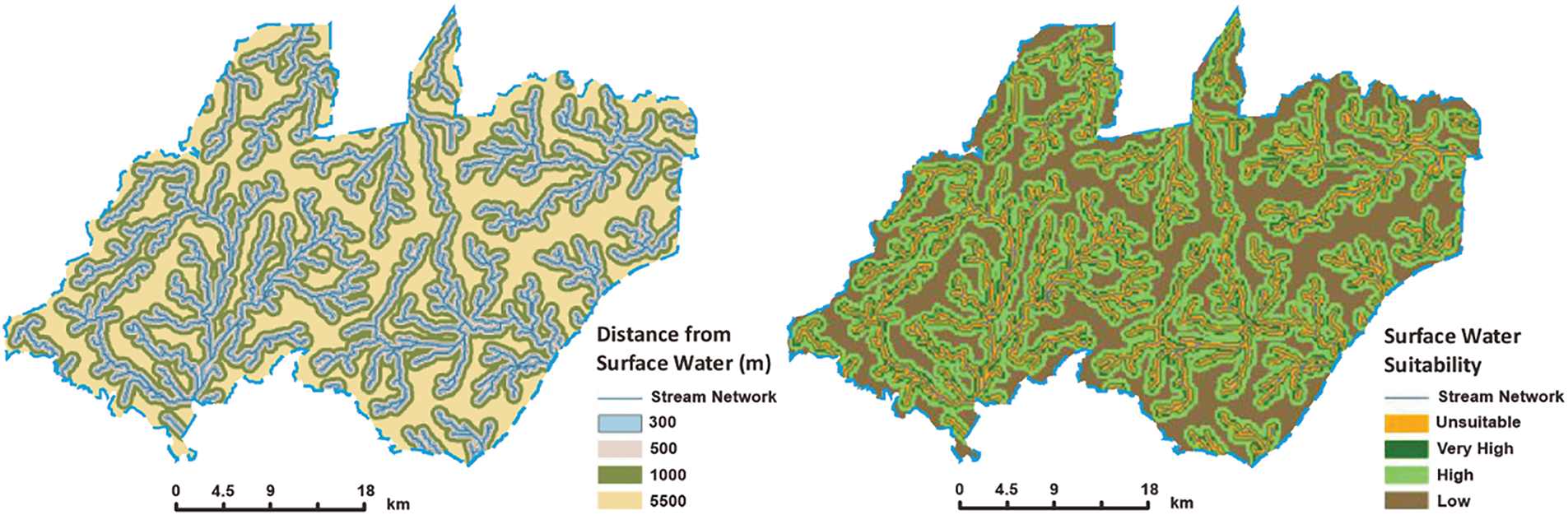
Figure 10: Reclassified data and suitability levels in surface water criteria

Figure 11: Reclassified data and suitability levels in roads criteria

Figure 12: Reclassified data and suitability levels in soil type criteria

Figure 13: Reclassified data and suitability levels in protected area criteria

Figure 14: Reclassified data and suitability levels in land use criteria
The study area’s topography ranges from 0 to 605 m. The western and central regions have the highest elevations. More than half of the study area is eligible for WWTP development due to its altitude below 50 m. In addition to appropriate water flow, lower elevation sites typically have more stable and favorable climatic conditions, ensuring better oxygen availability and preserving the microbial diversity required for the efficient operation of WWTPs [66]. Similarly, the slope gradient in this area does not fluctuate and is consistently less than 25%. Steep terrain with a gradient greater than 25% is prevalent in high-altitude regions. Such regions are judged inappropriate for establishing wastewater facilities due to the increased requirement for excavation during construction, resulting in higher building costs [67].
The suitability classification from proximity variables indicates situations that are not significantly different. The study area has a widely distributed river network as an upstream area near the coast. In addition, the study area still has appropriate road networks, especially in the Sepaku and Penajam urban areas in the west and Samboja urban areas along the East Coast. These two factors enable the possibility of more accessibility-based wastewater plant installation. An appropriate distance from surface water sources is critical to preventing pollution and ensuring the safe use of clean water for domestic purposes. At the same time, a buffer zone of 500 m from roads significantly impacts the cost and maintenance of building construction.
The research area contains five soil types. Ferric Acrisols in the western areas and Orthic Acrisols in the center region are ideal for WWTP building since they are clay-textured and impermeable to leachate. Furthermore, Dystric Fluvisols and Cambic Arenosols, which are abundant in the study area, have poorer permeability. Meanwhile, restricted areas in the center regions are designated as protected forests for preserving animals and biodiversity. One kilometer outside this protected area is the most suitable for construction to maintain this intent.
The last layer to identify wastewater treatment facilities relates to the type of land use to minimize impacts on existing populations and protect vulnerable areas. In the current conditions, built-up and agricultural land have been recognized as the major areas outside forest zones, particularly along Samboja’s west coast and Sepaku’s urban areas in the western region. These areas are considered inappropriate for such development. On the other hand, according to Presidential Regulation No. 64 of 2022 on Spatial Planning for IKN development, future land use is intended to retain a green share of 67.75% as protected areas. Fig. 15 depicts the expansion of residential areas and urban infrastructure from the current built-up areas to the western part of the IKN core area. Unfortunately, the expected land use map is inaccessible for public spatial data sharing or replication from regulatory papers due to extremely poor image quality for GIS-based analysis. As a result, existing land use data was used to conduct further analysis.
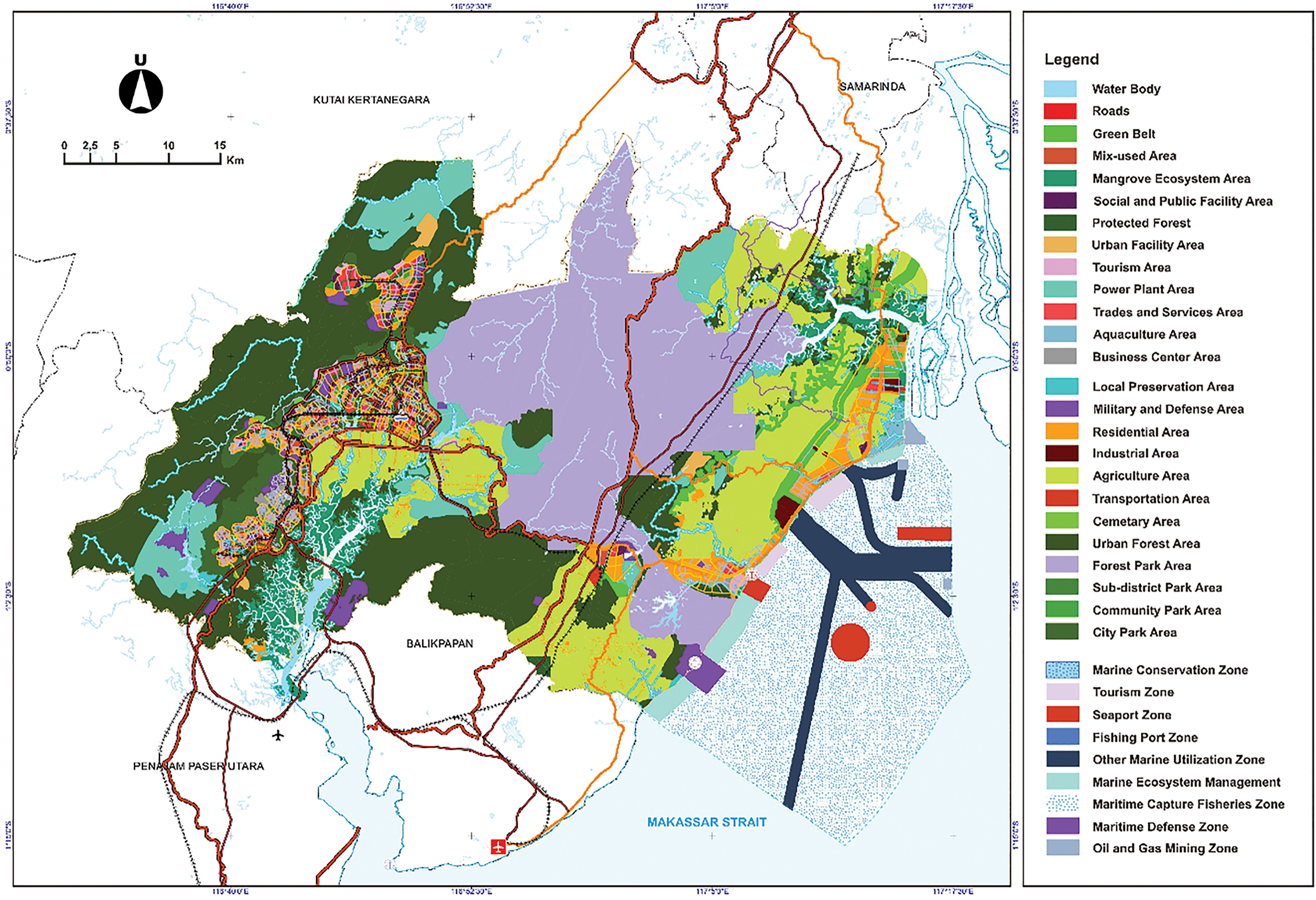
Figure 15: Future land use in the IKN area
The results of the AHP analysis—based on an in-depth examination of stakeholders’ perceptions who assigned their weights on how significant certain layers were for the WWTP site selection—show that the top 3 criteria that need to be considered when selecting a WWTP location are land use and distance to protected areas. These two factors have weights of 30% and 28%, respectively. Prioritizing land use as the main criterion in site selection is often associated with avoiding environmental and social impacts. However, several stakeholders highlighted that the priority weight of land use is also related to the ease of land acquisition, pointing out the potential expenses associated with the issues. Apart from that, the prioritization also derived from the stakeholders’ notion that extensive deforestation and the construction of buildings in prohibited zones in IKN areas may lead to increased soil erosion and flood occurrences during rainfall.
Elevation and slope were assigned a moderate ranking with 19% and 10% weights, respectively. The development of IKN is intended to utilize cutting-edge technology and automation to enhance the efficiency of operating and maintaining the infrastructure system. These factors influence stakeholders’ perceptions, ensuring WWTPs in the IKN area can successfully handle changes in wastewater inflow. Meanwhile, the remaining three factors, distance to surface water, main highways, and soil type, are given little priority, weighted at 5%, 5%, and 3%, respectively. These findings align closely with the outcomes of various studies, which indicate that accessibility to the roads and rivers exhibits a relatively lower effect as technology can manipulate these factors.
3.2.3 Suitability Maps and Evaluation
Table 4 presents the distribution area of each suitability class in the final analysis of the WWTP site susceptibility map. The level of suitability is classified into five levels, ranging from very high to unsuitable (very low). The study reveals that almost 80% of the study area, outside the protected forest, falls into the very high (dark green) and high (green) suitability categories for WWTP construction. The unsuitable zone, encompassing 66,167.6 hectares, is predominantly comprised of protected forest areas where building is strictly forbidden. Zones exhibiting low suitability, including an area of 1487.81 hectares, are located on the western side and are characterized by elevated altitudes and steep slopes. Moderate zones are often located near KIPP, with an area of 4357.7 hectares. Regions exhibiting high and very high adaptability are located on the eastern side of the IKN, with areas of 127,804.8 hectares and 17,024.83 hectares, respectively.

Most suitable zones are non-built-up areas with low elevation, slope, and accessibility. These areas are ideal for establishing settlements and infrastructure necessary for basic sanitation and wastewater treatment plant placement. Sustainable urban planning and development must consider the suitability of construction and effective wastewater management to improve inclusivity and sustainability in urban sanitation services. The city development may improve wastewater management and sustainability by strategically locating infrastructure in green zones.
Evaluation of the current plan for the construction of wastewater plants in IKN areas, as illustrated in Fig. 16, indicates that there are 81 designated locations, including four units in the KIPP area. IKN development was carried out in stages over five development phases. Providing guidance in the development process in land use management context, the Detailed Spatial Planning Plan (RDTR) of the IKN urban areas provides the location of the WWTP building plan and has been drawn up in the whole IKN Nusantara area, even though only in the planned urban areas. The spatial plan for areas outside urban areas is a general master plan that has not been detailed. Therefore, only identified locations were included in the evaluation. The research findings confirm that all the WWTP’s proposed location meets the appropriateness requirements. All proposed WWTP locations are situated within the designated suitable zone. Particularly in North and South Nusantara, just three spots fall within the moderate zone. In the future, wastewater systems must be built and distributed equally throughout the IKN area, especially in residential areas outside the IKN core area. The research results emphasize that the construction of new WWTPs can be carried out in almost all regions. However, this must be done with consideration of the optimal proximity to the planned residential areas, which are the zones to be supplied, hence increasing economic viability and decreasing health risk consequences.

Figure 16: Final suitability map in the IKN area for wastewater plants
With three urban growth scenarios, the analysis derives a suitability map for wastewater treatment plants, which is compared to the existing infrastructure plans of the IKN authority. For the core government Knowledge (KIPP) area in the IKN area the suitability for wastewater treatment plant (WWTP) construction is low, despite a considerable wastewater generation. Unsuitable areas include existing water bodies and protected zones. Certain development zones are predominantly characterized by moderate to high suitability, but here the uncertainties of how these areas will develop are also the highest.
Despite the decision to relocate the capital city from Jakarta to the new city in East Kalimantan, the Indonesian government also has an ambitious target for strict wastewater treatment standards to cope with greenhouse gas mitigation and water pollution reduction goals [22]. Also, the landscape of the new city for IKN development is dominated by forest. Consequently, urban development in the IKN area must prioritize sustainable practices to yield various advantages in climate change mitigation and water pollution prevention [17]. To address these challenges, it is essential to identify and assess the site for the building of the WWTPs to be implemented in the IKN region, hence establishing an effective and sustainable wastewater treatment system.
Nowadays, research on wastewater management in Indonesia emphasizes assessing communal wastewater treatment system implementation. The challenges associated with the centralized wastewater treatment system contribute to its limited implementation in Indonesian cities. Harahap et al. [68] demonstrated that off-site sanitation infrastructure at the urban scale exists in only 12 cities across Indonesia. Previous studies have indicated that urban growth presents challenges [23], the state of sanitation facilities is critical [19], and social conditions significantly influence on-site wastewater management, particularly in the context of black water treatment [18]. In urban areas, black water constitutes 5%, while in rural areas, it accounts for 24%. Furthermore, 51%–53% of grey water in Indonesia is discharged directly into the environment [20]. Research on wastewater treatment in Indonesia indicates that domestic wastewater significantly contributes to urban waste production, highlighting the challenge of providing reliable wastewater treatment and extensive networks amid urban expansion.
The provision of the RTR KSN and the RDTR for the IKN Development Area, which includes guidelines for waste management, particularly hazardous and toxic waste, demonstrates the government’s commitment to reducing the environmental impact of residue processing in the IKN as a new city. Presidential Regulation No. 64 of 2022 [54] states that advanced technology will be utilized to enhance the effectiveness and efficiency of urban waste management, encompassing the entire process from collection to processing. The waste management system is connected to the internet, enabling public access to information and participation in waste management activities. This connectivity facilitates data monitoring, reporting, and public engagement. The spatial distribution of the proposed waste processing facilities requires further examination to ensure sustainability. This study uniquely integrates the spatial suitability assessment for constructing sustainable WWTPs into the current spatial plan for IKN development.
The findings of this study indicate that the proposed locations for the WWTP are not fully situated in regions with a high degree of suitability for their construction. While most of the IKN Area ranks as highly suitable for WWTP development, certain WWTP units, particularly in the KIPP area, remain at a moderate level of suitability. Therefore, the government must prioritize the establishment of wastewater treatment plants (WWTPs) that are highly suitable to optimize service coverage and construction costs while also mitigating environmental impacts, particularly on groundwater quality [19].
Regarding the distribution, the proposed WWTP locations are evenly allocated among the designated urban areas of the IKN to support the anticipated population increase. This study’s findings suggest that monitoring space utilization in the IKN is essential to maintain development within designated zones, thereby ensuring the optimal distribution of centralized wastewater treatment systems throughout the IKN area. Blackett et al. [23] on the implementation of wastewater treatment plants (WWTPs) in Jakarta indicated that community readiness to embrace a wastewater management development program poses a challenge for establishing decentralized WWTPs, as residents are accustomed to individual septic tanks and sanitation systems. Consequently, the development of the IKN must guarantee the presence of WWTP units in every settlement cluster and that each structure is equipped with a direct drainage system leading to the designated wastewater treatment facility.
Based on the land cover aspect, the IKN area is indeed dominated by green cover. However, the study results confirm the development of existing settlements, especially in coastal areas. To ensure a sustainable waste management system and minimize social resistance, the government must prioritize the development of WWTP networks in developed regions. Widyarani et al. [18] stated that the issue of domestic wastewater pollution in the environment, especially in urban areas, primarily stems from insufficient on-site treatment of black water and the direct discharge of grey water into water bodies. This study strongly suggests that the development of the IKN also needs to adopt an incentive and disincentive system and increase community understanding of the importance of decentralized WWTP.
In response to the first research question, the analysis demonstrates that the principles of wastewater management are effectively applied in the IKN development. Nevertheless, several challenges remain in making the wastewater spatially and socio-economically resilient and sustainable. Spatially, the management is strongly dependent on how fast and in which direction the city may grow, and therefore urban growth scenarios will influence the degree to which current plans will be effective. The GIS-based analysis has identified how to translate the principles of wastewater management into concrete indicators for spatial distance, identification of restricted and non-restricted areas, and trends of land use change. These spatial indicators highlight where the principles might come under threat.
For the second research question we find that the current infrastructure is indeed suitable for the modest development plans of IKN, yet probably not ideal if any urban growth occurs beyond the current expectations. Extensions are possible in the lower areas closer to the coast rather than the more elevated areas, and extensions in the core area of the IKN are not feasible (also because having been excluded from the start). Instead, the plans of IKN authorities aim for “Circular and Resilient” WWMS, which are quite different from conventional wastewater treatment plants. Stressing further that the system is tailor-made for IKN to suit city-specific requirements better. While other smart cities may follow existing examples, IKN has introduced new smart city designs, including the WWMS. Despite these concerns, the plans of IKN authorities aim for “Circular and Resilient” wastewater management systems, which are quite different from conventional wastewater treatment plants. Stressing further that the system is tailor-made for IKN to suit city-specific requirements better. While other smart cities may follow existing examples, IKN has introduced something new and forward-thinking. They are innovating smart city designs by taking such a comprehensive approach to WWMS.
Future research should expand beyond wastewater management to include an integrated study of all water types, such as groundwater and stormwater, to address comprehensive urban water management challenges. This approach will ensure resilience in water systems under changing climate and rapid urban growth scenarios. Additionally, it is crucial to evaluate the governance models applied in IKN, focusing on sustainable urban planning within emerging contexts, to assess their adaptability and effectiveness in promoting equitable and inclusive development. Comparative studies with other emerging smart city projects globally could yield valuable insights into best practices and transferable strategies for sustainable water governance. Finally, a longitudinal analysis of the IKN’s wastewater management system, particularly its “Circular and Resilient” model, will provide essential lessons on how these strategies perform in practice, offering a blueprint for other rapidly urbanizing regions.
Acknowledgement: The authors would like to thank the editors and reviewers for their reviews and suggestions.
Funding Statement: The authors received no specific funding for this study.
Author Contributions: The authors confirm contribution to the paper as follows: study conception and design: Walter Timo de Vries; data collection: Walter Timo de Vries; analysis and interpretation of results: Cristina Astudillo, Achmad Ghozali; draft manuscript preparation: Cristina Astudillo, Achmad Ghozali; map and visualization: Achmad Ghozali; manuscript finalization: Walter Timo de Vries. All authors reviewed the results and approved the final version of the manuscript.
Availability of Data and Materials: The data for this research can be made available upon request.
Ethics Approval: Not applicable.
Conflicts of Interest: The authors declare no conflicts of interest to report regarding the present study.
References
1. Pojani D. Trophy cities: a feminist perspective on new capitals. Cheltenham, UK: Edward Elgar Publishing; 2021. [Google Scholar]
2. Agustino L, Hikmawan MD, Silas J. Is it possible for sustainability? The case from the new capital city of Indonesia. Front Polit Sci. 2024;6:1362337. doi:10.3389/fpos.2024.1362337. [Google Scholar] [CrossRef]
3. Lofrano G, Brown J. Wastewater management through the ages: a history of mankind. Sci Total Environ. 2010;408(22):5254–64. doi:10.1016/j.scitotenv.2010.07.062. [Google Scholar] [PubMed] [CrossRef]
4. Narang D, Madaan J, Chan FTS, Charan P. Evaluating prioritization of strategic business model for efficient wastewater resource management system. J Clean Prod. 2024;449(2):141271. doi:10.1016/j.jclepro.2024.141271. [Google Scholar] [CrossRef]
5. Dunn JB, Greene K, Vasquez-Arroyo E, Awais M, Gomez-Sanabria A, Kyle P, et al. Toward enhancing wastewater treatment with resource recovery in integrated assessment and computable general equilibrium models. Environ Sci Technol Lett. 2024;11(7):654–63. doi:10.1021/acs.estlett.4c00280. [Google Scholar] [PubMed] [CrossRef]
6. Derco J, Guľašová P, Legan M, Zakhar R, Žgajnar Gotvajn A. Sustainability strategies in municipal wastewater treatment. Sustainability. 2024;16(20):9038. doi:10.3390/su16209038. [Google Scholar] [CrossRef]
7. Muduli M, Choudhary M, Ray S. Remediation and characterization of emerging and environmental pollutants from residential wastewater using a nature-based system. Environ Sci Pollut Res. 2023;30(16):45750–67. doi:10.1007/s11356-023-25553-0. [Google Scholar] [PubMed] [CrossRef]
8. Arena C, Genco M, Mazzola MR. Environmental benefits and economical sustainability of urban wastewater reuse for irrigation—a cost-benefit analysis of an existing reuse project in Puglia. Italy Water. 2020;12(10):2926. doi:10.3390/w12102926. [Google Scholar] [CrossRef]
9. Molinos-Senante M, Gómez T, Garrido-Baserba M, Caballero R, Sala-Garrido R. Assessing the sustainability of small wastewater treatment systems: a composite indicator approach. Sci Total Environ. 2014;497–498(1):607–17. doi:10.1016/j.scitotenv.2014.08.026. [Google Scholar] [PubMed] [CrossRef]
10. Obaideen K, Shehata N, Sayed ET, Abdelkareem MA, Mahmoud MS, Olabi AG. The role of wastewater treatment in achieving sustainable development goals (SDGs) and sustainability guideline. Energy Nexus. 2022;7:100112. doi:10.1016/j.nexus.2022.100112. [Google Scholar] [CrossRef]
11. Akpan VE, Omole DO, Bassey DE. Assessing the public perceptions of treated wastewater reuse: opportunities and implications for urban communities in developing countries. Heliyon. 2020;6(10):e05246. doi:10.1016/j.heliyon.2020.e05246. [Google Scholar] [PubMed] [CrossRef]
12. Kanchanapiya P, Tantisattayakul T. Wastewater reclamation trends in Thailand. Water Sci Technol. 2022;86(11):2878–911. doi:10.2166/wst.2022.375. [Google Scholar] [PubMed] [CrossRef]
13. Lokhande S, Kalbar PP. Economic and environmental benefits of natural treatment systems for sewage treatment: a life cycle perspective. Water Res. 2024;257(May):121710. doi:10.1016/j.watres.2024.121710. [Google Scholar] [PubMed] [CrossRef]
14. Ahmad HW, Bibi HA, Chandrasekaran M, Ahmad S, Kyriakopoulos GL. Sustainable wastewater treatment strategies in effective abatement of emerging pollutants. Water. 2024;16(20):2893. doi:10.3390/w16202893. [Google Scholar] [CrossRef]
15. Morris JC, Georgiou I, Guenther E, Caucci S. Barriers in implementation of wastewater reuse: identifying the way forward in closing the loop. Circ Econ Sustain. 2021;1(1):413–33. doi:10.1007/s43615-021-00018-z. [Google Scholar] [CrossRef]
16. Mu’azu ND, Abubakar IR, Blaisi NI. Public acceptability of treated wastewater reuse in Saudi Arabia: implications for water management policy. Sci Total Environ. 2020;721(3):137659. doi:10.1016/j.scitotenv.2020.137659. [Google Scholar] [PubMed] [CrossRef]
17. Herrera-Navarrete R, Colín-Cruz A, Arellano-Wences HJ, Sampedro-Rosas ML, Rosas-Acevedo JL, Rodríguez-Herrera AL. Municipal wastewater treatment plants: gap, challenges, and opportunities in environmental management. Environ Manage. 2022;69(1):75–88. doi:10.1007/s00267-021-01562-y. [Google Scholar] [PubMed] [CrossRef]
18. Widyarani, Wulan DR, Hamidah U, Komarulzaman A, Rosmalina RT, Sintawardani N. Domestic wastewater in Indonesia: generation, characteristics and treatment. Environ Sci Pollut Res. 2022;29(22):32397–414. doi:10.1007/s11356-022-19057-6. [Google Scholar] [PubMed] [CrossRef]
19. Brontowiyono W, Boving T, Asmara AA, Rahmawati S, Yulianto A, Wantoputri NI, et al. Communal wastewater treatment plants’ effectiveness, management, and quality of groundwater: a case study in Indonesia. Water. 2022;14(19):3047. doi:10.3390/w14193047. [Google Scholar] [CrossRef]
20. Sururi MR, Dirgawati M, Wiliana W, Fadlurrohman F, Hardika, Widiyati N. Performance evaluation of domestic waste water treatment system in urban Indonesia. Case Stud Chem Environ Eng. 2023;8(2):100507. doi:10.1016/j.cscee.2023.100507. [Google Scholar] [CrossRef]
21. Suryawan IWK, Rahman A, Lim JW, Helmy Q. Environmental impact of municipal wastewater management based on analysis of life cycle assessment in Denpasar City. Desalination Water Treat. 2021;244:55–62. doi:10.5004/dwt.2021.27957. [Google Scholar] [CrossRef]
22. Gómez-Sanabria A, Zusman E, Höglund-Isaksson L, Klimont Z, Lee SY, Akahoshi K, et al. Sustainable wastewater management in Indonesia’s fish processing industry: bringing governance into scenario analysis. J Environ Manage. 2020;275(2):111241. doi:10.1016/j.jenvman.2020.111241. [Google Scholar] [PubMed] [CrossRef]
23. Blackett IC, Eales K, Febriani E, Siregar RF. Review of community-managed decentralized wastewater treatment systems in Indonesia. Washington, DC, USA: World Bank Group; 2014. [Google Scholar]
24. Farida F. Indonesia’s capital city relocation: a perspective of regional planning. Jurnal Perspektif Pembiayaan Dan Pembangunan Daerah. 2021;9(3):221–34. doi:10.22437/ppd.v9i3.12013. [Google Scholar] [CrossRef]
25. Nusantara Capital Authority. Fulfilling a shared dream: 2023 achievement report of nusantara capital authority [Internet]; 2023. [cited 2025 Jan 15]. Available from: https://www.ikn.go.id/storage/pedoman-nusantara/4/nca_achievement_2023.pdf. [Google Scholar]
26. Stinder AK, Schelte N, Severengiz S. Application of mixed methods in transdisciplinary research projects on sustainable mobility. Sustainability. 2022;14(11):6867. doi:10.3390/su14116867. [Google Scholar] [CrossRef]
27. Palinkas LA. Mixed method designs. In: Implementation science. London, UK: Routledge; 2022. p. 118–22. [Google Scholar]
28. Wayessa GO, Nygren A. Mixed methods research in global development studies: state-sponsored resettlement schemes in Ethiopia. Eur J Dev Res. 2023;35(6):1440–64. doi:10.1057/s41287-023-00588-8. [Google Scholar] [CrossRef]
29. Hackbarth TX. An integrated land use change and water availability assessment of indonesia’s currently relocating capital: the development of Ibu Kota Negara (IKN) with respect to different urbanization scenarios [master’s thesis]. Munich, Germany: Technical University of Munich (TUM); 2021. [Google Scholar]
30. Kleinert V. Flood susceptibility mapping of Indonesia’s new capital [master’s thesis]. Munich, Germany: Technical University of Munich (TUM); 2023. [Google Scholar]
31. Poddar I. Evaluating wastewater management potentials for Indonesia’s developing capital city IKN [master’s thesis]. Munich, Germany: Technical University of Munich (TUM); 2023. [Google Scholar]
32. Das S, Radhakrishnan K. Multicriteria decision making model of wastewater reuse: a stakeholders’ perspective in the context of India. Desalination Water Treat. 2019;163:17–25. doi:10.5004/dwt.2019.24412. [Google Scholar] [CrossRef]
33. Zhou Y, Song Y, Li S, Qin W, Sun J. A location selection method for wastewater treatment plants integrating dynamic change of water ecosystem and socio-cultural indicators: a case study of Phnom Penh. Water. 2022;14(22):3637. doi:10.3390/w14223637. [Google Scholar] [CrossRef]
34. Malczewski J. Multicriteria analysis. In: Comprehensive geographic information systems. Amsterdam, The Netherlands: Elsevier; 2018. p. 197–217. [Google Scholar]
35. Huang H, Canoy R, Brusselaers N, te Boveldt G. Criteria preprocessing in multi-actor multi-criteria analysis. J Multi Criteria Decis Anal. 2023;30(3–4):132–46. doi:10.1002/mcda.1804. [Google Scholar] [CrossRef]
36. Khosravi F, Fischer TB, Jha-Thakur U. Multi-criteria analysis for rapid strategic environmental assessment in tourism planning. J Environ Assess Policy Manag. 2019;21(4):1950013. doi:10.1142/S1464333219500133. [Google Scholar] [CrossRef]
37. Goepel KD. Implementing the analytic hierarchy process as a standard method for multi-criteria decision making in corporate enterprises—a new AHP Excel template with multiple inputs. In: International Symposium on the Analytic Hierarchy Process; 2013; Kuala Lumpur, Malaysia. p. 1–10. [Google Scholar]
38. Awawdeh M, Al-Rousan Z, Alkaraki K. Wastewater treatment plant site selection using GIS and multicriteria decision analysis. Arab Gulf J Sci Res. 2023;42(4):1504–17. doi:10.1108/AGJSR-09-2023-0412. [Google Scholar] [CrossRef]
39. Zapasa A, Musz-Pomorska A, Gołębiowska J, Widomski MK. Financial, environmental and social sustainability of rural sanitary wastewater system: case study. Appl Water Sci. 2022;12(12):277. doi:10.1007/s13201-022-01799-w. [Google Scholar] [CrossRef]
40. Liu B, Tang J, Qu Y, Yang Y, Lyu H, Dai Y, et al. A GIS-based method for identification of blindness in former site selection of sewage treatment plants and exploration of optimal siting areas: a case study in Liao River Basin. Water. 2022;14(7):1092. doi:10.3390/w14071092. [Google Scholar] [CrossRef]
41. Olabode GS, Olorundare OF, Somerset VS. Physicochemical properties of wastewater effluent from two selected wastewater treatment plants (Cape Town) for water quality improvement. Int J Environ Sci Technol. 2020;17(12):4745–58. doi:10.1007/s13762-020-02788-9. [Google Scholar] [CrossRef]
42. Taghilou S, Peyda M, Khosravi Y, Mehrasbi MR. Site selection for wastewater treatment plants in rural areas using the analytical hierarchy process and geographical information system. J Hum, Environ, Health Promot. 2019;5(3):137–44. doi:10.29252/jhehp.5.3.8. [Google Scholar] [CrossRef]
43. Schacht K, Gönster S, Jüschke E, Chen Y, Tarchitzky J, Al-Bakri J, et al. Evaluation of soil sensitivity towards the irrigation with treated wastewater in the Jordan River Region. Water. 2011;3(4):1092–111. doi:10.3390/w3041092. [Google Scholar] [CrossRef]
44. Mahmoudi M, Aydi A, Ibrahim H. Site selection for artificial recharge with treated wastewater with the integration of multi-criteria evaluation and ELECTRE III. Environ Sci Pollut Res. 2021;28(34):46748–63. doi:10.1007/s11356-021-12354-6. [Google Scholar] [PubMed] [CrossRef]
45. Asefa B, Mindahun W. Geospatial based optimum site selection for wastewater treatment plant: the case of Debre Berhan Town, Amhara Regional State. Ethiopia J Geosci Geomat. 2019;7(3):97–104. [Google Scholar]
46. Agrawal R, Srivastava AK, Nigam AK. GIS and AHP based site suitability for sewage treatment plant in Sultanpur District. India Int J Innov Technol Exploring Eng. 2019;8(6S4):961–4. [Google Scholar]
47. Addis A. Selection of wastewater treatment plant site for Bahir Dar Town, Ethiopia using multi-criteria analysis on GIS platform. Civil Environ Ress. 2021;13(3):9–16. [Google Scholar]
48. Jassima O, Abbasl Zdekan. Application of GIS and AHP technologies to support of selecting a suitable site for wastewater sewage plant in Al Kufa City. Al-Qadisiyah J Eng Sci. 2019;12(1):31–7. doi:10.30772/qjes.v12i1.586. [Google Scholar] [CrossRef]
49. Niu L, Li Y, Wang P, Zhang W, Wang C, Wang Q. Understanding the linkage between elevation and the Activated-Sludge Bacterial Community along a 3600-Meter elevation gradient in China. Appl Environ Microbiol. 2015;81(19):6567–76. doi:10.1128/AEM.01842-15. [Google Scholar] [PubMed] [CrossRef]
50. Nigusse AG, Adhaneom UG, Kahsay GH, Abrha AM, Gebre DN, Weldearegay AG. GIS application for urban domestic wastewater treatment site selection in the Northern Ethiopia, Tigray Regional State: a case study in Mekelle City. Arab J Geosci. 2020;13(8):311. doi:10.1007/s12517-020-5257-4. [Google Scholar] [CrossRef]
51. Jajac N, Marović I, Rogulj K, Kilić J. Decision support concept to selection of wastewater treatment plant location—the case study of town of Kutina. Croatia Water. 2019;11(4):717. doi:10.3390/w11040717. [Google Scholar] [CrossRef]
52. Deepa K, Krishnaveni M. Suitable site selection of decentralised treatment plants using multicriteria approach in GIS. J Geogr Inf Syst. 2012;4(3):254–60. doi:10.4236/jgis.2012.43030. [Google Scholar] [CrossRef]
53. Republic of Indonesia. Peraturan Presiden Republik Indonesia Nomor 63 Tahun 2022 Tentang Perincian Rencana Induk Ibu Kota Nusantara (Presidential regulation of the Republic of Indonesia number 63 of 2022 concerning the details of the master plan of the Nusantara capital city). 2022. [cited 2025 Jan 15]. Available from: https://www.ikn.go.id/storage/regulasi/perpres-63-tahun-2022.pdf. [Google Scholar]
54. Republic of Indonesia. Peraturan Presiden Republik Indonesia Nomor 64 Tahun 2022 Tentang Rencana Tata Ruang Kawasan Strategis Nasional Ibu Kota Nusantara Tahun 2022–2042 (Presidential regulation of the Republic of Indonesia Number 63 of 2022 concerning national strategic area spatial plan for the capital city of Nusantara Year 2022–2042). 2022. [cited 2025 Jan 15]. Available from: https://jdih.maritim.go.id/cfind/source/files/perpres/2022/perpres-64/perpres-nomor-64-tahun-2022.pdf. [Google Scholar]
55. Republic of Indonesia. Peraturan Kepala Otorita Ibu Kota Nusantara Republik Indonesia Nomor 1 Tahun 2023 Tentang Rencana Detail Tata Ruang Wilayah Perencanaan Kawasan Inti Pusat Pemerintahan Ibu Kota Nusantara (Regulation of the head of the capital city authority of the Republic of Indonesia number 1 of 2023 concerning the detailed spatial planning plan for the core area planning of the capital city government center of the Republic of Indonesia). 2023. [cited 2025 Jan 15]. Available from: https://www.ikn.go.id/storage/regulasi/perka-otorita-no-1-tahun-2023-rdtr-kipp-ikn.pdf. [Google Scholar]
56. Republic of Indonesia. Peraturan Kepala Otorita Ibu Kota Nusantara Republik Indonesia Nomor 7 Tahun 2023 Tentang Rencana Detail Tata Ruang Wilayah Perencanaan Simpang Samboja (Regulation of the head of the capital city authority of the Republic of Indonesia number 7 of 2023 concerning the detailed spatial plan of the simpang samboja). 2023. [cited 2025 Jan 15]. Available from: https://www.ikn.go.id/storage/regulasi/perka-oikn-no-7-tahun-2023-rdtr-simpang-samboja.pdf. [Google Scholar]
57. Republic of Indonesia. Peraturan Kepala Otorita Ibu Kota Nusantara Republik Indonesia Nomor 8 Tahun 2023 Tentang Rencana Detail Tata Ruang Wilayah Perencanaan Kuala Samboja (Regulation of the head of the capital city authority of the Republic of Indonesia number 8 of 2023 concerning the detailed spatial plan of the kuala samboja). 2023. [cited 2025 Jan 15]. Available from: https://www.ikn.go.id/storage/regulasi/perka-oikn-no-8-tahun-2023-rdtr-kuala-samboja.pdf. [Google Scholar]
58. Republic of Indonesia. Peraturan Kepala Otorita Ibu Kota Nusantara Republik Indonesia Nomor 9 Tahun 2023 Tentang Rencana Detail Tata Ruang Wilayah Perencanaan Muara Jawa (regulation of the head of the capital city authority of the Republic of Indonesia number 9 of 2023 concerning the detailed spatial plan of the muara jawa). 2023. [cited 2025 Jan 15]. Available from: https://www.ikn.go.id/storage/regulasi/perka-oikn-no-9-tahun-2023-rdtr-muara-jawa.pdf. [Google Scholar]
59. Republic of Indonesia. Peraturan Kepala Otorita Ibu Kota Nusantara Republik Indonesia Nomor 2 Tahun 2023 Tentang Rencana Detail Tata Ruang Wilayah Perencanaan Ibu Kota Nusantara Barat (Regulation of the head of the capital city authority of the Republic of Indonesia Number 2 of 2023 Concerning the detailed spatial plan of the capital city planning area of the West Nusantara). 2023. [cited 2025 Jan 15]. Available from: https://www.ikn.go.id/storage/regulasi/perka-otorita-no-2-tahun-2023-rdtr-wp-ikn-barat.pdf. [Google Scholar]
60. Republic of Indonesia. Peraturan Kepala Otorita Ibu Kota Nusantara Republik Indonesia Nomor 5 Tahun 2023 Tentang Rencana Detail Tata Ruang Wilayah Perencanaan Ibu Kota Nusantara Selatan (Regulation of the head of the capital city authority of the Republic of Indonesia Number 5 of 2023 concerning the detailed spatial plan of the capital city planning area of the South Nusantara). 2023. [cited 2025 Jan 15]. Available from: https://www.ikn.go.id/storage/regulasi/perka-oikn-no-5-tahun-2023-rdtr-ikn-selatan.pdf. [Google Scholar]
61. Republic of Indonesia. Peraturan Kepala Otorita Ibu Kota Nusantara Republik Indonesia Nomor 6 Tahun 2023 Tentang Rencana Detail Tata Ruang Wilayah Perencanaan Ibu Kota Nusantara Utara (Regulation of the head of the capital city authority of the Republic of Indonesia Number 6 of 2023 concerning the detailed spatial plan of the capital city planning area of the North Nusantara). 2023. [cited 2025 Jan 15]. Available from: https://www.ikn.go.id/storage/regulasi/perka-oikn-no-6-tahun-2023-rdtr-ikn-utara.pdf. [Google Scholar]
62. Republic of Indonesia. Peraturan Kepala Otorita Ibu Kota Nusantara Republik Indonesia Nomor 3 Tahun 2023 Tentang Rencana Detail Tata Ruang Wilayah Perencanaan Ibu Kota Nusantara Timur 1 (Regulation of the head of the capital city authority of the Republic of Indonesia Number 3 of 2023 concerning the detailed spatial plan of the capital city planning area of the East Nusantara 1). 2023. [cited 2025 Jan 15]. Available from: https://www.ikn.go.id/storage/regulasi/perka-otorita-no-3-tahun-2023-rdtr-ikn-timur-1.pdf. [Google Scholar]
63. Republic of Indonesia. Peraturan Kepala Otorita Ibu Kota Nusantara Republik Indonesia Nomor 4 Tahun 2023 Tentang Rencana Detail Tata Ruang Wilayah Perencanaan Ibu Kota Nusantara Timur 2 (Regulation of the head of the capital city authority of the Republic of Indonesia Number 4 of 2023 concerning the detailed spatial plan of the capital city planning area of the East Nusantara 2). 2023. [cited 2025 Jan 15]. Available from: https://www.ikn.go.id/storage/regulasi/perka-otorita-no-4-tahun-2023-rdtr-wp-ikn-timur-2.pdf. [Google Scholar]
64. Executive summary urban design development kawasan inti pusat pemerintahan (KIPP) IKN (Executive summary of urban design development of the IKN’s capital city government center). 2021. [cited 2025 Jan 15]. Available from: https://www.scribd.com/document/563382344/Executive-Summary-Urban-Design-Development-KIPP-IKN-2021-1. [Google Scholar]
65. Nusantara Capital Authority. Nusantara’s smart building guideline [Internet]; 2023. [cited 2025 Jan 15]. Available from: https://www.ikn.go.id/storage/thd/smart-building-books/smart-building-guideline-eng-b5-200923.pdf. [Google Scholar]
66. Zhu Y, Liu Y, Chang H, Yang H, Zhang W, Zhang Y, et al. Deciphering the microbial community structures and functions of wastewater treatment at high-altitude area. Front Bioeng Biotechnol. 2023;11:1107633. doi:10.3389/fbioe.2023.1107633. [Google Scholar] [PubMed] [CrossRef]
67. Hama AR, Al-Suhili RH, Ghafour ZJ. A multi-criteria GIS model for suitability analysis of locations of decentralized wastewater treatment units: case study in Sulaimania. Iraq Heliyon. 2019;5(3):e01355. doi:10.1016/j.heliyon.2019.e01355. [Google Scholar] [PubMed] [CrossRef]
68. Harahap J, Gunawan T, Suprayogi S, Widyastuti M. A review: domestic wastewater management system in Indonesia. IOP Conf Ser Earth Environ Sci. 2021;739(1):012031. doi:10.1088/1755-1315/739/1/012031. [Google Scholar] [CrossRef]
Cite This Article
 Copyright © 2025 The Author(s). Published by Tech Science Press.
This work is licensed under a Creative Commons Attribution 4.0 International License , which permits unrestricted use, distribution, and reproduction in any medium, provided the original work is properly cited.
 Downloads
 Citation Tools
