Guest Editor(s)
Prof. Lei Lei
Email: lei.lei@hnu.edu.cn
Affiliation: College of Civil Engineering, Hunan University, Changsha, China
Homepage:
Research Interests: concrete admixtures, low carbon binders
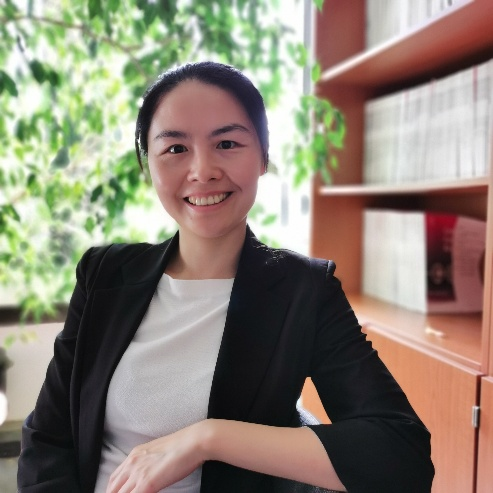
Prof. Jae Hong Kim
Email: jae.kim@kaist.ac.kr
Affiliation: Department of Civil and Environmental Engineering, Korea Advanced Institute of Science and Technology, Daejeon, Republic of Korea
Homepage:
Research Interests: concrete, rheology, carbon utilization, 3D printing

Dr. Denny Coffetti
Email: denny.coffetti@unibg.it
Affiliation: Department of Engineering and Applied Sciences, University of Bergamo, Viale Marconi 5, 24044 Dalmine (BG), Italy
Homepage:
Research Interests: alternative binders to Portland cement, low-carbon cements, sustainability and durability of concrete

Prof. Lucia Ferrari
Email: lucia.ferrari9@unibo.it
Affiliation: Department of Civil, Chemical, Environmental and Materials Engineering, University of Bologna, Bologna, Italy
Homepage:
Research Interests: porosity, rheology, materials durability, material science, thermal characterisation (TGA and DSC)
Summary
The transition toward carbon-neutral construction has accelerated the adoption of low-carbon binder systems, including alkali-activated materials (AAMs), limestone calcined clay cement (LC3), and other emerging sustainable binders. While these materials offer significant environmental benefits by reducing the carbon footprint of cement production, their application also introduces new challenges, including reduced workability, altered hydration behavior, and difference in long-term performance. Among these, the compatibility between chemical admixtures and low-carbon binder systems is one of the most critical challenges. Most conventional chemical admixtures were originally developed for ordinary Portland cement (OPC) and often exhibit different adsorption behavior, dispersion efficiency, and hydration-modifying mechanisms when applied to various binder systems. The increasing diversity of cementitious materials therefore calls for innovative molecular design strategies for chemical admixtures, together with a deeper understanding of admixture–binder interactions, to ensure consistent performance across next-generation low-carbon cementitious systems.
This Special Issue aims to provide a forum for the latest advances in admixture technologies for sustainable cementitious materials. Contributions addressing fundamental mechanisms, molecular design, compatibility, performance optimization, and practical applications of chemical admixtures in low-carbon binder systems are particularly welcome.
We invite original research articles, review papers, short communications, but not limited to, the following topics:
· Synthesis and performance of chemical admixtures for low-carbon binder systems;
· Compatibility and interaction mechanisms between chemical admixtures and low-carbon binders;
· Adsorption, dispersion, and hydration-modifying mechanisms of chemical admixtures in emerging cementitious materials;
· Rheology, workability, setting control, and early-age performance of low-carbon cementitious systems incorporating chemical admixtures;
· Molecular simulation, computational modelling, artificial intelligence, and machine learning for admixture design and admixture–binder interactions;
· Microstructural characterization, hydration kinetics, and mechanisms governing admixture performance in low-carbon cementitious systems.
Keywords
chemical admixtures, rheology, molecular design, compatibility, supplementary cementitious materials

 Login
Login Register
 Submit a Paper
 Propose a Special lssue