Guest Editor(s)
Dr. Dingqiang Fan
Email: dingqiang.fan@polyu.edu.hk
Affiliation: Department of Civil and Environmental Engineering, Research Centre for Resources Engineering Towards Carbon Neutrality (RCRE), The Hong Kong Polytechnic University, Kowloon, Hong Kong, China
Homepage:
Research Interests: solid waste-based low-carbon and ultra-high-performance cementitious materials, multicomponent binder design, lightweight and multifunctional concrete, carbon capture and storage, ai-assisted design of cementitious materials
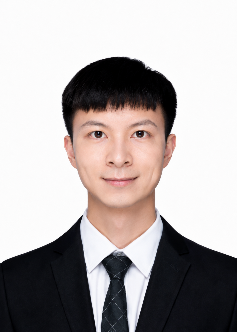
Dr. Jingxiao Zhang
Email: zhangjingxiao@gmdi.cn
Affiliation: 1. Guangzhou Metro Design and Research Institute Co., Ltd., Guangzhou, China
2. School of Materials Science and Engineering, Tongji University, Shanghai, China
Homepage:
Research Interests: multi-source solid waste-based cementitious materials, multicomponent binder design and composition optimization, chemistry and microstructure, mechanical performance and durability of cementitious materials, service-life assessment

Dr. Xuesen Lv
Email: xuesen.lv@gxu.edu.cn
Affiliation: School of Chemistry and Chemical Engineering, Guangxi University, Nanning, China
Homepage:
Research Interests: solid waste materials, activation and performance modification of multicomponent binders, cement chemistry and microstructure, carbon capture and storage, durability and corrosion protection

Assoc. Prof. Dr. Keke Sun
Email: ke-ke.sun@sdu.edu.cn
Affiliation: School of Qilu Transportation, Shandong University, Jinan, China
Homepage:
Research Interests: solid waste-based cementitious materials, multi-source solid waste utilization and multicomponent binder design, composition and performance optimization, reaction mechanisms, concrete durability

Summary
The transition toward low-carbon construction requires green cementitious materials with reduced clinker consumption, lower dependence on virgin resources, and reliable engineering performance. Solid wastes generated by industrial, construction, mining, metallurgical, agricultural, and municipal activities provide abundant secondary resources. The combined utilization of these solid wastes offers opportunities to exploit their complementary chemical, mineralogical, and physical characteristics while simultaneously improving resource efficiency and solid waste valorisation.
However, the diversity of solid waste sources also introduces substantial variability in composition, reactivity, particle characteristics, and compatibility. Rational composition design is therefore essential to balance the properties of different solid waste-derived constituents and optimize fresh-state behavior, mechanical properties, durability, volume stability, and long-term serviceability. Key research needs include solid waste characterization and classification, pretreatment and activation, multicomponent proportioning, interfacial interactions, reaction mechanisms, microstructure development, predictive modeling, life-cycle assessment, and engineering implementation.
This Special Issue welcomes original research articles, reviews, and short communications on the combined utilization of solid waste materials from multiple sources. Contributions should advance the composition design and performance optimization of multi-source solid waste-based systems.
Topics of interest include, but are not limited to:
· Source variability, characterization, classification, pretreatment, and quality control of solid waste materials;
· Selection and combined utilization of solid waste materials from multiple sources;
· Composition design and proportioning of multicomponent solid waste-based binders;
· Compatibility, interactions, and complementary or synergistic effects among different solid waste materials;
· Activation, modification, and performance optimization strategies for multi-source solid waste-based systems;
· Reaction kinetics, phase assemblages, interfaces, and microstructure development of multi-source solid waste-based systems;
· Rheology, workability, setting, and early-age performance of multi-source solid waste-based systems;
· Mechanical properties, shrinkage, cracking, and volume stability of multi-source solid waste-based systems;
· Transport properties, durability, reinforcement corrosion, and service-life performance of multi-source solid waste-based systems;
· Advanced characterization and multiscale analysis of multi-source solid waste-based systems;
· Modeling, artificial intelligence, and performance prediction of multi-source solid waste-based systems;
· Resource efficiency, circularity, carbon capture and utilization, and life-cycle assessment of multi-source solid waste-based systems;
· Scale-up, engineering applications, and field demonstrations of multi-source solid waste-based systems.
Keywords
multi-source solid waste materials, sustainable cementitious materials, composition design, performance optimization, solid waste valorisation, multicomponent binders, reaction mechanisms and microstructure, mechanical performance and durability, life-cycle assessment, engineering applications

 Login
Login Register
 Submit a Paper
 Propose a Special lssue