Guest Editor(s)
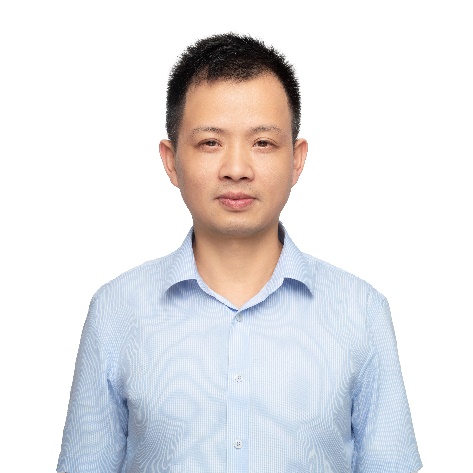
Prof. Shuhua Liu
Email: shliu@whu.edu.cn
Affiliation: State Key Laboratory of Water Resources Engineering and Management, Wuhan University, Wuhan, China
Homepage:
Research Interests: novel cementitious materials, recycling and utilization of solid waste, high performance cement-based materials
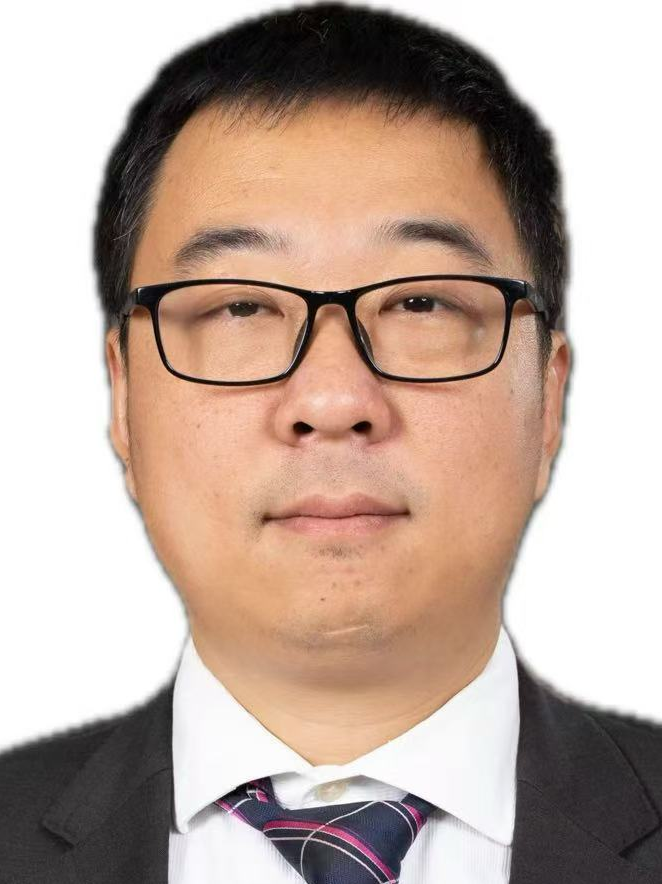
Prof. Jun Ren
Email: renjun@ynu.edu.cn
Affiliation: School of Architecture and Urban Planning, Yunnan University, Kunming, China
Homepage:
Research Interests: utilisation of solid waste, self-healing materials, admixture for cement and concrete
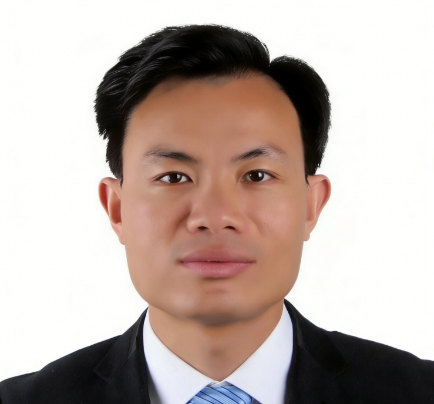
Prof. Yishun Liao
Email: liaoyishun@wust.edu.cn
Affiliation: Department of Civil Engineering, School of Urban Construction, Wuhan University of Science and Technology, Wuhan, China
Homepage:
Research Interests: recycling and utilization of solid waste; low-carbon cementitious materials; calcium sulfoaluminate cement; ferroaluminate cement
Summary
Phosphogypsum is the primary solid waste generated during the wet process production of phosphoric acid and phosphate fertilizers. The scale of its generation is enormous has resulted in severe land resource occupation, significant environmental hazards, and a squandering of potentially valuable material resources. Consequently, the development of efficient, cost-effective, and high-value pathways for phosphogypsum utilization has become a critical imperative. This Special Issue aims to bring together cutting-edge research that advances the knowledge of utilization of phosphogypsum in construction materials, as well as the theory of improvement.
Key topics include the performances improvement, such as fresh properties, mechanical performance, durability, as well as novel approaches to treat phosphogypsum. Contributions on innovative phosphogypsum -based low-carbon a cementitious materials are also welcome. Additionally, experimental investigation and numerical simulation on the interactions between materials, as well as improvement mechanism, are encouraged.
As a journal with over a century of authority in the building materials sector, ZKG International offers global visibility and rigorous peer review. By bringing together multidisciplinary perspectives, this special issue seeks to transform phosphogypsum from an industrial waste into a valuable secondary resource, supporting the transition toward low-carbon and circular construction practices. The themes of this special issue include but not limited to:
· Pretreatment and impurity removal technologies
· Phosphogypsum in cement, binders, building materials, and road construction
· Supersulfated cement and alkali-activated composite
· Manufacture, properties and microstructure of the cementitious materials containing phosphogypsum
· Fiber-reinforced phosphogypsum composites manufacture properties and toughening mechanisms
· High-value lightweight panels and blocks novel processing routes and multifunctional performance
· Emerging trends in phosphogypsum utilization from bulk consumption to high-value transformation
· Policy for utilization of phosphogypsum
· Life-cycle assessment and innovative processing routes
Keywords
phosphogypsum, composite cementitious materials,supersulfated cement, low carbon, mechanical performance, durability

 Login
Login Register
 Submit a Paper
 Propose a Special lssue