
 Login
Login Register
 Submit a Paper
 Propose a Special lssue
 Open Access
ARTICLE
New Insight to Large Deformation Analysis of Thick-Walled Axisymmetric Functionally Graded Hyperelastic Ellipsoidal Pressure Vessel Structures: A Comparison between FEM and PINNs
1 Department of Civil Engineering, College of Engineering, University of Thi-Qar, Nasiriyah, Thi-Qar, Iraq
2 Institute of Structural Mechanics, Bauhaus-University Weimar, Weimar, Germany
3 Civil Engineering Department, Jordan University of Science and Technology, Irbid, Jordan
* Corresponding Author: Nasser Firouzi. Email:
Computers, Materials & Continua 2026, 87(2), 15 https://doi.org/10.32604/cmc.2026.075840
Received 10 November 2025; Accepted 29 January 2026; Issue published 12 March 2026
 View Full Text
 Download PDF
Abstract
The accurate mechanical analysis of thick-walled pressure vessel structures composed of advanced materials, such as hyperelastic and functionally graded materials (FGMs), is critical for ensuring their safety and optimizing their design. However, conventional numerical methods can face challenges with the non-linearities inherent in hyperelasticity and the complex spatial variations in FGMs. This paper presents a novel hybrid numerical approach combining Physics-Informed Neural Networks (PINNs) with Finite Element Method (FEM) derived data for the robust analysis of thick-walled, axisymmetric, heterogeneous, hyperelastic pressure vessels with elliptical geometries. A PINN framework incorporating neo-Hookean constitutive relations is developed in MATLAB. To enhance training efficiency and accuracy, the PINN’s loss function is augmented with displacement data obtained from high-fidelity FEM simulations performed in ANSYS. The methodology is rigorously validated by comparing PINN-predicted displacement and von Mises stress fields against ANSYS benchmarks for various scenarios of FGM configurations (with material properties varying according to a power law) subjected to internal and external pressurization. The results demonstrate excellent agreement between the proposed hybrid PINN-FEM approach and conventional FEM solutions across all test cases, accurately capturing complex deformation patterns and stress concentrations. This study highlights the potential of data-augmented PINNs as an effective and accurate computational tool for tackling complex solid mechanics problems involving non-linear materials and significant heterogeneity, offering a promising avenue for future research in engineering design and analysis.Keywords
The design and analysis structures like pressure vessels remain a cornerstone of modern engineering, with critical applications spanning energy systems, chemical processing, aerospace structures, and biomedical devices. Ensuring the structural integrity and optimal performance of these components under demanding operational conditions, such as high internal or external pressures, is paramount [1]. While classical analytical solutions exist for simplified geometries and material models [2] contemporary designs increasingly feature complex geometries, such as elliptical profiles for specific flow or stress distribution advantages and advanced material systems, necessitating sophisticated analytical and computational tools [3].
Among advanced materials, hyperelastic materials, such as elastomers and polymers, are extensively used in pressure vessel applications like seals, bladders, and flexible containers due to their capacity for large, reversible deformations [4–8]. Accurately capturing their highly non-linear stress-strain behavior requires robust constitutive models, with the neo-Hookean formulation being a fundamental and widely adopted choice for many rubber-like materials [9]. Furthermore, the concept of Functionally Graded Materials (FGMs) has gained significant traction, offering tailored mechanical responses by gradually varying material composition and properties across a component’s volume [10,11]. In pressure vessels, FGMs can optimize stress distributions, enhance durability, and improve resistance to thermal or chemical attack [12]. However, the combination of hyperelasticity and spatially varying FGM properties introduces substantial complexity into the governing mechanical equations and their solution [13].
The Finite Element Method (FEM) has traditionally been the workhorse for analyzing such complex engineering problems, providing reliable solutions for non-linear materials and intricate geometries [14]. Numerous studies have successfully employed FEM for analyzing hyperelastic structures [15–17] and FGM components, including pressure vessels [18]. Despite its power, FEM can encounter limitations. Meshing complex FGM domains with continuously varying properties can be challenging, potentially requiring very fine discretizations or specialized element formulations. Moreover, the iterative nature of solving non-linear hyperelastic problems can be computationally intensive, particularly for large-scale models or extensive parametric studies inherent in design optimization [19,20].
In recent years, machine learning methodologies have emerged as a disruptive force across scientific and engineering disciplines, offering new paradigms for modeling and simulation [21]. Among these, Physics-Informed Neural Networks (PINNs) have garnered significant attention for their unique ability to integrate underlying physical laws, typically expressed as partial differential equations (PDEs), directly into the neural network learning process [22–25]. By minimizing a loss function composed of PDE residuals and boundary/initial condition mismatches, PINNs can learn solutions without relying on traditional mesh-based discretizations, offering potential advantages in handling complex geometries and inverse problems [26,27].
The application of PINNs to solid mechanics problems is a rapidly expanding research area. Initial studies demonstrated their efficacy for linear elasticity, followed by explorations into more complex scenarios, including hyperelasticity, plasticity, and fracture mechanics [28]. Some recent efforts have begun to address heterogeneous materials with PINNs. However, the robust and efficient application of PINNs to thick-walled axisymmetric pressure vessels characterized by both hyperelastic constitutive behavior and functionally graded material properties, particularly for non-trivial geometries like ellipses, remains an area ripe for investigation. Furthermore, a known challenge with PINNs can be their training cost and convergence behavior, especially for stiff PDEs or highly non-linear systems [29,30].
This paper aims to address these challenges by proposing and evaluating a Physics-Informed Neural Network approach for the detailed analysis of thick-walled axisymmetric heterogeneous hyperelastic pressure vessels. Specifically, we implement a PINN framework in MATLAB incorporating neo-Hookean constitutive relations to model the material’s hyperelastic response. A key aspect of our methodology is the strategic incorporation of limited, high-fidelity finite-element–derived data, obtained from ANSYS simulations, to accelerate the convergence and enhance the robustness of the PINN training process. This hybrid strategy seeks to combine the physics-integration strengths of PINNs with the established reliability of FEM data. We investigate the performance of this approach on an elliptical pressure vessel geometry under both homogeneous isotropic and functionally graded material (FGM) assumptions, where FGM properties vary spatially according to a prescribed power law. The analysis considers both internal and external pressurization scenarios. The primary objectives are: (i) to develop and implement the hybrid PINN-FEM framework for this class of problems; (ii) to rigorously validate the PINN-predicted displacement and stress fields against corresponding ANSYS benchmarks; and (iii) to conduct parametric studies investigating the influence of material gradation and loading conditions on vessel behavior. This work seeks to demonstrate the potential of data-augmented PINNs as an efficient and accurate alternative for complex solid mechanics problems involving advanced materials and geometries.
The remainder of this manuscript is organized as follows: Section 2 details the governing equations for axisymmetric hyperelasticity and the FGM model. Section 3 describes the numerical implementation of the PINN, including the network architecture, loss function formulation, and the integration of FEM-derived data. Section 4 presents the validation of our PINN approach against ANSYS benchmarks for various material and loading configurations. Section 5 discusses the results of parametric studies, and provides concluding remarks and outlines potential avenues for future research.
2 Governing Equations and Constitutive Model
This section outlines the mathematical framework used to analyze the thick-walled axisymmetric heterogeneous hyperelastic pressure vessels. We begin by defining the kinematics for large axisymmetric deformations, followed by the hyperelastic constitutive relations for the neo-Hookean material model. Subsequently, the equilibrium equations governing the mechanical response are presented. Finally, the formulation for the functionally graded material (FGM) properties is detailed.
2.1 Kinematics of Axisymmetric Large Deformations
The pressure vessel is modeled as an axisymmetric body, allowing for analysis in a two-dimensional domain using cylindrical coordinates
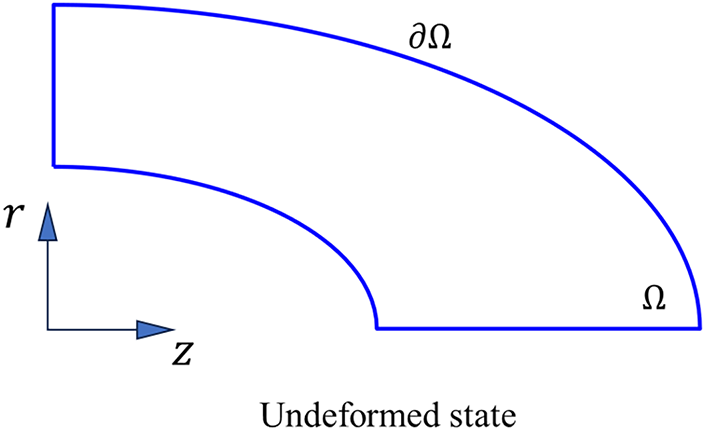
Figure 1: Two-dimensional axisymmetric elliptical domain prior to deformation.
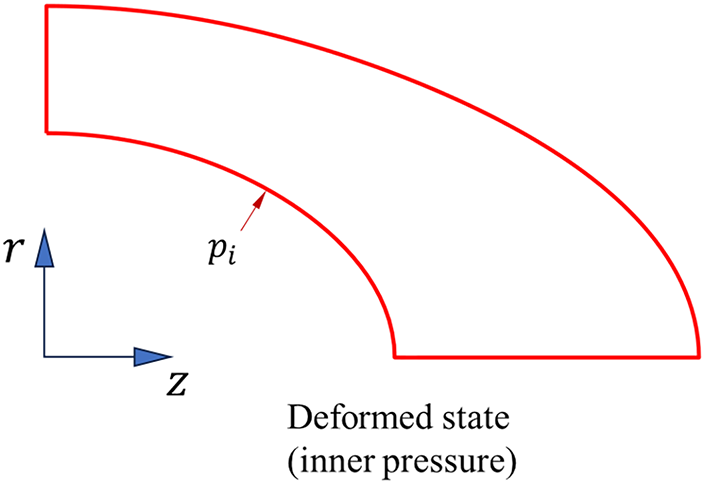
Figure 2: Two-dimensional axisymmetric elliptical domain after deformation.
Due to axisymmetry, the circumferential displacement
where
The deformation gradient tensor
here,
For simplicity in PINN implementation using spatial coordinates, we can express
The left Cauchy-Green deformation tensor
For an incompressible material, the volumetric deformation
2.2 Hyperelastic Constitutive Law
The mechanical behavior of the pressure vessel material is described by a hyperelastic constitutive model. In this study, the neo-Hookean model is adopted, which is a common choice for rubber-like materials undergoing large deformations [9]. For an incompressible neo-Hookean material, the strain energy density function
where
The Cauchy stress tensor
Substituting the neo-Hookean strain energy function, the Cauchy stress tensor becomes:
where
It is noted to ensure mapping from material to spatial components or consistent use of derivatives with respect to reference coordinates
In the absence of body forces, the equilibrium equations ensure that the divergence of the Cauchy stress tensor is zero in the current configuration [20]:
For an axisymmetric problem in cylindrical coordinates
here,
2.4 Functionally Graded Material (FGM) Model
To account for material heterogeneity, the pressure vessel is also considered as a Functionally Graded Material (FGM). In FGMs, the material properties vary continuously with position [10,11]. For the neo-Hookean model adopted in this study, the shear modulus of the material is assumed to vary spatially. Unlike the classical radial power-law model commonly used for axisymmetric pressure vessels [18], the present work incorporates a spatially dependent shear modulus that reflects the elliptical geometry of the domain.
The shear modulus
where the geometric argument is given by:
here, the parameter
3 Numerical Implementation: The PINN-FEM Hybrid
This section details the numerical methodologies employed to analyze the thick-walled axisymmetric heterogeneous hyperelastic pressure vessels. We first describe the architecture and training of the Physics-Informed Neural Network (PINN). Subsequently, we outline the Finite Element Method (FEM) setup in ANSYS, which serves both as a benchmark for validation and as a source of supplementary data to enhance the PINN training process, forming the core of our hybrid approach.
3.1 Physics-Informed Neural Network (PINN) Framework
The PINN framework leverages the expressive power of neural networks to approximate the solution of PDEs while embedding the physical laws directly into the learning process [21,22].
3.1.1 Neural Network Representation of Solution Fields
A feedforward neural network
and possibly the incompressibility constraint pressure,
where
The crucial advantage of using a neural network representation is the ability to compute derivatives of the outputs
3.1.2 Physics-Informed Loss Function
The network parameters
where
• Residual of Governing Equations (
If an incompressible formulation is used, the incompressibility constraint
This term would then be added to
• Boundary Condition Enforcement (
where
• Incorporation of FEM-Derived Data (
This data-driven term acts as a strong guide, particularly in early stages of training or in regions where the PDE residuals alone might provide a weak learning signal [21,22]. The density and distribution of these FEM data points can influence the training effectiveness.
3.1.3 Network Training and Optimization
The training process involves finding the optimal network parameters
3.2 Finite Element Method (FEM) Benchmark and Data Generation
To validate the PINN results and provide data for the hybrid approach, commercial FEM software ANSYS (Academic version) was used to simulate the pressure vessel behavior.
3.2.1 FEM Model Setup in ANSYS
In order to analyze a thick ellipsoid of revolution, a two-dimensional, one-quarter elliptical geometry was constructed to represent its cross-section. To accurately capture large deformations and account for hyperelastic material behavior, axisymmetric finite elements appropriate for such analyses such as PLANE182 or equivalent elements with key options configured for axisymmetry and hyperelasticity were employed [34]. The neo-Hookean material model was used in the simulations, with the same material constants (e.g.,
For simulations involving functionally graded materials (FGMs), spatial variation of material properties was introduced by defining the material parameters as functions of the radial coordinate. This was implemented in ANSYS using a tabular input method to assign properties at discrete points along the radial direction.
Following the setup of the simulation environment in ANSYS, the geometry of the solution domain was defined. Fig. 3 displays the two-dimensional axisymmetric elliptical cross-sections used for functionally graded material. The geometry is based on concentric inner and outer ellipses, providing the framework for the elliptical domain. To reduce computational cost while leveraging the inherent symmetry of the problem, only one-quarter of the full elliptical domain was modeled.
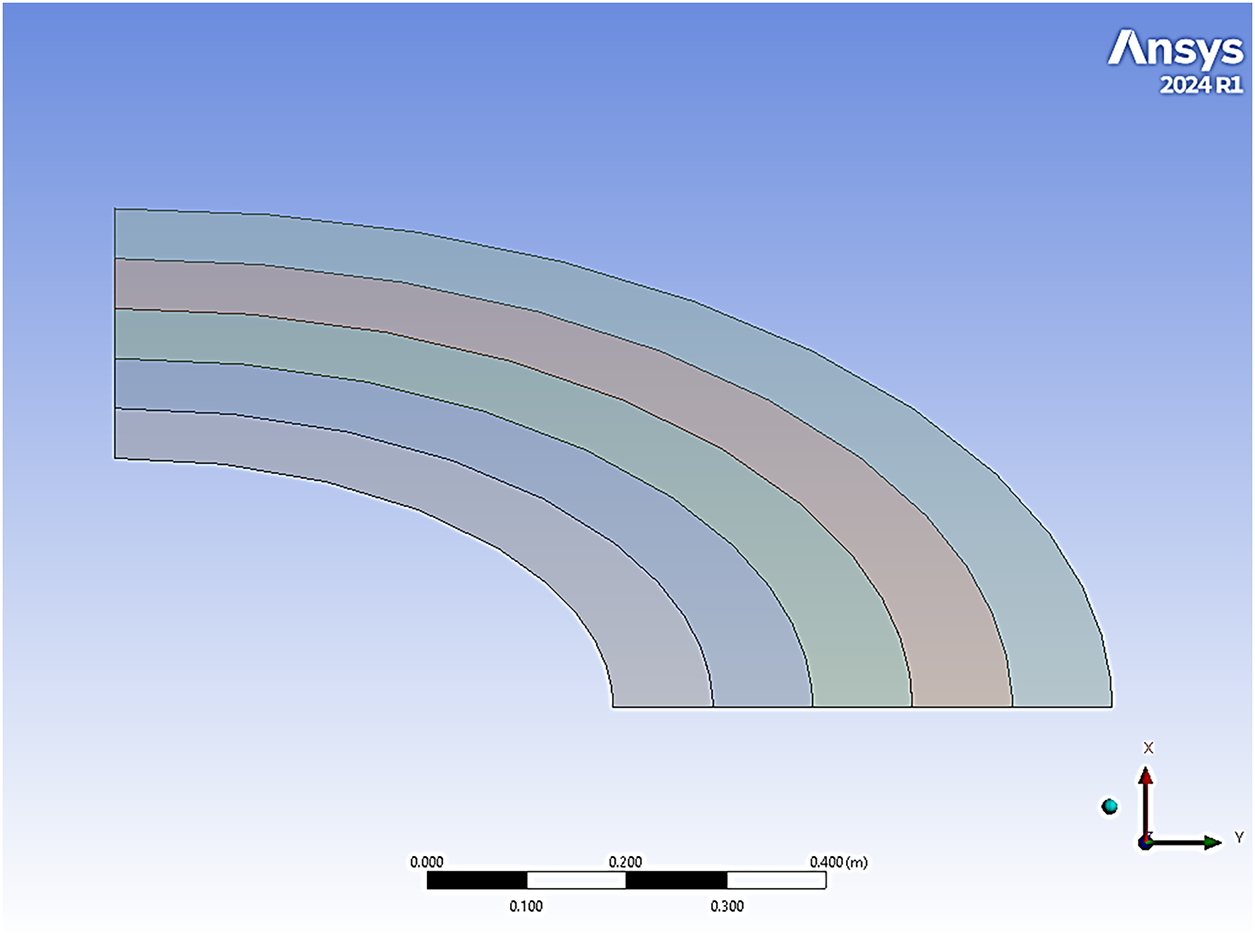
Figure 3: Elliptical profile in a two-dimensional functionally graded material.
As illustrated in Fig. 3, the implementation of FGMs in ANSYS was achieved through a layered modeling strategy. In this study, the elliptical cross-section was discretized into five layers, with each layer assigned specific material properties to approximate the continuous gradation of the functionally graded material. This approach enables a practical and accurate representation of spatially varying mechanical behavior within the finite element framework.
A mesh convergence study was performed to ensure that the FEM results were sufficiently accurate and mesh-independent, thereby providing a reliable benchmark. Appropriate boundary conditions corresponding to internal/external pressurization and any displacement constraints (e.g., symmetry conditions on the quarter model edges, constraints on the vessel ends) were applied. For the full 3D axisymmetric representation mentioned in the problem description, ANSYS internally handles the axisymmetric formulation based on the 2D input model and selected element types.
3.2.2 Data Extraction for PINN Augmentation and Validation
Once converged FEM solutions were obtained for the updated loading condition of 0.15 Pa and for both gradation exponents m = +1 and m = −1, nodal displacement data were extracted throughout the domain. These datasets provide the basis for PINN augmentation and subsequent validation. Following the same procedure described earlier, nodal coordinates together with their corresponding deformed positions were collected for each case and incorporated into the hybrid training process through the data-driven loss term described in Section 3.1.2.
To visualize the deformation response prior to PINN-based learning, the undeformed and deformed geometries for all four FEM configurations are shown in Figs. 4–7. These plots illustrate the displacement fields under internal and external pressure of 0.15 Pa for both positive and negative gradation exponents. As expected, the sign of the exponent strongly influences the deformation distribution: a positive exponent (m = +1) results in reduced deformation near the outer boundary due to increasing stiffness, whereas a negative exponent (m = −1) leads to larger deformation near the inner boundary where the material softens. These geometric snapshots serve as reference patterns against which the PINN predictions are later compared in Sections 4.3 and 4.4.
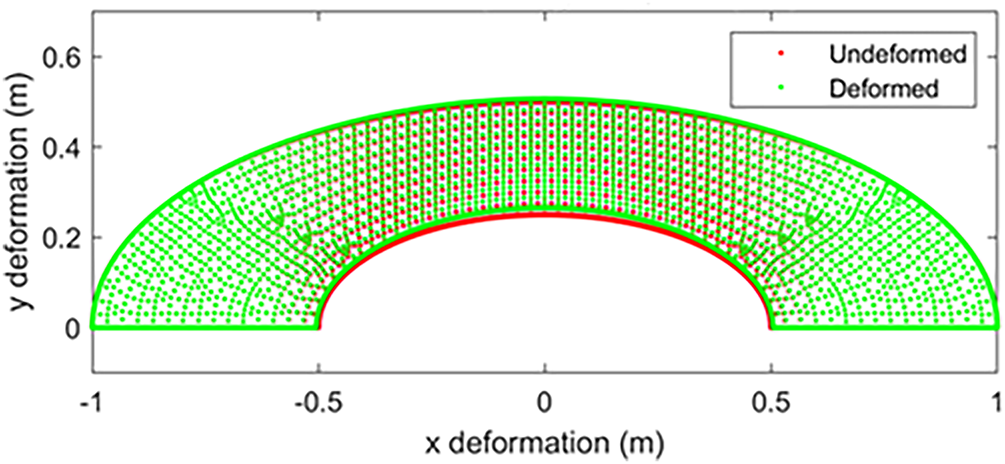
Figure 4: Undeformed (red) and deformed (green) FEM configuration for internal pressure pi = 0.15 Pa with m = +1.
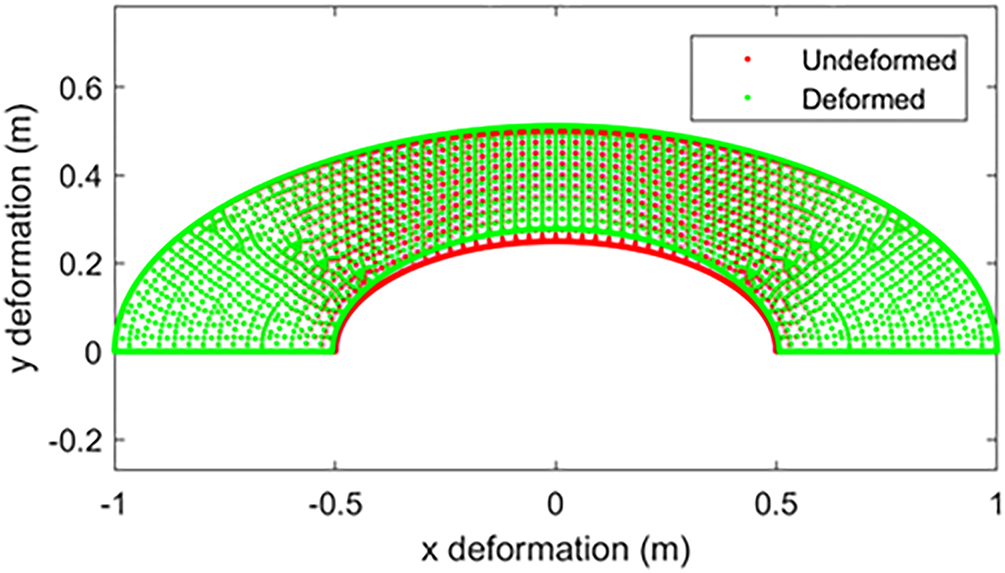
Figure 5: Undeformed (red) and deformed (green) FEM configuration for internal pressure pi = 0.15 Pa with m = −1.
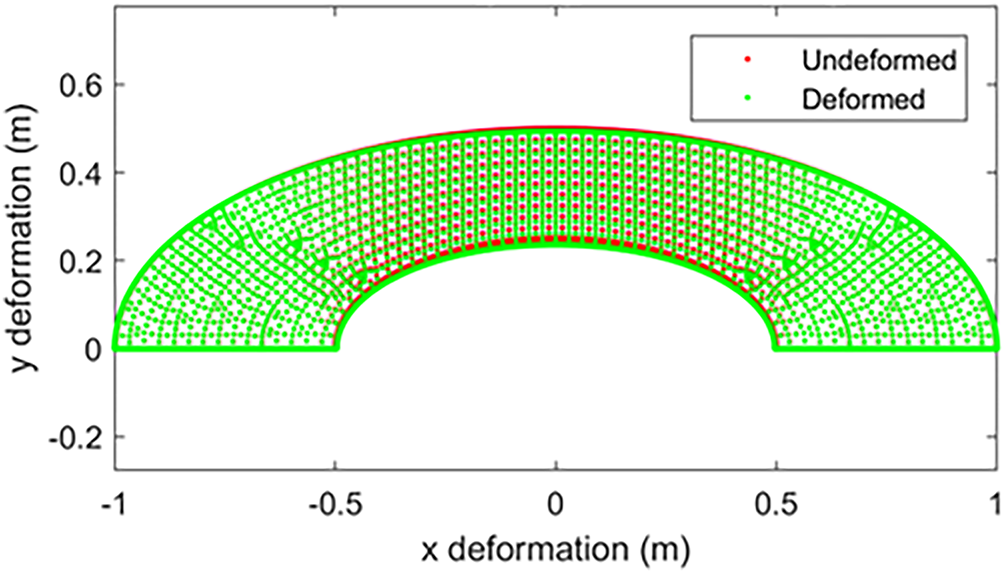
Figure 6: Undeformed (red) and deformed (green) FEM configuration for external pressure po = 0.15 Pa with m = +1.
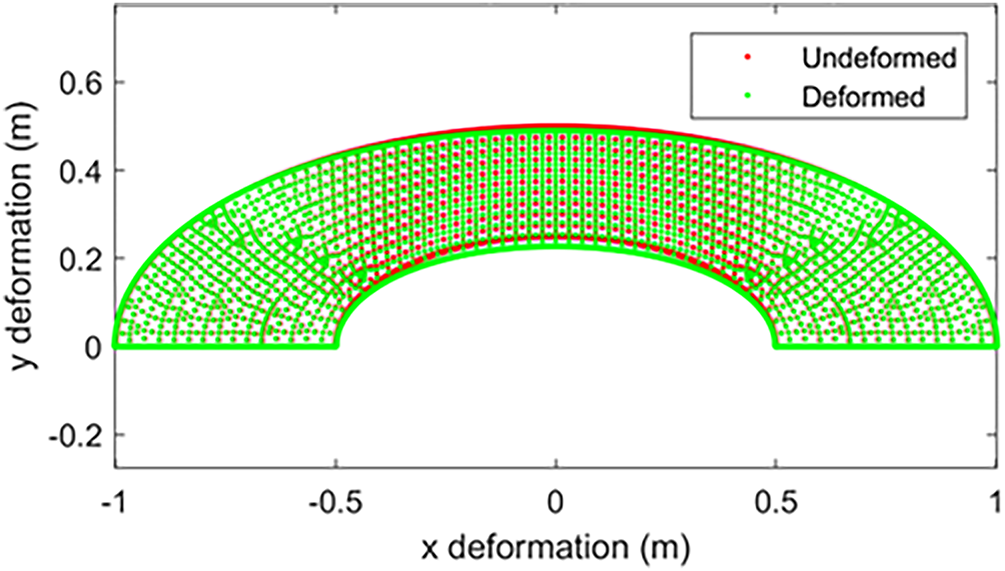
Figure 7: Undeformed (red) and deformed (green) FEM configuration for external pressure po = 0.15 Pa with m = −1.
The deformation patterns observed across the four FEM configurations clearly highlight the influence of the gradation exponent on the mechanical response of the vessel. When the material stiffness increases toward the outer boundary (m = +1), deformation becomes localized primarily near the inner elliptical surface, as the stiffer exterior inhibits outward expansion or inward contraction. Conversely, when the material softens toward the interior (m = −1), larger displacement amplitudes develop along the inner boundary, reflecting the reduced resistance to deformation in this region. Under external pressure, positive gradation similarly shifts stiffness toward the outer wall, moderating deformation throughout the thickness, while negative gradation intensifies deformation near the more compliant inner region, leading to a pronounced inward displacement profile. These trends collectively illustrate the strong coupling between the direction of material gradation and the resulting deformation field in functionally graded hyperelastic elliptical vessels.
To verify the numerical stability of the finite element simulations, the nonlinear force residuals were monitored throughout all load increments. For hyperelastic large-deformation analyses, force convergence is the primary and most sensitive indicator of the correctness of the solution. A representative convergence plot for the case pi = 0.15 Pa, m = +1 is included in Appendix A. All remaining FEM simulations exhibited similar convergence behavior, confirming the reliability of the reference data used for validating the PINN predictions.
4 Validation against ANSYS Benchmarks
This section presents a comprehensive validation of the proposed physics-informed neural network (PINN) approach, augmented with finite element (FEM) derived data, against high-fidelity FEM simulations performed using ANSYS. The primary objective is to rigorously assess the accuracy and reliability of the developed hybrid PINN-FEM framework in predicting the mechanical response of thick-walled axisymmetric heterogeneous hyperelastic pressure vessels under various operating conditions. The ANSYS results, established as benchmarks following mesh convergence studies as detailed in Section 3.2.1, provide the reference against which the PINN predictions are compared.
In addition to the baseline graded case with exponent m = +1, two further validation cases with exponent m = −1 under both internal and external pressure have been incorporated into the study. These additional scenarios demonstrate the capability of the hybrid PINN–FEM framework to accurately capture variations in stiffness associated with negative material gradation and enhance the robustness of the validation dataset.
4.1 Validation Strategy and Comparative Metrics
The validation process is carried out through a set of test cases aimed at evaluating the performance of the PINN model across different material configurations and loading conditions relevant to elliptical pressure vessels. As in the original study framework, validation is based on comparing the PINN predictions with benchmark solutions obtained from ANSYS finite element simulations. These benchmarks represent high-fidelity reference solutions derived after mesh convergence procedures detailed in Section 3.2.1.
For Functionally Graded Materials (FGMs), the validation is extended to encompass multiple gradation scenarios. In addition to the baseline configuration, four distinct FGM cases are considered, arising from the combination of two inhomogeneity exponents (m = +1 and m = −1) with two forms of loading: internal pressurization and external pressurization. For each of these cases, finite element analyses were performed under applied pressure levels of pi = 0.15 Pa and po = 0.15 Pa. This expanded set of FEM simulations enables a comprehensive assessment of the PINN model’s ability to capture the influence of both the magnitude and direction of material gradation on the mechanical response of the vessel.
The comparison focuses on key output fields critical for structural analysis. These include contour plots of the radial and axial displacement components, which allow examination of the spatial distribution of deformation, as well as the von Mises stress fields, which provide insight into stress intensification, load transfer, and the influence of gradation direction on stress concentrations. These visual comparisons provide a basis for evaluating the reliability and accuracy of the PINN model across all FGM scenarios and pressurization modes.
Through this set of validation metrics, displacement fields, stress fields, and their qualitative and quantitative agreement with FEM reference results, the capability of the PINN methodology to reproduce the nonlinear, heterogeneous, hyperelastic behavior of functionally graded elliptical pressure vessels is systematically evaluated.
4.2 Finite Element Method Analysis
To validate the performance of the PINN framework, a series of high-fidelity finite element simulations were conducted in ANSYS for the elliptical pressure vessel described in Section 3.2.1. These simulations serve both as benchmark solutions and as a basis for assessing the model’s ability to reproduce deformation and stress fields under various material gradation scenarios. The analyses were performed using axisymmetric PLANE182 elements with hyperelastic neo-Hookean behavior, and material property variations corresponding to the inhomogeneity exponent m were implemented as described in Section 2.4.
In addition to the baseline conditions previously examined, the present study incorporates four distinct FGM configurations resulting from the combination of two gradation exponents (m = +1 and m = −1) with two loading modes: internal pressure and external pressure. For each case, the applied pressure was set to pi = 0.15 Pa or po = 0.15 Pa. This expanded collection of FEM evaluations allows for a detailed comparison with the PINN predictions and highlights the effects of gradation direction on both displacement and stress distribution patterns.
Figs. 8–11 illustrate the total deformation fields for the four scenarios. These results show that the magnitude and distribution of deformation are strongly influenced by the sign of the inhomogeneity exponent. Positive gradation (m = +1) tends to shift stiffness toward the outer boundary, leading to reduced deformation in the outer regions, whereas negative gradation (m = −1) results in greater compliance near the inner boundary and thus larger localized deformation under both internal and external pressures.
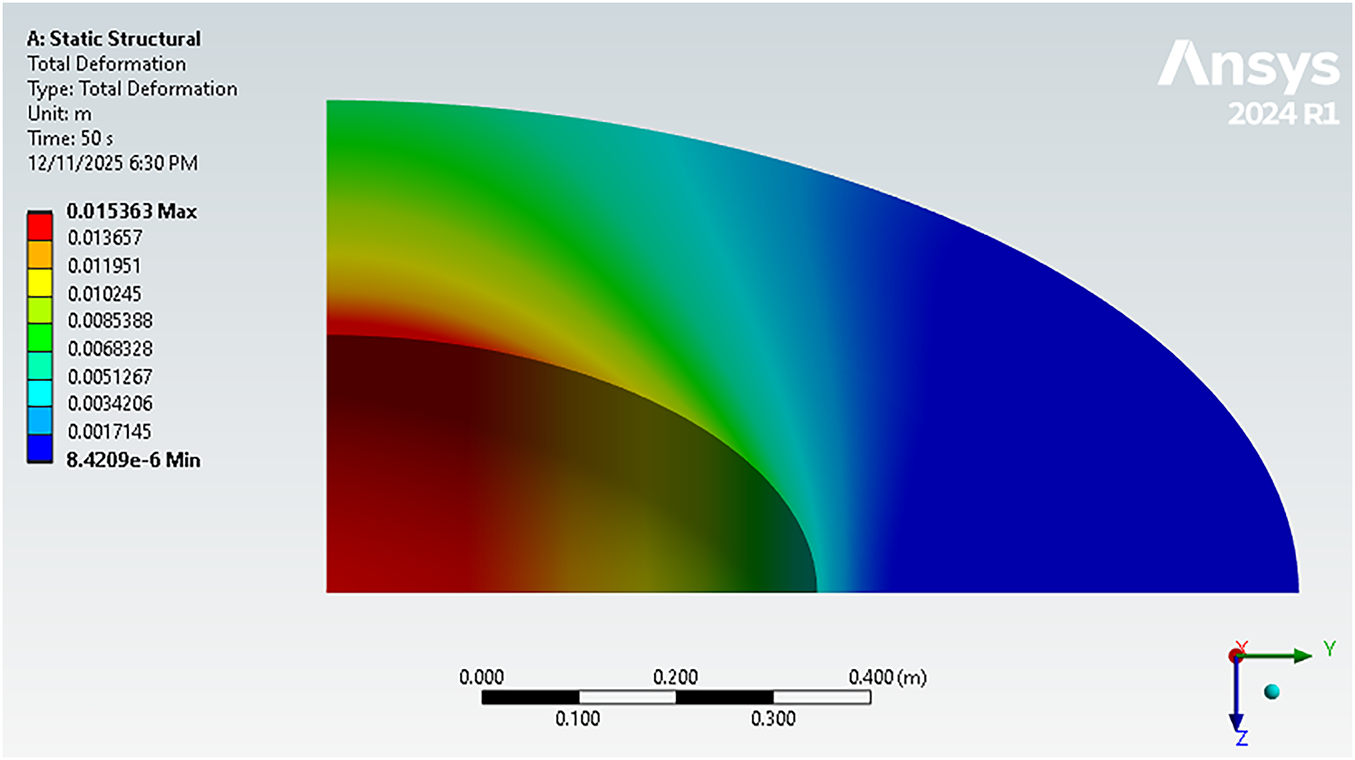
Figure 8: Total deformation for internal pressure pi = 0.15 Pa, m = +1.
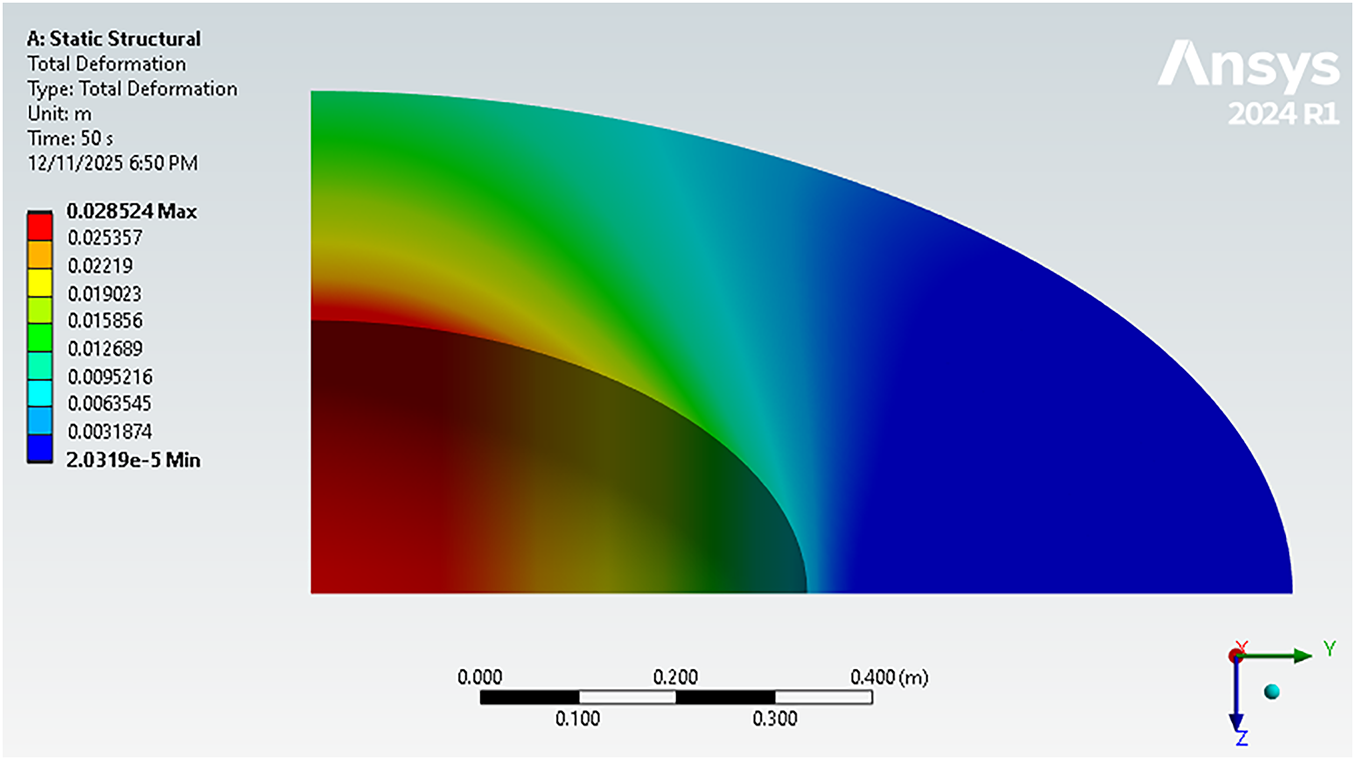
Figure 9: Total deformation for internal pressure pi = 0.15 Pa, m = –1.
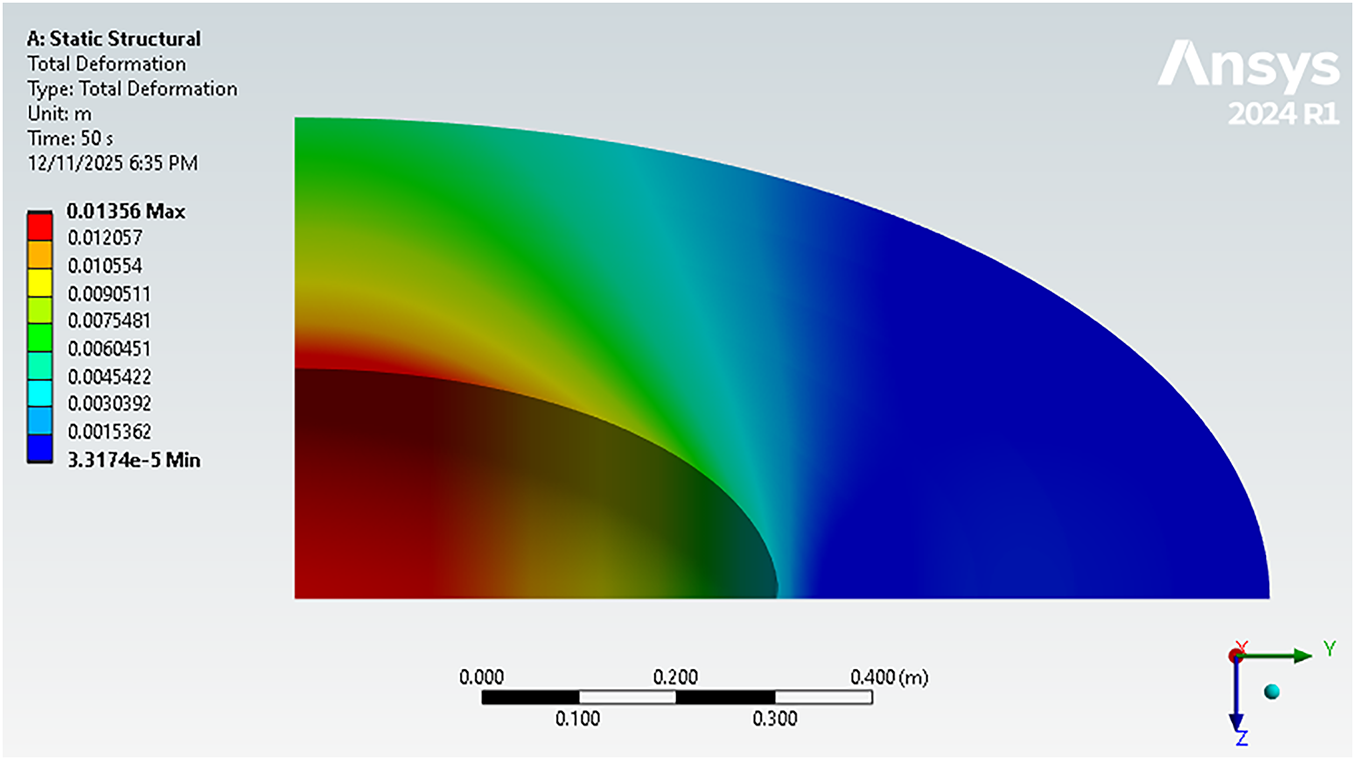
Figure 10: Total deformation for external pressure po = 0.15 Pa, m = +1.
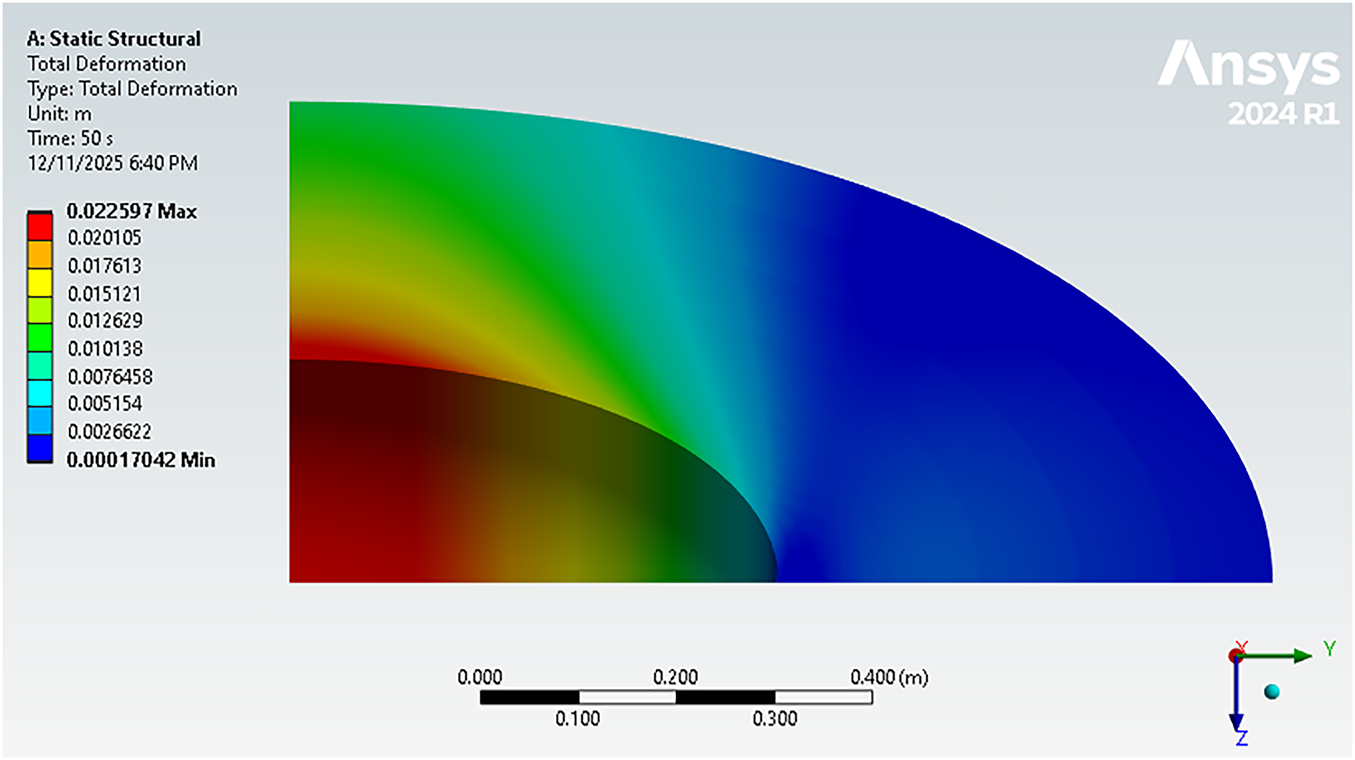
Figure 11: Total deformation for external pressure po = 0.15 Pa, m = −1.
It is noted that Although ANSYS Workbench displays the axisymmetric model using a three-dimensional visualization, the underlying analysis is strictly two-dimensional axisymmetric.
Similarly, Figs. 12–15 present the corresponding von Mises stress distributions. Stress concentrations appear predominantly near the inner elliptical wall in all cases; however, their intensity and spatial spread change significantly with the sign of m. For m = −1, the material softens toward the interior, resulting in higher stress magnitudes and sharper gradients. In contrast, for m = +1, stress levels tend to be more evenly distributed through the thickness.
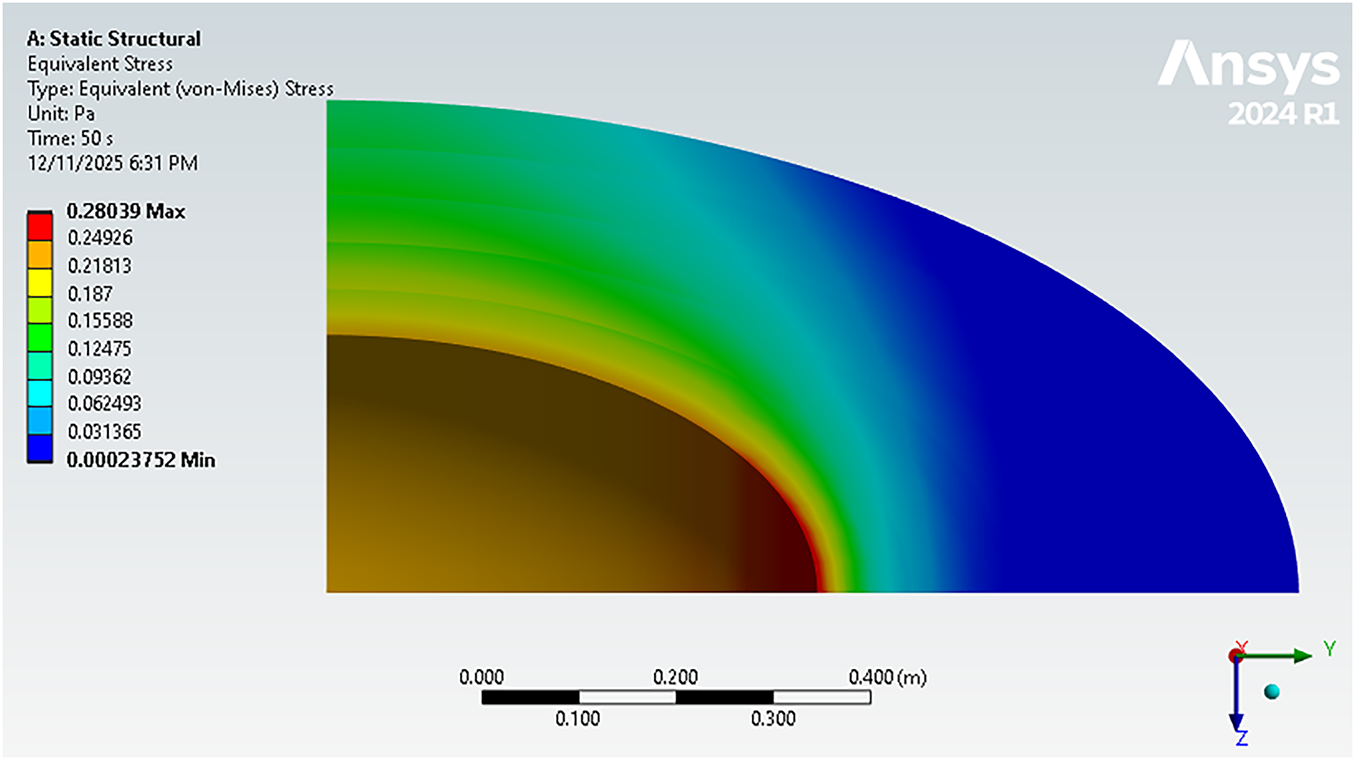
Figure 12: Von Mises stress under internal pressure pi = 0.15 Pa, m = +1.
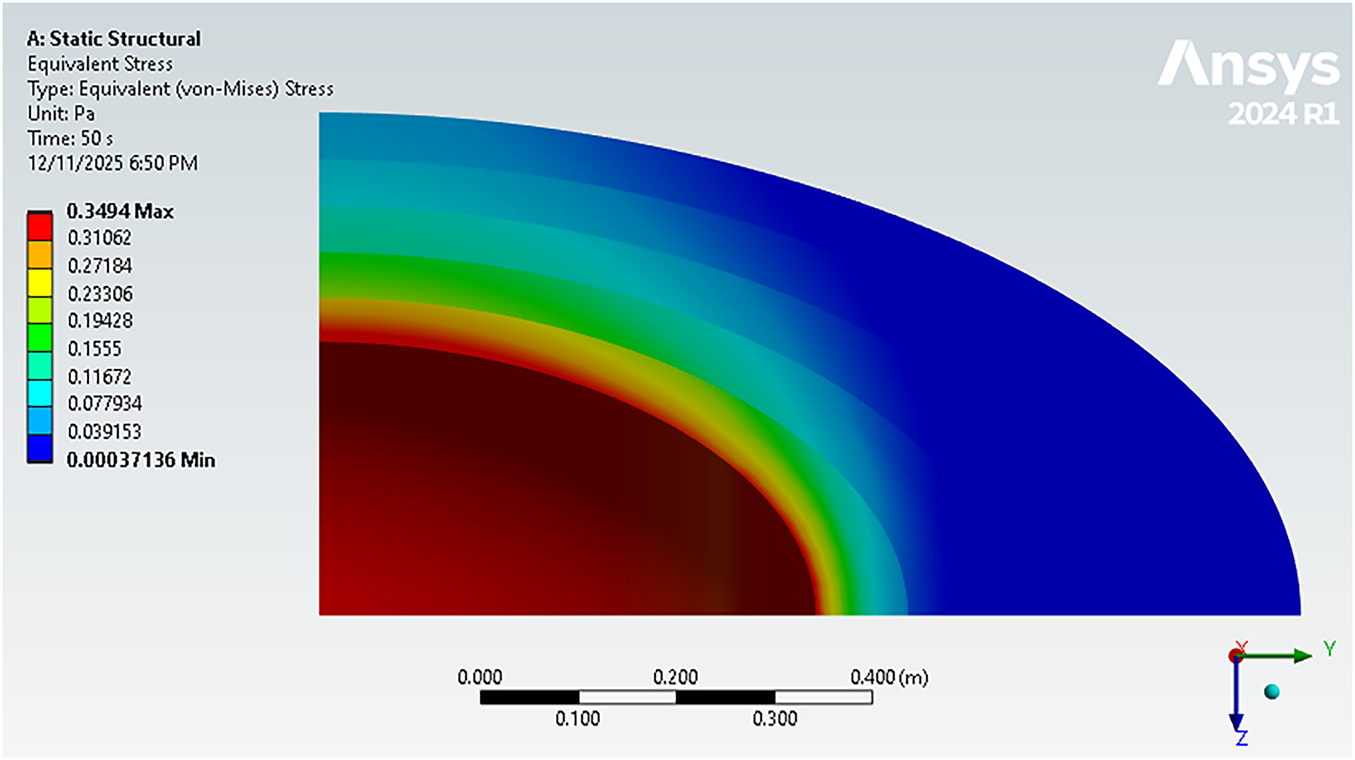
Figure 13: Von Mises stress under internal pressure pi = 0.15 Pa, m = −1.
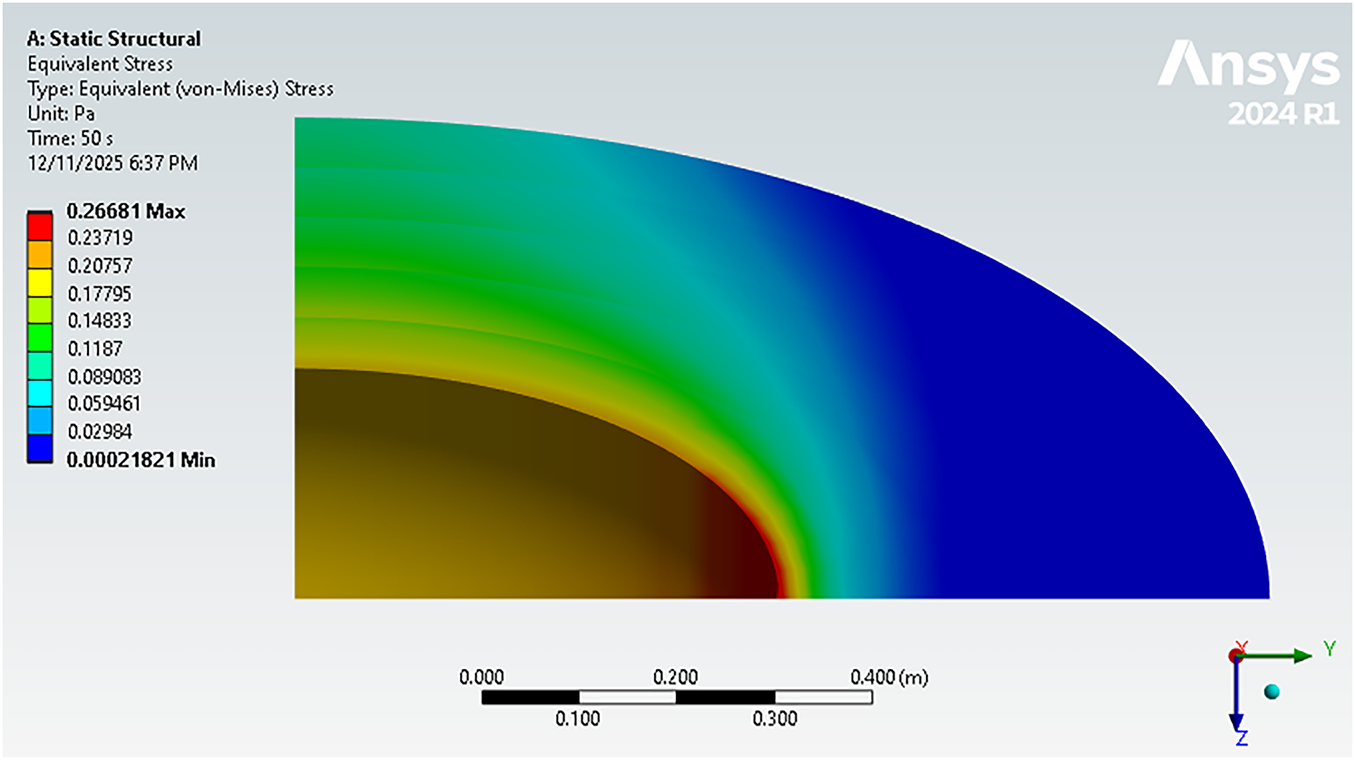
Figure 14: Von Mises stress under external pressure po = 0.15 Pa, m = +1.
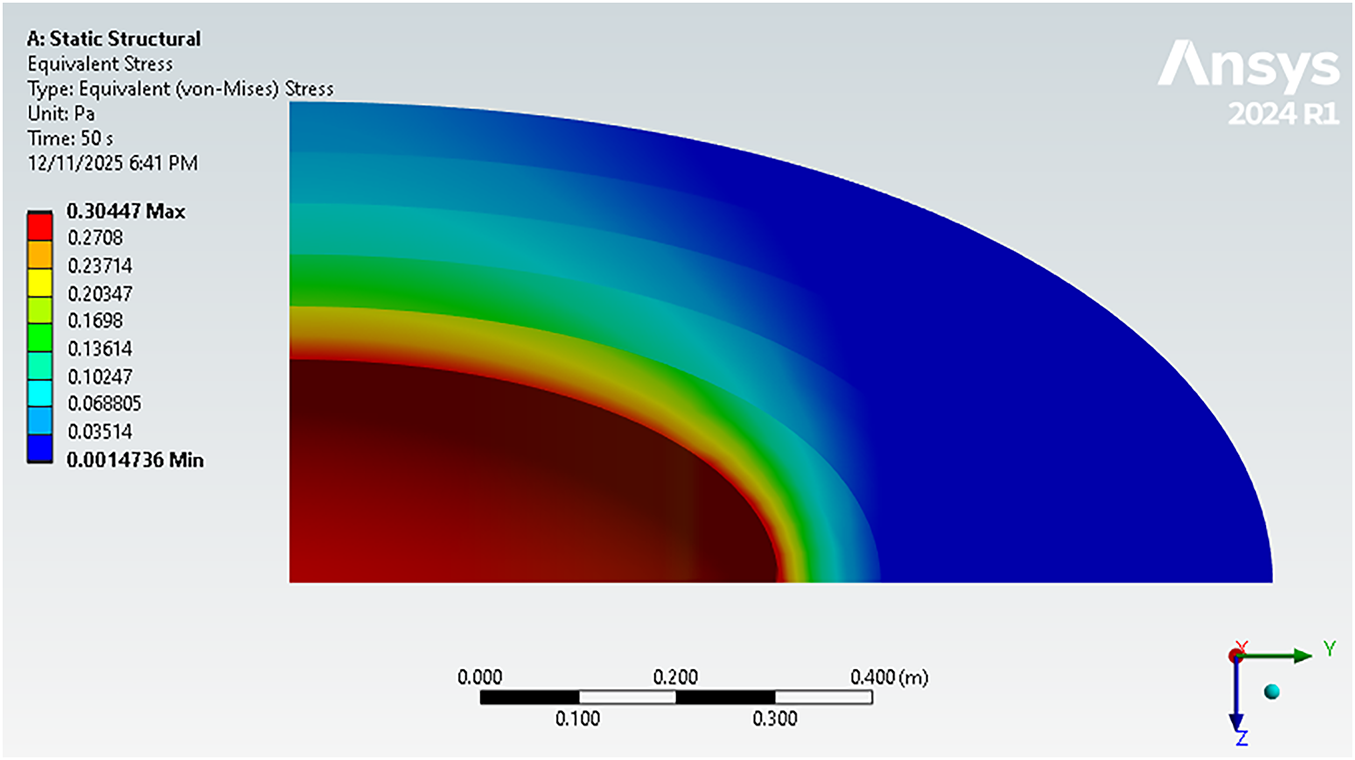
Figure 15: Von Mises stress under external pressure po = 0.15 Pa, m = −1.
These FEM results form the benchmark dataset for evaluating the accuracy of the PINN displacement and stress predictions in Sections 4.3 and 4.4.
4.3 Comparison of Displacement Fields
The displacement fields predicted by the trained PINN models are compared against the benchmark ANSYS FEM solutions for all functionally graded configurations considered in this study. This comparison focuses on both the magnitude and the spatial distribution of deformation within the elliptical cross-section, with emphasis on evaluating the PINN’s ability to capture the influence of material gradation direction (m = +1 and m = −1) under internal and external pressurization.
Figs. 16–19 present the deformed configurations obtained from the PINN model and the corresponding FEM solutions for internal and external pressures of 0.15 Pa. For cases with positive gradation (m = +1), where material stiffness increases toward the outer boundary, the PINN accurately reproduces the FEM deformation patterns, showing relatively moderate displacement amplitudes across the vessel wall. In contrast, for negative gradation (m = −1), material softening toward the inner surface leads to higher deformation levels that are also captured faithfully by the PINN solution. Across all four configurations, the alignment between the PINN contours and FEM boundaries demonstrates the model’s ability to represent large deformation hyperelastic behavior in the presence of strong spatial heterogeneity.
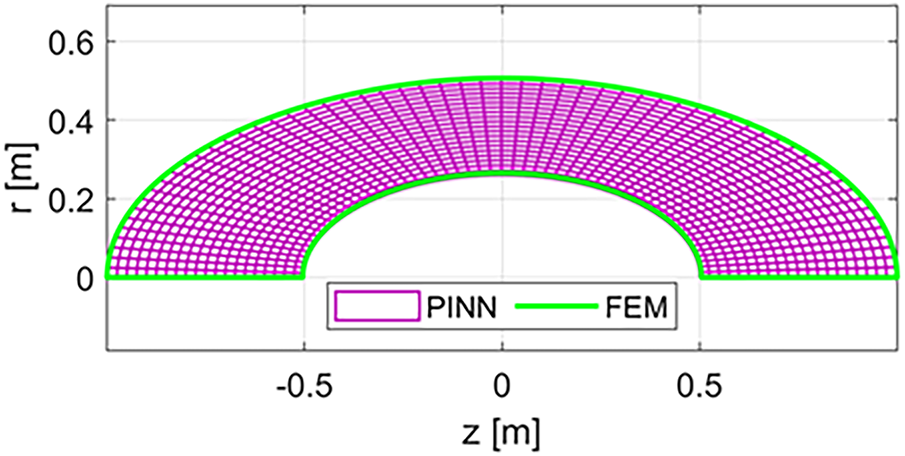
Figure 16: Displacement of two-dimensional axisymmetric elliptical cross-section composed of FGM material under internal pressure, compared with the finite element solution, pi = 0.15 Pa with m = +1.
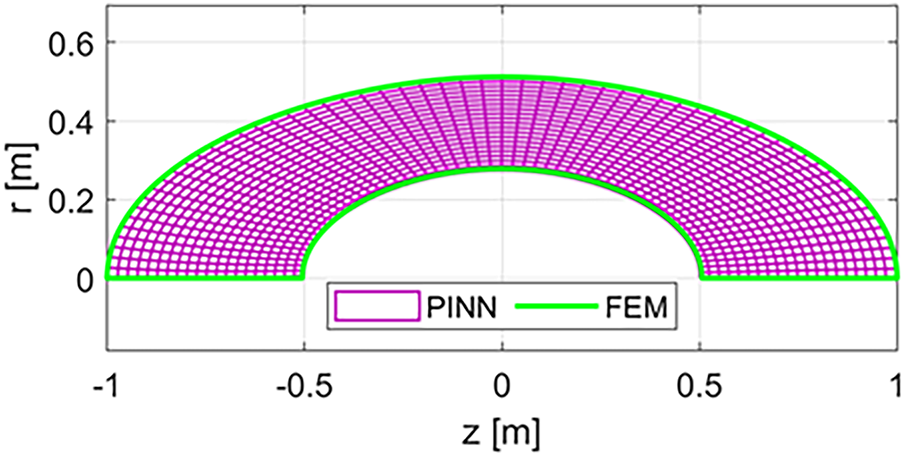
Figure 17: Displacement of two-dimensional axisymmetric elliptical cross-section composed of FGM material under internal pressure, compared with the finite element solution, pi = 0.15 Pa with m = −1.
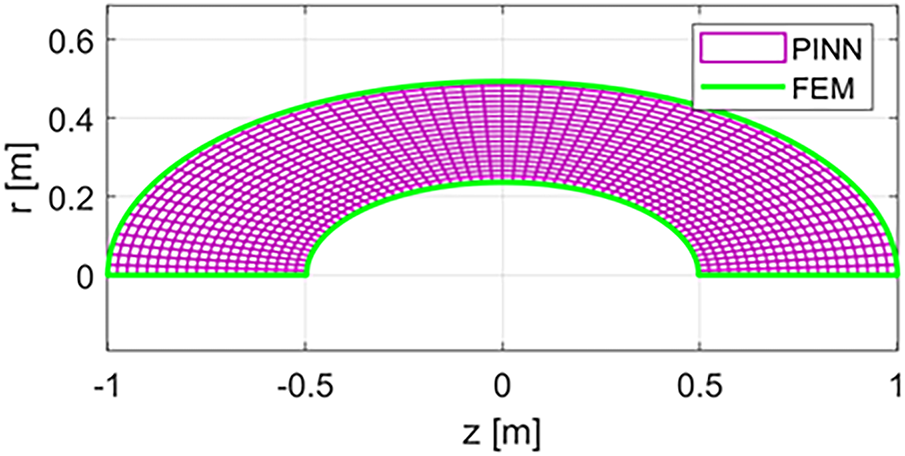
Figure 18: Displacement of two-dimensional axisymmetric elliptical cross-section composed of FGM material under external pressure, compared with the finite element solution, po = 0.15 Pa with m = +1.
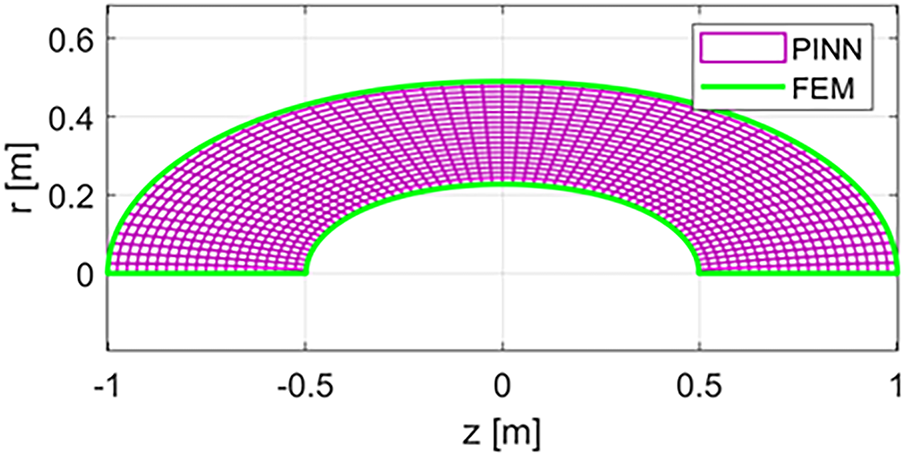
Figure 19: Displacement of two-dimensional axisymmetric elliptical cross-section composed of FGM material under external pressure, compared with the finite element solution, po = 0.15 Pa with m = −1.
These comparisons highlight the robustness of the hybrid PINN-FEM approach, as the predicted deformation fields exhibit close agreement with FEM results not only in global deformation shape but also in local curvature changes near the inner and outer boundaries where gradients in stiffness are most pronounced.
The comparison between the PINN-predicted deformation fields and the corresponding FEM solutions demonstrates that the PINN framework consistently captures the essential mechanical response across all graded material configurations. In cases with positive gradation (m = +1), where stiffness increases toward the outer boundary, the PINN accurately reproduces the moderated deformation patterns, reflecting the reduced displacement gradients across the vessel wall. Conversely, for negative gradation (m = −1), the PINN effectively predicts the higher deformation levels that arise near the softened inner boundary, closely matching the inward deformation captured by the FEM model. Overall, both the damped deformation associated with outward-increasing stiffness and the amplified deformation resulting from interior softening are represented with excellent fidelity, underscoring the strong agreement between the PINN and FEM across varying stiffness distributions.
4.4 Comparison of Von Mises Stress Fields
Following the validation of displacement fields, a critical assessment of the stress state within the pressure vessel is paramount for evaluating its structural integrity. While individual stress tensor components are fundamentally computed, the von Mises equivalent stress
The von Mises stress is a derived quantity, calculated from the components of the Cauchy stress tensor
Qualitative comparisons will involve:
• Side-by-side contour plots illustrating the distribution of von Mises stress across the vessel’s elliptical cross-section, allowing for direct visual assessment of the PINN’s ability to replicate the stress patterns obtained from ANSYS.
• Line plots comparing the von Mises stress values along critical paths, such as radially through the vessel thickness at key axial locations and along the highly stressed inner and outer surfaces. This will particularly highlight the model’s accuracy in capturing stress gradients and peak stress values.
Quantitative comparisons will employ error metrics similar to those used for displacements, but applied to the von Mises stress fields. These will include relative L2 error norms, Mean Absolute Percentage Error (MAPE), or Root Mean Squared Error (RMSE) to provide a numerical basis for the agreement between the PINN and FEM solutions.
This subsection will therefore focus on demonstrating the PINN framework’s proficiency in accurately predicting the magnitude and distribution of the von Mises stress. Special attention will be given to its capability to resolve stress concentrations, which are often design-critical, and to capture the intricate effects of the elliptical geometry and material heterogeneity (in FGM cases) on the overall stress state. While detailed analysis of individual stress components might be undertaken for diagnostic purposes if significant discrepancies in von Mises stress are observed, the primary validation of stress fields reported here will center on this comprehensive equivalent stress measure, underscoring the practical applicability of the developed hybrid PINN-FEM approach.
Figs. 20–23 present the von Mises stress contours computed by the PINN model for the functionally graded elliptical vessel under internal and external loading conditions of 0.15 Pa and for both positive and negative gradation exponents. In all cases, the stress fields exhibit clear axial symmetry, consistent with the geometry and boundary conditions of the problem. The distribution patterns predicted by the PINN closely follow those obtained from the FEM simulations, capturing the effects of material gradation on the stress landscape. For m = +1, where stiffness increases toward the outer boundary, the PINN correctly reproduces the broader and less intense stress bands extending across the wall thickness. In contrast, for m = −1, where stiffness decreases toward the interior, the PINN accurately reflects the pronounced stress concentrations that develop near the softened inner boundary.
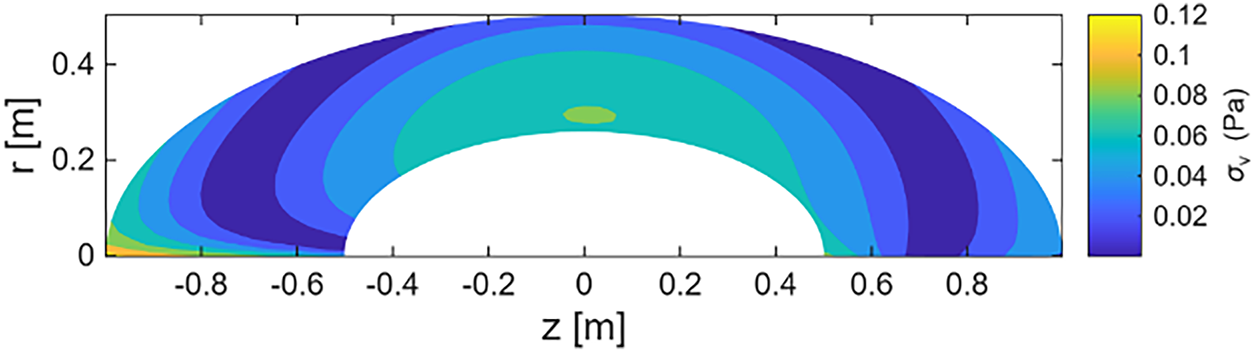
Figure 20: Von Mises stress predicted by the PINN for internal pressure pi = 0.15 Pa, m = +1.
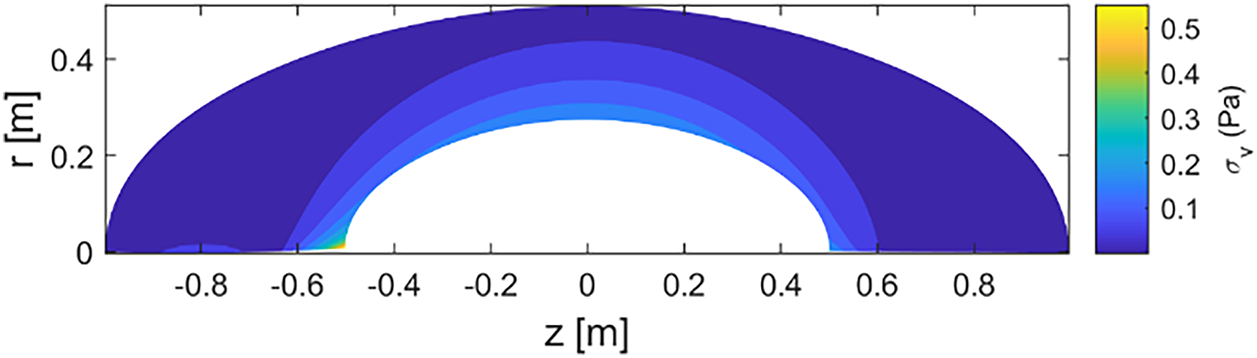
Figure 21: Von Mises stress predicted by the PINN for internal pressure pi = 0.15 Pa, m = −1.
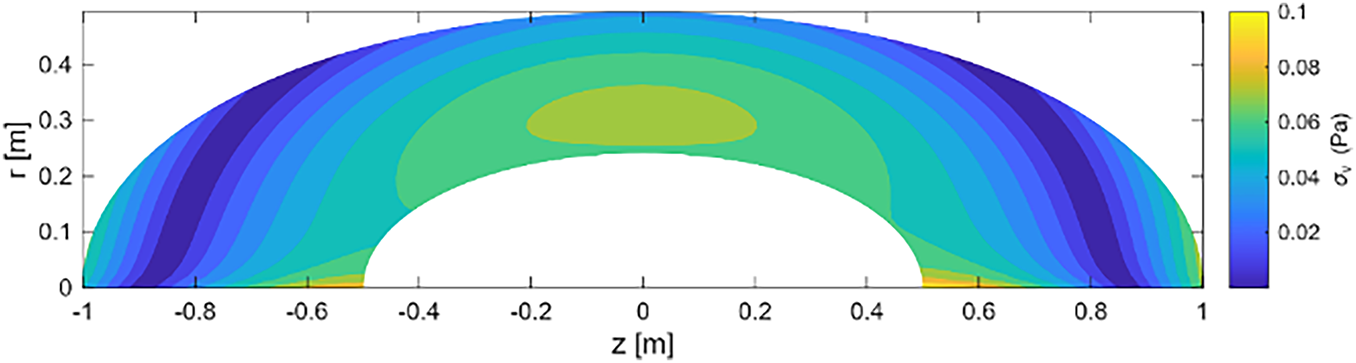
Figure 22: Von Mises stress predicted by the PINN for external pressure po = 0.15 Pa, m = +1.
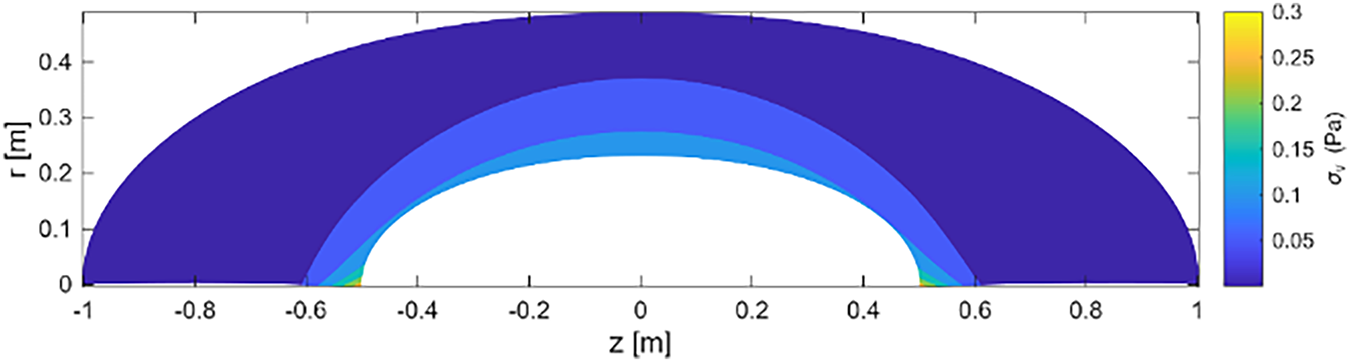
Figure 23: Von Mises stress predicted by the PINN for external pressure po = 0.15 Pa, m = −1.
Despite the strong agreement in spatial distribution, a consistent trend is observed in which the PINN slightly underpredicts the peak von Mises stresses compared to the FEM benchmarks. This discrepancy may arise from differences in the underlying numerical formulations or from the convergence behavior of the PINN, which often requires a substantial number of training iterations to match high-gradient stress fields. The sensitivity of stress predictions to training depth highlights one of the known limitations of PINN-based approaches: although capable of capturing complex heterogeneous material responses, they typically demand considerable computational time and carefully tuned optimization strategies to accurately resolve localized stress concentrations. Nonetheless, the overall correspondence between PINN and FEM results supports the effectiveness of the PINN framework for modeling nonlinear and spatially graded hyperelastic materials.
4.5 Training Convergence of PINN Models
The convergence behavior of Physics-Informed Neural Network (PINN) models serves as a key indicator of both training stability and solution accuracy. It reflects how effectively the network learns to satisfy the governing physical equations and any embedded data constraints over the course of training. A steady reduction in the loss function indicates successful approximation of the solution domain, while the shape of the convergence curve can provide valuable insights into the efficiency of the training process and potential issues such as underfitting, overfitting, or stagnation.
Figs. 24–27 show the evolution of the total loss function on a semi-logarithmic scale for all four training scenarios corresponding to the graded material cases under internal and external pressures of 0.15 Pa with m = +1 and m = −1. In each case, the loss exhibits the characteristic behavior observed in PINN training: a rapid and substantial decrease during the early iterations, demonstrating effective initial learning of the governing physics. As training progresses, the loss curves gradually transition into a slower downward trend, indicating that the model is approaching a near-converged state. Superimposed on this overall decay, oscillatory patterns appear in the loss values, particularly pronounced in the mid-iteration range, which are typical of PINN optimization and often arise from alternating dominance between the PDE residual terms and boundary or data-driven components of the loss function. Despite these oscillations, the general progression of the curves confirms consistent convergence behavior across all four material configurations, underscoring the robustness of the training process even in the presence of strong material heterogeneity.
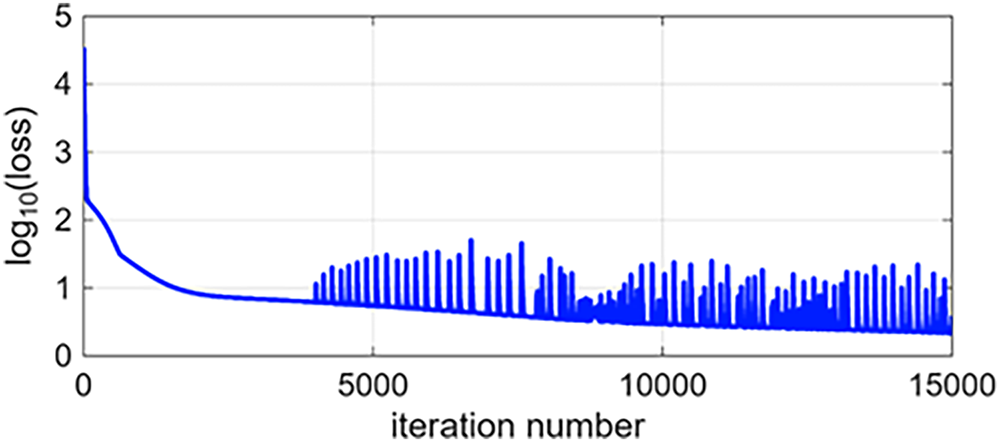
Figure 24: Training loss evolution for the PINN under internal pressure pi = 0.15 Pa, m = +1.
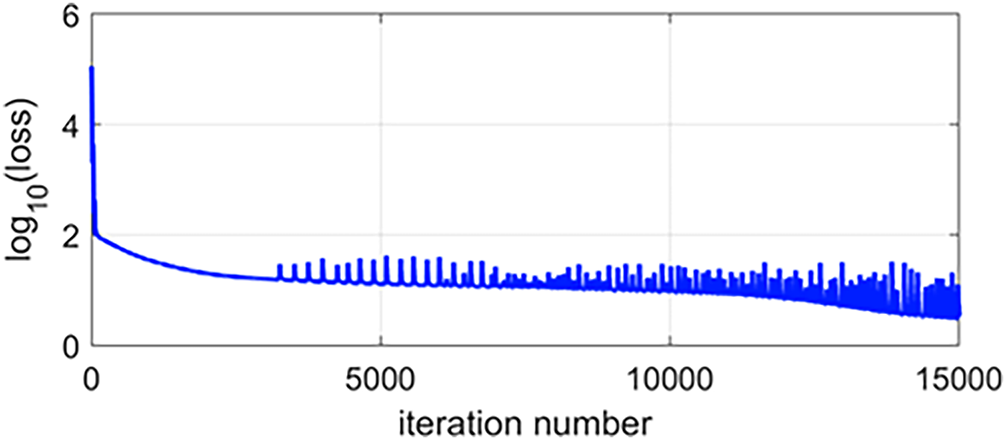
Figure 25: Training loss evolution for the PINN under internal pressure pi = 0.15 Pa, m = −1.
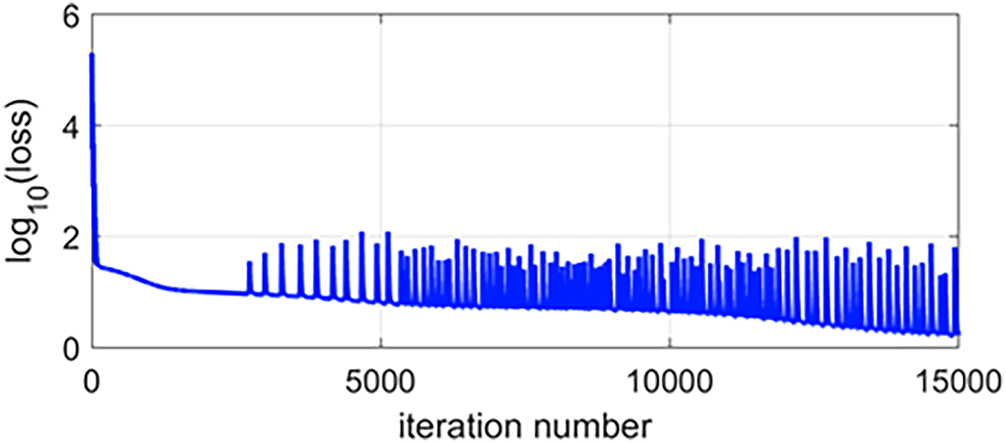
Figure 26: Training loss evolution for the PINN under external pressure po = 0.15 Pa, m = +1.
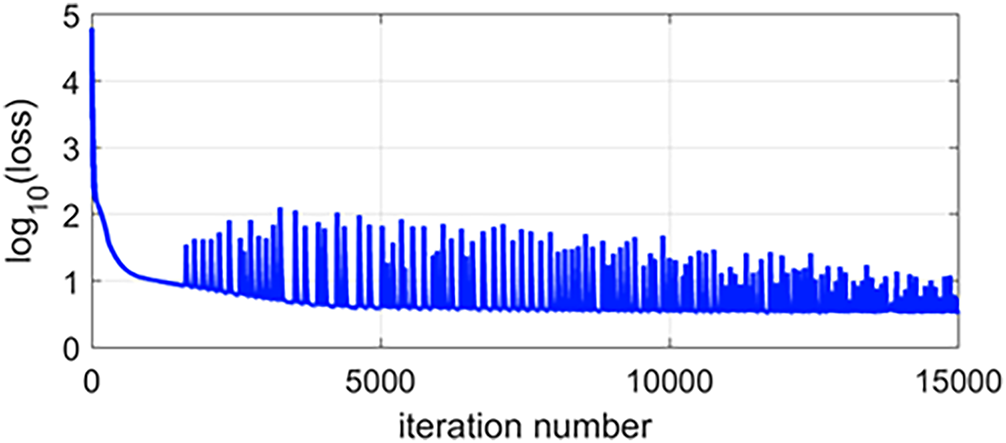
Figure 27: Training loss evolution for the PINN under external pressure po = 0.15 Pa, m = −1.
It is also noteworthy that while displacement field predictions typically converge relatively quickly, accurate prediction of stress distributions demands a significantly higher number of training iterations. This discrepancy highlights the increased complexity involved in capturing stress fields compared to displacement fields within the PINN framework. As such, extended training is essential to ensure the fidelity of stress predictions in physics-informed modeling.
4.6 Summary of Validation Findings
This section will culminate in a summary of the validation results across all test scenarios. The discussion will focus on the overall level of agreement achieved between the hybrid PINN-FEM approach and the ANSYS benchmarks for both displacement and stress fields. The findings are anticipated to demonstrate that the proposed PINN framework, benefiting from the strategic incorporation of FEM-derived data, can accurately predict the complex mechanical behavior of thick-walled axisymmetric heterogeneous hyperelastic pressure vessels. Any observed discrepancies will be discussed, along with potential reasons and implications. The successful validation presented herein will establish the credibility of the developed numerical tool, paving the way for its application in more extensive parametric studies and potentially in design optimization scenarios.
This study has successfully demonstrated the development and application of a hybrid numerical strategy, integrating Physics-Informed Neural Networks (PINNs) with Finite Element Method (FEM) derived data, for the comprehensive mechanical analysis of thick-walled axisymmetric FGM hyperelastic pressure vessels. The validation against ANSYS benchmarks (Section 4) underpins the credibility of the proposed approach. This section interprets these principal findings, discusses the advantages and limitations of the hybrid method, and outlines potential directions for future research.
5.1 Principal Findings and Interpretation
The core achievement of this work is the validated accuracy of the hybrid PINN-FEM model in predicting both displacement and von Mises stress fields for elliptical pressure vessels. The consistent agreement with ANSYS results across diverse scenarios for Functionally Graded Material (FGM) configurations, subjected to internal and external pressurization underscores the robustness of the framework.
A key finding is the PINN’s proficiency in handling the strong non-linearity inherent in the neo-Hookean hyperelastic model, coupled with the spatial heterogeneity introduced by the FGM’s power-law gradation of material properties. The physics-informed nature of the neural network, where the governing equilibrium equations and constitutive relations are embedded in the loss function, allows it to learn complex solution manifolds. The incorporation of FEM-derived data was observed to be beneficial for guiding the training process, particularly for these challenging multi-physics problems. The accurate prediction of von Mises stress distributions, especially the capture of stress concentrations inherent to the elliptical geometry and varying material interfaces in FGMs, is particularly significant, as these are critical factors in engineering design and safety assessment. The results affirm that the PINN can effectively learn and represent the intricate interplay between material response, geometric configuration, and loading conditions.
The successful application to FGMs, where the material parameter
5.2 Advantages of the Hybrid PINN-FEM Approach
The proposed hybrid methodology offers several advantages for analyzing complex solid mechanics problems:
1. Validated Accuracy: As demonstrated, the approach achieves high fidelity in predicting both displacement and stress fields, comparable to established FEM solvers.
2. Enhanced Training Dynamics: The strategic integration of FEM-derived data serves to “accelerate PINN convergence”, as initially hypothesized. This augmentation can stabilize training, particularly for complex systems where the loss landscape might be challenging, potentially reducing the overall computational effort or time required to reach a satisfactory solution compared to a purely physics-driven PINN in some instances.
3. Flexibility in Handling Heterogeneity: The PINN framework naturally accommodates continuously varying material properties, such as those in FGMs, by simply defining the material parameters as functions of spatial coordinates within the physics-based loss terms.
4. Intrinsic Handling of Non-Linearity: Neural networks are inherently suited to approximating non-linear functions, making them a good match for the hyperelastic constitutive behavior investigated.
5. Seamless Data Integration: The loss function formulation provides a natural way to incorporate auxiliary data, in this case from FEM, but extensible to experimental data, thereby offering a bridge between simulation and physical measurements.
6. Mesh-Free Nature of Solution Representation: Once trained, the PINN provides a continuous, analytical representation of the solution fields over the domain, which can be queried at any point without the mesh-dependency limitations of FEM.
5.3 Limitations of the Current Study
Despite the promising results, certain limitations of the current study should be acknowledged:
1. Dependence on FEM Data for Augmentation: While the FEM data aids training, the current hybrid approach necessitates prior FEM simulations to generate this dataset. This might reduce its appeal if the objective is a complete ab-initio replacement of FEM, though the primary goal here was performance enhancement of the PINN.
2. Computational Cost of Training: Training deep neural networks, including PINNs, can still be computationally demanding, requiring significant time and resources, especially for problems involving complex PDEs and geometries [21]. The overall efficiency gain needs to be carefully evaluated against the cost of both FEM data generation and PINN training.
3. Scope of Generalization: The study focused on a specific neo-Hookean hyperelastic model, a power-law FGM, and an axisymmetric elliptical geometry. The performance and generalizability of the approach for other, more complex hyperelastic constitutive laws (e.g., Ogden, Mooney-Rivlin with more terms), different FGM distributions, fully three-dimensional geometries, or dynamic problems warrant further investigation.
4. Hyperparameter Tuning: The performance of PINNs, including the weighting factors
5. Quantity and Influence of FEM Data: A systematic study on the optimal amount, distribution, and specific type (e.g., displacement vs. stress) of FEM data required for effective training acceleration was not the primary focus here and could be explored further.
6. Computational Cost Consideration: A further limitation concerns the assessment of computational cost. Although a comparison between FEM simulation time and PINN training time would be informative, such a comparison was not feasible in the present study. This is because ANSYS Workbench does not provide reproducible, system-level timestamps for FEM runtimes, preventing a fair and meaningful quantitative evaluation. Moreover, PINNs inherently require longer computation due to iterative neural-network training. For these reasons, reporting approximate timing values would not reflect a reliable or reproducible benchmark.
5.4 Implications and Future Research Directions
The findings of this research have several implications and open up numerous avenues for future work:
1. Engineering Design and Optimization: The validated PINN framework, particularly if trained parametrically with respect to design variables (e.g., FGM index
2. Inverse Problems: The PINN methodology is inherently well-suited for inverse problems [22]. Future work could explore inferring FGM material parameters or unknown boundary conditions from sparse internal or surface displacement/strain measurements.
3. Advanced Methodological Enhancements:
• Developing adaptive strategies for selecting collocation points or FEM data points to maximize training efficiency.
• Exploring more sophisticated neural network architectures (e.g., attention mechanisms, convolutional layers for feature extraction if applicable) or advanced optimization algorithms.
• Investigating transfer learning techniques to leverage knowledge from simpler, related problems to accelerate training for more complex ones.
• Further reducing reliance on FEM data by exploring techniques like curriculum learning or using FEM data only for initial pre-training phases.
4. Extension to More Complex Physics: The framework can be extended to incorporate additional physical phenomena, such as:
• Thermo-mechanical coupling in pressure vessels operating under temperature gradients.
• Damage mechanics and failure analysis in hyperelastic FGMs.
• Viscoelastic or viscoplastic material behavior.
Dynamic loading scenarios and wave propagation.
5. Contribution to Scientific Machine Learning: This work contributes to the growing body of evidence supporting the use of physics-informed machine learning as a powerful tool in computational engineering, offering a complementary approach to traditional numerical methods.
In conclusion, the hybrid PINN–FEM approach presented in this paper offers a robust and accurate pathway for analyzing complex pressure vessel systems. While the present study focuses primarily on demonstrating qualitative agreement between FEM and PINN predictions, especially for displacement and stress fields, the incorporation of quantitative error metrics, such as RMSE or L2 norms, remains an important direction for future development of the framework, particularly for stress-field prediction where higher sensitivity is expected. Despite these current limitations, the potential of the proposed methodology to address increasingly challenging engineering problems is substantial, paving the way for more integrated, data-informed, and intelligent simulation frameworks in the analysis of advanced material systems.
Acknowledgement: None.
Funding Statement: The authors received no specific funding for this study.
Author Contributions: Azhar G. Hamad: conceptualization, formulation, data analysis, writing—original draft. Nasser Firouzi: conceptualization, investigation, formal analysis, software, validation, writing—original draft, supervision. Yousef S. Al Rjoub: conceptualization, resources, data analysis, writing—review and Editing. All authors reviewed and approved the final version of the manuscript.
Availability of Data and Materials: Data will be available on reasonable request from the corresponding author.
Ethics Approval: Not applicable.
Conflicts of Interest: The authors declare no conflicts of interest.
Appendix A FEM Model Details for the Case of Internal Pressure pi = 0.15 Pa, m = +1
This appendix provides the full finite element modeling details for the validation case involving internal pressure loading with positive material gradation exponent (m = +1). The information below summarizes the mesh characteristics, material assignment, numerical settings, and convergence behavior, in accordance with the reviewers’ request for transparent and reproducible FEM documentation.
Appendix A.1 Mesh Characteristics and Element Settings
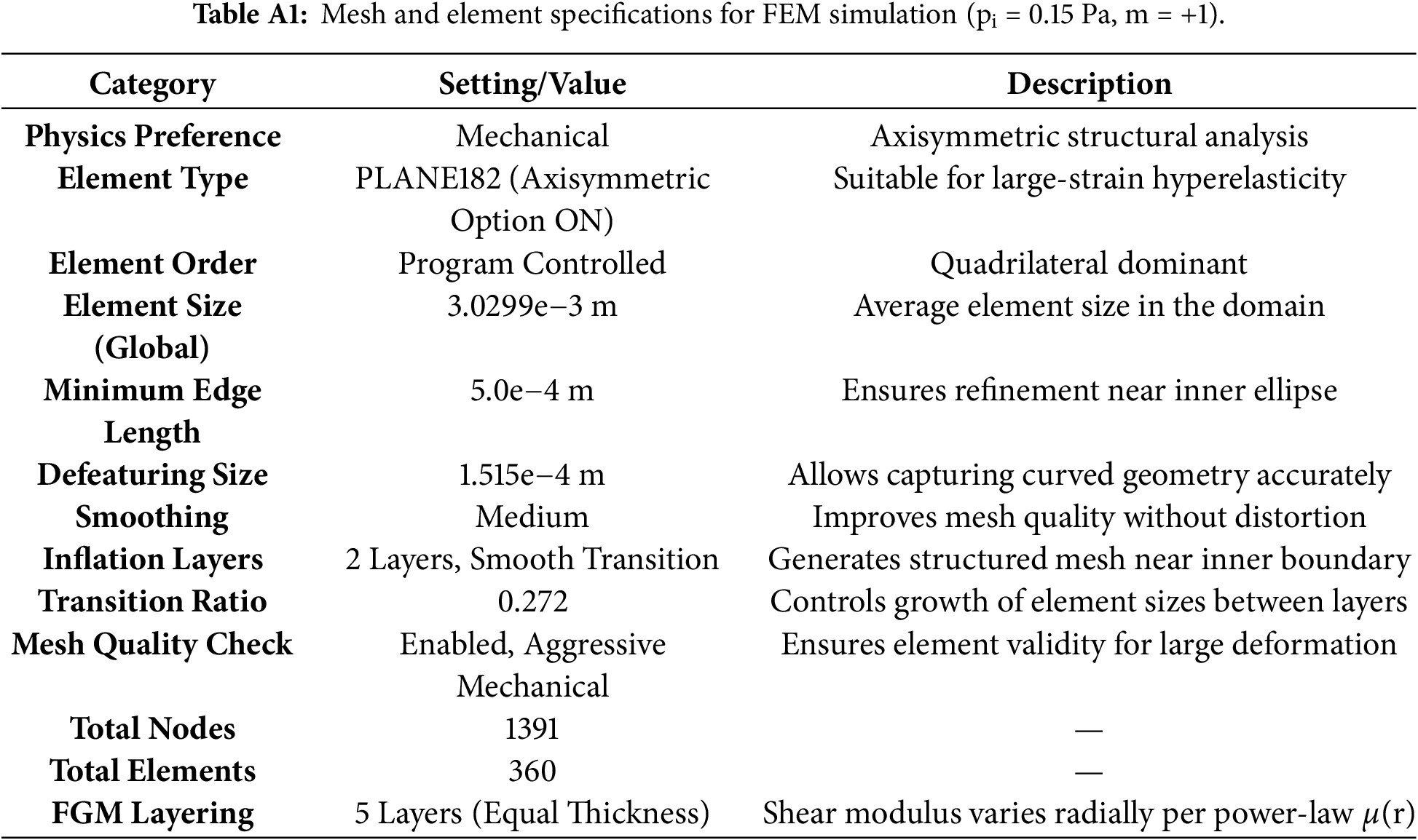
A structured multi-zone mesh was generated for the quarter-elliptical axisymmetric domain as shown in Table A1. Layered discretization was used to represent the functionally graded material (FGM), with each color band corresponding to one radial gradation layer. The mesh distribution ensures refinement toward the inner wall, where both deformation gradients and stress intensification are expected.
Appendix A.2 Mesh Visualization
The mesh used for this case is shown below. The structured pattern near the inner region ensures accurate resolution of high-stress gradients, whereas the outer regions are coarser due to reduced deformation sensitivity. See Fig. A1.
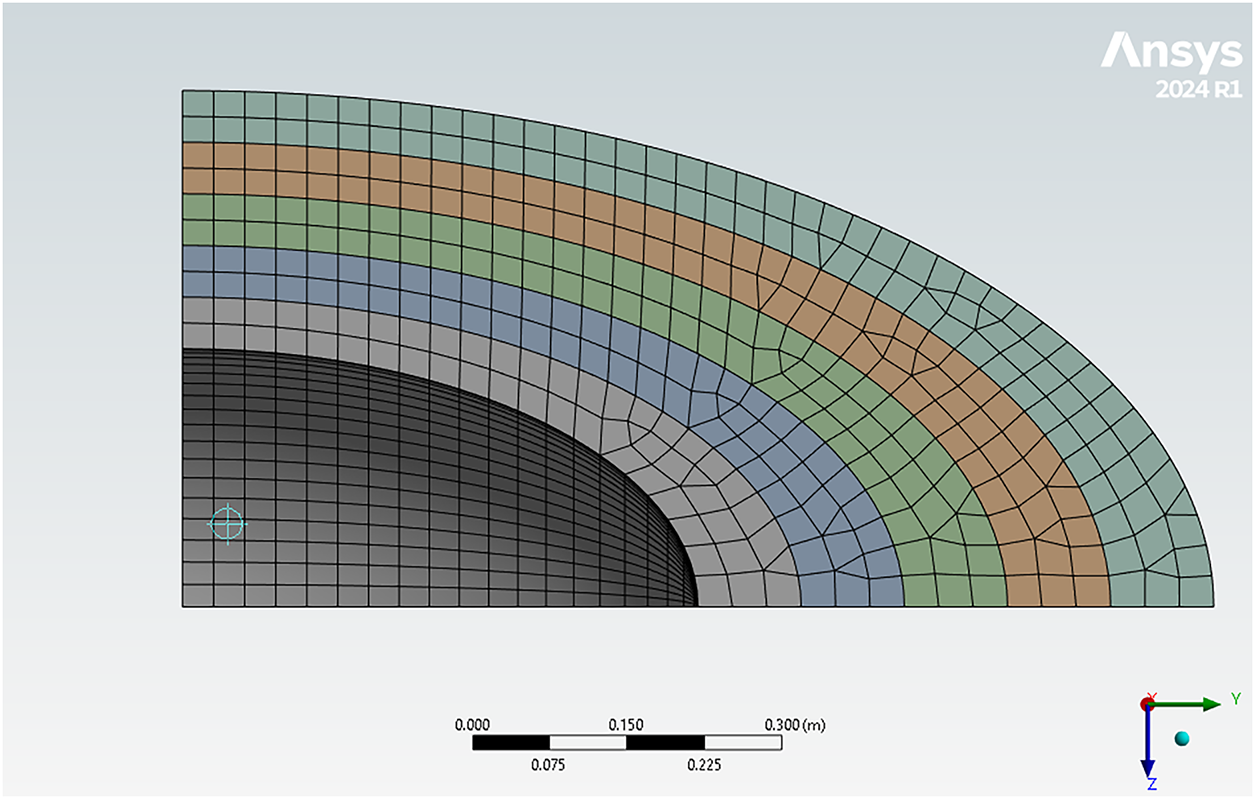
Figure A1: Structured multi-zone axisymmetric mesh used for the FEM simulation under internal pressure (pi = 0.15 Pa, m = +1); refined elements are concentrated near the inner elliptical boundary to accurately capture high deformation and stress gradients.
Appendix A.3 Convergence Behavior of the Nonlinear FEM Solution
The nonlinear solution was computed using full Newton–Raphson iteration with automatic load stepping. The force convergence history for this case is shown in Fig. A2.
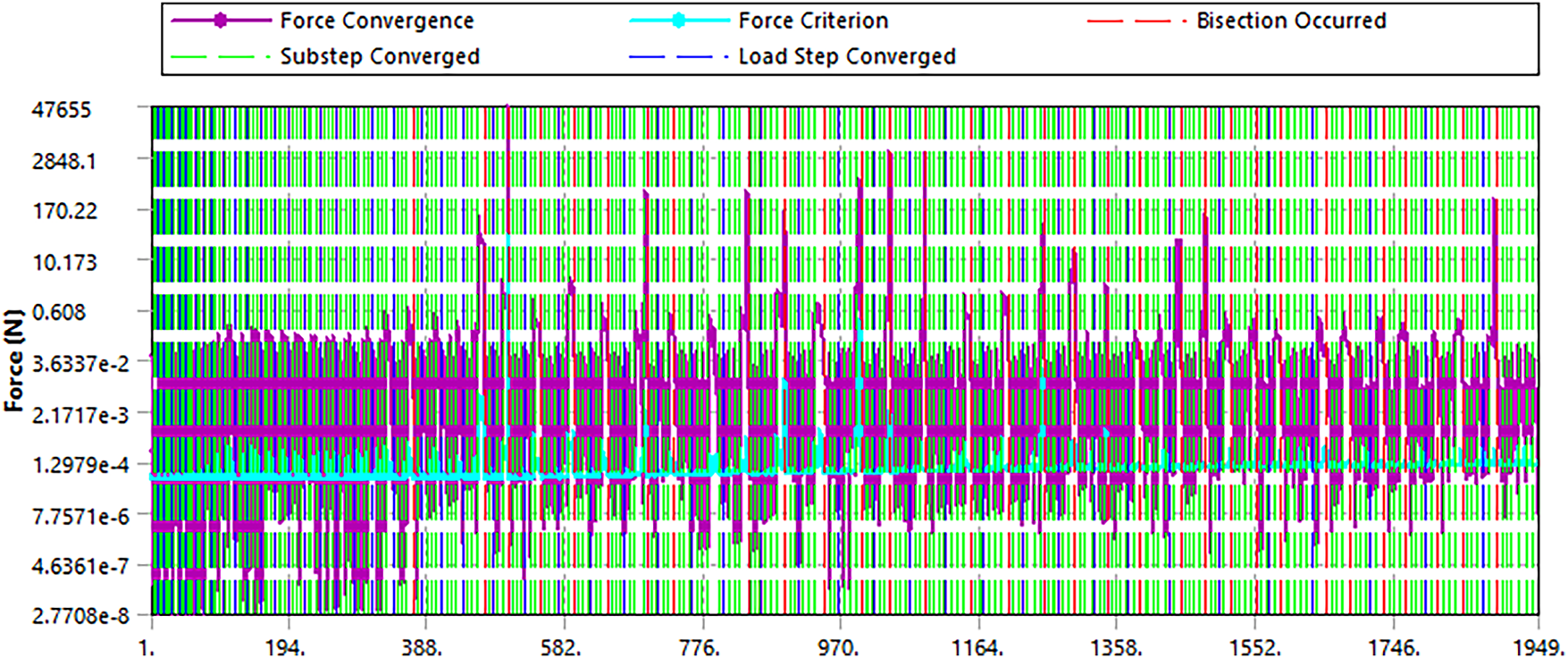
Figure A2: Force convergence history for the nonlinear hyperelastic FEM analysis under internal pressure (pi = 0.15 Pa, m = +1), demonstrating stable Newton–Raphson iterations and satisfaction of the force criterion across all load substeps.
The convergence plot indicates:
• Consistent satisfaction of the force criterion across all substeps.
• No divergence or failed equilibrium iterations.
• Occasional oscillations typical of hyperelastic simulations, but fully convergent at all load levels.
• Successful completion of all 1949 substeps required for large-deformation stability.
Interpretation:
The solver maintained numerical stability throughout the load application, confirming that the mesh density, element shape quality, and material model settings are appropriate for large-strain hyperelastic analysis.
Appendix A.4 Summary Statement for the Reviewers
“The full FEM configuration—including mesh parameters, element formulation, FGM layering, and convergence verification—has now been documented in Appendix A. This ensures complete reproducibility of the finite element benchmark used for validating the PINN model, addressing all reviewer requests regarding FEM transparency and correctness”.
References
1. Chakrabarty J. Theory of plasticity. Amsterdam, The Netherlands: Elsevier; 2006. [Google Scholar]
2. Harvey JF. Theory and design of pressure vessels. Cincinnati, OH, USA: Van Nostrand Reinhold Company; 1985. [Google Scholar]
3. Owen DRJ, Hinton E. Finite elements in plasticity. Swansea, UK: Pineridge Press International; 1980. [Google Scholar]
4. Holzapfel GA. Nonlinear solid mechanics. Chichester, UK: Chichester; 2000. [Google Scholar]
5. Bower AF. Applied mechanics of solids. Boca Raton, FL, USA: CRC Press; 2009. doi:10.1201/9781439802489. [Google Scholar] [CrossRef]
6. Arbind A, Reddy JN, Arun R. A general higher-order shell theory for compressible isotropic hyperelastic materials using orthonormal moving frame. Int J Numer Methods Eng. 2021;122(1):235–69. doi:10.1002/nme.6536. [Google Scholar] [CrossRef]
7. Augello R, Carrera E, Filippi M, Pagani A, Tortorelli E. Unified plate finite elements for the large strain analysis of hyperelastic material structures. Int J Non Linear Mech. 2023;155:104465. doi:10.1016/j.ijnonlinmec.2023.104465. [Google Scholar] [CrossRef]
8. Pagani A, Carrera E. Unified one-dimensional finite element for the analysis of hyperelastic soft materials and structures. Mech Adv Mater Struct. 2023;30(2):342–55. doi:10.1080/15376494.2021.2013585. [Google Scholar] [PubMed] [CrossRef]
9. Rivlin RS. Large elastic deformations of isotropic materials IV. further developments of the general theory. Philos Trans A Math Phys Eng Sci. 1948;241(835):379–97. doi:10.1098/rsta.1948.0024. [Google Scholar] [CrossRef]
10. Suresh S, Mortensen A. Fundamentals of functionally graded materials: processing and thermomechanical behavior of graded metals and metal-ceramic composites. London, UK: IOM Communications Ltd.; 1998. [Google Scholar]
11. Miyamoto Y, Kaysser WA, Rabin BH, Kawasaki A, Ford RG. Functionally graded materials. Boston, MA, USA: Springer; 1999. doi:10.1007/978-1-4615-5301-4. [Google Scholar] [CrossRef]
12. Jha DK, Kant T, Singh RK. A critical review of recent research on functionally graded plates. Compos Struct. 2013;96(1–2):833–49. doi:10.1016/j.compstruct.2012.09.001. [Google Scholar] [CrossRef]
13. Liew KM, He XQ, Kitipornchai S. Finite element method for the feedback control of FGM shells in the frequency domain via piezoelectric sensors and actuators. Comput Meth Appl Mech Eng. 2004;193(3–5):257–73. doi:10.1016/j.cma.2003.09.009. [Google Scholar] [CrossRef]
14. Bathe KJ. Finite element procedures. Upper Saddle River, NJ, USA: Prentice Hall; 2006. [Google Scholar]
15. Sussman T, Bathe KJ. A finite element formulation for nonlinear incompressible elastic and inelastic analysis. Comput Struct. 1987;26(1–2):357–409. doi:10.1016/0045-7949(87)90265-3. [Google Scholar] [CrossRef]
16. Ogden RW. Non-linear elastic deformations. Mineola, NY, USA: Dover Publications; 1997. [Google Scholar]
17. Firouzi N, Lenci S, Amabili M, Rabczuk T. Nonlinear free vibrations of Timoshenko-Ehrenfest beams using finite element analysis and direct scheme. Nonlinear Dyn. 2024;112(9):7199–213. doi:10.1007/s11071-024-09403-3. [Google Scholar] [CrossRef]
18. Reddy JN, Chin CD. Thermomechanical analysis of functionally graded cylinders and plates. J Therm Stress. 1998;21(6):593–626. doi:10.1080/01495739808956165. [Google Scholar] [CrossRef]
19. Crisfield MA. Non-linear finite element analysis of solids and structures. New York, NY, USA: John Wiley & Sons, Inc.; 1997. [Google Scholar]
20. Bonet J, Wood RD. Nonlinear continuum mechanics for finite element analysis. 2nd ed. Cambridge, UK: Cambridge University Press; 2008. doi:10.1017/cbo9780511755446. [Google Scholar] [CrossRef]
21. Karniadakis GE, Kevrekidis IG, Lu L, Perdikaris P, Wang S, Yang L. Physics-informed machine learning. Nat Rev Phys. 2021;3(6):422–40. doi:10.1038/s42254-021-00314-5. [Google Scholar] [CrossRef]
22. Raissi M, Perdikaris P, Karniadakis GE. Physics-informed neural networks: a deep learning framework for solving forward and inverse problems involving nonlinear partial differential equations. J Comput Phys. 2019;378:686–707. doi:10.1016/j.jcp.2018.10.045. [Google Scholar] [CrossRef]
23. Rabczuk T, Bathe KJ. Machine learning in modeling and simulation: methods and applications. Cham, Switzerland: Springer; 2023. doi:10.1007/978-3-031-36644-4. [Google Scholar] [CrossRef]
24. Guo H, Zhuang X, Fu X, Zhu Y, Rabczuk T. Physics-informed deep learning for three-dimensional transient heat transfer analysis of functionally graded materials. Comput Mech. 2023;72(3):513–24. doi:10.1007/s00466-023-02287-x. [Google Scholar] [CrossRef]
25. Firouzi N, Amabili M, Dohnal F, Zhuang X, Rabczuk T. Large deformation analysis of the inhomogeneous hyperelastic thick-walled sphere under internal/external pressure by Physics-Informed Neural Networks. Mach Learn Comput Sci Eng. 2025;1(2):35. doi:10.1007/s44379-025-00037-9. [Google Scholar] [CrossRef]
26. Lu L, Meng X, Mao Z, Karniadakis GE. DeepXDE: a deep learning library for solving differential equations. SIAM Rev. 2021;63(1):208–28. doi:10.1137/19m1274067. [Google Scholar] [CrossRef]
27. Cuomo S, Di Cola VS, Giampaolo F, Rozza G, Raissi M, Piccialli F. Scientific machine learning through physics-informed neural networks: where we are and what’s next. J Sci Comput. 2022;92(3):88. doi:10.1007/s10915-022-01939-z. [Google Scholar] [CrossRef]
28. Goswami S, Anitescu C, Chakraborty S, Rabczuk T. Transfer learning enhanced physics informed neural network for phase-field modeling of fracture. Theor Appl Fract Mech. 2020;106:102447. doi:10.1016/j.tafmec.2019.102447. [Google Scholar] [CrossRef]
29. Wang S, Teng Y, Perdikaris P. Understanding and mitigating gradient flow pathologies in physics-informed neural networks. SIAM J Sci Comput. 2021;43(5):A3055–81. doi:10.1137/20m1318043. [Google Scholar] [CrossRef]
30. Eshaghi MS, Anitescu C, Thombre M, Wang Y, Zhuang X, Rabczuk T. Variational physics-informed neural operator (VINO) for solving partial differential equations. Comput Meth Appl Mech Eng. 2025;437(1):117785. doi:10.1016/j.cma.2025.117785. [Google Scholar] [CrossRef]
31. Goodfellow I. Deep learning. Cambridge, MA, USA: MIT Press; 2016. [Google Scholar]
32. Baydin AG, Pearlmutter BA, Radul AA, Siskind JM. Automatic differentiation in machine learning: a survey. J Mach Learn Res. 2018;18(153):1–43. [Google Scholar]
33. Liu DC, Nocedal J. On the limited memory BFGS method for large scale optimization. Math Program. 1989;45(1):503–28. doi:10.1007/BF01589116. [Google Scholar] [CrossRef]
34. Lee HH. Finite element simulations with ANSYS workbench 2023: theory, applications, case studies. Mission, KS, USA: SDC Publications; 2023. [Google Scholar]
Cite This Article
 Copyright © 2026 The Author(s). Published by Tech Science Press.
This work is licensed under a Creative Commons Attribution 4.0 International License , which permits unrestricted use, distribution, and reproduction in any medium, provided the original work is properly cited.
 Downloads
 Citation Tools
