
 Login
Login Register
 Submit a Paper
 Propose a Special lssue
 Open Access
ARTICLE

Experimental Study on Conductivity of Fractures Supported by Deep Shale in the Sichuan Basin of China
1 CNPC Chuanqing Drilling Engineering Company, Chengdu, 660051, China
2 School of Petroleum Engineering, Yangtze University, Wuhan, 430100, China
3 State Key Laboratory of Low Carbon Catalysis and Carbon Dioxide Utilization, Wuhan, 430100, China
4 Key Laboratory of Drilling and Production Engineering for Oil and Gas, Wuhan, 430100, China
* Corresponding Author: Shun Qiu. Email:
(This article belongs to the Special Issue: Enhanced Oil and Gas Recovery in Unconventional Reservoirs)
Energy Engineering 2026, 123(4), 21 https://doi.org/10.32604/ee.2025.073233
Received 13 September 2025; Accepted 10 November 2025; Issue published 27 March 2026
 View Full Text
 Download PDF
Abstract
To investigate the long-term fracture conductivity behavior of propped fractures under the high-temperature and high-pressure conditions of deep shale gas reservoirs in the Sichuan Basin, this study systematically analyzed the effects of closure stress, proppant concentration, formation temperature, and proppant size combination. Conductivity experiments were conducted using the HXDL-2C long-term proppant conductivity evaluation system under simulated reservoir conditions to determine the time-dependent evolution of fracture conductivity. The results showed that the 50-h conductivity retention of the rock-plate experiments ranged from 22% to 28%. With increasing closure stress, fracture conductivity exhibited a rapid decline. Under a formation temperature of 120°C and a proppant concentration of 5 kg·m−², the short-term conductivity of 70/140 mesh quartz-sand-propped fractures was 2.37 μm²·cm, which decreased to 0.66 μm²·cm after long-term testing. When the closure stress increased to 80 MPa, the short-term and long-term conductivities further declined to 1.36 μm²·cm and 0.39 μm²·cm, respectively. Increasing the proppant concentration from 5 to 7.5 kg·m−² at 120°C and 80 MPa improved both short-term and long-term conductivities by enlarging the effective fracture width; however, the conductivity decay rate accelerated, and the 50-h retention dropped from 27.2% to 22.8%. Raising the temperature from 120°C to 140°C promoted proppant crushing and compaction, intensified shale creep, and accelerated fracture closure, reducing long-term conductivity from 0.37 to 0.30 μm²·cm. Under identical conditions, 40/70 mesh ceramic proppants maintained significantly higher conductivities than 70/140 mesh quartz sand, with short-term and long-term values of 8.71 and 2.19 μm²·cm, respectively, at 120°C, 80 MPa, and 5 kg·m−². Pure quartz-sand systems failed to maintain effective conductivity under high-temperature and high-stress conditions, whereas adding 20% 40/70 mesh ceramic proppant and thoroughly mixing it, the long-term conductivity has increased by 2.3 times, improving fracture stability while reducing overall cost. A predictive equation was derived from the experimental results to capture the dynamic decay characteristics of fracture conductivity. These outcomes provide a valuable experimental basis and technical support for optimizing fracturing fluid design, proppant selection, and operation parameters in deep shale formations.Keywords
Nomenclature
| Nomenclature of Principal Terms | |
| k | Permeability of the fracture |
| Q | Flow rate within the fracture |
| μ | Viscosity of the fluid |
| L | Length between the pressure measurement holes |
| A | The cross-sectional area of the fracture |
| Δp | Pressure difference between the two ends of the test section |
| Wf | Width of the fracture |
| kWf | Conductivity |
| kWf,short | Short-term Conductivity |
| kWf,long | Long-term Conductivity |
| C | Proppant concentration |
| P | Fracture closure pressure |
| t | Time |
With the continuous growth of global energy demand, the development and utilization of unconventional oil and gas resources have received widespread attention. Among them, the deep shale gas resources in the Sichuan Basin are abundant. According to estimates, the deep shale gas resources in the Sichuan Basin and its surrounding areas with a burial depth of 3500–6000 m exceed 20 trillion cubic meters, accounting for more than 70% of the total shale gas resources in the Sichuan Basin. The deep and ultra-deep layers will become the key target areas for increasing production in the development of shale gas in the Sichuan Basin [1,2]. However, due to their large burial depth, high temperatures, high closure pressure, and complex geostress (large horizontal stress difference and developed structural faults), deep shale reservoirs have become the “hard nut” for the efficient development of shale gas at present. The deep shale reservoirs have strong heterogeneity and complex pore structures, resulting in significantly higher reservoir modification difficulty than those in the middle and shallow layers [3,4]. Traditional development technologies and methods face many challenges in the development of deep shale reservoirs and it is difficult to effectively communicate the oil and gas channels in the reservoirs [5–8].
Under high-temperature and high-pressure conditions, the natural fracture network of deep shale is susceptible to the influence of creep, resulting in an accelerated rate of fracture closure. Artificial fracture networks are difficult to maintain a high conductivity over the long term, severely restricting the stable production period of gas wells [9]. In deep shale gas reservoirs under high temperature and high closure pressure conditions, the compaction, fragmentation, embedding of the proppant, and the creep effect of shale are significantly enhanced, leading to difficulties in supporting the fracture network and short service life [10]. In the fracturing practice of the deep shale gas field in southwestern Sichuan, when the closure pressure exceeds 60 MPa, the fragmentation rate of traditional silica sand proppant can reach 15%–32%, causing the conductivity of the fractures to drop by more than 40% within 48 h [11]. In addition, the long-term creep effect of shale causes the width of the supporting fractures to continuously shrink, further weakening the production enhancement effect of the enhanced sanding process [12,13]. Although using high-concentration proppants can partially alleviate the embedding problem, too small particle size is prone to cause fracture blockage, thereby reducing the effective flow-through area [14]. These problems result in significant differences in the effectiveness of existing fracturing schemes in deep reservoirs [15].
In recent years, the research on the long-term conductivity of deep shale fractures has gradually gained attention. Numerous research teams and enterprises have conducted extensive studies. The influence of proppant characteristics on fracture conductivity has been extensively investigated. Cooke identified the dependence of fracture conductivity on proppant-filled width [16]. Under simulated in-situ conditions, Much and Penny. assessed the long-term conductivity of two typical proppants considering closure stress [17]. Hou et al. further demonstrated that both proppant properties and spatial placement significantly affect conductivity evolution [18]. Liu used nitrogen as the experimental fluid to measure the gas flow guiding conductivity of the supporting fractures under different experimental conditions [19]. Xu et al. designed and carried out the long-term conductivity testing experiment of acid-fracturing fractures under different residual acid concentrations [20]. Cai et al. carried out conductivity experiments on nanoscale porous shale reservoirs [21]. Dilireba and Wang reported that proppant damage can markedly reduce conductivity in shale gas reservoirs [22]. However, despite certain progress, a unified understanding has not yet been reached. Currently, the research on issues such as compaction, fragmentation, embedding of the proppant, and the creep effect of shale under high temperature and high closed pressure conditions in deep shale gas reservoirs is still in the stage of continuous exploration. There is a lack of systematic and in-depth theoretical and technical support, making it difficult to effectively guide actual development and production [16–22]. Therefore, it is urgent to carry out experimental research on the conductivity of deep shale fractures, to provide strong guidance for optimizing the sand addition intensity, sand addition mode, proppant concentration and particle size combination, and fracturing construction parameters in deep shale fracturing, thereby improving the fracturing effect, extending the stable production period of gas wells, and achieving the goal of cost reduction and efficiency improvement.
The experiment was based on the “SY/T 6302-2019 Test Method for Conductivity of Fracturing Casing Agents” issued by the National Energy Administration of the People’s Republic of China. The fracturing agents were filled into the flow channel to form a fracturing agent filling layer for the flow channel. Then, the liquid was allowed to flow through the flow channel, and the flow rate and pressure difference were measured. With the known viscosity of the liquid, the conductivity of the fracturing agents could be calculated.
The principle of the conductivity test can be expressed by Darcy’s law:
The long-term conductivity system evaluation device for HXDL-2C proppant uses the API standard flow guiding chamber. Then, the above equation can be further simplified as:
Then the ultimate optimization of the conductivity is:
where, k represents the permeability of the fracture, μm²; Q is the flow rate within the fracture, cm3/s; μ is the viscosity of the fluid, mPa·s; L is the length between the pressure measurement holes, m; A is the cross-sectional area of the fracture, cm2; Δp is the pressure difference between the two ends of the test section, KPa. Wf is the width of the fracture (in cm) and kWf is the ability to conduct fluid flow through the fracture.
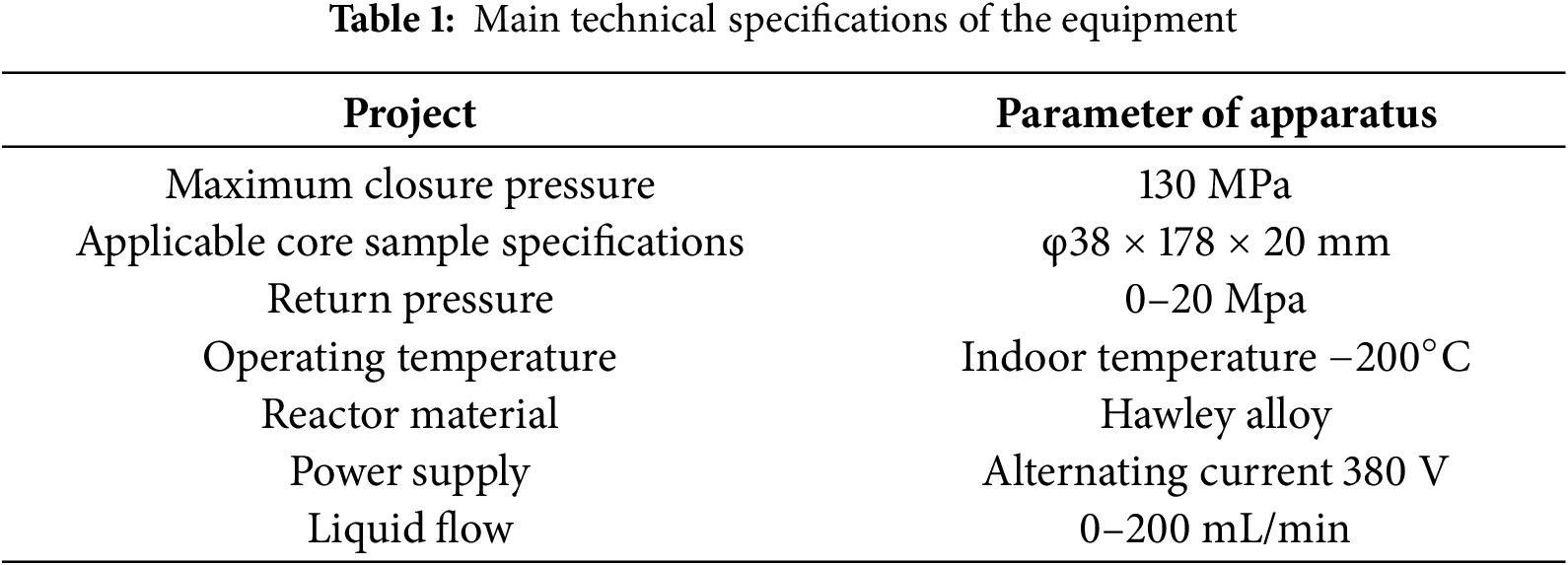
In this experiment, the HXDL-2C proppant long-term conductivity evaluation system was used (Fig. 1). The maximum Closure pressure was 130 MPa, the maximum experimental temperature was 200°C, and the maximum liquid flow rate was 0.2 L/min. The device is shown in Fig. 1, and the main technical indicators of the equipment are presented in Table 1.
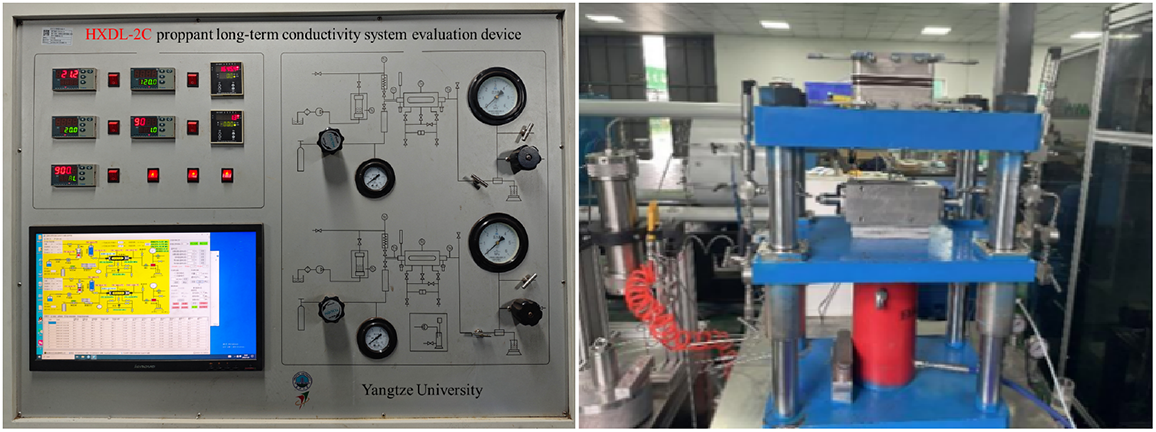
Figure 1: Control panel (left) and diversion chamber (right) of the HXDL-2C proppant long-term conductivity system evaluation device
The rock samples used in the experiment were taken from the full-diameter core samples in the 4381 m–4386 m depth section of the Da’an 101 well in the Longmaxi Formation. According to the API standard, six sets (12 pieces) of test rock plates with conductivity were prepared. The size of each rock plate was 178mm × 38mm × 20 mm. The experimental rock plates are shown in Fig. 2.
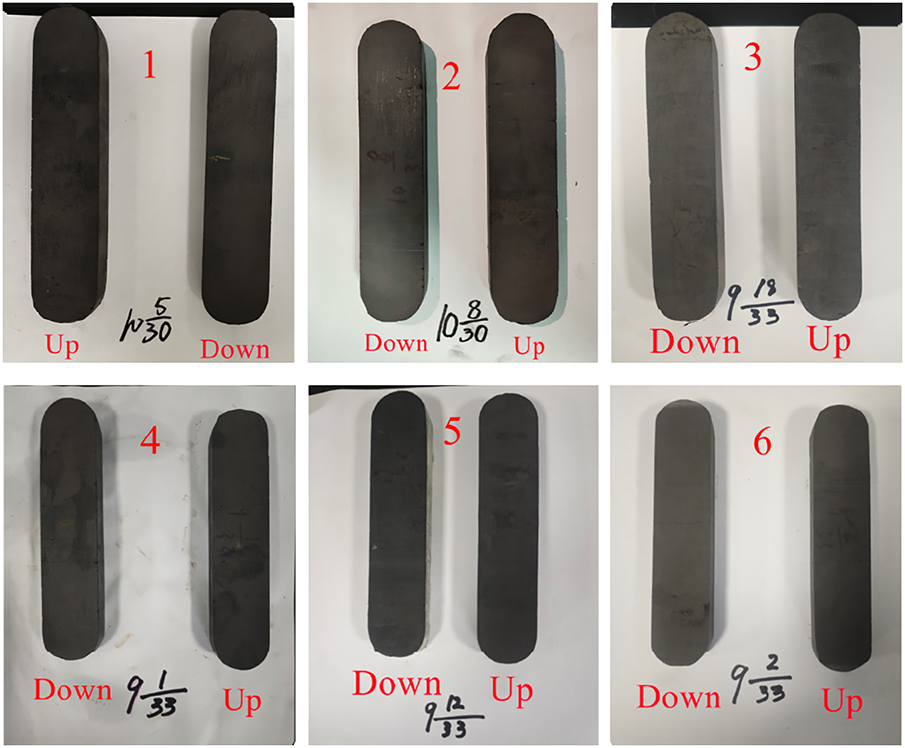
Figure 2: Rock plate
Supporting agent preparation: 40/70 mesh ceramist, 70/140 mesh quartz sand, uniformly mixed 80% 70/140 mesh quartz sand + 20% 40/70 mesh ceramsite. The fracturing fluid was water-based slurry. The supporting agents are shown in Fig. 3.
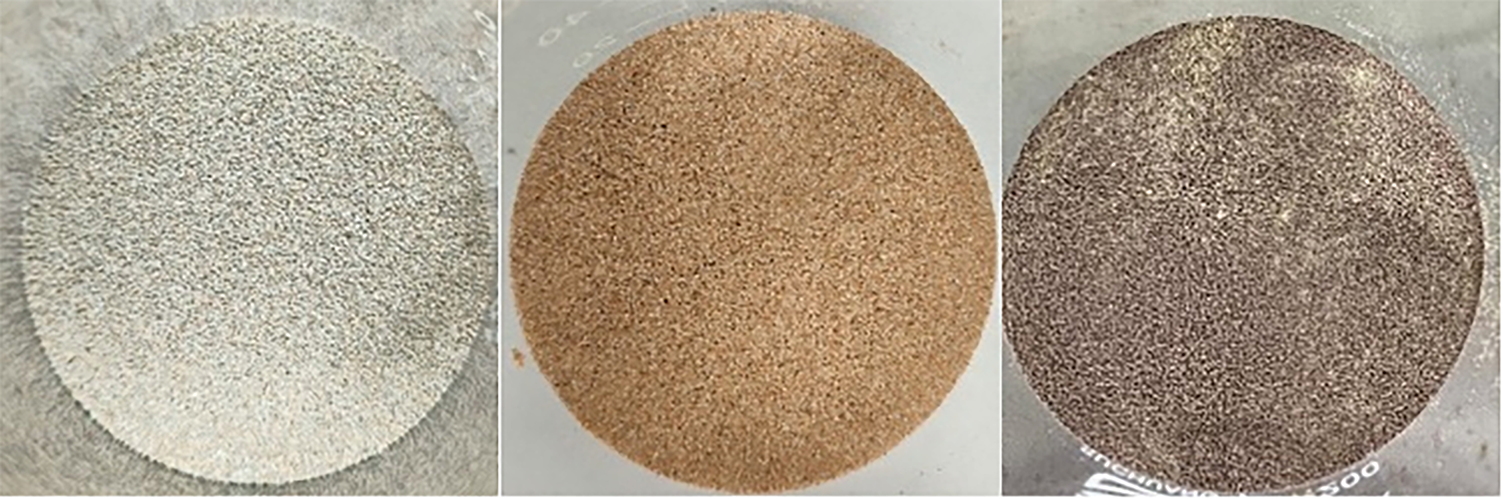
Figure 3: 40/70 mesh ceramsite (left), 70/140 mesh quartz sand (middle), mixed (right)
The experiment is based on the “SY/T 6302-2019 Test Method for conductivity of Fracturing Proppant” issued by the National Energy Administration of the People’s Republic of China. The main steps are as follows:
(1) Apply adhesive tape to the non-reactive surfaces of the upper and lower rock plates.
(2) First, install the lower cover plate and lower rock plate of the diversion chamber in the diversion chamber, apply glue to the gaps between the periphery of the lower rock plate and the diversion chamber, after the glue dries, evenly sprinkle the proppant onto the lower rock plate of the diversion chamber, use the leveling ruler to level the proppant, insert the upper rock plate to apply glue to the gaps between the periphery of the lower rock plate and the diversion chamber, after the glue dries, install the upper cover plate of the diversion chamber. During the installation process of the upper and lower cover plates of the diversion chamber, pay attention to leveling.
(3) Install the diversion chamber on the hydraulic press, adjust the Closure pressure to 10 MPa.
(4) Fill the pump liquid container with clean water, set the liquid flow rate to 5 mL/min and start pumping the liquid.
(5) After pumping the liquid for 15 min, wait for the pressure difference to stabilize and record the upstream and downstream pressure differences. Adjust the Closure pressure to 20 MPa, 15 min later, when the pressure difference stabilizes again, record the upstream and downstream pressure differences again.
(6) Change the Closure pressure and repeat step 5 until all the target Closure pressures are recorded for the displacement of the rock plates and the upstream and downstream pressure differences.
(7) After the experiment, first stop the pump, then release the Closure pressure, remove the rock plate, brush off the surface proppant, take photos and record the changes in the surface of the rock fractures.
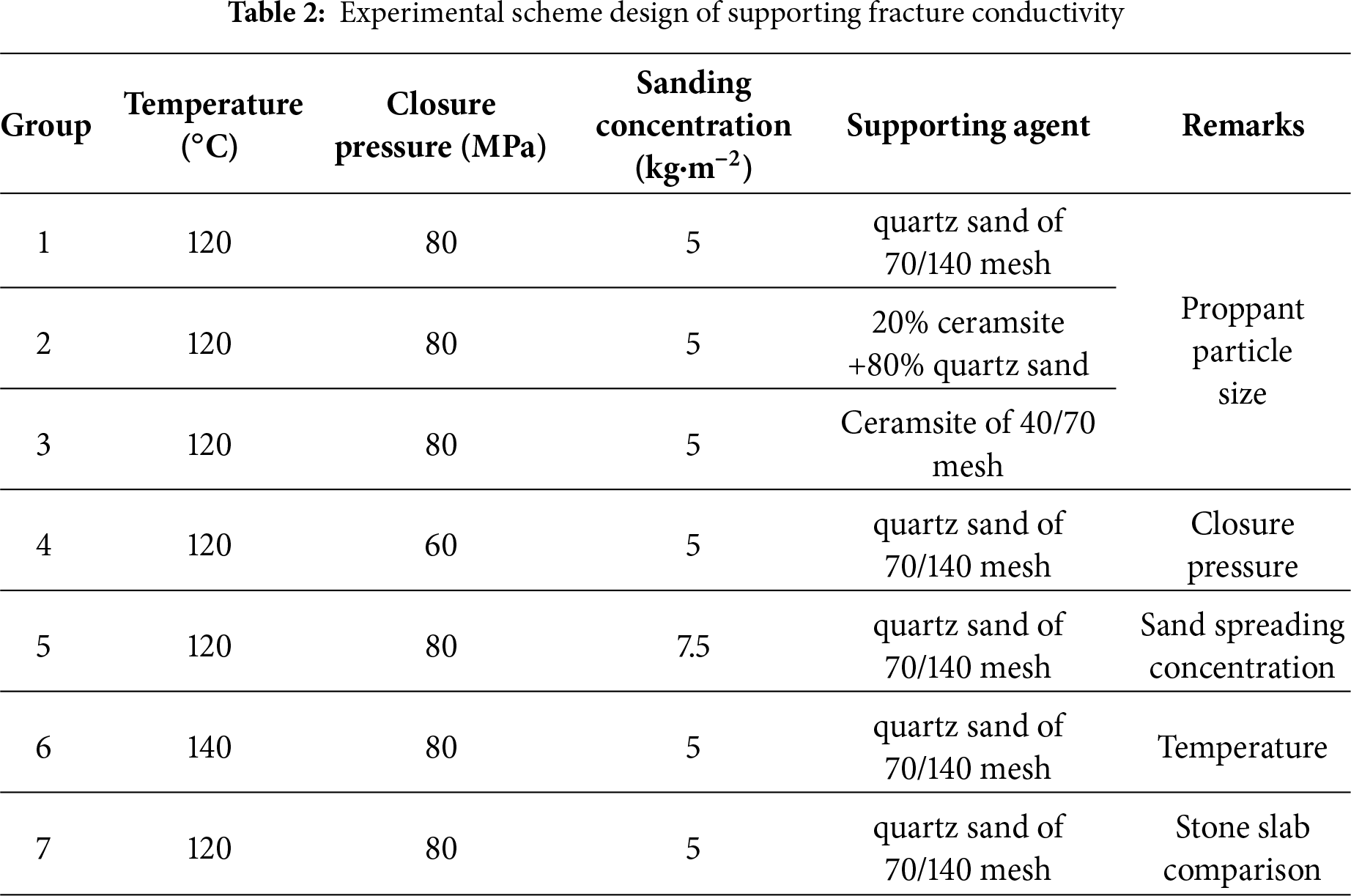
This diversion experiment simulates the high-temperature and high-pressure conditions of deep shale formations. A total of 7 groups of experiments were designed to investigate the long-term conductivity of deep shale support fractures, studying the influence laws of Closure pressure, sand spreading concentration, temperature, support agent particle size, rock plate type, and on the long-term conductivity of deep shale support fractures. Among them, 6 groups were long-term conductivity tests for deep shale support fractures, and 1 group was a long-term conductivity test for steel plates. The experimental plan is shown in Table 2.
The experimental results are shown in Table 3. Under the same experimental conditions (120°C), with the same type of proppant (70/140 mesh quartz sand) and sand packing concentration (5 kg·m−²), there are significant differences in the long-term conductivity attenuation trends of the fractures in shale and steel plates (Fig. 4). As shown in Figs. 5 and 6, for the shale sand fractures, the initial conductivity was 1.36 μm²·cm, and after 50 h of high-temperature and high-closure stress, it decreased to 0.37 μm²·cm, with a conductivity retention rate of only 27.20%. In contrast, for the steel plate sand fractures, the initial conductivity was as high as 9.17 μm²·cm, but with the continuous action of the closure stress, its conductivity rapidly declined to 1.99 μm²·cm, and the 50-h conductivity retention rate was 21.70%. Further analysis reveals that the conductivity of shale fractures is mainly influenced by factors such as proppant embedding, rock creep, and fracture closure. As shown in Fig. 7, the fracture width increases with the increase in closure stress, and the embedding depth of the proppant on the surface of the shale fracture gradually increases, resulting in a reduction in the effective supporting width of the fracture, leading to a rapid decline in the short-term conductivity and being lower than the test results of the steel plate experiment. Moreover, the long-term action of high closure stress exacerbates the creep effect of shale, causing further closure of the fractures, and the long-term conductivity continues to decline, eventually falling below 1 μm²·cm. In contrast, the decline trend of the conductivity of the steel plate fractures is mainly related to proppant fragmentation. Due to the smooth surface of the steel plate, it does not have the deformability of rock, so there are no effects of proppant embedding and rock creep. Its fracture width is relatively stable. However, under high-temperature and high-closure stress conditions, the fragmentation rate of proppant particles continues to increase, resulting in an increase in the fine particle content in the fracture, and some fragmented particles may migrate or fill the fracture channels, thereby reducing the conductivity of the fracture. This explains the phenomenon that the long-term conductivity of the steel plate fractures declines over time, that is, although the initial conductivity is much higher than that of the shale fractures, after 50 h, its conductivity retention rate (21.70%) is even lower than that of the shale fractures (27.20%), indicating that the effect of proppant fragmentation has a significant impact on the long-term conductivity. In summary, the long-term conductivity of shale fractures is mainly controlled by the fragmentation, embedding of the proppant, and the creep of the shale, while the conductivity of steel plate fractures is mainly caused by the fragmentation of the proppant.

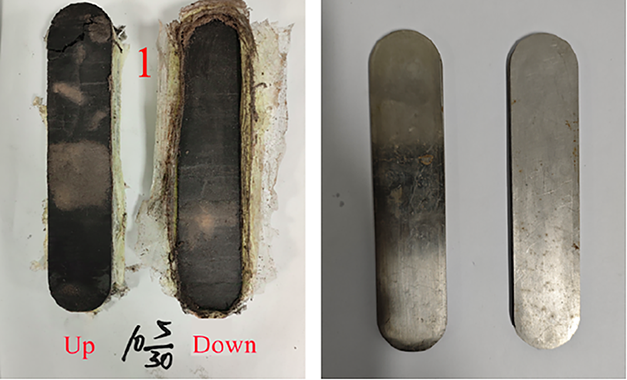
Figure 4: Rock samples of different types
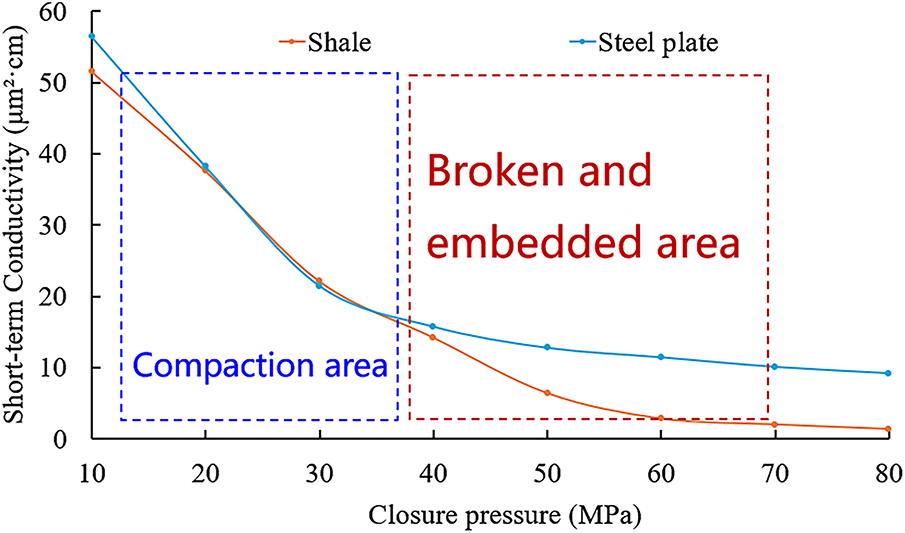
Figure 5: Short-term Fracture conductivity under different rock plate types
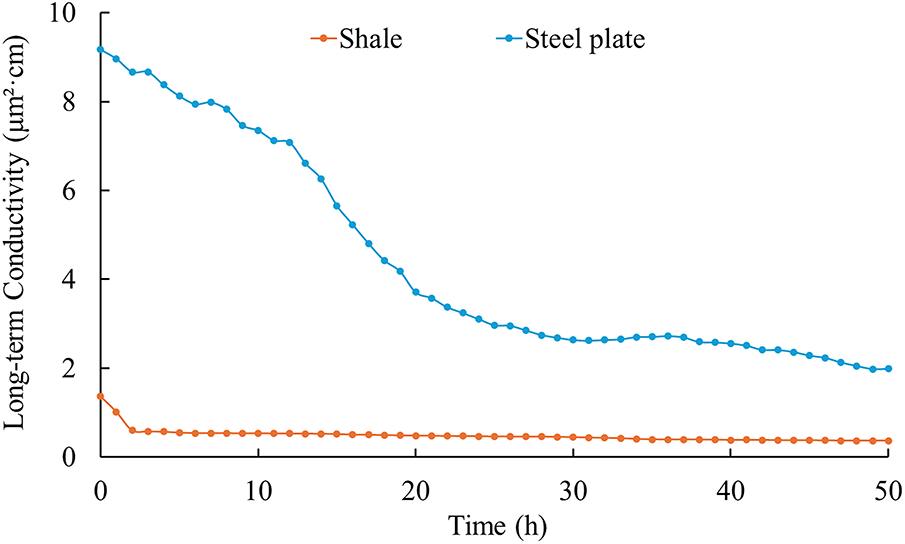
Figure 6: Long-term Fracture conductivity under different rock plate types
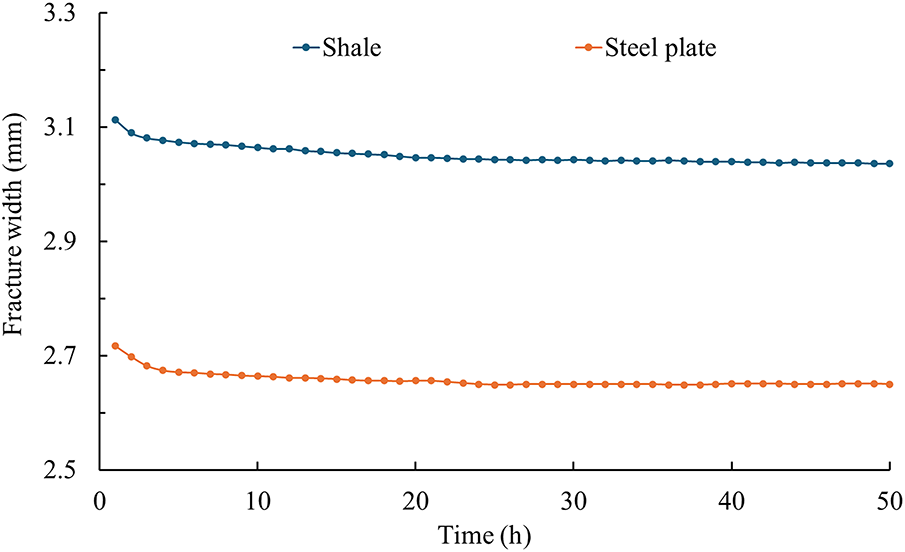
Figure 7: Changes of fracture width under different rock plate types
3.2 Effect of Support Particle Size
The experimental results are presented in Fig. 8. Different types and ratios of proppants significantly influence the long-term conductivity of sand-filled fractures in shale. As shown in Table 4, and Figs. 9 and 10, under high-temperature and high-closure-stress conditions, the initial fracture conductivity with 70/140 mesh quartz sand is 1.36 μm²·cm, decreasing to 0.37 μm²·cm after 50 h, with only 27.20% retained. In contrast, when ceramsite with partical size of 40/70 mesh is used, the initial conductivity significantly increases to 8.71 μm²·cm and decreases to 2.19 μm²·cm after 50 h, with 25.14% retention. Using a uniformly mixed composite proppant consisting of 20% 40/70 mesh ceramsite and 80% 70/140 mesh quartz sand yields an initial conductivity of 3.12 μm²·cm and 0.84 μm²·cm after 50 h, corresponding to 26.92% retention. Owing to its higher strength and crushing resistance, ceramsite maintains a wider fracture aperture under identical closure stress, reducing proppant embedment and particle failure, thereby ensuring higher long-term conductivity (Fig. 11). In contrast, quartz sand exhibits lower hardness and mechanical stability, making it susceptible to crushing and embedment, which progressively decreases fracture width and accelerates conductivity decay. Compared with the pure quartz-sand case, adding 20% ceramsite improves long-term conductivity by approximately 2.3 times. The composite proppant design thus combines the advantages of both materials, enhancing layer stability and maintaining better conductivity under harsh reservoir conditions.
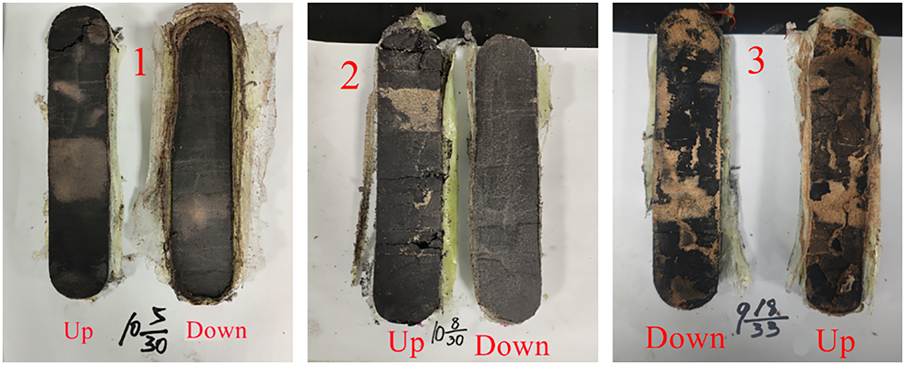
Figure 8: Rock samples under different proppant particle sizes
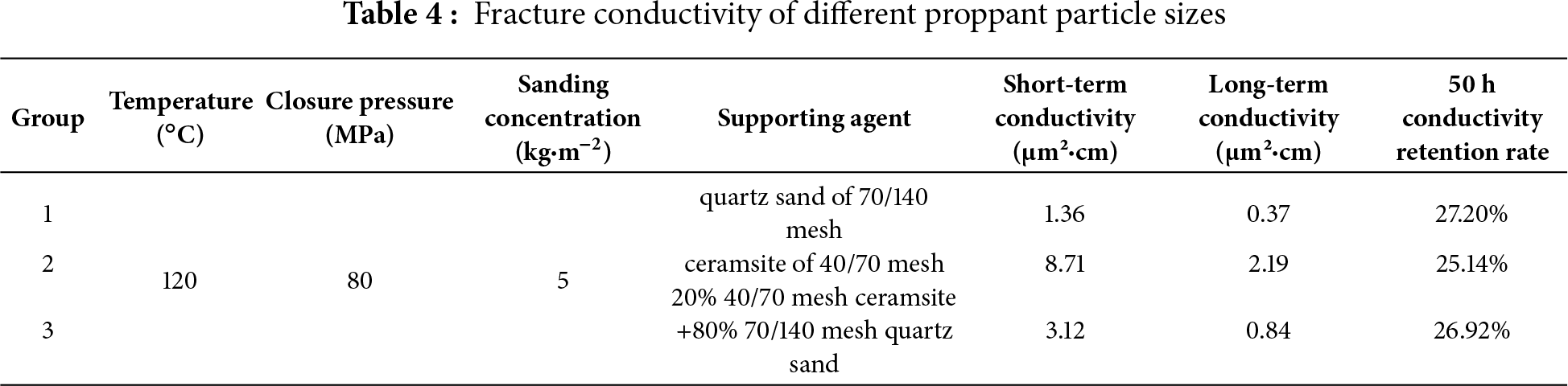
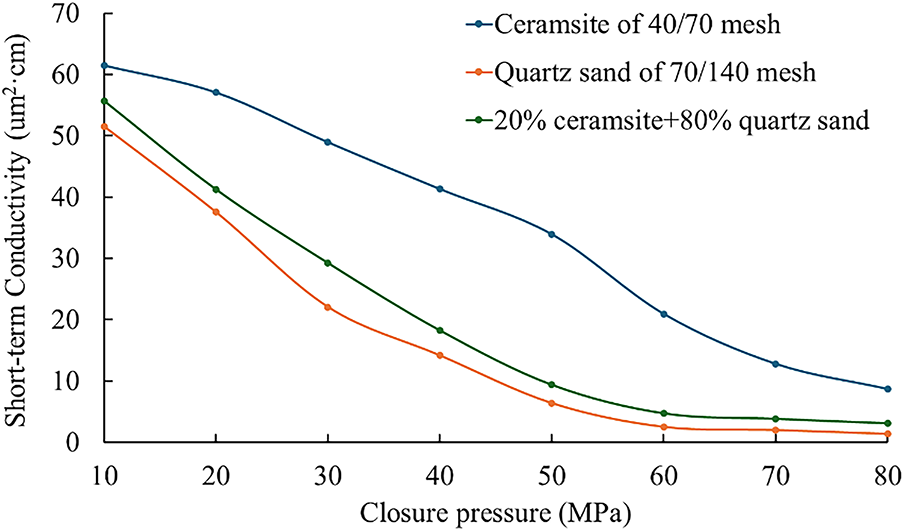
Figure 9: Short-term Fracture conductivity under different proppant particle sizes
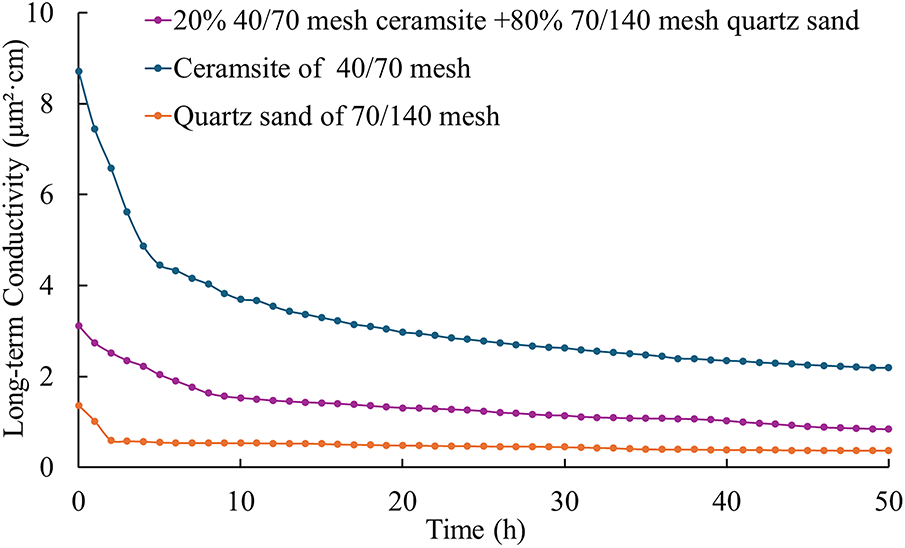
Figure 10: Long-term Fracture conductivity under different proppant particle sizes
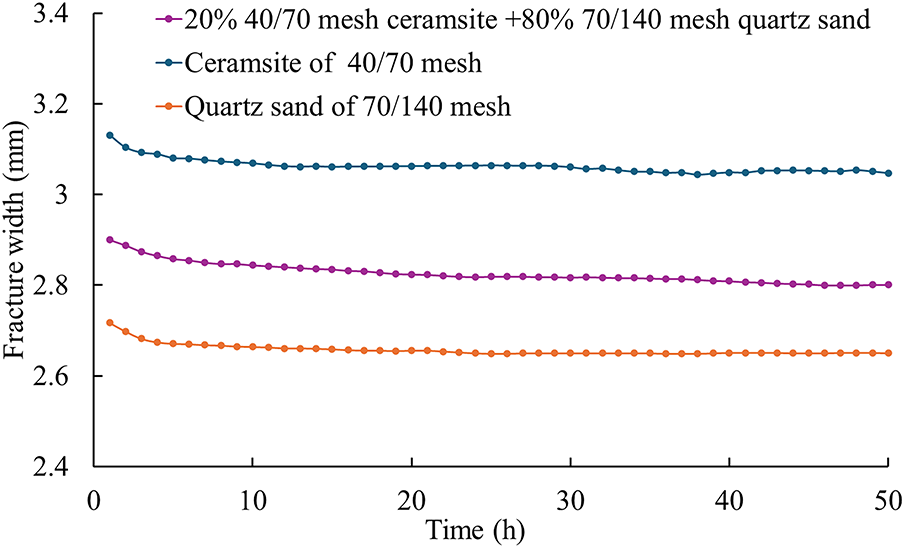
Figure 11: Changes of fracture width under different proppant particle sizes
As shown in Fig. 12, the surface morphology of rock samples varies significantly under different closure stress conditions. The surface of the rock plate under a closing stress of 80 MPa is even rougher. As shown in Figs. 13 and 14, under a closing stress of 60 MPa, when 70/140 mesh quartz sand is used as the proppant, the long-term conductivity of the shale sand fractures decreases from the initial 2.37 μm²·cm to 0.66 μm²·cm, with a significant decline in the conductivity. When the closure stress increases to 80 MPa, the long-term conductivity under the same conditions further decreases, from 1.71 μm²·cm to 0.39 μm²·cm, indicating that a higher closing stress significantly weakens the conductivity of the fractures. Increasing closure stress intensifies proppant crushing, embedment, and deformation, which reduces fracture width (Fig. 15) and diminishes the effective flow channels. This leads to a reduction in effective supporting space within the fractures, a rapid decline in short-term conductivity, and a gradually slowing decline rate. The conductivity rapidly decays in the initial loading stage, and its decline trend gradually becomes more stable over time. As shown in Table 5, when the closing stress reaches or exceeds 60 MPa, the long-term conductivity of the fractures drops below 1 μm²·cm, and the 50-h conductivity retention rate is approximately 27%. This change trend is closely related to the creep effect of the rock plate. Over time, the creep characteristics of the rock cause the fractures to gradually close, further reducing the conductivity of the fluid channels. In high-stress environments, relying solely on conventional quartz sand proppants may be difficult to maintain long-term effective fracture conductivity. Further optimization of proppant selection or the adoption of additional production enhancement measures is necessary to improve the long-term stability of the fractures.
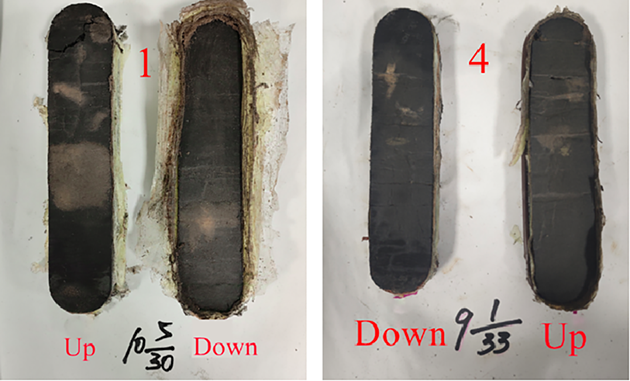
Figure 12: Rock samples under different closed pressures
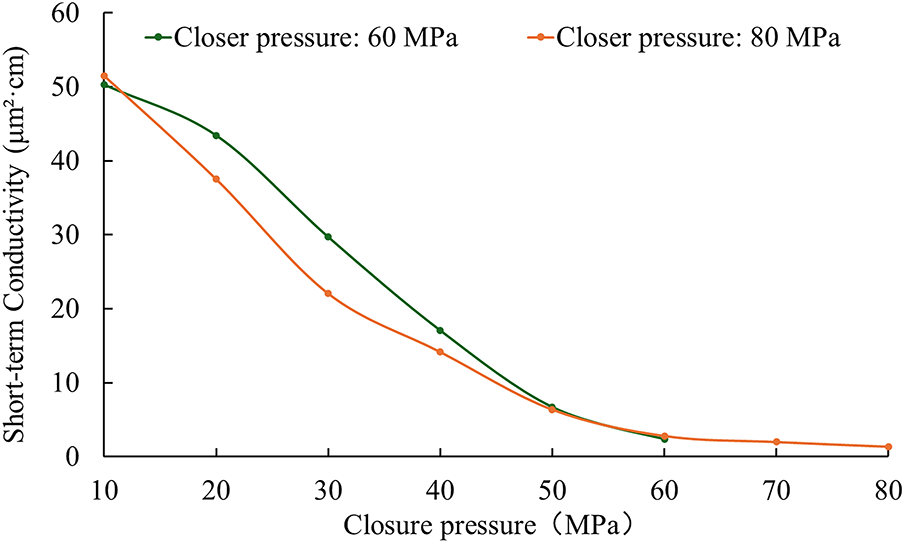
Figure 13: Short-term Fracture conductivity under different closed pressures
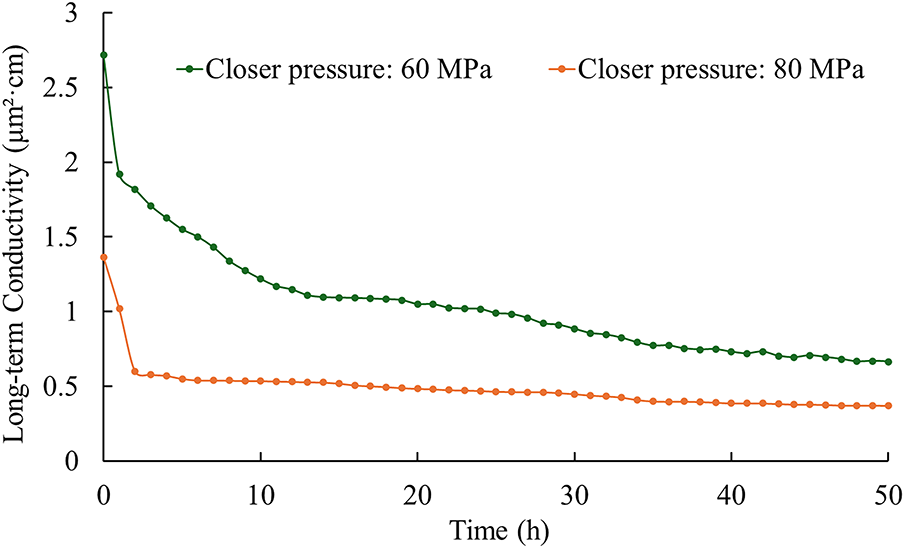
Figure 14: Long-term Fracture conductivity under different closed pressures
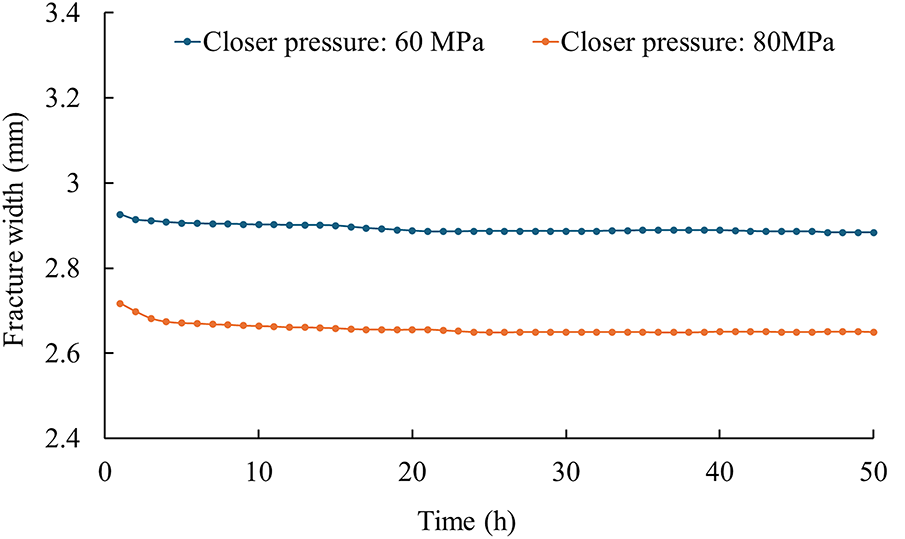
Figure 15: Changes of fracture width under different closed pressures

3.4 Effect of Sand Spreading Concentration
As shown in Fig. 16, the surface morphology of the rock samples varies significantly under different sanding concentrations. with the surface under the condition of 7.5 kg·m−² appearing significantly rougher. The experimental results indicate that the sanding concentration has a significant impact on the long-term conductivity of the shale sanding fractures. As presented in Figs. 17 and 18, with the condition of 5 kg·m−² sanding concentration, using 70/140 mesh quartz sand as the support material, the long-term conductivity of the fractures decreased from the initial 1.71 μm²·cm to 0.39 μm²·cm. When the sanding concentration was increased to 7.5 kg·m−², the initial conductivity of the fractures under the same conditions increased to 2.19 μm²·cm, but the long-term conductivity still significantly declined, eventually dropping to 0.5 μm²·cm. This indicates that appropriately increasing the sanding concentration can temporarily improve the conductivity; however, under long-term high closure stress, the conductivity will gradually decline. Further analysis shows that higher sanding concentration increases the effective fracture width and improves both short- and long-term conductivity (Fig. 19). Nevertheless, when the closure stress exceeds 80 MPa, even even a 7.5 kg/m² concentration cannot sustain conductivity above 0.5 μm²·cm, indicating that simply increasing the sanding concentration is insufficient to counteract conductivity loss in ultra-high-stress environments. Moreover, a higher sanding concentration increases the number of proppant layers, which weakens structural stability under high-temperature and high-pressure conditions. As a result, particle crushing, embedding, and rearrangement intensify, thereby reducing the effective conductivity of the fracture channels. As summarized in Table 6, the 50-h conductivity retention rate decreases with increasing sanding concentration, primarily due to enhanced local stress concentration and accelerated fine-particle migration.
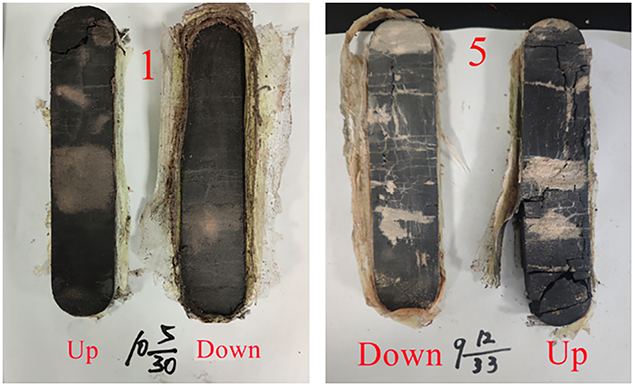
Figure 16: Rock samples under different sand spreading concentrations
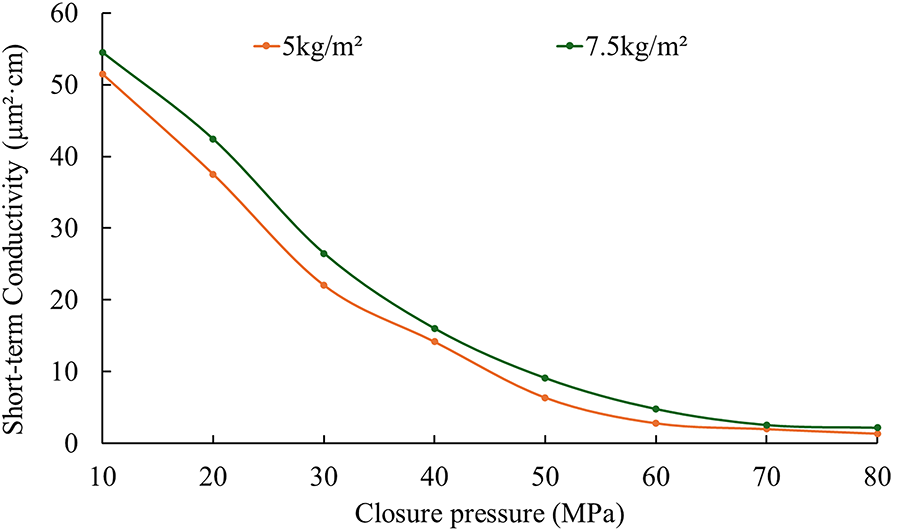
Figure 17: Short-term Fracture conductivity under different sand spreading concentrations
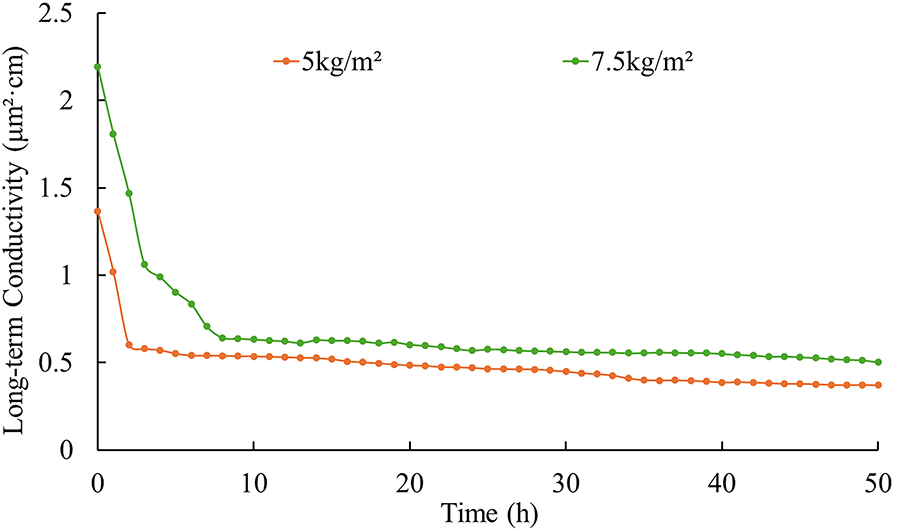
Figure 18: Long-term Fracture conductivity under different sand spreading concentrations
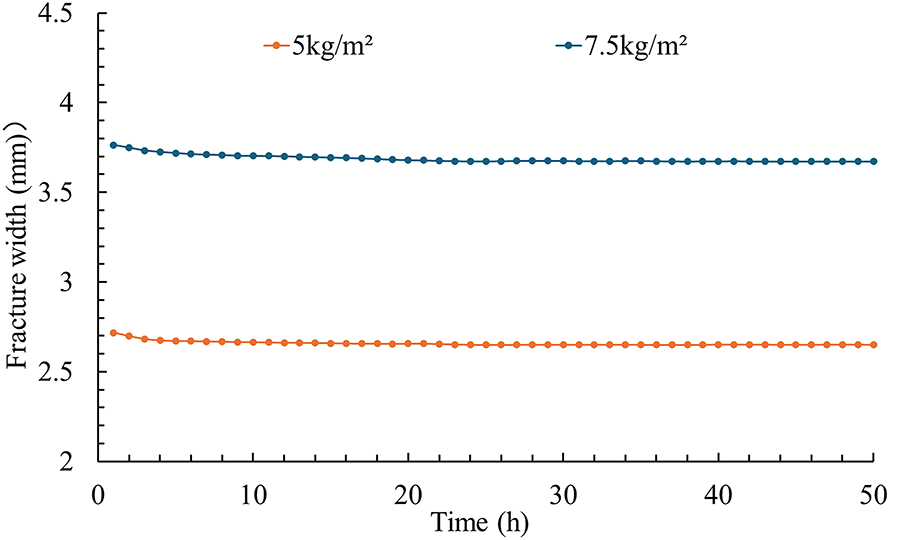
Figure 19: Changes of fracture width under different sand spreading concentrations

3.5 Effect of Experimental Temperature
Fig. 20 shows that temperature significantly affects the long-term conductivity of sand-filled shale fractures. As summarized in Table 7 and Figs. 21 and 22, at 120°C using 70/140 mesh quartz sand, the fracture conductivity decreases from 1.36 μm²·cm to 0.37 μm²·cm, with a 27.20% retention rate after 50 h. When the temperature increases to 140°C, the initial conductivity slightly drops to 1.32 μm²·cm, but the long-term value decreases further to 0.30 μm²·cm, yielding a retention rate of 22.73%. Thus, rising temperature accelerates conductivity degradation. Mechanistically, higher temperature lowers quartz sand strength, increasing particle crushing and rearrangement under closure stress, which destabilizes the proppant structure. Simultaneously, temperature enhances shale creep, promoting microcrack growth and stress redistribution that cause tighter fracture closure. As shown in Fig. 23, the combined effects of proppant crushing and shale creep narrow fracture channels, while fine particle migration and embedding further reduce the effective flow pathways, leading to lower long-term conductivity.
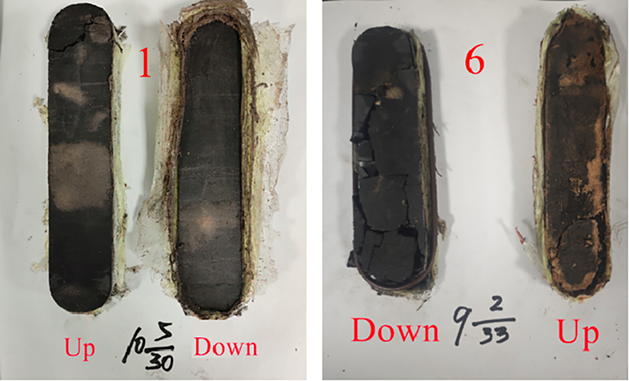
Figure 20: Rock samples under different experimental temperatures

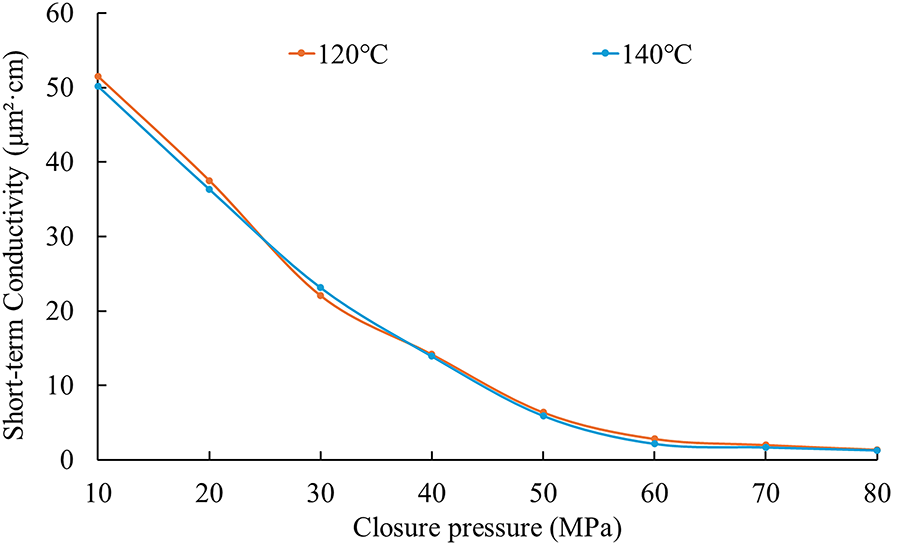
Figure 21: Short-term Fracture conductivity under different experimental temperatures
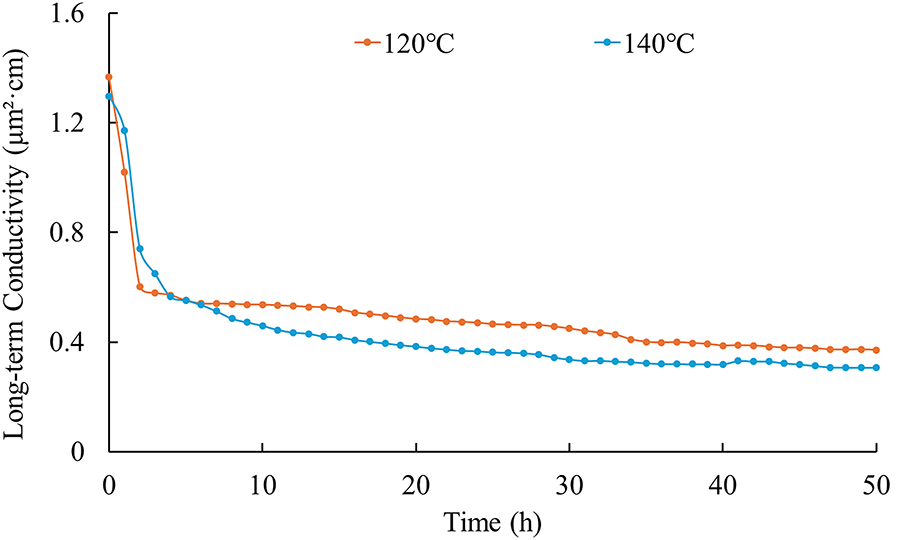
Figure 22: Long-term Fracture conductivity under different experimental temperatures
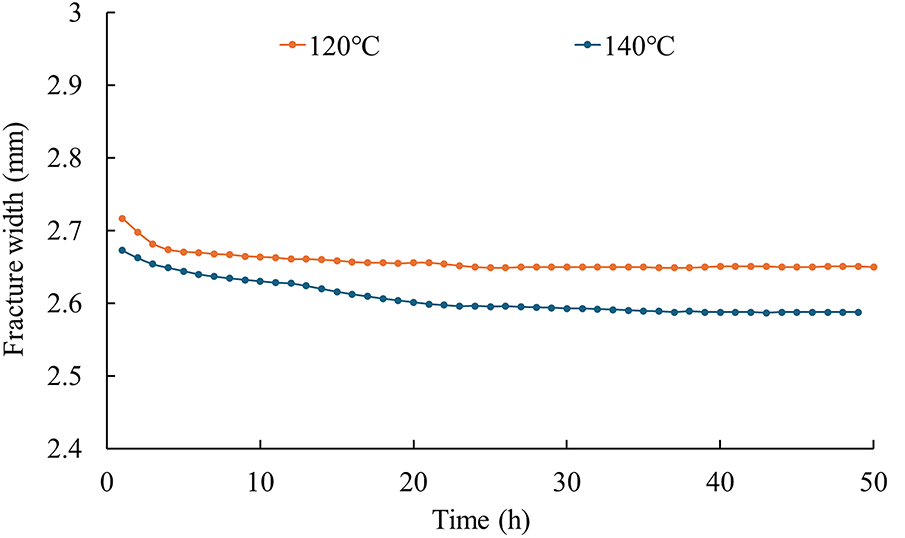
Figure 23: Changes of fracture width under different experimental temperatures
3.6 Analysis of Influencing Factors
A normalization procedure was applied to the long-term and initial short-term conductivities from seven experimental datasets, resulting in a dimensionless conductivity retention index, α. This index facilitates a more objective evaluation of the effects of proppant type and testing conditions on conductivity performance. The calculated α index for all seven cases are summarized in Table 8, and their comparative trends are depicted in Fig. 24.
where, α is the ratio of the initial short-term conductivity to the long-term conductivity, dimensionless. kWf,short0 is the initial short-term conductivity, μm²·cm. kWf,long1 is the final long-term conductivity, μm²·cm.

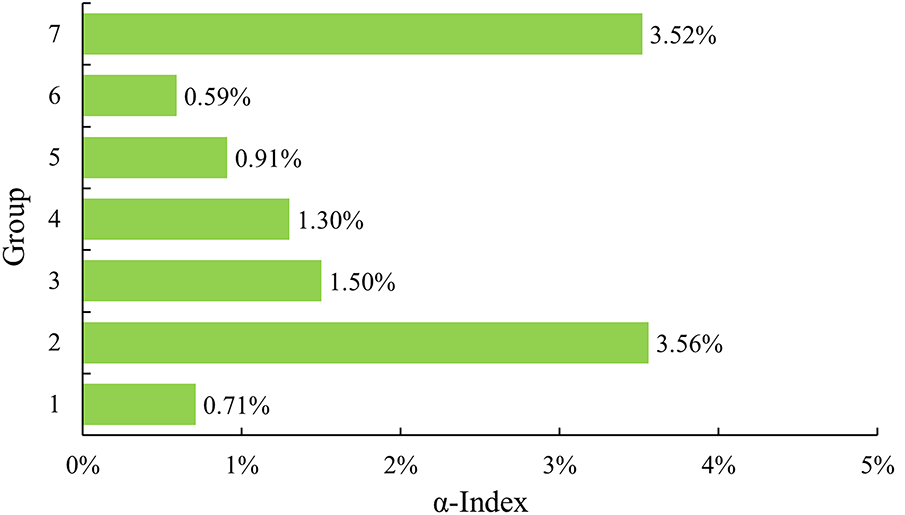
Figure 24: α-index graph of influencing factors
The influence of different proppant types and test conditions on the fracture conductivity of deep shale can be judged according to the conductivity retention index α. The relationship between the conductivity retention index α and the size is as follows: group2 > group7 > group3 > group4 > group5 > group1 > group6. Therefore, larger proppant particle size, lower closure pressure and higher sanding concentration can improve the retention rate of conductivity, while higher temperature will reduce the retention rate of conductivity.
3.7 Conductivity Prediction Model
Based on the systematic experiments and analysis of the fracture conductivity of deep shale support, this study obtained the prediction formulas of short-term and long-term conductivity under different closure pressures, sand concentration and proppant types by nonlinear regression method. The model can accurately characterize the dynamic attenuation characteristics of conductivity with time. With the help of model analysis, the evolution law of conductivity of different types of proppants under long-term stress is further revealed. The research results provide a theoretical basis for the optimization of proppant selection and sanding scheme design in the fracturing design of deep shale reservoirs in the target area and finally realize the quantitative prediction and efficient regulation of the conductivity of deep shale supporting fractures in the whole life cycle.
Sixteen sets of short-term fracture conductivity data for 70/140 mesh quartz sand were obtained under a temperature of 120°C with varying proppant concentrations (2.5, 5, and 7.5 kg·m−²) and closure stresses (50, 70, and 80 MPa). These data were fitted using a nonlinear regression method, and the resulting fitting curve and predictive equation are presented in Fig. 25 and Eq. (5), respectively. Similarly, the long-term fracture conductivity of 70/140 mesh quartz sand was fitted using data collected at 140°C and 80 MPa, as well as at 120°C and 60 MPa. The corresponding fitting curve and regression equation are shown in Fig. 26 and Eq. (6).
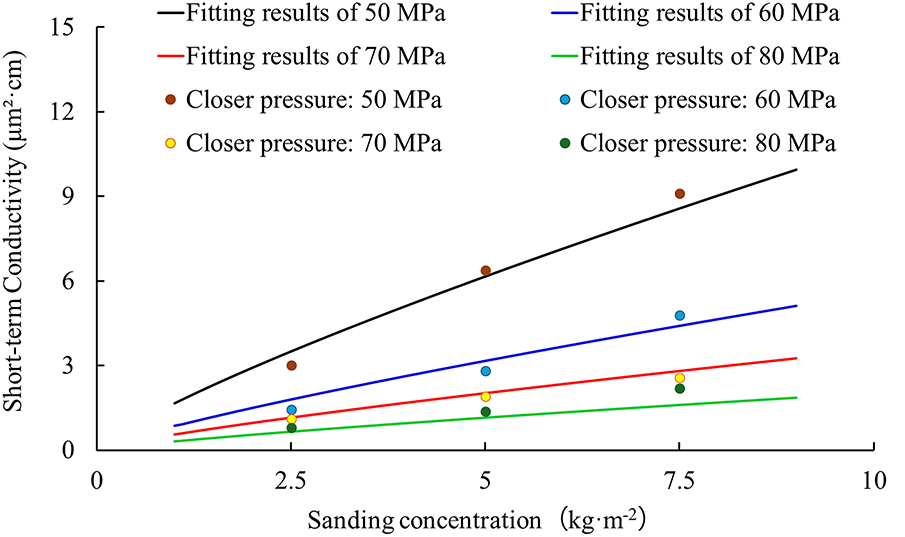
Figure 25: Short-term conductivity fitting results of quartz sand
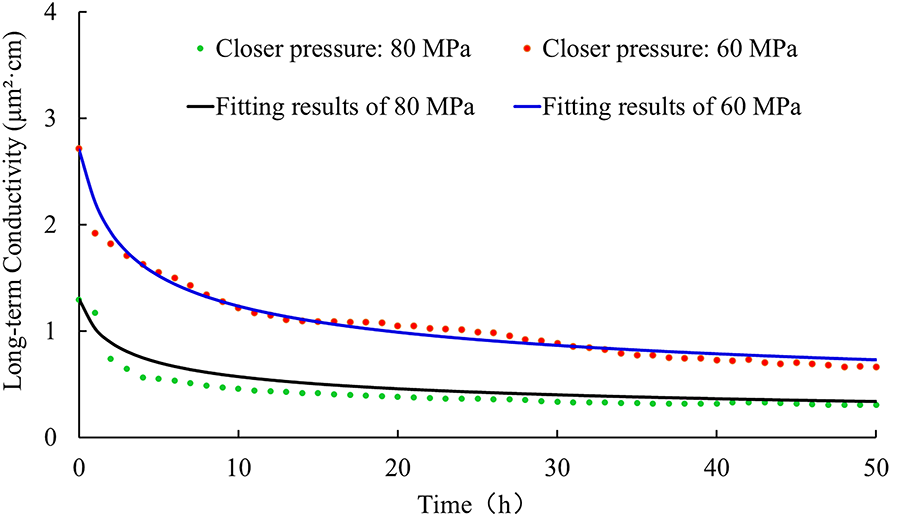
Figure 26: Long-term conductivity fitting results of 70/140 mesh quartz sand
At a temperature of 120°C, sixteen sets of short-term fracture conductivity data for 40/70 mesh ceramic proppants were obtained under varying proppant concentrations (2.5, 5, and 7.5 kg·m−²) and closure stresses (50, 60, 70, and 80 MPa). These data were fitted using a nonlinear regression method, and the resulting fitting curve and predictive equation are presented in Fig. 27 and Eq. (7), respectively. Similarly, the long-term fracture conductivity of 40/70 mesh ceramic proppants was fitted using data collected at 120°C and 80 MPa. The corresponding fitting curve and regression equation are shown in Fig. 28 and Eq. (8).
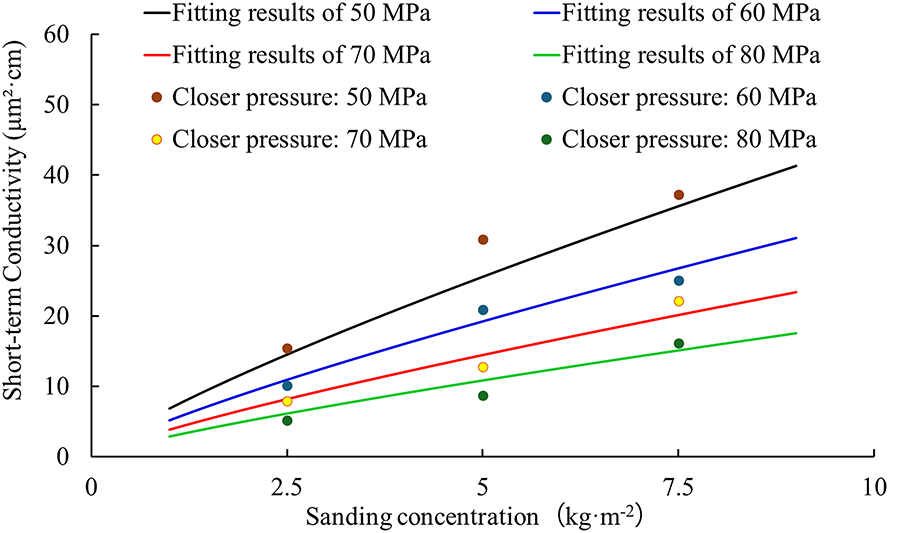
Figure 27: Short-term conductivity fitting results of 40/70 mesh ceramsite
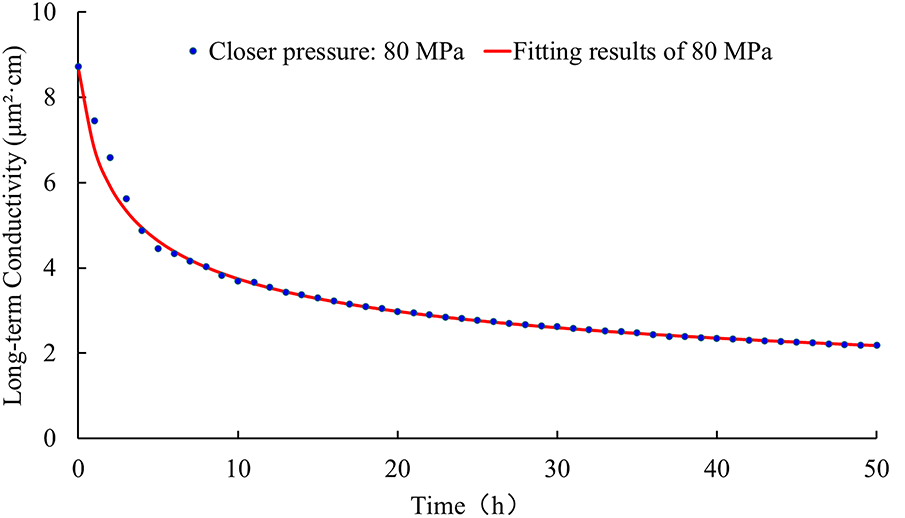
Figure 28: Long-term conductivity fitting results of 40/70 mesh ceramsite
where, kWf,short and kWf,long are short-term and long-term conductivity, μm²·cm; C is proppant concentration, kg·m−2; P is fracture closure pressure, MPa; t is long-term conductivity test time, h.
This conductivity experiment simulated the high-temperature and high-pressure conditions of deep shale formations. Using the API conductivity testing device, a long-term conductivity experiment for deep shale fractures was conducted. The influence laws of different Closure pressures, sand packing concentrations, temperatures, support agent particle sizes, and rock plate types on the long-term conductivity of deep shale fractures were studied. The following conclusions were obtained:
(1) Closure stress is the dominant factor controlling fractured conductivity. When the stress exceeded 60 MPa, conductivity declined sharply to below 1 μm²·cm, with less than 30% retention after 50 h due to severe proppant crushing and embedment.
(2) Higher proppant concentration improved initial conductivity but offered limited long-term benefits under high stress. At 80 MPa, increasing the concentration from 5 to 7.5 kg·m−² yielded only a 28.2% increase. Excessive packing accelerated degradation due to enhanced proppant fragmentation and migration.
(3) Temperature rise significantly aggravated conductivity decay. At 140°C, the retention ratio after 50 h decreased to 22.73% compared with 120°C. Shale creep intensified under high temperature, promoting fracture closure and particle rearrangement, thereby weakening conductivity.
(4) Proppant size and composition played key roles in maintaining fracture conductivity. The 40/70 mesh ceramic proppant exhibited superior long-term conductivity compared to 70/140 mesh quartz sand. Adding 20% ceramic material to quartz sand improved long-term conductivity by 2.3 times, enhancing stability under extreme conditions.
(5) A predictive equation for conductivity, established based on experimental data, effectively captures the time-dependent degradation characteristics of fracture conductivity. These results provide a solid experimental foundation for optimizing fracturing design and proppant selection in deep shale gas reservoirs.
Acknowledgement: The authors gratefully acknowledge the support of CNPC Chuanqing Drilling Engineering Company, School of Petroleum Engineering (Yangtze University), State Key Laboratory of Low Carbon Catalysis and Carbon Dioxide Utilization (Yangtze University) and Hubei Key Laboratory of Oil and Gas Drilling and Production Engineering (Yangtze University).
Funding Statement: The source of funding for this research comes from Hubei Provincial Natural Science Foundation (2022CFB690), the Open Foundation (UOG2024-03) of Cooperative Innovation Center of Unconventional Oil and Gas, Yangtze University (Ministry of Education & Hubei Province) and the Open Foundation (YQZC202302) of Hubei Key Laboratory of Oil and Gas Drilling and Production Engineering (Yangtze University), the National Natural Science Foundation of China (Grant no. U23B20156).
Author Contributions: All authors contributed to the conception and design of the study. Chunting Liu: Writing—original draft, Visualization, Validation, Methodology, Investigation, Funding acquisition. Xiaozhi Shi: Investigation, Writing—review & editing. Juhui Zhu: Model verification. Bin Guan: Supervision. Subing Wang: Supervision. Le He: Supervision. Tianjun Qi: Supervision. Wenjun Xu: Supervision. Shun Qiu: Supervision. All authors reviewed the results and approved the final version of the manuscript.
Availability of Data and Materials: Data will be made available on request.
Ethics Approval: Not applicable.
Conflicts of Interest: The authors declare no conflicts of interest to report regarding the present study.
References
1. Zhao J, Ren L, Lin C, Lin R, Hu D, Wu J, et al. A review of deep and ultra-deep shale gas fracturing in China: status and directions. Renew Sustain Energy Rev. 2025;209:115111. doi:10.1016/j.rser.2024.115111. [Google Scholar] [CrossRef]
2. Zou C, Zhao Q, Wang H, Xiong W, Dong D, Yu R. Principal characteristics of marine shale gas, and the theory and technology of its exploration and development in China. Nat Gas Ind B. 2023;10(1):1–13. doi:10.1016/j.ngib.2023.01.002. [Google Scholar] [CrossRef]
3. Guo X, Hu D, Huang R, Wei Z, Duan J, Wei X, et al. Deep and ultra-deep natural gas exploration in the Sichuan Basin: progress and prospect. Nat Gas Ind B. 2020;7(5):419–32. doi:10.1016/j.ngib.2020.05.001. [Google Scholar] [CrossRef]
4. Li X, Wang Y, Lin W, Ma L, Liu D, Liu J, et al. Micro-pore structure and fractal characteristics of deep shale from Wufeng Formation to Longmaxi Formation in Jingmen exploration area, Hubei Province. China J Nat Gas Geosci. 2022;7(3):121–32. doi:10.1016/j.jnggs.2022.06.001. [Google Scholar] [CrossRef]
5. Peng Y, Luo A, Li Y, Wu Y, Xu W, Sepehrnoori K. Fractional model for simulating Long-Term fracture conductivity decay of shale gas and its influences on the well production. Fuel. 2023;351(6):129052. doi:10.1016/j.fuel.2023.129052. [Google Scholar] [CrossRef]
6. Yong R, Chen G, Yang X, Huang S, Li B, Zheng M, et al. Profitable development technology of the Changning-Weiyuan national shale gas demonstration area in the Sichuan basin and its enlightenment. Nat Gas Ind B. 2023;10(1):73–85. doi:10.1016/j.ngib.2023.01.010. [Google Scholar] [CrossRef]
7. Dong D, Liang F, Guan Q, Jiang Y, Zhou S, Yu R, et al. Development model and identification of evaluation technology for Wufeng Formation-Longmaxi Formation quality shale gas reservoirs in the Sichuan Basin. Nat Gas Ind B. 2023;10(2):165–82. doi:10.1016/j.ngib.2023.02.001. [Google Scholar] [CrossRef]
8. Li Q, Li S, Liu J, Wen H. Rock mechanical properties of deep shale-gas reservior and their effects on reservoir stimulation. In: Proceedings of the ARMA US Rock Mechanics/Geomechanics Symposium; 2021 Jun 18–25; Virtual. AR-MA-2021-1438. [Google Scholar]
9. Dilireba T, Wang J. Effect of fracture conductivity on long-term recovery in shale gas reservoirs. In: SPE Eastern Regional Meeting; 2023 Oct 3–5; Wheeling, WV, USA. D031S005R002. doi:10.2118/215923-ms. [Google Scholar] [CrossRef]
10. Mittal A, Rai CS, Sondergeld CH. Proppant-conductivity testing under simulated reservoir conditions: impact of crushing, embedment, and diagenesis on long-term production in shales. SPE J. 2018;23(4):1304–15. doi:10.2118/191124-pa. [Google Scholar] [CrossRef]
11. Geng Z, Bonnelye A, David C, Dick P, Wang Y, Schubnel A. Pressure solution compaction during creep deformation of tournemire shale: implications for temporal sealing in shales. J Geophys Res Solid Earth. 2021;126(3):e2020JB021370. doi:10.1029/2020JB021370. [Google Scholar] [CrossRef]
12. Cheng W, Guo Y, Cui G, Elsworth D, Tan Y, Pan Z. Impact of micro-scale characteristics of shale reservoirs on gasdepletion behavior: a microscale discrete model. Adv Geo-Energy Res. 2025;15(2):143–57. doi:10.46690/ager.2025.02.06. [Google Scholar] [CrossRef]
13. Rassouli FS, Zoback MD. Comparison of short-term and long-term creep experiments in shales and carbonates from unconventional gas reservoirs. Rock Mech Rock Eng. 2018;51(7):1995–2014. doi:10.1007/s00603-018-1444-y. [Google Scholar] [CrossRef]
14. Lv M, Guo T, Qu Z, Chen M, Dai C, Liu X. Experimental study on proppant transport within complex fractures. SPE J. 2022;27(5):2960–79. doi:10.2118/209816-pa. [Google Scholar] [CrossRef]
15. Wang JR. Research on the optimization of fracture conductivity of shale in the longmaxi formation, Southern Sichuan Basin [dissertation]. Chengdu, China: Southwest Petroleum University; 2019. (In Chinese). doi:10.27420/d.cnki.gxsyc.2019.001167. [Google Scholar] [CrossRef]
16. Cooke CE Jr. Conductivity of fracture proppants in multiple layers. J Petrol Technol. 1973;25(9):1101–7. doi:10.2118/4117-pa. [Google Scholar] [CrossRef]
17. Much MG, Penny GS. Long-term performance of proppants under simulated reservoir conditions. In: SPE/DOE Joint Symposium on Low Permeability Reservoirs; 1987 May 18–19; Denver, CO, USA: SPE; 1987. SPE-16415-MS. doi:10.2118/16415-ms. [Google Scholar] [CrossRef]
18. Hou T, Zhang S, Ma X, Shao J, He Y, Lv X, et al. Experimental and theoretical study of fracture conductivity with heterogeneous proppant placement. J Nat Gas Sci Eng. 2017;37(1):449–61. doi:10.1016/j.jngse.2016.11.059. [Google Scholar] [CrossRef]
19. Liu XW. Influencing factors of hydraulic propped fracture conductivity in shale reservoir. Fault-Block Oil Gas Field. 2020;27(3):394–8. (In Chinese). [Google Scholar]
20. Xu W, Li S, Zhang J, Wang L, Feng Y, Liao Y. A new method for measuring the effective length of acid-fracturing fractures. Processes. 2023;11(11):3084. doi:10.3390/pr11113084. [Google Scholar] [CrossRef]
21. Cai M, Liu XB, Du H, Wu CY, Shi SN. Experimental study on proppant embedment conductivity in Daqing shale reservoir. In: Proceedings of the International Field Exploration and Development Conference 2023. Singapore: Springer Nature; 2024. p. 614–28. doi:10.1007/978-981-97-0260-2_53. [Google Scholar] [CrossRef]
22. Dilireba T, Wang J. Effect of proppant damages on fracture conductivity and long-term recovery in shale gas reservoirs. Energy Fuels. 2024;38(13):11695–705. doi:10.1021/acs.energyfuels.4c01030. [Google Scholar] [CrossRef]
Cite This Article
 Copyright © 2026 The Author(s). Published by Tech Science Press.
This work is licensed under a Creative Commons Attribution 4.0 International License , which permits unrestricted use, distribution, and reproduction in any medium, provided the original work is properly cited.
 Downloads
 Citation Tools
