
 Login
Login Register
 Submit a Paper
 Propose a Special lssue
 Open Access
ARTICLE

Tests and Refinement of a Mini-Power Plant with a Piston Engine Powered by Propane-Butane Blend and Syngas
1 Turbines and Engines Department, Ural Federal University Named after the First President of Russia B. N. Yeltsin, Yekaterinburg, Russia
2 New Energy Technologies Laboratory, Ural Federal University Named after the First President of Russia B. N. Yeltsin, Yekaterinburg, Russia
* Corresponding Author: Leonid Plotnikov. Email:
Energy Engineering 2026, 123(4), 22 https://doi.org/10.32604/ee.2026.076278
Received 18 November 2025; Accepted 12 January 2026; Issue published 27 March 2026
 View Full Text
 Download PDF
Abstract
The use of alternative fuels to generate mechanical and thermal energy in engines is a promising and sought-after technological area with its own unique advantages and characteristics. Consequently, enhancing the technical, economic, and environmental efficiency of gas engines fueled by propane-butane mixture and syngas through optimized operating cycle parameters (including valve timing, ignition timing angle, fuel mixture composition, and compression ratio) is a pressing imperative for scientific and energy sectors. The aim of the study was to investigate and compare the performance of an engine with different compression ratios running on a propane-butane mixture and laboratory syngas. The research’s primary originality lies in its joint study of syngas production technology and the evaluation of the efficiency of a mini power plant fueled by the resulting gas and conventional gas. This article presents a description of the experimental setup, data on measuring instruments, technical characteristics of the mini-power plant, the process for obtaining laboratory syngas, the properties of the gaseous fuels used, and experimental methods. Data on air and fuel consumption, as well as engine efficiency at different compression ratios when running on a propane-butane mixture and syngas, were obtained and analyzed. Converting an engine from a propane-butane mixture to syngas results in a reduction in power of almost 30% and efficiency by 13%–33%. Increasing the compression ratio by 0.9 units causes a rise in maximum efficiency from 0.177 to 0.235 for an engine running on a propane-butane mixture and an increase in maximum efficiency from 0.136 to 0.161 for a syngas engine. It has been confirmed that the compression ratio significantly impacts the technical and economic performance of an engine running on gaseous fuel. The obtained results can be used to modernize existing engines for operation on alternative fuels (syngas) and to design new mini-power plants with promising technical, economic, and environmental characteristics.Keywords
Internal combustion engines (ICE) are extensively utilized across diverse industrial sectors for generating mechanical, thermal, and electrical energy. These engines exhibit specific operational requirements depending on their intended applications. Notably, a growing trend involves adapting ICEs to run on alternative fuels such as hydrogen, ammonia, methanol, biofuels, water-coal slurry, and syngas (SG) [1,2]. This shift towards alternative fuels is driven by several factors: the desire to reduce fuel expenses, leverage locally available fuel sources, enhance engine performance both technically and economically, and mitigate the emission of harmful pollutants [3]. Currently, one of the most promising alternative fuels is syngas [4]. Therefore, improving the technical, economic, and environmental performance of ICEs running on SG by fine-tuning operating cycle parameters remains a pressing issue for science and sustainable energy development.
SG is a mixture of carbon monoxide and hydrogen, the ratio of which depends on the method of obtaining the mixture. There are a large number of methods for producing SG with different physicochemical properties [5]. The technology of in-line gasification of various raw materials (sawdust, peat, straw, wood chips, coal, municipal solid waste, shells, etc.) based on pyrolysis is the dominant technology for producing SG [6,7]. However, there are also other methods of SG production, such as underground coal gasification [8], biomass gasification in a cyclone gasifier [9], downdraft gasifier [10], gasification of biomass in a flow of various gases [11], steam gasification for biomass [12], chemical loop gasification of biomass [13], gasification of various biomass with a fluidized and fixed bed [14], and others. Scientists plan to produce SG with increased purity, calorific value, and combustion heat by developing new gasification methods and unique gasifier designs. Also, the production of SG must be stable, reliable, and efficient for various raw materials and large volumes of gasification, which is determined by the design features and the perfection of the processes in the gasifier.
Syngas is widely used in ICEs for various purposes [1,4]. A brief overview of modern research on the operating characteristics of SG-powered engines is presented below.
Many scientists and engineers have compared the technical and environmental performance of ICEs running on various types of fuel (natural gas, gasoline, hydrogen, biogas) and SG [15–19]. Thus, Surahmanto et al. compared the efficiency and environmental performance of a spark-ignition engine running on gasoline and SG with different component compositions [15]. The study showed that the SG composition has a significant impact on ICE performance. Also, an ICE running on SG with a certain composition can potentially be considered as a worthy replacement for gasoline when the engine is running at low and medium loads. Giri et al. also compared the amount of harmful emissions and specific fuel consumption for spark-ignition engines running on gasoline, hydrogen, SG, and natural gas [16]. The authors showed that an engine running on SG or hydrogen (with certain ICE settings) can have lower fuel consumption and emissions compared to running on gasoline or natural gas. Caligiuri et al. evaluated the power, fuel consumption, and environmental characteristics of a spark-ignition ICE running on natural gas and SG [17]. The study showed that the use of SG leads to a significant drop in ICE power with a minimal change in efficiency. The environmental performance of the engine depends significantly on the ignition timing and the composition of the SG. García et al. conducted a detailed study of the mixture formation and combustion processes of a spark-ignition ICE running on SG, natural gas and hydrogen [18]. The authors demonstrated that the quality of mixture formation and combustion completeness significantly depends on the fuel delivery method and operating cycle parameters and is unique to a particular fuel type and ICE specifications.
There are many studies on the influence of SG composition on the technical and environmental performance of ICEs [20–24]. Morrone et al. succeeded in achieving engine efficiency of 21% and 14%, operating on SG obtained from briquettes of wood trimmings and pine chips, respectively [20]. Enomoto found that the different composition of SG from wood causes a change in the efficiency of the ICE within 10 points [21]. Similar data on the effect of the SG composition on performance were described in the article [22]. Lee Ju. et al. experimentally studied the effect of the SG composition on the processes of mixture formation and combustion in an ICE [23]. It has been shown that the quality of gas and air mixing, as well as the completeness and rate of combustion of the working mixture, significantly depends on the composition of the SG. Accordingly, it is necessary to adjust the parameters of a specific engine to operate on a certain composition of SG to achieve the best performance.
Optimization of engine parameters for operation on SG is a separate scientific and technical area [25–28]. Thus, Park et al. selected optimal values of the excess air coefficient and compression ratio for ICE on SG [25]. It has been established that optimization of these parameters can increase the efficiency of the ICE by almost 20%. Costa et al. selected new values for the ignition timing and excess air coefficient for an engine converted to run on SG [26]. The authors succeeded in reducing harmful emissions by almost 50% compared to the base gasoline ICE. Seddiq et al. modernized the combustion chamber shape and adjusted the fuel injection angle for a dual-fuel ICE (diesel/SG) to improve the combustion quality of the fuel-air mixture and enhance the engine’s environmental friendliness [27].
Improving the technical and environmental performance of ICEs by adding any proportion of SG to traditional fuel is a relevant area of research [29–34]. Thus, Xu et al. were able to increase the efficiency of a diesel engine by 4.2% by adding SG to the main fuel [29]. Fan et al. reduced nitrogen oxide emissions by almost 30% by adding SG (SG proportion up to 20%) to gasoline for spark-ignition ICEs [30]. Li et al. conducted optimization of the fuel mixture composition and injection timing to improve the ecology and power of a dual-fuel spark ignition ICE (SG and gasoline) [31]. Mohammedali et al. optimized the operation of a dual-fuel ICE (SG/diesel) by fine-tuning the combustion chamber shape and changing the nozzle openings in the injector to increase efficiency and reduce emissions [32]. It was found that an individual selection of the fuel system design is necessary for optimal operation of a dual-fuel ICE.
Research indicates that employing SG as fuel in ICEs can lead to improvements in both technical performance and environmental impact. Nevertheless, a comprehensive understanding of how operating cycle parameters affect the efficiency and environmental footprint of gas-powered ICEs remains elusive. Consequently, there is an urgent need for further experimental data on the performance characteristics of various SG-powered ICE configurations. Additionally, the interplay between the gasification process and engine operation, particularly their reciprocal influence on SG and ICE efficiency, warrants deeper investigation.
This research employed experimental methods to evaluate and compare the operational efficacy of a mini-power plant based on an engine with varying compression ratios ε, fueled by a propane-butane mixture (P-BM) and SG. The originality and novelty of this work lie in the development of SG production technology, the identification of its physical and chemical properties, and the enhancement of mini-power plant efficiency when operating on the obtained SG.
2 Gasification of Wood Sawdust to Produce Syngas
In this study, tests of a mini-power station based on a spark-ignition ICE were carried out with two types of fuel: P-BM and SG. The chemical composition of the P-BM was as follows: C3H8—69.1%, C4H10—29.6%, H2—1%, CO2—0.1%, N2—0.2%; the net calorific value was 50.35 MJ/kg; the density was 1.97 kg/m3. The P-BM was purchased in a 27-L cylinder with a regulating valve (NOVOGAZ, Belarus).
The SG had the following chemical composition: CH4—3.6%; H2—7.0%; CO2—14.6%; CO—21.2%; N2—53.6%; the net calorific value of SG was 3.77 MJ/kg; the density was 1.26 kg/m3. SG was produced in the New Energy Technologies laboratory at the Ural Federal University by gasifying wood sawdust in an in-line gasifier based on pyrolysis. In this case, the process of producing synthetic gas involved the incomplete combustion of wood sawdust at a temperature of 600°C–1000°C. The solid fuel (sawdust) underwent the following stages during gasification: heating of sawdust particles with evaporation of moisture (drying); pyrolysis (thermal decomposition) with the production of volatile substances; heterogeneous chemical reactions of resins and coke-ash residue of the fuel; slag formation; condensation of heavy hydrocarbon compounds (resins).
These stages can be described in more detail as follows. Moisture evaporation was the first process to occur in an in-line gasifier. The release of volatile substances (pyrolysis) began simultaneously with moisture evaporation. Pyrolysis is the decomposition of organic compounds under high temperatures in the absence or insufficiency of oxygen. In this case, the breakdown of organic compounds and the synthesis of new products occurred. These processes were interconnected and occurred within a specific range of temperatures and times.
Some of the pyrolysis products burned in the oxygen zone of the gasifier, which ensured the required process temperature. The remaining pyrolysis products reacted with the combustion products (H2O and CO2), resulting in the formation of synthetic gas. SG consists of carbon monoxide CO, hydrogen H2, methane CH4, carbon dioxide CO2, water vapor H2O, and nitrogen N2.
A coke-ash residue formed because of the release of volatile substances. It consisted of coke (almost pure carbon) and ash (mineral matter).
Slagging had virtually no effect on the gasifier’s efficiency during continuous-flow sawdust gasification. Tars also virtually did not condense at continuous-flow gasification temperatures (above 1100°C).
An in-line gasifier of design was developed for the gasification of wood sawdust (Fig. 1). The two-stage gasifier consisted of a lower and upper section (a conical diffuser and a cylindrical section). Primary air was supplied under pressure from the compressor to the lower section of the gasifier. The primary air was preheated using electric heating elements. Air flow was monitored using flow meters. Secondary air was supplied through 4 horizontal nozzles between the lower and upper sections. Sawdust was supplied from the fuel bunkers by means of augers to the upper section of the gasifier. The particles moved upward in the ascending gas flow along the cone’s axis within the conical sections. Unreacted (large) sawdust particles gradually shifted toward the region of low flow velocities (toward the walls) and moved downward along the walls. Drying, pyrolysis, and combustion of large sawdust particles circulating in the ascending primary air flow in the lower section of the gasifier occurred. Gasification of small sawdust particles in the gas flow from the lower section occurred in the upper section. The resulting SG was captured and supplied to a special refrigerator for cooling. The granulation of the slag and its settling in the slag bath occurred during the cooling process. The purification of SG from solid particles and further cooling to a temperature of no more than 300°C was carried out in a collecting condenser with additional filtration in a scrubber. The resulting SG was fed into an ICE as part of a mini-power plant to generate electricity. The remaining products of incomplete combustion were saturated with oxygen and pumped out by a compressor for further delivery to the afterburner. They were further separated into ash and combustion products, then discharged into the chimney.
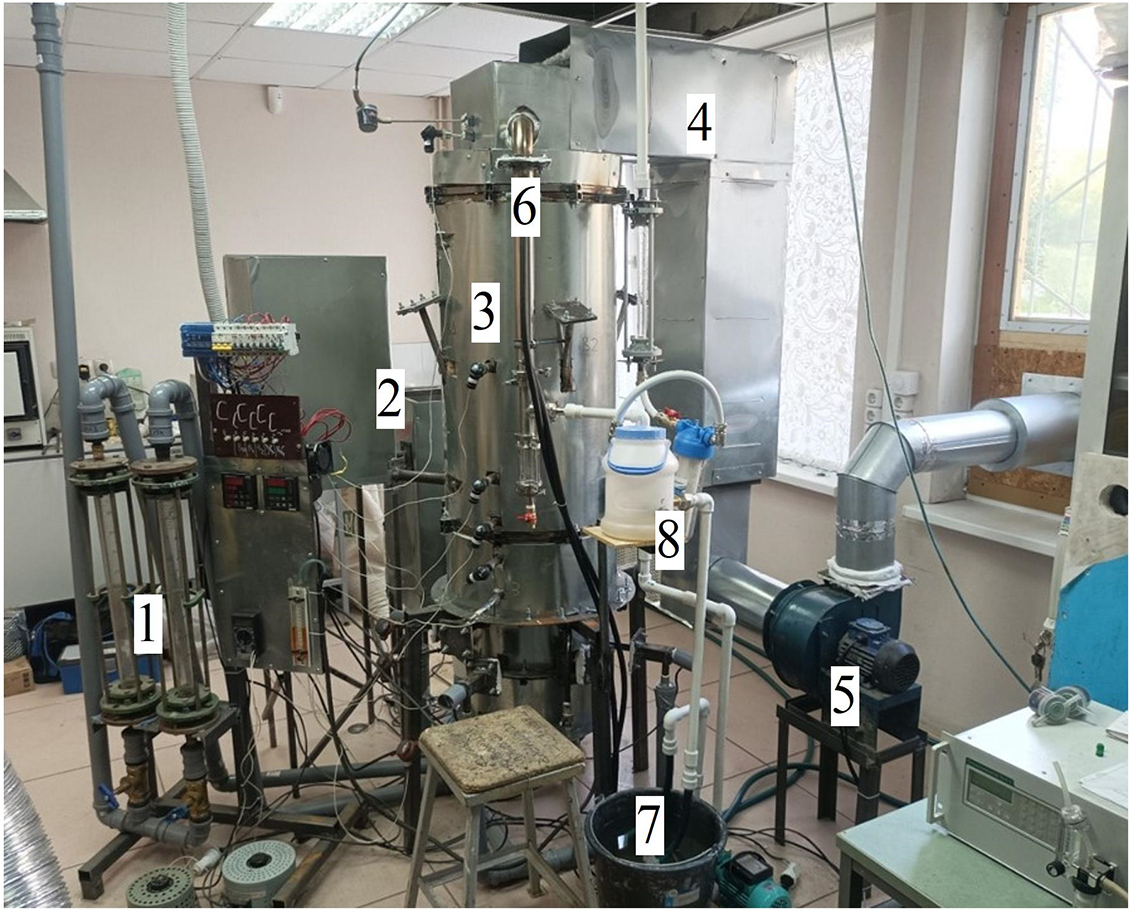
Figure 1: Photo of an in-line gasifier for obtaining laboratory SG: 1—flow meters; 2—fuel bunkers with screw feeders; 3—gasifier reactor; 4—afterburner; 5—compressor; 6—refrigerator; 7—condenser-collector; 8—scrubber and filter for SG
The main technical characteristics of the gasifier were: fuel consumption—14 kg/h; total air consumption at the reactor inlet—15 m3/h; heated air temperature in front of the reactor—400°C; SG consumption at the gasifier outlet—27.2 m3/h; SG temperature at the gasifier outlet—1000°C; air consumption for SG afterburning—100 m3/h; combustion product temperature at the afterburner outlet—784°C; air consumption for cooling the combustion products—500 m3/h; gas temperature at the compressor inlet—166°C.
Thus, the experiments used a purchased P-BM and a laboratory SG of our own production with the physicochemical properties indicated above.
3 Experimental Setup, Initial Data, Measuring Instruments, and Experimental Methodology
Fig. 2 shows a photograph of the experimental setup used to obtain the operational characteristics of a mini-power plant based on an engine.
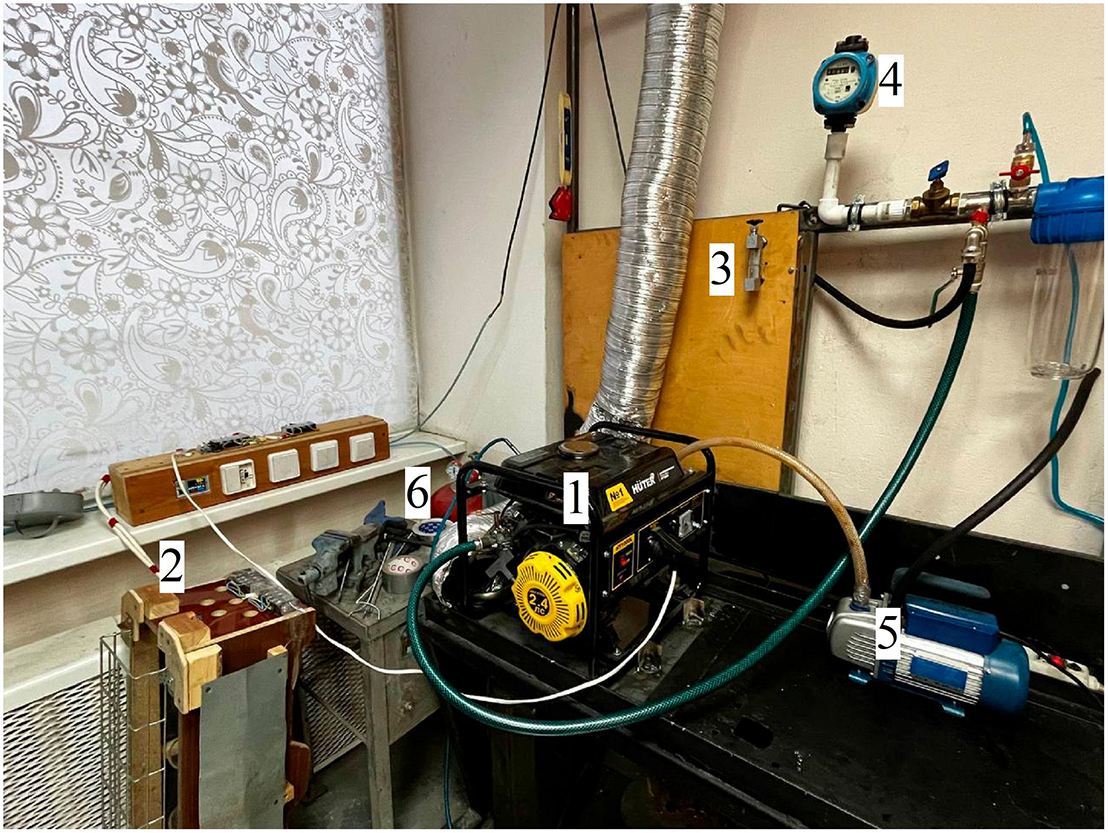
Figure 2: Photo of the experimental ICE test bench: 1—mini-power plant; 2—load setting system (loading device); 3—gas rotameter; 4—air flow meter; 5—compressor; 6—cylinder with P-BM
The experimental setup consisted of the following main elements: a mini-power plant (nominal power of 1000 W), a load setting system based on incandescent electric lamps, flow meters for measuring air and gas consumption, a compressor for supplying SG, a cylinder containing a P-BM, and a gas analyzer for analyzing the composition of the ICE’s exhaust gases.
This study focused on the Huter HT1000L mini-power plant (China), which utilizes an ICE powered by gasoline. The ICE was converted to run on gaseous fuels (P-BM and SG). The basic technical characteristics of the investigated ICE were as follows: rated power Nn = 1000 W; rotational speed at rated power nn = 3600 min−1; compression ratio ε = 7.7. Other technical data of the mini-power plant are presented in the article [35].
The syngas supply conditions to the engine were as follows:
– The SG was cooled and filtered after exiting the gasifier; the SG temperature in the ICE intake system was 46 ± 1°C;
– The SG and air were mixed in the supply line before the engine intake system; the pressure in the ICE intake system was approximately 0.11 MPa;
– The chemical composition and quantity of the produced SG by the gasifier remained stable for more than 1 h (this condition was met with a uniform sawdust feed to the gasifier, a stable amount of supplied air, and a uniform temperature in the gasifier); the methane amount in the SG was approximately 3.6% (the variation was in the range of 3.1%–3.7% during the tests), the net calorific value was approximately 3.77 MJ/kg (variation was within ±10% during the experiments); the constancy of the parameters of the SG from the gasifier was sufficient for conducting bench tests;
– The stability of the SG supply to the mini-power plant was maintained for at least 40 min (this time is sufficient to perform a series of tests); the SG supply to the ICE was disrupted due to filter contamination and a decrease in their throughput (this phenomenon was recorded by measuring the pressure difference before and after the filter); the tests were terminated due to disruptions in the gas supply to the mini-power plant (filter maintenance was performed before continuing the tests).
In the study, the engine operated sequentially on a P-BM and SG (the physicochemical properties of the fuels are described in the previous section). Power (load) N, crankshaft speed n, air consumption Ga, fuel consumption (gas) Gf, exhaust gas composition and engine efficiency η were measured and calculated in experiments.
The ICE operated at a constant speed of n = 3000 min−1 with varying loads. The crankshaft speed was determined using a Kebidumei tachometer (China) with an accuracy of ±5 min−1. The air consumption Ga was measured using a Meta-215 flow meter (Russia) with an error of ±2.5%. The Ga was simultaneously monitored using a constant temperature hot-wire anemometer [36]. The calculation of experimental uncertainty for the main physical quantities was carried out on the basis of ISO/IEC Guide 98-1:2024 “Guide to the expression of uncertainty in measurement” (the coverage factor was 2, corresponding to a 95% confidence interval, when calculating the experimental uncertainty).
Gaseous fuel consumption was measured using an RMS-0.4 gas rotameter (Russia) with an error of ±2.5%. The composition of exhaust gases was determined using a GAMMA-100 gas analyzer (Russia) with an error of ±5.0%. The gas analyzer measured the percentage composition of methane CH4, carbon monoxide CO, carbon dioxide CO2, oxygen O2, and hydrogen H2 during the experiments. However, engine emissions assessment results are not presented in this paper. The authors intend to publish a dedicated article examining emissions from ICE fueled by various types, drawing upon both modeling and experimental data obtained from this mini-power plant setup.
The power output of the mini-power plant was determined through a controlled process involving the sequential activation of 50 and 100 W electric lamps. To ensure the reliability of the findings, each experimental series was replicated a minimum of five times. The high degree of repeatability and reproducibility observed in the results instilled confidence in their accuracy. The ICE efficiency was subsequently calculated using established methodologies, based on the experimentally acquired data [37]. This calculated efficiency was then benchmarked against the outcomes derived from a prior thermodynamic cycle simulation [35].
4 Test Results, Analysis, and Discussion
Modeling of the thermodynamic cycle of the ICE under study was previously performed with different compression ratios, fuel types, and ignition timings and published in [35]. Results from bench tests of the mini-power plant are presented later in this article.
The change in air consumption Ga depending on load N for an ICE running on a P-BM and SG is shown in Fig. 3.
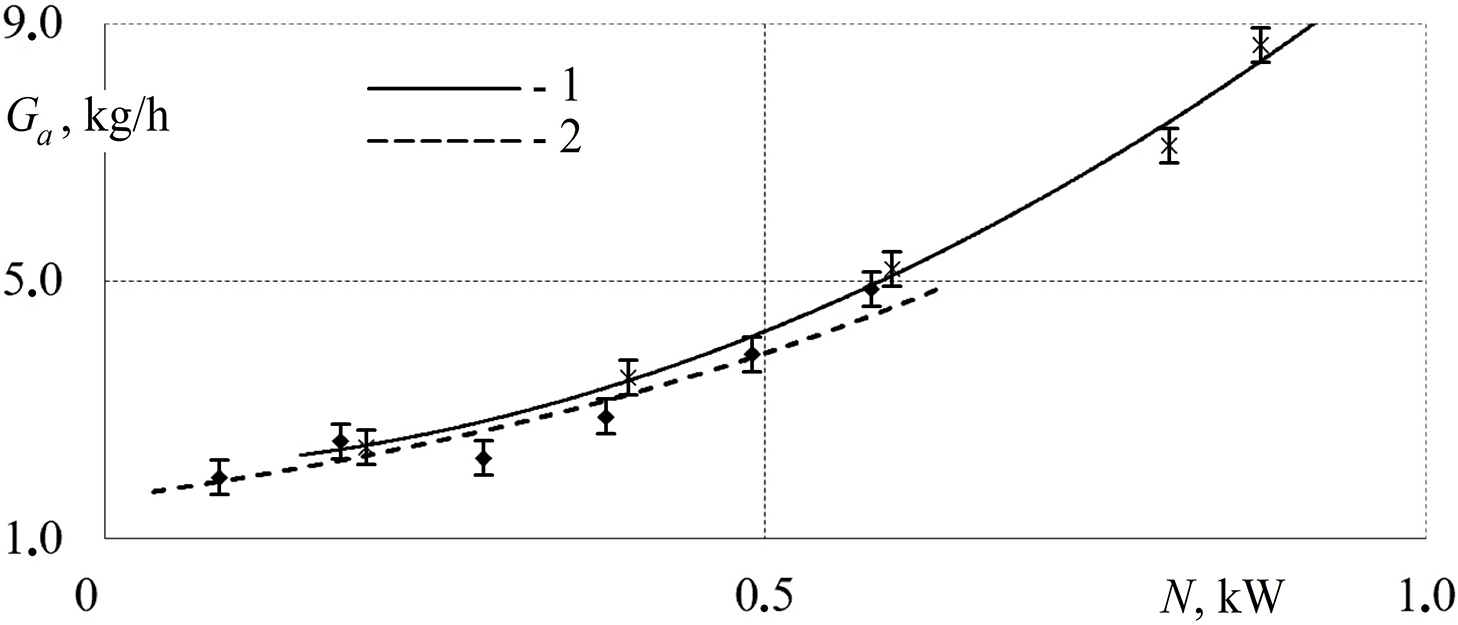
Figure 3: Dependences of air consumption Ga on load N for an ICE running on different gaseous fuels: 1—P-BM (×); 2—SG (♦)
Fig. 3 shows that the maximum power of the ICE on a P-BM is about 900 W, which is due to the replacement of fuel from gasoline to gaseous fuel. Meanwhile, the maximum power of an ICE running on SG is approximately 600 W (a 30% reduction compared to a P-BM), which is primarily due to the low calorific value of syngas. There is also a reduction in air consumption by 6%–17% when ICE is running on SG. The performance degradation is attributed to a decline in the efficiency of gas exchange within the engine cylinder. This inefficiency stems from the excessive supply of SG.
The dependences of fuel consumption Gf on load N for an ICE running on a P-BM and SG are shown in Fig. 4.
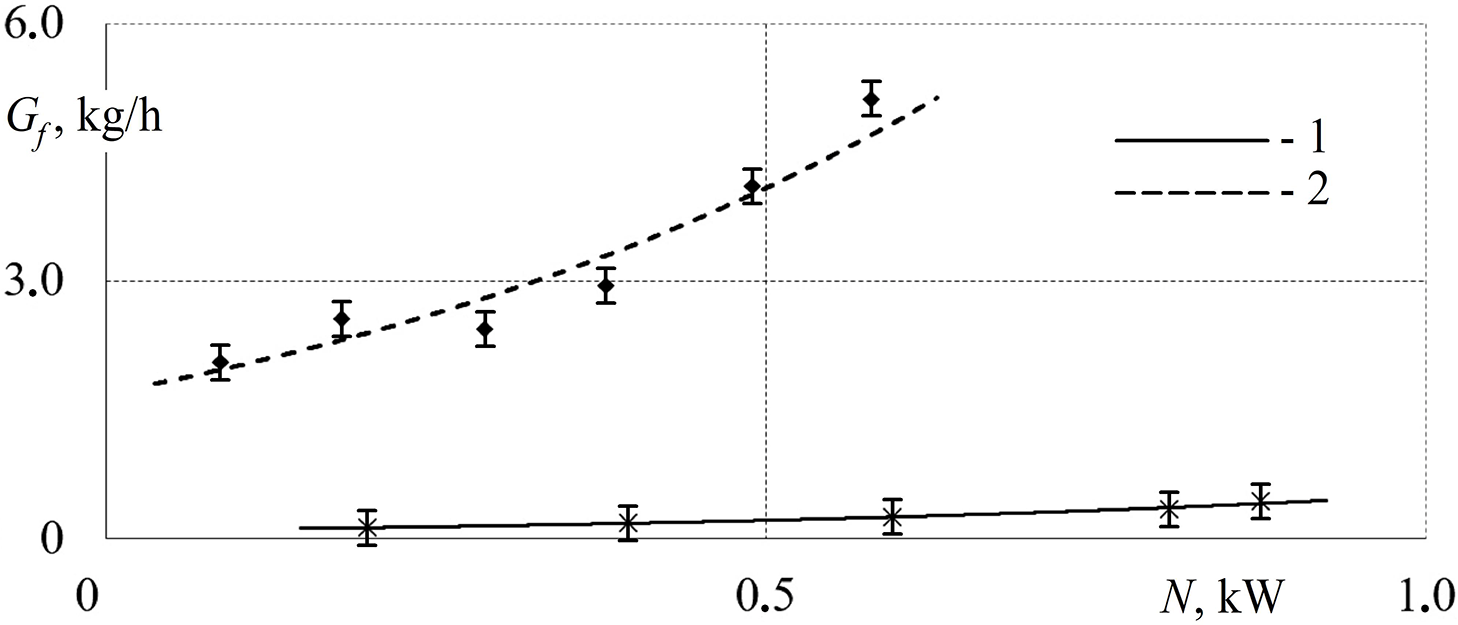
Figure 4: Dependences of fuel consumption Gf on load N for an ICE running on different gaseous fuels: 1—P-BM (×); 2—SG (♦)
The mass fuel consumption of the engine running on SG is significantly higher (several times) compared to the P-BM, which is explained by the difference in the net calorific value of the gases used (Fig. 4). In other words, it is necessary to supply significantly more “poor” fuel (SG) to the cylinder in order to obtain the same power of an ICE running on “rich” gas (P-BM). A special, external compressor was used to supply a large amount of SG to the ICE in the experimental stand. This must be taken into account when designing mini-power plants with ICEs powered by SG.
The dependences of efficiency η on load N for an ICE in a mini-power plant powered by a P-BM and SG are shown in Fig. 5.
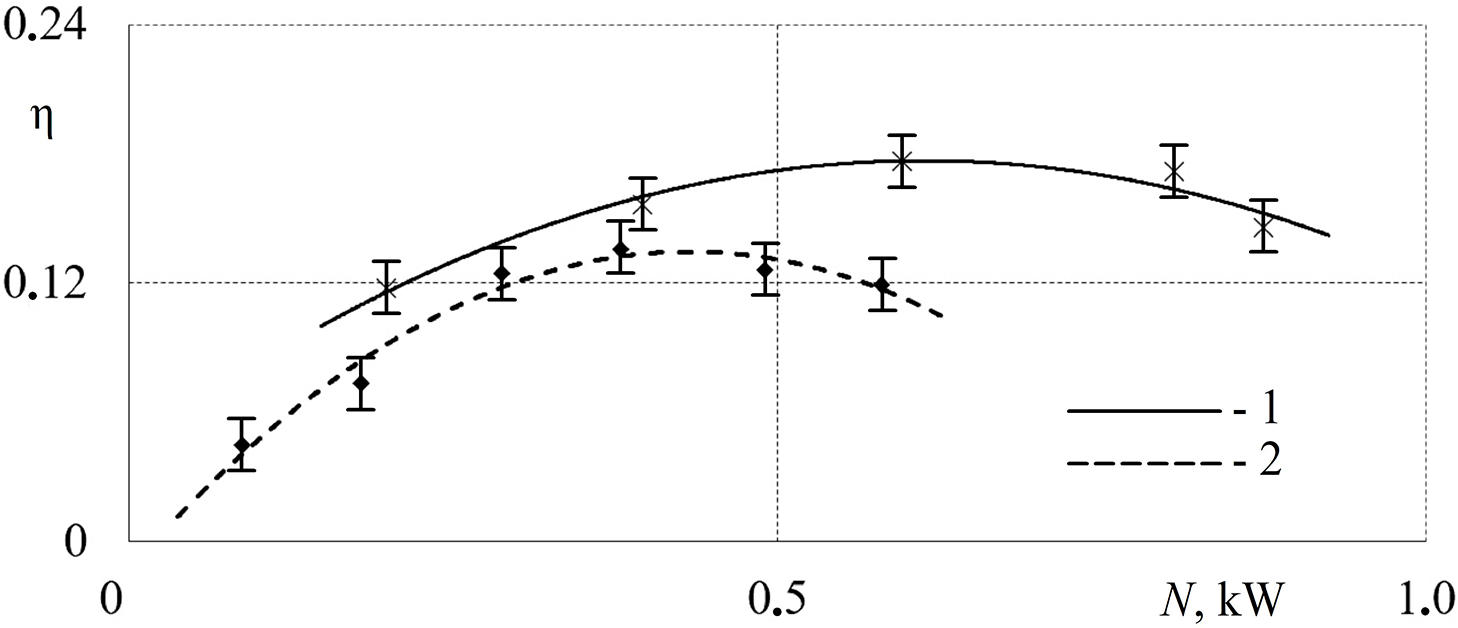
Figure 5: Dependences of efficiency η on load N for an ICE running on different gaseous fuels: 1—P-BM (×); 2—SG (♦)
Fig. 5 shows that the efficiency values of the engine on a P-BM are in the range from 0.117 to 0.177, and the efficiency values of the ICE on SG have a range from 0.045 to 0.136, i.e., there is a decrease in efficiency η by 13%–33%. For example, the efficiency of an engine operating on a P-BM is 0.156, while the efficiency of an ICE running on SG is 0.136 at a load of about 400 W, i.e., the drop is approximately 13%. The efficiency of an engine operating on a P-BM is 0.177, while the efficiency of an ICE running on SG is 0.119 at a load of about 600 W, i.e., the reduction is approximately 33%. The obtained data are in full agreement (differences of no more than 3%) with the results of modeling the thermodynamic cycle of this ICE, which were presented in the authors’ previous article [35].
The drop in efficiency is explained primarily by the deterioration of mixture formation and combustion processes in ICEs running on SG. In particular, the process of flame front formation in the engine combustion chamber occurs slowly due to the laminar development of combustion when the ICE is operating on poor combustible mixtures (a blend of SG and air) [38]. Fine-tuning the operating cycle parameters of the ICE for operation on SG is required to set the optimal gas combustion rate.
In this study, the compression ratio was raised from 7.7 to 8.6 (an increase of 10.5%) to improve the technical and economic performance of the ICE running on P-BM and SG. The compression ratio was increased by removing (about 1 mm) material from the engine cylinder head using a milling machine. Fig. 6 shows the change in air flow characteristics through an engine with different compression ratios and gaseous fuel types.
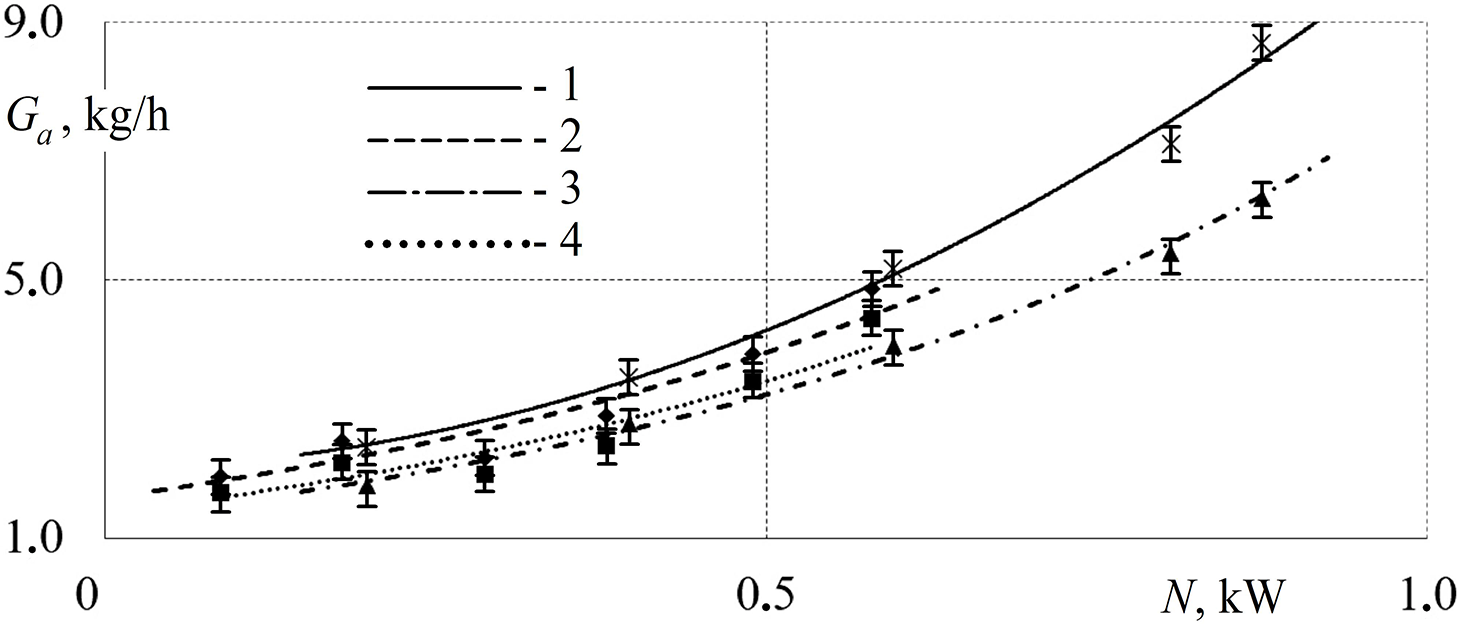
Figure 6: Dependences of air consumption Ga on load N for ICE with different ε and for different gaseous fuels: 1—P-BM and ε = 7.7 (×); 2—SG and ε = 7.7 (♦); 3—P-BM and ε = 8.6 (▴); 4—SG and ε = 8.6 (■)
Increasing the compression ratio ε from 7.7 to 8.6 caused a drop in air consumption Ga of up to 27.8% for an ICE running on a P-BM and by almost 16% for an ICE operating on SG (Fig. 6). This is since an engine with an increased compression ratio requires less working fluid to perform the same amount of useful work at a given load. This assertion is further corroborated by thermodynamic cycle simulation findings presented in a previous study [35].
The change in fuel consumption Gf depending on load N for ICEs with different ε and for different fuel types is shown in Fig. 7.
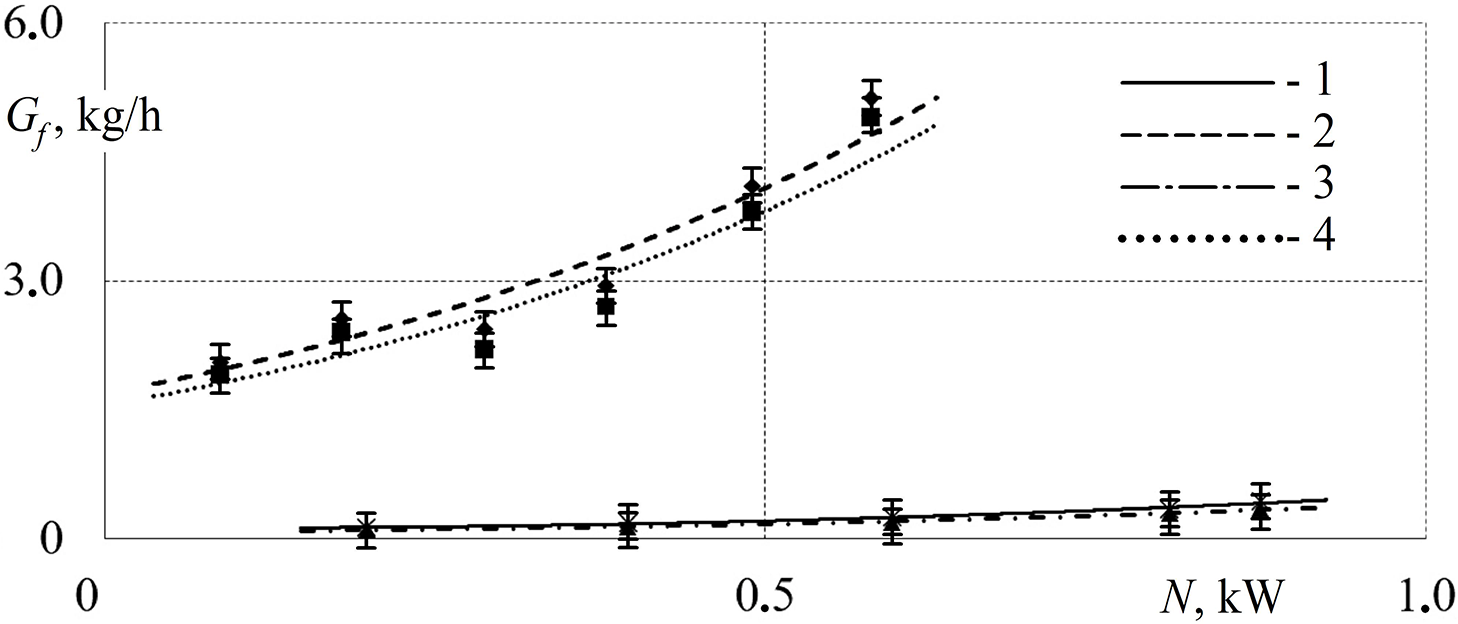
Figure 7: Dependences of fuel consumption Gf on load N for ICE with different ε and for different gaseous fuels: 1—P-BM and ε = 7.7 (×); 2—SG and ε = 7.7 (♦); 3—P-BM ε = 8.6 (▴); 4—SG and ε = 8.6 (▪)
The increase in ε expectedly led to a reduction in mass fuel consumption by almost 26% for an ICE running on a P-BM and by approximately 9.5% for an engine operating on SG (Fig. 7). This can be explained by an improvement in the performance of the ICE (an increase in the average cycle pressure, a growth in the average cycle temperature, and an enhancement in the quality of gas exchange, mixing, and combustion processes). At the same time, significant differences keep in the fuel consumption values for ICE running on a P-BM and SG, in engine with increased ε (the consumption of SG remains several times higher than the consumption of a P-BM). The findings align with existing models and empirical data, demonstrating a positive correlation between compression ratio and the efficiency and economic performance of ICEs. This corroboration is observed against both the author’s own modeling [35] and established literature sources [37,39].
The change in efficiency values η with load N for ICEs with different ε and for different fuel types is shown in Fig. 8.
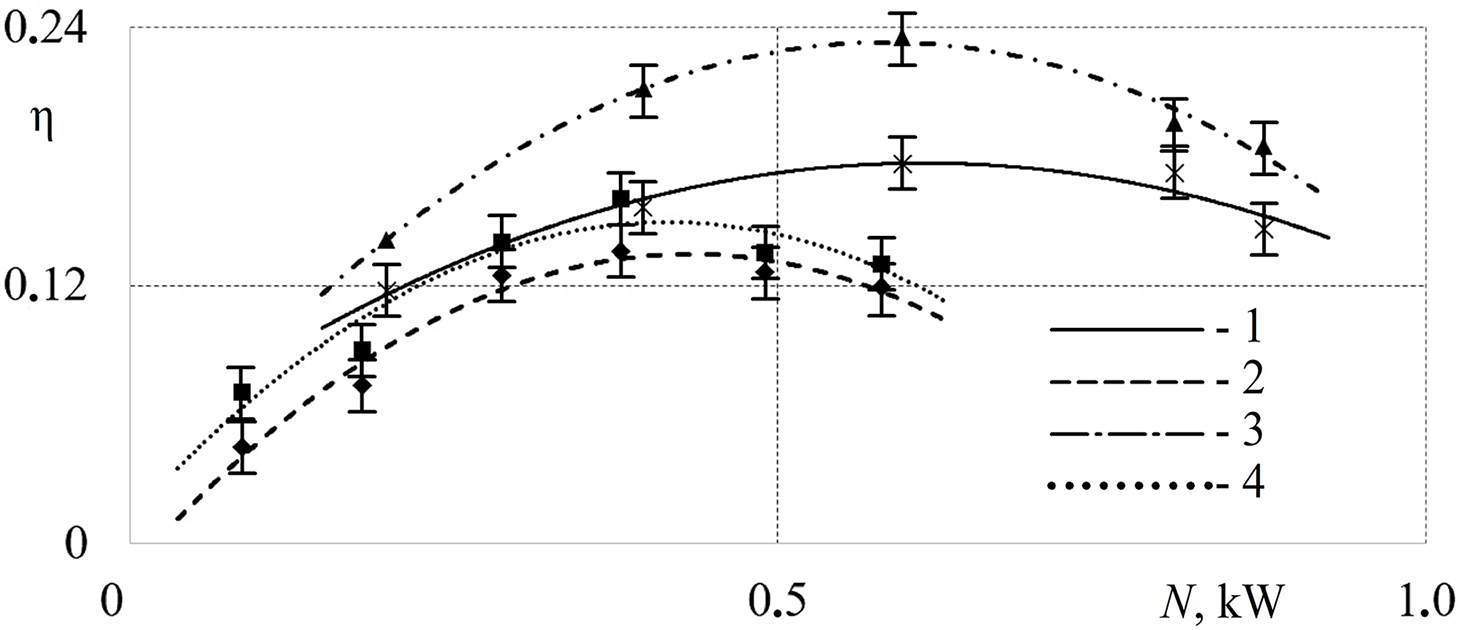
Figure 8: Dependences of efficiency η on load N for ICE with different ε and for different gaseous fuels: 1—P-BM and ε = 7.7 (×); 2—SG and ε = 7.7 (♦); 3—P-BM and ε = 8.6 (▴); 4—SG and ε = 8.6 (▪)
An increase in the compression ratio ε led to an increase in the maximum efficiency values from 0.177 to 0.235 (a rise of 24.7%) for an ICE running on a P-BM and from 0.136 to 0.161 (a growth of 15.5%) for an engine running on SG (Fig. 8). The increase in efficiency η is also associated with an improvement in engine operating cycle performance. Increasing the compression ratio ε remains an effective way to improve the performance of ICEs operating on gaseous fuels (P-BM and SG). The optimal value of ε should be selected based on the engine type, its size, the type of fuel used, and the operating characteristics of the mini-power plant based on a ICE.
The findings presented in this study possess inherent limitations due to the specific scope of the research. The data are solely applicable to small spark-ignition ICEs with a maximum power output of 1 kW. It is crucial to recognize that the composition and physicochemical properties of SG significantly influence ICE performance. Consequently, the results obtained herein are exclusively valid for gaseous fuels possessing the precise characteristics outlined in the article. Any deviations in power output, engine dimensions, or the properties of the gaseous fuel necessitate further investigation.
Based on the conducted research, the following main conclusions can be formulated:
(1) An original gasifier design has been developed to produce SG from sawdust. The produced SG is suitable for combustion in an ICE, operating as part of a mini-power plant. An SG with an original composition was obtained, and tests and studies of the ICE were carried out using the obtained SG;
(2) An experimental setup has been created to study the technical and economic indicators of an ICE running on different types of gaseous fuels (P-BM and SG); the studies were conducted for a gasifier and mini-power plant system, considering the mutual influence of these elements;
(3) Experimental data were obtained on air and fuel consumption, as well as the efficiency of an engine with different compression ratios (7.7 and 8.6) when powered by a P-BM and SG;
(4) The conversion of the ICE from a P-BM to syngas led to a 30% drop in power and a 13% to 33% decrease in efficiency;
(5) An increase in the compression ratio by 0.9 units causes a growth in maximum efficiency by 24.7% (from 0.177 to 0.235) for an engine running on a P-BM and a rise in maximum efficiency by 15.5% (from 0.136 to 0.161) for an ICE running on SG; increasing the compression ratio is one of the most effective ways to improve the technical and economic indicators of ICEs operating on different types of gaseous fuels;
(6) The test results are in good agreement with the thermodynamic cycle simulation data, indicating the quality of the experimental studies and the reliability of the created mathematical model of the thermodynamic cycle of the ICE as part of a mini-power plant.
Future investigations could focus on evaluating the technical and economic viability of using ICEs within miniature power generation systems fueled by syngas. These studies would explore the impact of varying syngas compositions, including methane concentration, fuel heating value, and supply parameters, on ICE performance. Additionally, experiments will be conducted utilizing ICEs of diverse power outputs and physical dimensions to assess their suitability for this application.
Acknowledgement: Not applicable.
Funding Statement: The research funding from the Ministry of Science and Higher Education of the Russian Federation (Ural Federal University Program of Development within the Priority-2030 Program) is gratefully acknowledged.
Author Contributions: The authors confirm contribution to the paper as follows: study conception and design: Leonid Plotnikov; data collection: Danil Davydov, Dmitry Krasilnikov; analysis and interpretation of results: Leonid Plotnikov, Leonid Osipov; draft manuscript preparation: Leonid Plotnikov, Alexander Ryzhkov. All authors reviewed and approved the final version of the manuscript.
Availability of Data and Materials: The data that supports the findings of this study are available from the authors upon reasonable request.
Ethics Approval: Not applicable.
Conflicts of Interest: The authors declare no conflicts of interest.
References
1. Christopher Selvam D, Devarajan Y, Nagappan B, Arora A, Madhan Kumar G, Pradhan D. Sustainable fuel solutions: a comprehensive review of syngas in internal combustion engines. Chem Pap. 2025;79(7):4019–27. doi:10.1007/s11696-025-04069-6. [Google Scholar] [CrossRef]
2. Plotnikov LV, Ulman NV. Computational and analytical evaluation of the efficiency of using hydrogen as a fuel in an internal combustion engine. IOP Conf Ser Earth Environ Sci. 2021;723(5):052018. doi:10.1088/1755-1315/723/5/052018. [Google Scholar] [CrossRef]
3. Saqib S, Usman M, Shah AN, Riaz F. A review of the utilization of alternative sources, machine learning, and optimization techniques for spark ignition engines: current progress and future outlook. Results Eng. 2025;26:105265. doi:10.1016/j.rineng.2025.105265. [Google Scholar] [CrossRef]
4. Paykani A, Chehrmonavari H, Tsolakis A, Alger T, Northrop WF, Reitz RD. Synthesis gas as a fuel for internal combustion engines in transportation. Prog Energy Combust Sci. 2022;90:100995. doi:10.1016/j.pecs.2022.100995. [Google Scholar] [CrossRef]
5. Tezer Ö, Karabağ N, Öngen A, Çolpan CÖ, Ayol A. Biomass gasification for sustainable energy production: a review. Int J Hydrogen Energy. 2022;47(34):15419–33. doi:10.1016/j.ijhydene.2022.02.158. [Google Scholar] [CrossRef]
6. Adeoye OO, Silva Lora EE, Andrade RV, Pupo LP, Jaén RL. Review of entrained flow co-gasification technology of biomass with different fuels. Fuel. 2026;404:136420. doi:10.1016/j.fuel.2025.136420. [Google Scholar] [CrossRef]
7. Das K, Kumar S, Bhattacharya S. Biomass gasification in an industrial-scale entrained flow gasifier and effects of various parameters on gasification performance: an approach based on numerical models. Fuel. 2026;405:136537. doi:10.1016/j.fuel.2025.136537. [Google Scholar] [CrossRef]
8. Tian S, Tian ZF, Xu C, Jiang L, Centofanti J. Impacts of geological and operational parameters on the performance of in-situ coal gasification using linked vertical wells. Fuel. 2026;406(1):136828. doi:10.1016/j.fuel.2025.136828. [Google Scholar] [CrossRef]
9. Chishty MA, Umeki K, Risberg M, Wingren A, Gebart R. Numerical simulation of a biomass cyclone gasifier: effects of operating conditions on gasifier performance. Fuel Process Technol. 2021;218:106861. doi:10.1016/j.fuproc.2021.106861. [Google Scholar] [CrossRef]
10. Copa JR, Tuna CE, Silveira JL, Boloy RAM, Brito P, Silva V, et al. Techno-economic assessment of the use of syngas generated from biomass to feed an internal combustion engine. Energies. 2020;13(12):3097. doi:10.3390/en13123097. [Google Scholar] [CrossRef]
11. Ku X, Wang J, Jin H, Lin J. Effects of operating conditions and reactor structure on biomass entrained-flow gasification. Renew Energy. 2019;139:781–95. doi:10.1016/j.renene.2019.02.113. [Google Scholar] [CrossRef]
12. Tavakoli N, Saidi M. Exergy analysis and cold gas efficiency evaluation for hydrogen generation through algae biomass steam gasification coupled with water-gas shift reaction. Int J Hydrogen Energy. 2024;57:500–14. doi:10.1016/j.ijhydene.2023.11.323. [Google Scholar] [CrossRef]
13. Gun S, Jawdekar TA, Akulwar F, Kumar S, Hu J, Fan LS. Exploring bimetallic oxygen carriers for biomass chemical looping gasification: a comprehensive thermodynamic evaluation. Chem Eng Sci. 2026;320:122636. doi:10.1016/j.ces.2025.122636. [Google Scholar] [CrossRef]
14. Cakar M, Insel MA, Sadikoglu H, Yucel O. Utilization of machine learning algorithms in estimation of syngas fractions and exergy values for gasification of biomass-lignite mixtures in fixed and fluidized bed gasifiers. Fuel. 2025;401:135883. doi:10.1016/j.fuel.2025.135883. [Google Scholar] [CrossRef]
15. Surahmanto F, Arifin A, Sutiman, Syamsiro M, Caroko N. Emission characteristics and efficiency assessment of biomass-derived syngas in a spark-ignition generator compared to LPG and gasoline. Results Eng. 2025;27(7):106393. doi:10.1016/j.rineng.2025.106393. [Google Scholar] [CrossRef]
16. Giri S, Rana A, Nagarkoti A, Luintel M, Adhikari SP. Combustion and emission analysis of various gaseous fuels in spark ignition engine using MATLAB simulation. J Adv Coll Engin Mgt. 2025;10:31–46. doi:10.3126/jacem.v10i1.76317. [Google Scholar] [CrossRef]
17. Caligiuri C, Baškovič UŽ, Renzi M, Seljak T, Oprešnik SR, Baratieri M, et al. Complementing syngas with natural gas in spark ignition engines for power production: effects on emissions and combustion. Energies. 2021;14(12):3688. doi:10.3390/en14123688. [Google Scholar] [CrossRef]
18. Pardo García C, Orjuela Abril S, Rojas Suárez JP. Effect of the addition of hydrogen—synthesis gas blends on combustion characteristics and emission in a genset fueled with natural gas. Int J Eng Appl. 2024;12(6):480. doi:10.15866/irea.v12i6.24898. [Google Scholar] [CrossRef]
19. Zambalov SD, Yakovlev IA, Maznoy AS. Numerical assessment of interchangeability potential for syngas-fueled rotary engine. Energy Convers Manag. 2022;266:115805. doi:10.1016/j.enconman.2022.115805. [Google Scholar] [CrossRef]
20. Morrone B, Bracciano P, Cirillo D, La Villetta M, Caputo C. Exergy and economic analysis of a micro-cogeneration system coupled with a biomass gasifier. Renew Energy. 2025;244:122574. doi:10.2139/ssrn.4880436. [Google Scholar] [CrossRef]
21. Enomoto H. Gas component effect on energy loss of reciprocated engine operated by bio-syngas from wood gasifier. Biomass Convers Biorefin. 2025;15(7):11027–43. doi:10.1007/s13399-024-05915-5. [Google Scholar] [CrossRef]
22. Djimbi Makoundi DD, Zhang L. Investigation on Syngas production from forest Biomass (Sapele, Sypo and Ayous) wood in the downdraft gasifier using Aspen plus and IC engine integration. J Renew Energ. 2024;27(2):339–58. doi:10.54966/jreen.v27i2.1308. [Google Scholar] [CrossRef]
23. Lee J, Park H, Jamsran N, Oh S, Kim C, Lee Y, et al. Combustion and emission characteristics for low-calorific syngas in a spark ignition engine with a high compression ratio. Trans Korean Soc Automot Eng. 2022;30(4):335–42. doi:10.7467/ksae.2022.30.4.335. [Google Scholar] [CrossRef]
24. Vali F, Behbahaninia A. Analysis of a power generation system based on the internal combustion engine with produced syngas fuel from municipal solid waste with the Monte Carlo method. J Therm Anal Calorim. 2025;150(3):1851–67. doi:10.1007/s10973-024-13871-5. [Google Scholar] [CrossRef]
25. Park H, Lee J, Jamsran N, Oh S, Kim C, Lee Y, et al. Comparative assessment of stoichiometric and lean combustion modes in boosted spark-ignition engine fueled with syngas. Energy Convers Manag. 2021;239:114224. doi:10.1016/j.enconman.2021.114224. [Google Scholar] [CrossRef]
26. Costa M, Di Blasio G, Prati MV, Costagliola MA, Cirillo D, La Villetta M, et al. Multi-objective optimization of a syngas powered reciprocating engine equipping a combined heat and power unit. Appl Energy. 2020;275:115418. doi:10.1016/j.apenergy.2020.115418. [Google Scholar] [CrossRef]
27. Seddiq M, Delprete C, Brusa E, Razavykia A. A numerical study of piston bowl geometry and diesel injection timing in a heavy-duty diesel/syngas RCCI engine. Int J Engine Res. 2023;24(8):3795–814. doi:10.1177/14680874231175736. [Google Scholar] [CrossRef]
28. Pérez Gordillo DS, Mantilla González JM. Computational optimization of a spark ignition engine fueled with biomass-derived syngas. J Energy Resour Technol. 2022;144(10):102309. doi:10.1115/1.4054354. [Google Scholar] [CrossRef]
29. Xu Z, Wu Q, Yuan P, Xu Y, Xia Q. Research on combustion strategies for syngas-diesel dual-fuel engines. Energy Sources Part A Recovery Util Env Eff. 2025;47(2):2552999. doi:10.1080/15567036.2025.2552999. [Google Scholar] [CrossRef]
30. Fan G, Zheng Z, Zhu Z. Combustion and emission characteristics of gasoline engine blended combustion syngas. ACS Omega. 2022;7(30):26375–95. doi:10.1021/acsomega.2c02218. [Google Scholar] [PubMed] [CrossRef]
31. Li B, Zhong F, Wang R, Jiang Y, Han R. A comparative analysis of the performances of a syngas port injection plus gasoline direct injection combined-injection spark-ignition engine under lean-homogeneous charge and Lean-Stratified Charge modes. Energy. 2024;308:132883. doi:10.1016/j.energy.2024.132883. [Google Scholar] [CrossRef]
32. Mohammedali AAM, Kim K, Omara AAM. Effects of nozzle-hole size and piston bowl shape on combustion and emission characteristics of a syngas-diesel dual-fuel engine. Arab J Sci Eng. 2025:1–25. doi:10.1007/s13369-024-09936-0. [Google Scholar] [CrossRef]
33. Ali K, Amna R, Hassan Ali MI, Tsefaye T, Kim K. A computational study to analyze the effect of equivalence ratio and hydrogen volume fraction on the ultra-lean burning of the syngas-fueled HCCI engine. Int J Hydrogen Energy. 2022;47(61):25808–18. doi:10.1016/j.ijhydene.2022.06.006. [Google Scholar] [CrossRef]
34. Mohammedali AAM, Albadwi A, Omara AAM, Ali K, Ali MIH. Machine learning prediction and evolutionary multi-objective optimization on performance and emissions of a syngas-diesel dual-fuel engine. Int J Hydrogen Energy. 2025;162:150781. doi:10.1016/j.ijhydene.2025.150781. [Google Scholar] [CrossRef]
35. Plotnikov L, Davydov D, Krasilnikov D, Ryzhkov A. Optimization of the working cycle parameters of a syngas piston engine based on mathematical modeling. Energy Eng. 2025;122(11):4621–33. doi:10.32604/ee.2025.070713. [Google Scholar] [CrossRef]
36. Plotnikov L. The influence of longitudinal duct profiling on unsteady gas dynamics and the heat transfer of pulsating gas flows in the outlet system of reciprocating-engine. Therm Sci Eng Prog. 2024;55:102977. doi:10.1016/j.tsep.2024.102977. [Google Scholar] [CrossRef]
37. Heywood JB. Internal combustion engine fundamentals. New York, NY, USA: McGraw-Hill; 1988. [Google Scholar]
38. Rey JRC, Longo A, Rijo B, Mateos-Pedrero C, Brito P, Nobre C, et al. Modelling syngas combustion from biomass gasification and engine applications: a comprehensive review. Energies. 2025;18(19):5112. doi:10.3390/en18195112. [Google Scholar] [CrossRef]
39. Ghanim WS, Ahmed OK, Ali OM. Simulation of a gasoline engine to evaluate the performance and thermal efficiency using different gasoline fuels. Results Eng. 2026;29:108514. doi:10.1016/j.rineng.2025.108514. [Google Scholar] [CrossRef]
Cite This Article
 Copyright © 2026 The Author(s). Published by Tech Science Press.
This work is licensed under a Creative Commons Attribution 4.0 International License , which permits unrestricted use, distribution, and reproduction in any medium, provided the original work is properly cited.
 Downloads
 Citation Tools
