
 Login
Login Register
 Submit a Paper
 Propose a Special lssue
 Open Access
REVIEW

Enhancing Heat Exchanger Performance through Passive Techniques: A Comprehensive Review
1 Interdepartmental Center for Industrial Research in Building and Construction, Alma Mater Studiorum—University of Bologna, Viale Risorgimento 2, Bologna, 40136, Italy
2 Interdisciplinary Research Center for Sustainable Energy Systems (IRC-SES), King Fahd University of Petroleum and Minerals, Dhahran, 31261, Saudi Arabia
3 Mechanical Engineering Department, MUST, Mirpur, 10250, Pakistan
4 Department of Industrial Engineering (DIN), Alma Mater Studiorum—University of Bologna, Viale Risorgimento 2, Bologna, 40136, Italy
* Corresponding Authors: Muhammad Waheed Azam. Email: ; Uzair Sajjad. Email:
Frontiers in Heat and Mass Transfer 2026, 24(1), 2 https://doi.org/10.32604/fhmt.2025.074690
Received 16 October 2025; Accepted 08 December 2025; Issue published 28 February 2026
 View Full Text
 Download PDF
Abstract
Heat exchangers play a crucial role in thermal energy systems, with their performance directly impacting efficiency, cost, and environmental impact. A powerful technique for performance improvement can be given by passive enhancement strategies, which are characterized by their dependability and minimal external power requirements. This comprehensive review critically assesses recent advancements in such passive methods to evaluate their heat transfer mechanisms, performance characteristics, and practical implementation challenges. Our methodology involves a systematic and comprehensive analysis of various heat transfer enhancement techniques, including surface modifications, extended surfaces, swirl flow devices, and tube inserts. This approach synthesizes and integrates findings from a broad spectrum of experimental investigations and numerical simulations to establish a cohesive understanding of their performance characteristics and underlying mechanisms. Based on the findings, passive heat transfer techniques result in significant improvements in thermal performance; for instance, corrugated and roughened surfaces increase the heat transfer coefficient by 50%–200%, and advanced insert geometries, such as modified twisted tapes, can increase it by more than 300%, typically accompanied by significant pressure-drop penalties. However, an important finding is the general trade-off between enhanced heat transfer and higher frictional loss, which requires optimization depending on the applications. Finally, this review also provides recommendations that will document the gaps of various passive techniques in heat exchangers to future address.Keywords
There are various engineering disciplines where heat exchangers are used, such as food industries, pharmaceutical industries, cooling electronics devices, thermal power plants, nuclear reactors, air conditioning systems, and so on. Therefore, heat transfer enhancement is a significant challenge for engineers and designers as it improves efficiency as well as simultaneously reduces cost and the size of heat exchangers [1]. The compact size of the heat exchanger reduces the energy consumption and manufacturing cost. Most commonly, in heat exchangers, heat transfer enhancement is utilized to enhance the thermal system performance and heat transfer coefficient [2]. Two factors enhance the performance of a heat exchanger, such as a rise in the rate of heat transfer and a decrease in the rate of circulation. In energy production and management, heat exchangers are used to transport approximately 90% of the heat energy. The importance of heat exchangers in reducing emissions and energy consumption in various industries is becoming significant, as it achieves both economic and environmental goals [3]. Moreover, these devices not only minimize overall energy consumption but also decrease maintenance costs, enhance industrial sustainability, and improve economic feasibility. When designing heat exchangers, considerations for heat transfer, cost, size, and pressure drop characteristics are all addressed simultaneously [4]. High fluid pumping speeds result in higher heat transfer coefficient values, but they also increase pumping costs and cause a significant pressure drop through the heat exchanger. The overall heat transfer coefficient and pressure drop decrease with increasing area; however, the size and cost may be constraints [5]. Therefore, modern heat exchangers [6] are now designed with advanced features, including enhanced surface areas, compact designs, and advanced materials, which help minimize the size, weight, and cost of the equipment. Their lifespan can be increased by using corrosion-resistant materials and fouling-resistant surfaces such as stainless steel, copper, aluminum, ceramic, and silicon-based coatings. Additionally, fouling, scaling, and corrosion in heat exchangers can be eliminated through routine cleaning, inspection and degradation can be avoided by employing paints and protective coatings [7].
The potential applications of heat transfer enhancement in various industries are shown in Fig. 1. Therefore, it is an excellent research argument in the field of heat transfer, as it can lead to significant energy savings, reduced waste material, and lower overall costs, thereby enhancing the efficiency of heat transfer devices. This is particularly crucial for industrial applications that require thermal processing of fluids with medium to high viscosity [8]. This has been demonstrated in recent decades by a significant number of scientific papers and an increasing number of registered patents about heat transfer enhancement technology.
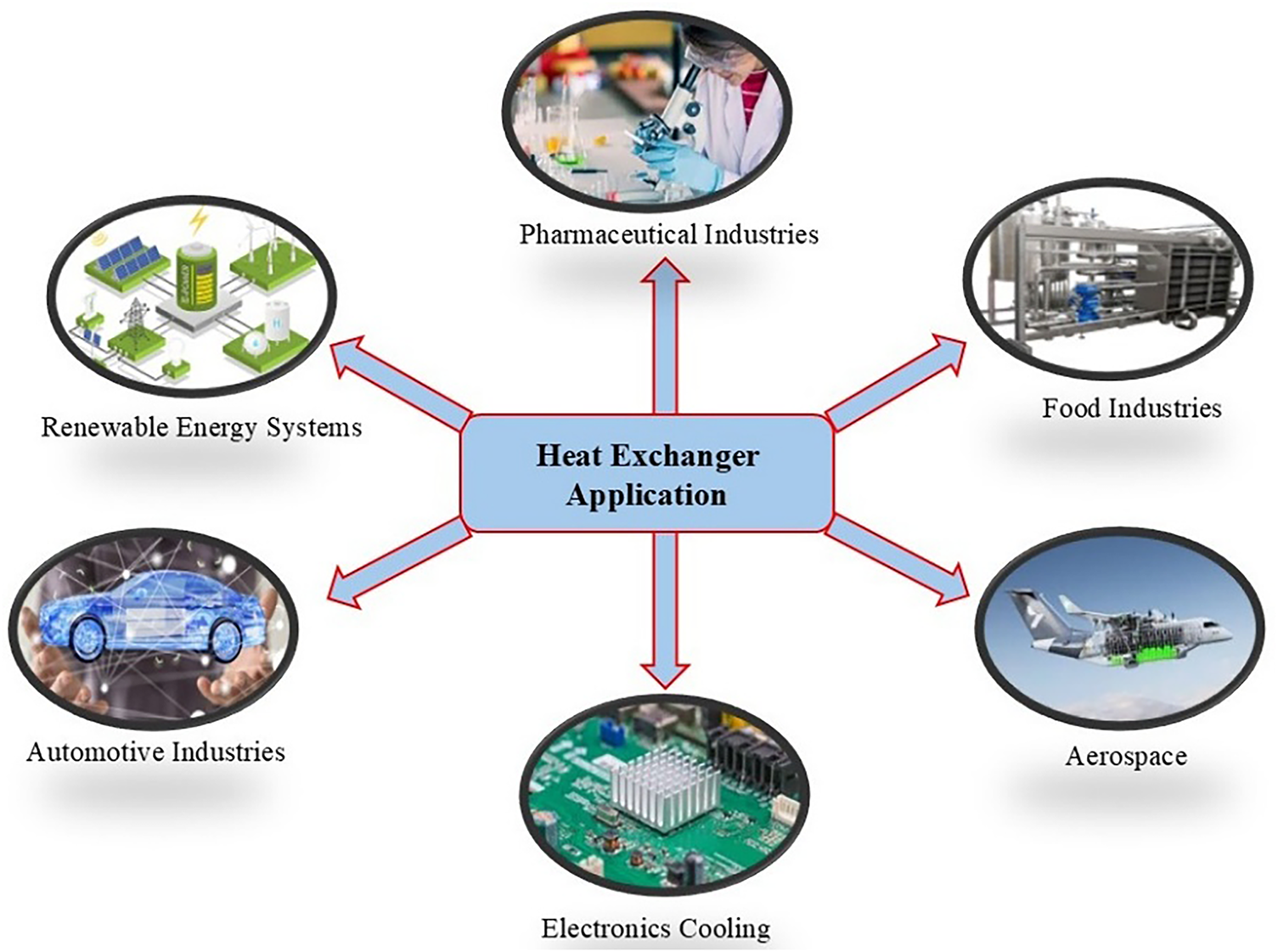
Figure 1: Application of heat exchangers
Thermal science and engineering have made significant advances in machine learning (ML) and artificial intelligence (AI) techniques in recent decades due to the rapid expansion of modern computing technology. The role of artificial intelligence is significant in various type of various heat exchanger such as cost reduction, design optimization and enhance their performance. Various techniques of artificial intelligence such as machine learning and deep learning offer significant advances in predictive maintenance, monitoring, and performance optimization. Machine learning provides flexibility through data analysis, while deep learning is better at identifying complex patterns. Moreover, In industrial applications, machine learning has proven to have major advantages, such as increased production efficiency, decreased environmental impact, and energy conservation. Modern heat exchangers with Internet of Things capabilities for real-time monitoring, compact designs for a range of applications, and novel materials and coatings that increase efficiency and durability are examples of recent advancements. Heat exchanger design is improved through AI-driven design optimization using machine learning and other AI techniques [9]. To investigate several design possibilities and identify the most efficient configurations, large datasets and complex techniques like genetic algorithms are used. Genetic algorithms determine the most effective heat exchanger designs that achieve an appropriate balance between cost and performance by analyzing and improving possibilities for design over several stages [10]. Reinforcement learning is used to teach AI agents to make design decisions based on positive and negative consequences. To optimize heat exchanger design parameters like heat transfer surfaces and flow patterns, reinforcement learning continuously learns from simulation results and real-world performance data [11]. Another technique is the use of surrogate models to rapidly approximate complex simulation results, which enable more efficient investigation of design domains by providing rapid evaluations of design possibilities [12]. AI technology is increasingly making it possible to monitor and analyze heat exchanger thermal performance in real-time. Sensors and advanced data analytics are used by systems that use AI to provide continuous insights into heat exchanger operational performance and any possible problems [13]. These techniques are also useful to analyze the data obtained from different sensors integrated with a heat exchanger for real-time monitoring, such as temperature, pressure, and flow rate. In heat exchangers, the summary of applications of artificial intelligence techniques, which include data-driven design optimization, machine learning-based predictive maintenance, and thermal performance monitoring, represents a significant advancement in engineering procedures [14]. These solutions maximize heat exchanger performance and maintenance by using data and innovative algorithms to lower costs, increase efficiency, and improve dependability. As AI develops, it will be expected that the application of AI to heat exchanger technology may result in further innovative solutions and industrial advancements.
Many researchers and scientists used passive techniques to improve the efficiency of the heat exchanger. Regarding this, Soumith et al. [15] investigated how the ribs affected the local distribution of heat transfer and fluid flow in the heat exchange annulus. To find the local heat transfer distribution, they measured the temperature of the outer surface of the pipe wall with an infrared camera. The result revealed that flow separation and reattachment were produced due to the ribs, which significantly fluctuates the Nusselt number behaviour. Moreover, they observed that ribs can increase the rate of heat transfer while also increasing the pressure drop, but the impact is more noticeable at lower Reynolds numbers as compared to higher Reynolds numbers. Similarly, Ahirwar and Kumar [16] experimented on a heat exchanger to analyze the effect of wire coil inserts on heat transfer and fluid flow characteristics. The findings demonstrate that these inserts significantly increase chaotic mixing, which facilitates boundary layer collapse that is more effective. One interesting observation was made that the friction factor decreases with the increase of the Reynolds number. This occurs as a result of a decrease in the thickness of the hydrodynamic and thermal boundary layers prompted by an increase in Reynolds number. To improve thermohydraulic performance, Sun et al. [17] developed an efficient design tool for compact heat exchanger tube geometry utilizing a variety of AI models. To predict heat transfer and flow behavior, four AI models (such as Extreme Learning Machines, Gaussian Process Regression, Improved Stochastic Configuration Network, and Long Short-Term Memory) were developed and evaluated. The findings show that Gaussian Process Regression performs better among the other methods, particularly for datasets with more variations. Moreover, the design time of heat exchangers using CFD simulations reduces from the hourly scale to the minute level with the use of AI models. Raj et al. [18] adopted a numerical and artificial intelligence approach to evaluate the thermal performance of a heat exchanger with hyperbolic-cut twisted tape in turbulent conditions. The result indicated that the Nusselt number, friction factor, and thermal efficiency increased by 40.42%, 56.27%, and 25.90%, respectively, as compared to a smooth pipe. In conclusion, these findings could be a useful resource for academics and engineers investigating modern heat exchanger design, providing insights into improvements in efficiency and performance optimization.
The role of passive techniques is very crucial in the development of heat exchangers as well as to improve their efficiency. Therefore, this study focuses on analyzing the latest research on passive heat augmentation methods in order to provide insights into their application in modern heat exchangers. This comprehensive evaluation helps researchers and engineers in the selection of the most suitable passive approaches for various applications, with a practical insight into designing a heat exchanger for specific system requirements. In this study, the passive heat transfer techniques, also supported by comparative assessment and application, highlighting their noticeable features, are summarized in tables. The review makes it easier to choose the most suitable configurations for the development of more effective, affordable, and sustainable HX systems by describing the benefits and drawbacks of various heat transfer enhancement techniques. Moreover, the previous review paper mostly focuses on individual passive techniques; however, this research focuses on the benefits of each passive technique.
The structure of this review paper is shown in Fig. 2, which consists of six sections. Section 1 explains an in-depth introduction to heat exchangers, the implementation of artificial intelligence techniques, and their applications. Section 2 discusses in detail numerous heat transfer enhancement techniques (such as active, passive, and compound) used to improve the efficiency of heat exchangers. Section 3 discusses each passive heat transfer technique, while Section 4 examines a comparative analysis. Section 5 of this article presents the challenges and limitations of passive techniques, while Section 6 includes a conclusion and future recommendations based on the findings.
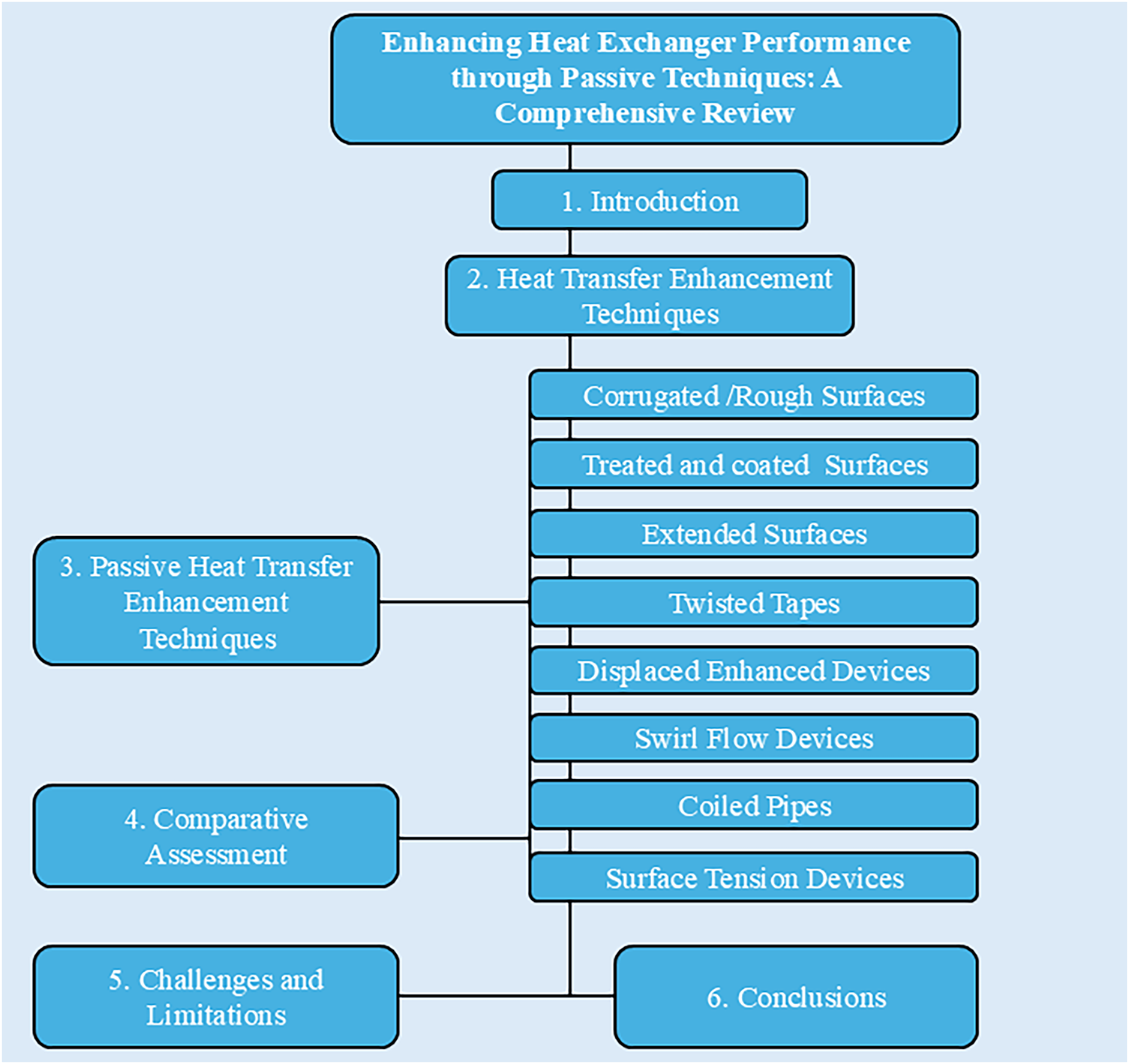
Figure 2: Structure of the review paper
2 Heat Transfer Enhancement Techniques
In general, based on the literature review, the techniques used to enhance he heat transfer in heat exchangers have been broadly divided into three categories: active, passive, and compound, as depicted in Fig. 3. The most common definition of active techniques is those techniques that depend on external power sources or energy inputs to enhance heat transfer performance, often involving mechanical devices or electrical components. There are various methods in these active techniques, each of them have its constraints and benefits. On the other hand, passive techniques improve heat transfer without any demand for external power, most commonly by utilizing the intrinsic properties of materials and surface, or geometry modifications [19]. These passive techniques are simpler, have reduced potential points of failure, fewer moving parts, more easier to implement on the specific application. In the last decades, many researchers and scientists have concentrated on enhancing heat transfer through passive techniques rather than other methods. On the other hand, compound techniques involve the combination of both passive and active techniques [20].
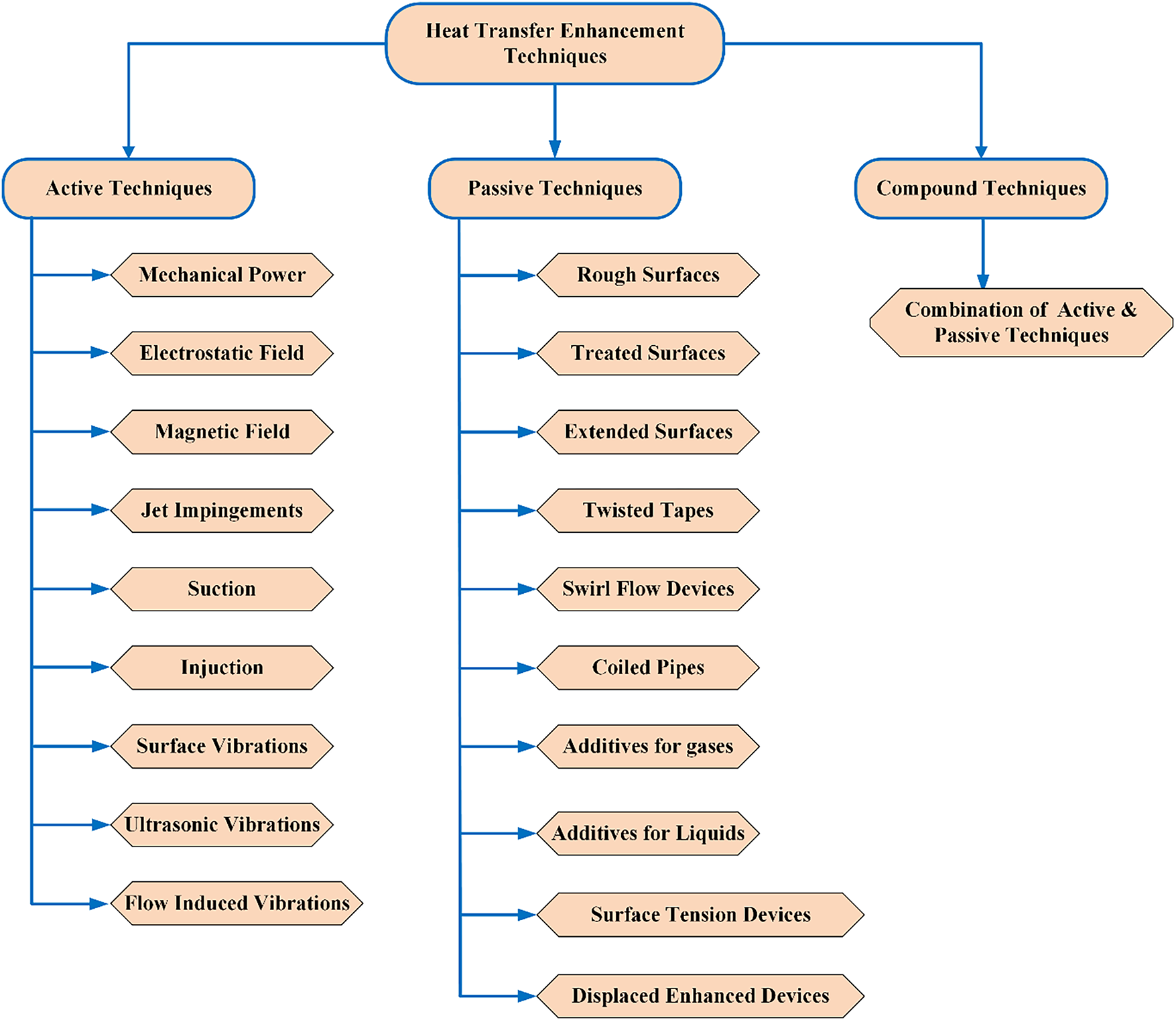
Figure 3: Various techniques for heat transfer enhancement
Active techniques are defined as those that require external power or force to enhance or maintain heat transfer. Examples of such techniques are mechanical power, electrostatic field, magnetic field, suction, injection, ultrasonic, and surface vibrations [21]. Active techniques require high energy consumption, which makes them more complex and less popular than passive techniques. These techniques are utilized in various engineering applications, including electronics cooling, heat pipes, active thermal management, electro-thermal techniques, and forced convection [22]. Mechanical power or aid is one of the interesting methods of active techniques to enhance heat transfer. In this method, mechanical components are added to disturb the thermal boundary layer, surface rotation, and scraping of the surfaces, resulting in improved heat transfer performance. Highly viscous fluids are commonly processed using scraped surface technology in the chemical, food, and pharmaceutical industries. A schematic representation of the scraped surface heat exchanger, which consists of three components: a rotating shaft, a shell, and scraping blades, is shown in Fig. 4. In the scraped surface heat exchanger, the scrapers play a crucial role by continuously mixing the working fluid, which flows in the annular space between the shell and the shaft. Simultaneously, they remove the fluid from the inner side of the shell, resulting in a clean heat transfer surface and enhanced heat transfer. This technique was implemented by Błasiak and Pietrowicz [23] in a heat exchanger to significantly enhance the convective heat transfer of low-viscosity fluids, improving overall thermal performance. Similarly, Rainieri et al. [24] experimentally investigated the performance of a scraped surface heat exchanger pilot plant specifically designed for highly viscous products (food industry) in a laminar regime, enabling the estimation of a heat transfer correlation.
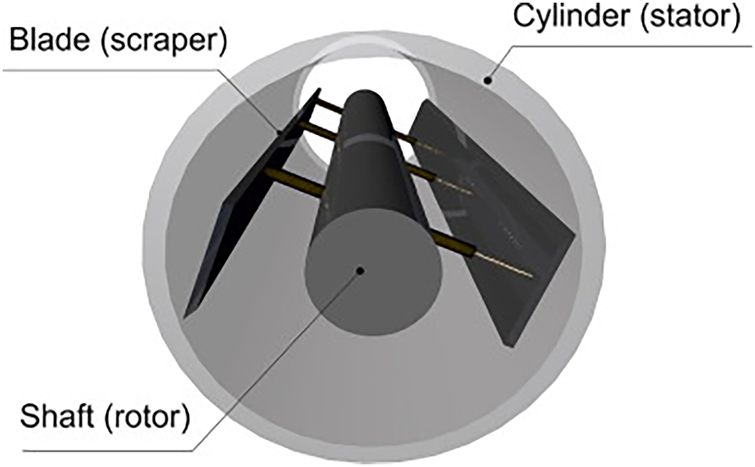
Figure 4: Sketch of scraped surface heat exchanger with dual scrapers [25]
In passive techniques, heat transfer can be improved by surface modification or special geometries without using additional energy [25]. Examples of such techniques include rough surfaces, treated surfaces, extended surfaces, coiled tubes, and twisted tapes [26]. Passive cooling methods are less efficient than active methods, but they are easier to use, don’t require additional equipment, and cost less to maintain. Moreover, due to their ease of usage in existing heat exchangers, these techniques are more common compared to active ones [27]. In order to improve heat transfer, passive approaches usually involve modifying the surface or flow channel geometry. In the past, it was very difficult to fabricate complicated geometries, but advances in manufacturing technology have made it possible to include these complex designs in heat transfer technologies [28]. One of the main challenges associated with passive techniques is the increased pressure drop, which often results in higher energy consumption for fluid circulation. The selection criteria of passive or active techniques in real time depend on several factors, including desired performance results, available resources, and the specific requirements of applications [29]. Passive techniques are used in many engineering fields that are crucial to increase the efficiency of heat exchangers, such as heating, ventilation, and refrigeration, advanced electronic cooling systems, automotive thermal management solutions, sustainable building materials for temperature regulation, and industrial waste heat recovery systems.
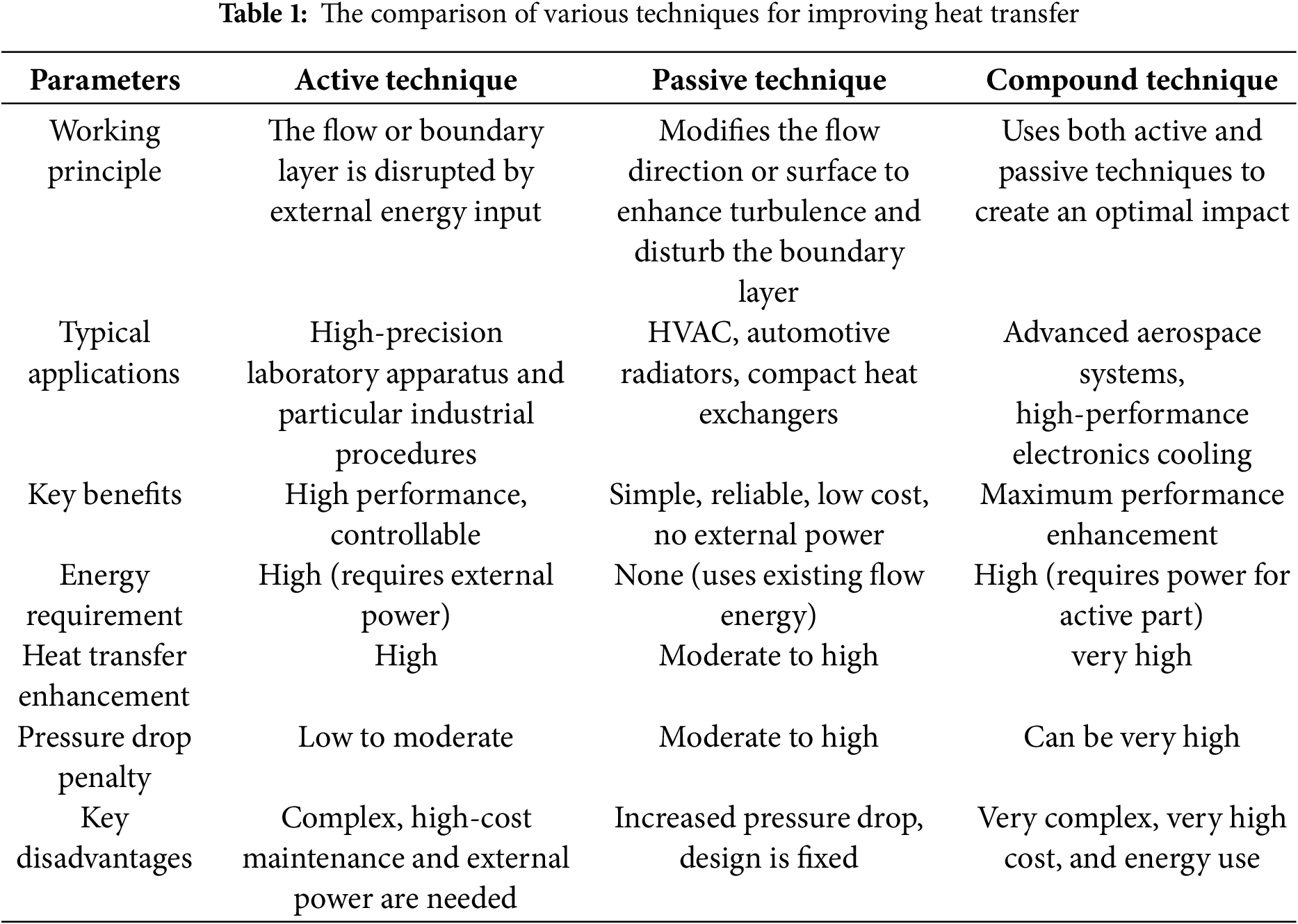
In compound heat transfer, two or more passive and active techniques are used to enhance the system performance and provide a superior heat transfer rate compared to any of the other techniques operating individually. According to preliminary research, it appears quite promising to use a compound technique for heat transfer enhancement, which simultaneously improves system performance more efficiently than either technique working individually [30]. Thianpong Chinaruk et al. [31] conducted an experimental study using a twisted tape swirl generator to enhance compound heat transfer, examining the effects of pitch and twist ratio in a dimpled tube. Experiments were conducted using three twisted tapes with different twist ratios and two dimpled tubes featuring varying dimple surface pitch ratios. The outcomes highlight a higher rate of heat transfer coefficient and friction factor compared to the plain tube due to the dimpled tube. Another interesting observation found that the pitch ratio and twist ratio decrease, and the heat transfer coefficient increases. This occurs due to the fluid flow becoming more turbulent, resulting in a greater surface area for heat exchange. Moreover, when the pitch and twist size are reduced flow behavior of fluid becomes more complex, as well as a higher friction factor. Moreover, Hamed et al. [32] experimentally investigated how compound techniques affect the performance of double pipe heat exchangers. They utilized passive techniques, including packing the shell side with tiny cylindrical aluminum pieces, as well as active techniques such as air injection or bubble formation. The outcomes show that utilizing both methods (active and passive) increased the heat exchanger’s performance by about 15% (Table 1).
3 Heat Transfer Enhancement by Passive Techniques
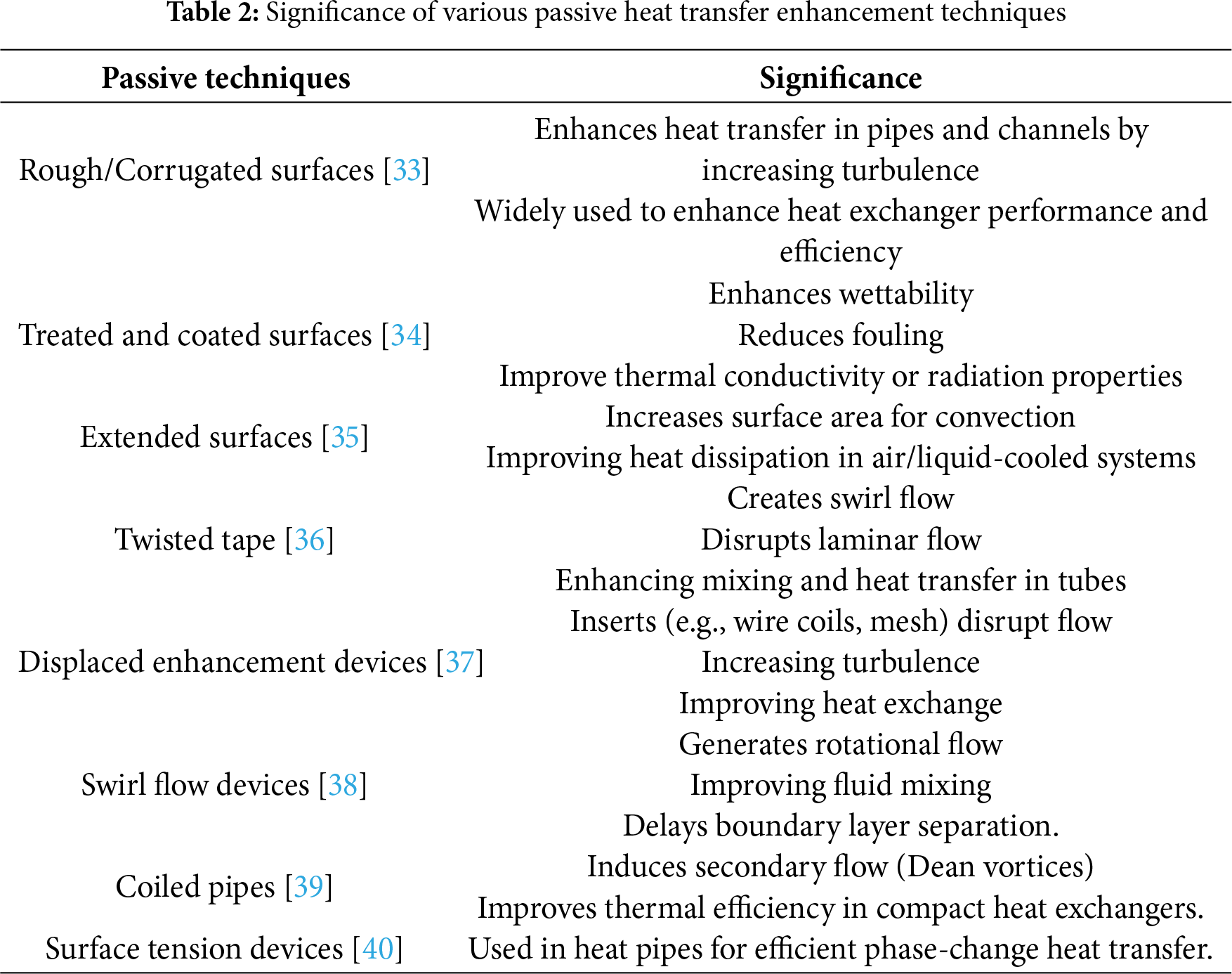
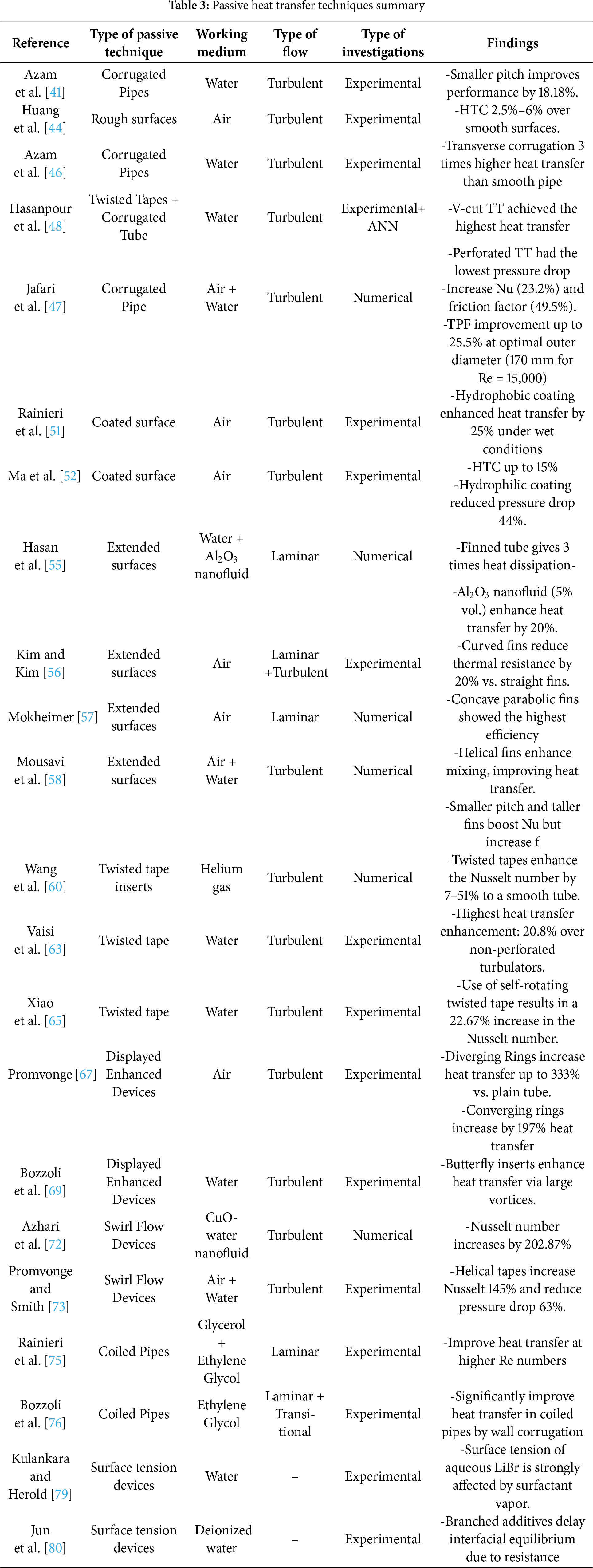
Although there are several passive techniques designed to improve heat transfer efficiency, however, among these, certain strategies stand out as the most widely used for enhancing the performance of heat exchangers. Moreover, nanofluids are not strictly passive heat transfer techniques; studies combining nanofluids with passive surface or geometric modifications are included here for completeness. Table 2 shows the significance of various passive heat transfer enhancement techniques. Moreover, Table 3 shows the summary of passive heat transfer techniques.
In recent decades, rough or corrugated surfaces have been extensively utilized as one of the most effective passive techniques for enhancing heat transfer performance across various thermal and fluid flow systems [41]. Generally, it creates disturbances in the fluid flow, which cause turbulence; as a result, it increases fluid mixing and improves convective heat transfer between the fluid and the surface. The thermal performance of the system can be affected by various parameters, such as the pitch, shape, arrangement, length, and height of rough surfaces [42]. The geometry and flow physics of turbulent flow inside a corrugated tube are shown in Fig. 5, which emphasizes how the corrugation profile periodically disrupts the boundary layer. Improved convective heat transfer performance results from the fluid’s frequently occurring acceleration and deceleration close to the corrugated surfaces, which enhances mixing between the core and near-wall regions.
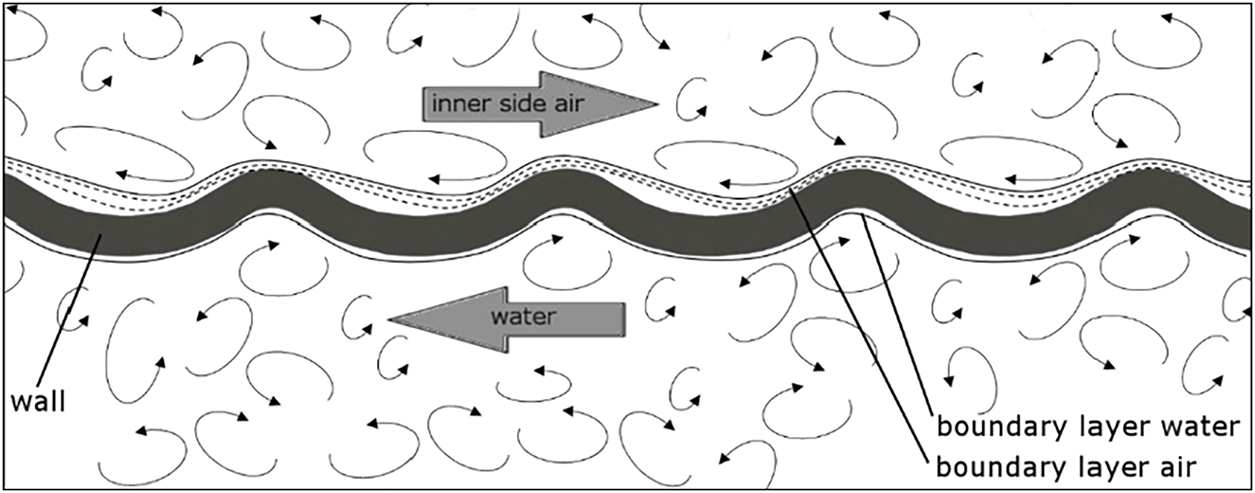
Figure 5: Geometry and flow physics of turbulent flow in a corrugated tube showing boundary-layer behavior [43]
Huang et al. [44] experimentally investigated the effect of rough surfaces on heat transfer enhancement in a turbulent regime for round jet impingement. They observed that heat transfer enhancement varies from 2.53% to 6.08% due to roughness, compared to a smooth surface. Moreover, the shear stress on the wall can be reduced by increasing the roughness height. Cruz et al. [45] conducted a study, utilizing both numerical and experimental methods to investigate the pressure drops and heat transfer performance of helical corrugated tubes. They found that the thermal performance of helical corrugated tubes was up to five times higher than that of smooth tubes. Moreover, lower-pitch size corrugated pipes perform better in transitional and turbulent regimes compared to longer corrugated and smooth tubes. Fig. 6 depicts a sketch of the helical corrugated pipe, where d, p, and h represent the diameter, pitch size, and corrugation depth of the pipe. An experimental investigation by Azam et al. [46] examined the local heat transfer coefficient in pipes with various corrugation profiles. The obtained results are useful for developing novel heat exchangers that use these types of corrugated tubes in pharmaceutical or food-based pasteurization or sterilizing procedures. Jafari et al. [47] improved the performance of heat exchangers with the development of three innovative configurations through both numerical and experimental investigations. In that study, various parameters were analyzed, such as corrugation geometry, Reynolds numbers (Re), outer tube diameters, and the ratio of outer to inner tube diameters. Based on their results, an interesting observation was found that increasing the corrugation amplitude, while simultaneously decreasing the corrugation pitch, significantly enhances both the friction factor and the Nusselt number. This behavior indicates that improved convective heat transfer performance is accompanied by higher flow resistance.
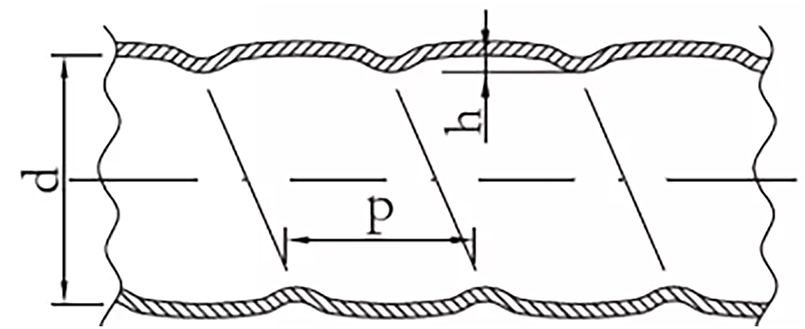
Figure 6: Helical corrugated pipe [48]
3.2 Treated and Coated Surfaces
To enhance the heat transfer to the surface of materials (often metals, plastics, or composites), their surface characteristics can be modified through various treatments and coating techniques. These treatments and coatings ultimately lead to improved heat transfer efficiency of the material [49]. There are several ways in which treated and coated surfaces can enhance heat transfer, including improved wettability, selective surface emissivity, enhanced surface roughness, and increased thermal conductivity. Moreover, this technique has fine-scale alterations to its finish or coating, which are used to improve heat transfer, particularly in boiling and condensing applications. The surface roughness is significantly lower than the roughness levels that typically influence single-phase heat transfer [50]. Rainieri et al. [51] evaluated how the wall’s surface wettability affects the two-phase heat transfer throughout the dehumidification process. In this study, the critical angle of water droplets on an aluminum plate with a hydrophobic coating was measured. Moreover, the hydrophobic coating enhances the droplet mobility and heat transfer rate. The results revealed that a 25% enhancement in convective heat transfer coefficient was achieved with the use of a hydrophobic coating compared to the uncoated case. Ma et al. [52] investigated the impact of hydrophilic coating on wavy fin and tube heat exchangers under dehumidifying conditions. When a substantial amount of condensation forms on a surface, a hydrophilic coating can enhance heat transfer performance by facilitating the formation of a thin water layer. However, when the amount of condensation water is limited, its effectiveness may decrease. They observed that hydrophilic coatings can reduce the pressure drop and provide a 9.9% enhancement in heat transfer compared to the uncoated surface. The effect of diamond coating on fluid thermal field convective heat transfer is depicted in Fig. 7.
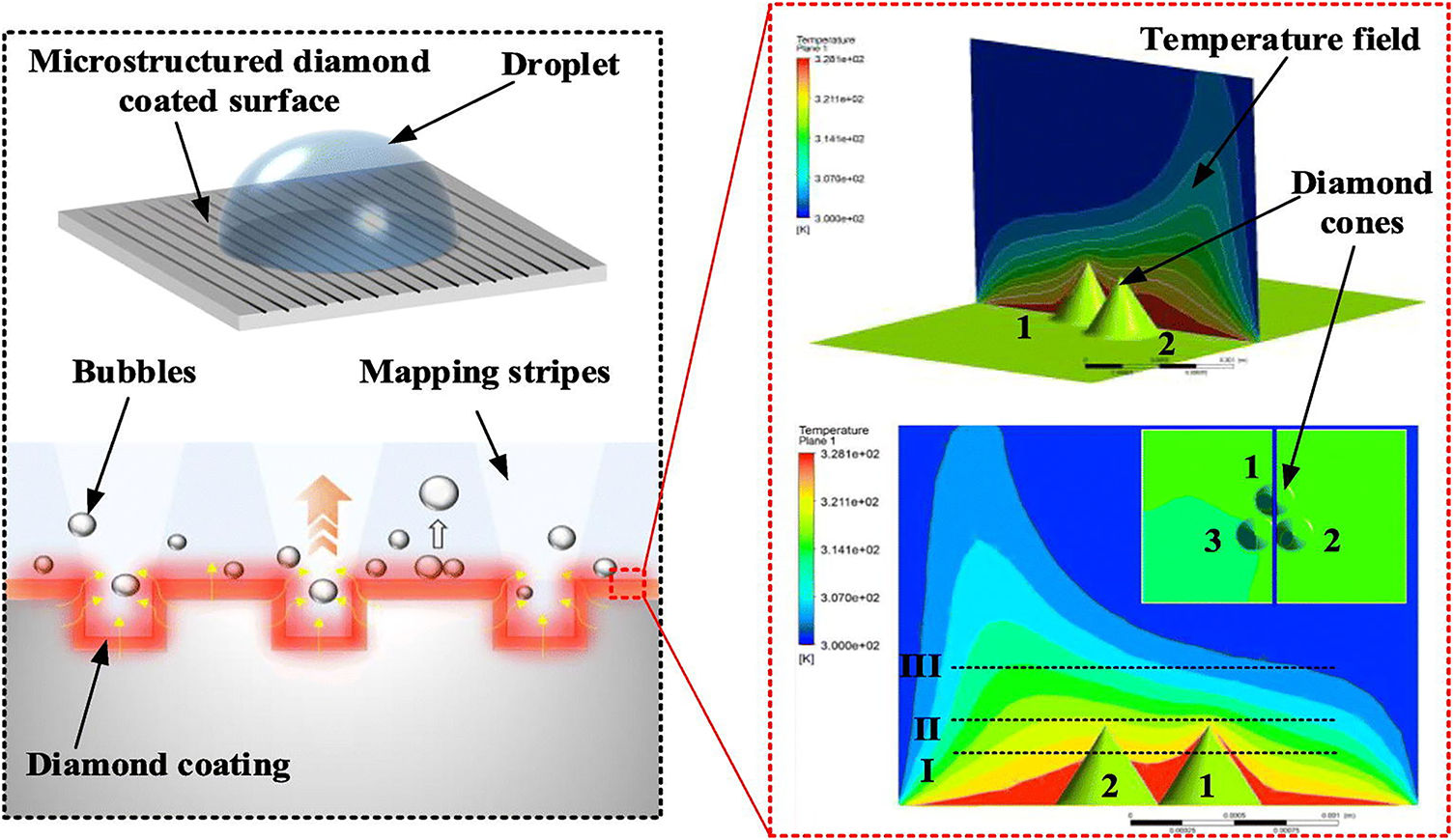
Figure 7: The impact of diamond coating on fluid thermal field convective heat transfer [53]
The other common name for extended surfaces is finned surfaces, which significantly increase heat transfer. Extended surfaces or fins are commonly utilized in heat transfer applications when the existing surface area is insufficient to transfer the required amount of heat, based on the available temperature difference and the convective heat transfer coefficient. The natural convection process is illustrated in Fig. 8, highlighting its effectiveness in dissipating heat. However, with their improved performance, advanced fin designs can complicate manufacturing and not always be cost-effective for mass adoption.
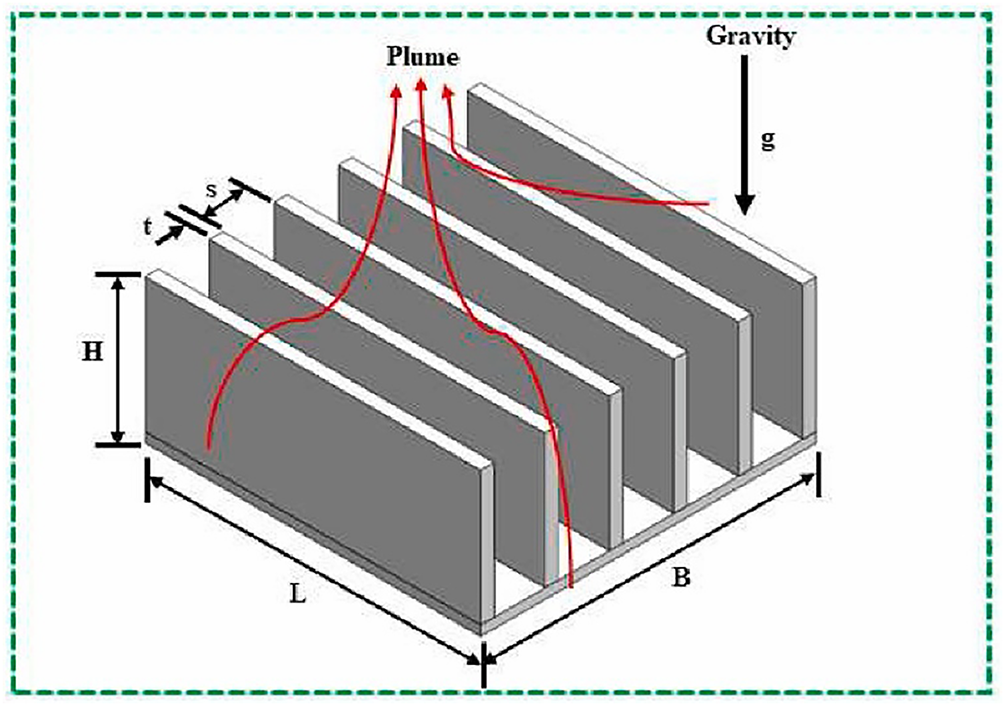
Figure 8: Convection that occurs naturally from a rectangular fin [25]
The extended surfaces or fins are generally made with high thermal conductivity, which allows heat transfer between the outer surface and the base of the fin. Coatings on fins can improve their efficiency by increasing surface area, altering surface properties (such as emissivity), or enhancing heat conduction. These coatings are developed to enhance heat transfer efficiency by adapting to specific application requirements and varying operating conditions. Fins help dissipate heat by increasing the surface area available for convection, thereby enhancing heat transfer to the surrounding fluid or environment [54]. Moreover, it can also reduce the system’s temperature gradient, which could improve thermal performance and result in a more uniform temperature distribution. The application of extended surfaces is widely used in various industrial applications, including engine cooling and heat exchangers. When heat exchangers with a high surface area-to-volume ratio are required, fins are a useful solution that has enabled the development of increasingly compact models. Moreover, it can be used in electrical appliances and electronics, such as computer processors and power supplies. There are different geometrical configurations of extended surfaces shown in Fig. 9.
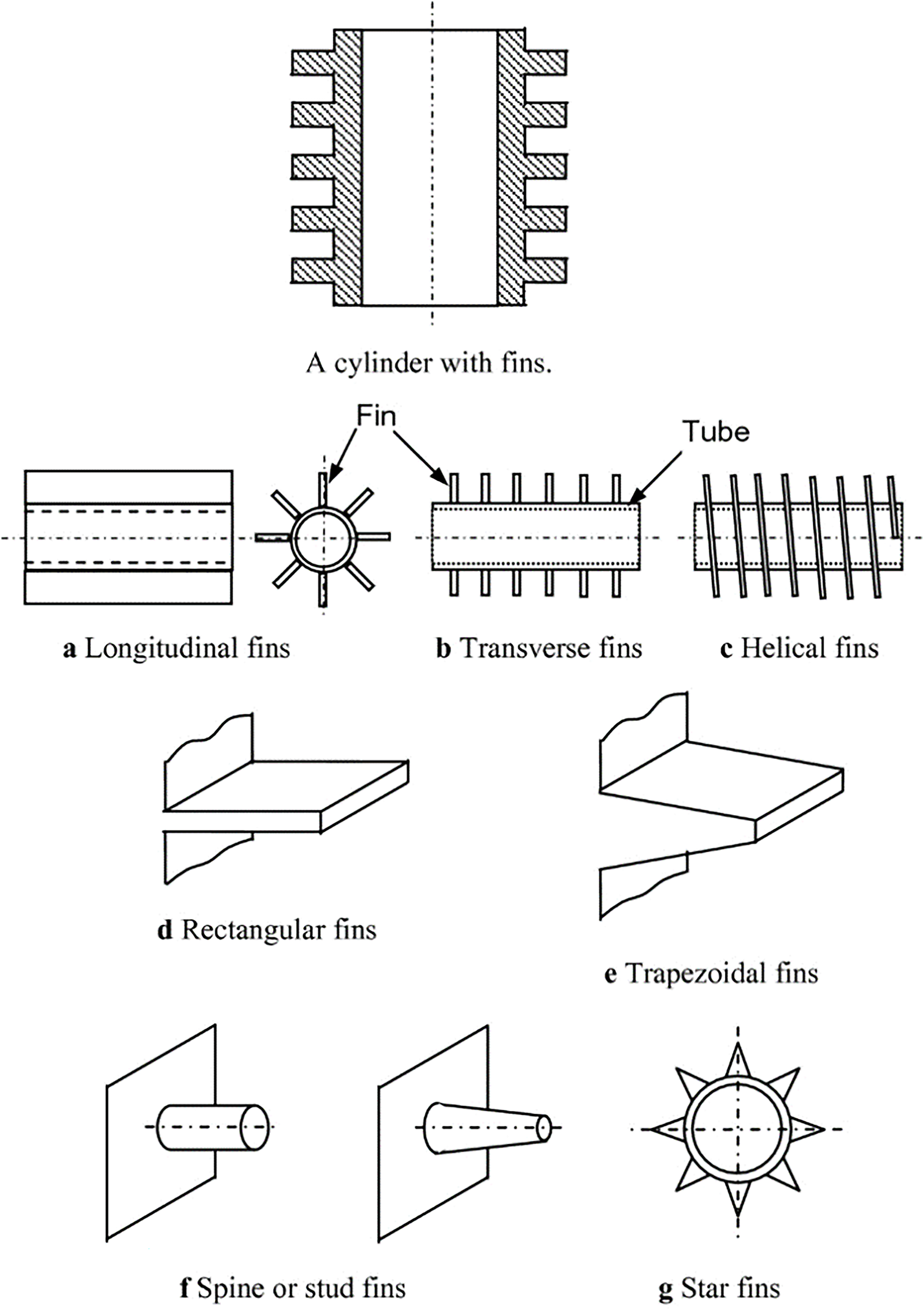
Figure 9: Example of extended surfaces [59]
Hasan et al. [55] conducted a numerical investigation in a finned double pipe exchanger on the inner tube outside surface to enhance the heat transfer. It was observed that heat transfer enhancement was 1.6 to 2 times more effective than in a smooth pipe. Moreover, the heat transfer coefficient of the heat exchanger was enhanced by 20% with the addition of nanoparticles (alumina) at a 5% concentration. Kim and Kim [56] experimentally investigated free convection from vertically oriented tubes with radially curved extended surfaces. According to the experimental findings, the heat resistance of tubes with curved extended surfaces is 20% lower than that of tubes with straight extended surfaces. Mokheimer [57] explored the effects of dust deposition on frosting properties on fin surfaces and discovered that as the amount of dust deposition on the fin surface increased, the frost layer’s density and thickness gradually decreased. Mousavi et al. [58] performed a numerical simulation using Artificial Neural Networks to improve the design of helical-finned double-pipe heat exchangers, thereby enhancing heat transfer efficiency. The outcome demonstrated the difficulty of designing heat exchangers by showing that fins did not always increase thermal efficiency.
Twisted tape is a device that is inserted into a pipe or vessel’s fluid flow path that disrupts the fluid flow and induces turbulence. This turbulence helps to improve the mixing of the fluid and enhances the rate of heat transfer between the fluids and the surrounding surfaces [60]. Different types of twisted tape are used to generate turbulence, including helical, screw helical, V-cut, U-cut, overlapped multiple, and trapezoidal-cut twisted tape. The application of rotating twisted tapes causes a violent collision of the recombined streams behind the shifting position and a periodic change in the direction of the swirl. Hence, in contrast to the standard twisted tape as seen in Fig. 10, it leads to chaotic fluid mixing that improves heat transfer.
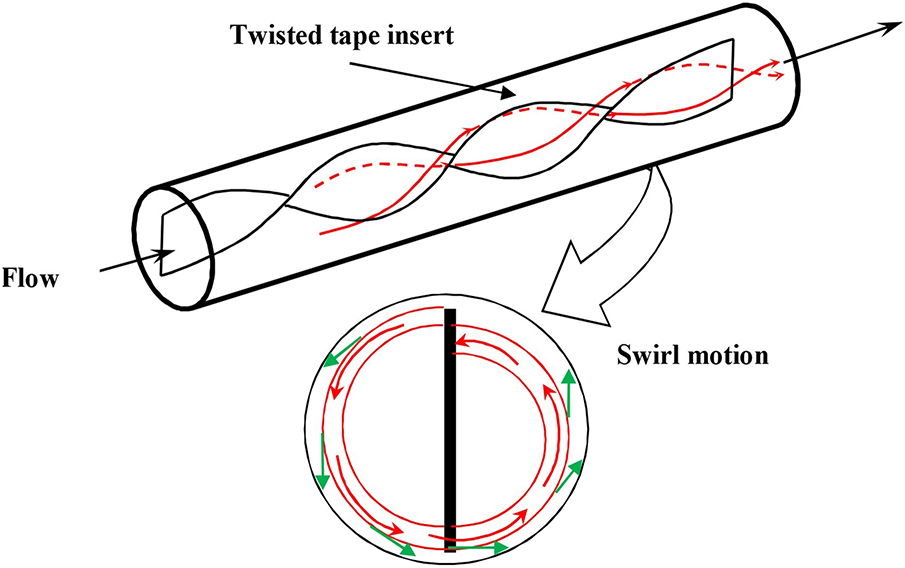
Figure 10: Fluid flow mechanism in a twisted tape insert with an alternate axis [61]
During the design stage, the width of the twisted tape must be smaller than the inner diameter of the tube. Its thickness and twist ratio are interdependent and need to be specified [62]. The schematic representation of twisted tape is shown in Fig. 11. Vaisi et al. [63] carried out an experimental investigation to evaluate the thermal performance of a perforated twisted tape turbulator installed in a twin-pipe heat exchanger. In this study, nine holes of various geometries, including square, rectangular, circular, and triangular with triangular arrangement, have been made on the flat surfaces of a discontinuous twisted tape turbulator. The results showed that, compared to a continuous turbulator, a discontinuous turbulator without a hole resulted in a 9.8% decrease in pressure drop and an 8.2% increase in heat transfer.
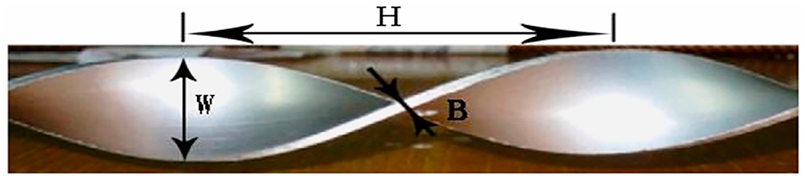
Figure 11: Schematic representation of twisted tape [64]
The maximum heat transfer enhancement with circular perforated discontinuous turbulator resulted in a 20.8% and 27.7% decrease in pressure drop coefficient, respectively. Xiao et al. [65] experimentally investigated the thermal-hydraulic performance of self-rotating twisted tape in a double pipe heat exchanger. A dynamic mesh and the Six Degrees of Freedom technique were utilized in the experiment to assess thermal performance at varying flow rates. With the help of this technique, the objective was to highlight the passive motion and determine the force distribution in both the frequency and time domains. The friction factor decreases by 26.25% relative to other enhanced configurations, while remaining higher than that of a smooth tube under identical Reynolds number conditions.
3.5 Displaced enhancement devices
These are the insertion methods that are frequently used in forced convection with restricted flow. These techniques involve moving bulk fluid to the center of the flow from the heated or cooled surface of the duct or pipe. By doing so, the heat exchange surface is indirectly improved, resulting in better energy transfer [66]. An experimental study conducted by Promvonge [67] investigated the impact of a conical ring turbulator on the friction factor and heat transfer enhancement in a circular tube. This research investigated three different configurations of rings, including diverging, convergent, and convergent-diverging conical rings. The studies, conducted between Reynolds numbers of 6000 and 26,000, utilized air as the working fluid. The result showed that the diverging ring has 330% better heat transfer performance in terms of the Nusselt number compared to the plain tube surface. Moreover, both the converging and converging-diverging configurations are highly effective in increasing the Nusselt number, with improvements of approximately 197% and 237%, respectively. However, using conical rings also results in a significant rise in the friction factor. Fig. 12 depicts an example of a diverging conical ring.
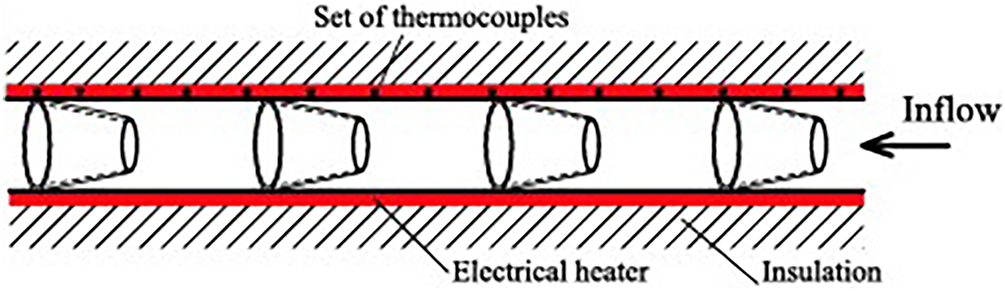
Figure 12: Example of diverging conical ring [68]
Bozzoli et al. [69] investigated the thermal performance of butterfly-shaped structures both locally and globally by applying an inverse problem approach to infrared images. An uneven distribution of the wall heat flux along the circumferential coordinate results from the velocity profile distortion caused by the insertion of these butterflies. In the turbulent flow regime, the inverse analysis technique was used within a range of Reynolds numbers: 5000 < Re < 12,000. The findings showed that the front part of the insert had the best heat transmission, while the center of the insert, where the fluid is nearly trapped in the narrow space between the pipe wall and insert, had the lowest heat transfer. enhance the heat transfer to the surface of materials (often metals, plastics, or composites), their surface characteristics can be modified through various treatments and coating techniques. In conclusion, these coatings, as well as treatment, eventually lead to improved heat transfer efficiency of the material [49].
These devices significantly enhance mixing and heat transfer by generating secondary recirculation inside axial flows that are suitable for single-phase and two-phase flows in heat exchangers. There are various examples of such types of techniques, such as conical rings, vortex rings, helical or cored screw-type tube inserts, and twisted tapes. These devices use the fluid’s tangential velocity component, and this causes the fluid to rotate or swirl as it moves through the structure of the device. This swirling motion changed the flow dynamics, leading to the formation of secondary recirculation zones within the fluid. As a result of these changes can be significant impacts on the performance of the system (such as heat exchangers) [70]. Moreover, the surface shape effectively prevents boundary-layer development and promotes fluid mixing toward the core region, as shown in Fig. 13. The composite corrugated structure improves heat transfer through the combined action of swirling vortices and turbulence.
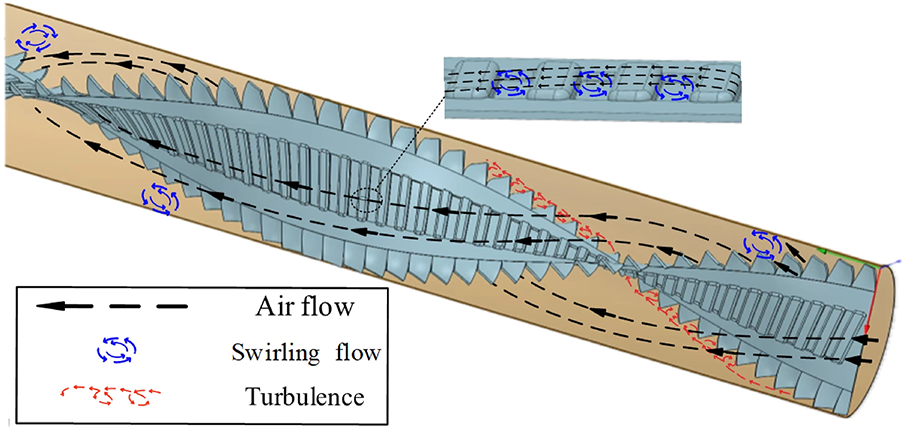
Figure 13: Flow behavior and boundary-layer disruption in a composite corrugated swirl flow channel [71]
Azhari et al. [72] utilized a CuO-based nanofluid to improve mixing flow inside the tube by employing swirl flow devices, such as helical tape with exterior inserts. The studies were carried out between Reynolds numbers (5 × 10³ and 2.6 × 10⁴) using CuO as the working fluid. The Nusselt number increases by 204% and 202% without and with external inserts in the twisted tapes, respectively. Moreover, the authors reported that twisted tapes and nanofluids in heat exchangers reduce energy losses and improve heat transfer efficiency to decreasing the thermal boundary layer. Similarly, Promvonge and Smith [73] also examined the heat transfer enhancement achieved by helical tapes placed within the tube to create a swirl flow in a double-pipe heat exchanger. Three different configurations, including helical tape with and without a rod, and regularly helical tape, were studied. The authors reported that the maximum Nusselt number increases by 160% in helical tape with a rod in comparison with a plain tube. In the other two scenarios, the results showed a significant increase in the Nusselt number for helical tapes without rods and regularly spaced helical tapes, with increases of 150% and 145%, respectively. Moreover, visualization techniques showed that tubes with helical tape had strong swirling flows, in contrast to axial flow and small swirling flows in free-spacing tubes with regularly spaced helical tape without rods.
Coiled tubes are a popular passive heat transfer enhancement method; their geometry is shown in Fig. 14. The applications of this technique are in various areas, including heat exchangers, air conditioning and refrigeration systems, chemical reactors, pharmaceuticals, food, and the cosmetics industry. Bozzoli et al. [74] researched to estimate the local heat transfer coefficient in the coiled pipe by the IHCP on the solid wall. These geometries impact the effectiveness of fluid thermal treatment because they produce an uneven distribution of convective heat flux along the wall, as measured by the circumferential coordinate. To find an appropriate regularization parameter, they employed the fixed-point iteration methodology in conjunction with the Tikhonov regularization method. They found that the Nusselt number was five times higher than that of a smooth pipe. A schematic illustration of cross-sectional streamlines demonstrating the secondary flow pattern that develops in curved pipes is shown in Fig. 15. Two counter-rotating vortex cells, whose characteristics vary according to the Dean number, make up the pattern.
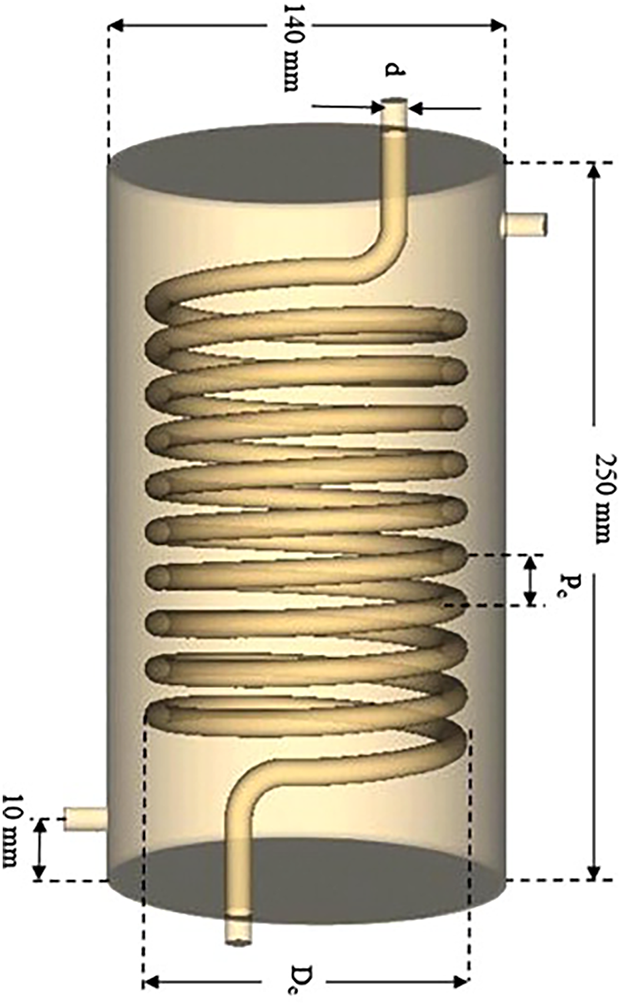
Figure 14: Geometry of coiled pipes [77]
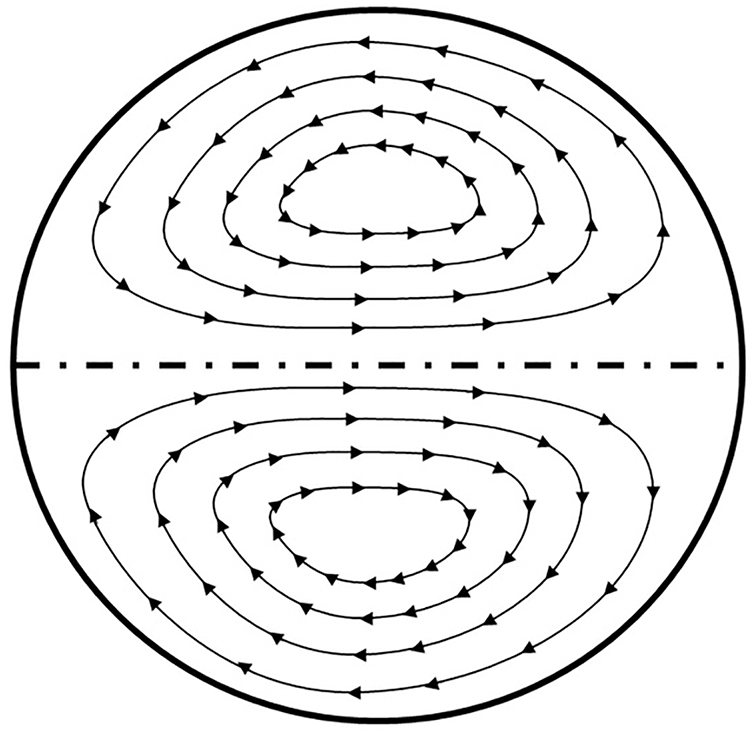
Figure 15: Cross-sectional secondary flow in a pipe with a helical coil [78]
Rainieri et al. [75] analyzed the performance of corrugated coiled pipes for highly viscous fluids in the laminar regime. The highly viscous types of fluids are essential for applications that require the thermal processing of fluids with a high Prandtl number. At lower Reynolds numbers, corrugated coiled pipes proved inefficient; however, at higher Reynolds numbers, wall corrugation enhances the heat transfer compared to a smooth pipe. Similarly, Bozzoli et al. [76] used a coiled pipe to investigate how wall corrugation affected the local heat transfer coefficient. According to experimental data, coiled tubes with corrugated walls exhibit a critical Dean number at which the combined effects of wall curvature and corrugation significantly enhance heat transfer. The distributions of convective heat transfer coefficients for low Dean numbers are equivalent for both smooth and corrugated walls. On the other hand, the corrugation effect significantly enhances heat transfer at high Dean number values. However, the more uneven dispersion of the convective heat transfer coefficient is a disadvantage of this improvement over the smooth wall coil.
Surface tension techniques that control liquid distribution and facilitate phase transition processes, such as microgrooves and capillary-driven flows, improve heat transfer. These devices increase liquid dispersion and evaporation by using surface tension forces, which improves thermal efficiency. Kulankara and Herold [79] investigated the effect of surface tension of aqueous lithium bromide with an additive that provides heat transfer enhancement. They used the drop weight method, and the surface tension of aqueous lithium bromide was determined both with and without different surfactant additions. One of the main findings of the study is that the vapor concentration of the additive is a crucial factor influencing surface tension. The findings indicated that the additive in the vapor has a greater impact on surface tension than the additive in the liquid. Jun et al. [80] carried out an experimental study to determine the dynamic behavior of the surface tension of solutions containing three different additives with different concentrations. The result showed that the addition of heat transfer additives reduced the static surface tension of deionized water. Moreover, it was found that as the concentration increased from zero to a specific amount, the surface tension’s dependence on the surface increased.
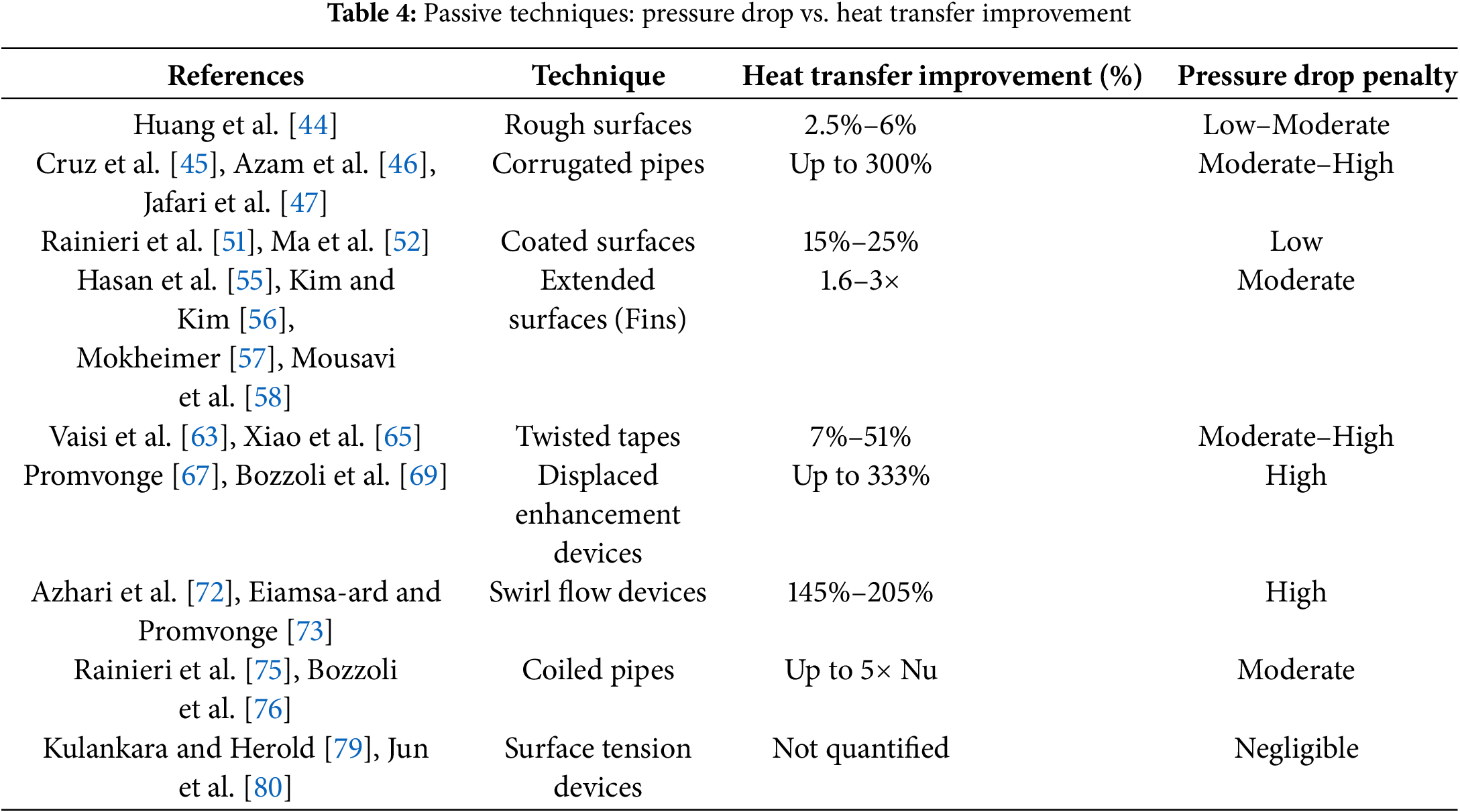
Table 3 summarizes all important studies on passive techniques and parameters, including working medium, flow type, type of investigation, and important findings taken into consideration during the investigation. It is challenging to compare all of the passive techniques that have been examined on a common basis since they rely on the conditions and required application. Increasing heat transfer by passive techniques is rapidly becoming popular as a means of improving heat exchanger performance without the need for external power. Since the turbulence produced in the flow field with the use of inserts such as swirl devices, corrugated pipes, and twisted tapes promoted better fluid mixing. An increased heat transfer rate resulted from the obstruction in the flow field caused by such a device, which disrupted the boundary layer and permitted the development of secondary flow. However, these obstructions increase frictional resistance, which increases pumping power consumption. The geometrical characteristics that significantly impact thermal performance are considered to be the height, pitch, configuration, and shape of corrugated and rough surfaces. The enhancement values reported are intended for qualitative comparison only, as the cited studies were conducted under different operating conditions, flow regimes, and evaluation constraints. Therefore, a comparison of various passive techniques for heat transfer enhancement in relation to pressure drop is conducted and shown in Table 4.
Passive heat transfer techniques provide energy-efficient solutions for thermal management that do not require external power. Heat transfer enhancement is dependent on the fluid’s flow structure as it passes through the heat transfer surface [81]. Moreover, it can be improved or decreased by manipulating factors such as the heat transfer area, fluid flow, density, viscosity, and the thermal conductivity of the materials. Various methods can be employed to significantly enhance heat transfer by utilizing materials with higher thermal conductivity, increasing surface area, promoting convection through turbulent flow, or integrating unique characteristics, such as twisted tapes or nanofluids. Conversely, decrease heat transfer by lowering these parameters, such as by reducing fluid flow rates, insulating surfaces, or decreasing the heat transfer area. Most commonly, nanofluids consist of nanometer-sized particles, typically ranging from 1 to 100 nm, dispersed in a base fluid to enhance heat transfer. Heat exchangers must be designed to minimize erosion and fouling caused by fluid velocities inside the tubes. The temperature difference between the hot and cold fluids, or the temperature driving force, is a major factor in determining the rate of heat transfer. The available surface area for heat exchange determines how quickly heat can be transferred between the fluids, as increasing surface area frequently leads to higher production. Moreover, heat transfer rates increase with a larger temperature difference, as the primary goal of every well-designed heat exchanger is to maximize this temperature disparity within practical and operational constraints. The performance of heat exchangers can be determined by applying several formulas related to efficiency, heat transfer rate, and other important factors. An important equation for heat exchangers is the heat transfer equation.
where,
where,
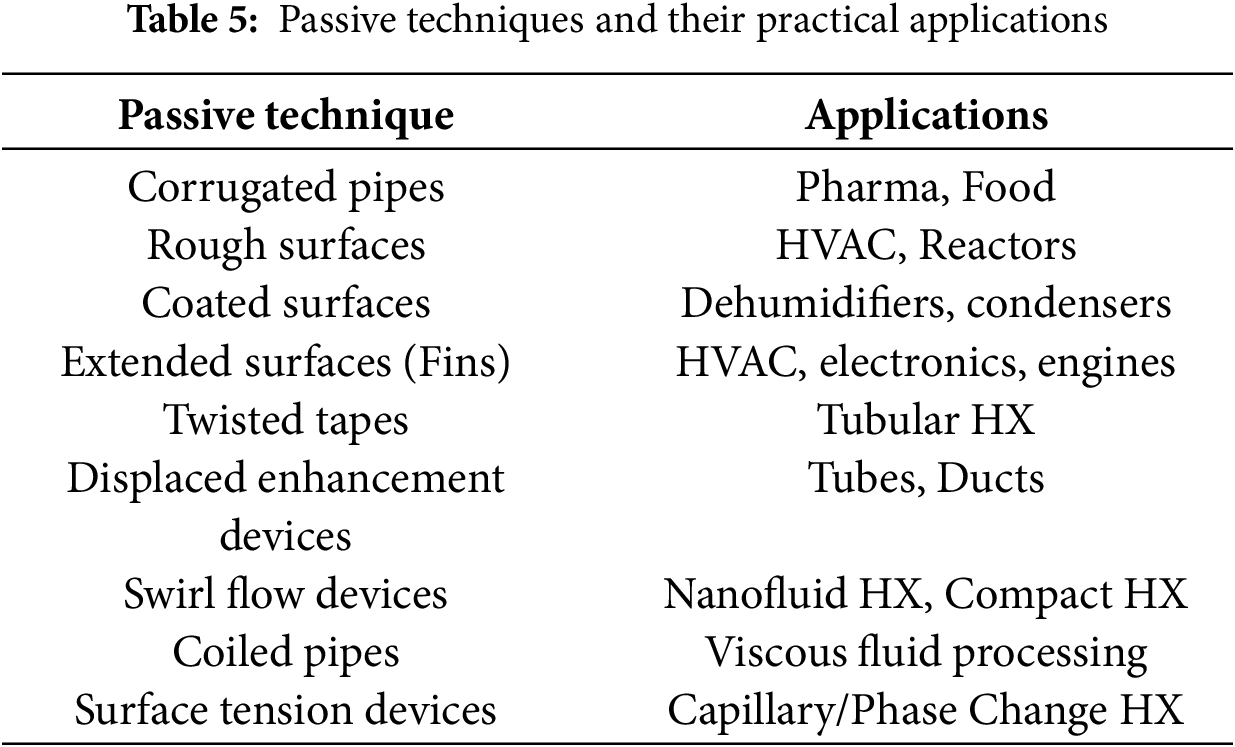
However, the performance of heat exchangers is adversely affected by a crucial trade-off between pressure drop and improved heat transfer, which determines their suitability for certain applications in engineering disciplines. As seen in Table 4, a comparative overview of passive heat transfer enhancement techniques is provided. This comparative analysis highlights the trade-off between pressure drop and heat transfer improvement in each passive technique. Moreover, the real-world applications of each passive technique in heat exchangers within various thermal systems are shown in Table 5. It can be observed that, among all of the passive techniques, corrugated pipe, displaced enhancement devices, coiled pipes, and swirl flow devices show higher heat transfer enhancement. Furthermore, corrugated pipes, coiled pipe, twisted tapes, and finned surfaces improve heat dissipation by increasing corrugation depth, pitch size, surface area, or optimizing fluid arrangement. These arrangements and designs improve thermal performance, but one drawback of this improvement is an increase in the pressure drop, particularly in forced convection systems where higher flow resistance requires higher pumping power. Moreover, the particular needs of the applications determine which passive heat transfer techniques work best. Let’s consider, as an example, fin-and-tube heat exchangers are frequently utilized in HVAC systems where low pressure drops are acceptable due to their cost-effectiveness ratio. In conclusion, to achieve effective and sustainable thermal management among various industries, experts and engineers must carefully balance the trade-offs between heat transfer enhancement and pressure drop. Maintaining a balance between these parameters makes it possible to choose the most effective passive technique for achieving maximum effectiveness and efficiency.
The benefits of passive heat transfer methods are well-known as they significantly increase cost-effectiveness and sustainability. Moreover, these techniques in heat exchangers are crucial for improving thermal efficiency, reducing energy consumption, and minimizing size [82]. Despite advancements, several factors (such as fouling, pressure drop, and design constraints) continue to limit the optimal efficiency and performance of heat exchangers. A significant challenge with passive techniques is that they often increase pressure drop, which raises the need for pumping power [83]. Examples of these techniques include corrugated surfaces, twisted tapes, and extended fins, which interrupt fluid flow to improve turbulence and heat transfer. High-precision manufacturing techniques are required for the execution of advanced geometries (e.g., helical corrugated pipes and optimal fin designs), which significantly increases the complexity of production. The high production costs of these precision manufacturing methods pose a significant challenge to their industrial applications, acceptance, and scalability. Moreover, the development of more economical manufacturing techniques (such as hybrid manufacturing or scalable microfabrication) is required to bridge the gap between laboratory-scale innovation and large-scale industrial implementation [84]. Another significant challenge affecting the performance of heat exchangers is the occurrence of corrosion and fouling, which not only reduces heat transfer efficiency but also increases pressure drop, maintenance requirements, and operational costs. The gradual and continuing deterioration of metals and their alloys as a result of exposure to damaging environmental conditions and their related chemical interactions with certain substances is known as corrosion. Future advancements in corrosion-resistant materials or self-cleaning coatings could help overcome these difficulties [85]. Surface coatings, such as hydrophilic/hydrophobic layers, can significantly improve heat transfer efficiency and thermal conductivity. However, several significant challenges prevent them from being widely utilized, including high costs (coating materials), higher viscosity (increasing pumping power), and stability problems (sedimentation, agglomeration) [86]. Consequently, investigations into more stable, economical compositions and scalable application techniques may increase their applicability in heat exchanger systems. In addition to degrading performance in high-viscosity or extremely hot conditions, passive enhancement can cause flow maldistribution, resulting in localized hot areas and decreased overall heat exchanger efficiency [87].
Improving heat exchanger performance has benefits for engineering and industrial applications, such as energy conservation, manufacturing and operating cost savings, and compactness. This review has highlighted the effectiveness of methods such as rough/corrugated surfaces, extended surfaces, and twisted tapes in significantly improving heat transfer coefficients while maintaining acceptable pressure-drop penalties and maintenance costs. For instance, corrugated pipes and helical tapes have demonstrated significantly improved thermal performance compared to smooth surfaces, while hydrophobic coatings and nanofluids further enhance efficiency under specific conditions. The following conclusions are drawn after an extensive review of the literature.
• In terms of improving heat transfer, using heat transfer enhancement methods is highly effective; however, this results in an increase in pumping power.
• Working flow regimes affect both heat transfer and the friction factor, helping in estimating the improvement in thermal performance.
• Important passive techniques, such as rough/corrugated surfaces, extended fins, and twisted tapes, significantly increase heat transfer coefficients, with some enhancements of up to 200%–300%, while maintaining manageable pressure drops.
• By reducing fouling and increasing wettability, surface treatments and coatings like hydrophobic and hydrophilic layers further optimize performance, resulting in 15%–25% efficiency gains.
• In high-viscosity or turbulent flow applications, swirl flow devices and coiled pipes improve fluid mixing and secondary flow, increasing heat transfer in compact systems.
Numerous areas of interest that could be useful for additional research have been found in the literature review. The following could be the main ideas for future studies:
• The choice of technique must consider fluid properties, system constraints, and desired outcomes to achieve optimal results. Future research should focus on optimizing these methods, exploring hybrid approaches, and addressing challenges, such as fouling and manufacturing costs.
• Most of the researchers focus on laminar and turbulent regimes; therefore, examining the flow behavior and heat transfer in the transitional flow regime will be crucial.
• Improving the thermal performance of heat exchangers requires the development of specific heat transfer fluids. Therefore, advanced or engineered fluids are being developed to overcome these constraints and improve heat transfer.
• To identify the optimal pitch size, corrugation depth, design, and arrangement for corrugated or rough surfaces, twisted tape inserts, and ribbed or dimpled surfaces.
• Current research focuses on numerical and experimental analyses of heat transfer enhancements in the majority of passive methods. However, to address the negative impacts of flow-induced pressure drop on tube sides, additional research is considered to be important.
By advancing passive techniques, the development of more efficient and sustainable heat exchangers can be accelerated, contributing to global energy conservation and environmental goals.
Acknowledgement: Not applicable.
Funding Statement: The authors received no specific funding for this study.
Author Contributions: Writing—original draft preparation, Muhammad Waheed Azam and Uzair Sajjad; writing—review and editing, Faisal Maqbool and Giovani Sempirini; literature analysis, Muhammad Waheed Azam and Uzair Sajjad; supervision, Uzair Sajjad and Giovani Sempirini. All authors reviewed the results and approved the final version of the manuscript.
Availability of Data and Materials: Not applicable.
Ethics Approval: Not applicable. This study did not involve human or animal subjects.
Conflicts of Interest: The authors declare no conflicts of interest to report regarding the present study.
References
1. Erdinç MT, Dalgıç İ, Kutlu C, Dik A, Tokgoz N, Su Y, et al. A comprehensive review of miscellaneous heat transfer enhancement designs of phase change material integrated heat exchanger. Int Commun Heat Mass Transf. 2025;164:108791. doi:10.1016/j.icheatmasstransfer.2025.108791. [Google Scholar] [CrossRef]
2. Rashid FL, Alkhekany ZAK, Kurji HJ, Ahmad S, Chibani A, Kezzar M, et al. Enhancing the thermal performance of different types of heat exchangers with fins: a comprehensive review. Int Commun Heat Mass Transf. 2025;166:109177. doi:10.1016/j.icheatmasstransfer.2025.109177. [Google Scholar] [CrossRef]
3. Li H, Wang J, Liu S, Tang L, Zhang X, Wang P. Study on heat extraction capacity of deep coaxial borehole heat exchanger equipped with spiral-finned inner tube. Int J Heat Fluid Flow. 2025;116:109946. doi:10.1016/j.ijheatfluidflow.2025.109946. [Google Scholar] [CrossRef]
4. Cui Y, Cui Z, Wang Y. Heat exchanger network synthesis considering detailed heat exchanger design under fouling. Chem Eng Res Des. 2025;218:525–38. doi:10.1016/j.cherd.2025.05.027. [Google Scholar] [CrossRef]
5. Ali Kadhim S, Ashour AM, Sherza JS, Bouabidi A, Hussein AK, Togun H, et al. Review of insertion scenarios in enhancement performance of double-pipe heat exchanger: case of cut twist tape. Chem Eng Process Process Intensif. 2025;213:110308. doi:10.1016/j.cep.2025.110308. [Google Scholar] [CrossRef]
6. Kapustenko PO, Arsenyeva OP, Varbanov PS, Tovazhnyanskyy LL. Heat transfer intensification in compact heat exchangers with channels of various geometries and size. Int Commun Heat Mass Transf. 2025;167:109273. doi:10.1016/j.icheatmasstransfer.2025.109273. [Google Scholar] [CrossRef]
7. Li L, Tang Q, Chen X, Weng C. Polymer-based pin-fin microchannel heat exchangers: a comparative study of material and structural effects on performance. Int J Therm Sci. 2025;209:109546. doi:10.1016/j.ijthermalsci.2024.109546. [Google Scholar] [CrossRef]
8. Ramamurthy T, Krishnan S. Influence of viscosity on the thermal behavior of fluids in a sealed can. Alex Eng J. 2022;61(10):7833–42. doi:10.1016/j.aej.2022.01.038. [Google Scholar] [CrossRef]
9. El-Said EMS, Abd Elaziz M, Elsheikh AH. Machine learning algorithms for improving the prediction of air injection effect on the thermohydraulic performance of shell and tube heat exchanger. Appl Therm Eng. 2021;185:116471. doi:10.1016/j.applthermaleng.2020.116471. [Google Scholar] [CrossRef]
10. Beigzadeh R, Soltanian S, Tofangchi D. Enhancing heat transfer efficiency in heat exchangers: a fusion of computational fluid dynamics and genetic algorithm for circular baffle optimization. Int J Heat Fluid Flow. 2025;112:109726. doi:10.1016/j.ijheatfluidflow.2024.109726. [Google Scholar] [CrossRef]
11. Wang X, Xu H, Fan C, Tan S, Kang X, Shi Y, et al. Leveraging reinforcement learning for optimal control of chiller plant with complex hydraulic and thermodynamic characteristics. Energy Build. 2025;344:116037. doi:10.1016/j.enbuild.2025.116037. [Google Scholar] [CrossRef]
12. Beltrame F, Colonna P, De Servi CM. Optimal design of aircraft thermal systems and their heat exchangers leveraging a data-driven surrogate model. Int J Heat Mass Transf. 2025;253:127502. doi:10.1016/j.ijheatmasstransfer.2025.127502. [Google Scholar] [CrossRef]
13. Wankhede S, Lobo R, Pesode P. Evaluating machine learning algorithm for real-time heat exchanger optimization and automatic issue detection device: experimental analysis. Int J Interact Des Manuf Ijidem. 2024;18(7):4409–20. doi:10.1007/s12008-023-01709-7. [Google Scholar] [CrossRef]
14. Krzywanski J. A general approach in optimization of heat exchangers by bio-inspired artificial intelligence methods. Energies. 2019;12(23):4441. doi:10.3390/en12234441. [Google Scholar] [CrossRef]
15. Soumith V, Biswas A, Nath S. Optimal selection of a sustainable passive heat transfer enhancement technique for circular pipe heat exchanger using MCDM framework. Arab J Sci Eng. 2025;50(4):2835–56. doi:10.1007/s13369-024-09289-8. [Google Scholar] [CrossRef]
16. Ahirwar BK, Kumar A. Effect of wire coil inserts on heat transfer enhancement and fluid flow characteristics of a double-pipe heat exchanger. J Therm Anal Calorim. 2024;149(7):3027–42. doi:10.1007/s10973-024-12889-z. [Google Scholar] [CrossRef]
17. Sun N, Zhang S, Li N, Zhao F, Hao X, He M, et al. A fast design tool for compact heat exchangers tube geometry to enhance thermohydraulic performance using various AI models. Expert Syst Appl. 2025;271:126635. doi:10.1016/j.eswa.2025.126635. [Google Scholar] [CrossRef]
18. Raj R, Rajan A, Prasad L. Thermal performance assessment of heat exchanger with hyperbolic-cut twisted tape using numerical and artificial intelligence approach under turbulent conditions with graphene oxide nanofluid. Powder Technol. 2025;452:120571. doi:10.1016/j.powtec.2024.120571. [Google Scholar] [CrossRef]
19. Arsenyeva O, Tovazhnyanskyy L, Kapustenko P, Klemeš JJ, Varbanov PS. Review of developments in plate heat exchanger heat transfer enhancement for single-phase applications in process industries. Energies. 2023;16(13):4976. doi:10.3390/en16134976. [Google Scholar] [CrossRef]
20. Mousavi Ajarostaghi SS, Zaboli M, Javadi H, Badenes B, Urchueguia JF. A review of recent passive heat transfer enhancement methods. Energies. 2022;15(3):986. doi:10.3390/en15030986. [Google Scholar] [CrossRef]
21. Léal L, Miscevic M, Lavieille P, Amokrane M, Pigache F, Topin F, et al. An overview of heat transfer enhancement methods and new perspectives: focus on active methods using electroactive materials. Int J Heat Mass Transf. 2013;61:505–24. doi:10.1016/j.ijheatmasstransfer.2013.01.083. [Google Scholar] [CrossRef]
22. Thapa S, Samir S, Kumar K, Singh S. A review study on the active methods of heat transfer enhancement in heat exchangers using electroactive and magnetic materials. Mater Today Proc. 2021;45:4942–7. doi:10.1016/j.matpr.2021.01.382. [Google Scholar] [CrossRef]
23. Błasiak P, Pietrowicz S. A numerical study on heat transfer enhancement via mechanical aids. Int J Heat Mass Transf. 2019;140:203–15. doi:10.1016/j.ijheatmasstransfer.2019.05.116. [Google Scholar] [CrossRef]
24. Rainieri S, Bozzoli F, Cattani L, Vocale P. Parameter estimation applied to the heat transfer characterisation of Scraped Surface Heat Exchangers for food applications. J Food Eng. 2014;125:147–56. doi:10.1016/j.jfoodeng.2013.10.031. [Google Scholar] [CrossRef]
25. Bukar AM, Almerbati A, Shuja SZ, Zubair SM. Enhancing solar PV panel performance through active and passive cooling techniques: a comprehensive review. Renew Sustain Energy Rev. 2025;216:115611. doi:10.1016/j.rser.2025.115611. [Google Scholar] [CrossRef]
26. Liu S, Sakr M. A comprehensive review on passive heat transfer enhancements in pipe exchangers. Renew Sustain Energy Rev. 2013;19:64–81. doi:10.1016/j.rser.2012.11.021. [Google Scholar] [CrossRef]
27. Alam T, Kim MH. A comprehensive review on single phase heat transfer enhancement techniques in heat exchanger applications. Renew Sustain Energy Rev. 2018;81:813–39. doi:10.1016/j.rser.2017.08.060. [Google Scholar] [CrossRef]
28. Suwaed MS, Turgut O, Abdulkarim AH. A review of passive techniques, working fluid, and flow characteristics impacts on heat transfer, pressure drop, and friction factor in flow channels. J Therm Anal Calorim. 2025;150(17):12983–3022. doi:10.1007/s10973-025-14544-7. [Google Scholar] [CrossRef]
29. Tavousi E, Perera N, Flynn D, Hasan R. Heat transfer and fluid flow characteristics of the passive method in double tube heat exchangers: a critical review. Int J Thermofluids. 2023;17:100282. doi:10.1016/j.ijft.2023.100282. [Google Scholar] [CrossRef]
30. Sheikholeslami M, Gorji-Bandpy M, Ganji DD. Review of heat transfer enhancement methods: focus on passive methods using swirl flow devices. Renew Sustain Energy Rev. 2015;49:444–69. doi:10.1016/j.rser.2015.04.113. [Google Scholar] [CrossRef]
31. Thianpong C, Eiamsa-ard P, Wongcharee K, Eiamsa-ard S. Compound heat transfer enhancement of a dimpled tube with a twisted tape swirl generator. Int Commun Heat Mass Transf. 2009;36(7):698–704. doi:10.1016/j.icheatmasstransfer.2009.03.026. [Google Scholar] [CrossRef]
32. Hamed HH, Mohammed AE, Khalefa RA, Habeeb OA, Abdulqader MA. The effect of using compound techniques (passive and active) on the double pipe heat exchanger performance. Egypt J Chem. 2021;64(6):2797–802. doi:10.21608/ejchem.2021.54450.3134. [Google Scholar] [CrossRef]
33. Nawaz R, Kazi SN, Chew BT, Mohd Zubir MN, Shaikh K, Hasnain SU, et al. Critical review of corrugation in tubular heat exchangers: focus on thermal and economical aspects. ChemBioEng Rev. 2025;12:e202400023. doi:10.1002/cben.202400023. [Google Scholar] [CrossRef]
34. Ji Z, Zhang C. Research on surface characteristics and heat transfer performance of nanocoatings for heat exchange surfaces. J Therm Anal Calorim. 2025;150(3):1775–85. doi:10.1007/s10973-024-13867-1. [Google Scholar] [CrossRef]
35. Alkalibi AM, Alahmadi YH, Tlili I. Performance analysis of an extended-surface double-pipe heat exchanger for heat recovery from hot exhaust gas using water and nanofluids. Results Eng. 2025;27:106140. doi:10.1016/j.rineng.2025.106140. [Google Scholar] [CrossRef]
36. Assaf YH, Akroot A, Alnamasi K, Ismail MA. Investigation of heat transfer performance in heat exchangers using hybrid nanofluids and twisted tape inserts with fixed special rings. Sci Rep. 2025;15:18450. doi:10.1038/s41598-025-02135-3. [Google Scholar] [PubMed] [CrossRef]
37. Luo Y, Li G, Bennett NS, Luo Z, Munir A, Islam MS. Heat transfer enhancement in heat exchangers by longitudinal Vortex Generators: a review of numerical and experimental approaches. Energies. 2025;18(11):2896. doi:10.3390/en18112896. [Google Scholar] [CrossRef]
38. Aksoz ZY, Bogrekci I, Demircioglu P, Tunc KMM. Thermo-hydraulic investigation of a heat exchanger tube equipped with 3D-printed swirl flow generators. Arab J Sci Eng. 2025;50(4):2383–408. doi:10.1007/s13369-024-09080-9. [Google Scholar] [CrossRef]
39. Öztürk M, Çiftçi E. Numerical analysis of a helically coiled tube heat exchanger performance utilized in molten salt nuclear reactors for molten salt and He-CO2 working fluid conditions. Prog Nucl Energy. 2025;187:105844. doi:10.1016/j.pnucene.2025.105844. [Google Scholar] [CrossRef]
40. Abbas M, Shomurotova S, Al-Mdallal Q, Akgül A, Jastaneyah Z, Garalleh AL, et al. Comparative analysis of hall current impact on MHD laminar surface tension gradient 3D flow of propylene glycol based Tetra hybrid nanofluid with generalized fick’s and Fourier’s perspective. Int J Thermofluids. 2025;26:101083. doi:10.1016/j.ijft.2025.101083. [Google Scholar] [CrossRef]
41. Azam MW, Malavasi M, Cattani L, Bozzoli F, Rainieri S. Local heat-transfer coefficient estimation in cross-helix corrugated tubes under turbulent regime. J Phys Conf Ser. 2024;2685(1):012042. doi:10.1088/1742-6596/2685/1/012042. [Google Scholar] [CrossRef]
42. Katoh K, Choi KS, Azuma T. Heat-transfer enhancement and pressure loss by surface roughness in turbulent channel flows. Int J Heat Mass Transf. 2000;43(21):4009–17. doi:10.1016/s0017-9310(00)00033-8. [Google Scholar] [CrossRef]
43. Mac S, Benninghoven N, Nadler M, Wingender C. Investigation of flow fields in corrugated tubes by LDV measurements [Online]. 2016 [cited 2025 Jan 1]. Available from: https://www.researchgate.net/publication/308035611. [Google Scholar]
44. Huang H, Sun T, Zhang G, Liu M, Zhou B. The effects of rough surfaces on heat transfer and flow structures for turbulent round jet impingement. Int J Therm Sci. 2021;166:106982. doi:10.1016/j.ijthermalsci.2021.106982. [Google Scholar] [CrossRef]
45. Cruz GG, Mendes MAA, Pereira JMC, Santos H, Nikulin A, Moita AS. Experimental and numerical characterization of single-phase pressure drop and heat transfer enhancement in helical corrugated tubes. Int J Heat Mass Transf. 2021;179:121632. doi:10.1016/j.ijheatmasstransfer.2021.121632. [Google Scholar] [CrossRef]
46. Azam MW, Cattani L, Malavasi M, Bozzoli F. Experimental study of the corrugation profile effect on the local heat transfer coefficient. Energies. 2023;16(20):7181. doi:10.3390/en16207181. [Google Scholar] [CrossRef]
47. Jafari L, Mobadersani F, Almasi M. Numerical investigation of hydrothermal performance of double pipe heat exchangers with corrugation configuration. Appl Therm Eng. 2025;261:125079. doi:10.1016/j.applthermaleng.2024.125079. [Google Scholar] [CrossRef]
48. Hasanpour A, Farhadi M, Sedighi K. Experimental heat transfer and pressure drop study on typical, perforated, V-cut and U-cut twisted tapes in a helically corrugated heat exchanger. Int Commun Heat Mass Transf. 2016;71:126–36. doi:10.1016/j.icheatmasstransfer.2015.12.032. [Google Scholar] [CrossRef]
49. Thangamuthu T, Rathanasamy R, Kulandaivelu S, Kuttiappan R, Thangamuthu M, Chinnasamy M, et al. Experimental investigation on the influence of carbon-based nanoparticle coating on the heat transfer characteristics of the microprocessor. J Compos Mater. 2020;54(1):61–70. doi:10.1177/0021998319859926. [Google Scholar] [CrossRef]
50. Pungaiya S, Kailasanathan C. A review of surface coating technology to increase the heat transfer. Int J Mech Eng Robot Res. 2018;458–65. doi:10.18178/ijmerr.7.5.458-465. [Google Scholar] [CrossRef]
51. Rainieri S, Bozzoli F, Pagliarini G. Effect of a hydrophobic coating on the local heat transfer coefficient in forced convection under wet conditions. Exp Heat Transf. 2009;22(3):163–77. doi:10.1080/08916150902950004. [Google Scholar] [CrossRef]
52. Ma X, Ding G, Zhang Y, Wang K. Effects of hydrophilic coating on air side heat transfer and friction characteristics of wavy fin and tube heat exchangers under dehumidifying conditions. Energy Convers Manag. 2007;48(9):2525–32. doi:10.1016/j.enconman.2007.03.017. [Google Scholar] [CrossRef]
53. Zhang Z, Qin X, Yang H, Sun S, Yi S, Yu Y, et al. Research on enhanced heat transfer performance at the solid-liquid interface of diamond coatings through diamond submicron cones composite microstructures. Diam Relat Mater. 2024;143:110900. doi:10.1016/j.diamond.2024.110900. [Google Scholar] [CrossRef]
54. Adhikari RC, Wood DH, Pahlevani M. Optimizing rectangular fins for natural convection cooling using CFD. Therm Sci Eng Prog. 2020;17:100484. doi:10.1016/j.tsep.2020.100484. [Google Scholar] [CrossRef]
55. Hasan MF, Danışmaz M, Majel BM. Thermal performance investigation of double pipe heat exchanger embedded with extended surfaces using nanofluid technique as enhancement. Case Stud Therm Eng. 2023;43:102774. doi:10.1016/j.csite.2023.102774. [Google Scholar] [CrossRef]
56. Kim D, Kim DK. Experimental study of free convection from vertical tubes with curved extended surfaces. Int Commun Heat Mass Transf. 2024;152:107246. doi:10.1016/j.icheatmasstransfer.2024.107246. [Google Scholar] [CrossRef]
57. Mokheimer EMA. Performance of annular fins with different profiles subject to variable heat transfer coefficient. Int J Heat Mass Transf. 2002;45(17):3631–42. doi:10.1016/s0017-9310(02)00078-9. [Google Scholar] [CrossRef]
58. Mousavi SM, Sheikhi Azizi A, Razbin M, Ali Rabienataj Darzi A, Li M. Optimized design of helical-finned double pipe heat exchangers via numerical simulation and Artificial Intelligence. Appl Therm Eng. 2025;258:124605. doi:10.1016/j.applthermaleng.2024.124605. [Google Scholar] [CrossRef]
59. Karwa R. Heat and mass transfer. 2nd ed. Berlin/Heidelberg, Germany: Springer; 2020 [cited 2025 Jan 1]. Available from: https://link.springer.com/book/10.1007/978-981-15-3988-6. [Google Scholar]
60. Wang L, Ni P, Xi G. The effect of off-center placement of twisted tape on flow and heat transfer characteristics in a circular tube. Sci Rep. 2021;11(1):6844. doi:10.1038/s41598-021-86285-0. [Google Scholar] [PubMed] [CrossRef]
61. Eiamsa-ard S, Promvonge P. Performance assessment in a heat exchanger tube with alternate clockwise and counter-clockwise twisted-tape inserts. Int J Heat Mass Transf. 2010;53(7–8):1364–72. doi:10.1016/j.ijheatmasstransfer.2009.12.023. [Google Scholar] [CrossRef]
62. Wongcharee K, Chuwattanakul V, Chamoli S, Maruyama N, Hirota M, Eiamsa-ard S. Investigation of turbulent thermal-hydraulic behaviors of a heat exchanger tube with U-cut twisted-tape. Case Stud Therm Eng. 2025;67:105838. doi:10.1016/j.csite.2025.105838. [Google Scholar] [CrossRef]
63. Vaisi A, Moosavi R, Lashkari M, Mohsen Soltani M. Experimental investigation of perforated twisted tapes turbulator on thermal performance in double pipe heat exchangers. Chem Eng Process Process Intensif. 2020;154:108028. doi:10.1016/j.cep.2020.108028. [Google Scholar] [CrossRef]
64. Ge B, Qi D, Zhou J, Qian N, Zhang L. Interpretable machine learning study of a collector based on combined twisted-tape and wavy-tape inserts. Case Stud Therm Eng. 2024;63:105236. doi:10.1016/j.csite.2024.105236. [Google Scholar] [CrossRef]
65. Xiao J, He S, Xie G, Wang S, Zhang Z. Visualization experiment and thermal-hydraulic behaviour of assembled self-rotating twisted tape in double-pipe heat exchangers. Int Commun Heat Mass Transf. 2024;155:107456. doi:10.1016/j.icheatmasstransfer.2024.107456. [Google Scholar] [CrossRef]
66. Rajesh Babu C, Kumar P, Roy S, Ganesan R. A comprehensive review on compound heat transfer enhancement using passive techniques in a heat exchanger. Mater Today Proc. 2022;54:428–36. doi:10.1016/j.matpr.2021.09.541. [Google Scholar] [CrossRef]
67. Promvonge P. Heat transfer behaviors in round tube with conical ring inserts. Energy Convers Manag. 2008;49(1):8–15. doi:10.1016/j.enconman.2007.06.009. [Google Scholar] [CrossRef]
68. Mousa MH, Miljkovic N, Nawaz K. Review of heat transfer enhancement techniques for single phase flows. Renew Sustain Energy Rev. 2021;137:110566. doi:10.1016/j.rser.2020.110566. [Google Scholar] [CrossRef]
69. Bozzoli F, Cattani L, Mocerino A, Rainieri S, Tougri I, Colaço MJ. Characterisation of the heat transfer in displaced enhancement devices by means of inverse problem approach applied to IR images. Quant InfraRed Thermogr J. 2021;18(2):108–26. doi:10.1080/17686733.2019.1700696. [Google Scholar] [CrossRef]
70. Seibold F, Ligrani P, Weigand B. Flow and heat transfer in swirl tubes—a review. Int J Heat Mass Transf. 2022;187:122455. doi:10.1016/j.ijheatmasstransfer.2021.122455. [Google Scholar] [CrossRef]
71. Qiu W, Samruaisin P, Chuwattanakul V, Maruyama N, Hirota M, Eiamsa-ard S. Evaluation of heat transfer performance of a heat exchanger tube mounted with an I-rib twisted tape and twisted winglets. Sci Rep. 2025;15:37047. doi:10.1038/s41598-025-20806-z. [Google Scholar] [PubMed] [CrossRef]
72. Azhari AA, Milyani AH, Abu-Hamdeh NH, Hussin AM. Thermal improvement of heat exchanger with involve of swirl flow device utilizing nanomaterial. Case Stud Therm Eng. 2023;44:102793. doi:10.1016/j.csite.2023.102793. [Google Scholar] [CrossRef]
73. Eiamsa-ard S, Promvonge P. Enhancement of heat transfer in a tube with regularly-spaced helical tape swirl generators. Sol Energy. 2005;78(4):483–94. doi:10.1016/j.solener.2004.09.021. [Google Scholar] [CrossRef]
74. Bozzoli F, Cattani L, Rainieri S, Viloche Bazán FS, Borges LS. Estimation of the local heat-transfer coefficient in the laminar flow regime in coiled tubes by the Tikhonov regularisation method. Int J Heat Mass Transf. 2014;72:352–61. doi:10.1016/j.ijheatmasstransfer.2014.01.019. [Google Scholar] [CrossRef]
75. Rainieri S, Bozzoli F, Pagliarini G. Experimental investigation on the convective heat transfer in straight and coiled corrugated tubes for highly viscous fluids: preliminary results. Int J Heat Mass Transf. 2012;55(1–3):498–504. doi:10.1016/j.ijheatmasstransfer.2011.08.030. [Google Scholar] [CrossRef]
76. Bozzoli F, Cattani L, Rainieri S. Effect of wall corrugation on local convective heat transfer in coiled tubes. Int J Heat Mass Transf. 2016;101:76–90. doi:10.1016/j.ijheatmasstransfer.2016.04.106. [Google Scholar] [CrossRef]
77. Abdollahi N, Rahimi M. Heat transfer enhancement in a hybrid PV/PCM based cooling tower using Boehmite nanofluid. Heat Mass Transf. 2020;56(3):859–69. doi:10.1007/s00231-019-02754-3. [Google Scholar] [CrossRef]
78. Sigalotti LDG, Alvarado-Rodríguez CE, Rendón O. Fluid flow in helically coiled pipes. Fluids. 2023;8(12):308. doi:10.3390/fluids8120308. [Google Scholar] [CrossRef]
79. Kulankara S, Herold KE. Surface tension of aqueous lithium bromide with heat/mass transfer enhancement additives: the effect of additive vapor transport. Int J Refrig. 2002;25(3):383–9. doi:10.1016/s0140-7007(01)00013-5. [Google Scholar] [CrossRef]
80. Jun YD, Kim KJ, Kennedy JM. Dynamic surface tension of heat transfer additives suitable for use in steam condensers and absorbers. Int J Refrig. 2010;33(2):428–34. doi:10.1016/j.ijrefrig.2009.11.006. [Google Scholar] [CrossRef]
81. Modi AJ, Rathod MK. Comparative study of heat transfer enhancement and pressure drop for fin-and-circular tube compact heat exchangers with sinusoidal wavy and elliptical curved rectangular winglet Vortex generator. Int J Heat Mass Transf. 2019;141:310–26. doi:10.1016/j.ijheatmasstransfer.2019.06.088. [Google Scholar] [CrossRef]
82. Sun C, Lewpiriyawong N, Khoo KL, Zeng S, Lee PS. Thermal enhancement of fin and tube heat exchanger with guiding channels and topology optimisation. Int J Heat Mass Transf. 2018;127:1001–13. doi:10.1016/j.ijheatmasstransfer.2018.08.093. [Google Scholar] [CrossRef]
83. Babaelahi M, Sadri S, Al-Jaberi O. Numerical modeling and multi-objective optimization of helically grooved tube geometry in shell-and-tube heat exchangers: a comprehensive analysis of heat transfer enhancement, turbulence characteristics, and pressure drop using COMSOL multiphysics. Chem Eng Sci. 2025;311:121638. doi:10.1016/j.ces.2025.121638. [Google Scholar] [CrossRef]
84. Tabatabaei Malazi M, Apak S, Sahin B, Dalkılıç AS. An attention-based generative adversarial network architecture for heat transfer characteristics estimation in internally finned tubes. J Therm Anal Calorim. 2025;150(18):14253–69. doi:10.1007/s10973-025-14288-4. [Google Scholar] [CrossRef]
85. Wu J, Liu X, Zhou W, Shan B, Chen R. Atomic layer deposition of corrosion-resistant composite interlayer for bipolar plate of proton exchange membrane fuel cell. Appl Surf Sci. 2025;700:163185. doi:10.1016/j.apsusc.2025.163185. [Google Scholar] [CrossRef]
86. Liu K, Xu Z, Meng G, Gan H, Liu C, Zhao J. Heat transfer enhancement of three-dimensional oscillating heat pipe based on evaporation surface hydrophilicity regulation for thermal management. Int J Heat Mass Transf. 2024;231:125911. doi:10.1016/j.ijheatmasstransfer.2024.125911. [Google Scholar] [CrossRef]
87. Dubov A, Dubov A, Kolokolnikov S, Marchenkov A. Detection of hot water boiler tubes inner surface damages at early stage of their development using the metal magnetic memory method. Weld World. 2025;69(3):727–38. doi:10.1007/s40194-025-01934-6. [Google Scholar] [CrossRef]
Cite This Article
 Copyright © 2026 The Author(s). Published by Tech Science Press.
This work is licensed under a Creative Commons Attribution 4.0 International License , which permits unrestricted use, distribution, and reproduction in any medium, provided the original work is properly cited.
 Downloads
 Citation Tools
