
 Login
Login Register
 Submit a Paper
 Propose a Special lssue
 Open Access
REVIEW

External risk factors for smartphone addiction in adolescents: A systematic literature review
1 School of Applied Psychology, Social Work & Policy, UUM College of Arts & Sciences, University Utara Malaysia, Sintok, 06010, Malaysia
2 School of Architectural Engineering, Zhangzhou Institute of Technology, Zhangzhou, 363000, China
* Corresponding Author: Wanqing Lin. Email:
Journal of Psychology in Africa 2026, 36(1), 143-152. https://doi.org/10.32604/jpa.2026.073231
Received 13 September 2025; Accepted 30 September 2025; Issue published 26 February 2026
 View Full Text
 Download PDF
Abstract
This systematic review synthesizes empirical research on external risk factors for adolescent smartphone addiction. Scopus and Web of Science were searched for English peer-reviewed empirical articles from 2008 onward; 28 met inclusion criteria (excluding non-adolescents, generic internet addiction, non-empirical work, or non-English). Thematic synthesis organized findings into three external risk domains—family, school, and peers—considering cultural/contextual mechanisms. Family dynamics (parental phubbing, harsh parenting, dysfunction), school stressors, and adverse peer relationships were identified as accumulating, direct and indirect contributors to smartphone addiction. These operate within a techno-ecological framework, where digital technologies amplify vulnerabilities and create new pathways for maladaptive use. Evidence favors an ecological, multi-level perspective. Future research should use longitudinal designs, standardize measures across cultures, and examine understudied regions—especially Africa—to guide culturally sensitive interventions.Keywords
In the digital media era, smartphone addiction poses a pervasive risk to diverse user populations. Defined as a behavioral (non-substance) addiction, it is characterized by compulsive, excessive smartphone use that produces significant physiological, psychological, and social impairment (Kwon et al., 2013b). Adolescents are especially vulnerable: developmental challenges such as identity formation and heightened socioemotional reactivity coincide with substantial smartphone engagement—studies report an average of 6.4 h/day spent browsing the Internet on smartphones for social interaction, academic tasks, and leisure. Risk for adolescent smartphone addiction reflects both individual-level factors (e.g., emotion regulation difficulties, impaired cognitive control) and contextual influences (e.g., family dynamics, school environment, peer norms). However, prior research has predominantly focused on personal determinants, with contextual or external factors receiving comparatively less systematic attention (Heo & Lee, 2018; Wang et al., 2023a; Yang et al., 2019; Zhang et al., 2019a). Emerging evidence regarding external contributors has yet to be comprehensively aggregated and synthesized, limiting its applicability for guiding future research and intervention development.
External risk factors in smartphone addiction
External factors such as family dynamics, school climate, and peer relationships likely contribute to adolescents’ risk of smartphone addiction. Family-related risk factors include domestic violence, parental addictive behaviors (Gong et al., 2022), negative parenting styles (Wang et al., 2023a), and strained parent-child relationships (Qiao & Liu, 2020; Xin et al., 2022). Moreover, during adolescence the shift toward greater reliance on peers for socio-emotional support—relative to family may increase susceptibility to behavioral addictions (Wang & Liu, 2024; Gou & Hou, 2023). This is especially salient because peers and the school environment strongly shape adolescents’ cognitive, emotional, and social development (Härkönen, 2007). Peer-related risk factors for maladjustment include affiliation with deviant peers (Shi et al., 2022), and social isolation and loneliness (Bozzato & Longobardi, 2024). Although the empirical literature on adolescent smartphone addiction is expanding, we found no comprehensive systematic reviews synthesizing the extant evidence; such a synthesis would help guide future research and inform intervention strategies for this vulnerable population.
Ecological techno-subsystem theory
Ecological Systems Theory (EST) proposes that development is shaped by nested environmental systems. The microsystem—the innermost layer—comprises the immediate contexts in which adolescents interact directly (e.g., family, school, and peer networks), while the mesosystem captures the interrelations among these contexts (for example, the nexus between family dynamics and school experiences). Johnson and Puplampu (2008) extended EST by introducing the techno-subsystem, a distinct layer that encompasses interactions with digital technologies and proposed Techno-Ecological Systems Theory (TEST). This extension is particularly salient for contemporary adolescence, given the ubiquity of smartphones. It supports our emphasis on family, school, and peer factors as core microsystem constituents whose functions are increasingly shaped by digital mediation. For example, parental smartphone addiction (a family-level factor) may influence adolescents’ peer relations within the school context, illustrating a mesosystem interaction in which the techno-subsystem figures centrally (Peng, 2017).
Beyond mediating interactions among microsystems, the techno-subsystem also moderates the magnitude and direction of traditional ecological influences. Johnson and Puplampu (2008) conceptualize the techno-subsystem as possessing unique moderating properties that can amplify or attenuate the effects of conventional microsystem factors through several mechanisms: (1) intensity modulation, whereby digital technologies magnify or attenuate existing risk exposures; (2) temporal extension, whereby connectivity prolongs the temporal reach of contextual influences beyond face-to-face encounters; and (3) accessibility modification, whereby technology alters how adolescents access resources and encounter stressors. Thus, family conflict that once remained temporally bounded can persist through continuous messaging and social media exposure, whereas the techno-subsystem can also mitigate adverse influences by affording alternative support networks, emotion-regulation resources, and compensatory coping opportunities that were less available in pre-digital contexts. Consequently, TEST offers a fitting theoretical scaffold for this review.
Informed by Ecological Techno-Subsystem Theory, this review aims to systematically map external risk factors for adolescent smartphone addiction and to clarify the psychosocial mechanisms through which they operate. The theory orients attention to environmental systems and the intra-systemic processes that shape developmental trajectories, and it therefore provides a principled basis for deriving our research questions. Grounded in the framework’s core tenets, we pose two complementary questions:
Which specific family-, school-, and peer-level risk factors within the adolescent microsystem are associated with smartphone addiction?
Through which psychosocial pathways do these external factors exert their effects on adolescent smartphone addiction?
This systematic review adhered to the Preferred Reporting Items for Systematic Reviews and Meta-Analyses (PRISMA) guidelines. Systematic searches were conducted in Scopus and Web of Science (WOS) to identify relevant studies published between January 2008 and December 2024. The search terms included “SMARTPHONE ADDICTION,” “MALADAPTIVE MOBILE PHONE USE,” “PROBLEM MOBILE PHONE USE,” “MOBILE PHONE ADDICTION,” “ADDICTIVE SMARTPHONE BEHAVIOR,” “SMARTPHONE OVERUSE,” “SMARTPHONE DEPENDENCE,” “MOBILE PHONE DEPENDENCE,” “MOBILE PHONE ABUSE,” “PROBLEMATICAL SMARTPHONE USE,” “NOMOPHOBIA,” “FAMILY RISK FACTORS,” “SCHOOL RISK FACTORS,” “PEER RISK FACTORS,” and “ADOLESCENTS/YOUTH.” These terms were used to capture a comprehensive range of studies related to smartphone addiction and its external risk factors among adolescents. Duplicate articles were removed using reference management software, and the references of identified articles were manually checked for additional relevant publications.
Study selection and data extraction
The initial title and abstract screening applied the following inclusion criteria: (1) peer-reviewed empirical studies; (2) publication in English; (3) adolescent samples aged 12–17 years; (4) indexing in Scopus or Web of Science; and (5) explicit examination of external risk factors for smartphone addiction (e.g., family, school, or peer influences). Studies were excluded if they were non-empirical, did not specify the age range of participants, or focused exclusively on protective factors. Screening of titles, abstracts, and full texts was conducted independently by the review authors, with any discrepancies resolved through discussion. Both longitudinal and cross-sectional investigations, and studies employing quantitative, qualitative, mixed-methods, or experimental designs, were eligible for inclusion. The initial search yielded 215 records; after deduplication (n = 166 unique records), independent title/abstract and full-text screening resulted in a final sample of 28 studies (see Figure 1).
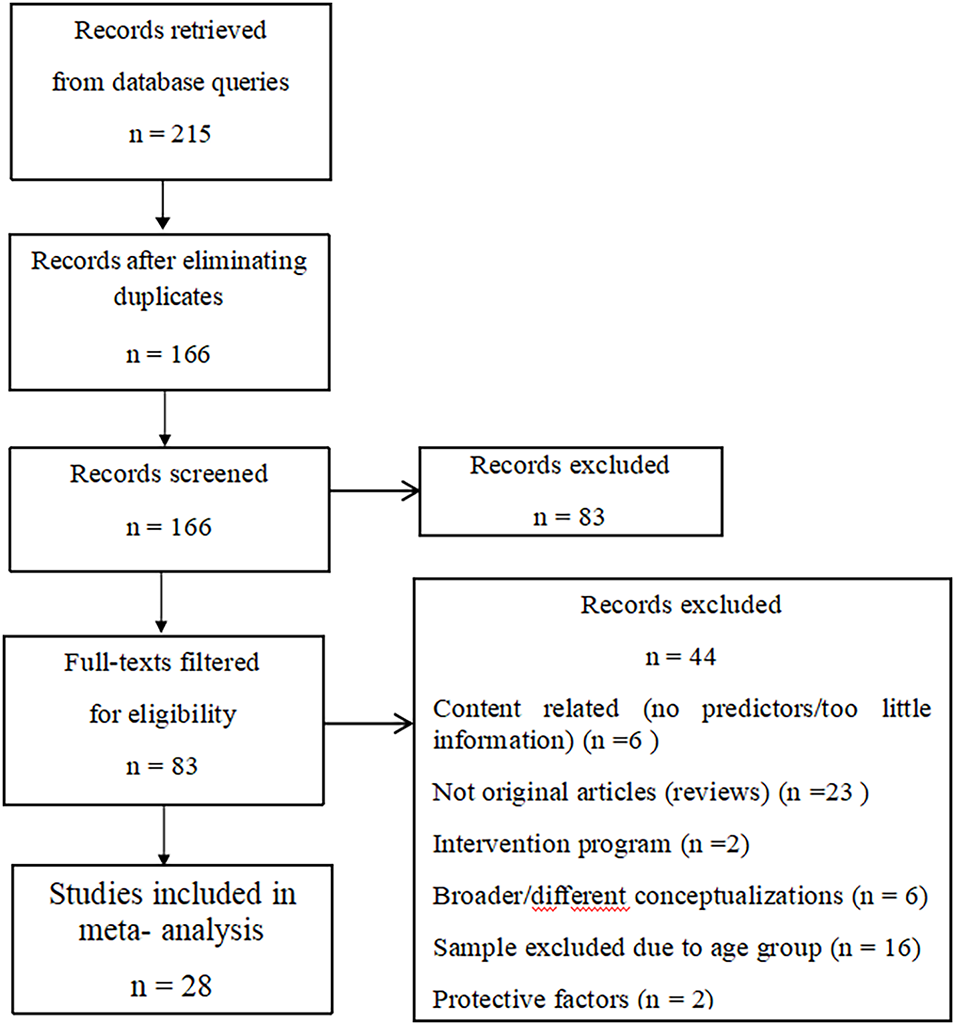
Figure 1: Flowchart of literature search according to PRISMA
The methodological quality of the included studies was independently appraised by three authors (Lin, Nasir, and Ismail) using the Joanna Briggs Institute (JBI) Critical Appraisal Checklist for Analytical Cross-Sectional Studies (Moola et al., 2020). The checklist evaluates seven potential sources of bias: (1) sample representativeness; (2) validity and reliability of exposure and outcome measurement; (3) identification and control of confounding variables; (4) temporal clarity (i.e., evidence that exposure preceded outcome); (5) appropriateness of statistical analyses; (6) ethical considerations and reporting; and (7) transparency in analytic reporting. Discrepancies in item ratings (for example, “unclear risk” vs. “low risk” for confounding control) were reconciled through consensus discussions among the three reviewers. More than 60% of studies demonstrated strong measurement validity; however, the predominance of cross-sectional designs precluded causal inference, a limitation consistent with prior reviews of smartphone addiction research (Elhai et al., 2016).
The final sample comprised 28 studies. Most were conducted in China (78.6%, n = 22), with 10.7% (n = 3) conducted in South Korea; the remaining studies (n = 3) were carried out in other countries. Half of the studies (50.0%, n = 14) used the Smartphone Addiction Scale—either the full version or the Short Version (SAS/SAS-SV; Kwon et al., 2013a). The Mobile Phone Addiction Index (MPAI) was used in 25.0% (n = 7) of studies, while the Smartphone Addiction Proneness Scale (SAPS) and the Mobile Phone Addiction Scale (MPAS) were each applied in 7.1% (n = 2). See Table 1 for further details.
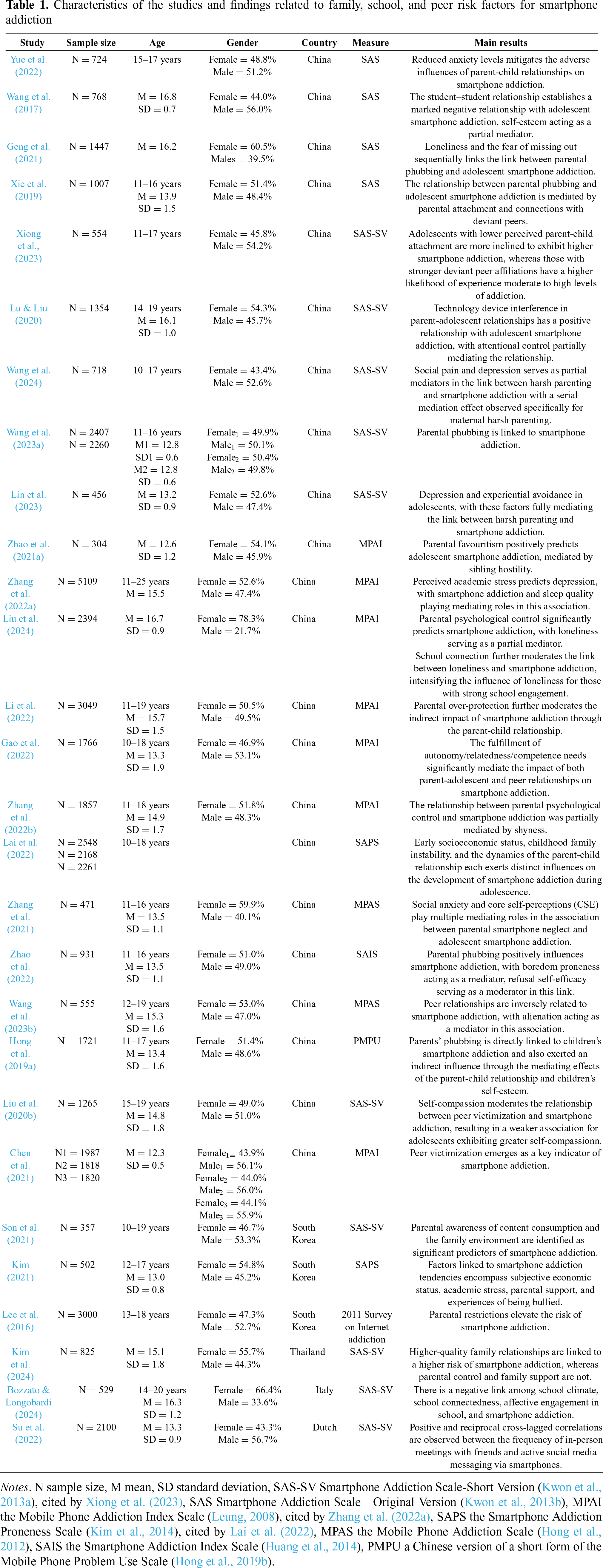
Across the 28 studies, the vast majority (n = 25; 89.3%) exhibited an approximately balanced gender composition, defined here as female representation within ±15 percentage points of parity. Notable departures from this pattern included Bozzato and Longobardi (2024), which reported 66.4% female participants, and Liu et al. (2024), which reported 78.3% female participants. One study (Lai et al., 2022) did not report the gender breakdown.
Following PRISMA guidelines, we retrieved 215 records; after removal of duplicates, 166 records remained. Title and abstract screening excluded 83 records as irrelevant or non-empirical, leaving 83 for full-text review. Of these, 55 articles were excluded (e.g., reviews, age mismatches, or focus on protective factors), yielding a final sample of 28 studies for inclusion. Both quantitative and thematic syntheses were performed on this rigorously vetted sample to preserve methodological coherence and reduce the risk of selection bias.
Risk factors through the lens of ecological techno-subsystem theory
The identified external risk factors for adolescent smartphone addiction corroborate the predictions of the ETST, illustrating how interactions among ecological levels-mediated by the techno-subsystem—shape propensity for addiction. Findings are organized according to the three principal microsystem contexts delineated by Johnson and Puplampu (2008).
Microsystem level 1: family context
Within the family microsystem, multiple risk factors operate through the techno-subsystem to influence smartphone addiction patterns. The family environment represents the most proximal influence in adolescents’ ecological context, where technology-mediated interactions increasingly shape parent-child dynamics. Family factors substantially influence adolescents’ risk of smartphone addiction, although the evidence is mixed. Some studies find no association between sociodemographic indicators—such as parental education and income—and smartphone addiction (Buctot et al., 2020). Conversely, other research links higher parental or household income to increased smartphone engagement, manifested as longer usage durations and greater expenditures (Beison & Rademacher, 2017; Sánchez-Martínez & Otero, 2009). These socioeconomic factors demonstrate how family microsystem characteristics interact with the techno-subsystem through differential access to and regulation of technology resources. Frequency of adolescent smartphone use is associated with parental awareness and monitoring of content consumption (Son et al., 2021), and with maternal regulatory practices regarding device use. Greater time spent on social networking services and maladaptive mother-child communication patterns are also linked to higher smartphone-use frequency (Lee & Kim, 2021). These patterns illustrate how the techno-subsystem mediates traditional parent-child interactions within the family microsystem.
Factors such as interparental conflict and poor parental marital relations (Deng et al., 2015) domestic violence (Kim et al., 2018), family pressure and dysfunction (Chiu, 2014; Wang et al., 2019), parental favoritism (Zhao et al., 2021a), and parental psychological control (Liu et al., 2024) have been identified as risk factors for adolescent smartphone addiction. These familial stressors and coercive parenting practices may predispose adolescents to maladaptive, compensatory smartphone use. According to ETST, these family dysfunction patterns create vulnerabilities that are amplified through adolescents’ techno-subsystem interactions, where smartphones become maladaptive coping mechanisms for family-related stress. Similarly, disengaged, chaotic, and enmeshed family functioning (Mangialavori et al., 2021), family cohesion and adaptability (Lian et al., 2023), and technoference in conjugal interactions (Shao et al., 2022) have been recognized as latent risk factors for smartphone addiction.
Parental discipline and restrictive mediation strategies, such as limiting access to applications (Lee & Ogbolu, 2018), parental restriction (Lee et al., 2016), child neglect and psychological abuse (Sun et al., 2019), negative parenting style (Lian et al., 2016), and harsh parenting (Lin et al., 2023; Wang et al., 2023; Wang et al., 2024), including parental phubbing (Hong et al., 2019; Geng et al., 2021; Niu et al., 2020; Xie et al., 2019; Zhang et al., 2021; Zhao et al., 2022) specifically fathers’ phubbing and mothers’ phubbing (Geng et al., 2021) are risks for smartphone addiction among adolescents. Moreover, parental smartphone addiction (Gong et al., 2022), parental addiction (including substance abuse and gambling issues); child’s permissive parenting behaviour (Yun et al., 2022), and emotionally traumatic experiences (Kwak et al., 2018) contribute to risk for smartphone addiction among adolescents. Parental psychological control (Zhang et al., 2022b), parent-child relationship dynamics (Lai et al., 2022; Yue et al., 2022), and cumulative childhood trauma (Xie et al., 2024) appear to elevate the likelihood of smartphone addiction among adolescents. Dysfunctional family dynamics, such as poor marital relationships, parental neglect, and harsh parenting, further exacerbate this risk. In conclusion, family-related factors play a crucial role in smartphone addiction, with various risk influences contributing to its development. These factors illustrate how the techno-subsystem can perturb conventional family microsystem functioning undermining regulatory, communicative, and relational processes and thereby precipitate cascading effects that increase adolescents’ susceptibility to smartphone addiction.
Microsystem level 2: school context
The school microsystem represents another critical ecological context where adolescents interact with the techno-subsystem. Academic environments increasingly integrate technology while simultaneously creating stressors that drive smartphone addiction. Research reveals that attending a private school predicts smartphone addiction (Lopez-Fernandez et al., 2015). Furthermore, high levels of academic stress constitute a significant risk factor for smartphone addiction (Zhang et al., 2022a; Gökçearslan et al., 2018). From an ETST perspective, academic stress represents a school microsystem stressor that adolescents attempt to regulate through techno-subsystem engagement, often resulting in smartphone addiction patterns. Moreover, teacher-student and peer relational dynamics significantly predict adolescent smartphone addiction (Wang et al., 2017; Zhang et al., 2019a; Song, 2021; Zhang et al., 2022a). These relational factors demonstrate how school microsystem social dynamics interact with the techno-subsystem, where poor school relationships may drive adolescents toward smartphone addiction for social connection and emotional regulation. In conclusion, schools exert both direct and indirect influences on smartphone addiction, as factors including academic stress, peer/teacher relationship quality, and school climate collectively exacerbate this risk.
Microsystem level 3: peer context
The peer microsystem becomes increasingly influential during adolescence, with peer relationships heavily mediated through the techno-subsystem via social media, messaging, and digital communication platforms. Among peer relationship types, school victimization and bullying correlate with elevated smartphone addiction risk (Chen et al., 2021; Liu et al., 2020b; Kim, 2021). These adverse peer experiences within the school microsystem drive adolescents toward the techno-subsystem as an alternative social environment, potentially leading to addictive usage patterns. Notably, adolescents experiencing peer bullying show heightened susceptibility (Liu et al., 2020b). Further, deviant peer associations amplify this risk (Xie et al., 2019; Liu et al., 2020a,b; Xiong et al., 2023). According to ETST, deviant peer relationships represent microsystem influences that are often facilitated and maintained through techno-subsystem interactions, creating reinforcing cycles of problematic behavior. Low-quality friendships also predict increased addiction levels (Liu et al., 2020a). Peer phubbing positively correlates with smartphone addiction, while boredom proneness mediates this link. Critically, refusal self-efficacy moderates the phubbing-addiction relationship (Zhao et al., 2021b). Peer phubbing behaviors (Zhao et al., 2021b) specifically illustrate how the techno-subsystem has become embedded within peer microsystem interactions, where technology use itself becomes a social norm that can escalate into addictive patterns.
Mesosystem Interactions and Techno-Subsystem Mediation
Studies reveal mesosystem interactions where multiple microsystems connect through the techno-subsystem. This interconnection creates complex pathways influencing smartphone addiction development in adolescents. For example, parental smartphone addiction affects peer relationship quality through adolescent modeling of technology behaviors. Similarly, academic stress can transfer into family conflicts when adolescents use smartphones to manage school pressures. The techno-subsystem functions as both mediator and amplifier of cross-contextual influences. Technology-mediated communication allows stressors from one microsystem to follow adolescents into other environments, creating pervasive risk factors for smartphone addiction. Family-school interactions demonstrate how stress in one context affects another through smartphone use patterns. Academic pressure often intersects with family dynamics, particularly when parents respond to academic performance with harsh parenting, creating reinforcing cycles of problematic smartphone use. Family-peer interactions show how family dysfunction influences peer relationships and selection. Similarly, school-peer interactions reveal how academic environments shape peer dynamics through technology use, with academic stress intensifying peer competition via social media. This digital permeability of ecological boundaries represents a fundamental shift in environmental system interactions, with the techno-subsystem enabling continuous connectivity between previously distinct contextual influences.
Discussion and implications of this study
The findings of this systematic review provide robust empirical support for predictions of the ETST regarding the development of smartphone addiction. Consistent with ETST, our results indicate that problematic smartphone use emerges from complex interactions among technological affordances and multiple ecological risk factors. At the microsystem level, family-level risks—parental phubbing, harsh parenting, and broader family dysfunction—directly shape adolescents’ technology engagement and self-regulatory capacities. School-related stressors and adverse peer dynamics illustrate how distinct microsystems contribute additional, and at times reinforcing, pathways to maladaptive use patterns. These risk factors operate through the techno-subsystem, whereby digital platforms amplify preexisting vulnerabilities and create novel conduits for compulsive engagement. Collectively, the evidence underscores the need for multi-level prevention and intervention strategies that address both ecological contexts and the technological features that mediate their interplay. Researchers have sought to uncover factors contributing to smartphone addiction, positing that future interventions may reduce addictive behaviours by targeting the identified underlying factors.
Firstly, measures assessing smartphone addiction vary significantly across studies. The most common tools are the Smartphone Addiction Scale (SAS; Kwon et al., 2013b) and its short version (SAS–SV; Kwon et al., 2013a). The Mobile Phone Addiction Index Scale (MPAI; Leung, 2008) ranks as the second most frequent measure. While these scales directly assess smartphone addiction, others focus on broader “mobile phone use”. Some studies have repurposed non-specialized measures (Lee et al., 2016), highlighting the need for a standardized, comprehensive assessment tool to advance research rigor.
Secondly, cultural factors such as individualism-collectivism dynamics significantly influence technology adoption and usage patterns (Alhassan et al., 2018), as well as specific phenomena like Internet addiction (Chen & Nath, 2016). For example, a study examing the Internet Addiction Test (IAT) across three cultures contexts—collectivist (China), individualist (United States) and a pan-African sample-revealed psychometric variations shaped by cultural, technological, and socioeconomic factors (Chen & Nath, 2016). Regarding smartphone addiction, usage intensity aligns with culturally shaped engagement patterns. Specifically, smartphones’ role in mood regulation varies cross-culturally (Chen & Nath, 2016). Notably, the majority of studies (67.4% and 18.6%) meeting the inclusion criteria originated from China and South Korea respectively. Thus, future research must prioritize nuanced cultural analyses to strengthen cross-cultural validity of smartphone addiction frameworks.
Third, all studies in this review centred on adolescents, whereas research on younger children’s smartphone access remains underexplored. This gap may stem from adolescents’ higher ownership rates. However, children aged 6–10 have seen a surge in smartphone engagement. Consequently, future research should prioritize younger demographics. examining both parental mediation roles (Hwang et al., 2017), and children’s direct experiences with device usage.
A downside of this review is that the causal relationships among the variables examined are not statistically robust among all studies. The bulk of the included studies employed correlational research designs and were cross-sectional in nature. To effectively examine directionality—specifically, whether a proposed risk factor acts as a contributor or a consequence—longitudinal studies are necessary. Moreover, the heterogeneity in measurement tools, cultural settings, and research designs across studies limited quantitative comparisons of effect sizes. A future meta-analysis could statistically aggregate findings to identify universal vs. culture-bound risk factors, clarify causal pathways through longitudinal effect sizes, and prioritize intervention targets for underrepresented regions. While there are studies on smartphone addiction in Africa (Al-Mohaimeed et al., 2022) or studies on external risk factors for Internet addiction in Africa (Nwufo et al., 2023), no studies were found that represented the African continent in terms of external risk factors contributing to smartphone addiction among adolescents. This gap is particularly noteworthy given the rapid adoption of mobile technology across Africa and the unique cultural, socio-economic, and technological contexts within different African countries. By addressing this gap, we can better understand the external influences on smartphone addiction, paving the way for targeted interventions in Africa.
Smartphone addiction is a multifaceted issue shaped by various external factors, particularly those related to family, school, and peer dynamics. The family environment plays a crucial role in influencing smartphone addiction, with factors such as parental income, parental control, maternal regulation, and family dysfunction identified as significant risk factors. Additionally, school-related stress, including academic pressure and poor teacher-student relationships, shows a positive correlation with addiction. Peer victimization and associations with deviant peers further increase the risk of smartphone addiction. To advance the field, a clear and standardized tool is necessary to enhance the comparability of future research and promote a more precise understanding of this complex phenomenon.
Acknowledgement: Not applicable.
Funding Statement: This work was supported by the 2025 Fujian Provincial Social Science Foundation Project (FJ2025C074).
Author Contributions: The authors confirm contribution to the paper as follows: study conception and design, data collection, analysis and interpretation of resultsr, draft manuscript preparation: Wanqiung Lin; supervison: Mohd Azrin Mohd Nasir and Suzila Binti Ismail. All authors reviewed the results and approved the final version of the manuscript.
Availability of Data and Materials: Not applicable.
Ethics Approval: Not applicable.
Conflicts of Interest: The authors declare no conflicts of interest to report regarding the present study.
References
Al-Mohaimeed, A., Alharbi, M., Mahmood, F. M., & Mahmud, I. (2022). Problematic smartphone use among adults: Exploratory measure development and validation in Saudi Arabia. Journal of Psychology in Africa, 32, 136–142. https://doi.org/10.1080/14330237.2022.2027630 [Google Scholar] [CrossRef]
Alhassan, A. A., Alqadhib, E. M., Taha, N. W., Alahmari, R. A., Salam, M. et al. (2018). The relationship between addiction to smartphone usage and depression among adults: A cross sectional study. BMC Psychiatry, 18(1), 1–8. https://doi.org/10.1186/s12888-018-1745-4. [Google Scholar] [PubMed] [CrossRef]
Beison, A., & Rademacher, D. J. (2017). Relationship between family history of alcohol addiction, parents’ education level, and smartphone problem use scale scores. Journal of Behavioral Addictions, 6, 84–91. https://doi.org/10.1556/2006.6.2017.016. [Google Scholar] [PubMed] [CrossRef]
Bozzato, P., & Longobardi, C. (2024). School climate and connectedness predict problematic smartphone and social media use in Italian adolescents. International Journal of School and Educational Psychology, 12(2), 83–95. https://doi.org/10.1080/21683603.2024.2328833 [Google Scholar] [CrossRef]
Buctot, D. B., Kim, N., & Kim, J. J. (2020). Factors associated with smartphone addiction prevalence and its predictive capacity for health-related quality of life among Filipino adolescents. Children and Youth Services Review, 110(1), 104758. https://doi.org/10.1016/j.childyouth.2020.104758 [Google Scholar] [CrossRef]
Chen, L., & Nath, R. (2016). Understanding the underlying factors of Internet addiction across cultures: A comparison study. Electronic Commerce Research and Applications, 17, 38–48. https://doi.org/10.1016/j.elerap.2016.02.003 [Google Scholar] [CrossRef]
Chen, Y., Zhu, J., & Zhang, W. (2021). Reciprocal longitudinal relations between peer victimization and mobile phone addiction: The explanatory mechanism of adolescent depression. Journal of Adolescence, 89(1), 1–9. https://doi.org/10.1016/j.adolescence.2021.03.003. [Google Scholar] [PubMed] [CrossRef]
Chiu, S.-I. (2014). The relationship between life stress and smartphone addiction on Taiwanese university student: A mediation model of learning self-efficacy and social self-efficacy. Computers in Human Behavior, 34, 49–57. https://doi.org/10.1016/j.chb.2014.01.024 [Google Scholar] [CrossRef]
Deng, Z. J., Zhang, J., Huang, H., Li, C. J., Wu, H. M. et al. (2015). Perceived parental conflict and mobile phone dependence in high school students: The mediating effect of emotional management. China Journal of Health Psychology, 23(11), 1695–1699. (In Chinese). https://doi.org/10.3389/fpsyg.2019.00428 [Google Scholar] [CrossRef]
Elhai, J. D., Levine, J. C., Dvorak, R. D., & Hall, B. J. (2016). Fear of missing out, need for touch, anxiety and depression are related to problematic smartphone use. Computers in Human Behavior, 63, 509–516. https://doi.org/10.1016/j.chb.2016.05.079 [Google Scholar] [CrossRef]
Gao, Q., Zheng, H., Sun, R., & Lu, S. (2022). Parent-adolescent relationships, peer relationships, and adolescent mobile phone addiction: The mediating role of psychological needs satisfaction. Addictive Behaviors, 129, 107260. https://doi.org/10.1016/j.addbeh.2022.107260. [Google Scholar] [PubMed] [CrossRef]
Geng, J., Lei, L., Ouyang, M., Nie, J., & Wang, P. (2021). The influence of perceived parental phubbing on adolescents’ problematic smartphone use: A two-wave multiple mediation model. Addictive Behaviors, 121, 106995. https://doi.org/10.1016/j.addbeh.2021.106995. [Google Scholar] [PubMed] [CrossRef]
Gökçearslan, S., Uluyol, Ç., & Şahin, S. (2018). Smartphone addiction, cyberloafing, stress and social support among university students: A path analysis. Children and Youth Services Review, 91, 47–54. [Google Scholar]
Gong, J., Zhou, Y., Wang, Y., Liang, Z., Hao, J. et al. (2022). How parental smartphone addiction affects adolescent smartphone addiction: The effect of the parent-child relationship and parental bonding. Journal of Affective Disorders, 307, 271–277. https://doi.org/10.1016/J.JAD.2022.04.014. [Google Scholar] [PubMed] [CrossRef]
Gou, L., & Hou, Y. (2023). The effect of children’s sibling relationship on the establishment and development of peer relationship. Advances in Psychology, 13(03), 861–867. https://doi.org/10.12677/ap.2023.133104 [Google Scholar] [CrossRef]
Heo, Y., & Lee, K. (2018). Smartphone addiction and school life adjustment among high school students: The mediating effect of self-control. Journal of Psychosocial Nursing and Mental Health Services, 56(11), 28–36. https://doi.org/10.3928/02793695-20180503-06. [Google Scholar] [PubMed] [CrossRef]
Hong, F.-Y., Chiu, S.-I., & Huang, D.-H. (2012). A model of the relationship between psychological characteristics, mobile phone addiction and use of mobile phones by Taiwanese university female students. Computers in Human Behavior, 28(6), 2152–2159. https://doi.org/10.1016/j.chb.2012.06.020 [Google Scholar] [CrossRef]
Hong, W., Liu, R. De, Ding, Y., Oei, T. P., Zhen, R. et al. (2019a). Parents’ phubbing and problematic mobile phone use: The roles of the parent-child relationship and children’s self-esteem. Cyberpsychology, Behavior, and Social Networking, 22(12), 779–786. https://doi.org/10.1089/cyber.2019.0179. [Google Scholar] [PubMed] [CrossRef]
Hong, W., Liu, R.-D., Oei, T.-P., Zhen, R., Jiang, S. et al. (2019b). The mediating and moderating roles of social anxiety and relatedness need satisfaction on the relationship between shyness and problematic mobile phone use among adolescents. Computers in Human Behavior, 93(6), 301–308. https://doi.org/10.1016/j.chb.2018.12.020 [Google Scholar] [CrossRef]
Huang, H., Niu, L. Y., Zhou, C. Y., & Wu, H. M. (2014). Reliability and validity of mobile phone addiction index for Chinese college students. Chin J Clin Psychol, 22(5), 835–838. [Google Scholar]
Hwang, Y., Choi, I., Yum, J. Y., & Jeong, S. H. (2017). Parental mediation regarding children’s smartphone use: Role of protection motivation and parenting style. Cyberpsychology, Behavior, and Social Networking, 20, 362–368. https://doi.org/10.1089/cyber.2016.0555. [Google Scholar] [PubMed] [CrossRef]
Härkönen, U. (2007). The Bronfenbrenner ecological systems theory of human development. In Slahova, A. et al. (Eds.), Scientific Articles of V International Conference Person Color Nature Music (pp. 9–22). Daugavpils, Latvia: Daugavpils University. [Google Scholar]
Johnson, G. M., & Puplampu, P. (2008). A conceptual framework for understanding the effect of the internet on child development: The ecological techno-subsystem. Canadian Journal of Learning and Technology, 34(1), 19–28. [Google Scholar]
Kim, J. H. (2021). Factors associated with smartphone addiction tendency in korean adolescents. International Journal of Environmental Research and Public Health, 18, 11668. https://doi.org/10.3390/ijerph182111668. [Google Scholar] [PubMed] [CrossRef]
Kim, Y., Dhammasaccakarn, W., Laeheem, K., & Rinthaisong, I. (2024). The impact of family functioning factors on smartphone addiction and phubbing among muslim adolescents in Thailand. Children, 11(5), 1–15. https://doi.org/10.3390/children11050522. [Google Scholar] [PubMed] [CrossRef]
Kim, D., Lee, Y., Lee, J., Nam, J. E. K., & Chung, Y. (2014). Development of Korean smartphone addiction proneness scale for youth. PLoS One, 9(5), e97920. https://doi.org/10.1371/JOURNAL.PONE.0097920. [Google Scholar] [PubMed] [CrossRef]
Kim, H. J., Min, J. Y., Min, K. B., Lee, T. J., & Yoo, S. (2018). Relationship among family environment, self-control, friendship quality, and adolescents’ smartphone addiction in South Korea: Findings from nationwide data. PLoS One, 13(2), e0190896. https://doi.org/10.1371/journal.pone.0190896. [Google Scholar] [PubMed] [CrossRef]
Kwak, J. Y., Kim, J. Y., & Yoon, Y. W. (2018). Effect of parental neglect on smartphone addiction in adolescents in South Korea. Child Abuse & Neglect, 77, 75–84. https://doi.org/10.1016/j.chiabu.2017.12.008. [Google Scholar] [PubMed] [CrossRef]
Kwon, M., Kim, D. J., Cho, H., & Yang, S. (2013a). The smartphone addiction scale: Development and validation of a short version for adolescents. PLoS One, 8(12), e83558. https://doi.org/10.1371/journal.pone.0083558. [Google Scholar] [PubMed] [CrossRef]
Kwon, M., Lee, J. Y., Won, W. Y., Park, J. W., Min, J. A. et al. (2013b). Development and validation of a Smartphone Addiction Scale (SAS). PLoS One, 8(2), e56936. https://doi.org/10.1371/journal.pone.0056936. [Google Scholar] [PubMed] [CrossRef]
Lai, X., Huang, S., Nie, C., Yan, J. J., Li, Y. et al. (2022). Trajectory of problematic smartphone use among adolescents aged 10–18 years: The roles of childhood family environment and concurrent parent-child relationships. Journal of Behavioral Addictions, 11(2), 577–587. https://doi.org/10.1556/2006.2022.00047. [Google Scholar] [PubMed] [CrossRef]
Lee, E. J., & Kim, H. S. (2021). Effect of maternal factors on problematic smartphone use among elementary school children. International Journal of Environmental Research and Public Health, 18, 9182. https://doi.org/10.3390/ijerph18179182. [Google Scholar] [PubMed] [CrossRef]
Lee, S.-J., Lee, C., & Lee, C. (2016). Smartphone addiction and application usage in Korean adolescents: Effects of mediation strategies. Social Behavior and Personality: An International Journal, 44(9), 1525–1534. https://doi.org/10.2224/sbp.2016.44.9.1525 [Google Scholar] [CrossRef]
Lee E. J., & Ogbolu Y. (2018). Does parental control work with smartphone addiction?: A cross-sectional study of children in South Korea. Journal of Addictions Nursing, 29(2), 128–138. https://doi.org/10.1097/jan.0000000000000222. [Google Scholar] [PubMed] [CrossRef]
Leung, L. (2008). Leisure boredom, sensation seeking, self-esteem, and addiction: Symptoms and patterns of cell phone use. In: Mediated interpersonal communication (pp. 373–396). Abingdon, UK: Routledge. [Google Scholar]
Li, Z. K., Shi, L. J., & Cai, X. L. (2022). Smartphone addiction is more harmful to adolescents than Internet gaming disorder: Divergence in the impact of parenting styles. Frontiers in Psychology, 13, 99. https://doi.org/10.3389/fpsyg.2022.1044190. [Google Scholar] [PubMed] [CrossRef]
Lian, S. L., Cao, X. X., Xiao, Q. L., Zhu, X. W., Yang, C. et al. (2023). Family cohesion and adaptability reduces mobile phone addiction: The mediating and moderating roles of automatic thoughts and peer attachment. Frontiers in Psychology, 14, 1122943. https://doi.org/10.3389/fpsyg.2023.1122943. [Google Scholar] [PubMed] [CrossRef]
Lian, L., You, X., Huang, J., & Yang, R. (2016). Who overuses Smartphones? Roles of virtues and parenting style in Smartphone addiction among Chinese college students. Computers in Human Behavior, 65, 92–99. https://doi.org/10.1016/j.chb.2016.08.027 [Google Scholar] [CrossRef]
Lin, W., Liang, H., Jiang, H., Mohd Nasir, M. A., & Zhou, H. (2023). Why is smartphone addiction more common in adolescents with harsh parenting? Depression and experiential avoidance’s multiple mediating roles. Psychology Research and Behavior Management, 16, 4817–4828. https://doi.org/10.2147/PRBM.S428167. [Google Scholar] [PubMed] [CrossRef]
Liu, Q., Sun, J., Li, Q., & Zhou, Z. (2020a). Body dissatisfaction and smartphone addiction among Chinese adolescents: A moderated mediation model. Children and Youth Services Review, 108(6), 104613. https://doi.org/10.1016/j.childyouth.2019.104613 [Google Scholar] [CrossRef]
Liu, L., Wu, X., Yang, Z., Li, D., Xiao, W. et al. (2024). How does parental psychological control strengthen the effects of risk factors for mobile phone addiction in vocational high school students? A moderated mediation model of loneliness and school connection. Current Psychology, 43(20), 18356–18367. https://doi.org/10.1007/s12144-024-05621-5 [Google Scholar] [CrossRef]
Liu, Q. Q., Yang, X. J., Hu, Y. T., & Zhang, C. Y. (2020b). Peer victimization, self-compassion, gender and adolescent mobile phone addiction: Unique and interactive effects. Children and Youth Services Review, 118(2), 105397. https://doi.org/10.1016/j.childyouth.2020.105397 [Google Scholar] [CrossRef]
Lopez-Fernandez, O., Losada-Lopez, J. L., & Honrubia-Serrano, M. L. (2015). Predictors of problematic internet and mobile phone usage in adolescents. Aloma: Revista De Psicologia, Ciències De L’Educació I De L’Esport, 33(2), 49–58. https://doi.org/10.51698/aloma.2015.33.2.49-58 [Google Scholar] [CrossRef]
Lu, Q., & Liu, Q. (2020). The effect of technoference in parent-child relationships on adolescent smartphone addiction: The role of cognitive factors. Children and Youth Services Review, 118, 105340. [Google Scholar]
Mangialavori, S., Russo, C., Jimeno, M. V., Ricarte, J. J., D’Urso, G. et al. (2021). Insecure attachment styles and unbalanced family functioning as risk factors of problematic smartphone use in spanish young adults: A relative weight analysis. European Journal of Investigation in Health, Psychology and Education, 11, 1011–1021. https://doi.org/10.3390/ejihpe11030075. [Google Scholar] [PubMed] [CrossRef]
Moola, S., Munn, Z., Tufanaru, C., Aromataris, E., Sears, K. et al. (2020). Systematic reviews of etiology and risk. JBI Manual for Evidence Synthesis, 1, 217–269. https://doi.org/10.3390/ejihpe11030075 [Google Scholar] [CrossRef]
Niu, G., Yao, L., Wu, L., Tian, Y., Xu, L. et al. (2020). Parental phubbing and adolescent problematic mobile phone use: The role of parent-child relationship and self-control. Children and Youth Services Review, 116, 105247. https://doi.org/10.1016/j.childyouth.2020.105247 [Google Scholar] [CrossRef]
Nwufo, J. I., Ike, O. O., Nwoke, M. B., Eze, J., Chukwuorji, J. B. C. et al. (2023). Social anxiety and internet addiction among adolescent students in a sub-Saharan African country: Does family functioning make a difference? South African Journal of Psychology, 53(2), 275–285. https://doi.org/10.1177/00812463221140224 [Google Scholar] [CrossRef]
Peng, C. (2017). Effect of negative work-to-family spillover on adolescent externalizing behavior via parental stress and parental involvement [Doctoral dissertation]. Ames, IA, USA: Iowa State University. [Google Scholar]
Qiao L., & Liu Q. (2020). The effect of technoference in parent-child relationships on adolescent smartphone addiction: The role of cognitive factors. Children and Youth Services Review, 118(11), 105340. https://doi.org/10.1016/j.childyouth.2020.105340 [Google Scholar] [CrossRef]
Qiu, C., Li, R., Luo, H., Li, S., & Nie, Y. (2022). Parent-child relationship and smartphone addiction among Chinese adolescents: A longitudinal moderated mediation model. Addictive Behaviors, 130(3), 107304. https://doi.org/10.1016/j.addbeh.2022.107304. [Google Scholar] [PubMed] [CrossRef]
Sánchez-Martínez, M., & Otero, A. (2009). Factors associated with cell phone use in adolescents in the community of Madrid (Spain). CyberPsychology & Behavior, 12(2), 131–137. [Google Scholar]
Shao, T., Zhu, C., Quan, X., Wang, H., & Zhang, C. (2022). The relationship of technoference in conjugal interactions and child smartphone dependence: The chain mediation between marital conflict and coparenting. International Journal of Environmental Research and Public Health, 19(17), 10949. https://doi.org/10.3390/ijerph191710949. [Google Scholar] [PubMed] [CrossRef]
Shi, Z., Guan, J., Chen, H., Liu, C., Ma, J. et al. (2022). Teacher-student relationships and smartphone addiction: The roles of achievement goal orientation and psychological resilience. Current Psychology, 42(20), 17074–17086. https://doi.org/10.1007/s12144-022-02902-9/metrics10.1007/s12144-022-02902-9 [Google Scholar] [CrossRef]
Son, H., Park, S., & Han, G. (2021). Gender differences in parental impact on problematic smartphone use among Korean adolescents. International Journal of Environmental Research and Public Health, 18(2), 443. https://doi.org/10.3390/ijerph18020443. [Google Scholar] [PubMed] [CrossRef]
Song, I. (2021). The effects of adolescents’ relationships with parents and school/institute teachers as protective factors on smartphone addiction: Comparative analysis of elementary, middle, and high school levels in South Korea. Asian Journal for Public Opinion Research, 9(2), 106–141. [Google Scholar]
Su, S., Larsen, H., Cousijn, J., Wiers, R. W., & Van Den Eijnden, R. J. J. M. (2022). Problematic smartphone use and the quantity and quality of peer engagement among adolescents: A longitudinal study. Computers in Human Behavior, 126(1), 107025. https://doi.org/10.1016/j.chb.2021.107025 [Google Scholar] [CrossRef]
Sun, J., Liu, Q., & Yu, S. (2019). Child neglect, psychological abuse and smartphone addiction among Chinese adolescents: The roles of emotional intelligence and coping style. Computers in Human Behavior, 90, 74–83. https://doi.org/10.1016/j.chb.2018.08.032 [Google Scholar] [CrossRef]
Wang, M. (2019). Harsh parenting and adolescent aggression: Adolescents’ effortful control as the mediator and parental warmth as the moderator. Child Abuse & Neglect, 94, 104021. [Google Scholar]
Wang, J., Li, M., Geng, J., Wang, H., Nie, J. et al. (2023a). Meaning in life and self-control mediate the potential contribution of harsh parenting to adolescents’ problematic smartphone use: Longitudinal multi-group analyses. Journal of Interpersonal Violence, 38(1–2), 2159–2181. https://doi.org/10.1177/08862605221099495. [Google Scholar] [PubMed] [CrossRef]
Wang, S-M., & Liu, H. (2024a). A literature review on associations between social support and depressive symptoms among adolescents. Injury Medicine (Electronic Edition), 13(2), 56–61. (In Chinese). [Google Scholar]
Wang, W., Liu, J., Liu, Y., Wang, P., Guo, Z. et al. (2023b). Peer relationship and adolescents’ smartphone addiction: The mediating role of alienation and the moderating role of sex. Current Psychology, 42(26), 22976–22988. https://doi.org/10.1007/s12144-022-03309-2 [Google Scholar] [CrossRef]
Wang, X., Qiao, Y., & Wang, S. (2023c). Parental phubbing, problematic smartphone use, and adolescents’ learning burnout: A cross-lagged panel analysis. Journal of Affective Disorders, 320(5), 442–449. https://doi.org/10.1016/j.jad.2022.09.163. [Google Scholar] [PubMed] [CrossRef]
Wang, P., Zhao, M., Wang, X., Xie, X., Wang, Y. et al. (2017). Peer relationship and adolescent smartphone addiction: The mediating role of self-esteem and the moderating role of the need to belong. Journal of Behavioral Addictions, 6(4), 708–714. https://doi.org/10.1556/2006.6.2017.079. [Google Scholar] [PubMed] [CrossRef]
Wang, D., Zhou, M., & Hu, Y. (2024b). The relationship between harsh parenting and smartphone addiction among adolescents: Serial mediating role of depression and social pain. Psychology Research and Behavior Management, 17, 735–752. https://doi.org/10.2147/PRBM.S438014. [Google Scholar] [PubMed] [CrossRef]
Xie, X., Chen, W., Zhu, X., & He, D. (2019). Parents’ phubbing increases Adolescents’ Mobile phone addiction: Roles of parent-child attachment, deviant peers, and gender. Children and Youth Services Review, 105(1), 104426. https://doi.org/10.1016/J.CHILDYOUTH.2019.104426 [Google Scholar] [CrossRef]
Xie, Y., Shen, Y., & Wu, J. (2024). Cumulative childhood trauma and mobile phone addiction among chinese college students: Role of self-esteem and self-concept clarity as serial mediators. Current Psychology, 43(6), 5355–5363. https://doi.org/10.1007/s12144-023-04734-7. [Google Scholar] [PubMed] [CrossRef]
Xin, C., Ding, N., Jiang, N., Li, H., & Wen, D. (2022). Exploring the connection between parental bonding and smartphone addiction in Chinese medical students. BMC Psychiatry, 22(1), 226. https://doi.org/10.1186/S12888-022-04355-7. [Google Scholar] [PubMed] [CrossRef]
Xiong, S., Zhang, A., Zhang, B., & Xu, Y. (2023). Patterns of smartphone addiction in adolescents and their association with multiple ecological factors: A latent profile analysis. Children and Youth Services Review, 155(4), 107223. https://doi.org/10.1016/j.childyouth.2023.107223 [Google Scholar] [CrossRef]
Yang, G., Tan, G., Li, Y., Liu, H., & Wang, S. (2019). Physical exercise decreases the mobile phone dependence of university students in China: The mediating role of self-control. International Journal of Environmental Research and Public Health, 16(21), 4098. https://doi.org/10.3390/ijerph16214098. [Google Scholar] [PubMed] [CrossRef]
Yue, Y., Aibao, Z., & TingHao, T. (2022). The interconnections among the intensity of social network use, anxiety, smartphone addiction and the parent-child relationship of adolescents: A moderated mediation effect. Acta Psychologica, 231, 103796. https://doi.org/10.1016/j.actpsy.2022.103796. [Google Scholar] [PubMed] [CrossRef]
Yun, J., Han, G., & Son, H. (2022). Protective and risk factors of problematic smartphone use in preteens using panel study on Korean children. Frontiers in Psychiatry, 13, 252. https://doi.org/10.3389/fpsyt.2022.981357. [Google Scholar] [PubMed] [CrossRef]
Zhang, Y., Tan, D., & Lei, T. (2019a). Parental attachment and problematic smartphone use among Chinese young adults: A moderated mediation mModel of interpersonal adaptation and self-control. Journal of Adult Development, 27(1), 49–57. https://doi.org/10.1007/s10804-019-09331-2 [Google Scholar] [CrossRef]
Zhang, X., Wu, Y., & Liu, S. (2019b). Exploring short-form video application addiction: Socio-technical and attachment perspectives. Telematics and Informatics, 42, 101243. https://doi.org/10.1016/j.tele.2019.101243 [Google Scholar] [CrossRef]
Zhang, Y., Ding, Q., & Wang, Z. (2021). Why parental phubbing is at risk for adolescent mobile phone addiction: A serial mediating model. Children and Youth Services Review, 121(2), 105873. https://doi.org/10.1016/J.CHILDYOUTH.2020.105873 [Google Scholar] [CrossRef]
Zhang, X., Gao, F., Kang, Z., Zhou, H., Zhang, J. et al. (2022a). Perceived academic stress and depression: The mediation role of mobile phone addiction and sleep quality. Frontiers in Public Health, 10, 760387. https://doi.org/10.3389/fpubh.2022.760387. [Google Scholar] [PubMed] [CrossRef]
Zhang, Q., Ran, G., & Ren, J. (2022b). Parental psychological control and addiction behaviors in smartphone and Internet: The mediating role of shyness among adolescents. International Journal of Environmental Research and Public Health, 19(24), 16702. https://doi.org/10.3390/ijerph192416702. [Google Scholar] [PubMed] [CrossRef]
Zhang, W., Zhou, F., Zhang, Q., & Lyu, Z. (2022c). Attachment anxiety and smartphone addiction among university students during confinement: Teacher-student relationships, student-student relationships and school connectedness as mediators. Frontiers in Public Health, 10, 947392. https://doi.org/10.3389/fpubh.2022.947392. [Google Scholar] [PubMed] [CrossRef]
Zhao, J., Ye, B., Luo, L., & Yu, L. (2022). The effect of parent phubbing on Chinese adolescents’ smartphone addiction during COVID-19 pandemic: Testing a moderated mediation model. Psychology Research and Behavior Management, 15, 569–579. https://doi.org/10.2147/PRBM.S349105. [Google Scholar] [PubMed] [CrossRef]
Zhao, Y., Chen, F., Yuan, C., Luo, R., Ma, X. et al. (2021a). Parental favoritism and mobile phone addiction in Chinese adolescents: The role of sibling relationship and gender difference. Children and Youth Services Review, 120(2), 105766. https://doi.org/10.1016/j.childyouth.2020.105766 [Google Scholar] [CrossRef]
Zhao, J., Ye, B., & Yu, L. (2021b). Peer phubbing and Chinese college students’ smartphone addiction during covid-19 pandemic: The mediating role of boredom proneness and the moderating role of refusal self-efficacy. Psychology Research and Behavior Management, 14, 1725–1736. https://doi.org/10.2147/PRBM.S335407. [Google Scholar] [PubMed] [CrossRef]
Cite This Article
 Copyright © 2026 The Author(s). Published by Tech Science Press.
This work is licensed under a Creative Commons Attribution 4.0 International License , which permits unrestricted use, distribution, and reproduction in any medium, provided the original work is properly cited.
 Downloads
 Citation Tools
