
 Login
Login Register
 Submit a Paper
 Propose a Special lssue
 Open Access
REVIEW

ChatGPT in Research and Education: A SWOT Analysis of Its Academic Impact
1 School of Computer Science and Engineering, The University of Aizu, Aizuwakamatsu, Fukushima, 965-8580, Japan
2 Department of Computer Science and Engineering, Bangladesh Army University of Science and Technology (BAUST), Saidpur, 5310, Bangladesh
3 Department of Computer Science and Engineering, Pabna University of Science and Technology, Pabna, 6600, Bangladesh
4 Department of Computer Science and Engineering, University of Rajshahi, Rajshahi, 6205, Bangladesh
* Corresponding Author: Jungpil Shin. Email:
Computer Modeling in Engineering & Sciences 2025, 143(3), 2573-2614. https://doi.org/10.32604/cmes.2025.064168
Received 07 February 2025; Accepted 15 May 2025; Issue published 30 June 2025
 View Full Text
 Download PDF
Abstract
Advanced artificial intelligence technologies such as ChatGPT and other large language models (LLMs) have significantly impacted fields such as education and research in recent years. ChatGPT benefits students and educators by providing personalized feedback, facilitating interactive learning, and introducing innovative teaching methods. While many researchers have studied ChatGPT across various subject domains, few analyses have focused on the engineering domain, particularly in addressing the risks of academic dishonesty and potential declines in critical thinking skills. To address this gap, this study explores both the opportunities and limitations of ChatGPT in engineering contexts through a two-part analysis. First, we conducted experiments with ChatGPT to assess its effectiveness in tasks such as code generation, error checking, and solution optimization. Second, we surveyed 125 users, predominantly engineering students, to analyze ChatGPTs role in academic support. Our findings reveal that 93.60% of respondents use ChatGPT for quick academic answers, particularly among early-stage university students, and that 84.00% find it helpful for sourcing research materials. The study also highlights ChatGPT’s strengths in programming assistance, with 84.80% of users utilizing it for debugging and 86.40% for solving coding problems. However, limitations persist, with many users reporting inaccuracies in mathematical solutions and occasional false citations. Furthermore, the reliance on the free version by 96% of users underscores its accessibility but also suggests limitations in resource availability. This work provides key insights into ChatGPT’s strengths and limitations, establishing a framework for responsible AI use in education. Highlighting areas for improvement marks a milestone in understanding and optimizing AI’s role in academia for sustainable future use.Keywords
Artificial intelligence has rapidly transformed various sectors over the past few decades, with education emerging as one of its most significantly impacted areas. Researchers have documented numerous ways in which AI technologies are reshaping educational systems, especially through adaptive learning, intelligent tutoring systems, and data-driven decision-making [1–4]. The integration of AI in education has led to increased efficiency in administrative tasks, personalized learning experiences, and enhanced student engagement [5–7]. A notable advancement in this domain is the development of ChatGPT and other large language models (LLMs), which are designed to simulate human-like conversations using natural language processing techniques [8,9]. These models have the potential to revolutionize how students access knowledge and interact with educational content, particularly in resource-constrained environments [10,11]. In developing countries, where education systems often suffer from limited resources, teacher shortages, and inadequate infrastructure, tools like ChatGPT can serve as vital educational aids [12,13].
According to the World Bank (2024), a significant portion of the global education gap stems from disparities in access to qualified educators and quality learning materials [14,15]. In this context, ChatGPT can contribute meaningfully by offering on-demand tutoring, answering student queries, and generating tailored learning content in local languages [16–18]. Additionally, the model’s ability to process and analyze large volumes of educational data can aid policymakers and educators in identifying performance gaps and designing targeted interventions [19]. Furthermore, ChatGPT supports inclusive education by assisting learners with disabilities, promoting self-paced learning, and providing scaffolding for complex subjects that may be otherwise difficult to grasp without expert support [20]. Such capabilities make LLMs particularly valuable in enhancing both teaching and learning outcomes in underserved regions [21].
This technology addresses challenges like instant feedback, personalized learning, and academic support, making education more accessible [22–24], especially for those with geographic or economic barriers [25,26]. Unlike traditional classrooms, where one teacher manages many students [27], ChatGPT provides personalized learning, automates teaching tasks, and supports educational policy development. Its multilingual capabilities enhance accessibility, but ethical and practical challenges must be addressed [28,29]. Maximizing ChatGPT’s educational impact in developing countries requires addressing data privacy, digital access, and teacher training. Ensuring student data protection, expanding affordable internet and devices, fostering public-private partnerships, and equipping teachers with AI training is crucial for equitable integration [30,31]. Addressing these challenges can enhance education at all levels, fostering educational and economic growth [32].
Recent research increasingly investigates how students utilize ChatGPT as a learning aid across various educational settings. One study highlights how students use ChatGPT for drafting essays and solving academic queries, demonstrating both the convenience and educational support it offers [33]. Others report its use in summarizing readings, generating code, and understanding complex concepts [34,35]. Additional research points to students viewing ChatGPT as a collaborative partner in brainstorming and enhancing self-directed learning [36,37]. Furthermore, studies show that ChatGPT contributes to increased writing confidence and academic motivation among students [38–40]. Parallel studies focusing on educators reveal ChatGPT’s growing role in supporting teaching routines and instructional design. Research outlines frameworks for integrating AI tools into lesson planning and administrative tasks [41]. It has also been shown to assist in preparing quizzes, adapting materials to student needs, and saving time in content development [42,43]. Another study highlights its potential to personalize learning by adjusting content complexity and style to individual learners [44]. Broader reports recognize ChatGPT’s contribution to improving education systems, especially in low-resource environments [14]. While ChatGPT offers substantial advantages in enhancing learning and streamlining content creation, several challenges have been identified. Concerns have been raised about the accuracy of AI-generated information, with instances of misinformation being flagged [45]. Studies also warn of overreliance on AI, which may undermine critical thinking and result in superficial understanding [43,46]. Academic integrity is another major issue, as the tool can facilitate plagiarism if not used responsibly [47,48]. Moreover, risks related to bias and ethical concerns in AI-generated content have been discussed in several recent analyses [39,49,50]. Despite highlighting these risks, existing studies often lack detailed, context-specific analysis that could better guide educators and policymakers in effectively integrating ChatGPT into diverse educational environments [37].
Research has also examined ChatGPT’s use in specific subject areas, such as Economics [51], English Language [52], Law [39], Sports Science [49], Medical Education [53–55], Higher-Order Thinking [47], Mathematics [56,57], Programming [34,58], and Software Testing [59]. However, there is a gap in understanding ChatGPT’s role in programming and engineering-related subjects. Little research has focused on how engineering students specifically use ChatGPT, their motivations, or the reliability of the AI content they rely on. Addressing this gap is crucial to better understand and support the unique needs of engineering students. To address the challenges and gaps identified in prior research, our study provides an in-depth analysis of ChatGPT’s use among engineering students and educators, examining how they can use the tool, their motivations, and their views on its reliability. This focused investigation sheds light on ChatGPT’s unique role in engineering education, enriching our understanding of its impact in this field. Additionally, we emphasise the strategic integration of ChatGPT in education, particularly in emerging and developing countries, by analysing practical applications and their implications. The key contributions of the proposed method study are given below:
• In the study, we explore both the opportunities and limitations of ChatGPT in educational contexts through a two-part analysis. First, we conducted real-time experiments with ChatGPT to assess its effectiveness in tasks such as code generation, error checking, and solution optimization. Second, we surveyed 125 users, predominantly engineering students, to analyze ChatGPT’s role in academic support.
• In the first stage, we experiment with code generation, error detection, and solution optimization with chatgpt to assess its performance and limitations in educational settings. In addition, we addressed risks like academic dishonesty and declines in critical thinking, aiming to extend beyond previous studies.
• In the second stage, we newly created a dataset in which we gathered and analyzed data from around 125 engineering students and educators to understand specific use cases, motivations, and perceptions of ChatGPT’s reliability within the engineering domain. The dataset, structured around 9 survey questions, covers diverse academic tasks such as research, problem-solving, programming, and essay writing. This data-driven approach captures unique usage patterns—such as 93.60% of respondents using ChatGPT for quick academic answers and 86.40% for debugging-providing actionable insights and tailored recommendations for students, educators, and broader educational stakeholders. The collected data for the analysis is available at the following URL: https://github.com/tusher100/chat-gpt-response (accessed on 14 May 2025).
• Our findings offer critical guidance for policymakers, educators, and stakeholders on effectively integrating ChatGPT into educational frameworks.
ChatGPT attracts students, educators, researchers, and the general public with its in-depth knowledge across diverse subjects. Despite its benefits, concerns remain about copyright and potential misuse. To address these, researchers examine user engagement and ChatGPT’s content generation for educational support and subject-specific applications. Many researchers have been conducting comprehensive analyses of ChatGPT, focusing on its use for learning and teaching, providing subject-specific solutions, and addressing concerns related to copyright and plagiarism issues. ChatGPT can act as a virtual tutor, supporting students’ learning in a variety of ways. Researchers have analyzed the impact of ChatGPT on student learning, as seen in Table 1, which categorizes ChatGPT’s functions into six main areas: Question Answering, Information Summarization, Exam Preparation, Draft Assistance, and Providing Feedback. Rudolph et al. [37] highlight how ChatGPT can structure discussions and guide group interactions, making debates more productive [60]. Gilson et al. [61] found that this improves problem-solving and learning outcomes. Rahman et al. [34] analyze how ChatGPT aids learners in developing programming and problem-solving skills. In assessments [62], students use ChatGPT to refine drafts and improve content quality [61]. Its responses can encourage students to ask deeper questions, promoting critical thinking and knowledge application. However, as noted by Rudolph et al. [37], while ChatGPT is a helpful learning aid, it should complement–not replace–students’ critical thinking and original work.
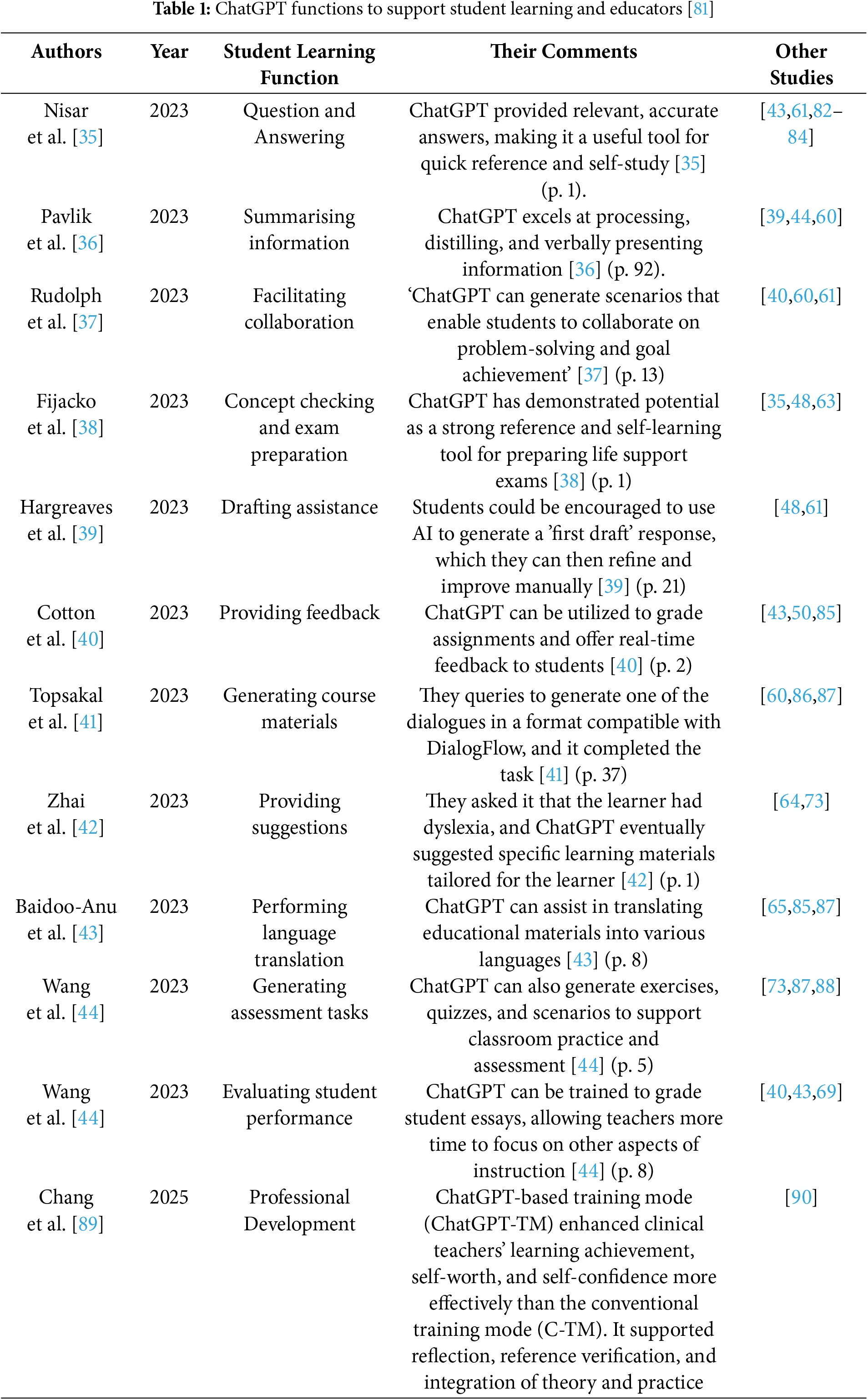
ChatGPT provides valuable support for teachers and instructors in both the preparation and assessment phases, as shown in Table 1. Its main applications are in teaching preparation, including generating course materials [4], offering suggestions, translating content and assessment, creating tasks, and evaluating student performance. Concerns have been raised about ChatGPT’s ability to produce polished but inaccurate information, as shown in Table 2. Mogali [63] and others [43,46,49,50] highlight that ChatGPT often generates incorrect content, including fake citations, which is particularly problematic in academia, where accuracy is crucial. Megahed et al. [64] found that ChatGPT can produce flawed code without recognizing errors, a concern echoed by Jalil et al. [59], who noted its limited ability to judge its accuracy. This issue extends across fields such as mathematics [56], sports science [49], and health professions [40,63,65], raising concerns about its reliability. Another issue is ChatGPT’s potential to bypass plagiarism detection. Ventayen [66] found that ChatGPT-generated essays yielded a low similarity score on Turnitin, indicating minimal detectable plagiarism. Khalil and Er [46] observed similar results, with an average similarity score of 13.72% on Turnitin and 8.76% on iThenticate, suggesting ChatGPT’s text often appears original and may challenge academic integrity. To mitigate misuse, researchers propose alternative assessment methods. Zhai [42] recommends creative assignments that encourage critical thinking, while Choi et al. [48] suggests focusing on case analysis over rote knowledge recall. Geerling et al. [51] propose tasks that require students to produce AI-resistant materials, and Stutz et al. [67] emphasize higher-order skills in line with Bloom’s taxonomy [68]. AI-specific plagiarism detectors also show promise in flagging AI-generated content [49], and ChatGPT’s often inaccurate reference lists [40,69] can aid in identifying potential misuse. To address these issues, researchers stress the need for clear anti-plagiarism guidelines and educating students on academic integrity [37].

In addition to exploring ChatGPT’s use for general student learning and teaching support, it is essential to examine its application within specific academic disciplines [70]. Discipline-specific evaluations help in understanding both the capabilities and the limitations of ChatGPT in handling subject-oriented tasks. Recent studies have assessed ChatGPT’s performance in fields such as law, mathematics, and medical education, with varied outcomes across domains [71]. As shown in Table 3, most of the reviewed studies focused on higher education environments [72], with a few exceptions such as the work by de Winter, which evaluated ChatGPT’s performance on high school-level examination questions [52]. In general, findings indicate that ChatGPT performs relatively well in disciplines that involve structured reasoning and interpretative analysis, such as critical thinking and economics [47]. For example, Geerling (2023) found that ChatGPT generated coherent and relevant responses to economic policy questions, demonstrating an ability to integrate conceptual understanding with real-world examples [51]. However, its performance has been notably weaker in more technical or specialized domains. In legal education, studies reported significant limitations in ChatGPT’s ability to apply case law and legal reasoning frameworks effectively [48]. Similar concerns were raised regarding its performance in jurisprudential analysis and interpretation of statutes [39]. The limitations are even more pronounced in the field of medical education. Several studies have shown that while ChatGPT can provide basic medical information, it often fails in areas requiring diagnostic reasoning, clinical decision-making, and up-to-date medical knowledge [53,61]. Moreover, research has highlighted concerns about hallucinations and factual inaccuracies in medical responses, which could be detrimental in high-stakes educational or clinical settings [38,73]. Recent analyses also stress the variability of ChatGPT’s outputs depending on how questions are phrased, raising concerns about consistency in medical assessments [74–76]. Mathematics is another area where ChatGPT struggles significantly. Studies have found that although it can solve simple arithmetic or algebraic problems, it often fails with multi-step logic, abstract reasoning, or formal proof-based questions [56]. Further investigations revealed that ChatGPT tends to make procedural errors and lacks a robust understanding of mathematical syntax and logic [77]. These findings suggest that while ChatGPT shows promise in certain academic fields, particularly those that value linguistic fluency and conceptual reasoning, its limitations in technically rigorous disciplines remain a major barrier to broader adoption. Continued research is needed to refine its capabilities and evaluate how best to supplement, rather than replace, traditional methods in specialized education. Newton study [78] revealed that ChatGPT excelled in economics but scored 8 to 40 points lower than average students in other fields. In medical education, Kung et al. [53] and Gilson et al. [61] found that ChatGPT passed the US Medical Licensing Examination (USMLE) with moderate accuracy, but Fijacko [38] noted it failed the American Heart Association’s life support exams. Han et al. [73] also reported incomplete information from ChatGPT on cardiovascular diseases. In Malaysia, Nisar and Aslam [35] observed that ChatGPT provided accurate pharmacology answers but lacked proper references. Similarly, ChatGPT scored below average on medical exams in China [44], Korea [79], India [80], Singapore [63], and Bangladesh [34]. Overall, these findings suggest that while ChatGPT shows promise in certain areas, its performance in medical education and other specialized fields remains limited.

3 ChatGPT in Research and Education: Our Real-Time Command for Exploring Benefits and Threats
The study systematically examines the benefits and risks of ChatGPT in research and education. It focuses on four areas: opportunities and challenges for learners, educators, and researchers, as well as its use in programming education. The approach includes experiments and surveys to collect data from students and teachers [98–101]. An abstract representation of the proposed methodology is illustrated in Fig. 1, where stage-1 is our real-time experiment for ChatGPT in research and education. This stage included the experiment for learners, educators, researchers, and programmers, which is described below:
• Opportunities for Learners: This section assesses ChatGPT’s ability to solve subject-specific problems and compares its answers to established solutions found in textbooks. This comparison highlights ChatGPT’s effectiveness as a learning aid.
• Opportunities for Educators: This section assesses ChatGPT’s capacity t o assist in lesson planning, answering scientific questions, and providing explanations of complex topics like Newton’s laws and chemistry.
• Opportunities for Researchers: This section explore ChatGPT’s potential to aid in academic writing, idea generation, literature review, and data analysis by showcasing examples of how it can be used in research workflows.
• Programming Learning with ChatGPT: This section evaluate ChatGPT’s ability to explain programming concepts and provide working code, assessing its role as a tool for learning programming.
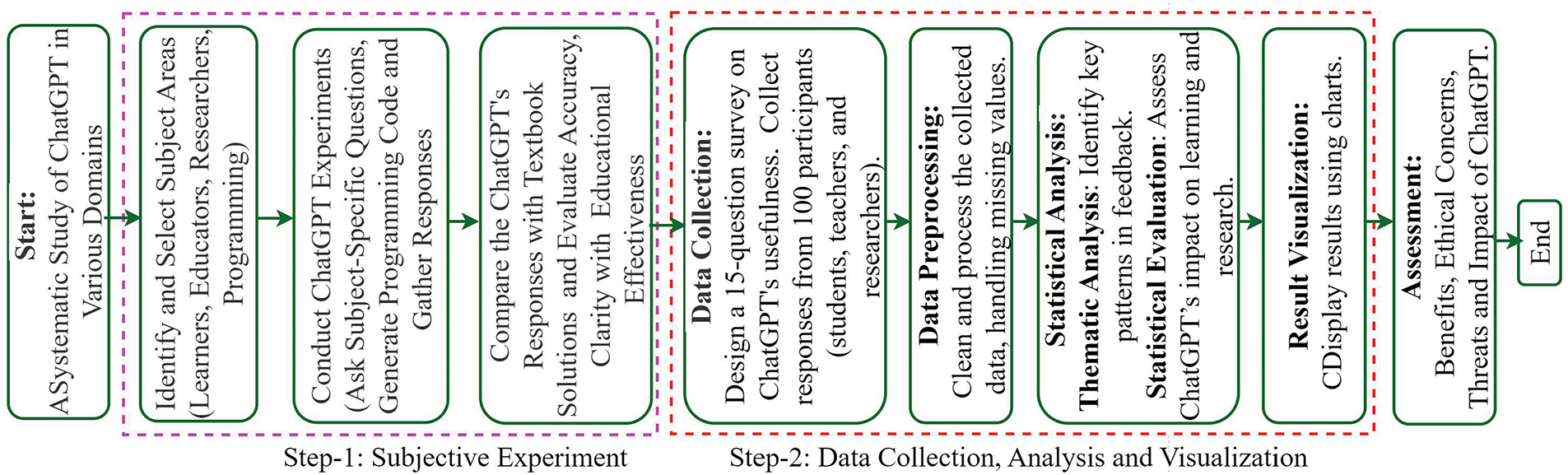
Figure 1: Abstract view of proposed methodology of ChatGPT in research and education
We categorized ChatGPT commands and queries based on user types: students, teachers, researchers, and programmers, summarizing the findings for each group. To evaluate ChatGPT’s role in education and research, we developed an experimental framework to assess its effectiveness in solving subject-specific problems, its reliability in providing educational support, and its perceived value to authors. Through these analyses, we aim to provide insights into the integration of ChatGPT in educational frameworks.
3.1 Opportunities for Learners
In this subsection, we visualize how ChatGPT enhances engineering students’ learning by simplifying complex concepts in mathematics, programming, and computer science. It offers personalized assistance, supports skill development, facilitates group discussions, and improves accessibility. By comparing ChatGPT’s responses with textbook solutions, the analysis highlights its potential as a valuable tool for mastering advanced engineering topics. The detailed procedure is illustrated in Fig. 2 Step-1.
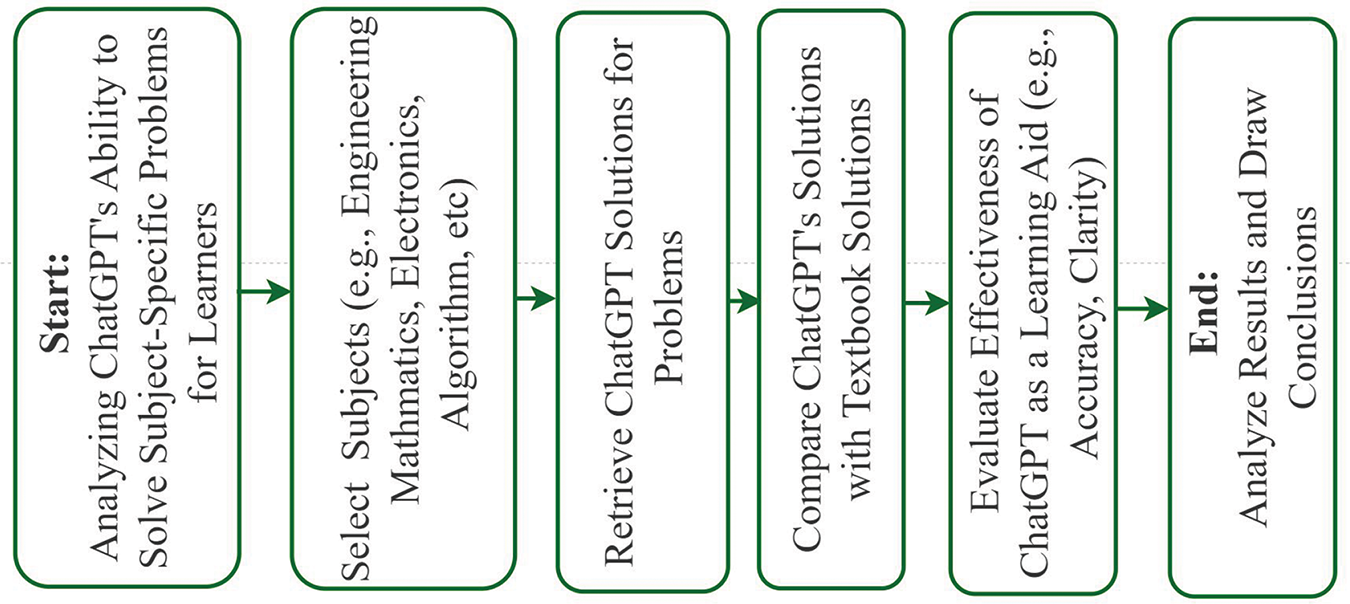
Figure 2: Opportunities and challenges for Learners with ChatGPT
3.1.1 Enhanced Learning Experience and Skill Development with Dynamic Solution
ChatGPT enhances engineering students’ learning experience, especially in mathematics, programming, and computer science. It simplifies complex concepts with step-by-step explanations and real-world analogies. For instance, a student can ask for both an explanation and a code example for sorting algorithms or get a breakdown of mathematical concepts like integration. This personalized support helps learners tackle difficult topics effectively, regardless of their expertise level. For instance, a student studying QuickSort might initially struggle with understanding the partitioning process. By querying ChatGPT, they could receive an explanation like: “QuickSort works by selecting a ‘pivot’ element and partitioning the other elements into two sub-arrays according to whether they are less than or greater than the pivot. These sub-arrays are then recursively sorted.” Additionally, ChatGPT can provide Python code for QuickSort, helping the student not only visualize but also implement the algorithm. To assess ChatGPT’s practical utility for engineering students, we compared its answers to well-documented textbook solutions in two specific domains: mathematics and physics.
For example, we asked ChatGPT to solve the integral
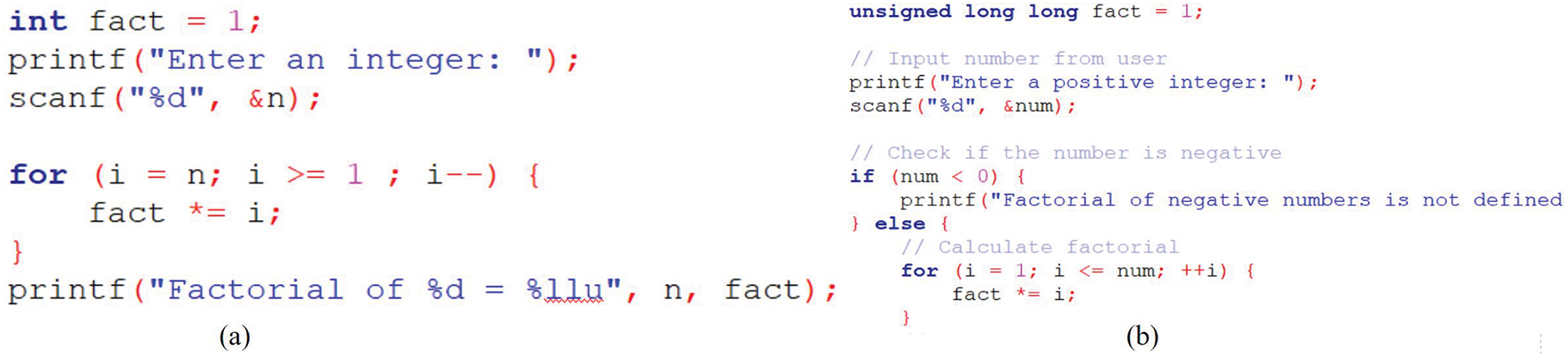
Figure 3: Calculate the factorial of a small integer number (a) Freshman’s response (b) ChatGPT response
Moreover, ChatGPT enhances the code by adding error handling, checking for negative input, and using an appropriate data type (’unsigned long long’) to handle large factorial values, preventing overflow. It also provides step-by-step comments to clarify the logic, making it easier for learners to follow. These improvements help students write professional, error-resistant, and user-friendly code, fostering better programming habits and deepening their understanding. ChatGPT serves as a valuable tool for learning and improving coding skills.
3.1.2 Enhance Accessibility of the Disabled Person as the Learner
ChatGPT enhances accessibility in education, particularly for engineering students with disabilities. Features like text-to-speech allow visually impaired students to hear coding exercises, while transcriptions help those with hearing impairments follow spoken instructions. Additionally, students can request simpler explanations of technical content, ensuring it’s accessible and easy to understand for all learners. Example: A student with visual impairments working on a coding assignment can use ChatGPT’s text-to-speech feature to listen to code examples and explanations, enabling them to complete the task without needing to read the text. Similarly, a student who struggles with technical jargon can ask ChatGPT to simplify complex engineering concepts, making learning more inclusive and personalized.
3.1.3 Interactive Learning and Group Discussion
ChatGPT creates an interactive learning environment where engineering students engage in dynamic conversations. For example, a student learning object-oriented programming can ask about the differences between classes and objects, followed by questions on inheritance or polymorphism. This interactive approach promotes deeper learning, providing immediate feedback and clarification, which enhances understanding and retention of complex concepts. Example 1: A student learning about circuit design can ask ChatGPT to explain the differences between series and parallel circuits. After receiving the explanation, they can then follow up with more specific questions about calculating voltage and current in different scenarios, allowing for an active, personalized learning experience that adapts to their understanding in real-time. Example 2: ChatGPT can significantly enhance the learning experience by enabling interactive learning, which helps learners understand concepts more effectively. Let’s explore how ChatGPT aids this process by explaining the differences between the two code examples provided in Fig. 4a and b.
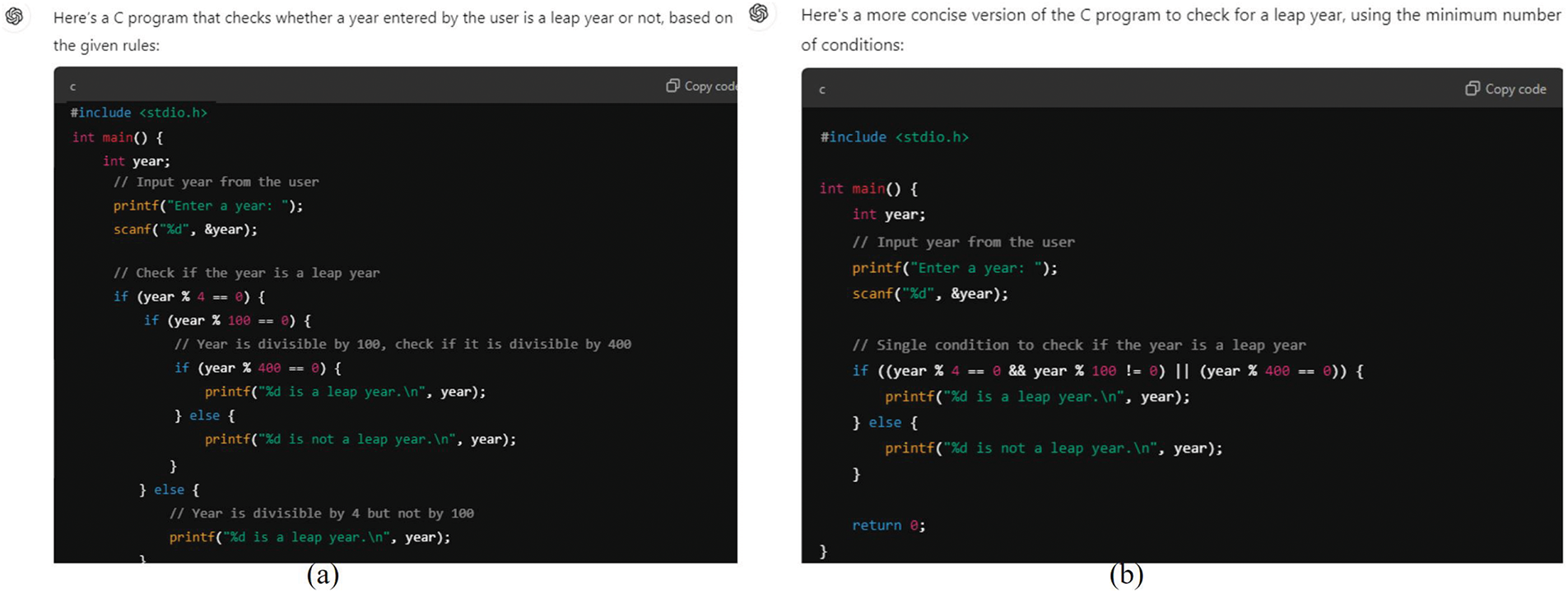
Figure 4: A C program to check leap year (a) General concept (b) Minimal number of conditions
In group projects, ChatGPT serves as a collaborative assistant by generating discussion points, providing technical data, and suggesting solutions to engineering problems. For instance, when students debate data structure efficiency, ChatGPT can break down time complexities and suggest optimal structures for specific use cases. It also helps students present arguments clearly and respond to counterpoints, improving both their technical and communication skills. Example: For instance, during a group discussion on which data structure to use for implementing a priority queue, one student suggests using a binary search tree, while another prefers a heap. To settle the debate, the group consults ChatGPT, which explains the time complexities: O(log n) for both insertion and extraction in a heap vs. O(log n) insertion but O(n) extraction for a binary search tree in worst cases. Armed with this information, the group can make a well-informed decision, choosing the heap for optimal performance, and we ask ChatGPT, “Write a Python implementation of a priority queue using both a binary search tree and a heap. Compare the performance of insertion and extraction operations between the two implementations for different input sizes. Which implementation performs better for large datasets and why?”. The comparison of the two style codes shows in Fig. 4 can be explained.
• Code Structure and Readability: In the first code shown in Fig. 4a, the leap year check is split across multiple if-else statements, examining divisibility by 4, 100, and 400 sequentially. In contrast, the second code shown in Fig. 4b condenses this logic into a single line:
This concise structure enhances readability.
• Efficiency: Both snippets yield the same result, but the second code is more efficient, combining checks into a single if statement and minimizing conditional branches. The first code may perform unnecessary checks if the year is divisible by 4 but not by 100.
• Simplicity and Maintenance: The second code’s compact form makes it simpler to understand and maintain, while the first code’s nested structure could become harder to manage if expanded.
By comparing these snippets, ChatGPT demonstrates how coding style impacts readability and maintainability, helping learners understand efficient code practices.
3.1.4 Improvement of Assignment and Home Work
ChatGPT is a valuable tool for students, offering support across various academic subjects. It clarifies complex concepts, provides detailed explanations, and generates ideas for essays or research projects, saving time and enhancing understanding. It also helps structure assignments, improve grammar, and refine arguments for clarity. While it doesn’t replace critical thinking or original research, it guides students through tasks and encourages better learning outcomes. For example, a student can ask ChatGPT to explain control statements or provide examples of loops, making difficult topics more accessible.
3.2 Opportunities for Educators
ChatGPT brings numerous benefits for educators, especially those working with engineering as educators, instructors and teachers. It helps streamline lesson planning, supports personalized learning, offers rapid assessment, and aids in responding to complex student queries. The following sections explore how educators can leverage ChatGPT to enhance teaching and improve student outcomes. Refer to the detailed process shown in Fig. 5.

Figure 5: Opportunities and challenges for Educators with ChatGPT
ChatGPT brings an opportunity to make a comprehensive and efficient lesson design. One of the most time-consuming tasks for educators is developing detailed lesson plans. ChatGPT can greatly assist in generating structured lesson plans that align with curriculum goals. Example: A physics teacher could ask ChatGPT to “Design a lesson plan for a high school physics class focusing on Newton’s law. Please give me a table format and include two columns only: components and details”. ChatGPT would then provide a structured outline like Fig. 6a. In the same way, ChatGPT can assist educators across related cross-disciplines, from engineering fields to humanities: Mathematics: A math instructor could request a lesson plan on calculus, and ChatGPT would break down topics like derivatives, integrals, and limits, offering exercises that cater to both beginner and advanced students. Language and Literature: An English literature teacher could ask ChatGPT to “Create a lesson plan for teaching Shakespeare’s ’Hamlet’,” resulting in a comprehensive guide with character analysis, thematic discussions, and historical context. By leveraging ChatGPT for lesson planning, educators can save time while ensuring their lesson plans are thorough, well-organized, and aligned with educational standards.

Figure 6: (a) Lesson plan designing using ChatGPT (b) Application ways of scientific law
3.2.2 Adequate Teaching and Answering Queries
Educators learn at different pace to do adequate teaching, and personalized support is crucial for ensuring all learners achieve their potential. ChatGPT can be a powerful tool for personalized support by generating custom resources based on a student’s specific needs. Example: Suppose a student struggles with understanding sorting algorithms in a computer science class. An educator could use ChatGPT to generate a personalized video tutorial or interactive coding exercise that focuses specifically on the types of sorting algorithms the student finds challenging. This targeted assistance helps reinforce the student’s understanding and encourages active learning. ChatGPT can also be used to adapt learning materials for the teacher in real time based on a student’s requirements and progress. For instance, if a student demonstrates interest in a certain topic and educators lack information about it, ChatGPT can recommend more advanced exercises or additional reading materials to help educators challenge the student further. Conversely, if an educator struggles, the model can simplify explanations, provide alternative learning methods, or offer more practice problems to build confidence and mastery. Such as an interest in any disease or the application of any scientific law. Fig. 7 shows the query of the application of Newton’s law and the process of kidney disease, where ChatGPT generated some crucial information. This information can help the educator explain things to the student clearly. This personalized approach enhances educators’ student engagement and promotes a deeper understanding of the subject matter. In a classroom setting, students often have questions that require immediate answers. ChatGPT can assist educators by providing accurate, detailed, and contextually relevant responses to student inquiries: Example: If a student in a physics class asks, “How does Newton’s third law apply to rocket propulsion?” ChatGPT can provide a clear explanation that includes the principles of action and reaction forces, along with real-world examples such as the launch of a spacecraft. This enables students to grasp complex concepts more easily and allows educators to address a wider range of questions efficiently. Fig. 6b shows the screenshot of the question and ChatGPT response. ChatGPT’s extensive knowledge base makes it particularly useful for answering specialized or complex queries that may require additional research. For example, in a biology class, a student might ask about the latest research on Clustered regularly interspaced short palindromic repeats (CRISPR) gene-editing technology. ChatGPT can provide an up-to-date summary of current advancements, ethical considerations, and potential applications, helping students stay informed about cutting-edge scientific developments. Fig. 7 shows the query and response from the ChatGPT regarding kidney disease. By incorporating ChatGPT into the classroom, educators can ensure that student questions are addressed promptly and comprehensively, enhancing the overall learning experience.

Figure 7: Making practice problems with ChatGPT
3.2.3 Assessment Material Creation and Rapid Evaluation
ChatGPT can assist educators in preparing assessment materials efficiently by generating a wide range of question types, including multiple-choice questions (MCQs), short answers, and conceptual queries. Specifically, in the example provided. ChatGPT can create questions for different student proficiency levels-beginner, intermediate, and advanced-based on the topic’s complexity (see Fig. 8). It ensures diverse coverage of topics, such as control statements in C, while focusing on key concepts (e.g., conditional statements, loops). ChatGPT provides answers with explanations, helping educators validate the accuracy of the questions. For example, in this “Beginner Level” question, students are asked to identify the correct syntax of an if statement in the C programming language. ChatGPT provides answers with an explanation as shown in Fig. 9a.

Figure 8: ChatGPT Create questions for different proficiency levels—beginner, intermediate, and advanced

Figure 9: ChatGPT’s explanations for (a) The beginning level question (b) Complex question
Educators save time on creating assessments, as ChatGPT can generate relevant questions quickly, helping streamline lesson planning and evaluation processes. Overall, ChatGPT enhances the creation of tailored, high-quality educational assessments, freeing educators to focus more on teaching and engagement. ChatGPT also brings the ability to make efficient quizzes and assignment creation, as well as automated grading and feedback for any specific topics in the engineering domain, among others. Assessment is a critical component of the educational process, but creating quizzes and assignments that accurately measure student understanding can be labour-intensive. ChatGPT can streamline this process by generating assessments tailored to specific topics and difficulty levels. Example: An educator teaching a course on data structures might ask ChatGPT to “Create a set of challenging questions on binary trees and graph theory.” ChatGPT could then generate a quiz that includes both multiple-choice questions and coding exercises designed to test a student’s comprehension and problem-solving skills. Fig. 9a shows the beginning level question-setting ability and Fig. 9b shows the question-setting ability of ChatGPT for educators. ChatGPT can also assist with grading assignments and providing feedback. For instance, after students complete a writing assignment, ChatGPT could be used to provide initial feedback on grammar, sentence structure, and content coherence. In subjects like mathematics or programming, ChatGPT could even automate the grading of assignments, ensuring accuracy and consistency while freeing up valuable time for educators to focus on interactive and creative teaching activities.
3.2.4 Teaching Materials and Slide Preparation Support
ChatGPT enhances essential writing and communication skills in engineering by providing real-time feedback on grammar, vocabulary, and phrasing. Educators can use ChatGPT to review student theses, translate reports, and offer constructive comments to improve manuscripts. Additionally, ChatGPT supports language learning through interactive exercises, allowing students to practice conversational skills via simulated dialogues. In multilingual classrooms, ChatGPT assists with translating educational materials, ensuring that all students have access to resources in their preferred language, which is especially valuable in diverse settings. ChatGPT enables educators to create more inclusive, effective learning environments and supports researchers in accelerating their work. In combination with Overleaf, ChatGPT streamlines the creation of lecture slides. ChatGPT provides structured content, ideas, and sample LaTeX code, while Overleaf’s collaborative editor supports professional-quality slide design, particularly for math-focused subjects. This partnership improves slide content and allows educators to focus more on teaching. The procedure has been shown in Fig. 10.
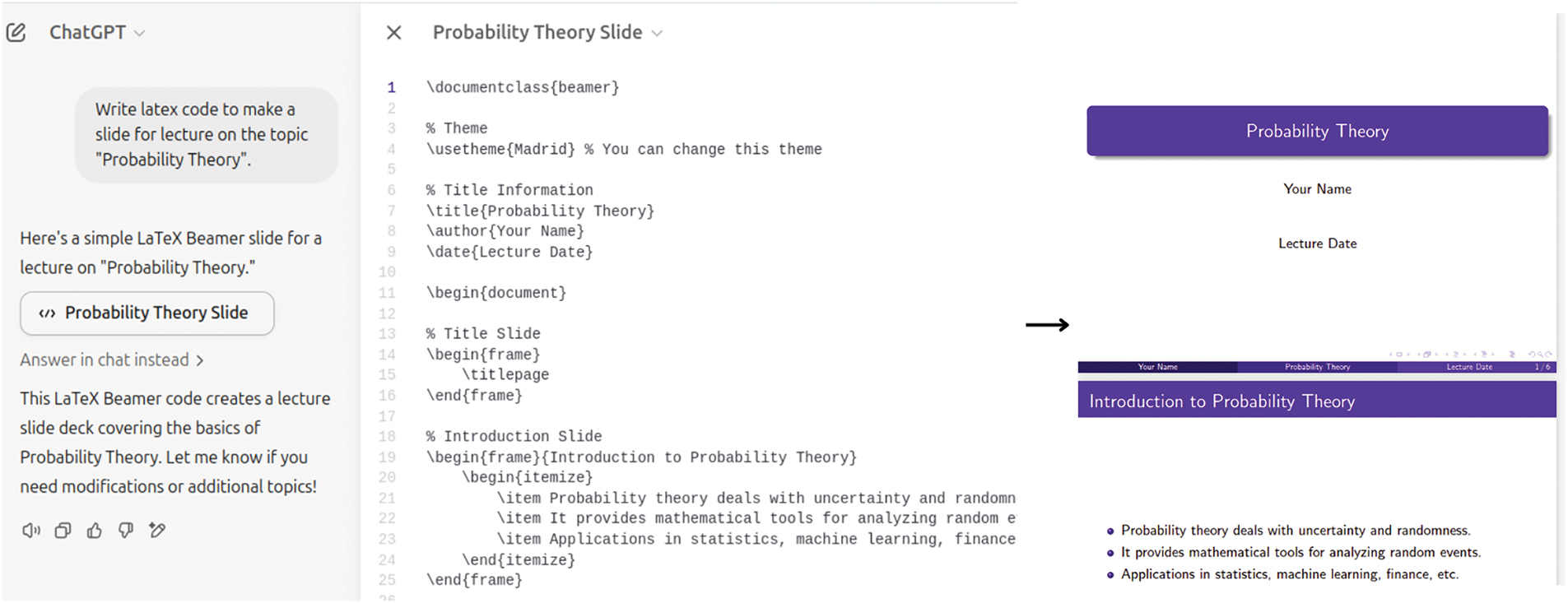
Figure 10: Lecture slide preparation with ChatGPT and Overleaf
3.3 Opportunities for Researchers
ChatGPT offers a wide array of opportunities for researchers, significantly enhancing the research process, from idea generation to publication and even system deployment. It provides support at various stages, allowing researchers to concentrate more on the core substance of their work while delegating repetitive or language-intensive tasks to AI [34,102]. For example, ChatGPT has been integrated into EEG signal analysis pipelines, real-time decision support systems, and enhanced motor imagery classification research [103,104]. It has also been used to support research in diverse areas such as crime pattern analysis, smart city development, and sentiment analysis [105,106]. These applications show that ChatGPT not only aids in content generation but also streamlines analytical and system modelling tasks. Furthermore, researchers have employed it in social signal processing and emotion recognition domains, highlighting its versatility [107,108]. Comparative evaluations of algorithms and simulation-based modelling workflows have also benefited from their automation capabilities [109]. The detailed research process supported by ChatGPT is illustrated in Fig. 11.

Figure 11: Opportunities and challenges for researchers with ChatGPT
3.3.1 Writing Assistance Including Existing Research with Pros and Cons
ChatGPT proves especially valuable in the writing stage by helping researchers polish and improve their manuscripts. It can identify typographical errors, resolve grammatical inconsistencies, and suggest contextually appropriate vocabulary enhancements. Furthermore, researchers can use ChatGPT to convert plain text into LaTeX format, streamlining the typesetting process and preparing documents for academic publication [110–112]. In domains such as healthcare informatics and joint signal learning, researchers have used ChatGPT to simplify the documentation of complex methods and outcomes [113–116]. It has also assisted in dynamic sign language research and multicultural hand gesture datasets by helping articulate methodology and result sections effectively [117–120]. Example 1: Suppose a researcher needs to generate a table summarizing prior work. By inputting content from relevant articles, ChatGPT can create a well-formatted LaTeX table row, as demonstrated in Figs. 12 and 13. Moreover, the AI can generate descriptive text to accompany the table, enhancing clarity and reducing manual effort, as illustrated in Fig. 14a. Example 2: Consider a researcher writing about the environmental impact of plastic waste. ChatGPT can help ensure that the manuscript is logically structured, arguments are clearly presented, and the language is refined for a scholarly tone. This support enables the researcher to focus more on data analysis and result interpretation, while ChatGPT manages the narrative flow and language quality.

Figure 12: Current research trends queries response

Figure 13: Making a table raw from content

Figure 14: (a) Making content from table (b) Refine the content to reduce the words
ChatGPT can significantly support the literature review process, especially in technical and engineering domains where manual analysis of prior work is time-consuming and complex. Engineering researchers often struggle with collecting, organizing, and summarizing the growing body of scientific literature across diverse subfields. ChatGPT offers a solution by rapidly processing vast amounts of data and providing concise summaries of key findings, trends, and research gaps [121,122]. In the biomedical and signal processing domains, for instance, ChatGPT has shown promise in summarizing research related to EEG and Alzheimer’s detection by parsing methodological frameworks and highlighting the evolution of machine learning approaches [123–126]. Similarly, in the field of electromyography (EMG) and motion tracking, the tool has helped identify comparative performance metrics, challenges in sensor fusion, and potential improvements in model interpretability [127]. Researchers working on spatial-temporal modeling, such as those using pose-based activity analysis, have used ChatGPT to track developments in attention mechanisms and spatiotemporal graph convolutional networks [128,129]. In areas related to sign language recognition and smart sensing, ChatGPT can streamline the comparison of cross-lingual models and dataset-specific architectural adaptations [116,130,131]. Additional studies focusing on Korean and Japanese sign language recognition also benefit from AI-generated summaries of performance trade-offs and dataset diversity [132,133]. Moreover, in earlier foundational work on motor imagery classification, ChatGPT can highlight the shift from traditional signal processing techniques to deep learning-based approaches [134,135]. These summaries not only save time but also expose researchers to interdisciplinary connections and emerging themes that manual reviews might overlook. For example, a researcher working on renewable energy can ask ChatGPT to “summarize the latest research on solar panel efficiency.” The tool may respond with a synthesis of recent innovations in perovskite materials, advancements in photovoltaic cell architecture, and gaps in long-term durability research. Such insight aids in problem identification and hypothesis formulation. Beyond summarization, ChatGPT can suggest emerging research directions. One major challenge faced by researchers across disciplines is locating the most recent publications and understanding both their contributions and limitations. ChatGPT can assist by listing the most current studies and outlining their unresolved issues, thus acting as a brainstorming partner. These “biomarkers”—in the form of known drawbacks and future work suggestions—can guide researchers toward actionable and innovative topics. For instance, if a user asks ChatGPT for unexplored topics related to “reducing errors in time-constrained programming environments,” the model may suggest the development of adaptive algorithms that dynamically reallocate computational resources based on performance metrics. This recommendation could inspire a new research trajectory focusing on real-time optimization and intelligent scheduling.
3.3.2 Data Analysis Support with Designing Flowchart
ChatGPT can assist researchers in selecting the appropriate statistical methods for their data analysis. It can explain various statistical techniques and recommend the best methods based on the research questions and the nature of the data. For instance, a survey researcher might be uncertain about which statistical tests to use. By asking ChatGPT for guidance, they could receive suggestions on the most suitable tests, such as a chi-square test for categorical data or a
ChatGPT can assist in designing flowcharts by providing step-by-step guidance and suggestions for visualizing processes, workflows, or algorithms. Describing the logic or sequence of actions to ChatGPT can suggest how to organize steps in a flowchart, identify decision points, and clarify the flow between tasks. Additionally, it can offer ideas for optimizing the structure and logic of the chart, making it more efficient and easy to follow. Moreover, ChatGPT can provide PlantUML code, which can be visualized using the PlantUML website, enabling users to create and view professional flowcharts in a simple, text-based format. This combination streamlines the flowchart design process, making it more accessible and customizable. The process of making a flow chart using ChatGPT and the plantuml website has been shown in Fig. 15.

Figure 15: Chatgpt helps to design flow chart
3.3.3 ChatGPT’s Role as a Research Guidance and Structuring Tool
ChatGPT is a valuable tool for researchers, assisting with the development, organization, and presentation of research work. It provides guidance on research methodologies, academic writing standards, and paper structure, enhancing clarity and cohesion [133]. For instance, ChatGPT offers specific support for beginner researchers, such as crafting focused titles, developing concise abstracts, and suggesting content for each section. It helps outline the introduction with relevant background, problem statements, and objectives and identifies key sources and knowledge gaps for the literature review. In the methodology, ChatGPT aids in describing research design, data collection, and analysis. It also advises on objective data presentation in the results section and interpretation in the discussion. By structuring content effectively, ChatGPT enables researchers to communicate ideas. Fig. 16 shows ChatGPT’s Response to the Question: Organization of a Research Article. Moreover, When writing a research paper, ChatGPT can clarify the difference between commonly confused sections, like the abstract and conclusion. It provides researchers with concise explanations, ensuring they correctly format and structure these sections Abstract: A summary of the research, including the problem, methodology, key results, and significance. Conclusion: A reflection on the results, discussing their implications, limitations, and future directions.

Figure 16: ChatGPT’s response to the question: organization of a research article
Fig. 17a shows ChatGPT’s Response to the Question: Abstract vs. Conclusion. The Discussion and Analysis sections in a research paper often overlap, but each serves a unique purpose and has a distinct focus. This can sometimes confuse researchers when organizing content under these headings. ChatGPT can assist by guiding researchers on how to structure and differentiate the content in such cases, as shown in Fig. 17b. This type of guidance helps researchers avoid common pitfalls and improve the quality and structure of their academic writing.

Figure 17: ChatGPT’s response to the question: (a,b) Analysis section vs. Discussion section
3.3.4 Assist in Writing LaTeX Codes for Papers
ChatGPT is an effective tool for writing LaTeX code when preparing academic papers. It assists users in formatting documents according to specific journal or conference guidelines, offering code snippets for sections like title pages, abstracts, citations, references, figures, tables, and equations. ChatGPT also recommends LaTeX packages to enhance functionality and aesthetics, such as managing complex layouts, cross-referencing, and handling bibliographies with BibTeX. From structuring the paper to debugging errors, ChatGPT streamlines the LaTeX process, saving time and minimizing common frustrations. Using ChatGPT with Overleaf, users can quickly create LaTeX templates tailored to IEEE or Springer formats by requesting sample code with commands like, “Write a sample LaTeX code for IEEE or Springer conference paper format.”
3.4 Programming Learning with ChatGPT
In the rapidly evolving field of computer science, programming is crucial for both academic and professional success. Mastery of programming languages and concepts requires regular practice and a strong conceptual foundation. ChatGPT, with its Transformer-based architecture, provides valuable support for programming education through code generation, error detection, and optimization. The detailed process is illustrated in Fig. 18.

Figure 18: Opportunities and challenges for programmers with ChatGPT
3.4.1 Conceptual Understanding
Mastering programming requires a strong grasp of core concepts like variables, loops, functions, data structures, and algorithms. ChatGPT effectively breaks down these topics into easily understood explanations tailored to the learner’s level. For example, if a beginner is struggling with a “for loop,” ChatGPT can offer a simple explanation along with a basic Python example. ChatGPT also handles advanced topics like object-oriented programming (OOP), recursion, and dynamic programming. For instance, when asked about “polymorphism” in OOP, ChatGPT explains how it allows objects of different classes to be treated as objects of a common superclass, with appropriate methods called based on the actual class at runtime. Additionally, ChatGPT aids in understanding algorithms by providing pseudocode and a step-by-step breakdown, which helps learners visualize the process before coding. For example, in “merge sort,” ChatGPT can generate pseudocode and explain the divide-and-conquer strategy used in the algorithm.
3.4.2 Solution Code Generation
ChatGPT can generate complete code solutions based on a problem description, making it particularly helpful for learners needing guidance on coding approaches. It can produce code in languages like Python, Java, C++, and more. For example, if a learner is tasked with creating a program to calculate the Fibonacci sequence, they can ask ChatGPT to generate the code. ChatGPT also adjusts code complexity based on the user’s level. For beginners, it might suggest a simple iterative solution; for advanced users, it could provide a recursive approach or introduce memoization for optimization. This feature is invaluable in educational settings, especially in competitive programming, where learners must implement algorithms efficiently. ChatGPT can quickly generate solutions that learners can analyze and refine to deepen their understanding and coding skills.
3.4.3 Error Detection and Optimization
Debugging and identifying errors is one of the toughest aspects of programming. ChatGPT can assist learners by spotting both syntax and logical errors in their code. Analyzing the provided code can pinpoint issues and suggest corrections. For example, if a student encounters a “TypeError” in their Python function, they can paste the code into ChatGPT along with a description of the error. ChatGPT would then analyze the code, identify the root cause, and recommend a fix, such as adjusting the data type or modifying a function cal. Fig. 19 shows the error detection from a program.

Figure 19: Query: Error detection
ChatGPT provides valuable guidance on coding best practices, such as using clear variable names, commenting code, and following style guides like PEP 8 in Python. It also suggests optimizations to improve performance, such as reducing time complexity and memory usage. For example, if a student uses bubble sort
4 Methodology of Analysis with Our Newly Created Dataset
In the study, we newly created and analyzed a dataset from 125 engineering students and educators to understand specific use cases, motivations, and perceptions of ChatGPT’s reliability within the engineering domain. The study aimed to evaluate ChatGPT’s effectiveness in solving subject-specific problems, its reliability in providing educational support, and its perceived value among users. A comprehensive experimental framework was designed, which included subjective problem-solving experiments across subjects like mathematics, programming, and electronics, where ChatGPT’s solutions were compared with traditional textbook answers. Surveys were distributed to students and teachers to assess ChatGPT’s impact on learning, research assistance, and programming education, measuring perceived learning improvement, ease of understanding, and information reliability. Data was collected from engineering students and teachers through surveys with 9 questions targeting ChatGPT’s role in research, problem-solving, programming, and essay writing. Feedback from students, teachers, and researchers was gathered on ChatGPT’s ability to enhance understanding, aid in lesson planning, and support research tasks. Statistical analysis, including descriptive and thematic approaches, was used to interpret the data and provide insights into the impact of ChatGPT in education and research.
This study utilized a quantitative survey approach to explore the impact of ChatGPT on the academic experiences of engineering students and teachers. The survey, hosted on Google Forms, included 9 questions designed to capture various aspects of ChatGPT usage, particularly in academic tasks like research, problem-solving, programming, and essay writing. The survey’s objective was to assess the perceived benefits, challenges, and overall effectiveness of ChatGPT in an educational context. The survey was conducted over two weeks, gathering responses from participants across different academic stages.
The sample consisted of 125 participants from engineering backgrounds, comprising both students and teachers. The student respondents were categorized based on their academic standing, ensuring a diverse pool of experiences from different stages in their academic journey. The distribution of students was as follows: 18.5% from the 1st semester/year, 27.2% from the 2nd year, 14.8% from the 3rd year, 23.5% from the 4th year, and 16% of respondents who had completed their studies. This wide representation ensured that the study captured a holistic view of ChatGPT’s role across varying levels of experience with academic challenges.
The data were collected via a 9-question survey administered through Google Forms. The questions covered a range of topics, including the frequency of ChatGPT use, its role in solving academic problems, and specific tasks for which it was most useful. We collected the dataset from students and teachers with engineering backgrounds. Data collection involved students, graduates, and teachers. Of the students,18.5% from the 1st semester/year, 27.2% from the 2nd year, 14.8% from the 3rd year, 23.5% from the 4th year, and 16% of respondents who had completed their studies. The survey included post-interaction feedback to evaluate ChatGPT’s impact on understanding, problem-solving, and its value as a learning tool for students. Teachers evaluations on how ChatGPT assisted with lesson planning, question answering, and explaining complex topics. Multiple-choice and open-ended questions to identify areas of value and gather suggestions for improvement.
4.4 Statistical Analysis of Newly Collected Data
The data were analyzed using both quantitative and qualitative methods. Descriptive statistics, such as percentages and frequency distributions, summarized responses from the Likert scale and multiple-choice questions. Comparative analysis highlighted differences between students and teachers in their use of ChatGPT. Thematic analysis of open-ended responses identified key trends and suggestions for improvement. Graphs and tables were used to represent the findings for easier visual interpretation.
After analyzing the newly collected dataset, we created a dataset by collecting data from university engineering students, ensuring a diverse and well-structured dataset for our research. We generated several statistical outputs in ratios and visualization figures, which are presented below.
4.5.1 General and Research-Based Findings
Table 4 and Fig. 20 show he general findings of the data analysis. The survey revealed that 93.6% of respondents had used ChatGPT to get quick answers to academic questions, demonstrating its widespread adoption as a tool for immediate problem-solving. The largest group of users came from 2nd-year students (19.2%), suggesting that early-stage university students are particularly likely to explore AI tools like ChatGPT for academic help. Only 6.4% of participants indicated that they had not used ChatGPT for academic queries, underscoring its role as a go-to resource. 84% of respondents found ChatGPT helpful for sourcing research materials, while 16% experienced difficulties with the reliability of the sources provided. Additionally, 88% of students reported using ChatGPT to generate ideas for essays or writing assignments, indicating its significant role in assisting with brainstorming and overcoming writer’s block. However, feedback highlighted a need for more accurate and reliable references, with some students reporting that ChatGPT occasionally produced fake or incomplete citations.


Figure 20: Survey on how ChatGPT helps students. Q1-Q9 refer to the above table
4.5.2 Use of ChatGPT in Solving Academic and Programming-Based Project Problems
When asked about ChatGPT’s role in tackling complex academic tasks, 59.20% of respondents had used it to solve mathematical equations, while 56.80% found it helpful in understanding complex scientific concepts. These results suggest a mixed level of success, with nearly half of the participants noting that ChatGPT did not fully meet their needs in more technical subjects. The respondents suggested that ChatGPT’s ability to handle advanced math and science problems required improvement. The survey highlighted ChatGPT’s strong performance in aiding programming tasks, with 84.80% of respondents using it for debugging code and 86.40% seeking support for solving programming-related problems. These high response rates demonstrate ChatGPT’s effectiveness in assisting with coding challenges, a critical area of support for engineering students.
One of the more surprising results came from the question regarding the use of paid ChatGPT versions. Only 4.00% of respondents were using the paid model, while 96.00% relied on the free version. This suggests that most students find the free version adequate for their needs or that financial constraints deter them from upgrading to the paid model.
4.5.4 Feedback and Suggestions for Improvement
The open-ended responses provided several key suggestions for improving ChatGPT, including better handling of complex mathematical problems, enhanced image and document recognition features, and the addition of voice interaction capabilities. A notable number of students expressed frustration with ChatGPT providing incorrect answers, particularly in programming tasks and advanced problem-solving.
4.5.5 ChatGPT Positive Negative Review Comparison with Existing Work
Table 5 presents a comparative analysis of ChatGPT’s positive and negative responses across various studies conducted in different academic domains. The comparison includes previous studies as well as our findings based on responses from engineering students. The study by Kayalı et al. [136] focused on associate degree students and reported a 65.95% positive perception and 34.60% negative perception toward ChatGPT. Indicating general acceptance but also highlighting some concerns related to incorrect information, contextual limitations, and handling of complex queries. To calculate these percentages, responses rated 4 (Agree) and 5 (Strongly Agree) were classified as positive, while responses rated 1 (Strongly Disagree) and 2 (Disagree) were classified as negative, with neutral responses (3-Undecided) excluded. Similarly, Jamil Uddin et al. [137] examined the impact of ChatGPT in civil engineering education, where the positive response rate was significantly higher at 91%, with only 9% negative feedback. However, the study by Prakasha et al. [138], conducted in the field of Computer Science Engineering, did not report specific percentages for positive or negative responses. In our study, which surveyed 125 engineering students, the overall perception of ChatGPT was 76.46% positive and 23.54% negative. We summed the total positive and negative responses across all questions and calculated the respective percentages using the formula: Positive (%) = (Total Positive Responses/Total Responses) * 100 and Negative (%) = (Total Negative Responses/Total Responses) * 100. The final percentages were determined by averaging values across all survey questions, ensuring a data-driven and accurate representation of user sentiment. These results indicate that while ChatGPT is generally well-received among engineering students, there is still a notable percentage of users who have reservations about its effectiveness. The negative responses may stem from issues such as incorrect information, lack of contextual understanding, or limitations in handling complex queries. Overall, this comparative analysis highlights that ChatGPT is widely accepted across different academic fields, with variations in perception based on the specific domain and user experience. In addition to our survey, we analyzed a Kaggle dataset [139] consisting of daily-updated user reviews and ratings for the ChatGPT Android App. This dataset provides valuable insights into user experiences and feedback over time, capturing real-world perceptions of ChatGPT’s performance. The dataset includes key attributes such as user names, review content, ratings (ranging from 1 to 5), the number of thumbs-up received by each review, and timestamps indicating when reviews were posted. The data is collected from the Google Play Store and updated daily using an automated script to ensure freshness and accuracy. To maintain consistency with previous studies, we classified ratings of 4 and 5 as positive and ratings of 1 and 2 as negative, while neutral ratings (3) were excluded. Based on this classification, 91.54% of the responses were positive, while 8.46% were negative. Overall, this comparative analysis highlights that ChatGPT is widely accepted across different academic fields, with variations in perception based on the specific domain and user experience. The inclusion of real-world user feedback from the Kaggle dataset strengthens the findings, providing a broader perspective on ChatGPT’s reception among both students and general users.

5 Discussion: Strengths, Weaknesses, Opportunities, Threats (SWOT) Analysis of ChatGPT in Engineering Education
ChatGPT offers valuable capabilities in education and research, but also presents challenges, especially in technical fields like programming. Table 6 shows the contribution comparison of the proposed study with the state-of-the-art study. Its ability to generate human-like content raises concerns about appropriate use in these contexts. This section discusses key findings, implications for education, challenges of using ChatGPT, and potential strategies to address these issues by following Strengths, Weaknesses, Opportunities, Threats (SWOT) analysis [140,141].

5.1 Strengths: Enhancing Learning and Academic Support
ChatGPT has demonstrated significant strengths in education, particularly for engineering students. It provides quick academic answers, assists with programming tasks, and helps students generate ideas for assignments. Our findings indicate that. (1) Wide Adoption and Utility: ChatGPT is widely used, with 93.6% of respondents relying on it for quick academic answers and 86.4% for debugging code. (2) Programming Assistance: The tool effectively supports students in coding, with 84.8% using it to solve programming problems. (3) Accessibility: The free version meets the basic needs of most students (96% of respondents), making it an inclusive resource for those unable to afford paid AI tools. (4) Improved Learning Support: Institutions can integrate ChatGPT into academic support services to enhance programming and writing skills. While these strengths highlight ChatGPT’s role as a powerful AI assistant, its effectiveness in handling complex academic tasks remains an area for improvement.
5.2 Weaknesses: Limitations and Accuracy Concerns
Despite its advantages, ChatGPT has weaknesses that may impact its reliability and effectiveness in academic settings. Inaccurate References and Citations: Many users report issues with false citations and unreliable references, reducing trust in AI-generated academic content. (1) Struggles with Complex Mathematics and Science: While Chatgpt excels in text-based responses, it sometimes provides incorrect or oversimplified answers for complex mathematical and scientific problems. (2) Over-Reliance on AI: Students may rely too much on ChatGPT, which can weaken their critical thinking and problem-solving skills. (3) Limited Access to Paid Features: Only 4% of students use the paid version, meaning most users might not be benefiting from improved AI capabilities available in premium versions. (4) Plagiarism and Ethical Concerns: AI-generated content is increasingly human-like, making it difficult for plagiarism detection tools to identify its use in academic work. To mitigate these issues, institutions should train students on responsible AI use and explore AI-enhanced plagiarism detection tools. Table 7 presents the existing study among the various language models and highlights the superior model among them. In addition, other large language models such as Gemini [153,154], Grok, DeepSeek [155,156], and ChatGPT [157] have also been explored recently. Based on the table, we can conclude that most studies have reported that ChatGPT performs worse compared to the other mentioned models.

5.3 Opportunities: Improving AIs Role in Education
ChatGPT presents opportunities for educational enhancement if used strategically. Universities can integrate AI tools into their learning management systems (LMS) to provide structured academic assistance. Educators can also design AI-resistant assignments that focus on open-ended, real-world problem-solving to reduce academic dishonesty. Institutions may introduce guidelines and training programs on the ethical use of AI in learning and research to ensure responsible usage. Furthermore, OpenAI and similar platforms can improve AI reliability by refining factual accuracy and reducing bias. Future research can explore the integration of AI-powered educational platforms to balance automation and human expertise in learning environments.
5.4 Threats: Academic Integrity and AI Misuse
While ChatGPT is beneficial, it also presents threats that need proactive management. (1) Misuse in Academic Integrity: The ease of AI-generated responses makes it harder to detect cheating in online exams and assignments. (2) Challenges in AI Detection: Current plagiarism detection tools struggle to identify AI-generated content, increasing the risk [183] of academic dishonesty. (3) Dependence on AI for Critical Thinking Tasks: Over-reliance on AI tools may lead to a decline in students’ ability to independently solve complex engineering problems. (4) Competition from Other AI Models: The emergence of alternatives like Gemini and Grok means ChatGPT’s role in education could change as new tools offer different capabilities. To counter these threats, institutions should implement AI-awareness programs to educate students on responsible usage. Assessment redesign strategies that emphasize originality and deeper reasoning. Advanced AI detection tools to distinguish AI-generated content from human work. Using a SWOT approach highlights ChatGPT’s potential and challenges in education. While it is a powerful AI tool for engineering students, addressing its limitations is crucial to maintaining academic integrity and fostering critical thinking. Educators should adapt teaching strategies to account for AI-generated content. Institutions must promote AI literacy and ethical guidelines for responsible use. Future research should focus on AI integration while minimizing risks related to accuracy, over-reliance, and academic dishonesty. By leveraging AI responsibly, ChatGPT and similar tools can enhance learning experiences without compromising the development of essential academic skills.
ChatGPT and other AI language models (LLMs) have significant potential in education and research, offering human-like conversational abilities that support answering questions, writing essays, solving problems, explaining topics, tutoring, language practice, and aiding both technical (e.g., programming, engineering) and non-technical (e.g., language, literature) disciplines. Our study contributes to the discourse on AI in education by specifically analyzing ChatGPT’s impact on engineering education through real-time experiments and surveys, providing insights into its practical applications, strengths, and limitations. Despite its value in programming assistance and broader educational support, ChatGPT has limitations such as a lack of common sense, potential biases, difficulties with complex reasoning, and inaccuracies in mathematical solutions and citations, requiring users to exercise caution. The study also acknowledges constraints such as sample size limitations, self-reported data introducing response bias, and the focus on the free version of ChatGPT, which may not reflect premium features. Future research should include larger, more diverse samples, compare ChatGPT with other AI tools, and explore long-term impacts on learning outcomes. Opportunities exist to investigate AI’s role in collaborative learning, ethical considerations, and policy frameworks to ensure responsible use. To maximize AI’s benefits while mitigating risks, we recommend AI literacy training, ethical AI usage guidelines, curriculum integration, enhanced plagiarism detection, and increased investment in AI research and development. Addressing these aspects will enable institutions to optimize AI’s role in academia, fostering sustainable and ethical AI-driven learning and research practices.
Acknowledgement: The authors would like to express their sincere gratitude to the undergraduate and graduate engineering students from the Department of Computer Science and Engineering at Bangladesh Army University of Science and Technology (BAUST), Pabna University of Science and Technology, and University of Rajshahi for their valuable participation in this study. We also acknowledge the contributions of students from other universities across the world who generously shared their experiences and perspectives regarding the use of ChatGPT in academic settings. Their input was instrumental in shaping the findings of this research.
Funding Statement: This research was supported by Competitive Research by the University of Aizu.
Author Contributions: Conceptualization, Abu Saleh Musa Miah and Md Mahbubur Rahman Tusher; methodology, Abu Saleh Musa Miah, Md Mahbubur Rahman Tusher, and Jungpil Shin; software, Abu Saleh Musa Miah, Md Mahbubur Rahman Tusher, and Jungpil Shin; validation, Abu Saleh Musa Miah and Md Mahbubur Rahman Tusher; formal analysis, Abu Saleh Musa Miah, Md Mahbubur Rahman Tusher, Md. Moazzem Hossain, and Jungpil Shin; investigation, Abu Saleh Musa Miah, Md. Moazzem Hossain, Md Mamun Hossain, Md Abdur Rahim, Md Ekramul Hamid, and Md. Saiful Islam; resources, Abu Saleh Musa Miah, Md Mahbubur Rahman Tusher, and Jungpil Shin; data curation, Abu Saleh Musa Miah, Md Mahbubur Rahman Tusher, and Md. Moazzem Hossain; writing—original draft preparation, Abu Saleh Musa Miah and Md Mahbubur Rahman Tusher; writing—review and editing, Md. Moazzem Hossain, Md Mamun Hossain, Md Abdur Rahim, Md Ekramul Hamid, Md. Saiful Islam, and Jungpil Shin; visualization, Abu Saleh Musa Miah, Md Mahbubur Rahman Tusher, and Jungpil Shin; supervision, Jungpil Shin; project administration, Abu Saleh Musa Miah, Md Mahbubur Rahman Tusher, and Jungpil Shin; Funding acquisition, Jungpil Shin. All authors reviewed the results and approved the final version of the manuscript.
Availability of Data and Materials: The collected data for the analysis is available at the following URL: https://github.com/tusher100/chat-gpt-response (accessed on 14 May 2025).
Ethics Approval: Not applicable.
Informed Consent: All participants involved in the experiment were fully informed before their participation about the purpose of the study, their right to withdraw at any time, and the confidentiality of their responses.
Conflicts of Interest: The authors declare no conflicts of interest to report regarding the present study.
References
1. Fütterer T, Fischer C, Alekseeva A, Chen X, Tate T, Warschauer M, et al. ChatGPT in education: global reactions to AI innovations. Sci Rep. 2023;13(1):15310. doi:10.1038/s41598-023-42227-6. [Google Scholar] [PubMed] [CrossRef]
2. Memarian B, Doleck T. ChatGPT in education: methods, potentials, and limitations. Comput Hum Behav Artif Hum. 2023;1(2):100022. doi:10.1016/j.chbah.2023.100022. [Google Scholar] [CrossRef]
3. Cong-Lem N, Soyoof A, Tsering D. A systematic review of the limitations and associated opportunities of ChatGPT. Int J Hum. 2024;1–16. doi:10.1080/10447318.2024.2344142. [Google Scholar] [CrossRef]
4. Motlagh NY, Khajavi M, Sharifi A, Ahmadi M. The impact of artificial intelligence on the evolution of digital education: a comparative study of OpenAI text generation tools including ChatGPT, Bing chat, bard, and ernie. arXiv:2309.02029v1. 2023. [Google Scholar]
5. Sain ZH, Serban R, Abdullah NB, Thelma CC. Benefits and drawbacks of leveraging ChatGPT to enhance writing skills in secondary education. At-Tadzkir: Islam Educ J. 2024;4(1):40–52. doi:10.59373/attadzkir.v4i1.79. [Google Scholar] [CrossRef]
6. Allam H, Dempere J, Lazaros E, Davison C, Kalota F, Hua D. Unleashing educational potential: Integrating ChatGPT in the classroom. In: HCT International General Education Conference (HCTIGEC 2024). Paris, France:Atlantis Press; 2025. p. 164–73. [Google Scholar]
7. Monib WK, Qazi A, Mahmud MM. Exploring learners’ experiences and perceptions of ChatGPT as a learning tool in higher education. Educ Inf Technol. 2025;30(1):917–39. doi:10.1007/s10639-024-13065-4. [Google Scholar] [CrossRef]
8. Kétyi A, Géring Z, Dén-Nagy I. ChatGPT from the students' point of view-Lessons from a pilot study using ChatGPT in business higher education. Soc Econ. 2025;47(1):1–21. doi:10.1556/204.2024.00007. [Google Scholar] [CrossRef]
9. Nikolopoulou K. Generative artificial intelligence and sustainable higher education: mapping the potential. J Digit Educ Technol. 2025;5(1):ep2506. doi:10.30935/jdet/15860. [Google Scholar] [CrossRef]
10. García-López IM, González González CS, Ramírez-Montoya MS, Molina-Espinosa JM. Challenges of implementing ChatGPT on education: systematic literature review. Int J Educ Res Open. 2025;8(5):100401. doi:10.1016/j.ijedro.2024.100401. [Google Scholar] [CrossRef]
11. Chan KY, Yuen TH, Co M. Using ChatGPT for medical education: the technical perspective. BMC Med Educ. 2025;25(1):201. doi:10.1186/s12909-025-06785-9. [Google Scholar] [PubMed] [CrossRef]
12. Jauhiainen JS, Bernardo Garagorry Guerra A. Educational evaluation with large language models (LLMsChatGPT-4 in recalling and evaluating students’ written responses. J Inf Technol Educ Innov Pract. 2025;24:2. doi:10.28945/5433. [Google Scholar] [CrossRef]
13. Liu Y, Kong W, Merve K. ChatGPT applications in academic writing: a review of potential, limitations, and ethical challenges. Arquivos Brasileiros De Oftalmol. 2025;88(3):1–9. doi:10.5935/0004-2749.2024-0269. [Google Scholar] [PubMed] [CrossRef]
14. Overview—worldbank.org. [cited 2024 Jul 29]. Available from: https://www.worldbank.org/en/topic/education/overview. [Google Scholar]
15. Stan MM, Dumitru C, Bucuroiu F. Investigating teachers’ attitude toward integration of ChatGPT in language teaching and learning in higher education. Educ Inf Technol. 2025. doi:10.1007/s10639-025-13396-w. [Google Scholar] [CrossRef]
16. Davar NF, Ali Akber Dewan M, Zhang X. AI chatbots in education: challenges and opportunities. Information. 2025;16(3):235. doi:10.3390/info16030235. [Google Scholar] [CrossRef]
17. Adarkwah MA, Badu SA, Osei EA, Adu-Gyamfi E, Odame J, Schneider K. ChatGPT in healthcare education: a double-edged sword of trends, challenges, and opportunities. Discov Educ. 2025;4(1):14. doi:10.1007/s44217-024-00393-3. [Google Scholar] [CrossRef]
18. Oates A, Johnson D. ChatGPT in the classroom: evaluating its role in fostering critical evaluation skills. Int J Artif Intell Educ. 2025;1–32. doi:10.1007/s40593-024-00452-8. [Google Scholar] [CrossRef]
19. Zeb A, Rehman FU, Bin Othayman M, Rabnawaz M. Artificial intelligence and ChatGPT are fostering knowledge sharing, ethics, academia and libraries. Int J Inf Learn Technol. 2025;42(1):67–83. doi:10.1108/ijilt-03-2024-0046. [Google Scholar] [CrossRef]
20. Benboujja F, Hartnick E, Zablah E, Hersh C, Callans K, Villamor P, et al. Overcoming language barriers in pediatric care: a multilingual, AI-driven curriculum for global healthcare education. Front Public Health. 2024;12:1337395. doi:10.3389/fpubh.2024.1337395. [Google Scholar] [PubMed] [CrossRef]
21. Busuttil L, Calleja J. Teachers’ beliefs and practices about the potential of ChatGPT in teaching mathematics in secondary schools. Digit Exp Math Educ. 2025;11(1):140–66. doi:10.1007/s40751-024-00168-3. [Google Scholar] [CrossRef]
22. Engelbrecht J, Oates G, de Carvalho Borba M. Artificial intelligence and social media in mathematics education. In: Social media in the changing mathematics classroom. Cham: Springer Nature Switzerland; 2025. p. 43–65. doi: 10.1007/978-3-031-82837-9_3. [Google Scholar] [CrossRef]
23. Li M. The impact of ChatGPT on teaching and learning in higher education: challenges, opportunities, and future scope. In: Encyclopedia of information science and technology. 6th ed. Massey University, New Zealand:IGI Global; 2024. p. 1–20. doi: 10.4018/978-1-6684-7366-5.ch079. [Google Scholar] [CrossRef]
24. Toma RB, Yánez-Pérez I. Factors influencing undergraduates’ ethical use of ChatGPT: a reasoned goal pursuit approach. Interact Learn Environ. 2025;1–20. doi:10.1080/10494820.2025.2457349. [Google Scholar] [CrossRef]
25. Allam H, Dempere J, Akre V, Parakash D, Mazher N, Ahamed J. Artificial intelligence in education: an argument of chat-GPT use in education. In: 2023 9th International Conference on Information Technology Trends (ITT); 2023 May 24–25; Dubai, United Arab Emirates: IEEE; 2023. p. 151–6. doi:10.1109/ITT59889.2023.10184267. [Google Scholar] [CrossRef]
26. Choi WC, Chang CI. Advantages and limitations of open-source versus commercial large language models (LLMsa comparative study of deepseek and OpenAI’s ChatGPT. 2025. doi:10.20944/preprints202503.1081.v2. [Google Scholar]
27. Hossain MK, Al Younus MA. Teachers' perspectives on integrating ChatGPT into EFL writing instruction. TESOL Commun. 2025;4(1):41–60. doi:10.58304/tc.20250103. [Google Scholar] [CrossRef]
28. Dimitriadou E, Lanitis A. A critical evaluation, challenges, and future perspectives of using artificial intelligence and emerging technologies in smart classrooms. Smart Learn Environ. 2023;10(1):12. doi:10.1186/s40561-023-00231-3. [Google Scholar] [PubMed] [CrossRef]
29. Kuleto V, Ilić M, Dumangiu M, Ranković M, Martins OMD, Păun D, et al. Exploring opportunities and challenges of artificial intelligence and machine learning in higher education institutions. Sustainability. 2021;13(18):10424. doi:10.3390/su131810424. [Google Scholar] [CrossRef]
30. Bridging Educational Gaps through Inclusive Innovation—unesco.org. [cited 2024 Jul 30]. Available from: https://www.unesco.org/%20en/articles/bridging-educational-gaps-through-inclusive-innovation. [Google Scholar]
31. Holmes W, Bialik M, Fadel C. Artificial intelligence in education promises and implications for teaching and learning. University College London, Gower Street, London; 2019. [Google Scholar]
32. Open AI. [cited 2024 Jul 29]. Available from: https://openai.com/. [Google Scholar]
33. Cao J, Li M, Wen M, Cheung SC. A study on prompt design, advantages and limitations of ChatGPT for deep learning program repair. Autom Softw Eng. 2025;32(1):30. doi:10.1007/s10515-025-00492-x. [Google Scholar] [CrossRef]
34. Rahman MM, Watanobe Y. ChatGPT for education and research: opportunities, threats, and strategies. Appl Sci. 2023;13(9):5783. doi:10.3390/app13095783. [Google Scholar] [CrossRef]
35. Nisar S, Aslam M. Is ChatGPT a good tool for t&cm students in studying pharmacology? SSRN. 2023. [cited 2023 Mar 10]. Available from: https://papers.ssrn.com/sol3/papers.cfm?abstract_id=4324310. [Google Scholar]
36. Pavlik JV. Collaborating with ChatGPT: considering the implications of generative artificial intelligence for journalism and media education. Journalism Mass Commun Educ. 2023;78(1):84–93. doi:10.1177/10776958221149577. [Google Scholar] [CrossRef]
37. Rudolph J, Tan S, Tan S. ChatGPT: bullshit spewer or the end of traditional assessments in higher education? J Appl Learn Teach. 2023;6(1):342–63. doi:10.37074/jalt.2023.6.1.9. [Google Scholar] [CrossRef]
38. Fijačko N, Gosak L, Štiglic G, Picard CT, Douma MJ. Can ChatGPT pass the life support exams without entering the American heart association course? Resuscitation. 2023;185(1):109732. doi:10.1016/j.resuscitation.2023.109732. [Google Scholar] [PubMed] [CrossRef]
39. Hargreaves S. Words are flowing out like endless rain into a paper cup’: ChatGPT & law school assessments. SSRN. 2023. [cited 2023 Mar 10]. Available from: https://papers.ssrn.com/sol3/papers.cfm?abstract_id=4359407. [Google Scholar]
40. Cotton DRE, Cotton PA, Shipway JR. Chatting and cheating: ensuring academic integrity in the era of ChatGPT. Innov Educ Teach Int. 2024;61(2):228–39. doi:10.1080/14703297.2023.2190148. [Google Scholar] [CrossRef]
41. Topsakal O, Topsakal E. Framework for a foreign language teaching software for children utilizing AR, voicebots and ChatGPT (large language models). J Cogn Syst. 2022;7(2):33–8. doi:10.52876/jcs.1227392. [Google Scholar] [CrossRef]
42. Zhai X. ChatGPT for next generation science learning. SSRN J. 2023. doi:10.2139/ssrn.4331313. [Google Scholar] [CrossRef]
43. Baidoo-Anu D, Owusu Ansah L. Education in the era of generative artificial intelligence (AIunderstanding the potential benefits of ChatGPT in promoting teaching and learning. SSRN J. 2023. doi:10.2139/ssrn.4337484. [Google Scholar] [CrossRef]
44. Wang X, Gong Z, Wang G, Jia J, Xu Y, Zhao J, et al. ChatGPT performs on the Chinese national medical licensing examination. J Med Syst. 2023;47(1):86. doi:10.1007/s10916-023-01961-0. [Google Scholar] [PubMed] [CrossRef]
45. Mbakwe AB, Lourentzou I, Celi LA, Mechanic OJ, Dagan A. ChatGPT passing USMLE shines a spotlight on the flaws of medical education. PLoS Digit Health. 2023;2(2):e0000205. doi:10.1371/journal.pdig.0000205. [Google Scholar] [PubMed] [CrossRef]
46. Khalil M, Er E. Will ChatGPT get you caught? rethinking of plagiarism detection. arXiv:2302.04335. 2023. [Google Scholar]
47. Susnjak T. ChatGPT: the end of online exam integrity? arXiv:2212.09292v1. 2022. [Google Scholar]
48. Choi JH, Hickman KE, Monahan A, Schwarcz D. ChatGPT goes to law school. SSRN. 2023. [cited 2023 Mar 10]. Available from: https://ssrn.com/abstract=4335905. [Google Scholar]
49. Szabo A. ChatGPT a breakthrough in science and education: Can it fail a test? OSF Preprints, Charlottesville, Virginia, USA. [Google Scholar]
50. Perkins M. Academic Integrity considerations of AI Large Language Models in the post-pandemic era: ChatGPT and beyond. J Univ Teach Learn Pract. 2023;20(2). doi:10.53761/1.20.02.07. [Google Scholar] [CrossRef]
51. Geerling W, Mateer GD, Wooten J, Damodaran N. ChatGPT has mastered the principles of economics: now what? SSRN J. 2023. doi:10.2139/ssrn.4356034. [Google Scholar] [CrossRef]
52. de Winter JCF. Can ChatGPT pass high school exams on English language comprehension? 2023. [cited 2023 Mar 1]. Available from: https://www.researchgate.net/publication/366659237_Can_ChatGPT_pass_high_school_exams_on_English_Language_Comprehension. [Google Scholar]
53. Kung TH, Cheatham M, Medenilla A, Sillos C, De Leon L, Elepaño C, et al. Performance of ChatGPT on USMLE: potential for AI-assisted medical education using large language models. PLoS Digit Health. 2023;2(2):e0000198. doi:10.1371/journal.pdig.0000198. [Google Scholar] [PubMed] [CrossRef]
54. Abouammoh N, Alhasan K, Aljamaan F, Raina R, Malki KH, Altamimi I, et al. Perceptions and earliest experiences of medical students and faculty with ChatGPT in medical education: qualitative study. JMIR Med Educ. 2025;11:e63400. doi:10.2196/63400. [Google Scholar] [PubMed] [CrossRef]
55. Görgülü D, Coşkun F, Demir M, Sipahioğlu M. A psychometric analysis of the artificial intelligence skills scale developed through ChatGPT. Educ Inf Technol. 2025. doi:10.1007/s10639-024-13294-7. [Google Scholar] [CrossRef]
56. Frieder S, Pinchetti L, Chevalier A, Griffiths RR, Salvatori T, Lukasiewicz T, et al. Mathematical capabilities of ChatGPT. arXiv:2301.13867v2. 2023. [Google Scholar]
57. Pepin B, Buchholtz N, Salinas-Hernández U. Mathematics education in the era of ChatGPT: investigating its meaning and use for school and university education—editorial to special issue. Digit Exp Math Educ. 2025;11(1):1–8. doi:10.1007/s40751-025-00173-0. [Google Scholar] [CrossRef]
58. Buchberger B. Is ChatGPT smarter than master’s applicants? Linz, Austria: Research Institute for Symbolic Computation; 2023. [Google Scholar]
59. Jalil S, Rafi S, LaToza TD, Moran K, Lam W. ChatGPT and software testing education: promises & perils; 2023. [cited 2023 Mar 1]. Available from: https://arxiv.org/abs/2302.03287v3. [Google Scholar]
60. Kasneci E, Sessler K, Küchemann S, Bannert M, Dementieva D, Fischer F, et al. ChatGPT for good? On opportunities and challenges of large language models for education. Learn Individ Differ. 2023;103(1):102274. doi:10.1016/j.lindif.2023.102274. [Google Scholar] [CrossRef]
61. Gilson A, Safranek CW, Huang T, Socrates V, Chi L, Taylor RA, et al. How does ChatGPT perform on the United States medical licensing examination (USMLE)? the implications of large language models for medical education and knowledge assessment. JMIR Med Educ. 2023;9(4):e45312. doi:10.2196/45312. [Google Scholar] [PubMed] [CrossRef]
62. De Leon Evangelista E. Ensuring academic integrity in the age of ChatGPT: rethinking exam design, assessment strategies, and ethical AI policies in higher education. Contemp Educ Technol. 2025;17(1):ep559. doi:10.30935/cedtech/15775. [Google Scholar] [CrossRef]
63. Mogali SR. Initial impressions of ChatGPT for anatomy education. Anat Sci Educ. 2024;17(2):444–7. doi:10.1002/ase.2261. [Google Scholar] [PubMed] [CrossRef]
64. Megahed FM, Chen YJ, Ferris JA, Knoth S, Jones-Farmer LA. How generative AI models such as ChatGPT can be (mis)used in SPC practice, education, and research? an exploratory study. arXiv:2302.10916v1. 2023. [Google Scholar]
65. Bishop L. A computer wrote this paper: what ChatGPT means for education, research, and writing. SSRN J. 2023. doi:10.2139/ssrn.4338981. [Google Scholar] [CrossRef]
66. Ventayen RJM. OpenAI ChatGPT-generated results: similarity index of artificial intelligence-based contents. In: Soft computing for security applications. Singapore: Springer; 2023. p. 215–26. doi:10.1007/978-981-99-3608-3_15. [Google Scholar] [CrossRef]
67. Stutz P, Elixhauser M, Grubinger-Preiner J, Linner V, Reibersdorfer-Adelsberger E, Traun C, et al. Ch(e)atGPT? an anecdotal approach addressing the impact of ChatGPT on teaching and learning GIScience. GI_Forum. 2023;1:140–7. doi:10.1553/giscience2023_01_s140. [Google Scholar] [CrossRef]
68. Bloom BS. Taxonomy of educational objectives: the classification of educational goals. New York, NY, USA: David McKay; 1956. [Google Scholar]
69. Qadir J. Engineering education in the era of ChatGPT: promise and pitfalls of generative AI for education. In: 2023 IEEE Global Engineering Education Conference (EDUCON); 2023 May 1–4; Kuwait, Kuwait: IEEE; 2023. p. 1–9. doi:10.1109/EDUCON54358.2023.10125121. [Google Scholar] [CrossRef]
70. Zhang P, Tur G. A systematic review of ChatGPT use in K-12 education. Euro J Education. 2024;59(2):e12599. doi:10.1111/ejed.12599. [Google Scholar] [CrossRef]
71. Moskovich L, Rozani V. Health profession students' perceptions of ChatGPT in healthcare and education: insights from a mixed-methods study. BMC Med Educ. 2025;25(1):98. doi:10.1186/s12909-025-06702-0. [Google Scholar] [PubMed] [CrossRef]
72. Al-Naser Y, Halka F, Ng B, Mountford D, Sharma S, Ken N, et al. Evaluating artificial intelligence competency in education: performance of ChatGPT-4 in the American registry of radiologic technologists (ARRT) radiography certification exam. Acad Radiol. 2025;32(2):597–603. doi:10.1016/j.acra.2024.08.009. [Google Scholar] [PubMed] [CrossRef]
73. Han Z, Battaglia F, Udaiyar A, Fooks A, Terlecky SR. An explorative assessment of ChatGPT as an aid in medical education: use it with caution. Med Teach. 2024;46(5):657–64. doi:10.1080/0142159x.2023.2271159. [Google Scholar] [PubMed] [CrossRef]
74. Burisch C, Bellary A, Breuckmann F, Ehlers J, Thal SC, Sellmann T, et al. ChatGPT-4 performance on German continuing medical education-friend or foe (trick or treat)? protocol for a randomized controlled trial. JMIR Res Protoc. 2025;14:e63887. doi:10.2196/63887. [Google Scholar] [PubMed] [CrossRef]
75. Zeng H, Zhu Z, Hu J, Cui Y. Application of ChatGPT-assisted problem-based learning teaching method in clinical medical education. BMC Med Educ. 2025;25(1):50. doi:10.1186/s12909-024-06321-1. [Google Scholar] [PubMed] [CrossRef]
76. Yu H, Guo Y, Yang H, Zhang W, Dong Y. Can ChatGPT revolutionize language learning? unveiling the power of AI in multilingual education through user insights and pedagogical impact. Eur J Educ. 2025;60(1):e12749. doi:10.1111/ejed.12749. [Google Scholar] [CrossRef]
77. Luu DKC, Bui DBH. The utilization of chat-GPT 3.5 for vocabulary learning: a study on students’ perceptions. Acoj. 2025;16(1):226–52. doi:10.54855/acoj.2516111. [Google Scholar] [CrossRef]
78. Newton PM. ChatGPT performance on MCQ-based exams. 2023. doi:10.35542/osf.io/sytu3. [Google Scholar]
79. Sun H. Are ChatGPT’s knowledge and interpretation ability comparable to those of medical students in Korea for taking a parasitology examination?: a descriptive study. J Educ Eval Health Prof. 2023;20:1. doi:10.3352/jeehp.2023.20.1. [Google Scholar] [PubMed] [CrossRef]
80. Khairatun Hisan U, Miftahul Amri M. ChatGPT and medical education: a double-edged sword. J Pedagogy Educ Sci. 2023;2(1):71–89. doi:10.56741/jpes.v2i01.302. [Google Scholar] [CrossRef]
81. Lo CK. What is the impact of ChatGPT on education? a rapid review of the literature. Educ Sci. 2023;13(4):410. doi:10.3390/educsci13040410. [Google Scholar] [CrossRef]
82. Vebibina A, Rusijono R, Mariono A, Muafa A, Kurniawan D, Sugeng Dewantoro R, et al. 11 key strategies in using AI chatGPT to develop HOTS-based entrepreneurship questionnaires. Qubahan Acad J. 2025;5(1):33–62. doi:10.48161/qaj.v5n1a1134. [Google Scholar] [CrossRef]
83. Songsiengchai S. Implementation of artificial intelligence (AIChatGPT for effective English language learning among Thai students in higher education. Int J Educ Lit Stud. 2025;13(1):302–12. doi:10.7575/aiac.ijels.v.13n.1p.302. [Google Scholar] [CrossRef]
84. Karafil B, Uyar A. Exploring knowledge, attitudes, and practices of academics in the field of educational sciences towards using ChatGPT. Educ Inf Technol. 2025. doi:10.1007/s10639-024-13291-w. [Google Scholar] [CrossRef]
85. Atlas S. ChatGPT for higher education and professional development: a guide to conversational AI. Kingston, RI, USA: University of Rhode Island; 2023. [Google Scholar]
86. Ali F, OpenAI Inc C. Let the devil speak for itself: should ChatGPT be allowed or banned in hospitality and tourism schools? J Glob Hosp Tour. 2023;2(1):1–6. doi:10.5038/2771-5957.2.1.1016. [Google Scholar] [CrossRef]
87. Khan RA, Jawaid M, Khan AR, Sajjad M. ChatGPT-Reshaping medical education and clinical management. Pak J Med Sci. 2023;39(2). doi:10.12669/pjms.39.2.7653. [Google Scholar] [PubMed] [CrossRef]
88. Al-Worafi YM, Hermansyah A, Goh KW, Ming LC. Artificial intelligence use in university: should we ban ChatGPT? 2023. [cited 2023 Mar 1]. Available from: https://www.preprints.org/manuscript/202302.0400/v1. [Google Scholar]
89. Chang CC, Hwang GJ. ChatGPT-facilitated professional development: evidence from professional trainers’ learning achievements, self-worth, and self-confidence. Interact Learn Environ. 2025;33(1):883–900. doi:10.1080/10494820.2024.2362798. [Google Scholar] [CrossRef]
90. Schulze Balhorn L, Weber JM, Buijsman S, Hildebrandt JR, Ziefle M, Schweidtmann AM. Empirical assessment of ChatGPT’s answering capabilities in natural science and engineering. Sci Rep. 2024;14(1):4998. doi:10.1038/s41598-024-54936-7. [Google Scholar] [PubMed] [CrossRef]
91. Tlili A, Shehata B, Adarkwah MA, Bozkurt A, Hickey DT, Huang R, et al. What if the devil is my guardian angel: ChatGPT as a case study of using chatbots in education. Smart Learn Environ. 2023;10(1):15. doi:10.1186/s40561-023-00237-x. [Google Scholar] [CrossRef]
92. King MR, chatGPT. A conversation on artificial intelligence, chatbots, and plagiarism in higher education. Cell Mol Bioeng. 2023;16(1):1–2. doi:10.1007/s12195-022-00754-8. [Google Scholar] [PubMed] [CrossRef]
93. Willems J. Chatgpt at universities—the least of our concerns; 2023. [cited 2023 Mar 1]. Available from: https://ssrn.com/abstract=4334162. [Google Scholar]
94. Fareed MW. Introducing ChatGPT to education in science museums: a conceptual framework. J Mus Educ. 2025. doi:10.1080/10598650.2024.2440287. [Google Scholar] [CrossRef]
95. Fotaris P, Mastoras T, Lameras P. Designing educational escape rooms with generative AI: a framework and ChatGPT prompt engineering guide. Eur Conf Games Based Learn. 2023;17(1):180–9. doi:10.34190/ecgbl.17.1.1870. [Google Scholar] [CrossRef]
96. Sánchez-Ruiz LM, Moll-López S, Nuñez-Pérez A, Moraño-Fernández JA, Vega-Fleitas E. ChatGPT challenges blended learning methodologies in engineering education: a case study in mathematics. Appl Sci. 2023;13(10):6039. doi:10.3390/app13106039. [Google Scholar] [CrossRef]
97. Plevris V, Papazafeiropoulos G, Jiménez Rios A. Chatbots put to the test in math and logic problems: a comparison and assessment of ChatGPT-3. 5, ChatGPT-4, and google bard. AI. 2023;4(4):949–69. doi:10.3390/ai4040048. [Google Scholar] [CrossRef]
98. Bouriami A, Takhdat K, Barkatou S, Chiki H, Boussaa S, El Adib AR. Insights into nurse educators’ use of ChatGPT in active teaching methods: a cross-sectional pilot study. Educ Médica. 2025;26(2):101006. doi:10.1016/j.edumed.2024.101006. [Google Scholar] [CrossRef]
99. Uğraş H, Uğraş M. ChatGPT in early childhood STEM education: can it be an innovative tool to overcome challenges? Educ Inf Technol. 2025;30(4):4277–305. doi:10.1007/s10639-024-12960-0. [Google Scholar] [CrossRef]
100. Valeri F, Nilsson P, Cederqvist AM. Exploring students’ experience of ChatGPT in STEM education. Comput Educ Artif Intell. 2025;8(1):100360. doi:10.1016/j.caeai.2024.100360. [Google Scholar] [CrossRef]
101. Tan AA, Huda M, Rohim MA, Hassan TRR, Ismail A, Siregar M. ChatGPT in supporting education instruction sector: An empirical. In: Proceedings of Ninth International Congress on Information and Communication Technology: ICICT 2024; 2025; London: Springer Nature. Vol. 9, 13 p. [Google Scholar]
102. Feng Z, Hu G, Li B, Wang J. Unleashing the power of ChatGPT in finance research: opportunities and challenges. Financ Innov. 2025;11(1):93. doi:10.1186/s40854-025-00770-3. [Google Scholar] [CrossRef]
103. Piszcz A, Rojek I, Mikołajewski D. Impact of virtual reality on brain-computer interface performance in IoT control—review of current state of knowledge. Appl Sci. 2024;14(22):10541. doi:10.3390/app142210541. [Google Scholar] [CrossRef]
104. Songkram N, Chootongchai S, Keereerat C, Songkram N. Potential of ChatGPT in academic research: exploring innovative thinking skills. Interact Learn Environ. 2025;33(2):1689–711. doi:10.1080/10494820.2024.2375342. [Google Scholar] [CrossRef]
105. Masinde M. Enhancing systematic literature reviews using LDA and ChatGPT: case of framework for smart city planning. In: 2024 IST-Africa Conference (IST-Africa); 2024 May 20–24; Dublin, Ireland: IEEE; 2024. p. 1–13. [Google Scholar]
106. Shahrabani MMN, Apanaviciene R. An AI-based evaluation framework for smart building integration into smart city. Sustainability. 2024;16(18):8032. doi:10.3390/su16188032. [Google Scholar] [CrossRef]
107. Iyer AA, Vojjala S, JA. Augmenting sentiments into chat-GPT using FacialEmotion recognition. In: 2024 10th International Conference on Advanced Computing and Communication Systems (ICACCS); 2024 Mar 14–15; Coimbatore, India: IEEE; 2024. p. 69–74. doi:10.1109/ICACCS60874.2024.10717316. [Google Scholar] [CrossRef]
108. Lee SJ, Lee HT, Lee K. Enhancing emotion detection through ChatGPT-augmented text transformation in social media text. In: 2024 33rd IEEE International Conference on Robot and Human Interactive Communication (ROMAN); 2024 Aug 26–30; Pasadena, CA, USA: IEEE; 2024. p. 872–9. doi:10.1109/RO-MAN60168.2024.10731460. [Google Scholar] [CrossRef]
109. Gupta M, Gupta A, de Souza FB, Ikeziri LM, Datt M. Synergizing ChatGPT and experiential learning: unravelling TOC based production planning and control variants through the dice game. Int J Prod Res. 2025;63(4):1209–34. doi:10.1080/00207543.2024.2372654. [Google Scholar] [CrossRef]
110. Yaghi P, Khalil A. Using artificial intelligence for formatting academic journal papers. Am Acad Schol Res J. 2024;16(4). [Google Scholar]
111. Sallam M. The utility of ChatGPT as an example of large language models in healthcare education, research and practice: systematic review on the future perspectives and potential limitations. medRxiv. 2023;2023–02. doi:10.1101/2023.02.19.23286155. [Google Scholar] [CrossRef]
112. Carbonara J, Fokoue E. Augmenting intelligence: the convergence of ML/LLMs and statistics. Stat. 2025;14(1):e70043. doi:10.1002/sta4.70043. [Google Scholar] [CrossRef]
113. CORDOȘ AA, Ştefanigă SA, Muntean C. Leveraging ChatGPT for digital healthcare speech writing. Applied Med Inform. 2024;46(1):5–15. [Google Scholar]
114. Wang L, Wan Z, Ni C, Song Q, Li Y, Clayton E, et al. Applications and concerns of ChatGPT and other conversational large language models in health care: systematic review. J Med Internet Res. 2024;26:e22769. doi:10.2196/22769. [Google Scholar] [PubMed] [CrossRef]
115. Sallam M. ChatGPT utility in healthcare education, research, and practice: systematic review on the promising perspectives and valid concerns. Healthcare. 2023;11(6):887. doi:10.3390/healthcare11060887. [Google Scholar] [PubMed] [CrossRef]
116. Huang J, Yang DM, Rong R, Nezafati K, Treager C, Chi Z, et al. A critical assessment of using ChatGPT for extracting structured data from clinical notes. npj Digit Med. 2024;7(1):106. doi:10.1038/s41746-024-01079-8. [Google Scholar] [PubMed] [CrossRef]
117. Heltweg P, Schwarz GD, Riehle D, Quast F. An empirical study on the effects of Jayvee, a domain-specific language for data engineering, on understanding data pipeline architectures. Softw Pract Exp. 2025;55(6):1086–105. doi:10.1002/spe.3409. [Google Scholar] [CrossRef]
118. Luzzi M, Guerriero F, Maratea M, Greco G, Garofalo M. ChatGPT and operations research: evaluation on the shortest path problem. Soft Comput. 2025;29(3):1407–18. doi:10.1007/s00500-025-10505-2. [Google Scholar] [CrossRef]
119. Ay BT, Mercan ÖB, Helli SS, Tanberk S. Data augmentation with ChatGPT for text to sign language gloss translation. In: 2024 International Conference on Emerging eLearning Technologies and Applications (ICETA); 2024 Oct 24–25; Stary Smokovec, Slovakia: IEEE; 2024. p. 14–21. doi:10.1109/ICETA63795.2024.10850860. [Google Scholar] [CrossRef]
120. Xie E, Xiong G, Yang H, Coleman O, Kennedy M, Zhang A. Leveraging grounded large language models to automate educational presentation generation. In: Large foundation models for educational assessment. Vancouver, BC, Canada: PMLR; 2025. p. 207–20. [Google Scholar]
121. Koubaa A, Boulila W, Ghouti L, Alzahem A, Latif S. Exploring ChatGPT capabilities and limitations: a survey. IEEE Access. 2023;11:118698–721. doi:10.1109/access.2023.3326474. [Google Scholar] [CrossRef]
122. Reyes Palomino SE. AI-enhanced language design - ChatGPT: bibliometric analysis and potential uses in the conservation and restoration of tropical ecosystems. Rev Kawsaypacha Soc Y Medio Ambiente. 2025;2025(15):D–7. doi:10.18800/kawsaypacha.202501.d007. [Google Scholar] [CrossRef]
123. Miah ASM, Shin J, Islam MM, Abdullah, Molla MKI. Natural human emotion recognition based on various mixed reality (MR) games and electroencephalography (EEG) signals. In: 2022 IEEE 5th Eurasian Conference on Educational Innovation (ECEI); 2022 Feb 10–12; Taipei, Taiwan: IEEE. p. 408–11. doi:10.1109/ECEI53102.2022.9829482. [Google Scholar] [CrossRef]
124. Lin CCJ, Krzyż EZ, Tsai SHL, Wang YC, Chang CW, Lin TY, et al. A comparative analysis between ChatGPT versus NASS clinical guidelines for adult isthmic spondylolisthesis. NASSJ. 2025;22(4):100599. doi:10.1016/j.xnsj.2025.100599. [Google Scholar] [PubMed] [CrossRef]
125. Almanasra S, Suwais K. Analysis of ChatGPT-generated codes across multiple programming languages. IEEE Access. 2025;13:23580–96. doi:10.1109/access.2025.3538050. [Google Scholar] [CrossRef]
126. Taktak F. AI-enhanced geomatics engineering: innovative solutions and applications using ChatGPT, an advanced AI language model. Int J Eng Geosci. 2025;10(1):36–45. doi:10.26833/ijeg.1510209. [Google Scholar] [CrossRef]
127. Saparamadu PVIN, Sepasgozar S, Guruge RND, Jayasena HS, Darejeh A, Ebrahimzadeh SM, et al. Optimising contract interpretations with large language models: a comparative evaluation of a vector database-powered chatbot vs. ChatGPT Buildings. 2025;15(7):1144. doi:10.3390/buildings15071144. [Google Scholar] [CrossRef]
128. Tian F, Lu Y, Liu F, Ma G, Zong N, Wang X, et al. Supervised abnormal event detection based on ChatGPT attention mechanism. Multimed Tools Appl. 2024;83(41):89501–19. doi:10.1007/s11042-024-18551-y. [Google Scholar] [CrossRef]
129. Sufi F. Just-in-time news: an AI chatbot for the modern information age. AI. 2025;6(2):22. doi:10.3390/ai6020022. [Google Scholar] [CrossRef]
130. Amin MM, Mao R, Cambria E, Schuller BW. A wide evaluation of ChatGPT on affective computing tasks. IEEE Trans Affect Comput. 2024;15(4):2204–12. doi:10.1109/TAFFC.2024.3419593. [Google Scholar] [CrossRef]
131. Kowalchuk P, Grotte A, Brandsberg-Dahl S, Sabharwal V, Jensen UV. Large language model-based workflow for optimizing offset well data analysis and generating well design risk profiles. In: Offshore Technology Conference; 2025 May 5–8; Houston, TX, USA: OTC; 2025. doi:10.4043/35607-ms. [Google Scholar] [CrossRef]
132. Wu X, Whittington D, Chen YJ, Zuo R. The role of generative AI in navigating trade-offs in policy research design: balancing validity, rigour, and innovation. J Asian Public Policy. 2024. doi:10.1080/17516234.2024.2425874. [Google Scholar] [CrossRef]
133. Blake J, Miah ASM, Kredens K, Shin J. Detection of AI-generated texts: a Bi-LSTM and attention-based approach. IEEE Access. 2025;13(8):71563–76. doi:10.1109/access.2025.3562750. [Google Scholar] [CrossRef]
134. Rashid Z, Ahmed H, Nadeem N, Zafar SB, Yousaf MZ. The paradigm of digital health: AI applications and transformative trends. Neural Comput Appl. 2025. doi:10.1007/s00521-025-11081-0. [Google Scholar] [CrossRef]
135. Zhang H, Shao H. Exploring the latest applications of OpenAI and ChatGPT: an in-depth survey. Comput Model Eng Sci. 2024;138(3):2061–102. doi:10.32604/cmes.2023.030649. [Google Scholar] [CrossRef]
136. Kayalı B, Yavuz M, Balat Ş, Çalışan M. Investigation of student experiences with ChatGPT-supported online learning applications in higher education. Australas J Educ Technol. 2023;39(5):20–39. doi:10.14742/ajet.8915. [Google Scholar] [CrossRef]
137. Jamil Uddin SM, Albert A, Tamanna M, Ovid A, Alsharef A. ChatGPT as an educational resource for civil engineering students. Comp Applic Engineering. 2024;32(4):e22747. doi:10.1002/cae.22747. [Google Scholar] [CrossRef]
138. Prakasha GS. User experiences of ChatGPT among engineering students, teachers and working professionals in India. J Educ Online. 2024;21(2). doi:10.9743/jeo.2024.21.2.12. [Google Scholar] [CrossRef]
139. ChatGPT User Reviews—kaggle.com. [cited 2025 Mar 27]. Available from: https://www.kaggle.com/datasets/bhavikjikadara/chatgpt-user-feedback. [Google Scholar]
140. Gürel E. Swot analysis: a theoretical review. J Int Soc Res. 2017;10(51):994–1006. doi:10.17719/jisr.2017.1832. [Google Scholar] [CrossRef]
141. Ali Benzaghta M, Elwalda A, Mousa M, Erkan I, Rahman M. SWOT analysis applications: an integrative literature review. J Glob Bus Insights. 2021;6(1):55–73. doi:10.5038/2640-6489.6.1.1148. [Google Scholar] [CrossRef]
142. Wu J, Gan W, Chen Z, Wan S, Lin H. AI-generated content (AIGCa survey. arXiv:2304.06632v1. 2023. [Google Scholar]
143. Cao Y, Li S, Liu Y, Yan Z, Dai Y, Yu PS, et al. A comprehensive survey of AI-generated content (AIGCa history of generative AI from GAN to ChatGPT. arXiv:2303.04226v1. 2023. [Google Scholar]
144. Zhang C, Zhang C, Li C, Qiao Y, Zheng S, Dam SK, et al. One small step for generative AI, one giant leap for AGI: a complete survey on ChatGPT in AIGC era. arXiv:2304.06488v1. 2023. [Google Scholar]
145. Ray PP. ChatGPT: a comprehensive review on background, applications, key challenges, bias, ethics, limitations and future scope. Internet Things Cyber Phys Syst. 2023;3(1):121–54. doi:10.1016/j.iotcps.2023.04.003. [Google Scholar] [CrossRef]
146. Gozalo-Brizuela R, Garrido-Merchan EC. ChatGPT is not all you need. a state of the art review of large generative AI models. arXiv:2301.04655v1. 2023. [Google Scholar]
147. Zhang M, Qamar M, Kang T, Jung Y, Zhang C, Bae SH, et al. A survey on graph diffusion models: generative AI in science for molecule, protein and material. arXiv:2304.01565v1. 2023. [Google Scholar]
148. Yang J, Jin H, Tang R, Han X, Feng Q, Jiang H, et al. Harnessing the power of LLMs in practice: a survey on ChatGPT and beyond. arXiv:2304.13712v2. 2023. [Google Scholar]
149. Zhou C, Li Q, Li C, Yu J, Liu Y, Wang G, et al. A comprehensive survey on pretrained foundation models: a history from BERT to ChatGPT. arXiv:2302.09419v3. 2023. [Google Scholar]
150. Zhang C, Zhang C, Zheng S, Qiao Y, Li C, Zhang M, et al. A complete survey on generative AI (AIGCis ChatGPT from GPT-4 to GPT-5 all you need? arXiv:2303.11717. 2023. [Google Scholar]
151. Xu M, Du H, Niyato D, Kang J, Xiong Z, Mao S, et al. Unleashing the power of edge-cloud generative AI in mobile networks: a survey of AIGC services. arXiv:2303.16129v4. 2023. [Google Scholar]
152. Wang Y, Pan Y, Yan M, Su Z, Luan TH. A survey on ChatGPT: AI-generated contents, challenges, and solutions. IEEE Open J Comput Soc. 2023;4:280–302. doi:10.1109/ojcs.2023.3300321. [Google Scholar] [CrossRef]
153. Imran M, Almusharraf N. Google Gemini as a next generation AI educational tool: a review of emerging educational technology. Smart Learn Environ. 2024;11(1):22. doi:10.1186/s40561-024-00310-z. [Google Scholar] [CrossRef]
154. Team G, Georgiev P, Lei VI, Burnell R, Bai R, Gulati L, et al. Gemini 1.5: unlocking multimodal understanding across millions of tokens of context. arXiv:2403.05530v5. 2024. [Google Scholar]
155. Kuo M, Zhang J, Ding A, Wang Q, DiValentin L, Bao Y, et al. H-CoT: hijacking the chain-of-thought safety reasoning mechanism to jailbreak large reasoning models, including OpenAI o1/o3, DeepSeek-R1, and Gemini 2.0 flash thinking. arXiv:2502.12893. 2025. [Google Scholar]
156. Menendez HD, Bello-Orgaz G, Atencia CR. DeepStableYolo: DeepSeek-driven prompt engineering and search-based optimization for AI image generation. In: XVI Congreso Espanol de Metaheuristicas, Algoritmos Evolutivos y Bioinspirados. Donostia-San Sebastián, Gipuzkoa, Spain; 2025. [Google Scholar]
157. Kim D, Kim T, Kim Y, Byun YH, Yun TS. A ChatGPT-MATLAB framework for numerical modeling in geotechnical engineering applications. Comput Geotech. 2024;169(6):106237. doi:10.1016/j.compgeo.2024.106237. [Google Scholar] [CrossRef]
158. Lee G, Latif E, Shi L, and Zhai X. Gemini pro defeated by GPT-4V: Evidence from education. arXiv:2401.08660. 2023. [Google Scholar]
159. Gao T, Jin J, Ke ZT, Moryoussef GA. A comparison of DeepSeek and other LLMs. arXiv:2502.03688. 2025. [Google Scholar]
160. Mondillo G, Colosimo S, Perrotta A, Frattolillo V, Masino M. Comparative evaluation of advanced AI reasoning models in pediatric clinical decision support: ChatGPT O1 vs. DeepSeek-R1. Cold Spring Harbor Laboratory Press; 2025. [Google Scholar]
161. Belaroussi R. Subjective assessment of a built environment by ChatGPT, Gemini and Grok: comparison with architecture, engineering and construction expert perception. Big Data Cogn Comput. 2025;9(4):100. doi:10.3390/bdcc9040100. [Google Scholar] [CrossRef]
162. Jiang Q, Gao Z, Karniadakis GE. DeepSeek vs. ChatGPT vs. Claude: a comparative study for scientific computing and scientific machine learning tasks. Theoreti Applied Mechanic Letter. 2025;15(3):100583. [Google Scholar]
163. Rakhmatulla N, Iroda N, Kakhramonjon A, Rustambek R, Bekhzodbek R, Ruziev S. AI-powered orthodontics: revolutionizing diagnosis, planning, and education with DeepSeek, Grok 3, and ChatGPT. 2025. doi:10.20944/preprints202503.1686.v1. [Google Scholar] [CrossRef]
164. Kotsis KT. ChatGPT and DeepSeek evaluate one another for science education. EIKI J Eff Teach Meth. 2025;3(1). doi:10.59652/jetm.v3i1.439. [Google Scholar] [CrossRef]
165. Maiti A, Adewumi S, Tikure TA, Wang Z, Sengupta N, Sukhanova A, et al. Comparative analysis of OpenAI GPT-4o and DeepSeek R1 for scientific text categorization using prompt engineering. arXiv:2503.02032v1. 2025. [Google Scholar]
166. AlSagri HS, Farhat F, Sohail SS, Saudagar AKJ. ChatGPT or Gemini: who makes the better scientific writing assistant? J Acad Ethics. 2024;1–15. doi:10.1007/s10805-024-09549-0. [Google Scholar] [CrossRef]
167. Rahman A, Mahir SH, Tashrif MTA, Aishi AA, Karim MA, Kundu D, et al. Comparative analysis based on DeepSeek, ChatGPT, and Google Gemini: features, techniques, performance, future prospects. arXiv preprint arXiv:2503.04783. 2025. [Google Scholar]
168. Xu P, Wu Y, Jin K, Chen X, He M, Shi D. DeepSeek-R1 outperforms Gemini 2.0 Pro, OpenAI o1, and o3-mini in bilingual complex ophthalmology reasoning. arXiv:2502.17947v1. 2025. [Google Scholar]
169. Marcaccini G, Seth I, Xie Y, Susini P, Pozzi M, Cuomo R, et al. Breaking bones, breaking barriers: ChatGPT, DeepSeek, and Gemini in hand fracture management. J Clin Med. 2025;14(6):1983. doi:10.3390/jcm14061983. [Google Scholar] [PubMed] [CrossRef]
170. Özcivelek T, Özcan B. Comparative evaluation of responses from DeepSeek-R1, ChatGPT-o1, ChatGPT-4, and dental GPT chatbots to patient inquiries about dental and maxillofacial prostheses. BMC Oral Health. 2025;25(1):871. doi:10.1186/s12903-025-06267-w. [Google Scholar]
171. Recinella G, Altini C, Cupardo M, Cricelli I, Maestri L. Comparative accuracy of ChatGPT-o1, DeepSeek R1, and Gemini 2.0 in answering general primary care questions. medRxiv. 2025. doi:10.1101/2025.04.15.25325518. [Google Scholar] [CrossRef]
172. Gupta R. Comparative analysis of deepseek R1, ChatGPT, Gemini, Alibaba, and LLaMA: performance, reasoning capabilities, and political bias. Authorea Preprints. 2025;1–30. doi:10.22541/au.173921625.50315230/v1. [Google Scholar] [CrossRef]
173. Shakya R, Vadiee F, Khalil M. A showdown of ChatGPT vs DeepSeek in solving programming tasks. arXiv:2503.13549v1. 2025. [Google Scholar]
174. Fernandes D, Matos-Carvalho JP, Fernandes CM, Fachada N. DeepSeek-V3, GPT-4, Phi-4, and LLaMA-3.3 generate correct code for LoRaWAN-related engineering tasks. arXiv:2502.14926v3. 2025. [Google Scholar]
175. Manik MMH. ChatGPT vs. DeepSeek: a comparative study on AI-based code generation. arXiv:2502.18467v1. 2025. [Google Scholar]
176. Albuhairy MM, Algaraady J. ChatGPT: comparative efficacy in reasoning for adults’ second language acquisition analysis. Hesj. 2025;2025(44):864–83. doi:10.55074/hesj.vi44.1313. [Google Scholar] [CrossRef]
177. Alhur A. Redefining healthcare with artificial intelligence (AIthe contributions of ChatGPT, Gemini, and Co-pilot. Cureus. 2024;16(4):e57795. doi:10.7759/cureus.57795. [Google Scholar] [PubMed] [CrossRef]
178. Rane N, Choudhary S, Rane J. Gemini versus ChatGPT: applications, performance, architecture, capabilities, and implementation. J Appl Artif Intell. 2024;5(1):69–93. doi:10.48185/jaai.v5i1.1052. [Google Scholar] [CrossRef]
179. Aydin O, Karaarslan E, Erenay FS, Bacanin N. Generative AI in academic writing: a comparison of DeepSeek, Qwen, ChatGPT, Gemini, Llama, Mistral, and Gemma. arXiv:2503.04765v2. 2025. [Google Scholar]
180. de Carvalho Souza ME, Li WG. Grok, Gemini, ChatGPT and DeepSeek: comparison and applications in conversational artificial intelligence. Inteligencia Artif. 2025;2(1):1–8. [Google Scholar]
181. Jegham N, Abdelatti M, Hendawi A. Visual reasoning evaluation of Grok, Deepseek Janus, Gemini, Qwen, Mistral, and ChatGPT. arXiv:2502.16428v1. 2025. [Google Scholar]
182. Adinath DR, Smiju IS. Advancements in AI-powered NLP models: a critical analysis of manus AI, Gemini, Grok AI, DeepSeek, and ChatGPT. 2025. doi:10.2139/ssrn.5125445. [Google Scholar] [CrossRef]
183. Tangsrivimol JA, Darzidehkalani E, Virk HUH, Wang Z, Egger J, Wang M, et al. Benefits, limits, and risks of ChatGPT in medicine. Front Artif Intell. 2025;8:1518049. doi:10.3389/frai.2025.1518049. [Google Scholar] [PubMed] [CrossRef]
Cite This Article
 Copyright © 2025 The Author(s). Published by Tech Science Press.
This work is licensed under a Creative Commons Attribution 4.0 International License , which permits unrestricted use, distribution, and reproduction in any medium, provided the original work is properly cited.
 Downloads
 Citation Tools
