
 Login
Login Register
 Submit a Paper
 Propose a Special lssue
 Open Access
REVIEW

The Trajectory of Data-Driven Structural Health Monitoring: A Review from Traditional Methods to Deep Learning and Future Trends for Civil Infrastructures
Graduate Program in Civil Engineering, Federal University of Juiz de Fora, Juiz de Fora, Brazil
* Corresponding Author: Flávio de Souza Barbosa. Email:
Computer Modeling in Engineering & Sciences 2026, 146(2), 3 https://doi.org/10.32604/cmes.2026.075433
Received 31 October 2025; Accepted 14 January 2026; Issue published 26 February 2026
 View Full Text
 Download PDF
Abstract
Structural Health Monitoring (SHM) plays a critical role in ensuring the safety, integrity, longevity and economic efficiency of civil infrastructures. The field has undergone a profound transformation over the last few decades, evolving from traditional methods—often reliant on visual inspections—to data-driven intelligent systems. This review paper analyzes this historical trajectory, beginning with the approaches that relied on modal parameters as primary damage indicators. The advent of advanced sensor technologies and increased computational power brings a significant change, making Machine Learning (ML) a viable and powerful tool for damage assessment. More recently, Deep Learning (DL) has emerged as a paradigm shift, allowing for more automated processing of large data sets (such as the structural vibration signals and other types of sensors) with excellent performance and accuracy, often surpassing previous methods. This paper systematically reviews these technological milestones—from traditional vibration-based methods to the current state-of-the-art in deep learning. Finally, it critically examines emerging trends—such as Digital Twins and Transformer-based architectures—and discusses future research directions that will shape the next generation of SHM systems for civil engineering.Keywords
Civil infrastructures-such as bridges, dams, tunnels, and high-rise buildings-are essential components of modern society. They support economic activity, public safety, and daily life. The integrity of these structures is continuously challenged by aging, environmental degradation, and increasing operational loads [1,2]. Although the likelihood of catastrophic failure is low, the potential consequences are severe, including economic disruptions, property damage, and the tragic loss of life. The collapse of the Morandi Bridge in Genoa, Italy, in 2018, for instance, resulted in 43 fatalities and highlighted the urgent need for monitoring structural integrity (Fig. 1a). Another example is the partial collapse of the Champlain Towers South condominium in Surfside, Florida, in 2021, which killed 98 people and illustrates the devastating consequences of prolonged degradation and inadequate maintenance in dense urban areas (Fig. 1b). The origins of such failures are often progressive, resulting from material fatigue, corrosion, or undetected damage that evolves over time [3–7]. When these initial issues are not identified early, they can lead to irreversible damage, compromising structural safety and necessitating extraordinarily costly repairs or replacements [1,2,8].
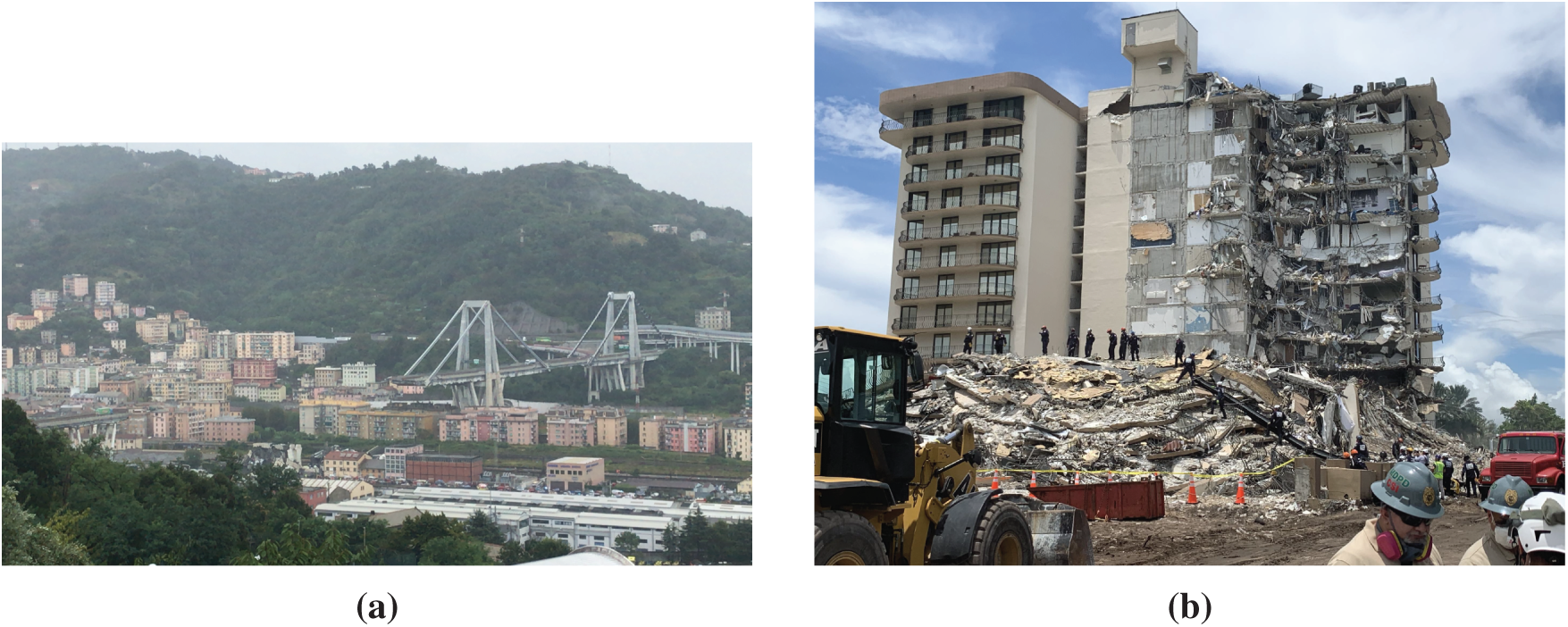
Figure 1: Morandi Bridge, in Genoa, Italy1. Champlain Towers South, in Florida, USA2. Examples of structural collapses in recent history.
To address such a critical challenge, the field of Structural Health Monitoring (SHM) has emerged, proposing different techniques for damage tracking and anomaly assessment. The SHM encompasses systems and methodologies that involve systematically collecting, analyzing, and interpreting data about a structure’s behavior [9–13]. Despite a long history of research and development, the importance and application of SHM programs have seen a notable increase in recent years. This rise is mainly due to the digital transformation of infrastructure management, which has been incorporating technologies such as Artificial Intelligence (AI) and the Internet of Things (IoT), coupled with the implementation of stricter safety regulations worldwide. Indeed, according to market analysis, the global SHM market was valued at approximately USD 2.5 billion in 2024 and is projected to grow at a Compound Annual Growth Rate (CAGR) of 10.4% to reach USD 4.09 billion by 2029 [14]. This significant market growth is a direct response to the global demands for contemporary structural integrity assessment, as illustrated in Fig. 2.
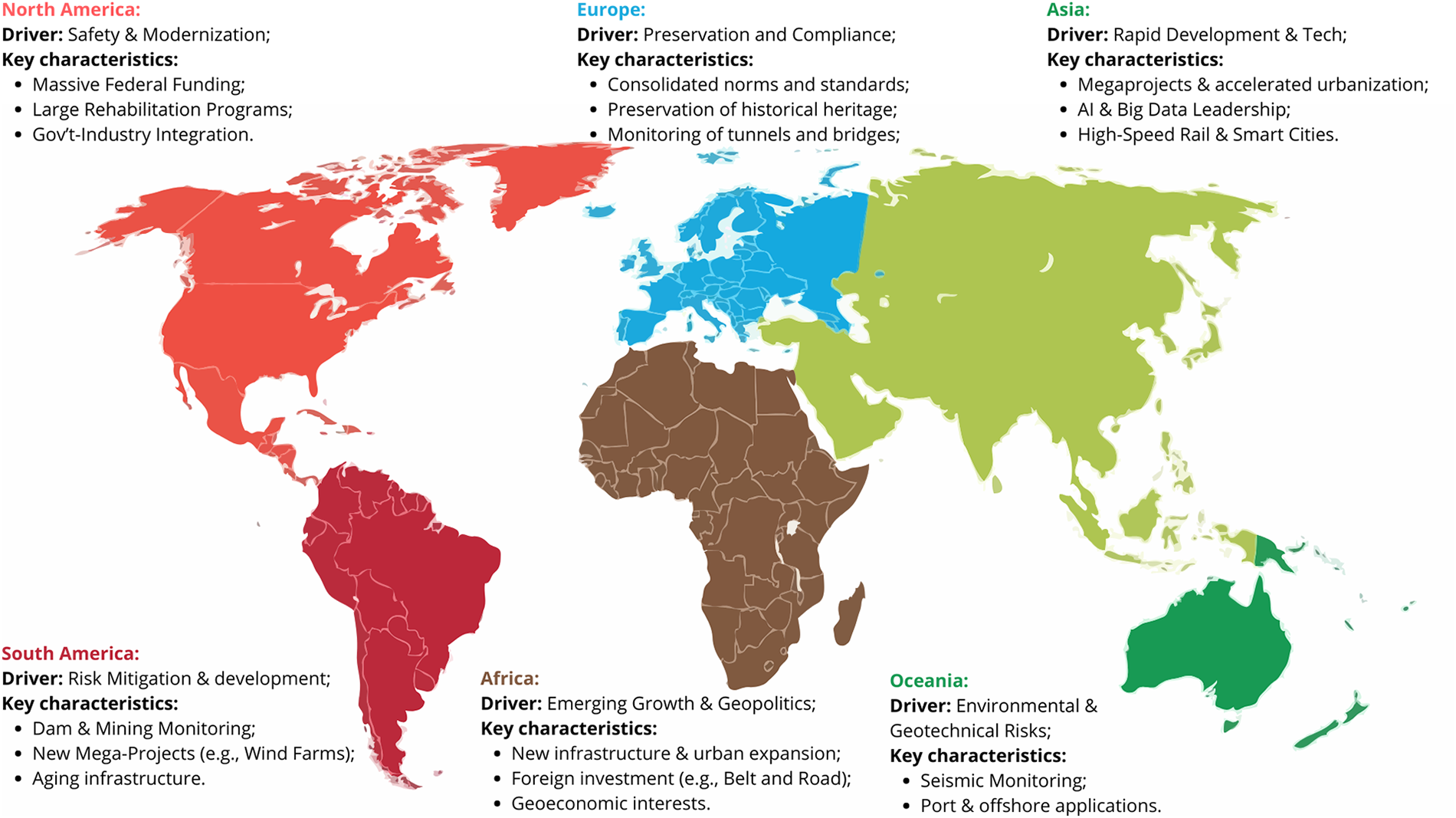
Figure 2: Global demands for contemporary structural integrity.
Traditional approaches mainly rely on vibration-based methods, using changes in globally measured modal parameters (like natural frequency, mode shape, and damping) as indicators of structural deterioration [15–19]. Notwithstanding their well-established theoretical foundations and intrinsic link to the mechanical behavior of structures, these methods often struggle with sensitivity to minor damage, environmental variability, and the complexity of large-scale civil infrastructures [20,21]. In recent years, advancements in sensor technology, data acquisition systems, and computational capacity have led to a paradigm shift, enabling the development of more robust and automated techniques for SHM [22–25]. Modern monitoring systems combine advanced hardware and software components [26], as illustrated in Fig. 3. This evolution has allowed the rise of data-driven approaches, particularly those related to Machine Learning (ML) and, more recently, Deep Learning (DL) [27–29]. These modern methods can identify complex patterns directly from raw sensor data, such as signals from accelerometers, strain gauges, and fiber optic sensors [24,30–33], often surpassing the performance of traditional techniques in terms of accuracy and automation [27,34–37].
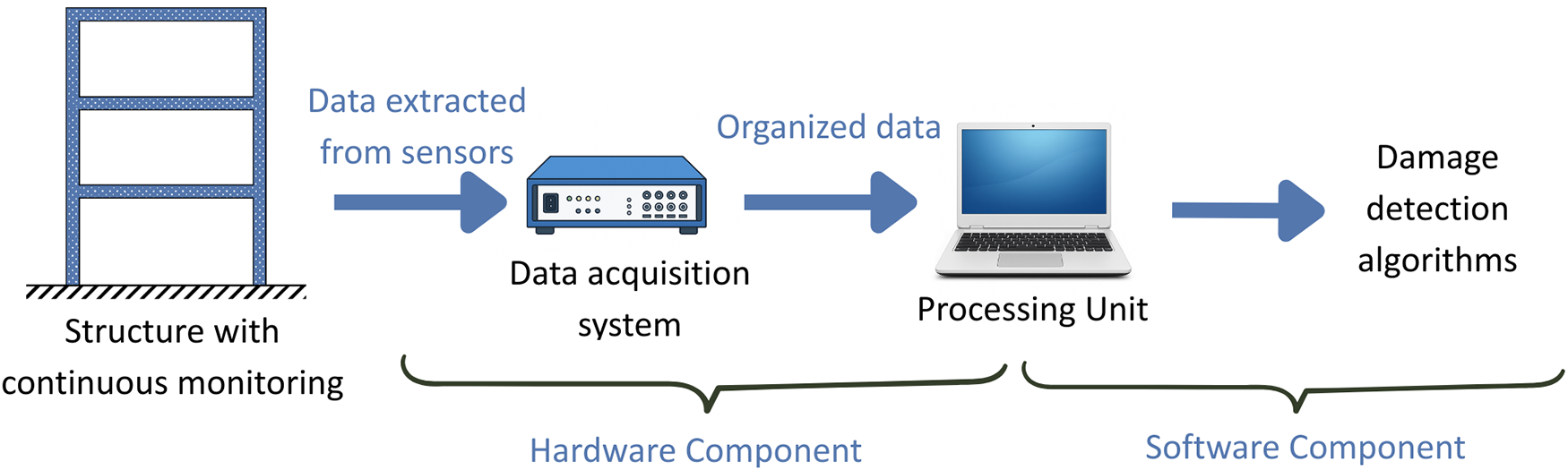
Figure 3: Main components of structural damage detection systems. Adapted from Avci et al. (2020) [26].
Hence, this paper analyzes the trajectory of these technological advancements in SHM for civil engineering. It aims to provide a comprehensive review of the field’s evolution, from its traditional roots to its current data-driven frontier, and to identify emerging trends and future research directions. The contributions of this work are summarized as follows:
• A comprehensive review of the state-of-the-art in Structural Health Monitoring, outlining its historical progression;
• An analysis of the technological milestones, particularly in sensor technology and computing that allowed the transition towards data-driven SHM;
• Identification of the strengths and limitations of methodologies across different eras of SHM development;
• A critical examination of emerging trends and future research needs that will influence the next generation of intelligent SHM systems.
The paper is organized as follows: This present Section, “Introduction”, which outlined the general aspects about SHM and the objectives of this work. Section 2, “Research Methodology”, details the systematic literature review process, including the sources, keywords, and temporal scope of the publications analyzed. Section 3, “The Shift from Visual to Sensor-Based Inspections”, discusses the transition from qualitative methods dependent on human perception to quantitative data collection using electronic sensors. Section 4, “Traditional Vibration-Based Methods”, outlines the foundational approaches, their principles, and their inherent challenges. Section 5, “The Rise of Machine Learning”, examines the evolution to data-driven analysis and the role of classical ML algorithms. Section 6, “Deep Learning for Structural Damage Detection”, delves into modern deep neural network architectures and their application to raw sensor data. Section 7, “Emerging Trends and Future Directions”, explores cutting-edge developments and upcoming paradigm shifts. Finally, Section 8, “Conclusions”, presents a summary of the study and its implications for the future of civil infrastructure management.
For this paper, the authors reviewed a total of 164 journal and conference articles related to vibration-based structural damage detection including articles on traditional methods and articles on ML and DL methods. The methodology for selecting these articles can be summarized as follows:
• The articles reviewed in this paper were collected from well-known databases including ASCE library, IEEE Xplore Digital Library, Scopus, Web of Science, Science Direct, Sage, Wiley Online Library and Google Scholar;
• The literature search was conducted using keywords such as “structural damage detection”, “vibration-based damage detection”, “global structural damage detection”, “neural networks for damage detection”, “machine learning for structural vibration”, “detection of damage in civil structures”, “structural health monitoring,” “deep learning”, “damage detection,” and “autoencoder”;
• The works analyzed are between the years 1978 and 2025;
• Relevant conference papers from prominent conferences such as the International Conference of Sound and Vibration (ICSV), International Modal Analysis Conference (IMAC) and ASCE Geotechnical and Structural Engineering Conference were also selected and reviewed.
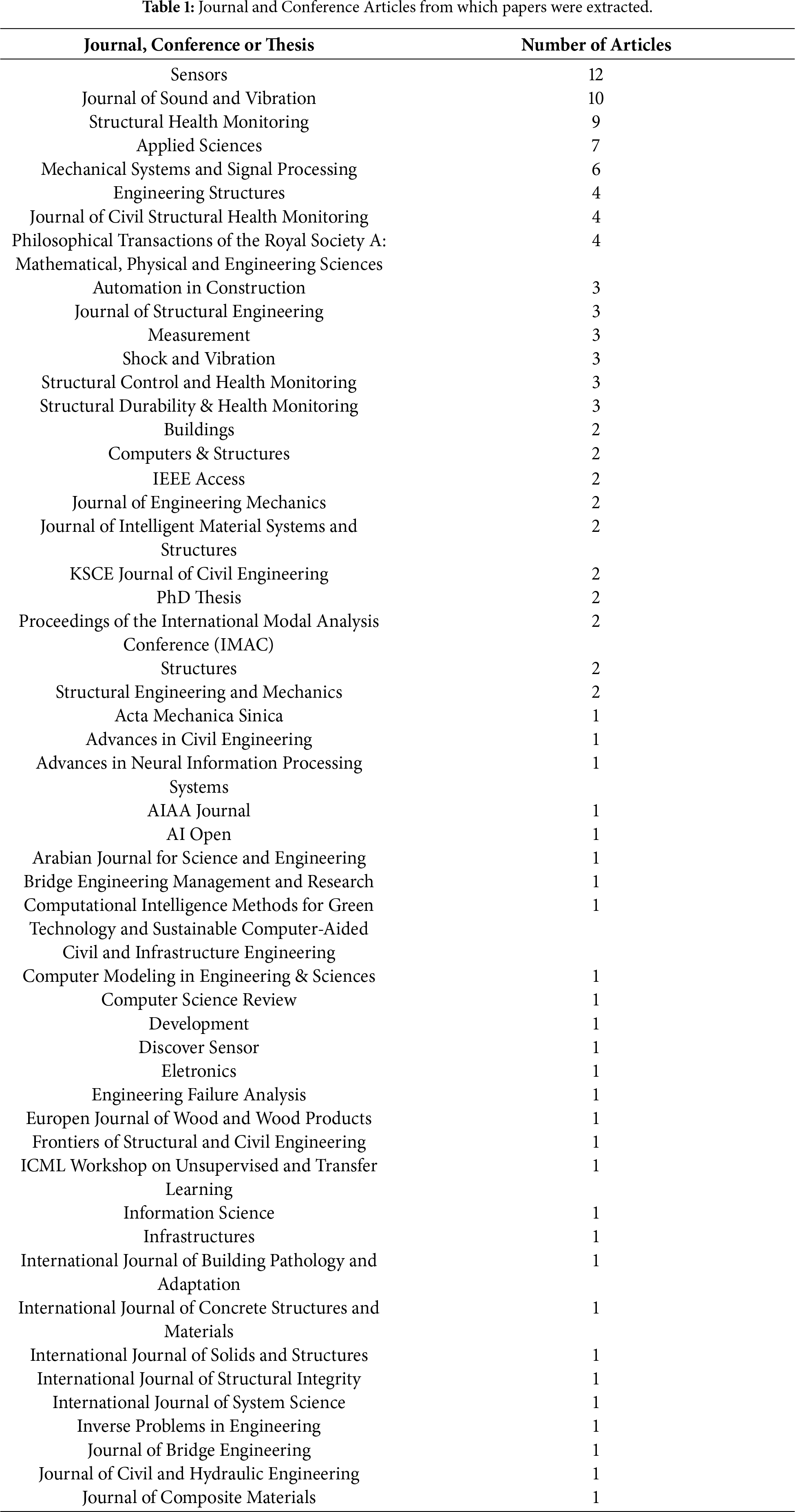
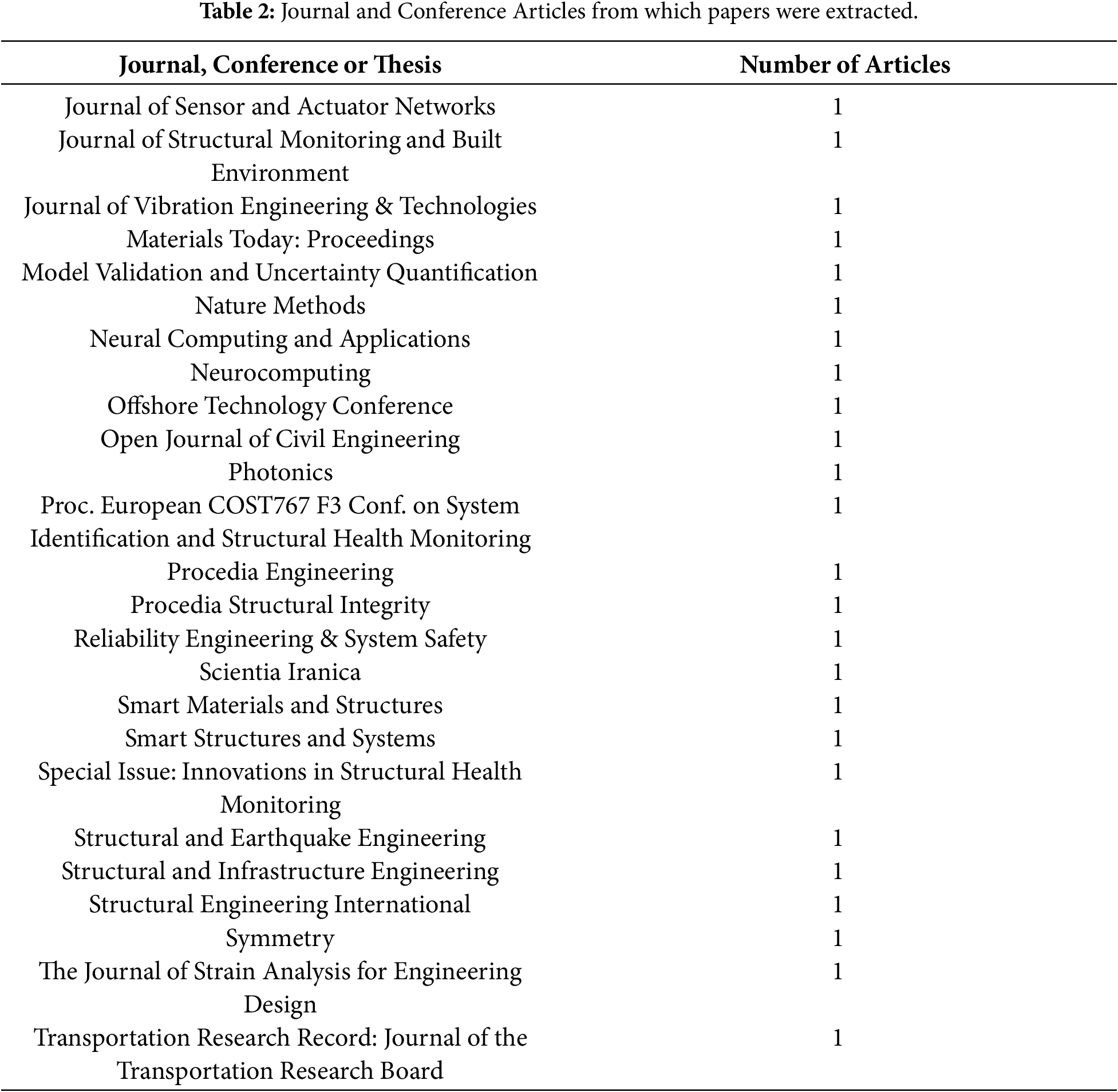
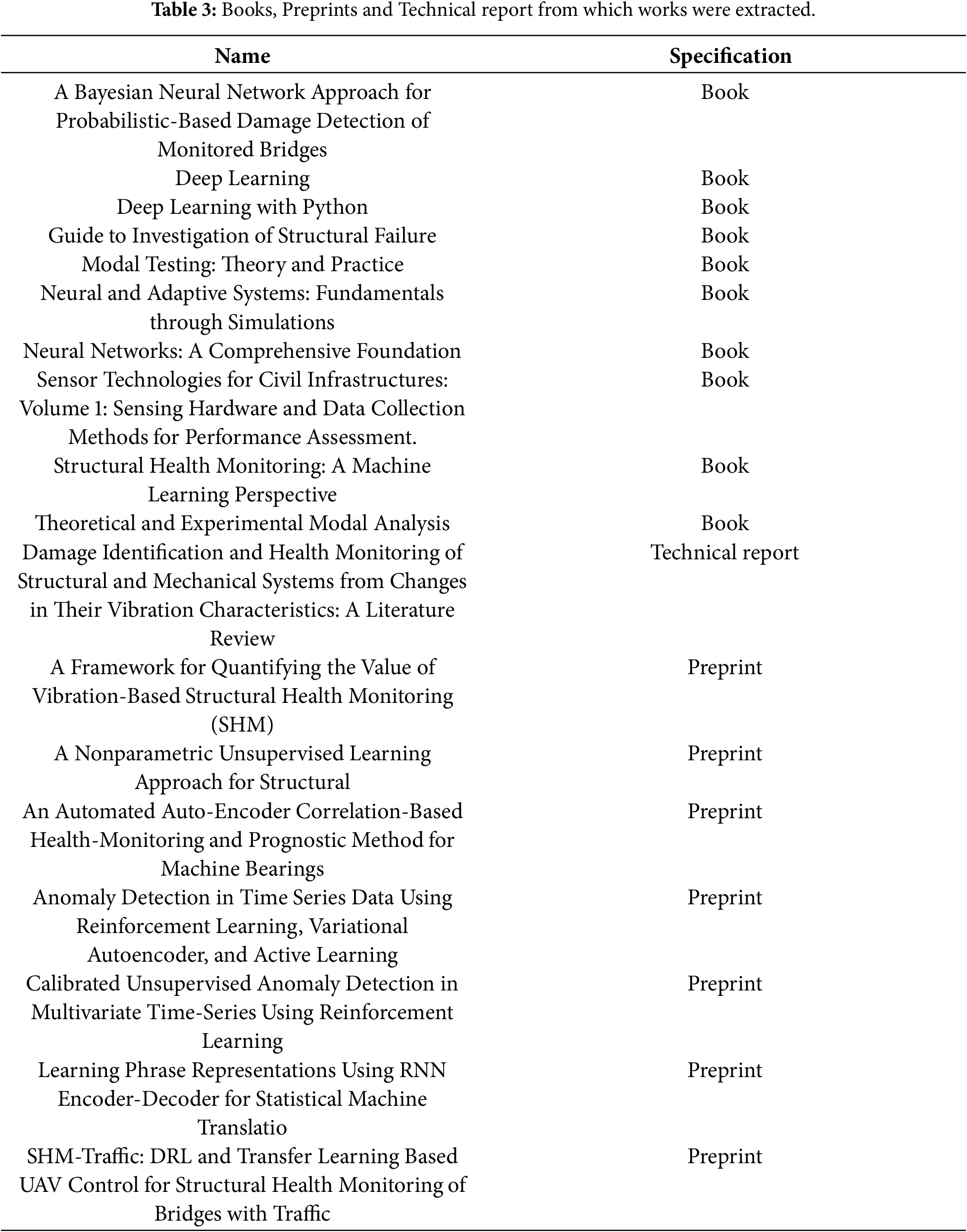
Tables 1 and 2 show the journals or conferences and the number of articles reviewed. Table 3 presents the books, preprints and technical reports that were also analyzed.
3 The Shift from Visual to Sensor-Based Inspections
Before the 1970s, structural integrity assessment was synonymous with visual inspections. As documented by Janney (1979) [38], this approach heavily depends on engineers’ expertise to identify visible indicators of deterioration, such as cracks, corrosion, and deformations. Despite being an indispensable practice, as it remains today, the use of only this methodology was/is inherently constrained by its subjectivity, its limitation to surface-level and accessible areas, and its inability to detect incipient or internal damage [38–41]. The dependency on qualitative, human-driven evaluation meant that critical damage was often only identified in advanced stages, presenting a significant risk for increasingly large and complex civil, aerospace, and mechanical structures.
The key transformation in condition monitoring began with the advent of electronic sensing technologies, such as electrical resistance strain gauges and accelerometers [42,43]. This technological breakthrough marked the birth of quantitative SHM, moving the field from subjective assessment to objective, data-driven evaluation. Consequently, it became possible to directly measure a structure’s actual responses under operational loads [42]. Strain gauges provided precise, localized measurements of deformation, while accelerometers captured the dynamic vibrational characteristics of the entire system.
The discovery of such measuring devices, which gained significant momentum in the 1970s and 1980s, enabled the systematic collection of quantitative data. In parallel, gradual improvements in Data Acquisition (DAQ) technologies helped make sensor-based monitoring increasingly viable. Early DAQ systems emerged in the 1960s, but it was only with the advent of microprocessors and the popularization of the personal computer (PC), beginning around 1975, that the technology became more accessible. Before this, the high costs of both accelerometers and the initial DAQ systems—which were large, expensive, and complex to install—limited their application to only a few critical structures. The transition to digital systems, marked by the PC, enabled higher resolution and sample rates, and more channels, making DAQ systems applicable to real-world structures [44]. Indeed, the practical deployment of sensor networks became truly feasible with the emergence of new classes of smaller, more affordable sensors coupled with continued reductions in computer processor and memory hardware. The ability to instrument structures with sensors and sophisticated data acquisition systems allowed researchers to move beyond superficial symptoms and relate measurable dynamic properties—such as natural frequencies, mode shapes, and damping ratios—to the underlying physical condition of the structure. This new capability to capture and analyze a structure’s vibrational fingerprint laid the essential groundwork for the development of the methodologies that would come to define the next era of SHM: The Vibration-Based Methods.
It is important to highlight that visual inspection and sensor-based monitoring are distinct but complementary methods used in SHM. The subsequent structural assessment practices discussed in this work, such as modal analysis, finite element modeling, regression analysis, machine learning, and deep learning approaches, should not be seen as substitutes for established inspection practices. Instead, they should be viewed as an additional diagnostic layer within a comprehensive structural management framework. Despite the many advancements in the field, including recent expectations surrounding artificial intelligence-based approaches, visual inspections remain the most common and cost-effective method for assessing infrastructure condition. This aspect is primarily due to their ability to identify localized and non-structural damage rapidly, for example, malfunctioning water drainage systems, early-stage corrosion, deteriorating bridge joints, or surface degradation, which may not be easily detectable or inferred from global sensor measurements. From a stakeholder perspective, an automated SHM system based on sensor networks still represents a largely incremental investment [45], one that is not always justified for routine condition assessment, particularly when early maintenance actions driven by visual inspections are inexpensive, straightforward, and highly effective. Exclusive reliance on an automated monitoring system may delay the detection of such defects until their structural consequences become measurable, thereby increasing the complexity and cost of corrective interventions. For these reasons, the value of new SHM methodologies lies not in replacing visual inspections and other traditional techniques, but in complementing them by providing continuous, objective information on the structural response and global integrity of a system, especially for internal, distributed, or non-visual damage mechanisms. Acknowledging this complementarity is essential to understanding both the practical limitations and the realistic role of SHM within contemporary infrastructure management.
4 Traditional Vibration-Based Methods
With advancements in sensor technologies, the subsequent decades saw the formalization of Traditional Vibration-Based Methods as the standard approach in SHM. These methods are founded on a basic concept: damage alters the structure’s physical properties (such as stiffness and mass), thereby altering how it vibrates. The idea was therefore to monitor these vibrations—specifically, their natural frequencies and mode shapes—to detect damage. The key hypothesis, as Farrar and Worden (2006) [39] established, is that any alteration in a structure’s vibrational fingerprint from its healthy baseline indicates potential damage [20,46]. This principle represented a definitive change from localized, visual inspections to a global, data-driven framework for assessing structural health.
Cawley and Adams (1979) [47] presented one of the first experimental methods using dynamic response (vibration) to detect structural discontinuities, such as cracks and damage, in composite materials used in aircraft. Their approach applies to structures that can be analyzed in one dimension, using vibration measurements at a single point combined with an appropriate theoretical model to identify both the location and magnitude of defects. The authors tested damaged and undamaged samples and showed that vibrational modes could be used to locate and quantify the damage. The methodology was based on analyzing the structure’s vibrational response, especially receptance (the ratio between the applied force and displacement response), to detect variations indicating damage. These measurements were compared to results obtained through theoretical models, allowing discrepancies caused by internal failures—such as cracks or stiffness changes—to be determined. The technique is most effective when applied to one-dimensional structures or those that can be modeled as such, which significantly simplifies the analysis. Cawley and Adams applied their technique to a series of experiments involving various mechanical components, including straight prismatic bars, a double-tapered bar, and an automotive camshaft. The results were promising, with a strong correlation between damage locations identified via vibration techniques and the actual defects introduced into the parts. The good agreement between the mathematical model and experimental data validated the effectiveness of the proposed approach. Despite promising results, this study has limitations that hinder its practical application in real structures. The method was designed for essentially one-dimensional systems, relying on simplified theoretical models and well-defined boundary conditions, making it difficult to generalize to more complex geometries. Furthermore, the technique demonstrates reduced sensitivity to small or multiple damages, and is also susceptible to experimental noise and inaccuracies in vibration measurements. Another limiting aspect is the predominantly qualitative nature of the diagnosis, which allows for the identification and localization of damage but not the precise quantification of its severity.
In the same year, in 1979, the authors Cawley and Adams [48] published a study presenting a non-destructive technique to detect, locate, and quantify structural defects through natural frequency analysis. In summary, they found that since damage causes a localized loss of stiffness, a reduction in the natural frequency naturally occurs. The approach uses measurements at a single point of the structure, comparing them with theoretical models obtained through finite element analysis. This allows the identification of changes in natural frequencies that indicate the presence of damage, such as cracks or stiffness variations. The technique requires only one complete analysis for each structure type, making it efficient and applicable to various structural configurations. The authors validated the methodology through experiments on an aluminum plate and a carbon composite plate with cross fibers. Although the model yielded good results in identifying and, to some extent, quantifying damage, it still relied on simplified theoretical models and well-defined boundary conditions, which restricted its application to structures with relatively simple and controlled behavior. Furthermore, it continued to exhibit low sensitivity to small-scale or distributed damage, and experimental noise could compromise measurement accuracy.
The research of Coppolino and Rubin (1980) [49] represents an important evolution in relation to the previous studies conducted by Cawley and Adams [47,48], by expanding the use of vibration techniques to real and complex contexts, such as the continuous monitoring of offshore platforms—both fixed and floating. While previous work focused on laboratory experiments with simple structures and controlled conditions, Coppolino and Rubin applied the concept of vibrational response to large, difficult-to-access structures, where visual inspection alone was impractical. The study describes how acceleration and displacement sensors can collect real-time data on the dynamic behavior of the structure, allowing the monitoring of its natural frequencies, mode shapes, and damping. Comparing these parameters over time proved effective in identifying subtle variations in structural performance, anticipating potential failures. This approach marked a conceptual and technological advance, as it introduced the use of field data and continuous monitoring as a practical tool for structural integrity—consolidating the link between experimental research and industrial applications in Structural Health Monitoring. Their work exemplified the practical shift from manual, periodic inspections to continuous monitoring using instrumented sensor networks.
The work of Ewins (1984) [50] represents a significant evolution over previous studies by consolidating a systematic and theoretical approach to modal testing, integrating experimental concepts and practical applications in real and laboratory structures. While previous research focused primarily on damage detection and the analysis of changes in natural frequencies or receptance, the author establishes a robust methodological basis for performing comprehensive modal tests, covering everything from signal processing to the precise extraction of modal parameters from frequency response functions. At the same time, the author highlights the practical limitations of this type of testing: the sensitivity of results to noise, the influence of nonlinearities, the dependence on well-defined boundary conditions, and the physical constraints of the system, which can compromise the correct interpretation of the data [50,51]. With these foundational works, other authors began to conduct studies following the same line of reasoning [52–54]. Fox (1992) [53] presented numerical and experimental results for a cracked beam and demonstrated the sensitivity of natural frequencies as damage indicators. More recently, Sha et al. (2019) [54] showed that it is possible not only to detect damage in a cracked beam, but also to locate it by analyzing the variations in natural frequencies.
Although the studies presented earlier have established the feasibility of modal monitoring and the use of dynamic parameters as indicators of damage, they still exhibit subjectivity in the interpretation of structural modes and difficulties in handling multiple modes or experimental noise. In this context, Allemang and Brown (1982) [55] introduced the concept of correlation coefficients for modal vector analysis, offering a quantitative and systematic tool for comparing experimentally obtained modal shapes with theoretical models. This approach allowed for a more objective assessment of modal consistency, improving the reliability of detecting structural changes and laying the groundwork for more robust methods of monitoring and validating modal data in practical applications. The methodology proposed by Allemang and Brown is based on the use of the Modal Assurance Criterion (MAC), an index that quantifies the correlation between damaged and undamaged structural modes, with values ranging from 0 to 1. Values close to 1 indicate little or no change in the modes, while values close to 0 suggest the occurrence of potential structural damage. In this study, the MAC proved effective in validating modal models and identifying significant changes in the dynamic properties of the structure, capable of indicating the presence of damage. However, the MAC has limitations in detecting localized or subtle damage, as it evaluates the global correlation between complete modes and may not capture small variations in specific regions of the structure.
Following this line, Lieven and Ewins (1988) [56] proposed Coordinate Modal Assurance Criterion (COMAC). This methodology extends MAC by assessing modal correlation at each degree of freedom, allowing for a more detailed analysis of variations in modal amplitudes. Like MAC, a correlation coefficient is calculated for each modal coordinate, yielding an index from 0 to 1. Values near 1 indicate strong correlation and no damage, while lower values suggest local structural changes. In the original studies, COMAC demonstrated greater sensitivity for detecting damage in specific regions, overcoming limitations of traditional MAC, which assesses global mode correlation. Its applications include structural monitoring and integrity diagnostics in mechanical and civil systems, particularly useful for identifying localized damage through variations in modal responses at specific structural points.
In this context, several studies investigating the direct application of modal parameters have highlighted the limited sensitivity of natural frequencies while emphasizing the promising potential of mode shapes in damage detection and/or localization. For this reason, various methodologies have been developed to enhance the effectiveness of mode-shape-based indicators for damage identification [40].
In 1991, Pandey et al. [57] proposed a damage detection indicator based on the variation of the natural mode curvature. The methodology consists of comparing the curvature of modal shapes from a healthy structure with those obtained after damage occurrence. Since bending stiffness is directly related to modal curvature, changes in this curvature indicate possible structural alterations. To calculate modal curvature, the authors used spatial derivatives of modal shapes obtained experimentally or through numerical analysis. The method was applied to various structures, including beams with localized damage simulated by stiffness reduction in certain regions. Results showed that the modal curvature-based indicator had higher sensitivity for locating and quantifying damage than indicators based only on natural frequency variations. Thus, the approach proved efficient for accurate damage detection and localization, especially in cases where frequency changes are too small to be reliable. However, the methodology has some significant limitations: the calculation of modal curvature relies on second-order spatial derivatives, making it sensitive to experimental noise. It also requires high spatial resolution, with a large number of measurement points throughout the structure, which can be impractical for large structures. Furthermore, the technique is more effective for damage that significantly affects flexural stiffness, being less sensitive to subtle changes. It was developed primarily for one-dimensional or simple structures, limiting its generalizability to more complex geometries. Finally, the approach requires prior knowledge of the modal curvature of the healthy structure, which is not always available for existing or operational structures.
Although modal parameters are widely used in structural damage detection, they have significant limitations, especially in real structures. Key issues include low sensitivity to minor damage, difficulty in accurately locating damage, and susceptibility to environmental variations, such as temperature and humidity, which can mask deterioration signals. In response, advanced indicators have emerged—such as modal strain energy, flexibility matrices, and related metrics—that offer greater sensitivity and localization capabilities.
Kim and Stubbs (1993) [58] proposed a structural damage detection method based on variations in modal strain energy, representing an advance over previous work that relied solely on natural frequencies, mode shapes, or modal curvature. The technique consists of comparing the strain energy distribution of a healthy structure with that obtained after damage. Since this energy is directly related to the structure’s local stiffness, significant changes in its distribution indicate the presence of damage. The methodology is based on the analysis of the structure’s vibration modes and the calculation of the associated strain energy before and after damage. The method was applied to numerical models of structures under different damage scenarios, such as stiffness reduction in specific elements. The results demonstrated that the technique is capable of detecting and locating the affected region with greater precision, even when changes in the overall dynamic response are small, thus overcoming the limited sensitivity of indicators based solely on natural frequencies or modal curvatures.
In 1994, Pandey and Biswas [59] presented a methodology for detecting and locating structural damage based on variations in the modal flexibility matrix. Flexibility is the inverse of stiffness—so a damaged structure (with reduced stiffness) tends to show a local increase in flexibility. This study demonstrated that it is possible to identify damaged regions by analyzing the difference between flexibility matrices before and after damage. The advantage of using the flexibility matrix is its sensitivity to small stiffness variations, even when natural frequencies change very little. Moreover, the method uses only the first vibration modes, which are generally easier to measure accurately, making it practical for experimental applications. In this study, the methodology was validated through three numerical examples of beams with localized damage: a cantilever beam, a simply supported beam, and a free–free beam. The results demonstrated that the methodology is effective in locating and, in some cases, quantifying damage, showing that the presence of damage is associated with reduced stiffness and increased flexibility, consolidating the usefulness of the flexibility indicator for more sensitive and applicable structural monitoring.
More recent papers, such as the one by Alvandi and Cremona (2006) [60], present a critical and comprehensive review of the main vibration-based damage identification techniques developed up to that point. The authors grouped these techniques into three major categories: those based on natural frequencies, mode shapes, and modal energy or flexibility. Each approach was evaluated in terms of damage sensitivity, noise robustness, and experimental feasibility. Results showed that the method based on strain energy variation was most effective for locating damage, while curvature- and flexibility-based methods were better for damage quantification. Since then, articles involving modal parameters have become more common in the literature, whether based on natural frequencies [61–64], mode shapes [65–68], or modal energy or flexibility [69–73]. Some studies combine two or more parameters [74–78], such as the work by Cury et al. (2011) [79], who presented a strategy that combined strain energy variation with natural frequencies to locate and quantify damage, achieving good results.
Although it is possible to identify structural damage based on variations in natural frequencies and vibration modes, such an approach has significant practical limitations. In general, these methods require accurate measurements or considerable levels of degradation so that changes caused by damage are not masked by environmental and operational effects, thus avoiding false alarms [80,81]. Given these constraints, several studies have begun to incorporate advanced signal processing techniques into the analysis of dynamic data. Hou et al. (2000) [82], for example, applied the wavelet transform to detect anomalous structural behavior in a numerically modeled mass–spring–damper system under different damage levels, as well as in a real building during a seismic event. The results obtained indicated the great potential of techniques based on wavelet theory for detecting structural damage. In the same year, Vanik et al. (2000) [83] proposed a SHM methodology based on Bayesian inference, in which modal parameters are used to construct a continuously updated probabilistic damage model. The method was validated in an online monitoring simulation, proving to be a good tool for dealing with this type of problem.
Another relevant approach involves time series analysis, in which structural responses are modeled using AutoRegressive (AR) statistical models, as discussed by Nair et al. (2006) [84]. In that study, numerical and experimental tests were performed on a three-dimensional steel frame to classify the signals corresponding to damaged and undamaged states of the system based on variations in the coefficients of an AutoRegressive Moving Average (ARMA) model. To determine the presence of damage, the authors applied a statistical hypothesis test, demonstrating that the technique is capable of consistently detecting and localizing damage patterns. More recently, Kauss et al. (2024) [85] proposed combining the main AutoRegressive models (AR, ARMA, AutoRegressive with EXogenous inputs-ARX, and AutoRegressive Moving Average with EXogenous inputs - ARMAX) with the Differential Evolution (DE) algorithm to analyze vibration signal time series patterns. The model order optimization is carried out using a semi-supervised objective function, which is compared to the traditional Akaike Information Criterion (AIC). This semi-supervised approach aims to identify progressive deterioration behavior and localize potential damage. Damage levels were estimated for each sensor based on the Mahalanobis distance of the resulting Autoregressive coefficients. The framework was tested on a three-story structure and the real-world Z24 bridge, achieving equal or better damage localization while being significantly more computationally efficient.
In this sense, among the main benefits of this type of methodology is the ability to detect damage continuously and in real time, even in complex three-dimensional structures, without relying exclusively on global changes in natural frequencies or mode shapes. The use of AR/ARMA models allows for the capture of subtle dynamic changes caused by local damage, increasing sensitivity compared to older methods based solely on modal parameters. Furthermore, the application of statistical tests enables a quantitative assessment of the presence of damage, reducing subjectivity in the interpretation of results. On the other hand, the approach has limitations: it requires large volumes of high-quality data and is sensitive to environmental noise and operational variations, which can generate false positives or mask real damage. Furthermore, statistical modeling relies on assumptions about the linear and steady-state behavior of the structure, which may not be fully valid in real systems subject to nonlinear conditions or extreme events. Thus, although it represents an advance in relation to classical SHM methodologies, time series analysis requires care in its application and interpretation, and is often combined with other techniques for greater robustness in damage detection.
The work of Esfandiari et al. (2010) [86] presents an innovative approach for the detection and quantification of structural damage by updating Finite Element Models (FEM) using decomposed Frequency Response Function (FRF) data. This methodology demonstrates the integration between experimental data and numerical models, the sensitivity to small changes in mass and stiffness, the ability to be applied to complex structures such as trusses, and the possibility of quantifying damage beyond its location. However, the methodology has significant limitations, since it depends on an accurate initial FEM model, is computationally intensive, can be affected by noise or experimental inaccuracies, and its practical application in in-service structures still requires further validation.
Despite the advances achieved through traditional vibration-based methods, these approaches still face fundamental limitations. Modal-based techniques are often sensitive to environmental variations, require high-quality measurements, and exhibit reduced effectiveness in detecting subtle or localized damage. Besides that, processing and interpreting large volumes of monitoring data from real structures can also be computationally intensive and time-consuming.
Another important aspect is the link between alarm definition and decision-making. Because these indicators are sensitive not only to damage but also to environmental and operational variability, alarm strategies must balance damage sensitivity with robustness against noise and normal fluctuations. Common alarm types include threshold-based alarms, which trigger when a damage index exceeds a predefined limit; trend-based alarms, which detect persistent or accelerating deviations over time; and pattern-based alarms, which rely on multivariate relationships among multiple modal features. Threshold-based approaches are simple and widely used but are particularly vulnerable to false alarms, while trend- and pattern-based strategies improve robustness at the cost of increased complexity or delayed detection. Alarm systems are often organized into multiple levels reflecting increasing confidence or severity of damage, ranging from early warnings to critical states requiring immediate intervention. Alarm logic may incorporate redundancy across indicators, persistence criteria, or spatial consistency among sensors to reduce false detections. The consequences of alarm activation are significant: false alarms can lead to unnecessary inspections, increased costs, and loss of confidence in the SHM system, whereas missed or delayed alarms may compromise structural safety. As a result, no universal alarm framework exists for vibration-based SHM, and alarm definitions remain strongly application-dependent, requiring careful tuning to the structural system, environmental conditions, and acceptable risk levels.
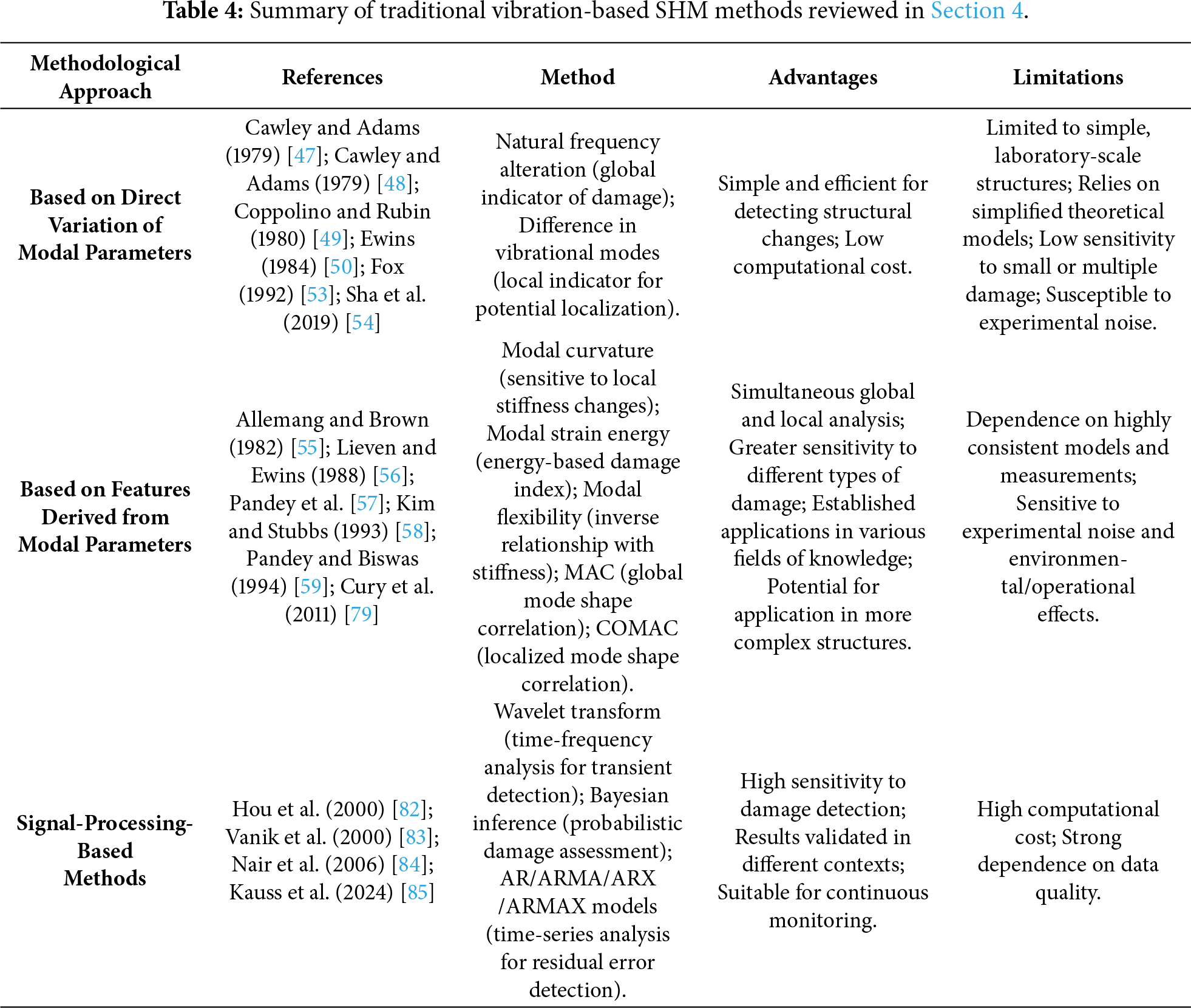
To facilitate the comparison among the vibration-based methods discussed in this section, Table 4 summarizes their key characteristics, advantages, and limitations.
Given the challenges mentioned, SHM researchers have increasingly turned to machine learning. Artificial Neural Networks (ANNs), Support Vector Machines (SVM), Random Forests (RFs), among others algorithms, offer enhanced robustness to noisy or variable data, the ability to handle nonlinear structural behavior, and the potential to identify complex damage patterns directly from large datasets, even under uncertain operational conditions [20,40,87–89]. These topics will be explored in the next section, which focuses on machine learning.
5 The Rise of Machine Learning
The rapid technological advancements of the 1990s and 2000s facilitated the processing of larger datasets, thereby spurring research into new SHM methodologies. In contrast to traditional vibration-based methods, pattern recognition-based techniques emerged as a powerful alternative. By focusing directly on analyzing the spatial and temporal patterns in the structure’s dynamic response, such approaches eliminate the need for explicit modal identification. This shift opened the door for ML, which offered tools to automatically learn complex patterns and identify anomalies relative to a reference state, moving the field toward more automated, data-driven structural assessment. This new paradigm utilized algorithms to automatically identify patterns, classify conditions, and, most critically, detect anomalies by recognizing subtle deviations from a learned healthy baseline [41,90]. Farrar et al. (2001) [91] were pioneers in treating structural damage detection as a statistical pattern recognition problem, dividing the SHM procedure into four main steps: operational evaluation, data acquisition and cleansing, feature selection, and statistical model development. In this kind of approach, characteristics are extracted from dynamic responses using signal processing techniques (e.g., time-series statistics, frequency-domain analysis, wavelet transforms, among others) and then used as input parameters for machine learning algorithms. These algorithms, in turn, build statistical or mathematical models from training data, enabling them to generalize from this information and make predictions or classifications on new, previously unseen data. ML techniques such as supervised learning for damage classification and, more importantly, unsupervised learning for scenarios with scarce damage examples, have begun to tackle the limitations of previous methods. Fundamentally, the ML algorithms are categorized by the availability of labeled training data, as illustrated in Fig. 4. This categorization dictates their suitability for specific SHM challenges, as follows:
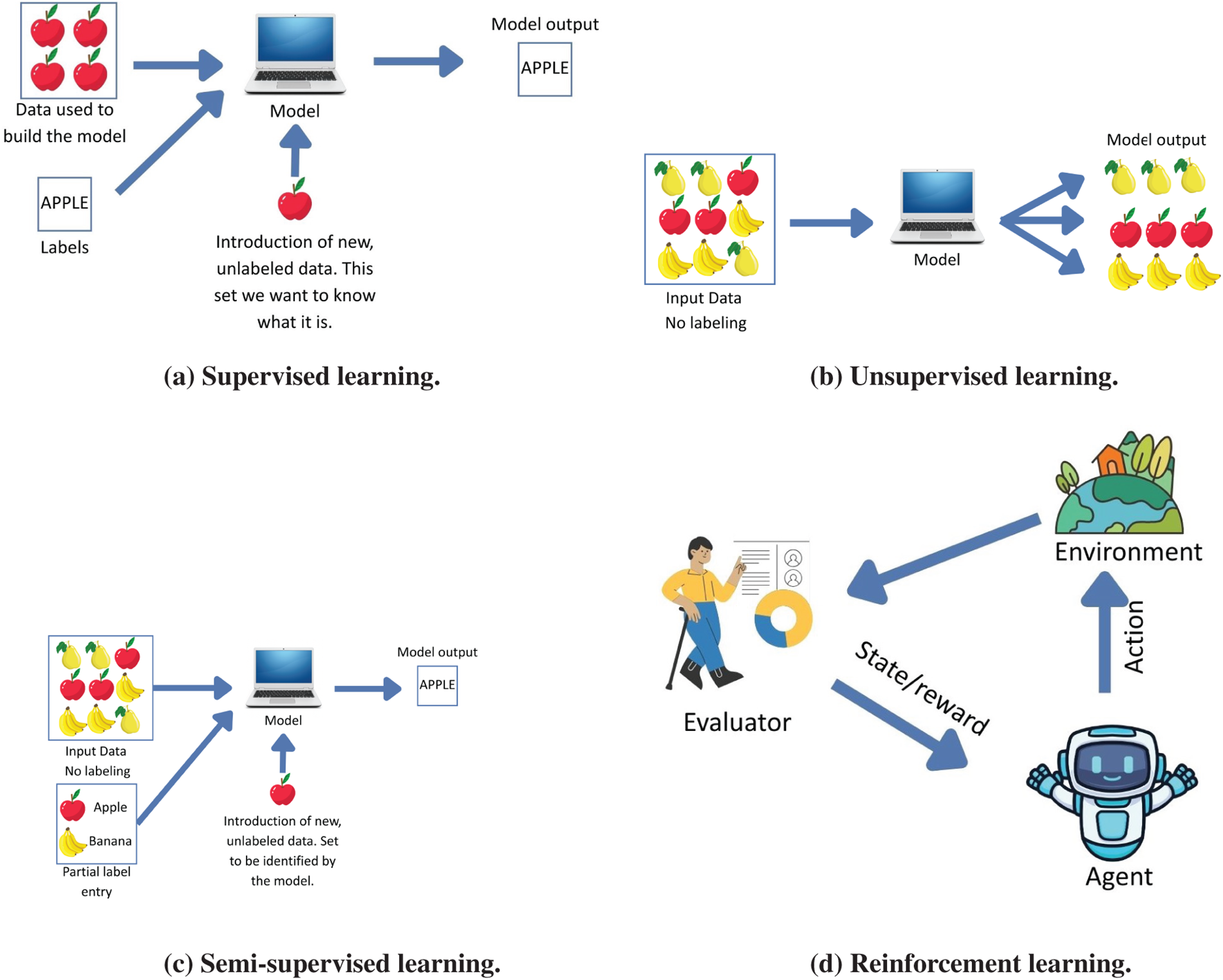
Figure 4: Different types of machine learning algorithms.
• Supervised learning (Fig. 4a): The algorithm is trained using known input-output pairs to establish a relationship between features (inputs) and desired outputs, which may include damage states or severity levels [5,92–94]. This method is best suited for fault classification and severity assessment in systems with well-defined failure modes. Its primary applications are in rotating machinery (e.g., bearings, gearboxes, turbines) and laboratory-controlled structures, where comprehensive libraries of labeled fault data can be systematically collected;
• Unsupervised learning (Fig. 4b): The algorithm receives no known output labels. Instead, it identifies inherent patterns by grouping data based on similarity, allowing for the autonomous discovery of new classes or clusters [95–97]. In SHM, it is the most commonly used for anomaly or novelty detection in civil and large-scale infrastructure, such as bridges, dams, and offshore platforms. It is most desirable for real-world monitoring when labeled damage data is unavailable, as it establishes a statistical baseline for normal operational conditions and flags significant deviations that may indicate damage;
• Semi-supervised learning (Fig. 4c): This approach leverages a combination of a small amount of labeled data and a large volume of unlabeled data [98–100]. It finds its key application in SHM by enhancing robust anomaly detection under varying operational and environmental conditions (e.g., traffic loads, temperature changes). The labeled data—often of the normal state—anchors the model, improving its accuracy and sensitivity when learning from predominant unlabeled operational data;
• Reinforcement learning (Fig. 4d): An agent learns to make sequential decisions by interacting with an environment and receiving rewards or penalties. The goal is to understand an optimal policy to maximize cumulative reward over time, a paradigm widely applied in robotics and game theory [101,102]. In SHM, its potential lies in adaptive control and maintenance scheduling, where an agent could learn optimal inspection or actuation strategies based on continuous structural feedback.
There are many studies in the literature demonstrating the effectiveness and usefulness of ML-based methods for assessing structural integrity. Artificial Neural Networks are among the most popular machine learning models in SHM. One of the earliest publications on this topic was the article by Chang et al. (2000) [103], in which the authors proposed a method for structural damage detection based on an iterative neural network (supervised learning) using modal data—such as natural frequencies and mode shapes—as inputs. The methodology consists of training the network with a set of simulated modal patterns corresponding to different damage scenarios in a model structure. The neural network is then used iteratively to estimate the damaged structural properties from incomplete or noisy data. This model was applied to a clamped-clamped T beam with simulated stiffness variations to represent different levels and locations of damage. The results demonstrated that the approach could accurately identify the location and severity of the damage, even in the presence of noise and partial modal data, outperforming traditional modal analysis methods.
Sohn et al. (2002) [104] proposed a combination of time series analysis, neural networks, and statistical inference techniques for structural damage classification under variable environmental and operational conditions. The methodology is based on the analysis of features extracted from vibration signals, using pattern recognition techniques to distinguish between healthy and damaged structural states. The authors applied statistical models such as Principal Component Analysis (PCA) and Linear Discriminant Analysis (LDA) to reduce data dimensionality and improve class separation. Models were tested on experimental data collected from structures under different environmental conditions, demonstrating the approach’s effectiveness in damage identification even when operational conditions vary. Results indicate that the proposed methodology is robust and capable of minimizing false positives, providing an effective tool for SHM in real environments. Despite these improvements, this methodology still had limitations, such as relying on the appropriate selection of extracted features, requiring significant computational resources, requiring experimental data representative of the structure’s actual conditions, potentially presenting reduced sensitivity to very subtle or localized damage, and making implicit linear assumptions that do not always reflect the structure’s actual behavior.
Shu et al. (2013) [105] used artificial neural networks for damage detection and localization in a model of a one-span simply supported beam railway bridge. In their study, the authors applied the methodology to a finite element model, in which different damage scenarios and operational conditions were considered. The results demonstrated that the method exhibited a good capability for identifying damage severity and satisfactory performance in damage localization, with reduced errors. The research of Hakim (2024) [106] used ANN for the detection and location of damage in steel girder bridge. In this study, the author tested the model on an experimental structure shown in Fig. 5 and the results obtained showed high accuracy in locating the damage, with reduced errors, highlighting the potential of the method as a robust and reliable tool for monitoring structural integrity and maintaining infrastructure.
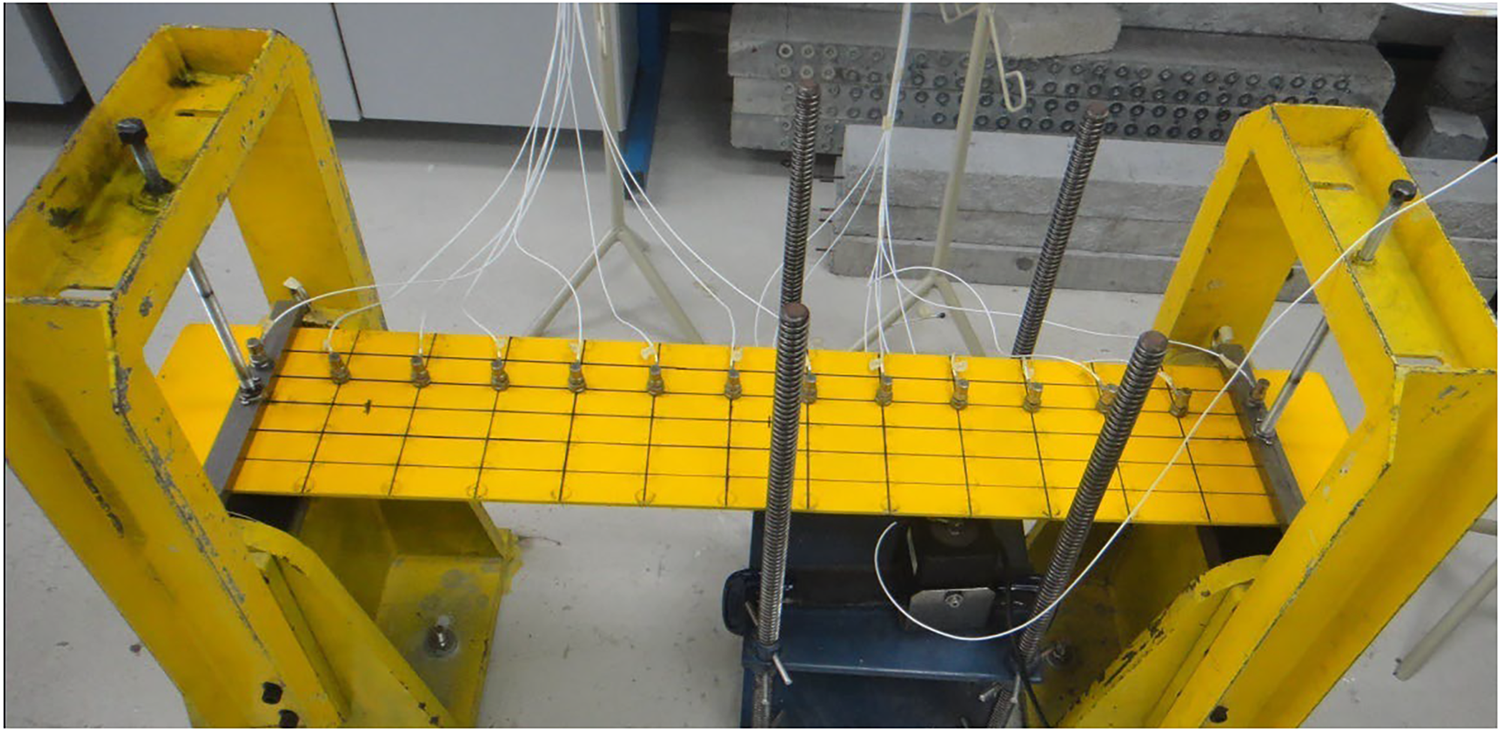
Figure 5: Experimental set up of Steel girder bridge. Hakim (2024) [106].
In the work by Liu and Li (2022) [107], an enhanced unsupervised ANN based on a Self-Organizing Map (SOM) was employed to detect and identify damage in concrete structures using an improved neural network framework. The methodology involves extracting geometric features of micro-damage obtained through 3D laser scanning, followed by competitive training of the SOM to automatically cluster different structural states without the need for labeled data. The approach was experimentally validated through flexural fatigue tests on high-strength concrete, achieving an approximately 4.7% increase in identification accuracy compared to the conventional SOM. The main advantages of the method include the absence of prior information about the damaged state, good generalization capability with limited datasets, and low computational complexity. On the other hand, the technique depends on the quality of feature extraction and on specific data acquisition equipment (3D scanning, Fig. 6), and it does not directly provide precise quantification of damage severity, being limited to the identification and classification of structural states.
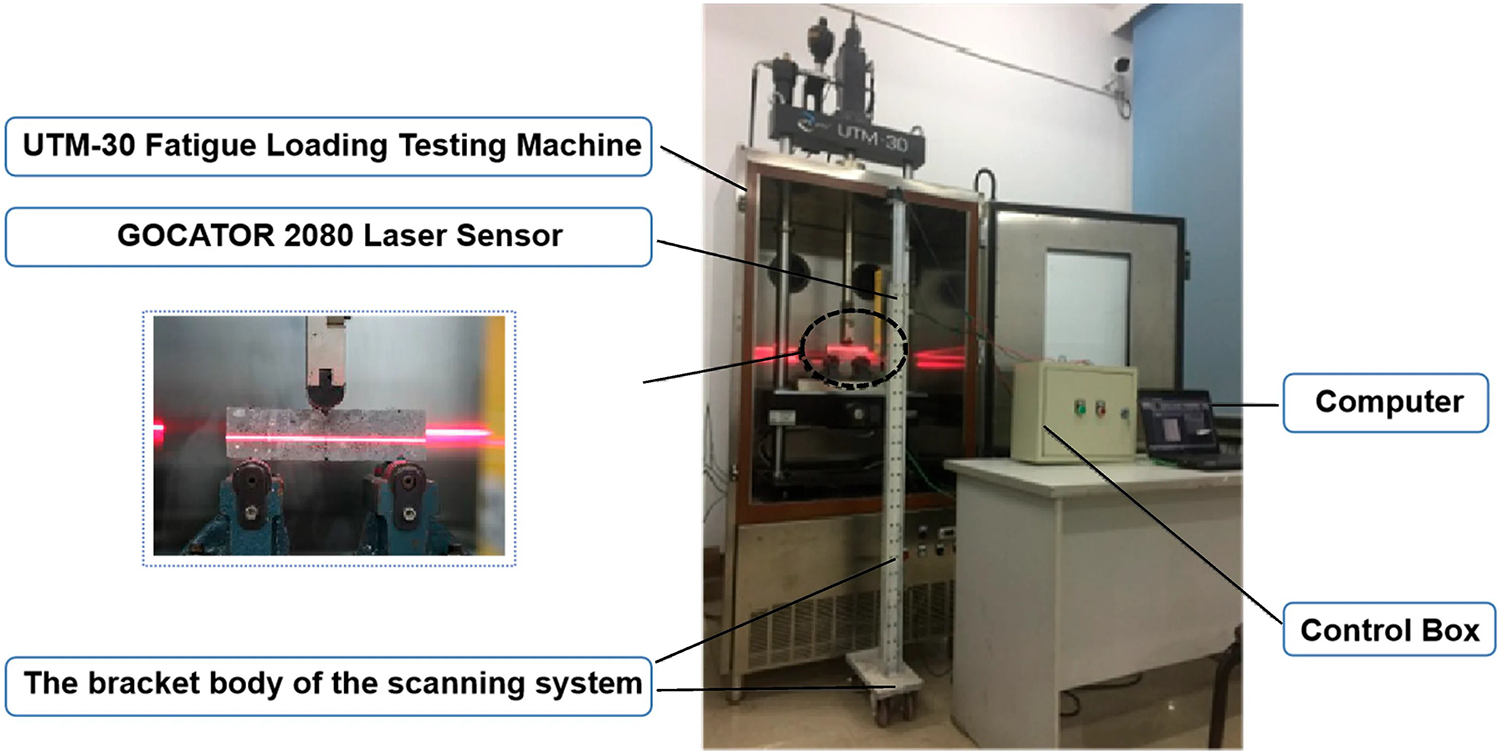
Figure 6: Damage 3D image acquisition system. Liu and Li (2022) [107].
The advantages of ANNs over other methodologies for structural integrity evaluation include their ability to learn patterns directly from data, without the need for explicit rules or detailed physical modeling [5,108]. However, despite their power and flexibility, these algorithms also present specific challenges. They require large volumes of data and significant computational capacity to be effective, and they also pose a risk of overfitting—a scenario in which the model memorizes the training data rather than learning generalizable patterns.
Another machine learning technique commonly used to solve pattern recognition problems is the Support Vector Machine (SVM). Once trained, the SVM acts as a classifier capable of predicting, based on new data, whether a given structure is damaged [46] and, in some cases, the location and severity of the damage, even in the presence of noisy signals. HoThu and Mita (2013) [109] propose a damage detection and localization method for structures based on SVMs and the first three natural vibration frequencies. The methodology exploits the relative variations of these frequencies as feature vectors, enabling the capture of patterns associated with different damage scenarios without the need for a large number of sensors. The approach was validated through numerical models of buildings with different numbers of stories and an experimental five-story model, considering progressive stiffness reductions as representations of damage. The results demonstrated good damage classification and localization capability, evidencing a consistent correlation between changes in natural frequencies and structural degradation. Liu et al. (2019) [110] propose a method for identifying fire-induced damage in reinforced concrete beams based on vibration data and SVMs. Natural frequencies and modal parameters, obtained from experimental tests and finite element modeling, are used as inputs to estimate the damage level associated with the duration of fire exposure. The results show a good correlation between dynamic indices and structural degradation. The proposed methodology demonstrates a strong capability to estimate damage severity; however, it relies on labeled data and prior calibration, which limits its applicability in scenarios without reference information.
SVMs stand out for their robustness to noise, good performance on limited datasets, and generalization capability when properly tuned. However, its success depends on the appropriate selection of parameters, such as the kernel function and regularization terms, as well as the extraction of meaningful features from structural signals.
A further machine learning technique employed in SHM is clustering, an unsupervised machine learning approach that groups unlabeled data based on inherent similarities. The article by Alves et al. (2015) [111] proposes a methodology for damage detection using raw acceleration measurements. The authors use symbolic data analysis to process vibration signals, transforming them into symbolic data that are later analyzed by three unsupervised classification techniques: agglomerative hierarchical clustering, dynamic clouds, and fuzzy c-means clustering. The models were applied in two case studies: a laboratory experiment with a simply supported beam under different damage scenarios and a study on a highway bridge in France, where thermal variation effects were also considered. Results showed that the proposed approach is effective in detecting structural changes even with environmental variability, highlighting its robustness and applicability in real environments.
Following the same clustering-based approach, Feizi et al. (2023) [112] propose a hybrid unsupervised methodology that combines a Two-Level Artificial Neural Network (TLANN) for data normalization and mitigation of environmental variability with k-means clustering for structural damage detection based on features extracted from structural responses. The technique generates a residual matrix through two neural networks arranged in sequence, which is then used as input to the k-means algorithm, with the number of clusters determined by the Silhouette criterion. The approach was validated using the Z24 bridge benchmark, demonstrating a high capability to identify damage even under strong environmental variability. In this context, the authors highlight that the proposed method outperforms classical techniques, increasing damage detectability and reducing the adverse effects of external variations.
In general, methodologies that integrate artificial neural networks and unsupervised clustering techniques offer the main advantage of being able to detect structural damage without the need for labeled data, as well as greater robustness against environmental and operational variability. Clustering allows for the automatic identification of anomalous patterns associated with changes in the structural state. However, such approaches have disadvantages related to greater computational complexity, the need to adjust hyperparameters (such as the number of clusters and network architecture), and the lower physical interpretability of the results, in addition to generally offering limited capacity for precise location and quantification of damage.
Decision Trees (DTs) and their ensemble extension, Random Forests, constitute another widely-used class of machine learning models applied in SHM. In this context, Mariniello et al. (2021) [113] developed a methodology for detecting and locating damage in structures based on a set of DTs applied to modal vibration data, including natural and modal frequencies, with the aim of identifying damage down to the structural element level. The methodology consists of extracting dynamic characteristics from structural systems and training a set of decision trees to classify different damage states and estimate their physical location, including multiple damage scenarios and different noise levels in the data. The method was validated in three test cases including numerical simulations and experimental data. The results demonstrated that the application produces variations with good methodology and probabilistic confidence, robust performance against noise and different damage configurations. The work of Zhang et al. (2023) [114] presented a damage detection system for old arched bridges in rural areas, using numerical data of vehicle-induced vibrations as an excitation source (Fig. 7). For the classification of the structural state, Random Forest is used, a supervised learning algorithm based on sets of decision trees that combines multiple trees to increase accuracy and reduce overfitting, being robust to noise and capable of handling high-dimensional data. The bridge acceleration signals are processed with Wavelet Packet Transform to extract the energy from the packets, generating a damage index that serves as a characteristic for RF training. The algorithm, optimized by Particle Swarm Optimization (PSO), showed high accuracy in identifying damage levels. The authors also highlight that the methodology used has low computational cost, robustness, and applicability in rural areas without the need for sophisticated instrumentation. However, the study presented limitations, including reliance on simulated data, the need for healthy state reference, and validation in a real-world setting. While Random Forest excels at handling large data volumes and robustly capturing complex patterns, it does not directly provide uncertainty estimates associated with predictions.
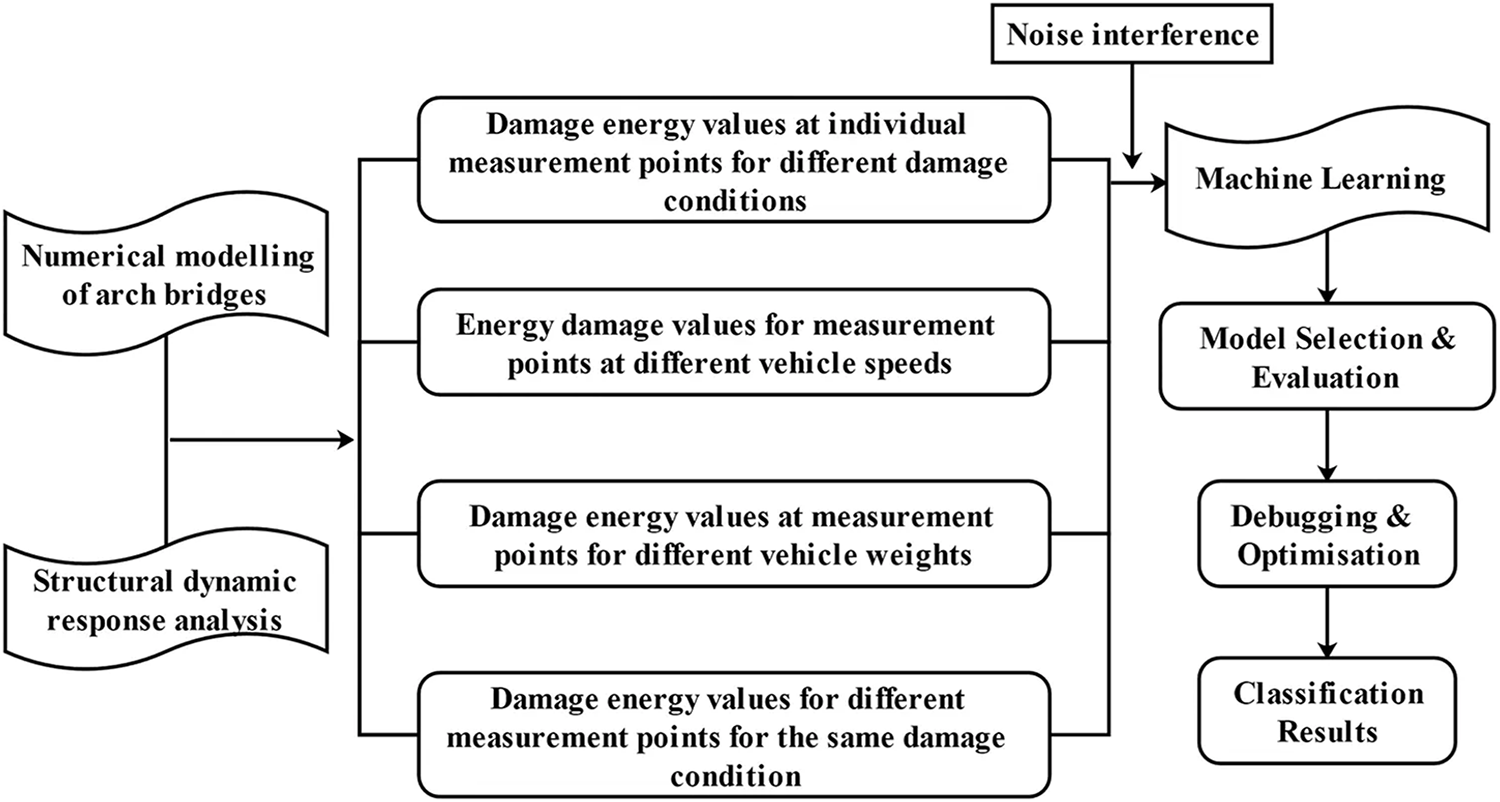
Figure 7: Process of damage identification. Zhang et al. (2023) [114].
The family of Gaussian Processes (GPs), a non-parametric Bayesian method, is also important for SHM, particularly for providing robust predictions with inherent uncertainty quantification. Da Silva et al. (2022) [115] propose a damage detection methodology for bridges based on Gaussian Process Regression (GPR) that incorporates a hybrid dataset—combining experimental measurements and numerical simulations under different temperature conditions—to probabilistically model the healthy structural response and to separate temperature-induced variations from actual structural changes. The strategy consists of training the GPR model with data covering a wide range of plausible environmental conditions and then applying the model to experimental data obtained under different damage and temperature levels. The proposed methodology was applied to data from the classical Z24 bridge case study. The results showed satisfactory performance in damage detection, even when structural changes were masked by thermal variations, reducing false alarms that would occur if only limited experimental data were used. The authors highlight that this methodology exploits the probabilistic capability of GPR to handle environmental uncertainties and improves the use of limited data through model-generated data. However, it relies on good representativeness of the numerical simulations and may require higher computational cost to generate and process the hybrid training dataset.
In parallel, Bayesian Neural Networks (BNNs) introduce a probabilistic extension of neural networks that enables uncertainty-aware learning, which is particularly relevant for SHM applications involving noisy measurements and complex structural responses. Mariani et al. (2025) [116] applied a BNNs for probabilistic damage detection in a prestressed simply supported two-girder bridge numerically modeled using the finite element method. The proposed methodology, combines simulated static and dynamic responses of the bridge under different damage scenarios, such as variations in concrete properties and support stiffness, with a BNN capable of probabilistically inferring the structural condition and quantifying prediction uncertainties by providing mean values and standard deviations of the estimated damage parameters. The results demonstrate that the BNN successfully identifies the most probable damage configurations over time and provides confidence measures associated with the predictions, even when limited datasets are available, indicating greater robustness to uncertainty compared to traditional deterministic approaches. In this context, the method enables the incorporation of uncertainty into the decision-making process, efficiently handles scarce sensor data, and yields interpretable probabilistic outputs. Despite these promising results, the approach was applied exclusively to numerical models, without experimental field validation, and entails a higher computational cost.
In a complementary probabilistic approach, Hidden Markov Models (HMMs) have been explored in SHM to capture temporal patterns of structural behavior and sequential damage evolution, providing a framework to model uncertainties and noise in measured data over time. Zhou et al. (2007) [117] proposed an algorithm for structural damage classification based on the continuous HMM technique. In this approach, HMMs were employed to model damage features in the time-frequency domain extracted from structural data using the Matching Pursuit Decomposition algorithm. The methodology was applied to damage detection in bolted joints, demonstrating that the HMM can distinguish different damage states from the extracted features, even in the presence of signal variations. The method is capable of modeling temporal damage sequences, handling uncertainties and noise in the signals, and benefits from the sensitivity provided by time-frequency feature extraction. However, it has higher computational complexity, relies on the quality of the extracted features for model performance, and has not been validated on real civil structures.
The methods discussed so far have employed supervised and unsupervised techniques. In the literature, semi-supervised approaches can also be found. The study by Forsthuber et al. (2025) [118] presents a semi-supervised anomaly detection methodology applied to aerospace sandwich structures, based on the use of synthetic strain data generated through numerical models. The methodology trains a machine learning algorithm exclusively with simulated data from the healthy state of the structure and subsequently identifies deviations in experimental data to detect and localize damage. The method was applied to a prototype of an Airbus A340 spoiler (Fig. 8); the results demonstrate that the system accurately classifies damaged and undamaged states and localizes damage zones with good confidence using only synthetic data from the healthy structure.
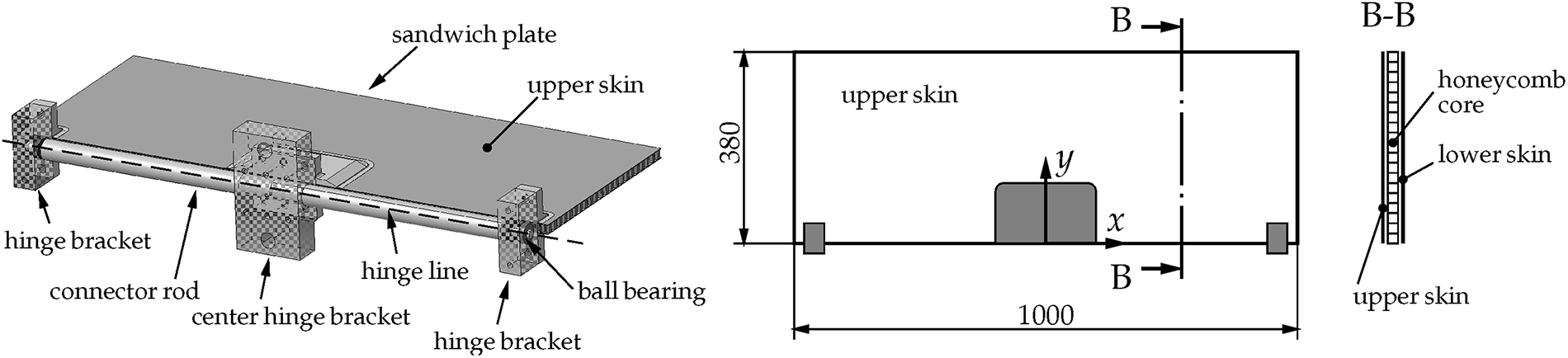
Figure 8: Idealized demonstrator of the A340 spoiler. Adapted from Forsthuber et al. (2025) [118].
Despite advancements in applying traditional machine learning algorithms to SHM, the effective identification of damage in real-world, complex structures, such as bridges and towers, faces two interconnected challenges: structural complexity and high-dimensional data. Comprehensive monitoring of actual systems requires dense sensor networks, which generate vast, high-dimensional datasets. While having more data can theoretically improve model performance, it can also lead to the “curse of dimensionality” [119]. This phenomenon arises as data becomes sparse in high-dimensional space, exponentially increasing the demand for training samples and computational resources, thereby heightening the risk of misleading patterns and poor model generalization. To tackle this issue, several dimensionality reduction techniques can be employed, including PCA [120], Independent Component Analysis (ICA) [121], Kernel PCA (KPCA) [122], Isometric Mapping (Isomap) [123], and t-Distributed Stochastic Neighbor Embedding (t-SNE) [124]. Although feature reduction techniques demonstrate good performance, none consistently outperforms the others. As noted by Anowar et al. (2021) [125], empirical analysis remains essential for identifying the most suitable method, which heavily depends on the nature and quality of the data.
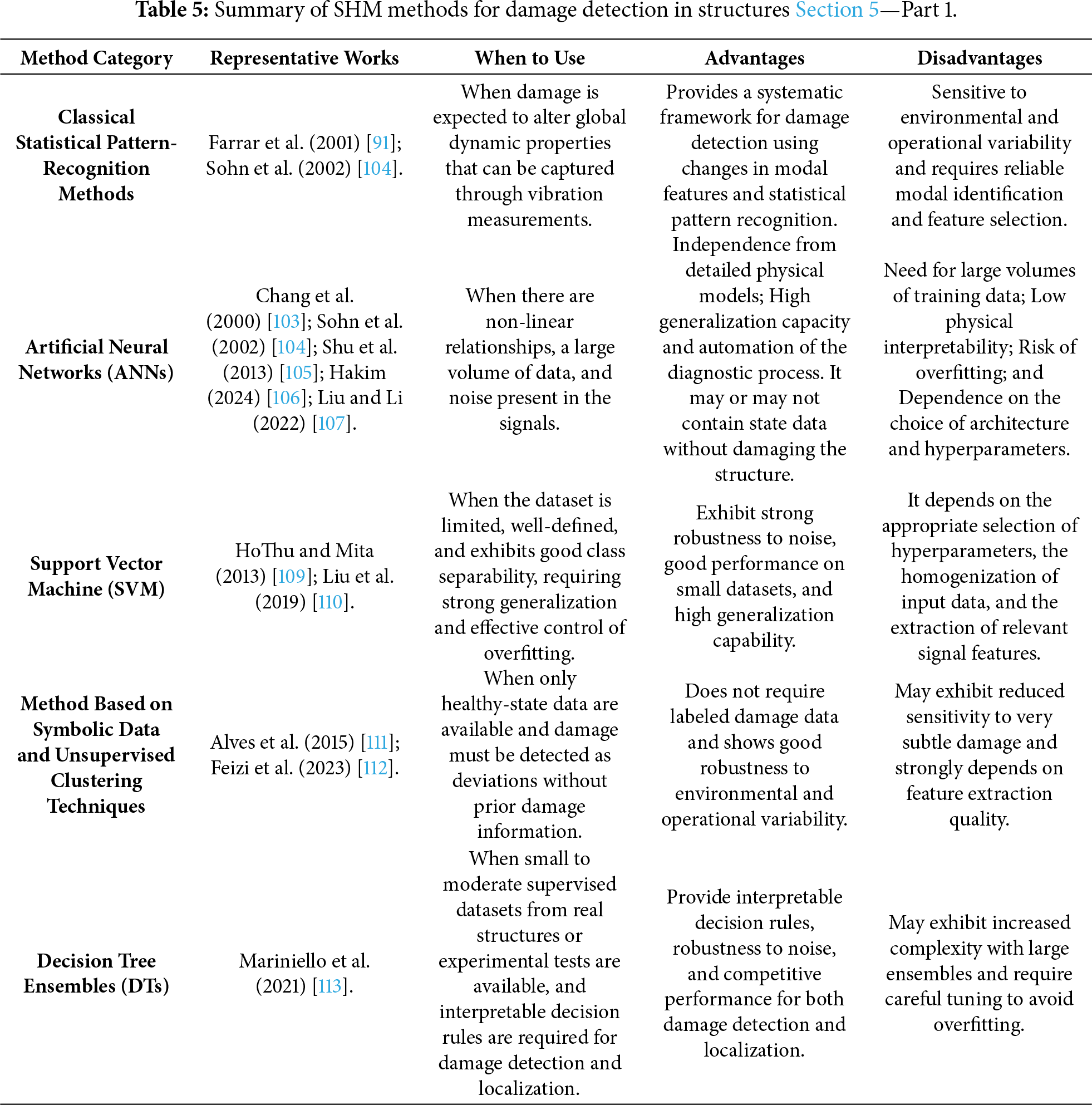
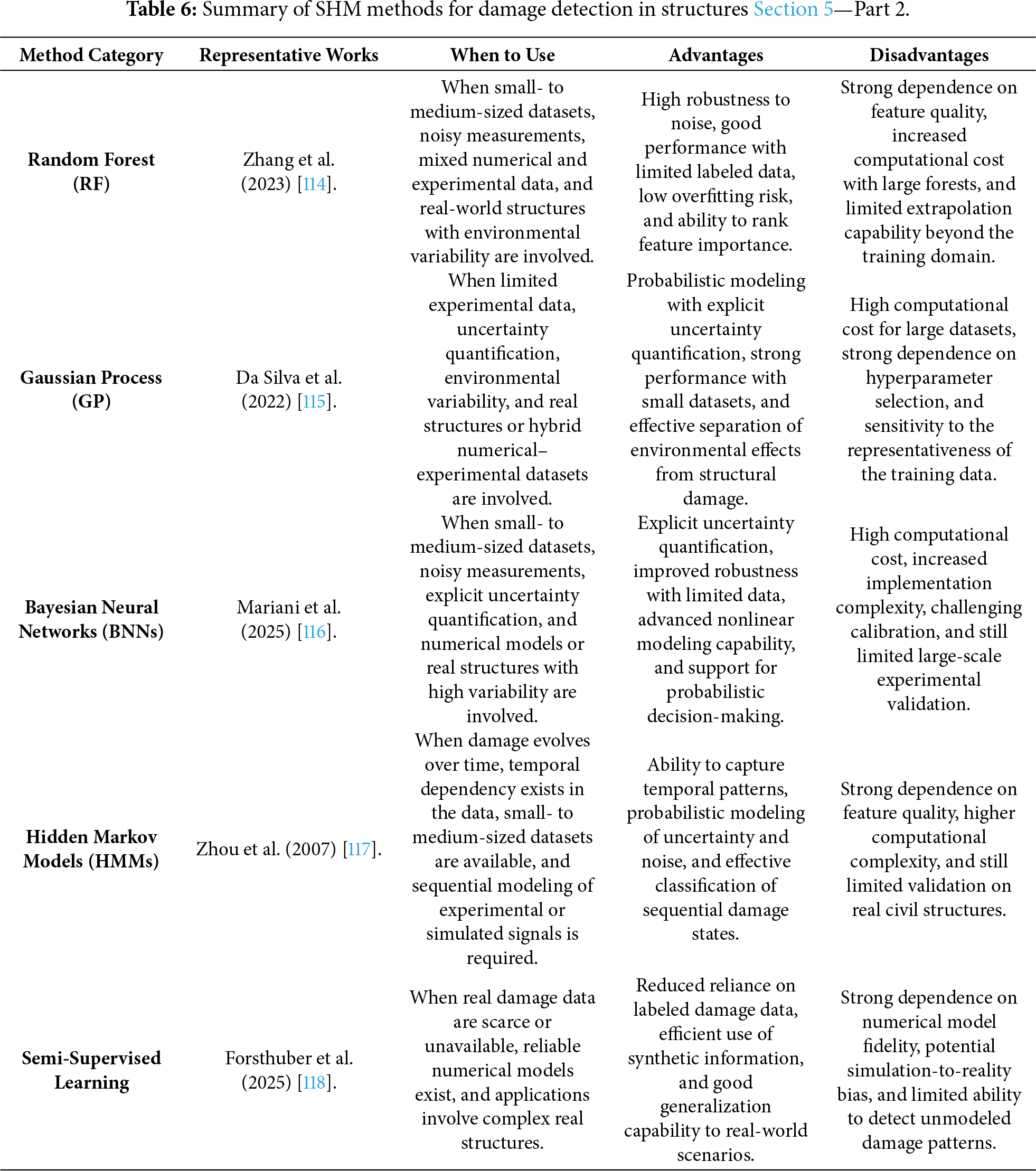
Notwithstanding the significant progress and capabilities offered by the ML methods and associated dimensionality reduction techniques, their application to practical SHM problems still presents intrinsic challenges. These include the high dimensionality of structural data, the need for empirical feature selection, and the persistent dilemma of balancing model complexity, generalizability, and computational demand. To facilitate a comparative overview, Tables 5 and 6 summarize the main characteristics, strengths, and limitations of the ML algorithms discussed in this section. Driven by these challenges, SHM research has increasingly turned to deep learning approaches, which can automatically learn hierarchical representations from raw data. This transition aims to overcome reliance on manual feature engineering, enabling the analysis of larger datasets and more intricate structural patterns, providing enhanced accuracy and robustness, and paving the way for proper end-to-end damage diagnosis.
Finally, regarding Reinforcement Learning (RL), it is important to mention that while it has existed for decades, its practical application to complex real-world problems (including SHM) has gained significant scale and viability with the advent of Deep Learning. Consequently, RL will be addressed within the context of deep learning in the following section.
6 The Transition to Deep Learning for Structural Damage Detection
A proper comprehension of Deep Learning begins with an understanding of the ANN. Conceptually inspired by biological neurons, an ANN is a computational model composed of interconnected layers of simple processing units, called neurons. Each connection has an associated weight, and learning occurs through the iterative adjustment of these weights via optimization algorithms to minimize prediction error [126–128]. DL specifically refers to a class of ANNs with more than three processing layers. These algorithms are known for their ability to handle large datasets and extract high-level abstractions by analyzing complex data relationships. They decompose problems into simpler representations that are processed through successive layers. Beyond their resilience to the adverse effects of high dimensionality, these methods offer considerable versatility in adapting to diverse problem types. Due to their capacity for automated feature learning, well-trained DL networks not only correlate input data to the desired output but also perform the entire feature extraction process [108,129]. This attribute can provide a more robust characterization of structural responses than traditional techniques, often reducing the need for extensive manual preprocessing. These qualities make DL particularly suitable for structural monitoring systems, facilitating the automatic processing of dynamic signals [31].
A diverse range of DL architectures are applicable to SHM. Pathirage et al. (2018) [130] presented an innovative approach for identifying and quantifying structural damage using deep networks based on AutoEncoders (AEs). The authors emphasize that traditional methods, based on modal variations or shallow neural networks, have limitations in capturing the complex nonlinear relationships between dynamic responses and structural properties. To overcome these limitations, the work proposes the use of autoencoders to reduce the dimensionality of vibration data and extract representative features, which are then used by a deep neural network to estimate the location and severity of damage. The methodology was validated through numerical simulations and laboratory experiments, demonstrating superior performance in terms of accuracy and stability when compared to conventional methods.
Their work demonstrated the ability of ANN to handle high-dimensional data, the automatic extraction of relevant features, and the robustness of the training process, enhanced by layer-wise pretraining followed by global fine-tuning. This strategy mitigates typical problems of deep networks, such as overfitting. However, the method also has limitations, including the need for large and well-distributed databases, the high computational cost, and the difficulty of generalizing to structures with behaviors different from those used in training. Despite these limitations, the work of Pathirage et al. (2018) [130] represents a breakthrough in the field, consolidating the use of deep learning and unsupervised self-learning techniques as promising tools for monitoring and assessing structural integrity.
To overcome the limitations of shallow networks in processing complex spatial structures, Convolutional Neural Networks (CNNs) emerged. CNNs incorporate convolutional layers that automatically extract relevant local features while preserving spatial hierarchies. Their main advantage lies in parameter sharing and translation invariance, which make them both efficient and robust for pattern recognition in sensor data. This architecture makes them particularly effective for image and structural signal processing, significantly advancing the capabilities of neural networks in SHM [131–133]. In the SHM field, CNNs have been employed to detect and locate damage in civil structures. For example, Lomazzi et al. (2023) [134] combined CNNs with guided ultrasonic waves to detect and locate damage in flat structures, using grayscale images derived from ultrasonic signals as input to the networks. Additionally, Fan et al. (2020) [131] proposed a CNN-based method for data recovery in SHM, demonstrating the effectiveness of CNNs in reconstructing structural dynamic response signals. The primary objective was to recover data lost due to sensor faults, communication errors, or data loss. The methodology involved constructing a CNN model using strain monitoring data collected from the structure prior to any data loss. Specific sensors were intentionally excluded during training to simulate faults, and the remaining data served as inputs to the CNN, with the excluded data as outputs. The trained model was then used to predict missing strain responses using data from functional sensors. In that case, the proposed method was validated through both numerical and experimental studies. Numerical simulations on a beam structure and experimental tests on a frame structure demonstrated the model’s effectiveness in recovering missing data. The performance was evaluated based on the number of failed sensors and the types of structural members affected. Additionally, the field applicability was assessed using strain monitoring data from an overpass bridge, confirming the method’s practical utility in real-world scenarios. These examples illustrate the versatility of CNNs in various applications, from image recognition to structural monitoring, highlighting their key role in advancing deep learning technologies [135,136].
While CNNs are highly effective in the automatic extraction of features from spatially structured data—such as images and vibration signals organized in matrices—they exhibit limitations when applied to sequential or temporal data, such as time series from sensors in Structural Health Monitoring. To address such sequences, Recurrent Neural Networks (RNNs) were introduced, incorporating recurrent connections between neurons, which allow the model to retain information from previous states and capture temporal dependencies in the data [137]. This memory capability makes RNNs particularly suitable for analyzing time series, texts, and any data in which the order of elements is relevant—common in SHM, where dynamic responses vary over time. However, these neural networks face significant challenges, especially in learning long-term dependencies.
To overcome these limitations, enhanced architectures such as Long Short-Term Memory (LSTM) and Gated Recurrent Units (GRU) have been developed. These models include internal mechanisms that control the flow of information, facilitating learning over long sequences. These advanced recurrent networks have gained prominence in the detection and quantification of damage in structures, especially when temporal information plays a crucial role in characterizing structural behavior. LSTM networks are an advanced variant of RNNs, incorporating an internal architecture composed of memory cells and gating mechanisms. These components selectively control the flow and retention of information over time, allowing the model to retain or forget information as needed, which facilitates the modeling of complex temporal sequences. In the context of structural monitoring, sensor data—such as from accelerometers or strain gauges—produce time series that reflect the structure’s dynamic response to different loads and environmental conditions. LSTMs can capture subtle temporal patterns in these series, enabling early detection of damage that may alter structural dynamics. In the study by Kim et al. (2025) [138], the authors applied LSTM networks to detect damage in bridges using vibration data, achieving high accuracy even in the presence of noise and environmental variability. The investigation was conducted on the Jindo Bridge (Fig. 9), a twin cable-stayed bridge system located in South Korea, in which each bridge consists of a main span of 344 m and two side spans of 73.79 m.

Figure 9: Jindo Bridge. Kim et al. (2025) [138].
In addition to detection, LSTMs have also been used for structural health prognosis, predicting damage progression based on historical data. Another advantage is their robustness to noise and environmental variability, as their ability to retain patterns over time helps reduce false positives caused by non-structural changes. These qualities make LSTMs valuable tools in SHM, particularly for applications involving continuous monitoring and real-time analysis, such as in bridges, viaducts, and critical buildings [138]. However, the method has limitations, such as high computational complexity, the need for high-quality training data, and questions about generalization to different types of damage and structures.
In the SHM field, GRUs have gained traction due to their efficiency in processing time series generated by sensors installed on civil structures. Like LSTMs, GRUs can capture subtle variations in vibration signals, aiding in damage detection and forecasting structural behavior over time. However, comparative studies show that although LSTMs may slightly outperform GRUs in tasks involving very long and complex sequences, GRUs achieve similar performance with lower computational cost [139–141]. A practical example of this application is the work by Yang et al. (2020) [139], in which GRUs were applied to damage detection in bridges using vibration signals, yielding robust and accurate results. Furthermore, they demonstrated that GRUs allow for faster training and are less prone to overfitting compared to LSTMs. A recent contribution by Das and Guchhait (2025) [140] proposed a hybrid deep learning framework combining GRUs and LSTM networks for multiclass structural damage identification using dynamic acceleration data. The study demonstrated that the hybrid GRU–LSTM model effectively captures temporal dependencies in vibration responses, achieving superior accuracy in distinguishing multiple damage states compared to conventional single-architecture models, thus highlighting its potential for advanced SHM applications. The evolution of GRUs over LSTMs represents a growing trend in SHM to balance performance and computational efficiency—particularly important for embedded systems or real-time monitoring, where resources may be limited [139]. Therefore, GRUs have become a powerful and practical alternative for temporal modeling in civil structures, without significant loss of accuracy.
Another important step in the evolution of SHM techniques was the adoption of Autoencoders, which represent a significant advancement in using neural networks for automatic feature extraction and anomaly detection [142]. Unlike recurrent and convolutional architectures that focus on directly modeling the temporal or spatial dynamics of data, Autoencoders function in an unsupervised manner, learning a compact and efficient representation of the input data. This characteristic makes them particularly useful for identifying deviations in structural patterns caused by damage—even in the absence of labeled data [143,144].
The traditional autoencoder consists of two main parts: an encoder, which reduces the dimensionality of the input data to a lower-dimensional latent representation, and a decoder, which reconstructs the original data from this representation. During training, the model seeks to minimize the difference between the original input and the reconstructed output, thereby learning the essential features of healthy data. Any structural damage that causes changes in signal patterns results in poorer reconstruction, enabling anomaly detection. For example, the study by Jiang et al. (2024) [143] applied traditional Autoencoders to detect damage in bridges, highlighting their ability to operate in an unsupervised manner and under noisy conditions. In the work by Barrile et al. (2025) [145] applied an autoencoder to acoustic emission data from adhesively bonded Carbon Fiber–Reinforced Polymer (CFRP) composites, demonstrating that the latent features extracted by the network allowed an accurate classification of different damage mechanisms during the loading process.
One of the main limitations of traditional AEs in the SHM literature is their difficulty in detecting subtle or rare damage, common in operational civil structures. Because the AE learns a dense and global latent representation of the data, small anomalies can be diluted in the encoding, reducing the model’s sensitivity to local or initial changes. Furthermore, traditional AEs can be less robust to noise or environmental variations, hindering early fault detection. To overcome these limitations, the literature has begun to use the Sparse Autoencoder (SAE), which imposes a sparsity constraint on the latent layer, encouraging the network to focus on more discriminative and relevant features for damage identification. This approach increases sensitivity to discrete structural changes, improves robustness to noise, and enables early fault detection, all of which are essential for continuous monitoring systems in SHM [46,144,146,147]. In this regard, studies such as Finotti et al. (2022) [144] demonstrate that sparse autoencoder neural networks can be used for Structural Health Monitoring. This research employed an unsupervised approach using Hotelling’s
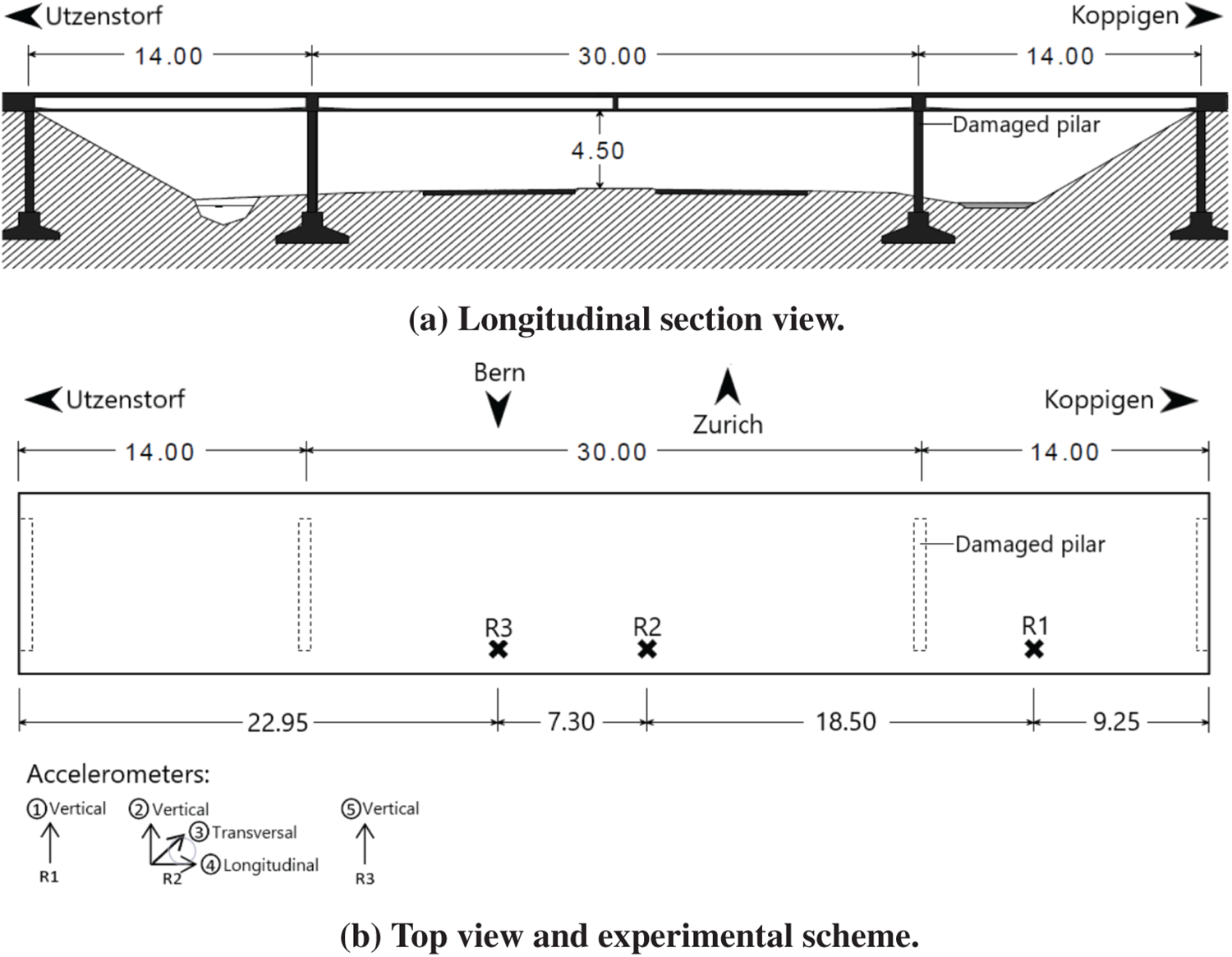
Figure 10: Schematic drawing of the Z24 Bridge (unit: m). Finotti et al. (2022) [144].
Although SAEs have proven effective in extracting representative features from structural dynamic data, they have certain limitations. In particular, SAEs rely on deterministic latent representations, which can limit their ability to capture the variability and uncertainty underlying structural responses, especially under varying operational and environmental conditions. This limitation can reduce robustness when dealing with noisy measurements or rare damage scenarios. To overcome these challenges, the literature has shifted to Variational Autoencoders (VAEs), which introduce a probabilistic approach to the latent space. By representing latent variables as probability distributions rather than fixed values, VAEs can better capture the variability of healthy structural behavior and quantify deviations caused by damage. Furthermore, VAEs enable the generation of synthetic data and support probabilistic analyses of structural conditions, increasing the reliability and robustness of detection in complex, real-world monitoring scenarios [148].
An example of the use of a VAE as an autoencoder is presented in the work of Lin and Ma (2024) [149], in which dynamic response data collected from a limited number of sensors are used to identify the structural condition of bridges without the need for a baseline dataset. The methodology is based on the construction and training of a VAE model capable of capturing the correlation between the measured signals and the structural state, thereby enabling the distinction between intact and damaged conditions. The approach was validated through numerical simulations and experimental studies on real structures. In the experimental investigation, the analyzed structure consisted of a hollow square-section steel beam with a length of 6 m (Fig. 11), equipped with rails to simulate vehicle passage using a moving cart, which generated dynamic responses measured by accelerometers, as illustrated in the schematic shown in Fig. 12. Small-magnitude cracks were introduced in a controlled manner along the beam to represent different damage scenarios, including single and multiple damage cases. The results obtained from both numerical and experimental models demonstrate that the proposed method is capable of identifying damage locations under different conditions, exhibits strong robustness in the detection of multiple damages, and enhances the accuracy of bridge structural condition identification.
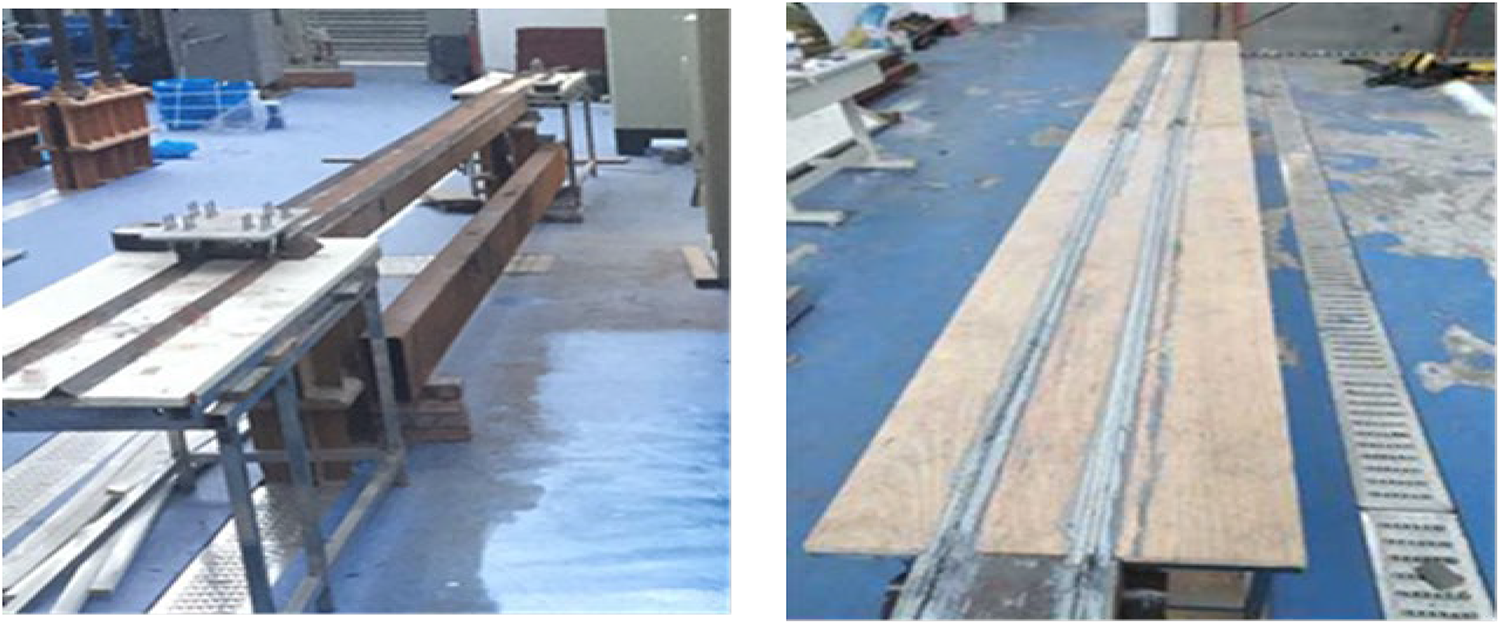
Figure 11: Experimental structure. Lin and Ma (2024) [149].
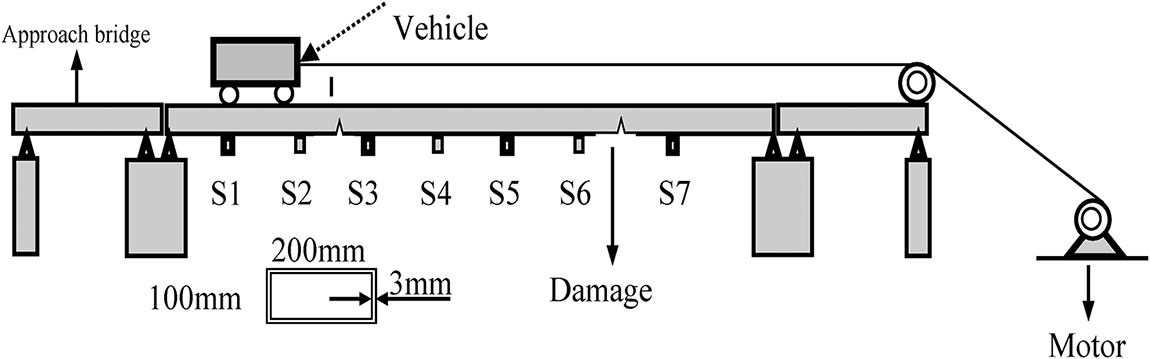
Figure 12: Experimental diagram. Lin and Ma (2024) [149].
The work of Coraça et al. (2024) [150] combines VAE and a Hidden Markov Model (HMM) to train the manipulation model and classify the evolution of the state from mediated vibration signals. This methodology was evaluated on an experimental dataset and a reduced-scale structure. Both studies demonstrated that VAEs are effective at identifying subtle structural changes without the need for labeled data, standing out as promising tools for real-time automated structural monitoring systems.
Ma et al. (2020) [151] proposed a methodology based on VAEs for structural damage identification through unsupervised feature extraction. The authors applied the model to both simulated and experimental vibration signals, without the need for labeled data or explicit structural models. The central idea is that the VAE learns the latent representation of healthy structural data, such that any significant deviation in signal reconstruction can be interpreted as a potential anomaly or damage. The results demonstrated good discrimination capability between different levels of structural integrity, even in scenarios with noise and operational variability. However, despite these advantages, the methodology also has some limitations. Careful tuning of the network architecture and hyperparameters is required, which can be computationally intensive. Furthermore, VAEs can have difficulty detecting very subtle damage when deviations in the latent space are small, and the model’s probabilistic assumptions may not always accurately capture the true distribution of the structural data, potentially leading to false negatives or reduced sensitivity in certain cases [151].
Recently, hybrid methods for anomaly detection in time series have combined Autoencoders (AE or VAE) with RL to overcome the limitations of traditional approaches. Golchin and Rekabdar (2025) [152] propose a framework that integrates VAE, Deep RL (DRL), and Active Learning. This combination of DRL, VAE, and active learning enables the model to learn from minimal labeled data and adapt to new data patterns, surpassing traditional methods. Complementarily, Sanami and Aghdam (2025) [153] present an unsupervised method that employs RL in the latent space of an autoencoder, incorporating wavelet decomposition, which allows the decomposition of time series data into time and frequency domains. This methodology enables the identification of subtle and abrupt anomalous patterns with greater discrimination. Both approaches demonstrate advantages such as higher generalization capability, adaptability to new types of anomalies, and reduced reliance on labeled data. However, they share limitations, including high computational complexity, the need for careful hyperparameter tuning, and dependence on synthetic data or human labels for model calibration and refinement.
Among the main challenges of VAEs are their dependency on simplified assumptions about the latent distribution (usually Gaussian), which may not adequately represent complex patterns of structural signals; the loss of fine details during reconstruction, making it difficult to identify localized or low-impact damage; and their limitations in modeling temporal dependencies and complex spatial interactions between multiple sensors. Furthermore, VAE performance is sensitive to the choice of hyperparameters, such as the balance between the reconstruction function and the KL regularization term, and their ability to capture multidimensional relationships between different points of the structure is limited.
To synthesize the studies discussed in this chapter, Tables 7 and 8 present a summary of the main articles reviewed, highlighting the methodology adopted, the main applications and the associated advantages and disadvantages.
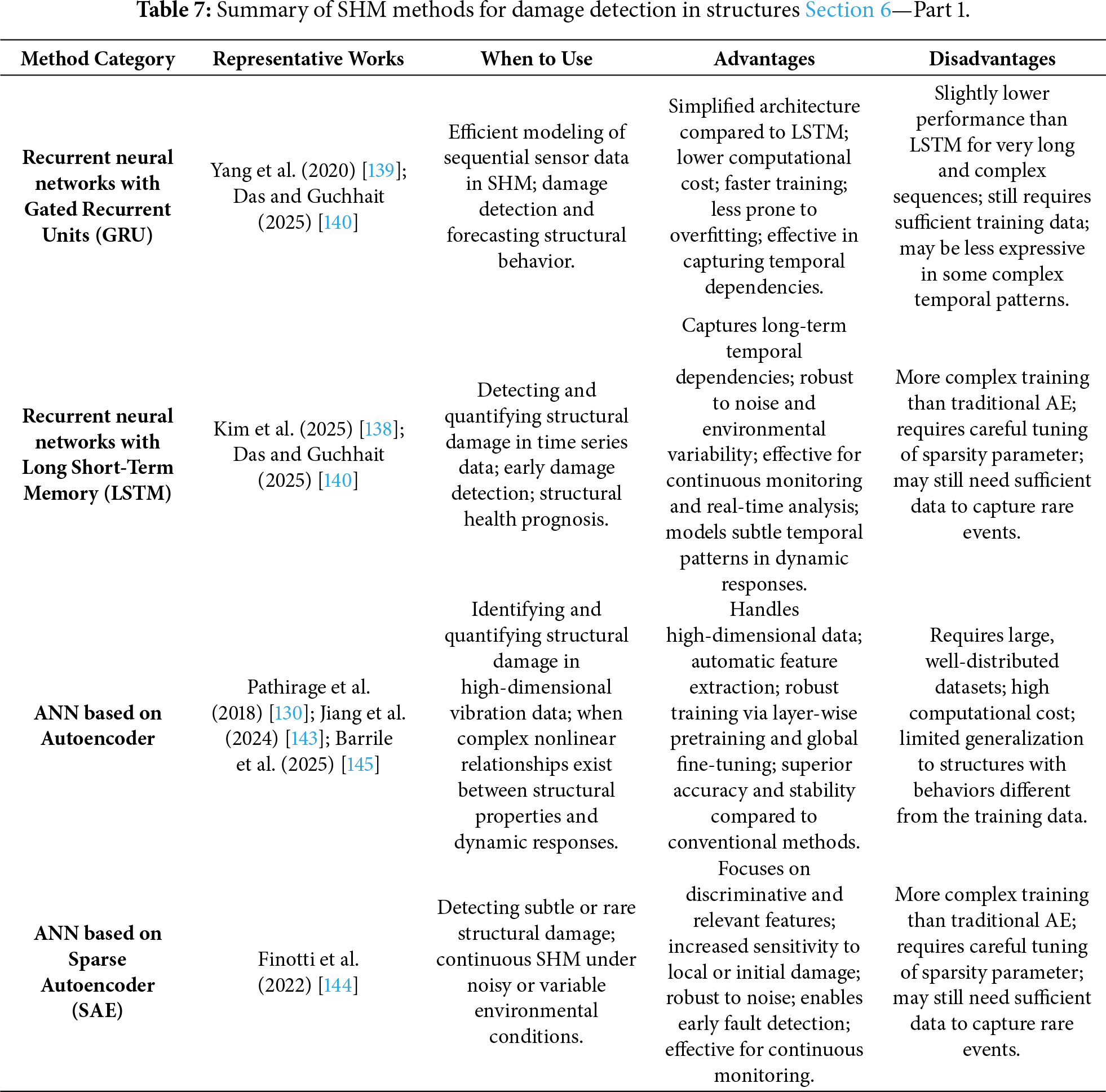
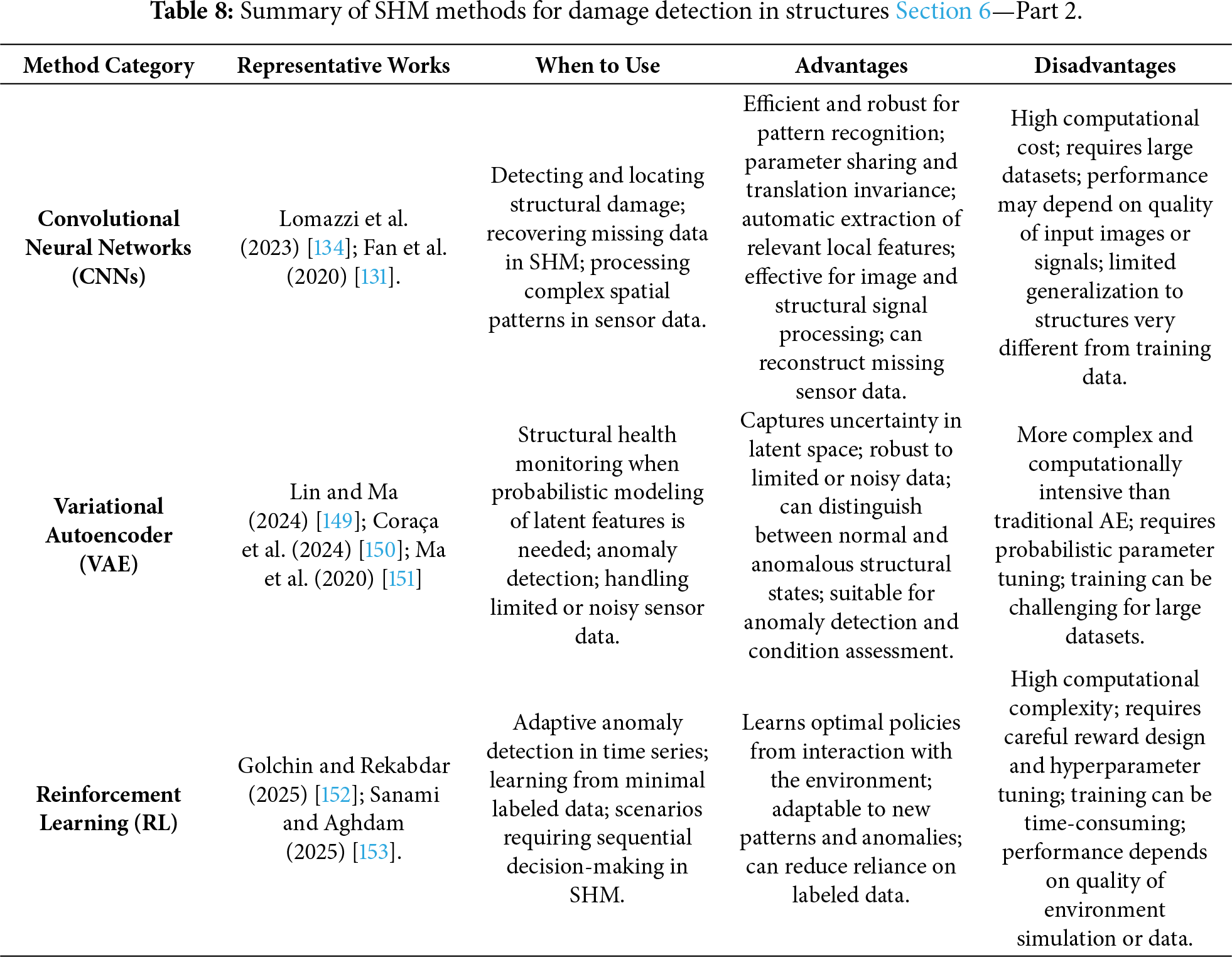
7 Emerging Trends and Future Directions
Building upon the established use of deep learning for SHM, as discussed in the previous section, a significant emerging trend focuses on architectures capable of modeling the complex spatiotemporal relationships inherent in multivariate sensor data—a fundamental requirement for advanced tasks such as precise damage localization and the prediction of progressive failure modes. One noteworthy example of this trend is the emergence of Transformer-based approaches. By utilizing self-attention mechanisms, Transformers are particularly effective at capturing long-range dependencies and intricate interactions across sensor channels and time steps, thereby overcoming a central limitation of earlier DL-based methods.
Transformers, introduced by Vaswani et al. (2017) [154], reshaped natural language processing and other sequential tasks by replacing recurrence and convolutions with the self-attention mechanism. Unlike RNNs and CNNs, Transformers process entire sequences in parallel, efficiently capturing long-range dependencies and complex relationships between distant elements. These capabilities are an advantage over recurrent and convolutional models, which often struggle with such tasks due to their sequential nature, gradient limitations, and local receptive fields that require stacking many layers to model interactions that are far apart [155–157]. Using a Transformer model, Honarjoo et al. (2024) [156] successfully detected and located cracks in concrete, brick, and asphalt structures using dynamic signals as input. The method processes these data and extracts relevant features to identify damaged areas with high precision (99.38%), outperforming traditional techniques in terms of accuracy and computational efficiency. The approach was validated through laboratory experiments, reinforcing its practical applicability in structural inspection.
Complementing Transformer-based approaches, self-supervised and semi-supervised learning techniques allow for the exploration of large volumes of unlabeled monitoring data. Methods such as contrastive learning and masked modeling can extract meaningful structural representations without extensive manual annotation. This capability not only improves model adaptability and generalization across diverse structures and environmental conditions but also directly addresses a historical bottleneck in SHM: the heavy reliance on costly, fully labeled datasets [158]. The Spatio-Temporal Contrastive Learning Pre-training (STCLP) methodology proposed by Wang and Liu (2024) [159] is applied to dam deformation monitoring and comprises three main stages: (1) generation of temporal deformation sequences from sensor data and construction of a spatial correlation matrix to capture dependencies among monitoring points; (2) pre-training of an encoder through contrastive learning, using spatial and temporal pairs of positive and negative samples to extract discriminative representations from unlabeled data; and (3) fine-tuning of the pre-trained encoder for anomaly detection using labeled deformation data to supervise a classification model. The methodology was implemented on a monitored arch dam located in Yunnan Province, China (Fig. 13), and the results indicated that STCLP outperformed conventional supervised models in anomaly detection, demonstrating superior generalization capacity when utilizing large volumes of unlabeled data. These findings underscore that incorporating structural representations learned through self-supervised approaches reduces dependence on extensive labeled datasets and enhances the robustness and accuracy of damage and anomaly detection in real-world SHM applications.
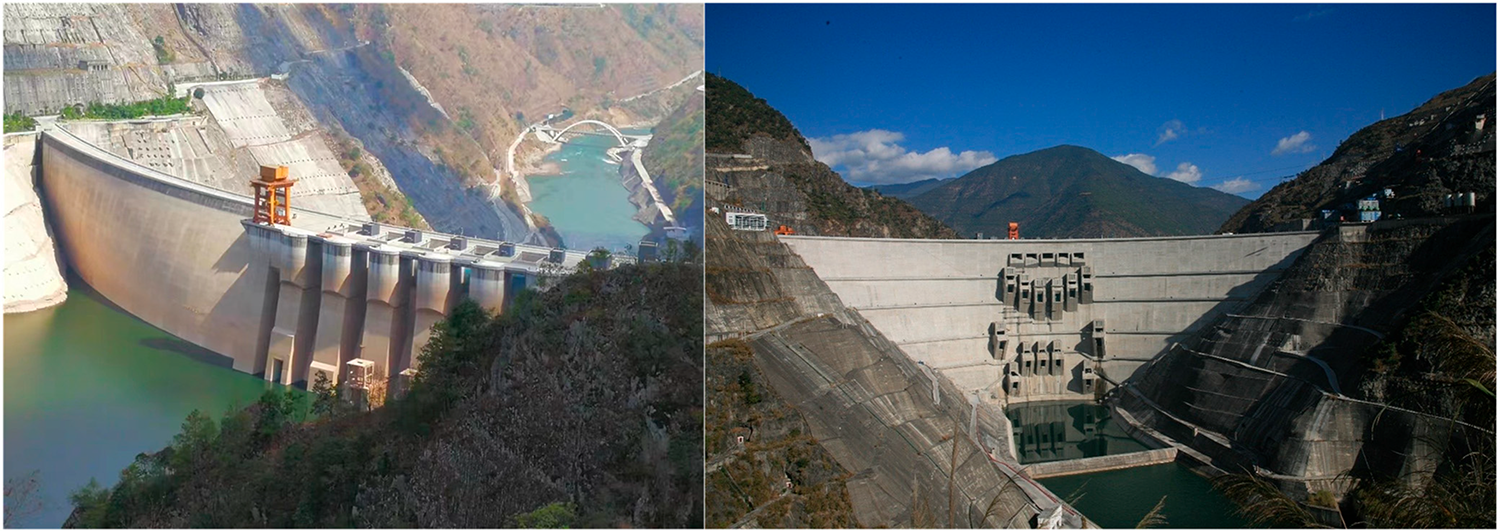
Figure 13: Perspectives of the arch dam. Wang et al. (2024) [159].
Another significant development is the application of Graph Neural Networks (GNNs), which model structures as graphs, representing sensors as nodes and their physical or functional interactions as edges. This representation captures the spatial complexity of interactions between different points in the structure, allowing for more precise localization and quantification of damage, especially in distributed systems with multiple sensor types [160]. By combining GNNs with deep learning, it is possible to simultaneously explore temporal and spatial dependencies, integrating multiple sources of information coherently.
At the same time, the Digital Twins methodology has been gaining prominence, allowing the creation of virtual replicas of structures that reproduce their behavior in near-real time. This integration with SHM makes it possible to simulate loading scenarios, predict damage progression, and test preventive maintenance strategies, increasing the safety and operational efficiency of structures. When combined with probabilistic models, which provide predictions accompanied by confidence measures, SHM becomes even more robust, enabling risk assessment, prioritization of interventions, and reduction of uncertainties arising from environmental and operational variability [161].
Furthermore, advances in wireless sensing, the Internet of Things, and distributed devices enable expanded monitoring to large, difficult-to-access structures. Advanced sensing systems, integrated with deep learning models and multi-modal analysis, support continuous and predictive monitoring, processing different types of signals—vibration, deformation, ultrasound, and images—in an integrated manner [162]. This multi-modal capability increases model sensitivity, improves the detection of subtle damage, and broadens generalization to different types of structures.
Moreover, remote sensing-based techniques, especially the use of interferometry-mediated remote sensing (InSAR) combined with clustering algorithms for time series analysis, have emerged as an efficient alternative for monitoring large structures, enabling the automated detection of displacement patterns and anomalous behaviors on large spatial scales. The Multi-Temporal InSAR (MT-InSAR) technique allows for the detection of millimetric displacements over time, providing a powerful tool to assess the evolution of infrastructure deformation and deterioration. However, extracting meaningful structural information from the large amount of data generated by MT-InSAR requires time-consuming analyses and careful interpretation by civil engineers. In this context, the work by Caspani et al. (2026) [163] presents a clustering algorithm for the automated classification of Persistent Scatterers (PS) derived from MT-InSAR data, applied to the Structural Health Monitoring of bridges. The proposed method accounts for both the temporal and spatial domains of MT-InSAR data in a one-step analysis, enabling the identification of predominant PS time-series patterns and their association with physical entities within the study area. This approach is low-effort, fast, and accessible, allowing for a rapid interpretation of MT-InSAR data and promoting the integration of satellite information into Bridge Management Systems (BMS) and Decision Support Systems (DSS). The algorithm was tested on two strategic bridges in Italy: the Po River Bridge (Fig. 14a) and the Colle Viaduct (Fig. 14b). The results demonstrated that the methodology is capable of identifying anomalies and distinct behaviors across different parts of the structures, at large scale and in a more automated manner.
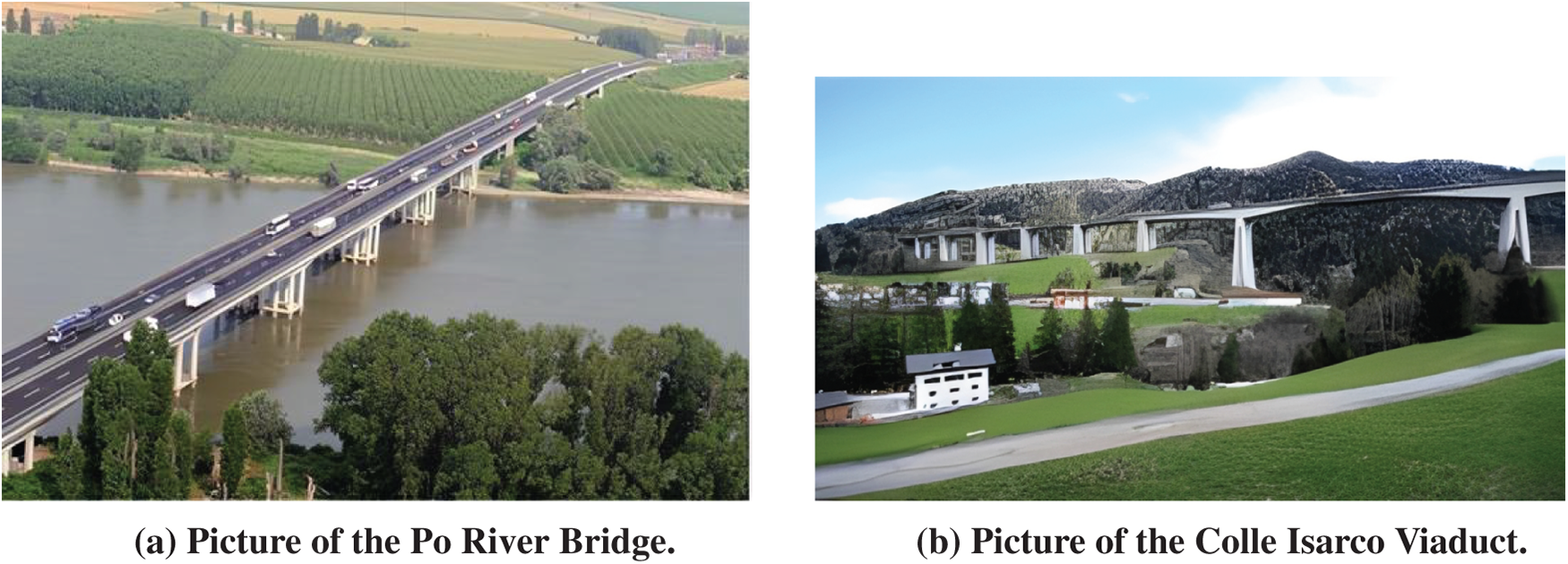
Figure 14: Work application structures. Adapted from Caspani et al. (2026) [163].
In summary, emerging trends indicate a convergence between advanced learning architectures, multi-modal data integration, Digital Twins, and probabilistic analysis. The future of SHM points to intelligent systems capable of detecting, locating, quantifying, and predicting damage in real time, offering robust support for decision-making and preventive maintenance. The development of these technologies promises to increase the autonomy, reliability, and efficiency of monitoring systems, consolidating SHM as a strategic tool for ensuring the safety and durability of civil infrastructure.
SHM has undergone a remarkable evolution, progressing from traditional visual inspections and modal-based analyses to modern data-driven methodologies. Early techniques, although useful for identifying visible deterioration, had significant limitations in detecting internal or early-stage damage. The introduction of vibration-based approaches using modal parameters - natural frequencies, damping ratios, and mode shapes - marked a turning point by enabling more systematic and quantitative assessments of structural integrity. However, these methods still faced challenges regarding sensitivity to environmental variations, measurement noise, and limited accuracy in localizing subtle damage. In response to these limitations, pattern recognition and ML techniques emerged, representing a paradigm shift in SHM.
As consistently mentioned throughout this paper, each architecture and learning algorithm must be selected according to the availability of reference data, the level of signal pre-processing, and the monitoring objective. Approaches based on the direct variation of modal parameters and on features derived from modal parameters are more suitable when the structural behavior in the intact state is known and can be used as a baseline. In such cases, classical pattern recognition methods and multilayer perceptron (MLP) artificial neural networks exhibit consistent performance, acting as classifiers or regressors on physically interpretable indicators. For this reason, these architectures are particularly well-suited for the SHM of existing structures, for which operational histories and labeled data are available.
In contrast, for the SHM of new structures—or of complex systems for which prior information about damage is nonexistent or limited—data-driven architectures are more appropriate. Autoencoders and their variants are recommended when the objective is to detect deviations from normal operating behavior in an unsupervised manner, replacing classical statistical methods for dimensionality reduction and anomaly detection. Convolutional and hybrid architectures, such as CNNs combined with LSTM or GRU networks, should be employed when monitoring is based on raw or minimally processed signals, especially in scenarios with large data volumes, high sensor density, and relevant spatiotemporal dependencies. In these contexts, such models not only complement but replace traditional signal processing and manual feature extraction methods, constituting the most suitable alternative for continuous SHM of new structures.
In the coming years, the main challenges for SHM research will involve the analysis and integration of large volumes of heterogeneous data, the creation of models capable of operating in real time under varying environmental and operational conditions, and the development of independent monitoring systems with robust predictive capabilities. The literature therefore reveals a clear trajectory towards increasingly independent and data-driven SHM systems, capable not only of detecting damage but also of predicting its evolution. Contemporary approaches combine high-frequency sensing technologies with deep architectures, paving the way for intelligent systems that can learn, adapt, and anticipate structural behavior without human intervention. These emerging trends have the potential to transform SHM, enabling proactive and adaptive systems that support maintenance and structural management decisions in a safer, more efficient, and sustainable way, increasingly shaped by sensing and learning technologies. Among the most relevant advances, the following stand out:
• Multi-modal and multi-sensor integration, which enhances structural perception by combining vibration, deformation, imaging, and environmental data;
• Edge computing and real-time monitoring, which enable immediate anomaly detection at the sensor level;
• Physics- and data-driven hybrid models, including Transformers and GNNs, which capture complex spatiotemporal dependencies with improved accuracy and interpretability;
• Digital twins and predictive maintenance, which support future performance simulation and proactive damage mitigation;
• Distributed sensing and IoT, which extend monitoring to large or inaccessible structures, integrating multiple signals for continuous predictive assessment.
As a review paper, this work is inherently limited by the scope and availability of the existing literature, as well as by the lack of standardized datasets and benchmarking protocols, which hinders direct quantitative comparison between the reviewed SHM methods. In addition, the rapid evolution of data-driven and deep learning techniques may lead to the emergence of new approaches beyond the time frame covered in this review.
Acknowledgement: The authors would like to thank CAPES (Coordenação de Aperfeiçoamento de Pessoal de Nível Superior), CNPq (Conselho Nacional de Desenvolvimento Científico e Tecnológico), FAPEMIG (Fundação de Amparo à Pesquisa do Estado de Minas Gerais) and the Federal University of Juiz de Fora for all the support necessary for carrying out this research.
Funding Statement: The authors would like to thank CNPq (Conselho Nacional de Desenvolvimento Científico e Tecnológico)—grants 407256/2022-9, 303550/2025-2, 402533/2023-2 and 303982/2022-5 and FAPEMIG (Fundação de Amparo à Pesquisa do Estado de Minas Gerais)—grants APQ-00032-24 and APD-01113-25 for their financial support.
Author Contributions: The authors confirm contribution to the paper as follows: Luiz Tadeu Dias Júnior: Methodology, research and collection of articles and resources, writing—preparation of the original draft. Rafaelle Piazzaroli Finotti: Conceptualization, methodology, review, editing. Alexandre Abrahão Cury: Conceptualization, review, editing. Flávio de Souza Barbosa: Conceptualization, review, editing. All authors reviewed and approved the final version of the manuscript.
Availability of Data and Materials: Not applicable.
Ethics Approval: Not applicable.
Conflicts of Interest: The authors declare no conflicts of interest.
1Wikimedia Commons. Photograph of the Ponte Morandi collapse, Genoa, Italy (2018). Available at: https://commons.wikimedia.org/wiki/File:Ponte_morandi_crollato.jpg. Accessed January 2026.
2National Institute of Standards and Technology (NIST). Champlain Towers South Collapse–Background. Available at: https://www.nist.gov/disaster-failure-studies/champlain-towers-south-collapse/background. Accessed January 2026.
References
1. Mehrabi A, Dolati SSK. Structural health monitoring and performance evaluation of bridges and structural elements. Infrastructures. 2024;9(10):178. doi:10.3390/infrastructures9100178. [Google Scholar] [CrossRef]
2. Wang G, Ke J. Literature review on the structural health monitoring (SHM) of sustainable civil infrastructure: an analysis of influencing factors in the implementation. Buildings. 2024;14(2):402. doi:10.3390/buildings14020402. [Google Scholar] [CrossRef]
3. Aranguren G, Bilbao J, Etxaniz J, Gil-García JM, Rebollar C. Methodology for detecting progressive damage in structures using ultrasonic-guided waves. Sensors. 2022;22(4):1692. doi:10.3390/s22041692. [Google Scholar] [PubMed] [CrossRef]
4. Faraco G, Nunzio AVD, Giannoccaro NI, Messina A. Structural Health Monitoring by accelerometric data of a continuously monitored structure with induced damages. Struct Durab Health Monit. 2024;18(6):739–62. doi:10.32604/sdhm.2024.052663. [Google Scholar] [CrossRef]
5. Farrar CR, Worden K. Structural health monitoring: a machine learning perspective. Hoboken, NJ, USA: John Wiley & Sons; 2012. [Google Scholar]
6. Razmkhah MH, Ghaderi M, Gerami M. Experimental study on seismic fatigue capacity of high- and mild-strength structural steels with and without corrosion. Shock Vib. 2023(1):1–24. doi:10.1155/2023/9107240. [Google Scholar] [CrossRef]
7. Tian Q, Cao S, Lu X, Cheng H. A review of prediction methods for ultra-low cycle fatigue damage of steel piers under earthquakes. Appl Sci. 2025;15(9):5114. doi:10.3390/app15095114. [Google Scholar] [CrossRef]
8. Singh S, Sachan AK, Shanker R. A review on smart aggregate based structural health monitoring. Mater Today Proc. 2023;78:28–35. doi:10.1016/j.matpr.2022.10.246. [Google Scholar] [CrossRef]
9. Greffier G, Espinosa L, Perrin M, Eyma F. Structural health monitoring of glulam structures: analysis of durability and damage mechanisms. Eur J Wood Wood Prod. 2024;82(6):2047–63. doi:10.1007/s00107-024-02140-9. [Google Scholar] [CrossRef]
10. Figueiredo E, Brownjohn JMW. Three decades of statistical pattern recognition paradigm for SHM of bridges. Struct Health Monit. 2022;21(6):3018–54. doi:10.1177/14759217221075241. [Google Scholar] [CrossRef]
11. Figueiredo E, Peres N, Moldovan I, Nasr A. Impact of climate change on long-term damage detection for structural health monitoring of bridges. Struct Health Monit. 2024;24(4):2252–70. doi:10.1177/14759217231224254. [Google Scholar] [CrossRef]
12. Zhang Z, Zhen J, Li B, Cai D, Du Y, Wang W. A damage control model for reinforced concrete pier columns based on pre-damage tests under cyclic reverse loading. Struct Durab Health Monit. 2025;19(2):327–46. doi:10.32604/sdhm.2024.054671. [Google Scholar] [CrossRef]
13. Zhang C, Lai S, Wang H. Structural modal parameter recognition and related damage identification methods under environmental excitations: a review. Struct Durab Health Monit. 2025;19(1):25–54. doi:10.32604/sdhm.2024.053662. [Google Scholar] [CrossRef]
14. MarketsandMarkets. Structural health monitoring market size & share [Internet]. [cited 2025 Jan 1]. Available from: https://www.marketsandmarkets.com/Market-Reports/structural-health-monitoring-market-101431220.html. [Google Scholar]
15. Fu S, Zhang Z, Wang J. Review of structural modal tracking in operational modal analysis: methods and applications. Appl Sci. 2025;15(13):7201. doi:10.3390/app15137201. [Google Scholar] [CrossRef]
16. Mudahemuka E, Miyagi M, Shin R, Kaneko N, Okada Y, Yamamoto K. Estimating bridge natural frequencies based on modal analysis of vehicle-bridge synchronized vibration data. Sensors. 2024;24(4):1060. doi:10.3390/s24041060. [Google Scholar] [PubMed] [CrossRef]
17. Godarzi N, Hejazi F. A review of health monitoring and model updating of vibration dissipation systems in structures. CivilEng. 2025;6(1):3. doi:10.3390/civileng6010003. [Google Scholar] [CrossRef]
18. Singh T, Sehgal S. Damage identification using vibration monitoring techniques. Mater Today Proc. 2022;69:133–41. doi:10.1016/j.matpr.2022.08.204. [Google Scholar] [CrossRef]
19. Finotti RP, Barbosa FS, Cury AA, Gentile C. A novel natural frequency-based technique to detect structural changes using computational intelligence. Procedia Eng. 2017;199(2):3314–9. doi:10.1016/j.proeng.2017.09.438. [Google Scholar] [CrossRef]
20. Shang Z, Sun L, Xia Y, Zhang W. Vibration-based damage detection for bridges by deep convolutional denoising autoencoder. Struct Health Monit. 2021;20(4):1880–903. doi:10.1177/1475921720942836. [Google Scholar] [CrossRef]
21. Janeliukstis R, Ratnika L, Gaile L, Rucevskis S. Environmental factors in structural health monitoring—analysis and removal of effects from resonance frequencies. J Sens Actuator Netw. 2025;14(2):33. doi:10.3390/jsan14020033. [Google Scholar] [CrossRef]
22. Kamariotis A, Chatzi E, Straub D. A framework for quantifying the value of vibration-based structural health monitoring (SHM). arXiv:2202.01859. 2022. [Google Scholar]
23. Yang Y, Zhang Y, Tan X. Review on vibration-based structural health monitoring techniques and technical codes. Symmetry. 2021;13(11):1998. doi:10.3390/sym13111998. [Google Scholar] [CrossRef]
24. Bussa SK, Boppana NK, Gunda K. A literature review of approaches to structural integrity assessment using FBG and PZT sensors. Disc Sens. 2025;1(1):15. doi:10.1007/s44397-025-00015-z. [Google Scholar] [CrossRef]
25. Alves V, Cury A. An automated vibration-based structural damage localization strategy using filter-type feature selection. Mech Syst Signal Process. 2023;190(1):110145. doi:10.1016/j.ymssp.2023.110145. [Google Scholar] [CrossRef]
26. Avci O, Abdeljaber O, Kiranyaz S, Hussein M, Gabbouj M, Inman DJ. A review of vibration-based damage detection in civil structures: from traditional methods to Machine Learning and Deep Learning applications. Mech Syst Signal Process. 2021;147(2):107077. doi:10.1016/j.ymssp.2020.107077. [Google Scholar] [CrossRef]
27. Spencer Jr B, Sim SH, Kim RE, Yoon H. Advances in artificial intelligence for structural health monitoring. KSCE J Civ Eng. 2025;29(3):100203. doi:10.1016/j.kscej.2025.100203. [Google Scholar] [CrossRef]
28. Sonbul O, Rashid M. Algorithms and techniques for the structural health monitoring of bridges: systematic literature review. Sensors. 2023;23(9):4230. doi:10.3390/s23094230. [Google Scholar] [PubMed] [CrossRef]
29. Hasani H, Francesco F, Piazza R. AI-driven automated and integrated structural health monitoring. Mech Syst Signal Process. 2025;176:106222. doi:10.1016/j.autcon.2025.106222. [Google Scholar] [CrossRef]
30. Macias EG, Elise T, González IAH, Ubertini F. Leveraging artificial intelligence to unlock next-generation SHM software: advanced feature extractionand damage identification. Int J Bridge Eng Manag Res. 2025;2(1):1–16. [Google Scholar]
31. Cha Y, Ali R, Lewis J, Buyukozturk O. Deep learning-based structural health monitoring. Autom Constr. 2024;161:105328. doi:10.1016/j.autcon.2024.105328. [Google Scholar] [CrossRef]
32. Saldarriaga DLC, Montoya JA, Martínez V, Pérez JS. Toward structural health monitoring of civil structures based on self-sensing concrete nanocomposites: a validation in a reinforced-concrete beam. Int J Concr Struct Mater. 2021;15(3):3. doi:10.1186/s40069-020-00451-8. [Google Scholar] [CrossRef]
33. Guemes A, Mujica LE, Velilla DDR, Lopez AF. Structural health monitoring by fiber optic sensors. Photonics. 2025;12(6):604. doi:10.3390/photonics12060604. [Google Scholar] [CrossRef]
34. Cardoso RA. Techniques for automatic damage detection in structural health monitoring [dissertation]. Ouro Preto, Brazil: Federal University of Ouro Preto; 2018. [Google Scholar]
35. Scarselli G, Nicassio F. Machine learning for structural health monitoring of aerospace structures: a review. Sensors. 2025;25(19):6136. doi:10.3390/s25196136. [Google Scholar] [PubMed] [CrossRef]
36. Mucci VDi, Cardellicchio A, Ruggieri S, Nettis A, Reno V, Uva G. Artificial intelligence in structural health management of existing bridges. Autom Constr. 2024;167(4):105719. doi:10.1016/j.autcon.2024.105719. [Google Scholar] [CrossRef]
37. Plevris V, Papazafeiropoulos G. AI in structural health monitoring for infrastructure safety. Sensors. 2024;9(12):225. doi:10.3390/infrastructures9120225. [Google Scholar] [CrossRef]
38. Janney J, A. R. C. on Performance of Structures, U. S. F. H. Administration. Guide to investigation of structural failure. NBSIR 1072 81-2233. Washington, DC, USA: American Society of Civil Engineers; 1979. [Google Scholar]
39. Farrar CR, Worden K. An introduction to structural health monitoring. Philos Trans R Soc A Math Phys Eng Sci. 2006;365(1851):303–15. doi:10.1098/rsta.2006.1928. [Google Scholar] [PubMed] [CrossRef]
40. Doebling SW, Farrar CR, Prime MB, Shevitz DW. Damage identification and health monitoring of structural and mechanical systems from changes in their vibration characteristics: a literature review. Los Alamos, NM, USA: Los Alamos National Laboratory; 1996. Report No.: LA-13070-MS. [Google Scholar]
41. Cremona C, Santos JP. Structural health monitoring as a big-data problem. Struct Eng Int. 2018;1(9):243–54. doi:10.1080/10168664.2018.1461536. [Google Scholar] [CrossRef]
42. Mardanshahi A, Sreekumar A, Yang X, Barman SK, Chronopoulos D. Sensing techniques for structural health monitoring: a state-of-the-art review on performance criteria and new-generation technologies. Sensors. 2025;25(5):1424. doi:10.3390/s25051424. [Google Scholar] [PubMed] [CrossRef]
43. Mahbubi K, Zaki A, Nugroho G. Bibliometric and scientometric trends in structural health monitoring using fiber-optic sensors: a comprehensive review. J Civ Hydraul Eng. 2024;2(1):51–64. doi:10.56578/jche020104. [Google Scholar] [CrossRef]
44. Lynch JP, Sohn H, Wang ML. Sensor technologies for civil infrastructures: volume 1: sensing hardware and data collection methods for performance assessment. 2nd ed. Oxford, UK: Woodhead Publishing; 2022. [Google Scholar]
45. Carrión FJ, Quintana JA, Crespo SE. Techno-economical and practical considerations for SHM systems. J Civ Struct Health Monit. 2017;7(2):207–15. doi:10.1007/s13349-017-0215-x. [Google Scholar] [CrossRef]
46. Finotti RP, Barbosa FS, Cury AA, Pimentel RL. Novelty detection using sparse auto-encoders to characterize structural vibration responses. Arab J Sci Eng. 2022;47(10):13049–62. doi:10.1007/s13369-022-06732-6. [Google Scholar] [CrossRef]
47. Cawley P, Adams RD. A vibration technique for non-destructive testing of fibre composite structures. J Compos Mater. 1979;13(2):161–75. doi:10.1177/002199837901300207. [Google Scholar] [CrossRef]
48. Cawley P, Adams RD. The location of defects in structures from measurements of natural frequencies. J Strain Anal Eng Des. 1979;14(2):49–57. doi:10.1243/03093247v142049. [Google Scholar] [CrossRef]
49. Coppolino RN, Rubin S. Detectability of structural failures in offshore platforms by ambient vibration monitoring. In: Offshore Technology Conference; 1980 May 5–8; Houston, TX, USA. [Google Scholar]
50. Ewins DJ. Modal testing: theory, practice and application. Letchworth, UK: Research Studies Press; 1984. [Google Scholar]
51. Rytter A. Vibrational based inspection of civil engineering structures [dissertation]. Aalborg, Denmark: Aalborg University; 1993. [Google Scholar]
52. Aktan AE, Farhey DN, Helmicki AJ, Brown DL, Hunt VJ, Lee KL, et al. Structural identification for condition assessment: experimental arts. J Struct Eng. 1197;123(12):1674–84. doi:10.1061/(asce)0733-9445(1997)123:12(1674). [Google Scholar] [CrossRef]
53. Fox C. The location of defects in structures—a comparison of the use of natural frequency and mode shape data. In: Proceedings of the 10th International Modal Analysis Conference (IMAC). Vol. 1. San Diego, CA, USA: Society for Experimental Mechanics; 1992. p. 522–8. [Google Scholar]
54. Sha G, Radzieński M, Cao M, Ostachowicz W. A novel method for single and multiple damage detection in beams using relative natural frequency changes. Mech Syst Signal Process. 2019;132:335–52. doi:10.1016/j.ymssp.2019.06.027. [Google Scholar] [CrossRef]
55. Allemang RJ, Brown DL. A correlation coefficient for modal vector analysis. In: Proceedings of the 1st International Modal Analysis Conference (IMAC). Orlando, FL, USA: Society for Experimental Mechanics; 1982. p. 110–6. [Google Scholar]
56. Lieven NAJ, Ewins DJ. Spatial correlation of mode shapes, the coordinate modal assurance criterion (COMAC). In: Proceedings of the 6th International Modal Analysis Conference (IMAC). Vol. 1. Orlando, FL, USA: Society for Experimental Mechanics; 1988. p. 690–5. [Google Scholar]
57. Pandey PC, Biswas M, Samman MM. Damage detection from changes in curvature mode shapes. J Sound Vib. 1991;145(2):321–32. doi:10.1016/0022-460x(91)90595-b. [Google Scholar] [CrossRef]
58. Kim JT, Stubbs N. Damage localization in structures using modal strain energy. Int J Solids Struct. 1993;30(13):479–90. doi:10.1016/0020-7683(93)90232-v. [Google Scholar] [CrossRef]
59. Pandey PC, Biswas M. Damage detection in structures using changes in flexibility. J Sound Vib. 1994;169(1):3–17. doi:10.1006/jsvi.1994.1002. [Google Scholar] [CrossRef]
60. Alvandi A, Cremona C. Assessment of vibration-based damage identification techniques. J Sound Vib. 2006;292(1–2):179–202. doi:10.1016/j.jsv.2005.07.036. [Google Scholar] [CrossRef]
61. Hassiotis S, Jeong GD. Assessment of structural damage from natural frequency measurements. Comput Struct. 1993;49(4):679–91. doi:10.1016/0045-7949(93)90071-k. [Google Scholar] [CrossRef]
62. Kim JT, Ryu YS, Cho HM, Stubbs N. Damage identification in beam-type structures: frequency-based method vs. mode shape-based method. Eng Struct. 2003;25(1):57–67. doi:10.1016/s0141-0296(02)00118-9. [Google Scholar] [CrossRef]
63. Carden EP, Fanning P. Vibration based condition monitoring: a review. Struct Health Monit. 2004;3(4):355–77. doi:10.1177/1475921704047500. [Google Scholar] [CrossRef]
64. Wang SQ, Li HJ. Assessment of structural damage using natural frequency changes. Acta Mech Sin. 2012;28(1):118–27. doi:10.1007/s10409-012-0017-7. [Google Scholar] [CrossRef]
65. Wahab MMA, De Roeck G. Damage detection in bridges using modal curvatures: application to a real damage scenario. J Sound Vib. 1999;226(2):217–35. doi:10.1006/jsvi.1999.2295. [Google Scholar] [CrossRef]
66. Hearn G, Testa RB. Modal analysis for damage detection in structures. J Struct Eng. 1991;117(10):3042–63. doi:10.1061/(asce)0733-9445(1991)117:10(3042). [Google Scholar] [CrossRef]
67. Rucevskis S, Wesolowski M. Identification of damage in a beam structure by using mode shape curvature squares. Shock Vib. 2010;17(4–5):601–10. doi:10.1155/2010/729627. [Google Scholar] [CrossRef]
68. Ho YK, Ewins DJ. On structural damage identification with mode shapes. In: Proceeding of the European COST F3 Conference on System Identification and Structural Health Monitoring. Madrid, Spain: Universidad Politécnica de Madrid; 2000. p. 677–86. [Google Scholar]
69. Shi ZY, Law SS, Zhang LM. Structural damage localization from modal strain energy change. J Sound Vib. 1998;218(5):825–44. doi:10.1006/jsvi.1998.1878. [Google Scholar] [CrossRef]
70. Stubbs N, Kim JT. Damage localization in structures without baseline modal parameters. AIAA J. 1996;34(8):1644–9. doi:10.2514/3.13284. [Google Scholar] [CrossRef]
71. Cornwell P, Doebling SW, Farrar CR. Application of the strain energy damage detection method to plate-like structures. J Sound Vib. 1999;224(2):359–74. doi:10.1006/jsvi.1999.2163. [Google Scholar] [CrossRef]
72. Jaishi B, Ren WX. Damage detection by finite element model updating using modal flexibility residual. J Sound Vib. 2006;290(1–2):369–87. doi:10.1016/j.jsv.2005.04.006. [Google Scholar] [CrossRef]
73. Zhang LM, Aktan AE. A new flexibility-based damage index for structural damage detection. Smart Mater Struct. 2013;22(2):025037. doi:10.1088/0964-1726/22/2/025037. [Google Scholar] [CrossRef]
74. Zhao Y, Li H, Hao H. Structural damage detection by using single natural frequency and the corresponding mode shape. Shock Vib. 2016(1):1–8. doi:10.1155/2016/8194549. [Google Scholar] [CrossRef]
75. Park J, Lee H. Modal strain energy-based model updating method for damage identification on beam-like structures. J Struct Eng. 2022;148(11):04022090. doi:10.1061/(asce)st.1943-541x.0002812. [Google Scholar] [CrossRef]
76. Hosseini SM, Dehcheshmeh MM, Amiri GG. Experimental and numerical structural damage detection using a combined modal strain energy and flexibility method. Struct Eng Mech. 2023;87(3):554–74. doi:10.12989/sem.2009.33.3.325. [Google Scholar] [CrossRef]
77. Le TH, Ho DD, Nguyen CT, Huynh TC. Structural damage localization in plates using global and local modal strain energy method. Adv Civ Eng. 2022;2022:4456439. doi:10.1155/2022/4456439. [Google Scholar] [CrossRef]
78. Le TC, Pham MN, Nguyen CT, Ho DD. Development of modal strain energy method for structural damage detection in plates. Comput Intell Methods Green Technol Sustain Dev. 2022:245–56. doi:10.1007/978-3-031-19694-2_22. [Google Scholar] [CrossRef]
79. Cury AA, Borges CC, Barbosa FS. A two-step technique for damage assessment using numerical and experimental vibration data. Struct Health Monit. 2011;10(4):417–28. doi:10.1177/1475921710379513. [Google Scholar] [CrossRef]
80. Sohn H. Effects of environmental and operational variability on structural health monitoring. Philos Trans R Soc A Math Phys Eng Sci. 2006;365(1851):539–60. doi:10.1098/rsta.2006.1935. [Google Scholar] [PubMed] [CrossRef]
81. Worden K, Farrar C, Manson G, Park G. The fundamental axioms of structural health monitoring. Proc R Soc A Math Phys Eng Sci. 2007;463(2082):1639–64. [Google Scholar]
82. Hou Z, Noori M, Amand R. Wavelet-based approach for structural damage detection. J Eng Mech. 2000;126(7):677–83. doi:10.1061/(asce)0733-9399(2000)126:7(677). [Google Scholar] [CrossRef]
83. Vanik M, Beck J, Au S. Bayesian probabilistic approach to structural health monitoring. J Eng Mech. 2000;126(7):738–45. doi:10.1061/(asce)0733-9399(2000)126:7(738). [Google Scholar] [CrossRef]
84. Nair K, Kiremidjian A, Law K. Time series-based damage detection and localization algorithm with application to the ASCE benchmark structure. J Sound Vib. 2006;291(1–2):349–68. doi:10.1016/j.jsv.2005.06.016. [Google Scholar] [CrossRef]
85. Kauss K, Alves V, Barbosa F, Cury A. Semi-supervised structural damage assessment via autoregressive models and evolutionary optimization. Structures. 2024;59:105762. doi:10.1016/j.istruc.2023.105762. [Google Scholar] [CrossRef]
86. Esfandiari A, Bakhtiari-Nejad F, Sanayei M, Rahai A. Structural finite element model updating using transfer function data. Comput Struct. 2010;88(1–2):54–64. doi:10.1016/j.compstruc.2009.09.004. [Google Scholar] [CrossRef]
87. Salawu OS. Detection of structural damage through changes in frequency: a review. Eng Struct. 1997;19(9):718–23. doi:10.1016/s0141-0296(96)00149-6. [Google Scholar] [CrossRef]
88. Friswell MI, Penny JET, Garvey S. Parameter subset selection in damage location. Inverse Probl Eng. 1997;5(3):189–215. doi:10.1080/174159797088027660. [Google Scholar] [CrossRef]
89. Maia NMM, Silva JMM. Theoretical and experimental modal analysis. Sussex, UK: West; 1997. [Google Scholar]
90. Figueiredo E, Park G, Farrar CR, Worden K, Figueiras J. Machine learning algorithms for damage detection under operational and environmental variability. Struct Health Monit. 2010;10(6):559–72. doi:10.1177/1475921710388971. [Google Scholar] [CrossRef]
91. Farrar CR, Doebling SW, Nix DA. Vibration-based damage identification. Philos Trans R Soc A Math Phys Eng Sci. 2001;359:131–49. [Google Scholar]
92. Muin S, Mosalam KM. Structural health monitoring using machine learning and cumulative absolute velocity features. Appl Sci. 2021;11(12):5727. doi:10.3390/app11125727. [Google Scholar] [CrossRef]
93. Svendsen BT, Frøseth GT, Øiseth O, Rønnquist A. A data-based structural health monitoring approach for damage detection in steel bridges using experimental data. J Civ Struct Health Monit. 2022;12(1):101–15. doi:10.1007/s13349-021-00530-8. [Google Scholar] [CrossRef]
94. Sousa AASR, Coelho JS, Machado MR, Dutkiewicz M. Multiclass supervised machine learning algorithms applied to damage and assessment using beam dynamic response. J Vib Eng Technol. 2023;11(6):2709–31. doi:10.1007/s42417-023-01072-7. [Google Scholar] [CrossRef]
95. Eltouny K, Gomaa M, Liang X. Unsupervised learning methods for data-driven vibration-based structural health monitoring: a review. Sensors. 2023;23(6):3290. doi:10.3390/s23063290. [Google Scholar] [PubMed] [CrossRef]
96. Eltouny K, Liang X. A nonparametric unsupervised learning approach for structural damage detection. arXiv:2009.13692. 2020. [Google Scholar]
97. Shi S, Du D, Mercan O, Kalkan E, Wang S. A novel unsupervised real-time damage detection method for structural health monitoring using machine learning. Struct Control Health Monit. 2022;29(10):e3042. doi:10.1002/stc.3042. [Google Scholar] [CrossRef]
98. Pollastro A, Testa G, Bilotta A, Prevete R. Semi-supervised detection of structural damage using variational autoencoder and a one-class support vector machine. IEEE Access. 2023;11:67098–112. doi:10.1109/access.2023.3291674. [Google Scholar] [CrossRef]
99. Gao Y, Zhai P, Mosalam KM. Balanced semi-supervised generative adversarial network for damage assessment from low-data imbalanced-class regime. Comput Aided Civ Infrastruct Eng. 2021;36(9):1094–113. doi:10.1111/mice.12741. [Google Scholar] [CrossRef]
100. Dang V, Le-Nguyen K, Nguyen TT. Semi-supervised vibration-based structural health monitoring via deep graph learning and contrastive learning. Structures. 2023;51(3):158–70. doi:10.1016/j.istruc.2023.03.011. [Google Scholar] [CrossRef]
101. Khazaeli S, Goulet JA. Damage detection for structural health monitoring using reinforcement and imitation learning. Struct Infrastruct Eng. 2023;23(2):1–18. doi:10.1080/15732479.2024.2320686. [Google Scholar] [CrossRef]
102. Gadiraju DS, Azam SE, Khazanchi D. SHM-traffic: DRL and transfer learning based UAV control for structural health monitoring of bridges with traffic. arXiv:2402.14757. 2024. [Google Scholar]
103. Chang C, Chang T, Xu YL, Wang ML. Structural damage detection using an iterative neural network. J Intell Mater Syst Struct. 2000;11(1):32–42. doi:10.1106/xu88-uw1t-a6am-x7ea. [Google Scholar] [CrossRef]
104. Sohn H, Worden K, Farrar CR. Statistical damage classification under changing environmental and operational conditions. J Intell Mater Syst Struct. 2002;13(9):561–74. doi:10.1106/104538902030904. [Google Scholar] [CrossRef]
105. Shu J, Zhang ZY, Gonzalez I, Karoumi R. The application of a damage detection method using artificial neural network and train-induced vibrations on a simplified railway bridge model. Eng Struct. 2013;52:408–21. doi:10.1016/j.engstruct.2013.02.031. [Google Scholar] [CrossRef]
106. Hakim SJS. Implementing artificial neural networks and mode shape curvature for locating damage in bridge structures. J Struct Monit Built Environ. 2024;4(2):37–46. doi:10.30880/jsmbe.2024.04.02.005. [Google Scholar] [CrossRef]
107. Liu J, Li K. Research on an improved SOM model for damage identification of concrete structures. Appl Sci. 2022;12(9):4152. doi:10.3390/app12094152. [Google Scholar] [CrossRef]
108. Goodfellow I, Bengio Y, Courville A. Deep learning. Cambridge, MA, USA: MIT Press; 2016. [Google Scholar]
109. HoThu H, Mita A. Damage detection method using support vector machine and first three natural frequencies for shear structures. Open J Civ Eng. 2013;3(2):104–12. doi:10.4236/ojce.2013.32012. [Google Scholar] [CrossRef]
110. Liu C, Liu C, Liu C, Huang X, Miao J, Xu W. Fire damage identification in RC beams based on support vector machines considering vibration test. KSCE J Civ Eng. 2019;23(10):4407–16. doi:10.1007/s12205-019-2353-7. [Google Scholar] [CrossRef]
111. Alves V, Cury A, Roitman N, Magluta C, Cremona C. Novelty detection for SHM using raw acceleration measurements. Struct Control Health Monit. 2015;1(9):1193–207. doi:10.1002/stc.1741. [Google Scholar] [CrossRef]
112. Feizi YA, Sharbatdar MK, Mahjoub R, Raftari M. A hybrid unsupervised learning method for structural health monitoring by artificial neural networks and k-means clustering. Sci Iran. 2023. doi:10.24200/sci.2023.61100.7141. [Google Scholar] [CrossRef]
113. Mariniello G, Pastore T, Menna C, Festa P, Asprone D. Structural damage detection and localization using decision tree ensemble and vibration data. Comput Aided Civ Infrastruct Eng. 2021;36(9):1129–49. doi:10.1111/mice.12633. [Google Scholar] [CrossRef]
114. Zhang Y, Xiong Z, Liang Z, She J, Ma C. Structural damage identification system suitable for old arch bridge in rural regions: random forest approach. Comput Model Eng Sci. 2023;136(1):447–69. doi:10.32604/cmes.2023.022699. [Google Scholar] [CrossRef]
115. Silva SDa, Figueiredo E, Moldovan I. Damage detection approach for bridges under temperature effects using gaussian process regression trained with hybrid data. J Bridge Eng. 2022;27(11):04022107. doi:10.1061/(asce)be.1943-5592.0001949. [Google Scholar] [CrossRef]
116. Mariani F, Ierimonti L, Ubertini F, Venanzi I. A bayesian neural network approach for probabilistic-based damage detection of monitored bridges. In: Experimental vibration analysis for civil engineering structures (EVACES 2025). Cham, Switzerland: Springer; 2025. p. 501–10. doi:10.1007/978-3-031-96110-6_48. [Google Scholar] [CrossRef]
117. Zhou W, Chakraborty D, Kowali N, Papandreou-Suppappola D, Cochran A, Chattopadhyay A. Damage classification for structural health monitoring using time-frequency feature extraction and continuous hidden markov models. In: 2007 Conference Record of the Forty-First Asilomar Conference on Signals, Systems and Computers. Piscataway, NJ, USA: IEEE; 2007. p. 848–52. [Google Scholar]
118. Forsthuber F, Kralovec C, Schagerl M. Semi-supervised anomaly detection for the identification of damages in an aerospace sandwich structure based on synthetically generated strain data. Appl Sci. 2025;15(13):7110. doi:10.3390/app15137110. [Google Scholar] [CrossRef]
119. Altman N, Krzywinski M. The curse(s) of dimensionality. Nat Methods. 2018;15(6):399–400. doi:10.1038/s41592-018-0019-x. [Google Scholar] [PubMed] [CrossRef]
120. Santos JP, Cremona C, Orcesi AD, Silveira P, Calado L. Static-based early-damage detection using symbolic data analysis and unsupervised learning methods. Front Struct Civ Eng. 2015;9(1):1–16. doi:10.1007/s11709-014-0277-3. [Google Scholar] [CrossRef]
121. Song H, Zhong L, Han B. Structural damage detection by integrating independent component analysis and support vector machine. Int J Syst Sci. 2006;37(13):961–7. doi:10.1080/00207720600891745. [Google Scholar] [CrossRef]
122. Santos A, Figueiredo E, Silva MFM, Sales CS, Costa JCWA. Machine learning algorithms for damage detection: kernel-based approaches. J Sound Vib. 2016;363(1851):584–99. doi:10.1016/j.jsv.2015.11.008. [Google Scholar] [CrossRef]
123. Jeong M, Choi J, Koh B. Isomap-based damage classification of cantilevered beam using modal frequency changes. Struct Control Health Monit. 2014;21(4):590–602. doi:10.1002/stc.1587. [Google Scholar] [CrossRef]
124. Agis D, Pozo F. A frequency-based approach for the detection and classification of structural changes using t-SNE. Sensors. 2019;19(23):5097. doi:10.3390/s19235097. [Google Scholar] [PubMed] [CrossRef]
125. Anowar F, Sadaoui S, Selim B. Conceptual and empirical comparison of dimensionality reduction algorithms (PCA, t-SNE). Comput Sci Rev. 2021;40(3):100378. doi:10.1016/j.cosrev.2021.100378. [Google Scholar] [CrossRef]
126. Haykin S. Neural networks: a comprehensive foundation. London, UK: Prentice Hall; 1999. [Google Scholar]
127. Principe JC, Euliano NR, Lefebvre WC. Neural and adaptive systems: fundamentals through simulations. Hoboken, NJ, USA: John Wiley and Sons; 2000. [Google Scholar]
128. Abraham A. Meta learning evolutionary artificial neural networks. Neurocomputing. 2004;56(1):1–38. doi:10.1016/s0925-2312(03)00369-2. [Google Scholar] [CrossRef]
129. Chollet F. Deep learning with python. Shelter Island, NY, USA: Manning Publications; 2021. [Google Scholar]
130. Pathirage CSN, Li J, Li L, Hao H, Liu W, Ni P. Structural damage identification based on autoencoder neural networks and deep learning. Eng Struct. 2018;172(1851):13–28. doi:10.1016/j.engstruct.2018.05.109. [Google Scholar] [CrossRef]
131. Fan G, Li J, Hao H. Dynamic response reconstruction for structural health monitoring using densely connected convolutional networks. Struct Health Monit. 2020;20(4):1373–91. doi:10.1177/1475921720916881. [Google Scholar] [CrossRef]
132. Gulgec NS, Takac M, Pakzad SN. Structural damage detection using convolutional neural networks. Model Valid Uncertain Quantif. 2017;3(2):331–7. doi:10.1007/978-3-319-54858-6_33. [Google Scholar] [CrossRef]
133. Resende L, Finotti R, Barbosa F, Garrido H, Cury A, Domizio M. Damage identification using convolutional neural networks from instantaneous displacement measurements via image processing. Struct Health Monit. 2023;23(3):1627–40. doi:10.1177/14759217231193102. [Google Scholar] [CrossRef]
134. Lomazzi M, Fabiano S, Parziale M, Giglio M, Cadini F. On the explainability of convolutional neural networks processing ultrasonic guided waves for damage diagnosis. Mech Syst Signal Process. 2023;183:109642. doi:10.1016/j.ymssp.2022.109642. [Google Scholar] [CrossRef]
135. Li M, Jia D, Wu Z, Qiu S, He W. Structural damage identification using strain mode differences by the iFEM based on the convolutional neural network (CNN). Mech Syst Signal Process. 2022;165(9):108289. doi:10.1016/j.ymssp.2021.108289. [Google Scholar] [CrossRef]
136. Yang S, Huang Y. Damage identification method of prestressed concrete beam bridge based on convolutional neural network. Neural Comput Appl. 2021;33(2):535–45. doi:10.1007/s00521-020-05052-w. [Google Scholar] [CrossRef]
137. Palma G, Chengalipunath ESJ, Rizzo A. Time series forecasting for energy management: neural circuit policies (NCPs) vs. long short-term memory (LSTM) networks. Electronics. 2024;13(18):3641. doi:10.3390/electronics13183641. [Google Scholar] [CrossRef]
138. Kim S, Kim H, Hwang Y. Data-driven dynamic response forecasting and anomaly detection in long-span bridges. J Civ Struct Health Monit. 2025;15(7):3045–62. doi:10.1007/s13349-025-00952-8. [Google Scholar] [CrossRef]
139. Yang J, Zhang L, Chen C, Li Y, Li R, Wang G, et al. A hierarchical deep convolutional neural network and gated recurrent unit framework for structural damage detection. Inf Sci. 2020;540(1):117–30. doi:10.1016/j.ins.2020.05.090. [Google Scholar] [CrossRef]
140. Das T, Guchhait S. A hybrid GRU and LSTM-based deep learning approach for multiclass structural damage identification using dynamic acceleration data. Eng Fail Anal. 2025;170(15):109259. doi:10.1016/j.engfailanal.2024.109259. [Google Scholar] [CrossRef]
141. Ghazimoghadam S, Asgarian S. A novel unsupervised deep learning approach for vibration-based damage diagnosis using a multi-head self-attention LSTM autoencoder. Measurement. 2024;229:144110. doi:10.1016/j.measurement.2024.114410. [Google Scholar] [CrossRef]
142. Baldi P. Autoencoders, unsupervised learning, and deep architectures. In: UTLW’11: Proceedings of the 2011 International Conference on Unsupervised and Transfer Learning Workshop; 2011 Jul 2; Washington, DC, USA. p. 37–50. [Google Scholar]
143. Jiang H, Xie J, Fang D, Wan C, Gao S, Yang K, et al. Operational performance evaluation of bridges using autoencoder neural network and clustering. Smart Struct Syst. 2024;33:189–99. doi:10.12989/sss.2024.33.3.189. [Google Scholar] [CrossRef]
144. Finotti RP, Gentile C, Barbosa F, Cury A. Structural novelty detection based on sparse autoencoders and control charts. Struct Eng Mech. 2022;81(5):647–64. [Google Scholar]
145. Barrile C, Casavola C, Mpoyi DK, Pappalettera G. Deep autoencoder framework for classifying damage mechanisms in repaired CFRP. Appl Sci. 2025;15(3):1209. doi:10.3390/app15031209. [Google Scholar] [CrossRef]
146. Finotti RP, Barbosa FS, Cury AA, Pimentel RL. Numerical and experimental evaluation of structural changes using sparse auto-encoders and SVM applied to dynamic responses. Appl Sci. 2021;11(24):11965. doi:10.3390/app112411965. [Google Scholar] [CrossRef]
147. Hasani RM, Wang G, Grosu R. An automated auto-encoder correlation-based health-monitoring and prognostic method for machine bearings. arXiv:1703.06272. 2017. [Google Scholar]
148. Neto MS, Finotti R, Barbosa F, Cury A. Structural damage identification using autoencoders: a comparative study. Buildings. 2024;14(7):2014. doi:10.3390/buildings14072014. [Google Scholar] [CrossRef]
149. Lin J, Ma H. Structural damage detection based on the correlation of variational autoencoder neural networks using limited sensors. Sensors. 2024;24(8):2616. doi:10.3390/s24082616. [Google Scholar] [PubMed] [CrossRef]
150. Coraça EM, Ferreira JV, Nóbrega EGO. An unsupervised structural health monitoring framework based on variational autoencoders and hidden Markov models. Reliab Eng Syst Saf. 2023;231:109025. doi:10.1016/j.ress.2022.109025. [Google Scholar] [CrossRef]
151. Ma X, Lin Y, Nie Z, Ma H. Structural damage identification based on unsupervised feature-extraction via variational auto-encoder. Measurement. 2020;160:107811. doi:10.1016/j.measurement.2020.107811. [Google Scholar] [CrossRef]
152. Golchin B, Rekabdar B. Anomaly detection in time series data using reinforcement learning, variational autoencoder, and active learning. arXiv:2504.02999. 2025. [Google Scholar]
153. Sanami S, Aghdam AG. Calibrated unsupervised anomaly detection in multivariate time-series using reinforcement learning. arXiv:2502.03245. 2025. [Google Scholar]
154. Vaswani A, Shazeer N, Parmar N, Uszkoreit J, Jones L, Gomez et al. Attention is all you need. arXiv:1706.03762. 2017. [Google Scholar]
155. Honarjoo A, Darvishan E, Rezazadeh H, Kosarieh AH. SigBERT: vibration-based steel frame structural damage detection through fine-tuning BERT. Int J Struct Integr. 2024;15(5):851–72. doi:10.1108/ijsi-04-2024-0065. [Google Scholar] [CrossRef]
156. Honarjoo A, Darvishan E, Rezazadeh H, Kosarieh AH. Damage detection and localization of structural cracks based on dynamic attention based transformer. Int J Build Pathol Adapt. 2024;133(2):1664. doi:10.1108/ijbpa-06-2024-0128. [Google Scholar] [CrossRef]
157. Li Z, Xu P, Xing J, Yang C. SDFormer: a novel transformer neural network for structural damage identification by segmenting the strain field map. Sensors. 2022;22(6):2358. doi:10.3390/s22062358. [Google Scholar] [PubMed] [CrossRef]
158. Real E, Liang C, So D, Le Q. AutoML-Zero: evolving machine learning algorithms from scratch. In: Proceedings of the 37th International Conference on Machine Learning. Vol. 119. London, UK: PMLR; 2020. p. 8007–19. [Google Scholar]
159. Wang Y, Liu G. Self-supervised dam deformation anomaly detection based on temporal-spatial contrast learning. Sensors. 2024;24(17):5858. doi:10.3390/s24175858. [Google Scholar] [PubMed] [CrossRef]
160. Zhou J, Cui G, Hu S, Zhang Z, Yang C, Liu Z, et al. Graph neural networks: a review of methods and applications. AI Open. 2020;1(1):57–81. doi:10.1016/j.aiopen.2021.01.001. [Google Scholar] [CrossRef]
161. Costin A, Adibfar A, Bridge J. Digital twin framework for bridge structural health monitoring utilizing existing technologies: new paradigm for enhanced management, operation, and maintenance. Transp Res Rec J Transp Res Board. 2024;2678(6):1095–106. doi:10.1177/03611981231208908. [Google Scholar] [CrossRef]
162. Rahman M, Dawood N, Chitchyan R, Akinosho TD. Framework for a practical and cost-effective iot-enhanced structural health monitoring and damage diagnostics system with digital twinning. J Civ Struct Health Monit. 2025;15(6):2059–84. doi:10.1007/s13349-025-00927-9. [Google Scholar] [CrossRef]
163. Caspani VF, Tonelli D, Bado MF, Rocca A, Perissin D, Zonta D. Bridge monitoring with satellite InSAR technology and clustering algorithm. Measurement. 2025;258(5):118939. doi:10.1016/j.measurement.2025.118939. [Google Scholar] [CrossRef]
Cite This Article
 Copyright © 2026 The Author(s). Published by Tech Science Press.
This work is licensed under a Creative Commons Attribution 4.0 International License , which permits unrestricted use, distribution, and reproduction in any medium, provided the original work is properly cited.
 Downloads
 Citation Tools

