
 Login
Login Register
 Submit a Paper
 Propose a Special lssue
 Open Access
ARTICLE

Experimental and Numerical Analysis on Mechanical Behaviors of Negative Poisson’s Ratio Metamaterials
Department of Engineering Mechanics, School of Ocean and Civil Engineering, Shanghai Jiao Tong University, Shanghai, China
* Corresponding Author: Liang Wang. Email:
Computer Modeling in Engineering & Sciences 2026, 146(2), 6 https://doi.org/10.32604/cmes.2026.076299
Received 18 November 2025; Accepted 21 January 2026; Issue published 26 February 2026
 View Full Text
 Download PDF
Abstract
Negative Poisson’s ratio materials and structures exhibit lateral expansion under tensile loading, demonstrating significant mechanical advantages over conventional materials. This study systematically investigated three typical two-dimensional negative Poisson’s ratio metamaterial structures (Concave honeycomb, Anti-chiral, and Anti-chiral concave honeycomb hybrid structures) through both experimental tests and numerical analysis. The test specimens were fabricated using selective laser melting (SLM) additive manufacturing technology, and the experimental test was conducted with the use of a DIC strain measurement system. The numerical studies were performed considering both static tensile loading and dynamic impact loading with different strain rates. The deformation behaviors, failure process, negative Poisson’s ratio effects, and energy absorption capacity of the three different metamaterial structures are systematically investigated, and the associated mechanical mechanisms are thoroughly revealed. Results and findings of this work could provide valuable guidance for the engineering design and application of negative Poisson’s ratio metamaterials and structures.Keywords
Mechanical metamaterials are artificially engineered materials whose mechanical properties often diverge from most natural materials, deriving primarily from their structure rather than constituent materials [1–3]. As a significant subcategory of mechanical metamaterials, negative Poisson’s ratio metamaterials have garnered considerable attention due to their unique deformation behavior: lateral expansion under tension and lateral contraction under compression. When subjected to impact loads, negative Poisson’s ratio materials undergo lateral contraction, causing the surrounding material to converge towards the impacted region. These characteristics underpin their exceptional mechanical properties and broad application prospects, such as energy absorption [4–6], fracture and impact resistance [7,8], variable permeability [9,10], and functional gradient materials [11].
Currently, most negative Poisson’s ratio structures are formed by periodically arranging unit cells in a specific pattern. The primary structural types of negative Poisson’s ratio unit cells can be categorized into concave, rotated rigid-body, and chiral configurations. The negative Poisson’s ratio characteristic of concave structures is associated with their distinctive concave angle geometry. When the concave angle reaches a certain threshold, the concave structure exhibits the negative Poisson’s ratio effect [12]. To further enhance the mechanical properties of negative Poisson’s ratio honeycomb structures, Fu et al. [13] proposed a novel negative Poisson’s ratio honeycomb structure by incorporating rhombic elements into concave hexagonal unit cells. Valente et al. [14] conducted micro-scale structural investigations based on concave polygonal honeycomb structures and designed 2D negative Poisson’s ratio materials with plasmonic metamaterial lattice parameters and optical properties. Under uniaxial tensile or compressive loading, the negative Poisson’s ratio could achieve values between −0.3 and −0.5. Mirzaali et al. [15] utilized concave hexagons and thin-walled structures to fabricate a sophisticated functional device with curved geometry. Jiang et al. [16] designed a stretchable strain sensor with enhanced sensor sensitivity by applying negative Poisson’s ratio materials and utilized 3D printing to fabricate the structure.
The negative Poisson’s ratio effect in chiral structures was first discovered and proposed by Lakes [17], and soon after, chiral structures became another major class of negative Poisson’s ratio materials. As the name suggests, the unit cells of a chiral structure cannot mirror each other like a person’s left and right hands. The structure comprises a central node connected with straight chains (rods) along the tangential direction. When subjected to force loading, the tangential rods contract towards the interior of the structure as the central node rotates, thereby generating the negative Poisson’s ratio effect. Through the combinations of various chiral elements, the chiral [18], anti-chiral, or transformation anti-chiral structures [19] can be designed. To further enhance the mechanical properties of chiral metamaterials, Pan et al. [20] introduced circular nodes into the chiral structures, significantly improving their mechanical performance over conventional designs.
Recent advancements in concave-based designs include the re-entrant double-arrow honeycomb proposed by Zhang et al. [21], which exhibits obvious negative Poisson's ratio effects in both directions and enhanced energy absorption compared to traditional structures. Similarly, Li et al. [22] developed a star double-arrow honeycomb with individually adjustable second plateau stresses, offering tunable energy absorption capabilities. In chiral configurations, Gupta et al. [23] explored tri-chiral and anti-trichiral auxetic structures, showing that tri-chiral designs provide superior energy absorption performance. Additionally, Luo et al. [24] introduced a re-entrant chiral coupled structure that combines auxetic and chiral elements to significantly improve plateau stress and specific energy absorption through local stiffness enhancement.
Despite extensive research on the design of diverse negative Poisson’s ratio structures, analysis of their mechanical behavior under both static and dynamic loading remains limited. This study employs both numerical and experimental methodology to systematically investigate the mechanical behaviors of three negative Poisson’s ratio materials. The experimental test specimens were fabricated using selective laser melting (SLM) additive manufacturing technology, and the test was conducted with the use of a DIC strain measurement system. Besides, the numerical studies were performed considering both static tensile loading and dynamic impact loading with different impact strain rates. The deformation behaviors, failure process, negative Poisson’s ratio effects, and energy absorption capacity of the three different metamaterial structures are systematically investigated, and the associated mechanisms are thoroughly revealed.
2 Specimen Preparation and Experimental Testing
2.1 Material Mechanical Properties
In this study, the negative Poisson’s ratio structure specimens were fabricated using selective laser melting (SLM) technology with 316 L stainless steel, and the building direction is perpendicular to the structure plane. The density of the steel is 7.8 × 10³ kg/m3. Three dog bone specimens were extracted from the manufactured specimens for an uniaxial tensile test to obtain the material’s fundamental mechanical properties. The geometry and dimensions of the tensile test specimen are shown in Fig. 1b, while the test equipment and test process are depicted in Fig. 1a,c. The strain rate of the tensile test is set as 1~5 × 10⁻³ s−1, which can be considered as a quasi-static loading process. The true stress-strain curve of the material is calculated from the load-displacement data obtained by the testing machine, as shown in Fig. 2. From the stress-strain relationship, we obtain the material’s elastic modulus E = 155.6 GPa, yield strength
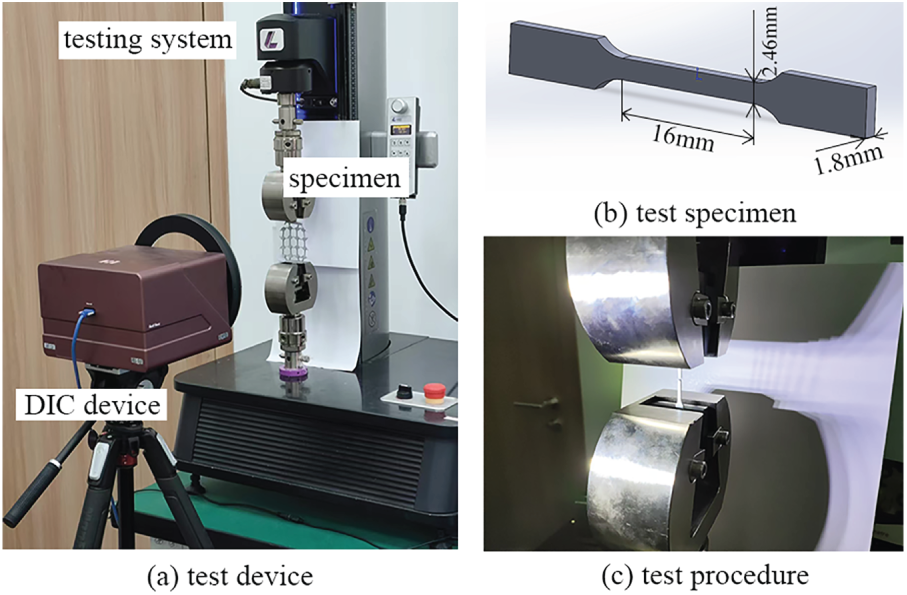
Figure 1: Uniaxial tensile test of the 3D-printed specimen.
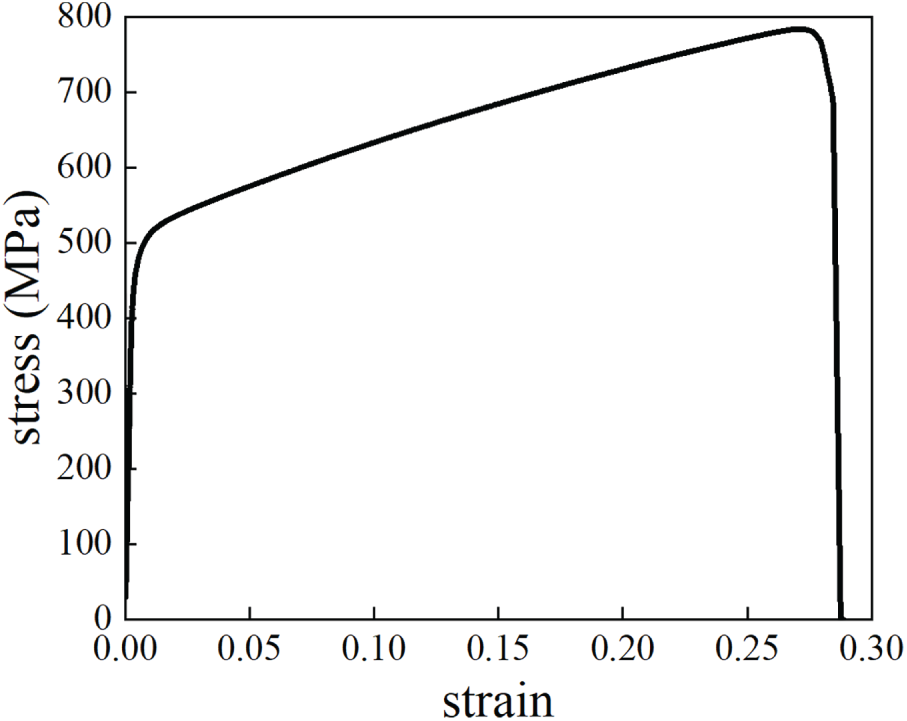
Figure 2: True stress-true strain curve of the material tensile test.
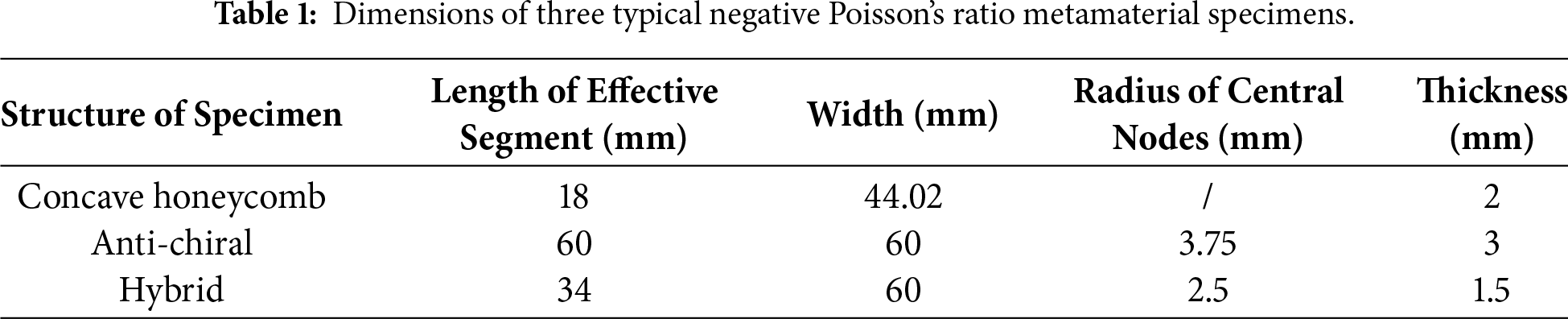
This study tests and analyzes three negative Poisson’s ratio metamaterial structures: i.e., the Concave honeycomb structure, Anti-chiral structure, and Anti-chiral concave honeycomb structure. The dimensions of the geometric feature of each structure are shown in Fig. 3, while the overall structural dimensions are given in Table 1. During testing, the Digital Image Correlation (DIC) system was employed to capture the deformation field and the strain distribution on the specimen surface. The random speckles were first sprayed onto the specimen surface, then the pixel-level correlation analysis was performed on the images captured at various deformation stages to precisely reconstruct the full-field displacement and deformation.
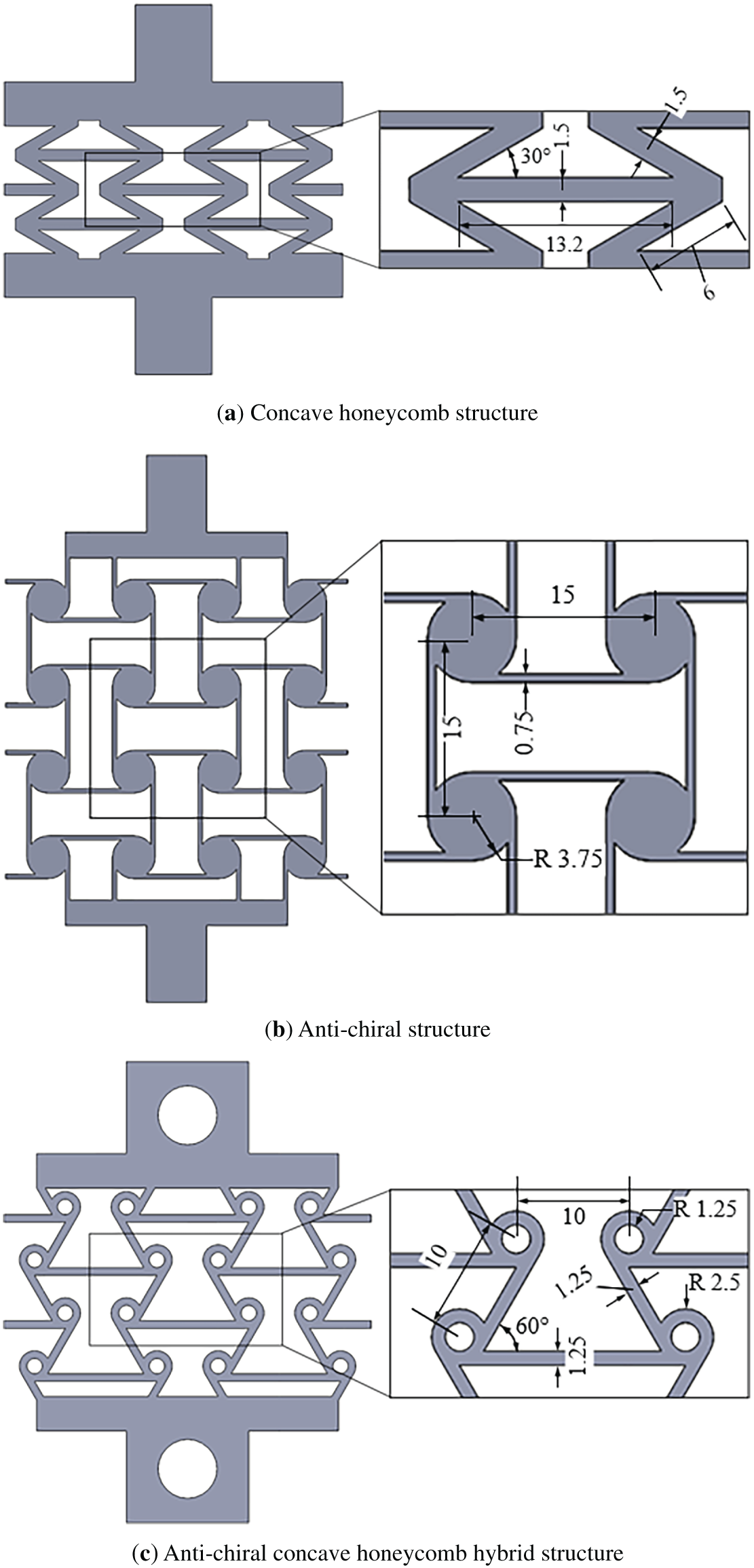
Figure 3: Schematic diagram of the three negative Poisson’s ratio metamaterial structures with dimension details (length unit: mm).
3 Material Constitutive and Damage Model
The mechanical behavior of the test material was described with the Johnson-Cook constitutive model [25]. This model characterizes the stress-strain relationship under conditions such as plastic deformation and high strain rates, given as
where

The Johnson-Cook damage model [28] was adopted to model the material failure process during deformation. This model is based on the cumulative damage theory and accounts for the effects of triaxiality and strain rate on plastic deformation. Note that here the thermal effects were not considered in the constitutive model. The Johnson-Cook damage model is expressed as
where
According to the cumulative damage criterion, the damage state variable is defined as
The variable is used to evaluate the extent of damage accumulation. When the accumulated equivalent plastic strain reaches the failure plastic strain specified by the failure criterion, the damage state variable reaches 1, and the material starts to fail. In a practical numerical simulation, this variable is accumulated discretely at each analysis step.
This paper assumes that once damage occurs, the damage variable D is introduced, which exhibits a linear relationship with the accumulated plastic strain
where
and
In Eq. (5), L represents the characteristic length of the damaged element,
During the damage evolution process, the material stress and elastic modulus are degraded according to
where
4 Mechanical Behaviors under Static Tension Loading
Numerical simulations were performed by using Abaqus software with a two-dimensional plane stress model, as shown in Fig. 4 with loading conditions and mesh details. Note that here the only Anti-chiral structure was given for illustration purpose. The lower boundary of the specimen was fixed, and the displacement loading was applied to the upper boundary, which matches the experimental test settings. The four-node plane stress element (CPS4R) is adopted for discretization, and the static general analysis step was adopted for the simulation. The effective Poisson’s ratio was calculated by
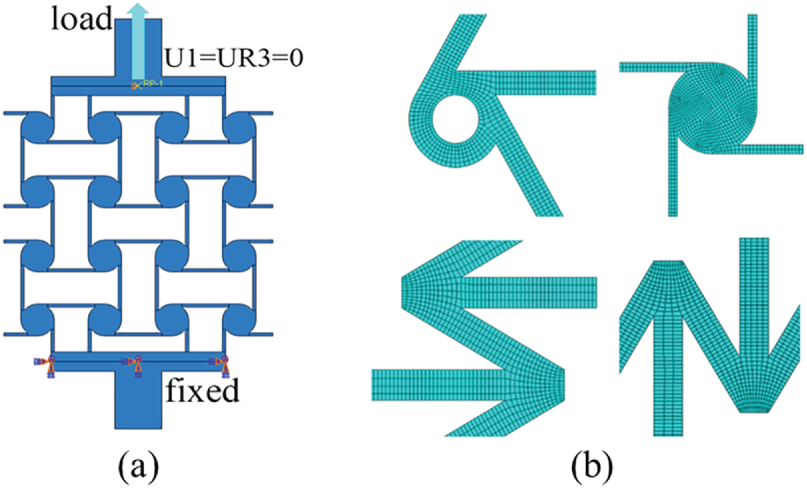
Figure 4: Schematic diagrams of the numerical model: (a) boundary conditions and (b) local mesh details.
4.1 Concave Honeycomb Structure
The deformation and strain contour plots of the Concave honeycomb structure during testing are shown in Figs. 5 and 6, respectively. Under static tensile loading, the honeycomb structure gradually unfolds with the Concave portions expanding outward, which contributes to the significant negative Poisson’s ratio effect. Note that significant bending deformation occurs at these joint nodes, which ultimately leads to the fracture failure of the specimen.
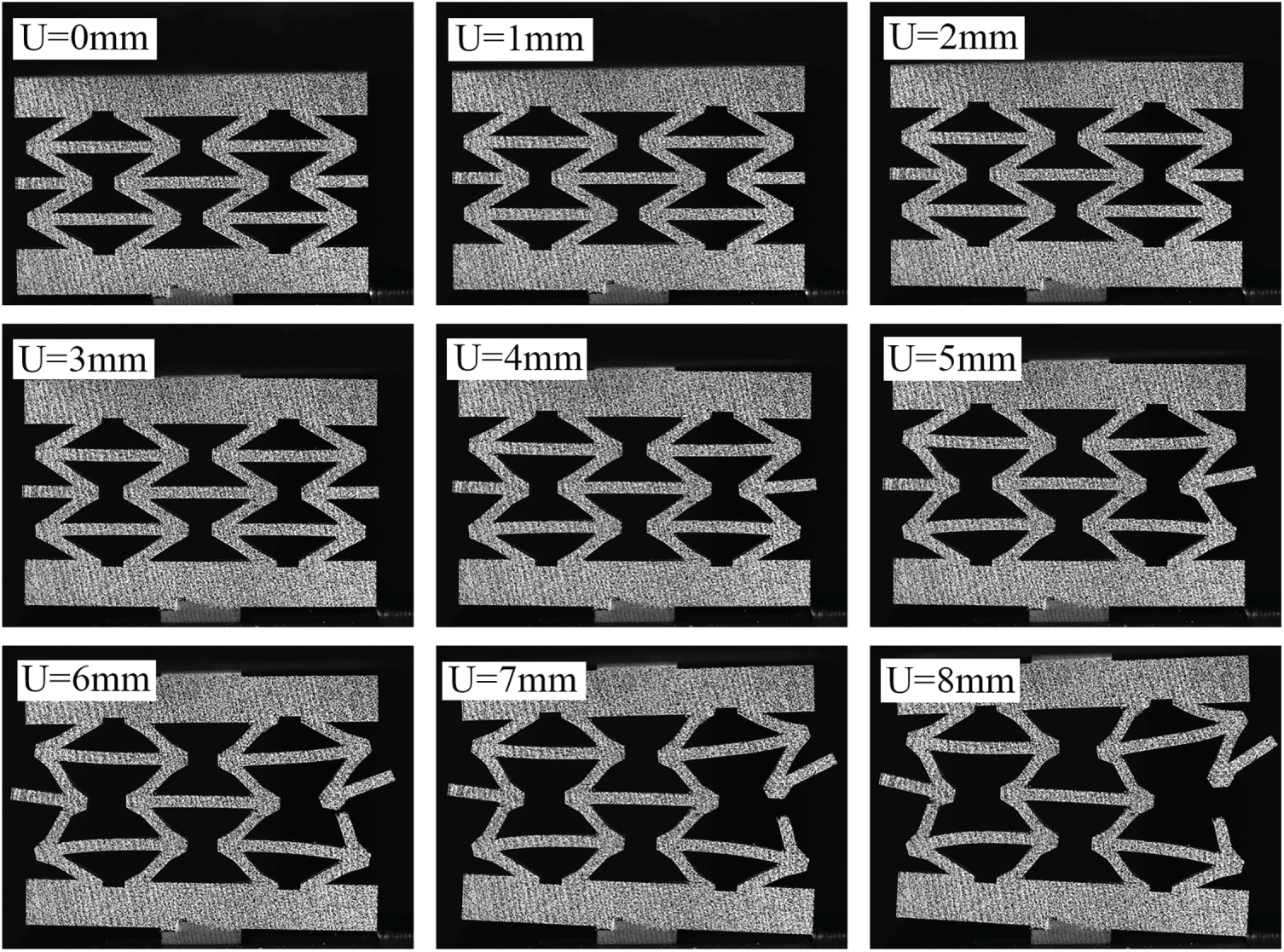
Figure 5: Deformation diagram of the Concave honeycomb structure under static tensile loading.
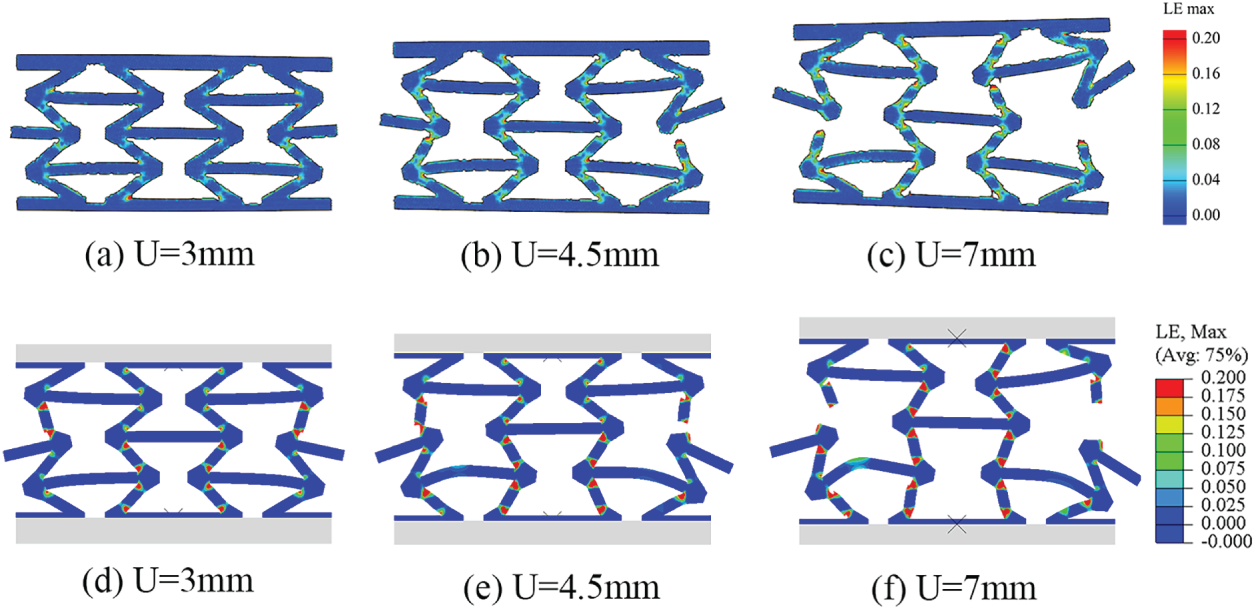
Figure 6: Strain contour plots of the Concave honeycomb specimen at different loading stages: (a–c) DIC measurement results, (d–f) numerical simulation results.
The experimental and simulated load-displacement curves exhibit good agreement, as shown in Fig. 7a. At the initial tensile stage, the force-displacement curve resembles the yield process of the conventional material, with the equivalent elastic modulus of about 2 GPa and yield stress of approximately 11.5 MPa. Subsequent fracture occurs for the first time at a displacement of 4 mm (corresponding to an engineering strain of 22%). Notably, Poisson’s ratio curves from experiments and simulations exhibit significant divergence (Fig. 7b), which could mainly be attributed to the experimental measurement errors. Nevertheless, both curves demonstrate a consistent growth trend: as deformation increases, the negative Poisson’s ratio effect enlarges, resulting in pronounced lateral expansion deformation.
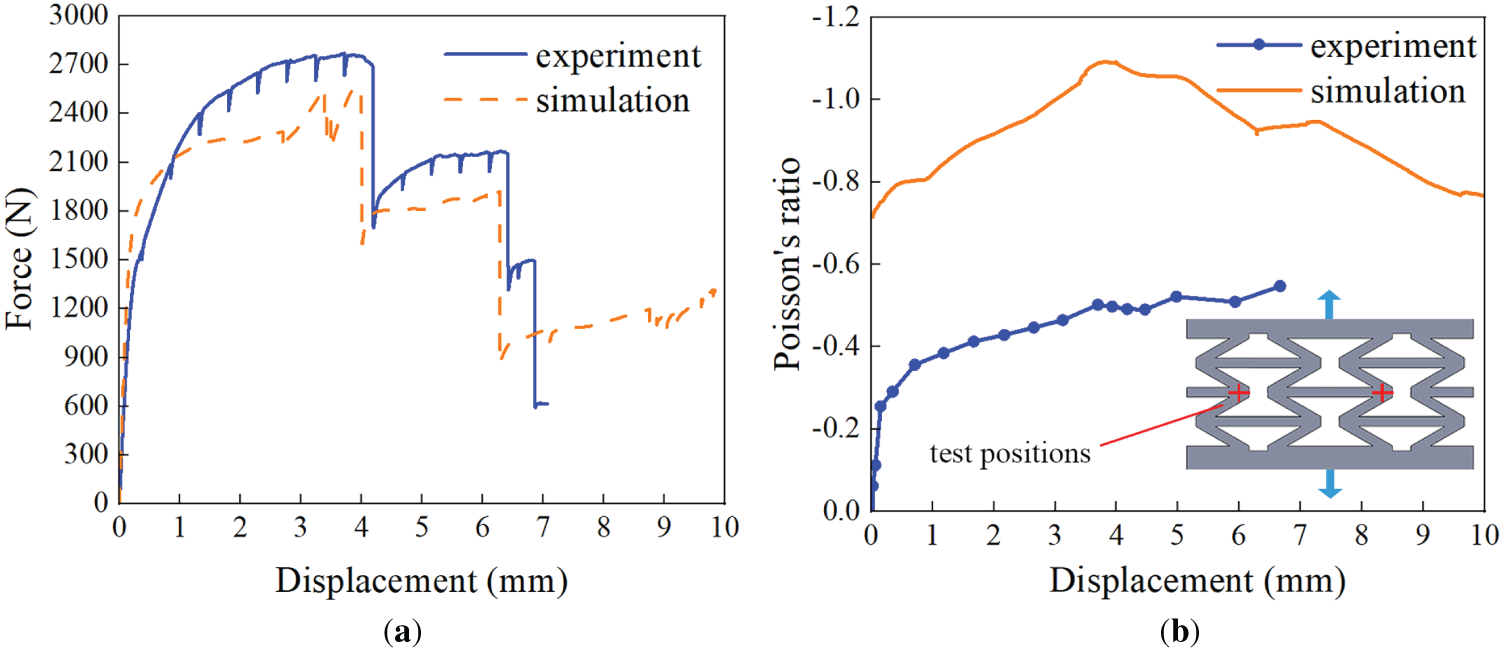
Figure 7: Concave honeycomb structure: (a) force-displacement curve, (b) Poisson’s ratio-displacement curve with test positions.
The deformation and strain contour plots during testing of the Anti-chiral structure specimen are shown in Figs. 8 and 9, respectively. During tension, the rotation of the central circle node caused mutual compression of the crossbars, resulting in the lateral expansion of the structure. The strain concentrations mainly occurred at the joint positions of the vertical bars and the circle nodes, which ultimately led to the fracture of the specimen. The force-displacement curve and Poisson’s ratio-displacement curve are depicted in Fig. 10a and Fig. 10b, respectively. The force-displacement curves indicate an equivalent elastic modulus of approximately 130 MPa and a yield stress of approximately 2 MPa. The ultimate strength is attained at the loading displacement of 15 mm, corresponding to an engineering strain of approximately 25%. The significant divergence is observed at the apex between the two curves, which is due to the unsymmetric loading in the experiment that causes the premature fracture of the structure. The Poisson’s ratio curve exhibits good agreement, and the transverse expansion effects decrease remarkably with longitudinal elongation, as evidenced in the strain diagram where the circle node is almost fully straightened vertically.
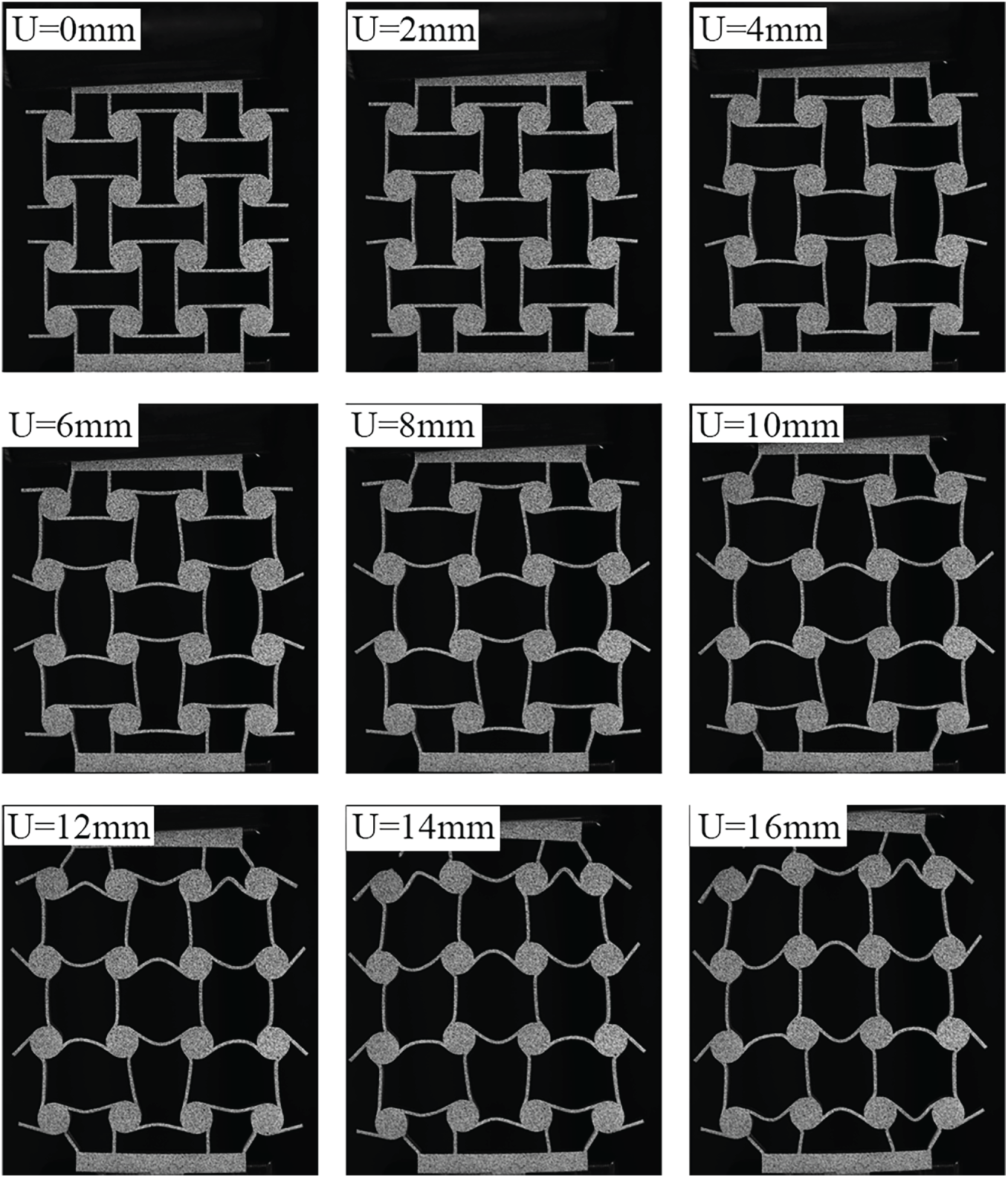
Figure 8: Deformation diagram of the Anti-chiral structure specimen under static tensile loading.
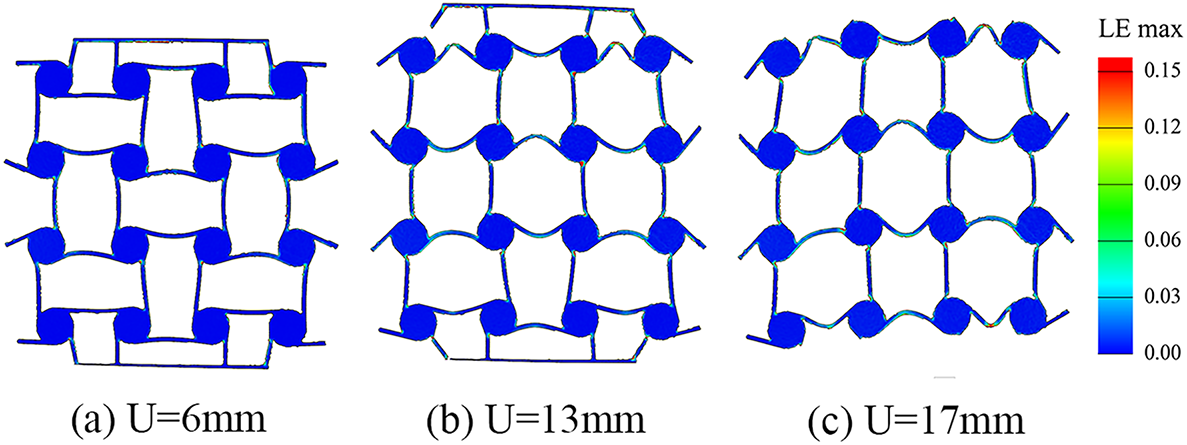
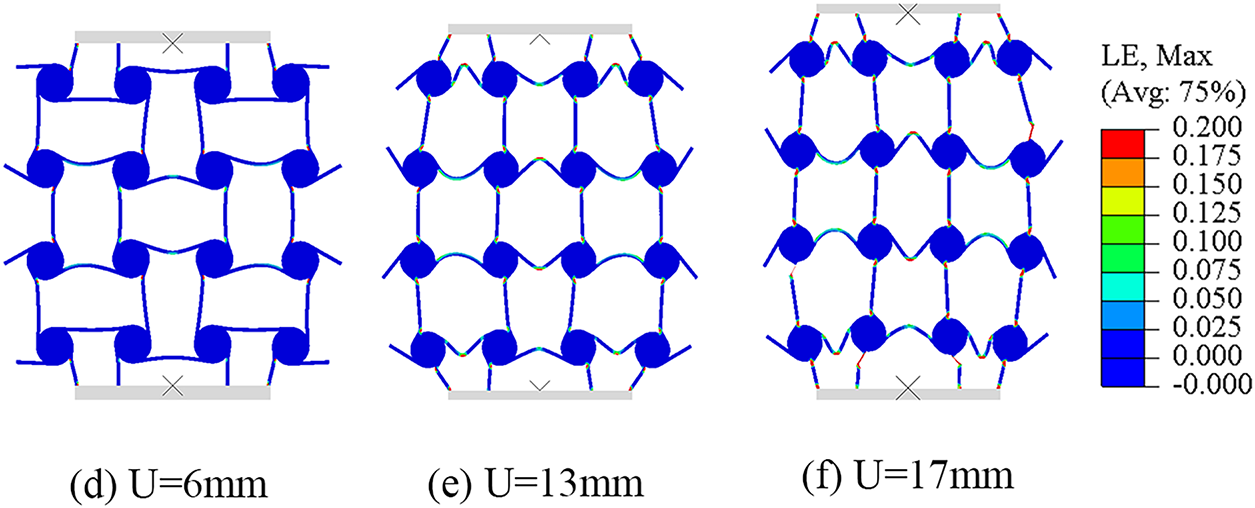
Figure 9: Strain contour plots of the Anti-chiral specimen at different loading stages: (a–c) DIC measurement results, (d–f) numerical simulation results.
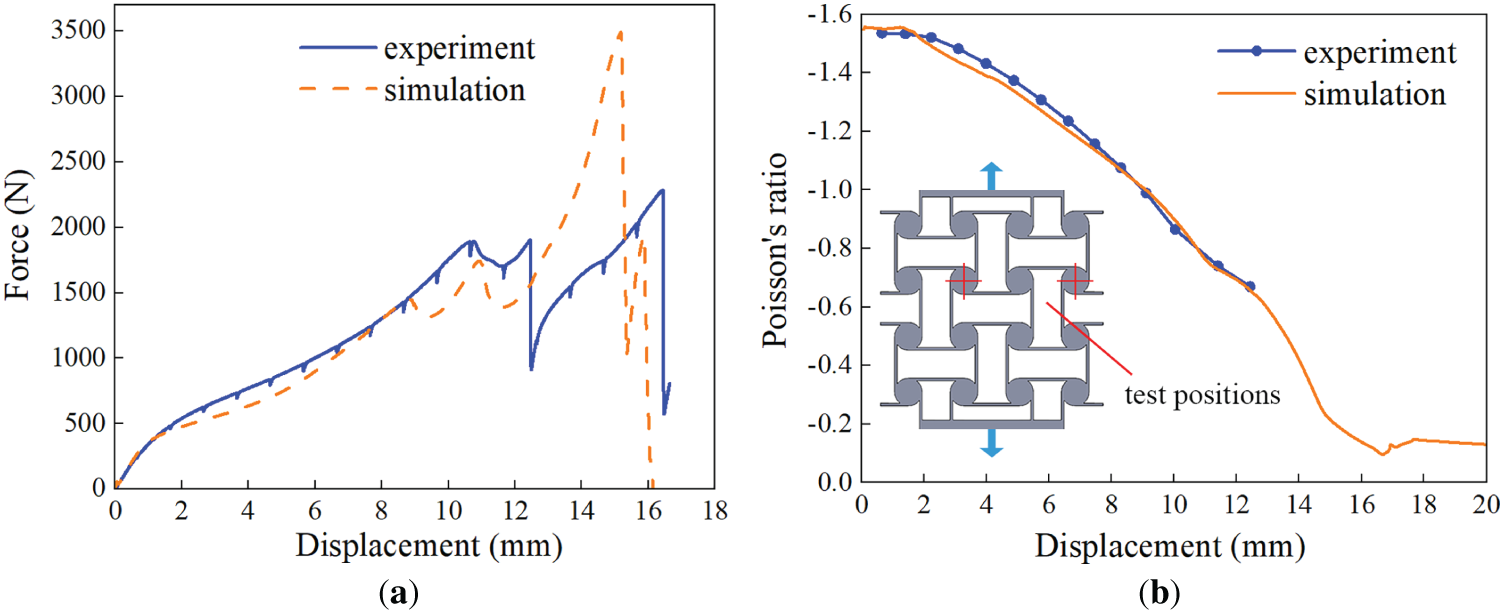
Figure 10: Anti-chiral structure: (a) force-displacement curve, (b) Poisson’s ratio-displacement curve with test positions.
4.3 Anti-Chiral Concave Honeycomb Structure
The deformation and strain contour plots during testing of the Anti-chiral concave honeycomb specimen are shown in Fig. 11 and Fig. 12, respectively. During tensile deformation, the specimen exhibits rotation of central nodes and straightening of the inclined rods. Concurrently, the compression of the transverse rods caused lateral expansion of the structure. The final fracture is caused by the increasing strain on the inclined rods. The force-displacement curve and Poisson’s ratio-displacement curve are depicted in Fig. 13a,b, respectively; both curves exhibit good agreement between simulation and test results. The initial stage of the force-displacement curve shows an equivalent elastic modulus of approximately 500 MPa and a yield stress of approximately 4 MPa. Subsequent fracture occurs at approximately 7 mm displacement loading (corresponding to a 20% engineering strain). The Poisson’s ratio curves exhibited good agreement during the initial deformation stage, and both show a gradually increasing trend. This indicates that the transverse expansion effect diminishes with the increasing of structural longitudinal elongation.
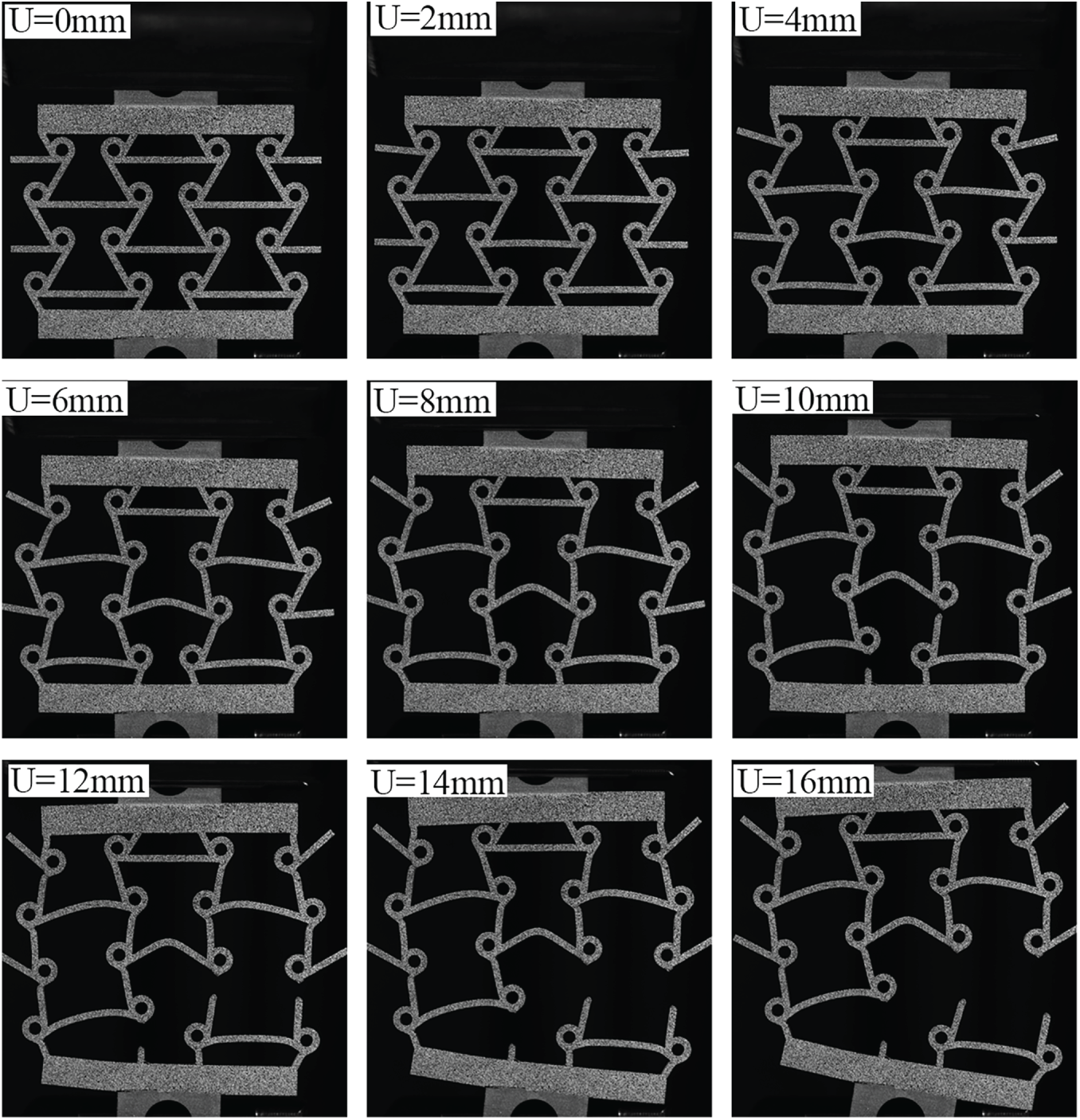
Figure 11: Deformation diagram of the Anti-chiral concave honeycomb structure under static tensile loading.
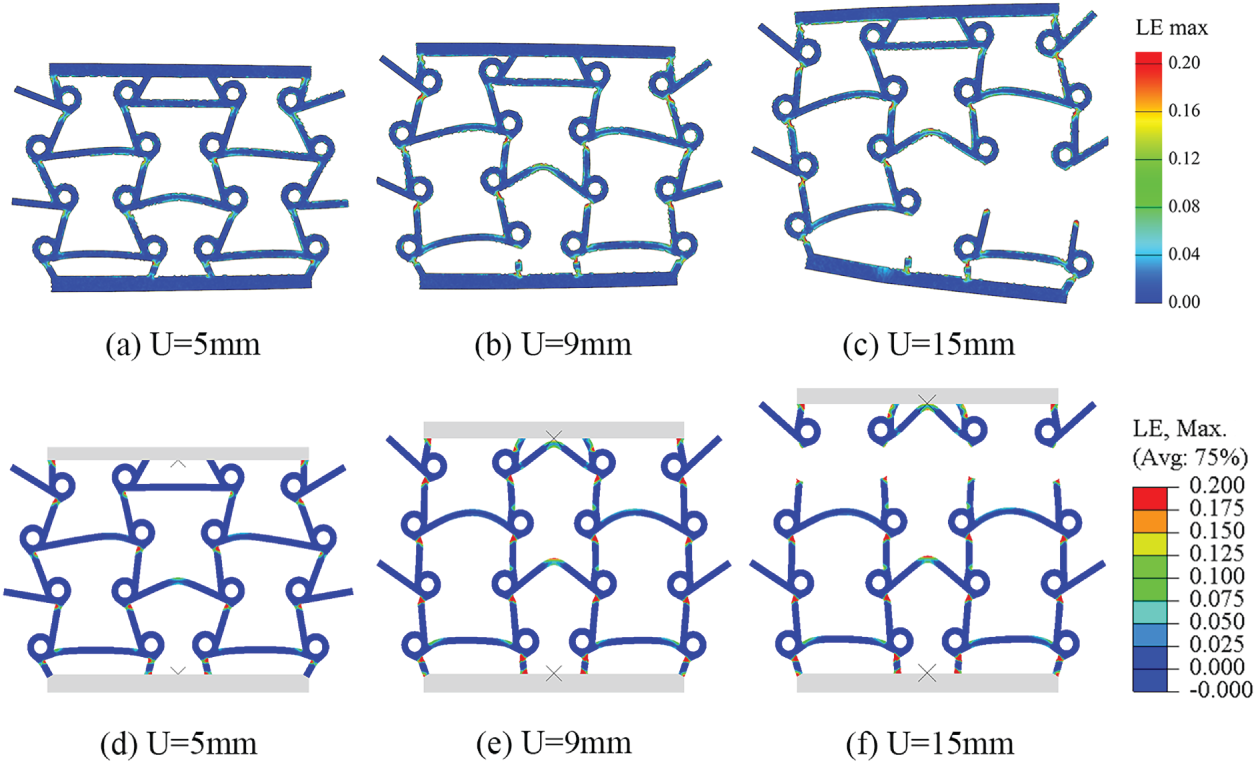
Figure 12: Strain contour plots of the Anti-chiral concave honeycomb specimen at different loading stages: (a–c) DIC measurement results, (d–f) numerical simulation results.
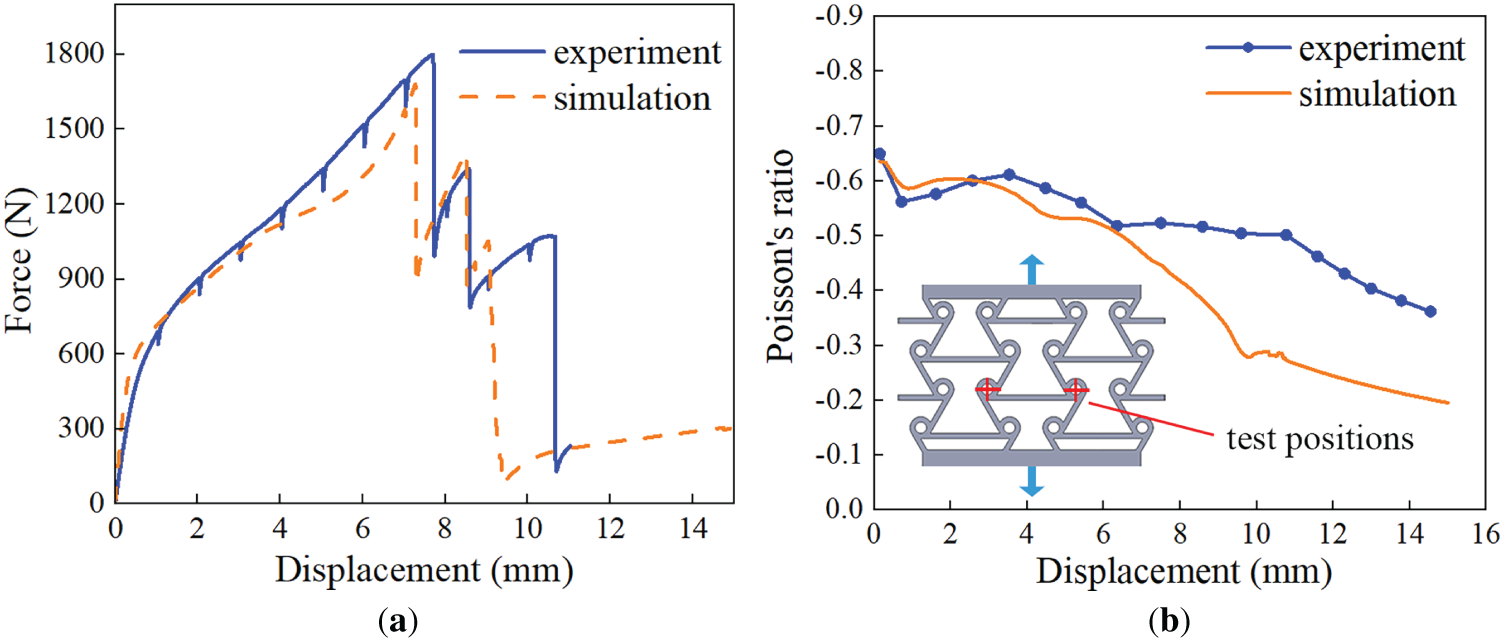
Figure 13: Anti-chiral concave honeycomb structure: (a) force-displacement curve, (b) Poisson’s ratio-displacement curve with test positions.
Fig. 14 summarizes and compares the equivalent elastic modulus, ultimate strength, and minimum Poisson’s ratio of the three test specimens. It is evident that the Concave honeycomb structure achieves the highest stiffness/strength and moderate negative Poisson’s ratio effects, while the Anti-chiral structure has the lowest stiffness/strength but with the highest negative Poisson’s ratio effects. Besides, at the initial tension stage before failure, all three structures exhibit similar mechanical behaviors as compared to conventional materials, namely initial linear elastic and then nonlinear plastic deformation. Subsequently, due to localized fracture failure within the structures, the load-displacement shows non-linear softening behaviors. Finally, as tensile deformation increases, the negative Poisson’s ratio effect diminishes gradually for all three structures. This is because the lateral expansion capacity, which provides the negative Poisson’s ratio effects, is inherently limited due to material fracture and failure.
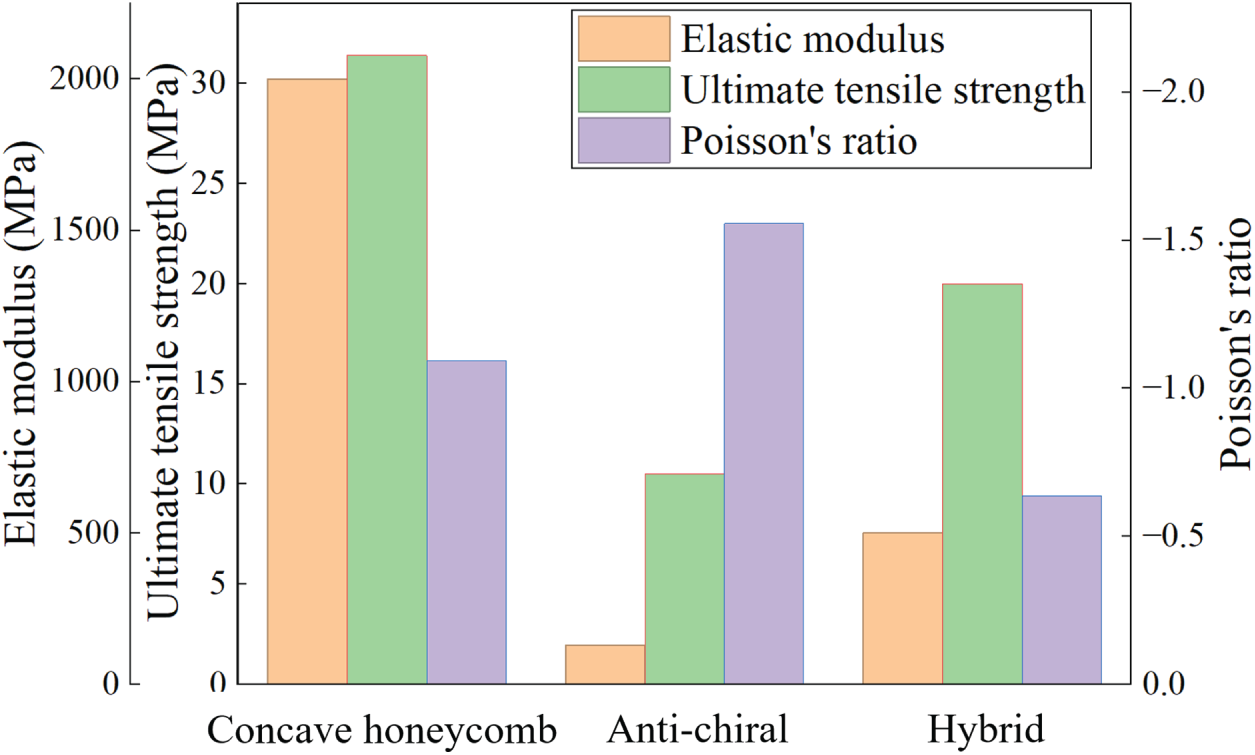
Figure 14: Histogram of the equivalent elastic modulus, ultimate tensile stress, and minimum Poisson’s ratio for three test structures.
5 Mechanical Behaviors under Dynamic Impact Loading
Dynamic compression tests were conducted on the three specimens using explicit dynamic analysis. The numerical mode and finite element discretization are the same as that in the static tension test. The lower boundary of the specimen is fixed, and the upper boundary is subjected to a displacement compression loading. Three different loading rates are considered: −100, −1000, and −3000 s−1, with the aim to simulate varying impact velocities. Besides, the normal rigid contact and tangential frictionless contact conditions were applied to all the surfaces of the model to prevent penetration during compression deformation. The energy absorption quantity was obtained by integrating the force-displacement curve obtained from the analysis. The lateral strain measurement points for Poisson’s ratio are the same as those in the quasi-static analysis.
5.1 Concave Honeycomb Structure
The deformation contour plots of the Concave honeycomb structure under three different loading rates are shown in Fig. 15. The maximum displacement loading is 10 mm. The results demonstrate that the deformation processes under the three loading rates are highly consistent, with deformation spreading throughout the entire structure almost simultaneously. The highest strain occurs at the junctions between the cross bars and diagonal bars. The load-displacement curve exhibits two distinct stages, as shown in Fig. 16a, namely an initial stage with bending deformation and a secondary stage with compression deformation during which structural stiffness markedly increases. Correspondingly, the energy absorption curve displays two distinct stages, as illustrated in Fig. 16b. The structure’s Poisson’s ratio shows a first rapid decrease and then a gradual increase to almost zero.
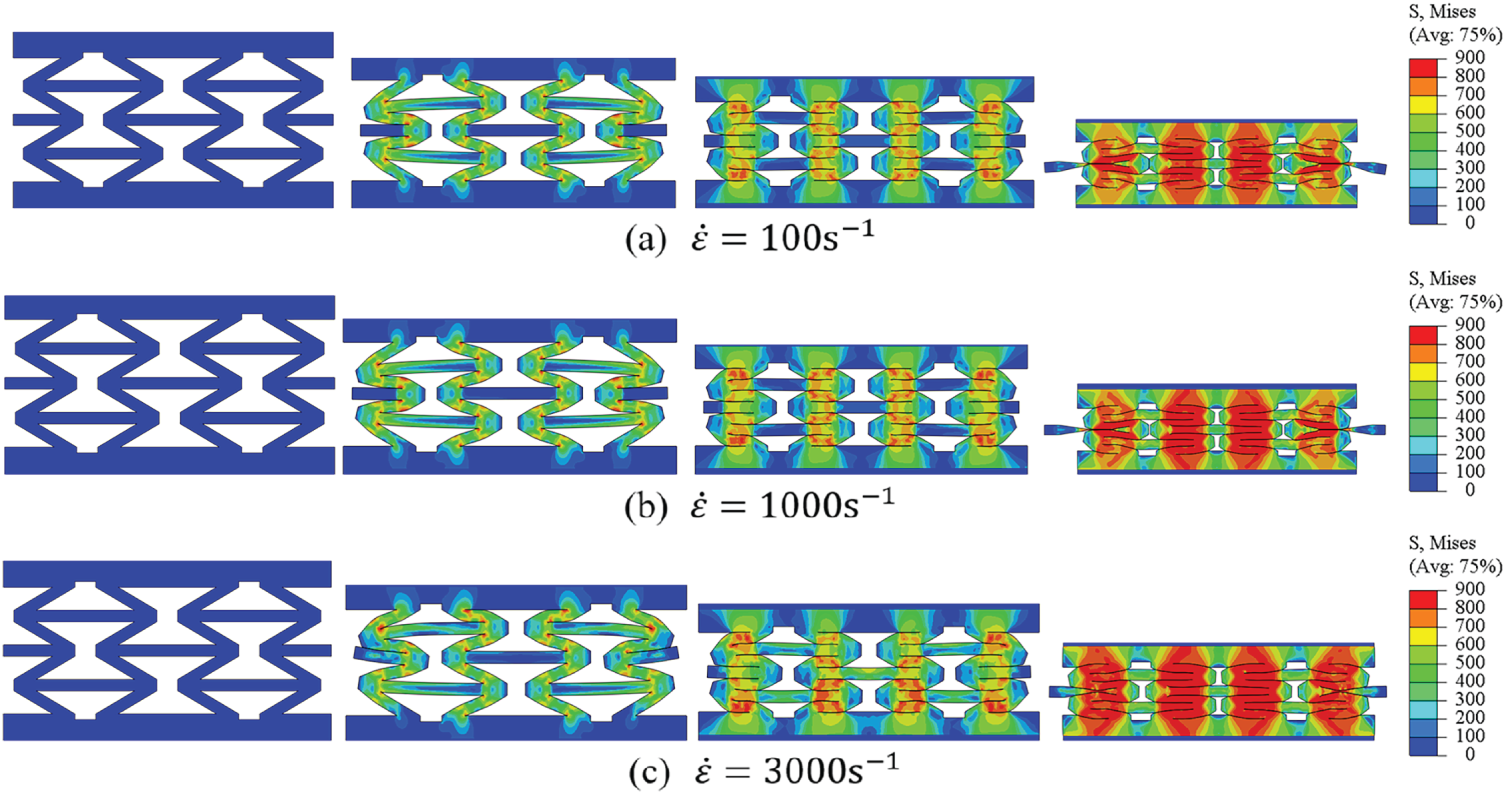
Figure 15: Stress contour plots of Concave honeycomb structures at different compression stages: 0 mm, 3.3 mm, 6.6 mm, and 10 mm (Unit: MPa).
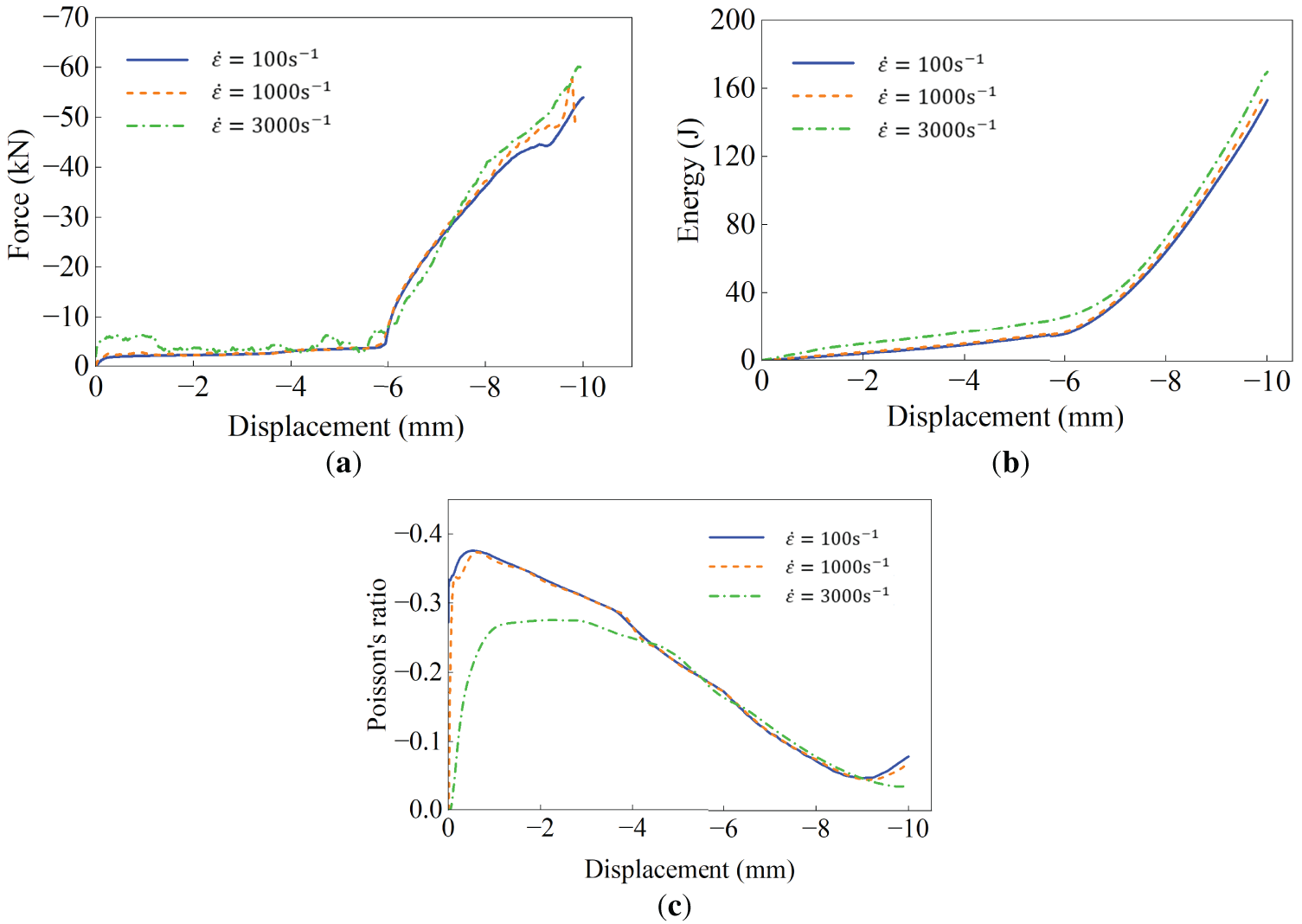
Figure 16: Concave honeycomb structure: (a) load-displacement curve, (b) energy absorption curve, and (c) Poisson’s ratio curve.
The stress contour plots of the Anti-chiral structure under three loading rates are shown in Fig. 17. The maximum displacement loading is 30 mm. The results show distinct deformation behaviors at different strain rates: for
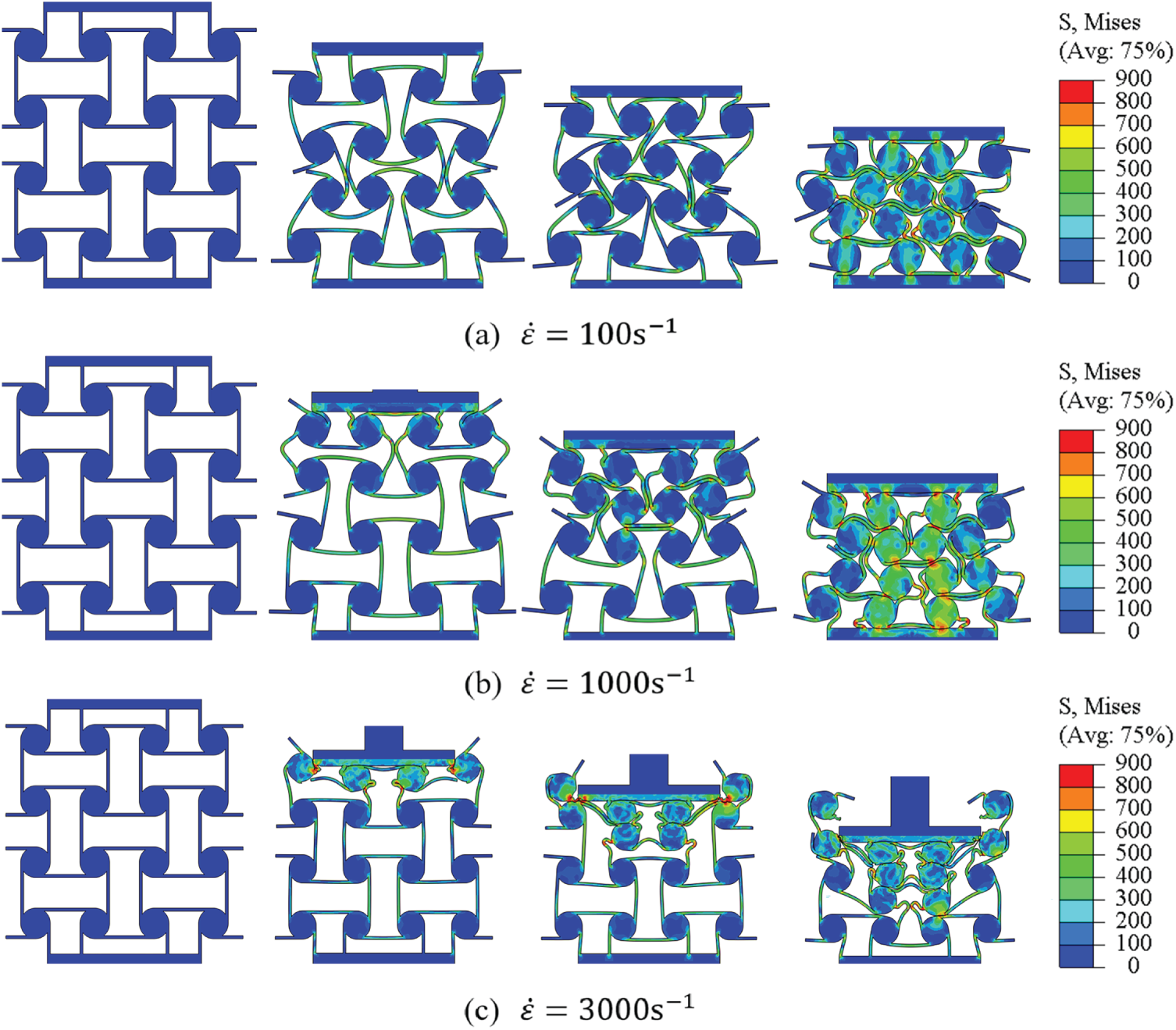
Figure 17: Stress contour plots for Anti-chiral structures at different compression stages: 0 mm, 10 mm, 20 mm, and 30 mm (Unit: MPa).
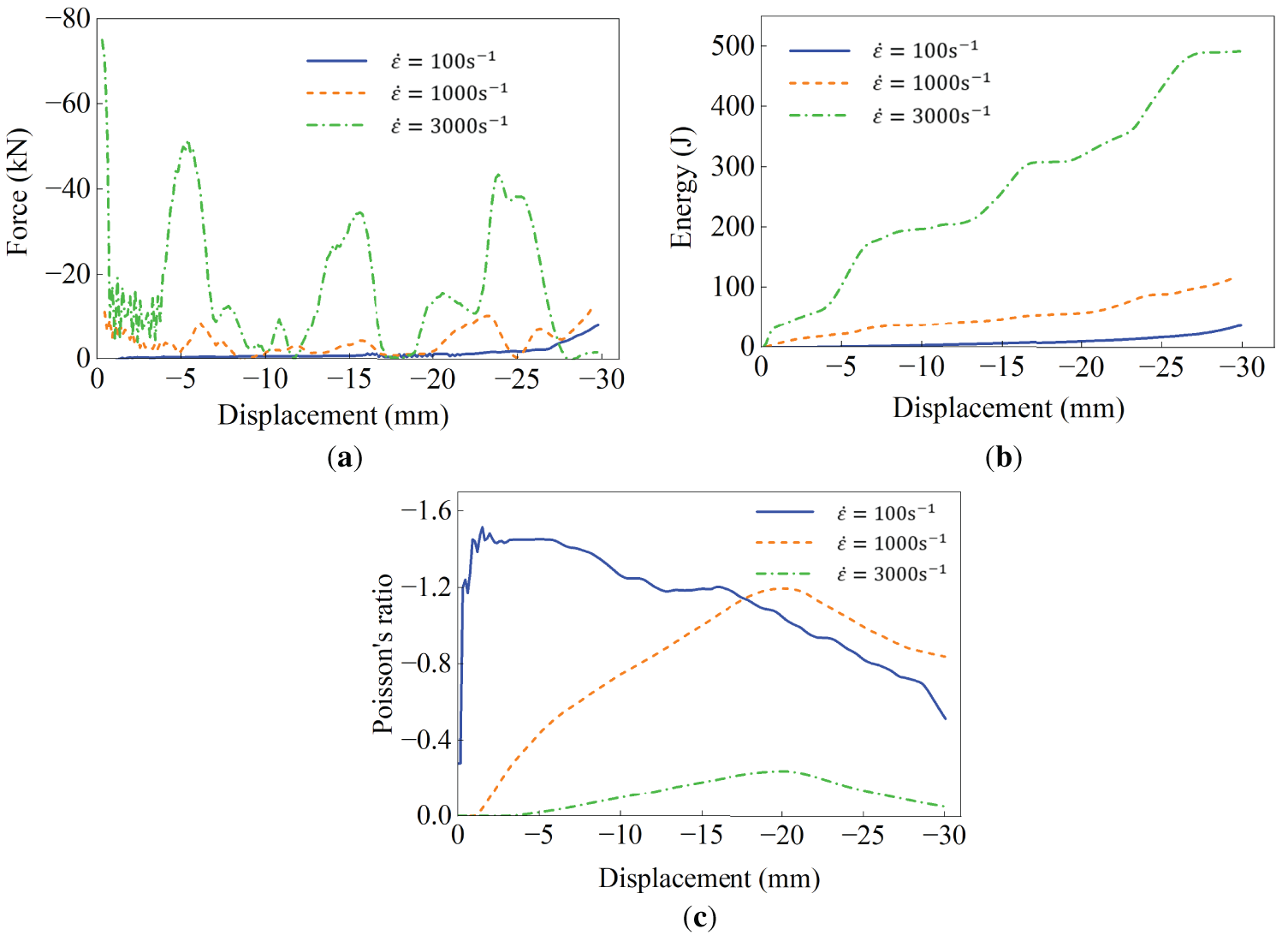
Figure 18: Anti-chiral structures: (a) load-displacement curve, (b) energy absorption curve, and (c) Poisson’s ratio curve.
5.3 Anti-Chiral Concave Honeycomb Structure
Fig. 19 shows the stress contour plots of the Anti-chiral concave honeycomb structure subjected to a compressive load of 18 mm. The results show distinct deformation processes at the three different strain rates. For
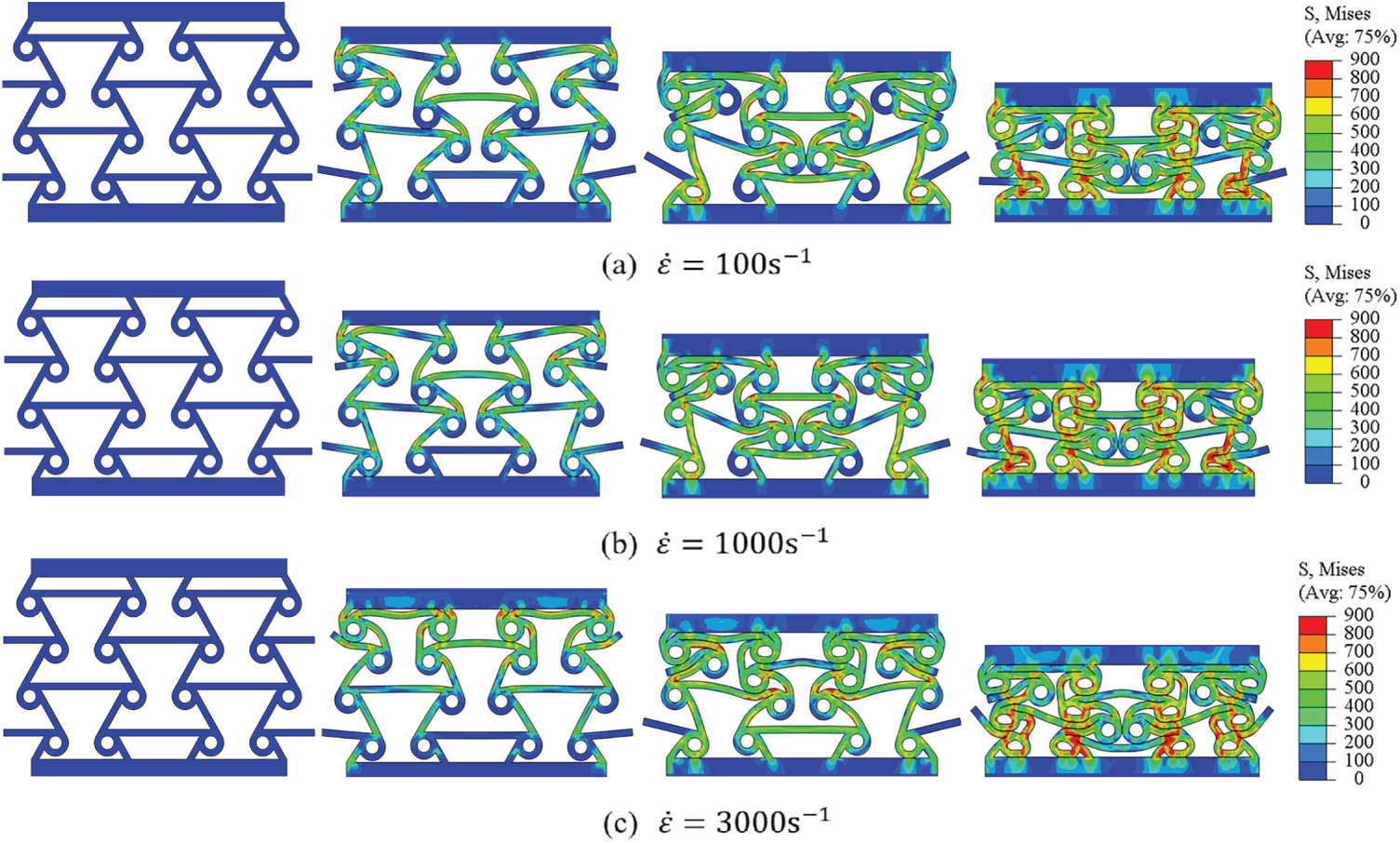
Figure 19: Stress contour plots for Anti-chiral concave honeycomb structures under different compression stages: 0, 6, 12, and 18 mm (Unit: MPa).
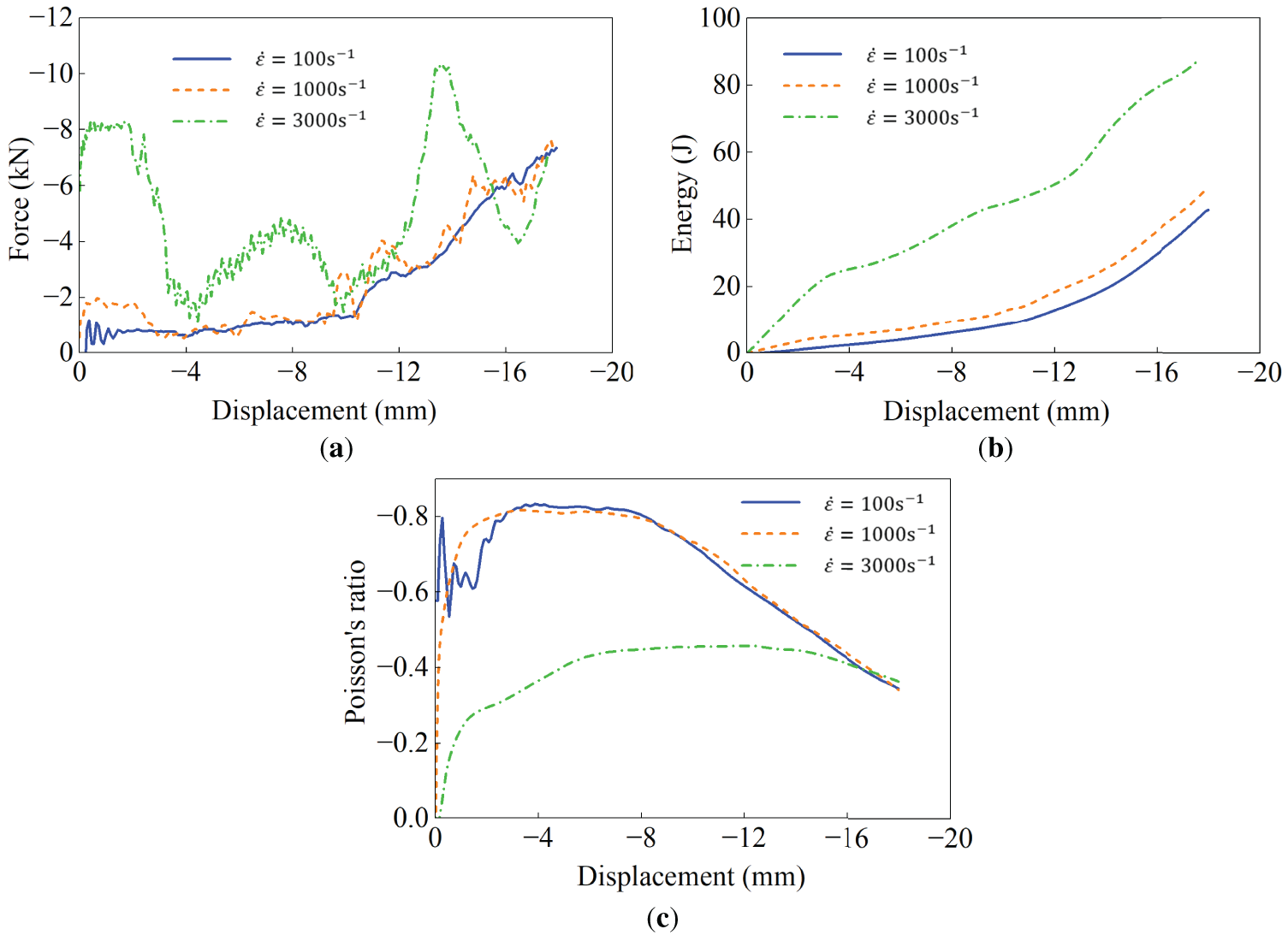
Figure 20: Anti-chiral concave honeycomb structure: (a) load-displacement curve, (b) energy absorption curve, and (c) Poisson’s ratio curve.
As influenced by material rate-hardening effects and the velocity of elastic waves within the structure, the mechanical behaviors exhibit significant differences at varying strain rates. Results indicate that different structures have distinct critical impact strain rates, below which the dynamic effects are not obvious, and the structure behaves like under static loading. At low strain rates, the force-displacement curve exhibits two-stage behavior due to the compression deformation of the structure. At high strain rates, the structure shows successive crushing phenomena, and correspondingly, the force-displacement curve exhibits fluctuation with multiple peaks. The Poisson’s ratio effects exhibit an initial increase, followed by a decreasing trend for the three structures. Besides, the negative Poisson’s ratio effect was weakened under higher strain rates, since under high-speed impactions, the compressive failure along the loading direction prohibits the lateral deformation that could induce the negative Poisson’s ratio effect. For energy absorption, all the results show that higher strain rates result in greater energy absorption, as shown in Fig. 21. Here, the specific energy absorption (SEA) is defined as the total absorption energy divided by specimen mass. It is seen that the strain rate has the most significant effects on the SEA of the Anti-chiral structure.
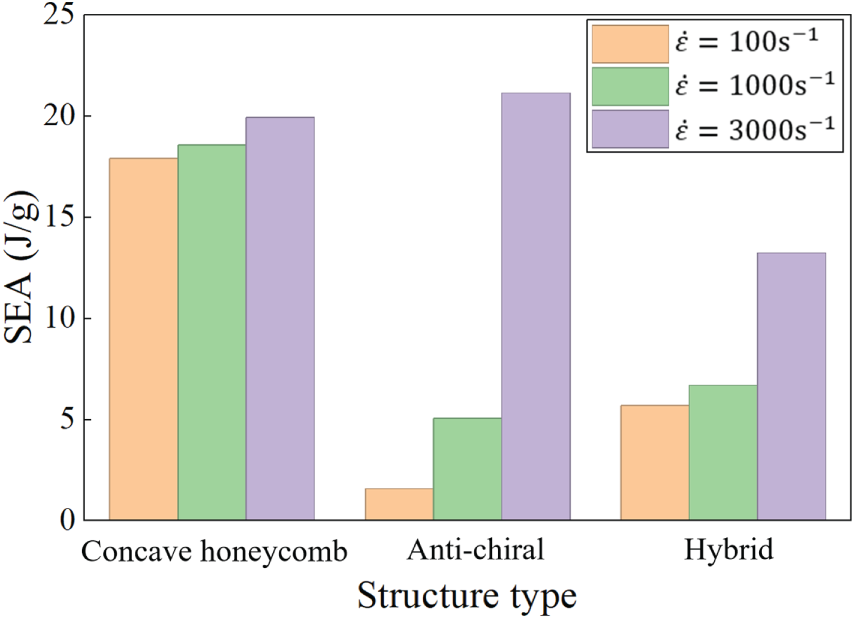
Figure 21: Histogram of SEA at the effective strain
This work investigates the static and dynamic mechanical behaviors of three typical two-dimensional negative Poisson’s ratio metamaterial structures, namely concave honeycomb, anti-chiral, and anti-chiral concave honeycomb hybrid structures. The experimental test specimens were fabricated using selective laser melting (SLM) additive manufacturing technology. The deformation behaviors, failure process, negative Poisson’s ratio effects, and energy absorption capacity of the three different metamaterial structures are systematically investigated, and the associated mechanisms are thoroughly revealed. Specifically, under static tension loading, the anti-chiral structure has the lowest stiffness/strength but with the highest negative Poisson’s ratio effects. All three structures exhibit initial linear elastic and then nonlinear plastic deformation. After that, the local failure occurs, and the load-displacement shows non-linear softening behaviors. While under dynamic impact loading, the metamaterial structures exhibit significant rate-dependent behaviors, and there exists a critical strain rate for each structure. Besides, the force-displacement curve exhibits two-stage behavior due to the compression deformation and crush behaviors of the structure. The results and findings of this work may provide valuable guidance for the engineering application of negative Poisson’s ratio metamaterials.
It should be noted that the conclusions herein are derived based on two-dimensional planar configurations, and the specimen geometry is constructed with a limited number of unit cells. The potential boundary effects and scale effects require further investigation when extending these findings to larger-scale engineering applications.
Acknowledgement: This work was supported by the National Natural Science Foundation of China (No. 12472136) and Innovation Fund of Marine Defense Technology Innovation Center (No. 25GFC-JJ16-3608).
Funding Statement: This work was supported by the National Natural Science Foundation of China (No. 12472136) and Innovation Fund of Marine Defense Technology Innovation Center (No. 25GFC-JJ16-3608).
Author Contributions: The authors confirm contribution to the paper as follows: study conception and design: Zeyu Han, Liang Wang; data collection: Zeyu Han, Chengbei He; analysis and interpretation of results: Zeyu Han, Chengbei He, Liang Wang; draft manuscript preparation: Zeyu Han, Chengbei He, Liang Wang. All authors reviewed and approved the final version of the manuscript.
Availability of Data and Materials: All materials and data used in this review are readily accessible to interested readers.
Ethics Approval: Not applicable.
Conflicts of Interest: The author declares no conflicts of interest.
References
1. Xue X, Lin C, Wu F, Li Z, Liao J. Lattice structures with negative Poisson’s ratio: a review. Mater Today Commun. 2023;34(12):105132. doi:10.1016/j.mtcomm.2022.105132. [Google Scholar] [CrossRef]
2. Mwema FM, Ndou N. A review on mechanical metamaterials: exploring negative Poisson’s ratio, energy absorption, failure mechanisms, and current research frontiers. SAGE J. 2025;9:825. doi:10.1177/14644207251359307. [Google Scholar] [CrossRef]
3. Kelkar PU, Kim HS, Cho KH, Kwak JY, Kang CY, Song HC. Cellular auxetic structures for mechanical metamaterials: a review. Sensors. 2020;20(11):3132. doi:10.3390/s20113132. [Google Scholar] [PubMed] [CrossRef]
4. Foster L, Peketi P, Allen T, Senior T, Duncan O, Alderson A. Application of auxetic foam in sports helmets. Appl Sci. 2018;8(3):354. doi:10.3390/app8030354. [Google Scholar] [CrossRef]
5. Lecina-Tejero Ó, Pérez MÁ, García-Gareta E, Borau C. The rise of mechanical metamaterials: auxetic constructs for skin wound healing. J Tissue Eng. 2023;14:20417314231177838. doi:10.1177/20417314231177838. [Google Scholar] [PubMed] [CrossRef]
6. Gao Q, Liao WH, Wang L. An analytical model of cylindrical double-arrowed honeycomb with negative Poisson’s ratio. Int J Mech Sci. 2020;173:105400. doi:10.1016/j.ijmecsci.2019.105400. [Google Scholar] [CrossRef]
7. Bezazi A, Boukharouba W, Scarpa F. Mechanical properties of auxetic carbon/epoxy composites: static and cyclic fatigue behaviour. Phys Status Solidi. 2009;246(9):2102–10. doi:10.1002/pssb.200982042. [Google Scholar] [CrossRef]
8. Li T, Liu F, Wang L. Enhancing indentation and impact resistance in auxetic composite materials. Compos Part B Eng. 2020;198:108229. doi:10.1016/j.compositesb.2020.108229. [Google Scholar] [CrossRef]
9. Alderson A, Alderson KL, Chirima G, Ravirala N, Zied KM. The in-plane linear elastic constants and out-of-plane bending of 3-coordinated ligament and cylinder-ligament honeycombs. Compos Sci Technol. 2010;70(7):1034–41. doi:10.1016/j.compscitech.2009.07.010. [Google Scholar] [CrossRef]
10. Alderson A, Rasburn J, Ameer-Beg S, Mullarkey PG, Perrie W, Evans KE. An auxetic filter: a tuneable filter displaying enhanced size selectivity or defouling properties. Ind Eng Chem Res. 2000;39(3):654–65. doi:10.1021/ie990572w. [Google Scholar] [CrossRef]
11. Henyš P, Vomáčko V, Ackermann M, Sobotka J, Solfronk P, Šafka J, et al. Normal and shear behaviours of the auxetic metamaterials: homogenisation and experimental approaches. Meccanica. 2019;54(6):831–9. doi:10.1007/s11012-019-01000-8. [Google Scholar] [CrossRef]
12. Wang YC, Shen MW, Liao SM. Microstructural effects on the Poisson's ratio of star-shaped two-dimensional systems. Phys Status Solidi. 2017;254(12):1700024. doi:10.1002/pssb.201700024. [Google Scholar] [CrossRef]
13. Fu MH, Chen Y, Hu LL. A novel auxetic honeycomb with enhanced in-plane stiffness and buckling strength. Compos Struct. 2017;160:574–85. doi:10.1016/j.compstruct.2016.10.090. [Google Scholar] [CrossRef]
14. Valente J, Plum E, Youngs IJ, Zheludev NI. Nano-and micro-auxetic plasmonic materials. Adv Mater. 2016;28(26):5176–80. [Google Scholar] [PubMed]
15. Mirzaali MJ, Ghorbani A, Nakatani K, Nouri-Goushki M, Tümer N, Callens SJ, et al. Curvature induced by deflection in thick meta-plates. Adv Mater. 2021;33(30):2008082. doi:10.1002/adma.202008082. [Google Scholar] [PubMed] [CrossRef]
16. Jiang Y, Liu Z, Matsuhisa N, Qi D, Leow WR, Yang H, et al. Auxetic mechanical metamaterials to enhance sensitivity of stretchable strain sensors. Adv Mater. 2018;30(12):1706589. doi:10.1002/adma.201706589. [Google Scholar] [PubMed] [CrossRef]
17. Lakes R. Deformation mechanisms in negative Poisson's ratio materials: structural aspects. J Mater Sci. 1991;26(9):2287–92. doi:10.1007/bf01130170. [Google Scholar] [CrossRef]
18. Prall D, Lakes RS. Properties of a chiral honeycomb with a Poisson’s ratio of—1. Int J Mech Sci. 1997;39(3):305–14. doi:10.1016/s0020-7403(96)00025-2. [Google Scholar] [CrossRef]
19. Grima JN, Gatt R, Farrugia PS. On the properties of auxetic meta-tetrachiral structures. Phys Status Solidi. 2008;245(3):511–20. doi:10.1002/pssb.200777704. [Google Scholar] [CrossRef]
20. Pan Y, Zhang XG, Han D, Li W, Xu LF, Zhang Y, et al. The out-of-plane compressive behavior of auxetic chiral lattice with circular nodes. Thin Walled Struct. 2023;182:110152. doi:10.1016/j.tws.2022.110152. [Google Scholar] [CrossRef]
21. Zhang W, Wang H, Lou X, Yan Z, Shao J, Wu T, et al. On in-plane crushing behavior of a combined re-entrant double-arrow honeycomb. Thin Walled Struct. 2024;194:111303. doi:10.1016/j.tws.2023.111303. [Google Scholar] [CrossRef]
22. Li X, Li Z, Guo Z, Guo Z, Mo Z, Li J. A novel hybrid star honeycomb with individually adjustable second plateau stresses. Compos Struct. 2025;356:118881. doi:10.1016/j.compstruct.2025.118881. [Google Scholar] [CrossRef]
23. Gupta A, Sharma S, Madke RR, Chowdhury R. In-plane mechanical behavior of tri-chiral and anti-trichiral auxetic cellular structures. Int J Mech Sci. 2025;289:110054. doi:10.1016/j.ijmecsci.2025.110054. [Google Scholar] [CrossRef]
24. Luo P, Sang S, Li C, Cao D, Cao Y, Hao H. Energy absorption characteristics of coupled auxetic metamaterials with enhanced local stiffness. Adv Eng Mater. 2025;27(20):2500930. doi:10.1002/adem.202500930. [Google Scholar] [CrossRef]
25. Johnson GR, Cook WH, Model AC. A constitutive model and data for metals subjected to large strains, high strain rates and high temperatures. In: Proceedings of the 7th International Symposium on Ballistics; 1983 Apr 19–21; The Hague, The Netherlands. p. 541–7. [Google Scholar]
26. Chandrasekaran H, M’saoubi R, Chazal H. Modelling of material flow stress in chip formation process from orthogonal milling and split Hopkinson bar tests. Mach Sci Technol. 2005;9(1):131–45. doi:10.1081/mst-200051380. [Google Scholar] [CrossRef]
27. Tamer Y, Toros S, Ozturk F. Numerical and experimental comparison of fractural characteristics of 316L stainless steel. J Mater Eng Perform. 2023;32(3):1103–18. doi:10.1007/s11665-022-07152-1. [Google Scholar] [CrossRef]
28. Johnson GR, Cook WH. Fracture characteristics of three metals subjected to various strains, strain rates, temperatures and pressures. Eng Fract Mech. 1985;21(1):31–48. doi:10.1016/0013-7944(85)90052-9. [Google Scholar] [CrossRef]
29. Margerit P, Weisz-Patrault D, Ravi-Chandar K, Constantinescu A. Tensile and ductile fracture properties of as-printed 316L stainless steel thin walls obtained by directed energy deposition. Addit Manuf. 2021;37:101664. doi:10.1016/j.addma.2020.101664. [Google Scholar] [CrossRef]
Cite This Article
 Copyright © 2026 The Author(s). Published by Tech Science Press.
This work is licensed under a Creative Commons Attribution 4.0 International License , which permits unrestricted use, distribution, and reproduction in any medium, provided the original work is properly cited.
 Downloads
 Citation Tools
