
 Login
Login Register
 Submit a Paper
 Propose a Special lssue
 Open Access
ARTICLE

Assessment of Compressive Strength of Concrete with Glass Powder and Recycled Aggregates Using Machine Learning Approaches
1 Department of Civil Engineering, Faculty of Engineering, Lorestan University, Khorramabad, Iran
2 School of Civil and Environmental Engineering, Faculty of Engineering and Information Technology, University of Technology Sydney, Ultimo, NSW, Australia
* Corresponding Author: Danial Jahed Armaghani. Email:
(This article belongs to the Special Issue: Computational Intelligent Systems for Solving Complex Engineering Problems: Principles and Applications-III)
Computer Modeling in Engineering & Sciences 2026, 146(3), 20 https://doi.org/10.32604/cmes.2026.077300
Received 06 December 2025; Accepted 25 February 2026; Issue published 30 March 2026
 View Full Text
 Download PDF
Abstract
In the last decade, the importance of sustainable construction and artificial intelligence (AI) in civil engineering has been underlined in many studies. Numerous studies highlighted the superiority of AI techniques over simple and mathematical regression analyses, which suffer from relatively poor generalization and an inability to capture highly non-linear relationships among inputs and output(s) parameters. In this study, to evaluate the compressive strength of concrete with glass powder (GP) and recycled aggregates, 600 concrete samples were tested in the laboratory, and their results were evaluated. For intelligent assessment of concrete compressive strength (CCS), the study utilized an improved artificial neural network (ANN) with particle swarm optimization (PSO) algorithm and imperialist competitive algorithm (ICA). For training the models, the experimentally obtained data were used. The concrete ingredients formed the inputs of the AI-based predictive models of CCS. The experimental findings reveal that the implementation of recycled coarse aggregates in concrete from a sustainable construction point of view is advantageous and can enhance the CCS by 11.43%. Apart from that, findings indicate that utilization of 10% GP can lead to a nearly 20% increase in CCS (from 44.6 to 54.1 MPa). Additionally, the experimental observations show almost 40% improvement of CCS when 5% micro silica was used in the concrete mixture. Based on the findings, the study suggests the utilization of waste glass powder to partially replace cement in concrete, which can reduce the amount of cement production. This reduction from economic, energy-saving, and environmental (reduction in greenhouse gas emissions) points of view is of interest. On the other hand, the AI results show that the PSO-based ANN model outperforms the ICA-based ANN for the utilized dataset. According to the findings, the PSO-based ANN predictive model (with a coefficient of determination value of 0.939 and root mean square value of 0.113 for testing data) is a capable tool in predicting the CCS. Hence, this study recommends the implementation of AI-based models in CCS assessment.Keywords
Concrete is a key material in the construction industry. The compressive strength of this man-made rock, which comprises sand, cement, aggregate, and water, plays a crucial role in designing buildings and other civil engineering structures. Although direct determination of concrete compressive strength (CCS) is the most reliable method for identifying the CCS, with the advent of machine learning techniques, indirect assessment of CCS has drawn considerable attention. On the other hand, in the last decades, the implementation of relatively new additives in concrete has been underlined in literature [1–5]. Some of them include glass powders (GP), micro silica gel (MSG), metakaolin, wheat straw, and either recycled fine aggregates (RFA) or recycled coarse aggregate (RCA). In this regard, Alsharari [6] extensively reviewed the effects of industrial, agricultural, and construction wastes on the concrete properties. Among others, Mohammadyan-Yasouj and Ghaderi [7] mentioned that replacement of cement by GP (up to 20%) is useful for eco-friendly building construction. In another study, Momeni et al. [8] showed the beneficial effect of using recycled coarse aggregate in enhancing the flexural assessment of concrete beams. Sobuz et al. [9] evaluated the effect of RCA size on the properties of concrete. In their study, RCAs with different sizes (5–12 and 12–20 mm) were partially replaced with natural aggregates of concrete at 15%, 30%, and 45% replacement levels. According to their findings, the implementation of RCA provides cost-effective and sustainable solutions for the construction industry. They also underlined that from the sustainability point of view, the concrete samples made with 5–12 mm RCAs outperformed the samples made with 12–20 mm RCAs. More studies are discussed in the next section.
As mentioned earlier, in recent years, the implementation of machine learning techniques in solving various civil engineering problems has been highlighted in many studies [10–14]. This is due to the fact that some artificial intelligence (AI) techniques can capture the highly nonlinear relationships among output and input parameters. In this aspect, AI techniques outperform conventional regression-based methods [15]. Nevertheless, Asteris et al. [16] showed that some machine learning techniques, such as artificial neural network (ANN) and Gaussian process regression (GPR), can be utilized for predicting the compressive strength of concrete. In another study, Sobuz et al. [17] developed some machine learning-based predictive models to assess the CCS modified with metakaolin and RCAs. They performed an experimental program to construct the required dataset for model training. According to their findings, their proposed extreme gradient boosting predictive model, with a coefficient of determination value of 0.924, works well enough in assessing the CCS. It is worth mentioning that their experimental findings suggest that the compressive strength of concrete with 10% metakaolin and 45% modified RCA is close to the compressive strength of conventional concrete (control sample). However, the former is environmentally friendly concrete as it can reduce the carbon footprint to some extent. Choudhary et al. [18] compiled some data from literature and proposed a number of AI-based predictive models for assessing the recycled aggregate concrete. According to their findings, the feedforward ANN with a coefficient of determination value of 0.97 outperforms the Tree-based models, such as random forest. In another study, Abbas et al. [19] compiled 1243 mix designs of concrete from 39 experimental studies to develop their AI-based predictive model of compressive strength of concrete made with RCA, silica fume, slag, and fly ash. According to their findings, the extreme gradient boosting (XGBoost) with a coefficient of determination value of 0.94 for testing data performs well enough in assessing the CCS. Mobasheri et al. [20] utilized 3005 sets of data from literature (compiled from 80 published works) for constructing their Tree-based predictive models of CCS. According to their conclusions, Tree-based methods can capture the compressive strength of self-consolidating concrete well enough. It should be highlighted that they analyzed 17 input variables based on their known effects on the compressive strength of concrete.
This study aims to shed light on the feasibility of AI techniques, including improved ANNs with evolutionary algorithms such as the particle swarm optimization (PSO) algorithm and imperialist competitive algorithm (ICA) in predicting the compressive strength of concrete with recycled aggregates, glass powder, and micro silica gel. For this reason, an extensive laboratory program was conducted. The intention was to prepare a high-quality database for constructing some AI-models. It is worth mentioning that the common procedure for developing an intelligent model is to use compiled data from literature. However, in this study, in order to construct a reliable database with 200 sets of data, 600 concrete samples were constructed. More details about the experimental program are discussed in the database section. The current study, in some aspects, is different from the previously published literature. The point that this study implements the results of laboratory tests performed by the authors for intelligent prediction of CCS (i.e., a form of eco-friendly concrete with glass powder, recycled aggregates, and MSG) differentiates the current study from previous studies. It is worth mentioning that presenting new sets of data and repeating the soft computing methods are always of advantage for civil engineering communities, as they can constitute common sense in using AI techniques.
Since this study focuses on direct and indirect determinations of CCS, in this section, the main findings of related studies are discussed in two parts. The first part of this section highlights the importance of the utilized additives in this study, and the second part reviews the suggested AI-based predictive models of CCS. Nevertheless, it is well established that waste glass (WG) can be used in a concrete mixture. For example, Nassar and Soroushian [21] highlighted the fact that more than 12.5 million tons of glass is generated in the US. They underlined the beneficial effect of utilizing WG as an additive in concrete from an environmental and sustainable construction point of view. They also pointed out that at 90 days of age, the concrete with 20% GP (as partial replacement of cement) outperforms the conventional concrete in terms of compressive strength. However, Topçu and Canbaz [22] utilized waste glass as coarse aggregate in concrete. According to their report, when they replaced 60% of coarse aggregate with waste glass, the CCS was reduced up to 50%. In another study, Kou and Poon [23] evaluated the compressive strength of self-compacted concrete constructed with WG. They implemented recycled WG to replace up to 30% of river sand. According to their conclusion, although they used fly ash in their concrete mix to reduce the potential adverse effect of silica-alkali reaction, the CCS was reduced when recycled WG was replaced with sand. In another study, Khatib et al. [24] investigated the GP implementation in concrete production. They varied the amount of GP from 0% (conventional concrete) to 40%. According to their conclusion, the maximum CCS is expected when 10% of GP is utilized as a replacement for cement. Aliabdo et al. [25] also mentioned that the implementation of 15% GP can enhance the CCS by almost 16%, which can be attributed to the pozzolanic characteristics of GP in the concrete mixture. Apart from WG, some researchers underlined the beneficial effects of utilizing recycled aggregates in concrete mixes. For example, Binici et al. [26] reported the strength characteristic development in concrete when recycled coarse aggregate was utilized. Singh et al. [27] mentioned that recycled fine aggregate can be used as a partial replacement for sand. However, they observed an adverse effect of RFA on CCS when more than 30% RFA was used for sand replacement.
Sharma et al. [28] recommended that concrete made of polished granite waste can be implemented for all applications. However, they limited the amount of recycled fine aggregate to 20% of natural coarse aggregates. Nevertheless, they reported the adverse effect of using polished granite waste in concrete from the compressive strength point of view. Jain et al. [29] showed the beneficial effect of using granite waste as a partial replacement of river sand at 20% replacement level in self-compacting concrete. According to their observation, beyond 20% replacement level, a decrease in strength characteristics was observed. However, overall, they recommended the use of recycled granite due to the adverse effects of granite waste on the ecosystem. Therefore, it can be concluded that, at least from the sustainable construction point of view, the implementation of recycled aggregates is advantageous. In addition to GP and recycled aggregates, Barati et al. [30] highlighted the important role of MSG in enhancing the strength characteristics of concrete. Zahrai et al. [31] investigated the effect of MSG on the CCS. According to their conclusion, 66% improvement in CCS was achieved when 5% MSG was used as a partial replacement of cement. Jafari and Aghamajidi [32] also pointed out that MSG at 5% replacement level can enhance the CCS considerably. Overall, based on the abovementioned studies, implementations of MSG, GP, and RCA in concrete mixture are suggested not only from a strength characteristics point of view but also from economic, sustainable construction, and ecosystem points of view.
On the other hand, as mentioned earlier, many researchers encouraged the utilization of AI techniques in solving Geotechnical and structural engineering problems. For example, Öztaş et al. [33] investigated the feasibility of ANN in predicting the compressive strength of high-strength concrete. They compiled 187 sets of data from the literature for their model construction. The seven inputs of their model comprise water to cement ratio, the amount of water, fly ash content, superplasticizer, MSG, as well as air entering agent. The high coefficient of determination (R2) value of their testing data suggests that ANN is a feasible tool in predicting the CCS. In another study, Yuan et al. [34] studied the workability of AI techniques in assessing the compressive strength of concrete. They implemented an adaptive neuro-fuzzy inference system (ANFIS) and an ANN, which was improved by a genetic algorithm (GA). They used seven input parameters for their model construction, including superplasticizer, blast furnace slag, coarse and fine aggregates, fly ash, water, and cement contents. According to their conclusion, GA-based ANN and ANFIS-based ANN predictive models of compressive strength of concrete are capable of estimating the CCS. In another related investigation, Mashhadban et al. [35] recommends the workability of ANN improved with the PSO algorithm in assessing the mechanical properties of self-compacting concrete with fibers. Han et al. [36] also highlighted the feasibility of the PSO-based ANN in the assessment of CCS. They collected 269 sets of data for their model construction. The inputs of their suggested intelligent model consisted of curing temperature, water to cement ratio, water content, fine and coarse aggregates, as well as ground granulated blast furnace slag. They used 80% of their collected data for training their models, and the remaining 20% was used for testing the performance of their models. According to their conclusion, the PSO-based ANN predictive model of CCS performs well enough. Duan et al. [37] studied the workability of soft computing methods in predicting the compressive strength of recycled aggregate concrete. They implemented an imperialist competitive algorithm (ICA) coupled with support vector regression (SVR), ANN, ANFIS, and XGBoost for their AI-based study. They prepared nearly 200 sets of data for their model construction. The input parameters of their model comprise water absorption, water to cement ration, water-to-total material ratio, recycled coarse aggregate, natural coarse aggregate, and fine aggregate. According to their conclusion, the ICA-XGBoost predictive model can work well enough in assessing the CCS.
Khorshidi Paji et al. [38] proposed two PSO-based ANN and ICA-based ANN predictive models of CCS. The utilized inputs in their model were cement content, water to cement ratio, the intensity of the magnetic field, and water rotation time. According to their conclusion, the R2 values of 0.978 and 0.970 for the testing data of the PSO-based ANN and ICA-based ANN models, respectively, suggest that their proposed models perform well enough. Lin and Wu [39] also showed the workability of ANN in assessing the CCS. They collected 482 sets of data for their model development. They constructed their models within one hidden layer, and they varied the number of hidden nodes from three to 12. The inputs of their model were the amounts of water, cement, fine aggregate, coarse aggregate, blast furnace slag, fly ash, and superplasticizer. Their conclusion in workability of ANN in assessing the CCS was in good agreement with the conclusion of another study performed by Kao et al. [40]. Mohamad Ridho et al. [41] evaluated the compressive strength of concrete using ANN. They utilized the Levenberg-Marquardt algorithm for training and testing 1030 sets of data, which were compiled from literature. The inputs of their ANN-based predictive model of CCS were blast furnace slag, cement, fly ash, water, fine and coarse aggregates, age, and superplasticizer. They also reported that ANN can be implemented in predicting the CCS. Overall, previous studies suggest that conventional and improved ANNs can be utilized for predicting the CCS. Apart from that, according to the related studies, the input parameters of intelligent models can be selected based on their known effects on CCS.
The artificial neural network is an AI method that is inspired by the mechanism of the human brain to some extent. The method is well established by Haykin [42]. Among different types of ANNs, a supervised ANN tries to find non-linear relationships among a series of data after a training process. The constructed ANN can then be implemented to predict the future data. Feedforward multilayer is the most widely used ANN. In this famous model, the ANN uses a set of layers that are connected to each other through interconnected artificial nodes (neurons) for information processing. The link that connects the artificial nodes is called the connection weight, and the aforementioned layers are called the input, hidden, and output layers. The ANN system generates the input layer from already available feeding data and transfers them to the hidden layer through connection weights. In other words, input values (Xi) are multiplied by random values of connection weights (Wij) to form the core of the net input of each hidden node in the hidden layer. The net input of each hidden node is then computed after considering a so-called bias value (B) and a summation process (see self-explanatory Fig. 1). The output of each hidden node can subsequently be determined by utilizing a transfer function on the net input. The aforementioned procedure is repeated between the hidden layer and the output layer. Finally, the predicted output is available, and it is checked against target values. If the error is not desirable, the system has to backpropagate and update its connection weights using one of the available training algorithms, such as the Levenberg-Marquardt algorithm. This process is repeated until reaching a termination criterion. The possible termination criterion can be a limited number of iterations.
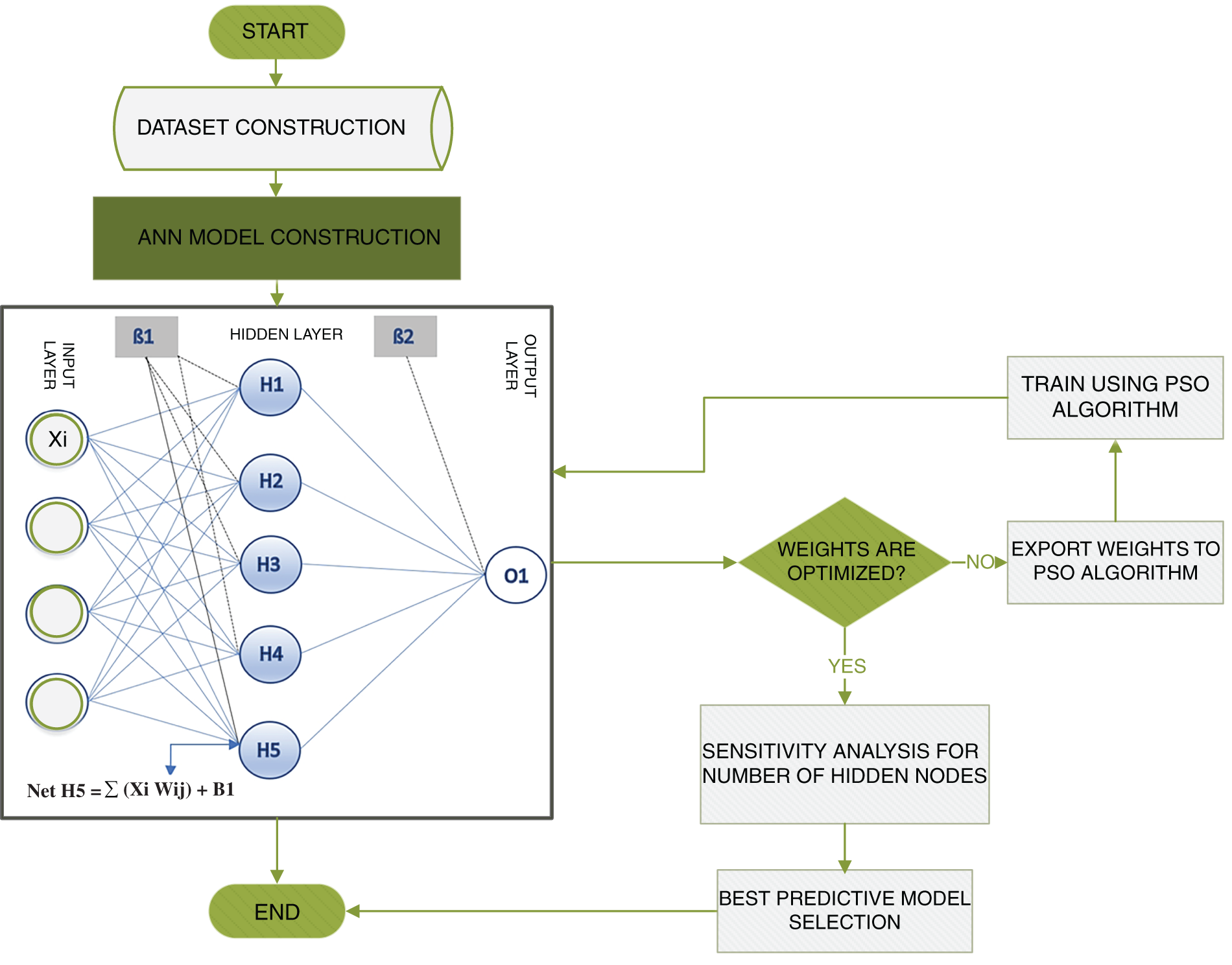
Figure 1: PSO-based ANN flowchart [8].
The abovementioned illustration defines a conventional ANN. However, it is well established that conventional ANNs suffer from getting trapped in local minima and a slow rate of learning [43–47]. On the other hand, many studies suggested that the aforementioned ANN shortcoming can be overcome by the implementation of metaheuristic evolutionary algorithms, such as the PSO algorithm and ICA. In fact, in the hybrid ANNs, instead of conventional training methods, a global search algorithm is utilized for training the ANN. In other words, the optimum connection weights are first determined by PSO, then they will be utilized by ANN to predict the output (see Fig. 1). The following paragraphs briefly introduce the PSO algorithm and ICA. However, detail explanation of these methods is beyond the scope of this study and can be found elsewhere [48,49].
The particle swarm optimization algorithm is a global search algorithm which is proposed by Kennedy and Eberhart [48]. Due to its simple evolutionary process, the PSO algorithm can be considered as an effective computational tool that works with two simple equations (i.e., Eqs. (1) and (2)). PSO starts with generating a set of candidate solutions (particles) which are sorted based on a pre-defined fitness function (i.e., mean square error, MSE). Setting the number of particles is the designer’s choice. When the most fitted particle does not meet the requirement, the PSO algorithm has to evolve through a certain number of iterations until reaching a pre-defined termination criterion. In each iteration, each particle has to update its position based on the particle best experience (pbest) and the global best experience (gbest). Consequently, particles are sorted based on their new fitness. The most fitted particle is the solution.
where
On the other hand, ICA is another global search algorithm which is proposed by Atashpaz-Gargari and Lucas [49]. Similar to PSO, ICA also starts with generating many candidate solutions. However, in ICA, the candidate solutions are called countries. In the first step, N countries are created, and they are sorted based on a pre-defined fitness function. Subsequently, a number of the most fitted countries are selected as imperialists, and the remaining countries serve the imperialists as the colonies. Initially, the most fitted imperialist (the most powerful) receives more colonies in comparison with the less powerful imperialists. In contrast to PSO, the mathematical procedure behind the evolutionary process of ICA is relatively complicated. However, it is well established elsewhere [49,50]. Nevertheless, in brief, PSO utilizes three major operators: assimilation, revolution, and competition. The imperialists are competing to get more colonies and expand their powers. In this regard, often the weakest imperialist loses its weakest colony (the less fitted country). This process is continued until the point that no more colonies remain for the weakest imperialist. Consequently, the number of imperialists decreases while their power increases over many decades (iteration in PSO). Finally, apart from the most powerful imperialist, all imperialists lose their colonies in a competition process. The ICA then suggests the most powerful imperialist (the most fitted particle in the PSO after several iterations) as the solution.
Preparation of a proper database is a prerequisite to any supervised intelligent modelling. The quality and quantity of the data play a crucial role in the reliability of intelligent models, as they are data-driven. Based on the previously published works in AI-assisted civil engineering problems, the feeding data can be either obtained experimentally or they can be compiled from recorded cases in literature. Needless to say, publishing an experimental-based database is advantageous and can enrich the study. From the quality point of view, there is more control on the quality of the results as the tests are performed (or monitored) by researchers. Apart from that, preparing experimental data for a civil engineering problem, from a quantitative point of view, is a difficult task to accomplish. Hence, presenting new sets of data is always of advantage in the civil engineering community, as they can be utilized later for further intelligent model construction. Nevertheless, in this study, the database was prepared after performing an extensive experimental program. Due to the nature of this study, the conducted experimental program is not presented here comprehensively. However, the most important items and related results are discussed in the following paragraphs.
The Experimental Program
Since the scope of this work is on artificial intelligence, details on the experimental program are not presented here for the purpose of brevity. Nevertheless, the utilized fine aggregates for concrete construction consisted of natural sand and recycled granite fine aggregate (GFA), which were passed through sieve No. 4 (4.75 mm). The natural sand was replaced with recycled granite fine aggregate at replacement levels of 25%, 50%, 75%, 100%, respectively. On the other hand, the implemented coarse aggregates were passed through sieve No. 3/4 (19 mm) and remained on sieve No. 4. The coarse aggregate included natural gravel and recycled granite coarse aggregates (GCA). The natural gravel was replaced with recycled GCA at replacement levels of 25%, 50%, 75%, 100%, respectively. The implemented cement was the ordinary Portland cement (OPC). It is worth mentioning that the implemented OPC was replaced with glass powder (GP) at replacement levels of 5%, 10%, and 15%, respectively. The utilized OPC was also replaced with MSG at a replacement level of 5%. The cubic molds with 100 mm × 100 mm × 100 mm dimensions were used for constructing 600 concrete samples. After precise weight measurement of the abovementioned materials, the concrete mixture was prepared. It should be noted that the aggregates were used saturated with a dry surface state. The aggregates were mixed before adding the drinking water. Subsequently, the OPC with or without GP was added, and they were mixed thoroughly. Then the drinking water, which was mixed with MSG (when required), was added to the mixture. It should be highlighted that the water binder ratio value was 0.35. Consequently, the prepared concrete was placed inside the cubic molds. The mold was filled in three layers. A concrete vibrating table was utilized for finalizing the compaction operation. The molds were removed after 24 h, and the concrete samples were cured for 28 days using water curing methods. Figs. 2–4 show the utilized materials in concrete and the sample preparation process. The material properties and the sieve analysis results are tabulated in Tables 1–4.
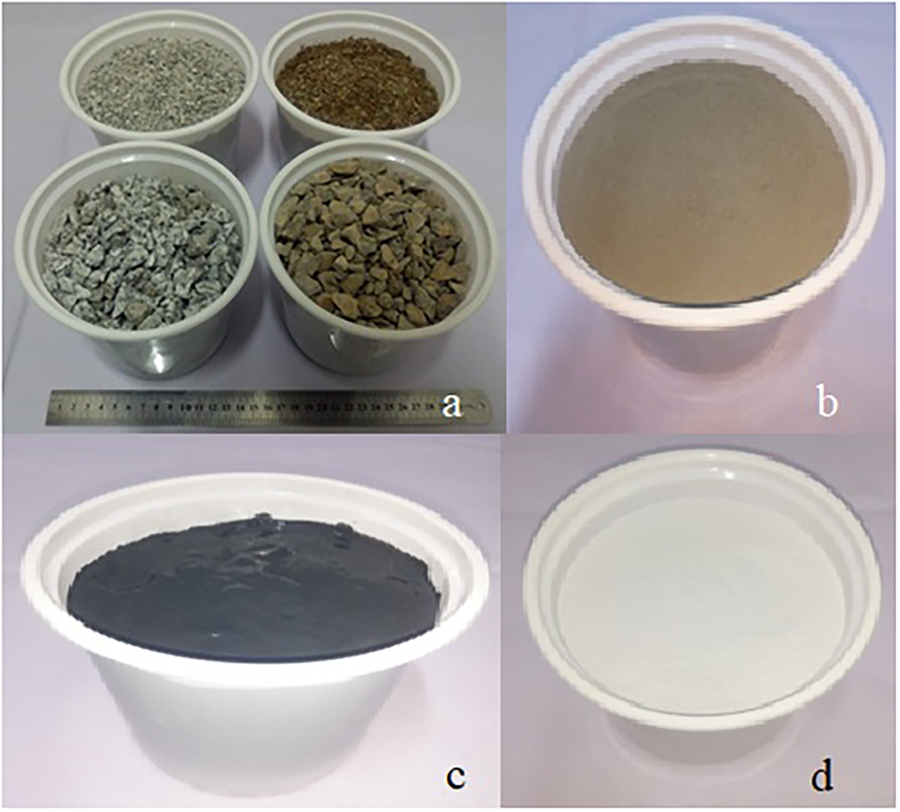
Figure 2: Some of the materials used in concrete: (a) natural (right side) and recycled (left side) aggregates, (b) Ordinary Portland cement, (c) MSG, (d) glass powder.
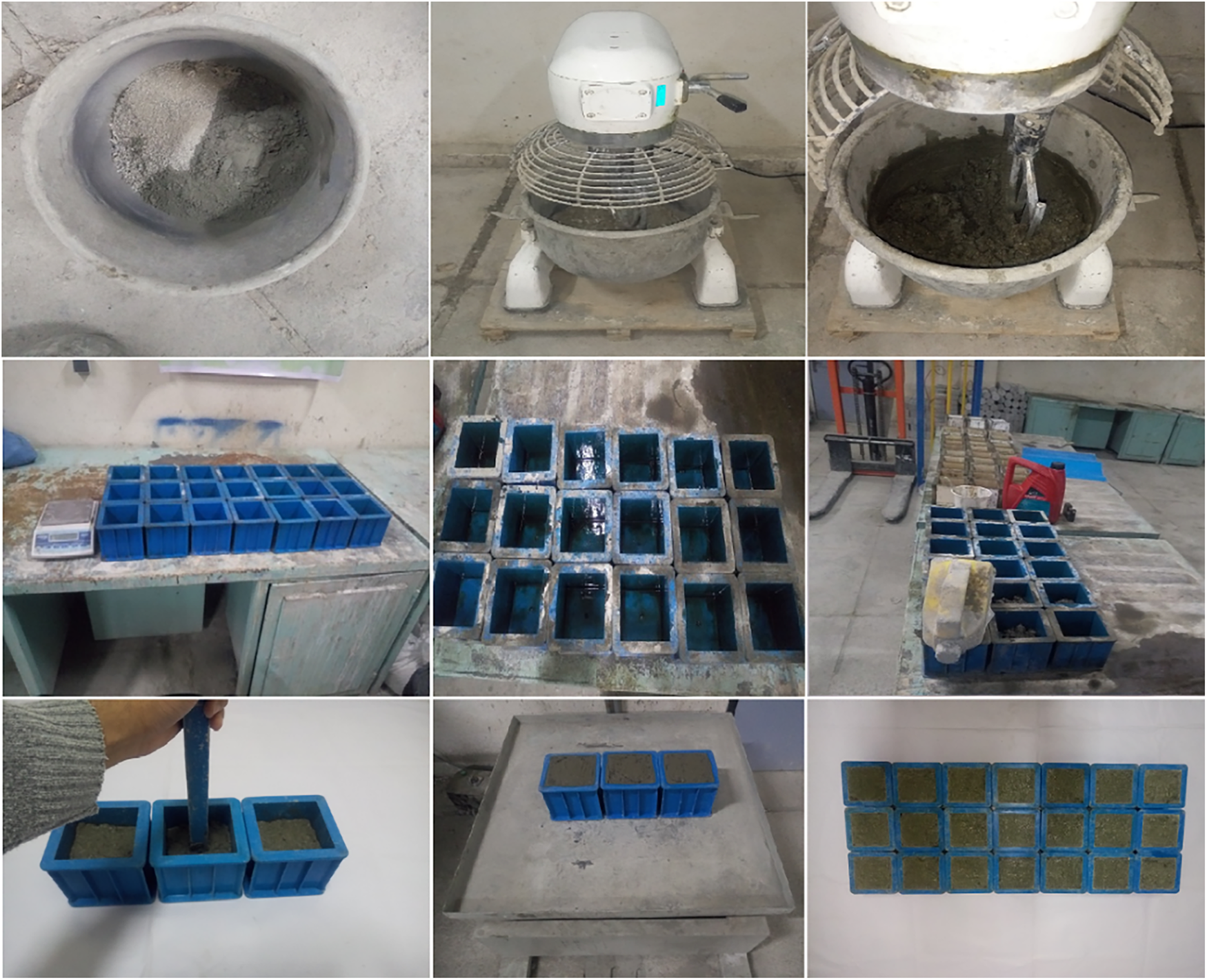
Figure 3: Concrete sample preparation.
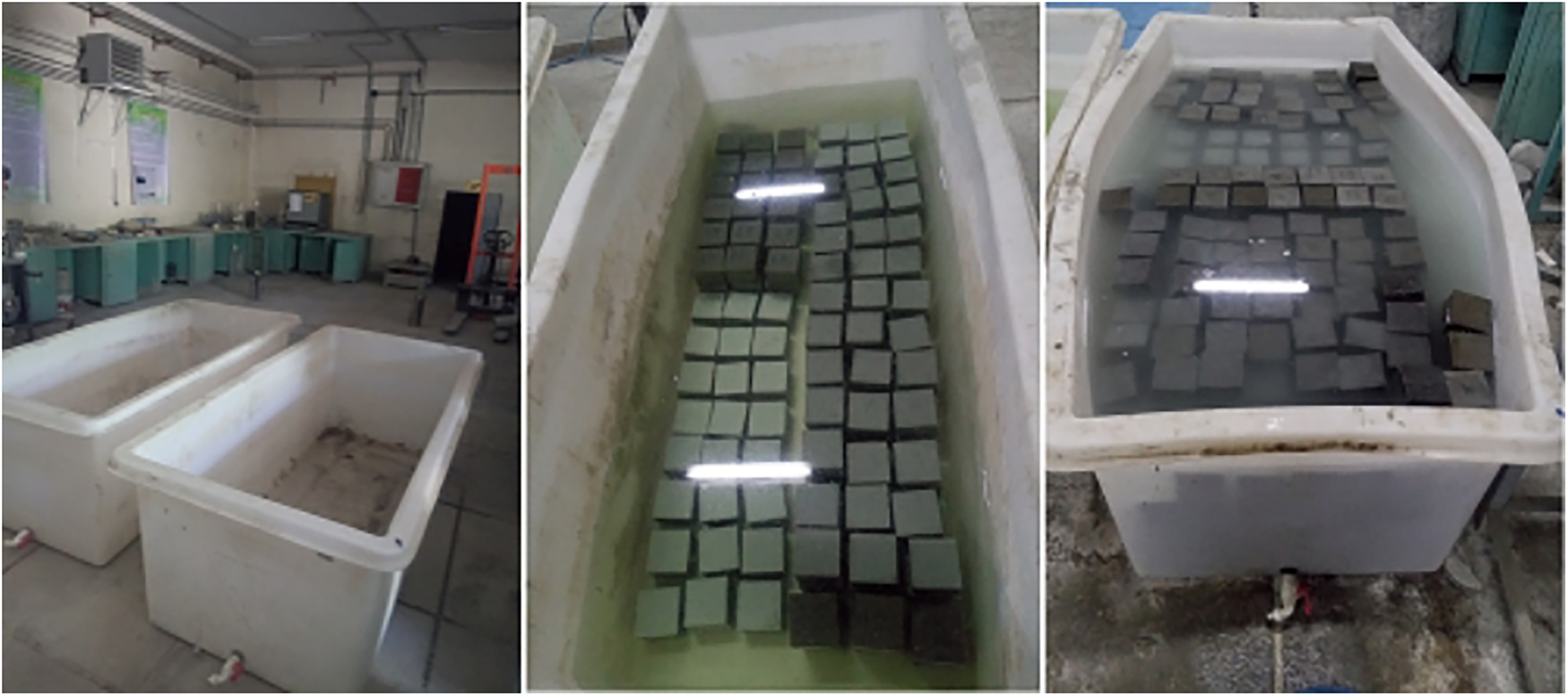
Figure 4: Immersion of concrete samples in a water tank.
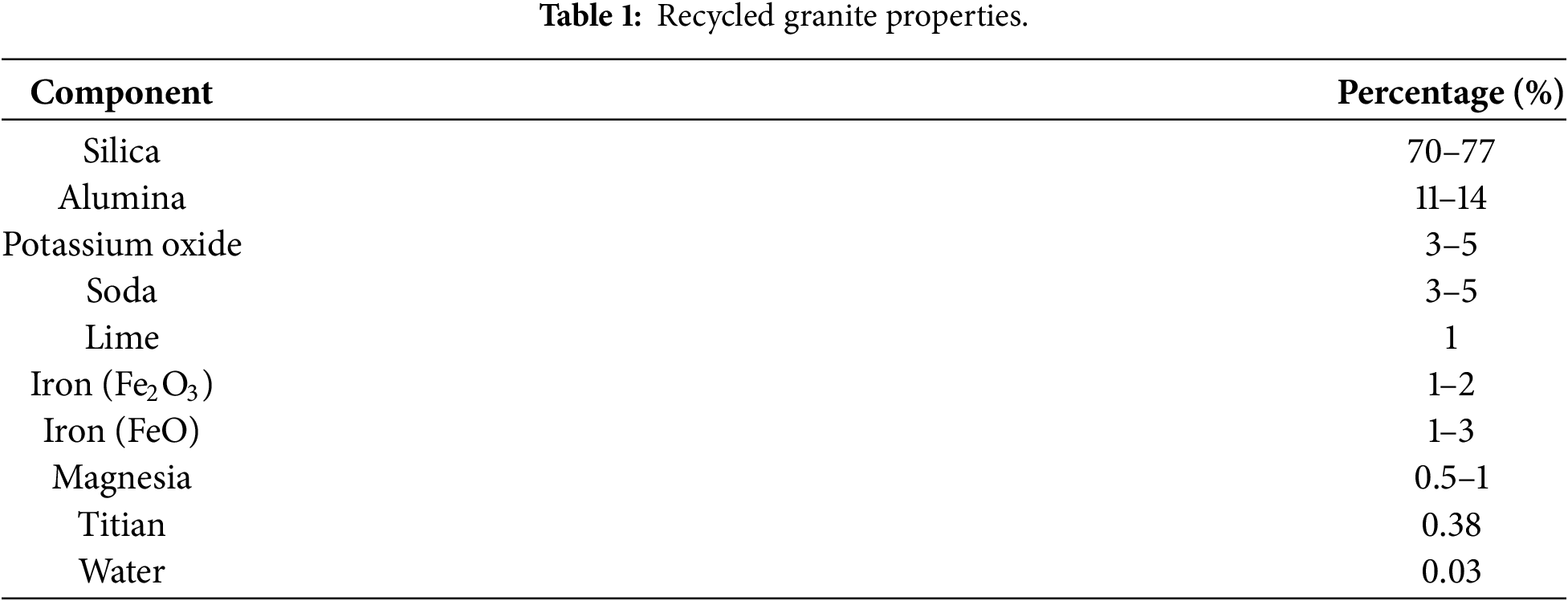
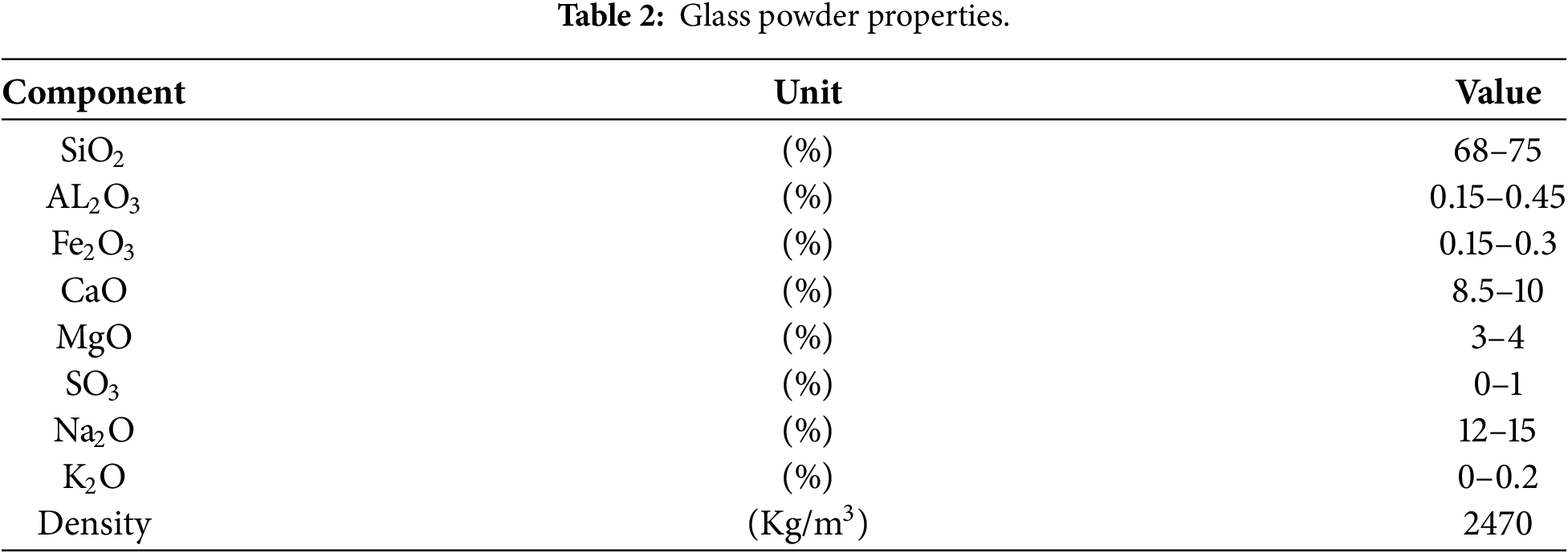
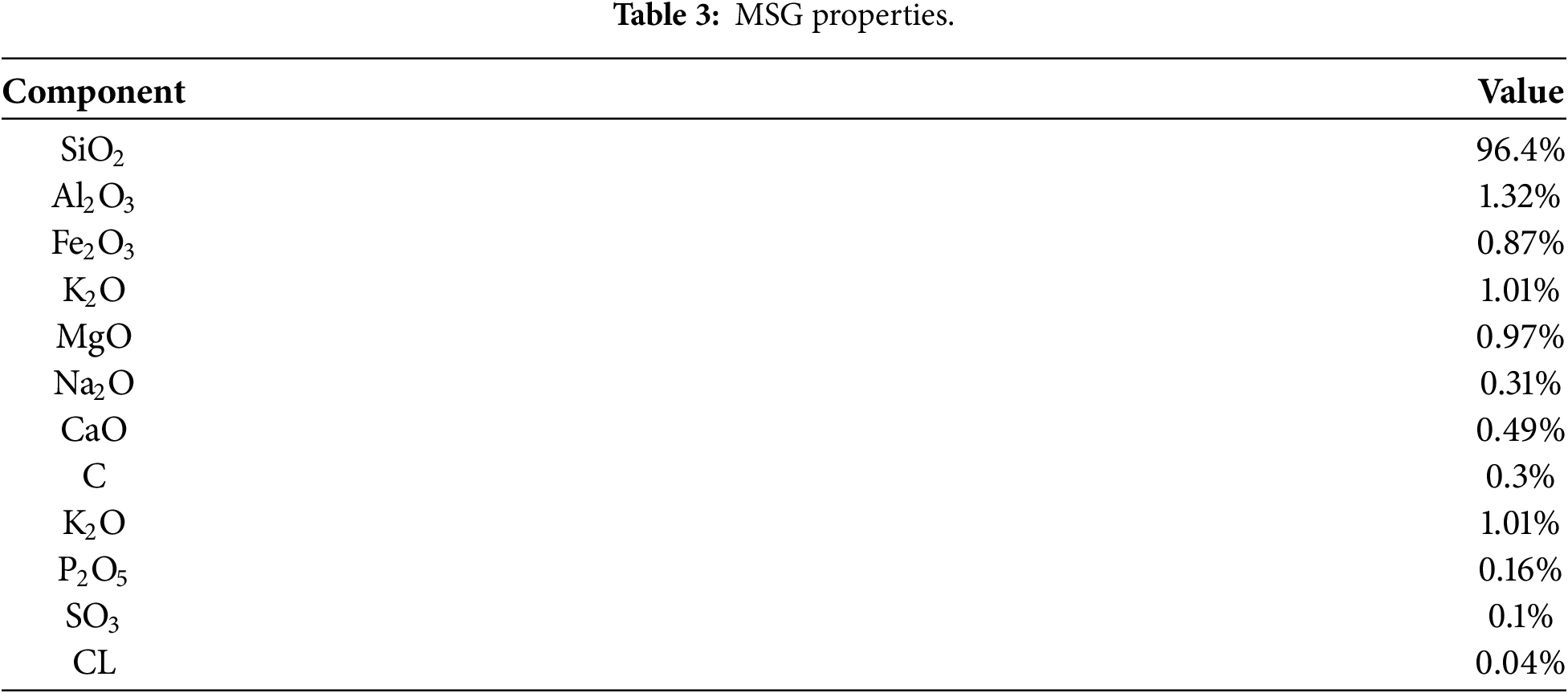
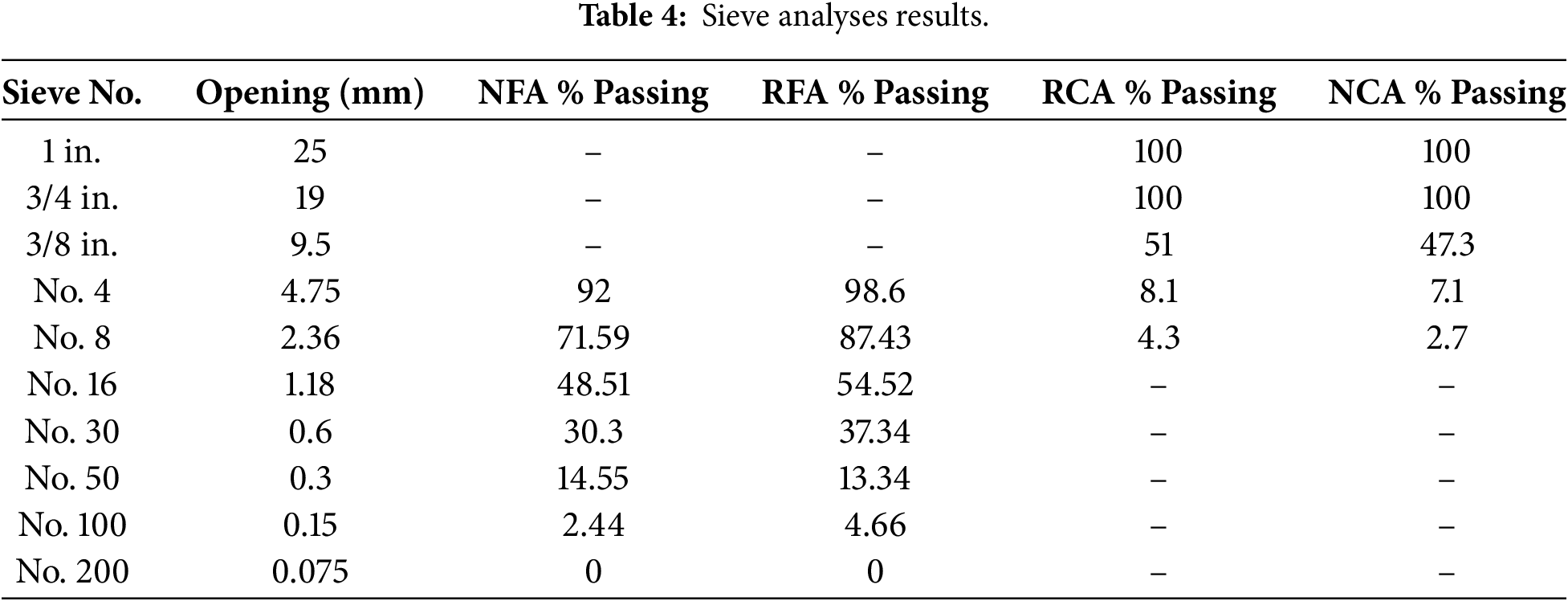
The basic utilized concrete mix design for one cubic meter of concrete is shown in Table 5. Subsequently, 200 types of concrete mix designs (in 25 series) were finalized to study the influence of the utilized additives. Nevertheless, a summary of the dataset considered in this study for intelligent model construction is shown in Table 2. This table shows the considered input parameters for developing the AI-based predictive model of CCS after an extensive literature review and a sensitivity analysis for identifying the most influential parameters on CCS, as reducing the number of input parameters can reduce the model complexity and consequently enhance the model generalization. The result of the performed sensitivity analysis is not presented here for brevity. Overall, as shown in Table 6, NFA, GCA, OPC, GP, MSG, and W/C ratio formed the six input parameters of the considered intelligent predictive models of CCS in this study. Details on the aforementioned 200 concrete mix designs are tabulated in Section 6. It is worth mentioning that the concrete compressive strength tests were performed in accordance with IS:516 [51]. Fig. 5 shows the implemented 200 t compression machine and some concrete samples after failure.

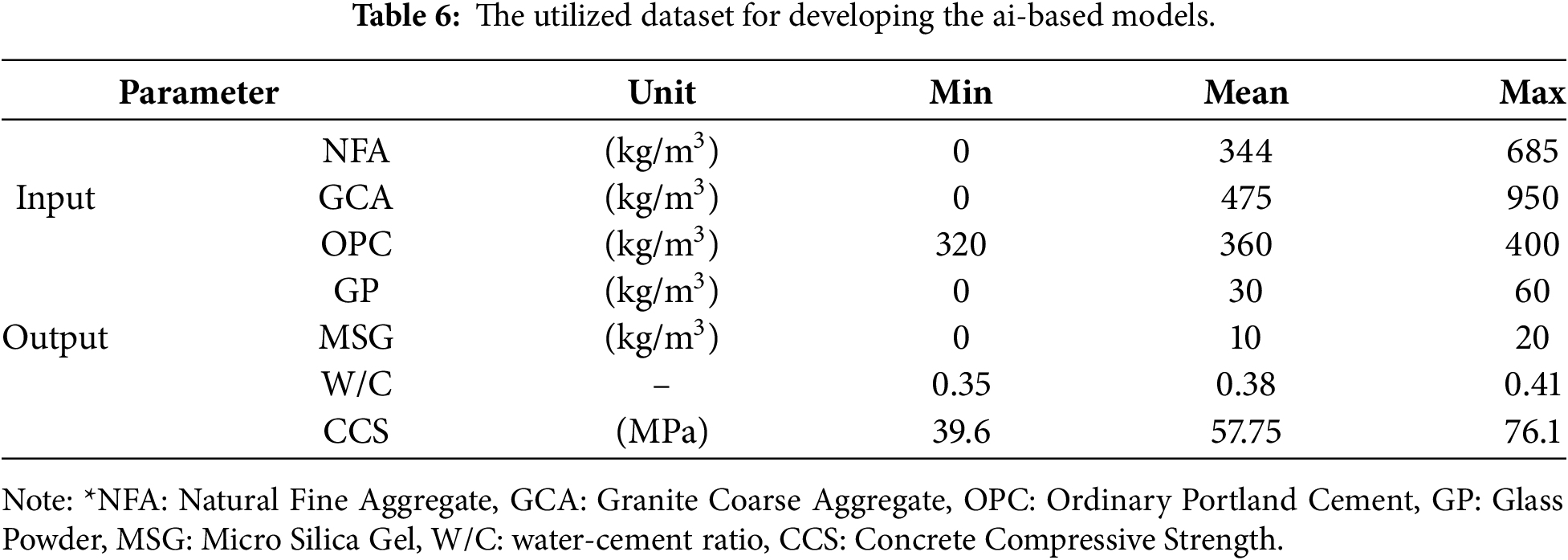
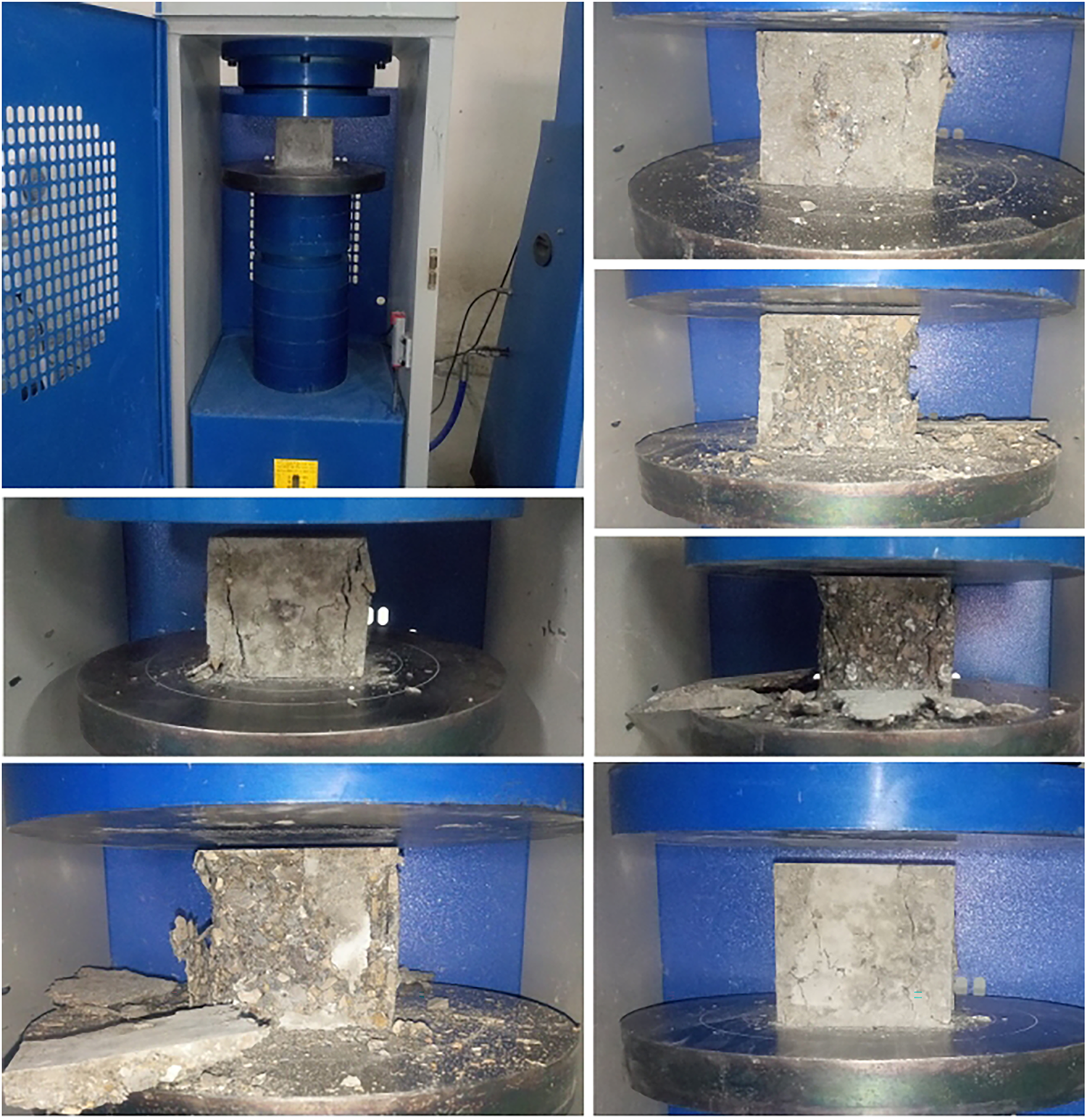
Figure 5: Compression tests on concrete samples.
5 Artificial Intelligence Modelling Procedure
In this section, the modelling procedures utilized for developing the AI-based predictive models of CCS are discussed. In this regard, the implemented procedures and the associated sensitivity analyses results for constructing the PSO-based ANN and the ICA-based ANN predictive models of CCS are presented in this section, and the final results are discussed in the next section. It is worth mentioning that the data were normalized between −1 and 1 for all intelligent models.
5.1 PSO-Based ANN Predictive Model of CCS
In order to develop the PSO-based ANN predictive model of CCS, many sensitivity analyses were performed. As mentioned earlier, the PSO-based ANN predictive model utilizes the PSO algorithm to optimize the connection weights of an ANN. Therefore, two sets of sensitivity analyses are required for identifying the best model. First, the PSO parameters need to be tuned for model development. After tuning the PSO parameters, the second sensitivity analysis deals with identifying the best architecture of the ANN (i.e., the optimum number of hidden nodes). It is worth mentioning that although the optimum number of hidden nodes can be determined using the suggested equations in the literature, one may use the trial-and-error method for this purpose. It is obvious that the latter is more time-consuming; however, since the AI-methods are data-driven, implementation of the trial-and-error method is of advantage due to the point that, in this method, the optimum number of hidden nodes is determined based on the feeding data. However, one may also utilize several suggested equations for selecting the optimum number of hidden nodes. In this study, trial-and-error methods were implemented for performing sensitivity analyses.
Nevertheless, to determine the optimum PSO parameters, the parameter of interest varied based on an educational guess, and the remaining parameters were kept constant. The first implemented sensitivity analysis was identifying the optimum number of iterations. For this reason, the initial iteration was set to 1000, and the swarm sizes were varied from 35 to 350. As can be seen in Fig. 6, after 350 iterations, changes in MSE values are negligible; therefore, the iteration number was set to 350, and it was considered as the termination criterion.
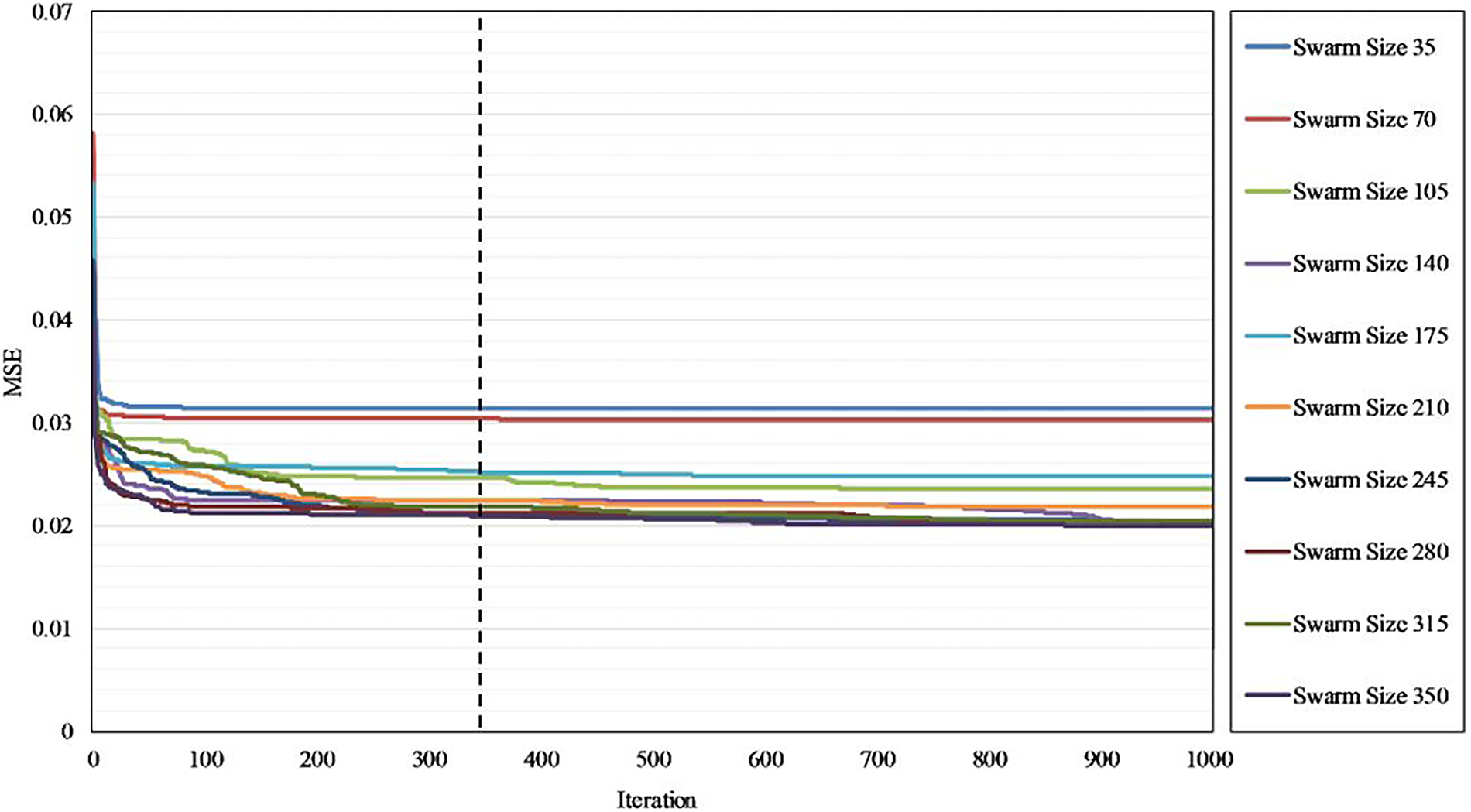
Figure 6: The effect of iteration number on the performance of the PSO-based ANN model.
In order to obtain the optimum number of swarm size, another sensitivity analysis was utilized. Each candidate model was run five times, and the average performance in terms of different performance indices was investigated. Finally, through a trial-and-error process, the optimum number of particles was set to 140 due to the fact that considering more particles is time-consuming (see Fig. 7). For identifying the PSO coefficients (C1 and C2), another sensitivity analysis was performed, and the average results are tabulated in Table 7. As shown in this table, the best results are obtained when C1 = 1.333 and C2 = 2.667. It is worth mentioning that in all sensitivity analyses, the testing data were considered for checking the prediction performance. After selecting the optimum PSO parameters, the best architecture of the network has to be constructed. For this reason, the prediction performances of the PSO-based ANN predictive model of CCS with 2, 4, 6, 8, 10, 12, 13, 18 hidden nodes in one hidden layer (models No 1 to 9, respectively) were investigated. Various performance indices, including R2, RMSE, MAE, and VAF, were utilized for assessing the performance of the predictive models. The results are shown in Table 8 and Figs. 8 and 9. According to the presented results, the PSO-based ANN predictive model of concrete compressive strength performed best when 13 hidden node was utilized. It should be highlighted that in this study, 80% of data were used for training the intelligent models, and 20% of the data were used for testing the prediction performance of the model.
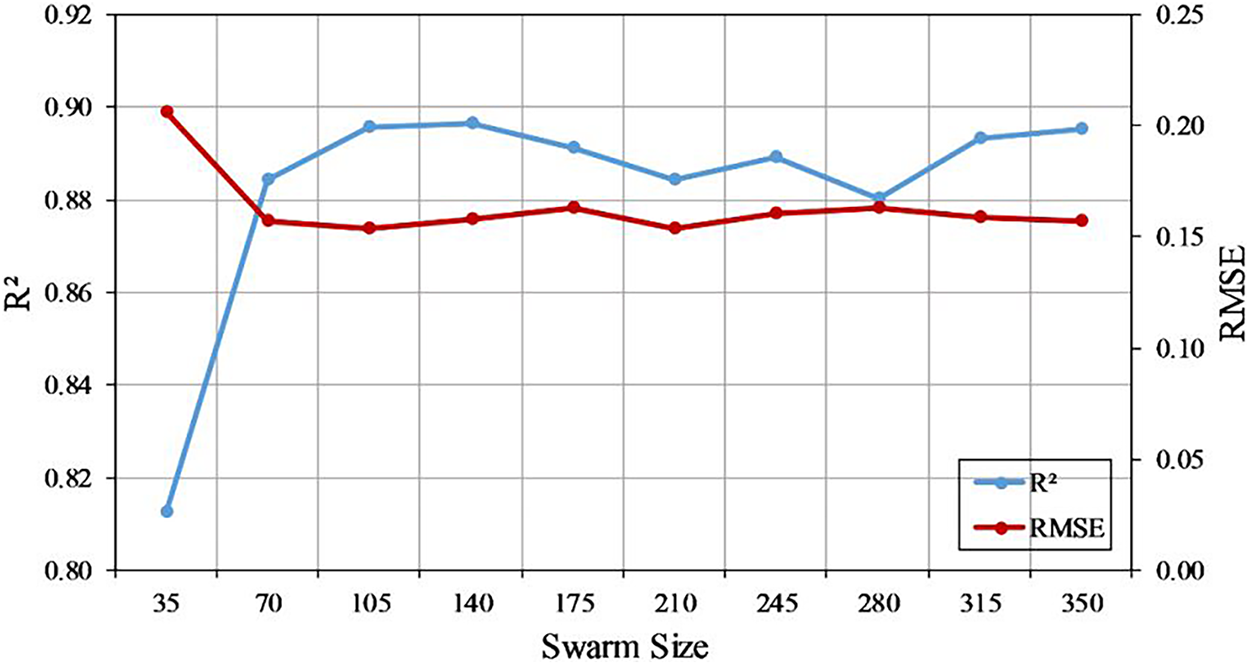
Figure 7: The effect of swarm size on the performance of the PSO-based ANN model.
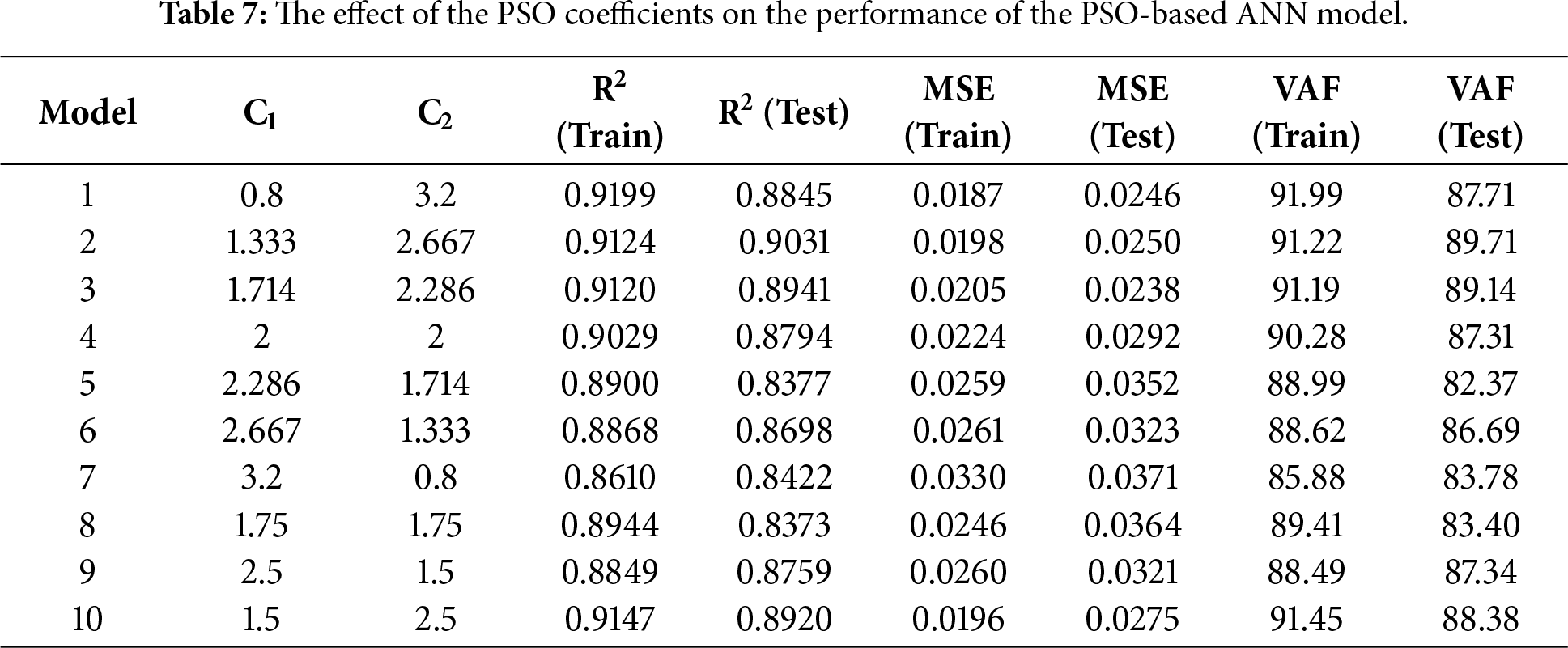
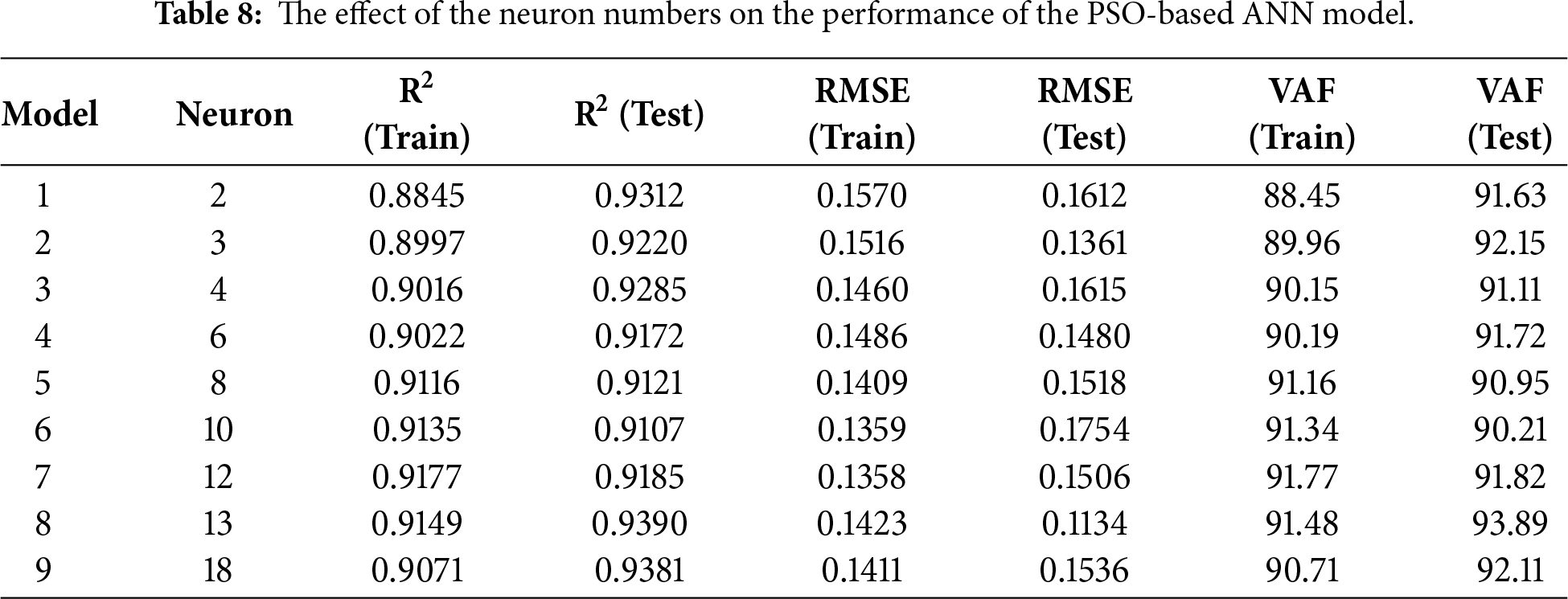
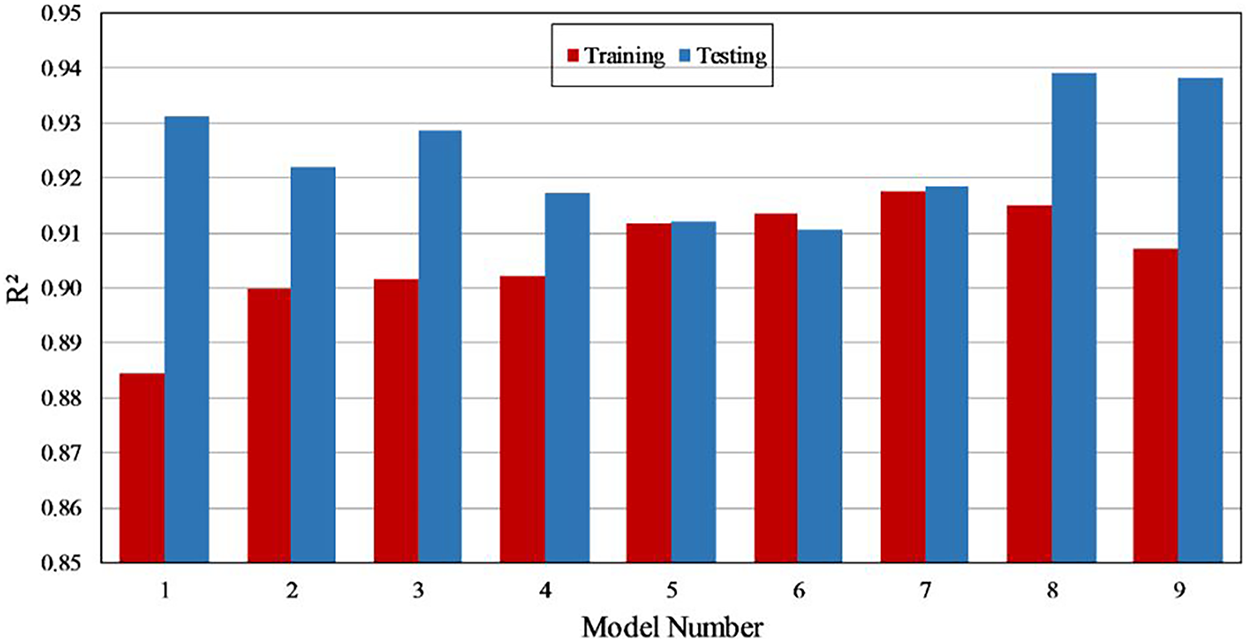
Figure 8: Prediction performance of PSO-based ANN models with different hidden neurons based on R2 values.
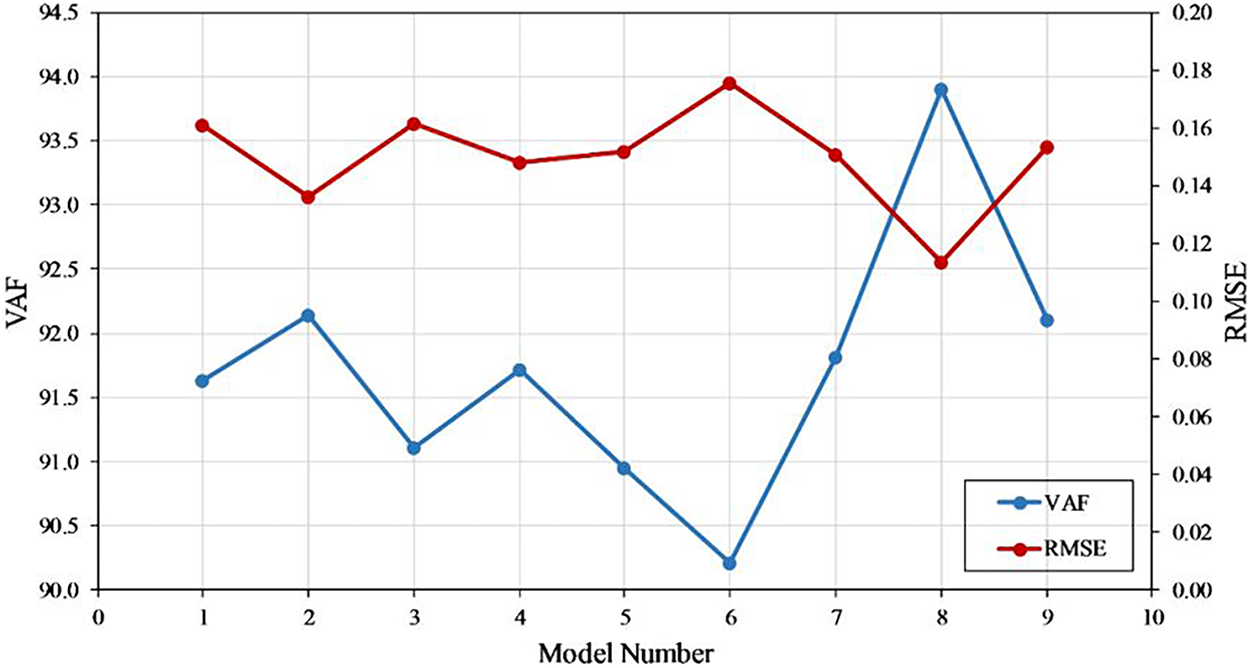
Figure 9: Prediction performance of PSO-based ANN models with different hidden neurons based on the RMSE and VAF values.
5.2 ICA-Based ANN Predictive Model of CCS
In order to construct an ICA-based ANN model, similar to the previous section, a set of sensitivity analyses was performed. Determining the optimum number of decades (iterations), number of countries, and imperialists was the aim of the performed sensitivity analyses. After identification of the optimum ICA parameters, the final sensitivity analysis was performed to determine the optimum number of hidden nodes of the ANN. Similar to the previous section, the data were categorized into two training and testing sections (80% training data and 20% testing data). It is worth mentioning that the data were normalized between −1 and 1. Nevertheless, to determine the optimum number of decades, the initial iteration was set to 1000 for some models. The number of countries varied from 1000 to 100. The number of imperialists were 10% of the number of countries. As shown in Fig. 10, after 500 decades, the change in the system error is negligible. Hence, the optimum number of decades was set to 500, and it was set as the termination criterion. Subsequently, to determine the optimum number of countries, another sensitivity analysis was performed. In this analysis, the number of countries was varied from 50 to 500. Each model was run five times. The results of the sensitivity analysis are tabulated in Table 9. As shown in this table, model No. 7 with 350 countries performs best. Therefore, the optimum number of countries was set to 350. It is worth mentioning that in this study, another sensitivity analysis for identifying the optimum imperialist to country ratio was also performed, and for the purpose of brevity, its results are not presented here. Nevertheless, the aforementioned ratio was set to 12.5% based on the obtained results. For other ICA parameters, default values were considered as suggested by Atashpaz-Gargari and Lucas [49]. After setting the ICA parameters, the optimum number of hidden nodes was determined through a trial-and-error procedure. For this reason, different models with 2, 3, 6, 7, 10, 12, 15, 18 (models No. 1 to 8, respectively) were constructed, and the results were compared. Similar to the previous sections, different performance indices were used for evaluating the prediction performances of models No. 1 to 8. Nevertheless, as shown in Table 10 and Figs. 11 and 12, the best network performance was captured when 12 hidden nodes were used in one hidden layer (model No. 6).
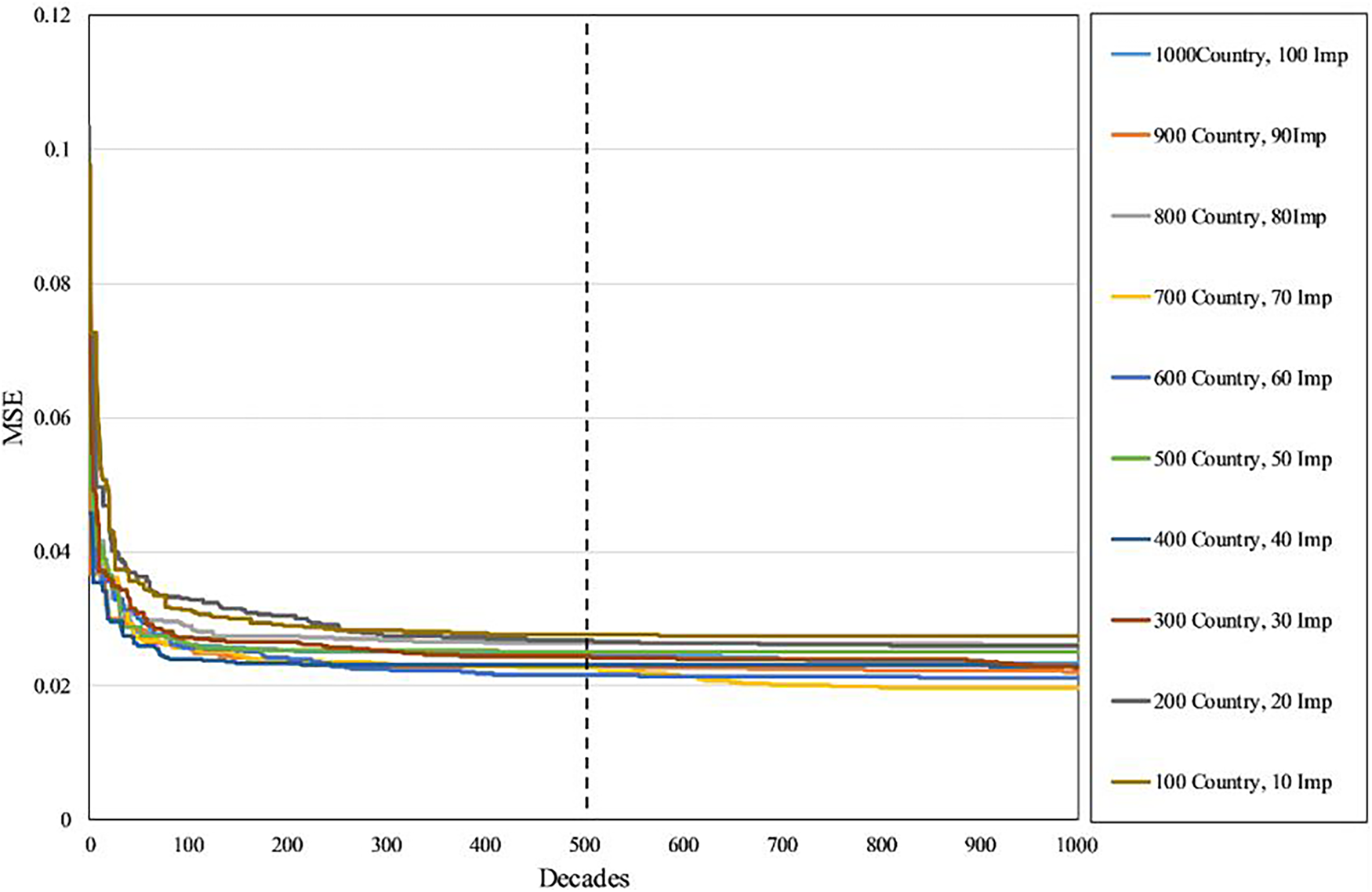
Figure 10: The effect of number of decades on the performance of the ICA-based ANN model.
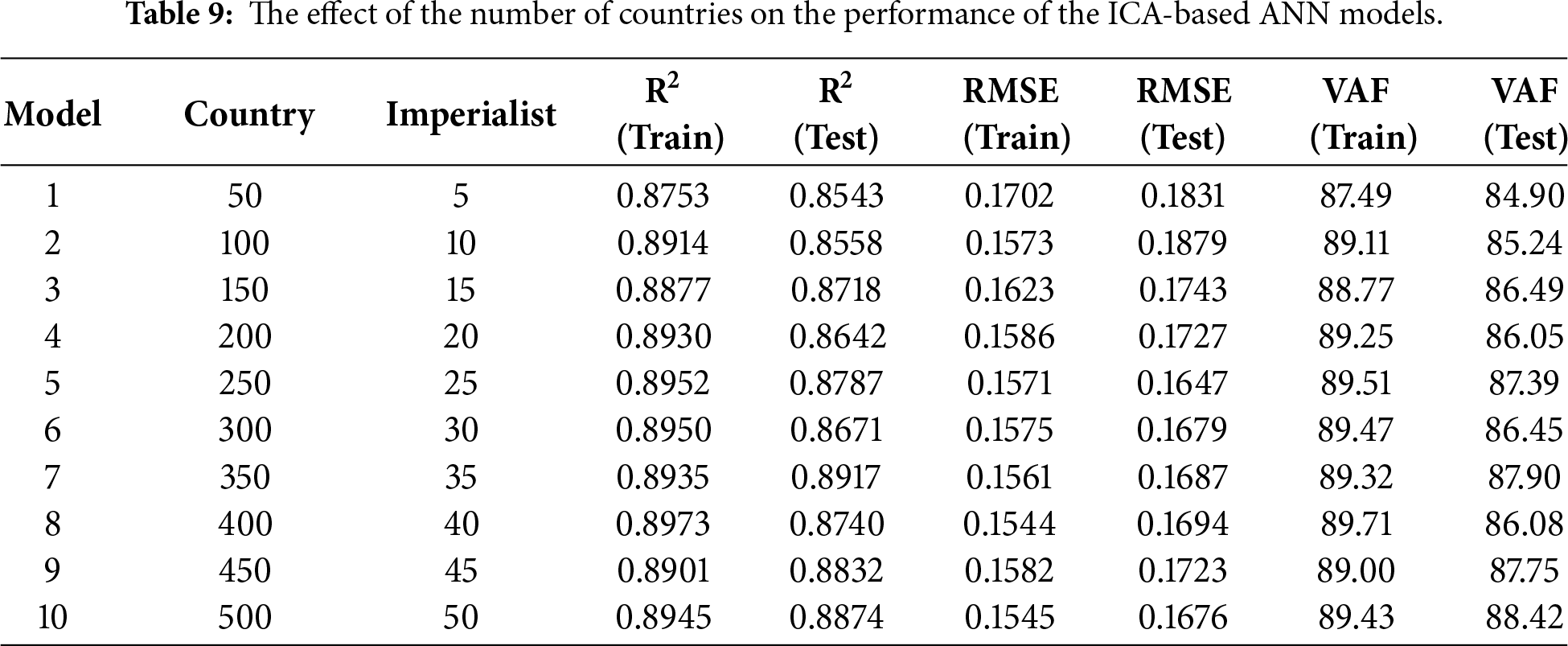
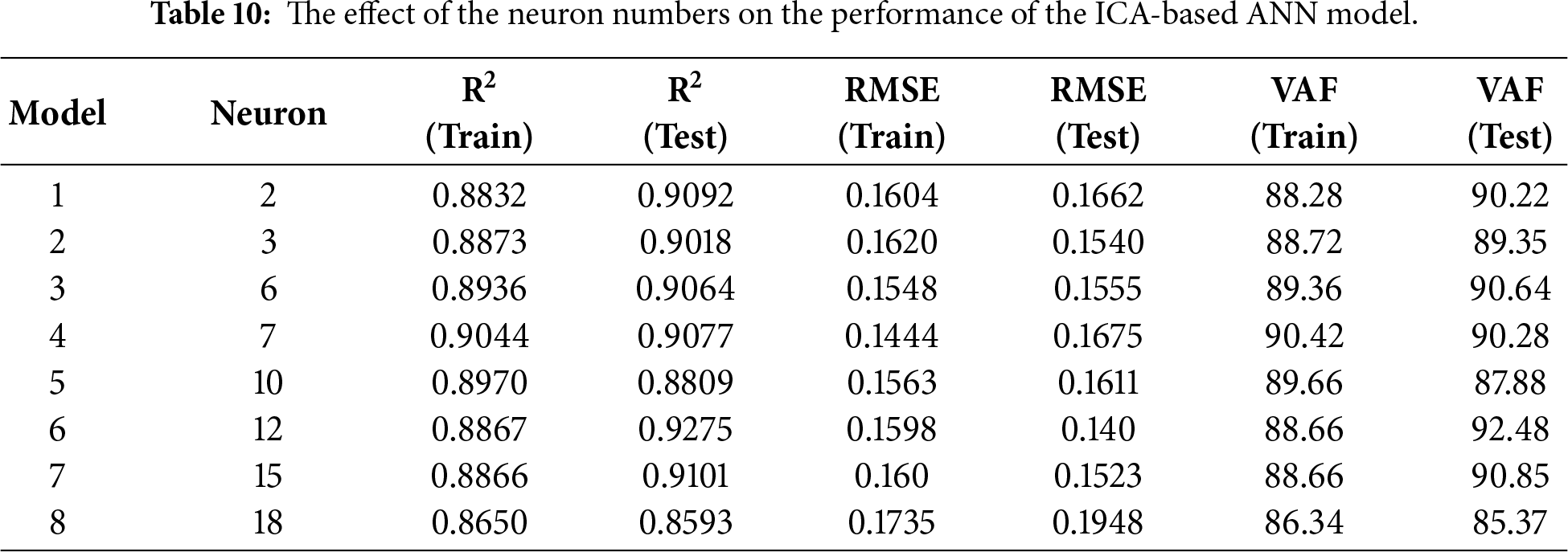
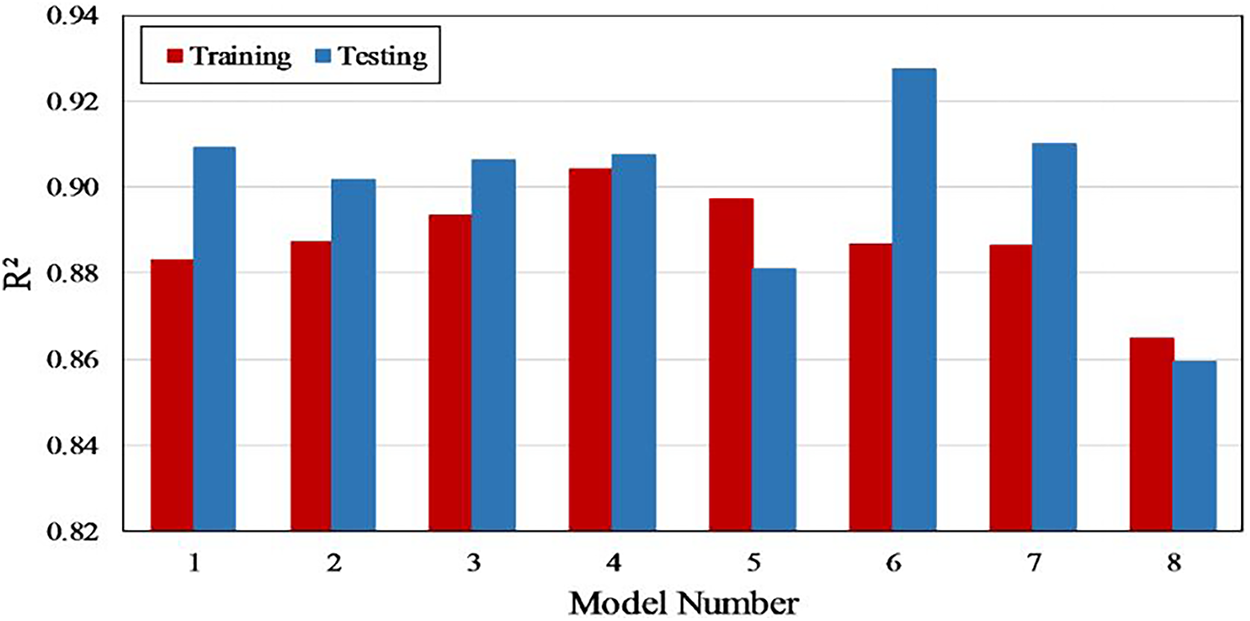
Figure 11: Prediction performance of ICA-based ANN models with different hidden neurons based on R2 values.
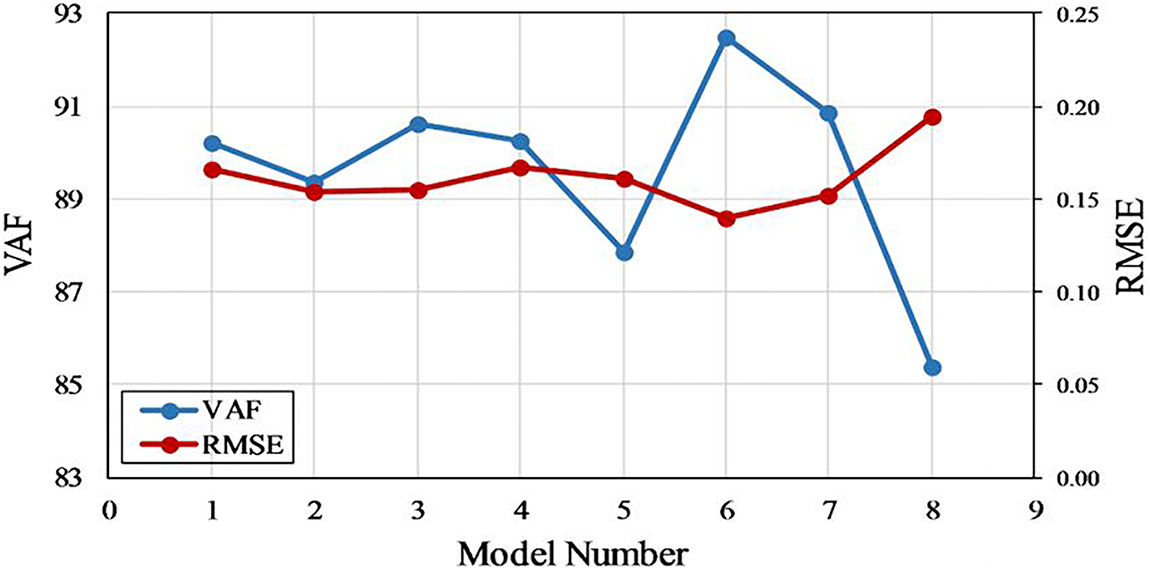
Figure 12: Prediction performance of ICA-based ANN models with different hidden neurons based on the RMSE and VAF values.
The results of concrete compressive strength are tabulated in Table 11 for 200 sets of data. It is worth mentioning that each test was repeated three times, and the average values were considered for the CCS and consequently were utilized for developing the AI-based predictive models (see Tables 5 and 6). Also Figs. 13–19 show the effect of GP on the CCS schematically. As shown in these figures, from the experimental results, it seems that the highest values of CCS were obtained when 10% GP was used in different concrete mix designs. Hence, this study recommends this replacement level for further research. The finding is in good agreement with Khatib et al.’s study [24]. After varying the amount of GP from 0% to 40%, they also concluded that the optimum percentage of GP is 10%. The result of the study is also in good agreement with Aliabdo et al. [25] study. According to their study, 16% enhancement in CCS is expected when 15% GP is used in concrete. In this study, when 15% GP was used, the CCS was increased from 44.6 to 51.7 MPa, which suggests almost 16% enhancement. However, the maximum enhancement, i.e., 21%, was achieved when the replacement level of GP was 10%. It is worth mentioning that in the following figures, the vertical legends show various replacement levels of recycled aggregates. In each diagram, for the purpose of comparison, the concrete mixture without recycled aggregates is displayed by a continuous black line.
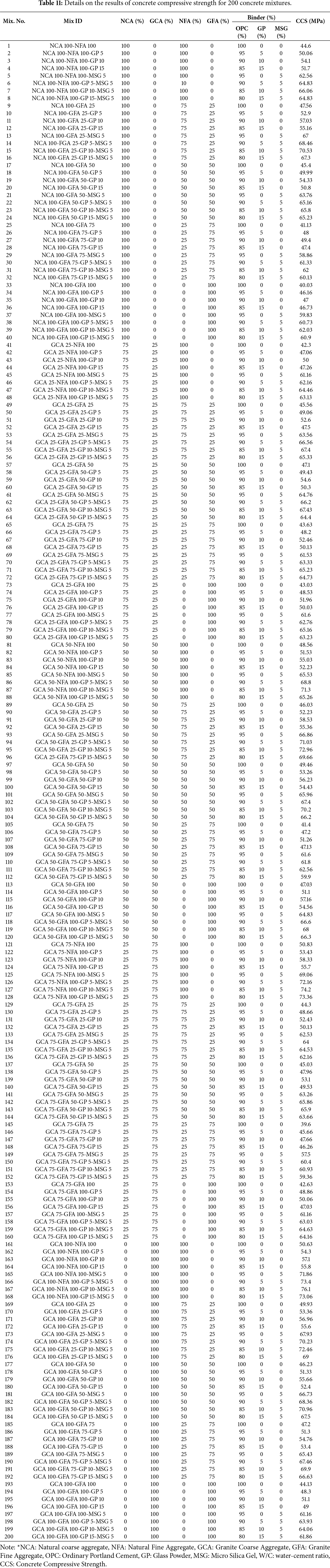
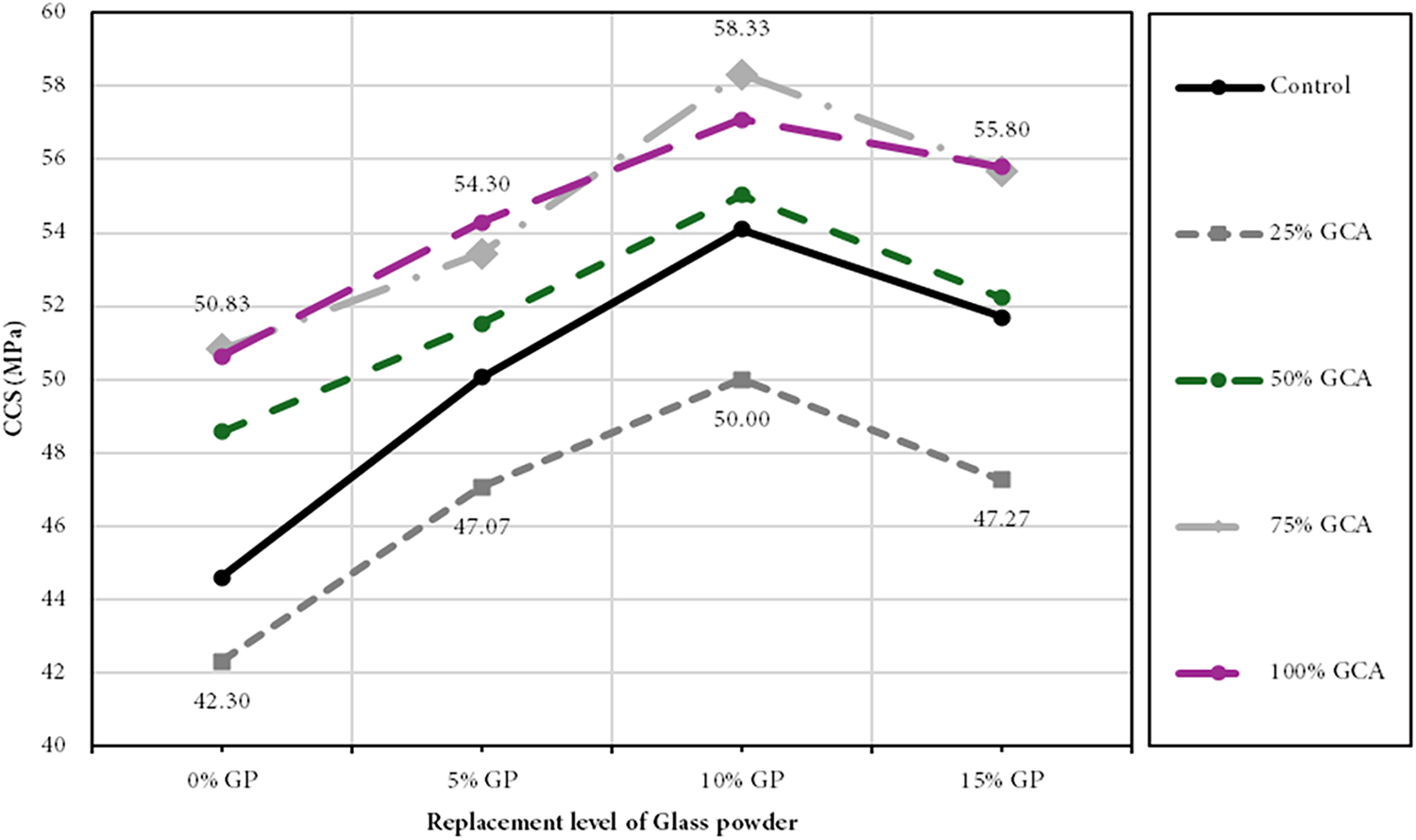
Figure 13: The effect of GP on CCS at different GCA replacement levels.
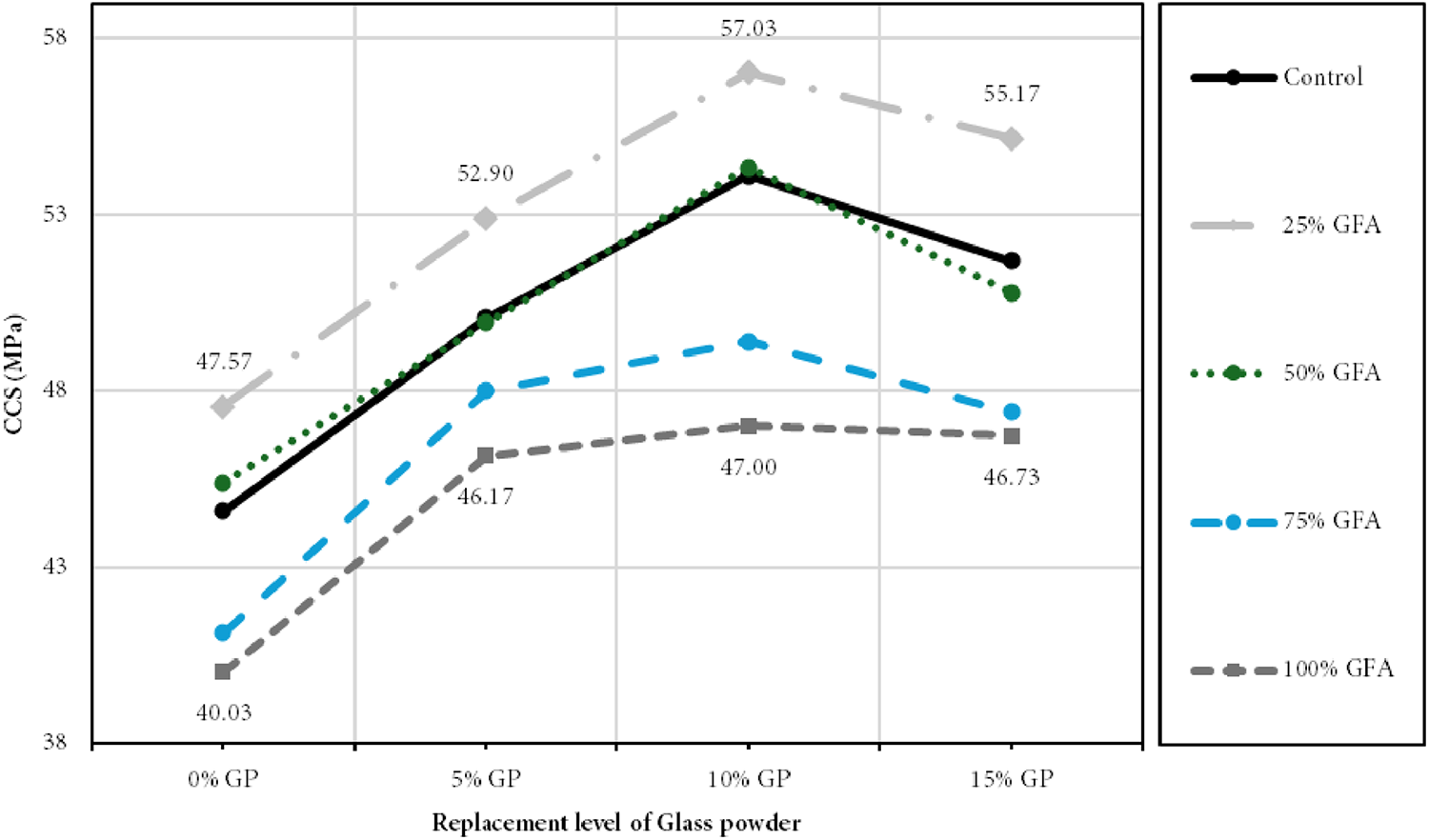
Figure 14: The effect of GP on CCS at different GFA replacement levels.
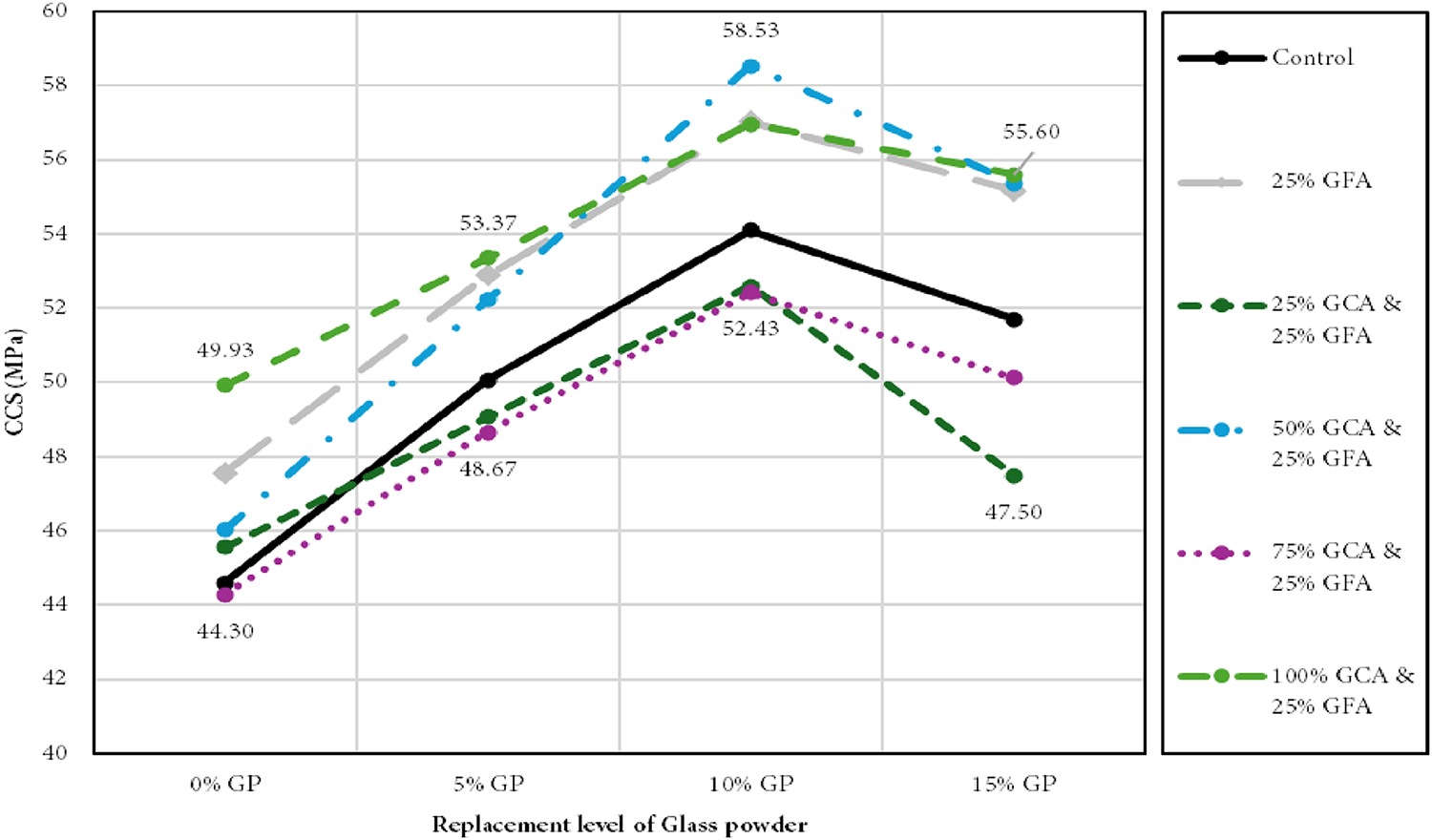
Figure 15: The effect of GP on CCS at 25% GFA and different GCA replacement levels.
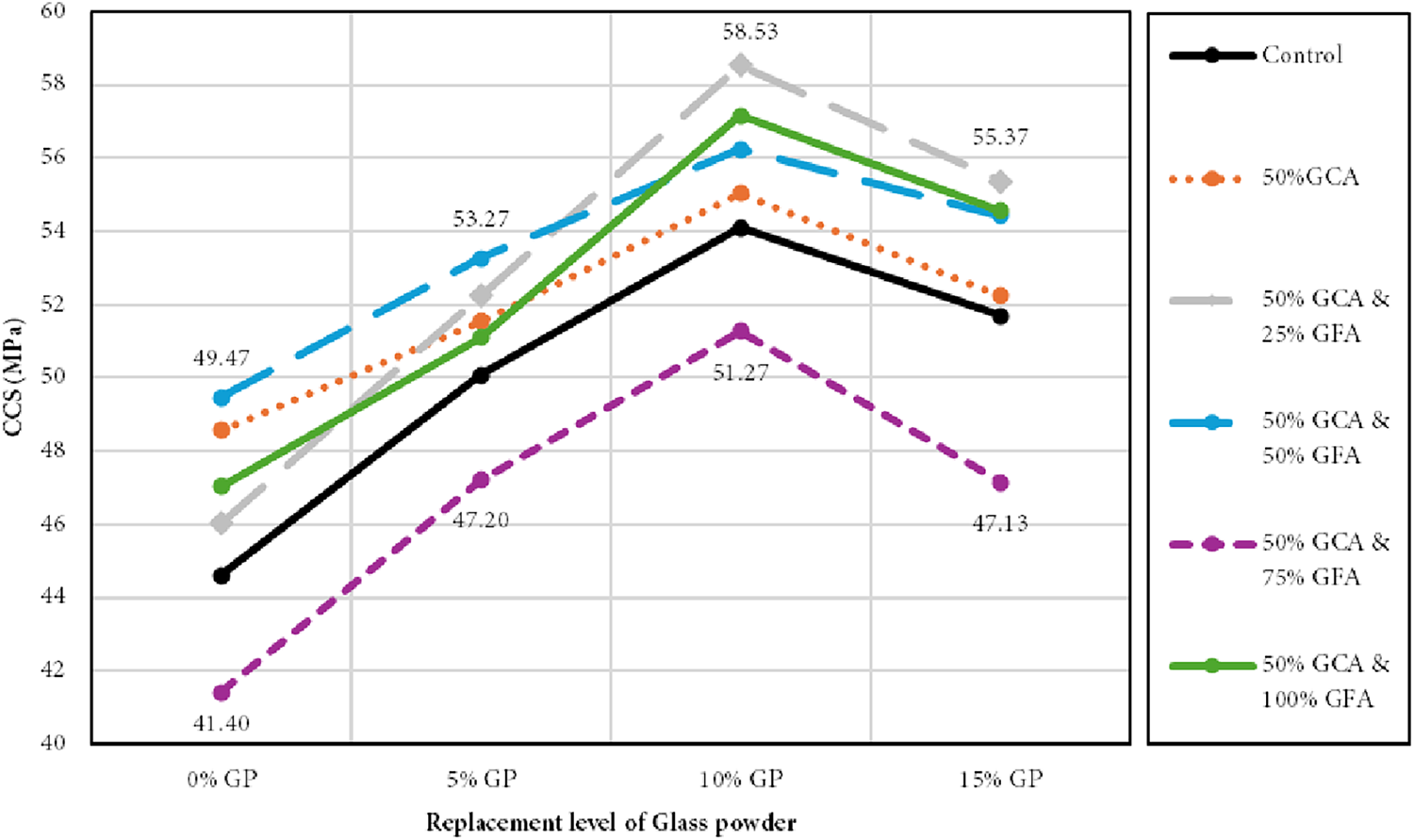
Figure 16: The effect of GP on CCS at 50% GCA and different GFA replacement levels.
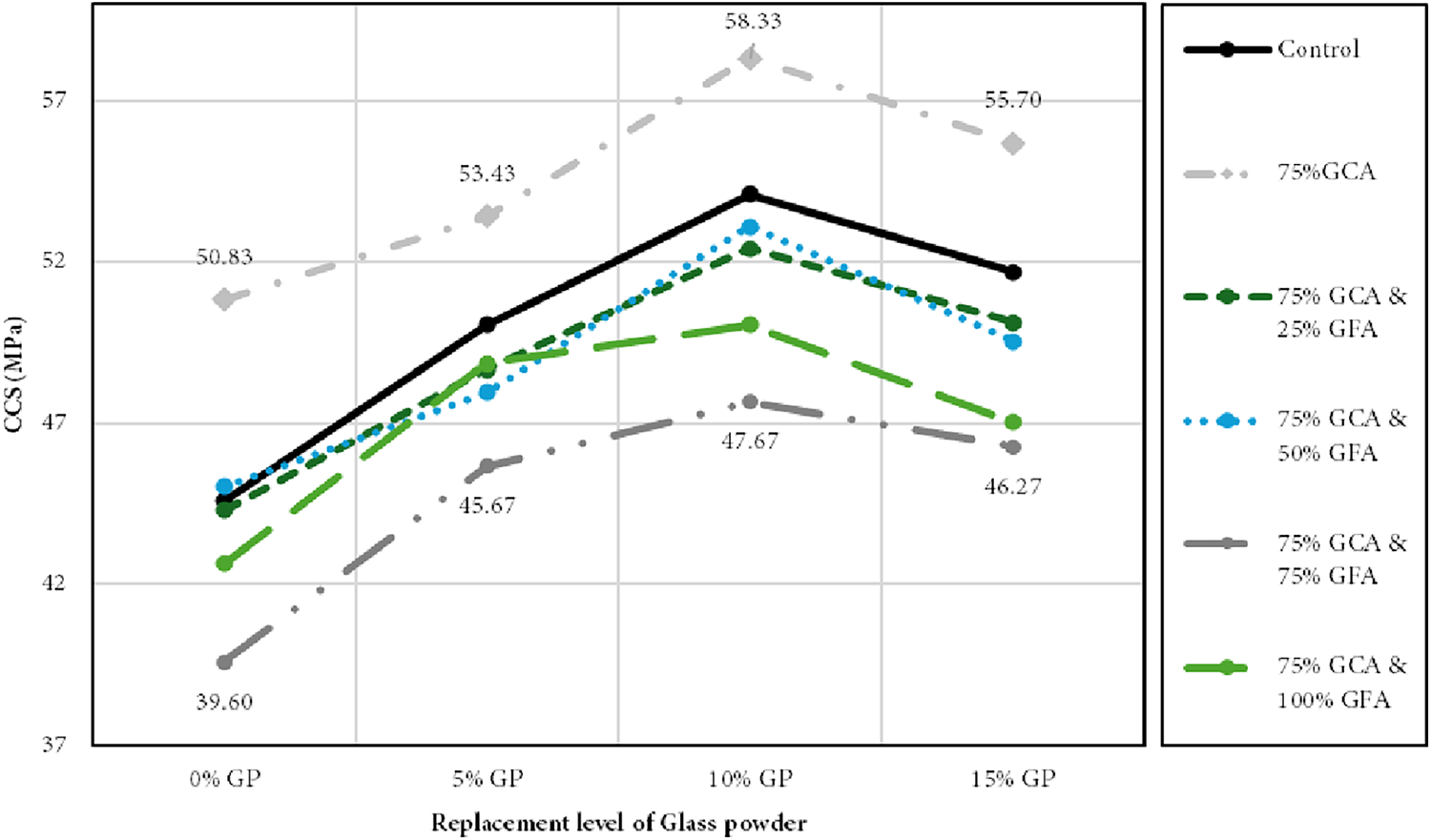
Figure 17: The effect of GP on CCS at 75% GCA and different GFA replacement levels.
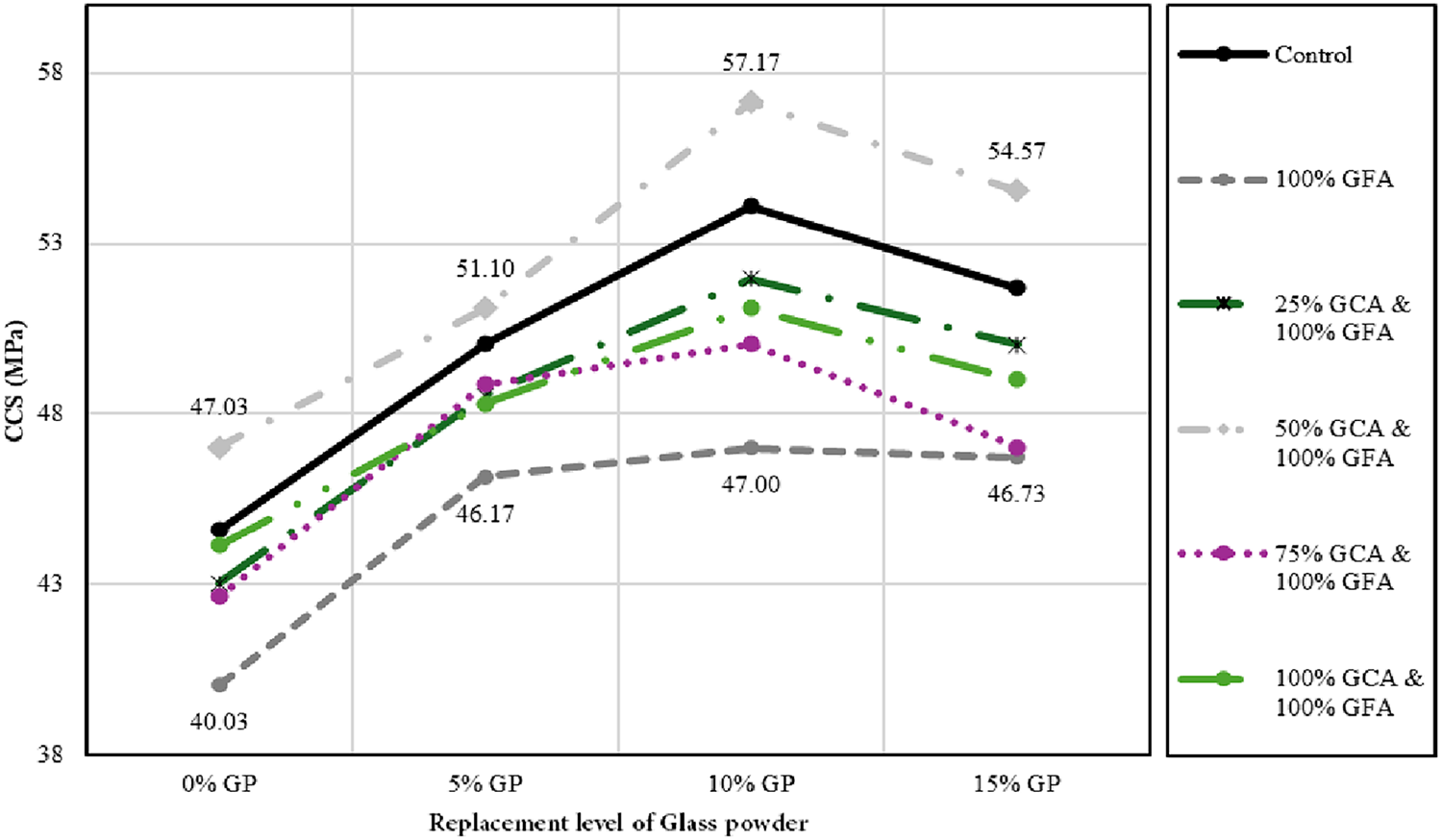
Figure 18: The effect of GP on CCS at 100% GFA and different GCA replacement levels.
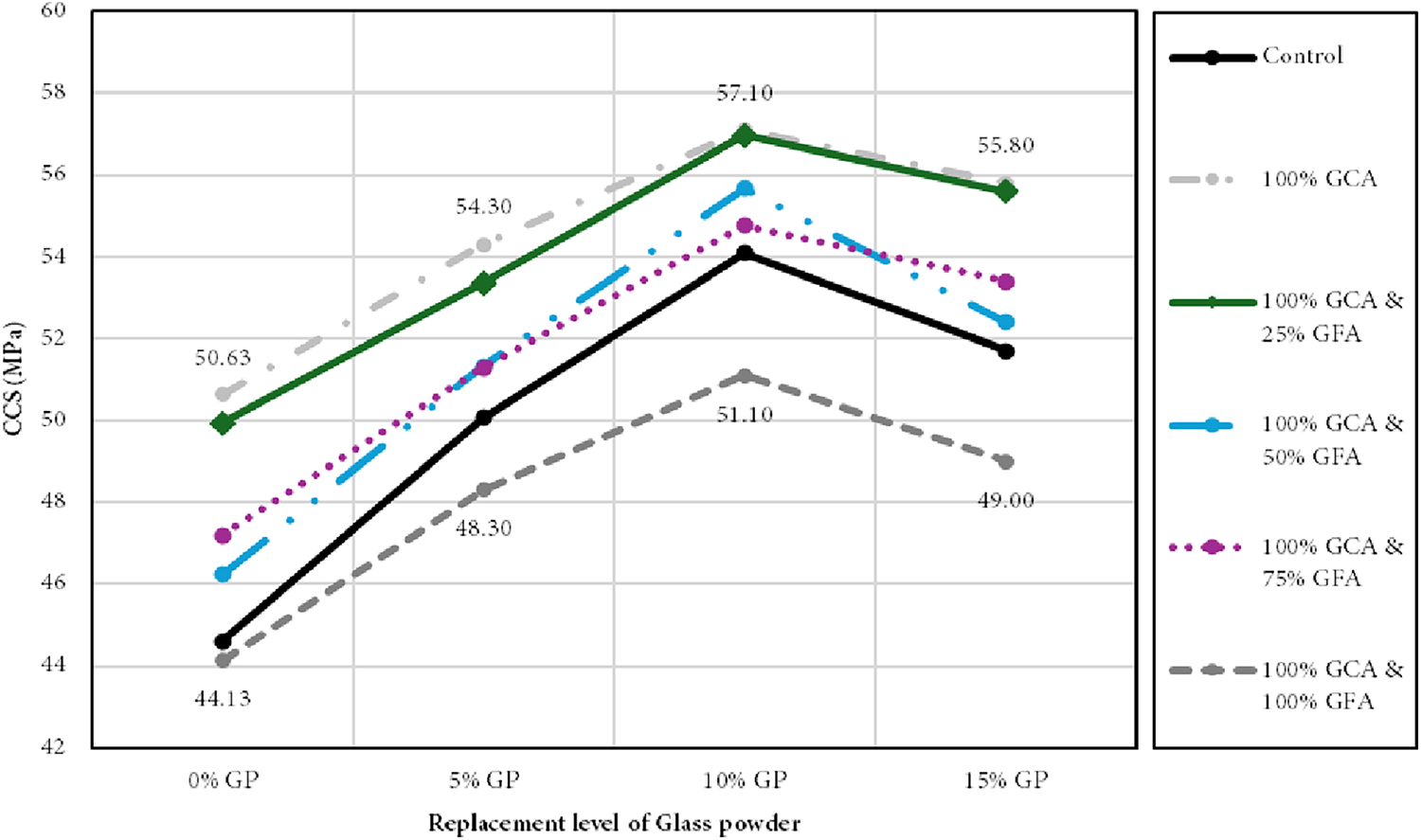
Figure 19: The effect of GP on CCS at 100% GCA and different GFA replacement levels.
The predicted values of CCS using the PSO-based ANN model vs. the measured values for training and testing data are shown in Figs. 20 and 21, respectively. As shown in these figures, the R2 values of 0.915 and 0.939 show a strong correlation between predicted and measured values. The prediction performances of the recommended model in this study are as good as those of other relatively close studies (i.e., Peng and Unluer [52] with an R2 value of 0.90, Pal et al. [53] with an R2 value of 0.896, Khan et al. [54] with an R2 value of 0.92, Huang et al. [55], and Miao et al. [56] with R2 values of 0.93). It should be underlined that the aforementioned studies implemented different input variables and various machine learning techniques for constructing their AI-based predictive models of CCS. This implies that the selection of input parameters or machine learning techniques depends on the designer’s decision. Nevertheless, to have a better comparison, the predicted values of CCS are checked against measured values for training and testing data in Figs. 22 and 23. As shown in these self-explanatory figures, the predicted values are relatively close to the measured values of CCS. On the other hand, Figs. 24 and 25 display the assessed values of CCS using an ICA-based ANN predictive model vs. the measured values for training and testing data. As shown in these figures, the R2 values of 0.887 and 0.927 show a good enough correlation between output and target values. To have a better understanding, in Figs. 26 and 27, the predicted values of CCS are plotted against the measured values for training and testing data. As displayed in these self-explanatory figures, the predicted values are in relatively good agreement with the measured values of CCS. The summary of the results is shown in Table 12. As this table suggests, the PSO-based ANN outperforms the ICA-based ANN models. Fig. 28 shows the Taylor diagram for all data, which suggests that the PSO-based ANN and ICA-based ANN models works good enough for the considered dataset in this study. In the Taylor diagram, the reference point shows the observed data. As shown in this diagram, the PSO-based ANN model is closer to the reference point, which suggests it works better in comparison with the ICA-based ANN model.
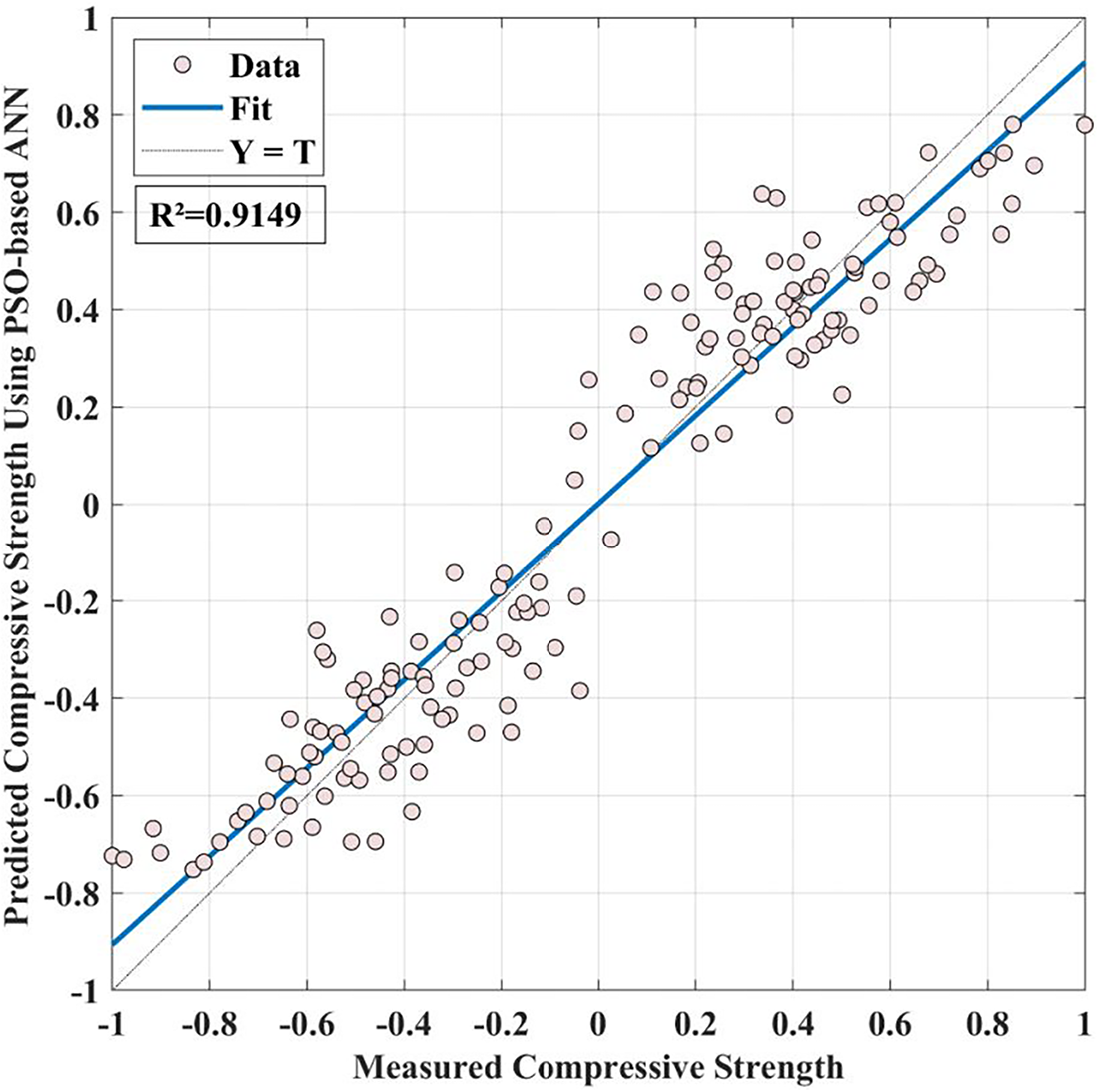
Figure 20: Regression plot of PSO-based ANN model for training data.
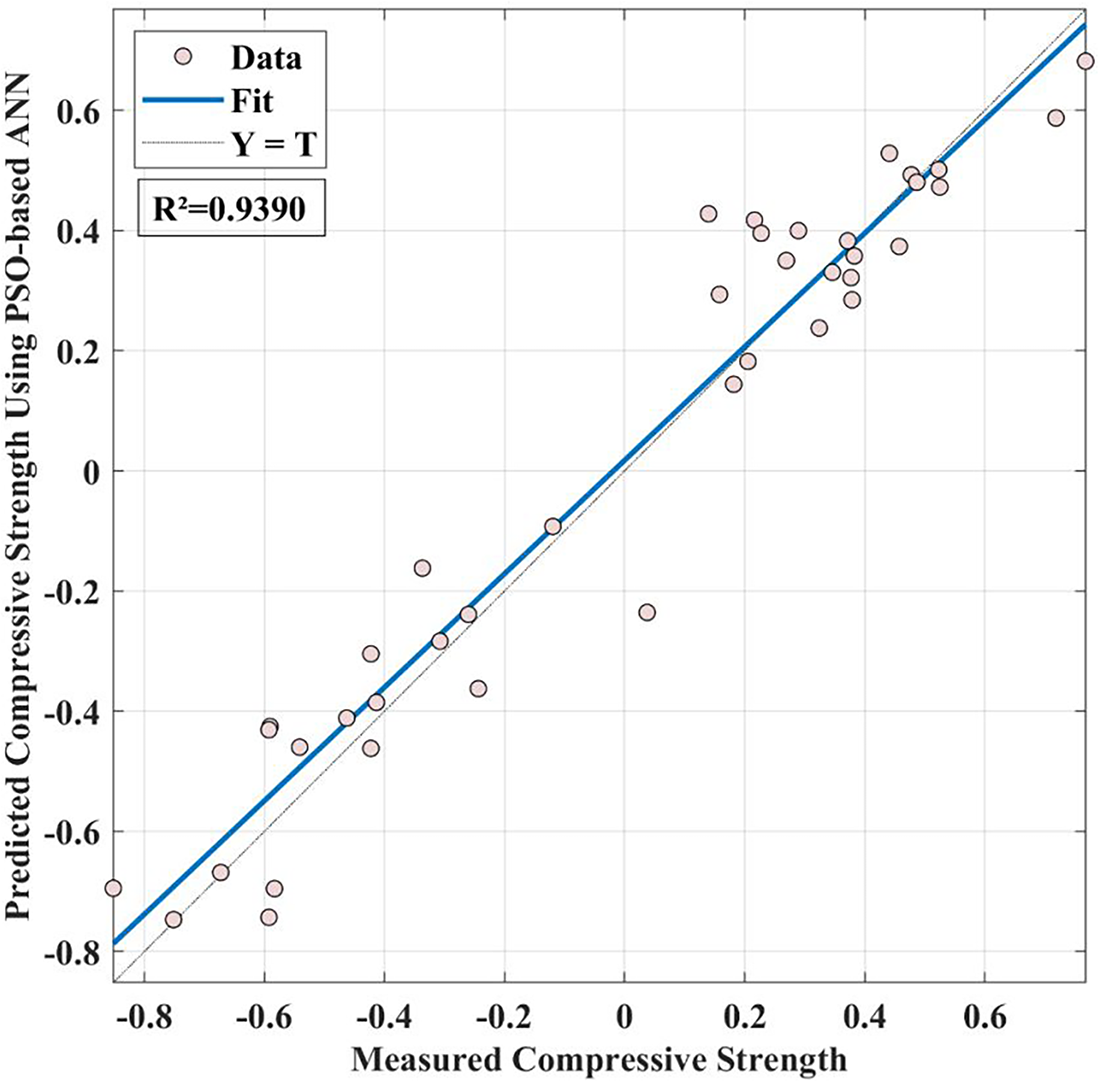
Figure 21: Regression plot of PSO-based ANN model for testing data.
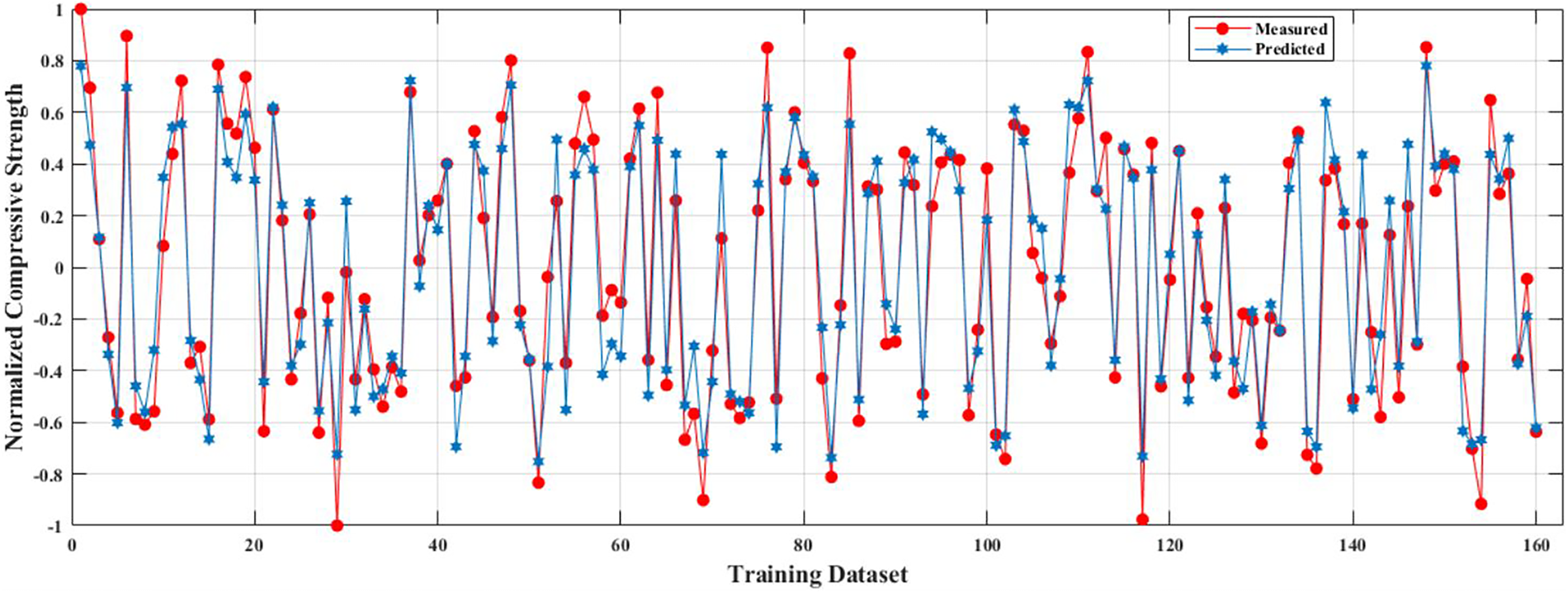
Figure 22: PSO-based ANN predicted values of CCS vs. the measured values for training data.
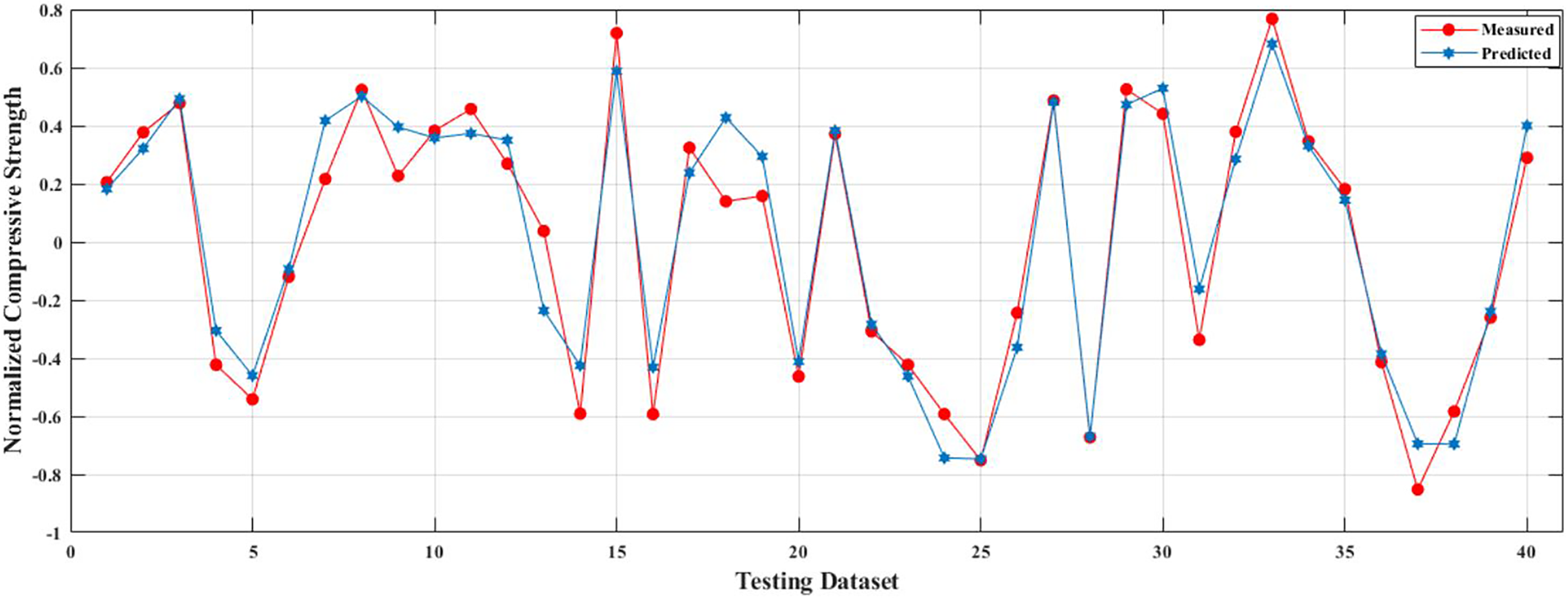
Figure 23: PSO-based ANN predicted values of CCS vs. the measured values for testing data.
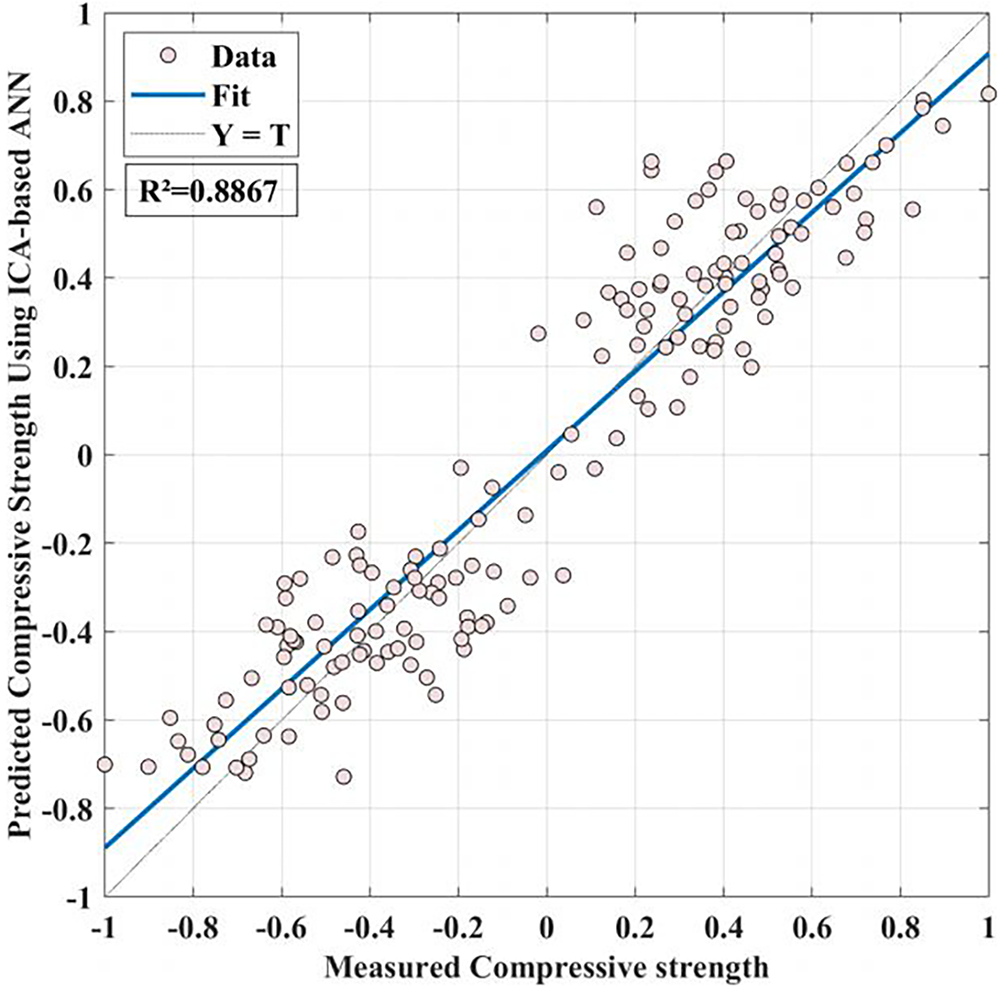
Figure 24: Regression plot of ICA-based ANN model for training data.
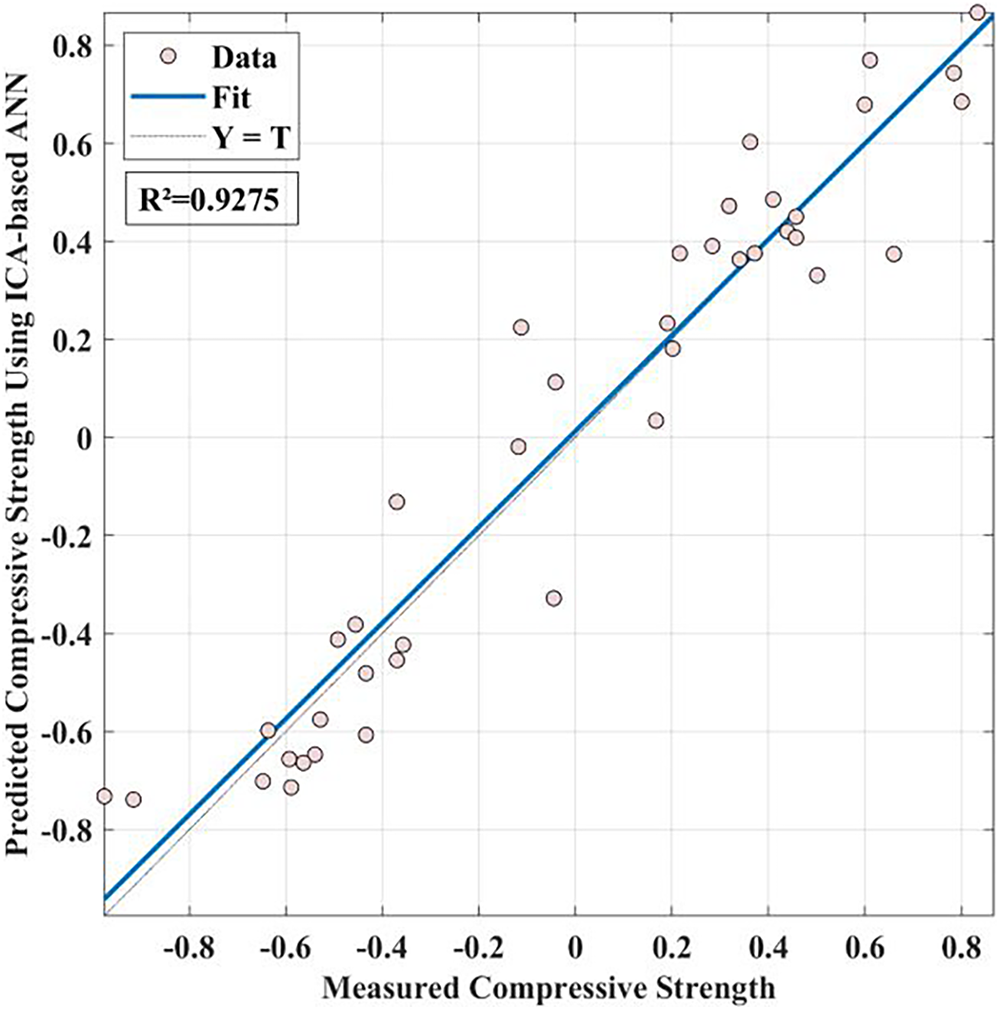
Figure 25: Regression plot of ICA-based ANN model for testing data.
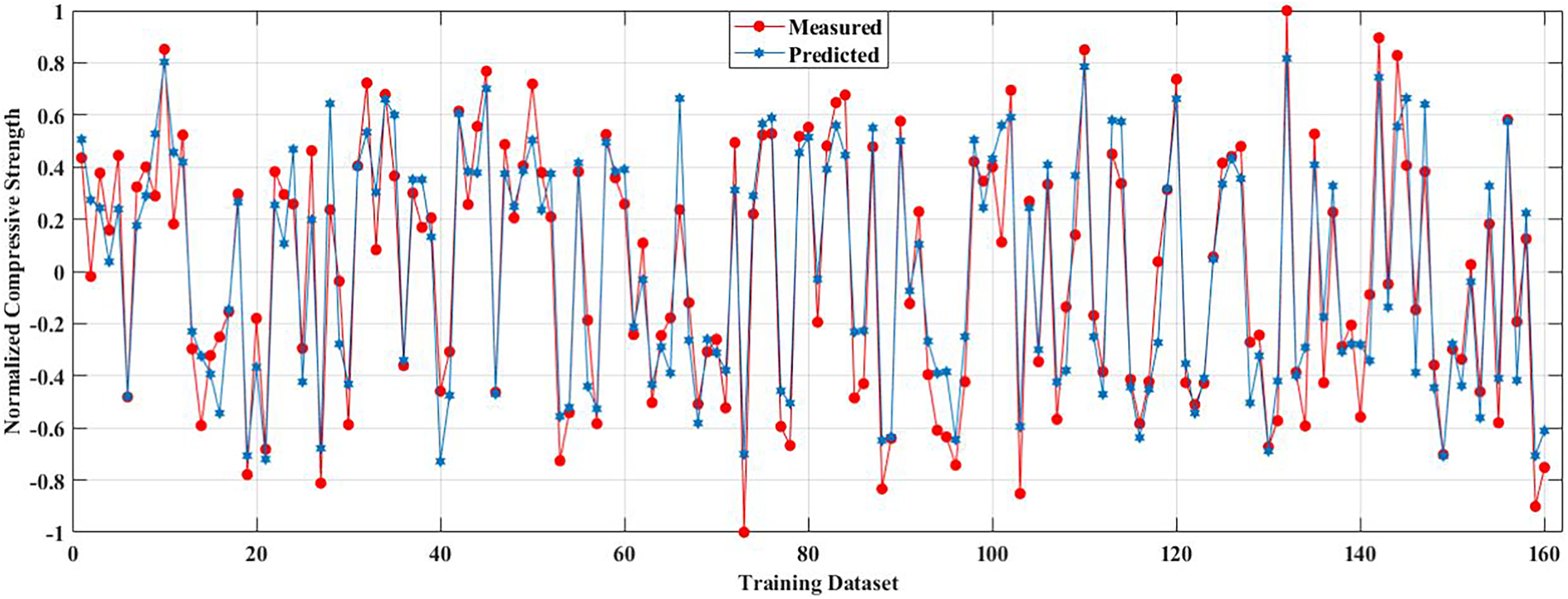
Figure 26: ICA-based ANN predicted values of CCS vs. the measured values for training data.
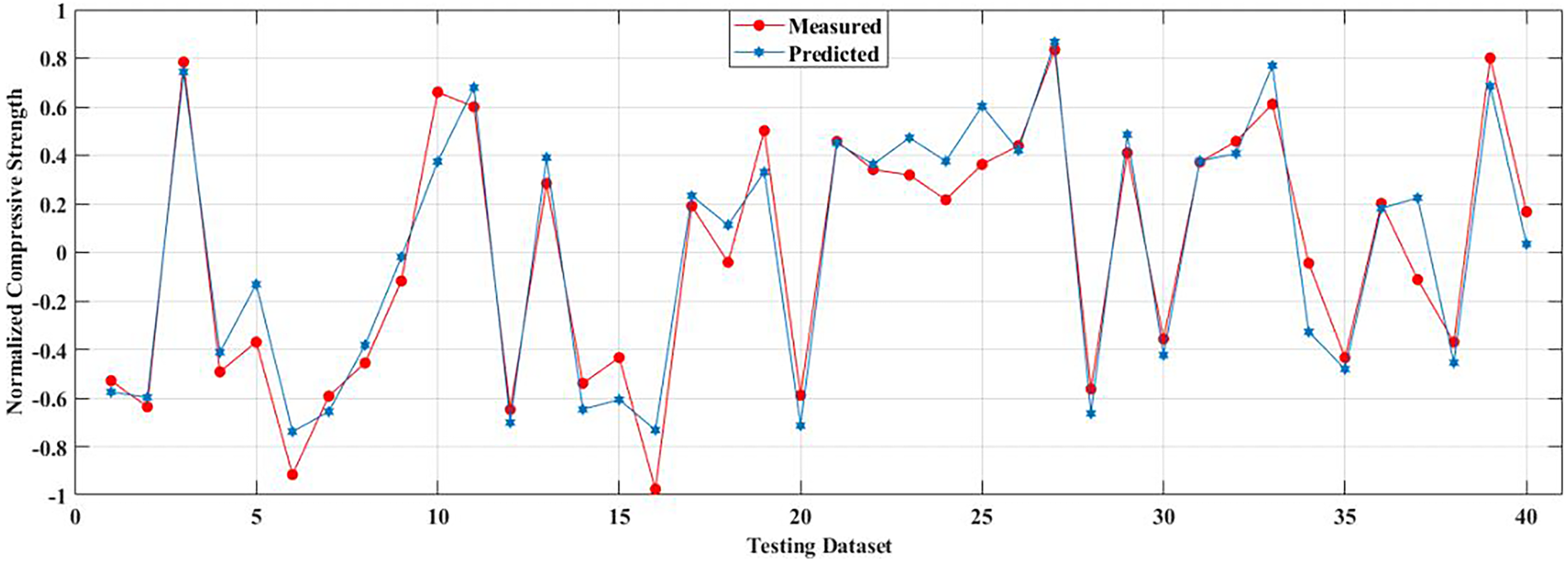
Figure 27: ICA-based ANN predicted values of CCS vs. the measured values for testing data.

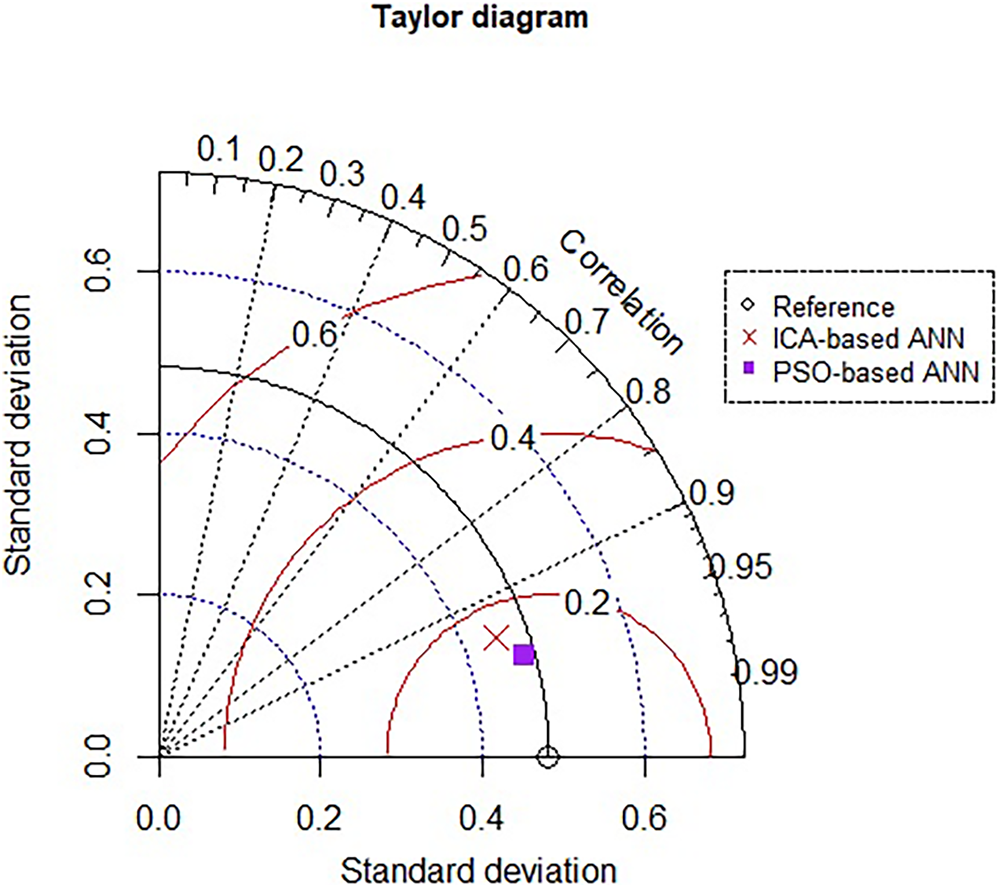
Figure 28: Taylor diagram of the suggested models.
As mentioned earlier PSO algorithm takes advantage of a relatively simple formulation; however, a word of caution is required regarding the generalization of the results. Needless to say, engineering judgment is of importance in interpreting the results of AI models, as their results merely rely on the dataset. A small dataset with a set of low-quality data can lead to illusive findings, especially in the case of prediction based on future data that are beyond the considered range of the dataset, which is considered in this study. Hence, the aforementioned limitation should be underlined in all AI-based predictive models. On the other hand, enlarging the dataset with previously published data as well as future data and reconstructing the proposed predictive model is always advantageous, as it can enhance the reliability of the developed model.
7 Limitations and Future Directions
There are many published works in the area of “Green Concrete” [57,58] with proposed ML solutions within broader ML applications in Civil Engineering [59–62]. One of the limitations of these studies is related to the number of data samples they used. Therefore, the applicability of their proposed models is limited or not as expected in practice. This study used a comprehensive database to address the same problem. This is good if we compare it with the existing studies; however, this could be improved in future studies by conducting more tests or collecting relevant data samples from various studies around the world. The real value of such works lies in their applicability when experts wish to utilize them in real-world projects.
From a computational perspective, more advanced models are able to increase accuracy (not applicability), which is also important. These advanced models could be constructed with different base ML models and possibly other optimization algorithms for i) ease of use, ii) obtaining higher accuracy, and iii) the lower computational cost. Another interesting area could be related to the simplicity of modelling by scientifically investigating the most effective parameters as inputs and incorporating only those in the model construction. This will help in proposing an ML model that is simple and at the same time, more applicable. The reason for that is related to the greater possibility of providing a smaller number of inputs by others when they wish to use the proposed model. This will make it more applicable and increase interest from the industry for utilization in external projects.
To assess the compressive strength of concrete with extra admixtures (i.e., glass powder, MSG, recycled aggregate), about 600 concrete samples were produced, and their compressive strength was evaluated. Overall, it was found that when no MSG was used, the implementation of 10% GP can enhance CCS up to 18%. On the other hand, utilization of about 5% MSG can increase the CCS up to 40%. However, when 5% MSG was used, adding 10% GP can improve the CCS up to 8%. Additionally, the experimental results indicate that the utilization of recycled aggregate from a sustainable construction point of view is advantageous. Apart from that, it was observed that when 100% recycled coarse aggregate was used instead of natural coarse aggregate, the CCS were 11.43% enhanced.
On the other hand, for intelligent assessment of the CCS, two PSO-based ANN and ICA-based ANN models were constructed using the experimentally obtained dataset presented in this study. Although the ICA-based ANN prediction performance was acceptable, the findings indicate that the PSO-based ANN predictive model of CCS performs better. The prediction performance was evaluated using four performance indices, which comprise R2, RMSE, VAF, and MAE. The results obtained for testing data (R2 = 0.939, RMSE = 0.1134, VAF = 93.89, MAE = 0.833) showed that the proposed PSO-based ANN model is a feasible tool for assessing the CCS. Further experimental studies are recommended to enrich the current dataset.
Acknowledgement: The authors wish to acknowledge Lorestan University for making this research possible.
Funding Statement: The authors received no specific funding for this study.
Author Contributions: Ehsan Momeni: writing—original draft preparation, conceptualization, methodology, software, formal analysis, writing—review and editing, supervision. Mohammad Dehghannezhad: writing—original draft preparation, methodology, software, formal analysis, writing—review and editing. Fereydoon Omidinasab: writing—original draft preparation, conceptualization, writing—review and editing, supervision. Danial Jahed Armaghani: writing—original draft preparation, conceptualization, writing—review and editing. All authors reviewed and approved the final version of the manuscript.
Availability of Data and Materials: Data available on request from the authors.
Ethics Approval: Not applicable.
Conflicts of Interest: The authors declare no conflicts of interest.
References
1. Armaghani DJ, Rasekh H, Asteris PG. An advanced machine learning technique to predict compressive strength of green concrete incorporating waste foundry sand. Comput Concr. 2024;33(1):77–90. doi:10.1007/s44290-025-00204-0. [Google Scholar] [CrossRef]
2. Tran HB, Phan VT. Potential usage of fly ash and nano silica in high-strength concrete: laboratory experiment and application in rigid pavement. Case Stud Constr Mater. 2024;20(12):e02856. doi:10.1016/j.cscm.2024.e02856. [Google Scholar] [CrossRef]
3. Hamada HM, Abed F, Binti Katman HY, Humada AM, Al Jawahery MS, Majdi A, et al. Effect of silica fume on the properties of sustainable cement concrete. J Mater Res Technol. 2023;24:8887–908. doi:10.1016/j.jmrt.2023.05.147. [Google Scholar] [CrossRef]
4. Bheel N, Awoyera P, Ali Shar I, Sohu S, Abbasi SA, Prakash AK. Mechanical properties of concrete incorporating rice husk ash and wheat straw ash as ternary cementitious material. Adv Civ Eng. 2021;2021(1):2977428. doi:10.1155/2021/2977428. [Google Scholar] [CrossRef]
5. Nodehi M, Mohamad Taghvaee V. Sustainable concrete for circular economy: a review on use of waste glass. Glass Struct Eng. 2022;7(1):3–22. doi:10.1007/s40940-021-00155-9. [Google Scholar] [CrossRef]
6. Alsharari F. Utilization of industrial, agricultural, and construction waste in cementitious composites: a comprehensive review of their impact on concrete properties and sustainable construction practices. Mater Today Sustain. 2025;29(7):101080. doi:10.1016/j.mtsust.2025.101080. [Google Scholar] [CrossRef]
7. Mohammadyan-Yasouj SE, Ghaderi A. Experimental investigation of waste glass powder, basalt fibre, and carbon nanotube on the mechanical properties of concrete. Constr Build Mater. 2020;252:119115. doi:10.1016/j.conbuildmat.2020.119115. [Google Scholar] [CrossRef]
8. Momeni E, Omidinasab F, Dalvand A, Goodarzimehr V, Eskandari A. Flexural strength of concrete beams made of recycled aggregates: an experimental and soft computing-based study. Sustainability. 2022;14(18):11769. doi:10.3390/su141811769. [Google Scholar] [CrossRef]
9. Sobuz MHR, Datta SD, Akid ASM, Tam VWY, Islam S, Rana MJ, et al. Evaluating the effects of recycled concrete aggregate size and concentration on properties of high-strength sustainable concrete. J King Saud Univ Eng Sci. 2024;36(3):216–27. doi:10.1016/j.jksues.2022.04.004. [Google Scholar] [CrossRef]
10. Jahed Armaghani D, Hayati M, Momeni E, Dowlatshahi MB, Asteris PG. Estimation of powder factor in mine blasting: feasibility of tree-based predictive models. Multiscale Multidiscip Model Exp Des. 2025;8(2):138. doi:10.1007/s41939-024-00725-8. [Google Scholar] [CrossRef]
11. Taheri-Garavand A, Abdi Y, Momeni E. Smart estimation of sandstones mechanical properties based on thin section image processing techniques. J Nondestruct Eval. 2024;43(2):42. doi:10.1007/s10921-024-01056-x. [Google Scholar] [CrossRef]
12. Abdi Y, Momeni E, Armaghani DJ. Elastic modulus estimation of weak rock samples using random forest technique. Bull Eng Geol Environ. 2023;82(5):176. doi:10.1007/s10064-023-03154-y. [Google Scholar] [CrossRef]
13. Momeni E, He B, Abdi Y, Jahed Armaghani D. Novel hybrid XGBoost model to forecast soil shear strength based on some soil index tests. Comput Model Eng Sci. 2023;136(3):2527–50. doi:10.32604/cmes.2023.026531. [Google Scholar] [CrossRef]
14. Ziaie A, Mehdizadeh B, Safi Jahanshahi F, Ahmadi N, Ghanizadeh AR. Prediction of liquefaction-induced lateral displacements using hybrid GBRT and EOA. J Soft Comput Civ Eng. 2026;10(1):e225827. [Google Scholar]
15. Han S, Zheng D, Mehdizadeh B, Nasr EA, Khandaker MU, Salman M, et al. Sustainable design of self-consolidating green concrete with partial replacements for cement through neural-network and fuzzy technique. Sustainability. 2023;15(6):4752. doi:10.3390/su15064752. [Google Scholar] [CrossRef]
16. Asteris PG, Skentou AD, Bardhan A, Samui P, Pilakoutas K. Predicting concrete compressive strength using hybrid ensembling of surrogate machine learning models. Cem Concr Res. 2021;145:106449. doi:10.1016/j.cemconres.2021.106449. [Google Scholar] [CrossRef]
17. Sobuz MHR, Rahman MM, Aayaz R, Al-Rashed WS, Datta SD, Abu Safayet M, et al. Combined influence of modified recycled concrete aggregate and metakaolin on high-strength concrete production: experimental assessment and machine learning quantifications with advanced SHAP and PDP analyses. Constr Build Mater. 2025;461:139897. doi:10.1016/j.conbuildmat.2025.139897. [Google Scholar] [CrossRef]
18. Choudhary S, Abbas Q, Akram T, Qureshi I, Aldajani MB, Salahuddin H. Predicting concrete strength using data augmentation coupled with multiple optimizers in feedforward neural networks. Comput Model Eng Sci. 2025;145(2):1755–87. doi:10.32604/cmes.2025.072200. [Google Scholar] [CrossRef]
19. Abbas YM, Babiker A, Ismail Ismail F. Optimized XGBoost-based framework for robust prediction of the compressive strength of recycled aggregate concrete incorporating silica fume, slag, and fly ash. Comput Model Eng Sci. 2025;145(3):3279–307. doi:10.32604/cmes.2025.074069. [Google Scholar] [CrossRef]
20. Mobasheri F, Hosseinpoor M, Yahia A, Pourkamali-Anaraki F. Predicting the compressive strength of self-consolidating concrete using machine learning and conformal inference. Comput Model Eng Sci. 2025;145(3):3309–47. doi:10.32604/cmes.2025.072271. [Google Scholar] [CrossRef]
21. Nassar RUD, Soroushian P. Field investigation of concrete incorporating milled waste glass. J Solid Waste Technol Mngmnt. 2011;37(4):307–19. doi:10.5276/jswtm.2011.307. [Google Scholar] [CrossRef]
22. Topçu İB, Canbaz M. Properties of concrete containing waste glass. Cem Concr Res. 2004;34(2):267–74. doi:10.1016/j.cemconres.2003.07.003. [Google Scholar] [CrossRef]
23. Kou SC, Poon CS. Properties of self-compacting concrete prepared with recycled glass aggregate. Cem Concr Compos. 2009;31(2):107–13. doi:10.1016/j.cemconcomp.2008.12.002. [Google Scholar] [CrossRef]
24. Khatib JM, Negim EM, Sohl HS, Chileshe N. Glass powder utilization in concrete production. Eur J Appl Sci. 2012;4(4):173–6. [Google Scholar]
25. Aliabdo AA, Abd Elmoaty AEM, Aboshama AY. Utilization of waste glass powder in the production of cement and concrete. Constr Build Mater. 2016;124:866–77. doi:10.1016/j.conbuildmat.2016.08.016. [Google Scholar] [CrossRef]
26. Binici H, Shah T, Aksogan O, Kaplan H. Durability of concrete made with granite and marble as recycle aggregates. J Mater Process Technol. 2008;208(1–3):299–308. doi:10.1016/j.jmatprotec.2007.12.120. [Google Scholar] [CrossRef]
27. Singh S, Khan S, Khandelwal R, Chugh A, Nagar R. Performance of sustainable concrete containing granite cutting waste. J Clean Prod. 2016;119(1):86–98. doi:10.1016/j.jclepro.2016.02.008. [Google Scholar] [CrossRef]
28. Sharma NK, Kumar P, Kumar S, Thomas BS, Gupta RC. Properties of concrete containing polished granite waste as partial substitution of coarse aggregate. Constr Build Mater. 2017;151(1):158–63. doi:10.1016/j.conbuildmat.2017.06.081. [Google Scholar] [CrossRef]
29. Jain A, Gupta R, Chaudhary S. Performance of self-compacting concrete comprising granite cutting waste as fine aggregate. Constr Build Mater. 2019;221:539–52. doi:10.1016/j.conbuildmat.2019.06.104. [Google Scholar] [CrossRef]
30. Barati R, Ali Sahaf S, Jamshidi M, Razazpor A. Examining the impact of micro silica gel additive on the compressive strength and water absorption of roller compacted concrete pavement. Mod Appl Sci. 2016;10(5):194. doi:10.5539/mas.v10n5p194. [Google Scholar] [CrossRef]
31. Zahrai SM, Mortezagholi MH, Najaf E. Using AP2RC & P1RB micro-silica gels to improve concrete strength and study of resulting contamination. Adv Concr Constr. 2016;4(3):195–206. doi:10.12989/acc.2016.4.3.195. [Google Scholar] [CrossRef]
32. Jafari J, Aghamajidi R. The effect of micro-silica on compressive strength in concrete structures in Shiraz. Turk J Comput Math Educ. 2021;12(13):4597–608. doi:10.15373/2249555x/may2013/76. [Google Scholar] [CrossRef]
33. Öztaş A, Pala M, Özbay E, Kanca E, Çagˇlar N, Bhatti MA. Predicting the compressive strength and slump of high strength concrete using neural network. Constr Build Mater. 2006;20(9):769–75. doi:10.1016/j.conbuildmat.2005.01.054. [Google Scholar] [CrossRef]
34. Yuan Z, Wang LN, Ji X. Prediction of concrete compressive strength: research on hybrid models genetic based algorithms and ANFIS. Adv Eng Softw. 2014;67:156–63. doi:10.1016/j.advengsoft.2013.09.004. [Google Scholar] [CrossRef]
35. Mashhadban H, Kutanaei SS, Ali Sayarinejad M. Prediction and modeling of mechanical properties in fiber reinforced self-compacting concrete using particle swarm optimization algorithm and artificial neural network. Constr Build Mater. 2016;119:277–87. doi:10.1016/j.conbuildmat.2016.05.034. [Google Scholar] [CrossRef]
36. Han IJ, Yuan TF, Lee JY, Yoon YS, Kim JH. Learned prediction of compressive strength of GGBFS concrete using hybrid artificial neural network models. Materials. 2019;12(22):3708. doi:10.3390/ma12223708. [Google Scholar] [PubMed] [CrossRef]
37. Duan J, Asteris PG, Nguyen H, Bui XN, Moayedi H. A novel artificial intelligence technique to predict compressive strength of recycled aggregate concrete using ICA-XGBoost model. Eng Comput. 2021;37(4):3329–46. doi:10.1007/s00366-020-01003-0. [Google Scholar] [CrossRef]
38. Khorshidi Paji M, Gordan B, Biklaryan M, Armaghani DJ, Zhou J, Jamshidi M. Neuro-swarm and neuro-imperialism techniques to investigate the compressive strength of concrete constructed by freshwater and magnetic salty water. Measurement. 2021;182:109720. doi:10.1016/j.measurement.2021.109720. [Google Scholar] [CrossRef]
39. Lin CJ, Wu NJ. An ANN model for predicting the compressive strength of concrete. Appl Sci. 2021;11(9):3798. doi:10.3390/app11093798. [Google Scholar] [CrossRef]
40. Kao CY, Shen CH, Jan JC, Hung SL. A computer-aided approach to pozzolanic concrete mix design. Adv Civ Eng. 2018;2018(1):4398017. doi:10.1155/2018/4398017. [Google Scholar] [CrossRef]
41. Mohamad Ridho BKA, Ngamkhanong C, Wu Y, Kaewunruen S. Recycled aggregates concrete compressive strength prediction using artificial neural networks (ANNs). Infrastructures. 2021;6(2):17. doi:10.3390/infrastructures6020017. [Google Scholar] [CrossRef]
42. Haykin S. Neural networks: a comprehensive foundation. Hoboken, NJ, USA: Prentice Hall PTR; 1994. [Google Scholar]
43. Momeni E, Dowlatshahi MB, Omidinasab F, Maizir H, Armaghani DJ. Gaussian process regression technique to estimate the pile bearing capacity. Arab J Sci Eng. 2020;45(10):8255–67. doi:10.1007/s13369-020-04683-4. [Google Scholar] [CrossRef]
44. Bardhan A, Asteris PG. Application of hybrid ANN paradigms built with nature-inspired meta-heuristics for modelling soil compaction parameters. Transp Geotech. 2023;41:100995. doi:10.1016/j.trgeo.2023.100995. [Google Scholar] [CrossRef]
45. Armaghani DJ, Tonnizam Mohamad E, Momeni E, Monjezi M, Sundaram Narayanasamy M. Prediction of the strength and elasticity modulus of granite through an expert artificial neural network. Arab J Geosci. 2015;9(1):48. doi:10.1007/s12517-015-2057-3. [Google Scholar] [CrossRef]
46. Rezaei H, Nazir R, Momeni E. Bearing capacity of thin-walled shallow foundations: an experimental and artificial intelligence-based study. J Zhejiang Univ Sci A. 2016;17(4):273–85. doi:10.1631/jzus.a1500033. [Google Scholar] [CrossRef]
47. Bardhan A, Alzo’ubi AK, Palanivelu S, Hamidian P, GuhaRay A, Kumar G, et al. A hybrid approach of ANN and improved PSO for estimating soaked CBR of subgrade soils of heavy-haul railway corridor. Int J Pavement Eng. 2023;24(1):2176494. doi:10.1080/10298436.2023.2176494. [Google Scholar] [CrossRef]
48. Kennedy J, Eberhart R. Particle swarm optimization. In: Proceedings of ICNN’95—International Conference on Neural Networks; 1995 Nov 27–Dec 1; Perth, WA, Australia. p. 1942–8. doi:10.1109/ICNN.1995.488968. [Google Scholar] [CrossRef]
49. Atashpaz-Gargari E, Lucas C. Imperialist competitive algorithm: an algorithm for optimization inspired by imperialistic competition. In: Proceedings of the 2007 IEEE Congress on Evolutionary Computation; 2007 Sep 25–28; Singapore. p. 4661–7. doi:10.1109/CEC.2007.4425083. [Google Scholar] [CrossRef]
50. Armaghani DJ, Harandizadeh H, Momeni E, Maizir H, Zhou J. An optimized system of GMDH-ANFIS predictive model by ICA for estimating pile bearing capacity. Artif Intell Rev. 2022;55(3):2313–50. doi:10.1007/s10462-021-10065-5. [Google Scholar] [CrossRef]
51. IS:516. Indian standard methods of tests for strength of concrete. New Delhi, India: Bur Indian Stand; 2004. [Google Scholar]
52. Peng Y, Unluer C. Modeling the mechanical properties of recycled aggregate concrete using hybrid machine learning algorithms. Resour Conserv Recycl. 2023;190:106812. doi:10.1016/j.resconrec.2022.106812. [Google Scholar] [CrossRef]
53. Pal A, Ahmed KS, Hossain FZ, Alam MS. Machine learning models for predicting compressive strength of fiber-reinforced concrete containing waste rubber and recycled aggregate. J Clean Prod. 2023;423:138673. doi:10.1016/j.jclepro.2023.138673. [Google Scholar] [CrossRef]
54. Khan K, Ahmad W, Amin MN, Aslam F, Ahmad A, Al-Faiad MA. Comparison of prediction models based on machine learning for the compressive strength estimation of recycled aggregate concrete. Materials. 2022;15(10):3430. doi:10.3390/ma15103430. [Google Scholar] [PubMed] [CrossRef]
55. Huang P, Dai K, Yu X. Machine learning approach for investigating compressive strength of self-compacting concrete containing supplementary cementitious materials and recycled aggregate. J Build Eng. 2023;79:107904. doi:10.1016/j.jobe.2023.107904. [Google Scholar] [CrossRef]
56. Miao X, Zhu JX, Zhu WB, Wang Y, Peng L, Dong HL, et al. Intelligent prediction of comprehensive mechanical properties of recycled aggregate concrete with supplementary cementitious materials using hybrid machine learning algorithms. Case Stud Constr Mater. 2024;21:e03708. doi:10.1016/j.cscm.2024.e03708. [Google Scholar] [CrossRef]
57. Eftekhar Afzali S, Ghasemi M, Rahimiratki A, Mehdizadeh B, Yousefieh N, Asgharnia M. Compaction and compression behavior of waste materials and fiber-reinforced cement-treated sand. J Struct Des Constr Pract. 2025;30(2):04025007. doi:10.1061/jsdccc.sceng-1643. [Google Scholar] [CrossRef]
58. Mehdizadeh B, Vessalas K, Castel A, Asadi H, Ben B, Deilami S. Correlation behaviours for accelerated and natural carbonation testing of fly ash and ground granulated blast-furnace slag-based concrete mixes. Concr Aust. 2024;50:30–8. [Google Scholar]
59. Nouri Y, Ali Ghanbari M, Fakharian P. Flexural behavior of hybrid GFRP-steel reinforced concrete beam: experimental and explainable artificial intelligence. Eng Struct. 2025;345:121565. doi:10.1016/j.engstruct.2025.121565. [Google Scholar] [CrossRef]
60. Ding X, Hasanipanah M, Rouhani MM, Nguyen T. Hybrid catboost models optimized with metaheuristics for predicting shear strength in rock joints. Bull Eng Geol Environ. 2025;84(3):150. doi:10.1007/s10064-025-04178-2. [Google Scholar] [CrossRef]
61. Tsang L, Akbari M, Fakharian P. Prediction of soil liquefaction using a multi-algorithm technique: stacking ensemble techniques and Bayesian optimization. J Soft Comput Civ Eng. 2025;9(2):32–55. [Google Scholar]
62. Yu H, Xu S, Yin X, Hasanipanah M. A sliding window feature extraction and weight adaptive random forest-based method for TBM tunnel rock mass grade identification. Expert Syst Appl. 2026;311:131336. doi:10.1016/j.eswa.2026.131336. [Google Scholar] [CrossRef]
Cite This Article
 Copyright © 2026 The Author(s). Published by Tech Science Press.
This work is licensed under a Creative Commons Attribution 4.0 International License , which permits unrestricted use, distribution, and reproduction in any medium, provided the original work is properly cited.
 Downloads
 Citation Tools
