
 Login
Login Register
 Submit a Paper
 Propose a Special lssue
 Open Access
ARTICLE
The Developmental Trajectory of Family Functioning in Junior High School Students: Effects on Preference for Solitude and Social Avoidance
1 School of Psychology, Jiangxi Normal University, Nanchang, 330099, China
2 School of Educational Science, Henan Vocational University of Science and Technology, Zhoukou, 466000, China
3 School of Psychology, Central China Normal University, Wuhan, 430000, China
4 Department of Psychological Science, University of California, Irvine, CA 92697, USA
* Corresponding Author: Baojuan Ye. Email:
# These authors contributed equally to this work
(This article belongs to the Special Issue: Latent Profile Analysis in Mental Health Research: Exploring Heterogeneity through Person Centric Approach)
International Journal of Mental Health Promotion 2025, 27(6), 809-822. https://doi.org/10.32604/ijmhp.2025.065246
Received 07 March 2025; Accepted 28 May 2025; Issue published 30 June 2025
 View Full Text
 Download PDF
Abstract
Objectives: Positive family functioning (FF) is critical for adolescent development, yet only a few studies have examined this developmental trajectory pathway. This study aimed to identify different types of FF development trajectories during junior high school students, investigate their influence on social avoidance (SA), and further examine the mediating role of preference for solitude (PS) between them. Methods: A three-wave longitudinal study was used with six-month intervals. Questionnaire data were collected from 436 junior high school students in Jiangxi Province, China. Participants ranged in age from 11 to 14 years old (Mean = 12.89 years, SD = 1.08; 50.2% male). Results: Four heterogeneous types of FF trajectories were identified: (1) a high and increasing group (14.7%); (2) a consistently high group (36.24%); (3) a consistently moderate group (45.86%); and (4) a rapid growth group (3.2%). The developmental trajectories of FF among junior high students significantly varied in their levels of SA (F(3,432) = 32.03, p < 0.001). Compared to the high and increasing groups, the consistently high, consistently medium, and rapid growth groups exhibited higher levels of SA. PS mediated the association between the developmental trajectory of FF and SA. Conclusion: There was a close relationship between the developmental trajectory of FF and SA. Interventions focusing on family system optimization and solitary preference management could effectively mitigate SA behaviors. These findings are important for promoting healthy socialization in adolescents.Keywords
Supplementary Material
Supplementary Material FileAdolescence is a critical period marked by significant physical, emotional, and social changes. During this period, the importance of peer relationships increases, and social avoidance (SA) can profoundly negatively impact adolescents’ psychological health and interpersonal skills [1]. According to the life course theory, unresolved developmental issues during these critical transitionary periods can cascade into psychological consequences, resulting in detrimental effects across various developmental domains [2]. Indeed, research has consistently shown that SA among adolescents can lead to underlying psychological disorders, including anxiety and depression [3,4], with comorbid symptoms reminiscent of various conditions, such as the prodromal phase of schizophrenia, avoidant personality disorder, schizoid personality disorder, and autism spectrum disorder [5]. Therefore, the issue of SA among junior high school students is particularly worthy of attention.
The ecological systems theory posits that the family unit is the most immediate and influential ecological subsystem affecting adolescent development [6]. Based on this theory, a series of studies have explored the significant role of family factors in adolescent SA [7–9]. Among these, family functioning (FF) has received particular attention. Generally, FF is a comprehensive assessment of the effectiveness of family members in dealing with emotional ties, family communication, internal rules, and external events [10].
A substantial body of evidence indicates that adolescents from well-functioning families can learn effective communication skills through interactions with their parents by receiving positive emotional support and feedback, thereby acquiring effective interpersonal communication skills [3,11,12]. Conversely, the FF model theory indicates that the failure to fulfill essential familial roles can lead to a range of clinical issues among members. Students from dysfunctional families often experience negative thoughts, emotions, and anxiety from interacting with family members, students from dysfunctional families often experience negative thoughts and emotions [13], produces a range of physical and mental health problems such as anxiety, depression, and SA [11,14].
The Family Development Theory suggests that a family is not a static entity but a dynamic system that evolves with the growth of its members [15,16]. However, it is regrettable that the majority of past studies have examined the direct predictive role of FF in SA among adolescents [11,17,18], seldom considering the dynamic changes and heterogeneity of FF over time. A “person-centered” study found that FF can be categorized into four distinct groups: (1) low but increasing group, (2) low and decreasing group, (3) high and increasing group, and (4) high but decreasing group [19]. Similarly, Castellani et al. [18] identified three distinct developmental trajectories of family conflict among adolescents: (1) a consistently low group, (2) a medium-increasing group, and (3) a high but decreasing group. However, there is currently a lack of research examining the developmental trajectories of FF among adolescents from a dynamic perspective to reveal the impact of distinct longitudinal trajectory categories or subgroups on adolescent SA. Therefore, one aim of the present study is to employ the Latent Growth Mixture Model (LGMM) to conduct a one-year longitudinal tracking study of adolescent FF in order to accurately identify the heterogeneity in developmental trajectories across different latent classes.
The psychological development of adolescents in puberty often shows imbalances, and a poorly functioning family system can lead to frequent conflicts between adolescents and their parents [20]. At this stage, the influence of peer relationships becomes increasingly prominent, with cliques and social groups emerging as primary sources of support [21]. Nevertheless, during this period, behaviors characterized by SA and reticence are particularly stigmatized as undesirable and deviant [22,23]. Solitude is the state of reduced social interaction [24], and the preference for solitude (PS) refers to one’s tendency to engage in solitary activities rather than interacting with others. Junior high students with a high PS are more likely to experience setbacks in peer interactions, which may lead to diminished confidence in social engagements and a greater tendency to avoid such interactions, and lead to a range of maladaptive psychological outcomes, such as depression and lower self-esteem [25,26], conflict-reduction [27], and emotional support [28]. The Family Systems Theory suggests that children’s behavioral issues are influenced by a combination of familial and intrapersonal factors [29]. Dysfunctional family dynamics may impact adolescent characteristics (e.g., PS) through the parent-child attachment, leading to the development of behavioral problems, including SA. As strong collectivist ideals underlie Chinese culture, there is an emphasis on values integral to promoting interdependent social relationships, such as trust [30,31]. For this reason, Chinese adolescents with a greater PS face more psychological challenges compared to their Western counterparts throughout their childhood [32,33].
Although several studies have established a link between dysfunctional family dynamics and increased SA [34], considering poor FF as an important risk factor [35], these studies have primarily adopted a ‘variable-centered’ perspective to examine the static associations between FF and SA. This approach may overlook the heterogeneity of adolescents’ FF developmental patterns, whereas the strength of an individual-centered approach lies in the ability to identify types of individuals with similar characteristics and to identify heterogeneous developmental trajectories of FF in different types of adolescents, accurately depicting the typical combinations of FF developmental patterns within individuals, thereby enhancing the precision of the research [36].
In summary, the present study intends to examine the group heterogeneity of adolescent FF and its developmental trajectories from a dynamic developmental perspective using a latent variable mixed growth model, and to explore the effects of different developmental trajectories of FF throughout the junior high school years on adolescents’ SA through a one-year longitudinal tracking design, as well as to further analyses in depth the potential mechanisms of the role of PS.
Using a random cluster sampling method, 504 students from three junior high schools in an urban district of Jiangxi Province, China, were recruited. Data were collected at three points (September 2021, January 2022, and July 2022). After excluding participants with missing data due to student absences or transfers during the study period, the final matched sample consisted of 436 adolescents (Mean = 12.89 years, standard deviation [SD] = 1.08; 50.2% male) who completed all three waves of assessments (Participant demographics are presented in Supplementary Table S1).
The Little’s Missing Completely at Random (MCAR) test indicated that the missing data were missing at complete random, χ2 (40) = 43.01, p > 0.05. Participants with missing data were coded as 0 (attrition group), and those who completed all three assessments were coded as 1 (retained group). The Chi-square test and independent t-test revealed no significant differences between groups in demographic variables such as gender and grade (results of the dropout test see Supplementary Table S2). These results suggest the absence of systematic attrition bias in our longitudinal sample. However, certain trends or differences may have gone undetected due to the limited sample size or insufficient statistical power.
FF was measured using the General Family Functioning Scale from the Family Assessment Device, consisting of 6 items (e.g., “We confide in each other”) [37]. All items were assessed on a 5-point Likert scale (1 = Completely untrue, 5 = Completely true). Higher scores on the scale indicate better FF. The instrument has been demonstrated to have good reliability and validity among Chinese adolescents [38]. The scale demonstrated adequate internal consistency across all three waves and possesses measurement invariance across gender and time (Results of the measurement invariance tests for this scale are presented in Supplementary Table S2). The Cronbach’s α coefficient of the internal consistency reliability of the scale was αT1 = 0.887, αT2 = 0.941, αT3 = 0.935.
SA was assessed using the Social Avoidance Scale, consisting of 4 items (e.g., “I don’t want to play with anyone else”). All items were measured on a 5-point Likert scale (1 = Never, 5 = Always). The instrument has been demonstrated to have good reliability and validity among Chinese children [34], and it possesses measurement invariance across gender and time (Results of the measurement invariance tests for this scale are presented in Supplementary Table S2). In this study, the consistency reliability of the scale in the three measurements was respectively αT1 = 0.827, αT2 = 0.915, and αT3 = 0.955.
2.2.3 Preference for Solitude (PS)
PS was assessed using the Chinese version of the Child Social Preference Questionnaire, consisting of 7 items (e.g., “I won’t feel upset when I’m alone”, “If I can choose, I prefer to play alone rather than with others”) [38]. All items were assessed on a 5-point Likert scale (1 = Never, 5 = Always). Good reliability and validity have been demonstrated among Chinese adolescents [39]. The internal consistency reliability (Cronbach’s α) of the scale was 0.885, 0.919, and 0.941, indicating excellent measurement stability across waves. And it possesses measurement invariance across gender and time (Results of the measurement invariance tests for this scale are presented in Supplementary Table S2).
This study adhered strictly to the Declaration of Helsinki and was approved by the Research Ethics Committee of the School of Psychology, Jiangxi Normal University (approval number: IRB-JXNU-PSY-2022012). Prior to the test, informed consent was obtained from the education authorities and the students’ guardians. The students’ informed consent was presented at the top of the questionnaire. The survey was administered by psychology master’s and doctoral students, who had undergone standardized training on the tests’ objectives, content, and procedures. The study assessments were conducted in classroom settings using a paper-and-pencil format for the questionnaire. Each class served as a single unit of administration. Upon completion of the study, the research investigators immediately collected the questionnaires. Research protocols were consistent across all three waves of data collection.
The confidentiality of the research was ensured by assigning each student a code after data entry to avoid revealing personal information and requiring all researchers involved in the survey to sign non-disclosure agreements. The effectiveness of the survey was ensured by asking students to complete the questionnaire independently before filling it in, telling them that the question options were neither good nor bad, and that all results were confidential and used only for scientific research. Students participated in the survey voluntarily and could withdraw at any time.
First, data preprocessing and organization were conducted using EpiData 3.1 (EpiData Association, Odense, Denmark) and SPSS 26.0 (IBM Corp., Armonk, NY, USA), followed by performing descriptive statistical analyses on research variables to preliminarily explore correlations between FF and both PS and SA. Subsequently, Mplus 8.3 software (Muthén & Muthén, Los Angeles, CA, USA) was employed to construct a LGMM, enabling the identification of distinct developmental trajectory subgroups in FF. Then, to prevent multicollinearity from affecting model estimation, we used the variance inflation factor (VIF) analysis for testing. Since all variables had VIF values below 10 (see Supplementary Table S3), we concluded that multicollinearity was not an issue among the variables. Finally, considering that the independent variable (FF trajectory types) in the proposed mediation analysis represents a polytomous categorical variable, while both the mediating variable (PS) and dependent variable (SA) constitute continuous variables. Therefore, this study utilized the method recommended by Hayes and Preacher [40], and executed the mediation effect test of bootstrapping-based multicategorical independent variables through Model 4 in the Hayes’ Process macro program. Specifically, FF trajectory types served as the predictor variable, PS (Wave 2) as the mediating variable, and SA (Wave 3) as the outcome variable. Additionally, to eliminate potential confounding effects, demographic factors (gender and grade) that might influence adolescents’ PS and SA during junior high school were controlled in the mediation analysis.
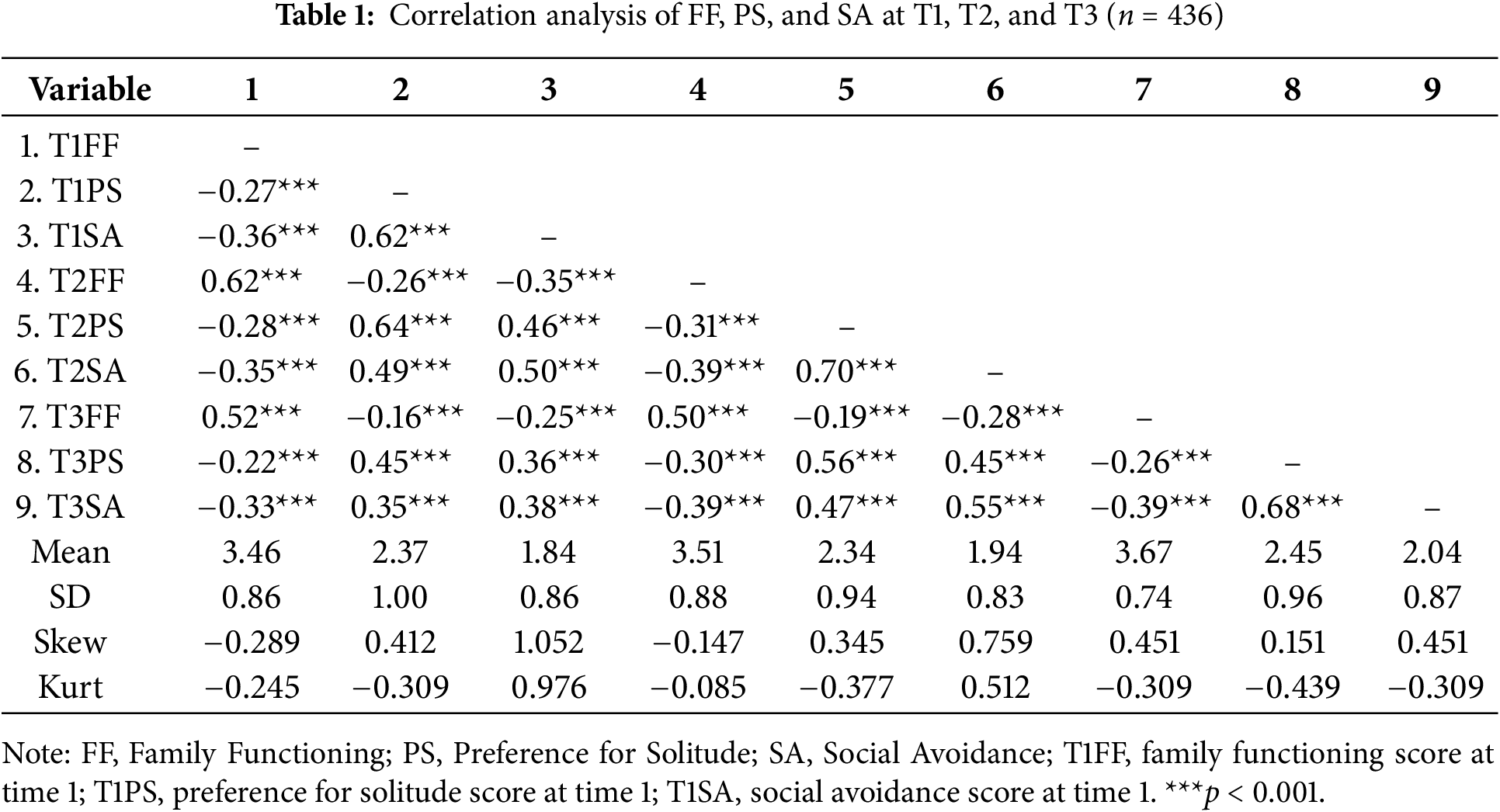
We calculated descriptive statistics to identify central tendencies and variability of the study’s variables of interest, including the mean, SD, and bivariate correlations (see Table 1). FF was significantly and negatively associated with PS and SA. Further, PS was positively associated with SA at each wave.
3.2 The Developmental Trajectory Types of FF
Employing the LCGM to explore the developmental trajectories of FF, constructing growth models from 1 to 6 to explore the heterogeneity of family function development trajectories, with the fitting results for each category shown in Table 2. Latent class models use multiple indicators to collaborate in determining the best fitting model, including the Akaike Information Criterion (AIC), the Bayesian Information Criterion (BIC), the adjusted Bayesian Information Criterion (aBIC), information entropy, and the Lo-Mendell-Rubin adjusted likelihood ratio test (LMRT), as well as the bootstrap likelihood ratio test (BLRT) index. Among these, smaller values of AIC, BIC, and aBIC indicate a better model fit; information entropy ranges between 0 and 1, with values closer to 1 indicating more precise classification; LMRT and BLRT are used to compare the fit differences between models with k categories and k−1 categories, where p < 0.05 suggests that the k-category profile model is superior to the k−1 category profile model. Furthermore, based on previous studies [41–43], the proportion of individuals in each subgroup should not be less than 3%, which is also one of the criteria for selecting the optimal.
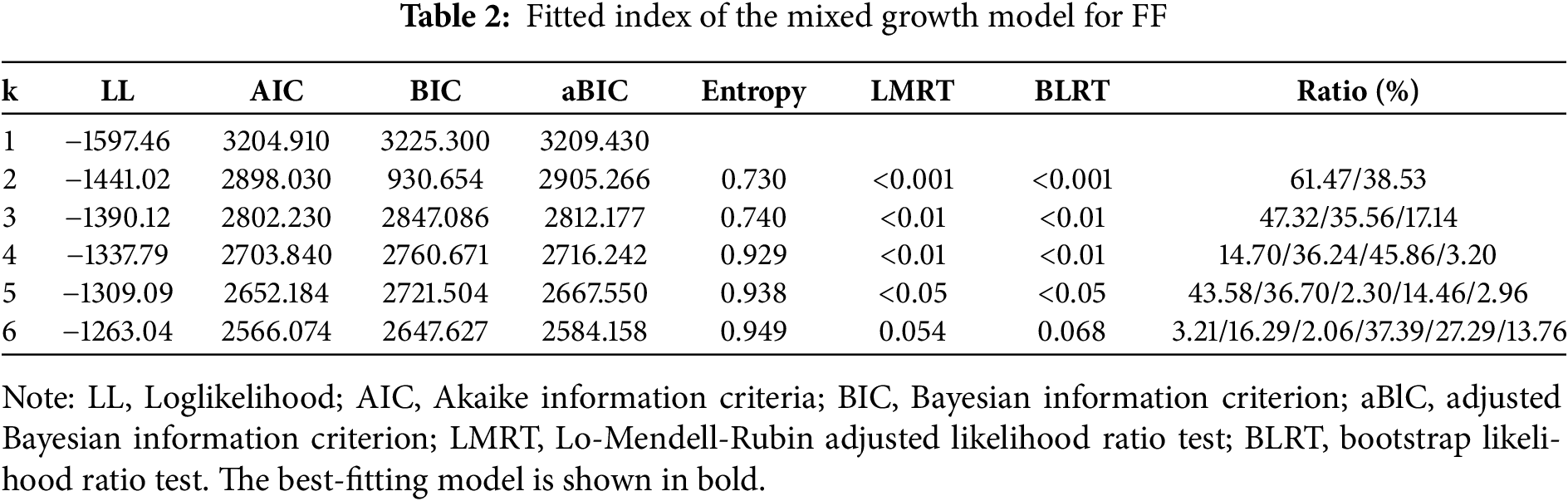
When six categories are retained, the p-values of both LMRT and BLRT indicators are not at the significant level, and the sample size of the third subgroup is 2.06%, which may be lacking in representativeness; similarly; when five categories are retained, there is also the issue of the sample size of two subgroups being less than 3% (2.30%, 2.96%), the confidence intervals of parameter estimates (such as means and variances) will significantly widen, which could result in diminished interpretability of the categorical results and unstable parameter estimations (the posterior probabilities of the class is shown in Supplementary Table S4), when four categories are retained, the values of AIC, BIC, and aBIC are smaller, the entropy is the largest, and the results of LMRT and BLRT are all significant, and the sample size of each category is greater than 3%. Therefore, considering the practical significance of the model, this study determined that the best model for the trajectory of family function change is the four potential categories (the posterior probabilities of the class are shown in Supplementary Table S3).
Fig. 1 depicts the trends of FF trajectories across the three measurement waves. The first group of students accounted for 14.70% (n = 64) of the total sample. Their FF scores were high at T1 and showed a gradually increasing trend over time. For this reason, we named this group the high and increasing FF group (Intercept [I] = 4.423, p < 0.001; Slope [S] = 0.227, p < 0.001). The second subgroup accounted for 36.24% (n = 158) of the total sample. Their FF scores were consistently high across all three measurements. This group was named the consistently high FF group (I = 3.718, p < 0.001; S = 0.092, p = 0.003).
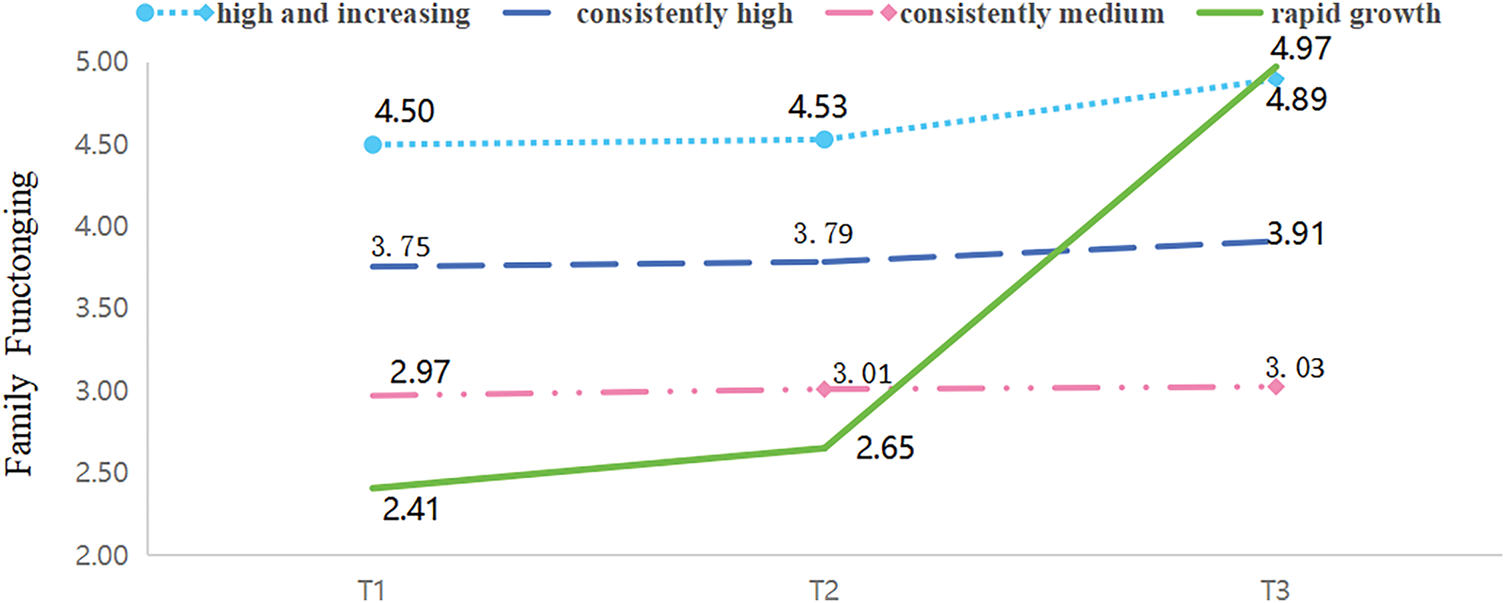
Figure 1: The category groups of FF developmental trajectory
The third subgroup had the largest number of students, accounting for 45.86% (n = 200) of the total sample. Their FF scores remained consistently medium across all three measurements. This group was named the consistently medium FF group (I = 3.007, p < 0.001; S = 0.006, p = 0.820).
The fourth subgroup had the smallest number of students, accounting for 3.20% (n = 14). Although their FF scores were low at T1 and T2, they increased rapidly in T3. This group was named the rapid growth FF group (I = 2.118, p < 0.001; S = 1.391, p < 0.001).
To assess the validity of the potential classification results of family functional trajectories, we performed a one-way ANOVA. The ANOVA results showed that significant differences in SA were observed among groups categorized by FF (F(3,432) = 32.03, p < 0.001), the post hoc analysis found that the level in Group 1 were significantly lower than those in Groups 2, 3, 4 (1 < 2 < 3 = 4), we also found that significant differences in PS are observed across groups categorized by different levels of FF (F(3,432) = 11.36, p < 0.001), the post hoc analysis found that the level in Group 1 were significantly lower than those in Groups 2, 3, 4 (1 < 2 < 3 = 4). These results suggest that the categories of FF are appropriate.
3.3 The Influence of FF Development Trajectories on SA
To investigate the impact of distinct FF trajectories on SA, before testing the relative total effect and the relative mediation effect, this study dummy-coded the multi-category independent variable of the type of FF trajectory of middle school students, using the “high and increasing group” as the reference category, with the other three groups systematically coded. The continuous variables (PS and SA) were also standardized. During model analysis, gender and age were used as control variables in the regression model, given that previous studies have shown significant correlations between demographic variables such as gender and age and middle school students’ preference for being alone and SA.
Table 3 shows the relative total effects of various developmental trajectories of FF on SA in Model 1. The findings indicate that the levels of SA in the consistently high group (β = 0.632, p < 0.001), consistently medium group (β = 1.119, p < 0.001), and the rapid growth group (β = 0.768, p = 0.005) are markedly higher compared to the high and increasing group.
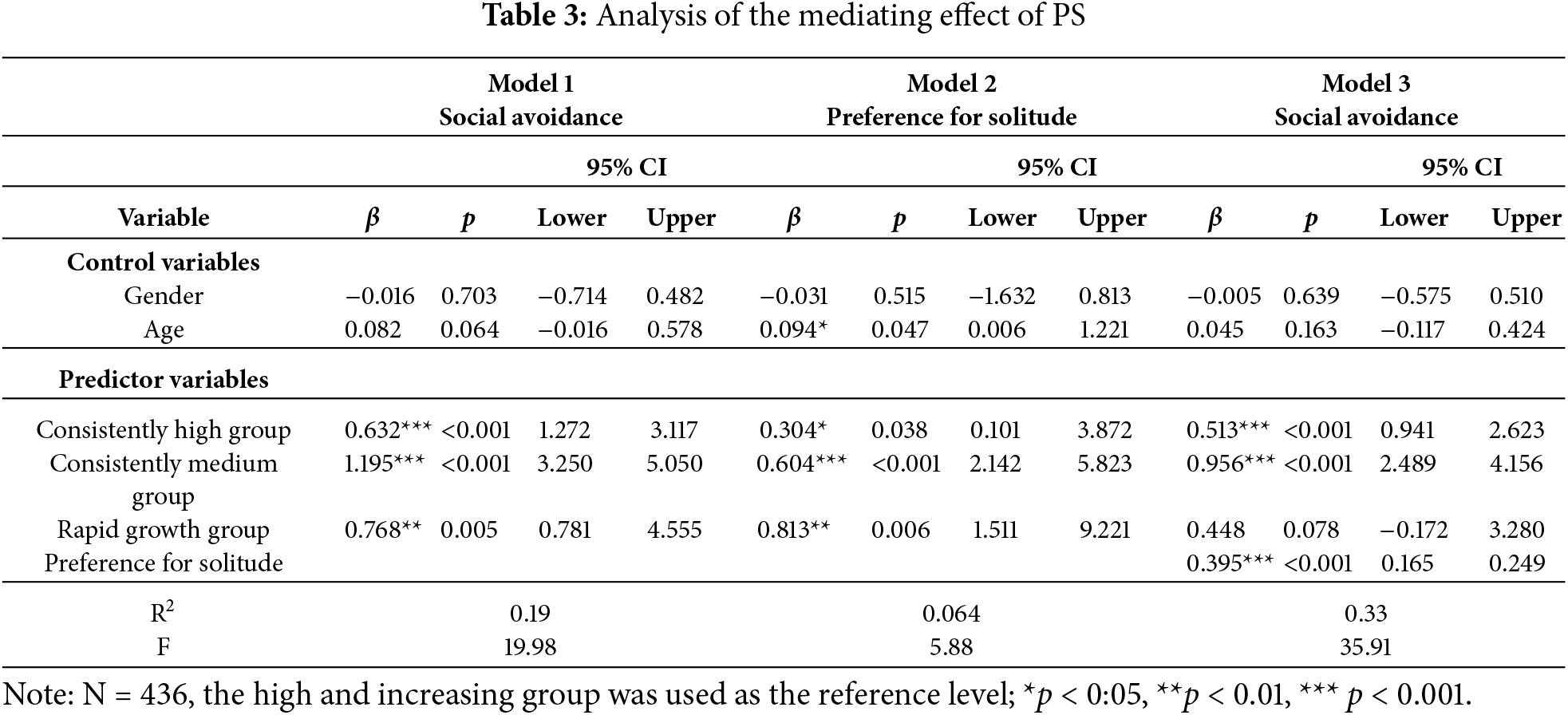
Model 2 in Table 3 presents the relative effects of the developmental trajectories of FF on the PS. The results indicate that compared to the high and increasing group, the consistently high group (β = 0.304, p = 0.038), consistently medium group (β = 0.604, p < 0.001), and rapid growth group (β = 0.813, p < = 0.006) are higher than the high and increasing group.
The predictive role of adolescents’ PS on their SA, as well as the direct effects of the developmental trajectories of FF on SA, are given in Table 3, Model 3. The PS among students significantly predicted their SA (β = 0.395, p < 0.001). After controlling for the mediating variable, the relative direct impacts of “the consistently high group” (β = 0.513, p < 0.001) and “the consistently medium group” (β = 0.956, p < 0.001), remained significant compared to “the high and increasing group”, whereas the relative direct impact of “the rapid growth group” was not (β = 0.448, p = 0.078). This limitation may arise from the small sample size within this subgroup, which could have compromised the reliability of the findings. Additionally, after excluding the mediating effect, the SA of “the consistently high group” and “the consistently medium group” is respectively 0.51 and 0.95 higher than “the high and increasing group”.
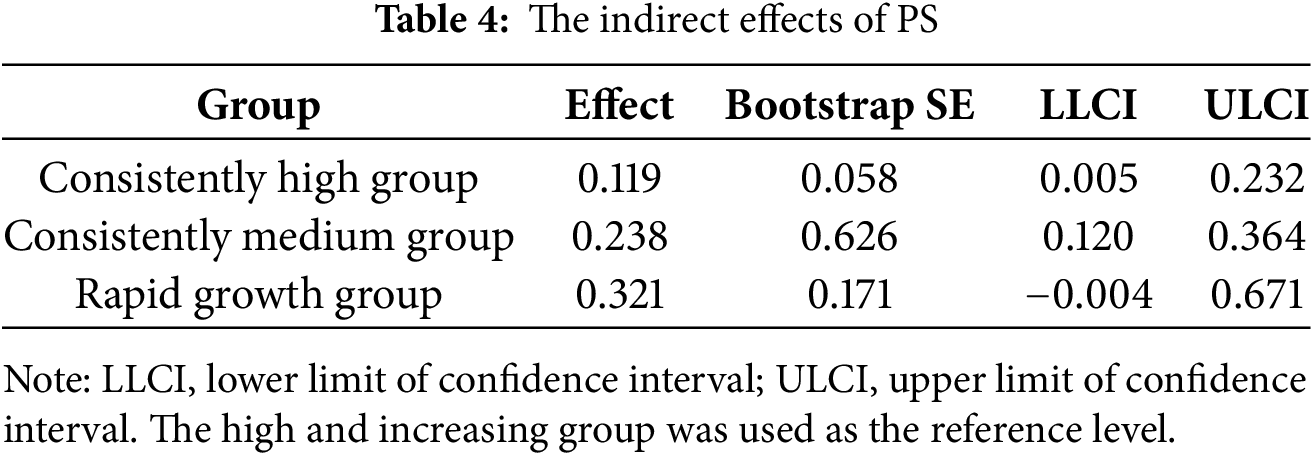
The developmental trajectory categories of FF in junior high school students have an indirect effect on SA through PS (see Table 4). Using the high and increasing group as the reference level, the relative indirect effect values for the “the consistently high group”, “the consistently medium group”, and “the rapidly increasing group” are 0.119, 0.238, and 0.321. The 95% bootstrap confidence intervals for the relative mediating effects of “the consistently high group” and “the consistently medium group” are [0.005, 0.232] and [0.120, 0.364], respectively, neither of which includes 0, indicating that the relative mediating effects are significant. That is, “the consistently high group” and “the consistently medium group”, by influencing the PS, lead to their SA levels being 0.119 and 0.238 higher than those of the “the high and increasing group”, respectively.
This study identified group heterogeneity in the developmental trajectories of FF among adolescents. LGMM revealed four distinct trajectory classes (the consistently high group, the consistently medium group, the rapidly increasing group, and the rapid growth group), categorized based on their initial levels and rates of change. Furthermore, we found that these FF trajectories significantly influenced SA in junior high school students. Specifically, students classified into the consistently high, consistently medium, and rapid growth groups exhibited elevated SA compared to those in the high and increasing trajectory group. Notably, in contrast to prior cross-sectional findings, our longitudinal design and person-centered approach demonstrated that adolescents in the consistently high and consistently medium groups showed a pronounced PS, thereby heightening their risk of SA. These results confirm the mediating role of solitude preference in the relationship between FF trajectories and adolescent SA.
4.1 The Characteristics of FF Development Trajectories on Junior High School Students
Previous studies often relied on scale scores to assess the severity of FF among adolescents. However, FF in adolescents cannot be simply categorized as “good” or “bad” and using continuous scores to classify FF types may be inadequate due to inherent population heterogeneity. By employing LGMM and integrating the family systems dynamics model, this study adopts a person-centered approach to uncover heterogeneous developmental trajectories of FF among adolescents, thereby precisely characterizing typical combinations of intra-individual FF patterns. Consistent with previous findings [19,44], we found heterogeneity in the developmental trajectories of FF among junior high students. Specifically, approximately 80% of students exhibited relatively stable levels of FF across the three waves, with 36.24% maintaining a consistently high status (i.e., the consistently high group) and 45.86% sustaining a moderate level (i.e., the consistently medium group). Approximately 20% of students experienced some degree of change in FF. “The high and increasing group” (14.7%) demonstrated a consistent increase in FF across waves. Lastly, we identified a unique category within the developmental trajectories of FF—“the rapid growth group”. This group initially had lower levels of FF at the first measurement but experienced a rapid increase over time, representing 3.2% of the total students. Although this group represents a small proportion of the students (3.2%), its emergence underscores the reciprocal influence between FF and individual behavior [45]. This is a significant finding, albeit based on a relatively small sample size, which may indicate overfitting. However, the small number does not necessarily imply insignificance or irreproducibility, it is worth considering the implications for future research, such as increasing the sample size in subsequent studies. With the advancement of technology, parents have easier and more direct access to various types of information that can facilitate communication to promote positive FF [46].
Despite similarities with past findings, however, the latent classifications we identified were not entirely consistent with established studies [19,44]. One study focused on the developmental changes of family dysfunction during childhood, suggesting that the trajectory of family dysfunction develops at three different levels—high, medium, and low—with a continuous and stable progression and that only a minority of individuals show an upward trend in family dysfunction [14]. Other studies focusing on the early adulthood stage of students found groups with increasing and decreasing trajectories in FF [18,19]. These differences may stem from our study using early adolescents who are at transitionary periods in development where both dependent and independent values coexist and conflict. Further, additional discrepancies may be attributed to latent differences between established Western findings and our investigation of Chinese adolescents [47]. In both cases, future replication research can assist in triangulating our findings to further investigate the sources of these differences.
4.2 The Influence of FF Development Trajectories on SA
Our investigation found that FF trajectories can have significant associations with SA behaviors among junior high students—a finding that it aligns with the observations of past studies [18,48,49]. Notably, we observed elevated levels of SA in students categorized within the consistently high, consistently medium, and rapid growth groups in contrast with their peers in the high and increasing group. Families with strong, supportive dynamics can foster environments conducive to cultivating positive self-image and confidence for adolescents to forge connections outside their immediate surroundings, thereby reducing tendencies for SA.
These families may often demonstrate healthier communication practices, providing children with exemplary models for their social interactions [50–52]. Conversely, families marred by conflict and instability may instill a sense of insecurity in their children that manifest as anxiety for social contexts [53,54], often escalating to SA [55,56]. Our findings also support the dynamism of the FF system that ongoing improvements within the family can mitigate SA in adolescents [57–59]. This holds considerable implications for both research and the practical application of family-centered interventions designed to enhance adolescent social engagement.
4.3 The Meditational Role Played by PS
In our study, we delve into the mediating role of PS, elucidating the pathway through which family function influences the development of SA behaviors in adolescents. We observed that students from “the consistently high” and “consistently medium groups”, compared to “the high and increasing group”, demonstrated a pronounced inclination towards solitude, which is indicative of a heightened risk for SA. This finding is in line with the Family Systems Theory, which posits that the PS acts as a pivotal mediator, channeling the impact of family dynamics on adolescents’ SA [59,60]. Of course, the small sample size of “the rapid growth group” may have resulted in low statistical power for detecting mediation effects, thereby compromising the stability and accuracy of the analysis. Furthermore, while longitudinal mediation analysis remains an evolving methodology, the current modeling approach did not explicitly address the temporal precedence of variable influences (e.g., establishing cause-effect sequences), rendering it methodologically akin to cross-sectional mediation analysis. Consequently, causal inferences derived from these findings require additional theoretical or empirical justification beyond statistical evidence.
Our longitudinal and person-centered approach has uncovered that sustained or progressively enhanced FF can mitigate the desire for solitude, thereby reducing the tendency for SA among junior high students [32,39,61]. This is corroborated by a body of literature that suggests adolescents from families with persistent dysfunction are more prone to seek solitude, which in turn fosters a stronger aversion to social interactions [62–64].
The mediating influence of solitude preference, stemming from troubled family relationships, underscores the necessity for a dual focus in interventions. It is imperative to address both the underlying family dynamics and the adolescents’ attitudinal preferences towards solitude. By doing so, interventions can more effectively alleviate tendencies towards SA. Strategies might include fostering collaborative school-family partnerships to cultivate positive home environments and enhancing social skills training. Such comprehensive approaches could collectively reduce the likelihood of adolescents developing a PS and consequently decrease the incidence of SA.
4.4 Limitations and Future Research
There are several limitations to consider for our study. Firstly, although we used a longitudinal follow-up design to examine the trajectory of FF on SA in junior high school students, only self-reported measures were employed, and future studies should use a multi-informant approach involving parents, teachers, or peers, which can provide multidimensional perspectives. Secondly, our sample was limited to Chinese adolescents from traditional family structures and did not include non-traditional family structures like single-parent or left-behind families, which limits the broader generalizability of our findings. Future research could extend to diverse age groups, family types, and cultural contexts to improve generalizability. Additionally, our focus was limited to the mediating role of the PS. Future studies could introduce other relevant psychological constructs and examine the moderating effects of external environmental factors, enhancing our understanding of how families influence adolescent SA within a broader social framework. Finally, the current study is limited by its modest sample size and relatively short follow-up duration. Future research should prioritize expanding the sample size and implementing extended longitudinal tracking to strengthen the validity of the findings.
This study found four subtypes of the developmental trajectories of FF among young adolescents in junior high school: the high and increasing group, the consistently high group, the consistently medium group, and the rapid growth group. The type of FF developmental trajectory was linked to adolescents’ SA, where groups with lower ratings of FF generally reported greater SA. PS mediated this link, suggesting that developmental environments may influence adolescent attitudes and preferences, which, in turn, could manifest as maladaptive social behaviors.
Acknowledgement: Thanks to all the volunteers who provided help for this study, to the school leaders and teachers of junior high school students who participated in the questionnaire surveys. All individuals have consented to the acknowledgment.
Funding Statement: This study was supported by the National Natural Science Foundation of China (72164018), National Social Science Fund Project (BFA200065), Jiangxi Social Science Foundation Project (21JY13).
Author Contributions: The authors confirm contribution to the paper as follows: study conception and design: all authors; data collection and data entry: Liuyan Ren and Ruining Wang; analysis and interpretation of results: Liuyan Ren and Hohjin Im; draft manuscript preparation: Liuyan Ren, Ruining Wang, Baojuan Ye, Qi Dai and Hohjin Im. All authors reviewed the results and approved the final version of the manuscript.
Availability of Data and Materials: The data that supports the findings of this study are available from the corresponding author upon reasonable request.
Ethics Approval: This study adhered strictly to the Declaration of Helsinki and was approved by the Research Ethics Committee of the School of Psychology, Jiangxi Normal University (approval number: IRB-JXNU-PSY-2022012). Prior to the test, informed consent was obtained from the education authorities and the students’ guardians. The students’ informed consent was presented at the top of the questionnaire.
Conflicts of Interest: The authors declare no conflicts of interest to report regarding the present study.
Supplementary Materials: The supplementary material is available online at https://www.techscience.com/doi/10.32604/ijmhp.2025.065246/s1.
References
1. Steinberg L, Silverberg SB. The vicissitudes of autonomy in early adolescence. Child Dev. 1986;57(4):841–51. doi:10.2307/1130361. [Google Scholar] [CrossRef]
2. Elder GH. Life course as developmental theory. Child Dev. 1998;69(1):1–12. doi:10.2307/1132065. [Google Scholar] [CrossRef]
3. Salari N, Heidarian P, Hassanabadi M, Babajani F, Abdoli N, Aminian M. Global prevalence of social anxiety disorder in children, adolescents and youth: a systematic review and meta-analysis. J Prev. 2024;45(5):795–813. doi:10.1007/s10935-024-00789-9. [Google Scholar] [PubMed] [CrossRef]
4. Tsarpalis-Fragkoulidis A, Tran US, Zemp M. Fears of positive and negative evaluation and their within-person associations with emotion regulation in adolescence: a longitudinal analysis. Dev Psychopathol. 2024:1–13. doi:10.1017/s0954579424001366. [Google Scholar] [PubMed] [CrossRef]
5. Simon AE, Keller P, Cattapan K. Commentary about social avoidance and its significance in adolescents and young adults. Psychiatry Res. 2021;297(3):113–718. doi:10.1016/j.psychres. [Google Scholar] [CrossRef]
6. Bronfenbrenner U. The ecology of human development: experiments by nature and design. Cambridge, MA, USA: Harvard University Press; 1979. 352 p. [Google Scholar]
7. Miller JJ, Koh E, Niu C, Bode M, Moody S. Examining child trauma knowledge among kin caregivers: implications for practice, policy, and research. Child Youth Serv Rev. 2019;100(5):112–8. doi:10.1016/j.childyouth. [Google Scholar] [CrossRef]
8. Sharratt K, Mason SJ, Kirkman G, Willmott D, McDermott D, Timmins S, et al. Childhood abuse and neglect, exposure to domestic violence and sibling violence: profiles and associations with sociodemographic variables and mental health indicators. J Interpers Violence. 2023;38(1–2):1141–62. doi:10.1177/088626052210905. [Google Scholar] [CrossRef]
9. Pan Y, Zhang Q, Liu G, Li BB, Liu CX. Parents’ attachment styles and adolescents’ regulatory emotional self-efficacy: the mediating role of adolescents’ attachment to parents in China. Appl Res Qual Life. 2022;29(17):2637–56. doi:10.1007/s11482-021-09991-x. [Google Scholar] [CrossRef]
10. Fitzpatrick MA. Family communication patterns theory: observations on its development and application. J Fam Commun. 2004;4(3–4):167–79. doi:10.1080/15267431.2004.9670129. [Google Scholar] [CrossRef]
11. Chui WH, Wong MYH. Avoiding disappointment or fulfilling expectation: a study of gender, academic achievement, and family functioning among Hong Kong adolescents. J Child Fam Stud. 2016;26(1):48–56. doi:10.1007/s10826-016-0550-2. [Google Scholar] [CrossRef]
12. Bernardon S, Babb KA, Hakim-Larson J, Gragg M. Loneliness, attachment, and the perception and use of social support in university students. Can J Behav Sci. 2011;43(1):40–51. doi:10.1037/a0021199. [Google Scholar] [CrossRef]
13. Long CR, Averill JR. Solitude: an exploration of benefits of being alone. J Theory Soc Behav. 2003;33(1):21–44. doi:10.1111/1468-5914.00204. [Google Scholar] [CrossRef]
14. Chang L, Wu C, Yen L, Chang H. The effects of family dysfunction trajectories during childhood and early adolescence on sleep quality during late adolescence: resilience as a mediator. Soc Sci Med. 2019;222:162–70. doi:10.1016/j.socscimed. [Google Scholar] [CrossRef]
15. Rodgers RH, White JM. Family development theory. In: Boss P, Doherty WJ, LaRossa R, Schumm WR, Steinmetz SK, editors. Sourcebook of family theories and methods. Boston, MA, USA: Springer; 2008. p. 225–57 doi:10.1007/978-0-387-85764-0_1. [Google Scholar] [CrossRef]
16. Brown J, Errington L. Bowen family systems theory and practice: illustration and critique revisited. Aust N Z J Fam Ther. 2024;45(2):135–55. doi:10.1002/anzf.1589. [Google Scholar] [CrossRef]
17. Heuer K, Rinck M, Becker ES. Avoidance of emotional facial expressions in social anxiety: the approach-avoidance task. Behav Res Ther. 2007;45(12):2990–3001. doi:10.1016/j.brat.2007.08.010. [Google Scholar] [PubMed] [CrossRef]
18. Castellani V, Pastorelli C, Eisenberg N, Gerbino M, Di Giunta L, Ceravolo R. Hostile, aggressive family conflict trajectories during the transition to adulthood: associations with adolescent big five and emerging adulthood adjustment problems. J Adolesc. 2014;37(5):647–58. doi:10.1016/j.adolescence.2013.12.002. [Google Scholar] [PubMed] [CrossRef]
19. Cordova D, Heinze J, Mistry R, Hsieh HF, Stoddard S, Salas-Wright CP, et al. Family functioning and parent support trajectories and substance use and misuse among minority urban adolescents: a latent class growth analysis. Subst Use. 2014;49(14):1908–19. doi:10.3109/10826084.2014.935792. [Google Scholar] [PubMed] [CrossRef]
20. Ren F, Li Y, Zhang J. Perceived parental control and Chinese middle school adolescents’ creativity: the mediating role of autonomous motivation. Psychol Aesthet Creat Arts. 2017;11(1):34–42. doi:10.1037/aca0000078. [Google Scholar] [CrossRef]
21. Veenstra R, Dijkstra JK. Transformations in adolescent peer networks. In: Laursen B, Collins WAeditors, editors. Relationship pathways: from adolescence to young adulthood. Thousand Oaks, CA, USA: SAGE Publications, Inc.; 2012. p. 135–54. [Google Scholar]
22. Marcoen A, Goossens L, Caes P. Loneliness in pre-through late adolescence: exploring the contributions of a multidimensional approach. J Youth Adolesc. 1987;16(6):561–77. doi:10.1007/bf02138821. [Google Scholar] [PubMed] [CrossRef]
23. Rubin KH, Coplan RJ, Bowker JC. Social withdrawal in childhood. Annu Rev Psychol. 2008;60(1):141–71. doi:10.1146/aurev.psych.60.110707.163642. [Google Scholar] [CrossRef]
24. Burger JM. Individual differences in preference for solitude. J Res Pers. 1995;29(1):85–108. doi:10.1006/jrpe.1995.1005. [Google Scholar] [CrossRef]
25. Endo K, Ando S, Shimodera S, Yamasaki S, Usami S, Okazaki Y. Preference for solitude, social isolation, suicidal ideation, and self-harm in adolescents. J Adolesc Health. 2017;61(2):187–91. doi:10.1016/j.jadohealth. [Google Scholar] [CrossRef]
26. Toyoshima A, Sato S. Examination of the effect of preference for solitude on subjective well-being and developmental change. J Adult Dev. 2018;26(2):139–48. doi:10.1007/s10804-018-9307-z. [Google Scholar] [CrossRef]
27. Forbes GB, Collinsworth LL, Zhao P, Kohlman S, Le Claire J. Relationships among individualism-collectivism, gender, and ingroup/outgroup status, and responses to conflict: a study in China and the United States. Aggress Behav. 2011;37(4):302–14. doi:10.1002/ab.20395. [Google Scholar] [PubMed] [CrossRef]
28. Liu SS, Shteynberg G, Morris MW, Yang Q, Galinsky AD. How does collectivism affect social interactions? A test of two competing accounts. Pers Soc Psychol Bull. 2021;47(3):362–76. doi:10.1177/0146167220923230. [Google Scholar] [PubMed] [CrossRef]
29. Cox MJ, Paley B. Families as systems. Annu Rev Psychol. 1997;48(1):243–67. doi:10.1146/annurev.psych.48.1.243. [Google Scholar] [PubMed] [CrossRef]
30. Im H, Chen C. Cultural dimensions as correlates of favoritism and the mediating role of trust. Cross Cult Strat Manag. 2020;27(3):417–45. doi:10.1108/CCSM-09-2019-0165. [Google Scholar] [CrossRef]
31. Ye B, Zhu Z, Im H, Chen X, Fan N, Yang Q. Maintaining social trust: family cohesion and enhancing mindset in the face of COVID-19 stress. Pers Relatsh. 2024;31(2):282–300. doi:10.1111/pere.12542. [Google Scholar] [CrossRef]
32. Chen X, Wang L, Cao R. Shyness-sensitivity and unsociability in rural Chinese children: relations with social, school, and psychological adjustment. Child Dev. 2011;82(5):1531–43. doi:10.1111/j.1467-8624.2011.01616. [Google Scholar] [CrossRef]
33. Coplan RJ, Rose-Krasnor L, Weeks M, Kingsbury A, Kingsbury M, Bullock A. Alone is a crowd: social motivations, social avoidance, and socioemotional functioning in later childhood. Dev Psychol. 2013;49(5):861–75. doi:10.1037/a0028861. [Google Scholar] [PubMed] [CrossRef]
34. Sang B, Ding X, Coplan RJ. Assessment and implications of social avoidance in Chinese early adolescents. J Early Adolesc. 2018;38(4):554–73. doi:10.1177/027243161667898. [Google Scholar] [CrossRef]
35. Johnson HD, Lavoie JC, Mahoney M. Interparental conflict and family cohesion. J Adolesc Res. 2001;16(3):304–18. doi:10.1177/0743558401163004. [Google Scholar] [CrossRef]
36. Wen Z, Xie J, Wang H. Principles, Procedures and programs of latent class models. J East China Norm Univ Educ Sci. 2023;41:1–15. (In Chinese). doi:10.16382/j.cnki.1000-5560.2023.01.001. [Google Scholar] [CrossRef]
37. Zou H, Li X, Zhang W. The characteristics of adolescents’ family relationship and its effect on adolescents’ social adjustment. Psychol Sci. 2010;33(5):1136–41. (In Chinese). [Google Scholar]
38. Wang Q, Peng S, Chi X. The relationship between family functioning and internalizing problems in Chinese adolescents: a moderated mediation model. Front Psychol. 2021;12:644222. doi:10.3389/fpsyg.2021.644222. [Google Scholar] [PubMed] [CrossRef]
39. Liu J, Zhou Y, Li D, Chen X. Relations between preference for solitude and psychological adjustment in middle childhood and early adolescence: a moderated mediating model. Acta Psychol Sin. 2015;47(8):1004–12. doi:10.3724/sp.j.1041.2015.01004. [Google Scholar] [CrossRef]
40. Hayes AF, Preacher KJ. Statistical mediation analysis with amulticategorical independent variable. Br J Math Stat Psychol. 2014;67(3):451–70. doi:10.1111/bmsp.12028. [Google Scholar] [PubMed] [CrossRef]
41. Mirza SS, Wolters FJ, Swanson SA, Koudstaal PJ, Hofman A, Tiemeier H, et al. 10-year trajectories of depressive symptoms and risk of dementia: a population-based study. Lancet Psychiatry. 2016;3(7):628–35. doi:10.1016/S2215-0366(16)00097-3. [Google Scholar] [PubMed] [CrossRef]
42. Hao J, Liao Z, Huang Q, Chen X, Lin S, Shi Y, et al. Classifying problematic gaming using a latent profile approach based on personality traits in Chinese young adolescent. BMC Psychiatry. 2025;25(1):104. doi:10.1186/s12888-025-06561-5. [Google Scholar] [PubMed] [CrossRef]
43. Jo B, Findling RL, Wang CP, Hastie TJ, Youngstrom EA, Arnold LE, et al. Targeted use of growth mixture modeling: a learning perspective. Stat Med. 2017;36(4):671–86. doi:10.1002/sim.7152. [Google Scholar] [PubMed] [CrossRef]
44. Choe DE, Stoddard SA, Zimmerman MA. Developmental trajectories of African American adolescents’ family conflict: differences in mental health problems in young adulthood. Dev Psychol. 2014;50(4):1226–32. doi:10.1037/a0035199. [Google Scholar] [PubMed] [CrossRef]
45. Kim Y, Richards JS, Oldehinkel AJ. Self-control, mental health problems, and family functioning in adolescence and young adulthood: between-person differences and within-person effects. J Youth Adolesc. 2022;51(6):1181–95. doi:10.1007/s10964-021-01564-3. [Google Scholar] [PubMed] [CrossRef]
46. Lo CKM, Chen Q, Chen M, Chan KL, Ip P. Changes in, and factors associated with family functioning: results of four cross-sectional household surveys from 2011 to 2017 in Hong Kong. BMC Public Health. 2024;24(1):160. doi:10.1186/s12889-024-17643-6. [Google Scholar] [PubMed] [CrossRef]
47. Qu Y. Stereotypes of adolescence: cultural differences, consequences, and intervention. Child Dev Perspect. 2023;17(3–4):136–41. doi:10.1111/cdep.12489. [Google Scholar] [CrossRef]
48. Zhu J, Liu M, Shu X, Xiang S, Jiang Y, Li Y. The moderating effect of marital conflict on the relationship between social avoidance and socio-emotional functioning among young children in suburban China. Front Psychol. 2022;13:1009528. doi:10.3389/fpsyg. [Google Scholar] [CrossRef]
49. Ding X, Coplan RJ, Deng X, Ooi LL, Li D, Sang B. Sad, scared, or rejected? A short-term longitudinal study of the predictors of social avoidance in Chinese children. J Abnorm Child Psychol. 2019;47(7):1265–76. doi:10.1007/s10802-018-0476-9. [Google Scholar] [PubMed] [CrossRef]
50. Szkody E, McKinney C. Family communication patterns and relationship quality between emerging adults and their parents. J Soc Pers Relat. 2021;38(11):3177–97. doi:10.1177/02654075211027217. [Google Scholar] [CrossRef]
51. Takahashi Y, Okada K, Hoshino T, Anme T. Developmental trajectories of social skills during early childhood and links to parenting practices in a Japanese sample. PLoS One. 2015;10(8):e0135357. doi:10.1371/journal.pone.0135357. [Google Scholar] [PubMed] [CrossRef]
52. An D, Jager J, Putnick DL, Bornstein MH. Parenting stress and attachment insecurity in young adulthood: a social relations model. J Marriage Fam. 2023;85(2):556–79. doi:10.1111/jomf.12893. [Google Scholar] [PubMed] [CrossRef]
53. Wasserman AM, Wimmer J, Hill-Kapturczak NAM, Karns-Wright TE, Mathias CW, Dougherty DM. The development of externalizing and internalizing behaviors among youth with or without a family history of substance use disorder: the indirect effects of early-life stress and impulsivity. Child Psychiatry Hum Dev. 2021;52(5):978–93. doi:10.1007/s10578-020-01076-4. [Google Scholar] [PubMed] [CrossRef]
54. Härkönen J, Bernardi F, Boertien D. Family dynamics and child outcomes: an overview of research and open questions. Eur J Popul. 2017;33(2):163–84. doi:10.1007/s10680-017-9424-6. [Google Scholar] [PubMed] [CrossRef]
55. Olson CM. Familial factors in the development of social anxiety disorder. J Psychosoc Nurs Ment Health Serv. 2021;59(7):23–34. doi:10.3928/02793695-20210219-01. [Google Scholar] [PubMed] [CrossRef]
56. Wang JM. Preference-for-solitude and depressive symptoms in Chinese adolescents. Pers Indiv Differ. 2016;100(1):151–6. doi:10.1016/j.paid.2015.09.033. [Google Scholar] [CrossRef]
57. Skinner H, Steinhauer P, Sitarenios G. Family assessment measure (FAM) and process model of family functioning. J Fam Ther. 2000;22(2):190–210. doi:10.1111/1467-6427.00146. [Google Scholar] [CrossRef]
58. Steinhauer P, Santa-Barbara J, Skinner H. The process model of family functioning. Can J Psychiatry. 1984;29(2):77–88. doi:10.1177/070674378402900202. [Google Scholar] [PubMed] [CrossRef]
59. Prest LA, Protinsky H. Family systems theory: a unifying framework for co-dependence. Am J Fam Ther. 1993;21(4):352–60. doi:10.1080/01926189308251005. [Google Scholar] [CrossRef]
60. Rothbaum F, Rosen K, Ujiie T, Uchida N. Family systems theory, attachment theory and culture. Fam Process. 2002;41(3):328–50. doi:10.1111/j.1545-5300.2002.41305. [Google Scholar] [CrossRef]
61. Yan Z, Yu S, Lin W. Parents’ perceived social support and children’s mental health: the chain mediating role of parental marital quality and parent–child relationships. Curr Psychol. 2024;43(5):4198–210. doi:10.1007/s12144-023-04625-x. [Google Scholar] [CrossRef]
62. Wang Y, Tian L, Guo L, Huebner ES. Family dysfunction and Adolescents’ anxiety and depression: a multiple mediation model. J Appl Dev Psychol. 2019;66:101090. doi:10.1016/j.appdev.2019.101090. [Google Scholar] [CrossRef]
63. Zagefka H, Jones J, Caglar A, Girish R, Matos C. Family roles, family dysfunction, and depressive symptoms. Fam J. 2020;29(3):346–53. doi:10.1177/1066480720973418. [Google Scholar] [CrossRef]
64. Desquenne Godfrey G, Downes N, Cappe E. A systematic review of family functioning in families of children on the autism spectrum. J Autism Dev Disord. 2024;54(3):1036–57. doi:10.1007/s10803-022-05830-6. [Google Scholar] [PubMed] [CrossRef]
Cite This Article
 Copyright © 2025 The Author(s). Published by Tech Science Press.
This work is licensed under a Creative Commons Attribution 4.0 International License , which permits unrestricted use, distribution, and reproduction in any medium, provided the original work is properly cited.
 Downloads
 Citation Tools
