
 Login
Login Register
 Submit a Paper
 Propose a Special lssue
 Open Access
ARTICLE

Eating Behavior and Depression in Chinese Female College Students: The Role of Social Appearance Anxiety and Physical Activity
School of Physical Education, Jiangxi Normal University, Nanchang, 330031, China
* Corresponding Authors: Wenying Huang. Email: ; Chang Hu. Email:
(This article belongs to the Special Issue: Improving Health-related Quality of Life (HRQoL) Through Promoting Health-Related Behaviors)
International Journal of Mental Health Promotion 2026, 28(2), 8 https://doi.org/10.32604/ijmhp.2026.073038
Received 09 September 2025; Accepted 26 December 2025; Issue published 27 February 2026
 View Full Text
 Download PDF
Abstract
Background: Depression is prevalent among female college students, with eating behavior potentially related to this issue. This study examines the relationship between eating behavior and depression, focusing on the role of social appearance anxiety and physical activity. Methods: We recruited 2161 female college students from nine universities in China via convenience sampling. Data was collected via an online questionnaire. Eating behavior was assessed via the Eating Behavior Scale short form (EBS-SF), depression was measured via the Center for Epidemiological Studies Depression Scale (CES-D), social appearance anxiety was evaluated via the Social Appearance Anxiety Scale, and physical activity was assessed via a single-item question. Descriptive statistics were analyzed via SPSS 26.0, and moderated mediation analysis was conducted via PROCESS version 3.5. Results: Unhealthy eating behavior was significantly associated with higher levels of depression (β = 0.285, p < 0.001). Social appearance anxiety mediated this relationship, accounting for 46% of the total effect (β = 0.132, 95% CI = [0.108, 0.158]). The interaction effect between eating behavior and physical activity was significantly and negatively correlated with depression (β = −0.052, p < 0.01). The association between eating behavior and depression was stronger under conditions of low physical activity (β = 0.210, p < 0.001) than under conditions of high physical activity (β = 0.105, p < 0.001). Conclusions: Integrating nutritional guidance, body image acceptance training, and exercise promotion into campus mental health programs is crucial for addressing depression in female college students. Future research should use longitudinal designs and broader participant ranges to increase the general applicability of the findings.Keywords
Depression, a prevalent mental health issue, has emerged as a significant global public health concern [1]. Survey data show that worldwide depression rates have increased, with the number of new cases increasing from 172 million in 1990 to 258 million by 2017, reflecting an almost 50% increase [2,3,4]. By 2030, depression is expected to become the leading cause of disease burden worldwide [5,6]. Studies also show that women are approximately 1.5–2 times more likely to experience depression than men are, regardless of where they live [7,8,9]. Although depression rates are generally higher in Western countries, many problems still exist in Asia, especially among female college students [10,11]. First, college is a critical transition period from adolescence to early adulthood. The pressures from academic performance, job competition, relationships, and family expectations all add up and make female students more likely to experience depression [12,13]. Second, research on hormones and the body’s stress response indicates that women are more vulnerable to emotional stress [14,15]. Third, traditional gender roles and family expectations can add even more psychological burdens [16,17]. The mental health education and support system in China is not as advanced as that in some other countries. This means that many students do not seek help and that their depression remains hidden, but is still very harmful [18,19]. Therefore, it is important to study the causes of depression among female college students and find ways to help them.
Eating behavior, a modifiable health behavior, has been increasingly linked to depression [20,21]. Many studies have shown that unhealthy eating habits, such as eating too much sugar or fat or not eating regularly, can increase the risk of depression [22,23,24,25]. This occurs through processes such as inflammation, oxidative stress, and imbalances in brain chemicals [26,27]. Fast food culture and poor nutrition are prevalent among college students [28]. Women are also more likely to be influenced by societal pressures to be thin, which can lead to unhealthy eating habits and more psychological distress [29]. While Western countries have conducted extensive research on this topic, a notable lack of evidence remains from Asia, particularly China. Existing studies on Chinese female college students have primarily focused on describing unhealthy dietary habits, but few have explored the psychological mechanisms explaining how eating behavior translates into depressive symptoms. Therefore, this study focused on Chinese female college students to explore how eating behavior influences depression and the underlying mechanisms. This research helps us better understand the causes of depression and provides a basis for developing targeted mental health interventions.
2 Literature Review and Hypothesis Development
2.1 Eating Behavior and Depression
The monoamine hypothesis of depression suggests that depression may be linked to lower activity of certain brain chemicals called monoamines, such as norepinephrine and serotonin (5-HT), especially in areas such as the hypothalamus and limbic system [30]. Social rhythm theory also highlights that the fast pace of modern life and irregular eating habits can disrupt our body clocks and the stability of our neuroendocrine system, thereby increasing the risk of depression [31,32].
Physically, irregular eating behaviors, such as binge eating or extreme dieting, can cause blood sugar levels to fluctuate widely [33,34]. This, in turn, can affect the production and release of monoamines, such as serotonin, in the brain [35,36]. Keeping these brain chemicals in balance is important for maintaining a stable mood. Research has backed this up. For example, people who binge eat often experience mood swings, possibly because the temporary comfort from eating clashes with the guilt that follows [37,38]. Research has indicated that individuals with erratic eating patterns tend to exhibit higher levels of depression than their counterparts who maintain regular meal routines do, underscoring the mood-enhancing benefits of consistent eating habits [39]. Among the demographics of college students, disparities in eating behaviors between genders are especially notable [40]. It has been documented that female college students, driven by societal norms and ideals of physical attractiveness, are more inclined to pursue stringent dietary regimens to attain a perceived ideal physique [41,42]. Moreover, when confronted with stress or emotional upheaval, female college students are more apt to utilize food as a coping mechanism, which can result in binge eating episodes [43,44,45]. Collectively, these findings underscore the intricate link between eating behavior and depression and emphasize the pivotal role that eating habits play in the manifestation of depressive symptoms among female college students. Consequently, delving into the correlation between eating behavior and depression in this specific cohort is both highly significant and valuable for enhancing the overall well-being of college students.
2.2 The Mediating Role of Social Appearance Anxiety
Social appearance anxiety is the apprehension people experience about how they appear to others [46,47]. This kind of anxiety is relatively common among college students [48]. With social media being so popular and everyone always judging appearances, this anxiety has worsened [49]. According to social comparison theory, people frequently compare their physical appearance to that of others when interacting socially [50,51]. If they feel that they do not measure up, they fear what others might think, leading to social appearance anxiety [52]. The idealized and overly edited body images on social media increase pressure on college students regarding their appearance, increasing their sensitivity and anxiety looks [53,54].
Social appearance anxiety is closely connected to both eating behavior and depression [55,56]. On the one hand, owing to their fear of negative judgments, college students might adopt extreme eating habits to appear better and gain social approval [57,58,59]. However, these eating habits can disrupt physical well-being and increase the likelihood of depression. On the other hand, social appearance anxiety is a constant source of negative stress, leading to self-doubt and avoidance of social situations, which can harm mental health and increase the risk of depression [60,61]. Empirical studies have consistently shown that social appearance anxiety plays a mediating role in the relationship between eating behavior and depression in female college students. For example, research has shown that female college students with higher levels of social appearance anxiety are more likely to engage in irregular eating habits, such as binge eating or extreme dieting. These habits can disrupt blood sugar levels and neurotransmitter balance, further exacerbating depressive symptoms [62]. Additionally, social appearance anxiety has been shown to significantly predict the severity of depressive symptoms in female college students over time [63]. Given these findings, understanding the mediating role of social appearance anxiety is crucial for developing targeted interventions to improve the mental health of female college students.
2.3 The Moderating Role of Physical Activity
Physical activity plays a key role in the relationship between eating behavior and depression in college students [64,65]. According to the stress buffering model, staying active can help protect mental health from the negative effects of stressors, such as irregular eating [66,67].
From a physical standpoint, regular exercise helps the brain produce and release chemicals such as dopamine and endorphins, which can improve mood and reduce depression symptoms. Exercise also boosts the immune system and regulates hormones, counteracting some of the harm caused by poor eating habits [68,69,70].
On the psychological side, physical activity can increase self-esteem, self-efficacy, and body satisfaction [71]. It helps people feel better about themselves and reduces their anxiety about their appearance [72]. Self-determination theory suggests that exercise could meet people’s autonomy, competence, and connection needs. This helps build mental toughness and manage emotions effectively. Additionally, exercise often involves social interaction, which can help reduce feelings of isolation and lower the risk of depression [73].
Studies have demonstrated that college students who engage in regular moderate-intensity exercise tend to experience lower levels of depression than their more sedentary peers do [74,75]. Additionally, research has indicated that exercise can mitigate the association between social appearance anxiety and depression by increasing body satisfaction and self-esteem [76,77]. Although the positive impact of physical activity on mental health is widely recognized, its role in buffering the relationship between eating behavior and depression is still not fully understood. Thus, exploring how physical activity moderates this relationship in female college students is essential for creating effective interventions to improve mental health and overall well-being in this population.
Drawing from the preceding discussion, the current study proposes the following hypotheses: (1) eating behavior and depression are significantly correlated among female college students; (2) social appearance anxiety serves as a mediator in the relationship between eating behavior and depression; and (3) physical activity acts as a moderator in the relationship between eating behavior and depression.
This study aims to provide a theoretical basis for developing targeted prevention and intervention strategies for depression in female college students. By helping them establish healthy eating habits, reducing social appearance anxiety, and encouraging participation in physical activity, we hope to support their overall psychological well-being and promote healthy development. The hypothesized model is shown in Fig. 1.
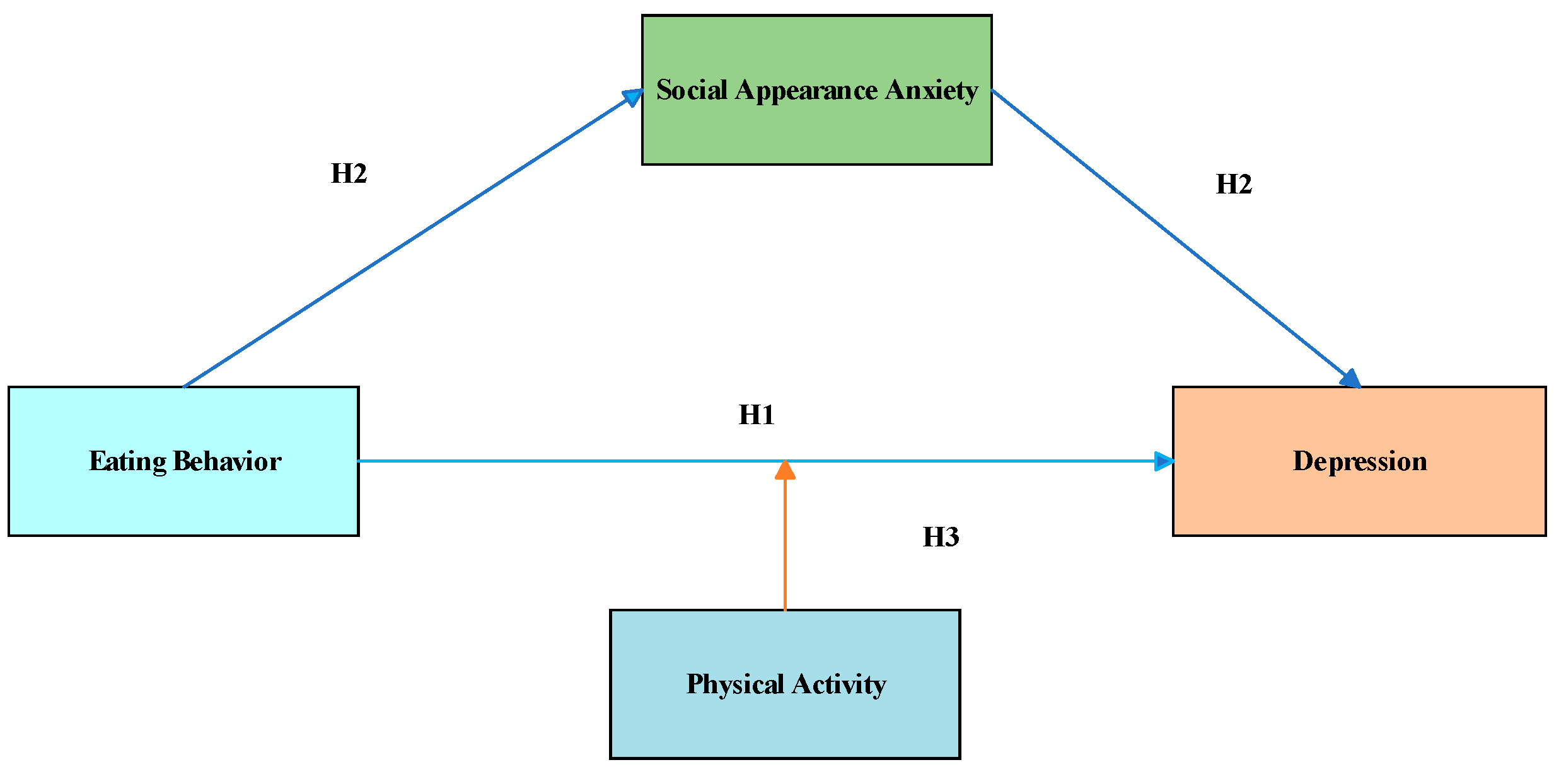
Figure 1: Hypothesized model diagram.
3.1 Participants and Procedure
To determine the required sample size for our moderated mediation analysis, we utilized G*Power 3.1 software, which specifies a medium effect size (f2 = 0.15), an alpha level of 0.05, and a statistical power of 0.80. The analysis indicated that a minimum of 119 participants would be needed to ensure adequate statistical power [78]. Considering the number of questionnaire items, we set our target sample size to 350, following the rule of 10–15 times the number of items [79]. We recruited participants via convenience sampling from nine universities in Yunnan and Guizhou Provinces, China, between April and June 2024 and collected data through an online questionnaire. The selection of universities in these two provinces was purposeful, as both regions have relatively high proportions of ethnic minority students. Including institutions from these areas enabled us to recruit a more culturally diverse sample and enhance the heterogeneity of the participant population. The inclusion criteria for the study were as follows: (1) currently enrolled as a full-time female university student in China, excluding those majoring in physical education; (2) aged 18 years or older; and (3) willing to provide informed consent. The exclusion criteria were as follows: (1) completion time that was too short; (2) response pattern; and (3) diagnosis of a psychological or psychiatric disorder. To ensure data quality, we restricted the number of submissions to one per IP address. A total of 2161 valid questionnaires were retained from the initial 2238 collected. This resulted in a final sample substantially larger than the minimum required, providing robust power for detecting both main effects and interaction effects in the moderated mediation model. The participants received a ¥2 incentive (≈approximately $0.28). Informed consent was obtained from all participants, who were assured of anonymity, data confidentiality, and their right to withdraw at any time. The study was approved by the Institutional Review Board of Jiangxi Normal University (IRB-JXNU-PEC-20240104) and conducted in accordance with the Declaration of Helsinki.
We used the short form of the Eating Behavior Scale (EBS-SF) to assess eating habits. This scale was revised by Tayama et al. [80] on the basis of item response theory and was translated into Chinese by Ge et al. in 2023 [81]. It has 7 items rated on a 4-point scale from 1 (strongly disagree) to 4 (strongly agree). Higher total scores indicate worse eating behaviors. For example, one item is “I do not feel satisfied unless I eat until I am full”. In this study, the Cronbach’s α for this scale was 0.81, indicating good reliability.
To screen for depression, we used the Center for Epidemiological Studies Depression Scale (CES-D), developed by Radloff [82]. This scale has 20 items, including 16 negative and 4 positive emotions. Negative items are scored from 0 (none) to 3 (almost every day), whereas positive items are reverse-scored. The total score is the sum of all 20 items. Scores ≤ 15 indicate no depression symptoms, scores ranging from 16–19 suggest possible depression, and scores ≥ 20 indicate definite depression. For example, negative items include “I feel that everything I do is an effort”, and positive items include “I feel hopeful about the future”. This scale is widely used for assessing depression in college students and has good reliability and validity [83]. In this study, the Cronbach’s α for this scale was 0.97, indicating good reliability.
3.2.3 Social Appearance Anxiety
We used the Social Appearance Anxiety Scale, developed by Hart et al. [84], to measure anxiety about appearance in social situations. It has 16 items, with the first item scored in reverse. The items are rated on a 5-point scale, and higher scores indicate greater anxiety about appearance in social situations. For example, one item is “I worry that others will judge my appearance in social situations”. This widely used scale has good reliability and validity [85,86]. In this study, the Cronbach’s α for this scale was 0.76, indicating good reliability.
Physical activity was measured with a single question: “Over the past 7 days, how many days did you engage in at least 20 min of exercise or activity that made you sweat or breathe heavily?” Participants could respond with a number ranging from 0 to 7 days. This method of assessment has been employed in previous studies [87,88,89,90].
We used SPSS 26.0 (IBM Corp., Armonk, NY, USA) for data entry, cleaning, and descriptive statistics. To test the moderated mediation model, we employed PROCESS macro v3.5 (Andrew F. Hayes, Boulder, CO, USA; http://www.processmacro.org). Specifically, we examined how eating behavior predicts depression through the mediator of appearance anxiety, with physical activity acting as a moderator. Statistical significance was evaluated using two‑tailed tests with a significance level of p < 0.05. For the mediation analysis (Model 4), we used 5000 bootstrap samples to estimate the mediation effect. A significant mediation was indicated if the 95% confidence interval (CI) did not include zero [91]. We first standardized the physical activity variable for the moderation analysis (Model 5). We then divided the samples into high- and low-physical activity groups on the basis of one standard deviation above and below the mean. This allowed us to examine the interaction between physical activity and the mediation path more clearly. A significant interaction term suggested that physical activity moderated the relationship between the variables. To ensure the robustness of our model, we conducted independent samples t tests and one-way ANOVA to examine differences in the dependent variable (depression) across demographic variables such as place of birth, ethnicity, and education. Variables that showed significant differences were included as control variables in the subsequent analyses to account for their potential confounding effects. This approach helped us to isolate the specific effects of eating behavior, appearance anxiety, and physical activity on depression while controlling for demographic influences.
4.1 Demographic Characteristics of the Participants
The final sample included female college students aged 18 to 31 years (M = 20.47, SD = 1.93). Most were undergraduates (88.48%), with 53.36% having a BMI of 18.5–23.9, 55.76% being born in urban areas, 77.74% being of Han ethnicity, and 37.16% majoring in Liberal Arts. Significant differences in depression scores were found across education level, BMI, place of birth, and ethnicity (all p < 0.01). The details are presented in Table 1.
Table 1: Demographic characteristics of the participants (N = 2161).
| Variables | n (%) | Mean (SD) | F/t | p |
|---|---|---|---|---|
| Education | ||||
| Undergraduates | 1912 (88.48) | 12.66 (11.69) | 5.935 | <0.01 |
| Master’s students | 225 (10.41) | 10.56 (8.61) | ||
| Doctoral students | 24 (1.11) | 17.88 (21.29) | ||
| BMI | ||||
| <18.5 | 497 (23.00) | 12.08 (11.20) | 9.470 | <0.001 |
| 18.5–23.9 | 1153 (53.36) | 13.61 (13.61) | ||
| 24–27.9 | 383 (17.72) | 10.51 (6.82) | ||
| ≥28 | 128 (5.92) | 10.09 (2.19) | ||
| Place of birth | ||||
| City | 1205 (55.76) | 13.51 (13.29) | 4.771 | <0.001 |
| Country | 956 (44.24) | 11.23 (8.84) | ||
| Ethnicity | ||||
| Han | 1680 (77.74) | 12.82 (12.03) | 2.650 | <0.01 |
| Minority | 481 (22.26) | 11.40 (9.79) | ||
| Subject major | ||||
| Liberal arts | 803 (37.16) | 12.44 (12.34) | 0.598 | 0.616 |
| Natural sciences | 619 (28.65) | 12.70 (12.25) | ||
| Engineering and technology | 431 (19.94) | 12.85 (10.93) | ||
| Arts | 308 (14.25) | 11.78 (8.71) | ||
We used Harman’s single-factor test to check for common method bias from the self-reports of female college students. The analysis revealed 3 factors with eigenvalues greater than 1. The first factor explained 33.01% of the variance, below the 40% cutoff [92]. This means that common method bias was not a major issue in this study.
Table 2 shows the means, standard deviations, skewness, and kurtosis for eating behavior, social appearance anxiety, depression, and physical activity. It also outlines the relationships between these variables. Eating behavior (mean = 2.17, standard deviation = 0.62) was connected to social appearance anxiety (r = 0.320, p < 0.01). Social appearance anxiety (mean = 2.96, standard deviation = 0.84) was linked to depression (r = 0.474, p < 0.01) and was negatively related to physical activity (r = −0.298, p < 0.01). Depression (mean = 12.50, standard deviation = 11.58) was negatively related to physical activity (r = −0.147, p < 0.01). These results show that the variables we studied are all somehow connected.
Table 2: Descriptive statistics and correlations (N = 2161).
| Variables | M ± SD | Skewness | Kurtosis | 1 | 2 | 3 | 4 |
|---|---|---|---|---|---|---|---|
| 1. Eating behavior | 2.17 ± 0.62 | 0.92 | 0.47 | 1 | |||
| 2. Social appearance anxiety | 2.96 ± 0.84 | 0.03 | −0.13 | 0.320** | 1 | ||
| 3. Depression | 12.50 ± 11.58 | 2.24 | 4.68 | 0.292** | 0.474** | 1 | |
| 4. Physical activity | 2.50 ± 2.15 | 0.56 | −0.95 | −0.062** | −0.298** | −0.147** | 1 |
We checked for multicollinearity and found that the highest variance inflation factor among all the variables was only 1.219, which is far below the threshold of 10, indicating that multicollinearity was not a concern in our analysis [93]. After standardizing the variables, we used Hayes’ PROCESS Model 4 to test the mediating role of social appearance anxiety. After controlling for education, place of birth, ethnicity, and BMI, we found that eating behavior was significantly and positively correlated with depression (β = 0.285, p < 0.001). Even after social appearance anxiety was added to the model, eating behavior remained significantly correlated with depression (β = 0.153, p < 0.001). Additionally, eating behavior was significantly and positively correlated with social appearance anxiety (β = 0.315, p < 0.001), and social appearance anxiety was significantly and positively correlated with depression (β = 0.418, p < 0.001) (see Table 3). Bootstrap analysis with 5000 samples indicated that the path from eating behavior to social appearance anxiety to depression was significant (β = 0.132, SE = 0.013, 95% CI = [0.108, 0.158]), accounting for 46% of the total effect (see Table 4). This confirms the partial mediating role of social appearance anxiety. These findings support the hypotheses that there is a significant link between eating behavior and depression (Hypothesis 1) and that social appearance anxiety mediates the relationship between eating behavior and depression (Hypothesis 2). See Fig. 2 for details.
Table 3: Mediating effect regression results (N = 2161).
| Variables | Model 1 | Model 2 | Model 3 | |||
|---|---|---|---|---|---|---|
| (Depression) | (Social Appearance Anxiety) | (Depression) | ||||
| β | t | β | t | β | t | |
| Eating behavior | 0.285 | 13.837*** | 0.315 | 15.440*** | 0.153 | 7.747*** |
| Social appearance anxiety | - | - | - | - | 0.418 | 21.165*** |
| Education | −0.079 | −1.408 | −0.127 | −2.271* | −0.026 | −0.511 |
| Place of birth | −0.159 | −3.828*** | −0.095 | −2.299* | −0.119 | −3.155** |
| Ethnicity | −0.110 | −2.238* | −0.108 | −2.215* | −0.065 | −1.448 |
| BMI | −0.041 | −1.605 | −0.035 | −1.361 | −0.027 | −1.142 |
| R2 | 0.096 | 0.110 | 0.251 | |||
| F | 45.644*** | 53.026*** | 120.585*** | |||
Table 4: Bootstrap mediation analysis (N = 2161).
| Path | β | BootSE | 95% | Mediated Proportion | |
|---|---|---|---|---|---|
| BootLLCI | BootULCI | ||||
| Total effect | 0.285 | 0.021 | 0.244 | 0.325 | 100% |
| Direct effect | 0.153 | 0.020 | 0.114 | 0.192 | 54% |
| Indirect effect | 0.132 | 0.013 | 0.108 | 0.158 | 46% |
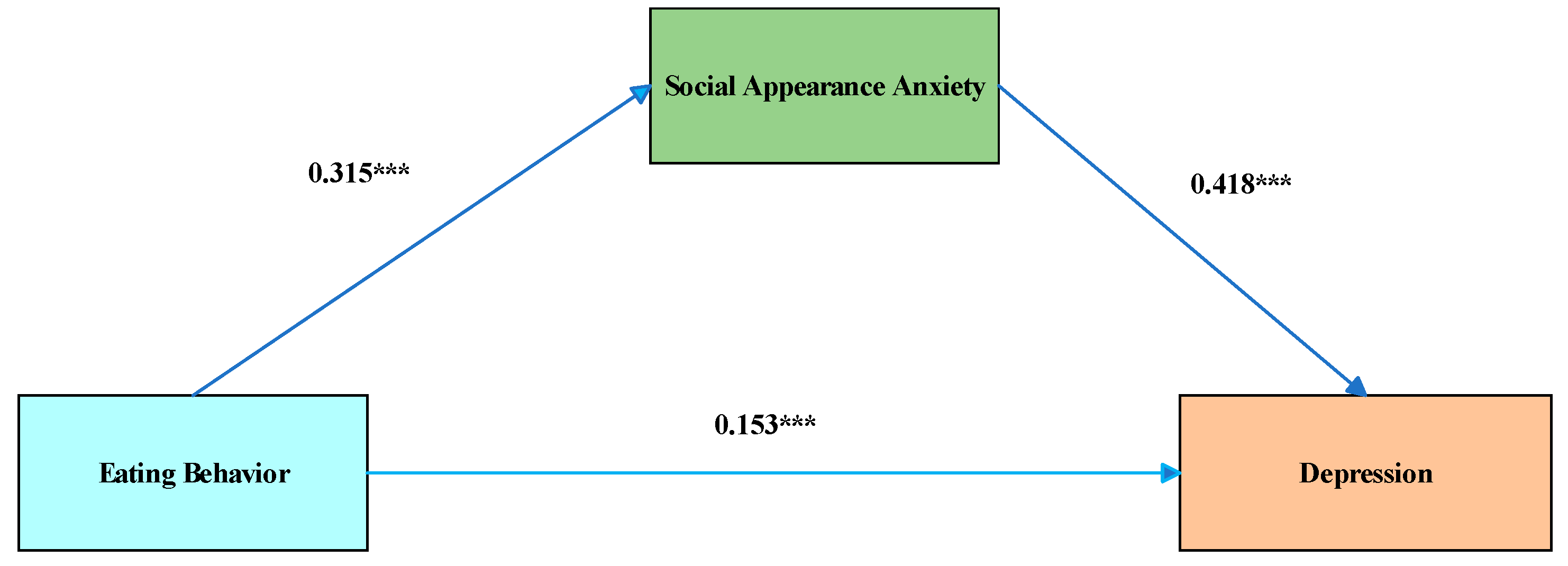
Figure 2: The mediating effect of social appearance anxiety on the relationship between eating behavior and depression in Chinese female college students (***p < 0.001).
4.4 Moderated Mediation Models
We used SPSS PROCESS Model 5 to test the moderated mediation model. After controlling for education, place of birth, ethnicity, and BMI, the results shown in Table 5 indicated that the interaction between eating behavior and physical activity was significantly and negatively correlated with depression (β = −0.052, p < 0.01). This finding supports Hypothesis 3, which posits that physical activity moderates the relationship between eating behavior and depression.
To clearly show the moderating effect, we divided the sample into two groups on the basis of physical activity level (±1 SD) and performed simple slope analyses. Under low physical activity conditions, eating behavior was significantly positively correlated with depression (β = 0.210, p < 0.001). However, under high physical activity conditions, this effect remained significant but was much weaker (β = 0.105, p < 0.001). These findings suggest that the association between eating behavior and depression is weaker at higher levels of physical activity. See Fig. 3 for details.
Table 5: Moderated mediation regression results (N = 2161).
| Variables | Model 1 | Model 2 | ||
|---|---|---|---|---|
| (Social Appearance Anxiety) | (Depression) | |||
| β | t | β | t | |
| Eating behavior | 0.315 | 15.440*** | 0.158 | 7.973*** |
| Social appearance anxiety | - | - | 0.407 | 19.629*** |
| Physical activity | - | - | −0.016 | −0.837 |
| Eating behavior × physical activity | - | - | −0.052 | −2.988** |
| Education | −0.127 | −2.271* | −0.020 | −0.399 |
| Place of birth | −0.095 | −2.299* | −0.116 | −3.081** |
| Ethnicity | −0.108 | −2.215* | −0.064 | −1.421 |
| BMI | −0.035 | −1.361 | −0.026 | −1.092 |
| R2 | 0.110 | 0.255 | ||
| F | 53.026*** | 91.951*** | ||
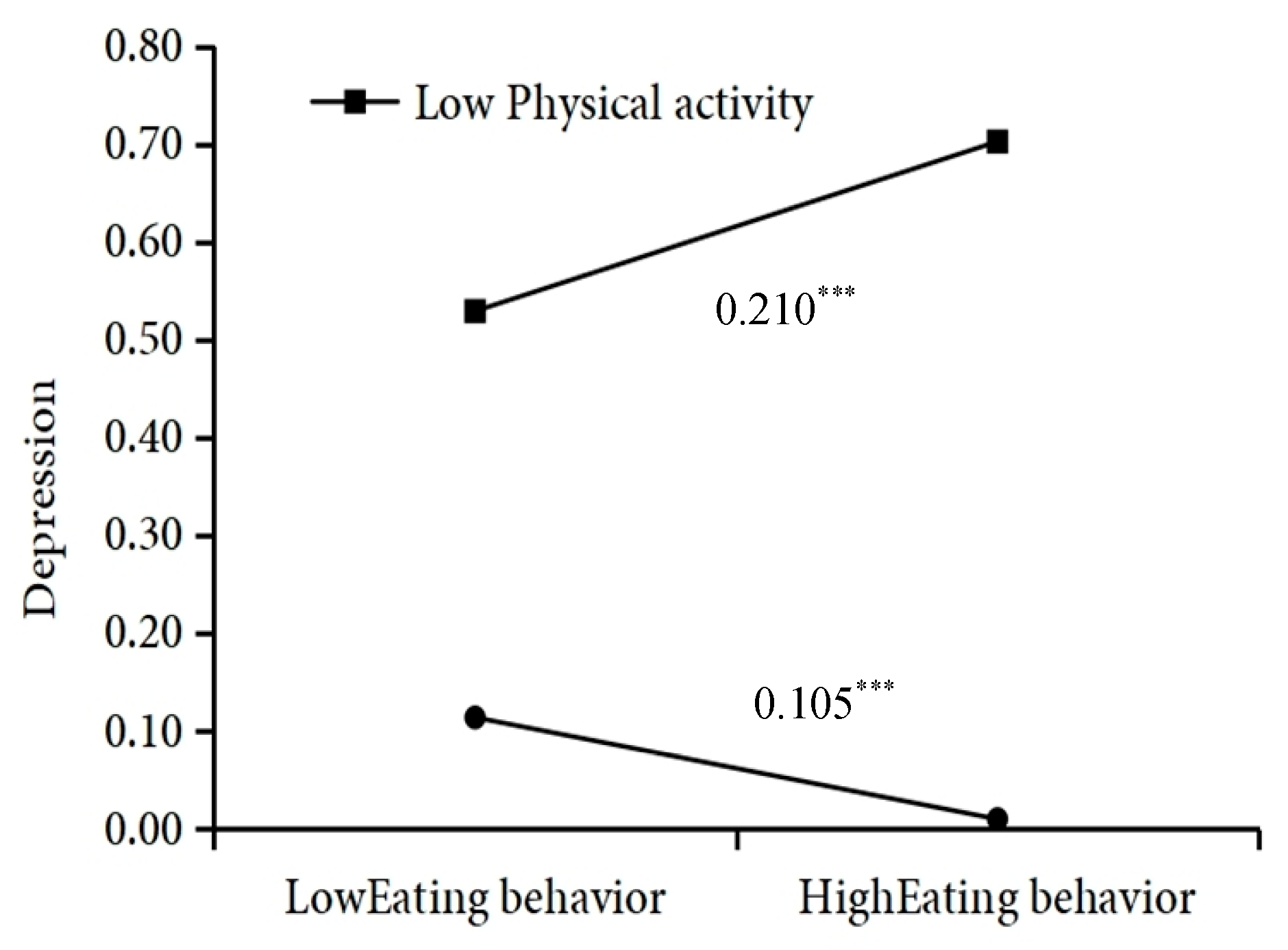
Figure 3: Moderating effect of physical activity on the relationship between eating behavior and depression (***p < 0.001).
This study investigated the relationship between eating behavior and depression among Chinese female college students, considering social appearance anxiety as a mediator and physical activity as a moderator. The results indicated that unhealthy eating behaviors are associated with higher levels of depression. Social appearance anxiety was found to partially mediate this relationship, and physical activity significantly moderated it, with higher levels of physical activity being related to a weaker association between eating behavior and depression. Overall, these findings directly support all three hypotheses: H1 on the association between eating behavior and depression, H2 on the partial mediation by social appearance anxiety, and H3 on the moderating role of physical activity.
This study revealed a significant positive correlation between eating behavior and depression in female college students, supporting our hypothesis and aligning with prior research [94,95,96]. We used the EBS-SF to assess eating behavior, which evaluates key aspects such as eating regularity, satiety, and emotional eating [80]. Compared with other scales (such as the Three-Factor Eating Questionnaire and the Dietary Screening Questionnaire), the EBS-SF not only assesses dietary intake but also delves into the psychological dimensions of eating behavior, covering a broader range of eating behaviors that are more directly linked to mental health (such as depression) [97,98,99,100]. Accordingly, our findings are consistent with social rhythm theory, which proposes that irregular eating habits can disrupt the body’s circadian rhythms and neuroendocrine stability, thereby increasing the risk of depression [101,102]. These habits cause fluctuations in blood sugar, affecting neurotransmitter balance and mood stability [103]. Moreover, similar to previous work highlighting the role of unhealthy eating cultures in shaping mood-related outcomes, media-promoted eating patterns may further exacerbate depression risk among female college students [104,105]. Multiple studies have confirmed that irregular eating increases depression risk, whereas healthy eating improves psychological well-being [21,106,107].
In today’s college environment, the eating habits of female college students are influenced by several factors, particularly the campus food environment and lifestyle [57]. First, the campus food environment greatly impacts students’ eating choices and habits. College cafeterias and nearby restaurants prioritize convenience and affordability. Compared with home-cooked meals, they often do not provide balanced and healthy nutrition [108]. Additionally, eating in social settings, such as group meals, often leads students to choose unhealthy foods, making their eating habits more irregular [109]. Second, during college, students often use unhealthy eating habits (such as binge eating or extreme dieting) to deal with school and social stress [110,111]. These patterns are consistent with previous research showing that stress-related eating can worsen body-image concerns, ultimately heightening depression risk. These habits hurt their health and can make them feel bad about their body image, which can lead to more mental health issues. Irregular sleep schedules (such as staying late and not getting enough sleep) also interact with eating habits, creating a vicious cycle [112,113]. To effectively prevent and address depression in female college students, it is necessary to improve the campus food environment, promote healthy lifestyles, foster a positive campus culture, and enhance education on healthy eating [114,115,116].
Our research revealed a significant correlation between eating behavior and social appearance anxiety among female college students, which was also closely tied to their depression levels. This finding supports the hypothesis that social appearance anxiety mediates the relationship between eating behavior and depression. Irregular eating habits can negatively impact female students’ body image, leading to social anxiety [62,117]. This anxiety makes people constantly monitor their appearance to meet an ideal standard. In the long run, they might attempt to control their appearance through methods such as extreme dieting [118]. These behaviors not only harm their health but can also lead to depression. These observations are consistent with earlier studies showing that difficulties in achieving idealized appearance standards may increase feelings of frustration and helplessness, thereby intensifying depressive symptoms. Moreover, research highlights a unique link between social media use and online appearance preoccupation, which are closely associated with mental health issues such as depression and anxiety [49,52]. Social media platforms facilitate comparison and amplify the negative impact of appearance-related concerns. This preoccupation with online appearance further intensifies social appearance anxiety in female college students, affecting their mental health. Thus, reducing social appearance anxiety is crucial for preventing and alleviating depression in this population [45,48,119].
Our study also revealed that physical activity moderates the effect of eating behavior on depression, supporting the hypothesis that physical activity moderates the relationship between eating behavior and depression. Female college students who are more physically active tend to have lower depression levels, even if they have irregular eating habits. This means that physical activity can protect against depression. This moderating effect is in line with previous research demonstrating that exercise improves mood, enhances self-esteem, and increases stress-coping ability [120,121]. Even with unhealthy eating habits, being active can help students manage their mental health and reduce the risk of depression [122].
On the other hand, students who are less physically active are more likely to experience depression when they have irregular eating habits [123,124]. Without the benefits of physical activity, they struggle more to cope with the psychological stress caused by poor eating habits. Once they start feeling depressed, they might become even less active, making their depression worse. Importantly, while physical activity moderates the direct link between eating behavior and depression, it does not change the indirect path through social appearance anxiety [125]. This highlights the stability and importance of social appearance anxiety. Unlike other stable personality traits, physical activity levels can be improved through interventions. Therefore, in efforts to address depression in female college students, we should focus on increasing physical activity as a key strategy. We should also combine this with improving eating habits and reducing social appearance anxiety to enhance overall mental health.
Despite providing empirical evidence on the relationship between eating behavior and depressive symptoms among college students, this study has several limitations. First, convenience sampling may introduce selection bias, limiting the sample’s representativeness of the broader college student population. Future studies should employ more rigorous sampling methods, such as stratified random sampling, to increase sample representativeness and diversity.
Second, the cross-sectional design restricts our ability to establish causal relationships between variables. Future longitudinal studies are needed to clarify the temporal dynamics involved.
Third, the study sample is primarily from specific regions in China, which may limit the generalizability of the results. Although choosing universities in Yunnan and Guizhou enhanced the ethnic and cultural diversity of participants, the limited geographic coverage still constrains the generalizability of our findings to the wider population of female college students in China. The inclusion of more diverse and representative samples from various regions and cultural backgrounds in future studies could strengthen the external validity of the findings.
Furthermore, although the study controlled for several demographic variables, it did not include a number of potentially important confounders that may influence eating behavior and mental health outcomes. For example, students’ living arrangements—which can affect dietary patterns, physical activity, and psychological well‑being—were not fully assessed. In addition, other relevant confounding factors such as socioeconomic status, family history of mental disorders, medication use, and academic pressure were not measured in this study. These unmeasured variables may introduce residual confounding and therefore limit the internal validity of the findings. Future research should incorporate these factors and also consider assessing body image, which plays a significant role in eating behavior, physical activity, and social appearance anxiety, to achieve a more comprehensive understanding of the mechanisms involved.
Finally, while the measurement tools used were reliable and valid, there is room for improvement in terms of comprehensiveness. Future studies might incorporate tools such as the International Physical Activity Questionnaire (IPAQ) or the Global Physical Activity Questionnaire (GPAQ) and include physical activity intensity, duration, and type indicators for a more detailed assessment. These findings provide stronger theoretical support and practical guidance for addressing depression in college students.
This study examined the associations among eating behavior, depression, social appearance anxiety, and physical activity in Chinese female college students. The results indicated that unhealthy eating patterns were associated with higher levels of depressive symptoms and that social appearance anxiety partially mediated this relationship. Physical activity moderated the direct association between eating behavior and depression, although it had little impact on the indirect pathway through appearance anxiety. These findings suggest several psychological and behavioral factors that may co‑occur with depressive symptoms. Owing to the cross‑sectional design and reliance on self‑reported data, the findings reflect associations rather than causality and should therefore be interpreted with caution. Nevertheless, the observed patterns provide preliminary insights for incorporating nutritional guidance, body image education, and physical activity promotion into campus mental health programs, and highlight the need for longitudinal and experimental studies to verify these relationships and determine whether such strategies may effectively contribute to the prevention of depression among female college students.
Acknowledgement:
Funding Statement: The authors received no specific funding for this study.
Author Contributions: Conceptualization: Wen Zhang and Wenying Huang; methodology: Wenying Huang; formal analysis: Wen Zhang and Chang Hu; data curation: Chang Hu; writing—original draft preparation: Wen Zhang and Chang Hu; writing—review and editing: Wenying Huang; visualization: Chang Hu; supervision: Wenying Huang; project administration: Wen Zhang. All authors reviewed the results and approved the final version of the manuscript.
Availability of Data and Materials: The data that supports the findings of this study are available from the corresponding authors upon reasonable request.
Ethics Approval: The study was conducted in accordance with the Declaration of Helsinki and approved by the Institutional Review Board of Jiangxi Normal University (protocol code: IRB-JXNU-PEC-20240104; date of approval: 4 January 2024).
Informed Consent: All participants provided informed consent.
Conflicts of Interest: The authors declare no conflicts of interest to report regarding the present study.
References
1. Malhi GS , Mann JJ . Depression. Lancet. 2018; 392( 10161): 2299– 312. doi:10.1016/S0140-6736(18)31948-2. [Google Scholar] [CrossRef]
2. Liu Q , He H , Yang J , Feng X , Zhao F , Lyu J . Changes in the global burden of depression from 1990 to 2017: findings from the global burden of disease study. J Psychiatr Res. 2020; 126: 134– 40. doi:10.1016/j.jpsychires.2019.08.002. [Google Scholar] [CrossRef]
3. Marcus M , Yasamy MT , Van Ommeren MV , Chisholm D , Saxena S . Depression: a global public health concern 2012. [cited 12 July 2025]. Available from: https://doi.org/10.1037/e517532013-004. [Google Scholar]
4. Yang CH , Lv JJ , Kong XM , Chu F , Li ZB , Lu W , et al. Global, regional and national burdens of depression in adolescents and young adults aged 10–24 years, from 1990 to 2019: findings from the 2019 global burden of disease study. Br J Psychiatry. 2024; 225( 2): 311– 20. doi:10.1192/bjp.2024.69. [Google Scholar] [CrossRef]
5. Chan VKY , Leung MYM , Chan SSM , Yang D , Knapp M , Luo H , et al. Projecting the 10-year costs of care and mortality burden of depression until 2032: a Markov modelling study developed from real-world data. Lancet Reg Health West Pac. 2024; 45: 101026. doi:10.1016/j.lanwpc.2024.101026. [Google Scholar] [CrossRef]
6. Kosciuszko M , Steptoe A , Ajnakina O . Genetic propensity, socioeconomic status, and trajectories of depression over a course of 14 years in older adults. Transl Psychiatry. 2023; 13( 1): 68. doi:10.1038/s41398-023-02367-9. [Google Scholar] [CrossRef]
7. Kuehner C . Why is depression more common among women than among men? Lancet Psychiatry. 2017; 4( 2): 146– 58. doi:10.1016/S2215-0366(16)30263-2. [Google Scholar] [CrossRef]
8. Albert PR . Why is depression more prevalent in women? J Psychiatry Neurosci. 2015; 40( 4): 219– 21. doi:10.1503/jpn.150205. [Google Scholar] [CrossRef]
9. Chavez Gonzalez E . Factors influencing the relationship between gender and depression. J Stud Res. 2024; 13( 1): 1– 6. doi:10.47611/jsrhs.v13i1.6183. [Google Scholar] [CrossRef]
10. Gao W , Ping S , Liu X . Gender differences in depression, anxiety, and stress among college students: a longitudinal study from China. J Affect Disord. 2020; 263: 292– 300. doi:10.1016/j.jad.2019.11.121. [Google Scholar] [CrossRef]
11. Gao W , Luo Y , Cao X , Liu X . Gender differences in the relationship between self-esteem and depression among college students: a cross-lagged study from China. J Res Pers. 2022; 97: 104202. doi:10.1016/j.jrp.2022.104202. [Google Scholar] [CrossRef]
12. Blanco V , Salmerón M , Otero P , Vázquez FL . Symptoms of depression, anxiety, and stress and prevalence of major depression and its predictors in female university students. Int J Environ Res Public Health. 2021; 18( 11): 5845. doi:10.3390/ijerph18115845. [Google Scholar] [CrossRef]
13. Bakken NW , Malone SE . Depression, self-injury, and suicidal ideation: an examination of the risk factors and psychosocial correlates among female college students. Deviant Behav. 2024; 45( 1): 95– 109. doi:10.1080/01639625.2023.2238238. [Google Scholar] [CrossRef]
14. Li SH , Graham BM . Why are women so vulnerable to anxiety, trauma-related and stress-related disorders? The potential role of sex hormones. Lancet Psychiatry. 2017; 4( 1): 73– 82. doi:10.1016/S2215-0366(16)30358-3. [Google Scholar] [CrossRef]
15. Kundakovic M , Rocks D . Sex hormone fluctuation and increased female risk for depression and anxiety disorders: from clinical evidence to molecular mechanisms. Front Neuroendocrinol. 2022; 66: 101010. doi:10.1016/j.yfrne.2022.101010. [Google Scholar] [CrossRef]
16. Chen B , Wang W , Yang S . The impact of family functioning on depression in college students: a moderated mediation model. J Affect Disord. 2023; 340: 448– 55. doi:10.1016/j.jad.2023.08.047. [Google Scholar] [CrossRef]
17. Liu H , Zhang M , Yang Q , Yu B . Gender differences in the influence of social isolation and loneliness on depressive symptoms in college students: a longitudinal study. Soc Psychiatry Psychiatr Epidemiol. 2020; 55( 2): 251– 7. doi:10.1007/s00127-019-01726-6. [Google Scholar] [CrossRef]
18. Que J , Lu L , Shi L . Development and challenges of mental health in China. Gen Psych. 2019; 32( 1): e100053. doi:10.1136/gpsych-2019-100053. [Google Scholar] [CrossRef]
19. Xu Z , Gahr M , Xiang Y , Kingdon D , Rüsch N , Wang G . The state of mental health care in China. Asian J Psychiatr. 2022; 69: 102975. doi:10.1016/j.ajp.2021.102975. [Google Scholar] [CrossRef]
20. Ljungberg T , Bondza E , Lethin C . Evidence of the importance of dietary habits regarding depressive symptoms and depression. Int J Environ Res Public Health. 2020; 17( 5): 1616. doi:10.3390/ijerph17051616. [Google Scholar] [CrossRef]
21. Rachubińska K , Cybulska AM , Kupcewicz E , Panczyk M , Ślusarska B , Grochans E , et al. The relationship between depressiveness and eating behaviors among women. Nutrients. 2024; 16( 2): 195. doi:10.3390/nu16020195. [Google Scholar] [CrossRef]
22. Lee S , Choi M . Ultra-processed food intakes are associated with depression in the general population: the Korea national health and nutrition examination survey. Nutrients. 2023; 15( 9): 2169. doi:10.3390/nu15092169. [Google Scholar] [CrossRef]
23. Zhang E , Chen J , Liu Y , Li H , Li Y , Kuwahara K , et al. Associations between joint lifestyle behaviors and depression among children and adolescents: a large cross-sectional study in China. J Affect Disord. 2024; 352: 110– 4. doi:10.1016/j.jad.2024.02.032. [Google Scholar] [CrossRef]
24. Kiuchi Y , Tsutsumimoto K , Nishimoto K , Misu Y , Ohata T , Makizako H , et al. Effect of eating alone and depression symptoms on incident disability among community-dwelling older adults. Nutrition. 2025; 129: 112599. doi:10.1016/j.nut.2024.112599. [Google Scholar] [CrossRef]
25. Komorniak N , Kaczmarczyk M , Łoniewski I , Martynova-Van Kley A , Nalian A , Wroński M , et al. Analysis of the efficacy of diet and short-term probiotic intervention on depressive symptoms in patients after bariatric surgery: a randomized double-blind placebo controlled pilot study. Nutrients. 2023; 15( 23): 4905. doi:10.3390/nu15234905. [Google Scholar] [CrossRef]
26. Khalid S , Williams CM , Reynolds SA . Is there an association between diet and depression in children and adolescents? A systematic review. Br J Nutr. 2016; 116( 12): 2097– 108. doi:10.1017/S0007114516004359. [Google Scholar] [CrossRef]
27. Zielińska M , Łuszczki E , Dereń K . Dietary nutrient deficiencies and risk of depression (review article 2018–2023). Nutrients. 2023; 15( 11): 2433. doi:10.3390/nu15112433. [Google Scholar] [CrossRef]
28. Saha S , Al Mamun MA , Kabir MR . Factors affecting fast food consumption among college students in South Asia: a systematic review. J Am Nutr Assoc. 2022; 41( 6): 627– 37. doi:10.1080/07315724.2021.1940354. [Google Scholar] [CrossRef]
29. Kidd C , Loxton NJ , Uhlmann LR , Donovan CL . Integrating social media, body shame and psychological distress within the elaborated sociocultural model. Body Image. 2024; 50: 101723. doi:10.1016/j.bodyim.2024.101723. [Google Scholar] [CrossRef]
30. Hirschfeld RM . History and evolution of the monoamine hypothesis of depression. J Clin Psychiatry. 2000; 61( Suppl 6): 4– 6. [Google Scholar]
31. Li L , Yang P , Duan Y , Xie J , Liu M , Zhou Y , et al. Association between dietary diversity, sedentary time outside of work and depressive symptoms among knowledge workers: a multi-center cross-sectional study. BMC Public Health. 2024; 24( 1): 53. doi:10.1186/s12889-023-17567-7. [Google Scholar] [CrossRef]
32. Shafiee A , Aghajanian S , Heidari E , Abbasi M , Jafarabady K , Baradaran S , et al. Contribution of obesity in the association between fast-food consumption and depression: a mediation analysis. J Affect Disord. 2024; 362: 623– 9. doi:10.1016/j.jad.2024.07.036. [Google Scholar] [CrossRef]
33. Presseller EK , Patarinski AGG , Zhang F , Page KA , Srivastava P , Manasse SM , et al. Glucose variability: a physiological correlate of eating disorder behaviors among individuals with binge-spectrum eating disorders. Int J Eat Disord. 2022; 55( 12): 1788– 98. doi:10.1002/eat.23838. [Google Scholar] [CrossRef]
34. Dziewa M , Bańka B , Herbet M , Piątkowska-Chmiel I . Eating disorders and diabetes: facing the dual challenge. Nutrients. 2023; 15( 18): 3955. doi:10.3390/nu15183955. [Google Scholar] [CrossRef]
35. Cîmpeanu RC , Caragea EM , Mustață LM , Forțofoiu D , Dragne IG , Alexa RE , et al. The involvement of serotonin in the obesity pathway—a last decade systematic review of the literature. Int J Mol Sci. 2025; 26( 7): 3081. doi:10.3390/ijms26073081. [Google Scholar] [CrossRef]
36. Ismaylova E , Nemoda Z , Booij L . Brain serotonin, oxytocin, and their interaction: relevance for eating disorders. J Psychopharmacol. 2025; 39( 3): 187– 200. doi:10.1177/02698811241309617. [Google Scholar] [CrossRef]
37. Hilbert A , Tuschen-Caffier B . Maintenance of binge eating through negative mood: a naturalistic comparison of binge eating disorder and bulimia nervosa. Int J Eat Disord. 2007; 40( 6): 521– 30. doi:10.1002/eat.20401. [Google Scholar] [CrossRef]
38. Kowalewska E , Bzowska M , Engel J , Lew-Starowicz M . Comorbidity of binge eating disorder and other psychiatric disorders: a systematic review. BMC Psychiatry. 2024; 24( 1): 556. doi:10.1186/s12888-024-05943-5. [Google Scholar] [CrossRef]
39. Dakanalis A , Mentzelou M , Papadopoulou SK , Papandreou D , Spanoudaki M , Vasios GK , et al. The association of emotional eating with overweight/obesity, depression, anxiety/stress, and dietary patterns: a review of the current clinical evidence. Nutrients. 2023; 15( 5): 1173. doi:10.3390/nu15051173. [Google Scholar] [CrossRef]
40. Davy SR , Benes BA , Driskell JA . Sex differences in dieting trends, eating habits, and nutrition beliefs of a group of midwestern college students. J Am Diet Assoc. 2006; 106( 10): 1673– 7. doi:10.1016/j.jada.2006.07.017. [Google Scholar] [CrossRef]
41. Alkazemi D . Gender differences in weight status, dietary habits, and health attitudes among college students in Kuwait: a cross-sectional study. Nutr Health. 2019; 25( 2): 75– 84. doi:10.1177/0260106018817410. [Google Scholar] [CrossRef]
42. Zhang L , Qian H , Fu H . To be thin but not healthy—the body-image dilemma may affect health among female university students in China. PLoS One. 2018; 13( 10): e0205282. doi:10.1371/journal.pone.0205282. [Google Scholar] [CrossRef]
43. Sulkowski ML , Dempsey J , Dempsey AG . Effects of stress and coping on binge eating in female college students. Eat Behav. 2011; 12( 3): 188– 91. doi:10.1016/j.eatbeh.2011.04.006. [Google Scholar] [CrossRef]
44. Constant A , Gautier Y , Coquery N , Thibault R , Moirand R , Val-Laillet D . Emotional overeating is common and negatively associated with alcohol use in normal-weight female university students. Appetite. 2018; 129: 186– 91. doi:10.1016/j.appet.2018.07.012. [Google Scholar] [CrossRef]
45. Sze KYP , Lee EKP , Chan RHW , Kim JH . Prevalence of negative emotional eating and its associated psychosocial factors among urban Chinese undergraduates in Hong Kong: a cross-sectional study. BMC Public Health. 2021; 21( 1): 583. doi:10.1186/s12889-021-10531-3. [Google Scholar] [CrossRef]
46. Caner N , Efe YS , Başdaş Ö . The contribution of social media addiction to adolescent LIFE: social appearance anxiety. Curr Psychol. 2022; 41( 12): 8424– 33. doi:10.1007/s12144-022-03280-y. [Google Scholar] [CrossRef]
47. Gao J , Feng Y , Xu S , Wilson A , Li H , Wang X , et al. Appearance anxiety and social anxiety: a mediated model of self-compassion. Front Public Health. 2023; 11: 1105428. doi:10.3389/fpubh.2023.1105428. [Google Scholar] [CrossRef]
48. Liao J , Xia T , Xu X , Pan L . The effect of appearance anxiety on social anxiety among college students: sequential mediating effects of self-efficacy and self-esteem. Behav Sci. 2023; 13( 8): 692. doi:10.3390/bs13080692. [Google Scholar] [CrossRef]
49. Hawes T , Zimmer-Gembeck MJ , Campbell SM . Unique associations of social media use and online appearance preoccupation with depression, anxiety, and appearance rejection sensitivity. Body Image. 2020; 33: 66– 76. doi:10.1016/j.bodyim.2020.02.010. [Google Scholar] [CrossRef]
50. Corning AF , Krumm AJ , Smitham LA . Differential social comparison processes in women with and without eating disorder symptoms. J Couns Psychol. 2006; 53( 3): 338– 49. doi:10.1037/0022-0167.53.3.338. [Google Scholar] [CrossRef]
51. Fardouly J , Pinkus RT , Vartanian LR . The impact of appearance comparisons made through social media, traditional media, and in person in women’s everyday lives. Body Image. 2017; 20: 31– 9. doi:10.1016/j.bodyim.2016.11.002. [Google Scholar] [CrossRef]
52. Putri BBK , Noer AH , Purba FD . Psychological factors influencing appearance anxiety among adolescents: a systematic literature review. Psychol Res Behav Manag. 2025; 18: 487– 503. doi:10.2147/PRBM.S501547. [Google Scholar] [CrossRef]
53. Fardouly J , Vartanian LR . Negative comparisons about one’s appearance mediate the relationship between Facebook usage and body image concerns. Body Image. 2015; 12: 82– 8. doi:10.1016/j.bodyim.2014.10.004. [Google Scholar] [CrossRef]
54. Engeln R , Loach R , Imundo MN , Zola A . Compared to Facebook, Instagram use causes more appearance comparison and lower body satisfaction in college women. Body Image. 2020; 34: 38– 45. doi:10.1016/j.bodyim.2020.04.007. [Google Scholar] [CrossRef]
55. Alcaraz-Ibáñez M , Sicilia Á , Paterna A . Exploring the differentiated relationship between appearance and fitness-related social anxiety and the risk of eating disorders and depression in young adults. Scand J Psychol. 2019; 60( 6): 569– 76. doi:10.1111/sjop.12584. [Google Scholar] [CrossRef]
56. Webb HJ , Kerin JL , Zimmer-Gembeck MJ . Increases in emotional eating during early adolescence and associations with appearance teasing by parents and peers, rejection, victimization, depression, and social anxiety. J Early Adolesc. 2021; 41( 5): 754– 77. doi:10.1177/0272431620950469. [Google Scholar] [CrossRef]
57. Sogari G , Velez-Argumedo C , Gómez MI , Mora C . College students and eating habits: a study using an ecological model for healthy behavior. Nutrients. 2018; 10( 12): 1823. doi:10.3390/nu10121823. [Google Scholar] [CrossRef]
58. Gonçalves S , Félix S , Martins F , Lapenta O , Machado BC , Conceição EM . Food addiction problems in college students: the relationship between weight-related variables, eating habits, and food choices. Int J Environ Res Public Health. 2022; 19( 21): 14588. doi:10.3390/ijerph192114588. [Google Scholar] [CrossRef]
59. Yao L , Liang K , Huang L , Xiao J , Zhou K , Chen S , et al. Longitudinal associations between healthy eating habits, resilience, insomnia, and Internet addiction in Chinese college students: a cross-lagged panel analysis. Nutrients. 2024; 16( 15): 2470. doi:10.3390/nu16152470. [Google Scholar] [CrossRef]
60. Xian X , Niu T , Zhang Y , Zhou X , Wang X , Du X , et al. The relationship between appearance anxiety and depression among students in a medical university in China: a serial multiple mediation model. PeerJ. 2024; 12: e17090. doi:10.7717/peerj.17090. [Google Scholar] [CrossRef]
61. Fabio RA , Tripodi R . Exploring social media appearance preoccupation in relation to self-esteem, well-being, and mental health. Health Psychol Rep. 2024; 12( 4): 286– 94. doi:10.5114/hpr/189698. [Google Scholar] [CrossRef]
62. Gitimu PN , Jameson MM , Turel T , Pohle-Krauza R , Mincher J , Rowlands Z , et al. Appearance issues, depression, and disordered eating among college females. Cogent Psychol. 2016; 3( 1): 1196512. doi:10.1080/23311908.2016.1196512. [Google Scholar] [CrossRef]
63. Turel T , Jameson M , Gitimu P , Rowlands Z , Mincher J , Pohle-Krauza R . Disordered eating: influence of body image, sociocultural attitudes, appearance anxiety and depression—a focus on college males and a gender comparison. Cogent Psychol. 2018; 5( 1): 1483062. doi:10.1080/23311908.2018.1483062. [Google Scholar] [CrossRef]
64. Cahuas A , He Z , Zhang Z , Chen W . Relationship of physical activity and sleep with depression in college students. J Am Coll Health. 2020; 68( 5): 557– 64. doi:10.1080/07448481.2019.1583653. [Google Scholar] [CrossRef]
65. Zhou J , Chen Y , Ji S , Qu J , Bu Y , Li W , et al. Sleep quality and emotional eating in college students: a moderated mediation model of depression and physical activity levels. J Eat Disord. 2024; 12( 1): 155. doi:10.1186/s40337-024-01107-8. [Google Scholar] [CrossRef]
66. Li B , Jiang W , Han SS , Ye YP , Li YX , Lou H , et al. Influence of moderate-to-high intensity physical activity on depression levels: a study based on a health survey of Chinese university students. BMC Public Health. 2024; 24( 1): 1023. doi:10.1186/s12889-024-18433-w. [Google Scholar] [CrossRef]
67. Li L , Wang P , Zhao Q , Liu Z , Li S , Wang X . Latent profile analysis of depressive symptoms in college students and its relationship with physical activity. J Affect Disord. 2024; 351: 364– 71. doi:10.1016/j.jad.2024.01.214. [Google Scholar] [CrossRef]
68. Mahindru A , Patil P , Agrawal V . Role of physical activity on mental health and well-being: a review. Cureus. 2023; 15( 1): e33475. doi:10.7759/cureus.33475. [Google Scholar] [CrossRef]
69. Tikac G , Unal A , Altug F . Regular exercise improves the levels of self-efficacy, self-esteem and body awareness of young adults. J Sports Med Phys Fitness. 2022; 62( 1): 157– 61. doi:10.23736/S0022-4707.21.12143-7. [Google Scholar] [CrossRef]
70. Ciria LF , Román-Caballero R , Vadillo MA , Holgado D , Luque-Casado A , Perakakis P , et al. An umbrella review of randomized control trials on the effects of physical exercise on cognition. Nat Hum Behav. 2023; 7( 6): 928– 41. doi:10.1038/s41562-023-01554-4. [Google Scholar] [CrossRef]
71. Toros T , Ogras EB , Toy AB , Kulak A , Esen HT , Ozer SC , et al. The impact of regular exercise on life satisfaction, self-esteem, and self-efficacy in older adults. Behav Sci. 2023; 13( 9): 714. doi:10.3390/bs13090714. [Google Scholar] [CrossRef]
72. Gualdi-Russo E , Rinaldo N , Zaccagni L . Physical activity and body image perception in adolescents: a systematic review. Int J Environ Res Public Health. 2022; 19( 20): 13190. doi:10.3390/ijerph192013190. [Google Scholar] [CrossRef]
73. Pocius E , Malinauskas R . Development of mental toughness among basketball sports school students. Behav Sci. 2024; 14( 4): 314. doi:10.3390/bs14040314. [Google Scholar] [CrossRef]
74. Ji C , Yang J , Lin L , Chen S . Physical exercise ameliorates anxiety, depression and sleep quality in college students: experimental evidence from exercise intensity and frequency. Behav Sci. 2022; 12( 3): 61. doi:10.3390/bs12030061. [Google Scholar] [CrossRef]
75. Lin J , Guo T , Becker B , Yu Q , Chen ST , Brendon S , et al. Depression is associated with moderate-intensity physical activity among college students during the COVID-19 pandemic: differs by activity level, gender and gender role. Psychol Res Behav Manag. 2020; 13: 1123– 34. doi:10.2147/PRBM.S277435. [Google Scholar] [CrossRef]
76. de Camargo EM , Chen S , López-Bueno R , Mesas AE , Bizzozero-Peroni B , Martín-Calvo N , et al. Are perceived barriers to physical activity related to depression, anxiety and stress among adolescents? The EHDLA study. BMJ Open Sport Exerc Med. 2024; 10( 3): e002069. doi:10.1136/bmjsem-2024-002069. [Google Scholar] [CrossRef]
77. Huang X , Wang Y , Zhang H . Effects of physical exercise intervention on depressive and anxious moods of college students: a meta-analysis of randomized controlled trials. Asian J Sport Exerc Psychol. 2023; 3( 3): 206– 21. doi:10.1016/j.ajsep.2023.01.001. [Google Scholar] [CrossRef]
78. Kang H . Sample size determination and power analysis using the G*Power software. J Educ Eval Health Prof. 2021; 18: 17. doi:10.3352/jeehp.2021.18.17. [Google Scholar] [CrossRef]
79. Lund B . The questionnaire method in systems research: an overview of sample sizes, response rates and statistical approaches utilized in studies. VINE J Inf Knowl Manag Syst. 2023; 53( 1): 1– 10. doi:10.1108/VJIKMS-08-2020-0156. [Google Scholar] [CrossRef]
80. Tayama J , Ogawa S , Takeoka A , Kobayashi M , Shirabe S . Item response theory-based validation of a short form of the eating behavior scale for Japanese adults. Medicine. 2017; 96( 42): e8334. doi:10.1097/MD.0000000000008334. [Google Scholar] [CrossRef]
81. Ge P , Wang X , Gao S , Liu J , Niu Y , Yan M , et al. Reliability and validity of the Chinese version of the Sakata eating behavior scale short form and preliminary analysis of the factors related to the score of the scale. Front Nutr. 2023; 10: 1076209. doi:10.3389/fnut.2023.1076209. [Google Scholar] [CrossRef]
82. Radloff LS . The CES-D scale: a self-report depression scale for research in the general population. Appl Psychol Meas. 1977; 1( 3): 385– 401. doi:10.1177/014662167700100306. [Google Scholar] [CrossRef]
83. Li Y , Wang W , Zhang L , Liu L , Yuan H . Gender differences in the relationship of depression and aggression among Chinese college students: a cross-lagged panel network analysis 2025. [cited 2025 Jan 1]. Available from: https://doi.org/10.1037/vio0000632. [Google Scholar]
84. Hart TA , Flora DB , Palyo SA , Fresco DM , Holle C , Heimberg RG . Development and examination of the social appearance anxiety scale. Assessment. 2008; 15( 1): 48– 59. doi:10.1177/1073191107306673. [Google Scholar] [CrossRef]
85. Xiao Y , Liu M , Wu B . The effect of social appearance anxiety on the online impulse purchases of fashionable outfits among female college students during pandemic periods: the mediating role of self-control and the moderating role of subjective socioeconomic status. Psychol Res Behav Manag. 2023; 16: 303– 18. doi:10.2147/PRBM.S392414. [Google Scholar] [CrossRef]
86. Shang A , Bao H . Self-esteem and appearance anxiety among Chinese college students: the roles of social media use and upward social comparison. Front Psychol. 2025; 16: 1562711. doi:10.3389/fpsyg.2025.1562711. [Google Scholar] [CrossRef]
87. Huang W , Chen B , Hu C . The latent profile structure of negative emotion in female college students and its impact on eating behavior: the mediating role of physical exercise. Front Public Health. 2025; 13: 1663474. doi:10.3389/fpubh.2025.1663474. [Google Scholar] [CrossRef]
88. Uddin R , Salmon J , Islam SMS , Khan A . Physical education class participation is associated with physical activity among adolescents in 65 countries. Sci Rep. 2020; 10( 1): 22128. doi:10.1038/s41598-020-79100-9. [Google Scholar] [CrossRef]
89. Roberts CJ , Ryan DJ , Campbell J , Hardwicke J . Self-reported physical activity and sedentary behaviour amongst UK university students: a cross-sectional case study. Crit Public Health. 2024; 34( 1): 1– 17. doi:10.1080/09581596.2024.2338182. [Google Scholar] [CrossRef]
90. Wang J , Xiao T , Liu Y , Guo Z , Yi Z . The relationship between physical activity and social network site addiction among adolescents: the chain mediating role of anxiety and ego-depletion. BMC Psychol. 2025; 13( 1): 477. doi:10.1186/s40359-025-02785-y. [Google Scholar] [CrossRef]
91. Taylor AB , MacKinnon DP , Tein JY . Tests of the three-path mediated effect. Organ Res Meth. 2008; 11( 2): 241– 69. doi:10.1177/1094428107300344. [Google Scholar] [CrossRef]
92. Podsakoff PM , MacKenzie SB , Lee JY , Podsakoff NP . Common method biases in behavioral research: a critical review of the literature and recommended remedies. J Appl Psychol. 2003; 88( 5): 879– 903. doi:10.1037/0021-9010.88.5.879. [Google Scholar] [CrossRef]
93. Marcoulides KM , Raykov T . Evaluation of variance inflation factors in regression models using latent variable modeling methods. Educ Psychol Meas. 2019; 79( 5): 874– 82. doi:10.1177/0013164418817803. [Google Scholar] [CrossRef]
94. Patarinski AGG , Smith GT , Davis HA . Eating disorder-related functional impairment predicts greater depressive symptoms across one semester of college. Eat Behav. 2024; 53: 101873. doi:10.1016/j.eatbeh.2024.101873. [Google Scholar] [CrossRef]
95. Keck MM , Vivier H , Cassisi JE , Dvorak RD , Dunn ME , Neer SM , et al. Examining the role of anxiety and depression in dietary choices among college students. Nutrients. 2020; 12( 7): 2061. doi:10.3390/nu12072061. [Google Scholar] [CrossRef]
96. Tengilimoglu-Metin MM , Gumus D . Are depression, resilience and fear of COVID-19 related to eating behavior and nutrition status of university students? Nutrition. 2023; 106: 111884. doi:10.1016/j.nut.2022.111884. [Google Scholar] [CrossRef]
97. Stunkard AJ , Messick S . The three-factor eating questionnaire to measure dietary restraint, disinhibition and hunger. J Psychosom Res. 1985; 29( 1): 71– 83. doi:10.1016/0022-3999(85)90010-8. [Google Scholar] [CrossRef]
98. Karlsson J , Persson LO , Sjöström L , Sullivan M . Psychometric properties and factor structure of the three-factor eating questionnaire (TFEQ) in obese men and women. Results from the swedish obese subjects (SOS) study. Int J Obes Relat Metab Disord. 2000; 24( 12): 1715– 25. doi:10.1038/sj.ijo.0801442. [Google Scholar] [CrossRef]
99. Bailey RL , Mitchell DC , Miller CK , Still CD , Jensen GL , Tucker KL , et al. A dietary screening questionnaire identifies dietary patterns in older adults. J Nutr. 2007; 137( 2): 421– 6. doi:10.1093/jn/137.2.421. [Google Scholar] [CrossRef]
100. Gallani MC , Proulx-Belhumeur A , Almeras N , Després JP , Doré M , Giguère JF . Development and validation of a salt food frequency questionnaire (FFQ-Na) and a discretionary salt questionnaire (DSQ) for the evaluation of salt intake among French-Canadian population. Nutrients. 2020; 13( 1): 105. doi:10.3390/nu13010105. [Google Scholar] [CrossRef]
101. Fallah A , Abdolazimi H , Karamizadeh M , Ferns GA , Mani A , Akbarzadeh M . Night eating habits, sleep quality, and depression, are they associated with vitamin D status? Clin Nutr ESPEN. 2024; 59: 113– 7. doi:10.1016/j.clnesp.2023.11.020. [Google Scholar] [CrossRef]
102. Tonon AC , Constantino DB , Amando GR , Abreu AC , Francisco AP , de Oliveira MAB , et al. Sleep disturbances, circadian activity, and nocturnal light exposure characterize high risk for and current depression in adolescence. Sleep. 2022; 45( 7): 1– 19. doi:10.1093/sleep/zsac104. [Google Scholar] [CrossRef]
103. Li Y , Wang D , Fang J , Zu S , Hu Y . Association between depressive symptoms and prediabetes: NHANES 2007–2016 findings. J Affect Disord. 2024; 355: 426– 31. doi:10.1016/j.jad.2024.03.122. [Google Scholar] [CrossRef]
104. Wick MR , Keel PK . Posting edited photos of the self: increasing eating disorder risk or harmless behavior? Int J Eat Disord. 2020; 53( 6): 864– 72. doi:10.1002/eat.23263. [Google Scholar] [CrossRef]
105. Xiang J , Peng F , Jiao J , Tan T , Liu L , Chen M , et al. Health risk behaviors, depressive symptoms and suicidal ideation among college students: a latent class analysis in middle China. J Affect Disord. 2025; 375: 205– 13. doi:10.1016/j.jad.2025.01.107. [Google Scholar] [CrossRef]
106. Paans NPG , Bot M , van Strien T , Brouwer IA , Visser M , Penninx BWJH . Eating styles in major depressive disorder: results from a large-scale study. J Psychiatr Res. 2018; 97: 38– 46. doi:10.1016/j.jpsychires.2017.11.003. [Google Scholar] [CrossRef]
107. Metin ZE , Bayrak N , Mengi Çelik Ö , Akkoca M . The relationship between emotional eating, mindful eating, and depression in young adults. Food Sci Nutr. 2024; 13( 1): e4028. doi:10.1002/fsn3.4028. [Google Scholar] [CrossRef]
108. Fonseca LB , Pereira LP , Rodrigues PRM , de S Andrade AC , Muraro AP , Gorgulho BM , et al. Food consumption on campus is associated with meal eating patterns among college students. Br J Nutr. 2021; 126( 1): 53– 65. doi:10.1017/S0007114520003761. [Google Scholar] [CrossRef]
109. Rohde K , Sutton CA , Knowles K , Fazzino TL . Availability and consumption of hyper-palatable foods in an all-you-can-eat cafeteria among college freshmen. Eat Behav. 2024; 54: 101905. doi:10.1016/j.eatbeh.2024.101905. [Google Scholar] [CrossRef]
110. da Silva Taques Vieira F , Muraro AP , Rodrigues PRM , Sichieri R , Pereira RA , Ferreira MG . Lifestyle-related behaviors and depressive symptoms in college students. Cad Saude Publica. 2021; 37( 10): e00202920. doi:10.1590/0102-311x00202920. [Google Scholar] [CrossRef]
111. Wang Y , Zhang J , Huang L , Li X , Zhong Y . Association between healthy lifestyle choices and mental health among students: a cross sectional study. BMC Public Health. 2025; 25( 1): 247. doi:10.1186/s12889-025-21482-4. [Google Scholar] [CrossRef]
112. Regestein Q , Natarajan V , Pavlova M , Kawasaki S , Gleason R , Koff E . Sleep debt and depression in female college students. Psychiatry Res. 2010; 176( 1): 34– 9. doi:10.1016/j.psychres.2008.11.006. [Google Scholar] [CrossRef]
113. Fischer D , McHill AW , Sano A , Picard RW , Barger LK , Czeisler CA , et al. Irregular sleep and event schedules are associated with poorer self-reported well-being in US college students. Sleep. 2020; 43( 6): 1– 12. doi:10.1093/sleep/zsz300. [Google Scholar] [CrossRef]
114. Aizawa N , Omori M . The mediating effect of cognitive appraisal on the relationship between sleep habits and the stress response among Japanese female college students. BMC Psychol. 2021; 9( 1): 100. doi:10.1186/s40359-021-00602-w. [Google Scholar] [CrossRef]
115. Moitra P , Madan J , Shaikh NI . Eating habits and sleep patterns of adolescents with depression symptoms in Mumbai, India. Matern Child Nutr. 2020; 16( Suppl 3): e12998. doi:10.1111/mcn.12998. [Google Scholar] [CrossRef]
116. Zhang D , Qu Y , Zhai S , Li T , Xie Y , Tao S , et al. Association between healthy sleep patterns and depressive trajectories among college students: a prospective cohort study. BMC Psychiatry. 2023; 23( 1): 182. doi:10.1186/s12888-023-04596-0. [Google Scholar] [CrossRef]
117. Walker M , Thornton L , De Choudhury M , Teevan J , Bulik CM , Levinson CA , et al. Facebook use and disordered eating in college-aged women. J Adolesc Health. 2015; 57( 2): 157– 63. doi:10.1016/j.jadohealth.2015.04.026. [Google Scholar] [CrossRef]
118. Morshed MB , Kulkarni SS , Saha K , Li R , Roper LG , Nachman L , et al. Food, mood, context: examining college students’ eating context and mental well-being. ACM Trans Comput Healthcare. 2022; 3( 4): 1– 26. doi:10.1145/3533390. [Google Scholar] [CrossRef]
119. Aparicio-Martinez P , Perea-Moreno AJ , Martinez-Jimenez MP , Redel-Macías MD , Pagliari C , Vaquero-Abellan M . Social media, thin-ideal, body dissatisfaction and disordered eating attitudes: an exploratory analysis. Int J Environ Res Public Health. 2019; 16( 21): 4177. doi:10.3390/ijerph16214177. [Google Scholar] [CrossRef]
120. Liang J , Huang S , Jiang N , Kakaer A , Chen Y , Liu M , et al. Association between joint physical activity and dietary quality and lower risk of depression symptoms in US adults: cross-sectional NHANES study. JMIR Public Health Surveill. 2023; 9: e45776. doi:10.2196/45776. [Google Scholar] [CrossRef]
121. Meng Y , Ma N , Shi Y , Zhang N , Wu J , Cui X , et al. The association of physical activity and sedentary behavior with depression in US adults: NHANES 2007–2018. Front Public Health. 2024; 12: 1404407. doi:10.3389/fpubh.2024.1404407. [Google Scholar] [CrossRef]
122. Schultchen D , Reichenberger J , Mittl T , Weh TRM , Smyth JM , Blechert J , et al. Bidirectional relationship of stress and affect with physical activity and healthy eating. Br J Health Psychol. 2019; 24( 2): 315– 33. doi:10.1111/bjhp.12355. [Google Scholar] [CrossRef]
123. Wei K , Lin S , Yang J , Li C . Dietary habits and depression in community-dwelling Chinese older adults: cross-sectional analysis of the moderating role of physical exercise. Nutrients. 2024; 16( 5): 740. doi:10.3390/nu16050740. [Google Scholar] [CrossRef]
124. Coelho C , Fernandes AA , Gomes AF , Oliveira A , Capitão F , Ferreira L . Eating habits, physical activity and nutritional status in patients with depression. Public Health Nutr. 2010: 276. [Google Scholar]
125. Martinez VML , da Silva Martins M , Capra F , Schuch FB , Wearick-Silva LE , Feoli AMP . The impact of physical activity and lifestyle on mental health: a network analysis. J Phys Act Health. 2024; 21( 12): 1330– 40. doi:10.1123/jpah.2024-0198. [Google Scholar] [CrossRef]
Cite This Article
 Copyright © 2026 The Author(s). Published by Tech Science Press.
This work is licensed under a Creative Commons Attribution 4.0 International License , which permits unrestricted use, distribution, and reproduction in any medium, provided the original work is properly cited.
 Downloads
 Citation Tools
