
 Login
Login Register
 Submit a Paper
 Propose a Special lssue
 Open Access
ARTICLE

Perceived Involution and Academic Burnout among University Students: The Mediating Role of Anxiety and the Moderating Role of Self-Control
1 School of Philosophy, Wuhan University, Wuhan, China
2 School of Nursing, Fudan University, Shanghai, China
3 Law School of Zhongnan University of Economics and Law, Wuhan, China
4 School of Psychology, Central China Normal University, Wuhan, China
5 Center for Mental Health Education and Counseling of College Students, Huanggang Normal University, Wuhan, China
6 Peking University Sixth Hospital/Institute of Mental Health, Beijing, China
7 NHC Key Laboratory of Mental Health (Peking University), National Clinical Research Center for Mental Disorders (Peking University Sixth Hospital), Beijing, China
* Corresponding Authors: Jinhua Xu. Email: ; Fanfan Li. Email:
; Kexin Chen. Email:
International Journal of Mental Health Promotion 2026, 28(3), 4 https://doi.org/10.32604/ijmhp.2026.075283
Received 29 October 2025; Accepted 12 January 2026; Issue published 31 March 2026
 View Full Text
 Download PDF
Abstract
Background: The concept of “involution” has garnered significant attention within China’s education system, encapsulating students’ perceptions of intense and often fruitless academic competition. However, the impact of perceived involution on students’ psychological outcomes, particularly academic burnout, remains underexplored. This study examines the relationship between perceived involution and academic burnout among university students. Specifically, it examines whether anxiety mediates this relationship and whether self-control moderates the effect of perceived involution on anxiety. Methods: A cross-sectional survey was administered to 673 university students in China. Standardized scales were employed to measure perceived involution, anxiety, self-control, and academic burnout. Data analysis was performed using SPSS 26.0 and the PROCESS macro (version 4.2), incorporating mediation (Model 4) and moderation (Model 7) analyses with bootstrapping procedures. Results: Perceived involution was positively associated with academic burnout (β = 0.25, p < 0.01), accounting for approximately 6% of the variance, which indicates a small-to-moderate effect. Anxiety partially mediated this relationship, with a significant indirect effect (B = 0.0013, 95% CI [0.0003, 0.0029]). Furthermore, self-control significantly moderated the association between perceived involution and anxiety (interaction β = 0.19, p = 0.03), such that the positive effect of perceived involution on anxiety was attenuated among students with higher self-control. Although the effect sizes were modest, these findings suggest meaningful psychological and practical implications at the population level in highly competitive academic environments. Conclusion: These findings suggest that perceived involution contributes to academic burnout by exacerbating anxiety, while self-control serves as a protective factor against it. The study offers theoretical insights into the emotional mechanisms underlying burnout and provides practical implications for stress intervention and mental health promotion in higher education.Keywords
With the rapid socioeconomic development in China, competition within the educational system has intensified, leading to the emergence of the widely discussed phenomenon of “involution” [1,2]. Originally an anthropological concept, “involution” describes a pattern of escalating effort without proportional gain. In contemporary Chinese academic contexts, perceived involution refers to students’ subjective experience of excessive, repetitive, and low-yield competition [3]. As this phenomenon becomes increasingly salient among adolescents and university students, its psychological consequences have garnered growing research attention [4].
Academic burnout—characterized by emotional exhaustion, cynicism, and reduced academic efficacy—has emerged as a major mental health concern among university students worldwide [5,6]. Prior studies have demonstrated that exposure to persistent academic pressure and competitive stress can lead to chronic emotional depletion and burnout [7,8]. In highly involuted educational environments, students may feel trapped in relentless competition with minimal personal growth, thereby increasing their vulnerability to burnout [9,10]. Thus, elucidating how perceived involution contributes to academic burnout has both theoretical and practical significance.
Despite increasing discussions of involution as an educational stressor, research has not fully elucidated the psychological mechanisms underlying its impact on burnout. Anxiety—defined as a high-arousal negative emotional state triggered by perceived threat—may serve as a key mediator in this process [11,12]. According to the ABC theory of emotion, individuals’ cognitive appraisals shape their emotional responses to external pressures [13]. Existing evidence indicates that anxiety mediates the relationship between various stressors and academic burnout [14]. However, no previous study has examined whether anxiety mediates the link between perceived involution and academic burnout, leaving an important research gap.
Furthermore, students exhibit considerable variability in how they respond emotionally to involutional stress. Self-control, which reflects an individual’s capacity to regulate impulses, maintain goal-directed behavior, and manage emotional experiences, is a crucial psychological resource for coping with pressure [15]. According to the Conservation of Resources (COR) theory, individuals with higher self-control are better able to protect their limited emotional and cognitive resources, mitigating the negative effects of external stressors [16]. Similarly, Gross’s emotion regulation framework posits that effective regulatory strategies, such as cognitive reappraisal, can reduce anxiety and promote resilience [17]. These theories collectively imply that self-control may buffer the emotional impact of perceived involution, yet empirical evidence remains limited.
Therefore, the existing literature lacks a comprehensive investigation of (a) whether perceived involution predicts academic burnout, (b) whether anxiety mediates this relationship, and (c) whether self-control moderates the impact of perceived involution on anxiety. This study aims to address these gaps and construct an integrated moderated mediation model.
Based on theoretical reasoning and empirical evidence, this study proposes the following hypotheses:
Hypothesis 1 (H1): Perceived involution positively predicts academic burnout.
Hypothesis 2 (H2): Anxiety mediates the relationship between perceived involution and academic burnout.
Hypothesis 3 (H3): Self-control moderates the effect of perceived involution on anxiety, such that individuals with higher self-control exhibit a weaker association.
By examining these mechanisms, this study contributes to a deeper understanding of how students adapt psychologically within highly competitive educational contexts and provides implications for interventions that address burnout.
2.1.1 Participants and Data Collection
A total of 673 valid questionnaires were retained for the final analysis. This study employed a convenience sampling method. Participants were recruited via online survey links disseminated across several universities, including Zhongnan University of Economics and Law, Wuhan University of Technology, North China Electric Power University, Wuhan Polytechnic University, and Changjiang Vocational College. These universities included different educational levels and encompassed both liberal arts and science disciplines. The survey was conducted between 26 July and 08 August 2024. In total, 751 questionnaires were initially collected. After excluding 72 responses that failed attention-check items and 6 responses with missing data or poor response quality, 673 valid responses remained. The final sample consisted of 213 males (31.7%) and 460 females (68.3%), with ages ranging from 17 to 24 years (Mean = 20.14, SD = 1.62). Participants came from a wide range of academic disciplines—including humanities, engineering, sciences, and arts/sports—and represented diverse types of institutions such as elite comprehensive universities, regular undergraduate universities, and vocational colleges. All participants completed the online survey voluntarily and anonymously. Detailed demographic information is provided in Table 1.
Given that this study involved a minimal-risk, anonymous questionnaire survey, it was granted an exemption from institutional ethical review by the Ethics Committee of Huanggang Normal University.
Table 1: Demographic information of the samples.
| Variable | Category | N |
|---|---|---|
| Gender | Female | 460 |
| Male | 213 | |
| Only Child | Yes | 265 |
| No | 408 | |
| Major | Humanities | 447 |
| Engineering | 117 | |
| Science | 95 | |
| Arts and Sports | 14 | |
| Demographic Background | Urban | 365 |
| Rural | 308 | |
| Grade | Undergraduate | 640 |
| Graduate and Above | 33 | |
| Type of School | Key Comprehensive Universities | 531 |
| General Comprehensive Universities | 124 | |
| Vocational College | 18 |
To ensure data quality, all instruments used in this study were adapted from established scales with proven reliability and validity, and were appropriately localized for the Chinese context. All Cronbach’s alpha coefficients exceeded 0.65, indicating acceptable internal consistency. In this study, the Cronbach’s alpha coefficients for the major instruments were as follows: perceived involution scale (α = 0.77), academic burnout scale (α = 0.87), anxiety scale (α = 0.75), and self-control scale (α = 0.85), indicating acceptable internal consistency for all measures.
Perceived Involution Scale: the In-Volume Perception Measurement Questionnaire developed by Zhang et al. (2024) [18] was used, with a total of 18 items. The questionnaire involves four dimensions: resource scarcity, social norms, psychological pressure, and competitive behavior. A 7-point scale was used, with higher scores indicating a higher degree of perceived involution by the individual. Example items include “People around me can gain a good social status through competition”.
Academic Burnout Scale: The Academic Burnout Scale for Adolescents, developed by Wu et al. (2010) [19], was used. This scale contains three dimensions of physical and mental exhaustion, academic detachment, and low achievement, with 16 items. The scoring is based on a five-point scale, with “very low” scoring 1 point, “high” scoring 5 points, and individual items scored on a reverse scale. The higher the total cumulative score, the higher the level of academic burnout [19,20,21]. Example items include “I can devote myself to study with abundant energy”.
Anxiety Scale: The Anxiety Self-Rating Scale, developed by Zung (1971), was used to assess students’ anxiety levels. The scale contains 20 items. A four-point scale was used, with higher scores indicating higher levels of anxiety [20,22]. Example items include “I feel more nervous and anxious than usual”.
Self-Control Scale: The Self-Control Scale for College Students, revised by Tan and Guo (2008) [23], was used. The revised scale consists of 19 items with a 5-point Likert scale. The scale is divided into five dimensions: impulse control, healthy habits, resisting temptation, focusing on work, and moderating entertainment. The higher the score, the better the self-control. Example items include “I am good at resisting temptations”.
2.2 Model Construction and Hypotheses
Based on the theoretical and empirical foundations, the present study proposes a moderated mediation model in which perceived involution exerts an indirect effect on academic burnout through anxiety, while self-control moderates the association between perceived involution and anxiety. The conceptual model corresponding to the hypotheses proposed in the Introduction is illustrated in Fig. 1.
The research model of this study is depicted in Fig. 1 and is described as follows: a moderated mediation model where perceived involution exerts an indirect effect on academic burnout through anxiety, with self-control moderating the association between perceived involution and anxiety.
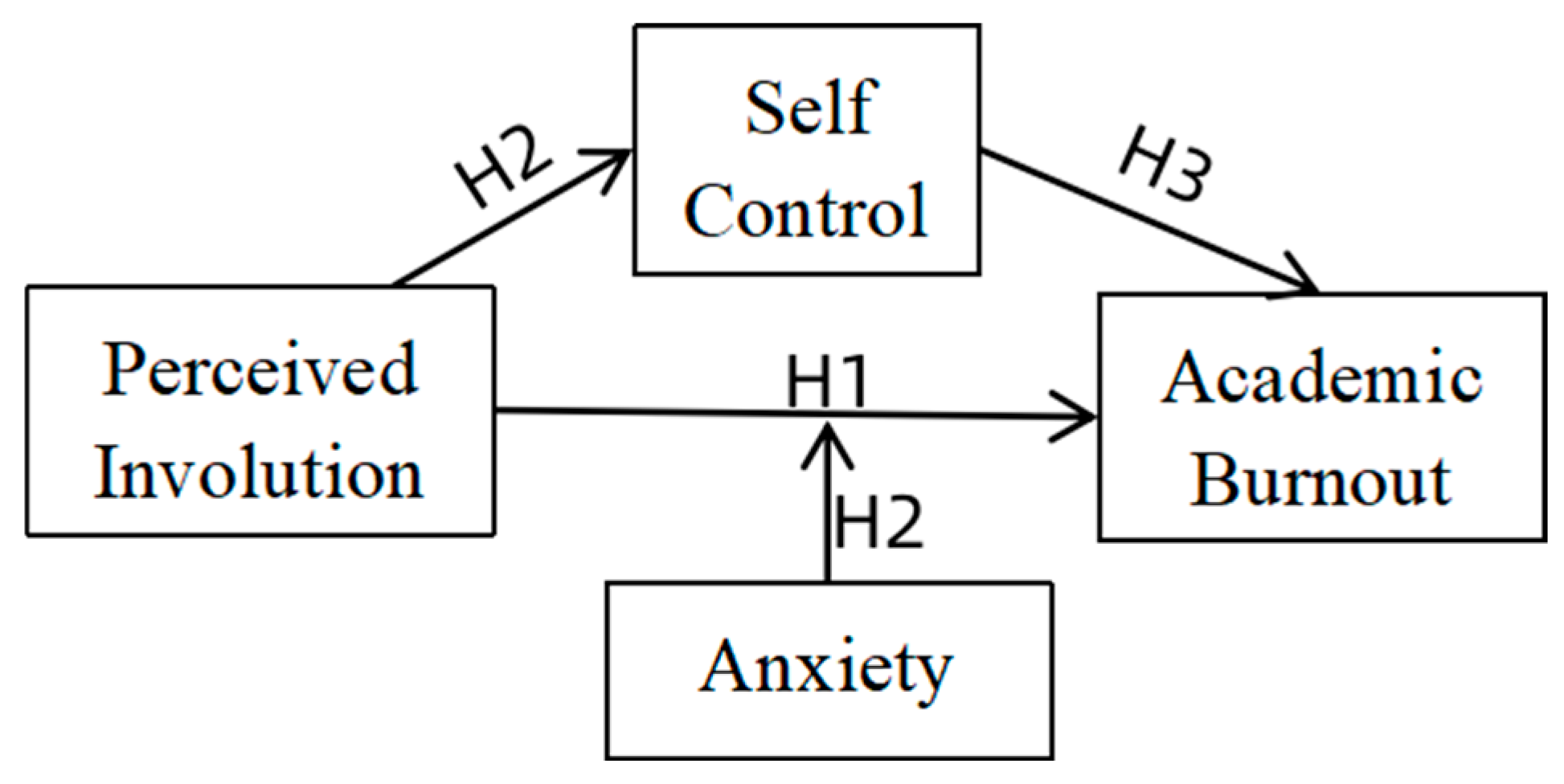
Figure 1: Perceived involution indirectly influences academic burnout through anxiety, and self-control moderates the path between perceived involution and anxiety.
All data were processed and analyzed using SPSS 26.0 (IBM Corp., Armonk, NY, USA) and the PROCESS macro (version 4.2). The analysis included the following steps:
- (1)Descriptive Statistics and Correlation Analysis: Means, standard deviations, and Pearson correlation coefficients were calculated for all major variables.
- (2)Group Differences: One-way ANOVA and independent samples t-tests were conducted to examine differences in perceived involution, academic burnout, anxiety, and self-control across demographic variables such as gender, academic major, and university type.
- (3)Reliability and Multicollinearity Checks: The internal consistency of all scales was assessed using Cronbach’s α. VIF (Variance Inflation Factor) and tolerance statistics were examined to ensure that multicollinearity was not a concern.
- (4)Hypothesis Testing:
Multiple regression analyses were conducted to examine the relationships among the key variables as predictors. To test the mediating role of anxiety, PROCESS Model 4 with 5000 bootstrap samples was used. Furthermore, the moderating effect of self-control was assessed using PROCESS Model 7, which examined the interaction between perceived involution and self-control in predicting anxiety and academic burnout.
Correlation analysis was conducted on the four key variables. The results indicated weak to moderate correlations among the key variables. Although these correlations were statistically significant (p < 0.01), their magnitudes were relatively small, suggesting limited practical effect sizes, as presented in Table 2.
Table 2: Correlation coefficients among variables.
| Variable | Perceived Involution | Self-Control | Anxiety | Academic Burnout |
|---|---|---|---|---|
| Perceived Involution | — | — | — | — |
| Self-Control | 0.22** | — | — | — |
| Anxiety | 0.16** | 0.40** | — | — |
| Academic Burnout | 0.16** | 0.44** | 0.49** | — |
Preliminary regression analysis was conducted to examine the predictive relationships among variables. The results showed that perceived involution significantly predicted academic burnout (β = 0.16, p < 0.01). After including anxiety as a predictor, it provided significant incremental explanatory power (
VIF for all variables was less than 10, and tolerance values were greater than 0.1, indicating that multicollinearity was not a concern. Reliability analysis showed that the Cronbach’s α coefficient for each scale was above 0.65, indicating acceptable internal consistency.
As shown in Table 3, perceived involution significantly predicted academic burnout (β = 0.25, p < 0.01). Perceived involution significantly predicted anxiety (β = 0.05, p < 0.05). Anxiety significantly predicted academic burnout (β = 0.17, p < 0.01). Even after controlling for anxiety, perceived involution still significantly predicted academic burnout (β = 0.24, p < 0.01), indicating a partial mediation effect of anxiety (Table 3). As shown in Table 4, since the 95% confidence interval for the indirect effect does not include 0, the mediation effect of anxiety is significant.
Table 3: Mediation analysis: anxiety between perceived involution and academic burnout.
| Model Type | Dependent Variable | Independent Variable | Mediator | Beta (β) | p-Value | R2 | Adj. R2 | F-Statistic |
|---|---|---|---|---|---|---|---|---|
| Direct Effect | Academic Burnout | Perceived Involution | — | 0.25 | <0.01 | 0.06 | 0.06 | 115.40** |
| Predictor of Mediator | Anxiety | Perceived Involution | — | 0.05 | 0.04 | 0.00 | 0.00 | 4.38* |
| Mediated Effect | Academic Burnout | Perceived Involution | Anxiety | 0.25 | <0.01 | 0.09 | 0.09 | 55.76** |
| Direct Effect | Academic Burnout | — | Anxiety | 0.17 | <0.01 | — | — | — |
Table 4: Bootstrap mediation test.
| Dependent Variable | Effect Type | B | SE | 95% CI | |
|---|---|---|---|---|---|
| LLCI | ULCI | ||||
| Academic Burnout | Direct | 0.0400 | 0.0038 | 0.0326 | 0.0474 |
| Indirect | 0.0013 | 0.0008 | 0.0003 | 0.0029 | |
| Total | 0.0413 | 0.0038 | 0.0337 | 0.0488 | |
As shown in Table 5, self-control, as a continuous variable, was standardized and divided into three groups for clarity: Lower 27% = Low self-control group; Middle 46% = Medium group; Upper 27% = High self-control group.
The interaction term (Perceived Involution × Self-Control) was significant in predicting academic burnout (β = 0.19, t = 2.20, p = 0.03), indicating a significant moderating effect.
As shown in Table 6 and Fig. 2, since the 95% CI [−0.0211, −0.0012] does not contain 0 and the interaction term is negative (B < 0), self-control significantly buffers the impact of perceived involution on academic burnout: the predictive effect is stronger among individuals with lower self-control and weaker among those with higher self-control.
Table 5: Hierarchical regression analysis: moderating role of self-control.
| Model | Independent Variable | R2 | B | Beta (β) | t | p |
|---|---|---|---|---|---|---|
| Model 1 | Perceived Involution | 0.08 | 0.04 | 0.22 | 9.41*** | <0.001 |
| Self-Control | −0.78 | 0.16 | 6.85*** | <0.001 | ||
| Model 2 | Perceived Involution | 0.08 | 0.01 | 0.08 | 1.17 | 0.24 |
| Self-Control | −0.28 | 0.06 | 1.13 | 0.26 | ||
| Interaction | 0.01 | 0.19 | 2.20* | 0.03 |
Table 6: PROCESS analysis: moderating effect of self-control.
| Moderator | B | SE | t | p | 95% CI | R2 | |
|---|---|---|---|---|---|---|---|
| LLCI | ULCI | ||||||
| Self-Control | −0.0112 | 0.0510 | 2.2013* | 0.0278 | 0.0012 | 0.0211 | 0.0835 |
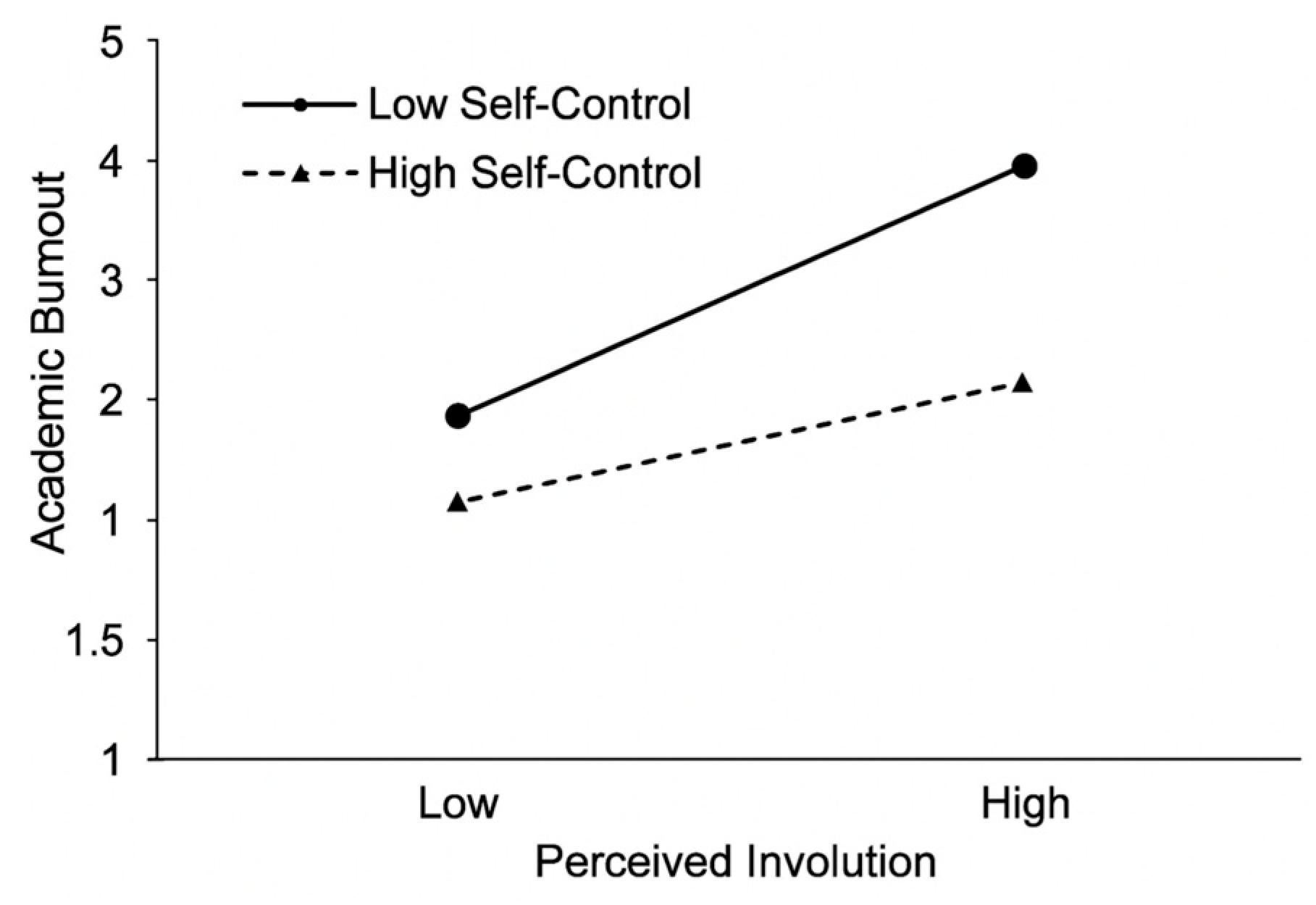
Figure 2: Simple effects of perceived involution.
Overall, the findings are generally consistent with the proposed hypotheses. Specifically, perceived involution was positively related to academic burnout (H1). Anxiety acted as a partial mediator in this relationship (H2), and self-control moderated the effect of perceived involution on anxiety (H3). This aligns with previous findings indicating that competitive, resource-restricted learning environments intensify emotional exhaustion and disengagement [24,25]. From the standpoint of the Conservation of Resources (COR) theory, involutional contexts accelerate resource depletion by requiring individuals to invest substantial effort with minimal return [26], thereby increasing susceptibility to burnout.
The mediating role of anxiety also supports earlier work showing that anxiety often functions as an emotional pathway linking academic stress to burnout [27,28]. According to the ABC theory of emotion, students’ cognitive appraisal of involution as threatening or uncontrollable situations may activate heightened anxiety responses, which subsequently impair motivation and learning engagement [29]. However, although statistically significant, the effect of perceived involution on anxiety was notably small (β = 0.05), and the increase in explained variance was modest (ΔR2 = 0.07). This aligns with prior studies reporting that anxiety partially—but not substantially—accounts for the relationship between academic stressors and burnout, indicating limited practical significance despite statistical significance [30].
The moderating role of self-control aligns closely with emotion-regulation theory. Individuals with higher self-control typically employ adaptive regulatory strategies, such as cognitive reappraisal, which stabilize emotions and preserve cognitive resources in stressful situations [31]. This supports Gross’s emotion regulation framework, which posits that effective regulation can buffer stress-related emotional responses [17]. Conversely, those with lower self-control may rely on less adaptive strategies, making them more vulnerable to anxiety and burnout under involution pressure [32,33,34]. These results extend previous literature by showing that self-control functions not only as a general protective factor but also as a specific buffer against the emotional consequences of perceived involution in competitive academic settings.
By exploring the path “perceived involution → anxiety → academic burnout” and incorporating self—control as a moderator, this study contributes a novel emotion–resource regulation model and expands the current theoretical framework linking stress, emotion, and behavior. The contributions are elaborated in three aspects:
Previous discussions of involution have primarily focused on sociological or educational discourse, with little attention paid to its psychological function as a subjective stressor [35]. By operationalizing “perceived involution” as a measurable variable, this study identifies both its direct and indirect influences on emotional and mental states, thereby enriching theoretical understandings of how sociocultural stressors are internalized as individual psychological burdens.
Specifically, perceived involution is not merely a response to structural inequality, but also manifests as a constellation of emotional experiences, such as anxiety, shame, comparison, and self-doubt [24,36]. By integrating a macro-level cultural phenomenon into a micro-level psychological model, this study contributes to the integration of sociocultural and psychological perspectives. Moreover, the scale used in this study provides a novel method for assessing students’ sensitivity and responses to involution across different populations, providing a foundation for further development of stress theory.
Anxiety was confirmed as a key mediator between perceived involution and academic burnout, empirically validating the chain logic of “belief → emotion → response” posited the ABC theory of emotion. While prior studies often assumed a direct link between academic stress and burnout, this study reveals the crucial mediating role of emotional activation in this relationship [37].
Additionally, the findings support a dual role of anxiety in adolescent development—as both a cognitive disruptor and a motivational regulator [38,39]. Although anxiety can temporarily mobilize attention and energy, prolonged high levels can deplete psychological resources, reduce motivation, and trigger self-denial [40]. By establishing anxiety as a core psychological mechanism rather than a secondary consequence, this study provides a more causal and structured framework for incorporating emotion into educational psychological models.
By introducing self-control as a moderating variable, this study bridges Gross’s process model of emotion regulation and Hobfoll’s COR theory [16,17]. It innovatively proposes that individuals with higher self-control are more likely to mitigate the emotional impact of perceived involution through cognitive reappraisal and adaptive emotion regulation, thereby weakening the pathway to burnout.
This theoretical integration allows for a more dynamic and multidimensional explanation of student adaptation under pressure. Rather than treating emotion regulation and resource capacity as separate constructs, this model views them as interacting systems. It holds strong explanatory power and generalizability and could be applied to other high-pressure academic settings. Future research can further extend the model by incorporating specific emotion regulation strategies and various resource types to develop more comprehensive and testable models.
Beyond its theoretical contributions, this study offers multi-level and actionable implications for educational practice and student psychological support. In the post–“Double Reduction” policy context, university students continue to experience new forms of academic anxiety and perceived involution [41,42,43]. Importantly, the present findings provide practical guidance at the institutional, emotional, and individual psychological levels.
First, the finding that perceived involution directly predicts academic burnout highlights the importance of addressing students’ subjective academic experiences, even when objective workloads remain unchanged. Feelings of “having to work harder” or being passively compared may generate substantial psychological pressure. Therefore, educational institutions should remain cautious about systemic mechanisms that unintentionally reinforce hidden involution, such as excessive rankings, score-centric academic cultures, and widespread but low-value competitions. Recommendations include establishing diversified evaluation standards to reduce anxiety caused by single-metric comparisons; strengthening non-competitive curricular elements; and promoting formative assessments and growth-oriented feedback to alleviate performance pressure [44]. From a systemic perspective, reducing perceived involution may help achieve preventive emotional and cognitive adjustments among students.
Second, the mediating role of anxiety suggests that emotional processes play a critical role in translating perceived involution into academic burnout. This finding indicates that even when external competitive pressures cannot be fully eliminated, interventions targeting emotional regulation may still effectively reduce burnout. Emotional regulation education should therefore extend beyond crisis-oriented responses and be integrated into routine psychological training [45,46]. Colleges are encouraged to incorporate emotional recognition and regulation modules into freshman orientation programs or general education courses, focusing on identifying sources of anxiety, enhancing self-awareness, applying cognitive reappraisal strategies, and practicing relaxation techniques [47,48]. In addition, targeted interventions—such as pre-exam counseling or stress management workshops—can provide timely support for high-risk student groups [48]. To ensure a comprehensive support system, both psychological counselors and academic advisors should receive basic training in anxiety screening and intervention skills [49].
Third, the moderating role of self-control underscores its function as a broadly adaptive psychological resource that buffers the negative impact of perceived involution on anxiety. This finding suggests that self-control should be regarded not only as a long-term personality trait but also as a core target of school-based psychological education. Self-control can be cultivated through three complementary avenues: (1) at the curriculum level, by integrating goal setting, delay of gratification, and time management into personal development courses; (2) at the daily life level, by guiding students to formulate realistic daily plans and phased academic goals to enhance behavioral execution; and (3) at the situational training level, by adopting experiential approaches such as role-playing or stress simulations to strengthen impulse control and willpower in controlled contexts [50,51].
Together, these interventions may enhance students’ self-regulation capacity and psychological resilience, equipping them to better cope with future academic challenges, social transitions, and career-related anxiety.
4.4 Limitations and Future Directions
Although this study produced a set of systematic and empirically supported findings, several limitations must be acknowledged: The research design is cross-sectional, limiting causal inference. Future studies should adopt longitudinal or experimental designs to examine temporal or causal relationships. The sample is drawn primarily from universities in central China, limiting generalization across regions and educational levels. Future research could extend to secondary school students or vocational college students. This study focused mainly on the mediating role of negative emotions. Future work may incorporate positive emotional variables as mediators or moderators to build a more comprehensive psychological mechanism model. Additionally, the gender distribution in the sample was unbalanced, with female students accounting for a substantially higher proportion than male students. This imbalance may limit the generalizability of the findings, and future research should consider using more gender-balanced samples to improve external validity.
This study constructs an integrated model to examine how perceived involution impacts academic burnout through anxiety, with self-control as a moderator, among Chinese university students. Results revealed that perceived involution directly predicts academic burnout and indirectly exacerbates it via heightened anxiety, while self-control mitigates anxiety by fostering adaptive strategies, thereby buffering burnout progression. These findings expand sociocultural stress theory and emotion regulation frameworks, highlighting the need to address subjective stress perceptions and enhance self-regulatory capacities in educational interventions. Future research should explore longitudinal causal relationships and additional psychological resources to refine the “stress-emotion-resource-behavior” model. Thus, optimizing the academic environment should focus not merely on reducing task load but also on addressing students’ subjective perceptions of stress.
Acknowledgement:
Funding Statement: This research was funded by the Fundamental Research Funds for the Central Universities, Zhongnan University of Economics and Law (Grant 2722022DS002), and Projects of Hubei Provincial Education Science Planning (Grant 2023GA020).
Author Contributions: Concept—Jinhua Xu, Kexin Chen, Ziyun Yang; design—Kexin Chen, Ziyun Yang; supervision—Kexin Chen, Fanfan Li, Ling Wang; materials—Ziyun Yang, Jinhua Xu; data collection and/or processing—Ziyun Yang, Jinhua Xu, Ling Wang, Kexin Chen; literature search—Ziyun Yang, Ling Wang, Jinhua Xu; writing—Ziyun Yang, Ling Wang, Jinhua Xu, Kexin Chen. All authors reviewed and approved the final version of the manuscript.
Availability of Data and Materials: The data that support the findings of this study are available from the corresponding author upon reasonable request.
Ethics Approval: This study involved a minimal-risk, anonymous questionnaire survey and was granted an exemption from institutional ethical review by the Ethics Committee of Huanggang Normal University. No identifying personal information (e.g., names, ID numbers, contact details) was collected. Data were stored securely in encrypted files and were used exclusively for academic research. All analyses were conducted using aggregated data only, ensuring full confidentiality and privacy protection.
Informed Consent: Electronic informed consent was obtained online prior to the completion of the questionnaire. All participants were informed of the purpose of the study, the procedures, the voluntary nature of participation, and their right to withdraw at any time without penalty.
Conflicts of Interest: The authors declare no conflicts of interest.
References
1. Liu A , Shi Y , Zhao Y , Ni J . Influence of academic involution atmosphere on college students’ stress response: the chain mediating effect of relative deprivation and academic involution. BMC Public Health. 2024; 24( 1): 870. doi:10.1186/s12889-024-18347-7. [Google Scholar] [CrossRef]
2. Yang L , Zhang Y , Zhang D , Shen L , Feng H . Association between active/passive Involution and lying flat among college students: the mediation role of perceived stress and anxiety. BMC Public Health. 2025; 25( 1): 1355. doi:10.1186/s12889-025-21994-z. [Google Scholar] [CrossRef]
3. Dou G , Li G , Yuan Y , Liu B , Yang L . Structural dimension exploration and measurement scale development of employee involution in China’s workplace field. Int J Environ Res Public Health. 2022; 19( 21): 14454. doi:10.3390/ijerph192114454. [Google Scholar] [CrossRef]
4. Lolokote S , Hidru TH , Li X . Do socio-cultural factors influence college students’ self-rated health status and health-promoting lifestyles? A cross-sectional multicenter study in Dalian, China. BMC Public Health. 2017; 17( 1): 478. doi:10.1186/s12889-017-4411-8. [Google Scholar] [CrossRef]
5. Gil-Calderón J , Alonso-Molero J , Dierssen-Sotos T , Gómez-Acebo I , Llorca J . Burnout syndrome in Spanish medical students. BMC Med Educ. 2021; 21( 1): 231. doi:10.1186/s12909-021-02661-4. [Google Scholar] [CrossRef]
6. Aronsson G , Theorell T , Grape T , Hammarström A , Hogstedt C , Marteinsdottir I , et al. A systematic review including meta-analysis of work environment and burnout symptoms. BMC Public Health. 2017; 17( 1): 264. doi:10.1186/s12889-017-4153-7. [Google Scholar] [CrossRef]
7. Yang L , Da QS , Rui JX . Mediating effects of future time perspective on the relationship between mindfulness and learning burnout in college students: a cross-sectional descriptive study. Medicine. 2023; 102( 19): e33740. doi:10.1097/MD.0000000000033740. [Google Scholar] [CrossRef]
8. Ryus CR , Samuels EA , Wong AH , Hill KA , Huot S , Boatright D . Burnout and perception of medical school learning environments among gay, lesbian, and bisexual medical students. JAMA Netw Open. 2022; 5( 4): e229596. doi:10.1001/jamanetworkopen.2022.9596. [Google Scholar] [CrossRef]
9. Brueckmann M , Wild E , Wolff F . Planting the seed: how parental negative conditional regard boosts vulnerability to excessive study behaviour and burnout. BMC Psychol. 2025; 13( 1): 977. doi:10.1186/s40359-025-03354-z. [Google Scholar] [CrossRef]
10. Wen R , Jin Q . The effect of upward social comparison on academic involution among college students: serial mediating effects of self-esteem and perceived stress. Behav Sci. 2025; 15( 11): 1515. doi:10.3390/bs15111515. [Google Scholar] [CrossRef]
11. Beck AT , Hollon SD , Young JE , Bedrosian RC , Budenz D . Treatment of depression with cognitive therapy and amitriptyline. Arch Gen Psychiatry. 1985; 42( 2): 142– 8. doi:10.1001/archpsyc.1985.01790250036005. [Google Scholar] [CrossRef]
12. Sun M , Piao M , Jia Z . The impact of alexithymia, anxiety, social pressure, and academic burnout on depression in Chinese university students: an analysis based on SEM. BMC Psychol. 2024; 12( 1): 757. doi:10.1186/s40359-024-02262-y. [Google Scholar] [CrossRef]
13. Dryden W , Bond FW . Reason and emotion in psychotherapy: albert Ellis. Br J Psychiatry. 1994; 165( 1): 131– 5. doi:10.1192/bjp.165.1.131. [Google Scholar] [CrossRef]
14. Jiang Y , Lin L , Hu R . Parental phubbing and academic burnout in adolescents: the role of social anxiety and self-control. Front Psychol. 2023; 14: 1157209. doi:10.3389/fpsyg.2023.1157209. [Google Scholar] [CrossRef]
15. Hagger MS , Wood C , Stiff C , Chatzisarantis NLD . Ego depletion and the strength model of self-control: a meta-analysis. Psychol Bull. 2010; 136( 4): 495– 525. doi:10.1037/a0019486. [Google Scholar] [CrossRef]
16. Hobfoll SE . Conservation of resources. A new attempt at conceptualizing stress. Am Psychol. 1989; 44( 3): 513– 24. doi:10.1037/0003-066X.44.3.513. [Google Scholar] [CrossRef]
17. Gross JJ . Emotion regulation in adulthood: timing is everything. Curr Dir Psychol Sci. 2001; 10( 6): 214– 9. doi:10.1111/1467-8721.00152. [Google Scholar] [CrossRef]
18. Zhang W , Pan C , Yao S , Zhu J , Ling D , Yang H , et al. “Neijuan” in China: the psychological concept and its characteristic dimensions. Acta Psychol Sin. 2024; 56( 1): 107. doi:10.3724/sp.j.1041.2024.00107. [Google Scholar] [CrossRef]
19. Wu Y , Dai XY , Wen ZL , Cui HQ . The development of adolescent student burnout inventory. Chin J Clin Psychol. 2010; 18( 2): 152– 4. (In Chinese). doi:10.16128/j.cnki.1005-3611.2010.02.018. [Google Scholar] [CrossRef]
20. Wang JR , Zhou ZY , Wu QC , Xin SF . Relationship between internet addiction and adolescents’ learning burnout: a moderated mediation model. Psychol Tech Appl. 2022; 10( 5): 271– 8. [Google Scholar]
21. Wang F . School burnout and mind wandering among adolescents: the mediating roles of internet addiction and the moderating role of resilience. J Genet Psychol. 2023; 184( 5): 356– 71. doi:10.1080/00221325.2023.2209127. [Google Scholar] [CrossRef]
22. Zung WW . The depression status inventory: an adjunct to the self-rating depression scale. J Clin Psychol. 1972; 28( 4): 539– 43. doi:10.1002/1097-4679(197210)28:4<539::AID-JCLP2270280427>3.0.CO;2-S. [Google Scholar] [CrossRef]
23. Tan S , Guo Y . Revision of self-control scale for Chinese college students. Chin J Clin Psychol. 2008; 16( 5): 468– 70. [Google Scholar]
24. He Y , Liu X . Development and validation of academic involution scale for college students. Sci Rep. 2025; 15( 1): 20876. doi:10.1038/s41598-025-04850-3. [Google Scholar] [CrossRef]
25. Jiang L , Fang L , Xu Y , Zhang Q , Dai S , Tian J , et al. How does emotional exhaustion among Chinese college students affect mental health? A mixed-methods study in Zhejiang, China. Front Public Health. 2025; 13: 1669092. doi:10.3389/fpubh.2025.1669092. [Google Scholar] [CrossRef]
26. Niu L , Yang Z . Impact of performance climate on overtime behaviors of new generation employees: the moderating effect of perceived employability and mediating role of job insecurity. Psychol Res Behav Manag. 2022; 15: 3733– 49. doi:10.2147/PRBM.S390051. [Google Scholar] [CrossRef]
27. Aloufi MA , Jarden RJ , Gerdtz MF , Kapp S . Reducing stress, anxiety and depression in undergraduate nursing students: systematic review. Nurse Educ Today. 2021; 102: 104877. doi:10.1016/j.nedt.2021.104877. [Google Scholar] [CrossRef]
28. Berdida DJE , Grande RAN . Academic stress, COVID-19 anxiety, and quality of life among nursing students: the mediating role of resilience. Int Nurs Rev. 2023; 70( 1): 34– 42. doi:10.1111/inr.12774. [Google Scholar] [CrossRef]
29. Gong H , Deng S , Wang H , Cao G . Using the ABC theory of emotion to examine the relationship between health anxiety and health information-seeking behavior among the rural population. Digit Health. 2023; 9: 20552076231208559. doi:10.1177/20552076231208559. [Google Scholar] [CrossRef]
30. Chen J , Chen G . Academic burnout among Chinese college students: a study based on FSQCA method. Acta Psychol. 2025; 253: 104701. doi:10.1016/j.actpsy.2025.104701. [Google Scholar] [CrossRef]
31. Wenzel M , Rowland Z , Bürgler S , Hennecke M . Emotion regulation and self-control: same same but different… and even incompatible? J Pers. 2024; 92( 6): 1668– 82. doi:10.1111/jopy.12965. [Google Scholar] [CrossRef]
32. Baumeister RF , André N , Southwick DA , Tice DM . Self-control and limited willpower: current status of ego depletion theory and research. Curr Opin Psychol. 2024; 60: 101882. doi:10.1016/j.copsyc.2024.101882. [Google Scholar] [CrossRef]
33. Tangney JP , Baumeister RF , Boone AL . High self-control predicts good adjustment, less pathology, better grades, and interpersonal success. J Pers. 2004; 72( 2): 271– 324. doi:10.1111/j.0022-3506.2004.00263.x. [Google Scholar] [CrossRef]
34. Baumeister RF , Bratslavsky E , Muraven M , Tice DM . Ego depletion: is the active self a limited resource? J Pers Soc Psychol. 1998; 74( 5): 1252– 65. doi:10.1037/0022-3514.74.5.1252. [Google Scholar] [CrossRef]
35. Wang B . From involution to sense of involution: affective turn and theoretical analysis—also on trend and governance of network negative emotion. J Beijing Univ Posts Telecommun. 2022; 24( 1): 33– 9. (In Chinese). doi:10.19722/j.cnki.1008-7729.2021.0200. [Google Scholar] [CrossRef]
36. Gu X , Mao EZ . The impacts of academic stress on college students’ problematic smartphone use and Internet gaming disorder under the background of Neijuan: hierarchical regressions with mediational analysis on escape and coping motives. Front Psychiatry. 2023; 13: 1032700. doi:10.3389/fpsyt.2022.1032700. [Google Scholar] [CrossRef]
37. Zhu P , Xu T , Xu H , Ji Q , Wang W , Qian M , et al. Relationship between anxiety, depression and learning burnout of nursing undergraduates after the COVID-19 epidemic: the mediating role of academic self-efficacy. Int J Environ Res Public Health. 2023; 20( 5): 4194. doi:10.3390/ijerph20054194. [Google Scholar] [CrossRef]
38. Shao Y , Zhu H , Kong W , Li W , Zhang C . How teacher caring behavior affects high school students’ English academic performance: the mediating role of academic emotions. Medicine. 2025; 104( 24): e42751. doi:10.1097/MD.0000000000042751. [Google Scholar] [CrossRef]
39. Rockwell DM , Kimel SY . A systematic review of first-generation college students’ mental health. J Am Coll Health. 2025; 73( 2): 519– 31. doi:10.1080/07448481.2023.2225633. [Google Scholar] [CrossRef]
40. Zhou T , Zhou X , Wang B . Latent profiles of learning engagement and anxiety in high school students: the mediating role of academic self-efficacy. BMC Psychol. 2025; 13( 1): 784. doi:10.1186/s40359-025-03114-z. [Google Scholar] [CrossRef]
41. Mukherjee B , LaCross L , Khalsa G . “A lifelong journey:” a phenomenological exploration of faculty perceptions about coach training at an academic medical center. BMC Med Educ. 2024; 24( 1): 1085. doi:10.1186/s12909-024-06038-1. [Google Scholar] [CrossRef]
42. Hong Z , Xue T . “Double Reduction” comes knocking: the circular turn in educational time. Educ Sci. 2024; 40( 2): 31– 7. [Google Scholar]
43. Zhou J , Fan A . The impact of China’s “Double Reduction” policy on primary school students’ subjective well-being and academic achievement. Int J Educ Dev. 2025; 117: 103321. doi:10.1016/j.ijedudev.2025.103321. [Google Scholar] [CrossRef]
44. Shoman Y , Rousson V , Bianchi R , Guseva Canu I . Holistic assessment of factors associated with exhaustion, the main symptom of burnout: a meta-analysis of longitudinal studies. Int J Environ Res Public Health. 2022; 19( 20): 13037. doi:10.3390/ijerph192013037. [Google Scholar] [CrossRef]
45. Ma C , Wang X , Blain SD , Tan Y . The adaptiveness of emotion regulation variability and interoceptive attention in daily life. Psychosom Med. 2024; 86( 7): 640– 7. doi:10.1097/PSY.0000000000001323. [Google Scholar] [CrossRef]
46. Castro SA , Infurna FJ , Lemery-Chalfant K , Waldron VR , Zautra E . Are daily well-being and emotional reactivity to stressors modifiable in midlife?: evidence from a randomized controlled trial of an online social intelligence training program. Prev Sci. 2023; 24( 5): 841– 51. doi:10.1007/s11121-023-01492-7. [Google Scholar] [CrossRef]
47. Cho S , Bastien L , Petrovic J , Böke BN , Heath NL . The role of mental health stigma in university students’ satisfaction with web-based stress management resources: intervention study. JMIR Form Res. 2024; 8: e50018. doi:10.2196/50018. [Google Scholar] [CrossRef]
48. Windle S , Musselman E . Evaluation of a brief stress management workshop for incoming nursing students. Holist Nurs Pract. 2022; 36( 3): 128– 38. doi:10.1097/HNP.0000000000000510. [Google Scholar] [CrossRef]
49. Dalky HF , Gharaibeh A . Depression, anxiety, and stress among college students in Jordan and their need for mental health services. Nurs Forum. 2019; 54( 2): 205– 12. doi:10.1111/nuf.12316. [Google Scholar] [CrossRef]
50. Kokkoris MD . Self-control and self-expression. Curr Opin Psychol. 2024; 58: 101846. doi:10.1016/j.copsyc.2024.101846. [Google Scholar] [CrossRef]
51. Pilcher JJ , Morris DM , Erikson DN . Self-control measurement methodologies: an integrative approach. Psychol Rep. 2023; 126( 3): 1108– 29. doi:10.1177/00332941211067969. [Google Scholar] [CrossRef]
Cite This Article
 Copyright © 2026 The Author(s). Published by Tech Science Press.
This work is licensed under a Creative Commons Attribution 4.0 International License , which permits unrestricted use, distribution, and reproduction in any medium, provided the original work is properly cited.
 Downloads
 Citation Tools
