
 Login
Login Register
 Submit a Paper
 Propose a Special lssue
 Open Access
ARTICLE
Physical Activity, Sleep Quality, Psychological Resilience, and Mental Health among Junior High School Students: Key Factor Identification and Latent Profile Analysis
College of Physical Education, Yangzhou University, Yangzhou, China
* Corresponding Author: Baole Tao. Email:
(This article belongs to the Special Issue: Physical Activity and Structured Exercise Programs as Tools for Mental Health Promotion)
International Journal of Mental Health Promotion 2026, 28(9), 6 https://doi.org/10.32604/ijmhp.2026.083886
Received 12 April 2026; Accepted 10 June 2026; Issue published 22 September 2026
 View Full Text
 Download PDF
Abstract
Background: Physical activity, sleep quality, and psychological resilience are closely associated with the mental health of junior high school students. However, the relative contributions of these factors and their combined patterns in this population remain insufficiently understood. Methods: A total of 2018 junior high school students completed the Physical Activity Questionnaire for Adolescents, the Pittsburgh Sleep Quality Index, the Adolescent Psychological Resilience Scale, and the Mental Health Scale for Secondary School Students. Pearson correlation analysis, multiple linear regression, random forest analysis, network analysis, and latent profile analysis were conducted. Results: Mental health was positively associated with physical activity and psychological resilience, whereas it was negatively associated with most dimensions of sleep problems. Multiple linear regression showed that physical activity, goal orientation, emotional control, positive cognition, and interpersonal support were positive correlates of mental health, while subjective sleep quality and daytime dysfunction were negative correlates. Random forest analysis further indicated that goal orientation, emotional control, physical activity, positive cognition, and daytime dysfunction had relatively high predictive importance. Consistently, network analysis revealed stronger conditional associations between mental health and emotional control, goal orientation, physical activity, interpersonal support, and positive cognition. Latent profile analysis identified three resource and risk profiles: a high protection group, a general group, and a high risk group. These groups differed significantly in mental health. Conclusions: The mental health of junior high school students is associated with a combination of behavioral factors, sleep factors, and psychological resilience factors. Goal orientation, emotional control, physical activity, positive cognition, and daytime dysfunction emerged as key correlates of mental health in this population. The identification of distinct resource and risk profiles may help schools develop more targeted support strategies for students with different needs.Keywords
Adolescence is a critical developmental period marked by rapid changes in psychological functioning, social adaptation, and health behaviours. After entering secondary school, adolescents face increasing academic demands, changing peer relationships, heightened self awareness, and growing expectations for self regulation. Together, these developmental challenges may increase their vulnerability to emotional fluctuations, behavioural difficulties, and school adjustment problems. Mental health during this period is associated not only with adolescents’ current subjective wellbeing, academic engagement, and interpersonal adaptation, but also with their subsequent social functioning and long term developmental outcomes [1]. Therefore, identifying factors that have explanatory power and practical value for intervention remains an important issue in developmental and educational psychology.
Consistent with the biopsychosocial resilience framework, physical activity, sleep, and psychological resilience represent three theoretically distinct yet interrelated domains that are relevant to adolescent mental health. These domains have received considerable attention in existing research because they reflect modifiable behavioural resources, restorative processes, and adaptive psychological capacities. Physical activity, as a highly modifiable health behaviour, is generally considered to improve emotional wellbeing, buffer stress responses, and promote positive adaptation. Sleep provides a crucial foundation for individual recovery and regulation, and insufficient or impaired sleep is often associated with emotional problems, cognitive difficulties, and maladaptation. Psychological resilience reflects the capacities and resources that enable individuals to maintain functional stability and achieve positive adaptation when facing stress, setbacks, and adversity [2,3,4]. Although these domains involve different mechanisms, they may jointly contribute to adolescent mental health through behavioural activation, physiological recovery, emotional regulation, and adaptive coping. Accordingly, physical activity, sleep, and psychological resilience may influence adolescent mental health through distinct but interconnected pathways.
Physical activity is a modifiable behavioural factor with important implications for adolescent mental health and school based health promotion. Existing studies have linked regular and moderate physical activity to lower levels of negative emotions, greater subjective wellbeing, and better school adjustment [5]. Recent evidence focused on adolescents further supports the importance of this factor. For example, large scale international findings indicate that many adolescents do not consistently meet the recommended levels of moderate to vigorous physical activity, and that participation varies substantially across regions and gender groups [6]. Longitudinal evidence based on accelerometer measured moderate to vigorous physical activity also suggests that physical activity may be associated with fewer later internalizing problems among adolescents, although the strength and pattern of this association may vary by gender and by weekday or weekend context [7]. Together, these findings highlight physical activity as a relevant and modifiable behavioural correlate of mental health among junior high school students.
From a biopsychosocial perspective, physical activity may be associated with adolescent mental health through emotional, physiological, cognitive, and social pathways, including the induction of positive emotions, optimization of physiological arousal, enhancement of self efficacy, and increased opportunities for peer interaction and social engagement [8,9]. However, this association has not been demonstrated consistently across all studies, suggesting that the role of physical activity may depend on the broader biological, psychological, and behavioural context in which it occurs. Therefore, examining physical activity together with sleep problems and psychological resilience may help clarify its independent and relative contribution within a broader biopsychosocial resilience framework. Physical activity and sleep should not be regarded as entirely independent lifestyle factors, because both are embedded within the same 24 h behavioural cycle. Recent movement behaviour frameworks emphasize that physical activity, sedentary behaviour, and sleep are mutually constrained components of daily time use and should therefore be considered jointly when evaluating health outcomes and designing behavioural interventions. From this perspective, time spent in one behaviour may be related to time spent in other behaviours, and adolescent mental health may be better understood by considering lifestyle factors as part of an integrated daily activity pattern rather than in isolation. Accordingly, the simultaneous examination of physical activity and sleep quality in the present study provides a more integrated basis for understanding behavioural correlates of mental health among junior high school students.
Sleep is a key biological and regulatory foundation of adolescent mental health. Existing research indicates that insufficient sleep, poor subjective sleep quality, prolonged sleep latency, reduced sleep efficiency, sleep disturbances, and daytime dysfunction are associated with increased risks of depression, anxiety, attentional difficulties, and general maladjustment [10]. During adolescence, changes in circadian rhythm often conflict with school schedules, making junior high school students especially vulnerable to sleep problems [3]. Within the biopsychosocial framework, sleep can be understood as a biological and regulatory factor that supports emotional regulation, cognitive control, stress recovery, and daytime functioning. Importantly, sleep is not a unidimensional construct, and its different components may show distinct associations with mental health. The Pittsburgh Sleep Quality Index divides sleep into seven components, namely subjective sleep quality, sleep latency, sleep duration, habitual sleep efficiency, sleep disturbances, use of sleep medication, and daytime dysfunction. This multidimensional structure provides a useful framework for identifying specific sleep related risk factors [11,12].
Psychological resilience is widely regarded as an important protective resource for the mental health of junior high school students. Resilience theory suggests that individuals with stronger psychological resources and greater social support are better able to maintain adaptive functioning when facing stress, setbacks, and adversity. From this perspective, adolescent mental health depends not only on exposure to risk but also on the availability of internal strengths and external support resources that facilitate positive adaptation. Higher levels of psychological resilience have been associated with lower levels of negative emotions, higher life satisfaction, better school adjustment, and more positive developmental outcomes [4]. However, psychological resilience is a multidimensional construct. Dimensions such as goal orientation, emotional control, positive cognition, family support, and interpersonal support reflect different internal and external resources, and they may not contribute equally to mental health. For example, emotional control may be more directly related to affective symptoms, whereas family support and interpersonal support may protect mental health by providing social resources and buffering stress. Therefore, examining specific dimensions of resilience may help identify the protective resources most closely associated with the mental health of junior high school students.
Although previous studies have separately documented associations among physical activity, sleep, psychological resilience, and adolescent mental health, several limitations remain. First, some multivariate studies have begun to examine combinations of physical activity, sleep, resilience, and mental health. However, many of these studies have focused on limited sets of variables and have not systematically compared behavioural, biological and regulatory, and psychological and social factors within a unified theoretical framework [13]. Consequently, it remains unclear which factors retain relatively stable associations with mental health when multiple theoretically relevant domains are considered simultaneously. Therefore, the novelty of the present study lies not merely in including multiple predictors, but in integrating physical activity, sleep components, and psychological resilience dimensions within a biopsychosocial resilience framework.
Second, although existing research has accumulated substantial evidence on correlations among variables, it has not adequately clarified the structural roles of individual factors within a multivariate system. Traditional correlation and regression analyses are useful for identifying overall associations and unique effects, but regression models may be limited in evaluating the relative importance of multiple correlated predictors and may not fully capture complex or nonlinear predictive patterns. Random forest analysis addresses this limitation by ranking the predictive importance of physical activity, sleep components, and resilience dimensions within the same model, thereby helping to identify intervention relevant predictors when multiple correlated variables are considered simultaneously. Network analysis further extends this approach by treating mental health and its related factors as an interconnected system rather than as isolated variables. By estimating conditional associations among variables, network analysis helps identify which factors are directly connected with mental health after accounting for the influence of other variables, as well as potential central nodes within the system [14]. Therefore, building on traditional statistical analyses with random forest and network analysis may provide a clearer basis for identifying key risk and protective factors related to the mental health of junior high school students. This integrated analytical strategy is also consistent with growing interest in data driven methods for detecting behavioural patterns, identifying intervention relevant predictors, and supporting more personalized physical activity and health behaviour interventions [15].
Third, existing research has largely adopted a variable centered approach, focusing on average patterns within the overall sample while giving relatively limited attention to potential heterogeneity among junior high school students. In practice, students may differ not only in individual variables but also in their overall configurations of physical activity, sleep, and psychological resilience. Latent profile analysis advances this line of research by shifting the focus from average associations to heterogeneous biopsychosocial profiles [16]. For example, some students may simultaneously show high levels of physical activity, good sleep quality, and strong psychological resilience, whereas others may experience insufficient physical activity, significant sleep problems, and limited resilience resources. Identifying such profiles can help determine whether different combinations of behavioural, biological and regulatory, and psychological and social characteristics are associated with different levels of mental health. This person centered perspective may provide evidence for more targeted and stratified school based mental health interventions [17].
In summary, the present study contributes to the literature in three main ways. First, it integrates physical activity, sleep components, and psychological resilience dimensions within a unified biopsychosocial resilience framework, thereby extending previous studies that examined these factors separately or in limited combinations. Second, it combines regression analysis, random forest analysis, and network analysis to provide complementary variable centered evidence. Specifically, regression analysis identifies unique associations, random forest analysis ranks the relative importance of predictors, and network analysis reveals direct conditional associations among variables. Third, it incorporates latent profile analysis to identify heterogeneous subgroups of students based on different configurations of physical activity, sleep, and resilience. This person centered approach further extends existing knowledge by examining whether distinct biopsychosocial profiles are associated with different levels of mental health.
Guided by the biopsychosocial resilience framework, this study integrates physical activity, sleep, and psychological resilience into a single research model to examine their relationships with mental health among junior high school students. Specifically, the study first examines the associations between physical activity, sleep components, psychological resilience dimensions, and mental health, as well as their unique predictive roles. It then uses random forest analysis and network analysis to identify key factors associated with mental health and to clarify their direct connections within the multivariate system. Finally, latent profile analysis is employed to identify potential subgroups of junior high school students based on combinations of physical activity, sleep, and psychological resilience, and to compare mental health levels across these subgroups.
Accordingly, the following hypotheses are proposed:
H1: Higher levels of physical activity, better sleep quality, and higher psychological resilience will be associated with more favourable mental health among junior high school students.
H2: Physical activity, sleep components, and psychological resilience dimensions will each show unique associations with mental health when included simultaneously in the same multivariate model.
H3: Specific sleep components and psychological resilience dimensions will differ in their relative importance for mental health.
H4: In the psychological network, sleep related risk factors and resilience related protective factors will show direct conditional associations with mental health.
H5: Latent profile analysis will identify distinct subgroups of students characterized by different configurations of physical activity, sleep, and psychological resilience, and these profiles will differ significantly in mental health levels.
This study strictly adhered to the ethical principles of the Declaration of Helsinki and obtained approval from the Ethics Committee of Yangzhou University (No. YXYLL-2025-125) before implementation. Before the assessment began, all participants and their guardians were informed of the study objectives and provided written informed consent.
Participants were recruited through convenience sampling from one public junior high school in an urban area of Jiangsu Province, eastern China. Jiangsu Province is generally characterized by relatively developed educational resources compared with many less economically developed regions of China. A cross sectional survey was conducted among students at this school. A total of 2194 questionnaires were collected. To ensure the reliability of the analytical results, data quality control was performed. Questionnaires were excluded if they had a non response rate exceeding 30%, missing key demographic variables such as gender or age, or obvious response patterns, including straight line answers. After invalid questionnaires were removed, 2018 valid questionnaires were retained for analysis.
Given the convenience sampling design based on a single school, the present sample may not represent junior high school students from different regions, school types, socioeconomic backgrounds, or urban and rural contexts. Accordingly, the findings should be interpreted as reflecting students within this specific regional and educational context rather than adolescents more broadly.
The Chinese version of the Physical Activity Questionnaire for Adolescents (PAQ-A) was used to assess adolescents’ physical activity levels. The PAQ-A is a self administered retrospective questionnaire designed to assess physical activity among children and adolescents aged 7 to 18 years. It was originally developed by researchers at the University of Saskatchewan in Canada [18] and was later translated and revised into Chinese by Qin for use in surveys of Chinese children and adolescents [19]. The revised questionnaire consists of eight items, each scored on a 5 point scale. The total score is calculated as the average of the first seven items, with higher scores indicating higher levels of physical activity. In the present study, Cronbach’s α for this scale was 0.813. The confirmatory factor analysis results for the physical activity model were as follows: χ2(846) = 16,024.484, p < 0.001; χ2/df = 18.942; CFI = 0.784; TLI = 0.770; RMSEA = 0.095; and SRMR = 0.077.
Sleep quality among adolescents was assessed using the Pittsburgh Sleep Quality Index (PSQI), which was developed by Buysse et al. [11] and revised by Chinese scholars, including Liu Xianchen [20]. The scale consists of 19 items across seven dimensions and assesses respondents’ sleep quality during the past month. Each dimension is scored from 0 to 3, and the total score ranges from 0 to 21. Higher PSQI total scores indicate poorer overall sleep quality, while higher scores on individual components indicate more severe problems in the corresponding sleep domains. For example, a higher subjective sleep quality score reflects poorer perceived sleep quality, whereas a higher daytime dysfunction score reflects more severe daytime impairment associated with sleep problems. The scale has demonstrated good reliability and validity. In the present study, Cronbach’s α for the scale was 0.814. The sleep quality model showed good fit: χ2(70) = 856.648, p < 0.001; χ2/df = 12.238; CFI = 0.959; TLI = 0.946; RMSEA = 0.074; and SRMR = 0.041.
2.2.3 Psychological Resilience
Psychological resilience among adolescents was assessed using the Adolescent Psychological Resilience Scale, developed by Chinese scholars Hu Yueqin and Gan Yiqun [21]. The scale consists of 27 items across five dimensions: goal orientation, emotional control, positive cognition, family support, and interpersonal support. Responses are rated on a 5 point Likert scale, with higher scores indicating greater psychological resilience. In the present study, Cronbach’s α for the scale was 0.858. The psychological resilience model demonstrated good fit: χ2(44) = 260.842, p < 0.001; χ2/df = 5.928; CFI = 0.984; TLI = 0.976; RMSEA = 0.049; and SRMR = 0.022.
2.2.4 Mental Health of Junior High School Students
The Mental Health Scale for Secondary School Students, developed by Sudan and Huang Xiting [22], was used to assess the mental health of secondary school students. Based on an adaptation oriented theoretical framework, the scale comprises five dimensions: life satisfaction, enjoyment of learning, interpersonal harmony, composure during exams, and emotional stability. Each dimension is represented by one item, yielding a total of five items. The scale uses a Likert scoring system, and the total score is calculated by summing the scores of the five items. Higher scores indicate better mental health rather than more severe mental health problems. Therefore, positive correlations or positive regression coefficients indicate associations with better mental health, whereas negative correlations or negative regression coefficients indicate associations with poorer mental health. In the present study, Cronbach’s α for this scale was 0.795. The mental health model demonstrated good fit: χ2(57) = 693.809, p < 0.001; χ2/df = 12.172; CFI = 0.963; TLI = 0.949; RMSEA = 0.074; and SRMR = 0.035.
2.3 Data Processing and Statistical Analysis
Given that all variables in this study were self-reported by participants, common method bias may have been present; therefore, both procedural and statistical controls were implemented prior to analysis. At the procedural level, anonymous responses were collected, and outliers and ambiguous codes were verified during the data organization phase. At the statistical level, Harman’s one-way test was used to examine common method bias. The formal analysis was divided into four stages.
The formal analysis was organized into four complementary stages, with each method serving a distinct analytical purpose. These methods were not intended to provide redundant tests of the same question. Instead, they examined adolescent mental health from different perspectives, including baseline associations, predictive importance, conditional dependencies, and population heterogeneity. Before the formal analyses, data were screened for missing values. Cases with missing values on variables included in a given analysis were handled using listwise deletion. Continuous variables were standardized as z scores before regression analysis, random forest permutation testing, network analysis, and latent profile analysis to reduce the influence of differences in measurement scales. Before multiple linear regression was conducted, multicollinearity among predictors was examined using variance inflation factors (VIFs) and tolerance values. VIF values below 5 and tolerance values above 0.10 were considered to indicate the absence of serious multicollinearity.
First, R software was used to perform descriptive statistics, Pearson correlation analysis, and multiple linear regression analysis. Descriptive statistics were used to summarize the means and standard deviations of each variable, whereas Pearson correlation analysis was used to examine bivariate relationships among variables. Multiple linear regression served as the baseline variable centered model and was used to examine the unique association between each predictor and mental health after adjustment for the remaining predictors. In the regression model, mental health was entered as the dependent variable, while physical activity, sleep quality components (S1–S7), and psychological resilience dimensions (R1–R5) were entered as predictors. This step provided a conventional statistical reference for determining whether each factor was independently associated with mental health within the multivariate framework.
Second, a random forest model was used to assess the relative importance of each predictor for the total mental health score. This analysis was included because regression analysis, although useful for estimating unique linear associations, may be limited in comparing the relative importance of multiple correlated predictors and may not fully capture complex or nonlinear predictive patterns. Therefore, random forest analysis provided complementary evidence regarding which behavioural, sleep related, and resilience related variables had stronger predictive relevance for mental health. The analysis was implemented in two steps. First, a preliminary model was constructed using the randomForest package, with ntree set to 500. Because 13 predictors were included in the model, the default number of variables randomly selected at each split was mtry = 4. Model performance was evaluated using out of bag estimation, and variable importance was evaluated using both the percentage increase in mean squared error (%IncMSE) and the increase in node purity (IncNodePurity). Subsequently, statistical validation of variable importance was conducted using the rfPermute package, with ntree set to 1000 and 1000 permutation iterations. In this step, permutation based %IncMSE was used as the primary variable importance metric. FDR correction was performed using the Benjamini and Hochberg method to control for the accumulation of Type I errors resulting from multiple comparisons.
Third, network analysis was employed to examine conditional independent associations among the variables. This method was included because neither regression analysis nor random forest analysis directly reveals the structure of conditional dependencies among variables. Conceptually, network analysis treats physical activity, sleep, resilience, and mental health as an interconnected system rather than as isolated predictors and outcomes. The qgraph and bootnet packages were used, and a regularized partial correlation network was estimated based on the EBICglasso method. This approach applies graphical LASSO regularization and extended Bayesian information criterion model selection to obtain a sparse and interpretable network. The tuning parameter was set to the commonly used default value of γ = 0.5. Nodes in the network represent study variables, whereas edges represent direct associations after controlling for all other variables in the network. Thus, this analysis helped identify which variables maintained direct connections with mental health within the broader multivariate system. Centrality indices, including Strength, Closeness, and Betweenness, were extracted using the qgraph package. Because Strength is generally considered the most stable and interpretable centrality index in psychological networks, it was used as the primary index for interpretation. Network accuracy and stability were assessed using bootstrap procedures in the bootnet package. Specifically, nonparametric bootstrapping with 1000 iterations was used to estimate 95% confidence intervals for edge weights, and case dropping bootstrapping was used to evaluate the stability of centrality indices. The correlation stability coefficient was used as the criterion for centrality stability, with values above 0.25 indicating acceptable stability and values above 0.50 indicating good stability.
Fourth, latent profile analysis was employed to examine heterogeneity in students’ patterns of physical activity, sleep, and psychological resilience. LPA was included because the previous three analyses were variable centered and mainly focused on average associations across the whole sample. However, adolescents may differ not only in individual variables but also in their overall configurations of behavioural, biological and regulatory, and psychological and social characteristics. Using standardized physical activity, sleep quality components (S1–S7), and psychological resilience dimensions (R1–R5) as classification indicators, models with one to four profiles were fitted sequentially. The optimal model was determined by considering both statistical and substantive criteria, including AIC, BIC, sample size adjusted BIC, entropy, the Lo, Mendell, and Rubin adjusted likelihood ratio test, the bootstrap likelihood ratio test, and profile sizes. Lower AIC, BIC, and sample size adjusted BIC values indicated better model fit, whereas higher entropy values indicated better classification accuracy. Significant LMR and BLRT results indicated that a model with k profiles provided a better fit than a model with k minus 1 profiles. In addition, the minimum profile proportion was considered to avoid retaining profiles that were too small to be substantively meaningful. The final profile solution was selected on the basis of model fit, classification quality, parsimony, profile size, and theoretical interpretability. After the latent profiles were identified, differences in total mental health scores across profiles were compared using one way ANOVA, and post hoc comparisons were performed using Tukey’s HSD test. This person centered analysis allowed us to determine whether students with different biopsychosocial profiles showed different levels of mental health.
Finally, findings from the four analytical stages were interpreted integratively. Regression analysis provided evidence of unique associations, random forest analysis identified variables with relatively high predictive importance, and network analysis clarified whether these variables were directly connected with mental health after adjustment for other variables. Predictors that showed convergent evidence across these variable centered approaches were considered more robust factors associated with mental health. LPA further extended these findings by examining whether different configurations of physical activity, sleep, and resilience corresponded to different mental health levels. In this way, the analytical strategy combined variable centered and person centered evidence to provide a more comprehensive understanding of adolescent mental health.
3.1 Descriptive Statistics, Correlation Analysis, and Multiple Linear Regression
The Harman single factor test was used to examine common method bias. The results showed that 20 factors with eigenvalues greater than 1 were extracted, and the first factor explained 28.84% of the total variance. This value was below the empirical threshold of 40%, indicating that common method bias had only a limited impact on the results of this study. The final valid sample included 2018 participants, of whom 56.7% were male and 43.3% were female. The mean age, height, and weight of the participants were 14.42 ± 3.84 years, 167.21 ± 11.94 cm, and 58.06 ± 15.65 kg, respectively. The means of the primary study variables ranged from 0.05 ± 0.56 to 20.24 ± 6.65 (Table 1).
Table 1: Descriptive statistics table.
| Category | Variable | Item/Unit | Statistical Value |
|---|---|---|---|
| Demographic variables | Gender | Male | 1144 (56.7%) |
| Female | 874 (43.3%) | ||
| Age | Age | 14.42 ± 3.84 | |
| Height | cm | 167.21 ± 11.94 | |
| Weight | kg | 58.06 ± 15.65 | |
| Research variables | PA | Physical Activity | 20.24 ± 6.65 |
| S1 | Subjective Sleep Quality | 0.97 ± 0.90 | |
| S2 | Sleep Latency | 0.60 ± 0.90 | |
| S3 | Sleep Duration | 0.37 ± 0.86 | |
| S4 | Sleep Efficiency | 0.14 ± 0.64 | |
| S5 | Sleep Disorders | 0.53 ± 0.76 | |
| S6 | Hypnotics | 0.05 ± 0.56 | |
| S7 | Daytime Dysfunction | 0.97 ± 1.17 | |
| R1 | Goal Orientation | 18.58 ± 6.26 | |
| R2 | Emotional Control | 19.37 ± 6.58 | |
| R3 | Positive Cognition | 15.55 ± 5.52 | |
| R4 | Interpersonal Support | 18.73 ± 7.07 | |
| R5 | Family Support | 18.18 ± 7.10 | |
| M1 | Life Satisfaction | 19.80 ± 5.34 | |
| M2 | Eagerness to Learn | 18.90 ± 5.93 | |
| M3 | Interpersonal Harmony | 16.16 ± 5.28 | |
| M4 | Composure During Exams | 17.44 ± 6.21 | |
| M5 | Emotional Stability | 15.72 ± 6.02 |
The correlation analysis showed that physical activity and psychological resilience dimensions were generally positively correlated with the total mental health score, whereas most sleep problem dimensions were negatively correlated with the total mental health score. Specifically, the total mental health score was positively correlated with emotional control (R2, r = 0.55), goal orientation (R1, r = 0.54), interpersonal support (R4, r = 0.50), positive cognition (R3, r = 0.47), family support (R5, r = 0.43), and physical activity (PA, r = 0.36). In contrast, it was negatively correlated with daytime dysfunction (S7, r = −0.27), subjective sleep quality (S1, r = −0.22), sleep latency (S2, r = −0.20), and sleep disturbances (S5, r = −0.16). Overall, the psychological resilience variables showed stronger correlations with mental health than did the sleep variables (Fig. 1).
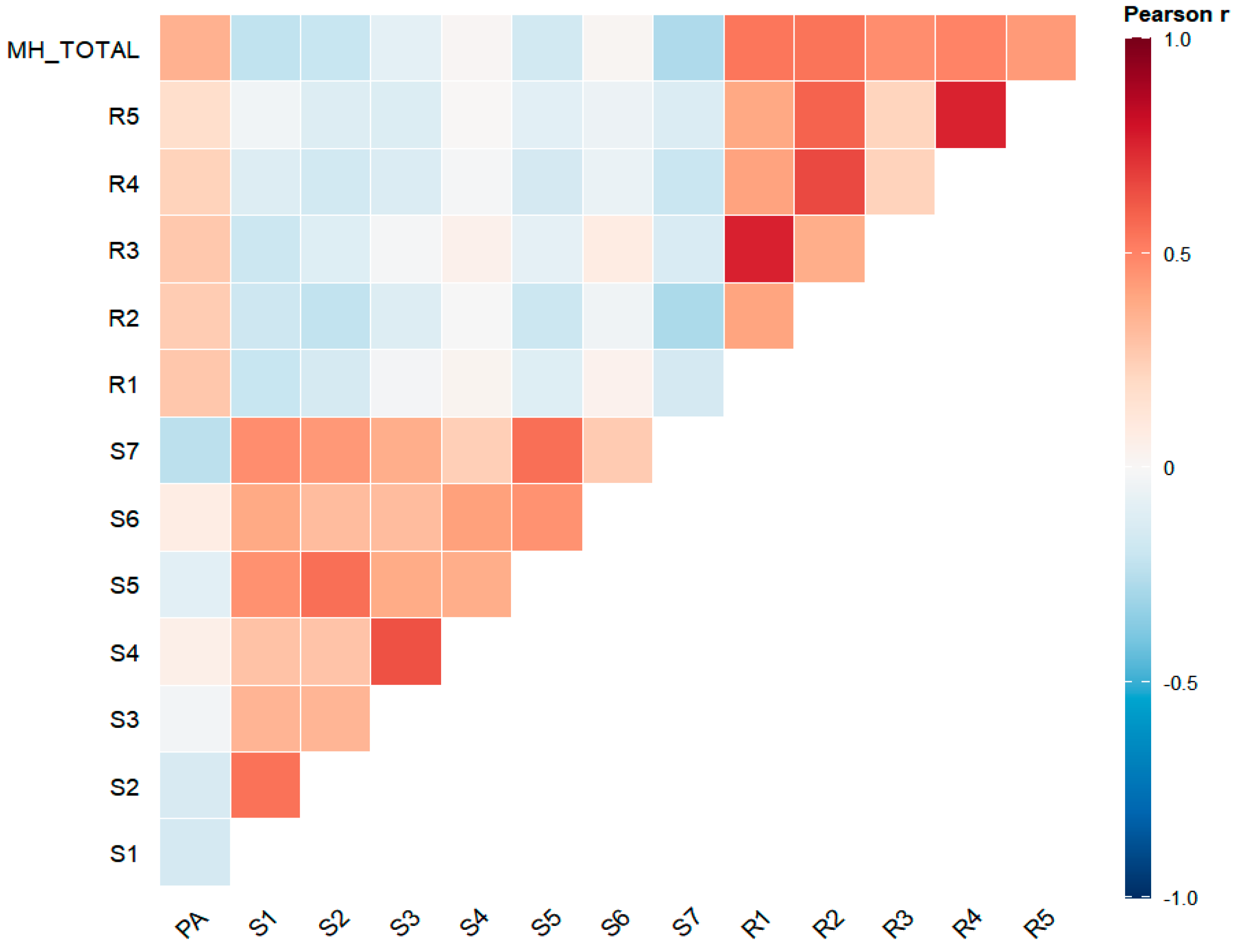
Figure 1: Correlation analysis chart for various variables.
A multiple linear regression analysis was further conducted with the total mental health score as the dependent variable. After physical activity, sleep variables, and psychological resilience variables were included simultaneously, physical activity, goal orientation, emotional control, positive cognition, and interpersonal support showed significant positive associations with the total mental health score. In contrast, subjective sleep quality and daytime dysfunction showed significant negative associations. In addition, use of sleep medication showed a significant positive coefficient after adjustment for the other variables. The regression coefficients for sleep latency, sleep duration, sleep efficiency, sleep disturbances, and family support did not reach statistical significance. The overall model was statistically significant, F(13, 2004) = 137.885, p < 0.001, R2 = 0.472, adjusted R2 = 0.469. Overall, after adjustment for the other variables, goal orientation, emotional control, positive cognition, interpersonal support, and physical activity were identified as important protective factors for mental health, whereas poor subjective sleep quality and daytime dysfunction were identified as relatively stable risk factors (Table 2).
Table 2: Results of multiple linear regression analysis.
| Variable | b | SE | t | 95% CI | Beta | sr2 | r | VIF |
|---|---|---|---|---|---|---|---|---|
| PA | 0.46 | 0.06 | 7.32*** | [0.34, 0.59] | 0.13 | 0.01 | 0.36 | 1.19 |
| S1 | −0.17 | 0.07 | −2.35* | [−0.32, −0.03] | −0.05 | 0 | −0.22 | 1.79 |
| S2 | −0.07 | 0.07 | −0.92 | [−0.21, 0.08] | −0.02 | <0.001 | −0.2 | 1.77 |
| S3 | 0.05 | 0.08 | 0.58 | [−0.11, 0.21] | 0.01 | <0.001 | −0.08 | 1.92 |
| S4 | 0.03 | 0.08 | 0.32 | [−0.13, 0.18] | 0.01 | 0 | 0.01 | 1.91 |
| S5 | 0.01 | 0.08 | 0.13 | [−0.15, 0.17] | 0 | 0 | −0.16 | 2.01 |
| S6 | 0.17 | 0.07 | 2.38* | [0.03, 0.32] | 0.05 | 0 | 0.02 | 1.51 |
| S7 | −0.28 | 0.07 | −3.81*** | [−0.43, −0.14] | −0.08 | 0 | −0.27 | 1.74 |
| R1 | 0.82 | 0.1 | 8.09*** | [0.62, 1.02] | 0.22 | 0.02 | 0.54 | 2.85 |
| R2 | 0.82 | 0.09 | 9.40*** | [0.65, 0.99] | 0.22 | 0.02 | 0.55 | 2.12 |
| R3 | 0.42 | 0.1 | 4.29*** | [0.23, 0.61] | 0.11 | 0 | 0.47 | 2.63 |
| R4 | 0.58 | 0.1 | 5.75*** | [0.38, 0.78] | 0.16 | 0.01 | 0.5 | 2.93 |
| R5 | 0.13 | 0.09 | 1.39 | [−0.05, 0.32] | 0.04 | <0.001 | 0.43 | 2.56 |
The random forest model showed good predictive performance for the total mental health score, explaining 55.46% of the variance in the model. Because the present study used a cross sectional design, random forest analysis identifies predictive importance rather than causal influence. Therefore, variable importance values indicate the extent to which each variable contributes to prediction accuracy within the model and should not be interpreted as evidence of causal or substantive effects on mental health. The variable importance ranking showed that goal orientation (R1), emotional control (R2), physical activity (PA), positive cognition (R3), interpersonal support (R4), family support (R5), and daytime dysfunction (S7) had relatively high predictive importance. After permutation testing and FDR correction, the following variables reached statistical significance: goal orientation (R1, IncMSE = 57.66, p_fdr = 0.026), emotional control (R2, IncMSE = 52.42, p_fdr = 0.026), physical activity (PA, IncMSE = 38.24, p_fdr = 0.026), positive cognition (R3, IncMSE = 35.90, p_fdr = 0.026), and daytime dysfunction (S7, IncMSE = 21.49, p_fdr = 0.026). Although interpersonal support (R4) and family support (R5) also showed relatively high importance rankings, they did not reach statistical significance after correction for multiple comparisons. The remaining sleep variables showed relatively weaker predictive importance. Thus, from a machine learning perspective, goal orientation, emotional control, physical activity, positive cognition, and daytime dysfunction were identified as variables with relatively high predictive importance for the mental health score within the random forest model. Among the included predictors, goal orientation and emotional control showed the highest predictive importance (Fig. 2).
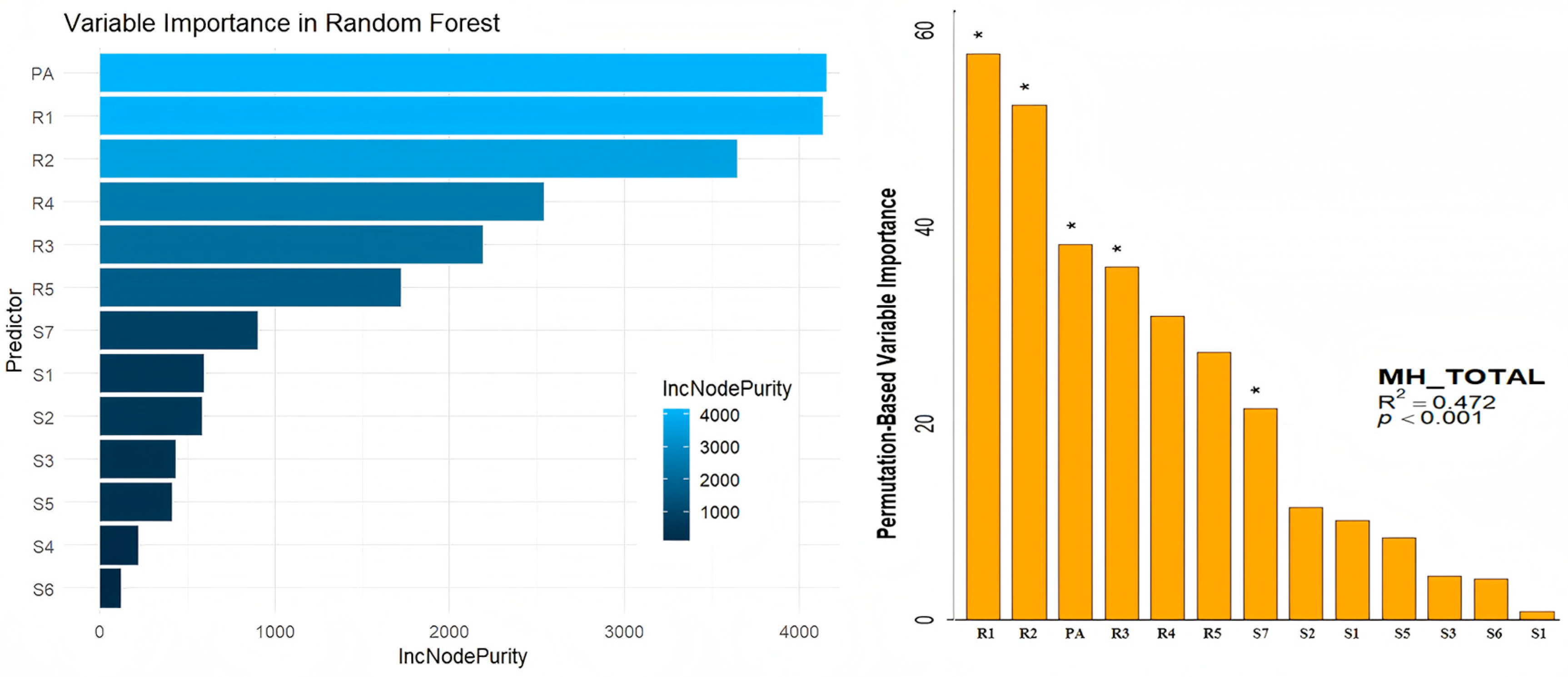
Figure 2: The left panel shows the ranking of variable importance based on IncNodePurity, while the right panel shows the statistical results of variable importance based on MSE. *p < 0.05.
The network analysis included 14 nodes. The estimated network comprised 69 edges with nonzero weights, accounting for 75.82% of the 91 possible edges, with an average edge weight of 0.059. The model was estimated using EBICglasso. These results indicate that the estimated regularized network was relatively dense; therefore, small edge weights should be interpreted with caution.
Regarding conditional associations with the total mental health score, emotional control (R2, EdgeWeight = 0.207), goal orientation (R1, EdgeWeight = 0.178), physical activity (PA, EdgeWeight = 0.167), interpersonal support (R4, EdgeWeight = 0.134), and positive cognition (R3, EdgeWeight = 0.098) showed relatively larger positive edge weights. In contrast, daytime dysfunction (S7, EdgeWeight = −0.069) and subjective sleep quality (S1, EdgeWeight = −0.052) showed negative conditional associations with the total mental health score. The direct edge weight between sleep duration (S3) and the total mental health score was 0, suggesting that its conditional association with mental health was negligible after adjustment for the other variables in the estimated network. Overall, these findings should be understood as exploratory patterns of conditional dependence within the present cross sectional data rather than as evidence of causal relationships or definitive substantive effects (Fig. 3).
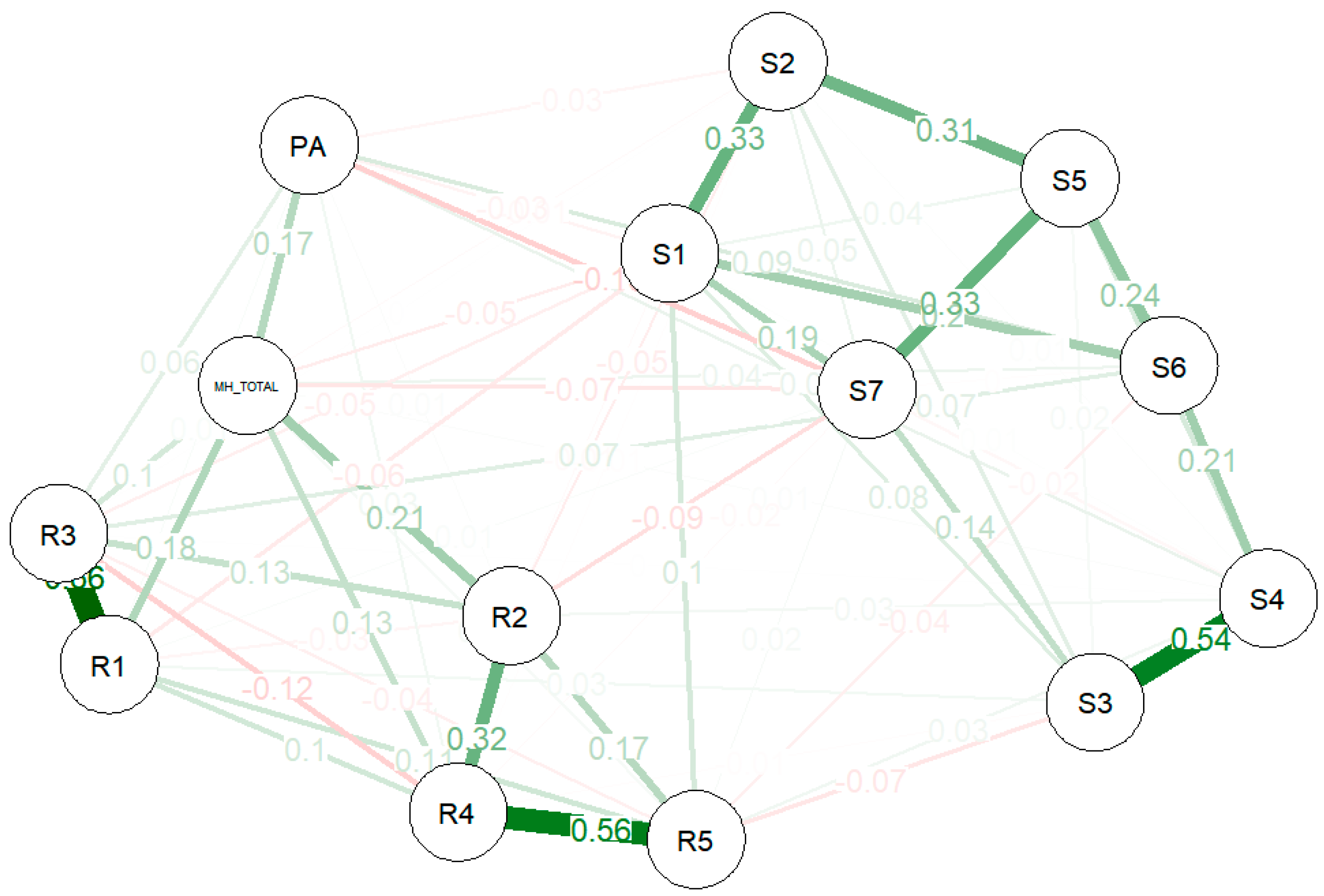
Figure 3: Overall network analysis diagram.
Regarding centrality metrics, Strength was used as the primary index for interpretation. Interpersonal support (R4), positive cognition (R3), goal orientation (R1), family support (R5), subjective sleep quality (S1), sleep disturbances (S5), sleep efficiency (S4), and daytime dysfunction (S7) exhibited relatively higher network connectivity. The stability test showed that the CS coefficient for Strength was 0.595, indicating good stability. Overall, the network analysis further supported the regression and random forest results. The variables most closely associated with mental health were primarily emotional control, goal orientation, physical activity, interpersonal support, and positive cognition, whereas daytime dysfunction and poor subjective sleep quality showed relatively stable negative connections.
The bootstrap edge weight accuracy results shown in Fig. 4 indicate that the estimated edge weights between the total mental health score (MH_TOTAL) and each variable were generally stable, with sample estimates largely consistent with the bootstrap means. Further comparison showed that MH_TOTAL had relatively large edge weights with emotional control (R2), goal orientation (R1), and physical activity (PA), indicating that these nodes were most closely linked to mental health. Relatively strong positive connections were also observed between MH_TOTAL and interpersonal support (R4) and positive cognition (R3). In contrast, the connections between sleep dimensions and mental health were generally weaker, with daytime dysfunction (S7) and subjective sleep quality (S1) showing negative associations with mental health. These results suggest that, within this network, psychological resilience components and physical activity may be more strongly associated with mental health than most sleep dimensions (Fig. 4).
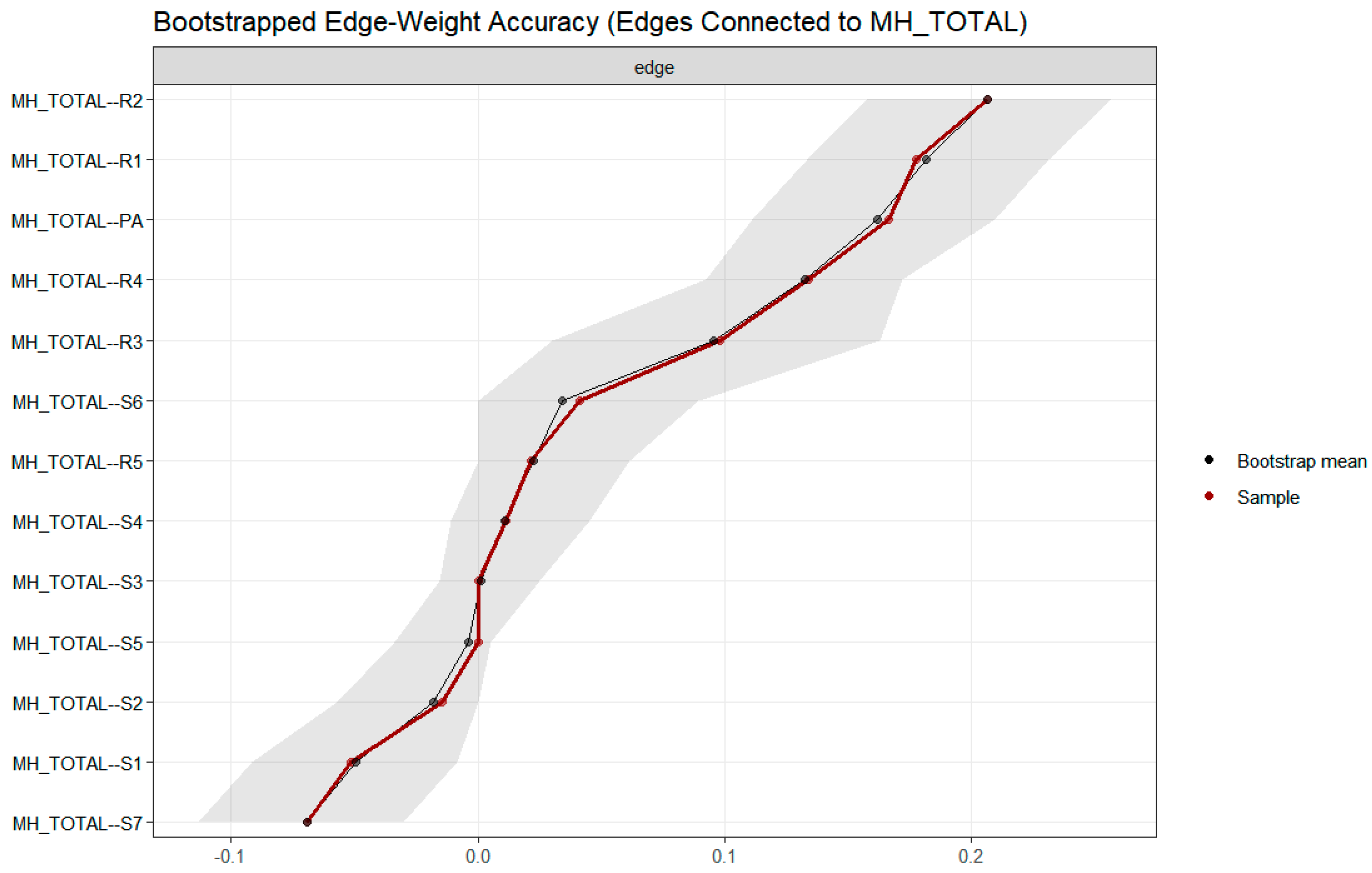
Figure 4: Results of the bootstrap method for testing edge differences starting from zero.
To further examine heterogeneity among junior high school students in physical activity, sleep problems, and psychological resilience, this study used physical activity (PA), the seven dimensions of sleep problems (S1–S7), and the five dimensions of psychological resilience (R1–R5) as profile indicators. Latent profile models with one to four profiles were fitted sequentially. The optimal model was selected by jointly considering statistical fit indices, including AIC, BIC, SABIC, and BLRT, together with entropy, minimum profile proportion, parsimony, model stability, and theoretical interpretability. The results showed that AIC, BIC, and SABIC generally decreased as the number of profiles increased. Although the model with four profiles had the lowest fit indices, its minimum profile proportion was only 1.1%, indicating that one profile contained very few participants. Such a small profile may be unstable and difficult to interpret meaningfully. Therefore, after balancing statistical fit, classification quality, profile size, parsimony, and theoretical interpretability, the model with three profiles was selected as the optimal solution. The entropy value of this model was 0.795. Because entropy reflects classification precision, with values closer to 1 indicating clearer separation among latent profiles, this value suggested acceptable to good classification accuracy (Table 3).
Table 3: Fitting index of the latent profile model.
| Category | AIC | BIC | SABIC | Entropy | prob_min | prob_max | n_min | n_max | BLRT |
|---|---|---|---|---|---|---|---|---|---|
| 1 | 74,487.864 | 74,633.72 | 74,551.117 | 1 | 1 | 1 | 1 | 1 | NA |
| 2 | 71,843.805 | 72,068.199 | 71,941.117 | 0.766 | 0.905 | 0.946 | 0.366 | 0.634 | 2673.233 |
| 3 | 70,674.519 | 70,977.452 | 70,805.89 | 0.795 | 0.872 | 0.923 | 0.186 | 0.541 | 1197.651 |
| 4 | 68,123.804 | 68,505.275 | 68,289.235 | 0.851 | 0.871 | 1 | 0.011 | 0.51 | 2578.295 |
From a theoretical perspective, the model with three profiles reflected distinct combinations of resources and risks within the biopsychosocial resilience framework. Physical activity and psychological resilience were conceptualized as behavioural and psychological and social resources, whereas sleep problems represented biological and regulatory risks. Based on the z standardised profile patterns shown in Fig. 5, three groups of students were identified.
The first group was labelled the “High Protection Group” (n = 549, 27.2%). Students in this profile showed relatively higher levels of physical activity and psychological resilience, together with relatively lower levels of sleep problems. This profile represented a high resource and low risk configuration. The second group was labelled the “General Group” (n = 1094, 54.2%). Students in this profile had scores for physical activity, sleep problems, and psychological resilience that were generally close to the sample mean. This profile represented an average or normative configuration. The third group was labelled the “High Risk Group” (n = 375, 18.6%). Students in this profile showed relatively lower levels of physical activity and psychological resilience, together with more prominent sleep problems. This profile represented a low resource and high risk configuration.
Overall, the latent profile results suggest that students differed not only in individual variables but also in their overall configurations of behavioural resources, biological and regulatory risks, and psychological and social resources. These profiles provided a person centred complement to the variable centred analyses by identifying subgroups of students with distinct resource and risk patterns (Fig. 5).
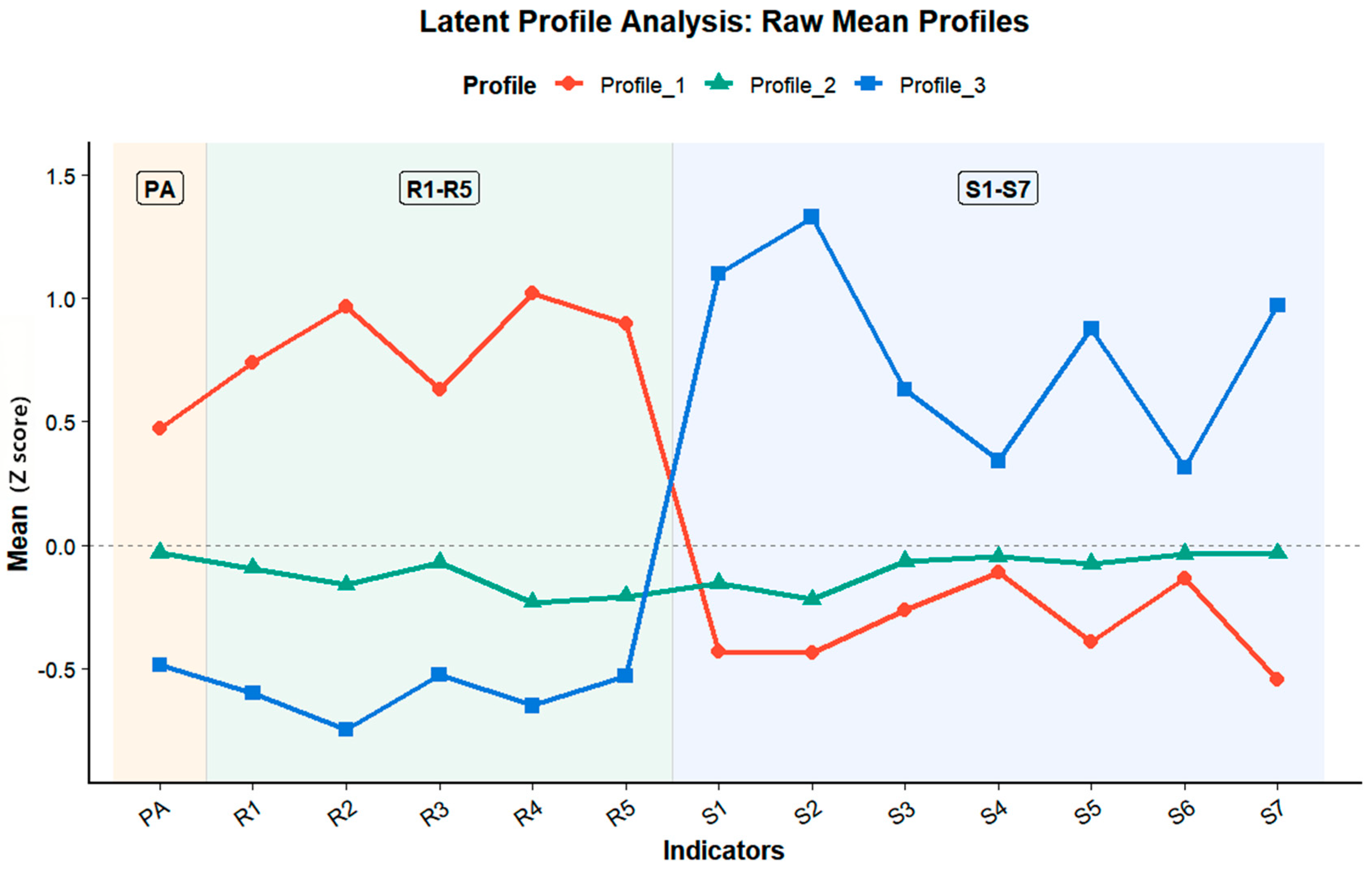
Figure 5: Latent profile plot of physical activity, sleep problems, and psychological resilience.
Further comparison of total mental health scores across the latent profiles revealed significant differences among the three groups, F(2, 2015) = 491.60, p < 0.001. Post hoc comparisons using Tukey HSD indicated that all pairwise differences were significant. The High Protection Group had the highest total mental health score (M = 3.11, SD = 2.64), followed by the General Group (M = −0.45, SD = 2.64), whereas the High Risk Group had the lowest score (M = −2.46, SD = 3.47). These results indicate that junior high school students are not a homogeneous group. Rather, they exhibit marked heterogeneity in their patterns of physical activity, sleep problems, and psychological resilience, and different latent profiles correspond to significantly different levels of mental health (Fig. 6).
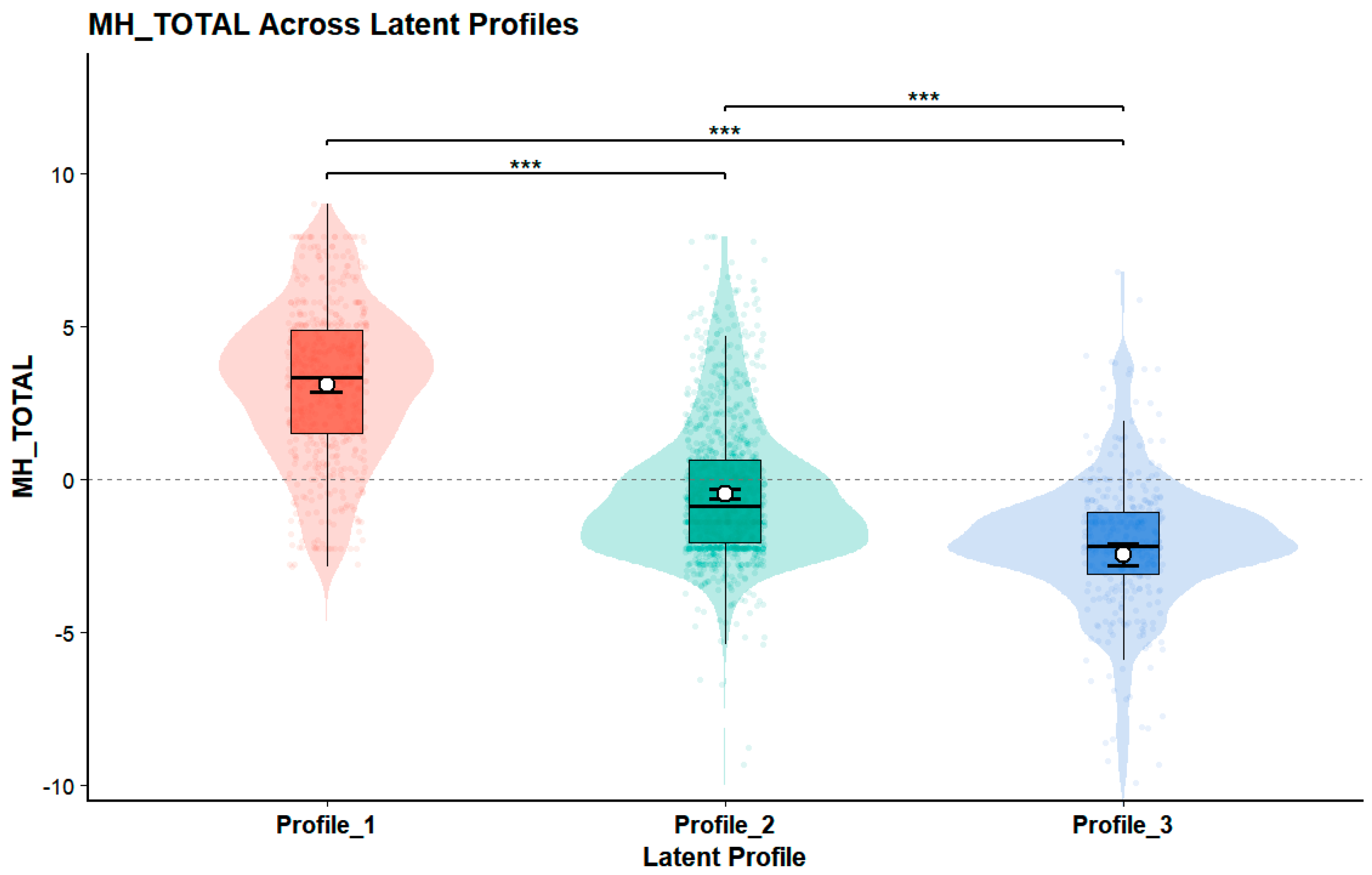
Figure 6: Differences in mental health across latent profile groups. ***p < 0.001.
Taken together, the regression, random forest, and network analyses consistently highlighted sleep related and resilience related factors as important correlates of mental health among junior high school students. Specifically, regression analysis showed the unique associations of these factors with mental health, random forest analysis indicated their relative predictive importance, and network analysis further identified whether they remained directly connected with mental health within the conditional association structure. Extending these variable centered findings, the LPA results showed that students with distinct configurations of physical activity, sleep, and resilience differed significantly in mental health levels. Overall, the findings suggest that physical activity, selected dimensions of psychological resilience, and daytime dysfunction may be closely associated with adolescent mental health.
4.1 The Overall Relationship between Physical Activity, Sleep, Psychological Resilience, and Mental Health
This study found a significant positive correlation between physical activity and mental health. Physical activity also showed consistent significance across multiple linear regression, random forest, and network analysis models. These results suggest that physical activity remained independently associated with the mental health of junior high school students even after sleep problems and multiple dimensions of psychological resilience were considered. This finding is consistent with previous reviews and meta analyses showing that adolescents who engage in higher levels of physical activity tend to report better emotional wellbeing, higher self esteem, fewer depressive symptoms, and better overall mental health [23,24,25]. The present study further indicates that physical activity retains strong explanatory relevance when included in the same model with sleep and psychological resilience. Thus, physical activity may not simply be a covariate that varies alongside other protective factors, but may represent a relatively stable protective correlate of mental health among junior high school students, with practical value for school based intervention.
Compared with physical activity, psychological resilience variables were more strongly associated with mental health. In particular, goal orientation, emotional control, positive cognition, and interpersonal support showed positive associations with mental health in both correlation analysis and multiple regression analysis. Among these dimensions, goal orientation and emotional control showed especially high relevance across regression analysis, random forest analysis, and network analysis, suggesting that they may represent particularly important protective resources for the mental health of junior high school students. This finding is consistent with resilience theories that conceptualize resilience not as a single trait, but as a dynamic system of internal and external resources that support adaptation under stress [21]. Prior studies have similarly emphasized the importance of emotion regulation, positive cognitive appraisal, and goal directed persistence in adolescents’ psychological adjustment. The strong relevance of goal orientation and emotional control may be closely related to the developmental context of junior high school students. Adolescents at this stage often face increased academic demands, peer comparison, emotional fluctuations, and growing expectations for self management. Goal orientation may help students maintain task engagement and a sense of direction when facing academic pressure, whereas emotional control may help them regulate negative emotions and respond more adaptively to interpersonal or school related stressors. Therefore, the stronger associations of these two dimensions with mental health may be explained by their close connection with self regulation. At the same time, family support was positively correlated with mental health but did not remain a significant independent correlate in the regression model. This does not necessarily mean that family support is unimportant. Rather, its association with mental health may overlap with other resilience resources, such as interpersonal support, positive cognition, and emotional control. Another possible explanation is that family support may operate indirectly by shaping adolescents’ internal resilience resources, rather than showing a strong unique association after other psychological factors are controlled. This finding suggests that future studies should further examine whether individual resilience dimensions mediate the relationship between family support and adolescent mental health.
With regard to sleep, most sleep problem dimensions were negatively correlated with mental health. However, after adjustment for other variables, subjective sleep quality and daytime dysfunction showed more stable negative associations with mental health than did other sleep dimensions. This finding is consistent with prior longitudinal studies and meta analytic evidence showing that sleep problems are closely linked to adolescent emotional and psychological difficulties [26,27,28]. One possible explanation is that subjective sleep quality and daytime dysfunction may be more closely connected with adolescents’ daily psychological experiences than behavioural sleep indicators alone. Poor subjective sleep quality may reflect students’ perceived restorativeness of sleep, whereas daytime dysfunction may capture the consequences of sleep problems in real life school contexts, including fatigue, impaired attention, reduced self control, and lower academic engagement. These functional consequences may be more directly associated with self reported mental health than sleep duration alone. Therefore, the present findings suggest that school based sleep related screening should focus not only on how long students sleep, but also on whether sleep problems affect daytime functioning [29].
At the same time, use of sleep medication showed a significant positive coefficient after adjustment for other variables. This finding should be interpreted cautiously because it was not fully consistent with the weaker association observed in the univariate analysis. Given that use of sleep medication is likely to be relatively uncommon among junior high school students, this variable may have had a low prevalence and a skewed distribution, which could have led to unstable estimates or suppression effects in the multivariate model. Therefore, this result should not be given a strong substantive psychological interpretation. Future studies should report the distribution and prevalence of sleep medication use more clearly and conduct sensitivity analyses to examine whether this association remains stable. In addition, more detailed information on the frequency, duration, medical context, and reasons for sleep medication use should be collected to clarify the meaning of this finding.
4.2 Further Identification of Key Factors Using Random Forests and Network Analysis
In addition to traditional correlation and regression analyses, this study used random forest analysis and network analysis to examine the relative relevance of physical activity, sleep problems, and psychological resilience. These complementary methods were not used to establish causal effects, but to determine whether similar patterns emerged across different analytical perspectives.
The random forest results indicated that goal orientation and emotional control were the most important factors, followed by physical activity and positive cognition, whereas daytime dysfunction was the most important sleep related variable. These findings suggest that, for the prediction of mental health, junior high school students’ goal orientation, self regulation, and positive cognitive appraisal may be more relevant than the presence or severity of certain sleep characteristics alone. Network analysis further showed, from the perspective of conditional independence, that emotional control, goal orientation, physical activity, interpersonal support, and positive cognition had strong positive direct links with the total mental health score, whereas daytime dysfunction and poor subjective sleep quality showed relatively stable negative links with mental health. In other words, after adjustment for the interrelationships among variables, the factors that maintained direct associations with mental health were mainly concentrated in resilience resources and physical activity [30]. Among sleep problems, the dimensions requiring particular attention may be those that are reflected in subjective fatigue, functional decline, and impaired adaptation in daily life [31].
These findings offer valuable insights into the structure of mental health among junior high school students. Although previous research has demonstrated the importance of physical activity, sleep, and psychological resilience, determining priorities for practical interventions remains challenging. Across multiple analytical perspectives, this study consistently found that goal orientation and emotional control were the most stable key variables. This finding suggests that promoting mental health among junior high school students requires not only general psychological support but also greater emphasis on helping students establish clear goals, maintain task engagement, regulate emotional responses, and interpret stressful events in a more positive manner.
At the same time, physical activity remains a key behavioural variable that can be addressed within the school setting. Nevertheless, because the present study used a cross sectional design, this association should be interpreted as observational rather than causal. The present findings do not demonstrate that increasing physical activity will improve mental health, but they do suggest that physical activity may be a feasible target for future school based intervention studies. This interpretation is consistent with broader evidence indicating that exercise interventions may improve mental health outcomes, although effects vary by exercise type and population [32]. It is also aligned with school based sport intervention evidence showing benefits for selected academic, behavioural, and fitness outcomes in children [33].
Future school based interventions should not frame physical activity only as a health obligation. For adolescents, enjoyable, socially engaging, and emotionally positive activity experiences may be especially important for sustaining participation over time. Recent evidence suggests that positive affective experiences during physical activity can shape continued engagement, which is highly relevant for school based mental health promotion [34,35]. Therefore, future interventions should focus not only on increasing the frequency or duration of physical activity but also on improving the quality, enjoyment, and adherence of activity experiences. Meanwhile, the findings regarding daytime dysfunction suggest that schools should not limit sleep related support to sleep duration or bedtime. Rather, they should also prioritize whether sleep problems are reflected in daytime fatigue, impaired classroom attention, and reduced academic performance [36,37].
4.3 Heterogeneity among Junior High School Students in Physical Activity, Sleep, and Psychological Resilience
Latent profile analysis identified three groups of students: the High Protection Group, the General Group, and the High Risk Group. These profiles showed distinct configurations of physical activity, sleep problems, and psychological resilience. The High Protection Group was characterized by higher physical activity, fewer sleep problems, and stronger psychological resilience, whereas the High Risk Group showed lower physical activity, more prominent sleep problems, and lower resilience. The General Group showed scores close to the sample average. These findings are consistent with person centered research suggesting that adolescent adjustment is often shaped by configurations of risk and protective factors rather than by isolated variables alone [38,39,40]. Compared with variable centered analyses, latent profile analysis provides additional insight by identifying subgroups of students who share similar patterns of resources and risks. In the present study, physical activity and psychological resilience can be understood as behavioural and psychological and social resources, whereas sleep problems represent biological and regulatory risks. The model with three profiles therefore reflects meaningful combinations of resources and risks.
The High Protection Group represented a high resource and low risk configuration. Students in this group may have had multiple mutually reinforcing advantages, including greater physical activity, fewer sleep related difficulties, stronger self regulation, and greater psychological resilience. In contrast, the High Risk Group represented a low resource and high risk configuration, in which insufficient physical activity, prominent sleep problems, and lower resilience occurred together. This accumulation of risks may place students at greater vulnerability to poorer mental health. The General Group represented a more normative pattern, suggesting that most students were not at the extremes but still differed in their levels of behavioural and psychological resources.
The novel insight of this person centered analysis is that it shows how protective and risk factors cluster within individuals. If only average level regression results are considered, schools may overlook students who experience multiple disadvantages simultaneously. The profile results suggest that screening and intervention should consider combinations of characteristics, such as low physical activity, high daytime dysfunction, and weak resilience resources. Students with such profiles may benefit from more comprehensive support that integrates physical activity promotion, sleep related guidance, and resilience training. Nevertheless, these profile results should be interpreted cautiously. Because the data were cross sectional, the study cannot determine whether physical activity, sleep problems, and resilience lead to differences in mental health or whether students with different levels of mental health develop different behavioural and psychological patterns. Therefore, the profiles should be understood as descriptive configurations of resources and risks rather than as developmental trajectories. Future longitudinal research is needed to examine whether students move between profiles over time and whether changes in physical activity, sleep, or resilience are associated with subsequent changes in mental health.
Several limitations should be noted. First, this study employed a cross sectional design; therefore, causal inferences cannot be drawn. Although physical activity, sleep quality, and psychological resilience were associated with mental health, the directionality of these relationships remains uncertain. Future longitudinal and intervention studies are needed to clarify the temporal order and potential causal mechanisms underlying these associations.
Second, all key variables were assessed using self report questionnaires, which may introduce common method bias, recall bias, social desirability bias, and response errors. Although the PAQ-A and PSQI are useful tools for assessing perceived physical activity and sleep quality, future studies should combine self report measures with device based assessments, such as accelerometry, actigraphy, or validated wearable monitoring, to capture physical activity, sedentary behaviour, and sleep more objectively. Such assessments should also consider device validation, wear time protocols, data processing procedures, and the interpretation of 24 h movement behaviour metrics.
Third, sedentary behaviour, physical fitness, and motor competence were not assessed. From a 24 h movement behaviour perspective, physical activity, sedentary behaviour, and sleep are interrelated components of daily time use. Future studies should include sedentary behaviour indicators and distinguish among different types of sedentary behaviour. In addition, objective fitness indicators, such as the 20 m shuttle run, handgrip strength, and standing long jump, could be included to clarify whether physical activity and physical fitness have independent or overlapping associations with adolescent mental health.
Fourth, gender sensitive and context specific analyses were limited. Previous evidence suggests that adolescent MVPA and its associations with mental health may differ by gender and between weekdays and weekends. Future studies should use larger and more diverse samples to test gender interactions, conduct gender stratified sensitivity analyses, and examine context specific activity patterns.
Finally, the demographic information available in this study was limited. Although participants were recruited from one junior high school in Jiangsu Province and basic information such as age and sex was available, more detailed demographic and socioeconomic variables, including grade level, urban or rural residence, parental education, family income, and parental occupation, were not collected. This limitation restricted the ability to describe the sample in greater detail, assess its representativeness, control for potential demographic and socioeconomic confounders, or conduct subgroup analyses. Because these variables may influence physical activity, sleep quality, psychological resilience, and mental health, future studies should collect and report more comprehensive demographic and socioeconomic information and adopt multi site, stratified, or nationally representative sampling designs.
This study suggests that physical activity, sleep quality, and psychological resilience are closely associated with mental health among junior high school students. Across multiple analytical approaches, physical activity, goal orientation, emotional control, positive cognition, interpersonal support, subjective sleep quality, and daytime dysfunction emerged as key correlates of mental health. Latent profile analysis further revealed meaningful heterogeneity in students’ combined patterns of behavioural and psychological resources. However, because the study used a cross sectional design, these findings should be interpreted as associations rather than causal effects. Future longitudinal and intervention studies should examine whether improving physical activity, sleep quality, and resilience related psychological resources can support adolescent mental health.
Acknowledgement:
Funding Statement: This research was funded by the Youth Project of Jiangsu Philosophy and Social Science Foundation, grant number 24TYC008, awarded to Baole Tao. The sponsor’s website is http://www.jsxc.gov.cn/.
Author Contributions: The authors confirm contribution to the paper as follows: study conception and design: Baole Tao, Hao Chen, and Jun Yan; methodology: Hanwen Chen, Zhenwu Li, and Tianci Lu; data collection and curation: Hanwen Chen, Tianci Lu, and Baole Tao; analysis and interpretation of results: Hao Chen, Zhenwu Li, Tianci Lu, Baole Tao, and Jun Yan; draft manuscript preparation: Baole Tao; manuscript review and editing: Baole Tao and Jun Yan; project administration: Baole Tao and Jun Yan. All authors reviewed and approved the final version of the manuscript.
Availability of Data and Materials: The datasets used and analyzed during the current study are available from the corresponding author upon reasonable request. Due to privacy and ethical considerations involving junior high school students, the raw data are not publicly available.
Ethics Approval: This study involved human participants and was conducted in accordance with the Declaration of Helsinki. The study protocol was approved by the Academic Ethics Committee of Yangzhou University in 2025, approval number YXYLL-2025-125.
Informed Consent: Written informed consent was obtained from the students and their parents or legal guardians before participation.
Conflicts of Interest: The authors declare no conflicts of interest.
References
1. Verboom CE , Sijtsema JJ , Verhulst FC , Penninx BW , Ormel J . Longitudinal associations between depressive problems, academic performance, and social functioning in adolescent boys and girls. Dev Psychol. 2014; 50( 1): 247– 57. doi:10.1037/a0032547. [Google Scholar] [CrossRef]
2. Ruiz-Ranz E , Asín-Izquierdo I . Physical activity, exercise, and mental health of healthy adolescents: A review of the last 5 years. Sports Med Health Sci. 2025; 7( 3): 161– 72. doi:10.1016/j.smhs.2024.10.003. [Google Scholar] [CrossRef]
3. Bacaro V , Miletic K , Crocetti E . A meta-analysis of longitudinal studies on the interplay between sleep, mental health, and positive well-being in adolescents. Int J Clin Health Psychol. 2024; 24( 1): 100424. doi:10.1016/j.ijchp.2023.100424. [Google Scholar] [CrossRef]
4. Luo S , Hu J , Zhang J , Mei Z , Tang Z , Luo S . The correlation between resilience and mental health of adolescents and young adults: A systematic review and meta-analysis. Front Psychiatry. 2025; 16: 1536553. doi:10.3389/fpsyt.2025.1536553. [Google Scholar] [CrossRef]
5. Fu Q , Li L , Li Q , Wang J . The effects of physical activity on the mental health of typically developing children and adolescents: A systematic review and meta-analysis. BMC Public Health. 2025; 25( 1): 1514. doi:10.1186/s12889-025-22690-8. [Google Scholar] [CrossRef]
6. Araujo RHO , Werneck AO , Martins CL , Barboza LL , Tassitano RM , Aguilar-Farias N , et al. Global prevalence and gender inequalities in at least 60 Min of self-reported moderate-to-vigorous physical activity 1 or more days per week: An analysis with 707, 616 adolescents. J Sport Health Sci. 2024; 13( 5): 709– 16. doi:10.1016/j.jshs.2023.10.011. [Google Scholar] [CrossRef]
7. Pan S , Wang P , Tao Y , Zhang Z , Herold F , Heath M , et al. Timing of MVPA and psychosocial outcomes in adolescents with overweight/obesity. Int J Clin Health Psychol. 2026; 26( 1): 100687. doi:10.1016/j.ijchp.2026.100687. [Google Scholar] [CrossRef]
8. Biddle SJH , Asare M . Physical activity and mental health in children and adolescents: A review of reviews. Br J Sports Med. 2011; 45( 11): 886– 95. doi:10.1136/bjsports-2011-090185. [Google Scholar] [CrossRef]
9. Lubans D , Richards J , Hillman C , Faulkner G , Beauchamp M , Nilsson M , et al. Physical activity for cognitive and mental health in youth: A systematic review of mechanisms. Pediatrics. 2016; 138( 3): e20161642. doi:10.1542/peds.2016-1642. [Google Scholar] [CrossRef]
10. Wang W , Zhu Y , Yu H , Wu C , Li T , Ji C , et al. The impact of sleep quality on emotion regulation difficulties in adolescents: A chained mediation model involving daytime dysfunction, social exclusion, and self-control. BMC Public Health. 2024; 24( 1): 1862. doi:10.1186/s12889-024-19400-1. [Google Scholar] [CrossRef]
11. Buysse DJ , Reynolds CF III , Monk TH , Berman SR , Kupfer DJ . The Pittsburgh Sleep Quality Index: A new instrument for psychiatric practice and research. Psychiatry Res. 1989; 28( 2): 193– 213. doi:10.1016/0165-1781(89)90047-4. [Google Scholar] [CrossRef]
12. Zhu X , Haegele JA , Liu H , Yu F . Academic stress, physical activity, sleep, and mental health among Chinese adolescents. Int J Environ Res Public Health. 2021; 18( 14): 7257. doi:10.3390/ijerph18147257. [Google Scholar] [CrossRef]
13. Zhang M , Jiang J , Peng W , Yang R , Liu Q , Li S , et al. A cross-sectional study of the association between physical activity and depressive symptoms among adolescents in southwest China stratified by parental absence: The mediating role of insomnia and the moderating role of resilience. BMJ Open. 2024; 14( 9): e079531. doi:10.1136/bmjopen-2023-079531. [Google Scholar] [CrossRef]
14. Epskamp S , Borsboom D , Fried EI . Estimating psychological networks and their accuracy: A tutorial paper. Behav Res Methods. 2018; 50( 1): 195– 212. doi:10.3758/s13428-017-0862-1. [Google Scholar] [CrossRef]
15. An R , Shen J , Wang J , Yang Y . A scoping review of methodologies for applying artificial intelligence to physical activity interventions. J Sport Health Sci. 2024; 13( 3): 428– 41. doi:10.1016/j.jshs.2023.09.010. [Google Scholar] [CrossRef]
16. Spurk D , Hirschi A , Wang M , Valero D , Kauffeld S . Latent profile analysis: A review and “how to” guide of its application within vocational behavior research. J Vocat Behav. 2020; 120: 103445. doi:10.1016/j.jvb.2020.103445. [Google Scholar] [CrossRef]
17. Zhao C , He J , Zhang G , Yu G . Educational stage differences of sleep problems and associated factors among adolescents: A latent profile analysis and network analysis. Curr Psychol. 2025; 44( 15): 13605– 18. doi:10.1007/s12144-025-08068-4. [Google Scholar] [CrossRef]
18. Kowalski KC , Crocker PR , Donen RM . The physical activity questionnaire for older children (PAQ-C) and adolescents (PAQ-A) manual. Coll Kinesiol Univ Sask. 2004; 87( 1): 1– 38. [Google Scholar]
19. Qin L , Ho WKY , Khoo S . The Chinese version of the physical activity questionnaire for adolescents: A psychometric validity, reliability, and invariance study. BMC Public Health. 2024; 24( 1): 3117. doi:10.1186/s12889-024-20563-0. [Google Scholar] [CrossRef]
20. Liu XC , Tang MQ , Hu L , Wang AZ , Wu HX , Zhao GF , et al. Reliability and validity of the Pittsburgh Sleep Quality Index. Chin J Psychiatry. 1996; 29( 2): 103– 7. (In Chinese). [Google Scholar]
21. Hu YQ , Gan YQ . Development and psychometric validity of the resilience scale for Chinese adolescents. Acta Psychol Sin. 2008; 40( 8): 902– 12. (In Chinese). doi:10.3724/SP.J.1041.2008.00902. [Google Scholar] [CrossRef]
22. Su D , Huang XT . A preliminary study on the structure of mental health with adaptive orientation for secondary school students. Psychol Sci. 2007; 30( 6): 1290– 4. (In Chinese). doi:10.16719/j.cnki.1671-6981.2007.06.051. [Google Scholar] [CrossRef]
23. Rodriguez-Ayllon M , Cadenas-Sánchez C , Estévez-López F , Muñoz NE , Mora-Gonzalez J , Migueles JH , et al. Role of physical activity and sedentary behavior in the mental health of preschoolers, children and adolescents: A systematic review and meta-analysis. Sports Med. 2019; 49( 9): 1383– 410. doi:10.1007/s40279-019-01099-5. [Google Scholar] [CrossRef]
24. Zhou S , Xu Y , Yang Y , Song H , Wang X , Yu Y . Effect of exercise interventions on depression, anxiety, and self-esteem in children and adolescents: A systematic review and network meta-analysis. BMC Public Health. 2025; 25( 1): 3706. doi:10.1186/s12889-025-25044-6. [Google Scholar] [CrossRef]
25. Bengtsson D , Svensson J , Wiman V , Stenling A , Lundkvist E , Ivarsson A . Health-related outcomes of youth sport participation: A systematic review and meta-analysis. Int J Behav Nutr Phys Act. 2025; 22( 1): 89. doi:10.1186/s12966-025-01792-x. [Google Scholar] [CrossRef]
26. O’Callaghan VS , Couvy-Duchesne B , Strike LT , McMahon KL , Byrne EM , Wright MJ . A meta-analysis of the relationship between subjective sleep and depressive symptoms in adolescence. Sleep Med. 2021; 79: 134– 44. doi:10.1016/j.sleep.2021.01.011. [Google Scholar] [CrossRef]
27. Alvaro PK , Roberts RM , Harris JK . A systematic review assessing bidirectionality between sleep disturbances, anxiety, and depression. Sleep. 2013; 36( 7): 1059– 68. doi:10.5665/sleep.2810. [Google Scholar] [CrossRef]
28. Blake MJ , Sheeber LB , Youssef GJ , Raniti MB , Allen NB . Systematic review and meta-analysis of adolescent cognitive–behavioral sleep interventions. Clin Child Fam Psychol Rev. 2017; 20( 3): 227– 49. doi:10.1007/s10567-017-0234-5. [Google Scholar] [CrossRef]
29. Shen L , Nicolazzo J , Sletten TL , Anderson C , Yap Y , Wiley JF , et al. Daily fluctuations in adolescents’ sleep predict next-day attention, sleepiness, and fatigue: An ecological momentary assessment study over 28 days. J Child Psychol Psychiatry. 2025; 66( 5): 686– 96. doi:10.1111/jcpp.14076. [Google Scholar] [CrossRef]
30. Li M , Huang Y , Sun M . Exploring the structural links between peer support, psychological resilience, and exercise adherence in adolescents: A multigroup model across gender and educational stages. BMC Public Health. 2025; 25( 1): 2300. doi:10.1186/s12889-025-23308-9. [Google Scholar] [CrossRef]
31. Åslund L , Andreasson A , Lekander M , Henje E , Dennhag I . Disturbed sleep and patterns of psychiatric symptoms and function in a school-based sample of adolescents. Clin Child Psychol Psychiatry. 2023; 28( 4): 1524– 35. doi:10.1177/13591045221125479. [Google Scholar] [CrossRef]
32. Yu Q , Wong KK , Lei OK , Nie J , Shi Q , Zou L , et al. Comparative effectiveness of multiple exercise interventions in the treatment of mental health disorders: A systematic review and network meta-analysis. Sports Med Open. 2022; 8( 1): 135. doi:10.1186/s40798-022-00529-5. [Google Scholar] [CrossRef]
33. Pinto-Escalona T , Gobbi E , Valenzuela PL , Bennett SJ , Aschieri P , Martin-Loeches M , et al. Effects of a school-based karate intervention on academic achievement, psychosocial functioning, and physical fitness: A multi-country cluster randomized controlled trial. J Sport Health Sci. 2024; 13( 1): 90– 8. doi:10.1016/j.jshs.2021.10.006. [Google Scholar] [CrossRef]
34. Rhodes RE , Beauchamp MR , Carson V , Courtnall S , Wierts CM , Blanchard CM . Effect of recreational sport and physical activity participation on well-being during early parenthood: A randomized controlled trial. Ann Behav Med. 2025; 59( 1): 81. doi:10.1093/abm/kaae081. [Google Scholar] [CrossRef]
35. Wang T , Chen J , Schinke R , Zou L . Commentary on “Why people should run after positive affective experiences instead of health benefits”. J Sport Health Sci. 2024; 13( 4): 451– 2. doi:10.1016/j.jshs.2023.06.003. [Google Scholar] [CrossRef]
36. Gao Y , Yu Q , Schuch FB , Herold F , Hossain MM , Ludyga S , et al. Meeting 24-h movement behavior guidelines is linked to academic engagement, psychological functioning, and cognitive difficulties in youth with internalizing problems. J Affect Disord. 2024; 349: 176– 86. doi:10.1016/j.jad.2024.01.017. [Google Scholar] [CrossRef]
37. Contardo Ayala AM , Lander N , Mazzoli E , Timperio A , Koorts H , Ridgers ND , et al. Protocol of the TransformUs Secondary schools program: A type II hybrid implementation-effectiveness trial to increase adolescents’ physical activity and reduce sedentary time in secondary schools. BMJ Open. 2025; 15( 2): e090468. doi:10.1136/bmjopen-2024-090468. [Google Scholar] [CrossRef]
38. Yang H , Sun L , Zhang Y . Latent profiles of post-traumatic distress and growth in adolescents: The role of modifiable protective factors. Front Psychiatry. 2026; 17: 1720487. doi:10.3389/fpsyt.2026.1720487. [Google Scholar] [CrossRef]
39. Onyeka OC , Cheng JS , Sanei S , Clark SL , Pinciotti CM , Guzick AG , et al. Exploring resource profiles among trauma exposed youth: An identity-focused, cultural, and person-centered approach. J Affect Disord. 2026; 393( Pt A): 120298. doi:10.1016/j.jad.2025.120298. [Google Scholar] [CrossRef]
40. Lenzi M , Dougherty D , Furlong MJ , Sharkey J , Dowdy E . The configuration protective model: Factors associated with adolescent behavioral and emotional problems. J Appl Dev Psychol. 2015; 38: 49– 59. doi:10.1016/j.appdev.2015.03.003. [Google Scholar] [CrossRef]
Cite This Article
 Copyright © 2026 The Author(s). Published by Tech Science Press.
This work is licensed under a Creative Commons Attribution 4.0 International License , which permits unrestricted use, distribution, and reproduction in any medium, provided the original work is properly cited.
 Downloads
 Citation Tools
