
 Login
Login Register
 Submit a Paper
 Propose a Special lssue
 Open Access
ARTICLE
Workplace Friendship and Burnout among Kindergarten Teachers in China: The Mediating Role of Job Satisfaction and the Moderating Role of Relative Deprivation
1 School of Humanities, Southeast University, Nanjing, China
2 School of Special Education, Nanjing Normal University of Special Education, Nanjing, China
3 School of Education Science, Nanjing Normal University of Special Education, Nanjing, China
* Corresponding Author: Xiangzhen Ma. Email:
# These authors contributed equally to this work
(This article belongs to the Special Issue: Teachers under Pressure: Unpacking the Relationship Between Well-being, Mental Health, Work Environment and Professional Fulfilment)
International Journal of Mental Health Promotion 2026, 28(9), 8 https://doi.org/10.32604/ijmhp.2026.086465
Received 31 May 2026; Accepted 29 July 2026; Issue published 22 September 2026
 View Full Text
 Download PDF
Abstract
Background: Kindergarten teachers are particularly vulnerable to burnout because their work involves substantial emotional and caregiving demands, which may be associated with teaching quality and children’s development. Using a sample of kindergarten teachers in China, this study tested a moderated mediation model to examine how workplace friendship, job satisfaction, and relative deprivation were associated with kindergarten teachers’ burnout. Methods: Using a cross-sectional self-report design, 344 kindergarten teachers from Jiangsu Province, mainland China, completed measures of workplace friendship, relative deprivation, job satisfaction, and burnout. Descriptive statistics, Pearson correlation analyses, mediation analysis, and moderated mediation analyses were conducted using SPSS and the PROCESS macro. Results: (1) Workplace friendship was negatively associated with burnout among kindergarten teachers (β = −0.41, p < 0.001, 95% CI [−0.50, −0.31]); (2) job satisfaction partially mediated the association between workplace friendship and burnout (indirect effect = −0.19, SE = 0.03, 95% CI [−0.25, −0.13]); and (3) relative deprivation moderated the association between job satisfaction and burnout (β = 0.14, p < 0.01, 95% CI [0.05, 0.22]). Conclusions: These findings may help clarify how workplace friendship is associated with burnout among kindergarten teachers by identifying job satisfaction as a potential psychological pathway. Moreover, relative deprivation moderated the second stage of this mediation process, indicating that the association between job satisfaction and burnout varied across different levels of perceived relative deprivation. Future research should examine whether these associations among workplace friendship, job satisfaction, relative deprivation, and burnout can be generalized across different cultural contexts.Keywords
Kindergarten teachers are often among the first important non-family adults with whom children develop meaningful relationships [1]. By integrating education with daily care, kindergarten teachers offer emotional support and experiences that may foster children’s subsequent social-emotional and academic development [2]. These responsibilities may also leave kindergarten teachers susceptible to burnout [3]. Burnout scholarship has primarily examined adverse employee outcomes [4], leaving the potentially protective role of collegial friendship comparatively underexplored. Accordingly, we investigated how workplace friendship was related to burnout among kindergarten teachers and considered a potential psychological process that might account for this association. We tested a conditional process model in which job satisfaction served as the mediator and relative deprivation qualified the latter part of the indirect association. The present study contributes to the literature in three ways. First, it extends research on workplace friendship by examining its association with burnout among kindergarten teachers. Second, it evaluates job satisfaction as the intervening variable connecting workplace friendship with burnout, thereby specifying one possible pathway between them. Third, the framework may inform efforts to protect occupational well-being by combining interpersonal-resource development with attention to perceived relative deprivation.
1.1 Workplace Friendship and Burnout
Here, workplace friendship describes voluntarily developed informal bonds between coworkers, characterized by trust, mutual support, and practical help [5]. Empirical evidence has linked such collegial bonds with better occupational well-being [6,7]. Nevertheless, substantial job pressure remains common in contemporary workplaces, alongside widespread burnout [8]. Burnout is associated with poorer physical and psychological health, reduced job performance, and weaker organizational functioning [9]. Kindergarten teachers represent a professional group that may be particularly vulnerable to burnout [3]. In addition to educating young children, they are responsible for children’s daily care and emotional development. This dual role requires teachers to meet diverse pedagogical, caregiving, and emotional demands. Furthermore, kindergarten teachers must maintain frequent communication with parents, provide timely feedback on children’s development, and respond to parental concerns. These responsibilities require substantial patience, attentiveness, and emotional investment. Prolonged exposure to such demands may be associated with physical and psychological exhaustion and a higher risk of burnout. According to Conservation of Resources theory, individuals are motivated to acquire, maintain, and protect valuable resources [10,11]. From this perspective, burnout may occur when individuals experience actual or threatened resource loss and are unable to replenish depleted resources effectively. Workplace friendship may serve as an important social resource by providing emotional support, practical assistance, and a sense of belonging. These resources may help employees cope with resource depletion associated with work demands and may weaken the association between work-related stress and burnout. Furthermore, cultural factors may provide a useful context for understanding the association between workplace friendship and burnout. In the Chinese cultural context, collectivist values and harmonious interpersonal relationships are often emphasized [12]. This cultural orientation may encourage employees to integrate into the collective and establish mutually supportive social networks. In supportive team environments, stronger collegial friendships among kindergarten teachers may coincide with lower burnout. H1 therefore predicts an inverse association between workplace friendship and burnout among kindergarten teachers.
1.2 The Mediating Role of Job Satisfaction
Job satisfaction is defined as a positive emotional state resulting from an individual’s evaluation of his or her job or work experience [13], and it may mediate the association between workplace friendship and burnout among kindergarten teachers. On the one hand, workplace friendship is strongly associated with job satisfaction. When employees develop positive relationships with colleagues, they may be more likely to integrate into the team, share professional values, and identify with team goals [14,15]. This sense of identification may help employees develop a deeper and clearer understanding of the meaning and value of their work, which may be associated with higher job satisfaction. These positive associations of workplace friendship have been widely observed across employee populations. In the context of kindergarten education, workplace friendship may function in a similar manner. Positive working relationships among colleagues may strengthen teamwork, facilitate the sharing of teaching experiences, and provide emotional support for kindergarten teachers. Through workplace friendships, teachers may interact more effectively, creating a more harmonious work environment and ultimately enhancing job satisfaction. On the other hand, job satisfaction is an important correlate of burnout. Both theoretical and empirical studies have supported the association between the two constructs. According to the Job Demands-Resources (JD-R) model, individuals’ work attitudes may be shaped by the degree to which the work environment matches their needs [16]. When employees’ job demands are adequately met and their contributions are recognized by the team, they may be more likely to maintain a positive work attitude and report higher job satisfaction [17]. Empirical studies have shown that job satisfaction is negatively associated with burnout and positively associated with psychological capital and well-being [18,19]. A recent workplace meta-analysis provided further evidence for the negative association between job satisfaction and burnout [20]. These findings suggest that the negative association between job satisfaction and burnout may not be limited to specific occupations but may apply broadly across work settings. In the workplace context of kindergartens, teachers with high job satisfaction may be more positively engaged in their teaching work, which may be associated with greater work efficiency and lower burnout. H2 proposes that job satisfaction statistically mediates the association of workplace friendship with burnout among kindergarten teachers.
1.3 The Moderating Role of Relative Deprivation
Relative deprivation is a cognitive-affective state that arises when people view their outcomes as unfairly inferior to those of a relevant comparison group and react with emotions such as anger or discontent [21]. As a potential risk factor, relative deprivation may be associated with negative emotions, as well as poorer mental health and career development [22,23,24]. Previous studies have also shown that relative deprivation is negatively associated with job satisfaction and positively associated with burnout [25,26]. Among kindergarten teachers, relative deprivation may arise when they perceive disparities in compensation, professional recognition, career advancement opportunities, or working conditions compared with colleagues or members of other occupational groups. Such perceptions of disadvantage may be associated with less positive evaluations of work and greater vulnerability to work-related stress. The strength of the job satisfaction-burnout association may therefore depend on kindergarten teachers’ perceived relative deprivation. According to Social Comparison Theory, individuals evaluate their outcomes and social status by comparing themselves with relevant others [27,28]. When teachers experience high levels of relative deprivation, they may be more likely to focus on perceived inequities and unmet expectations. Consequently, the positive psychological meaning of job satisfaction may be weakened, and its negative association with burnout may become less pronounced. In contrast, teachers with low levels of relative deprivation may be less likely to perceive unfair disparities and tend to evaluate their work experiences more positively. As a result, the negative association between job satisfaction and burnout may be stronger among teachers with lower levels of relative deprivation. H3 thus predicts that kindergarten teachers’ level of relative deprivation conditions the association between job satisfaction and burnout.
We evaluated a conditional process account of burnout in which workplace friendship was linked to job satisfaction and relative deprivation qualified the job satisfaction-burnout association. Accordingly, we expected workplace friendship to be inversely associated with burnout (H1), job satisfaction to carry part of this association (H2), and relative deprivation to condition the job satisfaction-burnout association (H3). The results may inform both theory and workplace practices aimed at cultivating supportive collegial ties and protecting kindergarten teachers’ occupational well-being. The hypothesized model is shown in Fig. 1.
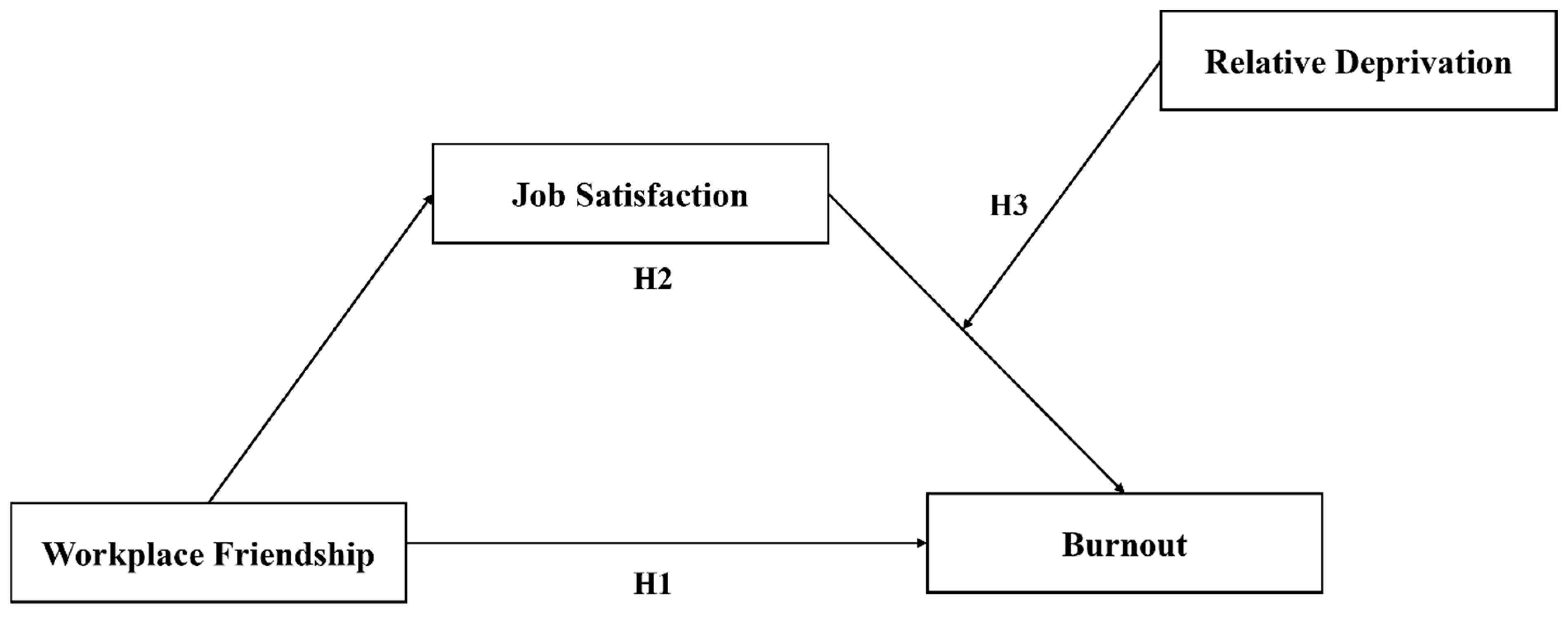
Figure 1: Conceptual model evaluated in this study.
This study employed a convenience sampling strategy to recruit certified kindergarten teachers from 20 kindergartens in Jiangsu Province, China. After permission was obtained from the participating kindergartens, eligible teachers were invited to participate in the study and complete the questionnaire. Data were collected between March and April 2025 through an offline questionnaire survey administered on site during teachers’ non-instructional time. Before data collection, the researchers explained the purpose of the study and obtained written informed consent from all participants. Participation was voluntary, and participants were assured of the confidentiality and anonymity of their responses. This study was conducted in accordance with the ethical principles outlined in the Declaration of Helsinki. The research was examined and approved by the ethics committee of the Psychology Research Center at Southeast University (approval number: 20250310). Written informed consent was obtained from all participants included in the study.
A total of 410 questionnaires were distributed, and 344 valid responses were retained after incomplete and invalid questionnaires were excluded, yielding an effective response rate of 83.90%. Regarding kindergarten type, 230 teachers were employed in public kindergartens and 114 in private kindergartens. Regarding kindergarten location, 277 teachers worked in urban kindergartens and 67 worked in rural kindergartens. The sample consisted of 320 female teachers and 24 male teachers, with a mean age of 33.40 years (SD = 6.84). In terms of educational attainment, 72 participants held a junior college degree or below, 264 held a bachelor’s degree, and 8 held a master’s degree or above. The final sample size satisfied the commonly recommended subject-to-item ratio of approximately 10:1, indicating that the sample size was generally appropriate for the present study [29,30].
All scales used in this study were originally developed in non-Chinese languages. Following Brislin’s translation and back-translation procedure, the instruments were translated into Chinese and independently back-translated into the corresponding source languages to check translation equivalence [31]. The translated versions were subsequently reviewed by one Ph.D. in psychology and one Ph.D. in early childhood education to ensure cultural appropriateness and linguistic clarity within the Chinese context.
Workplace friendship was measured using the six-item Friendship Prevalence subscale [32], which has been widely used as an independent measure in prior studies [33,34,35]. Items were rated on a 5-point Likert scale, with higher scores indicating higher levels of workplace friendship. The Cronbach’s α coefficient was 0.91 in the present study.
Burnout was measured using the Burnout Clinical Subtypes Questionnaire (BCSQ-12) [36]. The BCSQ-12 consists of 12 items assessing three dimensions of burnout: overload, lack of development, and neglect. All items were rated on a 7-point Likert scale. As in previous applications of the BCSQ-12, higher total scores indicate higher levels of burnout [37]. In the present study, the three dimensions showed moderate to strong intercorrelations (r = 0.57–0.72), and the Cronbach’s α coefficient for the scale was 0.92.
Teachers’ job satisfaction was measured using five items adapted from Johlke and Duhan [38]. All items were rated on a 7-point Likert scale. Higher scores indicate greater job satisfaction. The Cronbach’s α coefficient for this scale was 0.82 in the present study.
Relative deprivation was measured using the Personal Relative Deprivation Scale–Revised [39]. The scale consists of five items rated on a 6-point Likert scale. Higher scores indicate higher levels of perceived relative deprivation. The Cronbach’s alpha coefficient for this scale was 0.89 in the present study.
The data were analyzed using SPSS 26.0 (IBM Corp., Armonk, NY, USA), R version 4.3.3 (R Foundation for Statistical Computing, Vienna, Austria) with the ‘lavaan’ package version 0.6–17, and Hayes’ PROCESS macro version 3.3. Given that all variables were collected using self-report questionnaires, common method bias was first assessed using Harman’s single-factor test and a single-factor confirmatory factor analysis. Descriptive statistics and Pearson correlation analyses were then conducted to examine the associations among the study variables. Prior to the mediation and moderated mediation analyses, all variables were standardized to obtain standardized path coefficients (β) for interpretation and reporting purposes. Gender and kindergarten type were included as control variables in all models. Workplace friendship was specified as the independent variable, job satisfaction as the mediator, burnout as the dependent variable, and relative deprivation as the moderator. Consistent with the research hypotheses, the mediation and moderated mediation models were tested using PROCESS Model 4 and Model 14, respectively [40]. Parameter estimates were derived using bias-corrected bootstrapping with 5000 resamples to generate 95% confidence intervals (CIs). Statistical significance was defined as p < 0.05 (two-tailed). In addition, multicollinearity was assessed using variance inflation factors (VIF), with all values below 5. Moreover, normality was examined using skewness and kurtosis statistics, with absolute values less than 2 indicating acceptable distributional properties.
Given that all study variables were collected using self-report questionnaires, both procedural and statistical approaches were used to address potential common method bias [41]. Procedurally, participants were assured of anonymity and confidentiality during data collection. Statistically, Harman’s single-factor test was performed using exploratory factor analysis. Five factors with eigenvalues greater than 1 were extracted, and the first factor accounted for 37.38% of the total variance, which was below the recommended threshold of 50%. In addition, a single-factor confirmatory factor analysis demonstrated poor model fit, χ2/df = 8.93, CFI = 0.54, TLI = 0.51, RMSEA = 0.15, SRMR = 0.12. These results suggest that common method bias was unlikely to be a serious concern in the present study.
3.2 Descriptive Statistics and Correlation Analysis
Table 1 presents the means, standard deviations (SDs), and correlations among the study variables. Among the control variables, gender was positively correlated with burnout, whereas type of kindergarten was positively correlated with burnout and relative deprivation. Age was not significantly correlated with the main study variables. Regarding the main study variables, workplace friendship was positively correlated with job satisfaction and negatively correlated with burnout and relative deprivation. Job satisfaction was negatively correlated with burnout and relative deprivation. Burnout was positively correlated with relative deprivation.
Table 1: Descriptive statistics and correlation coefficients for the study variables.
| Variable | Mean | SD | 1 | 2 | 3 | 4 | 5 | 6 | 7 |
|---|---|---|---|---|---|---|---|---|---|
| 1. Gender | 0.93 | 0.26 | 1 | ||||||
| 2. Age | 33.40 | 6.84 | 0.11* | 1 | |||||
| 3. Type of Kindergarten | 0.67 | 0.47 | 0.03 | 0.02 | 1 | ||||
| 4. Workplace Friendship | 23.11 | 4.47 | −0.03 | 0.05 | −0.11 | 1 | |||
| 5. Burnout | 38.34 | 13.52 | 0.12* | −0.03 | 0.18** | −0.42*** | 1 | ||
| 6. Job Satisfaction | 27.87 | 4.94 | 0.01 | 0.01 | −0.05 | 0.55*** | −0.47*** | 1 | |
| 7. Relative Deprivation | 11.50 | 4.89 | −0.05 | 0.03 | 0.12* | −0.32*** | 0.53*** | −0.38*** | 1 |
To examine whether job satisfaction mediated the association between workplace friendship and burnout among kindergarten teachers, we conducted a mediation analysis using Model 4 of Hayes’ PROCESS macro for SPSS [40]. The results are presented in Table 2. The first step of the analysis showed that workplace friendship was significantly and negatively associated with burnout (β = −0.41, p < 0.001, 95% CI [−0.50, −0.31]). In the second step, workplace friendship was significantly and positively associated with job satisfaction (β = 0.55, p < 0.001, 95% CI [0.46, 0.64]). Finally, the third step showed that the negative association between workplace friendship and burnout remained significant (β = −0.22, p < 0.001, 95% CI [−0.33, −0.11]), and job satisfaction was also significantly and negatively associated with burnout (β = −0.34, p < 0.001, 95% CI [−0.45, −0.24]). Furthermore, the indirect effect of workplace friendship on burnout through job satisfaction was significant (indirect effect = −0.19, SE = 0.03, 95% CI [−0.25, −0.13]). Because the 95% bootstrap confidence interval did not include zero, these findings further supported the mediating role of job satisfaction in the association between workplace friendship and burnout.
Table 2: Mediation effect test.
| Predictors | Model 1 (Burnout) | Model 2 (Job Satisfaction) | Model 3 (Burnout) | ||||||
|---|---|---|---|---|---|---|---|---|---|
| β | t | 95% CI | β | t | 95% CI | β | t | 95% CI | |
| Gender | 0.10 | 2.09* | [0.01, 0.20] | 0.03 | 0.58 | [−0.06, 0.12] | 0.11 | 2.40* | [0.02, 0.20] |
| Type of Kindergarten | 0.13 | 2.73** | [0.04, 0.23] | 0.01 | 0.14 | [−0.08, 0.10] | 0.14 | 2.93** | [0.04, 0.23] |
| Workplace Friendship | −0.41 | −8.38*** | [−0.50, −0.31] | 0.55 | 12.17*** | [0.46, 0.64] | −0.22 | −3.92*** | [−0.33, −0.11] |
| Job Satisfaction | −0.34 | −6.27*** | [−0.45, −0.24] | ||||||
| R2 | 0.21 | 0.31 | 0.29 | ||||||
| F | 29.75*** | 49.80*** | 34.66*** | ||||||
3.4 Moderated Mediation Analysis
To examine whether relative deprivation moderated the relationship between job satisfaction and burnout, we conducted a moderated mediation analysis using Model 14 of Hayes’ PROCESS macro for SPSS [40]. The results are presented in Table 3. The analysis revealed a statistically significant interaction effect between job satisfaction and relative deprivation in relation to burnout (β = 0.14, p < 0.01, 95% CI [0.05, 0.22]). This finding indicates that relative deprivation moderated the second stage of the mediation model, namely the path from job satisfaction to burnout.
Table 3: Moderated mediation model test.
| Predictors | Model 1 (Burnout) | ||
|---|---|---|---|
| β | t | 95% CI | |
| Gender | 0.12 | 2.98** | [0.04, 0.20] |
| Type of Kindergarten | 0.10 | 2.40* | [0.02, 0.18] |
| Workplace Friendship | −0.13 | −2.65** | [−0.23, −0.03] |
| Job Satisfaction | −0.23 | −4.47*** | [−0.33, −0.13] |
| Relative Deprivation | 0.40 | 8.79*** | [0.31, 0.49] |
| Job Satisfaction × Relative Deprivation | 0.14 | 3.17** | [0.05, 0.22] |
| R2 | 0.43 | ||
| F | 42.76*** | ||
To further examine the moderating role of relative deprivation in the association between job satisfaction and burnout, simple slope analyses were conducted at high (M + 1 SD) and low (M − 1 SD) levels of relative deprivation. As shown in Fig. 2, among kindergarten teachers with low relative deprivation, job satisfaction was significantly and negatively associated with burnout (simple slope = −0.36, p < 0.001, 95% CI = [−0.49, −0.23]), whereas among those with high relative deprivation, this association was not significant (simple slope = −0.09, p > 0.05, 95% CI = [−0.22, 0.04]). Building on these findings, we further examined whether the indirect association between workplace friendship and burnout through job satisfaction varied across different levels of relative deprivation. The indirect association between workplace friendship and burnout via job satisfaction was significant among kindergarten teachers with low relative deprivation (indirect effect = −0.20, SE = 0.04, 95% CI = [−0.29, −0.12]), but was not significant among those with high relative deprivation (indirect effect = −0.05, SE = 0.03, 95% CI = [−0.12, 0.02]). Furthermore, the index of moderated mediation was significant (Index = 0.08, SE = 0.03, 95% CI = [0.03, 0.13]).
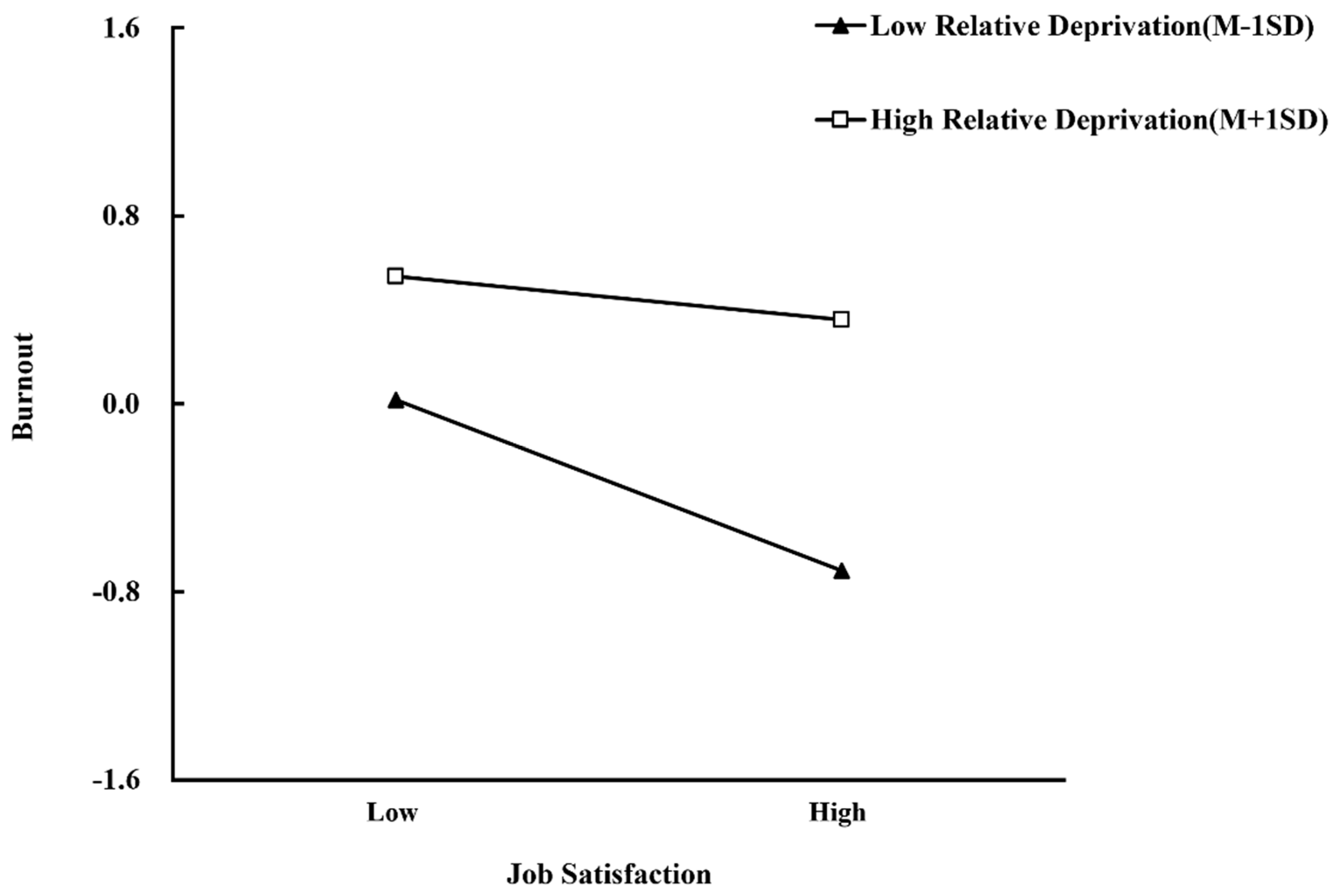
Figure 2: The moderating role of relative deprivation. Abb:M: Mean; SD: Standard deviation.
4.1 Workplace Friendship and Burnout
The results showed that workplace friendship was negatively associated with burnout among kindergarten teachers, supporting H1. This pattern accords with earlier evidence that collegial friendship can operate as a work-related resource relevant to burnout [42]. Evidence from broader employee samples links workplace friendship with lower burnout, yet this association has rarely been examined specifically among kindergarten teachers. Viewed through Conservation of Resources theory, the present results position workplace friendship as an interpersonal resource that may accompany lower burnout in early childhood educators. The framework holds that burnout can emerge when valued resources are depleted faster than they can be restored [10,11]. Collegial friendship may add to employees’ resource reserves by supplying emotional reassurance that supports coping with demanding work. This resource may be especially salient in kindergarten settings, where daily work entails prolonged emotional engagement and frequent interpersonal exchanges [43,44]. Daily responsibilities, such as managing children’s behavior, responding to parents’ expectations, and meeting educational demands, may continuously consume teachers’ emotional resources. In this context, workplace friendship may provide a supportive social environment in which teachers can exchange experiences, seek advice, and obtain emotional reassurance from colleagues [45,46]. These interactions may help replenish depleted resources and foster a sense of connectedness and collective coping when teachers face occupational challenges. The Chinese setting offers an additional interpretive lens because collectivist norms prioritize interpersonal harmony and reciprocal support [12]. Such norms may partly account for the inverse association observed between workplace friendship and burnout in this sample. Overall, these findings deepen our understanding of how workplace friendship may be associated with burnout among kindergarten teachers and suggest that cultural context may also be relevant to understanding this association. To support teachers’ occupational well-being, kindergarten administrators could implement team-building activities to enhance workplace cohesion. At the individual level, teachers could be encouraged to engage actively in peer interactions and collaborative practices. Establishing stable professional support groups may facilitate workplace friendship and provide teachers with opportunities for mutual support when facing occupational challenges, which may help reduce burnout.
4.2 The Mediating Role of Job Satisfaction
Supporting H2, the analysis indicated a partial indirect association: greater workplace friendship corresponded to higher job satisfaction, which in turn corresponded to lower burnout among kindergarten teachers. By placing job satisfaction between workplace friendship and burnout, the findings add a process-oriented explanation to the existing literature. This finding provides kindergarten leaders with new perspectives for supporting teacher well-being, addressing burnout, and developing more harmonious work environments. Beyond the overall mediating role, each path in the mediation process warrants further attention. Regarding the association between workplace friendship and job satisfaction, our findings support the view that workplace friendship may be an important factor associated with higher job satisfaction [47,48]. In kindergarten settings, teachers face challenges such as heavy workloads and the diverse needs of young children [49]. These challenges may be associated with greater job difficulty and psychological strain. In this context, workplace friendship may provide a platform for mutual support and may be associated with lower psychological burden among teachers. When workplace friendship is well developed, kindergarten teachers may be able to cope with work-related stress and psychological distress, which may be associated with higher job satisfaction. This finding highlights the importance of fostering positive collegial relationships in kindergarten work environments. Regarding job satisfaction and burnout, the results showed a negative correlation between the two variables. This finding is consistent with previous workplace studies showing a negative association between job satisfaction and burnout [50,51]. Kindergarten teachers with higher job satisfaction may show more positive work attitudes, which may be associated with better coping with work stress and lower burnout. This pattern may also be interpreted within the Job Demands-Resources (JD-R) model [16]. Higher job satisfaction may be associated with teachers’ better understanding of job demands and more effective allocation of time and energy. Such resource allocation may be associated with more effective problem solving during teaching and with the use of teaching strategies aligned with children’s physical and psychological development. In the long run, balancing work demands with available resources may be associated with sustained work motivation among kindergarten teachers [52]. This motivation may also be associated with lower risk of energy depletion related to burnout. Therefore, kindergarten administrators could implement professional development programs and improve working conditions for teachers. Teachers could also be encouraged to participate proactively in vocational training and peer exchange activities. Such engagement may support professional competence and sustained job satisfaction.
4.3 The Moderating Role of Relative Deprivation
Consistent with our expectations, relative deprivation moderated the association between job satisfaction and burnout among kindergarten teachers, supporting H3. This result may be interpreted within Social Comparison Theory, which suggests that individuals evaluate their circumstances and self-worth by comparing themselves with relevant others, particularly those who share similar characteristics and work environments [27,28]. Kindergarten teachers may experience relatively low salaries, limited career advancement opportunities, and low social recognition [53,54].
Under these circumstances, kindergarten teachers may experience relative deprivation when these social comparisons lead them to perceive a discrepancy between their own work contributions and the rewards they receive. Previous research has shown that relative deprivation is associated with poorer physical and mental health and perceptions of injustice [55,56,57,58]. Accordingly, from the perspective of Social Comparison Theory, higher levels of relative deprivation may reduce the positive psychological benefits associated with job satisfaction, thereby weakening its protective association with burnout. Conversely, when relative deprivation is low, perceived disadvantage is less likely to erode the positive meaning attached to job satisfaction, allowing its inverse association with burnout to remain more evident. The simple-slope pattern was consistent with this interpretation. Taken together, the results identify perceived relative deprivation as an important consideration in understanding burnout among kindergarten teachers. Efforts are therefore needed to reduce teachers’ perceptions of relative deprivation through strategies that are feasible within kindergarten settings. Kindergarten administrators can foster a fair and transparent work environment by ensuring equitable workload distribution, adopting transparent evaluation and promotion procedures, providing timely recognition of teachers’ contributions, and offering emotional support through open communication. Administrators can also encourage collaborative professional learning and create opportunities for teachers to participate in decision-making, thereby strengthening teachers’ sense of value and belonging. Additionally, kindergarten teachers could actively engage in collegial exchange and peer support to enhance their professional efficacy and develop more adaptive ways of coping with perceived relative deprivation.
This study has several limitations. First, the cross-sectional design precludes firm conclusions about causality or the direction of the observed associations. Reciprocal associations are also possible; for example, burnout may be associated with lower job satisfaction and weaker workplace friendships over time. Clarifying temporal order will require longitudinal, experimental, or multi-wave designs. Accordingly, the mediation and moderated mediation estimates should be viewed as associational patterns rather than evidence of temporal sequence or causation. Second, despite broadly reflecting the gender composition of the kindergarten workforce, the sample included relatively few male teachers. The small male subsample may have reduced the precision of analyses that treated gender as a covariate. Future studies should include a larger proportion of male teachers to facilitate a more robust examination of gender effects and enhance the generalizability of the findings. Third, information on several potentially relevant demographic and occupational characteristics—marital status, monthly income, teaching experience, and professional title—was unavailable. Such characteristics could covary with workplace friendship, job satisfaction, and burnout among kindergarten teachers. Including them in future studies would permit a more comprehensive assessment of how workplace friendship, job satisfaction, relative deprivation, and burnout are interrelated. Fourth, convenience recruitment was confined to kindergartens in Jiangsu Province, mainland China. Consequently, the results may not represent kindergarten teachers in other Chinese regions or educational settings. Research using samples drawn from multiple provinces, regions, and kindergarten types is needed to strengthen external validity. Fifth, reliance on self-report measures creates potential for common method variance and socially desirable responding. The procedural safeguards and supplementary tests did not indicate a major common method problem; nevertheless, subsequent research should incorporate administrator assessments, peer reports, or longitudinal records. Finally, data were collected in China, where collectivist values may have particular relevance. The findings may not be directly applicable to societies with different cultural orientations, such as more individualistic cultural contexts. Cross-cultural replication is therefore needed to determine whether the proposed associations extend across societies with different cultural orientations.
Using a moderated mediation framework, this study delineates a potential psychological pathway connecting workplace friendship with burnout among kindergarten teachers. The findings place job satisfaction on the indirect route between stronger workplace friendship and lower burnout. They further show that the magnitude of this indirect association differs by relative deprivation because the job satisfaction-burnout link is contingent on teachers’ perceived disadvantage. These findings deepen our understanding of burnout among kindergarten teachers and highlight the importance of cultivating supportive workplace friendships, strengthening job satisfaction, and reducing perceived relative deprivation as potential approaches to preventing burnout.
Acknowledgement:
Funding Statement: The authors received no specific funding for this study.
Author Contributions: The authors confirm their contributions to the paper as follows: Conceptualization, Zhiheng Xiong and Pingting Lin; methodology, Guomin Li; validation, Zhiheng Xiong, Pingting Lin; formal analysis, Xiangzhen Ma; investigation, Guomin Li; resources, Guomin Li; data curation, Zhiheng Xiong and Pingting Lin; writing—original draft preparation, Zhiheng Xiong, Pingting Lin and Guomin Li; writing—review and editing, Zhiheng Xiong, Pingting Lin and Xiangzhen Ma; supervision, Xiangzhen Ma; project administration, Xiangzhen Ma. All authors reviewed and approved the final version of the manuscript.
Availability of Data and Materials: The data that support the findings of this study are available from the Corresponding Author, Xiangzhen Ma, upon reasonable request.
Ethics Approval: This study was conducted in accordance with the ethical principles outlined in the Declaration of Helsinki. The research was examined and approved by the ethics committee of the Psychology Research Center at Southeast University (approval number: 20250310). Written informed consent was obtained from all participants included in the study.
Conflicts of Interest: The authors declare no conflicts of interest.
References
1. Dobbs J , Arnold DH . The relationship between preschool teachers’ reports of children’s behavior and their behavior toward those children. Sch Psychol Q. 2009; 24( 2): 95– 105. doi:10.1037/a0016157. [Google Scholar] [CrossRef]
2. Coplan RJ , Bullock A , Archbell KA , Bosacki S . Preschool teachers’ attitudes, beliefs, and emotional reactions to young children’s peer group behaviors. Early Child Res Q. 2015; 30: 117– 27. doi:10.1016/j.ecresq.2014.09.005. [Google Scholar] [CrossRef]
3. Li S , Li Y , Lv H , Jiang R , Zhao P , Zheng X , et al. The prevalence and correlates of burnout among Chinese preschool teachers. BMC Public Health. 2020; 20( 1): 160. doi:10.1186/s12889-020-8287-7. [Google Scholar] [CrossRef]
4. Demerouti E , Bakker AB , Peeters MCW , Breevaart K . New directions in burnout research. Eur J Work Organ Psychol. 2021; 30( 5): 686– 91. doi:10.1080/1359432X.2021.1979962. [Google Scholar] [CrossRef]
5. Berman EM , West JP , Richter MN Jr . Workplace relations: Friendship patterns and consequences (according to managers). Public Adm Rev. 2002; 62( 2): 217– 30. doi:10.1111/0033-3352.00172. [Google Scholar] [CrossRef]
6. Potgieter I . Workplace friendship and career wellbeing: The influencing role of mood, health and biographical variables. In: Theory, research and dynamics of career wellbeing: Becoming fit for the future. Cham, Switzerland: Springer International Publishing; 2019. p. 237– 58. doi:10.1007/978-3-030-28180-9_12. [Google Scholar] [CrossRef]
7. Chen YC , Wang YH , Chu HC . Meta-analytic structural equation modeling for exploring workplace friendship, well-being, and organizational commitment. Work. 2024; 79( 3): 1039– 53. doi:10.3233/WOR-230482. [Google Scholar] [CrossRef]
8. Golembiewski RT , Boudreau RA , Sun BC , Luo H . Estimates of burnout in public agencies: Worldwide, how many employees have which degrees of burnout, and with what consequences? Public Adm Rev. 1998; 58( 1): 59. doi:10.2307/976890. [Google Scholar] [CrossRef]
9. Bakker AB , Costa PL . Chronic job burnout and daily functioning: A theoretical analysis. Burn Res. 2014; 1( 3): 112– 9. doi:10.1016/j.burn.2014.04.003. [Google Scholar] [CrossRef]
10. Brotheridge CM , Lee RT . Testing a conservation of resources model of the dynamics of emotional labor. J Occup Health Psychol. 2002; 7( 1): 57– 67. doi:10.1037/1076-8998.7.1.57. [Google Scholar] [CrossRef]
11. Hobfoll SE . Conservation of resources. A new attempt at conceptualizing stress. Am Psychol. 1989; 44( 3): 513– 24. doi:10.1037//0003-066x.44.3.513. [Google Scholar] [CrossRef]
12. Cheung F , Tang CSK , Lim MSM , Koh JM . Workaholism on job burnout: A comparison between American and Chinese employees. Front Psychol. 2018; 9: 2546. doi:10.3389/fpsyg.2018.02546. [Google Scholar] [CrossRef]
13. Locke EA . The nature and causes of job satisfaction. In: Dunnette MD , editor. Handbook of industrial and organizational psychology. Chicago, IL, USA: Rand McNally; 1976. p. 1297– 349. [Google Scholar]
14. Gibbons DE . Friendship and advice networks in the context of changing professional values. Adm Sci Q. 2004; 49( 2): 238– 62. doi:10.2307/4131473. [Google Scholar] [CrossRef]
15. David NA , Coutinho JA , Brennecke J . Workplace friendships: Antecedents, consequences, and new challenges for employees and organizations. In: Understanding workplace relationships: An examination of the antecedents and outcomes. Cham, Switzerland: Springer International Publishing; 2023. p. 325– 68. doi:10.1007/978-3-031-16640-2_11. [Google Scholar] [CrossRef]
16. Demerouti E , Bakker AB , Nachreiner F , Schaufeli WB . The job demands-resources model of burnout. J Appl Psychol. 2001; 86( 3): 499– 512. doi:10.1037/0021-9010.86.3.499. [Google Scholar] [CrossRef]
17. Ayachit M , Chitta S . A systematic review of Burnout studies from the Hospitality literature. J Hosp Mark Manag. 2022; 31( 2): 125– 44. doi:10.1080/19368623.2021.1957743. [Google Scholar] [CrossRef]
18. Hazan-Liran B , Karni-Vizer N . Psychological capital as a mediator of job satisfaction and burnout among teachers in special and standard education. Eur J Spec Needs Educ. 2024; 39( 3): 337– 51. doi:10.1080/08856257.2023.2215009. [Google Scholar] [CrossRef]
19. Merdiaty N , Aldrin N . The role of job satisfaction towards burnout with well-being as a mediator. Int J Res Bus Soc Sci. 2024; 13( 2): 98– 106. doi:10.20525/ijrbs.v13i2.3243. [Google Scholar] [CrossRef]
20. Quesada-Puga C , Izquierdo-Espin FJ , Membrive-Jiménez MJ , Aguayo-Estremera R , Cañadas-De La Fuente GA , Romero-Béjar JL , et al. Job satisfaction and burnout syndrome among intensive-care unit nurses: A systematic review and meta-analysis. Intensive Crit Care Nurs. 2024; 82: 103660. doi:10.1016/j.iccn.2024.103660. [Google Scholar] [CrossRef]
21. Xiong M , Ye Y . The concept, measurement, influencing factors and effects of relative deprivation. Adv Psychol Sci. 2016; 24( 3): 438. doi:10.3724/sp.j.1042.2016.00438. [Google Scholar] [CrossRef]
22. Buunk BP , Janssen PPM . Relative deprivation, career issues, and mental health among men in midlife. J Vocat Behav. 1992; 40( 3): 338– 50. doi:10.1016/0001-8791(92)90055-5. [Google Scholar] [CrossRef]
23. Liu J , Xu Z , Li X , Song R , Wei N , Yuan J , et al. The association between the sense of relative deprivation and depression among college students: Gender differences and mediation analysis. Curr Psychol. 2024; 43( 18): 16421– 30. doi:10.1007/s12144-023-05580-3. [Google Scholar] [CrossRef]
24. Wickham S , Shryane N , Lyons M , Dickins T , Bentall R . Why does relative deprivation affect mental health? The role of justice, trust and social rank in psychological wellbeing and paranoid ideation. J Public Ment Health. 2014; 13( 2): 114– 26. doi:10.1108/jpmh-06-2013-0049. [Google Scholar] [CrossRef]
25. Peng J , Zhang J , Zhang Y , Gong P . Relative deprivation and job satisfaction in Army officers: A moderated mediation model. Work. 2019; 62( 1): 49– 58. doi:10.3233/WOR-182841. [Google Scholar] [CrossRef]
26. Szabó É , Jagodics B . Stronger is not always better-The ambivalent effect of social identity and relative deprivation on burnout among Hungarian teachers. Soc Psychol Educ. 2024; 27( 4): 1835– 53. doi:10.1007/s11218-023-09883-y. [Google Scholar] [CrossRef]
27. Festinger L . A theory of social comparison processes. Hum Relat. 1954; 7( 2): 117– 40. doi:10.1177/001872675400700202. [Google Scholar] [CrossRef]
28. Gerber JP , Wheeler L , Suls J . A social comparison theory meta-analysis 60+ years on. Psychol Bull. 2018; 144( 2): 177– 97. doi:10.1037/bul0000127. [Google Scholar] [CrossRef]
29. Everitt BS . Multivariate analysis: The need for data, and other problems. Br J Psychiatry. 1975; 126: 237– 40. doi:10.1192/bjp.126.3.237. [Google Scholar] [CrossRef]
30. Nunnally JC . Psychometric theory. 2nd ed. New York, NY, USA: McGraw-Hill; 1978. [Google Scholar]
31. Brislin RW . Back-translation for cross-cultural research. J Cross Cult Psychol. 1970; 1( 3): 185– 216. doi:10.1177/135910457000100301. [Google Scholar] [CrossRef]
32. Nielsen IK , Jex SM , Adams GA . Development and validation of scores on a two-dimensional workplace friendship scale. Educ Psychol Meas. 2000; 60( 4): 628– 43. doi:10.1177/00131640021970655. [Google Scholar] [CrossRef]
33. Fasbender U , Burmeister A , Wang M . Managing the risks and side effects of workplace friendships: The moderating role of workplace friendship self-efficacy. J Vocat Behav. 2023; 143: 103875. doi:10.1016/j.jvb.2023.103875. [Google Scholar] [CrossRef]
34. Fasbender U , Junker NM . Are workplace friendships nothing for older workers? Decoding the psychological mechanisms linking age to workplace friendship. J Organ Behav. 2026; 47( 4): 665– 84. doi:10.1002/job.70014. [Google Scholar] [CrossRef]
35. Zhang Y , Sun JJ , Shaffer MA , Lin CV . High commitment work systems and employee well-being: The roles of workplace friendship and task interdependence. Hum Resour Manag. 2022; 61( 4): 399– 421. doi:10.1002/hrm.22093. [Google Scholar] [CrossRef]
36. Montero-Marín J , Skapinakis P , Araya R , Gili M , García-Campayo J . Towards a brief definition of burnout syndrome by subtypes: Development of the “Burnout Clinical Subtypes Questionnaire” (BCSQ-12). Health Qual Life Outcomes. 2011; 9: 74. doi:10.1186/1477-7525-9-74. [Google Scholar] [CrossRef]
37. Pugliese M , Brismée JM , Allen B , Riley S , Tammany J , Mintken P . Mentorship and self-efficacy are associated with lower burnout in physical therapists in the United States: A cross-sectional survey study. J Educ Eval Health Prof. 2023; 20: 27. doi:10.3352/jeehp.2023.20.27. [Google Scholar] [CrossRef]
38. Johlke MC , Duhan DF . Supervisor communication practices and service employee job outcomes. J Serv Res. 2000; 3( 2): 154– 65. doi:10.1177/109467050032004. [Google Scholar] [CrossRef]
39. Callan MJ , Shead NW , Olson JM . Personal relative deprivation, delay discounting, and gambling. J Personal Soc Psychol. 2011; 101( 5): 955– 73. doi:10.1037/a0024778. [Google Scholar] [CrossRef]
40. Hayes AF . Introduction to mediation, moderation, and conditional process analysis: A regression-based approach. 2nd ed. New York, NY, USA: Guilford Publications; 2017. [Google Scholar]
41. Podsakoff PM , MacKenzie SB , Lee JY , Podsakoff NP . Common method biases in behavioral research: A critical review of the literature and recommended remedies. J Appl Psychol. 2003; 88( 5): 879– 903. doi:10.1037/0021-9010.88.5.879. [Google Scholar] [CrossRef]
42. Schutzmann R , Kozák A , Soltész-Várhelyi K , Nistor K , Dávid B . How workplace friendships impact burnout among social care leaders: A job demands-resources framework analysis. Organizacija. 2025; 58( 3): 251– 66. doi:10.2478/orga-2025-0015. [Google Scholar] [CrossRef]
43. Levine Brown E , Vesely CK , Mehta S , Stark K . Preschool teachers’ emotional acting and school-based interactions. Early Child Educ J. 2023; 51( 4): 615– 26. doi:10.1007/s10643-022-01326-1. [Google Scholar] [CrossRef]
44. Zheng X , Luo Y , Tang J . Kindergarten teachers’ emotional labor and occupational well-being: How do different interpersonal relationships matter? Early Educ Dev. 2024; 35( 8): 1862– 76. doi:10.1080/10409289.2024.2360871. [Google Scholar] [CrossRef]
45. Sias PM , Cahill DJ . From coworkers to friends: The development of peer friendships in the workplace. West J Commun. 1998; 62( 3): 273– 99. doi:10.1080/10570319809374611. [Google Scholar] [CrossRef]
46. Sias PM , Tsetsi E , Woo N , Smith AD . With a little help from my friends: Perceived task interdependence, coworker communication, and workplace friendship. Commun Stud. 2020; 71( 4): 528– 49. doi:10.1080/10510974.2020.1749863. [Google Scholar] [CrossRef]
47. Murphy C , Bedford A . What is the nature and impact of workplace friendships within child protection social work? Implications for emotional support, professional learning, job satisfaction and worker wellbeing. Br J Soc Work. 2025; 55( 3): 1121– 40. doi:10.1093/bjsw/bcae177. [Google Scholar] [CrossRef]
48. Yavuzkurt T , Kıral E . The relationship between workplace friendship and job satisfaction in educational organizations. Int J Progress Educ. 2020; 16( 5): 404– 25. doi:10.29329/ijpe.2020.277.25. [Google Scholar] [CrossRef]
49. Cheng X , Zhang H , Cao J , Ma Y . The effect of mindfulness-based programs on psychological distress and burnout in kindergarten teachers: A pilot study. Early Child Educ J. 2022; 50( 7): 1197– 207. doi:10.1007/s10643-021-01254-6. [Google Scholar] [CrossRef]
50. Liu W , Zhao S , Shi L , Zhang Z , Liu X , Li L , et al. Workplace violence, job satisfaction, burnout, perceived organisational support and their effects on turnover intention among Chinese nurses in tertiary hospitals: A cross-sectional study. BMJ Open. 2018; 8( 6): e019525. doi:10.1136/bmjopen-2017-019525. [Google Scholar] [CrossRef]
51. Zang L , Chen Y . Relationship between person-organization fit and teacher burnout in kindergarten: The mediating role of job satisfaction. Front Psychiatry. 2022; 13: 948934. doi:10.3389/fpsyt.2022.948934. [Google Scholar] [CrossRef]
52. Gao Y , Yue Y , Li X . The relationship between psychological capital and work engagement of kindergarten teachers: A latent profile analysis. Front Psychol. 2023; 14: 1084836. doi:10.3389/fpsyg.2023.1084836. [Google Scholar] [CrossRef]
53. Yang B , Tian F , Huang J . SES, relative deprivation, perceived kindergarten support and turnover intention in Chinese teachers during the COVID-19 pandemic: A moderated mediation model. Early Educ Dev. 2023; 34( 2): 408– 25. doi:10.1080/10409289.2022.2033589. [Google Scholar] [CrossRef]
54. Wei Y , Wang L , Tan L , Li Q , Zhou D . Occupational commitment of Chinese kindergarten teachers during the COVID-19 pandemic: Predictions of anti-epidemic action, income reduction, and career confidence. Early Child Educ J. 2021; 49( 6): 1031– 45. doi:10.1007/s10643-021-01232-y. [Google Scholar] [CrossRef]
55. Mishra S , Carleton RN . Subjective relative deprivation is associated with poorer physical and mental health. Soc Sci Med. 2015; 147: 144– 9. doi:10.1016/j.socscimed.2015.10.030. [Google Scholar] [CrossRef]
56. Kim H , Callan MJ , Gheorghiu AI , Skylark WJ . Social comparison processes in the experience of personal relative deprivation. J Appl Soc Psychol. 2018; 48( 9): 519– 32. doi:10.1111/jasp.12531. [Google Scholar] [CrossRef]
57. Corning AF . Assessing perceived social inequity: A relative deprivation framework. J Personal Soc Psychol. 2000; 78( 3): 463– 77. doi:10.1037/0022-3514.78.3.463. [Google Scholar] [CrossRef]
58. Smith HJ , Huo YJ . Relative deprivation: How subjective experiences of inequality influence social behavior and health. Policy Insights Behav Brain Sci. 2014; 1( 1): 231– 8. doi:10.1177/2372732214550165. [Google Scholar] [CrossRef]
Cite This Article
 Copyright © 2026 The Author(s). Published by Tech Science Press.
This work is licensed under a Creative Commons Attribution 4.0 International License , which permits unrestricted use, distribution, and reproduction in any medium, provided the original work is properly cited.
 Downloads
 Citation Tools
