
 Login
Login Register
 Submit a Paper
 Propose a Special lssue
 Open Access
ARTICLE
Decoupling and Driving Forces in Economic Growth, Energy Consumption, and Carbon Emissions: Evidence from China’s BTH Region
1 Institute of Economic Technology, State Grid Jibei Electric Power Company Limited, Beijing, 100029, China
2 Digital Department, State Grid Jibei Electric Power Company Limited, Beijing, 100029, China
3 School of Economics and Management, North China Electric Power University, Beijing, 102206, China
* Corresponding Author: Shaocheng Mei. Email:
Energy Engineering 2025, 122(12), 5091-5109. https://doi.org/10.32604/ee.2025.069140
Received 16 June 2025; Accepted 18 August 2025; Issue published 27 November 2025
 View Full Text
 Download PDF
Abstract
Against the backdrop of regional coordinated development and China’s “dual carbon” strategic objectives, the Beijing-Tianjin-Hebei (BTH) region faces an urgent need to transition from its traditional economic growth model, which is heavily reliant on resource consumption. This study investigates the decoupling dynamics among economic growth, energy consumption, and carbon emissions in the BTH region, along with the underlying driving forces, aiming to provide valuable insights for achieving the “dual carbon” targets and fostering high-quality regional development. First, the Tapio decoupling model is employed to analyze the decoupling relationships between economic growth, energy consumption, and carbon emissions in the BTH region from 2000 to 2021. Second, the Logarithmic Mean Divisia Index decomposition method is applied to identify the key driving factors of carbon emission reduction and quantify their respective contributions. Finally, targeted policy recommendations are proposed based on the empirical findings to support regional coordinated development. The results indicate that (1) all three sub-regions within the BTH region have demonstrated consistent improvements in energy utilization efficiency and a gradual decline in carbon emission intensity, although the degree of progress varies across regions; (2) differentiated decoupling states exist between carbon emissions and both economic growth and energy consumption, with Beijing showing significant decoupling, while Tianjin and Hebei Province experience a “rebound” phenomenon following a phase of decoupling; (3) energy consumption intensity and industrial structure optimization have notably positive effects on carbon emission reduction, whereas other factors contribute to varying degrees to the exacerbation of carbon emissions; (4) the impacts of driving factors on carbon emissions exhibit significant spatio-temporal disparities. Based on these findings, the study recommends enhancing fiscal incentives, optimizing industrial structures, improving energy efficiency, and establishing a coordinated regional governance framework to facilitate the BTH region’s low-carbon transition and sustainable development.Keywords
Supplementary Material
Supplementary Material FileIn the face of escalating global warming and the increasing frequency of extreme weather events, carbon emission reduction has emerged as an international consensus and a shared objective worldwide [1]. In 2020, China formally pledged to achieve “carbon peaking” by 2030 and “carbon neutrality” by 2060, integrating these goals into the medium- to long-term framework of its national economic and social development planning [2]. Against this backdrop, regional economies are facing an urgent need to transition from traditional, resource-intensive growth models towards green and low-carbon development pathways [3]. Economic activities and energy consumption are the primary sources of carbon emissions, accounting for over 90% of the total. Promoting regional coordinated development not only facilitates the integration of resource endowments and industrial advantages but also enhances energy efficiency, thereby advancing green and high-quality development [4]. The Beijing-Tianjin-Hebei (BTH) region, encompassing Beijing, Tianjin, and 11 cities in Hebei Province, stands as one of China’s four major national urban agglomerations, exerting significant economic influence and holding strategic importance. Since the national strategy for BTH coordinated development was proposed in 2014, the region has made continuous strides in integration, industrial transformation, and ecological governance [5]. Consequently, conducting a systematic investigation into the decoupling relationships among economic growth, energy consumption, and carbon emissions within the BTH region and identifying the primary drivers of carbon emissions holds substantial theoretical and practical implications. This research endeavors to contribute to the region’s green transformation, enhance its coordinated governance capacity, and support the realization of China’s “carbon peaking” and “carbon neutrality” objectives.
A substantial body of literature has investigated the complex interrelationships among economic growth, energy consumption, and carbon emissions. Liu et al. [6] applied both the distance-based coupling coordination degree model and the dynamic comprehensive coordination degree model to assess the coordination among these three dimensions across 11 provinces along the Yangtze River Economic Belt from 2008 to 2017. Cheng et al. [7] examined the synergy between energy use, economic development, and environmental outcomes from the perspective of rural households, using the dual cut-off method and the coupling coordination degree model. Similarly, Chen et al. [8] explored the dynamic characteristics of coupling and coordination among the economy, energy consumption, and carbon emissions in China’s major river basin regions. While these studies predominantly emphasize the coupling between economic and environmental benefits, there has been a growing scholarly focus on examining the decoupling relationship with a central emphasis on carbon emissions [9,10]. Decoupling theory has become a prevalent analytical framework for assessing the relationship between carbon emissions and socio-economic development. Among the most widely used models are the OECD decoupling model and the Tapio decoupling model [11]. For instance, Huang et al. [12] used the OECD model to analyze the decoupling between land-use carbon emissions and the quality of GDP growth in Gansu Province from 2000 to 2017. The Tapio model, however, has gained broader application due to its greater flexibility in baseline selection, temporal scale calibration, and statistical dimensionality, as well as its enhanced computational stability [13]. Specifically, Hua et al. [14] employed the Tapio model to explore the dynamic evolution of decoupling states between provincial-level carbon emissions and economic growth in China from 2015 to 2019, revealing an alternating pattern of “strong decoupling” and “weak decoupling” across most provinces. Additionally, Riveros and Shahbaz [15] used a decoupling index to examine the relationship between economic structure and energy consumption in Colombia from 1975 to 2021, shedding light on the country’s sustainable development path. Wang and Zhang [16] conducted a comparative analysis of the relationship between energy consumption and economic growth in five major energy-consuming countries (China, the United States, India, Japan, and Russia) using decoupling modeling techniques. Although the decoupling model has been validated as an effective tool for analyzing the interactions among regional economic growth, energy consumption, and carbon emissions, research that explicitly focuses on the driving factors of decoupling remains limited. Furthermore, empirical investigations specifically addressing the decoupling dynamics among these three variables in the Beijing-Tianjin-Hebei (BTH) region are particularly scarce. Therefore, it is essential to integrate systematic decoupling models with decomposition methods to address this research gap, both to enrich the existing theoretical framework and to provide robust empirical evidence for guiding regional low-carbon policy development.
Current research on carbon emission driving factors primarily employs structural decomposition analysis (SDA), index decomposition analysis (IDA), and the Logarithmic Mean Divisia Index (LMDI) decomposition method. Zhao et al. [17] developed an embedded sectoral energy structure model within an input-output framework, refining driving factor identification in structural decomposition and uncovering the evolution characteristics and key determinants of embodied carbon emissions across China’s 28 sectors. Li and Chen [18] constructed a multidimensional carbon accounting and decomposition model, systematically evaluating Beijing’s carbon emission profiles from production, consumption, and income perspectives during 2002–2017, while delineating sectoral roles and evolutionary pathways in carbon emissions. For methodological comparison, Fan and Lei [19] applied IDA to quantify driving forces of energy-related carbon emissions in Beijing from 1995 to 2012, whereas Wei et al. [20] integrated IDA with SDA for China’s power generation sector, revealing strong methodological consistency between the two approaches. Building upon these foundations, the LMDI decomposition method introduces a novel weighting function that ensures residual-free results, analytical simplicity, and flexible application. Based on the LMDI decomposition model, Liu et al. [21] systematically analyzed the driving factors and their contributions to China’s carbon emissions from 2000 to 2022. Zhao et al. and Wang et al. [22,23] focused on the Yangtze River Delta region, examining the decoupling relationships and underlying driving forces between carbon emissions, economic growth, and energy consumption during the period from 2000 to 2021. Zhang et al. [24] explored the decoupling dynamics and drivers between carbon emissions, emission intensity, and economic growth in the Hohhot-Baotou-Ordos-Yulin urban agglomeration. Meanwhile, He et al. [25] investigate carbon emissions across 28 EU countries from 2010 to 2020, identifying the driving factors behind emissions in various consumption sectors and assessing their decoupling status. As evidenced by the aforementioned literature, the LMDI decomposition method has been widely applied to analyze the driving factors of carbon emissions at the national, regional, provincial, and sectoral levels [26,27]. Empirical studies across various regions have confirmed the method’s effectiveness and have proposed targeted, policy-relevant recommendations to support local green and low-carbon development. However, research specifically focusing on the BTH region remains relatively limited. As China’s political core and a major center of economic activity and energy consumption in the northern region, the BTH area is also a key contributor to national carbon emissions. Since the launch of the regional coordinated development strategy in 2014, the three provinces within the BTH region have been assigned differentiated development roles. Therefore, systematically identifying both the regional and sub-regional drivers of carbon emissions is of critical theoretical and practical importance for advancing sustainable development, achieving coordinated regional governance, and fulfilling China’s “dual carbon” goals.
Regarding the selection of carbon emission driving factors, Li et al. [28] decomposed the influencing factors for Shanxi Province into energy structure, energy intensity, industrial structure, economic development level, per capita energy culation size. Among these, the economic development level was identified as a primary promoting factor, while the energy intensity effect was recognized as a key inhibiting factor. Similarly, Yasmeen et al. [29] adopted a comparable decomposition framework in the context of Pakistan, identifying energy structure, energy efficiency, economic development, and per capita energy consumption as key variables influencing carbon emissions. Expanding the analytical scope, Du et al. [30] underscored technological progress and industrial structure optimization as crucial drivers for carbon mitigation. Focusing specifically on Beijing, Ding et al. [31] demonstrated that carbon emission reductions were predominantly attributed to the combined effects of energy consumption intensity and carbon emission factors. Meanwhile, Shen et al. [32] revealed significant temporal variations in the driving mechanisms of carbon emissions across different periods. Synthesizing these findings, while research objects and variable specifications vary across studies, provincial-level carbon emission drivers universally encompass four core dimensions: economic development level, energy intensity, industrial structure, and population size [33]. Building upon this established framework, the present study employs the LMDI model to decompose carbon emissions in the BTH region into these four primary drivers. Furthermore, we introduce government fiscal expenditure as a policy proxy variable to systematically evaluate each factor’s contribution to carbon emission growth. The results provide both theoretical foundations and policy guidance for enhancing regional coordination, optimizing sustainable development strategies, and achieving China’s dual carbon goals.
While prior studies have extensively investigated the decoupling relationships among economic growth, energy consumption, and carbon emissions at the national and provincial levels, few have conducted targeted empirical assessments of the BTH region, a strategically significant area undergoing rapid industrial restructuring under the regional coordinated development strategy. In particular, the existing literature rarely employs both the Tapio decoupling index and the LMDI decomposition method in tandem to simultaneously capture decoupling states and their driving mechanisms. To address this gap, the present study introduces government fiscal expenditure as a proxy variable for policy intervention, a key factor that has long been neglected in traditional decomposition frameworks. By incorporating policy-driven variables and accounting for spatio-temporal heterogeneity, this study constructs a unified analytical framework to reveal how industrial relocation, fiscal orientation, and energy efficiency transformation jointly reshape the internal linkages within the “economy-energy-carbon” system in the BTH region. These findings offer a novel perspective for understanding policy-responsive carbon dynamics in China’s most complex and economically integrated urban agglomeration.
2 Research Methods and Data Sources
2.1 Tapio Decoupling Index Model
This study employs the decoupling index model to analyze the decoupling relationships between carbon emissions and economic development, as well as between carbon emissions and energy consumption in the BTH region. The specific calculation methodology is delineated as follows:
where
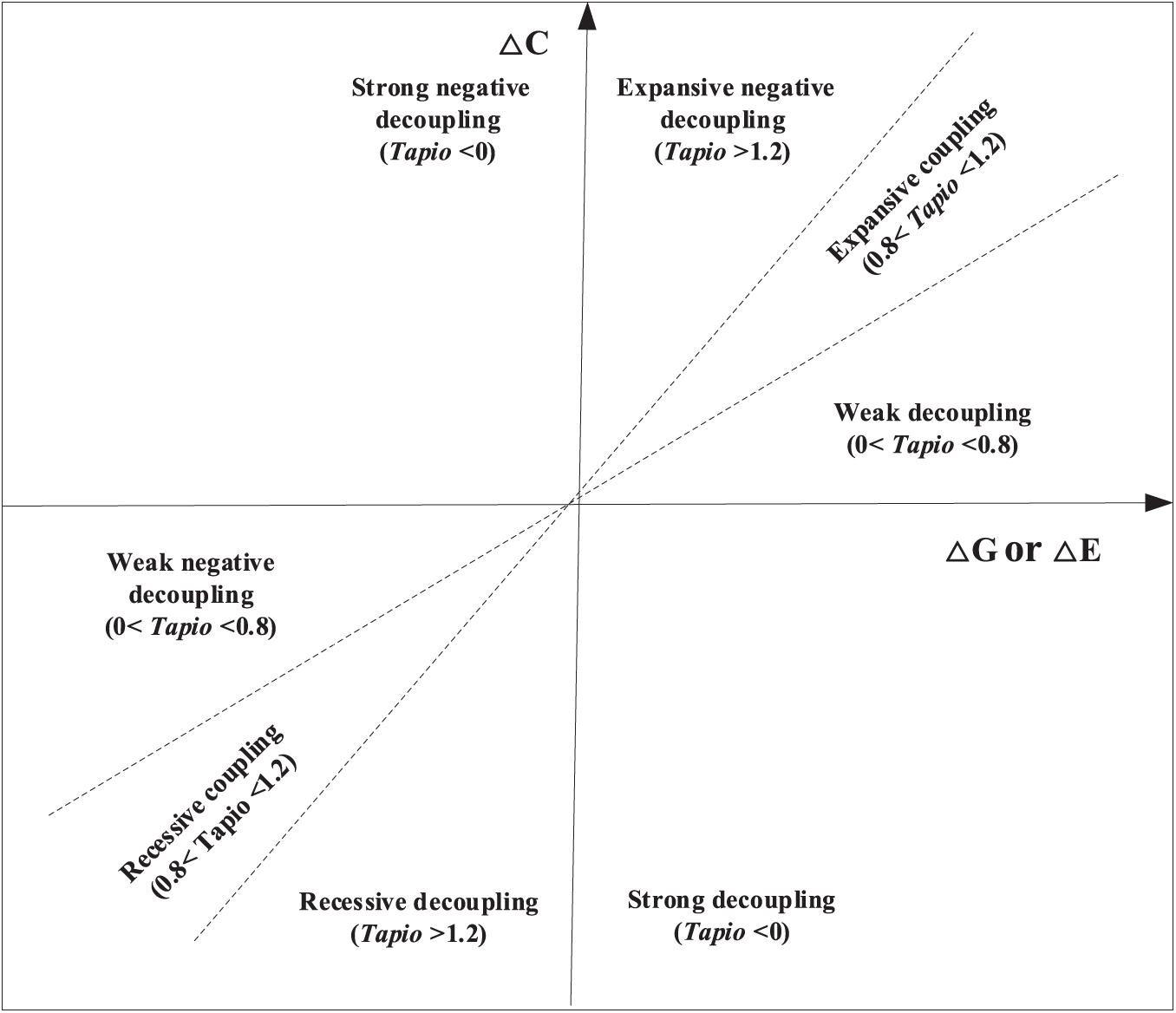
Figure 1: Classification criteria for decoupling states
This study constructs an LMDI index decomposition model for carbon emissions in the BTH region by incorporating conventional driving factors and government fiscal expenditure. The specific calculation framework is formulated as follows:
where
Among:
Accurate data on economic growth, energy consumption, and carbon emissions are essential to ensuring the scientific validity and reliability of research findings. The carbon emission data used in this study are sourced from the provincial carbon emission inventories (2000–2021) published by the China Emission Accounts and Datasets (CEADs). Statistical data related to regional GDP, total energy consumption, permanent population size, and government fiscal expenditure are primarily obtained from the annual statistical yearbooks of the relevant provinces and cities within the study region.
3.1 Regional Total Carbon Emissions Profile
3.1.1 Changes in Carbon Emissions
Based on the carbon emission data for the BTH region spanning the period from 2000 to 2021, as shown in Fig. 2, the regional total carbon emissions exhibited a notable upward trajectory, with the most rapid growth occurring between 2000 and 2013, followed by a phase of relatively fluctuating adjustments. At the provincial level, Hebei Province, as a traditional heavy industry hub, has consistently ranked first in terms of total carbon emissions among the three regions. Its carbon emissions surged from 237.30 million tonnes (Mt) in 2000 to 914.21 Mt in 2019, peaked at 939.36 Mt in 2020, and then slightly declined to 885.51 Mt in 2021, demonstrating an overall growth trend with an average annual growth rate of approximately 7.5%. Similarly, Tianjin’s carbon emissions continued to rise, increasing from 58.23 Mt in 2000 to 155.55 Mt in 2021, and reaching a peak of 161.87 Mt in 2020. Despite subsequent fluctuations, they remained at a high level, reflecting the significant driving effect of Tianjin’s industrialization process on carbon emissions. In contrast, Beijing’s carbon emissions followed a trend of initial increase followed by decrease, rising from 68.22 Mt in 2000 to a peak of 101.99 Mt in 2010, before gradually declining to 76.78 Mt in 2020. This indicates that Beijing has achieved certain emission reduction effects through promoting the development of the service industry, optimizing the industrial structure, and adjusting the energy structure.
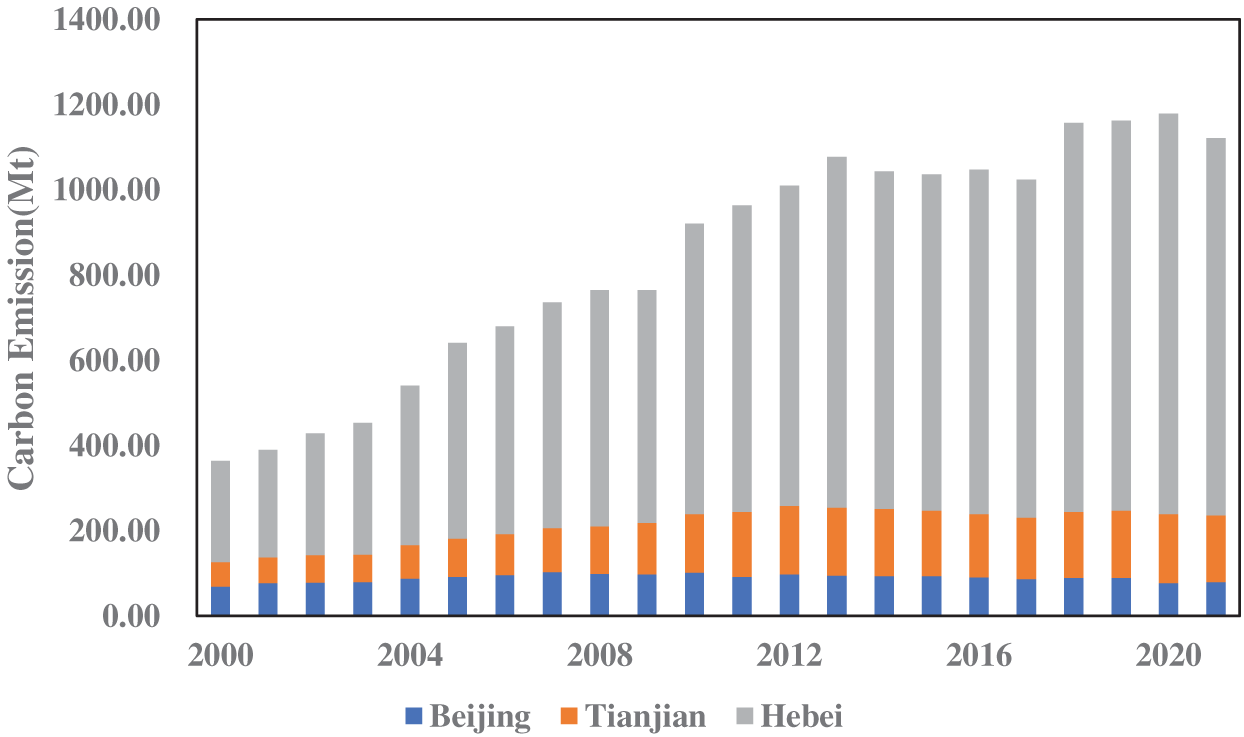
Figure 2: The annual carbon emissions situation in the BTH region
3.1.2 Changes in Carbon Emission Intensity
Based on the carbon emission intensity data for the BTH region from 2000 to 2021, as shown in Fig. 3. Beijing exhibited the most significant decline in carbon emission intensity, dropping from 2.08 in 2000 to 0.19 in 2021, representing a reduction exceeding 90%, and maintaining a steady and sustained downward trend. Notably, since 2005, Beijing has substantially reduced its carbon emission intensity by accelerating the development of the tertiary industry, optimizing its industrial structure, and increasing the proportion of clean energy use. Tianjin’s carbon emission intensity decreased from 3.66 in 2000 to 0.99 in 2021. Although the overall decline was evident, it remained at a relatively high level during the period from 2000 to 2013, indicating that its industrialization process imposed certain constraints on carbon intensity reduction. After 2013, the rate of decline in carbon intensity accelerated, suggesting that energy structure adjustments and industrial transformation began to yield initial results. Hebei Province consistently had a higher carbon emission intensity compared to Beijing and Tianjin, decreasing from 5.13 in 2000 to 2.19 in 2021. Despite an overall reduction of approximately 57%, its improvement in carbon emission efficiency lagged relatively due to its heavy industry-dominated economic structure. Since 2012, the rate of decline in Hebei’s carbon intensity has accelerated, reflecting the practical effects of regional industrial transformation and energy conservation policies. In terms of stage characteristics, the period from 2000 to 2012 was marked by a slow decline in carbon emission intensity, with significant reductions observed in Beijing and slower declines in Tianjin and Hebei. The period from 2013 to 2021 witnessed a rapid decline phase, with notable decreases in carbon intensity across all three regions.
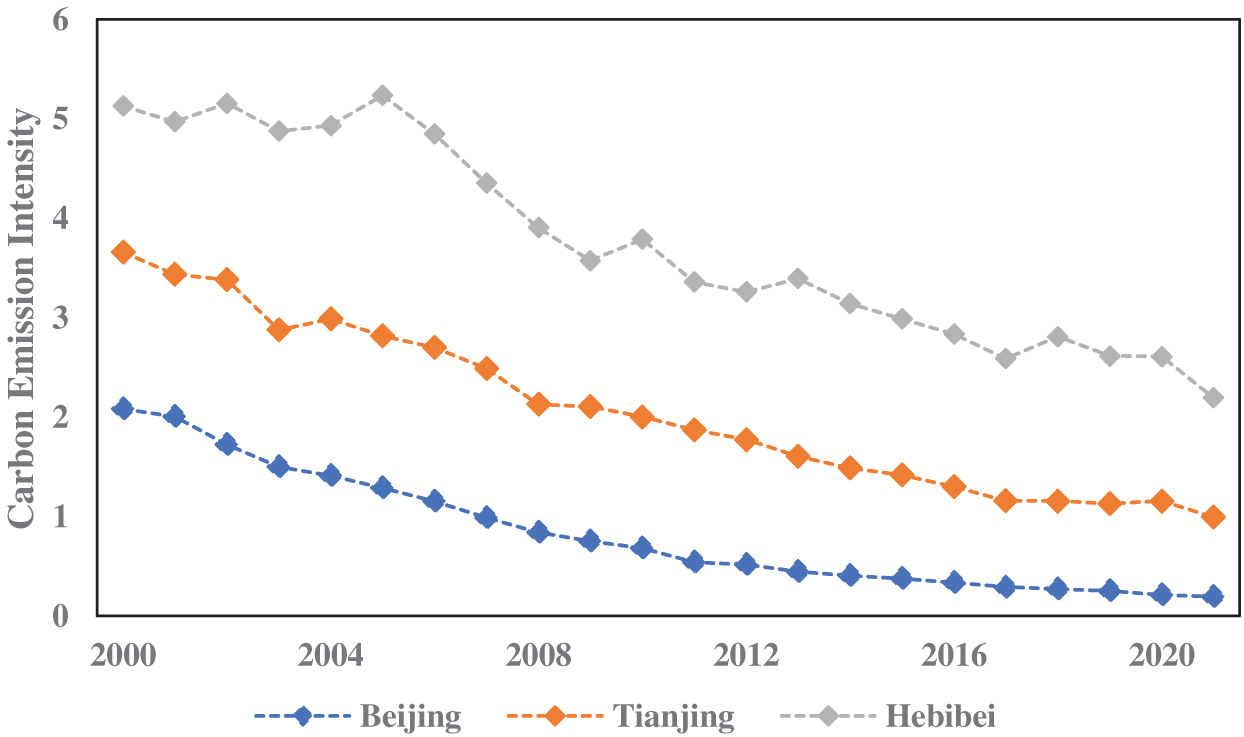
Figure 3: The annual carbon emission intensity situation in the BTH region
3.2 Decoupling Relationship among Economic Growth, Energy Consumption, and Carbon Emission
As inferred from the preceding analysis, carbon emissions in the BTH region have gradually stabilized, with continuous improvement in energy utilization efficiency, while differences among regions remain significant. To further explore the decoupling relationship among economic growth, energy consumption, and carbon emissions in BTH, decoupling indices were calculated for the regional aggregate and individual provinces across four periods: 2000–2005, 2006–2010, 2011–2015, and 2016–2021. The results are presented in Table 1.

As illustrated in Table 1, economic growth and carbon emissions in the BTH region predominantly exhibited a “weak decoupling” state throughout the study period. This indicates that the regional carbon emission growth rate was generally lower than the GDP growth rate, demonstrating a certain degree of “green growth” trend. Regarding the relationship between energy consumption and carbon emissions, the BTH region displayed “expansive negative decoupling” from 2000 to 2010. This implies that the growth rate of carbon emissions significantly outpaced that of energy consumption, reflecting low energy utilization efficiency and inadequate carbon emission control during this period. During the period from 2011 to 2015, this relationship transitioned to “weak decoupling”, indicating that carbon emission growth slowed down and energy conservation and emission reduction measures began to yield results. However, from 2016 to 2021, the region reverted to “expansive negative decoupling”, suggesting that, against the backdrop of sustained economic development, energy consumption intensity, and carbon emission levels have not been effectively controlled, and the regional low-carbon transformation still faces significant challenges.
At the provincial level, the decoupling relationships among carbon emissions, economic growth, and energy consumption in the BTH region exhibit distinct differences and periodic fluctuations. As the central city of the BTH region, Beijing demonstrated “expansive negative decoupling” between energy consumption and carbon emissions during the period from 2000 to 2005. This reflects high energy dependency and lagging carbon emission control during its rapid urban development phase. However, since 2006, Beijing has consistently maintained a “weak decoupling” state and further achieved “strong decoupling” during 2016–2021. This is primarily attributed to its promotion of low-carbon service industries, optimization of the energy structure, and implementation of strict environmental regulations, which have significantly enhanced carbon efficiency per unit of energy consumption. Tianjin’s economic growth and carbon emissions have consistently exhibited “weak decoupling”, indicating that while certain progress has been made in carbon emission control, a complete decoupling from economic development remains elusive. In terms of energy consumption and carbon emissions, Tianjin displayed “expansive negative decoupling” during 2000–2005, reflecting low energy efficiency and high carbon emission intensity. The relationship gradually shifted to “weak decoupling” during 2006–2015, suggesting advancements in energy-saving technologies and industrial structure adjustment. However, during 2016–2021, the region reverted to “expansive negative decoupling”, potentially due to its role as an industrial relocation hub and its high proportion of heavy chemical industries. For Hebei Province, economic growth and carbon emissions were in a “growth connection” state during 2000–2005, meaning carbon emissions grew in tandem with economic growth. This reflects constraints on emission reduction stemming from its industry-dominated economic structure. Since 2006, this relationship has gradually shifted to “weak decoupling”, indicating the initial effectiveness of regional energy conservation and emission reduction policies. In terms of energy consumption and carbon emissions, Hebei remained in “expansive negative decoupling” throughout 2000–2010, with carbon emissions growing significantly faster than energy consumption, reflecting low energy efficiency. The relationship shifted to “growth connection” in 2011–2015 but reverted to “expansive negative decoupling” in 2016–2021, indicating that intensified efforts are required for energy structure adjustment.
A closer examination of the “expansive negative decoupling” observed in Tianjin and Hebei during 2016–2021 reveals a rebound effect closely tied to the industrial relocation policies resulting from Beijing’s functional decentralization. High-energy-consuming industrial categories such as steel, cement, petrochemicals, and coal-fired power were largely transferred to surrounding regions. However, this industrial relocation was often not accompanied by corresponding technological upgrades or stringent environmental oversight. In many cases, enterprises resumed operations with outdated production capacities or underwent only partial retrofits, leading to a surge in local energy use and emissions in recipient regions. Notably, although a substantial portion of energy consumption and emissions has been successfully shifted out of Beijing, a significant share of economic output continues to be statistically attributed to Beijing due to corporate ownership retention, value chain control, or administrative classification. This spatial mismatch between environmental burdens and economic benefits distorts interregional decoupling assessments. These findings reveal deeper structural deficiencies in current policy coordination and underscore the urgent need to establish a comprehensive regional framework for industrial relocation. Such a mechanism should enforce strict low-carbon standards, mandate technological upgrading post-relocation, ensure regulatory enforcement, and implement equitable cross-jurisdictional carbon accounting systems to address these systemic issues.
Overall, although the decoupling patterns of Beijing, Tianjin, and Hebei show temporal variations, there are notable commonalities across the region. Importantly, during the 2016–2021 period, Beijing achieved “strong decoupling” between energy consumption and carbon emissions, whereas Tianjin and Hebei regressed to “expansive negative decoupling”. This divergence stems primarily from their differentiated functional roles under the BTH coordinated development strategy. Beijing has been repositioned as a center for political administration, technological innovation, and high-end services, accompanied by the accelerated relocation of heavy industry and manufacturing. In contrast, Tianjin and Hebei, as the primary recipients of industrial transfer, have absorbed a large volume of high-emission, energy-intensive industries, exacerbating their energy consumption and emission pressures.
3.3 Decomposition of Driving Factors for Changes in Carbon Emissions
3.3.1 Decomposition Results of Carbon Emission Changes and the Effects of Various Influencing Factors in the BTH Region
Table 2 presents the total change in carbon emissions from 2000 to 2021 for each province and municipality within the BTH region, along with the corresponding contribution values of each influencing factor. These values represent the absolute impact of each factor on the change in carbon emissions. The relative impact of each factor is expressed as a percentage, calculated by dividing the contribution value of that factor by the total change in emissions, which is referred to as the contribution rate. Energy-related carbon emission intensity, defined as the amount of carbon emissions generated per unit of energy consumption, contributed negatively to carbon emissions in Beijing and Tianjin, but positively in Hebei Province. In Beijing and Tianjin, this negative contribution can be attributed to two key factors: the decline in the share of fossil fuels in the energy mix and the increased adoption of clean energy sources. Additionally, advancements in energy efficiency technologies further reduced the carbon emissions per unit of energy consumed. By contrast, Hebei Province, due to its high energy demand and heavy reliance on fossil fuels, has encountered greater difficulty in transitioning toward cleaner energy systems in the short term. As a result, energy-related carbon emission intensity contributed positively to Hebei’s total carbon emissions, with a contribution rate of 23%.

Energy-related fiscal consumption intensity exerted a suppressive effect on carbon emissions in all three sub-regions, namely Beijing, Tianjin, and Hebei, making a negative contribution across the board. In Beijing, fiscal policies led to a carbon emission reduction of 205.70 million tonnes (Mt). This significant impact is attributed to the city’s high fiscal investment in the clean energy sector, which includes not only direct funding for renewable energy projects but also substantial support for the retrofit of high-carbon enterprises. For instance, the government provided financial subsidies for ultra-low emission upgrades in the steel industry and actively promoted new energy vehicles, effectively lowering energy-related fiscal consumption intensity in the transportation sector. In Tianjin and Hebei, fiscal policies contributed to carbon emission reductions equivalent to 184% and 192% of their respective baseline estimates. In Tianjin, policies promoting clean heating and fiscal incentives for green transportation technologies, such as electric vehicles, have played a key role in emissions control. Hebei Province, on the other hand, has implemented a series of measures to optimize its energy structure, including environmental tax exemptions for enterprises that completed ultra-low emission retrofits, coal consumption reduction policies, and subsidies for households switching from coal to gas or electricity. These interventions, both direct and indirect, have made significant contributions to carbon mitigation efforts in the province.
Fiscal-industrial input intensity has shown a positive contribution to carbon emissions across all three provinces and municipalities. Growth in industrial output inevitably drives an increase in carbon emissions, particularly because traditional manufacturing industries continue to contribute a substantial share of industrial value added. Although technological advancements in carbon reduction have led to lower carbon emissions per unit of energy, they are insufficient to fully offset the impact of large-scale industrial expansion. As a result, the total volume of emissions continues to rise alongside industrial growth.
Public fiscal policies across the provinces clearly demonstrate the contribution of government expenditure to carbon emission reduction. For example, in 2009, Tianjin established a special fund of 10 million RMB dedicated to energy conservation and emission reduction. By the end of August 2010, Hebei Province had allocated 1.337 billion RMB in emission reduction funds (including 893 million RMB from the central government and 444 million RMB from the provincial government), primarily targeting industrial and building energy efficiency improvements, water pollution control, wastewater treatment, and pipeline infrastructure. Additionally, 1.004 billion RMB was allocated specifically for energy-saving initiatives (914 million RMB from the central government and 90 million RMB from the provincial government), focusing on energy-efficient technological upgrades, phasing out outdated capacities, and supporting key energy-saving projects. In 2020, Beijing planned to allocate a second round of subsidies totaling 111.1213 million RMB for 3231 new energy vehicles produced by 17 automotive enterprises. That same year, three energy-saving retrofit projects in Beijing were approved in the seventh batch, achieving a total energy saving of 582.48 t of standard coal and receiving reward funds of 413,200 RMB. These targeted fiscal expenditures have become a significant driving force in carbon reduction efforts, stimulating the motivation of market entities and accelerating the decarbonization process.
Industrial structure has made a negative contribution to carbon emissions across all three provinces and municipalities. In particular, the contribution rate of the industrial structure to carbon emission reduction in Beijing reached 400%. The share of the tertiary sector in Beijing has continued to grow, becoming the dominant force in the regional economy. Meanwhile, the primary industry has transformed from traditional agriculture to modern agriculture, and the secondary sector has shifted from conventional manufacturing to high-tech and advanced industries. With the relocation of heavy industries, such as Shougang (Capital Steel), the proportion of the secondary sector has declined sharply, resulting in a significant reduction in major carbon sources. High-tech industries generate substantially fewer carbon emissions compared to traditional industries, and the expansion of modern service industries has further supported emission reductions. Tianjin, traditionally dominated by the secondary sector, has promoted industrial upgrading since 2010 by establishing a modern industrial system and encouraging the development of low-carbon industries. In Hebei Province, the transformation of the traditional steel industry into greener sectors has taken shape. Through effective regional coordination, Hebei has leveraged its role in accommodating the industrial transfer from Beijing and Tianjin, actively developing high-tech industries. As a result, it is gradually shifting from high-carbon industries to a low-carbon industrial structure.
Both Per Capita Gross Regional Product (PCGRP) and total population exerted a positive have made positive contributions to carbon emissions across all three provinces and municipalities. As an international metropolis, Beijing has a high population density and a high PCGRP. Its strong consumption and production capacity have significantly contributed to the increase in carbon emissions. Additionally, densely populated areas require extensive infrastructure development, which further generates substantial carbon emissions. Tianjin, as a major industrial city in northern China and home to one of the country’s key ports, has seen rapid development in foreign trade and the logistics sector. The expansion of the transportation industry, in particular, has led to considerable carbon emissions. Hebei Province, being one of China’s most populous regions and a hub for heavy industry, has experienced a rise in PCGRP that is closely associated with industrial expansion, thereby accelerating carbon emission growth.
3.3.2 The Spatio-Temporal Characteristics of the LMDI Decomposition Results in the BTH Region
Figs. 4–7 present the decomposition results of carbon emission driving factors for BTH provinces and the aggregated region from 2000 to 2021. In each figure, the y-axis represents the magnitude of each factor’s contribution to carbon emissions, while the x-axis indicates the period. Bars extending above the x-axis denote a positive contribution to carbon emissions, whereas bars below the x-axis indicate a negative contribution. The sum of all factor contributions in a given year corresponds to the total change in carbon emissions for that year.
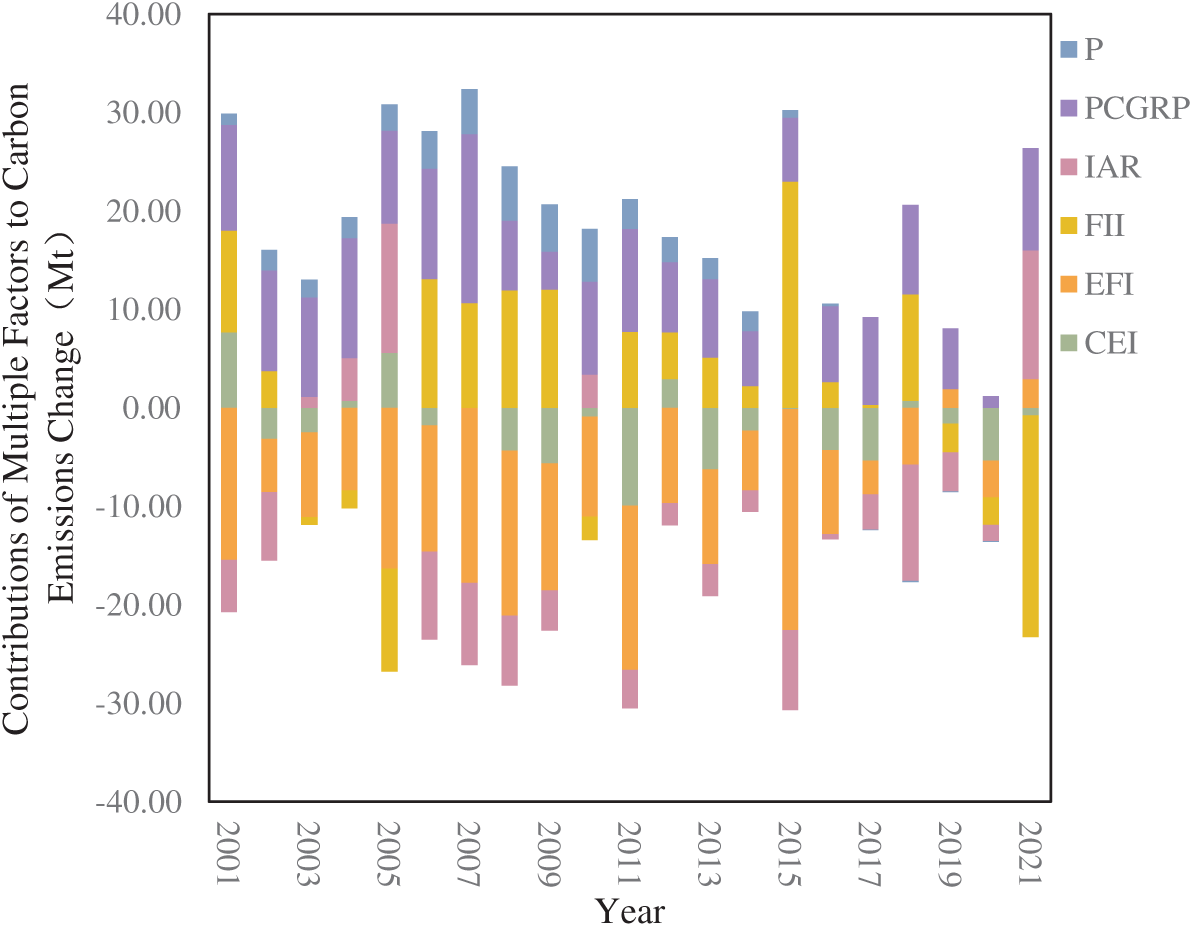
Figure 4: Decomposition results of the effects of annual carbon emission drivers in Beijing
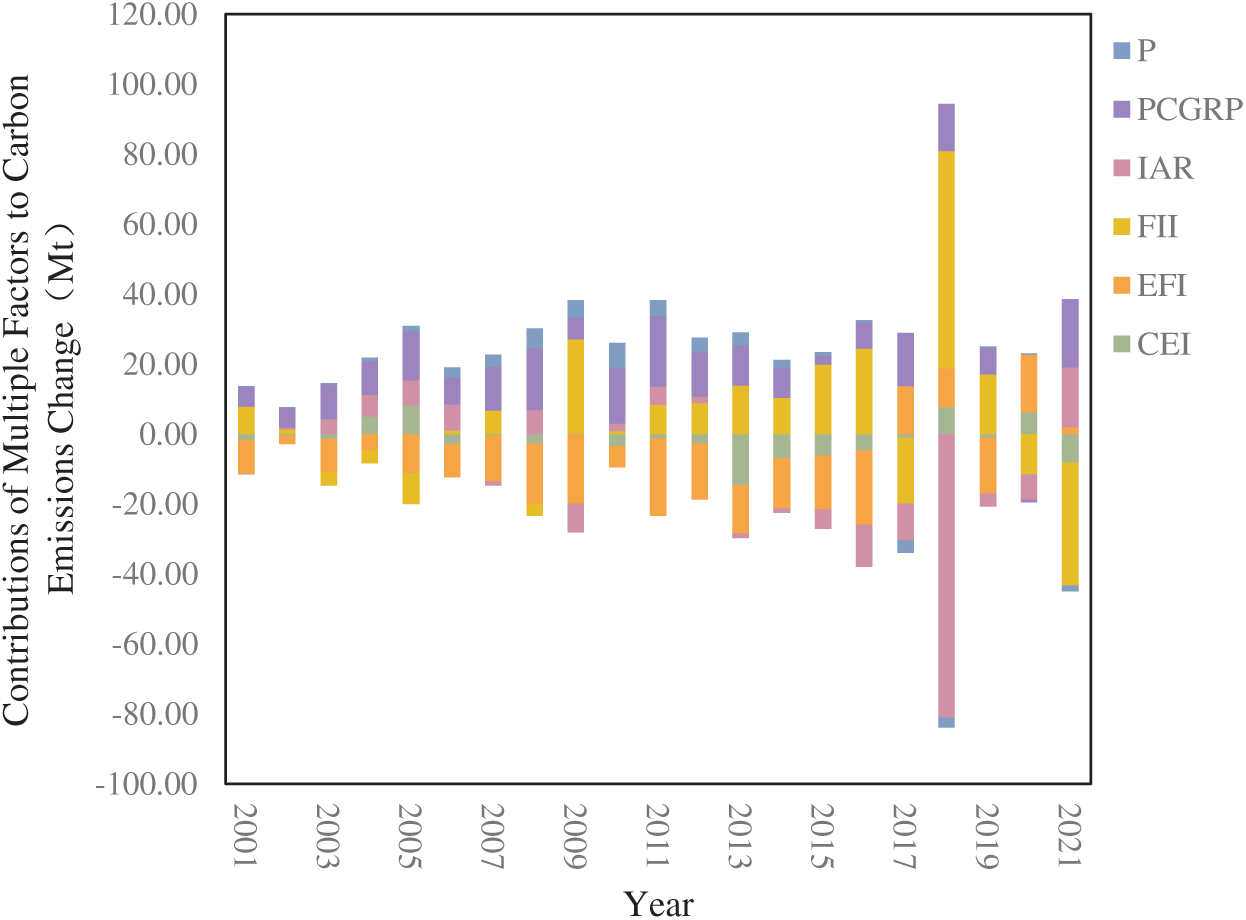
Figure 5: Decomposition results of the effects of annual carbon emission drivers in Tianjin
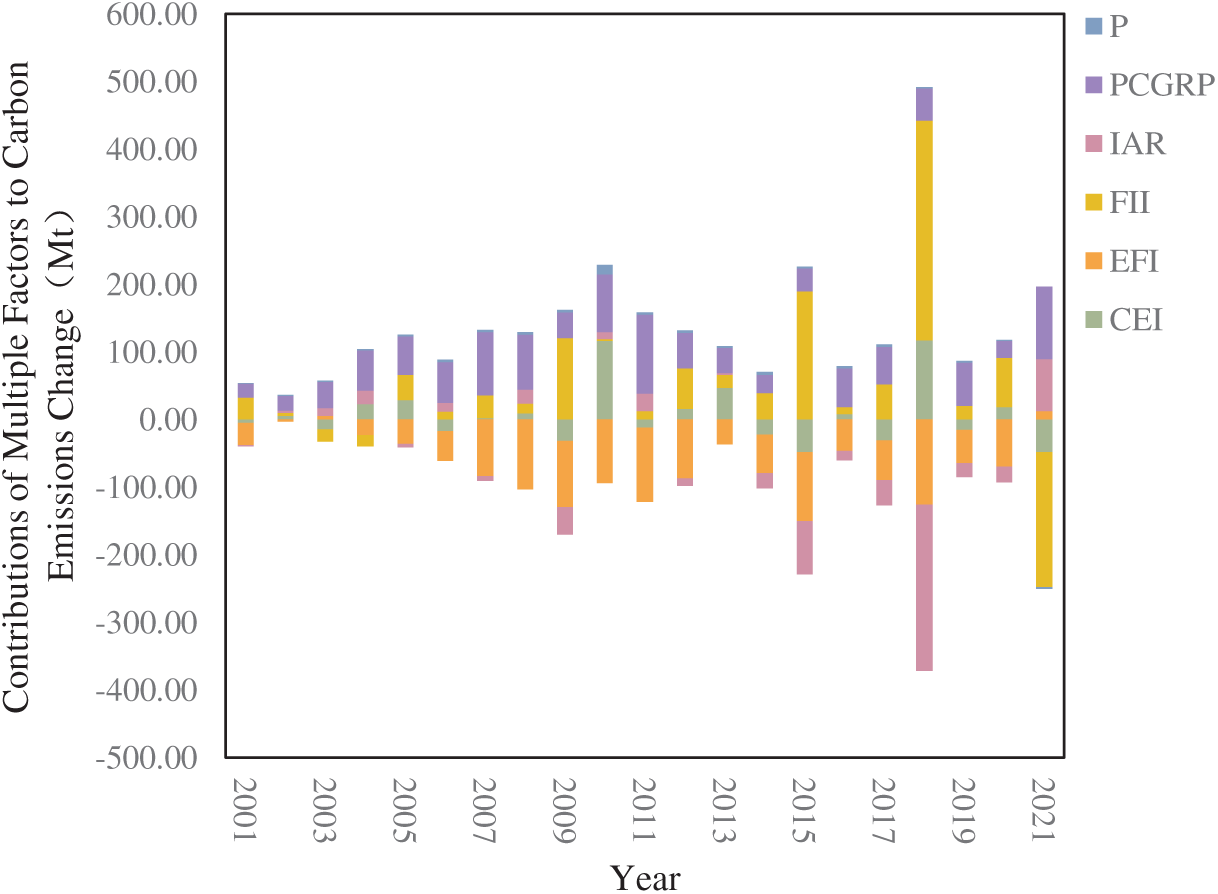
Figure 6: Decomposition results of the effects of annual carbon emission driving factors in Hebei
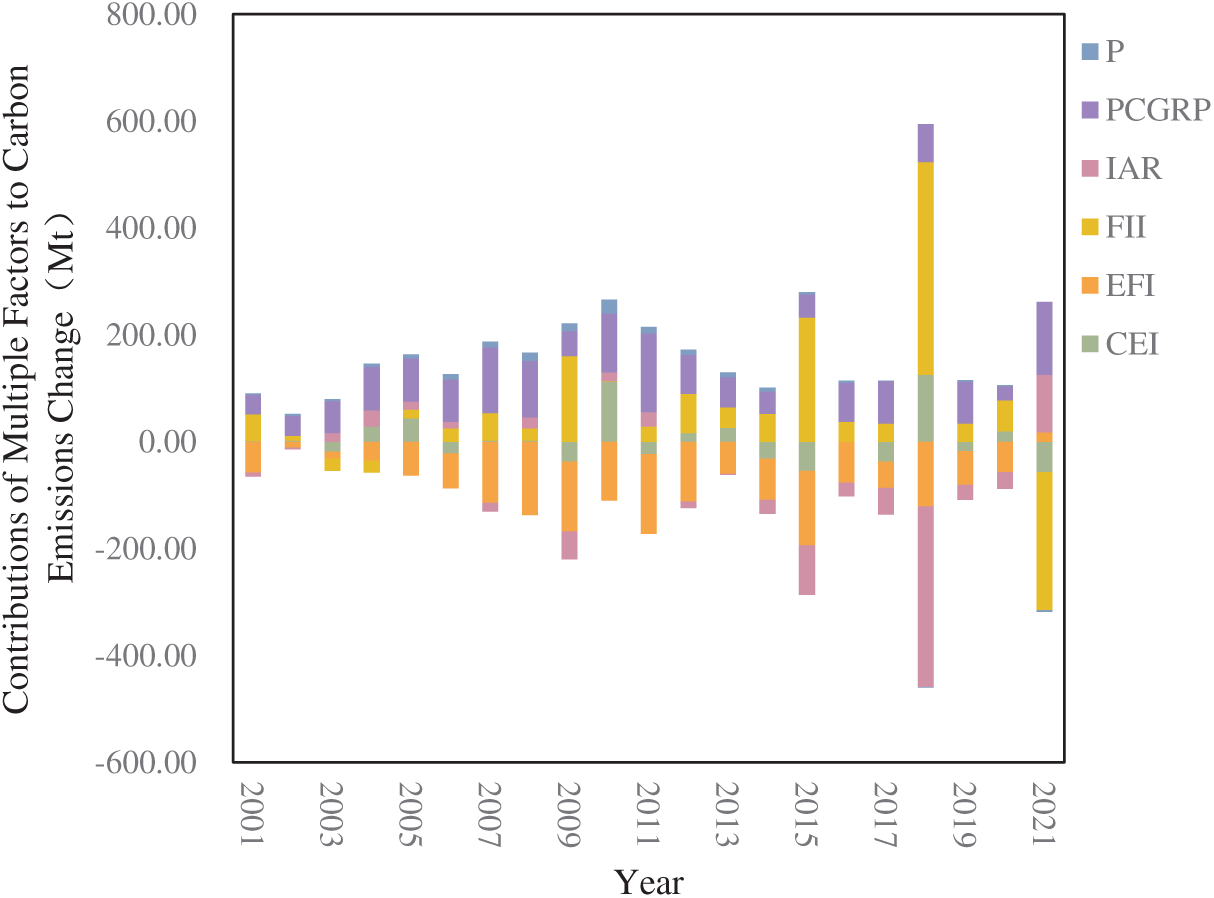
Figure 7: Decomposition results of the effects of annual carbon emission drivers in the BTH region
As shown in Fig. 4, the total carbon emissions in Beijing did not exhibit significant fluctuations over the study period. The figure illustrates that PCGRP made a positive contribution to carbon emissions, while energy-related fiscal consumption intensity had a negative contribution, particularly during the period from 2004 to 2015. During the 12th Five-Year Plan period, Beijing implemented a series of energy conservation and emission reduction incentive policies, promoted the construction of low-carbon cities, and leveraged energy pricing mechanisms to regulate market behavior. These measures collectively played an important role in advancing the city’s carbon reduction efforts.
As shown in Fig. 5, the negative contribution of fiscal-industrial input intensity to carbon emissions in Tianjin has gradually increased over time. Energy-related fiscal consumption intensity also made a negative contribution, reflecting the effectiveness of policy interventions. Supported by the Haihe Industrial Fund, Tianjin has vigorously promoted the development of high-tech industries while simultaneously facilitating the market exit of three major steel plants, accelerating the transformation of energy-intensive enterprises. In addition, Tianjin began preparing to reduce coal consumption in 2012, with initial results observed by 2013. Consequently, energy-related carbon emission intensity began to show a negative contribution to overall emissions, indicating improvements in energy structure and efficiency.
As illustrated in Fig. 6, the annual decomposition of carbon emission influencing factors in Hebei Province follows a trajectory similar to that of Tianjin. Since 2006, energy-related fiscal consumption intensity has made a negative contribution to carbon emissions. In 2006, Hebei introduced the Hebei Province Energy Conservation Regulation, which established a dual-control system for total energy consumption and energy intensity per unit of regional GDP. This regulatory framework significantly influenced carbon mitigation outcomes. Since 2011, the contribution of per capita gross regional product to carbon emissions has gradually declined. On the fiscal side, Hebei implemented strict industrial access controls, actively promoted renewable energy projects, and improved the energy consumption efficiency per unit of fiscal expenditure, all of which have contributed to carbon emission reduction efforts.
As shown in Fig. 7, the implementation of regional coordination policies has played a significant role in advancing carbon reduction efforts across the three regions. Hebei Province, endowed with abundant renewable energy resources, has contributed to the supply of clean energy to Beijing and Tianjin, thereby facilitating an overall upgrade of the regional energy structure. While accommodating the relocation of heavy industries from Beijing, Hebei has simultaneously accelerated the adjustment and upgrading of its industrial structure. Efforts have been made to build complete industrial chains and improve energy efficiency. Notably, the industrial structure factor made a negative contribution to carbon emissions in 2009, 2015, and 2018, highlighting the effectiveness of these transitions. Furthermore, the three regions have jointly established stringent targets and assessment mechanisms for energy conservation and emission reduction, while also promoting the sharing of green technologies. These coordinated measures have collectively strengthened carbon reduction outcomes, particularly in Hebei Province.
4 Relevant Conclusions and Policy Recommendations
(1) Since 2000, the evolution of carbon emissions and carbon intensity in the BTH region has exhibited distinct stage-wise patterns and significant regional disparities. Overall, regional carbon emissions have shown a continuous upward trend, with particularly rapid growth observed from 2000 to 2013. This was followed by a stabilization phase and initial signs of decline, indicative of the effective implementation of carbon mitigation policies. Specifically, Hebei Province, as the region’s industrial powerhouse with a concentration of heavy industries, has consistently been the primary contributor to carbon emissions, maintaining an average annual growth rate of approximately 7.5%. Tianjin’s emissions have shown overall growth, with notable fluctuations, reflecting the energy-intensive characteristics of its industrialization. In contrast, Beijing has demonstrated an “increase followed by decrease” trajectory, with significant results from emission reduction governance. In terms of carbon intensity, Beijing has achieved the most substantial decline, with reductions surpassing 90% by 2021. This is a clear reflection of its successful industrial structure optimization and clean energy transition. Although Tianjin and Hebei have also made notable reductions in carbon intensity, their progress has lagged behind Beijing due to a higher proportion of energy-intensive industries. In particular, Hebei remains at a high intensity level, highlighting the urgency of deeper industrial transformation. Collectively, the BTH region has reached a critical juncture for emission reduction, requiring sustained efforts in low-carbon transformation and regional coordinated governance.
(2) Based on the decoupling index model analysis, the BTH region exhibits an overall “weak decoupling” state between economic growth, energy consumption, and carbon emissions, indicating a gradual transition toward green development. Specifically, Beijing has maintained a consistent “weak decoupling” status since 2006 and achieved “strong decoupling” by 2021, reflecting remarkable progress in its low-carbon transformation. In contrast, Tianjin and Hebei reverted to “expansion negative decoupling” between 2016 and 2021, highlighting substantial carbon emission pressures due to the relocation of high-energy-consuming industries within the framework of regional coordinated development. The inter-regional disparities in decoupling levels primarily result from differentiated functional positioning and industrial structures. While Beijing has demonstrated exemplary emission reduction outcomes, Tianjin and Hebei face an urgent need to enhance energy structure optimization and strengthen governance over high-carbon industries.
(3) The fiscal-industrial input intensity, per capita gross regional product, and total population exert promoting effects on carbon emissions across the BTH region. This phenomenon arises from the fact that industrial-scale expansion has offset the achievements of emission reduction technologies. Government fiscal subsidies exhibit a path dependence toward high-carbon enterprises, prioritizing the maintenance of production capacity over sustainable practices. Additionally, the ongoing development needs for emission reduction technologies are currently insufficient to neutralize the emissions growth resulting from increased production capacity. Conversely, energy-related carbon emission intensity, fiscal-energy consumption intensity, and industrial structure demonstrate inhibitory effects on regional carbon emissions. Beijing has significantly increased its share of externally sourced green electricity. Although Hebei Province exhibits relatively slower progress in its energy transformation, energy-related carbon emission intensity has not emerged as its primary driver of emissions. Industrial restructuring has substantially reduced carbon emissions across the BTH region, yielding remarkable outcomes.
(4) In Beijing, the effects of various factors on carbon emissions largely offset each other, reflecting substantial emission reduction efforts and resulting in a slow growth rate of carbon emissions. In Tianjin, fiscal-industrial input intensity has gradually exerted a significant impact on carbon emissions, while fiscal-energy consumption intensity has demonstrated an inhibitory effect. In Hebei Province, energy-related carbon emission intensity plays a notably suppressive role in curbing carbon emissions. The industrial structure factors in both Tianjin and Hebei have contributed to local carbon reduction initiatives. Additionally, regional coordinated policies have facilitated the development of green industrial chains, promoted carbon emission reduction technologies, and accelerated emission mitigation efforts in Hebei Province, thereby effectively reducing overall carbon emissions across the BTH region.
The realization of the “dual carbon” targets in the BTH region presents a complex interplay of opportunities and challenges. On the one hand, ongoing industrial upgrading, the rapid expansion of renewable energy capacity, and deepening fiscal reforms offer a strong foundation for advancing the region’s low-carbon transformation. On the other hand, the region faces persistent obstacles, including the risk of carbon leakage from uncoordinated industrial transfers, emission rebound pressures in newly established development zones, and uneven technological advancement across localities. Addressing these challenges will require ongoing efforts to strengthen cross-regional carbon accounting frameworks, enhance integrated governance mechanisms, and improve the adaptive capacity of local governments in response to evolving environmental and economic conditions.
Based on an empirical analysis of the relationships among economic growth, energy consumption, and carbon emissions in the BTH region, integrated with assessments of decoupling effects and results from the LMDI decomposition, the following policy recommendations are proposed to advance regional green high-quality development and achieve the “dual carbon” strategic objectives:
(1) Strengthen fiscal policy guidance to enhance the efficiency of green resource allocation
To promote regional green development and effectively achieve carbon mitigation goals, it is essential to further leverage fiscal policy as a guiding instrument and optimize the structure of fiscal expenditures. This can be achieved by establishing a differentiated fiscal incentive mechanism, which involves imposing strict restrictions on fiscal subsidies for high-energy-consuming and high-emission industries, while significantly increasing financial support for renewable energy, energy-saving technologies, and green manufacturing sectors. Additionally, promoting the development of pilot programs for carbon taxation and carbon trading systems is crucial. Region-specific carbon pricing mechanisms should be explored, alongside the establishment of complementary green compensation funds to support enterprises in transitioning to low-carbon operations and incentivize sustainable practices. Furthermore, implementing green budget management and performance evaluation systems will strengthen constraints on fiscal fund utilization, ensuring that emission reduction targets are prioritized and effectively pursued.
(2) Optimize the regional industrial structure and promote the construction of a green, low-carbon industrial system
To promote the construction of a green, low-carbon industrial system, it is crucial to adhere to differentiated development pathways and reshape the functional division of labor and industrial layout within the BTH region. Specifically, Beijing should consolidate its strengths in high-end services, technological innovation, and digital economy development. Tianjin can leverage its port infrastructure and manufacturing foundation to accelerate the growth of the smart manufacturing and green logistics sectors. Hebei Province, while accommodating industrial transfers, should prioritize the establishment of green heavy industry demonstration zones and foster emerging industries such as new energy and advanced materials. Furthermore, it is recommended to establish an industrial green transfer access mechanism with clear low-carbon standards and emission thresholds. This mechanism will prevent the spillover of “polluting industries” and ensure sustainable industrial development across the BTH region.
(3) Accelerate the adjustment of energy structure and improve energy utilization efficiency
Accelerating the energy transition is a critical strategy for achieving carbon emission reduction. Firstly, it is recommended to establish a regional energy collaboration mechanism to facilitate the green transmission of abundant wind and solar resources from Hebei Province to Beijing and Tianjin. This initiative will optimize the clean energy allocation framework across the region. Additionally, efforts should be focused on enhancing energy efficiency in key industries. This can be accomplished by implementing a “dual control” system that regulates both total energy consumption and intensity, along with strengthening corporate energy management systems. Furthermore, introducing a green electricity certification mechanism and establishing renewable energy consumption quotas will help guide end-users toward the progressive substitution of clean energy sources, thereby supporting the broader goal of a sustainable energy transition.
(4) Deepen regional coordinated governance by establishing an integrated green policy framework
Within the framework of the BTH coordinated development strategy, it is crucial to further enhance cross-regional green policy synergy. Firstly, a regional carbon emission information-sharing platform should be established to standardize accounting methods and monitoring indicators, enabling data interoperability and facilitating policy coordination across the region. Secondly, a joint conference mechanism should be created to integrate policies related to green finance, low-carbon investment, and green technology promotion, forming a cohesive policy framework that supports sustainable development goals. Additionally, supporting the establishment of a “BTH Green Technology Center” will facilitate the sharing and localized application of carbon reduction technologies. Prioritized upgrades for low-carbon technologies should be implemented in Hebei’s key industries, such as steel and chemicals, to drive significant emission reductions and promote industrial transformation.
This study primarily employs the Tapio decoupling model and LMDI decomposition method to examine the decoupling trends among economic growth, energy consumption, and carbon emissions in China’s BTH region, while identifying the major driving factors and quantifying their respective contributions. Nonetheless, the analysis has several limitations. First, the employed models assume linear relationships among variables, which may oversimplify the complex interactive mechanisms observed in practice. Second, the set of explanatory variables does not comprehensively capture external factors such as international trade and technological innovation, potentially underestimating their effects. Third, the study does not adequately address intra-regional spatial heterogeneity. Future research will aim to overcome these limitations by incorporating higher-resolution data, expanding the dimensionality of explanatory variables, and applying spatial analysis techniques alongside more advanced causal inference methods to enhance explanatory power and policy relevance.
Acknowledgement: Not applicable.
Funding Statement: This research was funded by the Science and Technology Project of State Grid Corporation of China (No. 52018F240002), the National Natural Science Foundation of China (72403087), and the National Natural Science Foundation of China (72173043).
Author Contributions: Conceptualization, Hao Yue; Data curation, Di Gao, Jin Gao, and Chengmei Wei; Formal analysis, Jin Gao, Jiali Duan, and Chengmei Wei; Methodology, Chengmei Wei; Funding acquisition, Hao Yue; Investigation, Di Gao and Shaocheng Mei; Project administration, Shaocheng Mei; Resources, Hao Yue, Di Gao, and Jin Gao; Software, Jiali Duan; Supervision, Di Gao and Hao Yue; Visualization, Jiali Duan; Writing—original draft, Jiali Duan; Writing—review & editing, Shaocheng Mei. All authors reviewed the results and approved the final version of the manuscript.
Availability of Data and Materials: Data will be made available on request.
Ethics Approval: Not applicable.
Conflicts of Interest: The authors declare that they have no known competing financial interests or personal relationships that could have appeared to influence the work reported in this paper.
Supplementary Materials: The supplementary material is available online at https://www.techscience.com/doi/10.32604/ee.2025.069140/s1.
Abbreviations
| BTH | Beijing-Tianjin-Hebei |
| LMDI | Logarithmic Mean Divisia Index |
| SDA | Structural Decomposition Analysis |
| IDA | Index Decomposition Analysis |
| MT | Million Tonnes |
| GDP | Gross Domestic Product |
| PCGRP | Per Capita Gross Regional Product |
References
1. Wang Q, Zhang F. The effects of trade openness on decoupling carbon emissions from economic growth—evidence from 182 countries. J Clean Prod. 2021;279(10):123838. doi:10.1016/j.jclepro.2020.123838. [Google Scholar] [PubMed] [CrossRef]
2. Wang H, Zhang Z. Analysis of China’s carbon emission decoupling effect, driving factors, and forecasting. Environ Sci. 2025:1–20. (In Chinese). doi:10.13227/j.hjkx.202503158. [Google Scholar] [CrossRef]
3. Xu G, Dong H, Xu Z, Bhattarai N. China can reach carbon neutrality before 2050 by improving economic development quality. Energy. 2022;243(2):123087. doi:10.1016/j.energy.2021.123087. [Google Scholar] [CrossRef]
4. Dong Y, Liu L. Comparative study on carbon emission spatial network and carbon emission reduction collaboration in urban agglomerations. Ecol Indic. 2025;174(4):113487. doi:10.1016/j.ecolind.2025.113487. [Google Scholar] [CrossRef]
5. Li AM. Research on the coordinated development strategy of the Beijing-Tianjin-Hebei region to pursue Chinese modernization. Macroecon Manag. 2025(3):43–8,62. (In Chinese). doi:10.19709/j.cnki.11-3199/f.2025.03.002. [Google Scholar] [CrossRef]
6. Liu Y, Liu W, Yan Y, Liu C. A perspective of ecological civilization: research on the spatial coupling and coordination of the energy-economy-environment system in the Yangtze River economic belt. Environ Monit Assess. 2022;194(6):403. doi:10.1007/s10661-022-10065-0. [Google Scholar] [PubMed] [CrossRef]
7. Cheng X, Yu Z, Gao J, Chen L, Jiang Y, Liu Y, et al. The coupling development of energy-economy-environment from the perspective of rural households: insights into preventing returning to poverty. Land Use Policy. 2025;150:107469. doi:10.1016/j.landusepol.2025.107469. [Google Scholar] [CrossRef]
8. Chen L, Li X, Zhao J, Kang X, Liu L, Wang M, et al. Coupling and coordinated evolution characteristics of regional economy-energy-carbon emission multiple systems: a case study of main China’s Basin. J Environ Sci. 2024;140:204–18. doi:10.1016/j.jes.2023.07.007. [Google Scholar] [PubMed] [CrossRef]
9. Gao C, Ge H, Lu Y, Wang W, Zhang Y. Decoupling of provincial energy-related CO2 emissions from economic growth in China and its convergence from 1995 to 2017. J Clean Prod. 2021;297(2):126627. doi:10.1016/j.jclepro.2021.126627. [Google Scholar] [CrossRef]
10. Jiang JJ, Ye B, Zhou N, Zhang XL. Decoupling analysis and environmental Kuznets curve modelling of provincial-level CO2 emissions and economic growth in China: a case study. J Clean Prod. 2019;212(3):1242–55. doi:10.1016/j.jclepro.2018.12.116. [Google Scholar] [CrossRef]
11. Yuan Y, Lu Y, Yang J, Gao R, Chuai X, Qie L, et al. New perspective, more rational decoupling: a case study of China. Sci Total Environ. 2024;954(1):176242. doi:10.1016/j.scitotenv.2024.176242. [Google Scholar] [PubMed] [CrossRef]
12. Huang X, Xing XW, Cheng WS. Decoupling and driving factors related analysis between the carbon emissions of different land use types and GDP gold content. Areal Res Dev. 2020;39(3):156–61. (In Chinese). [Google Scholar]
13. Qiao H, Wu S. Decoupling factor analysis for sustainable development in China’s four municipalities using the tapio model. Sustainability. 2025;17(6):2384. doi:10.3390/su17062384. [Google Scholar] [CrossRef]
14. Hua RX, Lan Y, Li JW, Jing YR, Jia XC, Chai YL, et al. Analysis of the decoupling effect and driving factors of inter-provincial carbon emissions in China. Res Environ Sci. 2023;36(11):2159–68. (In Chinese). doi:10.13198/j.issn.1001-6929.2023.05.09. [Google Scholar] [CrossRef]
15. Riveros JA, Shahbaz M. Decomposition and decoupling: a case study of Colombia’s energy consumption and economic growth. Energy. 2024;312(8):133523. doi:10.1016/j.energy.2024.133523. [Google Scholar] [CrossRef]
16. Wang F, Zhang Z. Decoupling economic growth from energy consumption in top five energy consumer economies: a technological and urbanization perspective. J Clean Prod. 2022;357(4):131890. doi:10.1016/j.jclepro.2022.131890. [Google Scholar] [CrossRef]
17. Zhao Y, Ma L, Li Z, Ni W. A calculation and decomposition method embedding sectoral energy structure for embodied carbon: a case study of China’s 28 sectors. Sustainability. 2022;14(5):2593. doi:10.3390/su14052593. [Google Scholar] [CrossRef]
18. Li Q, Chen C. A characteristics analysis of carbon emission based on multi-dimensional carbon emission accounting methods and structural decomposition analysis: a case study of Beijing. China Front Earth Sci. 2023;10:1073167. doi:10.3389/feart.2022.1073167. [Google Scholar] [CrossRef]
19. Fan F, Lei Y. Factor analysis of energy-related carbon emissions: a case study of Beijing. J Clean Prod. 2017;163(3):S277–83. doi:10.1016/j.jclepro.2015.07.094. [Google Scholar] [CrossRef]
20. Wei Y, Zhao T, Wang J, Zhang X. Exploring the impact of transition in energy mix on the CO2 emissions from China’s power generation sector based on IDA and SDA. Environ Sci Pollut Res Int. 2021;28(24):30858–72. doi:10.1007/s11356-021-12599-1. [Google Scholar] [PubMed] [CrossRef]
21. Liu X, Wang Y, Liang D, Wang J, Chen X, Yuan Q. Analysis of the driving factors and mitigation pathways of carbon emissions in China: evidence from the LMDI decomposition model. Price Theory Pract. 2025;2:229–33,244. (In Chinese). doi:10.19851/j.cnki.CN11-1010/F.2025.02.040. [Google Scholar] [CrossRef]
22. Zhao XY, Zhang TT, Xie XM, Peng YZ, Zhao Q. Analysis of driving factors of carbon emissions and decoupling in the Yangtze River Delta Region. Res Environ Sci. 2025;38(4):767–76. (In Chinese). doi:10.13198/j.issn.1001-6929.2025.02.04. [Google Scholar] [CrossRef]
23. Wang J, Wang L, Peng F, Xing P. Economic effect measurement of driving factors of carbon emission in Yangtze River Delta Region. Environ Sci. 2024:1–18. (In Chinese). doi:10.13227/j.hjkx.202409252. [Google Scholar] [CrossRef]
24. Zhang FP, Zhang MH, Wu XJ. Decoupling relationship between carbon emissions and economic development in Ho-Bao-or-yu urban agglomeration and its driving factors. Yellow River. 2025;47(2):30–5,41. (In Chinese). [Google Scholar]
25. He H, Jiang W, Gao Z, Liu T. Influencing factors of carbon emissions from final consumption based on LMDI decomposition and Tapio index: the EU 28 as an example. Energy Rep. 2025;13(9):4884–99. doi:10.1016/j.egyr.2025.04.030. [Google Scholar] [CrossRef]
26. Gong W, Zhu B, Wang C, Fan Z, Zhao M, Chen L. Factor decomposition and regression analysis of the energy related carbon emissions in Shandong, China: a perspective of industrial structure. Energy Eng. 2021;118(4):981–94. doi:10.32604/ee.2021.014554. [Google Scholar] [CrossRef]
27. Xu H, Wang Z. Analysis of driving factors of natural gas consumption in China: based on regional integration and LMDI method. Energy Eng. 2021;118(4):1027–43. doi:10.32604/ee.2021.015028. [Google Scholar] [CrossRef]
28. Li S, Fei X, Dong H, Ma Y, Jiang P. Analysis of carbon emission influencing factors and forecast in Shanxi Province based on LMDI and LEAP model. China Environ Sci. 2025;45(7):4052–63. (In Chinese). doi:10.19674/j.cnki.issn1000-6923.20250114.003. [Google Scholar] [CrossRef]
29. Yasmeen H, Wang Y, Zameer H, Solangi YA. Decomposing factors affecting CO2 emissions in Pakistan: insights from LMDI decomposition approach. Environ Sci Pollut Res Int. 2020;27(3):3113–23. doi:10.1007/s11356-019-07187-3. [Google Scholar] [PubMed] [CrossRef]
30. Du X, Sun Y, Zhang X, Zhang R. Research on the impact of energy price on carbon emission intensity of China—an empirical study based on LMDI decomposition and econometric models. Sustainability. 2023;15(11):8528. doi:10.3390/su15118528. [Google Scholar] [CrossRef]
31. Ding R, Tian D, Wei Y. Driving factors and decoupling effect of energy-related carbon emissions in Beijing, 2013–2020. Sustainability. 2025;17(9):3940. doi:10.3390/su17093940. [Google Scholar] [CrossRef]
32. Shen L, Wu Y, Lou Y, Zeng D, Shuai C, Song X. What drives the carbon emission in the Chinese cities?—a case of pilot low carbon city of Beijing. J Clean Prod. 2018;174:343–54. doi:10.1016/j.jclepro.2017.10.333. [Google Scholar] [CrossRef]
33. Sun W, Chen Y, Lin X. Analysis of provincial carbon emission driving mechanisms based on the LMDI and K-means clustering method. Environ Sci. 2024:1–19. (In Chinese). doi:10.13227/j.hjkx.202408082. [Google Scholar] [CrossRef]
34. Tapio P. Towards a theory of decoupling: degrees of decoupling in the EU and the case of road traffic in Finland between 1970 and 2001. Transp Policy. 2005;12(2):137–51. doi:10.1016/j.tranpol.2005.01.001. [Google Scholar] [CrossRef]
35. Ning Y, Zhang B, Ding T, Zhang M. Analysis of regional decoupling relationship between energy-related CO2 emission and economic growth in China. Nat Hazards. 2017;87(2):867–83. doi:10.1007/s11069-017-2798-2. [Google Scholar] [CrossRef]
Cite This Article
 Copyright © 2025 The Author(s). Published by Tech Science Press.
This work is licensed under a Creative Commons Attribution 4.0 International License , which permits unrestricted use, distribution, and reproduction in any medium, provided the original work is properly cited.
 Downloads
 Citation Tools
