
 Login
Login Register
 Submit a Paper
 Propose a Special lssue
 Open Access
EDITORIAL

AI-Driven Interaction and Collaborative Optimization of Vehicle, Charging Station and Grid: Challenges and Prospects
1 Faculty of Electric Power Engineering, Kunming University of Science and Technology, Kunming, 650500, China
2 Department of Electrical Engineering and Electronics, University of Liverpool, Liverpool, L69 7ZX, UK
3 Department of Electronic & Electrical Engineering, University of Strathclyde, Glasgow, G1 1XW, UK
4 The Department of Information Engineering, The Chinese University of Hong Kong, Hong Kong, 999077, China
5 School of Engineering, Computer and Mathematical Sciences, Auckland University of Technology, Auckland, 1010, New Zealand
* Corresponding Author: Bo Yang. Email:
(This article belongs to the Special Issue: Artificial Intelligence-Driven Collaborative Optimization of Electric Vehicle, Charging Station and Grid: Challenges and Opportunities)
Energy Engineering 2025, 122(6), 2187-2195. https://doi.org/10.32604/ee.2025.065489
Received 14 March 2025; Accepted 25 April 2025; Issue published 29 May 2025
 View Full Text
 Download PDF
Abstract
This article has no abstract.Keywords
Amid escalating global climate change, the “dual carbon” goals of carbon peak and carbon neutrality have become a focal point of global attention and an important strategy for sustainable development [1]. With the rapid development of renewable energy technologies and the increasing public demand for environmental protection and low-carbon living, the adoption of new energy vehicles, particularly electric vehicles (EVs), continues to rise. They have become a key force in energy transition and transportation transformation [2,3]. According to the International Energy Agency (IEA), EVs accounted for 14% of the total automotive market in 2022, and this share continues to grow [4]. This indicates that EVs will gradually shift from an emerging mode of transportation to a mainstream choice within the transportation system, significantly impacting the global automotive industry structure, energy consumption patterns, and urban transportation ecology [5,6].
However, as the number of EVs grows, their large-scale integration presents significant challenges to the power system, charging infrastructure, and transportation network. In the power system, EVs, as a new type of electrical load, exhibit stochastic and concentrated charging behaviors that may further widen the peak-valley difference in grid load, threatening stability, security, and economic operation [7]. During peak electricity consumption periods, simultaneous charging of a large number of EVs can cause local grid overload and even lead to power grid failures, significantly affecting the reliability of the electricity supply. Moreover, the uncontrolled growth of EV charging loads can increase grid losses, reduce grid operating efficiency, and raise the operational costs of the power system.
Therefore, the planning of electric vehicle charging stations (EVCS), including the optimal layout, quantity, and types of EVCS, to meet the growing charging demands of EVs, has become an urgent issue [8,9]. Given the diverse and uncertain travel patterns and charging behaviors of EV users, the planning of charging infrastructure must consider various factors, such as urban population distribution, traffic flow, and land resource utilization. If the planning of charging infrastructure is not rational, it may lead to uneven distribution of EVCS, with some areas experiencing over-concentration of EVCS while others remain underserved. This imbalance can negatively impact the charging convenience for EV users and the further adoption of EVs.
Based on the above, it can be clearly recognized that the energy exchange and transaction activities between EVs, EVCS, and the power grid are highly interdependent and closely linked, collectively constituting an integrated vehicle-charging station-grid (VCG) system. This study identifies three main challenges in the existing VCG systems: Firstly, dynamic resource allocation and demand response are key to addressing the impact of large-scale EV integration on the stability of the power grid. Through dynamic resource allocation and demand response mechanisms, it is possible to adjust the distribution of electricity in real-time, optimize the performance of the power grid, and reduce operational costs. Secondly, predictive analytics and adaptive scheduling play a significant role in optimizing power grid scheduling and improving the utilization rate of renewable energy. By employing predictive analysis and adaptive scheduling strategies, the operational planning of EVCS can be dynamically adjusted to optimize power grid scheduling and enhance overall energy efficiency. Lastly, multi-stakeholder coordination is crucial for ensuring the sustainability of the EV ecosystem. By aligning the interests of multiple parties, the further adoption of EVs and energy transition can be promoted. Fig. 1 specifically illustrates the interaction and collaborative optimization among parties within the VCG system.
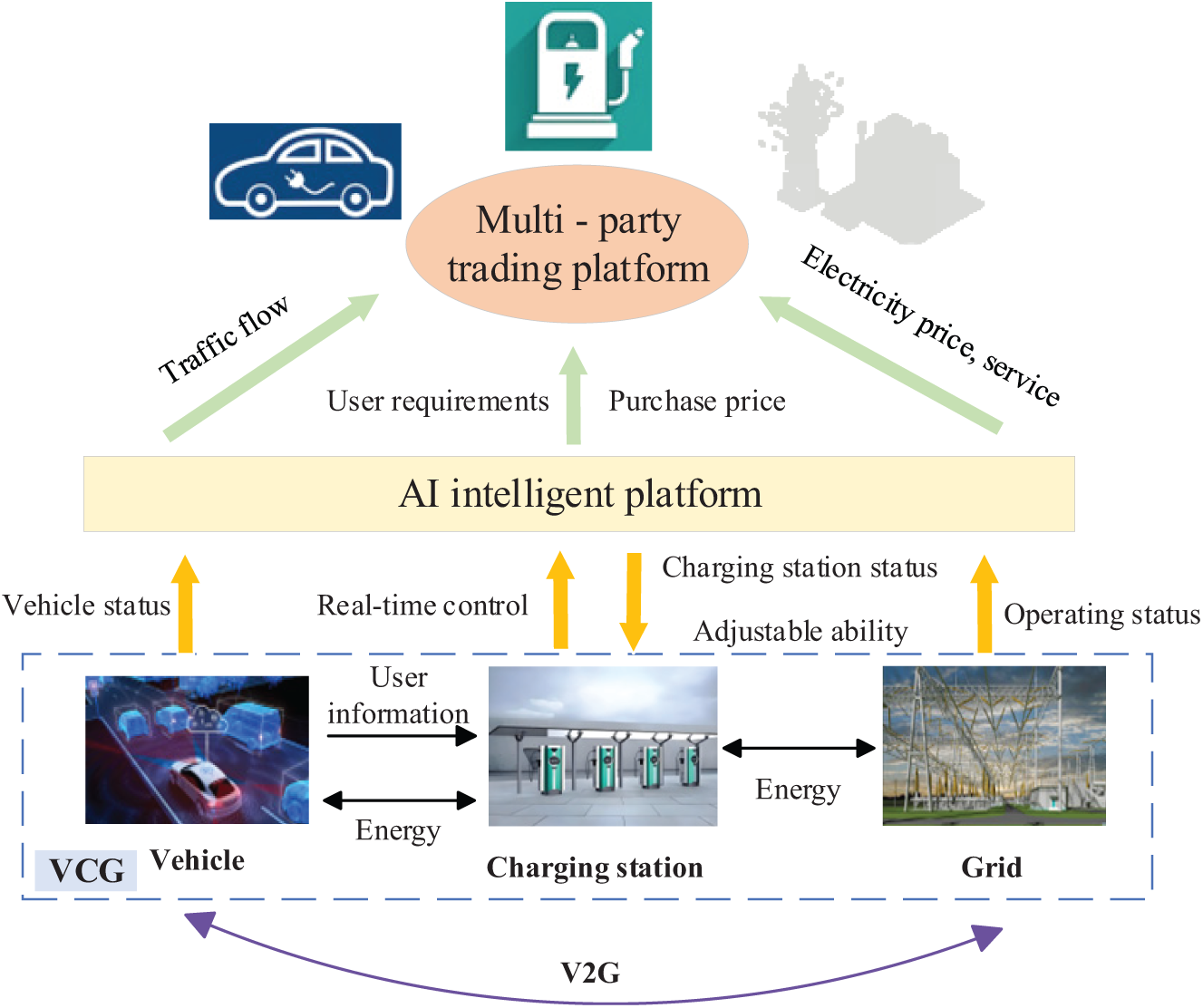
Figure 1: Interaction and collaborative optimization of VCG
The logical relationships among these three challenges are closely interconnected. Dynamic resource allocation and demand response provide the foundation for predictive analytics and adaptive scheduling, while predictive analytics and adaptive scheduling offer technical support for multi-stakeholder coordination. Only with a robust mechanism of dynamic resource allocation and demand response can efficient prediction and scheduling be achieved; and only with accurate prediction and scheduling can the interests of multiple parties be better coordinated.
To address these challenges, breakthroughs in artificial intelligence (AI) technologies have provided new ideas and powerful tools for the collaborative optimization of the VCG system. In recent years, significant progress has been made in data processing, pattern recognition, and decision optimization through AI technologies such as deep learning, reinforcement learning, and edge computing, demonstrating their strong capabilities and advantages [10]. By applying these AI technologies to the VCG system, it is possible to achieve efficient energy allocation, dynamic load balancing, and intelligent scheduling of infrastructure. This can effectively solve the problems brought about by the large-scale integration of EVs, facilitate the integration of renewable energy, and accelerate the transformation to low-carbon transportation.
In this review, we primarily discuss the challenges in terms of the following three aspects: dynamic resource allocation and demand response, predictive analytics and adaptive scheduling, and multi-stakeholder coordination.
2.1 Dynamic Resource Allocation and Demand Response
The stochastic nature of EV users’ charging behaviors brings significant challenges to power grids, including uneven spatiotemporal distribution of charging demand, increasing grid load pressure, and so on [11,12]. These make traditional static planning models inadequate for addressing real-time dynamic demands [13,14]. Therefore, dynamic resource allocation approaches and demand response mechanisms have emerged as promising solutions to accommodate fluctuating charging demands and enable real-time adjustment to charging patterns [13,15].
Dynamic resource allocation in power grids involves real-time adjustment of energy distribution and management in response to fluctuating demand and supply conditions [16]. Demand response is an effective strategy used to adjust electricity consumption based on variable energy availability, price signals, or grid stability needs, thereby enhancing energy utilization efficiency [17].
To achieve dynamic resource allocation in power grids, extensive research has been conducted. The dynamic resource allocation in power grids requires real-time responses to fluctuations in supply and demand conditions [18], necessitating systems with rapid data processing and decision-making capabilities. Traditional static planning models cannot meet these real-time requirements as they are typically optimized based on historical data and fixed parameters. In Ref. [19], a sitting and capacity determination model for EV charging stations was proposed, with each EVCS considered as a distributed resource within the power grid. Consequently, the strategic placement of EVCS enables the effective allocation of power resources, optimizing grid performance and minimizing the total system cost. Moreover, EV charging and discharging operations contribute to demand response [17]. Additionally, Dynamic resource allocation involves multiple variables, including the charging demand of EVs, the generation of renewable energy, and the load conditions of the power grid [20]. The interactions between these variables increase the complexity of the optimization problem. And power management controllers are also a promising way for power resource allocation. In Ref. [21], an adaptive power management controller was designed to dynamically adjust grid load distribution. This controller, based on artificial neural network, simulates real-time interactions among EV users, EVCS and the power grid, effectively enabling the re-allocation of the power resources to enhance grid stability and efficiency. The vehicle-to-grid (V2G) technology introduced in Ref. [21] also provides a new dimension for optimizing the location and capacity configuration of EVCS, thereby offering a new direction for the dynamic resource allocation and demand response of power grid.
The aforementioned studies have all utilized AI algorithms to a certain extent to achieve dynamic resource planning and demand response of the power grid, yet there are still some deficiencies. In terms of dynamic resource allocation for the power grid, current research mainly focuses on short-term models, and there is a lack of consideration for constructing long-term dynamic models, as well as for the long-term trends of various factors such as the increase in the penetration rate of EVs, the development of renewable energy technology, and the reduction in energy storage system costs. Regarding demand response, there is a lack of performance evaluation of the controller under different dynamic electricity pricing strategies. Furthermore, different users’ responsiveness to price signals and incentive measures varies, which may lead to inconsistent demand response outcomes. The implementation of demand response mechanisms requires advanced metering infrastructure and communication technologies to achieve real-time monitoring of user behavior and timely delivery of incentive measures. However, the deployment and maintenance costs of these technologies are relatively high, potentially limiting their widespread application. Moreover, current electricity market mechanisms may not fully reflect the value of demand response, leading to insufficient incentives. Future research can address these shortcomings to better achieve continuous optimization and adaptive adjustment of dynamic planning and demand response strategies for the power grid.
2.2 Predictive Analytics and Adaptive Scheduling
The challenge discussed in this section relates to the forecasting of EV charging load and its impact on power system scheduling. With the growing number of EVs and the increasing integration of renewable energy into power grid, accurately predicting the renewable energy generation and EV charging demand, as well as coordinating the scheduling of renewable energy sources, has become a critical challenge [22]. To address these issues, extensive studies have explored predictive analysis and adaptive scheduling strategies.
Predictive analysis of renewable energy generation and EV charging load plays a crucial role in optimizing power grid scheduling while improving the overall utilization of renewable energy resources [23,24]. On the other hand, adaptive scheduling can dynamically adjust and optimize the operational planning of EVCS infrastructure based on forecasted EV charging load demand [25].
Over the past decades, numerous innovative methods have been developed to forecast both EV charging load and renewables, as well as to optimize adaptive scheduling of EVCS. The prediction of EV charging loads and renewable energy generation involves multiple variables, including weather conditions, user behavior, traffic flow, policy changes, etc. The interplay among these variables increases the complexity of forecasting. Moreover, the distribution of EV charging demand is uneven in terms of time and space, which necessitates that the forecasting models consider spatiotemporal correlations. To address these challenges, a spatiotemporal graph convolutional network was proposed in Ref. [26] to forecast the spatiotemporal distributed photovoltaic systems, which provided a reference for the grid scheduling. Moreover, more accurate load information can be directly obtained by predicting the utilization of EVCS. In Ref. [27], a novel hybrid forecasting model combining the sparrow search algorithm with bidirectional long short-term memory networks was introduced, significantly improving the short-term load forecasting accuracy for EVCS. In Ref. [28], it is demonstrated that more accurate EV charging demand predictions enable enhanced performance in self-adaptive power grid scheduling.
The prediction of EV charging loads and their impact on power system scheduling is a key challenge. Existing methods have utilized AI technology to a certain extent to address these issues, but still have limitations such as data dependency, neglect of dynamic factors, and insufficient prediction accuracy. Moreover, existing methods largely rely on data from a single geographic region and fail to incorporate a comprehensive set of factors, such as policy changes, holidays, and working days [29], leading to significant limitations and weak generalizability. Recently, with advancements in AI technology, its effectiveness in prediction and optimization has been well demonstrated [30]. Therefore, future research should focus on developing AI-based techniques for predictive analysis and adaptive scheduling, particularly in the interaction between EVCS and power grids.
2.3 Multi-Stakeholder Coordination
The widespread adoption of EVs has not only increased the complexity of power grids but also introduced significant challenges in balancing the interests of multiple stakeholders, including governments, charging station operators, EV users, and new energy vehicle companies [31]. Each stakeholder seeks to maximize their benefits, often leading to non-cooperative scenarios. While government policies prioritize public charging station construction to promote EV adoption, charging station operators tend to focus on high-profit areas, resulting in uneven charging infrastructure distribution. This imbalance can cause severe issues such as hindering industrial development, delaying infrastructure construction, reducing social equity, impeding energy transition, and economic restructuring [32,33].
To address these coordination challenges, extensive research has been conducted on stakeholder interest alignment. Ref. [34] examines the coordination problem from the perspectives of EV aggregators and electricity price policymakers. However, real-world interactions involve a broader range of stakeholders, including charging station operators, EV users, and grid operators. Therefore, literature [35] proposes a more comprehensive three-stage energy trading framework for energy agents (including retailers, EVs, and EVCS). This framework operates by first collecting energy information from all parties, then conducting negotiations based on predefined rules, and finally reaching energy trading agreements. This approach can optimize energy resource allocation while improving the efficiency and fairness of energy trading markets.
Furthermore, V2G technology offers a promising solution for coordinating multiple stakeholders. V2G enables bidirectional energy flow between EVs and the power grid, helping to mitigate load fluctuations and improve renewable energy consumption rates [36]. Additionally, it can generate additional economic benefits for EV users, charging station operators, and grid companies [37]. According to Ref. [38], EV users can earn an average of $8 per month by participating in V2G programs. Nevertheless, several barriers hinder the practical implementation of V2G technology. Technically, challenges include battery degradation, communication protocols, and cybersecurity requirements. Economically, unclear distribution mechanisms and insufficient incentives pose obstacles. Politically, inadequate policies and regulations fail to account for the distinctive characteristics of V2G compared to stationary energy storage systems. To overcome these barriers, proposed measures include establishing reliable V2G operation mechanisms and implementing time-of-use electricity pricing efficiency and fairness of energy trading markets [39].
Currently, most research focuses on V2G’s impact on power systems, with limited studies examining its role in charging station capacity configuration [40,41]. This gap may exist because the relationship between V2G and charging station capacity planning involves complex factors such as user behavior, grid load characteristics, and V2G operation modes. Future research could employ multi-objective optimization methods that simultaneously consider the economic benefits for charging station operators and V2G’s grid support functions.
In summary, existing research still faces challenges in effectively coordinating multiple stakeholders. Such coordination is crucial as it directly affects the sustainability of EV ecosystem, and the economic viability of all parties involved. Therefore, future studies should explore integrated charging station capacity configuration models that incorporate both V2G technology and AI to improve stakeholder coordination. AI can play a pivotal role in this process-machine learning algorithms could predict EV charging/discharging behavior for more accurate capacity planning, while reinforcement learning could optimize energy trading processes among stakeholders to achieve more efficient and equitable coordination. Research objectives may include developing AI-based comprehensive coordination models, validating their effectiveness through simulations and field experiments, and ultimately promoting their application in real-world EV ecosystems.
Based on the above challenges, this special issue aims to focus on “AI-Driven Interaction and Collaborative Optimization of Vehicle, Charging Station and Grid”. Topics of interest include, but not limited to:
• Long-Term Dynamic Modeling and Scenario Analysis: Future research should focus on developing comprehensive long-term models that account for evolving factors such as EV adoption rates, renewable energy integration, and declining energy storage costs. These models should incorporate dynamic feedback mechanisms to simulate how policy changes, technological advancements, and market shifts interact over time. By integrating scenario analysis, researchers can assess different pathways for grid optimization and adaptive planning under uncertainty.
• Advanced Demand Response and Smart Control Strategies: To enhance demand response effectiveness, future work should explore adaptive control strategies that dynamically adjust to real-time electricity pricing and load conditions. AI-based optimization can improve controller performance, ensuring stability while maximizing cost efficiency. Additionally, V2G capabilities should be further investigated to enable bidirectional energy flow, turning EVs into flexible grid assets rather than passive loads.
• Improving the accuracy of EV charging load prediction is crucial for efficient power grid management. Future research can fully leverage large AI models to deeply integrate historical data, real-time monitoring information, and various external factors (such as weather conditions, users’ travel, and charging behavior habits) to predict the charging load accurately. Based on this, it can achieve real-time optimization of charging patterns, energy storage dispatch, and renewable energy utilization.
• Multi-Stakeholder Coordination and Incentive Mechanisms: The expansion of EV infrastructure requires collaboration among governments, utilities, charging operators, and consumers. Future studies should explore incentive-based policies, dynamic pricing schemes, and regulatory frameworks that encourage investment in charging networks while ensuring grid reliability. Game-theoretic approaches can help balance competing interests and optimize resource allocation in a decentralizedenergy landscape.
Acknowledgement: The authors thank the support of Yunnan Provincial Basic Research Project and National Natural Science Foundation of China.
Funding Statement: This work was supported by Yunnan Provincial Basic Research Project (202401AT070344) and National Natural Science Foundation of China (62263014).
Author Contributions: The authors confirm contribution to the paper as follows: study conception and design: Bo Yang and Zhe Jiang; data collection: Jianfeng Wen; analysis and interpretation of results: Ning Yang and Kaiping Qu; draft manuscript preparation: Bo Yang, Zhe Jiang and Shuai Zhou. All authors reviewed the results and approved the final version of the manuscript.
Availability of Data and Materials: Not applicable.
Ethics Approval: Not applicable.
Conflicts of Interest: The authors declare no conflicts of interest to report regarding the present study.
References
1. Zhao SL, Luo JM. Dual carbon trading and evaluation of electric energy benefit based on blockchain technology. Procedia Comput Sci. 2024;247(2):24–932. doi:10.1016/j.procs.2024.10.112. [Google Scholar] [CrossRef]
2. Yang B, Li JL, Shu HC, Cai Z, Tang B, Huang X, et al. Recent advances of optimal sizing and location of charging stations: a critical overview. Int J Energy Res. 2022;46(13):17899–925. doi:10.1002/er.8476. [Google Scholar] [CrossRef]
3. Singh P, Namrata. The synergy between electric vehicle and electricity generation mix: a path to sustainable transportation. Energy Policy. 2025;200(1):114558. doi:10.1016/j.enpol.2025.114558. [Google Scholar] [CrossRef]
4. Soliman IA, Tulsky V, el-Ghany HA, ElGebaly AE. A comprehensive simultaneous allocation algorithm of charging stations and vehicle to grid operation in radial networks. Comput Electr Eng. 2024;120(1):109836. doi:10.1016/j.compeleceng.2024.109836. [Google Scholar] [CrossRef]
5. Aggarwal S, Singh AK, Rathore RS, Bajaj M, Gupta D. Revolutionizing load management: a novel technique to diminish the impact of electric vehicle charging stations on the electricity grid. Sustain Energy Technol Assess. 2024;65(4):1037894. doi:10.1016/j.seta.2024.103784. [Google Scholar] [CrossRef]
6. Khan FA, Mekhilef S, Ramachandaramurthy VK, Ab Aziz NF, Pal N, Yaseen A, et al. Design and development of grid independent integrated energy system for electric vehicle charging stations at different locations in Malaysia. Energy. 2024;302(2):131686. doi:10.1016/j.energy.2024.131686. [Google Scholar] [CrossRef]
7. Soliman IA, Tulsky V, el-Ghany HA, ElGebaly AE. Efficient allocation of capacitors and vehicle-to-grid integration with electric vehicle charging stations in radial distribution networks. Appl Energy. 2025;377(3):124745. doi:10.1016/j.apenergy.2024.124745. [Google Scholar] [CrossRef]
8. He B, Yang B, Han YM, Zhou Y, Hu Y, Shu H, et al. Optimal EVCS planning via spatial-temporal distribution of charging demand forecasting and traffic-grid coupling. Energy. 2024;313(6):133885. doi:10.1016/j.energy.2024.133885. [Google Scholar] [CrossRef]
9. Feng J, Yao YF, Liu ZF, Liu Z. Electric vehicle charging stations’ installing strategies: considering government subsidies. Appl Energy. 2024;370:123552. doi:10.1016/j.apenergy.2024.123552. [Google Scholar] [CrossRef]
10. Chen LW, Liu ZB, Yu QQ, Jiang X, Zhang H, Lin X. Prediction and analysis of relative error in electric vehicle charging stations based on an improved ConvFormer model. Heliyon. 2024;10(16):e35840. doi:10.1016/j.heliyon.2024.e35840. [Google Scholar] [PubMed] [CrossRef]
11. Kioumarsi K, Bolurian A. Optimal energy management for electric vehicle charging parking lots with considering renewable energy resources and accurate battery characteristic modeling. J Energy Storage. 2025;107(1):114914. doi:10.1016/j.est.2024.114914. [Google Scholar] [CrossRef]
12. Li JL, Yang B, Guo ZX, Guo Z, Wang J, Zhang R, et al. Optimal planning of electricity-hydrogen hybrid energy storage system considering demand response in active distribution network. Energy. 2023;273(1):127142. doi:10.1016/j.energy.2023.127142. [Google Scholar] [CrossRef]
13. Xu HR, Zhang A, Wang QL, Hu Y, Fang F, Cheng L. Quantum reinforcement learning for real-time optimization in electric vehicle charging systems. Appl Energy. 2025;383(5):125279. doi:10.1016/j.apenergy.2025.125279. [Google Scholar] [CrossRef]
14. Huang WX, Wang JG, Wang JP, Zhou M, Cao J, Cai L. Capacity optimization of PV and battery storage for EVCS with multi-venues charging behavior difference towards economic targets. Energy. 2024;313(1):133833. doi:10.1016/j.energy.2024.133833. [Google Scholar] [CrossRef]
15. Asgharzadeh F, Tabar VS, Ghassemzadeh S. Stochastic bi-level allocation of electric vehicle charging stations in the presence of wind turbines, crypto-currency loads and demand side management. Electr Power Syst Res. 2023;220(7):109383. doi:10.1016/j.epsr.2023.109383. [Google Scholar] [CrossRef]
16. Abid MS, Apon HJ, Hossain S, Ahmed A, Ahshan R, Lipu MSH. A novel multi-objective optimization based multi-agent deep reinforcement learning approach for microgrid resources planning. Appl Energy. 2024;353:122029. doi:10.1016/j.apenergy.2023.122029. [Google Scholar] [CrossRef]
17. Bhatia AA, Das D. Demand response strategy for microgrid energy management integrating electric vehicles, battery energy storage system, and distributed generators considering uncertainties. Sustain Energy Grids Netw. 2025;41:101594. doi:10.1016/j.segan.2024.101594. [Google Scholar] [CrossRef]
18. Elkadeem MR, Kotb KM, Alzahrani AS, Abido MA. Smart and resilient microgrid for EV mobility and commercial applications with demand response. Transp Res Procedia. 2025;84(13):362–9. doi:10.1016/j.trpro.2025.03.084. [Google Scholar] [CrossRef]
19. Nafeh AEA, Omran AEA, Elkholy A, Yousef HKM. Optimal economical sizing of a PV-battery grid-connected system for fast charging station of electric vehicles using modified snake optimization algorithm. Results Eng. 2024;21(5):101965. doi:10.1016/j.rineng.2024.101965. [Google Scholar] [CrossRef]
20. Masrur H, Gamil MM, Islam MR, Muttaqi KM, Lipu MSH, Senjyu T. An optimized and outage-resilient energy management framework for multicarrier energy microgrids integrating demand response. EEE Trans Ind Appl. 2022;58(3):4171–80. doi:10.1109/tia.2022.3160683. [Google Scholar] [CrossRef]
21. Singh AP, Kumar Y, Sawle Y, Alotaibi MA, Malik H, Márquez FPG. Development of artificial intelligence-based adaptive vehicle to grid and grid to vehicle controller for electric vehicle charging station. Ain Shams Eng J. 2024;15(10):102937. doi:10.1016/j.asej.2024.102937. [Google Scholar] [CrossRef]
22. Zhou SY, Han Y, Mahmoud K, Darwish MMF, Lehtonen M, Yang P, et al. A novel unified planning model for distributed generation and electric vehicle charging station considering multi-uncertainties and battery degradation. Appl Energy. 2023;348:121566. doi:10.1016/j.apenergy.2023.121566. [Google Scholar] [CrossRef]
23. Li GQ, Zhang RQ, Bu SQ, Zhang J, Gao J. Probabilistic prediction-based multi-objective optimization approach for multi-energy virtual power plant. Int J Electr Power Energy Syst. 2024;161(22):110200. doi:10.1016/j.ijepes.2024.110200. [Google Scholar] [CrossRef]
24. Guo XZ, Wang YQ, Wang C, Wu MJ, Yang Y, Zhang C. Electric vehicle charging load prediction method based on multi-objective modal decomposition and NAHL neural network. Electr Meas Instrum. 2025;62(3):20–9. (In Chinese). doi:10.19753/j.issn1001-1390.2025.03.003. [Google Scholar] [CrossRef]
25. Lee SY, Choi DH. Two-stage scheduling of smart electric vehicle charging stations and inverter-based Volt-VAR control using a prediction error-integrated deep reinforcement learning method. Energy Rep. 2023;10(1):1135–50. doi:10.1016/j.egyr.2023.07.054. [Google Scholar] [CrossRef]
26. Lan HF, Hou HY, Gou ZH, Wong MS. Spatiotemporal analysis and forecasting of PV systems, battery storage, and EV charging diffusion in California: a graph network approach. Renew Energy. 2024;230(11):120868. doi:10.1016/j.renene.2024.120868. [Google Scholar] [CrossRef]
27. Lin YX, Gao H. Load prediction method of charging station based on SSA-VMD-BiLSTM model. Guangdong Electr Power. 2024;37(6):53–61. (In Chinese). doi:10.21203/rs.3.rs-4909901/v1. [Google Scholar] [CrossRef]
28. Sithambaram M, Rajesh P, Shajin FH, Rajeswari IR. Grid connected photovoltaic system powered electric vehicle charging station for energy management using hybrid method. J Energy Storage. 2025;108(2):114828. doi:10.1016/j.est.2024.114828. [Google Scholar] [CrossRef]
29. Zheng JF, Zhu JH, Xi HR. Short-term energy consumption prediction of electric vehicle charging station using attentional feature engineering and multi-sequence stacked Gated Recurrent Unit. Comput Electr Eng. 2023;108(6):108694. doi:10.1016/j.compeleceng.2023.108694. [Google Scholar] [CrossRef]
30. Tungom CE, Niu N, Wang H. Hierarchical framework for demand prediction and iterative optimization of EV charging network infrastructure under uncertainty with cost and quality-of-service consideration. Expert Syst Appl. 2024;237:121761. doi:10.1016/j.eswa.2023.121761. [Google Scholar] [CrossRef]
31. Wu QQ, Bai L. Construction and development of charging infrastructure with the participation of new energy vehicle enterprises: a perspective of the four-party evolutionary game. Sci Technol Ind. 2025;25(2):275–88. (In Chinese). doi:10.1016/j.cjpre.2021.12.016. [Google Scholar] [CrossRef]
32. Amin A, Shafiullah G, Shoeb M, Anda M. Grid Integration of EV: a review on stakeholder’s objectives, challenges, and strategic implications. e-Prime. 2025;11(2):100930. doi:10.1016/j.prime.2025.100930. [Google Scholar] [CrossRef]
33. Lu C, Liu HC, Tao J, Rong K, Hsieh YC. A key stakeholder-based financial subsidy stimulation for Chinese EV industrialization: a system dynamics simulation. Technol Forecast Soc Change. 2017;118(1):1–14. doi:10.1016/j.techfore.2017.01.022. [Google Scholar] [CrossRef]
34. Park JS, Hussain S, Lee JO, Kim BH, Kim YS. Time-of-use (TOU) electricity rate for vehicle-to-grid (V2G) to minimize a charging station capacity. Int J Electr Power Energy Syst. 2024;161(3):110209. doi:10.1016/j.ijepes.2024.110209. [Google Scholar] [CrossRef]
35. Adil M, Mahmud MAP, Kouzani AZ, Khoo SY. Three-stage energy trading framework for retailers, charging stations, and electric vehicles: a game-theoretic approach. Energy. 2024;301(1):131697. doi:10.1016/j.energy.2024.131697. [Google Scholar] [CrossRef]
36. Jiang Y. Opportunities, challenges and suggestions for the development of vehicle to grid (V2G). Shanghai Energy Sav. 2024;12(22):1901–5. (In Chinese). doi:10.3390/en17225646. [Google Scholar] [CrossRef]
37. Yin H. Optimization of V2G charging and swapping power supply and demand sides scheduling strategy based on deep reinforcement learning algorithm. Electrotech Appl. 2024;43(6):8–15. (In Chinese). doi:10.1109/icocwc60930.2024.10470510. [Google Scholar] [CrossRef]
38. Lee W, Woo J, Kim YG, Koo Y. Vehicle-to-grid as a competitive alternative to energy storage in a renewable-dominant power system: an integrated approach considering both electric vehicle drivers’ willingness and effectiveness. Energy. 2024;310(6):133194. doi:10.1016/j.energy.2024.133194. [Google Scholar] [CrossRef]
39. Rao SP, Olusegun TS, Ranganathan F, Kose U, Goveas N. Vehicle-to-grid technology: opportunities, challenges, and future prospects for sustainable transportation. J Energy Storage. 2025;110(3):114927. doi:10.1016/j.est.2024.114927. [Google Scholar] [CrossRef]
40. Lin H, Liu SL, Liao SW, Wang S. A two-stage robust optimal capacity configuration method for charging station integrated with photovoltaic and energy storage system considering vehicle-to-grid and uncertainty. Energy. 2025;319:135057. doi:10.1016/j.energy.2025.135057. [Google Scholar] [CrossRef]
41. Zhang B, Liu BY, Hu XH, Guo X. V2G technology-based load balancing for hybrid power supply systems. Electr Eng. 2024;21(2):12–5. (In Chinese). doi:10.23919/cjee.2020.000006. [Google Scholar] [CrossRef]
Cite This Article
 Copyright © 2025 The Author(s). Published by Tech Science Press.
This work is licensed under a Creative Commons Attribution 4.0 International License , which permits unrestricted use, distribution, and reproduction in any medium, provided the original work is properly cited.
 Downloads
 Citation Tools
