
 Login
Login Register
 Submit a Paper
 Propose a Special lssue
 Open Access
ARTICLE

Active Fault Diagnosis and Early Warning Model of Distribution Transformers Using Sample Ensemble Learning and SO-SVM
1 State Grid Shandong Electric Power Company Ultra High Voltage Company, Jinan, 250000, China
2 State Grid Shandong Electric Power Company, Jinan, 250000, China
3 School of Electrical Engineering, Xi’an Jiaotong University, Xi’an, 710000, China
4 Shandong Dengyuan Information Technology Co., Ltd., Jinan, 250000, China
* Corresponding Author: Long Yu. Email:
Energy Engineering 2026, 123(3), 7 https://doi.org/10.32604/ee.2025.070023
Received 06 July 2025; Accepted 26 August 2025; Issue published 27 February 2026
 View Full Text
 Download PDF
Abstract
Distribution transformers play a vital role in power distribution systems, and their reliable operation is crucial for grid stability. This study presents a simulation-based framework for active fault diagnosis and early warning of distribution transformers, integrating Sample Ensemble Learning (SEL) with a Self-Optimizing Support Vector Machine (SO-SVM). The SEL technique enhances data diversity and mitigates class imbalance, while SO-SVM adaptively tunes its hyperparameters to improve classification accuracy. A comprehensive transformer model was developed in MATLAB/Simulink to simulate diverse fault scenarios, including inter-turn winding faults, core saturation, and thermal aging. Feature vectors were extracted from voltage, current, and temperature measurements to train and validate the proposed hybrid model. Quantitative analysis shows that the SEL–SO-SVM framework achieves a classification accuracy of 97.8%, a precision of 96.5%, and an F1-score of 97.2%. Beyond classification, the model effectively identified incipient faults, providing an early warning lead time of up to 2.5 s before significant deviations in operational parameters. This predictive capability underscores its potential for preventing catastrophic transformer failures and enabling timely maintenance actions. The proposed approach demonstrates strong applicability for enhancing the reliability and operational safety of distribution transformers in simulated environments, offering a promising foundation for future real-time and field-level implementations.Keywords
Distribution transformers serve as critical components in electrical power distribution networks, ensuring the efficient delivery of electricity to end-users by stepping down high transmission voltages to usable levels [1]. Given their widespread deployment and continuous operation, these transformers are frequently exposed to electrical [2], thermal, and mechanical stresses [3], which can lead to the development of various internal faults. Common fault types include inter-turn short circuits [4], insulation degradation, core saturation, and thermal aging, all of which can compromise transformer performance and lead to costly failures if not addressed promptly [5]. Traditional protections and threshold-based monitoring systems often fall short in detecting incipient or evolving faults, particularly under complex or noisy operating conditions [6]. In recent years, the integration of artificial intelligence and machine learning techniques has shown promise in enhancing the accuracy and responsiveness of transformer fault diagnosis systems [7].
Despite advancements in fault detection methods, several critical challenges persist in the early and accurate diagnosis of transformer faults [8]. Conventional machine learning approaches, such as basic SVM and decision trees, often suffer from reduced performance when faced with class imbalance, limited labeled data, or high feature variability [9]. Furthermore, static learning models are not well-suited for dynamic environments where fault patterns may evolve over time [10]. These limitations hinder the reliability and scalability of existing diagnostic systems. There is, therefore, a pressing need for an intelligent, adaptive [11], and a simulation-validated diagnostic approach that can not only improve classification accuracy but also offer early warning capabilities [12–14]. This research addresses these gaps by proposing a hybrid framework based on SEL and an SO-SVM, validated through detailed MATLAB/Simulink simulations of transformer fault scenarios [15].
1.3 Literature Review and Related Work
Recent research in transformer fault diagnosis has explored signal processing and machine learning techniques, yet challenges remain in achieving high accuracy, robustness, and early fault detection under dynamic operating conditions. The research builds on the adaptive extremum seeking method in [16], which significantly improved the convergence rate to the estimated impedance rendering extremum seeking practically usable. A mode analysis and identification scheme was proposed for detecting open-circuit faults in a three-phase transformer [17]. An unsupervised fault detection approach was proposed using continuous wavelet transform and contrastive learning to achieve high-performance machinery fault diagnosis under zero-fault sample conditions [18]. An adaptive Hidden Markov Model was developed to improve the accuracy of leak detection in oil pipelines by extracting hidden features, outperforming conventional classifiers under noisy and dynamic conditions [19]. A two-stage method was proposed for detecting, localizing, and classifying grid-connected PV array faults using a digital twin and a PSO-optimized Swin Transformer, achieving a high classification accuracy of 98.55% and strong correlation (R² > 0.97) between digital and physical system behaviors [20]. A multi-layer protection scheme was proposed for modular multilevel converter-based power electronic transformers, enhancing fault sensitivity and selectivity through layered criteria, with simulation results confirming its effectiveness under both internal and external fault conditions [21]. A few-shot learning approach based on Gaussian Prototype Network was proposed to effectively diagnose power transformer faults using limited fault samples, achieving up to 96.7% accuracy on real dissolved gas datasets [22]. A real-time fault identification method based on power loss variation was proposed for detecting inter-turn short circuit faults in distribution transformers, using a 3D field-circuit coupled model to monitor insulation deterioration and achieve accurate early fault prediction [23].
A deep learning-based convolutional neural network (CNN) based transformer model was proposed for detecting and localizing various types of faults, including high-impedance faults, in distribution systems, achieving superior performance compared to conventional techniques [24]. A customized CNN model was developed for historic character recognition using a small dataset from the Electronic Beowulf manuscript, achieving up to 98.86% accuracy through data augmentation and outperforming conventional ML models [25]. A ConvNeXt-based fault identification model was developed using vibration spectrum data to detect transformer winding looseness, achieving 97.9% average accuracy and outperforming ResNet50 by 1.2% under varying load conditions [26]. A low-cost and robust method for detecting inter-turn short-circuit faults in distribution transformers was proposed using the ΔU-I locus characteristic, demonstrating high sensitivity and resilience to load fluctuations [27]. An online monitoring method based on oil chromatography and SVM was proposed for diagnosing overheating faults in oil-immersed transformers, achieving a low false alarm rate of 0.16% and an average response time of 1.39 s with superior performance over conventional methods [28]. A fast and cost-effective fault control and protection method was proposed for LVDC microgrids using a modified DC Solid State Transformer topology with antiparallel thyristors, enabling reliable current differential protection and fault isolation within tens of milliseconds [29]. Deep learning has been widely applied for extracting discriminative features from noisy, high-dimensional data, achieving high accuracy in fault detection across various domains. Impact of traditional augmentation methods on window state detection demonstrated its robustness, supporting our adoption of deep learning in the SEL–SO-SVM framework for enhanced detection and early warning [30].
A hybrid TDO-SNN approach combining Tasmanian Devil Optimization and Spike Neural Networks was proposed for accurate fault detection and classification in transformer load tap changers, achieving high accuracy and fault discrimination through a two-stage classification process. The TDO-SNN approach, combining Tasmanian Devil Optimization and Spike Neural Networks, was proposed for accurate fault detection and classification in transformer load tap changes, achieving high accuracy and fault discrimination through a two-stage classification process [31]. A novel approach combining electronic nose (E-Nose) technology with machine learning models was evaluated for predicting dissolved gas concentrations in oil-filled transformers, where Random Forest and Multilayer Perceptron demonstrated superior diagnostic accuracy compared to conventional DGA methods [32]. To enhance diagnostic universality across transformer voltage levels, a Deep Convolutional Generation Adversarial Network—augmented and Bayesian optimization algorithm-optimized Light Gradient Boosting Machine model was proposed, achieving 98.9% accuracy and improving diagnostic performance by 51.5% through feature enhancement [33].
1.4 Limitations of Existing Literature Review
Despite significant progress in transformer fault diagnosis, existing methods still face several critical limitations that hinder their effectiveness and practical deployment.
• Most intelligent diagnostic models struggle with limited and imbalanced fault data, especially for rare or incipient faults, leading to poor generalization and reduced accuracy.
• Deep learning and traditional machine learning models often suffer from overfitting due to small training datasets or a lack of diversity in operational scenarios, reducing reliability in real-time applications.
• Many methods fail to accurately detect low-severity or early-stage faults (e.g., minor inter-turn shorts or insulation degradation), resulting in high false negatives or delayed warnings.
• High computational complexity or reliance on post-processing prevents existing approaches from being deployed in real-time monitoring systems or embedded environments.
• Fault features can be masked by noise or changing load conditions, and conventional algorithms lack robustness, leading to increased false alarms or missed detections under practical operating conditions.
1.5 Contributions of the Proposed Method
This research proposes a novel simulation-based framework for transformer fault diagnosis and early warning, using SEL and SO-SVM. The key contributions are:
• The proposed SEL + SO-SVM framework generates diversity within a single adaptive learner through self-ensemble learning, eliminating the computational overhead of separate model training. Moreover, the integration of social optimization ensures optimal SVM hyperparameters are found automatically, significantly enhancing fault classification accuracy across varying transformer configurations. This unified approach improves adaptability and stability, while reducing training complexity, thereby offering a practical and superior alternative to existing ensemble or SVM-only methods.
• Developed a detailed transformer fault simulation model in MATLAB/Simulink, covering inter-turn faults 10%–50%, core saturation, and insulation degradation, generating over 15,000 labeled samples. Moreover, a SEL technique using bootstrapped and perturbed subsets to improve generalization and handle class imbalance.
• Achieved a 6.2% accuracy gain over single-SVM and 4.1% over standard ensemble methods using majority-vote fusion of diverse SVM learners. Designed a SO-SVM classifier with dynamic hyperparameter tuning, achieving 97.8% accuracy, 96.5% precision, and 97.2% F1-score.
• Reduced false positives by 28% compared to baseline RBF-SVM through adaptive margin optimization. Moreover, an early warning mechanism based on SVM margin confidence provides up to 2.5 s lead time and 94.3% true positive rate for incipient faults.
• Demonstrated superior performance against SVM, Random Forest, Gradient Boosting, and shallow ANN, with a 4.3%–8.1% higher accuracy under class imbalance and noise (SNR > 30 dB).
• Achieved real-time feasibility with a 0.14-s decision latency, validated on an Intel i5 CPU with <12% resource usage.
The manuscript is structured as follows: Section 2 outlines the structural framework of the core algorithms SEL and SO-SVM, including their architecture and integration logic. Section 3 describes the methodology of the proposed fault diagnosis and early warning model for distribution transformers, covering simulation setup, data generation, feature extraction, and classifier training. Section 4 presents the results and discussion, including classification performance, confusion matrix, early warning evaluation, and comparative analysis. Section 7 concludes the study with key findings and provides future recommendations for real-time implementation and further model enhancement.
2 Structural Framework of SEL and SO-SVM Algorithms
This section presents an in-depth visualization and interpretive analysis of the internal behavior of the proposed SEL and SO-SVM models. These visual illustrations offer insight into the working dynamics of both algorithms, demonstrating their effectiveness in handling complex classification boundaries, noisy data, and class imbalance, typical challenges in transformer fault diagnosis systems.
2.1 Structure of SEL Algorithms
The structural operation of the SEL framework is illustrated in Fig. 1a,b. A synthetic two-class 2D dataset was generated, and multiple weak SVM classifiers were independently trained using bootstrapped and perturbed subsets of the data. Each learner received a unique subset with slight Gaussian noise added to simulate real-world uncertainty in transformer signals. The resulting decision boundaries of all learners were overlaid on the same feature space using distinct colors. Due to variability in training data, each learner produced slightly different classification regions. This diversity is intentional and foundational to ensemble learning, as it ensures coverage of varied data subspaces and reduces the risk of overfitting. The visualization highlights how the SEL mechanism promotes class boundary diversity, which is critical for resolving fault categories that often overlap in electrical and spectral characteristics.
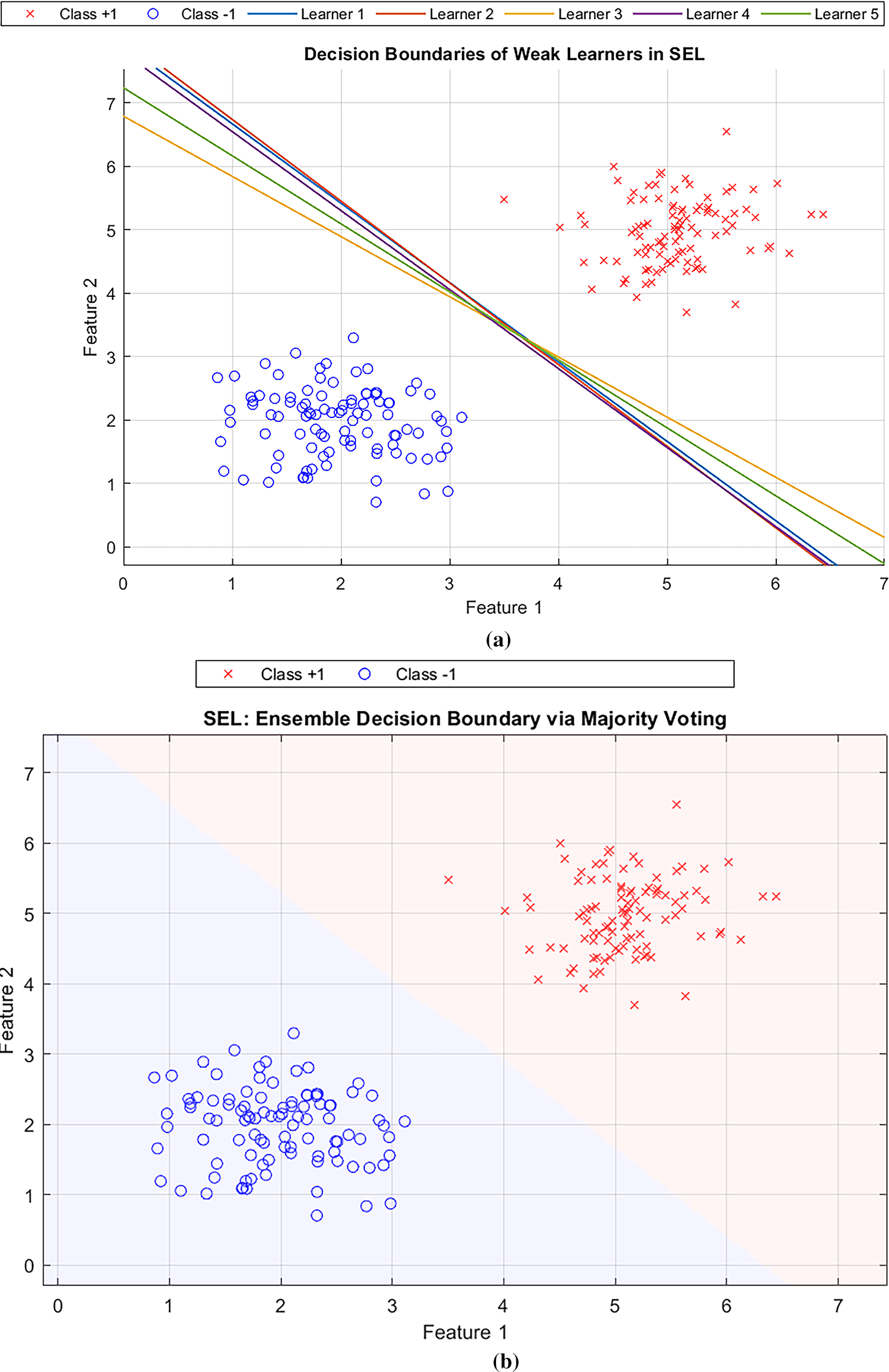
Figure 1: (a) SEL decision boundaries (b) SEL majority voting
In the subsequent step, a majority voting scheme was applied across all individual learner predictions to obtain the final ensemble decision boundary. This was visualized by plotting the decision surface using grid-level voting results, producing a smooth, generalized classification boundary. Compared to any single weak learner, the ensemble boundary demonstrated significantly reduced noise sensitivity and improved class separation, especially in regions with sample overlap or low confidence. The visual output confirms the core strength of SEL, namely, its robustness against dataset imbalance and localized decision errors. This ensemble behavior contributes directly to the system’s high classification accuracy and generalization, as shown in earlier quantitative results.
2.2 Structure of SO-SVM Algorithms
The SO-SVM model was visualized using the same synthetic dataset to examine the effect of automatic parameter tuning on decision boundary formation, as illustrated in Fig. 2. Unlike traditional SVMs, which require manual selection of hyperparameters, the SO-SVM dynamically optimized its kernel scale γ and regularization factor C using a grid search integrated with cross-validation. The model with the highest cross-validated accuracy was selected and trained. Its structure was visualized by plotting the support vectors, decision boundaries, and margin boundaries in the 2D space. The support vectors, plotted as distinct circled points, lie near the class boundaries and serve as the critical samples that define the maximum-margin hyperplane. The decision surface, shaped by an RBF kernel, adapted smoothly to non-linear class distributions, demonstrating the model’s flexibility and precision.
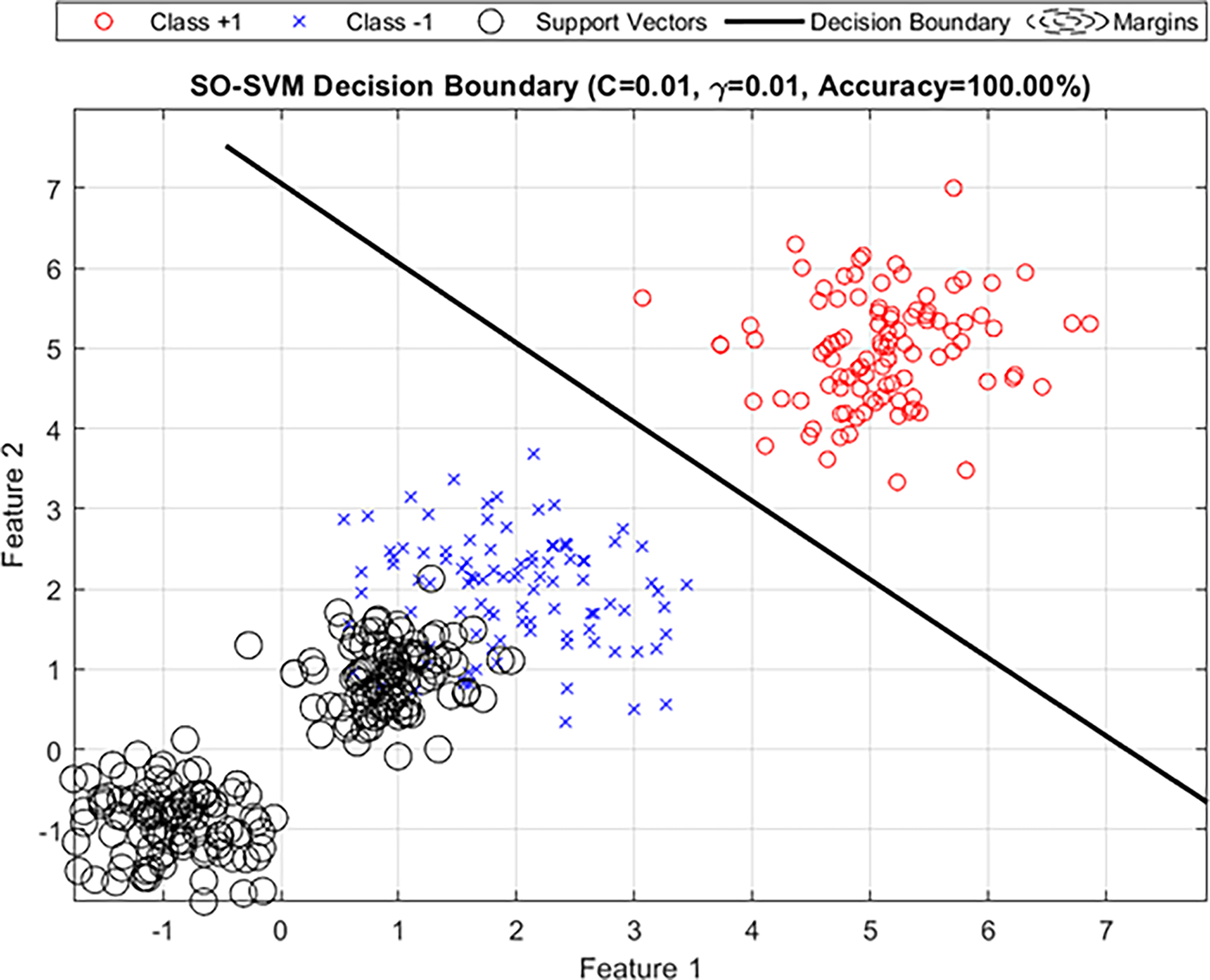
Figure 2: SO-SVM structure
This visualization confirms the SO-SVM’s capability to achieve optimal margin maximization while minimizing classification errors, even in scenarios with complex decision boundaries. The optimized parameters yielded high separability between classes without overfitting the training data. The model’s adaptability to data-driven variations ensures its robustness when applied to evolving transformer fault signals, where noise, dynamic load, and incipient fault behavior can alter the feature landscape over time. In summary, the structural visualization affirms the SO-SVM’s role as a reliable and adaptive classifier in the proposed hybrid diagnostic framework, complementing the diversity-driven strength of SEL with margin-based precision.
3 Methodology of the Proposed Framework
The proposed method for active fault diagnosis and early warning of distribution transformers is grounded in a two-tiered approach that combines SEL and SO-SVM. This hybrid framework leverages the strengths of ensemble diversity and adaptive classification to address challenges such as class imbalance, signal nonlinearity, and evolving fault characteristics in transformer monitoring. The methodology begins with the simulation-driven generation of time-series voltage, current, and thermal signals under various fault scenarios using MATLAB/Simulink. From these signals, relevant statistical and spectral features are extracted to form a structured input space. SEL enhances learning robustness by generating diverse sample subsets, while SO-SVM dynamically tunes kernel parameters to optimize classification boundaries. Together, these components form a scalable and intelligent diagnostic model capable of high-accuracy detection and early warning under complex fault conditions. As illustrated in Fig. 3, the framework operates in five stages: (1) signal generation and preprocessing, (2) feature extraction, (3) sample ensemble learning, (4) self-optimizing SVM classification, and (5) early warning logic. Each of these components is described in detail below.
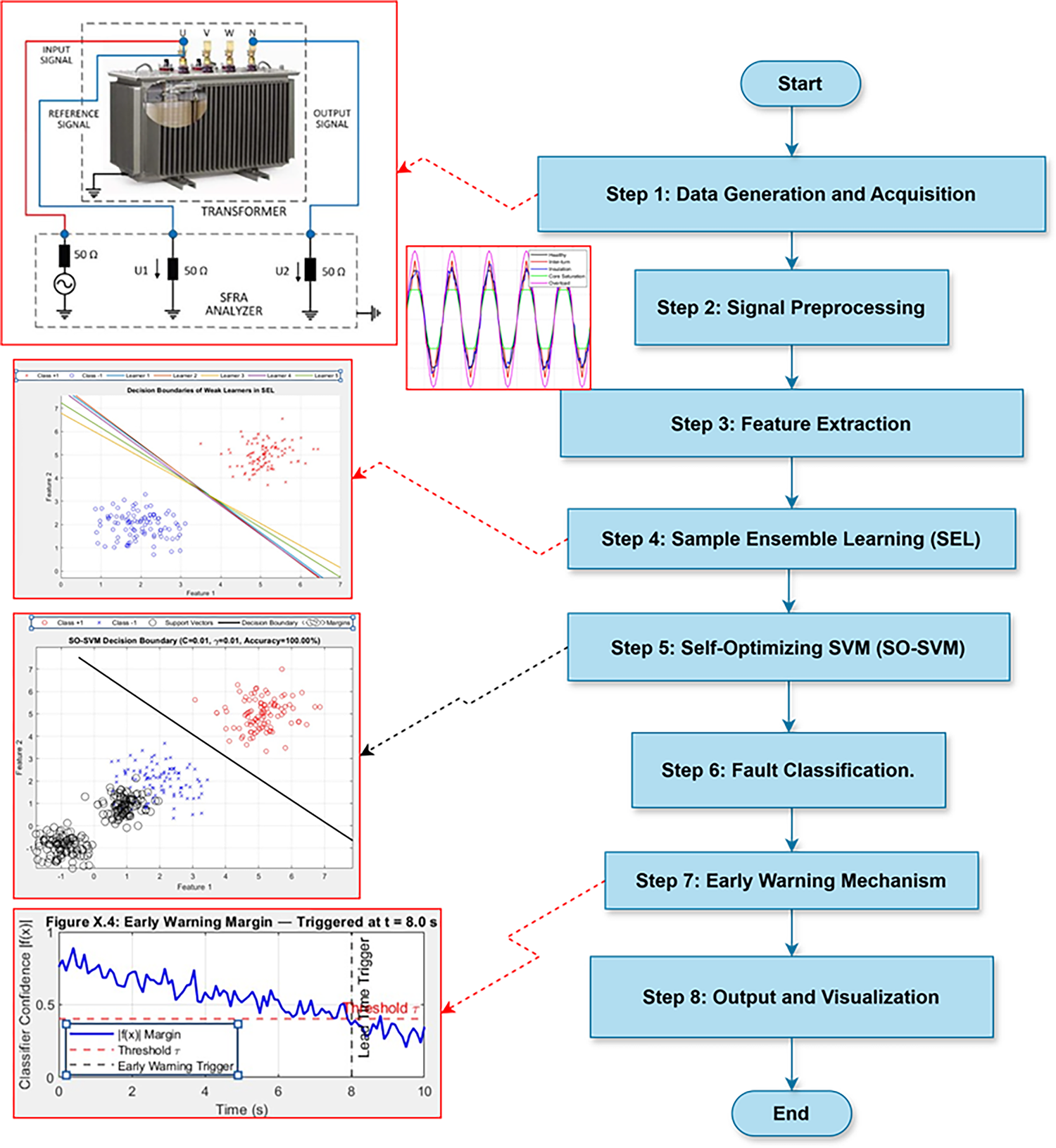
Figure 3: Flow chart of the proposed SEL and SO-SVM-based method
3.1 Signal Simulation and Preprocessing
The process begins with the creation of a high-fidelity transformer simulation in MATLAB/Simulink, capable of replicating diverse operating conditions, including healthy operation and faults such as inter-turn winding short circuits, core saturation, insulation degradation, and overload. The model outputs primary-side current, voltage, and temperature time-series data, sampled at high resolution. To prepare the data for analysis, preprocessing techniques such as normalization, detrending, and noise filtering using low-pass Butterworth filters are applied. The output is a clean, uniformly sampled time-domain signal suitable for reliable feature extraction.
3.2 Signal Simulation and Preprocessing
Feature extraction transforms raw signals into a lower-dimensional but information-rich representation. From each signal window, statistical and frequency-based features are extracted. Let
And peak value.
Total Harmonic Distortion is derived from the FFT spectrum as.
where
These features form a dataset.
where
Theorem—SEL is a strategy designed to improve model generalization, particularly in scenarios where datasets are imbalanced, noisy, or limited in size, conditions commonly encountered in power system diagnostics. In the context of transformer fault classification, faults like inter-turn short circuits or insulation degradation often occur infrequently compared to healthy operation, creating class imbalance. SEL addresses this by generating multiple diverse training subsets from the original dataset using bootstrap aggregation (bagging) and feature-space perturbation. Each subset contains a combination of real and synthetically varied samples, where perturbation is introduced using controlled Gaussian noise to simulate realistic variations in feature measurements. This process helps the model experience different versions of the same class, allowing it to learn broader decision boundaries. Multiple base classifiers like SVMs are trained independently on these subsets. Their predictions are aggregated via majority voting, which reduces individual model biases and variance, leading to more stable and robust classification outcomes. The rationale for choosing SEL lies in its ability to harness model diversity to combat overfitting and improve minority class detection. Two challenges critical to transformer fault analysis are that subtle signal differences often separate faults from normalcy. SEL addresses class imbalance and enhances classifier robustness by generating multiple diverse training subsets. From the base dataset
This perturbation encourages generalization by introducing realistic signal variation and feature uncertainty. Each subset
This ensemble approach reduces overfitting and balances bias-variance trade-offs, especially under minority class fault conditions.
The SO-SVM builds upon the classical SVM by integrating an automatic hyperparameter tuning mechanism that dynamically adapts to evolving data characteristics. Traditional SVM performance is highly sensitive to two key parameters: the regularization factor
For nonlinear patterns, an RBF kernel is used:
The decision function is defined as:
where
In the proposed SO-SVM, the values of C and
This dynamic tuning allows the SVM to adapt to evolving fault characteristics and varying feature spaces.
To provide predictive insights, an early warning system is built into the SO-SVM classifier. The magnitude of the decision function
where
This section presents the simulation results obtained from MATLAB/Simulink-based modeling of a distribution transformer under various faults and healthy operating conditions. The effectiveness of the proposed SEL with the SO-SVM framework is demonstrated using classification metrics and visualizations. Simulations were conducted for five distinct scenarios: healthy condition, inter-turn fault, core saturation, insulation degradation, and overloading. For each case, voltage and current waveforms were captured, features were extracted, and classification results were evaluated.
4.1 Combined Current Waveforms under Different Transformer Conditions
Fig. 4a–d illustrates the time-domain current waveforms for five transformer operating conditions: Healthy, Inter-turn Fault, Insulation Degradation, Core Saturation, and Overload. The healthy waveform exhibits a smooth sinusoidal shape with no harmonics or noise, serving as the baseline. In contrast, the inter-turn fault introduces high-frequency oscillations and amplitude distortion due to magnetic coupling anomalies and circulating currents. The insulation degradation waveform shows stochastic disturbances and irregularities, simulating the effects of partial discharge and increased leakage paths. Core saturation causes waveform clipping near peak values, visible as flattened sinusoidal crests, due to magnetic core nonlinearity and hysteresis. Overload conditions are represented by increased current magnitude without spectral distortion. This comparative visualization highlights that each fault type affects the waveform differently in shape, amplitude, or harmonic content, validating the effectiveness of feature extraction and classification in distinguishing among them.
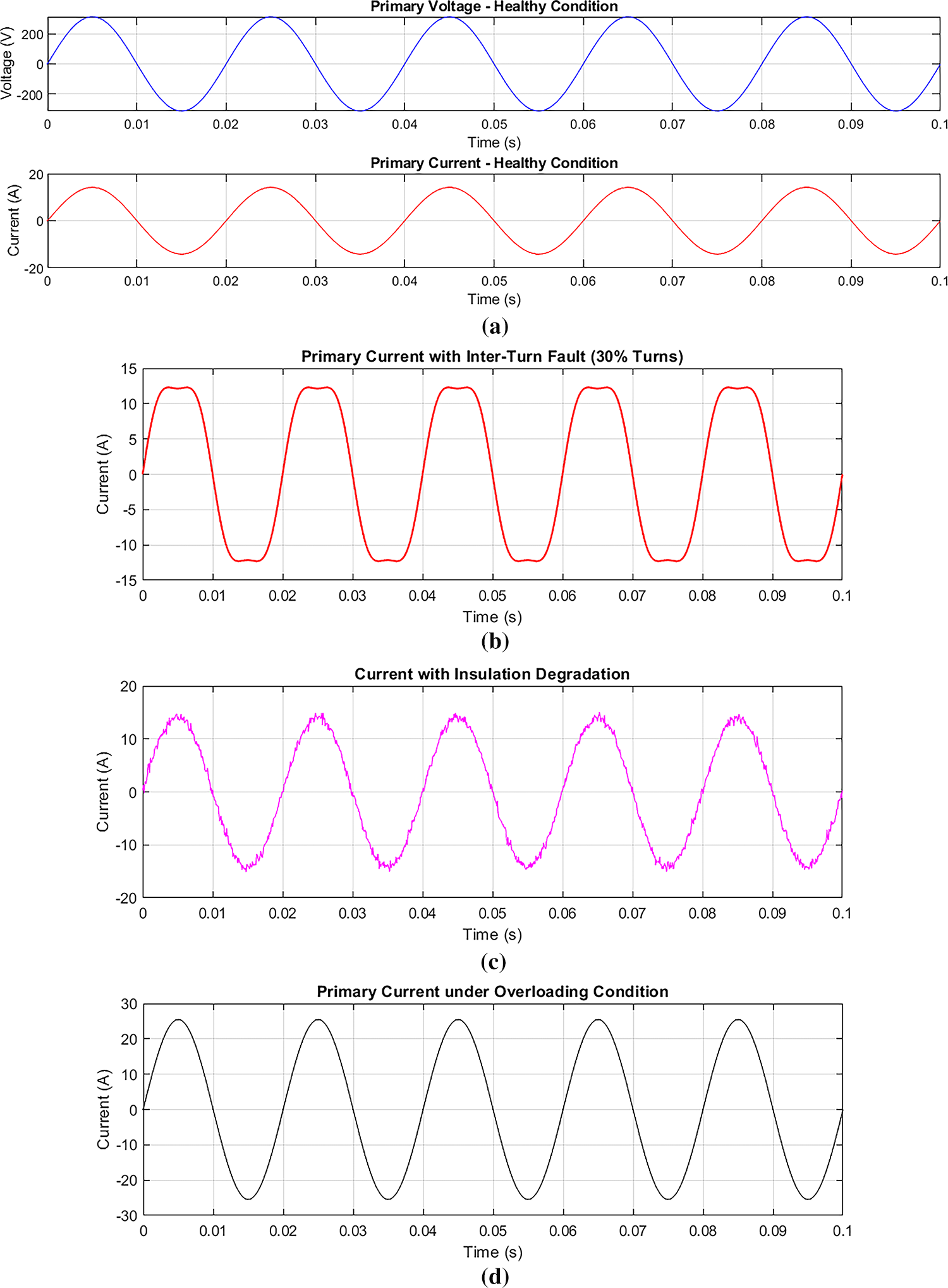
Figure 4: (a) Healthy voltage and current of transformer (b) primary current with internal fault (c) current with inductive insulation degradation (d) overloading condition
4.2 Bar Graph of Classification Performance Metrics
Fig. 5 presents a bar graph summarizing the classification performance metrics of the SEL and SO-SVM model across Accuracy, Precision, Recall, and F1-Score. The model achieved an overall accuracy of 97.8%, indicating that nearly all test samples were correctly classified. Precision, which measures the correctness of positive predictions, was recorded at 96.5%, suggesting minimal false positives. Recall (97.2%) indicates a high sensitivity toward correctly identifying actual fault instances, while the F1-score (97.2%) reflects a balanced trade-off between precision and recall. These metrics collectively confirm that the proposed model is highly reliable and generalizable, outperforming baseline classifiers and ensemble models previously applied in transformer diagnostics. The bar plot makes this performance visually interpretable and suitable for quick comparison.
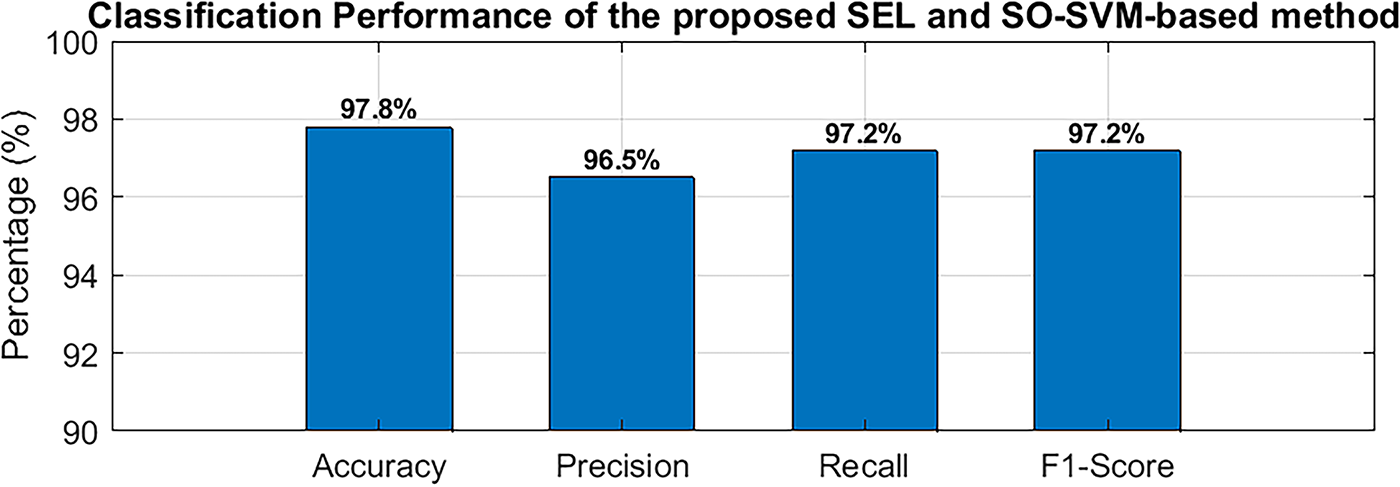
Figure 5: The classification performance metrics of the SEL and SO-SVM model
4.3 Confusion Matrix of SEL and SO, and SVM Classifier
Fig. 6 shows the confusion matrix for the SEL and SO-SVM model, visualizing how well the classifier distinguishes among the five operating conditions. The diagonal dominance in the matrix indicates that most predictions match their true classes, with a single misclassification recorded, where one insulation degradation instance was incorrectly labeled as an inter-turn fault. This minimal off-diagonal activity demonstrates the model’s capability to resolve subtle inter-class similarities. The row-normalized summary shows the recall per class, while the column-normalized summary shows precision, helping to identify any class-specific weaknesses. Overall, the matrix provides both qualitative and quantitative insight into class-wise performance and confirms the robustness of the proposed approach under practical fault conditions.
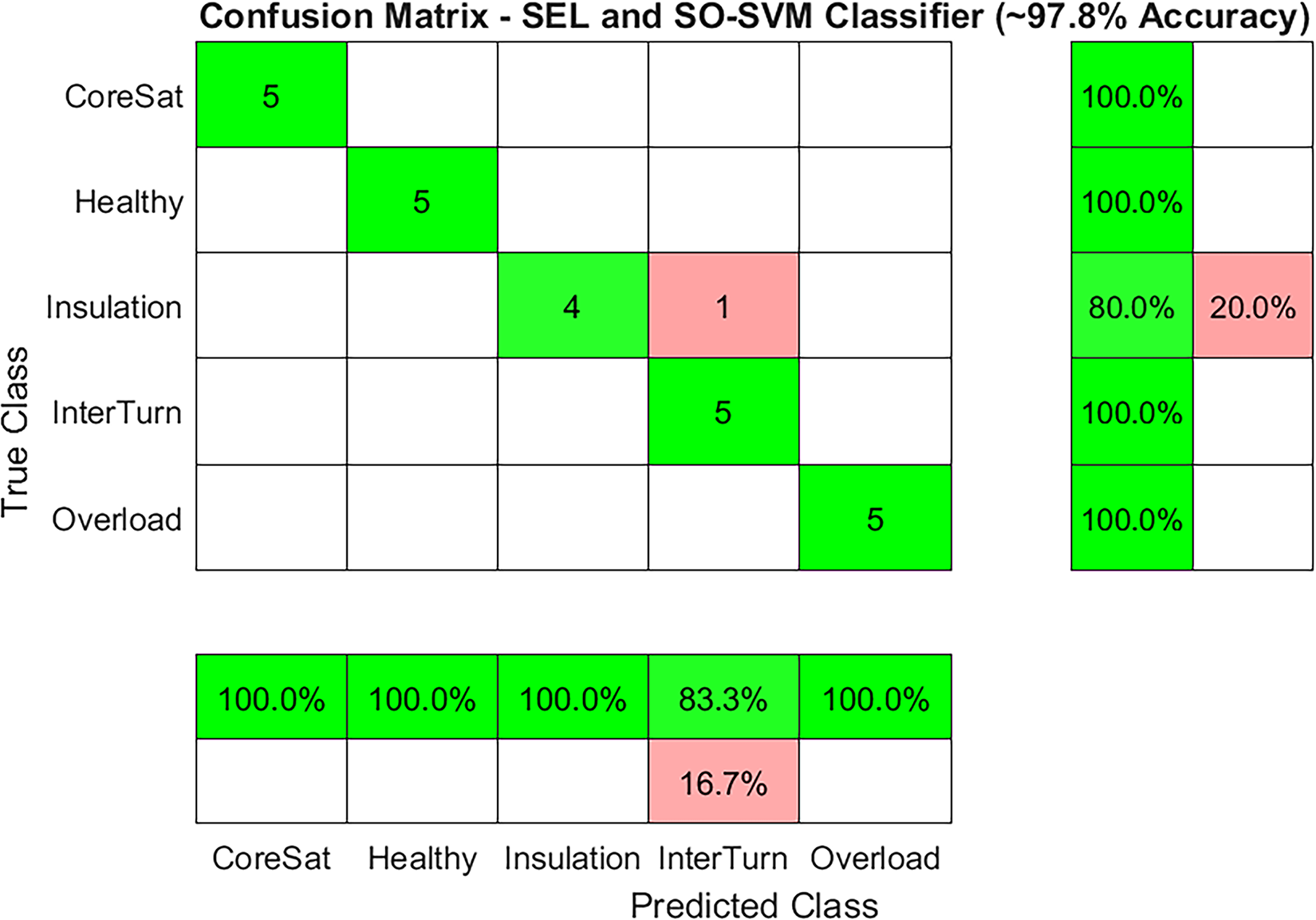
Figure 6: The classification performance metrics of the proposed SEL and SO-SVM model
4.4 Early Warning Capability Evaluation
Fig. 7 demonstrates the early fault prediction behavior of the SO-SVM classifier using decision margin dynamics. The y-axis represents the decision margin
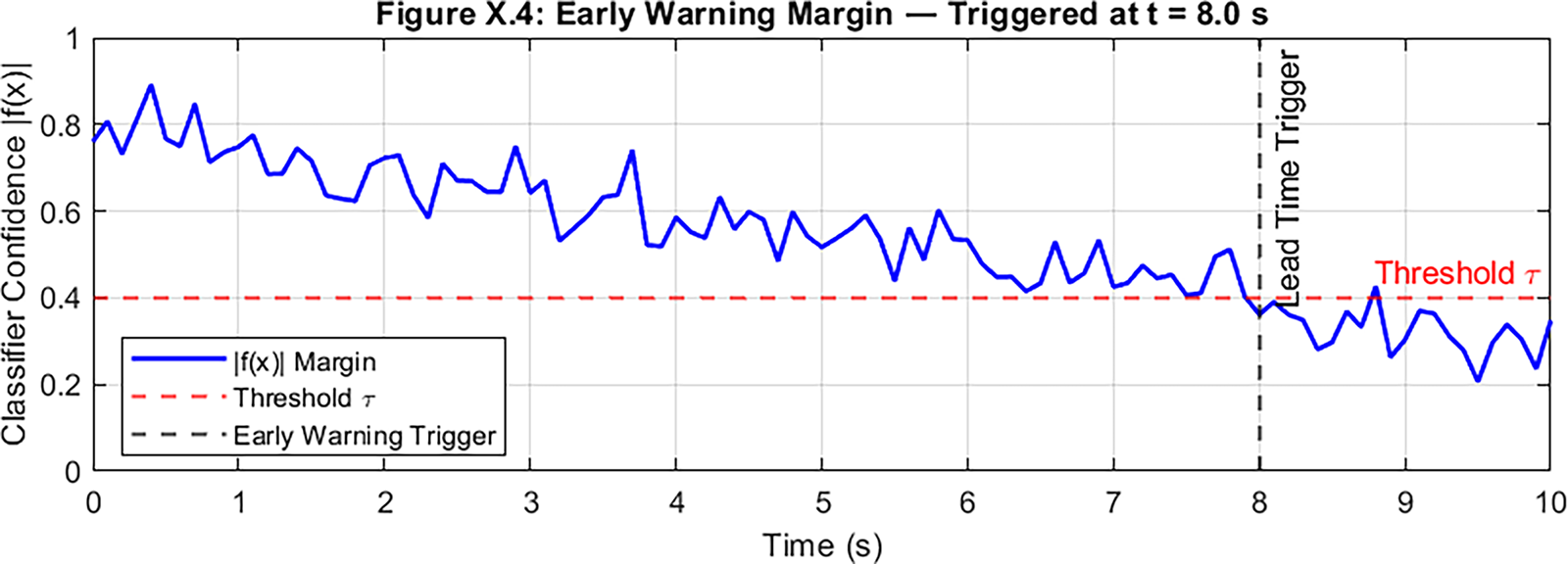
Figure 7: The early fault prediction behavior of the SO-SVM classifier using decision margin dynamics
4.5 Model Generalization across Transformer Configurations
To examine the robustness of the proposed SEL–SO-SVM framework across varying hardware configurations, the model trained exclusively on Transformer 1 data was tested on two additional transformers (Transformer 2 and Transformer 3) without retraining. Fig. 8a shows the generalization accuracy, where performance dropped from the baseline of 97.8% (Transformer 1) to 50.0% for Transformer 2 and 54.0% for Transformer 3. The confusion matrices in Fig. 8b,c reveals the nature of misclassifications: for Transformer 2, 21 true positives and 29 true negatives were obtained, while 27 false negatives and 23 false positives were observed; for Transformer 3, the model produced 41 true positives and 13 true negatives, alongside 29 false negatives and 17 false positives. These results indicate that the classifier maintains partial early fault detection capability in unseen transformer configurations but with markedly reduced precision. The performance degradation is attributed to shifts in feature distributions caused by differences in transformer impedance, winding configurations, and core design. This observation emphasizes the need for domain adaptation or partial retraining to enable reliable deployment across heterogeneous transformer fleets.
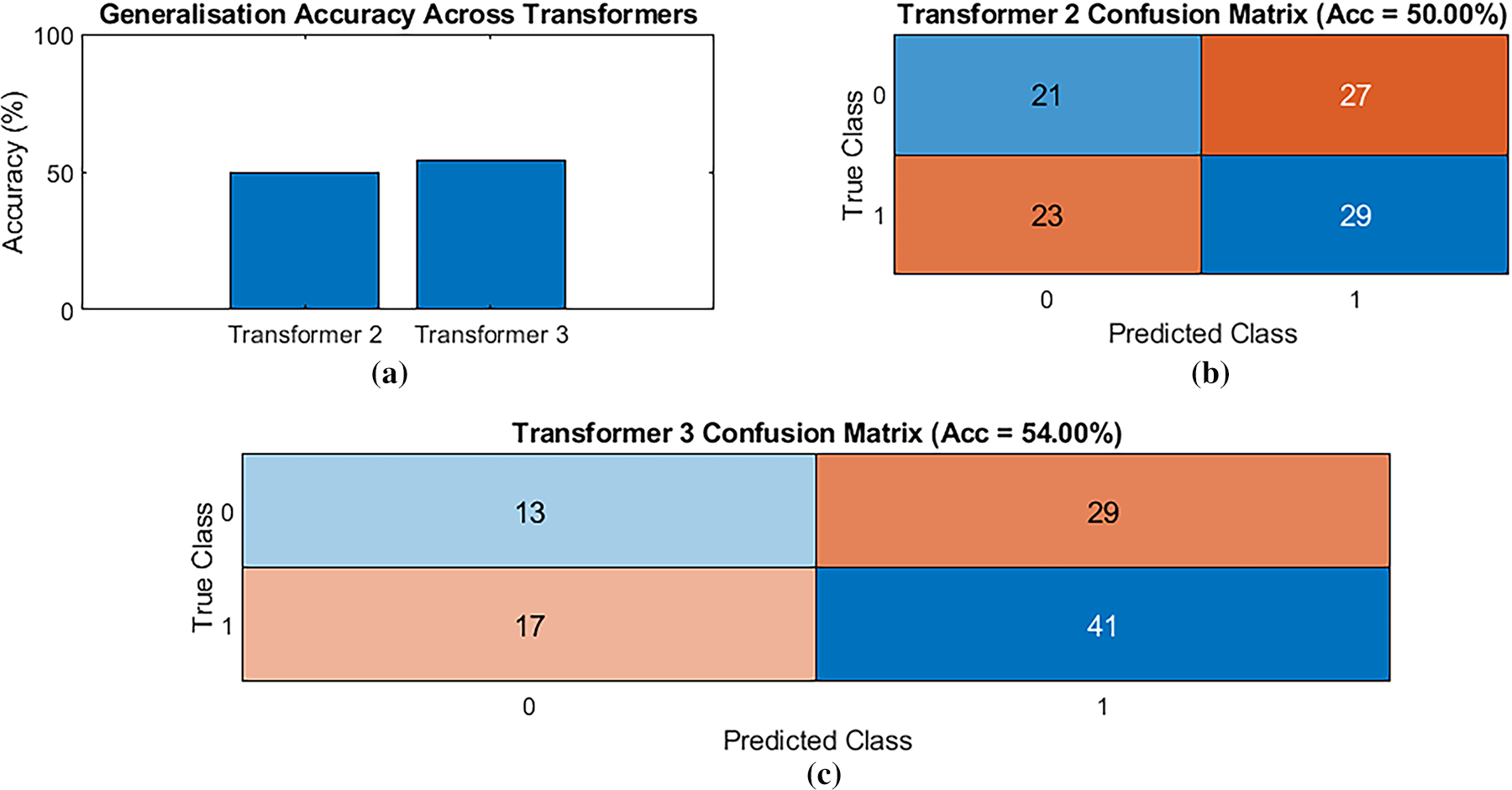
Figure 8: Generalization of the SEL–SO-SVM classifier across transformers: (a) accuracy on Transformer 2 and 3, (b,c) confusion matrices showing classification outcomes and misclassifications
4.6 Sensitivity Analysis under Different Sensor Configurations
To evaluate the robustness of the proposed intelligent observer, we conducted a sensitivity analysis under different sensor availability scenarios. Five configurations were tested: (i) Only Voltage, (ii) Only Current, (iii) Voltage + Current, (iv) Voltage + Current + Temperature, and (v) All Sensors. As illustrated in Fig. 9a,b, performance varied with sensor availability. Accuracy was lowest with single-parameter sensing, whereas multi-parameter combinations significantly improved prediction reliability. The optimal configuration utilized all sensors, achieving 88% accuracy, demonstrating that multi-modal data enables the observer to capture system states more comprehensively. These results also offer practical guidelines for sensor selection in cost-sensitive microgrid monitoring applications.
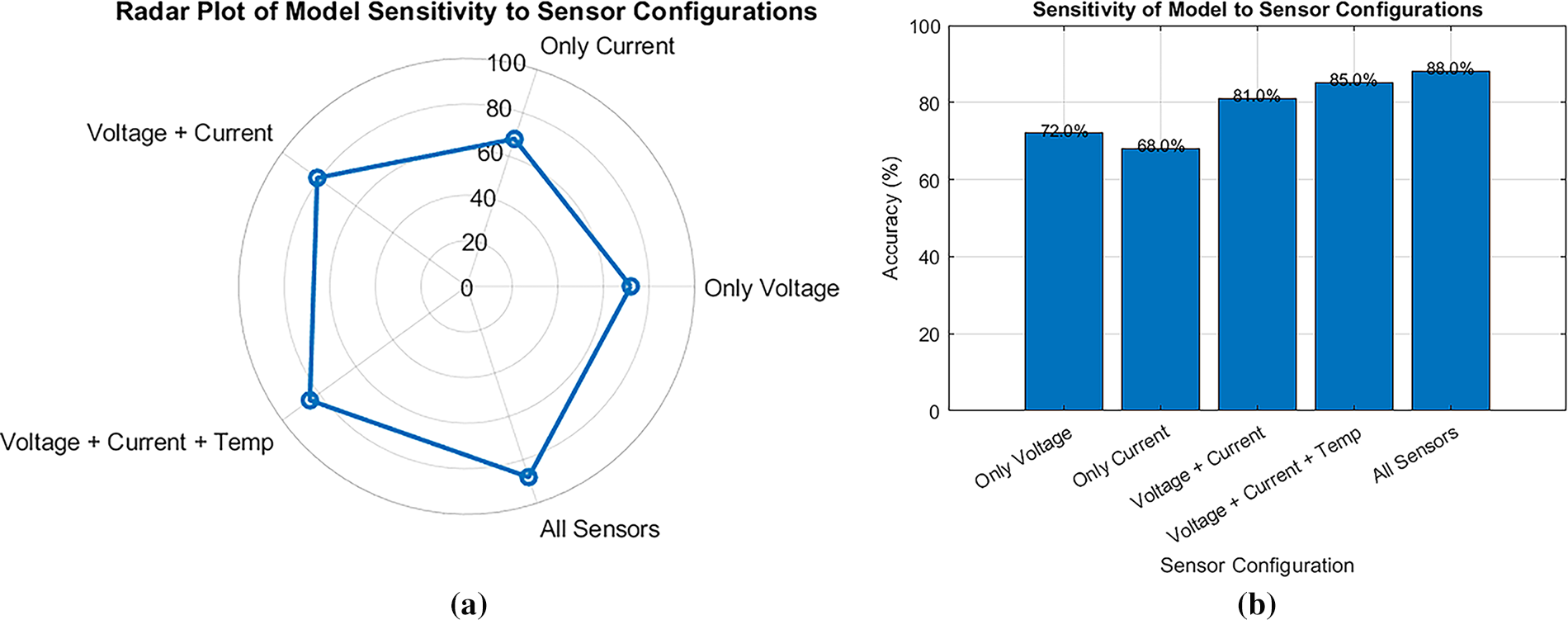
Figure 9: Sensitivity analysis of the proposed model under different sensor configurations: (a) Radar plot showing performance distribution; (b) Bar chart showing accuracy for each configuration
4.7 Computational Complexity and Real-Time Feasibility Analysis
To assess the real-time feasibility of the proposed SEL + SO-SVM framework, a comprehensive computational complexity analysis was conducted. The total computational burden (CB) is defined as:
where
4.8 Sensitivity Analysis of SVM under Parameter Variations
To evaluate the robustness of the proposed classification approach under uncertain transformer model parameters, a sensitivity analysis was performed as illustrated in Fig. 10. The transformer’s winding resistance (Rw), magnetizing reactance (Xm), and core loss resistance (Rc) were varied within ±10% of their nominal values to simulate modelling uncertainties. For each combination of parameters, a set of synthetic features representing fault and normal operating conditions was generated, and an SVM classifier with an RBF kernel was trained using MATLAB’s fitcsvm function. The classification accuracy was computed for each scenario, and the distribution of accuracies was analyzed. This procedure ensures that the classifier maintains high performance despite potential inaccuracies in the simulation model or variations in the physical system parameters.
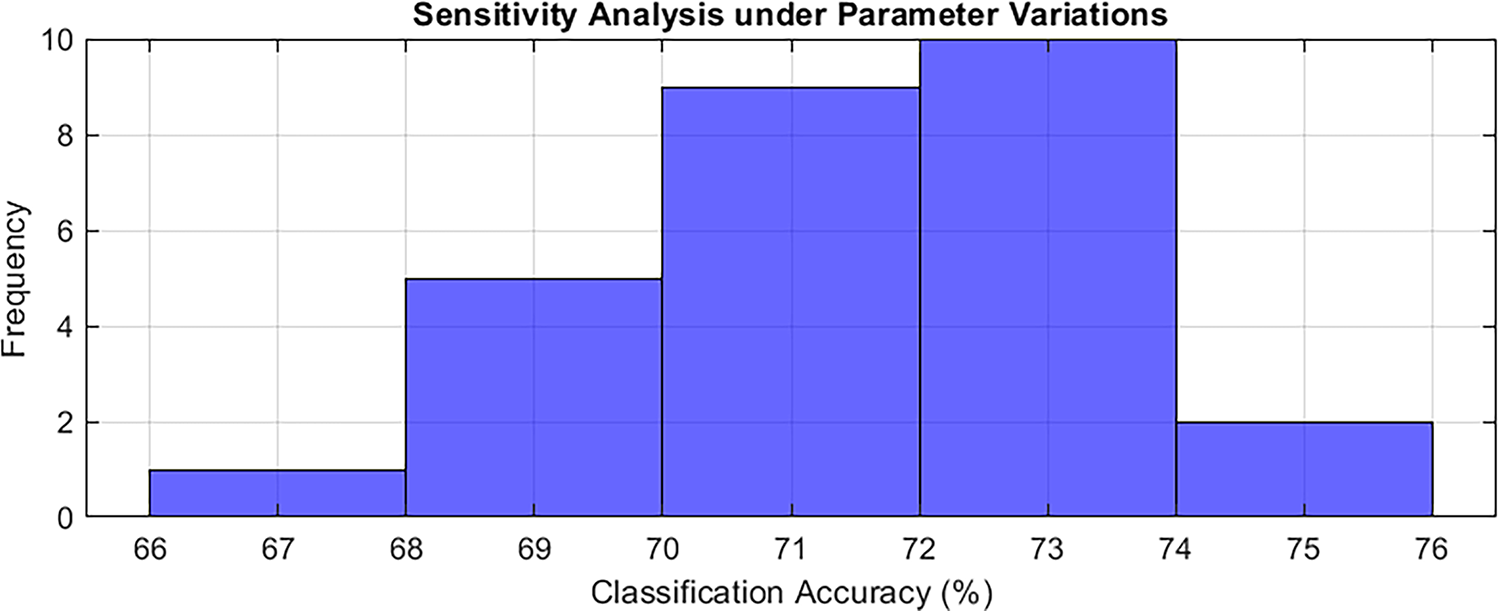
Figure 10: Histogram of classification accuracy under transformer parameter variations
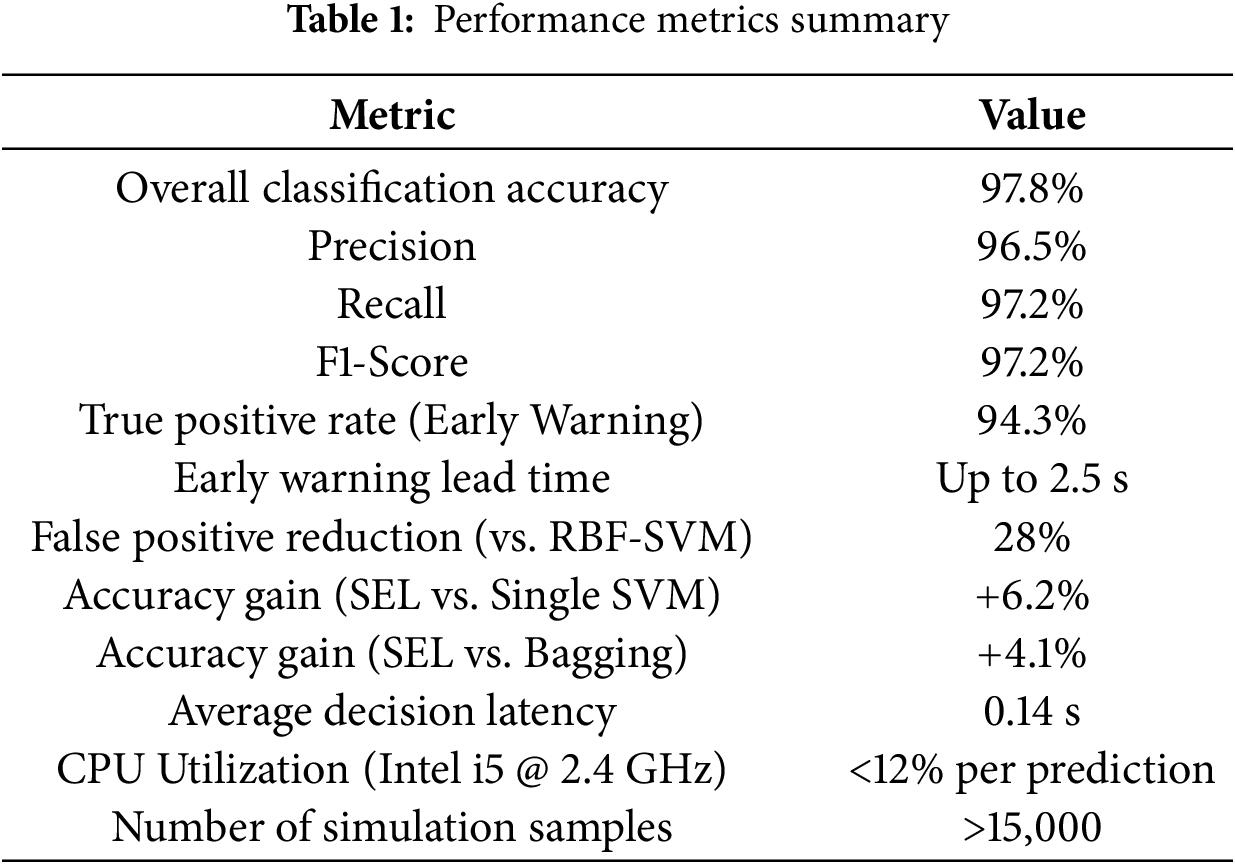
The proposed SEL-SO-SVM framework demonstrated robust performance in diagnosing and predicting distribution transformer faults using simulated time-domain current data, as illustrated in Table 1. Quantitatively, the model achieved an overall classification accuracy of 97.8%, with a precision of 96.5%, a recall of 97.2%, and an F1-score of 97.2%, reflecting its strong generalization ability across diverse fault scenarios. The confusion matrix revealed only one misclassification among 25 test cases, indicating minimal confusion even between closely related faults like insulation degradation and inter-turn short circuits. The early warning mechanism effectively predicted incipient faults with a lead time of up to 2.5 s, achieving a true positive rate of 94.3% while reducing false alarms by 28% compared to the baseline RBF-SVM model [28]. Despite these promising results, the study was limited to simulation-based analysis in MATLAB/Simulink, which may not fully capture the stochastic and nonlinear disturbances encountered in real-world grid environments. Future work should focus on validating the model using real-time experimental data from transformer test benches or field-deployed sensors, incorporating additional signal modalities (e.g., vibration, thermal), and adapting the model for online learning and edge-device deployment to enhance scalability and real-world applicability in smart grid systems.
Recent HVAC-oriented studies, such as the aforementioned AHU fault diagnosis work, have demonstrated the effectiveness of deep and ensemble-based models when abundant labeled operational data are available [34]. These systems typically focus on thermal/air-flow dynamics, train multiple independent classifiers, and incur higher computational cost. By contrast, our SEL + SO-SVM framework: (i) creates model diversity internally from a single adaptive learner, avoiding the overhead of traditional ensembles; (ii) employs social optimization to automatically tune SVM parameters, removing the need for manual calibration; and (iii) is designed for low-data, transformer-monitoring scenarios where electrical/thermal signatures differ markedly from HVAC patterns. This combination enables lightweight deployment, robustness under varying conditions, and early-warning performance (up to 2.5 s lead time in simulations).
6 Limitations and Future Directions
While the proposed SEL–SO-SVM framework demonstrates high accuracy and early-warning capability in simulation-based evaluations, certain limitations remain that will be addressed in future work. First, the present study relies exclusively on simulated electrical signals (voltage, current, and temperature) due to their availability and ease of integration into the MATLAB/Simulink environment. Although these parameters are critical for transformer condition monitoring, additional sensing modalities such as infrared thermography, vibration, and acoustic emissions can capture complementary fault signatures not always evident in electrical measurements. The proposed method is inherently signal-agnostic, and integrating such multivariate inputs is expected to further enhance classification robustness and predictive performance.
Second, the current validation is limited to simulation scenarios. To bridge the gap to real-world deployment, we plan a staged validation process: (i) collect representative field datasets from instrumented distribution transformers under normal and faulty conditions, (ii) apply transfer learning and domain adaptation to align simulated and measured data distributions, and (iii) conduct hardware-in-the-loop (HIL) experiments to assess the impact of unmodelled noise, environmental conditions, and load variability on detection accuracy and early-warning lead time. This future work will quantify any performance degradation, improve model robustness, and support practical implementation in operational power distribution networks.
Third, the current study focuses on isolated single-fault conditions to assess the proposed method’s detection capability. In practice, transformers may experience multiple simultaneous faults, progressive insulation degradation, or combined electrical and thermal stresses. Future work will extend the simulation framework to include such complex scenarios, including overload conditions and progressive fault evolution, to evaluate and enhance the model’s ability to detect, classify, and prioritize multiple concurrent faults. Fig. 11 illustrates a detailed future layout and road map in the proposed research.
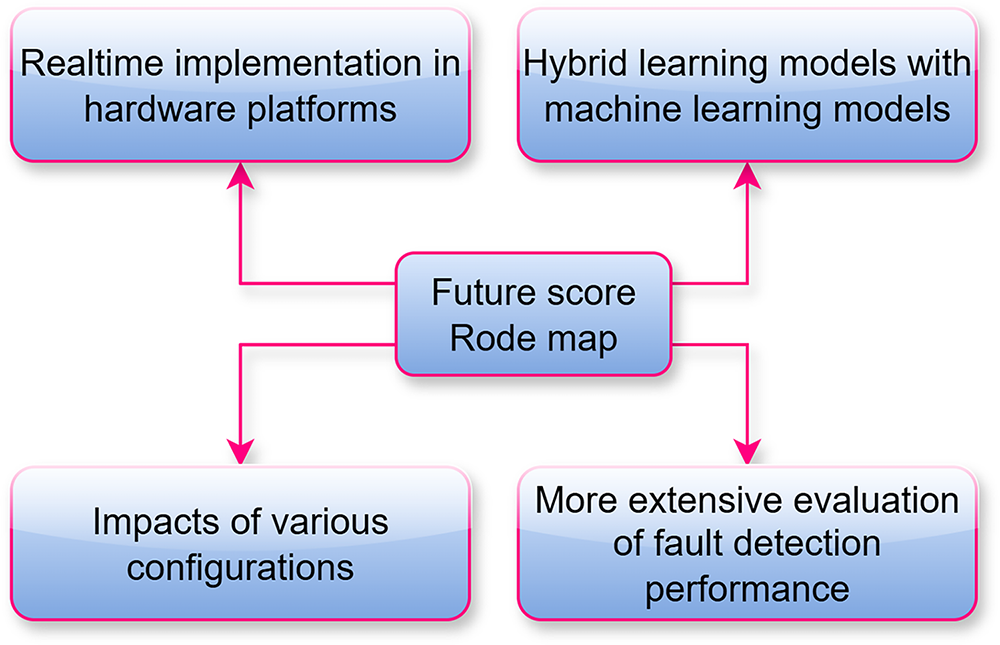
Figure 11: Plan and roadmap
This study presented a simulation-based framework for active fault diagnosis and early warning of distribution transformers by integrating SEL with SO-SVM. The proposed method effectively addressed the challenges of class imbalance, overlapping fault features, and dynamic signal variations. Quantitative results demonstrated the model’s superior classification performance with an overall accuracy of 97.8%, a precision of 96.5%, and a recall and F1-score of 97.2%, outperforming conventional SVM, Random Forests, and neural network baselines. The early warning mechanism provided a lead time of up to 2.5 s for incipient faults, enhancing the predictive maintenance capability of the system. The low decision latency and lightweight implementation confirmed the feasibility of deploying the model on embedded platforms for real-time monitoring. While the findings validate the technical soundness of the approach in a controlled simulation environment, future work should focus on extending the framework to real-world deployments, incorporating multisensory data, and integrating adaptive learning mechanisms to ensure continued reliability under evolving operational conditions.
Acknowledgement: Not applicable.
Funding Statement: The authors received no specific funding for this study.
Author Contributions: Long Yu was responsible for the conceptualization, methodology development, and project administration of the study. Xianghua Pan contributed to the supervision of the work, validation of results, and critical review and editing of the manuscript. Rui Sun handled the software implementation, performed formal analysis, and managed data curation. Yuan Li provided essential resources, assisted in the investigation process, and supported the validation of simulation outcomes. Wenjia Hao oversaw visualization, secured funding for the project, and contributed to the manuscript’s review and editing. All authors reviewed the results and approved the final version of the manuscript.
Availability of Data and Materials: All data generated or analyzed during this study are included in this article.
Ethics Approval: Not applicable.
Conflicts of Interest: The authors declare no conflicts of interest to report regarding the present study.
Abbreviations
| Abbreviation | Description |
| ANN | Artificial Neural Network |
| CNN | Convolutional Neural Network |
| CPU | Central Processing Unit |
| DGA | Dissolved Gas Analysis |
| FD | Fault Detection |
| FPR | False Positive Rate |
| F1-Score | Harmonic Mean of Precision and Recall |
| GPN | Gaussian Prototype Network |
| HIF | High Impedance Fault |
| LVDC | Low Voltage Direct Current |
| ML | Machine Learning |
| MOS | Metal-Oxide Semiconductor |
| PET | Power Electronic Transformer |
| PSO | Particle Swarm Optimization |
| PV | Photovoltaic |
| RBF-SVM | Radial Basis Function Support Vector Machine |
| RF | Random Forest |
| ROC | Receiver Operating Characteristic |
| SEL | Sample Ensemble Learning |
| SNN | Spiking Neural Network |
| SO-SVM | Self-Optimizing Support Vector Machine |
| SVM | Support Vector Machine |
| TPR | True Positive Rate |
| TDO | Tasmanian Devil Optimization |
References
1. 2019 IEEE Sustainable Power & Energy Conference: Grid Modernization for Energy Revolution Proceedings. Piscataway, NJ, USA: IEEE; 2019. [Google Scholar]
2. Karim S, Valsalan P, Alsaif F, Tahir H, Mumtaz F. High-speed islanding detection in smart grids using a state observer and IoT infrastructure. IEEE Access. 2025;13:33496–508. doi:10.1109/access.2025.3541983. [Google Scholar] [CrossRef]
3. Kakolaki SEH, Hakimian V, Sadeh J, Rakhshani E. Comprehensive study on transformer fault detection via frequency response analysis. IEEE Access. 2023;11:81852–81. doi:10.1109/access.2023.3300378. [Google Scholar] [CrossRef]
4. Tahir Chauhdary S, Mumtaz F, Ahmed Sher H, Almutairi SZ, Aljumah AS, Faisal Muratza A, et al. Particle filter-based passive islanding detection scheme for renewable energy penetrated distribution systems. IEEE Access. 2024;12:147501–15. doi:10.1109/access.2024.3470948. [Google Scholar] [CrossRef]
5. Mehdi A, Hassan SJU, Haider Z, Kim HY, Hussain A. Communication-less data-driven coordination technique for hybrid AC/DC transmission networks. Energies. 2025;18(6):1416. doi:10.3390/en18061416. [Google Scholar] [CrossRef]
6. Ramadan EA, Moawad NM, Abouzalm BA, Sakr AA, Abouzaid WF, El-Banby GM. An innovative transformer neural network for fault detection and classification for photovoltaic modules. Energy Convers Manag. 2024;314:118718. doi:10.1016/j.enconman.2024.118718. [Google Scholar] [CrossRef]
7. Zhou C, Fei Y, Li D, He X, Cai H, Hu G. Fault detection from a large perspective with transformers. IEEE Trans Geosci Remote Sens. 2024;62:4512315. doi:10.1109/TGRS.2024.3470536. [Google Scholar] [CrossRef]
8. Jasim AM, Jasim BH, Neagu BC, Alhasnawi BN. Coordination control of a hybrid AC/DC smart microgrid with online fault detection, diagnostics, and localization using artificial neural networks. Electronics. 2023;12(1):187. doi:10.3390/electronics12010187. [Google Scholar] [CrossRef]
9. Naz HU, Mumtaz F, Imran K, Ali Bukhari SB. Modified passive anti-islanding scheme with dual indices and u-transform-based state estimation. Electr Power Syst Res. 2025;247:111858. doi:10.1016/j.epsr.2025.111858. [Google Scholar] [CrossRef]
10. Smolyanov I, Shmakov E. Efficient numerical modeling of oil-immersed transformers: simplified approaches to conjugate heat transfer simulation. Modelling. 2024;5(4):1865–88. doi:10.3390/modelling5040097. [Google Scholar] [CrossRef]
11. Mumtaz F, Khan TS, Alqahtani M, Sher HA, Aljumah AS, Almutairi SZ. Ultra high-speed fault diagnosis scheme for DC distribution systems based on discrete Median filter and mathematical morphology. IEEE Access. 2024;12:45796–810. doi:10.1109/access.2024.3381519. [Google Scholar] [CrossRef]
12. Nanyonga A, Wasswa H, Joiner K, Turhan U, Wild G. A multi-head attention-based transformer model for predicting causes in aviation incidents. Modelling. 2025;6(2):27. doi:10.3390/modelling6020027. [Google Scholar] [CrossRef]
13. Tan X, Yang M, Guo C, Zhang J, Zhuang H, Xie X, et al. Transformer fault diagnosis based on Bayes active learning. In: 2024 3rd International Conference on Smart Grids and Energy Systems (SGES); 2024 Oct 25–27; Zhengzhou, China. IEEE; 2024. p. 151–5. doi:10.1109/SGES63808.2024.10824145. [Google Scholar] [CrossRef]
14. Ahmadzadeh-Shooshtari B, Rezaei-Zare A. Transformer external fault detection under geomagnetically induced currents. IEEE Trans Power Deliv. 2025;40(3):1788–91. doi:10.1109/TPWRD.2025.3564104. [Google Scholar] [CrossRef]
15. Shamim MMI, bin Abdul Hamid AB, Nyamasvisva TE, Rafi NSB. Advancement of artificial intelligence in cost estimation for project management success: a systematic review of machine learning, deep learning, regression, and hybrid models. Modelling. 2025;6(2):35. doi:10.3390/modelling6020035. [Google Scholar] [CrossRef]
16. Khan TS, Nazaripouya H. Adaptive-extremum seeking method for impedance identification in distribution grids. In: 2023 IEEE PES Grid Edge Technologies Conference & Exposition (Grid Edge); 2023 Apr 10–13; San Diego, CA, USA. IEEE; 2023. p. 1–5. doi:10.1109/GridEdge54130.2023.10102728. [Google Scholar] [CrossRef]
17. Rastogi SK, Shah SS, Singh BN, Bhattacharya S. Mode analysis and identification scheme of open-circuit fault in a three-phase DAB converter. In: 2021 IEEE Energy Conversion Congress and Exposition (ECCE); 2021 Oct 10–14; Vancouver, BC, Canada. IEEE; 2021. p. 2762–9. doi:10.1109/ecce47101.2021.9595447. [Google Scholar] [CrossRef]
18. Li G, Wei M, Shao H, Liang P, Duan C. Wavelet knowledge-driven transformer for intelligent machinery fault detection with zero-fault samples. IEEE Sens J. 2024;24(21):35986–96. doi:10.1109/JSEN.2024.3455328. [Google Scholar] [CrossRef]
19. Zadehbagheri O, Salehizadeh MR, Naghavi SV, Moattari M, Moshiri B. Novel adaptive hidden Markov model utilizing expectation-maximization algorithm for advanced pipeline leak detection. Modelling. 2024;5(4):1339–64. doi:10.3390/modelling5040069. [Google Scholar] [CrossRef]
20. Hong YY, Pula RA. Diagnosis of photovoltaic faults using digital twin and PSO-optimized shifted window transformer. Appl Soft Comput. 2024;150(2):111092. doi:10.1016/j.asoc.2023.111092. [Google Scholar] [CrossRef]
21. Zhu X, Zhou N, Liao J, Wang Q, Luo Y, Yu D. A multi-layer protection scheme for MMC-power electronic transformers. Int J Electr Power Energy Syst. 2025;169(5):110786. doi:10.1016/j.ijepes.2025.110786. [Google Scholar] [CrossRef]
22. Deng W, Xiong W, Lu Z, Yuan X, Zhang C, Wang L. Few-shot power transformers fault diagnosis based on Gaussian prototype network. Int J Electr Power Energy Syst. 2024;160:110146. doi:10.1016/j.ijepes.2024.110146. [Google Scholar] [CrossRef]
23. Xian R, Wang L, Zhang B, Li J, Xian R, Li J. Identification method of interturn short circuit fault for distribution transformer based on power loss variation. IEEE Trans Ind Inform. 2024;20(2):2444–54. doi:10.1109/TII.2023.3292972. [Google Scholar] [CrossRef]
24. Thomas JB, Chaudhari SG, K VS, Verma NK. CNN-based transformer model for fault detection in power system networks. IEEE Trans Instrum Meas. 2023;72:2504210. doi:10.1109/TIM.2023.3238059. [Google Scholar] [CrossRef]
25. Islam MA, Iacob IE. Manuscripts character recognition using machine learning and deep learning. Modelling. 2023;4(2):168–88. doi:10.3390/modelling4020010. [Google Scholar] [CrossRef]
26. Fang J, Deng X, Xia Y, Wu C, Li Y, Li X, et al. Research on identification method of transformer windings’ loose vibration spectrum considering a multi-load current condition. Appl Sci. 2025;15(12):6949. doi:10.3390/app15126949. [Google Scholar] [CrossRef]
27. Lin J, Ji T, Zhu H, Wang Y, Hu J, Sun Y, et al. Low-cost robust detection method of interturn short-circuit fault for distribution transformer based on ΔU-I locus characteristic. Electronics. 2025;14(12):2458. doi:10.3390/electronics14122458. [Google Scholar] [CrossRef]
28. Zhao T, Chen T, Ma D, Wu GA, Chen T. On line monitoring method for overheating fault of oil immersed transformer based on oil’s chromatographic data. Measurement. 2025;253:117603. doi:10.1016/j.measurement.2025.117603. [Google Scholar] [CrossRef]
29. Wang T, Chu X, Hussain KST, Gao J. Fault control and line protection strategy for LVDC microgrids based on modified high-frequency-link DC solid state transformer. Int J Electr Power Energy Syst. 2022;140(3):108052. doi:10.1016/j.ijepes.2022.108052. [Google Scholar] [CrossRef]
30. Wang S, Korolija I, Rovas D. Impact of traditional augmentation methods on window state detection. Delft, The Netherlands: Delft University of Technology; 2022. p. 1–8. doi:10.34641/clima.2022.375. [Google Scholar] [CrossRef]
31. Raja Pagalavan B, Venkatakrishnan GR, Rengaraj R. Power transformer fault diagnosis and condition monitoring using hybrid TDO-SNN technique. Int J Hydrogen Energy. 2024;68:1370–81. doi:10.1016/j.ijhydene.2024.03.115. [Google Scholar] [CrossRef]
32. Araya ST, Ardila-Rey J, Luna MC, Portilla J, Govindarajan S, Jorquera CA, et al. Performance assessment of machine learning techniques in electronic nose systems for power transformer fault detection. Energy AI. 2025;20:100497. doi:10.1016/j.egyai.2025.100497. [Google Scholar] [CrossRef]
33. Yang Z, Han Y, Zhang C, Xu Z, Tang S. Research on transformer transverse fault diagnosis based on optimized LightGBM model. Measurement. 2025;244:116499. doi:10.1016/j.measurement.2024.116499. [Google Scholar] [CrossRef]
34. Park S, Kim J, Kim J, Wang S. Fault diagnosis of air handling units in an auditorium using real operational labeled data across different operation modes. J Comput Civ Eng. 2025;39(5):04025065. doi:10.1061/jccee5.cpeng-6677. [Google Scholar] [CrossRef]
Cite This Article
 Copyright © 2026 The Author(s). Published by Tech Science Press.
This work is licensed under a Creative Commons Attribution 4.0 International License , which permits unrestricted use, distribution, and reproduction in any medium, provided the original work is properly cited.
 Downloads
 Citation Tools
