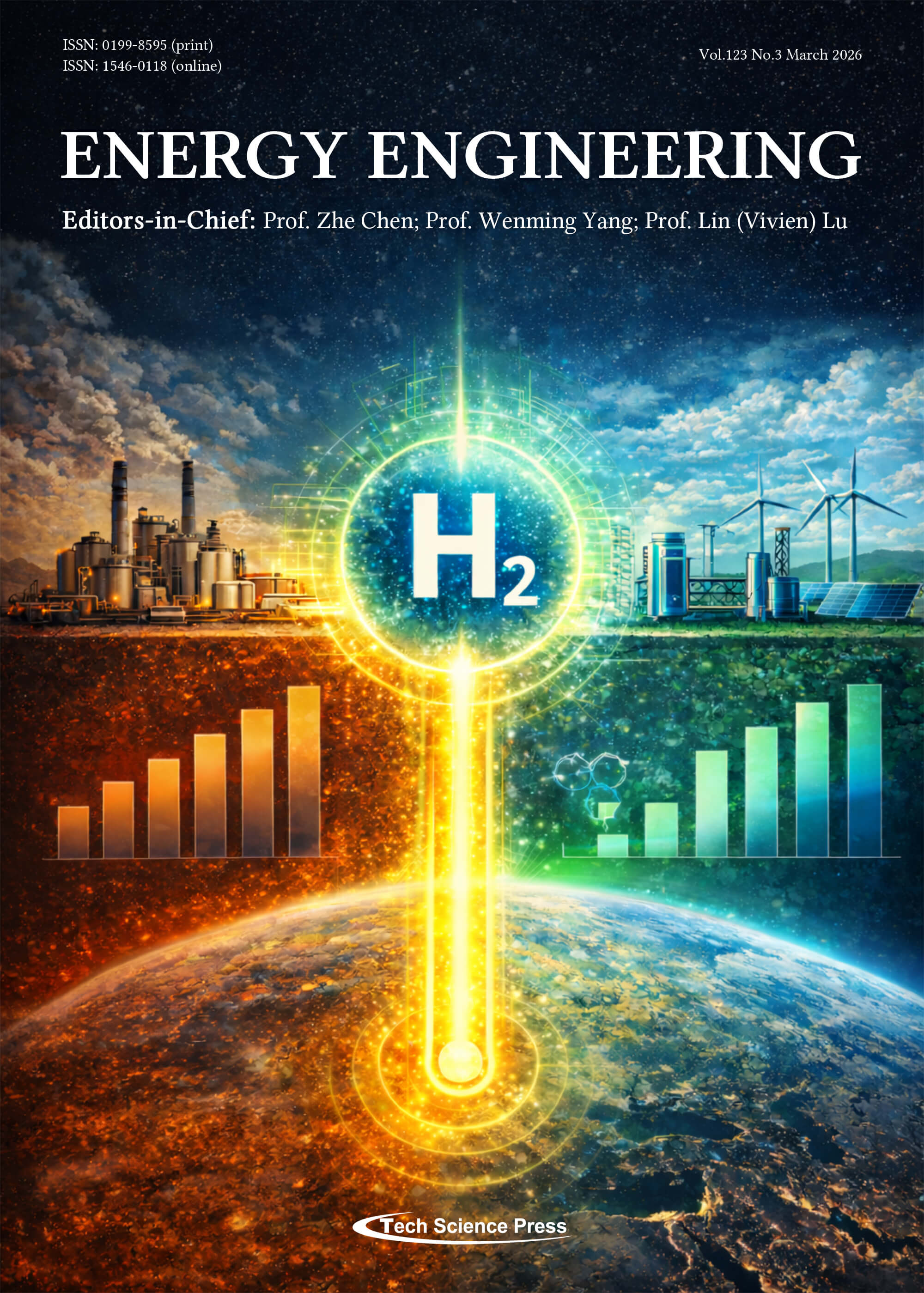
Hydrogen is often presented as a clean and universal solution for decarbonization, yet its real sustainability depends on the scale, structure, and coordination of the entire energy system. This Cover Story highlights research that moves beyond simplified narratives and examines hydrogen as a complex, resource-intensive energy carrier.
The featured study shows that hydrogen’s low-carbon profile is not inherent, but conditional. Only green hydrogen, produced using renewable electricity, offers long-term climate benefits, while blue and grey hydrogen remain transitional options that require strict emission control. By quantifying electricity, water, and land requirements, the analysis reveals the true magnitude of the transition and the scale of resources implied by current policy ambitions.
The research further identifies transport, storage, and distribution networks as decisive factors for success. Without parallel development of power grids, water supply systems, and large-scale renewable energy parks, hydrogen deployment cannot be sustained. The study highlights that meeting European hydrogen targets by 2030 would require unprecedented expansion of renewable capacity and supporting infrastructure.
Persistent cost gaps and fragmented regulatory frameworks continue to slow market maturity, underscoring the need for stable incentives, long-term investment signals, and harmonized certification of hydrogen carbon footprints. By linking strategic policy objectives with quantitative techno-economic analysis, the study offers a realistic perspective on the hydrogen paradigm—highlighting both its potential and its limits within the global energy transition.
This cover image was created using Al-generated content from "OpenAI". The authors confirm that no human likenesses, copyrighted elements, or misleading representations are included in the image.
View this paper

 Login
Login Register
 Submit a Paper
 Propose a Special lssue