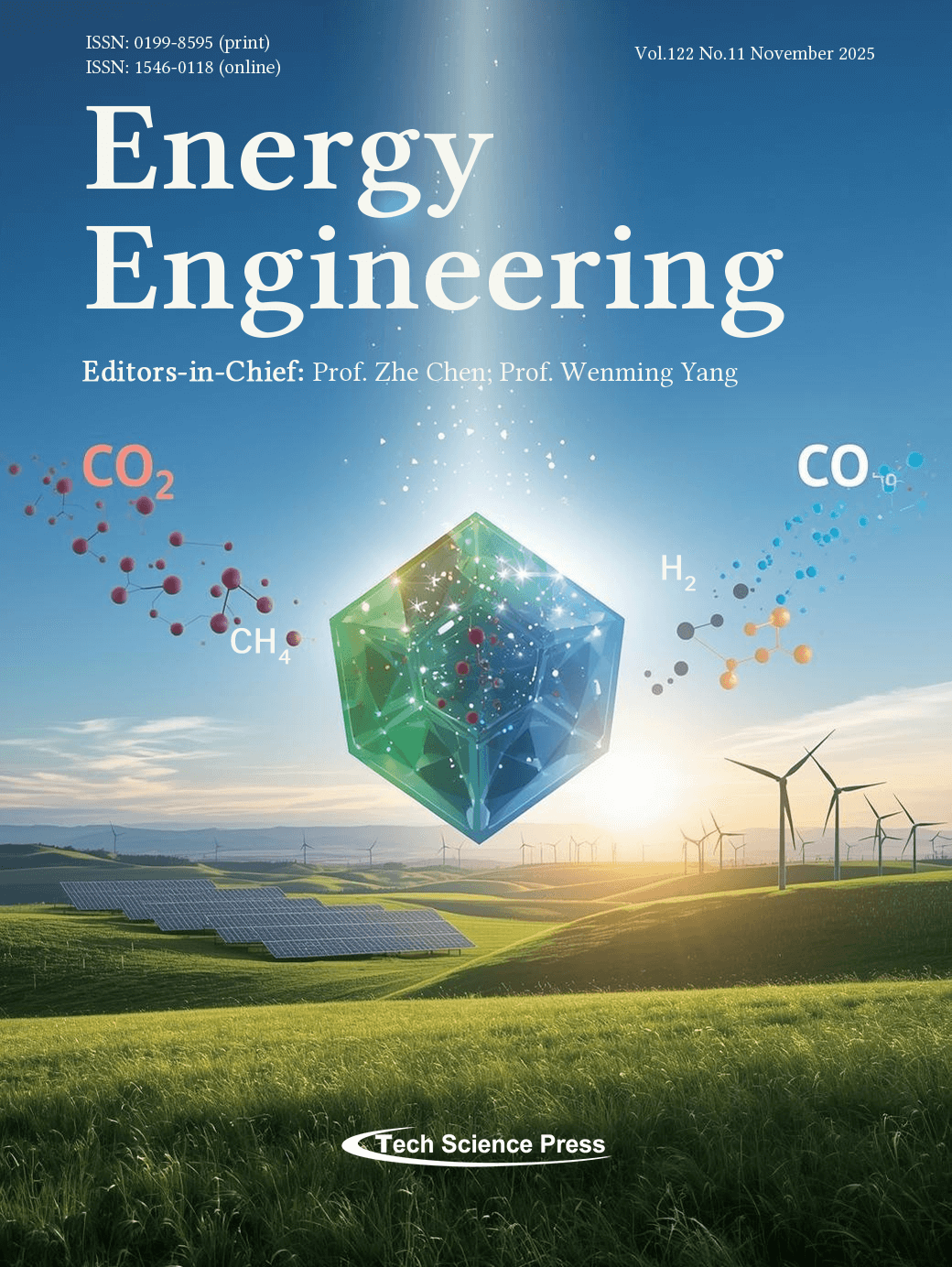
Under the carbon neutrality goal, biogas reforming technology has gained significant attention for converting greenhouse gases (CH4/CO2) into syngas (H2/CO). Traditional nickel-based catalysts suffer from carbon deposition, sintering, and sulfur poisoning. Non-nickel-based perovskite materials emerge as promising alternatives with tunable crystal structures, dynamic oxygen vacancy characteristics, and excellent anti-coking/anti-sulfur performance. This review systematically summarizes design strategies including A/B site doping, defect engineering, and heterojunction construction to optimize lattice oxygen migration and active site stability. The carbon oxidation mechanism mediated by oxygen vacancies enhances CH4/CO2 conversion rates while maintaining durability in complex biogas environments containing H2S and NH3. Photo-thermal synergistic catalysis further improves reaction efficiency through energy coupling. However, challenges including long-term operational stability, large-scale preparation costs, and synergistic poisoning effects of sulfur and water remain obstacles for practical applications. Future research should integrate high-throughput computation, in situ characterization, and multi-technology coupling to advance non-nickel-based perovskites from laboratory to industrial biogas reforming units.
This cover image was created using Al-generated content from "Canva". The authors confirm that no human likenesses, copyrighted elements, or misleading representations are included in the image.
View this paper

 Login
Login Register
 Submit a Paper
 Propose a Special lssue