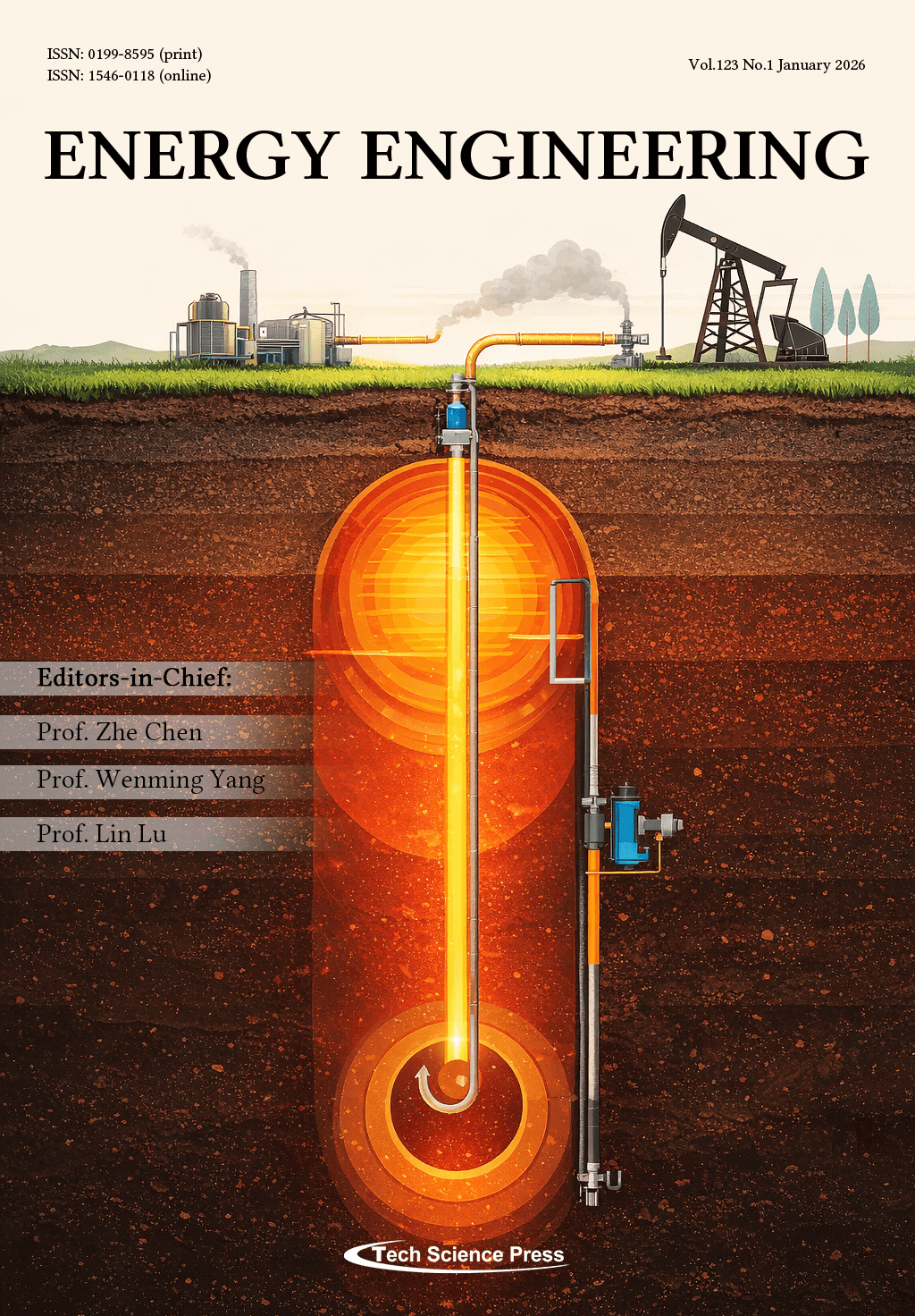
The increased interest in geothermal energy is evident, along with the exploitation of traditional hydrothermal systems, in the growing research and projects developing around the reuse of already-drilled oil, gas, and exploration wells. The Republic of Croatia has around 4000 wells, however, due to a long period since most of these wells were drilled and completed, there is uncertainty about how many are available for retrofitting as deep-borehole heat exchangers. Nevertheless, as hydrocarbon production decreases, it is expected that the number of wells available for the revitalization and exploitation of geothermal energy will increase. The revitalization of wells via deep-borehole heat exchangers involves installing a coaxial heat exchanger and circulating the working fluid in a closed system, during which heat is transferred from the surrounding rock medium to the circulating fluid. Since drilled wells are not of uniform depth and are located in areas with different thermal rock properties and geothermal gradients, an analysis was conducted to determine available thermal energy as a function of well depth, geothermal gradient, and circulating fluid flow rate. Additionally, an economic analysis was performed to determine the benefits of retrofitting existing assets, such as drilled wells, compared to drilling new wells to obtain the same amount of thermal energy.
This cover image was created using Al-generated content from "Canva". The authors confirm that no human likenesses, copyrighted elements, or misleading representations are included in the image.
View this paper

 Login
Login Register
 Submit a Paper
 Propose a Special lssue