
 Login
Login Register
 Submit a Paper
 Propose a Special lssue
 Open Access
ARTICLE

A Data-Driven Framework for Lithium-Ion Battery SOH Estimation Using VMD-GRU Hybrid Approach with Multi-Scale Feature Analysis
1 College of New Energy, Shaanxi Energy Institute, Xianyang, 712000, China
2 College of School of Mechanical Engineering, Xi’an University of Science and Technology, Xi’an, 710054, China
* Corresponding Authors: Min Liu. Email: ; Zhengxiong Lu. Email:
Energy Engineering 2026, 123(3), 12 https://doi.org/10.32604/ee.2025.071144
Received 01 August 2025; Accepted 15 September 2025; Issue published 27 February 2026
 View Full Text
 Download PDF
Abstract
The accurate state of health (SOH) estimation in lithium-ion batteries represents a critical technological challenge with profound implications for electric vehicle performance and user experience. Precise SOH assessment not only enables reliable mileage prediction but also ensures operational safety. However, the complex and non-linear capacity fading process during battery cycling poses a challenge to obtaining accurate SOH. To address this issue, this study proposes an effective health factor derived from the local voltage range during the battery charging phase. First, the battery charging phase is divided evenly with reference to voltage intervals, and an importance analysis is conducted on each voltage interval. From these, the voltage interval with the strongest correlation to State of Health (SOH) is extracted as the feature interval. Then, a data-driven framework integrating variational mode decomposition (VMD) with gated recurrent unit (GRU) neural networks enables comprehensive multi-scale temporal feature analysis for enhanced SOH estimation. The methodology begins with rigorous feature engineering to identify and extract optimal health indicators demonstrating superior correlation. Subsequently, the VMD algorithm performs sophisticated signal processing to decompose both the measured capacity and derived health indicators into their constituent intrinsic mode functions and residual components. Finally, a GRU-based neural network is implemented to establish a robust SOH estimation model. Experimental validation using cycling data from different datasets shows that the root mean square error of the estimation results is consistently below 3%, demonstrating the good accuracy and generalisation of the proposed method, using only local data from the charging phase.Keywords
Driven by the global energy transition and the dual carbon strategy, the new energy vehicle (NEV) industry has ushered in an unprecedented opportunity for development [1–3]. Lithium-ion batteries, with their outstanding energy density, excellent cycling performance, and continuously declining cost advantages, have become the preferred power source for electric vehicles (EVs), energy storage systems, and consumer electronics [4–6]. However, the complex electrochemical system of lithium-ion batteries means that their health status is influenced by the coupling of multiple physical fields, which poses a significant challenge to the accurate state of health (SOH) estimation [7]. Research has shown that long-term cycling can lead to irreversible losses of active lithium and phase transitions in the cathode material. These irreversible degradations not only reduce battery capacity but may also trigger safety hazards such as thermal runaway [8–10]. Meanwhile, lithium-ion battery capacity degradation exhibits complex nonlinear characteristics [11,12]. While the overall trend follows a monotonic decreasing pattern, significant fluctuations are observed at local timescales. This non-stationary degradation behaviour primarily stems from two key mechanisms. The one is the capacity regeneration phenomenon, which is a typical transient characteristic in the battery degradation process [13,14]. It is mainly manifested as an apparent capacity recovery of the battery under resting or low-load conditions. Essentially, this phenomenon is a comprehensive reflection of physical and chemical processes such as the redistribution of surface charges on the electrode material and the relaxation of ion concentration gradients. It represents a false capacity recovery. Research has shown that this regeneration effect can significantly affect the smoothness of the degradation curve, leading to misjudging in traditional prediction models. The other is random interference fluctuations, which include disturbances in capacity measurement values caused by random factors such as measurement noise, ambient temperature fluctuations, and changes in charging and discharging conditions. These interference factors are coupled with the real degradation trend, further increasing the non-linear characteristics of the capacity curve [15,16]. Therefore, establishing an accurate SOH evaluation is of significance for realizing predictive maintenance and cascaded utilization of batteries.
Accurate estimation of the SOH of lithium-ion batteries hinges on the selection of effective feature factors. Ideally, battery capacity and internal resistance are the most direct indicators of health status [17]. However, the complexity of online measurement, which is often impractical to achieve, necessitates the use of alternative metrics [18]. In practical applications, parameters such as current, voltage, temperature, and cycle count, which can be directly collected by sensors, are commonly employed as health indicator (HI) [19,20]. During the charging process, lithium-ion batteries typically utilize the constant current-constant voltage (CCCV) charging mode, which yields a relatively stable voltage curve. Research has demonstrated that as the battery ages, the time required for the charging voltage to reach the cut-off voltage gradually decreases [21]. This observation suggests that the charging voltage curve can serve as a vital feature for estimating battery SOH. However, in the real-world operating conditions of new energy vehicles, obtaining a complete charging curve is often challenging. Given these constraints, the efficient utilization of equal voltage interval time emerges as a highly significant approach for the SOH estimation of lithium-ion batteries.
SOH estimation methods for lithium-ion batteries can be primarily categorized into four approaches: electrochemical model-based methods, empirical model-based methods, equivalent circuit model (ECM)-based methods, and data-driven methods [22–24]. The electrochemical modelling approach establishes aging models based on internal electrochemical mechanisms such as SEI film formation, enabling precise characterization of complex electrochemical reactions within batteries [25]. However, this method presents two major limitations: the requirement of specialized experimental equipment for parameter measurement, and high computational complexity in model solving, which pose significant challenges for practical engineering applications. Empirical modelling methods develop estimation models by analysing operational data, including cycle numbers and ohmic resistance accumulated during battery usage [26]. The primary drawback of this approach lies in its sensitivity to data fluctuations, often leading to divergent SOH estimation results. The equivalent circuit modelling technique employs electrical components to construct state-space equations representing battery aging behaviour [27–29]. Nevertheless, its implementation faces two critical constraints: model parameters are susceptible to variations in operating conditions, and parameter identification typically requires electrochemical impedance spectroscopy (EIS) techniques that are difficult to implement in real-world vehicular applications. While these model-based approaches can describe battery aging behaviour to certain extent, they exhibit notable deficiencies in accurately characterizing both dynamic and static performance features of lithium-ion batteries. Specifically, the electrochemical model’s complexity hinders real-time implementation, empirical models lack physical interpretability, and ECMs struggle with environmental adaptability limitations that collectively motivate the development of more robust estimation methodologies.
Data-driven approaches have emerged as the predominant technical pathway for lithium-ion battery SOH estimation, leveraging operational monitoring data (voltage, current, temperature, etc.) to extract degradation patterns while circumventing complex electrochemical mechanism analysis and internal reaction modelling [30–32]. Data-driven approaches for battery health monitoring primarily encompass machine learning and deep learning methodologies. Machine learning approaches, including support vector machines (SVM), random forests (RF), and Gaussian process regression (GPR), establish quantitative relationships between measurable battery parameters and SOH indicators [33,34]. These methods estimate SOH by establishing mapping relationships between battery feature parameters and health states. Their advantages lie in relatively simple model architectures, high computational efficiency, and suitability for modelling with small sample sizes. Deep learning architectures, particularly long short-term memory (LSTM) networks, convolutional neural networks (CNN), and gated recurrent unit (GRU) neural networks, have demonstrated remarkable capabilities in battery health monitoring [35–37]. These advanced neural networks autonomously extract hierarchical features from operational data while effectively capturing the temporal dependencies inherent in battery degradation processes. Deep learning methods demonstrate superior capability in autonomously extracting high-level features from battery monitoring data while effectively capturing the temporal dependencies in performance degradation. These advanced techniques exhibit enhanced modelling capacity and prediction accuracy, particularly in big-data applications, achieving state-of-the-art performance in battery health prognostics. Liu et al. employed a generative adversarial neural network to convert battery charging data into image data, enabling accurate State of Health (SOH) estimation [38]. Yang et al. proposed a GRU-LSTM model that effectively identifies the aging characteristics of batteries during fast charging, with the Root Mean Square Percentage Error (RMSPE) of the proposed method’s estimation results being 1.34% [39]. Based on a Bidirectional Gated Recurrent Unit (Bi-GRU), Liu et al. developed a hybrid neural network framework, in which hyperparameters were optimized using the differential evolution algorithm, achieving precise SOH estimation across multiple datasets [40]. Yang et al. proposed a joint estimation framework by combining a Particle Swarm Optimization-based Bidirectional Long Short-Term Memory (PSO-BiLSTM) with an extended Kalman filter, realizing the joint estimation of State of Charge (SOC) and SOH; the Root Mean Square Error (RMSE) of the model’s estimation results was within 4% [41].
To achieve accurate SOH estimation, existing studies have proposed numerous effective estimation methods using various neural network models, and have improved SOH estimation accuracy through data reconstruction techniques. However, many studies utilize the full segment of data from the battery charging and discharging process. This means that complete charging process data must be acquired during model development, which poses challenges to the practical application of the proposed models. Meanwhile, the actual operating conditions of batteries are diverse, resulting in inconsistent discharge data throughout a battery’s full life cycle. Consequently, it is difficult to establish data-driven models using discharge data.
In this study, it proposes a novel data-driven framework using partial data from the charging process, it integrates variational mode decomposition with gated recurrent unit neural networks for enhanced multi-scale temporal feature analysis in SOH estimation, as shown in Fig. 1. Experimental validation using cycling data demonstrates the superiority of the proposed method, exhibiting enhanced robustness against capacity regeneration effects compared to conventional approaches. The methodology consists of three key contributions:
(1) Feature engineering: Identification and extraction of an optimal HI with superior correlation to battery degradation, including partial data of the charging stage.
(2) Signal decomposition: Application of variational mode decomposition to decompose measured capacity and derived health indicators into intrinsic mode functions and residual components, enabling multi-scale feature extraction.
(3) Model development: Implementation of a gated recurrent unit-based neural network to establish a robust SOH estimation model.
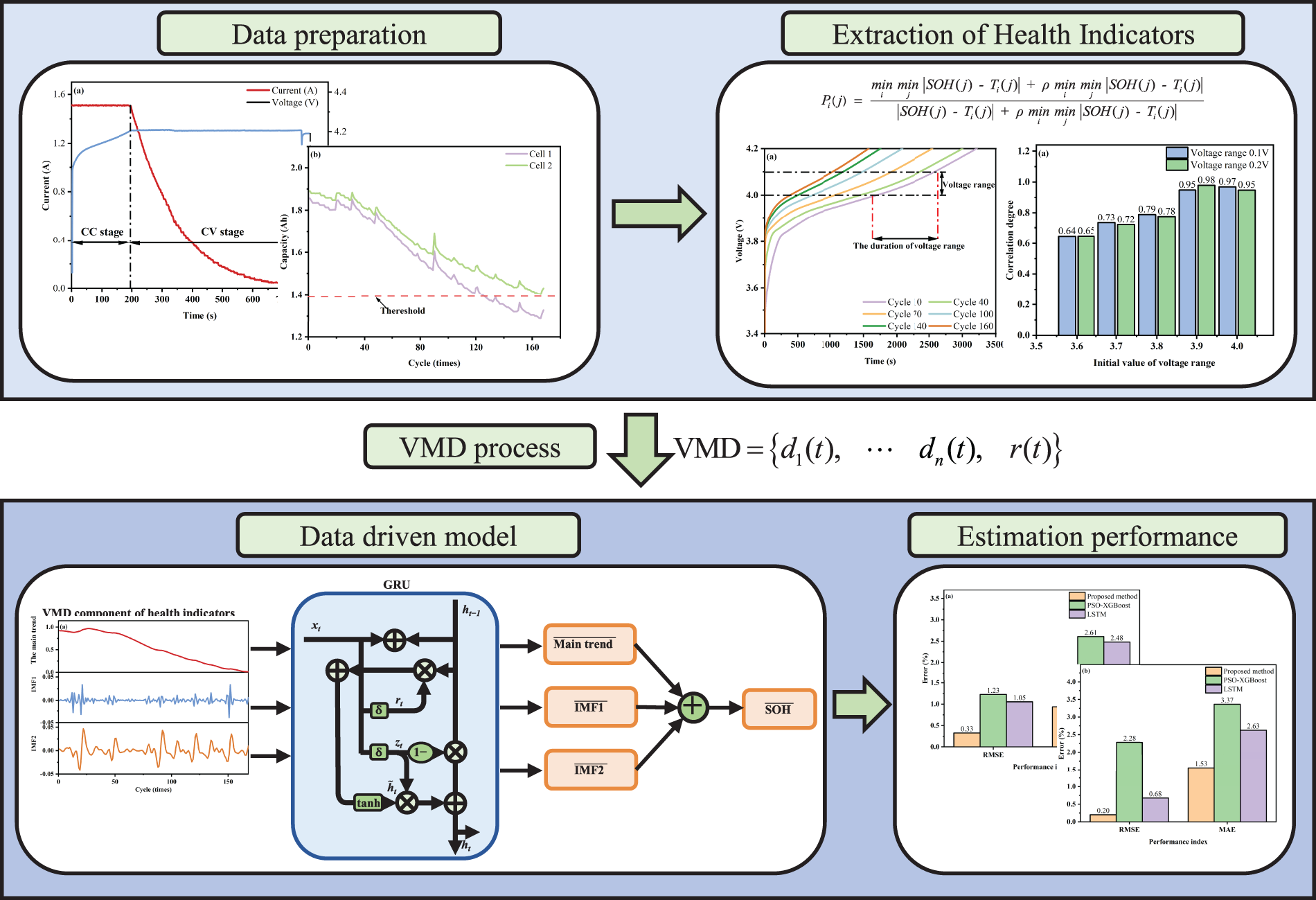
Figure 1: The framework of proposed method
The remainder of this paper is structured as follows: Section 2 presents the experimental datasets. Section 3 describes the proposed method. Section 4 is the performance validation of the model. Section 5 is the conclusion.
2 Datasets and Feature Extraction
2.1 The Description of Battery Datasets
In this study, the battery data used were obtained from the National Aeronautics and Space Administration (NASA). Specifically, the dataset contains 18,650 lithium-ion batteries with a cathode material of LiNi0.8Co0.15Al0.05O2 (NCA) and anode graphite material, a rated capacity is 2 Ah. All batteries were subjected to aging tests at an ambient temperature of 24°C. As shown in Fig. 2a, during the aging experiments, each battery was charged using a constant-current and constant-voltage (CC-CV) protocol with a charging current of 1.5 A, a cutoff voltage of 4.2 V, and a cutoff current of 20 mA. In the discharging process, each battery was working under a constant-current mode at 2 A with cutoff voltages of 2.7 and 2.2 V, respectively.
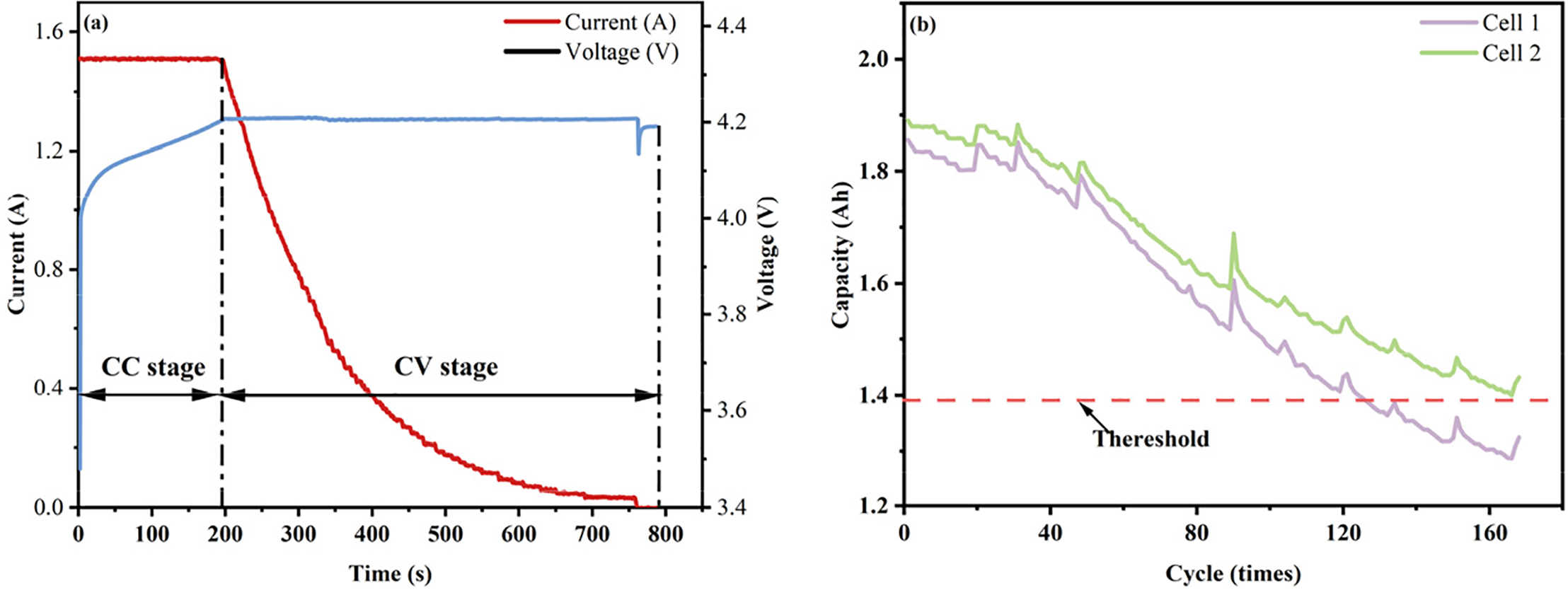
Figure 2: The description of battery aging dataset; (a) The protocol of the charging process; (b) Battery capacity degradation trajectory
With the use of batteries, continuous charge-discharge cycles trigger negative electrochemical reactions that ultimately lead to capacity degradation, as shown in Fig. 2b. In repeated charging processes, the deintercalation and intercalation of lithium ions cause the cathode material to undergo repeated lattice expansion and contraction, gradually fragmenting its structure and reducing active substances. Meanwhile, a solid electrolyte interface (SEI) film forms on the anode surface, whose continuous growth not only consumes electrolyte and lithium ions but also hinders ion transport. Additionally, the electrolyte itself decomposes on the electrode surface, generating impurities that further deteriorate the internal battery environment. The continuous accumulation of these electrochemical reactions not only causes a gradual decline in the charge storage capacity, intensifying users’ range anxiety but also accompanies significant increases in internal resistance, lithium deposition on the anode, and fragmentation of cathode particles. These phenomena lead to substantial degradation of the battery’s thermal stability, significantly increasing the probability of safety accidents such as short circuits and fires. In this study, the SOH is used to evaluate battery aging, as shown in Eq. (1):
where the Cr denotes the actual capacity of the battery with the r cycle times, Cn is the nominal capacity of the battery.
2.2 Health Indicator Extraction
In the process of establishing a data-driven model for SOH estimation, the extraction of health factors directly affects the estimation performance of the model. In existing studies, the independent component analysis (ICA) method is a commonly used approach for health factor extraction [42]. This method monitors and analyzes the variations between voltage and capacity, enabling effective capture of data segments containing battery aging information. However, it requires recording charging data from 0% to 100% SOC degree and performing differentiation processing, which significantly increases the workload of health factor extraction and weakens the high-efficiency advantage of data-driven models. Meanwhile, in the actual operation of vehicles, the complete charging process starting from 0% SOC degree is difficult to obtain, posing challenges for the practical application of the ICA method.
With the development of battery aging, irreversible side reactions inside the battery cause changes in internal resistance, which are manifested as varying degrees of offset in the charging voltage curve, as shown in Fig. 3a. Therefore, this paper proposes using the local voltage segment time as a health factor. Taking the constant voltage duration with a 0.2 V interval as an example, as shown in Fig. 3b, with the aging of the battery, the duration of each constant voltage interval shows a significant decreasing trend.
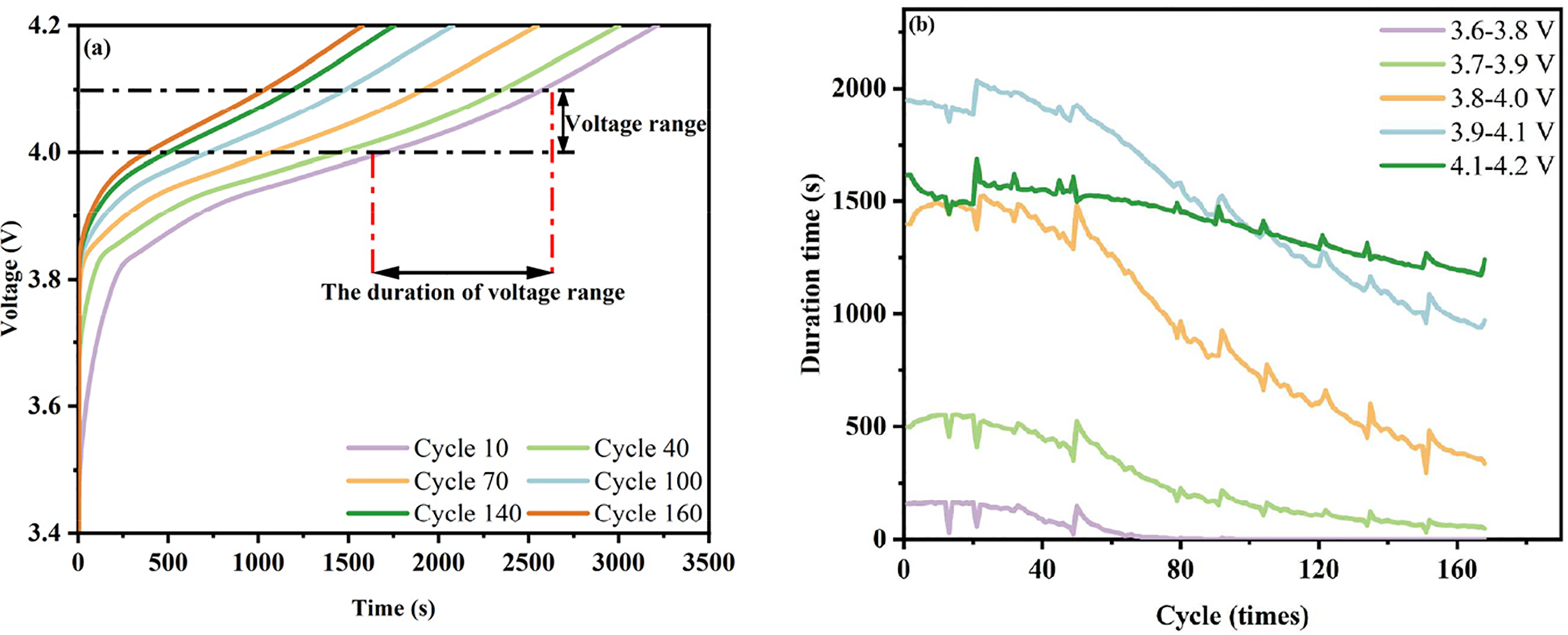
Figure 3: The extraction of the health indicators; (a) The figure of variation in charging voltage curve; (b) The variation in charging time within the voltage range
Although the charging time of different constant voltage intervals shows the same variation trend as battery performance degradation, the degree of aging information contained in each voltage interval varies. To enhance the utilization of key information and reduce the impact of redundant information on the data-driven model, this paper employs the grey correlation degree to analyze the importance of constant voltage intervals with 0.1 and 0.2 V spacing. The calculation of the correlation degree is shown in the following equation:
where i is the number of cycles, j is the number of constant voltage interval segments, Ti(j) is the charging time of the j-th voltage interval at the i-th cycle, and SOH(j) is the state of health at the i-th cycle. The importance of the duration in each interval is shown in Fig. 4. The constant voltage interval with the highest correlation with SOH is selected as the health factor. In Fig. 4, taking a 0.2 V interval, the charging time of the interval starting at 3.9 V exhibits an extremely strong correlation. In related studies, the ICA results of NASA battery aging data are consistent, and the variation relationship between capacity and voltage is most significant near 4.0 V [43]. In this paper, the charging time in the range of 3.9–4.1 V during the charging process is selected as the health factor for model establishment.
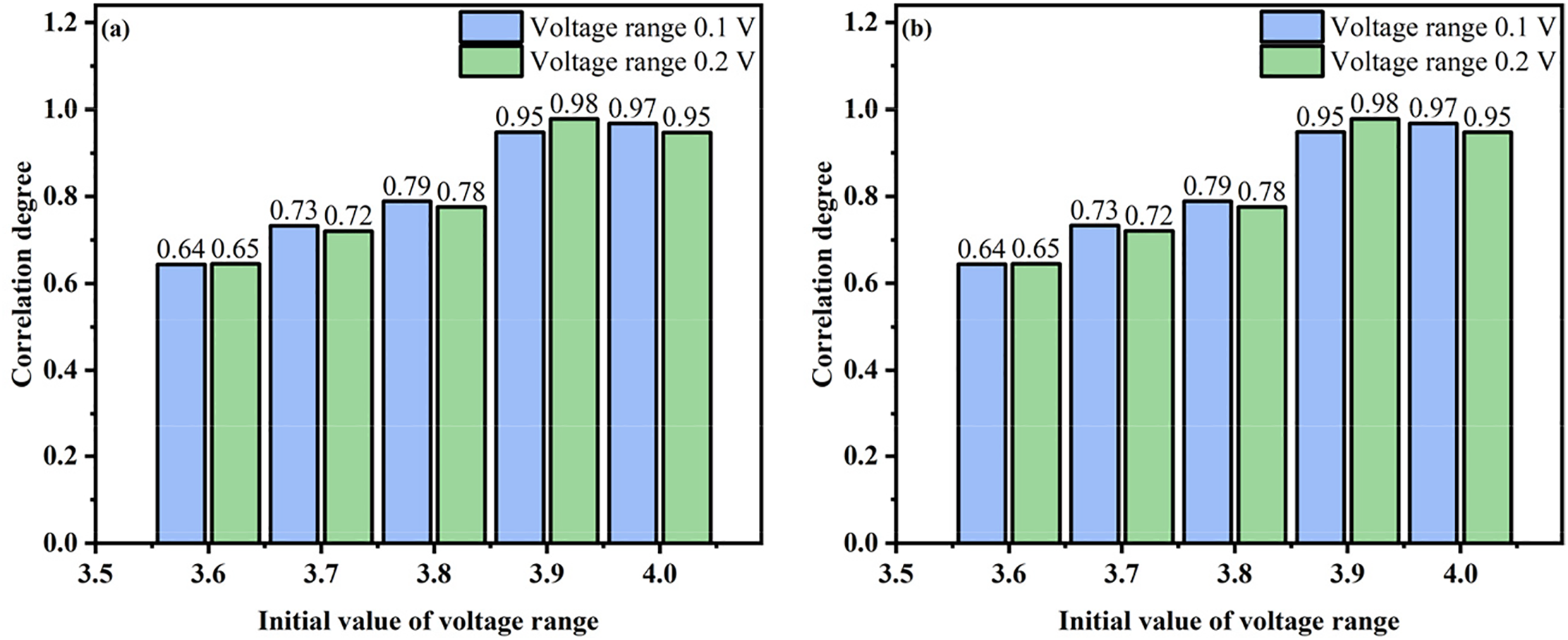
Figure 4: The correlation analysis of voltage range; (a) Battery #5; (b) Battery #6
3.1 Variational Mode Decomposition
In the construction of data-driven models, input data plays a crucial role in the estimation performance of the model. Due to the existence of random interference and capacity regeneration phenomena during the aging process, the aging trajectory of the battery is not a monotonically decreasing degradation process. These processes are intertwined, and directly constructing a model may lead to ineffective capture of aging information. The variational mode decomposition (VMD) method can adaptively decompose the original characteristic data into multiple aging information components with different central frequencies. Each component contains different aging processes, enabling fine-grained analysis of aging data.
To address the complexity and non-stationarity of aging data, in this study, it employes the VMD method to decompose the proposed features. It can effectively eliminate noise interference in the data and extract the true trend of capacity degradation. Meanwhile, by separating different frequency components, it can accurately decompose various aging information of the battery. Compared with traditional analysis methods, VMD does not require preset parameters, has stronger adaptability and robustness, and can more accurately excavate the underlying patterns in battery aging feature data, providing a more reliable basis for the establishment of data-driven models. The calculation of VMD is as follows:
where d1(t) represents the decomposed subsequence term, r(t) is the main degradation trend term. The constrained variational model corresponding to the signal I(t) is defined as follows:
where {εn} is the n-th intrinsic mode function (IMF) after decomposition, {θn} denotes the frequency of the n-th IMF,
where λ is the Lagrange multiplier. In the process of VMD on aging data, the SOH is employed to replace the capacity for reflecting the aging information of the battery. The decomposition results are shown in Fig. 5. Compared with the original battery aging trajectory, the aging trend term obtained after decomposition can more effectively reflect the monotonicity of battery aging, while the disturbance term reflects the phenomena of capacity regeneration and random interference in the aging process.
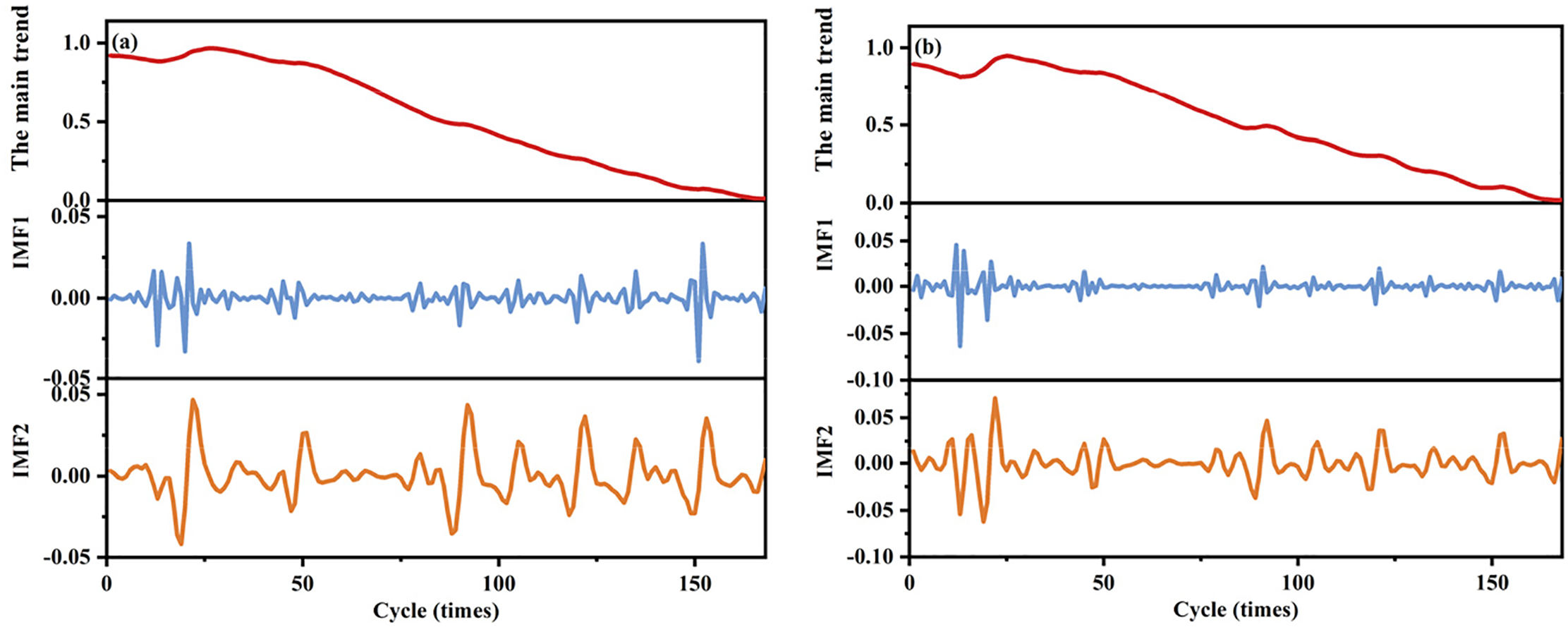
Figure 5: The decomposition results of VMD; (a) Battery #5; (b) Battery #6
The gated recurrent unit (GRU), a variant of the recurrent neural network (RNN), was introduced by Wang et al. in 2014 as an optimized version of the long short-term memory (LSTM) architecture [44]. By simplifying the gating mechanism it reduces computational complexity without sacrificing sequential modeling capabilities. This improved design effectively mitigates the vanishing gradient problem inherent in traditional RNNs, enabling the model to capture long-range temporal dependencies while maintaining robust performance in sequence-to-sequence tasks. The GRU model is characterized by its simple architecture and excellent performance, widely employed in applications such as time-series data processing, natural language processing, and speech recognition. In this study, by integrating the VMD and GRU models, it proposes a VMD-GRU model for the estimation of SOH, the framework of proposed method is shown in Fig. 6.
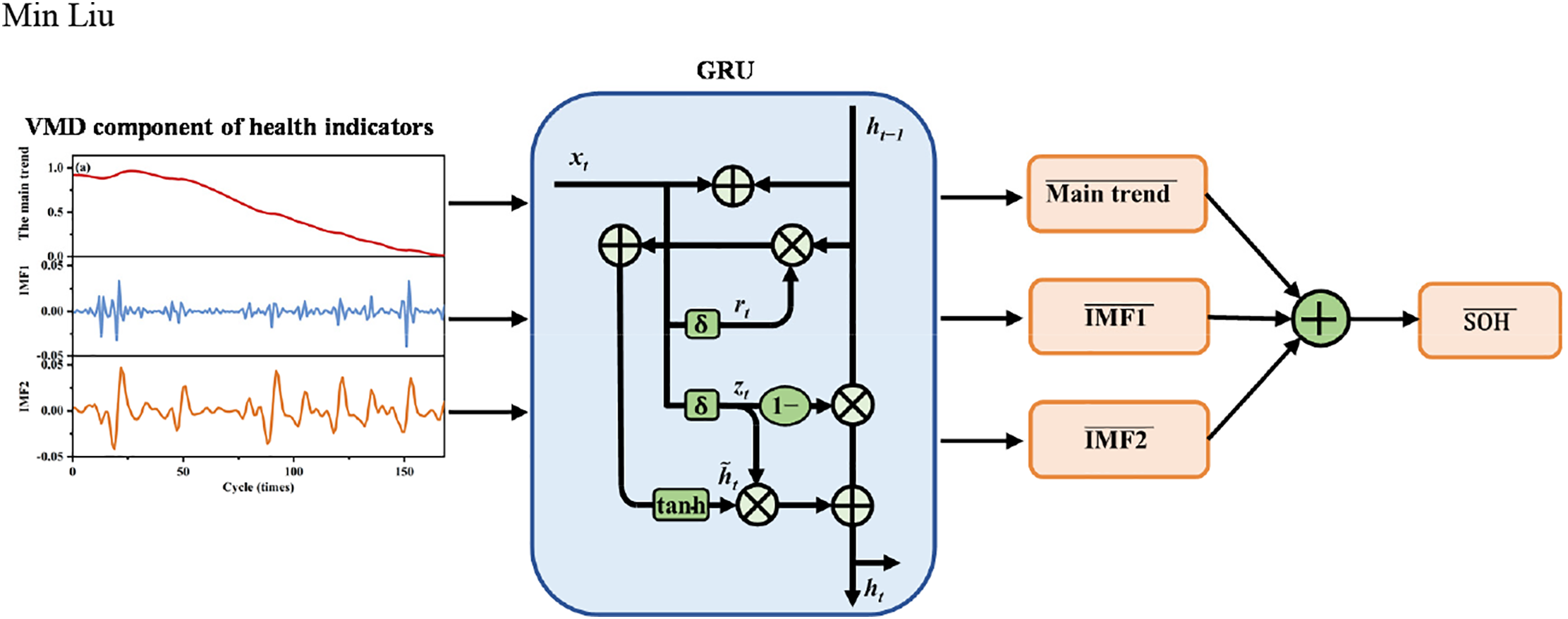
Figure 6: The structure of the VMD-GRU model
First, VMD is employed to decompose the degradation curve of battery SOH and the proposed health indicators into a main trend term and a residual term. Then, GRU model is used to explore the potential relationships between each modal component of SOH and health factors, completing the construction of a data-driven model. Finally, the estimation results of each modal component output by the GRU model are superimposed to obtain the SOH estimation value. The GRU estimation process for each VMD component is shown in the Eq. (7).
where
4.1 Validation with NASA Datasets
In this study, to address the challenge that capacity regeneration and random interferences during battery aging make it difficult to directly obtain the SOH, it adapts the NASA battery aging dataset to verify the effectiveness of the proposed method. Meanwhile, to evaluate the generalizability of the proposed method, aging data from different batteries are respectively used as the training and testing sets. Meanwhile, to demonstrate the superiority of the model, it constructs the PSO-XGboost model and LSTM model with the same features as the comparison group. The validation results are shown in the Fig. 7.
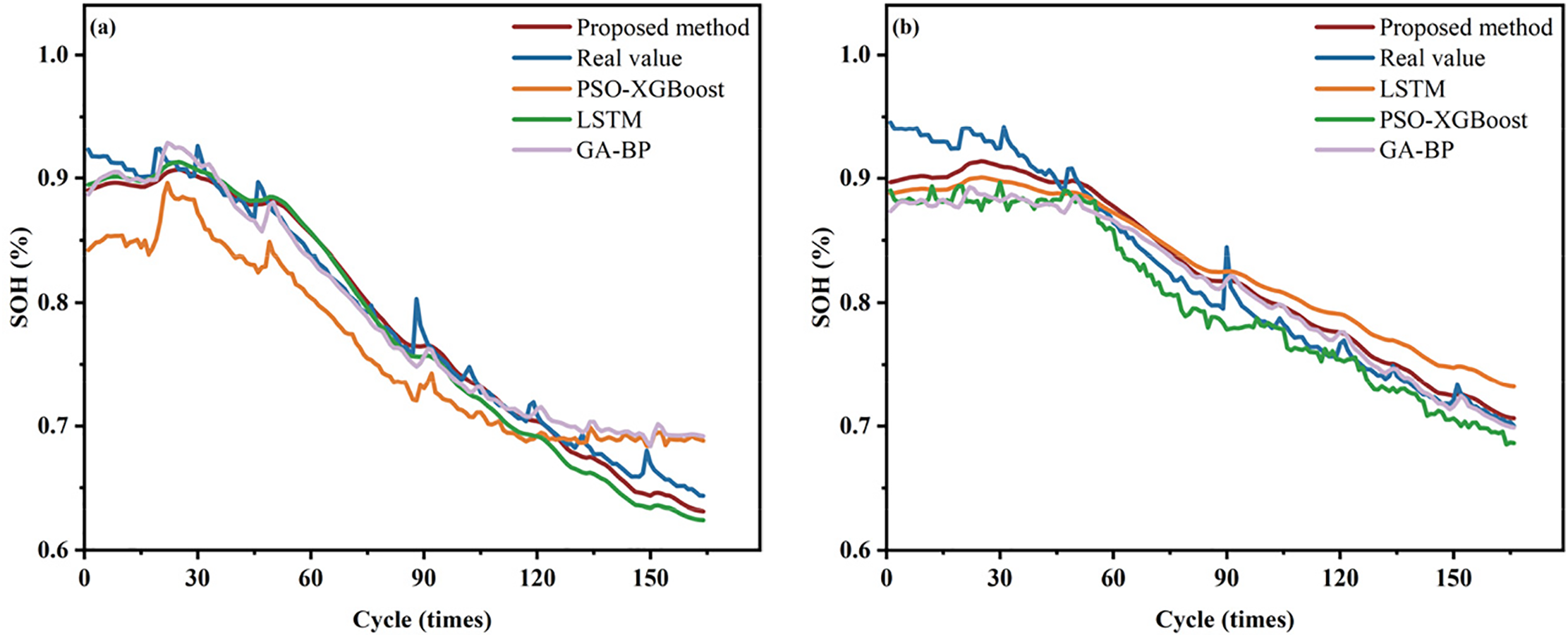
Figure 7: The estimation result of SOH in NASA dataset; (a) Battery #5; (b) Battery #6
As shown in the figures, the proposed method exhibits estimation bias in the early aging stage, demonstrating excellent consistency between the estimation results and the aging trajectory during the subsequent aging process. To further evaluate the estimation performance of the model, root mean square error (RMSE) and mean absolute error (MAE) are employed to quantify the model’s estimation accuracy. As illustrated in Fig. 8, for the aging data of two different batteries, the SOH estimation accuracy of the proposed method is remarkable, with RMSE values of 0.33% and 0.20%, and minimum MAE values of 0.94% and 1.53%, respectively. By comparison, the minimum RMSE values of the PSO-XGBoost and LSTM models using the same features are 1.23% and 0.68%, and the minimum MAE values are 2.11% and 2.48%, respectively. The validation results indicate that the proposed method not only achieves high precision but also enables accurate SOH estimation for two different batteries, demonstrating its excellent generalizability.
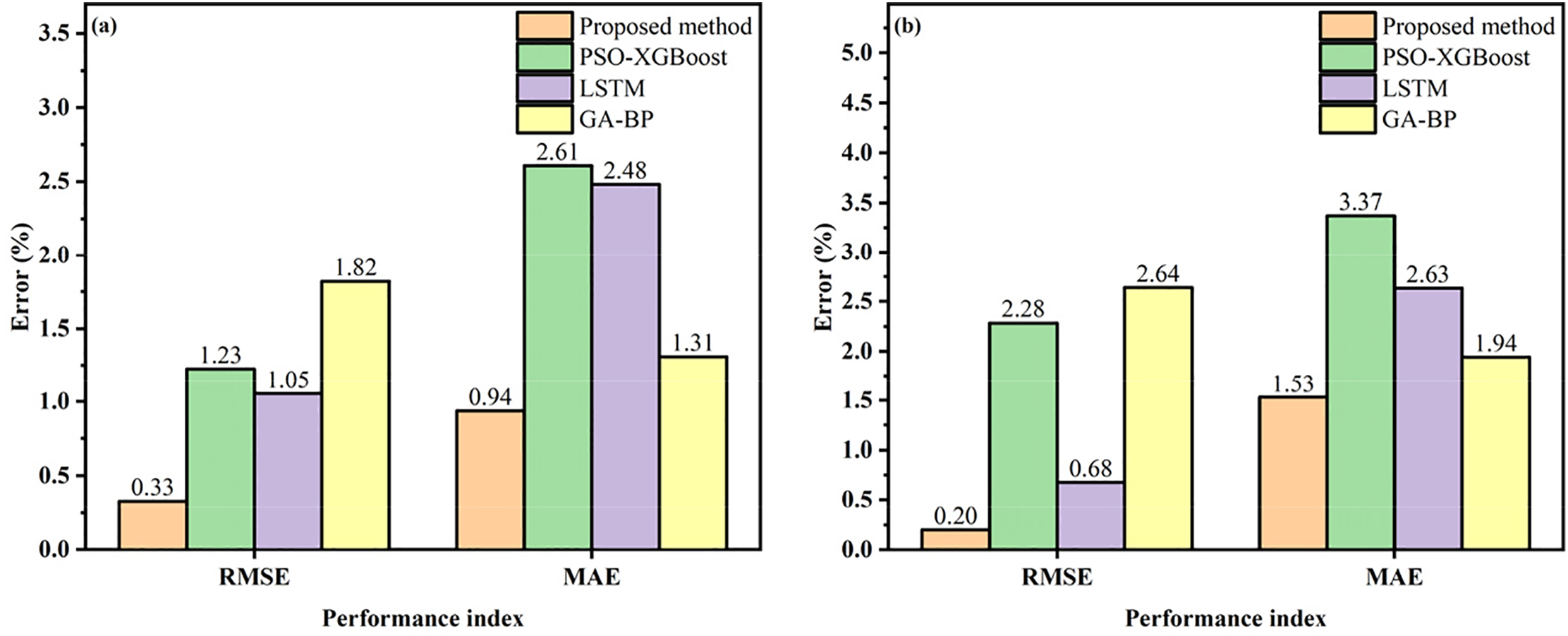
Figure 8: The error of SOH estimation in NASA dataset; (a) Battery #5; (b) Battery #6
4.2 Validation with CALCE Datasets
The above validation demonstrates the accuracy of the proposed method. To further verify the effectiveness and generalizability of the model, it uses the battery aging dataset from the University of Maryland for estimation validation. In this dataset, all batteries are charged in CCCV mode at 0.5 C with a cut-off voltage of 4.2 V, and discharged at a constant current of 1.1 A [45]. The SOH estimation results are shown in Fig. 9. It demonstrates that the estimation result of the proposed method could accurately reflect the aging trajectory of batteries.
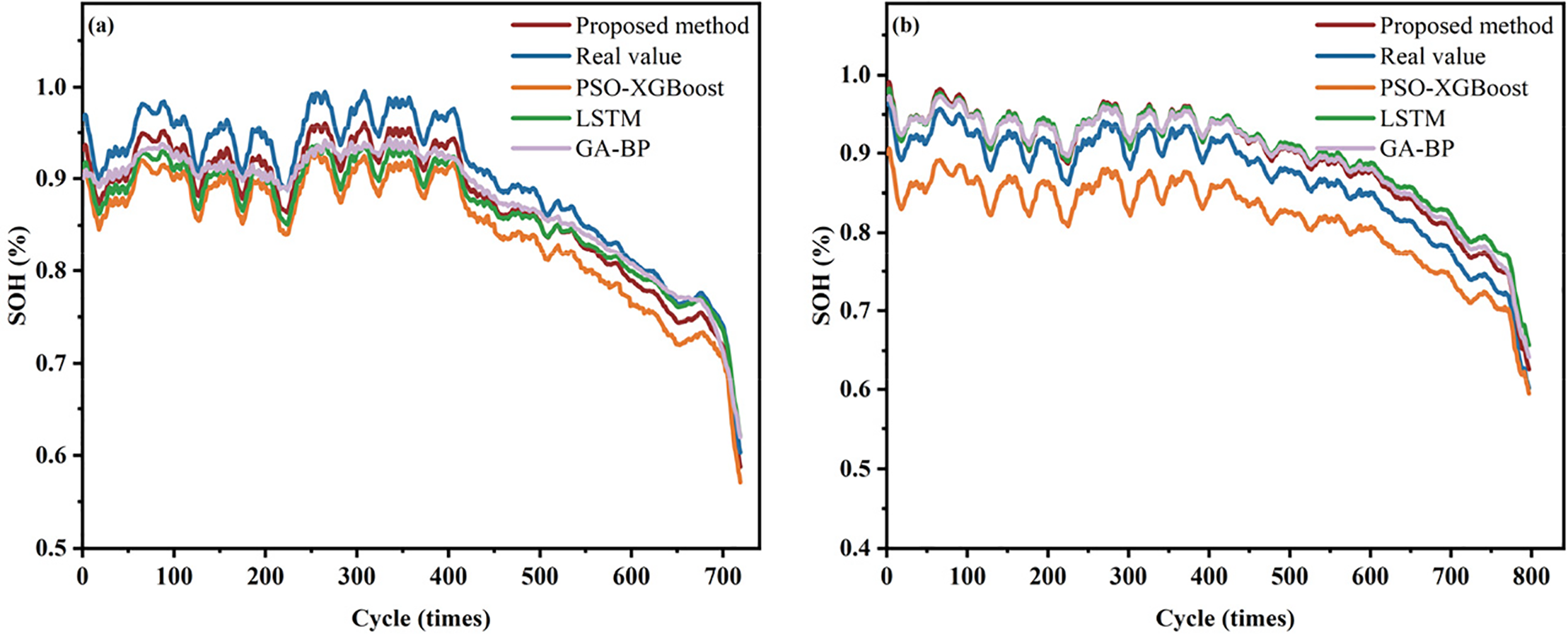
Figure 9: The estimation result of SOH in CALCE dataset; (a) Battery C36; (b) Battery C37
The estimation performance of each model is shown in Fig. 10. For the SOH estimation results of two different batteries, the proposed method achieves RMSE values of 2.76% and 2.67%, with MAE values both within 3%. In contrast, the LSTM model exhibits estimation errors with RMSE values of 3.60% and 3.37%, and MAE values of 3.17% and 2.55%. Compared with the LSTM model, the proposed method demonstrates an average improvement of 22.1% in RMSE and 27.3% in MAE. In traditional SOH estimation methods, many studies have employed ICA on battery charging data, extracting local peaks and valleys as health factors. This approach typically requires obtaining complete charging data under constant current conditions. In this study, a method is proposed that enables accurate assessment of battery health status using only partial data from the battery charging process. It reduces the difficulty in data acquisition while ensuring estimation accuracy comparable to the methods using ICA-based analysis [46–48]. According to the validation results, it can be concluded that the proposed method demonstrates great accuracy across different datasets. Additionally, the excellent generalization ability of the proposed method has been validated through verification results in different batteries.
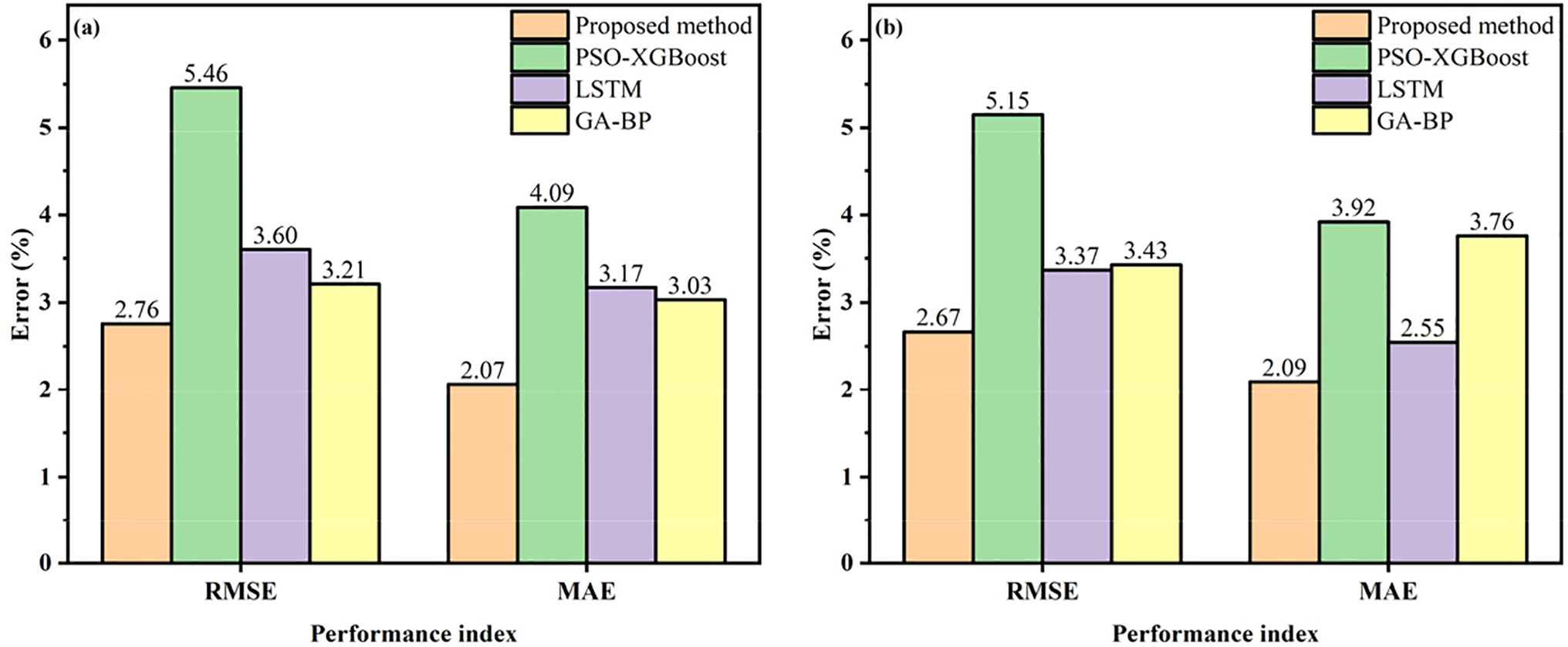
Figure 10: The error of SOH estimation in CALCE dataset; (a) Battery C36; (b) Battery C37
This study proposes a novel VMD-GRU data-driven framework for accurate SOH estimation of lithium-ion batteries, addressing the challenges posed by capacity regeneration phenomena. The optimal health indicators are extracted through rigorous feature engineering, and VMD is employed for multi-scale decomposition into IMFs and residual components. The integrated GRU network establishes a robust estimation model with enhanced temporal feature analysis. The main contributions are summarized as follows:
(1) A methodology is developed combining feature engineering and signal processing, where VMD effectively decomposes battery aging characteristics into multi-scale components (i.e., IMFs and residual term), enabling comprehensive feature extraction.
(2) The proposed VMD-GRU framework demonstrates superior robustness against nonlinear capacity regeneration effects. The GRU network captures complex temporal patterns while maintaining computational efficiency, achieving consistent estimation accuracy (RMSE < 3%).
(3) Comparative experimental results verify the framework’s outstanding performance, showing significant improvement over conventional methods in handling capacity regeneration phenomena. The approach maintains high accuracy and strong robustness across different battery cycling conditions.
Acknowledgement: Not applicable.
Funding Statement: This work is supported by the Scientific Research Program Funded by Shaanxi Provincial Education Department (Program No. 23JP100) and the Key Natural Science Research Project of Shaanxi Energy Institute: Comprehensive Characterization Study of Lithium-Ion Batteries for New Energy Vehicles (Project No. 23QNZRZ01).
Author Contributions: The authors confirm contribution to the paper as follows: Min Liu: Conceptualization, Data Collection, Methodology, Software, Original Draft, Funding Acquisition; Zhengxiong Lu: Formal Analysis, Review & Editing, Funding Acquisition. All authors reviewed the results and approved the final version of the manuscript.
Availability of Data and Materials: The data and materials used to support the findings of this study are available from the corresponding authors upon request.
Ethics Approval: Not applicable.
Conflicts of Interest: The authors declare no conflicts of interest to report regarding the present study.
References
1. Semeraro C, Caggiano M, Olabi AG, Dassisti M. Battery monitoring and prognostics optimization techniques: challenges and opportunities. Energy. 2022;255:124538. doi:10.1016/j.energy.2022.124538. [Google Scholar] [CrossRef]
2. Ouyang M. China’s new energy vehicles and the new energy revolution: innovation of energy storage batteries as foundation. eTransportation. 2024;23:100385. doi:10.1016/j.etran.2024.100385. [Google Scholar] [CrossRef]
3. Yadav S, Sharma Y. Unravelling the potential of magnetic field in electrochemical energy storage: a review. Appl Energy. 2025;383:125347. doi:10.1016/j.apenergy.2025.125347. [Google Scholar] [CrossRef]
4. Sudarshan M, Serov A, Jones C, Ayalasomayajula SM, García RE, Tomar V. Data-driven autoencoder neural network for onboard BMS lithium-ion battery degradation prediction. J Energy Storage. 2024;82(10):110575. doi:10.1016/j.est.2024.110575. [Google Scholar] [CrossRef]
5. Yin Y, Wang L. Improved multi-fusion black-winged kite algorithm for optimizing stochastic configuration networks for lithium battery remaining life prediction. Energy Eng. 2025;122(7):2845. doi:10.32604/ee.2025.065889. [Google Scholar] [CrossRef]
6. Bai H, Song Z. lithium-ion battery, sodium-ion battery, or redox-flow battery: a comprehensive comparison in renewable energy systems. J Power Sources. 2023;580(11):233426. doi:10.1016/j.jpowsour.2023.233426. [Google Scholar] [CrossRef]
7. Lu J, Xiong R, Tian J, Wang C, Hsu CW, Tsou NT, et al. Battery degradation prediction against uncertain future conditions with recurrent neural network enabled deep learning. Energy Storage Mater. 2022;50(3):139–51. doi:10.1016/j.ensm.2022.05.007. [Google Scholar] [CrossRef]
8. Wei M, Ye M, Zhang C, Wang Q, Lian G, Xia B. Integrating mechanism and machine learning based capacity estimation for LiFePO4 batteries under slight overcharge cycling. Energy. 2024;296(1):131208. doi:10.1016/j.energy.2024.131208. [Google Scholar] [CrossRef]
9. Xiong R, Pan Y, Shen W, Li H, Sun F. Lithium-ion battery aging mechanisms and diagnosis method for automotive applications: recent advances and perspectives. Renew Sustain Energy Rev. 2020;131(5):110048. doi:10.1016/j.rser.2020.110048. [Google Scholar] [CrossRef]
10. Yang L, Ma H, Zhang Y, He W. Joint estimation of SOH and RUL for lithium-ion batteries based on improved twin support vector machineh. Energy Eng. 2024;122(1):243–64. doi:10.32604/ee.2024.057500. [Google Scholar] [CrossRef]
11. Xiao B, Xiao B, Liu L. Rapid measurement method for lithium-ion battery state of health estimation based on least squares support vector regression. Int J Energy Res. 2021;45(4):5695–709. doi:10.1002/er.6194. [Google Scholar] [CrossRef]
12. Liu H, Liang Y. Comprehensive testing technology for new energy vehicle power batteries based on improved particle swarm optimization. Energy Inf. 2024;7(1):49. doi:10.1186/s42162-024-00356-w. [Google Scholar] [CrossRef]
13. Roman D, Saxena S, Robu V, Pecht M, Flynn D. Machine learning pipeline for battery state-of-health estimation. Nat Mach Intell. 2021;3(5):447–56. doi:10.1038/s42256-021-00312-3. [Google Scholar] [CrossRef]
14. Li Y, Liu K, Foley AM, Zülke A, Berecibar M, Nanini-Maury E, et al. Data-driven health estimation and lifetime prediction of lithium-ion batteries: a review. Renew Sustain Energy Rev. 2019;113:109254. doi:10.1016/j.rser.2019.109254. [Google Scholar] [CrossRef]
15. Yin Y, Song J, Yang M. A power battery fault diagnosis method based on long-short term memory-back propagation. Energy Eng. 2025;122(2):709. doi:10.32604/ee.2024.059021. [Google Scholar] [CrossRef]
16. Wei M, Ye M, Zhang C, Li Y, Zhang J, Wang Q. A multi-scale learning approach for remaining useful life prediction of lithium-ion batteries based on variational mode decomposition and monte carlo sampling. Energy. 2023;283(1):129086. doi:10.1016/j.energy.2023.129086. [Google Scholar] [CrossRef]
17. Zhang Z, Min H, Guo H, Yu Y, Sun W, Jiang J, et al. State of health estimation method for lithium-ion batteries using incremental capacity and long short-term memory network. J Energy Storage. 2023;64:107063. doi:10.1016/j.est.2023.107063. [Google Scholar] [CrossRef]
18. She D, Jia M, Pecht MG. Sparse auto-encoder with regularization method for health indicator construction and remaining useful life prediction of rolling bearing. Meas Sci Technol. 2020;31(10):105005. doi:10.1088/1361-6501/ab8c0f. [Google Scholar] [CrossRef]
19. Goh HH, Lan Z, Zhang D, Dai W, Kurniawan TA, Goh KC. Estimation of the state of health (SOH) of batteries using discrete curvature feature extraction. J Energy Storage. 2022;50(6):104646. doi:10.1016/j.est.2022.104646. [Google Scholar] [CrossRef]
20. Zhu J, Darma MSD, Knapp M, Sørensen DR, Heere M, Fang Q, et al. Investigation of lithium-ion battery degradation mechanisms by combining differential voltage analysis and alternating current impedance. J Power Sources. 2020;448:227575. doi:10.1016/j.jpowsour.2019.227575. [Google Scholar] [CrossRef]
21. Jiang B, Dai H, Wei X. Incremental capacity analysis based adaptive capacity estimation for lithium-ion battery considering charging condition. Appl Energy. 2020;269:115074. doi:10.1016/j.apenergy.2020.115074. [Google Scholar] [CrossRef]
22. Zhu J, Wang Y, Huang Y, Bhushan Gopaluni R, Cao Y, Heere M, et al. Data-driven capacity estimation of commercial lithium-ion batteries from voltage relaxation. Nat Commun. 2022;13(1):2261. doi:10.1038/s41467-022-29837-w. [Google Scholar] [PubMed] [CrossRef]
23. Liu Z, Meng B, Pan R, Zhou J. An enhanced sorting framework for retired batteries based on multi-dimensional features and an integrated clustering approach. Energy AI. 2025;22(2):100612. doi:10.1016/j.egyai.2025.100612. [Google Scholar] [CrossRef]
24. Zeng J, Liu S. Research on aging mechanism and state of health prediction in lithium batteries. J Energy Storage. 2023;72(09):108274. doi:10.1016/j.est.2023.108274. [Google Scholar] [CrossRef]
25. Xiong R, Li L, Tian J. Towards a smarter battery management system: a critical review on battery state of health monitoring methods. J Power Sources. 2018;405:18–29. doi:10.1016/j.jpowsour.2018.10.019. [Google Scholar] [CrossRef]
26. Lei X, Xie F, Wang J, Zhang C. A review of lithium-ion battery state of health and remaining useful life estimation methods based on bibliometric analysis. J Traffic Transp Eng. 2024;11(6):1420–46. doi:10.1016/j.jtte.2024.09.004. [Google Scholar] [CrossRef]
27. Zhang X, Zhang L, Wu J, Bai W, Dai H, Lin H, et al. SOC estimation of lithium-ion batteries using equivalent circuit model and Nyquist plots from EIS data: a machine learning approach. J Electroanal Chem. 2025;987(8):119093. doi:10.1016/j.jelechem.2025.119093. [Google Scholar] [CrossRef]
28. Guo Z, Li Y, Zhou Z, Zhang C, Yan Z, Chow MYA. A virtual-component-embedded equivalent circuit model for lithium-ion battery state estimation. Int J Electr Power Energy Syst. 2025;170(1):110896. doi:10.1016/j.ijepes.2025.110896. [Google Scholar] [CrossRef]
29. You GW, Park S, Oh D. Real-time state-of-health estimation for electric vehicle batteries: a data-driven approach. Appl Energy. 2016;176:92–103. doi:10.1016/j.apenergy.2016.05.051. [Google Scholar] [CrossRef]
30. Severson KA, Attia PM, Jin N, Perkins N, Jiang B, Yang Z, et al. Data-driven prediction of battery cycle life before capacity degradation. Nat Energy. 2019;4(5):383–91. doi:10.1038/s41560-019-0356-8. [Google Scholar] [CrossRef]
31. Jokar A, Rajabloo B, Désilets M, Lacroix M. Review of simplified pseudo-two-dimensional models of lithium-ion batteries. J Power Sources. 2016;327(6058):44–55. doi:10.1016/j.jpowsour.2016.07.036. [Google Scholar] [CrossRef]
32. Wu M, Yang S, Li D, Liu L, Bian C. DCML-CSAR: a deep cascaded framework with dual-coupled memory learning and orthogonal feature extraction via recursive parameter transfer for SOH-RUL assessment. Reliab Eng Syst Saf. 2025;264(1):111380. doi:10.1016/j.ress.2025.111380. [Google Scholar] [CrossRef]
33. Xu Z, Chen Z, Yang L, Zhang S. State of health estimation for lithium-ion batteries based on incremental capacity analysis and transformer modeling. Appl Soft Comput. 2024;165(1):112072. doi:10.1016/j.asoc.2024.112072. [Google Scholar] [CrossRef]
34. Richardson RR, Osborne MA, Howey DA. Battery health prediction under generalized conditions using a Gaussian process transition model. J Energy Storage. 2019;23(5):320–8. doi:10.1016/j.est.2019.03.022. [Google Scholar] [CrossRef]
35. Wen J, Zou Q, Chen C, Wei Y. Linear correlation between state-of-health and incremental state-of-charge in Li-ion batteries and its application to SoH evaluation. Electrochim Acta. 2022;434:141300. doi:10.1016/j.electacta.2022.141300. [Google Scholar] [CrossRef]
36. Shen S, Sadoughi M, Li M, Wang Z, Hu C. Deep convolutional neural networks with ensemble learning and transfer learning for capacity estimation of lithium-ion batteries. Appl Energy. 2020;260(9):114296. doi:10.1016/j.apenergy.2019.114296. [Google Scholar] [CrossRef]
37. Huang J, He T, Zhu W, Liao Y, Zeng J, Xu Q, et al. A lithium-ion battery SOH estimation method based on temporal pattern attention mechanism and CNN-LSTM model. Comput Electr Eng. 2025;122(7):109930. doi:10.1016/j.compeleceng.2024.109930. [Google Scholar] [CrossRef]
38. Liu X, Zhou L, Tian J, Wu L, Wei Z, Hasanien HM, et al. Battery SOH enhanced solution: voltage reconstruction and image recognition response to loss of data scenarios. J Energy Chem. 2025;112(3):155–69. doi:10.1016/j.jechem.2025.08.035. [Google Scholar] [CrossRef]
39. Yang Z, Zhang Y, Zhang Y. Prediction of the SOH and cycle life of fast-charging lithium-ion batteries based on a machine learning framework. Future Batter. 2025;7:100088. doi:10.1016/j.fub.2025.100088. [Google Scholar] [CrossRef]
40. Liu Z, Liu Y, Zhang Y, Wu C, Zhang S, Sun C. Data-driven lithium-ion battery SOH prediction: a novel SHMM-transformer-BIGRU hybrid neural network method. Measurement. 2025;257:118579. doi:10.1016/j.measurement.2025.118579. [Google Scholar] [CrossRef]
41. Yang D, Zhang X, Pan R, Wang Y, Chen Z. A novel Gaussian process regression model for state-of-health estimation of lithium-ion battery using charging curve. J Power Sources. 2018;384(1):387–95. doi:10.1016/j.jpowsour.2018.03.015. [Google Scholar] [CrossRef]
42. Jarraya I, Atitallah SB, Alahmed F, Abdelkader M, Driss M, Abdelhadi F, et al. SOH-KLSTM: a hybrid kolmogorov-arnold network and LSTM model for enhanced lithium-ion battery health monitoring. J Energy Storage. 2025;122(5):116541. doi:10.1016/j.est.2025.116541. [Google Scholar] [CrossRef]
43. Zhou Q, Anderson D, Sun J. State of health estimation for battery modules with parallel-connected cells under cell-to-cell variations. eTransportation. 2024;22(4):100346. doi:10.1016/j.etran.2024.100346. [Google Scholar] [CrossRef]
44. Wang Y, Li T, Lu W, Cao Q. Attention-inspired RNN encoder-decoder for sensory time series forecasting. Procedia Comput Sci. 2022;209:103–11. doi:10.1016/j.procs.2022.10.104. [Google Scholar] [CrossRef]
45. Zheng F, Xing Y, Jiang J, Sun B, Kim J, Pecht M. Influence of different open circuit voltage tests on state of charge online estimation for lithium-ion batteries. Appl Energy. 2016;183:513–25. doi:10.1016/j.apenergy.2016.09.010. [Google Scholar] [CrossRef]
46. Wang Q, Gu Y, Zhu T, Ge L, Huang Y. SOH estimation of lithium batteries based on ICA and WOA-RBF algorithm. Energy Eng. 2024;121(11):3221. doi:10.32604/ee.2024.053758. [Google Scholar] [CrossRef]
47. Saini U, Renganathan S. Incremental capacity analysis of battery under dynamic load conditions. MethodsX. 2025;14:103331. doi:10.1016/j.mex.2025.103331. [Google Scholar] [PubMed] [CrossRef]
48. Sun H, Yang D, Du J, Li P, Wang K. Prediction of Li-ion battery state of health based on data-driven algorithm. Energy Rep. 2022;8(5):442–9. doi:10.1016/j.egyr.2022.11.134. [Google Scholar] [CrossRef]
Cite This Article
 Copyright © 2026 The Author(s). Published by Tech Science Press.
This work is licensed under a Creative Commons Attribution 4.0 International License , which permits unrestricted use, distribution, and reproduction in any medium, provided the original work is properly cited.
 Downloads
 Citation Tools
