
 Login
Login Register
 Submit a Paper
 Propose a Special lssue
 Open Access
ARTICLE

Environmental Sustainability through Waste-to-Wealth Automotive Oil Usage in a Thermal Storage System Integrated with Circulating-Air Solar Air Heater
1 Electromechanical Engineering Department, University of Samarra, Samarra, 34010, Iraq
2 Sustainable Energy Engineering Department, Tikrit University, Tikrit, 34001, Iraq
* Corresponding Author: Ali Ahmed Gitan. Email:
(This article belongs to the Special Issue: Advancements in Energy Resources and Their Processes, Systems, Materials and Policies for Affordable Energy Sustainability)
Energy Engineering 2026, 123(3), 6 https://doi.org/10.32604/ee.2026.074018
Received 30 September 2025; Accepted 31 December 2025; Issue published 27 February 2026
 View Full Text
 Download PDF
Abstract
The utilisation of waste in green sustainable technology can provide a clean environment and support energy demand. This work aims to design and analyse the performance of a developed indirect flat-plate Solar Air Heater (SAH) integrated with an internal thermal storage unit using Waste Automotive Oil (WAO). The SAH was designed based on the circulation of confined air around the internal thermal storage unit due to the updraft effects of hot air. Two SAHs were tested to compare the performance of WAO and water, with the results being compared to previous work that utilised phase change material. Results showed that WAO responds faster in the early stage, while water has slightly higher daytime efficiency, with a maximum temperature of 60°C, while WAO reached a maximum temperature of 76°C. During the discharge cycle, WAO achieved an efficiency of 65.7%, while the water’s efficiency 73.2% within the same period. The highest outlet air temperatures recorded were 43°C for WAO and 33.8°C for water. These findings support that water is suitable for applications requiring rapid thermal charging, while WAO offers extended thermal stability. The study highlights the feasibility of using low-cost materials, such as WAO and water, to enhance the performance of solar energy systems, thereby making them more viable for industrial applications like drying and heating.Keywords
Solar energy is a significant renewable resource due to its sustainability, considerable impact on energy independence, and reduction of carbon emissions. Thermal energy storage (TES) systems have emerged as a significant solution for mitigating the intermittency of solar radiation and enhancing the reliability of this energy source. Progress of experimental studies on compact integrated solar collector-storage retrofits adopting phase change materials [1]. Flat plate solar collectors represent an efficient and cost-effective method for converting solar energy into thermal energy. They are appropriate for heating air and water in residential and commercial environments [2]. Their straightforward design and uncomplicated installation procedures render them among the most favoured options in solar energy applications [3].
Used engine oil was demonstrated to be a potential heat storage medium in solar thermal applications, where its properties can be leveraged to enhance the system’s energy efficiency and sustainability. Waste engine oil, a byproduct of automotive use, contains a variety of impurities, some of which, such as lead and sulfur, are potentially hazardous to the environment and therefore underscore the need to manage and recycle the product properly [4]. The use of waste engine oil in thermal energy storage (TES) systems enables the absorption and storage of solar energy when radiation levels are high, and it utilizes this energy when solar radiation is low. This feature enhances the stability of solar thermal systems, enabling them to consistently supply thermal energy for various applications, such as domestic heating and industrial processes [5]. Research has also been conducted on developing performance measurement methods for heat storage systems that utilize waste engine oil. Studies have demonstrated different efficiencies of solar thermal energy storage with and without phase change materials, ranging from 4.7% to 78.8%, depending on the particular arrangement and materials used [6]. This assessment emphasizes the importance of accounting for material degradation and cycle efficiency, which can significantly impact the long-term reliability and performance of thermal storage systems [7]. The possibility of using waste car engine oil (WCEO) as a thermal energy storage medium was examined in solar air heating systems to enable them to provide a steady heat output even when solar radiation varies [8].
Three evacuated tube collectors (ETCs) were experimented with: one with the WCEO, one with the conventional Servotherm Medium (STM), and one with no storage medium. A constant airflow of 1.47 kg/h was provided to all. During a week-long experiment, they discovered that ETCs with storage media continued to output hot air (10°C) until 23:30. In contrast, ETCs without storage stopped being effective at 17:30. These findings illustrate the possibility of WCEO to serve as an economical alternative to thermal storage. Enhancing solar drying using thermal storage was investigated by considering degraded crankcase oil (DCO) and PCM [9]. The DCO improves drying efficiency by 24%, while the PCM performs slightly differently, with a difference of about 1.5% compared to the DCO. Waste engine oil was used to increase the efficiency of the evacuated tube solar air heater [10]. The effect of flow rate and flow arrangement was considered. A maximal air temperature difference of around 25°C was obtained between the inlet and outlet.
Conventional thermal energy storage systems have several difficulties, including a decline in thermal efficiency over time. Phase change materials are the optimal solution as they can store substantial amounts of heat during phase transitions [11,12]. Phase change materials (PCMs) are widely utilized to enhance the operational efficiency of solar heating systems, making them effective across various climatic conditions [13,14]. Phase Change Materials (PCMs) absorb and release substantial thermal energy during their transition between solid and liquid states. Although PCM is used to store thermal energy, it was recently utilized as a part of an integrated thermal electrical energy storage system [15]. The aforementioned materials possess a significant capacity for thermal energy retention and have consequently become integral to the design of contemporary energy storage systems [16].
The other thermal storage material commonly used is water. Solar air/water collectors integrated with water as a thermal storage were studied in previous works [17]. Water, as a solar-aided thermal storage, can be heated to 85°C while the air temperature rises to 70°C [18]. Many models were designed to achieve the performance stability of integrated solar collectors with thermal storage systems. This issue was considered by using high-grade synthetic oil in a new design of integrated thermal storage SAH with copper tubes [19]. In comparison with the conventional model, the proposed model achieved an efficiency of 67.7%. Solar energy systems face the challenge of unstable performance due to their dependence on weather conditions and the potential for failure during periods of solar absence, particularly without storage technologies. Energy storage is an important option for increasing the efficiency of such systems, either by using phase change materials like paraffin wax, which has high storage density but suffers from poor thermal conductivity and high cost, or by using low-cost materials like used motor oil, which is a promising alternative for storing sensible energy [13,20]. Water is considered one of the best traditional materials for thermal storage due to its excellent thermodynamic properties [2,11].
In the context of environmental aspects, the analysis results of WAO reveal heavy metal contaminants [21] that cause negative effects on living creatures. Attempts to treat the polluted environment due to WAO [22,23] consume efforts, money, and time. Therefore, various techniques were suggested to reuse WAO in sustainable applications to get rid its harmful impact on the environment, such as road construction [24]. Consequently, reusing WAO may represent an efficient enviro-economic solution in comparison with the recycling process.
WAO poses a threat to the environment if it is not properly recycled, as is often the case in non-industrial countries. Reuse of WAO as a thermal storage in an integrated solar collector has a lack of information regarding the thermal performance and enviro-energy analysis. This work aims to enhance the operating efficiency of a traditional flat plate solar air heater by integrating an internal storage unit with a heat exchanger utilising WAO and water as thermal energy storage mediums. WAO is an eco-friendly option, although water facilitates more rapid heat transfer due to its superior conductivity. This study also presents an energy-environmental analysis of reusing WAO that is disposed of in Iraq. The design utilises direct heating from solar radiation and indirect heating by air circulation around the heat tank, facilitating even heat distribution for evaluating the performance of these materials under cold weather situations.
The proposed integrated SAH system was designed in the previous work [25] by placing a thermal storage tank inside a conventional flat plate SAH in a closed system. This technique allows the circulation of confined air around the internal thermal storage unit (ITSU), as shown in Fig. 1. The integrated ITSU-SAH is considered a compact system with dimensions of 100 cm3 × 65 cm3 × 28 cm3 (length, width, height) and consists of three layers: upper, middle, and lower. The upper and lower layers form an air passage that allows the passive flow of hot air around the ITSU that is in the middle layer. To improve air circulation between the upper and lower passages, the ends of the air passages are designed in a curved shape (semi-cylinder), allowing air to circulate smoothly due to the temperature difference between the layers. This design enables the storage material (WAO/water) to be heated from all sides during the daytime charging period. Basically, heat collected from solar radiation is transferred to ITSU in two ways. Firstly, the ITSU is directly heated by the exposure of the upper absorber plate to incident solar radiation passing through the glass cover. Secondly, heating occurs indirectly through the hot air circulating around the ITSU due to the heat convection effect with the sides that are not reached by direct solar radiation, especially the lower absorber plate.
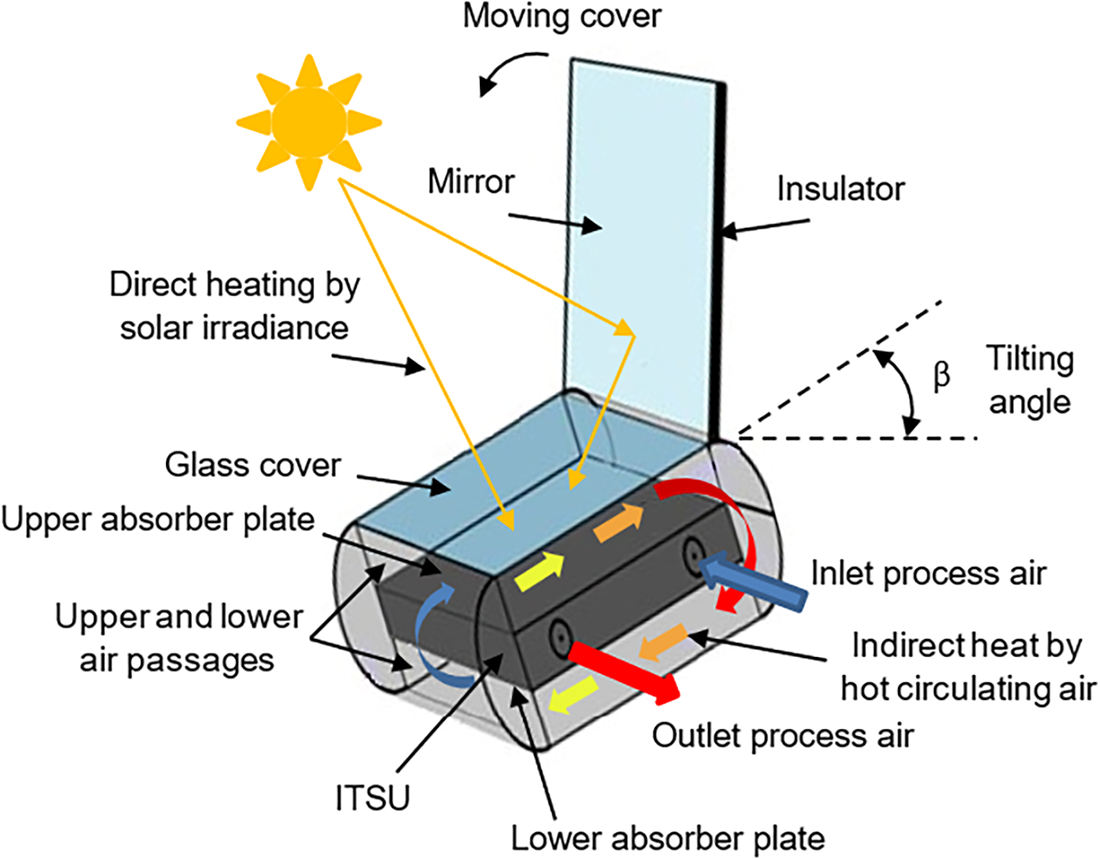
Figure 1: Proposed design of the ITSU integrated with circulating-air SAH
The ITSU consists of a heat exchanger that contains 80 finned copper tubes arranged in four rows (20 tubes per row). The tubes are connected via U-shaped connectors to facilitate air movement back and forth between the tube layers. The ITSU was filled with WAO in one system and with water in the other system, using the filling hole to ensure an even distribution between the fins. The cover of the system was designed to perform dual purposes. It has a reflector (mirror) on one side that faces the glass cover, and during the charging period, in daylight hours. On the other hand, the cover has a thermally insulated surface on the back side. During the discharging period on sun off hours, the mirror cover is closed to eliminate the thermal losses from the upper side of the system. The heat transfer mechanism in the current integrated ISTU-SAH is a multistage process. During the daytime charging period, heat is transferred from the upper and lower absorber plates to the fins and then to the thermal storage material (WAO/water) as illustrated in Fig. 2. However, heat transfers during the evening discharge from the WAO/water to the fins by convection and then by conduction to the copper tubes in which the process air flows and is heated, as in Fig. 3. A separated external air blower was used to pump the ambient air inside an air duct, which was divided into two branches. Each air duct branch supplies process air inside the copper tube of the two sets (WAO and water sets). The air flow was controlled by using two valves; one valve was installed in the air duct for the WAO set, and the other one was placed in the air duct for the water set. Consequently, heat is transferred efficiently and evenly to the air through direct contact between the tubes and the storage material.
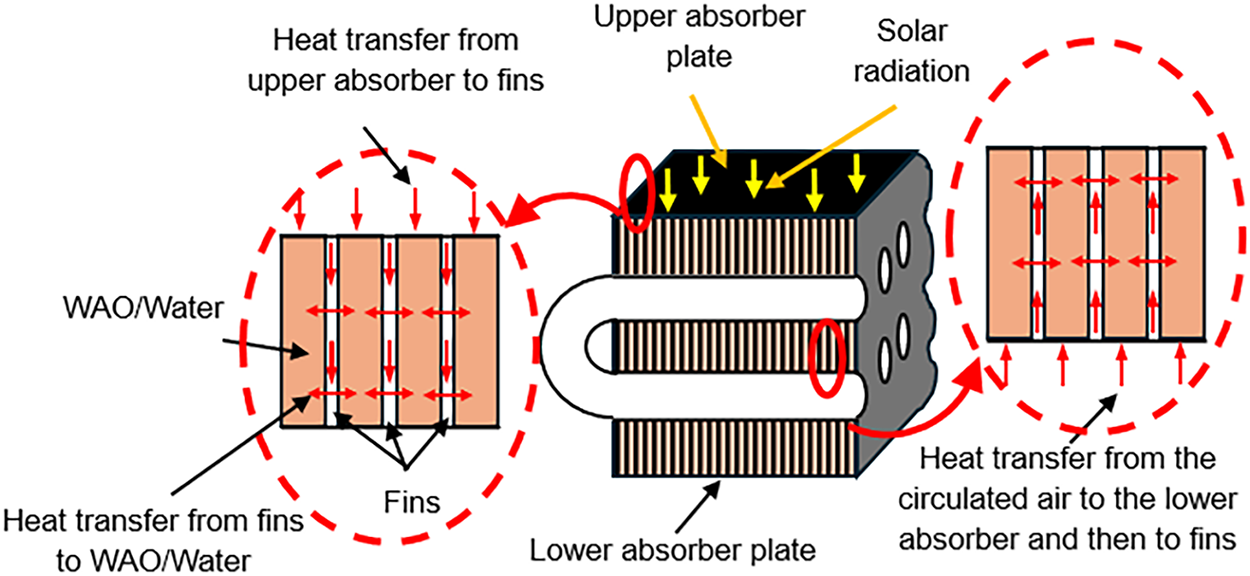
Figure 2: Heat transfer mechanism during the daytime charging
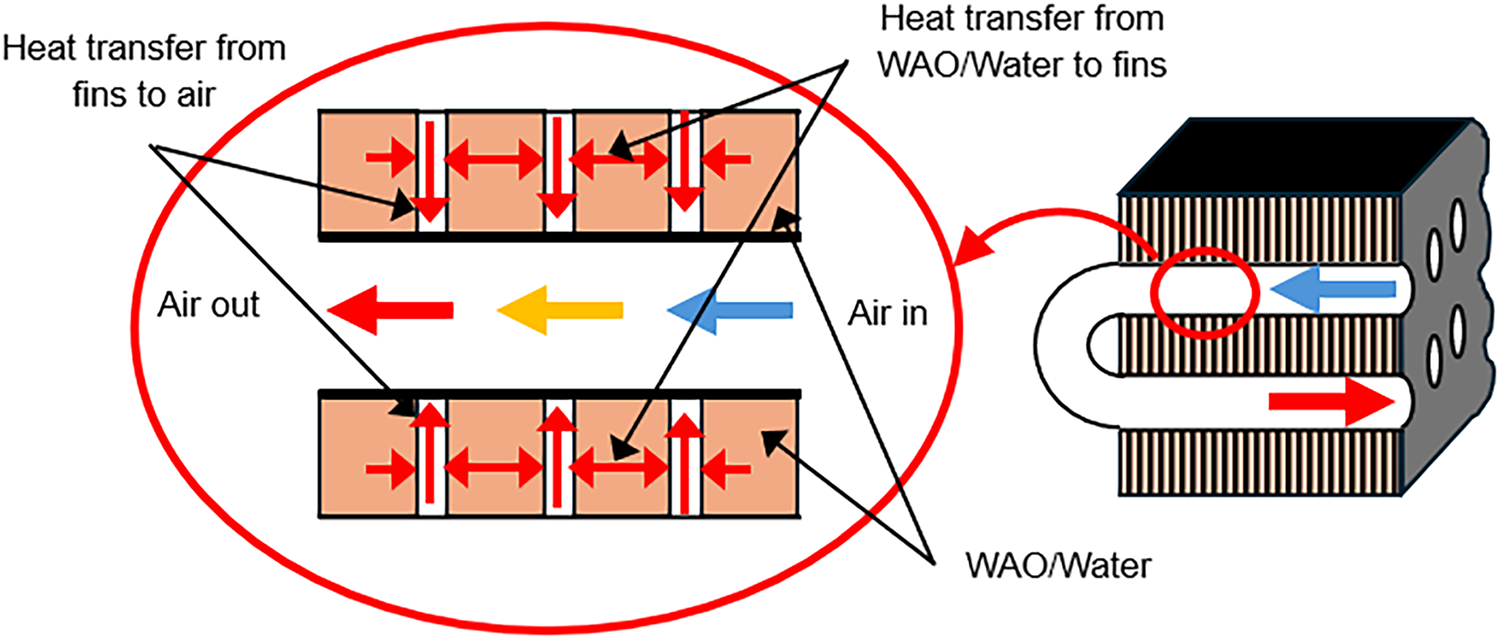
Figure 3: Heat transfer mechanism during the evening discharging
The experimental setup consists of two identical ITSU integrated with circulating-air SAH systems, each placed on solid bases to support the heavy weight due to the use of heat exchangers and storage materials. The systems were tilted 43 degrees from the horizontal plane, which is the optimal angle of inclination for the solar system at the Tikrit, Iraq site (34.678°, 43.656°) where the tests were conducted. The systems were installed facing south to ensure maximum solar radiation utilization, as shown in Fig. 4.
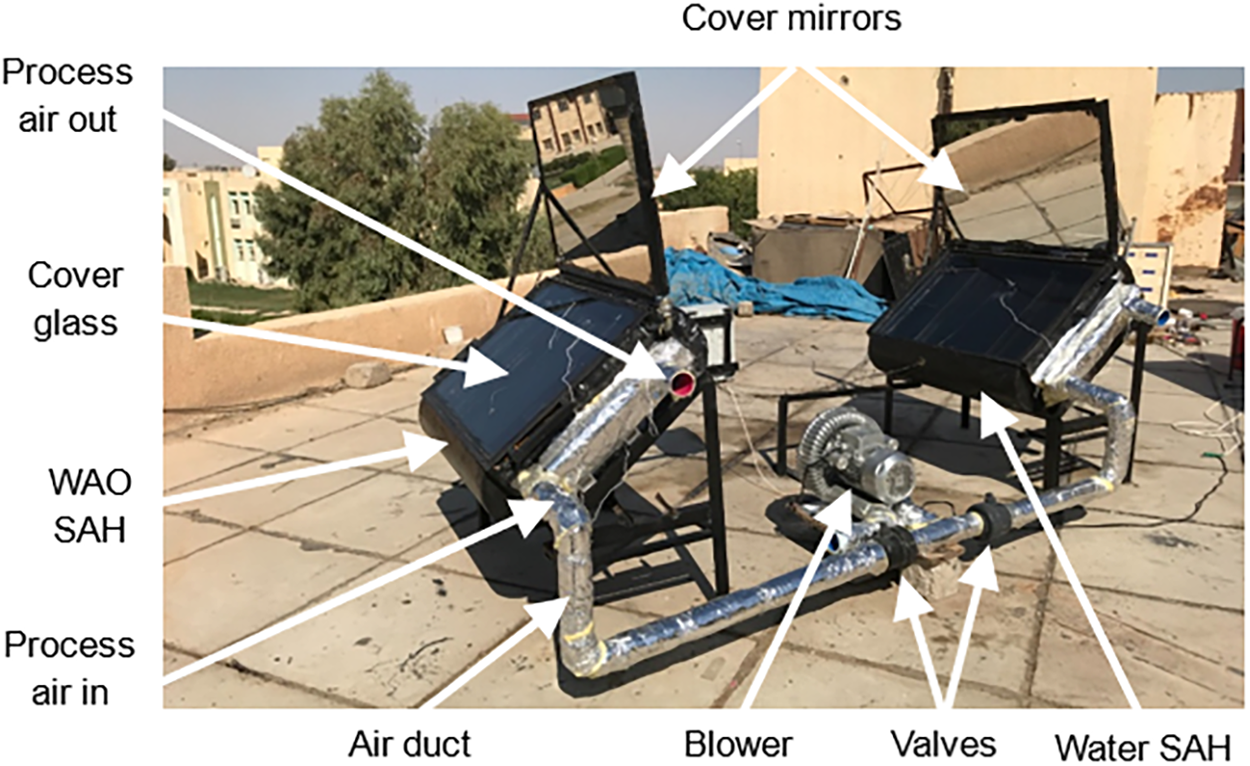
Figure 4: Experimental setup of the proposed integrated SAH with thermal storage
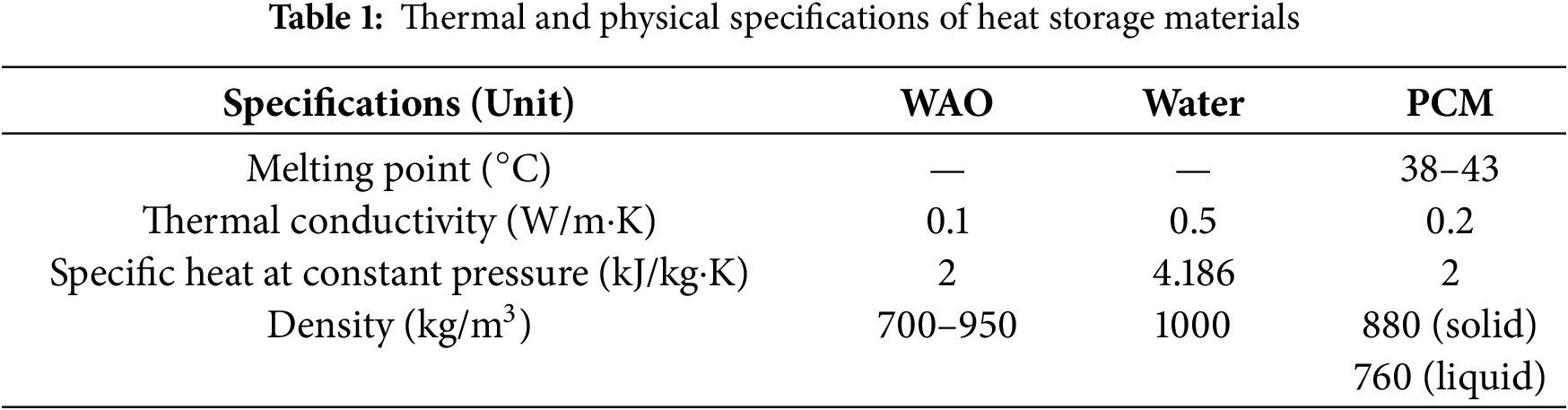
The ITSU was filled with 60 L of heat storage materials (Water/WAO) whose thermal properties are listed in Table 1.
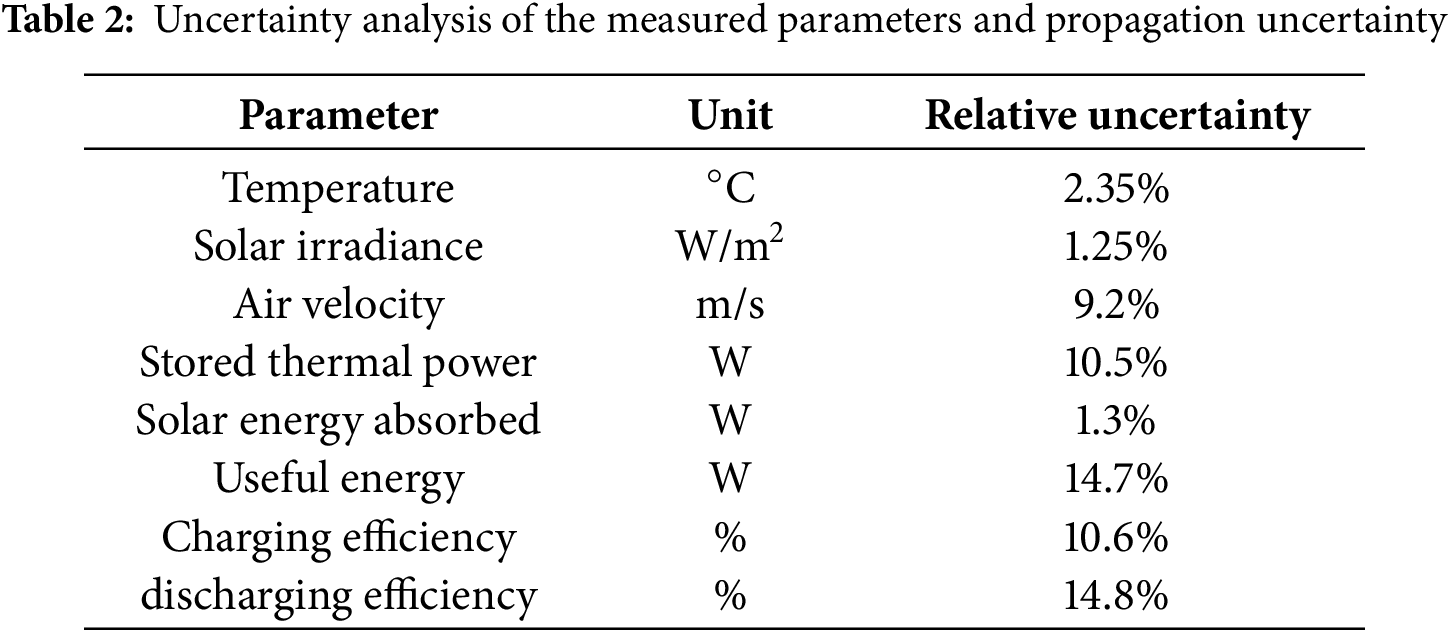
The performance of the integrated ITSU-SAH was studied in January 2024, which was selected among winter days as a typical clear sky condition. The study included daytime charging (to store solar energy) and evening discharging (to use the stored thermal energy as a thermal battery). Tests were conducted using two low-cost heat storage materials: water and WAO. with a constant flow rate of 0.025 kg/s for process air during charging time, and with an external reflective surface to improve system efficiency. PCM was tested under similar boundary conditions that allow direct comparison with WAO and water. Thermocouples type K with sealed screw were used to measure the temperature of the heat storage material to avoid leakage. Solar meter TES 1333R was used to detect solar irradiance with (±3%) accuracy. The velocity of air was measured by a fan-type air flow Anemometer GM8902+ that has an accuracy of ±3%, ±0.1 and resolution of 0.001 m/s from the Bentech company. The side pipes of the ITSU were covered with a half-cylinder iron sheet and a thermal insulation layer to reduce heat loss from the air during the evening. Uncertainty analysis results of the measured parameters are listed in Table 2.
4 Thermal Balance of the Integrated ITSU-SAH
Useful and lost energies from the solar system are determined by considering the energy balance in both charging and discharging cases. During charging, the solar energy absorbed by the integrated solar collector is stored partially in thermal storage material, and the rest of the energy is lost to the surroundings as expressed by the following equation [26]:
The solar energy absorbed during the charging period, from initial charging time (ti) to final charging time (tf), is determined by the integration of solar radiation falling on the collector area during the daytime as follows [27]:
In the modelling of thermal storage systems, stored thermal energy is considered a key parameter for determining the thermal performance. The stored thermal energy for thermal storage material (TSM) is given by
Charging efficiency is an important indicator of the ability of thermal storage system for storage energy from that to be absorbed by the solar collector. It can be computed by dividing the storage energy on solar energy as follows,
The function of thermal storage systems is to store the excess solar energy available in daytime and use it to heat the process air during the night. The useful energy, then, is associated with process air, and it can be calculated by accumulating the hourly useful energy gained by the air as follows,
The discharging efficiency is a pivotal performance parameter that measures the potential of converting raw energy to useful energy. The discharging efficiency can be expressed by the ratio of useful energy to the storage energy as follows,
To investigate temperature response quantitatively, the average temperature response rate (RR) was introduced. The RR measures the response in temperature change during a specific period of time. Taking into account the charging and discharging periods of 10 and 13 h, respectively, this parameter was determined based on Eqs. (8) and (9) for charging and discharging [28] as in the following equations,
where i is the order of hours from the initial to the final time during charging and discharging. The first citation of figures and tables in the main text must follow a sequential order.
The current integrated ITSU-SAH is powered by the action of solar energy; therefore, it is important to observe the variation of meteorological data during the test hours. Fig. 5 illustrates how solar radiation and ambient temperature vary with time on 26 January 2024, which is the date of the test. Solar radiation varies from a very low value in the morning of around 100 W/m2 at 8:00 a.m. and increases gradually to the peak of 1050 W/m2 at noon and then decreases steadily to zero value after sunset at 6:00 p.m. The ambient temperature rises from 9°C in the early morning hours, gradually up to about 35°C by about 2.00 p.m., and then it begins to fall with the degradation of solar radiation. It acts according to the natural process of solar radiation since, at noon, the sun’s elevation is at a perpendicular position, and it is most powerful. This quantity with rising temperature is larger because of the convection of atmospheric air resulting from the sun’s radiation, which was absorbed by the earth and then transferred to the atmosphere. This time shift in maximum ambient temperature coincides with the tendency to radiation because the earth possesses a large heat capacity and gives off heat slowly.
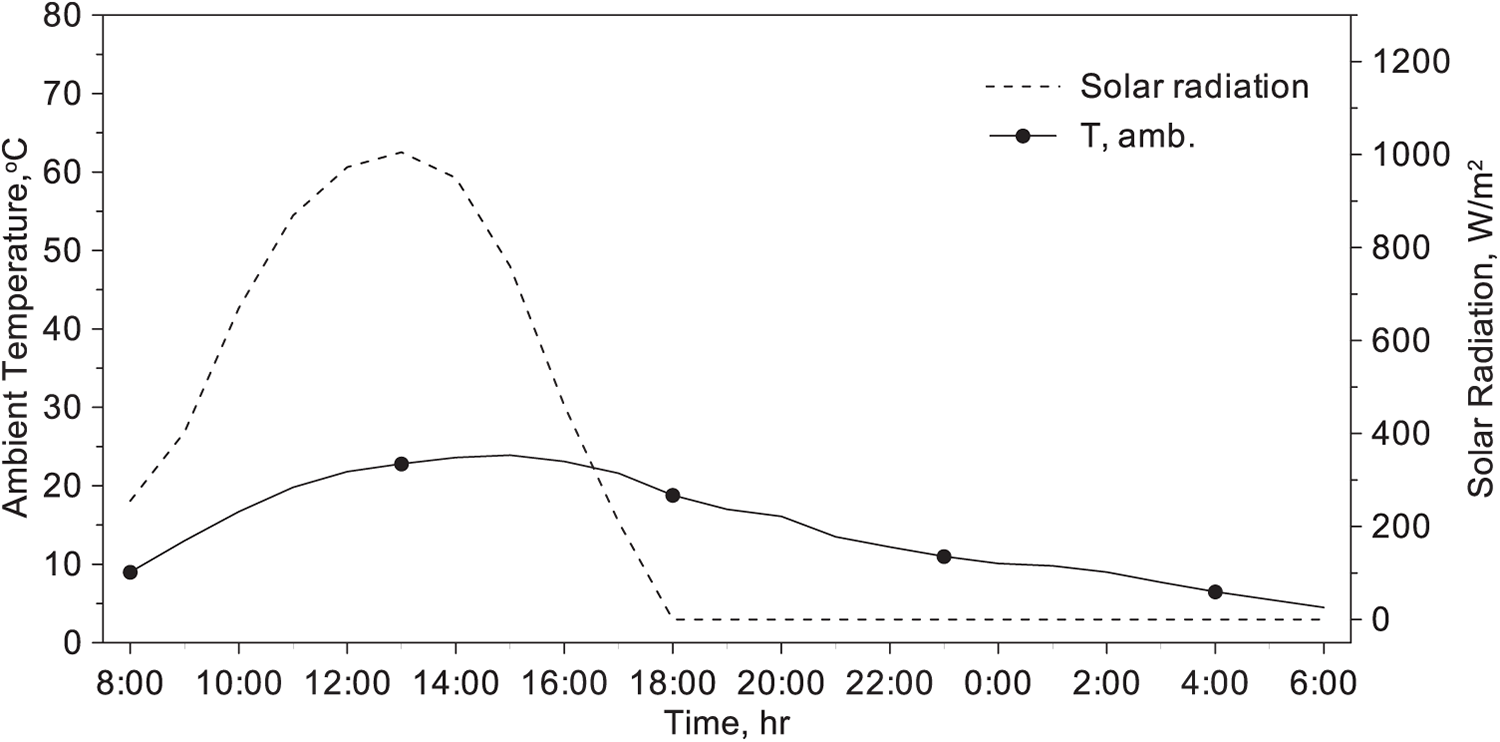
Figure 5: Meteorological data for solar radiation and ambient temperature with time on 26 January 2024
5.2 Temperature Variation during Charging and Discharging
The thermal performance evaluation of the current integrated ITSU-SAH is the pivotal issue in this work. This can be performed by considering the thermal behavior of WAO and water in comparison with the PCM considered by previous work [25]. Fig. 6 illustrates the observed temperatures of WAO and water during test hours. The test period can be divided into two zones: charging and discharging zones. At the beginning of the charging process, the WAO temperature was found to be about 14°C in the morning and reached a maximum of about 76°C at about 2:00 p.m. This is because the WAO needs less energy to change temperature due to its low specific heat capacity and thus gets heated up fast under intense solar radiation. In contrast, water was heated more slowly, until it reached its peak temperature of 60°C at 2:00 p.m., since it has a higher specific heat capacity; hence, it requires more energy for heating but can store thermal energy better. During discharging, the WAO temperature dropped fast to about 11°C at midnight because of the low specific heat capacity, thus showing faster thermal discharge. On the other hand, water showed a more stable thermal discharge, remaining at high temperatures for longer due to its high specific heat capacity, thus slowing down the rate of heat loss. Both WAO and water showed higher temperatures during almost all charging time, while they appeared to have lower temperatures than PCM in the discharging stage. The thermal behavior observed is governed by the intrinsic thermal characteristics of the materials, such as thermal conductivity and specific heat capacity, which define the heat uptake, retention, and release rate.
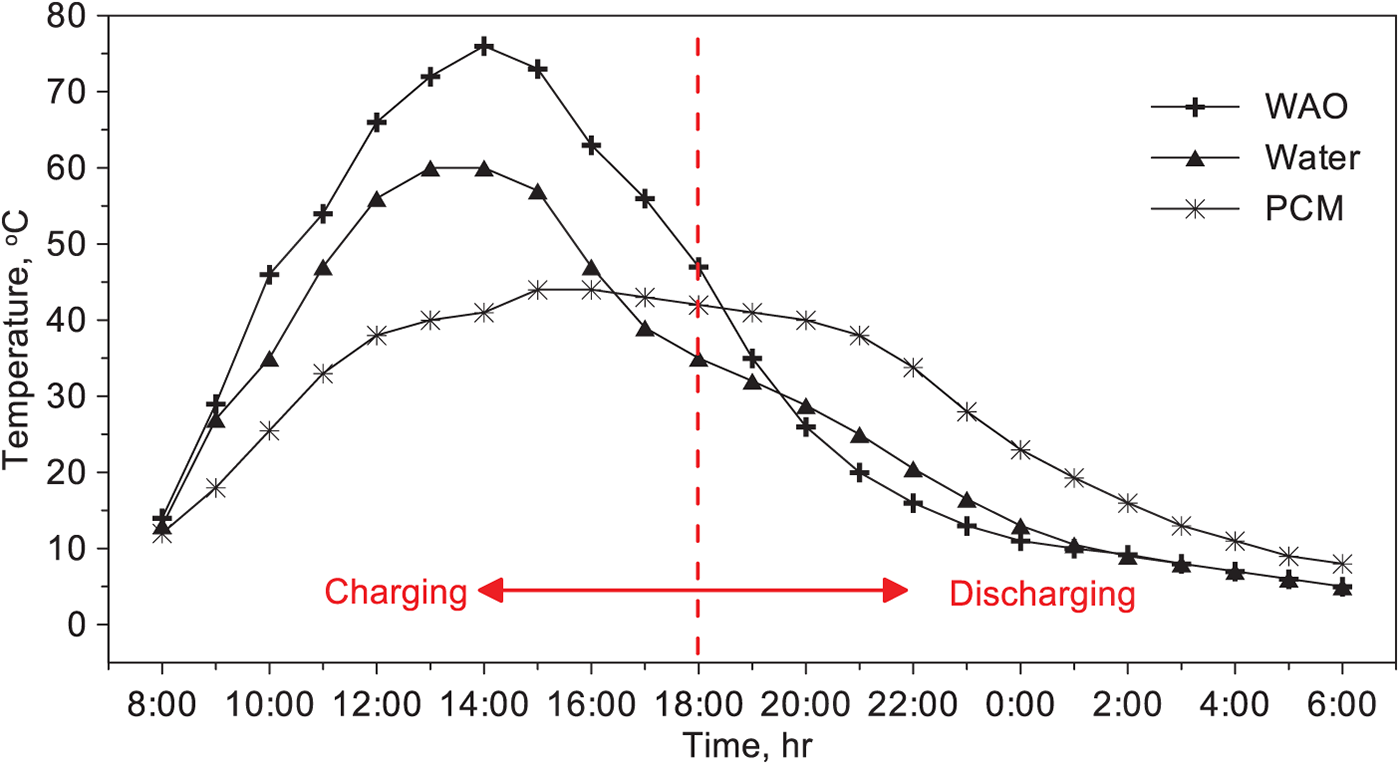
Figure 6: Temperature behaviour of the WAO during charging and discharging on 26 January 2024
Looking at air outlet temperatures shown in Fig. 7, the general trend is a decrease in their rates with the continuation of the discharging process. The air coming out from the WAO reached a temperature of about 43°C at peak times, indicating efficient heat transfer from the WAO to the air because the WAO has a higher temperature comparing with water and PCM. In comparison, the temperature of the air coming out of the water was lower, at around 33.8°C, as water has a lower temperature than WAO and PCM at the beginning of discharging. After the starting point of discharging, the air coming out from the WAO system degrades rapidly below that of water and PCM as the latent heat supplies the outlet air with energy, especially for the PCM.
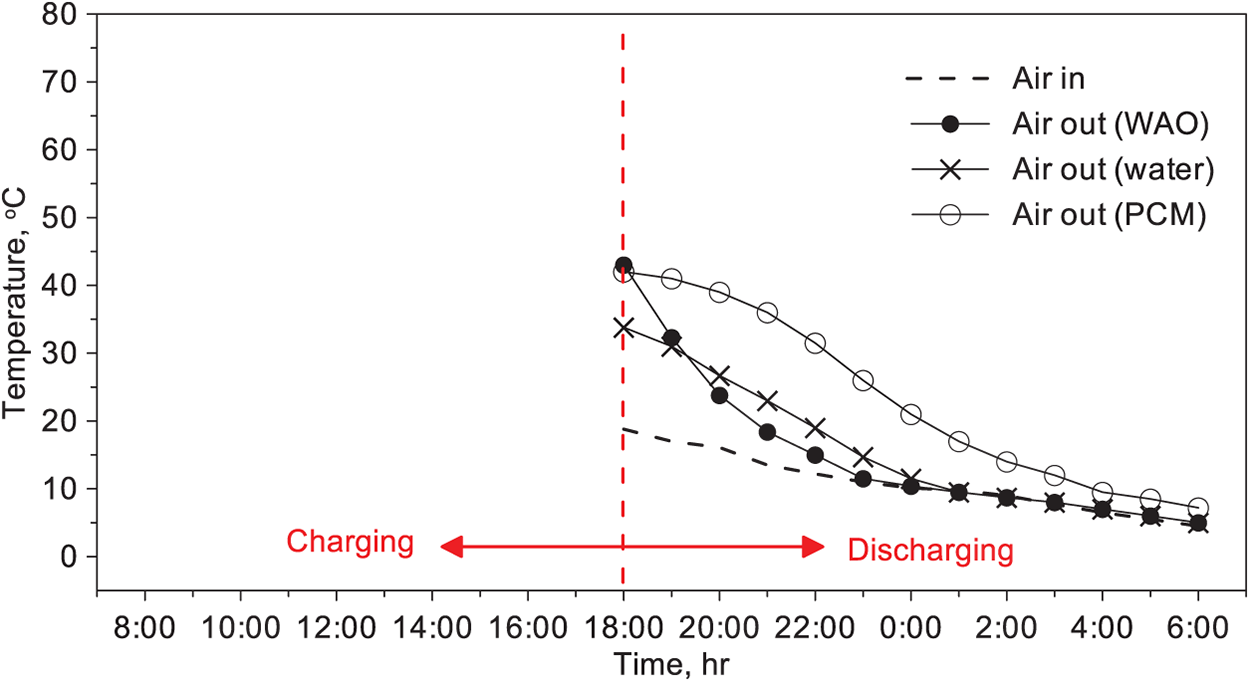
Figure 7: Thermal behavior of the process air during discharging on 26 January 2024
For a better understanding of WAO thermal performance in the integrated ITSU-SAH, its RR was considered in comparison with water and PCM, as depicted in Fig. 8. Obviously, it can be observed that the RR of the WAO was higher than that of water and PCM during charging and slightly higher during discharging. This behavior is attributed to the low specific heat capacity of WAO, which makes its temperature response to the same quantity of heat absorbed is higher than that of water. As for PCM, its temperature response is lower than WAO and water because a large part of the absorbed heat is converted to latent heat in the phase changing process. Generally, it was easily found that RR in thermal charging was higher than that during thermal discharging. This phenomenon was caused by heat loss during the experiment and the attenuating fluidity of WAO, water, and PCM in the thermal discharging process. Moreover, it can be observed that RR in thermal charging was slightly higher than that during thermal discharging for PCM, while it was much higher for WAO and water.
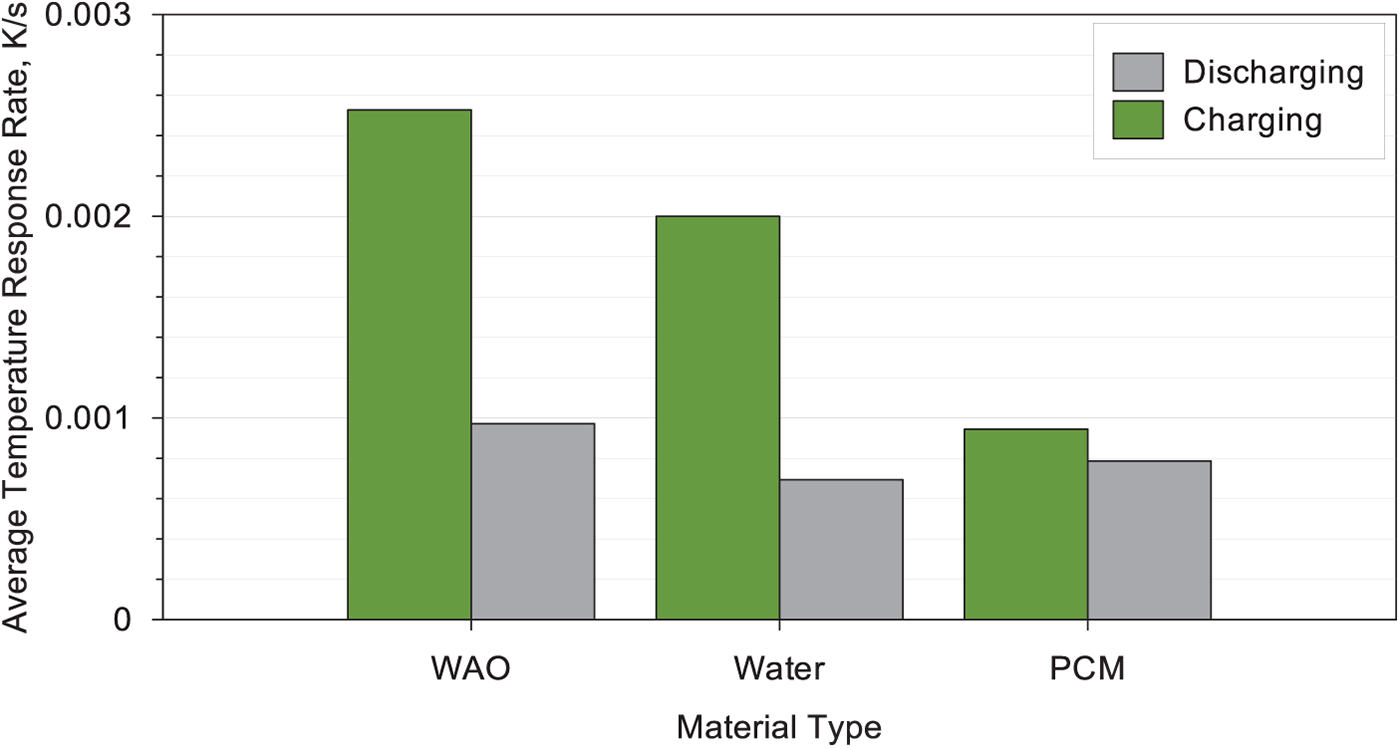
Figure 8: Average temperature Response Rate (RR) of the integrated ITSU-SAH during charging and discharging on 26 January 2024
5.3 Efficiency Analysis of Water and WAO during Charging and Discharging Periods
The performance of using WAO as a thermal storage material can be better understood by considering the charging and discharging efficiency of the system in comparison with water and PCM, that measured in previous work [25]. Fig. 9 demonstrates efficiency rates of WAO, water, and PCM for charging and discharging processes. Generally, the WAO and water achieved lower charging and discharging efficiencies than that of PCM. This can be attributed to the fact that the PCM keeps energy as a latent heat without excessive increase in temperature, which makes its thermal losses lower and thus performs better. Although the WAO possessed a temperature higher than water, the charging and discharging efficiencies of water recorded higher rates than those of WAO due to the high heat capacity and the low thermal losses for water.
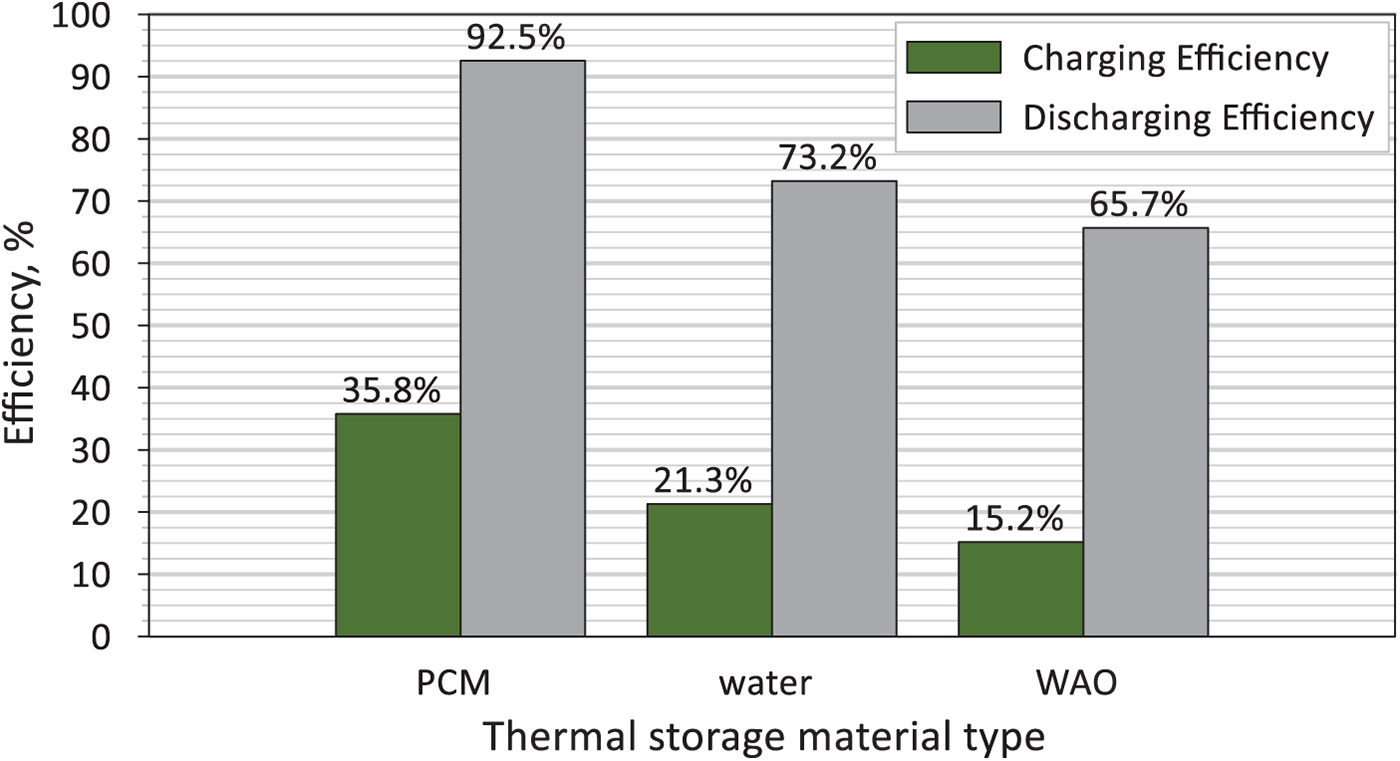
Figure 9: Comparison of WAO efficiency with water and PCM during charging and discharging hours on 26 January 2024
In contrast, WAO, with its lower thermal conductivity, absorbs heat more slowly during charging, resulting in lower efficiency. However, WAO had a discharging to charging efficiency ratio of around 4.3; which was higher than that of water and PCM, as depicted in Fig. 10. In conclusion, it can be deduced that WAO is more suitable for applications requiring a high discharging to charging ratio rate of energy, but is not ideal for long-term energy retention, as in PCM or even in water.
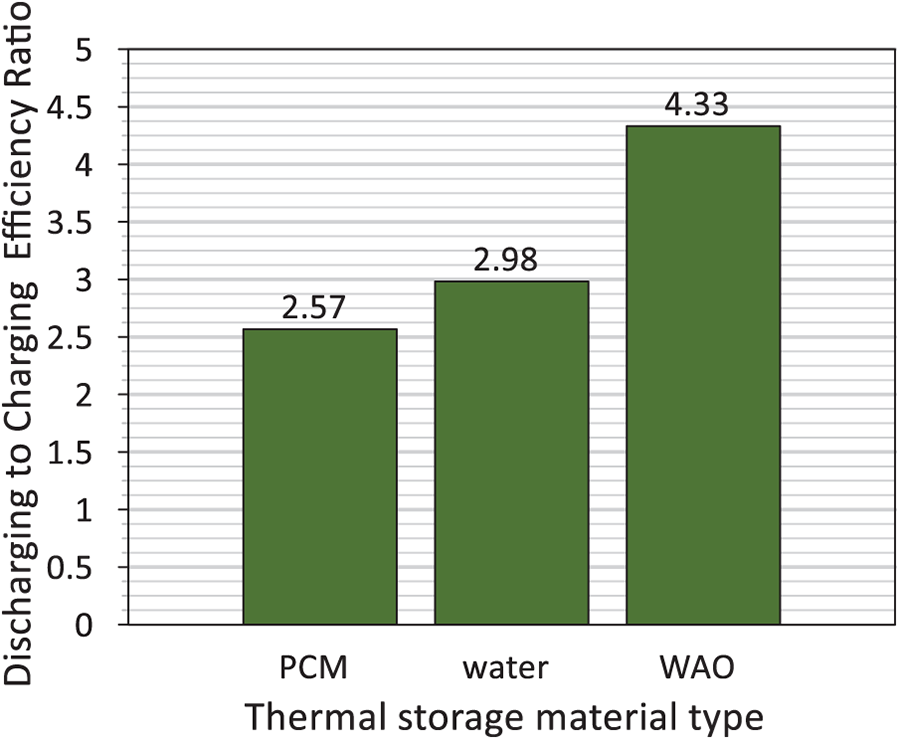
Figure 10: Comparison of discharging to charging efficiency ratio for WAO efficiency with water and PCM on 26 January 2024
The increasing number of vehicles in developing countries may negatively affect the environment. For instance, in Iraq, the car number has reached more than 8 million by the end of 2023, as reported by the Iraqi Ministry of Planning [29]. If it is assumed that each car consumes 20 L annually on average, the total amount of the WAO is around 160 million liters per year.
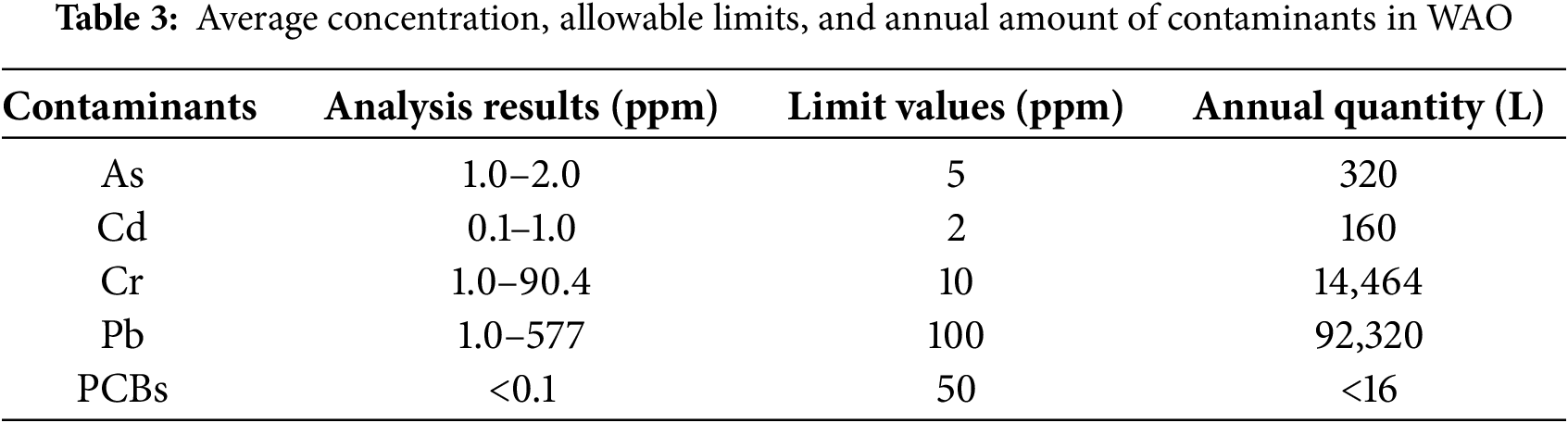
Used motor oil from vehicles poses a serious threat to the environment if it is not handled correctly. It contains a mix of harmful substances that can pollute the soil, water, and even the air. When tested, waste oil is often found to have high levels of toxic heavy metals such as lead, chromium, and cadmium. It can also carry dangerous compounds like polycyclic aromatic hydrocarbons (PAHs), some of which are known to cause cancer.
WAO contaminant analysis was performed for arsenic, cadmium, chromium, lead, and polychlorinated biphenyls [30]. Table 3 shows the amount of these contaminants in WAO and the allowable limit beyond which the WAO cannot be recycled or recovered. Some of these contaminants, such as chromium and lead, have exceeded the limit that constitutes a serious environmental problem, as more than 14 thousand liters of chromium and more than 92 thousand liters of lead are generated from the WAO if the case study of Iraq is considered. However, this WAO amount is enough to supply useful power of around 17.4 MW on a night when the current thermal storage system is adopted, based on the following relation.
where,
This work suggests an eco-friendly utilization of WAO as a heat storage. The thermal performance of WAO in comparison with water and PCM revealed important results. The following points can be concluded from those results:
• Using thermal storage materials like water and WAO in solar air heaters enhances the system’s efficiency for a long operation period of supplying thermal energy and increases performance at night.
• The physical properties of water and WAO are the key factors in thermal storage efficiency. Water has high thermal conductivity, which enables rapid energy absorption, while WAO offers greater stability during discharge.
• The closed-system design of the SAH, integrated with ITSU, successfully minimizes heat dissipation at night and ensures a consistent heat supply, thus enhancing performance under various weather conditions.
• The system was more efficient during discharge at night, making it suitable for industrial and agricultural drying applications and a reliable replacement for traditional thermal energy sources.
Acknowledgement: This work was supported in part by Tikrit University, Tikrit, Iraq.
Funding Statement: The authors received no specific funding for this study.
Author Contributions: The authors confirm contribution to the paper as follows: Conceptualization and literature review, Shaymaa Husham Abdulmalek and Israa Sami Farhan; methodology, Ali Ahmed Gitan, Oras Fadhil Khalaf and Sayf Waleed Albayati; experimental work and analysis, Ali Ahmed Gitan; writing and editing, Shaymaa Husham Abdulmalek. All authors reviewed the results and approved the final version of the manuscript.
Availability of Data and Materials: All data generated or analyzed during this study are included in the published article.
Ethics Approval: This study did not involve human or animal subjects.
Conflicts of Interest: The authors declare no conflicts of interest to report regarding the present study.
Nomenclature
| Symbol | Definition |
| A | Area of solar collecting surface, m2 |
| Cp | Specific heat at constant pressure of water/WAO, J/kg·K |
| E | Energy, J |
| I | Solar irradiance, W/m2 |
| m | Mass of water/WAO, kg |
| Mass flow rate of air, kg/s | |
| P | Power, W |
| RR | Average temperature response rate, K |
| T | Temperature, K |
| t | Time, s |
| Greek Letter | |
| Efficiency | |
| Subscript | |
| air | Air used to deliver useful energy |
| ch | Charging |
| dis | Discharging |
| f | Final |
| i | Initial |
| in | Inlet |
| loss | Losses |
| night | During night hours |
| out | Outlet |
| solar | Absorbed input from solar source |
| str | Storage |
| TSM | Thermal storage material |
| tot | Total mass collected annually, kg |
| use | Useful |
| Abbreviations | Definition |
| ETCs | Evacuated Tube Collectors |
| ITSU | Internal Thermal Storage Unit |
| PCM | Phase Change Material |
| SAH | Solar Air Heater |
| TES | Thermal Energy Storage |
| WAO | Waste Automotive Oil |
| WCEO | Waste Car Engine Oil |
References
1. Olivkar PR, Katekar VP, Deshmukh SS, Palatkar SV. Effect of sensible heat storage materials on the thermal performance of solar air heaters: state-of-the-art review. Renew Sustain Energy Rev. 2022;157:112085. doi:10.1016/j.rser.2022.112085. [Google Scholar] [CrossRef]
2. Abbas S, Yuan Y, Hassan A, Zhou J, Ji W, Yu T, et al. Design a low-cost, medium-scale, flat plate solar air heater: an experimental and simulation study. J Energy Storage. 2022;56:105858. doi:10.1016/j.est.2022.105858. [Google Scholar] [CrossRef]
3. Goel V, Saxena A, Kumar M, Thakur A, Sharma A, Bianco V. Potential of phase change materials and their effective use in solar thermal applications: a critical review. Appl Therm Eng. 2023;219:119417. doi:10.1016/j.applthermaleng.2022.119417. [Google Scholar] [CrossRef]
4. Włodarczyk PP, Włodarczyk B. Applicability of waste engine oil for the direct production of electricity. Energies. 2021;14(4):1100. doi:10.3390/en14041100. [Google Scholar] [CrossRef]
5. Singh N, Khullar V. Efficient volumetric absorption solar thermal platforms employing thermally stable—solar selective nanofluids engineered from used engine oil. Sci Rep. 2019;9(1):10541. doi:10.1038/s41598-019-47126-3. [Google Scholar] [PubMed] [CrossRef]
6. Usman A, Garba MM, Danmallam IM, Salihu S. Correlation of phase change materials on integrated solar water heating systems. Fudma J Sci. 2023;6(6):7–14. doi:10.33003/fjs-2022-0606-1126. [Google Scholar] [CrossRef]
7. Directory S. Heat storage efficiency: energy sustainability directory [Internet]. 2025 [cited 2025 Sep 1]. Available from: https://energy.sustainability-directory.com/term/heat-storage-efficiency/. [Google Scholar]
8. Prabhat Bhuddha Dev S, Ganapathiraman S, Manickam P. Experimental studies on evacuated tube collector with in-built energy storage—waste car engine oil as sensible heat storage medium. J Energy Storage. 2024;84:110929. doi:10.1016/j.est.2024.110929. [Google Scholar] [CrossRef]
9. Ndukwu MC, Edet Ben A, Lamrani B, Wu H, Bennamoun L, Abam FI. Comparative experimental evaluation and thermodynamic analysis of the possibility of using degraded C15–C50 crankcase oil waste as thermal storage materials in solar drying systems. Sol Energy. 2022;240:408–21. doi:10.1016/j.solener.2022.05.056. [Google Scholar] [CrossRef]
10. Mehla N, Kumar A. Experimental evaluation of used engine oil based thermal energy storage coupled with novel evacuated tube solar air collector (NETAC). J Energy Storage. 2021;39:102656. doi:10.1016/j.est.2021.102656. [Google Scholar] [CrossRef]
11. Balachandran S, Swaminathan J. Advances in indoor cooking using solar energy with phase change material storage systems. Energies. 2022;15(22):8775. doi:10.3390/en15228775. [Google Scholar] [CrossRef]
12. Kumar R, Gaurav, Kumar S, Afzal A, Muthu Manokar A, Sharifpur M, et al. Experimental investigation of impact of the energy storage medium on the thermal performance of double pass solar air heater. Sustain Energy Technol Assess. 2021;48(57):101673. doi:10.1016/j.seta.2021.101673. [Google Scholar] [CrossRef]
13. Touaba O, Ait Cheikh MS, Slimani ME, Bouraiou A, Ziane A, Necaibia A, et al. Experimental investigation of solar water heater equipped with a solar collector using waste oil as absorber and working fluid. Sol Energy. 2020;199:630–44. doi:10.1016/j.solener.2020.02.064. [Google Scholar] [CrossRef]
14. Vengadesan E, Senthil R. A review on recent developments in thermal performance enhancement methods of flat plate solar air collector. Renew Sustain Energy Rev. 2020;134:110315. doi:10.1016/j.rser.2020.110315. [Google Scholar] [CrossRef]
15. Alemam A, Lopez Ferber N, Eveloy V, Martins M, Malm T, Chiesa M, et al. Experimental demonstration of a dispatchable power-to-power high temperature latent heat storage system. J Energy Storage. 2024;86:111241. doi:10.1016/j.est.2024.111241. [Google Scholar] [CrossRef]
16. Pathak AK, Tyagi VV, Anand S, Pandey AK, Kothari R. Advancement in solar still integration with phase change materials-based TES systems and nanofluid for water and wastewater treatment applications. J Therm Anal Calorim. 2022;147(17):9181–227. doi:10.1007/s10973-021-11182-7. [Google Scholar] [CrossRef]
17. Semai H, Bouhdjar A. Water storage tank used as additional thermal energy for solar air heater. Environ Sci Pollut Res. 2023;30(18):52692–701. doi:10.1007/s11356-023-26077-3. [Google Scholar] [PubMed] [CrossRef]
18. Sudhakar P, Cheralathan M. Experimental study on solar air heater using sensible thermal heat storage system. Int J Mech Eng Technol. 2017;8(12):338–46. doi:10.1615/ihtc17.390-10. [Google Scholar] [CrossRef]
19. Kalaiarasi G, Velraj R, Vanjeswaran MN, Ganesh Pandian N. Experimental analysis and comparison of flat plate solar air heater with and without integrated sensible heat storage. Renew Energy. 2020;150:255–65. doi:10.1016/j.renene.2019.12.116. [Google Scholar] [CrossRef]
20. Rashid FL, Al-Obaidi MA, Dulaimi A, Bahlol HY, Hasan A. Recent advances, development, and impact of using phase change materials as thermal energy storage in different solar energy systems: a review. Designs. 2023;7(3):66. doi:10.3390/designs7030066. [Google Scholar] [CrossRef]
21. Rauckyte T, Hargreaves DJ, Pawlak Z. Determination of heavy metals and volatile aromatic compounds in used engine oils and sludges. Fuel. 2006;85(4):481–5. doi:10.1016/j.fuel.2005.08.004. [Google Scholar] [CrossRef]
22. Gaur S, Sahani A, Chattopadhyay P, Gupta S, Jain A. Remediation of waste engine oil contaminated soil using rhamnolipid based detergent formulation. Mater Today Proc. 2023;77:31–8. doi:10.1016/j.matpr.2022.08.452. [Google Scholar] [CrossRef]
23. Gan X, Chen L, Chen X, Pan S, Pan H. Agricultural bio-waste for removal of organic and inorganic contaminants from waste diesel engine oil. J Hazard Mater. 2021;414:124906. doi:10.1016/j.jhazmat.2020.124906. [Google Scholar] [PubMed] [CrossRef]
24. Bhambhani B, Chandra S, Bharath G. Use of waste engine oil residue for sustainability in road construction. Sustain Mater Technol. 2025;45:e01557. doi:10.1016/j.susmat.2025.e01557. [Google Scholar] [CrossRef]
25. Dheyab HS, Al-Jethelah MSM, Baccar M. Closed collector-storage solar air heating system thermal performance: an experimental study. Energy Sources Part A Recovery Util Environ Eff. 2022;44(4):10006–23. doi:10.1080/15567036.2022.2144965. [Google Scholar] [CrossRef]
26. Chen CQ, Diao YH, Zhao YH, Wang ZY, Liang L, Wang TY, et al. Thermal performance of a closed collector-storage solar air heating system with latent thermal storage: an experimental study. Energy. 2020;202:117764. doi:10.1016/j.energy.2020.117764. [Google Scholar] [CrossRef]
27. Malvi CS, Gupta A, Gaur MK, Crook R, Dixon-Hardy DW. Experimental investigation of heat removal factor in solar flat plate collector for various flow configurations. Int J Green Energy. 2017;14(4):442–8. doi:10.1080/15435075.2016.1268619. [Google Scholar] [CrossRef]
28. Zou J, He F, Qi Y, Meng X, Ma W. Thermal performance improvement of thermal energy storage systems by employing a contrastive experiment. Case Stud Therm Eng. 2023;41:102647. doi:10.1016/j.csite.2022.102647. [Google Scholar] [CrossRef]
29. Planning IMO. Increase in the number of private sector cars during 2023 [Internet]. 2025 [cited 2025 Sep 1]. Available from: https://mop.gov.iq/archives/31089. (In Arabic). [Google Scholar]
30. Pelitli V, Doğan Ö, Köroğlu H. Waste oil management: analyses of waste oils from vehicle crankcases and gearboxes. Glob J Environ Sci Manag. 2017;3(1):11. [Google Scholar]
Cite This Article
 Copyright © 2026 The Author(s). Published by Tech Science Press.
This work is licensed under a Creative Commons Attribution 4.0 International License , which permits unrestricted use, distribution, and reproduction in any medium, provided the original work is properly cited.
 Downloads
 Citation Tools
