
 Login
Login Register
 Submit a Paper
 Propose a Special lssue
 Open Access
ARTICLE

Evaluation of Solar Thermal Potential for Domestic Integrated Water Heating in the South of Western Siberia
Department of Industrial Thermal Power Engineering, Industrial University of Tyumen, Tyumen, 625000, Russia
* Corresponding Author: Polina A. Tretyakova. Email:
(This article belongs to the Special Issue: Advancements in Energy Resources and Their Processes, Systems, Materials and Policies for Affordable Energy Sustainability)
Energy Engineering 2026, 123(4), 15 https://doi.org/10.32604/ee.2025.075393
Received 30 October 2025; Accepted 24 December 2025; Issue published 27 March 2026
 View Full Text
 Download PDF
Abstract
Limited adoption of solar energy in the Northwestern region of Russia is associated with insufficient data on annual solar radiation indicators and on the potential of solar collectors for water heating. The study aims to evaluate the potential of solar water heating for domestic use in Northwestern Russia, using Tyumen city as the case. In this region, the number of cloudy days ranges from 5% to 50%, with cloud cover increasing in winter. New data on the total solar radiation, availability duration, and cloud cover have been collected. Solar irradiance could reach 900 MJ/m2 during summer months, while decreasing to 50–150 MJ/m2 significantly in winter. Notably, the solar radiation demonstrates predictable and stable characteristics between the hours of 9 a.m. and 3 p.m. Consequently, the heating system is equipped with a gas-supplied boiler as the primary heat source, with the solar collector being the secondary clean energy source to meet the demand of a residential house. A is designed to compensate for the heat losses in the evening and at night. The results of unmatching energy demand and production highlight the need for a water tank for energy storage to facilitate a wider use of solar power. The peak thermal energy requirement for domestic hot water (DHW) occurs in January, amounting to 6046.8 MJ. In summer, from May to August, the thermal energy produced by solar collectors is not utilized due to the lack of heating load. The annual data indicate that the solar collectors contribute approximately 14% of the total heat required for DHW.Keywords
The energy sector is currently moving toward reducing carbon dioxide (CO2) emissions and the use of renewable energy sources. Utilization of solar energy is one of the most prominent contemporary trends. The solar energy potential at the Earth’s surface is estimated to range from 2 to 7 kWh. Solar enables the capture of solar radiation and its conversion either into electric energy via photovoltaic (PV) technology, or into thermal energy transferred to a working fluid. The use of solar collectors enables the supply of thermal energy to consumers without the environmental pollution associated with combustion by-products. The utilization of solar energy offers several advantages, including long-term sustainability without resource depletion, negligible carbon dioxide (CO2) emissions during operation, and independence from geopolitical and military conflicts. However, several technical and environmental limitations complicate the practical implementation of solar energy systems. Intermittency caused by cloud cover and the absence of solar radiation during nighttime are among the primary challenges affecting the utilization of solar energy as a clean energy source [1]. Various approaches to mitigating these challenges have been explored through the integration of solar energy systems with other energy resources across various solar technologies. Al-Kayiem et al. [2] presented a review of the hybrid solar desalination systems. Gitan and Al-Kayiem [3] investigated hybrid solar drying through integration with a biomass burner, whereas Yassen et al. [4] reported on hybrid solar drying systems incorporating an evacuated tube solar collector.
Hybrid solar power generation has attracted considerable research interest. Nallakaruppan et al. [5] presented a comprehensive review on advances in solar energy integration and the hybrid system management aimed at achieving a sustainable energy future. Bhayo et al. [6] developed and assessed a multifunction hybrid solar-hydro-battery-pump hydro storage approach for power generation, energy storage, and smart irrigation applications. They introduced a solar power hybrid system that utilizes the rain-harvested water and is managed and controlled by IoT and mobile monitoring and control. More recently, Anvari et al. [7] reviewed and compared the hybrid solar-biomass-energy storage systems for power generation. Their review synthesized insights into three strategic pillars: (a) technological integration and system design, encompassing advanced energy storage solutions; (b) advanced control strategies, including AI-enabled energy management and control; and (c) sustainability assessment based on life cycle analysis and socio-economic metrics. The authors proposed a roadmap encompassing smart grids, the circular economy, and region-specific deployment strategies to support resilient, cost-effective, and environmentally sustainable energy systems.
In the building sector, as well as small-scale industry, heating and domestic hot water supply are of critical concern to energy planners and the real estate sector. Challenged associated with heating in buildings and small industries arise from technical and logistical limitations in connecting to the central heating network and the high cost of electricity supplied through the grid. Research findings and practical implementations have demonstrated the successful performance of integrated solar heating systems with other energy resources for space heating and domestic hot water production. Mambetsheripova et al. [8] and Zhao et al. [9] believe that solar energy could serve as an alternative solution to the energy challenges in the southern regions of Western Siberia, Russia. Mussard [10] and Tsvetkov et al. [11] reported that solar energy availability is influenced by geographical latitude and average sky cover.
In the southern regions of Western Siberia, Russia, connection to the central heating network faces both technical and financial challenges. Direct solar heating has been identified in the literature as an alternative; however, it has not yet been systematically evaluated or demonstrated. The utilization of solar energy in the region remains limited, particularly for small-scale and industrial heating applications. Therefore, the objectives of this study are to analyze solar energy availability in Tyumen, selected as the study area, and to evaluate the performance of the hybrid solar-gas boiler heating system for a residential building.
The literature assessment highlights two primary research questions. First, what are the specific characteristics of solar energy utilization in the southern regions of Western Siberia? Second, since the solar heating system for such harsh weather conditions is not sufficient, is it possible to adopt an integrated solar and gas-fired boiler to develop a feasible and sufficient hybrid heating system for Western Siberia, Russia?
The objective of the study is to propose and evaluate the potential of solar energy for domestic integrated water heating in the southern regions of Western Siberia, subjected to the cloud cover. The paper introduced a solar-gas burner hybrid residential heating system relevant for the extreme continental climate characterized by cold winters, with average January temperatures of −21°C to −19°C, and summers, with average July temperatures of +20°C to +22°C. The large annual and daily temperature fluctuations are considered. The methodology part provides maps depicting solar irradiance levels, the duration of sunny days and cloud cover in the study area. Calculation formulas are provided to estimate the amount of solar thermal energy incident on both horizontal surfaces and surfaces inclined relative to the horizon, considering the cloud cover. As the southern regions of Western Siberia are mostly cloudy, one of the objectives of the study is to evaluate the influence of cloud cover on the proposed heating system. The research work incorporates monthly variations in solar irradiance and includes a procedure predicting heat gain on a solar panel with a tilt angle of 70° in Tyumen that supports the design of a domestic heating plant of the designated family house. The results of the work are significant and novel as they provide a guide and fundamental data that support the initiative for solar energy utilization in Southwestern Siberia, Russia.
The results and discussion part shows the temporal variations in solar insolation in the southern regions of Western Siberia using the city of Tyumen as the case study. Two options are considered: with and without cloud cover. The cumulative values of direct and diffuse solar insolation per square meter incident on a collector located at different inclination angles to the horizon are shown to identify the best orientation for a roof-mounted collector. The uneven heat output of a solar collector and the thermal energy required for space heating and hot water supply of a residential house located in the considered climatic conditions are estimated.
The proposed system is designed for water heating applications. The generated thermal energy is then used to supply domestic hot water and space heating for a single-family residential house. The methodology describes the system, the weather conditions in the selected region, and the mathematical procedure to produce the results.
The Proposed Hybrid Heating System
The proposed hybrid heating system consists of a solar water heating collector (SWHC) networked and integrated with a gas-fired boiler unit serving as an auxiliary heat source. A schematic representation of the proposed system is presented in Fig. 1. Heating systems operating without a gas-fired boiler have been proposed; however, under extreme continental climatic conditions characterized by cold winters and warm summers, these systems are not economically feasible. This is primarily attributed to the relatively low cost of natural gas in Russia, combined with capital expenditures and the low annual utilization factor of the installed equipment.
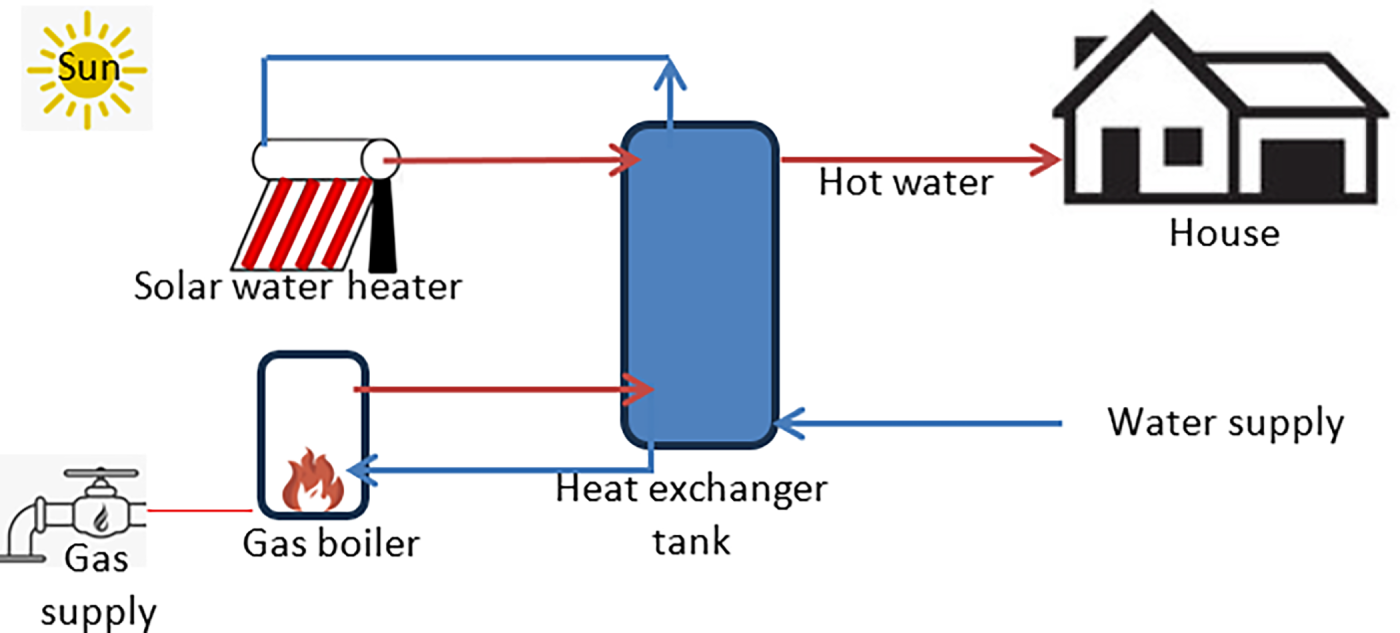
Figure 1: The outlines of the proposed hybrid solar-gas boiler water heating system
The investigated residential building is a single-family house occupied by four residents and located in the Tyumen region. The conditioned floor area is 118 m2. The design domestic hot water consumption is 105 L/day. The specific heat demand of the building is 95 W/m2. The system design includes the installation of four solar collectors to supply domestic hot water.
Different procedures for calculating the amount of solar insolation have been compared. The shadow method is based on measuring shadows that are projected onto the ground from objects such as trees and buildings. Shadows are measured at different times of the day to determine at what time the most intense solar radiation falls on a piece of land. This method is simple and affordable, but it does not consider the influence of clouds and other factors that may affect the duration of the isolation. The weather data analysis method uses meteorological data, such as the amount of solar radiation that falls on a piece of land during the day. The data is collected with special instruments and analyzed by computer programs. This method is more accurate than the shadow method, but it requires special equipment and expertise to use it. The second method is used in the research work.
The calculation of solar heat energy for a horizontal surface could be performed by the formula proposed by Nešović et al. [12]:
where dm denotes the number of cloudless days in a month, dcl represents the number of cloudy days per month; Аk is the percentage of solar radiation absorbed by the solar collector surface. Shor, Dhor, and Ihor denote the direct, diffuse and total solar radiation incident on a horizontal surface, under cloudy-sky conditions, respectively (MJ/m2); whereas Schor, Ichor, and Dchor represent the corresponding direct, diffuse and total solar radiation for cloudy-sky conditions (MJ/m2). The required data to solve Eq. (1) and obtain the monthly results are derived from Figs. 2–4.
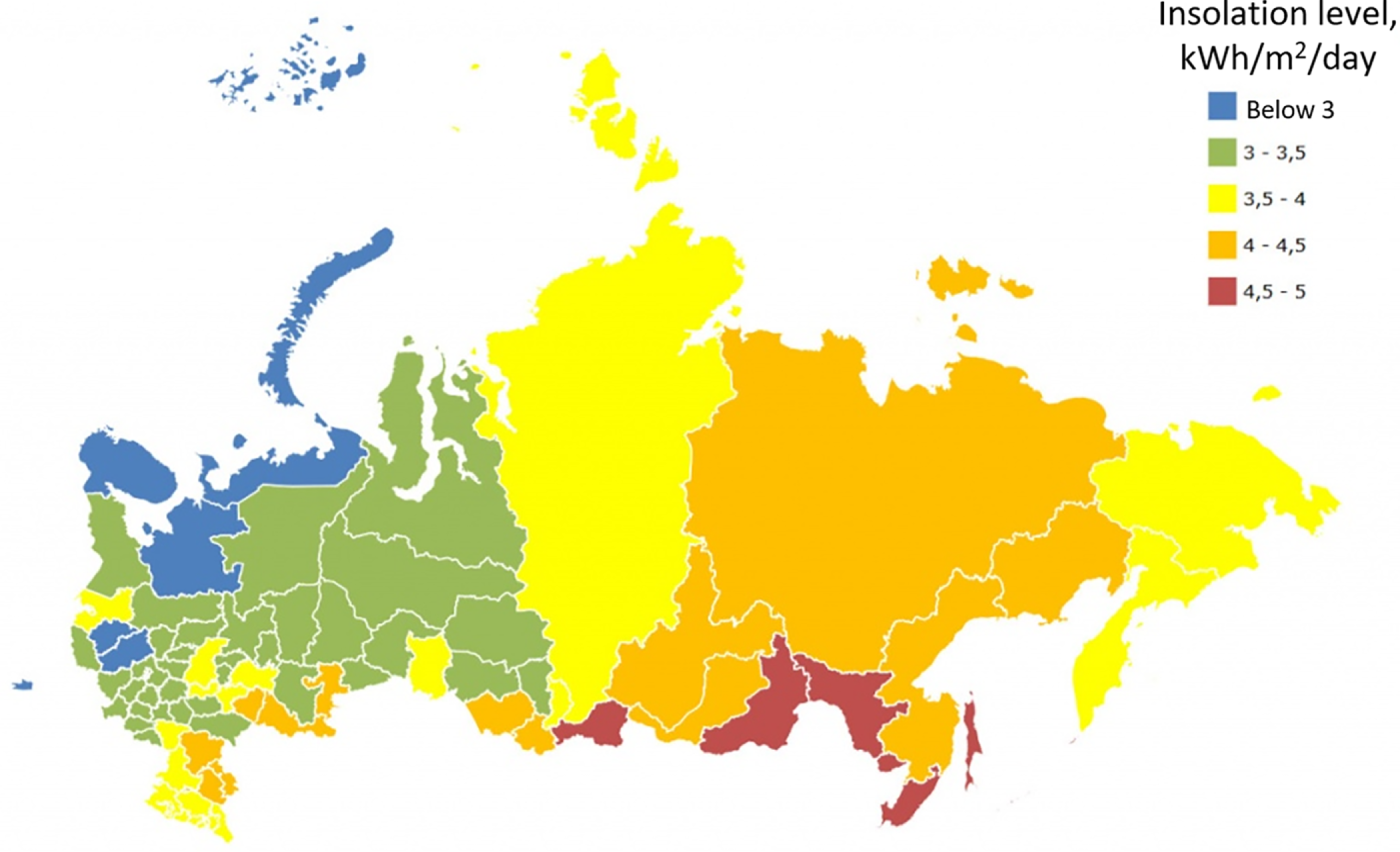
Figure 2: Insolation level across Russia kWh/m2/day [14]
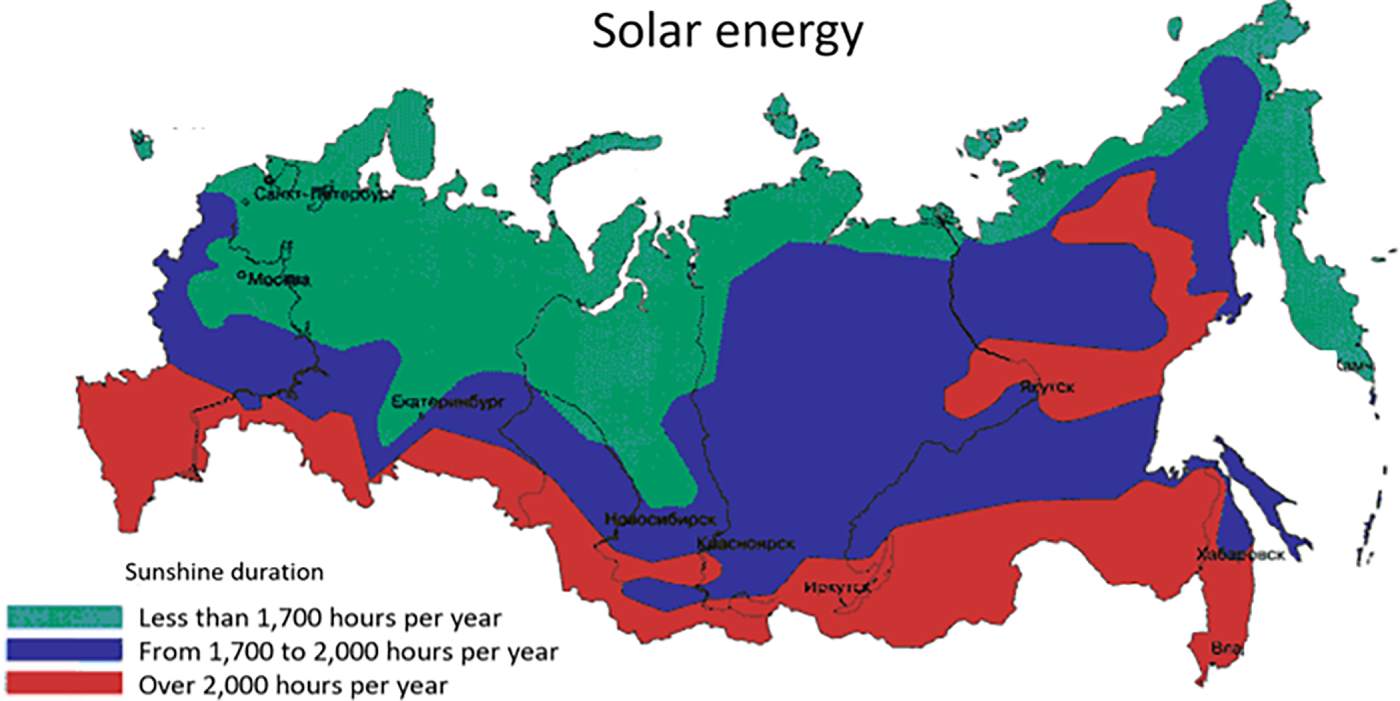
Figure 3: Solar duration in Russia [10]
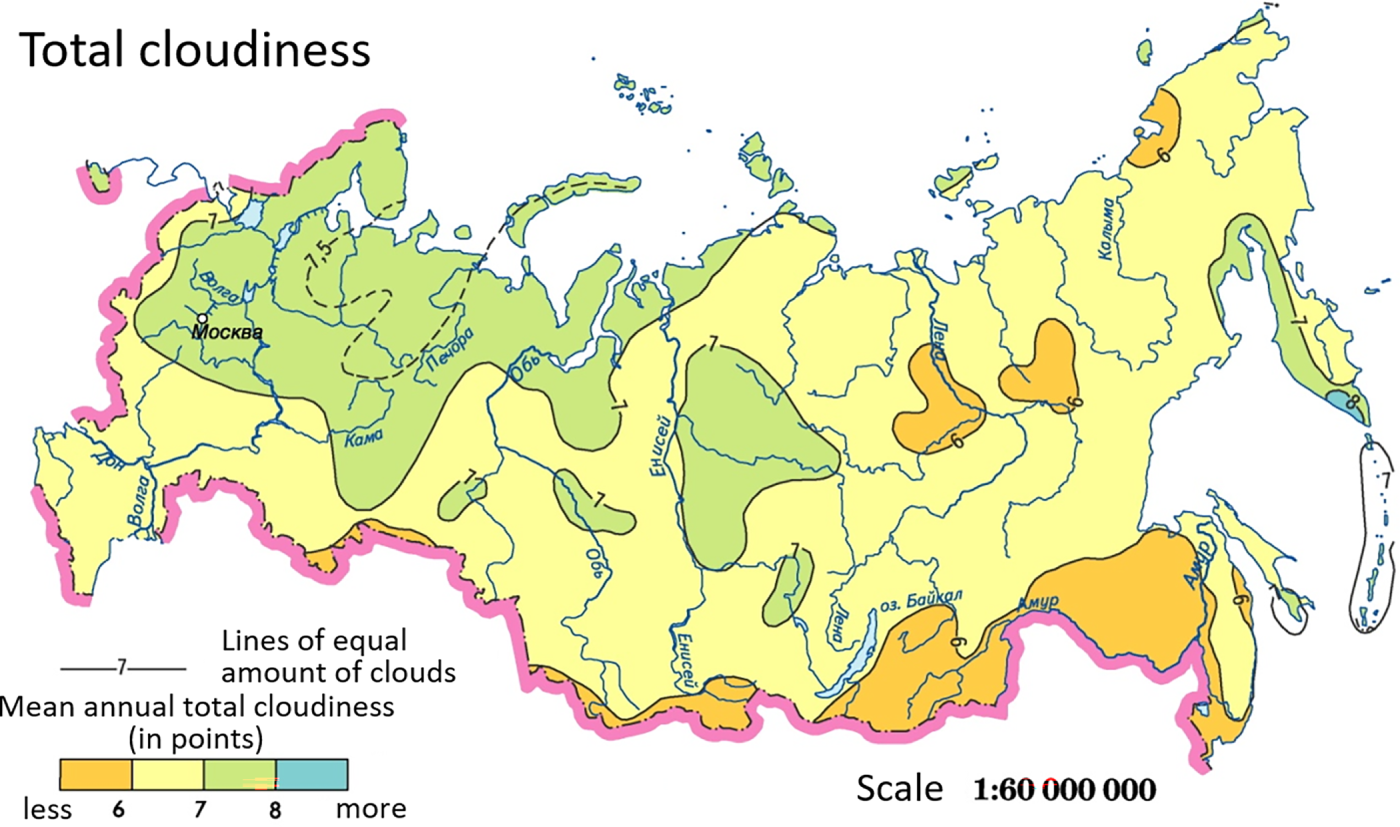
Figure 4: Total cloud cover of the Russian Federation [17]
The spatial distribution of solar radiation across the territory of Russia is highly non-uniform, ranging approximately 100 to 200 W/m2 [10,13]. Fig. 2, provided by [14], illustrates the solar insulation levels as measured and reported by meteorological services. However, as noted by Aleksandrova et al. [15], the solar flux level is influenced not only by latitude and longitude but also exhibits pronounced seasonal variability throughout the year.
The annual sunshine duration is an essential parameter to be considered when planning to utilize solar collectors [13,16]. Hence, Fig. 3 as reported by Mussard [10] is employed in this study. In addition to latitude and longitude, local topography exerts a significant influence on sunshine duration; in mountainous regions, the amount of solar radiation reaching the Earth’s surface is reduced.
Cloud cover also significantly affects the amount of solar radiation reaching the Earth’s surface, as these regions are frequently influenced by cyclonic activity. It should be noted that the study area is located in the southern part of Western Siberia, Russia, where the average annual cloudiness is estimated at 7–8 oktas, as illustrated in Fig. 4.
However, according to Gladenko et al. [18], even in the arctic regions of northern Russia, where centralized electricity and heat supply systems are absent, solar energy can potentially be used to provide both electricity and heat to the local population. However, the reliability and economic feasibility of such energy supply systems remain subjects of ongoing debate.
When estimating solar radiation incident on an inclined surface, including the tilt angle of the solar collector, the solar altitude angle, h, the solar azimuths, and the projections of the normal surface relative to the cardinal directions, Ψi and the orientation to the cardinal directions [19]. The conversion factor of direct solar radiation from a horizontal to an inclined surface could be determined using the conversion factor defined in Eq. (2) [1,20].
The total heat energy input to the solar panel is then given by:
One of the primary objectives of this study is to conduct a detailed analysis of the solar energy potential under both clear-sky and cloudy weather conditions. The discussion then proceeds with the evaluation of the proposed integrated solar-gas boiler domestic water heating (DWH) system.
3.1 Analysis of Solar Potential
Figs. 5–8 present the measured solar radiation and cloud cover data for the city of Tyumen obtained from the Tyumen Meteorological Stations with respect to the time of the day [21]. Fig. 5 illustrates the total daily solar radiation incident on a horizontal surface under clear-sky conditions and under average cloud cover. The results indicate that cloud cover reduces solar insolation by approximately 20%–25%, highlighting the necessity of accounting for cloud cover in the design of solar heating systems in the southern regions of Western Siberia.
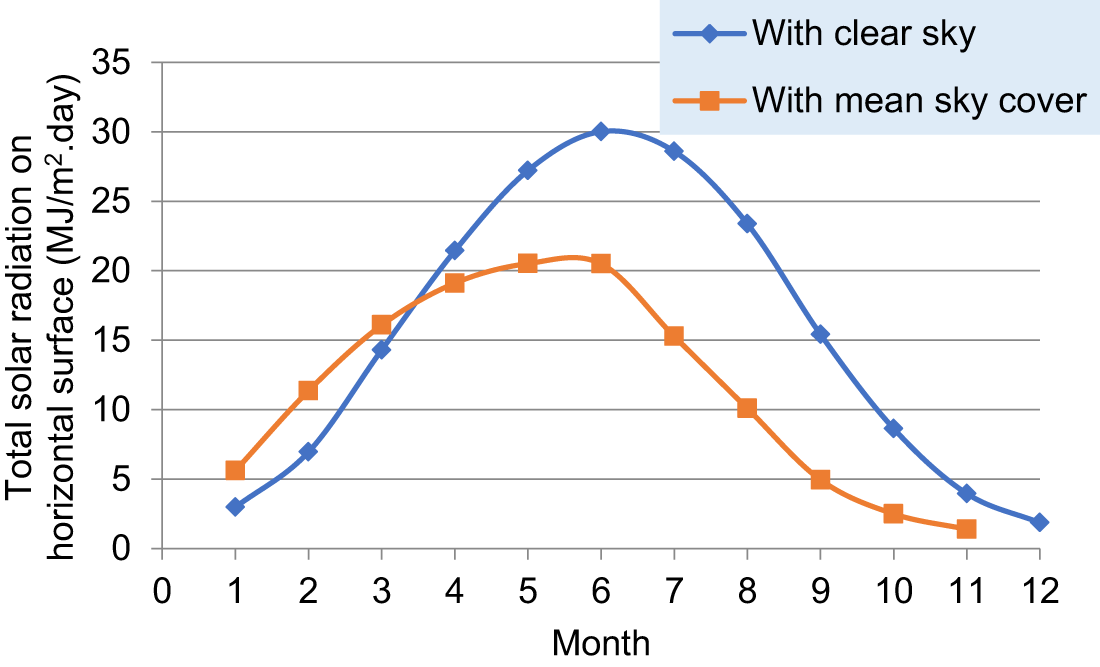
Figure 5: Solar insolation in Tyumen, MJ/m2. (The figure was generated using data obtained from the local meteorological department)
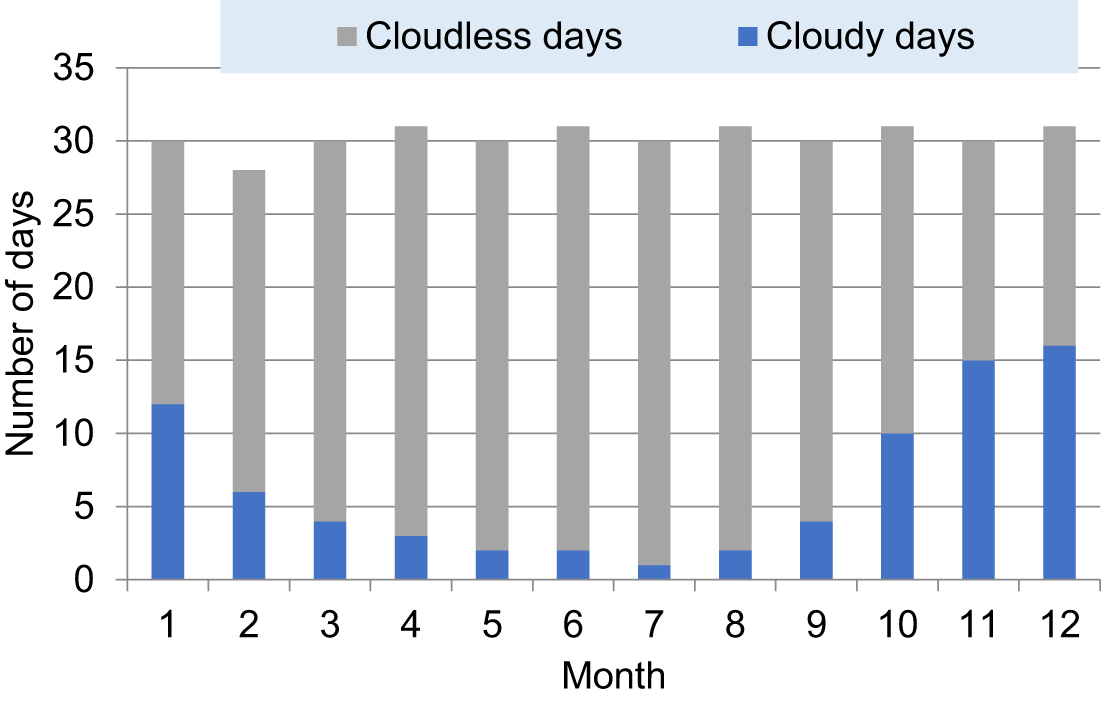
Figure 6: Monthly distribution of cloudy and cloudless days. (The figure was generated by the authors using data obtained from the local meteorological department)
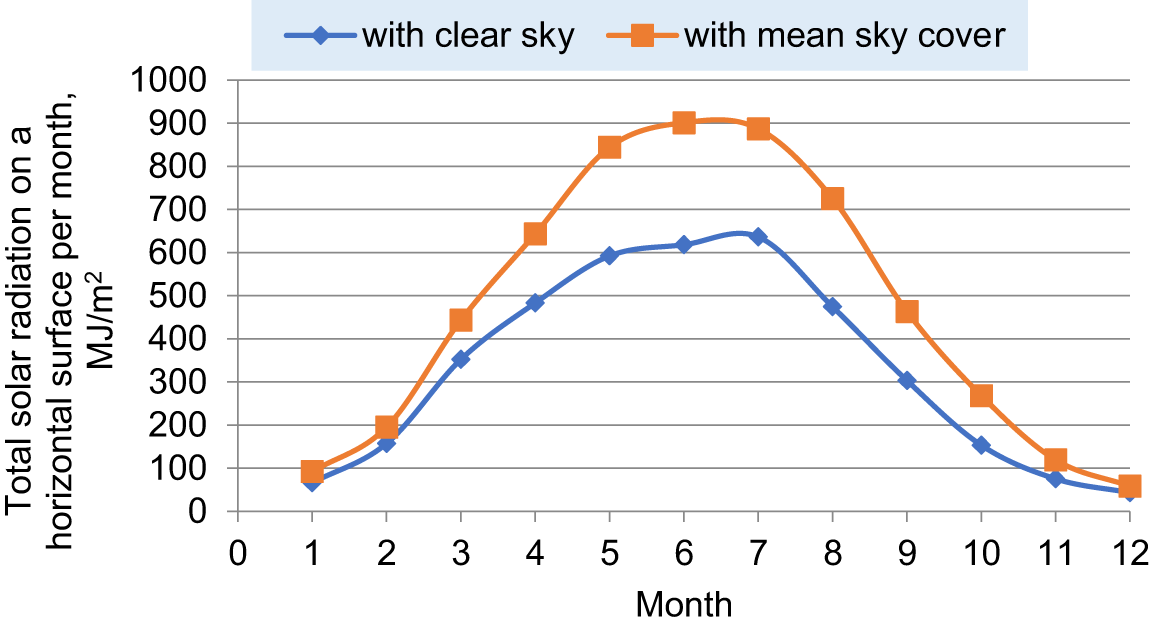
Figure 7: Total solar radiation. (The figure was generated by the authors using data obtained from the local meteorological department)
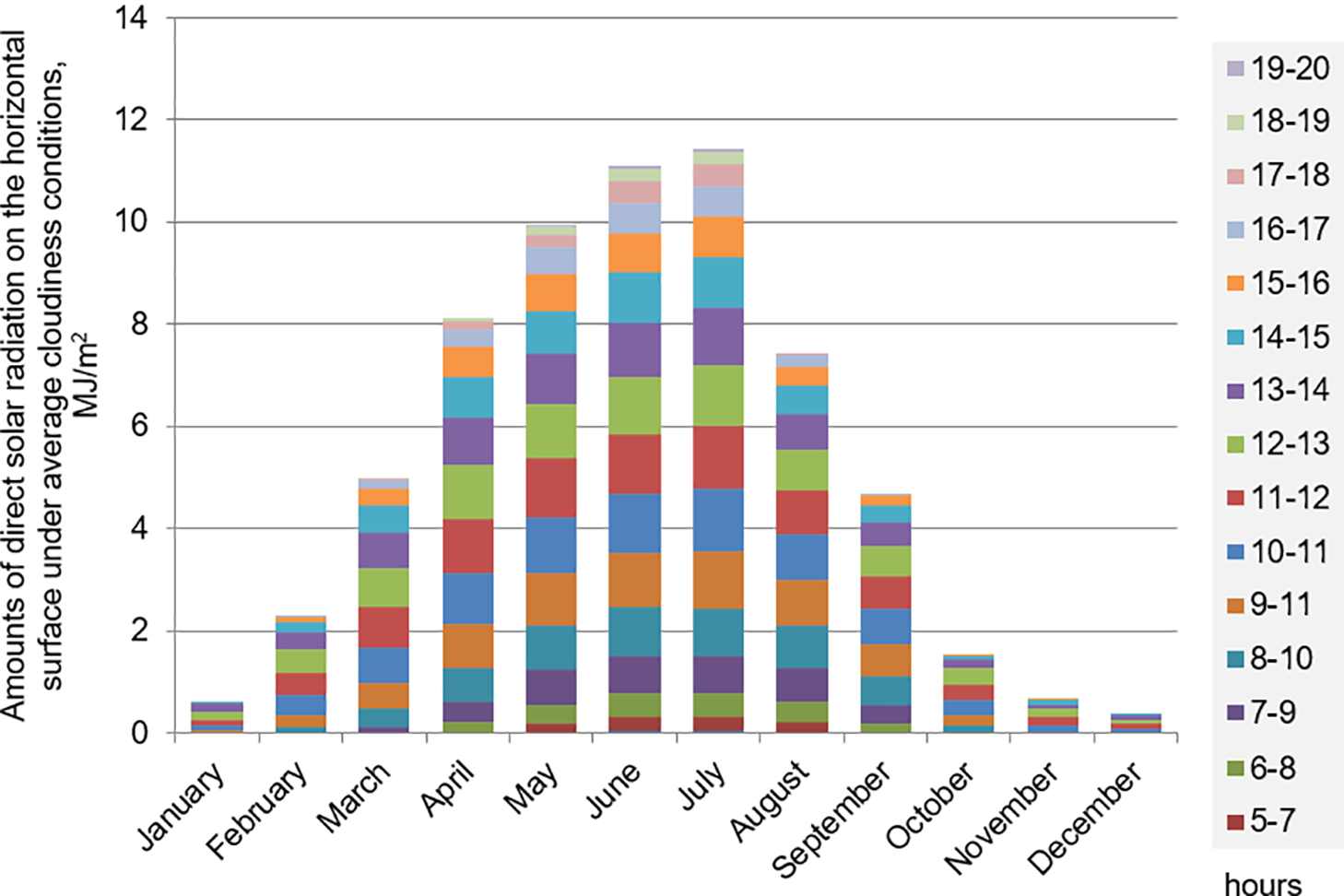
Figure 8: Actual measured direct solar radiation
Fig. 6 illustrates the monthly distribution of cloudy days in Tyumen throughout the year. The highest cloud occurrence is observed in November, December, and January, with approximately 14 cloudy days per month. In contrast, the period from March to September exhibits fewer than five cloudy days per month. Overall, the distribution of cloudy days is highly non-uniform, with significantly higher frequencies during the winter season.
Fig. 7 presents the monthly distribution of the solar energy measured on a horizontal surface in Tyumen. The data are reported for both clear-sky conditions and average cloud cover. The highest monthly average solar energy values are observed on a horizontal surface in May, June, and July. Under clear-sky conditions, the average solar energy during these three months reaches approximately 900 MJ/m2, while under average cloud cover it decreases to around 600 MJ/m2. However, referring to the observed number of cloudy days in Fig. 6, only approximately three cloudy days occur during those three months. This analysis suggests a high solar energy potential during May-July and indicates favorable conditions for solar energy utilization from April to mid-August.
The detailed hourly analysis of measured solar energy for a month is presented in Fig. 8. The actual cloud cover is explicitly considered to reduce uncertainties in the estimation of solar radiation for the implementation of solar-based projects in Tyumen. The Tyumen region experiences approximately 77 cloudy days per year, the majority of which occur during the winter season. The data from the Tyumen metrological station indicate pronounced seasonal variability in solar energy distribution. Summer months exhibit the highest solar availability, followed by a sharp decline in March compared to July, with values decreasing by almost twice as much. In January, solar energy levels are approximately an order of magnitude lower. In June, the solar energy availability is approximately 14 times greater than in December, as confirmed by calculations. Consequently, it is unreasonable to rely solely on solar collectors to meet the heating demand, since most panels would remain underutilized during the summer and the transitional seasons due to low heating requirements. Therefore, it is economically feasible to incorporate a peak heat source.
The results of the calculations of the total solar radiation incident on one square meter of the solar collector surface are presented in Table 1. Both the orientation of the panel to the cardinal directions and the tilt angle are also considered [2].
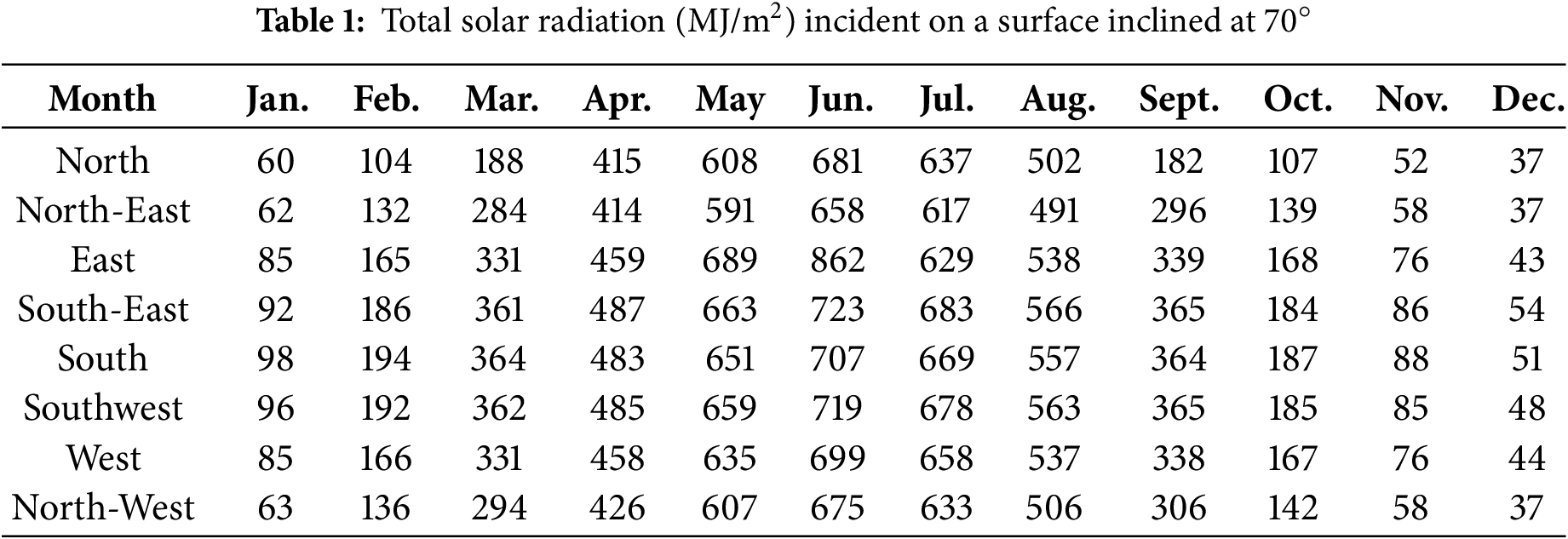
Fig. 9 presents the combined direct and diffuse solar insolation per square meter incident on a collector inclined at 70° and oriented southwest (MJ/m2) [22]. The results of this study on the seasonal variability of solar insolation and the influence of cloud cover are consistent with the findings reported for other climatic regions. However, similar investigations have not previously been conducted for the southern regions of Western Siberia.
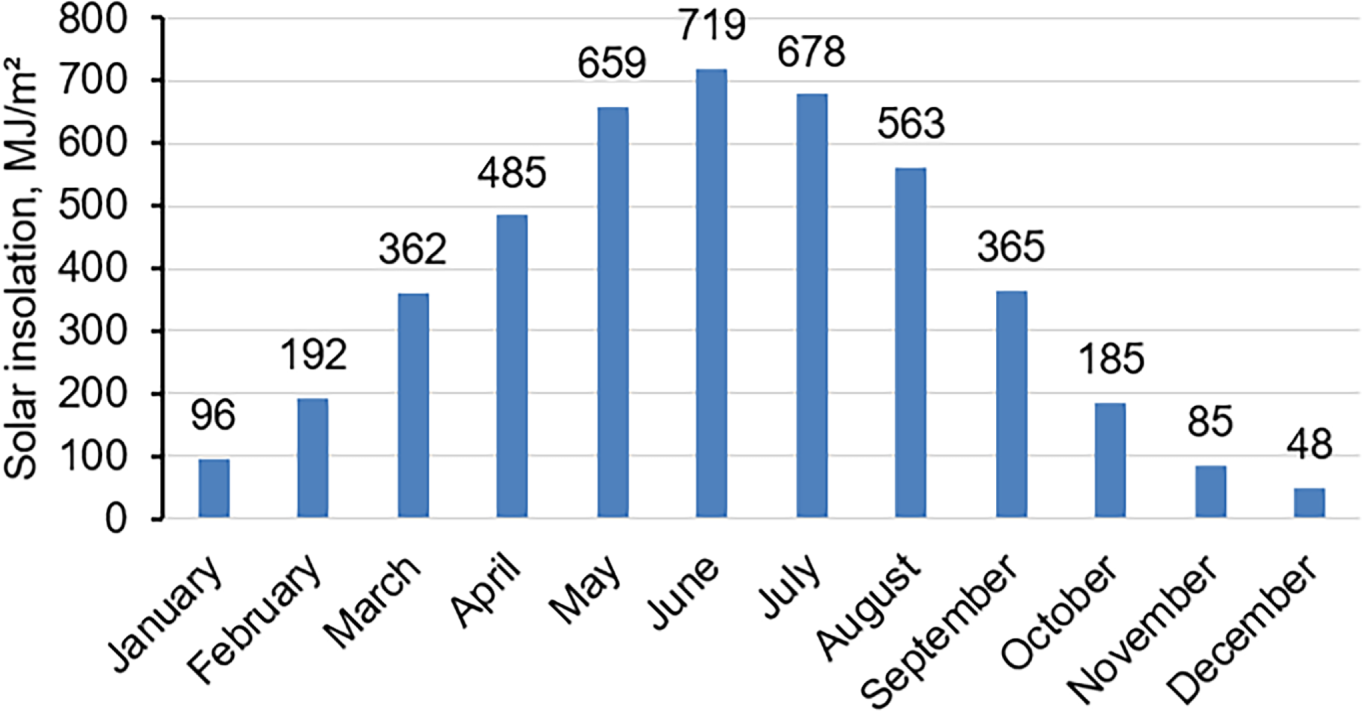
Figure 9: Average total solar insolation values
3.2 Analysis of the Proposed Solar-Assisted SWH System
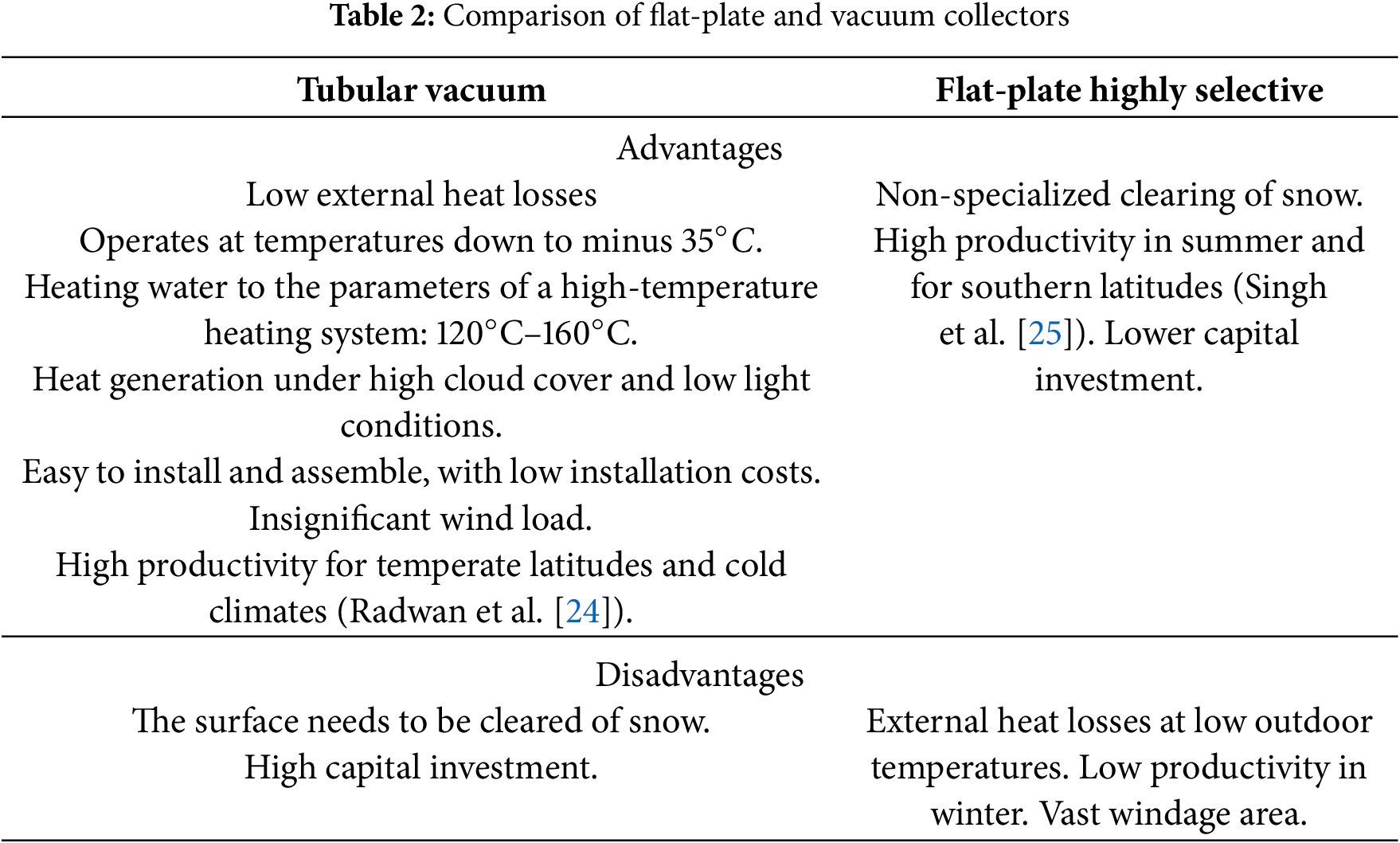
Two types of solar collectors are commonly used in heat supply systems: flat-plate and vacuum tube collectors [23]. A comparison of their technical performance indicators is summarized in Table 2. The comparison presented in Table 2 supports the selection of tubular vacuum collectors for the studied location. Solar radiation exhibits significant daily variability. Fig. 9 illustrates the number of sunlight hours in January, which significantly reduces, resulting in a marked decrease in available solar energy.
Daily variations in the domestic hot water supply load, combined with fluctuations in solar energy availability, require compensation for the periods when heating load exceeds solar generation. This variability is illustrated in Fig. 10, which compares hot water consumption with the corresponding solar-generated hot water. The observed mismatch indicates the necessity for incorporating thermal energy storage [26].
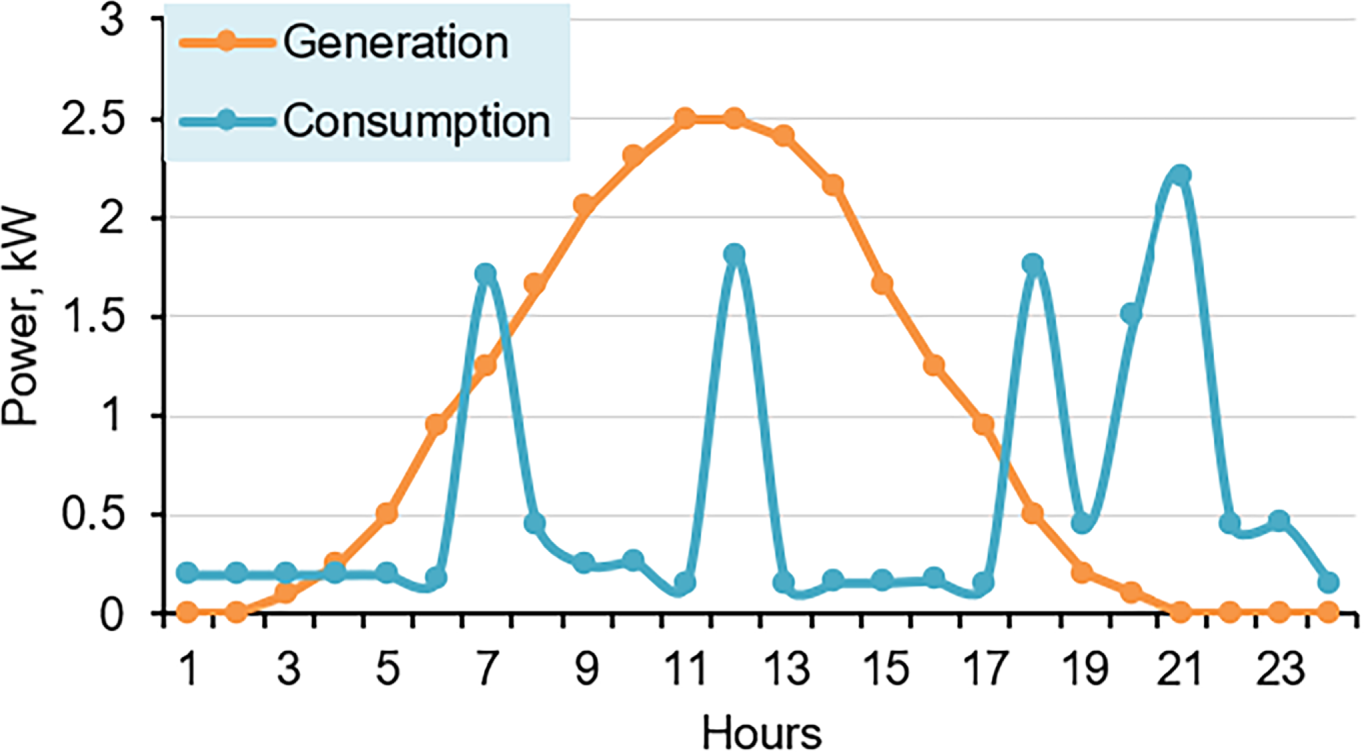
Figure 10: Hourly average of daily heat generation and hot water consumption demonstrating variability
The design of an individual heating system should ensure coordination between the operation of the heating and domestic hot water supply system and the heat generation units. A peak heat source must be provided, which is activated when the water temperature in the accumulator tank drops below the predetermined set value.
The schematic of the individual heating system, presented in Fig. 11, incorporates both conventional and alternative energy sources. Any standard boiler can serve as a conventional heat source; in this study, a gas boiler is proposed. For the solar heating component, underfloor heating is recommended as a primary distribution method.
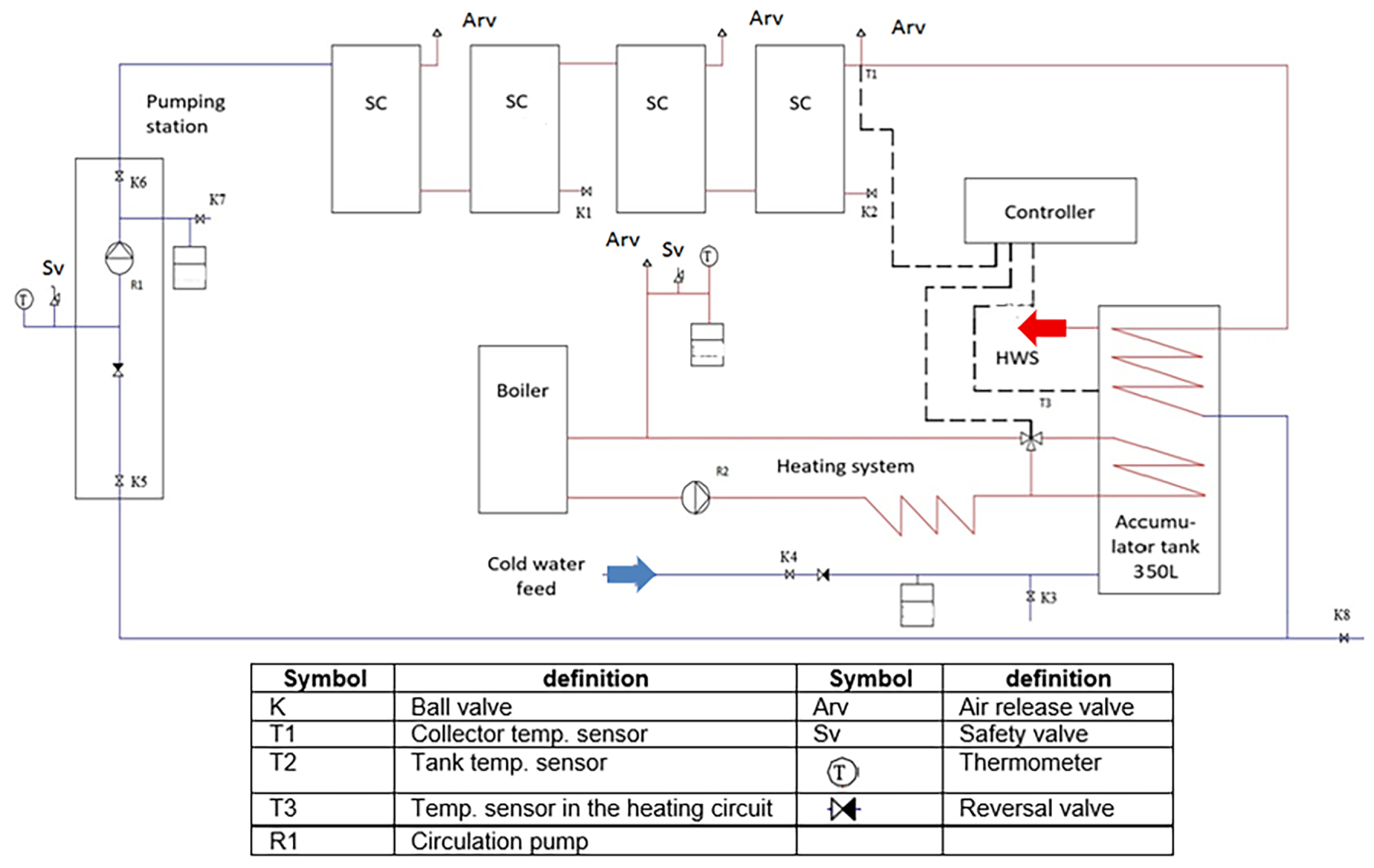
Figure 11: Schematic diagram of the proposed standalone heat supply unit
This engineering design enables water heating through both the solar collector system and the boiler circuit. A special accumulator tank serves as both a heat exchanger and a thermal storage unit. The tank smooths the mismatch between peak heat consumption and peak heat generation from the solar collector during the daytime operation.
Based on the calculations of the domestic hot water (DHW) energy demand for a detached house occupied by a four-person household and the corresponding solar energy accumulation, the system requires 4 solar collector panels. Evacuated tube collectors are capable of meeting domestic hot water demand for approximately seven months per year, as illustrated in Fig. 12.
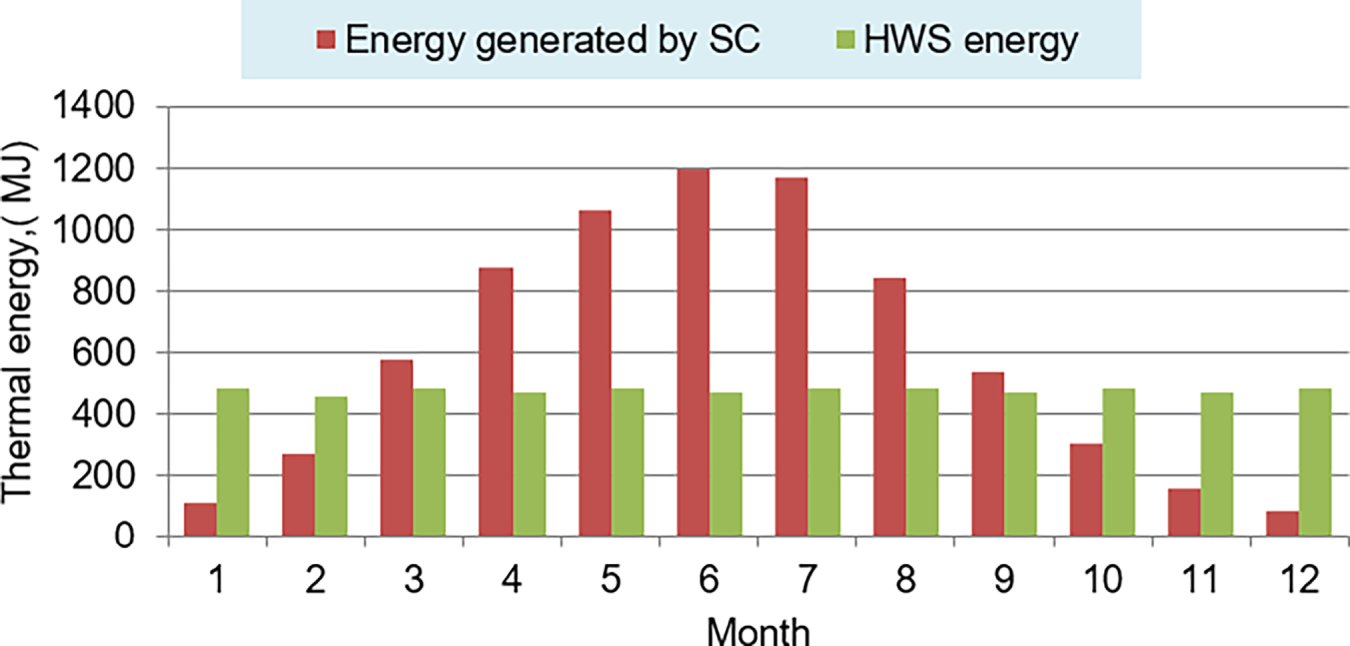
Figure 12: DHW load supplied by solar collectors
The heating season in the city of Tyumen extends approximately 223 days from October to April. During this period, the solar collector system primarily provides the domestic hot water load. Surplus thermal energy generated by solar collectors in March, April, and September can be used to partially cover heating demand. Monthly calculations of the heat production and consumption are shown in Fig. 13. However, solar collectors alone are insufficient to meet the space heating load, so a peak heat source is demanded.
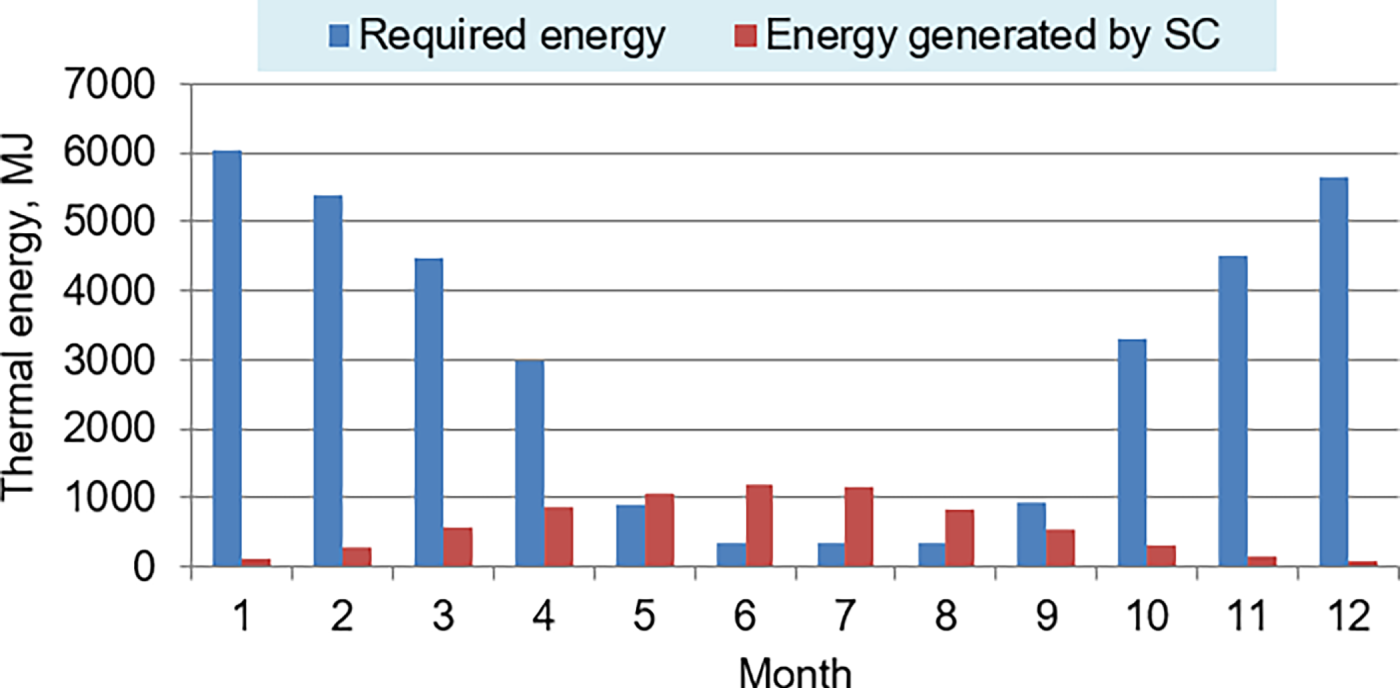
Figure 13: Heating and DHW load supply by solar collectors installed in Tyumen city
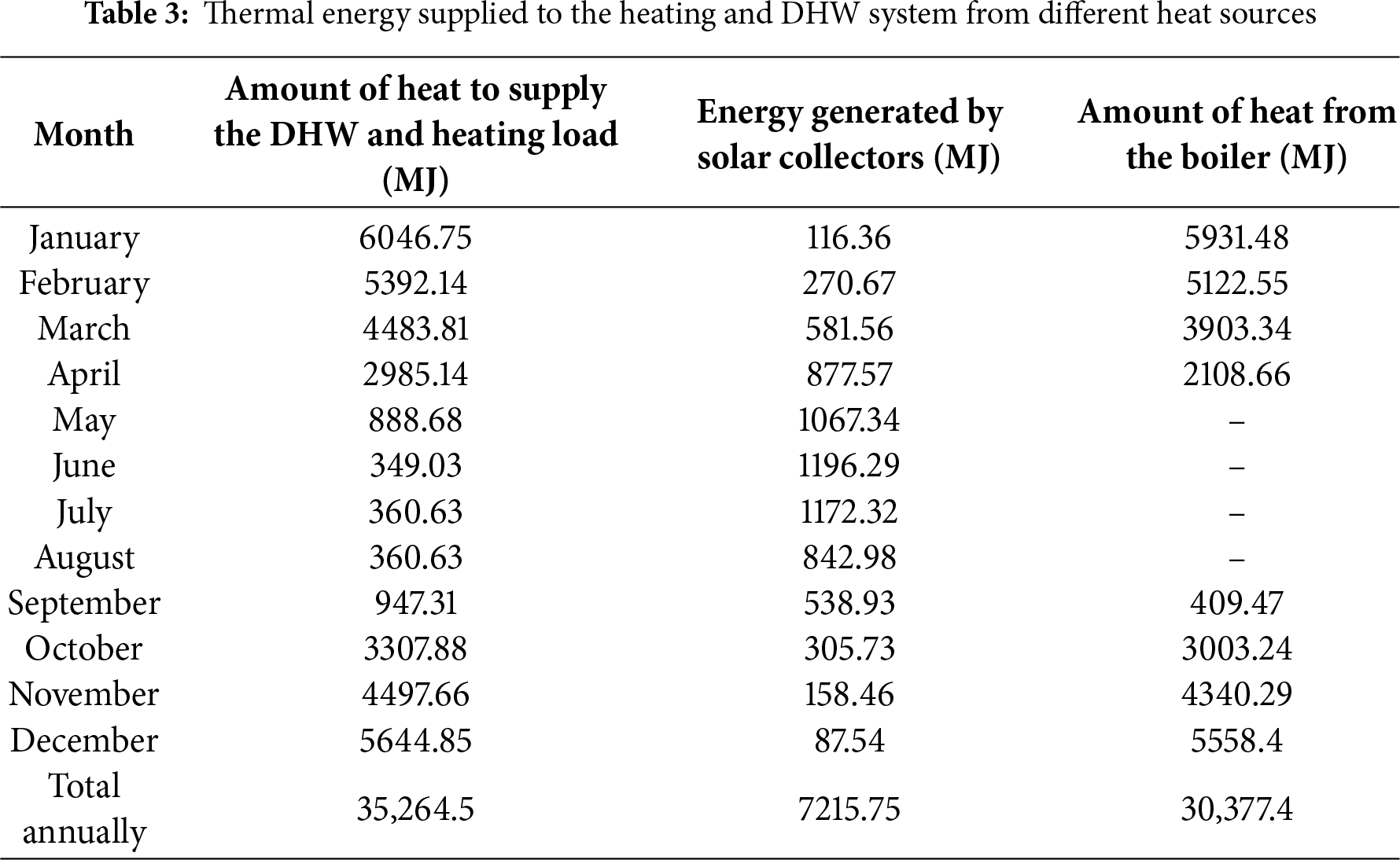
Based on the required thermal energy for space heating and domestic hot water (DHW) and the energy supplied by the solar collectors, the boiler heat contribution is determined and summarized in Table 3. The maximum DHW heat demand occurs in January, reaching 6046.8 MJ. During the summer period, from May to August, thermal energy generated by solar collectors is not used due to the absence of heating load and increased solar insolation, which is also reported by Singh et al. [25]. Table 3 indicates that the solar collector system provides 14% of the heat energy consumption.
The analysis results of the proposed heating system and hot water supply system confirm the feasibility of integrating solar collectors along with a conventional hot-water boiler in the southern regions of Western Siberia. Future solar energy policies will be characterized by their integration into broader sustainable development strategies [27] and climate action initiatives, focused on specific decarbonization targets and energy security.
Cloud cover is to be considered when determining the number of heating units required to meet the thermal demands when constructing and operating the solar collector-based heating systems. In Tyumen, located in the southern region of Western Siberia, the number of cloudy days ranges from 5% to 50%, and with the increase in cloud cover increase in winter. The total solar radiation can reach 900 MJ/m2 in summer, disregarding cloud cover and the collector inclination, but decreases to 50–150 MJ/m2 in winter. Therefore, it is inefficient to meet the heating load through equipment utilized within a limited period of time, given the associated high capital costs. Daily solar radiation is relatively predictable and stable between 09:00 a.m. and 03:00 p.m. in percentage correlation with the total daily radiation. Consequently, the heating system is equipped with an accumulator tank so as to compensate for the heat reduction during the evening and nighttime.
For northern cities with pitched roof buildings and the optimal collector inclination, it is recommended to install solar panels at a tilt angle of 70° facing southwest. The chosen position makes it possible to increase the captured heat energy by up to 35% compared with the horizontal installation. The recommendation is limited to the latitude and longitude of southern Western Siberia and cannot be applicable to locations outside the geographic region in question.
The design of an individual heating system should incorporate a primary (peak) heat source and an automated control system to activate it when the temperature in the accumulator tank drops below the set values. In this case, solar collectors can fully meet the hot water supply demand. The use of an automated heating system with a peak boiler is particularly relevant for facilities located in regions with an extreme continental climate.
The introduced hybrid solar-gas boiler heating system can fully meet domestic hot water (DHW) demand and allow scheduled maintenance of the heat distribution network from September to August. Being feasible, electricity costs for driving network pumps in summer can be reduced, allowing a smaller–diameter heat network pipeline.
Acknowledgement: The authors acknowledge Industrial University of Tyumen for the technical support during the research and for the financial support to publish the paper.
Funding Statement: The authors received no specific funding for this study.
Author Contributions: Conceptualization, Polina A. Tretyakova and Anna A. Menshikova; methodology, Alexey P. Belkin; software, Alexander A. Rumyantsev; validation, Polina A. Tretyakova, Anna A. Menshikova and Alexey P. Belkin; formal analysis, Alexander A. Rumyantsev; investigation, Alexey P. Belkin; resources, Anna A. Menshikova; data curation, Anna A. Menshikova; writing—original draft preparation, Alexey P. Belkin; writing—review and editing, Alexander A. Rumyantsev; visualization, Polina A. Tretyakova; supervision, Polina A. Tretyakova; project administration, Alexey P. Belkin; funding acquisition, Anna A. Menshikova. All authors reviewed the results and approved the final version of the manuscript.
Availability of Data and Materials: The data that support the findings of this study are available from the Corresponding Author, P. A. Tretyakova, upon reasonable request.
Ethics Approval: Not applicable.
Conflicts of Interest: The authors declare no conflicts of interest to report regarding the present study.
Nomenclature
| Definition | |
| α | The canting, or tilting, angle of the solar collector |
| h | Solar altitude |
| Ψ | The azimuths of the sun |
| Ψi | The projections of the normal to the inclined surface with regard to the orientation to the cardinal directions |
| k | The conversion factor of direct solar radiation from a horizontal surface to an inclined surface |
| The total heat input to the solar panel | |
| DHW | Amount of heat to supply the DHW and heating load |
| Ihor | Total solar radiation reaching the horizontal surface with regard to cloudiness, MJ/m2 |
| Schor | Direct solar radiation reaching the horizontal surface for clear sky, MJ/m2 |
| Ichor | Total solar radiation reaching the horizontal surface for clear sky, MJ/m2 |
| Dchor | Diffuse solar radiation reaching the horizontal surface for clear sky, MJ/m2 |
References
1. Al-Kayiem HH. Hybrid techniques to enhance solar thermal: the way forward. Int J Energy Prod Manag. 2015;1(1):50–60. doi:10.2495/eq-v1-n1-50-60. [Google Scholar] [CrossRef]
2. Al-Kayiem HH, Mohamed MM, Gilani SIU. State of the art of hybrid solar stills for desalination. Arab J Sci Eng. 2023;48(5):5709–55. doi:10.1007/s13369-022-07516-8. [Google Scholar] [CrossRef]
3. Gitan AA, Al-Kayiem HH. Assessment of hybrid solar-thermal multi-chamber dryer integrated with desiccant dehumidifier for uniform drying. Sol Energy. 2023;262:111880. doi:10.1016/j.solener.2023.111880. [Google Scholar] [CrossRef]
4. Yassen TA, Al-Kayiem HH. Experimental investigation and evaluation of hybrid solar/thermal dryer combined with supplementary recovery dryer. Sol Energy. 2016;134(1):284–93. doi:10.1016/j.solener.2016.05.011. [Google Scholar] [CrossRef]
5. Nallakaruppan MK, Shankar N, Bhuvanagiri PB, Padmanaban S, Bhatia Khan S. Advancing solar energy integration: unveiling XAI insights for enhanced power system management and sustainable future. Ain Shams Eng J. 2024;15(6):102740. doi:10.1016/j.asej.2024.102740. [Google Scholar] [CrossRef]
6. Bhayo BA, Al-Kayiem HH, Gilani SIU, Khan N, Kumar D. Energy management strategy of hybrid solar-hydro system with various probabilities of power supply loss. Sol Energy. 2022;233(3):230–45. doi:10.1016/j.solener.2022.01.043. [Google Scholar] [CrossRef]
7. Anvari S, Medina A, Merchán RP, Hernández AC. Sustainable solar/biomass/energy storage hybridization for enhanced renewable energy integration in multi-generation systems: a comprehensive review. Renew Sustain Energy Rev. 2025;223:115997. doi:10.1016/j.rser.2025.115997. [Google Scholar] [CrossRef]
8. Mambetsheripova AA, Safarov J, Sultanova SA. Analiz eksperimentov po teplovomu potoku solnechnogo kollektora. Univers Tekhnicheskie Nauk. 2024;2(119):57–60. (In Russian). doi:10.32743/UniTech.2024.119.2.16907. [Google Scholar] [CrossRef]
9. Zhao Y, Liu Y, Chen Y, Zhuang Z, Tang H, Wang D. A mathematical model for anti-freezing and cooling analysis of solar collector system. Appl Therm Eng. 2024;243:122523. doi:10.1016/j.applthermaleng.2024.122523. [Google Scholar] [CrossRef]
10. Mussard M. Solar energy under cold climatic conditions: a review. Renew Sustain Energy Rev. 2017;74:733–45. doi:10.1016/j.rser.2017.03.009. [Google Scholar] [CrossRef]
11. Tsvetkov NA, Krivoshein UO, Tolstykh AV, Khutornoi AN, Boldyryev S. The calculation of solar energy used by hot water systems in permafrost region: an experimental case study for Yakutia. Energy. 2020;210:118577. doi:10.1016/j.energy.2020.118577. [Google Scholar] [CrossRef]
12. Nešović A, Lukić N, Taranović D, Nikolić N. Theoretical and experimental investigation of the glass tube solar collector with inclined N-S axis and relative E-W single-axis tracking flat absorber. Appl Therm Eng. 2024;236:121842. doi:10.1016/j.applthermaleng.2023.121842. [Google Scholar] [CrossRef]
13. Pagliaro M. Renewable energy in Russia: a critical perspective. Energy Sci Eng. 2021;9(7):950–7. doi:10.1002/ese3.820. [Google Scholar] [CrossRef]
14. How to calculate the amount of solar energy in a region [Internet]. [cited 2025 Oct 1]. Available from: https://www.betaenergy.ru/insolation/. [Google Scholar]
15. Aleksandrova AA, Dulepova YM, Osokin VL, Shilova TV, Kuleshova LA. Analiz solnechnykh kollektorov v vide ograzhdayushchikh konstruktsii. Vestn NGIEI. 2023;6(145):52–62. (In Russian). doi:10.24412/2227-9407-2023-6-52-62. [Google Scholar] [CrossRef]
16. Shelekhov IY, Pakhomova ES, Goristov IA. Opyt ispol’zovaniya solnechnykh kollektorov v usloviyakh Cibiri. Tendentsii Razvit Nauk I Obraz. 2022;84:114–7. (In Russian). doi:10.18411/trnio-04-2022-28. [Google Scholar] [CrossRef]
17. Geography of Russia.com. General and lower cloudiness [Internet]. [cited 2025 Oct 1]. Available from: https://geographyofrussia.com/obshhaya-i-nizhnyaya-oblachnost/. [Google Scholar]
18. Gladenko AA, Zinov’eva AV, Karagusov VI. Issledovanie teplovoi proizvoditel’nosti gidrosistemy na solnechnom kollektore. Power Eng Res Equip Technol. 2023;7(2):9–14. (In Russian). doi:10.25206/2588-0373-2023-7-2-9-14. [Google Scholar] [CrossRef]
19. Schuster CS. The quest for the optimum angular-tilt of terrestrial solar panels or their angle-resolved annual insolation. Renew Energy. 2020;152(1):1186–91. doi:10.1016/j.renene.2020.01.076. [Google Scholar] [CrossRef]
20. Bakirci K. General models for optimum tilt angles of solar panels: turkey case study. Renew Sustain Energy Rev. 2012;16(8):6149–59. doi:10.1016/j.rser.2012.07.009. [Google Scholar] [CrossRef]
21. Bianco N, Fragnito A, Iasiello M, Mauro GM. Multiscale analysis of a seasonal latent thermal energy storage with solar collectors for a single-family building. Therm Sci Eng Prog. 2024;50:102538. doi:10.1016/j.tsep.2024.102538. [Google Scholar] [CrossRef]
22. Bakhaa E, Tugolukov EN. Povyshenie effektivnosti svetopogloshchayushchego pokrytiya solnechnykh kollektorov. Trans Tambov State Tech Univ. 2022;28(1):162–71. (In Russian). doi:10.17277/vestnik.2022.01.pp.162-71. [Google Scholar] [CrossRef]
23. Araújo A, Ferreira AC, Oliveira C, Silva R, Pereira V. Optimization of collector area and storage volume in domestic solar water heating systems with on–off control—a thermal energy analysis based on a pre-specified system performance. Appl Therm Eng. 2023;219:119630. doi:10.1016/j.applthermaleng.2022.119630. [Google Scholar] [CrossRef]
24. Radwan A, Essam M, Ibrahim I, Zafar S, Abdelrehim O, Memon S, et al. Thermal analysis of a bifacial vacuum-based solar thermal collector. Energy. 2024;294:130748. doi:10.1016/j.energy.2024.130748. [Google Scholar] [CrossRef]
25. Singh J, Mittal MK, Khullar V. Enhancing upgraded solar still performance in summer and winter through nanofluid-based solar collectors. Desalin Water Treat. 2024;317:100241. doi:10.1016/j.dwt.2024.100241. [Google Scholar] [CrossRef]
26. Tian H, Ma L, Li Q, Li D, Jiang W, Zhang X, et al. Energy saving retrofit of rural house based on the joint utilization of solar collector and attached sunspace. Energy Build. 2023;299:113591. doi:10.1016/j.enbuild.2023.113591. [Google Scholar] [CrossRef]
27. Xiao D. A review on risk-averse bidding strategies for virtual power plants with uncertainties: resources, technologies, and future pathways. Technologies. 2025;13(11):488. doi:10.3390/technologies13110488. [Google Scholar] [CrossRef]
Cite This Article
 Copyright © 2026 The Author(s). Published by Tech Science Press.
This work is licensed under a Creative Commons Attribution 4.0 International License , which permits unrestricted use, distribution, and reproduction in any medium, provided the original work is properly cited.
 Downloads
 Citation Tools
