
 Login
Login Register
 Submit a Paper
 Propose a Special lssue
 Open Access
ARTICLE

MHD Natural Convection in a Triangular Cavity Filled with a Ferrofluid and an Inclined Wavy Wall with an Insulated Baffle
1 Department of Mathematics, College of Engineering and Technology, SRM Institute of Science and Technology, Kattankulathur, Chengalpattu, Tamil Nadu, India
2 Department of Mathematics, Chennai Institute of Technology, Kundrathur, Chennai, Tamil Nadu, India
* Corresponding Author: Narsu Sivakumar. Email:
(This article belongs to the Special Issue: Advances in Heat and Mass Transfer: Integrating Numerical Methods with Artificial Intelligence, Machine Learning, and Data-Driven Approaches)
Frontiers in Heat and Mass Transfer 2026, 24(1), 15 https://doi.org/10.32604/fhmt.2026.075232
Received 28 October 2025; Accepted 19 January 2026; Issue published 28 February 2026
 View Full Text
 Download PDF
Abstract
This work explores a Magnetohydrodynamic (MHD) flow in a triangular cavity with a thermally insulated baffle. Enclosure’s inclined wall is hotter, whereas the vertical border is adiabatic and the bottom is cooler. The study aims to clarify how geometric changes affect thermal performance and offers new perspectives on how to improve heat dissipation mechanisms. A COMSOL Multiphysics version 6.2 has been used to solve numerical solutions. Streamlines and thermal distributions are examined systematically in order to understand how the unique geometry and baffle size of triangular cavities can influence the fluid flow. This influence can result in optimized flow patterns, promoting efficient heat transfer by directing the fluid to specific areas that require more cooling. In comparison with conventional designs, this optimization results in more efficient convective heat transfer, which raises cooling efficiency and lowers thermal resistance. Furthermore, by strengthening heat transfer characteristics in heat transfer systems, these geometries increase thermal efficiency, which helps several sectors, including the production of electricity, HVAC, and the automobile industry.Keywords
Magnetohydrodynamics (MHD) is an interdisciplinary domain that amalgamates principles from fluid dynamics and electromagnetism to elucidate the interaction between electrically conductive fluids and external magnetic fields. These fluids, such as plasmas, liquid metals, and seawater, display intricate interactions between their movement and magnetic fields, resulting in phenomena that are of great interest in diverse scientific and engineering contexts. Research in MHD has significantly broadened in recent years, encompassing several domains such as turbulence, stability analysis, and the impact of different boundary conditions on the behavior of MHD flows. This research has not only enhanced our comprehension of fundamental magnetohydrodynamic processes but also made significant contributions to improvements in technology and materials science. Due to its many real-world uses, such as building insulation, electronic equipment cooling, solar collectors, and geothermal energy systems, Researchers have shown growing interest in studying convection-driven heat transfer within triangular geometries [1,2].
Ferrofluids are a unique class of fluid composed of ferromagnetic nanoparticles, uniformly dispersed in liquids like water or oil, at the nanoscale. These fluids exhibit the remarkable ability to respond to external magnetic fields, altering their flow and thermal properties dynamically, making them highly effective for applications requiring controlled heat transfer and fluid flow. Ferrofluids have garnered significant interest lately in the realm of heat transfer, particularly regarding the enhancement of thermal performance in cooling systems. This is because ferrofluids capacity to react to magnetic fields is applicable to optimize fluid flow movement, thus improving heat transfer. Xuan and Li [3] developed a technique for preparing nanofluids and demonstrated that the incorporation of ultra-fine particles significantly boosts the heat conductivity of primary liquids. This is mainly because of the improved area of surface and better interaction between the particles and fluid. Further, work by Usman et al. [4] explained numerical modelling of thermal conduction and flow behavior of ferrofluids inside a triangular enclosure. It is observed that the Nusselt number rises with ferromagnetic particle concentration, and heat transfer improves greatly when the ferromagnetic particle volume fraction is specified. Moreover, it was caught on to the fact that a magnetic field application may alter the flow behavior, hence enhancing the transference of the heat within the enclosure. A bit later, Marin and Malaescu [5] investigated the efficiency for heat transport in ferrofluids, which is kerosene based with magnetic granules under an electromagnetic field. It was observed that the actual thermal conductivity in ferrofluid was significantly increased by the application of the temperature gradient aligned magnetic field. With up to 91% enhancement in conductivity over that measured without the field. Afsana et al. [6] considered free convection with entropy generation for non-Newtonian ferrofluids within the undulating cavity. Their investigation showed that an increase in the Hartmann coefficient and the results of the power-law index indicate a decrease in flow magnitude and boundedness of convective transportation. They also found that the rate of heat increased by adding ferro-particles at higher values of the Rayleigh number.
In fluid mechanics, a triangular cavity is defined as a geometric domain of a triangular cross-section, a fundamental paradigm in the examination of heat transfer within confined realms. A three-sided bounded cavity with different thermal and physical boundary conditions, such as thermally insulated, heated, or cooled surfaces, is usually considered. On one side, the triangular cavity received wide interest regarding both computations and experiments while dealing with the dynamics of fluid flow and temperature distribution in different non-rectangular convection enclosures, where such geometrical effects will most likely influence both convection patterns and the thermal performances. Ahmed et al. [7] delved into the mysteries of natural convection within a triangular chamber, wherein lay the substance of copper nanofluid entwined with the porous medium. In sooth, as the volume fractions of solid nanoparticles did increase, so too did the average Nusselt number, thereby enhancing the transfer of heat most effectively. When the Rayleigh number reaches attainable heights, heat transfer decreases with nanoparticle infusion, suggesting that the ideal concentration of these tiny particles depends on the Rayleigh number itself. The precise location and size associated with the heat source towards the base wall greatly sway the flow dynamics and the thermal effectiveness within the enclosed space. Both the rate of fluid motion and the values of local temperatures increased as the heat source was extended. The impact of heater length and power-law indices on the system was studied by Rakib et al. [8], who examined natural convection in a non-Newtonian fluid. The heat transfer rate decreased with increasing power-law index; thus, dilatant fluids exhibit poorer convection than pseudo-plastic fluids, according to the results. Mansour and Ahmed [9] performed a triangular chamber loaded with Cu-water nanofluid and saturated porous media was numerically studied for convection. Their investigation found that increasing nanoparticle size raised the average Nusselt number, improving the transfer of heat. The average Nusselt number fell as heat generation increased, which means a reduction in the heat transfer efficiency. They also found that higher heating sources resulted in higher peak temperatures inside the enclosure and increased fluid flow near the heated surfaces. Triveni and Panua [10] investigated the impact of several hot wall layouts on heat transmission by statistically analysing natural convection within an isosceles hollow right triangle. Uddin et al. [11] studied a CuO nanofluid’s magnetic field-induced convective heat transport within isosceles triangular chamber. Nanoparticle size and magnetic field were shown to optimize nanofluid thermal performance in these configurations. Previous research [12–14] has also shown that Casson nanofluid flows are profoundly affected by rheological, thermal, magnetic, and bioconvective parameters, which substantially influence the velocity, temperature, and concentration distributions. It is consistently observed that parameters related to Brownian motion and thermophoresis augment the thermal and solutal boundary layers, resulting in elevated heat and mass transfer rates. The presence of magnetic fields, buoyancy forces, and microorganisms additionally influences flow stability and transport properties across various geometries. These investigations collectively underscore the efficacy of numerical methodologies in accurately representing the intricate coupled behavior of non-Newtonian nanofluid systems.
Applications for triangular cavities were found in various industries, particularly in situations where specific flow characteristics and limited space were essential. To maximize the absorption and distribution of solar radiation, triangular cavities were used in solar collectors and solar air warmers in solar energy systems. Electronic cooling systems used these chambers to efficiently remove heat to preserve component performance and lifespan. Triangular cavities served as a valuable design element for heat exchangers, facilitating effective fluid mixing and heat exchange. Dogonchi et al. [15] examined the MHD natural convection nanofluid within a wavy chamber. The findings indicated that a rise in the Hartmann variable led to a decrease in convective heat transfer, as the magnetic field impeded fluid movement. Ma et al. [16] analyzed the behavior of convection beneath a U-shaped baffled cavity while considering the effects of a magnetic field. The findings indicated that elevating the Rayleigh number and aspect ratio enhanced the efficiency of heat transfer. The findings demonstrated that a strong magnetic field led to a decrease in the Nusselt number as a result of the limited mobility within the nanofluid. Hamzah et al. [17] conducted a magnetic field-driven heat transfer study in a U-shaped cavity with ferro-nanofluid and two baffles, and found that the heat transfer improves with a higher aspect ratio and Rayleigh number. Whereas increasing the Hartmann number decreased the Nusselt number. Platelet-shaped ultrafine particles yielded higher Nusselt values compared to other shapes. Furthermore, Chandanam et al. [18] performed a numerical analysis for thermal management on a triangular porous chamber at the heated barriers. Their findings led to the following inferences: an enlarged Hartmann number improved the heat transportation mechanism at a larger Darcy number through the base wall. Conversely, enlarged local Rayleigh numbers weakened the associated local Nusselt numbers along the bottom wall. Khan et al. [19] examined convective heat transfer in Casson fluid flow around a square cylinder with Y-shaped fins and found that fins improved heat transfer for higher Rayleigh and Hartmann numbers. Previous research, such as Nojoomizadeh et al. [20], used Darcy-Forchheimer modeling to study the flow of Fe3O4-water nanofluid via microchannels partially filled with porous media. Their findings demonstrated the opposing effects of Darcy number on heat transfer in porous and non-porous regions, as well as a significant sensitivity to slip conditions and Reynolds number. These discoveries provide crucial background for analyzing convection behavior in complex geometries, such as the triangular cavity explored in the current work. However, despite comprehensive investigations into double-diffusive convection within enclosures, the integrated effects of a moving lid, undulating porous cylinders, and species-emitting boundaries remain predominantly unexamined, especially in the context of triangular geometries [21]. A noteworthy contribution given by Chen et al. [22] employing inverse three-dimensional CFD analysis has demonstrated that the precision of heat transfer predictions in inclined cavities is highly dependent on the inclination angle. For instance, a recent study indicated that the zero-equation model yields superior performance within the 0° to 30° range, whereas the RNG k–ε model proves more appropriate for the 60° to 90° range, with the predicted Nusselt numbers aligning closely with experimental correlations. The study also identified a decrease in natural circulation intensity as inclination increases, a trend that has not been extensively examined in prior literature. Moreover, a significant body of extensively referenced literature investigated various cavity geometries using a variety of numerical techniques. To enable a more comprehensive comparison, these findings were systematically summarized in Table 1, presented in a tabulated format.
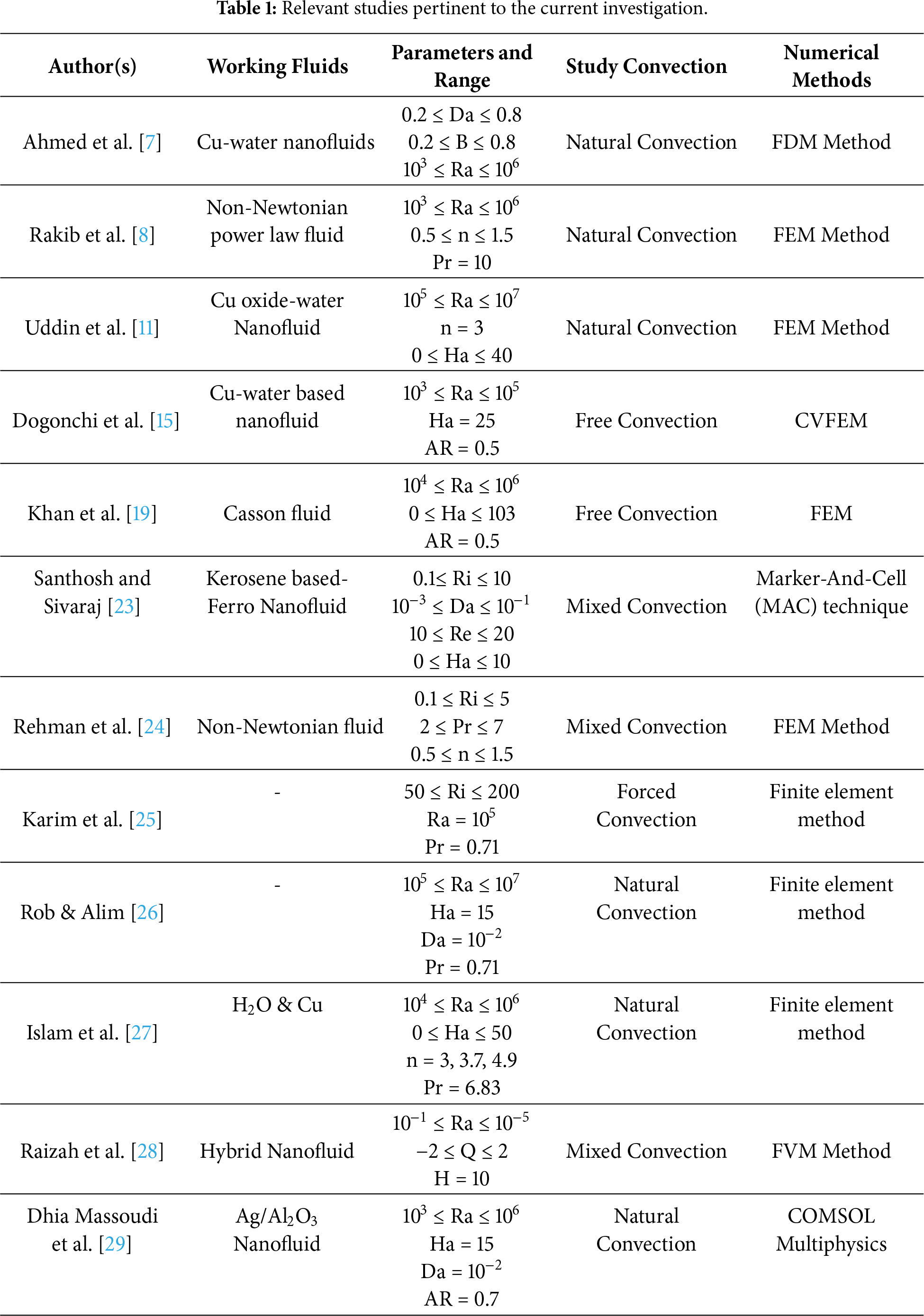
Statement of Novelty
Although several numerical and experimental investigations [30–32] have examined over stretching surfaces and Casson nanofluid bioconvection over rotating geometries, and natural convection of ferrofluids in U-shaped, rectangular, and wavy cavities; however, the interaction of wavy inclination and internal baffle positioning under magnetohydrodynamic conditions remains unaddressed in existing literature. Previous studies generally address cavity inclination and baffle effects separately, with few examining their interaction in the context of ferrofluids and magnetic fields. Furthermore, research on ferrofluid MHD convection within triangular cavities is limited, and studies incorporating geometric complexity with internal obstacles are nearly non-existent. This study examines the effects of a wavy inclined wall and a vertically mounted baffle on flow structure and heat transfer across different Hartmann and Rayleigh numbers. This analysis of inclination, wavy geometry, and baffle configuration presents a significant advancement over previous research on basic cavity shapes, yielding novel physical insights into ferrofluid magnetohydrodynamic convection within a non-traditional enclosure.
Physical Modelling
A triangular enclosure with dimensions L (length) and H (height) is filled with ferrofluid, as illustrated by Fig. 1. In this current set up, the lower surface pertaining to the cavity thereby remains at a lower temperature (Tc), whereas the undulating wall is held at a steady temperature (Th). The left border wall of the cavity continues to display traits most adiabatic and impermeable, thus effectively resisting the passage of both heat and mass through its unwavering shapes. Additionally, the system’s motion is influenced by gravitational forces, causing downward displacement.
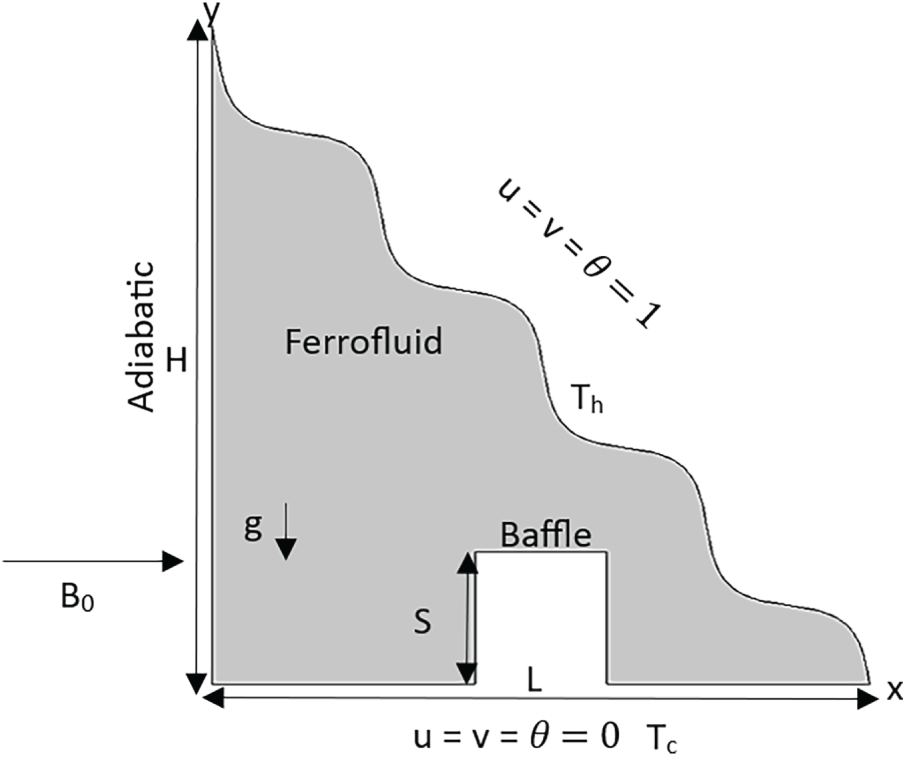
Figure 1: A illustration of the triangular cavity in two dimensions.
Mathematical Modelling
Following assumptions taken into account in this study are outlined below:
(i) The Fe3O4 ferrofluid is characterized as a Newtonian, incompressible, single-phase homogeneous mixture with a uniform distribution of nanoparticles.
(ii) This investigation focuses on a steady, two-dimensional fluid flow that exhibits laminar characteristics.
(iii) Steady magnetic field B0’s effect is investigated in this work.
(iv) The base of the cavity thereby resides at a cooler temperature (Tc), whilst the undulating wall of the cavity is ever held at a higher temperature (Th).
(v) The baffle is positioned at a fixed horizontal location and thermally insulated, with an adiabatic boundary condition (∂T/∂n = 0) has been imposed over its entire surface with height S = 0.2 m.
(vi) The physical characteristics of the ferrofluid are considered constant.
Nanoparticle migration mechanisms, including Brownian diffusion and thermophoresis, are not considered. The magnetization of the ferrofluid is presumed to vary linearly with the applied magnetic field, thereby allowing the application of the classical MHD approximation.
The foundation of the mathematical model is established through the governing equations that focus on mass continuity, momentum conservation, and thermal energy balance. The derivation of these equations is based on the previously outlined assumptions.
Apparent viscosity of ferrofluid is defined as,
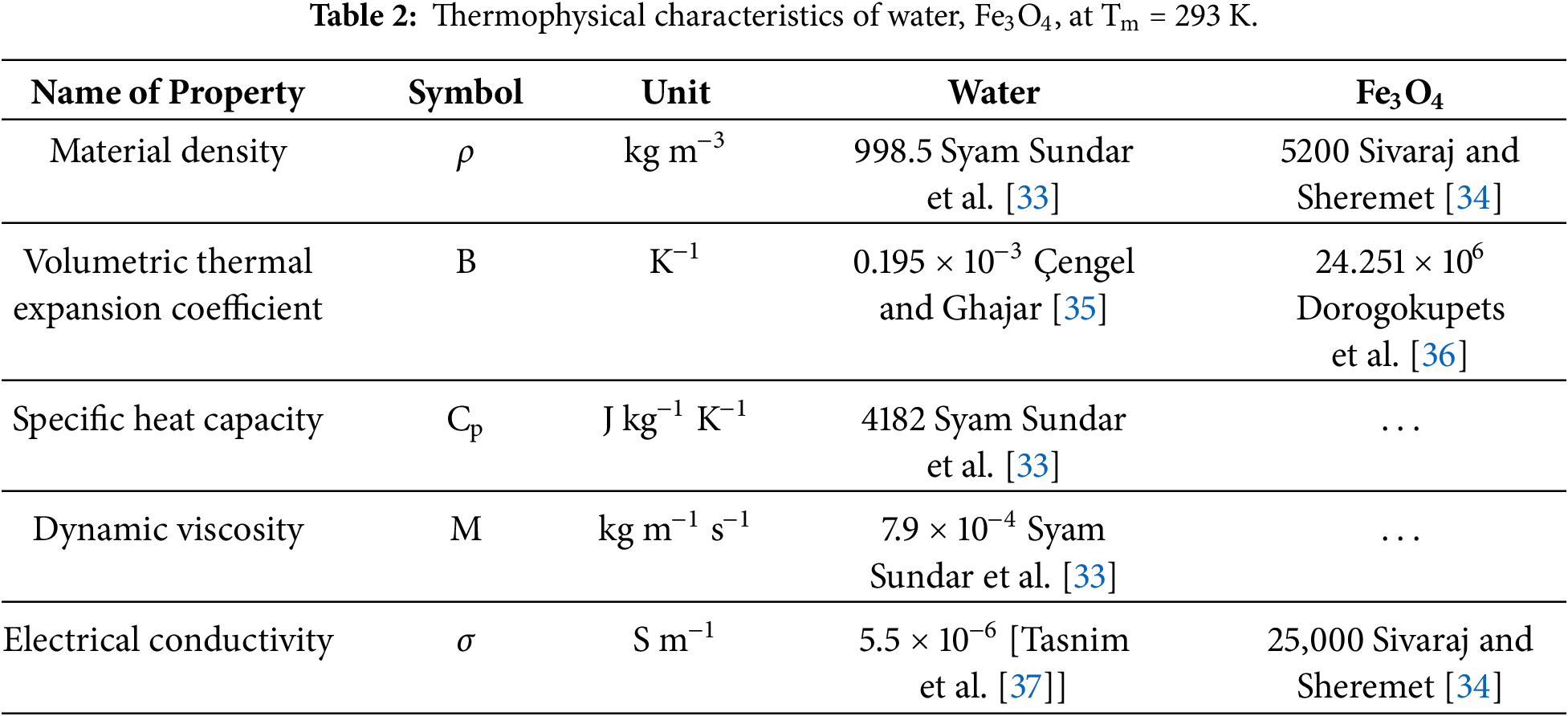
In order to account for the shear-dependent rheological behavior of ferrofluids in magnetic fields, the apparent viscosity is used rather than a constant Newtonian viscosity. The u and v velocity components show how the flow changes in x and y directions. The temperature field is T and the pressure field is p. Material density (
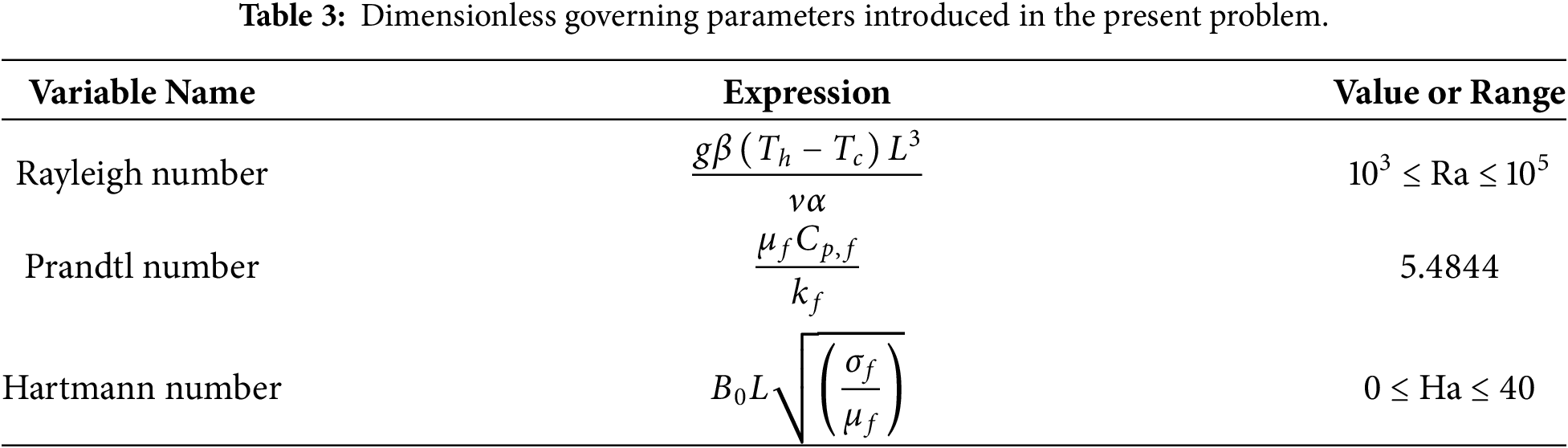
The following scaling relations are used to generate dimensionless governing equations:
A homogeneous, static magnetic field of specified magnitude is applied perpendicularly to the plane of flow. The ferrofluid is presumed to possess electrical conductivity characterized by a constant value. Furthermore, the magnetic Reynolds number is considered negligible, thereby allowing the omission of magnetic induction and the induced magnetic field from the analysis. Given these stipulations, the magnetic body force is expressed by the conventional Lorentz force
This formulation uses X and Y for dimensionless Cartesian coordinates, U and V for velocity components, P and

The following expression showcasing the inclined corrugated wall equation, respectively:
where
Numerical verification:
Numerical simulations have been carried out in this study using COMSOL Multiphysics 6.2, a CFD software that employs the Galerkin finite element method. This software is widely recognized for its precision and reliability, as demonstrated in numerous previous studies. The realm of computation is entirely partitioned, employing triangular mesh elements of varied dimensions. Fig. 2 is the computational mesh chosen for this study.
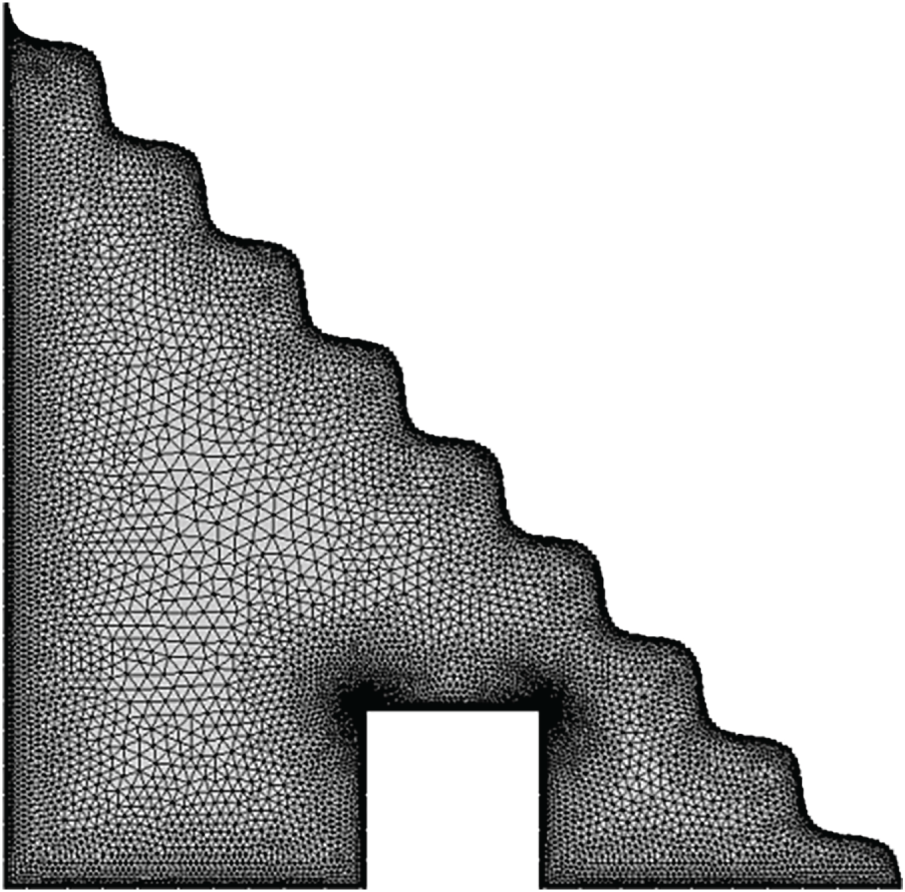
Figure 2: The computational mesh chosen for this study following a grid refinement analysis.
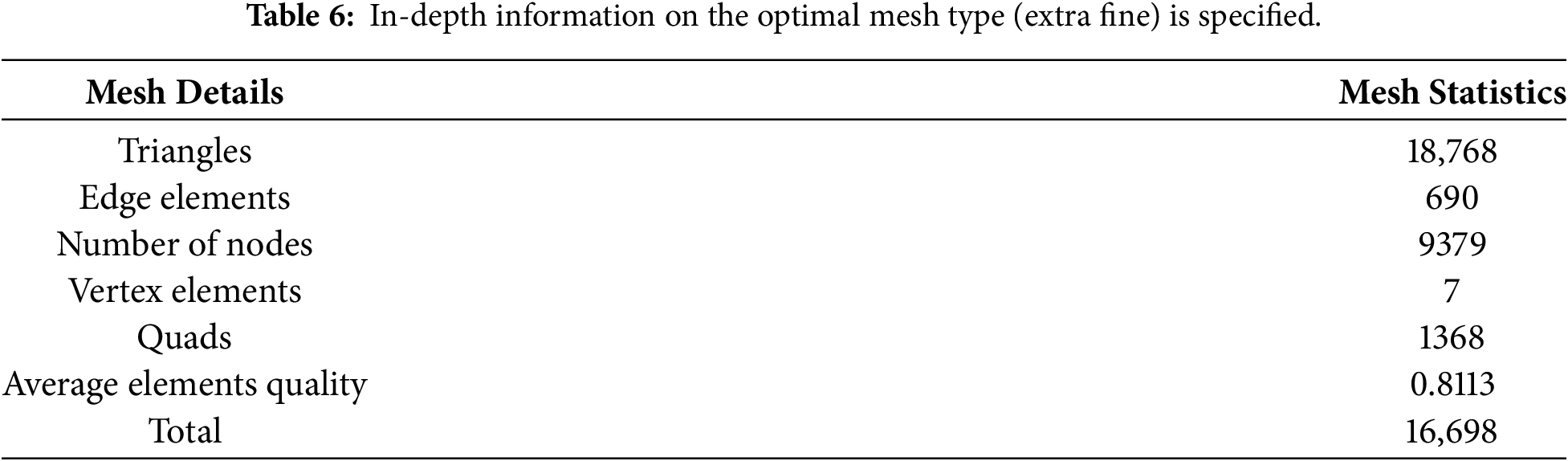
A testing of grid independence does take place to confirm the accuracy of the simulation results, as depicted in Fig. 3a. Nusselt number has been observed, shows minimal sensitivity to further mesh refinement once an optimal element count is reached. For instance, at Ra = 103, Ha = 30, the Local Nusselt number stabilizes for NE = 16,698. Consequently, the ‘Extra Fine Mesh’ is selected within the software as the optimal element count for this case. When the geometry’s dimensions are modified, the optimal element count also changes. Thus, for each geometric configuration, the appropriate number of mesh elements is determined through a similar grid independence test, as outlined in Tables 5 and 6 shows the mesh statistics.
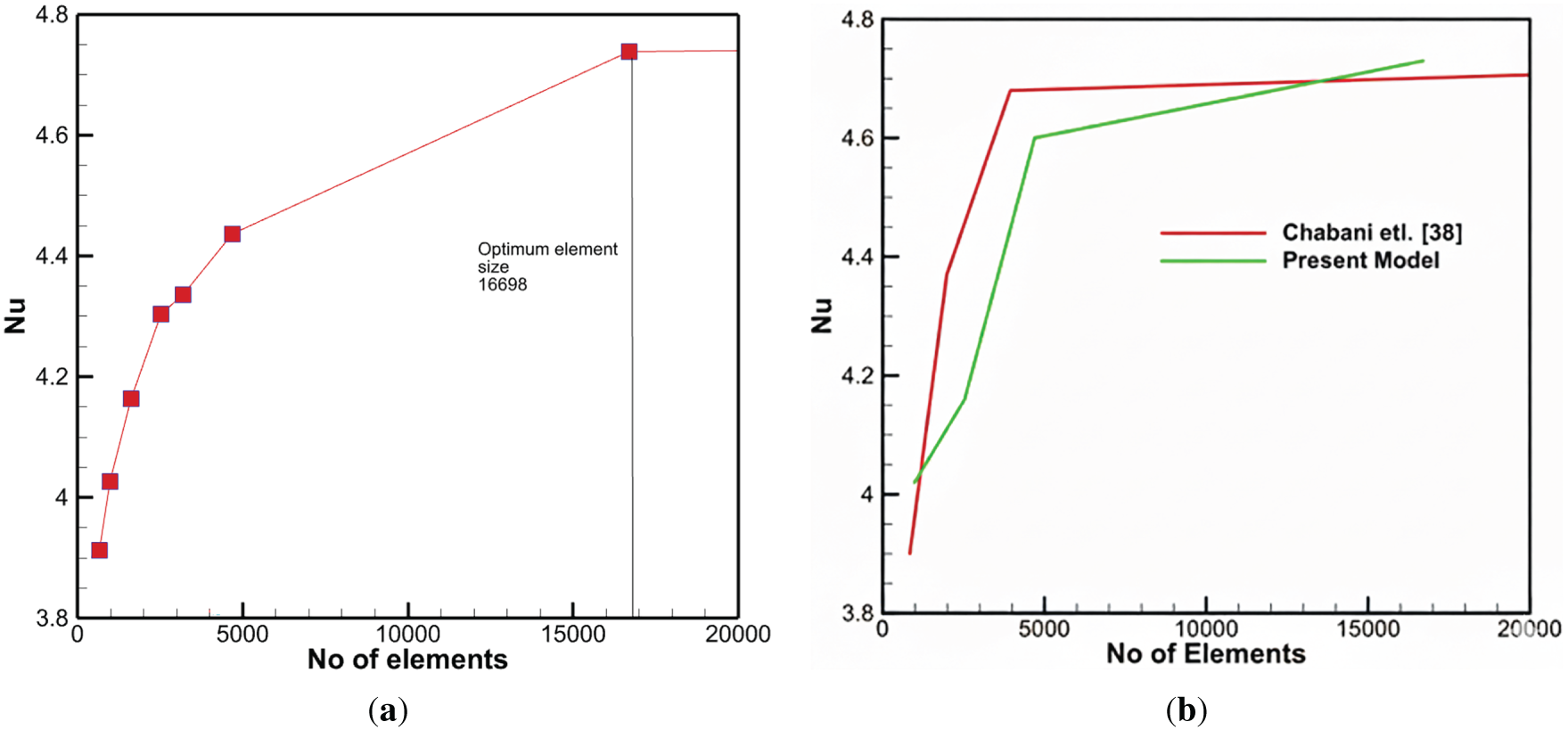
Figure 3: (a) Grid independent test at Ra = 103 and Ha = 30 (b). Comparison graph of present work with previous work [38].
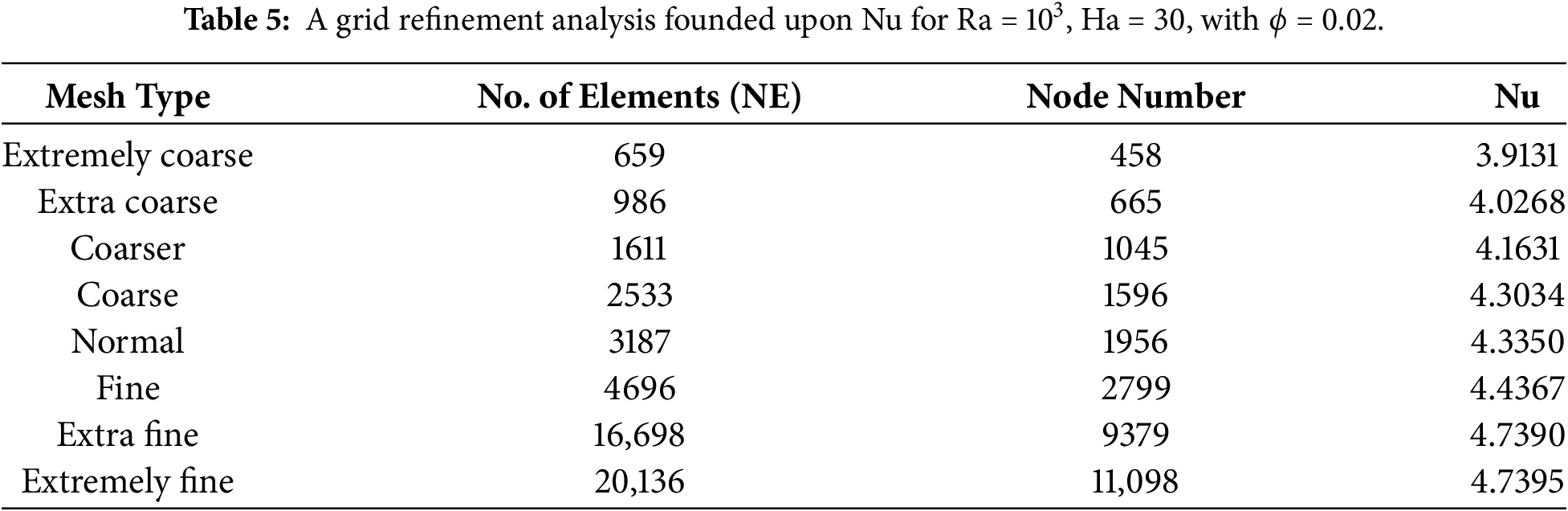
To validate the current model before running the final parametric simulation, a comparison was conducted with the numerical study by Chabani et al. [38], specifically by computing the Nusselt number Nu with different number of elements of different mesh type. The validation of both the present and prior models’ comparison is illustrated by reproducing Chabani et al. [38] results in Fig. 3a,b, the Hartmann number is fixed at 30, while the Rayleigh number is established at 103, respectively.
The outcomes of this inquiry closely correspond with previous conclusions, as depicted in the plots, which exhibit a comparable trend to the published data, thereby reinforcing the legitimacy of the existing model and the methodology employed to address this issue. There is a small discrepancy Fig. 3b, this is because the two studies used different grid structures, discretization schemes, and solution algorithms. Such discrepancies are typical in grid-sensitivity investigations, especially when disparate numerical approaches are utilized. The current results, on the other hand, go closer to the reference values as the mesh gets finer. This shows that the proposed model is consistent and reliable.
The effective thermophysical properties of the Fe3O4 nanofluid are determined employing standard mixture relations. The parameters of density, heat capacity, viscosity, and thermal conductivity are determined as follows:
Effective viscosity:
Effective thermal conductivity:
The buoyant forces of the fluid are quantified using the Rayleigh number, which acts as an indicator of the prevalence of natural convection compared to other heat transfer processes, including conduction and forced convection. Fig. 4 illustrates results of the Rayleigh number (Ra = 103, 104, 105, 106) employing streamlines for Hartmann number 30 and a volume fraction of 0.02, under hot wall conditions applied to the inclined wall, indicative of effective conductive potential. When the Rayleigh number Ra goes beyond 105, the flow within the cavity becomes increasingly turbulent. This transition is evidenced by the densification of streamline contours, which highlights the growing dominance of convective velocity transport. This phenomenon occurs because increased Rayleigh numbers amplify buoyancy forces, enabling heated fluid adjacent to the inclined wall to ascend more swiftly while drawing colder fluid downward along the opposite walls, thereby establishing more vigorous circulation loops.
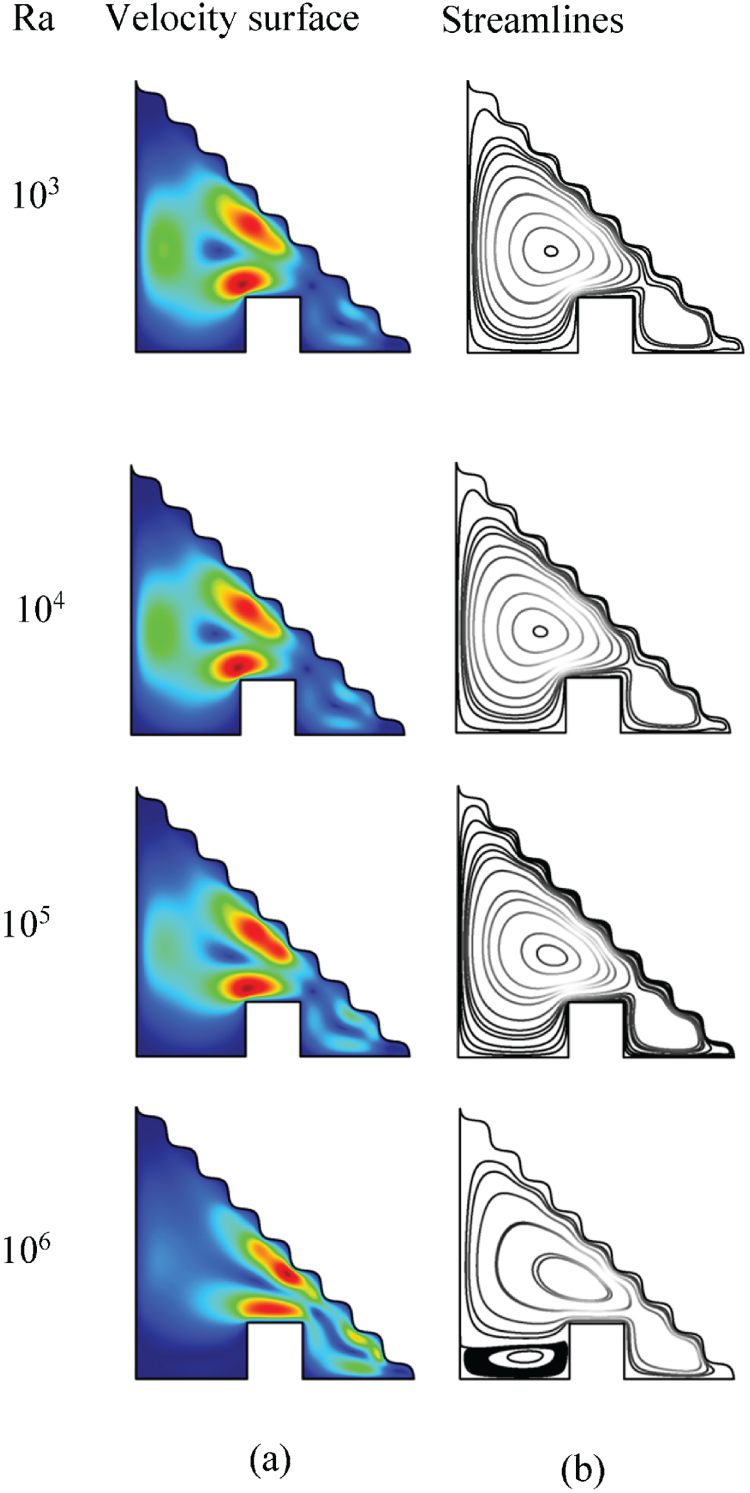
Figure 4: Velocity surfaces (a) and streamlines (b) for 103 ≤ Ra ≤ 106 and Ha = 30.
Fig. 5a illustrates the horizontal velocity contours, revealing two different convection cells generated via the cold base-hot inclined wall thermal gradient. As Rayleigh number Ra increases buoyancy-driven forces amplify, propelling these cells towards the adiabatic wall. The central baffle functions as a partition, dividing the flow and establishing distinct circulation around it. Each cell circulates as a result of temperature-induced density fluctuations, with fluid ascending along the hot wall and descending along the cold base, and subsequently surrounding again. The insulated baffle directs the flow to divide, resulting in symmetrical or asymmetrical recirculation zones depending on Ra. This structural obstacle deflects the flow of momentum, thereby intensifying thermal stratification within the cavity. The rising Ra compresses the boundary layer near the hot wall, accelerating flow and reducing layer thickness. Similarly, Fig. 5b presents the vertical velocity contours, showing two prominent vertical convection cells emerge for Ra = 103, positioned side by side within the enclosure. With increasing Rayleigh number, one of these vertical cells shifts towards the hot wall, while the other drift toward the cooler region of the enclosure This behavior indicates a progressive narrowing of the boundary layer with increasing Rayleigh number.
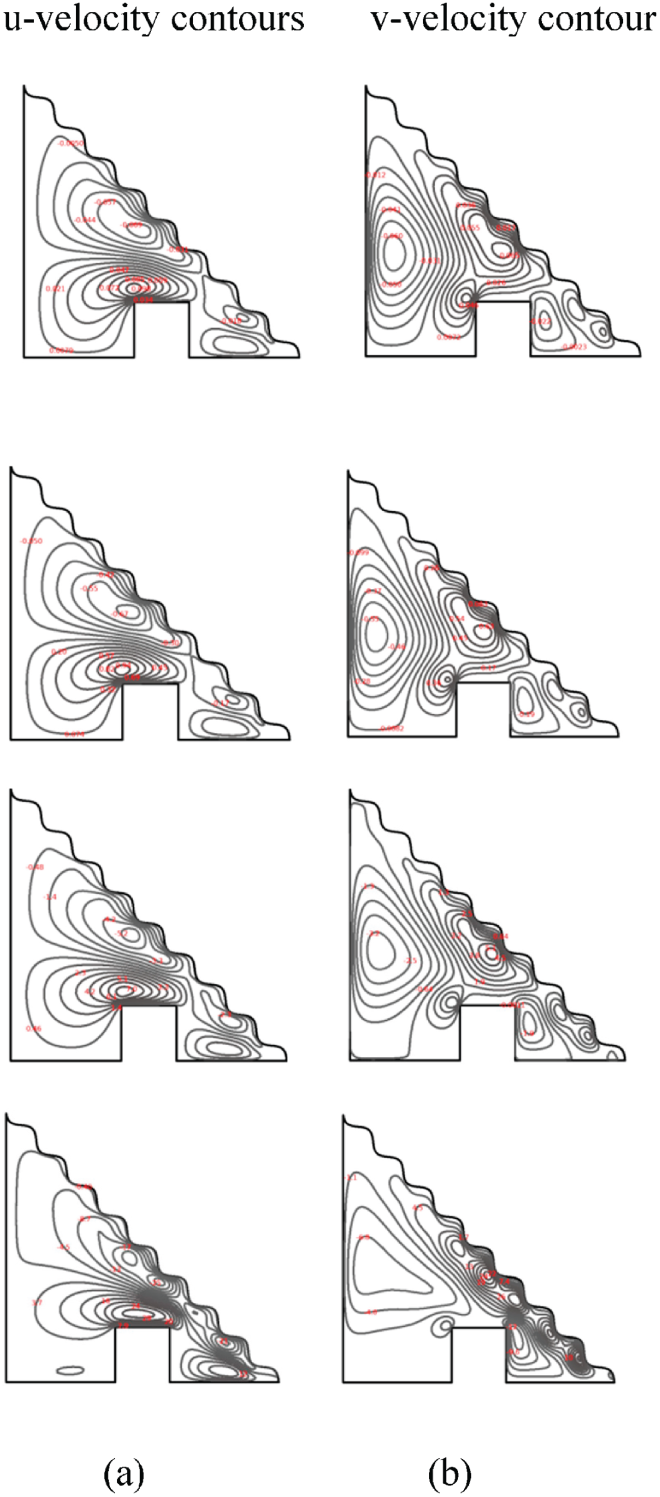
Figure 5: Isothermal u contour (a) and v contour (b) for 103 ≤ Ra ≤ 106 and Ha = 30.
Furthermore, Fig. 6a,b depicts surface temperature and isothermal contours under a constant Hartmann number Ha = 30, by increasing Rayleigh number within the triangular cavity, convection becomes the predominant mechanism for heat transfer, surpassing conduction. When Ra is very small, such as when Ra = 103, the isothermal contours are nearly vertical, indicating that heat is transported via conduction. As Ra increases, buoyancy forces lead the isothermal contours to align horizontally, improving convective heat transfer. Insulating walls induce contour orthogonality, which reduces heat transfer and directs it primarily between the cool base wall and the hot wall. This redirects fluid to flow around centre baffle, resulting in convection cells with distinct borders. With a higher Ra, the boundary layer near the hot wall is squeezed, increasing circulation and ensuring efficient heat transfer. Because the baffle obstructs vertical thermal conduction, the flow is compelled to circumvent its margins, resulting in the formation of high-shear recirculation regions. This mechanism improves mingling in the vicinity of the hot wall and increases the overall Nusselt number.
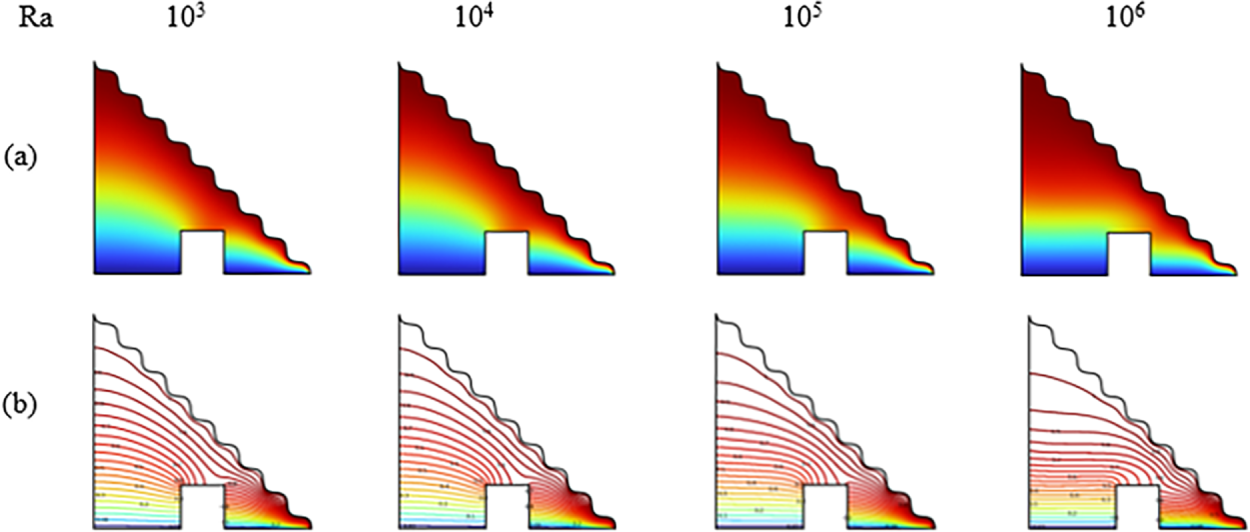
Figure 6: Surface temperature (a) and Isothermal contours (b) for 103 ≤ Ra ≤ 106 and Ha = 30.
Fig. 7 shows the streamlines (up) and isotherms (down) at Ra = 103 for various baffle sizes in a triangular cavity. As the baffle size grows, the flow patterns become more intense, with stronger rotating cells emerging due to the altered flow direction and increased thermal contact. The isotherms suggest that convection continues to dominate as the primary mode of heat transfer, with fluid motion effectively spreading heat throughout the cavity. While increasing baffle size improves convective circulation, it does not always lower the maximum temperature within the cavity. Instead, larger baffles prevent direct heat dispersion, resulting in isolated zones of increased temperature around the heat source. Thus, larger baffles provide more prominent temperature gradients and higher localized temperatures, even while convection rises throughout the cavity.
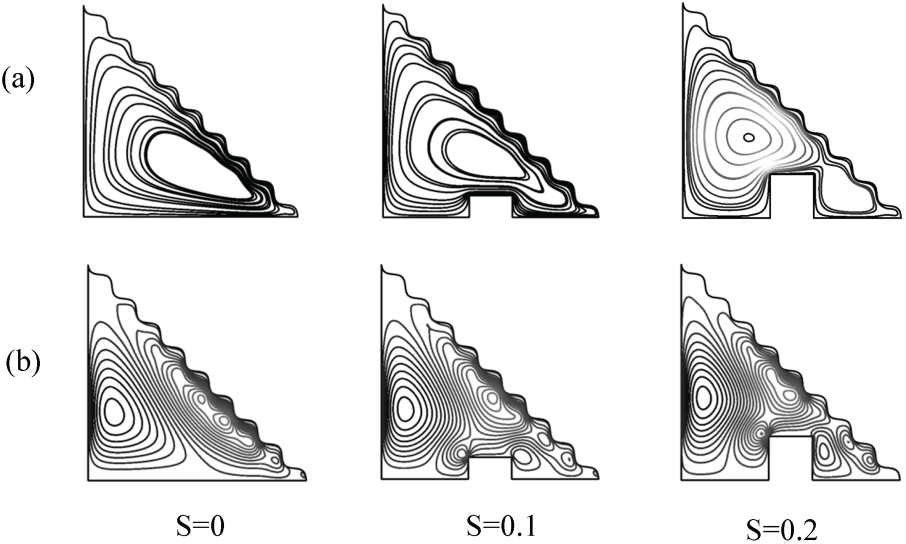
Figure 7: Streamlines (a) and Isothermal contours (b) for different baffle size for Ra = 103 and Ha = 30.
Fig. 8 demonstrates how Rayleigh number and baffle sizes from S = 0 to 0.02 affect the triangular cavities average Nusselt number. As expected, the mean Nusselt number continues to move in concert with the Rayleigh number. Higher buoyant forces improve convective heat transfer. To get the average Nusselt number, we first found the local Nusselt number from the temperature gradient that is perpendicular to the hot wall. Then we added up all of the local Nusselt numbers along the length of the wall to get the area-averaged value. This approach ensures an accurate portrayal of the heat transfer properties for varying baffle sizes. Interestingly, as the baffle size grows, Nu increases, indicating that larger baffles provide stronger convective circulation within the cavity. The increased baffle size alters flow patterns by adding new flow cells or amplifying circulation paths, so increasing the passage of cooler fluid toward the heat source. Furthermore, greater baffles result in more structured and powerful convective currents, promoting efficient heat transmission across the cavity. Localized heating raises the maximum temperature near the heat source, while larger baffles boost convection. This leads to better heat distribution and higher average Nusselt numbers, demonstrating the beneficial effect of baffle size on heat transmission within the triangular cavity.
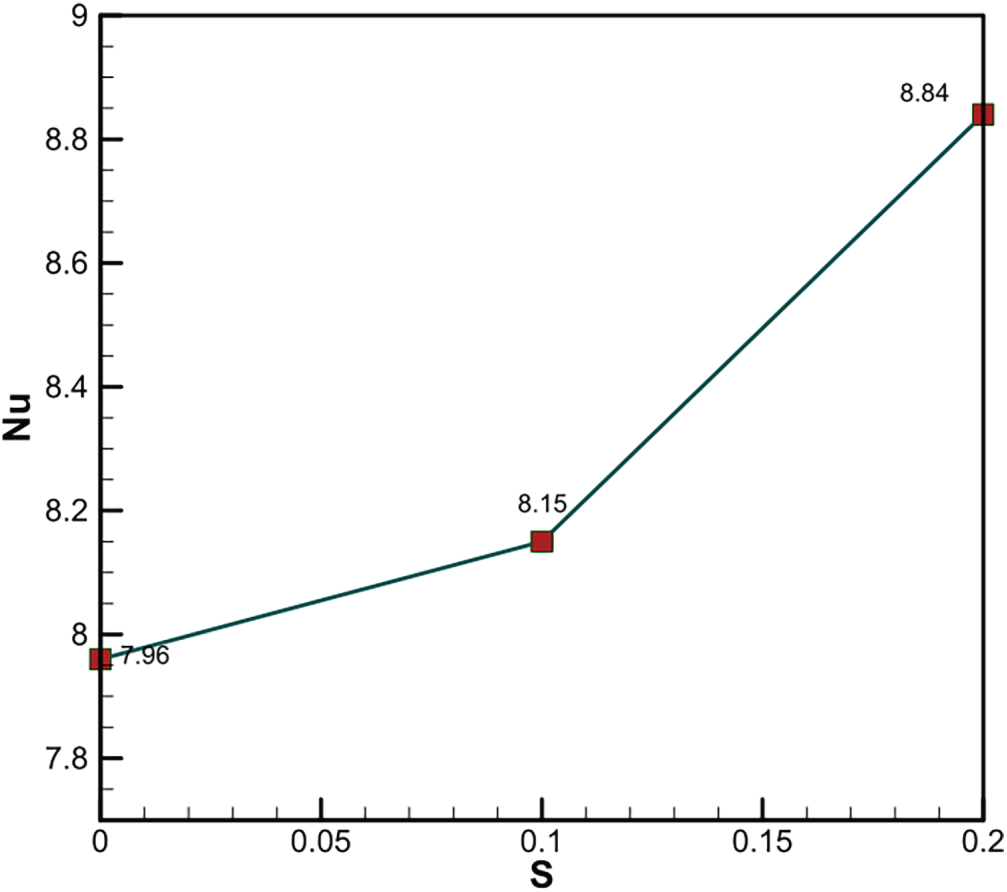
Figure 8: Nu for different baffle size for Ra = 103 and Ha = 30.
Fig. 9 shows velocity profiles illustrating the way Hartmann and Rayleigh number affect flow dynamics: (x = 0.5) (Fig. 9a) also (y = 0.5) Fig. 9b. As Ra escalates from 102 to 107, a significant increase in velocity magnitudes and the emergence of increasingly strong gradients are observed, signifying the strengthening of buoyancy-driven convection. At lower Ra, the flow is rather uniform and reduced; but, at higher Ra, noticeable peaks and oscillatory patterns arise, especially at (y = 0.5), indicating the emergence of complex convective structures and turbulence. Throughout these trends, the magnetic field impact, denoted by Ha = 30, imparts a stabilizing influence on the flow. This is apparent from the attenuation of extreme velocity oscillations and the more gradual transitions throughout the profiles, even at elevated Ra. The interaction of buoyancy forces influenced by Ra and magnetic damping resulting from Ha produces an anisotropic flow, exhibiting greater velocity fluctuations in the vertical profile (x = 0.5) than in the horizontal profile (y = 0.5).
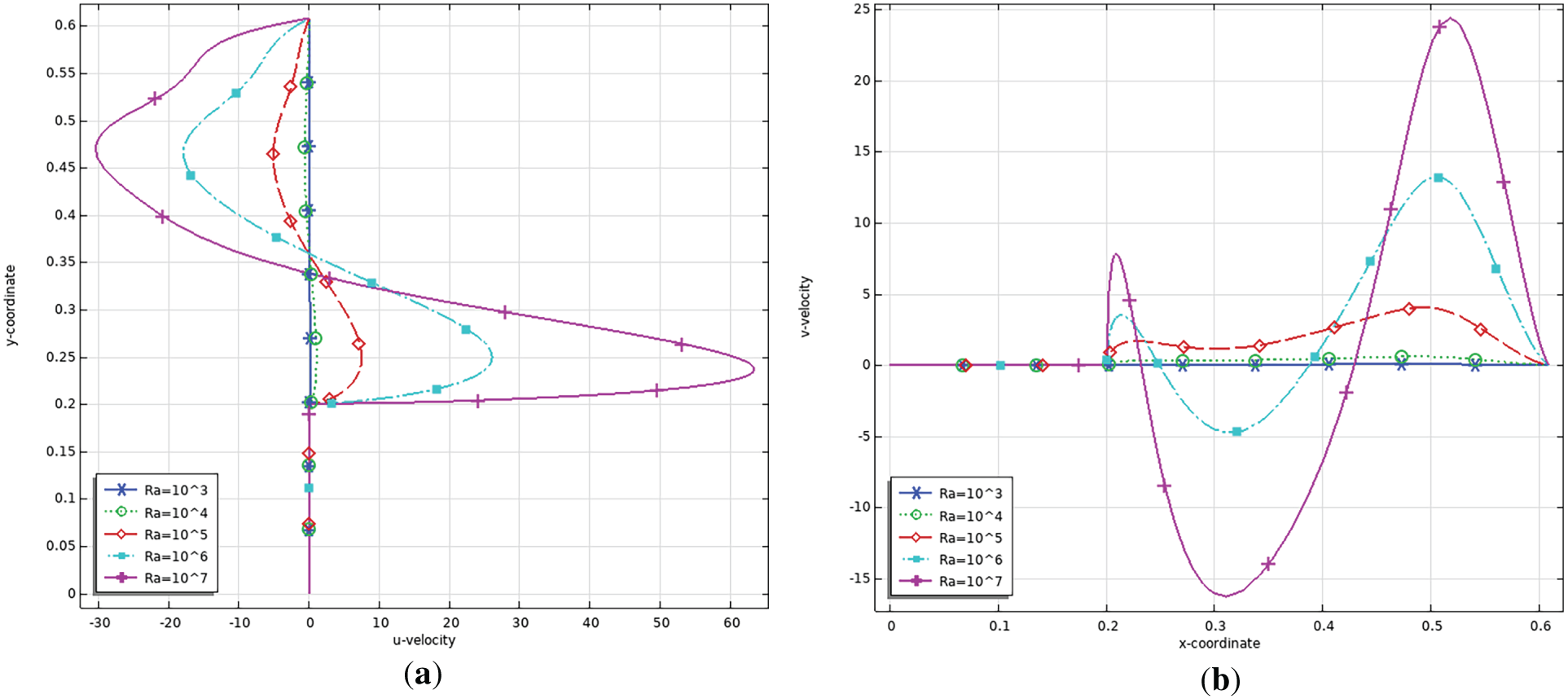
Figure 9: Illustrates the velocity variation for 102 ≤ Ra ≤ 107 and Ha = 30: (a) along x = 0.5, and (b) along y = 0.5.
Fig. 10 results highlight the opposing functions of Ra and Ha in influencing overall flow dynamics, with Ra enhancing convective effects and Ha regulating them to preserve flow stability. Fig. 10 illustrates the way Hartmann number (Ha) values affect vertical velocity y = 0.5 as well as the horizontal flow at x = 0.5 for 0 ≤ Ha ≤ 40 and Ra = 4 ∗ 103. The horizontal velocity profile at the triangular cavity’s mid-width rises from bottom to top. In Fig. 10a, as Ha grows, horizontal velocity decreases on the enclosure’s top, whereas it increases in the lower section with rising Ha. Similarly, in the middle region of the enclosure, the vertical velocity decreases horizontally from left to right. Fig. 10b demonstrates that the vertical velocity increases in the right section of the enclosure as Ha rises, while it decreases in the left section with decreasing Ha. Fig. 11 provides an illustration of the relationship between the mean Nusselt number and the Rayleigh number with a constant Hartmann number 30. The Nusselt number rises in the graph with the Rayleigh number rises from Ra = 103 to Ra = 104. As Rayleigh number rises, buoyancy-driven convection influences cavity heat transfer. At decreasing Ra values, Nu remains low, indicating that conduction is the primary heat transfer method under a moderate magnetic field Ha = 30. As Ra increases, buoyancy forces intensify, boosting convective currents within the cavity. This improvement results in a higher Nusselt number, since convective heat transport becomes more efficient. At higher Ra levels, Nu exhibits a considerable rise, Conduction-dominated heat transport has given way to convection. The increase of Nu with ascending Ra signifies that buoyancy effects are progressively surpassing the attenuating impact of the magnetic field, promoting more intense fluid dynamics and improved thermal transfer efficiency.
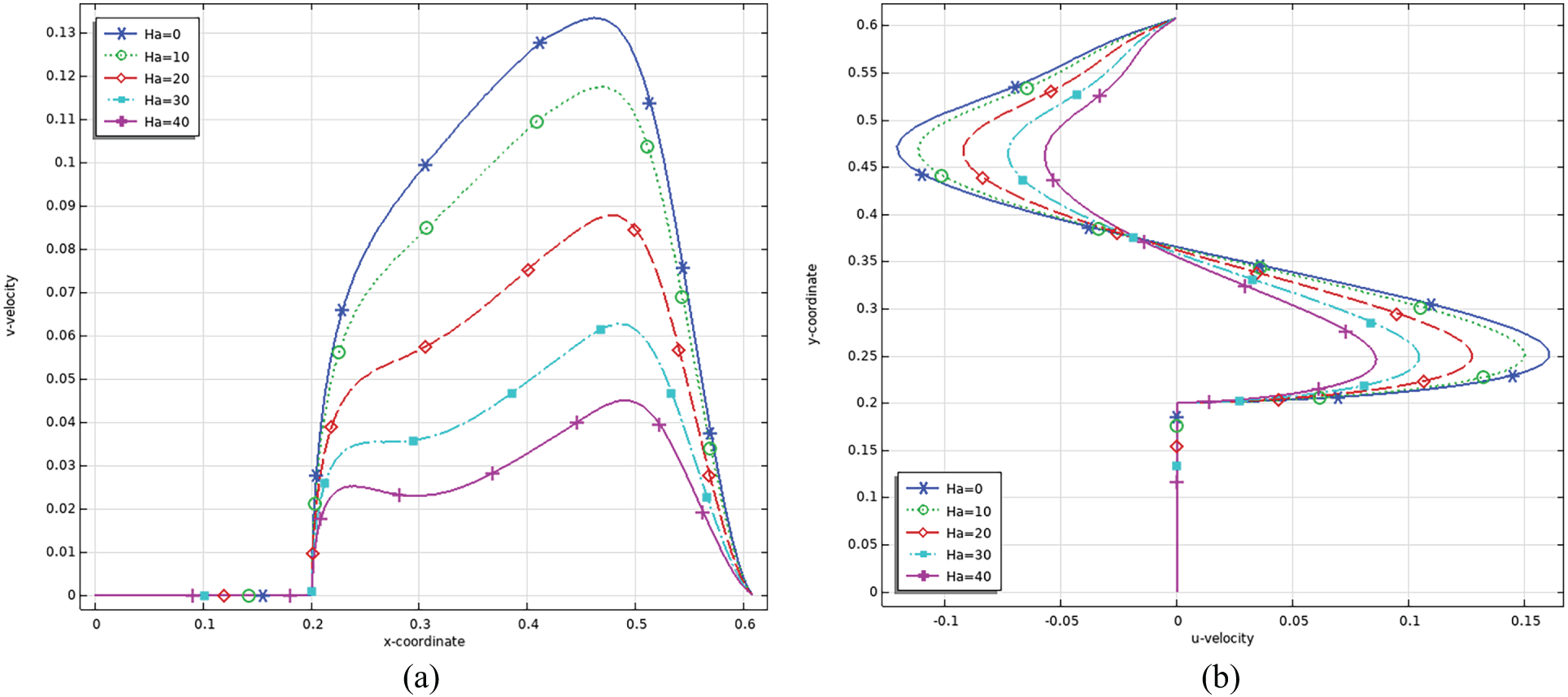
Figure 10: Illustrates velocity variation for Ra = 103 and 0 ≤ Ha ≤ 40: (a) along x = 0.5, and (b) along y = 0.5.
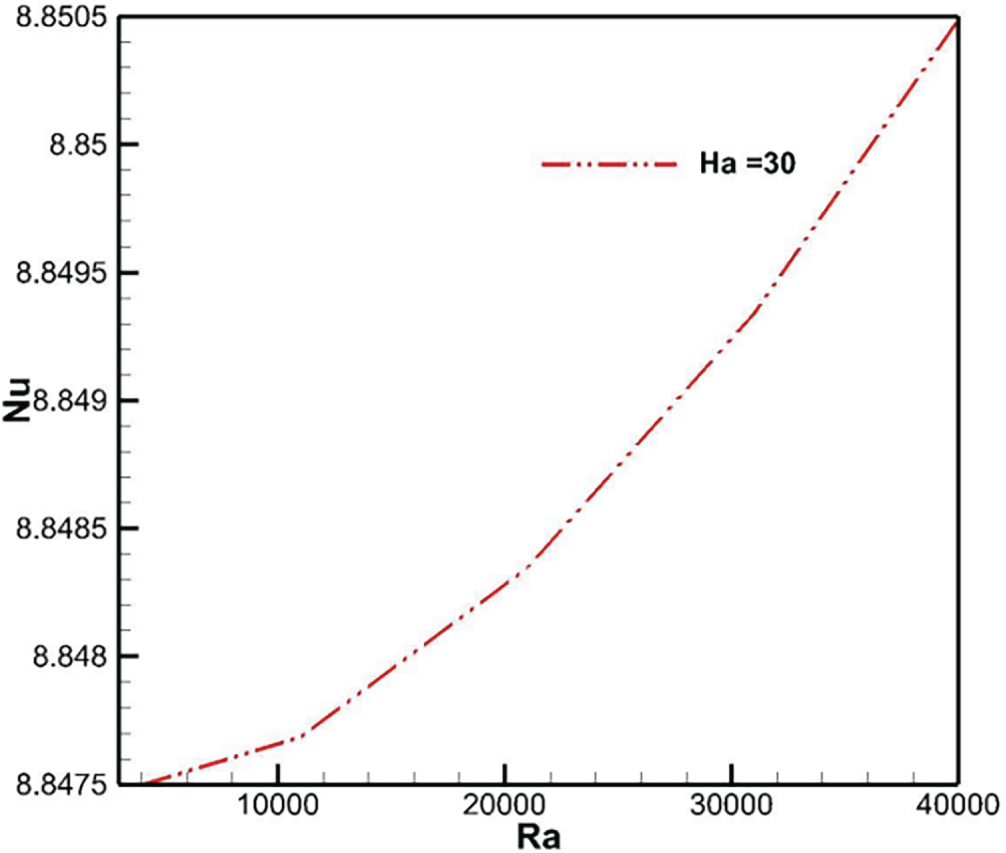
Figure 11: Illustrates variation of Nu for Ha = 30 and 103 ≤ Ra ≤ 4 ∗ 104.
The graph indicates that elevated Rayleigh numbers enhance convective heat transport, resulting in greater Nusselt numbers, even with a constant magnetic influence (Ha = 30). The graph suggests that higher Rayleigh numbers improve convective heat transfer, even with a steady magnetic field, highlighting Ra’s role in enhancing convection in magnetically influenced systems.
Fig. 12 demonstrates the correlation between Hartmann number and mean Nusselt number at Ra = 103. The pattern shows that Nusselt number falls when Ha increases from 0 to 40. This graph shows how the magnetic field affects cavity convective heat transfer. Without magnetic impact, Ha = 0. Nu attains its peak value, signifying robust convective heat transfer resulting from buoyancy-driven flow. As Ha grows, the Nusselt number diminishes, indicating the fact that the field of magnetic particles thereby hinder the flow of convection. The magnetic field’s Lorentz force opposes fluid velocity, weakening cavity convective currents. At Ha = 40, the Nusselt number has significantly diminished, indicating that the magnetic field has substantially reduces convection to virtually conductive levels. The suppression effect demonstrates that a high magnetic field considerably restricts buoyancy-driven flow, therefore dropping cavity heat transfer efficiency.
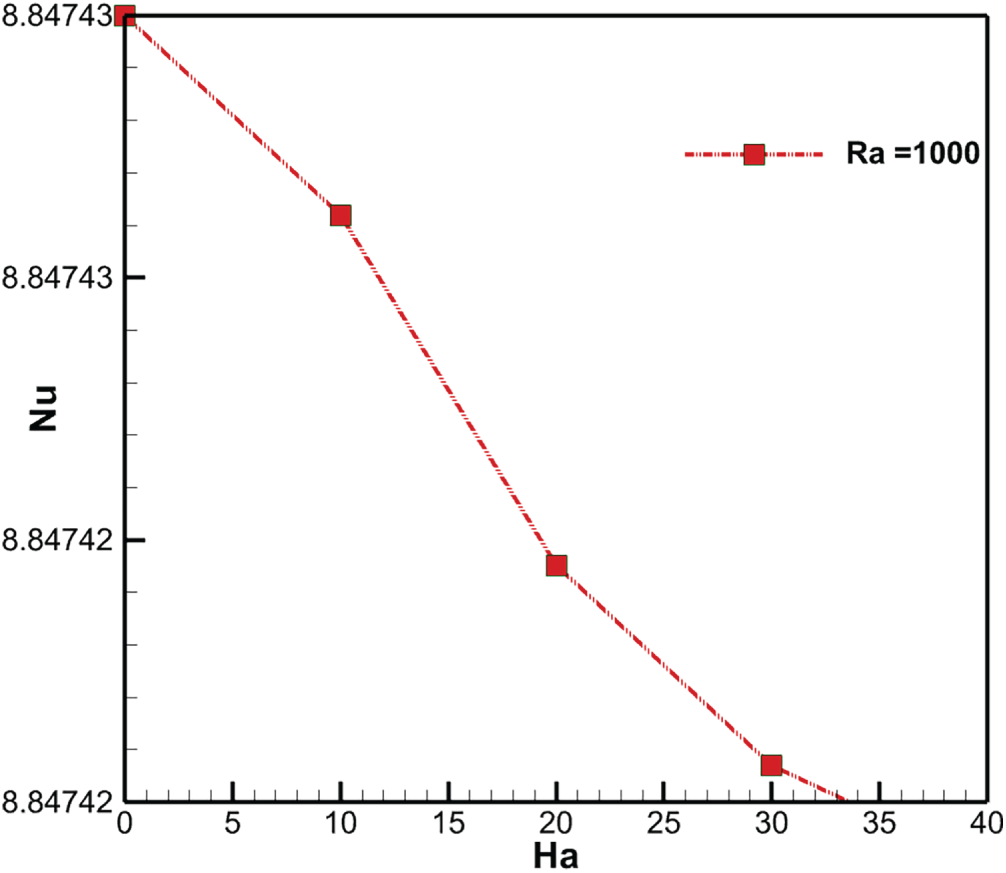
Figure 12: Illustrates variation of Nu for Ra = 103 and 0 ≤ Ha ≤ 40.
Fig. 13 portray the fluctuation of temperature in relation to the Rayleigh number. Temperature (T) remains relatively constant with decreasing Ra values, signifying a consistent temperature gradient in the conduction-dominated domain. As Ra increases, a progressive increase in temperature is noted, indicating the shift from conduction to convection dominance. For Ra ≥ 106, the slope markedly increases, indicating a swift improvement in convective heat transport.
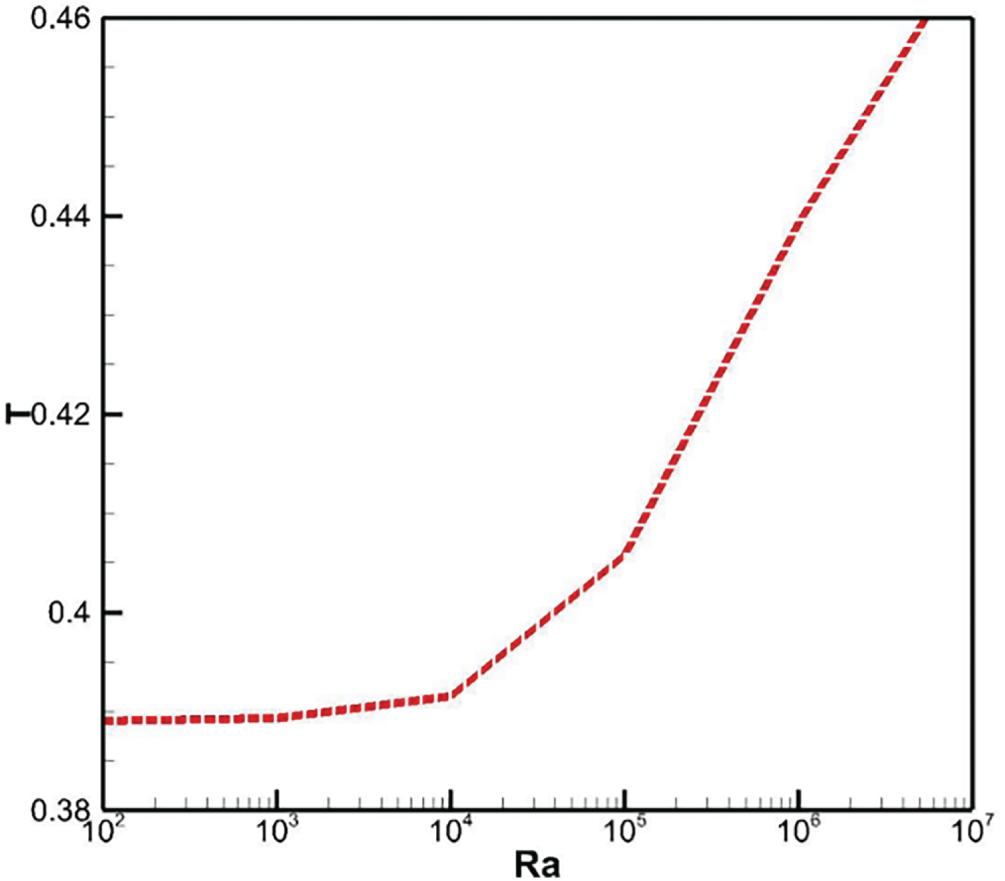
Figure 13: Temperature variation for 102 ≤ Ra ≤ 107 and Ha = 30.
This work examined the magnetohydrodynamic natural convection of ferrofluids within an inclined triangular cavity featuring an insulated vertical baffle, emphasizing the cumulative impact of Rayleigh number, Hartmann number, and baffle height on heat transmission and flow structure. The numerical results distinctly illustrate the conflicting influences of buoyancy and magnetic damping, along with the geometric regulation provided by the baffle, yielding quantitative insights beneficial for optimizing thermal system design. The research’s main findings are:
The Rayleigh number’s influence: Elevated Rayleigh numbers markedly enhance buoyancy-driven convection, resulting in a consistent rise in the average Nusselt number and total heat transfer rate.
The Hartmann number’s effect: An increase in the Hartmann number diminishes fluid motion due to Lorentz forces, leading to less convective activity and a consistent decline in the Nusselt number.
The height of baffles plays a crucial role: moderate extensions facilitate flow circulation and boost heat transfer, whereas excessively tall baffles impede movement and create localized heating adjacent to the slanted hot wall.
Thermal field regulation: The insulated baffle facilitates a more uniform redistribution of temperature gradients within the cavity, hence enhancing applications that necessitate precise thermal management.
The findings provide design principles for compact thermal management systems, encompassing electronic cooling, ferrofluid heat exchangers, and magnetically adjustable thermal devices, where shape, magnetic field intensity, and baffle positioning may be tuned.
Overall, this study offers practical guidelines for regulating heat transfer in ferrofluid-filled cavities by strategically adjusting baffle height, magnetic field intensity, and buoyancy forces. These findings are crucial for the design of tiny thermal systems such as electronic cooling modules, ferrofluid-based heat exchangers, and magnetically adjustable thermal devices where geometric alterations and magnetic manipulation can be employed to control heat transfer.
Future extensions of this research may include transient simulations, variable magnetic field methodologies, and hybrid nanofluids to better represent more accurate thermal phenomena. Furthermore, incorporating machine-learning or physics-informed neural network (PINN) models to forecast flow and heat transfer responses across various baffle configurations, inclinations, and magnetic field intensities would facilitate the acceleration of optimization processes and decrease computational expenses.
Acknowledgement: One of the authors (AC) gratefully acknowledges SRM Institute of Science and Technology (SRMIST), Kattankulathur, India, for providing the essential research facilities and financial assistance through a research fellowship for this study.
Funding Statement: The authors received no specific funding for this study.
Author Contributions: Anandhi C. conceptualized the problem, ran COMSOL multiphysics numerical simulations, assessed the results, and wrote the initial manuscript draft. Narsu Sivakumar oversaw the research, coordinated the methodology, and edited the manuscript for scientific accuracy. Revathi Devi M. helped interpret data, validate results, and revise manuscripts. All authors reviewed and approved the final version of the manuscript.
Availability of Data and Materials: The datasets analyzed during the current study are available from the corresponding author upon reasonable request.
Ethics Approval: Not applicable.
Conflicts of Interest: The authors declare no conflicts of interest.
Nomenclature
| U, V | Components of dimensionless velocity |
| a | Corrugation amplitude in dimensional form |
| B0 | Strength of magnetic field (T) |
| S | Dimensional height of baffle (m) |
| f | Corrugation frequency |
| g | Gravitational acceleration (m s−²) |
| Cp | Specific heat Cp. Specific heat under continuous pressure (J kg−¹ K−¹) |
| L | Length of the triangular enclosure (m) |
| x, y | Dimensional coordinates in cartesian space(m) |
| u, v | Dimensional velocity components (m s−¹) |
| Ha | Hartmann number |
| Pr | Prandtl number |
| P | non-dimensional pressure |
| X, Y | Dimensionless coordinates |
| T | Temperature (K) |
| Nu | Mean Nusselt number |
| Ra | Rayleigh number |
| p | Pressure (N m−²) |
| NE | Number of elements |
| α | Thermal diffusivity (m2/s) |
| Greek Symbols | |
| Θ | Dimensionless temperature |
| σ | Electrical conductivity (S m−¹) |
| ν | Kinematic viscosity (m² s−¹) |
| μ | Dynamic viscosity (kg m−¹ s−¹) |
| β | Volumetric thermal expansion coefficient (K−¹) |
| ρ | Mass density (kg m−³) |
| φ | Solid-volume fraction of nanoparticles |
| Subscripts | |
| c | Cold |
| h | Hot |
| p | Ferro particle |
| ff | Ferrofluid |
| f | Fluid |
References
1. Chamkha AJ, Mansour MA, Ahmed SE. Double-diffusive natural convection in inclined finned triangular porous enclosures in the presence of heat generation/absorption effects. Heat Mass Transf. 2010;46(7):757–68. doi:10.1007/s00231-010-0622-6. [Google Scholar] [CrossRef]
2. Varol Y, Oztop HF, Varol A. Effects of thin fin on natural convection in porous triangular enclosures. Int J Therm Sci. 2007;46(10):1033–45. doi:10.1016/j.ijthermalsci.2006.11.001. [Google Scholar] [CrossRef]
3. Xuan Y, Li Q. Heat transfer enhancement of nanofluids. Int J Heat Fluid Flow. 2000;21(1):58–64. doi:10.1016/S0142-727X(99)00067-3. [Google Scholar] [CrossRef]
4. Usman M, Hamid M, Khan ZH, Ul Haq R, Khan WA. Finite element analysis of water-based Ferrofluid flow in a partially heated triangular cavity. Int J Numer Meth Heat Fluid Flow. 2021;31(10):3132–47. doi:10.1108/hff-12-2019-0930. [Google Scholar] [CrossRef]
5. Marin CN, Malaescu I. Experimental and theoretical investigations on thermal conductivity of a ferrofluid under the influence of magnetic field. Eur Phys J E Soft Matter. 2020;43(9):61. doi:10.1140/epje/i2020-11986-3. [Google Scholar] [PubMed] [CrossRef]
6. Afsana S, Molla MM, Nag P, Saha LK, Siddiqa S. MHD natural convection and entropy generation of non-Newtonian ferrofluid in a wavy enclosure. Int J Mech Sci. 2021;198(10):106350. doi:10.1016/j.ijmecsci.2021.106350. [Google Scholar] [CrossRef]
7. Ahmed SE, Rashad AM, Reddy Gorla RS. Natural convection in triangular enclosures filled with nanofluid saturated porous media. J Thermophys Heat Transf. 2013;27(4):700–6. doi:10.2514/1.t4029. [Google Scholar] [CrossRef]
8. Rakib T, Das S, Rabbi KM, Mojumder S, Saha S. Effect of discrete heater in a triangular cavity filled with non-Newtonian power law fluid. In: Proceedings of the International Conference on Mechanical Engineering and Renewable Energy; 2015 Nov 26–29; Chittagong, Bangladesh. doi: 10.13140/RG.2.1.4161.1608. [Google Scholar] [CrossRef]
9. Mansour MA, Ahmed SE. A numerical study on natural convection in porous media-filled an inclined triangular enclosure with heat sources using nanofluid in the presence of heat generation effect. Eng Sci Technol Int J. 2015;18(3):485–95. doi:10.1016/j.jestch.2015.03.007. [Google Scholar] [CrossRef]
10. Triveni M, Panua R. Numerical analysis of natural convection in a triangular cavity with different configurations of hot wall. Int J Heat Technol. 2017;35(1):11–8. doi:10.18280/ijht.350102. [Google Scholar] [CrossRef]
11. Uddin MJ, Al-Balushi J, Mahatabuddin S, Rahman MM. Convective heat transport for copper oxide-water nanofluid in an isosceles triangular cavity with a rippled base wall in the presence of magnetic field. Int J Thermofluids. 2022;16(3):100195. doi:10.1016/j.ijft.2022.100195. [Google Scholar] [CrossRef]
12. Tawade JV, Guled CN, Noeiaghdam S, Fernandez-Gamiz U, Govindan V, Balamuralitharan S. Effects of thermophoresis and Brownian motion for thermal and chemically reacting Casson nanofluid flow over a linearly stretching sheet. Results Eng. 2022;15(3):100448. doi:10.1016/j.rineng.2022.100448. [Google Scholar] [CrossRef]
13. Ali Shah I, Bilal S, Noeiaghdam S, Fernandez-Gamiz U, Shahzad H. Thermosolutal natural convection energy transfer in magnetically influenced casson fluid flow in hexagonal enclosure with fillets. Results Eng. 2022;15(1):100584. doi:10.1016/j.rineng.2022.100584. [Google Scholar] [CrossRef]
14. Sagadevan P, Raju U, Murugesan M, Fernandez-Gamiz U, Noeiaghdam S. Chemical reactions with the Casson nanofluid flow by the bioconvective behavior of microorganisms over a spinning disc. Heliyon. 2024;11(1):e41238. doi:10.1016/j.heliyon.2024.e41238. [Google Scholar] [PubMed] [CrossRef]
15. Dogonchi AS, Ismael MA, Chamkha AJ, Ganji DD. Numerical analysis of natural convection of Cu–water nanofluid filling triangular cavity with semicircular bottom wall. J Therm Anal Calorim. 2019;135(6):3485–97. doi:10.1007/s10973-018-7520-4. [Google Scholar] [CrossRef]
16. Ma Y, Mohebbi R, Rashidi MM, Yang Z, Sheremet MA. Numerical study of MHD nanofluid natural convection in a baffled U-shaped enclosure. Int J Heat Mass Transf. 2019;130(5):123–34. doi:10.1016/j.ijheatmasstransfer.2018.10.072. [Google Scholar] [CrossRef]
17. Hamzah K, Ali FH, Hatami M, Jing D. Effect of two baffles on MHD natural convection in U-shape superposed by solid nanoparticle having different shapes. J Appl Comput Mech. 2020;6:1200–09. doi:10.22055/jacm.2020.33064.2141. [Google Scholar] [CrossRef]
18. Chandanam V, Lakshmi CV, Venkatadri K, Bég OA, Prasad VR. Numerical simulation of thermal management during natural convection in a porous triangular cavity containing air and hot obstacles. Eur Phys J Plus. 2021;136(8):885. doi:10.1140/epjp/s13360-021-01881-3. [Google Scholar] [CrossRef]
19. Khan ZH, Ahmad Khan W, Hamid M. Non-Newtonian fluid flow around a Y-shaped fin embedded in a square cavity. J Therm Anal Calorim. 2021;143(1):573–85. doi:10.1007/s10973-019-09201-9. [Google Scholar] [CrossRef]
20. Nojoomizadeh M, Karimipour A, Firouzi M, Afrand M. Investigation of permeability and porosity effects on the slip velocity and convection heat transfer rate of Fe3O4/water nanofluid flow in a microchannel while its lower half filled by a porous medium. Int J Heat Mass Transf. 2018;119(3):891–906. doi:10.1016/j.ijheatmasstransfer.2017.11.125. [Google Scholar] [CrossRef]
21. Yaseen DT, Majeed AJ, Ahmed SS, Ismael MA. Impact of a wavy wall triangular porous cylinder on diffusive-mixed convection in a lid-driven triangular cavity. Int J Thermofluids. 2025;25(2):101007. doi:10.1016/j.ijft.2024.101007. [Google Scholar] [CrossRef]
22. Chen HT, Su WY, Chen KX, Yan WM, Li CG. Numerical and experimental study of inverse natural convection-conduction heat transfer in an inclined rectangular cavity. Numer Heat Transf Part B Fundam. 2025;86(1):160–77. doi:10.1080/10407790.2023.2279087. [Google Scholar] [CrossRef]
23. Santhosh N, Sivaraj R. Comparative heat transfer performance of hydromagnetic mixed convective flow of cobalt-water and cobalt-kerosene Ferro-nanofluids in a porous rectangular cavity with shape effects. Eur Phys J Plus. 2023;138(3):240. doi:10.1140/epjp/s13360-023-03837-1. [Google Scholar] [CrossRef]
24. Rehman N, Mahmood R, Majeed AH, Khan I, Mohamed A. Multigrid simulations of non-Newtonian fluid flow and heat transfer in a ventilated square cavity with mixed convection and baffles. Sci Rep. 2024;14(1):6694. doi:10.1038/s41598-024-57322-5. [Google Scholar] [PubMed] [CrossRef]
25. Karim MF, Islam S, Rahman MM, Paul A, Mandal G. A numerical investigation on forced convection heat and mass transfer performance in a right triangular cavity. Int J Thermofluids. 2024;21(8):100578. doi:10.1016/j.ijft.2024.100578. [Google Scholar] [CrossRef]
26. Rob MA, Alim MA. Convective heat flow analysis with a heated rectilinear frame inside a triangular enclosure. Res Appl Therm Eng. 2023;6(3):1–12. doi:10.5281/zenodo.8328787. [Google Scholar] [CrossRef]
27. Islam T, Alam MN, Niazai S, Khan I, Fayz-Al-Asad M, Alqahtani S. Heat generation/absorption effect on natural convective heat transfer in a wavy triangular cavity filled with nanofluid. Sci Rep. 2023;13(1):21171. doi:10.1038/s41598-023-48704-2. [Google Scholar] [PubMed] [CrossRef]
28. Raizah Z, Aly AM, Alsedais N, Mansour MA. MHD mixed convection of hybrid nanofluid in a wavy porous cavity employing local thermal non-equilibrium condition. Sci Rep. 2021;11(1):17151. doi:10.1038/s41598-021-95857-z. [Google Scholar] [PubMed] [CrossRef]
29. Dhia Massoudi M, Ben Hamida MB, Mohammed HA, Almeshaal MA. MHD heat transfer in W-shaped inclined cavity containing a porous medium saturated with Ag/Al2O3 hybrid nanofluid in the presence of uniform heat generation/absorption. Energies. 2020;13(13):3457. doi:10.3390/en13133457. [Google Scholar] [CrossRef]
30. Nasr S, Dinarvand S, Tamim H, Gherieb S, Kezzar M, Noeiaghdam S, et al. Modeling of EMHD ternary hybrid Williamson nanofluid flow over a stretching sheet with temperature jump and magnetic induction. Numer Heat Transf Part B Fundam. 2026;87:2384076. doi:10.1080/10407790.2024.2384076. [Google Scholar] [CrossRef]
31. Mohana Ramana R, Maheswari C, Shaw SM, Dharmaiah G, Fernandez-Gamiz U, Noeiaghdam S. Numerical investigation of 3-D rotating hybrid nanofluid Forchheimer flow with radiation absorption over a stretching sheet. Results Eng. 2024;22(12):102019. doi:10.1016/j.rineng.2024.102019. [Google Scholar] [CrossRef]
32. Dharmaiah G, Balamurugan KS, Saxena H, Fernandez-Gamiz U, Noeiaghdam S, Dinesh Kumar M, et al. Exploration of physical characteristics of gyrotactic microorganisms and Cattaneo-Christov heat flux past a cone and a wedge with thermal radiation. Case Stud Therm Eng. 2025;68(10):105916. doi:10.1016/j.csite.2025.105916. [Google Scholar] [CrossRef]
33. Syam Sundar L, Singh MK, Sousa ACM. Investigation of thermal conductivity and viscosity of Fe3O4 nanofluid for heat transfer applications. Int Commun Heat Mass Transf. 2013;44(4):7–14. doi:10.1016/j.icheatmasstransfer.2013.02.014. [Google Scholar] [CrossRef]
34. Sivaraj C, Sheremet MA. MHD natural convection and entropy generation of ferrofluids in a cavity with a non-uniformly heated horizontal plate. Int J Mech Sci. 2018;149:326–37. doi:10.1016/j.ijmecsci.2018.10.017. [Google Scholar] [CrossRef]
35. Çengel YA, Ghajar AJ. Heat and mass transfer: fundamentals and applications. 6th ed. New York, NY, USA: McGraw Hill; 2020. [Google Scholar]
36. Dorogokupets PI, Sokolova TS, Dymshits AM, Litasov KD. Thermodynamic properties of rock-forming oxides, α-Al2O3, Cr2O3, α-Fe2O3, and Fe3O4 at high temperatures and pressures. Geodin Tektonofiz. 2016;7(3):459–76. doi:10.5800/gt-2016-7-3-0217. [Google Scholar] [CrossRef]
37. Tasnim S, Mitra A, Saha H, Islam MQ, Saha S. MHD conjugate natural convection and entropy generation of a nanofluid filled square enclosure with multiple heat-generating elements in the presence of Joule heating. Results Eng. 2023;17(11–12):100993. doi:10.1016/j.rineng.2023.100993. [Google Scholar] [CrossRef]
38. Chabani I, Mebarek-Oudina F, Ismail AAI. MHD flow of a hybrid nano-fluid in a triangular enclosure with zigzags and an elliptic obstacle. Micromachines. 2022;13(2):224. doi:10.3390/mi13020224. [Google Scholar] [PubMed] [CrossRef]
Cite This Article
 Copyright © 2026 The Author(s). Published by Tech Science Press.
This work is licensed under a Creative Commons Attribution 4.0 International License , which permits unrestricted use, distribution, and reproduction in any medium, provided the original work is properly cited.
 Downloads
 Citation Tools
