
 Login
Login Register
 Submit a Paper
 Propose a Special lssue
 Open Access
REVIEW
Advancing a Circular Bioeconomy through the Microbial Synthesis of Eco-Friendly Plastics from Marine Sources
1 Malaysia Higher Institution Centre of Excellence (HICoE), Institute of Climate Adaptation and Marine Biotechnology, Universiti Malaysia Terengganu, 21030 Kuala Nerus, Terengganu, Malaysia
2 School of Biological Sciences, Universiti Sains Malaysia, 11700 Gelugor, Pulau Pinang, Malaysia
* Corresponding Author: Sevakumaran Vigneswari. Email:
(This article belongs to the Special Issue: Development and Application of Biodegradable Plastics)
Journal of Polymer Materials 2026, 43(3), 3 https://doi.org/10.32604/jpm.2026.079186
Received 16 January 2026; Accepted 12 May 2026; Issue published 24 September 2026
 View Full Text
 Download PDF
Abstract
The increasing prevalence of plastic pollution demands strategies for sustainable biodegradable plastic production. Marine bacteria can be found on all continents able to survive in a variety of salinity levels and may be used to biosynthesis polyhydroxyalkanoates (PHAs), which can serve as a bioplastic substitute for conventional petroleum-based plastics. This paper presents a literature review and case study examining marine PHAs-producing microorganisms in the context of a circular bioeconomy and waste management. More specifically, it examines the marine PHA-producing bacteria's ability to utilise varying and renewable carbon substrates for PHA biosynthesis. From prior research studies, it was found that diversity of marine bacteria possesses the ability to produce short-chain length (scl-PHA) and medium-chain length (mcl-PHA) types of PHAs, leading to wide potential applications. The integration of marine bacterial processes not only mitigates waste and pollution in the environment but also contributes to carbon cycling through the conversion of greenhouse gases into valuable biopolymers. This demonstrates the importance of marine microbes for bioplastic production and reinforces the need for the use of marine biota in the management of bioplastics to achieve a sustainable and circular economy.Keywords
The plastic industry comprises seven significant sectors: agriculture, household, packaging, construction, electronics, automotive, and other sub-sectors such as plastic furniture and medical equipment. Synthetic plastics have proven to be one of the most important materials in our lives ever since they made their first commercial appearance in the 1950s [1]. They have been made with polymers derived from petrochemicals. These plastics have a negative environmental impact because they are resistant to chemical breakdown and degradation from microorganisms, resulting in long-term pollution and ecological consequences. This demonstrates that petroleum-based plastics pose an environmental risk since they are non-biodegradable and accumulate in landfills, oceans, and other ecosystems [2]. The United Nations Environment Programme (UNEP) [3] reports that humans produce around 400 million tons of plastic waste yearly, contaminating the environment, killing wildlife, and disrupting ecosystems, making it a major global issue. Consequently, this is a significant threat to the global ecosystem. The current extinction of living organisms is a consequence of the enormous and negative effects of human-created waste. Natural resources, such as fuel, are being economised as a result of the devastating contamination of our ecosystem. Despite efforts to promote recycling and reduce plastic consumption, the massive amount of plastic generated harms the environment.
The health and environmental consequences of plastic pollution are now a global concern since plastic is dangerous at all stages of its life cycle [4]. The plastic waste sitting in landfills can cause leachate pollution and raise the risk of greenhouse gas emissions [5]. Microplastics, which are small plastic particles, can be consumed by a variety of animals, including zooplankton, shellfish, fish, seabirds, and marine mammals, resulting in potential entry into the human food chain [6]. Shifting plastic waste from landfills to composting facilities may reduce waste disposal costs and transform the potential of biodegradable plastics [7]. Consequently, biodegradable plastics, which are derived from biological sources and are free of the toxicity of synthetic plastics, have the potential to be a superior option in the market.
Bioplastics are biodegradable, and one such bioplastic is polyhydroxyalkanoate (PHA). PHA can be made from excess carbon and limited nutrients such as nitrogen, oxygen, phosphorus, or sulfur [8]. PHA can be classified into two primary types based on the length of the carbon chains: short-chain length (scl-PHA) and medium-chain length (mcl-PHA). Scl-PHAs, like polyhydroxybutyrate (PHB), are more crystalline and brittle, which makes them appropriate for packaging, whereas mcl-PHAs are more flexible and commonly used for medical applications [9,10]. PHAs are produced by Cupriavidus necator and other Gram-negative and Gram-positive bacteria, which are secondary metabolites, which means it stores carbon and energy as intracellular PHAs [11]. Biodegradability is an advantageous property of polyhydroxyalkanoate polymers, which are naturally generated by bacteria and are beneficial in applications such as the packaging material industry [12]. PHA is a great candidate for replacing many types of plastics, as it has comparable thermal and mechanical properties to traditional plastics, but is biodegradable and biocompatible [13]. PHA is also commercially viable because it is biodegradable, biocompatible, and non-toxic, as well as having a unique R-configuration chirality which provides it with a specific optical activity and a weak antioxidant property, making it attract attention in the biomedical field compared to other biopolymers [14,15]. Since PHA manufacturing seeks to integrate organic wastes and renewable sources of carbon to produce PHA, it contributes to a circular economy and complies with the emerging global paradigms of low-regenerative systems aimed at minimising waste, emissions, and resources. Waste being transformed into high-value bioplastics is one way of reaching sustainability and minimising environmental pollution.
Various ecosystems globally remain unexplored, including large portions of the marine ecosystems, which contain countless undocumented species and resources. Marine bacteria can be found at almost every depth in the ocean, with examples of specific bacteria found in the epipelagic, mesopelagic, and bathypelagic zones [16]. Microbes can also colonise the substrates of sponges, corals, and sediments, and are generally found in high diversity, offering a protective physical structure and a place to shelter from environmental disturbance [17,18]. Ref. [18] also specifies that many bacteria that have been shown to produce PHA have not been given empirical evidence of their ability to produce PHA. The marine benthic environment is also reported to be a potential reservoir for discovering various PHA-accumulating strains [19]. Research on marine bacteria as efficient PHA producers are limited. Recent studies suggest that PHAs may be synthesised on an industrial scale by utilising the unique metabolic capabilities of some marine bacteria, because of their adaptability to extreme environmental conditions such as high salinity, high pressure, and fluctuating temperatures [20]. In the circular bioeconomy, marine bacteria are particularly important as both the producers and degraders of bioplastics, such as PHAs, which are synthesised from a variety of waste carbon sources.
2 The Global Plastic Burden through Production, Consumption and Waste
Plastic is a part of our daily use, owing to its beneficial features, such as its durability and cost. Due to these features, plastics are designed to fulfil the requirements of various applications across different industries. As such, over-reliance on conventional plastics has created a growing global challenge of plastic waste, with the potential of causing serious pollution of the environment. Based on statistics of plastic consumption as presented in Fig. 1 from the Organisation for Economic Cooperation and Development (OECD), plastic consumption has been increasing steadily since 1950, with the figures reaching 460 million tons in 2019 [21]. The consumption rate of plastic products is more than the consumption rate of other materials, such as steel, aluminium, and cement [22]. Once plastic products are used, they often end up as waste that can remain in the environment for hundreds of years. Unlike organic-based material that decomposes naturally, petroleum-based plastic breaks down very slowly and accumulates in landfills, waterways, and oceans, leading to environmental pollution [23]. Improper waste management can lead to plastic pollution, which can have negative impacts on the environment and human health, as a result of the generation of microplastics. Petroleum-based plastics are highly resistant to biological degradation and exhibit prolonged stability in the environment [24]. Global plastic production and manufacturing use about 5%–8% of the total oil production and thus depend critically on plastic [25].
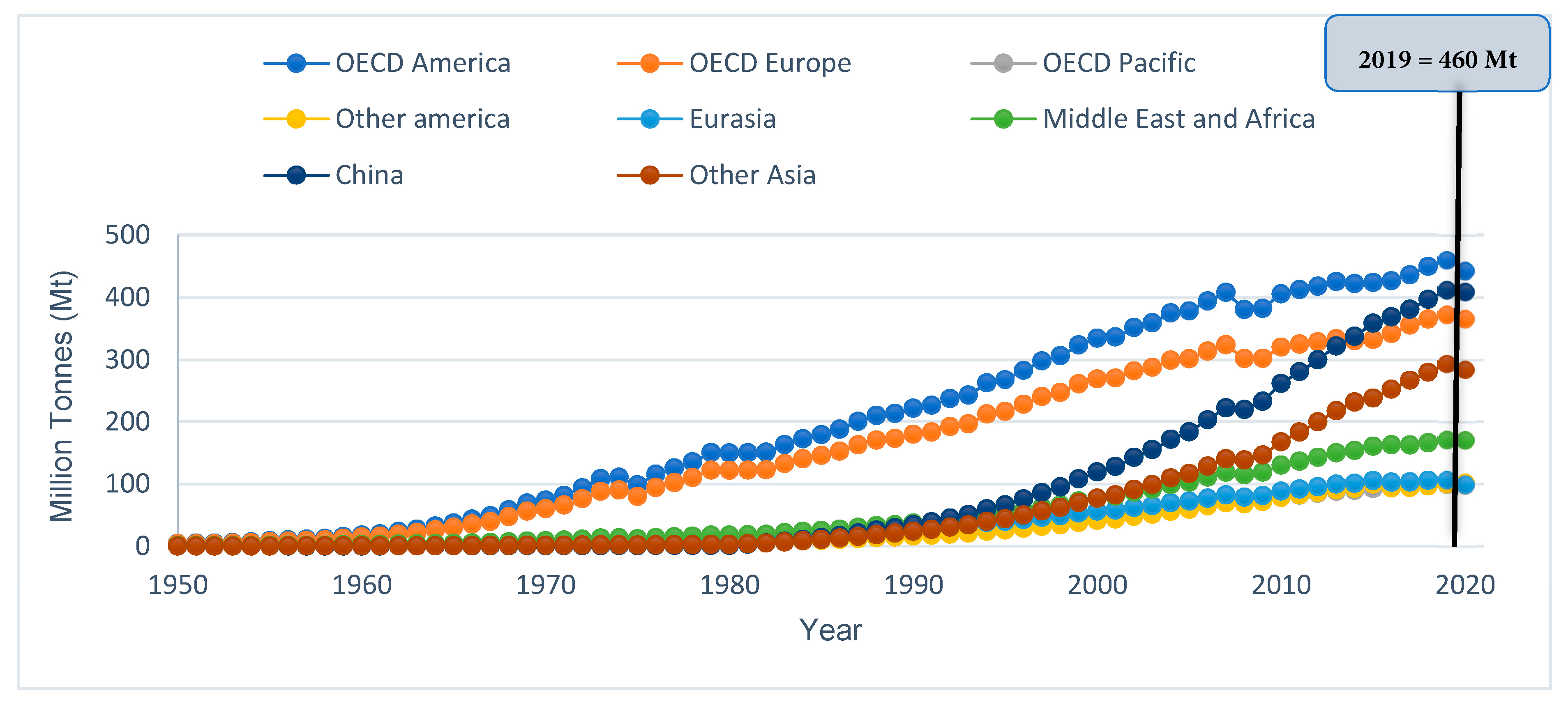
Figure 1: Data from the global plastics outlook database derived from total plastic consumption by region for the period 1950–2020. “Redrawn from data (OECD) [21]”.
Large-scale pollution and the widespread distribution of microplastics are two major effects of petroleum-based plastic pollution on the environment and human health, as indicated in Fig. 2. Over 8.3 billion tons of plastic trash are produced annually, of which 4.9 billion tons are disposed of in landfills worldwide, resulting in an annual loss of over $13 billion [26]. Microplastic levels in landfill waste have been documented at 20,000–91,000 items/Kg. Presently, there is no reliable way to determine whether plastics tossed in landfills will break down, biodegrade, or remain in landfills [27]. Microplastics are eaten by marine life, and are able to bioaccumulate in humans and other higher trophic-level animals through food webs and chains [28]. A study of the human stool sample has confirmed that humans ingest microplastics. All eight stool samples tested showed the presence of microplastics, with a total of nine types of plastic detected. The most abundant types found were polypropylene and polyethylene terephthalate [29]. Furthermore, plastic usage contributes to climate change, as there are greenhouse gas emissions produced at every stage of a plastic’s life cycle, including waste management, plastic production, and the extraction of raw materials for plastic [30]. Polyethylene (PE), polypropylene (PP), polystyrene (PS), and polyvinyl chloride (PVC) are the fundamental polymers based on petroleum and are categorised as plastics.
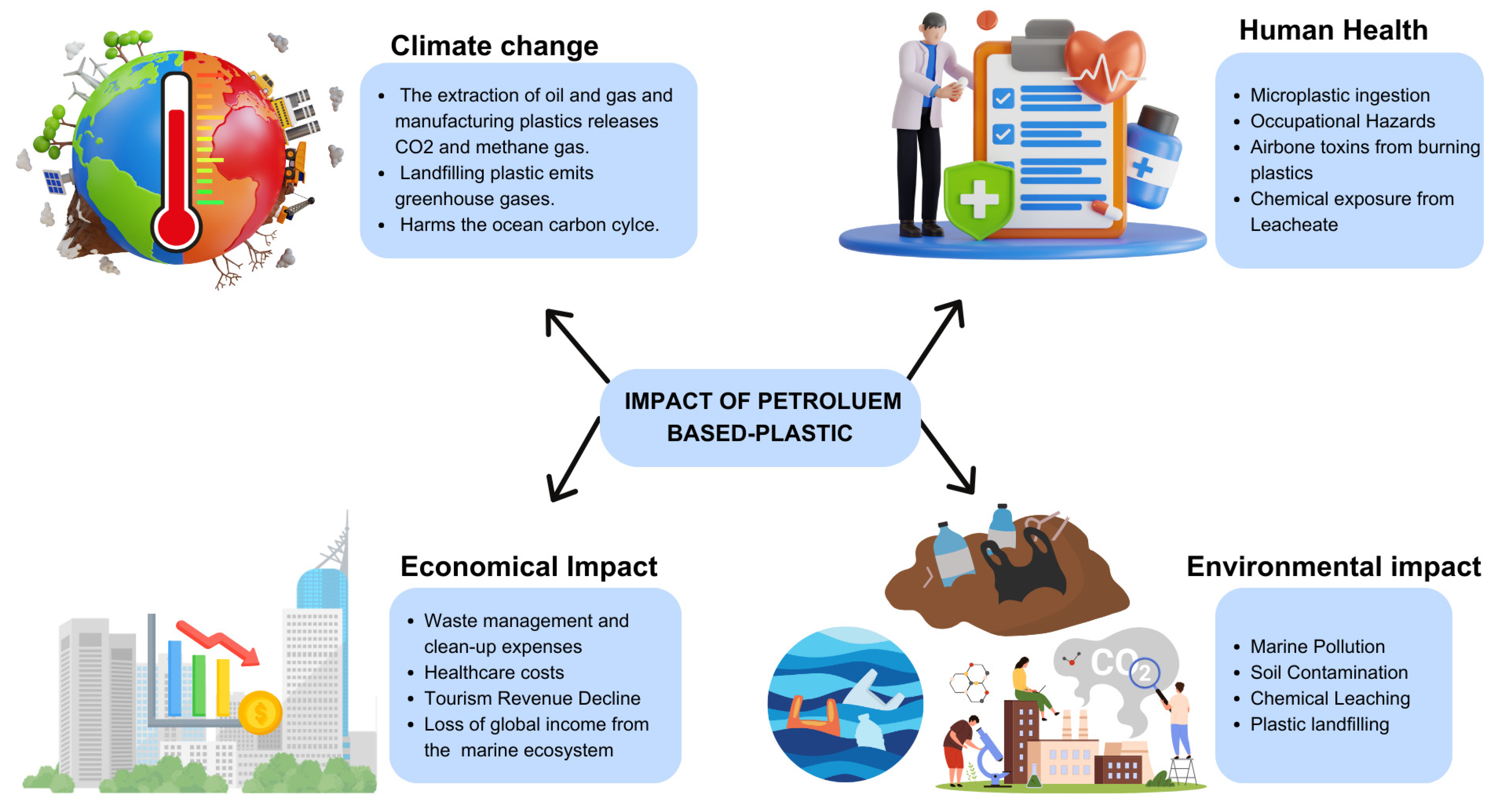
Figure 2: Impacts of petroleum-based plastics on various aspects. “Prepared using Canva.com”.
The term biodegradable plastic refers to those materials that can decompose into carbon dioxide (CO2), water (H2O), and biomass via natural processes involving microorganisms (bacteria, fungi, and algae). Such natural processes include the decomposition of a plastic polymer product manufactured from natural/renewable resources (bioplastics) through a process that can be biobased (from microbial or renewable feedstock) and/or biodegradable (e.g., under suitable conditions, the bioplastics break down) [31,32]. These materials offer a better alternative to petroleum-based plastics and help reduce the plastic disposal crisis and plastic pollution [7]. The versatility of biodegradable plastics, which can replace various conventional plastic applications like single-use bags, disposable utensils, agricultural mulch films, medical devices, electronics, and automotive applications, stems from the variety of biodegradable plastic options. Table 1 summarises the diverse categories of biodegradable plastics, based on their origins and sources, and also their mechanisms of degradation. Some biodegradable plastics can be made from renewable (biobased) resources such as PHA, PLA, PBS, bacterial cellulose, bacterial exopolysaccharides, and starch blends, and from non-renewable (fossil-based) resources; all of these options offer tailored characteristics for a broad range of polymer applications.
Table 1: Classification of plastics based on origin and biodegradability.
| Types of Plastic | Biobased | Fossil-Based | Biodegradable | Non-Biodegradable |
|---|---|---|---|---|
| Polylactic Acid (PLA) | ✓ | ✓ | ||
| Polyhydroxyalkanoates (PHA) | ✓ | ✓ | ||
| PBS (Polybutylene Succinate) | ✓ | ✓ | ||
| Starch blends | ✓ | ✓ | ||
| Bacterial cellulose | ✓ | ✓ | ||
| Bacterial Exopolysaccharides | ✓ | ✓ | ||
| Biobased PE (Biobased Polyethylene) | ✓ | ✓ | ||
| PET (Polyethylene Terephthalate) | ✓ | ✓ | ||
| PA (Polyamide) | ✓ | ✓ | ||
| PTT (Polytrimethylene Terephthalate) | ✓ | ✓ | ||
| Bio-PP (Biobased Polypropylene) | ✓ | ✓ | ||
| PBAT (Polybutylene Adipate Terephthalate) | ✓ | ✓ | ||
| PGA (Polyglycolic Acid) | ✓ | ✓ | ||
| PCL (Polycaprolactone) | ✓ | ✓ | ||
| PVA (Polyvinyl Alcohol) | ✓ | ✓ | ||
| PE (Polyethylene) | ✓ | ✓ | ||
| PP (Polypropylene) | ✓ | ✓ | ||
| PS (Polystyrene) | ✓ | ✓ | ||
| PVC (Polyvinyl Chloride) | ✓ | ✓ |
One of the most common types of fully renewable sources and fully biodegradable plastic are PHA and Polylactic acid (PLA). The polymerisation of lactic acid (LA), which is the result of bacterial fermentation, occurs during the synthesis of PLA. Bacterial fermentation occurs with the sugar feedstock, which can come from sugarcane, cornstarch, and other natural sources [33]. The fermentation of the sugar units occurs via lactic acid bacteria (LAB), and the byproduct of the fermentation is lactic acid, which is polymerised into long chain polymers known as PLA [34]. PHA is completely derived from bacteria, while PLA only uses bacteria for the fermentation of lactic acid, and the final step of polymerisation is done via a chemical process. Another one is Polybutylene succinate (PBS), which is a semi-crystalline polymer that is more versatile and is made by the fusion of succinic acid and 1,4-butanediol via the esterification process, which can also be derived from renewable resource fermentation, and has a better improved function as a biodegradable food packaging plastic [35]. Various types of biodegradable plastic have the ability to be blended to obtain certain tailored properties or performance for a specific intended use.
In addition, the bacterial cellulose synthesised extracellularly by Gluconacetobacter xylinus contains repeating units of D-glucose monomers linked together by β-1, 4 glycosidic bonds. It possesses remarkable mechanical strength, high purity, high porosity, biodegradability, and biocompatibility, which make it highly applicable to the medical, food, and various industrial fields [36,37]. Moreover, exopolysaccharides produced by bacteria, which include xanthan gum, alginate, pullulan, mutan, kefiran, gellan, and others, are polysaccharides synthesised and excreted outside bacterial cells [37]. Xanthan gum, which is produced by Xanthomonas campestris, is comprised of polysaccharides and is used for biomedical applications, including in the development of tablets and in drug delivery systems, frequently in combination with other polymers because of its acid resistance and controlled drug release properties [38]. Bioplastics can also be made from starch by mixing it with other polymers. Starch-based bioplastics are modified, reinforced with fibres, blended with other biodegradable polymers, or plasticised to improve strength and flexibility [39]. Researching starch extraction from Prosopis juliflora, bioplastics made from starch, as an alternative to traditional plastics, provided some environmental benefits for packaging [40].
Fossil-based biodegradable plastics, such as PBAT, PGA, PCL, PVA, PE, PP, PS, and PVC, are made from petrochemical sources but designed to degrade in specific environmental conditions. These materials are widely used in the manufacture of packaging and single-use items. Polybutylene Adipate Terephthalate (PBAT) is a flexible and biodegradable plastic. Research has indicated that the byproducts of the degradation of such materials can induce oxidative stress [41]. Additionally, PLA and PGA have analogous chemical formulas, although the latter lacks the methyl side group, resulting in PGA having a greater thermal stability and degree of crystallinity [42]. The glycolic acid required for PGA synthesis can be petrochemically derived and can be synthesised through two polycondensation methods: the polycondensation of glycolic acid, and the ring-opening polymerisation (ROP) of glycolide [42]. Additionally, polycaprolactone (PCL) is a biodegradable polyester that can be petrochemically derived, and is synthesised by the polymerisation of ε-caprolactone and stannous chloride. PCL is used extensively in biomedical engineering for the production of catheters, blood bags, and other disposable medical devices [43,44]. Among all bioplastics, PHA are unique as they are the only bioplastics that are biocompatible, hydrophobic, and biodegradable due to their ability to be completely biodegraded through natural bacterial processes [45]. The unique physicochemical, biological and biodegradation characteristics of PHAs offer a wide array of potential biomedical applications (e.g., drug delivery, tissue engineering, and customised nanoparticles). Furthermore, the hydrophobic nature of PHAs makes them suitable for food packaging [46].
Polyhydroxyalkanoate is a biodegradable biopolymer produced during microbial fermentation using renewable resources as an energy source [47]. PHAs are synthesised by various microorganisms and are recognised as sustainable polymers. They consist of heteropolymers and homopolymers, which are biosynthesised under conditions of carbon surplus and limited availability of essential nutrients such as nitrogen or phosphate [48]. The diverse range of hydroxyalkanoate (HA) units in these bacterial polyesters allows for the production of materials with varying characteristics. This flexibility enables the creation of both strong and brittle plastics, as well as softer materials, elastomers, and adhesives [49]. The versatility in material properties arises from the variable composition of HA monomers, which can be adjusted to suit specific applications.
Maurice Lemoigne found polyhydroxybutyrate (PHB), the first PHA, in 1926 in the intracellular granules of Bacillus megaterium [50]. The 1970s oil crisis stimulated the search for products that could replace petroleum-based products [51,52]. After the crisis, the search for biodegradable plastics was abandoned. In the 1980s, increased commercial interest in PHB led to several companies producing microbially sourced PHA [53]. The most important factors affecting the biodegradation of PHA are the level of microbial activity, surface area, moisture, temperature, pH, and molecular weight of the PHA. Biodegradation of PHA under aerobic conditions results in the formation of water and carbon dioxide, but in anaerobic conditions produces carbon dioxide and methane [54].
4.1 Structure of PHA and Classification of PHA
PHA are biodegradable polyesters generated by bacteria, which are stored in the cytoplasm in the form of hydrophobic granules [55]. Over 150 types of PHAs have been discovered and characterised, making them the most diverse collection of naturally occurring polyesters [56]. PHAs can also be classified into 3 types: short-chain, medium-chain, and long-chain polyhydroxyalkanoates. Short chain-length PHA (scl-PHA) have 4–5 carbon atoms, medium chain-length PHA (mcl-PHA) has 6–14 carbon atoms, and long-chain-length (lcl-PHA) has more than 14 carbon atoms [57]. poly(3-hydroxybutyrate) (PHB), along with copolymers like P(3HB-co-4HB), P(3HB-co-HV), and P(3HB-co-HH), have been reported, while mcl-PHAs include copolymers of 3HB with 3-hydroxyhexanoate, 3-hydroxyheptanoate, and 3-hydroxyoctanoate, as well as poly(3-hydroxypentadecanoate). 3-hydroxybutyrate [58]. Marine bacteria primarily produce scl-PHAs such as PHB and P(3HB-co-HV)[PHBV], whereas mcl-PHAs are less common. Notably, there is no data available on copolymers like P(3HB-co-4HB) produced by marine bacteria, highlighting a clear gap in exploring marine bacteria for more advanced and flexible PHA types. As shown in Fig. 3, PHA is a polymer comprising repeating units of (R)-hydroxy and fatty acids, possessing a side chain R group. Each of biological monomer units contains one of a saturated, unsaturated, branched, or substituted, and an alkyl group [59,60].
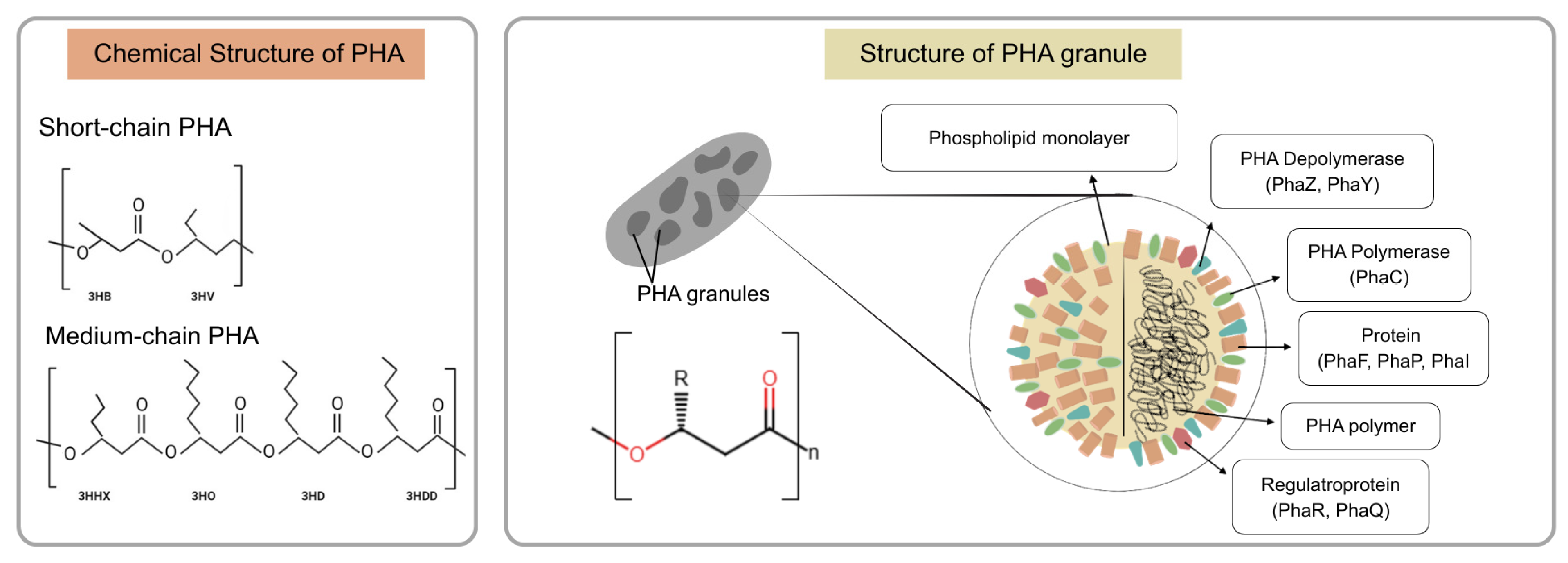
Figure 3: PHA granule and granule-associated proteins. “Modified from [61,62] created with Biorender.com”.
4.2 Physical and Chemical Properties of PHA
The physical and chemical properties of PHA’s vary distinctly with different classifications. Characteristics of polymers include degree of hydrophobicity, glass transition temperature, and degree of crystallinity [10]. PHAs demonstrate physical properties that can be described from a range of elastic to hard crystalline materials [60]. The specific PHA polymer produced is determined by several factors, including carbon sources, strains of microorganisms used, and fermentation conditions such as temperature, pH, and the composition of the growth medium [63]. PHAs are a type of linear polymer made of carbon, oxygen, and hydrogen. More specifically, they are synthesised as long head-to-tail chains of 3-hydroxy fatty acid monomers [64]. The bonds are structurally similar to esters, and they serve the function of storing carbon for energy. PHAs are produced by microorganisms and are synthesised when there are high quantities of carbon sources [65]. The properties of PHA can range from elastic to hard crystalline materials, depending on the structure and polymer type. Mcl-PHA typically exhibit lower crystallinity and higher flexibility, while scl-PHA tends to be more crystalline and rigid [10,59].
The physicochemical characterisation of marine-derived PHAs (Table 2) demonstrates the types of PHAs produced by marine bacteria. PHAs with higher molecular weights typically display increased rigidity and elevated melting points, whereas those with lower molecular weights are more deformable and exhibit reduced thermal stability [66]. Scl-PHAs derived from strains like Shewanella marisflavi BBL25 and Bacillus cereus MCCB 281 exhibit high molecular weights (1.05 × 10⁵–1.40 × 10⁶ Da) and narrow polydispersity indices, with melting points around 175°C [66,67]. These characteristics align with their rigid, crystalline nature, making them suitable for packaging and commodity uses. On the other hand, mcl-PHAs, such as those produced by Enterobacter FAK 1384, have lower melting points (47°C) and negative glass transition temperatures (−47°C), being less crystalline, which makes them less brittle [68]. This makes them ideal for applications like biomedical films, elastomers, and coatings. The Marinobacterium sediminicola scl-PHA exhibits a melting temperature (Tm) of 101.8°C, a glass transition temperature (Tg) of −15.4°C, and an enthalpy of melting (ΔHm) of 32.1 J/g [69,70]. This crystalline polymer has a rigid structure with a high melting point and a low glass transition temperature, making it inflexible and prone to breaking [71].
Table 2: Molecular weights and thermal properties of PHAs from marine isolates.
| Marine Bacteria | PHA Type | Molecular Weights | Thermal Properties | Reference | |
|---|---|---|---|---|---|
| Mn (Da) | PDI (Mw/Mn) | ||||
| Bacillus cereus MCCB 281 | scl-PHA | 1.05 × 10⁵ | 2.44 | ND | [67] |
| Bacillus licheniformis MSBN12 | scl-PHA | 2.9 × 10⁶ | 1.75 | ND | [72] |
| Brachybacterium paraconglomeratum MTCC 13074 | scl-PHA | ND | ND | Tm = 175.7°C | [73] |
| Burkholderia sp. AIU M5M02 | scl-PHA | 5.35 × 10⁵ | 3.48 | ND | [74] |
| Colwellia sp. JAMM-0421 | scl-PHA | 3.4 × 10⁵ | ND | ND | [75] |
| Dinoroseobacter sp. JL1447 | scl-PHA | ND | ND | Tm = 175.8°C Td = 285°C ΔHm = 51.9 J/g | [76] |
| Enterobacter FAK 1384 | mcl-PHA | ND | ND | Tm = 47°C Tg = −47°C | [68] |
| Halomonas hydrothermalis MTCC 5445 | scl-PHA | ND | ND | Td = 276–298.9°C | [77] |
| Halomonas sp. YLGW01 | scl-PHA | ND | ND | Tm = 175.6–177.6°C Tc = 127.6–132.4°C | [78] |
| Marinobacterium sediminicola | scl-PHA | 3.37 × 10⁵ | ND | Tm = 101.8°C Tg = −15.4°C ΔHm = 32.1 J/g | [70] |
| Massilia sp. UMI-21 | scl-PHA | 7.6 × 10⁵ | 2.8 | ND | [79] |
| Neptunomonas antarctica CCTCC AB 209086 | scl-PHA | 1.7 × 10⁵ | 1.41 | ND | [80] |
| Oceanimonas doudoroffii JCM21046T | scl-PHA | 2.0 × 10³ | 1.1 | ND | [81] |
| Saccharophagus degradans ATCC 43961 | Scl PHA | 5.42 × 10⁴ | ND | Tm = 165.6°C Tg = 37.4°C ΔHm = 59.6 J/g | [82] |
| Shewanella marisflavi BBL25 | scl-PHA | Mw = 1.40 × 10⁶ | 1.10 | Tm = 176.8°C Tc = 129.3°C | [67] |
| Vibrio alginolyticus MCCB 290 | scl-PHA | ND | ND | Tm = 175°C | [83] |
As seen in Fig. 4, different pathways can lead to the production of polyhydroxyalkanoates. Bacterial pathways differ based on the type of carbon source utilised; and, therefore, each pathway is operable under different conditions [84]. The first pathway starts with the condensation of two molecules of acetyl-CoA to form acetoacetyl-CoA, which, in the presence of the enzyme PhaB, is converted to 3-hydroxybutyryl-CoA. That intermediate is then polymerized by PhaC to yield Poly(3-hydroxybutyrate) or P3HB [85]. The second pathway includes the enzyme (R)-3-hydroxyacyl-CoA of the β-oxidation pathway of the carbon source, which is derived from fatty acids and is transformed by the enzyme enoyl-CoA hydratase (PhaJ) to (R)-3-hydroxyacyl-CoA [58]. The third pathway includes the use of (R)-3-hydroxyacyl-CoA, which is from the fatty acid biosynthesis, sugars, and oils, which is then converted by the transacylase PhaG from (R)-3-hydroxyacyl-acyl carrier protein (ACP) to (R)-3-hydroxyacyl-CoA [55].
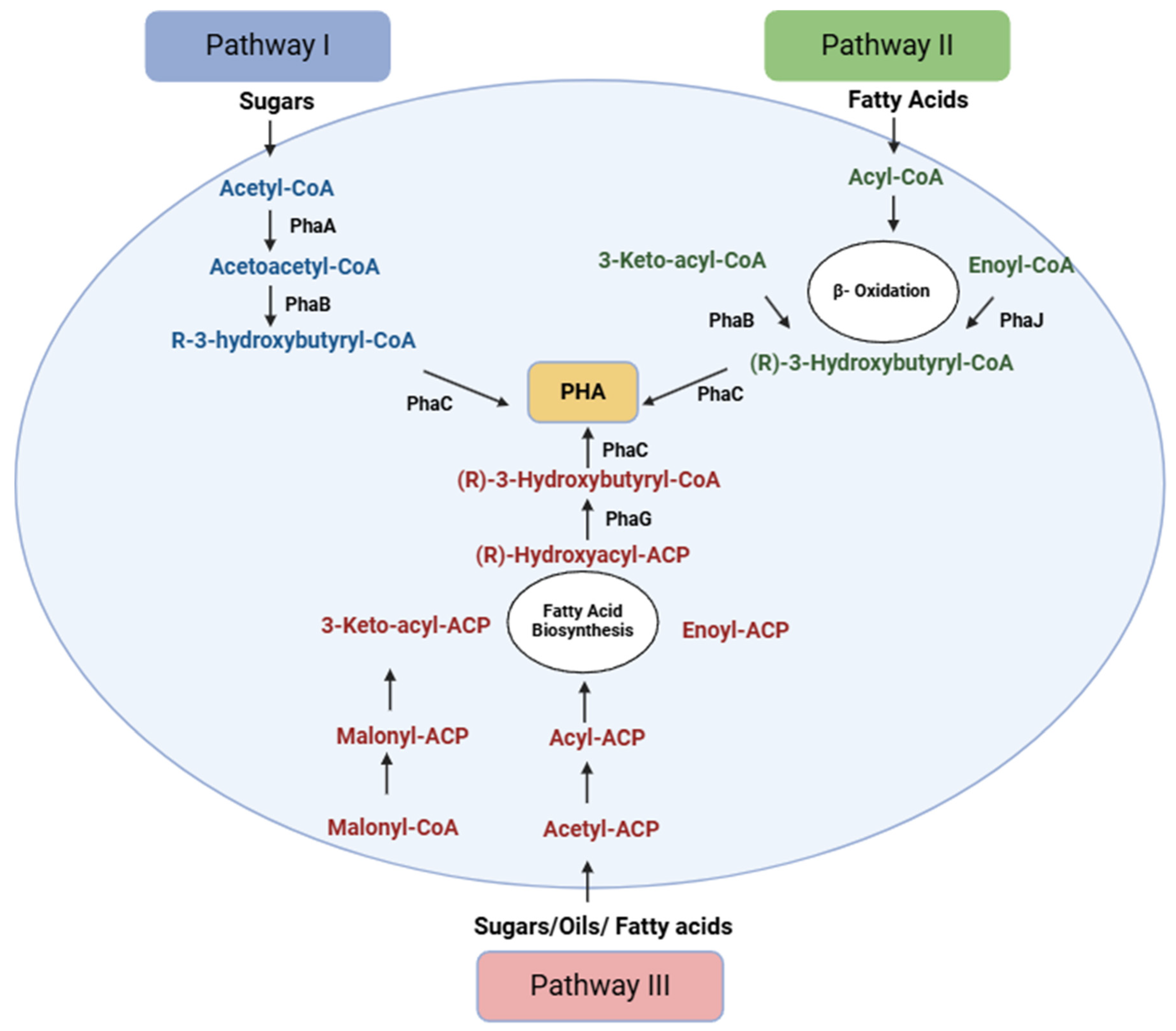
Figure 4: The three fundamental metabolic pathways for PHA production. “Modified from [62] and created with Biorender.com”.
5 Diversity of Marine Bacteria as PHA Producers
Polyhydroxyalkanoates are considered biopolymers with multiple functions, produced by a variety of different types of bacteria, including those under stress. Bacteria can be stressed when there is excess carbon and limited nutrients. Marine bacterial species like [86,87] suggest that these organisms can tolerate a range of salinity (34 to 36 ppt) and also produce a type of PHA. They can survive in nutrient-limited as well as in salinity-intense zones. Ecosystems of shallow and deep seas, coral reefs, hydrothermal vents and other extreme marine environments of the world contain marine bacteria. These organisms are vital for the ecological balance and the preservation of global biodiversity [88]. They encompass a wide range of physiological types, and although many halophilic bacteria inhabit in marine ecosystems, not all halophiles are marine bacteria, and numerous halophiles originate from non-marine hypersaline habitats. These organisms are being studied for their capacity to generate PHA, which provides various benefits, including greater robustness of the process against contamination and the elimination of excessive salt load from the medium [89]. Fig. 5 illustrates the global distribution of marine ecosystems, offering geographical context for understanding the diversity of marine bacteria associated with PHA production.
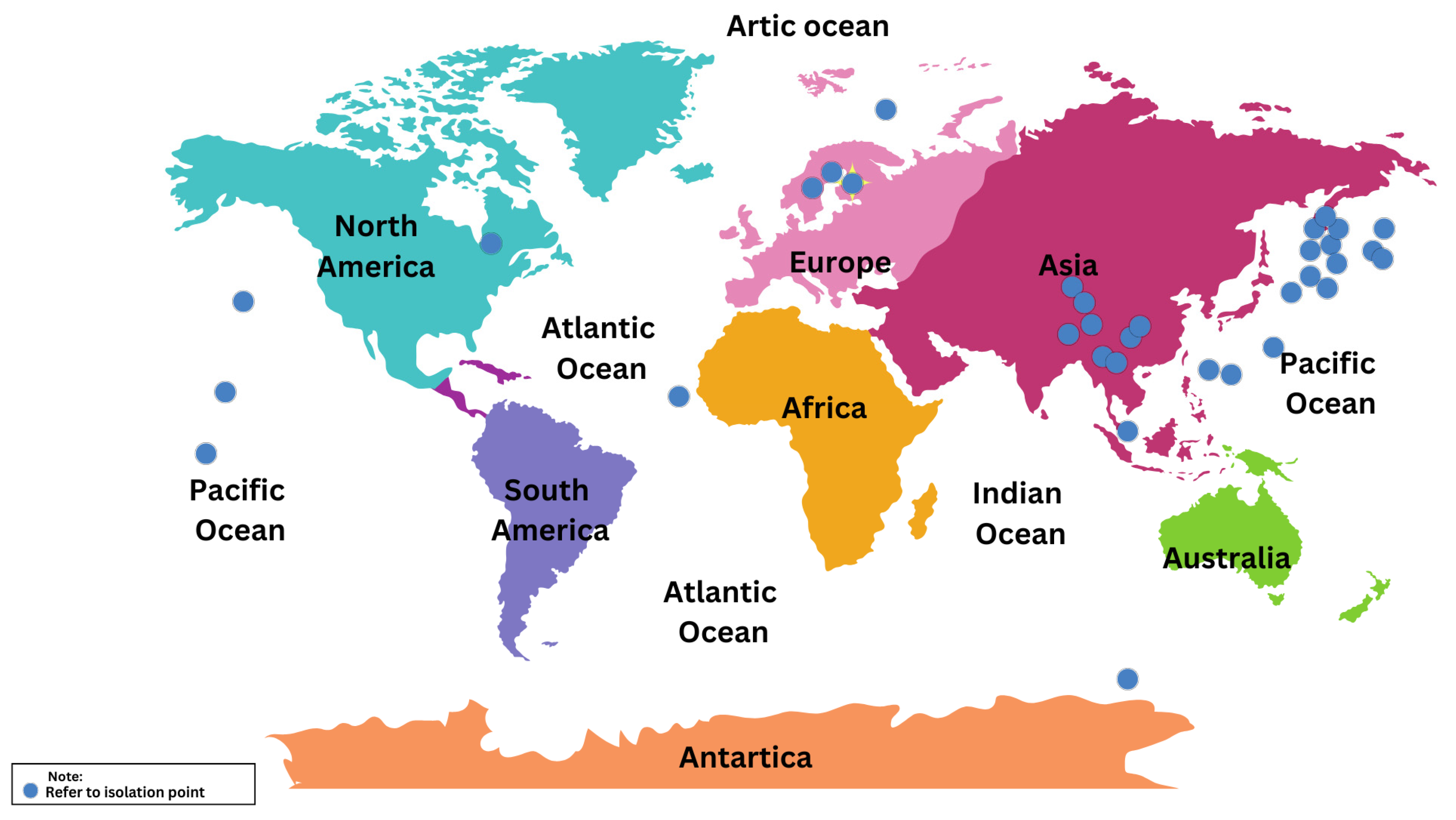
Figure 5: World map showing the spatial distribution of marine regions where PHA-producing bacteria have been isolated. Isolation points are compiled in Table 2, while the map presents only the general distribution of sampling regions created with Canva.com.
Numerous investigations have examined the function of marine microorganisms as versatile biocatalysts, wherein they direct and drive reactions in biocatalysis and complete multiple modifications of substrates in biotransformation, as well as biodegradation and bioremediation processes leading to mineralisation [90]. PHA synthesis by halophiles, including marine bacteria, is more economical owing to the high salt concentrations in the medium, as they inhibit the growth of non-halophilic bacteria [83]. The capacity of these microorganisms to thrive in elevated temperatures, high pH, and high NaCl conditions makes the fermentation processes operate contamination-free and under unsterile conditions [90].
A broad array of carbon feedstocks, including volatile fatty acids (VFAs), carbon dioxide, synthesis gas, glucose, starch, molasses, cellulose and hemicellulose sugars, as well as various waste materials, can be utilised to produce [91,92,93]. The broad range of carbon sources is highly relevant to PHA production, as this flexibility allows for the implementation of different feedstocks based on their availability, cost, and ecological footprint. PHA-producing microbes are capable of utilising VFAs such as acetic acid, propionic acid, butyric acid, valeric acid, and caproic acid as carbon and energy sources, especially under anaerobic fermentation conditions [93]. Given that raw materials represent 70–80% of the overall operational costs, the carbon source is also a determining factor in the overall profitability of the process [94]. The diversity in the composition of PHA and its properties is a function of the specific carbon source utilised and the bacterial species responsible for its production [95]. Unlike terrestrial isolates, marine bacteria and their strains provide high salinity tolerance, enabling open and non-sterile fermentation systems, significantly lowering production costs. In the studies reviewed, marine bacterial isolates demonstrate the ability to accumulate 1% to 94% of their cell dry weight as PHA using different carbon substrates (Table 3). The PHA production of marine bacteria is mostly comparable to their terrestrial counterparts, with Cupriavidus necator known to accumulate as much as 90% of its cell dry weight, while marine strains bring to fermentation the advantages of being seawater-based and high stress tolerant [96].
This section will also highlight the fact that PHA production is not restricted to one lineage and encompasses various ecological niches in the sea. For instance, there are reports of deep-sea bacteria, including 4 types of Colwellia spp., 11 types of Moritella spp., and 18 types of Shewanella spp. isolated strains that successfully accumulate PHAs with 3-hydroxybutyrate and 3-hydroxyvalerate. Notably, Colwellia sp., when cultivated on jatropha oil, JAMM 0421 produced 16.4% PHA content, which has a polymer with 4.0 mol% 3-hydroxyvalerate [75]. Additionally, PHA producers isolated from a hydrothermal vent shrimp, Halomonas profundus obtained 0.27 g/L of PHA in a glucose-rich medium and 80–90% cell dry weight. During cultivation on valerate and propionate, copolymers with up to 55 mol% 3-hydroxyvalerate (3 HV) were produced [97]. Halomonas sp. MC140, isolated from the Arctic littoral environment, accumulated 35% of cell dry weight of PHB when glucose was supplemented and 28% when supplemented with propionate, which also provided 1.0 mol% 3-hydroxyvalerate [98]. Cyanobacteria, Spirulina subsalsa, isolated from the coastal area, produce PHB 0.147 g/L and accumulated 7.45% of PHB with sodium carbonate as the carbon source and under elevated sodium chloride (NaCl) concentration [88]. Therefore, the evidence of the existence of PHA-producing marine bacteria has been provided from a variety of marine habitats, including the open sea, deep sea, hydrothermal vents, Antarctic regions, and coastal areas.
In recent years, the increased attention on marine bacteria as potential PHA producers has spurred the creation of a mini-repository of marine isolates with PHA-producing potential. As documented by [83], of the 347 isolates with the potential to produce PHAs, 16 showed significant accumulation relative to the cell dry weight. For example, a coastal isolate, Vibrio alginolyticus, produced PHB from dextrose with an accumulation of 3.45 g/L and 73.67% of the dry cell weight [68]. Other than the findings within the repository, marine bacteria also produce both scl-PHAs) and mcl-PHAs polyhydroxyalkanoates. The types of bacteria that are involved in producing PHAs vary from those that produce the PHA monomers. Most of the marine bacterial studies focus on the synthesis of scl PHAs, notably PHB and P(3HB-co-HV), with mcl PHAs more rarely encountered. An example is Halomonas sp. YLGW01 produced PHB cultivated on fructose, showed 94.60% accumulation and a cell size increase to 8.39 μm compared to 2.34 μm on glucose, underscoring how carbon source influences both PHA content and cell morphology [78]. Furthermore, Sphingobacterium mizutaii UMTKB-6 produced mcl-PHA, accumulating 37.4% on sucrose fermentation, and without precursor supplementation, produced a copolyester containing 28 mol% hydroxydecanoate (HD), 49 mol% hydroxyundecanoate (HUD), 15 mol% hydroxyoctanoate (HO), and 8 mol% hydroxyhexanoate (HHx) [17].
Apart from that, several studies have genetically modified marine bacteria to improve the production, yield, and customisation of PHAs. Building on the biosynthetic pathways described in Fig. 4, researchers have enhanced marine strains by modifying key genes involved in PHA synthase activity. An example is the engineering of Shewanella marisflavi BBL25 with the pLW487 vector, yielding a maximum of 1.99 g/L of PHB with 60% content at galactose as the carbon source [66]. This same system was used to demonstrate the concurrent production of PHB and the generation of electricity in a microbial fuel cell, which produced 6.31 g/L of PHB and a current density of 1.71 mA/cm2 [66]. Marine bacteria also show potential for industrial-scale PHA production under saline conditions, which can reduce sterilisation costs. This was demonstrated in a study where fructose syrup was used as a carbon source under unsterilized conditions, resulting in 95.26% PHB accumulation by Halomonas sp. YLGW01 [78].
Table 3: Common examples of PHA production by marine bacteria from various sources using various carbon substrates.
| Marine Bacteria | Phylum | Isolation Point | Sample Source | Types of PHA | Carbon Source | PHA Yield (g/L) | PHA Content (%) | References |
|---|---|---|---|---|---|---|---|---|
| Afifella marina | Proteobacteria | Omura Bay, Nagasaki, Japan | Seawater | PHB | Sodium malate | 0.046 | 24.40 | [99] |
| Alcanivorax borkumensis SK2 | Proteobacteria | North Sea, Borkum Island, Germany | Seawater | PHA | Octadecane | 0.018 | ND | [100] |
| Bacillus sp. NQ-11/A2 | Firmicutes | Arabian Sea, coast of Goa, India | Marine Sediment | PHB | Glucose | ND | 60.00 | [101] |
| Bacillus cereus MCCB 281 | Firmicutes | South West Coast of India | Seawater | P(3HB-co-3HV) | Propanoic acid | 1.560 | 50.36 | [67] |
| Bacillus licheniformis MSBN12 | Firmicutes | Southeast Coast of India | Marine sponge-associated | PHB | Palm jaggery | 6.380 | 67.16 | [72] |
| Brachybacterium paraconglomeratum MTCC 13074 | Actinobacteria | Bay of Bengal, Suryalanka, India | Seawater | PHB | Dextrose | 1.465 | ND | [73] |
| Brevibacterium casei MSI04 | Actinobacteria | Vizhinjam Coast, West Coast of India | Marine sponge-associated | PHB | Starch | ND | 52.00 | [102] |
| Burkholderia sp. AIU M5M02 | Proteobacteria | Ofunato Bay, Iwate Prefecture, Japan | Shallow sea muds | PHB | Mannitol | 0.820 | 27.90 | [74] |
| Colwellia sp. JAMM-0421 | Proteobacteria | Cape Noma, Kagoshima, Japan | Deep Sea seawater | P3HB-co-4% HV) | Jatropha oil | ND | 16.40 | [75] |
| Dinoroseobacter sp. JL1447 | Proteobacteria | South China Sea | Marine microalgae | PHB | sodium acetate | ND | 72.30 | [76] |
| Desulfonema magnum | Desulfobacterota | Braunschweig, Germany | Marine environment | PHB | Benzoate | ND | 88.00 | [103] |
| Enterobacter FAK 1384 | Proteobacteria | Fakarava Island, Tuamotu, French Polynesia | Marine animal | mcl-PHA | Copra oil | 1.000 | 33.00 | [68] |
| Halomonas hydrothermalis MTCC 5445 | Proteobacteria | Aadri Coast, Veraval, Gujarat, India | Seawater | PHB | Dry sea mix, glycerol, and peptone | 2.610 | ND | [77] |
| Halomonas profundus | Proteobacteria | Mid-Atlantic Ridge | Hydrothermal Vent shrimp | PHB | Glucose | 0.270 | 80.00 | [97] |
| Halomonas sp. YLGW01 | Proteobacteria | Gwangalli Beach in Busan, South Korea | Marine soil sample | PHB | Fructose | 7.950 | 94.60 | [78] |
| Halomonas sp. MC140 | Proteobacteria | Arctic littoral environment in Norway | Antarctic sea seawater | PHB | Acetate | ND | 35.00 | [98] |
| Marinobacterium sediminicola | Proteobacteria | East China Sea | Marine sediment | P(3HB-co-94%HV) | Valerate | 3.370 | 74.99 | [70] |
| Marinibacterium sp. CCB-SX1 | Proteobacteria | Queensbay coast in Penang, Malaysia | Seawater | P(3HB-co-1.2%HV) | Acetate | ND | 27.30 | [104] |
| Massilia sp. UMI-21 | Proteobacteria | Coastal region in Japan | Seaweed | PHA | Maltotriose | 1.510 | 40.20 | [79] |
| Moritella sp. (JCM21335) | Proteobacteria | Pacific Ocean | Deep-sea seawater | PHA | Fructose | ND | 3.40 | [75] |
| Neptunomonas antarctica CCTCC AB 209086 | Proteobacteria | Nella Fjord, Antarctica | Marine Sediment | PHB | Fructose | 2.120 | 26.00 | [80] |
| Oceanimonas doudoroffii JCM21046T | Proteobacteria | Oahu Coast, Hawaii, USA | Seawater | PHB | Lignin | 0.130 | 0.52 | [81] |
| Photobacterium leiognathi 683 | Proteobacteria | Indian Ocean | Marine animal | PHB | Glycerol | 1.360 | 71.00 | [105] |
| Photobacterium leiognathi 1856 | Proteobacteria | Indian Ocean | Marine animal | PHB | Glycerol | 0.014 | 5.10 | [105] |
| Pseudoalteromonas sp. SM9913 | Proteobacteria | Okinawa Trough, East China Sea | Deep-sea sediment | P(3HDD-co-3HD) | Decanoate | 0.093 | 1.89 | [106] |
| Pseudomonas guezennei | Proteobacteria | Rangiroa, an atoll of French Polynesia | Marine microbial mat | P(3HD-co-3HDD) | Glucose | 0.250 | 80.00 | [107] |
| Pseudomonas sp. CMG607w | Proteobacteria | Layari outfall, Karachi coast, Pakistan | Marine sediment | Blend of scl-PHA and mcl-PHA | Sodium Gluconate | 0.376 | 42.3 | [108] |
| Rhodovulum sulfidophilum ATCC35886 | Proteobacteria | Intertidal flats, Netherlands | Sea muds | PHA | Acetate | ND | 53.9 | [109] |
| Rhodovulum sulfidophilum DSM1374 | Proteobacteria | Intertidal flats Waddenzee, Netherlands | Sea muds | P(3HB-co-3HV) | Lactate | ND | 23.40 | [110] |
| Saccharophagus degradans ATCC 43961 | Proteobacteria | Chesapeake Bay, Virginia, United States of America | Salt marsh grass | PHB | Glucose | ND | 17.20 | [82] |
| Shewanella surugensis JAMM-0036 | Proteobacteria | Suruga Bay, Japan | Deep-sea sediment | PHA | Jatropha oil | ND | 0.4 | [75] |
| Shewanella marisflavi BBL25 | Proteobacteria | Docho-myeon, Shinan, Republic of Korea | Seawater | PHB | Galactose | 1.990 | 60 | [66] |
| Sphingobacterium mizutaii UMTKB-6 | Bacteroidetes | Bidong Island, Terengganu, Malaysia | Sediment | mcl-PHA | Sucrose | 0.380 | 37.40 | [17] |
| Spirulina subsalsa | Cyanobacteria | Veraval coast, Gujarat, India | Coastal samples | PHB | Sodium carbonate | 0.147 | 7.45 | [111] |
| Vibrio alginolyticus MCCB 290 | Proteobacteria | Dona Paula Beach, Goa, India | Coastal samples | PHB | Dextrose | 3.450 | 73.67 | [83] |
| Vibrio azureus BTKB33 | Proteobacteria | Coast of peninsular India | Seawater | PHB | glucose | 0.480 | ND | [19] |
| Vibrio harveyi 72 | Proteobacteria | Pacific Ocean | Seawater | P(3HB-co-0.4% HV) | Glycerol | 0.200 | 12.30 | [105] |
| Vibrio harveyi MCCB 284 | Proteobacteria | Vizhinjam Bay, Trivandrum, Kerala, India | Tunicate sample | PHB | Glycerol | 3.200 | 70.00 | [67] |
| Vibrio proteolyticus | Proteobacteria | Korean peninsula | Seashore sample | PHB | Glucose | ND | 51.23 | [112] |
| Vibrio sp. BM-1 | Proteobacteria | Northern Taiwan | Marine environment | PHB | glycerol-yeast extract-tryptone | 1.570 | 16.00 | [113] |
| Vibrio sp. KN01 | Proteobacteria | Hizushi Beach, Aka Island, Okinawa, Japan | Seawater | P(3HB-co-5HV-co-3HP) | Soybean oil | 0.400 | 40.00 | [114] |
| Vibrio sp. MK4 | Proteobacteria | Katch island, South India | Soil samples | PHB | Glucose | 4.220 | ND | [115] |
6 Marine Bacteria in Circular Bioeconomy
Circular bioeconomy integrates the regenerative principles of the circular economy with the constructive sequencing of biological resources aimed at the conversion of renewable biomass and wastes into products of economic value by reducing harmful effects on the environment [116]. It also integrates various fields, such as biotechnology and agriculture, to facilitate the optimal use of closed-loop systems [117]. Fig. 6 shows the role of some marine bacteria in a circular bioeconomy by elucidating how they transform waste into PHAs and further allow the degradation of the wastes. This illustrates their waste recycling and industrial value. In this scenario, PHA are considered a valuable bioplastic due to their degradability and other favourable material properties. However, industrial-scale PHA production remains constrained by the reliance on costly purified substrates [118]. Recent studies aimed at resolving this scenario by further integrating PHA production with waste valorisation. In these cases, the low-cost carbon sources usually used were industrial by-products, effluents, wastewater, and agricultural residues. Marine bacteria play an important role in this framework due to their ability to thrive in harsh environments and utilize diverse carbon sources, including industrial, food processing waste, and agricultural waste streams as shown in Fig. 7. Their capacity to convert these carbon source into biopolymers, positions marine bacteria as key contributors to waste valorization and sustainable bioplastic production within the circular bioeconomy as shown in Table 4 [119].
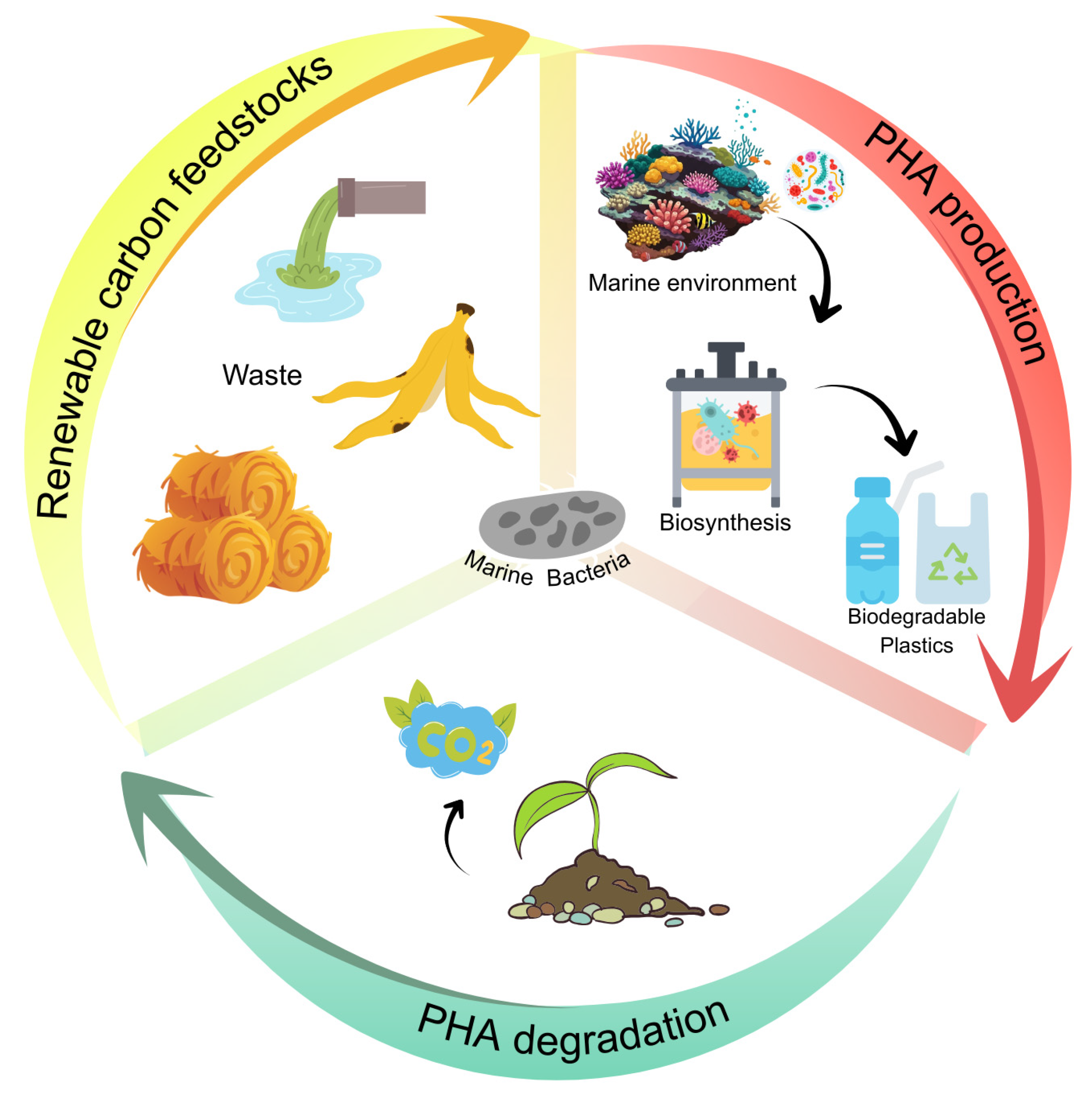
Figure 6: Circular bioeconomy of PHA by Marine Bacteria “Modified from [120] created with Canva.com”.
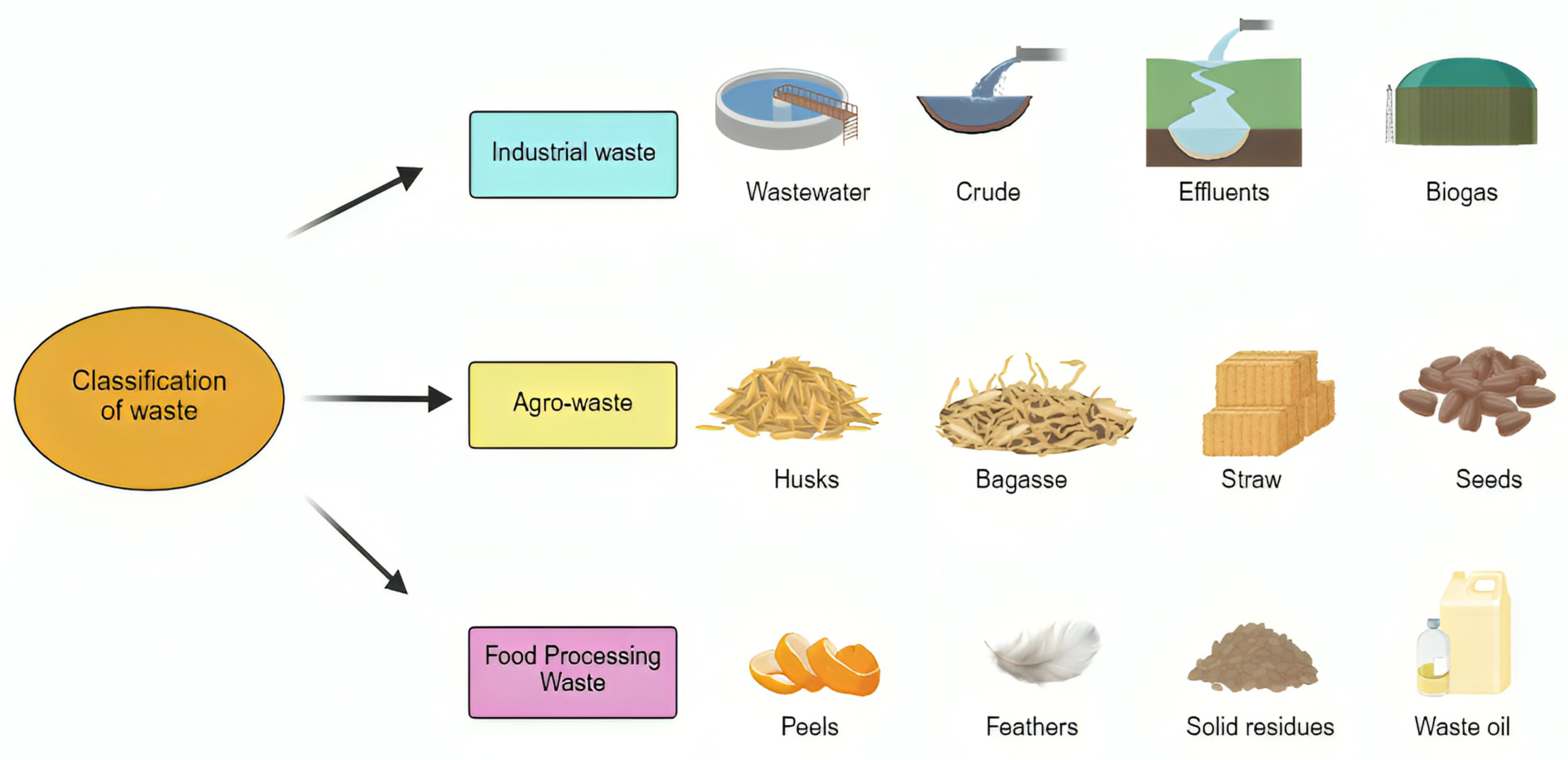
Figure 7: Classification of Waste by Source: Industrial, Agricultural, and Food Processing. Modified from [121], created with Biorender.com.
Table 4: PHA production from various types of waste by marine bacteria.
| Waste Type | Substrate | Microorganism | Type of PHA | PHA Content (%) | PHA Yield (g/L) | References |
|---|---|---|---|---|---|---|
| Agro waste | Wheat straw | Halomonas elongata A1 | PHB | 5.2 | 0.44 | [122] |
| Barley straw | Shewanella marisflavi BBL25 | PHB | 56.00 | 3.27 | [66] | |
| Sugarcane bagasse | Klebsiella pneumoniae G1 | PHB | 25.00 | 9.03 | [123] | |
| Food processing waste | Waste frying oil | Halomonas hydrothermalis | PHB | 23.76 | 0.38 | [124] |
| Halomonas neptunia | PHB | 23.12 | 0.67 | |||
| Banana peels and chicken feather hydrolysate | Pichia kudriavzevii VIT-NN02 | P(3HB-co-3HV) | 79.68 | ND | [125] | |
| Industrial waste | Agro-industrial effluents | Halomonas sp. SF2003 | P(3HB-co-3HV) | 31.00 | 1.89 | [119] |
| Crude glycerol | Halomonas hydrothermalis SM-P-3M | PHB | 75.00 | ND | [111] | |
| Crude glycerol | Bacillus licheniformis PL26 | P(3HB-co-3HV) | 64.60 | 1.10 | [126] | |
| Glycerin pitch | Bacillus megaterium UMTKB-1 | PHB | 3.00 | ND | [127] |
6.1 PHA Production from Renewable Carbon Feedstocks by Marine Bacteria
The use of carbon sources for the synthesis of PHAs from certain waste streams produced by the industry, most notably by-products from biodiesel production, has been the focus of a great deal of research. Among these, the use of crude glycerol has been investigated most extensively as one of the co-products of the biodiesel production process and promising feedstocks [128]. Numerous marine bacteria have been reported to utilise crude glycerol for the synthesis of poly (3-hydroxybutyrate-co-3-hydroxyvalerate) [P(3HB-co-3HV)]. As an example, Bacillus licheniformis PL26 was able to metabolise crude glycerol with PHA accumulation of 64.59% of dry cell weight, producing approximately 1.1 g/L of P(3HB-co-3HV) [126]. Likewise, when grown on crude glycerol produced as a byproduct of Jatropha biodiesel, Halomonas hydrothermalis accumulated PHB to 75% of its cell dry weight, demonstrating an extraordinary capacity for biosynthesis [111]. These studies exemplified biosynthesis by marine bacteria, demonstrating their use in large-scale PHA production.
In addition, other agro-industrial effluents have been used as alternative substrates. As an example, Halomonas sp. SF2003 synthesised PHA at a level of 1.30 g/L with 31% cellular content, and when valeric acid was added as a co-substrate, poly(3-hydroxybutyrate-co-3-hydroxyvalerate) (PHBHV) was synthesised with a 35% molar proportion of hydroxyvalerate (HV) [119]. It was shown through thermal and mechanical analysis that with increasing HV content, there was a reduction in the glass transition and melting temperatures as well as the Young’s modulus, which suggests an increase in the flexibility of the copolymer. This illustrates the ability to utilise the selection of substrate, as well as the selection of a co-substrate, to alter the composition and characteristics of PHAs and therefore the potential of bioplastics.
Agro-waste, is agricultural waste, referring largely to the by-products of the cultivation and processing of agricultural materials, also called lignocellulose biomass [129]. Lignocellulosic biomass contains various constituents such as cellulose, hemicellulose, lignin, pectin, and protein, as well as extractives (tannins, lipids, resins, steroids, terpenes, terpenoids, flavonoids, and phenolic compounds) [130]. Carbon source extraction from agro-waste involves the use of a pretreatment and hydrolysis process designed to break down the complex lignocellulosic structures into fermentable sugars needed by PHA-producing bacteria [131]. Due to the abundant availability and renewability of agro-waste, a variety have been studied as potential precursor materials for PHA production. For example, wheat straw was used as a low-cost substrate for Halomonas elongata P2, resulting in a maximum polymer accumulation of 5.2% after 84 h of cultivation [122]. While this yield was lower than that obtained with glucose or oleic acid, wheat straw provides important economic and environmental benefits as an undersized agricultural byproduct. Interestingly, the PHA obtained from wheat straw exhibited unique physicochemical attributes, such as hardness and opacity, that distinguished it from the polymer derived from more conventional substrates [122]. These unique attributes suggest that agricultural waste valorisation alleviates the costs associated with PHA production and customised PHA characteristics for specific end uses. Additionally, agricultural wastes utilised by Klebsiella pneumoniae G1 as carbon sources for producing PHB, sugarcane bagasse produced the highest yield of PHB of 9.03 g/L (a 3.6-fold increase over glucose), followed closely by banana peel (5.6 g/L) and orange peel (5.36 g/L) [123]. Other wastes such as rice bran, rice husk, rice straw, banana peel, and pomegranate peel supported PHB production, albeit to a lesser degree than sugarcane bagasse. This further confirms the efficiency of sugarcane bagasse as a carbon source and its overall potential for sustainable bioplastic production. The transformation of agro-waste into PHAs helps to address both agro-waste management issues and the more affordable, biobased, and biodegradable substitutes for petrochemical plastics.
Food processing wastes represent an abundant yet underutilised reservoir of carbon substrates for microbial PHA biosynthesis. Biopolymers have been produced from several food processing wastes, including banana peels, orange peels, mango peels, and used cooking oil by some marine bacteria. For example, the ability of Halomonas strains to utilise waste frying oil solely as a carbon source has been studied [124]. Most of the strains used the oil for growth, but Halomonas hydrothermalis and Halomonas neptunia exhibited especially active growth and PHA production. PHA contents for these strains were 23.76% and 23.12% of the total biomass, respectively, which is quite a good yield. The two species produced solely PHB, which is a homopolyester made of 3HB monomer units. Interestingly, H. hydrothermalis and H. neptunia were both also isolated from deep-sea hydrothermal vents, which emphasizes the potential that extremophilic marine bacteria have for biotechnological applications, especially for the conversion of waste oils to biodegradable polymers. Moreover, using a Box–Behnken design to optimise Pichia kudriavzevii VIT-NN02 has resulted in PHA yields that are significantly higher. Banana peel extract (40%) and chicken feather hydrolysate (0.80%) were respectively optimum sources of carbon and nitrogen, facilitating an increase in PHA accumulation from 40.00% to 79.68% of the biomass [125]. The copolymer P(3HB-co-3HV) produced was highly crystalline and thermally stable, with a porous, smooth, and spherical surface. These findings demonstrate the effectiveness of statistical optimisation in enhancing the production of PHA from food waste substrates and the potential to convert food waste to copolymers with a range of desirable physicochemical properties useful in the production of bioplastics.
Although numerous studies have shown that marine bacteria can metabolise different waste-derived substrates for PHA production, several possible waste sources have yet to be studied. From the studied substrates, low-cost industrial byproducts, like biodiesel production waste (crude glycerol), have been more frequently studied. Surprisingly, crude glycerol PHA yields are comparable to those obtained from laboratory-grade carbon sources (glucose, sucrose, and fructose), indicating the capacity of marine bacteria to transform industrial byproducts and further showing the viability of crude glycerol as a low-cost feedstock for sustainable bioplastic production. Considering the renewable and waste-derived substrates converted into biodegradable plastics by marine bacteria, they are key for PHA production in a circular economy by reducing dependence on fossil fuels and providing sustainable alternative materials.
6.2 Marine Bacteria as PHA-Degrading Bacteria
The biodegradability of PHA by marine bacteria is framed as a natural continuation or circular process showing these organisms not only synthesise PHA but also ensure their reintegration through enzymatic degradation by PHA depolymerase [120]. During depolymerisation, the released monomers are consumed as carbon and energy sources, emphasising the vital ecological role of PHAs in mitigating plastic accumulation and sustaining nutrient cycling within marine ecosystems [132]. PHA depolymerases are key enzymes that break down PHA polymers into smaller monomers, enabling both intracellular and extracellular degradation. Based on their structural characteristics, they are generally divided into two categories: intracellular depolymerases (iPHA) and extracellular depolymerases (ePHA) [133]. Intracellular depolymerases, such as PhaZ enzymes, function within bacterial cells to hydrolyse PHA granules stored as carbon reserves. These enzymes typically exhibit exo-type activity, cleaving polymer chain terminus to release monomers such as 3-hydroxybutyrate [134]. In contrast, extracellular depolymerases are secreted into the surrounding environment, where they degrade PHAs released outside the cell, including those present in marine ecosystems. Most extracellular depolymerases are serine hydrolases that attach to polymer surfaces and cleave ester bonds, producing water-soluble oligomers and monomers [134]. Extracellular PHA depolymerases typically exhibit a multi-domain structure as shown in Fig. 8, comprising a catalytic domain (CD) with an active site that cleaves ester bonds in the PHA polymer, a substrate-binding domain (SBD) for polymer interaction, and a linker domain (LD) that allows the enzyme to adapt to various PHA structures. The active site generally contains three conserved residues (Ser–His–Asp), which facilitate hydrolysis. This structural arrangement enables the enzyme to efficiently bind and degrade crystalline PHA at the solid–liquid interface [135].
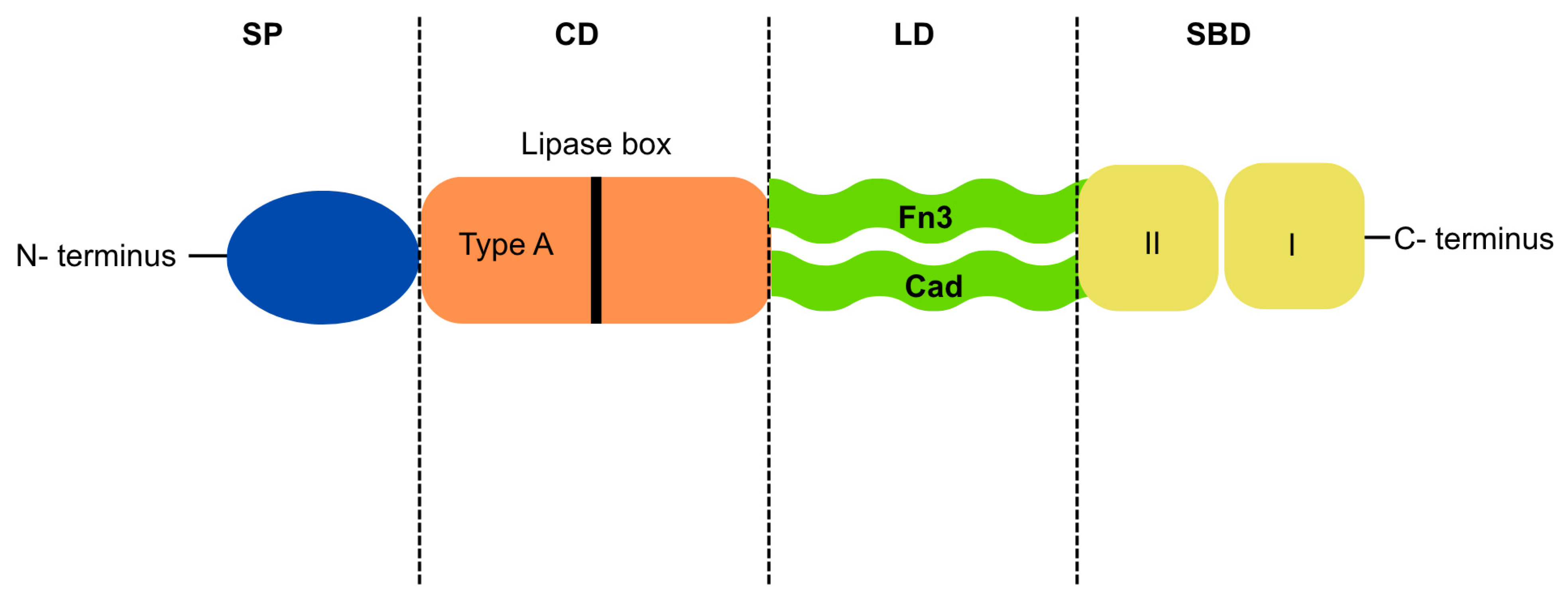
Figure 8: The enzyme consists of a signal peptide (SP) for secretion, a catalytic domain (CD) containing the lipase box and Type A motif for hydrolysis, a linker domain (LD) with fibronectin type III (Fn3) and cadherin-like (Cad) modules that provide flexibility and stability, and a substrate-binding domain (SBD) subdivided into regions I and II that enhance polymer interaction modified from [136,137], created with Canva.com.
A study identified a PhaZ homolog discovered in Alteromonas sp. D210916BOD_24 was shown to catalyse the degradation of P(3HB). The enzyme features a signal peptide (SP), with a type A CD containing a conserved lipase box essential for hydrolysis, an Fn3 LD, and an SBD composed of two regions. It demonstrated heightened activity under saline conditions (pH 8.0, 0.8 M NaCl), where NaCl concentrations influence the depolymerase’s ability to break down polymers efficiently. Interestingly, the PhaZ gene appears to be horizontally transferred in genetically diverse strains of Alteromonas [138]. PHA-degrading bacteria have been discovered in a variety of marine habitats where they play an active role in PHA degradation. Ref. [139] showed PHA-degrading bacteria such as Enterobacter sp., Bacillus sp., and Gracilibacillus sp. that can degrade P(HB) and P(3HB-co-HV)[PHBV] as proved by a decline of molecular weight. This study also showed that the polymer form affected the degradation rate. Between the two forms, films have a higher biodegradation rate than the compacted pellets when submerged in seawater.
Ref. [140] isolated 91 bacteria from seawater, including Pseudoalteromonas, Arenicella spp. and Microbacterium spp., which were newly identified marine PHA degraders. The study showed that P(3HB) and PHBV films in pseudo marine environments were degraded the fastest, particularly in the deep seawater, compared to the surface seawater. In addition, PHBV films degraded more rapidly than P(3HB), with the fastest rates observed in deep seawater. The author also studied the enzymes responsible for the depolymerisation of P(3HB), responsible for PHA degradation. Microbacterium exhibits depolymerases with unique domain patterns compared to other marine types, resembling those of terrestrial enzymes. An in vitro study of Microbacterium schleiferi confirmed the presence of notable PHA-degrading activity across different NaCl concentrations, validating its potential in the biodegradation of polyhydroxyalkanoates in marine environments. Furthermore, six marine debris-associated bacterial isolates were screened for their ability to degrade P(3HB), with the positive degradative activity evidenced by the formation of a clear zone surrounding the colonies [141]. Among six bacterial isolates, Pseudooceanicola antarcticus, with the highest degradation index of 1.44, was chosen for optimisation studies based on statistical techniques. Among formulated nitrogen sources tested, NH4Cl was statistically the most significant for the biosynthesis of P(3HB) depolymerase, and response surface methodology (RSM) analysis predicted maximum enzyme activity at a substrate and nitrogen source (NH4Cl) load of 0.5%. Thus, marine bacteria with the ability to degrade polyhydroxyalkanoates are critical for the biodegradation of bioplastics in aquaculture and packaging materials, which are frequently accidentally released into the marine environment. In marine environments, PHA depolymerases are central to the ecological recycling of bioplastics. Unlike synthetic plastics, which persist as long-term contaminants, these enzymes enable their reintegration into carbon biogeochemical cycles. PHAs are naturally metabolised by marine microbes, supporting nutrient turnover and reducing plastic accumulation [136]. Collectively, these findings highlight marine bacteria as pivotal agents in the natural turnover of PHAs, reinforcing their potential in sustainable bioplastic applications.
7 Advanced Cultivation Strategies for PHA Production
Enhancing polyhydroxyalkanoate production requires strategic selection of carbon sources, cultivation techniques, and process optimisation. Recent developments involve the use of bioengineered microorganisms and other fermentation methods in an attempt to improve the yield, polymer composition, and overall industrial feasibility. This chapter discusses the importance of cultivation systems, fermentation strategies, and bioprocessing PHA optimisation to improve PHA production.
PHA-producing bacteria can be cultivated in bioreactors and shake-flask systems, which are dependent on the production scale and the stage of research. For preliminary research, such as carbon source testing and bacterial strain selection, shake flasks are the most appropriate. In contrast, bioreactors are the most appropriate systems for research and production of PHA’s, especially for the process fermentation of high yields because they provide the most optimal control of process parameters such as pH, temperature, oxygen levels, and other variables.
Optimisation tools in Design of Experiments (DoE) help specify the best combinations of the controllable input variables to reach desired goals, for instance, improving yields or decreasing the costs involved in production. Response Surface Methodology (RSM) is frequently used in the production of PHAs. These methods are usually backed up by specific software that facilitates the organisation of experiments, as well as the computation of the statistics and the interpretation of the data. Ref. [113] found that the production of PHB by Vibrio sp. BM-1 was 1.57 g/L with 16% content after 12 h in glycerol-yeast extract-tryptone medium, although this level decreased significantly after 40 h due to the presence of mineral salts and degradation of PHB during the stationary phase, presumably as a result of nutrient deficiency and depolymerase activity. An improvement of 1.5-fold in PHA yield was observed when Optimised Central Composite Design (CCD) was used for the production of P(3HB-co-3HV) copolymer by Bacillus cereus MCCB 281, with PHA yield increasing from 1.44 g/L to 2.14 g/L. Under optimised conditions, batch fermentation resulted in a cell dry weight of 3.72 g/L, a PHA yield of 2.54 g/L, and a PHA content of 68.27% (w/w), thus illustrating the impact of the statistical design on biopolymer synthesis [67].
In a closed batch culture system, bacterial growth follows a five-phase sequence, including lag, exponential, stationary, and decline [142]. Although the initial growth substrates (e.g., carbon, NH4+, PO43−, Mg2+) are included, no additional nutrients are provided throughout the culture period [143]. Such a system requires a delay of inhibitory growth by using a concentration of initial substrates that is sub-inhibitory [144]. Maximum PHB production through RSM (6.38 g/L) for marine sponge-associated Bacillus licheniformis MSBN12, optimised with palm jaggery, occurred in batch culture. The optimised parameters during bioreactor trials improved PHB production by three times when compared with shake flask culture during both batch and fed-batch fermentation. Interestingly, fed-batch fermentation was more efficient for PHB production than batch fermentation, yielding a greater accumulative PHB of 17.92 g/L (as compared to 12.47 g/L) [72].
In fed-batch fermentation, an incrementally added substrate allows for extended dense cell cultivation, stationary phase extension, and enhanced productivity of PHB synthesis [145,146,147]. In these systems, pH, oxygen levels, and nutrient substrates can be dynamically controlled, leading to a reduction of nutrient exhaustion and starvation of the bacterial culture [148]. This technique has been implemented with success in many strains of PHB producers, such as Ralstonia eutropha, Bacillus megaterium, E. coli, Azotobacter vinelandii, and Sinorhizobium meliloti [149]. In addition, fed-batch glucose pulsing with a high initial glucose concentration in the cultivation of Halomonas venusta has been reported to achieve the highest yield of PHA at 33.4 g/L, which is 88.12% of the dry cell weight and an 8.65-fold improvement over batch fermentation [149]. In this technique, glucose was initially supplied at a high concentration, then gradually lowered to allow for the active metabolism of the cells while avoiding substrate inhibition.
In one-stage processes, both carbon and limiting nutrients are provided together [143]. This method provides operational and cost-related advantages. One study investigated one-stage cultivation of Haloferax mediterranei with olive mill wastewater as the only carbon source, resulting in a PHA yield of 0.2 g/L and 43% polymer content per cell dry mass, and a direct synthesis of PHBHV copolymer (6.5 mol% 3HV) without expensive 3HV-related precursors or a separate fermentation step [150]. However, literature on one-stage strategies remains limited, especially for marine bacteria.
Two-stage cultivation separates biomass generation and PHA accumulation. Initially, balanced nutrients are added to promote active growth. During the second stage, PHA accumulation, carbon is fed without the growth-supporting nutrients, resulting in intracellular PHA accumulation [143]. In the two-stage mode, Halomonas sp. SF2003 produced 1.89 g/L PHA with 33% content, compared to 1.30 g/L and 31% in one-stage mode. Interestingly, the one-stage mode allowed PHBHV production with 35% mol valerate [119]. Therefore, determining whether a one-stage, two-stage, or fed-batch cultivation approach is optimal is dictated largely by the physiological characteristics of the microbial strain, the supplied substrate, and the desired attributes of the resultant polymer.
PHAs provide significant environmental benefits through their biodegradability, carbon neutrality, eco-friendly disposal, and reduced toxicity. In contrast, petroleum-based plastics, such as polypropylene and polyethene, and other plastics, may take hundreds of years to degrade. This lack of biodegradability causes long-lasting pollution to the ecosystem and is dangerous to the organisms in the ecosystem [151]. However, PHA is fully biodegradable in diverse environments such as soil, marine water, and compost, offering a sustainable alternative that mitigates plastic pollution and minimises environmental damage [152].
Replacing petroleum-based polymers with PHAs can reduce fossil energy usage by up to 95% and decrease greenhouse gas emissions by as much as 200% [153]. This illustrates the ability of PHAs to facilitate sustainability and foster the establishment of green industries. Furthermore, PHA-based materials are designed to naturally decompose into harmless substances after use, such as methane in anaerobic environments (e.g., biogas plants) or water and carbon dioxide in aerobic settings (e.g., composting) [154]. This demonstrates that PHAs truly facilitate a reduction of environmental hazards and support sustainable waste management systems.
Most importantly, in contrast to standard plastics, PHAs do not emit damaging microplastics or toxic substances into ecosystems during breakdown. This is especially important because of the increasing risks posed by microplastics, especially in the sea, coastal areas have recorded 103–104 per m3 [155]. These small, floating microplastics are extremely difficult to identify, extract, or recycle, and have proven to be a significant contributor to the pollution in oceans. By providing a solution that does not contribute to microplastics, PHAs contribute to solving an important environmental challenge.
PHAs also possess other economic benefits, such as greater market opportunities, using industrial and agricultural waste, and decreased use of fossil fuels. The accumulation of industrial and agro-waste, especially from palm oil and agro-based industries (animal waste, molasses, corn steep liquor, whey, rice and wheat bran, etc.), has created a significant environmental problem. However, in the case of PHA production, these wastes are considered good substrates [156]. The use of agro-waste as a feedstock is going to keep production costs low and also convert waste into an economically useful product, thereby providing a contribution to the circular economy.
Several sectors, such as packaging, agriculture, and medicine, have observed the potential of sustainable materials and PHA products, which have already entered the market with applications in medical devices (CPC/IPC A61), plastics processing (CPC/IPC B29), and multilayered films (CPC/IPC B32) [157]. PHAs promote economic stability as they minimise dependence on the unpredictable fossil fuel market. PHAs are considered sustainable and environmentally friendly because they are fully biodegradable polymers and derived from renewable resources, such as agro-waste, through microbial processes, which also offer an alternative to petroleum-based plastics [158].
Overall, the plastic pollution issue caused by petroleum-based plastics is a growing global concern, posing serious threats to the environment and human health. The challenge of eradicating non-biodegradable plastics from our surroundings slowly increases while PHA offer positive prospects as an alternative, more environmentally friendly, and biodegradable plastic. PHA produced by microbes from renewable carbon feedstocks like agro-waste have several advantages, such as being biodegradable, non-toxic, and can be modified for a wide variety of applications. Furthermore, from a plastic pollution perspective, the waste generated from the manufacturing of certain products can be used as feedstock for the production of PHAs, creating a sustainable waste management strategy along with waste valorisation. The unexplored potential of bacteria from the marine environment continues to be of interest, as research utilises marine bacteria to produce PHAs, and further expands the range of microorganisms used for the production of bioplastics. The goal is to progressively commercialise PHAs and other biodegradable plastics while reducing the consumption of fossil fuels, pollution, and improving the overall quality of life. The incorporation of renewable feedstocks (i.e., marine and agricultural waste) to encourage and facilitate the production of PHAs will assist in the achievement of a more sustainable and circular economy.
Acknowledgement:
Funding Statement: This work was supported by the Fundamental Research Grant Scheme (FRGS) from the Ministry of Higher Education Malaysia (grant number FRGS/1/2025/STG01/UMT; Vot 59824).
Author Contributions: Nurul Afifah Mohd Kamal Rufadzil: Validation, Methodology, Software, Writing—original draft preparation, Formal analysis, Data curation; Sevakumaran Vigneswari: Project administration, Validation, Conceptualisation, Supervision, Funding acquisition, Resources; Siti Nor Syairah Anis: Validation, Supervision. All authors reviewed and approved the final version of the manuscript.
Availability of Data and Materials: Not applicable.
Ethics Approval: Not applicable.
Conflicts of Interest: The authors declare no conflicts of interest.
References
1. Pilapitiya PGCNT , Ratnayake AS . The world of plastic waste: A review. Clean Mater. 2024; 11: 100220. doi:10.1016/j.clema.2024.100220. [Google Scholar] [CrossRef]
2. Kibria MG , Masuk NI , Safayet R , Nguyen HQ , Mourshed M . Plastic waste: Challenges and opportunities to mitigate pollution and effective management. Int J Environ Res. 2023; 17( 1): 20. doi:10.1007/s41742-023-00507-z. [Google Scholar] [CrossRef]
3. United Nations Environment Programme (UNEP) . Towards pollution free planet 2022 [Internet]. [cited 2025 May 14]. Available from: https://www.unep.org/interactives/beat-plastic-pollution/. [Google Scholar]
4. WHO health dialogue: Plastics in health care 2023 [Internet]. [cited 2025 Jan 22]. Available from: https://www.who.int/news-room/events/detail/2023/11/08/default-calendar/who-health-dialogue--plastics-in-health-care. [Google Scholar]
5. Ford HV , Jones NH , Davies AJ , Godley BJ , Jambeck JR , Napper IE , et al. The fundamental links between climate change and marine plastic pollution. Sci Total Environ. 2022; 806( Pt 1): 150392. doi:10.1016/j.scitotenv.2021.150392. [Google Scholar] [CrossRef]
6. Ghosh S , Sinha JK , Ghosh S , Vashisth K , Han S , Bhaskar R . Microplastics as an emerging threat to the global environment and human health. Sustainability. 2023; 15( 14): 10821. doi:10.3390/su151410821. [Google Scholar] [CrossRef]
7. Moshood TD , Nawanir G , Mahmud F , Mohamad F , Ahmad MH , AbdulGhani A . Biodegradable plastic applications towards sustainability: A recent innovations in the green product. Clean Eng Technol. 2022; 6: 100404. doi:10.1016/j.clet.2022.100404. [Google Scholar] [CrossRef]
8. Akinmulewo AB , Nwinyi OC . Polyhydroxyalkanoate: A biodegradable polymer (a mini review). J Phys Conf Ser. 2019; 1378( 4): 042007. doi:10.1088/1742-6596/1378/4/042007. [Google Scholar] [CrossRef]
9. Wang S , Chen W , Xiang H , Yang J , Zhou Z , Zhu M . Modification and potential application of short-chain-length polyhydroxyalkanoate (SCL-PHA). Polymers. 2016; 8( 8): 273. doi:10.3390/polym8080273. [Google Scholar] [CrossRef]
10. Ramachandran H , Anis SNS , Ansari NF , Sevakumaran V , Arifshah N , Rufadzil NAMK , et al. Superlative short chain length and medium chain length polyhydroxyalkanoates microbial producers isolated from Malaysian environment. Arch Microbiol. 2025; 207( 4): 72. doi:10.1007/s00203-025-04256-9. [Google Scholar] [CrossRef]
11. Sharma PK , Munir RI , Plouffe J , Shah N , De Kievit T , Levin DB . Polyhydroxyalkanoate (PHA) polymer accumulation and pha gene expression in phenazine (phz−) and pyrrolnitrin (prn−) defective mutants of Pseudomonas chlororaphis PA23. Polymers. 2018; 10( 11): 1203. doi:10.3390/polym10111203. [Google Scholar] [CrossRef]
12. Bugnicourt E , Cinelli P , Lazzeri A , Alvarez V . Polyhydroxyalkanoate (PHA): Review of synthesis, characteristics, processing and potential applications in packaging. Express Polym Lett. 2014; 8( 11): 791– 808. doi:10.3144/expresspolymlett.2014.82. [Google Scholar] [CrossRef]
13. Kumar V , Sehgal R , Gupta R . Blends and composites of polyhydroxyalkanoates (PHAs) and their applications. Eur Polym J. 2021; 161: 110824. doi:10.1016/j.eurpolymj.2021.110824. [Google Scholar] [CrossRef]
14. Medeiros Garcia Alcântara J , Distante F , Storti G , Moscatelli D , Morbidelli M , Sponchioni M . Current trends in the production of biodegradable bioplastics: The case of polyhydroxyalkanoates. Biotechnol Adv. 2020; 42: 107582. doi:10.1016/j.biotechadv.2020.107582. [Google Scholar] [CrossRef]
15. Singh AK , Srivastava JK , Chandel AK , Sharma L , Mallick N , Singh SP . Biomedical applications of microbially engineered polyhydroxyalkanoates: An insight into recent advances, bottlenecks, and solutions. Appl Microbiol Biotechnol. 2019; 103( 5): 2007– 32. doi:10.1007/s00253-018-09604-y. [Google Scholar] [CrossRef]
16. Sanz-Sáez I , Salazar G , Sánchez P , Lara E , Royo-Llonch M , Sà EL , et al. Diversity and distribution of marine heterotrophic bacteria from a large culture collection. BMC Microbiol. 2020; 20( 1): 207. doi:10.1186/s12866-020-01884-7. [Google Scholar] [CrossRef]
17. Alsaadi A , Ganesen SSK , Amelia TSM , Moanis R , Peeters E , Vigneswari S , et al. Polyhydroxyalkanoate (PHA) biopolymer synthesis by marine bacteria of the Malaysian coral triangle region and mining for PHA synthase genes. Microorganisms. 2022; 10( 10): 2057. doi:10.3390/microorganisms10102057. [Google Scholar] [CrossRef]
18. Wang FY , Liu MY . Microbial community diversity of coral reef sediments on Liuqiu Island, southwestern Taiwan. J Mar Sci Eng. 2023; 11( 1): 85. doi:10.3390/jmse11010085. [Google Scholar] [CrossRef]
19. Sasidharan RS , Bhat SG , Chandrasekaran M . Biocompatible polyhydroxybutyrate (PHB) production by marine Vibrio azureus BTKB33 under submerged fermentation. Ann Microbiol. 2015; 65( 1): 455– 65. doi:10.1007/s13213-014-0878-z. [Google Scholar] [CrossRef]
20. Mitra R , Xu T , Xiang H , Han J . Current developments on polyhydroxyalkanoates synthesis by using halophiles as a promising cell factory. Microb Cell Fact. 2020; 19( 1): 86. doi:10.1186/s12934-020-01342-z. [Google Scholar] [CrossRef]
21. OECD . Global plastics outlook: Economic drivers, environmental impacts and policy options. Paris, France: OECD Publishing; 2022. doi:10.1787/de747aef-en. [Google Scholar] [CrossRef]
22. Van Ewijk S , Stegemann JA , Ekins P . Global life cycle paper flows, recycling metrics, and material efficiency. J Ind Ecol. 2018; 22( 4): 686– 93. doi:10.1111/jiec.12613. [Google Scholar] [CrossRef]
23. Ubando AT , Gonzaga JA , Gue IHV , Biona JBM . Life cycle assessment of plastic and paper carrying bags in the Philippines. Clean Environ Syst. 2024; 14: 100217. doi:10.1016/j.cesys.2024.100217. [Google Scholar] [CrossRef]
24. Cai Z , Li M , Zhu Z , Wang X , Huang Y , Li T , et al. Biological degradation of plastics and microplastics: A recent perspective on associated mechanisms and influencing factors. Microorganisms. 2023; 11( 7): 1661. doi:10.3390/microorganisms11071661. [Google Scholar] [CrossRef]
25. Ali A , Bahadar A , Khan A , Sanaullah K . Role of agricultural waste in recycled plastic biocomposites. In: Recycled plastic biocomposites. Amsterdam, The Netherlands: Elsevier; 2022. p. 165– 94. doi:10.1016/b978-0-323-88653-6.00002-x. [Google Scholar] [CrossRef]
26. Xia C , Cai L , Lam SS , Sonne C . Microplastics pollution: Economic loss and actions needed. Eco Environ Health. 2023; 2( 2): 41– 2. doi:10.1016/j.eehl.2023.04.001. [Google Scholar] [CrossRef]
27. Wojnowska-Baryła I , Bernat K , Zaborowska M . Plastic waste degradation in landfill conditions: The problem with microplastics, and their direct and indirect environmental effects. Int J Environ Res Public Health. 2022; 19( 20): 13223. doi:10.3390/ijerph192013223. [Google Scholar] [CrossRef]
28. Thushari GGN , Senevirathna JDM . Plastic pollution in the marine environment. Heliyon. 2020; 6( 8): e04709. doi:10.1016/j.heliyon.2020.e04709. [Google Scholar] [CrossRef]
29. Schwabl P , Köppel S , Königshofer P , Bucsics T , Trauner M , Reiberger T , et al. Detection of various microplastics in human stool: A prospective case series. Ann Intern Med. 2019; 171( 7): 453– 7. doi:10.7326/M19-0618. [Google Scholar] [CrossRef]
30. Shen M , Huang W , Chen M , Song B , Zeng G , Zhang Y . (Micro)plastic crisis: Un-ignorable contribution to global greenhouse gas emissions and climate change. J Clean Prod. 2020; 254: 120138. doi:10.1016/j.jclepro.2020.120138. [Google Scholar] [CrossRef]
31. Rudin A , Choi P . Biopolymers. In: The elements of polymer science & engineering. 3rd ed. Amsterdam, The Netherlands: Elsevier; 2012. p. 521– 35. doi:10.1016/b978-0-12-382178-2.00013-4. [Google Scholar] [CrossRef]
32. George N , Debroy A , Bhat S , Bindal S , Singh S . Biowaste to bioplastics: An eco-friendly approach for a sustainable future. J Appl Biotechnol Rep. 2021; 8( 3): 221– 33. doi:10.30491/jabr.2021.259403.1318. [Google Scholar] [CrossRef]
33. Balla E , Daniilidis V , Karlioti G , Kalamas T , Stefanidou M , Bikiaris ND , et al. Poly(lactic acid): A versatile biobased polymer for the future with multifunctional properties—From monomer synthesis, polymerization techniques and molecular weight increase to PLA applications. Polymers. 2021; 13( 11): 1822. doi:10.3390/polym13111822. [Google Scholar] [CrossRef]
34. O’Loughlin J , Doherty D , Herward B , McGleenan C , Mahmud M , Bhagabati P , et al. The potential of bio-based polylactic acid (PLA) as an alternative in reusable food containers: A review. Sustainability. 2023; 15( 21): 15312. doi:10.3390/su152115312. [Google Scholar] [CrossRef]
35. Barrino F , De La Rosa-Ramírez H , Schiraldi C , López-Martínez J , Samper MD . Preparation and characterization of new bioplastics based on polybutylene succinate (PBS). Polymers. 2023; 15( 5): 1212. doi:10.3390/polym15051212. [Google Scholar] [CrossRef]
36. Shi X , Yang Y , Miao W , Duan Q , Huang Y , Xiao H , et al. Active biodegradable bacterial cellulose films with potential to minimize the plastic pollution: Preparation, antibacterial application, and mechanism. Food Chem. 2025; 464: 141852. doi:10.1016/j.foodchem.2024.141852. [Google Scholar] [CrossRef]
37. Mouro C , Gomes AP , Gouveia IC . Microbial exopolysaccharides: Structure, diversity, applications, and future frontiers in sustainable functional materials. Polysaccharides. 2024; 5( 3): 241– 87. doi:10.3390/polysaccharides5030018. [Google Scholar] [CrossRef]
38. Petri DFS . Xanthan gum: A versatile biopolymer for biomedical and technological applications. J Appl Polym Sci. 2015; 132( 23): 42035. doi:10.1002/app.42035. [Google Scholar] [CrossRef]
39. Jayarathna S , Andersson M , Andersson R . Recent advances in starch-based blends and composites for bioplastics applications. Polymers. 2022; 14( 21): 4557. doi:10.3390/polym14214557. [Google Scholar] [CrossRef]
40. Marichelvam MK , Manimaran P , Sanjay MR , Siengchin S , Geetha M , Kandakodeeswaran K , et al. Extraction and development of starch-based bioplastics from Prosopis juliflora plant: Eco-friendly and sustainability aspects. Curr Res Green Sustain Chem. 2022; 5: 100296. doi:10.1016/j.crgsc.2022.100296. [Google Scholar] [CrossRef]
41. Martínez A , Perez-Sanchez E , Caballero A , Ramírez R , Quevedo E , Salvador-García D . PBAT is biodegradable but what about the toxicity of its biodegradation products? J Mol Model. 2024; 30( 8): 273. doi:10.1007/s00894-024-06066-0. [Google Scholar] [CrossRef]
42. Jem KJ , Tan B . The development and challenges of poly (lactic acid) and poly (glycolic acid). Adv Ind Eng Polym Res. 2020; 3( 2): 60– 70. doi:10.1016/j.aiepr.2020.01.002. [Google Scholar] [CrossRef]
43. Singh R , Kumar N , Mehrotra T , Bisaria K , Sinha S . Environmental hazards and biodegradation of plastic waste: Challenges and future prospects. In: Bioremediation for environmental sustainability. Amsterdam, The Netherlands: Elsevier; 2021. p. 193– 214. doi:10.1016/b978-0-12-820524-2.00009-2. [Google Scholar] [CrossRef]
44. Delgado-Aguilar M , Puig R , Sazdovski I , Fullana-I-Palmer P . Polylactic acid/polycaprolactone blends: On the path to circular economy, substituting single-use commodity plastic products. Materials. 2020; 13( 11): 2655. doi:10.3390/ma13112655. [Google Scholar] [CrossRef]
45. Thamarai P , Vickram AS , Saravanan A , Deivayanai VC , Evangeline S . Recent advancements in biosynthesis, industrial production, and environmental applications of polyhydroxyalkanoates (PHAs): A review. Bioresour Technol Rep. 2024; 27: 101957. doi:10.1016/j.biteb.2024.101957. [Google Scholar] [CrossRef]
46. Koller M , Heeney D , Mukherjee A . Biodegradability of polyhydroxyalkanoate (PHA) biopolyesters in nature: A review. Biodegradation. 2025; 36( 4): 76. doi:10.1007/s10532-025-10164-y. [Google Scholar] [CrossRef]
47. Surendran A , Lakshmanan M , Chee JY , Sulaiman AM , Van Thuoc D , Sudesh K . Can polyhydroxyalkanoates be produced efficiently from waste plant and animal oils? Front Bioeng Biotechnol. 2020; 8: 169. doi:10.3389/fbioe.2020.00169. [Google Scholar] [CrossRef]
48. Możejko-Ciesielska J , Kiewisz R . Bacterial polyhydroxyalkanoates: Still fabulous? Microbiol Res. 2016; 192: 271– 82. doi:10.1016/j.micres.2016.07.010. [Google Scholar] [CrossRef]
49. Kek YK , Chang CW , Amirul AA , Sudesh K . Heterologous expression of Cupriavidus sp. USMAA2-4 PHA synthase gene in PHB−4 mutant for the production of poly(3-hydroxybutyrate) and its copolymers. World J Microbiol Biotechnol. 2010; 26( 9): 1595– 603. doi:10.1007/s11274-010-0335-5. [Google Scholar] [CrossRef]
50. Dañez JC , Requiso P , Alfafara C , Nayve FR , Ventura JR . Optimization of fermentation factors for polyhydroxybutyrate (PHB) production using Bacillus megaterium PNCM 1890 in simulated glucose-xylose hydrolysates from agricultural residues. Philipp J Sci. 2020; 149( 1): 163– 75. doi:10.56899/149.01.15. [Google Scholar] [CrossRef]
51. Philip S , Keshavarz T , Roy I . Polyhydroxyalkanoates: Biodegradable polymers with a range of applications. J Chem Technol Biotechnol. 2007; 82( 3): 233– 47. doi:10.1002/jctb.1667. [Google Scholar] [CrossRef]
52. Zhao H . Energy crisis: “Natural disaster” and “man-made calamity”. In: The economics and politics of China’s energy security transition. Cambridge, MA, USA: Academic Press; 2019. p. 65– 98. doi:10.1016/b978-0-12-815152-5.00004-x. [Google Scholar] [CrossRef]
53. Palmeiro-Sánchez T , O’Flaherty V , Lens PNL . Polyhydroxyalkanoate bio-production and its rise as biomaterial of the future. J Biotechnol. 2022; 348: 10– 25. doi:10.1016/j.jbiotec.2022.03.001. [Google Scholar] [CrossRef]
54. Rudnik E . Biodegradability testing of compostable polymer materials. In: Handbook of biopolymers and biodegradable plastics. Amsterdam, The Netherlands: Elsevier; 2013. p. 213– 63. doi:10.1016/b978-1-4557-2834-3.00011-2. [Google Scholar] [CrossRef]
55. Sharma V , Sehgal R , Gupta R . Polyhydroxyalkanoate (PHA): Properties and modifications. Polymer. 2021; 212: 123161. doi:10.1016/j.polymer.2020.123161. [Google Scholar] [CrossRef]
56. Li Z , Yang J , Loh XJ . Polyhydroxyalkanoates: Opening doors for a sustainable future. NPG Asia Mater. 2016; 8( 4): e265. doi:10.1038/am.2016.48. [Google Scholar] [CrossRef]
57. Poltronieri P , Kumar P . Polyhydroxyalkanoates (PHAs) in industrial applications. In: Handbook of ecomaterials. Berlin/Heidelberg, Germany: Springer; 2019. p. 2843– 72. doi:10.1007/978-3-319-68255-6_70. [Google Scholar] [CrossRef]
58. Sehgal R , Gupta R . Polyhydroxyalkanoate and its efficient production: An eco-friendly approach towards development. 3 Biotech. 2020; 10( 12): 549. doi:10.1007/s13205-020-02550-5. [Google Scholar] [CrossRef]
59. Riaz S , Rhee KY , Park SJ . Polyhydroxyalkanoates (PHAs): Biopolymers for biofuel and biorefineries. Polymers. 2021; 13( 2): 253. doi:10.3390/polym13020253. [Google Scholar] [CrossRef]
60. Samrot AV , Samanvitha SK , Shobana N , Renitta ER , Senthilkumar P , Kumar SS , et al. The synthesis, characterization and applications of polyhydroxyalkanoates (PHAs) and PHA-based nanoparticles. Polymers. 2021; 13( 19): 3302. doi:10.3390/polym13193302. [Google Scholar] [CrossRef]
61. Vigneswari S , Noor MSM , Amelia TSM , Balakrishnan K , Adnan A , Bhubalan K , et al. Recent advances in the biosynthesis of polyhydroxyalkanoates from lignocellulosic feedstocks. Life. 2021; 11( 8): 807. doi:10.3390/life11080807. [Google Scholar] [CrossRef]
62. Vicente D , Proença DN , Morais PV . The role of bacterial polyhydroalkanoate (PHA) in a sustainable future: A review on the biological diversity. Int J Environ Res Public Health. 2023; 20( 4): 2959. doi:10.3390/ijerph20042959. [Google Scholar] [CrossRef]
63. Koller M . Production, properties, and processing of microbial polyhydroxyalkanoate (PHA) biopolyesters. In: Microbial and natural macromolecules. Amsterdam, The Netherlands: Elsevier; 2021. p. 3– 55. doi:10.1016/b978-0-12-820084-1.00001-6. [Google Scholar] [CrossRef]
64. Chai JM , Amelia TSM , Mouriya GK , Bhubalan K , Amirul AA , Vigneswari S , et al. Surface-modified highly biocompatible bacterial-poly(3-hydroxybutyrate-co-4-hydroxybutyrate): A review on the promising next-generation biomaterial. Polymers. 2020; 13( 1): 51. doi:10.3390/polym13010051. [Google Scholar] [CrossRef]
65. Senthilkumar P , Dawn SS , Sree Samanvitha K , Sanjay Kumar S , Narendra Kumar G , Samrot AV . Optimization and characterization of poly[R]hydroxyalkanoate of Pseudomonas aeruginosa SU-1 to utilize in nanoparticle synthesis for curcumin delivery. Biocatal Agric Biotechnol. 2017; 12: 292– 8. doi:10.1016/j.bcab.2017.10.019. [Google Scholar] [CrossRef]
66. Lee SM , Lee HJ , Kim SH , Suh MJ , Cho JY , Ham S , et al. Engineering of Shewanella marisflavi BBL25 for biomass-based polyhydroxybutyrate production and evaluation of its performance in electricity production. Int J Biol Macromol. 2021; 183: 1669– 75. doi:10.1016/j.ijbiomac.2021.05.105. [Google Scholar] [CrossRef]
67. Mohandas SP , Balan L , Jayanath G , Anoop BS , Philip R , Cubelio SS , et al. Biosynthesis and characterization of polyhydroxyalkanoate from marine Bacillus cereus MCCB 281 utilizing glycerol as carbon source. Int J Biol Macromol. 2018; 119: 380– 92. doi:10.1016/j.ijbiomac.2018.07.044. [Google Scholar] [CrossRef]
68. Wecker P , Moppert X , Simon-Colin C , Costa B , Berteaux-Lecellier V . Discovery of a mcl-PHA with unexpected biotechnical properties: The marine environment of French Polynesia as a source for PHA-producing bacteria. AMB Express. 2015; 5( 1): 74. doi:10.1186/s13568-015-0163-y. [Google Scholar] [CrossRef]
69. Sudesh K , Abe H , Doi Y . Synthesis, structure and properties of polyhydroxyalkanoates: Biological polyesters. Prog Polym Sci. 2000; 25( 10): 1503– 55. doi:10.1016/S0079-6700(00)00035-6. [Google Scholar] [CrossRef]
70. Wang MR , Li HF , Yi JJ , Tao SY , Li ZJ . Production of polyhydroxyalkanoates by three novel species of Marinobacterium. Int J Biol Macromol. 2022; 195: 255– 63. doi:10.1016/j.ijbiomac.2021.12.019. [Google Scholar] [CrossRef]
71. Mozejko-Ciesielska J , Szacherska K , Marciniak P . Pseudomonas species as producers of eco-friendly polyhydroxyalkanoates. J Polym Environ. 2019; 27( 6): 1151– 66. doi:10.1007/s10924-019-01422-1. [Google Scholar] [CrossRef]
72. Sathiyanarayanan G , Saibaba G , Seghal Kiran G , Selvin J . Process optimization and production of polyhydroxybutyrate using palm jaggery as economical carbon source by marine sponge-associated Bacillus licheniformis MSBN12. Bioprocess Biosyst Eng. 2013; 36( 12): 1817– 27. doi:10.1007/s00449-013-0956-9. [Google Scholar] [CrossRef]
73. Mandragutti T , Sudhakar G . Selective isolation and genomic characterization of biopolymer producer—A novel feature of halophile Brachybacterium paraconglomeratum MTCC 13074. J Genet Eng Biotechnol. 2023; 21( 1): 24. doi:10.1186/s43141-023-00484-y. [Google Scholar] [CrossRef]
74. Yamada M , Yukita A , Hanazumi Y , Yamahata Y , Moriya H , Miyazaki M , et al. Poly(3-hydroxybutyrate) production using mannitol as a sole carbon source by Burkholderia sp. AIU M5M02 isolated from a marine environment. Fish Sci. 2018; 84( 2): 405– 12. doi:10.1007/s12562-017-1164-3. [Google Scholar] [CrossRef]
75. Numata K , Morisaki K , Tomizawa S , Ohtani M , Demura T , Miyazaki M , et al. Synthesis of poly- and oligo(hydroxyalkanoate)s by deep-sea bacteria, Colwellia spp., Moritella spp., and Shewanella spp. Polym J. 2013; 45( 10): 1094– 100. doi:10.1038/pj.2013.25. [Google Scholar] [CrossRef]
76. Xiao N , Jiao N . Formation of polyhydroxyalkanoate in aerobic anoxygenic phototrophic bacteria and its relationship to carbon source and light availability. Appl Environ Microbiol. 2011; 77( 21): 7445– 50. doi:10.1128/AEM.05955-11. [Google Scholar] [CrossRef]
77. Dubey S , Mishra S . Natural sea salt based polyhydroxyalkanoate production by wild Halomonas hydrothermalis strain. Fuel. 2022; 311: 122593. doi:10.1016/j.fuel.2021.122593. [Google Scholar] [CrossRef]
78. Park YL , Bhatia SK , Gurav R , Choi TR , Kim HJ , Song HS , et al. Fructose based hyper production of poly-3-hydroxybutyrate from Halomonas sp. YLGW01 and impact of carbon sources on bacteria morphologies. Int J Biol Macromol. 2020; 154: 929– 36. doi:10.1016/j.ijbiomac.2020.03.129. [Google Scholar] [CrossRef]
79. Han X , Satoh Y , Kuriki Y , Seino T , Fujita S , Suda T , et al. Polyhydroxyalkanoate production by a novel bacterium Massilia sp. UMI-21 isolated from seaweed, and molecular cloning of its polyhydroxyalkanoate synthase gene. J Biosci Bioeng. 2014; 118( 5): 514– 9. doi:10.1016/j.jbiosc.2014.04.022. [Google Scholar] [CrossRef]
80. Liu XJ , Zhang J , Hong PH , Li ZJ . Microbial production and characterization of poly-3-hydroxybutyrate by Neptunomonas antarctica. PeerJ. 2016; 4: e2291. doi:10.7717/peerj.2291. [Google Scholar] [CrossRef]
81. Numata K , Morisaki K . Screening of marine bacteria to synthesize polyhydroxyalkanoate from lignin: Contribution of lignin derivatives to biosynthesis by Oceanimonas doudoroffii. ACS Sustain Chem Eng. 2015; 3( 4): 569– 73. doi:10.1021/acssuschemeng.5b00031. [Google Scholar] [CrossRef]
82. González-García Y , Nungaray J , Córdova J , González-Reynoso O , Koller M , Atlic A , et al. Biosynthesis and characterization of polyhydroxyalkanoates in the polysaccharide-degrading marine bacterium Saccharophagus degradans ATCC 43961. J Ind Microbiol Biotechnol. 2008; 35( 6): 629– 33. doi:10.1007/s10295-007-0299-0. [Google Scholar] [CrossRef]
83. Balan L , Mohandas SP , Priyaja P , Gopi J , Cubelio SS , Philip R , et al. Development of a mini-repository of marine bacteria having the potential of polyhydroxyalkanoates production. Microbe. 2025; 7: 100338. doi:10.1016/j.microb.2025.100338. [Google Scholar] [CrossRef]
84. Chavan S , Yadav B , Tyagi RD , Drogui P . A review on production of polyhydroxyalkanoate (PHA) biopolyesters by thermophilic microbes using waste feedstocks. Bioresour Technol. 2021; 341: 125900. doi:10.1016/j.biortech.2021.125900. [Google Scholar] [CrossRef]
85. Crisafi F , Valentino F , Micolucci F , Denaro R . From organic wastes and hydrocarbons pollutants to polyhydroxyalkanoates: Bioconversion by terrestrial and marine bacteria. Sustainability. 2022; 14( 14): 8241. doi:10.3390/su14148241. [Google Scholar] [CrossRef]
86. Obruča S , Dvořák P , Sedláček P , Koller M , Sedlář K , Pernicová I , et al. Polyhydroxyalkanoates synthesis by halophiles and thermophiles: Towards sustainable production of microbial bioplastics. Biotechnol Adv. 2022; 58: 107906. doi:10.1016/j.biotechadv.2022.107906. [Google Scholar] [CrossRef]
87. Nasreen . Ocean salinity. Int J Mod Trends Sci Technol. 2022; 8: 296– 302. doi:10.46501/IJMTST0801052. [Google Scholar] [CrossRef]
88. Subramanian K , Mahendrakumar M , Elumalai K , Pugazhvendan SR , Mani P , Balakrishnan K . Symbiotic microbial interactions in fish gut. In: Microbial symbionts. Amsterdam, The Netherlands: Elsevier; 2023. p. 521– 31. doi:10.1016/b978-0-323-99334-0.00020-7. [Google Scholar] [CrossRef]
89. Birolli WG , Lima RN , Porto ALM . Applications of marine-derived microorganisms and their enzymes in biocatalysis and biotransformation, the underexplored potentials. Front Microbiol. 2019; 10: 1453. doi:10.3389/fmicb.2019.01453. [Google Scholar] [CrossRef]
90. Jain KS , Goswami VC , Thacker SC , Nayak NS , Tipre DR . Screening and characterization of PHA production from marine bacteria. Biosci Biotechnol Res Commun. 2020; 13( 1): 199– 203. [Google Scholar]
91. Jiang G , Hill DJ , Kowalczuk M , Johnston B , Adamus G , Irorere V , et al. Carbon sources for polyhydroxyalkanoates and an integrated biorefinery. Int J Mol Sci. 2016; 17( 7): 1157. doi:10.3390/ijms17071157. [Google Scholar] [CrossRef]
92. Arriaga M , Pinar FJ , Izarra I , del Amo J , Vicente J , Fernández-Morales FJ , et al. Valorization of agri-food waste into PHA and bioplastics: From waste selection to transformation. Appl Sci. 2025; 15( 3): 1008. doi:10.3390/app15031008. [Google Scholar] [CrossRef]
93. Szacherska K , Oleskowicz-Popiel P , Ciesielski S , Mozejko-Ciesielska J . Volatile fatty acids as carbon sources for polyhydroxyalkanoates production. Polymers. 2021; 13( 3): 321. doi:10.3390/polym13030321. [Google Scholar] [CrossRef]
94. Ma R , Li J , Tyagi R , Zhang X . Carbon dioxide and methane as carbon source for the production of polyhydroxyalkanoates and concomitant carbon fixation. Bioresour Technol. 2024; 391: 129977. doi:10.1016/j.biortech.2023.129977. [Google Scholar] [CrossRef]
95. Kniewel R , Revelles Lopez O , Prieto MA . Biogenesis of medium-chain-length polyhydroxyalkanoates. In: Biogenesis of fatty acids, lipids and membranes. Berlin/Heidelberg, Germany: Springer; 2017. p. 1– 25. doi:10.1007/978-3-319-43676-0_29-1. [Google Scholar] [CrossRef]
96. Nygaard D , Yashchuk O , Hermida ÉB . Cupriavidus necator: A sustainable triple tool for waste reduction, biopolymer production, and cost optimization. Clean Mater. 2025; 17: 100332. doi:10.1016/j.clema.2025.100332. [Google Scholar] [CrossRef]
97. Simon-Colin C , Raguénès G , Cozien J , Guezennec JG . Halomonas profundus sp. nov., a new PHA-producing bacterium isolated from a deep-sea hydrothermal vent shrimp. J Appl Microbiol. 2008; 104( 5): 1425– 32. doi:10.1111/j.1365-2672.2007.03667.x. [Google Scholar] [CrossRef]
98. Christensen M , Chiciudean I , Lascu I , Jablonski P , Shapaval V , Zimmermann B , et al. Halomonas sp. MC140, a polyhydroxyalkanoate (PHA) producer isolated from the Arctic environment. Sci Rep. 2025; 15( 1): 23744. doi:10.1038/s41598-025-06898-7. [Google Scholar] [CrossRef]
99. Higuchi-Takeuchi M , Morisaki K , Numata K . A screening method for the isolation of polyhydroxyalkanoate-producing purple non-sulfur photosynthetic bacteria from natural seawater. Front Microbiol. 2016; 7: 1509. doi:10.3389/fmicb.2016.01509. [Google Scholar] [CrossRef]
100. Sabirova JS , Ferrer M , Lünsdorf H , Wray V , Kalscheuer R , Steinbüchel A , et al. Mutation in a “tesB-like” hydroxyacyl-coenzyme A-specific thioesterase gene causes hyperproduction of extracellular polyhydroxyalkanoates by Alcanivorax borkumensis SK2. J Bacteriol. 2006; 188( 24): 8452– 9. doi:10.1128/JB.01321-06. [Google Scholar] [CrossRef]
101. Prabhu NN , Santimano MC , Mavinkurve S , Bhosle SN , Garg S . Native granule associated short chain length polyhydroxyalkanoate synthase from a marine derived Bacillus sp. NQ-11/A2. Antonie Van Leeuwenhoek. 2010; 97( 1): 41– 50. doi:10.1007/s10482-009-9386-8. [Google Scholar] [CrossRef]
102. Kiran GS , Lipton AN , Priyadharshini S , Anitha K , Suárez LEC , Arasu MV , et al. Antiadhesive activity of poly-hydroxy butyrate biopolymer from a marine Brevibacterium casei MSI04 against shrimp pathogenic vibrios. Microb Cell Fact. 2014; 13: 114. doi:10.1186/s12934-014-0114-3. [Google Scholar] [CrossRef]
103. Hai T , Lange D , Rabus R , Steinbüchel A . Polyhydroxyalkanoate (PHA) accumulation in sulfate-reducing bacteria and identification of a class III PHA synthase (PhaEC) in Desulfococcus multivorans. Appl Environ Microbiol. 2004; 70( 8): 4440– 8. doi:10.1128/AEM.70.8.4440-4448.2004. [Google Scholar] [CrossRef]
104. Gong S , Miswan N , Shah NHA , Anis SNS , Abdullah AA , Lau NS . Genomic characterisation and gene editing of Marinibacterium sp. CCB-SX1 as a new marine chassis for polyhydroxyalkanoate production. Int J Biol Macromol. 2025; 334( Pt 2): 149133. doi:10.1016/j.ijbiomac.2025.149133. [Google Scholar] [CrossRef]
105. Boyandin AN , Kalacheva GS , Rodicheva EK , Volova TG . Synthesis of reserve polyhydroxyalkanoates by luminescent bacteria. Microbiology. 2008; 77( 3): 318– 23. doi:10.1134/S0026261708030119. [Google Scholar] [CrossRef]
106. Wang Q , Zhang H , Chen Q , Chen X , Zhang Y , Qi Q . A marine bacterium accumulates polyhydroxyalkanoate consisting of mainly 3-hydroxydodecanoate and 3-hydroxydecanoate. World J Microbiol Biotechnol. 2010; 26( 6): 1149– 53. doi:10.1007/s11274-009-0282-1. [Google Scholar] [CrossRef]
107. Simon-Colin C , Alain K , Colin S , Cozien J , Costa B , Guezennec JG , et al. A novel mcl PHA-producing bacterium, Pseudomonas guezennei sp. nov., isolated from a ‘kopara’ mat located in Rangiroa, an atoll of French Polynesia. J Appl Microbiol. 2008; 104( 2): 581– 6. doi:10.1111/j.1365-2672.2007.03568.x. [Google Scholar] [CrossRef]
108. Jamil N , Ahmed N , Edwards DH . Characterization of biopolymer produced by Pseudomonas sp. CMG607w of marine origin. J Gen Appl Microbiol. 2007; 53( 2): 105– 9. doi:10.2323/jgam.53.105. [Google Scholar] [CrossRef]
109. Higuchi-Takeuchi M , Numata K . Acetate-inducing metabolic states enhance polyhydroxyalkanoate production in marine purple non-sulfur bacteria under aerobic conditions. Front Bioeng Biotechnol. 2019; 7: 118. doi:10.3389/fbioe.2019.00118. [Google Scholar] [CrossRef]
110. Carlozzi P , Touloupakis E , Filippi S , Cinelli P , Mezzetta A , Seggiani M . Purple non-sulfur bacteria as cell factories to produce a copolymer as PHBV under light/dark cycle in a 4-L photobioreactor. J Biotechnol. 2022; 356: 51– 9. doi:10.1016/j.jbiotec.2022.07.008. [Google Scholar] [CrossRef]
111. Shrivastav A , Mishra SK , Shethia B , Pancha I , Jain D , Mishra S . Isolation of promising bacterial strains from soil and marine environment for polyhydroxyalkanoates (PHAs) production utilizing Jatropha biodiesel byproduct. Int J Biol Macromol. 2010; 47( 2): 283– 7. doi:10.1016/j.ijbiomac.2010.04.007. [Google Scholar] [CrossRef]
112. Hong JW , Song HS , Moon YM , Hong YG , Bhatia SK , Jung HR , et al. Polyhydroxybutyrate production in halophilic marine bacteria Vibrio proteolyticus isolated from the Korean peninsula. Bioprocess Biosyst Eng. 2019; 42( 4): 603– 10. doi:10.1007/s00449-018-02066-6. [Google Scholar] [CrossRef]
113. Wei YH , Chen WC , Wu HS , Janarthanan OM . Biodegradable and biocompatible biomaterial, polyhydroxybutyrate, produced by an indigenous Vibrio sp. BM-1 isolated from marine environment. Mar Drugs. 2011; 9( 4): 615– 24. doi:10.3390/md9040615. [Google Scholar] [CrossRef]
114. Numata K , Doi Y . Biosynthesis of polyhydroxyalkanaotes by a novel facultatively anaerobic Vibrio sp. under marine conditions. Mar Biotechnol. 2012; 14( 3): 323– 31. doi:10.1007/s10126-011-9416-1. [Google Scholar] [CrossRef]
115. Arun A , Arthi R , Shanmugabalaji V , Eyini M . Microbial production of poly-β-hydroxybutyrate by marine microbes isolated from various marine environments. Bioresour Technol. 2009; 100( 7): 2320– 3. doi:10.1016/j.biortech.2008.08.037. [Google Scholar] [CrossRef]
116. Carmona Marques P , Fernandes PCB , Sampaio P , Silva J . Advances in biotechnology in the circular economy: A path to the sustainable use of resources. Sustainability. 2025; 17( 14): 6391. doi:10.3390/su17146391. [Google Scholar] [CrossRef]
117. Srivastav AL , Bagherian A , Ghosh D . The circular bioeconomy: Pathways to sustainability and resource optimization. Clean Technol Environ Policy. 2025; 27( 2): 815– 32. doi:10.1007/s10098-024-03060-1. [Google Scholar] [CrossRef]
118. Khomlaem C , Aloui H , Kim BS . Biosynthesis of polyhydroxyalkanoates from defatted Chlorella biomass as an inexpensive substrate. Appl Sci. 2021; 11( 3): 1094. doi:10.3390/app11031094. [Google Scholar] [CrossRef]
119. Lemechko P , Le Fellic M , Bruzaud S . Production of poly(3-hydroxybutyrate-co-3-hydroxyvalerate) using agro-industrial effluents with tunable proportion of 3-hydroxyvalerate monomer units. Int J Biol Macromol. 2019; 128: 429– 34. doi:10.1016/j.ijbiomac.2019.01.170. [Google Scholar] [CrossRef]
120. Zhou W , Bergsma S , Colpa DI , Euverink GW , Krooneman J . Polyhydroxyalkanoates (PHAs) synthesis and degradation by microbes and applications towards a circular economy. J Environ Manag. 2023; 341: 118033. doi:10.1016/j.jenvman.2023.118033. [Google Scholar] [CrossRef]
121. Sharma V , Tsai ML , Nargotra P , Chen CW , Kuo CH , Sun PP , et al. Agro-industrial food waste as a low-cost substrate for sustainable production of industrial enzymes: A critical review. Catalysts. 2022; 12( 11): 1373. doi:10.3390/catal12111373. [Google Scholar] [CrossRef]
122. Liu C , Wang X , Yang H , Liu C , Zhang Z , Chen G . Biodegradable polyhydroxyalkanoates production from wheat straw by recombinant Halomonas elongata A1. Int J Biol Macromol. 2021; 187: 675– 82. doi:10.1016/j.ijbiomac.2021.07.137. [Google Scholar] [CrossRef]
123. Siripurapu A , Kvn V , Shivshetty N , Poosarla VG . Production and characterization of biodegradable polymer-polyhydroxybutyrate from agricultural waste-sugarcane bagasse by the novel marine bacterium Klebsiella pneumoniae G1. Bioresour Technol Rep. 2022; 20: 101268. doi:10.1016/j.biteb.2022.101268. [Google Scholar] [CrossRef]
124. Pernicova I , Kucera D , Nebesarova J , Kalina M , Novackova I , Koller M , et al. Production of polyhydroxyalkanoates on waste frying oil employing selected Halomonas strains. Bioresour Technol. 2019; 292: 122028. doi:10.1016/j.biortech.2019.122028. [Google Scholar] [CrossRef]
125. Ojha N , Das N . Process optimization and characterization of polyhydroxyalkanoate copolymers produced by marine Pichia kudriavzevii VIT-NN02 using banana peels and chicken feather hydrolysate. Biocatal Agric Biotechnol. 2020; 27: 101616. doi:10.1016/j.bcab.2020.101616. [Google Scholar] [CrossRef]
126. Bhattacharya S , Dubey S , Singh P , Shrivastava A , Mishra S . Biodegradable polymeric substances produced by a marine bacterium from a surplus stream of the biodiesel industry. Bioengineering. 2016; 3( 4): 34. doi:10.3390/bioengineering3040034. [Google Scholar] [CrossRef]
127. Yatim AFM , Syafiq IM , Huong KH , Amirul AA , Effendy AWM , Bhubalan K . Bioconversion of novel and renewable agro-industry by-products into a biodegradable poly(3-hydroxybutyrate) by marine Bacillus megaterium UMTKB-1 strain. BioTechnologia. 2017; 98( 2): 141– 51. doi:10.5114/bta.2017.68313. [Google Scholar] [CrossRef]
128. Li C , Lesnik K , Liu H . Microbial conversion of waste glycerol from biodiesel production into value-added products. Energies. 2013; 6( 9): 4739– 68. doi:10.3390/en6094739. [Google Scholar] [CrossRef]
129. Raut NA , Kokare DM , Randive KR , Bhanvase BA , Dhoble SJ . Introduction: Fundamentals of waste removal technologies. In: 360-degree waste management, Vol. 1. Amsterdam, The Netherlands: Elsevier; 2023. p. 1– 16. doi:10.1016/b978-0-323-90760-6.00009-6. [Google Scholar] [CrossRef]
130. Mujtaba M , Fernandes Fraceto L , Fazeli M , Mukherjee S , Savassa SM , Araujo de Medeiros G , et al. Lignocellulosic biomass from agricultural waste to the circular economy: A review with focus on biofuels, biocomposites and bioplastics. J Clean Prod. 2023; 402: 136815. doi:10.1016/j.jclepro.2023.136815. [Google Scholar] [CrossRef]
131. Heng KS , Hatti-Kaul R , Adam F , Fukui T , Sudesh K . Conversion of rice husks to polyhydroxyalkanoates (PHA) via a three-step process: Optimized alkaline pretreatment, enzymatic hydrolysis, and biosynthesis by Burkholderia cepacia USM (JCM 15050). J Chem Technol Biotechnol. 2017; 92( 1): 100– 8. doi:10.1002/jctb.4993. [Google Scholar] [CrossRef]
132. Paloyan A , Tadevosyan M , Ghevondyan D , Khoyetsyan L , Karapetyan M , Margaryan A , et al. Biodegradation of polyhydroxyalkanoates: Current state and future prospects. Front Microbiol. 2025; 16: 1542468. doi:10.3389/fmicb.2025.1542468. [Google Scholar] [CrossRef]
133. Bhatt R , Patel K , Trivedi U . Biodegradation of poly(3-hydroxyalkanoates). In: A handbook of applied biopolymer technology: Synthesis, degradation and applications. Cambridge, UK: Royal Society of Chemistry; 2011. p. 311– 31. doi:10.1039/9781849733458. [Google Scholar] [CrossRef]
134. Shah NHA , Anis SNS , Abdullah AA , Annuar MSM , Simarani K , Muhamad II , et al. Biodepolymerisations of intracellular and extracellular polyhydroxyalkanoates: Methodological approaches and current update on biotechnological applications. Polym Degrad Stab. 2025; 242: 111626. doi:10.1016/j.polymdegradstab.2025.111626. [Google Scholar] [CrossRef]
135. Vital-Vilchis I , Karunakaran E . Make it or break it: A review on PHA synthase and depolymerase proteins. J Polym Environ. 2025; 33( 3): 1267– 91. doi:10.1007/s10924-024-03474-4. [Google Scholar] [CrossRef]
136. Suzuki M , Tachibana Y , Kasuya KI . Biodegradability of poly(3-hydroxyalkanoate) and poly(ε-caprolactone) via biological carbon cycles in marine environments. Polym J. 2021; 53( 1): 47– 66. doi:10.1038/s41428-020-00396-5. [Google Scholar] [CrossRef]
137. Morohoshi T , Oi T , Suzuki T , Sato S . Identification and characterization of a novel extracellular polyhydroxyalkanoate depolymerase in the complete genome sequence of Undibacterium sp. KW1 and YM2 strains. PLoS One. 2020; 15( 5): e0232698. doi:10.1371/journal.pone.0232698. [Google Scholar] [CrossRef]
138. Iseki K , Hachisuka SI , Kikukawa H , Tsuge T , Matsumoto K . Identification of an extracellular poly(3-hydroxybutyrate) depolymerase in the genus Alteromonas and its phylogenetic distribution among Alteromonas species. Mar Biotechnol. 2025; 27( 3): 95. doi:10.1007/s10126-025-10477-2. [Google Scholar] [CrossRef]
139. Volova TG , Boyandin AN , Vasiliev AD , Karpov VA , Prudnikova SV , Mishukova OV , et al. Biodegradation of polyhydroxyalkanoates (PHAs) in tropical coastal waters and identification of PHA-degrading bacteria. Polym Degrad Stab. 2010; 95( 12): 2350– 9. doi:10.1016/j.polymdegradstab.2010.08.023. [Google Scholar] [CrossRef]
140. Hachisuka SI , Sakurai T , Mizuno S , Kosuge K , Endo S , Ishii-Hyakutake M , et al. Isolation and characterization of polyhydroxyalkanoate-degrading bacteria in seawater at two different depths from Suruga Bay. Appl Environ Microbiol. 2023; 89( 11): e01488– 23. doi:10.1128/aem.01488-23. [Google Scholar] [CrossRef]
141. Boondaeng A , Trakunjae C , Vaithanomsat P , Niyomvong N . Isolation of marine bacteria with potential for polyhydroxyalkanoate degradation and optimization for enzyme production. Sci Rep. 2025; 15: 15586. doi:10.1038/s41598-025-99034-4. [Google Scholar] [CrossRef]
142. Rolfe MD , Rice CJ , Lucchini S , Pin C , Thompson A , Cameron ADS , et al. Lag phase is a distinct growth phase that prepares bacteria for exponential growth and involves transient metal accumulation. J Bacteriol. 2012; 194( 3): 686– 701. doi:10.1128/JB.06112-11. [Google Scholar] [CrossRef]
143. Koller M . A review on established and emerging fermentation schemes for microbial production of polyhydroxyalkanoate (PHA) biopolyesters. Fermentation. 2018; 4( 2): 30. doi:10.3390/fermentation4020030. [Google Scholar] [CrossRef]
144. Blunt W , Levin DB , Cicek N . Bioreactor operating strategies for improved polyhydroxyalkanoate (PHA) productivity. Polymers. 2018; 10( 11): 1197. doi:10.3390/polym10111197. [Google Scholar] [CrossRef]
145. Zhang X , Wen Y , Yang ST . Modes of culture/animal cells. In: Comprehensive biotechnology. Amsterdam, The Netherlands: Elsevier; 2011. p. 285– 302. doi:10.1016/b978-0-08-088504-9.00033-7. [Google Scholar] [CrossRef]
146. Henley WJ . The past, present and future of algal continuous cultures in basic research and commercial applications. Algal Res. 2019; 43: 101636. doi:10.1016/j.algal.2019.101636. [Google Scholar] [CrossRef]
147. Arias-Roblero M , Mora-Villalobos V , Velazquez-Carrillo C . Evaluation of fed-batch fermentation for production of polyhydroxybutyrate with a banana pulp juice substrate from an agro industrial by-product. Front Sustain Food Syst. 2021; 5: 681596. doi:10.3389/fsufs.2021.681596. [Google Scholar] [CrossRef]
148. Lv PJ , Qiang S , Liu L , Hu CY , Meng YH . Dissolved-oxygen feedback control fermentation for enhancing β-carotene in engineered Yarrowia lipolytica. Sci Rep. 2020; 10( 1): 17114. doi:10.1038/s41598-020-74074-0. [Google Scholar] [CrossRef]
149. Stanley A , Punil Kumar HN , Mutturi S , Vijayendra SVN . Fed-batch strategies for production of PHA using a native isolate of Halomonas venusta KT832796 strain. Appl Biochem Biotechnol. 2018; 184( 3): 935– 52. doi:10.1007/s12010-017-2601-6. [Google Scholar] [CrossRef]
150. Alsafadi D , Al-Mashaqbeh O . A one-stage cultivation process for the production of poly-3-(hydroxybutyrate-co-hydroxyvalerate) from olive mill wastewater by Haloferax mediterranei. N Biotechnol. 2017; 34: 47– 53. doi:10.1016/j.nbt.2016.05.003. [Google Scholar] [CrossRef]
151. Idris SN , Amelia TSM , Bhubalan K , Lazim AMM , Ahmad Zakwan NAM , Jamaluddin MI , et al. The degradation of single-use plastics and commercially viable bioplastics in the environment: A review. Environ Res. 2023; 231( Pt 1): 115988. doi:10.1016/j.envres.2023.115988. [Google Scholar] [CrossRef]
152. Atiwesh G , Mikhael A , Parrish CC , Banoub J , Le TT . Environmental impact of bioplastic use: A review. Heliyon. 2021; 7( 9): e07918. doi:10.1016/j.heliyon.2021.e07918. [Google Scholar] [CrossRef]
153. Naser AZ , Deiab I , Darras BM . Poly(lactic acid) (PLA) and polyhydroxyalkanoates (PHAs), green alternatives to petroleum-based plastics: A review. RSC Adv. 2021; 11( 28): 17151– 96. doi:10.1039/d1ra02390j. [Google Scholar] [CrossRef]
154. Mukherjee A , Koller M . Microbial PolyHydroxyAlkanoate (PHA) biopolymers-intrinsically natural. Bioengineering. 2023; 10( 7): 855. doi:10.3390/bioengineering10070855. [Google Scholar] [CrossRef]
155. Acharjee SA , Bharali P , Gogoi B , Sorhie V , Walling B , Alemtoshi . PHA-based bioplastic: A potential alternative to address microplastic pollution. Water Air Soil Pollut. 2023; 234( 1): 21. doi:10.1007/s11270-022-06029-2. [Google Scholar] [CrossRef]
156. Pakalapati H , Chang CK , Show PL , Arumugasamy SK , Lan JC . Development of polyhydroxyalkanoates production from waste feedstocks and applications. J Biosci Bioeng. 2018; 126( 3): 282– 92. doi:10.1016/j.jbiosc.2018.03.016. [Google Scholar] [CrossRef]
157. Kunamaneni S . Bioplastics innovation: Commercialization strategies for polyethylene furanoate (PEF) and polyhydroxy alkanoates (PHA). Biofuels Bioprod Biorefin. 2023; 17( 3): 421– 36. doi:10.1002/bbb.2438. [Google Scholar] [CrossRef]
158. Akinwumi AR , Nwinyi OC , Ayeni AO , Ahuekwe EF , Chukwu MN . An overview of the production and prospect of polyhydroxyalkanote (PHA)-based biofuels: Opportunities and limitations. Sci Afr. 2022; 16: e01233. doi:10.1016/j.sciaf.2022.e01233. [Google Scholar] [CrossRef]
Cite This Article
 Copyright © 2026 The Author(s). Published by Tech Science Press.
This work is licensed under a Creative Commons Attribution 4.0 International License , which permits unrestricted use, distribution, and reproduction in any medium, provided the original work is properly cited.
 Downloads
 Citation Tools
