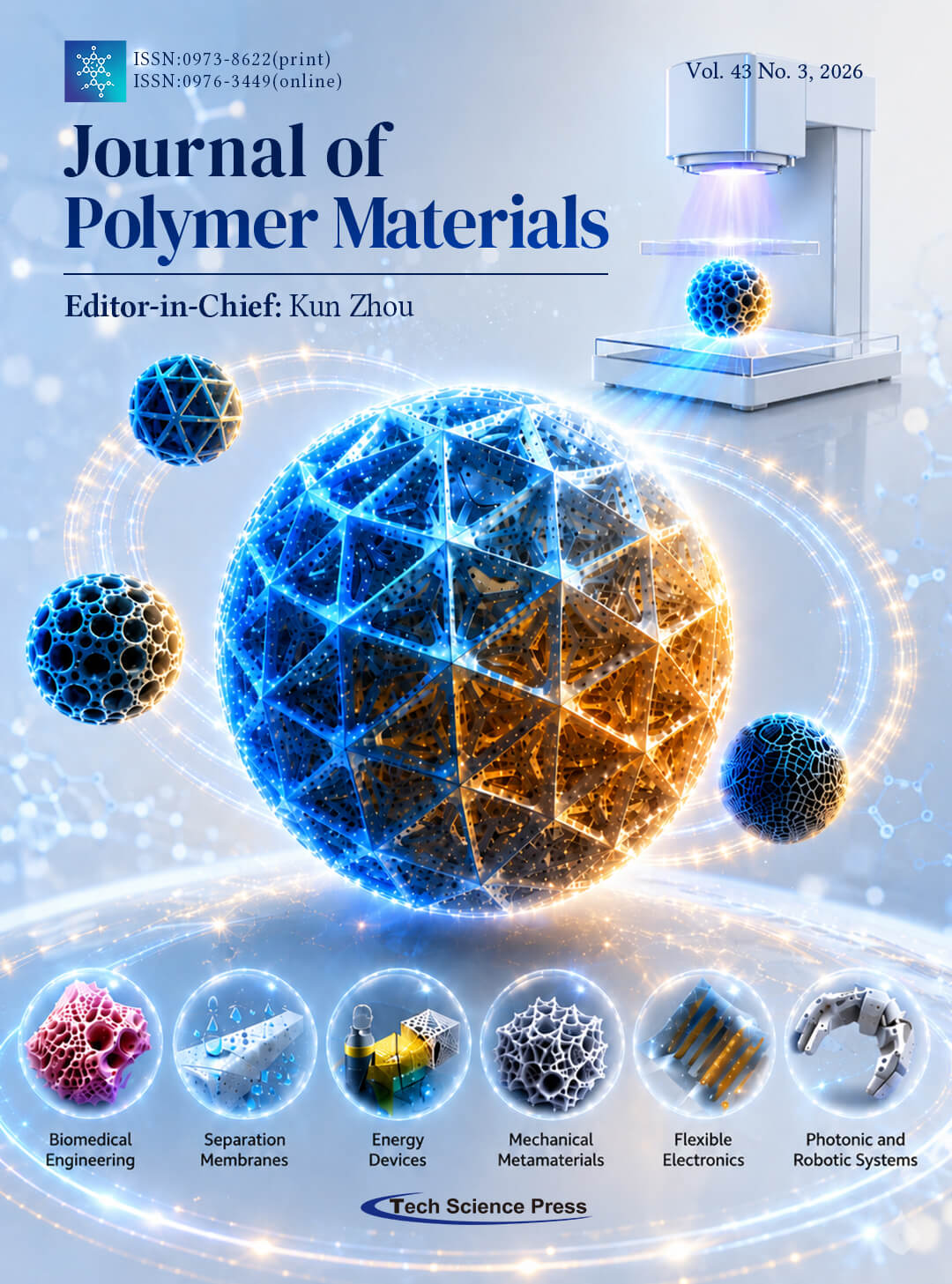
3D-printed porous polymers are lightweight, flexible, and possess high surface areas, making them attractive for tissue scaffolds, separation membranes, and energy-absorbing structures. However, conventional pore-forming methods are stochastic and cannot generate continuous gradients or customized geometries. 3D printing alone is also constrained by its hardware resolution when fabricating submicron features. Hybrid strategies that combine 3D printing with physicochemical pore-forming methods have therefore emerged. This review summarizes recent progress from three perspectives: additive manufacturing platforms, pore-forming strategies, and functional applications. These applications span biomedical engineering, environmental separation, energy devices, mechanical metamaterials, flexible electronics, and emerging photonic and robotic systems. By linking processing methods to pore size, connectivity, and performance, this review offers guidance for designing porous polymers for specific applications. The cover image was created with AI-generated content via ChatGPT, and it contains no copyrighted elements or misleading representations.
View this paper

 Login
Login Register
 Submit a Paper
 Propose a Special lssue