Home / Journals / JPM / Vol.43, No.1, 2026
Special Issues
cover

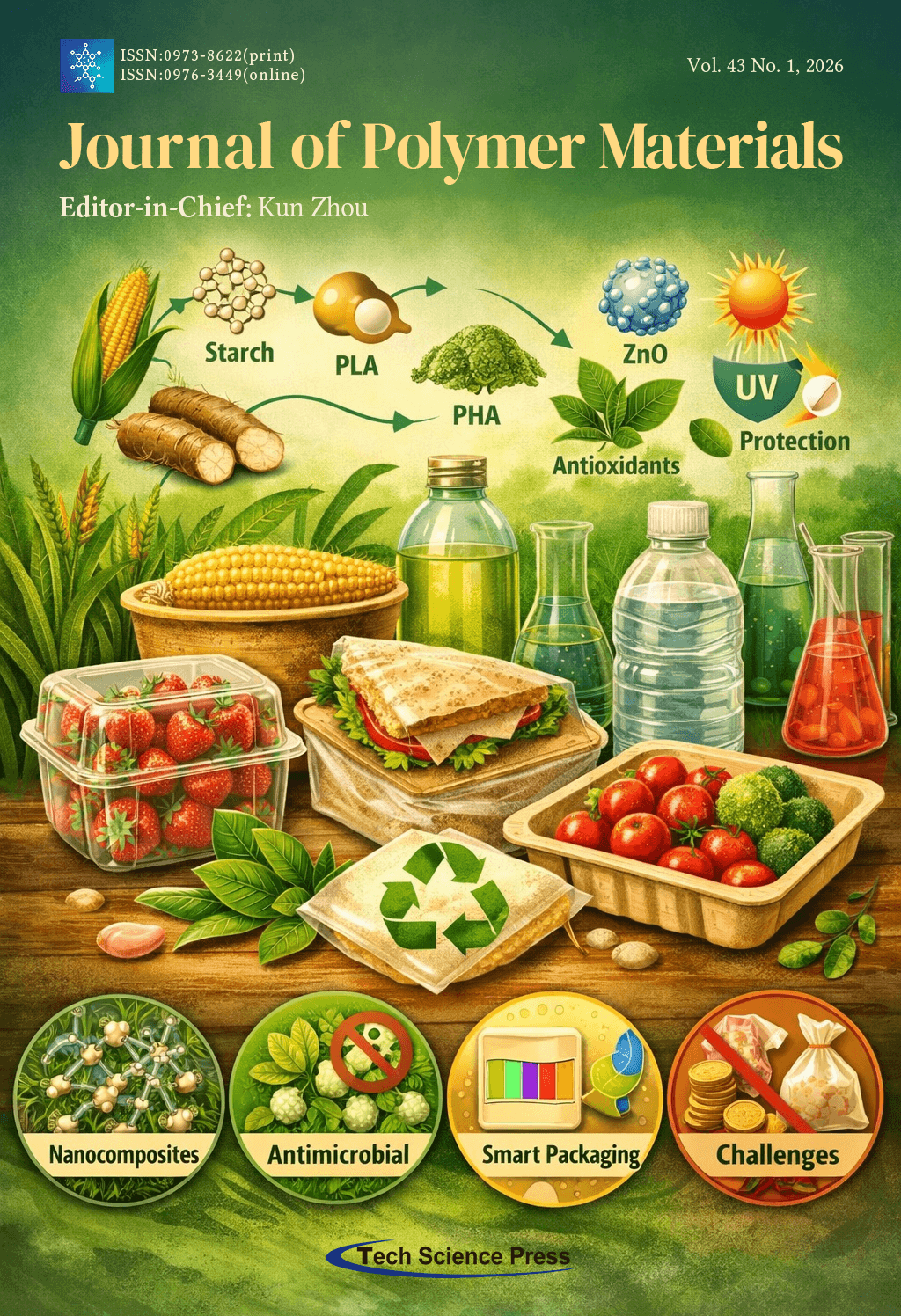
On the Cover

Biobased biodegradable plastics are emerging as eco-friendly alternatives to traditional petroleum-based packaging, offering renewability, biodegradability, and lower environmental impact. Recent innovations have improved their strength, flexibility, and protective functions by blending materials, adding nanoparticles, and incorporating natural compounds. Some films now offer antioxidant, antimicrobial, and UV-protective properties, while smart packaging can signal freshness or extend shelf life. Despite challenges like cost, moisture sensitivity, and limited scalability, these materials show strong potential for sustainable, high-performance food packaging. With continued research, including waste-based feedstocks and multifunctional designs, they could reshape the future of packaging.

View this paper

  • Open AccessOpen Access

    REVIEW

    Biobased Biodegradable Plastics for Food Packaging: Recent Progress, Feasibility and Limitations

    Kuok Ho Daniel Tang*
    Journal of Polymer Materials, Vol.43, No.1, 2026, DOI:10.32604/jpm.2025.074391 - 03 April 2026
    (This article belongs to the Special Issue: Development and Application of Biodegradable Plastics)
    Abstract Biobased biodegradable plastics have gained increasing attention as sustainable alternatives to petroleum-based materials in food packaging, offering biodegradability, renewability, and reduced environmental impact. This review adopts a narrative review approach, integrating studies published between 2015 and 2025 from major databases to critically evaluate the recent advances, feasibility, and limitations of biobased biodegradable plastics in food packaging. Literature was thematically analyzed by material type and functional enhancement to assess their feasibility and limitations for sustainable packaging applications. Recent advances have focused on enhancing their mechanical, barrier, and functional properties through polymer blending, nanoparticle reinforcement, and incorporation… More >

  • Open AccessOpen Access

    REVIEW

    Recent Advances in Nanocellulose-Based Aerogels: Fabrication, Functionalization and Applications

    Lin Jia, Qiang He*
    Journal of Polymer Materials, Vol.43, No.1, 2026, DOI:10.32604/jpm.2026.077807 - 03 April 2026
    Abstract Aerogels, renowned as ultra-lightweight solids with exceptional porosity and specific surface area, have emerged as pivotal materials for thermal insulation, catalysis, energy storage, and biomedicine. This review comprehensively evaluates the recent strides in sustainable, high-performance cellulose-based aerogels, emphasizing their fabrication, functionalization, and application prospects. It details the extraction of cellulose from diverse sources and its subsequent processing into nanocellulose (e.g., cellulose nanofibrils and nanocrystals), which serves as the fundamental building block for aerogel synthesis. The critical sol-gel transition, solvent selection, and the pivotal role of drying techniques—freeze-drying, supercritical drying, and ambient pressure drying—in determining final… More >

  • Open AccessOpen Access

    REVIEW

    Multifunctional Carbonaceous Nanoreinforced Polymeric Nanofibers—Bridging Fundamental Aspects to Technological Resolves

    Ayesha Kausar*
    Journal of Polymer Materials, Vol.43, No.1, 2026, DOI:10.32604/jpm.2026.078233 - 03 April 2026
    Abstract Purpose of this novel review article is to unfold the current scientific worth of high performance polymer nanocomposite nanofibers, owing to growing scientific interests in this field. Accordingly, this state-of-the-art manuscript has been systematically categorized into distinct sections related to (i) fundamentals of carbonaceous nanoreinforcements, (ii) design-structure-property-performance aspects of different categories of polymer nanocomposite nanofibers (conducting polymers, thermoplastics, and thermosets with carbonaceous nanofillers (carbon nanotubes, graphene, fullerene), and then (iii) existing scientific worth (energy devices, electronics, space/defense, environmental sectors), future prospects, challenges, and conclusions. As per literature to date, polymer/carbonaceous nanocomposite nanofibers had myriad of advantageous physical… More >

    Graphic Abstract

    Multifunctional Carbonaceous Nanoreinforced Polymeric Nanofibers—Bridging Fundamental Aspects to Technological Resolves

  • Open AccessOpen Access

    ARTICLE

    Rapid-Curing, Precision-Sprayable Polyoxytetramethylene Glycol Based Polyurethane-Urea Coatings with High Mechanical Performance

    Zhipeng Ran*, Peishuang Xiao, Shuen Liang, Keping Chen, Xiuli Zhao*
    Journal of Polymer Materials, Vol.43, No.1, 2026, DOI:10.32604/jpm.2026.074431 - 03 April 2026
    Abstract This study presents the development of high-performance, solvent-free polyurethane-urea (PU) elastomeric coatings engineered for rapid curing and precise sprayability. Utilizing polyoxytetramethylene glycol (PTMG) as the primary polyol and a static-mixing spraying technique, the formulations were systematically optimized. It was found that a soft-segment content of 64% yields optimal mechanical properties, achieving a remarkable tensile strength exceeding 30 MPa. Crucially, the incorporation of an ultra-low concentration (0.002 wt%) of dibutyltin dilaurate catalyst was sufficient to enhance curing completeness and mechanical performance while effectively eliminating moisture-induced foaming, a common challenge in solvent-free spray applications. The gel and… More >

  • Open AccessOpen Access

    ARTICLE

    Biocomposite Films Integrating/Combining Collagen and Lonchocarpus cyanescens Fiber-Derived Carboxymethylcellulose for Food Packaging: Synthesis, Preparation and Characterization

    Edja Florentin Assanvo1,*, N’Dri N’Guessan Gervais Ziabo1, Kohi Alfred Kouame2, David Boa1
    Journal of Polymer Materials, Vol.43, No.1, 2026, DOI:10.32604/jpm.2026.073634 - 03 April 2026
    Abstract This study aims to synthesise, characterise and evaluate the performance characteristics of packaging films based on biodegradable natural resources incorporated with nanoparticles. Particularly, it is focused on the valorisation of the fibers from the underexploited Lonchocarpus cyanescens plant from West Africa as raw renewable lignocellulose biomass material source for the production of carboxymethylcellulose (CMC). To this end, biodegradable films were prepared from CMC derived from the fibers of the Lonchocarpus cyanescens plant, and collagen. In order to improve the properties of these films, in particular their mechanical and humidity resistance and their ability to fight microbes, silver… More >

  • Open AccessOpen Access

    ARTICLE

    The Valorization of Poplar Leaves Waste for the Extraction of Cellulose Nanocrystals

    Dongwei Shao, Hao Sun, Qi Wang, Ping Han, Yiwei Liu, Jiyi Luan, Lin Jia, Qiang He, Bo Cui*
    Journal of Polymer Materials, Vol.43, No.1, 2026, DOI:10.32604/jpm.2026.074541 - 03 April 2026
    (This article belongs to the Special Issue: Sustainable Development and Multifunctional Application of Cellulose Composites)
    Abstract The valorization of agricultural waste into high-value nanomaterials is crucial for advancing sustainable biorefineries. This study presents an efficient approach for extracting carboxylated cellulose nanocrystals (CNCs) from poplar leaf waste (PL), an abundant and underutilized biomass. The process involved alkaline treatment and hydrogen peroxide bleaching to purify cellulose (PL-CEL), followed by sequential periodate-chlorite oxidation to produce dicarboxylic cellulose nanocrystals (PL-CNCs). The resulting nanocrystals were comprehensively characterized using compositional analysis, XRD, FTIR, TEM, TGA, and zeta potential measurements. XRD analysis confirmed a high crystallinity index of 82% for PL-CEL, which decreased to 72.2% after oxidation due… More >

  • Open AccessOpen Access

    ARTICLE

    Influence of Processing Route on the Mechanical Properties of Poly(Lactic Acid)-Poly(Caprolactone)-Basalt Fiber Composites Prepared via Planetary Extrusion

    Declan Mary Colbert1,*, Eyman Manaf1, Zeeshan Ali1, Steven Rowe2, Chris Doran2, Trevor Howard2, Vlasta Chyzna3, Evan Moore3, Alan J. Murphy3, Patrick Doran4, Golnoosh Abdeali1, Declan M. Devine1
    Journal of Polymer Materials, Vol.43, No.1, 2026, DOI:10.32604/jpm.2026.076318 - 03 April 2026
    (This article belongs to the Special Issue: Development and Application of Biodegradable Plastics)
    Abstract A comparative analysis was performed on poly(lactic acid) (PLA), poly(caprolactone) (PCL), basalt fiber (BF) composites produced using two distinct approaches: direct blending and masterbatching. The limitations of PLA-BF composites with regard to distribution and adhesion are well-documented, as are chemical treatment methods (addition of compatibilisers, surface treatments, silanization). This work aimed to study an industrially relevant potential solution of utilising a PCL-BF masterbatch, prepared as a 50/50 wt.% blend using planetary roller extrusion (PEX) to both improve the distribution and homogeneity of the fibers as well as provide a secondary adhesion site to facilitate improved… More >

  • Open AccessOpen Access

    ARTICLE

    Reactive Integration of Amino-Functional 9,10-Dihydro-9-oxa-10-phosphaphenanthrene-10-oxide (DOPO)-modified metal–organic frameworks (MOFs) into Polyurea Balancing Flame Retardancy and Mechanical Properties

    Yifan Wang1, Xishun Qiu1, Chao Wu1, Jiazhao Li1, Chang Dai1, Bowen Han1, Jinhu Hu2, Mingliang Ma1,*, Ye-Tang Pan2,*
    Journal of Polymer Materials, Vol.43, No.1, 2026, DOI:10.32604/jpm.2026.076443 - 03 April 2026
    (This article belongs to the Special Issue: The Application of Polymer-based Nanomaterials for Fire Safety)
    Abstract Polyurea (PUA) is widely valued in protective coatings and structural reinforcement because of its impressive mechanical strength and resistance to corrosion. Its high flammability, together with the poor dispersion that often comes with simply blending in flame retardants, continues to limit its use in demanding environments. To overcome these issues, this study introduces a different approach. We grafted 9,10-dihydro-9-oxa-10-phosphaphenanthrene-10-oxide (DOPO) onto the surface of a metal–organic framework (MOF) and then partially amino-functionalized the DOPO layer, ultimately creating an amino-modified DOPO–MOF hybrid. The introduced amino groups can directly react with the isocyanate (–NCO) groups in the… More >

  • Open AccessOpen Access

    ARTICLE

    Multifunctional CEOS-DOPO-PDMS Modified Epoxy NP-GLIDE Coatings with Improved Combustion Behavior, Hydrophobicity, and Abrasion Resistance

    Guoguan Wu1,2, Baipei Liu1,3, Dawei Jiang1,2,*, Haorui Yu1, Jiayu Fu1,2, Chengze Yu1, Hanbin Wang1, Miaojun Xu1,2,*, Zijian Wu4, Bin Li1,2,*
    Journal of Polymer Materials, Vol.43, No.1, 2026, DOI:10.32604/jpm.2026.075384 - 03 April 2026
    (This article belongs to the Special Issue: Polymer-based Functional Composite Materials: Cutting-edge Advances and Innovative Applications)
    Abstract Epoxy resins are extensively employed in the construction, electronics, automotive, and aerospace industries owing to their outstanding mechanical strength, chemical resistance, and electrical insulation. However, their intrinsic flammability, poor wear resistance, and hydrophilicity significantly restrict broader applications. To address these challenges, a novel multifunctional coating (CEOS-DOPO-PDMS) has been designed and fabricated via an NP-GLIDE approach. The system integrates 9,10-dihydro-9-oxa-10-phosphaphenanthrene-10-oxide (DOPO) as a reactive phosphorus-based flame retardant, epoxy-terminated polydimethylsiloxane (EP-PDMS) as a hydrophobic segment, and cycloaliphatic epoxy-functionalized oligosiloxanes (CEOS) as a cross-linking co-reactant. The resulting CEOS-DOPO-PDMS hybrid precursor was blended with bisphenol A diglycidyl ether (DGEBA)… More >

    Graphic Abstract

    Multifunctional CEOS-DOPO-PDMS Modified Epoxy NP-GLIDE Coatings with Improved Combustion Behavior, Hydrophobicity, and Abrasion Resistance

  • Open AccessOpen Access

    ARTICLE

    Study on the Thermo-Mechanical Properties of Boron Phenolic Resin Composites Enhanced by Silicone Resin Modification and Multiple Ceramic Fillers

    Mingyan He1,2, Jiayu Fu1,2, Fangyu Guo1,2, Dawei Jiang1,2,*, Ting Yang1,2, Miaojun Xu1,2,*, Zijian Wu3, Bin Li1,2,*
    Journal of Polymer Materials, Vol.43, No.1, 2026, DOI:10.32604/jpm.2026.075379 - 03 April 2026
    Abstract Phenolic resins are widely used in thermal protection, yet achieving simultaneous improvement in thermal stability and mechanical strength remains challenging. In this work, a vinyl-modified silicone resin (VMTQ) was synthesized and incorporated into a boron phenolic resin (BPF) matrix. Three composite ceramic fillers, Al2O3–SiO2–ZrO2 (ASZ), Al2O3–SiO2–TiO2 (AST), and Al2O3–SiO2–MgO (ASM), were further introduced to construct a multi-oxide synergistic reinforcement system. Thermogravimetric analysis shows that the maximum decomposition rate decreases by 0.2–0.3%·min−1, while the ASM/V3/BPF-3 composite exhibits a 74.53% increase in char yield at 800°C and a 163.3°C increase in initial decomposition temperature, confirming its significantly enhanced thermal More >

  • Open AccessOpen Access

    ARTICLE

    Study on the Effect of Porosity on the Dielectric Characteristics of Polypropylene/Cenosphere Composites

    Janvi Sharma1,*, Mukund N. Bapat2
    Journal of Polymer Materials, Vol.43, No.1, 2026, DOI:10.32604/jpm.2026.072228 - 03 April 2026
    Abstract A new, cost-effective porous polymer composite was developed by reinforcing polypropylene (PP) with cenosphere particles. This study investigates how the composite’s dielectric properties are affected by their porosity. Dielectric constant (ε) measurements were taken over a range of frequencies at room temperature. A theoretical model was developed to explain the electrical conductivity of the porous PP/cenosphere composites. The study thoroughly examined how the inclusion of cenosphere particles influenced key electrical parameters, including dielectric constant, dissipation factor (tanδ), DC (direct current) conductivity, and AC (alternating current) conductivity. The results revealed that increasing the cenosphere content caused a… More >

  • Open AccessOpen Access

    ARTICLE

    Study on the Adsorption Properties of Sodium Alginate-Modified Polyacrylic Acid Composite Hydrogel for Heavy Metal Cu2+ in Aqueous Solution

    Hui Fan, Xinqiang Li*
    Journal of Polymer Materials, Vol.43, No.1, 2026, DOI:10.32604/jpm.2026.075290 - 03 April 2026
    (This article belongs to the Special Issue: Innovative Smart Polymeric Materials for Sustainable Energy Solutions: Bridging Advances in Energy and Biomedical Applications)
    Abstract To meet the needs of the treatment of Cu2+ pollution in aqueous solution, the sodium alginate-modified polyacrylic acid (PAA/SA) composite hydrogel was prepared by solution polymerization with acrylic acid (AA) as monomer, sodium alginate (SA) as filler, N, N’-methylenebisacrylamide (MBA) as crosslinking agent, and potassium persulfate (K2S2O8) as initiator. The characterization results showed that the introduction of SA significantly improved the physical and chemical properties of PAA hydrogel materials. Scanning electron microscopy (SEM) showed that as the SA content increased, the materials gradually evolved from a dense blocky structure to a porous network. When the SA… More >

  • Open AccessOpen Access

    ARTICLE

    Characterization of Cellulose Nanofibrils Prepared by Direct TEMPO-Mediated Oxidation of Coffee Grounds

    Yujie Zhang, Yankai Zhao, Zhuang Zhao, Mengmeng Shan, Bochen Xu, Haoquan Xue, Junxuan Xu, Fan Wu, Qiang He*
    Journal of Polymer Materials, Vol.43, No.1, 2026, DOI:10.32604/jpm.2026.076617 - 03 April 2026
    (This article belongs to the Special Issue: Recent Advances in Extraction, Characterization and Application of Cellulose Nanocrystals)
    Abstract This study presents a sustainable approach for the valorization of spent coffee grounds (CG) by converting them into carboxylated cellulose nanofibrils (CG-TCNF) via formic acid/hydrogen peroxide pretreatment followed by TEMPO/NaClO/NaClO2-mediated oxidation. The pretreatment efficiently removed lignin, hemicellulose, and other non-cellulosic components, yielding purified cellulose (CG-C) with high crystallinity (CrI = 84%). Subsequent regioselective oxidation introduced carboxyl groups at the C6 position of cellulose chains, achieving a high carboxylate content of 1.4 mmol/g. The resulting CG-TCNF exhibited a well-dispersed nanofibrillar morphology with an average width of 3.57 nm and a high specific surface area of 265 m2/g. More >

  • Open AccessOpen Access

    ARTICLE

    Synergistic Emulsifier System Based on Molecular Design for Ultra-Low Oil-to-Water Ratio Oil-Based Drilling Fluids

    Junping Wang1,2, Mingbiao Xu3,*, Wei Xiao1,*
    Journal of Polymer Materials, Vol.43, No.1, 2026, DOI:10.32604/jpm.2026.077100 - 03 April 2026
    (This article belongs to the Special Issue: Advances in Functional Polymer Composites: Synthesis, Characterization and Applications)
    Abstract Formulating oil-based drilling fluids (OBDFs) with an ultra-low oil-to-water ratio (OWR ≤ 60:40) presents a formidable stability challenge due to the maximized interfacial area and intensified stress on the interfacial film under high-temperature, high-density conditions. To address this, we engineered a synergistic stabilization system through molecular and colloidal design. A novel hyperbranched polyamide emulsifier (epoxidized soybean oil polyamide) (ESOP), synthesized from epoxidized soybean oil, exhibits superior thermal stability and interfacial activity due to its hyperbranched architecture. Combined with calcium petroleum sulfonate (CPS) and hydrophobic nanosilica (HNs), it enables a high-performance OBDF with an ultra-low OWR… More >

  • Open AccessOpen Access

    ARTICLE

    The Influence of Temperature Environment and Polymeric Binder Proportion on the Static/Dynamic Mechanical Properties of Polymer Materials

    Peng Gong1, Tingzheng Yan1, Kang Yang2, Yumei Yue2,*, Shude Ji2,*, Lin Ma3, Yilun Wu1
    Journal of Polymer Materials, Vol.43, No.1, 2026, DOI:10.32604/jpm.2025.074794 - 03 April 2026
    (This article belongs to the Special Issue: Damage and Fracture of Polymer Composites)
    Abstract To comprehensively explore the impact of binder content on the mechanical properties of the Polymer bonded explosive (PBX) substitute material (Polymer-bonded Analogue Explosive (PAE)—it is renowned for its outstanding high-temperature resistance, exceptional mechanical properties, excellent chemical stability, and superior electrical insulation), a series of experiments are meticulously carried out. The dynamic and static mechanical properties, along with the microstructure of PAE, are precisely measured through the Split Hopkinson Pressure Bar (SHPB) test, static compression tests, and Scanning Electron Microscopy (SEM). The dynamic performance test outcomes clearly indicate that both the binder content (2%, 4%, 6%)… More >

  • Open AccessOpen Access

    ARTICLE

    Machine Learning-Accelerated Materials Genome Design of Hybrid Fiber Composites for Electric Vehicle Lightweighting

    Chin-Wen Liao1,2,3, En-Shiuh Lin1, Wei-Lun Huang4,5,6, I-Chi Wang7, Bo-Siang Chen8,*, Wei-Sho Ho1,2,9,*
    Journal of Polymer Materials, Vol.43, No.1, 2026, DOI:10.32604/jpm.2026.076807 - 03 April 2026
    Abstract The demand for extended electric vehicle (EV) range necessitates advanced lightweighting strategies. This study introduces a materials genome approach, augmented by machine learning (ML), for optimizing lightweight composite designs for EVs. A comprehensive materials genome database was developed, encompassing composites based on carbon, glass, and natural fibers. This database systematically records critical parameters such as mechanical properties, density, cost, and environmental impact. Machine learning models, including Random Forest, Support Vector Machines, and Artificial Neural Networks, were employed to construct a predictive system for material performance. Subsequent material composition optimization was performed using a multi-objective genetic More >

  • Open AccessOpen Access

    ARTICLE

    Assessing Surface Roughness between Unishade and Conventional Composite Resins after Immersion in Different Staining Solutions: An In-Vitro Study

    Sultan Binalrimal1,*, Abdullah M. Alshehri2, Mohammed Mustafa2,*, Ali Robaian Alqahtani2, Rasha Alharthi3, Basil Almutairi4
    Journal of Polymer Materials, Vol.43, No.1, 2026, DOI:10.32604/jpm.2026.075142 - 03 April 2026
    (This article belongs to the Special Issue: Damage and Fracture of Polymer Composites)
    Abstract Composite resin restorations are routinely exposed to acidic and chromogenic beverages that may alter their surface integrity over time. This in-vitro study evaluated the surface roughness behavior of two universal single-shade (Unishade) composites and two conventional multi-shade composites following immersion in commonly consumed staining solutions and assessed whether repolishing could restore smoothness after degradation. A total of 120 standardized disc specimens were fabricated and allocated to four material groups, with each group subdivided into distilled water, cola, and coffee immersion subgroups. Surface roughness was recorded at baseline, after one week, after one month, and following a… More >

  • Open AccessOpen Access

    ARTICLE

    Influence of Microstructure and Dynamic Properties on Standard Dipping Coating on Recycling Polyvinyl Alcohol Fiber/Silicon Nitride Fiber/Reduced Carbon Nano for Composite Materials

    T. Subash1,*, M. Sekar2, R. Selvabharathi3
    Journal of Polymer Materials, Vol.43, No.1, 2026, DOI:10.32604/jpm.2026.075026 - 03 April 2026
    (This article belongs to the Special Issue: Delamination in Polymer-Based Materials)
    Abstract The two distinct types of composite materials (5% to 10%) were developed using recycled polyvinyl alcohol fiber (RPA), silicon nitride fiber (SN), and reduced carbon nanoparticles (RCN). Enhanced microstructural properties and mechanical strength were attained through the application of the 3-glycidoxypropyltrimethoxysilane coupling method. The combination of the resin-like properties of RPA-SN fiber resulted in the formation of robust outer strength and a high bonding structure. RPA-RCN composite materials with a weight percentage of 10% exhibited a tensile strength of 42 MPa. In contrast, RPA-SN-RCN composite materials containing 5% to 10% demonstrated enhanced tensile, bending, and… More >

  • Open AccessOpen Access

    ARTICLE

    Preparation of ZnO Nanoparticles Incorporated into Cross-Linked Poly (Methyl Methacrylate) (PMMA) Polymer and Its Biological Application

    Nazeeha S. Alkayal*
    Journal of Polymer Materials, Vol.43, No.1, 2026, DOI:10.32604/jpm.2026.073588 - 03 April 2026
    (This article belongs to the Special Issue: Cellulose and Nanocellulose in Polymer Composites: Sustainable Engineering Approach)
    Abstract The development of polymer nanoparticle composites with enhanced thermal and antibacterial properties is essential for next-generation biomedical materials. However, conventional polymers often exhibit limited bioactivity and poor resistance to degradation, restricting their functional applications. The novelty of this study involves the combination of the bio-derived cross-linker 2,5-bis(aminomethyl)furan (BAF) into poly (methyl methacrylate) PMMA to form a cross-linked network incorporated with various ratios of ZnO nanoparticles (ZnO NPs), resulting in improved biological and thermal properties. The surface morphologies, material crystallinity, and thermal degradation properties of the synthesized BAF–PMMA/ZnO were investigated using Scanning Electron microscopy (SEM), Energy-Dispersive… More >

  • Open AccessOpen Access

    ARTICLE

    Effects of Wax-Based Surfactant on the Quantification of Chemical Properties, Rheological, and Activation Energy of Cup Lump Rubber Modified Asphalt Binder

    Zainiah Mohd Zin1,2, Mohd Rosli Mohd Hasan1,*, Azura A. Rashid3, Muhammad Munsif Ahmad4, Mohd Fahmi Haikal Mohd Ghazali1, Hui Yao5,*
    Journal of Polymer Materials, Vol.43, No.1, 2026, DOI:10.32604/jpm.2026.072622 - 03 April 2026
    Abstract The rapid increase in traffic loads and frequencies has rendered conventional asphalt pavement inadequate to maintain its durability under tropical climates. This challenge has necessitated the exploration of new sources of modified asphalt with enhanced stiffness and superior performance at high temperatures. Natural rubber (NR) is a renewable biopolymer that has received growing interest as a modifier for asphalt binders. Cup lump rubber (CLR), a type of NR, is used to enhance asphalt properties and improve the performance of road pavements. This study evaluates the influence of wax-based surfactants (WS) on CLR-modified asphalt binder (CMB).… More >

Per Page:

Share Link