
 Login
Login Register
 Submit a Paper
 Propose a Special lssue
 Open Access
ARTICLE
The Eugenol Slow-Release System Based on Waterborne Polyurethane with Spore Adhesion-Resistant and Its Resistance to Botrytis cinerea
College of Materials Science and Engineering, Guizhou Minzu University, Guiyang, China
* Corresponding Author: Zhonglin Cao. Email:
Journal of Polymer Materials 2026, 43(3), 22 https://doi.org/10.32604/jpm.2026.083304
Received 01 April 2026; Accepted 13 July 2026; Issue published 24 September 2026
 View Full Text
 Download PDF
Abstract
Gray mold disease induced by Botrytis cinerea is a devastating fungal infectionthat severely impairs the production of fruits and vegetables, especially strawberries. Conventional chemical fungicides not only cause severe environmental contamination but also readily induce fungicide resistance in Botrytis cinerea. Applying plant-derived natural antimicrobial agents, such as eugenol, as alternatives to chemical fungicides is a pivotal strategy for the development of green agriculture. However, ordinary eugenol emulsion biopesticides suffer from severe drawbacks, including easy leaching, rapid volatilization, and oxidation, which severely limits their effective control against Botrytis cinerea. In this study, an anionic waterborne polyurethane (PEOC-WPU) emulsion was synthesized using biodegradable poly[(ethylene carbonate)-co-(ethylene oxide)] (PEOC) as the soft segment, and eugenol was incorporated to construct an antimicrobial slow-release system. After film formation, the polyurethane matrix served as a robust slow-release carrier for eugenol, thereby yielding a waterborne polyurethane antimicrobial slow-release film with long-lasting and efficient resistance to Botrytis cinerea. The chemical structure of PEOC-WPU was systematically characterized by proton nuclear magnetic resonance spectroscopy (1H NMR) and Fourier transform infrared spectroscopy (FT-IR). The PEOC-WPU film exhibited excellent anti-protein adsorption properties and resistance to Botrytis cinerea spore adhesion, which synergistically enhanced its efficacy against the pathogen. The slow release of eugenol from the antimicrobial film was verified. The inhibitory effects of slow-release film on the germination and mycelial growth of Botrytis cinerea spores were further investigated, and the results demonstrated that the antifungal activity was positively correlated with eugenol loading amount, with the film containing 10% eugenol displaying superior resistance to Botrytis cinerea. By combining the effects of spore-adhesion inhibitionand sustained-release antibacterial activity of eugenol, the eugenol/waterborne polyurethane emulsion can effectively control gray mold disease on strawberry. Furthermore, the PEOC-WPU antimicrobial slow-release film is biodegradable, posing no persistent environmental risks. This study not only provides an environmentally benign novel strategy for controlling Botrytis cinerea but also opens up a feasible pathway for the efficient and stable application of natural antimicrobial agents in agriculture.Keywords
The Botrytis cinerea is a necrotrophic fungus that can survive in plant residues for an extended period in the form of hyphae, conidia or sclerotia [1,2], leading to its widespread dissemination [3,4,5]. It can infect numerous economically important fruits and vegetables including tomatoes, strawberries, blueberries and grapes, causing gray mold disease and resulting in yield and quality losses [6,7,8]. At present, the chemical control relying on synthetic fungicides remains the dominant measure for the management of gray mold disease. Nevertheless, the overuse and misuse of chemical fungicides have caused serious environmental pollution, including soil and water contamination, and have accelerated the evolution of fungicide-resistant Botrytis cinerea [9,10].
The plant-derived antimicrobial agents have attracted extensive attention due to their low environmental impact, high ecological safety and low tendency to induce resistance. Eugenol (Eu), a natural phenolic compound extracted from clove, cinnamon, nutmeg and basil, exhibits significant antimicrobial activity and good ecological safety [11,12,13]. Previous studies have elucidated that eugenol can destroy the cell membrane structure of Botrytis cinerea, increase membrane permeability, and cause the leakage of intracellular electrolytes, thereby inhibiting hyphal growth and spore germination [14,15,16]. Nevertheless, the practical application of eugenol to control gray mold disease is severely limited by its inherent physicochemical properties such as high volatility, easy oxidation and poor water solubility, which lead to rapid loss of bioactivity and low utilization efficiency. In recent years, new formulations such as nanoemulsions and microcapsules based on eugenol have improved its stability and durability [17,18]. Unfortunately, these formulation technologies suffer from complex processes and high costs; moreover, most carrier materials used are non-biodegradable, which may pose potential long-term environmental risks and thus restrict their agricultural application. Waterborne polyurethane emulsion (WPU) is widely used due to its environmental friendliness and good film-forming property [19]. Notably, WPU can effectively load oil-soluble eugenol through emulsion encapsulation to realize its sustained release, thus effectively improving the stability of eugenol resistance to Botrytis cinerea, which makes it an ideal carrier material for eugenol. For example, vegetable oil-based waterborne polyurethane emulsions have been used for the controlled release of agricultural fertilizers due to their environmental friendliness, renewable sources and degradability [19,20].
The spores of Botrytis cinerea are mainly spread by air, rainwater and other means [21,22,23]. After spores settle on plants, they secrete mucilage to adhere to the surface, which is a prerequisite for subsequent spore germination and host colonization. Then they infect plants through the “appressorium” pathway: under suitable conditions, they germinate to form germ tubes with appressoria, which penetrate the cuticle of plant epidermis or enter plant tissues through natural orifices and wounds to achieve infection [24]. Since the initial adhesion of spores on plants for infection is mediated by the secretion of mucilage composed of protein and polysaccharide [25], protein-resistant materials can effectively reduce the adhesion of microbial cells (including bacteria and fungal spores) to material surfaces [26]. Therefore, the development of a slow-release carrier material with spore adhesion-resistant for eugenol is expected to achieve a synergistic effect of physical adhesion inhibition and chemical antifungal activity, thereby significantly improving the control efficiency against Botrytis cinerea.
In our previous study, we designed and synthesized an poly[(ethylene carbonate)-co-(ethylene oxide)] (PEOC) with both protein resistance and antimicrobial adhesion. It is also a biodegradable, eco-friendly material [26]. In the present study, an anionic waterborne polyurethane (PEOC-WPU) was synthesized using PEOC as the soft segment and 2,2-dimethylolbutanoic acid (DMBA) as the hydrophilic chain extender. Eugenol was loaded into the polyurethane emulsion by emulsion encapsulation method. The eugenol/PEOC-WPU composite film formed from emulsion is expected to achieve the slow release of eugenol and resist the adhesion of Botrytis cinerea spores, thus achieving efficient resistance to Botrytis cinerea.
1,4-Butanediol (1,4-BDO) and ethylene carbonate (EC) were purchased from Macklin Co., Ltd., tetrahydrofuran (THF), acetone and diethyl ether were purchased from Chuandong Chemical Co., Ltd., and all of them were refluxed with calcium hydride and distilled before use. Isophorone diisocyanate (IPDI), dibutyltin dilaurate (DBTDL), 1,6-hexanediol diglycidyl ether (HDDGE), 2,2-dimethylolbutanoic acid (DMBA) and polypropylene glycol (PPG(OH)2, Mn = 2000 g/mol) were purchased from Macklin Co., Ltd. t-BuP4 catalyst was purchased from Sigma Aldrich, and eugenol (Eu) was purchased from Energy Chemical Co., Ltd. and used without further purification All the above reagents were of analytical grade. Bovine serum albumin (BSA) and lysozyme (Lys) were purchased from Aldrich. The molecular weights (Mw) of BSA and Lys were 68 kDa and 14.7 kDa, respectively, and their isoelectric points (pIs) were 4.8 and 11.1, respectively. Phosphate-buffered saline (PBS, 0.1 M, pH 7.4) was prepared by dissolving Na2HPO4, NaCl, KH2PO4 and KCl in distilled water. Proteins were dissolved in PBS buffer to a concentration of 1.0 mg/mL. Potato Dextrose Agar (PDA) was purchased from Haibo Biotechnology Co., Ltd. The strain of Botrytis cinerea was purchased from the China Agricultural Culture Collection of Microorganisms.
2.2 Synthesis of Spore Adhesion-Resistant Waterborne Polyurethane
2.2.1 Synthesis of Dihydroxyl-Terminated PEOC
Dihydroxyl-terminated PEOC (PEOC(OH)2) was prepared by anionic ring-opening polymerization (ROP) of ethylene carbonate (EC) initiated by the organononmetallic phosphazene base t-BuP4 according to the literature method [26]. The synthesis experiment was carried out in a 50 mL Schlenk flask equipped with a rubber stopper for sample injection. The Schlenk flask was thoroughly dried after three cycles of flaming, vacuuming and nitrogen filling. Typically, EC (21.134 g, 240 mmol) and BDO (0.432 g, 4.8 mmol) were added at a molar ratio of monomer to initiator of 50:1. The reaction mixture was thoroughly degassed after three freeze-pump-thaw cycles. After the reaction mixture was melted, t-BuP4 catalyst (0.24 mmol, 1% of the monomer amount) was added under a nitrogen atmosphere. The reaction system was heated to 180°C for reaction, during which the solution gradually turned yellow with gas generation. The reaction was terminated by adding a small amount of phosphoric acid after 4 h. The reaction mixture was precipitated in a large amount of diethyl ether to remove unreacted substances, and the purified polymer was dried in vacuum at 100°C. Characterized by 1H NMR according to the literature method, PEOC had a relative molecular weight of 3100 g/mol, with the content of ethylene carbonate (EC) units and ethylene oxide (EO) units in the molecular chain being 21% and 79%, respectively.
The synthetic route of waterborne polyurethane using dihydroxyl-terminated PEOC as the soft segment is shown in Fig. 1. Typically, the synthesized PEOC (0.774 mmol, 2.4 g) was added to a three-necked flask equipped with a nitrogen inlet, a reflux condenser and a magnetic stir bar, and dehydrated in vacuum at 100°C for 1 h. The three-necked flask was cooled to 80°C, and 10 mL of acetone was added to dissolve PEOC under a nitrogen atmosphere, followed by the addition of IPDI (2.568 g, 11.5 mmol) for 1 h of reaction to obtain an NCO-terminated prepolymer. Then, the hydrophilic chain extender DMBA (0.36 g, 2.43 mmol), BDO (0.492 g, 5.47 mmol) and DBTDL (45 μL) were dissolved in 10 mL of acetone, added to the flask and reacted for 3 h. The three-necked flask was cooled to 50°C, and triethylamine (169 μL, 2.43 mmol) was added under a nitrogen atmosphere for ionization reaction for 45 min. After the three-necked flask was cooled to room temperature, distilled water and ethylenediamine (189 μL, 2.826 mmol) were added successively under vigorous stirring for emulsification and dispersion for 40 min. Finally, acetone in the emulsion was removed by rotary evaporation to obtain waterborne polyurethane PEOC-WPU.
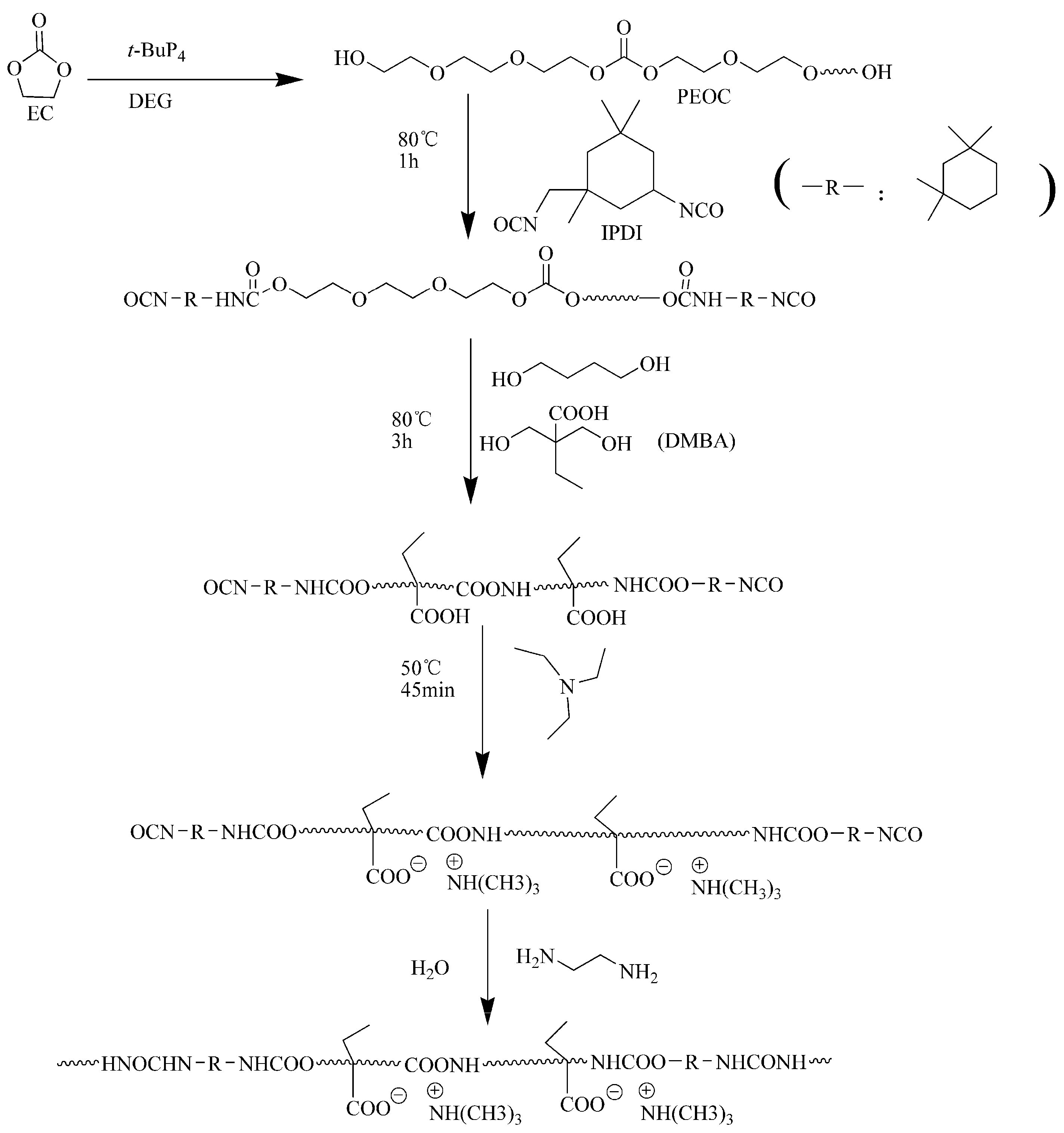
Figure 1: Synthetic route of PEOC-WPU.
2.3 Preparation of Eugenol/Waterborne Polyurethane Emulsion and Antimicrobial Slow-Release Film
A certain mass of the natural antimicrobial agent eugenol (Eu) was added during the emulsification and dispersion of the above PEOC-WPU waterborne polyurethane to prepare a series of antimicrobial slow-release emulsions with different eugenol contents, designated as PU-E-x, where x (x = 0, 1, 5, 10, 15) represents the mass fraction (%) of eugenol in the slow-release emulsion.
A certain amount of eugenol/waterborne polyurethane slow-release emulsion was mixed uniformly with HDDGE crosslinking agent at a mass fraction of 10% of PU. The mixed emulsion was cast into a film in a mold, dried at room temperature for 12 h, and then dried at 50°C for 12 h to obtain the eugenol/polyurethane antimicrobial slow-release film. Among them, the polyurethane film for contact angle test was formed on glass slides, the films for spore adhesion resistance testing were formed on epoxy resin plates, the film for Botrytis cinerea resistant test was formed on petri dishes, and the film for QCM-D test was formed on quartz crystal chips.
FT-IR: All FT-IR spectra were recorded on a Bruker VECTOR-22 infrared spectrometer by the KBr pellet method with 64 scans and a spectral resolution of 4 cm−1.
1H NMR: All 1H NMR spectra were obtained on a Bruker AV 600 nuclear magnetic resonance spectrometer with CDCl3 as the solvent and tetramethylsilane (TMS) as the internal standard.
Swelling Behavior and Crosslinking Density Measurement: The equilibrium swelling method was used to explore the swelling behavior of polyurethane films, and their crosslinking density was calculated following the method reported in the literature [27]. Polyurethane film samples were cut into pieces with uniform sizes, vacuum-dried at 60°C to a constant weight, and then weighed to record the initial mass M1. The samples were immersed in deionized water for swelling at room temperature. The samples were taken out at different time points, the surface moisture was gently wiped off with filter paper, and the mass M2 was quickly measured. After the samples achieved swelling equilibrium, they were dried again at 60°C to a constant weight, and the mass M3 was obtained.
Mechanical Properties: Waterborne polyurethane was fabricated into standard dumbbell-shaped specimens in a polytetrafluoroethylene mold. The mechanical properties of polyurethane samples were tested using a universal material testing machine (LD22.501) according to GB/T 1040-2006. The test parameters were set as: tensile speed 30 mm/min, maximum load 50 N, and test range 0–50 N. Each sample was measured three times to ensure the accuracy of test results. All obtained parameters were the average values of the three measurements.
Contact angle (CA) test: 4 μL of deionized water was dropped on the antimicrobial polyurethane film, and the contact angle of the film was measured at 25°C using a Contact Angle System OCA40 (Dataphysics). The contact angle of each sample was measured at least three different positions, with the average value as the contact angle of the sample and the standard deviation as the error.
Quartz crystal microbalance with dissipation (QCM-D) measurement: The protein adsorption and eugenol release experiments of the eugenol/polyurethane antimicrobial slow-release film were carried out on a QCM-D (Q-Sense AB, Sweden) using AT-cut quartz crystal chips with a resonant fundamental frequency of 5 MHz and a diameter of 14 mm. Theoretically, QCM-D can simultaneously measure the changes in dissipation (ΔD) and resonant frequency (Δf) in real time. Δf reflects the mass change of the film on the quartz crystal chip, while ΔD represents the viscoelasticity of the film on the quartz crystal chip [28]. Therefore, the curves of Δf and ΔD versus time can reflect the mass and structural changes caused by protein adsorption on the film or eugenol release from the film. Since the Δf and ΔD values recorded at the first overtone (n = 1) are usually noisy [28], all ΔD and Δf curves obtained from QCM-D tests used the data of the third overtone. All QCM-D tests were performed at 25°C and repeated three times. In the protein adsorption experiment, 0.1 M PBS was used as the solvent and mobile phase for proteins.
2.5 Release Experiment of Eugenol
The eugenol/waterborne polyurethane emulsion was poured into a polytetrafluoroethylene mold to form films. A 0.1 g piece cut from the eugenol-loaded waterborne polyurethane sustained-release film was immersed in 3.0 mL of 10 mM PBS solution (pH 7.4) at 37°C for eugenol release testing. At predetermined time intervals, 100 μL of the release medium was withdrawn. The concentration of eugenol in PBS solution was determined by a UV-Vis spectrophotometer at the wavelength of 281 nm to calculate the cumulative release amount of eugenol from the sustained-release film.
2.6 Biodegradation Test of PEOC-WPU Films
Eugenol-loaded waterborne polyurethane sustained-release films were fabricated on epoxy resin plates (20 × 20 mm) via solution casting method. The films were first dried at room temperature for 24 h, followed by drying at 50°C for 48 h until constant weight. The initial total mass of the epoxy resin plate together with the film sample was recorded as W0. Lipase (PS) was dissolved in 10 mM PBS buffer solution (pH 7.4) to prepare a lipase solution with a concentration of 5 mg/mL. The epoxy resin plates attached with polyurethane films were immersed in 13 mL of the above enzyme solution, and incubated at 45°C with shaking at 50 rpm. Fresh enzyme solution was replaced every two days to maintain the activity of lipase.
At an interval of two days, the samples were taken out, treated with 1% OP-10 solution and then rinsed with distilled water to remove degradation products. After the polyurethane films were dried at 50°C to constant weight, the total mass of the films combined with epoxy resin plates was measured and recorded as Wt. Subsequently, the samples were placed into newly prepared enzyme solution to continue the degradation process.
The residual mass fraction (wt%) of the degraded polyurethane films was calculated using the following formula:
2.7 Spore Adhesion-Resistant Performance Test
Preparation of Botrytis cinerea spore suspension: On an aseptic operating table, the Botrytis cinerea strain was inoculated on PDA medium and cultured at 25 ± 2°C until the medium was covered with fungal spores. 10 mL of sterile water was poured into the above medium covered with spores, and the spores were washed out by gently scraping the fungal colony surface with a sterile inoculation loop. The spore suspension was poured into an Erlenmeyer flask containing glass beads, which was then placed on a shaker and shaken for 2–3 h to completely disperse the spore clusters. The spore suspension was filtered with gauze to remove hyphal debris and diluted with sterile nutrient solution to obtain a spore suspension with a fungal spore count of ~5 × 10⁵ CFU/mL.
Spore adhesion-resistant performance test: Blank and surface-filmed epoxy resin plates were immersed in liquid PDA medium, and 1 mL of Botrytis cinerea spore suspension was added, followed by constant temperature shaking culture in a water bath at 25°C for 12 h. The no-adhered Botrytis cinerea spores on the surface were washed off with sterile water, and the epoxy resin plates were immersed in sterile water and sonicated for 8–10 s to detach the adhered spores into the sterile water. 1 mL of the suspension was pipetted and evenly spread on solid PDA medium, which was then placed in a constant temperature and humidity chamber at 25 ± 2°C and 90% relative humidity (RH) for continuous culture for 5 days. The growth of Botrytis cinerea was recorded by photographing every day, and the number of Botrytis cinerea colonies on the PDA medium was calculated using ImageJ software. Each sample was measured three times, with the average value as the colony number of the sample and the standard deviation as the error.
2.8 Botrytis Cinerea Resistant Performance Test
The anti-fungal activity of the material was evaluated by the inhibition experiment of PU-E slow-release film on the germination and growth of Botrytis cinerea spores. First, a PU-E antimicrobial slow-release film was prepared at the bottom of a petri dish and sterilized by ultraviolet radiation for 1 h, then sterile PDA medium was poured in. After cooling, 1 mL of Botrytis cinerea spore suspension was added and evenly spread. The petri dish was placed in a constant temperature and humidity chamber at 25 ± 2°C and 90% RH for continuous culture for 5 days, and the growth of Botrytis cinerea was recorded by photographing every day. For the quantitative analysis of the infection rate, the area of the PDA medium (S) and the total area of Botrytis cinerea plaques formed (SB) in each photograph were calculated using ImageJ software, and the infection rate was expressed as the ratio of the plaque area to the medium area, i.e., infection rate = SB/S. Each sample was measured three times, with the average value as the infection rate of the sample and the standard deviation as the error.
2.9 Control Efficacy of Eugenol/Waterborne Polyurethane Sustained-Release Films against Strawberry Gray Mold Disease
Fresh and undamaged strawberries were used to evaluate the control efficacy against strawberry gray mold disease. To remove surface contaminating bacteria, all strawberries were soaked in sodium hypochlorite solution with 0.5% available chlorine for 6–10 s, followed by rinsing 2–3 times with sterile water. The surfaces of strawberries were sprayed with eugenol/waterborne polyurethane emulsion, and deionized water was set as the control. After the surface moisture was air-dried on a clean bench, the strawberries were subjected to ultraviolet sterilization for 30 min. Afterwards, the spore suspension was sprayed onto the strawberry surfaces. When the surface became completely dry, the strawberries were placed into petri dishes and incubated in an incubator at 25 ± 2 ∘C with relative humidity (RH) of 90% for 7 days. The growth status of gray mold on strawberry surfaces was photographed and recorded every day. To quantitatively assess the control effect of eugenol/waterborne polyurethane against strawberry gray mold disease, ImageJ software was applied to calculate the total area of each strawberry (Ss) and the area of gray mold lesions (Sg) in the photographs. The infection rate was defined as the area ratio of mold lesions to the total strawberry area (Sg/Ss). Each sample was measured in triplicate, and the average value was taken as the final infection rate.
3.1 Synthesis and Characterization of Waterborne Polyurethane with Anti-Protein Adsorption
The chemical structures of PEOC and PEOC-WPU were analyzed by 1H NMR and FT-IR.
Fig. 2 shows the 1H NMR spectra of the synthesized dihydroxyl-terminated PEOC and the waterborne polyurethane PEOC-WPU synthesized with PEOC as the soft segment. As shown by the black line in Fig. 2, the three peaks at δ = 3.63, 3.71 and 4.27 ppm were assigned to OCH2CH2O, OCOOCH2-CH2O and OCOOCH2 in PEOC, respectively. The peak at δ = 4.64 ppm belongs to the unreacted ethylene carbonate monomer, and the peak at δ = 1.90 ppm is assigned to the terminal hydroxyl group of PEOC. The number-average molecular weight (Mn) of PEOC was calculated to be 3100 g/mol from the area of these peaks, with the content of ethylene carbonate (EC) units and ethylene oxide (EO) units in the molecular chain being 21% and 79%, respectively.
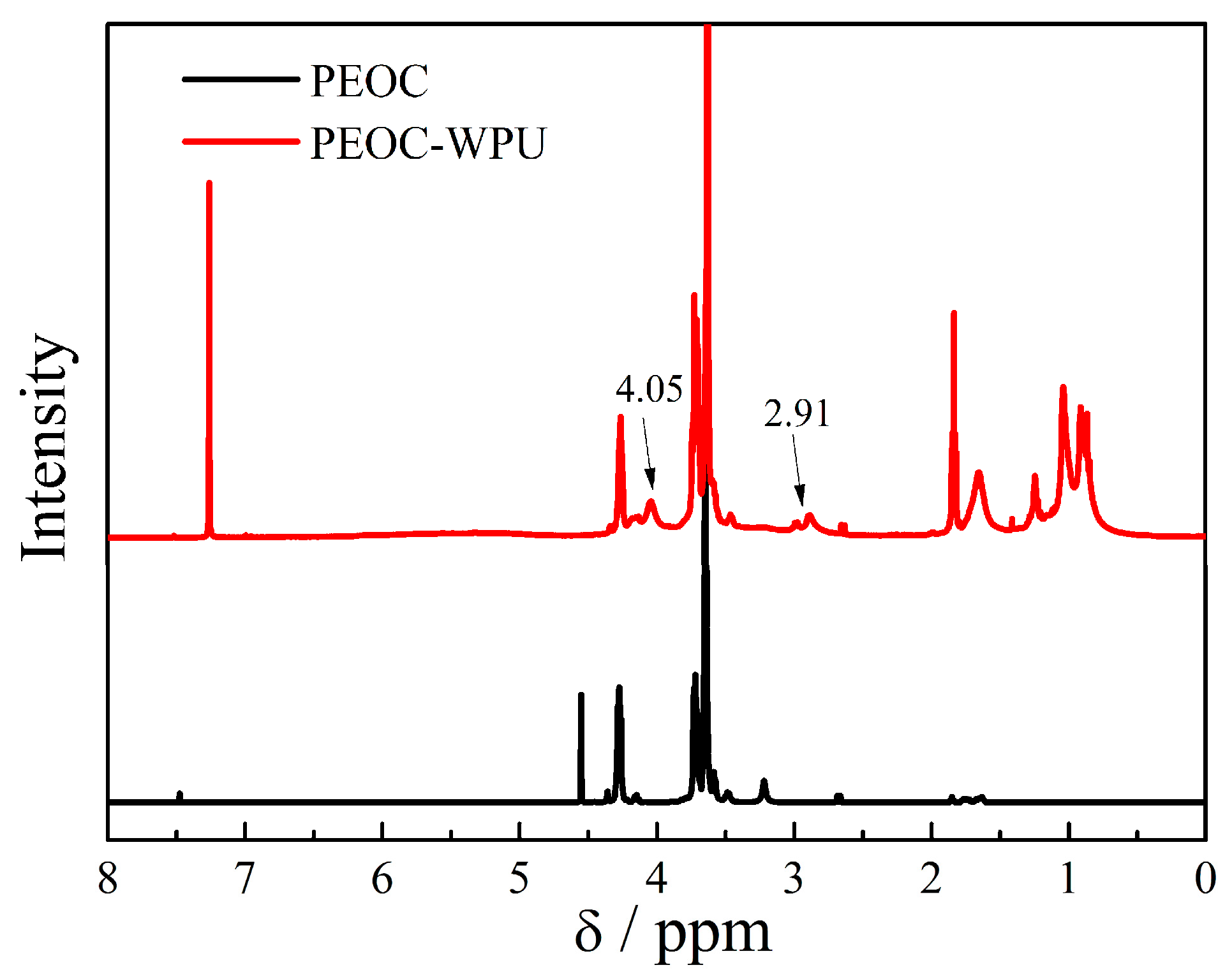
Figure 2: 1H NMR spectra of PEOC and PEOC-WPU.
As shown by the red line in Fig. 2, after the synthesis of polyurethane with PEOC as the soft segment, the signals in the range of δ = 1.0–2.2 ppm are attributed to -CH2- and -CH3 in the IPDI units. Compared with the 1H NMR spectrum of PEOC, two obvious new absorption peaks appeared at δ = 2.91 and 4.05 ppm, which were ascribed to CH2-NHCOO and NHCOO-CH2 in the carbamate group, respectively. The three peaks of PEOC at δ = 3.63, 3.71 and 4.27 ppm are present in the 1H NMR spectrum of waterborne polyurethane, indicating that PEOC has successfully reacted as the soft segment of polyurethane. These nuclear magnetic resonance results confirm the successful synthesis of anionic waterborne polyurethane with PEOC as the soft segment.
Fig. 3 shows the FT-IR spectra of the synthesized dihydroxyl-terminated PEOC and the waterborne polyurethane PEOC-WPU synthesized with PEOC as the soft segment. As shown by the black line in Fig. 3, the peak at 3480 cm−1 is assigned to the stretching vibration peak of -OH in PEOC; the peak at 1749 cm−1 is the stretching vibration peak of C=O; the peaks at 1126 cm−1 and 1256 cm−1 are the stretching vibration peaks of C-O in EC and EO units, respectively. The appearance of these peaks indicates the successful synthesis of dihydroxyl-terminated PEOC. As shown by the red line in Fig. 3, after the formation of polyurethane with PEOC as the soft segment, the hydroxyl stretching vibration peak of PEOC at 3480 cm−1 disappeared. The peaks at 3330 cm−1 and 1531 cm−1 are assigned to the stretching and bending vibration peaks of N-H in carbamate, and the peak at 1708 cm−1 is the stretching vibration peak of C=O in carbamate. The presence of these peaks indicates the formation of carbamate structures in the polymer [29]. The appearance of the peak at 1256 cm−1 confirms that PEOC has successfully reacted as the soft segment of polyurethane. The peak at 2948 cm−1 is the symmetric and asymmetric vibration peak of methyl (-CH3) or methylene (-CH2-) groups in WPU. No peak was observed near 2270 cm−1 in the spectrum of PEOC-WPU, indicating that all isocyanate groups (-NCO) in IPDI have completely reacted to form carbamate groups [30]. The broad peak at 3530 cm−1 is assigned to the stretching vibration peak of -COOH in the hydrophilic chain extender DMBA. This is consistent with literature reports [31,32]. Therefore, the infrared spectroscopy results confirm the successful synthesis of ionic waterborne polyurethane.
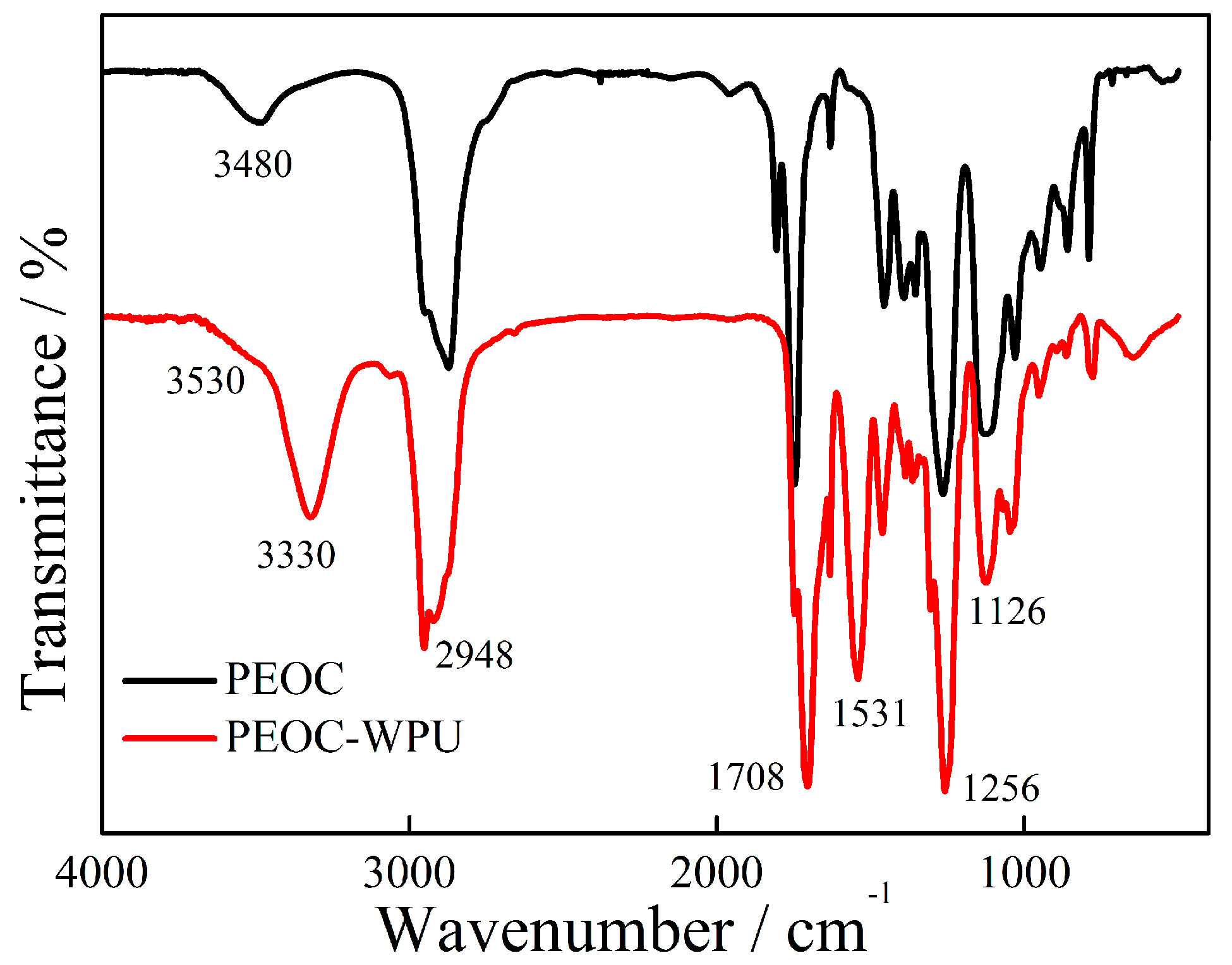
Figure 3: FT-IR spectra of PEOC and PEOC-WPU.
3.2 Preparation and Characterization of Eugenol/Waterborne Polyurethane Emulsion
Antimicrobial slow-release emulsions with different eugenol contents were prepared by incorporating eugenol into waterborne polyurethane. The appearance of the emulsions is shown in Fig. 4. It can be seen from the Fig. 4 that the color of the antimicrobial slow-release emulsion turned slightly yellow with the increase of eugenol content from 0 to 15%. To evaluate the stability of the as-prepared eugenol/waterborne polyurethane emulsion, the particle size and zeta potential of the freshly prepared emulsion and the emulsion stored for 6 months were tested. The results are shown in Fig. 4F,G. It can be observed from Fig. 4F that the particle size of the freshly prepared eugenol/waterborne polyurethane emulsion is in the range of 110–140 nm. After 6 months of storage, the particle size distribution presented a bimodal pattern, with new peaks emerging at around 30 nm and 300 nm. This is because the larger micellar particles in the original emulsion gradually aggregate, while the smaller micelles remain stable, resulting in a bimodal distribution. The zeta potential of all freshly prepared emulsions is approximately −26 mV, which is typical of anionic waterborne polyurethane. After 6 months of storage, the zeta potential decreases to −40 mV~−50 mV. This change was due to the fact that more charged groups were exposed when the micelles in the waterborne polyurethane lotion were fused and recombined. Although all waterborne polyurethane emulsions undergo a certain degree of aggregation, their particle sizes are still about 300 nm, and a large number of settleable particles with sizes of tens of micrometers are not formed. Meanwhile, all the above sustained-release emulsions exhibit no obvious precipitation after standing for 6 months. This result is consistent with the changes in particle size distribution and zeta potential after 6 months of storage. These results indicate that the waterborne polyurethane antimicrobial slow-release emulsion has good stability.
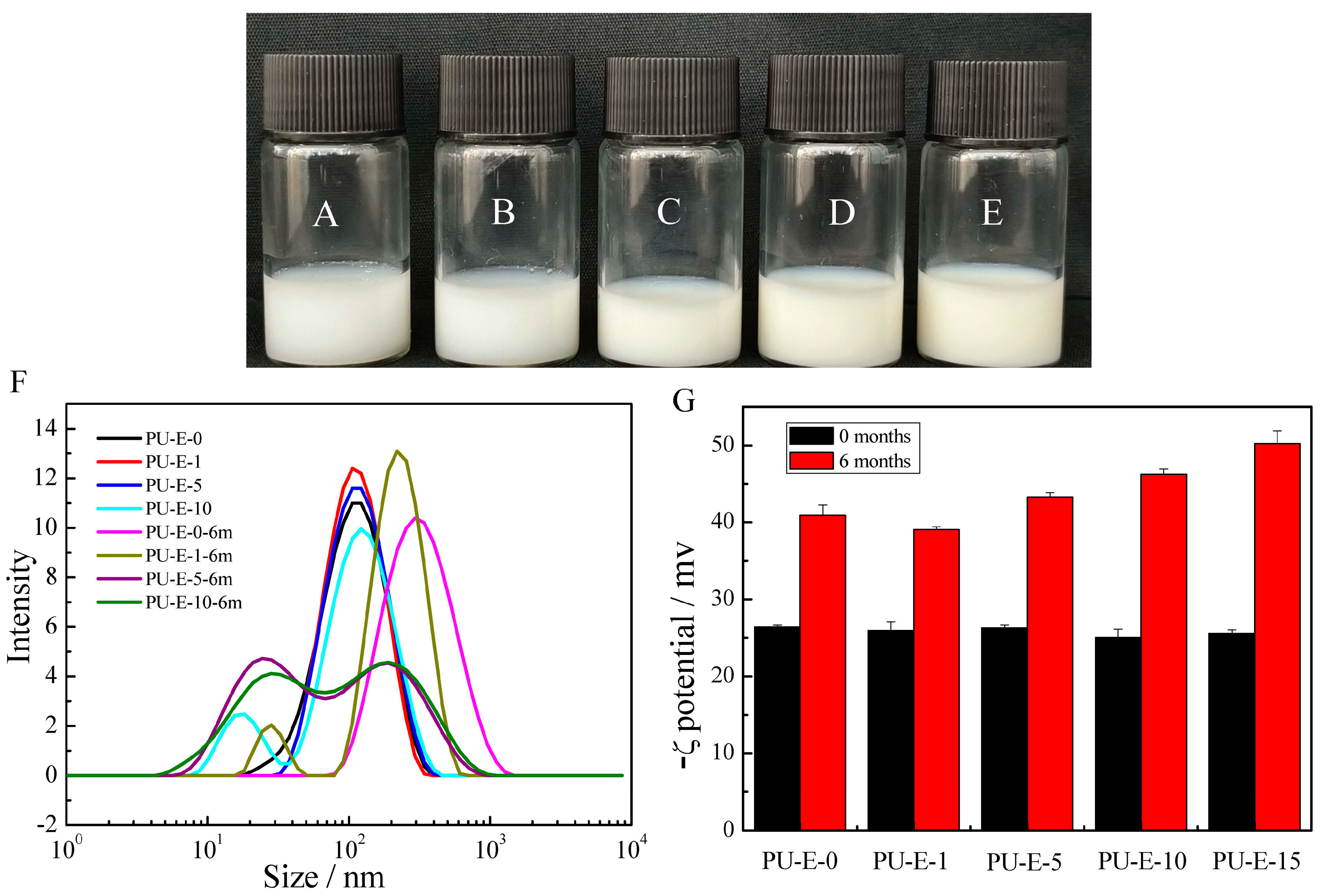
Figure 4: Appearance of eugenol/PEOC-WPU antimicrobial slow-release emulsions: (A): PU-E-0; (B): PU-E-1; (C): PU-E-5; (D): PU-E-10; (E): PU-E-15. The size distribution (F) and ξ potential (G) of eugenol/PEOC-WPU antimicrobial slow-release emulsions.
3.3 Preparation and Characterization of Antimicrobial Slow-Release Film
Fig. 5 shows the FT-IR spectra of the eugenol/waterborne polyurethane antimicrobial slow-release film before and after crosslinking. As shown by the red line in Fig. 5, a new peak appeared near 1580 cm−1, which is the characteristic peak of the benzene ring in eugenol, indicating that eugenol has been successfully incorporated into the PEOC-WPU waterborne polyurethane antimicrobial slow-release film. Compared with the FT-IR spectrum of PEOC-WPU, the absorption peak of the eugenol/waterborne polyurethane antimicrobial slow-release film in the range of 3200–3600 cm−1 became broader and stronger. This is the result of the superposition of the stretching vibration peaks of the phenolic hydroxyl group of eugenol and the -NH- group of polyurethane, and the broader absorption peak indicates the formation of hydrogen bonds between them. The formation of intermolecular hydrogen bonds between eugenol and polyurethane is conducive to delaying the release of eugenol from the slow-release film, thus realizing the sustained release of eugenol and prolonging the antimicrobial time of the slow-release film. A cross-linked antimicrobial slow-release film (PEOC-WPU-Eu-H) was formed by adding the crosslinking agent HDDGE to the waterborne polyurethane emulsion. As shown by the blue line in Fig. 5, compared with the slow-release film before crosslinking, the peak shape at 3420 cm−1 becomes broader due to the formation of more hydrogen bonds after crosslinking. The C-O-C stretching vibration peak at 1126 cm−1 is enhanced compared with that before crosslinking, because the crosslinking agent HDDGE introduces ether bonds and new ether bonds are formed after the ring-opening of the epoxy groups of the crosslinking agent. These infrared spectroscopy results confirm the successful crosslinking of the eugenol/waterborne polyurethane antimicrobial slow-release film.
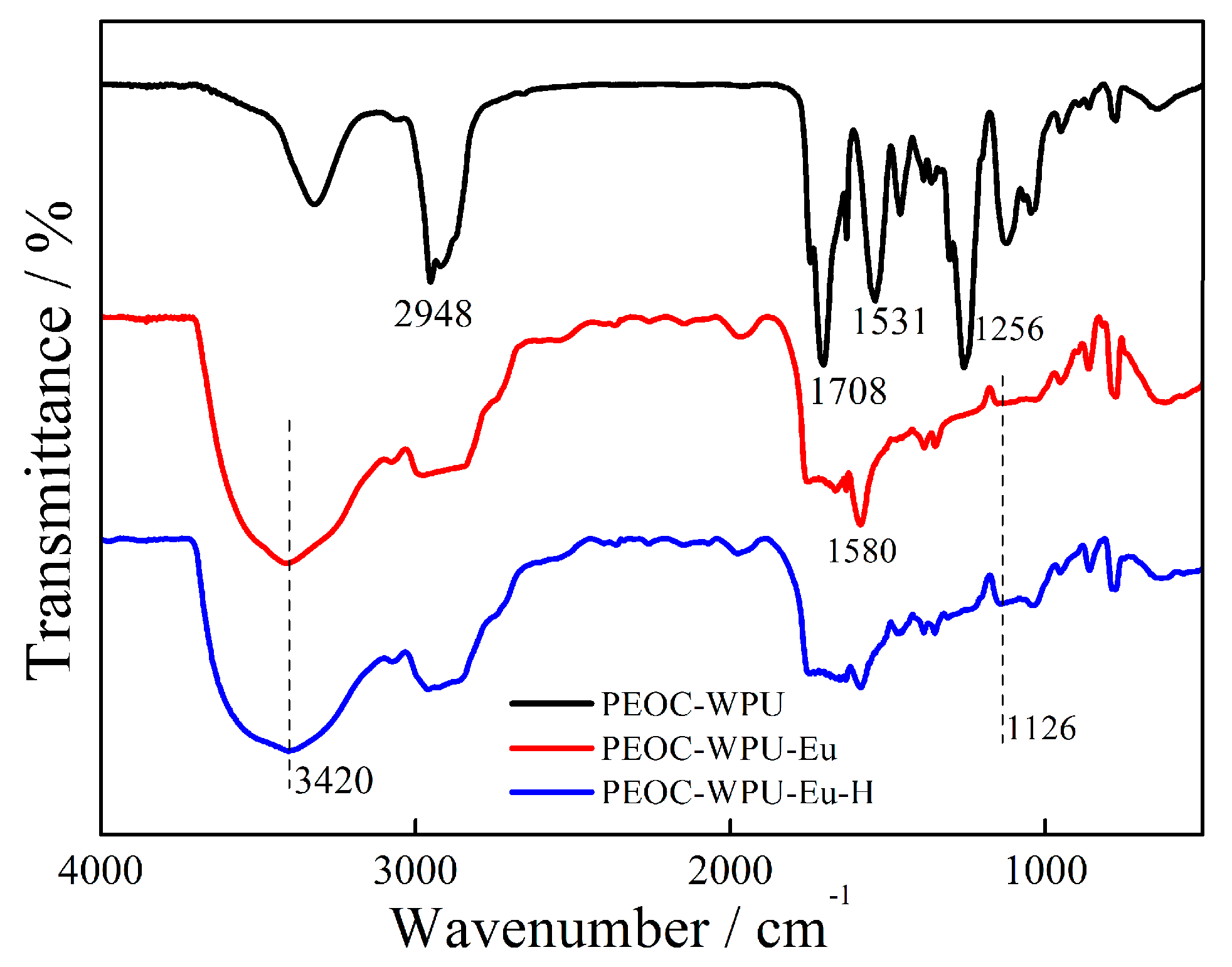
Figure 5: FT-IR spectra of eugenol/PEOC-WPU antimicrobial slow-release films before and after crosslinking.
The wettability of the slow-release films was investigated by water contact angle measurement. The results are shown in Fig. 6A. The contact angle of pure PEOC-WPU was 35°, indicating that the pure waterborne polyurethane film exhibited strong hydrophilicity, which is due to the ionized carboxyl groups in polyurethane and the EO units in PEOC being hydrophilic. The hydrophilic EO units can form a stable hydration layer on the surface of the slow-release film, and their introduction can endow the film with anti-protein adsorption properties, preventing the adhesion and infection of fungal spores on the film. The water contact angle gradually increases to 61° with the increase of eugenol content in the antimicrobial slow-release film from 0 to 15%, indicating that the introduction of eugenol significantly improves the hydrophobicity of the slow-release film, which is attributed to the highly hydrophobic benzene ring structure in eugenol. The formation of hydrogen bond structures between the phenolic hydroxyl group of eugenol and carbamate bonds also contributes to the improvement of hydrophobicity [33].
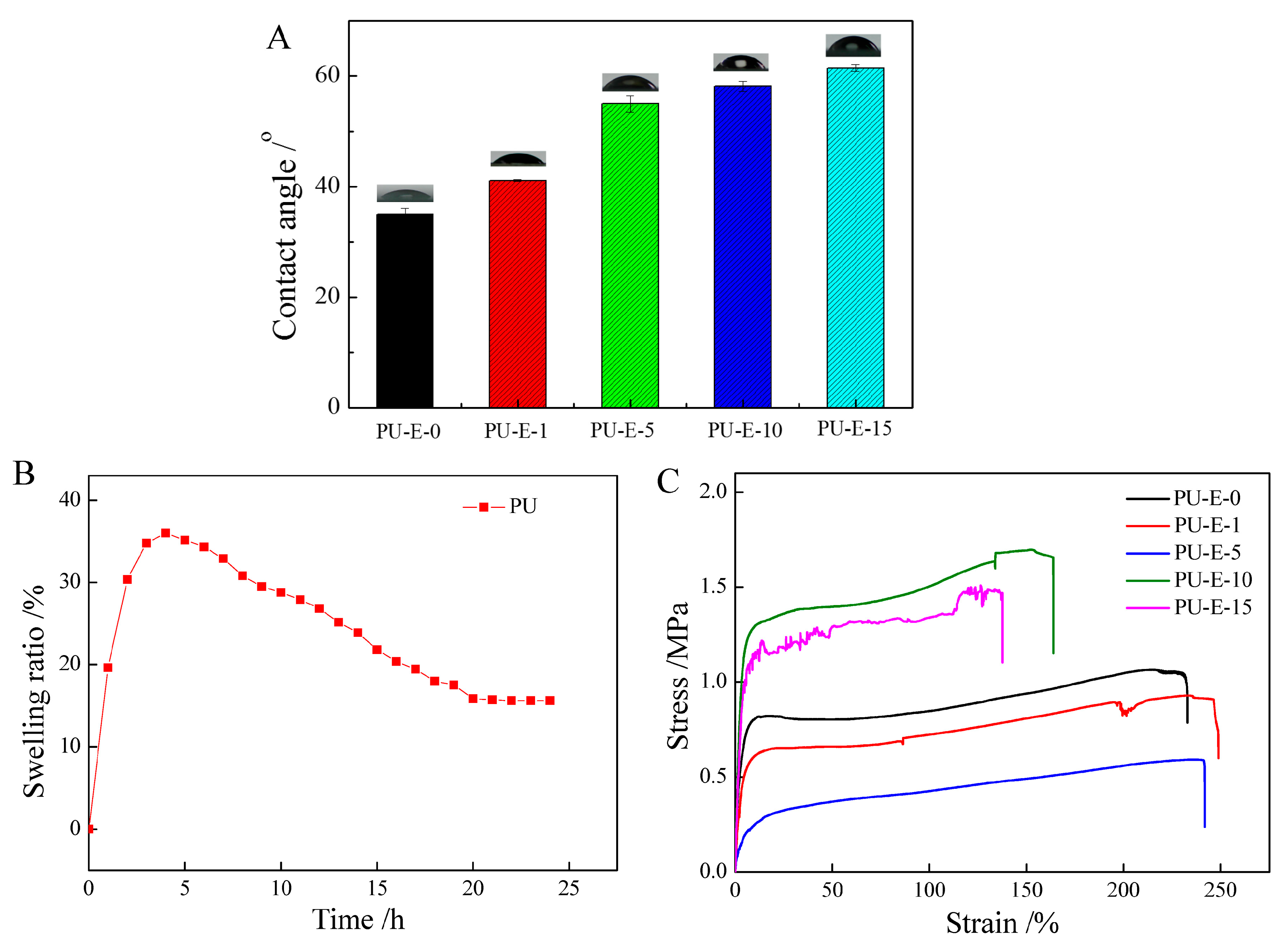
Figure 6: Characterization of Antimicrobial Slow-release Film: (A) Water contact angles of PEOC-WPU antimicrobial slow-release films; (B) Swelling behavior of waterborne polyurethane films in deionized water; (C) Tensile stress-strain curves of sustained-release waterborne polyurethane films with different eugenol contents.
Fig. 6B shows the swelling behavior of waterborne polyurethane films in deionized water. The samples exhibited a rapid water absorption rate at the early stage of immersion, and the swelling ratio increased sharply and reached a maximum value of approximately 36.0% at about 4 h. Subsequently, the swelling ratio decreased gradually and eventually leveled off, which may be attributed to the gradual leaching of unreacted small molecules and oligomers in the system. According to the method described in Reference [27], the crosslinking density of the waterborne polyurethane film was calculated to be 1.88 × 10⁻² mol/cm3 based on the equilibrium swelling results. The high crosslinking density indicated that a relatively stable three-dimensional network structure was formed inside the material, which effectively hindered further penetration of water molecules and improved the water resistance stability of the films.
As illustrated in Fig. 6C, the mechanical properties of the films first decreased and then increased with the rise of eugenol content. Low eugenol contents (PU-E-1 and PU-E-5) exerted a plasticizing effect, which reduced the tensile strength and enhanced the ductility of the materials. When the eugenol content increased to 10% and 15%, the rigid aromatic ring structure and enhanced hydrogen bonding improved the mechanical strength. Meanwhile, the movement of polymer chains was restricted, leading to a decline in the elongation at break of the sustained-release films [34,35]. Accordingly, the materials gradually transformed from high ductility and low strength to low ductility and high strength.
3.4 Biodegradability of Eugenol/Waterborne Polyurethane Sustained-Release Films
Fig. 7 presents the changes in residual mass of PU-E-0 and PU-E-10 eugenol/waterborne polyurethane sustained-release films immersed in lipase solution at 45°C as a function of time. The mass loss of the films was caused by the biodegradation of carbonate bonds in PEOC. After 10 days of enzymatic degradation, the mass of the waterborne polyurethane films decreased by approximately 20%, indicating that the materials can be degraded by biological enzymes and exhibit biodegradability. In the degradation process, the PEOC segments on the film surface containing carbonate bonds are degraded into small molecules by enzymes and then dissolved in the solution. The film surface is continuously eroded by the enzyme solution, which results in a gradual reduction in film mass. As the degradation time increases, the residual mass of both eugenol-free PU-E-0 and eugenol-loaded PU-E-10 films declines gradually, and no significant difference was observed in their degradation rates. This suggests that the introduction of natural antibacterial agent eugenol has no influence on the biodegradation of waterborne polyurethane sustained-release films. The results prove that PU-E-R films possess good biodegradation potential.
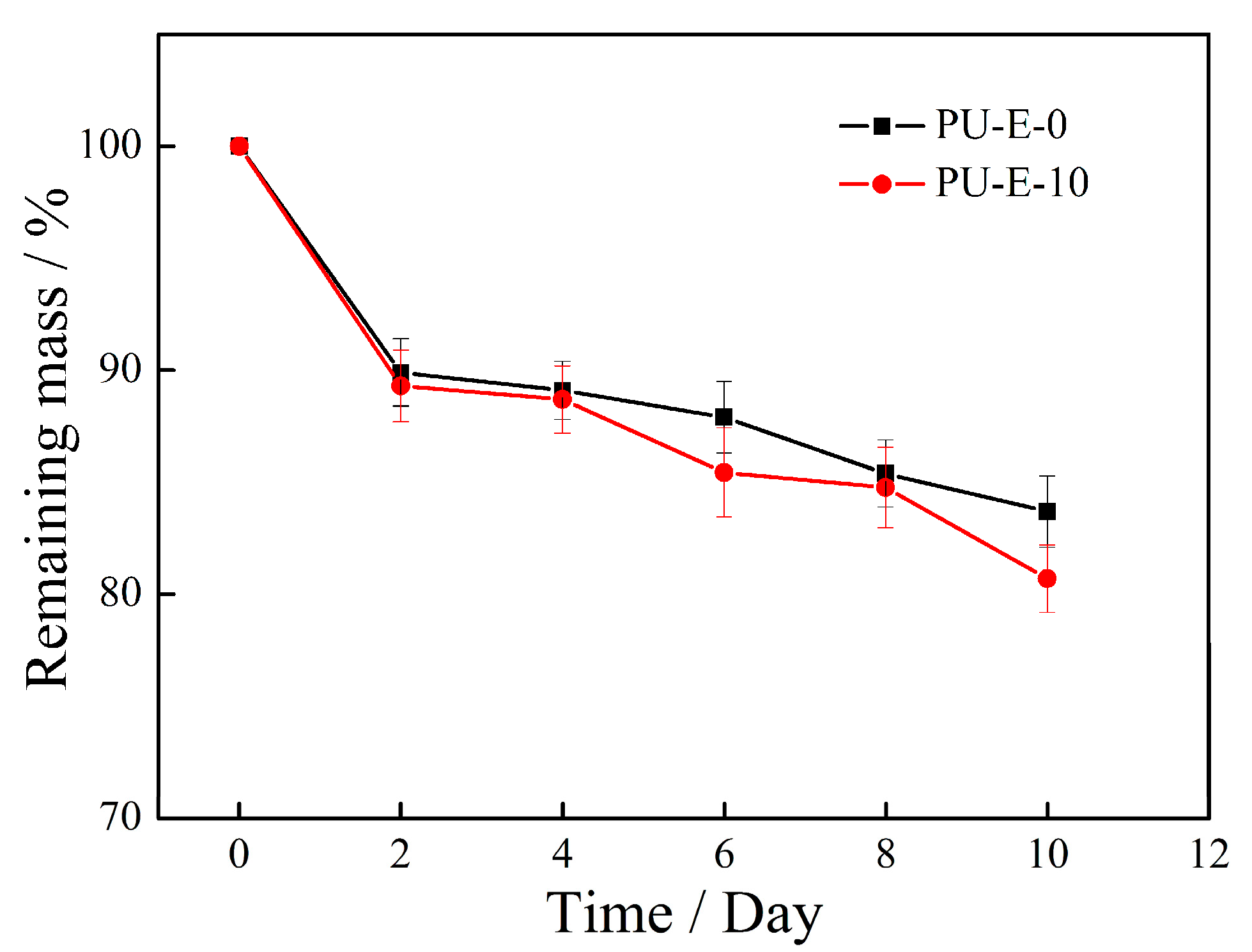
Figure 7: Changes in residual mass of eugenol/waterborne polyurethane. sustained-release films immersed in 5 mg/mL lipase solution with degradation time.
3.5 Spore Adhesion Resistant Performance of Waterborne Polyurethane Films
The adsorption of proteins or glycoproteins is an important initial step for the attachment and infection of plant tissues by Botrytis cinerea spores. Therefore, we investigated the anti-protein adsorption properties of waterborne polyurethane films by QCM-D. In the protein adsorption experiment, bovine serum albumin (BSA) and lysozyme (Lys) with different molecular sizes and charges were used as model proteins. The molecular weights of BSA and Lys are 68 kDa and 14.7 kDa, and their isoelectric points are 4.8 and 11.1, respectively. Fig. 8 shows the time dependence of the changes in energy dissipation (ΔD) and frequency (Δf) caused by the adsorption of BSA and lysozyme on the waterborne polyurethane film in 0.1 M PBS (pH 7.4) at 25°C.
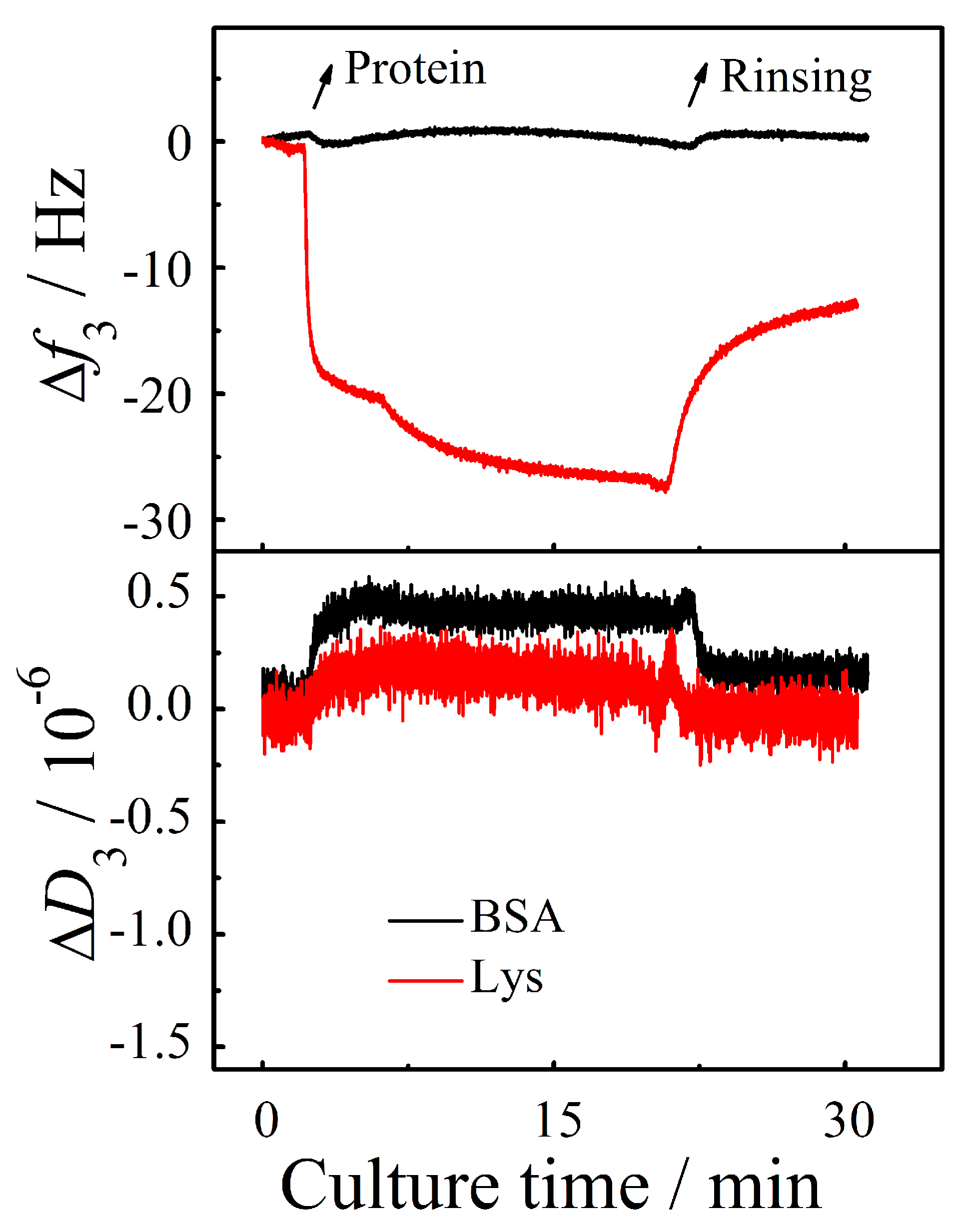
Figure 8: Adsorption kinetics of Lys and BSA on the surface of PEOC-WPU films.
It could be seen from Fig. 8 that Δf dropped sharply after the Lys solution was introduced to the film surface, which means that Lys was adsorbed on the surface of the PEOC-WPU film. Δf rised after rinsing with PBS solution but still dropped by 12 Hz relative to the baseline, indicating that part of Lys was loosely adsorbed on the film while a portion was tightly adhered to the film surface. Lys was positively charged in PBS at pH 7.4 and generated electrostatic attraction with COO− on waterborne polyurethane, thus being loosely adsorbed on the waterborne polyurethane film. After the introduction of BSA solution, Δf decreased slightly and ΔD increased slightly, which were minor changes caused by the change of solution concentration. When the BSA solution was replaced with PBS again, Δf and ΔD almost returned to the baseline position. According to the principle of QCM-D, the increase in mass on the sensor surface caused a decrease in Δf, while the increase in the thickness or viscoelasticity of the material on the sensor surface led to an increase in ΔD. This indicated that the PEOC-WPU film had no adsorption to BSA protein. BSA was a protein with hydrophobic groups and negative charge in 0.1 M PBS (pH 7.4). The anti-adsorption property of the PEOC-WPU film to BSA was due to the formation of a dense hydration layer on the film surface by the EO segments in the soft segment PEOC through hydrogen bonds, which prevent the interaction between proteins and the PU surface, resulting in the anti-protein adsorption property of the waterborne polyurethane film. The anti-protein adsorption property of the waterborne polyurethane film would help resist the adhesion of fungal spores and their subsequent infection.
We evaluated the spore adhesion-resistant performance of the PEOC-WPU film. Fig. 9 shows the growth of spores detached from the surface of blank epoxy resin plates and PEOC-WPU films. The number of colonies in each photograph was calculated using ImageJ, and Fig. 9C showed the change in colony number with culture time. It could be seen from Fig. 9 that the number of colonies grown in both the blank and PEOC-WPU groups increased with the extension of culture time. After 5 days of culture, the number of colonies grown in the blank group was about three times that in the PEOC-WPU group (Fig. 9B). This result indicated that the PEOC-WPU film had a certain Botrytis cinerea spore adhesion-resistant and could effectively inhibit the colonization and germination of Botrytis cinerea spores on the material surface. Based on the previous analysis of wettability and anti-protein adsorption, the EO units in PEOC-WPU made the material surface form a tight hydration layer, which could reduce the adsorption of proteins secreted by spores, thereby decreasing the attachment of spores on the material surface. The spore adhesion-resistant property of PEOC-WPU was conducive to improving the Botrytis cinerea resistant performance of the eugenol/PEOC-WPU slow-release film.
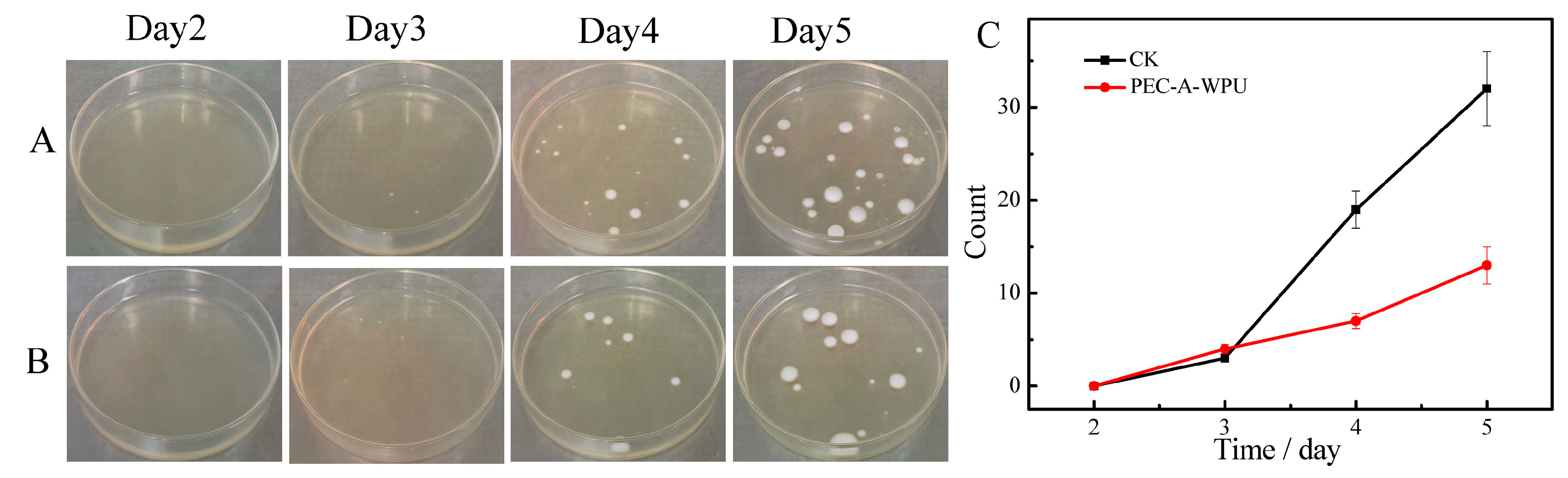
Figure 9: Growth of spores detached from the surface of (A) blank epoxy resin plate and (B) PEOC-WPU film and (C) statistical analysis of colony numbers.
3.6 Eugenol Slow-Release Behavior of Antimicrobial Slow-Release Films
We investigated the slow-release behavior of eugenol from the waterborne polyurethane antimicrobial slow-release film. Fig. 10 showed the variation in eugenol release content of waterborne polyurethane sustained-release films with different eugenol contents during immersion in PBS buffer solution at pH 7.4. All samples presented distinct sustained release performance, and the cumulative release amount increased gradually with time, indicating that eugenol could be slowly released from the waterborne polyurethane matrix. The eugenol release content increased rapidly within the initial 24 h of immersion. This was mainly because eugenol molecules on the surface and shallow layers of the films first contacted the PBS buffer solution and diffused into the solution rapidly. With the further extension of release time, the slope of the curves gradually decreased and the release rate dropped obviously, suggesting that the subsequent release process was predominantly controlled by internal diffusion of the polyurethane matrix. The eugenol inside the films had to pass through longer diffusion paths, so the release process gradually became stable, presenting typical sustained-release characteristics. Furthermore, the cumulative release amount of the waterborne polyurethane sustained-release films increased significantly as the eugenol content rose. A higher eugenol content produced a larger concentration gradient, which promoted the diffusion and release of eugenol from the polyurethane matrix.
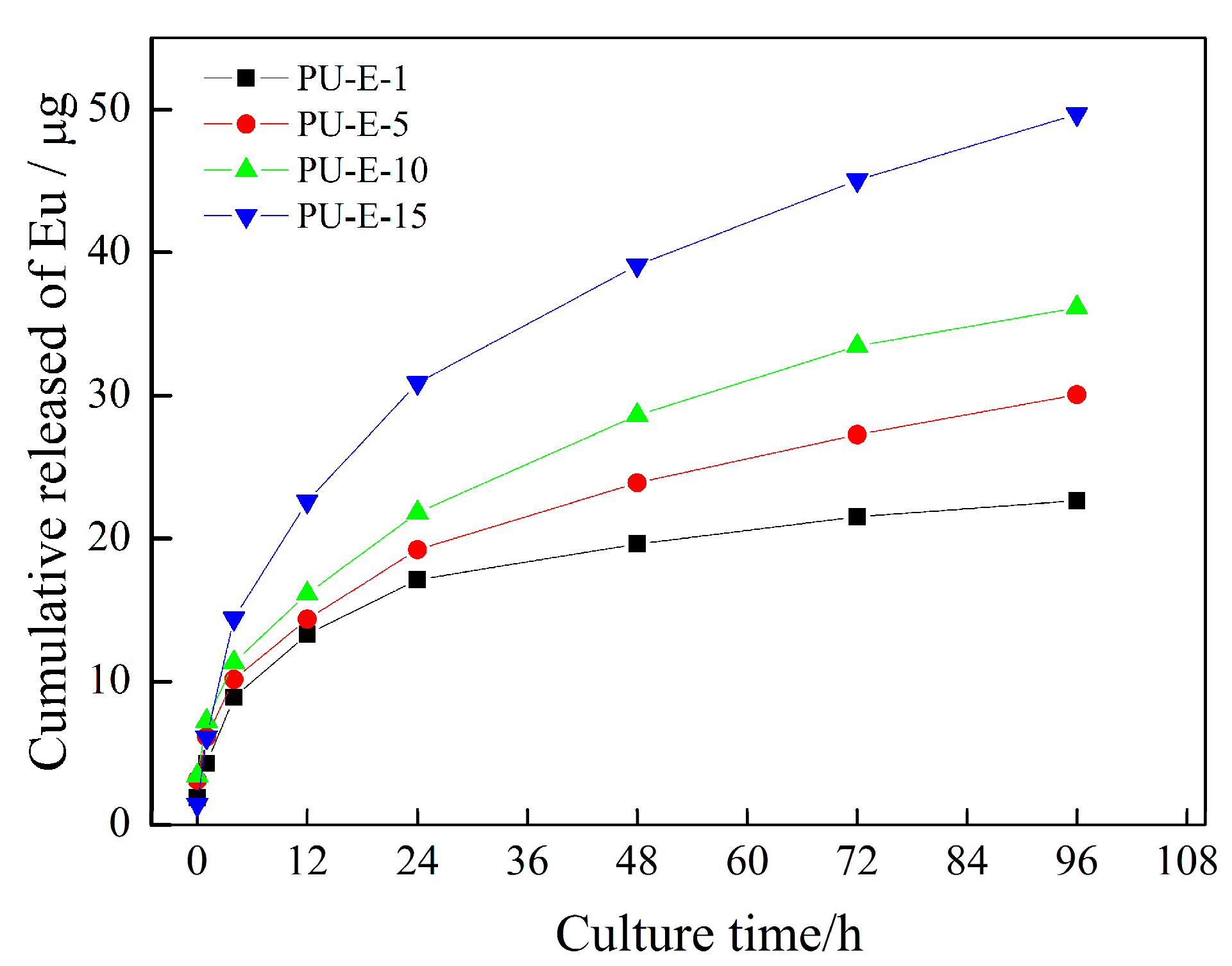
Figure 10: Eugenol release from eugenol/waterborne polyurethane sustained-release films in PBS (pH 7.4).
3.7 Analysis of Botrytis Cinerea Resistant Performance of Antimicrobial Slow-Release Films
To evaluate the Botrytis cinerea resistant performance of the eugenol/waterborne polyurethane antimicrobial slow-release film, the inhibitory effect of eugenol loading on Botrytis cinerea by the waterborne polyurethane slow-release film was investigated in depth. Fig. 11 showed the germination and growth of Botrytis cinerea spores on PDA medium coated with waterborne polyurethane with different eugenol contents and the blank control group (CK) on the 1st, 3rd and 5th days of culture. The area ratio = SB/S was calculated quantitatively by measuring the area of the PDA medium (S) and the total area of Botrytis cinerea plaques formed (SB) in each photograph using ImageJ software, so as to quantitatively express the inhibitory effect of the antimicrobial slow-release film on Botrytis cinerea (Fig. 12A). To further quantify the inhibitory effect of each treatment group on Botrytis cinerea spores, the inhibition rate was calculated using the following formula: Inhibition rate (%) = (Lesion area ratio of blank control group − Lesion area ratio of treatment group)/Lesion area ratio of blank control group × 100%; All lesion area ratios in the formula were derived from the data collected after 5 days of incubation. The control efficacy results are shown in Fig. 12B.
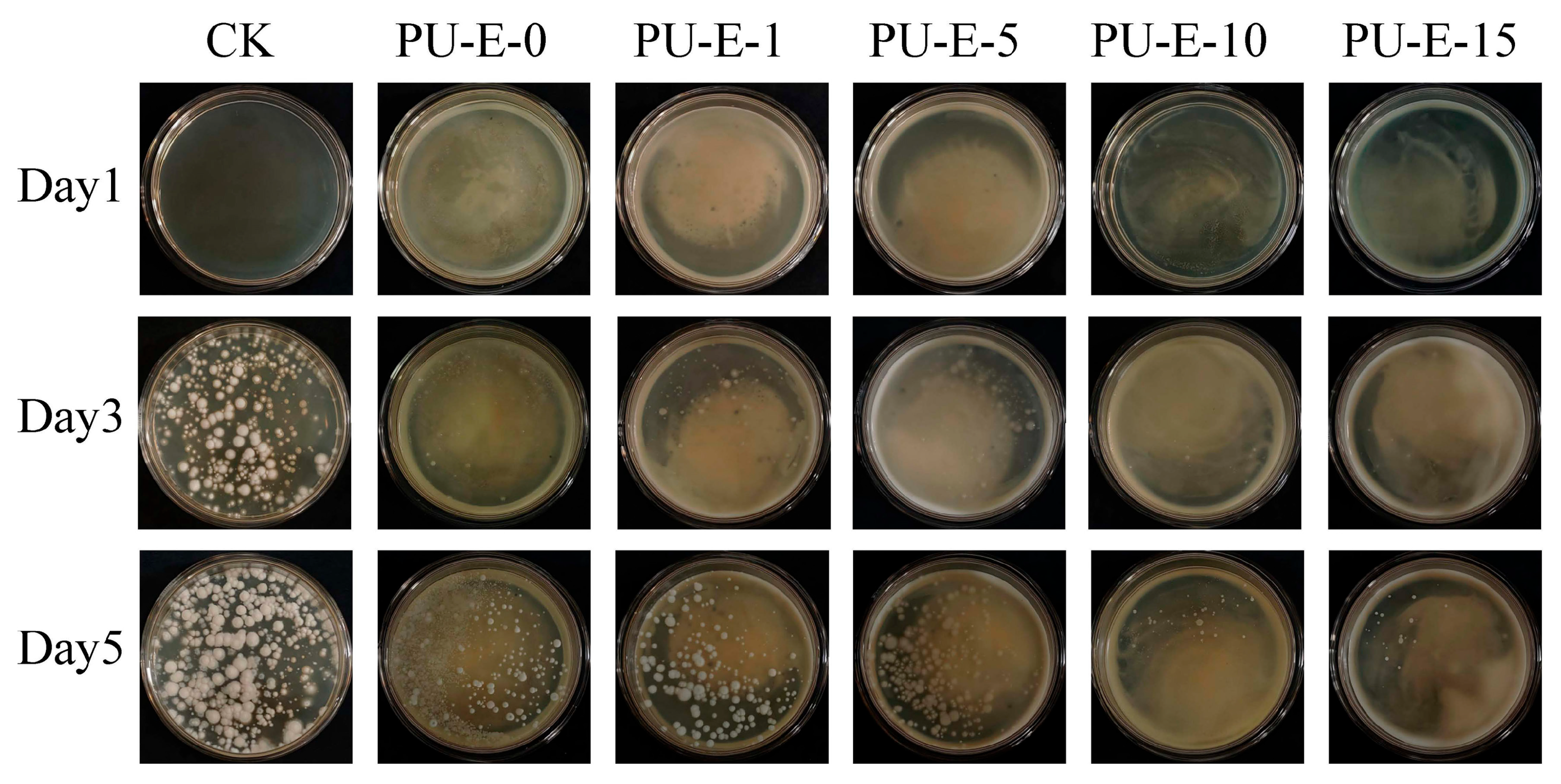
Figure 11: Inhibition of Botrytis cinerea germination and growth by eugenol/PEOC-WPU antimicrobial slow-release films.
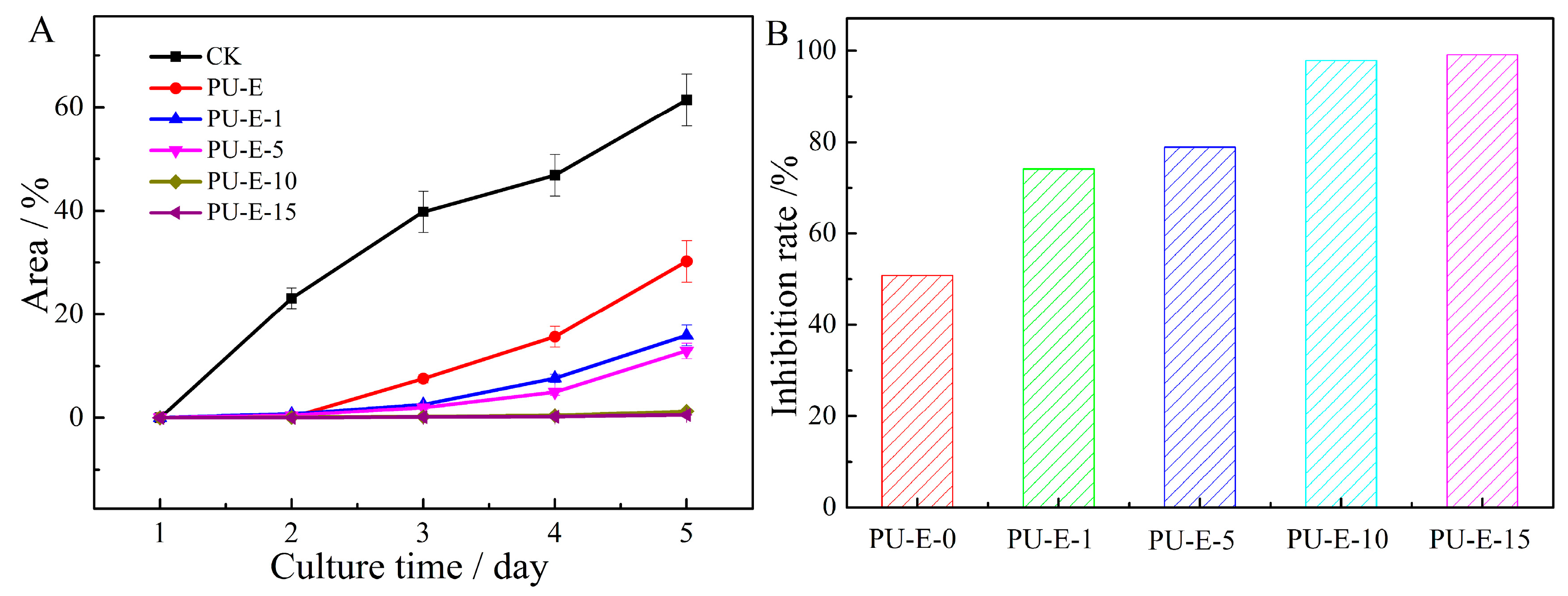
Figure 12: Changes in the area of Botrytis cinerea (A) and inhibition rate (B) inhibited by eugenol/PEOC-WPU antimicrobial slow-release films.
The results showed that no colony growth was observed in all groups on the 1st day of culture, and the medium surface was uniform. A large number of Botrytis cinerea colonies appeared in the blank control (CK) on the 3rd day of culture, while only a small number of colonies were found in the film without eugenol (PU-E-0). On the 5th day of culture, colonies in the blank group covered the entire surface of the medium, accounting for more than 60% of the medium area, while the colony area of PU-E-0 increased to about 30%, showing weak antimicrobial activity. This is because the ionic group of waterborne polyurethane is COO-(N(C2H5)3)+, which can dissociate a small amount of (N(C2H5)3) after contact with PDA medium. The area of Botrytis cinerea colonies gradually decreases with the increase of eugenol content in the antimicrobial slow-release film from 0 to 15%. No visible colonies were found on the medium surface of PU-E-10 and PU-E-15, showing excellent inhibitory ability resistance to Botrytis cinerea. The colony area in the blank group increased rapidly from the 1st to the 5th day of culture, while the growth rate of the colony area in the PU-E-1 and PU-E-5 groups slowed down significantly. As shown in Fig. 12B, the inhibition rate of the sustained-release films against Botrytis cinerea spores increased gradually with the rise of eugenol content, and reached 99% at the eugenol content of 10%. These results indicate that the release of eugenol enhances the antimicrobial activity of the waterborne polyurethane film; a small amount of eugenol can delay the germination and growth of spores, and the addition of 10% eugenol can completely inhibit the germination of Botrytis cinerea spores. According to the antibacterial test results, the minimum inhibitory concentration (MIC) of eugenol against Botrytis cinerea is in the range of 5%–10% (w/w) [36]. The inhibitory effect of the eugenol/waterborne polyurethane antimicrobial slow-release film on Botrytis cinerea is enhanced with the increase of eugenol content. Eugenol is slowly released from the film and diffused into the medium, and after contact with Botrytis cinerea, it destroys the integrity of the fungal cell wall, causes the leakage of intracellular electrolytes and macromolecular substances, thus achieving efficient sterilization [37]. This phenomenon may be attributed to the destruction of fungal cell membrane structure by phenolic hydroxyl groups in eugenol. Meanwhile, the sustained release of eugenol from the films enables long-term antibacterial activity, thereby remarkably improving the antifungal performance of the films [38,39]. As a carrier of the natural antimicrobial agent eugenol, PEOC-WPU can realize the sustained release of eugenol from the waterborne polyurethane film due to the hydrogen bond interaction between the phenolic hydroxyl group of eugenol and the carbamate of polyurethane, which enhances the stability and durability of eugenol resistance to Botrytis cinerea. Moreover, PEOC-WPU is a waterborne polyurethane material with PEOC, a biodegradable main chain, as the soft segment [26]; it can be biodegraded within 25 days, making it an eco-friendly slow-release material for natural antimicrobial agents.
3.8 Evaluation on the Control Effect of Antibacterial Waterborne Polyurethane Emulsion against Strawberry Gray Mold Disease
We further evaluated the practical control efficacy of eugenol/waterborne polyurethane antibacterial sustained-release films against strawberry gray mold disease. Fresh strawberries were selected as experimental samples. The waterborne polyurethane emulsion was sprayed onto the strawberry surface to form a sustained-release film coating. Subsequently, the strawberries were inoculated with Botrytis cinerea spore suspension. The germination and growth of gray mold spores on strawberries protected by different sustained-release films were observed to assess the actual disease control performance of the films. Fig. 13 presented the incidence of gray mold on strawberries in each treatment group on the 1st, 3rd and 6th days after inoculation. ImageJ software was used to measure the lesion area and the total surface area of fruits, and the lesion area ratio was calculated (Fig. 14A). To further quantify the control efficacy of each group, the control effect was calculated via the following formula: Control efficacy (%) = (Lesion area ratio of blank control group − Lesion area ratio of treatment group)/Lesion area ratio of blank control group × 100%. All lesion area ratios used in the formula were derived from the data measured on the 6th day of incubation. The results of control efficacy were shown in Fig. 14B.
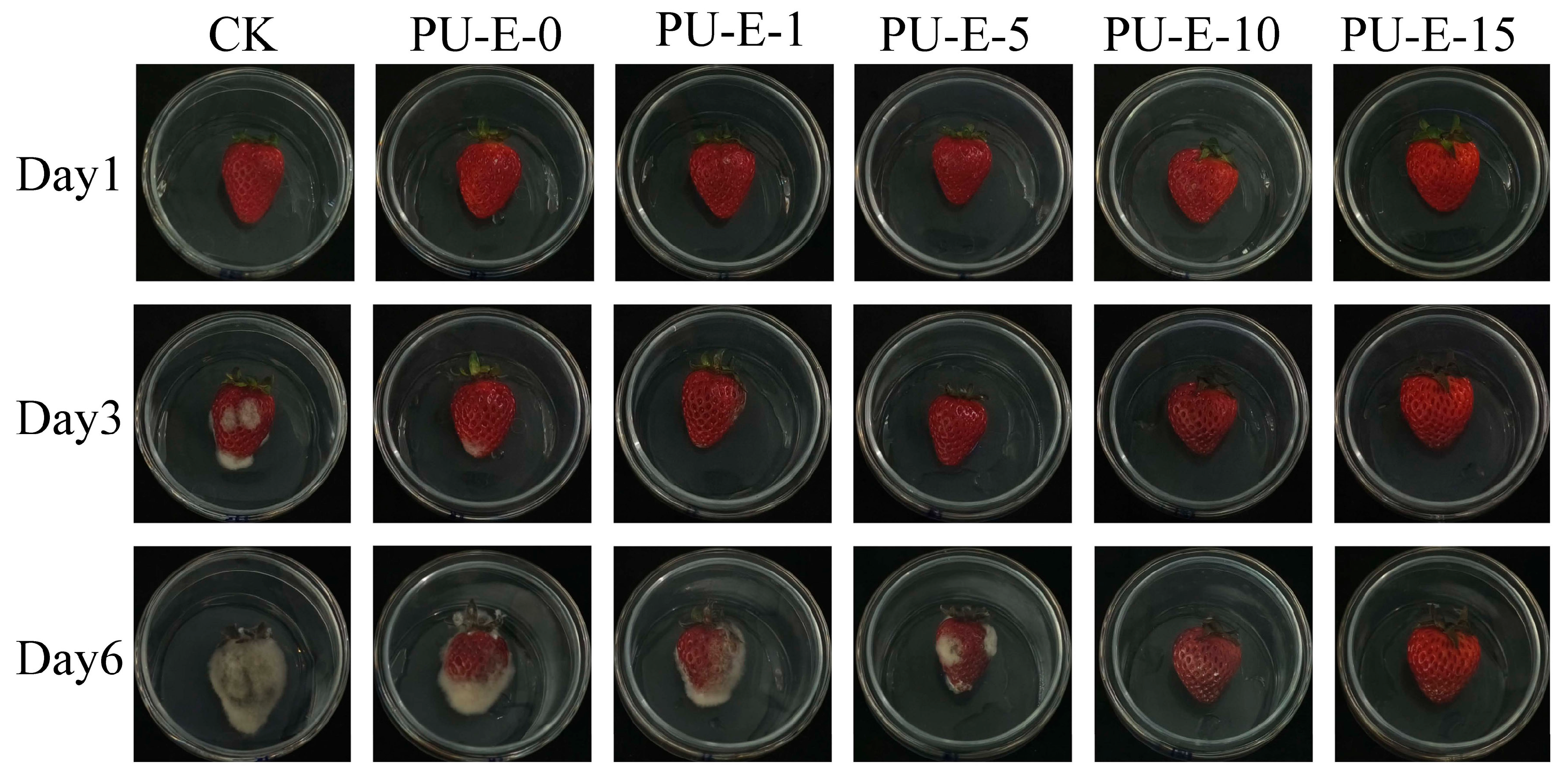
Figure 13: Inhibitory effects of different eugenol/waterborne polyurethane sustained-release films on strawberry gray mold disease.
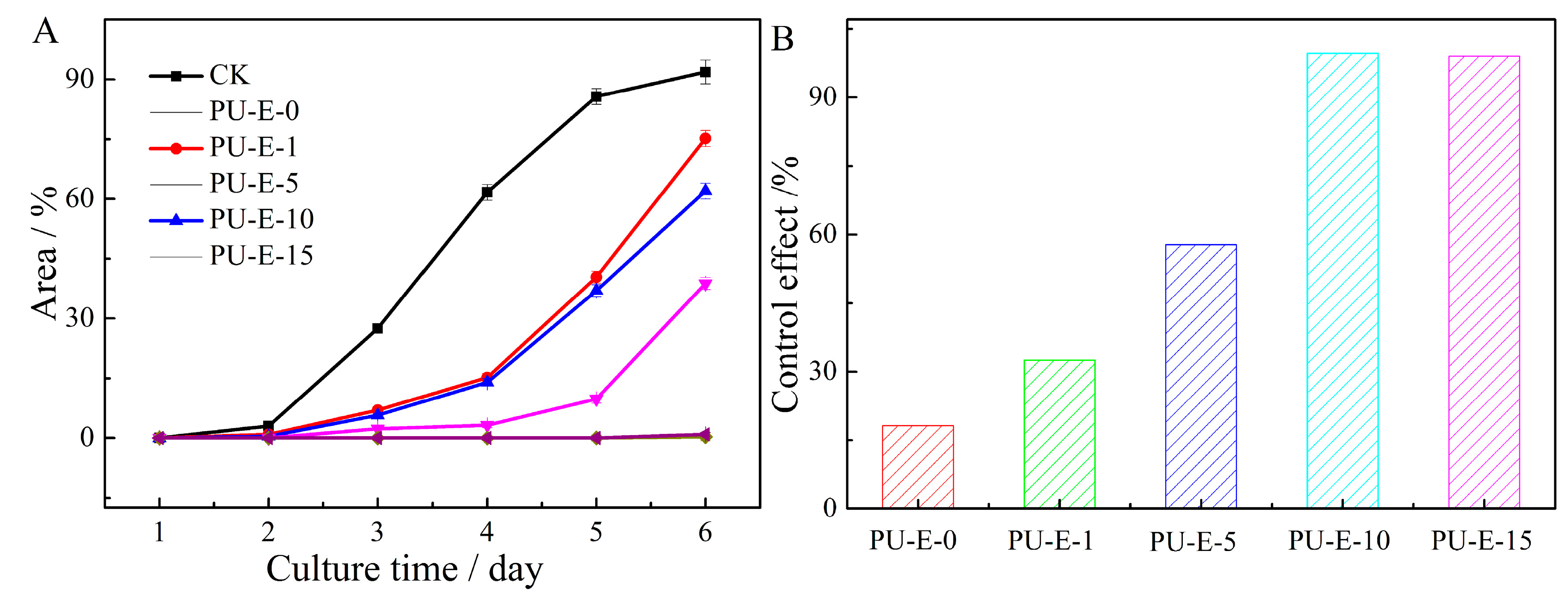
Figure 14: Changes in lesion area ratio of gray mold over time (A) and control efficacy (B) on strawberries protected by different eugenol/waterborne polyurethane sustained-release films.
The control group (CK) showed the fastest expansion of lesions. Obvious large lesions emerged on the 3rd day, and the strawberries were almost completely covered by gray mold lesions on the 6th day, with the lesion area ratio exceeding 90%. The results reveal that Botrytis cinerea can grow and infect strawberries rapidly without any treatment. Strawberries protected by eugenol-free waterborne polyurethane film (PU-E-0) only developed slight lesions on the 3rd day, and the expansion rate of lesions was decreased. This was ascribed to the excellent anti-spore adhesion property of PEOC segments in waterborne polyurethane films. After spraying the gray mold spore suspension, most spores failed to attach firmly to the strawberry surface, which delayed the infection caused by Botrytis cinerea. With the increase of eugenol content in waterborne polyurethane sustained-release films, the appearance of gray mold lesions on strawberries was delayed, the lesion area was reduced, and the growth of gray mold disease was significantly inhibited. The lesion areas of PU-E-1 and PU-E-5 groups were lower than that of PU-E-0 group, indicating that low-dose eugenol could inhibit the growth of Botrytis cinerea to a certain degree. When the eugenol content was increased to 10% and 15%, almost no obvious lesion expansion was observed during the incubation period. It suggested that high content of eugenol can effectively suppress the growth and infection of Botrytis cinerea and achieve prominent control efficacy. As presented in Fig. 14B, the eugenol-free waterborne polyurethane film also possessed a control efficacy of 18% against strawberry gray mold disease, which originated from its anti-adhesion performance against gray mold spores. The control efficacy of the sustained-release films increased gradually with the rising eugenol content, and reached 99% when the eugenol content was 10%. The sustained release of natural antibacterial agent eugenol from the polyurethane film could maintain persistent antifungal activity, thus greatly improving the antifungal performance of the films. This phenomenon was probably related to the destruction of fungal cell membrane structure by phenolic hydroxyl groups in eugenol. Meanwhile, the release of eugenol from the films sustained antibacterial activity and further enhanced the antifungal capacity of the materials [38,39]. The differences in lesions among all treatment groups were insignificant at the early incubation stage, while such differences became distinct in the later stage. This demonstrated that the slow release of eugenol from waterborne polyurethane films can exert long-term antibacterial effects. In addition, combined with the aforementioned enzymatic degradation results, the eugenol/waterborne polyurethane sustained-release films prepared in this study were biodegradable by biological enzymes. Therefore, when applied to the prevention and treatment of strawberry gray mold disease, the eugenol/waterborne polyurethane emulsion could be degraded naturally in the environment. Compared with traditional chemical pesticides, this biodegradable waterborne polyurethane emulsion possessed remarkable environmental advantages for agricultural antibacterial applications.
To realize the effective control of Botrytis cinerea, a eugenol slow-release system based on biodegradable waterborne polyurethane was successfully constructed. Various characterization results confirmed the successful synthesis of the waterborne polyurethane slow-release material. The waterborne polyurethane film exhibited anti-protein adsorption and Botrytis cinerea spore adhesion-resistant. The prepared eugenol/waterborne polyurethane slow-release emulsion had good stability, and the corresponding cross-linked antimicrobial slow-release film could release eugenol continuously for the formation of hydrogen bonds between eugenol and the polyurethane matrix. The antifungal activity assay showed that the eugenol/PEOC-WPU films exhibit excellent resistance to Botrytis cinerea, and the antifungal activity was positively correlated with the eugenol loading dosage. Owing to the combined effects of anti-spore adhesion and sustained antibacterial activity of eugenol, the eugenol/waterborne polyurethane emulsion can effectively prevent and control strawberry gray mold disease. Notably, the PEOC-WPU matrix is biodegradable, and the film can be degraded into small molecules in the natural environment after application, posing no persistent environmental risks. In conclusion, this study provides a novel environmentally benign strategy for control of Botrytis cinerea, and also opens up a feasible pathway for the efficient application of natural plant-derived antimicrobial agents in agriculture. In the future, further research will focus on the field application effect of the slow-release film and the expansion of its application scope to other plant fungal diseases.
Acknowledgement:
Funding Statement: This work was financially supported by the Science and Technology Fund of Guizhou Province, China (No. ZK[2024]508), National Natural Science Foundation of China (No. 12304482), Guizhou Provincial Basic Research Program (Natural Science ZD[2025]025).
Author Contributions: The authors confirm contribution to the paper as follows: Writing—original draft, Donghai Zhou; investigation, Donghai Zhou, Li Huang and Yuye Bai; writing—review & editing, Zhonglin Cao; resources, Li Xiang; funding acquisition, Zhonglin Cao and Xiaoling Zuo; project administration, Zhonglin Cao. All authors reviewed and approved the final version of the manuscript.
Availability of Data and Materials: The datasets generated and/or analyzed during the current study are available from the corresponding authors on reasonable request.
Ethics Approval: Not applicable.
Conflicts of Interest: The authors declare no conflicts of interest.
References
1. Spotts RA , Serdani M . Inoculum sources of Botrytis cinerea important to pear orchards in Oregon. Plant Dis. 2006; 90( 6): 750– 4. doi:10.1094/PD-90-0750. [Google Scholar] [CrossRef]
2. Yuan L , Jiang H , Li T , Liu Q , Jiang X , Han X , et al. A simulation study to reveal the epidemiology and aerosol transmission characteristics of Botrytis cinerea in grape greenhouses. Pathogens. 2024; 13( 6): 505. doi:10.3390/pathogens13060505. [Google Scholar] [CrossRef]
3. Wang R , Liu K , Chen B , Ding W , Li Y . Genetic and pathogenic variation of Botrytis cinerea, the causal agent of grey mould on Panax ginseng in China. Can J Plant Pathol. 2022; 44( 5): 744– 53. doi:10.1080/07060661.2022.2067900. [Google Scholar] [CrossRef]
4. González-Fernández R , Valero-Galván J , Gómez-Gálvez FJ , Jorrín-Novo JV . Unraveling the in vitro secretome of the phytopathogen Botrytis cinerea to understand the interaction with its hosts. Front Plant Sci. 2015; 6: 839. doi:10.3389/fpls.2015.00839. [Google Scholar] [CrossRef]
5. Yousef SAM , Ali AM , Elsherbiny EA , Atwa AA . Morphological, genetic and pathogenic variability among Botrytis cinerea species complex causing gray mold of strawberry. Physiol Mol Plant Pathol. 2024; 134: 102395. doi:10.1016/j.pmpp.2024.102395. [Google Scholar] [CrossRef]
6. Singh R , Caseys C , Kliebenstein DJ . Genetic and molecular landscapes of the generalist phytopathogen Botrytis cinerea. Mol Plant Pathol. 2024; 25( 1): e13404. doi:10.1111/MPP.13404. [Google Scholar] [CrossRef]
7. Buirs L , Lung S , Punja ZK . The epidemiology and management of Botrytis cinerea causing bud rot on greenhouse cultivated Cannabis (Cannabis sativa L.). Can J Plant Pathol. 2025; 47( 5): 443– 63. doi:10.1080/07060661.2025.2478250. [Google Scholar] [CrossRef]
8. Xiao L , Zhao Q , Deng J , Cui L , Zhang T , Yang Q , et al. Gray mold in blueberry: current research on pathogenesis, host resistance, and control strategies. Horticulturae. 2025; 11( 10): 1241. doi:10.3390/horticulturae11101241. [Google Scholar] [CrossRef]
9. Wu Z , Zhang J , Hao J , Liu P , Liu X . Understanding efflux-mediated multidrug resistance in Botrytis cinerea for improved management of fungicide resistance. Microb Biotechnol. 2025; 18( 3): e70074. doi:10.1111/1751-7915.70074. [Google Scholar] [CrossRef]
10. Zhao X , Chen M , Mao H , Zhang C , Wu J . Genetic structure and pyrimethanil resistance of Botrytis spp. causing gray mold on strawberry from greenhouses in Zhejiang, China. Pestic Biochem Physiol. 2024; 205: 106128. doi:10.1016/j.pestbp.2024.106128. [Google Scholar] [CrossRef]
11. Ferrando N , Pino-Otín MR , Terrado E , Ballestero D , Langa E . Bioactivity of eugenol: a potential antibiotic adjuvant with minimal ecotoxicological impact. Int J Mol Sci. 2024; 25( 13): 7069. doi:10.3390/ijms25137069. [Google Scholar] [CrossRef]
12. Wang CY , Jia C , Zhang MZ , Yang S , Qin JC , Yang YW . A lesion microenvironment-responsive fungicide nanoplatform for crop disease prevention and control. Adv Healthc Mater. 2022; 11( 10): e2102617. doi:10.1002/adhm.202102617. [Google Scholar] [CrossRef]
13. Guo X , Li H , Li Z , Cui Z , Ma G , Nassor AK , et al. Multi-stimuli-responsive pectin-coated dendritic mesoporous silica nanoparticles with Eugenol as a sustained release nanocarrier for the control of tomato bacterial wilt. J Nanobiotechn. 2025; 23( 1): 191. doi:10.1186/s12951-025-03239-8. [Google Scholar] [CrossRef]
14. You Y , Suraj HM , Matz L , Herrera Valderrama AL , Ruigrok P , Shi-Kunne X , et al. Botrytis cinerea combines four molecular strategies to tolerate membrane-permeating plant compounds and to increase virulence. Nat Commun. 2024; 15: 6448. doi:10.1038/s41467-024-50748-5. [Google Scholar] [CrossRef]
15. Wang X , Xia C , Li D , Liu F , Zhang J , Xie W , et al. Eugenol potentially targets oleate delta-12 desaturase of Botrytis cinerea and controls gray mold as part of a combination of multiple fungicidal components. Phytopathology. 2026; 116( 3): 347– 64. doi:10.1094/phyto-06-25-0227-r. [Google Scholar] [CrossRef]
16. Didehdar M , Chegini Z , Shariati A . Eugenol: a novel therapeutic agent for the inhibition of Candida species infection. Front Pharmacol. 2022; 13: 872127. doi:10.3389/fphar.2022.872127. [Google Scholar] [CrossRef]
17. Gago CML , Artiga-Artigas M , Antunes MDC , Faleiro ML , Miguel MG , Martín-Belloso O . Effectiveness of nanoemulsions of clove and lemongrass essential oils and their major components against Escherichia coli and Botrytis cinerea. J Food Sci Technol. 2019; 56( 5): 2721– 36. doi:10.1007/s13197-019-03762-1. [Google Scholar] [CrossRef]
18. Hu J , Bian Q , Li M , Zhang J , Peng P , Guo Y , et al. Surfactant-free essential oil emulsions enabled by non-covalent self-assembly of Janus nanosheets upgrade the sustainability and efficiency of fungicides. Chem Eng J. 2025; 519: 165148. doi:10.1016/j.cej.2025.165148. [Google Scholar] [CrossRef]
19. Lyu Y , Baharum A , Yu LJ , Yan Z , Badri KH . Development of bio polyurethane coated-urea for controlled release fertilizer. Arab J Chem. 2025; 18: 222025. doi:10.25259/ajc_22_2025. [Google Scholar] [CrossRef]
20. Yao L , Baharum A , Yu LJ , Yan Z , Haji Badri K . Bio-based polyurethane as a sustainable coating material for controlled-release fertilizer. Discover Sustain. 2025; 6( 1): 828. doi:10.1007/s43621-025-01756-y. [Google Scholar] [CrossRef]
21. Wang X , Mattupalli C , Chastagner G , Tymon L , Wu Z , Jung S , et al. Physical characteristics of soil-biodegradable and nonbiodegradable plastic mulches impact conidial splash dispersal of Botrytis cinerea. PLoS One. 2023; 18( 5): e0285094. doi:10.1371/journal.pone.0285094. [Google Scholar] [CrossRef]
22. Larsson R , Menkis A , Olson Å . Temporal dynamics of airborne fungi in Swedish forest nurseries. Appl Environ Microbiol. 2025; 91( 2): e0130624. doi:10.1128/aem.01306-24. [Google Scholar] [CrossRef]
23. Ngah N , Thomas RL , Fellowes MDE . Does this look infected? hidden host plant infection by the pathogen Botrytis cinerea alters interactions between plants, aphids and their natural enemies in the field. Insects. 2024; 15( 5): 347. doi:10.3390/insects15050347. [Google Scholar] [CrossRef]
24. Elad Y , Williamson B , Tudzynski P , Delen N . Botrytis spp. and diseases they cause in agricultural systems–an introduction. In: Botrytis: Biology, Pathology and Control. Dordrecht, The Netherlands: Springer; 2007. p. 1– 8. doi:10.1007/978-1-4020-2626-3_1. [Google Scholar] [CrossRef]
25. Coste OBN , Escobar-Niño A , Fernández-Acero FJ . Proteomics-based approaches to decipher the molecular strategies of Botrytis cinerea: a review. J Fungi. 2025; 11( 8): 584. doi:10.3390/jof11080584. [Google Scholar] [CrossRef]
26. Cao Z , Ma C , Xiang L , Cao L . A main chain biodegradable polyurethane with anti-protein adsorption and anti-bacterial adhesion performances. Soft Matter. 2023; 20( 1): 192– 200. doi:10.1039/d3sm01344h. [Google Scholar] [CrossRef]
27. Kwon YR , Park JH , Kim HC , Moon SK , Kim DH . Improving water resistance and mechanical properties of crosslinked waterborne polyurethane using glycidyl carbamate. Polymers. 2024; 16( 19): 2794. doi:10.3390/polym16192794. [Google Scholar] [CrossRef]
28. Cho NJ , Frank CW , Kasemo B , Höök F . Quartz crystal microbalance with dissipation monitoring of supported lipid bilayers on various substrates. Nat Protoc. 2010; 5( 6): 1096– 106. doi:10.1038/nprot.2010.65. [Google Scholar] [CrossRef]
29. Gurunathan T , Mohanty S , Nayak SK . Isocyanate terminated Castor oil-based polyurethane prepolymer: synthesis and characterization. Prog Org Coat. 2015; 80: 39– 48. doi:10.1016/j.porgcoat.2014.11.017. [Google Scholar] [CrossRef]
30. Chen X , Ye X , Lu L , Qian Y , Wang L , Bi Y , et al. Preparation of cross-linkable waterborne polyurethane-acrylate coating films with multifunctional properties. Coatings. 2020; 10( 1): 65. doi:10.3390/coatings10010065. [Google Scholar] [CrossRef]
31. Li XG , Xie YB , Huang MR , Umeyama T , Imahori H . Development of clean performance-tunable waterborne polyurethane using acetyl tributyl citrate for transferable holographic films. J Clean Prod. 2021; 279: 123496. doi:10.1016/j.jclepro.2020.123496. [Google Scholar] [CrossRef]
32. Li XG , Xie YB , Huang MR , Umeyama T , Ohara T , Imahori H . Effective role of eco-friendly acetyl tributyl citrate in large-scale catalyst-free synthesis of waterborne polyurethanes without volatile organic compounds. J Clean Prod. 2019; 237: 117543. doi:10.1016/j.jclepro.2019.07.018. [Google Scholar] [CrossRef]
33. Oh HG , Oh TU , Hong S , Cha SH . Synthesis and characterization of antibacterial self-healable biopolyurethanes with eugenol-based bio-polyol. Mater Today Commun. 2023; 35: 106381. doi:10.1016/j.mtcomm.2023.106381. [Google Scholar] [CrossRef]
34. Arik N , Horzum N , Truong YB . Development and characterizations of engineered electrospun bio-based polyurethane containing essential oils. Membranes. 2022; 12( 2): 209. doi:10.3390/membranes12020209. [Google Scholar] [CrossRef]
35. Zhai Y , Zhang D , Gao L . Eugenol-based high-strength and toughness shape memory poly(urethane thioether) networks as intrinsic UV-shielding devices. Biomacromolecules. 2024; 25( 9): 5949– 58. doi:10.1021/acs.biomac.4c00615. [Google Scholar] [CrossRef]
36. Sanla-Ead N , Jangchud A , Chonhenchob V , Suppakul P . Antimicrobial activity of cinnamaldehyde and eugenol and their activity after incorporation into cellulose-based packaging films. Packag Technol Sci. 2012; 25( 1): 7– 17. doi:10.1002/pts.952. [Google Scholar] [CrossRef]
37. Konuk HB , Ergüden B . Phenolic–OH group is crucial for the antifungal activity of terpenoids via disruption of cell membrane integrity. Folia Microbiol. 2020; 65( 4): 775– 83. doi:10.1007/s12223-020-00787-4. [Google Scholar] [CrossRef]
38. Jing C , Gou J , Han X , Wu Q , Zhang C . In vitro and in vivo activities of eugenol against tobacco black shank caused by Phytophthora nicotianae. Pestic Biochem Physiol. 2017; 142: 148– 54. doi:10.1016/j.pestbp.2017.07.001. [Google Scholar] [CrossRef]
39. Zhang X , Peng W , Zheng M , Yang B , Tai B , Li X , et al. Data-independent acquisition proteome technology for analysis of antifungal and anti-aflatoxigenic properties of eugenol to Aspergillus flavus. J Agric Food Chem. 2024; 72( 41): 22976– 84. doi:10.1021/acs.jafc.4c04635. [Google Scholar] [CrossRef]
Cite This Article
 Copyright © 2026 The Author(s). Published by Tech Science Press.
This work is licensed under a Creative Commons Attribution 4.0 International License , which permits unrestricted use, distribution, and reproduction in any medium, provided the original work is properly cited.
 Downloads
 Citation Tools
